ALSCO UNIFORMS IS DRIVING SUSTAINABILITY THROUGH INNOVATION, PARTNERSHIPS, AND SHARED BELIEF ACROSS THE BUSINESS.
ALSCO UNIFORMS IS DRIVING SUSTAINABILITY THROUGH INNOVATION, PARTNERSHIPS, AND SHARED BELIEF ACROSS THE BUSINESS.
For Alsco Uniforms APAC, sustainability has never been about a single initiative or headline promise. Instead, the concept has gradually become reality through operational improvements, technology partnerships, and a company-wide belief that responsible decisions strengthen a business.
Alsco Uniforms operates large-scale commercial laundry services with facilities throughout Australia and New Zealand, as well as operations in Singapore and Thailand, supplying and maintaining uniforms, linens, and hygiene products for tens of thousands of customers.
With extensive processing facilities and energy intensive operations, resource management sits at the heart of its strategy.
Under the leadership of Group CEO, APAC region, Mark Roberts, the business has steadily transformed how those operations function, focusing on long-term improvements that reduce environmental impact while strengthening operational resilience.
Today the company employs around 3,000 people across the region, Roberts himself has spent almost four decades in the industry, rising through the organisation after Alsco Uniforms acquired the New Zealand business he worked for in the late 1990s.
Alsco Uniforms’ sustainability journey began to take shape several years ago, driven initially by local environmental concerns in New Zealand.
“For me personally it started around 2017 or 2018,” Mark begins.
“At that time there was some concern about waterways in New Zealand and, being a large water user, we got involved in a riparian planting programme.
“Staff volunteers supported riverside tree planting projects designed to improve water quality and ecosystem health. What began as a focused community initiative gradually evolved into a much broader environmental strategy.”
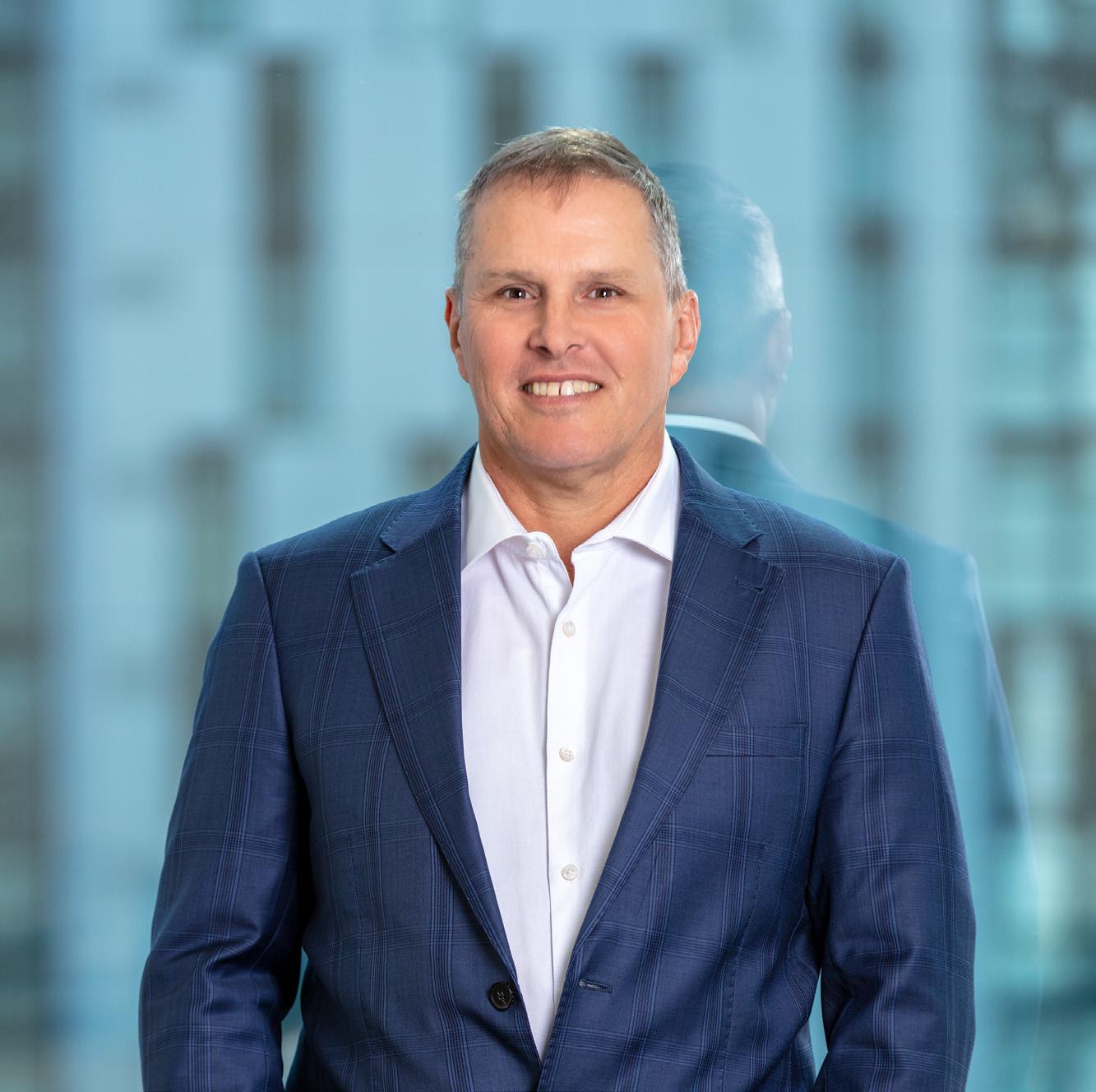
Mark Roberts, CEO, APAC region, Alsco Uniforms.
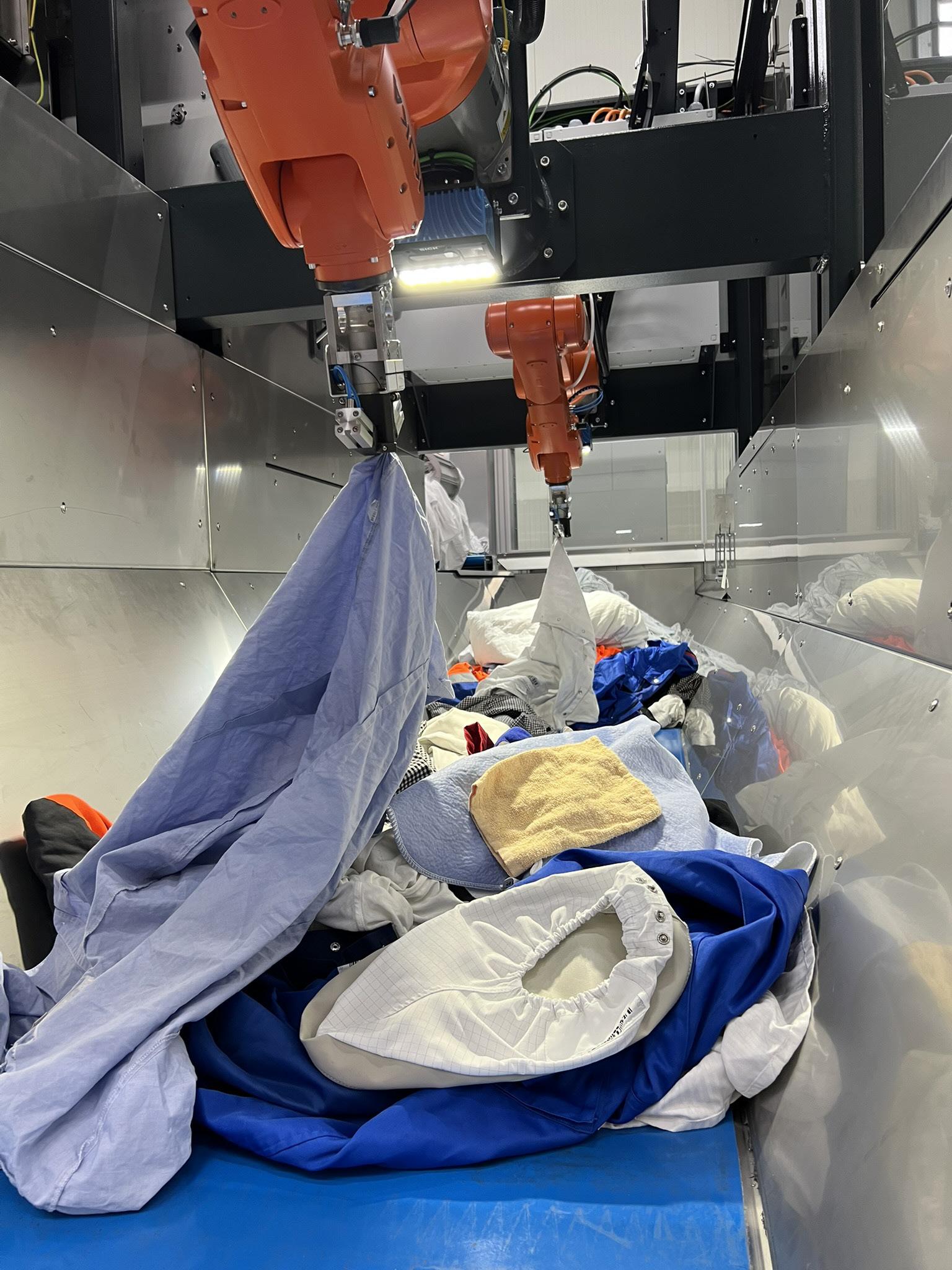
When discussing sustainable corporate management, strategies, metrics and commitments are often at the forefront. However, ESG principles only become truly effective when they are implemented operationally, in processes, technologies and concrete investments. This is precisely where Thielen Automation comes in.
The family-owned company based in Germany has been developing and delivering sophisticated automation and robotics solutions for industrial applications worldwide for many years.
As a specialist in tailor-made automation concepts, Thielen Automation sees itself not merely as a technology supplier, but as a long-term strategic partner to its customers.
A central element of the company’s philosophy is the conviction that efficiency and sustainability are not contradictory.
Modern automation not only increases productivity and process reliability, it also makes a significant contribution to conserving resources, reducing energy consumption and improving working conditions. In industries with high throughput and demanding quality standards, intelligent robotics solutions create measurable ecological and economic advantages.
Through close collaboration with international customers, including global market leaders such as Alsco Uniforms, Thielen Automation develops solutions precisely tailored to specific production and logistics requirements. The focus is not solely on technical performance, but on sustainable overall strategies: durable system designs, low-maintenance solutions, energy-efficient components and long-term future security through modular engineering concepts.
The clear ESG orientation highlighted in the interview with Alsco Uniform’s leadership is also reflected in the spirit of partnership. Sustainability is not viewed in isolation, but across the entire value chain. For Thielen Automation, this means designing projects to deliver long-term value, both ecologically and economically. Automation systems are engineered with the ambition to operate reliably for many years while continuously offering opportunities for optimization and efficiency gains.
At the same time, the company continuously invests in advanced engineering environments, digital simulation methods and energy efficient production processes. Innovation is not pursued as an end in itself, but as a meaningful contribution to responsible industrial progress.
The international footprint of many of its customers opens additional perspectives. Global markets demand scalable solutions, intercultural project expertise and dependable partnerships. Thielen Automation combines German engineering excellence with flexible project execution, supporting customers from the initial concept phase through implementation and long-term operational support.
At a time when ESG is no longer merely a buzzword but a strategic imperative, one thing becomes clear: sustainability is not created through declarations alone, but through concrete technological decisions. Thielen Automation sees itself as an active contributor to this transformation, through innovative robotics, intelligent automation and a clear commitment to responsible entrepreneurship.
www.thielen-automation.com



Laundries are at the heart of the circular economy. At Kannegiesser, we are proud to support this sustainable industry as a global partner to Alsco and textile services worldwide.
We design durable, resource-efficient laundries built for long-term performance. Advanced technology, responsible engineering and a clear focus on sustainability guide everything we do. Together, we shape the future of textile care.
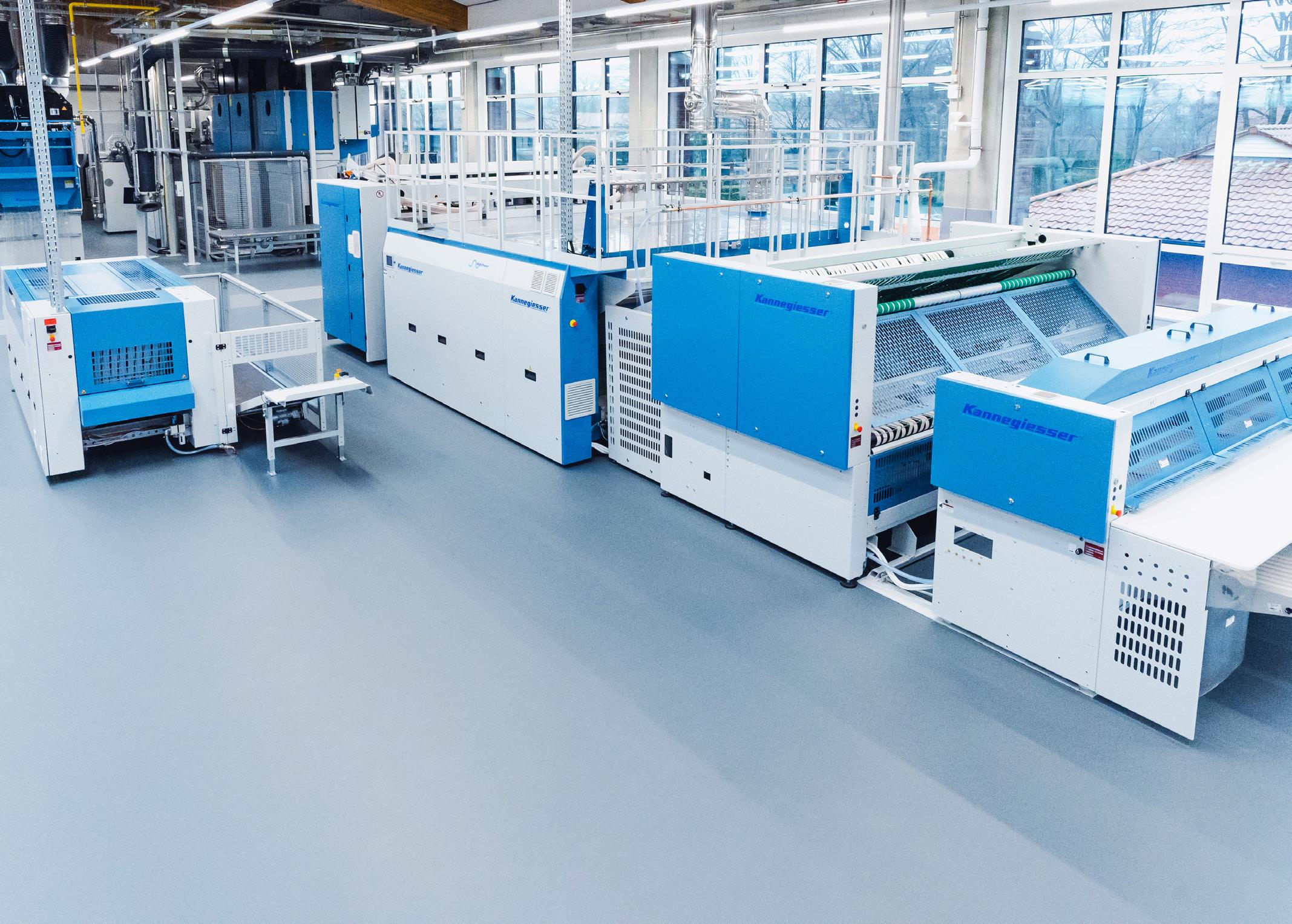
TECHNOLOGY PARTNER FOR INDUSTRIAL LAUNDRIES WORLDWIDE
Kannegiesser is a leading manufacturer of machinery and system solutions for industrial laundries. Headquartered in Germany and with production sites in Europe and the USA, the company supports textile service providers around the globe, including long-standing partnerships with international operators such as Alsco Uniforms.
For more than 75 years, Kannegiesser has developed high-performance systems designed for continuous industrial operation. The portfolio covers the entire laundry process, from sorting and washing to flatwork and garment finishing, automated transport systems and digital production management. Each solution is engineered to integrate seamlessly into existing environments or new greenfield facilities.
A high level of vertical integration defines the company’s manufacturing approach. Key components are produced in-house, from precision sheet metal processing and automated welding to assembly and quality control. This ensures consistent standards, durability in demanding environments and long-term availability of spare parts and service.
Sustainability is embedded in system design. Efficient water recovery, optimized heat utilization and intelligent control technology help reduce energy, water and chemical consumption while maintaining stable, high throughput. Digital solutions within the SmartLaundry portfolio provide transparency across production and enable data-based performance optimization.
By combining engineering expertise with in-depth industry knowledge, Kannegiesser delivers robust, resource-efficient technology that supports reliable operations and measurable environmental progress in modern textile services.
www.kannegiesser.com
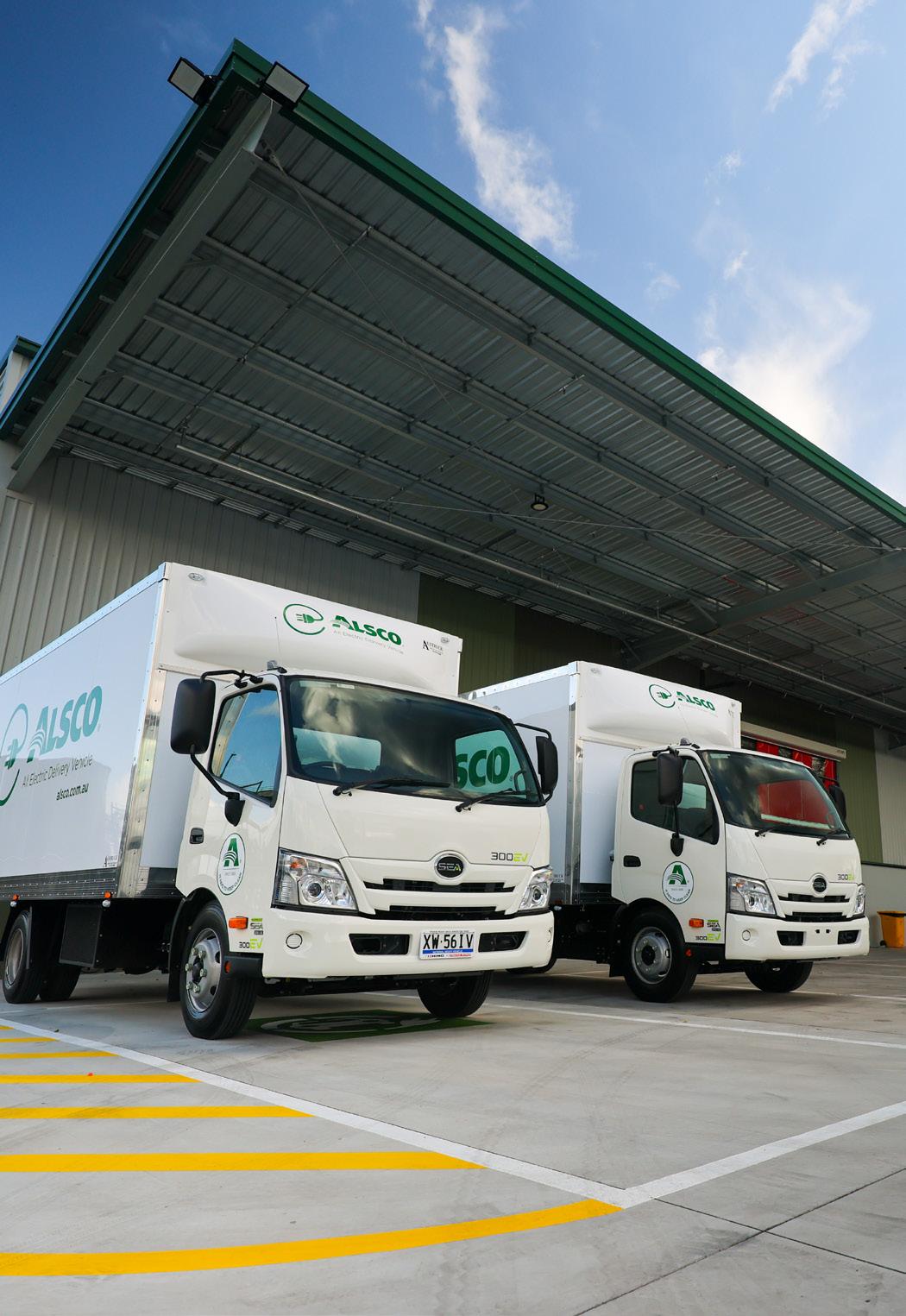
Since then, one of Alsco Uniforms’ most significant achievements has been the company’s transition away from coal in its South Island, NZ operations. Historically, coal had been the only viable energy source for several sites in the region.
“We wanted to complete the transition from coal by 2030,” Mark reports. “Instead, we achieved our goal well ahead of schedule, transitioning to new energy sources in 2025.”
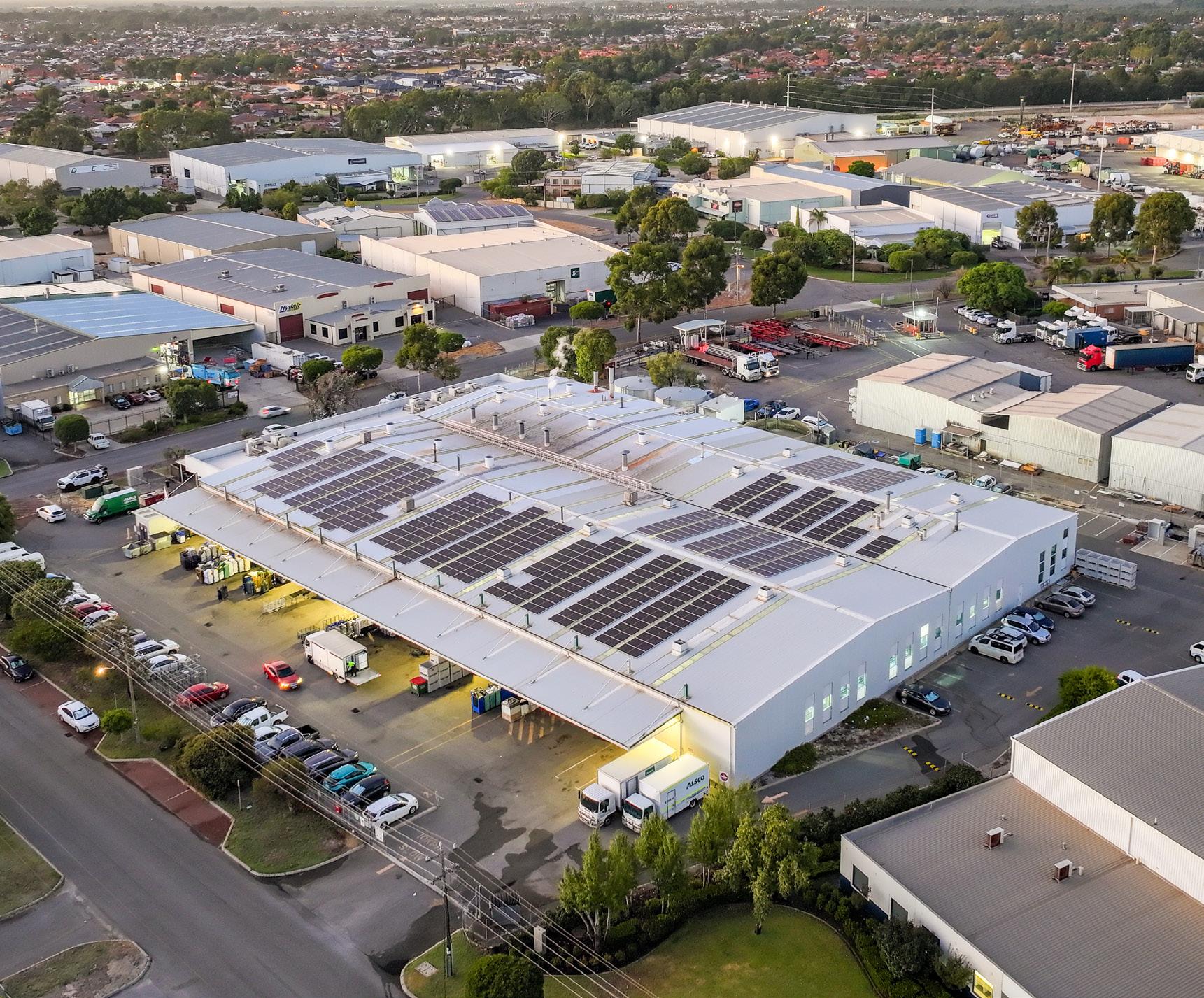
Today, renewable energy has become an increasingly important component of Alsco Uniforms’ energy mix. Solar installations now operate across multiple facilities.
“We’ve got ten major solar installations throughout the region, with more planned for the future,” Mark notes. “Currently, we’re creating around 2,000 kWh of solar power and that number is growing.”
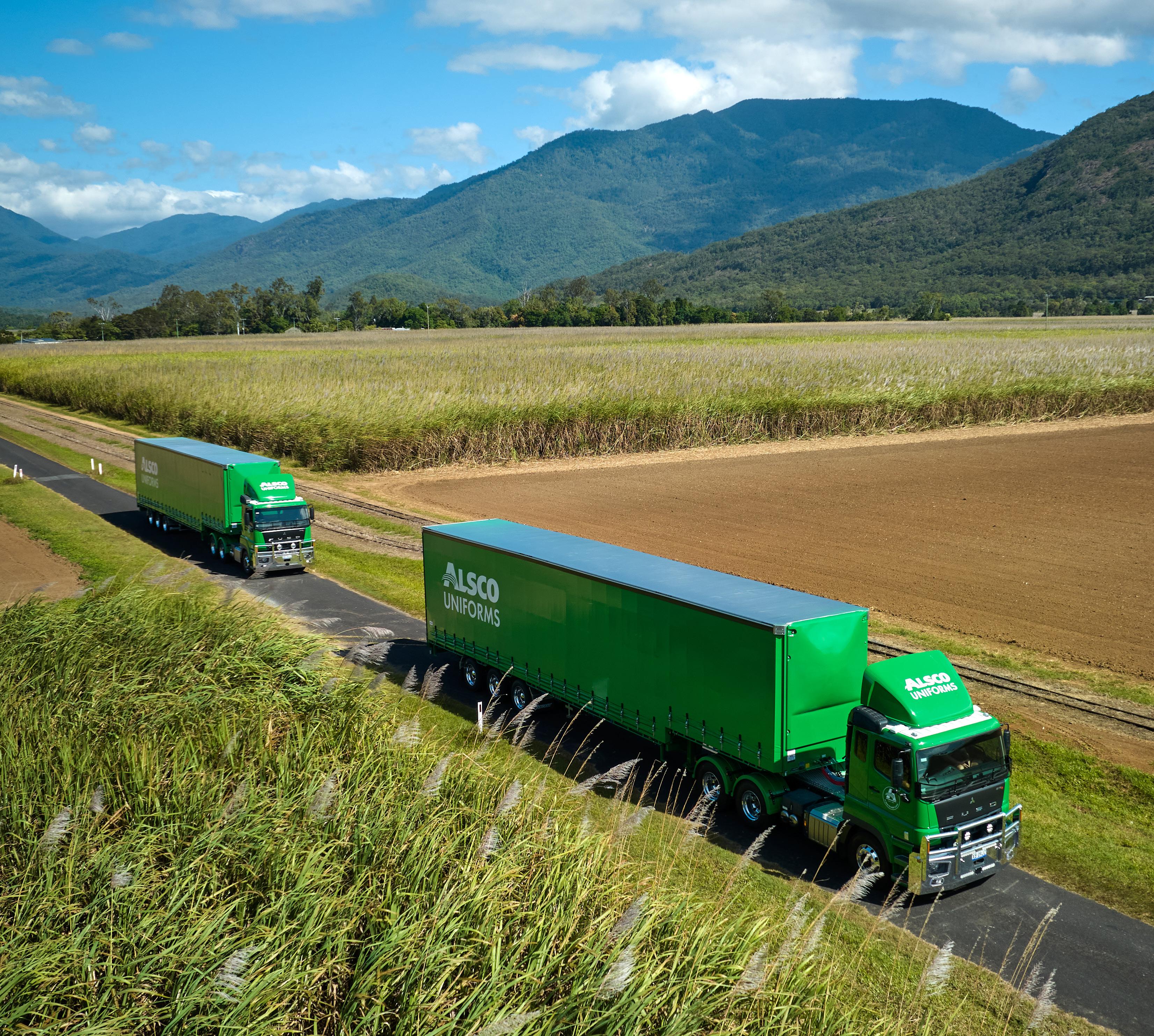
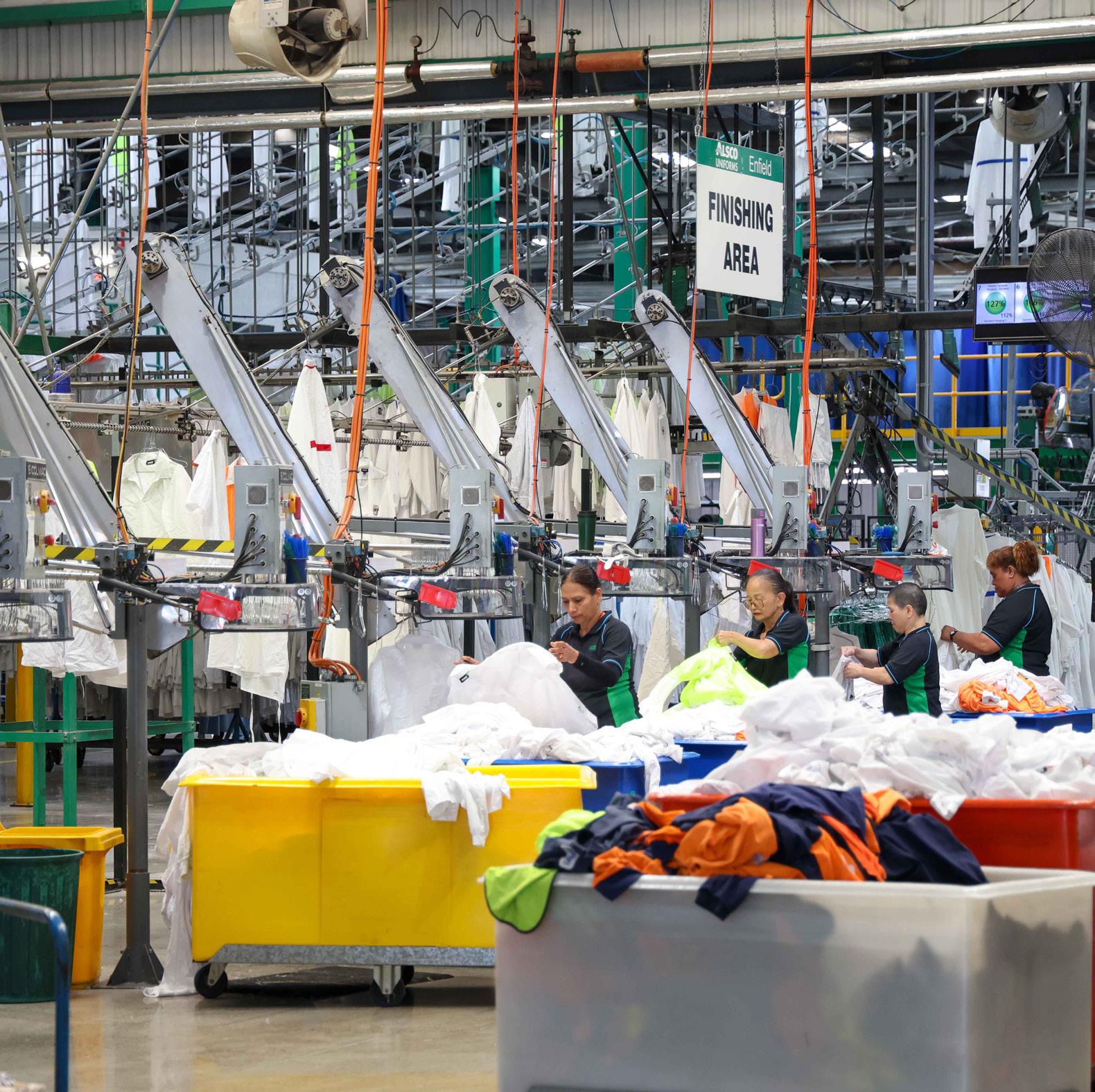
Because laundry processing requires substantial energy input, Alsco Uniforms has prioritised improvements inside its plant operations rather than focusing solely on fleet or transport initiatives.
To accelerate these efforts, the company recently appointed a dedicated Energy and Utilities Manager responsible for identifying efficiency improvements and new technologies.
“He did such great work for us in New Zealand that I convinced him to come and make a difference in Australia,” Mark reveals. “That work has included upgrades to boilers, heat recovery systems and heat pump technology, as well as detailed engineering improvements across our facilities. Without the creation of this dedicated role, we could never have achieved so much.”
As the company’s environmental initiatives have expanded, they have also attracted increasing industry recognition. Alsco Uniforms recently received the NSW Government Sustainability Leadership Award for Large Business, along with the TRSA Clean Green Award, recognising the company’s leadership in responsible textile services. The organisation was also named a finalist in the New Zealand Energy Excellence Awards 2025, reflecting the impact of its energy efficiency initiatives across the region.
The scale of these operational changes highlights the importance of long-term supplier relationships. Roberts emphasises that many of the company’s sustainability advances have been made possible through collaboration with specialist technology providers. Among these partners are Kannegiesser, the German industrial laundry equipment manufacturer, Ecolab, and Thielen Automation.
“We really value key equipment providers helping us embrace sustainable solutions,” Mark declares. “The likes of Kannegiesser, Ecolab, and Thielen Automation have been very supportive.”
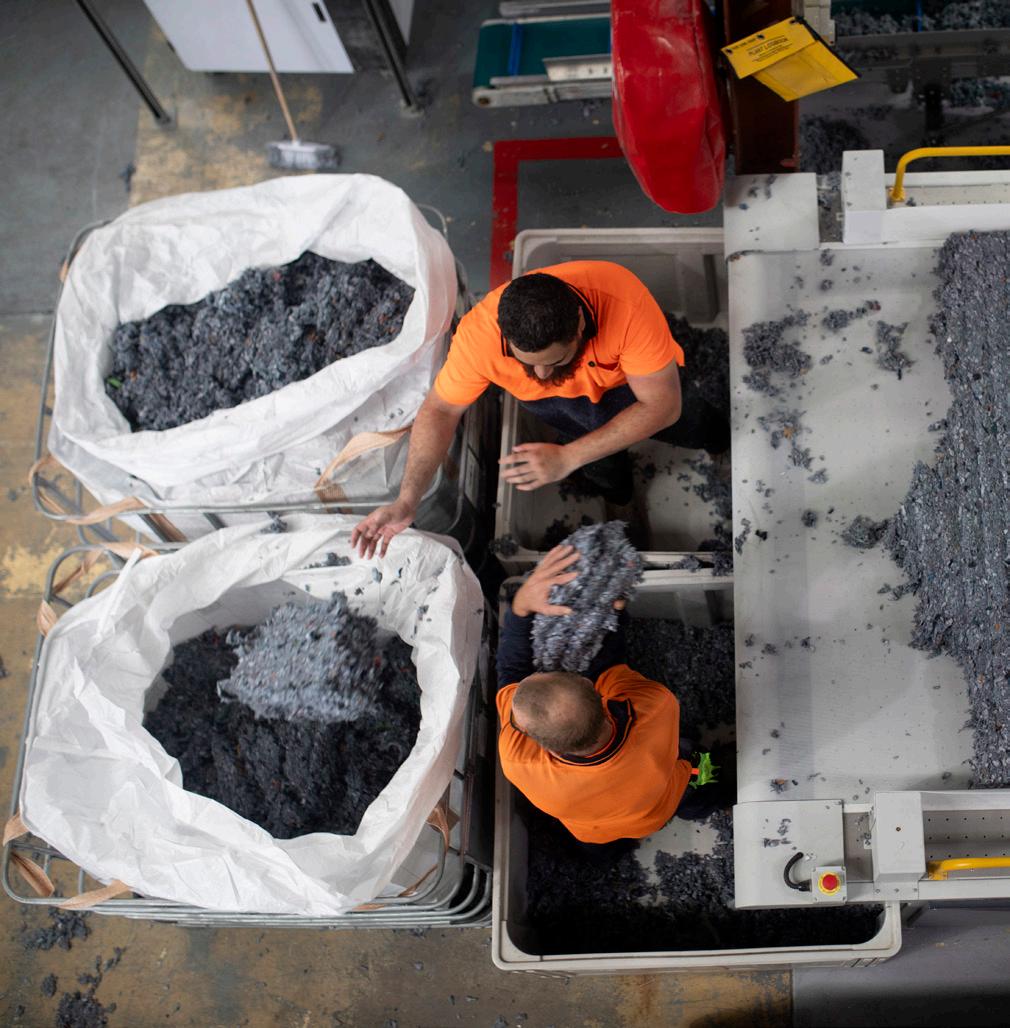
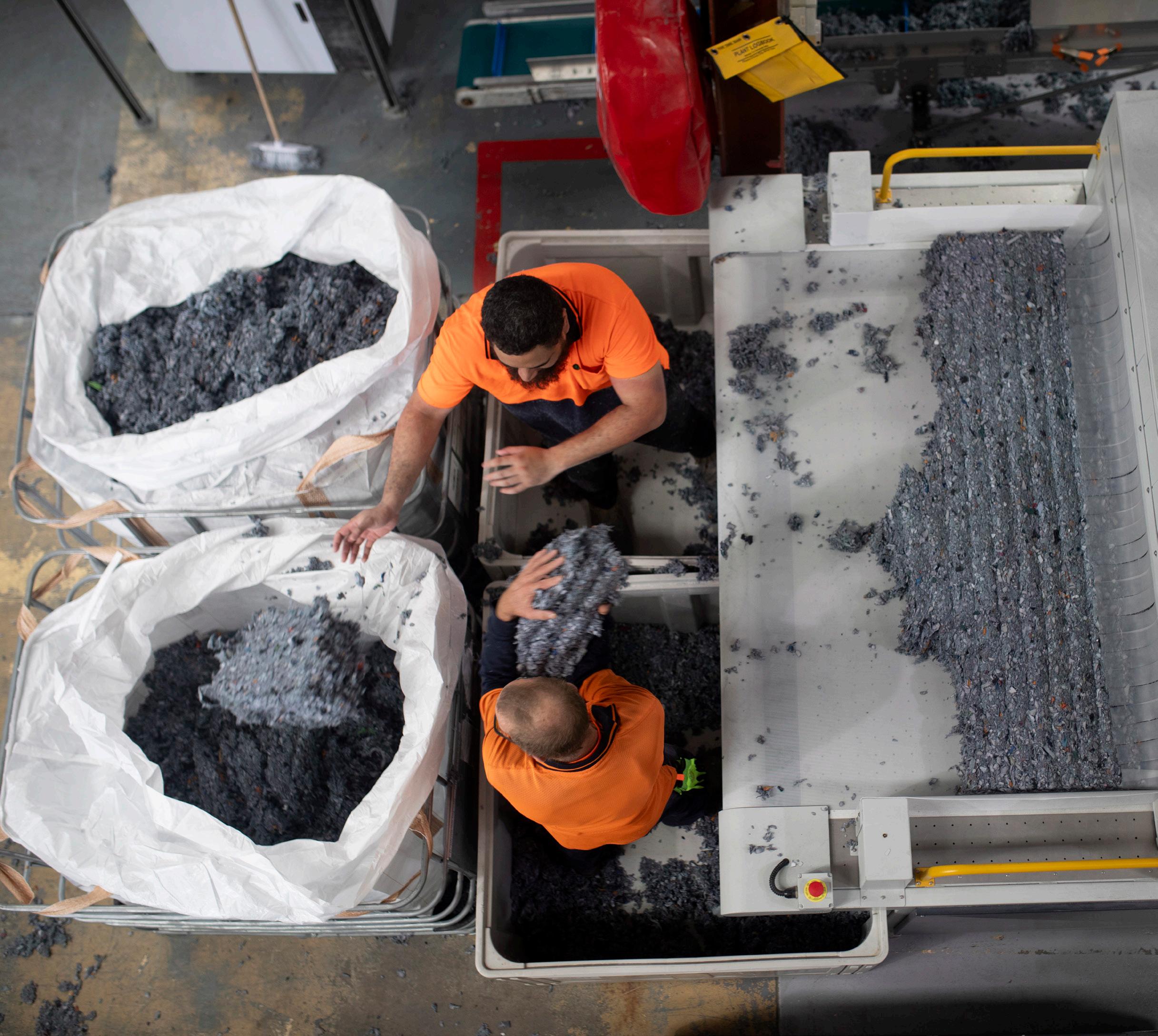
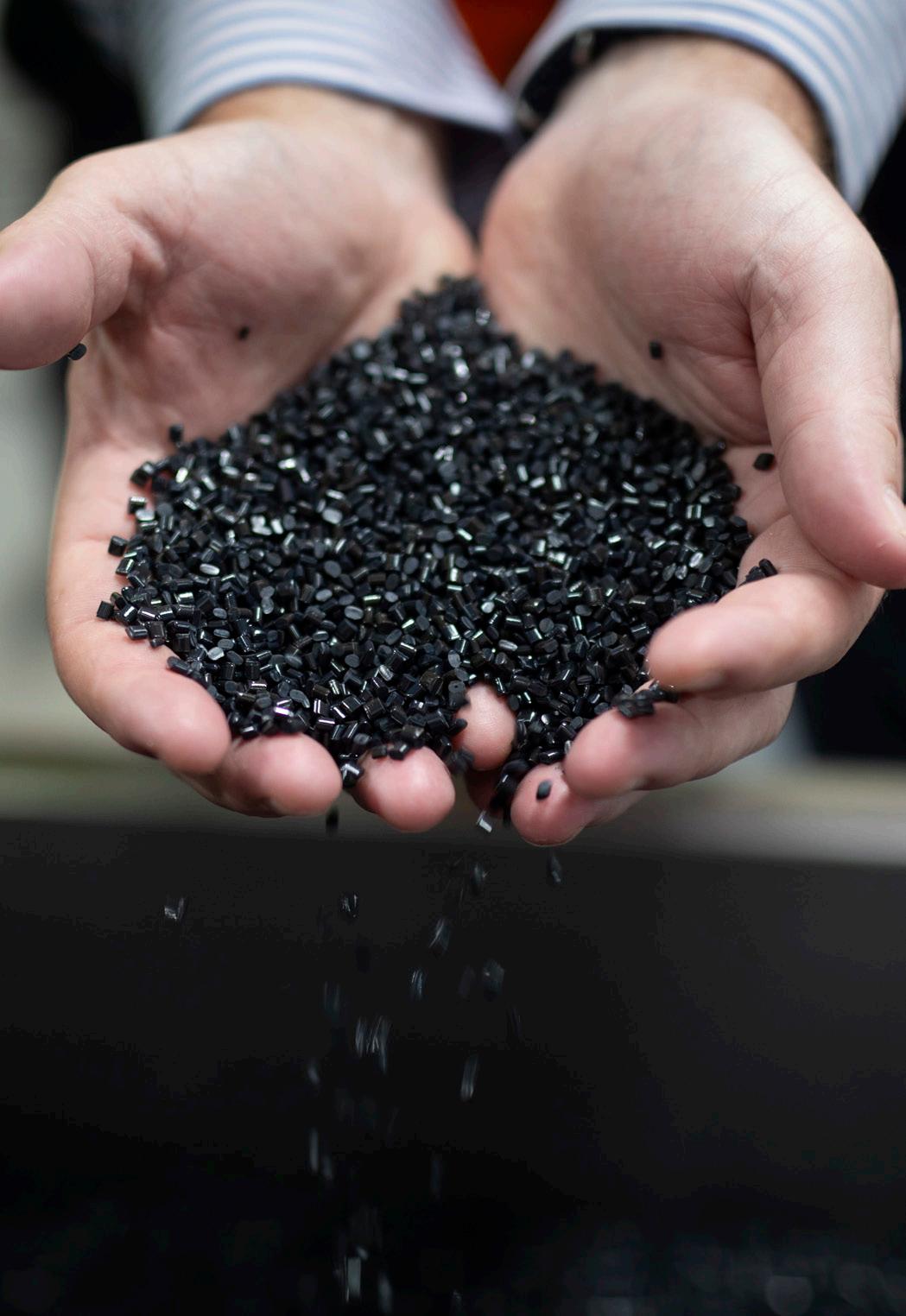
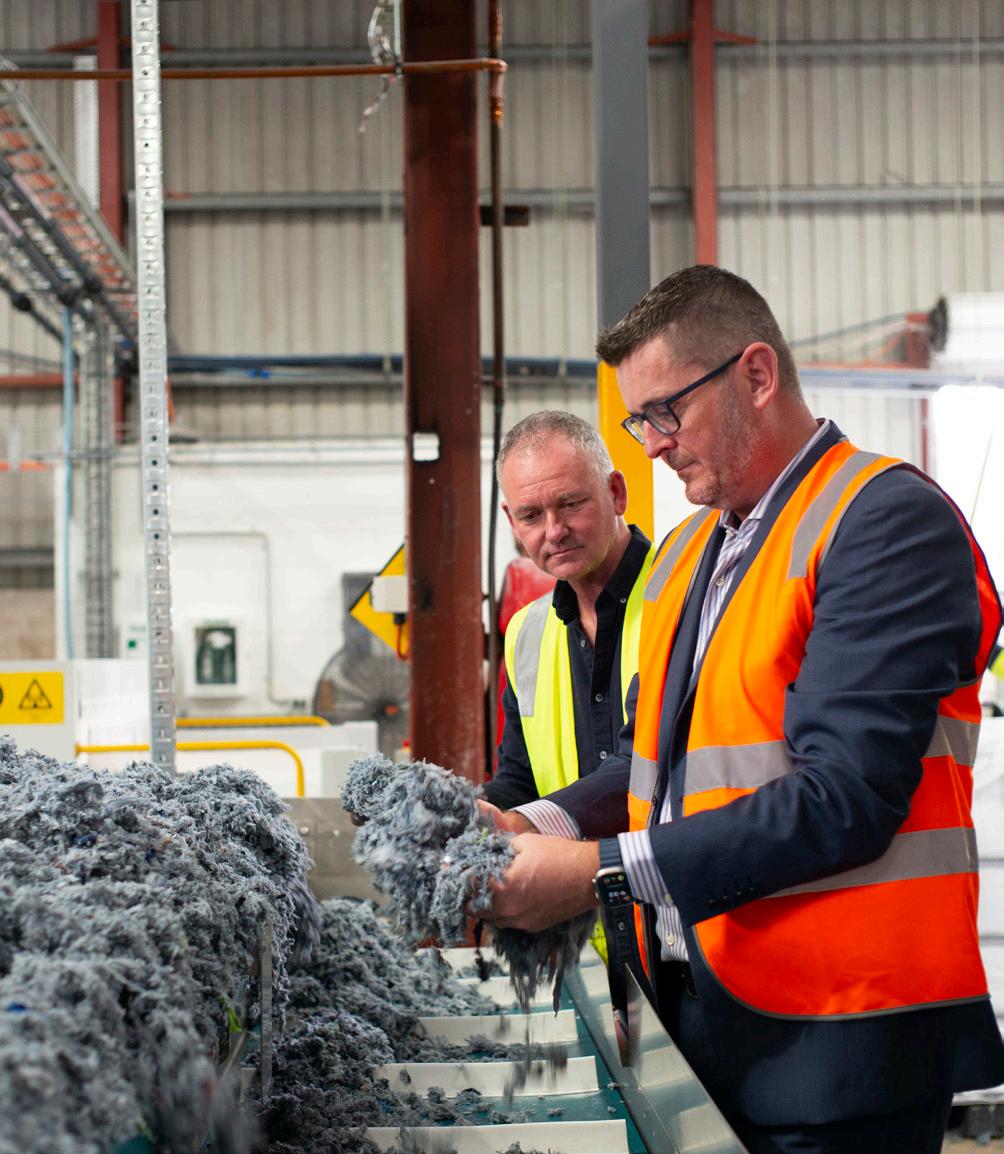
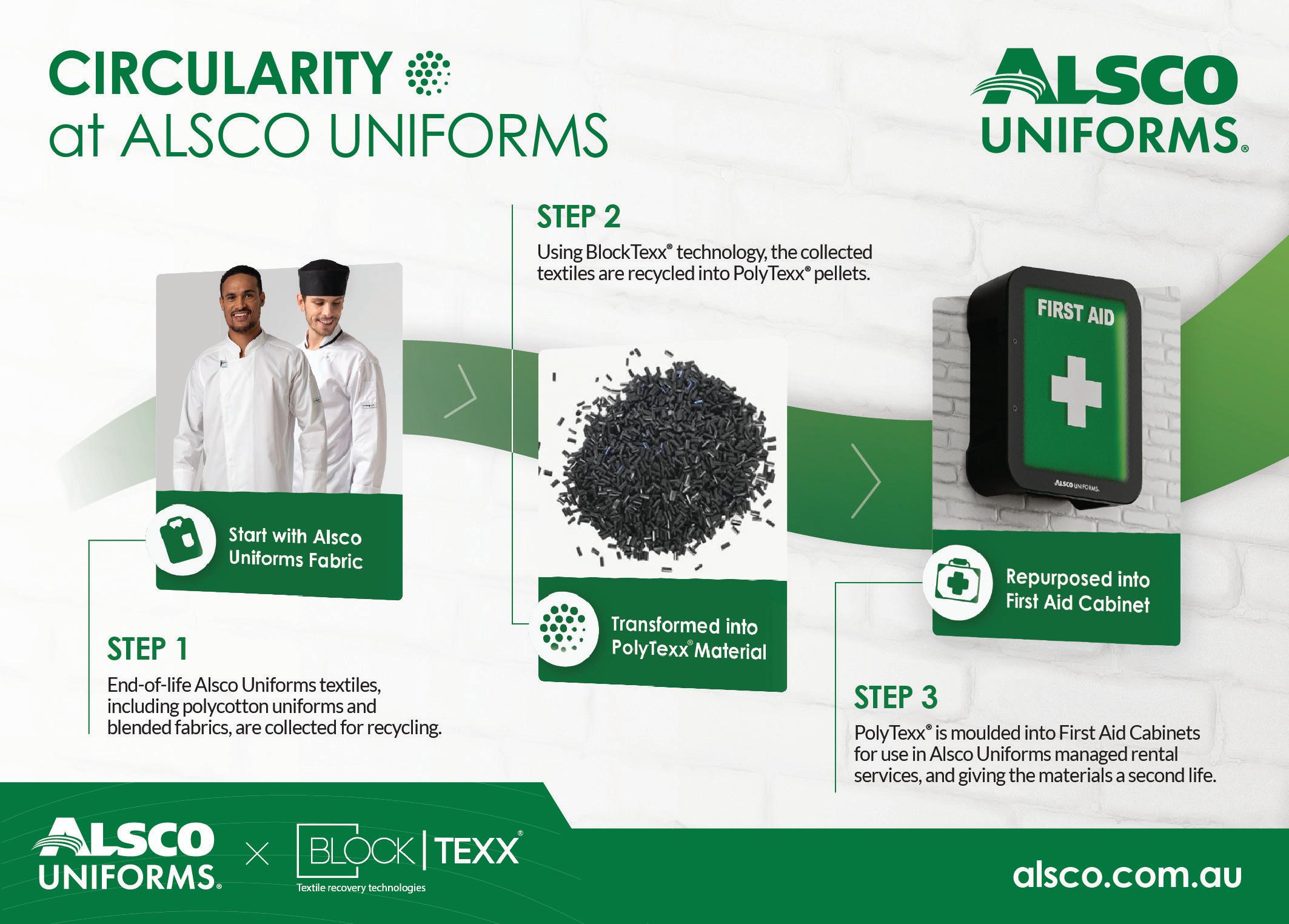
Another key partnership has played a central role in the company’s circular economy ambitions. Alsco Uniforms was an early supporter of Australian recycling technology company BlockTexx, which developed a process capable of separating blended textiles into reusable materials.
“We got introduced to BlockTexx in 2018,” Mark explains. “They told us they were developing the science to break textiles down to the raw cellulose from cotton and PET from polyester.”
After several years of research and development, the system became commercially viable and Alsco Uniforms began sending end of life textiles for processing.
“So far, we’ve diverted one and a half million kilograms of textiles from landfill,” Mark says. “Those fibres are now repurposed into recycled materials that can be used in new manufacturing applications.”
In Alsco Uniforms’ case, the next stage of the project will bring the process full circle.
“We’re going to be making our first-aid cabinets out of the recycled PET products,” Mark comments. “We’ll be turning textiles we’ve rented to customers into new equipment for our business.”
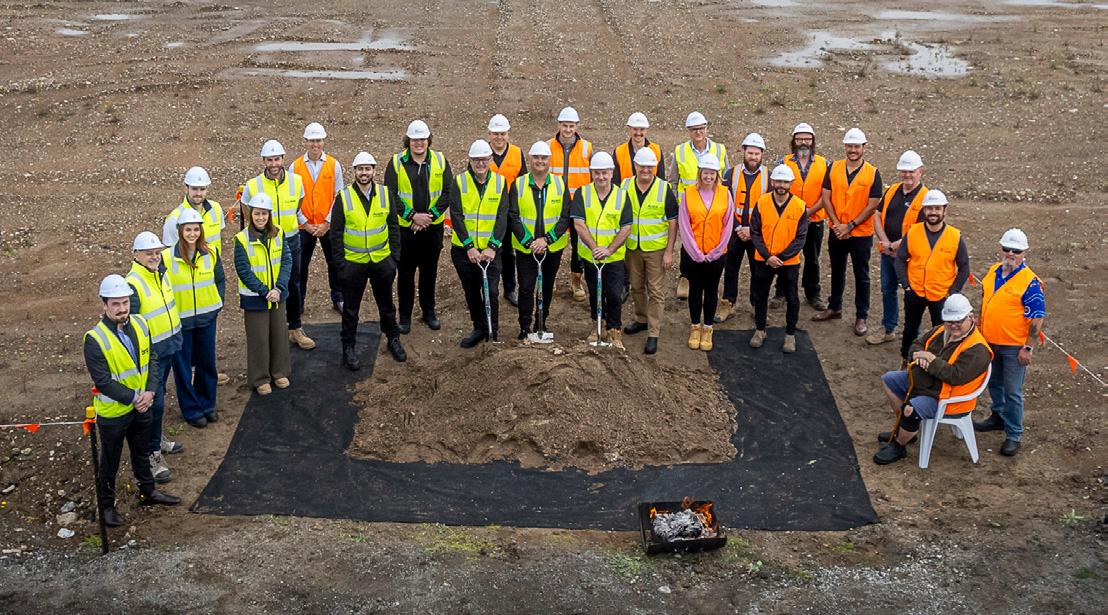
Alongside environmental initiatives, Alsco Uniforms has maintained a strong focus on community partnerships and employee wellbeing. In Australia and New Zealand, the company works closely with organisations including Orange Sky, which provides mobile laundry and shower services for people experiencing homelessness.
“Orange Sky has quite a nice story about a couple of young guys who started a mobile laundry service for homeless people,” says Mark. “The synergy for us was obvious. They do laundry and we do laundry.”
Additional partners include the Taronga Conservation Society, where the company supports a programme that helps care for Australia’s iconic platypus, alongside collaborations with the RSPCA and community organisations such as the Bill Crews Foundation.
Across the business, local branches also maintain their own community partnerships and volunteer initiatives. Staff frequently participate in charity work during company time, helping to prepare meals or support community projects.
For Mark, these activities are central to maintaining a positive culture within the organisation. “It gives people a sense of pride to see a business doing positive things for the environment and for the community,” he asserts.
Alsco Uniforms’ positive impact is not just felt externally but internally too. For instance, employee wellbeing continues to be addressed through practical initiatives inside the workplace.
“During the cost-of-living crisis, we introduced a daily breakfast programme for staff across our branches. We saw a chance to make a difference, so now many of our staff receive breakfast before they start work.
“It’s a simple but effective initiative,” Mark continues. “It doesn’t cost us a lot of money, but we’ve had a lot of appreciation from staff.”
Despite the scale of these efforts, Mark is keen to emphasise that wellbeing and sustainability should not
become exercises in corporate messaging. Authenticity, he believes, remains essential.
“It’s critical that you’re authentic,” he says. “People see through it when you’re not genuine.”
Authenticity shapes how the company communicates its environmental progress. Rather than aggressive marketing, Alsco Uniforms prefers a steady approach based on clear results.
“There is no point doing all these things and allowing it to be a secret,” says Mark. “You have to be a little proud of what you’re achieving, but you shouldn’t force it down customers’ throats. We believe it is important to celebrate and share our successes, but as a business, we remain grounded, humble, and acknowledge that there is a lot more work to do.”
Ultimately, the company’s philosophy is rooted in a simple idea that guides decision making across the organisation.
“The philosophy is really about using less,” Mark concludes. “Using fewer resources and less energy is a pretty good philosophy to run your business by.”