
LINE
GENERAL MANAGER'S MESSAGE:
CELEBRATING 80 YEARS OF SERVICE
When Central San was founded in 1946, it had a service area population of about 15,000 people, 16.5 miles of pre-existing pipe, and no treatment plant. There have been a few changes since then! Today, we serve nearly half a million residents and over 15,000 businesses. We maintain over 1,500 miles of neighborhood sewer pipes and clean more than 13 billion gallons of wastewater at our regional treatment plant each year.
From humble beginnings, we’ve grown to become one of the best in the nation at what we do. As we reflect on our history, we remain focused on the future to ensure we can continue to provide exceptional service for the next 80 years and beyond. Currently, we are working on some of the most significant upgrades to our treatment plant in nearly half a century. We are testing innovative wastewater treatment technologies that could help us meet stringent new nitrogen limits at a lower cost than traditional methods. In addition, we are inspiring the water workforce and environmental stewards of tomorrow through our award-winning internship and education programs. You can read more about all these efforts in this issue of Pipeline.
While many things have changed since 1946, one thing remains constant: Central San's unwavering commitment to the people and communities we serve. To celebrate our 80 years of service, we are hosting an Open House on Saturday, June 13. I would like to personally invite you to join us for this free, once-in-a-decade event. Come meet our dedicated employees and learn more about the work we do every day to protect public health and the environment.
We hope to see you there!
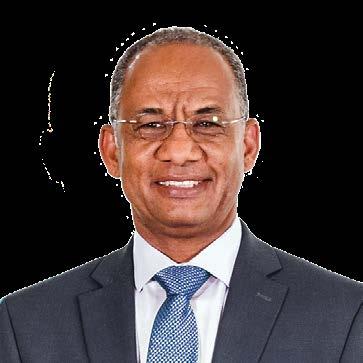
Roger S. Bailey General Manager

Join us for a free, community-wide event celebrating Central San’s 80 years of service!
RAFFLE TICKET
Bring this ticket to the Welcome Table at the event to enter our prize drawing! We’ll be giving away Earthfriendly prizes from local businesses and organizations. Limit: one entry per household.
NAME:
PHONE NUMBER:
ADDRESS: SATURDAY,
CELEBRATE
13, 10 A.M. – 2 P.M.
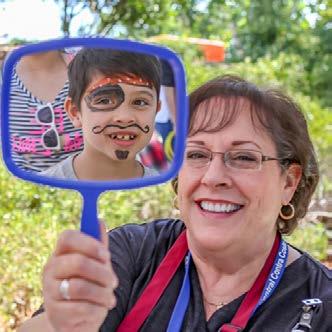
We’re pulling out all the stops for this once-in-a-decade sewer party, featuring tours, games, and fun for all ages. And did we mention there will be free food and ice cream? We can’t wait to see you there!

WHAT TO KNOW
Parking: Free off-site parking and shuttle service will be available. The shuttle ride includes a short introduction to Central San and a driving tour of our treatment plant. For a map and directions to parking, visit: centralsan.org/80th
EVENT HIGHLIGHTS
• Demonstrations of our big trucks, tools, and equipment
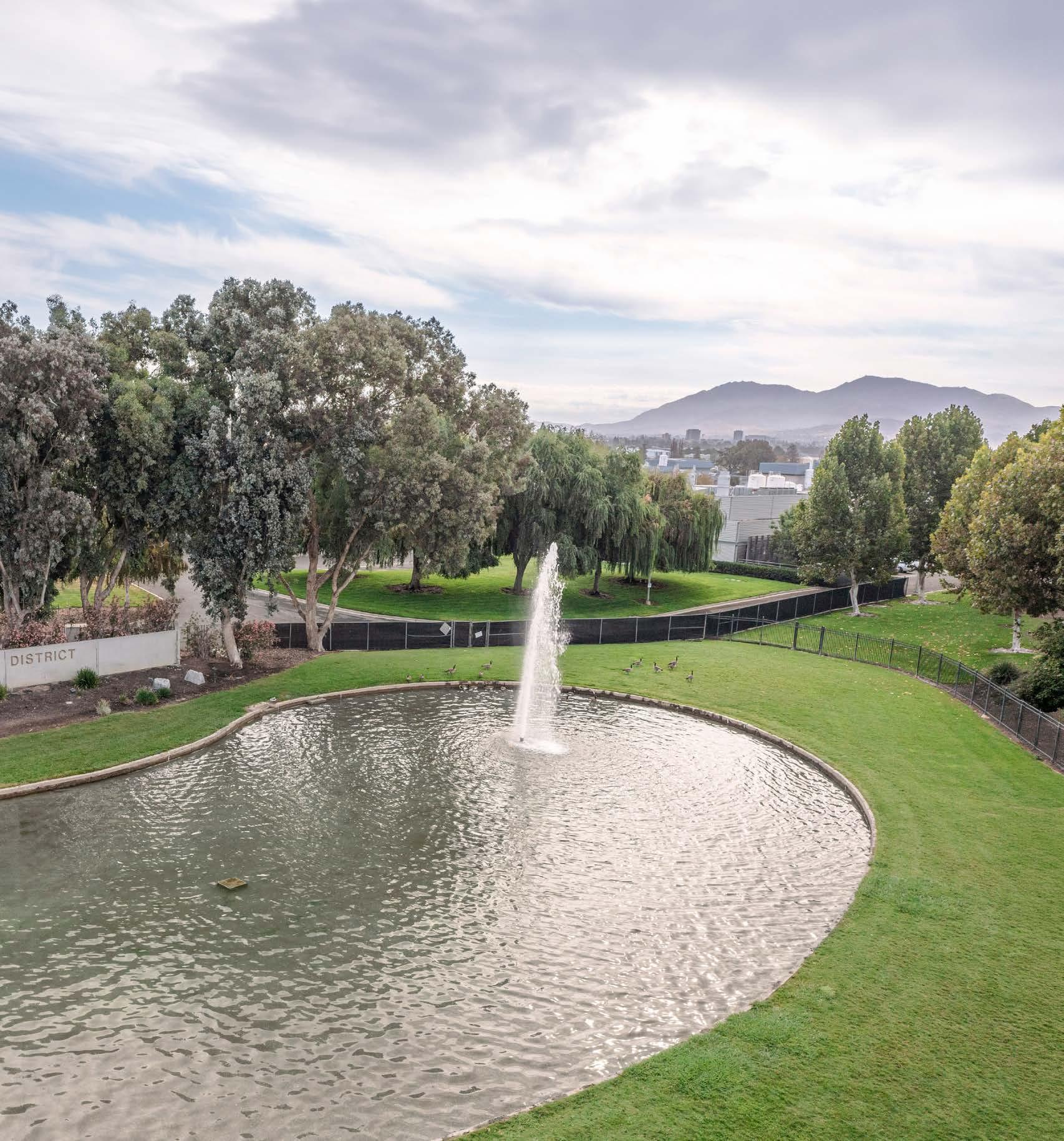
Tours: Join us on a behind-the-scenes walking tour of our treatment plant and see how we clean millions of gallons of wastewater every single day! Space is limited, so we strongly encourage you to preregister for a tour time by scanning the QR code or visiting: centralsan.org/80th
Bring your reusable water bottle. We’ll have a refill station available.
No pets, please, except for service animals.

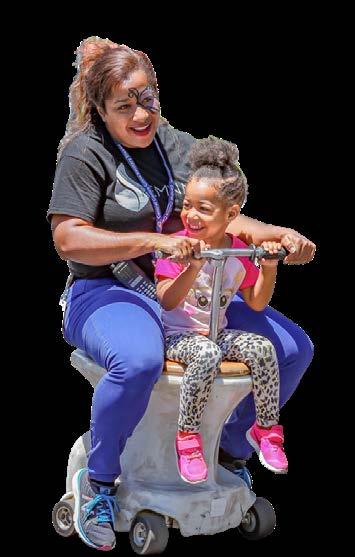
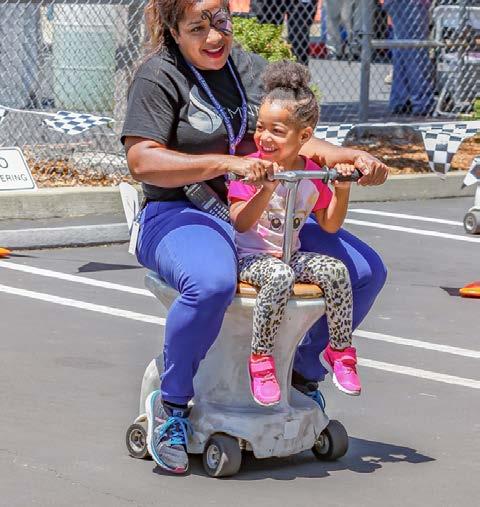
• Toilet racers (like go-karts, but with toilets!)
• Free food and ice cream
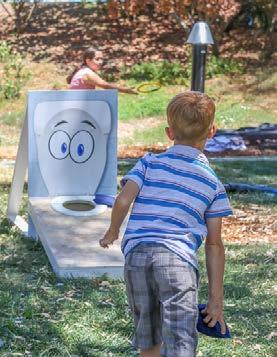
• Interactive games, crafts, and activities
• Tours of our awardwinning treatment plant and other facilities
• Educational exhibits
• Plus, plenty of surprises!
PREPARING OUR PLANT FOR THE
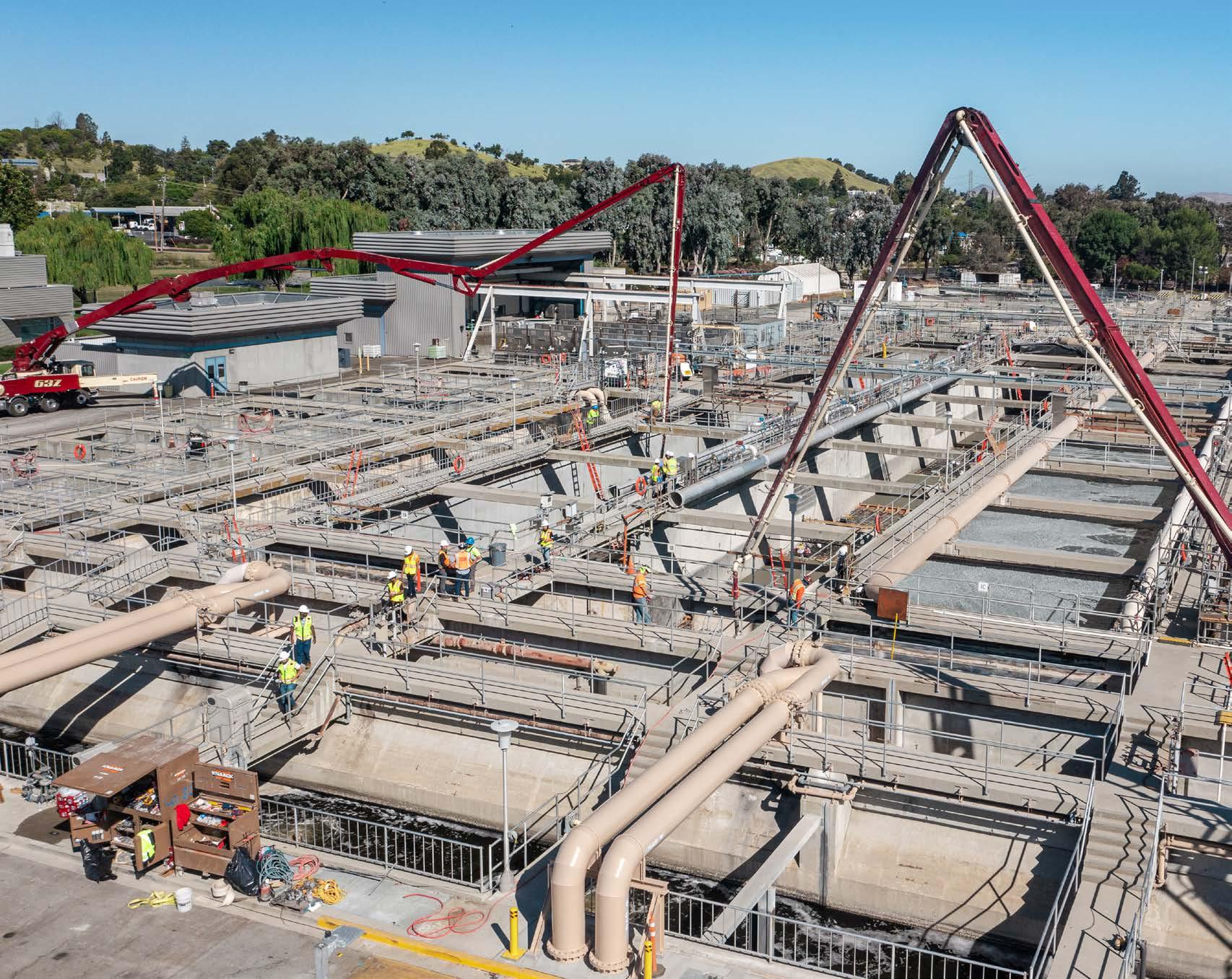
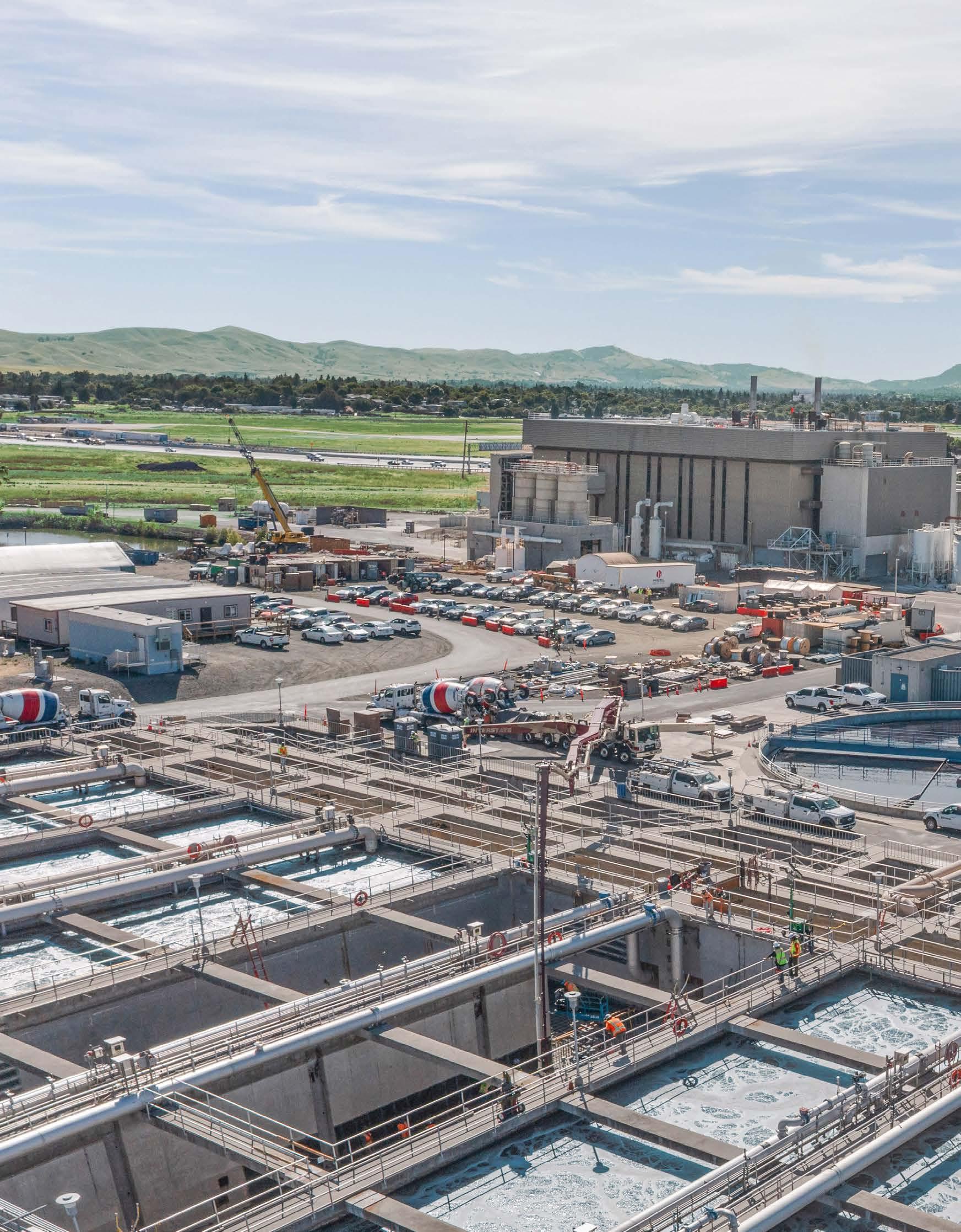
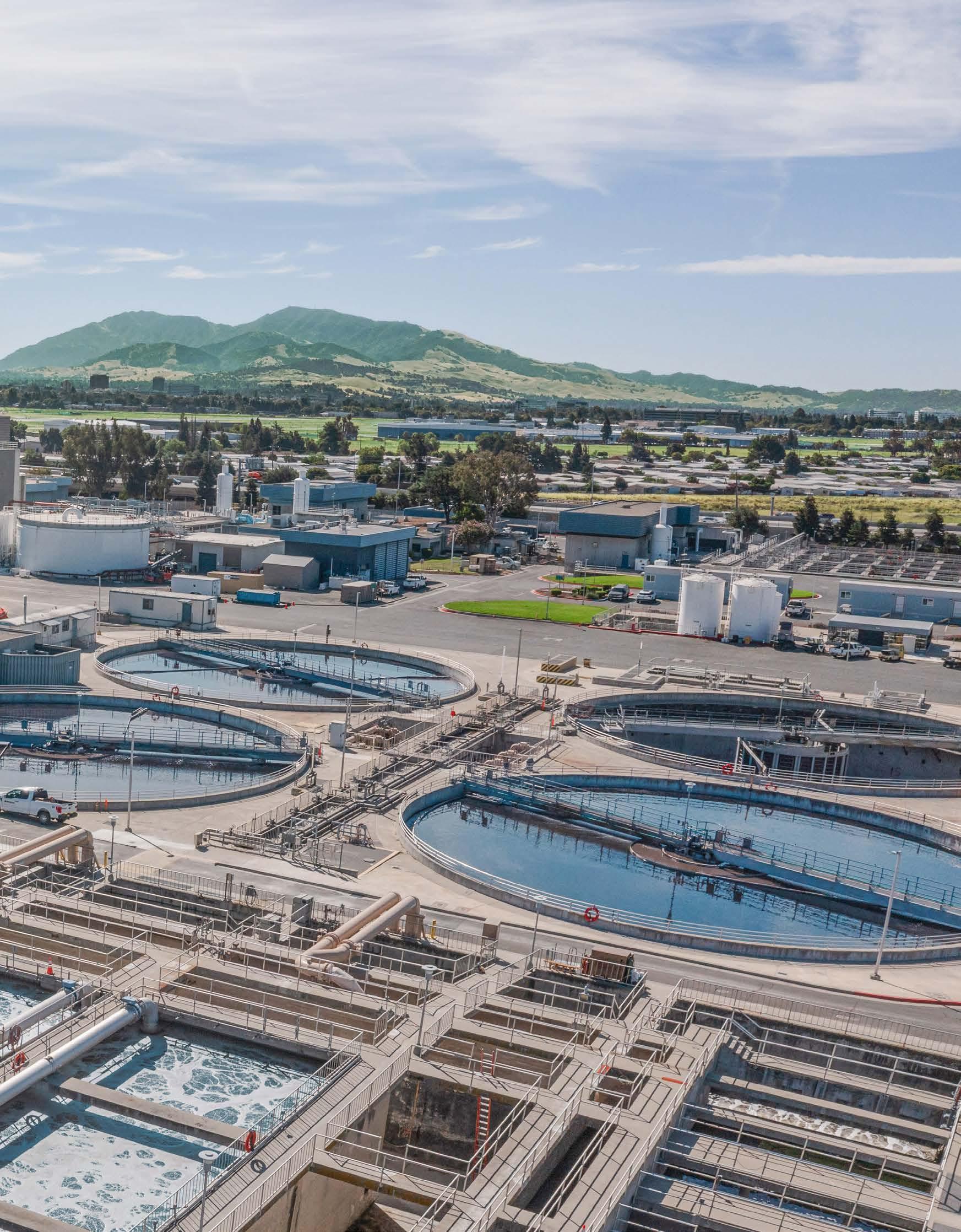
Over the past 80 years, Central San has built, maintained, expanded, and improved our treatment plant to serve our growing community, meet regulatory requirements, and better protect the environment. We’re now at work on some of the most extensive plant renovations since the implementation of the Clean Water Act in the 1970s. These projects will ensure the reliability of our wastewater treatment processes for decades to come.
SOLIDS HANDLING FACILITY
We are making significant progress on a major rehabilitation of our solids handling facility. We have largely completed seismic retrofits to ensure the safety of our employees as well as continued operations in the event of an earthquake. We’re also about halfway through installing new air pollution control equipment to ensure compliance with strict regulatory standards. We expect to complete additional upgrades to the centrifuges, furnaces, electrical, and control systems by 2029.
MABR DEMONSTRATION TEST
This year, we will launch a large-scale demonstration test of Membrane Aerated Biofilm Reactor (MABR) technology—the first test of its kind in California. By enhancing treatment within our existing aeration basins, this innovative technology could help us meet stringent new regulatory limits on nitrogen without the need to build expensive new facilities.
AERATION BASINS
We are wrapping up renovations to two of our four aeration basins. This phase of the project included structural repairs, replacement of aging equipment, and enhancements to instrumentation for process control. We are now focusing on upgrading the electrical systems to enhance reliability and support long-term operations.
FUTURE FUNDING PLANT UPGRADES
Great news! Central San has secured nearly $2.2 million in federal Community Project Funding to support upgrades to our treatment plant, thanks to the extensive efforts of our region's congressional delegation. Congressman Mark DeSaulnier championed a request for $1,092,000 for our upcoming Ultraviolet (UV) Disinfection Project, while Congressman John Garamendi and Senator Adam Schiff advocated for $1,092,000 for the Aeration Basins Project. We are grateful for their leadership and commitment to clean water infrastructure that will benefit our community and the environment well into the future.
Additionally, Central San was awarded a low-cost State Revolving Fund loan to finance the Solids Handling Facility Project, enabling us to spread significant construction costs over time. We continue to explore opportunities to fund these critical improvements while minimizing rate impacts for our customers.
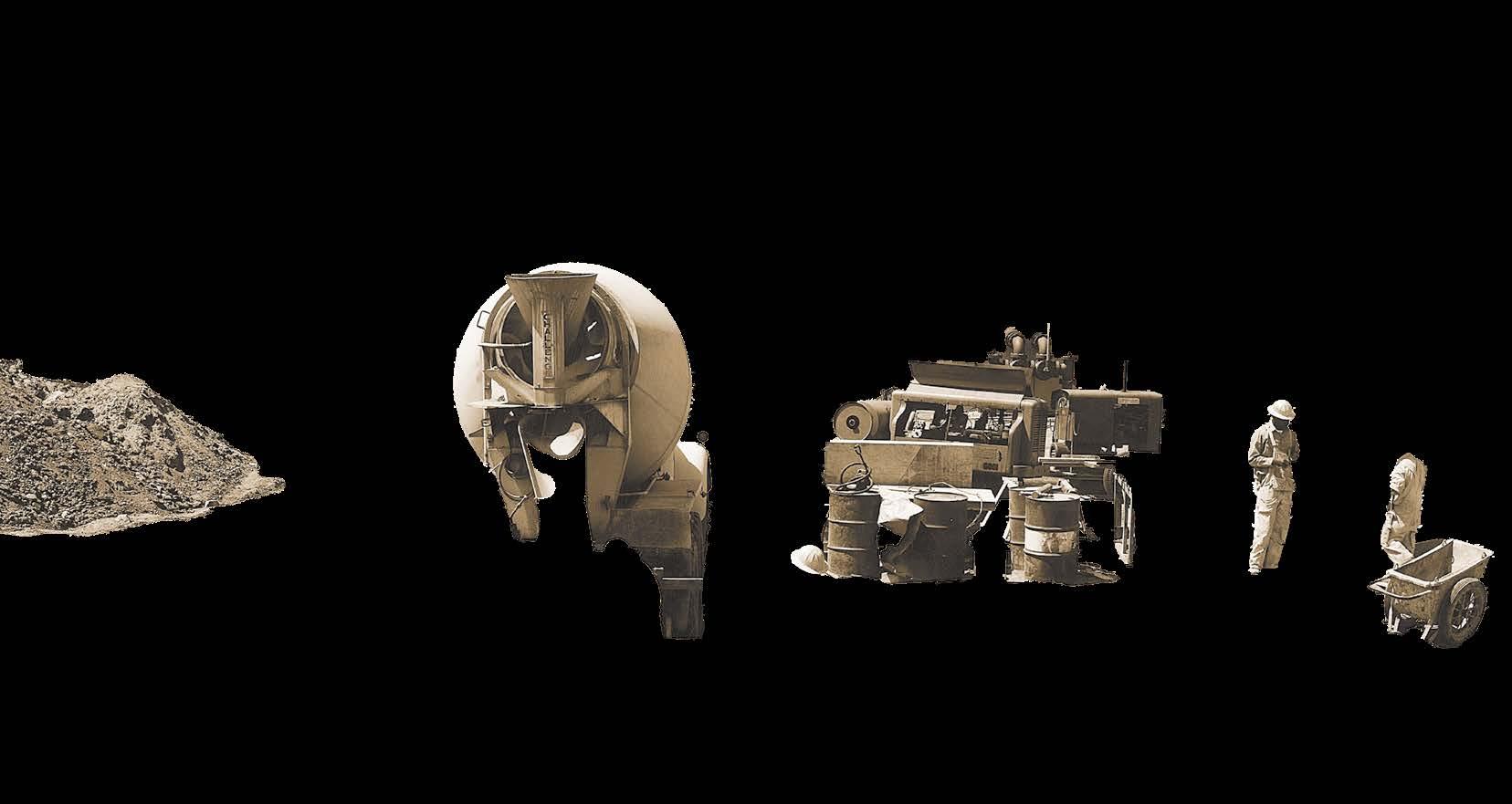
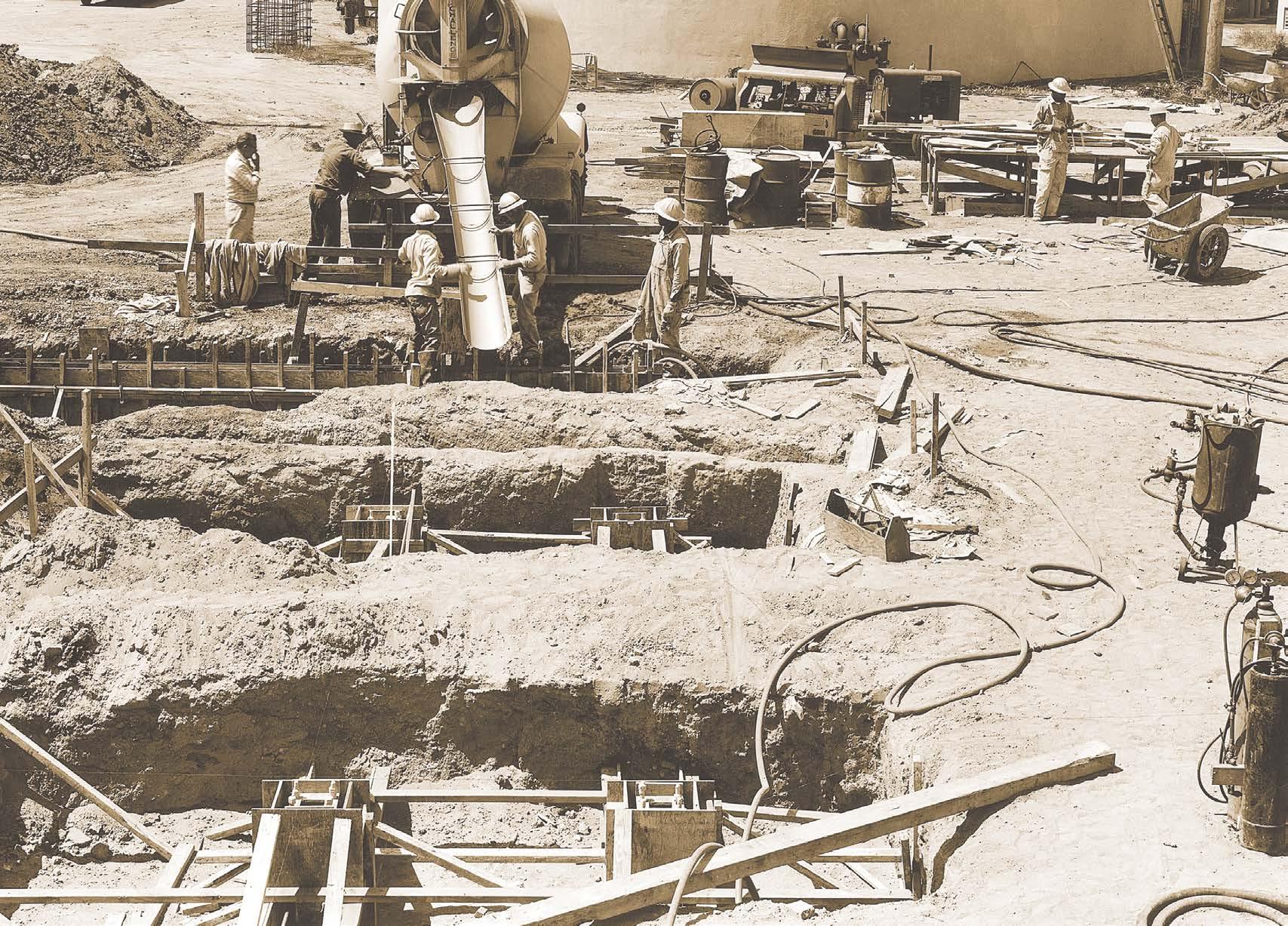
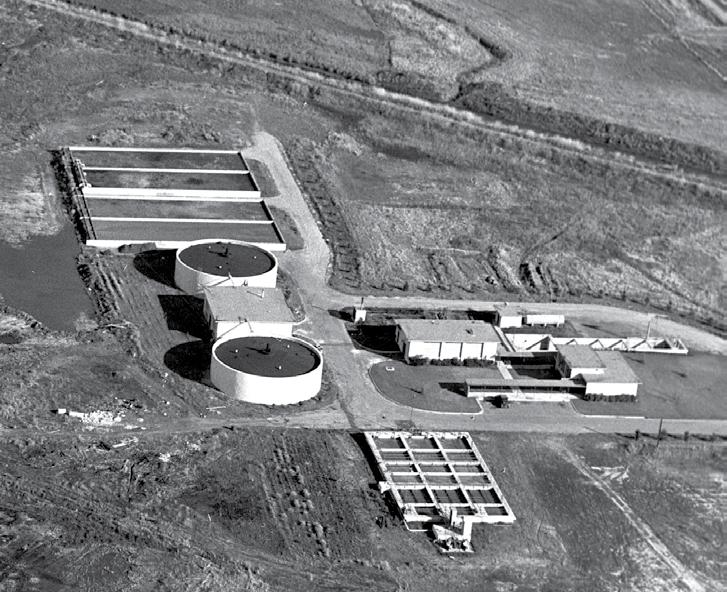
THROWBACK: TREATMENT PLANT 1948
Designed to serve up to 45,000 people, Central San's first treatment plant could process 4.5 million gallons of wastewater per day. Today, our treatment plant can clean up to 54 million gallons of wastewater per day and serves nearly half a million residents.
FACES OF THE FUTURE
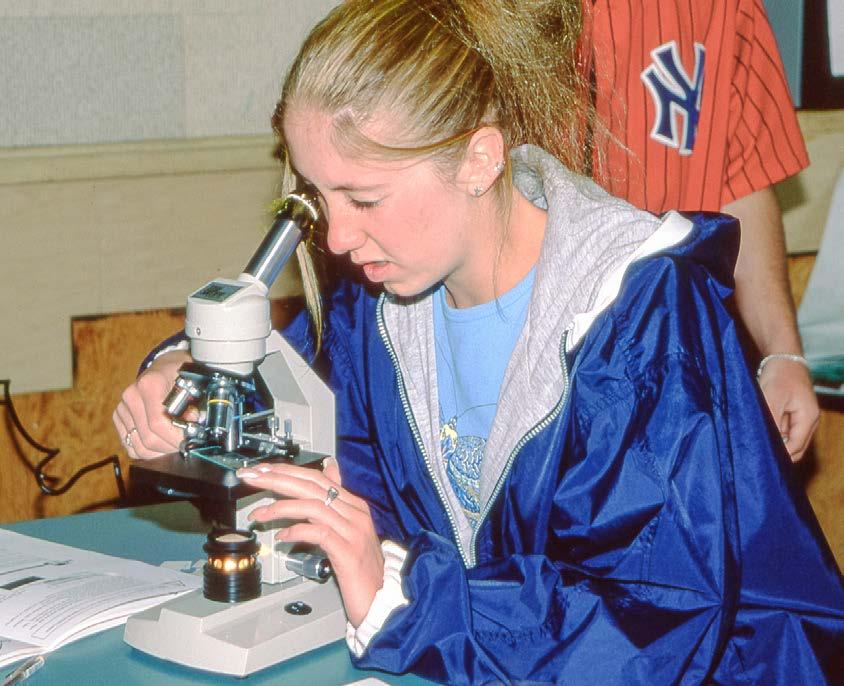
As we look towards the next 80 years, Central San is committed to inspiring and preparing the next generation of wastewater professionals. Our comprehensive internship program provides a valuable bridge from the classroom to the professional world. Our former interns have gone on to a variety of successful careers, including many who are now full-time employees of Central San and other water and wastewater agencies throughout the Bay Area. Read on to learn how some of our current and former interns are applying their education to real-world work that serves the community.
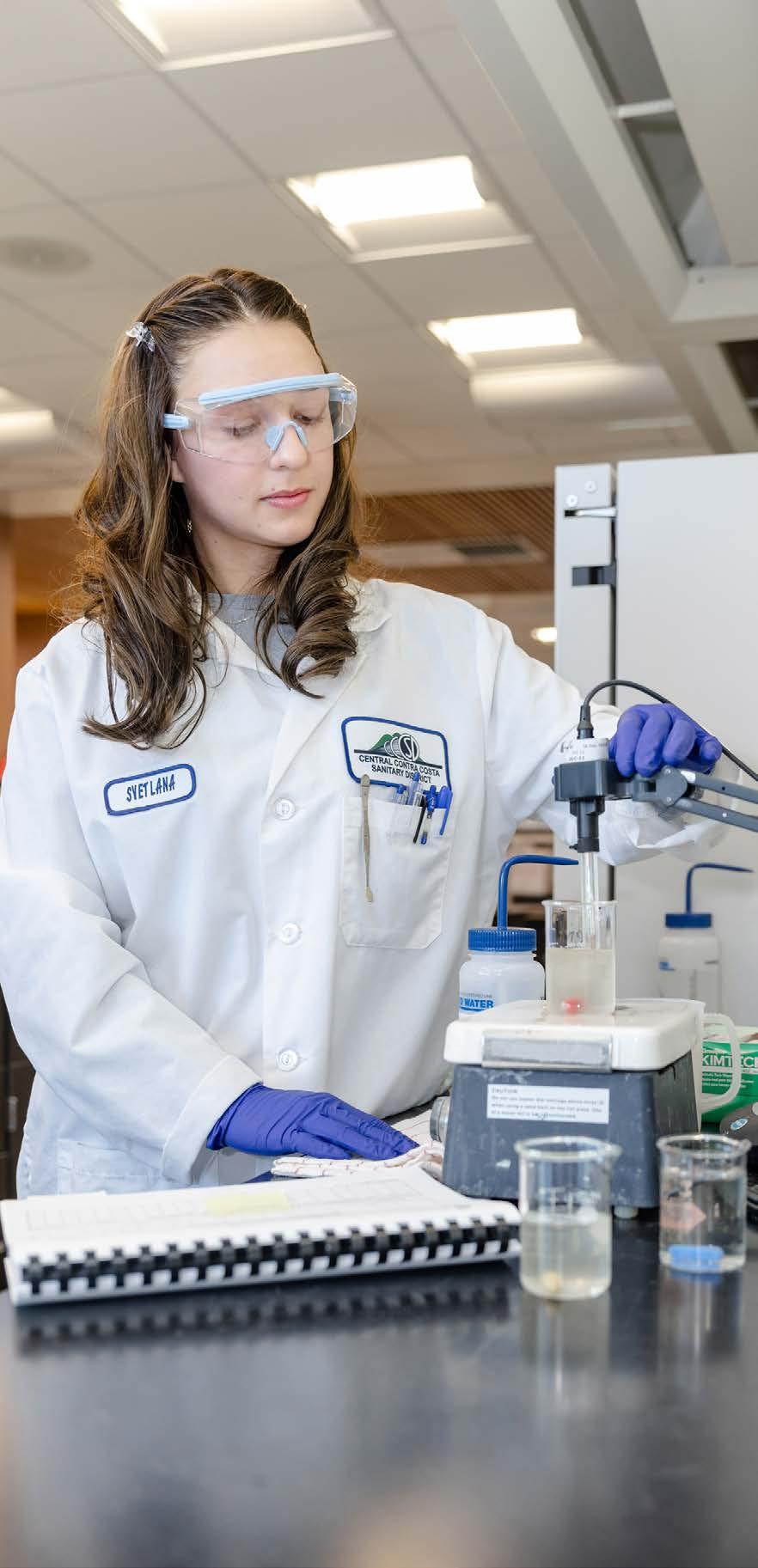
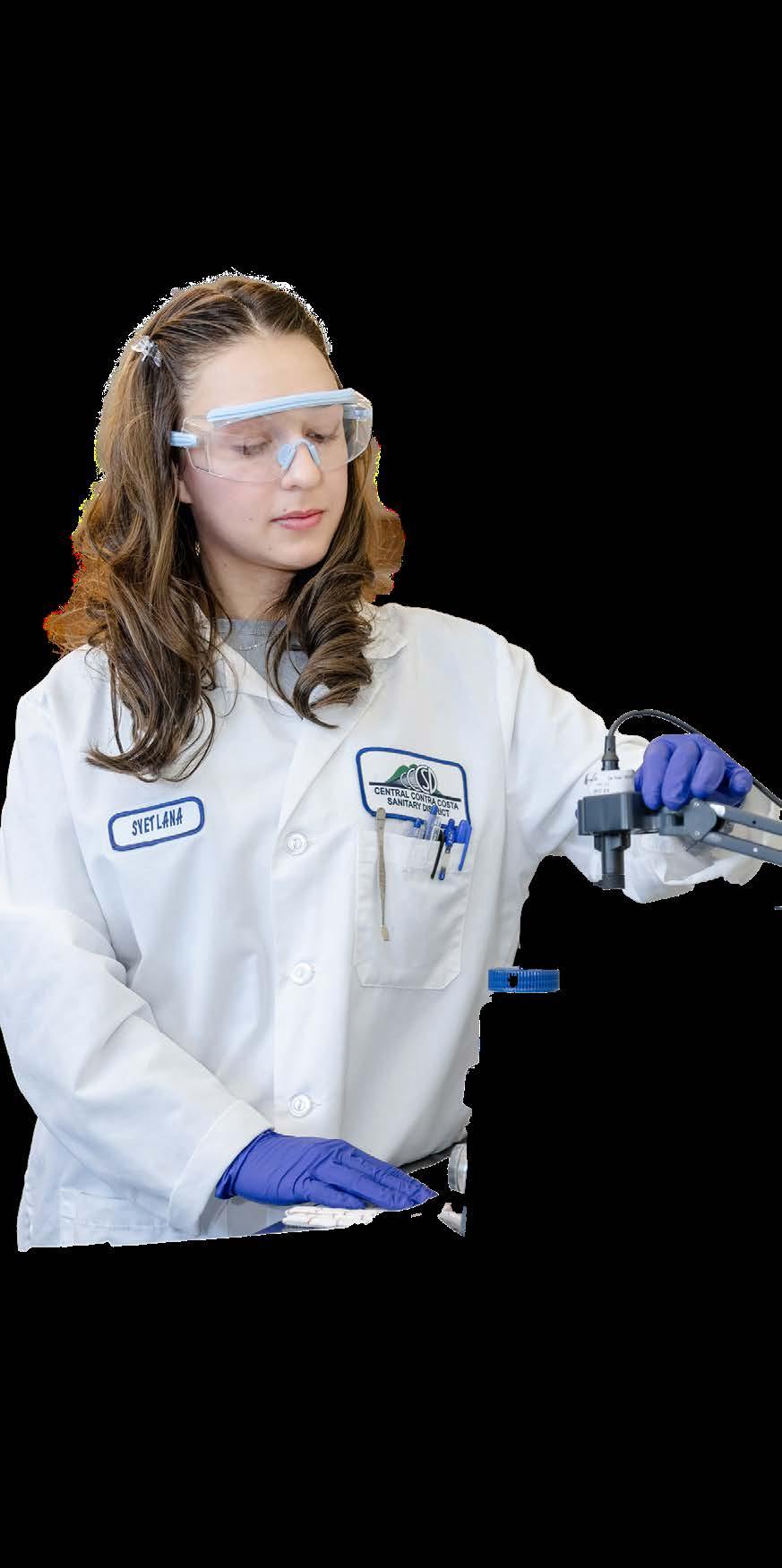
SVETLANA KORZHOV
Laboratory Intern
California State University, East Bay
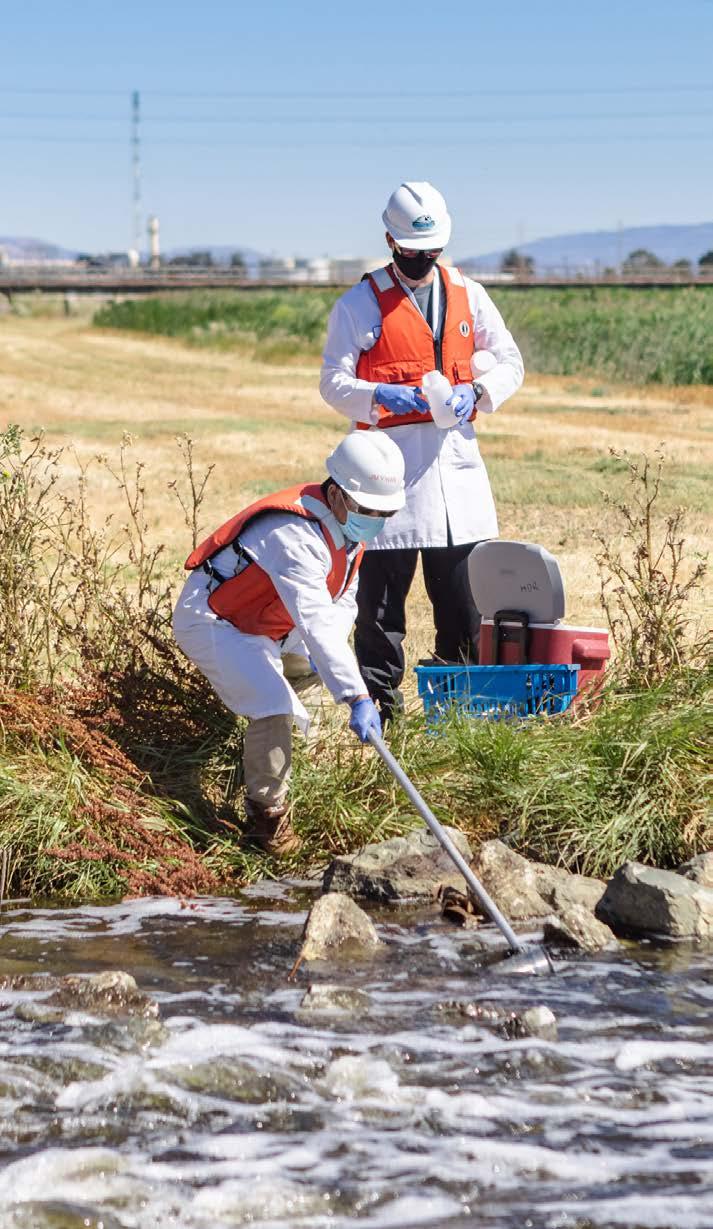
Stepping into her first professional laboratory position, Svetlana has had the opportunity to deepen her understanding of wastewater treatment while broadening her scientific skillset. As a laboratory intern, she spends her days collecting and analyzing samples from various parts of the plant to monitor and optimize treatment processes. “My previous experience was limited to school labs, so this role has helped me expand my knowledge of laboratory work,” Svetlana says. “I’m thankful for the opportunity to explore different realms of chemistry and biochemistry, which is helping me prepare for the future.”
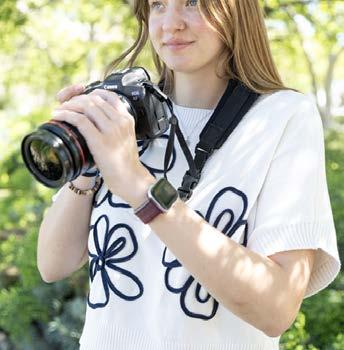
Article by DAPHNE LONGENBACH Communications Intern
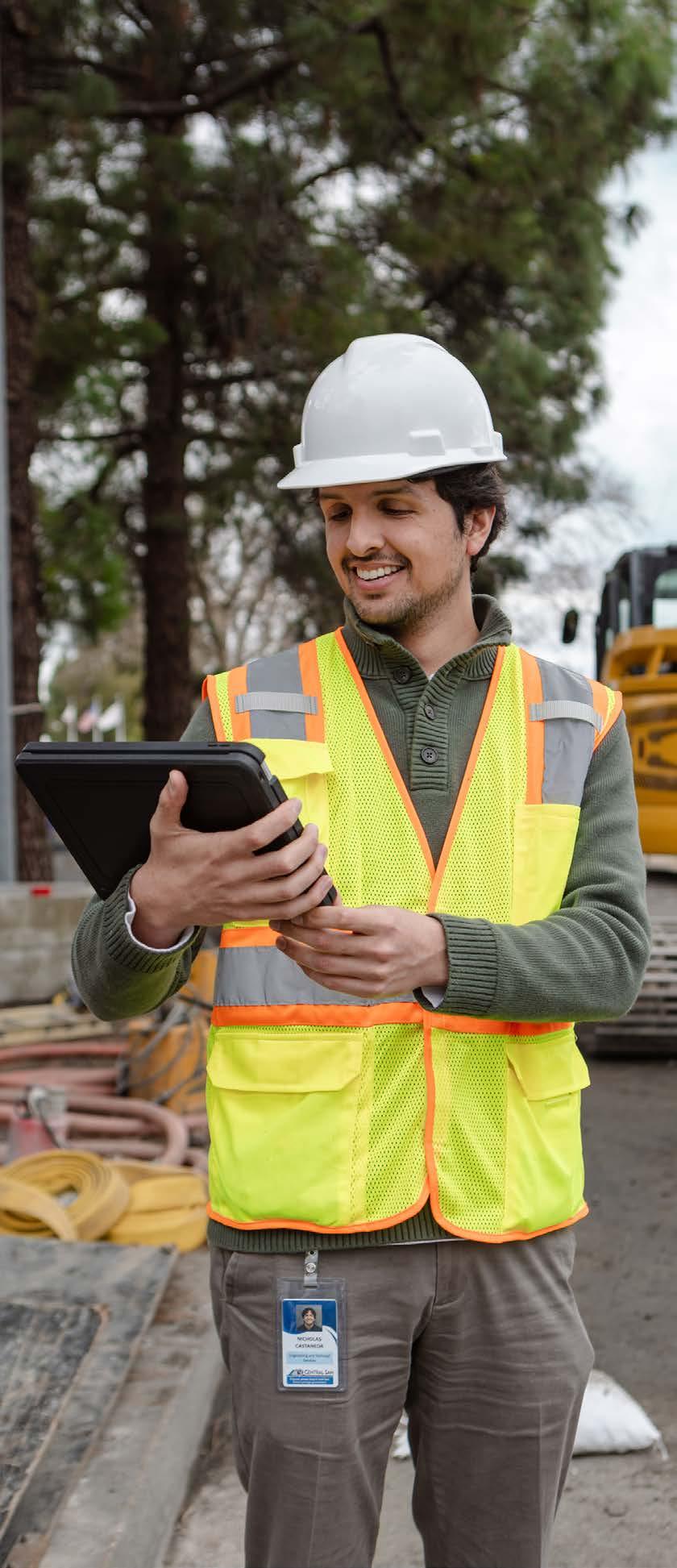
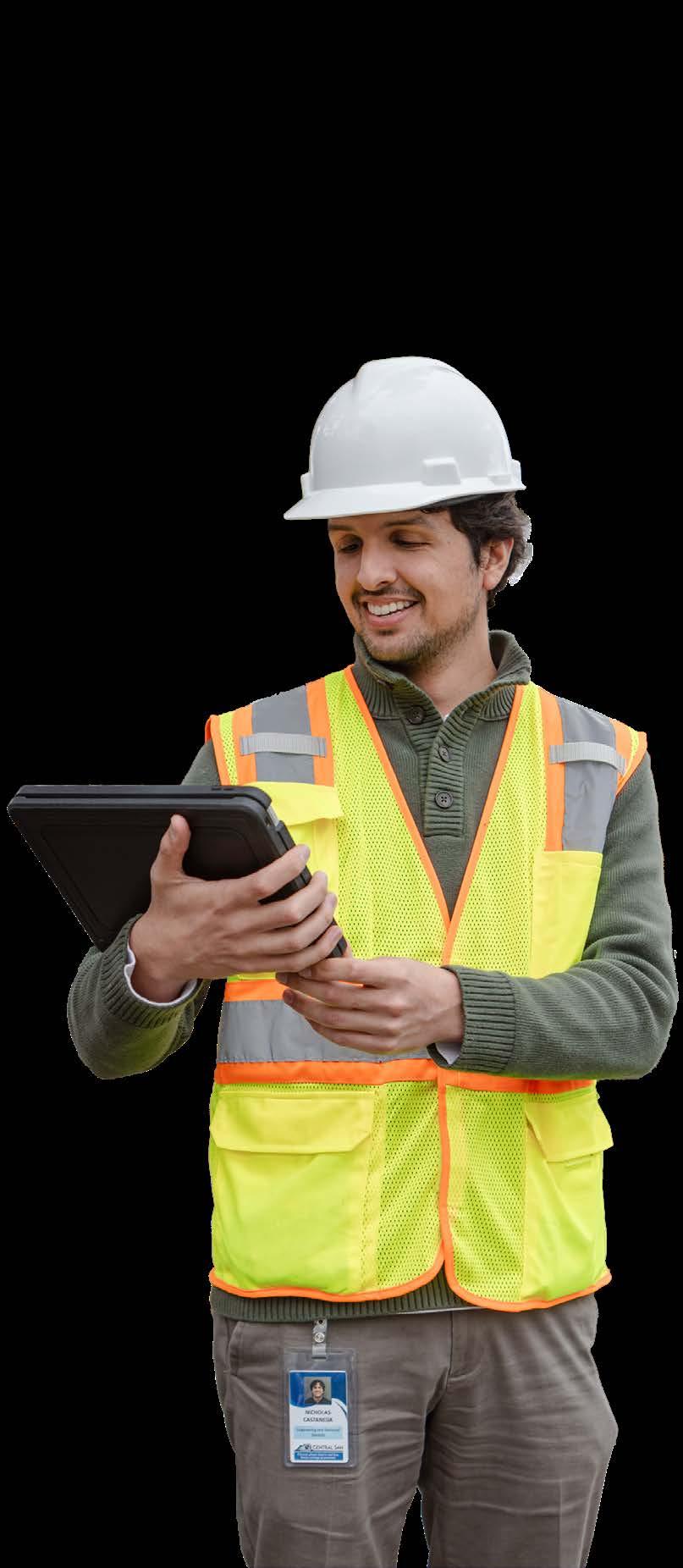
NICHOLAS CASTANEDA
Engineering Intern
California State University, Long Beach
Nicholas works on many different projects as an engineering intern in the Capital Projects Division, from utility sketching to logging inspection reports. “I’ve learned more about the importance of collaboration between all the different parties involved in the engineering process,” he says. Nicholas also notes that the internship has provided him with firsthand experience at real construction sites as well as the opportunity to develop professional communication skills that are not always taught in school.
The University of Texas at Austin

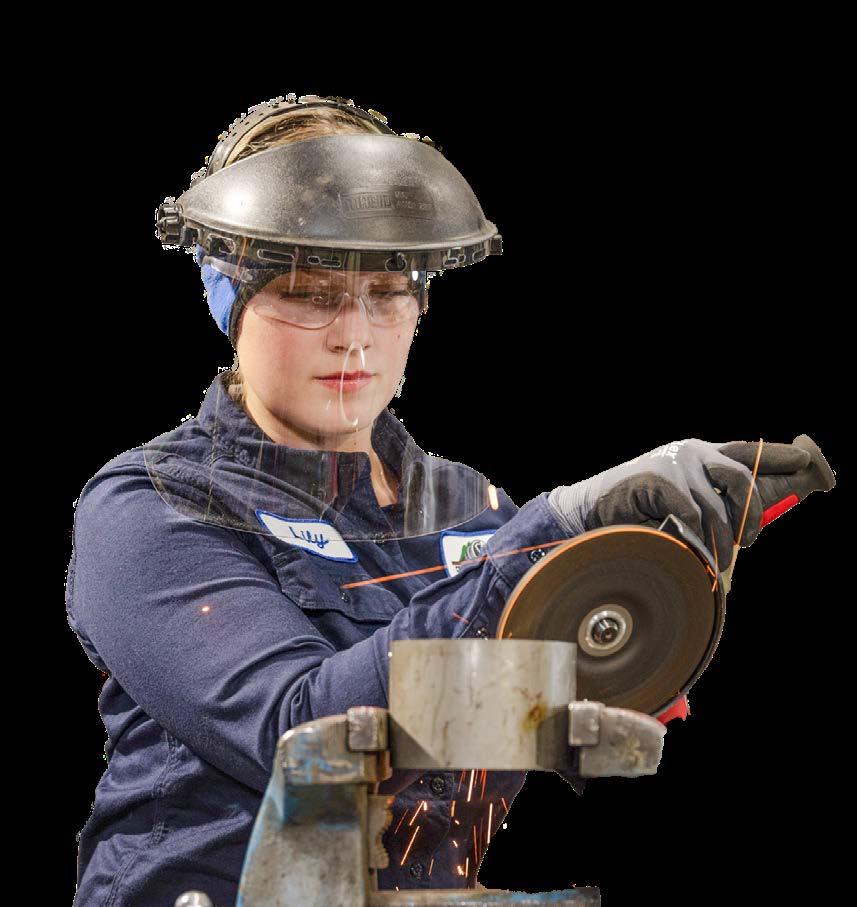
LILY DUNN
Mechanical Maintenance Intern Los Medanos College
What does Lily love most about her job? "There's something new to work on every day," she says. Lily earned her certificate in welding and applied to Central San’s internship program to gain more hands-on experience. She is now putting her education to use maintaining Central San’s equipment. After her internship, Lily plans to study welding engineering. “I’ve always been good with my hands, and this has been a great opportunity for me. I’m excited to be here for these six months,” Lily says.
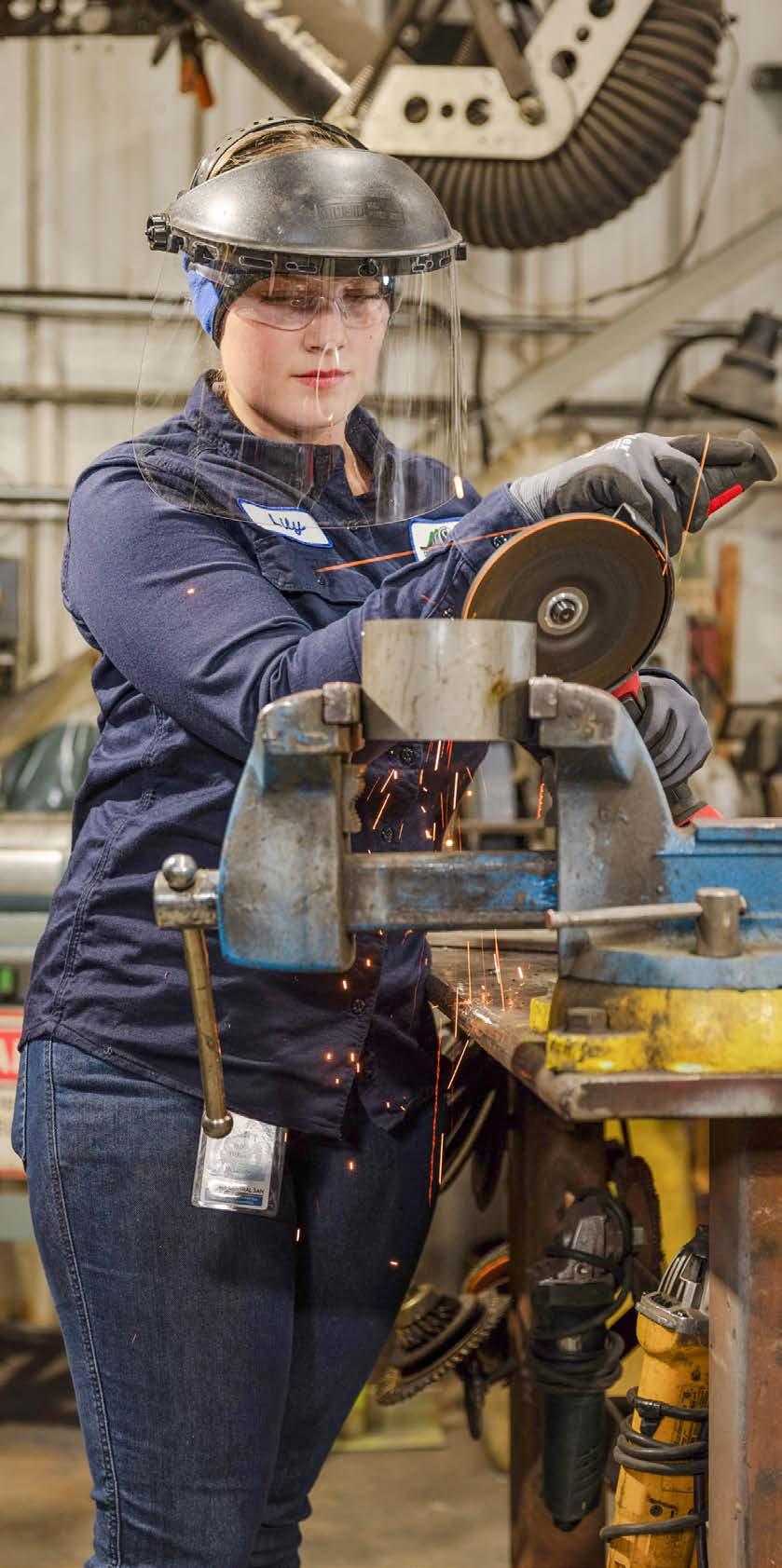
Central San's internship program offers well-paid, hands-on experience and career exploration opportunities. Internships typically last six months and are open to current college or vocational students and recent grads. If you or someone you know is interested in applying, please visit: centralsan.org/careers
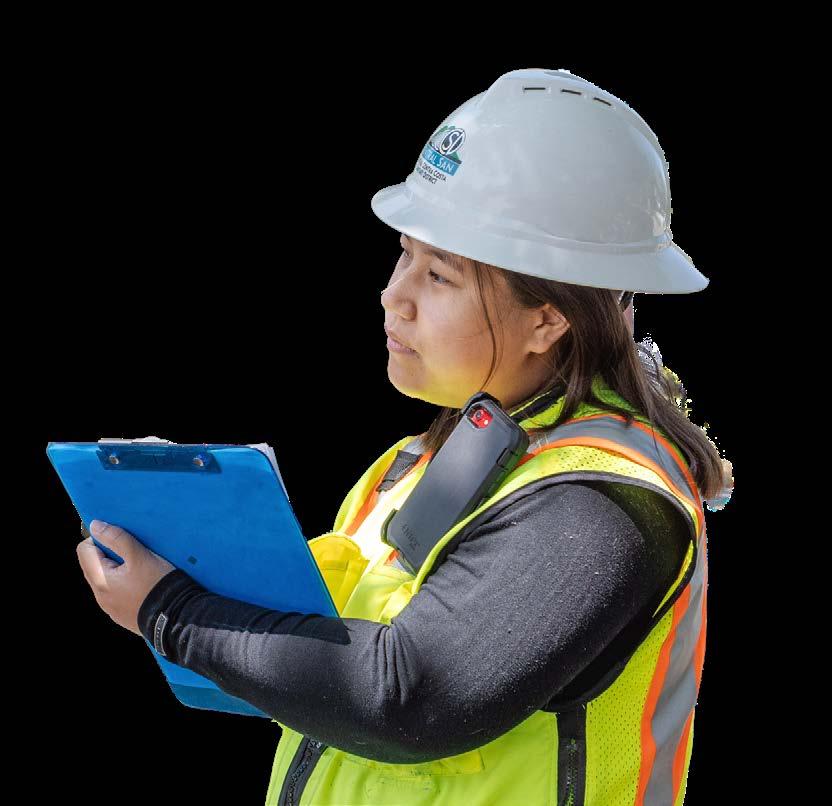
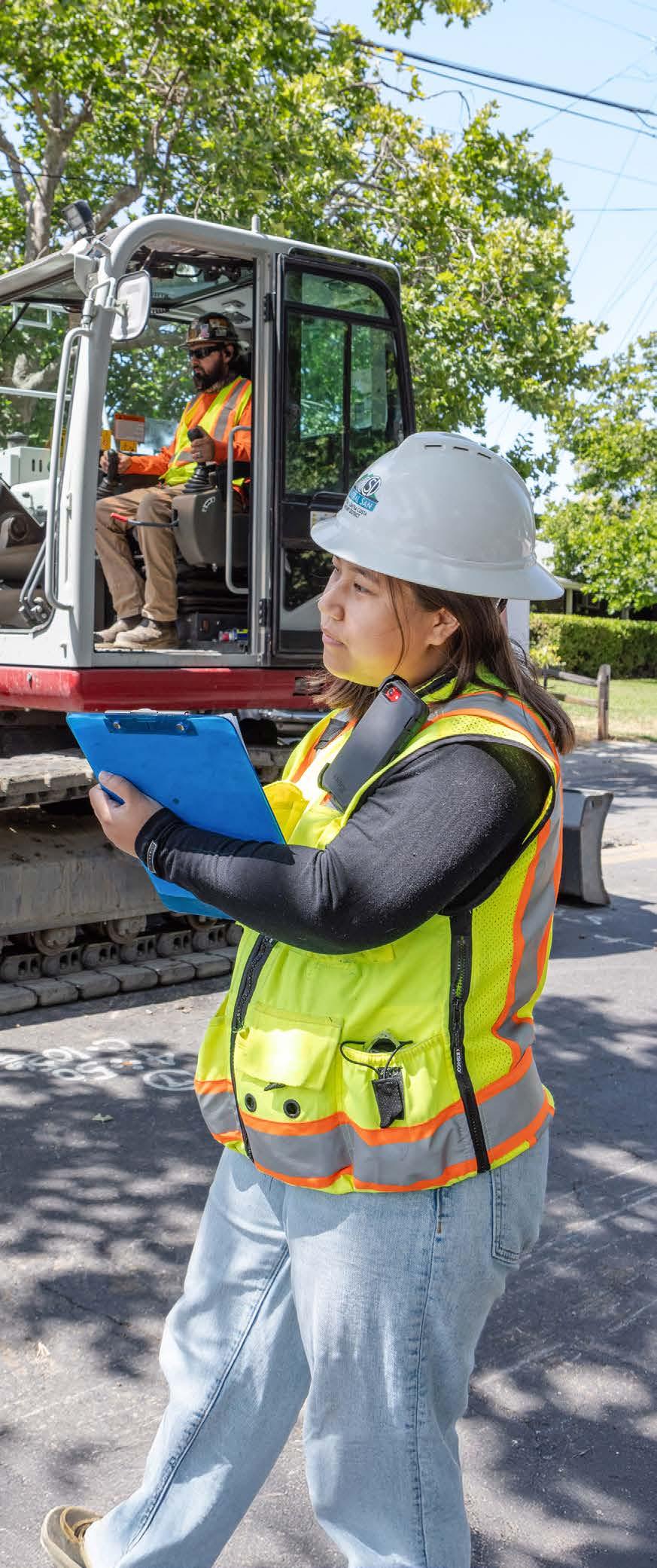
DOROTHY BECHLER
Assistant Engineer
University of California, Berkeley Dorothy was studying Civil Engineering when she interned with Central San's Survey Department in 2021, gaining hands-on experience in computeraided design (CAD) and fieldwork. After graduating, she spent a year at an engineering firm before returning to Central San, where she now works in Capital Projects. She also represents Central San at career fairs, sharing her enthusiasm for careers in wastewater. Her best advice? “Apply for a variety of opportunities. Don’t limit yourself just because it’s not exactly in the field you want to work in. Be open to different possibilities.”
YOUR SEWER SERVICE PROVIDER—AND SO MUCH MORE!
Over the past 80 years, our work has evolved to meet increasingly rigorous environmental standards and the changing needs of our growing community. In addition to collecting and cleaning your wastewater, today we offer a variety of services to help our customers prevent pollution and conserve resources. These services are free for our residential customers, so check them out!
HOUSEHOLD HAZARDOUS WASTE COLLECTION FACILITY
4797 IMHOFF PLACE, MARTINEZ (800) 646-1431 OR CENTRALSAN.ORG/HHW
RESIDENTS: Mon. – Sat., 7 a.m. – 2 p.m.
BUSINESSES: Mon. – Sat., by appointment
HOLIDAY CLOSURES: May 25, June 13 (for Central San’s 80th Open House), June 19, July 4, September 7.
Bring us your unwanted paint, oil, pesticides, batteries, fluorescent light bulbs, and other household hazardous waste—and we’ll take care of the rest! Every pound of waste brought to our collection facility helps keep pollutants out of sewers, storm drains, and landfills. Even better, we reuse or recycle nearly 90% of the materials we collect.
THROWBACK:
HOUSEHOLD HAZARDOUS WASTE
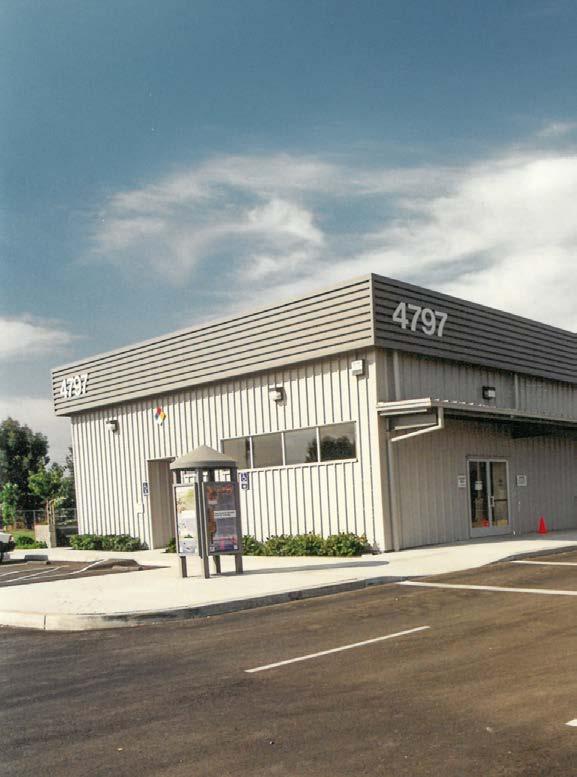
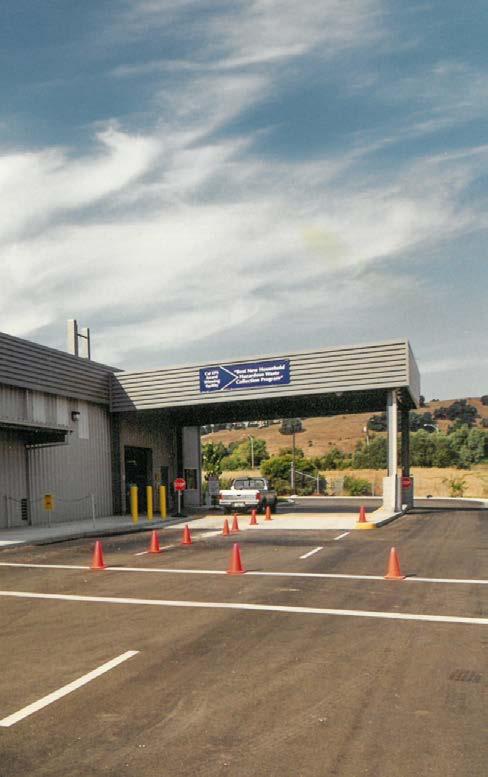
Nearly 30 years ago, Central San spearheaded efforts to provide residents and businesses with a safe, convenient solution for disposing of their hazardous waste. Opened in 1997, the Household Hazardous Waste Collection Facility was the first of its kind in Contra Costa County. Since then, with your support, we’ve collected over 50 million pounds of hazardous waste for reuse, recycling, or safe disposal.
RESIDENTIAL RECYCLED WATER FILL STATION
4797 IMHOFF PLACE, MARTINEZ (925) 335-7717 OR CENTRALSAN.ORG/RECYCLEDWATER
HOURS: Mon. – Sat., 7 a.m. – 2 p.m. (Closed during periods of rain; please call ahead to confirm we’re open.)
Keep your garden happy while helping save our precious drinking water supplies! Our recycled water is ideal for hand-watering trees, flowers, lawns, and container plants. Visit our website for step-by-step instructions on how to use the fill station.
REUSE ROOM
4797 IMHOFF PLACE, MARTINEZ (800) 646-1431 OR CENTRALSAN.ORG/HHW
HOURS: Mon. – Sat., 7 a.m. – 1:30 p.m.
Our Reuse Room is stocked with items brought in for disposal that are still in usable condition. The inventory changes regularly but often includes paint, garden products, and a wide variety of cleaners. Drop in, browse, and you might find just what you need.
RV WASTE DISPOSAL STATION
5300 IMHOFF DRIVE, MARTINEZ CENTRALSAN.ORG/RV Open 24 hours daily
Hitting the road in your RV this summer? Be sure to plan a stop at Central San’s RV waste disposal station! The self-service station provides a convenient, no-cost way to empty your RV tanks and safely dispose of the wastewater. By properly disposing of your RV waste, you can help us protect our local waterways and public health.
OPEN HOUSE JUNE 13!
Join us for a free, all-ages community event!
Please note that our Household Hazardous Waste Collection Facility, Reuse Room, and Residential Recycled Water Fill Station will be closed for regular service June 13. However, we invite you to take a tour of these facilities and learn more about all the services offered by Central San! See page 3 for details.
FEASIBILITY STUDY UNDERWAY
Central San and our neighbor, Mt. View Sanitary District (MVSD), have jointly embarked on a feasibility study to explore the possibility of consolidating our two agencies. MVSD provides wastewater collection and cleaning services for about half of Martinez (both incorporated and unincorporated areas), while Central San serves the other half.
The comprehensive study is being conducted by an external team of consultants and will evaluate the costs, opportunities, and challenges related to a possible consolidation. The final report is expected to be completed by the end of this year. We will continue to share updates throughout this process.
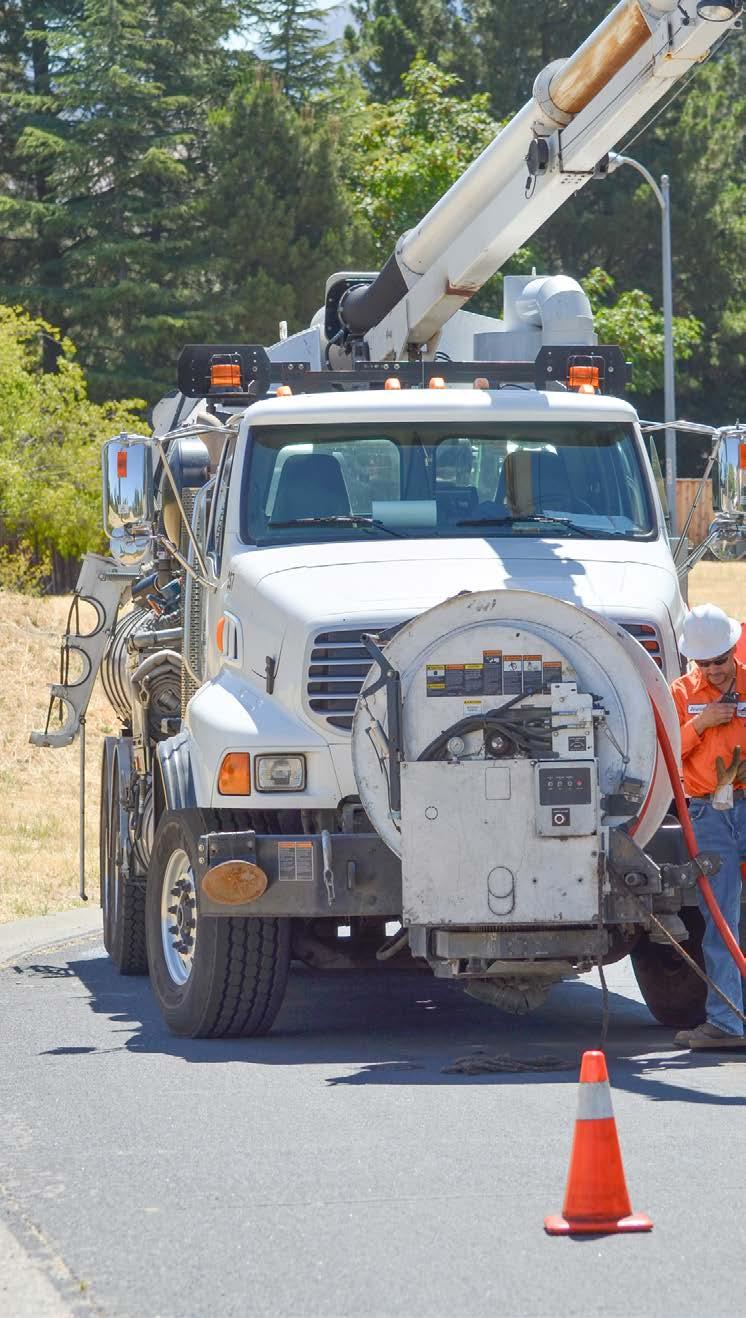
THROWBACK:
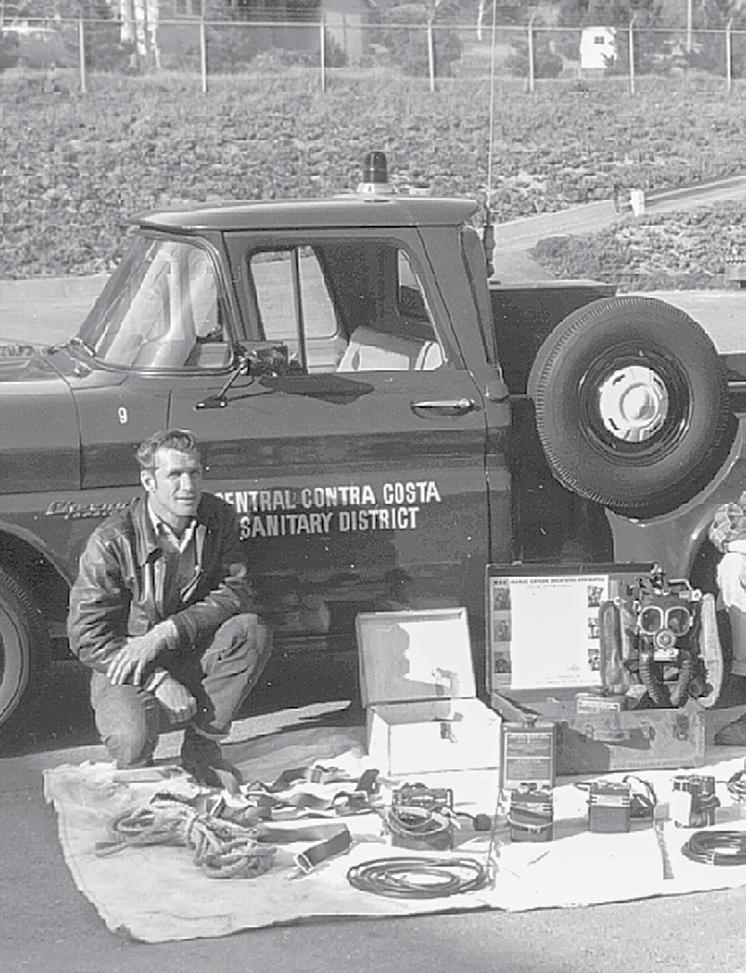
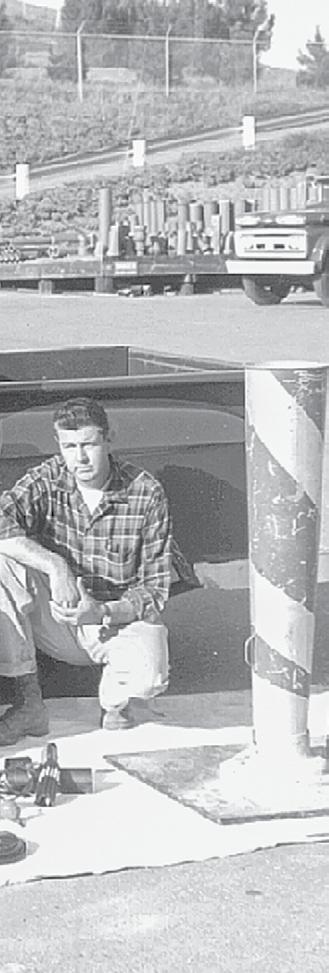
COLLECTION SYSTEM
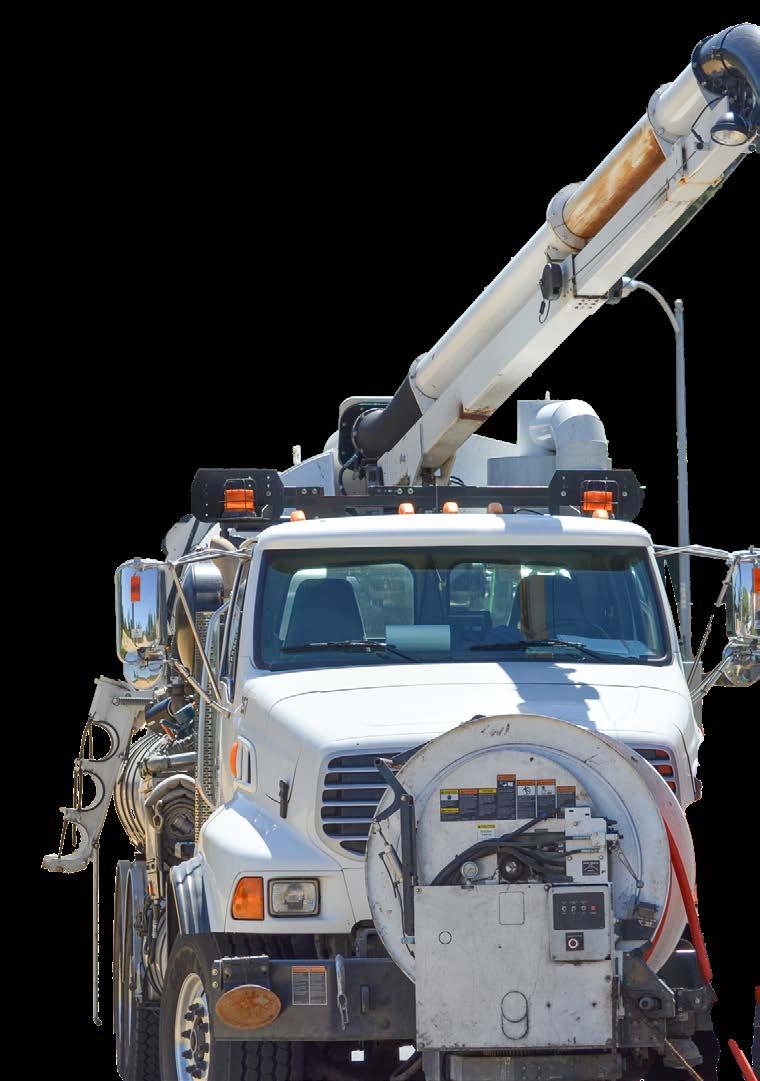
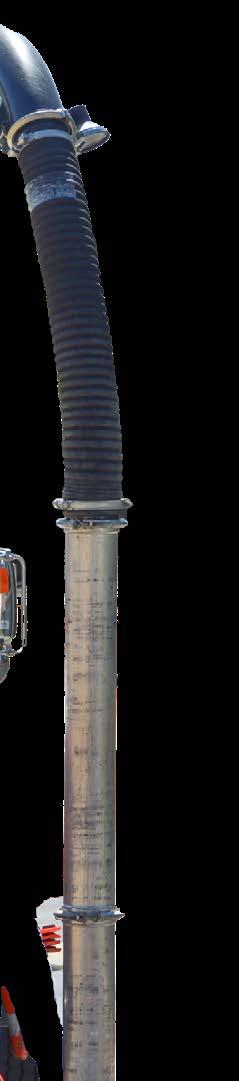
Our collection system has expanded nearly 100-fold over the past 80 years. It has grown from 16.5 miles of pre-existing pipe that Central San acquired at its inception in 1946 to more than 1,500 miles of neighborhood sewer pipes that we maintain today. In the early days, maintenance relied solely on hard labor and hand tools. Today, we use power equipment such as rodding and hydrovac trucks along with computers to precisely schedule and track maintenance, helping us achieve one of the best reliability records in the state.

NEIGHBORHOOD UPGRADES
Central San regularly maintains, repairs, and replaces sewer lines and other parts of our wastewater collection system to ensure trouble-free service for our customers. Our construction projects may cause short-term inconveniences, but they provide long-term benefits for you and your neighbors. We appreciate your understanding!
Here’s what we’re currently working on: (estimated start/completion dates in parentheses)
PLEASANT HILL, PHASE 4 will replace approximately 1.8 miles of sewers primarily in the Gregory Gardens neighborhood of Pleasant Hill. (Current – June 2026)
BUCHANAN LIFT STATIONS ABANDONMENT AND SEWER PROJECT will replace 1.0 mile of sewers, while also decommissioning two aging pumping stations on John Glenn Drive and sewer mains crossing the Buchanan Field Airport in Concord. (Current – July 2026)
PUMPING STATION UPGRADES, PHASE 2 will replace/retrofit three pumping stations in Martinez. (Current – August 2026)
LAFAYETTE, PHASE 16 will replace approximately 2.1 miles of sewers in the Dolores Drive, Moraga Road, Walnut Lane, Burton Drive, Windsor Drive, Reliez Station Road, and Mosswood Drive neighborhoods of Lafayette. (June 2026 – February 2027)
NORTH ORINDA, PHASE 9 will replace approximately 2.0 miles of sewers primarily in Tappan Lane, Brookbank Road, Lombardy Lane, Mariposa Lane, El Dorado Lane, Las Cascadas Road, and Linda Vista, as well as various locations in Orinda, north of Interstate 24. (July 2026 – March 2027)
SOUTH ORINDA, PHASE 9 will replace approximately 2.1 miles of sewers primarily in Scenic Drive, Valley Drive, Leslee Lane, Tahos Road, Oakridge Lane, Meadow Park Court, and La Venida Drive, as well as various locations in Orinda, south of Interstate 24. (July 2026 – May 2027)
WALNUT CREEK, PHASE 17 will replace approximately 1.9 miles of sewers primarily in South California Boulevard, Newell Avenue, North Main Street, Glen Court, Freeman Road, Dewing Lane, Dale Court, and Lucy Lane, as well as various locations in Walnut Creek. (August 2026 – March 2027)
DANVILLE, PHASE 5 will replace approximately 3.1 miles of sewers in the Belgian Drive, La Gonda Court, and La Questa Drive neighborhoods in Danville; the Alcosta Boulevard neighborhood in San Ramon; and the Crest Avenue, Stone Valley Road, and Alamo Ranch Road neighborhoods in Alamo. (August 2026 – April 2027)
To learn more about these or other construction projects, please contact Senior Community Affairs Representative Chris Carpenter at ccarp@centralsan.org or (925) 229-7200, or visit: centralsan.org/construction
NUTRIENTS: WHAT YOU CAN DO
Nutrients such as nitrogen are vital for supporting life, but balance is crucial. When too much nitrogen enters our waterways, it can fuel large algal blooms that harm aquatic animals. At Central San, we’re working hard to improve how we remove nitrogen from wastewater to safeguard the health of our local waterways.
You can help! By being mindful of what goes down our drains or flows into our streets, we can reduce the impact of nutrients on our creeks and the Bay.
Compost instead of using the garbage disposal: Food waste is rich in nitrogen. Composting keeps those nutrients out of our wastewater system and turns them into something beneficial. It also helps protect your pipes from many common clog culprits. You can use your own backyard compost system or the organics bin provided by your solid waste service provider.
Choose eco-friendly cleaners. Many household cleaning products contain ammonia (a nitrogen compound) along with other harmful chemicals that enter our wastewater system whenever they’re rinsed down the drain. Instead, opt for time-honored, non-toxic cleaners like vinegar, baking soda, and lemon juice.
Dispose of chemicals the right way. Never pour unwanted/ unneeded cleaners or other chemicals down sinks or storm drains. Bring them to the Household Hazardous Waste Collection Facility for recycling or safe disposal.
Prevent pet poo-llution. Remember to pick up after pets and dispose of waste in the trash. Pet waste contains high levels of nitrogen and bacteria that can harm wildlife, so it should never be flushed down the toilet.
Fertilize responsibly—or not at all. Excess nitrogen from lawn and garden fertilizers can wash into storm drains and local waterways. If you must fertilize, select slow-release formulas, use only what you need, and don’t apply when rain is in the forecast. Even better, enhance your soil with compost and choose native plants that thrive without added nutrients.
BONUS TIP: Drive less and conserve energy. When cars, trucks, and power plants burn fossil fuels, they release nitrogen compounds into the air. Over time, these pollutants can settle on the ground and wash into local waterways. Using public transportation, carpooling, and conserving energy at home can help reduce nitrogen pollution from these sources.
CENTRAL SAN ACADEMY
Take a deep dive into the world of wastewater! The next session of our award-winning citizens’ academy will take place this July in Martinez. Learn all about the work we do, from collecting and cleaning your wastewater to preventing pollution, recycling water, piloting new technologies, and much more. It’s also a great opportunity to connect with fellow community members who share your curiosity and interest in protecting the environment.
CONNECT WITH US!
Follow Central San for upcoming tours and events, pollution prevention tips, news, photos, and more.


@centralsandist

Attending Central San’s 80th Open House celebration? Tag us using #CentralSan80th! centralsan.org/nextdoor
Learn more and apply at: centralsan.org/academy
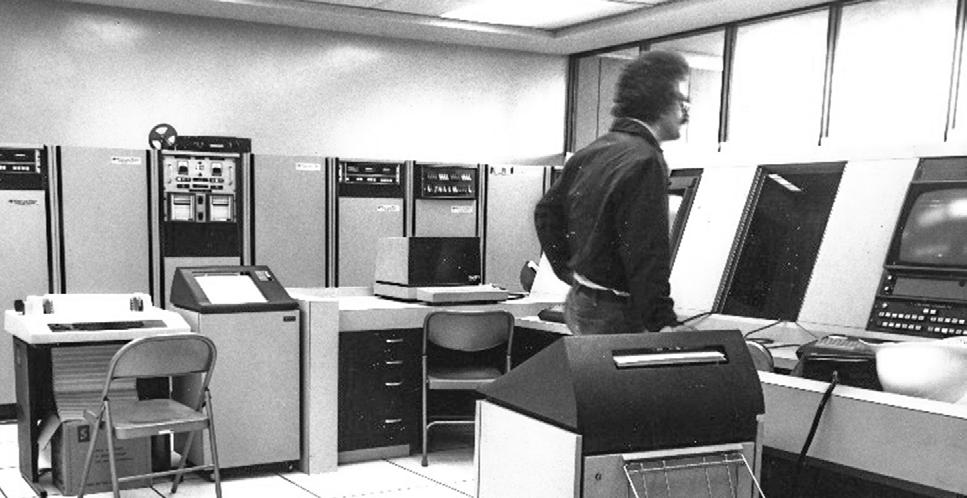
THROWBACK: 80 YEARS OF INNOVATION
Central San has a long history of finding better ways to do things, developing new processes that continue to shape the wastewater industry.
• In 1978, we incorporated a computer system into the treatment plant to help operators monitor and adjust the treatment processes. This advancement made Central San one of the world's first computer-controlled wastewater treatment facilities.
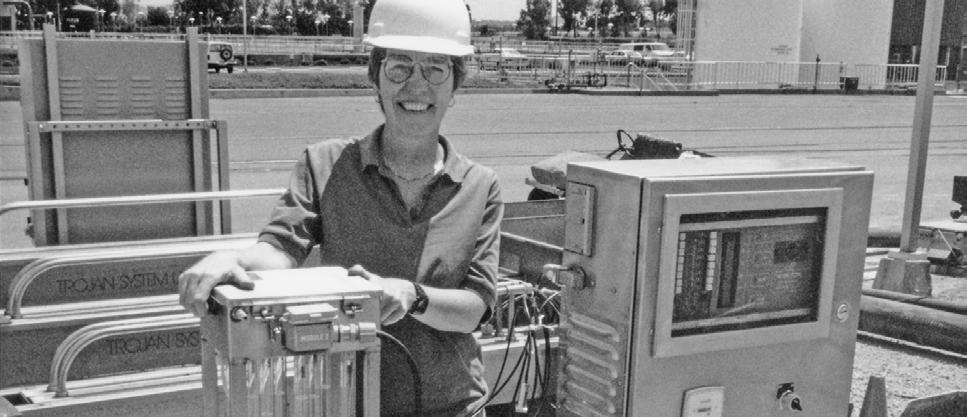
• Central San was also a pioneer in the use of ultraviolet (UV) light for wastewater disinfection as a safer alternative to chlorine. When our UV facility began operation in 1997, it was the largest UV disinfection plant in the United States.
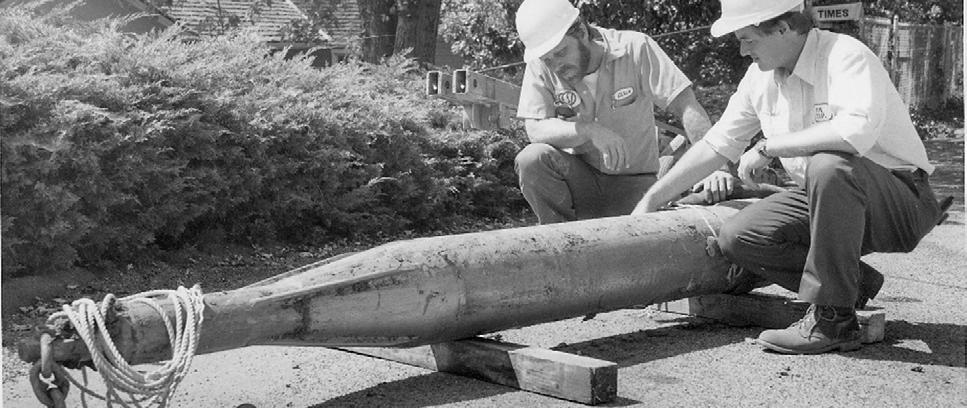
• In 1987, Central San became the first utility in the U.S. to use pipe-bursting construction to replace aging sewer pipes without the need for long, deep trenches. Today, we use a variety of “nodig” technologies that have significantly reduced construction impacts to roads, traffic, and our customers.
KIDS’
PAGE:
IMAGINING THE TOILET OF
Central San has been serving our community for 80 years, but the history of sanitation dates back thousands of years. Throughout the centuries, people have made significant innovations in the disposal of human waste. These advancements not only made going to the toilet more comfortable but have also helped to protect the environment and human health. Today, wastewater systems like Central San's continue to grow and evolve to meet the needs of the future.
Take a look to see where we’ve been and how far we have come. Then imagine what might be possible over the next 80 years and beyond!
OUTHOUSE
The original bathroom, a hole in the ground outside.
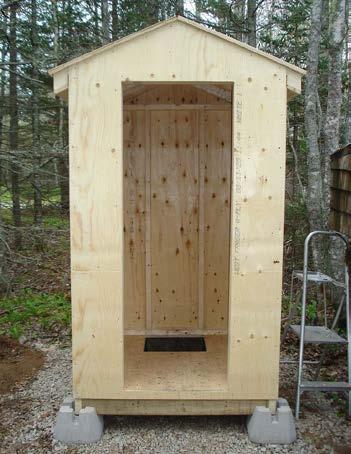
MODERN TOILET
People squat above the hole cut out.
Waste fills a hole in the ground.
People must manually remove the waste or dig a new hole.
FIRST FLUSH TOILET
A seated toilet with water to take waste away, into the ground.
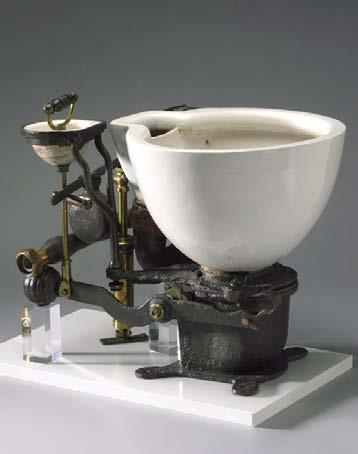
SMART TOILETS
Plumbing technology to flush and bring new water into a bowl.
Water provides odor control for indoor toilets.
Pipes lead to untreated ditches or tanks, which pose a threat to public health.
A toilet connected to a system of pipes to safely remove waste and bring it to a treatment facility!
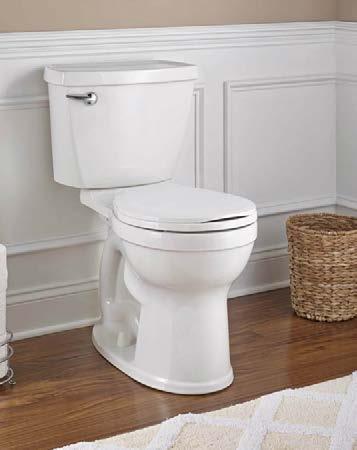
Running water flushes away waste in the bowl.
Seats and lids help keep the bathroom clean and easy to use.
Waste enters a system of underground pipes that lead to a treatment facility.
All the advances of a modern toilet, plus new technology and features.
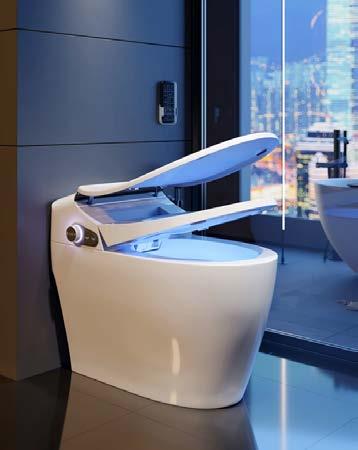
Hands-free toilets that automatically open, close, and flush.
Warm-water washing and warm-air drying eliminate the need for toilet paper.
Heated seats, odorcontrolling mists, nightlights, and personalized settings.
Technology to analyze waste for health information.
TOMORROW
What do you think toilets and wastewater systems will look like in the future? Draw and label your own creative ideas below. Send us your finished picture, and we’ll send you a craft kit to create your own miniature outhouse! We may even share your picture in a future issue of Pipeline!
MY TOILET OF THE FUTURE
THROWBACK:
STUDENT EDUCATION
For over 30 years, Central San has been helping to inspire the next generation of environmental stewards through hands-on classroom education programs. Today, we serve over 20,000 students each year, helping them think more critically about the question, “What happens to our dirty water after it goes down the drain?”
Cut out this page and send it to: Toilet of Tomorrow Central San 5019 Imhoff Place Martinez, CA 94553
NAME:
AGE:
ADDRESS:
5019 Imhoff Place, Martinez, CA 94553
General Information (925)228-9500 or CentralSan.org
Sewer Overflows (925)933-0990
Household Hazardous Waste InfoLine (800)646-1431 or CentralSan.org/HHW
Recycled Water Fill Station InfoLine (925)335-7717
Sewer Connection Permits/Permit Counter (925) 229-7371
Community Information Line (925)335-7702
Student Education Programs (925)335-7723 or CentralSan.org/Learn
Environmental Compliance (925)229-7288
Report Illegal Discharges Into Sewer System
(925)229-7288 (during business hours); (925)229-7214 (after hours)
Treatment Plant InfoLine (Report Odors) (925)335-7703
Employment Opportunities CentralSan.org/Careers
The Central Contra Costa Sanitary District PIPELINE
Written and designed by Central San staff to communicate pollution prevention messages to the people and communities we serve.
Ann Vallée, Editor, Writer
Kelsey Lansang, Graphic Designer
Joseph Zumbo, Photographer
View archived issues at CentralSan.org
Board meetings are open to the public and are usually held on the 1st and 3rd Thursday of each month at 2:30 p.m. in the Central San Board Room, 5019 Imhoff Place, Martinez. Meetings can be livestreamed at centralsan.org
Please share or recycle this newsletter. PIPELINE is printed with soy-based inks on recycled paper.

Central San serves nearly half a million customers within its 146-square-mile service area.
Wastewater collection & treatment; Household Hazardous Waste (HHW) disposal.
Wastewater treatment & HHW disposal in Concord & Clayton by contract.
HHW disposal only.
Central San headquarters, treatment plant, HHW Facility & Residential Recycled Water Fill Station.
SUISUN BAY
MARTINEZ