
Practical Tools for Connection, Safety, and HOPE in Early Childhood
A Way of Being with Children: A Trauma and HOPE-Informed Approach to Building Safety, Resilience, and Well-Being (2025 Edition) was created for all who live and work with young children, birth to age five including families, early educators, pediatric providers, child welfare professionals, and community caregivers.
The prek edition integrates the HOPE (Healthy Outcomes from Positive Experiences) framework, expanding beyond trauma-informed practice to highlight positive relationships, resilience, and well-being across every setting where children grow and thrive
Author Renée Layman, M.S., LMHC, HOPE Champion
Edited by
Hannah DeMarco, B.A.
Elizabeth Searles, B.A.
Dominika Nolan, LMHC, RPT-STM, IMH-E®, EMDR Certified Therapist, HOPE Facilitator
This companion activity book was developed by Renée Layman and Hannah DeMarco.
Every moment with a child is a chance to build safety, trust, and hope.
The A Way of Being with Children: PreK Companion Activity Book is designed to bring these ideas to life through play, imagination, and connection.
This companion was developed to support the A Way of Being with Children Manual (PreK Edition) translating the core principles of emotional safety, regulation, and HOPE into hands-on, developmentally appropriate activities. Whether you are a teacher, caregiver, counselor, or parent, these pages offer simple, meaningful ways to help children build resilience and joy in daily routines.
The activities in this book are grounded in the science of early brain development, trauma-informed care, and the HOPE (Healthy Outcomes from Positive Experiences) Framework. They are not just fun they are powerful tools that nurture the protective factors children need most:
Safe relationships with caring adults
Predictable and nurturing environments
Opportunities to learn and practice emotional skills
Moments of joy, play, and belonging
Children learn through doing. When adults intentionally create small moments of connection singing, drawing, breathing together, or simply listening those experiences strengthen the brain and foster lifelong resilience.
Use this book as a guide to build safety, connection, and confidence, one playful moment at a time.
“Play is the highest form of research.”
Albert Einstein
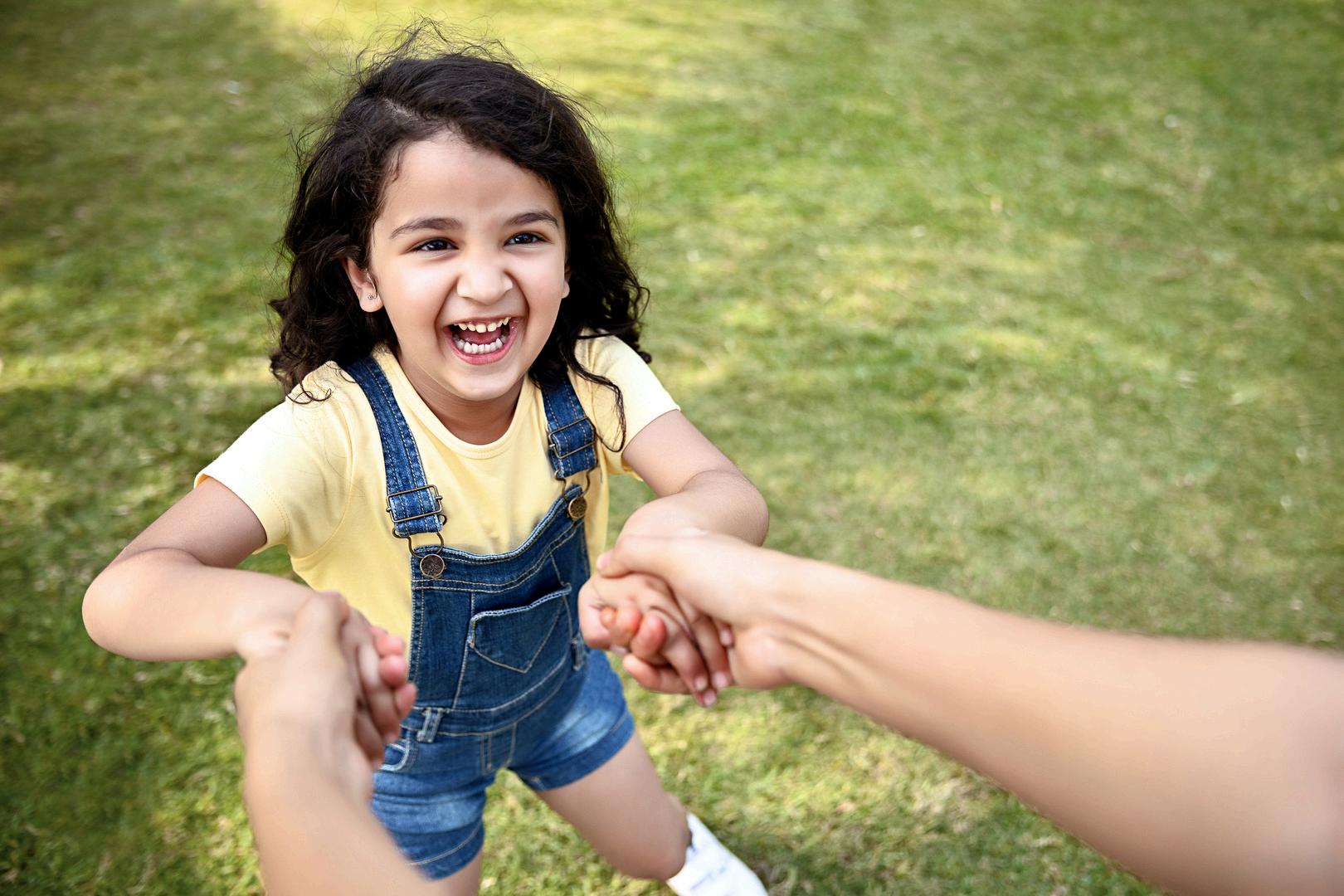
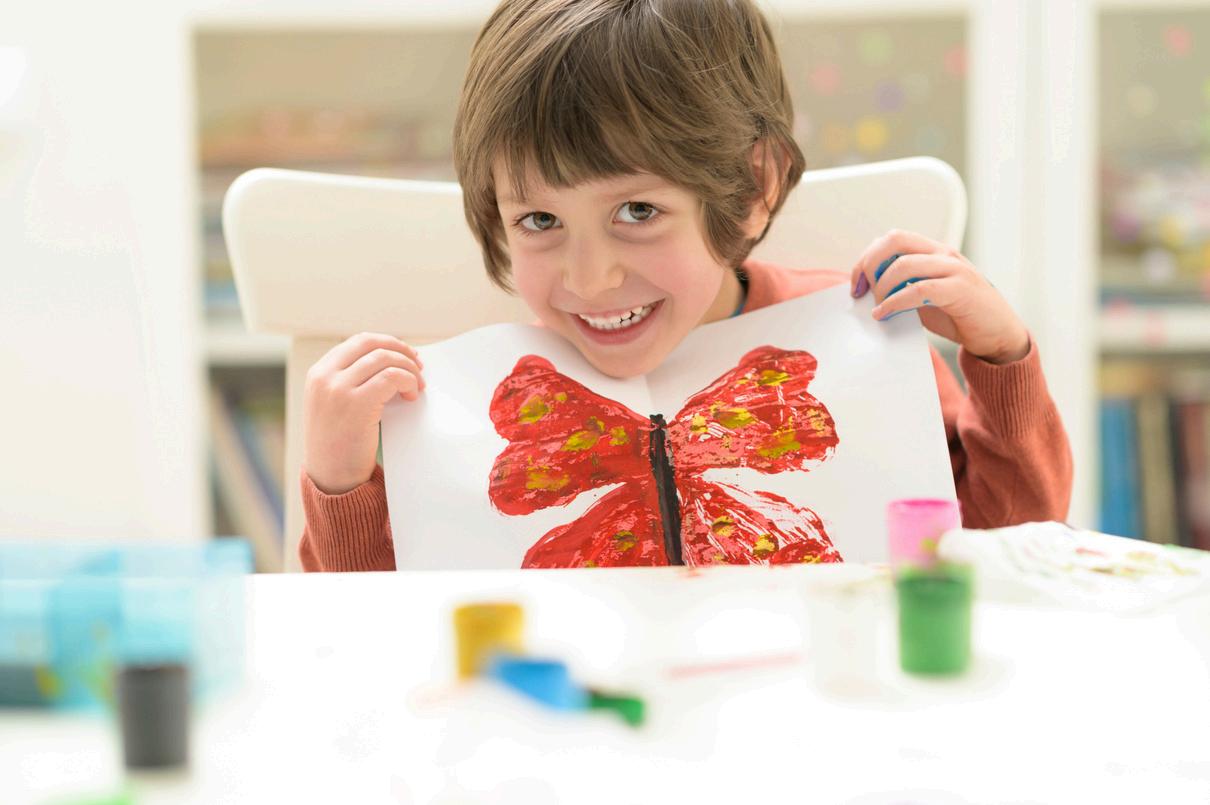
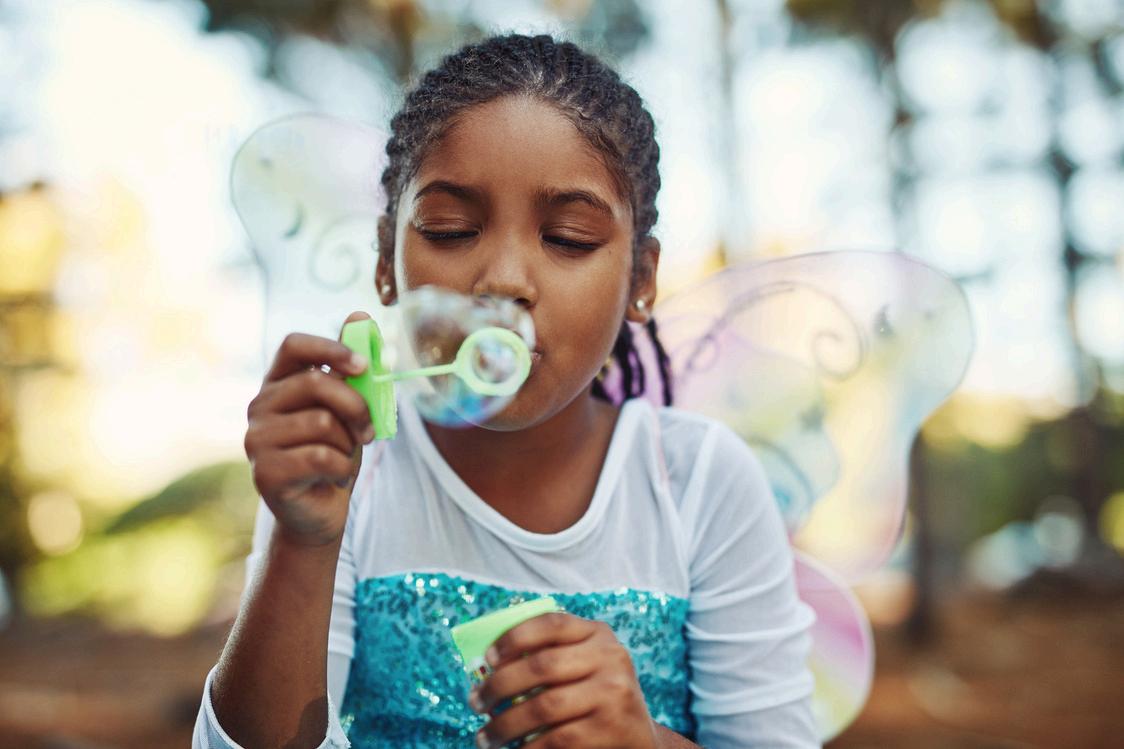
Play is not a break from learning — it is how children learn.
For young children, play is the primary language of the brain. It is how they make sense of their world, build relationships, process emotions, and develop the skills they will carry for a lifetime. Research consistently shows that play strengthens neural connections, supports language development, builds empathy, and teaches children to regulate their bodies and emotions.
Play is so essential to healthy childhood development that the United Nations recognizes it as a fundamental human right of every child.
Builds the Brain: During play, children's brains are actively forming new connections. Imaginative, sensory, and movement-based play all support cognitive development, executive functioning, and memory.
Develops Emotional Skills: When children play — especially with caring adults — they practice naming feelings, taking turns, problem-solving, and recovering from frustration. These are the foundations of lifelong emotional health.
Strengthens Relationships: Shared play between a child and a trusted adult is one of the most powerful builders of secure attachment. It communicates: I see you. I enjoy you. You matter. Supports Healing For children who have experienced stress or trauma, play is therapeutic. Through play, children express what they cannot yet put into words, work through difficult experiences, and find their way back to safety and joy.
Ways to Play: A free library of play-based activity ideas organized by type sensory, art, pretend, nature, and more.
www.centerforchildcounseling.org/waystoplay - or Scan the QR to visit our website.
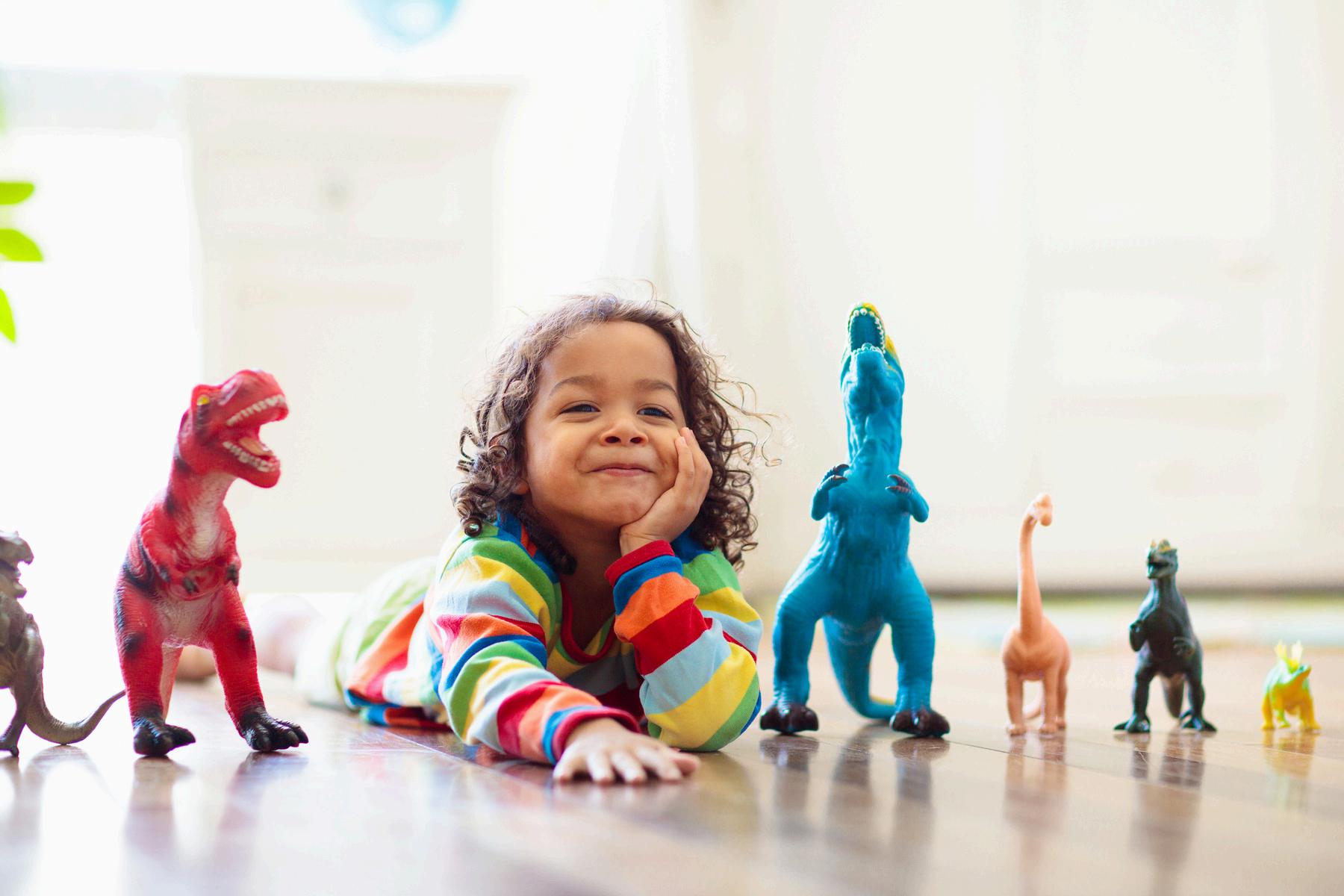

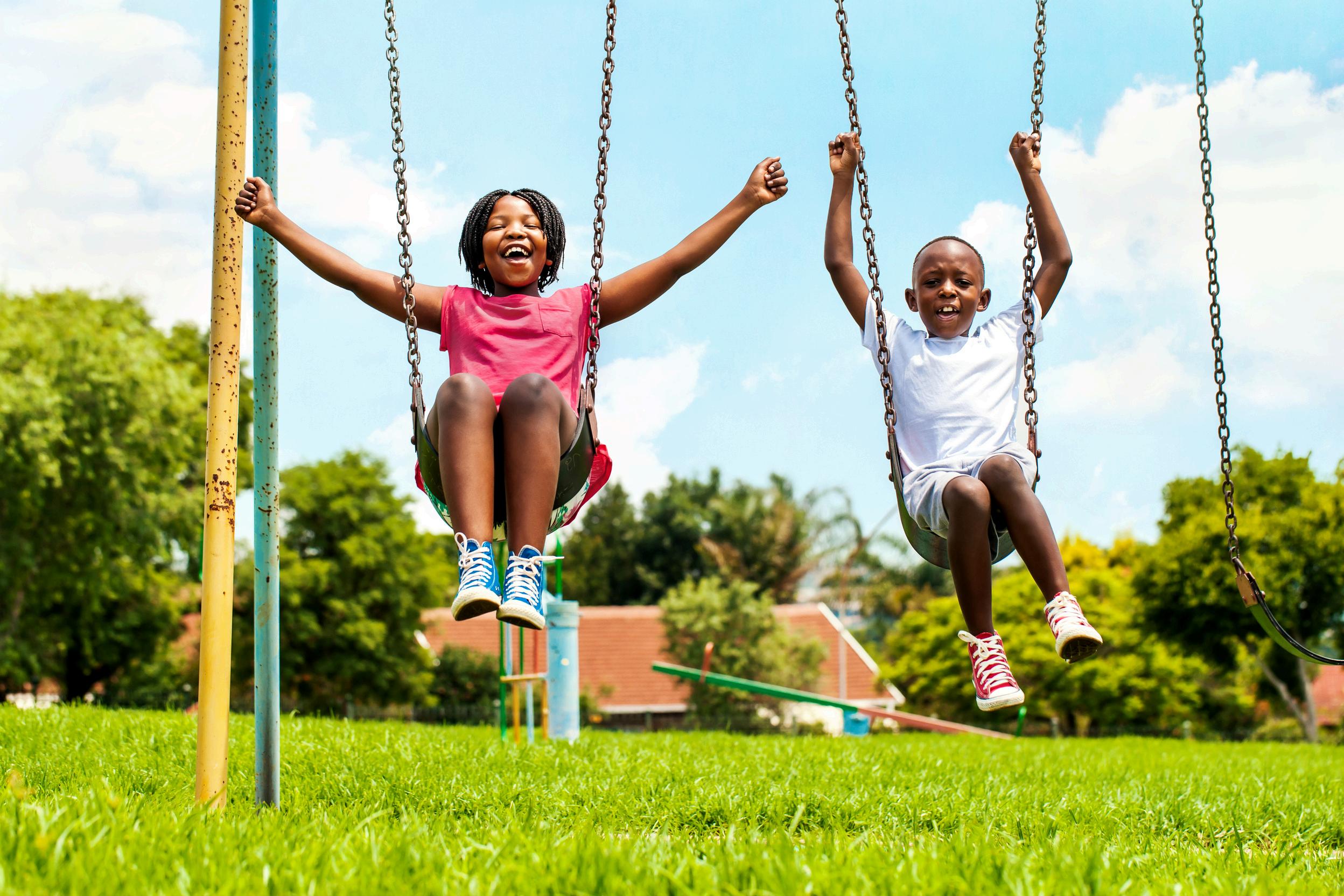
This A Way of Being with Children: PreK Companion Activity Book is built upon the same foundations as the original A Way of Being with Children approach—grounded in play, connection, and the belief that every child has the capacity for growth and healing.
The activities are organized to reflect the natural flow of child development, moving from emotional awareness and body connection toward regulation, problem-solving, and empowerment. Each section supports both children’s growth and adult understanding of what fosters resilience and HOPE.
Below is an overview of how this book is structured and how it connects to the five HOPE-aligned themes used throughout the updated A Way of Being with Children (PreK) manual.
Introduction: A Way of Being With Children
Using This Activity Book Page 1
Theme 1: Safety Page 2
Theme 2: Connection Page 7
Theme 3: Emotion Page 14
Theme 4: Regulation Page 19
Theme 5: Empowerment Page 24
Teacher/Caregiver Index by Developmental Goal Page 30
Professional Resources and References Page 36
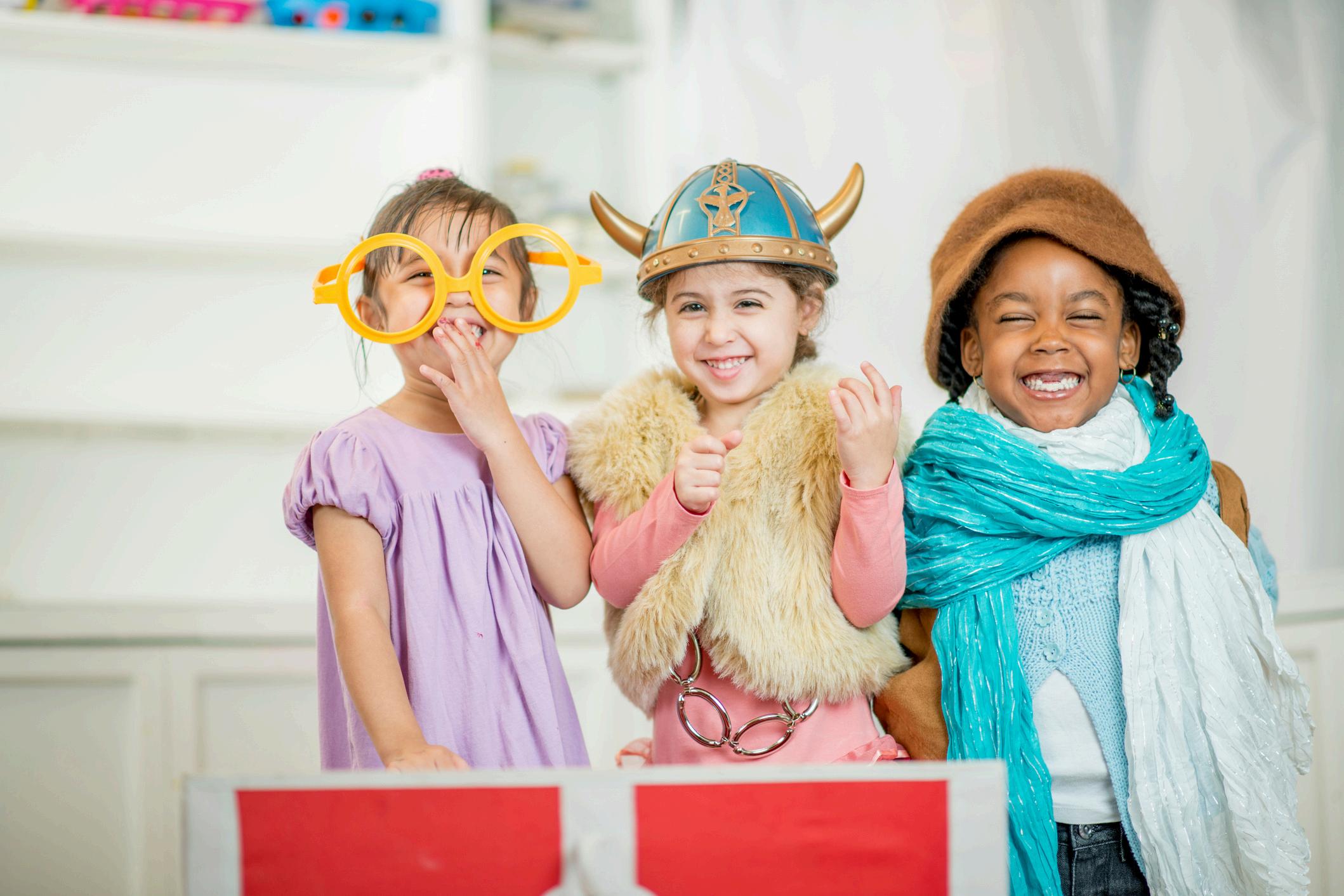
The activities in this book are designed for children ages 3–6 and are organized around five HOPE-aligned themes:
Safety · Connection · Emotion · Regulation · Empowerment.
Each section includes activities that can be adapted for home, classroom, or small group settings. The activities are short, simple, and flexible—intended to fit naturally in d il routines.
Every activity follows the same easy-to-use format: Objective: What the child will learn or experience.
Materials: Common, inexpensive items or no materials at all.
Steps: Clear guidance for introducing and facilitating the activity.

Adult Reflection: Prompts to help you notice what worked, what children enjoyed, and how you can support emotional growth.
Extension Idea: Optional adaptations or follow-up activities to deepen learning.
Start small: Choose one or two activities each week and build from there.
Focus on connection, not perfection: The goal is presence, not performance.
Model calm and curiosity: Children learn self-regulation by watching and feeling your calm.
Observe before responding: Notice what each child needs in moments of big emotion— some need movement, others need closeness or quiet.
Celebrate effort and growth: Acknowledge what children can do, even in small steps.
Throughout the book, you may use simple icons to help identify the focus of each activity: = Brain skill or self-regulation = Emotional connection = Sensory/creative play = Empowerment/choice = HOPE moment
These activities are not meant to “fix” behavior they are meant to strengthen relationships. Every time a child feels seen, soothed, and safe with you, the foundation for learning and emotional health grows stronger.
“Children need safety to explore, connection to learn, and hope to thrive.”
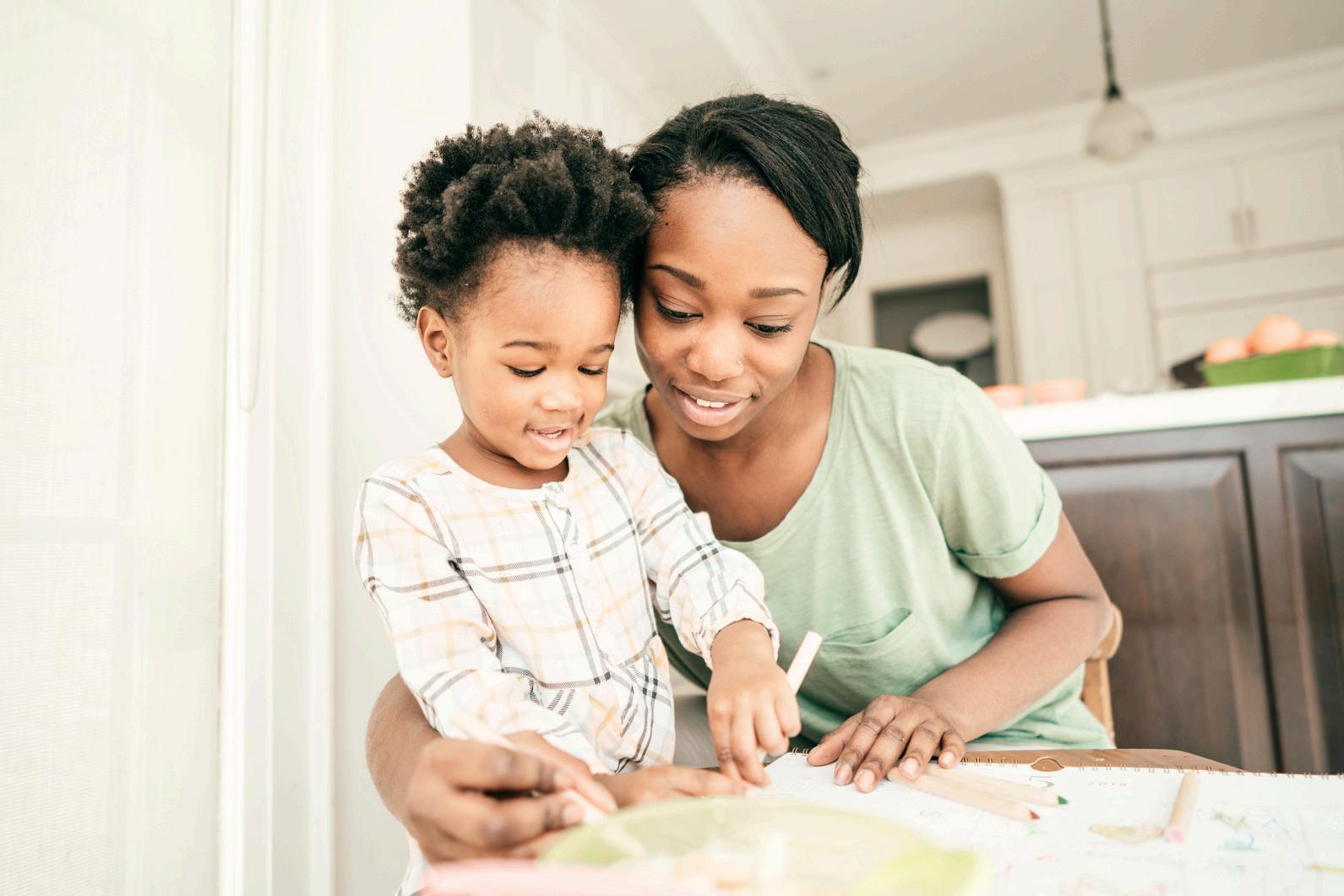
“Safety
is the soil where trust and growth can take root.”
Children thrive when they feel safe — in their bodies, in their relationships, and in their environment. Safety is not only physical; it is also emotional and relational. When adults provide predictability, consistency, and gentle care, children’s nervous systems relax and learning can begin.
This section includes activities that help children feel secure, recognize their safe places and people, and build internal cues of calm. These experiences create the foundation for selfregulation and resilience.

Objective: Help children understand that safety is something we feel in our bodies and can create with others.
Materials:
A soft scarf, hula hoop, or large circle on the floor Calm background music (optional)
Steps:
1.Invite each child to step inside a “safety bubble” made with the scarf or hoop.
2.Explain: “When we are inside our safety bubble, we feel calm and safe. We can take deep breaths here.”
3.Together, practice breathing: “Breathe in... (pause) and breathe out.”
4.Ask, “What helps you feel safe?” and let each child share one idea (hug, song, blanket, teacher, etc.).
5.Reinforce: “We all have things that help our bodies feel safe. We can use them when we need to calm down.”
Adult Reflection: Which children seemed most engaged or soothed by this activity? How can I use “safety bubbles” as a transition or calming tool in daily routines?
Extension Idea:
Make a “Safety Bubble Chart” with children’s names and drawings of what helps them feel safe. Display it to remind them of their safe choices.
Objective: Help children identify safe people, places, and things.
Materials: Magazines, glue, paper, scissors, crayons.
Steps:
1.Talk about what “safe” means a place or person that makes your body feel calm.
2.Children cut or draw pictures of people, pets, or places that make them feel safe.
3.Create a “Safe Space Collage” wall for the classroom.
Adult Reflection: How can I reinforce these safe images during difficult moments?
Extension Idea: Take photos of classroom routines to add as “safe space” visuals.
Objective: Build predictability and comfort through music and rhythm.
Materials: None (optional: soft drum or clapping).
Steps:
1.Teach a simple song with a rhythm cue: “We’re safe together, calm and kind. Take a breath, it’s quiet time.”
2.Sing before transitions or nap time.
Adult Reflection: How does rhythm help children regulate during changes?
Extension Idea: Let children create verses about their own safety cues.
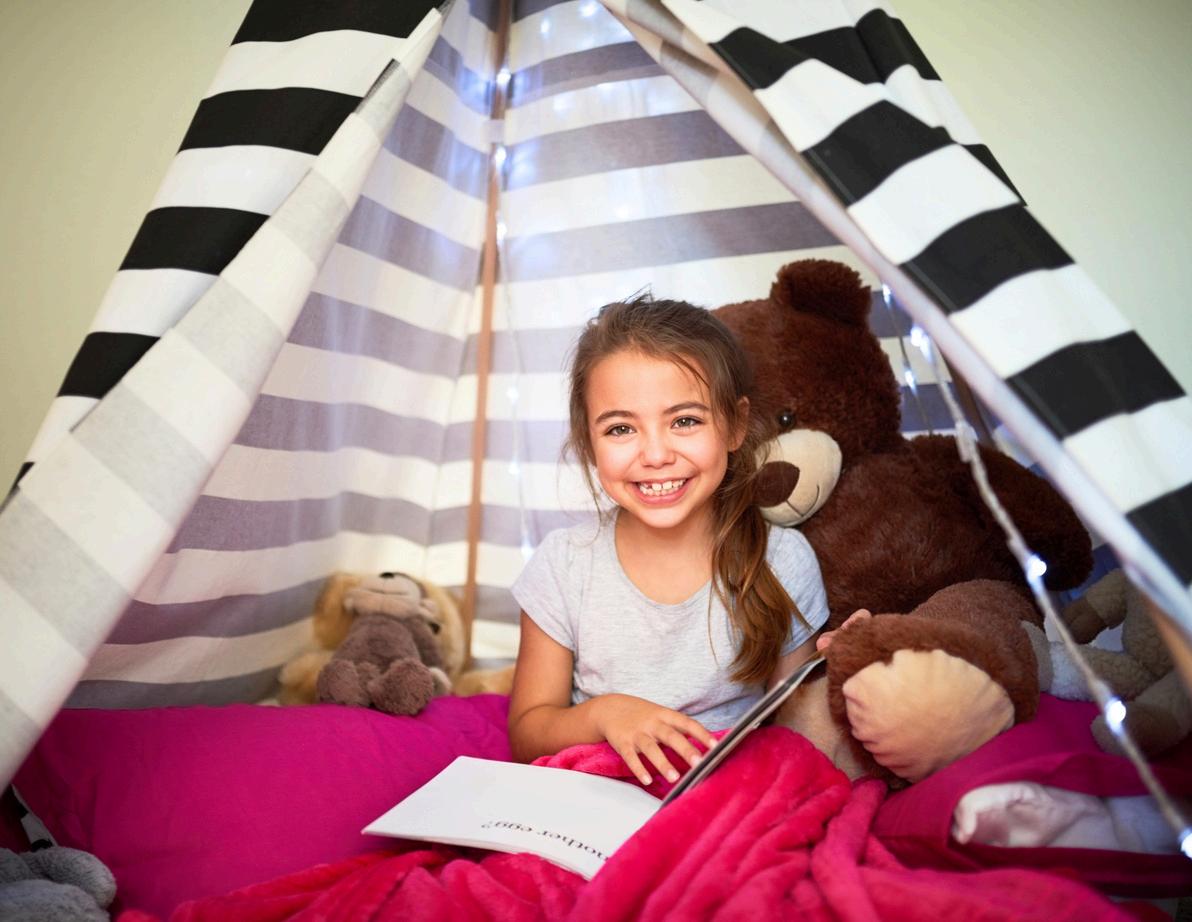
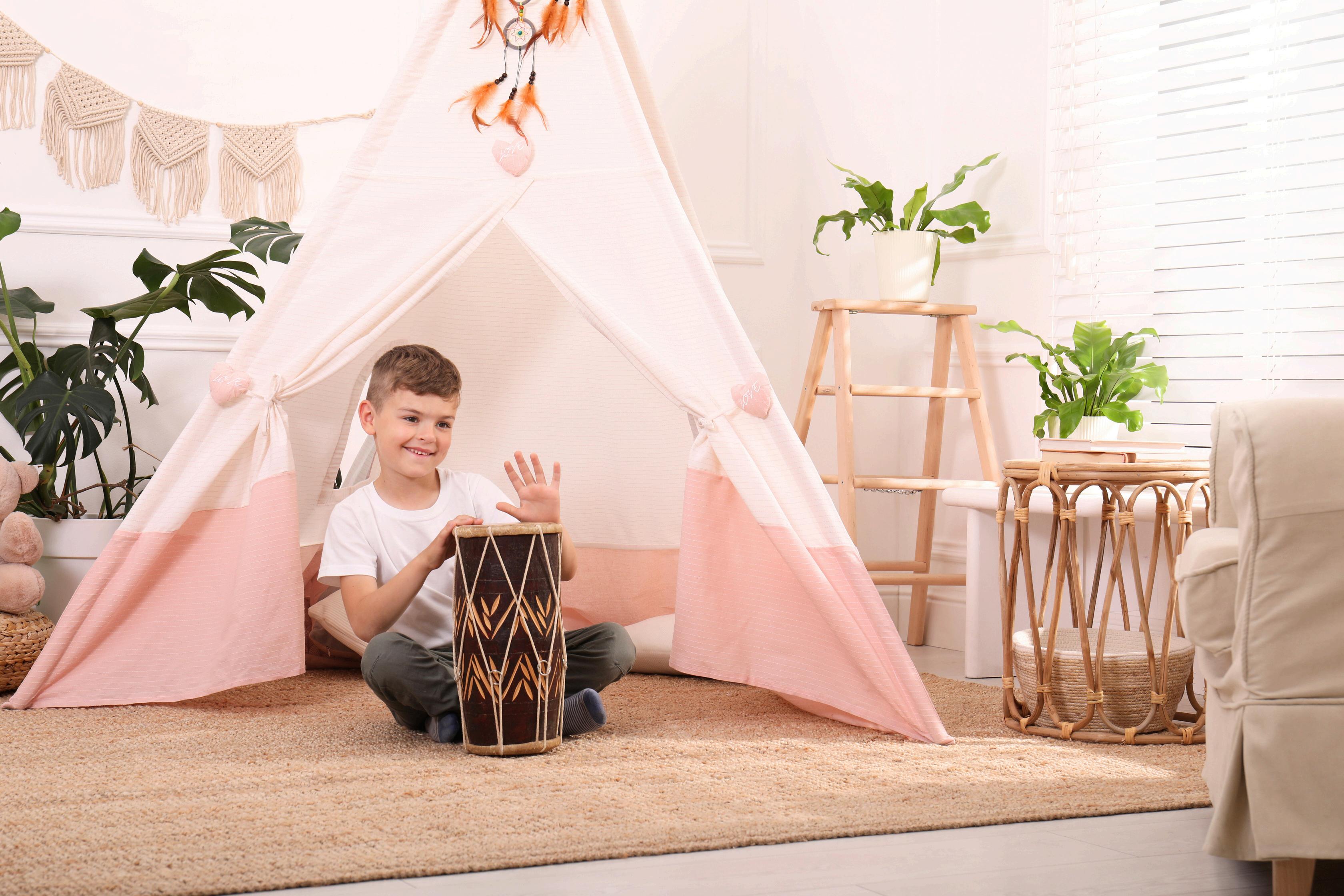
Objective: Create a classroom or home “Safe Space” for calming down.
Materials: Pillows, soft toys, sensory tools, and photos of comforting things.
Steps:
1.Together, design a calm corner. Let children choose items that make them feel peaceful.
2.Practice visiting the corner during calm times so it feels safe before they need it.
Adult Reflection: How do I introduce the calm space as supportive, not punitive?
Extension Idea: Use visuals (breathing poster, emotion cards) inside the calm corner.
Purpose: To help you reflect on how children experience safety in your environment and how your own presence contributes to it.
Reflect:
When did children seem most calm or secure this week?
What routines or rituals helped them know what to expect?
How did I communicate emotional safety through my tone, body language, and consistency? Were there moments when children showed signs of stress or uncertainty? How did I respond?
Plan:
One new way I can strengthen our sense of safety is:
A routine or ritual I will reinforce this week is:
One thing that helps me feel grounded before supporting children is:
Notes:

“Safety is not just a place — it’s a feeling we create together.”
“Connection before correction — relationships first, always.”
Connection is the heartbeat of emotional development. Through warm, attuned relationships, children learn empathy, communication, and belonging. When caregivers model kindness, joy, and curiosity, children feel seen and valued key ingredients for HOPE and healing.
The activities in this section focus on building relationships through shared joy, attunement, and empathy. They encourage children to see themselves as part of a caring community.
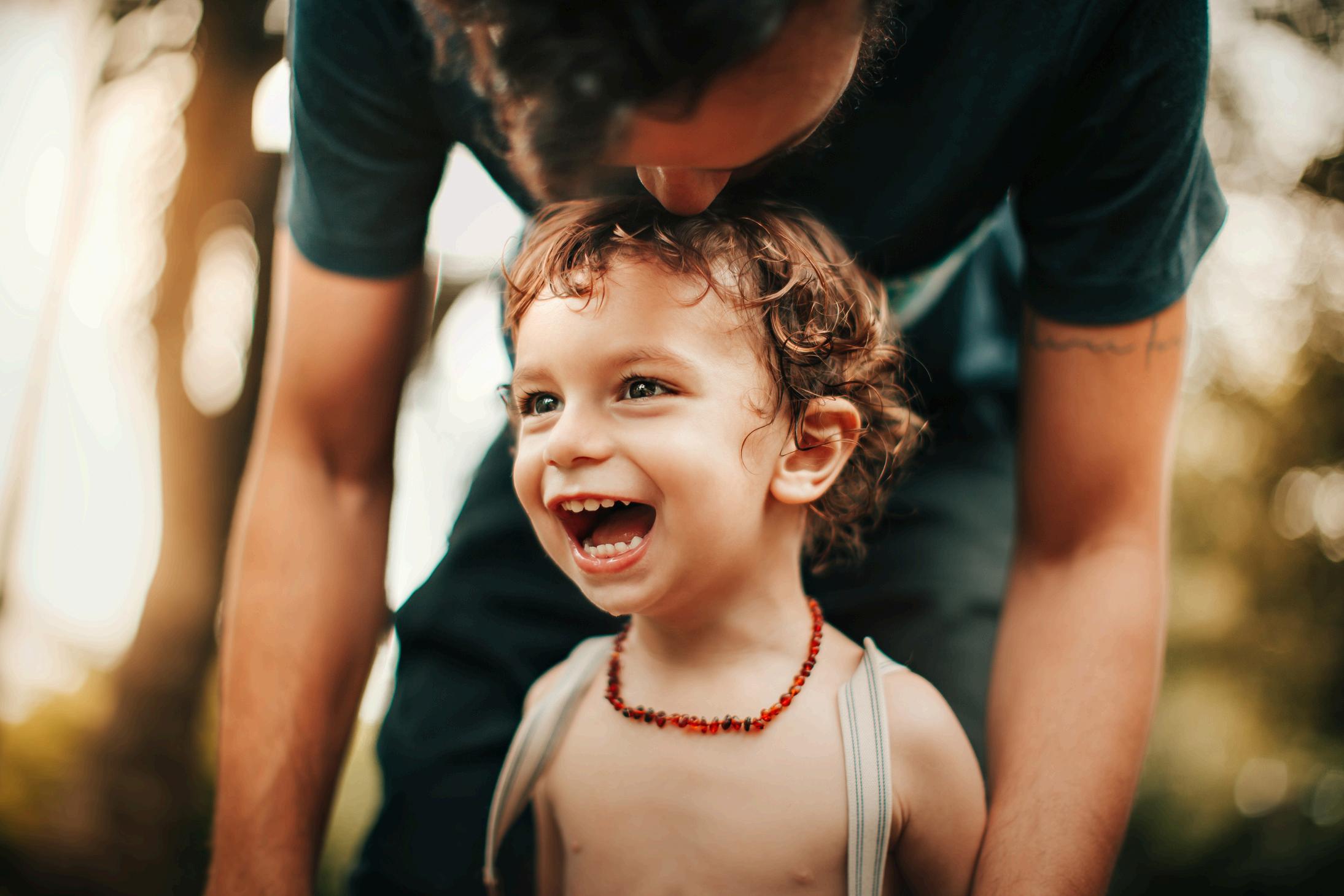
Objective: Strengthen empathy, connection, and recognition of emotions in others.
Materials:
Emotion cards or printed facial expression pictures Mirror (optional)
Steps:
1.Sit in a circle and hold up a feelings card. Ask, “Who has felt like this before?”
2.Each child can share (or act out) a time they felt that emotion.
3.Use the mirror to model expressions together: “Let’s all make a happy face… now a surprised face!”
4.Reinforce: “All feelings are okay. We can help each other when feelings feel big.”
Adult Reflection:
Did children show comfort or empathy when others shared? How can I model acceptance of all emotions in our group?
Extension Idea:
Create a “Feelings Friends” mural. Each week, add new photos or drawings of children expressing different emotions.
Objective: Build connection through attunement and shared attention.
Materials: None.
Steps:
1.Pair children. One is the “leader,” one the “mirror.”
2.The leader makes slow movements or faces; the partner mirrors exactly.
3.Switch roles after a few minutes.
Adult Reflection: How does this activity strengthen empathy and focus?
Extension Idea: Use music for rhythm and flow.
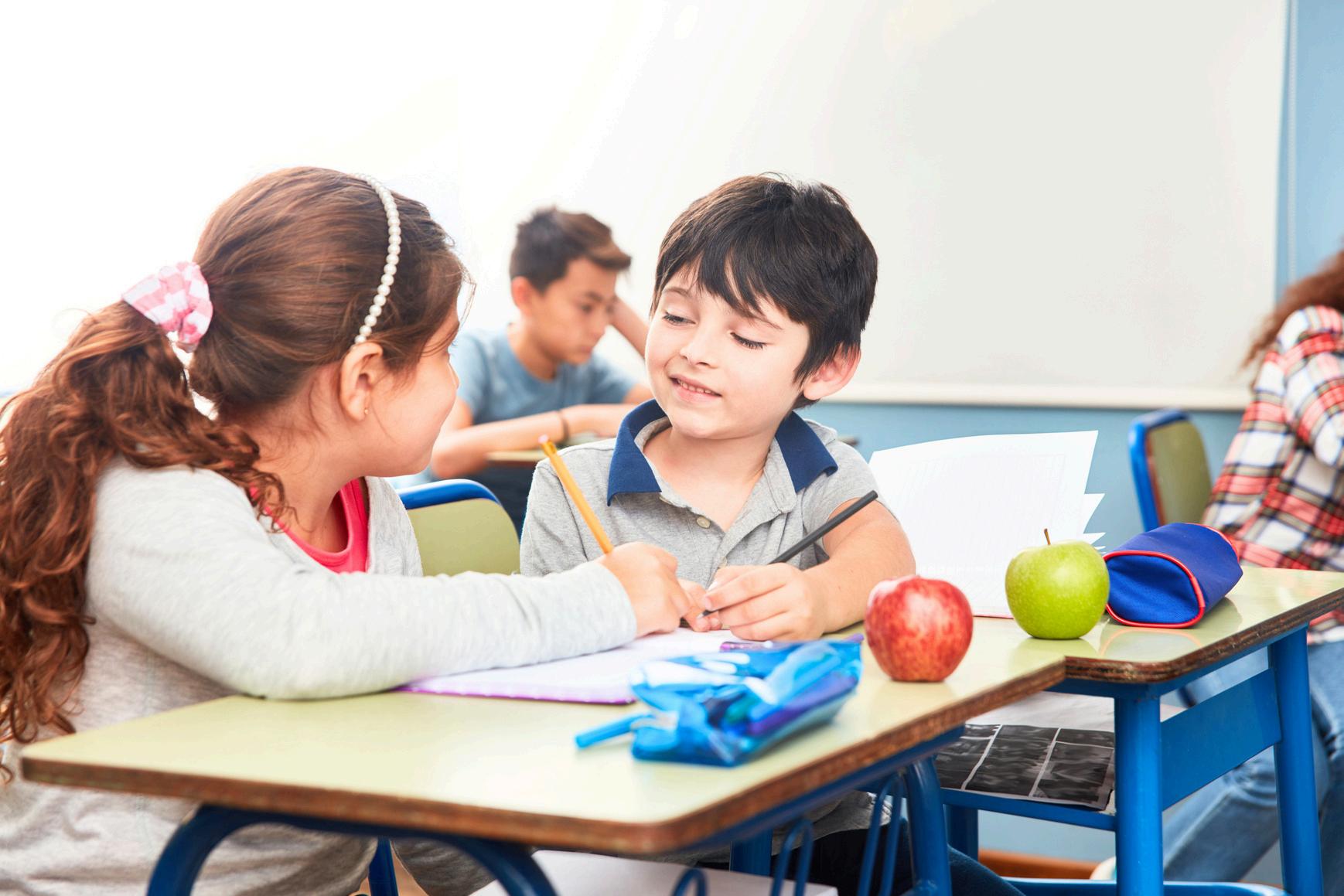
Objective: Reinforce acts of kindness as community-building.
Materials: Strips of paper, markers, a stapler, or tape.
Steps:
1.Each time someone does something kind, add a link to the chain with their name or act.
2.Hang the chain around the room and celebrate its growth.
Adult Reflection: How can I highlight kindness daily, not just big moments?
Extension Idea: Start each day by inviting one “kindness goal.”
Objective: Encourage shared joy, gratitude, and relational bonding through simple, playful prompts that foster empathy and connection between children and caregivers or peers.
Materials:
Pre-made “Connection Cards” with pictures and/or words (see examples below)
Basket or small box for the cards
Optional: paper, markers, or card stock to create your own cards
Steps:
1.Gather children in a circle or small group.
2.Introduce the basket: “Inside are Connection Cards each one gives us a way to show kindness or joy.”
3.Take turns drawing a card and acting on the prompt together.
4.Model first so children see how it works. For example:
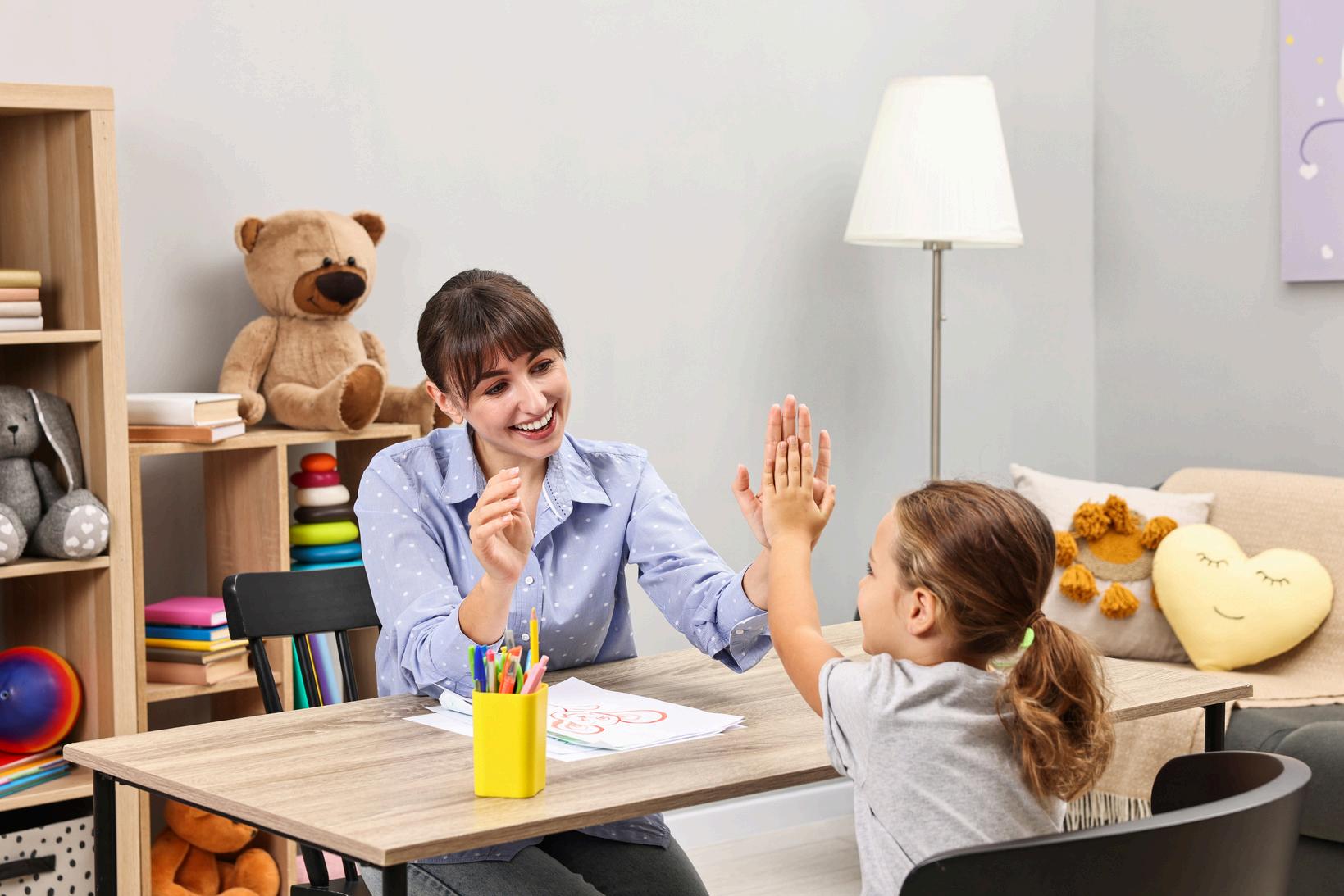
“Give someone a gentle high-five.”
“Tell a friend something you like about them ”
“Take a deep breath together”
“Smile at someone across the circle ”
“Say thank you for something today”
“Share something that made you laugh ”
“Hold hands and sway like trees in the wind ”
“Give yourself a hug ”
5 Reinforce after each round: “Every time we connect, we make our classroom (or family) stronger”
Adult Reflection:
Which prompts helped children show genuine affection or joy?
How did quieter children engage through watching, smiling, or participating? How can I weave these micro-moments of connection into everyday routines?
Extension Idea:
Let children create their own Connection Cards with drawings or words (“My idea for kindness is ”)
Keep the basket in a visible spot Pull one card each morning during circle time or whenever the group needs to reconnect after transitions or challenging moments

Key Takeaway:
Connection is built one small, intentional moment at a time Connection Cards help transform everyday routines into opportunities for safety, empathy, and HOPE
“With children, it is the joint moments of delight that build the social brain.”
Mariah Moser

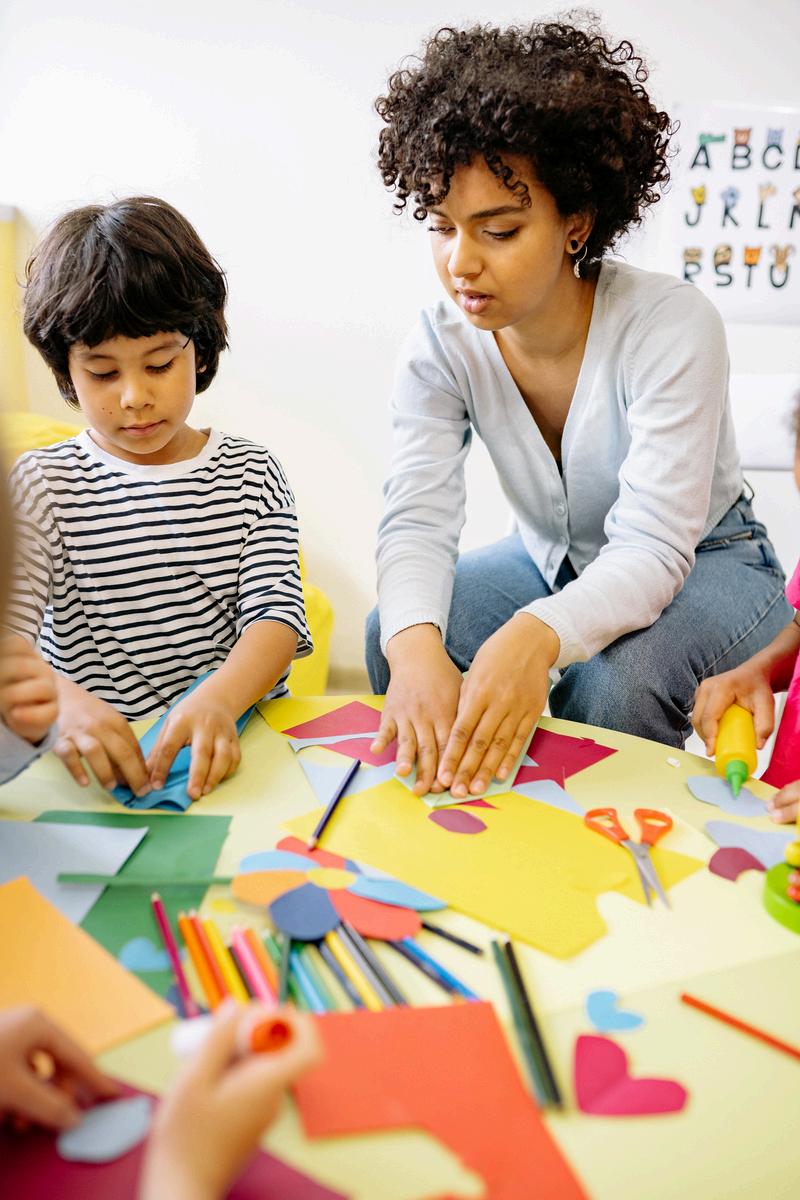
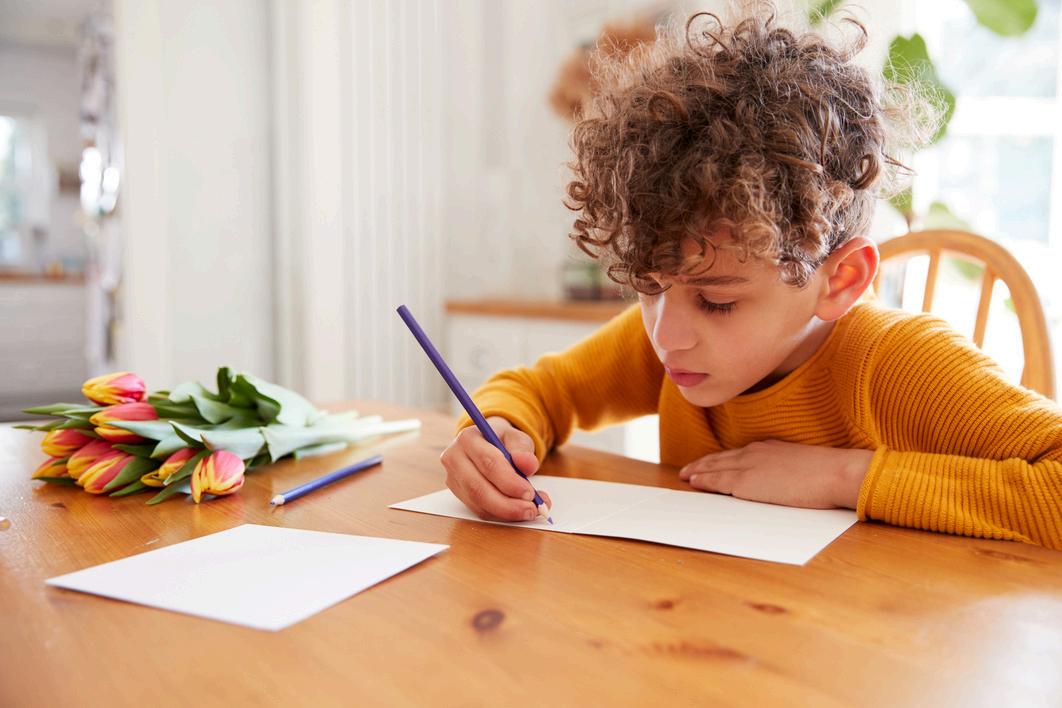
These cards create small, meaningful moments of connection between children and adults. Use them during morning meetings, transitions, or any time your group needs to reconnect.
1.Print on cardstock and cut into cards.
2.Keep in a decorated “Connection Basket.”
3.Invite one child each day to draw a card for the group or use them whenever connection feels needed.
4.After completing the prompt, briefly reflect together: “How did that feel?” or “What did you notice?”
1.Give someone a gentle high-five.
2.Smile at a friend across the room.
3.Take three deep breaths together.
4.Say something kind to a classmate.
5.Share one thing that makes you happy.
6.Give yourself a big, gentle hug.
7.Hold hands in a circle and take a calm breath.
8.Say “thank you” to someone who helped you today.
9.Look around—name one thing you like in our classroom.
10.Tell a friend something you like about them.
11.Do your favorite dance move together!
12.Make a silly face that makes someone laugh.
13.Whisper one nice thing to the person next to you.
14.Take turns giving a “butterfly high-five” (two fingers touch gently).
15.Say, “I’m glad we’re friends.”
16.Share something that made you laugh
17.Give a quiet wave to someone who look
18.Say, “I’m proud of you” to a classmate.
19.Sing a song together—loud or soft!
20.Sit back-to-back with a friend and brea
21.Draw a quick picture of a happy mome
22.Say, “You belong here.”
23.Pretend to pass a “kindness squeeze”
24.Share one thing you’re grateful for toda
25.End with: “We’re safe, we’re kind, we’re
Which prompts built the most laughter
How did quieter or more cautious child
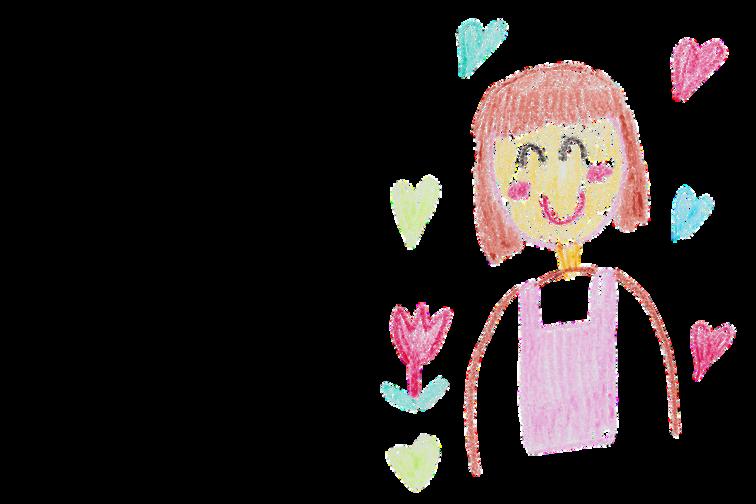
Which Connection Cards might help with transitions or after conflict?
Let children make their own Connection Cards to add to the basket. Use one card each morning as part of a “Daily HOPE Moment.”
Pair with your Kindness Chain or Feelings Friends Circle activities for integrated social-emotional learning.
Purpose:
To notice moments of connection and identify ways to deepen relationships through daily interactions.
Reflect:
When did I feel most connected with a child or group this week? How did I model empathy and kindness in small moments? Which children may need extra invitations to connect? Did I use moments of joy, laughter, or play to strengthen relationships?
Plan:
One relationship I want to nurture more intentionally is: A new connection routine I will try (e g , morning greeting, end-of-day check-in): I will remind myself that connection is built through:
Notes:
“Connection before correction — always.”
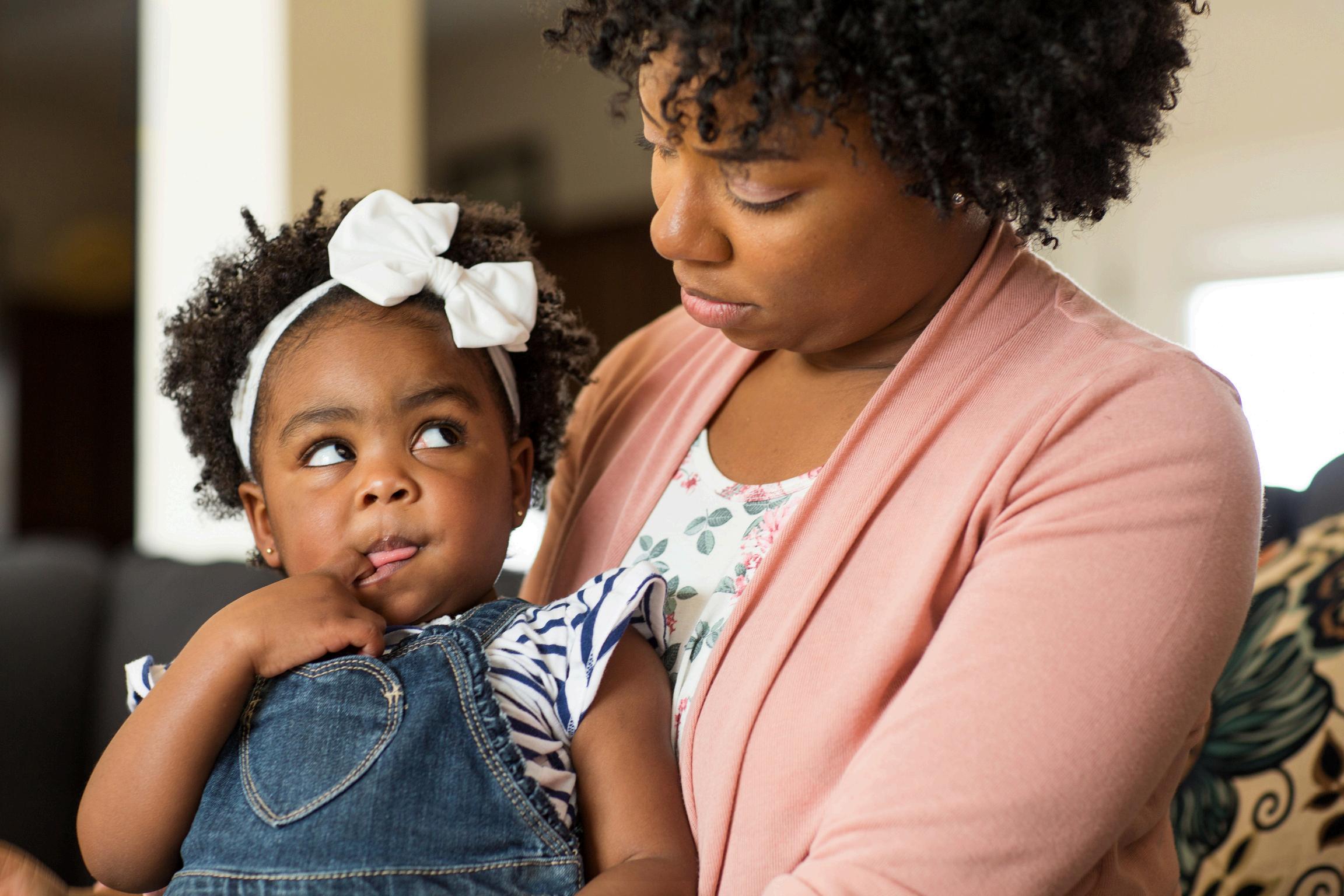
“All feelings are welcome here.”
Helping children name and understand their emotions is one of the most important skills adults can teach. Emotions are messages that guide behavior and learning; when children learn to express them safely, they build confidence and self-understanding.
These activities help children identify, name, and share their feelings, while adults model acceptance and reflective listening. Together, these experiences make emotions less overwhelming and more manageable.

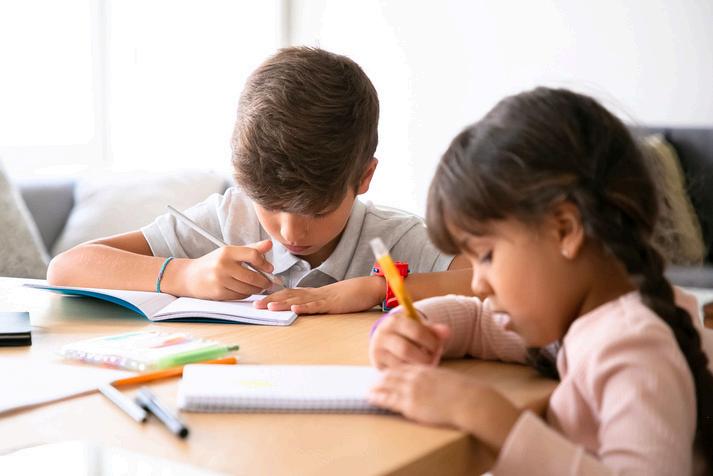
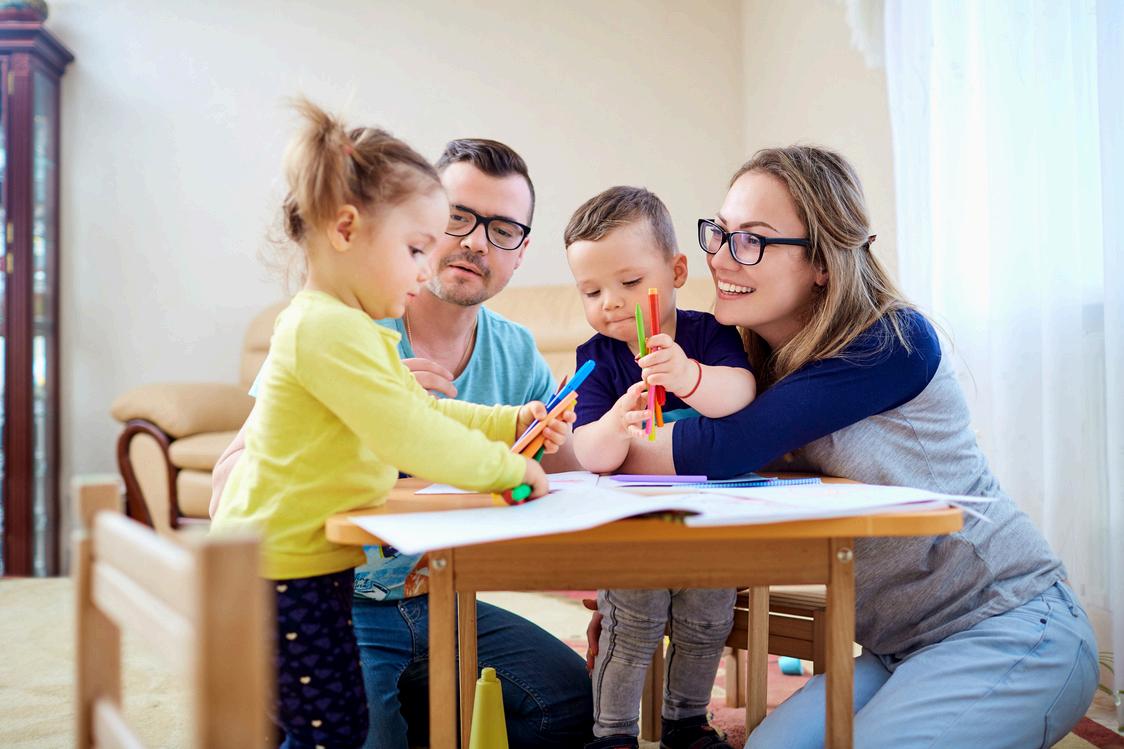
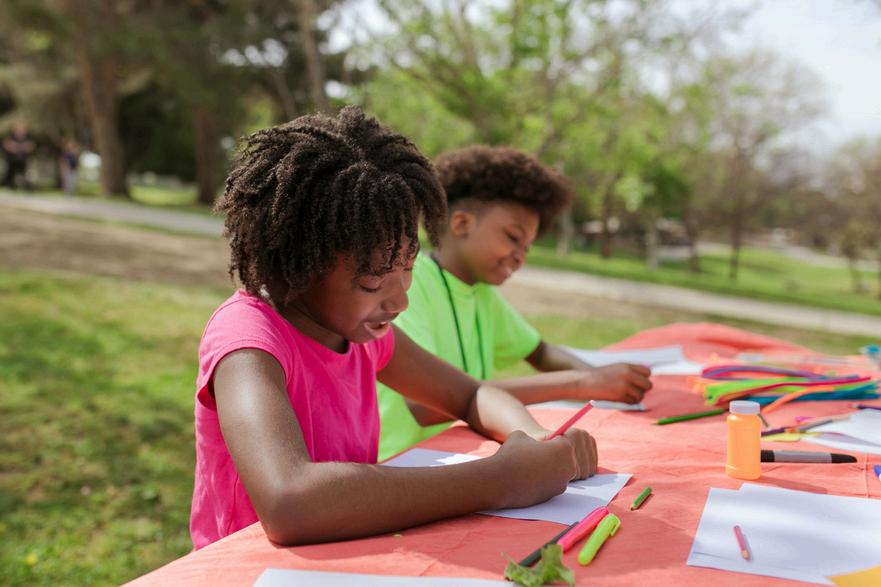
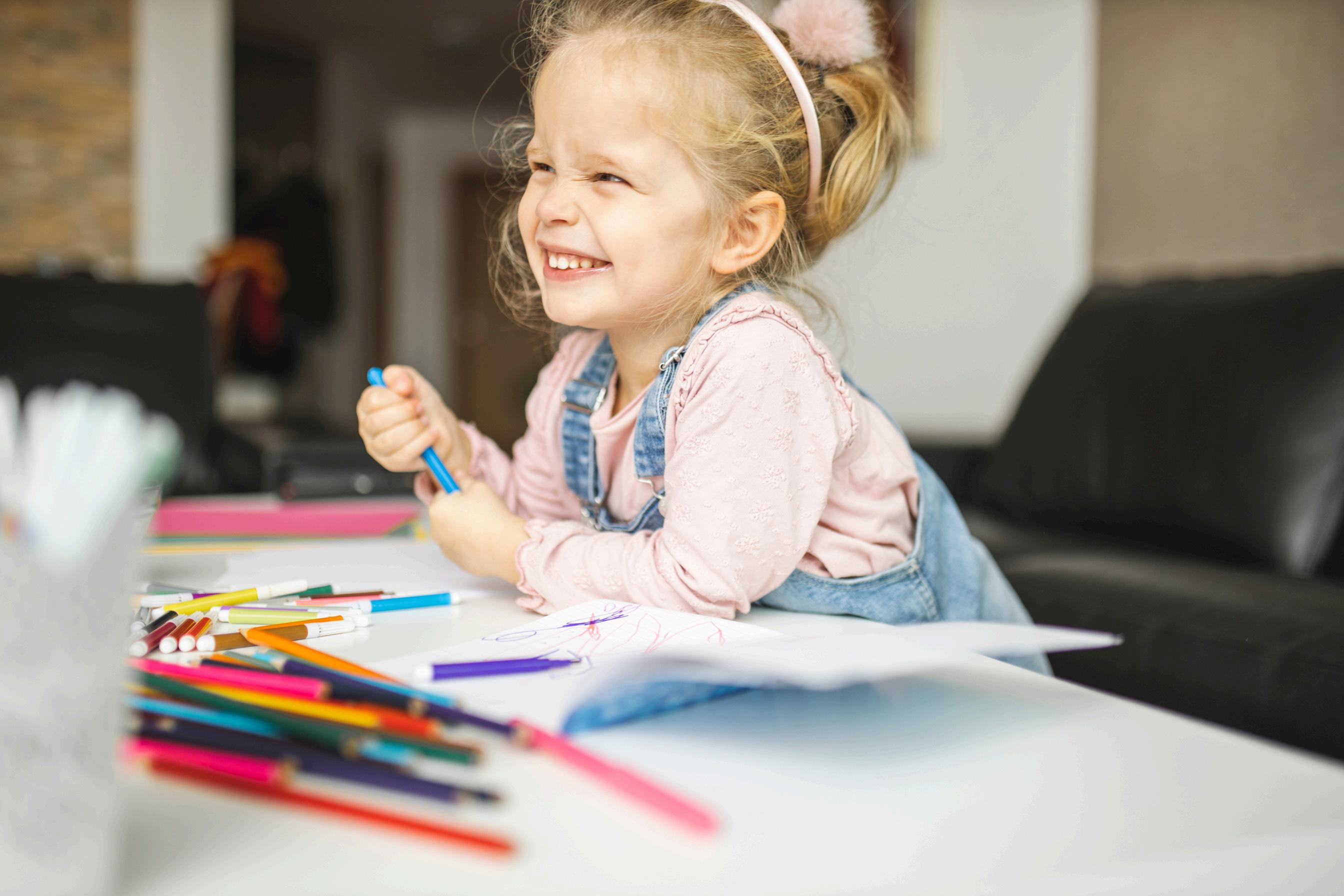
Objective: Help children identify, name, and express emotions through color and art, fostering emotional literacy and safe self-expression
Materials:
Paper or cardstock
Crayons, markers, or paint
Feeling faces chart (optional)
Steps:
1 Give each child a blank paper and say: “Let’s draw how we feel today u
2 Offer prompts:
“What color feels like happy?”
“What color feels like mad?”
“Can you show me calm or sleepy?”
3 As children draw, walk around and reflect their feelings:
“You used lots of blue that looks calm ”
“You have big red swirls That might be a big feeling!”

4 End by sharing artwork in a circle, using language like: “We all have feelings, and they all belong ”
Adult Reflection:
Which children expressed emotions freely and which needed help finding words? How can I continue reinforcing that all feelings are safe to share?
Extension Idea:
Create a “Feelings Gallery Wall” in the classroom where children can display and rotate their artwork as their emotions change.
Objective: Teach children to link emotions with visual metaphors.
Materials: Poster board, weather icons (sun, clouds, rain, storm).
Steps:
1.Introduce the chart: “Sometimes our feelings are like the weather.”
2.Each child picks a weather icon for how they feel each morning.
3.Reflect together at the end of the day—did their “weather” change?
4.Adult Reflection: How do daily emotion check-ins support group climate?
5.Extension Idea: Encourage children to draw their own “weather of the day.”
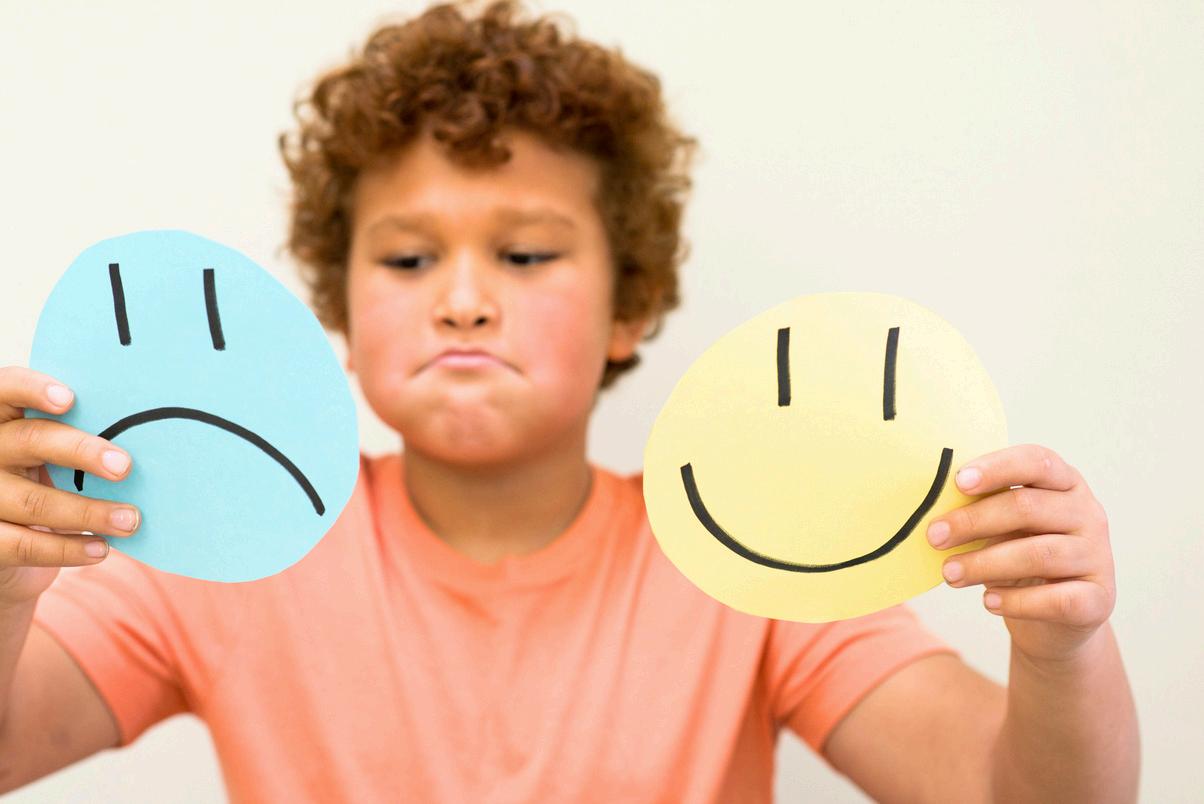
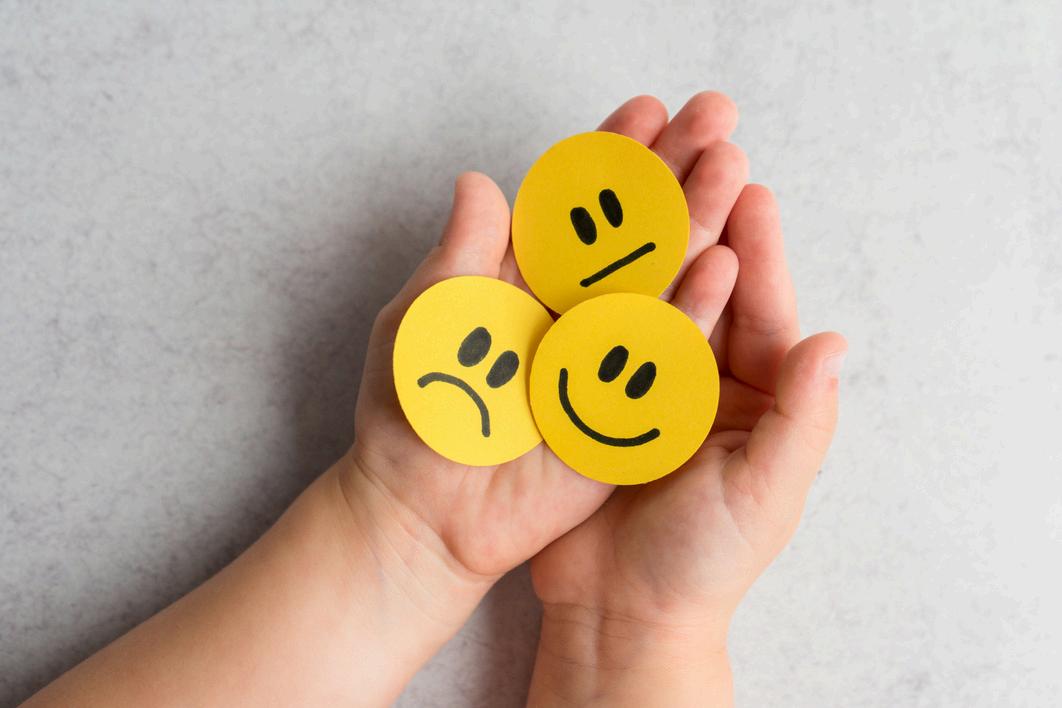
Objective: Build emotion recognition and empathy through play
Materials: Emotion cards
Steps:
1 One child draws an emotion card and acts it out silently
2 Others guess the feeling and share a time they felt it
3 Adult Reflection: Do children gravitate toward certain emotions more easily?
4 Extension Idea: Use puppets for younger or more reserved children

Objective: Encourage storytelling and emotional literacy.
Materials: Blank paper, crayons, binder or stapler.
Steps:
1.Each week, help children draw a page: “I feel when . ”
2.Compile pages into a class Feelings Book.
3.Read together regularly, normalizing emotional expression.
4.Adult Reflection: How do stories help children process experiences safely?
5.Extension Idea: Record audio of children narrating their pages for family sharing.
Purpose: To reflect on how you support children in identifying, expressing, and understanding emotions.
Reflect:
Which feelings did children express most often this week? How did I respond when a child showed a strong emotion? Did I model naming and normalizing my own emotions appropriately? How did I show children that all feelings are okay?
Plan:
I will introduce or revisit the feeling through play or story. A new way I can help children talk about feelings is: I will notice and celebrate when children:
Notes:
“When we name feelings, we make them less powerful and more understandable.”
“Children borrow the calm of caring adults.”
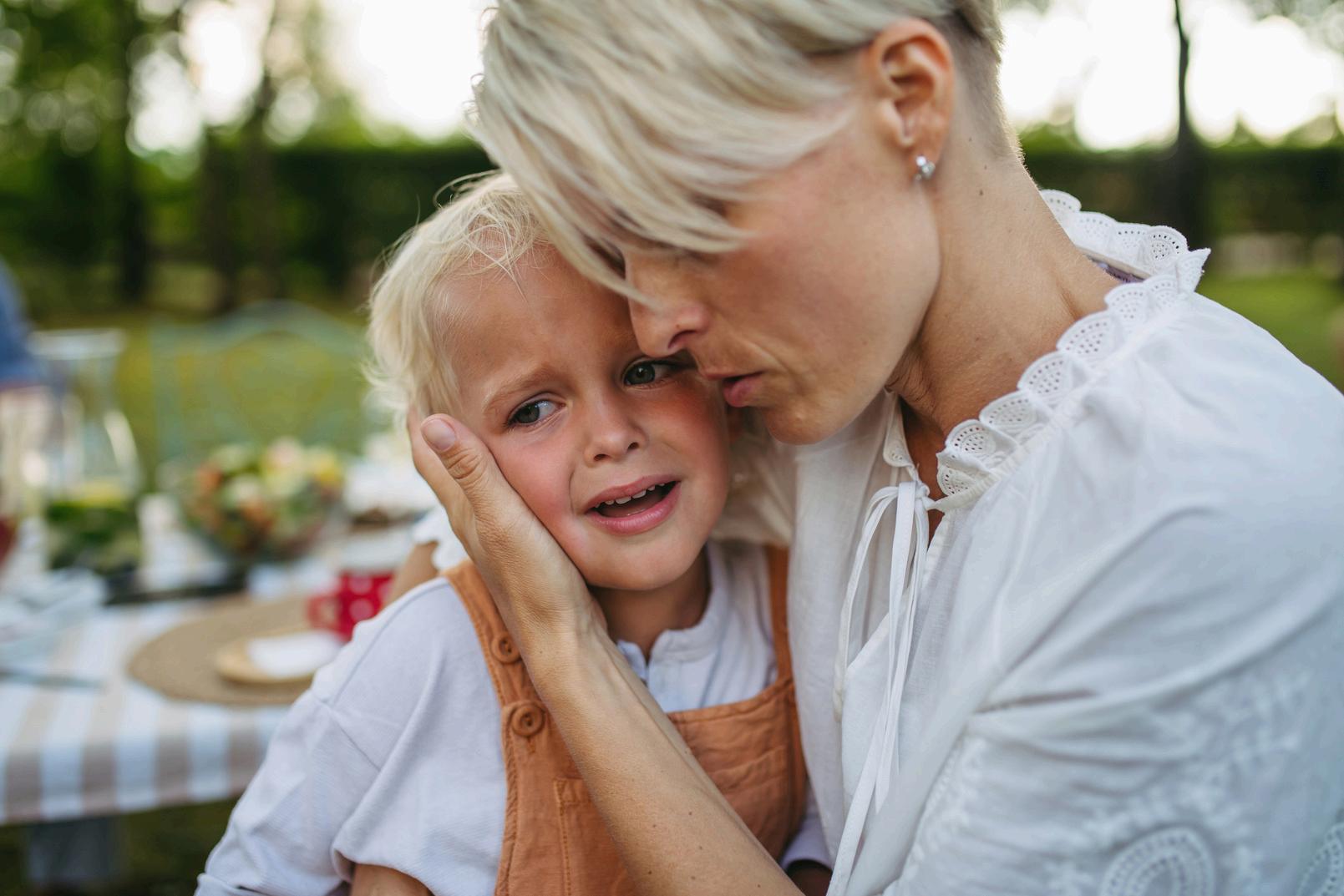
Regulation is the bridge between big feelings and wise actions. Young children rely on coregulation the presence of calm, caring adults to manage stress and return to balance. Over time, they learn to use self-regulation strategies independently.
This section’s activities help children learn to calm their bodies, manage big feelings, and practice mindfulness. They also remind adults that regulation begins with us.
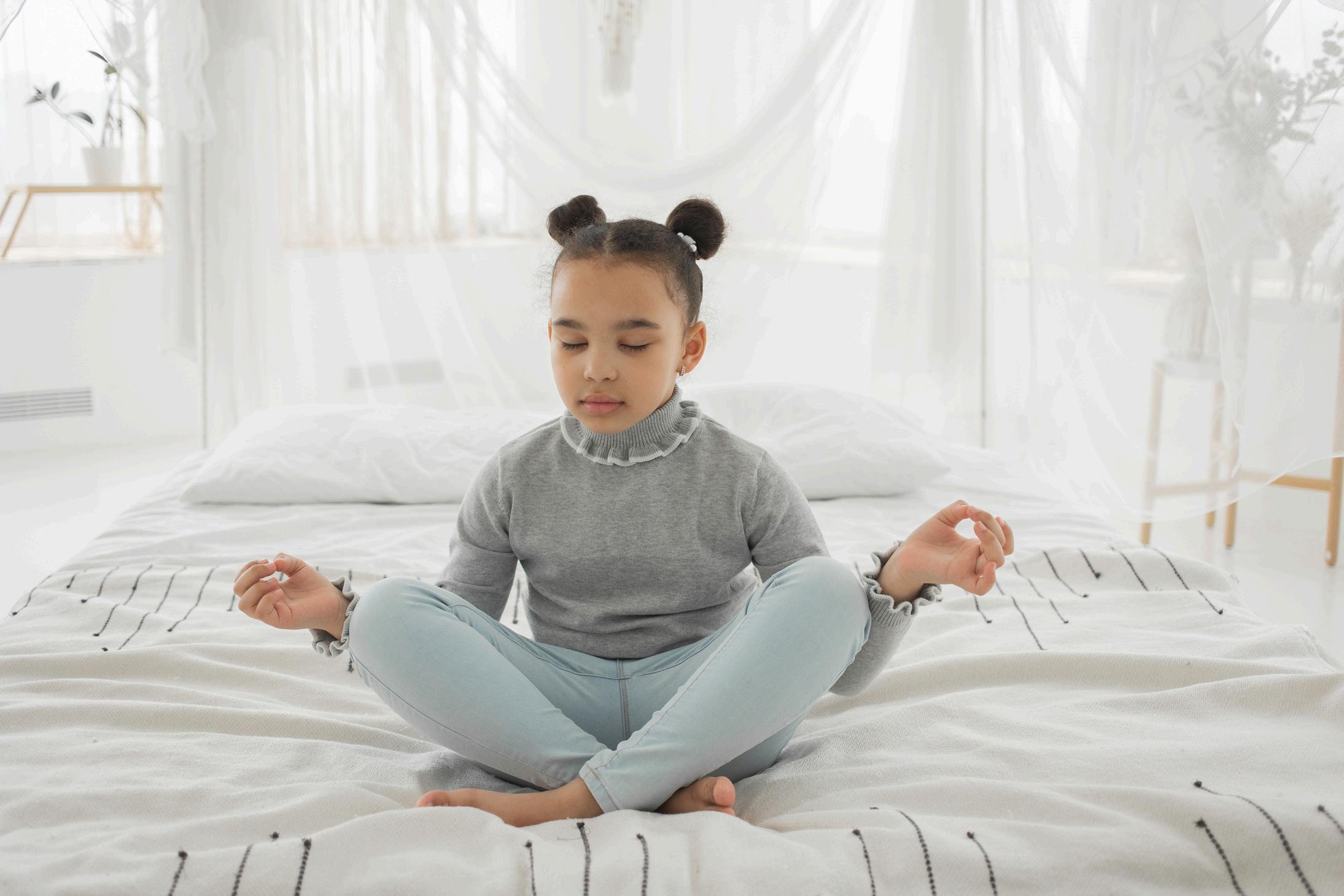
Objective: Teach a simple physical technique for calming down when overwhelmed, helping children learn body-based self-regulation
Materials:
Space to sit or stand comfortably
Visual of a turtle (toy or picture)
Steps:
1.Tell a short story: “When turtles feel scared or tired, they go inside their she break. We can do that too.”
2.Model:
Pull shoulders in, hug yourself, and take three slow breaths.
“Now peek out see, it’s safe again!”
3.Let children practice “going into their turtle shells” when they need a calm
4.Reinforce: “Your shell is always with you. You can go inside anytime you ne safe.”
Adult Reflection:
When did children use their “turtle shell” most naturally?
How might I cue this strategy during transitions or challenging moments?
Extension Idea:
Make “Calm Like a Turtle” a regular routine after high-energy play. Create a soft “turtle zone” with pillows or a cozy blanket for children who need extra time to calm.
Activity: Balloon Breathing
Objective: Teach deep breathing and body awareness.
Materials: Balloons or a visual balloon poster.
Steps:
1.Pretend to blow up a balloon together inhale through your nose, exhale slowly.
2.Stretch arms wide as you “fill” your balloon, then release.
3.End with: “Now our bodies are calm and full of gentle air.”
4.Adult Reflection: Which children responded best to visual or kinesthetic cues?
5.Extension Idea: Add a calm song: “Blow up the balloon, let it go slow.”
Objective: Help children use sensory awareness to self-sooth
Materials: Items with distinct textures, smells, or sounds
Steps:
1 Introduce: “We can use our five senses to calm down ”

2.Invite children to find something they can see, hear, touch, smell, and (pretend) taste.
3.Share discoveries: “I hear birds,” “I feel my soft shirt.”
4.Adult Reflection: Which senses helped children most?
5.Extension Idea: Create a sensory box for independent regulation practice.
Objective: Practice mindful breathing using co-regulation tools.
Materials: Small stuffed animals.
Steps:
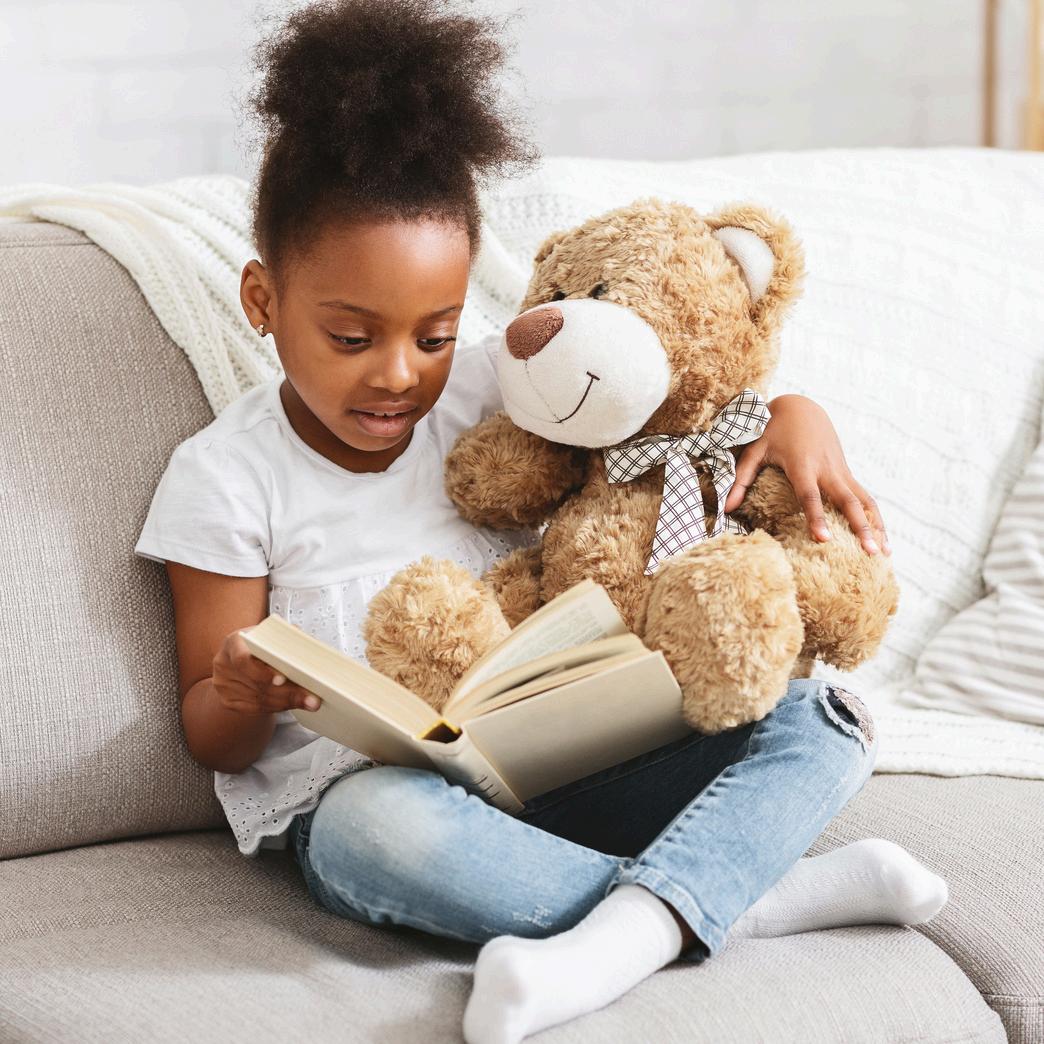
1.Children lie down and place a “breathing buddy” on their belly.
2.Watch the buddy rise and fall as they breathe slowly.
3.Reflect: “When our buddy moves gently, our body is calm.”
4.Adult Reflection: How did children’s energy shift after this exercise?
5.Extension Idea: U thi b f ft td l
“When we prior teaching our chi emotional regulat equip them wi lifelong tool to cop stress, build hea relationships, and sound decision
- Dr. Daniel
Purpose: To assess how children are learning to calm their bodies and how you model and support coregulation.
Reflect:
What signs did I notice that children needed help calming?
Which self-regulation strategies worked best for different children?
How did I maintain or regain my own calm in stressful moments?
How did I use environment (lighting, music, transitions) to support regulation?
Plan:
One calming strategy I will model more consistently is: I will practice co-regulation by: I will prepare the environment for regulation by:
Notes:
“Children borrow our calm before they find their own.”
“When children feel capable, they feel hopeful.”
Empowerment is the belief that “I can.” It grows when children make choices, master new skills, and experience encouragement rather than judgment. Empowered children are resilient, curious, and kind they believe their actions make a difference.
The activities in this section help children build confidence, independence, and positive selftalk, reinforcing that every small success matters.
Objective: Build confidence and a sense of agency by helping children identify things they can do and are learning to do.
Materials:
Paper cutouts of flowers or leaves
Markers or crayons
Large poster labeled “Our I Can Garden”
Steps:
1.Explain: “In our garden, every flower is something we can do!”
2.Ask: “What is something you can do by yourself or something you’re learning?” Examples: “I can zip my coat.” “I can help a friend.” “I can calm down.”
3.Write or draw each child’s “I can” on a flower or leaf.
4.Add to the wall poster. Celebrate by saying: “Look how our garden grows so many things we can do!”
Adult Reflection:
How do I balance celebrating growth without creating competition? Which children seemed proud to share, and which needed encouragement?
Extension Idea:
Add an “I’m Learning To…” section for new goals. Revisit the garden monthly and celebrate each child’s progress together.
Objective: Build confidence through recognizing helpful actions.
Materials: Handprint cutouts, markers, bulletin board.
Steps:
1.Each child decorates a paper hand.
2.When they help someone, write their act inside the handprint.
3.Add hands to a “Helping Hands” wall.
4.Adult Reflection: How do I balance celebration and equity (ensuring all children are seen)?
5.Extension Idea: Add “Helping the Earth” or “Helping Myself” categories.
Objective: Encourage courage and self-efficacy.
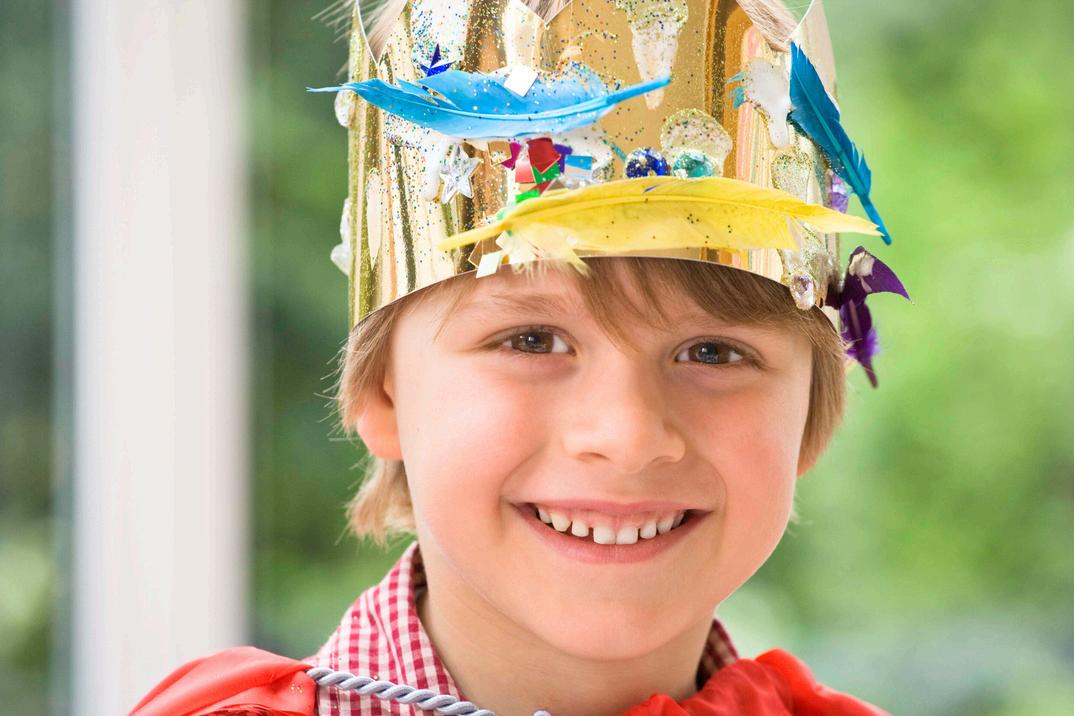
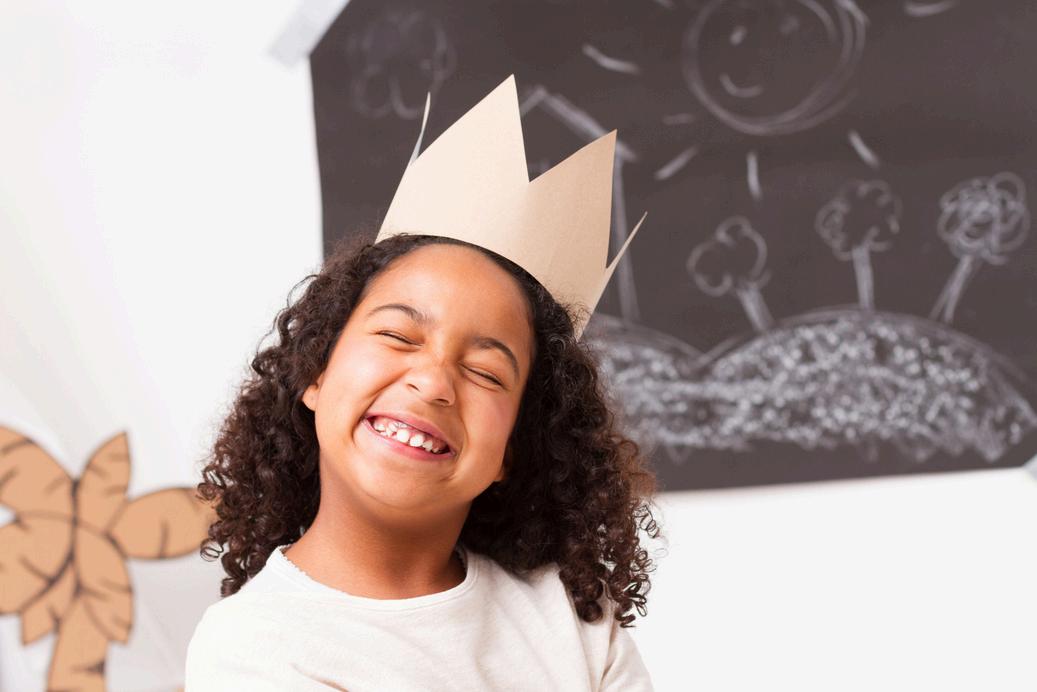
Materials: Fabric scraps or paper capes, stickers, and markers.
Steps:
1.Talk about bravery: “Being brave means trying something new or doing what’s right.”
2.Each child decorates a “brave cape.”
3.Role-play: “When I wear my cape, I can…”
4.Adult Reflection: How do I frame bravery to include emotional risk-taking (e.g., asking for help)?
5.Extension Idea: Let children “gift” bravery stickers to

Objective: decision-making
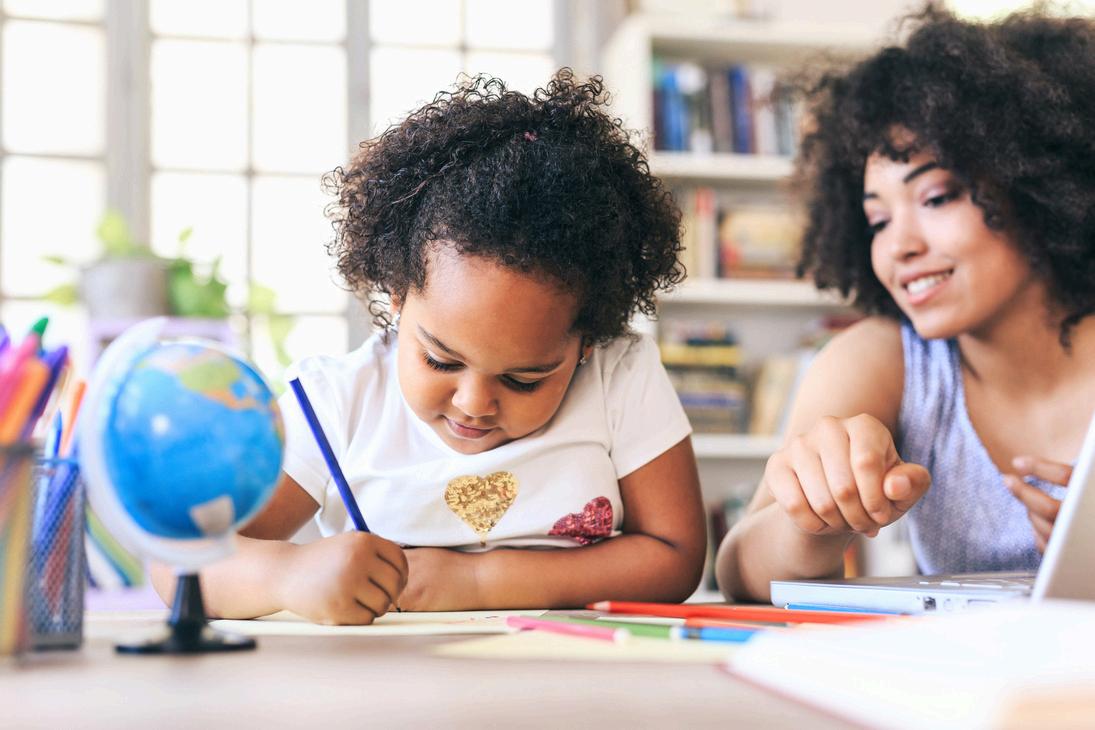
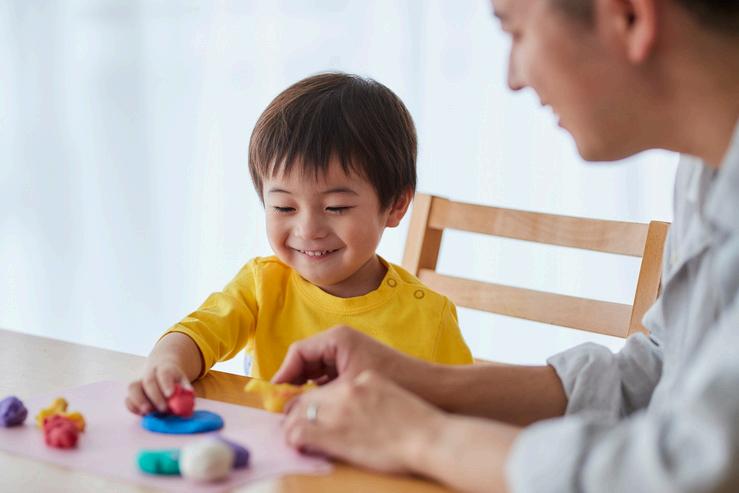
Materials: Visual choice cards (two snack options, two activities)
Steps:
1 Present small, structured choices
2 Reinforce: “You chose to draw first Great decision!”
3 Discuss: “Sometimes we choose, sometimes adults choose and both are okay”
Adult Reflection: How does giving real choices support empowerment and reduce power struggles?
Extension Idea: Create a daily “Choice Board” with rot

Purpose: To recognize moments when children for more opportunities for empowerment.
Reflect:
When did I see a child take initiative or sho
How did I encourage effort rather than perf
How often did I offer meaningful choices to
How did I respond when a child tried some
I will empower children by offering choices
A skill or strength I will highlight in each ch
I will use language that focuses on effort, s
Notes:
“When children feel capable, they feel hopeful — and hope fuels growth.”

My Reflections
“Every moment with a child is an opportunity to build safety, trust, and hope. When we connect with curiosity, compassion, and joy, we change lives one small moment at a time.”

This index is designed to help caregivers choose activities that match the needs of their children and learning environment. Each goal connects to skills that support safety, connection, emotional literacy, regulation, and empowerment the foundation of the A Way of Being with Children framework.
Many of the activities listed in this index are available as free, printable activity sheets Visit www.centerforchildcounseling.org or scan the QR code to browse and download
Emotional Development
Developmental Goal
Identify and name feelings
Express emotions safely
Build empathy for others
Recognize emotions in peers
Self-Regulation and Executive Functioning
My Feelings Colors, Weather Feelings Chart, Feelings Charades, The Feelings Book
Feely Faces Circle, The Safety Bubble, Calm Like a Turtle
Feelings Friends Circle, Mirror Me!, Connection Cards
Emotion Charades, Feelings Friends Circle, Kindness Chain
Developmental Goal Supporting Activities
Learn to calm the body
Develop focus and attention
Manage transitions
Use routines for safety
Calm Like a Turtle, Breathing Buddies, Balloon Breathing, Sensory Detective
Mirror Me!, Mindful Listening (Listening with Elephant Ears), The Safety Song
The Safety Bubble, Calm Corners, Connection Cards
Calm Corners, Safety Song, Safe Space Collage
Social Development
Developmental Goal
Build peer relationships
Cooperate in groups
Practice taking turns and sharing
Strengthen empathy and perspective-taking
Attachment and Connection
Developmental Goal
Strengthen trust with adults
Build relational joy and belonging
Support caregiver-child attunement
Use rituals for connection
Supporting Activities
Kindness Chain, Connection Cards, Helping Hands Chart
Feelings Friends Circle, Kindness Circle, Choice Power
Mirror Me!, Choice Power, Connection Cards
Feelings Charades, Kindness Chain, Heart Hands
Safety Bubble, Calm Like a Turtle, Connection Cards
Kindness Chain, Connection Cards, The Safety Song
Breathing Buddies, Mirror Me!, Heart Hands
Safety Song, Connection Cards, Kindness Circle
Cognitive and Language Development
Developmental Goal
Expand emotional vocabulary
Practice problem-solving
Encourage curiosity and reflection
Strengthen narrative and memory
Developmental Goal
Build confidence in abilities
Encourage decision-making
Promote positive self-talk
Celebrate mastery and growth
My Feelings Colors, Weather Feelings Chart, Feelings Book
How Big Is My Problem?, Choice Power, Resilience Builders (HOPE Jar)
Sensory Detective, I Can Garden, Calm Like a Turtle
The Feelings Book, Story & Draw, Safe Space Collage
I Can Garden, My Brave Cape, Helping Hands Chart
Choice Power, Resilience Builders, Connection Cards
HOPE Jar, Brave Cape, I Can Garden
Helping Hands Chart, I Can Garden, Kindness Chain
Sensory and Physical Development
Developmental Goal
Build sensory awareness
Use movement for regulation
Increase body awareness
Explore sensory play safely
HOPE Framework Integration
HOPE Building Block
Relationships with adults who care
Safe and equitable environments
Opportunities for social and emotional learning
Supporting Activities
Sensory Detective, Calm Corners, Calm Like a Turtle
Mirror Me!, Breathing Buddies, Balloon Breathing
Heart Hands, Calm Like a Turtle, Safety Bubble
Safe Space Collage, Sensory Detective, Feely Faces Circle
Engagement in community and joy
Example Activities
Safety Bubble, Connection Cards, Breathing Buddies
Calm Corners, Safety Song, Safe Space Collage
Feelings Friends Circle, Kindness Chain, My Feelings Colors
Kindness Circle, I Can Garden, Brave Cape
Every activity in this book began with you an adult who chose to show up, to be present, and to create moments that matter for a young child.
The science is clear: children who have at least one stable, caring adult in their life are more likely to heal from adversity, build resilience, and thrive. That adult can be you. It already is.
This companion book is just the beginning. The real work happens in the small, everyday moments a calm voice during a hard transition, a shared laugh during play, a gentle hand on a shoulder when big feelings arrive.
Keep going. Keep connecting. Keep building HOPE.
This activity book is a companion to the A Way of Being with Children: PreK Manual a comprehensive, research-based guide for educators, caregivers, and mental health professionals supporting children from birth to age 6.
The manual goes deeper into the science of early brain development, trauma-informed care, and the HOPE framework, offering scripts, reflection tools, and real-world strategies to help you respond with presence and compassion every day.
Purchase the PreK Manual: www.centerforchildcounseling.org/awayofbeing
Also available: A Way of Being with Children: Elementary Edition for educators and caregivers working with children in kindergarten through 5th grade.
Scan the QR code!
Scan the QR code or visit our website to explore the A Way of Being Manual and additional resources

The activities and approaches in this book are grounded in decades of research in early childhood development, trauma-informed care, and the science of positive childhood experiences. The following frameworks, organizations, and texts informed this work and are recommended for adults who wish to learn more.
Center for Child Counseling has been building the foundation for playful, healthful, and hopeful living for children, families, and communities for over 25 years. Rooted in West Palm Beach, Florida, we provide mental health counseling, prevention and education services, and trauma-informed training for adults who care for children.
Our work is guided by the belief that every child — no matter what they have experienced — has the capacity for growth, healing, and hope.
HOPE: Healthy Outcomes from Positive Experiences The HOPE framework identifies four building blocks of positive childhood experiences relationships, environments, opportunities, and community/civic engagement as the antidote to Adverse Childhood Experiences (ACEs) and trauma. HOPE National Resource Center at Tufts Medical Center: www.positiveexperience.org
ACEs (Adverse Childhood Experiences) The landmark ACEs Study, conducted by the CDC and Kaiser Permanente, demonstrated the profound long-term effects of childhood adversity on health and well-being. Understanding ACEs is foundational to trauma-informed practice. CDC ACEs Resources: www.cdc.gov/violenceprevention/aces
Trauma-Informed Care is an approach that recognizes the widespread impact of trauma and integrates knowledge about trauma into all aspects of care, with the goal of avoiding retraumatization Substance Abuse and Mental Health Services Administration (SAMHSA): www samhsa gov

Felitti, V. J., Anda, R. F., Nordenberg, D., et al. (1998). Relationship of childhood abuse and household dysfunction to many of the leading causes of death in adults: The Adverse Childhood Experiences (ACE) Study. American Journal of Preventive Medicine, 14(4), 245–258.
Garner, A. S., & Shonkoff, J. P. (2012). Early childhood adversity, toxic stress, and the role of the pediatrician: Translating developmental science into lifelong health. Pediatrics, 129(1), e224–e231.
Shonkoff, J. P., & Phillips, D. A. (Eds.). (2000). From neurons to neighborhoods: The science of early childhood development. National Academies Press.
Siegel, D. J., & Bryson, T. P. (2011). The whole-brain child: 12 revolutionary strategies to nurture your child's developing mind. Delacorte Press.
van der Kolk, B. (2014). The body keeps the score: Brain, mind, and body in the healing of trauma. Viking.
Perry, B. D., & Szalavitz, M. (2006). The boy who was raised as a dog: And other stories from a child psychiatrist's notebook. Basic Books.
Porges, S. W. (2011). The polyvagal theory: Neurophysiological foundations of emotions, attachment, communication, and self-regulation. W. W. Norton & Company.
Center for Child Counseling: Programs, training, manuals, tip sheets, and free resources for adults who live and work with children. www.centerforchildcounseling.org
beKidSafe: Online education platform offering child safety and abuse prevention learning for adults and children. www.beKidSafe.org
HOPE National Resource Center Research: Tools, and training on Positive Childhood Experiences and the HOPE framework. www.positiveexperience.org
Center on the Developing Child — Harvard University: Science-based resources on early brain development, toxic stress, and resilience. developingchild.harvard.edu