





FINEWATERS & FINE WATER ACADEMY
FOUNDER/ WATER SOMMELIER CELLART
FOUNDER AND PRESIDENT/ WATER SOMMELIER CELLART
CHIEF EXECUTIVE OFFICER
PARADIGM SHIFT
Water has transcended its traditional role as a basic hydration resource, assuming a nuanced identity marked by terroir-driven nuances, wellness attributes, and a diverse range of experiential dimensions. Emerging from the realm of commodity, fine water has undertaken a remarkable transformation, embracing the concept of terroir, where the water’s origin - be it rain, iceberg, glacier, artesian spring, mist, or natural spring - imparts a distinctive flavor profile. Notably, sparkling waters exhibit variances in bubble characteristics, from size to intensity, and select offerings naturally possess carbonation directly at their source.
The adoption of fine waters etiquette has elevated the act of water consumption into the echelons of epicurean culture, delineating aspects of presentation, optimal serving temperatures, glassware selection, and meticulous pairing considerations with gastronomy and oenology. Consequently, water is now approached with a level of appreciation and sociability akin to fine wines, enriching culinary experiences and significant occasions.
While the broader public may not yet be fully acquainted with the intricacies of water appreciation, a profound shift in perspective beckons, unveiling an undiscovered realm beyond mere hydration. This revelation, that water is an avenue for multifaceted experiences, redefines its role in our lives. Water, as we now understand it, is not just a necessity; it is an enduring encounter destined to be savored and eternally remembered.
This guide offers an immersion into the world of fine waters: an educational and sensorial journey designed to support the selection, storage, and tasting of waters within gastronomic experiences and Cellart projects.
Water is not just water
Fine water is a natural product with terroir that holds experiences and gives wellness.
Natural product with terroir
Fine water is not a uniform commodity. It is a natural, unprocessed product shaped by terroir—by geology, climate, and the circumstances of its origin. Each source creates a distinct water with its own character. Fine water is inseparable from place, and that includes not only the natural environment but also the social and cultural context surrounding the source, all of which deserve respect and protection.
The waters explored in this guide booklet differ widely in origin, character, and story, and we will return to those differences in detail. What they all share is essential: they come from real, natural sources and are rarely altered by human intervention. Fine water is taken gently, bottled at the source, and left as close as possible to how it is experienced in nature. Bottling, when done right, is not manufacturing—it is an act of sharing the source with those who cannot be there.
In today’s supermarkets, however, this distinction is easily lost. Many bottled waters—especially in markets like the United States—are not natural at all but processed tap water: filtered, remineralized to a mass-market taste, and sold with heavy marketing and heavy plastic. Brands such as Aquafina, Dasani, Pure Life, Essentia, and others are essentially selling water you already have at home. In places with good tap water, filtration systems offer a smarter, more sustainable choice. Fine water, by contrast, exists for moments when origin matters—when the experience of the source itself is what you are choosing.
Experiences
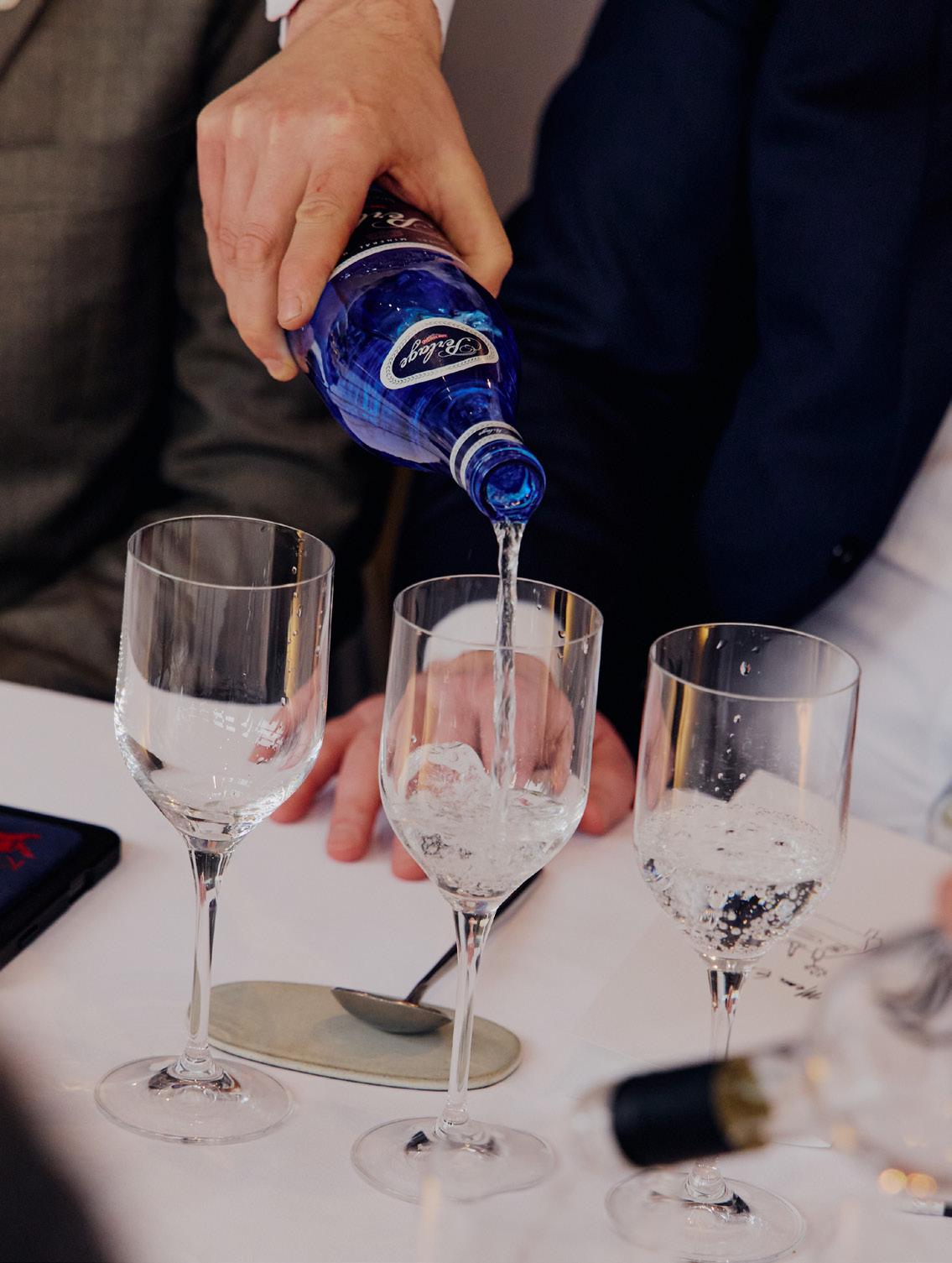
Water offers a wide spectrum of taste sensations that can be paired with food just as thoughtfully as wine. Bottled water etiquette addresses vintage, serving temperature, food pairings, and appropriate stemware, placing fine water firmly within the epicurean experience. There is no single “best” water—only waters that suit a moment, a dish, or a mood—making water menus, water pairings, and water sommeliers a natural extension of serious gastronomy.
In fine dining, “still or sparkling” should never be the only choice. Restaurants with extensive wine lists but no water selection deny guests a meaningful part of the table experience, especially as more people choose not to drink alcohol. Elegant wine stemware is standard, yet water is too often served in a generic tumbler, stripped of intention. Fine water deserves dedicated glassware that signals care, enhances aroma and texture, and elevates the act of drinking.
Water belongs on the table alongside wine—and sometimes as the only bottle. Like wine, fine water carries origin, structure, and emotion, and it rewards attention. Thoughtfully chosen water enhances not only food, but also tea, coffee, cocktails, ice, and the overall sensory experience. When treated with respect, water becomes more than accompaniment; it becomes part of the story.
Wellness
Since antiquity, water has been associated with purification, healing, and renewal. Sacred springs, wells, and rivers appear across cultures and religions—from Judaism and Christianity to Islam, Buddhism, and Hinduism—where water plays both a physical and spiritual role. In Europe, this belief evolved into a social ritual. By the late 18th century, visiting mineral springs to bathe or “take the waters” became fashionable among the wealthy, giving rise to spa towns and so-called water hospitals such as Contrex and Fiuggi. Many of today’s iconic European water brands— Evian, San Pellegrino, Perrier, Vittel, Spa, and others—trace their origins to this era.
Long before bottled water became commonplace, mineral waters were distributed as luxury goods and remedies, first freely and later through pharmacies in stoneware, porcelain, and glass. Their appeal was often practical as much as medicinal: city water from the 17th to 19th centuries was frequently polluted, making spring water a safer alternative by default. Naturally carbonated sources such as Perrier, Apollinaris, and Vichy Catalan added sensory appeal, while early commercialization—especially in France—transformed local springs into international brands. The stories of Evian and Perrier illustrate how origin, narrative, and design cemented the connection between water, health, and lifestyle in the public imagination.
Today, medical claims around bottled water are rightly restricted, and the curative promises of the past belong to another time. What remains relevant is water’s role as a healthy, elegant alternative to alcohol and sweetened beverages. Fine water enhances food, supports moderation, and improves overall well-being simply by replacing less healthy choices. It can also elevate wine itself, refreshing the palate and sharpening perception. Water is no longer medicine, but it is still powerful—an experience at the table, a companion to pleasure, and a quiet contributor to balance and clarity.
Hydration is boring
Hydration matters. It is fundamental to life: we can go weeks without food, but only a few days without water, depending on age, health, and conditions. Our bodies are well equipped to tell us when we need it. Thirst is a reliable signal, and with roughly 20 percent of our water intake coming from food, there is little need to count glasses or obsess over metrics. If you are not thirsty and your urine is clear to light yellow, you are likely doing just fine.
More is not always better. Drinking excessive amounts of water can be dangerous, even fatal, as rare but welldocumented cases remind us. The condition, hyponatremia, occurs when the blood is diluted to the point that sodium levels fall too low. As Paracelsus observed centuries ago, the dose makes the poison—a truth that applies to water as much as anything else.
So why does hydration feel boring? Because when water is treated as a commodity, it becomes something we consume out of obligation rather than pleasure. Chosen thoughtfully, natural water offers character, texture, and experience. When enjoyed as a beverage in its own right, water stops being something you have to drink and becomes something you want to.
There is no pure water
Marketing for commodity bottled waters has taught us to equate “good” water with “pure” water—as if anything beyond hydrogen and oxygen were a flaw. This idea leads to strange behavior: people drink distilled or heavily treated water and then take mineral supplements to replace exactly what was removed. Even the most aggressive purification methods fail to deliver true purity. Distillation and reverse osmosis remove much, but not everything, and once stripped of minerals, the water quickly becomes acidic when exposed to air, as carbon dioxide takes the place of what was lost.
Absolute purity exists only for industrial purposes, such as cleaning computer chips, where water is made so aggressive it actively seeks to dissolve anything it touches. That kind of water is unsuitable for drinking. Clean, healthy water does not need to be pure. On the contrary, the waters of greatest gastronomic and sensory interest contain minerals and trace elements—they are what give water structure, character, and pleasure at the table.
There is no best water
“What is the best water?” The answer is always the same: there is no best water. We accept this easily with wine, books, films, or music, all of which exist in endless styles and expressions. Yet many people still assume that water is somehow different—that water is just water. It isn’t. Like any natural product, water varies, and that diversity is precisely where its interest lies.
Water should be enjoyed for its terroir, its taste, its mouthfeel, and its story. My own choices change with mood and occasion: naturally carbonated waters with high minerality, silica-rich waters, the clarity and quiet of iceberg water, or still waters with medium to high mineral content. Sometimes you open a bottle to celebrate; other times you choose a water to tell a story or to pair with food, even chocolate. There is no best water, and that is a gift. A world with only one water would be dull—much like dining out today, where too often the only options are the same two bottles. But that, as they say, is a story for later.
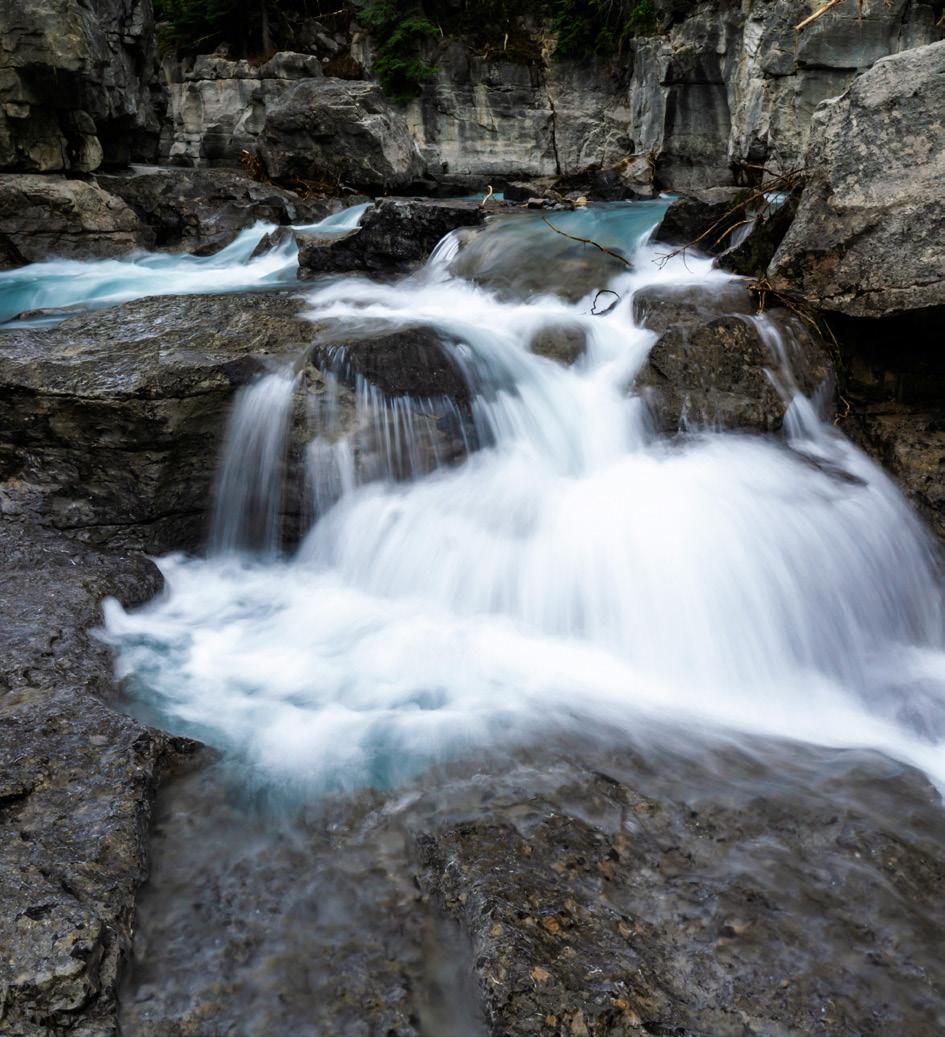
Spring water is the most commonly claimed source in bottled water, yet it varies widely in mineral content and total dissolved solids, shaped by local geology. True, free-flowing springs are gravity-driven, which makes the land above the spring critical to protection, and the best examples are bottled with minimal intervention. While regulations may allow boreholes to be labeled
as spring water, excessive pumping can threaten a spring’s survival by extracting more water than nature can replace.
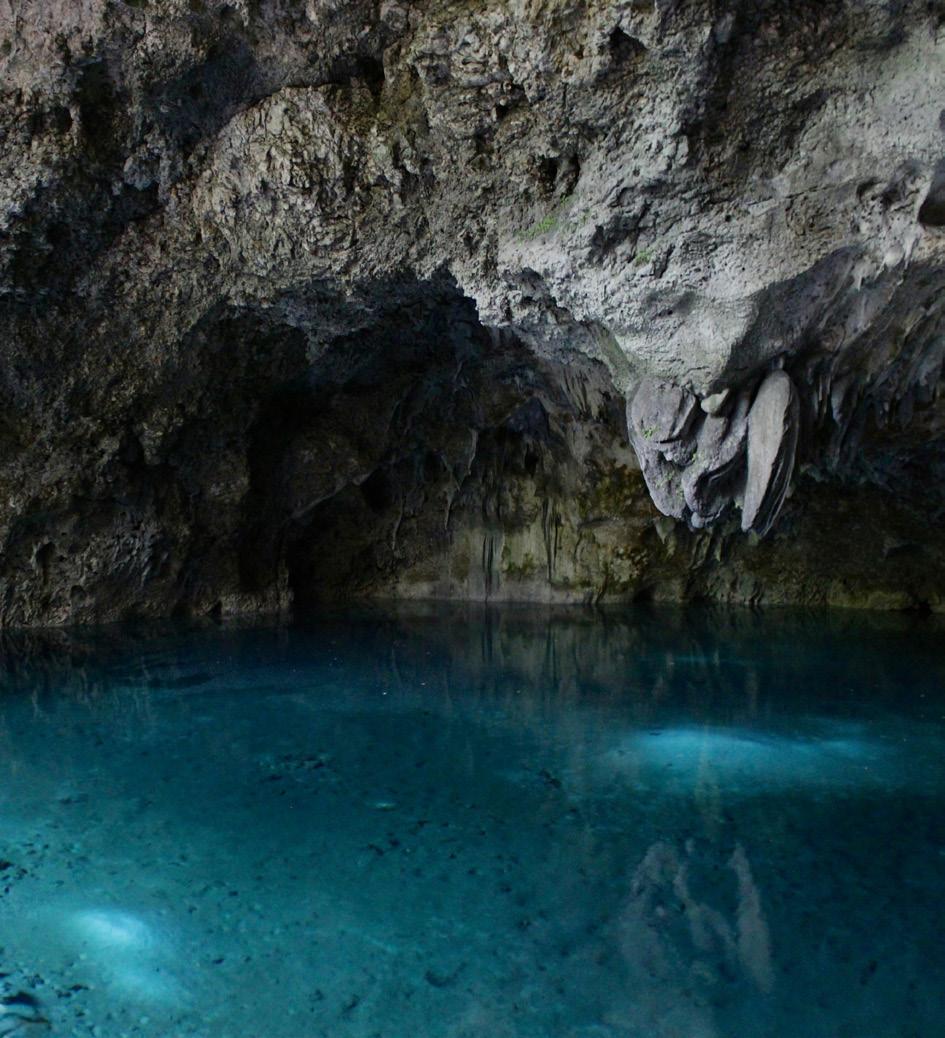
An artesian aquifer is confined under pressure between impermeable rock layers, and when tapped, that pressure naturally forces water to the surface without mechanical aid, sometimes creating dramatic fountains. In terms of taste and mineral character, artesian waters can be as diverse as spring waters, which is why many brands highlight their artesian origin. The constant
positive pressure also helps protect the aquifer, reducing the risk of surface contaminants entering the water system.
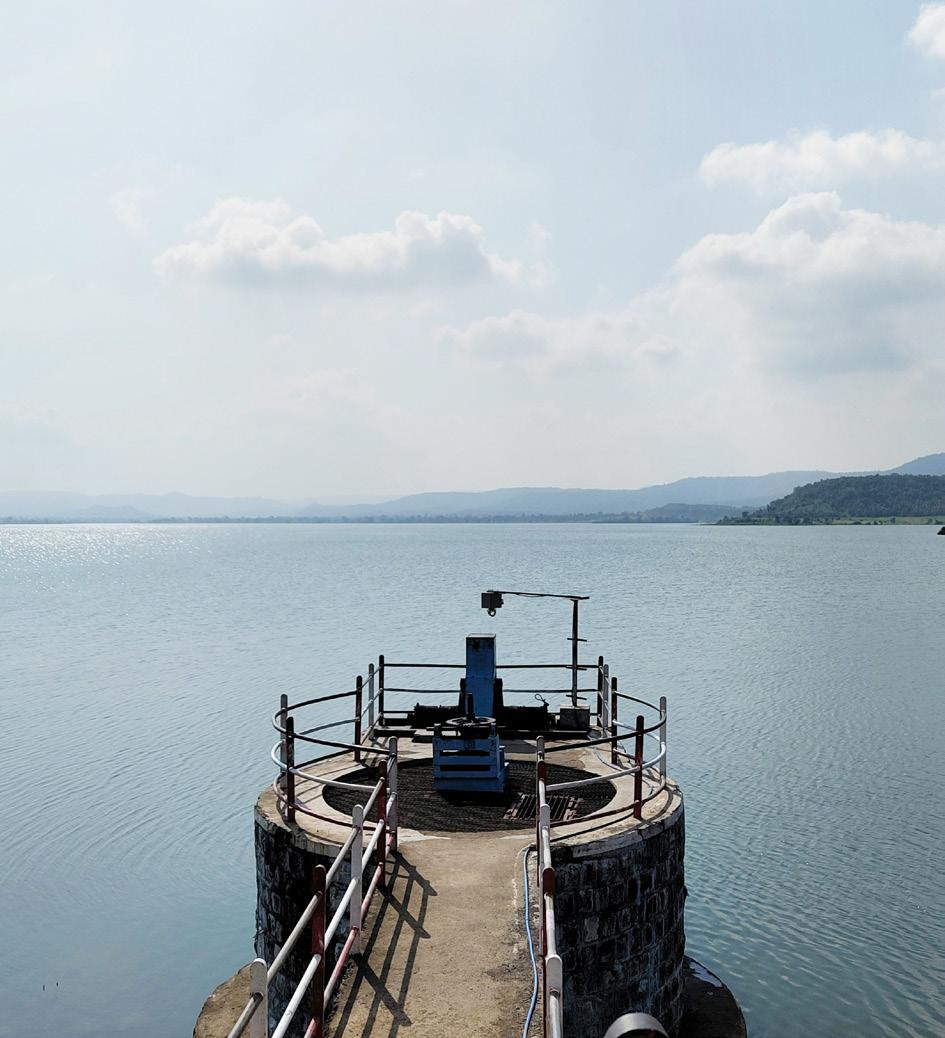
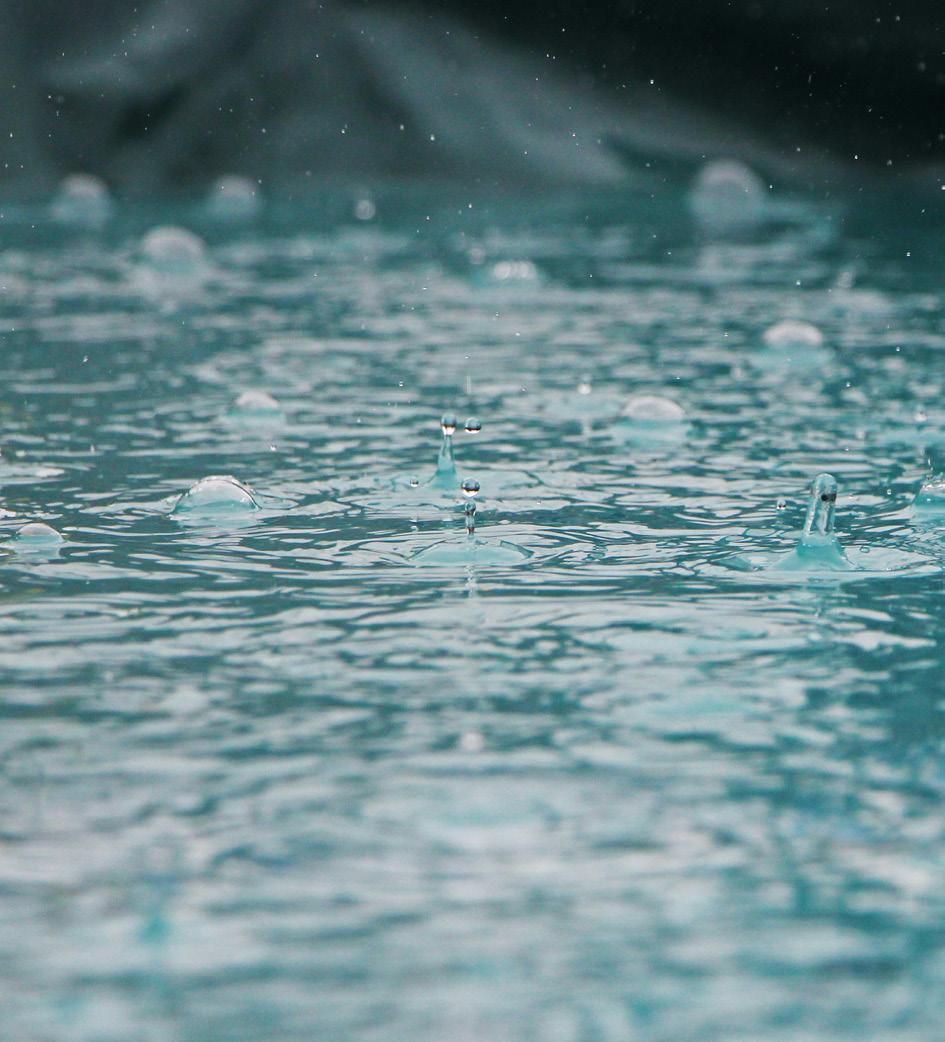
Well Rain
Non-artesian wells rely on mechanical pumps to bring water to the surface, an origin rarely celebrated on labels due to an undeserved negative perception of “well water.” In blind tastings, however, well waters often outperform spring and artesian waters, showing comparable diversity in mineral content and total dissolved solids.
Like spring water, well water can express a wide range of characters shaped by the geology of its aquifer. exceptionally young, low in minerals, and typically free of nitrates, offering a clean and delicate tasting water.
Rainwater has long been used for irrigation and drinking, often collected from rooftops and stored for later use, a practice still vital in many island nations. Today, some companies bottle rainwater from remote, unpolluted regions like Tasmania and Chile, where air quality is exceptionally high. Carefully harvested rainwater is
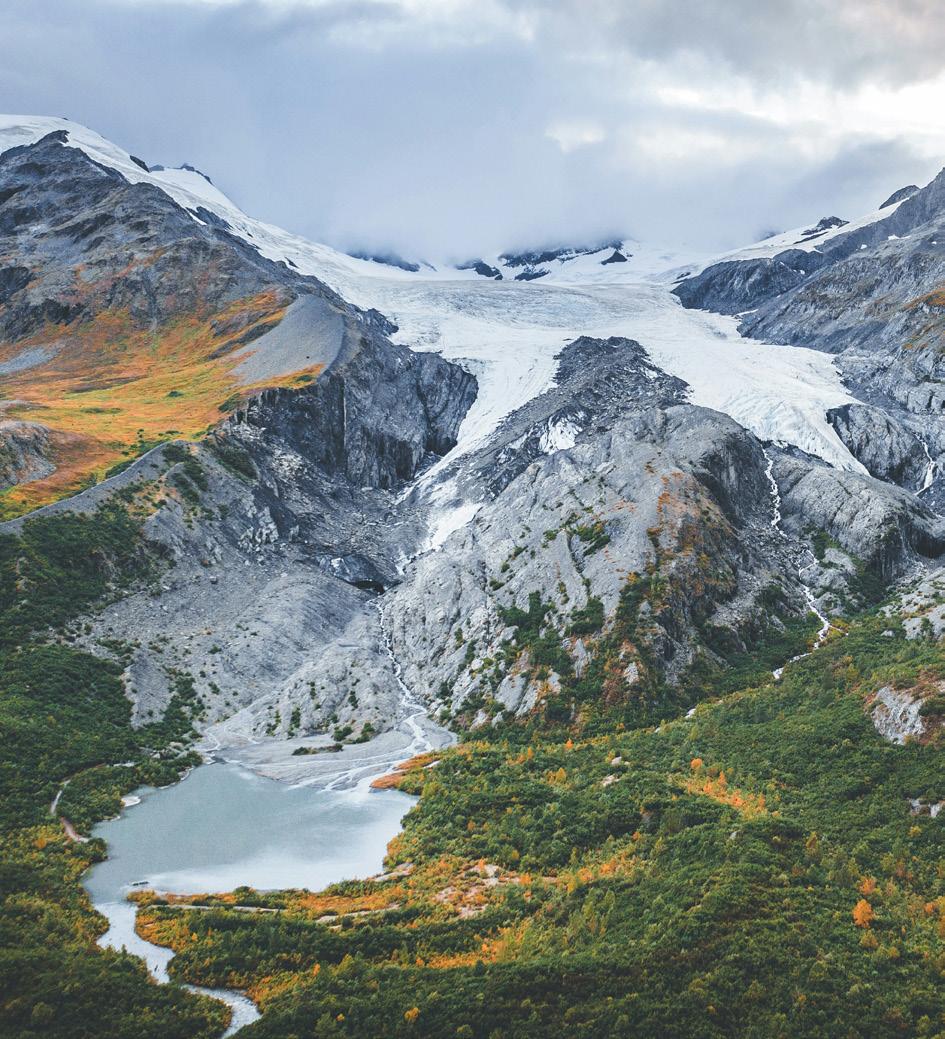
Glacial waters, formed up to 17,000 years ago, come from the remnants of glaciers that once covered a third of the Earth. Today, bottlers harvest water from Alaskan tidewater-calving glaciers or just before meltwater reaches the ocean, often in steep, inaccessible terrain protected by strict environmental regulations. Like
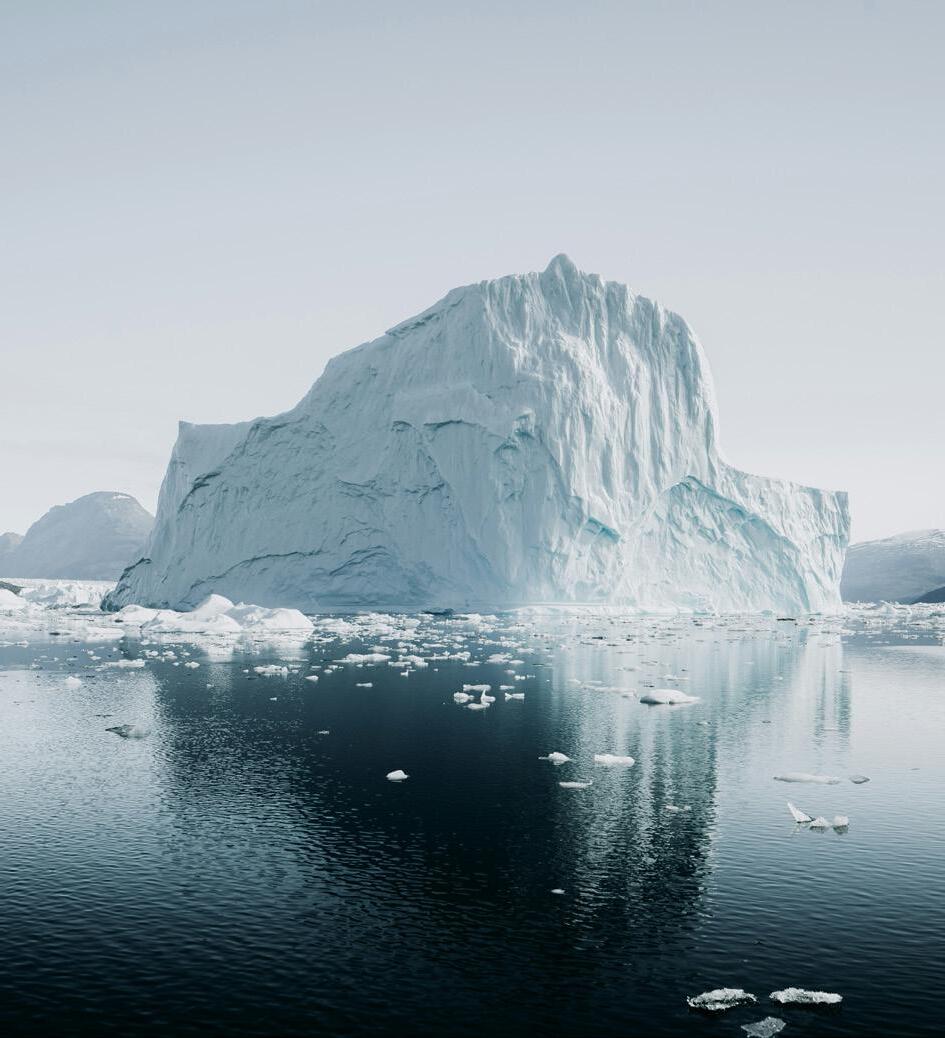
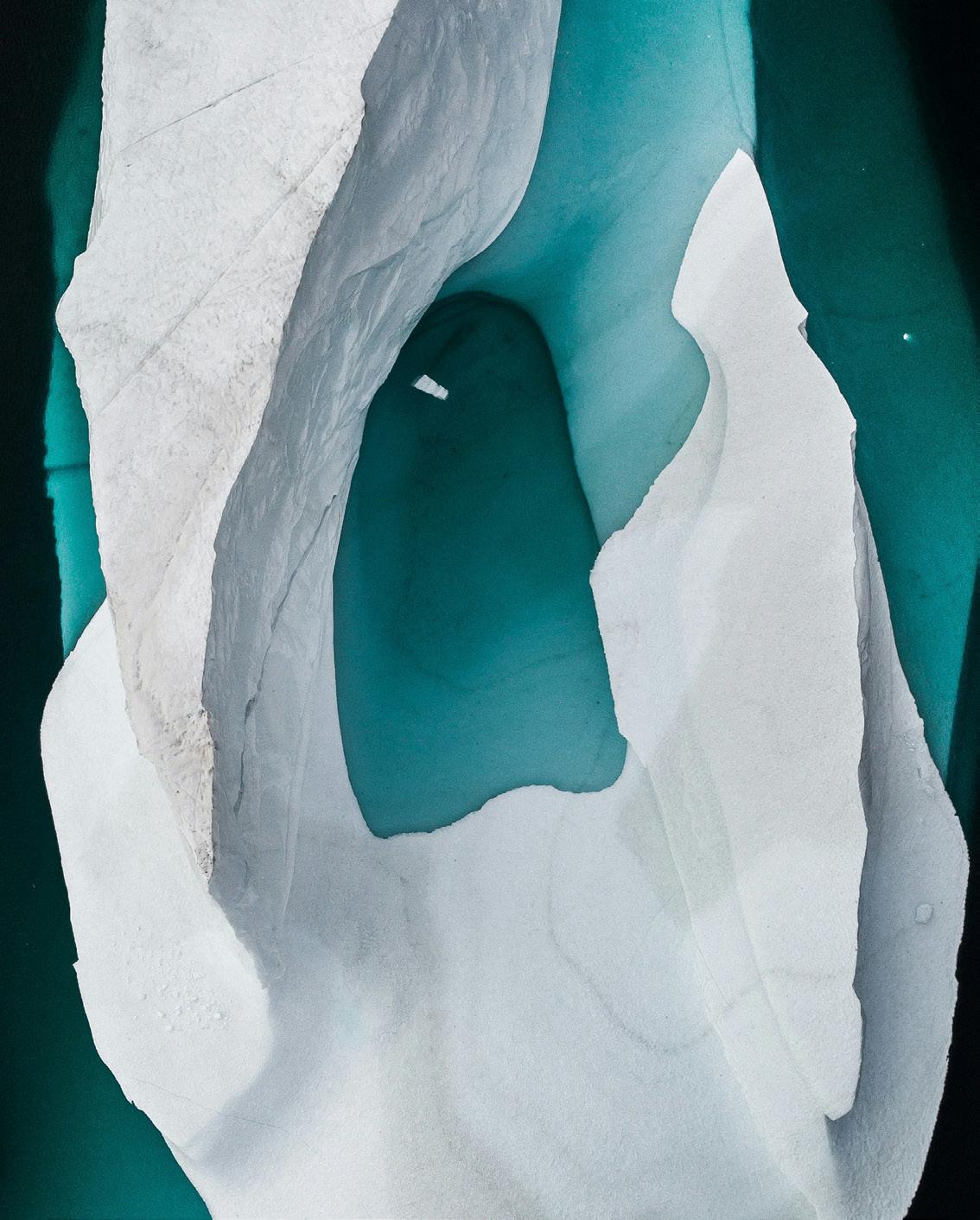
Iceberg water is a novel and exciting source for bottled water, harvested from icebergs calved from West Greenland’s major glaciers, such as Humboldt and Sermeq Kujalleq. These icebergs, 4,000 to 15,000 years old, provide exceptionally soft, neutraltasting water, similar to modern rainwater. Careful collection by boat ensures that only ice that has never melted and refrozen rainwater, glacier water is exceptionally low in minerals, offering a clean, delicate taste and a sense of an ancient terroir. is used, preserving purity, and its delicate character makes it ideal both for drinking and for creating extraordinary cocktail ice cubes.
Minerality
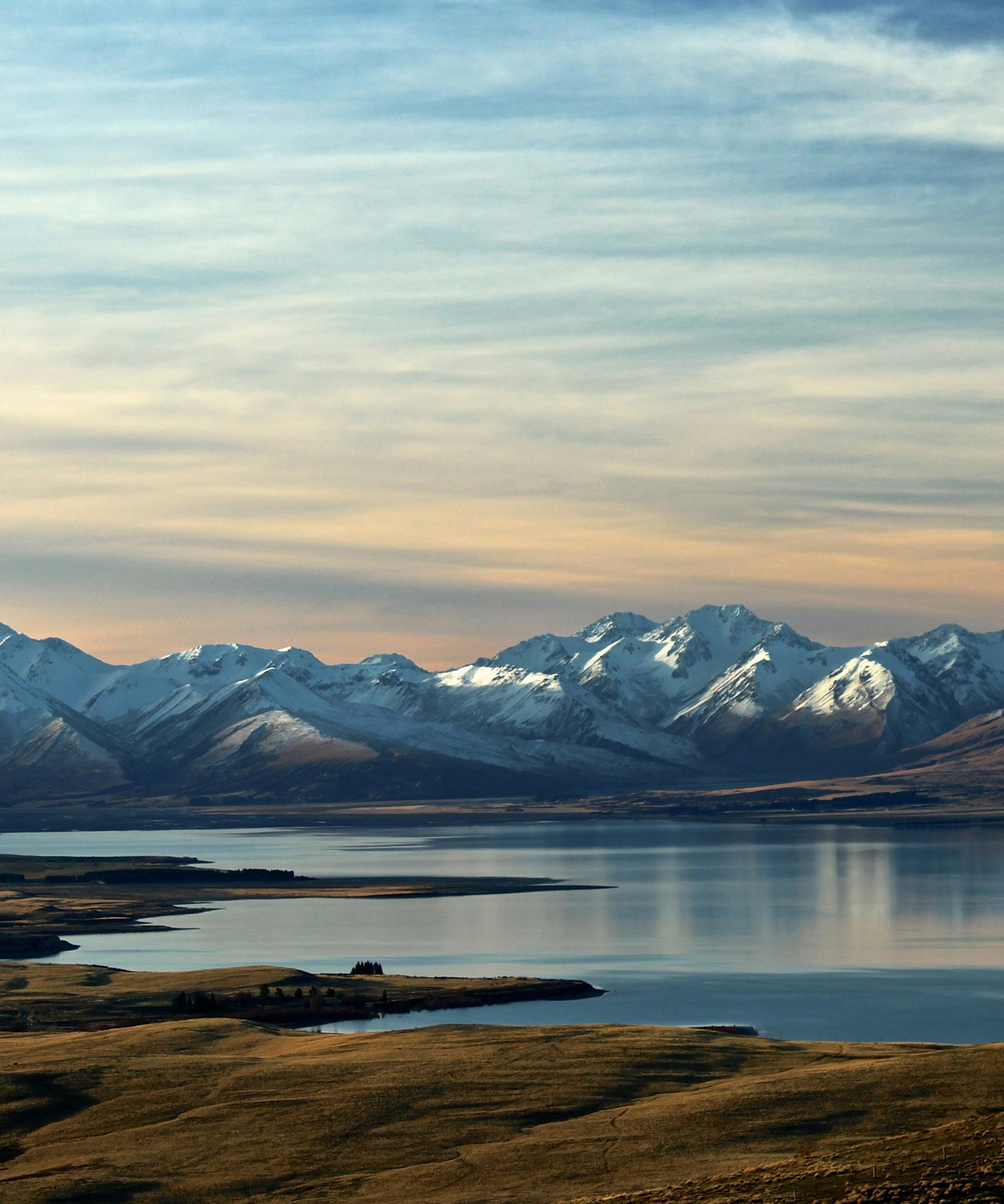
Water’s subtle taste and terroir come from the minerals it contains, measured as total dissolved solids (TDS) in milligrams per liter or parts per million. TDS, composed mainly of carbonates, bicarbonates, chlorides, sulfates, calcium, magnesium, and other minerals, is the key factor shaping a water’s flavor and weight: low-TDS waters are light and clean like white wines, while high-TDS waters feel rich and substantial like bold reds. Most bottled waters fall in the low-to-medium range, though some mineral-rich waters reach over 2,500 mg/l, and glacial, iceberg, or rainwaters sit at the very low end; for a more epicurean term, “Minerality” better describe a water’s character rather than the technical TDS label.
Super low minerality
Low minerality
Medium minerality
High minerality
Very high minerality
0 - 50 mg/l
50 - 250 mg/l
250 - 800 mg/l
800 - 1,500 mg/l > 1,500 mg/l
Carbonation
Carbonation adds mouthfeel and character to water, creating effervescence through dissolved carbon dioxide and forming the basis for FineWaters’ five levels of sparkling classification.
Still waters, preferred by most Americans and Spaniards, allow full appreciation of a water’s source and minerality and should ideally be served without ice.
Effervescent waters, with very fine or fleeting bubbles, offer a subtle mouthfeel that can surprise and enhance a dish through contrast or support.
Light sparkling waters provide gentle texture that complements delicate foods without overpowering them.
Classic sparkling waters, often higher in minerals, are versatile for food pairings and mixed drinks, making them reliable workhorses at the table.
Bold sparkling waters deliver intense, large bubbles that create a striking mouthfeel, ideal for appetizers or contrasting textures, though they require careful pairing to avoid overwhelming subtle dishes.
pH, short for “potential hydrogen,” measures a substance’s acidity or alkalinity on a logarithmic scale where 1–6.9 is acidic, 7 is neutral, and 7.1–14 is alkaline; low-alkaline waters (pH 7.1–7.5) often taste pleasantly “sweet,” while acidic waters (pH ≤6) register sharpness and highly alkaline waters (pH ≥8) can feel bitter or slippery, making pH a key factor in a water’s orientation and overall taste profile.
Virginality
The term “virginality” describes how protected a water source is from environmental contamination, with nitrate levels serving as the primary indicator, since nitrate—an inorganic compound of nitrogen and oxygen—easily leaches into groundwater from fertilizers, animal waste, sewage, or decaying plant matter. Because nitrate is tasteless, colorless, and odorless, testing is the only reliable way to assess contamination, which at high levels can impair oxygen transport in the blood, cause methemoglobinemia, and increase risks of cancer, thyroid disruption, birth defects, and miscarriage. Regulatory limits, such as 50 mg/l set by the WHO and 10 mg/l in the U.S., provide safety guidelines, and these measurements are used to assign a Virginality rating to bottled waters.
Hardness
Calcium and magnesium levels determine a water’s “hardness,” with bottled waters generally soft due to low concentrations of these minerals. Municipal water with higher hardness is often softened—especially in the U.S.—to ease household use, though this alters taste and reduces scaling in boilers and kettles. Hard water is not harmful to health; in fact, the magnesium and calcium it contains can contribute to daily nutritional needs.
Unlike wine, water’s quality is not determined by age, though vintage can influence taste: very young waters, like Cloud Juice, have had little time to interact with minerals, giving them low TDS and a light, neutral character. The local geology is far more important to flavor than age, but noting a water’s vintage—such as 15,000-year-old Fromin well water or 4,000-year-old Svalbarði iceberg water—adds richness to its story and enhances the epicurean experience. Sharing these vintage stories, much like discussing a fine wine, allows guests to appreciate the unique history behind each bottle.
Glass or PET
Glass bottles, first invented by Syrians around 100 BCE, have long been the hallmark of high-end bottled waters, offering both visual appeal and a sense of quality, though some designs—like Voss’s slim bottle—prioritize style over function. While PET plastic bottles are lightweight, shatter-resistant, and recyclable, many premium brands are returning to glass to elevate their presence in restaurants and hotels, and innovations like bioplastics and compostable biobottles are reducing environmental impact. Whenever possible, glass remains the preferred choice for its tactile quality, visual weight, and ability to showcase the water as a premium product.
Temperature
For centuries, people drank water at the natural temperature of its source, typically around 55°F (13°C) for underground springs and wells, a temperature similar to traditional wine cellars. While water can be consumed at any temperature, subtle adjustments reveal its full character: slightly warmer temperatures calm lively bubbles, while colder water sharpens focus but can mask flavor. Conducting tastings with all waters at the same temperature, or experimenting by letting refrigerated bottles warm gradually, demonstrates just how much temperature influences the perception of taste and minerality.
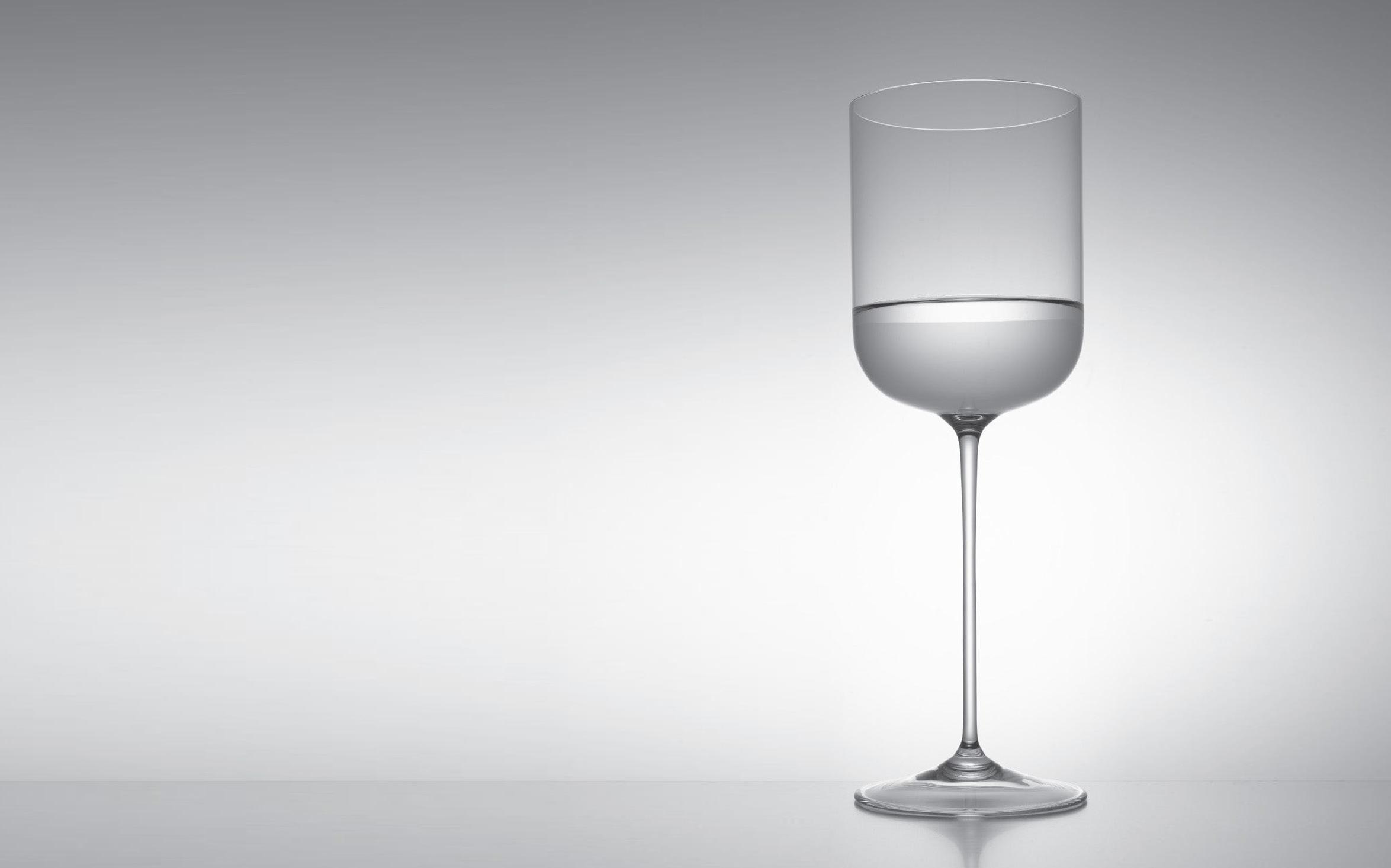
Stemware
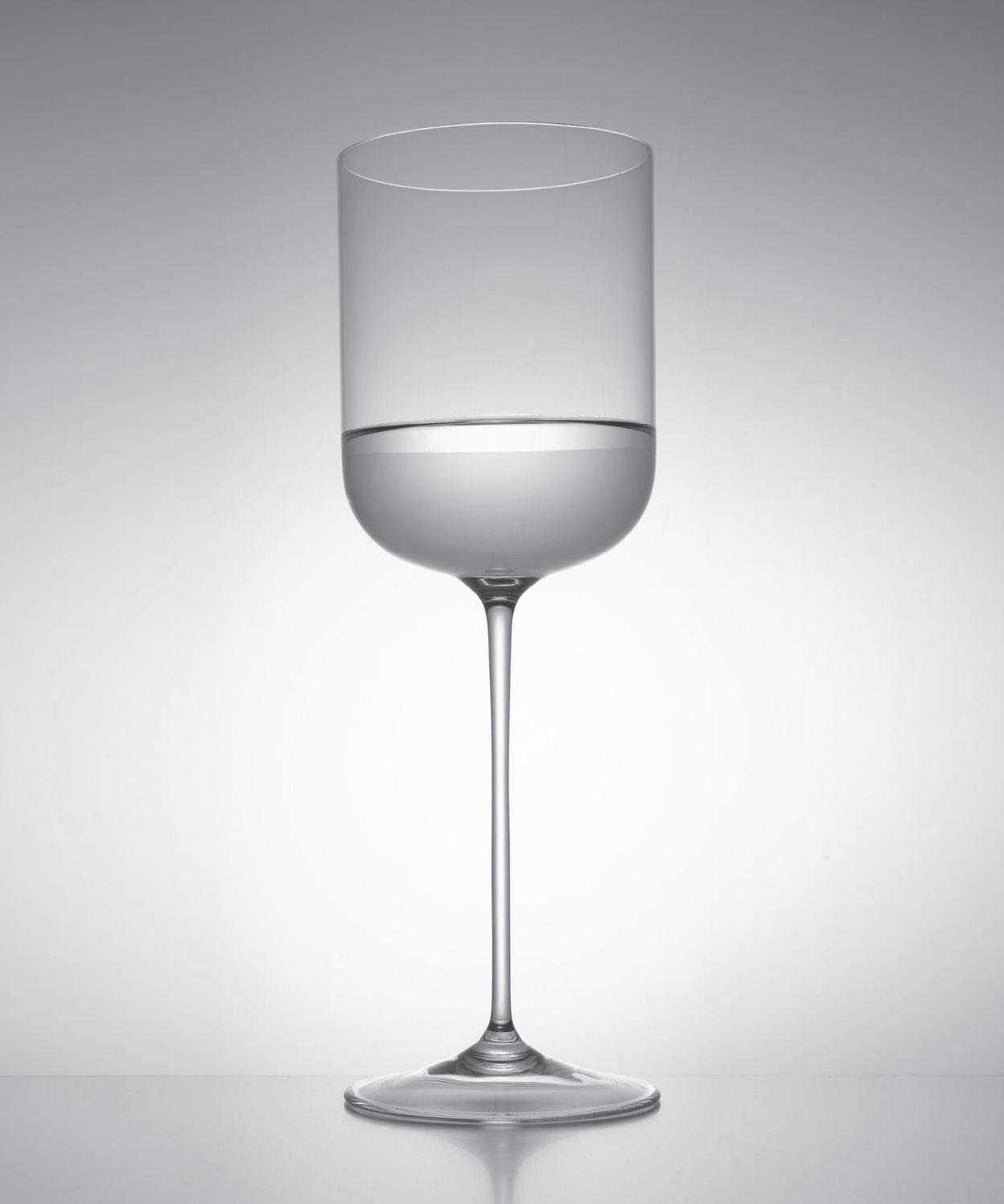
FineWaters has addressed the long-neglected “glass culture” of premium bottled water by partnering with Rogaška, Slovenia’s renowned crystal maker, to create an exclusive series of water glasses designed for epicurean enjoyment. Traditionally, water is served in inappropriate vessels—tall highballs, whiskey tumblers, or heavy glasses that make it feel like a second-class guest at the table—but FineWaters’ hand-blown, lead-free crystal goblet puts water on equal footing with fine wine, offering both commanding visual presence and a refined tactile experience. The series, launched in 2013, will expand to include machine-made midlevel glasses and shapes tailored for still and sparkling waters, ensuring that premium water is always presented with elegance and purpose.
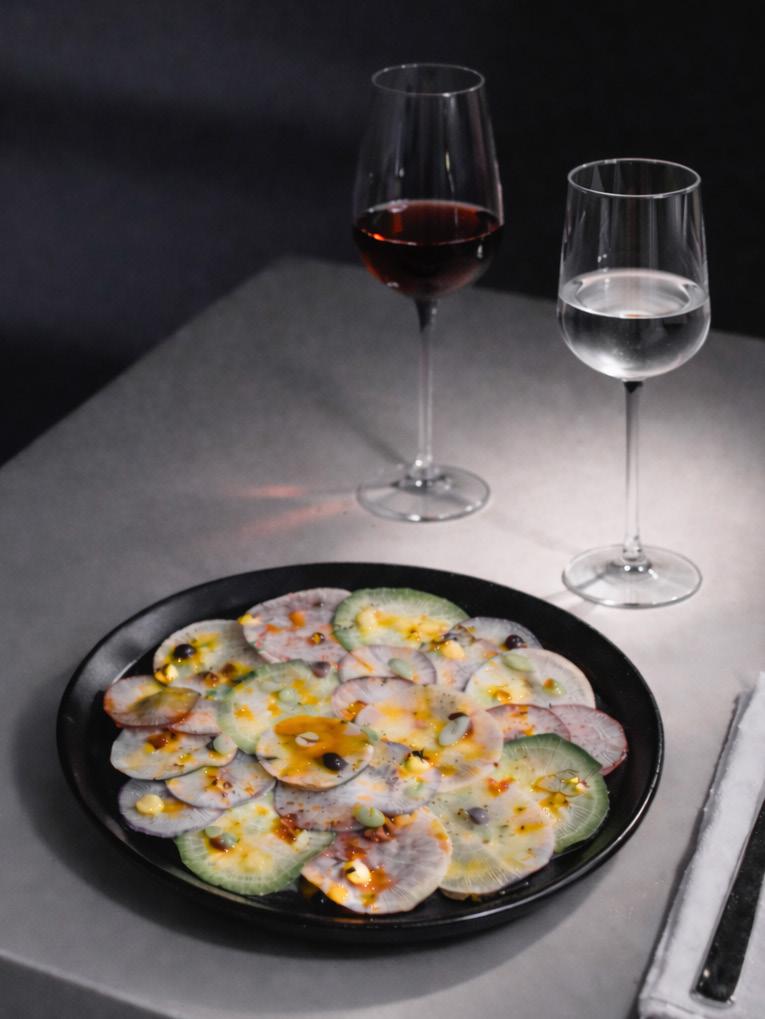
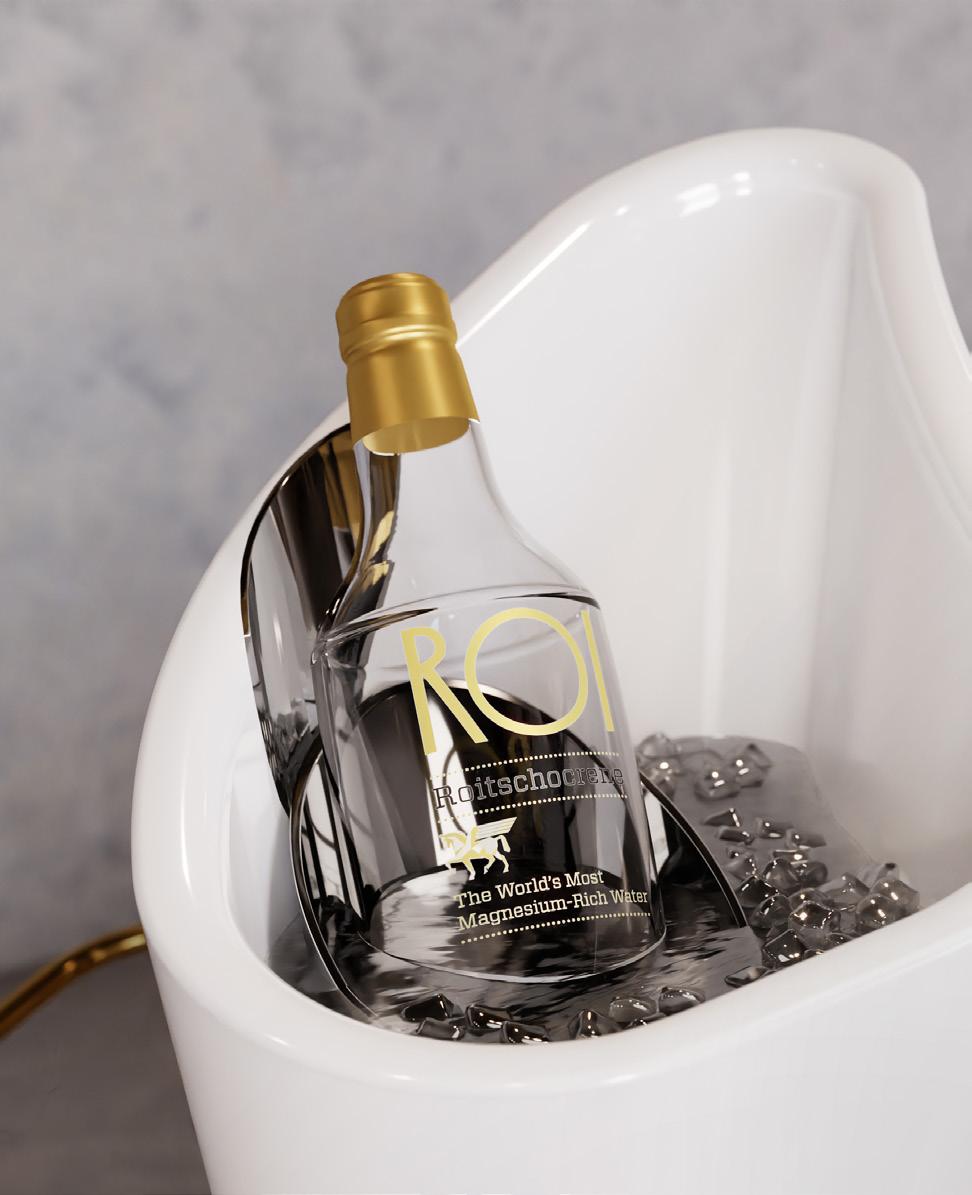
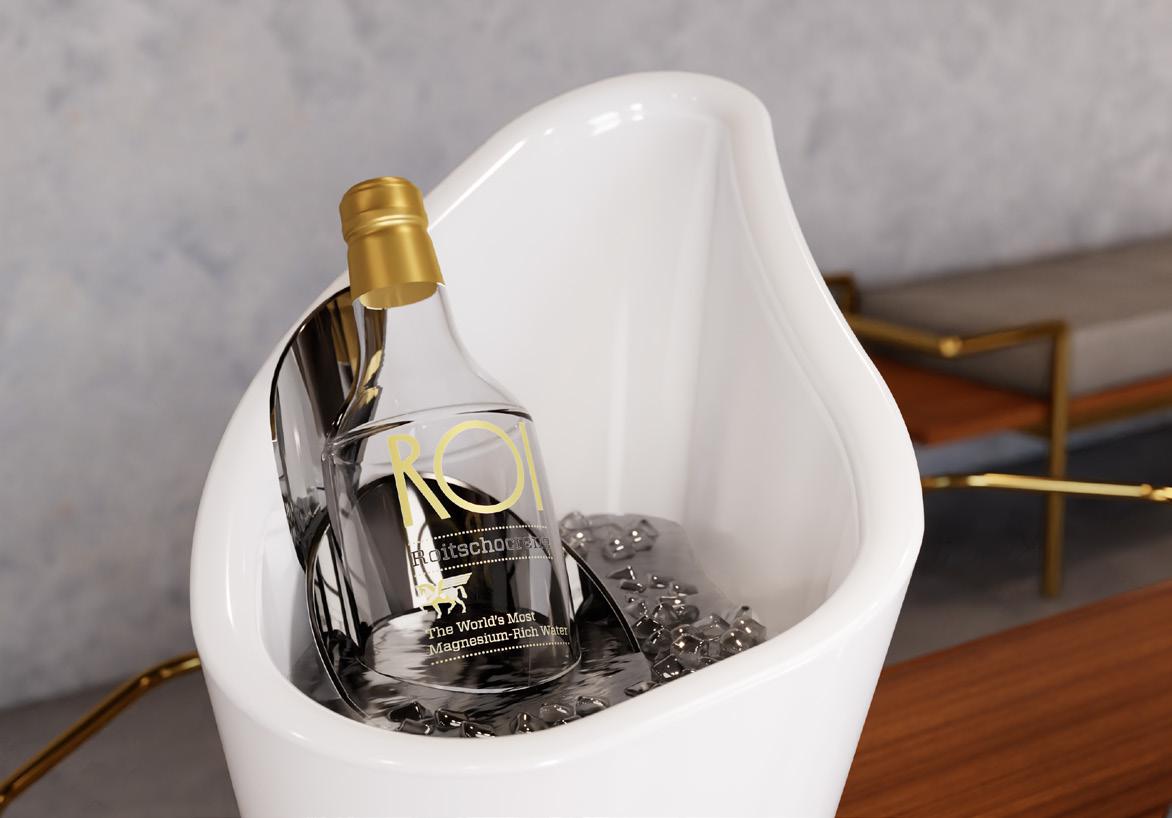
Food and water pairing can follow two approaches: matching or contrasting. Matching seeks harmony, aligning the water’s taste, minerality, and presentation with the dish—like pairing subtle, creamy raw oysters with soft, neutral, low-mineral iceberg or glacial waters such as Svalbarði or APSU. Contrasting creates a sensory counterpoint, as a highly mineralized, naturally carbonated water like ROI with 8,000 mg/l TDS can make the oyster feel even lighter and creamier, much like pairing oysters with a Guinness instead of a Chablis.
For bolder dishes, such as a dry-aged ribeye, the water should stand up to strong flavors and textures; high-mineral, carbonated waters with soft, persistent bubbles—like Pedras or Vichy Catalan—perfectly complement the meat’s weight and seasoning. The pairing principles extend to carbonation, minerality, pH, and hardness: the bubbles’ mouthfeel should correspond to the dish’s texture, low-TDS waters offer lightness akin to white wines, and higherTDS waters provide body and substance like reds. Subtle variations in alkalinity, acidity, and mineral content can refine the experience further—soft waters linger gently, hard waters feel focused, and sodium, bicarbonate, and silica levels influence how flavors are perceived.
Ultimately, matching or contrasting water with food elevates the dining experience, allowing water to play an epicurean role independent of wine. When water is consumed alongside wine, it assumes a supporting role and should be matched to the wine rather than the food, ensuring it doesn’t compete for attention.
A water sommelier, much like a wine sommelier, is a trained professional who curates, educates, and guides the enjoyment of water, especially in fine dining and epicurean contexts. Their role includes:
1. Curating Water Menus – Selecting a range of waters that complement the restaurant’s cuisine, style, and ambiance, including still, sparkling, low- and high-mineral options, and unique sources like glacial or artesian waters.
2. Pairing Water with Food and Wine – Matching or contrasting water’s minerality, carbonation, pH, and mouthfeel to enhance flavors in food and wine, creating a more refined dining experience.
3. Educating Staff and Guests – Training restaurant staff to understand water types, tasting notes, serving temperatures, and proper glassware, and guiding guests in selecting and enjoying waters.
4. Promoting Water Appreciation – Raising awareness that water is more than hydration, emphasizing its terroir, story, and sensory qualities, and elevating it to the level of an epicurean beverage.
5. Managing Presentation – Advising on glassware, serving techniques, and temperature to ensure water is presented beautifully and enhances the overall dining experience.
In short, a water sommelier transforms water from a background necessity into a thoughtful, enjoyable, and even luxurious part of a meal.
Water is finally gaining recognition in fine dining through curated water menus and the work of water sommeliers, yet changing long-standing habits in restaurants remains a challenge. While chefs source the finest ingredients and sommeliers carefully craft wine lists, most establishments still offer little more than “still or sparkling” when asked about water, often choosing the cheapest options from large distributors rather than providing a curated, thoughtful selection that complements the menu and enhances the dining experience. A proper water program should include five to twenty carefully chosen waters, with attention to pairing, serving temperature, glassware, and staff education, allowing guests to celebrate with water or enjoy a meal without alcohol.
We have demonstrated the impact of well-executed water menus, creating memorable experiences with social media buzz and a meaningful increase in water sales revenue. Despite these successes, widespread adoption is slow, mainly due to lack of education and democratization. Diners can drive this shift by demanding better choices, educating staff, and sharing experiences publicly, ensuring that water in fine dining evolves from a forgotten afterthought to a celebrated part of the meal.
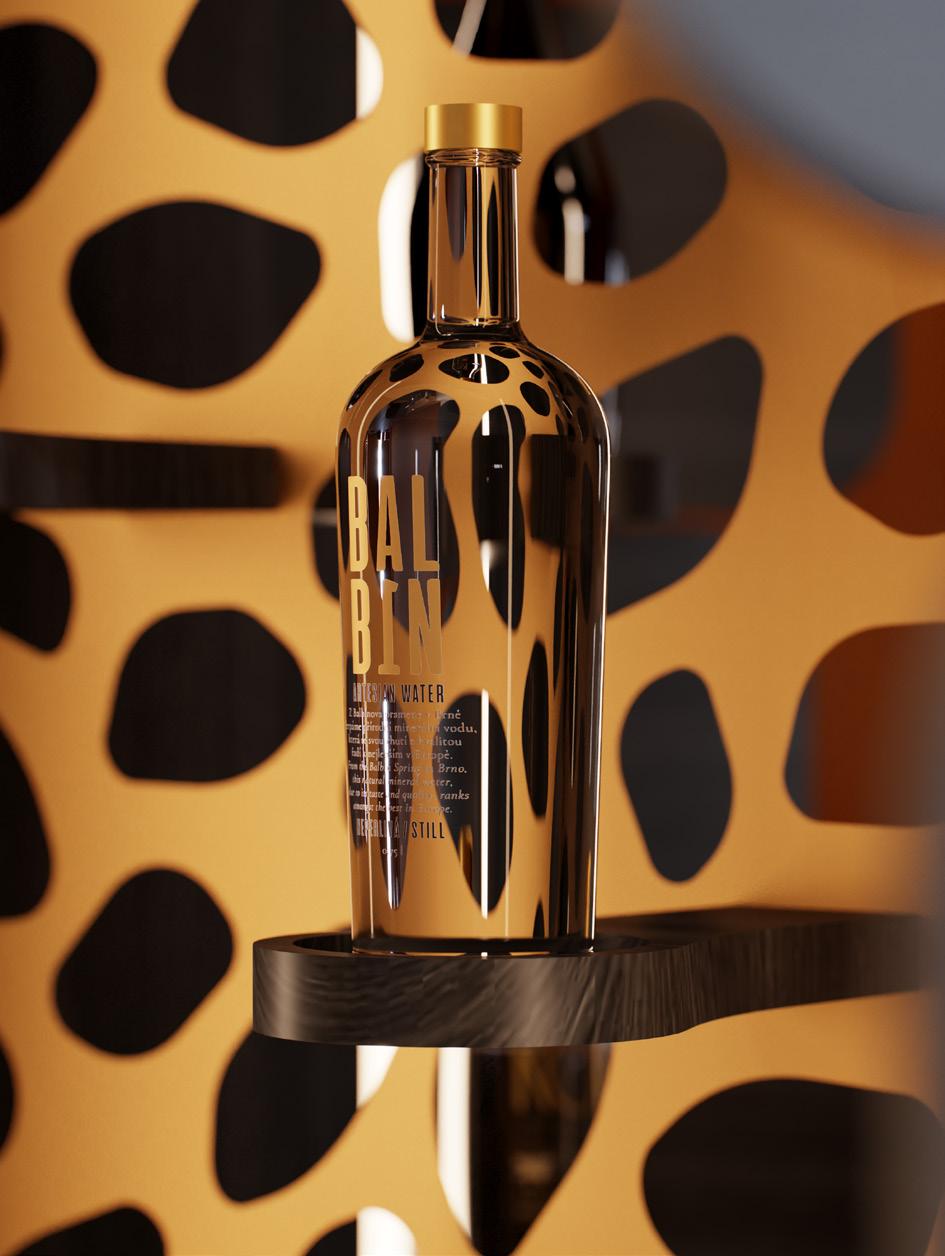
A natural evolution of the experience
As gastronomic and hospitality experiences continue to evolve, fine water is increasingly emerging as an integral component of the offering. Beyond its essential function, it opens the door to a richer, more nuanced, and more contemporary interpretation of the overall experience.
A category to be structured
Like wine or spirits, fine waters benefit from being thoughtfully selected, curated, and integrated with intention. When structured as a true category, they allow for:
. Enhancing the overall guest experience
. Offering a premium alternative within no/low alcohol journeys
. Complementing and elevating the existing beverage program
. Introducing a new dimension to tasting
. A complementary lever
The integration of fine waters naturally aligns with a broader experiential approach. It contributes to:
. Reinforcing the coherence between space, product, and service
. Supporting a high-end positioning
. Creating new opportunities for value creation
. Contributing to overall performance, without adding operational complexity
The role of Cellart
Cellart designs environments where every element finds its rightful place. Beyond physical spaces, our approach integrates usage, products, and guest journeys to create cohesive and meaningful experiences. Within this framework, fine waters naturally become part of a broader vision, where intention guides design.
An integrated approach
From creation to curation, Cellart connects space, product, experience, and their presentation to create environments that are both inspiring and functional. The integration of fine waters reflects a shift in expectations and usage. It allows establishments to enrich their offering in a subtle and relevant way, while affirming their distinct identity.
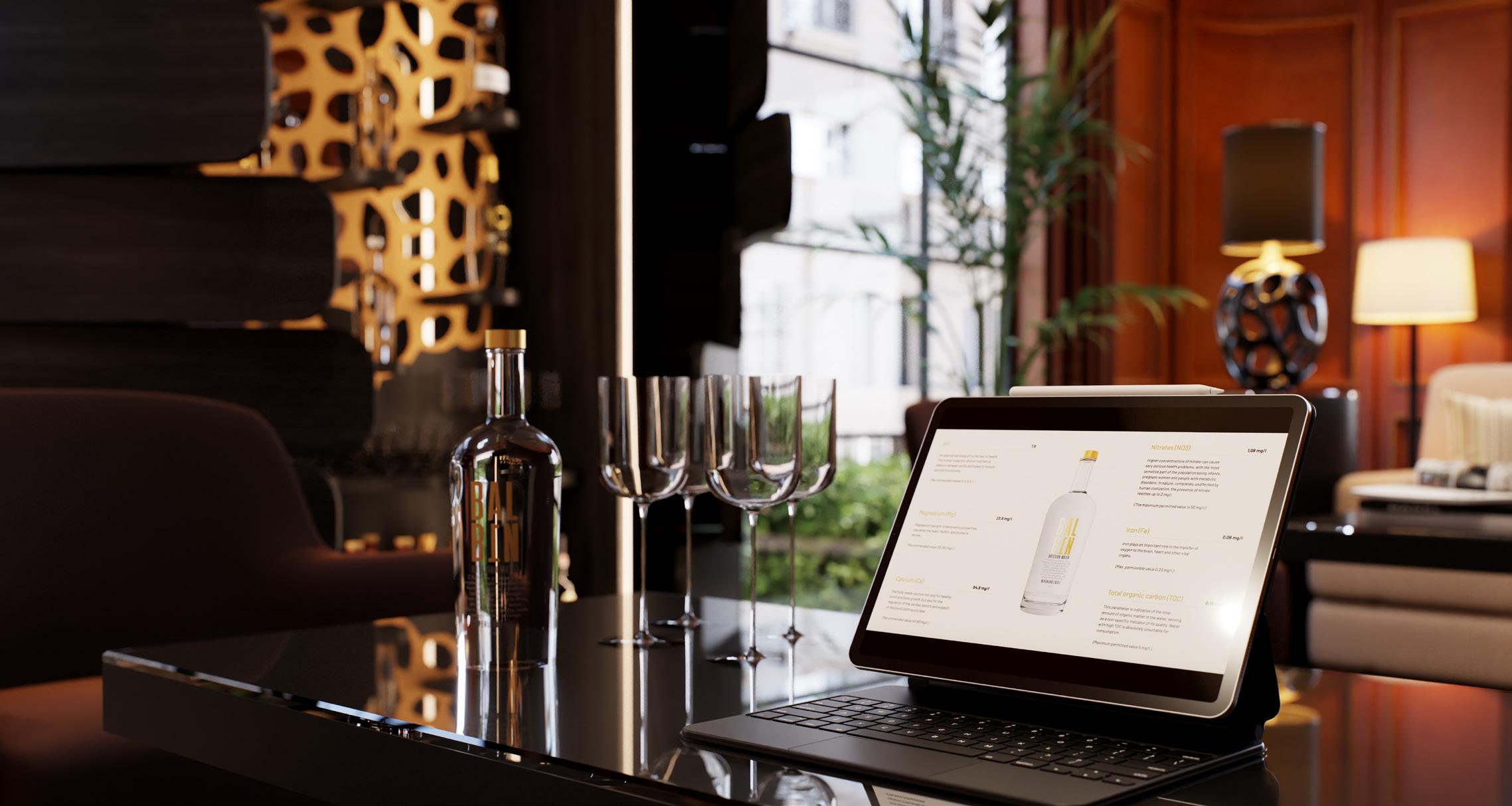
OUR RAISON D’ÊTRE
It began with a passion for wine and art. An attraction to the rare. A love of the exquisite. An obsession with the extraordinary. From this intersection, Cellart was born.
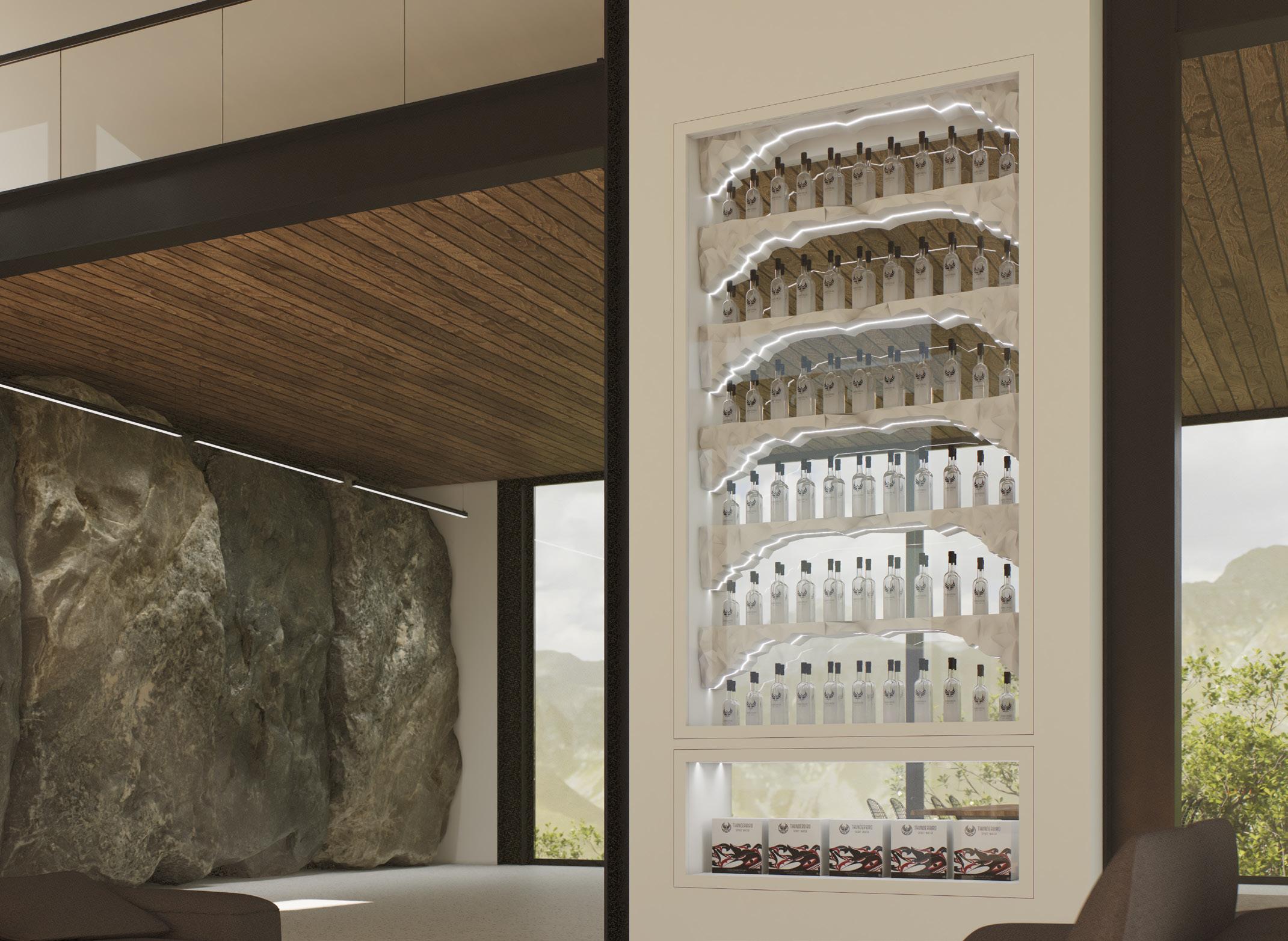
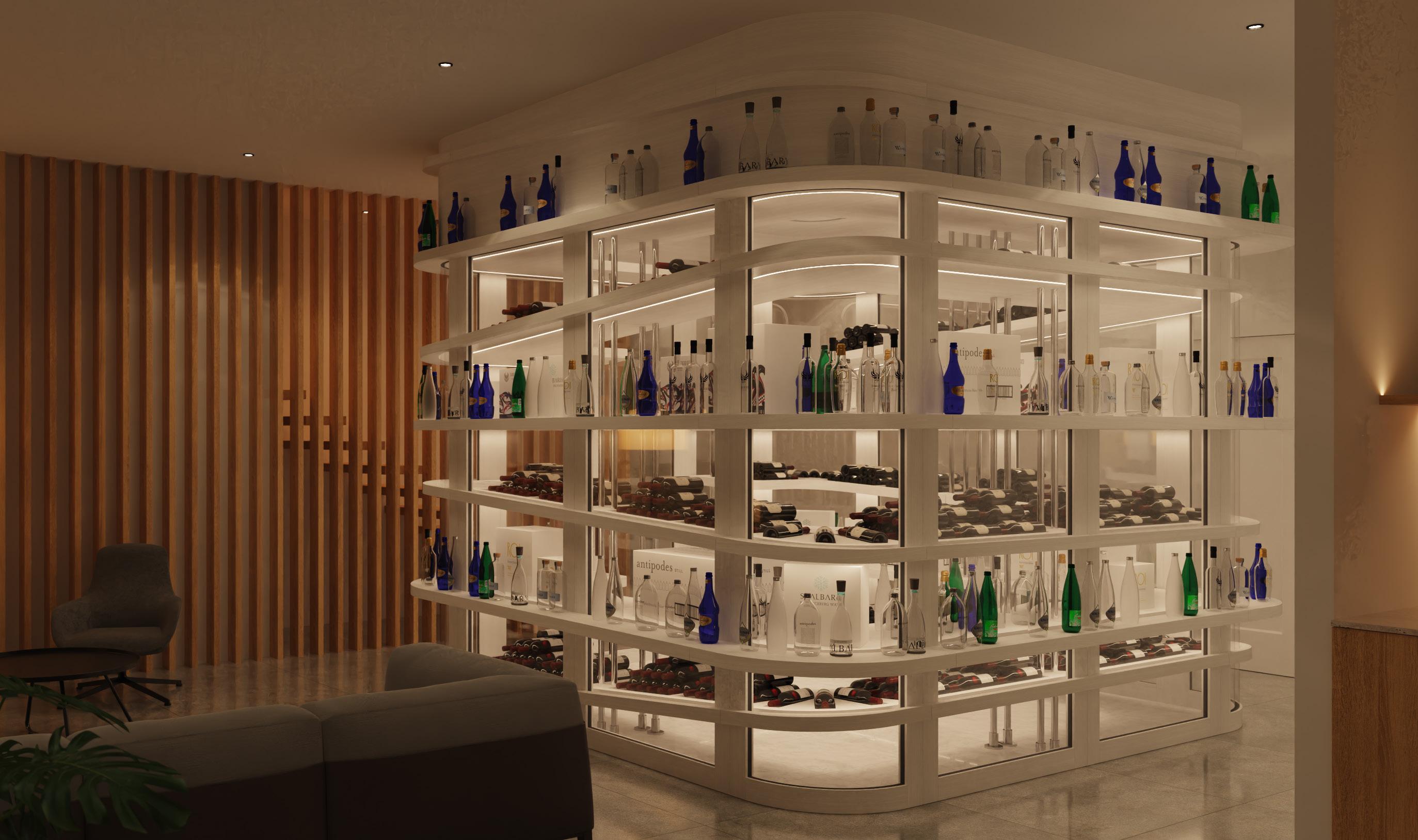
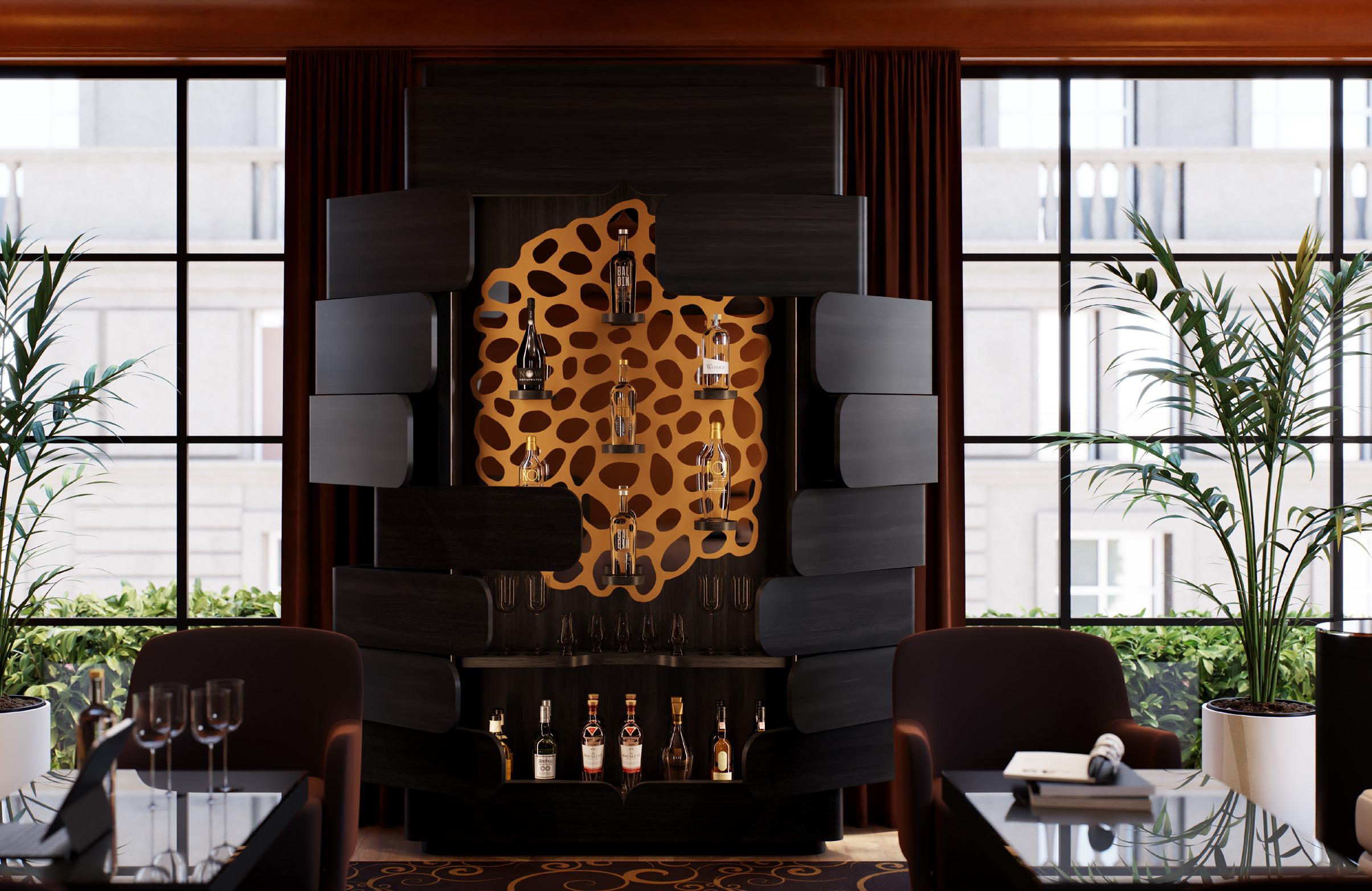
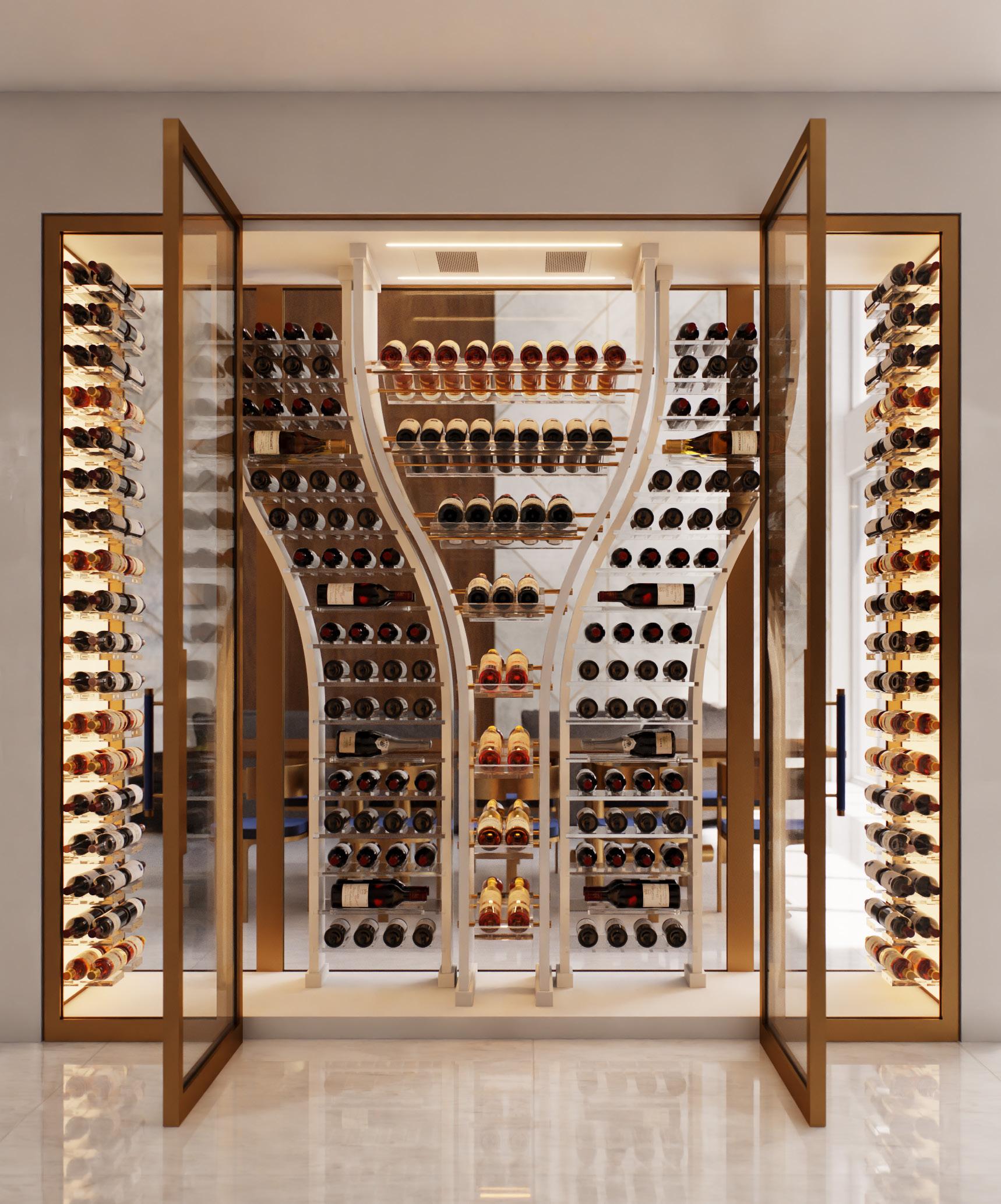
More than cellars, Cellart creates immersive environments — functional works of art and collectible design pieces — conceived to house wine, spirits and fine water within spaces designed to be lived, experienced and admired. Each creation balances bold expression with technical mastery, where form, function and emotion coexist seamlessly.
Founded in Canada in 2013, Cellart specializes in the design and engineering of high-end, bespoke wine, spirits and fine water environments. At the crossroads of architecture, design and innovation, Cellart conceives these spaces as true living environments — where precision engineering meets refined aesthetics and the culture of hospitality.
Every project is entirely custom-made, with meticulous attention to materials, light, and the preservation of exceptional liquids. The result is a series of unique, enduring creations that transcend utility to become functional art objects and timeless collectibles.

FROM CREATION TO CURATION
We design, craft, and elevate exceptional wine, spirits & fine water spaces — bespoke environments where passion meets artistry, innovation enhances experience, and every element is thoughtfully preserved and presented. From initial concept and drawings to fabrication, installation, and collection curation, we deliver a seamless, end-to-end process that brings together architecture, engineering and the art of hospitality. Each project is an opportunity to integrate this approach in a way that supports its identity, guest experience, and business objectives.
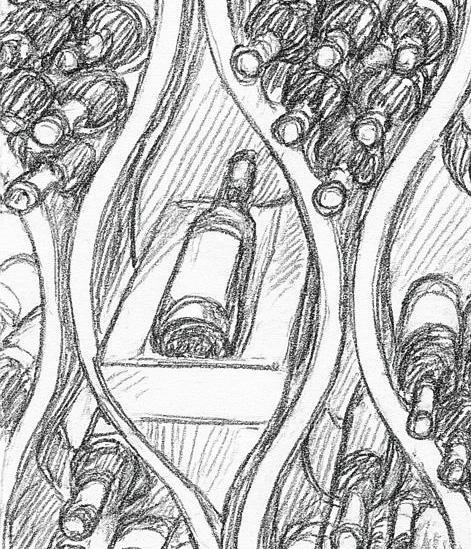
Drawings/Renderings
Unique artistic signature
Value engineering
Planning
Budgeting
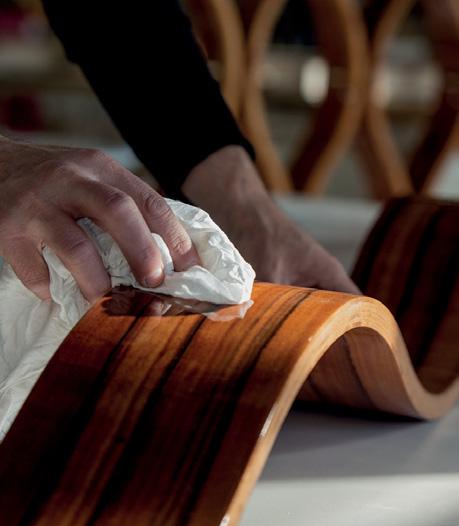

Supply & more
Tailor-made samples
Technical drawings
Lighting
Storage
Thermal glazing
Refrigeration
Collection Management
Art Curation
Objects & Accessories
Private Events
Wine, Spirits & Water Curating
Memorable Voyages
Maintenance & Monitoring


©Copyrights 2026 Cellart
All rights reserved. No part of this book may be reprinted or reproduced or utilised in any form or by electronic, mechanical, or other means, nor or hereafter invented, including photocopying and recording, or in any information storage or retrieval system, without permission in writing from both the publisher and Cellart.