Eugene Weinberg, PhD. Professor Emeritus Microbiology, Indiana University
For—my son David, my daughter-in-law Nan Thein Shwe, my granddaughter Jennifer, and my husband Clyde.
Greatly appreciated—recipe testers, page editing contributors, estimators of recipe heme and non-heme content, beta readers, and recipe “samplers”. These include: Rachel Meyer, Clyde Garrett, David Garrison, Nan Garrison, Jennifer Garrison, Rebecca Lantz, Kim Wiles, and Members of the Brookwood Church Monday & Tuesday Morning Women’s Bible Study Groups. Also, I wish to point out that in the review process, I used Grok, Elon Musk’s AI (artificial intelligence) tool to double check the iron content in some randomly selected recipes. I was delighted to discover how closely our painstaking manual calculations agreed with Grok. With that said, the iron content in recipes contained in this cookbook are approximates. Some totals are for an entire recipe rather than an individual portion. If one wishes to calculate the amount of iron in a recipe that they have created, one invaluable resource is the US Department of Agriculture (USDA), FoodData Central. This is a comprehensive source of food composition data with multiple distinct data types. This database is free to the public.
Table of Contents
What’s the difference between iron deficiency and anemia?.......
When we eat iron, where does it go? ...........................................
How do I know I’m iron deficient? .................................................
What type of doctor do I need? ....................................................
Therapies to replenish iron ...........................................................
Boost Your Iron Savings Account ................................................
The Healthy Iron Replenishment Approach
Section Two—Tools to Help You Organize
Worksheet to Calculate Iron (blank) ..............................................
Menu Planner (blank) ...................................................................
Shopping List (To be created) ......................................................
Disclaimer: The Anemia Cookbook is for educational and informational purposes only and is not intended to replace the advice given by a patient’s physician. Reviewers, contributors, and advisors who contributed text, images, or remarks for portions of this book are not responsible for errors, omissions, or overall content.
Preface
In 1994, I knew very little about the dangers of iron. Like most people, I thought iron was good for you and the more the better. At the time, I owned and operated a popular family restaurant that was open seven days a week and employed as many as twenty-eight people. It was a busy, hectic life but, I was fortunate to have good help, which included my teenaged son David. In the restaurant we cooked in cast iron skillets and in my medicine cabinet I had a bottle of liquid iron, recommended to me by a health food store operator as a cure for my fatigue.
In late 1995 my son got very ill, but the reason for his illness remained a mystery until late 1997. A family doctor, who happened to be a regular customer in the restaurant, noticed my son’s dramatic weight loss and offered to run some tests. Then, physicians could order a “bundled” set of tests, which in this case, included serum iron, total iron binding capacity, and serum ferritin. Results of these tests provided important clues that eventually led to a diagnosis, for David, of juvenile iron overload. The most prominent clue was a hand-written notation made by the laboratory technician, who wrote “serum iron wildly high”. Also notable on the report was David’s blood sugar; it was elevated and juvenile diabetes was suspected. As the doctor and I talked about elevated iron and diabetes, he explained that in diabetics, doctors often see elevated iron.
I had learned a little bit about diabetes (mellitus) from restaurant customers who needed special meals. David had a few of the symptoms common to diabetes, like rapid weight loss and fatigue, but he did not have excessive thirst or frequent urination. Wanting to learn more about iron overload, I purchased the Merck Manual. In this book, I read that iron (overload) poisoning could be fatal. Reading those words, were sobering. I thought
the worst and believed that my son was going to die. The Internet was in its infancy and foolishly, desperate for answers, I listened to someone who convinced me that David, his father, and I had to be genetically tested. This I regret doing for several reasons. Today, I believe in genetic testing. When done properly with a genetics counselor, informed consent and through a reputable establishment, such as Greenwood Genetics, we are informed about risk. However, a genetic test tells you nothing about your iron levels.
Lacking the credentials necessary to get into a university-based medical library, I was fortunate and grateful to my food broker, whose husband gave me access to a hospital-based library. Here I found the writings of Thomas Bothwell and Eugene Weinberg. What I discovered about ferritin and hemoglobin from their writings helped me structure a treatment strategy for David. Initially this was met with mild reluctance by the doctor who was concerned about my son’s elevated blood sugar. I recall doing some motherly bargaining and was granted a prescription for three phlebotomies accompanied by pre-treatment hemoglobin values.
From what I read about iron reduction, I believed that with phlebotomies, the hemoglobin would rebound if iron overload was present. I also believed that my son’s blood sugar would return to normal. During my pursuit for answers, I contacted Dr. Weinberg, who graciously talked with me for long hours and eventually directed me to an epidemiologist at the US Centers for Disease Control and Prevention (CDC). Dr. Sharon McDonnell told me that I was in “uncharted waters”; but she listened to my crude protocol and agreed that it had merit.
My son benefited from this protocol, described in his story which appears in the Diet Success Stories entitled: “One Family, Three Different Iron Issues: The Garrisons.
Compiling the Anemia Cookbook has been a fifteen-year journey of creating, testing and analyzing recipes. All that appear in this publication are my own creations, although you might find similar ones on the Internet. I have gained knowledge about the iron we consume from nutrition experts Dr. Ray Glahn, Dr. Patrick MacPhail, and from my own earlier writings, which were inspired and supported by my mentors, microbiologist Dr. Eugene Weinberg, cancer specialist hematologist Dr.
Preface By Cheryl Garrison Garrett
Leo Zacharski, nutrition experts Dr. John Beard and Dr. Thomas Bothwell, hematologists Dr. Gordon McLaren, Dr. Barry Skikne, Dr. Robert Means, Jr., and Dr. Prad Phatak, and metabolic experts Dr. Herbert Bonkovsky and Dr. Bruce Bacon.
The Hemochromatosis Cookbook which was formerly entitled “Cooking with Less Iron” published in 2001 still garners comments that I deeply appreciate. If I were to change anything in the HH Cookbook, I would emphasize the importance of polyphenols, particularly catechins like epigallocatechin gallate (EGCG), which are abundant in green tea. Excessive consumption of EGCG especially in supplemental capsule form can seriously harm the liver. Another important fact that I have learned about supplements is that vitamin A (capsules, not carrots) in amounts of 4,500 IU or greater, can cause great harm to a liver. Because of what I have learned, I urge people to be careful with over-the-counter herbals, vitamins, and minerals. Trust in the knowledge of dietary experts to help you balance your diet for the best outcome.
To quote my dear friend and colleague Gerald (Gerry) Koenig, “It’s not the bad stuff that’s going to kill us; it’s not eating the good stuff [that will do us harm].” Gerry was referring to the importance of the daily consumption of whole fruits and vegetables.
It is my hope that this book and others that I have written will become useful tools in the homes and kitchens of many.
Take care,
Cheryl Garrison Garrett
Co-Founder, Iron Disorders Institute
Certified Lay Iron Educator
Bachelor of Science degree Indiana University, Bloomington
Author, The Hemochromatosis Cookbook
Contributor Guide to Hemochromatosis
Contributor Guide to Anemia
Contributor Exposing the Hidden Dangers of Iron
Section One—The Basics
This cookbook is meant for an adult who is iron deficient. The book provides practical, medically accepted ways to eat and supplement to replenish low iron reserves. The recipes and suggestions are not a cure, nor are they meant to replace medical advice.
There are many types of anemia; in this book we will focus on two: anemia caused by not enough iron (iron deficiency) and anemia caused by inflammation.
Chapter One The Difference Between Iron Deficiency & Anemia
Some use the word “iron deficiency” and “anemia” interchangeably, but these conditions are not the same. Iron deficiency is not enough iron. Anemia is below normal hemoglobin.
How can a person can be iron deficient but not anemic? When the hemoglobin is normal but serum ferritin is low. Iron is stored mainly in the body in a container called ferritin. As new red blood cells are formed and iron is needed, the body pulls iron from ferritin and places the iron in hemoglobin. For adults, an average normal range for ferritin is 50-100ng/ mL; for hemoglobin the average range is around 12.0-15.0g/dL. As long as hemoglobin remains within a normal range, the person is not anemic. However, when the ferritin level dips below normal range, the person is iron deficient. Rare exceptions where serum ferritin is low can occur in hypothyroidism. When the hemoglobin is normal, but the ferritin is low, this person is iron deficient but not anemic.
Laboratory ranges differ by age, gender, ethnicity, government health agency, institutes, and clinical labs. Most agree that a serum ferritin below 15ng/mL is sufficiently low enough to diagnose iron deficiency in an adult.
How can a person be anemic but not iron deficient? When the hemoglobin is low, but the ferritin is elevated. If the body senses a harmful invader such as a bacterium or virus, this will trigger inflammation and the body will withhold iron and slow the production of hemoglobin. In this state, a person has
ample iron in reserve (in ferritin) so they are not iron deficient, but the body is slowing down hemoglobin production until the harmful invader (pathogen) is eliminated. The body does this to protect the person because harmful pathogens need iron just as much as humans do. This iron disorder is called “anemia of inflammatory response,” and is sometimes called “anemia of chronic disease.” The system responsible for this protection is called the Iron-Withholding-Defense System. When the harmful invader is eliminated, this system stands down until needed and hemoglobin will return to normal.
How prevalent is iron deficiency? According to some reports, nearly two billion people worldwide lack enough iron for the body to function properly. Iron deficiency is more prominent in impoverished countries where poor diets and increased disease exist. In the United States of America (USA) fewer people are at risk for iron deficiency, but those who are at risk can suffer greatly with the symptoms. Sometimes these symptoms are debilitating to the point that work, rest or sleep is affected. In a 1998 Centers for Disease Control (CDC) report on women’s health, about 9-16% of childbearing age women are iron deficient without anemia; they have low ferritin but normal hemoglobin and 2-5% of childbearing age women are iron deficient with anemia; they have low ferritin and below normal hemoglobin. In India where the diet is high in certain spices or seasonings that impede iron absorption, such as turmeric, it is speculated that this may be the underlying reason for such a high number of Indian males and females who are iron deficient.
Who is most at risk for iron deficiency?
Factors that influence the risk of iron deficiency include an individual’s age, health status, gender, what they eat or drink, frequency of extreme physical activity, supplements being consumed, and genetic makeup. In the adult population, the elderly or women who are old enough to have babies are most at risk.
Before taking an iron supplement, find out if you are iron deficient.
Knowing key iron levels is important because these levels, when considered together, provide important information about stored iron, iron in use and how much iron is being absorbed and carried (transported) to bone marrow where it is needed to make hemoglobin or to the liver and spleen to be contained in ferritin.
Typical iron tests for adults include (but are not limited to) hemoglobin, serum ferritin, fasting serum iron and unbound iron binding capacity (UIBC) or total iron binding capacity (TIBC.) Serum iron divided by TIBC and multiplied by 100% provides a person’s transferrin-iron saturation percentage (TS%.) Normally this range is 25-35%. When this level is low, iron deficiency is suspect but anemia of inflammatory response also could be the cause. When TS% is elevated above 40%, iron overload/hemochromatosis, thalassemia, sideroblastic anemia can be suspect, but an elevated TS% can also be seen in secondary iron overload which is a consequence of repeated blood transfusions (e.g., individuals with sickle cell disease, or myelodysplastic syndromes). Excessive iron intake as supplements or infusions, or chronic liver diseases (e.g., hepatitis, alcoholic liver disease, or non-alcoholic fatty liver disease) that disrupt iron regulation can also result in an elevated TS%. Rare genetic conditions such as juvenile hemochromatosis or other non-HFe hemochromatosis variants, can cause very high TS% sometimes as high as 80-90%. It should be noted that in newborns and infants, some iron indices are naturally elevated and may not be indicative of an iron disorder.
A routine complete iron panel requires taking blood from a vein. These tests can be ordered by a primary healthcare provider, physician assistant or in some states, direct-to-consumer labs where the patient can arrange to have the tests performed.
An iron panel includes:
• fasting serum iron (SI)
• total iron binding capacity (TIBC)
• serum ferritin (SF)
• hemoglobin (Hgb)
Some healthcare providers will order a complete blood count (CBC,) which includes hemoglobin. A CBC is recommended because it provides helpful information about blood cells.
When the results of any one of the iron tests is too high or too low, the underlying cause must be investigated and determined. Reasons vary.
Among the underlying causes that can lead to iron deficiency are: Heavy menstrual periods, pregnancy, ulcers, colon polyps, hemorrhoids,
inherited disorders, a diet that does not include enough iron, and blood disorders such as myeloproliferative disorders, sickle cell disease, thalassemia, sideroblastic anemia, aplastic anemia, which is a condition that can be inherited or acquired, Glucose-6-phosphate dehydrogenase (G6PD) deficiency, which is a metabolic disorder. Other causes can include: zinc or copper imbalance, folic acid or B12 deficiency, Celiac disease, Crohn’s/ colitis, abnormal thyroid function, infection, erythropoietin (EPO) deficiency, bone marrow problems or esophageal variances which are varicose veins of the esophagus due to build up of blood pressure in the liver. Imbalances in hepcidin and ferroportin are emerging as an important contributor to iron disorders as these two proteins generated by the liver serve as ushers of iron into and out of the cells.
What we eat plays an important role. In the USA, iron deficiency is not as prevalent as it is in other parts of the world. This is because Americans, as a rule, are big meat eaters. Iron deficiency is more common in cultures where very little meat is consumed and where diets are high in spices and herbs, such as turmeric and oregano, known inhibitors of iron absorption.
Just as anemia (below normal hemoglobin) is a symptom of some underlying health issue, iron deficiency (low ferritin) is a sign of something wrong in the process of absorbing, transporting, containing, using, and losing iron. Discovering what’s wrong can be accomplished with tests (blood, urine), imaging, or procedures (biopsy, bone marrow aspiration) that allow a medical expert to rule out causes and pursue a diagnosis.
How serious is iron deficiency? Severe iron deficiency with anemia can result in heart failure, but this may be a rare happening. Usually, signs or symptoms such as pica which is a behavior of habitually eating non-food items, shortness of breath, or fainting will be noticed and prompt a person to seek medical help.
Being iron deficient can affect all aspects of life.
Chapter Two When We Eat Iron, Where Does it Go?
In the typical American daily diet, the iron content is around 20 milligrams, which is far above what is needed for individuals with normal metabolism. Because of this, the body does not absorb all the iron we eat. What is not absorbed is eliminated in waste. Most adults absorb about 1-4 milligrams of iron a day but people with iron loading disorders such as hereditary hemochromatosis can absorb greater amounts.
If the body needs more iron, the rate of absorption will increase. Growth spurts excessive blood loss and pregnancy are good examples. A pregnant woman in her 2nd or 3rd trimester might absorb up to 30 milligrams of iron a day; if her iron reserve levels in ferritin are too low to support the pregnancy, supplemental iron is warranted. An obstetrician can determine if iron replenishment is needed.
On average, adults lose about 1 milligram of iron a day in sweat or skin flaking.
For adults, the 1 milligram of iron lost daily is easily replenished with one iron rich meal. For people who are losing iron and depending on how much iron they have lost, therapies to replenish iron are likely needed, but these therapies can vary. A healthcare professional may recommend an iron infusion or iron shots, a blood transfusion, iron supplements or a
combination.
Another way to replenish iron is to eat an iron rich diet. However, just because we eat foods rich in iron, it doesn’t mean our body gets to use this iron.
Most people believe that if they eat an iron rich meal, they will absorb all of the iron in that meal. This is unlikely because most diets include foods or substances that inhibit the absorption of iron. Examples of inhibitors include coffee, tea, dairy, fiber, some types of chocolate, and supplements such as calcium, or turmeric.
Our diets contain two types of iron: heme and non-heme. Meat contains both heme and non-heme iron because animals have muscles containing myoglobin, and hemoglobin. The word “heme” (also spelled “haem” in British English) comes from the ancient Greek word for “blood” (haîma). Plants contain non-heme iron. On average, about 5-10% of non-heme iron is absorbed, whereas 18-25% of heme iron can be absorbed.
The degree to which iron is available from a diet for the body to use to make new cells is called bioavailability. Promoters and inhibitors affect the bioavailability of the iron we consume and absorb.
In this cookbook some ways to increase the bioavailability of iron will be provided so that you can absorb more iron and replenish your iron reserves. Always share diet information with a healthcare professional.
Chapter Three How Do I Know I’m
Iron
Deficient?
Signs and symptoms serve as clues that a person might be iron deficient. These clues can vary depending on a person’s age, general health, ethnicity, and gender. A sign is something that another person can see; whereas a symptom is generally described (complaint) or discovered in the results of tests and procedures. Both signs and symptoms have an underlying cause. Once this cause is identified and corrected, signs and symptoms should improve.
Clues: Abnormal iron test results such as low hemoglobin, low serum ferritin or other iron related tests. These clues are identified and evaluated by a healthcare professional. Other clues include, pica or the need to chew on non-food items.
Pica can be a sign of a mineral deficiency, such as, iron or zinc. Adults are likely to crave chewing ice or fingernails, whereas children might suck on coins, chew their hair, or eat dirt. Family history is another source of clues.
Dents in fingernails: Koilonychia or misshapen fingernails can be present in a person with iron deficiency. It is not known if iron deficiency itself causes this condition because koilonychia is also seen in people who
have too much body iron which is known as hemochromatosis or iron overload.
Blue sclera is a condition where the “whites” of the eyes have a bluish tint.
Pallor is due to the anemia which accompanies iron deficiency not the iron deficiency itself. Pallor is a term attributed to those with a pale face or palms of the hands.
Paleness inside linings of eyelids, soft tissue inside of the mouth, and tongue. The skin of a person with an iron imbalance can be pasty looking or ashen-gray green in color.
Fatigue, weakness, lethargy, shortness of breath or fainting: when the hemoglobin gets too low to provide sufficient oxygen to the body to function, the person can be extremely tired, weak, have cold hands or feet, shortness of breath, or pass out. There is evidence that iron deficiency without anemia is responsible for poor effort tolerance during exercise, work, and demands such as basic training for the military.
Complaints: irregular heartbeat, dizziness, headache, generally feeling unwell for no reason which is also known as malaise, restless legs syndrome which is an uncontrollable urge of jumpiness or twitching legs are symptoms that are known to occur in people who are iron deficient. However, this is not a complete list of symptoms and no single symptom except depleted ferritin can assure iron deficiency is present since these symptoms occur with other conditions.
Blood Tests:
Blood tests can determine iron deficiency with or without anemia. The most common tests used include a complete blood count (CBC) but iron tests are also needed because an iron panel provides serum ferritin, which can help a clinician determine if a person is iron deficient. It should be noted that serum ferritin rises in the presence of inflammation and tests such as a C-reactive Protein (CRP) or Sed-rate (erythrocyte sedimentation rate ESR) can be useful in determining if inflammation
is triggering an elevated ferritin. Otherwise, a condition known as hemochromatosis may be the cause of elevated serum ferritin.
A Closer Look at Iron Tests:
A CBC provides a lot of detail about a person’s blood but not enough information about a person’s ability to handle iron (iron binding capacity) or a person’s reserve iron levels in ferritin. Currently an extra tube of blood is required so that serum can be examined. Serum is another part of blood but it does not contain any red or white blood cells.
Red blood cells are needed to evaluate hemoglobin.
Transferrin-iron saturation percentage (TS%) TS% is a calculation that requires fasting serum iron (SI) and total iron-binding capacity (TIBC.) The calculation is done automatically by a lab, but a person can figure their TS% this way: serum iron÷TIBC X 100%=transferrin-iron saturation percentage (TS%.) Sometimes a person will see unbound iron binding capacity (UIBC) on lab work. UIBC stands for unsaturated iron binding capacity and is another way to determine iron saturation percentage. The calculation is TIBC-SI=UIBC. When only serum iron and transferrin are measured, the following calculation may be used: serum iron ÷serum transferrin multiplied by 70.9.
Iron saturation percentage is an important part of the iron status picture because it reveals a person’s ability or capacity to bind iron and protect against “free iron” and the dangers this type of iron can pose. Free iron is not bound to transferrin; this is known as non-transferrin-bound-iron (NTBI).
Non-transferrin-bound iron (NTBI):
Transferrin is a protein that holds onto iron and carries it to places in the body. One molecule of transferrin can bind two molecules of iron. Think of transferrin molecule like a two-seater car on a train. There are 100 cars, each with two seats. When all the seats are full the train is at “capacity” and a person cannot handle any more passengers (iron.) When this happens molecules of iron can get free and damage otherwise
healthy cells. When the seats are empty, the person has a lot of room for iron. This person might be iron deficient, but knowing the ferritin level is needed because TS% can be low in conditions that are not due to iron deficiency but rather due to inflammation.
When transferrin-iron-saturation percentage (TS%) is above 50% NTBI is present and the risk of oxidative damage to vital organs and DNA which is deoxyribonucleic acid or a person’s genetic code.
Where hemoglobin tells you how much iron we have for body functions, TS% tells us how much iron is being absorbed and shuttled to storage in ferritin or to bone marrow.
A person needs all three views of iron to get a complete picture of iron levels.
• Hemoglobin: iron at work
• TS%: iron on the move
• Ferritin: iron in storage, on reserve or contained
Other tests a doctor may order that help detect iron deficiency include: Hemoglobin reticulocyte content (CHr). This test reveals early iron deficiency when corrective steps may be taken before the problems of iron deficiency take hold.
Soluble Transferrin Receptor (serum): (sTfR) is a sophisticated test that can distinguish between elevated ferritin levels due to inflammation and actual iron overload or iron deficiency. This test presently is not used by physicians as frequently as the other tests.
Hepcidin is another test that is not yet widely used by physicians but it will become an important clinical tool for understanding the mechanisms that lead to types of anemia and iron overload.
A TS% below 16 is considered anemia which can be due to iron deficiency. A TS% above 40% can indicate iron overload (too much iron in the body) or iron avidity, which is a “craving” for iron generally seen in the iron deficient.
For more information about anemia, consider our book: Guide to Anemia (Cumberland House imprint of Sourcebooks) Details are provided at irondisorders.org
Chapter Four Doctors That Can Help
A family doctor can determine iron levels, and in many cases can manage the treatment for a person who is iron deficient. Sometimes a family doctor will need to refer a person to a specialist because the reason for iron deficiency with or without anemia needs to be addressed by a specialist. Below are examples of some of the specialists an anemic person may be referred to or seek help from:
• Hematologist—an expert in blood (red, white blood cells and platelets,) and bone marrow.
• Gastroenterologist—an expert in iron metabolism, problems of iron absorption or blood loss from the digestive system.
• Oncologist— an expert in cancer.
• Doctor of internal medicine— an expert in diagnosis.
• Urologist— an expert in problems of the kidney and bladder. The kidney produces erythropoietin (EPO) a hormone that prompts the bone marrow to produce blood cells.
• Obstetrician/Gynecologist—an expert in pregnancy and female organ function.
• Endocrinologist—an expert in hormone imbalances.
• Naturopath—an alternative medicine practitioner
• Functional Medicine Practitioner— an alternative medicine practitioner
• Doctor of Osteopathic Medicine— an alternative medicine practitioner
• Chiropractor—manipulators of the spine (adjustments)
• Dieticians and Nutritionists— can be helpful in setting up eating plans
Geneticists can be helpful as we learn more about inherited conditions that alter the way the body manages iron. Personalized medicine and genetic pharmacology are rapidly growing fields where a person’s genetic makeup can predict how well a particular drug or supplement will work for them. Note: doctors of alternative medicine, chiropractors, or practitioners of complementary health may or may not be able to write prescriptions. They may offer concierge service only where one must pay out of pocket.
Journaling and Record Keeping
It is important to keep journals of signs, symptoms, family history, genetic findings, and test results. Patterns can emerge from this collection of information and help guide a healthcare provider to a diagnosis and management plan.
Electronic records provide detail about visits that take place within a health system and these can be shared with other healthcare providers and other health systems. Sometimes patients use direct to consumer labs where medical information is not incorporated into electronic records unless volunteered by the patient. We encourage sharing health information obtained in this way with a clinician who is trained to interpret lab findings.
The Iron Disorders Institute Personal Health Profile (PHP) Form includes pages for recording iron levels, signs and symptoms, genetic information, and therapies. The form also includes a place to note contact information for healthcare providers, health system locations, fax numbers, medication and dosage detail, and journaling. Clues can be discovered through record-keeping and journaling. These can be very helpful when meeting with the physician and determining the best course of action to replenish iron stores. This can also help a caregiver. The PHP is among our free downloads: www.irondisorders.org
Chapter Five Therapies to Replenish Iron
When iron stores in ferritin are moderately low, diet changes and an oral iron supplement may be sufficient to replenish stores. For someone with severely low iron stores (ferritin below 10ng/mL) and below normal hemoglobin, iron shots, iron infusion or whole blood transfusion are the likely therapeutic approaches to expect. These types of therapies are ordered and supervised by a specialist, such as a hematologist.
Side effects: Most side effects of iron treatments, such as nausea or intestinal cramps, are not life-threatening. However, side effects such as diarrhea or vomiting can lead to dehydration which can be life-threatening if not resolved. The most severe acute side effect of iron treatments is anaphylactic shock—which requires immediate attention. One side effect of frequent whole blood transfusions is a buildup of iron in the spleen and liver.
Oral iron supplements: The majority of iron pills are non-heme and available by prescription or over the counter. Heme based oral iron supplements are available by prescription.
Infused or injected iron: This form of iron replenishment is given to patients who have problems of absorption or who have had portions
of their stomach or small intestines removed. Since there is a greater potential for sudden side effects from injected or intravenous iron a test dose and very slow infusion is used to lower the risk of a reaction. Some clinicians will order an antihistamine that is taken prior to the infusion.
Whole blood transfusion: This approach is generally the first choice for iron replenishment for women whose iron deficiency is due to menstrual blood loss. Whole blood transfusion would also be used to replenish iron stores in situations of acute crucial blood loss due to surgery or an accident. Frequent (weekly or twice a week) whole blood transfusions can lead to iron overload and may require iron chelation therapy along with the transfusions.
Iron chelation is a way to remove excess iron from those who are anemic (low hemoglobin) but who have extremely high levels of iron in the body (iron overload.) These individuals have health conditions that require periodic whole blood transfusions. The blood provides the patient with life-saving red blood cells but because the spleen eventually breaks red blood cells down and returns iron to the system, excessive amounts of iron can build up in the body and threaten life. The excess iron level must be reduced. The type of iron chelation used for transfusion related iron overload is specialized; it is formulated to remove only iron. This is different from chelation offered by alternative health providers which removes a broader range of minerals. Iron chelation can be administered intravenously or orally.
Chapter Six Boost Your Iron Savings Account
The Healthy Iron Replenishment Approach
To some extent, all foods contain promoters or inhibitors. Trying to balance these can be challenging when family members have different iron needs.
For those who need iron, “The Healthy Iron Replenishment Approach” is simple. Choose one meal a day that is iron rich and support it with iron promoters; avoid iron inhibitors two hours before your iron rich meal and two hours afterwards.
If your doctor has advised an iron supplement, this meal is a good time to take it. If your doctor has advised a calcium supplement, ask if this may be taken at bedtime. Supplemental calcium is a major inhibitor of both plant-based (non-heme) and meat-based (heme) iron.
As you replenish iron stores, keep a journal, note symptoms or signs, note what works and what doesn’t and make certain that your healthcare provider checks your iron levels periodically so that you do not acquire too much iron.
Iron Promoters and Iron Inhibitors
Promoters increase iron absorption, whereas inhibitors will block or impede iron absorption. Among the foods and substances that promote iron absorption are: oral iron supplements, vitamin C (ascorbic acid,) red meat, alcohol (ethanol)*, beta-carotene which produces vitamin A, hydrochloric acid (stomach acid,) sugar, and possibly some medications. Super-chelators protect soluble iron from inhibitors. These super chelators are found as additives in food, examples include Fe-EDTA and Ferrochel®. These powerful additives override the iron inhibitors, such as supplemental calcium and phytate (fiber) in our diet.
*Ethanol is alcohol that a person can drink as in whiskey, vodka, etc. Excessive alcohol consumption can lead to iron deficiency, various types of anemia, and can damage to vital organs such as the liver, heart, blood and blood forming organs.
Nicotine use can increase serum ferritin by interacting with cells that trigger inflammatory responses to microbial challenges in the body. Serum ferritin is a containment vessel for iron, but it is also a reactant to inflammation.
Inhibitors block or decrease iron absorption. Among foods and substances that reduce the amount of iron we absorb are: polyphenols and phenols which include tannin in tea, coffee, and dark-colored rice, chlorogenic acid found in chocolate, oxalates contained in oregano, marjoram, spinach, parsley, phosvitin contained in eggs, phytates in fiber, phosphates (whiteners) in dairy products, and supplemental calcium. Foods that inhibit iron absorption should not be eliminated from the diet because almost always these foods contain high levels of fiber, polyphenols, and properties that serve as antioxidants, all of which are beneficial to health.
As strange as it might seem, taking excessive amounts of supplemental iron can reduce the amount of non-heme iron you absorb. [Roughead, Z.K, and J.R. Hunt.] Calcium supplements in amounts of 500mgs or more will impede the absorption of heme iron. Turmeric is also an inhibitor of
iron absorption. (Torte, et.al) Turmeric is sometimes recommended as an anti-inflammatory.
Promoters
• Vitamin-C rich foods or juices such as orange juice or tomato juice
• Vitamin-A rich foods or beverages
• Sugar
• Fat
• Meat
• Dark chocolate (72% cacao)
• Cooking in an iron skillet or using iron ingots
Inhibitors
• Coffee (regular or decaf)
• Tea (black, green, white or red)
• Polyphenols
• Milk chocolate (dutched)
• Fiber (phytate)
• Phosphates (found in dairy, fiber, and processed foods)
• Soy protein
• Eggs
• Calcium supplements
• Turmeric
• Antacids
• Some medicines (proton pump inhibitors)
Oxidants and Antioxidants
Iron is an oxidant. Behaving properly, it is life saver, but on the loose, it creates havoc, triggering free radical (FR) activity. FR activity is a normal function of the body and vital to good metabolism. When out of control, FR activity can damage cells and DNA. To counter a FR event, the body makes antioxidants. When paired with an oxidant, the antioxidant cancels out the harmful behavior.
For this reason, foods that block iron absorption should not be eliminated from the diet. Often these binder foods contain high amounts of fiber and antioxidants. Nuts, and whole grains are good examples. Adjusting the time these foods are eaten will keep them in the diet, providing health benefits without slowing or interfering with iron absorption.
When planning your once-a-day iron rich meal, knowing the foods and substances that inhibit or promote the absorption of iron is important. This is the one meal of the day that you concentrate on increasing the absorption of iron with particular food choices and supplements.
DID
YOU KNOW? Not all foods promoted as “iron rich” are good sources of iron because they are not easily absorbed. Spinach for example contains oxalates which lowers the bioavailability of iron, but raw spinach is a wonderful source of fiber, vitamin C, and antioxidants, which curtail the harmful activity of excessive free radicals. Eggs contain heme and non-heme iron, but egg yolks also contain a protein (phosvitin) that can impair iron absorption of other iron rich foods.
Some iron fortified foods may not improve iron stores. Dry cereals, for example often fortified with iron are almost always consumed with milk, which can contain phosphates that impair the absorption of iron.
Section Two —
Tools To Help You Organize
Tools Needed A Guide with Helpful Charts
Equipment and Utensils—Preparing to Cook
The following is a list of equipment and utensils that may be needed to prepare the recipes in this book. Blender, electric mixer (KitchenAid if possible), food processor, cast iron cookery (10-inch skillet, 5-quart Dutch oven with lid, stovetop grill/griddle), standard size cookie sheet (18x13 or 18x26 inch), glass baking dish (13x9x3 inch), large muffin tin (six muffins), bread loaf pan (9 inches long x 5 inches across x 4 inches deep); wire and silicone whisks, wooden spoons, grater, manual wooden lemon juicer, measuring cups and spoons, hot mitts, tongs, aluminum foil, plastic wrap, tea towels, timer, spatula, cutting board, sharp knife, food scale and a variety of storage containers.
Using your Menu Planner Worksheet organize meals for the week.
The Healthy Iron Replenishment Approach is simple. Choose one meal a day that is iron rich and support it with iron promoters; avoid iron inhibitors two hours before your iron rich meal and two hours afterwards. If your doctor has advised an iron supplement, this meal is a good time to take it. If your doctor has advised calcium supplements, take these at bedtime unless you are taking other prescription medications at
bedtime, because calcium supplements interfere with the absorption of medications such as antibiotics and thyroid medicine (levothyroxine). A pharmacist can advise you about the medicines you are taking and what interferes with their ability to work. Calcium rich foods such as dairy or broccoli may have a mild impact on iron absorption, but these foods should not be eliminated from the diet because of their nutritional value. Some studies suggest that supplemental calcium in amounts of 300 milligrams or greater will interfere with the absorption of medications and both heme (meat based) and non-heme (plant based) sources of iron.
To some extent all foods contain promoters or inhibitors of iron absorption. Trying to balance these can be costly because the tendency is to eliminate or overdo certain foods or beverages. Any time a diet is changed and foods or beverages are to be avoided, it can be difficult to feed multiple members of a family when some may have a healthy iron level, some have low iron, while another has too much body iron (hemochromatosis-iron overload.) These types of iron imbalances are described in earlier chapters and most definitely add to the challenges of meal preparation.
Cast Iron Cooking
Cast iron cooking vessels will increase the amount of non-heme iron in recipes and will especially contribute iron to recipes that are highly acidic and cooked for long periods of time. Marinara sauce featured in this cookbook is a good example. Enamel coated cast iron cookware does not do so. The enamel coating acts as a barrier, preventing direct contact between the iron and the food.
Cast iron vessels can include skillets, Dutch ovens, griddles, and loaf or muffin pans. Brand names vary and some brands offer pre-seasoned cookery.
Seasoning and maintaining cast iron cookery:
Skillet:
In a conventional type oven, move two racks into a position of equal
distance and place one sheet of aluminum foil on the bottom rack. The foil will catch any oil that drips from the skillet which will be inverted on the rack.
Preheat the oven to 375 degrees
Clean the skillet with hot, soapy water and dry it thoroughly using a fine woven towel such as linen (We used to call them Tea Towels). 100% cotton towels can leave traces of lint. If the skillet is rusty, try cleaning with white vinegar or use steel wool or stiff wire brush to remove rust.
Grease the entire cold pan, inside and out including the handle. Vegetable shortening or bacon grease works best. Wipe out any excess grease. Place the skillet upside down on the top oven rack. Bake for 1 hour, then turn off the heat and let the skillet sit in the oven until cooled. Repeat the oiling and baking process two or three times for a stronger seasoning layer.
Do not wash cast iron vessels in the dishwasher. After use rinse and wipe dry; an added coat of grease might be needed to maintain seasoning, which prevents rust.
Sources: www.lodgecastiron.com
Mr. Cast Iron (YouTube) Pioneer Woman Grok
My Grandma
Insert Worksheet
Insert Menu Planner & Shopping List
Section Three — Let’s Cook!
Meals
Amaranth Porridge
Ingredients
1 cup organic whole grain amaranth
12 ounces filtered water
8 ounces filtered water
½ cup pear juice
½ teaspoon salt
1 Tablespoon date syrup
1 Tablespoon butter
Instructions
1. Soaking: in a medium sized pot, combine 12 ounces of filtered water, ½ teaspoon salt; and 1 cup of amaranth.
2. Cover and let soak overnight or at least for 5-6 hours. After soaking, rinse amaranth thoroughly. (Cheesecloth is suggested because the seeds are tiny and will fall through a wire mesh strainer.)
3. In a clean pot, add pear juice and amaranth; on medium heat, bring mixture to a boil; cover and simmer for 10-15 minutes.
4. Sweeten with date syrup, honey, or table sugar; add butter or coconut milk.
5. To increase the amount of iron, add coconut milk. One cup (8 ounces)of coconut milk contains about 4 milligrams of iron.
Approximate Iron Content (porridge only)
Total Iron 5.6 mgs
Heme: 0.0mgs
Non-heme: Approx. 5.6mgs
Barbecued Chicken Thighs
Ingredients - Serves 4
2 Tablespoons olive oil
½ cup finely chopped sweet onion
1 6oz can tomato paste
½ cup water
2 Tablespoons apple cider vinegar
1 ¼ cup dark brown sugar
1 Tablespoon spicy mustard
⅛ teaspoon red pepper
4 organic chicken thighs with bone (about 4-5 ounces each)
Instructions
Sauce:
1. In an iron skillet, on medium heat, sauté onion in oil until tender and golden, about 20 minutes. Add remaining ingredients. Stir well, cover, lower heat, and simmer 1 hour.
Preheat oven to 375 degrees.
1. Rinse chicken, pat dry and place skin side down in a 10-inch iron skillet.
2. Cover with aluminum foil and bake for 40 minutes. Uncover, drain off fat, and pour sauce over chicken.
3. Lower oven temperature to 350 degrees. Bake uncovered for 20 minutes. Turn off oven and let cooked chicken remain in the warm oven for 40-45 minutes.
Approximate Iron Content
Total Iron: 1.03 mgs
Heme: 0.41 mgs
Non-heme: 0.62 mgs
Bean Medley
Ingredients - Serves 6 to 8
½ cup dry pinto beans
½ cup dry great northern white beans
½ cup dry yellow (Mayocoba or Manteca) beans
½ cup coarsely chopped carrots
⅔ cup of tomatoes (fresh, or canned)
2 Tablespoons vegetable oil
1 Teaspoon iodized sea salt
8 cups of water
Instructions
1. Soak dry beans overnight (8 hours) in 4 cups of water with ⅛ teaspoon baking soda. Next day, drain and rinse beans.
2. Wash carrots, chop and set aside.
3. Pour 8 cups of water into a 5-quart cast iron boiling pot, add salt, vegetable oil, carrots, tomatoes, and beans. Bring to a boil. Stir, reduce heat and simmer uncovered until beans are tender (approximately 1 hour).
4. Check periodically and add water as needed. Note: yellow beans cook faster than pintos or white beans.
Approximate
Total Iron 29.6
Heme: 0.0mgs
Non-heme: 4.9mgs
(4.9 mgs per serving based on 6 ~1 cup servings)
Beef-Venison Meatloaf
Ingredients - Serves 4 to 6
2/3 lb ground sirloin
1/3 lb ground venison
¼ cup finely chopped onion
1 large egg
¼ cup Italian seasoned bread crumbs
¼ cup Quick oats oatmeal
¼ cup unsweetened almond milk
¼ teaspoon sea salt
¼ teaspoon garlic powder
⅛ teaspoon black pepper
2 Tablespoons tomato paste
¼ cup catsup
4-6 thin strips of green pepper
Instructions
1. Mix all ingredients (except catsup and green pepper) in medium bowl.
2. When well mixed, shape into a round and place in a 10-inch cast-iron skillet
3. Pour catsup over top and place green pepper on top of catsup.
4. Cover with aluminum foil. Bake at 350 covered for 45 minutes.
5. Uncover and bake for 15 minutes more. Remove from oven and let stand in the skillet 10-15 minutes before serving.
Blue Fin Tuna
Ingredients
4 oz (~115 grams) Atlantic, Blue Fin Tuna, about 1 inch thick
1 teaspoon avocado oil
1 teaspoon coarse cracked pepper
1 teaspoon fresh squeezed lemon juice
Instructions
1. Spread coarse cracked pepper onto flat plate.
2. Coat fish lightly with avocado oil.
3. Press both sides of tuna into cracked pepper.
4. Heat a cast iron stove top grill to very high heat.
5. Sear tuna 1½ minutes on one side, flip over and sear other side 1 minute.
6. Remove from grill, drizzle fresh lemon juice onto steak and let stand five minutes. Slice on an angle and serve with fresh grilled vegetables.
Note: Tuna steak is best served rare; overcooking causes it to be tough. Also note that Blue fin tuna has become fairly rare and not found in many retail stores. An alternative, Big Eye tuna, is available at Whole Foods.
Calf’s Liver & Onions
Ingredients - Serves 4 to 6
1 pound calf’s liver (membrane removed)
2 large sweet onions
Instructions
1. Wash onions, peel skins and slice thin
2. In a 10-inch iron skillet, sauté onions in 3 Tablespoons avocado or olive oil
3. Simmer onions for 20-30 minutes (slow cooked, soft, not burned)
4. Transfer to warm plate.
5. Cut into thin slices: season with salt and black pepper
6. Dredge in flour but shake off excess
7. Heat iron skillet to medium high, add 2 Tablespoons organic shortening
8. Drop liver slices into hot oil and fry about 2-3 minutes a side.
9. Serve over top of onions.
Approximate
Total Iron 30.86 mgs
5.28 mgs
5.01 mgs
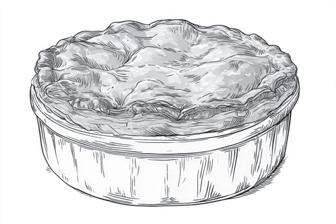
Chicken Liver Pot Pie
Ingredients - Serves 4
2 pre-made 9-inch pie crusts
2 baked chicken thighs pulled from bone and torn into pieces (reserve broth)
¼ cup baked and crumbled chicken livers
1 Tablespoon olive oil
½ cup chopped celery
½ cup chopped sweet onion
¼ cup slivered carrots
1 Tablespoon butter
2 Tablespoons all-purpose flour
½ cup tiny spring peas
Approximate
Total Iron 13.3 mgs
Heme: 6.0 mgs
Non-heme: 7.3 mgs
Chicken Liver Pot Pie
Instructions
1. Place one pie crust into a standard pie pan. Reserve the second one for the top.
2. In iron skillet, sauté onion, carrot and celery in oil.
3. Remove from skillet and set aside.
4. To the warm skillet, add butter and heat until bubbly and brown (amber colored).
5. Add sifted flour to hot butter.
6. Whisk flour and butter constantly until paste like consistency forms.
7. Pour slowly 1 cup of the reserved chicken broth into the paste mixture, stirring constantly.
8. To mixture, add peas, onion, carrot, celery, torn chicken meat, and crumbled chicken livers.
9. Place second pie crust over top and pinch edges shut. Cut 3 small vents in top crust.
10. Bake in pre-heated 400-degree oven for 45-50 minutes, until crust is brown and gravy bubbles up through vents.
Chicken Thigh Lasagna
Ingredients - Serves 6
4 large bone-in chicken thighs, rinsed and patted dry
¼ cup chopped green pepper
½ cup finely chopped sweet onion
2 Tablespoons olive oil
½ lb organic carrots, washed, ends removed, cut into short pieces
10 quarts of water and 2 Tablespoons sea-salt (divided; see instructions below)
nine standard size lasagna noodles
½ lb mozzarella cheese (will make 2 cups shredded)
15 oz. ricotta cheese
2 large eggs, slightly beaten
½ cup finely shredded Parmesan cheese
20 oz marinara sauce (divided; see instructions below)
Approximate
Total Iron 18.6 mgs
Heme: 1.6 mgs
Non-heme: 1.8 mgs
Chicken Thigh Lasagna
Instructions
1. In a medium boiler pot, sauté green peppers and onions in oil.
2. Add chicken thighs and cook on medium high heat for about 30 minutes.
3. Cover, reduce temperature to medium low and continue cooking (covered) for 1 hour.
4. Cut off heat and let stand for 30 minutes.
5. Remove chicken, pull meat off the bone and set meat aside to cool.
6. Once cool to the touch, grind the meat in a food processor and set aside.
7. In 8 quarts of water, add 1 Tablespoon sea salt and carrots, bring to gentle boil, cover and cook for 20 minutes (or until tender; use “fork” to test and pierce carrot to see if done).
8. Remove carrots but do not discard water. This will be rich in beta carotene. Lasagna boiled in this broth will absorb the extra nutrients. Chop cooked carrots (gentle pulse in food processor) and set aside.
9. Add to the carrot broth 2 quarts of water and 1 Tablespoon sea salt. Bring to a boil and cook lasagna noodles uncovered for about nine minutes. Drain noodles and set aside. (If needed, coat the noodles lightly with olive oil so that they do not stick together while assembly takes place.)
10. Preheat oven to 375 degrees. Shred fresh mozzarella cheese and set aside.
11. Spray 13x9x3 inch glass baking dish with cooking oil.
12. In medium mixing bowl, combine ricotta cheese, eggs, and ¼ cup Parmesan cheese.
13. With a rubber spatula, spread 2 Tablespoons of marinara sauce over the bottom of the glass baking dish, position 3 noodles lengthwise over sauce. Gently spread some of the ricotta/egg mixture over noodles, add a layer of mozzarella followed by a layer of cooked carrots and ground meat; sprinkle lightly with Parmesan cheese. Layer 3 more noodles and repeat the process. Top with sauce, mozzarella and Parmesan. Cover with foil and bake about 45 minutes. Remove from oven. Let stand at least 15 minutes before serving.
Note: You can prepare the chicken a day before and store it in the refrigerator.
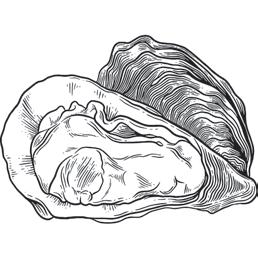
Fried Oysters
Ingredients
Oysters are delicate; they have a short shelf life and can be vulnerable to bacteria. When using fresh oysters be certain to use ones gathered in cooler months. Avoid oysters gathered in extreme heat which increases the potential for bacterial growth. Oysters sold in a can or plastic container are better choices in hot, humid climates. When using frozen oysters, follow thawing instructions provided on packaging. Oysters vary in size so the iron content for this recipe is based on ounces of meat rather than by the piece or serving.
16 ounces fresh oysters, removed from shell
¾ cup (~12 Tablespoons) vegetable shortening
1 large egg lightly beaten
3 cups medium/fine saltine cracker crumbs
⅛ teaspoon fine ground black pepper
¾ tsp salt
Fried Oysters
Instructions
1. Rinse oysters in cool water. Place on paper towel, pat dry, cover with paper towel and place in the refrigerator for 30-45 minutes.
2. In a large skillet about 12 inches in diameter, heat shortening or oil to 370 degrees. The liquid should be about ¼ inch deep in the skillet.
3. Combine salt and pepper and set aside
4. Saltine cracker crumbs: use one of two methods:
5. 1) In a food processor, grind one sleeve of saltine crackers (alternate pulsing); or
6. 2) Place crackers in ½ gallon plastic bag, leaving the end open; using a wooden rolling pin crush crackers until coarse/fine texture is achieved.
7. One at a time, dip oysters in beaten egg, roll in cracker crumbs, and drop into hot oil.
8. Fry 1-2 minutes per side until crisp.
9. Remove from heat, place on paper towel.
10. Sprinkle salt and pepper lightly, to taste.
11. Serve hot with cocktail sauce (catsup, lemon juice, horse radish, Worcestershire sauce).
A good rule of thumb is to avoid oysters in months that do not have an “R” May, June, July, August. Raw oysters can contain a harmful bacterium known as vibrio vulnificus. The US Centers for Disease Control and Prevention (CDC) provide an excellent overview of vibrio. For more information, visit www.cdc.gov/ vibrio/about/index.html
Approximate Iron Content
Total Iron 30 mgs
Heme: 25 mgs
Non-heme: 5 mgs
Crab & Peach Stuffed Tilapia
Ingredients - Serves 4
4 100gram tilapia filets
8 ounces of lump crab meat
4 slices of a sweet peach, chopped
1 cup whole buttermilk
Seasoned bread crumbs
2 Tablespoons butter
1 Tablespoon fresh squeezed lemon juice
Instructions
1. Rinse tilapia and soak in buttermilk one hour or overnight.
2. In a bowl, combine crab and chopped sweet peach.
3. Lay fish out on waxed paper and place about 2 Tablespoons of crab/peach filling in the center of each filet. Roll up one end and overlap with the other.
4. Dredge in seasoned bread crumbs and set aside.
5. Preheat oven to 350 degrees.
6. In a medium cast-iron skillet, place 1 Tablespoon of butter and set in oven for about 2 minutes, just enough to melt butter but not burn it.
7. Place rolled up filets in skillet, return to oven and bake uncovered for 20 minutes.
8. Remove filets from pan, place on a warm platter, and let stand for 5 minutes.
9. Melt remaining butter in skillet, add lemon juice, and drizzle over filets.
Serve with Confetti Rice or any leafy green vegetable or salad.
Total Iron 3.32mgs Heme: 1.18 mgs
2.14 mgs
Fried Beets Marinara
Ingredients - Serves 4 to 6
2 whole cooked beets peeled and med-thick sliced
1 medium egg lightly beaten
½ cup amaranth flour
½ cup seasoned bread crumbs
½ cup organic shortening
Instructions
1. In a cast iron skillet heat organic shortening to 370 degrees
2. Dredge beet slices first in flour, then in egg mixture, then in breading
3. Fry in hot oil until golden brown, turning once if necessary
4. Serve with ½ cup marinara sauce
Approximate
8.6 mgs
Liver Pâté Stuffed Chicken
Ingredients
2 Tablespoons olive oil
½ cup finely chopped sweet onion
½ lb calf’s liver
2 Tablespoons mayonnaise
4 oz cream cheese
4 boneless chicken thighs (each thigh is a portion)
¼ lb Prosciutto cut into thin ribbons
4 slices Baby Swiss cheese
½ cup seasoned bread crumbs
¼ cup organic non-hydrogenated palm oil (Spectrum brand)
Instructions
1. Sauté onion and liver in cast iron skillet on medium low until cooked, about 20 minutes.
2. Add mayonnaise, cream cheese and blend thoroughly to form pâté.
3. Preheat oven to 350 degrees.
4. On a dry surface, pound chicken thighs to flatten.
5. Spread pâté over center portion of chicken.
6. On top of the pâté, evenly divide Prosciutto and Swiss between the 4 portions.
7. Fold up all four edges to the center and secure with wooden toothpicks.
8. Roll in seasoned bread crumbs.
9. Heat oil to medium temperature in cast iron skillet.
10. Fry thighs in oil until brown but not fully cooked.
11. Place in baking dish, loosely cover with foil, do not seal.
12. Bake 1 hour. Remove from oven; remove foil and let stand for 15 min before serving.
Approximate
Total Iron 8.9 mgs
Heme: 3.7 mgs
Non-heme: 5.2 mgs
Stuffed Eggplant
Ingredients - Serves 4
1 medium onion, finely chopped
1 medium eggplant
1 cup cooked Mayocoba beans
¼ cup seasoned bread crumbs
1 egg lightly beaten
1 Tablespoon amaranth flour
1 Tablespoon dried sweet basil
Pinch of dried thyme
1 6oz can tomato paste
1 Tablespoon minced garlic
⅛ teaspoon red pepper flakes
2 Tablespoons grated Parmesan cheese
Instructions
1. Soak 1 cup dry Mayocoba beans overnight (8 hours) in 4 cups of water and ⅛ teaspoon baking soda. The next day drain and rinse beans. Simmer beans in 4 cups of water and 1 teaspoon salt. Beans should be tender in about 45 minutes; if not, simmer on low replenishing liquid (water) as needed.
2. Preheat oven to 350 degrees.
3. Wash, dry, trim off stem and split eggplant lengthwise. Place in shallow baking dish, flesh side down in ½ cup water. Bake uncovered for thirty minutes. Remove eggplant, scoop out flesh and place in mixing bowl. Add beans and all remaining ingredients to bowl and hand mash mixture to combine.
4. Pack mixture into eggplant shells and top with remaining Parmesan cheese.
5. Bake uncovered for 45 minutes until brown. Let stand 15 minutes.
Approximate
Content
Total Iron 9.9 mgs
Heme: 0.0 mgs
Non-heme: 9.9 mgs
(four servings: 2.47 mg of iron per serving.)
Meatballs Italian
Ingredients
2/3 lb ground sirloin
1/3 lb ground venison
1 medium egg
1 cup Italian seasoned bread crumbs
½ teaspoon garlic powder
½ teaspoon sea salt
½ teaspoon black pepper
¼ cup finely chopped onion
¼ cup finely chopped fresh parsley
¼ cup finely chopped fresh basil
Pinch of ground nutmeg
2 Tablespoons tomato paste
¼ cup organic palm oil
4 cups marinara sauce (32 oz)
Instructions
1. Mix all ingredients except for oil and sauce in bowl, pinch off small wads and roll into ~1 inch round ball form.
2. Heat ¼ cup organic palm oil in an iron skillet.
3. Fry meatballs for 15 minutes. Remove from oil and let drain on paper towel.
4. Pour 4 cups of marinara sauce into pan with drippings and heat. When warm, add meatballs to sauce and simmer uncovered for 1 hour, or longer if preferred.
5. Serve over favorite pasta. Garnish with Parmesan cheese.
Approximate
1.6 mgs
13.8 mgs
Teriyaki Shrimp
Ingredients
1 lb raw large white peeled shrimp
½ cup low sodium soy sauce
¼ cup water
2 Tablespoons rice vinegar
2 Tablespoons brown sugar
1 Tablespoon honey
1 teaspoon garlic powder
1 Tablespoon black strap molasses
1 Tablespoon ground fresh ginger
1 Tablespoon butter
2 Tablespoons cornstarch
¼ cup pear juice
1 Tablespoon cornstarch
Instructions
1. Place shrimp in teriyaki sauce; toss until shrimp are fully covered.
2. Add butter to medium hot iron skillet. Sear shrimp until it curls. Remove from heat to stop cooking. In a jar or container with a lid, combine cornstarch and pear juice. Close lid and shake well until blended. Pour remaining teriyaki sauce into iron skillet, on medium heat stir in cornstarch/pear juice mixture. With a wire whisk, stir sauce until it thickens.
Approximate
Content
Pasta e Fagioli (Macaroni & Bean)
Ingredients - Serves 4
1 cup dry great northern beans
¼ cup olive oil
2 tablespoon minced garlic
½ teaspoon dried basil
2 tablespoons chopped fresh parsley
1 14.5 ounce can diced tomatoes
½ teaspoon freshly ground black pepper
½ cup parmesan cheese
2 cups dry ditalini macaroni
Instructions
1. Soak beans overnight in 4 cups of water and ⅛ teaspoon baking soda. Drain and rinse. Cook beans
2. In an iron pot bring 2 quarts of water plus 1 teaspoon salt to a boil; add beans, simmer until beans are tender (About 45 minutes to 1 hour). Taste and continue cooking if needed. Reserve liquid (bean broth). During this time, cook macaroni according the package. Reserve liquid (macaroni broth).
3. In a cast iron skillet sauté garlic in oil. Add tomatoes, parsley and basil; simmer at least 20-30 minutes
4. Add cooked beans and macaroni to the mixture.
5. Adjust consistency by mashing beans if the dish is too moist, or by adding bean or macaroni broth if too dry. Consistency should be thick (stew-like). Add parmesan and generous amount of black pepper.
Approximate
Total Iron 22.0 mgs
Heme: 0.0 mgs
Non-heme: 22.0 mgs
Thai Meatballs
Ingredients
1 lb ground beef
¼ cup bread crumbs
1 large egg
2 green onions thinly sliced
2 tablespoons low sodium soy sauce
2 teaspoon grated fresh ginger
1 clove garlic minced
¼ cup V-8 juice
1 tablespoon oil
½ teaspoon sesame seeds
GLAZE:
½ cup hoisin sauce
¼ cup rice vinegar
1 teaspoon sesame oil
1 teaspoon grated fresh ginger
1 teaspoon chili garlic sauce Instructions
1. Instructions coming soon
Power Oats
Ingredients - Serves 4
¼ cup steel cut oats
1 ¼ cup water
¼ cup pear juice
¼ teaspoon salt
1 Tablespoon unsalted butter
1 teaspoon pure maple syrup
¼ cup chopped dried apricots
Instructions
1. Measure all ingredients and set aside
2. In a medium sauce pan; bring liquids to a boil, stir in salt and oats. Lower heat to simmer and cook uncovered 25 minutes (note adjust accordingly for natural gas stove cooking.)
3. Add butter and maple syrup to hot mixture; stir and pour into two bowls. Top with apricots.
Approximate
Roast Duck with Chipotle Cream Sauce
Ingredients
1 duck, about 5 lbs
1 Tablespoon sea salt Sauce
2 Tablespoons duck drippings
2 Tablespoons all-purpose flour
1 strip crisp bacon, crumbled
1 teaspoon chipotle powder
1 cup coconut milk
Unlike other poultry that has white meat and dark meat, duck is entirely dark meat. It is very high in fat and calories but also higher in heme iron than other birds (turkey, or chicken).
Instructions
1. Preheat oven to 250 degrees.
2. Remove giblets, neck and excess fat from duck cavity.
3. Wash duck inside and out and pat meat dry with a paper towel.
4. Rub salt over skin and inside cavity.
5. Without puncturing the meat, slide a skewer under the skin to create several small holes.
6. This allows the release of excess melted fat (drippings) as the duck is roasting.
7. Place duck breast side down on a rack in a roasting pan.
8. Cook 2 ½ hours.
9. Turn duck breast side up. Increase temperature to 375 degrees and continue roasting for 30-40 minutes. Skin will be crispy. NOTE: internal temperature should reach 165°F (74°C) in the thickest part of the thigh. Remove duck from roasting pan. Wait 10-15 minutes before carving meat.
Approximate
Total Iron 33.5 mgs
Heme: 12.3 mgs
Non-heme: 21.2 mgs
Shrimp Creole
Ingredients
1 lb peeled and deveined shrimp
¼ cup of organic, non-hydrogenated palm oil
¼ cup extra virgin olive oil
1 cup finely chopped onion
1 cup diced celery
1 cup thin sliced green pepper
28 oz can of tomato sauce
2 Tablespoons tomato paste
½ cup water
¼ cup fresh chopped basil or 1 Tablespoon dried basil
¼ cup fresh chopped curly parsley
⅛ to ¼ teaspoon red pepper flakes
Instructions
1. Heat palm oil and olive oil in cast iron skillet.
2. Sauté onion, celery, and green pepper for 20 minutes.
3. Add remaining ingredients except for shrimp.
4. Cover and simmer sauce for 45 minutes or longer.
5. Add shrimp to sauce and cook 1-2 minutes. Shrimp will curl up when fully cooked. Do not overcook or shrimp will be very tough; undercooked shrimp can be a health hazard.
6. Serve over cooked rice.
Approximate
Venison Fajitas with Roasted Red Pepper-Chipotle Sauce
Ingredients - Serves 4
1 onion, finely chopped
3 Tablespoons olive oil
1 green pepper, seeds removed and cut into strips
¾ lb of venison, cut into strips (can substitute beef, chicken or pork)
1 8 oz jar roasted red peppers
⅛ teaspoon Chipotle powder
⅛ teaspoon paprika
½ cup sour cream
2 Tablespoons fresh squeezed lime juice
4 wheat tortillas
1 teaspoon Butter
Instructions
1. In a food processor, pulse roasted red pepper with or without liquid, chipotle, and lime juice.
2. Once blended, add sour cream and pulse until combined. Set aside to use as sauce.
3. In an iron skillet on medium heat, sauté onion in olive oil until onions are caramelized. (Do not let oil get too hot.)
4. Add green pepper strips and simmer on medium heat until pepper is tender.
5. Add meat and simmer 20 minutes.
6. While meat is cooking, in a small non-stick pan add pat of butter, melt on medium heat. Drop tortilla into buttered pan and cook until edges are brown and curl (hold in warm oven until all four tortillas are done).
7. Spoon meat, onion, pepper mixture onto center of each tortilla. Top with sauce, roll and serve hot.
Content Total Iron 3.5 mgs
1.7 mgs
1.8 mgs
Chicken Liver Stuffed Tilapia
Ingredients
¼ lb chicken livers (cut into bite size pieces)
1 cup buttermilk
2 tablespoons fresh lemon juice
2 heaping tablespoons Greek seasoning
2 tablespoons Bacon grease, reserved from other recipes
2 Tablespoons finely chopped sweet onion
4 fresh fish filets Tilapia
4 thin slices white American cheese
Seasoned bread crumbs (About 1 cup)
Approximate
Content Total Iron 33.5 mgs
12.3 mgs
21.2 mgs
Instructions
1. Rinse and pat dry raw chicken livers.
2. Combine in glass container, buttermilk, lemon juice, and Greek seasoning.
3. Place raw livers in marinade, cover with plastic wrap, and refrigerate overnight.
4. Preheat oven to 350 degrees.
5. Sauté marinated livers in bacon grease with onion for 2 minutes.
6. Rinse fish and pat dry. Lay out on wax paper.
7. Spoon about 2 Tablespoons of cooked liver/onion mixture into center of fish.
8. Cut cheese into strips and place on top of liver/onion mixture.
9. Roll up fish and secure with a toothpick.
10. Dip each serving into buttermilk and then roll in seasoned bread crumbs.
11. Lightly spray vegetable oil over surface of cast iron skillet.
12. Place fish in skillet and lightly spray each serving.
13. Bake uncovered for 20 minutes. Let stand 5 minutes before serving.
14. Squeeze fresh lemon juice over fish and serve with any leafy green vegetable or salad.
Sides & Sauces
BBQ Beans
Ingredients
1⁄3 cup brown sugar
1⁄2 cup pear juice
1⁄4 cup vinegar
1 cup ketchup (also spelled catsup)
1 teaspoon dry mustard
1 28-ounce can pork and beans drained
1⁄2 cup chopped onion
Instructions
1. In an iron skillet combine the brown sugar, vinegar, ketchup, and dry mustard
2. Add beans, onions, cover with foil and simmer for 40 minutes.
3. Uncover and bake at 400° for 20 minutes.
4. Remove from the oven and let stand 10-15 minutes before serving
Approximate
Content
Total Iron Heme: 0.0 mgs Non-heme: 2.5 mgs
Beets & Pear Cream
Ingredients
4-5 medium whole beets washed, stems removed, peeled ½ cup pear juice (Reserve pear juice after cooking beets)
13.5 fluid oz of organic, heavy coconut cream
Instructions
1. Rinse the beets well and cut off the stems and roots. (Do not discard the stems; use in vegetable broth or in compost.)
2. In an iron skillet, simmer whole peeled beets in pear juice about 1 hour (or until tender)
3. FORK TEST: a fork or knife will slide in easily when the beet is done.
4. Remove cooked beets from the pear broth, set aside on warm plate
5. Add heavy coconut cream to pear broth, stir until blended. The mixture will turn pink.
6. Serve warm over cooked beets
Total Iron 3.3 mgs
Heme: 0.0 mgs
Non-heme: 3.3 mgs
Black Rice
Black rice is high in non-heme iron, but it also is high in fiber and polyphenols that can lower the bioavailability of iron. Its nutty flavor is unique and worth a try. Cooking in a cast iron skillet or pot or consuming this meal with a vitamin C rich vegetable such as tomato, or beverage will improve absorption.
Soak overnight (8 hours) in 2 cups of water with ⅛ teaspoon sea salt; drain and rinse rice.
Ingredients
1 cup of black rice
2 cups chicken broth
1 teaspoon sea salt
1 teaspoon olive oil
Instructions
1. In a 4-quart pot with lid that has a steam hole bring chicken broth to a boil and add salt, oil and rice
2. Cover and steam 25 minutes. Check for doneness. Remove from heat and let stand 10 minutes.
Approximate
0.0 mgs
4.88 mgs
Marinara Sauce
Ingredients - Yield 8 Cups
4 cups of finely chopped onion
¼ cup of olive oil
¼ cup of minced garlic
add 1 cup fresh chopped parsley
one 14.5 oz can of diced tomatoes or 1 cup fresh
one 28 oz can of crushed tomatoes with puree
one 6 oz can tomato paste
2 ½ cups hot water
Instructions
1. In a cast iron skillet sauté onion and garlic 20 minutes, add diced tomatoes, simmer until tomatoes are tender.
2. Add puree, tomato paste and hot water, add basil, salt and pepper, simmer 1 hour covered; uncover and simmer ½ hour
Total Iron 22 mgs Heme: 0.0 mgs
Non-heme: 22.0 mgs 2.75 mg per cup
Chicken Thigh Salad
Ingredients
1 pound chicken thighs on bone
½ pear juice
¼ cup finely chopped celery
⅛ teaspoon salt
1 Tablespoon mayonnaise
¼ finely chopped dried apricots
¼ cup coarsely chopped fresh strawberries
¼ cup hulled roasted unsalted sunflower seeds
Instructions
1. Heat cast iron skillet on low, place chicken skin down, add pear juice, cover and simmer on low for 40-50 minutes (until chicken is well done). Turn off heat and let stand 20 minutes to allow meat to get tender. Preserve broth in glass container (to be used in rice recipe)
2. Allow chicken to cool sufficiently to remove skin and bone and any cartilage.
3. Place pulled chicken in bowl, cover and cool in refrigerator overnight or at least two hours.
4. Place chicken in a food processor and chop into coarse chunks
5. Add celery and pulse to combine
6. Remove from processor; place in glass bowl. Add salt and mayonnaise. Stir in apricots, strawberries, and sunflower seeds.
7. Serve as a scoop on a bed of lettuce or in a sandwich.
2.2 mgs
5.6 mgs
Chipotle Spread with Pumpernickel
Ingredients
1 Tablespoon red chili garlic sauce (found in Asian markets)
8 ounces Philadelphia brand cream cheese (room temperature)
4 ounces salted butter (room temperature)
Instructions
1. In a small bowl, combine ingredients; mix thoroughly. Spread on dark pumpernickel rye bread. (See pumpernickel rye bread recipe or use store bought loaves)
2. This spread can be used to stuff celery and serve as an appetizer. Pumpernickel finger sandwiches are good appetizers or party food.
Total Iron 1.5–2 mgs
Heme: 0.0 mgs
Non-heme: 1.5–2 mgs
Cole Slaw
Ingredients - Serves 4
½ head of cabbage
¼ of a green pepper
1 stalk of celery
¼ cup sweet onion
1/8 cup fresh carrot
½ cup mayonnaise
1 Tablespoon apple cider vinegar
1/8 teaspoon salt
1 Tablespoon sugar
Instructions
1. Wash cabbage cut into pieces and place in food processor
2. Pulse until finely chopped, empty into large bowl
3. Place green pepper, celery, onion and carrot in processor
4. Pulse until coarse, add to mixing bowl
5. In separate bowl: Whisk together: mayonnaise, vinegar, salt and sugar; pour into cabbage mix and blend & refrigerate until ready to serve.
Approximate
Total Iron 0.5 mgs
Heme: 0.0 mgs
Non-heme: 0.5 mgs
Confetti Rice & Grains
Ingredients - Serves 3-4
2 Tablespoons olive oil
½ cup chopped sweet onion
½ cup chopped sweet green pepper
½ cup diced carrots
¼ cup sweet tiny green peas (frozen)
½ cup whole grain amaranth
½ cup black rice
¼ cup quinoa
14.5 ounce can diced tomatoes
2 cups water
½ teaspoon sea salt
Instructions
1. Soak rice overnight (8 hours) in 2 cups of water with ⅛ teaspoon sea salt. Drain and set aside.
2. In a 10-inch cast iron skillet on medium heat, warm two tablespoons olive oil and sauté onions and peppers until tender (about 10 minutes).
4. Simmer covered for 30-35 minutes; uncover, stir and test for doneness.
5. Add peas and adjust liquids.
6. Cover, simmer on low about 10 minutes or until peas are fully cooked.
Approximate Iron Content
Total Iron 13.0 mgs
Heme: 0.0 mgs
Non-heme: 13.0 mgs (based on 4 servings approx. 3.4 mgs per serving)
Liver Spread
Ingredients
½ lb Braunschweiger sausage, cooked
8 oz package of cream cheese
2 Tablespoons finely chopped sweet onion
1 Tablespoon finely crushed bacon
Instructions
1. In a food processor, combine all ingredients.
2. Using the pulse feature, blend mixture until creamy.
3. Remove from processor and chill in refrigerator.
4. Serve cold on rye crisp crackers.
Approximate
Content Total Iron 2.7 mgs Heme: 1.7 mgs
Sweet & Sour Sauce
Ingredients
1 tablespoon olive oil
1 cup green bell pepper cut into julienne strips
1⁄2 cup low sodium soy sauce
1⁄2 cup brown sugar
1⁄2 cup pineapple juice
1⁄2 teaspoon ground ginger root
1⁄4 cup water
2 teaspoons cornstarch
Instructions
1. In an iron skillet heat the oil and sauté the peppers until tender. Remove from the 2. skillet and set aside. In the same skillet combine the soy sauce, brown sugar, pineapple juice, ginger root, and coffee, and bring to a boil.
3. In a shaker container mix the water and cornstarch; shake vigorously. Using 4. a whisk, stir the sauce briskly and add the cornstarch-water mixture to the boiling sauce whisking constantly. The sauce should thicken slightly.
5. Makes about 2 cups. Serving size: 1⁄4 cup
Serve over your choice of meat, seafood, pasta, or rice.
Approximate Iron Content
Total Iron 1.0 mgs
Heme: 0.0 mgs
Non-heme: 1.0 mgs
Teriyaki Sauce
Ingredients
½ cup low sodium soy sauce
¼ cup water
2 Tablespoons rice vinegar
2 Tablespoons brown sugar
1 Tablespoon honey
1 teaspoon garlic powder
1 Tablespoon black strap molasses
1 Tablespoon ground fresh ginger
1 Tablespoon butter
2 Tablespoons cornstarch
¼ cup pear juice
Instructions
In an iron skillet, combine all ingredients, except ¼ cup of pear juice and 2 Tablespoons of corn starch. Simmer ingredients on low. In a small glass container with a lid, combine pear juice and corn starch. Shake well and pour into simmering liquid. This will thicken the sauce.
Approximate
Total Iron 3.8 mgs
Heme: 0.0 mgs
Non-heme: 3.8 mgs
Stews & Soups
Gumbo
Ingredients - Serves 6
2 cups of chopped onion
1 cup of diced celery stems included
½ cup of chopped fresh parsley
¼ cup olive oil
4 cups diced tomatoes
8 cups of turkey or chicken broth
2 bay leaves (remove these before serving)
1 tablespoon basil
1 tablespoon thyme
2 tablespoons garlic minced
1 tablespoon salt
1 teaspoon red pepper
roux
1 pound of smoked andouille sausage sliced on diagonal.
Instructions
1. In an iron skillet, sauté sausage and onions in olive oil (about 20 minutes)
2. Sauté onions in olive oil (about 20 minutes)
3. Add celery and cook until tender
4. Add tomatoes and cook an additional 20 minutes
5. Add broth and seasonings
6. Prepare roux: Heat ¼ cup olive oil. Add ½ cup flour slowly. Whisk flour & oil into paste. Continue until paste turns brown; take care not to burn roux
7. The next step is a bit tricky; wear oven mitts to protect arms from splatter: Dip a cupful of liquid from soup and add cautiously to paste
8. Whisk constantly; continue to add cupfuls of soup to paste until
9. It is gravy-like consistency; whisk gravy into soup
10. Soup will take on a cloudy appearance and will thicken slightly
11. Remove bay leaf before serving.
12. Gumbo can be served over beans and rice and topped with chopped green onion & Gumbo Filé powder
Approximate
Total Iron 0 mgs
Heme: 0.0 mgs
Non-heme: 0.56 mgs
Rabbit Stew
Ingredients
Brine:
1 whole skinned rabbit obtained from a reputable source (1 whole rabbit is about 2-3 pounds)
2 Tablespoons salt
¼ cup dark brown sugar
2 strips of bacon
2 lb rabbit meat cut into pieces
1 teaspoon salt
¼ teaspoon black pepper
1 clove garlic minced
Instructions
1. Brine rabbit meat
1 ½ cups chicken broth
½ cup dry (not sweet) white wine
1 cup canned diced tomatoes
1 sweet potato (peeled and cut into chunks)
2 Tablespoons of chopped fresh curly parsley
½ cup chopped celery
1 bay leaf
¼ cup finely chopped onion
¼ cup flour
Recipe should reach” 160°F (71°C) for safety.
2. In a large glass bowl dissolve salt and sugar in one cup of hot water
3. Add 1 ½ quart of cold water to the mixture
4. Test the water to assure it is cool (so the meat will not cook in the brine)
5. Add rabbit meat to the brine, loosely cover bowl with cotton cloth and let stand overnight or at least for 8 hours. Remove rabbit, rinse with cool water and pat dry.
6. In a deep iron skillet or Dutch oven fry bacon until crisp; remove, set aside
7. Combine flour, salt and pepper (in a large bowl)
8. Dredge rabbit pieces in flour, salt and pepper mixture
9. In the bacon drippings cook a few pieces of rabbit at time (set aside)
10. In the same drippings, sauté onions, garlic, and celery until lightly brown
11. Return rabbit meat to the veggies & gently add chicken broth and white wine
12. Stir gently and add sweet potatoes, tomatoes, bay leaf, and curly parsley
13. Cover and simmer on low for 2 hours. Recipe should reach 160°F (71°C) for safety
Approximate Iron Content
Total Iron 28.0 mgs
Heme: 15.0 mgs
Non-heme: 13.0 mgs
Seafood Chowder
Ingredients
¼ cup chopped carrots
¼ cup chopped onion
¼ cup chopped celery
½ lb Maryland Lump Crab
½ lb white shrimp (rinsed but with shells and tails intact)
1 Tablespoon Old Bay seasoning
½ teaspoon sea salt
Pinch (about 1/8 teaspoon) white pepper
4 oz. butter
1 teaspoon chopped fresh parsley
13.5 fluid oz can coconut milk
½ cup heavy whipping cream
2 quarts of water
Instructions
1. In a medium sized iron pot, bring water and chopped vegetables (carrot, onion, celery) to a boil. Add Old Bay Seasoning and cook shrimp (approximately 5 minutes) until they turn pink and float. Ladle shrimp out, cool, peel, clean, chop into coarse sized chunks. Set aside.
2. Simmer coconut milk, butter, sea salt, and parsley.
3. Add crab meat, shrimp, and heat through (do not boil)
4. Prepare thickener: in a container with a lid combine 1 Tablespoon corn starch and ¼ cup cold water; shake well and stir into mixture.
5. Gently stir in heavy whipping cream
Vegetable Soup
Ingredients
2 tablespoons olive oil
1 cup chopped sweet onion
1 cup coarsely chopped celery
2 cups coarsely chopped green cabbage
½ teaspoon dried sweet basil
1 teaspoon sea salt
⅛ teaspoon black pepper
2 cups diced tomatoes
1 15 ounce can of tomato sauce
6 ½ cups water
1 cup canned cut green beans
1 cup diced carrots
3 small red skin potatoes quartered
Instructions
1. Rinse carrots, dice and set aside. Rinse potatoes, quarter and hold in cold water.
2. Cooking vessel with lid: [4-quart boiling pot] [5 quart cast iron Dutch oven] [12-inch iron skillet]
3. In cooking vessel sauté onion in olive oil until tender (approximately 10 minutes on medium heat)
4. Add cabbage, and celery. With a wooden spoon, stir to coat mixture with oil.
5. Add 3 cups of water and diced tomatoes; bring to a boil and cook 10 minutes.
6. Add tomato sauce, green beans, carrots and potatoes
7. Fill the tomato sauce can with water and add to mixture. Cover and simmer on medium low heat for 1 ½ hours. Pierce potatoes and carrots to assure doneness. Return cover, let stand 10-15 minutes before serving.
Total Iron 11.5 mgs Heme: 0.0 mgs Non-heme: 11.5 mgs
Snacks
Greek Chicken Liver Chunks
Ingredients
1 lb chicken livers
1 cup whole buttermilk
2 Tablespoons fresh lemon juice
2 heaping Tablespoons Greek seasoning
4 strips bacon
Seasoned bread crumbs
Sesame seeds
Instructions
1. Rinse and pat dry the raw chicken livers.
2. Combine in a glass container: buttermilk, lemon juice, and Greek seasoning.
3. Place raw livers in marinade, cover with plastic wrap, and refrigerate overnight.
4. Cook bacon in cast iron skillet until crisp and reserve grease.
5. Remove bacon and set aside to cool; once cool to touch, crumble bacon.
6. Roll livers in seasoned bread crumbs and sesame seeds.
7. Fry livers in bacon grease until fully cooked.
8. Sprinkle crumbled bacon over top of liver bites.
Approximate
Liver Spread
Ingredients
½ lb Braunschweiger sausage, cooked
8 oz package of cream cheese
2 Tablespoons finely chopped sweet onion
1 Tablespoon finely crushed bacon
Instructions
1. In a food processor, combine all ingredients.
2. Using the pulse feature, blend mixture until creamy.
3. Remove from processor and chill in refrigerator.
4. Serve cold on rye crisp crackers.
Clam Spread
Ingredients
1 quality brand canned 6.5 oz. minced clams
½ cup finely chopped sweet onion
¼ cup finely chopped green pepper
3 Tablespoons softened butter
1 Tablespoon Worcestershire sauce
2 Tablespoons tomato paste
2 Tablespoons catsup
1Tablespoon cooking sherry
¼ finely chopped dill pickle
¼ lb shredded extra sharp Cheddar cheese
Rye Crisp thins or Melba toast
Instructions
1. In a food processor, except for cheese, pulse all ingredients
2. Spread mixture on toast thins
3. Cover with cheese
4. Place under broiler (475 degrees) for 4-5 minutes (or until cheese melts)
Smoothies
Smoothies are beverages (things that we drink) and can be a good way to get several vitamins and minerals from whole foods. Smoothies are generally served cold and can contain iron absorption promoters such as vitamin C or ascorbic acid. Plant-based iron is used in these smoothie recipes. Smoothies are excellent way to increase iron absorption.
Equipment needed: Small blender (Magic Bullet); small 2-ounce plastic cups with lids (for freezing juices.)
Preparation is similar: place ingredients in blender, and pulse to combine.
Apricot-Carrot Smoothie
Ingredients
½ cup apricot juice
½ cup carrot juice
¼ cup pear juice
2-3 ice cubes
Instructions
1. Place all ingredients in a blender, pulse until mixture is combined.
Total Iron 1.4 mgs
Heme: 0.0 mgs Non-heme: 1.4 mgs
Blue-Green Smoothie
Ingredients
Pinch of sea salt
1 teaspoon powered wheat grass
1 teaspoon spirulina
1 cup celery juice
Instructions
1. Place all ingredients in a blender, pulse until mixture is combined.
Iron 2.77 mgs Heme: 0.0 mgs
2.77 mgs
Pink Smoothie
Ingredients
1 cup coconut milk
½ cup pear juice
½ cup frozen dark sweet cherries (pitted)
2 ounces beet juice
½ banana
Instructions
1. Place all ingredients in a blender, pulse until mixture is combined.
Total Iron 1.57 mgs
Heme: 0.0 mgs Non-heme: 1.57 mgs
Mankai Duckweed Smoothie
Ingredients
4 frozen cubes of pear juice
2 Tablespoons duckweed powder
½ cup pineapple juice
½ cup unsweetened coconut milk
Duckweed is also known as wolffia globosa.
Instructions
1. Place all ingredients in a blender, pulse until mixture is combined.
Total Iron 4.5 mgs
Heme: 0.0 mgs Non-heme: 4.5 mgs
Fresh Squeezed Lemonade
Ingredients
¾ cup sugar
¾ cup hot water
1 cup lemon juice (about 12 lemons)
7 cups water
Instructions
1. Dissolve sugar in ¾ cup of hot water and refrigerate overnight
2. To the cold sugar water add lemon juice and 7 cups of cold water
3. Stir well and serve over ice.
This beverage contains sugar and is a high vitamin C which are two promoters of iron absorption and is a good choice of beverage with your iron-rich meal.
Chocolate Smoothie
Ingredients
2 Tablespoons dark chocolate powder (chocolate needs to be at least 72% cocoa)
1 cup coconut milk
1 teaspoon spirulina powder
2 Tablespoons (plain) whey powder
2 Tablespoons sugar
Instructions
1. Place all ingredients in a blender, pulse until mixture is combined.
Can be served hot or cold.
Sweets
Amaranth Crunch (alegría)
Ingredients
½ cup of amaranth seeds
3 Tablespoons local honey
1 Tablespoon date syrup (black strap molasses can be substituted)
2 Tablespoons undutched cocoa powder
½ teaspoon pure vanilla extract
A pinch of salt
¼ cup hulled, roasted, unsalted sunflower seeds
⅓ cup of dark chocolate chips
Instructions
1. To pop seeds: Heat a wide-bottomed pan with a lid over medium-high heat. Add 1 tablespoon of the amaranth seeds to the pan, cover and cook over medium-high heat until most of the seeds have popped, about 30 seconds.
2. Transfer to a bowl. Repeat with remaining amaranth, 1 tablespoon at a time.
3. Warm honey and date syrup in a medium saucepan; add cocoa powder, vanilla extract, a pinch of sea salt and stir well. Add “popped” amaranth to the mixture. Add sunflower seeds; stir well to coat. Add chocolate chips and stir.
4. Transfer mixture to an 8X8-inch buttered glass pan and press the mixture down, spreading it evenly with a rubber spatula.
5. Cut to desired sized squares. Remove individual squares from glass pan and place on serving platter to cool.
Alegría is Hispanic for “joy”.
Total Iron 6.25 mgs Heme: 0.0 mgs Non-heme: 6.25 mgs
Beet Bundt & Dark Chocolate
Ingredients
3 cups all-purpose flour
2 teaspoons baking soda
1 ½ teaspoon baking powder
½ teaspoon salt
1 teaspoon Ceylon cinnamon
1 cup white sugar
2 large eggs
2/3 cup whole buttermilk
½ cup dark brown sugar
2/3 cup avocado oil
2 cups pureed cooked beets
¾ cup dark chocolate cocoa
4 ounces dark chocolate bits
Instructions
Dark chocolate sauce:
12 ounces beet juice
3 cups sugar
1 stick butter
1 teaspoon vanilla
1 cup dark chocolate cocoa
Note
All foods to some extent include promoters or inhibitors of iron. Avoid inhibitors such as coffee, tea, milk, or milk chocolate with your meal. Include promoters such as vitamin C rich beverages or fruit butters
1. Beet Preparation Methods: Reserve 12 oz of beet juice for dark chocolate dessert sauce or
2. A. Peel and cook ~2 pounds of raw beets in 1 quart water (drain, set juice aside)
3. B. Two 15 oz cans of beets (drained set aside juice),
4. Pulse or puree cooked beet in a blender to yield 2 cups
5. Preheat oven 350 degrees
6. Combine all dry ingredients set aside
7. In mixer blend oil, eggs, and sugar
8. Spray Bundt pan generously with Pam brand baking with flour OR you can grease and flour the pan.
Butterscotch Iron Bars
Ingredients - Yields 18 Bars
8 Tablespoons butter (1 stick)
12-ounce bag of butterscotch morsels
2 cups light brown sugar
4 large eggs
1 teaspoon vanilla
3 cups flour
2 teaspoons baking powder
1 teaspoon salt
2 cups English walnuts
Instructions
1. Blend flour, salt, and baking powder. Set aside.
2. Melt butter and butterscotch chips on low heat
3. In mixing bowl (e.g., KitchenAid) measure brown sugar
4. When butterscotch morsels are melted
5. Pour over brown sugar and blend
6. Beat on lowest speed as you quickly add eggs
7. Add vanilla, then add dry ingredients and mix well
8. Pour into 9X13X2 inch buttered baking pan
9. Bake 350 degrees for 25 minutes
10. Cool and cut into preferred sizes: bars or bites
Approximate
Total Iron 28.49 mgs Heme: 0.0 mgs Non-heme: 28.49 (pan) mgs or ~1.5 mgs each
Carrot Cake
Ingredients
3 eggs (farm fresh if possible)
¾ cup whole buttermilk
½ cup coconut oil
½ cup olive oil
1 ¼ cups sugar
¼ cup black strap molasses
2 teaspoons vanilla extract
2 teaspoons ground cinnamon
¼ teaspoon sea salt
Icing:
1 stick butter
1 8 oz cream cheese
3 cups powdered sugar
1 Tab blackstrap molasses
1 t vanilla Instructions
1. Preheat oven 350 degrees
2. Grease and flour 2 nine-inch cake pans
3. Mix flour, baking soda salt and cinnamon. Set aside
2 cups all-purpose flour (can use gluten free flour)
2 teaspoons baking soda
1 teaspoon baking powder (aluminum free)
2 cups shredded carrots
1 cup English walnuts
1 8oz can crushed pineapple with juice
4. Combine eggs buttermilk oils, sugar, molasses, and vanilla, mix well
5. Add to wet ingredients: carrots, walnuts, pineapple
6. Divide batter equally into cake pans
7. Bake middle rack 1 hour (test with toothpick)
Approximate
Total Iron 3.9 mgs Heme: 0.0 mgs Non-heme: 3.9 mgs
Crepes
Ingredients
½ cup all-purpose flour
½ cup almond milk
¼ cup warm pear juice
2 Tablespoons melted butter
2 teaspoons blackstrap molasses
Instructions
1. In a blender combine all ingredients thoroughly. Place batter in a container of choice, cover and refrigerate overnight. (Tip: a vessel with a pouring spout is helpful)
2. Lightly grease a shallow frying pan or crepe pan
3. Place pan on medium heat burner; pour about 2 tablespoons of batter into the pan. Lift and tilt the pan to spread batter evenly over the surface.
4. Flip cooked crepe over; edges will be brown and somewhat crispy.
5. Store between sheets of waxed paper until ready to use; crepes freeze well.
3.4 mgs
Sweet Georgia Peach Sauce
Ingredients
1lb package of frozen yellow peaches (sliced/thawed) or 3 cups fresh peeled and pitted yellow peaches
1 stick butter
¼ cup black strap molasses
½ cup dark brown sugar
Instructions
1. On medium heat simmer all ingredients, stirring and mashing peaches until consistency is like a lumpy paste.
2. More from CG?
Ginger Snaps
Ingredients - Yields 48 Cookies
2 cups flour
2 tsp baking soda
½ tsp salt
1 tsp cinnamon
1 tsp ground ginger
½ tsp ground cloves
1 ½ sticks room temperature (softened) butter
Instructions
1 cup light brown sugar
¼ cup white granulated sugar (for dipping)
1 large egg
¼ cup (4 Tablespoons)
organic black strap molasses
1. In a medium sized bowl, blend flour, salt, baking soda, cinnamon, ginger, and cloves together. A whisk is a good tool to use to blend dry ingredients. Set aside.
2. In a mixer, beat together butter, sugar, egg, and molasses.
3. Add dry ingredients and blend well. Transfer dough to a storage container with a lid. Chill overnight.
4. Preheat oven to 350 degrees
5. Scrape dough onto a smooth cool surface (e.g. vinyl rolling pad, marble slab). Cut dough into four equal parts and roll each part into a long bar that can be sliced into 12 equal pieces. If you want to bake one batch at a time, reserve unbaked dough in parchment paper/sealed plastic bag and store in refrigerator.
6. Roll dough into small balls (about one inch in diameter or about the size of a quarter). Dip the top in sugar and place evenly on an ungreased 11x17 inch cookie sheet. Cookies will spread, so don’t put them too close together.
7. Allow the dough to reach room temperature (~20 minutes.)
8. Bake on the middle rack for 8 minutes.
9. Remove from oven. Let stand on cookie sheet for one minute, move to cool hard surface (glass platter) and enjoy!
3. Add peaches. Mix thoroughly, then add sunflower seeds
4. Line two six-muffin tins with large paper cupcake liners
5. Pour ½ cup of batter into each paper liner
6. Bake 350 for 30 minutes on middle rack
7. Test doneness with wooden toothpick, which will come out clean if the batter is fully cooked.
8. Remove from oven. Let stand 10 minutes, then remove muffins from pan. Cool for ~45 minutes. Store in dry, cool area.
Breads
Skillet Cornbread
Ingredients
2 cups plain yellow cornmeal
1 ½ cups all-purpose flour
4 teaspoons baking powder (non-aluminum)
1 teaspoon sea salt
1 teaspoon baking soda
1 large egg lightly beaten
2 cups whole buttermilk
4 oz butter
Instructions
1. Preheat oven to 400 degrees
2. Sift all dry ingredients into medium size bowl, set aside
3. Combine wet ingredients (egg, milk) in bowl, set aside
4. Place butter in 10-inch cast iron skillet and melt in oven
5. When butter is melted very quickly stir wet ingredients into dry ingredient but do not overstir; add hot melted butter, stir and return batter to iron skillet
6. Bake 30-45 minutes until top is brown
Total Iron 0 mgs
Heme: 0.0 mgs
Non-heme: 0.8 (4oz wedge) mgs
Pumpernickel Bread
Ingredients
3 cups organic bread flour
1 ½ cups dark rye flour
¼ cup unsweetened dark cocoa powder
1 Tablespoon sea salt
2 cups plain almond milk (divided)
Instructions
1 ½ tablespoons dark brown sugar
1 tablespoon active dry yeast
¼ cup unsulphured molasses
3 tablespoons butter softened
1. In a large bowl combine dry ingredients: bread flour, rye flour, cocoa powder, and salt. With a wire whisk gently blend the dry ingredients until all are uniformly mixed. Set aside.
2. In a small sauce pan, warm ½ cup of almond milk to 105-110 degrees Fahrenheit. Do not boil; add brown sugar and sprinkle dry yeast over the surface of the milk, gently stir for about 2 minutes. Move off warm burner and let “stand” 3-4 minutes: mixture will get bubbly. While yeast mixture is “standing” assemble Kitchen aid® mixer dough hook and mixing bowl. Combine the yeast mixture with molasses and remaining milk mix on low speed. Slowly add dry ingredients; add softened butter, beat on medium ~5-6 minutes until dough clings to hook. Scrape ball of dough onto lightly floured surface.With the heel of your hand knead dough until it springs back (7-8 minutes); transfer dough to lightly greased bowl; cover with cotton tea towel set in warm place for about 1 hour (dough should double in size) Preheat to 375 degrees
3. Lightly butter a bread loaf pan (about 9 inches long X 5 inches across X 4 inches deep) and set aside.
4. Remove dough from bowl and return to floured surface, mash down shaping into a 9 x 9-inch square, fold 2 sides into the center creating a long cylinder. Place dough seam down in the loaf pan. Cover and let rise again until doubled in bulk ~45 minutes. Bake in preheated oven for 1 hour 10 minutes until top is crusty brown Cool in pan for 10-15 minutes; invert pan and release bread onto cooling rack. Let the loaf cool completely for at least one hour. Store in air tight container.
Approximate Iron Content
Total Iron 0 mgs
Heme: 0.0 mgs
Non-heme: 3.9 mgs
Ronnetta Griffin
Miss South Carolina, 1991 and Mrs. South Carolina 2015
In 2013 when I was told that I had severe iron deficiency anemia, the first thing I wanted to know is what foods are high in iron. From the Internet I gathered lists and tried eating to increase iron levels, but kept going downhill. My iron levels simply would not rise; even iron pills seemed ineffective. I needed answers. From the Internet I discovered the Iron Disorders Institute (IDI) website and poured over their pages of information. I was fortunate to live in Greenville, South Carolina, headquarters of IDI and to meet with one of its founding directors, Cheryl Garrison. She is certified by the institute as a lay iron educator. In this role she worked with me for over a year to help bring my iron back into balance. During that year, many of my questions were answered and because of this, I wanted to give back. When asked to serve on the Iron Disorders Institute Board of Directors in 2014, I saw this as an opportunity to do just that.
Becoming a spokesperson for IDI about iron deficiency provides me with ways to reach a vast number of young women who may not know how dangerous low iron can be. Because I served as Miss South Carolina 1991 when I was in my 20s and then Mrs. South Carolina 2015 at the age of 50, I am able to use my platform to reach a wide range of women of all ages who struggle with iron deficiency like I did, and who are also searching for solutions. I am so grateful to be able to make a difference and help save other women from a lifetime of low iron and its related difficulties and suffering.
Where the IDI website provides medically and scientifically reviewed information, my website contains real life experience and offers approaches that I used to restore and maintain healthy iron levels. I invite you to use the IDI site because the vital basics are there, but I also invite you to visit my website www.ironology.life where you can read about my experiences with diet, iron pills, iron infusions and possible surgery—none of which made sense until myths and misinformation got swept away by the experts at IDI. Diet is critically important for balancing iron and The Anemia Cookbook makes this effort easy. This book teaches you how to avoid pitfalls, the common mistakes we all make in the kitchen and how to get the most iron from our diet. So read, cook, eat, and enjoy!
Ronnetta Griffin CEO Ironology Health Solutions
Member Board of Directors Iron Disorders Institute
Certified Iron Educator
Garrison’s Story
Raymond Glahn, Ph.D.
Raymond Glahn, Ph.D.
USDA-ARS, Research Physiologist/Acting Research Leader
Courtesy Associate Professor, Cornell University
Robert Holley Center for Agriculture and Health Center, Ithaca, New York
In 1999 Dr. Glahn, developed an artificial gut model to study the bioavailability of micronutrients, particularly iron and zinc, in foods and supplements. His model is the first of its kind to measure how much iron is absorbed from foods like rice, corn, wheat, beans, infant formulas, and iron supplements. Glahn’s system is a lab-based approach that simulates the human intestinal processes. It is an efficient, cost-effective method to evaluate nutrient absorption, offering insights into improving the nutritional quality of staple crops and food products through biofortification and fortification. Dr. Glahn’s work addresses global iron deficiency, a major issue especially for women and children, by improving dietary iron absorption in staple crops and developing better supplements.
Dr. Glahn collaborates with plant breeders to enhance the nutritional quality of staple crops like beans, rice, maize, and wheat through biofortification. At the Department of Plant, Soil and Microbial Sciences, Michigan State University, East Lansing, Michigan, and the USDA-ARS Sugarbeet and Bean Research Unit, East Lansing, Michigan, Glahn and his colleagues have developed a yellow bean pasta that is a naturally rich source of bioavailable iron. In his laboratory, select recipes for the Hemochromatosis Cookbook and the Anemia Cookbook, have been tested for reduced or enhanced bioavailability of iron.
John Beard Ph.D.
John L. Beard, Ph.D. (1947–2009) was a prominent nutrition scientist and professor at Pennsylvania State University (Hershey). He was widely recognized for his pioneering research on dietary iron and its impact on human health, particularly in child development and neurocognitive function. His work focused on the biological and physiological consequences of iron deficiency, emphasizing its effects on brain development, cognitive performance, and behavior. Beard’s research demonstrated that iron deficiency anemia in infants and children is linked to poor neurocognitive development, with effects that may be reversible depending on the timing and severity of the deficiency. His studies highlighted how iron deficiency alters brain iron deposition, affecting dopamine-dependent behaviors and cognitive function. Beard explored the molecular regulation of iron homeostasis, including the role of ferritin as a potential dietary iron source. His work also examined how iron interacts with immune function, muscle metabolism, and neuronal functioning. Dr. Beard was a member of the Iron Disorders Institute Scientific and Medical Advisory Board from 19992009.
Mary Frances Picciano, Ph.D.
Mary Frances Picciano, Ph.D. (1946–2010)
Mary Frances Picciano, PhD, Senior Nutrition Research Scientist at the Office of Dietary Supplements (ODS), National Institutes of Health (NIH).
Dr. Picciano’s most prominent work was the ODS Vitamin D Initiative. This was a comprehensive, multifaceted effort to synthesize available research on this nutrient, identify research needs and challenges, and evaluate their application to public health policy. Her work provided great benefit to federal efforts on vitamin D and is now the framework for other similar efforts within the ODS. In 2010, she received the NIH Director’s Award in recognition of exceptional leadership resulting in broader understanding of vitamin D that will benefit the public health. Dr. Picciano was a friend and colleague and rightfully so, The Dietary Supplement Research Practicum is named for her. In one conversation about hemochromatosis (HH) Dr. Picciano was intrigued to find out that a person with HH could become iron deficient. Her exemplary work substantiates the importance of getting out into the sunshine at least for ten-fifteen minutes a day. Sunshine triggers the body to produce vitamin D. Today, we know that Vitamin D influences iron metabolism; low vitamin D levels can lead to iron deficiency anemia because of increased hepcidin production, which can reduce iron absorption in the intestines and impair iron availability for red blood cell production.
E.D. Weinberg, Ph.D.
E.D. Weinberg, Ph.D. (1922-2019)
Eugene D. (Gene) Weinberg, Professor Emeritus of Biology, Indiana University was a microbiologist renowned for his groundbreaking research, which concentrated on iron’s role in microbial infections, host-pathogen interactions, and antibiotic mechanisms. From him medical students learned how iron influences bacterial growth, virulence, and host defenses. His ideas were instrumental in shaping modern understanding of infectious diseases and iron-related disorders. His Iron Withholding Hypothesis began in the 1960s. Gene was among the first to propose that humans and animals defend against microbes and cancer cells by sequestering iron, depriving pathogens of this essential nutrient. This concept, now foundational in host-pathogen interaction studies, has influenced fields from immunology to oncology.
Dr. Weinberg, pioneered studies on how antibiotics chelate (grab) metals like iron to inhibit bacterial growth, advancing antibiotic development. He explored iron’s role in infections, cancer, and non-communicable diseases; hypothesized that unbound iron could be teratogenic (causing fetal deformities), an idea presented to the Centers for Disease Control and Prevention, (CDC) in 2010 via the Iron Disorders Institute (IDI). Dr. Weinberg authored over 140 peer-reviewed papers, has been cited nearly 9,000 times.He co-authored the book Exposing the Hidden Dangers of Iron— What Every Medical Professional Should Know about the Impact of Iron on the Disease Process (2004), emphasizing iron’s double-edged role in health and disease. Weinberg’s Iron Withholding Defense Mechanism, if understood, will caution health care providers about the appropriateness of iron supplementation and the necessity of verifying iron deficiency with tests such as ferritin, C-reactive Protein (CRP) or Reticulocyte Hemoglobin Content (CHr). Dr. Weinberg was a rare person who gave generously of his time to anyone who wanted to learn about iron.
Author Cheryl Garrison Garrett comments: “When I was first trying to learn about iron, I apologized to Dr. Weinberg for my dumb questions, to which he responded “there are no dumb questions.” He was my mentor and friend who encouraged me to read important papers relevant to inventions and discoveries about iron. His guidance led to the establishment of the Iron Disorders Institute Scientific and Medical Advisory Board. He was the first member of this board and served from 1998-2019.
Thomas Hamilton Bothwell, MD, MBBCh
Thomas Hamilton Bothwell MD, MBBCh (1926–2016) Emeritus Professor of Medicine, University of the Witwatersrand
Dr. Bothwell was a renowned South African physician, researcher, and academic whose groundbreaking work on iron metabolism revolutionized global understanding of nutritional anemias and iron overload disorders. Often hailed as one of the world’s foremost experts on iron nutrition, Bothwell’s career bridged clinical medicine, public health, and international policy, with a lasting impact on how dietary factors influence iron absorption and deficiency in diverse populations. Bothwell’s early research focused on iron absorption and overload, inspired by observations of “Bantu siderosis” (African dietary iron overload) among Black South African populations, a condition linked to traditional beer brewed in iron-rich containers. He distinguished this type of iron overload from other forms of hemochromatosis.
Dr. Bothwell served on the World Health Organization’s (WHO) Expert Committee on Nutritional Anemia. His recognition that iron status hinges not just on intake, but on the dietary balance of promoters (e.g., vitamin C) and inhibitors (e.g., phytates in grains) of absorption, a concept that informed WHO guidelines and interventions worldwide. Dr. Bothwell often wrote with his colleague Andrew Patrick MacPhail.
Andrew Patrick MacPhail MBBCh, Ph.D. FCP FRC
Andrew Patrick MacPhail MBBCh, Ph.D. FCP FRC
Dr. MacPhail is a South African medical educator and consultant hematologist in Johannesburg, South Africa. He is a Professor Emeritus at University of the Witwatersrand. Dr. MacPhail has long been a student of iron metabolism, nutrition, and hematology and says that he was privileged to work with some of the greats such as Thomas Bothwell, Leo Zacharski, and Gene Weinberg. What these giants all have in common is a great appreciation for the impact of iron inadequacies or excesses on the human body and the basic principles of iron fortification. Dr. MacPhail helped greatly in the compilation of the Anemia Cookbook by suggesting use of terms promoters and inhibitors of dietary iron. Dr. MacPhail’s areas of interest and expertise continue to include: Hematology Infectious Diseases, Oncology Medicine, HIV Immunology, HIV Infection, Immunology of Infectious Diseases, Molecular Virology, Iron Metabolism, Iron Nutrition, and Iron Hematology. Dr. MacPhail continues to serve on the Iron Disorders Institute Scientific and Medical Advisory Board.
Dr. Herbert Bonkovsky, MD
Dr. Bonkovsky’s research with regard to dietary supplements focuses on their potential to cause liver injury, particularly through green tea extract and catechins. He advocates for enhanced safety surveillance and regulatory frameworks. His work highlights the growing public health concern of Herbal and Dietary Supplements (HDS) induced hepatotoxicity supported by clinical data from The Drug-Induced Liver Injury Network (DILIN). The DILIN is a research initiative established in 2003 by the National Institute of Diabetes and Digestive and Kidney Diseases (NIDDK) and emphasizes the importance of patient-provider communication regarding supplement use. Dr. Bonkovsky is one of its founders and continues to urge patients to share with their physicians any supplements they are taking on a regular basis. Supporters of the Iron Disorders Institute have benefited greatly from Dr. Bonkovsky’s knowledge of Non-Alcoholic Fatty Liver Disease (NASH), and how supplements milk thistle, vitamin E, and selenium when used judiciously, can be instrumental in the reversal and management of liver disease.
Dr. Bonkovsky made significant contributions to the development and validation of non-invasive magnetic resonance imaging (MRI) techniques for quantifying hepatic iron overload, particularly through methods leveraging T2 relaxation times. Iron accumulation in the liver, as seen in conditions like hemochromatosis, thalassemia, or transfusion-dependent anemias, shortens T2 (transverse) relaxation times due to the paramagnetic effects of iron, leading to reduced signal intensity on T2-weighted MRI images. This property allows T2 measurements to serve as a proxy for liver iron concentration (LIC), enabling safer monitoring without the risks of liver biopsy. Dr. Bonkovsky has served as the Chairman of the Iron Disorders Institute Scientific and Medical Advisory Board from the inception of the organization.