Cecilia Gomer Discusses
5 Creative Methods for
Developing Micro Dramas


Cecilia Gomer is a Micro Drama Producer and the co-founder and producer of Crazy Stone Studio. She is known for creating engaging micro dramas and vertical shows that connect with modern digital audiences. Cecilia Gomer discusses 5 creative methods for developing micro dramas. She explains the importance of building clear story ideas, creating strong characters, keeping episodes focused, using visual storytelling, and understanding audience interests. By focusing on creativity and careful planning, micro dramas can capture attention quickly and leave a lasting impression on viewers across digital platforms.

The first step in micro drama development is creating a clear and focused story foundation. Because the format is short, every part of the story must serve a purpose. A strong central idea helps guide the plot and keeps the narrative easy to follow. The story should have a clear direction from the beginning, allowing viewers to understand the main conflict and remain engaged until the end. Careful planning during development helps remove unnecessary details and keeps attention on the most important elements. A solid foundation ensures that the drama remains effective even within a limited timeframe.

Character development plays a major role in the success of a micro drama. Even though screen time is limited, characters should feel meaningful and memorable. Clear personalities, motivations, and emotional goals help viewers connect with them quickly. Strong character development allows the audience to understand actions and decisions without requiring lengthy explanations. Every interaction should reveal important information about the characters and move the story forward. Well-developed characters bring depth to the narrative and make short stories feel more complete and engaging.

A carefully organized structure is essential for micro drama development. Since the format moves quickly, each scene must contribute to the overall narrative. The opening should capture attention immediately, while the middle should develop the main conflict and maintain momentum. The ending should provide a satisfying conclusion that supports the story’s purpose. Efficient storytelling helps creators deliver meaningful narratives without wasting valuable screen time. A well-structured approach improves pacing, strengthens engagement, and ensures that viewers remain interested throughout the entire production.

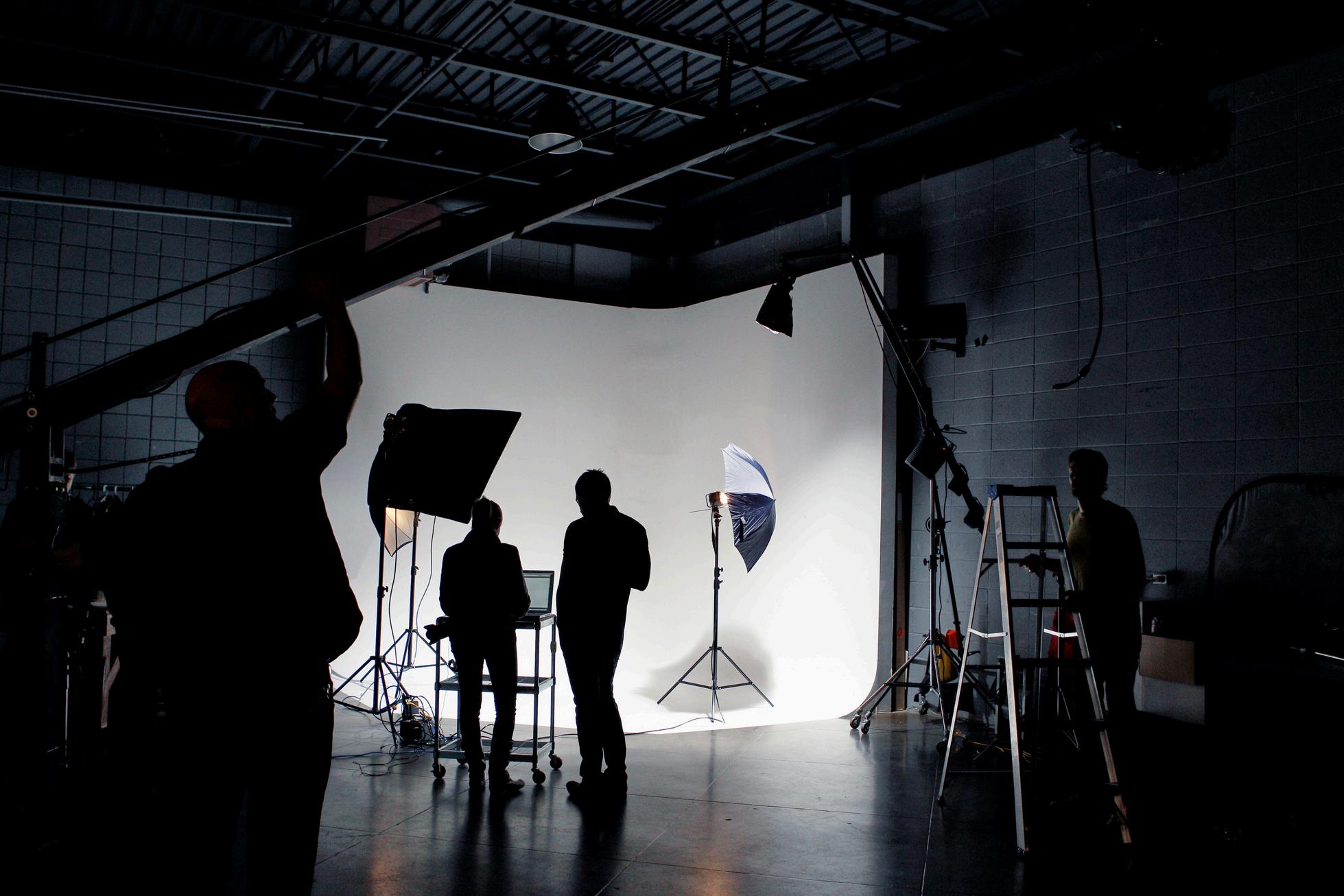
Visual storytelling is one of the most powerful creative tools in micro drama development. Strong visuals can communicate emotions, relationships, and important story details quickly. Camera angles, scene composition, lighting, and movement all contribute to storytelling without relying heavily on dialogue. Effective visual planning helps audiences understand the narrative while keeping the content dynamic and engaging. Since viewers often consume micro dramas on mobile devices, clear and impactful visuals become even more important.
Modern audiences often prefer content that is easy to access and quick to consume. Developing micro dramas with these viewing habits in mind helps creators reach a wider audience. Fast-paced storytelling, clear emotional moments, and smooth transitions can improve viewer engagement. Content should be designed to maintain attention from the first scene through the final moment. Understanding how audiences interact with short-form entertainment allows creators to make informed development decisions.