OUR COMMITMENT TO GLOBAL

OUR COMMITMENT TO GLOBAL
In an increasingly interdependent world, global responsibility has never been more important. The Welsh Government’s Wales and Africa programme is a powerful example of what we can achieve when communities reach across continents –not with charity, but with partnership, respect and shared ambition.
Global responsibility means a commitment to fairness, sustainability and solidarity across borders. It’s a recognition that our actions –in policy, trade, climate and development –have far-reaching impacts on people and ecosystems around the world.
It’s a principle that guides Welsh Government policy. By embedding global responsibility into decision-making, we can uphold our values and strengthen Wales’ role as a principled, proactive global actor. We can promote ethical international partnerships, support he UN Sustainable development goals, and ensure that Wales contributes positively to global challenges such as poverty, inequality and climate change.
The Wales and Africa programme was born from the powerful call of the Make Poverty History campaign in 2005, and the public demand for a distinct Welsh contribution to global development.
Since its inception in 2006, the programme has evolved in response to shifting global challenges, and has embraced many new opportunities. It aims to reflect the very best of who we are –reminding us that being Welsh or living in Wales is not only about belonging to a nation, but also about being part of a global community.
The name itself speaks volumes: Wales AND Africa. It recognises that this is not a one-way act of giving, but a vibrant exchange. Welsh communities are not only helping to shape change in Africa. They are also being enriched and inspired by the resilience, innovation and experience of their African partners.
Through the programme, Wales has supported hundreds of projects that have improved health, expanded access to education, strengthened livelihoods, championed women’s rights, and fought for our planet’s future. Each of these stories is a testament to what is possible when we work together, guided by compassion, purpose and the shared roadmap of the UN Sustainable Development Goals.
As we look ahead and consider our next steps as a globally responsible nation, we can draw inspiration from Wales and Africa’s many successful initiatives and collaborations.
As well as providing financial support for vital projects, the Small Grants Scheme is a powerful engine for collaboration across continents.
The Wales and Africa Small Grants Scheme is more than just a source of funding. It’s a gateway for people, community groups and organisations across Wales to make a real difference in the world. It helps us create a more outward-looking Wales, connected to global issues and committed to taking meaningful action.
The scheme provides support for the Welsh global solidarity sector to collaborate with partners in sub-Saharan Africa. Together, we can address challenges and share knowledge in areas such as global citizenship, skills exchange, sustainable development and climate action – all while helping to achieve the UN Sustainable Development Goals.
Since its launch, the scheme has funded around 250 projects, with grants ranging from £5,000 to £25,000. These projects have spanned much of sub-Saharan Africa, building relationships and creating lasting change for communities both there and in Wales.
Here are two powerful examples of what can be achieved when people in Wales and our partner countries join forces.
In a ground breaking effort to restore dignity and rebuild lives, the VVF (Vesicovaginal Fistula) Project is pushing the boundaries of reconstructive surgery for survivors of sexual violence.
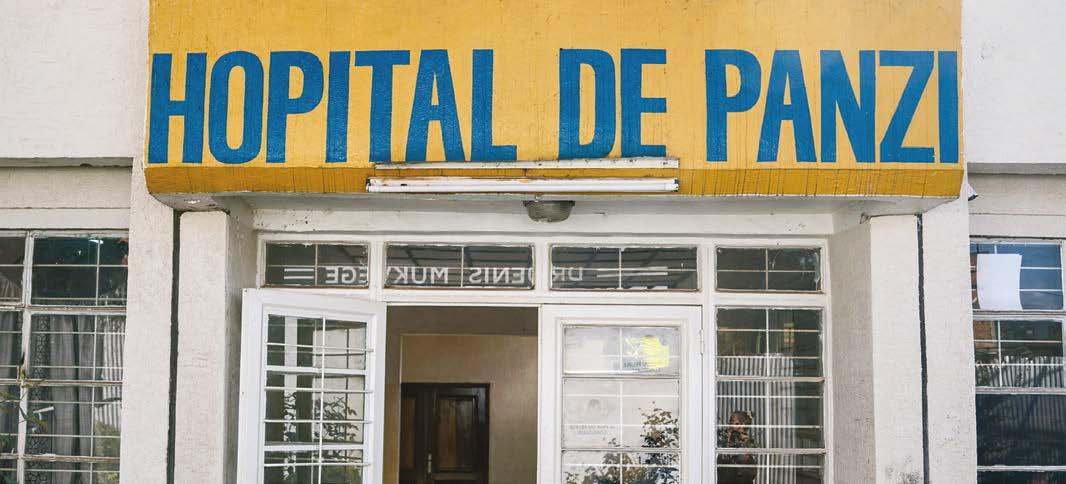
The initiative is a collaboration between ReconRegen, Swansea University, and the renowned Panzi Hospital in the Democratic Republic of Congo, with support from the Duchess of Edinburgh. It’s led by Professor Iain Whitaker, Chair of Plastic Surgery at Swansea University Medical School and Honorary Consultant Plastic Surgeon at the Welsh Centre for Burns and Plastic Surgery.
The Panzi Hospital, founded in 1999 by Nobel Peace Prize laureate Dr Denis Mukwege, has treated over 85,000 women and girls who have survived the unspeakable horrors of wartime sexual violence. While their dedicated team achieves extraordinary outcomes, around 5% of cases present injuries so severe that standard surgical approaches simply aren’t enough.
These types of injury typically require advanced reconstructive surgery techniques. Because plastic surgery does not exist as a specialty in the Democratic Republic of Congo, Congolese surgeons are not trained in these techniques – and that’s where the VVF Project steps in.
Wales and Africa funded an exploratory mission to Panzi Hospital in July 2024, after Professor Whitaker and his team conducted a series of online meetings with clinicians. These discussions identified a critical need: advanced reconstructive surgery training, paired with hands-on teaching materials that would let trainee surgeons refine their skills before entering the operating theatre.
To answer that call, Professor Whitaker joined forces with Dr Hari Arora from Swansea University’s BEST Lab (Biomedical Engineering Simulation and Testing). Together, they led a team of talented postgraduate biomedical engineers to design and build low-cost, anatomically accurate surgical training models for fistula repair.
The innovation is as ingenious as it is impactful. Each model consists of a 3D-printed ‘bone’ pelvis layered with hand-moulded silicone that mimics the feel of human tissue, including muscle, fat, fascia and skin. These models were developed to ensure that cutting and suturing them would closely simulate real-life surgery – something crucial for effective training. Feedback from Professor Whitaker’s surgical team helped refine the final design.
Thanks to Wales and Africa grant funding, plus matched funding from a £15,000 Engineering and Physical Sciences Research Council grant, the team travelled to Panzi Hospital in July 2024 with five pelvis models and 20 reusable silicone tissue overlays, along with detailed assembly instructions. To support a full evaluation of the models, the Swansea team also shipped 30 single-use surgical instrument kits, donated free of charge by Corza Medical.
Panzi Hospital’s surgical team took part in hands-on trials of the prototypes and then completed detailed online feedback forms – an essential step in perfecting the next generation of models. To our knowledge, they are the only anatomically correct fistula repair training models in existence. And because they can be produced at a relatively low cost, they hold immense potential – not just for Panzi Hospital, but for hospitals across low-resource countries worldwide.
With this bold step forward, Wales is helping lead the global charge to improve surgical outcomes for survivors of conflict-related violence. The VVF Project brings healing, hope and humanity to some of the world’s most vulnerable people.
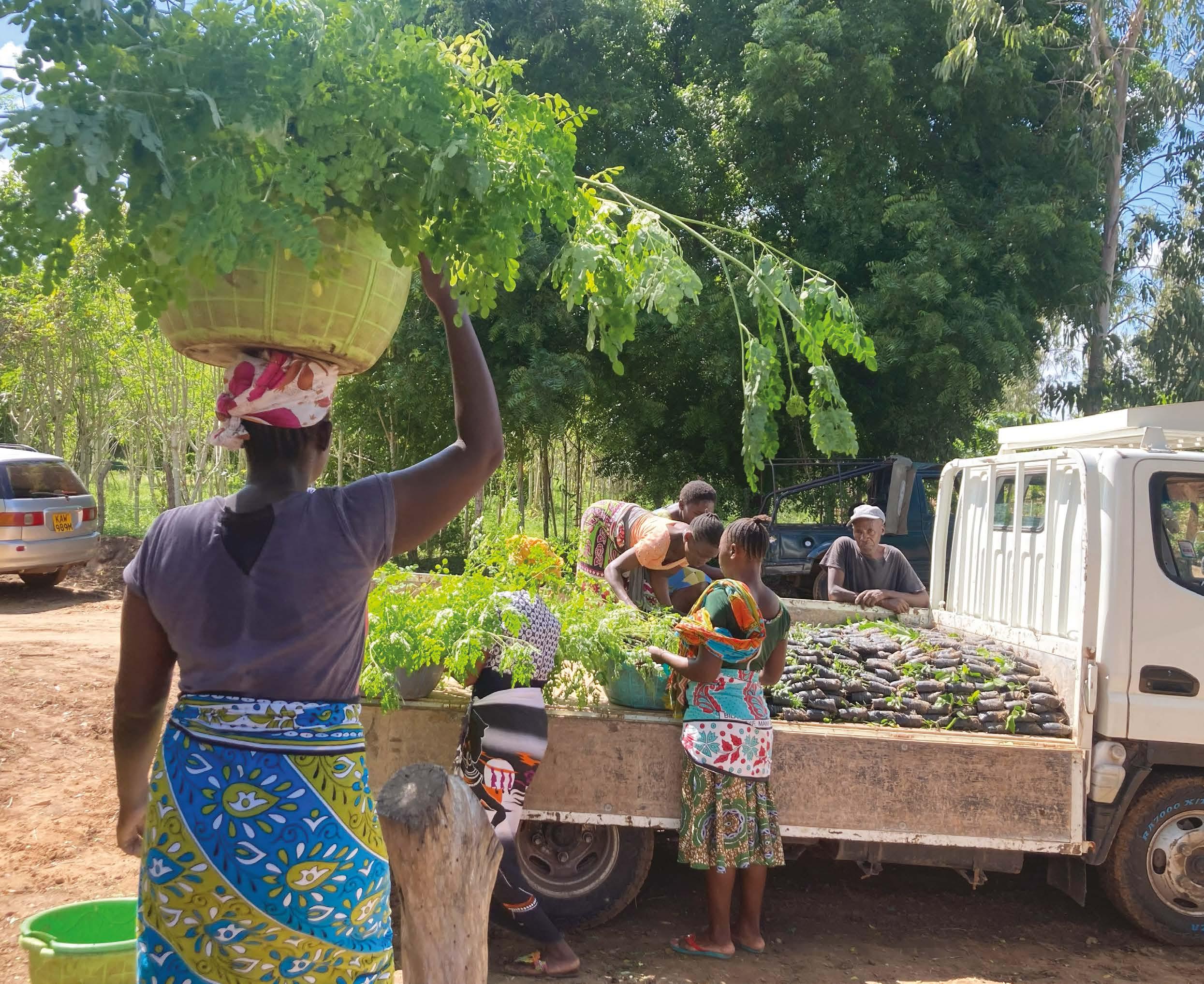
Through the Small Grants Scheme, Wales and Africa has supported Treeflights –an organisation working to strengthen climate-focused community action in Wales, while directly funding large-scale tree planting in Kenya.
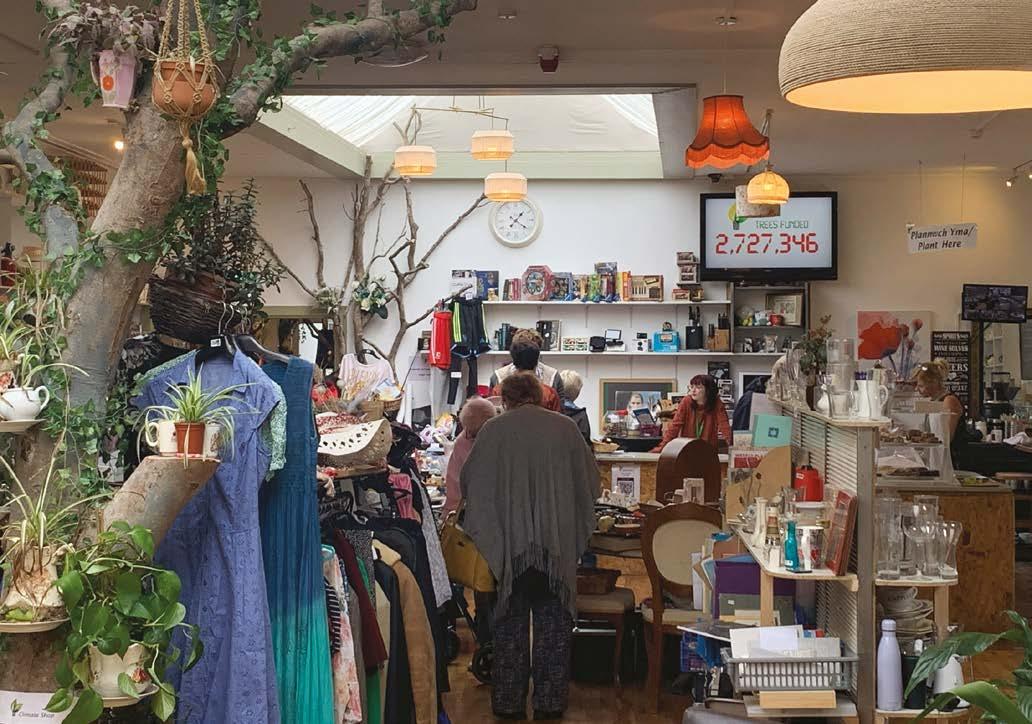
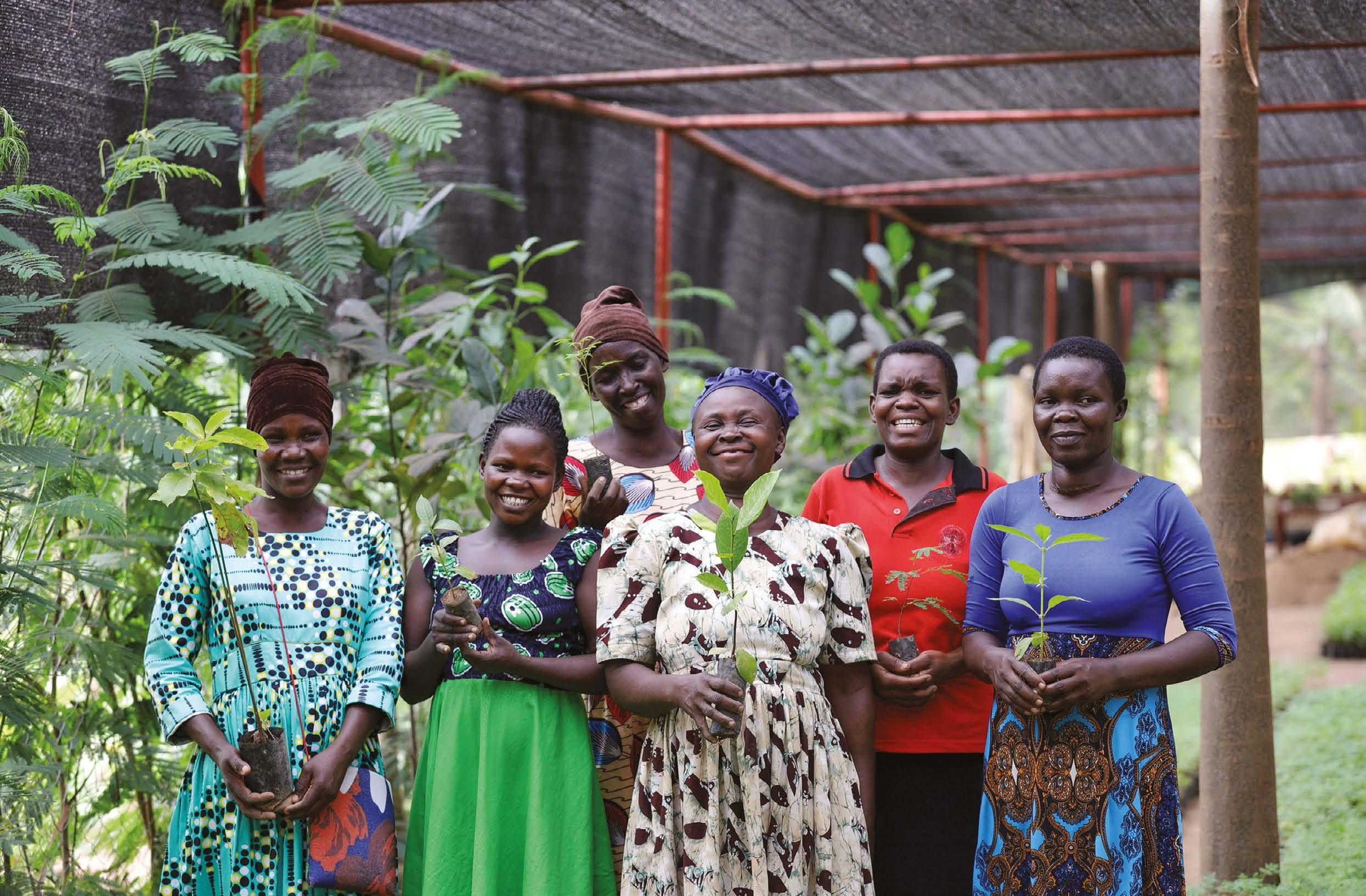
Established in 2008, Treeflights is a non-profit carbon forestry company based in Wales. Its flagship initiative, the Climate Shop, has since grown into a small chain of sustainability-focused charity shops in Carmarthen, Lampeter, and most recently, Aberystwyth.
The shops sell donated goods at very low prices, using a unique pricing system that connects purchases with tree planting in Kenya. For example, a £3 frying pan funds the planting of 15 trees and pays a day’s wages for a tree-nursery worker in Africa.
Treeflights has used its grant funding to expand its nursery in Kenya, support two part-time Climate Shop managers in Wales, and facilitate two-way exchanges between Welsh volunteers and Kenyan project staff.
Overseen by the part-time shop managers and a project co-ordinator, the Climate Shops are thriving. In Carmarthen and Lampeter, shop turnover is growing, volunteer numbers are rising, and awareness of climate issues is increasing across the community.
The Carmarthen branch has become the busiest shop on its street, helping to revitalise a neglected part of town. The recent opening of the Aberystwyth store builds on this success, offering even more opportunities for local people to engage with climate action through everyday shopping.
What’s more, the shops have gained attention in the national media. An S4C feature introduced the project to a wider Welsh-speaking audience, boosting footfall. Ru Hartwell, the project’s co-ordinator, was subsequently honoured with the Sustainability Prize at the 2024 Lampeter Awards.
A key element of the project has been the two-way volunteer exchange, which has strengthened connections between communities in Wales and Kenya. Ten Welsh shop volunteers visited the Kenyan project site in Boré, meeting tree nursery workers and farmers whose livelihoods are supported by Climate Shop proceeds.
In return, two Kenyan project staff travelled to Wales, visiting all three shops and meeting with stakeholders, local authorities and partner organisations. These visits have forged strong cross-cultural connections, enriched local understanding, and boosted motivation among Welsh volunteers, who now speak with first-hand knowledge about the impact of their work.
The project has not only educated and empowered local people, but also offered a way to take real, positive action on climate change. Thanks to Treeflights, a shopping trip can become a small but meaningful contribution to tackling the climate and biodiversity crises.
The International Learning Opportunities programme gives Welsh professionals the chance to spend time in African countries, helping to forge positive change.
The International Learning Opportunities programme gives Welsh professionals the chance to spend time in African countries, helping to forge positive change.
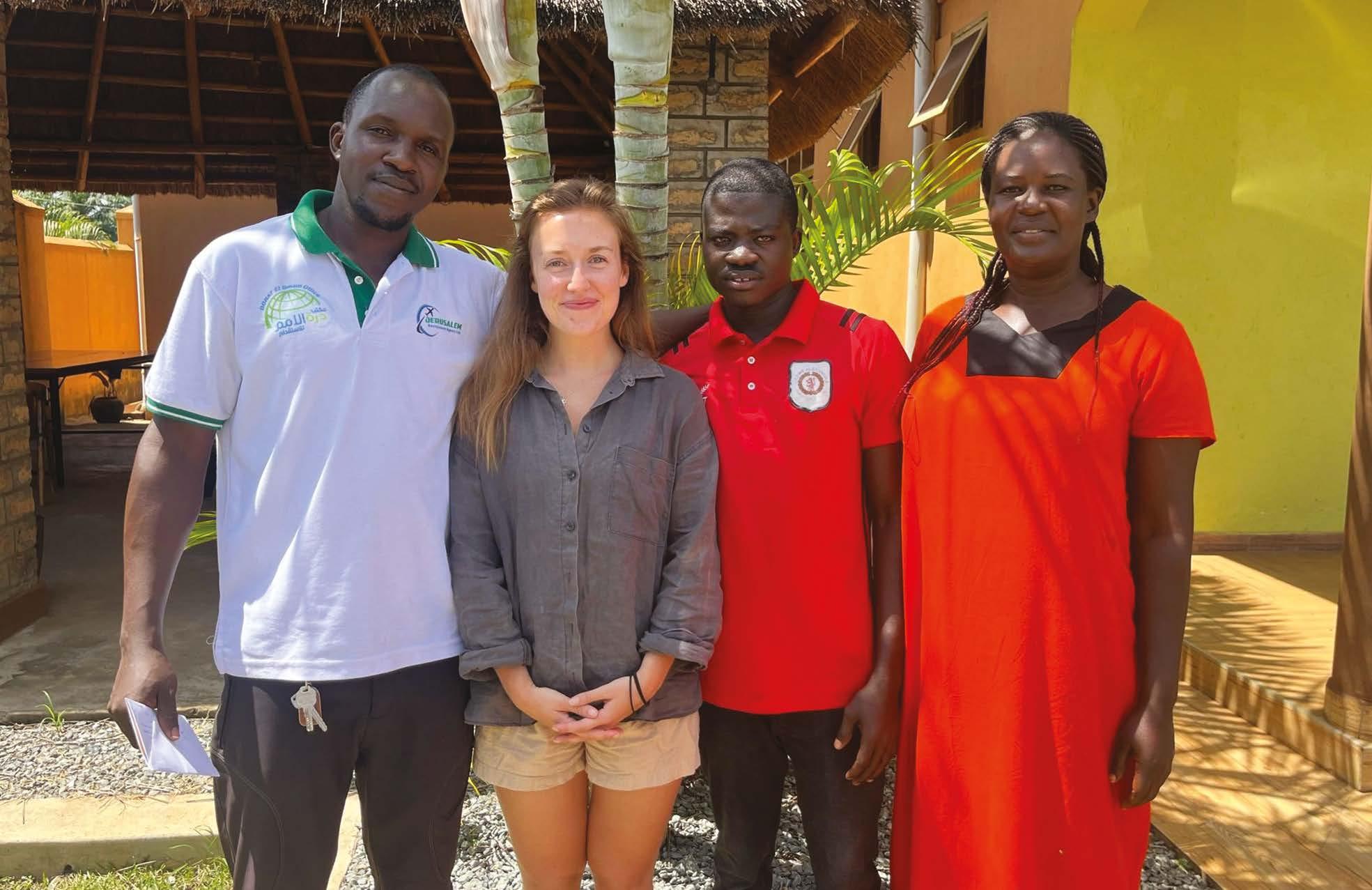
The International Learning Opportunities (ILO) programme gives people from the public, business and third sectors in Wales the chance to spend up to eight weeks in sub-Saharan Africa. While there, they work on projects to enhance their leadership skills and deliver a positive outcome for their hosts.
Under the long-established programme, around 250 individuals have undertaken work placements in a variety of African countries including Uganda, Lesotho and Namibia. In doing so, they have helped support our efforts to make Wales a globally responsible nation, and deliver the UN Sustainable Development Goals.
The programme has attracted Welsh professionals from many different sectors, at different stages in their careers – all eager to share their expertise and help organisations in Africa effect positive change. Each placement has had three beneficiaries:
• The participant. Most people taking part in the programme have gone on to consider it a life-changing experience – and in many cases, one that has enhanced their career.
• The participant’s employer – such as NRW, PHW, Welsh Uni. They often find that employees return from a placement with a changed perspective, leading to swift career progression.
• The host organisation. Many hosts report that they had valuable interactions with the participants, bringing about lasting change.
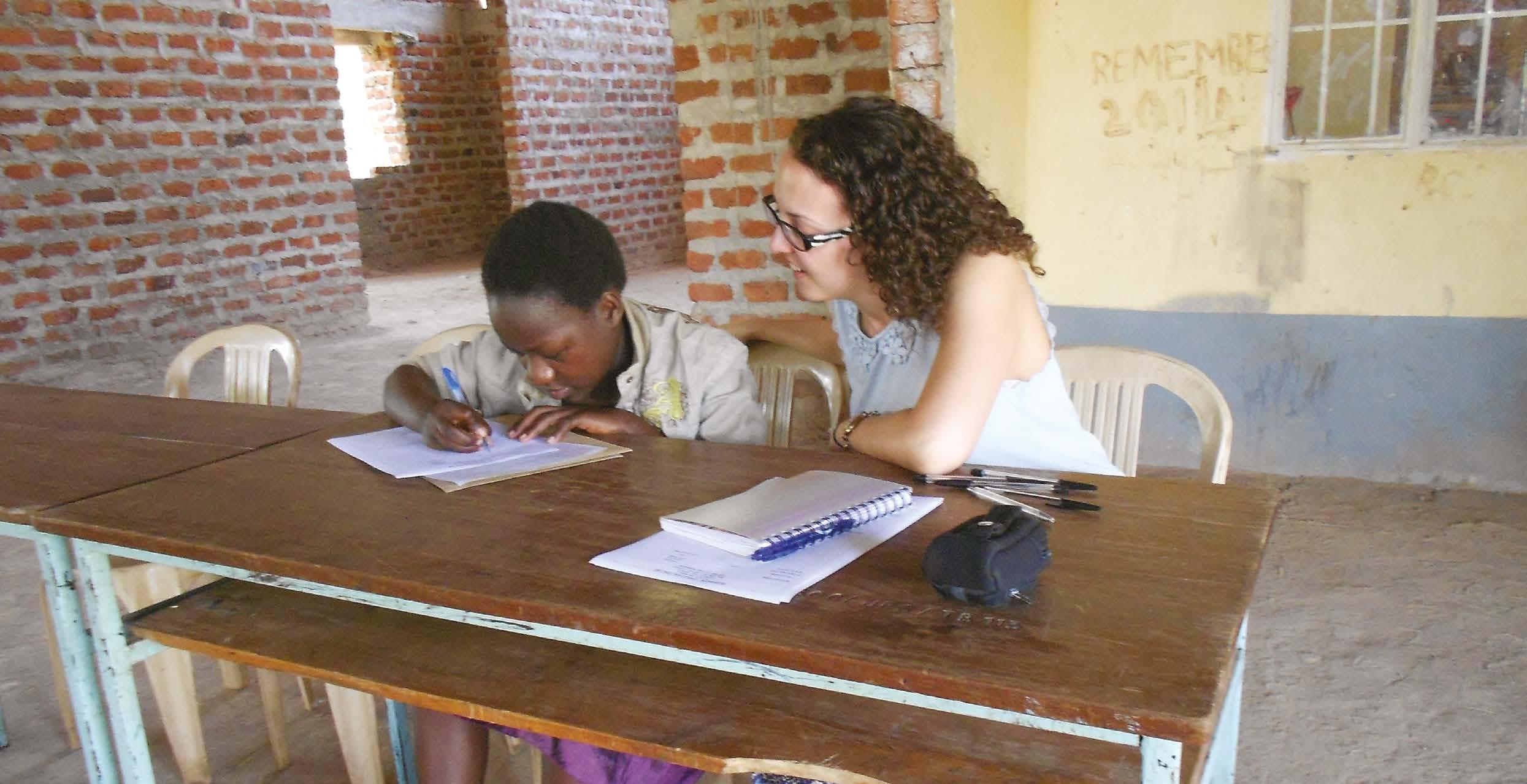
Luned Nicholas is a doctor from West Wales with an interest in public and global health, as well as tropical medicine. Here, she provides an account of her ILO placement.
In March 2025, I was lucky enough to be sent by the ILO programme to Eastern Uganda. Arriving after a six-hour journey via wild roads to a tiny rural village called Kumi, I spent a phenomenal eight weeks living, working and volunteering with the local health care teams.
Although Kumi district has around 280,000 inhabitants, the only public hospital and its healthcare facilities look after a catchment area of
over a million people. More than half of them live under the poverty line, making the population’s health needs much higher.
Simple things that we take for granted in Wales are rare commodities at these facilities – things like basic blood tests, oxygen cylinders, clean beds or even constant electricity and clean running water. Not only were the facilities deeply under-resourced, but the breadth and severity of the illnesses that we encountered were demanding and shocking, too.
Malaria and its complications – incredibly rare in Wales – still kill many patients, including young children. Tropical diseases and HIV put huge pressures on the facilities. Alongside this, they must deal with the common diagnoses we see in Wales and the UK, such as cancer, heart failure and diabetes.
The daily numbers were immense, and the ability to care for these patients was incredibly limited, compared with what I’d known during work in the UK, New Zealand and Greece. To reach very basic WHO sustainable developmental health goals, we had to fill huge gaps in the healthcare structures. I worked collaboratively with the Atutur Hospital and health centre IV teams to set short-term goals, and to audit areas that could benefit from longer-term input and further healthcare volunteers.
“Things we take for granted in Wales were rare at the facilities.”
Our aim was to help with capacity strengthening and health promotion, so that the work could continue when my time in Uganda came to an end. We created a weekly rota that aligned with the most urgent needs – such as teaching and lecturing on topics that varied from seizures and acutely unwell patients to hypertension and asthma attacks.
I conducted several audits and quality improvement projects, including maternity antenatal appointment adherence, palliative care symptom checklists, mental health clinic redesigns, and outpatient clinic care and health promotion in the community. Weekly feedback from the teams showed positive effects from our collaborative work. A roadmap was created to allow the various facilities to implement the necessary changes after I had returned to the UK.
“The women who lead these facilities are heroes in my eyes.”
The effects of my ILO experience have been profound. The patients were immensely kind and welcoming to me during some of the hardest moments in their lives, even helping me with the Ateso language. The people I worked alongside showed me what true strength and grace was. I have never left a place with such a sense of awe –as well as some new role models. The women who lead those facilities will forever be heroes in my eyes, including Dr Sarah and Dr Beatrice.
The importance of the experience has been unmatched by any previous work. It has helped shape me – as a doctor, and more importantly as a person. I am immensely proud to be Welsh, and proud of the Welsh Government for what this programme has managed to create over the years. I deeply hope it continues. We can do so much when we work together.”
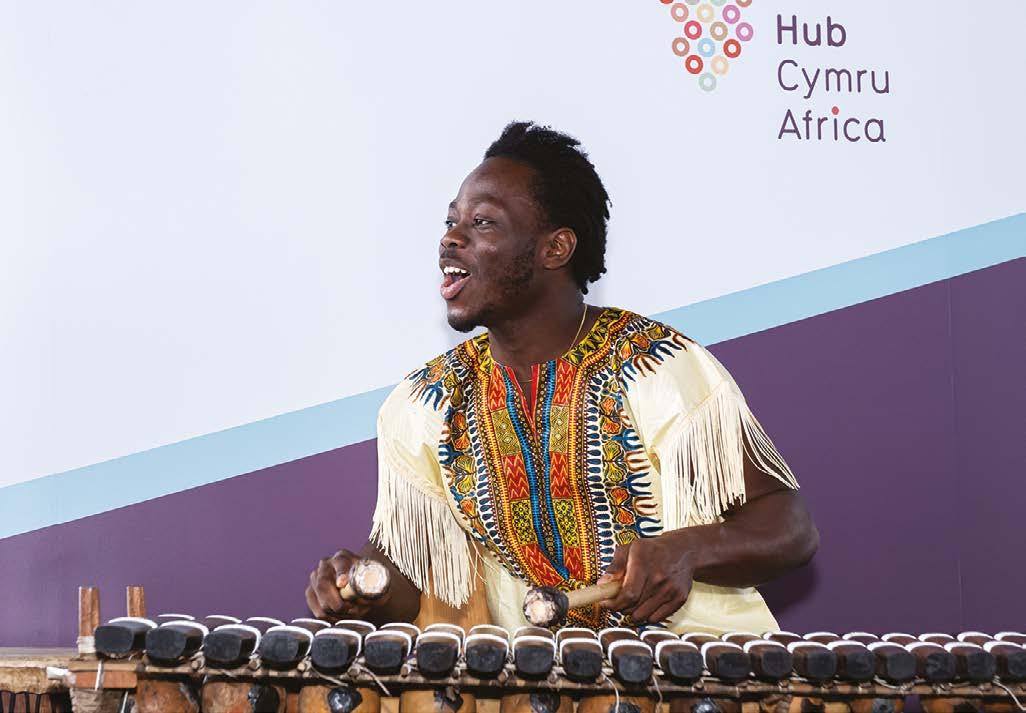
Bringing diverse talents together, Hub Cymru Africa is a dynamic partnership at the heart of the Wales and Africa programme.
Supported by the Wales and Africa programme, Hub Cymru Africa (HCA) strengthens the bonds between Wales and sub-Saharan Africa. It empowers individuals and organisations to engage in meaningful, responsible global development.
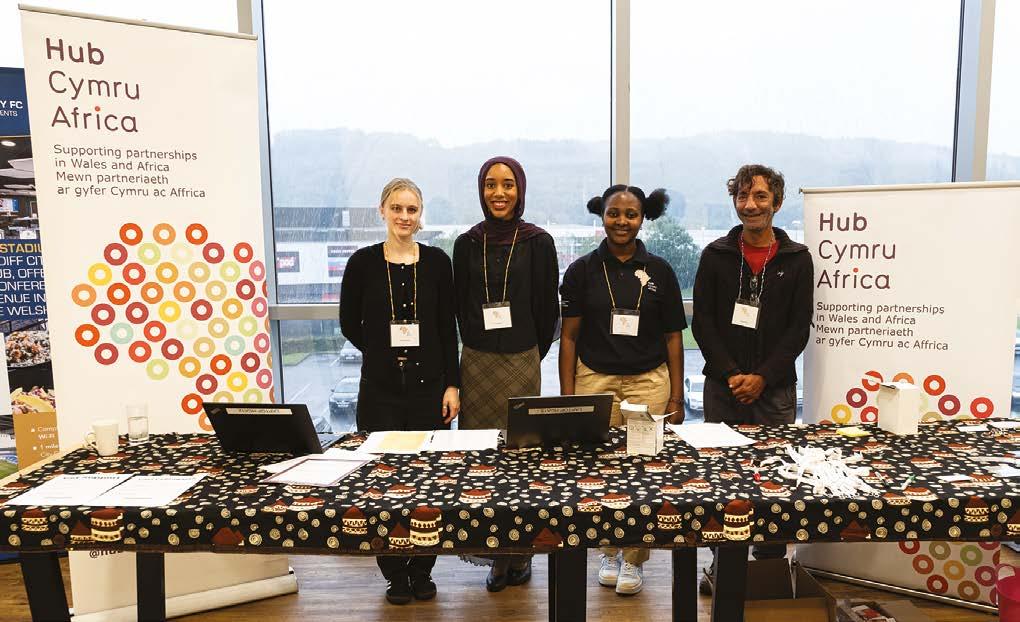
HCA brings together the expertise and efforts of the Sub-Sahara Advisory Panel, Global Health Partnerships Cymru, the Welsh Centre for International Affairs and Fair Trade Wales. Through tailored one-to-one advice, mentoring, training, events, advocacy and awareness-raising, it helps charities, public bodies and grassroots groups grow in confidence and make a bigger impact.
Each year, HCA hosts a flagship, sector-wide conference that’s open to all. The event is a vibrant celebration of the Wales and Africa community –showcasing success stories, encouraging shared learning and inspiring future action through thought-provoking workshops and powerful speakers.
Through its funding of Hub Cymru Africa, the Wales and Africa programme is helping to connect communities for global change.
HCA champions a diverse community of change makers in Wales – from fair trade activists and members of the African diaspora to NHS professionals, faith groups and volunteers. It supports their efforts to:
• Grow by offering guidance on fundraising, volunteer recruitment and governance.
• Mitigate risk by providing help with safeguarding, financial management and partnership due diligence.
• Enhance quality by promoting best practices in impact reporting, co-designed projects and community engagement.
• Connect with funders, partners, and peers across Wales and Africa.
• Promote inclusion by amplifying African diaspora voices and leadership within Wales.
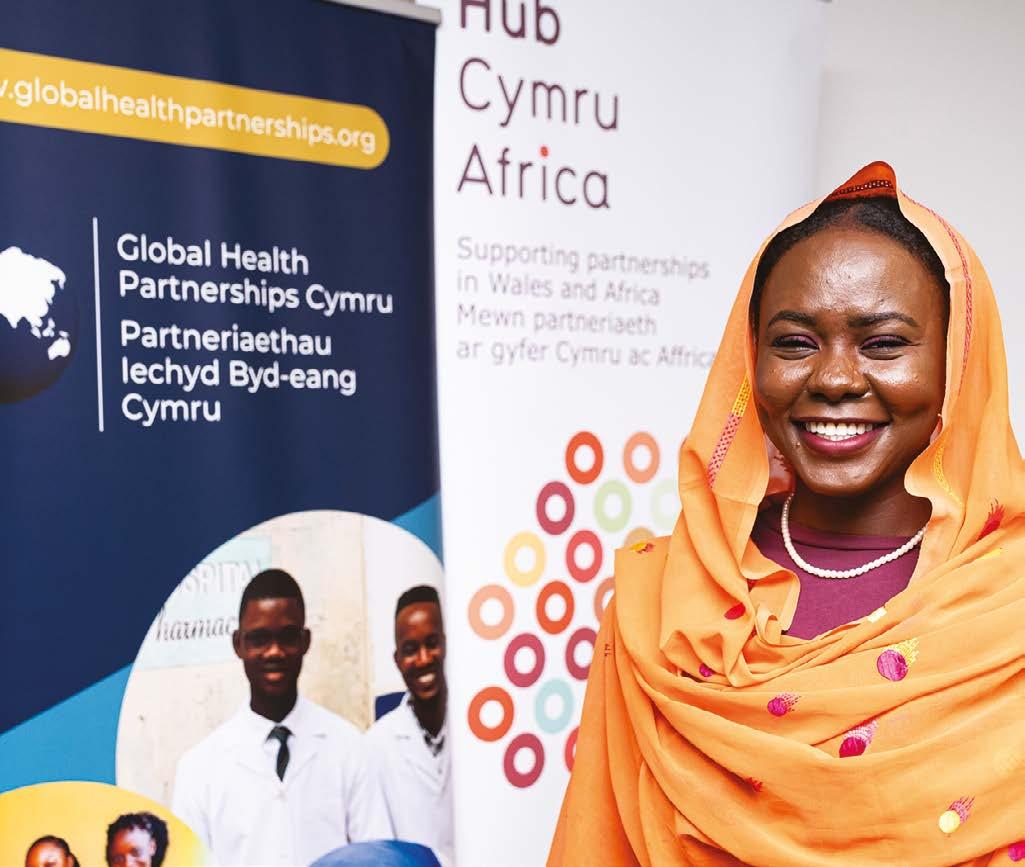
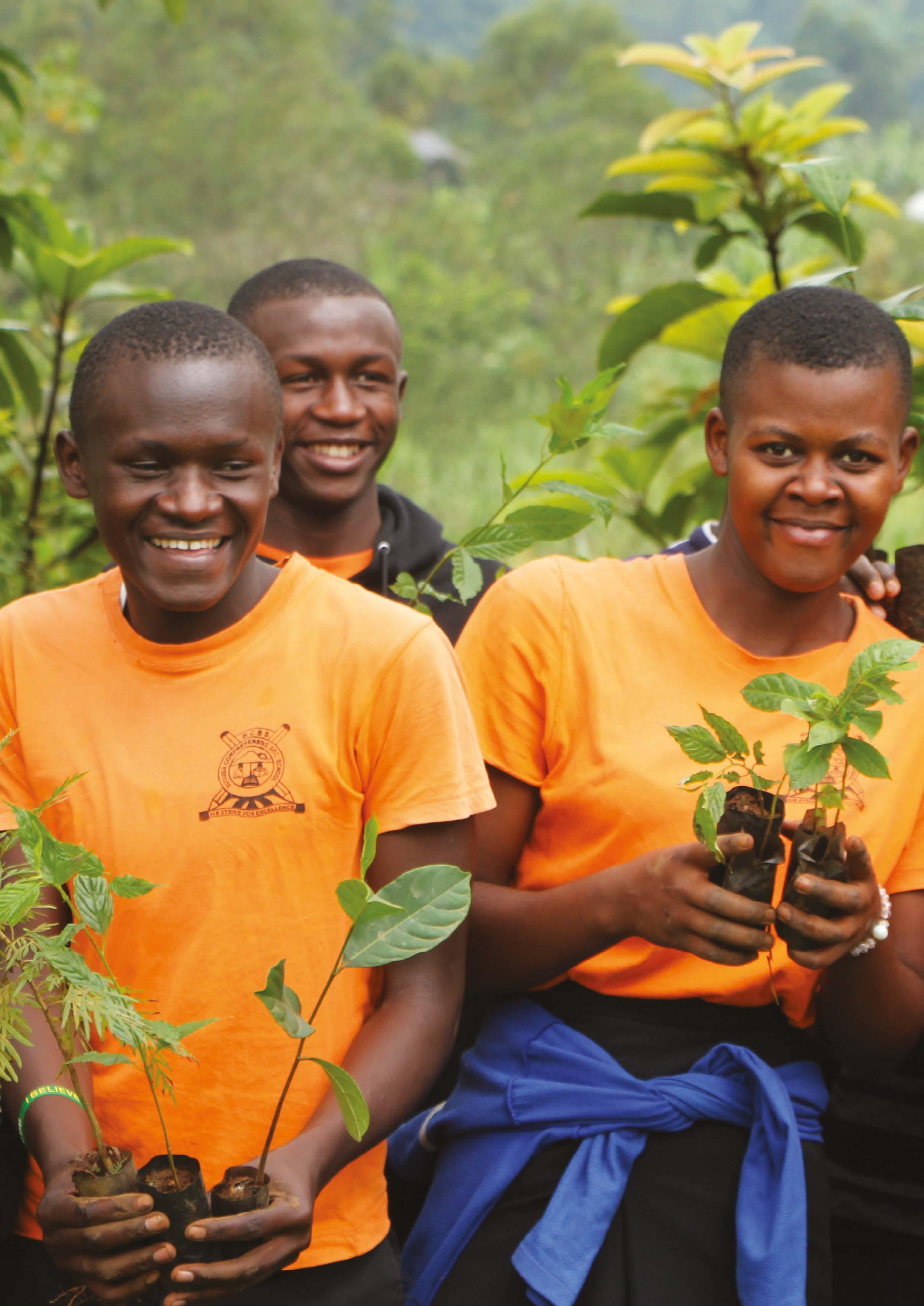
Working with organisations in Uganda, Size of Wales is planting millions of new trees and helping schoolchildren learn about climate action.
For over a decade, the Mbale Tree Planting Programme has been transforming landscapes and lives. It has planted more than 25 million trees in the Mbale Region of Eastern Uganda, and is working towards a target of 50 million trees by 2030.
The project is delivered and managed by the Welsh organisation Size of Wales, along with the Mbale-based Mount Elgon Tree Growing Enterprise (METGE) and two local NGOs in the region. It was first launched with a small grant from the Waterloo Foundation, and is now supported through the Wales and Africa programme and other funders.
The project is not only planting trees today, but also nurturing tomorrow’s global citizens. In Wales, thousands of schoolchildren across hundreds of schools are learning about the real impact of climate change and discovering the power of positive climate action.
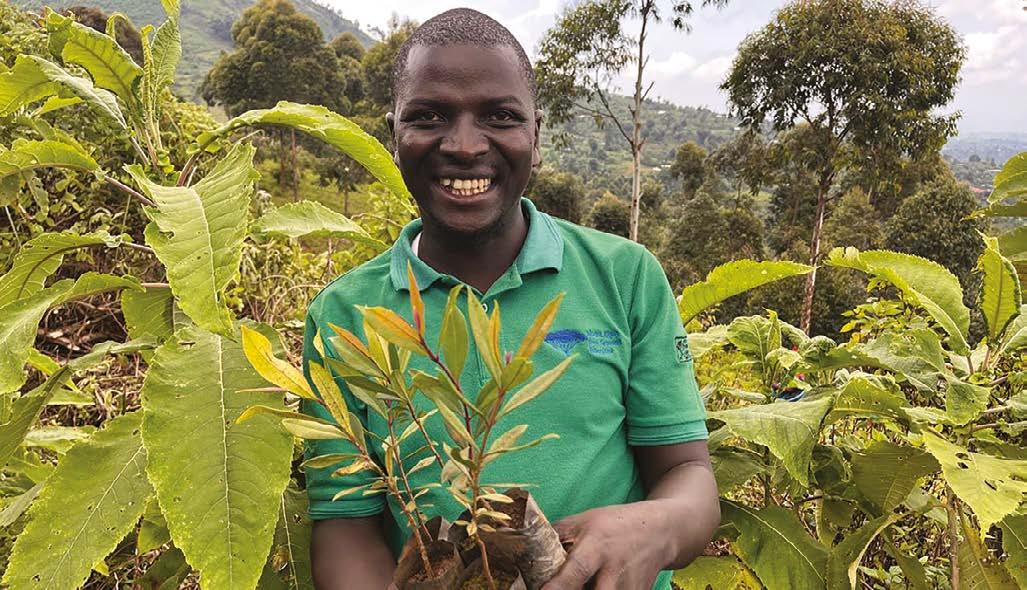
As of June 2025, trees planted since the project began have sequestered an estimated 1,434,819 tonnes of CO 2 . This is equivalent to 25% of Wales’ transport emissions in 2023. As we contribute to the reduction of CO 2 emissions, we are helping to tackle the climate crisis – perhaps the biggest threat to humanity.
It is no longer possible for any country to determine its future alone, because climate change does not respect national boundaries. Planting trees in places near the equator, such as Mbale, means they grow four times quicker and capture carbon more efficiently – benefiting the people of Wales. We are proud to support communities on the forefront of the climate crisis.
The Mbale Tree Planting Programme brings benefits for Uganda, Wales and the wider world. These include:
• Championing global goals. By supporting this Ugandan-led initiative, Wales is helping to deliver the UN Sustainable Development Goals (SDGs) – lifting vulnerable rural communities out of poverty and strengthening resilience to droughts, floods and landslides.
• Demonstrating climate justice in action. Rural Ugandans contribute minimally to global emissions, yet face the greatest consequences of climate change. The partnership with Size of Wales is helping to address these challenges.
• Moving beyond tree planting. This isn’t just about reforestation – it’s about passing on knowledge. The 30 tree nurseries provide nearly 100 jobs in Mbale. Meanwhile, Welsh schoolchildren and communities engage with Ugandan farmers to learn how our forests can heal our planet and secure a sustainable future. Every tree planted is a step toward a fairer, greener world.

Fair Trade Wales stands for treating our global trade partners with fairness and respect – a vital part of global responsibility.
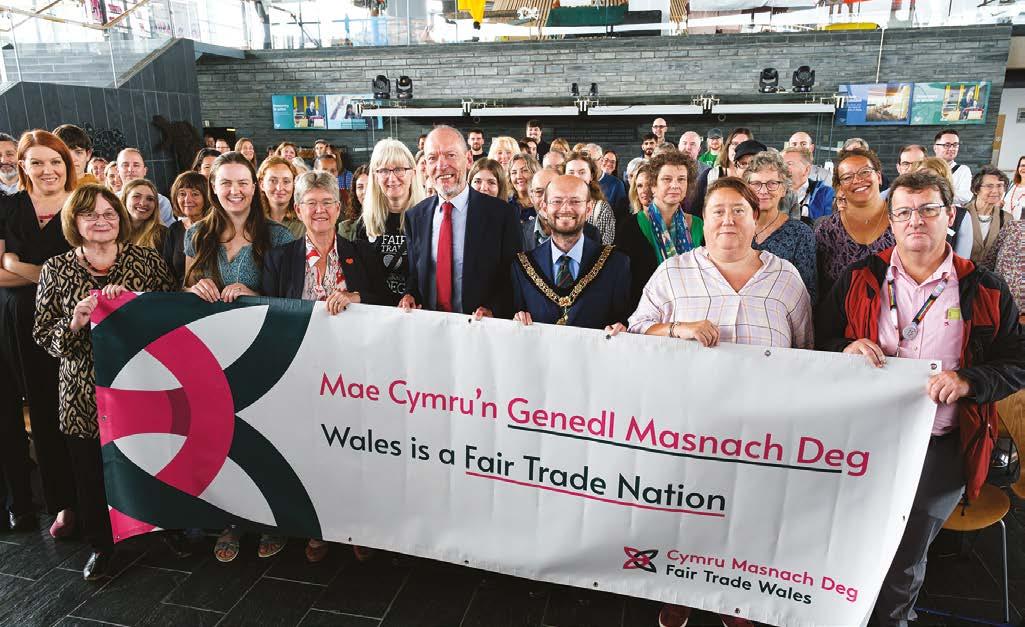
In 2008, Wales became the First Fair Trade Nation in the world. Fair Trade Wales continues to campaign for the rights of farmers and producers in low and middle-income countries, who are often poorly paid and living with the impact of climate change.
The Welsh Government supports Fair Trade Wales through funding provided to Hub Cymru Africa, helping it to grow and promote the movement in Wales.
From 2023 to 2024, Fair Trade Wales worked with the Welsh Government, Scottish Fairtrade Forum, the Scottish Government and other stakeholders to refresh the Fair Trade Nation criteria. These now reflect the many changes that have taken place in the world since Wales first attained its status.
Under the new criteria, a Fair Trade Nation is one where:
• There is widespread awareness of fair trade.
• There is significant engagement with fair trade across different sectors of society.
• There is consumption and production of fairly traded products.
• There is political support and engagement with fair trade.
• Inequalities in global trade and society are challenged by fair trade.
We will now be measuring levels of awareness, engagement with campaigns, consumption and production of Fairtrade goods, political engagement with the issue, and engagement
with wider trade justice issues. This will help us better reflect a world that has changed so much since 2008.
In Wales, we believe in equality for everyone, and that everyone has fundamental human rights at home and abroad. Fair trade is vital to this belief. It recognises that we want treat producers and people in our supply chains as equals, and create genuine partnerships with them.
We are promoting this agenda by supporting Fair Trade Wales – along with other initiatives such the Jenipher’s Coffi project, in which we work with coffee farmers in the Mount Elgon area of Uganda.
The Well-being of Future Generations (Wales) Act requires us to demonstrate how to be a globally responsible nation. Fair trade is an important example of how we do this. It’s not just about government action – it’s about groups and individuals making the right choices, and helping to raise awareness of fair trade.
While the majority of Wales and Africa initiatives are delivered in sub-Saharan Africa, some involve international sustainable development in other parts of the world.
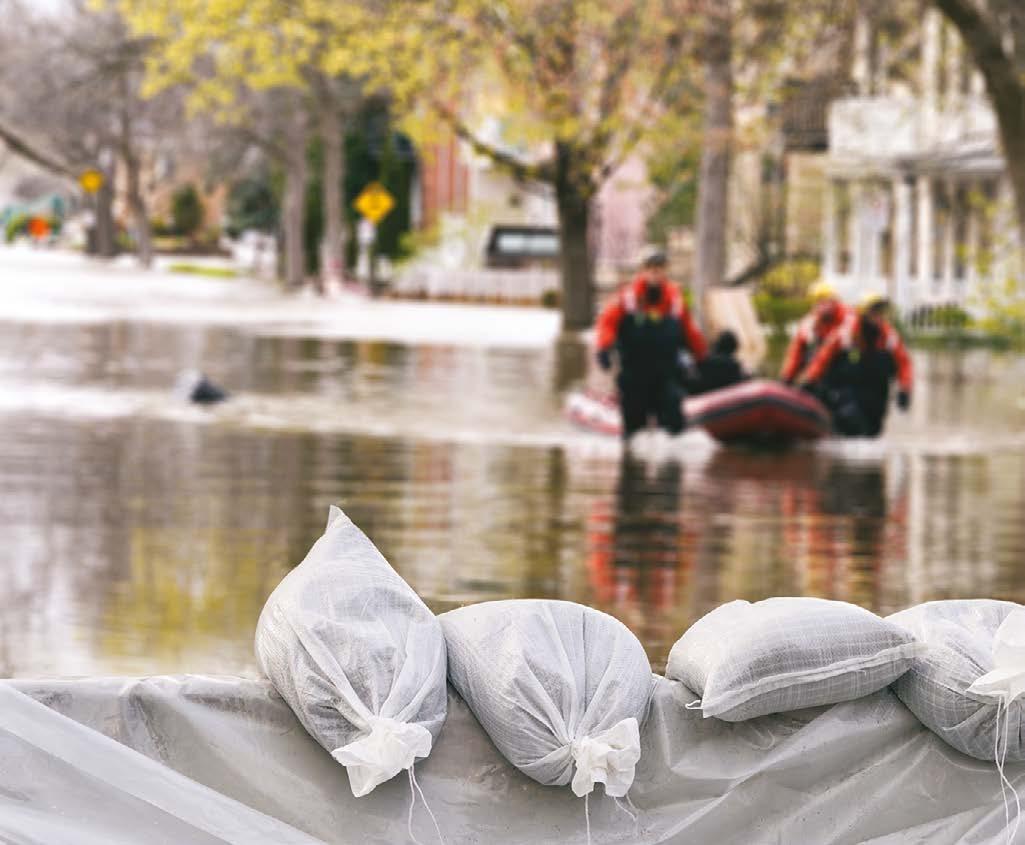
One example is our growing involvement with the Regions4 network. This is the global voice of sub-national governments (such as states, regions and provinces) at UN negotiations, European Union initiatives and global discussions around climate change, biodiversity and sustainable development.
By developing links with Regions4, we can provide Wales with a channel of influence in the UN and promote the Welsh perspective on an international stage – particularly during Climate Week and in the Conference of the Parties (COPs).
Wales is also a member of the European Sustainable Development Network (ESDN) This is an association and network of public administrators and other experts concerned with sustainable development strategies and policies in Europe. It is a non-profit, peer-learning, networking knowledge and advocacy platform. The network has over 400 members and partners, coming from more than 40 countries.
The ESDN collects, compiles and shares information on sustainability policies, strategies and practises, and provides expertise to political decision-makers at European, national and sub-national levels. It fosters sustainable development through active communication and continued co-operation with other stakeholders and civil society.

By supporting DEC Cymru, we can quickly respond to crisis situations and help ensure urgent aid reaches the people who most need it.
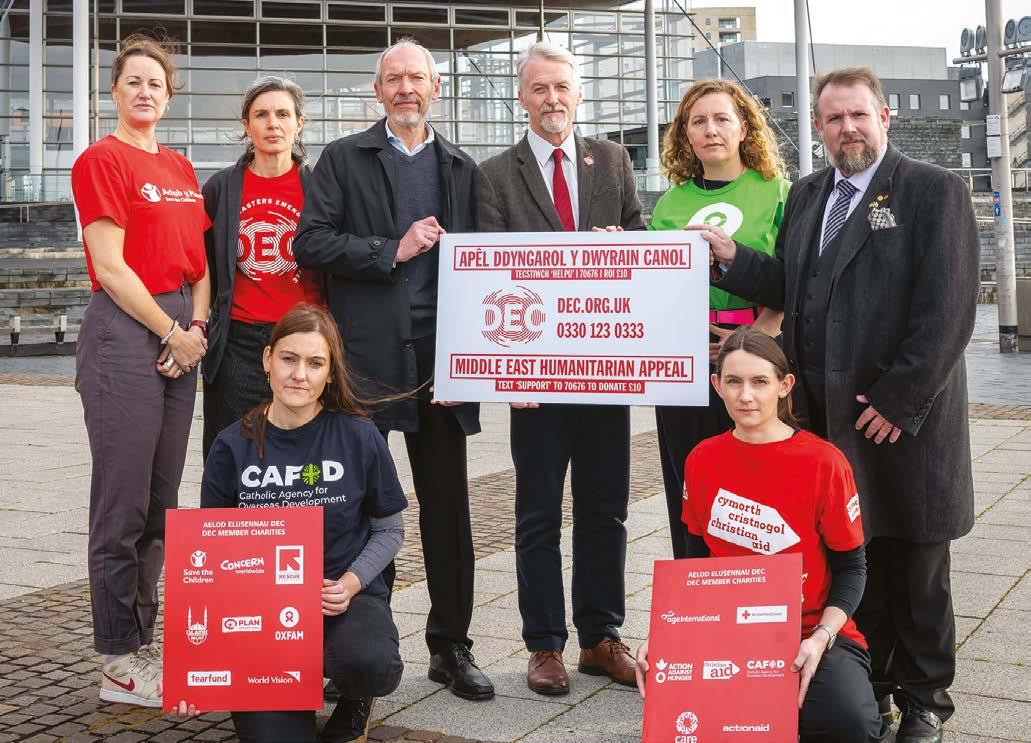
The Disasters Emergency Committee (DEC) is a coalition of major international development agencies that come together to raise funds for overseas emergencies. In times of crisis, where people are in life-or-death situations, it co-ordinates an effective humanitarian response –getting aid quickly to people who need it.
DEC Cymru, the Welsh arm of DEC, is part-funded through the Wales and Africa programme.
This supports the employment of a fundraising manager in Wales, who co-ordinates action whenever DEC humanitarian appeals are launched in response to international crises such as armed conflict or natural disaster. It’s the most direct route for the Welsh Government to provide support and ensure aid reaches the right recipients.
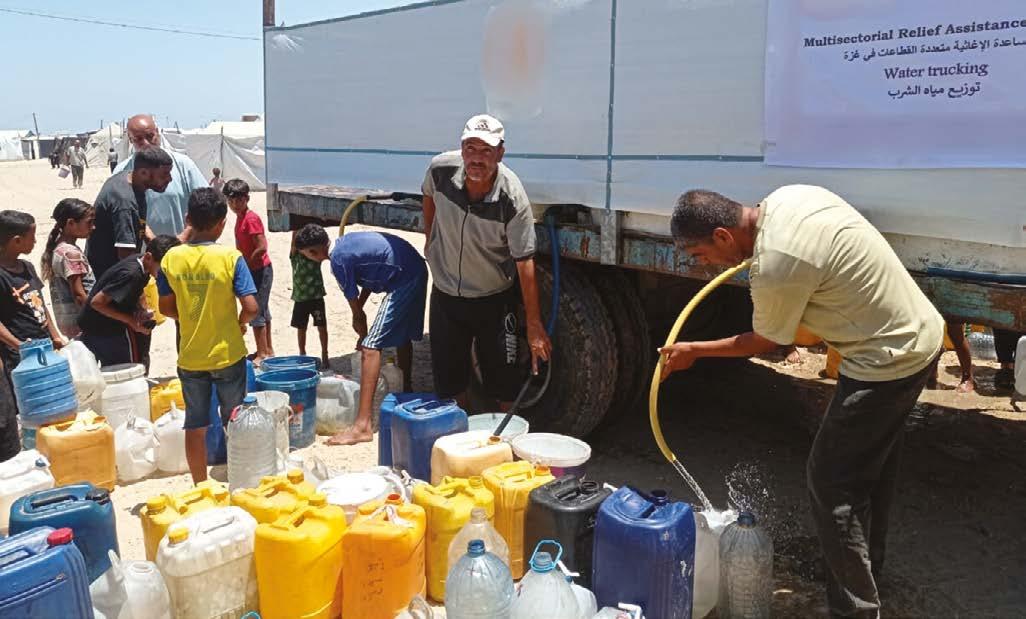
We have supported emergency humanitarian appeals by the DEC across the world, including the following: Myanmar Earthquake, Middle East, Türkiye/Syria earthquake, Pakistan floods, Ukraine and Afghanistan.
When COVID-19 hit, it quickly became clear that there was considerable inequality between countries in their access to information, PPE, and later, vaccines.
In response, we adapted the Wales and Africa Small Grant Scheme to solely accept COVID-related grant applications. An extra £2.5 million was made available for the programme to distribute.
Through our strong, well-established links with organisations in Wales and Africa, urgent work to tackle the effects of the pandemic was delivered quickly and effectively. We not only distributed grants, but were able to donate a huge amount of surplus PPE to Namibia, helping to deal with their third wave of COVID-19.
The partnership between Cardiff University, the University of Namibia, Wales and Africa, and NHS Wales Shared Services Partnership managed to co-ordinate the shipment of over £7 million worth of desperately needed PPE.
Global solidarity is not just a moral imperative: it’s a strategic necessity. It’s not about charity, but partnership – and not about aid, but mutual respect. The Wales and Africa programme is a demonstration of how small nations and devolved governments can lead on the world stage, fostering ties that are equitable, enduring and transformative.
The projects supported through the Wales and Africa programme are real stories of lives changed and futures made brighter through co-operation and shared purpose. Each one demonstrates that even modest investment, when rooted in respect and long-term thinking, can yield powerful results.
This work doesn’t just reflect who we are as a nation, but also helps shape the future we want to see. This is what it means to be globally responsible: to understand that our actions, our policies and our partnerships ripple far beyond our borders.
We will continue to lead with empathy, to invest in initiatives with vision, and to believe that together, we can create a fairer, more connected world.
International sustainable development is not a distant cause, but a local responsibility. When we uplift others, we all rise. Wales can and should be a globally responsible nation. These stories show how we can achieve this goal – one project, one partnership and one human connection at a time.
If you would like to contact the Wales and Africa team please email WalesandAfrica@gov.wales or call +44 (0)300 0251670
www.gov.wales/wales-and-africa
Photography and content credits
Ru Hartwell
DEC Sian Stephen
HCA photographer
METGE