
DAMONTE RANCH Magazine




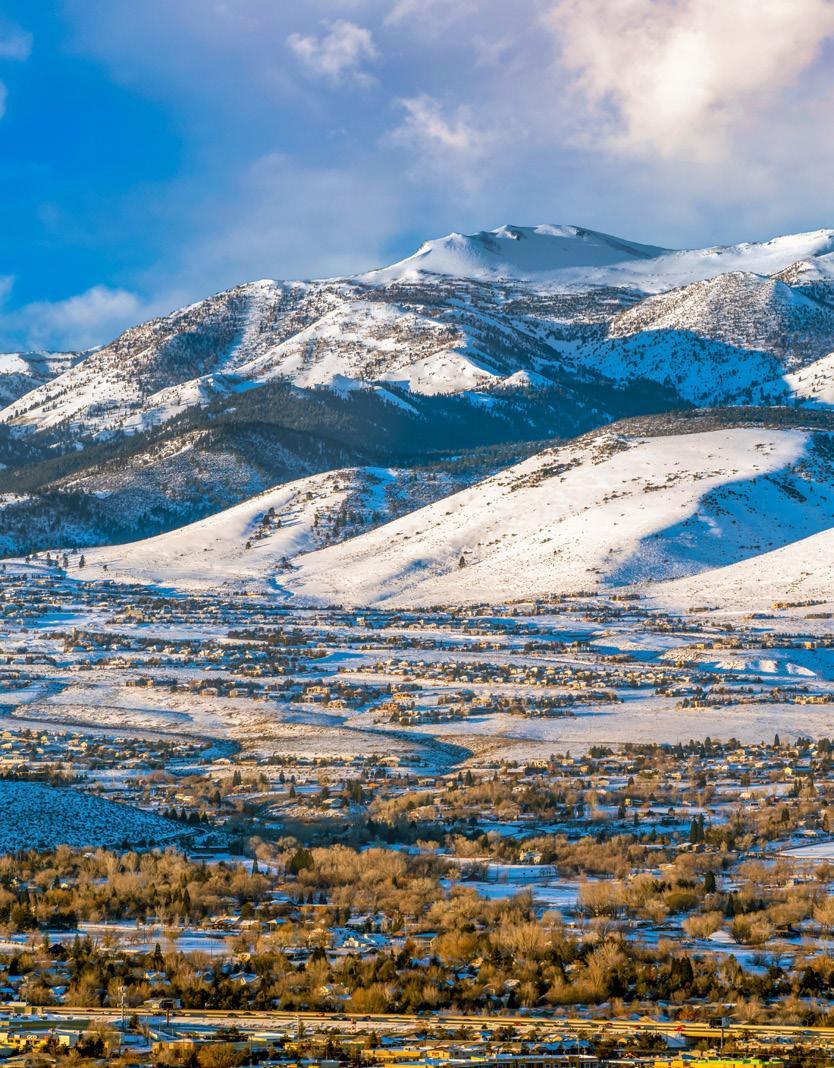
From breathtaking mountain views to thoughtfully designed neighborhoods, South Reno offers a rare balance: peaceful without feeling disconnected. Families love the incredible schools and open spaces. Professionals love the easy access, lighter traffic, and quick getaways to Tahoe. It’s clean, modern, and quietly vibrant, without the noise of other parts of Reno.
That’s why Hayden is passionate about helping clients find their place here, because when you love where you live, everything else just falls into place.




Inquiries, concerns, requests to the Board or Committees: Damonte@EquusManagement.com
Equus Management Group 5480 Reno Corporate Dr. #100 Reno, NV 89511
775.852.2224
Damonte Ranch
Supervising Community Manager Jeff Gardner
Damonte@EquusManagement.com 775.852.2224
Published by CCMedia Publishing 775.548.6562 | www.cc.media peggy@ccmpublishing.com
Damonte Ranch Board of Directors, on its behalf and for the Association, disclaims responsibility for the content of any articles not authored by Board members, community volunteers, or employees. Articles of general interest on subjects reported or discussed at public Board meetings published in the magazine are the responsibility of the residents.
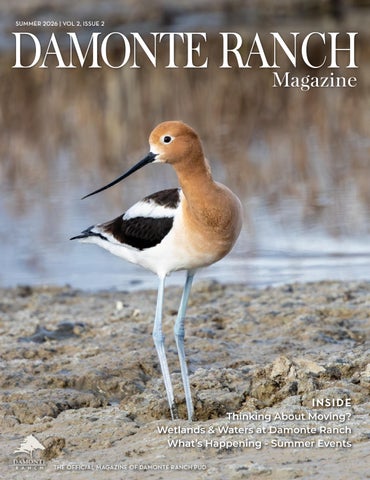
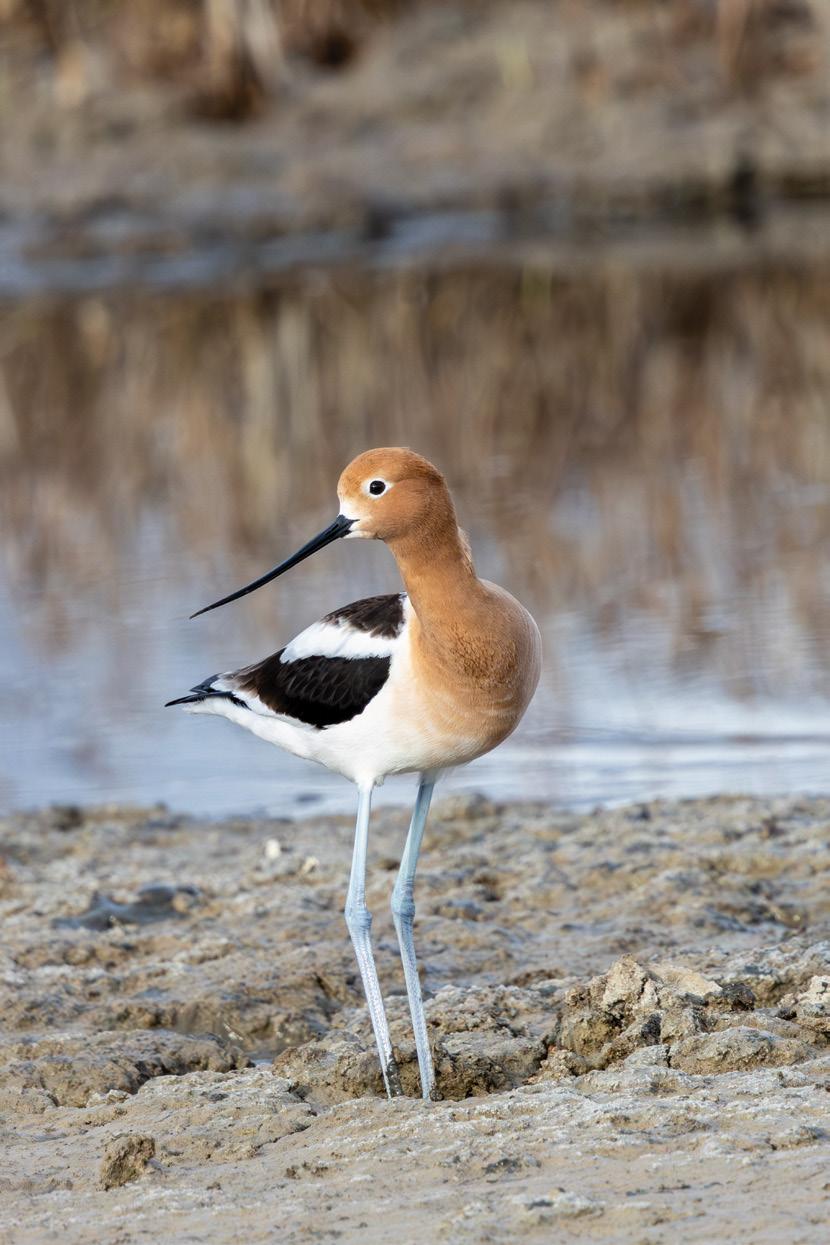
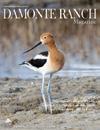
Cover Photo By Lorna Tirman. The American Avocet

Summer has arrived in South Reno and that means more time spent enjoying all that makes Damonte Ranch such a special place to live. From walks along our paths to time in our parks, this season highlights the lifestyle we’re fortunate to share.
You may have noticed the beautiful new benches recently added along the walking paths — a simple enhancement that invites neighbors to pause, connect, and enjoy the surroundings. We are pleased to continue making thoughtful improvements that add to both the experience and value of our community.
As we move through the summer months, our focus remains on maintaining the appearance and safety of our neighborhood. Landscaping and irrigation are in full swing, and we appreciate homeowners doing their part by keeping properties well-maintained and cared for.
Quick Reminders
■ Store trash and recycling bins out of view except on collection days
■ Submit architectural applications prior to exterior improvements
■ Be considerate of neighbors regarding noise, parking, and gatherings



Thank you for your continued pride of ownership and commitment to keeping our community a place we are all proud to call home.
We invite all homeowners to attend the upcoming Association meeting Monday, July 6, 2026 at 2pm. Join via Zoom https://zoom.us/j/91449384736.
Meeting details will be distributed in advance. Community involvement plays an important role in the success of and stability of our Associations and we encourage your participation.
Wishing you a safe and enjoyable summer.

TomDiLoreto
Tom Di Loreto, Damonte Ranch Board President







EQUUS MANAGEMENT GROUP
COMMUNITY UPDATE: LANDSCAPING, SAFETY & SEASONAL REMINDERS
As the days grow longer and temperatures rise, our community begins to transition into one of its most vibrant seasons. With blooming landscapes and increased outdoor activity, it’s the perfect time to share a few important updates and reminders to help keep our neighborhood beautiful, efficient, and safe for everyone.
Watering with Purpose
Please continue to follow the designated watering schedule for your property. Adhering to these guidelines not only conserves water but also promotes healthier landscaping and prevents unnecessary runoff during the warmer months.
See a Leak? Say Something
Water conservation is a shared responsibility. If you notice a leak—whether from irrigation systems, common areas, or nearby properties—please report it promptly to management at Damonte@EquusManagement. com. Quick reporting helps minimize waste and avoid potential damage.
Heightened Fire Awareness
With the arrival of warmer, drier weather, fire risk naturally increases. Residents are encouraged to remain mindful by avoiding open flames outside of designated areas, safely disposing of smoking materials, and clearing dry vegetation or debris from around their homes.
A Season of Color
Our community’s landscaping is coming into full bloom, bringing vibrant seasonal flowers and lush

greenery to life. Take a moment during your day to enjoy the evolving scenery—we’ll also be sharing highlights and photos of some of the most beautiful spots throughout the neighborhood.
Fencing Care & Maintenance
The Association continues to maintain the community’s white vinyl perimeter fencing. If you notice any damage, leaning sections, or areas needing attention, please notify management so repairs can be handled promptly.
Respecting Local Wildlife
Recent sightings of wild horses serve as a reminder of the natural beauty that surrounds us. While these animals are a unique and cherished part of our environment, please admire them from a safe distance and refrain from approaching or feeding them.
Jeff Gardner, Supervising Community Manager
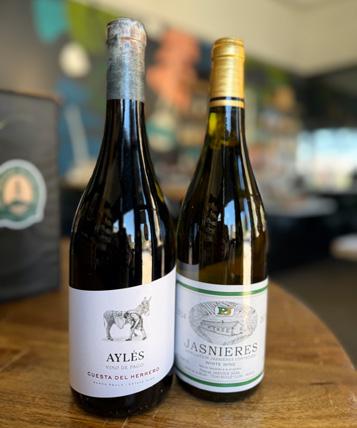
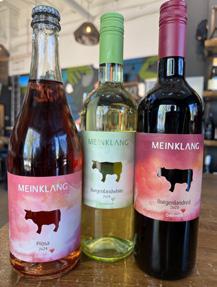
WHAT’S REALLY IN YOUR WINE?
AND WHY NO ONE WANTS TO TALK ABOUT IT
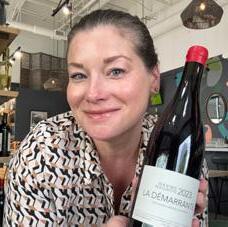
By Erin Demers, Court of Master Sommeliers, Mt. Rose Wine Company

Let’s start with a question that makes parts of the wine world just a little uncomfortable: what’s actually in your glass? If your answer is “grapes,” you’re not wrong—but you’re definitely not getting the full story.
In the United States, winemakers are legally allowed to use dozens of additives during the winemaking process. We’re talking about everything from acid adjustments and powdered tannins to enzymes, stabilizers, and concentrates like Mega Purple—a product specifically designed to deepen color and add sweetness. And here’s the part that surprises people most: none of this has to be listed on the label.
Meanwhile, across the pond, the European Union has tighter regulations around what can be added to wine and, increasingly, how transparent producers need to be about it. Additives still exist in European
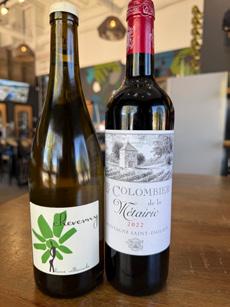
winemaking—this isn’t a purity contest—but there’s generally less room (and less appetite) for heavyhanded manipulation.
The Additive Conversation
Let’s clear something up: additives aren’t automatically bad. In many cases, they’re practical. They help stabilize wine, prevent spoilage, and create consistency—especially for large-scale production.
Some of these shortcuts are more surprising than others. Take that rich, buttery Chardonnay style that has been wildly popular. Traditionally, that texture and flavor come from malolactic fermentation and thoughtful oak aging—time, patience, and technique.
But in some cases, that “buttery” note can be amplified using compounds like diacetyl, the same molecule that gives movie theater popcorn it’s signature aroma. It occurs naturally in wine, but it can also be pushed or manipulated to dial that flavor up beyond what the
Continued on page 8
vineyard alone would give you. Is it dangerous? No. Is it cheating a little? That depends on how you feel about wine as a product versus wine as an expression.
Why We Lean International
At our wine bar, we’ve made a deliberate choice to lean into international wines—not because it sounds cool, but because it is different. Many smaller producers in places like Italy, France, and Spain operate under stricter guidelines and generations of tradition that favor balance over manipulation. The goal isn’t to “fix” the wine into submission—it’s to guide it. That might mean a Champagne that reflects a single village instead of a brand recipe. Or a slightly rustic Italian red that feels alive, textured, and maybe just a little unpredictable—in the best way. These wines don’t always shout for attention. But they tell a story. And honestly? That’s a lot more interesting than drinking something that tastes like it came off a blueprint.
RAM RAM AM
PLUMBING LUMBING
“If
The Transparency Shift
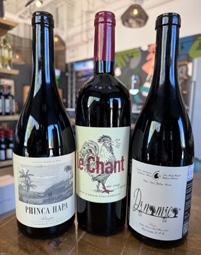
Here’s the thing: drinkers are getting smarter. People are starting to ask better questions. Why does one wine feel glossy and sweet, while another feels vibrant and structured? Why do some wines taste identical year after year, while others shift and evolve? A lot of that comes back to how the wine is made. While the U.S. still doesn’t require full ingredient labeling, more producers— especially in Europe—are leaning into transparency. Terms like “low intervention,” “organically farmed,” or “no added sulfites” aren’t just buzzwords. They’re clues. They point to a philosophy that values expression over control. And once you start connecting those dots, wine becomes a whole lot more fun.
Come Taste the Difference
This is exactly why we do what we do. Our selection is built to showcase wines with personality—wines that reflect where they’re from and how they were made. We’re not here to lecture you or make you feel like you need a dictionary to order a glass. We’re here to pour you something delicious and, if you’re curious, pull back the curtain just a little.
Maybe it’s a razor-sharp Sancerre that practically hums in the glass. Maybe it’s a juicy Italian red that doesn’t quite behave the way you expect. Maybe it’s a sparkling wine that reminds you why Champagne— and Franciacorta—earned their reputation in the first place. Whatever it is, the goal is simple: great wine, great conversation, and a space where you can explore without pressure.
And if you want to take it a step further, our monthly wine club is where things really get fun. Each release features unique, hard-to-find wines—primarily from Europe—that you’re unlikely to come across on your own. It’s a chance to expand your palate, discover producers we’re genuinely excited about, and be part of a community that enjoys asking the question: what’s really in the glass? Because once you start paying attention, you realize—wine isn’t just wine. And that’s where the magic starts.


DAMONTE RANCH LANDSCAPE MAINTENANCE ASSOCIATION
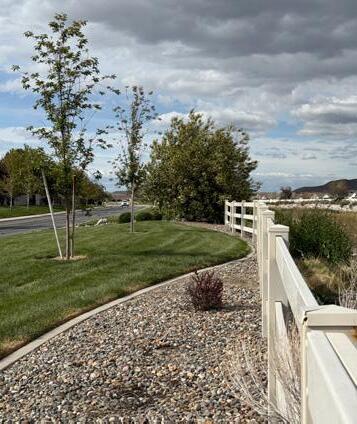
We are scheduling replacing the sod in the median entries to individual subdivisions this season along Rio Wrangler Pkwy. They will be retrofitted like the entry on Summer Glen where turf was removed and replaced with shrubs and rock mulch. The entry medians will no longer have annual beds which have been a challenge with weed control. Flowering perennials will be added to the front of the medians. Improvements will always be ongoing and completed as yearly as the budget allows, rotating throughout the development.
Trees that are in decline or are dead are in the process of being removed throughout the LMA. Next year we have budgeted for the replacement of these trees and will be identifying any additional replacements that are needed. Tree pruning has begun on north Rio Wrangler Pkwy and on Steamboat Pkwy east of Veterans Pkwy. Tree pruning will continue over the next few years throughout the ranch until each section is complete. In addition, tree fertilization will be taking place to aid in
adding essential nutrients to the soil to improve overall tree health and growth.
We are seeing improvement in deleting salt grass within the planter areas and will continue this summer with an overall goal to eliminate the salt grass in all the planter areas as part of the overall weed abatement.

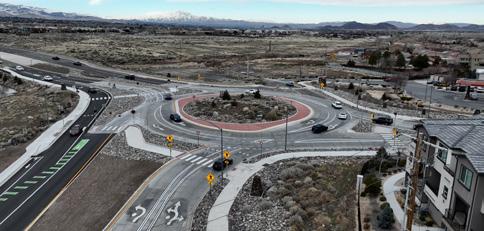
We have met with RTC and in the upcoming year they are designing a roundabout at the Steamboat Pkwy and Rio Wrangler Pkwy intersection. Landscape retrofit of the area will be overseen to ensure it is in conformance with the Damonte Ranch standards.
The landscape area on the west side of Rio Wrangler Pkwy just south of Steamboat Pkwy that greatly needs replacing will be part of the revisions required by addition of the turn lane from the new roundabout. There will be no impact to wetland areas on either side of Steamboat Pkwy at the intersection.









KEYS TO OPPORTUNITY
DEPOALI MIDDLE SCHOOL’S PIANO PROGRAM STRIKES A CHORD IN SOUTH RENO
By Darrell Crowther, Choral, Music & Piano Teacher, Depoali Middle School
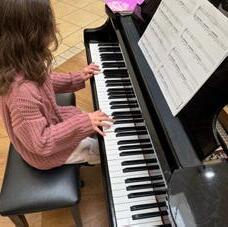
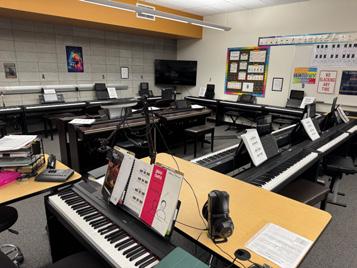
In a former computer lab before the days of laptops at Depoali Middle School, the sound of music tells a remarkable story – one of community generosity, innovation in education, and students discovering their potential one key at a time.
Depoali is currently the only middle school in the Washoe County School District (WCSD) to offer a dedicated piano class during the school day. What makes this program even more special is how it came to life – not through a large district initiative, but through a grassroots effort fueled by the local community.
From a Simple Ask to Something Extraordinary
During the pandemic, restrictions on singing and playing wind instruments took a toll on music education and student access to making music. In April 2021, choir director Darrell Crowther made a simple request on social media: if anyone had gently used keyboards they were willing to donate, Depoali students would put them to good use. The response was immediate and overwhelming. Within weeks, more than 45 keyboards had been donated by families across Reno and beyond.
“That initial support showed us what was possible,” Crowther recalls. “It was clear that this community believes in giving students access to music.”
Those early donations became the foundation for something much bigger – and the generosity hasn’t stopped since.
A Program That Keeps Giving Back
Even years later, pianos continue to find their way to Depoali. A few times each year, families looking to give a piano a new home reach out to the school district or directly to Mr. Crowther. While the program’s storage is now well-stocked with keyboards available for student checkout, Crowther continues to serve as a connector –matching families who wish to donate instruments with students eager to own one.
This ongoing effort has led to more than a dozen students receiving acoustic pianos or keyboards of their own – an extraordinary gift that allows them to continue making music for years to come. It’s a quiet but powerful extension of the program’s mission: not just to teach piano, but to build lasting access to music in students’ lives.
Building a State-of-the-Art Piano Lab
With a vision of creating a true piano lab, Mr. Crowther secured additional support from local foundations and organizations. By March 2022, that vision became a reality. Today, the school boasts a fully equipped piano lab featuring 32 full-size, 88-key digital keyboards with weighted keys, pedals, and benches. The lab is also
equipped with technology that allows the teacher to monitor individual students, group them for instruction, provide targeted feedback, and maintain a collaborative classroom. The result is an environment where beginners feel supported and more advanced students are continuously challenged.
Piano Marvel
At the heart of the program is Piano Marvel, an innovative platform that allows students to progress at their own pace. The software listens as students play, offering immediate feedback on rhythm, accuracy, and fluency. This individualized structure empowers students to take ownership of their learning while building confidence through measurable progress.
In this setting, Mr. Crowther’s role becomes less about delivering one-size-fits-all instruction and more about coaching. He acts like a personal trainer – checking in with students, offering strategies, refining technique, and celebrating milestones – while the software provides the backbone of daily instruction.
To stay at the forefront of this teaching model, Crowther attends the annual Piano Marvel conference, where he connects with educators from across the country, shares ideas, and brings back new strategies to continually refine the program.
Enhancing a Thriving Music Department
The piano class is not an isolated offering – it enhances and strengthens Depoali’s already thriving music program. Band, orchestra, and choir have long been pillars of the school’s arts education, and piano adds another valuable entry point for students.
level instrument valued at approximately $150,000.
For many students, it is their first time performing in a professional venue on a world-class piano, an experience that both challenges and inspires them.
Steinway’s generosity extends beyond performances. During an annual field trip, the gallery opens its showroom to Depoali students, allowing them to explore and “test drive” a wide range of pianos. Students gain firsthand experience with differences in tone, touch, and craftsmanship, an opportunity that few young musicians receive.
The field trip also includes a visit to Classic Pianos of Reno, where students further expand their understanding of the instrument and the artistry behind it.
Music Education for Every Student
Accessibility remains at the heart of the program. Students do not need prior experience, or even an instrument at home, to enroll. Through the original community donations, Depoali maintains a system
Continued on page 12

For some, piano is a first step into music, offering a more individualized and less intimidating starting place. For others already enrolled in ensemble programs, it deepens their understanding of music theory, improves sight-reading skills, and enhances overall musicianship.
Together, these programs create a comprehensive and inclusive music department where every student can find their place.
A Partnership with World-Class Instruments
A standout feature of the program is its partnership with Steinway Piano Gallery of Reno, which provides students with rare and inspiring opportunities.

Twice each year, Depoali piano students perform recitals at the gallery, playing on a Steinway Model B– a concert-
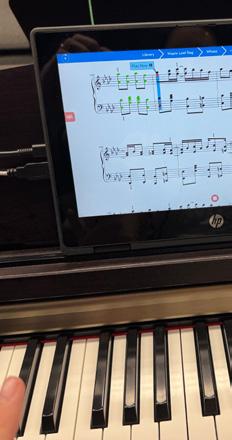
that allows students to check out keyboards for home practice, ensuring that learning continues beyond the school day.
This commitment to access removes barriers and opens doors, allowing students from all backgrounds to engage in meaningful musical study.
“Some of our students had never touched a piano before,” says Crowther. “Now they’re reading music, performing, and gaining confidence in ways that carry into every part of their lives.”
A Community That Made It Possible
The success of Depoali’s piano program is a testament to the power of community. From the first donated keyboard to the continued generosity of families, businesses,
and organizations, this program exists because people believed in what it could become.
What began as a simple social media post has grown into a model of innovation in music education –one that continues to evolve, adapt, and inspire.
For the students at Depoali Middle School, the piano lab is more than just a classroom. It is a space where creativity is nurtured, discipline is developed, and confidence is built. And in a world that often feels fastpaced and noisy, there is something profoundly meaningful about a room full of young musicians learning to listen, to focus, and to create something beautiful.



TIGHTER SKIN. NO NEEDLES. NO NUMBING. NO KIDDING.
TIGHTER SKIN. NO NEEDLES. NO NUMBING. NO KIDDING.
TIGHTER SKIN. NO NEEDLES. NO NUMBING. NO KIDDING.
As we age, our skin tells a story — one written in sagging, wrinkles, and hollowing. Starting around age 30, the body loses roughly 1% of its collagen each year. Old collagen and elastin accumulate in the deeper dermis while fibroblasts — the cells responsible for producing new collagen — slow down. Fat pads diminish, and even bone structure subtly recedes. The result? The sagging and laxity so many patients want to address.
Dr. Billie Casse is excited to offer a solution: DENSITY by Jeisys, here from Korea — a next-generation, FDA-cleared dual radiofrequency device that treats the full dermal layer, from the papillary to the reticular dermis. What sets DENSITY apart is its unique combination of sequential monopolar and bipolar RF energy delivered. in a single pulse. Bipolar RF targets the superficial dermal layer for that immediate cinching and tightening effect, while monopolar RF penetrates deeper to trigger long-term collagen remodeling. The result is up to five times more collagen stimulation than traditional RF devices.
"It's unlike any other device out there," says Dr. Casse. "We can actually treat the entire dermal layer and create more collagen and elastin. Patients just love it!"
The treatment is comfortable — thanks to five adjustable levels of cryogen cooling integrated into every pulse — and requires zero downtime. Patients often notice an immediate tightening effect, with full results continuing to develop over three to five months as new collagen is synthesized. DENSITY is safe for all skin types and skin colors.
Ideal candidates are anyone beginning to notice early sagging — whether it's softening along the jawline, jowls, marionette folds, or difficulty applying makeup around the eyes due to hooding. Dr. Casse's favorite treatment areas include the lower face, neck, and the delicate eye region.

Curious? Call to schedule a consultation and find out if DENSITY is right for you.
WHEN YOU LIVE ON THE EDGE OF A WETLAND . . . PRETTY COOL
By Lori Carpenter, Senior Professional Wetland Scientist
One of the more often asked questions we receive is “could the 228 acres of wetlands go away?” First and foremost, no because there is a conservation easement, with zoning restrictions which keeps these areas as open space

in perpetuity (as waters of the United States (WOTUS)/wetlands).
The Damonte Ranch Drainage District is a non-profit entity that maintains these areas to a set of standards within an operations and maintenance manual (overseen by engineers, biologists, plant ecologists, hydrologists and of course the hard working maintenance staff). Let’s go to the heart of article 4 of 7, titled: “When You Live On The Edge Of A Wetland”.
Damonte Ranch lies within the Steamboat Creek Watershed, where wetlands serve as vital aquatic resources and function as “natural sponges.” As a form of green infrastructure, they help reduce flood damage, improve air quality, and support mental wellbeing by providing nearby access to “blue spaces” for recreation. In this article, locations are provided along the trails to enjoy the White Faced Ibis, American Bittern, Western Sandpiper, American White Pelican, Peregrine Falcon, and other raptors. These shy protected status avian neighbors find homes among us. We are the classic lock and leave it. Pretty Cool.
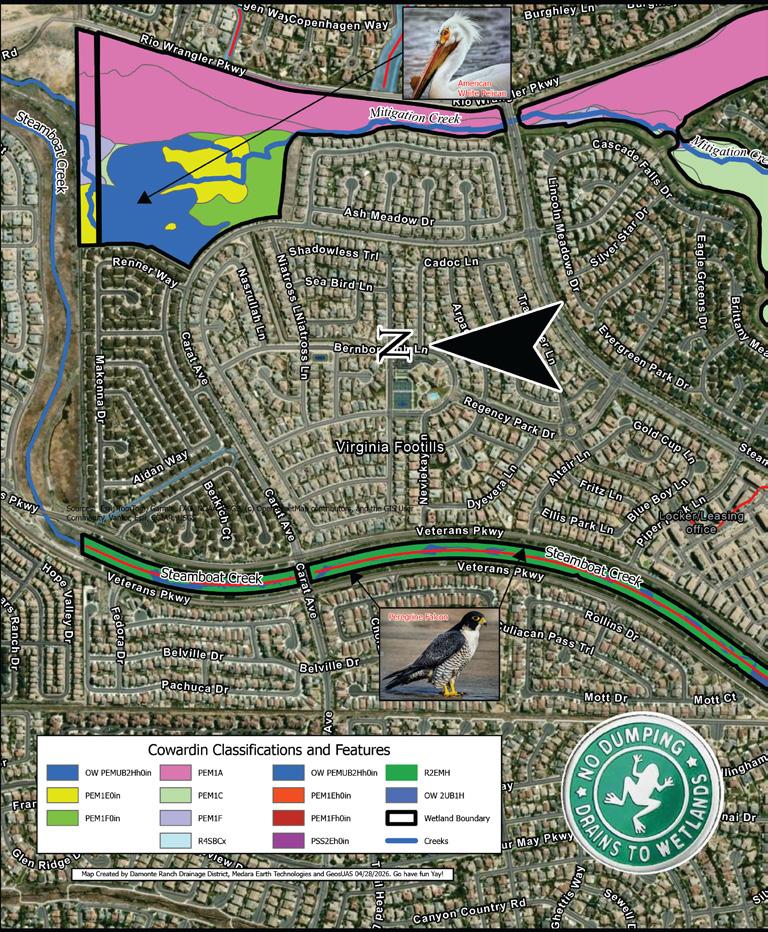
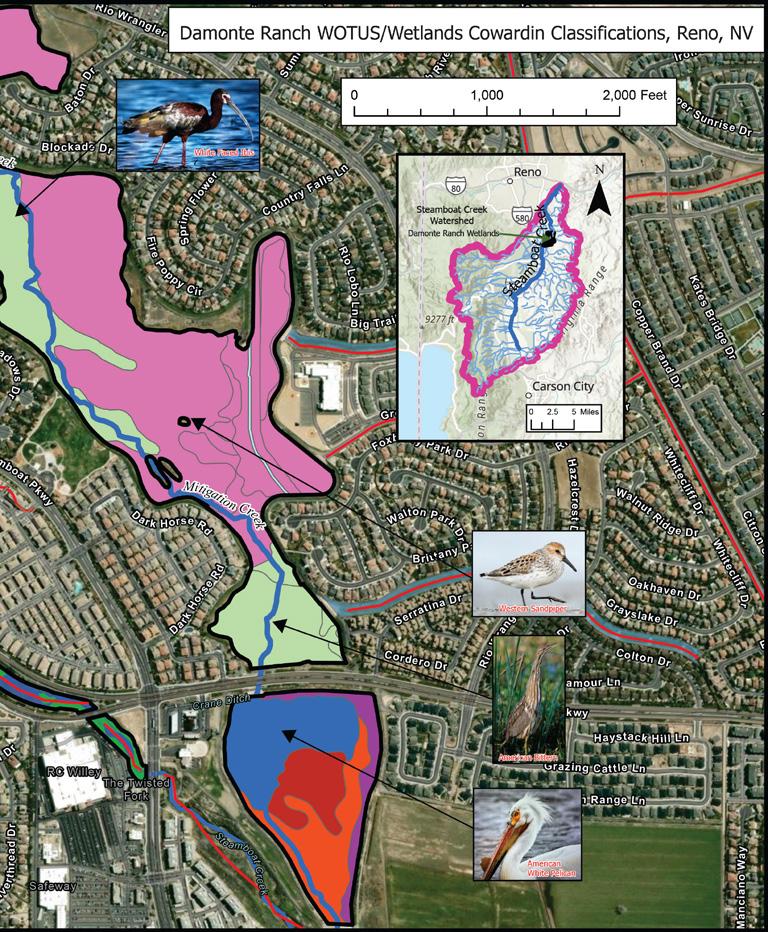
When you live on the edge of a wetland going about your everyday busy life, there are several benefits that you may not think of. What are these benefits? I will get to that in detail where I will describe wetland functions and values and breakdown wetland types under the Cowardin classification system. There is a fold out map that details where these areas are and I have color coded the Cowardin types found at Damonte Ranch. You may want to look at it now and familiarize yourself with it. It depicts over 228 acres representing the single largest, high functioning and diverse, privately owned and maintained wetland complex in the northern part of the Steamboat Creek watershed. We also have perennial open water areas which are unique because they offer year round water sources and protection.
Because wetlands have functions and society places both a monetary and societal value on them, “we” the community prescribe and maintain legal safeguards to these areas. Societal values defined herein are related to environmental sustainability which guide and foster community. First, I will discuss
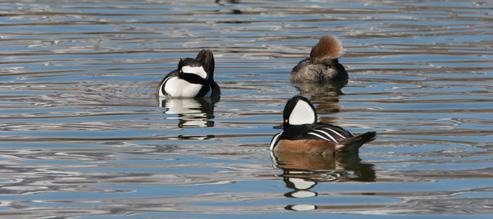
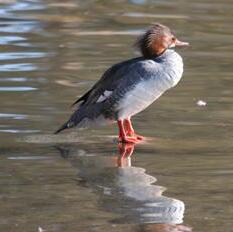
Hooded Mergansers
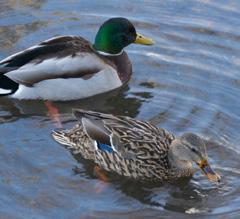
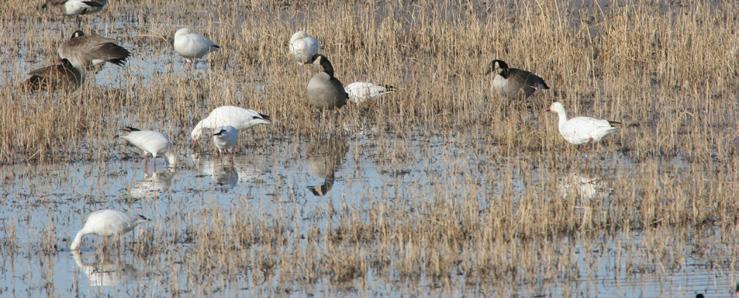
Mallard Ducks
the wetland functions, related to monetary values that wetlands fulfill and then the societal values.
Monetary Value As Infrastructure
At Damonte Ranch, wetlands serve a critical dual purpose as both natural infrastructure and community amenity. These systems provide flood control through attenuation— slowing water velocity and reducing peak flows—while also improving water quality via groundwater recharge and the trapping of sediment and debris before flows reach Steamboat Creek and the Truckee River.
Traditional flood control infrastructure in Nevada can cost tens of millions of dollars, not including the significant economic impacts of flood damage.

Fencing Lic: #75960
Contractors Lic: #51269A
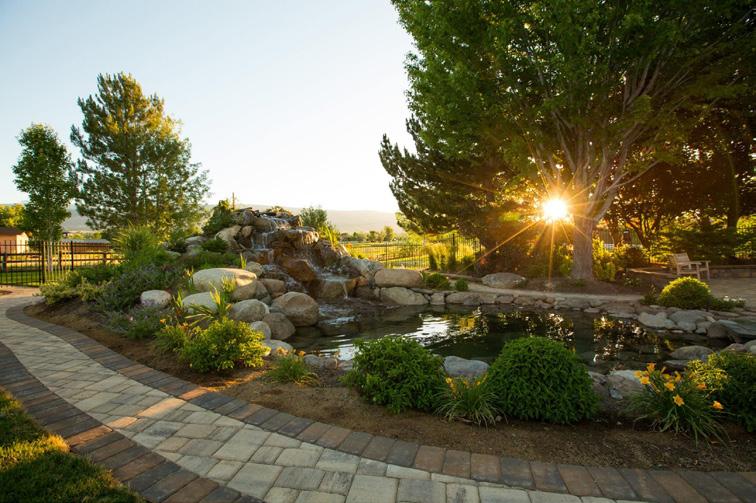
Pavers Lic: #71372

At Damonte Ranch, however, flood infrastructure is integrated into the landscape in a way that reduces overall construction and maintenance costs while enhancing community value.
When not actively managing stormwater, these areas function as parks, open spaces, and trail systems used daily by residents. Rather than underutilized flood basins, Damonte Ranch supports more than 228 acres of wetlands and urban wildlands— creating a resilient system that delivers environmental, economic, and recreational benefits.
Pretty Cool.
Both the Truckee River and Steamboat Creek are listed on Nevada’s 303(d) list of impaired waters due to elevated levels of total nitrogen, total phosphorus, and total

dissolved solids. These impairments have led to the development of Total Maximum Daily Loads to help manage and improve water quality. That is also the reason behind the “Don’t Dump” markings near storm drain inlets—anything entering the storm system can flow directly into these waterways. Treating stormwater chemically can cost tens of millions of dollars, so prevention is critical.
At Damonte Ranch, wetlands are surrounded by specially designed, grass-lined sediment basins that capture the first flush of stormwater runoff from pavement and other impervious surfaces. This system prevents pollutants from flowing downstream by containing and treating the water on site through biofiltration and vegetation uptake.

Continued on page 16







The Damonte Ranch wetlands are the sponges and filters that remove sediment, nutrients, and toxins from water, purifying it, protecting water resources within the entire Steamboat Creek watershed. Pretty Cool.
Societal Values As Benefits To Community
The Damonte Ranch wetlands offer education and scientific value because they act as outdoor labs for research and nature study. The data collected for the Damonte Ranch wetlands guided the Steamboat Creek Corridor Plan between
Geiger Grade and the Truckee River. Data was also utilized by UNR undergraduate and graduate students and other wetland mitigation projects within northern Nevada. Local area schools collect water samples for biology classes. Local school sports teams train here on the trails because they offer a safe, healthy environment—helping reduce crowding at school training facilities. Besides wildlife habitat, the biodiversity and wildlife observations in these productive ecosystems offer us the chance to witness numerous, diverse plant and animal species, providing a “natural laboratory”. On

average, living close to a wetland also means a 15–20% higher property value. Pretty Cool.
The Damonte Ranch wetlands offer recreation and tourism related to regular bird watching tours. There are over 120 species of avian neighbors. While specific dollar figures for bird watching at Damonte Ranch are not publicly broken down, it contributes to Nevada’s massive $24 billion annual

Snow Geese & Canadian Geese
Rough-legged Hawk
outdoor recreation industry. Birding drives local, ecotourism spending on equipment and travel, similar to how national wildlife refuges generate over $2 billion annually, with birding serving as a top contributor.
Living near wetlands enhances quality of life related to mental and physical health benefits, by reducing stress because these “therapeutic landscapes,” offering calming sights and sounds of water and nature, which lowers blood pressure and reduces cortisol levels. The Damonte Ranch trails promote an active lifestyle boosting physical fitness and studies report that living near wetlands can improve sleep due to the quiet environment.
Connection to Nature – It is about the Numbers
The Damonte Ranch wetlands are located within the Steamboat Creek watershed, which spans 127,569 acres and includes approximately 16,273 acres of wetlands and streams (about 13% of total land area). While 13% may seem modest, it underscores the relative scarcity—and therefore value—of wetland resources in the region. The majority of these aquatic resources are concentrated in the southern half of the watershed, particularly around Washoe Lake, Little Washoe Lake, and adjacent wetlands, which together account for about 13,074 acres (roughly 80% of the watershed’s total). This leaves only about 20% of wetland resources in the northern half of the watershed.
Among these remaining wetlands, more than half (54%) are smaller than 10 acres. In contrast, the Damonte Ranch wetlands encompass approximately 228 acres, making them significantly larger than most. Larger, more contiguous wetland complexes and stream corridors support greater ecological function and biodiversity. In fact, the Damonte Ranch wetlands represent about 7% of the northern watershed’s aquatic resources, making them one of the largest privately owned and protected wetland complexes in the area. Pretty Cool.
You will find one of the largest nesting colonies of White Faced Ibis in the central wetland area this side of Stillwater Wildlife Refuge. The White Faced Ibis is shy and is listed as “imperiled due to rarity and breeding status and vulnerable to decline,” and it is protected under State NRS 501. Yet it can make its home here because these wetlands maintain the hydrologic and biological conditions required for breeding – these wetlands work. Also look for the American Bittern, it nests in the same marshes as the Ibis in the central and northern wetland
areas. They are good neighbors—although they do not babysit for each other like some species of wrens, hawks, and jays. You will see the American White Pelican in the open-water areas along the trail at the northern end of the site and in the large mitigation area west of Steamboat Parkway. A Peregrine Falcon, along with other hawks and golden eagles, will often sit on fence posts. They are not shy as you drive by, and if they are focused on lunch, they will stay put—eyeing their next meal. Mice and other rodents, beware. Keep your camera ready. The Western Sandpiper nests in seasonal wetlands, far from prying eyes in the central wetland area—yet you will see adults close to the fence edge, vying for insects. Pretty Cool.
Cowardin Classification
The US Fish and Wildlife Service classifies wetlands under the Cowardin classification system.
Continued on page 20

Scan QR for Wetlands & Deepwater habitats Classification ►
To know more about Cowardin scan this QR ►
The structure of Cowardin is hierarchical, progressing from systems and subsystems at the most general levels to classes, subclasses, and dominance types. There are also modifiers for water regime, water chemistry, and soil are applied to classes and subclasses. special modifiers describe wetlands and deepwater habitats that have been either created or highly modified by humans or beaver.
This article highlights the Cowardin classifications identified at Damonte Ranch (refer to the map). Both seasonal and perennial wetlands here fall within the Riverine and Palustrine systems. The Riverine system is straightforward, encompassing flowing channels such as Steamboat Creek. The focus, however, is on the Palustrine Emergent (PEM) wetlands, which at Damonte Ranch are freshwater rather than brackish or saline.
What makes Palustrine Emergent wetlands particularly interesting is their diversity—they include environments commonly known as marshes, swamps, bogs, fens, ponds, and wet prairies. While these wetland types are found throughout the United States, they are relatively uncommon in Nevada, making Damonte Ranch especially notable.
Adding to its significance, Damonte Ranch lies within the Pacific Flyway—a major 4,000-mile north–south migratory route used by millions of birds traveling between Alaska and Patagonia. You may vacation in Florida, and our avian neighbors stop over here! The area also supports neotropical migrant songbirds that travel from Mexico each year to breeding grounds across the United States, Canada, and the Arctic. Pretty Cool.
On the map, you will see a code like PEM1A. The P stands for Palustrine; EM signifies emergent vegetation, and SS signifies scrub-shrub vegetation. So, what is “emergent”? Emergent hydrophytes are plants whose stems and leaves extend above the water surface for most of the year—or above the soil surface when standing water is absent. This makes the Damonte Ranch wetlands extremely valuable to our avian neighbors and other wildlife because it is a protected place to land, find a mate, build a nest, raise young, and then move on to other stopovers along the Pacific Flyway. It is a place where even a frog can make a living. (See article 3 of 7 for ways to provide feed for our avian neighbors.) Scrub-shrub vegetation includes woody plants less than 6 m (20 ft) tall and “true” shrubs (like willows-salix).
The “A,” “C,” “E” or “F” represents flooding classifications for the length of time where wetland hydrology is present. We’ve added other modifiers for you to tease out (see the map legend). At Damonte Ranch seasonal wetlands are just as valuable as perennial wetlands and this is why the avian species diversity is so extremely high. Seasonal wetlands offer our ground nesting avian neighbors a home site.
Let us collect what we have. The over 228 acres of habitat at Damonte Ranch (excluding open water and stream corridors) are composed of wetlands that are both seasonal and perennial with emergent vegetation such as sedges and rushes, to include various grasses and shrubs like willows (salix). This diversity of habitat types makes for avian communities that are both ground and water nesters who migrate along the Pacific Fly Way. Ground nesting birds (Western Sand Piper) build nests in simple depressions or on the ground, often relying on camouflage, while water nesting birds (American Bittern, White Faced Ibis) build floating platforms or structures in wet environments. Ground nesters face higher terrestrial predation, leading to higher renesting rates, while water nesters gain protection from predators via deeper water. Its paramount that we keep cats, dogs, and other urban pets out of the wetlands areas.
See articles 2 of 7 and 3 of 7 for more information. Article 5 of 7 will detail the plant communities found in these amazing wetland ecosystems and how indigenous Americans and wildlife use them.
This article was written by your resident senior professional wetland scientist, Ms. Lori Carpenter (who along with other cartographers, biologists, plant ecologists, and our hard working maintenance staff), can be found on the various trails and within the wetlands collecting data to ensure that the Damonte Ranch wetlands maintain their regional significance with high value and high diversity status. Pretty Cool.
Common Merganser - Female



RENO WARD 6 COUNCIL MEMBER UPDATE
Hello neighbors, and happy almostsummer! Damonte Ranch is in bloom, our trails are full of families, joggers, bicyclists, and four-legged friends, and it is such a joy to see our beautiful neighborhoods come alive with connection, movement, and sunshine. One of the best parts of serving Ward 6 is celebrating the quality of life we share in these vibrant, growing, and connected communities.
As we all head outdoors, I want to offer a friendly reminder to parents, adult riders, and drivers alike: please help keep our streets and trails safe for everyone. Whether you are riding an e-bike, e-scooter, or e-dirt bike, walking with your family, or driving through the neighborhood, please follow the rules of the road and trail, slow down, be mindful of others, and look out for one another so every neighbor makes it home safely.
With that same spirit of connection and care, I’m also excited to share a few updates on projects and happenings in and around Ward 6. From parks and public art to road maintenance, public safety, cleanup efforts, and upcoming community conversations, there’s a lot happening to support the
neighborhoods we love. Thank you for staying engaged, asking questions, and continuing to help shape a Ward 6 that is safe, welcoming, and full of pride.
Biggest Little Spring Cleaning
Ward 6 held a successful spring cleaning event, allowing residents to dispose of bulky trash and prevent illegal dumping. Watch for the next cleanup in the fall!
City of Reno Newsletters
Stay updated with City of Reno news, board updates, Ward 6 Newsletter, development projects, and more by subscribing to our newsletters. Scan QR to register.
Ward 6 Parks Updates
Damonte Ranch Park
A new dog park is coming to Damonte Ranch park in 2026. The project is currently in the design stage and is anticipated to be completed late fall or early winter. The new dog park will incorporate the park’s natural features to provide play areas for all size dogs. Planned features include agility equipment, a dog wash/jug fill station, benches, trash receptacles, and a new water fountain.
Cyan Park
The City of Reno is commissioning new public art in Cyan Park in Ward 6 on a portion of the former Bella Vista Ranch. It is a 14-acre park with a playground, picnic shelter, soccer fields, tennis court, basketball court, dog park, and water play areas. Cyan Park is the largest City park in its ward.
Funding for the public art project at Cyan Park comes from the City of Reno’s 2% for Art Ordinance, which requires that 2% of the cost of eligible municipal capital improvement projects (buildings and parks) be set aside for public art. The Reno City Council’s strategic priorities include creating vibrant neighborhoods and public places by prioritizing public arts and culture. There is approximately $98,000 in funding dedicated to the public art project.
Project Timeline:
June – July 2026 Open Call for Artists/Request for Qualifications (RFQ).
July – August 2026 Cyan Park Art Task Force RFQ review.
August – September 2026 ACAB artist approval and recommendation sent to City Council.
October 2026 into late 2027
Design, fabrication and installation. For City of Reno Public Art Project info please scan QR
Fire Station 12
City of Reno staff is in the process of expanding station 12. Stay tuned!
Bike Safety
Protect Your Head - While Nevada does not legally require helmets for bicyclists, wearing one is a smart choice. Bicycle helmets reduce the risk of head injury by 85% when worn correctly (NHTSA).
In an accident, being helmet-free could make your legal or insurance situation more complicated. For motorcycles, mopeds, and trimobiles, Nevada does require helmets. Helmets must meet DOT safety standards, including features like adequate padding. riveted straps, and a DOT certification label. Obey Traffic Laws - Bicycles, electric bicycles, and motorcycles must abide by the same laws governing motor vehicles. Per NRS 484B.763, this means obeying traffic lights, stop signs, right-of-way, speed limits, signaling... e-bike users have the same rights and responsibilities as drivers and can receive a citation for these violations.
Where Can I Ride?
- NRS 484A.4695 allows e-bikes to be ridden in the same places where bicycles are allowed: streets, highways, roads, roadways, bicycle lanes, bicycle paths, and shared-use paths. Washoe County Code 95.200 restricts the speed and manner of operation to a reasonable and prudent practice relative to terrain, prevailing conditions, equipment, personal capabilities, personal safety and the safety of all other users.
Riding With Friends
Next To Each Other - You may ride two abreast as long as it’s safe to do so. Ride single file in traffic as a courtesy and for safety.
On The Same Bike - NRS 484B.770 says unless equipped with the corresponding number of seats, you can’t have 2+ friends bravely holding onto you. The two citations you could receive:
■ NRS 484B.7701 Fail to ride bicycle astride permanent/regular seat ($93)
■ NRS 484B.7702 Multiple riders on bicycle not so equipped ($93)
Repeated juvenile violations could
impact their eligibility for a citation and/or a driver’s license later.
What’s Considered An E-Bike Vs. Motorcycle?
As defined by NRS 484B.017, there are three classes of electric bicycles and they come equipped with fully operable pedals.
If there aren’t fully operable pedals, is equipped with foot pegs, and propelled by a motor, NRS 486.041 classifies it as a motorcycle (e.g. Surron, Talaria, ERide Pro, 79Bike, etc.) - not a bicycle. This requires the operator to possess a license and registration.
RTC Projects
2026 Maintenance project
Two notable planned improvements for Ward 6 included in the 2026 Preventive Maintenance Project are:
■ Veterans Parkway, from South Meadows Parkway to the east side of the Geiger Grade Road Roundabout; and
■ Arrowcreek Parkway, from approximately 825 feet northeast of the Arrowcreek/Wedge intersection to South Virginia Street. RTC completed a project on Arrowcreek (Rubblestone to S. Virginia St) in late 2023 and is wrapping up work from Thomas Creek Road to 825 feet northeast of the intersection as part of the Arrowcreek/Wedge Pkwy Rehabilitation Project. The segment of roadway between the two projects is in good condition and will receive preventive maintenance treatment this summer; the 2023 segment is also scheduled for its routine 3-year pavement preservation treatment.
Work will include crack seal, patching, micro surfacing and striping.
Last year, RTC completed safety and operational improvements at the Veterans Roundabout at the Geiger Grade Rd/Veterans Pkwy intersection. This year’s preventive maintenance treatment of Veterans Pkwy will approximately start where last year’s safety and operational project improvements stopped.
2027 Upcoming Project:
The Steamboat / Rio Wrangler Roundabout project is aimed at improving operations and safety at the intersection. The need for the project was first identified in the South Meadows Regional Multimodal Transportation Study which was completed in 2020. This report identified future operational challenges do to the planned extension of Rio Wrangler Parkway to the north, as well as continued growth in the area. In 2022, RTC performed an Intersection Control Evaluation (ICE) that compared alternatives on several factors in order to determine the optimal configuration. It was this ICE that identified a roundabout as the best configuration to meet the needs of the community.
At the end of 2025, RTC procured a design engineer and officially kicked off the project. Preliminary design is currently underway and RTC has completed data collection from the site including survey and soil condition. RTC anticipates concluding the design in early 2027 and beginning construction in the summer.
For future updates scan the QR code.


THINKING ABOUT MOVING?
By Kevin & Stefanie Areia, Business Partners and Authors of Straight Talk Home Loans
It’s one of the most common questions I hear right now: “Does it make sense to move… or should we stay where we are?” With today’s market, it’s not always a simple
yes or no. For many homeowners in Damonte Ranch, the decision comes down to balancing your current mortgage with your longterm goals. Here’s a straightforward
way to look at it from a lending perspective.
The Case for Staying
If you purchased or refinanced in the past few years, there’s a good chance you have a low interest rate. From a pure numbers standpoint, that’s hard to beat. Staying put may make sense if your payment is very comfortable, your home still fits your needs, or you’re focused on keeping monthly expenses low.
The Case for Moving
Many homeowners consider moving because they need more or less space, their lifestyle has changed, or they want a different location or school zone. Others have built significant equity and want to use it. Even though rates today may be higher than what you currently have, your equity can be a powerful tool. It can lower your loan amount, reduce payment impact, help you avoid


mortgage insurance, and give you more flexibility in how your loan is structured.
It’s Not Just the Rate
Many homeowners are focused on keeping their current low mortgage rate. But the mortgage isn’t the only piece of the financial picture. It’s common to see households carrying car loans at 6 - 9%, credit cards at 15 - 25%, or other installment debt at higher rates. Yet the focus stays on protecting a 3 - 4% mortgage, even if the rest of the monthly budget is stretched. In some cases, that can lead to decisions that don’t improve the overall financial picture.
A Simple Example
Let’s say a homeowner has a $2,500 mortgage at a 3.5% rate and about $900 per month in car and other debt, for a total monthly outflow of $3,400. Now let’s say they move into a home that better fits their needs,
and their new mortgage payment is $3,100 at today’s rate. If they use equity to pay off or significantly reduce other debt, their total monthly outflow may drop closer to $3,100. The rate is higher, but the overall cash flow is improved.
The Trade-Off
Your interest rate may go up if you move. But that doesn’t automatically mean your financial situation gets worse. The better question is: does this move improve your overall monthly picture? For some homeowners, the answer is no and staying is the right call. For others, reducing debt, improving lifestyle, or repositioning their finances makes moving the better decision.
A Smarter Way to Decide
Instead of focusing only on the rate, it helps to look at the full picture. What does your total monthly outflow look like today? What would
it look like after a move? How much equity are you bringing into the next home? What does the move improve for your daily life? When you look at these factors together, the decision becomes clear.
Many homeowners in Damonte Ranch are in a strong position — with equity, desirable homes, and options. The key is understanding those options clearly. Sometimes staying is the right financial move. Sometimes moving creates a better overall situation. Often, the difference comes down to looking beyond just the interest rate.
Bottom Line
There’s no one-size-fits-all answer right now. But there is a right answer for you based on your numbers, your goals, and your timeline. A quick review of your full financial picture, not just your current rate, can help you make a confident decision.

SUMMER EVENTS
From Artown’s concerts and movies to the excitement of the Reno Rodeo and simple evenings at home, summer is a great time to enjoy everything our Reno community has to offer.
WEEKLY & ONGOING EVENTS
RENO ACES GAMES
All Summer at Greater Nevada Field
Family-friendly games, themed nights, and fireworks.
JUNE
NEVADA STATE FAIR
June 11-13 Nevada State Fair at the livestock Events center.
RENO RODEO
June 18 - 27 at Reno-Sparks Livestock Events Center
A true Reno tradition with rodeo events, carnival, and family entertainment.
RENO PHILHARMONIC SUMMER POPS CONCERT
June 28 at Wingfield Park. Outdoor concert along the river — relaxed and scenic.
JULY
ARTOWN - OPENING NIGHT
July 1 at Rancho San Rafael Park. Kickoff celebration launching a month of performances and events.



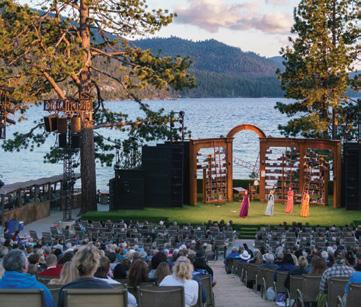
LAKE TAHOE SHAKESPEARE FESTIVAL
July 3 - August 23 at Sand Harbor. Lakeside performances with incredible views.
FOURTH OF JULY FIREWORKS
July 4 Downtown Reno & Victorian Square Sparks. Fireworks, live entertainment, and community celebrations.
OUTDOOR MOVIE NIGHT
July 10, Mama Mia, 8pm at Rancho San Rafael Park. Outdoor movie night — bring blankets and enjoy a fun summer evening.
LAVENDER & HONEY FESTIVAL
July 13 at Idlewild Park. Local vendors, food,
and a relaxed setting.
AUGUST
HOT AUGUST NIGHTS
August 4 - 9 Downtown Reno & Victorian Square, Sparks. Classic cars, live music, and one of Reno’s most iconic summer traditions.
BEST IN THE WEST NUGGGET RIB COOK-OFF
August 26 - 31 Award winning BBQ, live entertainment, and a fun end-of-summer atmosphere.





CARTBARN
A Low Speed Vehicle is a street-legal electric vehicle registered, insured, and fully road-legal on any street posted 35 mph or under. Not a golf cart. A real vehicle with a title, plates, and a lot of personality

The upgrade you didn't know you needed.







SUB ASSOCIATION DIRECTORY
Damonte Ridge HOA
Associa Sierra North
Amy 775.626.7333
Dorado HOA
Terra West
Melissa Montes 775.853.9777
Dorado@TerraWest.com
Esplanade HOA
Western NV Management
Kara Kite 775.284.4434
KKite@WesternNV.com
Ivesia HOA
Associa Sierra North
Justin Harkey 775.626.7333
JHarkey@Associasn.com
La Casata HOA
Equus Management
Malissa Ochoa 775.852.2224
Malissa@EquusManagement.com
association board members— this is your place for all that’s happening in your association! Send in articles and high resolution photos to Cassandra Di Loreto at cassandra@diloretoreno.com
New Edition I HOA
Associa Sierra North
Cyndi Fehler 775.626.7333
CFehler@Associasn.com
New Edition II HOA
Anchor Management
Julie Thompson 775.230.8531
JulieThompson@AnchorManagement.net
Regency at Caramella Ranch HOA
Nevada Community Management
Kimberly Turner 775.515.4242
Kimberly@nvcm.com
Regency at Presidio UOA
Associa Sierra North
Alisha Hatch 775.853.1401
AHatch@associasn.com
Presidio HOA
Equus Management
Shannon Moffett 775.852.9011
shannon@EquusManagement.com
Saddle Ridge HOA
Associa Sierra North
Lauren Hill 775.626.7333
LHill@Associasn.com
Stepping Stone Place HOA
Equus Management
Matt Kramer 775.852.2224
Matt@EquusManagement.com
Terreno HOA
Equus Management
Malissa Ochoa 775.626.7333
Malissa@Equusmanagment.com
The Village at Esplanade HOA
Associa Sierra North
Lindsay
775.626.7333





SUMMER RESET
HOW TO FEEL BETTER IN YOUR BODY WITHOUT STARTING OVER
By Camie Knapp, Owner of Camie Cragg Fitness
There’s something about the shift into summer that makes people pause and take a look at themselves. Maybe it’s the longer days, the warmer weather, or simply the fact that we’re showing a little more skin. Whatever it is, it tends to bring up the same thought for so many people: I need to get back on track.
But over the years, I’ve learned something both as a coach and as someone who has lived this journey personally, most people don’t need to start over. They don’t need
another extreme plan, another set of rules, or another short-term fix. What they need is a reset. And not the kind that shocks the system, but the kind that gently brings you back into alignment with yourself. Because more often than not, the issue isn’t that you’ve failed. It’s that you’ve drifted.
Life gets busy. Stress builds. Schedules fill up. You grab what’s convenient instead of what’s intentional. Workouts become inconsistent or overly intense. Sleep
gets sacrificed. And before you know it, your body starts sending signals of low energy, inflammation, brain fog, stubborn weight, or just a general feeling of being off. That’s not your body working against you. That’s your body asking you to come back. A true reset begins with simplicity. It’s not about restriction or punishment. It’s about removing the noise and returning to the basics that your body has always known how to respond to.
Continued on page 30
Hydration is one of the most overlooked places to start. Most people are operating in a constant state of dehydration without even realizing it, and it impacts everything from energy levels to digestion to cravings. When you begin to properly hydrate, especially with added electrolytes, your body starts to regulate in ways that feel almost immediate. It’s one of the simplest shifts, yet one of the most powerful.
From there, food becomes less about rules and more about awareness. Instead of asking, What diet should I follow? the better question becomes, How does this make me feel? When you begin choosing whole, simple foods, quality proteins, healthy fats, fruits, vegetables something interesting happens. Your body begins to respond, not because it’s being forced, but because it’s being supported.
Movement, too, deserves a shift in perspective. There is a common belief that more is better, that intensity equals results. But the body doesn’t always work that way. Yes, strength and effort matter. But so does recovery. So does balance. If you are constantly pushing, constantly tired, constantly stressed, your body will eventually push back. Sustainable progress happens when movement is paired with rest, when effort is balanced with restoration.
And this is where the deeper layer comes in, the one most people don’t talk about enough. Your nervous system. You can be eating well and working out consistently, but if your life is lived in a constant state of urgency, pressure, and overstimulation, your body will stay in that state too. Hormones shift. Fat loss becomes more difficult. Energy dips. The body holds on instead of letting go. Sometimes the most powerful reset isn’t physical at all. It’s learning how to slow down, to breathe, to be present again.
As we step into summer, there is an opportunity to approach your health differently. Not from a place of pressure, but from a place of intention. Not from the mindset of needing to fix yourself, but from the understanding that you already have what you need you just need to come back to it.
This season, instead of chasing perfection, choose alignment. Choose the small, consistent actions that bring you back into connection with your body. Drink the water. Eat the food that fuels you. Move with purpose. Rest without guilt. You’re not starting over instead you are returning to what works and when you do that gently, consistently, and with awareness your body will meet you there. Cheers to your reset!



LOCATIONS