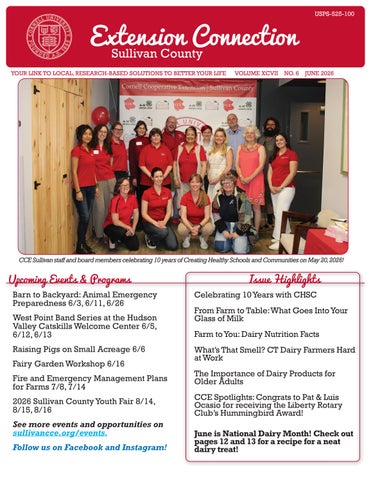
Extension Connection
Sullivan County

Upcoming Events & Programs
Barn to Backyard: Animal Emergency Preparedness 6/3, 6/11, 6/26
West Point Band Series at the Hudson Valley Catskills Welcome Center 6/5, 6/12, 6/13
Raising Pigs on Small Acreage 6/6
Fairy Garden Workshop 6/16
Fire and Emergency Management Plans for Farms 7/8, 7/14
2026 Sullivan County Youth Fair 8/14, 8/15, 8/16
See more events and opportunities on sullivancce.org/events.
Follow us on Facebook and Instagram!


Highlights ssue
Upcoming Events & Programs Issue Highlights Issue
Celebrating 10 Years with CHSC

From Farm to Table: What Goes Into Your Glass of Milk
Farm to You: Dairy Nutrition Facts
What’s That Smell? CT Dairy Farmers Hard at Work
The Importance of Dairy Products for Older Adults
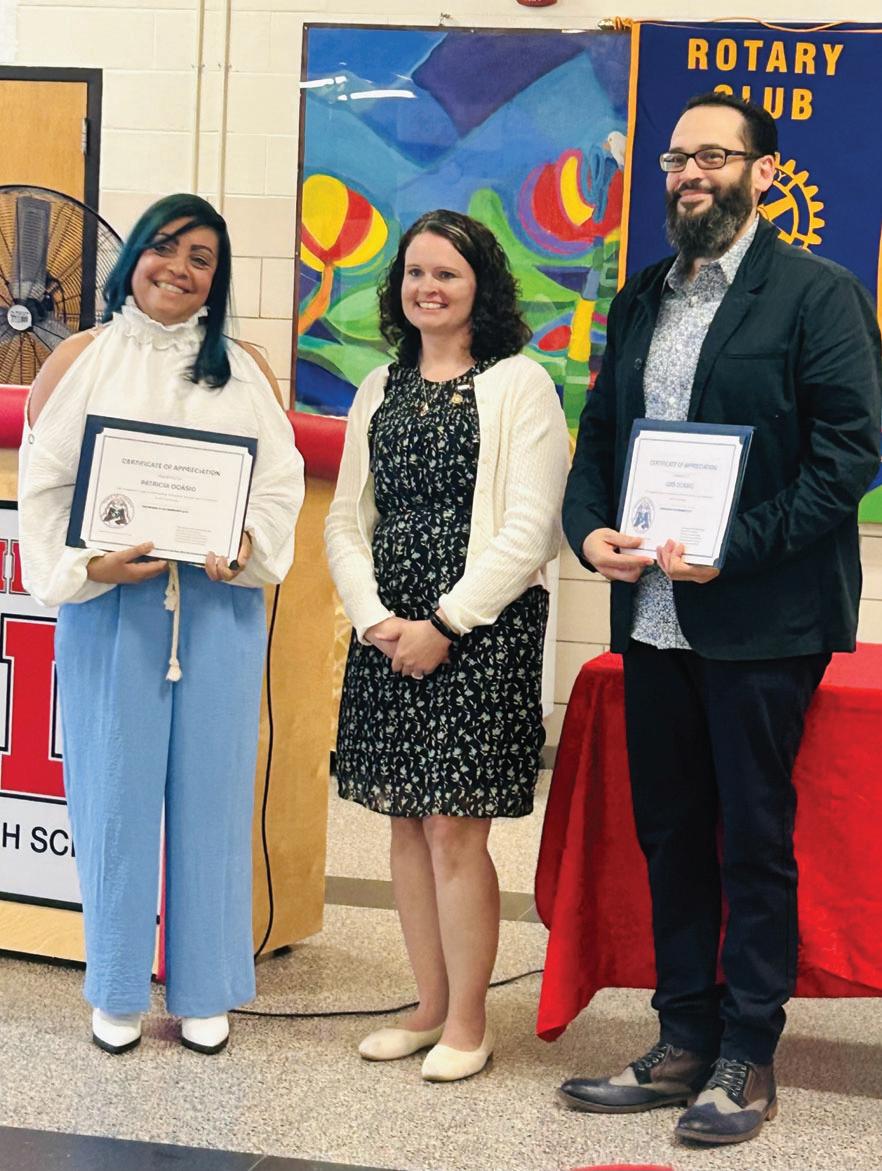
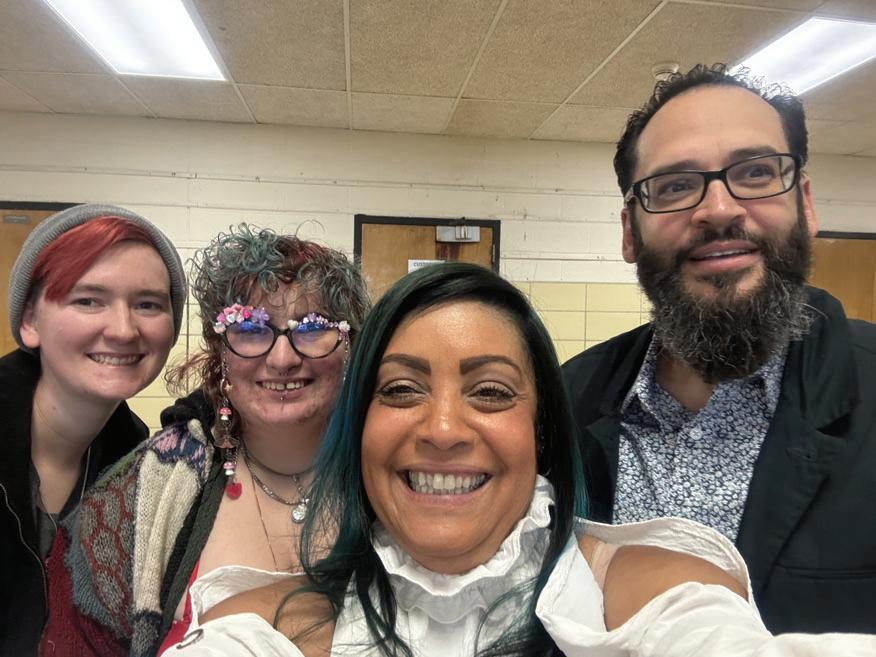
CCE Spotlights: Congrats to Pat & Luis Ocasio for receiving the Liberty Rotary Club’s Hummingbird Award!

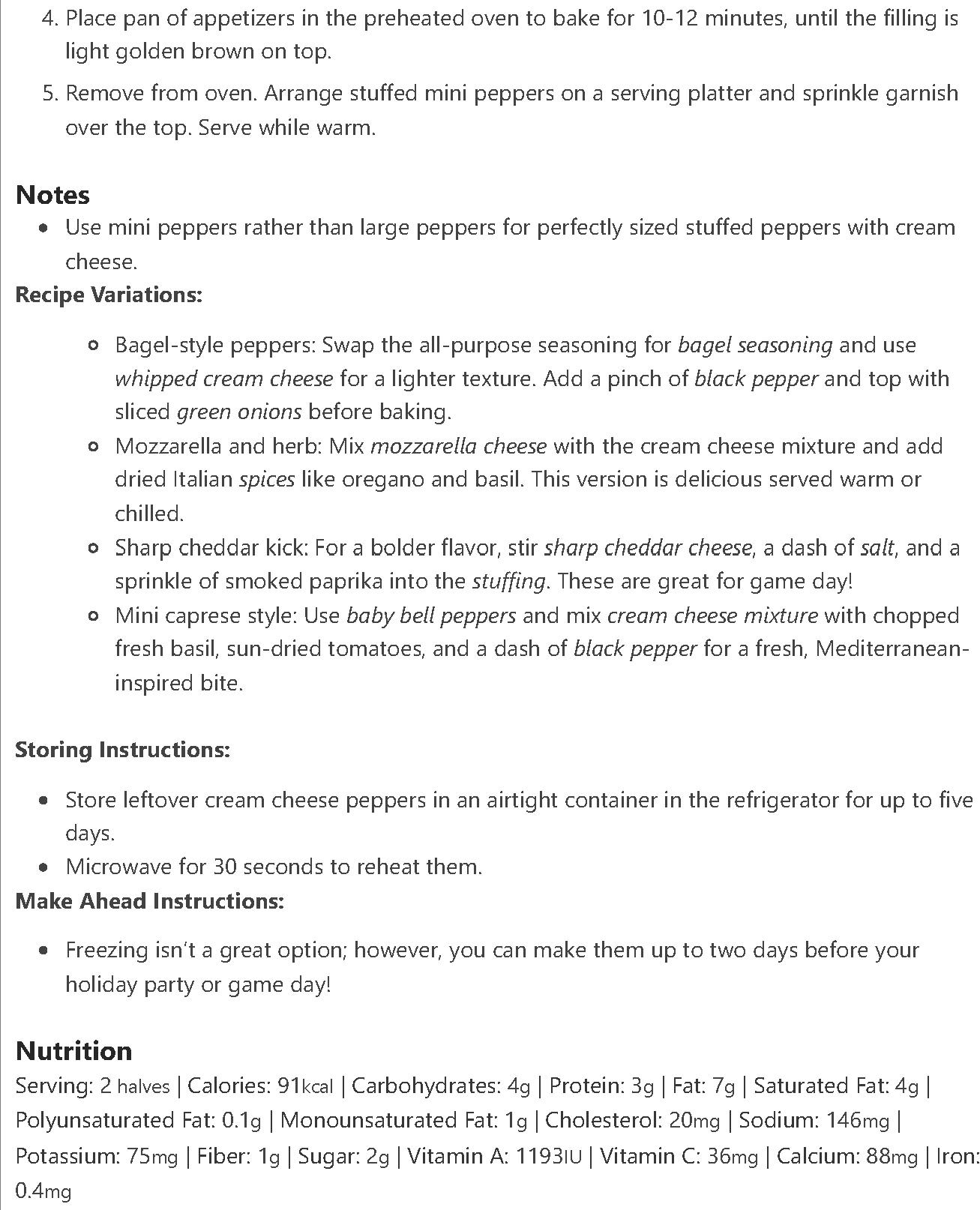
June is National Dairy Month! Check out pages 12 and 13 for a recipe for a neat dairy treat!


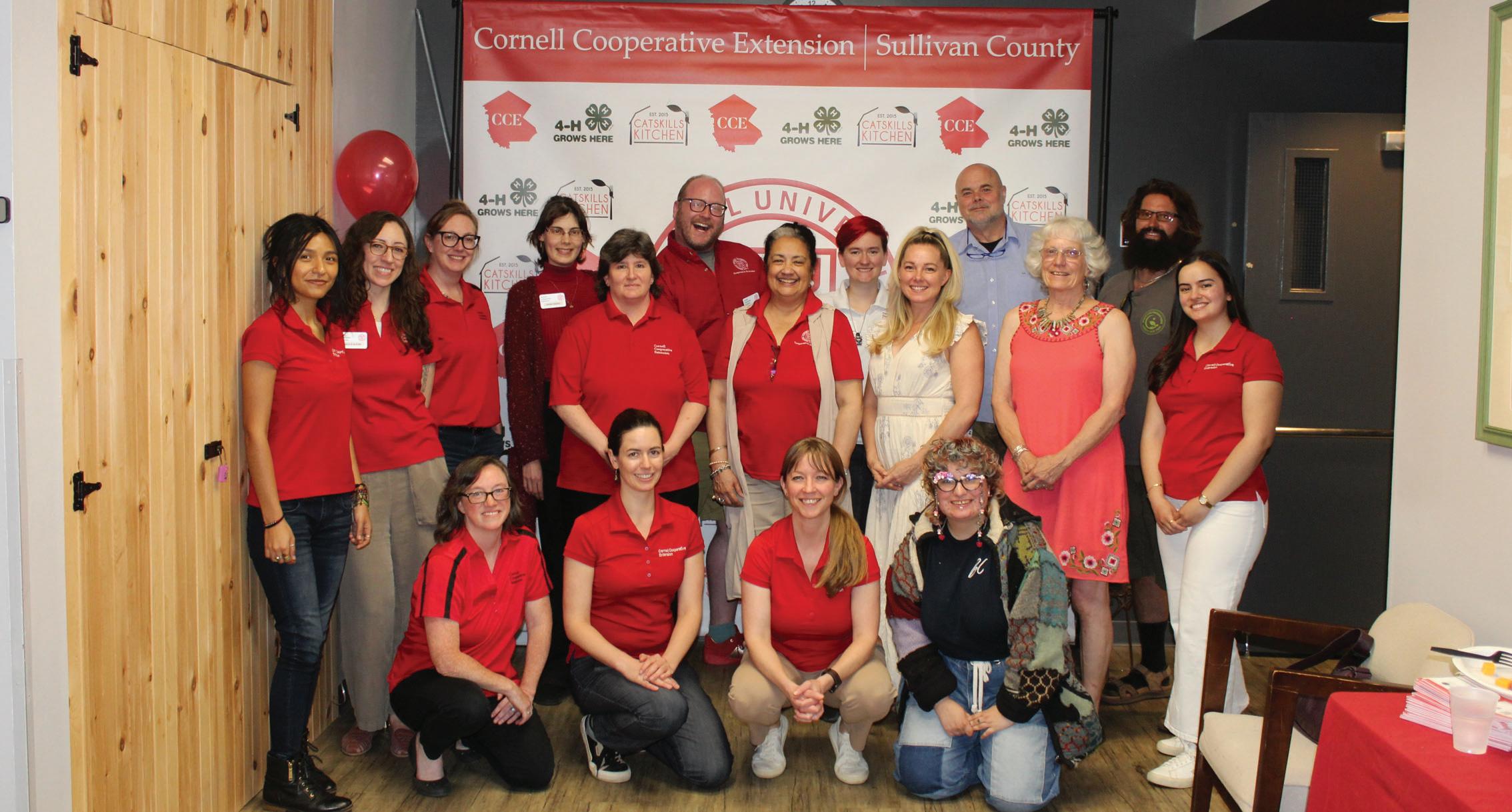
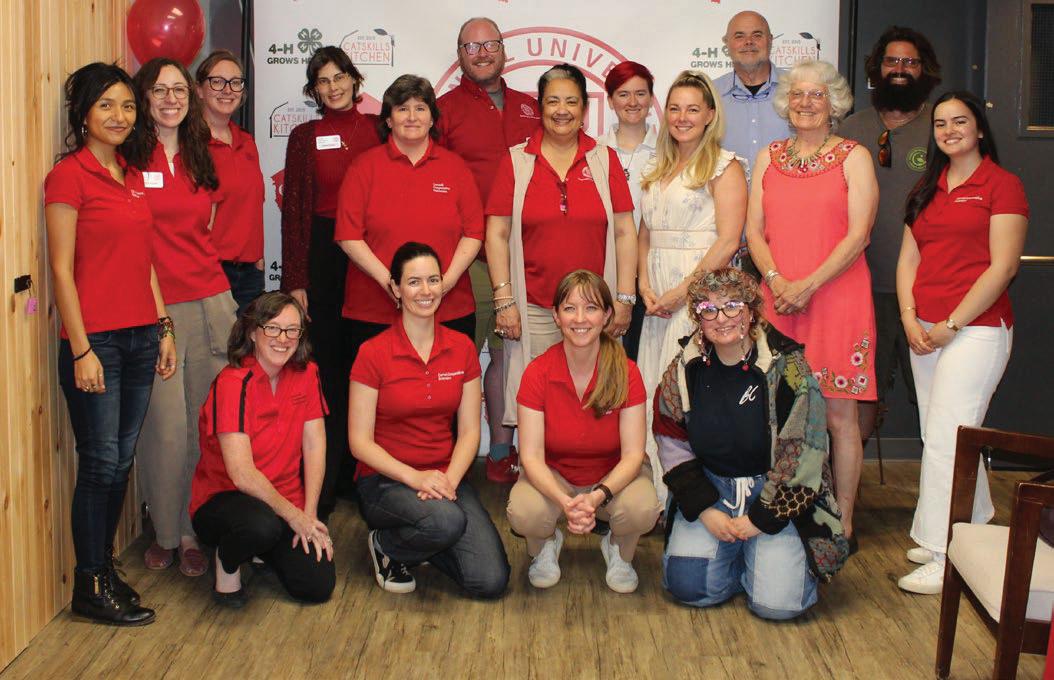
CCE Sullivan staff and board members celebrating 10 years of Creating Healthy Schools and Communities on May 20, 2026!
Welcome to the Issue!
Page 3 Barn to Backyard: Animal Emergency Preparedness
Page 4 From Farm to Table: What Goes Into Your Glass of Milk
Page 5 Farm to You: Dairy Nutrition Facts
Page 6 What’s That Smell?
CT Dairy Farmers Hard at Work

Page 8 Dairy Foods Help People Thrive Across the Lifespan
Page 10 DHI Report
Page 11 CCE Spotlights!
Page 12 Fast Facts!
Page 14 Make Every Bite and Sip Count with Nutrient-Rich Dairy Foods
Page 16 CHSC Celebration Event Recognizes Daycare

Providers and Schools
Page 20 Celebrating 10 Years with CHSC and the End of CHSC 2.0 with Partners
Page 22 The Importance of Dairy Products for Older Adults
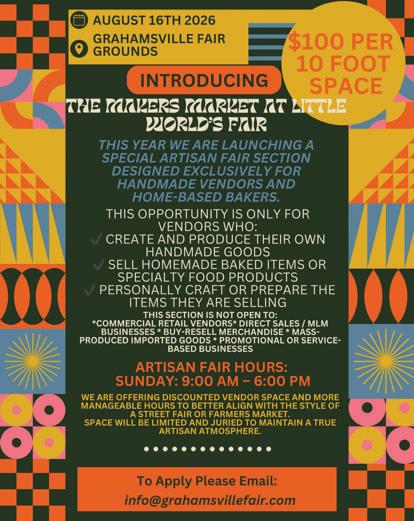
Page 24 Introducing the Maker’s Market at Little World’s Fair

NotifyCCESullivan if you have
Notify CCE Sullivan if you have a change of address: 845-292-6180
sullivan@cornell.edu
OFFICE HOURS
Hours: Mon - Fri | 8:30 am to 4:30 pm
Phone: 845-292-6180
E-mail: sullivan@cornell.edu
Website: www.sullivancce.org
Facebook.com/ccesullivanagfood
Instagram.com/ccesullivan
YouTube: bitly.com/ccesullivan
BOARD OF DIRECTORS
Dawn Parsons.......................President
Alex Alorro...................Vice President
Robert Kaplan.......................Secretary
John Garigliano.....................Treasurer
Brian McPhillips...........Legislative Rep.
Patricia Claiborne.............Cornell Rep.
Stacey Johnson
John (JP) Lang
Erika Malmgreen
Mark McLewin
Jennifer Mitchell
Meaghan Mullally-Gorr
Laura Quigley
Gary Silver
Gary Silverman
Diana Weiner
PROGRAM COMMITTEE
Heather Brown
Roberta Chambers
Nu El
Courtney Hanback
Carmela Hugel
Cathi Paci
Carol Roig
Stephen Stuart
Eugene Thalmann
Deborah Worden
EXTENSION CONNECTION
Produced by: Cornell Cooperative Extension Sullivan County
Edited by: Aaron Denman, Katie Gasior & Nicole Slevin Nikolados Cornell Cooperative Extension Sullivan County provides equal program and employment opportunities.
NOTICE: Official endorsement of advertisers and their products is not intended by the acceptance of their sponsorships for the Extension Connection.
STAFF MEMBERS
Colleen Monaghan..............................................................................Executive Director
Tracy Broyles...............................................................................SALT Program Manager
Alan Carroll...................................................................Food Systems Program Manager
Luciana Carvo.................................................................STNY/4-H Program Coordinator
Lynn Colavito..............................................Community Cupboard Program Coordinator
Martin Colavito...........................................................Prevention Programs Issue Leader
Wanda V. Cruz...............................................Healthy Communities Program Coordinator
Aaron Denman.........................................................Association Operations Coordinator
Drew Fuller........................................................................ Prevention Program Educator
Katie Gasior........................................................................Horticulture Subject Educator
Jenna Gangel...................................................................Shop Taste NY Market Manager
Joy Leon.................................................................Nutrition & Physical Activity Educator
Isabel Lutz.......................................................................................................................Custodian
Kim McDonnell............................................................................................TNY Market Manager
Nancy McGraw.................................Team Leader/Educator, Caregiver Resource Center
Melinda Meddaugh.......................................................Ag & Food Systems Issue Leader
Tess Isabel Molina Bayly.............................FORx Youth Prevention Program Coordinator
Barbara Moran................................................4-H Youth Development Program Manager
Luis Ocasio........................................................................Prevention Program Coordinator
Patricia Ocasio...................................................................Prevention Program Coordinator
Shanice Owens..............................................Community Cupboard Program Coordinator
Abyssinia Pla El...................................................................................Finance Coordinator
Monica Ponce-Agredano ...............................................................Ag. Program Assistant
Michelle Proscia...........................................................Ag. Production Program Manager
Nicole A. Slevin Nikolados.............................................Senior Administrator, Operations
Tara VanHorn.........................................................................................Finance Manager
Malinda Ware.................................................Statewide Strategic Engagement Specialist
John Wilcox..........................................................................................Facilities Manager
Veronica Yangis.........................................................................Taste NY Operations Coordinator
Hailee Crum, Kayla Evans, Julieth Melendez, Billy Wells........................Ag Market Coordinators


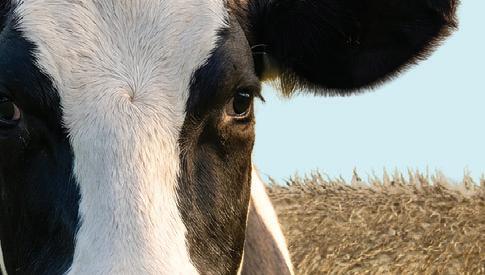
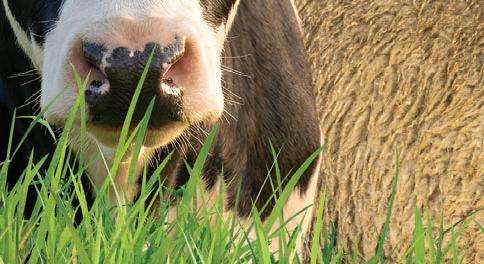




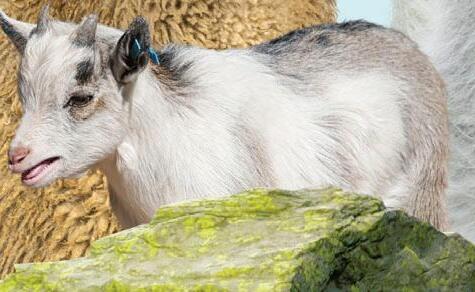

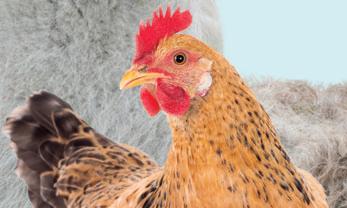



FROM FARM TO TABLE: WHAT GOES INTO YOUR GLASS OF MILK
Written by Michelle Proscia, Ag. Production Program Manager
Every June, National Dairy Month gives us a chance to appreciate one of agriculture’s most essential products, milk. But have you ever wondered what happens between the time a cow is milked on the farm and the moment that cold glass reaches your table? The journey is more complex, carefully managed, and qualityfocused than most people realize, and in our area, consumers have more than one path to choose from.
It Starts with Animal Care
A healthy cow produces quality milk. Dairy farmers prioritize nutrition, comfortable housing, and routine veterinary care to keep their herds healthy. Cows are typically milked two to three times per day using modern milking equipment that is cleaned and sanitized between every use. From the moment milk leaves the cow, careful practices are in place to maintain its quality, whether it is headed to a large processing plant or sold fresh and local right from the farm.
Cooling, Storage, and Two Different Paths
Immediately after milking, raw milk is cooled to 45°F or below and stored in refrigerated bulk tanks. This rapid cooling is critical for freshness and quality. From here, milk typically takes one of two paths.
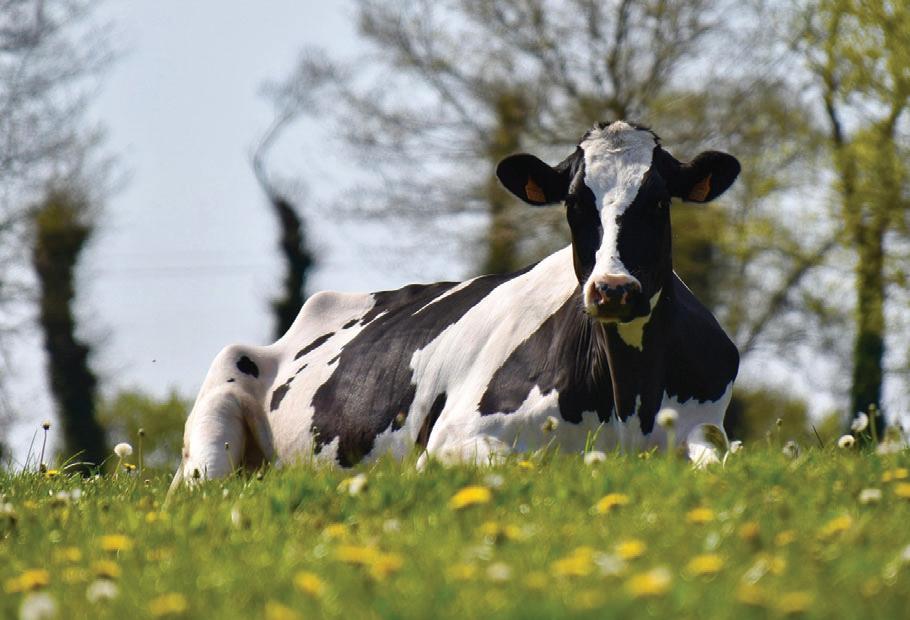
Most milk is picked up by licensed haulers and transported to a processing plant, where it is pasteurized and homogenized before being packaged for grocery stores and retailers. Pasteurization uses a controlled heating process to ensure a consistent, shelf-stable product that travels well across the supply chain.
Other farms sell dairy products directly to consumers, offering something you simply can’t find on a grocery store shelf. Raw milk, prized for its fresh farm-direct taste, goes from the cow to the customer without the pasteurization step. Cream line milk, also called non-homogenized milk, is another farm favorite, with its rich layer of cream that naturally rises to the top, just as milk used to be enjoyed generations ago. Many local farms also
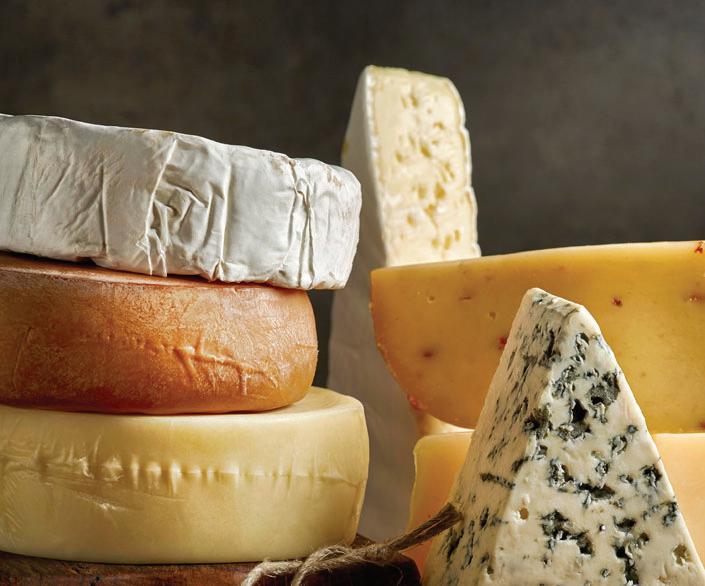
churn out cheese, yogurt, and small-batch ice cream made from their own fresh cream, a true taste of the farm that makes for a perfect summer treat. In our state, farms offering raw milk operate under specific regulations covering herd testing, sanitation, and labeling, ensuring that quality and care remain a top priority across all these products.
Quality at Every Step
Whether it travels through a large processing facility or goes directly from farm to your door, milk is one of the most carefully overseen food products in the country. Local dairy farmers take enormous pride in what they produce, and that dedication shows in every bottle, carton, and scoop of ice cream.
This Dairy Month, we celebrate the hardworking farm families who rise early, care deeply, and pour their hearts into every drop. Thank you.

DairyNutritionFacts
NutrientDe nition
B-12
Calcium
Magnesium
Phosphorous
Potassium
Protein
Vitamin A
Zinc
Vitamin D
Avitaminthathelpsthebodyperformessentialfunctionslike bloodandenergyproduction.
One8-ounceglassofwholemilk:1.1 g
Amineralnecessaryforthehealthofbones,teeth,andotherbodytissues. Itisthemostcommonmineralinthebody.
One8-ounceglassofwholemilk:305mg
Amineralthatsupportsbonehealth,muscleandnervefunction, andbloodsugarregulation.
One8-ounceglassofwholemilk:27mg
Anessentialmineralvitalformanybodilyfunctionssuchasboneandteeth production,energyproduction,andcellstructure.
One8-ounceglassofwholemilk:205mg
Amineralessentialforproperbodyfunction,includingregulating bloodpressureandmusclecontraction.
One8-ounceglassofwholemilk:336mg
Amacronutrientcrucialforenergyandgrowthinthehumanbody.
One8-ounceglassofwholemilk:8g
Anutrientneededinsmallamountsforfunctionslikevision,bone growth,andimmunesystemhealth.
One8-ounceglassofwholemilk:78mcg
Amineralessentialforsupportingtheimmunesystem,wound healing,andgrowthdevelopment.
One8-ounceglassofwholemilk:0.98mg
Playsanimportantroleinhelpingthebodyabsorbcalciumtobuildstrong bonesandteeth.Helpsmaintainahealthyimmunesystem.
One8-ounceglassofwholemilk:100IU

©2025CaliforniaFoundationforAgricultureintheClassroom
WHAT’S
THAT SMELL? CT DAIRY FARMERS HARD AT WORK
Written by Abigayle Ward – Soil Science Graduate Student, UConn Department of Plant Science & Landscape Architecture
Submitted by Aaron Denman, Association Operations Coordinator
As temperatures warm up, perhaps you feel inclined to open windows to let some fresh air into your home or to feel the breeze on your morning commute. But then it hits you: The pungent aroma of freshly-spread manure. The few weeks that the smell persists serve as a reminder of the agricultural roots of Connecticut. Dairy farming began during the American colonial period in the 1600s, and milk remains one of the most important agricultural products in Connecticut. Some dairy farms have been in continuous operation for over 10 generations.
A single cow can produce around 100 pounds – about 18 gallons – of manure per day. Connecticut is home to nearly 19,000 dairy cows, so you do the math –that’s a lot of manure!
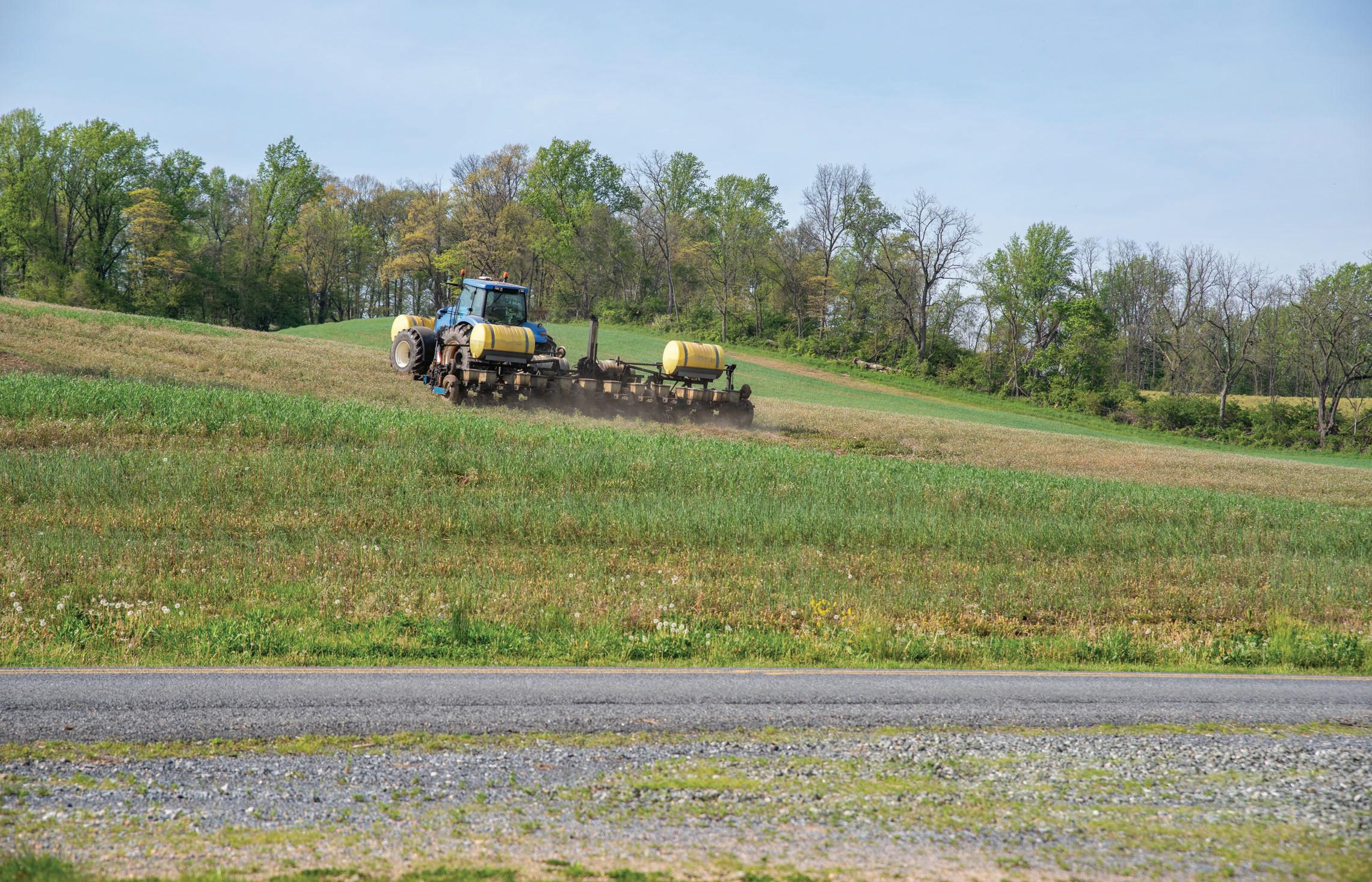
Typically, farmers spread manure on their crop fields twice per year: Once in the early spring, and again after corn harvest, usually

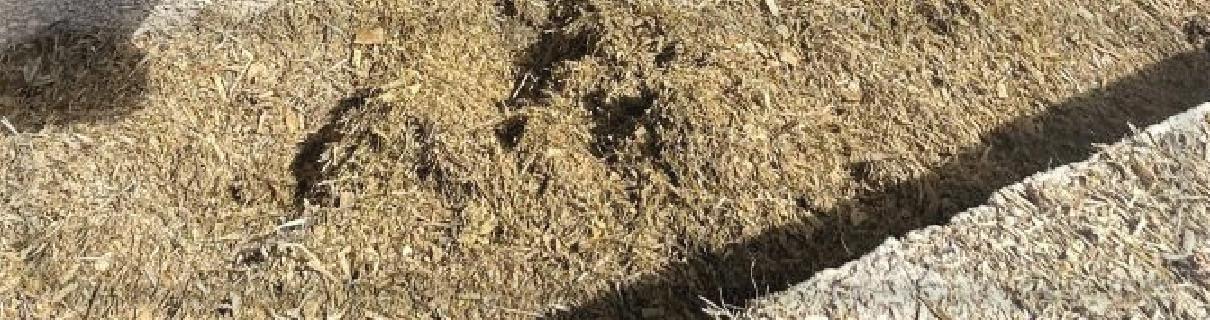
in late fall. Manure is rich in nutrients, which helps grow the crops farmers use to keep happy cows throughout the year. Manure is also an excellent source of organic matter, which enriches the soil with carbon, provides nutrients to support healthy soil microbiomes, and gives our sandy Connecticut soils structure, which is essential for happy crops and high yields.
Many Connecticut dairy farmers are also on the
forefront of research and development. In Coventry, Hytone Farm uses a brandnew anaerobic digester to harness the power of microorganisms to break down thousands of gallons of manure and food waste every day. Biogasses, such as methane, are collected and can be used to generate electricity. The solids, called “digestates”, can be used as fertilizer, animal bedding, or even as building materials. Freund’s Farm in East Canaan has been turning digestates into
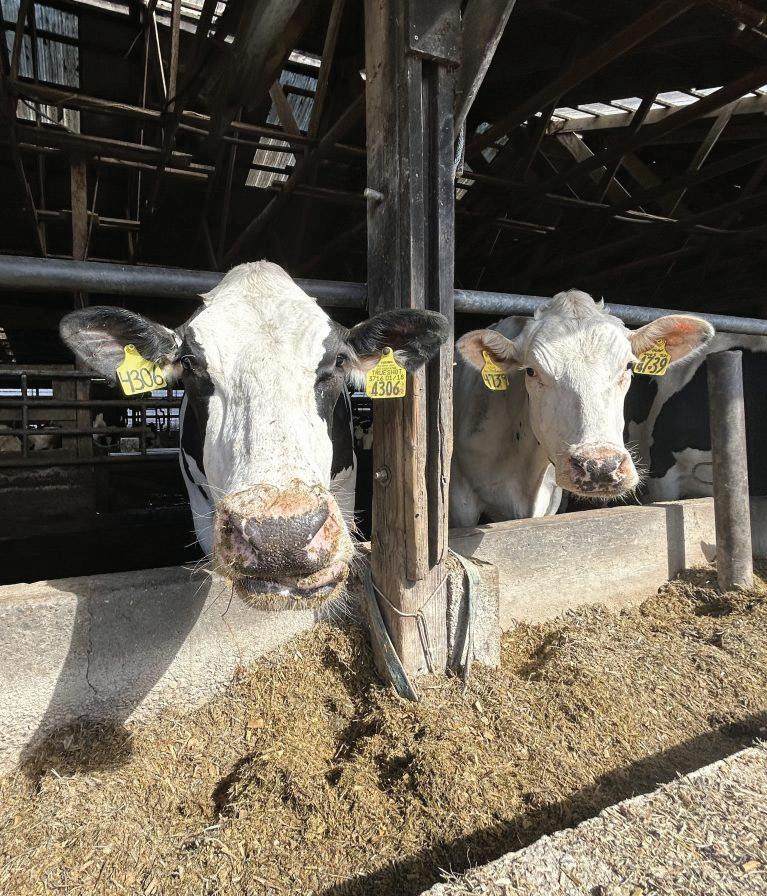
Connecticut dairy cows enjoying some feed and the sunshine. Photo by Nora Doonan, UConn Soil Science Graduate Student.
compostable, nutrientrich CowPots, which can be buried directly in your garden and will biodegrade over time. Running since 1997, Freund’s is home to one of the first anaerobic digesters in New England. Collins Powder Hill Farm – home of the Collins Creamery – makes and sells compost from leaves and manure. All these practices help these local farms, and many others, increase carbon sequestration, reduce greenhouse gas emissions, and yes, reduce the smell of manure.
For home gardeners who wish to harness the power
of manure, applying a commercially produced manure compost is the safest route. While applying raw manure is safe for crops that will not be consumed by humans, composted manure is recommended for application in gardens where human food is being grown. The composting process heats up the manure to temperatures that kill pathogens, such as E. coli, which could make you sick. Furthermore, composted manure should be odorless – getting your garden many of the benefits without the smell!
While the smell may be a mild inconvenience now,
it is a sign that our dairy farmers are hard at work, continuing a tradition older than our country and serving our communities. You can support our state’s dairy farmers by purchasing locallyproduced dairy products, adding some composted manure to your garden, and – of course – waving to the tractor drivers!
This article was published in the Hartford Courant Apr. 5 2025
Source: Ward, Abigayle. “What’s That Smell? CT Dairy Farmers Hard at Work.” Home Garden Education Office, April 5, 2025. https://homegarden.cahnr. uconn.edu/2025/04/05/whats-that-smell/.



























CCE Sullivan Spotlights
Staff Spotlight
CONGRATS PAT & LUIS OCASIO
LIBERTY ROTARY CLUB’S HUMMINGBIRD AWARDEES
On Saturday, May 9th, CCE Prevention team members Pat and Luis Ocasio were honored at the 10th Annual Liberty Rotary Club Recognition Luncheon with the Hummingbird Award. The Hummingbird Award is based on the themes and morals from “The Story of the Hummingbird and the Forest Fire.” Rooted in indigenous Quechua folklore from the South American Andes, the tale centers on a hummingbird working to put out a forest fire despite bigger animals dissuading it. The Hummingbird Award is thus based on the idea that in order to better one’s community, we must all be hummingbirds alike to the protagonist in the story.
Among many others, Pat and Luis Ocasio were selected by the Liberty Rotary Club as recipients of this prestigious award for 2026. Aside from being integral members of the CCE Prevention team, Pat and Luis are dedicated community leaders and volunteers with experience in providing prevention education, addressing food insecurity, and encouraging youth advocacy.
We are happy to congratulate Pat and Luis for being recognized by the Liberty Rotary Club for their tireless work in the community. CCE Sullivan and SALT’s Prevention efforts would not be the same without them.
June Focus: Fast Facts, Cool Tools, & News to Use
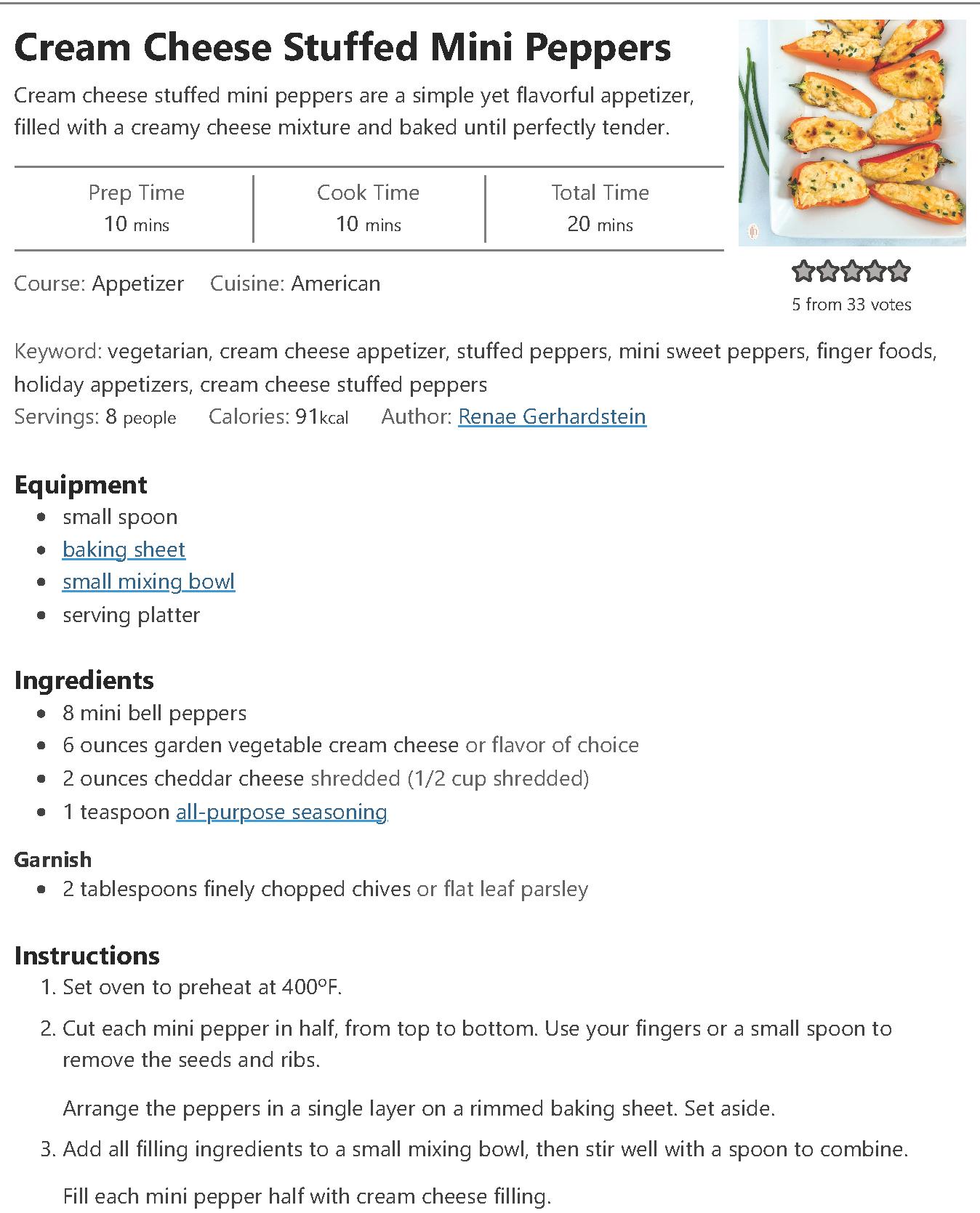















June is National Dairy Month! Check out a recipe for a neat dairy treat!









































ount with Nutrient-Rich Dairy Foods
Lactose Intolerant?
Did you know?
e Daily Servings by Calorie Level supplement to the 2025-2030 Dietary
e Reference Amounts Customarily Consumed as defined by the Food and Drug
Sources
June2026
CHSC celebration event recognizes daycare providers and school districts
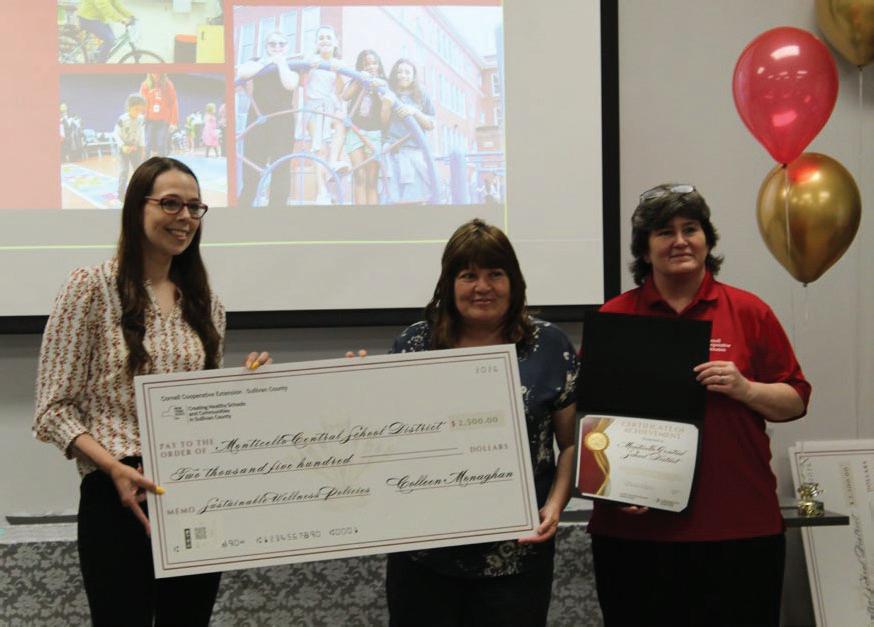
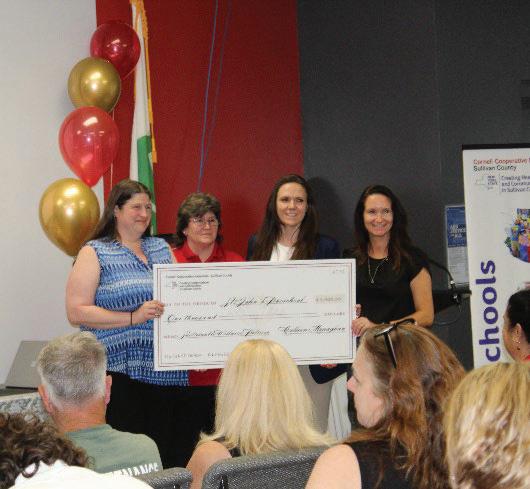
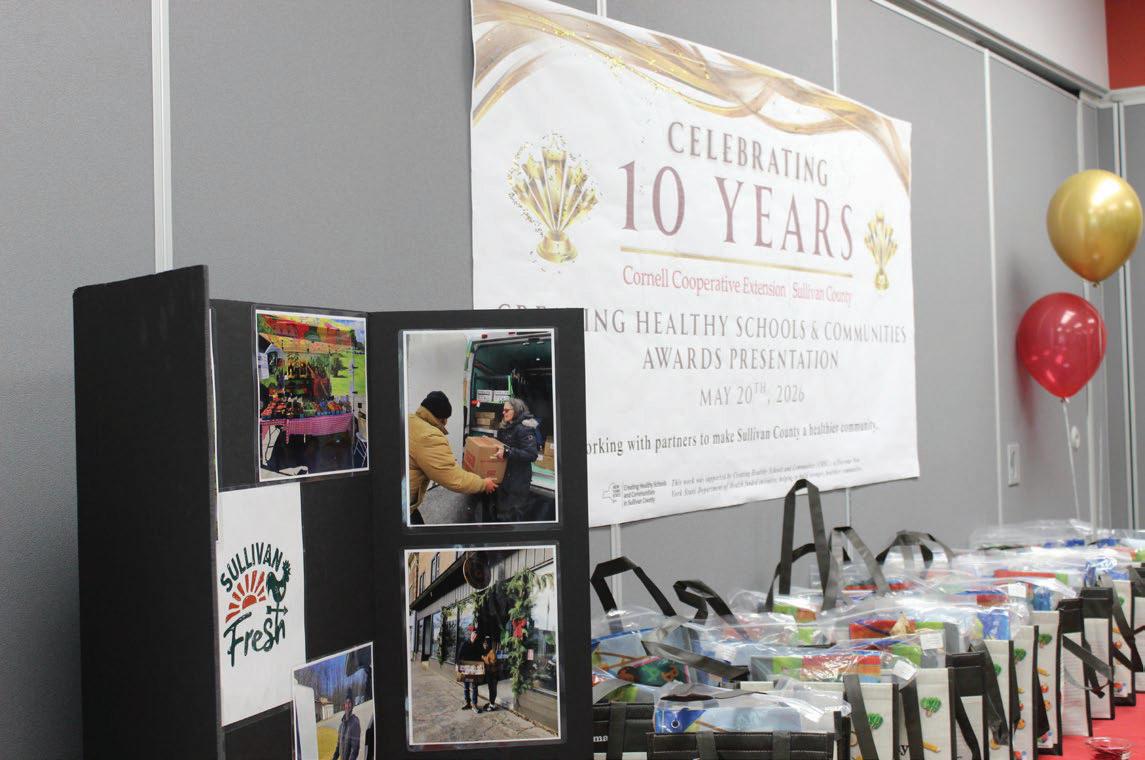
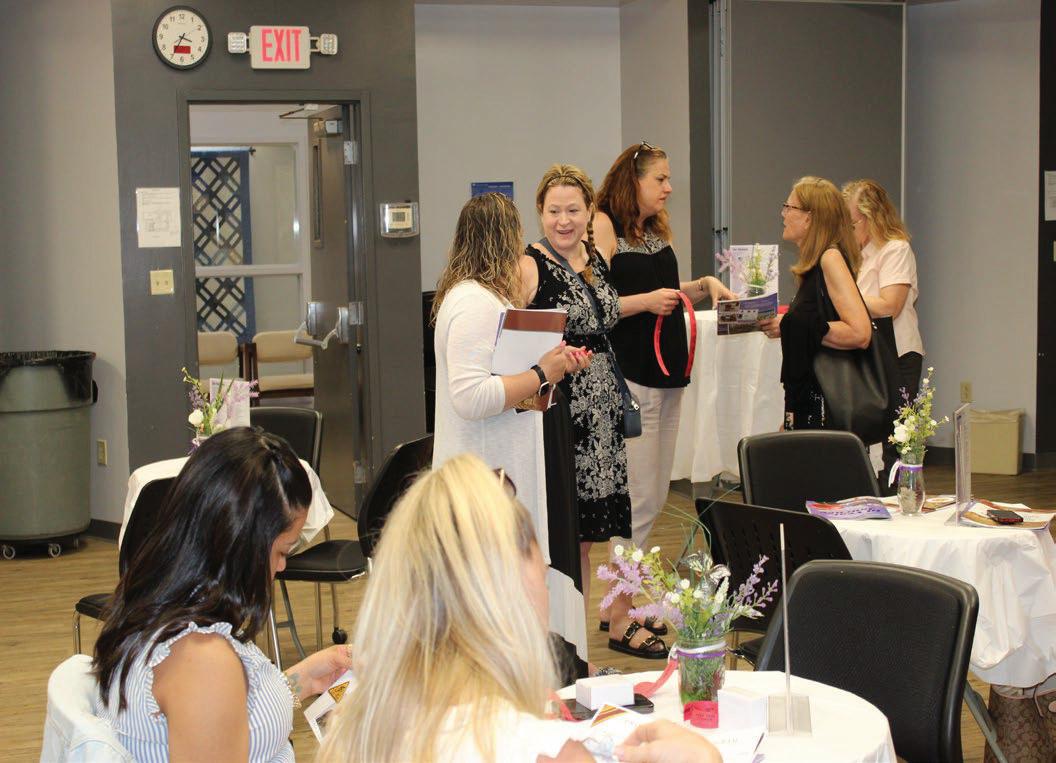
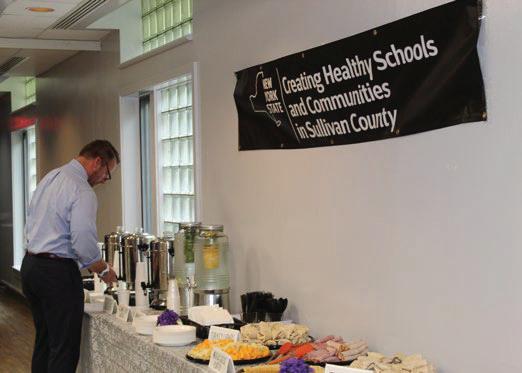
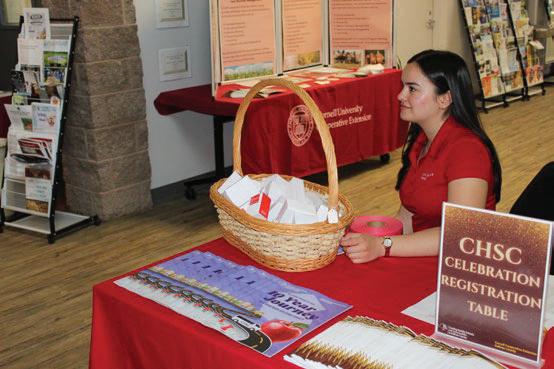
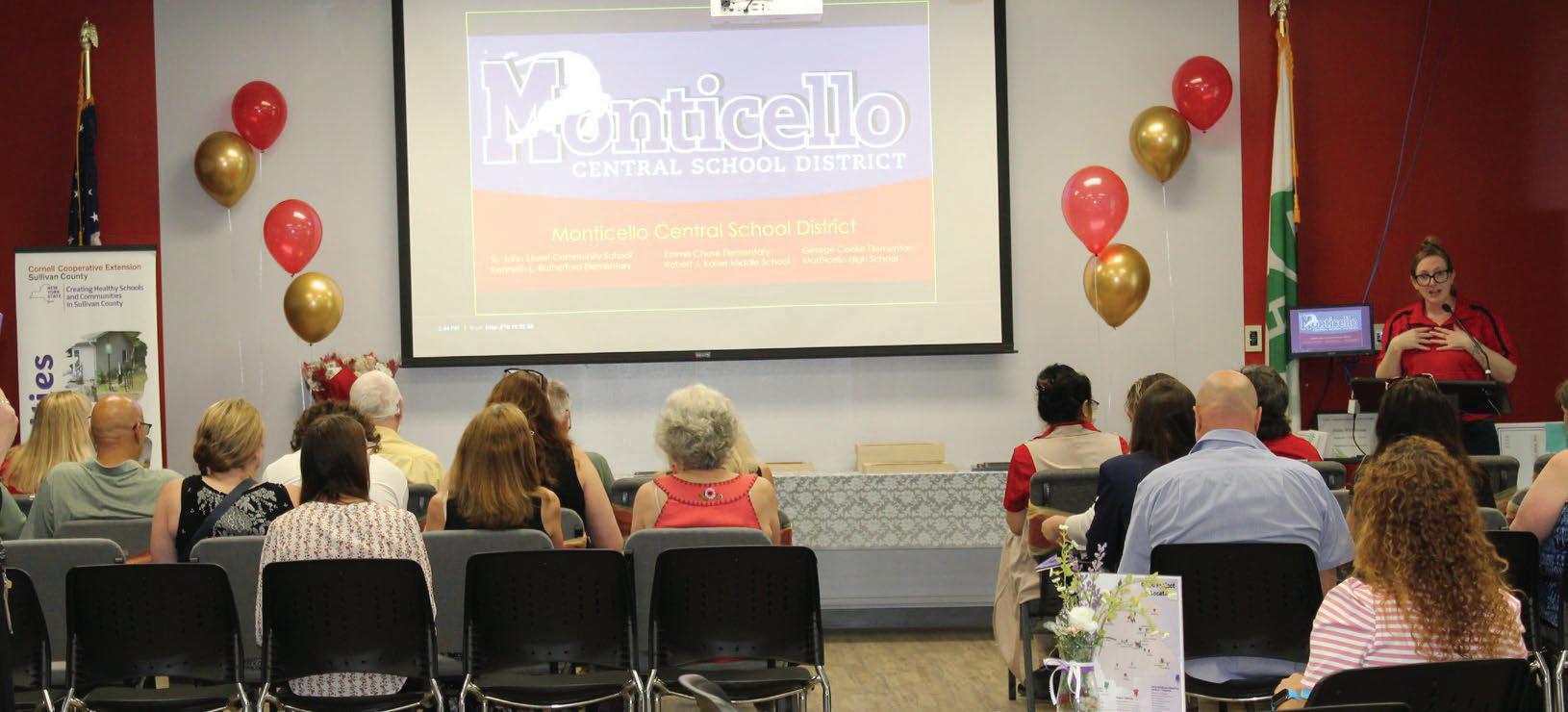
CCE Sullivan celebrated 10 years of Creating Healthy Schools and Communities on Wednesday, May 20th. Many of the awardees attended and checks representing the recent funding awards they received for their work during the past termof the CHSC grant.
The projects of eleven (11) daycare providers throughout Sullivan County ranged from making fruit smoothies a regular breakfast option, building small gardens and engaging children in planting and harvesting vegetables, purchasing small child-sized garden tools, and installing indoor and outdoor climbing toys to keep children activeall year long.
The daycare providers have worked diligently to incorporate daily practices to implement their wellness policies, which have all been updated and reviewed within the past year. By receiving $1,000 each in April for their sustainability plans, daycare providers have been able to purchase items to improve physical activity and nutrition in their daycare homes and centers. Toys purchased were all centered on helping young children
to develop gross motor skills, which are critical to healthy development and learning.
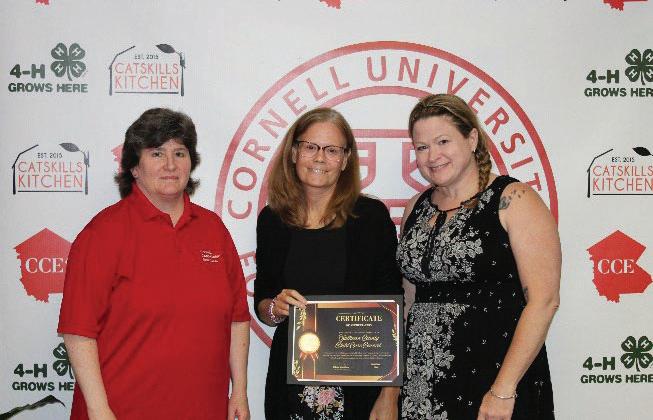
Above: Childcare Councilreceiving their . They have been an integral CCE’s CHSC team in team leader/educator executive d CACFP c Child Care Council.
Sustainability Awardsin Early Childhood Education Settings
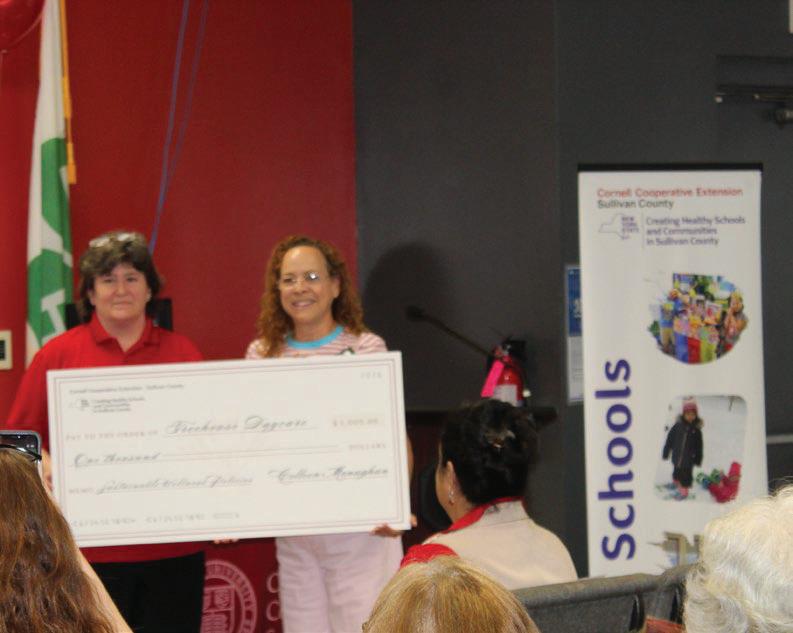
Above: Elizabeth Corchado (right)
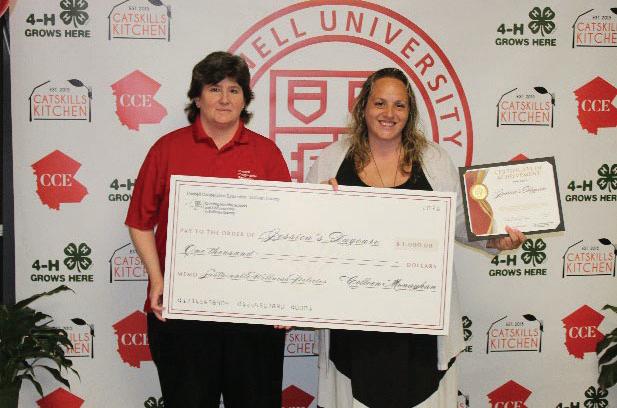
Sustainability Awardsin
School Districts
children ages 3are Christine (2nd and Christine Olsen- admin. assistant(right).

Elementary and Eldred Elementary their excess energy.


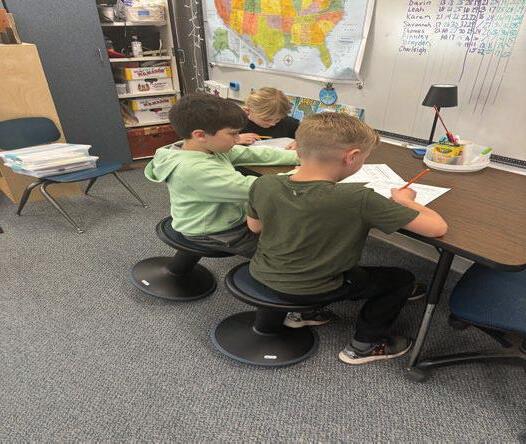
All seven (7) school districts and Sullivan awards each for building on or expanding their wellness programs. Some schools used the funds to enhance their physical activity options and purchased gym exercise equipment, sumo wrestling suits and jousting equipment, while others purchased blender bikes, giant blow up hamster balls, climbing rock walls, and sensory equipment for the classroom such as stationary bike desks, as well as nutrition labeling signs for the cafeterias.
Above:R a achievementare Miranda (middle) Cathy
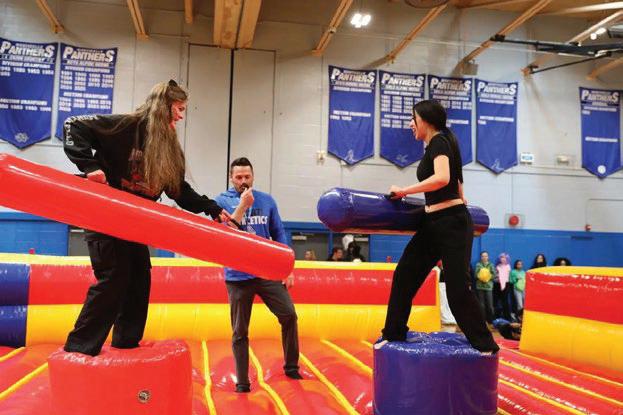
Above and below: Jousting equipment and Sumo wrestling suits purchased with CHSC funds by Monticello CSD.




Above: Liberty.
Above: 2nd
Right:Stationary b d
Below: executive ullivanBOCES

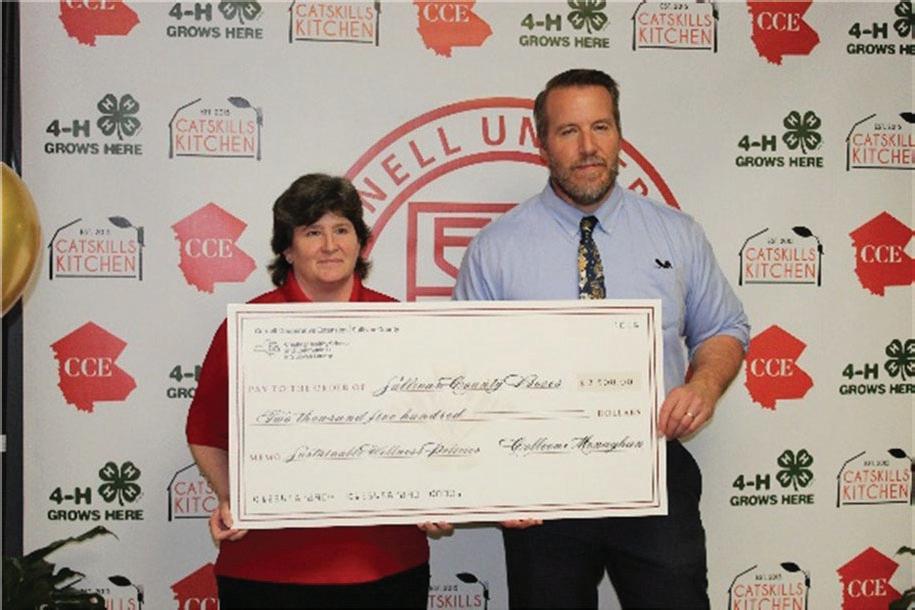

are Jan LeMyre Rebecca
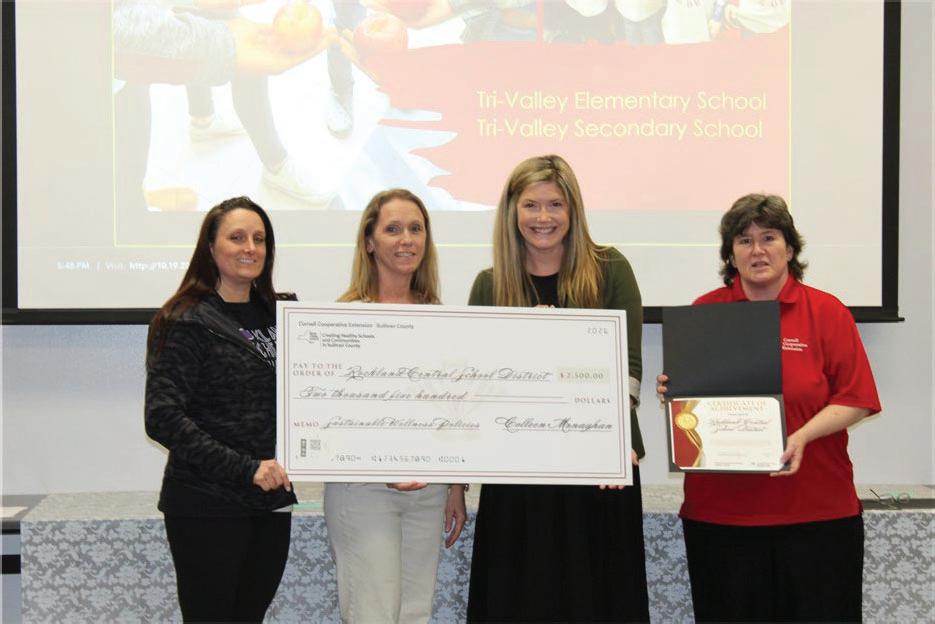

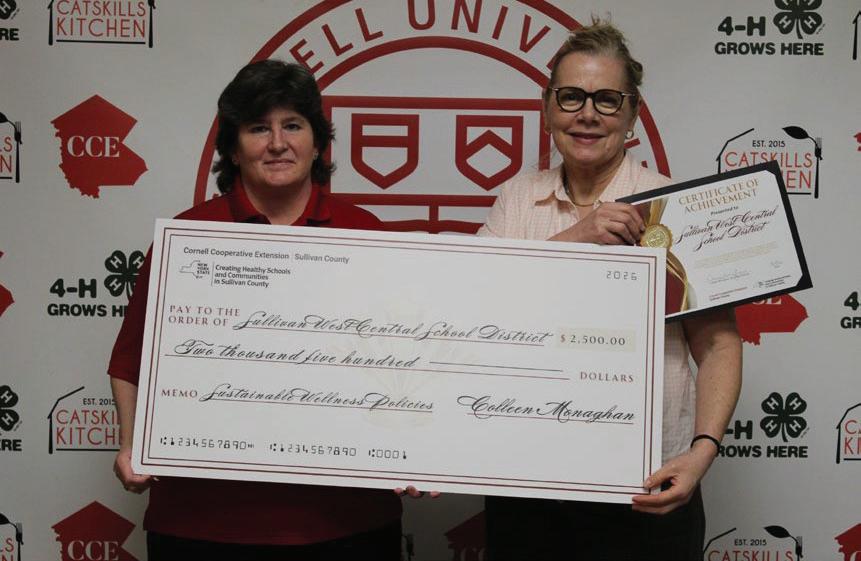
Above: 2 is ch manager and ood service director(right).
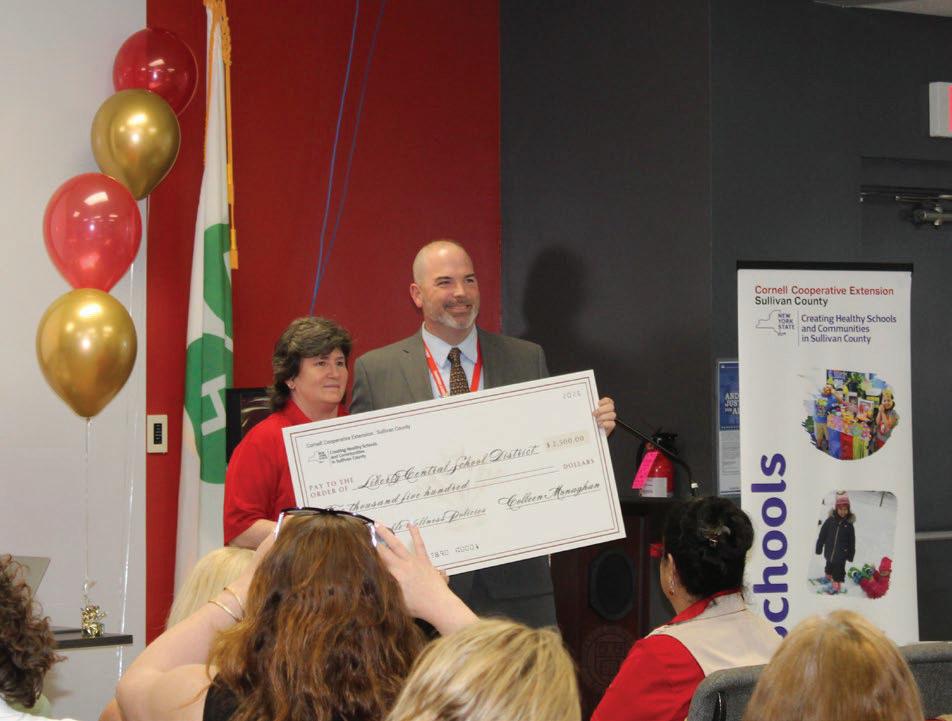
(above)
Physical Education .


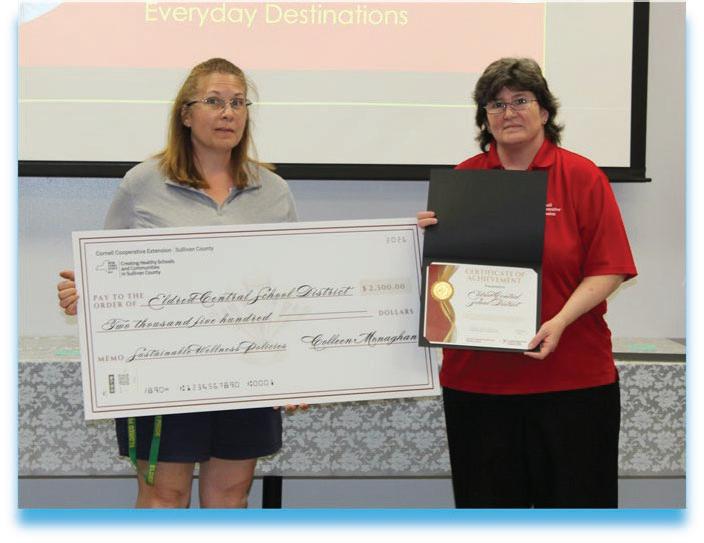
Central School istricts nutrition in theschools.

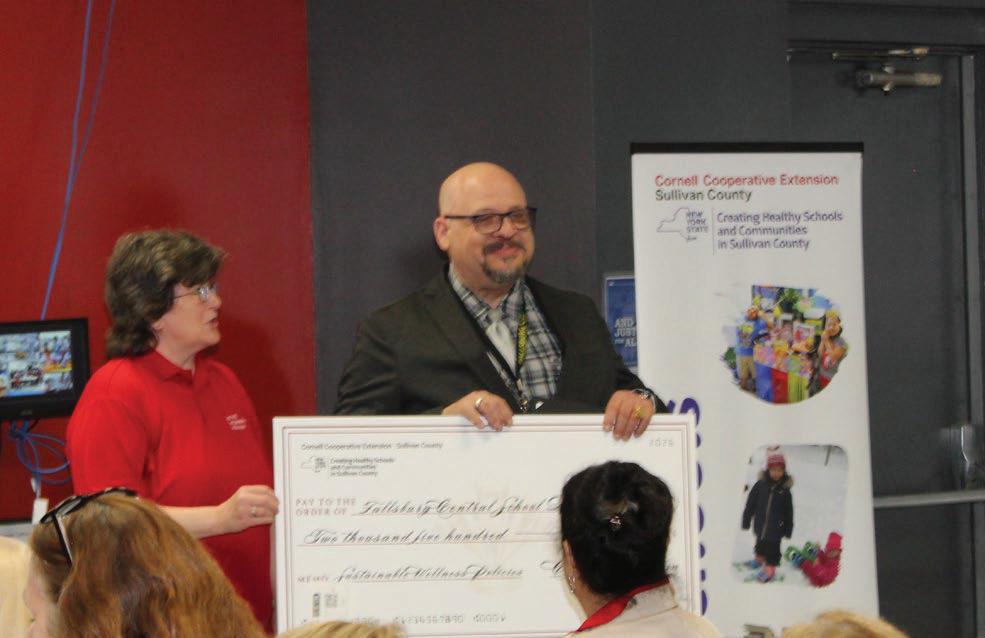
s
Fallsburg
from the Awards Celebration
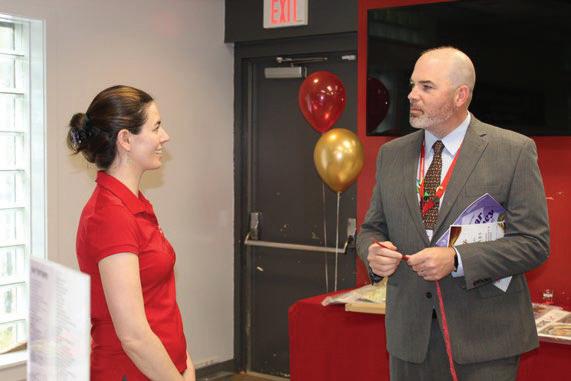

executive d and a bit about the ten-

Pictures
CCE Sullivan board
Celebrating 10 Years with CHSC and the End of CHSC 2.0 with Partners
WrittenbyWanda Vionet Cruz, Healthy Communities Program Coordinator
With so many great thingsgoing on with our Creating Healthy Schools and Communities(CHSC) initiatives in Sullivan County during the month of May, the most difficult thing at this moment is choosing a topic for you to read.Therefore,I thought I would start with a project that in2016 started with several “What if we…would that be possible?”Thisalso reminds me of a quote that says
“Every accomplishment starts with the decision to try ” John F Kennedy
A densewooded area was located behind the Mamakating Town Park with lots of treesand several unmarked paths. Great for an adventure but not so much if you were alone and couldn’t
find your r way y outt.
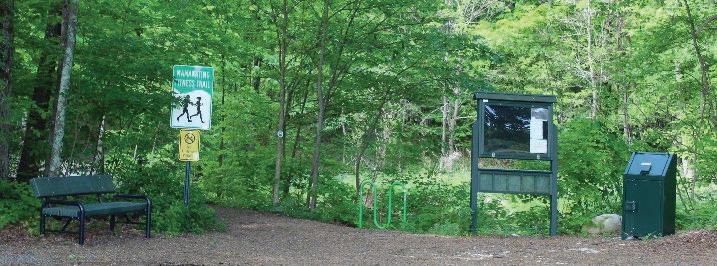
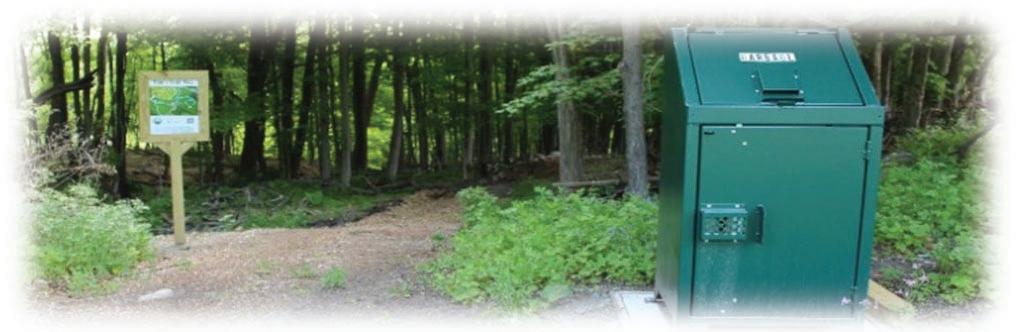
Where once there was nothing but woods,now are3 mainaccess point areas. This one isthe firstaccess point. main access areas. This one is the first access
“Your ability to set goals and to make plans for their accomplishment is the masker skill of success ” Brian Tracy
If you were waiting for signage in the trail that informed you where you’re at, where you’re going, and what terrain to expect while on the trail, you will be happy to know that they aremostlyall completed.
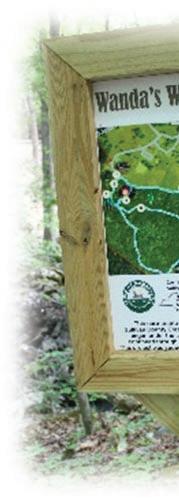

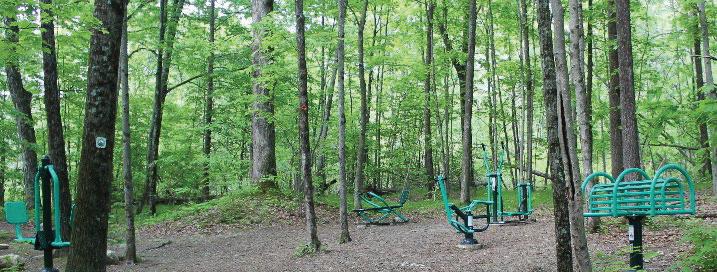

This trail was named the Mamakating Fitness Trail because its first access point provided 9 to 10 outdoor pieces of fitness equipmentand was well used during COVID -19 when all gyms were closed.
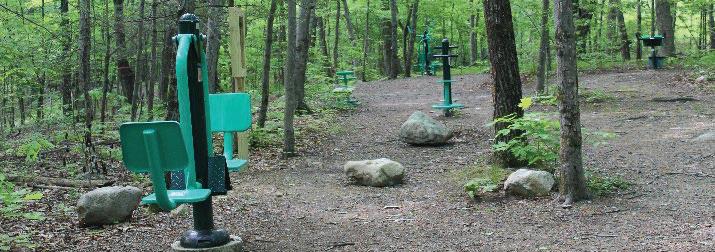

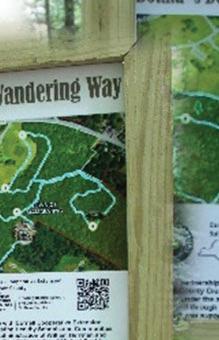




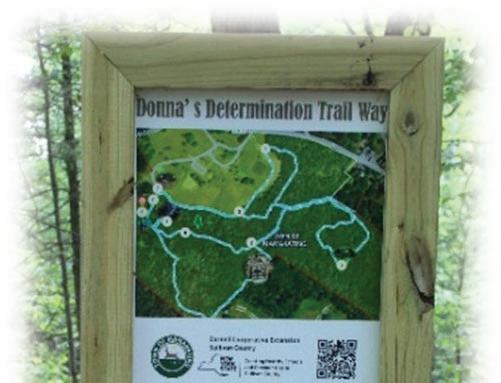



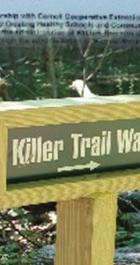
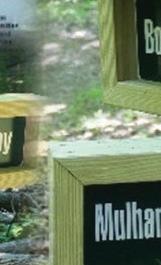
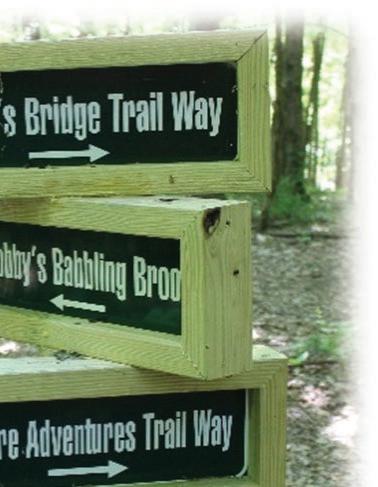








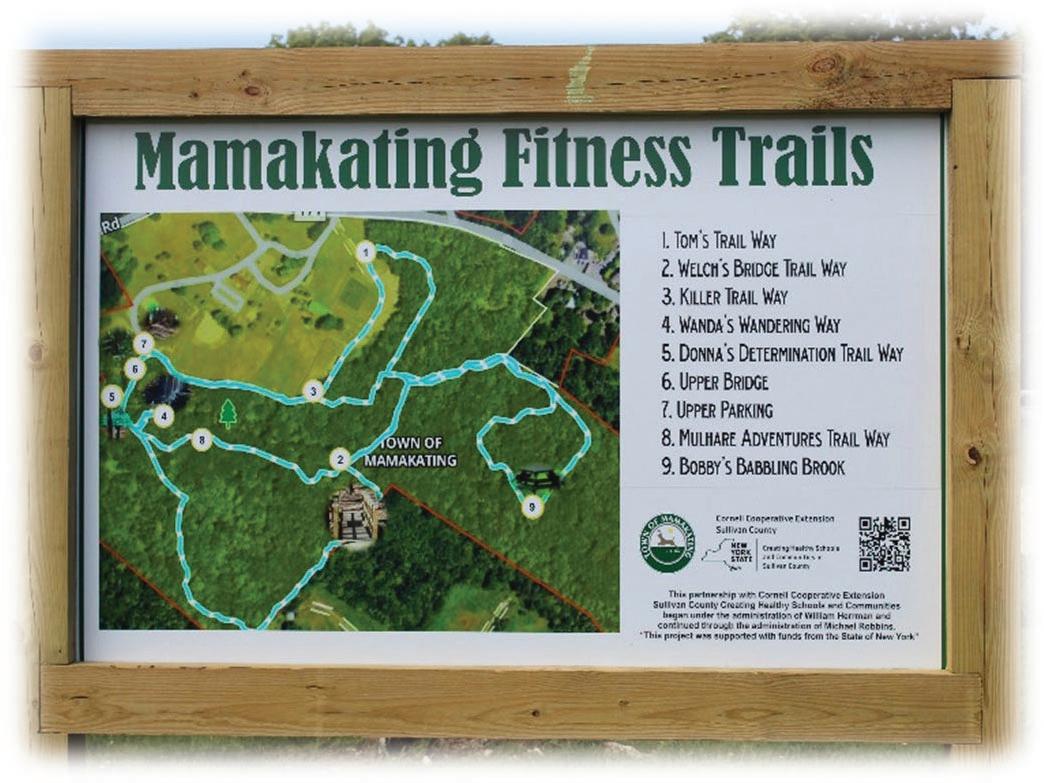
After so many years of walking the trail, I finally felt safe and confident enough to walk the trail by myself without feeling afraid of getting lost.Guess what? I made it in and out without problems. To me,that means that the signs are doing what they are expected to do if you make sure to follow the map and signs along the way. That includes trail markers.
ppy to ow o tatt ey ae
3rd and most recent access point nearthepickleball courts and parking lot.
“We would accomplish many more things if we did not think of them as impossible”
Vince Lombardi
On Wednesday, May 20th, 2026, at the Extension Educator Center in Liberty,over 50 people gathered to celebrate many sustainable accomplishments made through schools and communities. Sustainable forms that were completed by municipalities to demonstrate their accomplishments and projects either completed or in progress were reviewed by a committee.
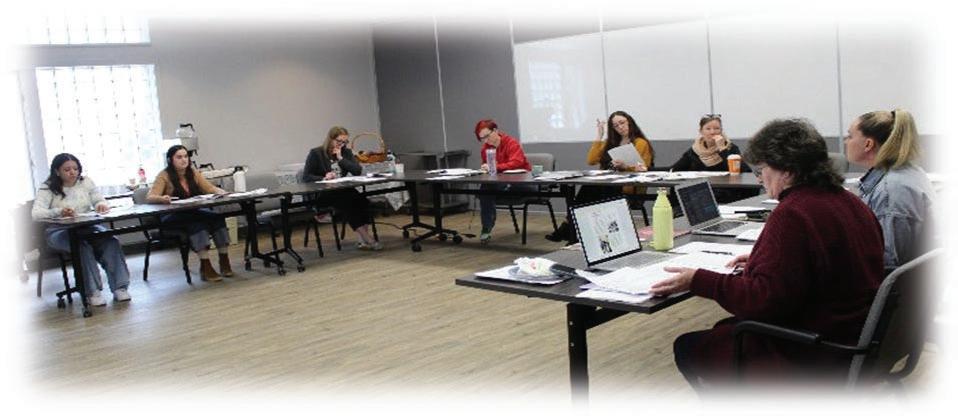
Above: Community partners representing schools and communities participated in scoring as judges for this committee. Another item to be taken into consideration for sustainability awards was the availability and a guarantee to get projects implemented on or before May 29th, 2026.
Awardees included butwere not limited to the Town of Fallsburg, Village of Liberty,and Town of Mamakating.
Parks, and Vision Zero with projects related to such policies.
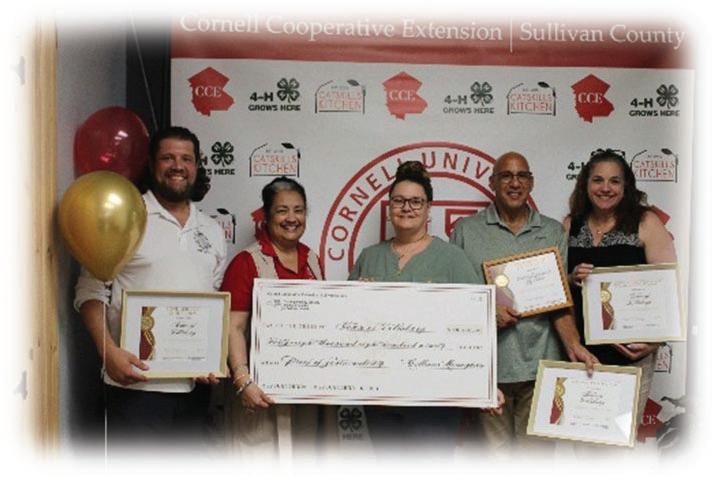
Above: The Town of Fallsburg was awarded a check for $48,890.00. The Town of Fallsburg adopted a comprehensiveplanthat included Safe Routes to Schoolanda resolution. Other adopted policies included: Safe Routes to School, Worksite Wellness, Food Service Guidelines, Active Friendly Routes to Everyday Destinations, and Vison Zero.
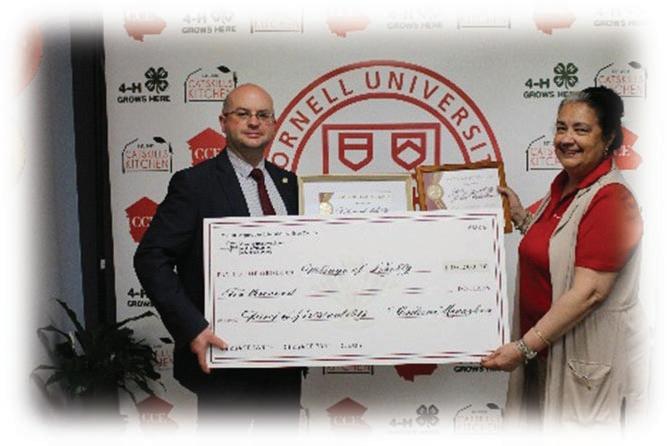
Above: The Village of Liberty with the Chief of Police and the Village of Liberty Police Department assisted with policies, implementation,and community involvementincludinga youth committee for Safe Routes to School. Their award was $10,000.00.
CHSC 2.0 ending in May,its second 5-year cycle ofgrantfunding: We thoughtthis isthe best time to invite partners and celebrate CHSC 10 years and accomplishments made by schools and communities which have proven to be sustainable.
suustainable.

Our community partners share our successes. Community accomplishments includeddrafting and adopting policies that included projects related to Complete Streets, Active Friendly Routes to Everyday Destinations, Food Service Guidelines, Safe Routes to School, Safe Routes to
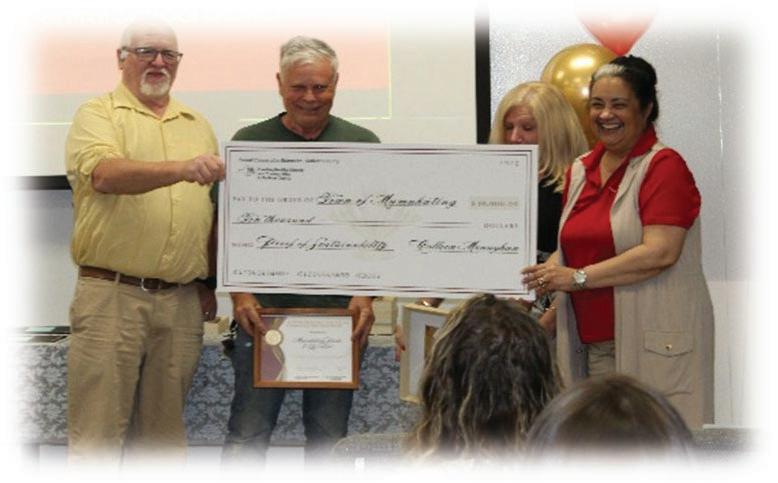
Above: The Town of Mamakating also received a $10,000.00 awardfor their projects related to Active Friendly Routes to Everyday Destinations. The variety of trails in Mamakating arelike no other, allowing them to use such trails to connect to a variety of other locations.
THE IMPORTANCE OF DAIRY PRODUCTS FOR OLDER ADULTS
Written
and submitted by
Nancy McGraw, Team Leader & Caregiver Resource Center Educator
Dairy products are especially important for older adults because they help maintain strong bones and reduce the risk of osteoporosis and fractures. As people age, bone density naturally declines, making adequate calcium and vitamin D intake critical. Dairy foods such as milk, yogurt, and cheese are rich in these nutrients, and research shows that higher calcium intake— often from dairy—can slow bone loss and reduce fracture risk. In addition, systematic reviews find that dairy consumption has a beneficial effect on bone health in older adults, further supporting its inclusion in daily diets. (Heaney, R. P., 2000, Hanach, N. I., McCullough, F., & Avery, A., 2019, and Wallace, T. C., et al., 2021).
Dairy products also play a key role in preserving muscle mass and strength, which is essential for mobility and independence in seniors. Aging is associated with sarcopenia, a progressive loss of muscle mass and function that increases the risk of falls and disability.
Dairy foods provide high-quality protein that supports muscle maintenance, and studies show that dairy protein intake can increase muscle mass in older adults. Adequate protein intake—especially from nutrient-dense sources like dairy—can help counteract muscle decline and improve physical function. (Hanach, N. I., McCullough, F., & Avery, A., 2019, and Lötters, F. J. B., et al., 2012).
In addition to supporting bones and muscles, dairy products help older adults meet their overall nutritional needs. Seniors often experience reduced appetite or difficulty preparing meals, making nutrientdense foods especially valuable. Dairy provides multiple essential nutrients, including protein, calcium, potassium, vitamin B12, and magnesium, which contribute to heart health, nerve function, and disease prevention. National dietary guidance emphasizes dairy as part of a balanced eating pattern for older adults because of its role in reducing risks of chronic conditions such as high blood pressure and frailty (National Institute on Aging).
Fermented dairy products, particula rly yogurt, offer additional
health benefits by supporting gut and immune health. Yogurt contains probiotics that help maintain healthy gut bacteria and may enhance immune function. Clinical research shows that probiotic yogurt can reduce the incidence of respiratory infections in older adults. Broader evidence also suggests that probiotics may help counteract age-related changes in gut health, contributing to overall well-being. (Hanach, N. I., McCullough, F., & Avery, A., 2019, and Hutchinson, A. N., et al., 2021).
Sources:
Hanach, N. I., McCullough, F., & Avery, A. (2019).The impact of dairy protein intake on muscle mass, strength, and performance in older adults. [pmc.ncbi. nlm.nih.gov]
Heaney, R. P. (2000). Calcium, dairy products, and osteoporosis. [tier-im-fokus.ch]
Hutchinson, A. N., et al. (2021).The effect of probiotics on health outcomes in the elderly. [mdpi.com]
Lötters, F. J. B., et al. (2012). Dairy foods and osteoporosis. [pmc.ncbi.nlm.nih.gov]
National Institute on Aging (NIH). Healthy eating and nutrition for older adults. [nia.nih.gov]
Phillips, S. M., & Martinson,W. (2019). Nutrient-rich dairy foods and sarcopenia prevention. [academic.oup.com]
Pu, F., et al. (2017). Probiotic yogurt and respiratory infections in older adults. [pmc.ncbi.nlm.nih.gov]
U.S. Administration for Community Living / Dietary Guidelines. Dairy requirements in senior nutrition programs. [acl.gov]
Wallace,T. C., et al. (2021). Dairy intake and bone health across the lifespan: A systematic review. [tandfonline. com]