
Extension Connection
Sullivan County

Upcoming Events & Programs
Upcoming Events & Programs
Friday Fitness Series 4/3, 4/10, 4/24, 5/1
2026 CRC Monthly Virtual Caregiver Support Group 4/6, 5/4, 6/1
Training for FAMACHA Certification 4/16
Fields to Forks: Building Local Food Partnerships 4/21
Farmer Mixer at the Catskill Mountain Sugar House 4/27
D.I.Y. Energy Savings Session 5/21
D.I.Y. Energy Savings Session 5/28
See more events and opportunities on sullivancce.org/events.
Follow us on Facebook and Instagram!


Issue Highlights Issue Highlights ssue

Want to get a “good price” for your chicken? Start with knowing YOUR costs first
Bacterial Blight of Brassica Leafy Greens: A New Threat to Arugula Production
Creating Healthy Schools and Communities March/April 2026 Report
Caregiver Resource Center Offers Tai Chi for Seniors
Core Elements for Vision Zero Communities
Time to Pick 4-H Projects

Sharing Prevention Program Success
April is National Dog Month! Meet some of our favorite furry friends on page 14 and 15!


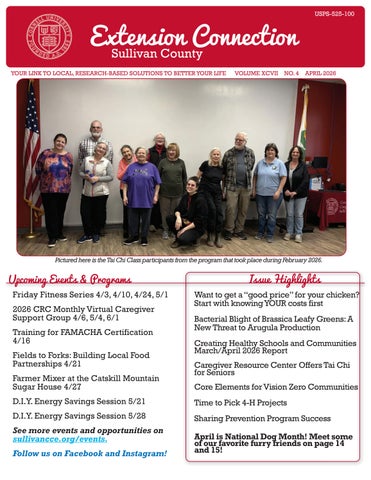
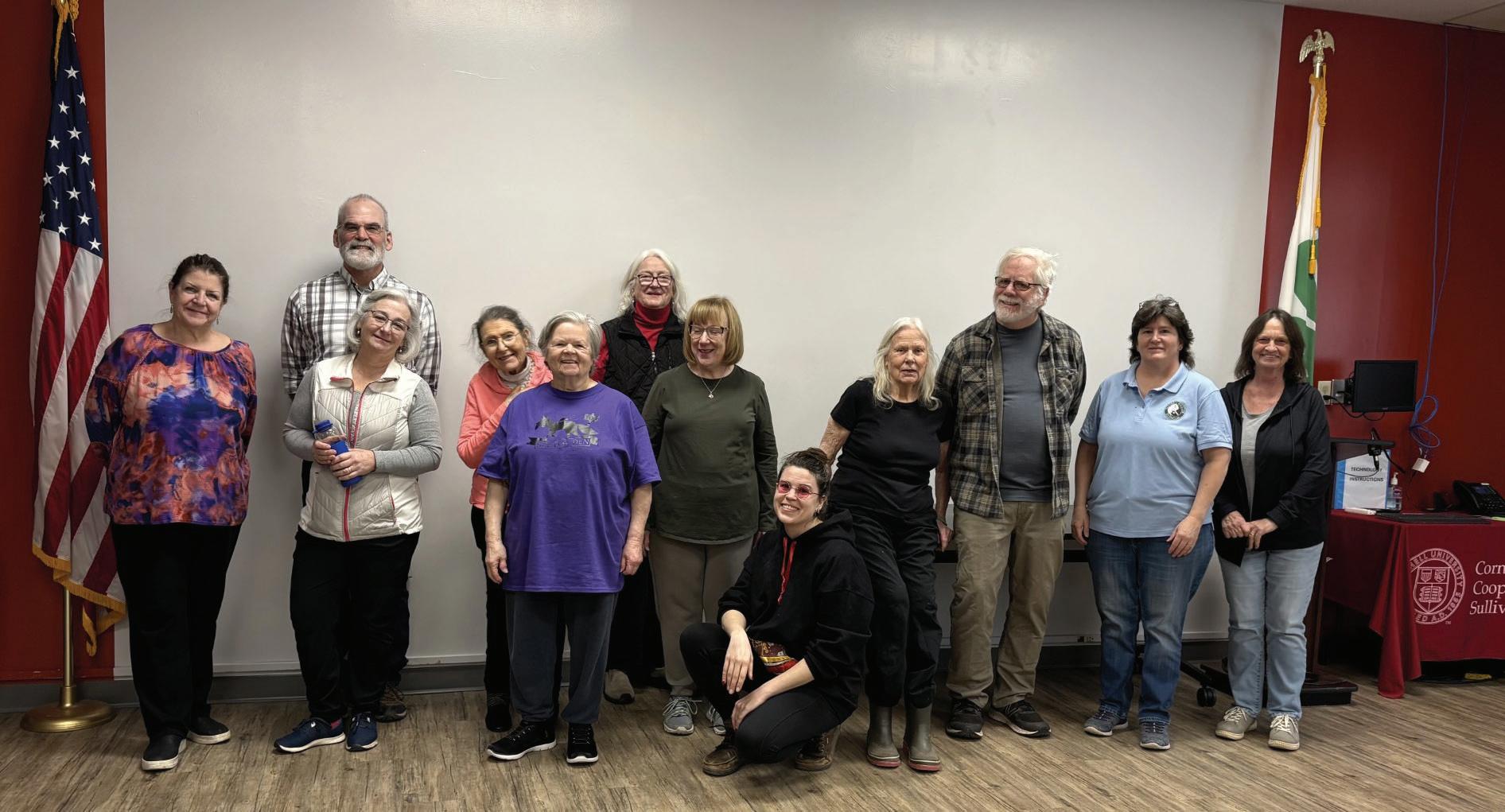
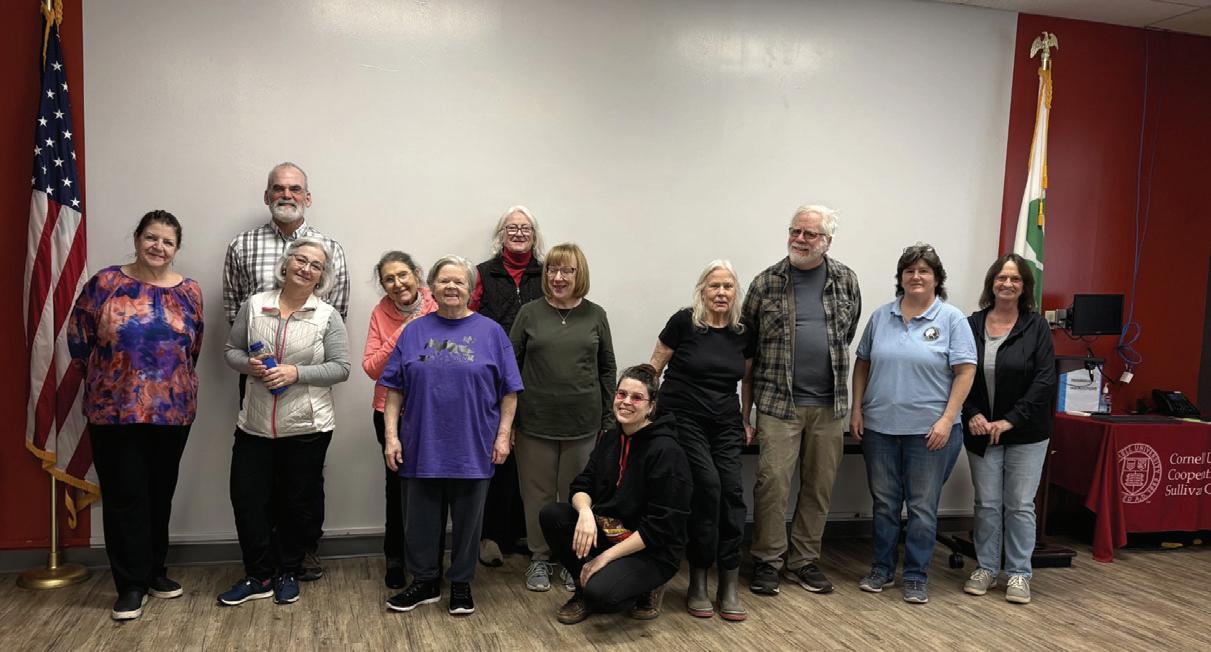
Pictured here is the Tai Chi Class participants from the program that took place during February 2026.
Welcome to the Issue!
Page 3 Farmer Mixer
Page 4 Want to get a “good price” for your chicken?
Start with knowing YOUR costs first
Page 6
Bacterial Blight of Brassica Leafy Greens: A New Threat to Arugula Production
Page 8 D.I.Y. Energy Savings Session
Page 9 February 2026 DHI Report

Page 10 A Gift that Actually Lasts
Page 13 CCE Spotlights!
Page 14 Fast Facts!
Page 16 Creating Healthy Schools and Communities
March/April 2026 Report
Page 18 Core Elements for Vision Zero Communities
Page 20 Feel Good with Food Safety
Page 22 Discover the Power

Table
Table
of Nutrition Word Search
Page 23 ResourceCaregiver Center Offers Tai Chi for Seniors
Page 24 Time to Pick 4-H Projects
Page 26 Sharing Prevention Program Success
Page 28 Discover the Power of Nutrition Word Search Answers

NotifyCCESullivan if you have
Notify CCE Sullivan if you have a change of address: 845-292-6180
sullivan@cornell.edu
OFFICE HOURS
Hours: Mon - Fri | 8:30 am to 4:30 pm
Phone: 845-292-6180
E-mail: sullivan@cornell.edu
Website: www.sullivancce.org
Facebook.com/ccesullivanagfood
Instagram.com/ccesullivan
YouTube: bitly.com/ccesullivan
BOARD OF DIRECTORS
Dawn Parsons.......................President
Alex Alorro...................Vice President
Robert Kaplan.......................Secretary
John Garigliano.....................Treasurer
Brian McPhillips...........Legislative Rep.
Patricia Claiborne.............Cornell Rep.
Stacey Johnson
John (JP) Lang
Erika Malmgreen
Mark McLewin
Jennifer Mitchell
Meaghan Mullally-Gorr
Laura Quigley
Gary Silver
Gary Silverman
Diana Weiner
PROGRAM COMMITTEE
Heather Brown
Roberta Chambers
Nu El
Courtney Hanback
Carmela Hugel
Cathi Paci
Carol Roig
Stephen Stuart
Eugene Thalmann
Deborah Worden
EXTENSION CONNECTION
Produced by: Cornell Cooperative Extension Sullivan County
Edited by: Aaron Denman, Katie Gasior & Nicole Slevin Nikolados Cornell Cooperative Extension Sullivan County provides equal program and employment opportunities.
NOTICE: Official endorsement of advertisers and their products is not intended by the acceptance of their sponsorships for the Extension Connection.
STAFF MEMBERS
Colleen Monaghan..............................................................................Executive Director
Tracy Broyles...............................................................................SALT Program Manager
Alan Carroll...................................................................Food Systems Program Manager
Luciana Carvo.................................................................STNY/4-H Program Coordinator
Lynn Colavito..............................................Community Cupboard Program Coordinator
Martin Colavito...........................................................Prevention Programs Issue Leader
Haley Collins...................Agriculture Farmland Protection & Planning Program Manager
Wanda V. Cruz...............................................Healthy Communities Program Coordinator
Aaron Denman.........................................................Association Operations Coordinator
Drew Fuller............................................................................. CPIP Program Coordinator
Katie Gasior........................................................................Horticulture Subject Educator
Jenna Gangel...................................................................Shop Taste NY Market Manager
Joy Leon.................................................................Nutrition & Physical Activity Educator
Kim McDonnell............................................................................................TNY Market Manager
Nancy McGraw.......................................................Educator, Caregiver Resource Center
Melinda Meddaugh.......................................................Ag & Food Systems Issue Leader
Tess Isabel Molina Bayly.............................FORx Youth Prevention Program Coordinator
Barbara Moran................................................4-H Youth Development Program Manager
Luis Ocasio........................................................................Prevention Program Coordinator
Patricia Ocasio...................................................................Prevention Program Coordinator
Shanice Owens..............................................Community Cupboard Program Coordinator
Abyssinia Pla El...................................................................................Finance Coordinator
Monica Ponce-Agredano ...............................................................Ag. Program Assistant
Michelle Proscia..............................................Agriculture Production Program Manager
Nicole A. Slevin Nikolados.............................................Senior Administrator, Operations
Tara VanHorn.........................................................................................Finance Manager
Malinda Ware................................................................Statewide Engagement Specialist
John Wilcox..........................................................................................Facilities Manager
Veronica Yangis.........................................................................Taste NY Operations Coordinator
Kayla Evans, Sam Jackson, Julieth Melendez, Billy Wells........................Ag Market Coordinators






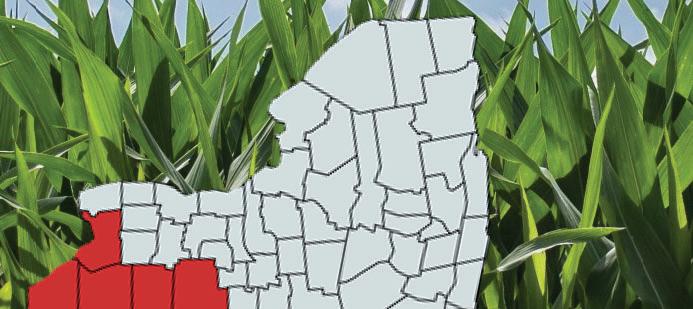



2023 Broiler Field Days September 20, 2023

Want to get a “good price” for your chicken? Start with knowing YOUR costs rst!
Cost of Produc on is a nancial analysis tool for farms of all shapes and sizes to use to improve their decision making capacity and operate their farm business pro tably.
Cost of produc on is calculated by adding the costs associated with a certain farm enterprise (or produc on area), and dividing that by the total units of produc on over a designated me frame (usually a year). Knowing your cost of produc on can help determine breakeven prices for pro tability, make cost-saving decisions, nd the biggest opportunity for return on investment for your farm, benchmark your performance, and more. It’s also important to recognize that being a good farmer doesn’t guarantee a pro t. You also have to be a good business manager and nancial analysis is an important process.
The main requirements to calculate a cost of produc on are good records, me, and mo va on. Records should include incomes by value and produc on unit, expenses and their alloca on towards di erent farm enterprises, an es mate of the value of management labor and skills, and inventories of assets that include feed, supplies, and animals. Successful farmers set aside our most limi ng input - me -to perform nancial analysis. The rst me through calcula ng your cost of produc on can be
frustra ng, but the end result is rewarding and future calcula ons will go much more smoothly!
One of the hardest parts of calcula ng cost of produc on is alloca ng expenses by individual enterprises. An enterprise on a farm is a “bucket” of produc on, or one produc on area. For farms that only produce and sell one product to similar markets, there will only be one enterprise. For farms that might have mul ple enterprises, all of the farm expenses must be allocated accordingly. Dedica ng the me to calcula ng your cost of produc on can then help you judge preliminary return on investments for new purchases and set breakeven prices for your products. This is one tool available to us to be er management our farm nancial goals.
Direct Costs are cash expenses like feed and chicks that you used to raise broiler over the season.
Indirect/Overhead Costs are shared expenses that are spread out over me, or are non-cash like labor.
Income is the cash, or cash equivalent, that is recorded as you receive it with non -cash adjustments for things like home use, gi s, storage losses, and more. Labor, both paid and unpaid, that’s associated with raising the broilers.

Katelyn Walley-Stoll Team Leader Farm Business Management 716-640-0522 kaw249@cornell.edu
Katelyn can help you calculate YOUR cost of produc on, and assess the nancial performance and goals of your farm.
This work is free, con den al, and directly bene ts your farm.
You’ll be able to look at your farm as a whole nancial system, and pick out di erent enterprises you’d like to take a closer look at.

A partnership between Cornell University and the CCE Associa ons in these ve coun es: Allegany, Ca araugus, Chautauqua, Erie, and Steuben.
Calcula ng your own Cost of Produc on.
My Farm Enterprise Type : ________________ __________________
Length of Time: ____________ _________________
Data Source: _______________________________________________________________________
Unit of Produc on: ______________________ __________________________
Variable and Fixed Costs: ____________________________________________________________
Income by total dollars and total units of produc on:
Type of Expense Alloca on Total
Ques ons I Have about Calcula ng Cost of Produc on:
BACTERIAL BLIGHT OF BRASSICA LEAFY GREENS: A NEW THREAT TO ARUGULA PRODUCTION
Written by Cameron Cedeno & Carolee Bull, Penn State
Leafy greens are a high value crop for many vegetable producers. Brassica baby leaf salad greens in particular are a great fit for many operations in the Northeast given their cold tolerance, quick growth, and varietal diversity. Recently, more brassica leafy greens growers in the Northeast have reported issues with bacterial disease in their crops, particularly in arugula. Bacterial blight, caused by the pathogen Pseudomonas cannabina
pv. alisalensis, was first detected in arugula in New York State in 2021. Here, we summarize current recommendations for managing this disease and new results from current research projects on arugula bacterial blight.
Symptoms of bacterial blight in arugula appear as black and tan spots on leaves that are surrounded by yellow halos. The lesions spread quickly under moist conditions, leading to blighted leaves. Because of the high value of baby leaf greens, there is little tolerance
for spotting on arugula leaves in most retail and wholesale markets. Thus, growers need effective solutions to manage bacterial blight in their arugula.
Because bacterial blight of arugula and other baby leaf brassicas is new to our region and elsewhere in the US, little is currently known about specific management strategies. Best management practices for plant disease prevention, particularly when multiple strategies are used in tandem, seem to be effective for many
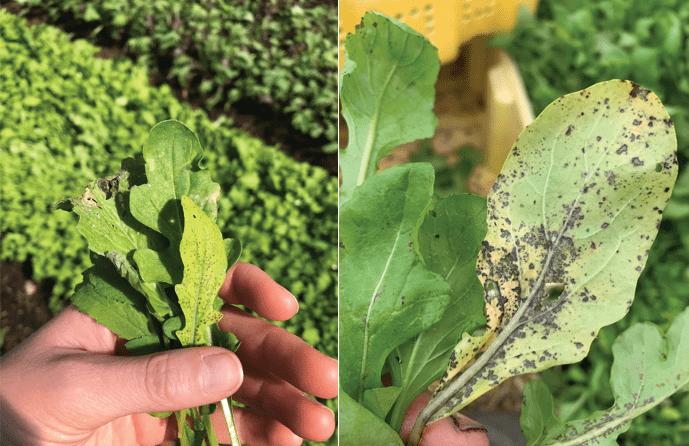
Bacterial blight symptoms in arugula. Photo credits: Elisabeth Hodgdon (left) and Margaret McGrath (right).
farms who experience this disease, including:
Use certified diseasefree or treated seed when available: Hot water bath treatment for brassica seeds is recommended to prevent bacterial disease, however, arugula seed cannot be hot water treated due to “gumminess” of the resulting wet seed. Steam and UV treatments are currently being tested for treatment of arugula seed. The bacterial blight pathogen is believed to be seedborne in some cases; research is underway examining this pathway of transmission.
Increase air flow and reduce humidity in growing environments: Very dense plantings of arugula under row cover and in high tunnels often experience higher incidence of bacterial blight. Activities that improve air flow, such as removing row cover as often as possible and ventilating tunnels, can reduce disease. Some producers have been able to grow arugula crops outdoors with no bacterial blight, while their indoor plantings experience this disease, although this is not always the case.
Use drip irrigation versus overhead: Practices that reduce leaf wetness help prevent spread and
progression of bacterial blight and other disease.
Chemical control: Very little is known about pesticide efficacy on bacterial blight in arugula. Copper and hydrogen peroxide products may aid in preventing or slowing progression of disease. A test spray should be performed first to assess phytotoxicity under your growing conditions. Be aware that for any pesticide used in high tunnels in NYS, the label must explicitly list “greenhouse” (“hoophouse,” “indoor,” or comparable terms) use in order to legally be applied to a crop within a high tunnel. If the label is silent on greenhouse use, you may not use the product in your tunnel.
Crop rotation: Rotation of tunnel beds or fields away from brassicas is important in disrupting the disease cycle of this pathogen, although there are known non-brassica hosts (e.g. oats).
As part of a Northeast SARE Research and Education grant, we (the NorthEast Arugula Team, or NEAT) conducted a series of arugula variety susceptibility trials, growing over 20 different varieties of arugula that were inoculated with the bacterial blight pathogen. Unfortunately, no salad
arugula (Eruca sativa, e.g. Astro, Standard, Esmee, etc. common varieties) cultivars showed resistance to bacterial blight. Wild arugula varieties (Diplotaxis tenuifolia; e.g. Sylvetta, Nemesis, and Bellezia), however, exhibited significantly lower disease severity in both field and greenhouse experiments. If wild arugula is a good fit for a farm’s salad greens markets, it may be worth growing versus salad arugula if bacterial blight is a problem.
Do you suspect you have bacterial blight in your arugula or other brassica greens? If so, please reach out to the NEAT team by contacting Elisabeth Hodgdon at eh528@cornell.edu or (518) 650-5323 to coordinate submission of samples to Penn State for diagnosis. Funding for this project was provided by Northeast SARE Research & Education grant LNE23463. For more information about the NEAT team and projects: https://plantpath. psu.edu/research/labs/ bull/research/neat.
Source: Cedeno, Cameron, and Carolee Bull.“Bacterial Blight of Brassica Leafy Greens: A New Threat to Arugula Production.” CCE Eastern NY Commercial Horticulture Program, December 8, 2025. https://blogs.cornell.edu/ enychp/vegetables/bacterial-blight-of-brassica-leafygreens-a-new-threat-to-arugula-production/.
D.I.Y.ENERGY SAVINGSSESSION
RegisternowtoreserveaFREEenergykit ($45value!)andlearnhowtotakesimple, D.I.Y.“do-it-yourself”actionstoreduce energywasteandsavemoneyonyour utilitybills.
Alsocoveredinthesession:heatpumps, insulation,incentivesforhomeenergy upgrades,EmPower+,andHEAP.Thedo-ityourselfenergykitincludes2LEDlight bulbs,weatherstripping,doorsweep,power strip,windowinsulation,foamtapefor windows/doors,andfoamoutlet&switch gaskets.













DHI Report: February 2026









A GIFT THAT ACTUALLY LASTS
Written by Luciana Carvo, Program Assistant
Submitted by Jenna Gangel, Shop Taste NY Market Manager
It’s late at night, and you just remembered: your favorite aunt’s birthday is next week. You open up a browser tab, determined to find a gift that feels like her. An hour later, you’re twenty tabs deep and scrolling through a sea of options. Every gift on your screen promises meaning, but none of them feel quite right. What began as a thoughtful gesture slowly turns to a tense game of comparison and secondguessing.
In the end, like so many of us, you settle for a gift that just checks the box. But as you click ‘purchase,’ a questions lingers: did this actually celebrate her, or did I just find something that would arrive on time?
Why Food Stands Out
Take a moment and think about the gifts that actually stay with you, the ones you reach for when friends come over, or save for a quiet moment alone.
Imagine a jar of wild raspberry jam: you open it, and the scent rises, tart and alive. In an instant, you’re back on your grandmother’s porch, plucking berries, the sun warm and glowing on your skin. In this way, food can feel like a time machine.
Have you noticed we rarely savor food alone? At the table, we might find ourselves passing the plate to our loved ones or spooning the jam onto bread for a friend.
This urge to share what we eat is an ancient ritual coded into us for our own survival. It creates strong memories and builds a sense of trust among us. Gathering around food, keeping it open and reachable for everyone declared: you’re one of us.
We have always known, intuitively, that sharing food brings people closer. Now science shows us how. Whether it’s a snack or a long dinner, sharing food with loved ones lights up the brain’s social-bonding pathways. Oxytocin, the “love hormone,” builds trust, empathy, and warmth, while dopamine makes the moment feel good, making us want to share food with our loved ones time and time again.
The act of gifting food or drink endures because it’s an experience that tells your loved one: I care. It’s
a gift that lets you relive a memory. Every bite asks you to carry a moment with you--and in doing so, keeps the people and places you love from ever truly fading.
Rooted Here
Modern life has rewritten our relationship with food. Supermarkets and nextday delivery have made survival nearly effortless. In the process, we’ve lost something vital--the power that food and drink can have on us, and our sense of connection with each other.
For most of human history, eating was an act rooted in the physical world. To eat was to be elbow-deep in soil, to know the heft of a ripe melon after weeks of watching the vines sprawl. It meant knowing how to read the sky for rain and wwaking up tired and stiff
from the previous day’s harvest.
Today, that connection has become so abstract that we, as consumers, can no longer trace the story of a place in the food we buy. Consider the apple in the supermarket. It sits under harsh fluorescent lighting; its skin waxed to a uniform shine. There is no dirt on it, no bruise from a fall, no story of the grower who picked it. It may have traveled a thousand miles, crossing state lines and supply chains, but it’s journey leaves no visible trace. All that remains is a price and bardoce. By consuming without understanding where our food comes from, we risk losing the bond that once linked us to each other and to the land.
The work of planting and harvesting happens far from our routines. Still, the land and the seasons continue to shape what we eat. Our food system relies on the effort of those who do this work. Even if we never touch the soil ourselves, the instinct to create, share, and savor something meaningful remains a fundamental part of who we are.
Reclaiming eating as an act of connection doesn’t require returning to the past. We can’t live as our ancestors did, but we can put ourselves in conversation with them. We can learn from our growers, our farmers, our
artisans--people who have sustained our food systems for generations and bring the art of craft into our lives.
This is exactly where we need each other most. Reconnecting with our food is about restoring the bonds that tie us to the earth, to one another, and to the seasons that shape our lives. It’s about recognizing that this vital link cannot be rebuilt by any single farmer, market, or shelf alone. It takes a collective community--the growers, the eaters, the makers, and the seekers-to choose this path together.
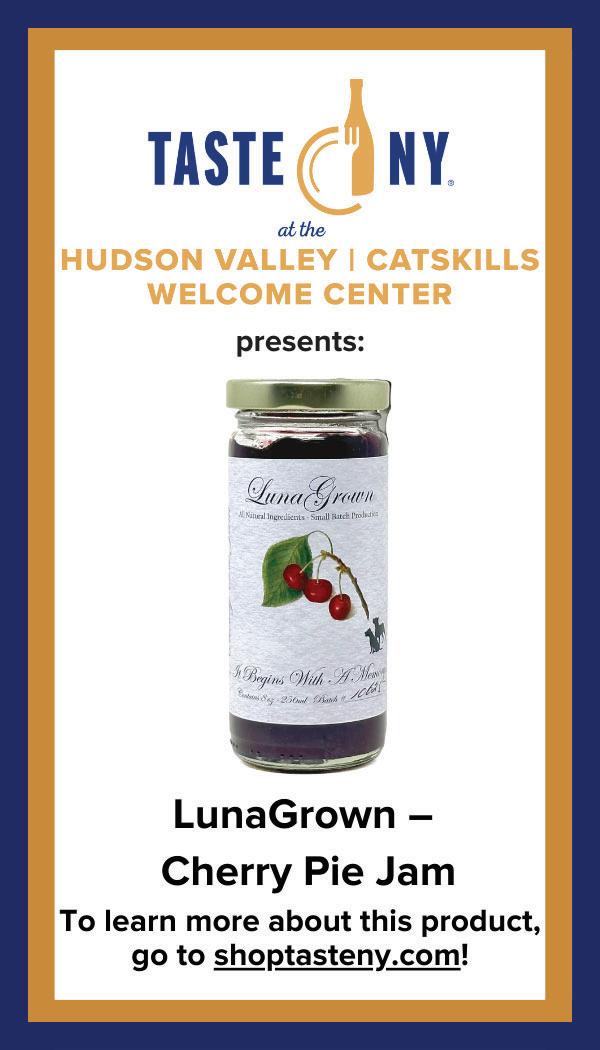
That’s the heart of Taste NY: a movement to revive these essential relationships. We work with small producers who honor the roots of their craft. They source and create as locally as possible, guided by a commitment to qualify and a deep pride in the places they call home. By fostering direct connections between people and local farmers, artisans, and small producers across the state, we open a door back to the landscapes and stories that give our food its soul.
Wherever life takes you, the stories and relationships carried in these foods can travel with you. They are the living root of Taste NY--a taste of New York that keeps you grounded in place, community, and season, no
matter where you are.
Making it Personal
In a world where so much feels fleeting, small, intentional gestures can ground us and make space for genuine connection. A carefully chosen food gift can turn a simple moment into a lasting memory.
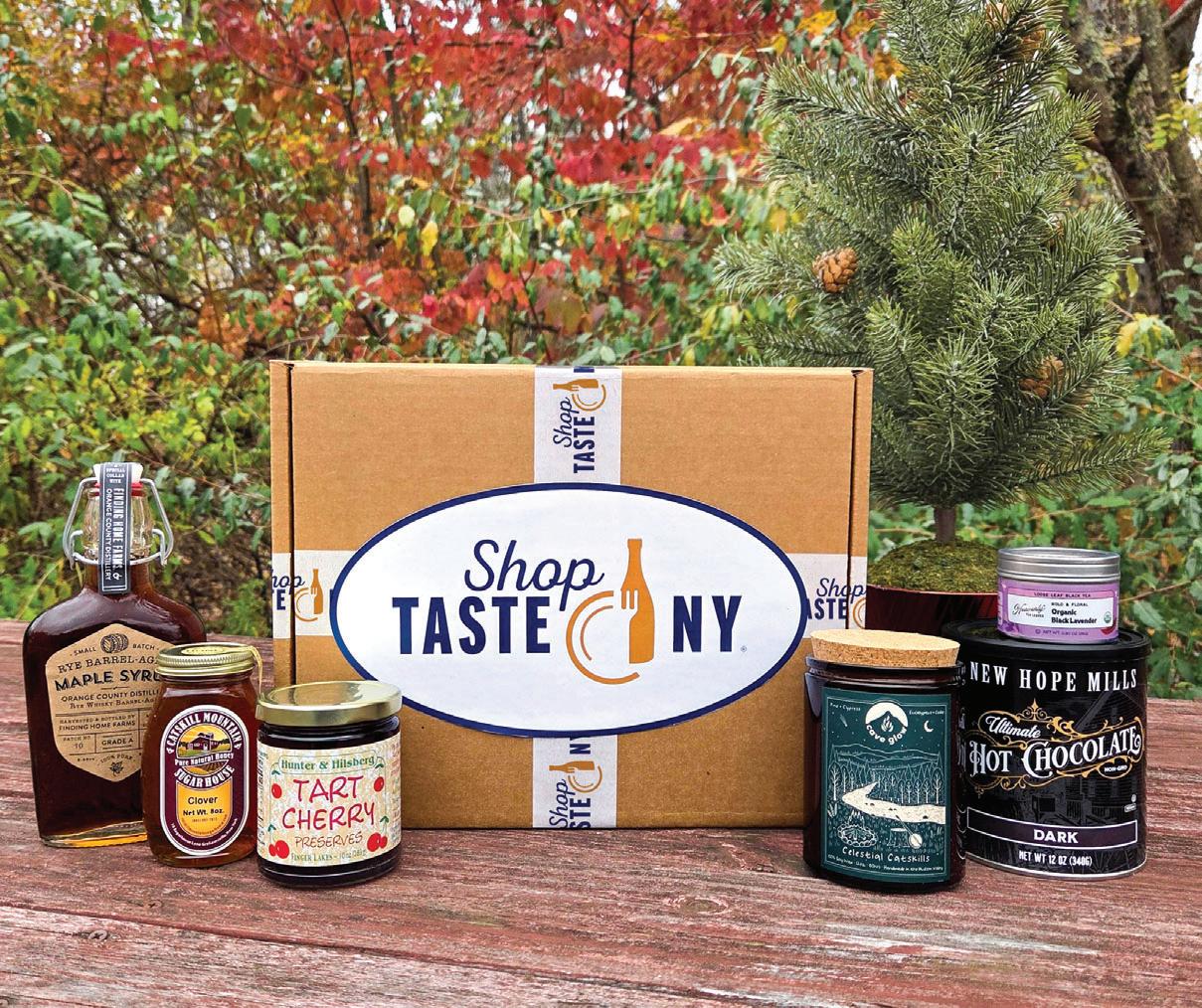
That’s exactly what we aim to help you do at our online store, Shop Taste NY. We’re here to guide you in creating a gift box that’s not only meaningful and intentional but also unmistakably your own.
Start with what feels true for you right now. Do you want your gift to celebrate the season you’re in, or to evoke a particular memory or feeling through a favorite flavor?
Winter: The snow falls and the air feels sharp. Lake February though early April brings the slow magic of maple tapping in upstate New York. This season is defined by cozy comforts. Think hot cocoa, flickering candles, chocolates, dried flowers, and moisturizing milk baths!
Spring: Watch the days stretch longer, and the world slowly awaken again. This is a season that prepares for the fruits of labor in late summer and fall. Fill a box with shareable treats, fresh snacks, or baking mixes that fill the kitchen with
light and laughter. Spring gifts celebrate renewal and connection.
Summer: Summer is the prime season for honey harvests. Beekeepers work hard during the warm months when nectar flows are strong, but they always ensure the bee colony has plenty left for winter survival. At Shop Taste NY, we have great selection of New York-produced honeys--infused, flavored, and perfect for adding a sweet touch to any moment.
Fall: The fall, crisp air stirs kitchens alive with pies, spices, and slow-cooked meals. Gather jars of jams, jellies, fruit butters, pickled treats, and smoked meats into a gift that captures the abundance of the season. Every bite carries the warmth and generosity of harvest, ready to be shared before cold winter settles in.
Now build something that feels like you. Think of a Taste NY gift as a canvas. You bring the intention, and we’ll help you fill it with the flavors of New York.
How to Build Your Canvas
To get started, ask yourself: “What do I want this gift to say?”
1. Define the flavor profile
The Sweet Route: For the ones with the nostalgic
palate. Think local cookies, jams, or artisan chocolate.
The Savory Route: For the ones that love their charcuterie boards. Reach for smoky mustards, tangy pickles, or snack mixes that disappear before dinner is even served.
2. Match the Moment
The Morning Ritual: For the coffee lover, pair handroasted beans with a jar of local creamed honey.
The Evening Unwind: For the friend who needs a break, choose herbal teas, a beeswax candle, and a bar of lavender-infused soap.
3. Surprise the “Expert”
For the friend who has tried everything, look for the unexpected. A creative, small-batch hot sauce or a unique fruit vinegar can spark a new culinary obsession.
The Final Touch: Say What You Mean
At checkout, you’ll find a field labeled “Gift Message.” This is where the gift stops being ours and starts being yours.
Write what you want them to know. A memory you share. A thank-you that’s overdue, or a simple I was thinking of you.
We’ll take your words and put them on a small note. Then we’ll tuck it inside, close the box, and send it on its way.
Preserving Connection
We spend so much of our lives chasing moments that matter – birthdays, holidays, big occasions –as if meaning only lives in the extraordinary. But food gifts reveal something else: that the real, enduring moments are often found in the quiet, everyday acts of kindness.
We give food because we know the people we love will keep living long after the celebration ends. They’ll keep eating, keep reaching for something comforting on a hard day. And we want to be there for those moments too, not just the ones circled on the calendar.
A gift that actually lasts does more than sit on a shelf. It gets eaten. It gets talked about. It gets remembered. Somewhere in that process, you stay present in someone’s life, long after the box is recycled and the last bite is gone
That’s the kind of gift we believe in.
So, take a look at what we gathered here. Find the flavor that reminds you of them. Then build something that feels like you.
We’ll take it from there.
Adapted from: shoptasteny.com
CCE Sullivan Spotlights
Staff Spotlight
INTRODUCING TESS ISABEL MOLINA BAYLY
Tess Isabel is the Youth Coordinator for SALT working on the Prevention Team. They work on creative projects with local schools to reduce stigma and misinformation about drug use and alcohol with youth. Born and raised in Spain for 16 years, Tess has worked with kids with physical disabilities with horse therapy. When they moved to America and finished high school there, they continued their education at Buffalo State University getting a degree in Mathematics with a minor in Drawing. When not in office, they will be working on altering clothes with different dying and bleaching methods, reading, making sculptures or any creative project.

Volunteer Spotlight
THANK YOU CRC VOLUNTEERS
Rose Dasch started volunteering for CCE Sullivan’s Caregiver Resource Center two years ago. Since then, she has contributed over 25 hours of volunteer service, helping with registrations, sign-ins, and room set up for several programs, including Tai Chi, the Caregiver Café, and Bone Builders. Rose shared, “I love animals. I have two horses, two dogs and one cat. I like to garden and paint. I love the people that I meet as a volunteer for Cornell.”
June Brown has been attending Tai Chi classes consistently over the past year, so she decided to pitch in and help out as our
newest volunteer for CRC programs. June shared, “I am a lifelong resident of Sullivan County. I enjoy attending Tai-Chi and Bone Builder classes at CCE. These classes keep me moving at my golden age. I like to volunteer with CCE as I enjoy meeting all of the new people who come to try these great classes. I love to watch hummingbirds. My favorite pastime is being with my grandchildren. They are all older now, yet still love to hangout with me. I am blessed.”
Together, Rose and June are great organizers and make the paperwork seem effortless. They often tagteam, one filling in if the other cannot attend a class or meeting. We would like to say “Thank You” to Rose and June during Volunteer Appreciation Month!
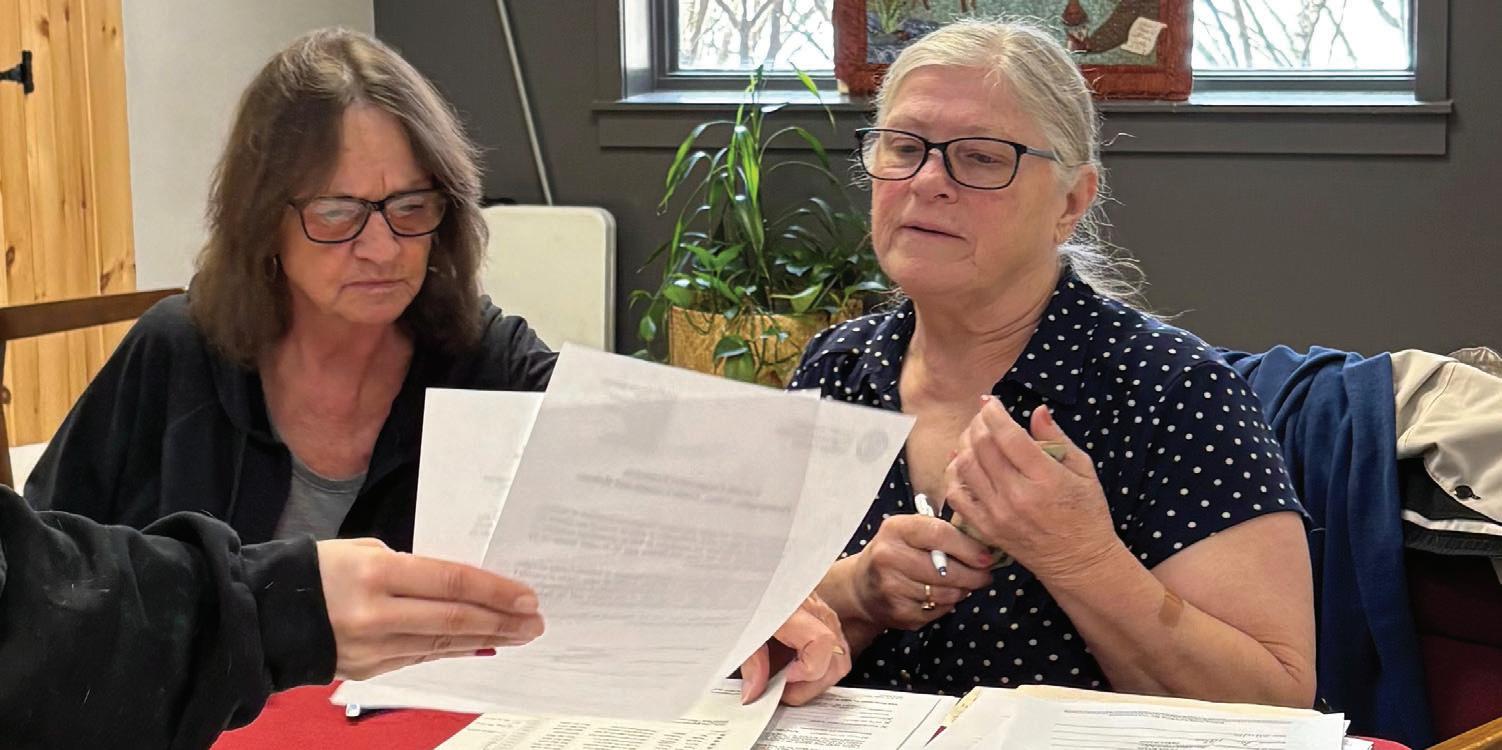
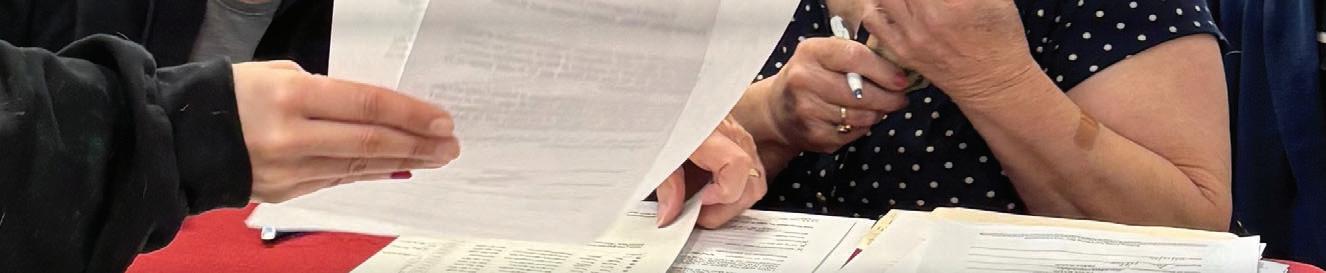

Left :June Brown Right: Rose Dasch
Helping out with sign-ins and paperwork on the first day of the winter/spring series Tai Chi class on March 10, 2026
April Focus: Fast Facts, Cool Tools, & News to Use





















m fr e iend ! our April is National Dog Month!
















































Say hello to some of our favorite furry friends!

















unfortunately
away, but we’d like to honor her with her own photo!
























Sadie Proscia
Sadie has
passed
Tsuki Severing
















Sources:

Thank you to all staff who contributed pictures of their furry friends to share with our subscribers!
Bennie McGraw Athena Nikolados Max Ocasio
Bobo Moran
Vito Colavito Luna Ocasio
March/April 2026
A Focus on Sustainable Plans
As CCE Sullivan winds down the 5 th and
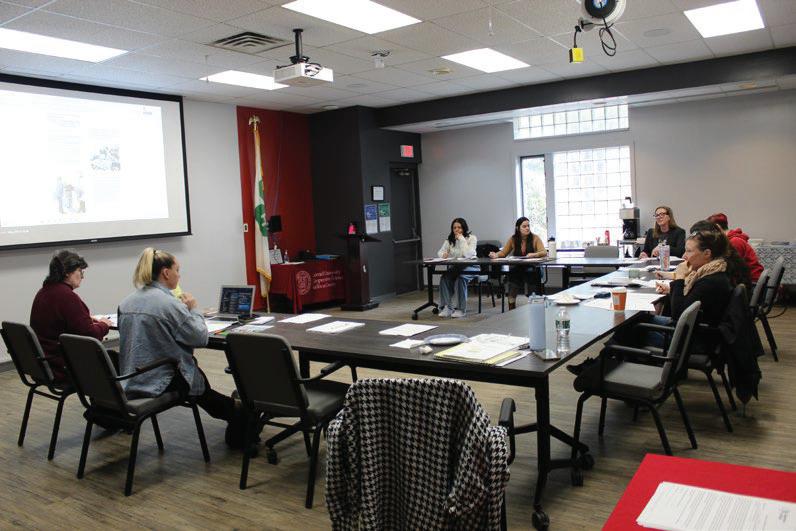
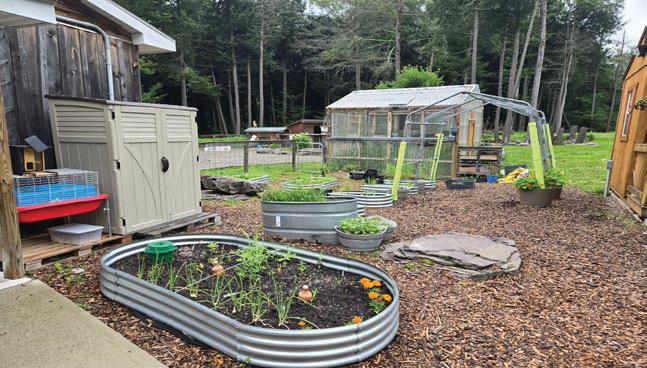
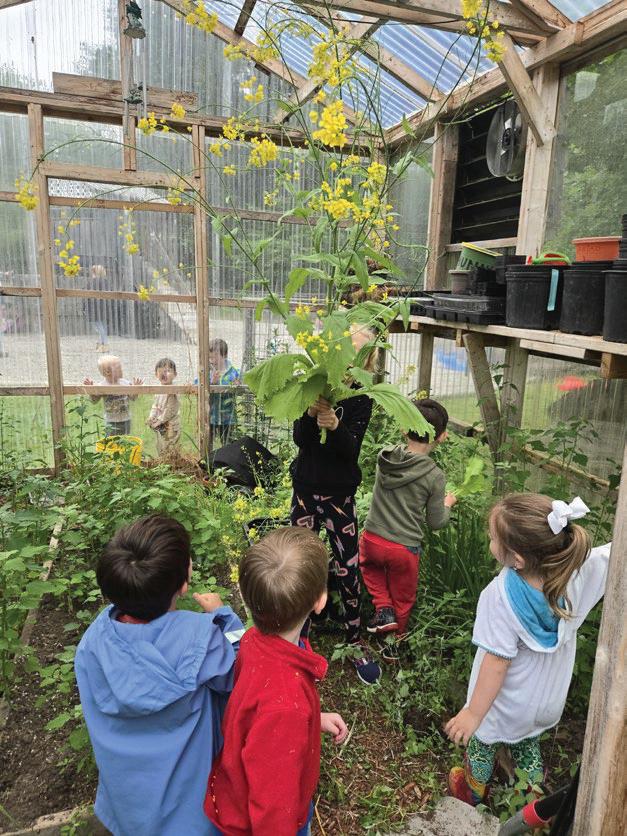
Above, aCHSC Committee comprised of CCE leaders recently met over the course of two days in March sustainability surveys submitted by municipalities, daycare providers and school districts. The surveys were reviewed in combination with stories and pictures submitted of implemented projects.
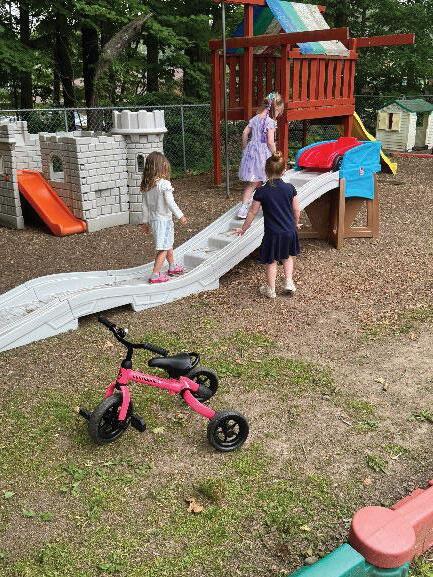
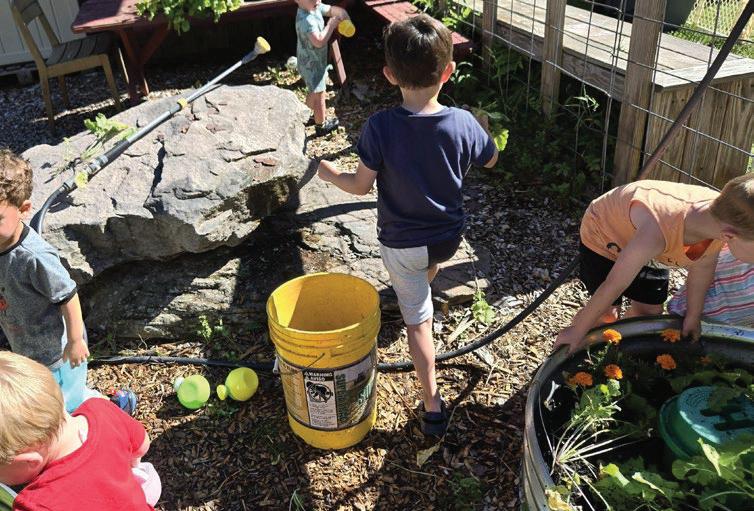
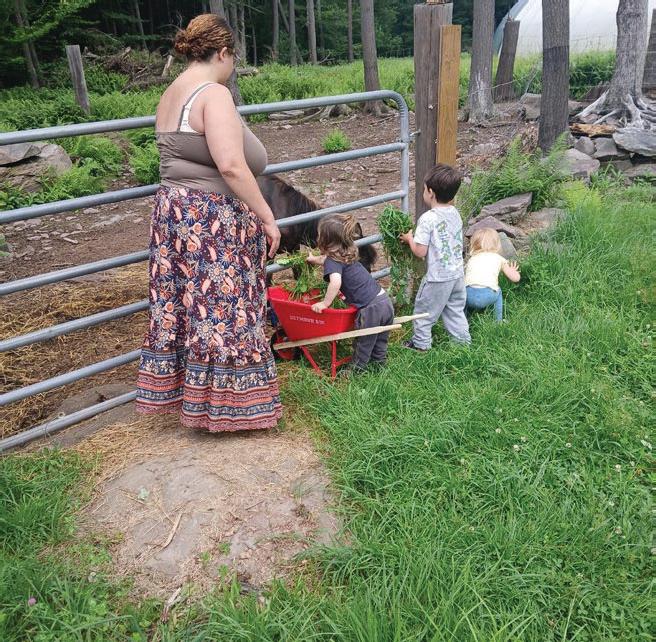
Land of the Little People Daycare in Wurtsboro playing on CHSC funded outdoor toys that help develop large musclesand motor skills.
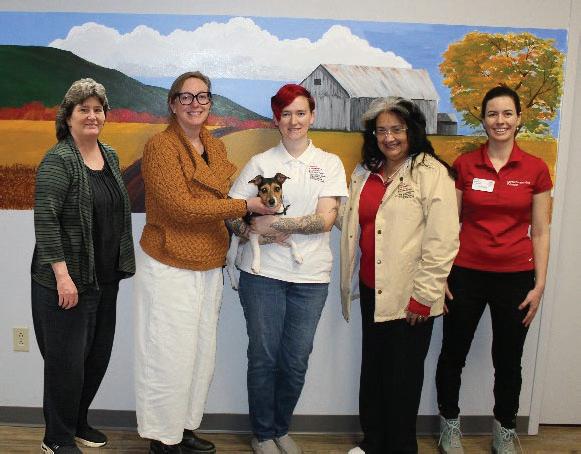
Shownin the picture aboveare some of the helping with the CHSC grant. From left to right, Nancy McGraw, Team Leader/Educator and CHSC Supervisor; Colleen Monaghan, Executive Director, Aaron Denman, Association Operations Coordinator, Wanda Program Coordinatorand Joy Leon, Nutrition & Physical Activity Educator.Not pictured are Abyssinia Pla El, Finance Coordinator, and Tara VanHorn, Finance Manager.

Schools andthe
Warm wishes,Crystal Merino
Infant/Toddler Teacher & Garden Coordinator
Valley Daycare, Mongaup

CORE ELEMENTS FOR VISION ZERO COMMUNITIES
INTRODUCTION
these incidents. In contrast, Vision Zero is built on the basis Vision Zero emphasizes a Safe Systems approach, which
Approa
users. One limitation to the success and proliferation definition and “best practice benchmark.” While an commitment to the fundamental shift in safety TRADITIONALAPPROACH

Thank you to the primary collaborators on this resource: Jenn Fox & Leah Shahum, Vision Zero Network ITE Fehr & Peers .
CORE ELEMENTS FOR VISION ZERO COMMUNITIES
Leadership and Commitment
1. Public, High-Level, and Ongoing Commitment.
Equity and Engagement
2. Authentic Engagement.
3. Strategic Planning.
4. Project Delivery.
Safe Roadways and Safe Speeds
5. Complete Streets for All.
6. Context-Appropriate Speeds.
Data-driven Approach, Transparency, and Accountability
7. Equity-Focused Analysis and Programs.
8. Proactive, Systemic Planning.
9. Responsive, Hot Spot Planning.
10. Comprehensive Evaluation and Adjustments.
Elevating equity and meaningful community engagement, particularly in low-income communities and communities of color, should be a priority in all stages of Vision Zero work.
Feel Good with Food Safety
Choosing a variety of healthy foods from all the food groups is important to help power your day. But healthy habits don’t end there. Practicing food safety is also important to reduce your risk of foodborne illness. Follow these home food safety tips to help you and others avoid getting sick.
Soap Up
Wash your hands with soap and water. Handwashingisaneasyandeffectivewayto preventthespreadofgerms.Washyourhands withsoapandcleanwaterforatleast20seconds beforehandling,preparingoreatingfood, includingwhenfeedingothers.
Keep kitchen surfaces and utensils clean. Countertops,cuttingboards,utensils,sinksand appliances,likeyourfridgeandmicrowave,are someoftheitemsinyourkitchenthatneedtobe cleanedregularly.Makeahabitofwipingthese areasdownwithhot,soapywaterafterpreparing foodorwhenitspills.
Replace sponges every one to two weeks. Dampspongescanbemicrowaveddailyfor oneminutetohelpreducethebacteriacontent. However,theyshouldbereplacedregularly,too.
Prevent Cross-Contamination
Use separate tools for raw and ready-to-eat foods.
Cross-contaminationoccurswhenharmfulbacteria arespreadfromonesurfacetoanother.Oneway thisoccursisbyusingthesamecuttingboardor utensilstopreparerawmeat,fishorpoultryand thenreusingthesameboardorutensilsforreadyto-eatfoods,likefruitsandvegetables.Avoidthisby cleaningutensilsthoroughlybetweenuse,orbetter yet,usingseparatetools.
Refrigerate raw meat, fish and poultry on the bottom shelf.
Keepingthesefoodsonthebottomshelfinyour refrigeratorhelpstopreventtheirjuicesfrom drippingonotherfoods.Youcanalsostore theseitemsinabowloronaplatetohelp catchanyliquids.
Food, Nutrition and Health Tips from the Academy of Nutrition and Dietetics
Get a Temperature Check
Invest in a food thermometer.

Foodthermometersaretheonlywaytoensurefood iscookedtoasafeminimuminternaltemperature. Therecommendedtemperaturevariesdepending onthefood.
•Fish:145°F
•Wholecutsofmeat:145°F,thenrestfor3minutes beforecarvingoreating
•Groundmeats:160°F
•Eggdishes:160°F
•Poultry:165°F
•Casseroles,mixeddishesandleftovers:165°F
Watch the Clock
Don’t let food sit out for more than one to two hours.
Bacteriagrowquicklywhenperishablefoodsare leftinthetemperaturedangerzone(40°Fand

140°F).Makesurethesefoodsarerefrigeratedright awayornotleftoutmorethantwohours.Ifthe temperatureisabove90°F,limitthistoonehour,as bacteriamultiplyevenfaster.
Stay on top of what’s in your refrigerator. Ifyoutendtoforgetaboutleftovers,labelingwhen theyweremadecanhelp.Plantoeatleftovers withinthreetofourdaysorfreezeforlateruse
Proceed with Caution
Certaingroupsofpeopleareata higherriskofserioussideeffects fromfoodborneillness.Thisincludes individualswithacompromised immunesystem,children,olderadults andindividualswhoarepregnant.Thesegroups shouldavoidhigh-riskfoodssuchasrawor unpasteurizeddairyproducts,raworundercooked eggs,rawsproutsandundercookedorrawmeat, poultryandseafood.
Find Nutrition Advice Backed by Science
Registereddietitiannutritionists,alsoknownas RDNs,arefoodandnutritionexpertswhohelp peoplelivehealthierlives.
To find a registered dietitian nutritionist in yourareaandgetadditionalfoodandnutrition information, visit eatright.org.
Thistipsheetisprovidedby:
TheAcademyofNutritionandDieteticsistheworld’slargest organizationoffoodandnutritionprofessionals.TheAcademy iscommittedtoimprovinghealthandadvancingtheprofession ofdieteticsthroughresearch,educationandadvocacy.
Discover the Power of Nutrition


Bok
Cornmeal
Jackfruit LETHOFRHYILDE
Mushrooms PAHCATTOCIRDO
Pistachios
Quinoa
CAREGIVER RESOURCE CENTER OFFERS TAI CHI FOR SENIORS
Written and submitted by
Nancy McGraw, Team Leader & Caregiver Resource Center Educator
Tai Chi is a holistic form of exercise that nourishes your mind, body and spirit. If you are age 60 or older, we encourage you to try and enjoy the following benefits of Tai Chi for Arthritis & Fall Prevention offered by CCE Sullivan’s Caregiver Resource Center:
• Decreases Stress & Anxiety — meditate in motion and enhance a sense of mindfulness and calm
• Brightens Your Mood — elevate your spirits through some light exercise
• Enhances Sleep Quality — improve your sleep length and quality
• Strengthens Your Immune System — fight off infections and diseases
• Lowers Your Blood Pressure — protect your heart and even prevent high blood pressure
• Improves Aerobic Capacity — these gentle movements are powerful enough to improve your aerobic capacity, as breathing expands and
strengthens the lungs and diaphragm
• Boosts Cognition — keep your mind sharp by learning movements in sequential order
• Improves Flexibility, Balance & Agility — tai chi focuses on balance and movement in a specific order, and how to intentionally shift your weight. Stretching movements improve flexibility
• Defines & Strengthens Your Muscles — especially if you combine it with resistance training
• Reduces Risks of Falls — as a proven exercise reduction program, it’s very effective in preventing falls, which is the highest risk for injuries in older adults
• Relieves Pain — research shows it helps with chronic pain, including arthritis
Since 2024, Tai Chi at Cornell Cooperative Extension has grown
increasingly popular with seniors. Comments from participants include the following:
• “Thank you for a good program. I found it very relaxing and calming and helped foster a better sense of body awareness, ease and flexibility of movement.”
• “Wonderful series of classes. Very clear & patient instructor. Nice group of people who attend each week. Can use this info. for lifelong exercise method.”
For maximum health benefits, Tai Chi classes are held either once or twice per week for 6-8 weeks, with individual practice encouraged at home. Due to its popularity, classes series are currently full through June. Please call to be put on a waiting list and reserve your spot for future Tai Chi classes coming later this summer or fall by emailing: sullivancrc@ cornell.edu or calling (845) 292-6180 ext 122.
TIME TO PICK 4-H PROJECTS
Written and submitted by Barbara Moran, 4-H Youth Development Program Manager
In 4-H, a project consists of six or more hours of learning experiences within an area of interest. Youth learn and then share what they’ve learned. A 4-H project is what a 4-H member learns, creates, or acts out (example: raising an animal, learning to grow a garden, making a dress, or training a dog). 4-H members should work on at least one project each year and complete the record book for that project.


How does a member select a project?
When choosing a project, consider your interests, background, what is
necessary to start your project, and what is available to help you complete it.

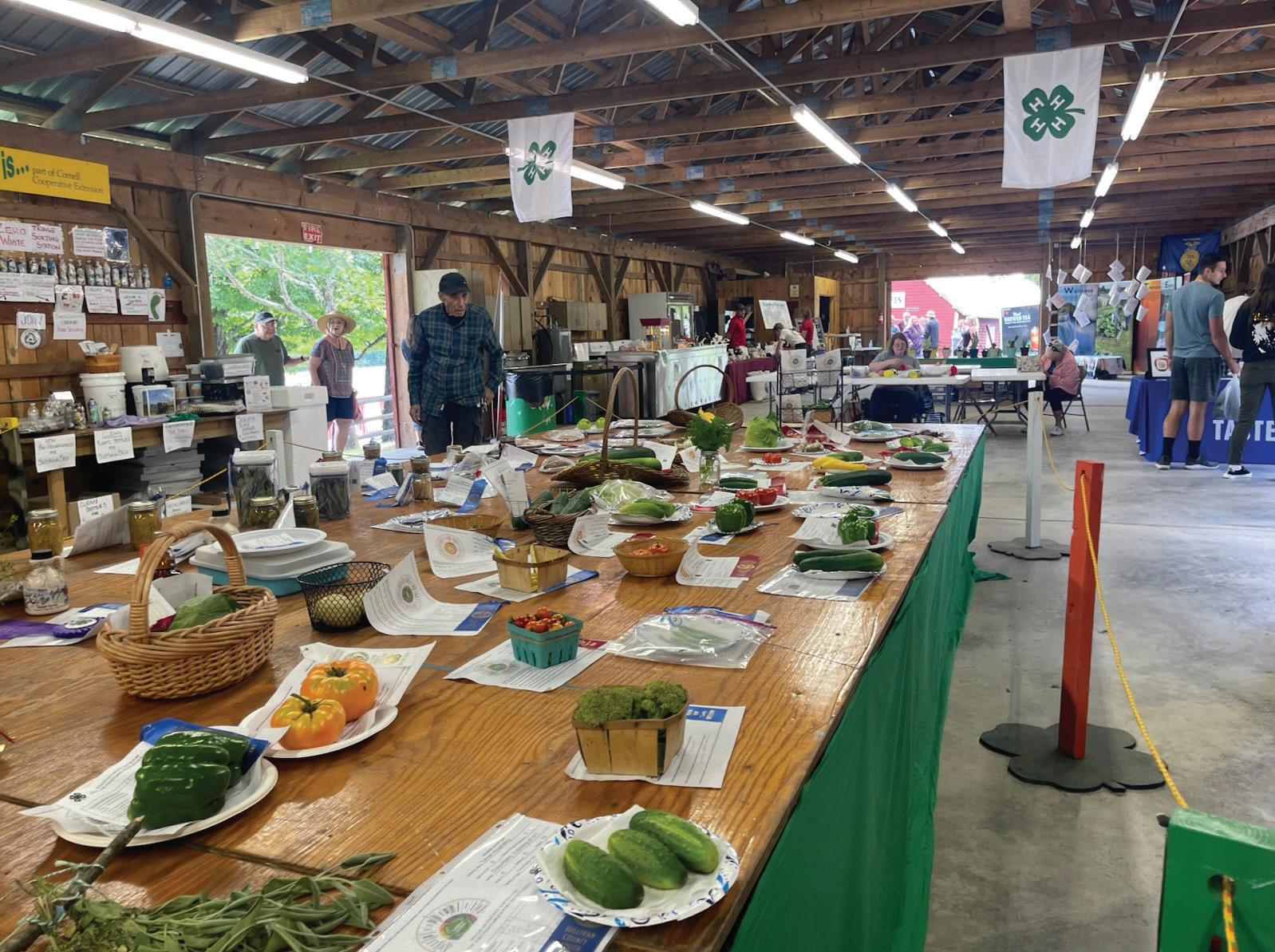
Vegetable produce, pictured here on display at the 2025 Grahamsville Little World’s Fair, is just one of the many 4-H projects that members can cultivate over the course of the year!
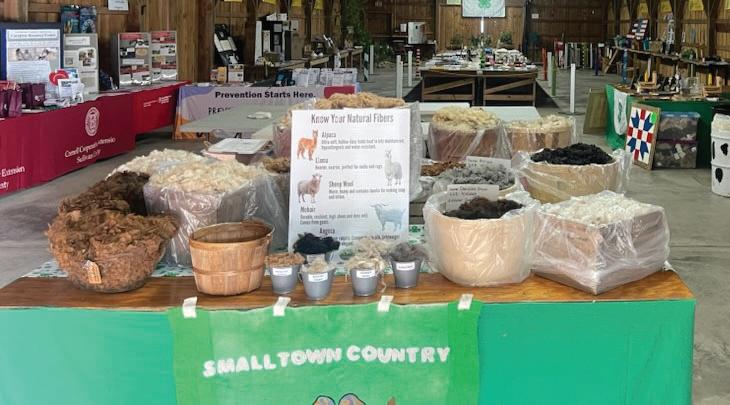
Alpaca fiber, pictured here on display at the 2025 Grahamsville Little World’s Fair, has been sheared and cleaned by members of the Small Town Country 4-H club who show and take care of alpacas. Animals are just one more project that 4-H members can dive into during the year!
How much time can be spent on a project?
It can be a matter of days, weeks, or even months, depending on the size and scope of the member’s plan. Some projects also can be repeated to accomplish additional project goals.
Is it necessary to attend county-level judging to complete a project?
For some members, project completion is nothing more than participating in project activities, completing a predetermined number of project goals, and reviewing accomplishments with a parent or project helper. Some projects require attendance at county fair-level judging. Always check with your project helper for specific judging requirements.
To complete a project, the following must be done:
1. Select a project that is suitable to your home situation. For example, do not choose a clothing project if you have no access to a sewing machine.
2. Select a project that you will enjoy, and which
also has your parents’ and leader’s approval.
3. Get a record book for your project from your club leader, by printing it online. Read it carefully with your parents and leader so that you will know what you are supposed to do.
4. Keep a written record of all the things you do in this project and other 4-H activities as you go along. Save any newspaper articles about your club in which your name and/ or picture appears. If you can, have your parents take a picture or two of you working on your project.
5. While working on your project, completely fill your record book out. Be sure to give all the
information asked for and fill in each line.
*Reminder there are specific record books for livestock, still projects, and Cloverbuds. Additionally, Achievement Record books must be turned in by September 15.
Differing topics for projects include Animal Sciences, Career Exploration, Clothing and Textile Science, Communication, Food and Nutrition, Healthy Living, Home Living, Leadership and Citizenship, Entrepreneurship, Natural Resources, STEM, Crafts, Horticulture, and more.


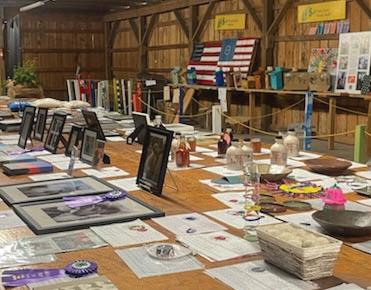
Painting, photography, sculpting, jewelry-making, and drawing are just some of the crafts that 4-H members can work on as projects for the year! If they enter their crafts into their local county fair, they have the chance to be selected for exhibition at the New York State Fair!

SHARING PREVENTURE PROGRAM SUCCESS
Written and submitted by Patricia Ocasio, Prevention Program Coordinator, & Aaron Denman,


One of our more recent programs, PreVenture, is making waves across the community! Created for youth ages 12-18, PreVenture’s mission is to reduce drug and alcohol abuse in teens and young adults. PreVenture helps teens understand their personality traits firstly through a short quiz. Then, based on the quiz results, this free program shows them how to channel those traits into coping skills, goal setting, and confidence building.
CCE staff Andrew Fuller, Luis Ocasio, Martin Colavito, and Pat Ocasio have most recently introduced this program to four groups of youth at Liberty Central School District. Making good use of their time, the students attended the PreVenture program sessions during their lunch periods and were rewarded certificates at the end of the sessions to congratulate their efforts.
For more information on the PreVenture Program and the CCE staff who bring it to the local communities, you can visit our website at Association Operations Coordinator drug adults. PreVenture helps teens skills, and confidence
CCE staff Andrew Luis Martin and Pat Ocasio have program sessions their School for this for the students.”
“It was nice to see the youth engaged, participating, and with a smile.” says Patricia Ocasio, Prevention Program Coordinator, “We thank Liberty Middle School for allowing us the opportunity to facilitate this wonderful program

sullivancce.

org/prevention g p . Hats off to the team!


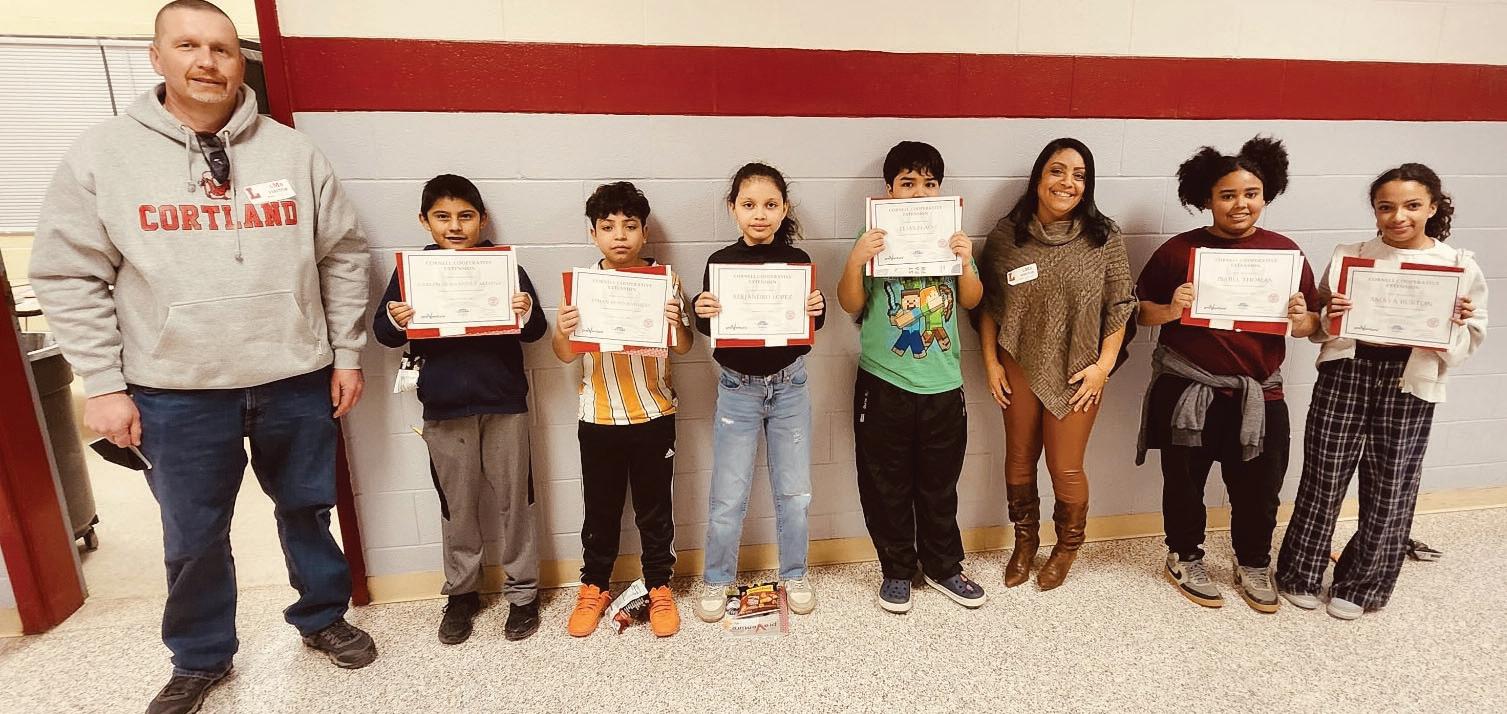

Prevention staff Andrew Fuller (pictured on left) and Patricia Ocasio (pictured on right) celebrating