How the CaymanTurtle Centre Supports SeaTurtle Rehabilitation
@anonymous · 56m
Known as gentle giants, sea turtles have existed on Earth for more than 100 million years. They are among the most graceful creatures in the marine world.
Today, seven species of sea turtles remain on the planet. Six of these species face extinction threats. Conserving sea turtles is no longer an option, but a necessity.
This is where the CaymanTurtle Centre comes into the picture.Aone-of-a-kind facility in the world, it is making efforts to rehabilitate sea turtles and save them from extinction.
This blog explores the role of the CaymanTurtle Centre in sea turtle rehabilitation
Sea Turtles in the Cayman Islands: Threats and Need for
Conservation
The Cayman Islands have been home to green sea turtles for a long time now.They were once an abundant species in this region.Their population began declining when humans started hunting them for nourishment and as a source of commerce.
By the turn of the last century, green sea turtles were on the brink of extinction in this part of the Caribbean Even today, they are at risk worldwide However, it’s not the only one Climate change, loss of beach habitat for breeding, and plastic pollution are among the other issues threatening their existence
Active conservation efforts are necessary to save them from extinction There are several other reasons to protect them Cayman sea turtles are essential for sustaining marine ecosystems.They play a key role in maintaining seagrass productivity and promoting marine diversity.
Role of Cayman Turtle Centre in Sea Turtle Rehabilitation
CaymanTurtle Centre is a facility that engages in conservation and captive breeding of this marine wonder. It has been instrumental in helping to recover the population of these creatures in this region.
When it comes to sea turtle conservation, CaymanTurtle Centre has launched several programmes. Here’s how the Centre supports their rehabilitation.
Captive Breeding and Hatching of Sea Turtles
Beach habitat loss has been causing the decline of the sea turtle population in the Cayman Islands Several factors contribute to it
These include coastal development, climate change, and taking away female turtles from nesting beaches for illegal harvesting Inundation of nests by seawater further contributes to habitat loss
Artificial lighting on the beaches also causes the hatchlings to stray away from the sea.All
these reduce the hatching success rate of these creatures.
The CaymanTurtle Centre works to reduce the impact of habitat loss on breeding. It has implemented several techniques for the captive breeding of these gentle giants.
The Centre goes beyond offering a conducive environment for breeding and hatching. It also ensures the well-being of the turtles under its care.
Releasing Sea Turtles Into the Ocean
The CaymanTurtle Centre initiated a hatching and release programme in 1980 Since then, more than 36000 turtles have been hatched and released into the ocean under this programme These include turtles of various ages, from hatchlings to yearlings
Some of these turtles are tagged before their release It enables researchers to identify them when they return to the Cayman beaches to nest
The Department of the Environment surveys have confirmed that turtles bred by the Centre return to nest in Grand Cayman, indicating the success of the programme.
Impact of Cayman Turtle Centre’s Captive Breed and Release Programme
The CaymanTurtle Centre has been conducting its breeding and release programme for several decades now.The Centre obtained the initial stock of turtles and eggs through legal means.
While turtles for breeding were last obtained in 1975, the collection of eggs was last done in 1976 Over the years, the green sea turtle population has increased in this region Sightings of these turtles by divers and coastal area residents have become common
An important point to note is that turtles released by the Centre have been recorded in various locations Venezuela, Barbados, Cuba, Grenada, Panama, Mexico, and the Southeastern United States are among such places.
Comprehensive studies involving DNAanalysis have shown that almost all nesting green sea turtles in Cayman waters are related to the Centre’s breeder turtles. It means all these turtles
have originated from those released by the Centre.
It indicates that the Centre’s hatching and release programme is proving beneficial for the turtle population
Conclusion
The CaymanTurtle Centre has made a significant contribution to turtle rehabilitation Through captive breeding and releasing sea turtles into the ocean, the Centre has been helping them to thrive It is now a major tourist attraction in this region
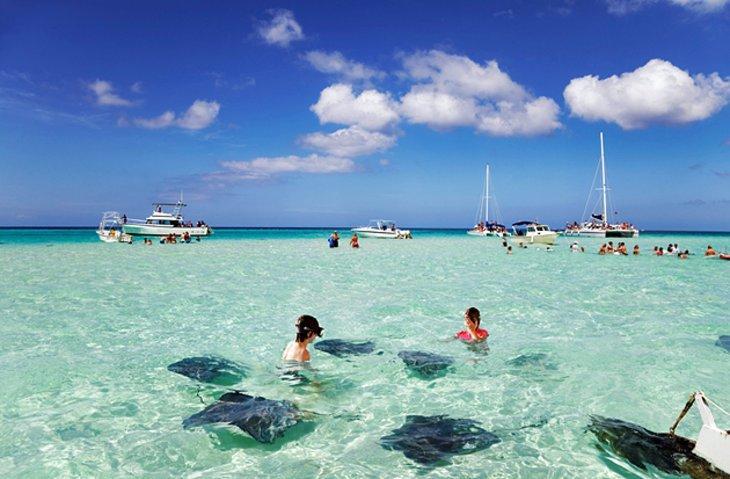
Visit the Cayman Turtle Centre for a unique adventure. Spend a day among the turtles. Snorkel with them or watch them as they swim happily in the breeding bay.You can even feed and interact with them.
Take out some time to be among the gentle giants and carry back matchless memories!
3 visits · 1 online 0 Save as PDF © 2025 JustPaste.it
Account Terms Privacy Cookies Blog About Vote: 0 0