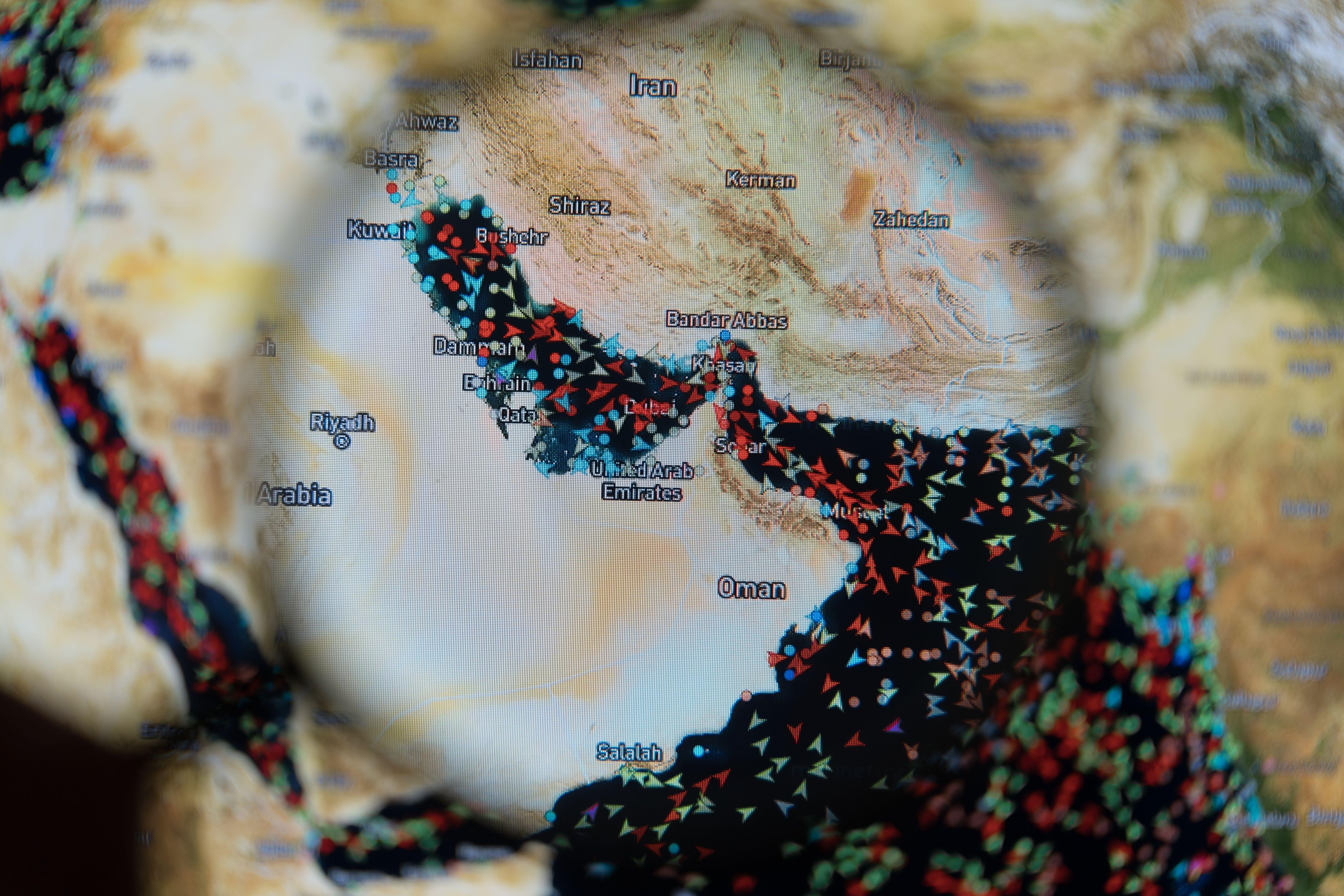


For many years, the geopolitical significance of the hospitality industry has been widely recognised.1 Gulf governments are well aware that hospitality plays a role in the projection of ‘soft power’, for example in the staging of international diplomatic events,2 as witnessed through the internationally recognised significance of holding COP28 in Dubai.3 Conversely, geopolitics is no longer a background condition for Gulf hospitality; it is now a primary determinant of value, resilience, and divergence across markets. The global travel sector now operates in an environment shaped by geopolitical rivalry, regional conflicts, sanctions regimes, cyber warfare, supply chain fragility, and energy market volatility.4 Evidence clearly shows that geopolitical conflicts shift destination choices and how travellers behave.5 When crises occur, hotel operators must manage the immediate risks to people and property, but also navigate fluctuating occupancy rates, supply chain disruptions and rising insurance costs. They have responded with increasingly comprehensive crisis management frameworks,6 including the use of predictive analytics, clarity of communication, the adoption of dynamic pricing models, which, if supported by accurate forecasting of price elasticities can assist in maintaining revenue even during a crisis,7 partnerships with governments and extensive contingency planning.8 This is how the industry is reacting decisively: but what of the impact on value creation?
We are now several months after Operation Epic Fury, and whilst the crisis continues without resolution, the short-term effects are quite evident. Occupancy rates and therefore revenues are naturally lower than in the past, mirroring the effects of other geopolitical crises, such as the war in Ukraine,9 although data must be compared to the same quarter each year, as Gulf tourism is highly seasonal. In Saudi Arabia, with a high proportion of domestic tourism, occupancy rates in Riyadh and Jeddah have been somewhat less affected by the crisis than in other Gulf jurisdictions more dependent on overseas tourism. In the UAE, budgets and staff numbers have been reduced and some hotels have temporarily closed, taking advantage of the situation to conduct long-postponed refurbishments.10
There are however already signs of stabilisation, notably around domestic economic activity and regional airline flight levels, which after initial suspensions have increased steadily. Dynamic pricing has been adopted cautiously, balancing rate integrity with targeted promotions, tactical discounting and value-added packages, whilst avoiding general price reductions that might have a negative impact on value creation post-crisis.11 UAE governments have contributed too. Dubai announced a relief package of around AED1bn, including allowing hotels to postpone paying 100% of the sales fees on rooms and food and beverage as well as the Tourism Dirham for three months, which serves to mitigate the value effects of lower occupancy rates.12 The UAE government also made below-market finance available.13 Governments throughout the region have the financial headroom to extend these measures if necessary.
Accurate identification of the value impact of geopolitical crises on the hospitality sector rests on a crucial distinction: the difference between the owners of hospitality real estate and the operators who run the hotels under hotel management agreements (HMAs), franchises, or leases. These contractual structures allocate risk very differently, and in the Gulf – where HMAs dominate – the allocation is particularly asymmetric.14
During a crisis, hotel operators typically have three strategic responses available, in order of severity:
Reduce the scale of operations (closing floors, outlets, or amenities, while remaining open).
Temporarily suspend operations (full or partial hibernation).
Invoke contractual protections such as force majeure or performance test suspensions to avoid penalties or, in extreme cases, negotiate an early exit.
Each of these strategies allows operators to limit their downside while preserving their ability to return when conditions improve. But the economic consequences fall very differently on owners and operators, depending on the contract type.
During the pandemic, HMAs did not collapse; instead, they were renegotiated: base management fees were reduced, deferred, or waived; incentive fees disappeared automatically as Gross Operating Profit evaporated; and performance tests were suspended or reset. Owners carried the operating losses – payroll, utilities, maintenance, and working capital – though in many cases mitigated by negotiated fee relief. Operators lost incentive fees and accepted reduced base fees but crucially retained their flags and avoided termination. Leases followed a similar trajectory in outcome, though not in structure: operators paid no performance bonuses and negotiated rent reductions or rent holidays. Franchisees likewise paid far less in system fees. In all cases, neither side wanted a wave of terminations. It was widely understood, and later confirmed, that branded hotels that stayed open, even at minimal occupancy, recovered faster and preserved more asset value than those placed into deep hibernation or stripped of their brand. Lenders reinforced this logic. They proved willing to stretch covenants, extend maturities, and capitalised interest where necessary, preferring continuity of brand and management over the uncertainty of operator disputes or dark buildings.
The present crisis has built on this experience. Performance tests are again being paused or re benchmarked; base fees are being renegotiated; incentive fees have vanished; and force majeure is being held in reserve by both sides. Terminations remain rare, and outright withdrawals from the market rarer still. The result is that Gulf hotel contracts - whether HMAs, franchises, or leases - have again proven more flexible in practice than they appear in theory. Whatever operational strategy the operator adopts, the real estate owner continues to face unavoidable physical asset costs: fabric and envelope maintenance, security, MEP operation, insurance,
statutory inspections, and service charges. Under HMAs, even staff costs ultimately fall to the owner, despite the operator managing the workforce. Owners may wish it were otherwise. Yet there is a silver lining: the same division of risks and responsibilities that burdens owners during a crisis also enables exceptionally rapid recovery. Provided care and maintenance has been properly executed and hotels have remained technically open, operators can restore full operations or even rebrand at remarkable speed. The Gulf’s post pandemic rebound demonstrated this vividly: recovery was faster and deeper than almost any forecast made at
as Bahrain and Qatar, have smaller domestic bases, are more reliant on discretionary travel and may well therefore require more extensive government support to the industry in future. In sum: the Gulf’s hospitality markets are no longer differentiated only by product and positioning, but by their exposure to international connectivity. These differences are not, however, preventing the development of a more unified Gulf tourist strategy for example, with respect to shared branding campaigns, co-hosted festivals and harmonised standards.23
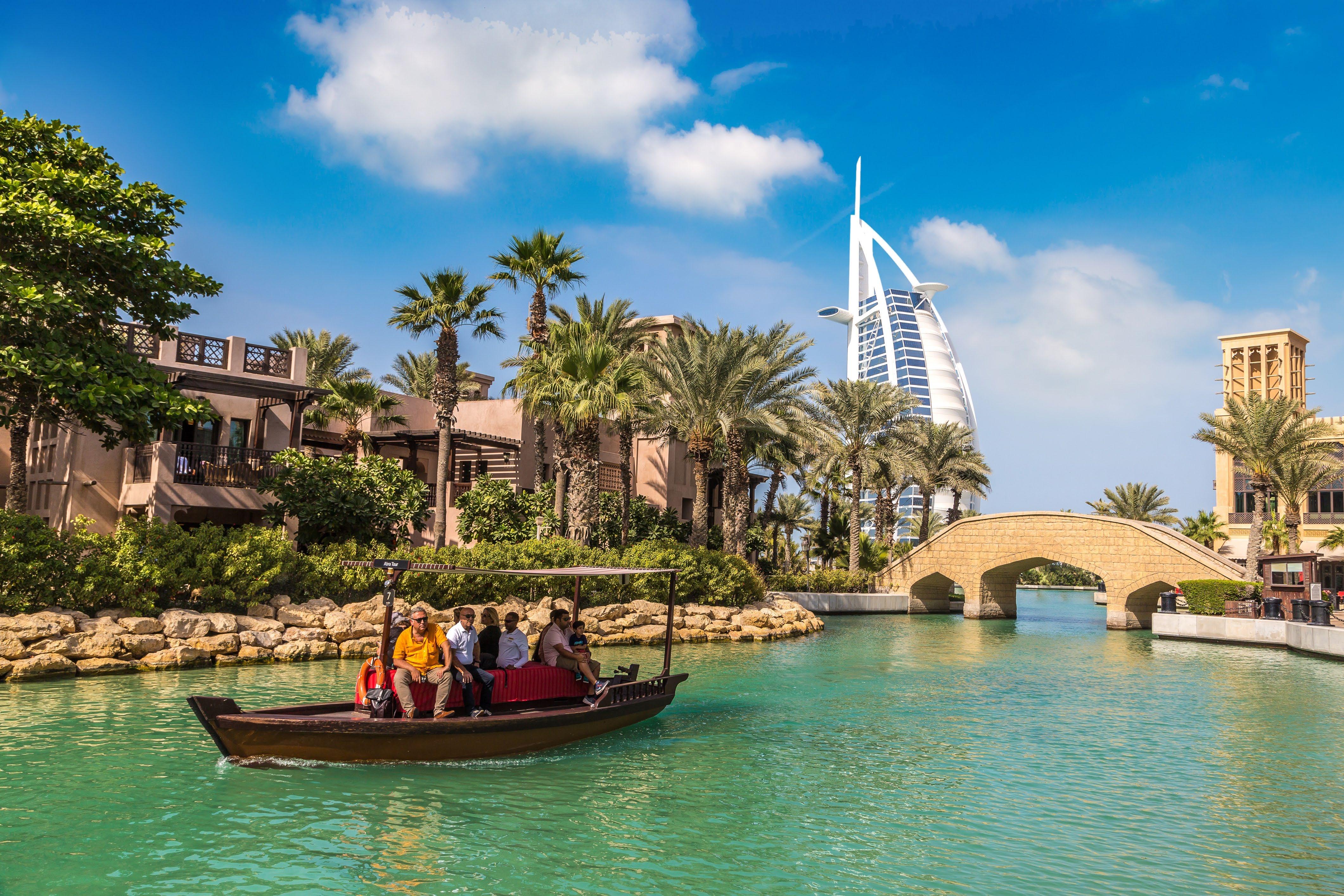
markets. Those markets that are currently less well-placed, such
Investors recognise that strong hospitality sectors such as the GCC can continue to absorb severe shocks for several years before structural adjustment driven by changes in demand becomes inevitable. Extensive World Travel and Tourism Council research shows that historically no destination has suffered long-term collapse once a crisis has ended, especially with strong leadership from government.24 Recovery is not only consistent, but in most cases leads to stronger growth. Covid demonstrated this clearly: global travel patterns withstood two years of disruption, and the GCC quickly emerged more dominant than before. But whilst this is encouraging overall, existing geopolitical tension is also revealing new patterns of divergence within the sector that reflect differences in connectivity, demand composition, and government backed resilience. The Gulf is moving from a ‘growth first’ to a ‘resilience first’ hospitality model - and this shift will outlast the crisis itself. The combination of perceived resilience and adaption are where the current opportunities for value creation are most likely to be found, and therefore where experienced investors are currently most actively seeking them.
Authors

Julian Roche Chief Economist Cavendish Maxwell julian.roche@cavendishmaxwell.com
Key Contacts Ali Siddiqui Research Manager ali.siddiqui@cavendishmaxwell.com

Vidhi Shah Director, Head of Commercial Valuation vidhi.shah@cavendishmaxwell.com
+971 56 690 3186
dubai@cavendishmaxwell.com
2204 Marina Plaza, Dubai Marina, P.O. Box 118624, Dubai, UA
+971 50 877 0190
Dubai Abu Dhabi S harjah Ajman Muscat Ku
cavendishmaxwell.com
Disclaimer:

Zacky Sajjad Director, Business Development and Client Relations zacky.sajjad@cavendishmaxwell.com
+971 50 644 5089
Riyadh Ras Al Khaimah