
H1 2026
The UAE economy is expected to continue expanding in 2026, although at a more moderate pace following the strong growth recorded in 2025. The Central Bank of the UAE forecasts real GDP growth of 1.7% in 2026, reflecting a temporary moderation across both hydrocarbon and non-hydrocarbon sectors amid regional uncertainty. Despite softer business sentiment, economic activity remains supported by the UAE’s diversified economic base, strong fiscal position, continued investment activity, and targeted policy measures.
Dubai’s residential market recorded 79,300 sales transactions during H1 2026, down 13.8% year-on-year and 27.1% lower than the record levels achieved in H2 2025. The moderation was observed across both off-plan and ready segments, with off-plan transactions declining by 8.8% year-on-year to 59,300 and ready sales declining by 25.8% to 20,000 transactions. Despite the slowdown, activity remained above H1 2024 levels, with off-plan transactions continuing to dominate the market and accounting for 74.8% of total residential sales.
The moderation in transaction activity coincided with a significant reduction in new project launches, with Dubai recording 124 new project launches comprising approximately 28,000 units during H1 2026, compared with 410 projects and around 102,000 units during H1 2025. At the same time, completions increased, with
approximately 24,800 units delivered during H1 2026, marking one of the strongest delivery periods in recent years. This shift indicates that Dubai’s residential market is moving from a launch-driven cycle towards a delivery-driven cycle, with supply dynamics becoming an increasingly important factor influencing market performance.
Residential sales prices and rental rates both moderated during H1 2026. Average sales prices reached AED 1,639 per sq. ft in June 2026, representing annual growth of 1.9%, down from 12.1% in December 2025, while quarterly price movement turned negative, with prices declining 2.6% in Q2 2026. Rental rates also moderated, declining 2.5% quarter-on-quarter while maintaining annual growth of 7.8%, with the slowdown primarily driven by the apartment segment as additional completed supply increased tenant choice.
Looking ahead, Dubai’s residential market is demonstrating a transition into a new cycle following the exceptional activity levels recorded over the past two years. The remainder of 2026 is expected to represent a period of adjustment, with market performance increasingly diverging across locations, property types and price segments as supply dynamics and broader market conditions continue to evolve.
April 2026
79,300 (-13.8%) Y-on-Y
2026
The UAE economy is expected to continue expanding in 2026, although at a more moderate pace following the strong growth recorded in 2025. The Central Bank of the UAE forecasts real GDP growth of 1.7% in 2026, reflecting a temporary moderation across both the hydrocarbon and non-hydrocarbon sectors. Regional geopolitical uncertainty has also weighed on business sentiment and economic momentum, although growth remains supported by the UAE's diversified economic base.
This moderation has been reflected in private-sector activity, with the UAE Purchasing Managers' Index (PMI) easing to 50.8 in June 2026 from 52.6 in May, marking the weakest reading since early 2021, although remaining above the neutral 50 threshold and indicating continued expansion in non-oil private-sector activity. In Dubai, business activity also moderated, with the PMI declining to 50.7 in June 2026 from 52.0 in May.
Dubai's economy nevertheless continued to expand, with GDP reaching AED 232 billion in Q1 2026, representing 2.4% year-on-year growth. The real estate sector expanded by 3.1% year-on-year during the quarter and contributed 11.2% to total GDP, highlighting its continued importance within the broader economy.
The broader operating environment also remains relatively stable, with UAE inflation projected at 2.3% in 2026, revised up from the previous forecast of 1.8%. The UAE enters this period of increased uncertainty with strong fiscal positions and healthy external balances, supported by targeted policy measures including the CBUAE Financial Resilience Package, Dubai's AED 2.5 billion business support package, continued infrastructure investment, and expansionary government spending. These measures are expected to cushion temporary external pressures, support business confidence, and sustain economic activity.
Looking ahead, economic growth is expected to moderate in the near term as regional uncertainty and softer business activity continue to weigh on momentum. Nevertheless, continued economic diversification, public investment, targeted policy support, and the UAE's strong fiscal position are expected to help cushion these headwinds and support macroeconomic stability over the medium term.
Dubai's residential market recorded 79,300 sales transactions during H1 2026, down 13.8% year-on-year and 27.1% lower than the record levels achieved in H2 2025. Despite the moderation, transaction activity remained above H1 2024 levels, highlighting that market activity continued to exceed historical norms during the first half of 2026.
The slowdown was evident across both the off-plan and ready segments, with off-plan transactions declining by 8.8% year-on-year to 59,300, while ready sales declined by 25.8% to 20,000 transactions. The moderation reflects a combination of a more measured pace of new project launches, seasonal factors and heightened regional geopolitical uncertainty, which contributed to a more cautious approach among buyers. The sharper decline in ready transactions indicates greater caution among secondary market buyers, while the off-plan segment continued to benefit from attractive developer payment plans and accounted for 74.8% of all residential sales during H1 2026.
On a quarterly basis, residential transaction volumes totalled 35,000 in Q2 2026, down 20.8% quarter-on-quarter and 29.5% year-on-year. The decline was observed across both the off-plan and ready segments. As transaction registration lags continue to unwind, Q2 2026 figures are providing an early indication of underlying market activity, while Q3 2026 will offer greater clarity on whether the moderation represents a temporary pause or a broader adjustment in market conditions.
Total residential sales value in Dubai reached AED 221.4 billion during H1 2026, down 15.7% year-on-year and 19.8% lower than H moderation in transaction value broadly mirrored the slowdown in sales activity, with both the off-plan and ready segments recording lower transaction values than the previous year. Off-plan transaction values totalled AED 165.9 billion, down 13.7% year-on-year, while ready transaction values declined by 21.2% to AED 55.5 billion.
On a quarterly basis, total residential transaction value reached AED 84.9 billion in Q2 2026, down 37.8% quarter-on-quarter an year-on-year. The decline was recorded across both market segments, with off-plan transaction values falling by 44.3% year-on-year and ready transaction values declining by 37.6% over the same period.

The pace of growth in the residential market during the first half of 2026 has moderated from the exceptional momentum of recent years. Even amid ongoing regional unrest, the market has continued to perform at a healthy pace, with resilient transaction activity supported by value-driven pricing and sustained underlying demand.
Muhammad Waqas Associate Director, Residential Valuation
The composition of Dubai’s residential sales market remained largely unchanged during H1 2026, with off-plan transactions continuing to account for the majority of activity. Off-plan sales represented 74.8% of total residential transactions during the period, broadly in line with 74.9% in H2 2025 and up from 70.7% in H1 2025. The ready segment accounted for 25.2% of total transactions in H1 2026, compared to 25.1% in H2 2025, indicating that despite the overall moderation in activity, buyer preference remained largely unchanged, with off-plan developments continuing to drive residential market activity.
Source: Cavendish Maxwell, Property Monitor
Within the off-plan segment, developer sales continued to dominate the market during H1 2026, accounting for 92.2% of all off-plan transactions, broadly in line with 92.9% recorded in H2 2025. Initial sales totalled 54,700 transactions, representing a modest 1.5% year-on-year decline, while off-plan resale transactions fell by 51.0% year-on-year to 4,600 transactions, accounting for 7.8% of total off-plan activity. If the moderation in off-plan resale activity persists, it could gradually reduce opportunities for investors who rely on pre-completion exits as part of their investment strategy.
Among ready properties, activity moderated during H1 2026, primarily due to a decline in resale transactions. Resale transactions continued to account for the majority of ready market activity, representing 83.1% of total ready sales, broadly in line with 82.5% in H2 2025. Resale transactions totalled 16,500, down 29.0% year-on-year, while initial ready sales declined more modestly by 3.1% to 3,300 transactions, accounting for 16.9% of total ready sales.
Apartments continued to dominate off-plan activity during H1 2026, accounting for 84.9% of total off-plan transactions, up from 76.2% in H1 2025. In absolute terms, apartment transaction volumes remained broadly stable year-on-year, increasing by a modest 1.5% to around 50,300 transactions. In contrast, townhouse and villa transactions declined year-on-year, with their combined share of off-plan activity contracting from 23.8% in H1 2025 to 15.1% in H1 2026, totalling around 9,000 transactions, reflecting a more measured pace of new project launches across both segments.
In the ready segment, apartments remained the largest segment during H1 2026, accounting for 80.0% of total ready transactions, although their share edged down from 83.1% in H1 2025. In absolute terms, apartment transaction volumes declined by 28.6% year-on-year to around 16,000 transactions. In contrast, townhouse and villa transactions demonstrated relative resilience, declining by 11.8% and 13.4% year-on-year, respectively, with their combined share of ready market activity increasing from 16.9% in H1 2025 to 20.0% in H1 2026.
Source:
Dubai's luxury residential market recorded 1,093 transactions during H1 2026, down 25.4% year-on-year but 6.2% above H2 2025 levels. While activity moderated compared to the exceptionally strong first half of 2025, transaction volumes remained above historical levels. The moderation was evident across both the off-plan and ready luxury segments. Off-plan luxury transactions totalled 826, down 25.2% year-on-year but 23.8% above H2 2025 levels. Ready luxury transactions totalled 267, declining by 25.8% year-on-year and 26.2% compared with H2 2025. Notably, much of the luxury market activity during H1 2026 was concentrated in Q1, with transaction volumes moderating in Q2.
Despite the softer performance, luxury transactions continued to be recorded throughout the period, highlighting Dubai's sustained appeal among high-net-worth (HNWIs) and ultra-high-net-worth individuals (UHNWIs), even amid heightened regional geopolitical uncertainty.
Source: Cavendish Maxwell, Property Monitor
The ultra-luxury residential market recorded 160 transactions during H1 2026, increasing by 12.7% year-on-year and 17.6% compared with H2 2025. The growth was driven primarily by the off-plan segment, which recorded 108 transactions, up 25.6% year-on-year and 42.1% compared with H2 2025. In contrast, ready ultra-luxury transactions totalled 52, declining by 7.1% year-on-year and 13.3% compared with H2 2025. Despite the moderation in ready activity, overall ultra-luxury transactions remained resilient during H1 2026, with activity remaining relatively balanced across Q1 and Q2 2026.
Transactions - By Volume
Source: Cavendish Maxwell, Property Monitor
Mortgage transactions totalled 22,500 during H1 2026, increasing by 7.2% year-on-year, although remaining 2% below H2 2025 levels. Apartments continued to account for the majority of mortgage activity, with transactions increasing by 7.1% year-on-year to approximately 15,900. Villa mortgage transactions recorded the strongest annual growth, rising by 18.2% to around 2,600 transactions, while townhouse mortgage transactions remained broadly stable, increasing by 1.7% to approximately 4,100.
On a quarterly basis, mortgage transactions reached 11,700 in Q2 2026, up 8.8% quarter-on-quarter and broadly unchanged year-on-year. The quarterly increase was primarily driven by an increase in apartment and villa mortgage transactions.
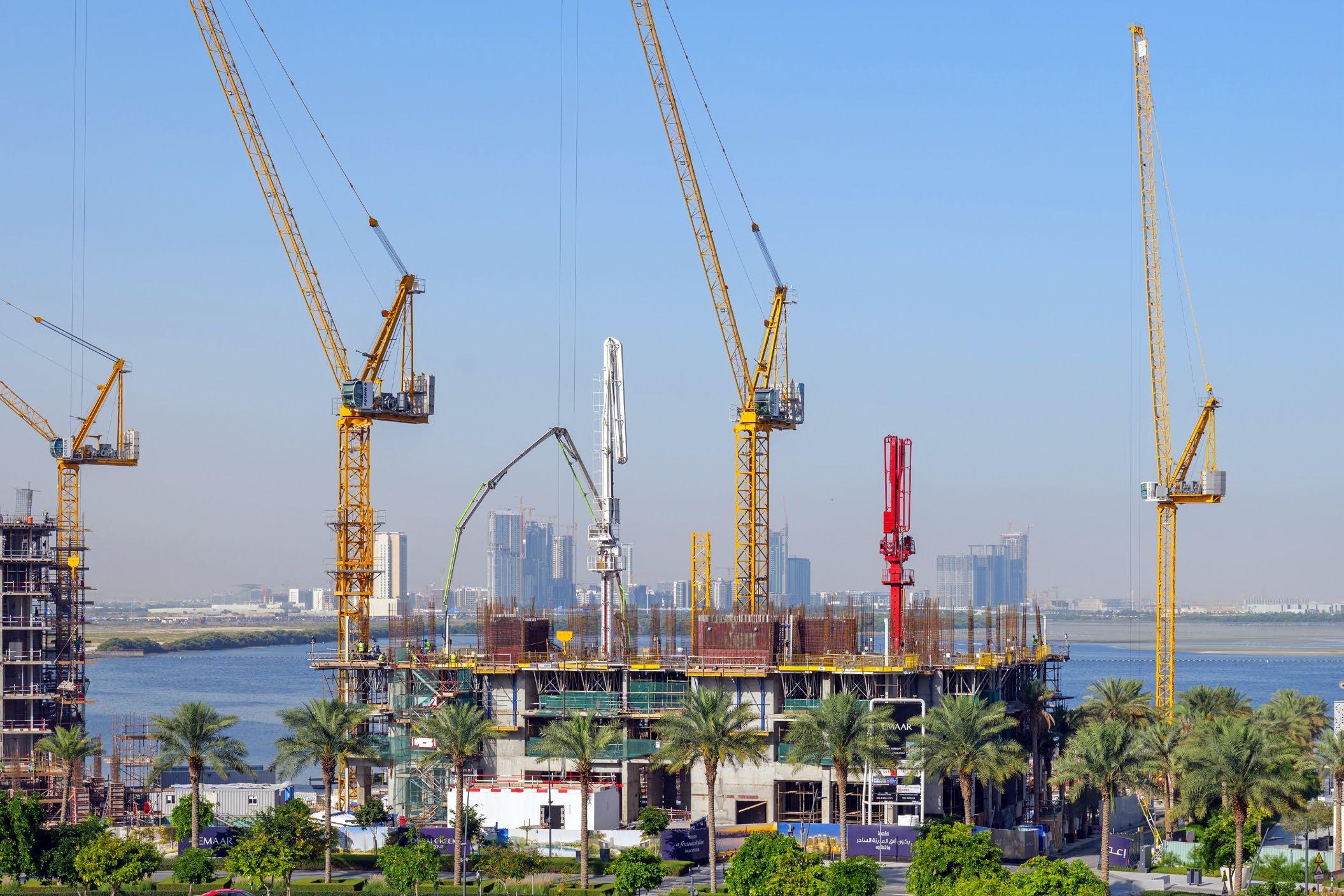
Dubai recorded 124 new project launches comprising approximately 28,000 units during H1 2026, down from 410 projects and approximately 102,000 units launched in H1 2025, with the majority of launch activity concentrated in Q1 2026. The moderation in launches preceded the onset of regional geopolitical tensions, with Q1 2026 already recording a notably lower pace of new project introductions at 99 projects and approximately 23,300 units, suggesting that developers had begun adopting a more measured approach following the record launch volumes recorded during 2024 and 2025.
The pullback intensified in Q2 2026, reflecting the compounding impact of developer caution and heightened regional geopolitical uncertainty, which prompted many developers to defer new project introductions until market conditions provided greater clarity. The reduced pace of launches has a direct bearing on off-plan transaction volumes, as a smaller pool of newly introduced units naturally constrains sales activity. Should launch activity recover through H2 2026, off-plan volumes are likely to respond accordingly.
At a property-type level, apartments continued to account for the majority of new launch activity, representing 92% of all units introduced in H1 2026, up from 87.1% in H1 2025. Townhouses accounted for 5.4% of new launches, down from 8.5% a year earlier, while villas represented 2.6%, compared with 4.4% in H1 2025.
Dubai's residential market delivered approximately 24,800 units during H1 2026, up 37.6% year-on-year and 12.1% above H2 2025, marking one of the strongest half-year delivery periods in recent years. Apartments accounted for the majority of completions at approximately 18,900 units, up 43.0% year-on-year, while villa and townhouse completions totalled approximately 5,900 units, up 22.6% year-on-year. Overall, 41.3% of the units scheduled for delivery during H1 2026 were completed, broadly in line with historical materialisation rates.
The sharp increase in completions indicates that the market is transitioning from a launch-driven cycle to a delivery-driven one, as projects launched over the past several years progressively reach handover. As completed supply enters the market at an accelerating pace, the growing stock of ready units is expected to increase buyer choice and could gradually place downward pressure on the pace of sales price and rental growth, particularly in locations with significant new supply. The interplay between rising completions and the current moderation in new launches will be a key dynamic shaping Dubai's residential market through the remainder of 2026 and into 2027.
Source: Cavendish Maxwell, Property Monitor
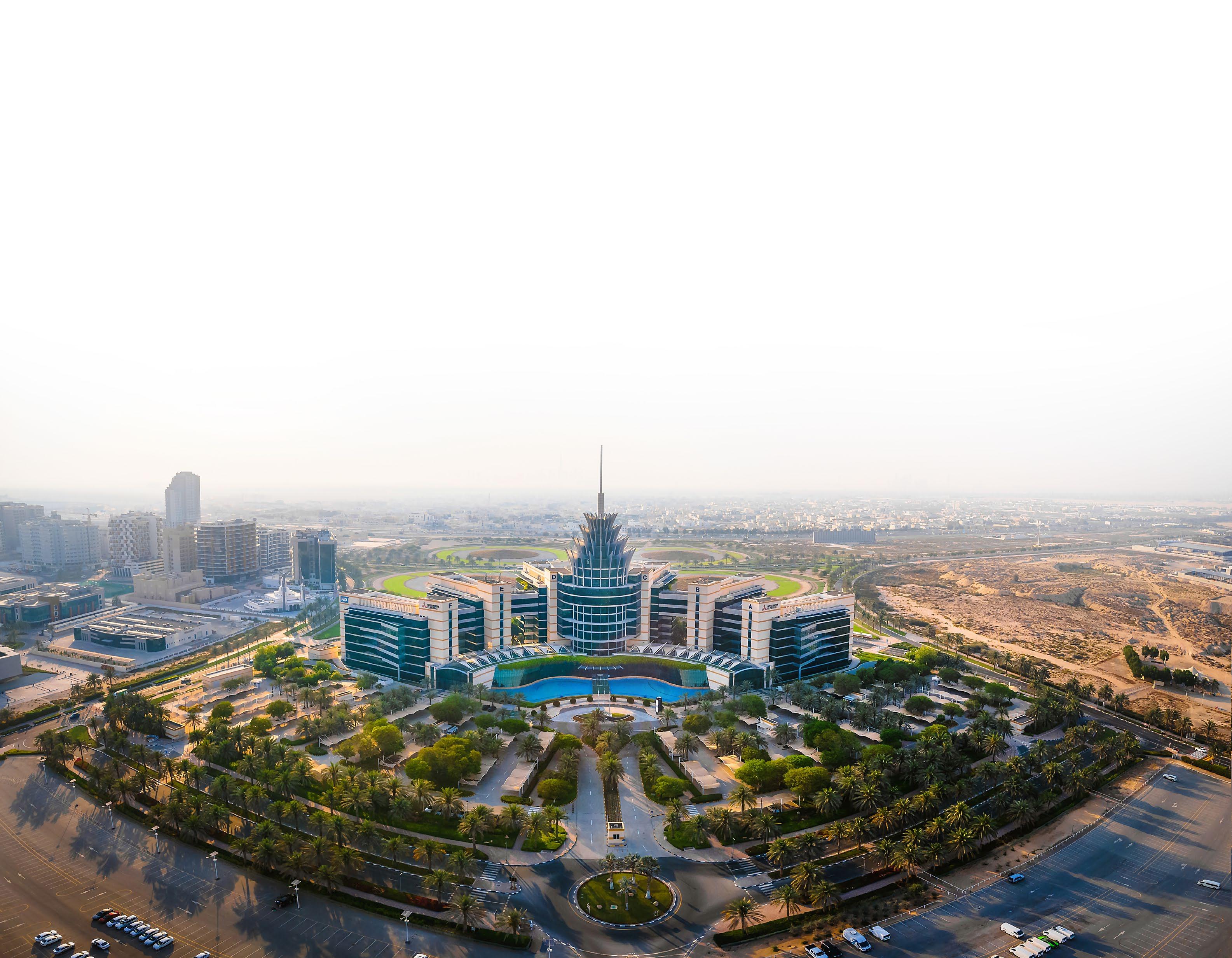
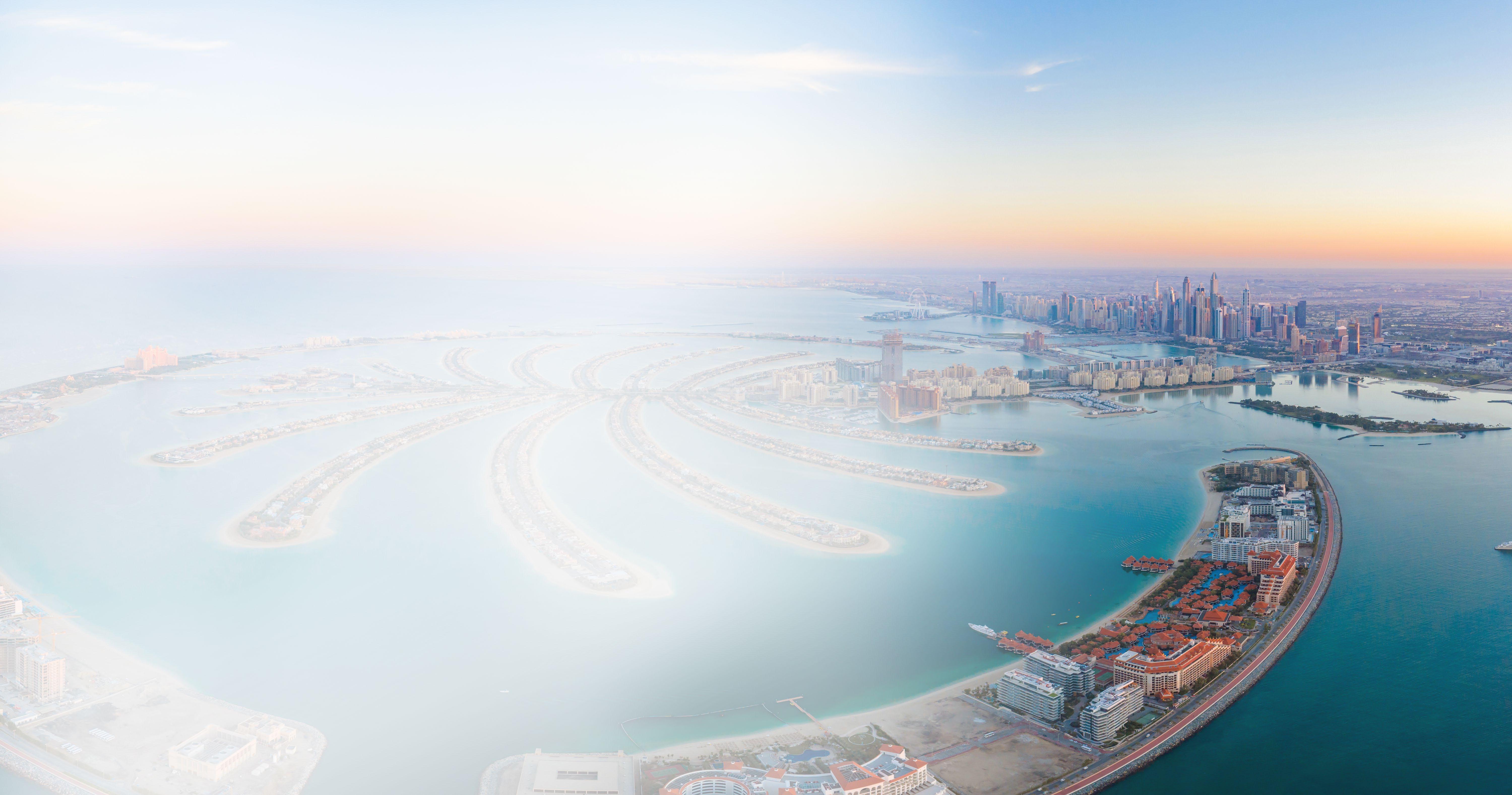
Approximately 47,000 residential units are projected for delivery during the second half of 2026, although, based on historical materialisation rates, actual completions are expected to range between 14,000 and 23,500 units. Apartments are expected to account for the majority of upcoming supply, comprising 82.5% of projected deliveries, while Jumeirah Village Circle, Dubai South, Dubai Science Park, Business Bay, Downtown Dubai, and Dubai Healthcare City 2 are collectively expected to account for 36.9% of scheduled completions. While construction delays may continue to affect delivery timelines, units already under construction represent committed future supply that will ultimately reach the market, meaning delays are more likely to redistribute completions across periods than reduce overall supply. Looking further ahead, the development pipeline remains substantial, with approximately 162,500 units scheduled for delivery in 2027, followed by 128,200 units in 2028.
The scale of the development pipeline marks a meaningful shift in market dynamics as Dubai transitions away from the supply-constrained environment that characterised much of the past few years. As completed inventory continues to build, buyers and tenants are likely to benefit from greater choice, while developers and landlords may face increasing competition. The pace at which this growing supply is absorbed will be a key factor influencing sales price and rental performance through the remainder of 2026 and into 2027.
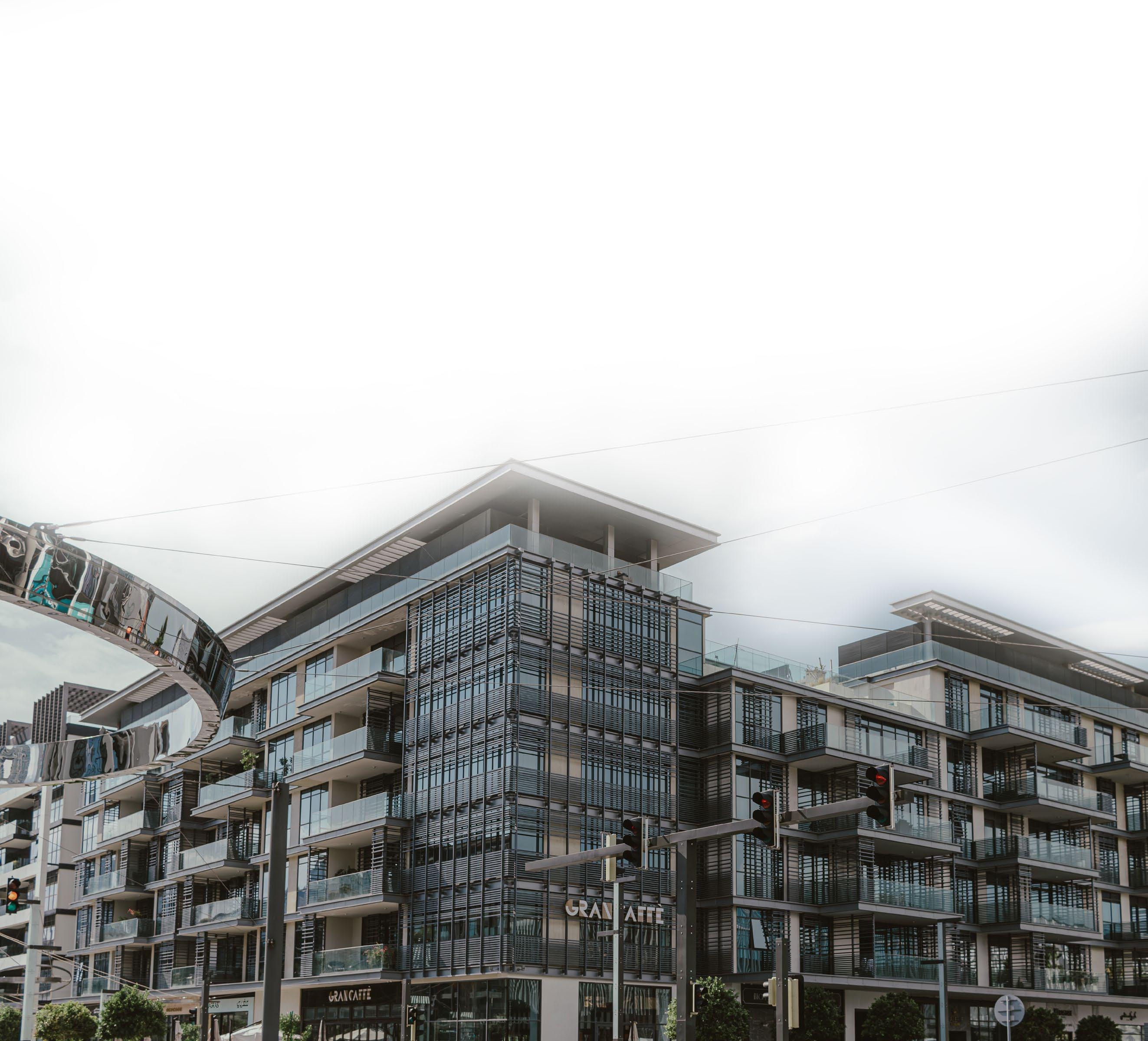
Dubai residential sales prices continued to moderate during H1 2026, with average sales prices reaching AED 1,639 per sq. ft by June 2026, representing a 1.9% year-on-year increase. The slowdown follows a period of strong price appreciation, with annual growth easing from 12.1% in December 2025 to 1.9% by June 2026. The pace of growth began moderating in Q4 2025, with quarterly price movement turning negative for the first time, declining 0.5% over the quarter. This deceleration continued into 2026, with Q1 2026 recording marginal quarterly growth of 0.6%, before prices declined by 2.6% quarter-on-quarter in Q2 2026, marking a more pronounced shift in pricing momentum.
Dubai's residential market is now transitioning into a new phase, with price performance increasingly influenced by broader market dynamics rather than the supply constraints that supported previous growth. The moderation in price growth reflects a combination of factors, including the slowdown in transaction activity, reduced buyer urgency amid regional geopolitical uncertainty, and the increasing volume of completed supply entering the market. With a substantial pipeline of units scheduled for delivery through 2027 and 2028, sales price performance is expected to face greater pressure in the near term, particularly in apartment-led locations where future supply concentration is highest.
Sales Price Trend (in AED/SQF)
Similar to the sales price trend, Dubai's residential rental rates moderated during H1 2026, with average rents reaching AED 75 annum by June 2026, declining 2.5% quarter-on-quarter while maintaining 7.8% year-on-year growth. This marked the lowest annual rate recorded in recent years, following a sustained period of strong rental appreciation, when annual increases consistently e from 2023 through early 2026.
The moderation was primarily driven by the apartment segment, where the growing availability of completed units increased tenan and eased the supply constraints that supported strong rental growth during the previous cycle.
Rental Price Trend (in AED/SQF/YEAR)
Source: Cavendish Maxwell, Property Monitor Source: Cavendish Maxwell, Property Monitor
In H1 2026, more than 277,000 rental contracts were registered, with renewals continuing to dominate the market and accounting 65.7% of all agreements. Overall, rental contract volumes declined by 3% year-on-year, primarily driven by a slowdown in Q2 202 contracts declining by 8.1%.
Dubai's residential market is demonstrating signs of a transition into a new cycle following the exceptional activity levels recorded over the past two years. While the fundamental demand drivers supporting the market remain intact, the near-term outlook is being shaped by a combination of factors that are likely to weigh on transaction activity and price performance.
Transaction volumes are expected to remain below the record levels recorded in 2025 as the market absorbs the impact of reduced new project launches, regional geopolitical uncertainty, and a broader normalisation in buyer activity. The recovery of launch activity through H2 2026 will be a key indicator of developer confidence and an important driver of future off-plan transaction volumes. Should geopolitical conditions stabilise, a resumption in launches could support a recovery in off-plan activity, although volumes are unlikely to return to the exceptional pace recorded in 2025 in the short term.
On the supply side, the market is transitioning from a launch-driven cycle to a delivery-driven one, with a substantial pipeline of units scheduled across 2026, 2027 and 2028. The growing volume of completed stock entering the market is expected to increase buyer and tenant choice, continuing to place pressure on sales prices and rental rates, particularly in apartment-led locations where supply concentration is highest. Sales price growth, which has already become negative on a quarterly basis, is expected to remain subdued, with recovery dependent on a meaningful improvement in demand conditions and a moderation in the pace of new completions. Rental rates are similarly expected to face further pressure as completed supply accumulates, with annual rental growth likely to continue compressing from the 7.8% recorded in June 2026.
Policy measures, including the removal of the minimum property value threshold for the two-year residence visa and continued infrastructure investment, are expected to provide ongoing support to Dubai’s long-term attractiveness and demand base. However, these structural drivers are likely to operate alongside a market environment increasingly shaped by supply dynamics and greater competition among projects. Overall, the remainder of 2026 is expected to represent a period of transition, with performance increasingly diverging across locations, property types and price segments as the market adjusts to a higher level of available inventory.
Authors Ali Siddiqui Research Manager ali.siddiqui@cavendishmaxwell.com

Julian Roche Chief Economist Cavendish Maxwell julian.roche@cavendishmaxwell.com
Key Contacts

+971 4 453 9525
Ronan Arthur Director, Head of Residential Valuation ronan.arthur@cavendishmaxwell.com +971 50 296 1411

+971 50 877 0190
cavendishmaxwell.com


Zacky Sajjad Director, Business Development and Client Relations zacky.sajjad@cavendishmaxwell.com +971 50 644 5089