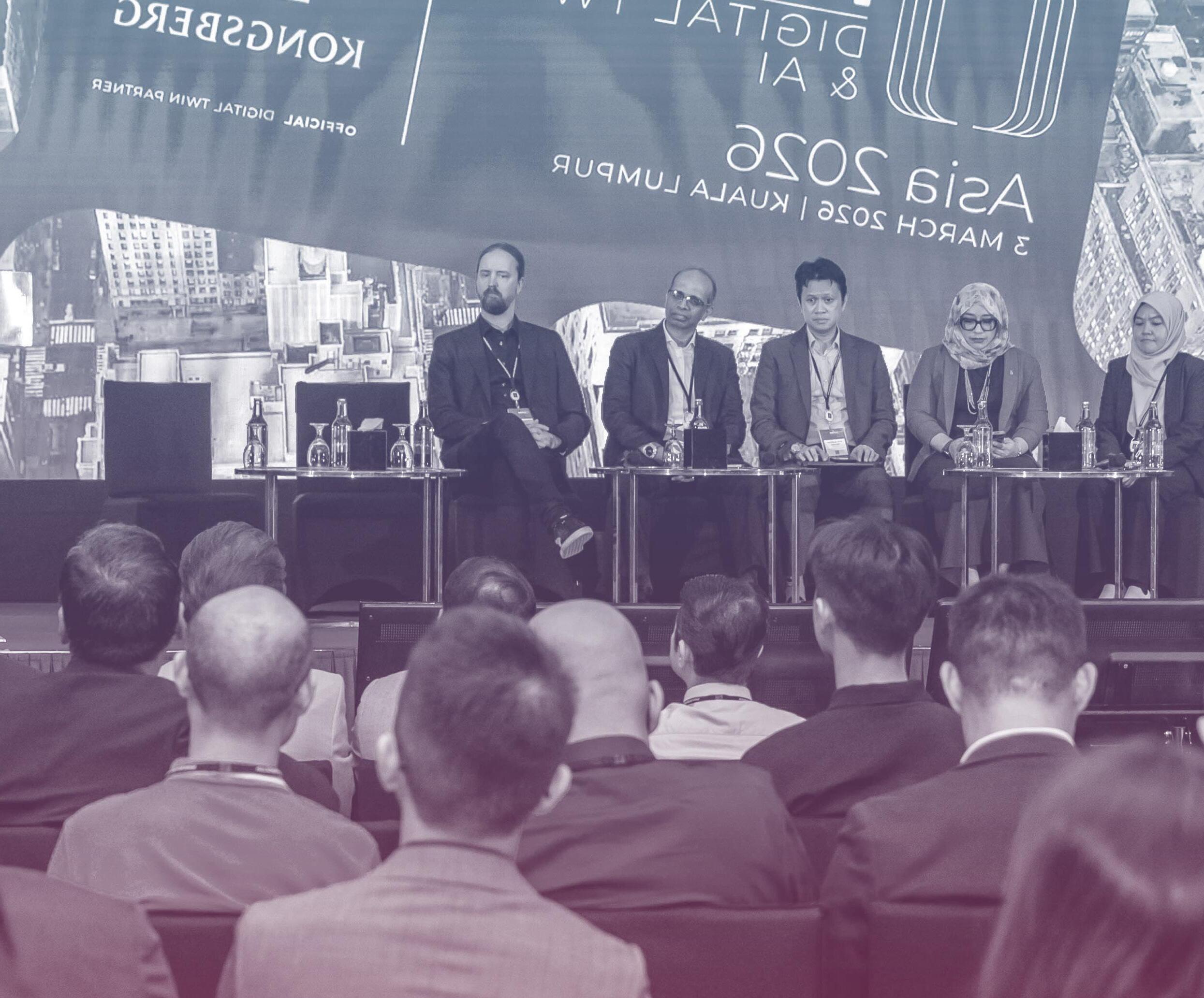


It was a pleasure to welcome delegates to Future Digital Twin & AI Asia 2026 in Kuala Lumpur on 3 March, bringing together leaders from across the energy sector. The conversations throughout the day showed clearly how much progress is being made, with a strong focus on how these technologies are now being applied in practice.
Across the event, there was a noticeable shift in how digital twins and artificial intelligence are being viewed. They are no longer separate initiatives or future ambitions, but part of how organisations are planning, operating, and improving performance. From field development through to day-to-day operations, these tools are helping teams work more effectively and make better decisions.
The programme reflected this progress. We saw how AI is supporting planning and optimisation, how digital twins are being used to improve visibility across assets, and how data is being brought together to support more connected systems. The growing use of Large Language Models also showed how the way teams interact with data is beginning to change in a practical way.
At the same time, there was a clear understanding that progress needs to be supported by the right foundations. Discussions focused on data quality, system integration, and the need for closer alignment
between IT and operational teams. Governance, cybersecurity, and trust were also key themes, reflecting the importance of building systems that are not only effective, but reliable and secure.
What continues to set Future Digital Twin & AI apart is its focus on real experience. The event brings together people who are directly involved in delivering change, which keeps discussions grounded and relevant. It creates an environment where challenges can be shared openly and practical lessons can be taken away.
The strength of the event also comes from the range of perspectives in the room. Operators, service companies, technology providers, and academics all contributed to the discussion. This mix is important in ensuring that progress reflects the needs of the wider industry, not just individual parts of it.
I would like to thank our advisory board, partners, sponsors, and speakers for their support in shaping the event. Most importantly, I would like to thank our delegates. Your willingness to engage and share experience is what makes this platform valuable and ensures it continues to support meaningful progress across the sector.
Adam Soroka CEO, Cavendish Group International
The first-ever Future Digital Twin & AI Asia Conference, held on 3rd March in Kuala Lumpur, proved to be a worthy showcase for the talent and cutting-edge technology underpinning advances in the region’s energy industry.
Organised by Cavendish International, the event played host to more than 240 delegates from 148 organisations, who shared knowledge and gained insights from an array of expert panellists from around the world.
Speakers represented companies and organisations pivotal to the successful application of artificial intelligence within the energy sector, including BP, Shell, Petronas, PTTEP, Kongsberg Digital, DNV, SIMACRO, EY and many others.
High on the agenda were the benefits now being reaped from the use of AI and digital twin technology in maximising and improving the efficiency of oil and gas exploration and production in Malaysia and its regional neighbours.
“What makes these Future Digital Twin & AI events exciting is delving into the regional capabilities of these progressive technologies. As we discovered this time in Malaysia, AI and physical technology are fast developing alongside each other – a combination that will help the country’s upstream industry reach production and sustainability targets all the way up to 2035,” Adam Soroka, Cavendish International’s CEO, said.
It was a sentiment echoed by Shahril Mokhtar, Head of Technology & Digital at the Malaysia Petroleum Management arm of Petronas, in his keynote speech. “AI has a crucial role as an accelerator. Our geoscientists would still find oil and gas without it, but the expectation for AI in our industry is that it will provide that space where it can be done faster, greener and safer,” he told delegates.

Among other keenly discussed themes in Kuala Lumpur were the need to create integrated and interoperable systems to allow the scale up of AI, how the responsible application of AI and a continuing focus on cybersecurity measures were imperative, and how to achieve buy-in from workers to ensure that AI-driven technology can be rolled out faster.
Mokhtar also emphasised another theme that gained a lot of traction at the conference: the efforts being made to ensure the region develops talent the equal of that anywhere else in the world.
“We must not forget that AI and digital twin are still just tools. We still need to rely on the capabilities of the people in the industry – upskilling them with the right knowledge of AI and digital twin is paramount,” he said.
The buzz around this inaugural event highlighted the growing enthusiasm in the region to take the deployment of AI in the energy industry to the next level.
Here’s what some of the experts said at Future Digital Twin and AI ASIA 2026:

ØYSTEIN HOLE
EVP & Chief Product Officer, Kongsberg Digital
“Just using a digital twin to work the way you were before is not going to change anything. You need to use it as decision support… then the effects can be rolled out across the organization’’
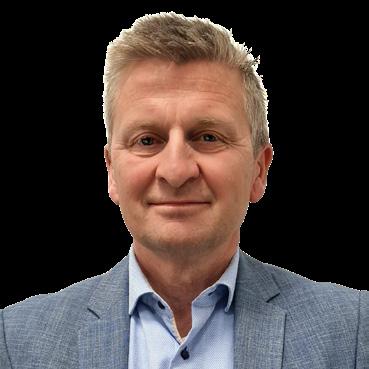
LARS MELOE
Principal Consultant, Digital Trust Venture, Energy Systems, DNV
“The energy sector must transform from a reactive stance to a proactive and systematic approach to AI safety.”

SAHAJ VAIDYA
Koita Centre for Digital Health, Ashoka University
“Governance, safety guardrails, and usage need to be combined to create the trust that forms the operational backbone of AI ‘applied with digital twins.”

GILLES LAMERIE
Group Subcontracts Director, SBM Offshore
“Visible and aligned leadership is not optional, it is the engine of transformation for AI adoption”
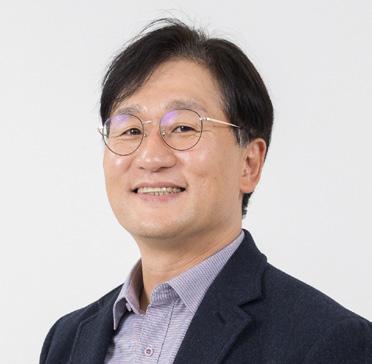
JAY YUN
Founder and CEO, SIMACRO
“An AI-enabled digital twin must continuously reconcile the model and plant reality to close the gap between plan and actual, because that gap is where your profits leak.”
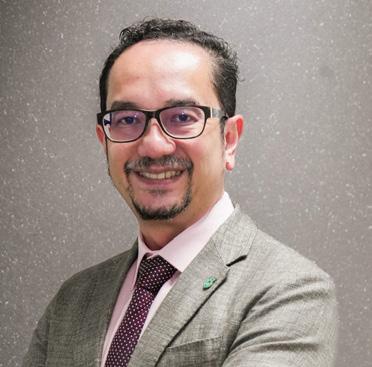
SHAHRIL MOKHTAR
Head of Technology & Digital at MPM, Petronas “Now, we are using AI, it’s just a matter of pushing the boundaries and, for me, those are limitless”
“How we see things is not people against AI, it is people with AI. It is enhanced human ways of working,” Gilles Lamerie, Group Subcontracts Director, SBM Offshore told the conference.
Øystein Hole, EVP & Chief Product Officer, Kongsberg Digital said achieving that synergy would not come from a businessas-usual approach.
“Digital twins are ultimately there to help us, or robots, or agents make better decisions. Just using a digital twin and then working the way you were before is not going to change anything. You need to use it as decision support, to automate processes, and to train robots. Then the effects can be rolled out across the organisation,” he said.
The human factor remains critical
One of the most important future skills in the energy industry will be enhanced engineering judgment, according to Narayanan Chidambaram, PMP, Head of Project Engineering Pod NervCenter at Petronas.
“AI is going to be doing a lot of work, but the final decision is still going to be made by operators and engineers. That means they will need to be equipped with better engineering judgment. They will need to understand what the AI gives to them and ascertain whether it is right. It’s going to be tough, but I think we will make it,” he said.
Yaswanth Bhatraju, Data and Diagnostic Engineer, at Danish wind energy firm Ørsted agreed that human expertise should be the ultimate level of decision-making.
“AI gives you a signal that tells you something is wrong with the asset, but it does not tell you why. That is where the human layer provides the real benefit. Subject matter experts bring the context needed before deciding to take potentially costly action, such as dispatching a team into the field when it may not be needed,” he told the event.
Strong leadership is a must if the benefits of AI-driven technology are to be maximised
Company leadership requires a laser-like focus to ensure momentum behind the roll out of AI is maintained, the conference heard.
“Visible and aligned leadership is not optional, it is the engine of transformation. If you take off your foot from the gas pedal, then AI adoption is going to slow down and even stall. If you keep the pedal down, that’s when transformation stays on track,” according to SBM Offshore’s Gilles Lamerie.
You must have buy-in from the workforce
Shahril Mokhtar, Head of Technology & Digital at the Malaysia Petroleum Management arm of Petronas, said hands-on experience was the best way to persuade people of the benefits of AI-driven technology.
“The key factor in successful AI implementation is to use it. You can have the best models and the best data in the world, but if people don’t accept AI, it will not work. Now, we are using AI, it’s just a matter of pushing the boundaries and, for me, those are limitless,” he told the conference.
That also means demonstrating to people that AI deployment helps and simplifies work routines rather than adding to their workload, according to Omar Muzhafar, Product Manager at Petronas.
“In my experience, successful AI adoption is achieved through the positioning of the solution. When you introduce digital initiatives or AI solutions for users, you must show that it’s actually helping them in their jobs, because if you introduce it like it’s just another digital initiative, sorry, it’s just not going to get their buy in.”
A unified operating environment needs to be carefully structured
As organizations transition from a siloed structure into a unified ecosystem, it is important to embed data hygiene, data context, data analytics, and data governance into operational workflows, according to Siti Noor Ashikin Mustafa, Advisor, Digital Subsurface Solutions, PTTEP
“Organic strengthening happens when architecture, accountability and culture are aligned. So, a unified data ecosystem should not be designed around IT consolidation alone. It must be designed around the operational, decision-making process,” she added.
Sahaj Vaidya, Senior Research Associate at Ashoka University’s Koita Centre for Digital Health said that governance, safety guardrails, and usage needed to be combined to create the trust that forms the operational backbone of AI applied with digital twins.
“This allows AI to become more than just an emerging technology, but a foundational stone to scale systems successfully,” she told the event.
Kongsberg Digital’s Øystein Hole stressed the need to keep building a collaborative work environment between organisations.
“Companies have to be open to exchanging data, and open to having their agents and training algorithms collaborate together, in order for us to run and automate all of this in one industrial intelligence platform – that’s how we will shape the future of work,” he said.
Jay Yun, Founder and CEO, SIMACRO said, to be really useful, output from a digital twin needed to be continuously compared to what’s actually happening on or in the ground.
“The value of a digital twin is not in the model. A real-time, AI-enabled Digital Twin must continuously reconcile the model and plant reality to close the gap between plan and actual, because that gap is where your profits leak. If you cannot close the gap, it is not a digital twin, it is just a dashboard,” he told delegates.
“The energy sector must transform from a reactive stance to a proactive and systematic approach to AI safety,” according to Lars Meloe, Principal Consultant, Digital Trust Venture, Energy Systems at DNV.
“Cyberattacks and AI-driven equipment failures are already on the radar of energy operators, but we must not allow smaller, less detectable systems risks to slip through the cracks. These risks born of unpredictable interactions between humans and AI could pose the greatest threat to operational safety,” he said.
Loke Kwok Thong, Cyber Security Director at EY said successful security measures required thinking like an adversary.
“Cybersecurity is no longer about simply building a wall around your organisation. It requires an adversarial mindset, you need to constantly test your systems by thinking like an outsider with malicious intent and asking how they might breach your defences,” he told the conference.
“The Future Digital Fusion conference in Kuala Lumpur brought together a strong mix of regulators, energy companies, and technology providers navigating digital transformation. The discussions were high quality, with a clear focus on the growing impact of AI, particularly Large Language Models, on workflows, decision-making, and productivity. What stood out was the range of organisational maturity, with some advancing AI adoption while others continue building their digital foundations. Events like this offer a valuable opportunity to reflect on progress and assess how innovation is translating into real industry impact.”
Dr. Ambrose G. Corray, Leader for Digital Transformation, Hibiscus Group
“A great event that shed light on how AI and digital twins are being used across industries, along with the real challenges faced in such a fast-growing field. Seeing experts from different organisations come together and share their live experiences was genuinely valuable, exactly the kind of conversation that helps bring the industry closer together.”
Yaswanth Bhatraju, Data and Diagnostic Engineer, Ørsted
“It’s an honour to contribute to the Future Digital Twin event. The thoughtfully curated agenda, relevant themes, and strong community of industry professionals create impactful insights and rich exchanges.”
Loke Kwok Thong , Cyber Security Director, EY
“The Future Digital Twin & AI conference brought together a strong mix of industry leaders and practitioners to share real-world perspectives on digital twin, AI, and data-driven transformation. The quality of the programme and participants made it a highly engaging platform for meaningful discussions on how the industry can move forward with practical innovation.”
Omar Muzhafar , AI, Digital and Business Alignment Leader
“It was a pleasure to participate as both a panel speaker and attendee at the Future Digital Twin & AI Conference in Kuala Lumpur. The event brought together a strong mix of industry leaders, technologists, and practitioners, creating a valuable platform to exchange perspectives on how digital twins and AI are shaping the future of complex industries. The diversity of viewpoints, from technology and governance to leadership and workforce readiness, made the discussions particularly relevant.
Overall, the conference was very well organised and highly relevant. It stands out as an important forum for advancing both technology and thoughtful leadership in the AI era.”
Sai Garimella , Custodian (Chief) for Reservoir Engineering & Group Technical Authority (GTA) at PETRONAS
“It was a fantastic experience discussing how AI can enhance plant operations and minimise unplanned deferment. The programme was well balanced, bringing together panellists from various backgrounds, including operators, service providers, and designers, which created a strong environment for exchanging ideas and gaining broader perspectives.”
Ir. Mohd Zul Yusri B Mohd Akhir , Principal Instrumentation & Control, Reliability & Maintenance Specialist, PETRONAS Carigali Sdn Bhd
“The Future Digital Twin event managed to strike a rare balance, being thoughtful in its themes, practical in its discussions, and refreshingly diverse in its range of participants. It brought together researchers, industry leaders, and policymakers in a way that moved the conversation beyond hype and towards how digital twins can be meaningfully deployed and governed in realworld settings.”
Sahaj Vaidya , Senior Research Associate, Koita Centre for Digital Health, Ashoka University, India
“With a well-curated programme that included data contextualisation and agentic AI, Future Digital Twin & AI Asia brought together an impressive community of industry leaders and innovators, sparking excellent conversations.”
Michiel van Haersma Buma Chief Commercial Officer, WhiteSpace Solutions
Khaled Al Blooshi, VP, Digital Projects & Innovation, ADNOC
Krishnan Sankaranarayanan, Director, Digital Transformation, SABIC
Michael Hotaling, Executive Advisor, ExxonMobil
Dr.Edmary Altamiranda , Business Transformational Technology & R and D Lead, Controls & Systems Engineering Aker BP
Martin R. Gonzalez, PhD, Innovation & Technology Principal, bp
Adam Williams, Senior Manager, Engineering Technology & Design, Motiva Enterprises LLC
Ram Seetepalli, Director, Data & Analytics & Digital Innovation, Motiva Enterprises LLC
Rolf Einar Saeter, Head of Emerging Digital Technologies Shell
Seth Taylor, Smart Facilities Manager, Chevron
Justin Piwetz, Asset Management Lead, bp
Shane McArdle, CEO, Kongsberg Digital
Shahril Mokhtar, Head of Technology & Digital, Petronas
Sai Garimella, Technical Authority & Custodian, Reservoir Engineering, Petronas
Syed Mohsin Almohdzar, Cybersecurity Category Manager, bp
Raymond Soh, Information Management Team Lead, Enquest
Budi Mawardi Nasron, General Manager, Resource Development & Management, MPM, Petronas
Dr.Ambrose G.Corray, VP Group InfoTech & Digitalisation Hibiscus Petroleum Berhad
Ts. Omar Muzhafar, Product Manager, Petronas
Siti Noor Ashikin Mustafa, Advisor, Digital Subsurface Solutions, PTTEP
Mohd Zul Yusri Mohd Akhir, Principal Instrumentation & Control, Reliability & Maintenance Specialist, Petronas
Arief Budiman, Senior Manager, Technology, Digital Twin Program, MPM, Petronas
Ts. Harshielawati Hanim Muhamad Johar, Portfolio & Value Management Specialist, Upstream, Petronas
Ts. Narayanan Chidambaram, PMP, Head of Project Engineering Pod, NervCenter, Petronas
Ts. M Faizal Che Daud, Manager, Technology & Digital, MPM, Petronas
Arvin Singh, Partner, Head of Digital Advisory, ME & SE Asia, Wood
Michiel Van Haersma Buma, CCO, Whitespace Solutions
Jay Yun, Founder and CEO, SIMACRO
Ms.Shahaj Vaidya, Senior Research Associate, Koita Centre for Digital Health, Ashoka University
Prakash Kumar Karunakaran, Strategic Advisor, Enterprise AI, Technology & Transformation, Petronas
Oystein Hole, EVP & Chief Product Officer, Kongsberg Digital
Ts Noor Amalina Fuaddin, Senior Front End Engineer, Upstream (DFE), Petronas
Gilles Lamerie, Group Subcontracts Director, SBM
Lee Yong Xian, Data Scientist, Petronas
Loke Kwok Thong, Cyber Security Director, EY
Fadzil Abdul Kadir, Senior Manager, IM IT & Digitalisation, Aker Solutions
Lars Meloe, Principal Consultant, Digital Trust Venture, Energy Systems, DNV
Sharul A-Rashid, Executive Director, Independent and former Petronas
Yaswanth Bhatraju, Data and Diagnostic Engineer, Orsted
Grisel Jimenez Soto, PhD, Digital Reservoir Geoscientist, Former Petronas