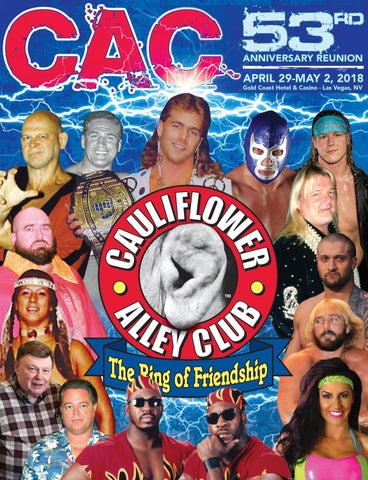
SLAM! Wrestling congratulates all the Cauliflower Alley Club honorees!
Merging Old School with New School.
SLAM! Wrestling is the most unique of pro wrestling websites, profiling the legends of yesterday and the stars of today. Featuring stories and interviews, TV and PPV recaps, results, photo galleries, reviews, and much, much more!
CAULIFLOWER ALLEY CLUB
4138 187th Avenue SE Issaquah, WA. 98027 USA
425 644 2658 (11am - 5pm Pacific time)
www.caulifloweralleyclub.org
Brian Blair, CEO/President
Morgan Dollar, Vice President
Dean Silverstone, Secretary/Treasurer
Gloria Lovell, Executive Secretary
David Buckler, Webmaster
Royal Duncan, "Ear" Editor
Benevolent Fund:
Karl Lauer, Benevolent fund chairperson
Nick Bockwinkel 2007-2014
Red Bastien 2000-2007
Lou Thesz 1992-2000
Archie Moore 1991-1992
"Iron" Mike Mazurki 1965-1991
* As with any project this size, photos are provided with no copyright or unknown photographer. We appreciate and thank the photographers that have taken these photos.
Program Published by:

7620 N. Harker Drive
Peoria, IL 61615
www.royalpublishing.com
PROGRAM DESIGN/LAYOUT
Royal Duncan/Chris Jones

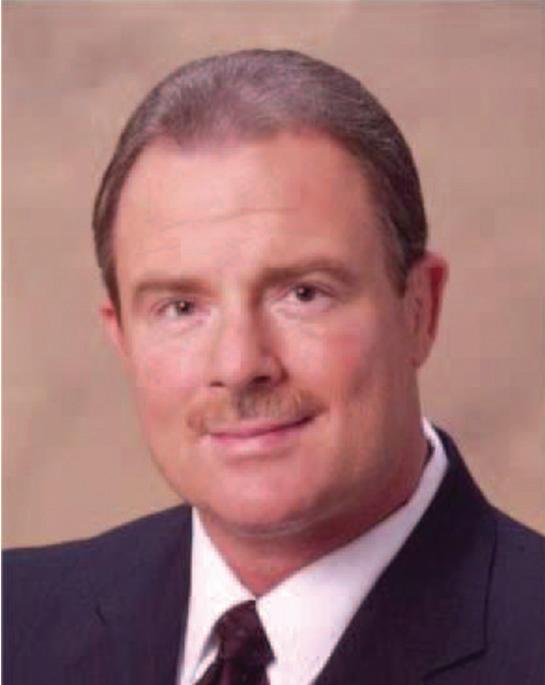
Welcome to our 53rd annual Reunion, a message from our CAC President/CEO
Wow, this is so exciting to see our awesome members, their families, guests and of course our generous Honorees, who travel here at their own expense to support our “Mission Statement” of assisting people from the wrestling industry, that have fallen on difficult financial times.
We, the Executive Board and Associates, have been working for a year, to assure you of another fine Reunion. A special thank you to every one of you that has made this possible!
To quote Jim Ross, in the Tampa Tribune, July 9th, 2015: “I find it embarrassing that any wrestler would not be a member of the Cauliflower Alley Club, without those who blazed the trail, these guys making big money today would not have a place to work.”
So many of you have taken the time to promote this event via social media and word of mouth…to the many amazing people that go the extra mile for the CAC, we thank you, as well as all our members that both promote and care about this club.
I would be remiss if I did not mention all the support we get from WWE and staff. Ben Brown is always there when we need him…Sue Atchison (past Honoree) of WWE as well, has been more helpful than words can say! Sue and I have been friends for over 30 years and she handles such a load for WWE, yet is always willing to assist us in so many ways…Love you Sue!
I would also like to thank our very own Cindy Hall, for her tremendous vocals. Cindy said that she would rather be here with her CAC family than traveling with Hank Williams Jr., as was her past – now that is a great statement!
We are “The Ring of Friendship” and as my Dad once said to me after receiving a football scholarship, “It’s nice to be Important, but it’s more Important to be nice!” This is who our members are and once again, we are so appreciative of you all!
Thank you dearly for attending the 53rd, enjoy the rest of your stay, safe travels and healthy, happy wishes.
“B”
Brian Blair President/CEO
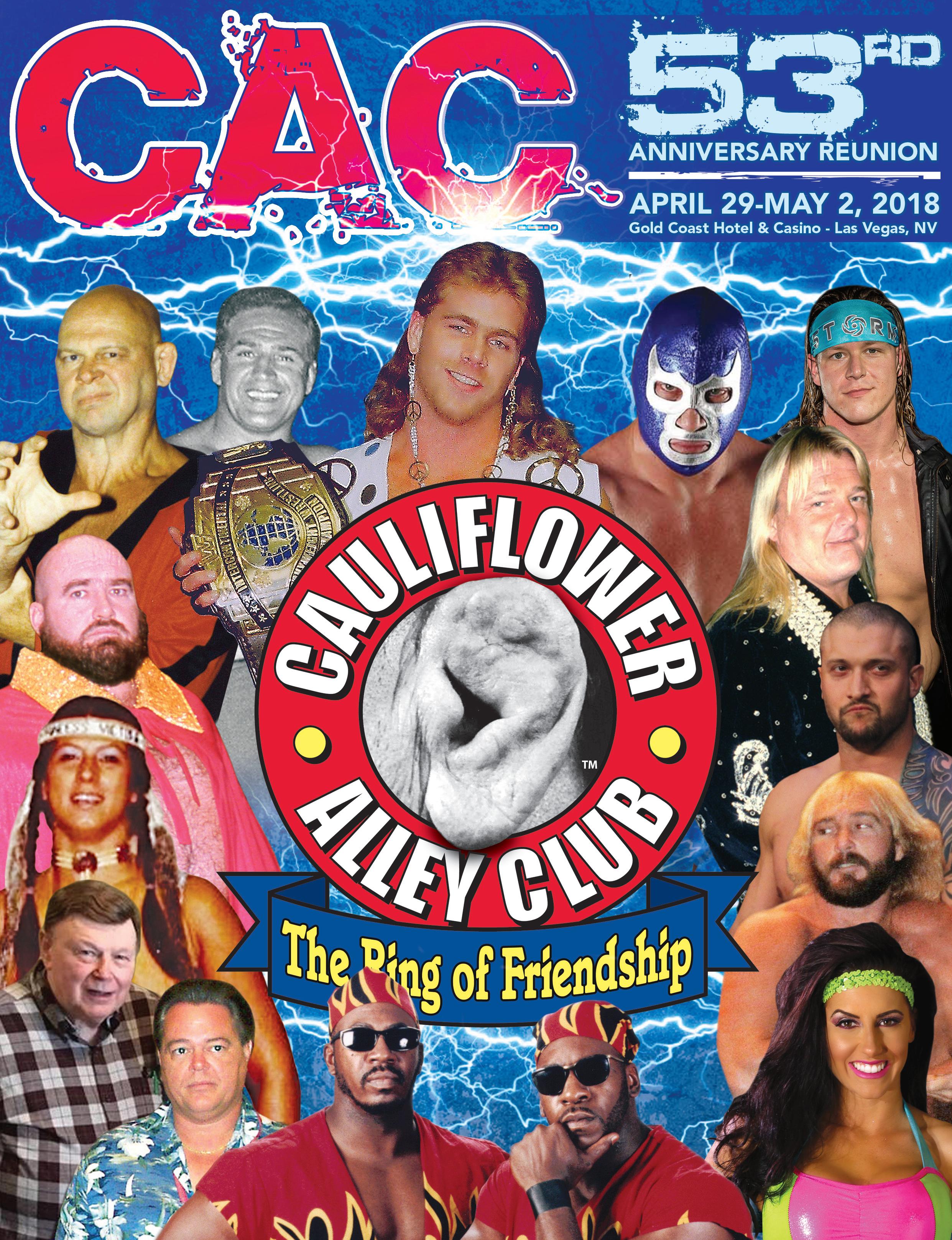
Blue Demon Jr. - photo sent in by Carmine D, studio shot from Blue Demon Jr., Santana Garrett - WOW Holdings, LLC, Harlem Heat - Colin Bowman, Mickie J. Henson - Mike Lano, Steve Keirn - Joyce Paustian, Kevin Kross - George Tahinos, Don Luce - Tom Burke, Roy McClarty - Terry Dart, Shawn Michaels - Brad McFarlin, Alexis Smirnoff - Dan Westbrook, Tony Storm - RiverHorse Wrestling Photography, Greg Valentine - Mike Lano, Princess Victoria - from the collection of Vicki Otis, Baron von Raschke - from the collection of Chris Swisher
Congratulations on your award!
Your family is very proud and would like to thank you for all the blood, sweat, and sacrifices you have made over the years.
You will always be #1 Champion to us.
Julie, Dawn, Chantal, & Michel Jr. "That's My Dad!"

BOCKWINKEL BLOWOUT BANQUET ON TUESDAY MAY 2ND AWARDS BANQUET ON WEDNESDAY MAY 3RD

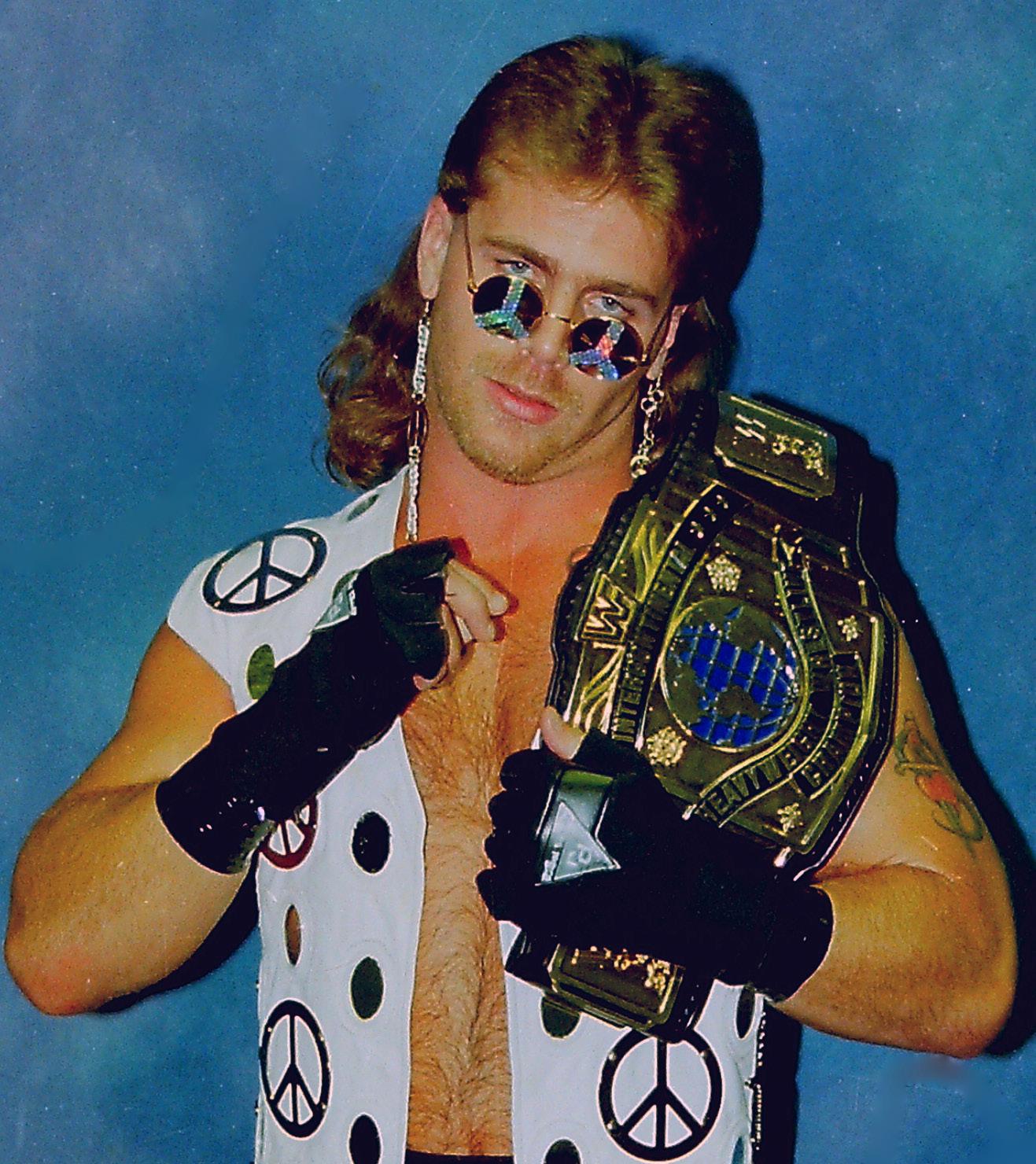
From fulfilling the boyhood dream to earning the moniker “Mr. WrestleMania,” there isn’t much Shawn Michaels hasn’t done in the wrestling industry, making the honor of receiving the Art Abrams/Lou Thesz Lifetime Achievement Award that much more meaningful.
Breaking into the industry in 1984 under the tutelage of Jose Lothario, Michaels was introduced to the squared circle in the NWA, and within just a couple years began teaming with Marty Jannetty in the AWA. The duo would go on to earn a then-WWF contract in 1987, but were released after two weeks. However, re-signed just one year later, Jannetty and Michaels—now known as the Rockers—would go on to success in the tag ranks.
“When I went up to the AWA for Verne Gagne… they wanted to do the rock ’n’ roll, high-energy team. They asked me if there was anybody who I ever tagged with that I wouldn’t mind doing this with,” Jannetty previously told SLAM! Wrestling. “I mentioned Shawn’s name. They’re like, ‘Yep, we’ve heard of him. Definitely. We’ll bring him in.’ They brought him in the next TV, put us together, and that’s how it all started.”
But it wasn’t until Michaels infamously threw Jannetty through the barbershop window on Brutus Beefcake’s talk show that The Heartbreak Kid’s singles career rocketed him to the top. His ladder match with Razor Ramon at WrestleMania X laid the foundation for his legacy, and he would only continue to build on it—but not without controversy. He was part of the infamous kayfabe-breaking “curtain call”
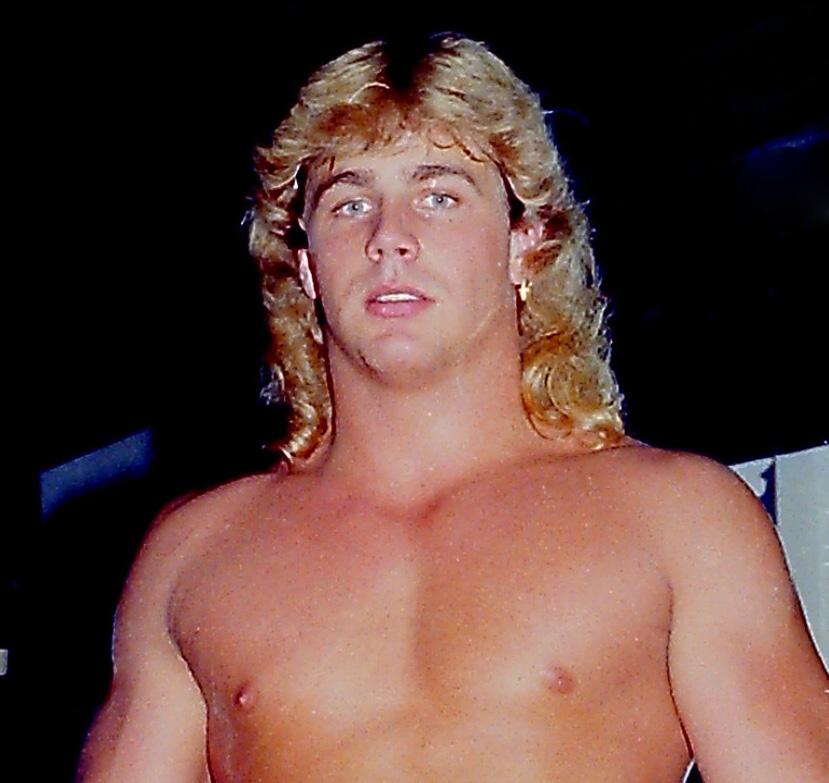
with Scott Hall, Kevin Nash and Triple H and posed for Playgirl in 1996, in addition to his pivotal role in the Montreal Screwjob.
Despite those infamous incidents, his in-ring abilities never wavered and when he returned to the ring in 2002 after back surgery, he was a new man, having recently found religion. “I’ve watched Shawn grow from the Shawn that I met to the Shawn that I know now,” said Kevin Nash in 2005. “What an incredible human being he is now. He is just, he is as good as it gets. It’s nice to see guys, especially your closest friends on Earth, when I’ve got a couple of them falling off the face of the Earth; it’s nice to see some of them go the opposite way.”
Michaels made history as part of the original D-Generation X faction and had countless WrestleMania moments against the likes of the Undertaker, Ric Flair (who he retired) and Tito Santana. He also had the opportunity to work with the late Sherri Martel, who sang his now-signature theme song, “Sexy Boy.” “He was a smart person and will go down in history as a perfectionist,” Martel told Wrestling Update Online. “There is no one with his charisma, he’s a special person and has a phenomenal personality.”
Michaels’ legendary career went well into the 2000s, his last match being against The Undertaker at WrestleMania XXVI. Since leaving active competition, Michaels has made special appearances on WWE programming and now acts as an ambassador and trainer for the company. An avid hunter, the WWE Hall of Famer also has been featured as a host of Shawn Michaels’ MacMillan River Adventures on the Outdoor Channel.
— Kari Williams

Bless us all... Bless us all... The heavy, the light, and the small.
Bless our flat noses and cauliflowered ears, For we are the ones whom They stood up and cheered.
Now we're saying 'So long' to us all, The long, the short, and the tall. May God keeps us busy, We'll see you next Wednesday; Stay cheered, guys and dolls, Bless us all.
– Lyrics by GUY BURNETT sung to old Navy chant, "Bless Us All"
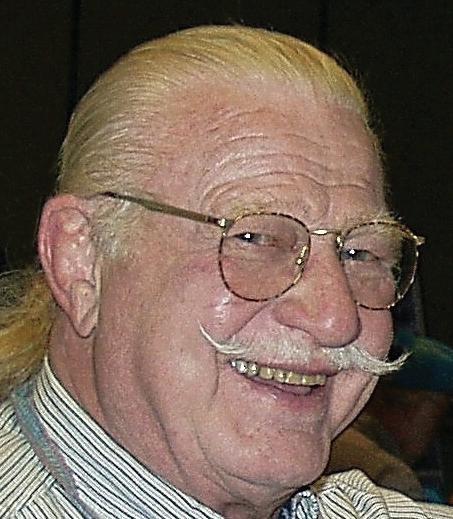
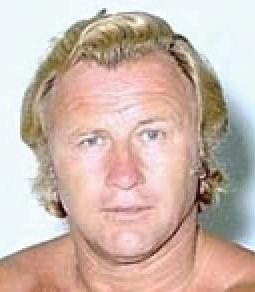
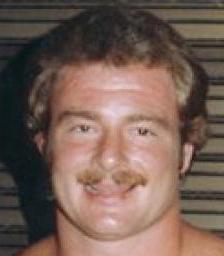

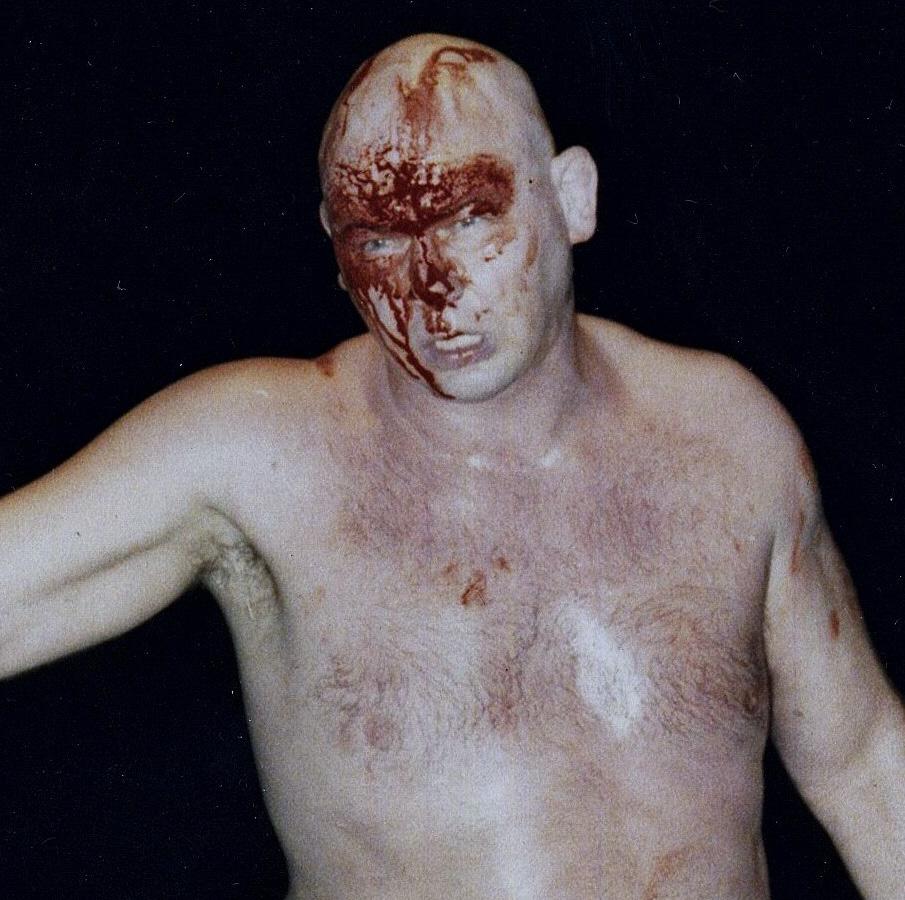
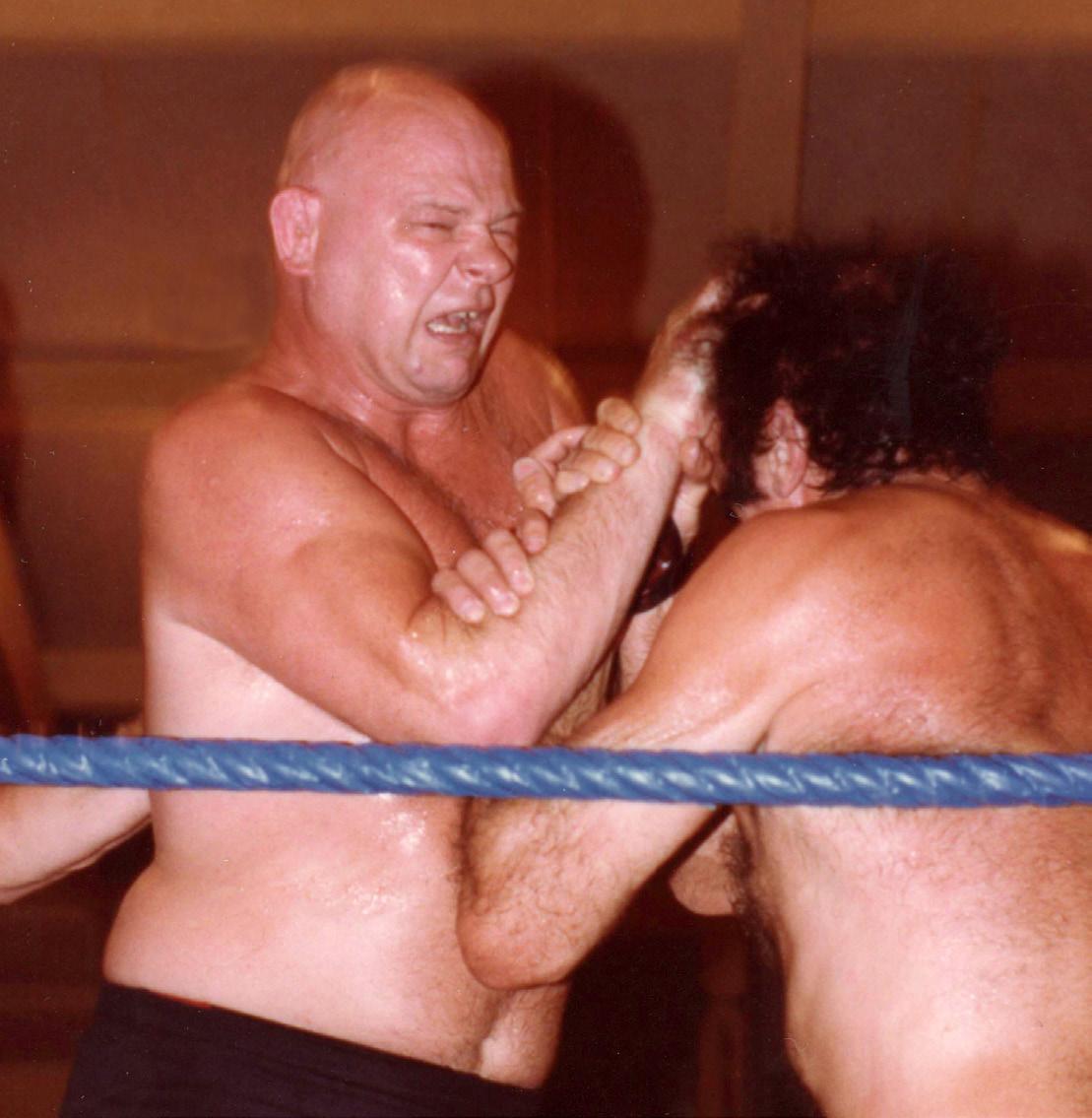
With a more deference to an experienced wrestler, the German who terrorized rings from the late 1960s to the 1980s might have been Baron von Pumpkin. Jim Raschke was struggling to survive in the Midwest with a look as meek and mild-mannered as that of any stereotypical schoolteacher, which, in fact, he was. During a 1967 swing through the Montreal territory, veteran Mad Dog Vachon stepped in and growled, “You oughta be a German.” Responded Raschke: “Well, I am a German.” In the end, the Dog let Raschke keep his real last name, instead of calling him Pumpkin.
The change in Raschke’s billings—and payoffs—was immediate, and friends are amazed at how he easily he managed his double identity. “Jim can just change in an instant. He can be the German and he can be Jim Raschke,” manager Bobby Heenan once said. “He’s the most remarkable human being I’ve ever seen, for a character, in this business, how he can just turn it off and on.”
Fans didn’t make the connection when Raschke goosestepped to the ring and locked opponents’ temples in the claw, but he was a world class amateur wrestler. He lettered for three years at the University of Nebraska, and won the Big Eight Conference heavyweight title as a senior in 1962. He took a bronze in the World Games in 1963. A year later, he captured the Amateur Athletic Union freestyle and Greco-Roman titles. He also landed a service championship in the U.S. Army, and was on track for the 1964 Olympics before an elbow injury sidelined him.
A junior high teacher by training, Raschke naively figured he had all the attributes of an American hero when he forwarded his resume to Omaha, Neb., promoter Joe
Dusek for consideration. “In retrospect, I’m not sure what he thought of that,” Raschke chuckled. Dusek bit, though, and sent Raschke to Verne Gagne in Minneapolis, where he learned the trade while working on the ring crew and as a referee before hopping in the ring for the first time in the fall of 1966.
Being Vachon’s partner in crime was all the schooling he needed, and his career took off from there, as a bald, leering German, with a terrifying clawhold finisher. “It all became very natural and I think it really helped me overcome a basic shyness. It became a tremendous outlet because I could say just about anything I wanted and get away with it.”
Raschke added his share of pro titles to his amateur awards: International champion in Montreal in 1967, World champion in Dick the Bruiser’s Indianapolis promotion three times from 1970 to 1972, World tag team champion in the Carolinas in 1978 and 1979, and Georgia champion in 1980.
Raschke slowed down in the late 1980s, managing the Powers of Pain in the WWF before retiring to Wabasha, Minn. In 2002, he was inducted in the George Tragos/Lou Thesz Hall of Fame in Iowa for his contributions to amateur and pro wrestling. A play about his life, The Baron, hit the stage in 2007, and a documentary is in the works, capturing his career and unique walk through life.
And, as Raschke concluded his TV interviews: “Dat is all da people need to know.”
— Steve Johnson

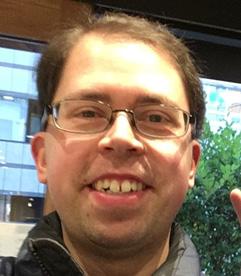

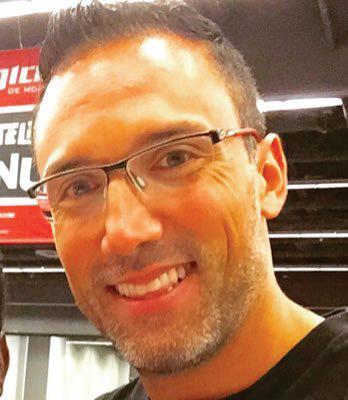
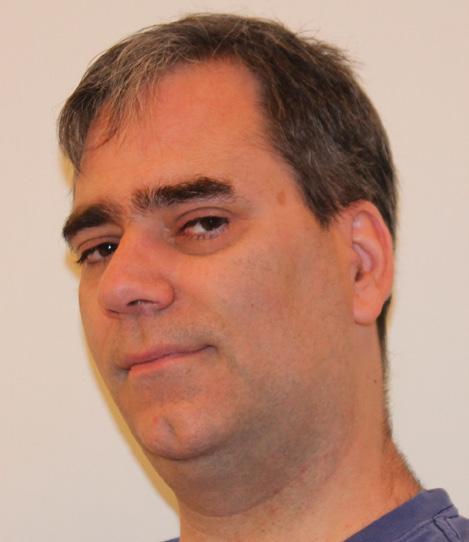
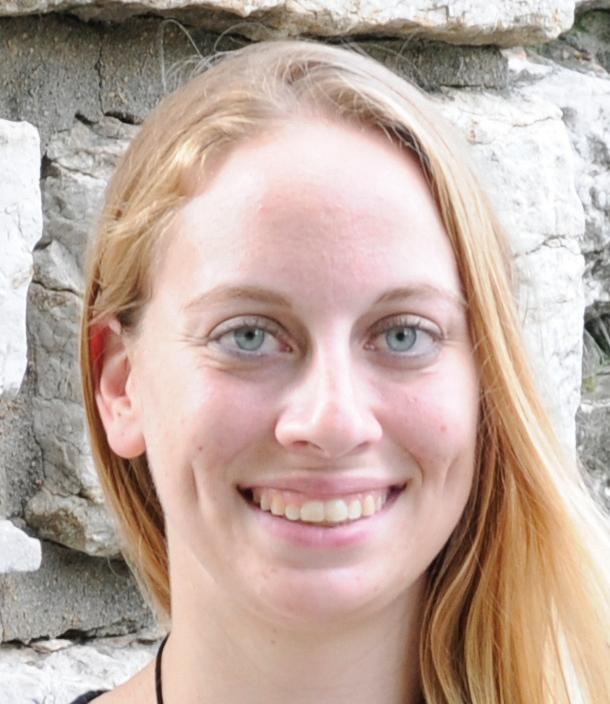

Tony Storm can always rely on his biggest fans, as they are often at the shows cheering him on. His wife, and his two daughters, aged six and seven, regularly attend cards near their home in Tampa, Florida. “I have a phenomenal support system in my wife and my children,” said Storm. “They help with my merch table, help set up, carry stuff in the building. They’re my biggest fans. They understand, to an extent, about what I’m doing, but they don’t quite get the ins and the outs. Like, they know that Daddy’s a wrestler, and for them it’s still all real.”
Storm was born Tony Eveland in Maryland, in 1985, and grew up in Iowa. At William Penn University in Oskaloosa, Iowa, the Monday Night Wars, WWE fighting WCW, was big time, and he caught the wrestling bug, as well as getting a BA in Physical Education with an emphasis on kineseology, and playing on the offensive line on the NAIA-level football team. He began training in Wellman, Iowa at the now-defunct Central Empire Wrestling Academy.
Knowing how the body works helped the 6-foot, 230 pounder stay in shape, but it was his Masters in Business Leadership (also from William Penn), that has shaped his further career. In many ways, it parallels his in-ring schooling, where he improved his craft in Tampa under Steve Keirn and Frank Reyes, and would listen and seek out advice from other veterans. In the early days, Storm’s aim was simple: “Just to work hard enough to earn their respect.”
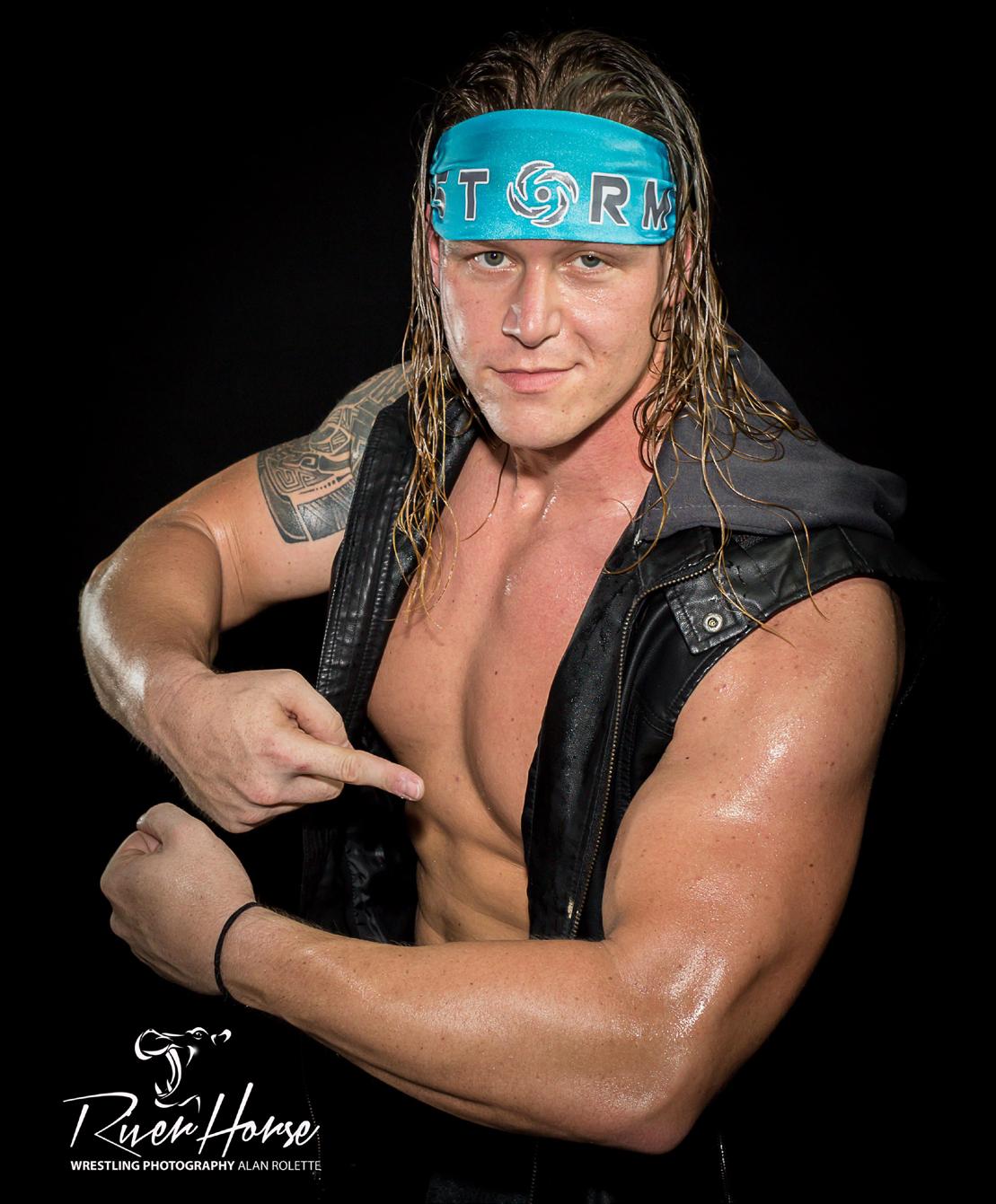
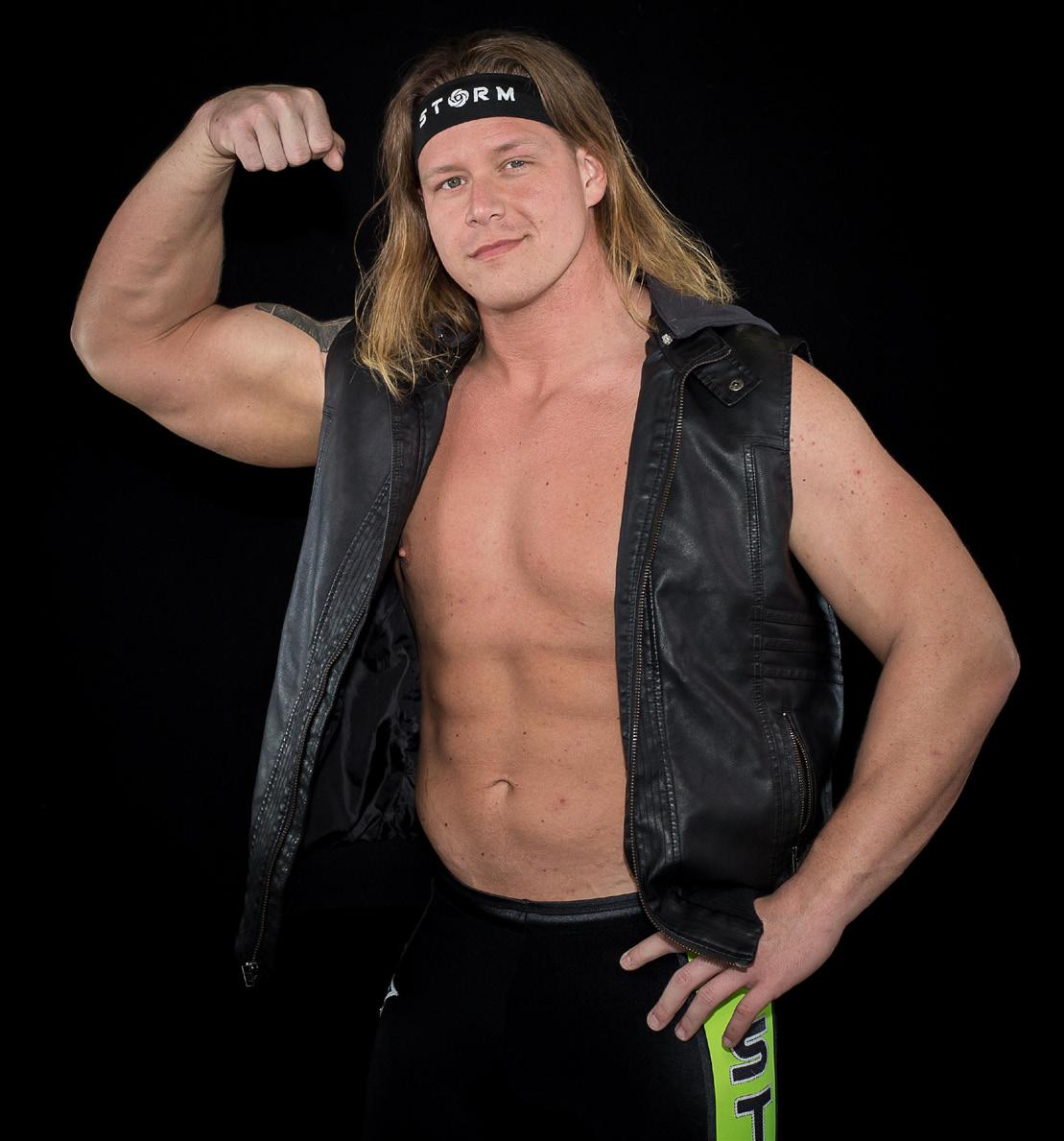
That’s no longer an issue. Storm has a full calendar of bookings, and a flexible job in the admissions department at the University of South Florida to be able to fulfil them. The real-life schooling has paid off. “The marketing, the finances, being able to try to be smart about how much money I accept or how much money I can or cannot take, or what corners I can cut here and there. Having that business degree has really been helpful.”
He’s all over social media and has his own website. Storm knows it’s integral for a wrestler to sell themselves outside the ring. “I have a full-blown resume that I send out to different promoters. I have videos on my YouTube channel. I have other videos that are archived, whether they’re looking for a specific type of work,” he said “I’m very interested in helping promote not only my match but the entire show, for the weeks leading up to the event.”
Storm, who wrestles old-school—“hard hitting and high impact”—has worked throughout the southeast United States and in the Midwest, and competes as both a singles wrestler and in a tag team called Re-Genesis with partner Mason Price. He wants to get signed and make this a fulltime job. Naturally, WWE and NXT are on his radar, but any chance is a welcome one. “For me, the goal would be to go to where the biggest and the best do it, but I would never turn down an opportunity if Impact Wrestling called or ROH called and said, ‘Hey, we want to check you out.’ I’d be like, ‘Okay, I’m on a plane. Let’s go!’”
— Greg Oliver




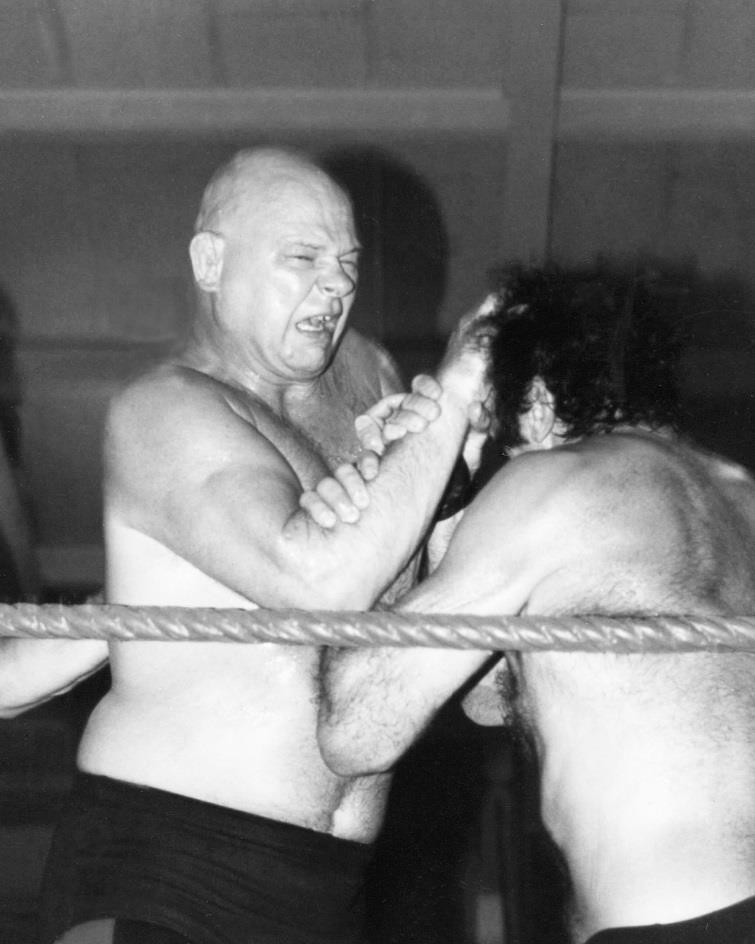
To most American wrestling fans, Michel Lamarche was Alexis Smirnoff. Canadian fans, however, knew him as Michel “Justice” Dubois. Promoter Bob Langevin thought Dubois worked as a surname, after well-known thugs in Montreal in the 1960s. Then, in one of his matches, the rechristened Dubois screamed out the word “Justice” and the nickname followed him.
But Lamarche didn’t have it easy at first. After training under Édouard Carpentier, Lamarche was told to play the character of the Green Hornet, but the adventure lasted just a month, because promoter Johnny Rougeau didn’t think he was ready. He moved to the Canadian Maritimes and wrestled the whole summer. Wrestlers Paul and Jos Leduc vouched for Lamarche, saying that he had improved and that he should be hired. His journey in Montreal could finally begin.
Born in Saint-Lin, Quebec, on February 9, 1947, Lamarche also worked in the U.S. under the name Mike “The Judge” Dubois during those years, in an attempt to translate his Quebec character. He wrestled primarily in the Carolinas and Georgia. In 1974, as wrestling in Quebec was slowly dying, Lamarche returned to the U.S. for good.
It was Ivan Koloff who told him that he would never be over in the U.S. because of his French accent. Lamarche mulled that lesson, and in January 1977, Pat Patterson called to say that San Francisco promoter Roy Shire wanted him. While on a flight between Detroit and Montreal, he saw a magazine ad for Smirnoff Vodka, and he went Russian.
He arrived in California as Alexis Smirnoff and he had tremendous success, winning a loser-leaves-town match
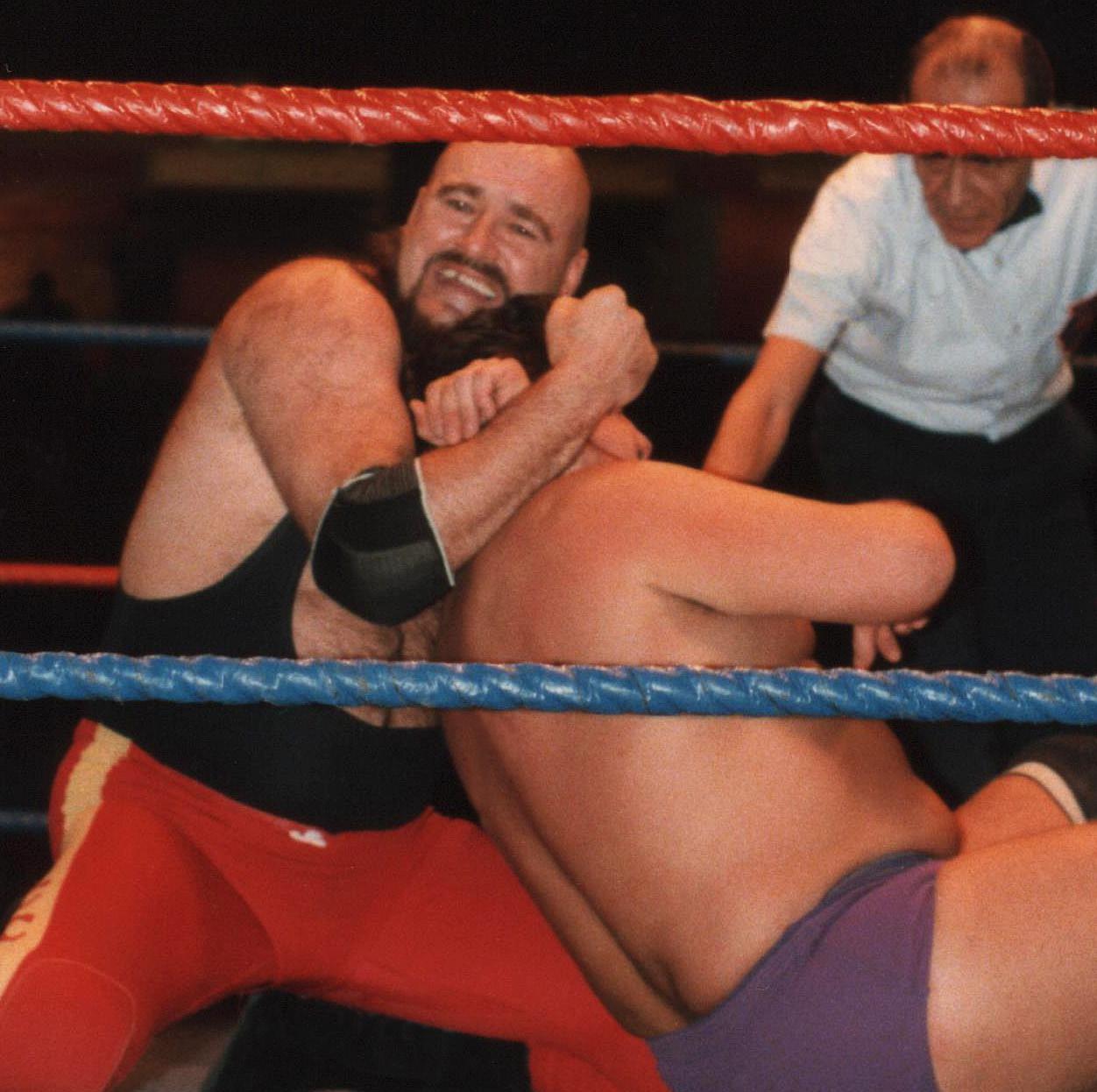
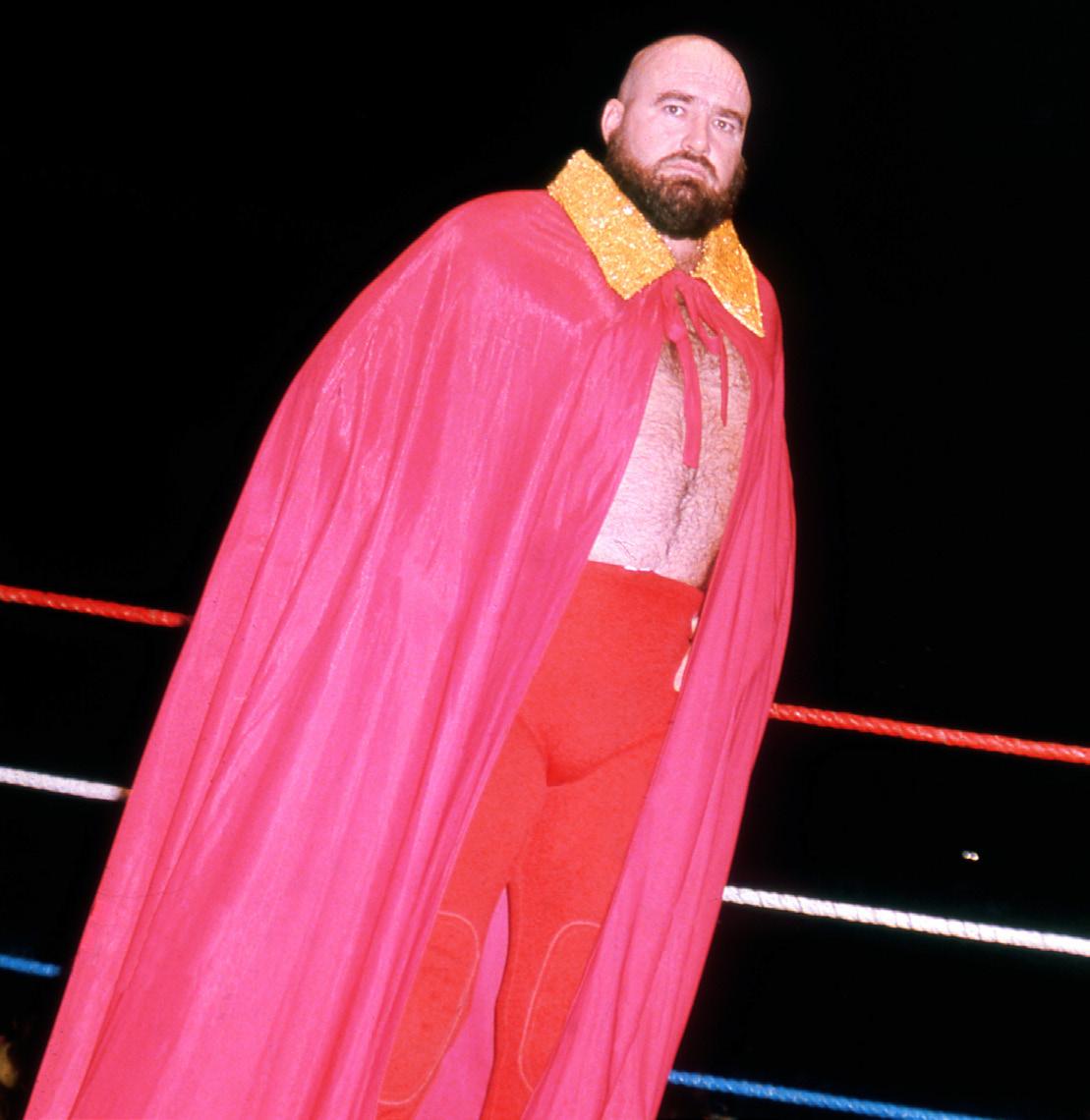
against Pat Patterson. Afterwards Lamarche worked in Japan for the IWE. He was successful there, too, thanks especially to a feud with Rusher Kimura during which they exchanged the promotion’s top belt. He also wrestled for All Japan and New Japan, and had matches with the likes of Antonio Inoki, Giant Baba, Tatsumi Fujinami, and Jumbo Tsuruta. Lamarche was, without a doubt, one of the most successful Quebecers ever in Japan.
From late 1979 until the end of 1981, Lamarche teamed with Koloff as they criss-crossed the Georgia territory, winning the titles on their way. From there he returned to Quebec, primarily as a tag team wrestler, partnered with Pierre “Mad Dog” Lefebvre.
While he was based on the west coast in 1986 and 1987, Smirnoff wrestled for the WWF and the AWA when they presented shows in the region, occasionally replacing Nikolai Volkoff alongside The Iron Sheik. After retiring as a wrestler, he operated a wrestling school in San Francisco from 1988 to 1993.
Lamarche also found TV and movie work. Aside from car dealership commercials, he landed parts in films Bad Guys, Body Slam and Alcatraz 2000, and was in the The Fall Guy TV series with Lee Majors.
Successful stateside, Lamarche looks back at his early days at home, where he was the Montreal territory champion twice, as being key. “I wanted to work full time as a wrestler and I made it. But I have to say that I still had a lot of fun in Montreal.”
Pat Laprade
Johnny Valentine never wanted his son, Greg, to enter the wrestling business; to try to deter him, he sent him to learn from Stu Hart in Calgary. “That’ll discourage anybody,” said Greg Valentine (born Jonathan Wisniski), recalling Hart picking him up in an old limo, driving in bare feet in the dead of winter. “I begged my father to please get me out of Calgary.”
Up next, the youngster lived in the basement of the Original Sheik, Ed Farhat, and jumped in with both feet. “I went out on the road when I was just new, learned everything from scratch.” He was known as Babyface Nelson, after a notorious criminal. “I wasn’t ready to be a Valentine yet.” Then he became a Fargo, Johnny Fargo, the young apprentice to Don Fargo. “He asked me if I’d like to be his partner. I said I’d do anything to get away from Babyface Nelson.” After working in the NWF and Texas, they split, and Johnny Valentine Jr. made his debut … but it made Dad feel old, so Greg “The Hammer” Valentine came along, billed as Johnny’s brother. The 1975 plane crash that ended Johnny’s career meant that Greg could truly step into the spotlight on his own.
And boy did he shine.
But it wasn’t with highspots. Instead, The Hammer’s
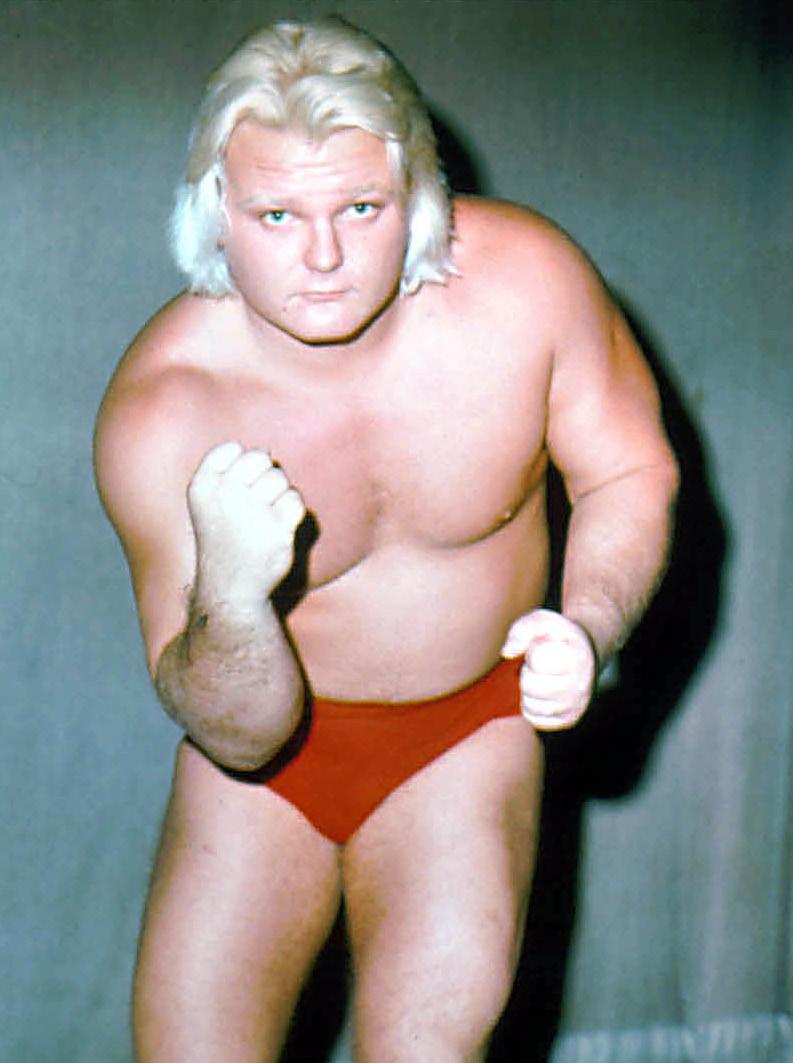
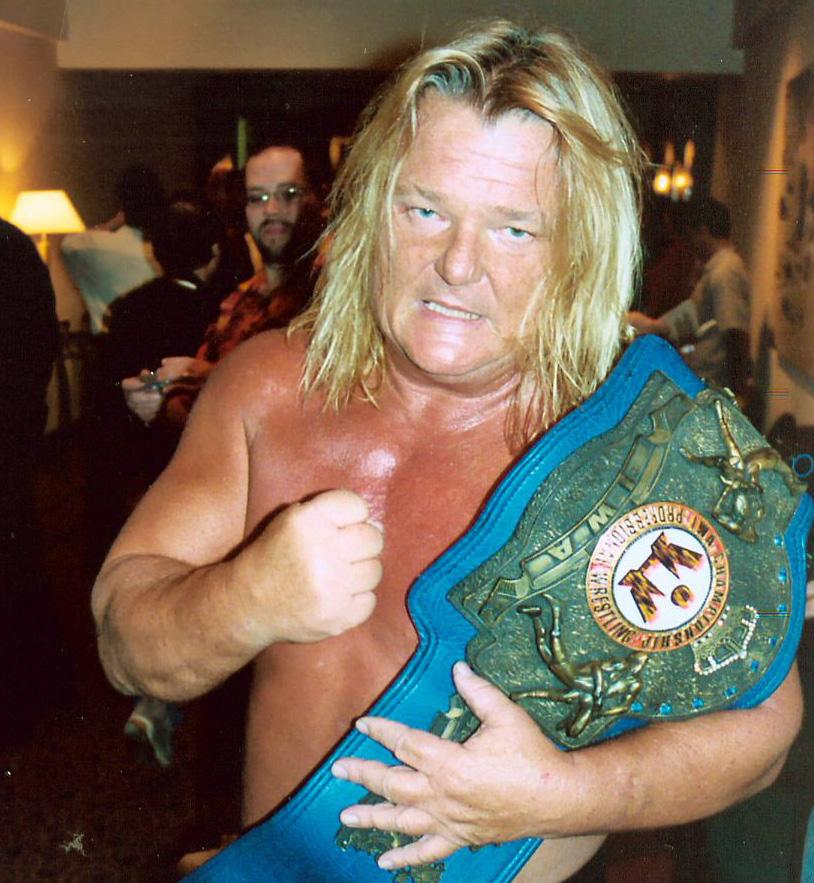
arsenal of tools were slow and methodical, deliberate and determined. He was, after all, his father’s son. Tito Santana, a frequent foe, called Greg “a bull. I used to tell the guys whenever I wrestled him, I’d been in easier street fights. He’d just keep coming at you. Whenever you got done with a match against The Hammer, you were bruised. You felt bruised for days.”
His legacy is about far more than violence, or the more than 40 championships he held in territories across North America. The violent Dog Collar Match against Roddy Piper at the first Starrcade in 1983 showed one side of Valentine, while dressing up like Elvis Presley in the Rhythm and Blues tag team with Honky Tonk Man in the early 1990s was another.
With an incredibly long career, beginning in 1970s and continuing today, his thoughts on history are valuable. “I still believe the 1980s was the heyday of wrestling. People had characters they could love or heels they could hate,” he said. Of course, one of the most hated was The Hammer. Greg Valentine is in the WWE Hall of Fame and the Professional Wrestling Hall of Fame, but has been just as successful and important on the indy scene for decades, offering a little advice in the dressing room to young up-and-comers who weren’t even born when he started wrestling. “It is something I have to do. I enjoy doing what I have done all my life. I can also enjoy the fans now. It isn’t necessary to portray the heel all the time.”
Greg Oliver

Just four years after the Cauliflower Alley Club named Santana Garrett a future legend, the WWE Mae Young Classic competitor returns to Las Vegas to accept the Women’s Wrestling Award.
Garrett, who has had a handful of matches in NXT against the likes of Charlotte Flair and Asuka, was one of 32 women worldwide who participated in the 2017 Mae Young Classic. She was eliminated in the first round by Piper Niven, but continues to make a name for herself, travelling around the world and earning championships.
Before that landmark moment on the WWE Network, Garrett fulfilled a career goal when she set off for her first trip to Japan in 2015. She returned to U.S. soil having made history as the first woman to defend the NWA Women’s Championship in Korakuen Hall in nearly 40 years. The last time it was on the line, Fabulous Moolah was the defending champion.
“I was blown away. To be able to wrestle in Japan is enough for me, but to be able to say I made history to be able to follow in the footsteps (of Fabulous Moolah) ... I felt pretty darn good. It was surreal, to say the least,” Garrett said.
Leilani Kai, who was pivotal in Garrett securing her first Japanese tour, said Garrett being able to defend the championship in Japan is a “wonderful achievement and great for the promotion and fans in Japan.”
“Wrestling internationally is something that every wrestler would love to experience, but very few get an opportunity,” Kai said. “It’s beneficial in every way for talent to wrestle as many styles as possible.” On the same tour, Garrett also gained the Wonder of Stardom Championship,
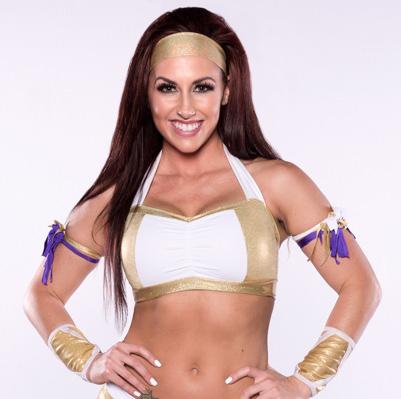
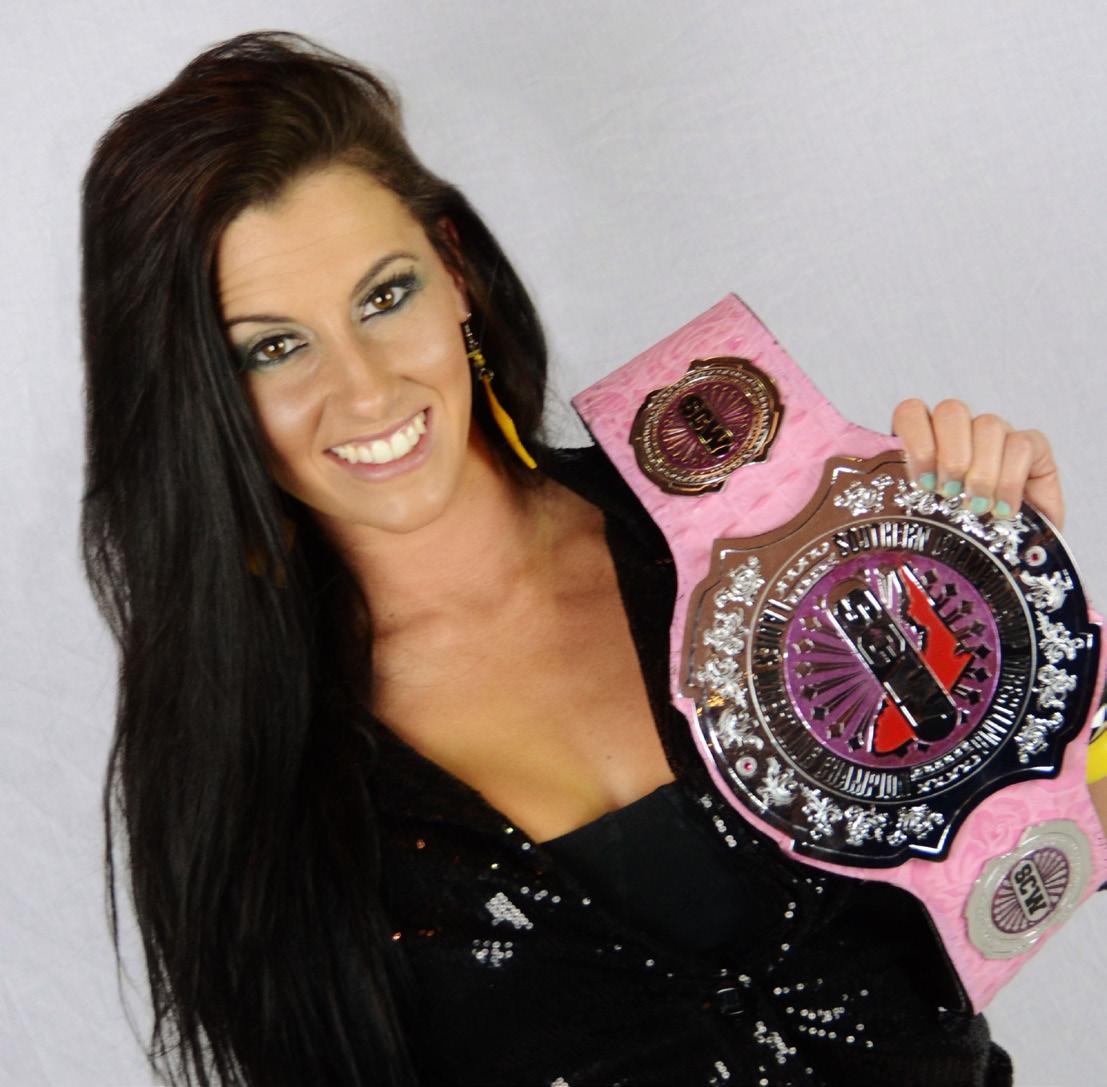
defeating Io Shirai. The Ocala, Fla., native took another international step not too long after returning from Japan, expanding her horizons to Chile to wrestle for Full Destruction.
In 2015, Garrett ranked No. 4 in the Pro Wrestling Illustrated Female 50, just below Nikki Bella, Paige and Sasha Banks. “To be at No. 4 just feels so good, and it just shows that if you work hard anything is possible... I’ve proven it to the wrestling world and to get the recognition feels really rewarding,” said Garrett, who ranked No. 24 in 2016, and No. 42 in 2017.
The world traveller also has had a few stints with Impact Wrestling, where she was known as Brittany. In addition to being a regular competitor for SHINE, she has laced up the boots for Coastal Championship Wrestling (Fla.), Global Force Wrestling and Major League Wrestling, among others.
To reach that level, Garrett trained at Dynamo Pro in St. Louis, Mo., while she finished her sleep technology studies at Washington University. After six months in Missouri, Garrett returned to the Sunshine State and, due to her father’s connections in the industry, found a home in Team Vision
Dojo. Garrett’s father, wrestler “TNT” Keny G, said his daughter is “very goal-oriented” and her career has “turned out pretty wonderful.”
“She is just one of those people that sets her sights on something and goes for it,” Keny G said. In addition to her active wrestling schedule, Garrett also trains women in the Orlando area.
— Kari Williams
Some remember the dates of their first championship or their wrestling debut. For Princess Victoria (born Vicki Otis) it’s September 1, 1984 that is etched in her memory. That was the night she broke her neck and never wrestled again. The WWF show was in Philadelphia, at the Spectrum. “It came out of the blue. I got piledrived by Despina Mantagas, didn’t realize I was hurt in the ring, finished the match. Went into the dressing room, sat down on a bench, moved one way, and I had a pain from the top of my head to the tips of my toes, to the point that I was literally screaming.”
It was a minute fracture on her second vertebrae, and she declined an operation. On the sidelines for four months, Otis couldn’t wait to get back to wrestling, a passion which had consumed her from her childhood in the Pacific Northwest. It wasn’t to be, however. “Every time I tried to take a bump, it was like somebody was slamming me with a sledgehammer.”
Princess Victoria and Velvet McIntyre were WWF Women’s tag team champions at the time of the accident (Desiree Petersen took her place). “I just kind of fell out of sight,” she said. “I was really upset that I had to leave the business, because it was my life.”
But it was only four years of her life.
Born May 5, 1961 in Goldendale, Washington, the 5-foot9, 156-pound Otis never met her father, and had moved out of her mother’s house by the time she was 16 years old. All she knows about her dad is his name and that he was of Saanich descent. A “dyed in the wool wrestling fan,” Otis
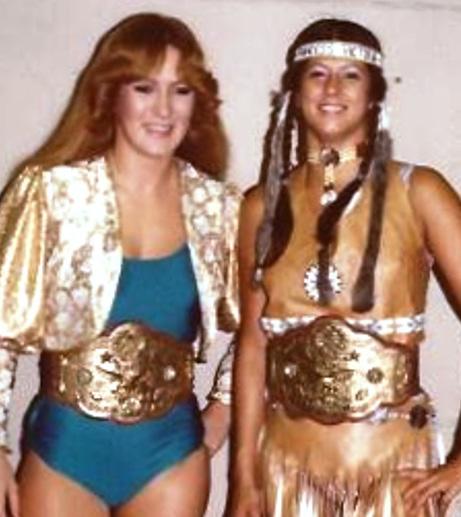
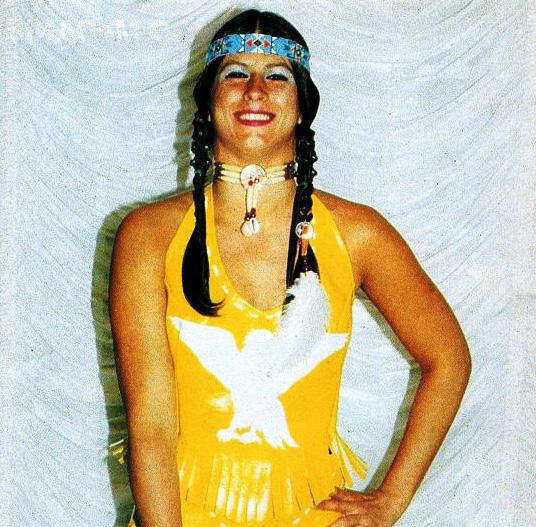
loved attending the matches, and still has an autograph the late Jimmy Snuka gave her when she was nine years old. She stood out at the Portland, Oregon bouts, taking the time to dress up and look nice. “They started putting me in the front row and not charging me. So I went every week. I was a waitress at the time, and money was tight, but I went every week,” she recalled. After the waitressing gig ended, Otis turned to promoter Sandy Barr for work, helping set up Barr’s flea market and the wrestling ring.
Barr trained Otis to wrestle; others learning the trade at the time were McInytre and Magnum T.A. (Terry Allen). “We had to learn Greco-Roman, we had to do takedowns, sitouts ... bridges,” Otis said, praising Barr. “Sandy was not a greedy man. He was not into training people for the money. He wanted people trained properly.” The likes of Dale Lewis and Rip Oliver helped too.
Otis was Princess Victoria “from day one,” using outfits she already owned, and learned beading from McIntyre. Her original headdress was a gift from the late Jay Youngblood.
Barr soon realized that booking the women was more work than he expected, so he turned them over to the Fabulous Moolah (Lillian Ellison). Booked by Moolah, Princess Victoria travelled the world, and eventually won the WWF women’s tag titles in Madison Square Garden.
Post-wrestling, Otis has run thrift shops in and around Franklin, Virginia, and served as a financial and life planner. She still is in awe that Princess Victoria means anything today. “I have fans come up on my Facebook, and I can’t believe that anybody even remembers me.”
— Greg Oliver
In terms of the number of titles won, there are few teams that can compare with Harlem Heat. With 10 WCW World tag title reigns, three GWF tag titles within the space of a decade, Booker and Lane (Stevie Ray) Huffman were one of the top teams of the 1990s.
The Houston-born brothers broke into wrestling under the training of Scott Casey in 1989 at Ivan Putski’s gym. “Booker and Steve were two of the most naturally talented guys I’ve ever met,” recalled Casey. With both weighing close to 300 pounds, and towering over opponents, they quickly made a name for themselves in the Texas-based Global Wrestling Federation where they were known as The Ebony Experience, managed by the late “Playboy” Gary Hart.
The duo befriended Sid Vicious, who helped get them a deal with WCW and they debuted alongside Sid on July 7, 1993. Initially, they were The Posse, then Kane and Kole of Chi-Town Heat. But a proverbial move to New York made their career, and as Booker T and Stevie Ray of Harlem Heat, they quickly laid claim to the WCW tag titles. Adding the late Sister Sherri Martel to their team as manager only helped to drum up further heat from the crowd.
“There’s really no tag team in the same category at this point in time,” Booker T said in a radio interview during his Harlem Heat days. “There have been some great tag teams like the Road Warriors, Steiners, Head Shrinkers, Ax and Smash. When you talk about tag teams, I want our name within that realm of people.”
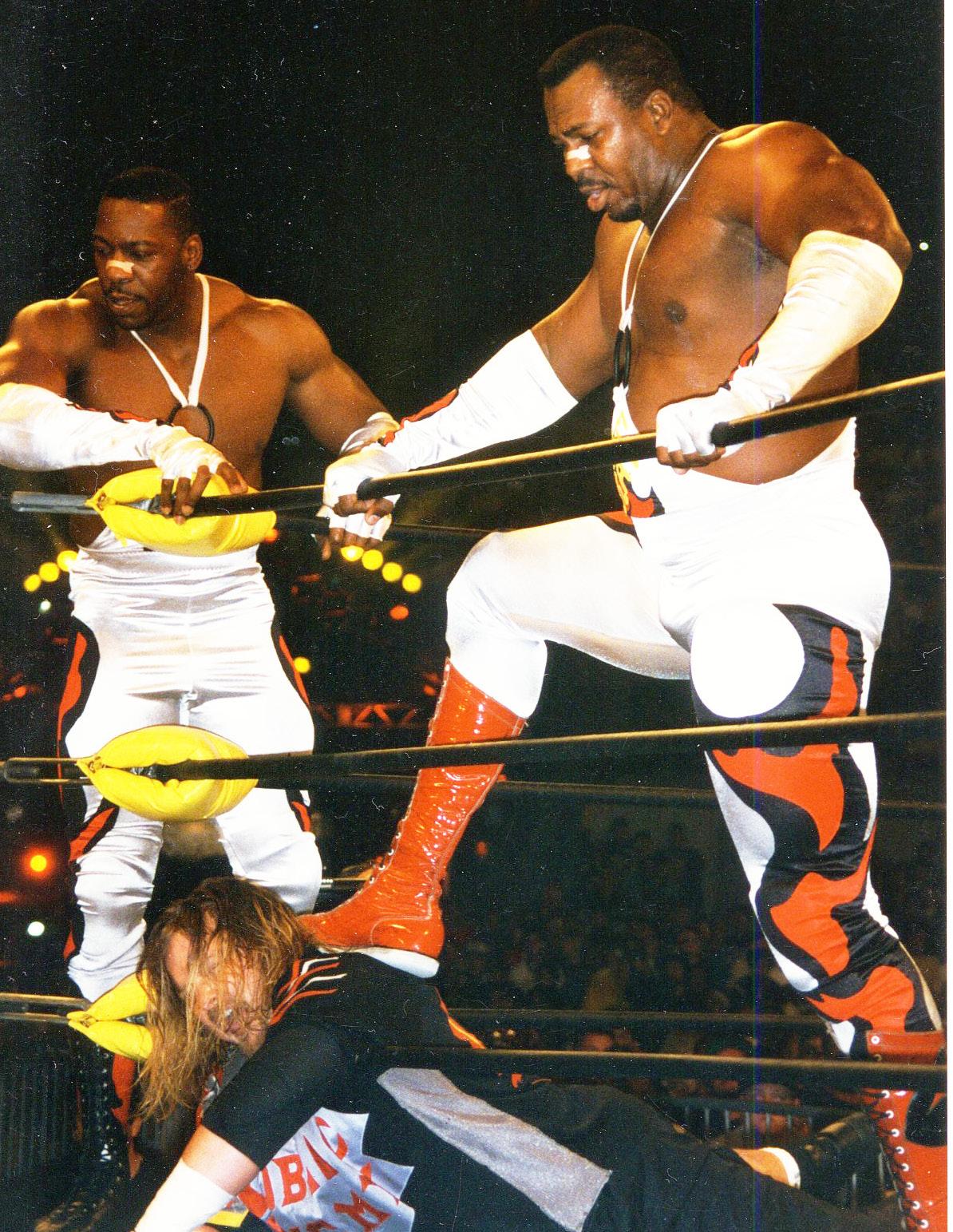
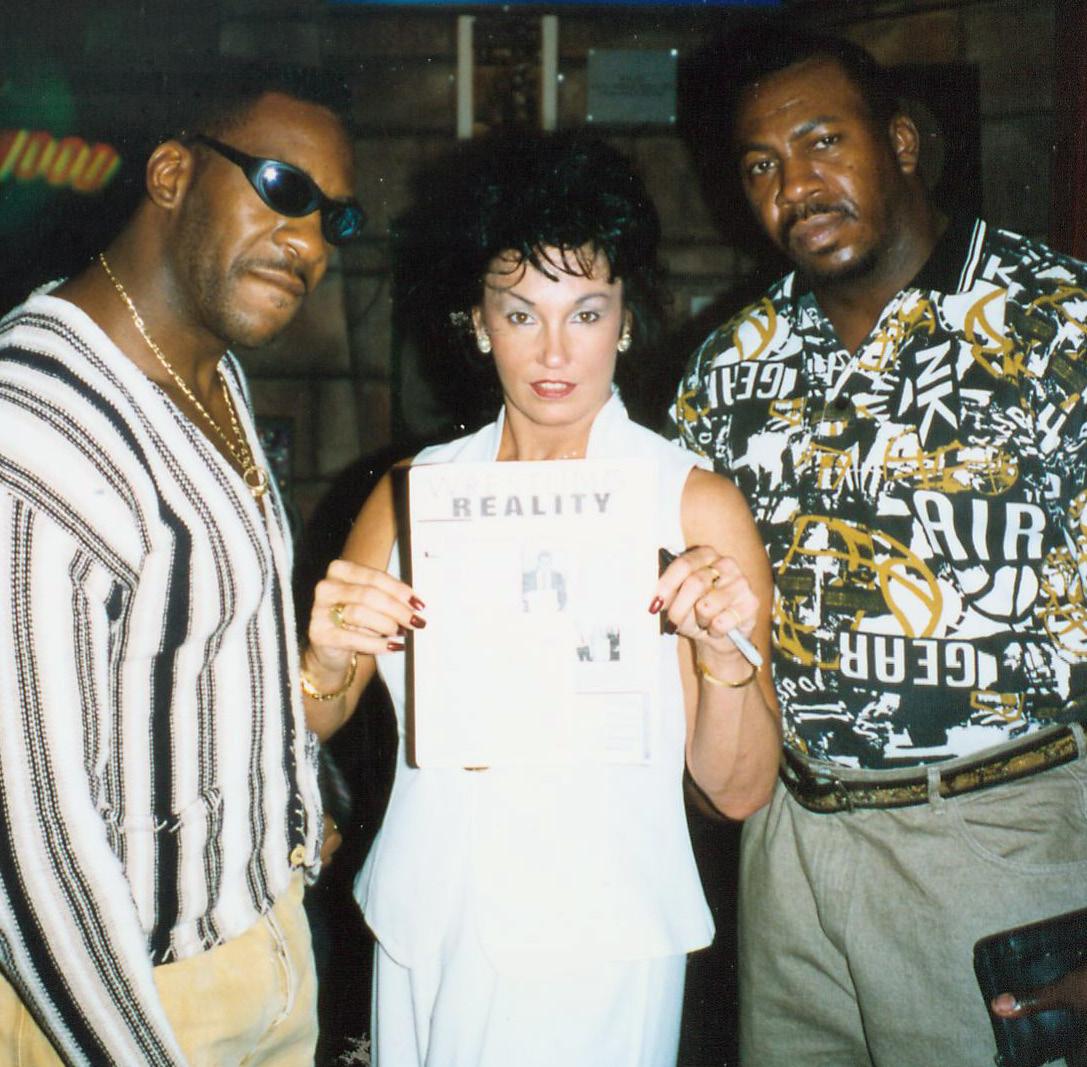

There was a very definite pattern to Harlem Heat’s title reigns: They’d lose the titles, then quickly regain them from the team that beat them. The Nasty Boys, Bunkhouse Buck and Dick Slater, the American Males, Lex Luger and Sting, the Steiners, and Public Enemy all fit into this pattern.
“You had Stevie Ray, who was big and had the big brawn and was the big tough guy. Booker T, who knew all the spins and all the fancy, quick stuff. So it was a double combination of strength and agility,” once said Brian Knobbs of the Nasty Boys.
Injuries derailed Harlem Heat on occasion, and though Booker T and Stevie Ray feuded for a while during the later stage of the NWO days in WCW, they would reform and regain gold. A mysterious female, Midnight, was used to drive the final blow between the brothers in the last-grasp days of WCW (and the storyline never came to a full conclusion). Stevie Ray brought in Ahmed Johnson as Big T to form New Harlem Heat, but that was short-lived.
For a while in 2000, Stevie Ray was used as a commentator on WCW shows as Booker T was pushed up the ladder, eventually claiming the world title five times (five times!). Booker T was instrumental to the storylines of the merged WCW-WWE, winning the WWE’s World Heavyweight Championship once. After his in-ring career wound down, Booker T worked as a commentator.
Greg Oliver & Steven Johnson

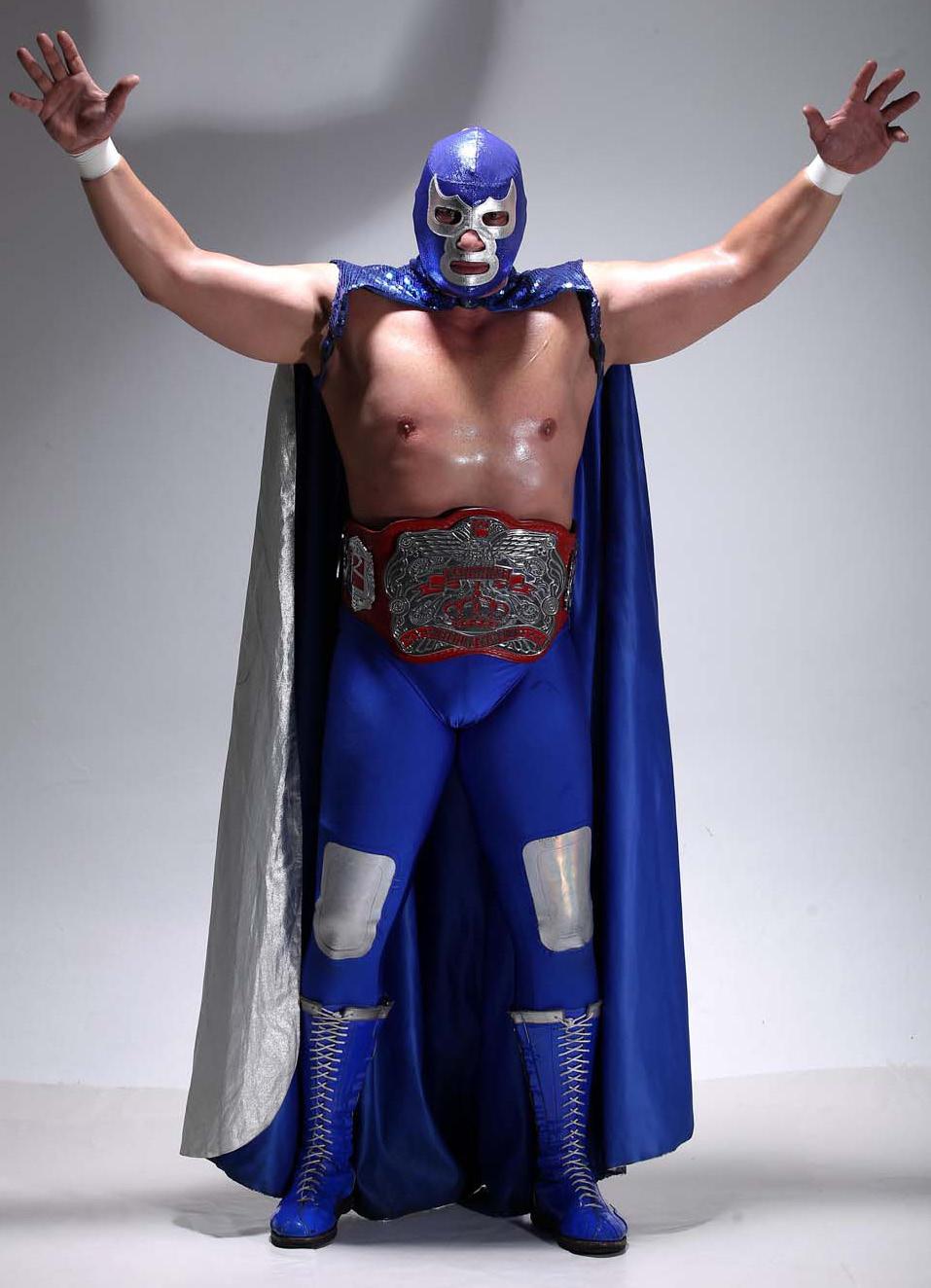
Wearing his trademark blue mask with a silver face, while travelling the globe, from Mexico to Japan, and throughout North America, Blue Demon Jr. has introduced many fans to lucha libre, a masked ambassador for the unique, colorful Mexican style of pro wrestling.
Born July 19, 1966, he is the adopted son of legendary luchador Blue Demon, who died in 2000, and is considered one of the top stars in history alongside El Santo, El Canek and Mil Mascaras. In 1996, Blue Demon Jr. entered the Mexican promotion AAA, where he formed the team Los Juniors with La Parka Jr., Mascara Sagrada Jr., and Perro Aguayo Jr. Los Juniors won the Mexican National Atomicos championship by defeating Los Vatos Locos.
In 2008, he became the first luchador to win the NWA World Heavyweight championship when he defeated Adam Pearce. “It’s a beautiful belt and a beautiful company. I feel great and I think that it’s a gift that is very honorable in my career and it’s very hard, and I worked very hard to win this belt,” Blue Demon Jr. said.
Blue Demon Jr. returned to AAA in 2013 to defeat El Mesias and win the vacant AAA Latin American championship. In Lucha Underground, Blue Demon Jr. appeared in sea-
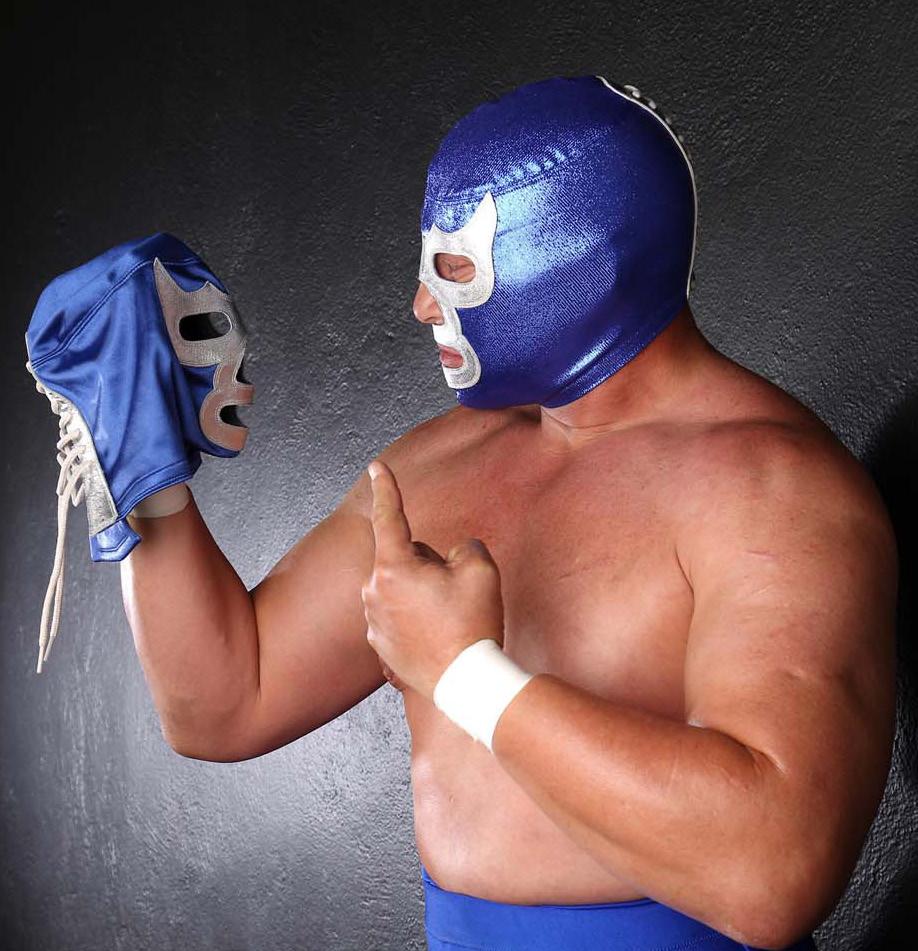
son one and wrestled in a no disqualification match against El Texano Jr. Yet he is critical of the no disqualification matches: “The different matches like a street fight, for me is bulls---. The real sport is lucha libre, which is man-to-man, one-on-one, or two-on-two. I don’t like the chairs. That is bulls---. This isn’t real lucha libre. The real wrestling you can see with NWA, New Japan, All Japan. This is real wrestling. The Mexican lucha libre is totally different because it’s more technical, hold-for-hold. It’s not a fight, it’s technical.” In addition to his legendary in-ring career, he has appeared in television and movies. He competed on the Mexican dancing show Mira Quien Baila, which is akin to America’s Dancing with the Stars, and appeared in Como dice el dicho, which is a televised Mexican drama series. He also was in the film Mil Mascaras vs. the Aztec Mummy, which is also known as Mil Mascaras Resurrection. Even with all the accomplishments, Blue Demon Jr. is humble, “I want to thank my fans, thanks for everything, thanks for supporting me, thanks for loving me. I feel comfortable and emotionally fine.”
He uses his fame for good, including public service announcements about healthy eating, and philanthropy. “I am involved with the hospital for children. I have my own foundation, the Blue Demon Jr. Foundation for children with cancer, and I like to help my race, and the human race. I do everything. I’m a writer too. Everything is to help the human race. I don’t receive money directly to me. It’s for the foundation.”
— Don Davies

As someone who has always wanted to step into the ring, Kevin Kross said being acknowledged with the Cauliflower Alley Club’s Rising Star Award is “very humbling.” He joins the likes of Kurt Angle, Trevor Murdoch and 2018 Women’s Wrestling Award winner Santana Garrett in accepting the honor.
“It was never really one person or one thing that put that into motion,” said Kross, who started wrestling in 2014, of his passion for the business. “It had more to do with falling in love with the presentation of this industry and the fan energy over and over and over again for the entire duration of my life that compelled me to finally pull the trigger on this journey.”
His journey has taken him throughout the United States and into Mexico, where he debuted for AAA last March. The 6-foot-4, 270-pound athlete who has garnered the nickname “The Tollman,” has spent time in CWE India, Inoki Genome Federation and Jeff Jarrett’s Global Force Wrestling, among others. In 2016, he signed on with Lucha Underground, where he said he has enjoyed interacting with fans “and the internal authentic brevity amongst the team.”
Inspired by the likes of Brian Pillman and Steve Austin, Kross’s background also includes MMA training. He’s versed in judo, muay thai and more. Growing up in a “sports-combat family,” he was in an atmosphere that supported self-defence “and the education of martial arts.”
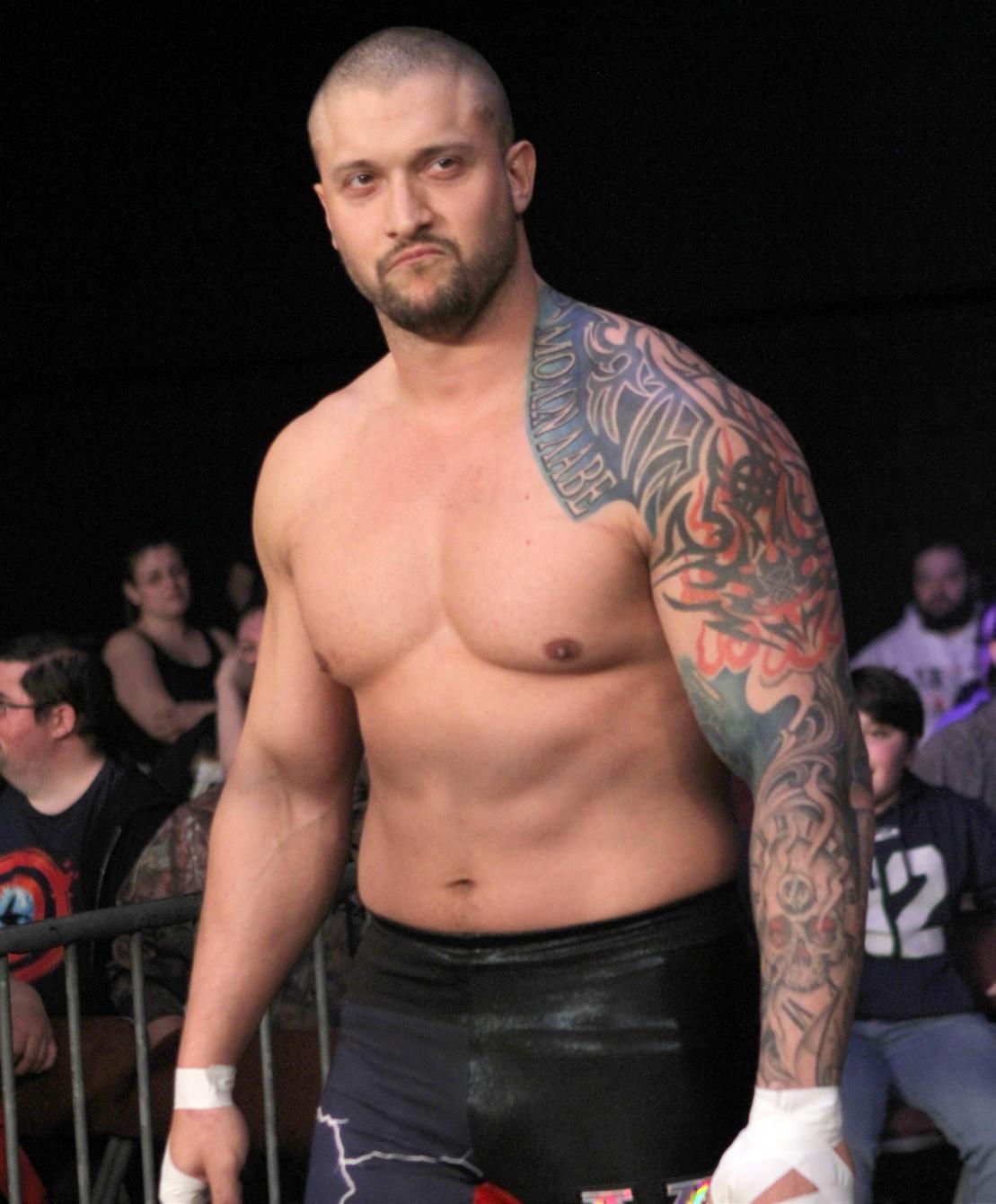
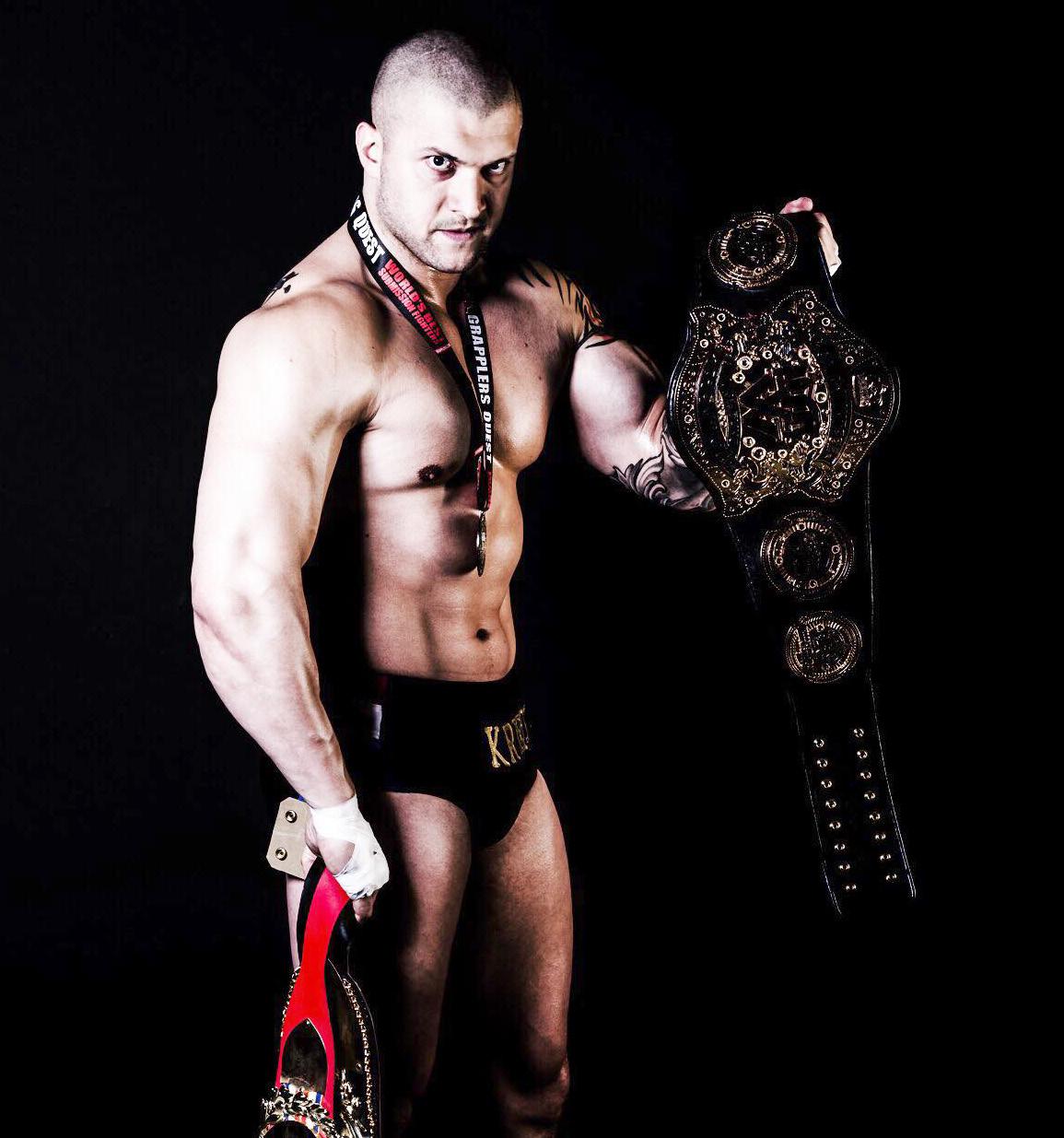
“I had a very expansive education in how to manipulate the human body, my own mobility patterns and how to put all of that together prior to pro wrestling,” Kross said. “Coming into the art, this was definitely a major advantage for all of the obvious reasons.”
But it was the “eternal” impression Pillman left that truly inspired Kross. “Brian Pillman was simply the most magnetic person I think I’ve ever seen in my life in this business,” Kross said. “He took people all over the world on a ride that they were so sure wasn’t real, and made them believe otherwise. Even to this day, that is the greatest power you could possibly possess in this performance art, and it cannot be taught. I’ve always strived for this, and I learned the value of it from watching him.”
Kross has enjoyed every opportunity he has had to be in the ring, making the decision of who he has enjoyed working with the most “truly difficult.” He has worked with the likes of John Morrison, Tommy Dreamer and Matt Hardy, but one name rose to the top—Dr. Wagner Jr. “Working with Dr. Wagner Jr. in Mexico was an amazing experience for the sake that he is virtually their Hulk Hogan of the industry currently,” Kross said. “The energy in the building was fantastic every time and the draw was always immense.”
As he moves forward on his career path, Kross said his ultimate goal is to be on national television “for an extended period of time with a company that has a strong level of distribution.”
Kari Williams

When Steve Keirn started to share his knowledge of pro wrestling in a small facility near Nashville, Tenn., around 1981, he did not know how to teach. But he did know that the way he learned—stretched and beaten in a dark Florida gym—was not the way to go. With the blessing of promoter Jerry Jarrett and an ad in the paper, he soon had 24 students, the most notable of which is the still-competing Tracy Smothers.
Decades later, he had a much better grasp of what to do, whether he was training neophytes like Smothers or Mike Awesome, or working with polished performers looking for the next step, like Alberto Del Rio, Daniel Bryan, Sheamus, Dean Ambrose, Seth Rollins, Cesaro, and Kassius Ohno.
Just as it is when he talks about his own successful wrestling career—his opponents drew the money, and he was a capable body to help the story get over—Keirn won’t say that he is responsible for the stardom of his charges. “I’d like to take credit for everybody that’s said that I taught ’em, but I can’t do that, because I know the truth,” said Keirn. “The truth is I gave them a basic knowledge and a concept, plus I gave them manners. I taught them manners and humility. This is the most humbling business you can be in, but if you’re not humble, a lot of people aren’t going to like you. If somebody you work against doesn’t like you, they can ruin your career.”
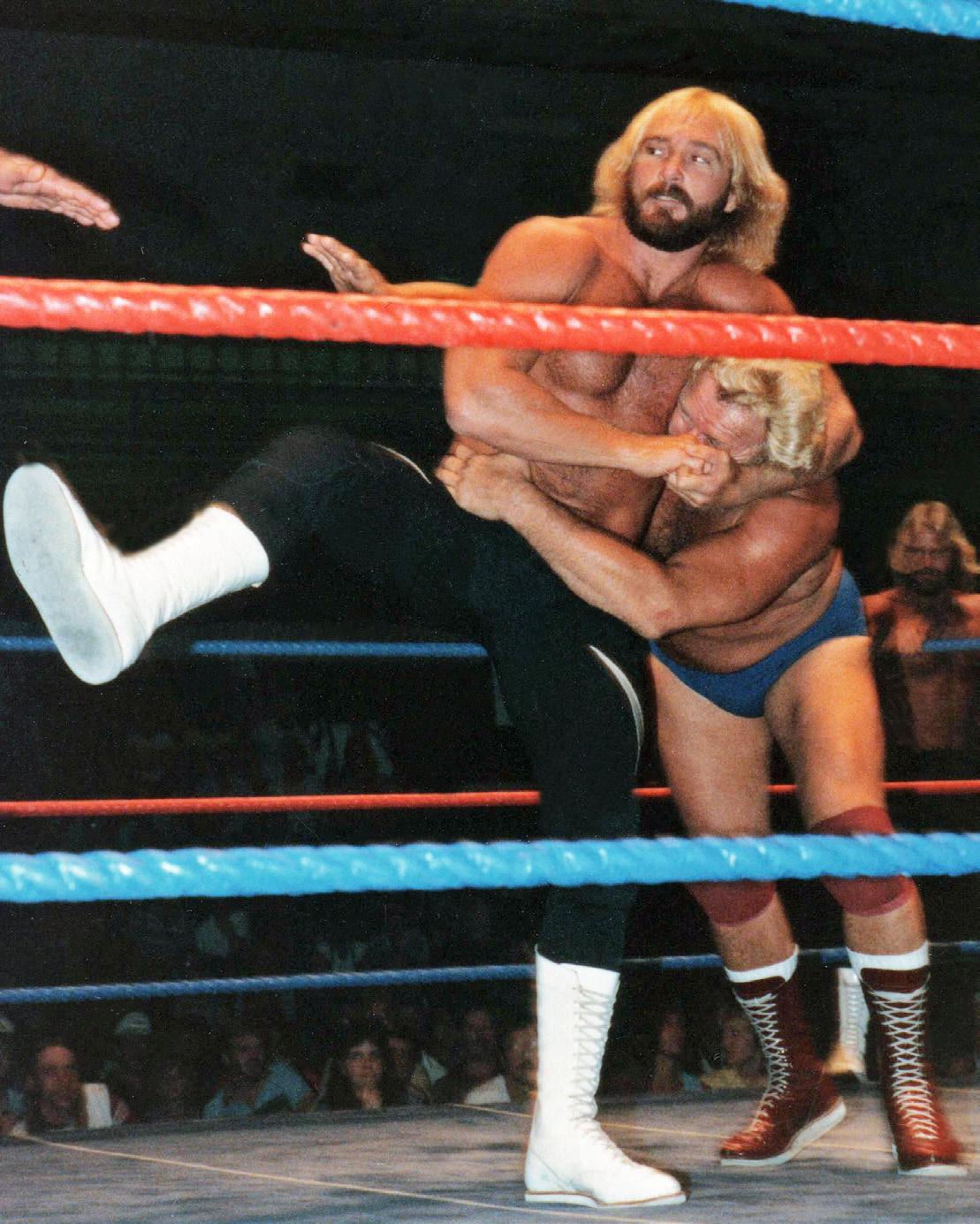
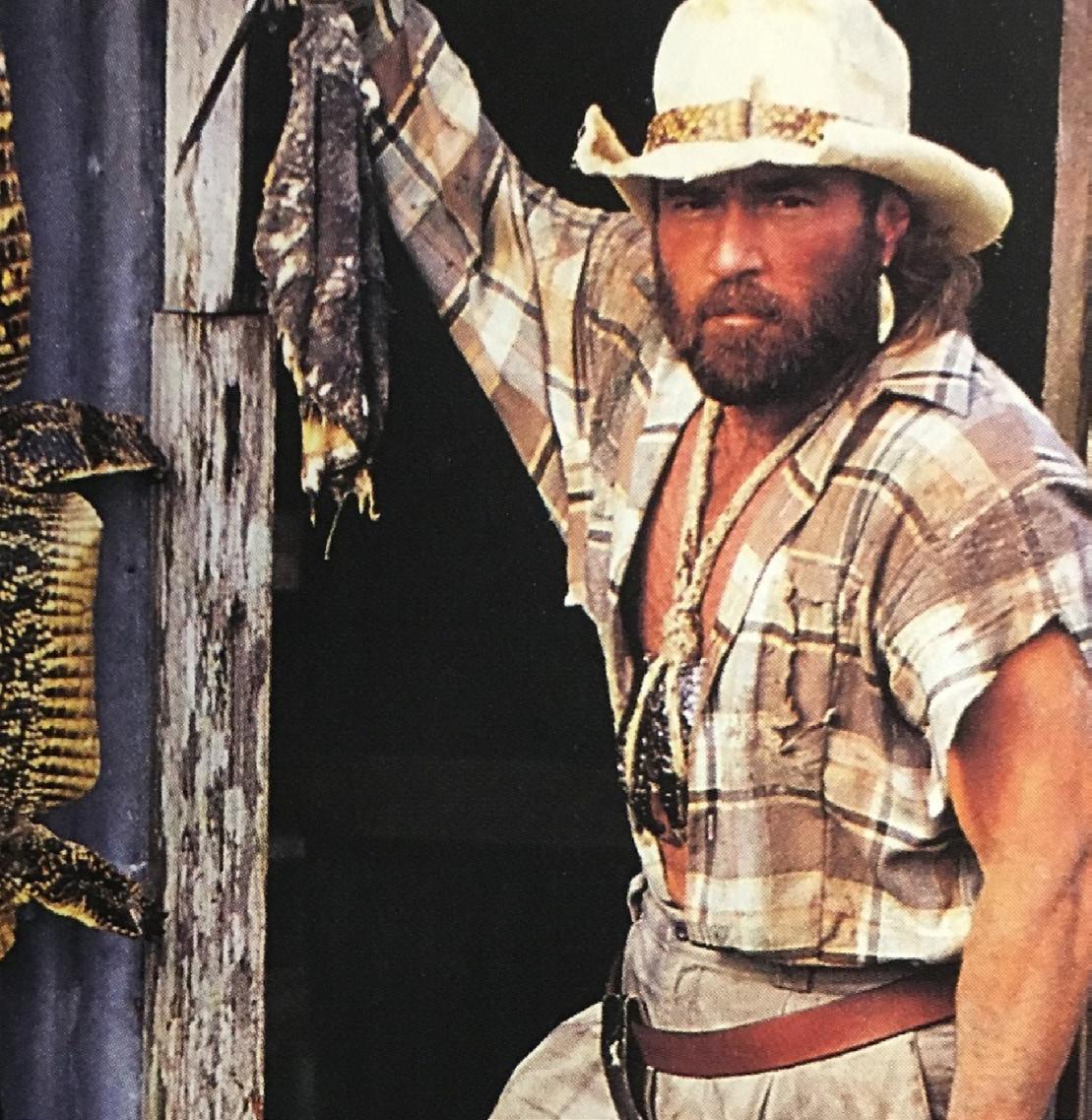
Keirn’s own career wasn’t without accolades. He befriended Mike Graham in high school, and met Mike’s dad, Eddie Graham, promoter of Championship Wrestling from Florida. When Keirn came home from university for Mike’s wedding, he was in great shape, and Eddie suggested he try pro wrestling. At loose ends, Keirn gave it a go. His early success came from a real-life storyline: his father was a prisoner of war in Vietnam, and the villainous Bob Roop used that as fodder for a feud. From there Keirn just kept learning. His best run, of course, came alongside Stan Lane in the Fabulous Ones, which was the prototype for the pretty-boy tag teams that ruled the 1980s. Keirn was also the alligator-chasing Skinner in WWF.
After working as a road agent for WWE, he was asked to set up a promotion (Florida Championship Wrestling) and a school (Professional Wrestling School of Hard Knocks) as a way to get signees ready for the big time. According to Keirn, Vince McMahon said, “Steve, if you can give me two new talent per year, I’ll be happy.” More than a hundred came through and made WWE. “Not everybody stayed, not everybody fit in,” admitted Keirn. “The secret was that I knew what they needed. You need to be in front of a live audience. You’ve got to get a certain amount of experience in a gym, but the rest? You need to go out there and find out why you can’t swim, and why you can. And if you can keep the audience interested in your match, and you’re not going to freak out, then that’s time to learn. Your real learning lesson is in the ring.”
Greg Oliver

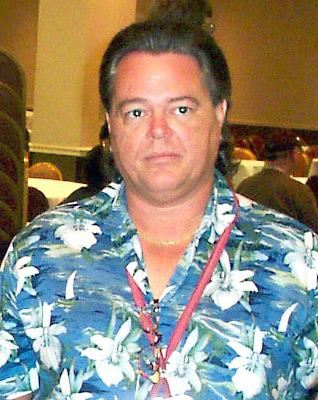
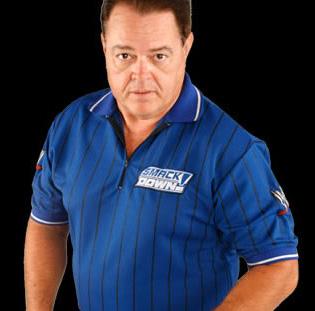
When he was 14 years old, Mickie Henson was the president of the Bobby Heenan Fan Club. Little did he know that he would later become friends with the late Heenan, and enter into professional wrestling as a referee.
His story starts in Rock Island, Illinois, going to the matches with his grandfather in Moline, Ill., and the occasional show in the summer at the ballpark in Davenport, Iowa. Hitting the age of 16 meant that he could drive. “I would always go to the airport and meet the little private AWA plane that would land,” recalled Henson. “I always tried to get the heels to give ’em a ride to the show, because that would get me in for free. Then, of course, they’d always stop to buy beer afterwards, and they’d give me a six-pack of beer. Being 16 years old, that was a big plus.”
It was the good guy tandem, the Fabulous Ones, Steve Keirn and Stan Lane, that would set the wheels in motion. Keirn was moving back to Florida and had plans to train wrestlers. He invited Henson down. The young man took a two-week vacation from his job. “I think I stayed four days, changed my ticket, flew back home, quit my job, packed my car, and I’ve been in Florida ever since,” said Henson, who calls Key West home.
Henson started refereeing on the cards Keirn promoted along with Mike Graham and Gordon Solie, learning the skillset as he went along. He got pretty good at it, but never
considered it a full-time job.
WCW and WWE had put most of the territories out of business, but he still had friends around, so Henson popped by a WCW Tampa TV taping. Later that night, ref “Pee Wee” Randy Anderson asked Henson if he wanted a tryout. “Of course!” He was then instructed to get a blue shirt, a black bow tie, black pants, black shoes, and to cut his long hair.
Before he knew it, Henson was working on a WCW payper-view in San Francisco, known as referee Mickie Jay. “I was with WCW until it folded,” said Henson, referring to the April 2001 deal where WWE bought WCW.
Not one of the talents taken on by WWE, he headed back to Key West, content to have his wrestling days behind him. But his friends looked out for him.
Keirn, then a WWE road agent, convinced the head of talent relations, John Laurinaitis, to give Henson a shot. But it came with a caveat: Henson had to lose weight. “I set out and started walking, and I mean walking,” recalled Henson, who also changed his diet. “I lost almost 50 pounds in a month.”
Flown to Dallas for a tryout, he was hired shortly thereafter, but went under his real name, should anyone with poor eyesight confuse him with woman wrestler Mickie James. Henson was there until September 2008, when he was diagnosed with Mantle cell lymphoma. “That’s where my career took an abrupt ending.” The cancer has been stubborn, but Mickie Henson is a fighter and this time, refuses to count the one-two-three.
Greg Oliver

No less of an authority than the late historian/curmudgeon J Michael Kenyon called 2018 James C. Melby Historian Award recipient Don Luce the “undeniable Godfather of our game.” The inaugural winner of the Melby Historian award, Scott Teal, adds that Luce is “one of the top five historians ever in the wrestling business.”
Born in Buffalo, NY, in 1938, Luce became a fan of wrestling first through newspapers, then WGR Radio broadcasts, and finally, Saturday evening television broadcasts of wrestling from Chicago. His research into wrestling’s history began in earnest in 1960, when he began looking into Buffalo promoter Ed Don George.
Luce switched to baseball research in 1980, joining the Society for American Baseball Research (SABR). As he was tracking down records for balls, strikes, and caught stealings, he would repeatedly encounter the great names of wrestling’s past, like Tom Jenkins, Frank Gotch, Wladek and Stanislaus Zbyszko, and he felt a pull to return to wrestling. “It seemed to be more interesting than baseball,” said Luce. “There were few who really knew much about it.” Luce was one of the first historians to seriously research wrestling of the late 19th and early 20th century. By his own estimation, he’s “likely researched pro wrestling from the Civil War period into the late 1960s as much as anyone.”
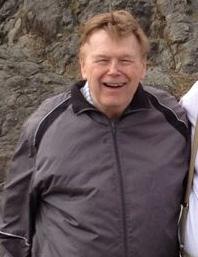
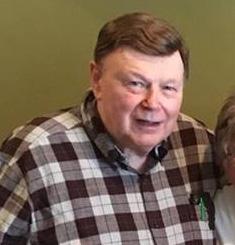
Fascinated, in part, by the wrestling of the 1930s and with a desire to track the careers of the great barnstormers who travelled the country, often wrestling under different identities from night to night and city by city, Luce has produced comprehensive studies of wrestling in the key cities of Nashville, TN and Columbus, OH, among many others. Curious what was going on in Tombstone, AZ in 1885? Don has a file on that. Little Rock in the ’20s? Check. Daytona in 1955? Covered. Luce’s exhaustive findings have, Kenyon wrote, “provided the guts of virtually every ‘record’ book published over the past 50 years.”
Luce remembers, in particular, a trip to Ohio in 1965 when he encountered legendary promoter Al Haft. “Al was plowing a field near his motel,” said Luce. “He stopped and talked with me about 10 or 15 minutes. He told me that he had to go back to plowing. However, he said that if I stopped back to the motel that evening, he would show me some of the belts he had. It was before the days of credit cards, and I was running low on money, so I returned back to New York. I kick myself even today for not going back to Reynoldsburg.”
It’s impossible to add up the time Luce has spent pouring through microfilm and other sources to recover and straighten out the bits of information that make up the complicated story of wrestling. Through his tireless work and relentless curiosity about the characters from wrestling’s past, he has built a rich, comprehensive foundation for the next generation of researchers to pick up and build on.
— Jon Langmead

In the ring, Canadian Roy McClarty was a superb talent, but his influence went further when he transitioned into a mentoring role after his in-ring days ended.
A native of Winnipeg, Manitoba, McClarty got out of the Canadian military and decided to give professional wrestling a try, learning the trade at the local YMCA with the likes of Ole Olsen and George Gordienko, while also excelling at other sports, and working as a lifeguard. Debuting around 1948 in England (sometimes as “Sir Garth”), he was soon back in North America, where he polished his skills with Joe Pazandak before making a name for himself in rings across the continent.
A different ring came on February 9, 1950, when McClarty married fellow wrestler Shirley Strimple, of Odessa, Texas, in the ring in Boston; promoter Paul Bowser gave the bride away. They would have four children together in their neardecade long marriage, and appeared on the TV show, To Tell The Truth, as a couple. A second marriage, to Geraldine Ann White, would bring five more children.
A 6-foot-1, 230-pound blond babyface, McClarty’s specialty was the sleeper hold, where he’d take an opponent’s arm, hold it across his foe’s face with one hand, and use the other hand to reach around and apply pressure to the artery on the neck. He was a phenomenal talent, said the late Moose Morowski. “He was just an all-around great athlete ... He had such a sense of balance and co-ordination, and an excellent wrestler. And tough.”
For a time, he was teamed with a “brother” Don McClarty
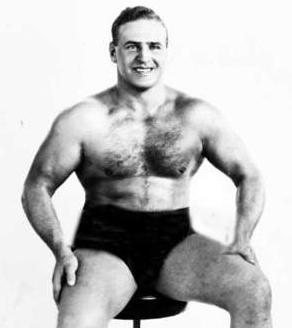
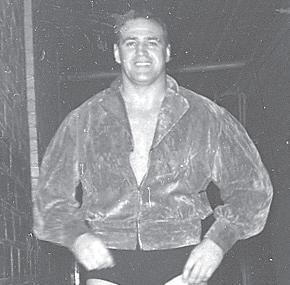
(Don Leads), with their last name often misspelled as “McClarity.”
During the later part of his career, McClarty settled on the west coast, working Oregon, Washington and British Columbia. Beginning around 1971, he refereed and drove the ring truck for the Vancouver promotion. His influence on young grapplers, and his valued status in the community, are perhaps more meaningful than his in-ring accomplishments.
“Gimme the best babyface story you can, and I would have said Roy McClarty for his humanitarian ways, his kindness, his sensitivity,” recalled “Cowboy” Dan Kroffat, a frequent golfing buddy. “He was really, really a legitimate nice guy.”
McClarty was also a big hockey fan, wrote “The Assassin” Jody Hamilton in his autobiography. “I used to tease Roy all the time because he walked around the dressing room during hockey season with a miniature black-andwhite television.”
The veteran was sought out by youngsters like Ed “Moondog” Moretti for advice. “He was like an angel. He helped me so much,” said Moretti. Besides sparring with the new talent after setting up the ring, including a young Jake Roberts, McClarty preached a simple credo for the action: “Make it look like a contest.”
When the Vancouver promotion closed up, McClarty took a job as a custodian for the school board. During the years before his death in April 1998, McClarty battled Alzheimer’s disease.
Greg Oliver
Bruno Sammartino - April 18, 2018
“No. 1” Paul Jones (Alfred Frederick) - April 18, 2018
E-Money (Eddie Piedra) - April 16, 2018
Motoko Baba (All-Japan promoter) - April 14, 2018
Psycho Perry Reid (Edward Perry Daniels) - Apr. 10, 2018
Terry “The Beauty” Garvin/Terry Simms
(Terry Martin Simms) - Apr. 7, 2018
Adam York - Apr. 6, 2018
“Luscious” Johnny Valiant (Tom Sullivan) - Apr. 4, 2018
“Avenger” Scotty McKeever (Gary Scott Mckeever)
- Apr. 1, 2018
“Machine Gun” Mike Kelly (Michael Kelly) - Mar. 29, 2018
Dr. Troy Eaton (Troy Petty) - Mar. 24, 2018
“Gigolo” Johnny Mercedes (Mark Gallo) - Mar. 21, 2018
Jimmy Rivers (James Hampton) Referee - Mar. 2018
Carol McCutchin (Wife of Red Bastien) - Mar. 19, 2018
“Wild Thing” Willie Clay - Mar. 19, 2018
Zach Crow (Baker Seratt) - Mar. 8, 2018
Manny Escobar (“The Bonecrushers”) - Mar. 6, 2018
Sahori (María Jovita Ramírez Zamora) - Jan. 25, 2018
Tommy Marlin Sr. (Thomas C. Marlin) - Jan. 24, 2018
Star Rider Rock (Charles Paleveda) - Jan. 21, 2018
Whipper Watson Jr. (Phil Watson) - Jan. 18, 2017
Terry Nylands - Jan. 11, 2018
Joey Kaos (Joe Pertowski) - Jan. 9, 2018
Rotten Reggie Love (Johnny Evans) - Jan. 7, 2017
Mt. Fiji (Emily Dole) - Jan 3, 2017
Pato Soria (Ruben Pato Soria) - Dec. 15, 2017
Tom “Z-Man” Zenk (Thomas Erwin Zenk) - Dec. 9, 2017
Neil “The Real Deal” O’Brien (Ring Announcer)
- Dec. 5, 2017
Gwyn Davies - Dec. 5, 2017
Gino Moore (Eugene W. Moore) Promoter - Dec. 8, 2017
Spyral/Snake (Brandon Kaplan) - Dec. 4, 2017
Max Devlin/Dutch Fielding (Devon Leigh Fielding)
- Dec. 4, 2017
Edy Steinblock (Edwin Steinblock) - Nov. 9, 2017
Chad Adams (Steven Joseph Wolther) - Nov. 9, 2017
Tugboat Taylor (Dick Taylor) - Nov. 8, 2017
Tokyo Joe (Yukihiro Sakeda) - Nov. 4, 2017
Bobby Bahfanabalaminga (Sean Vecchione-Dale)
- Oct. 29, 2017
Devil Murasaki (Akio Murasaki) - Oct. 23, 2017
Stan “Krusher” Kowalski (“The Big K” Bert Smith)
- Oct. 20, 2017

Bill Kersten (Kansas City ring announcer) - Oct. 20, 2017
Burrhead Jones (Melvin Nelson) - Oct. 15, 2017
Eric Denis - Oct. 8, 2017
Lance Russell - October 3, 2017
Scott Eiland (Announcer) - Sep. 27, 2017
Ken Hawk (Kenneth David Stidger) - Sep. 26, 2017
Dallas James/Dallas Divine (Don Parker) - Sep. 24, 2017
Bobby “The Brain” Heenan (Raymond Louis Heenan)
- Sep. 17, 2017
Beautiful Bobby Dean (Bobby Tovey) - Sep. 2, 2017
Rick Hendrickson (Radio Host) - Aug. 16, 2017
Nigerian Nightmare (Aaron Gainey) - Aug. 16, 2017
Wicked (David Rhymer) - Jul. 24, 2017
Benjamin Mora Jr. (Promoter) - Jul. 18, 2017
Ron Rossi (Ron Wilkins) - Jul. 17, 2017
Dale “TNT” Mann (Wrestler/Promoter/Trainer) - Jul. 17, 2017
Buddy Wolff (Les Wolff) - Jul. 11, 2017
Ricky Villain (Rick Bell) - Jul. 10, 2017
Mike D'Avanzo (Photographer) - Jul. 6, 2017
Vic Faulkner - Jul. 6, 2017
Diane Von Hoffman/Moondog Fifi (Phyllis Burch)
- Jul. 6, 2017
Smith Hart - July 2, 2017
Uncle Felton (Felton Mathis) - Jun. 25, 2017
Mr. Pogo/ Mr. Seki/Ninja (Tetsuo Sekigawa) - Jun. 23, 2017
Jay West (Georgia Championship Wrestling
ring announcer) - Jun, 21, 2017
Elliott Paul Murnick (Promoter, Jim Crockett Promotions)
- Jun. 19, 2017
Buddy Wayne (Steve Finley) - Jun. 17, 2017
Chandler Biggins (Chris Bryan) Co-owner of Absolute
Intense Wrestling - Jun. 17, 2017
“Rotten” Ron Starr (Bobby Eugene Nutt) - Jun. 8, 2017
Bucky Palermo (Referee) - Jun. 6, 2017
“Pretty Boy” Doug Somers (Doug Somerson)
- May 16, 2017
Richard Delicious (Wayne Van Dyke) - May 13, 2017
“The Home Wrecker” (Michael Plezing) - May 12, 2017
J.D. Bledsoe (John David Bledsoe) - May 7, 2017
El Apache (Mario Balbuena González) - May 7, 2017
“Professor” Steve Druk - May 5, 2017
“The Joker” Frank Keith - May 4, 2017
J Michael Kenyon (Michael Glover) - May 3, 2017
Hans Schroeder - Apr. 29, 2017
Brazo De Oro (Jesus Alvarado Nieves) - Apr. 28, 2017
Doc Young (Podcast Host w/ Les Thatcher) - Apr. 19, 2017
*We take every effort to make this list as comprehensive as possible through to April 18, 2018. Our apologies for any omissions.