March 2026
The father and son bringing our online Mass to the world
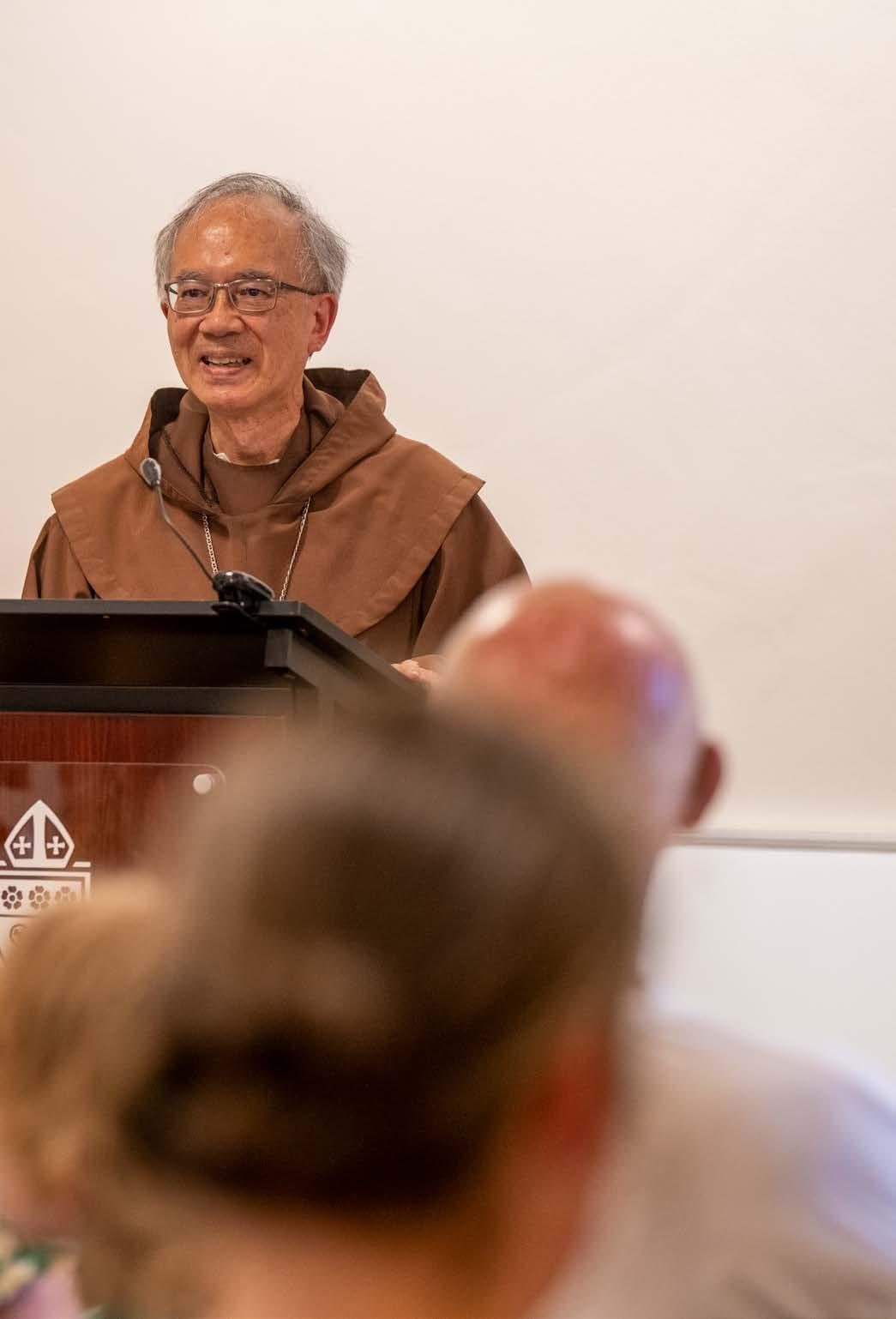
Bishop Greg shares his Easter message
St Vincent's leads the way with robotic surgery
March 2026
The father and son bringing our online Mass to the world
Bishop Greg shares his Easter message
St Vincent's leads the way with robotic surgery
breathe new life into our communities
own
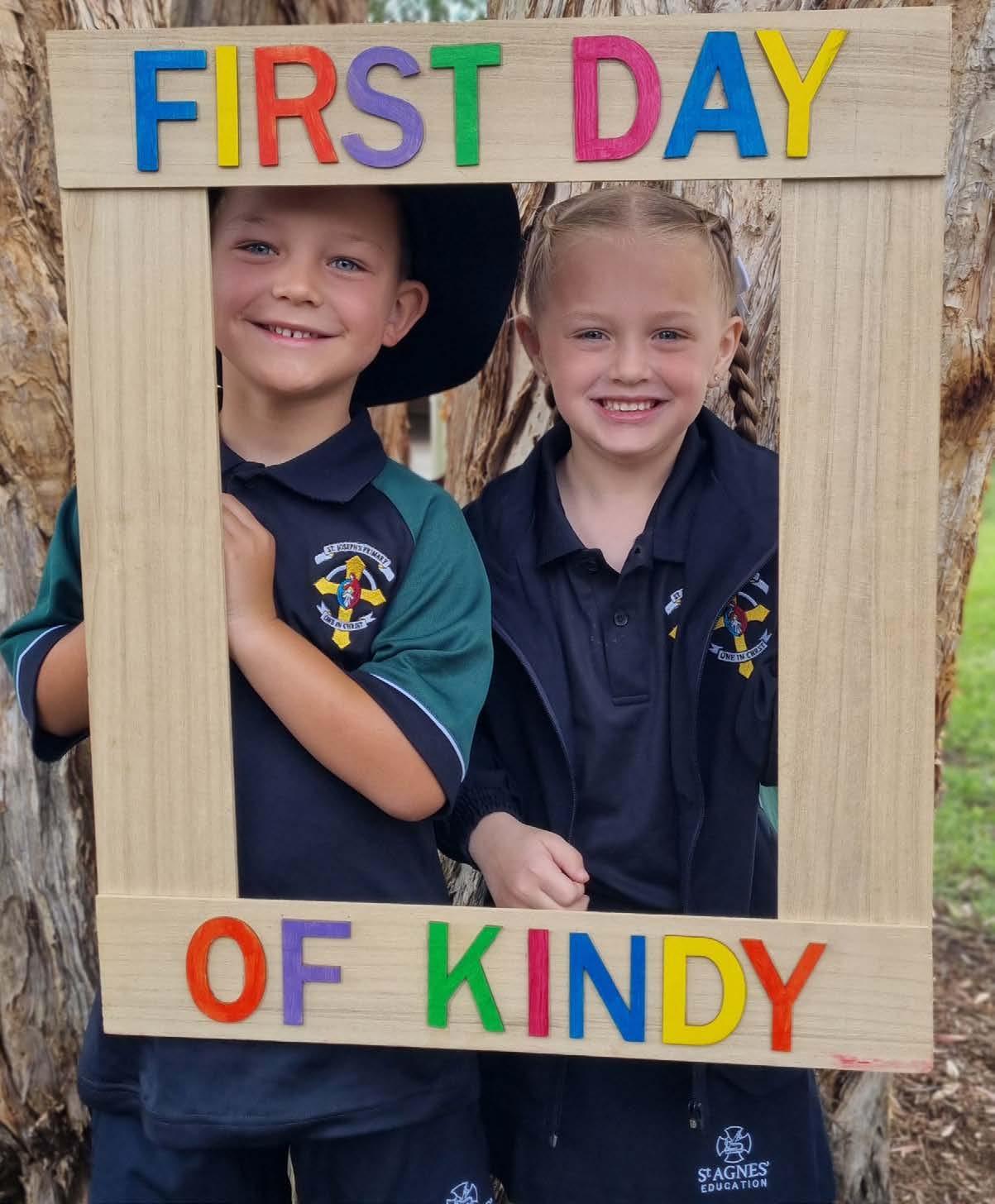
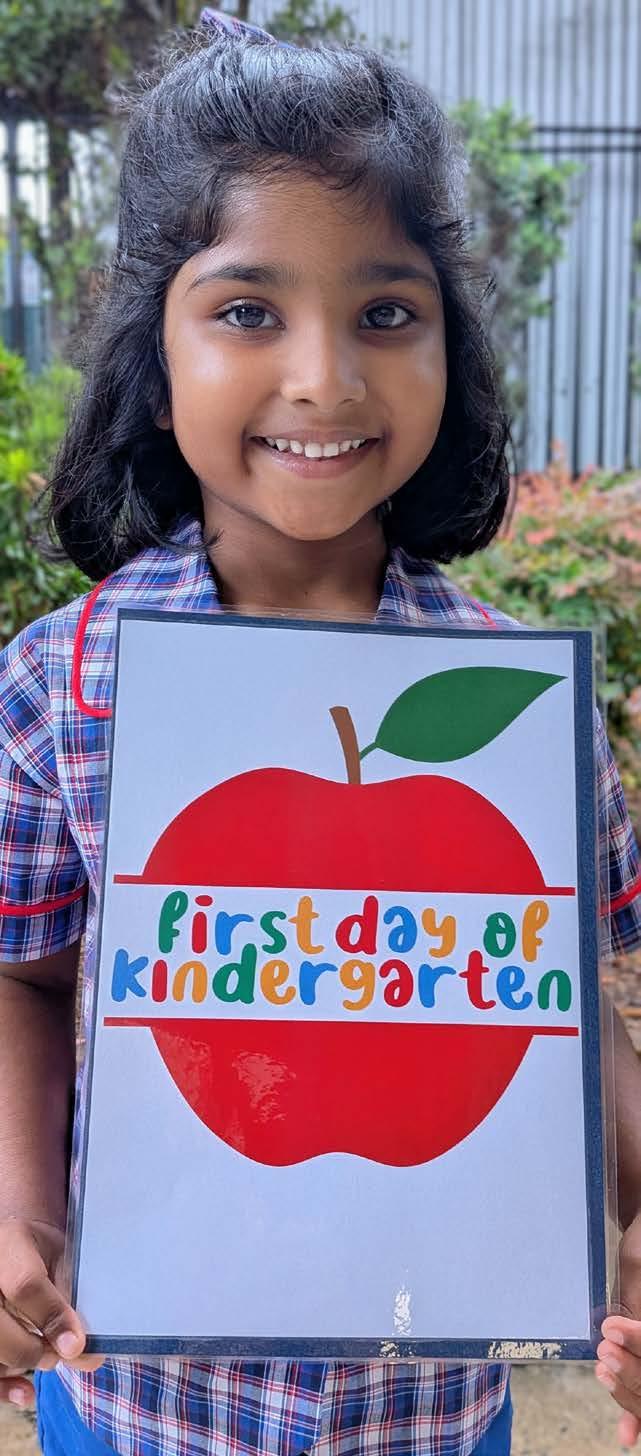
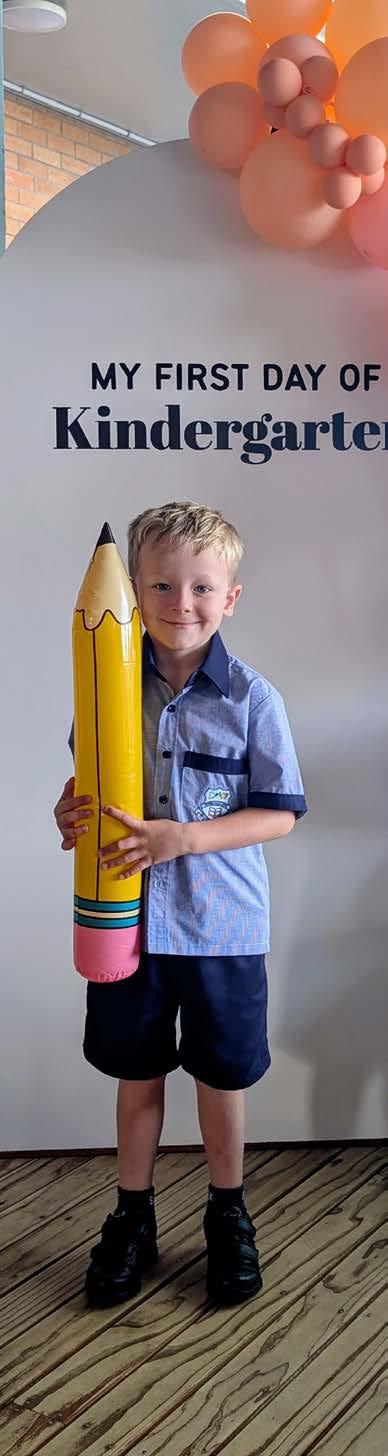
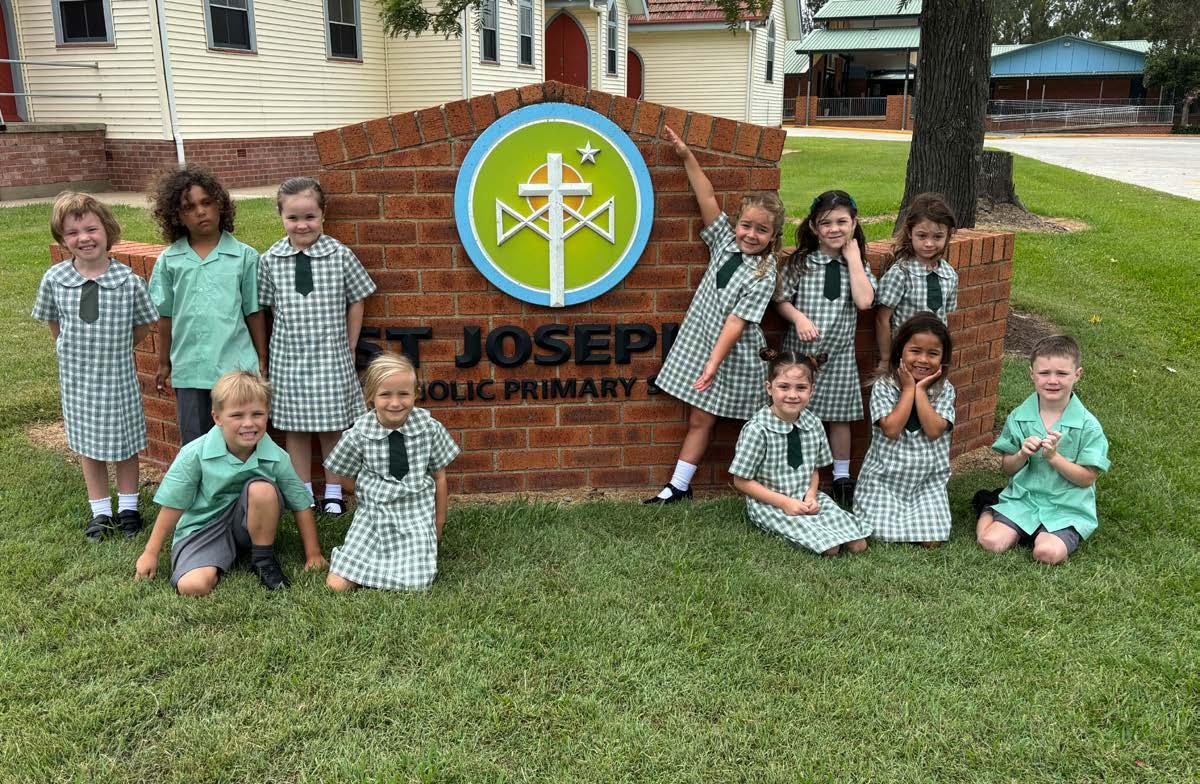
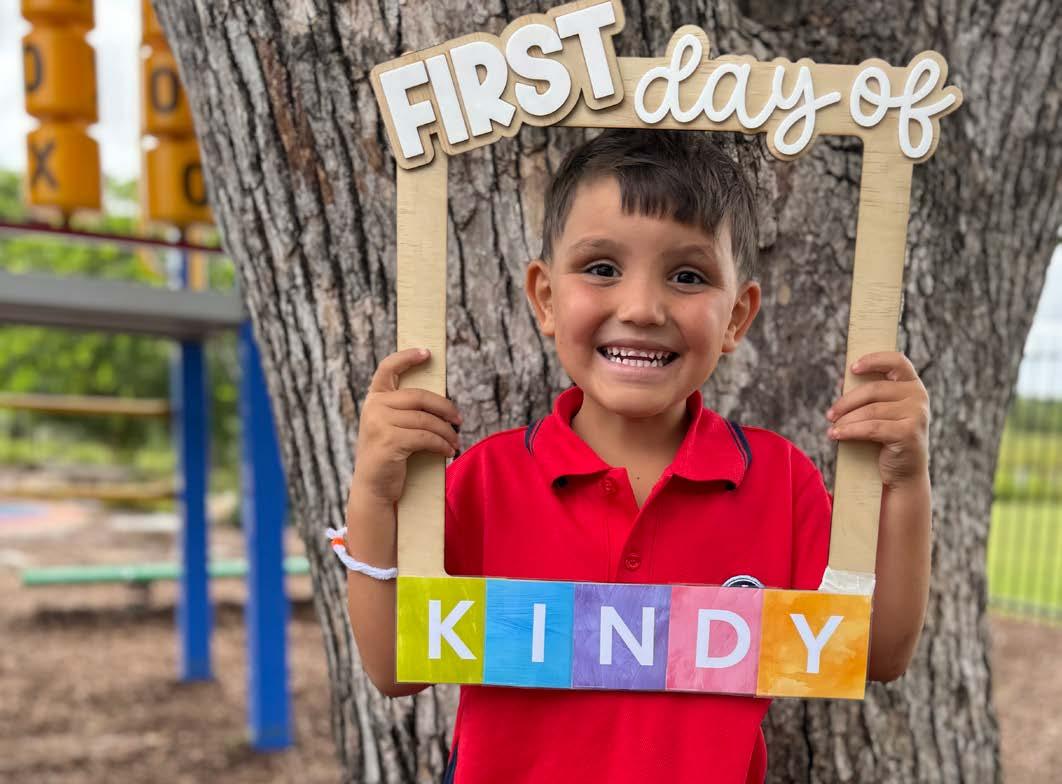
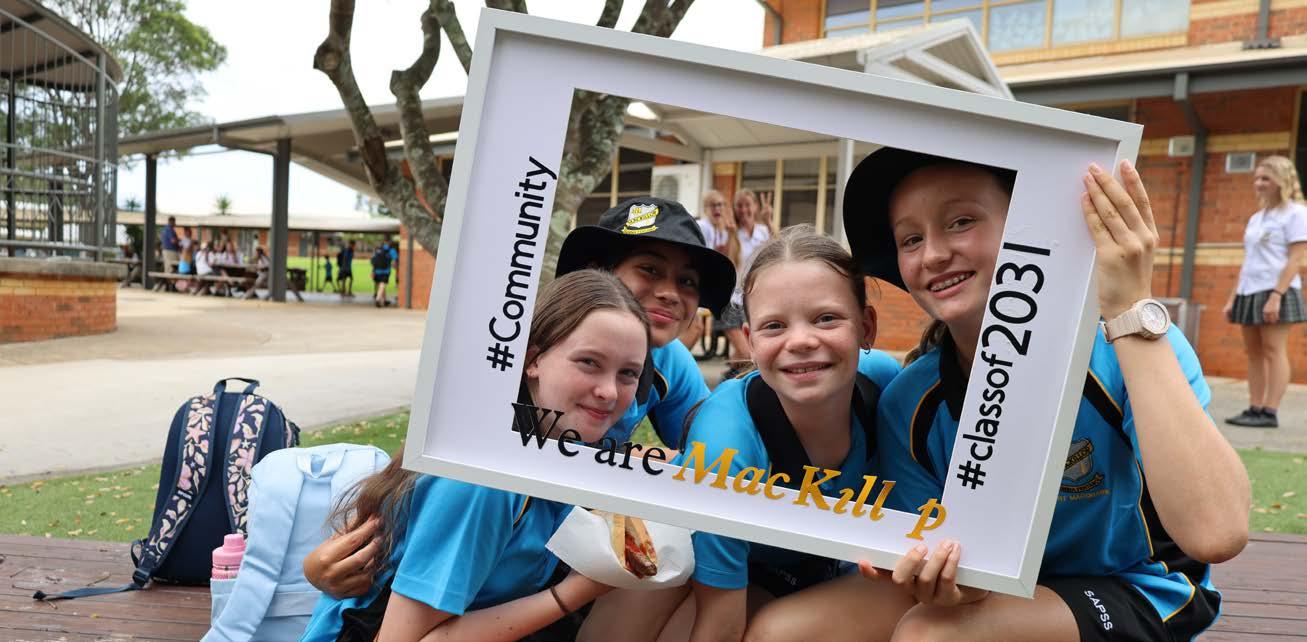
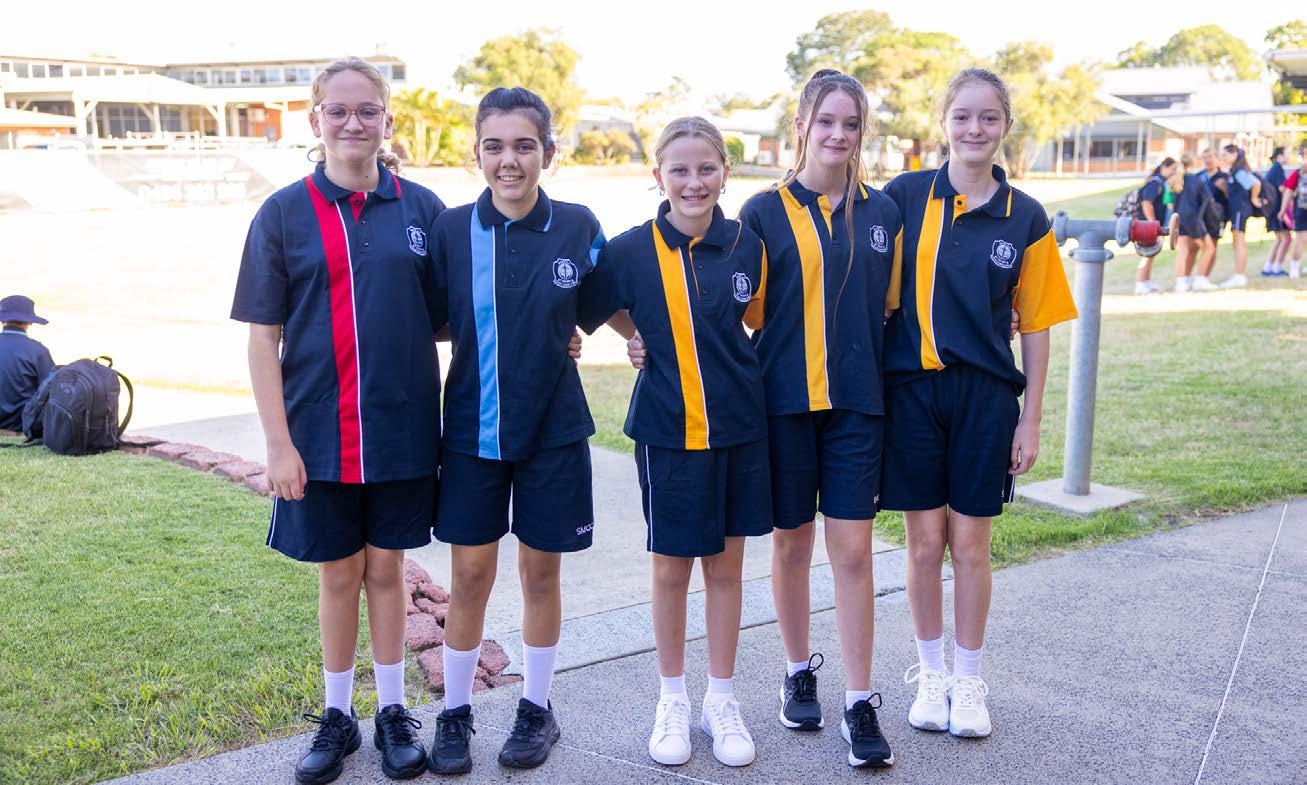
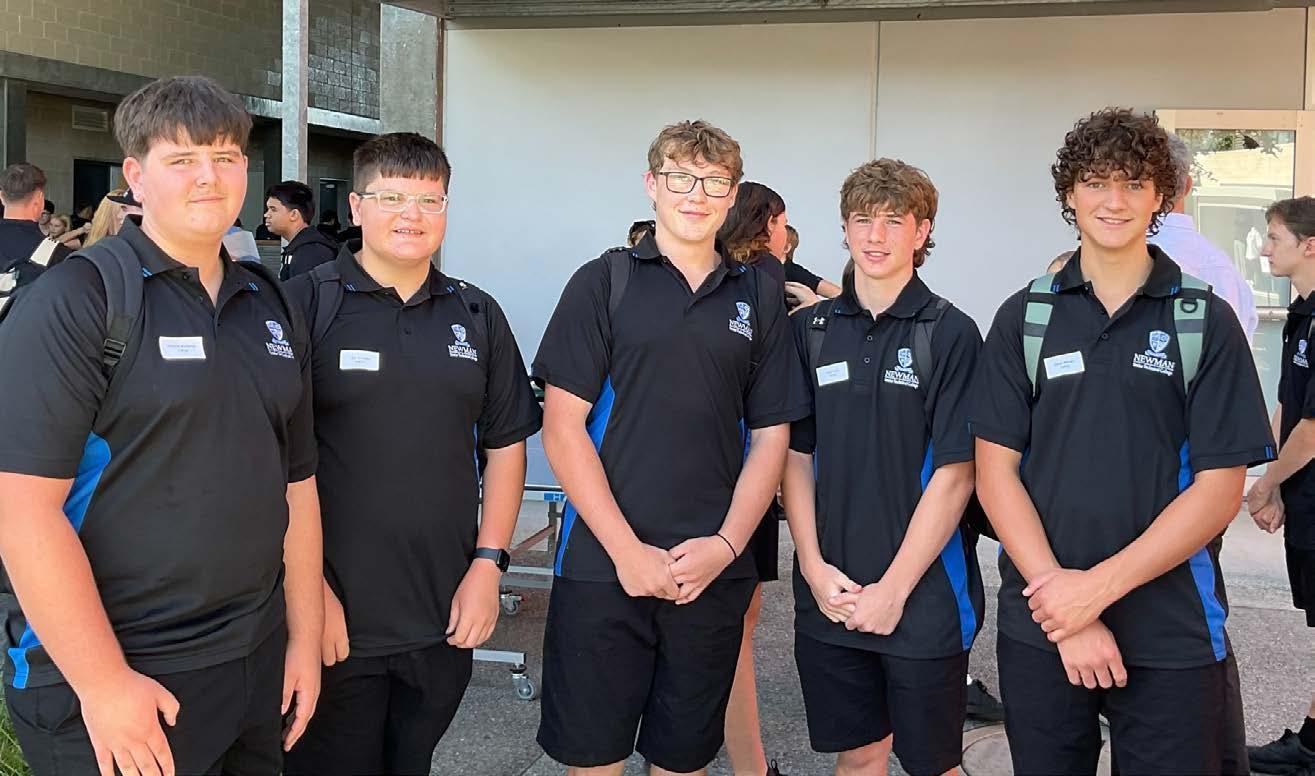
We welcomed 18,725 students across our schools, supported by 2,698 dedicated teachers and staff, as a new year began with hope and possibility. We warmly welcome 1,448 kindergarten students as they begin their thirteen-year journey of Catholic education.
Our 1,107 year 12 students celebrated their ‘last first day’, the beginning of the final chapter of their schooling. United across our 22 parishes, we are committed to ensuring every student is known, valued and cared for.

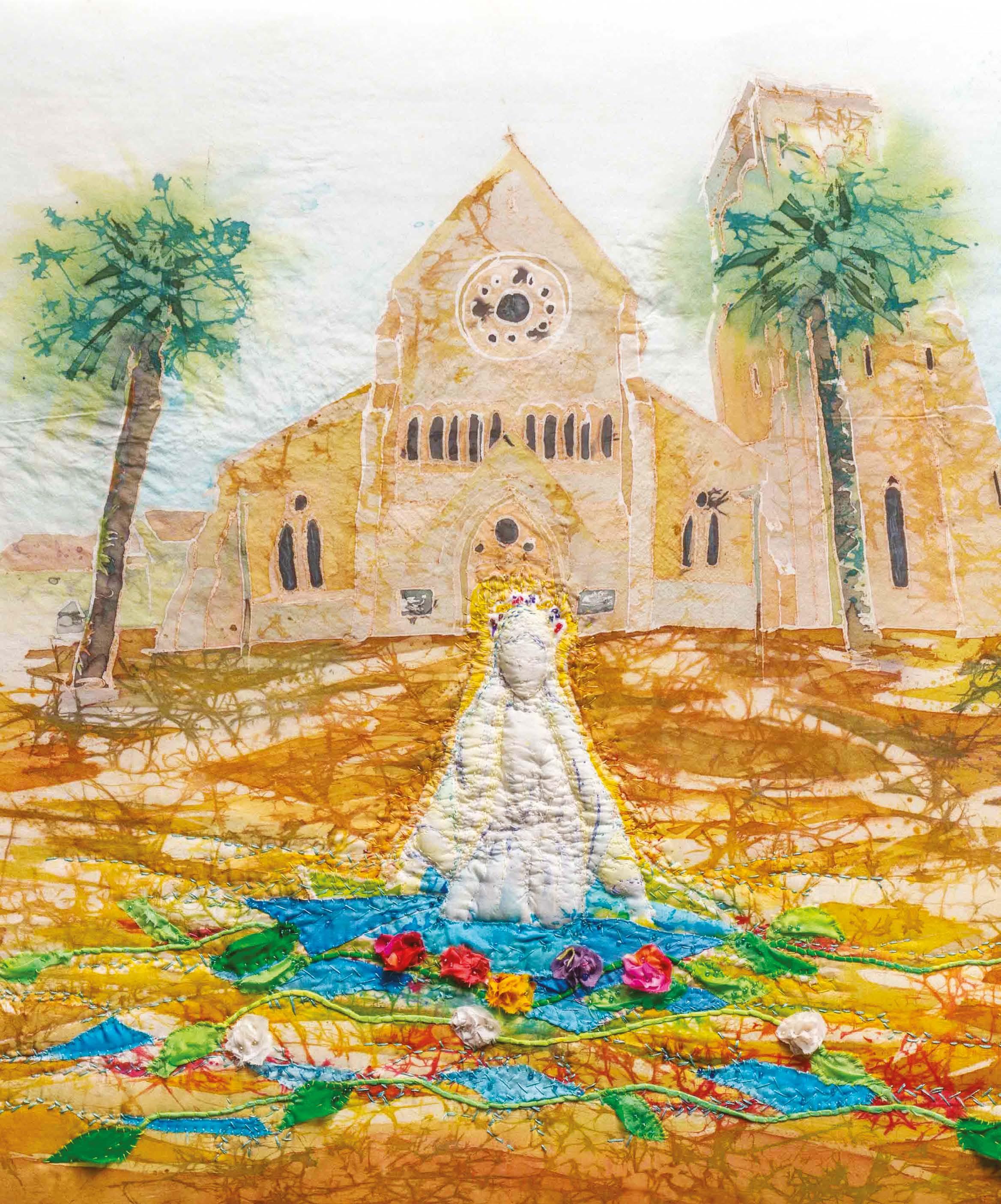
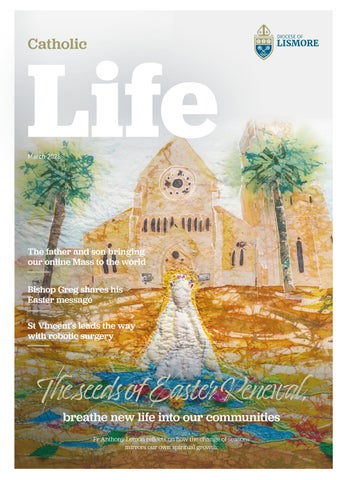
Front cover: 'Mary Fountain of Living Water' brings to us the blessings for a new life of grace.
Artwork by Trish Bazar for the Jubilee Art prize
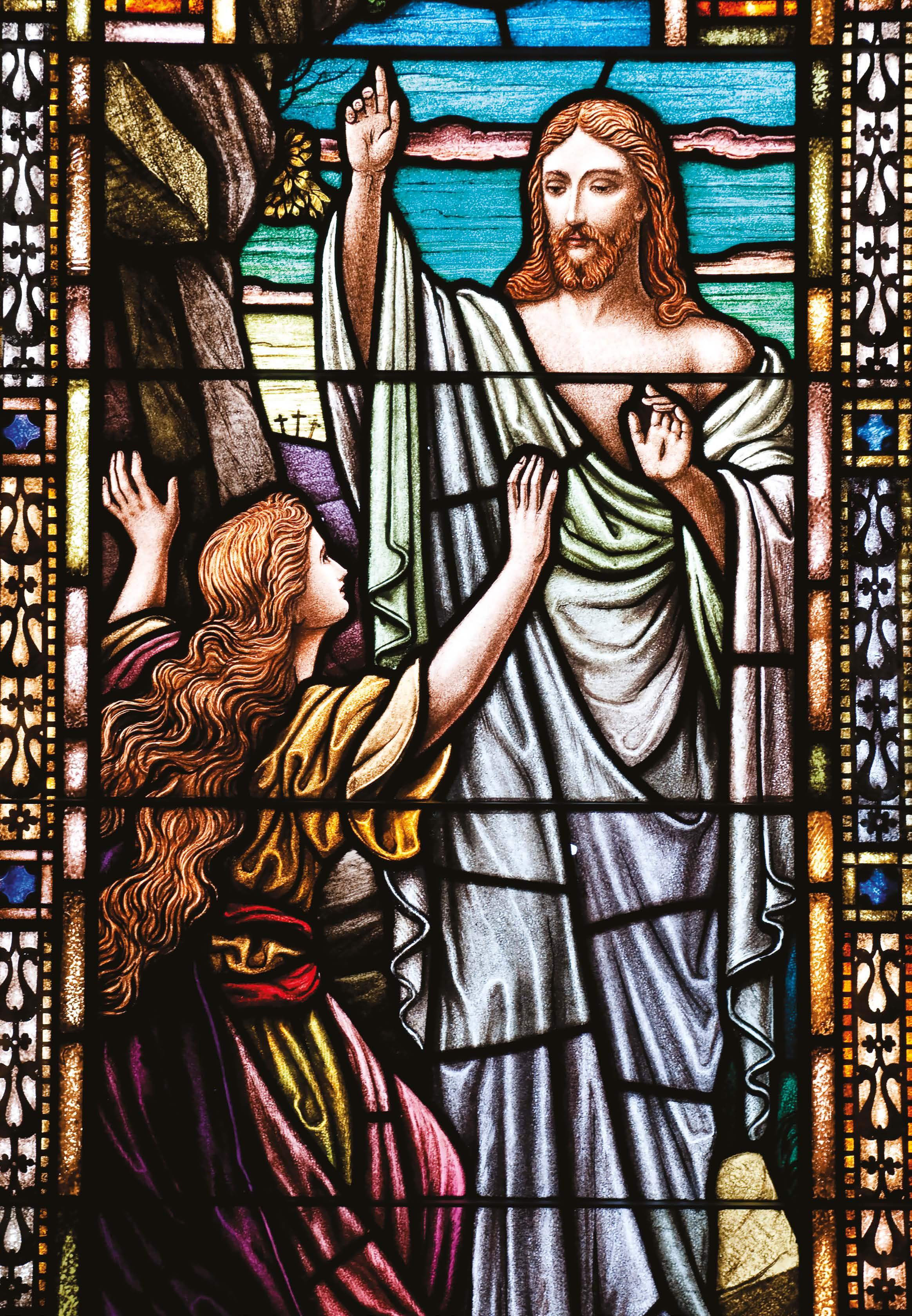
Backpage: Stain glass window depicting Jesus and Mary Magdalene after Jesus' resurrection.
Photo
by Joel Carillet
We welcome submissions of articles and high-quality photographs to be sent to the editor at:
media@lismore.catholic.org.au
While we strive to publish submissions, please note that this cannot always be guaranteed, and content may be edited for space and clarity.
Published by Diocese of Lismore
Editor: Barry de Silva
Editorial committee: Joe Pereira, Fr Peter Wood, Greg Isaac, Barry de Silva.
Design and production: Barefruit Marketing © 2026 The Diocese of Lismore
No part of the magazine may be reproduced in any form without prior written consent from the Bishop of Lismore. All the content and photographs that appear are used for the purpose of the magazine, with the prior permission of those concerned.
Visit our website to subscribe & read online
lismorediocese.org
The seeds of Easter renewal 22 Safeguarding: Protecting life in the diocese 27 A sacred stillness: The birth of the Women of Jerusalem 30 That quiet voice in my heart
32 Port Macquarie community day highlights faith in connection 36 Living the mission together as we celebrate a century of faith
38 Remembering the Burringbar, Bilambil, and Uki churches
40 Youth travel to Murwillumbah for Young Adults Festival
“If
Everything changes if we have the eyes of faith filled hope.
Growing up I always preferred Christmas to Easter. Both were holiday times; Christmas was Mass followed by gifts and a lunch with family and friends. Easter seemed to be overwhelmingly religious with long church services which were tedious and tiresome for a boy. It was only in the last years of high school that I began to understand and appreciate Easter.
Every Church feast is about Jesus and me. In the feast we are joined. Heaven and earth come together, and I am led into a deeper self-knowledge through Jesus.
Easter celebrates the Resurrection of Jesus Christ
who suffered a most violent and seemingly meaningless death. From Palm Sunday we walk with Him and as we look into His eyes we recognise the plight of many people in our world today.
The last twelve months have been marked by gratuitous violence, decisions and actions which do not seem to focus on the wellbeing of others, and a mindset which is frankly selfish. As individuals we are lost in this, what is happening?
Jesus died understanding this experience, He carried it to the Cross. There is nothing in the present struggles of the world that are not in some way part of Jesus’ experience, and as such everything in us
today connects us with Him. He questioned the Israel of His times, and he walked with all those on the periphery. He carried our hopelessness.
On Easter Sunday, Jesus rose from the dead and in this we all rise with Him. We and the world are transformed. Yet, you will say nothing has changed. Everything changes if we have the eyes of faith filled hope. If my eyes change, I change and I see a world filled with love and hope. Our new vision can change the world.
I wish you a happy and blessed Easter.
Bishop Greg Homeming OCD
Bishop Greg’s Lenten talks are an inviting way to prepare for Easter — the highest celebration of our faith. The three talks for 2026 are available for you to watch now, offering a chance to pause and reflect as we journey toward the Resurrection.
Scan the QR code to watch the Lenten talks or visit youtube.com/ LismoreDioceseAU Our YouTube channel also hosts Bishop Greg’s Sunday Mass. With over 13 million views, it remains Australia’s most popular online Mass. Turn to page 10 to read the feature on our online Mass.
by Fr Anthony Lemon
Drawing on a life of ministry from the classroom to the parish, Fr Anthony Lemon reflects on how the change of seasons mirrors our own spiritual growth. He shares how simple acts of kindness and a friendship with Jesus can breathe new life into our communities.
In the Northern Hemisphere it is easy to link Easter with a sense of renewal. Cold countries begin to thaw out, the grass grows, trees burst into life, animals are born, the sun shines longer, warmth and life return. Barren frozen places teem with new life and a sense of hope and relief spring forth. There is a mad rush to plant crops and prepare for harvest in autumn.
But here in our homeland of Australia we are slowly moving into winter, though not nearly as severe as some countries in the Northern Hemisphere. For many in hotter climates such as ours Easter
signals the beginning of the relief of cooler months. For many it is also a time of renewal as the heat cools and the rhythm of the year gets into full swing.
When we talk about renewal in our parishes and our diocese, what exactly does that mean, especially in the light of the great feast of Easter, the day-to-day living of our lives and our parish involvement.
One definition of renewal is simple: a contract or licence is renewed, a fee is paid, some questions asked and a newly renewed licence or contract is issued. Another you may have heard of is urban or rural renewal whereby vacant degraded land or buildings is repurposed and made usable again. In our local area you
can see all kinds of land care and river bank renewal.
The definition of renewal, in our faith context, is somewhat different as we already have a beautiful treasure in the Sacraments, Scripture, prayer, and most importantly our gathering each weekend for the celebration of Mass.
You might be wondering how you can renew something that is already beautiful if not perfect, such as the celebration of the Eucharist. What could be more perfect than the moment Christ becomes present on the altar at Mass, the moment when Jesus enters our heart
and mind in Holy Communion, or the Proclamation of God’s Holy Word in the readings, the baptism of a newborn, the incredible celebration of the Easter Sunday Mass, or any Sunday Mass.
I’d like to suggest to you that renewal in our parishes and diocese starts with each one of us. We could ask ourselves what can I bring to the altar of life in my parish. We can begin our journey of Easter renewal by reflecting how I can better deepen my faith, so I can be of help to my parish community.
On my desk I have an image of Pope Benedict, it’s there because of the beautiful words he spoke to the young people of World Youth Day in Cologne, Germany, on 24 August 2005. He asked young people to make Jesus their personal and life-long friend. He went on to say: “This friendship is not passive; it requires active engagement through Scripture, prayer, the Sacraments, and service to others.” I took his words to heart at the time and it became a form of faith renewal
Another dimension of our faith life is the act of service in our parish community, this I believe is one of the places where we can assist in the renewal of our parish life. I used to say to the greeters and welcomers in the parish communities that I served, your kind welcome
could be the moment when someone who has not entered the church in many years meets Jesus Christ again.
Your witness could be the beginning of something new for that person who comes to Mass, who knows that he or she will be made welcome. These very simple acts of kindness make Jesus real. These simple, though not insignificant actions become the seeds of parish renewal.
After Mass, fellowship is another area where we can reach out to others. If your group meets regularly for morning tea, why not ask someone who is a newcomer or someone you don’t know to join you. These acts of kindness and inclusion enhance the celebration of the Eucharist in our parish communities, it helps to draw a community closer together.
What I am trying to suggest is that renewal of our faith communities often starts small. We might think that our contribution is not worth much, but let me assure you that your presence at Mass each Sunday enriches the whole community and gives praise to God. You can pray for the work of your Parish Pastoral Council, your Parish Finance Council, your parish priest or priests, our bishop, your fellow parishioner. In a humble and sincere way, you can bring the Risen Jesus to others.
Pope Francis throughout his pontificate spoke to us about friendship with Jesus, in summary, he invited people to reflect: “Do I see Jesus as a friend or a stranger?
Your kind welcome could be the moment when someone who has not entered the Church in many years meets Jesus Christ again
He encourages us to grow in this friendship through prayer, reflection on the Gospels, and living out Christ’s love in service, especially to the poor and those who suffer.”
In Fratelli Tutti, Pope Francis spoke to us of recovering a fruit of the Holy Spirit, kindness: “If we are truly endeavouring to renew our own faith and that of our parish community, kindness to others is a great place to begin.”
Please never doubt that your own contribution to the renewal of parish life does not mean much. It does because you are the people of God in your town or community. The newly installed Archbishop of New York, Ronald Hicks, recently said: “We exist to follow Jesus, who fed the hungry, healed those ill in body and spirit, rejected hatred and proclaimed love.”
What an amazing Easter gift we can give each other if we truly believe that the love of Jesus Christ in our life can make a difference in our world. Simply put — love God and love neighbour.
The father and son bringing
by Barry de Silva

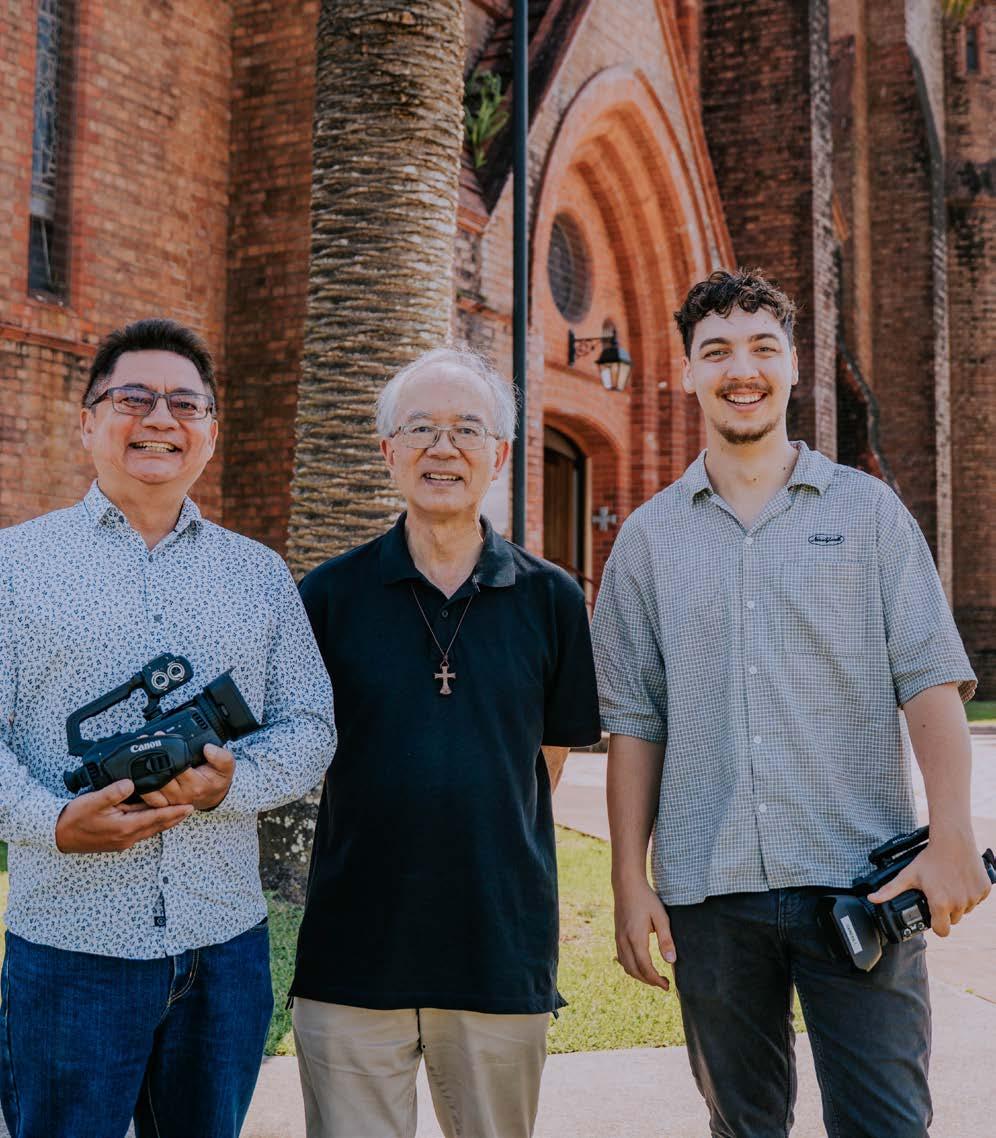
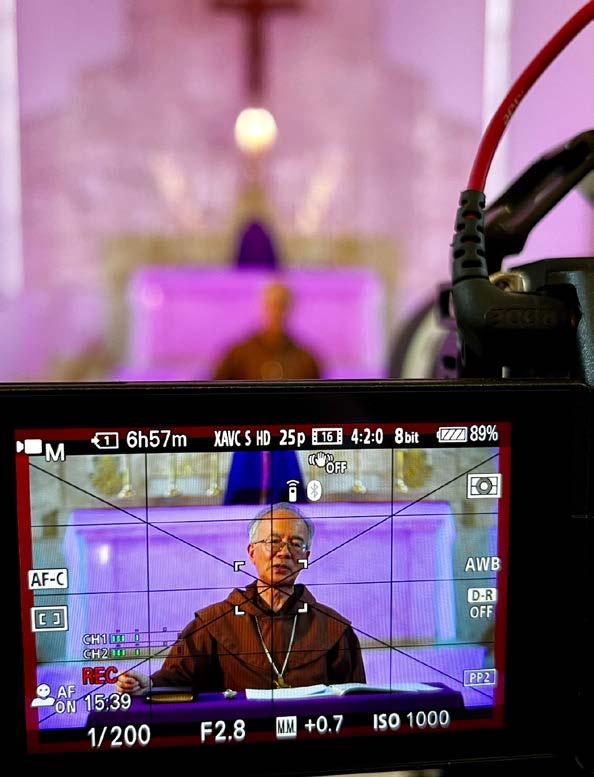
This year, the Diocese of Lismore celebrates six years of bringing Bishop Greg Homeming’s online Mass to the world. What started as a response to the global COVID-19 pandemic in 2020, has evolved into one of the diocese’s most far-reaching ministries.
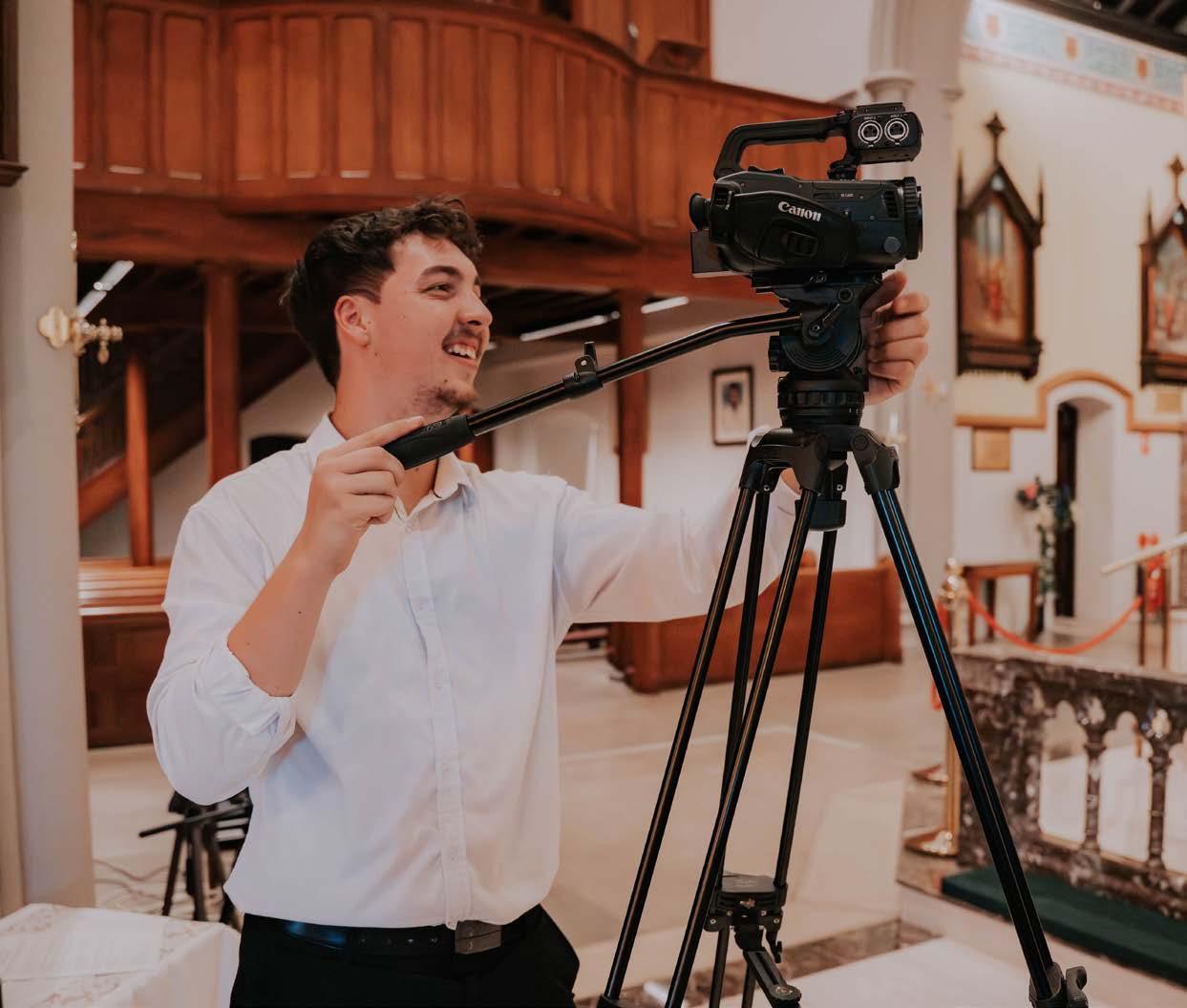
Since it began, the diocese’s YouTube channel has amassed over 13 million views and has over 34,000 subscribers. The father and son team behind the production, Joe and Daniel Pereira, share the work that goes into the Mass every week, how the ministry has had an effect on their own relationship, and what it’s like working closely with Bishop Greg.
How did the idea for the online Mass first come about?
Joe: It was a Thursday in March 2020. The Bishop’s Office, the Chancery, called asking us to live stream the
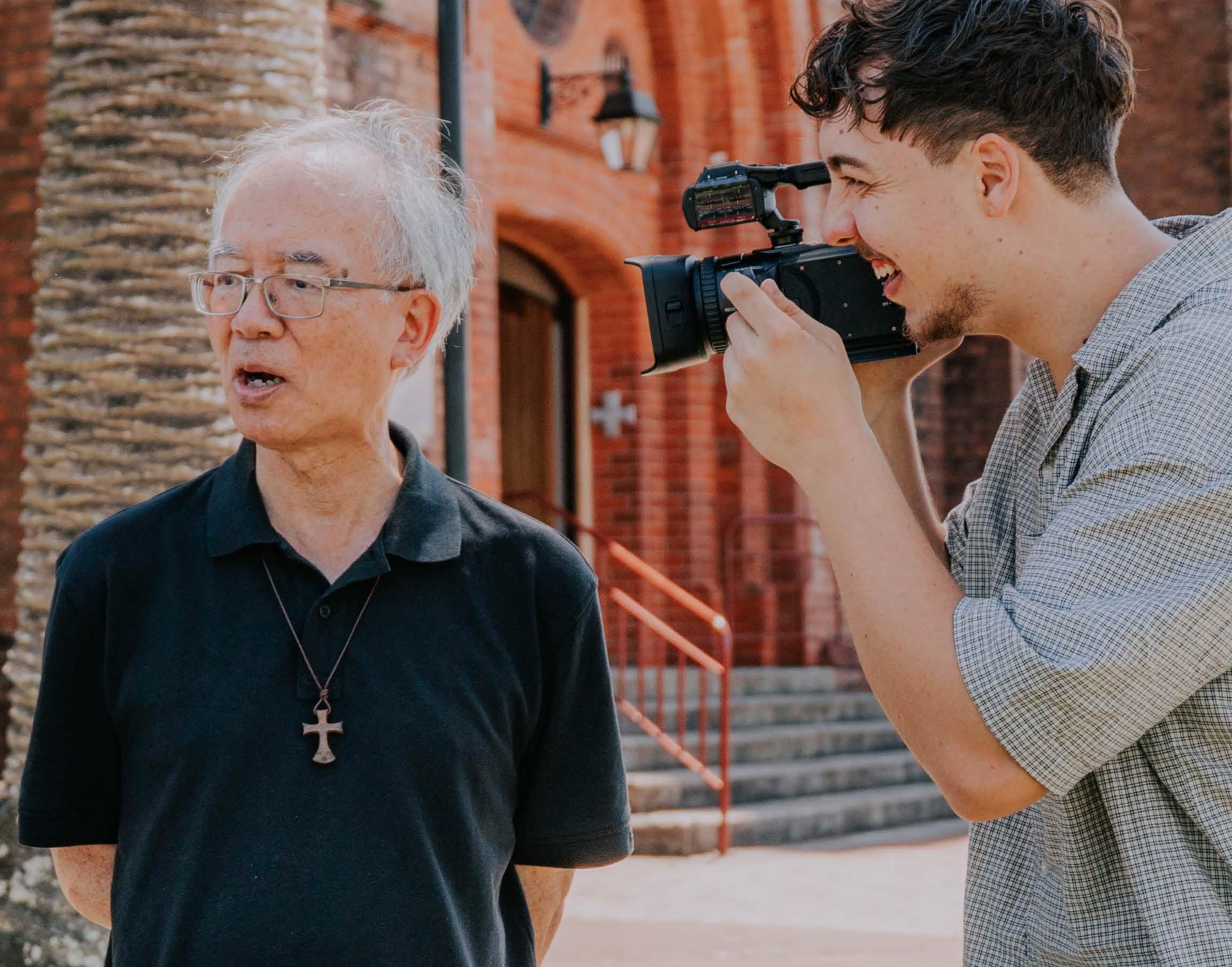
following Sunday Mass as COVID-19 shutdowns began. Bishop Greg was aware of my background in radio and television, and by the following Saturday, we were conducting technical tests at the Carmelite Monastery in Goonellabah, and on Sunday morning at 8am, we went live on YouTube. It was an uncertain time, and this was a way of providing that spiritual communion for people.
Did you expect it to grow into such a regular and well-received ministry, or did that come as a surprise?
Daniel: I think naturally, because people couldn’t get out, people turned to online services. The quality of Bishop Greg’s homilies and the production kept people coming back. It now reaches people across the whole world.
Joe: We initially thought we’d be doing this for six or eight weeks. Six years later, it has evolved into a permanent ministry. We have looked at the analytics of the videos, and what we have found is people like that our production is simple – with minimal camera angles. We call it a point of pew perspective, where we give viewers the experience of being in a Mass with a congregation, as if they’re sitting in the pew.
We have a lot of international viewers, so we put the words from the readings, prayers, and hymns up, so they can improve their English if it isn’t their first language. For hard of hearing viewers, it also makes it easier to follow.
For those that don’t know, what goes into producing a weekly online Mass?
Joe: We follow a well established formula. We record at least two weeks in advance, ensuring our readers reflect the diversity
of our parishes. The slides are produced the week before the broadcast, and they’re placed in the final edit a few days ahead of the upload, which is then posted on the diocesan website and YouTube.
The Easter live streams are a completely different kettle of fish. That is a mammoth task, and involves hundreds of metres of cabling, multiple cameras, and precision timing under Daniel’s skilful direction.
Daniel: When we do live broadcasts like Easter, I’m like an octopus handling vision switching, audio mixing, and slides simultaneously. It’s a high-pressure environment where you’re constantly balancing technical precision with the flow of the liturgy.
Joe: It’s a very small team. I have overall responsibility for coordination; Daniel looks after editing and creative direction; Nancy Tarlinton coordinates our readers and Bishop Greg’s schedule; and Julie Youngberry and Imogen Hurst produce the slides
and graphics and selects the hymns. We also have Rod Smith, who assists us with cameras for major events. The Carmelite Missionary Sisters also set up the altar for each Mass and Deacon Graeme Davis usually assists Bishop Greg as well.
Daniel: The more you work with him, the more you appreciate his humour. He often jokes that he doesn’t understand why people are watching, but he knows it reaches a lot of people that don’t necessarily get to Mass.
Joe: Bishop is a remarkable individual with such grace. He responds well to direction but has very clear ideas about the message he wants to share. It is a privilege to receive his wisdom at close quarters.
work together?
Joe: I see a lot of my younger self in Daniel. I grew up in the analogue world, but Daniel has taken that interest to a new level with digital technology. It’s a wonderful to be able to share our faith through this shared passion.
Daniel: I wouldn’t be into videography if it weren’t for Dad having cameras around the house. Supporting each other in this ministry has made it a really positive experience.
Daniel: We’ve discovered a shared sense of humour through the monotony of the editing suite! But more importantly, it’s made sharing our faith very easy. I’m past the angsty teenage years, and now we can talk openly about what the Gospel means to us.
Joe: My wife and I have always said that if any of our children have a passion, we will support them to develop in that. In Daniel’s case, it’s been his

videography, his music, and his Catholic faith. It’s passing on what was passed on to me by my parents.
With many viewers unable to attend Mass in person, how do you see the online Mass serving them spiritually?
Joe: It is never a substitute for attending in person, but for the aged or those in countries where Christians are persecuted, we feel a strong responsibility to present the Mass as prayerfully as possible.
Daniel: I often think if the Mass is the source and summit of our faith, in a metaphorical sense; if you can’t climb the mountain, then looking at the mountain is still a great thing to do. Lots of our viewers from quite remote areas of the world would have to walk considerable distances to attend a Mass in person. I hope they occasionally get that, but to have something
on a device in their hand where they can grow their faith is still of value.
Has being involved in this ministry changed how either of you experience Mass?
Daniel: I now contemplate the readings all week while I edit, so I have a much greater appreciation when I receive the Eucharist on Sunday.
Joe: When you look through a lens, you can lose focus on the moment. Because of that, we have a newfound appreciation for being in the pew with our community.
What have you learned about the Church’s presence in the digital space?
Joe: It’s the way of the world now. It’s not a substitute, but it’s a powerful means of enhancing faith.
Go into the world and preach the gospel to every creature.
Mark 16:15
Daniel: My generation is always online. Having a Catholic presence there allows young people searching for the truth to encounter the beauty of the Church.
How would you like to see the online Mass grow or evolve?
Joe: The liturgy remains the same, but I’d love to involve more volunteers and perhaps refresh our hymn recordings.
Daniel: It evolves as God wants it to. Our goal isn’t millions of views; it’s providing a service that reaches whoever needs it most.
by Barry de Silva
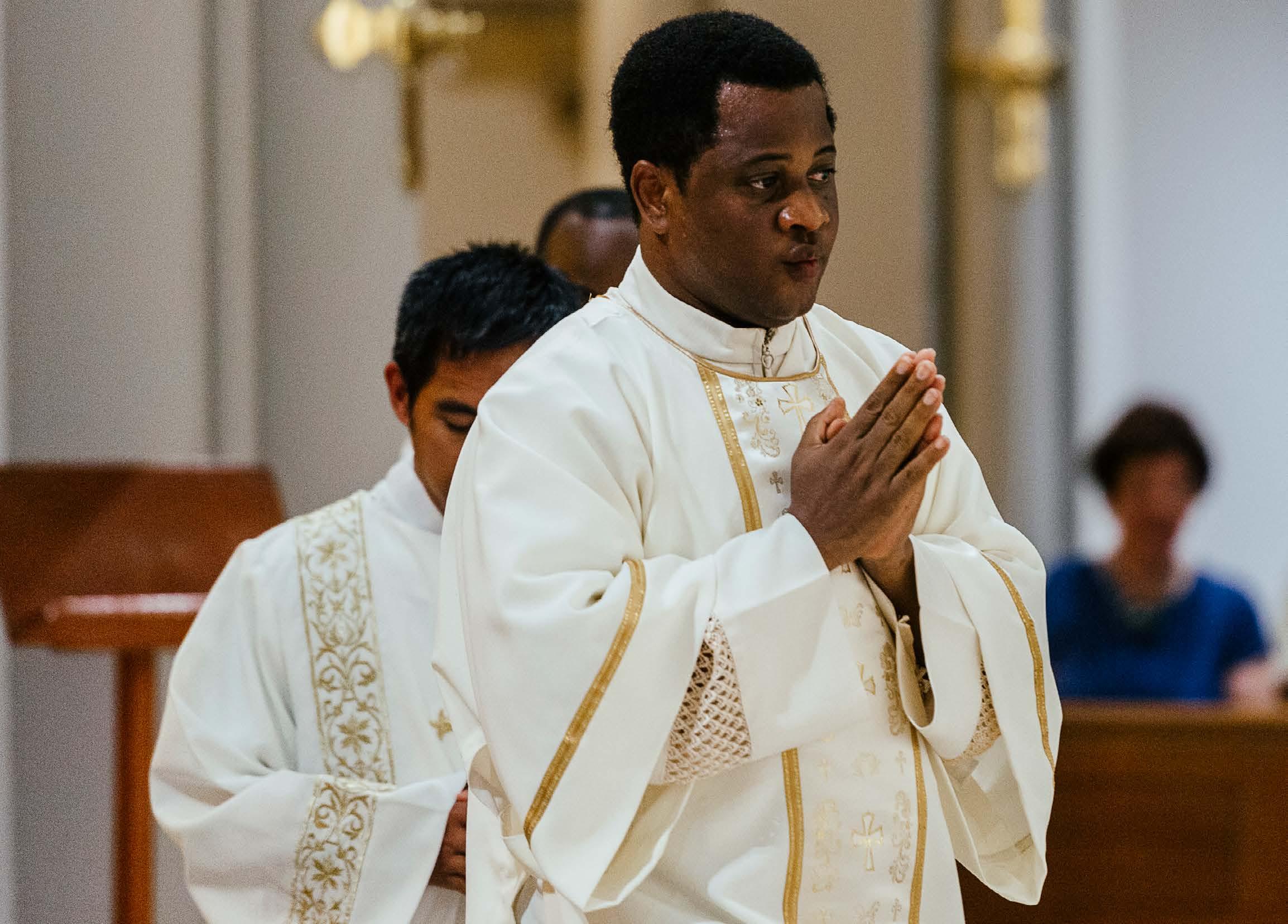
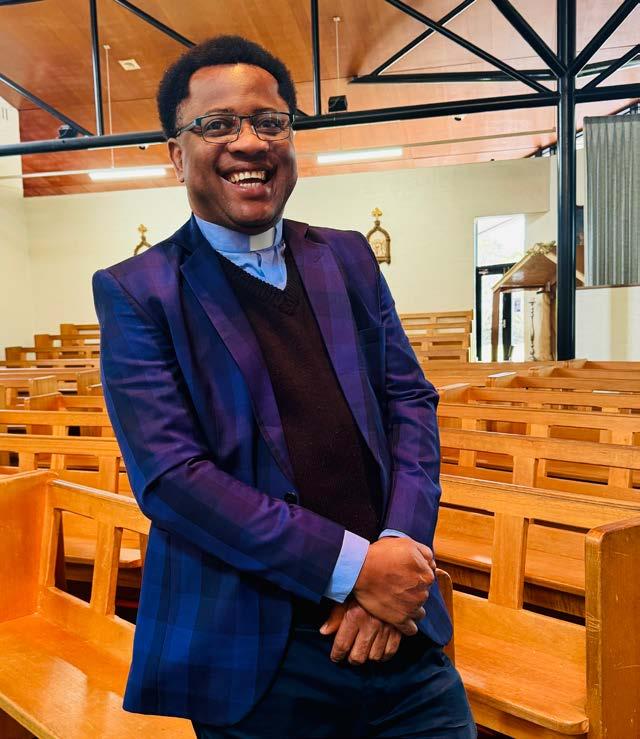
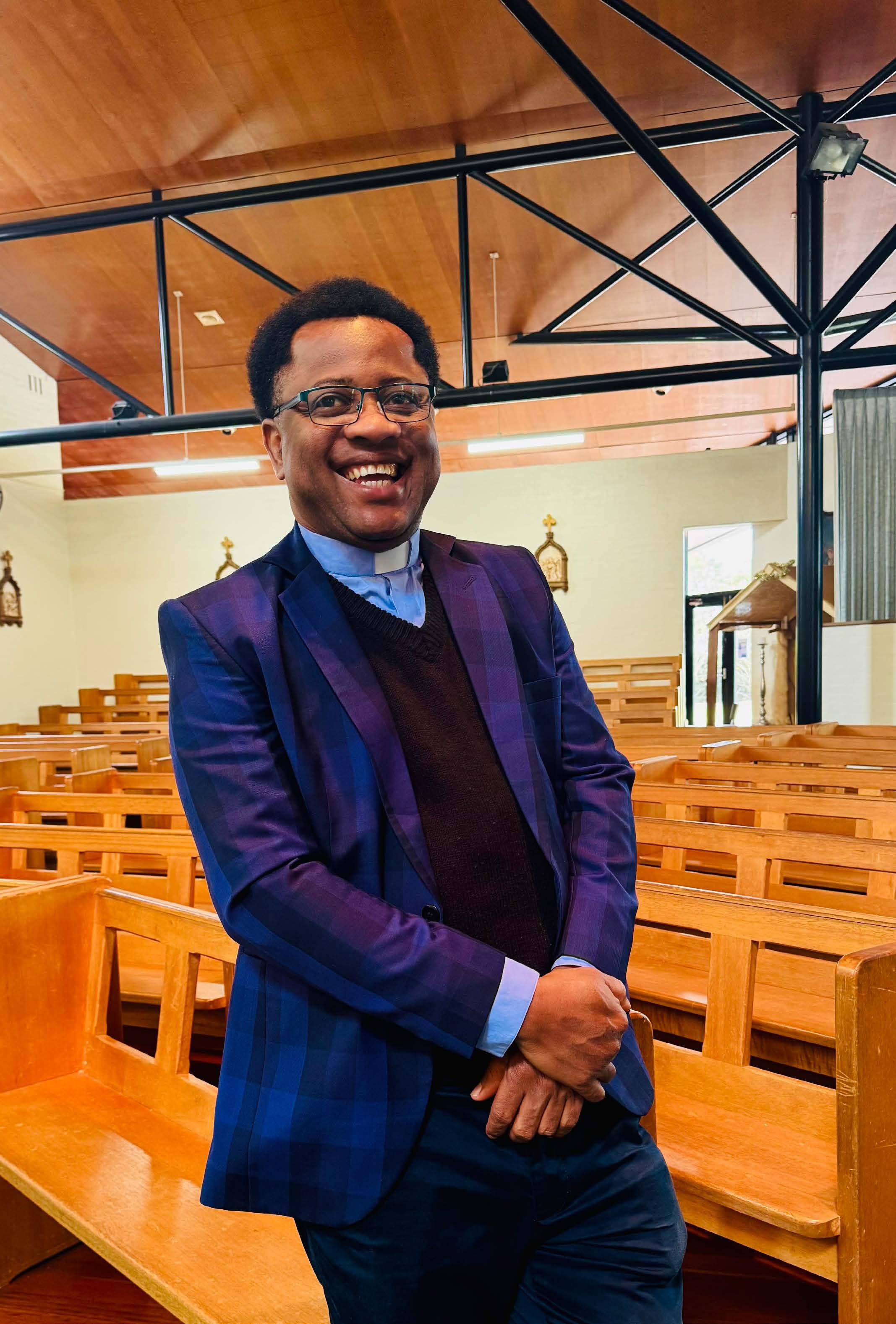
Fr Anselm Okeke is the Wauchope Parish Priest. He was ordained by Bishop Greg Homeming on 29 January 2018, and has served at parishes in Ballina, Coffs Harbour and Tweed Heads. Catholic Life sat down with Fr Anselm to discuss his childhood in Nigeria, his first placement as a parish priest in Wauchope, and his famous jollof rice.
How do you like your coffee, Fr Anselm?
I enjoy a flat white.
Bishop Greg describes you as “a good man with a sense of humour who is very enthusiastic.” How has that enthusiasm helped your ministry?
I think it helps people relax. I want parishioners to know that faith and joy go together. I often say that if we are not happy at church, it’s hard to have a sense of heaven. Our sense of heaven begins here
on earth, so I don’t like people coming to Mass looking like they’re going to see a dentist; I like them to be happy!
I grew up in a place called Aguleri in Anambra state, in the southeastern region of Nigeria. The family home was almost directly opposite the parish church, which is now a Cathedral. Many of my childhood memories are centred on the church — my parents would send us there constantly, rather than out to the streets. I went to primary school nearby and later moved to the city to finish primary and then high school.
Was faith a central part of your family’s life?
Yes. My whole family was baptised in the parish church opposite our house, and faith was central to our family life. Living so close to the church meant we were always involved in parish activities.
you to
I never had a single moment of feeling called. From childhood I heard the priest and the whole Mass from our house and loved the way they sang. I would go into my room and try to imitate their voices. That love for the liturgy and the life of the Church slowly drew me towards the priesthood.
eventually led you to Australia?
I was training as a missionary with the Claretian missionaries for six years, and I always wanted to serve where there was need. After attending World Youth Day in Cologne in 2005, I started exploring life as a missionary overseas. A friend had a pamphlet for a diocese in Australia, which led me to apply. I first joined a religious community in Wagga Wagga, and eventually I was accepted by the Diocese of Lismore in 2014. I see all of this as divine providence rather than my own plan.
You’ve served in different corners of our diocese. What stands out to you from those roles?
I served as a deacon at Tweed Heads, where the people were very generous and helped prepare me for ordination. After that I moved to Coffs Harbour with Fr Peter Padsungay, in a very multicultural parish. There I helped start a multicultural Mass on Pentecost, which has continued. Later I moved with Fr Peter to Ballina, where I spent about five years and grew very close to the community. Now I’m parish priest at Wauchope.
It seemed you had a good relationship with Fr Peter at the Ballina parish?
Working with Fr Peter was a blessing. He gave me the freedom to explore ideas and do my best for the community. I often say Ballina is one of the places in the diocese where I can always go and know I’ll have a place to sleep — that’s how at home I feel there.
Now you have your first placement as a Parish Priest at Wauchope. How has it been so far?
Wauchope is a growing parish with a lot of vitality as
Our sense of heaven begins here on earth, so I don’t like people coming to Mass looking like they’re going to see a dentist; I like them to be happy!
more people move into the area. The whole community has been very hospitable and welcoming. I’m especially grateful for our primary school, St Joseph’s, which I like to call the best in the diocese! Getting the children involved — like at our recent Christmas Mass with carols and nativity — has been a great joy and a strong link between our parish and families
from the priesthood what do you enjoy doing?
I enjoy cooking. Often, I just go into the kitchen without a fixed plan and something good still comes out! I also love watching soccer, especially my team Chelsea!
I hear you have a signature dish?
I have a strong affection for Nigerian jollof rice. I cooked it for a celebration in Ballina and have been slowly getting more people trying it. I usually serve it with chicken or eggs
Is there a book, movie, or album that has impacted you?
The Sound of Music has had a big impact on me. I can watch it again and again. It tells a beautiful story about vocation and how we might plan one path for ourselves, but God’s plan
ultimately prevails. I also love classical and choral music, especially Handel’s Messiah and works by Joseph Haydn. In terms of reading, I have enjoyed the autobiographies of Fulton Sheen and Martin Luther King Jr.
Finally, is there a scriptural story that has inspired you?
John 3:16 is particularly important to me. I see it as a summary of the whole Gospel and why we do what we do. It reminds us that everything begins with God’s love, fully revealed in Jesus Christ, even when people struggle to understand or accept that love.

For more than 40 years UniSuper has been helping members grow towards a better future. With our roots in higher education and research we’ve got the know-how to help you reach your goals.
au

Join now
“If you believe in peace, be the change you want to see”
by Barry de Silva
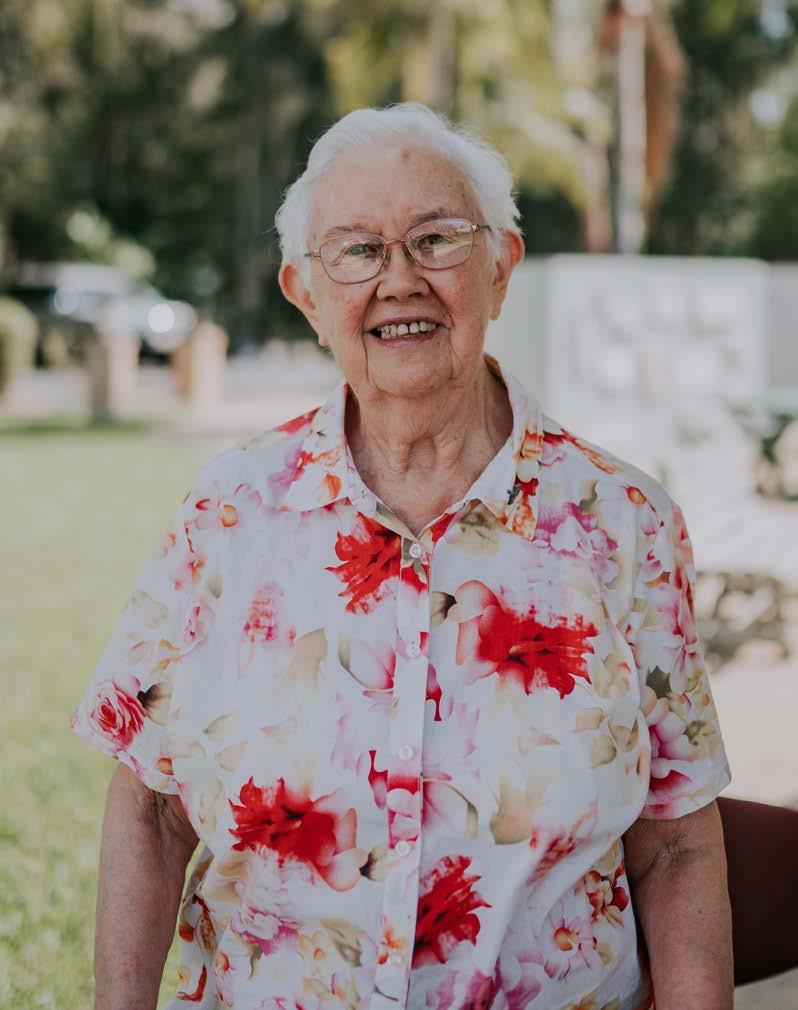
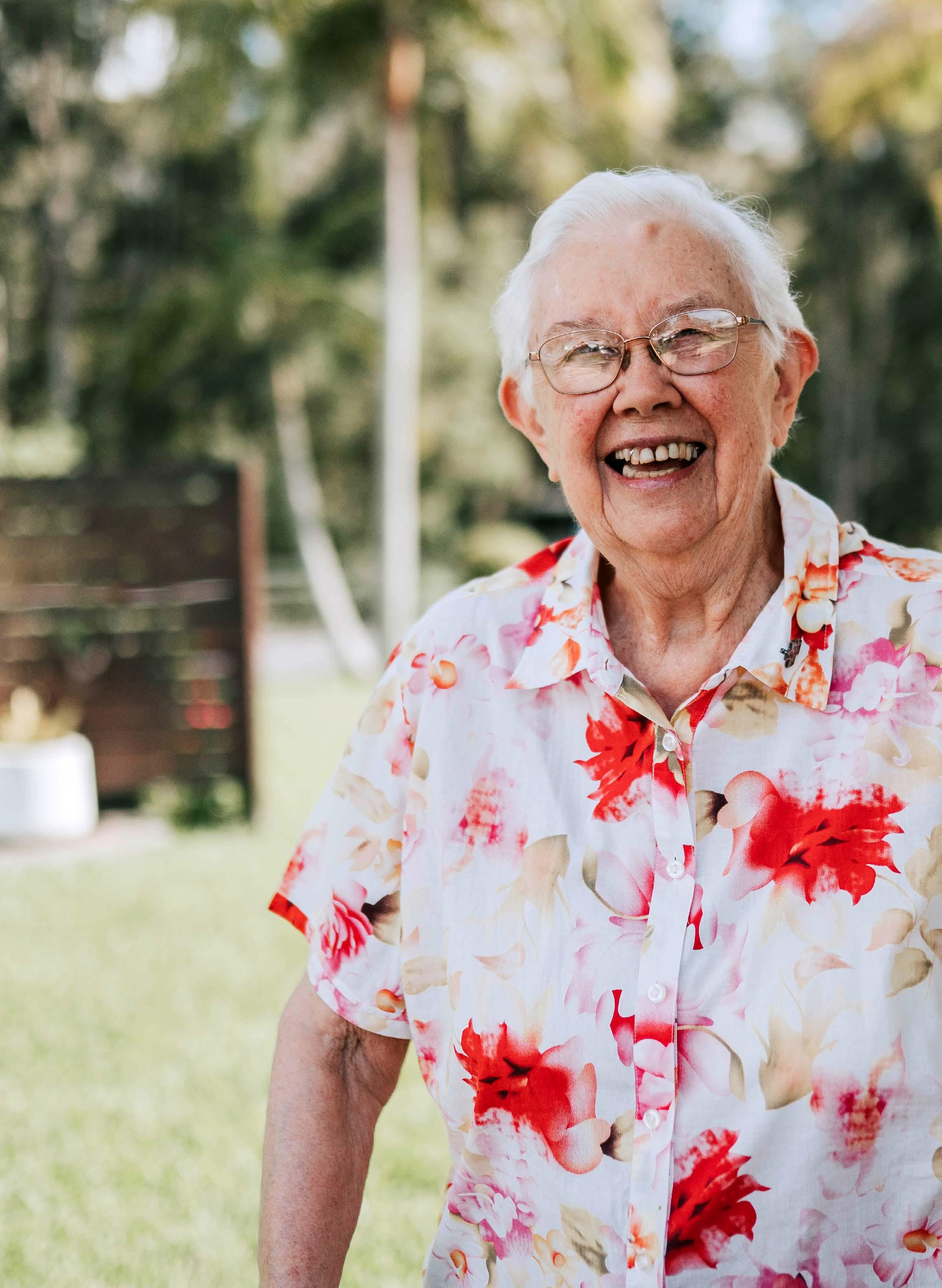
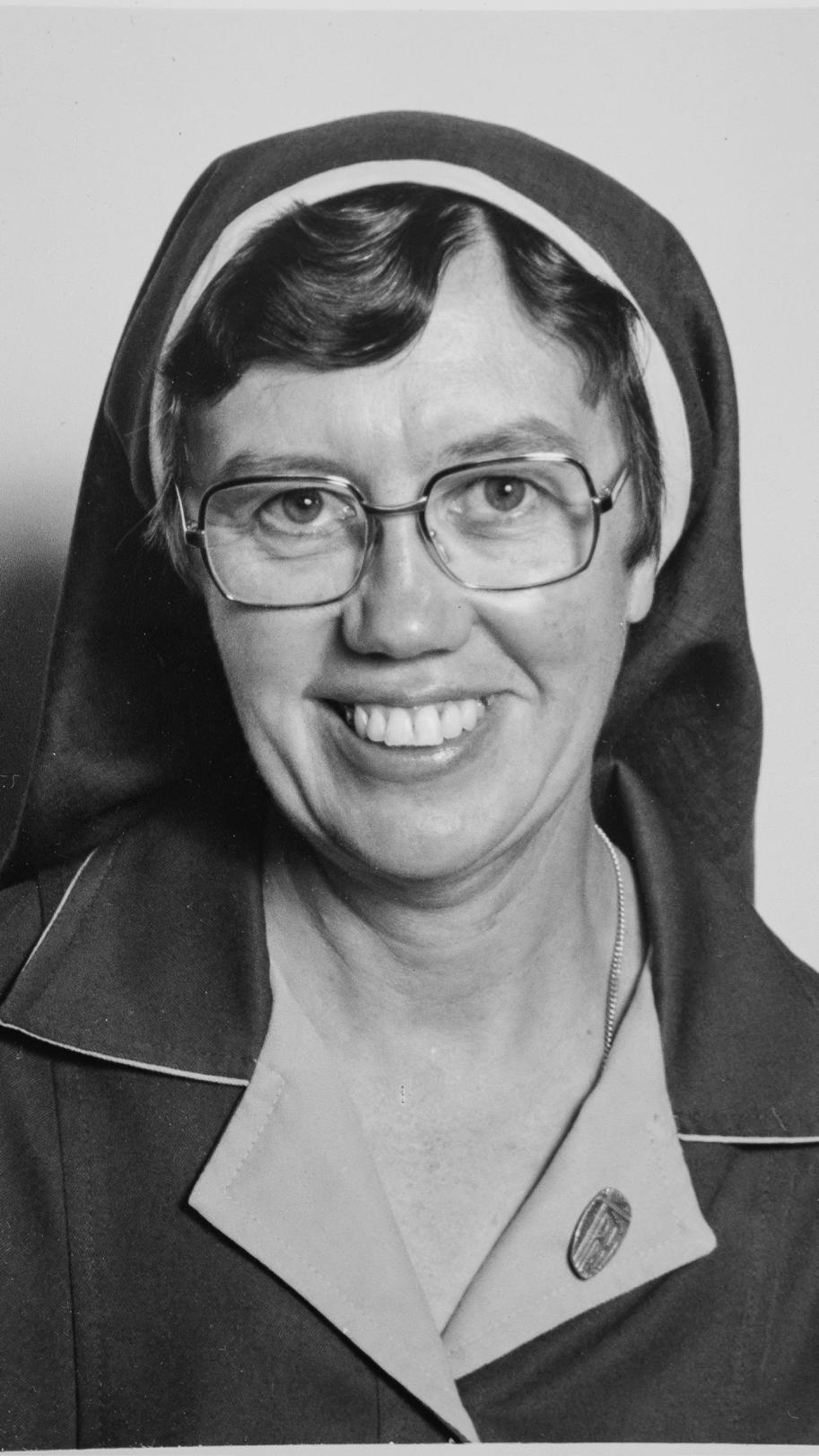
The life of Presentation Sister Anne Henson pbvm is one that follows the teachings of her congregation’s founder, Nano Nagle. Sr Anne’s ministry spans seven decades in Catholic education to more recently comforting the sick and releasing a book that provides hope in our search for meaning.
Sr Anne grew up in Australia during World War II and entered the Presentation Congregation convent in Lismore at just 18 years of age. At that time, the Presentation Sisters were an enclosed community, meaning that they only left their convents to attend the parish church and to teach at parish schools. Sr Anne’s first appointment was at St Francis Xavier Primary School in Ballina.
The Second Vatican Council in the late 1960s marked a significant turning point for the Catholic Church and for the Presentation Sisters.
“Vatican II said the world is where the people are, and we were no longer locked up — it was liberating,” Sr Anne says. “We rejoiced in knowing the Church was no longer a disciplinary and controlling structure, but God’s Holy People. We could open the doors and return to the spirit of our founder, Nano Nagle.”
This year, the Presentation Sisters celebrate 250 years of prayer and service. Sr Anne believes the congregation’s core commitments; particularly care for refugees and the environment remain deeply relevant in this modern era.
“There is so much unrest in the world, but by remaining kind to those less fortunate such as refugees, and caring for mother earth, we can make a difference.”
Education became the cornerstone of Sr Anne’s ministry. She dedicated more than 40 years to Catholic schools across the Diocese of Lismore and the Archdiocese of Sydney. In 1993 Pope John II awarded her the medal, Pro Ecclesia et Pontifice. The award is the highest commendation from the Holy Father to members of clergy and laity for their services to the Catholic Church.
After serving as principal of Mount St Patrick College in Murwillumbah, Sr Anne was appointed Coordinator of Religious Education at Nagle Catholic College, Blacktown. She later became the founding principal of St Columba’s Catholic College, Springwood, in the Blue Mountains.
“The day I was appointed principal, I knew what the school motto had to be — Act justly, Micah 6:8.”
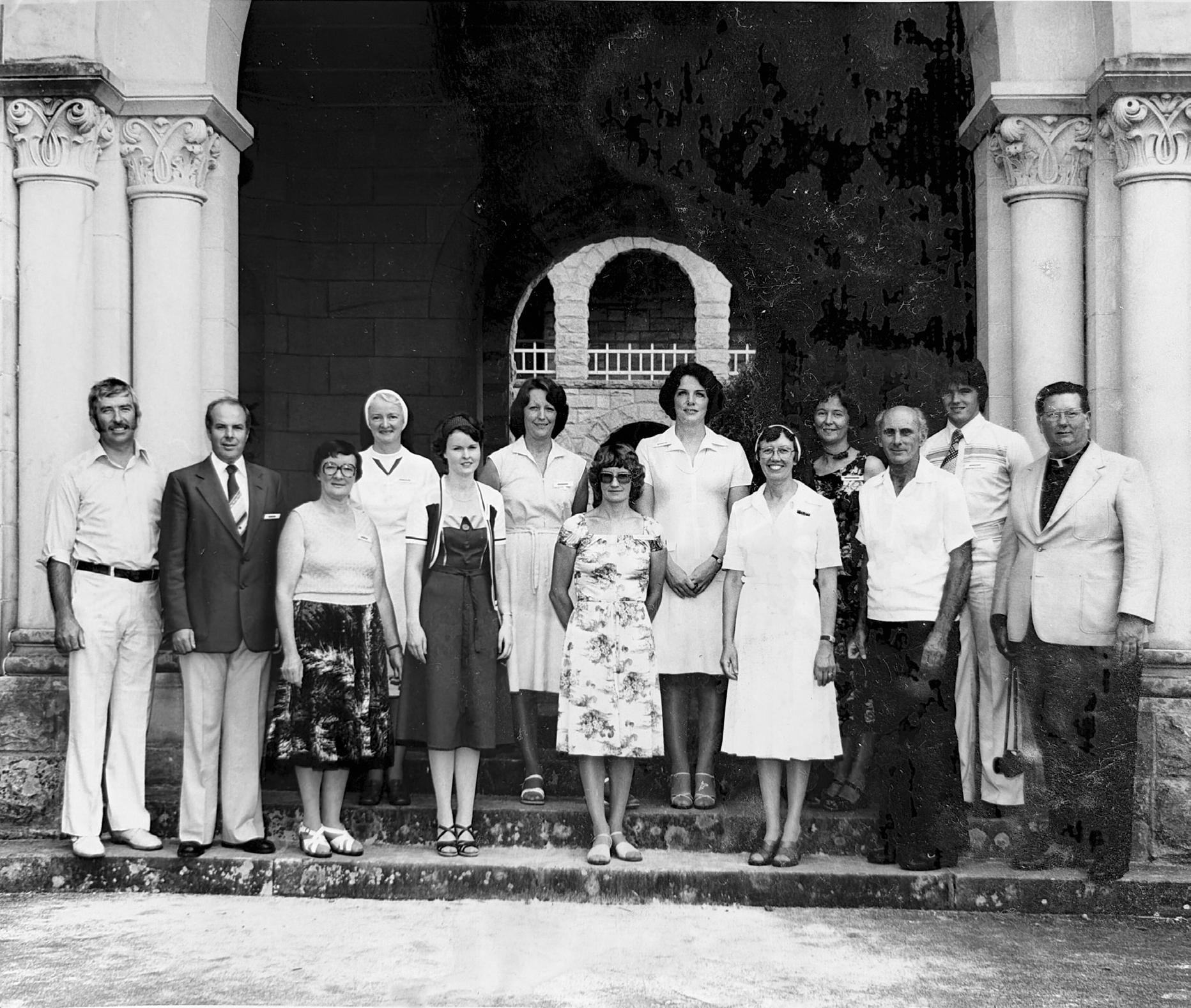
St Columba’s is a historic sandstone building that had served as a seminary for almost 70 years. While the building carried history, it was the people who made the school special.
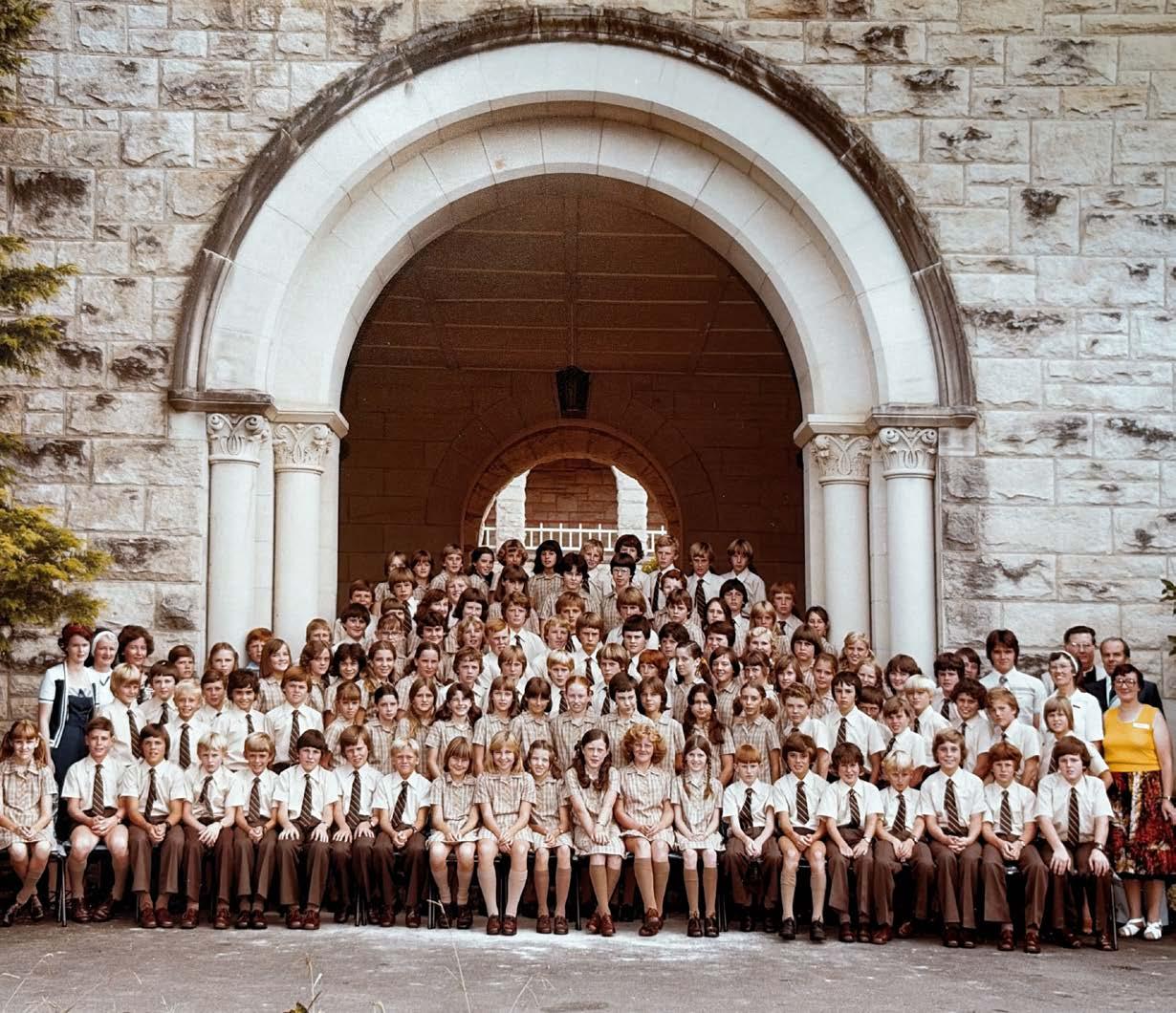
“It was a very tight knit community, and the teachers were more than staff, they were like family where they’d bring their kids to the Christmas parties and we’d celebrate birthdays together,” Sr Anne says.
Her connection to the school endures today, with one of houses named after her, and
an International Women’s Day award being established in her honour.
“Recently, I was contacted by the principal, and they sent two teachers and four students to see me at Marian Grove. They came to Mass and gave me all these gifts, including a Henson House badge, that was so special. I feel very connected with St Columba’s even now.”
Following a return to the convent in Lismore working with the sisters and looking after her ill mother who later passed away, Sr Anne returned to education as principal of John Paul College in Coffs Harbour in 1987. Sr Anne said in an interview for The Most Interesting Person I Know: “I had to have a lot of faith in myself that the person who was loved and helped by everyone in Springwood [at St Columba’s] was still me.”
After six years as principal, Sr Anne had transformed the school’s culture, producing excellent academic results.
Since December 1994, Sr Anne has lived at Marian Grove Retirement Village in Sawtell. Part of her ministry has included supporting lonely and terminally ill residents at Mater Christi Residential Care.
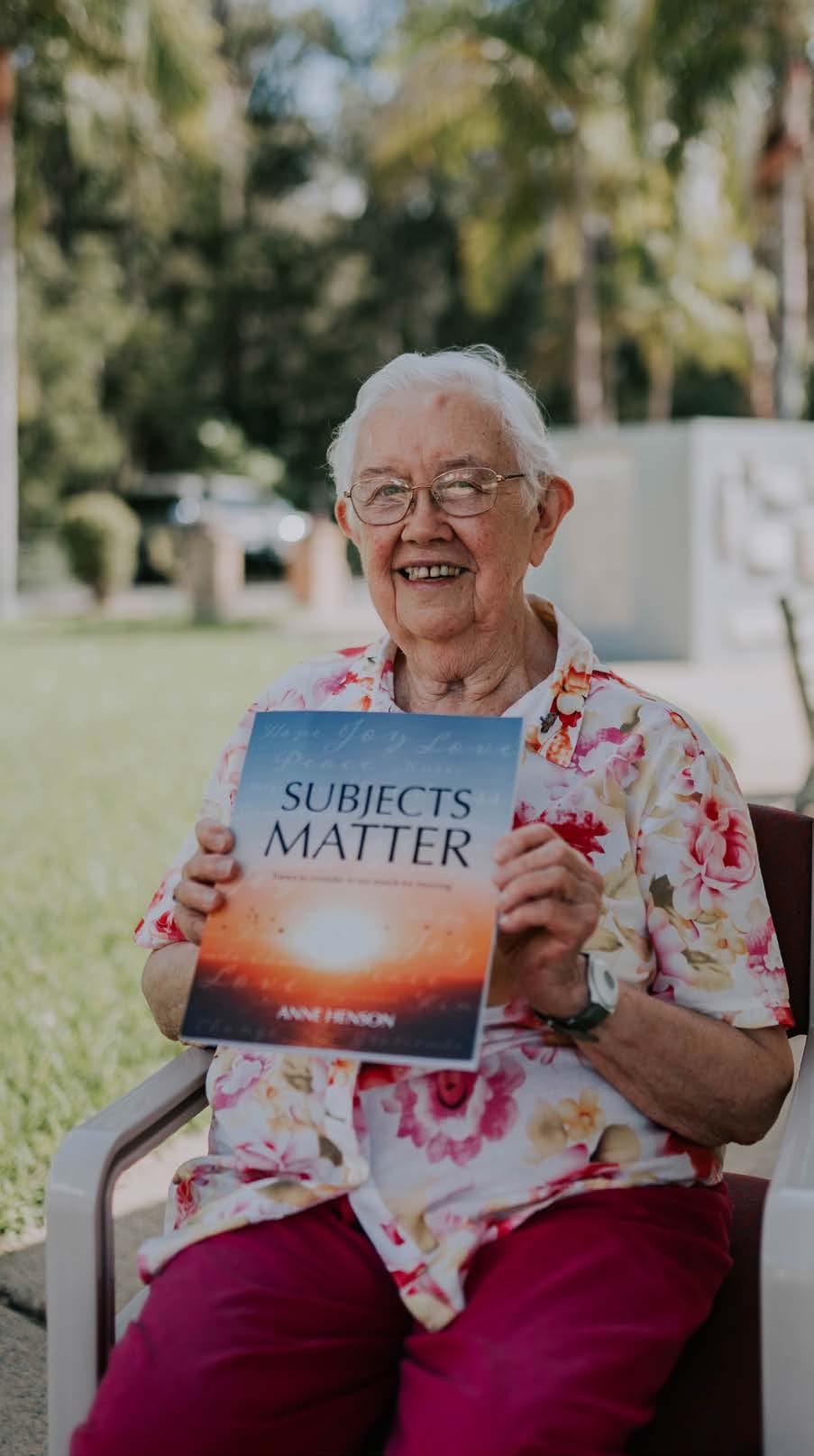
For the past decade, she has written a reflection for residents in the monthly newsletter, In Touch. Many of these were compiled into a book titled Subjects
Matter, which was released last November. Encouraged by friends, Sr Anne selfpublished the book. The reflections explore themes such as kindness, hope, forgiveness, joy, gratitude and growing old gracefully.
“I’d like readers to be kind to themselves and others in their everyday lives,” she said. “When you’re 95 like I am, your bucket list is to die in peace, not to leave any unfinished business. To be reconciled with people and with God.”
All the proceeds from Subjects Matter are donated to Parkinson’s NSW, a cause close to Sr Anne’s heart.
“My friend Frank, who was the Marian Grove Village Manager for many years, had Parkinson’s and he sadly passed away last year. He was a keen environmentalist and responsible for the recognition of the National Parks Wildlife Sanctuary we have here, so all the funds raised from the book will support research for Parkinson’s.”
Easter gives us the opportunity to be reborn and find light in our everyday life, reflects Sr Anne.
“Easter is a time of trusting in Jesus, because he always keeps His promises. Jesus said, ‘I will rise again’, and he did. It is also a time of light and finding hope,” she says.
“If you believe in peace, be the change you want to see.”
Through her ministry, Sr Anne continues to offer light to others. She reminds us that renewal often comes by living a life of consistency, peace, and love.
Subjects Matter by Sr Anne Henson can be purchased at the Catholic bookstore at St Vincent's Private Hospital Lismore, Pauline Book Centre Sydney, and online retailers.
by Barry de Silva
Easter is a time of renewal. It is when we celebrate life, hope, and the promise of resurrection. In that spirit, safeguarding within the Diocese of Lismore is a living expression of care and protection for the most vulnerable in our communities. It reflects the Gospel call for spaces where every person feels safe and welcome.
Following the Royal Commission into Institutional Responses to Child Sexual Abuse, the National Catholic Safeguarding Standards (NCSS) were adopted in 2019 by the Australian Catholic Bishops Conference and Catholic Religious Australia. In 2020, Australian Catholic Safeguarding Ltd (ACSL) was established to oversee implementation nationwide. The diocese acted early, creating its safeguarding office in May 2017. Today, it supports safeguarding across parishes, schools, early education centres, aged care
"It's an awareness and a passion for keeping people safe"
facilities, and St Vincent’s Private Hospital Lismore.
The work of the office is inherently relational, with staff feeling like they have “a desk in every parish”. Every parish is unique, and safeguarding adapts to those differences, which is why building trust and listening to local needs is essential. Regardless of whether it’s a coastal community with a migrant population or a rural parish where older people form the heart of the congregation.
Safeguarding Manager, Julie Patston explains the difference building relationships across the
diocese has made.
“Every parish community is unique, and as an office, we have really listened to their needs and requirements,”
Julie says. “We have taken the time to build relationships, and we see the benefits of that.”
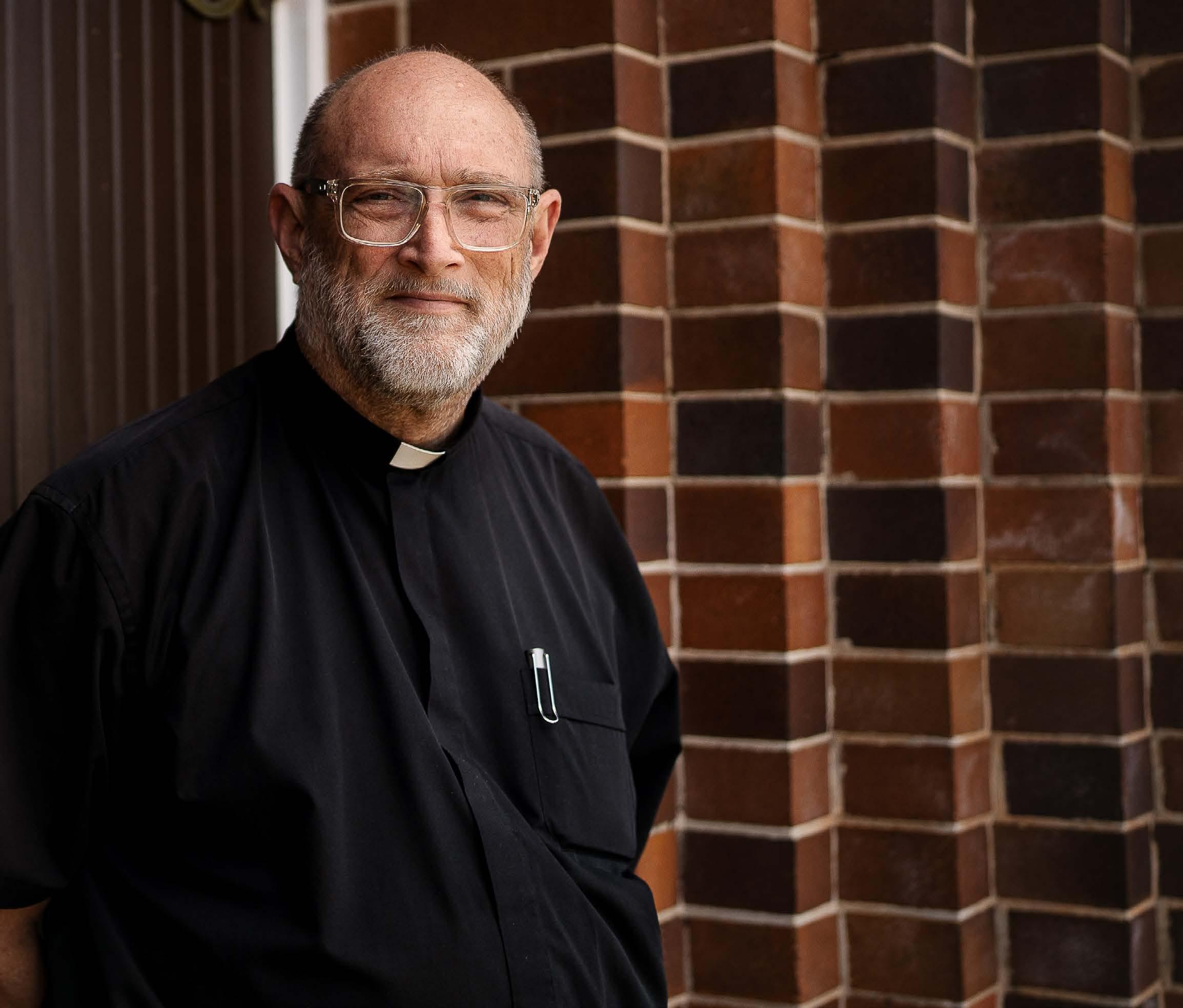
Safeguarding happens everywhere the Church meets life. Port Macquarie Parish Priest and Vicar for Safeguarding, Fr Paul Gooley, says that it’s about supporting those at-risk in the community. “Safeguarding means being able to keep
our doors open and welcome people - it’s an awareness and a passion for keeping people safe,” Fr Paul says.
“I regularly see older people with a walker, and you’ll see parishioners move their chair and help that person sit down. It’s about being alert - what’s appropriate, what’s not, and if people have concerns, they should speak up.”
Proactive safeguarding is one of the ways the office is able to support the different ministries across the diocese.
In 2024, the office provided 144 hours of training to clergy, staff and volunteers. Training is tailored to roles and responsibilities.
For example, when a parish plans a community event, the office provides guidance to ensure safety, as Safeguarding Education and Compliance Officer, Christine Thompson emphasises. “Risk is certainly one of the elements we need to focus on,” Christine says. “The training helps staff feel confident.”
Some parishes now schedule annual training sessions, and retraining occurs every three years. For those unable to attend in person, booklets and recorded sessions ensure everyone is included.
The resources put into education and training was rewarded in the diocese’s first independent safeguarding audit last year, when it was found the diocese consistently demonstrates a “strong competence” in meeting the needs of communities safely and found “abundant evidence” that parishes actively respond to the needs of locals.
The office is exploring an online learning system,
an audit recommendation the office welcomes to make training accessible across the diocese’s wide geography
Physical changes to parish buildings have also enhanced safety. Fr Paul shares how the Sacrament of Reconciliation has adapted at the Port Macquarie Parish to assist with this.
“I’m very open with parents at the reconciliation information night. The confessional doors have been removed and replaced with glass, so parents can now sit outside and observe their child at all times. The safety of their child is the utmost priority.”
Safeguarding is the way hope looks in everyday life. A chair is moved for an older person, children’s reconciliation takes place in an open space, training provides confidence and reassurance. It’s about protecting life. Safeguarding is everyone’s responsibility, and together we can continue to make the Church a home where life is cherished.
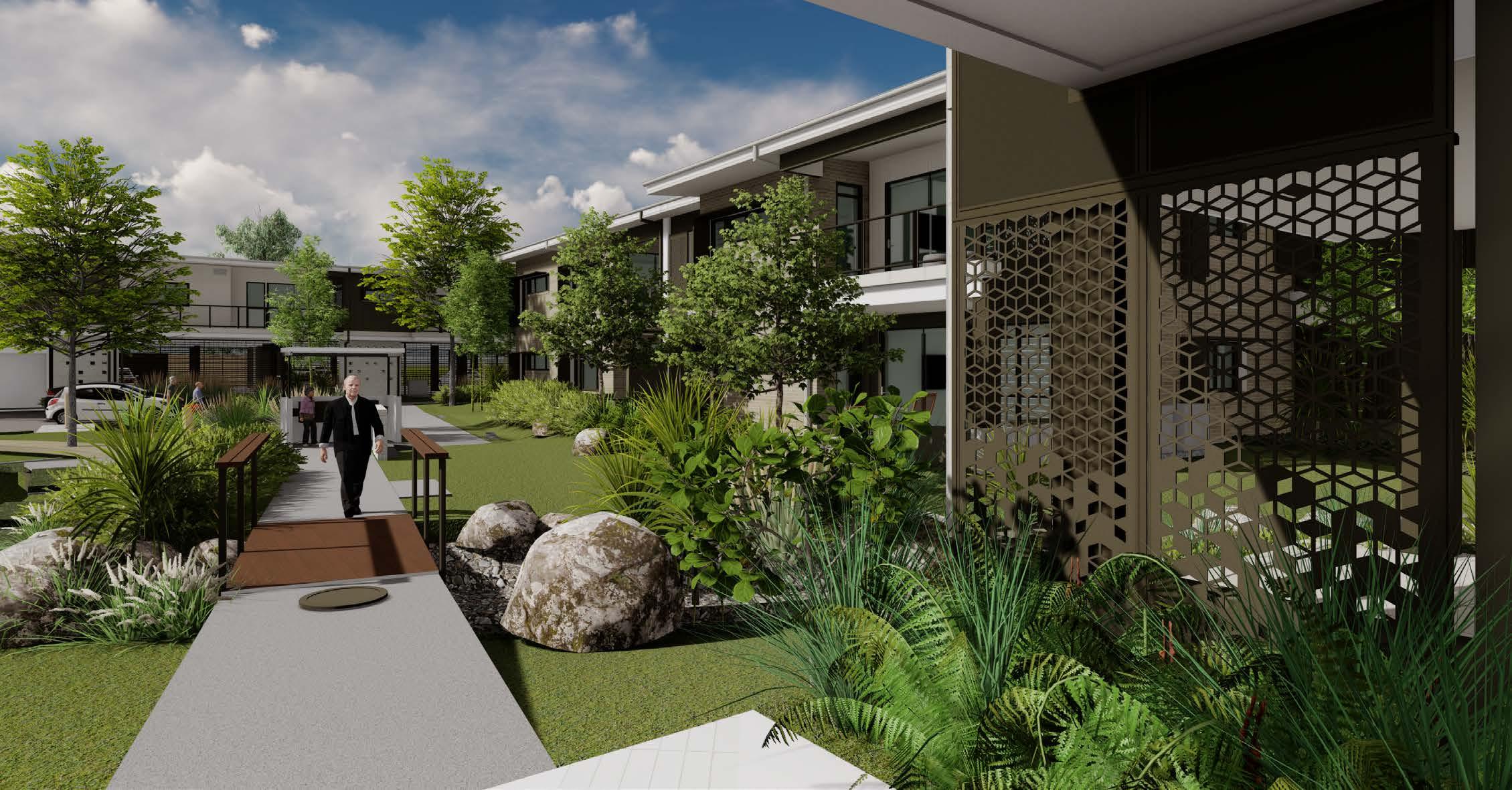
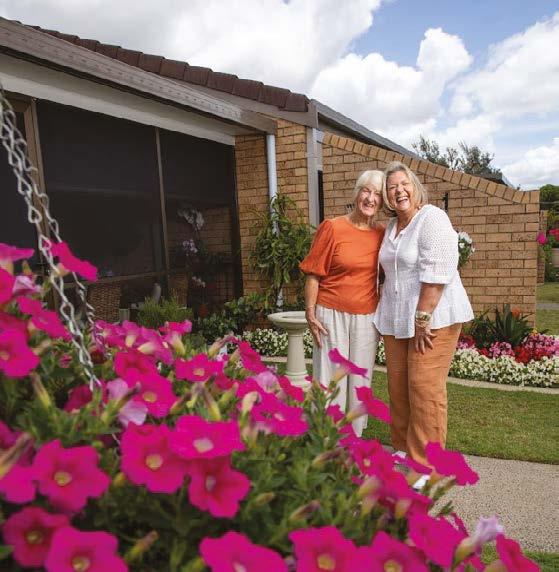
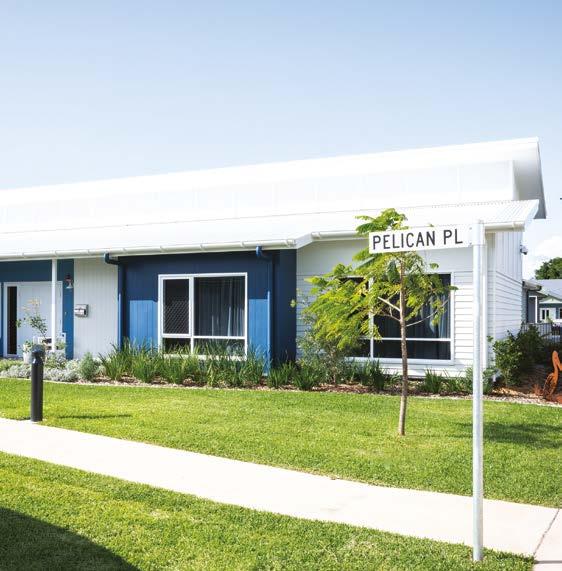
Nestled along the serene banks of Ballina’s North Creek, Crowley Care’s latest Independent Living development offers an unparalleled blend of luxury, comfort, and community.
Designed for you, the Assisi Apartments provide an inspirational living experience, where every detail is considered for elegance and ease.
Number of Apartments:
26 self-contained residences
Apartment Sizes:
1 and 2 bedroom configurations with 1 or 2 bathrooms. Secure undercover parking space with remote access.
Expected Completion: February 2026
Accessible Location: 154 Cherry Street, Ballina NSW 2478
Community Features:
Beautifully maintained landscaped gardens, plus shared activity and entertaining areas.

DISCOVER MORE: Scan the QR code to visit our website at www.living.crowley.org.au or call us on 1300 139 099 to learn more about this exciting new development.
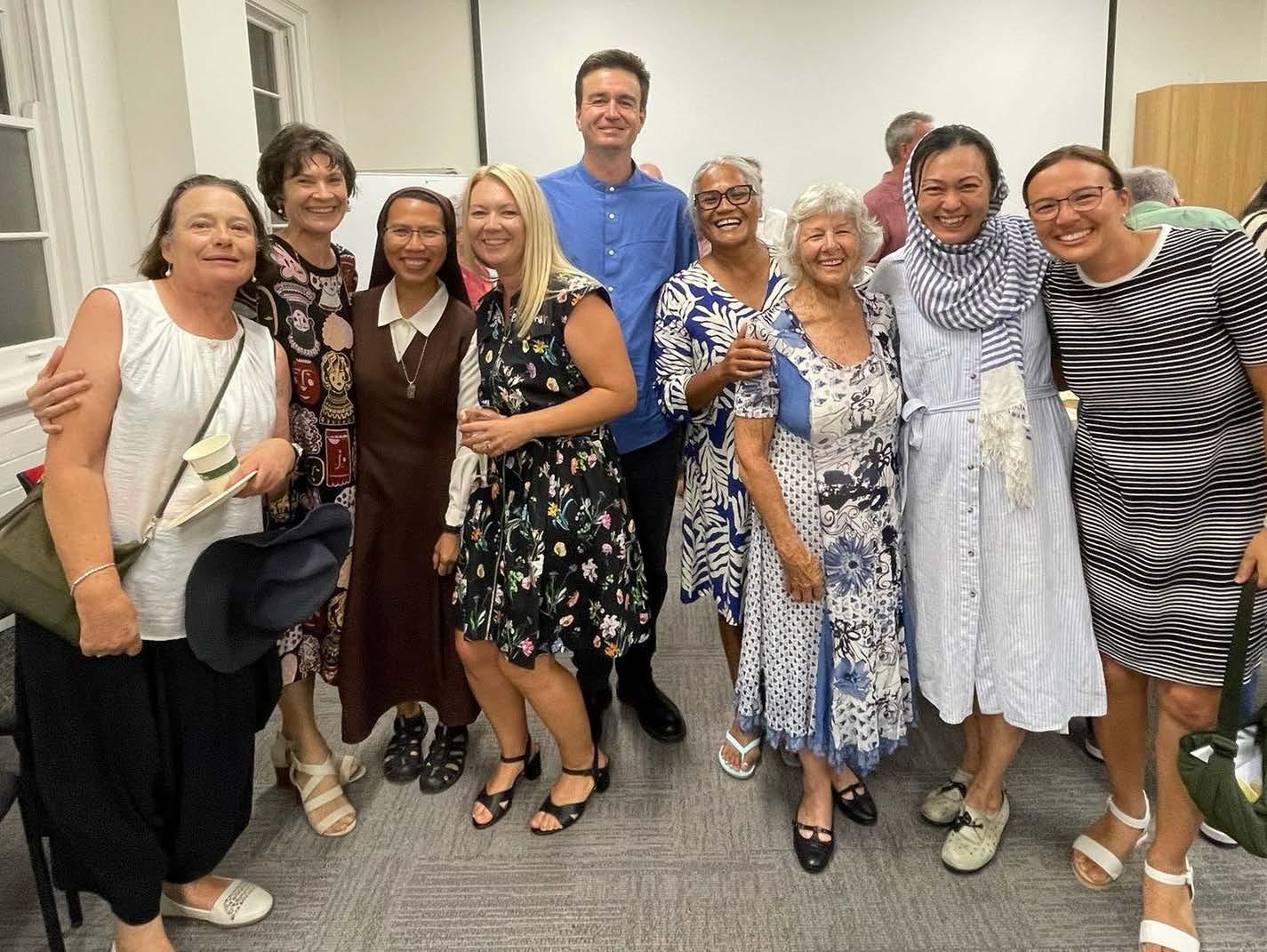
Members of the Women of Jerusalem reflect on the group’s shared mission and how walking together in faith has deepened their connection to God and one another.
by Leanne Hyland
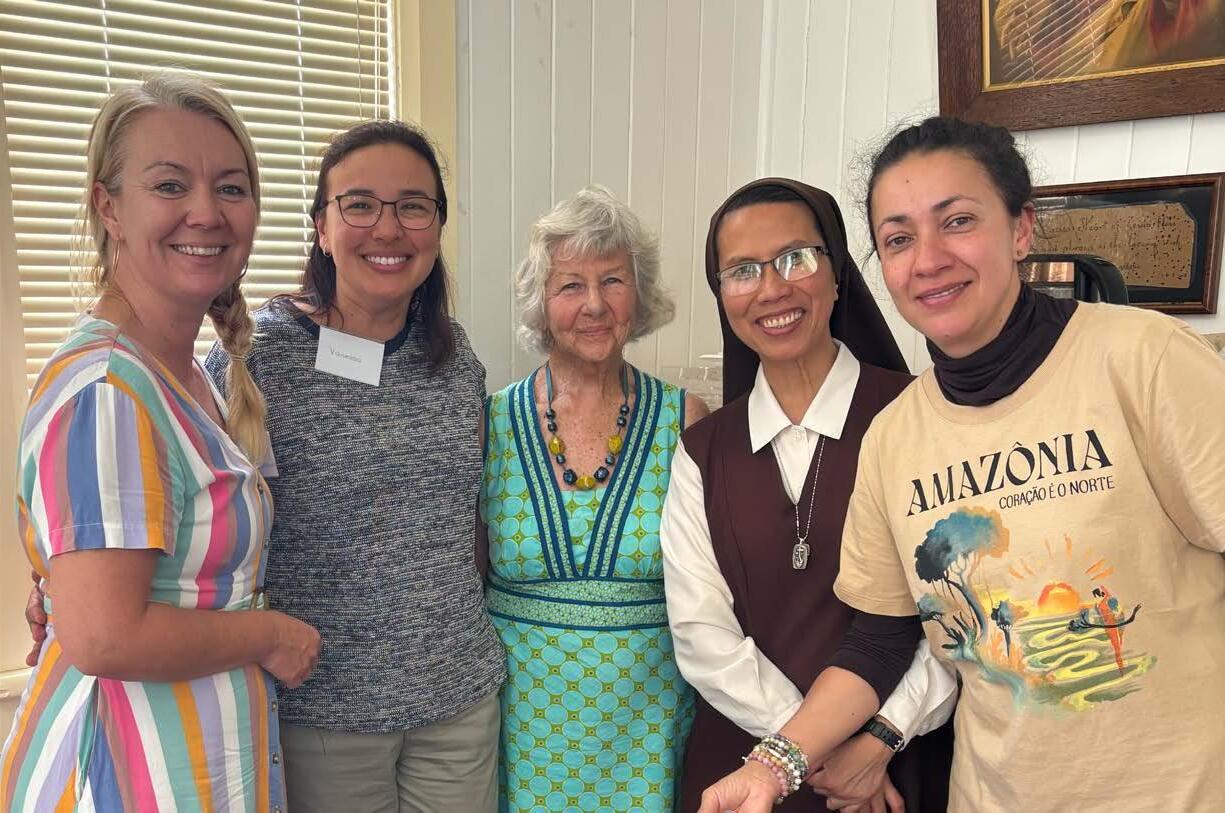
It began with a simple conversation at a shared table. At the Ignite Conference in Brisbane in September 2024, I found myself speaking with Sister Dedith Moralde, about a growing conviction forming quietly through prayer. While there are many opportunities for youth formation, I sensed a gap for adult women seeking deeper faith formation and spiritual accompaniment.
I felt drawn to the idea of a women’s ministry, a space
where women from different backgrounds, life stages, and family circumstances could gather to learn more about their Catholic faith in a welcoming, nonjudgemental environment. Few opportunities existed for women across parishes to come together intentionally for prayer and formation, and I felt a gentle but persistent call to respond.
With the prayerful support of Sr Ninfa Timbal, Sr Dedith offered to facilitate a silent retreat for women. We chose Mount Carmel Retreat Centre in Varroville. Although only
16 beds were available, we stepped forward in faith, trusting the invitation would reach those it was meant for.
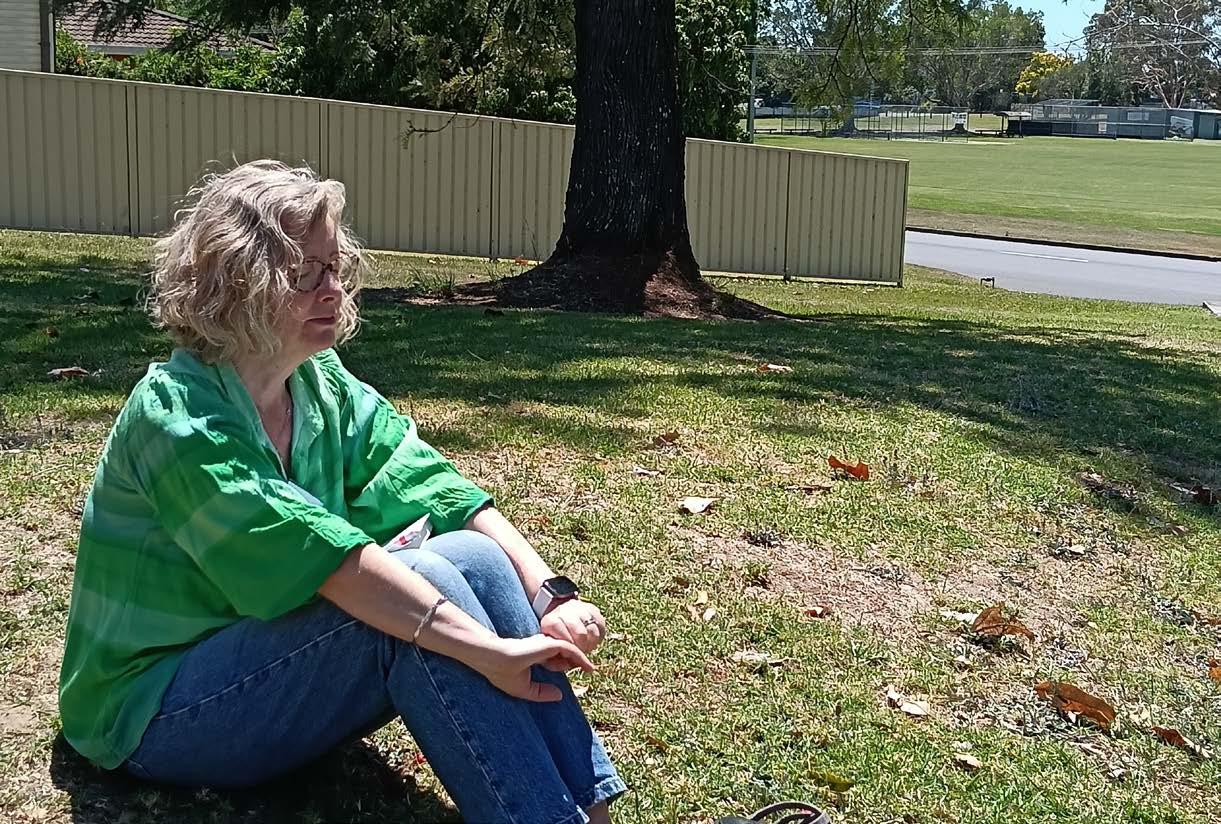
We were especially blessed when Bishop Greg Homeming agreed to facilitate the retreat. Over the following months, every room was filled, with women travelling from across the Diocese of Lismore. Many were uncertain about the prospect of a silent retreat, yet it soon became clear that silence is not emptiness, but sacred stillness — a space where God speaks deeply to the heart.
by Georgia Hickling
The Silent Women’s Retreat at Mount Carmel Retreat Centre in January 2025 became a sacred pause in the rhythm of daily life. Under the gentle guidance of Bishop Greg and Sr Dedith, 16 women of diverse ages and life experiences gathered in silence and prayer.
Each day began with lauds, lifting our voices together before entering the quiet of the day. Bishop Greg’s reflections on silence, humility, relationships, and prayer accompanied us as we carried our personal intentions into the stillness.
Surrounded by Mount Carmel’s peaceful 300-acre sanctuary — where cows, ducks, and swans roamed freely, we found a place of refuge. In the shared silence, a deep communion formed. Though we arrived as individuals, we departed as sisters, united by a shared encounter with God. The retreat was not simply an absence of noise, but an invitation into the fullness of God’s presence — one that continues to shape our hearts beyond the retreat itself.
“In the silence, we healed”
by Nina Emelio
Silence revealed truths that words could not express. In that stillness,
we connected with ourselves, with one another, and with God. Old wounds surfaced and, gently, healing began.
Quiet was not easy. My mind was busy and distracted, yet I persisted. Slowly, I became aware of birds singing, the wind moving through the trees, my feet firmly grounded. As I focused on my breathing, the noise within began to settle.
Then it happened, a deep sense of peace and joy. In the silence, I discovered the strength of prayer and the power of women united in faith. From that sacred stillness, something new was born. We became sisters in Christ, prayer warriors, committed to supporting one another and breaking spiritual barriers together.
by Louise Thompson
Responding to a poster advertising a Silent Retreat for Women led by Bishop Greg, I travelled to Varroville in January 2025 without knowing a single other participant. What I did not expect was the powerful bond that would form among a group of women who were unable to speak to one another for much of the weekend.
Despite the silence, the work of the Holy Spirit was palpable. When we were finally able to speak, the joy was overwhelming. It was clear that something deeply
special had been uncovered and that this experience was meant to continue.
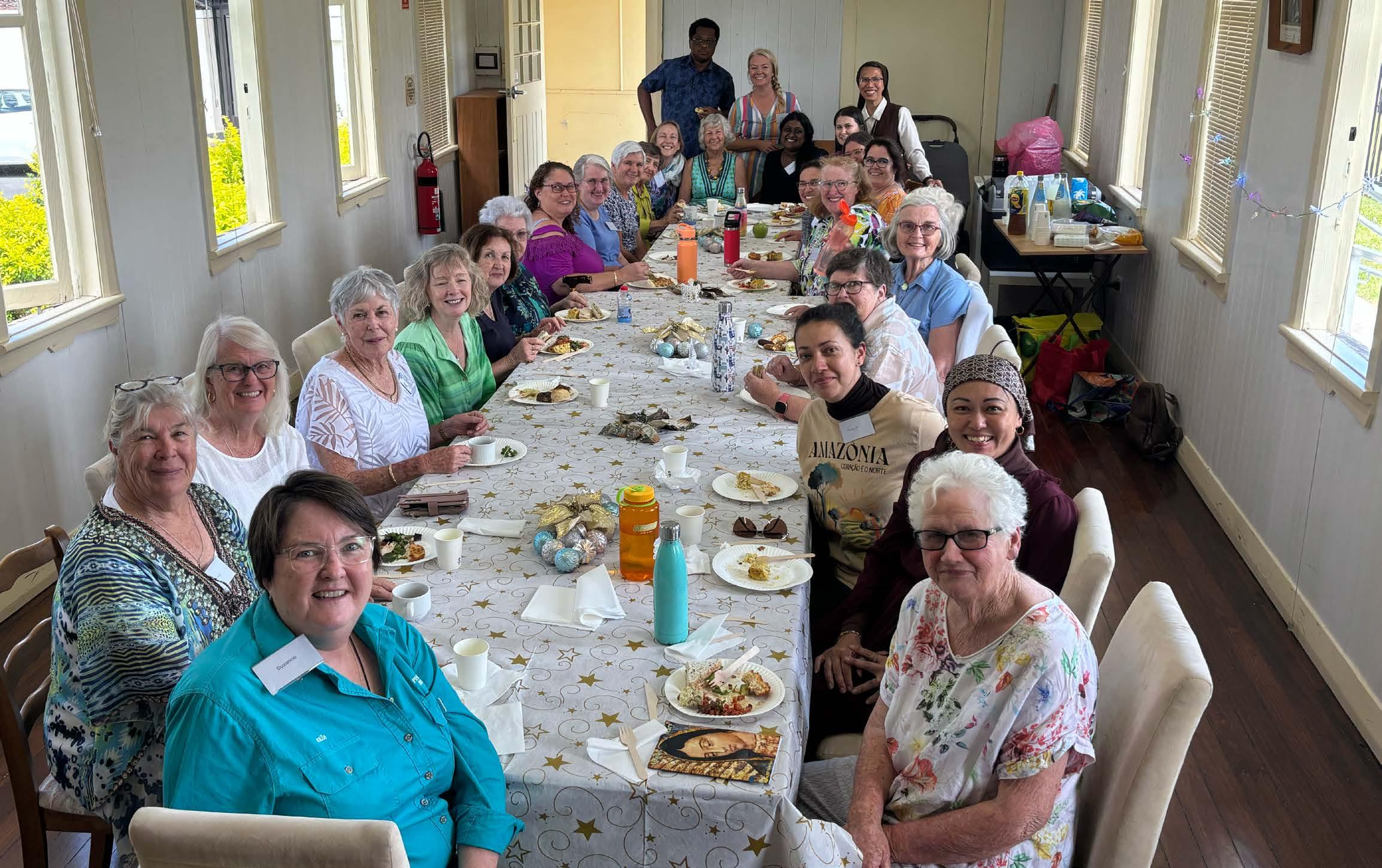
From this retreat, the Women of Jerusalem was born. Since then, we have gathered regularly across the diocese to nurture our faith through prayer, reflection, and sharing in a safe and supportive environment. New women continue to join us as we share the spiritual journey ignited during that extraordinary weekend.
Join the Women of Jerusalem

Scan to explore livingspirituality.com.au

by Deacon Anthony Gooley
Baptism is a call and a summons to live the Gospel. Living the Gospel is fundamentally to love God with all your heart and to love your neighbour as another self. Baptism is a call to absolute holiness by being immersed in the life of God. Holiness is the vocation which is common to all the baptised.
At various stages of life, Catholics sometimes experience a stirring in the heart and an inner voice calling them to something more in living out the commitment of baptism. The Holy Spirit whispers in our hearts asking us to consider a way of living the Gospel that involves a specific service to the People of God and the world. That quiet voice may be asking us if we are called to service as a consecrated person in a religious institute or as a priest or deacon. All these ways are gifts that God gives the Church for her growth and her mission.
Research shows that Catholics who hear this quiet voice are indeed called to service. That part of the call is very real and sometimes lasting. Those who do not respond to it by at least entering a proper discernment process, report that the voice seems to constantly echo in their heart over the years.
Discernment is a process that can include personal prayer and reflection, but when it concerns a call to service in the Church, it also requires the assistance of another person, such as a deacon, presbyter (priest) or religious, a spiritual director or director of vocations. Someone who has some experience of discerning such a vocation, because they have been through it themselves, can help a person listen to that voice and understand where God is calling them.
What the research on that quiet voice in the heart also tells us is that the discernment shows that they are experiencing a call to a special service in the Church, called to use a gift for the Church, but that may not be as a deacon, presbyter or consecrated person. God may be calling the person to some other way of serving.
Research shows that the call to consecrated life and priesthood is often felt for children at school in years 5 and 6 and in years 10 to 12. When someone expresses a sense of call it should not be dismissed by those around them. It should be affirmed and supported in appropriate ways. For those in high school who express a sense of call, this is the time to begin the first stage of discernment by letting someone know that this is a vocation they are hearing in their heart.
Typically, most dioceses and religious institutes today will not take someone directly from year 12 into a seminary or house of formation. During senior high school and the year or two following, deeper discernment can occur. This will often involve attending a discernment
group, visiting seminaries and houses of formation, and regular contact with a Diocesan Director of Vocations.
A vocation as a deacon may not form until a man is a little older. The main reason for this is that few Catholics have exposure to the ministry of deacons and are not sure what a deacon is and does. It is hard to sense a call to something that has not been experienced.
Sometimes it is a parent, teacher, presbyter, deacon or consecrated person who may get some inkling that a young person may be called to a vocation of service. Asking that young person may be the catalyst for that person to say what is in their heart
In my role as Director of Vocations, I want to welcome
those who may feel a call to become a deacon, presbyter or consecrated person. I want to encourage in our parishes and homes a culture of vocations. This same research on vocations shows that when parishes, Catholic schools, and families actively talk about vocations, pray for vocations and provide information about a variety of vocations, they create the culture in which young people feel able to vocalise what they are hearing in their heart.
We can create Catholic communities in which all vocations are welcomed and nurtured. Communities in which we actively encourage vocations to the presbyterate, diaconate and consecrated life. We can show that we value these vocations as gifts from God for the building up of the Church. Catholics recognise that ordained ministry is essential for the life
and mission of the Church. We believe that Christ willed that His Church have ordained ministers of His grace.
The central point is that if you experience this inner call, you should attend to it. Don’t let it go unanswered, undiscerned, or not responded to. If you know someone who may be experiencing that call, reach out to them and allow them to say what is in their heart.
Contact the Director of Vocations at vocations@lismore.catholic. org.au or 02 6621 9444
by staff writer
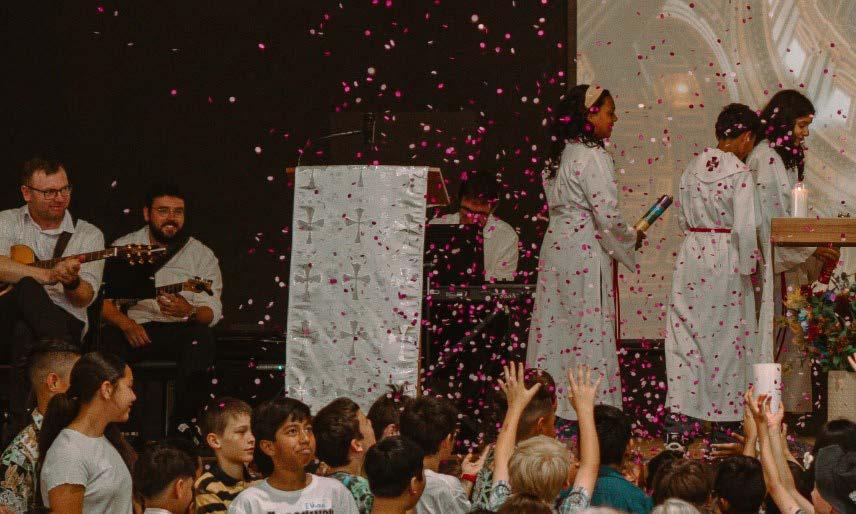
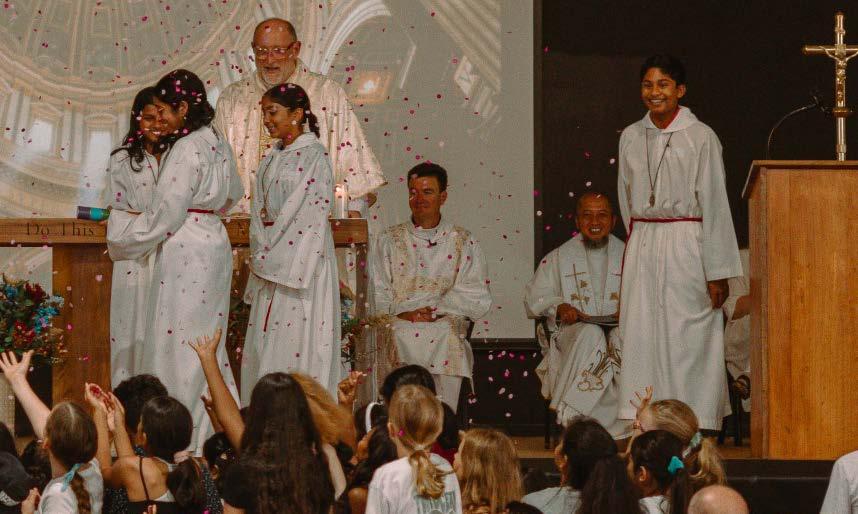
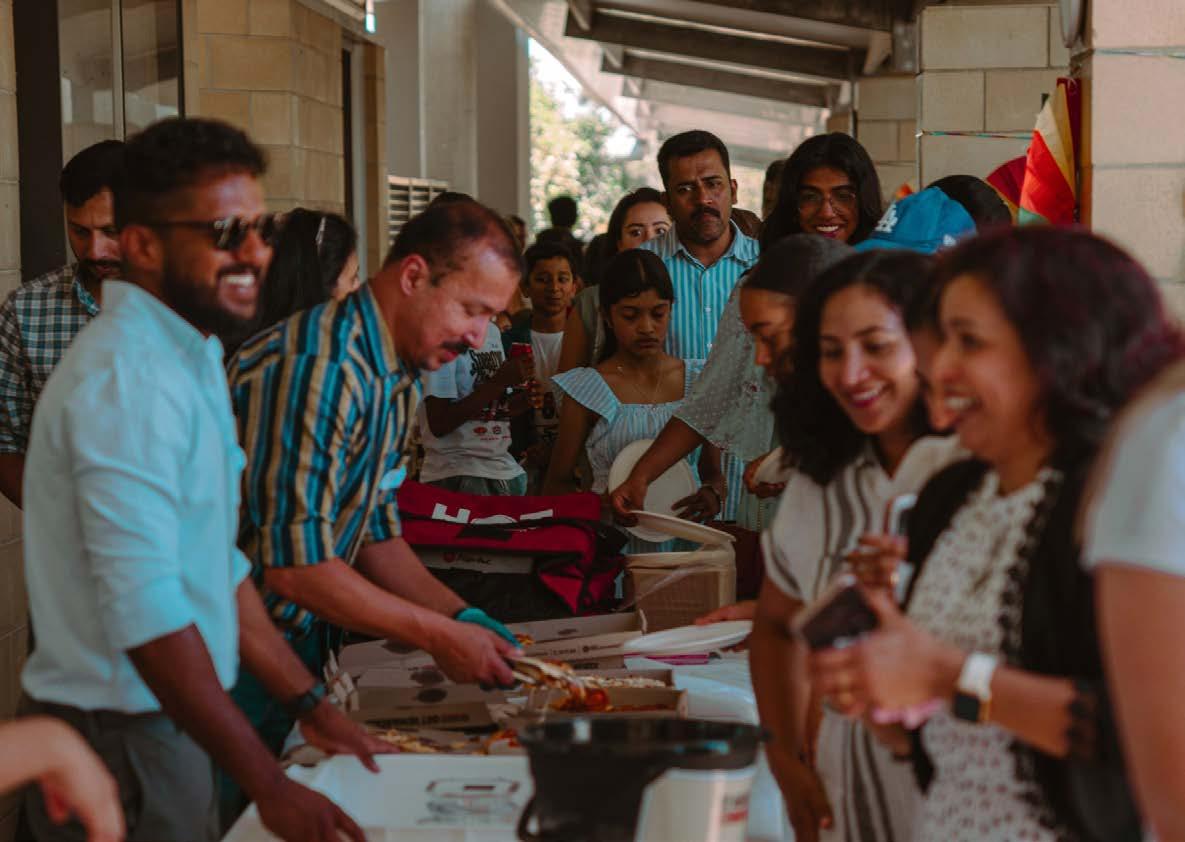
Asense of belonging filled St Joseph’s Regional College on Sunday 23 November as families, friends, and neighbours gathered for the Port Macquarie Parish’s second Community Day. People came to reconnect. To enjoy a day made for togetherness. To celebrate the strength of a community that continues to welcome, support and uplift. More than 900 attended, reflecting the parish’s growth in spirit and unity.
The campus came alive with music, colour and constant activity. Students from across the parish’s six primary and secondary schools took to the stage. The drumline drew cheers and kept crowds moving. Food stalls from their Indian and Filipino communities shared meals that brought people together, and the Aussie BBQ had a steady line all day.
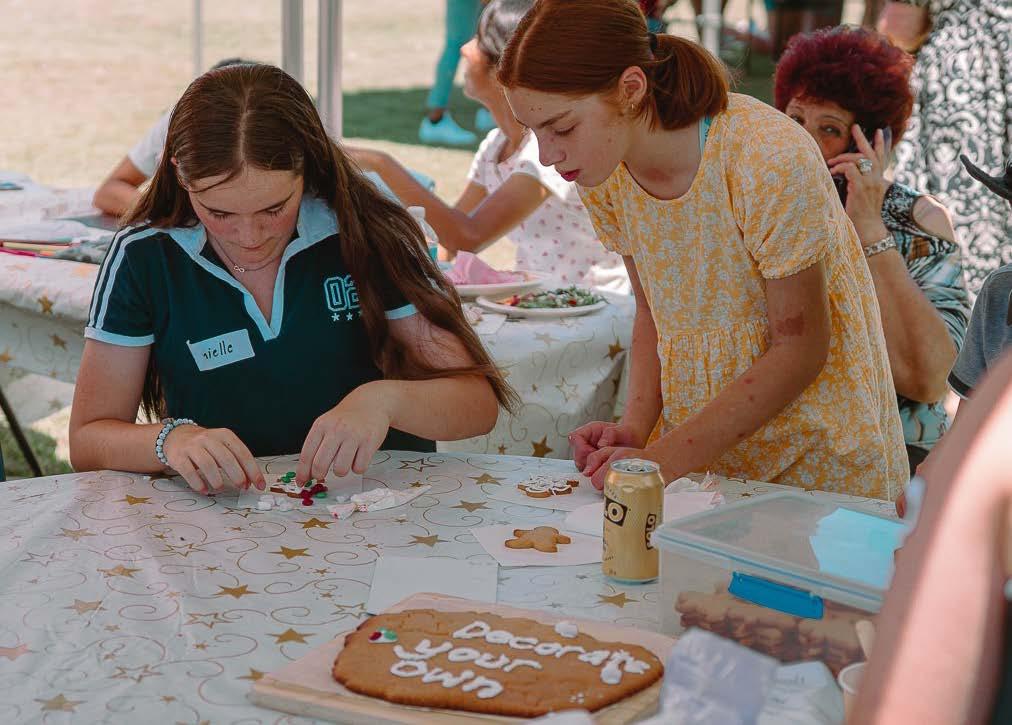
Children rotated between petting zoos, jumping castles, face painting and craft. Gingerbread decorating, bead making and Tongan lei making kept young hands busy and parents smiling.
The day began with Mass. It grounded the celebration in our shared mission. It reminded those that attended that faith is lived in community. It strengthened their understanding that the parish serves many people across aged care, education, community services and pastoral care.
Parish Priest Fr Paul Gooley led the Mass and spent the day meeting families and volunteers. He spoke about the meaning of a parish and the importance of gathering as one. He reflected on what it means to live out the Gospel through service and connection.
“This day showed the best of who we are,” Fr Paul said. “A community that gives,
welcomes, celebrates and stands together. My sincere thanks to every volunteer, staff member, performer, stallholder and family who made this day possible. Your generosity and spirit are what keep our parish strong.”
Assistant Principal at St Joseph’s Regional College and Parish Pastoral Council member, Matthew Bushe, said the day offered something deeper than entertainment.
“Events like this matter,” he said. “They remind us that our parish is vibrant and thriving. They show that everyone has a place here and everyone is wanted.”
The parish is grateful to every person who attended, contributed or volunteered. The warmth, energy and unity on display give every reason to look forward to an even bigger celebration next year.
‘Never
see a need without doing something about it.’
Mary MacKillop
By giving to the Diocese of Lismore, you are helping us continue our mission of faith, hope, and charity.
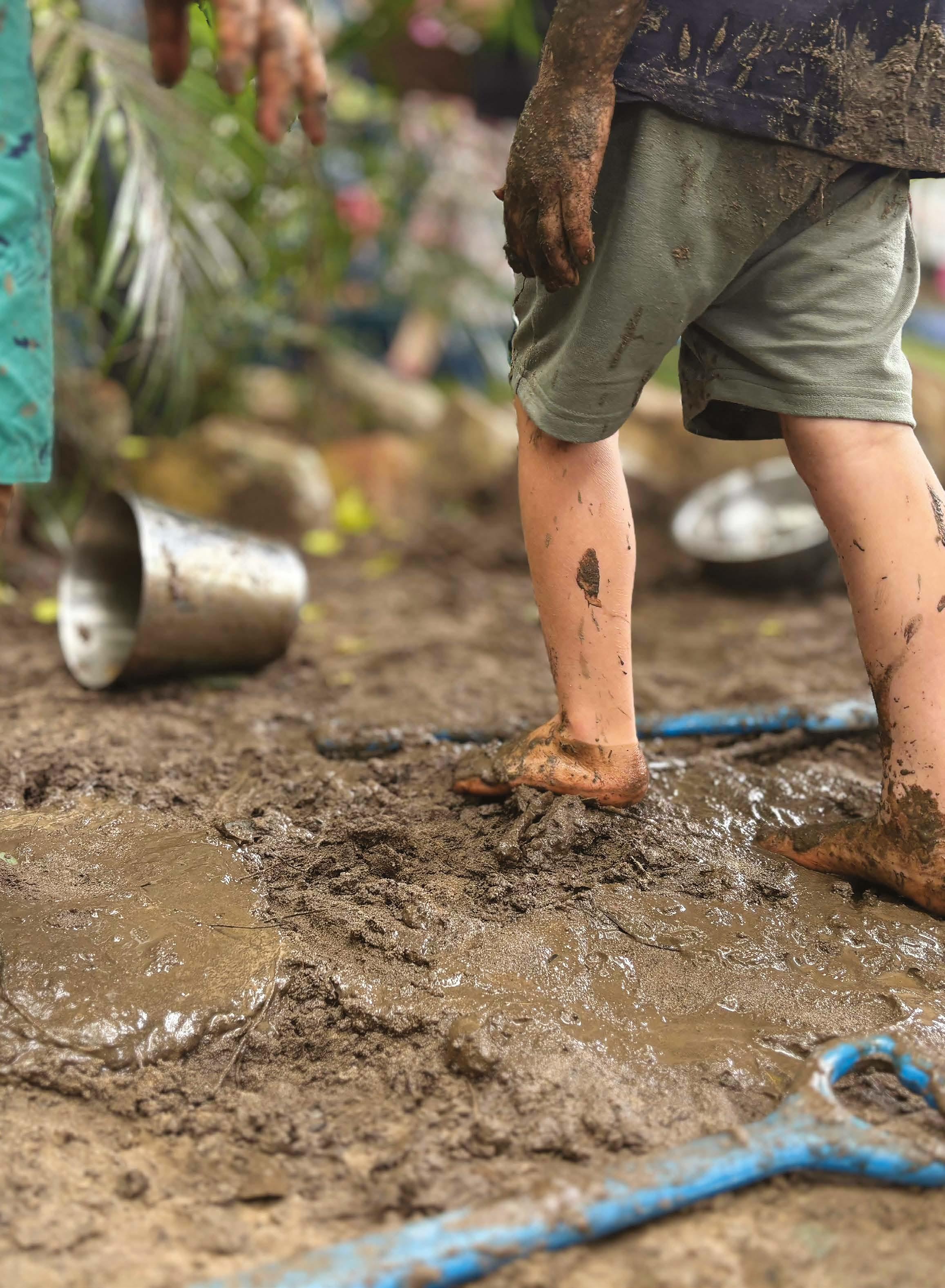
The diocese has a Benevolent Fund you donate to that assists people facing financial strain, unemployment, or crises that disrupt their daily lives. This includes support for those affected by homelessness, domestic violence, or anyone seeking to rebuild their lives. Every dollar donated to this fund is used for charitable purposes.
In addition, the diocese gratefully accepts nontax-deductible donations to support Catholic Life Magazine and the online Mass. Contributions help cover the printing, production, and distribution of Catholic Life, and the technology and resources needed to produce and stream the online Mass, allowing us to reach and serve communities near and far.
In 2026, the missionary Church celebrates a significant milestone: 100 years since the establishment of World Mission Sunday by Pope Pius XI.
This year, Pope Leo XIV has chosen the theme “One in Christ, United in Mission,” which calls upon us to recognise unity as the foundation of mission and highlights our shared responsibility to live our faith together. As the pope’s international mission agency in Australia, Catholic Mission embraces this theme as we journey toward the 100th anniversary of World Mission Sunday on 18 October. Mission is born through relationship with Christ and with one another, and is lived each day
through compassion, prayer, solidarity, and hope.
“This process of genuine evangelisation begins in the heart of every Christian in order to reach all of humanity. Therefore, the more united we are in Christ, the better able we will be to carry out together the mission that he entrusts to us,” Pope Leo XIV reminds us in his message for World Mission Sunday.
As missionary people, we walk together as sisters and brothers, standing with
communities near and far, supporting children and future Church leaders through education, healthcare, and spiritual care. We support communities to grow, thrive, and become self-sustaining by sharing their hopes and challenges, while building trusting relationships that recognise communities’ gifts.
In a world often divided by difference, the centenary of World Mission Sunday offers a powerful reminder: mission is not something we do alone, but something we live together.
catholicmission.org.au/worldmissionmonth
by Barry de Silva
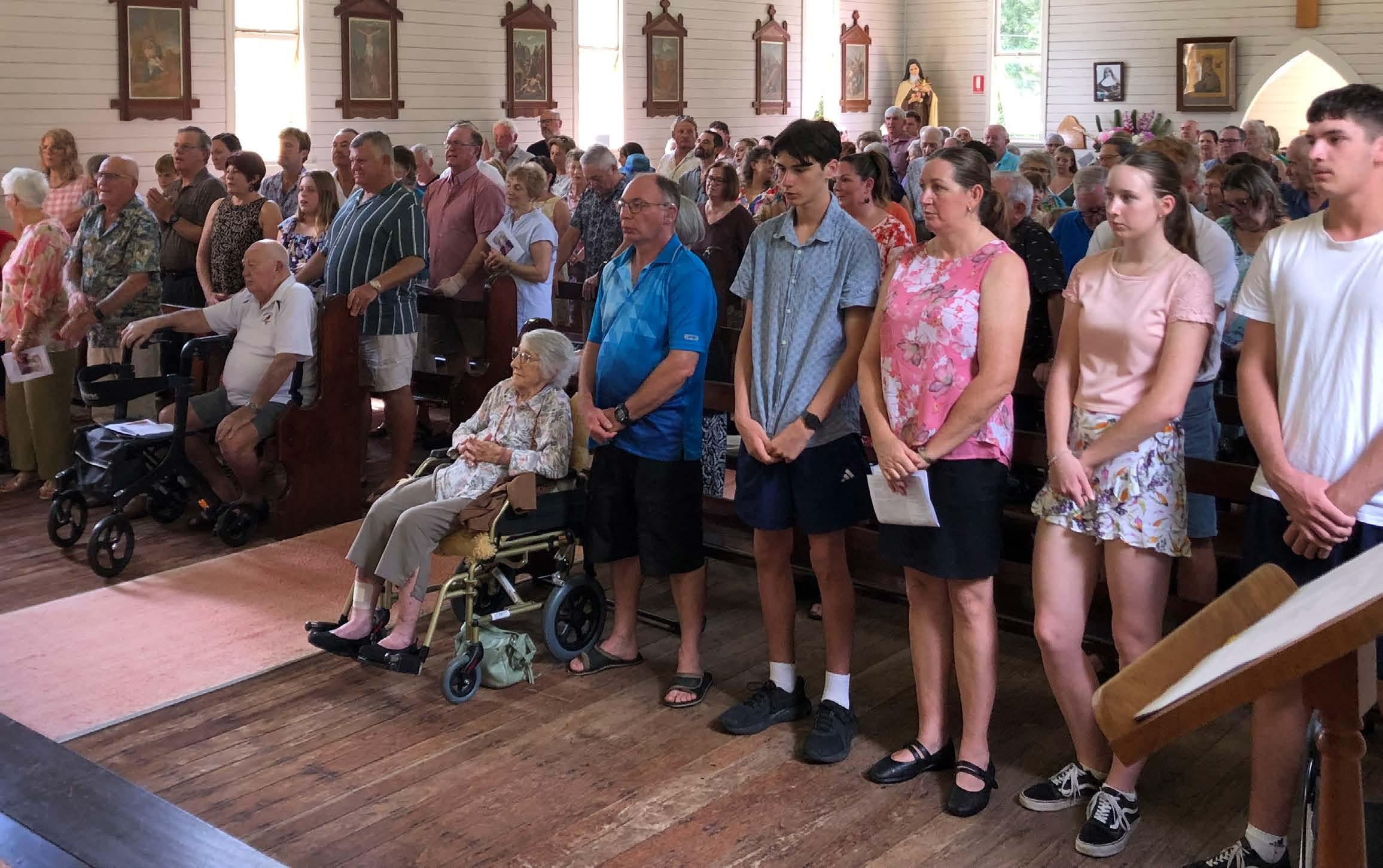
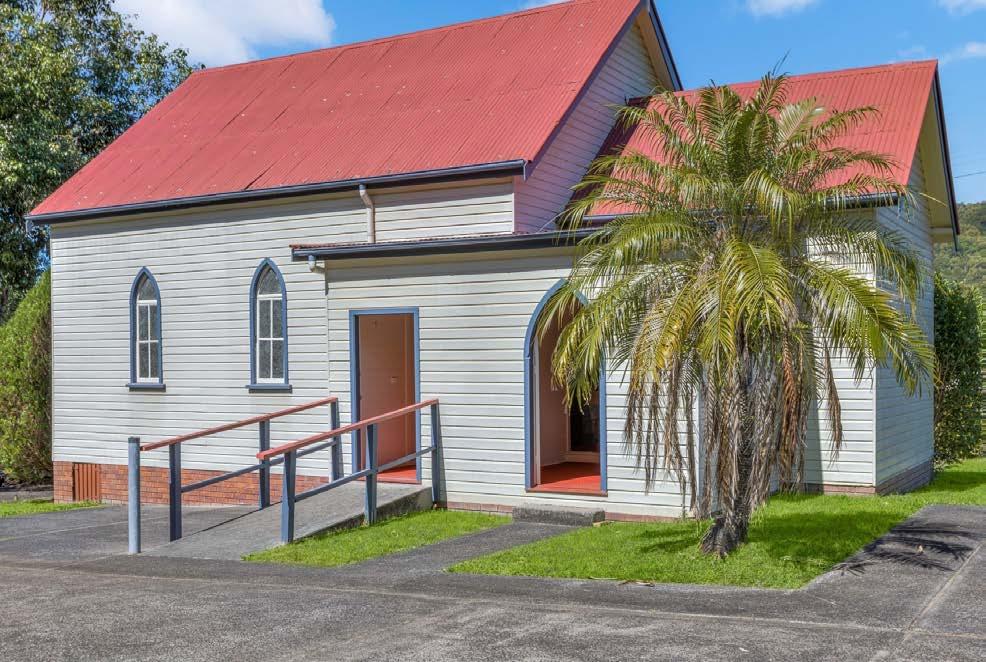
Over the past year, the Murwillumbah and Tweed Heads parishes have bid farewell to three of their smaller church communities in Uki, Burringbar, and Bilambil.While the closures followed a thorough process of discernment and prayer, the buildings leave behind a rich history. Catholic Life speaks to the parishioners who called these churches home, to celebrate the faith and vibrancy that lived within their walls.
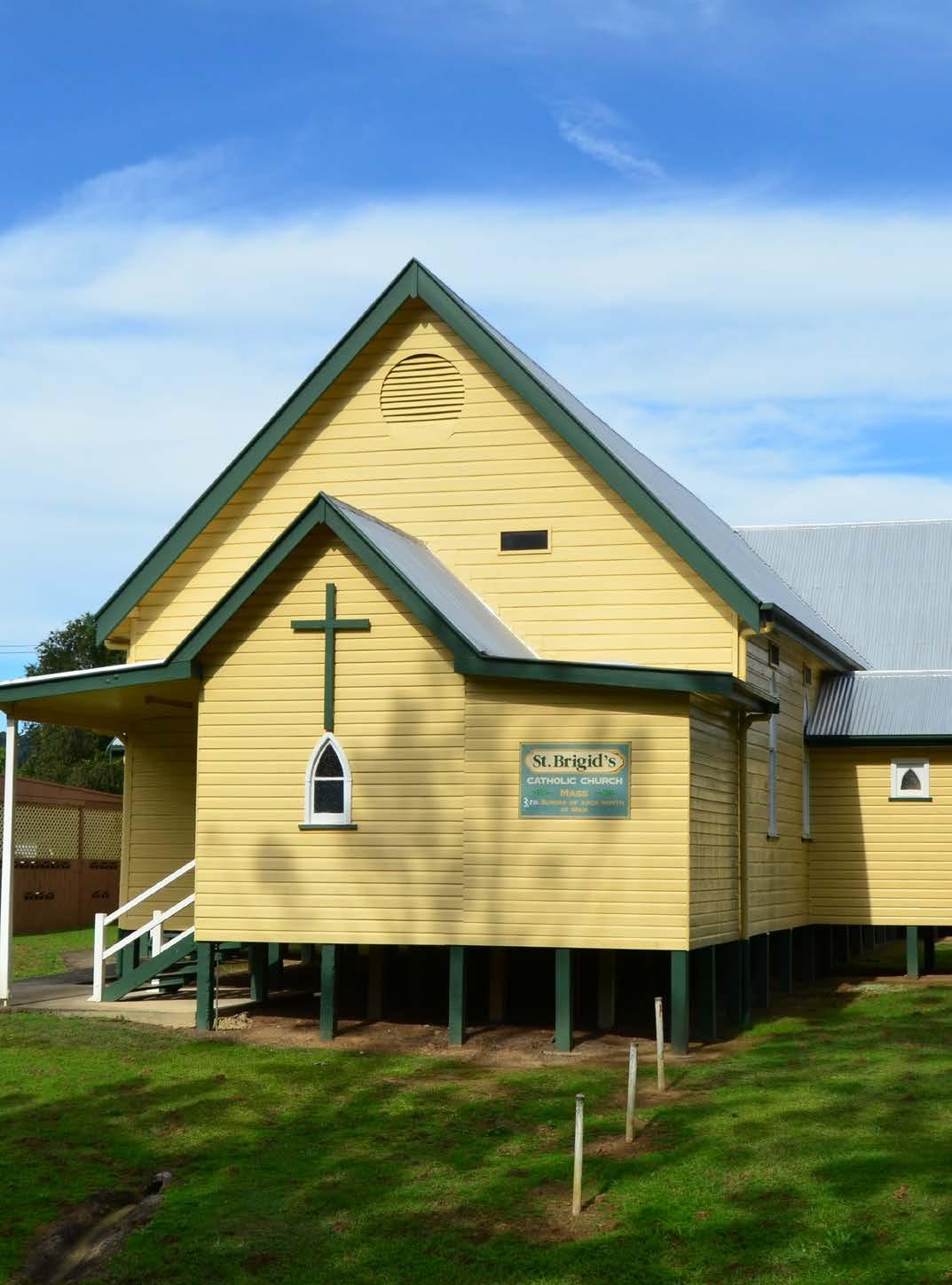
For 121 years, St Brigid’s Church was at the heart of village life in Burringbar. Baptising generations of local families and serving as a home for the Sisters of St Joseph, it was known as a simple but well-kept yellow timber church.
Few people embody the
church’s story more than 89 -year- old Leo Kelly. Baptised there as a baby, Leo learned the organ at the age of five and went on to play the church’s liturgies there for over seven decades, including the final Mass before the church’s doors closed.
“It was a real privilege to be asked to play the last Mass. I’d been there all my life, so it meant a lot. St Brigid’s was a beautiful old wooden church. It was always being repaired and looked after — people truly cared about it.”
Aileen Lewthwaite was one of five sisters who was married at the church between 1946-58.
Aileen was married in 1958 by Fr Bede Parker.
“It was Easter Saturday and it was a wet day,” Aileen says. “We were going to get married at midday, but we had to put it back a bit, because most of the people coming were farmers — we had to have it all over
and done with, so the farmers could go home by three o’clock to do the milking!”
Opened by Bishop Carroll in 1934, St Camillus’ served the Bilambil community for nearly 90 years. Jenny Kirby’s parents had been going to the Bilambil church for over 25 years.
“It was a very small, close-knit community. There was usually only about 30 to 50 people, so you really got to know the other parishioners. My parents were very sad when they heard the church was closing, especially Mum — she’s 101 now — because they’d been going there for so many years.”
For others, the church was the setting for major sacraments. Colleen Gordon, who moved to the area from Sydney, felt an instant

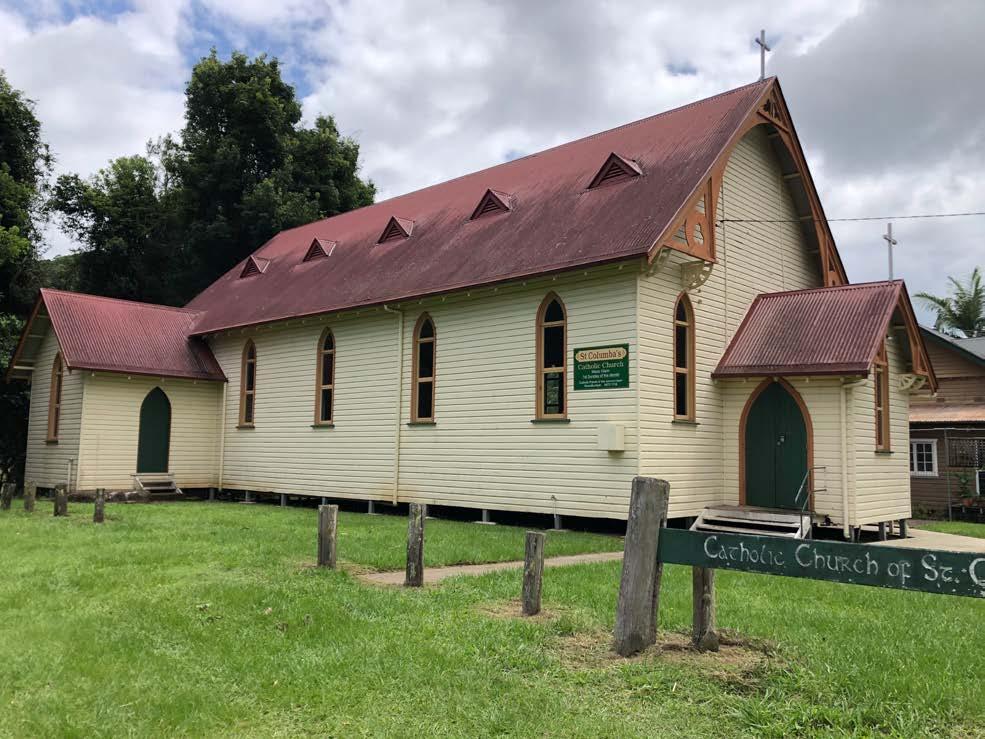
connection to the building’s humble charm that she had her wedding there in 1998.
“It reminded me so much of the church where I grew up. It was small and intimate, and we knew immediately that was where we wanted to get married,” Colleen says. “The church was full of our family and friends; it was beautiful.”
Colleen attended the closing Mass of the church and said she was moved by what Bishop Greg Homeming mentioned.
“The bishop said that it isn’t the physical building that makes it a church, it’s the people inside it. That comforted me. We have our marriage certificate, our faith, and it means that it really doesn’t matter where you are.”
Nestled at the foot of Mount Warning is St Columba’s,
which opened in 1911. For Christine O’Brien, the church was a place of worship for three generations of her family. Despite the church feeling like “a freezer in winter and a sauna in summer,” it was where our community gathered to praise and honour God, and then “shared a cuppa, a bite to eat, and plenty of stories.”
Christine was involved in the music ministry for decades, often playing the church’s foot pump organ. She recalls one Sunday in 1990 when a pedal snapped mid-Mass, forcing her to pump “furiously” with one foot to keep the music going.
“Thankfully the organ was repaired a few days later when Helen Dobbyn and I successfully managed to replace a broken piece of strapping with a length of old car seat-belt material,” Christine says. “Amazingly, the organ is still operational over 30 years on!”
She also remembers a humid Christmas Eve when the congregation grew so large that Mass was celebrated in the shade of the trees outside. “Our trusty pump organ was carried outside by a couple of men and once again provided the musical accompaniment,” Christine recalls.
“St Columba’s was a space in which generations of God’s People came to be together,” she says. “Regardless of our numbers, we praised God together, we sang, we were joyful, we shed tears; we celebrated Baptisms, Confirmations, First Holy Communion, weddings, funerals, ecumenical prayer services and more. At times we just came — bringing our emptiness, our fears, our hopes, our dreams.”
While the physical doors have closed, Christine, along with others from St Columba’s, now worship at Sacred Heart Church, Murwillumbah.
by staff writer
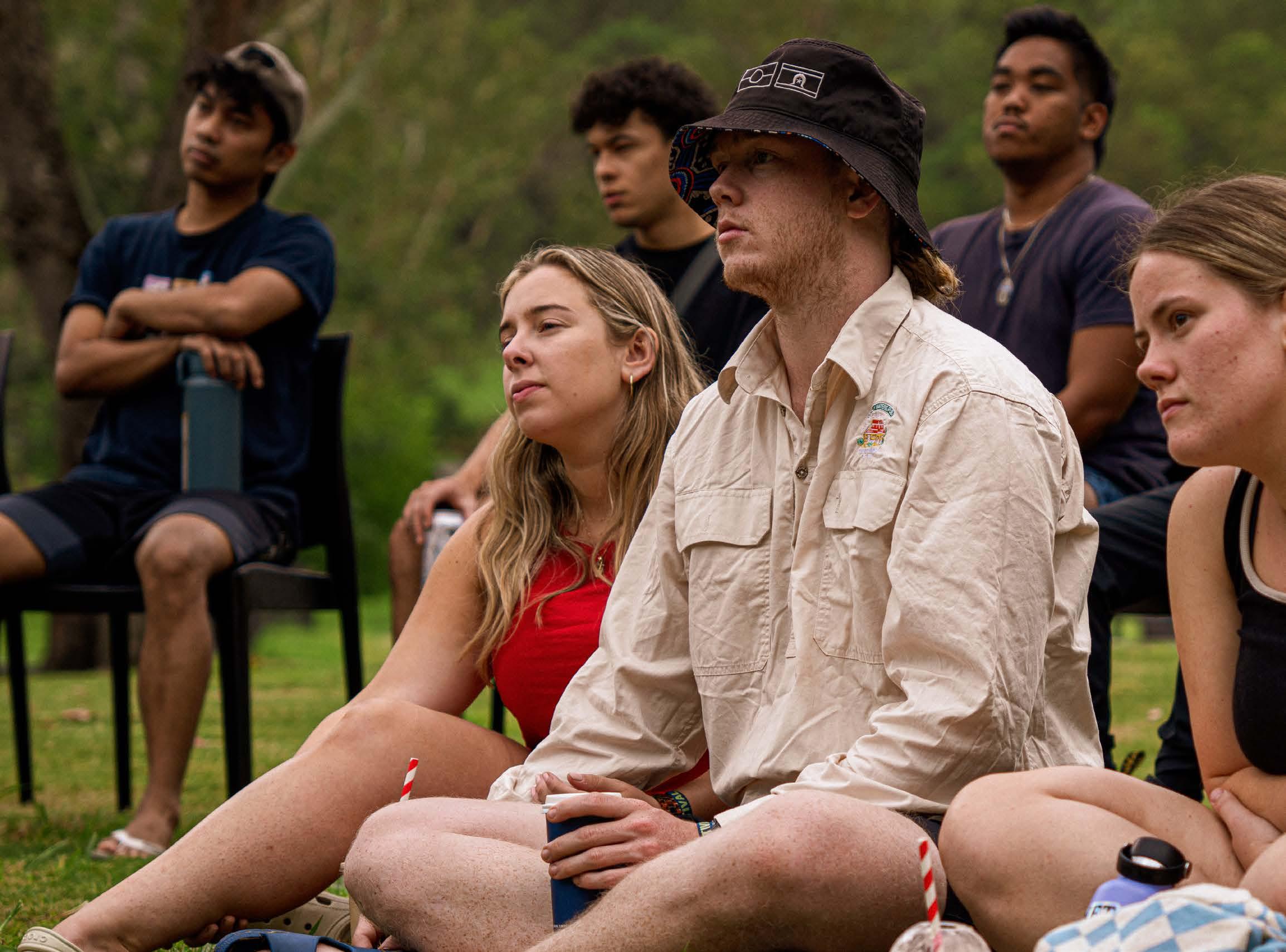
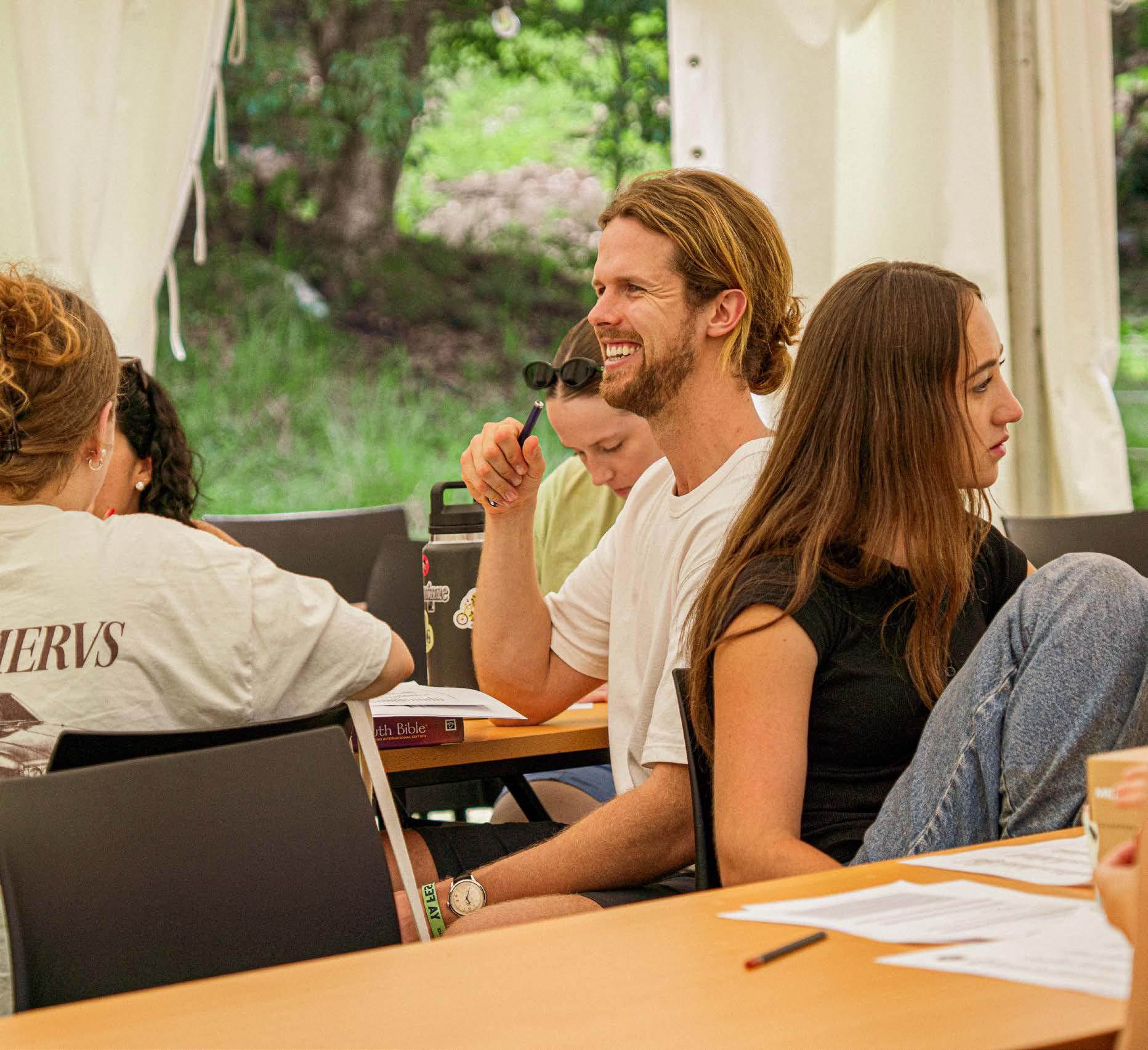
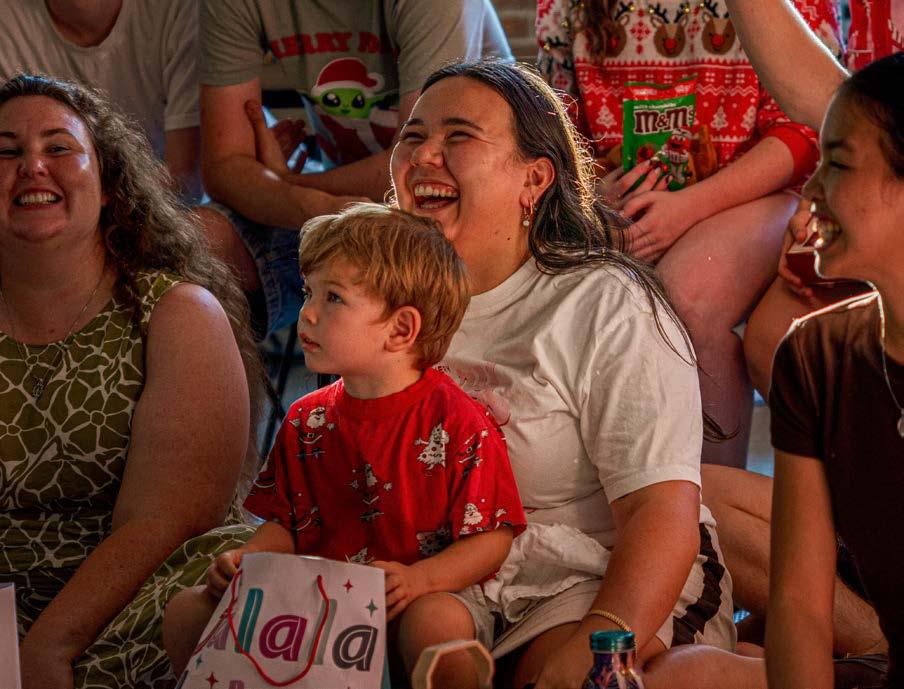
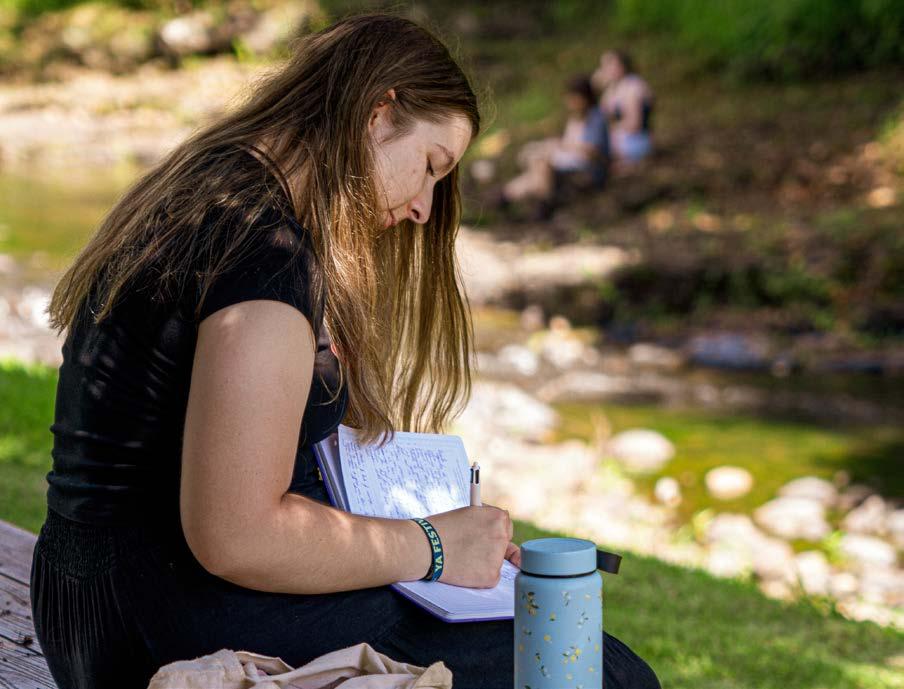
In December, young people attended the Ignite Young Adults Festival, which for the first time was held within our diocese, in Murwillumbah. Set against the stunning backdrop of the Selah Valley Estate, near Murwillumbah, young adults from every walk of life gathered: school leavers, university students, tradies, teachers, parents, and even little ones running around the bushland campground. Together, they stepped ‘into the deep’ for a weekend marked by spiritual breakthrough, healing, and profound community.
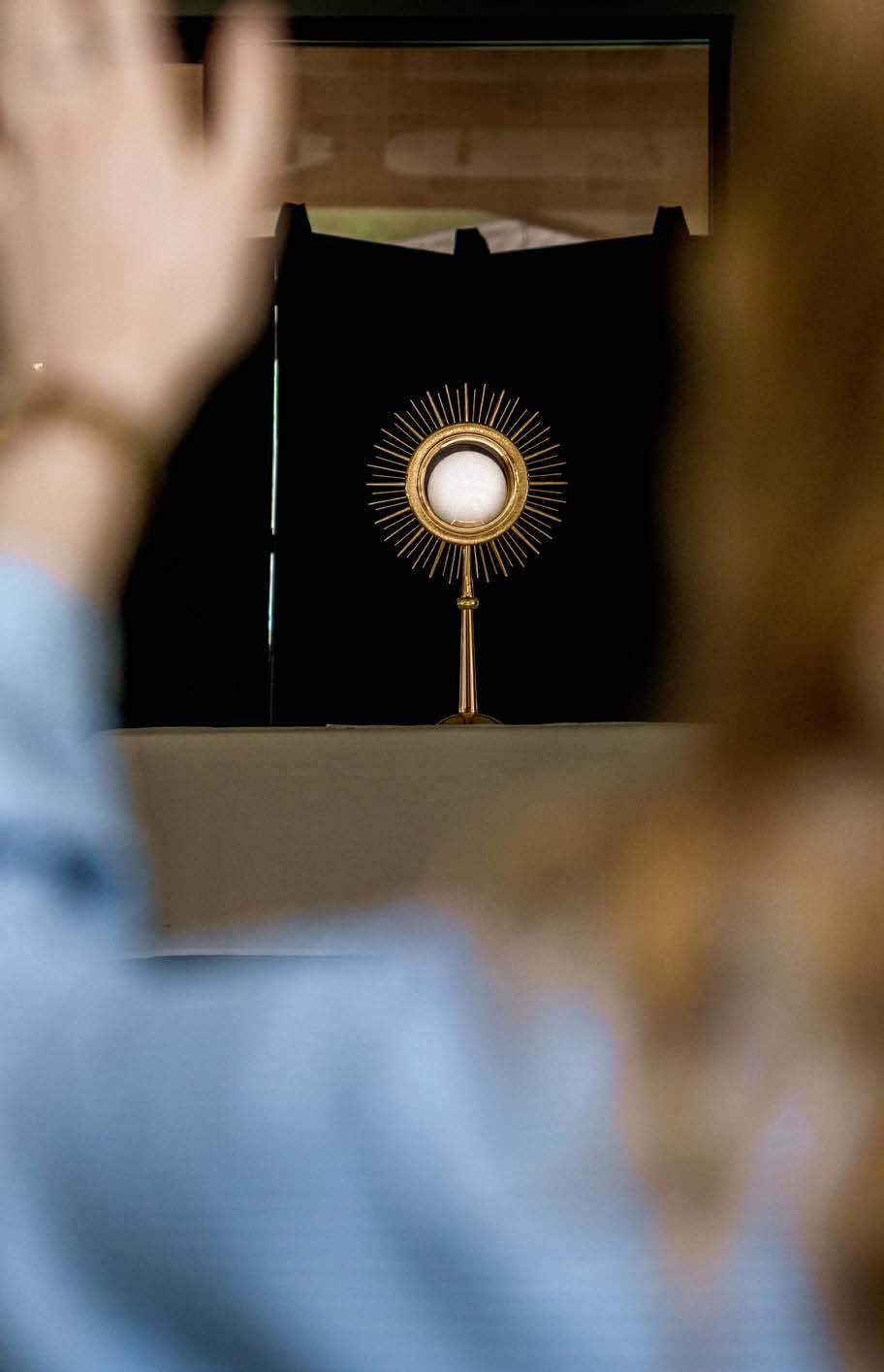
One of the most powerful threads running through the festival was the experience of adoration. Many named it as their highlight, moments late into the night when the valley fell silent except for prayer
and worship. Will shared how adoration encouraged him to place his trust in God more deeply, especially as he prepares for confirmation. Tobias described it as a moment of clarity: “You lay everything bare before the Lord… He’ll embrace you and show you a side of Him you’ve never seen before.”
For others, the festival became a place of genuine healing and restoration. Alice spoke about arriving exhausted and overwhelmed, only to experience peace and renewal through prayer and reconciliation: “In that surrender, I found peace… God healed something within me that I hadn’t even known was broken.”
Many young adults found new courage in their faith.
Alannah, who has just set out to serve with NET Ministries, shared how YA Fest reminded her that faith isn’t something done alone but lived with others who are striving in the same direction. And for some, the weekend was life - changing, Selena wrote of finally feeling the Lord’s hand in hers after years of searching, calling the festival “the highlight of my life.”
With worship, teaching, stillness, and community woven together, YA Fest became a place where God moved, quietly for some, powerfully for others, but unmistakably for all. The friendships formed, the freedom found, and the encounters with Jesus will continue shaping hearts long after the tents have been packed away.
by staff writer

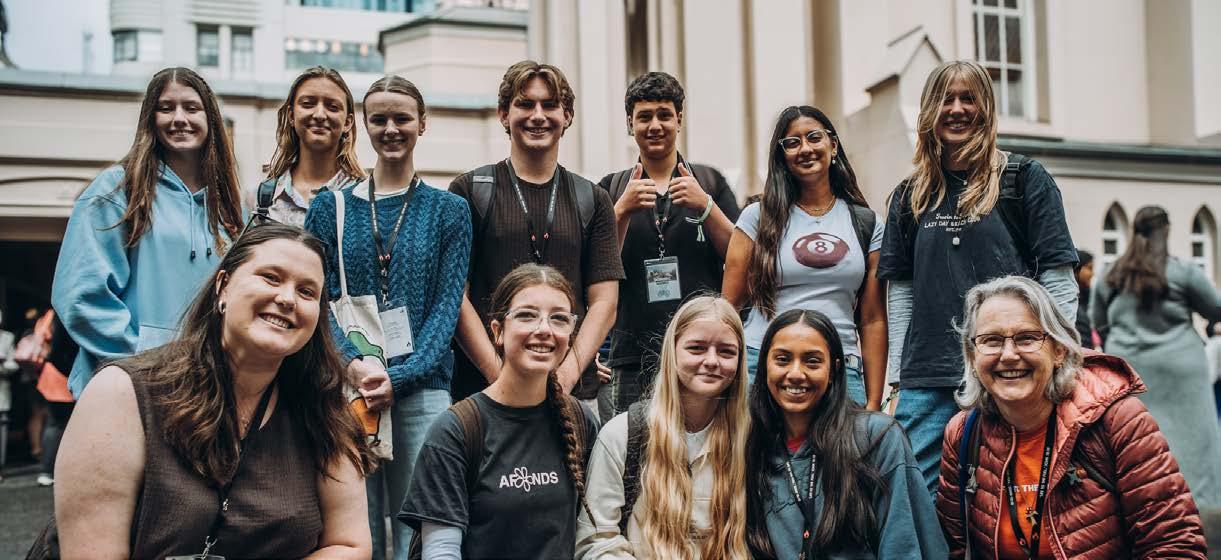
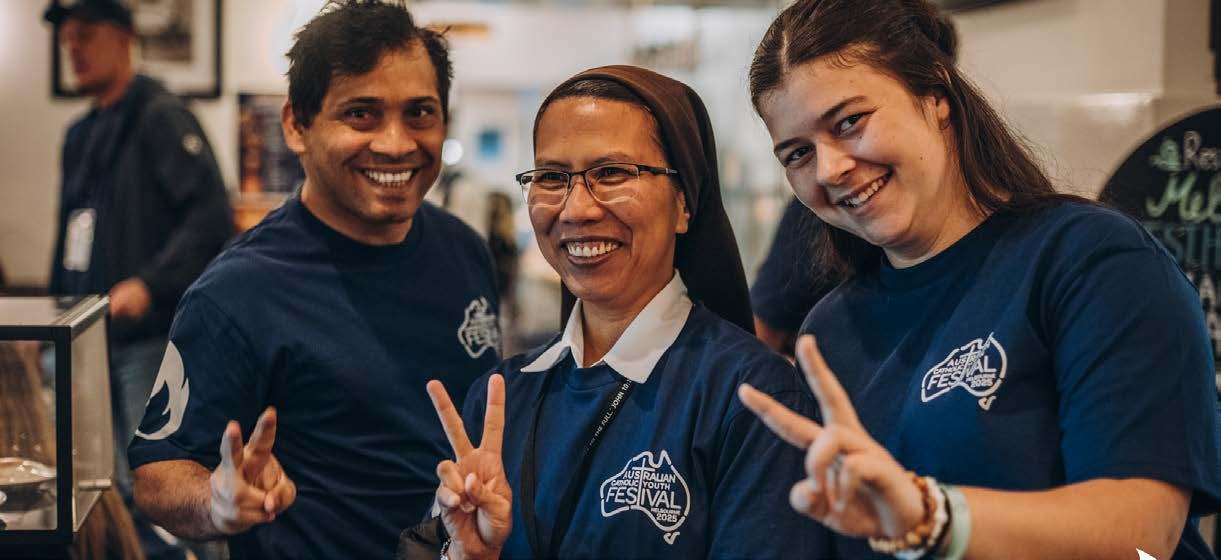
Young people from our diocese recently travelled to Melbourne for the Australian Catholic Youth Festival (ACYF), joining thousands of others for three days of prayer, creativity, and encounter. What stayed with them most were the moments that sparked connection, both with God, and with one another.
For Deacon Shane, the standout was the sense of the Church gathered in all its vibrancy, being surrounded by thousands of young people alongside the Australian bishops who were present and approachable, making
the Church feel alive in a new way. He shared how those open conversations with our bishops created “space for meaningful encounters,” and reminded him that faith grows most deeply in community.
Students echoed that experience of belonging. Many spoke about meeting new friends, reconnecting with familiar faces, and discovering a faith community larger and more joyful than they had imagined. Staff also reflected on the joy of watching students open up, share their stories, and grow in confidence throughout the festival.
Prayer and worship left a deep impact, especially the Masses, adoration, and the pilgrimage to the Cathedral with the World Youth Day cross and icon.
Several students said the final Mass was their highlight, standing among thousands who shared the same desire to draw closer to God. As Alyssa put it, “Being in such a huge crowd of young people made it feel really special. It reminded me that faith is joyful and shared, not just something you do on your own.”
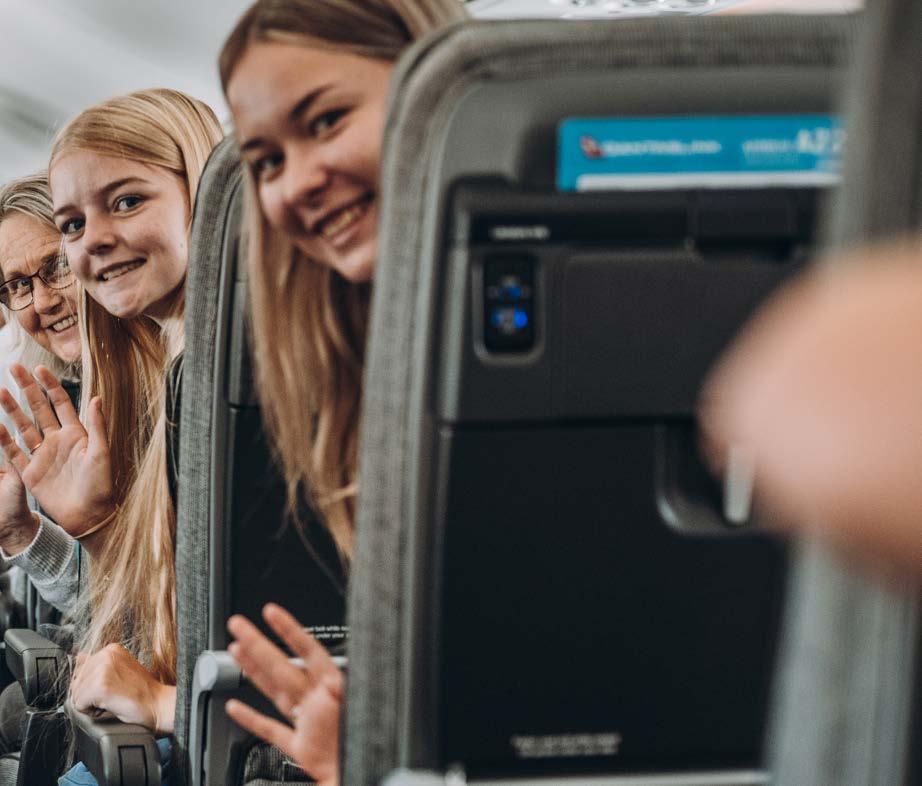
Creative and energetic moments added their own spark, Bible journalling, praise and worship, plenaries, testimonies, and music from artists like Fr Rob, Proclaim Lismore Wildfire, Emmanuel Worship, and others. Students loved having workshop choices and the freedom to explore sessions that spoke to them personally.
Whether through friendship, worship, creativity, or quiet reflection, ACYF gave our young people the chance to encounter Christ in a way that was real, joyful, and deeply encouraging.
Being in such a huge crowd of young people made it feel really special. It reminded me that faith is joyful and shared, not just something you do on your own.
Projects
Dr Madeline Beveridge reflects on the progress of the diocesan renewal and the emerging signs of revitalised parish life.
When Bishop Greg announced the diocesan review in 2021, he invited every parish, ministry and community to pause, reflect on our shared story, and listen attentively for where the Holy Spirit might be leading us. From that discernment, a diocesan renewal began to take shape. Today, signs of transformation are becoming visible — through renewed energy in youth ministry, the establishment of a Diocesan Pastoral Council, and new formation opportunities that are fostering deeper encounter with Christ.
At the heart of the diocesan renewal is a simple but demanding vision: to become a diocese shaped by personal encounter with Jesus Christ and lived out through a synodal way of being Church. Drawing on the insights shared by Bishop Greg at his ordination, the renewal invites us to discern God’s will together – listening deeply, walking alongside one another, and taking shared responsibility for the Church’s mission.
This vision aligns closely with the Church’s broader call to synodality, where communion, participation, and mission
Renewal is not about change for its own sake, but about drawing closer to Christ.
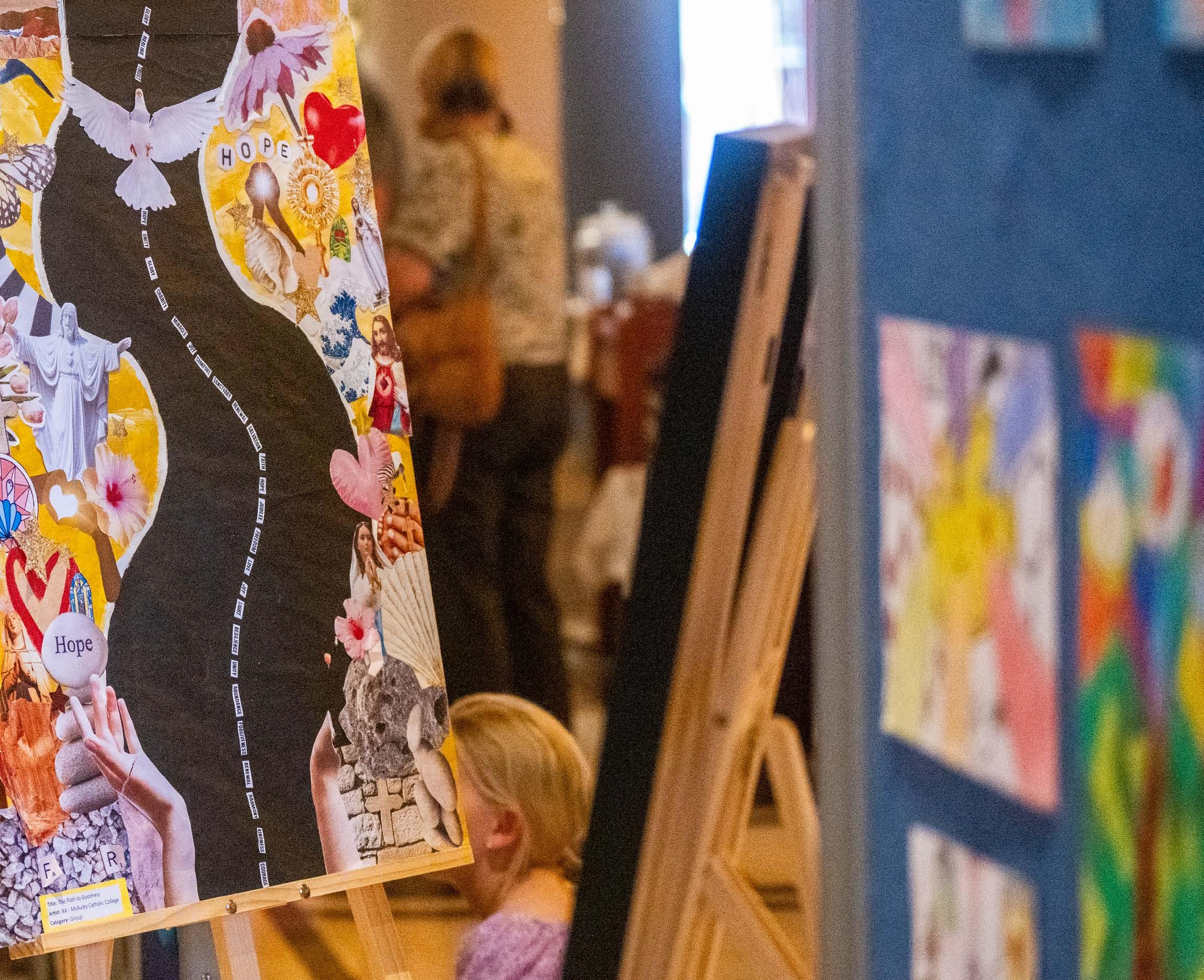
are not abstract ideals but everyday practices of ecclesial life. At the same time, it echoes Pope Francis’ insistence in Evangelii Gaudium that all renewal begins with a renewed personal encounter with Christ. Together, these movements form the foundation for cultural change across the diocese. Not as a program to be implemented, but as a way of living, leading, and being Church.
The Renewal Journey has not been linear. There have been multiple pathways to explore, communities to accompany,
and voices to listen to. At every stage, prayerful discernment and attentiveness to the Holy Spirit have been central, as we ask how God is calling us to be a Christ-centred Church in the Diocese of Lismore today.
As expressed in the Pathways document from the Synod on Synodality, “any change in the life of the Church is intended to make it more capable of proclaiming the Kingdom of God and witnessing to the Gospel of the Lord to the men and women of our time.” Renewal is not about change for its own sake, but about drawing closer to Christ. We are not people made for projects and programs; we are made for the Lord. The initial phase of the
Diocesan Renewal focused on understanding the ‘lay of the land’ through extensive listening and data gathering. Parish workshops were conducted, alongside conversations with clergy, analysis of demographic data, and survey responses from almost 1,000 participants. These insights informed the work of several working parties and helped shape a diocesan renewal plan. From this process, a number of priority areas emerged, including communication, youth ministry, diocesan pastoral council, lay-led liturgy, clergy welcoming, the development of a diocesan intranet, and regional parish collaboration.
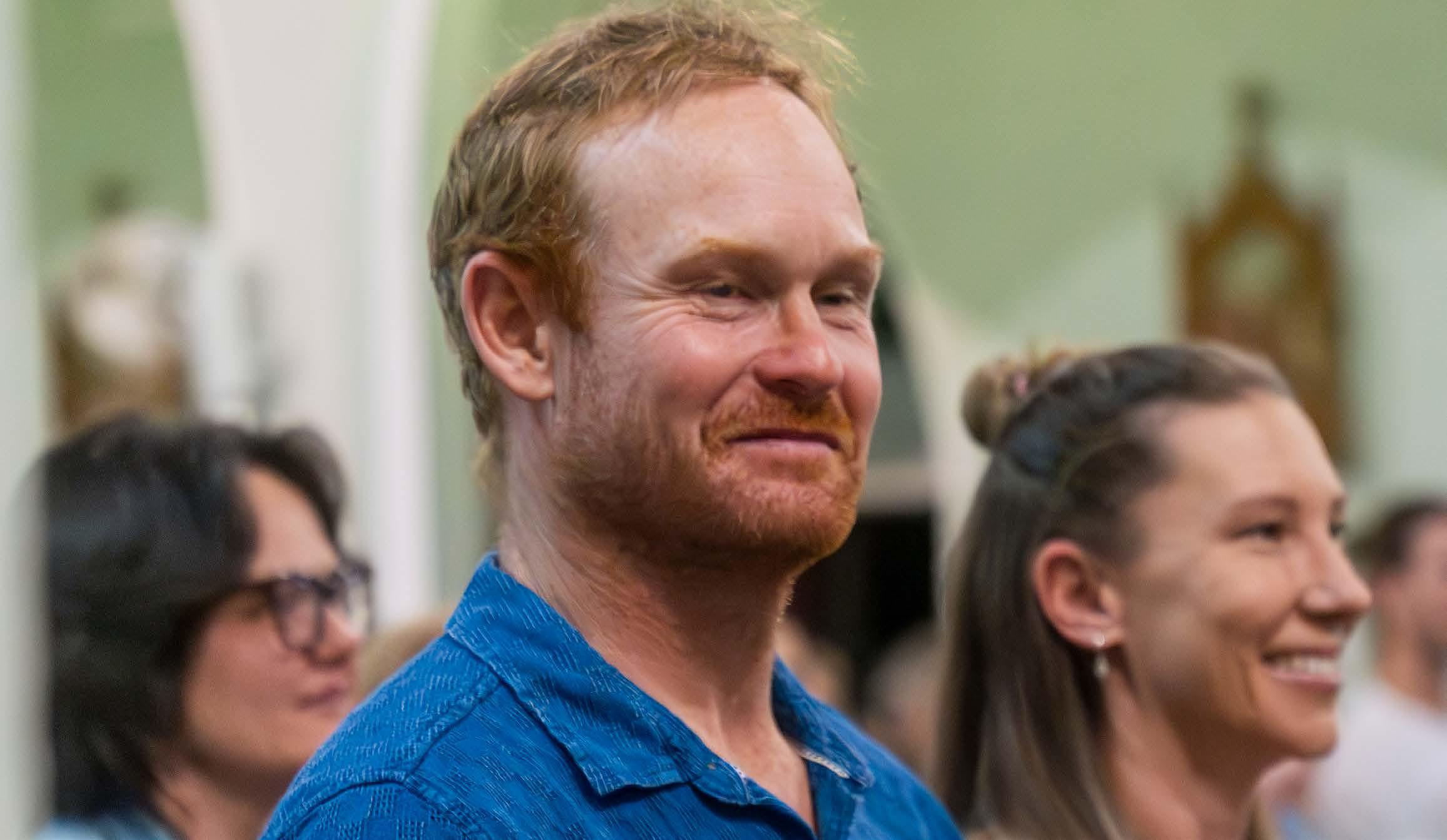
Alongside diocesan-wide initiatives, many parishes have been undertaking their own renewal journeys. Across the diocese, new parish pastoral councils have been established, strategic plans developed, and parishes have engaged in formation opportunities focused on synodality, discernment, and pastoral planning. There are also encouraging signs of revitalised parish life, with local communities responding creatively to their particular contexts.
Formation has remained a key focus of the renewal. Throughout 2025, a number of retreats were offered, including the diocesan retreat led by Bishop Greg, as well as retreats facilitated by local religious orders, clergy, and lay leaders. To further support lay leadership, particularly in contexts where a priest may not be available, a new formation course has been developed in partnership
with the University of Dayton’s Virtual Learning Community for Faith Formation. This three-week e-seminar equips lay leaders with a deeper theological, scriptural, and canonical understanding of Sunday Celebrations of the Word with Communion, supporting confident and prayerful leadership that draws communities into deeper relationship with Christ
A significant milestone in the renewal was the appointment of the pastoral and youth councils. They represent an important step in embedding synodal leadership and shared discernment within diocesan life and will play a key role in shaping pastoral priorities for the next phase of the renewal.
The Jubilee Year of Hope was also marked through the inaugural Diocesan Art
Prize, which invited artistic expressions of faith, hope, and renewal. The strong response to the prize reflected both the creativity present within the diocese and the desire to engage faith through new and meaningful forms. Following its success, the Art Prize will be held again, with the newly announced theme The Face of Compassion
As we move further into 2026, the diocese enters the next phase of the renewal with gratitude for what has been planted and hope for what lies ahead. With renewed structures for listening and discernment, ongoing formation, and a shared commitment to encounter and mission, the Diocesan Renewal continues to unfold — trusting that, as a pilgrim people, “we walk by faith, not by sight” (2 Corinthians 5:7).
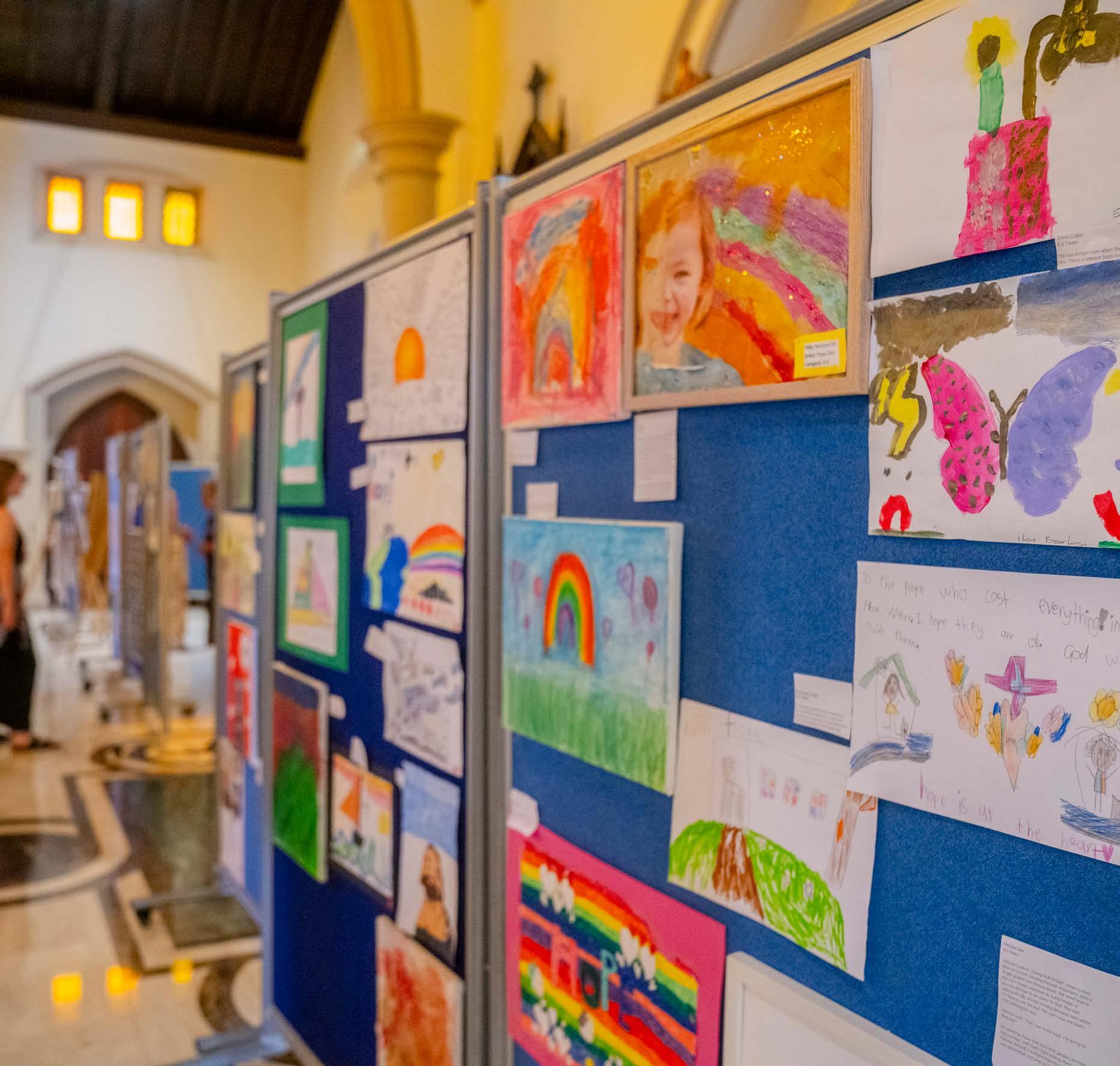
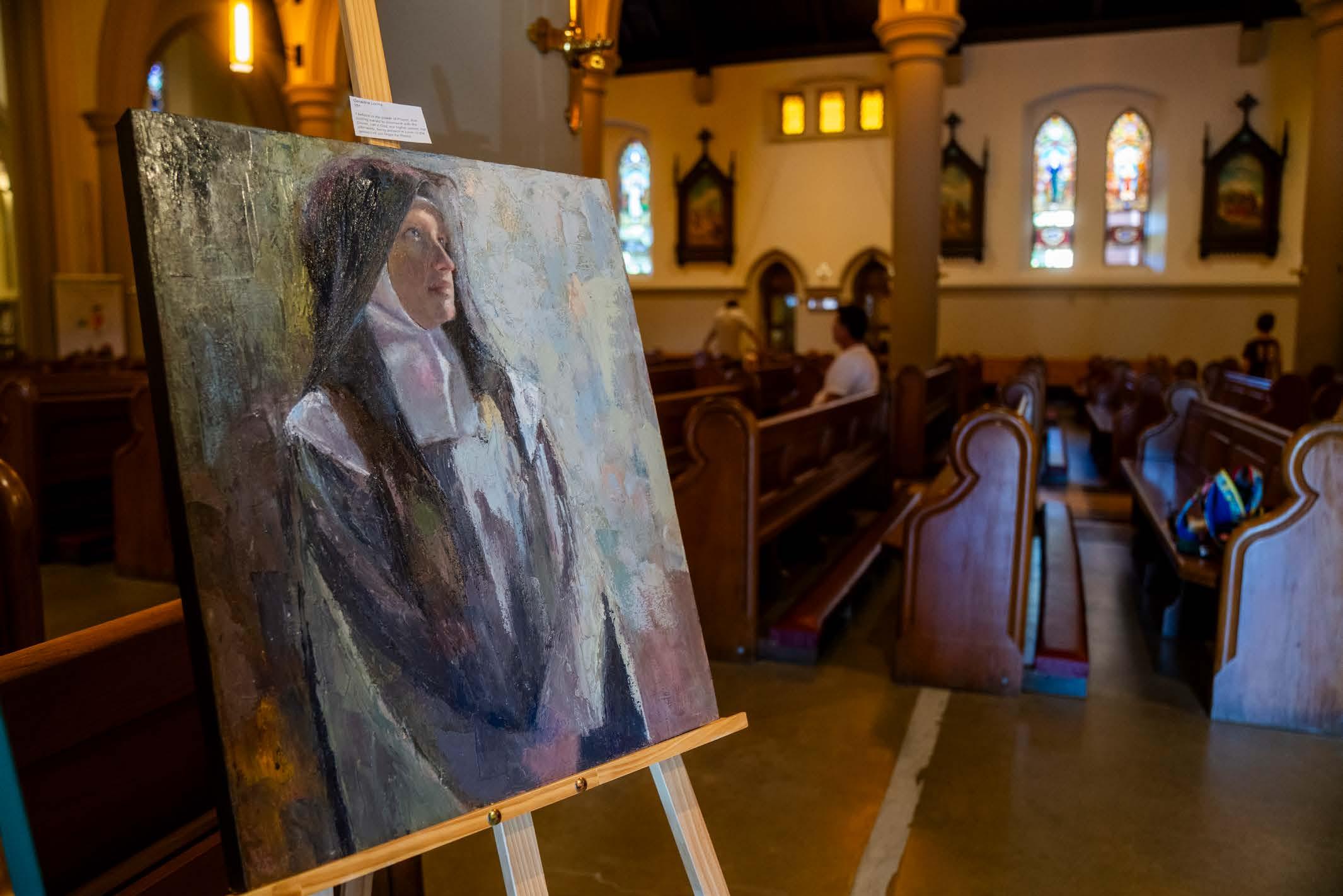
Following the overwhelming success of the 2025 Jubilee Art Prize, the Diocese of Lismore is pleased to continue the art prize in 2026. This year’s theme is The Face of Compassion.
Compassion lies in the heart of the Gospel and the mission of the Church. It is seen in Christ’s encounters with the vulnerable, outcast and broken, and continues to be lived out today in our communities across the Diocese. Artists are encouraged to explore this theme in ways that are personal, prayerful and creative.
The Diocesan Art Prize is open to artists of all backgrounds and experience levels. More information about how to enter will be available at your local parish and on the diocesan website at the end of April.
by Barry de Silva
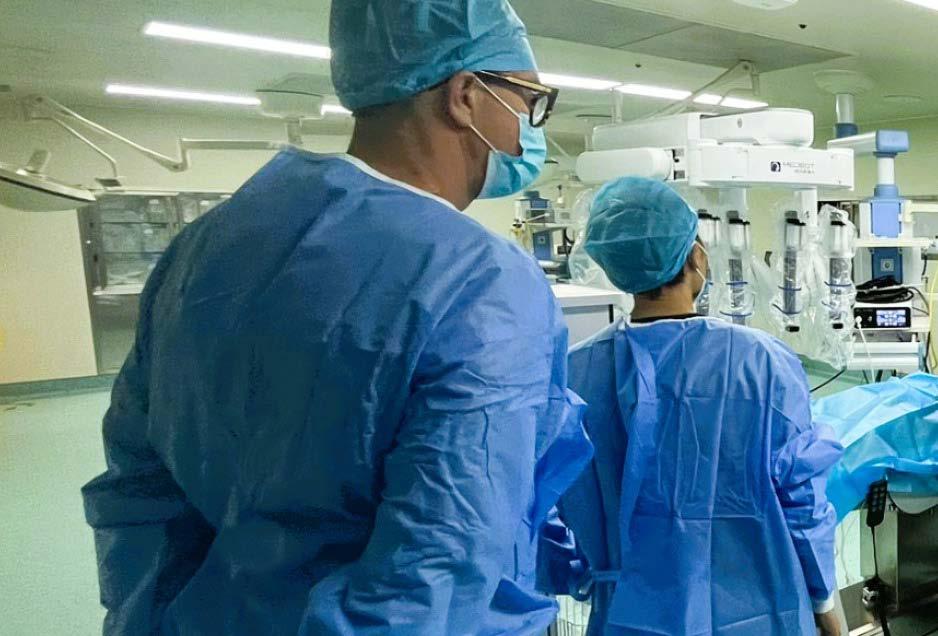
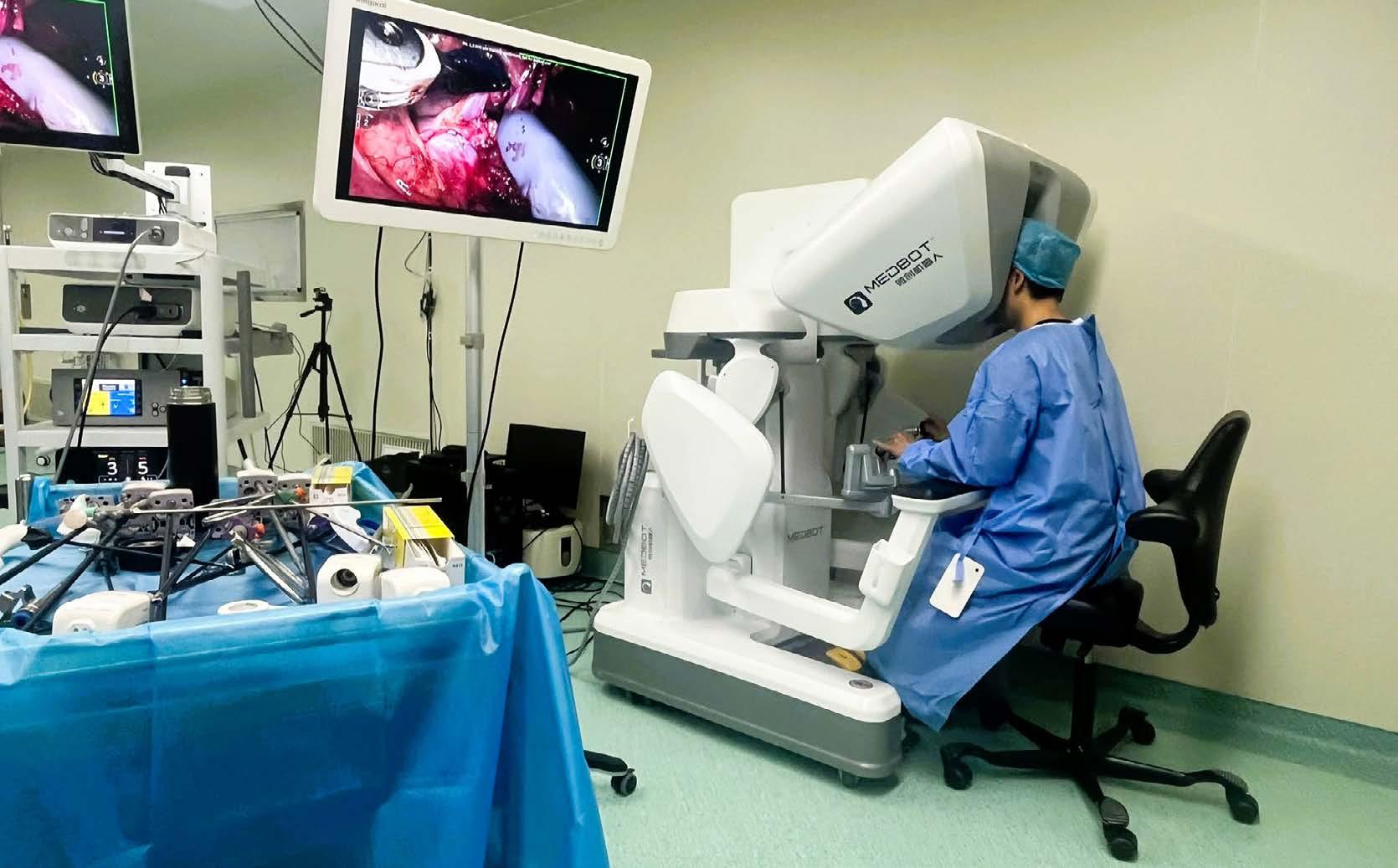
For over a century, St Vincent’s Lismore has served the Northern Rivers community with compassionate patient-centred care at its heart. This year, the hospital begins a new chapter in its long history of service by introducing the Medbot TOUMAI® Surgical Robotic System.
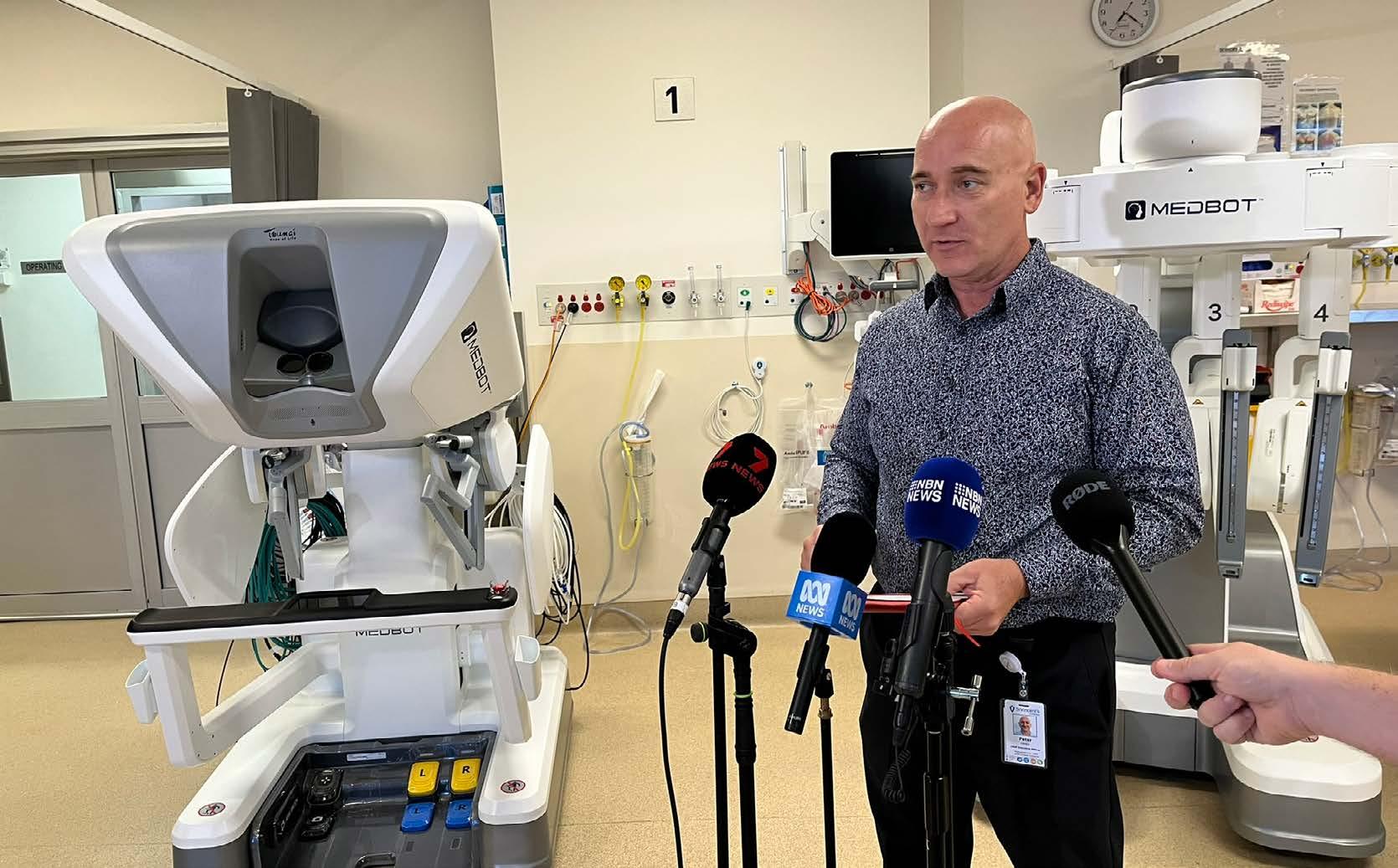
The technology works by allowing a surgeon to control four robotic arms with incredible precision using a high-definition, 3D vision system. Its arrival makes St Vincent’s the first regional private hospital in New South Wales, and only the second in Australia to introduce the system.
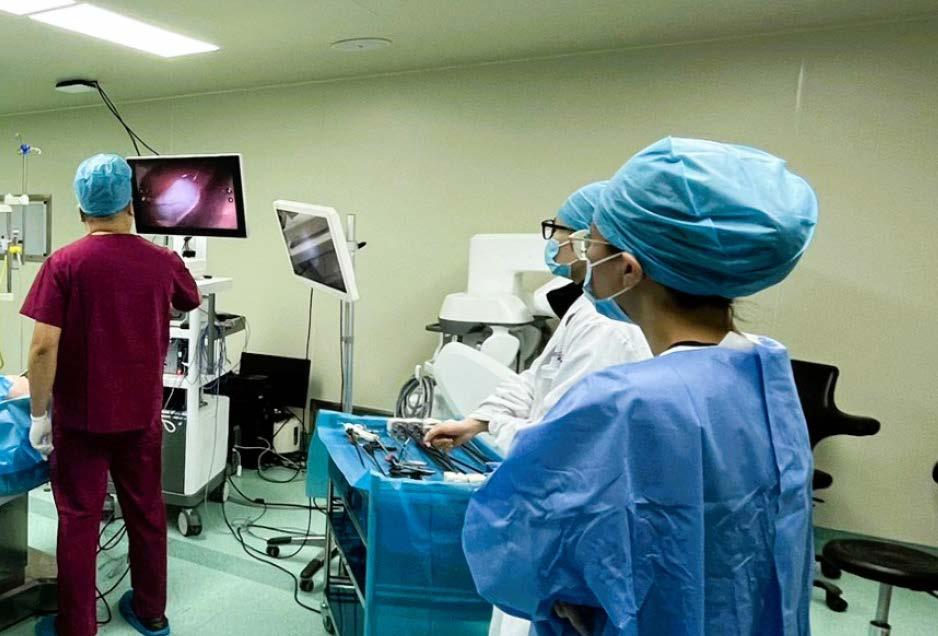
At a time where health care often feels increasingly corporate, St Vincent’s remains dedicated to its mission. Hospital CEO, Peter Fahey, emphasises that this significant investment is about putting patients first.
“What we do, and what St Vincent’s has been very good at doing, is reinvesting back into its community,” Peter says. “We’re not about shareholders. We’re about building our community, supporting our community, and providing the best care right here. That is truly what we live by and our mission.”
By bringing this technology to Lismore, the hospital hopes to ensure that patients no longer need to travel to metropolitan hospitals for some complex procedures.
The system, which was backed by the Diocesan Investment Fund, is a major leap forward in surgical care in the Northern Rivers, allowing highly intricate procedures to be performed using minimally invasive, keyhole techniques. Some of the procedures it will be used for includes urology, gynaecology, and general surgery.
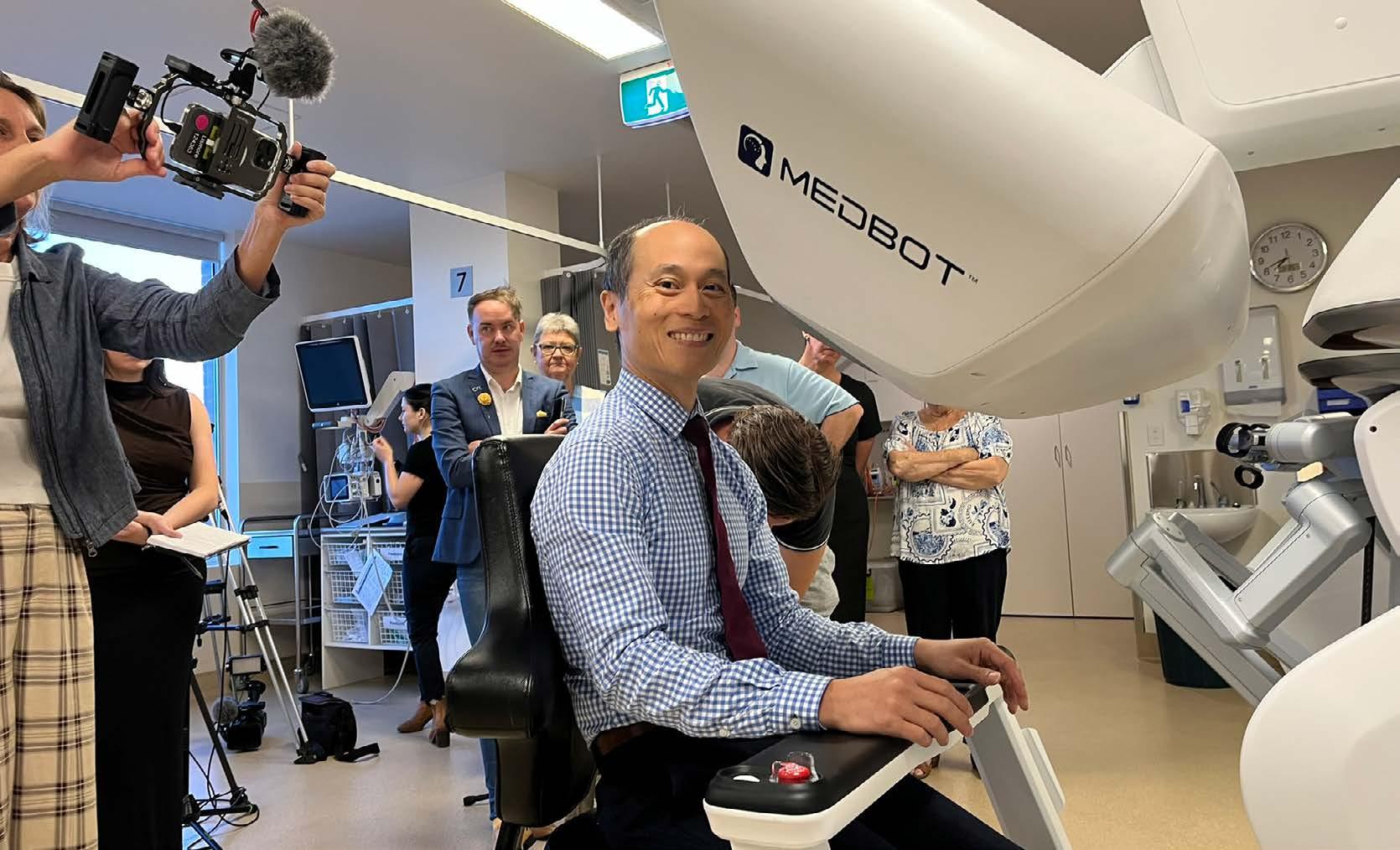
Dr Kenny Low, a urologist at St Vincent’s, describes the system as a “game changer” for the region. The robot uses wristed instruments that can bend and rotate much like a human hand, but with even greater stability.
“They allow us to mimic hand movements inside the body within a very small field,” Dr
Low explains. “It allows us to do minimally invasive surgery that traditional laparoscopy struggles with.”
In 2022 the hospital successfully introduced the ROSA® Knee System in 2022 and CORI® Surgical System, both of which use roboticsassisted technology to deliver highly accurate orthopaedic joint replacement procedures. The addition of the TOUMAI® Surgical Robot highlights the hospital’s position as a regional leader in advanced surgical care.
Securing the future
Beyond immediate patient benefits, the introduction
of robotic surgery is also a strategic move to ensure the hospital continues to attract the best medical talent, says CEO Peter Fahey.
“Lots of surgeons, especially ones in the bigger cities, are keen to use the technology,” Peter says. “This [system] will bring new surgeons to the area.”
As Chair of the Board, Damian Chapelle notes, the hospital cannot afford to “stay still” and must keep moving forward with the latest technology, if it wishes to serve the community for another 100 years.
Through the combination of cutting-edge technology and values embedded in the mission of the Catholic Church, St Vincent’s illustrates that high-quality healthcare isn’t always found in metropolitan areas, it is right here, in the hands of our Northern Rivers community.
Find out more about St Vincent's Lismore svh.org.au
Scan here for details
2. The day Christians gather to celebrate the Resurrection
7. The emotion felt by the disciples when they encountered the Risen Jesus
8. The angel’s message to the women at the tomb
9. The candle blessed and lit during the Easter Vigil
10. The Roman punishment Jesus endured
11. The day Jesus rested in the tomb
13. The road to ____ where Jesus appeared to two disciples after Easter
14. The night-time celebration that begins Easter
15. The promise ful fi lled through Jesus’ resurrection
17. Greeting offered by the Risen Christ
1. What Jesus showed His disciples after rising
3. The disciple who ran to the tomb with Peter
4. The day commemorating Jesus’ death on the Cross
5. The sacrament renewed during the Easter season
6. The city where Jesus was cruci fied
12. The stone at Jesus’ tomb was found to have been ____
16. The prayerful sorrow Jesus experienced in the garden before His arrest
18. The week beginning with Palm Sunday