
Ladies of Charity of Guyana
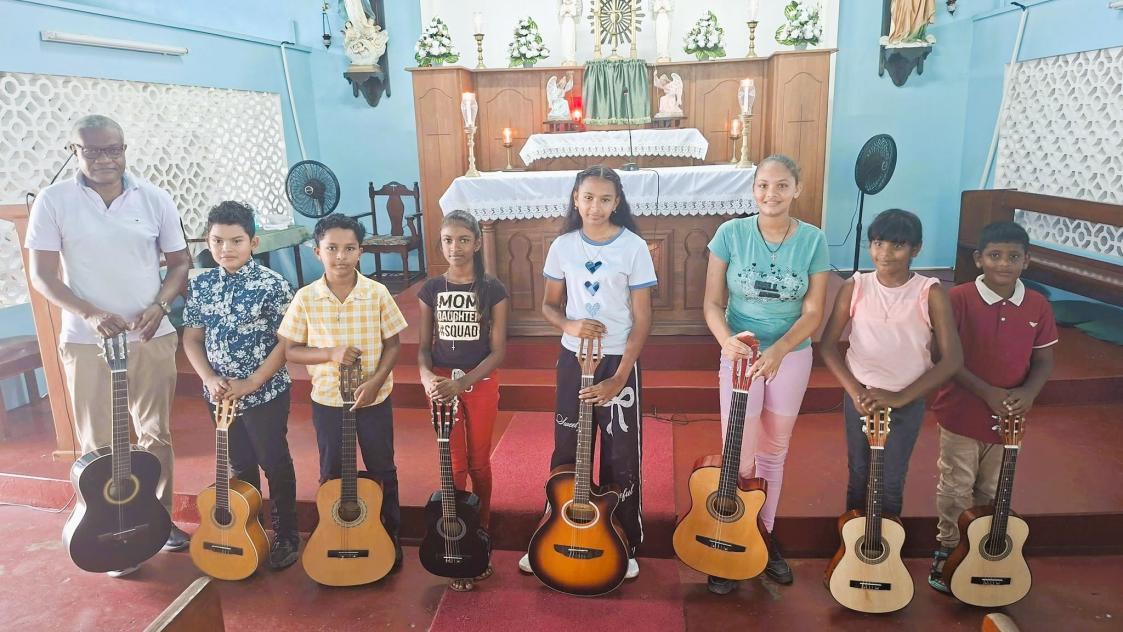
7 new young guitarists at Hague
Traditionalist SSPX declared schismatic, clerics excommunicated - p3
AChristianPerspective on Social Issues - p4
Sunday Scripture - p5
Pope: All Christians called to celebrate 2033 anniversary of Christ's Redemption - p6
Kerygma and Synodality, heartandbody - p7
Vatican defines how schismatic SSPX members canreturn - p8
Children’s Page - p9
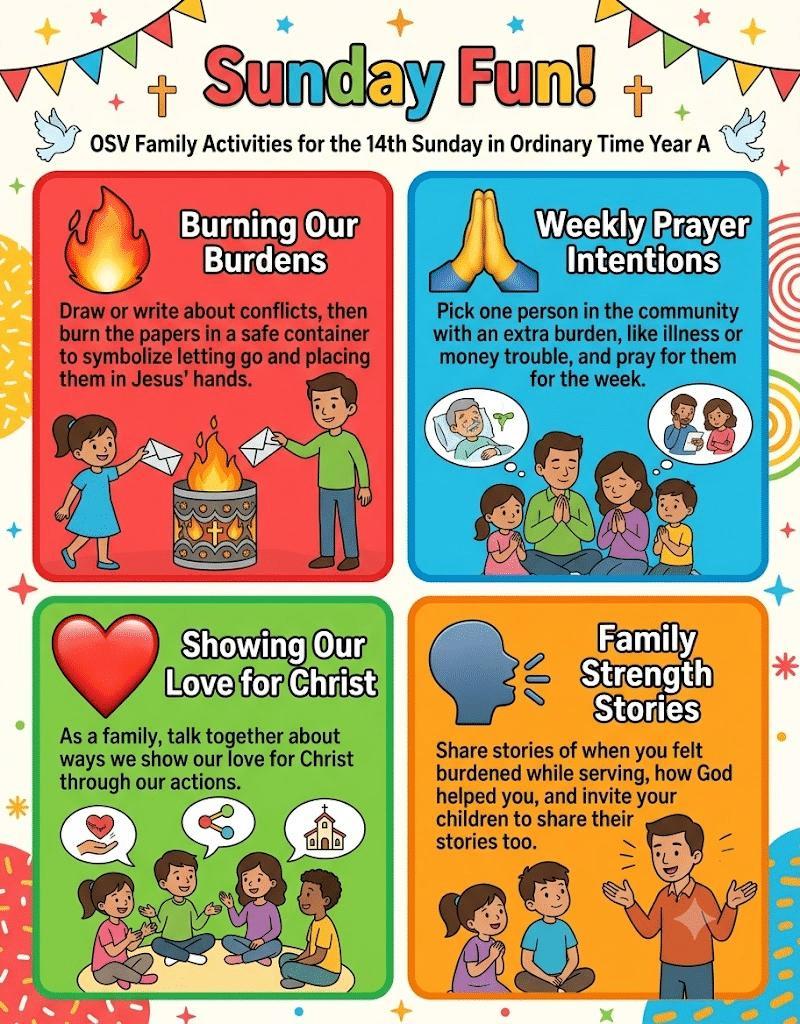
Sunday Fun - p10
Faithin Practice Week 21 - p11
Salesian Sister named prefect of Vatican Dicastery - p12
Pope’s July prayer intention: ‘For respect for humanlife’ - p14
Saintof the Week - p14
Sunday July 5th
7:00hrs – Mass at St. Thomas the Apostle, Enmore
Tuesday July 7th
18:00hrs –DPCMeeting
Sunday July 12th
7:30hrs – Mass at Cathedral
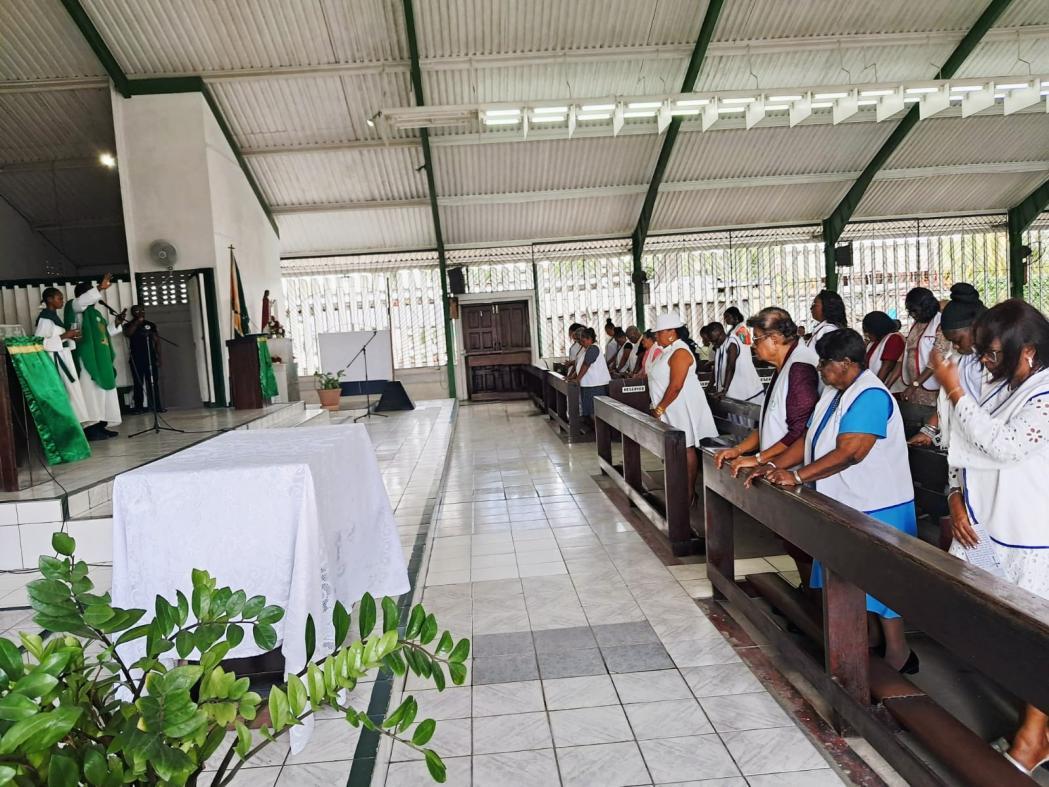
Last Sunday June 28th, seven young guitarists of Our Lady of the Assumption church, Hague, West Coast Demerara played the guitar
Service
the first time. Congratulations to them and to their teacher Bro. Gary who led them. Please keep
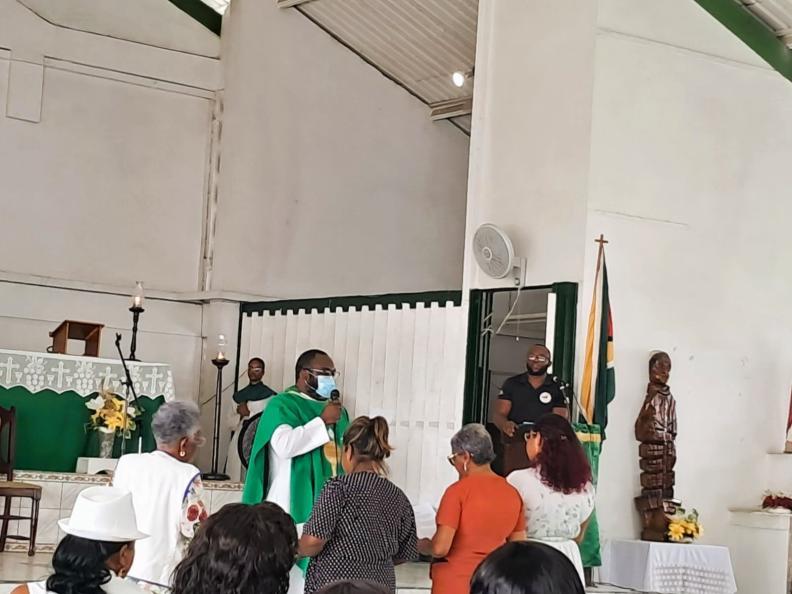
Fr. Carl Philadelphia blesses members of the Ladies of Charity at the mass celebrating their 99th anniversary, held at St Pius X church, West La Penitence, Georgetown, on Sunday June 28th (please see article on page 2)
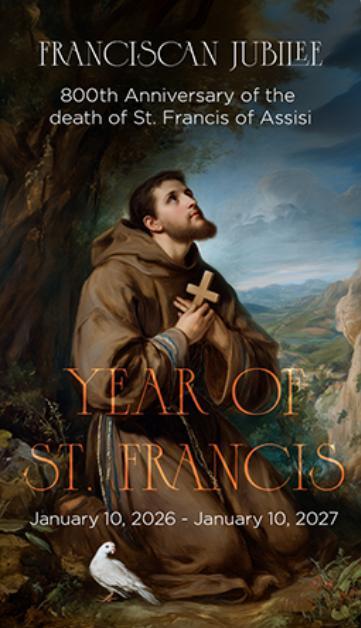
Year of St. Francis Jubilee Prayer
Saint Francis, our brother, you who eight hundred years ago went to meet Sister Death as a man at peace, intercede for us before the Lord.
You recognized true peace in the Crucifix of San Damiano, teach us to seek in Him the source of all reconciliation that breaks down every wall.
You who, unarmed, crossed the lines of war and misunderstanding, give us the courage to build bridges where the world raises up boundaries.
In this time afflicted by conflict and division, intercede for us so that we may become peacemakers: unarmed and disarming witnesses of the peace that comes from Christ.
Amen - Pope Leo XIV
Ladies of Charity celebrate 99th anniversary
One of the oldest charitable nonprofit groups of the Catholic Church in Guyana last Sunday June 28th marked ninety-nine unbroken years of dedicated service to the poor, aged and needy; caring for the sick and comforting the lonely in our community.
For this year’s anniversary, the Ladies of Charity of Guyana joined the congregation at St. Pius X church, West La Penitence, Georgetown at their morning Mass. The mass was celebrated by parish priest Fr. Carl Philadelphia. During the mass, three new members were consecrated, and the Report on the Association of the Ladies of Charity was given by the Secretary. Shortly before the anniversary, Past President Natalie Arthur passed away. A minute’s silence was held, and messages of condolence from the LOC President Ms. Leonie Higgins and Our Lady of the Mount were read. At the end of the mass Fr. Carl gave a special blessing to members of the Ladies of Charity.
The Ladies of Charity, the world’s oldest faith-based volunteer group was founded in 17th century France by Saint Vincent de Paul and Saint Louise de Marillac. They are recognized throughout the world as champions of the poor and underprivileged. Their motto is, “To Serve rather than be served in Humility, Simplicity and Charity.”
Below is the report given by the Secretary Ms. Pamela English: Report on the Association of the
Ladies of Charity99th Anniversary, 2026
June 2025 to 2026
Good morning to one and all. Before reading my one year report of the work of the Ladies of Charity I will now ask everyone to please stand to have one minute of silence in respect for our dear sister Natalie Arthur who died recently and will soon be put to rest. She was a respectable and loving member of the Central Council of the Ladies of Charity.
In 1927 the Ladies of Charity was established by six ladies in Georgetown - they were closely associated with the members of St Vincent De Paul, a charitable organization which showed deep interest and compassion for the poor, the destitute and the aged. After the six ladies received the blessing from Bishop Galton, the work of the Ladies of Charity started. Branches were formed in parishes. The purpose was to promote and strengthen unity among branches, and to serve the sick/poor in their bodily needs and to avoid the temptation to dominate the situation.
Ninety nine years of service of the Ladies of Charity to the aged, the poor, the lonely, the homeless, widows with young children, the sick - much more was done whole heartedly andstill more to be done.
We thank all who have served kind heartedly - Past Presidents, Secretaries, Treasurers and members who have gone to the great beyond. May their souls continue to restin peace.
Branches
The organization consists of seven branches:
1.Our Lady of the Mount - Meadow Bank
2.Our Lady of Fatima - NorthRoad
3.Cathedral - Brickdam
4.Holy Rosary - Kitty
5.StTheresa - Campbellville
6. StPius - Middle RoadLa Penitence
7. Holy Spirit - NorthRuimveldt
All branches have members. There were more branches in other parishes but because of age and death, they became non-functional and we keep asking for young ones to join the organization of Ladies of Charity.
Central Council is the governing body of the association. Members from the different branches meet at the Catholic Life Center, Brickdam every three months for Quarterly meetings to report on activities done in their branches. Branches do their monthly meetings and small fundraisers - this they report at the Quarterly meetings
The Ladies of Charity, since their establishment made a decision to hold Annual Mass on a rotating basis.
Today our annual mass is held at St Pius. Thank you to all who have done the preparations and to Fr. Carl for being our celebrant this morning. Thereafter we will enjoy a delicious breakfast.
Day of Prayer
Our Day of prayer was held on the 22nd of March, at the Ursuline Convent at 10am. Thanks to the Ursuline Sisters for accommodating us at the convent, and especially the spiritual message shared by Sr. Elizabeth, and Fr Joseph who celebratedmass with us.
Uncle Eddies Home
The Ladies of Charity continue to visit and feed the less fortunate at Uncle Eddies Home. Just to announce that the association at Uncle Eddies Home sent a thank you letter which I will now read quickly:
“On behalf of the Committee of Management, Staff and Residents of Uncle Eddies Home, please accept our deepest gratitude for your generous monetary donation made totheHomeandResidents.
Your kindness truly makes a difference in the daily lives of our Residents. Your generosity goes beyond just giving, it serves as a powerful reminder that our community stands together to supportandupliftourElders. Because of you, the smiles our Residents wear today reflectnotonly thecarewe provide,buttheloveand compassion of friends like you. Your donation to this institution is invaluable, and encourages us as we continueourservicetotheelderly.”
Christmas Lunch
We also met at Christmas time. The Ladies from different branches enjoyeda Christmas Lunchtogether.
Annual General Meeting
We also had our Annual General Meeting. Thelma Roach was the President. [At the AGM, the followingmembers were elected]:
President - Leonie Higgins
Thelma Roach -Vice President
Pamela English -Secretary
Grace Davis -Treasurer
Donna Chase - Secretary/Treasurer
Sorry to say because of unforeseen circumstances the President is oversees but she extends blessings and has everyone in prayer
Thank you to all who kept their faith, strength, love and togetherness in caring for the poor, especially members from the different branches. As you can see every year ladies are coming forward to be consecrated. Congratulations to who were consecratedthis morning.
Let us keep that togetherness Let us call loudly on the young ones to join the Ladies of Charity. Caring for the less fortunate is a blessing.
A Big Thank you once again to all who shared, donated and contributed in some way making everything possible during our one year looking after the less fortunate as we continue to go on.
May the good Lord continue to bless everyone.
Yours inChrist Pamela English.❖
Three new members of the Ladies of Charity were consecrated at the mass
schismatic, clerics excommunicated
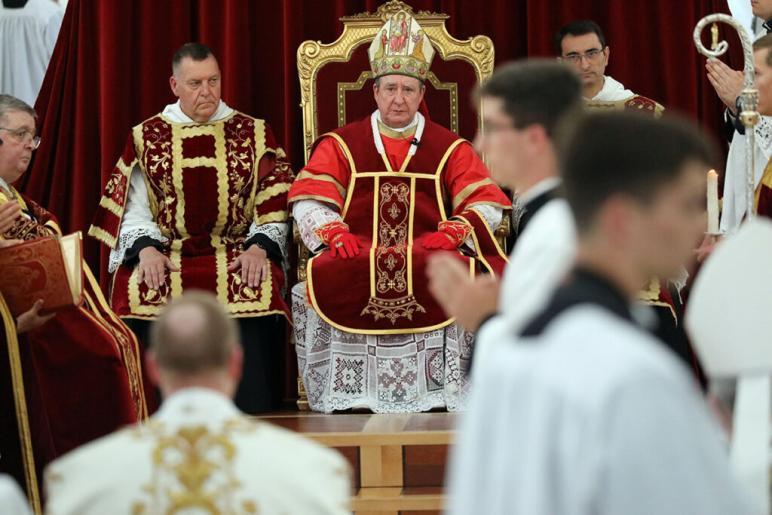
The Society of St. Pius X’s Bishop Alfonso de Galarreta is seen July 1, 2026, in Econe, Switzerland, during a liturgical service for the consecration of SSPX bishops. Bishop Galarreta, along with Bishop Bernard Fellay of SSPX and four newly consecrated bishops were excommunicated by the Vatican July 2, as the consecration lacked the mandate of the pope and was decreed to be schismatic. (OSV News photo/CPP)
(OSV News) The Vatican has declared the Society of St. Pius X to be “in schism” after the traditionalist group consecrated four bishops without the papal mandate, marking the most serious rupture in the Church since Archbishop Marcel Lefebvre’s unauthorized episcopal consecrations in 1988.
In a bombshell move, the Vatican also declared sacraments of penance and marriage invalid if they proceeded within the society.
The decree also said, “Clerics and lay faithful are warned not to adhere to the schism of the Priestly Society of Saint Pius X, as they would ipso facto incur the penalty of latae sententiae excommunication.”
In a case of history repeating itself after the 1988 excommunication of the society’s founder along with four bishops he then consecrated without the papal mandate, the Vatican on July 2 excommunicated four SSPX bishops consecrated without the authorization of the pope at the society’s seminary in Écône, Switzerland, along with two bishops leading the liturgical celebration July 1.
‘An act of schismatic nature’
“Despite the warnings addressed to the Superior General” of SSPX, Bishop Alfonso de Galarreta led the consecration liturgy on July 1, accompanied by Bishop Bernard Fellay, and thus “committed an act of a schismatic nature through the episcopal consecration of four priests, without pontifical mandate and against the will of the Supreme Pontiff,” the Dicastery of the Doctrine of Faith said in a July 2 decree, released in Italian.
The rebel bishops, the DDF said, “have ipso facto incurred a latae sententiae excommunication reserved to the Apostolic See,” with latae sententiae
members of the Church subject to him.”
Participation in Lefebvrian ‘ecclesial acts’
According to point five of the 1996 Explanatory Note, the “latae sententiae excommunication for schism concerns those of the lay faithful who ‘formally adhere’ to the said schismatic movement,” noting that the “formal adherence to the schism” must “imply two complementary elements.” One is of “internal nature,” consisting in “freely and consciously sharing the substance of the schism,” that following SSPX’s founder’s path “is placed above obedience to the Pope” and the second of “external nature,” the most evident sign of which will be “the exclusive participation in the Lefebvrian ‘ecclesial’ acts, without taking part in the acts of the Catholic Church.”
SSPX bishop excommunicated again
Bishop Galarreta is an embodiment of the Vatican’s longtime mercy toward SSPX. He was consecrated as a bishop by Archbishop Lefebvre in 1988 and was excommunicated by St. John Paul, but in 2009, Pope Benedict declared the remission of the excommunication. And now in 2026, he has been excommunicated for the second time after leading the liturgical celebration of the bishops’ consecrationson July 1.
After the July 1 ceremony, the Vatican took measures to extend its decree to the whole society, including the laity, and said that lay faithful “who formally adhere to the Priestly Fraternity of Saint Pius X are to be considered schismatic and excommunicated.”
meaning “automatic,” or “by the deed itself” in Latin.
The four newly consecrated SSPX bishops Fathers Pascal Schreiber, Michael Goldade, Michel Poinsinet de Sivry and Marc Hanappier were also excommunicated, the DDF said in a document signed by Cardinal Victor Manuel Fernández, prefect of the DDF, Archbishop John Kennedy, secretary of the disciplinary section, and Msgr. Armando Matteo, secretary of the doctrinal section of the dicastery.
The apostolic mandate is required to proceed with bishops’ consecrations, which the society did not have for the July 1 ceremony a fact that they publicly acknowledged.
‘Canonical consequences’ of ‘crime of schism’
Noting that “this situation has been further aggravated by the recent episcopal consecrations celebrated without pontifical mandate, against the will of the Holy Father, in open violation of canon law,” the dicastery said that the “act constitutes the crime of schism, with canonical consequences for the sacred ministers and lay faithful involved.”
In a memorandum signed by the same group of prelates as the decree, the DDF said that “the sacred ministers belonging to the Priestly Fraternity of Saint Pius X are in schism and must therefore be considered schismatic,” citing the 1988 letter of St. John Paul II “Ecclesia Dei” and the 1996 Explanatory Note from the Pontifical Council (now Dicastery) for Legislative Texts on the excommunication for schism incurred by the adherents of the movement of Archbishop Lefebvre (19051991).
According to Canon 751, “schism is the refusal of submission to the Supreme Pontiff or of communion with the
According to canon lawyer Father Jan Dohnalik, chancellor of the Archdiocese of Kraków, Poland, the line “exclusive participation” means that “occasional participation of the lay people does not mean automatically participating in the schism – but consciously and permanently choosing to participate in SSPX liturgies does.
For instance if a family or friend of the bishop consecrated without the papal mandate just came to that July 1 Mass to participate, they are not automatically in schism with the Catholic Church, but if they deliberately choose to participate in SSPX liturgies in the future, ignoring the papal power of the Roman Pontiff that’s participating in a schism.”
Documents on SSPX span almost 4 decades
The long list of documents regarding SSPX spanning almost four decades prove the long process of the Vatican to try to reach an agreement with the traditionalist group.
For decades since 1988 when St. John Paul excommunicated the society’s founder, Archbishop Lefebvre and four bishops consecrated without papal mandate in his “Ecclesia Dei” apostolic letter the Vatican had sought several ways to reintegrate SSPX members into the life of the Catholic Church.
Pope Benedict lifted the excommunications of the four bishops in 2009, opening the way for more regular talks.
During the 2015-2016 Year of Mercy, Pope Francis made special provisions to validate the absolution offered by SSPX priests through the sacrament of confession. After the Holy Year ended, he extended that provision “lest anyone ever be deprived of the sacramental sign of reconciliation through the church’s pardon.”
In April 2017, the late pontiff continued pursuing initiatives aimed at a reconciliation with the SSPX by allowing their bishops to ensure the validity of marriages celebrated in the traditionalist communities.
The Holy See warned that “the sacred ministers of the Priestly Fraternity of Saint Pius X are administering the sacraments illicitly,” declaring invalid the sacrament of penance and marriage administered by SSPX priests.
The celebration of the Mass and the confection of the Eucharist, because they are done by an ordained priest, are still valid, though illicit. The sacraments of penance and marriage need an authorization, or faculty, which the society lacks.
Canon 966 on ‘valid absolution of sins’
According to Canon 966, “The valid absolution of sins requires that the minister have, in addition to the power of orders, the faculty of exercising it for the faithful to whom he imparts absolution” a priest can be given this faculty “either by the law itself or by a grant made by the competent authority.”
According to Canon 1111, “As long as they hold office validly, the local ordinary and the pastor can delegate to priests and deacons the faculty, even a general one, of assisting at marriages within the limits of their territory” with bishops consecrated without the papal mandate, the local authority to grant such faculty is not in place.
Father Dohnalik pointed out that the faithful of the Church must be warned that receiving the holy sacraments in the Society of St. Pius X “is associated with a real threat to the life of faith, and that such important sacraments as penanceandmarriagearesimplyinvalid.”
Church ‘as a caring mother’
“The Church, as a caring mother, will welcome with sincere affection and lively solicitude all those who wish to return to full communion,” the DDF prelates concluded, pointing to the apostolic nuncios as ones that “will have procedures that the Ordinaries can use in different cases.”
The canon lawyer emphasized in a conversation with OSV News that the move coming from the pontiff whose episcopal motto is “In Illo uno unum” or literally “In the One, we are one” was a much needed step for the unity of the Church. (please turn to p8)
A Christian Perspective on Social Issues
By GHK Lall
So big, so close
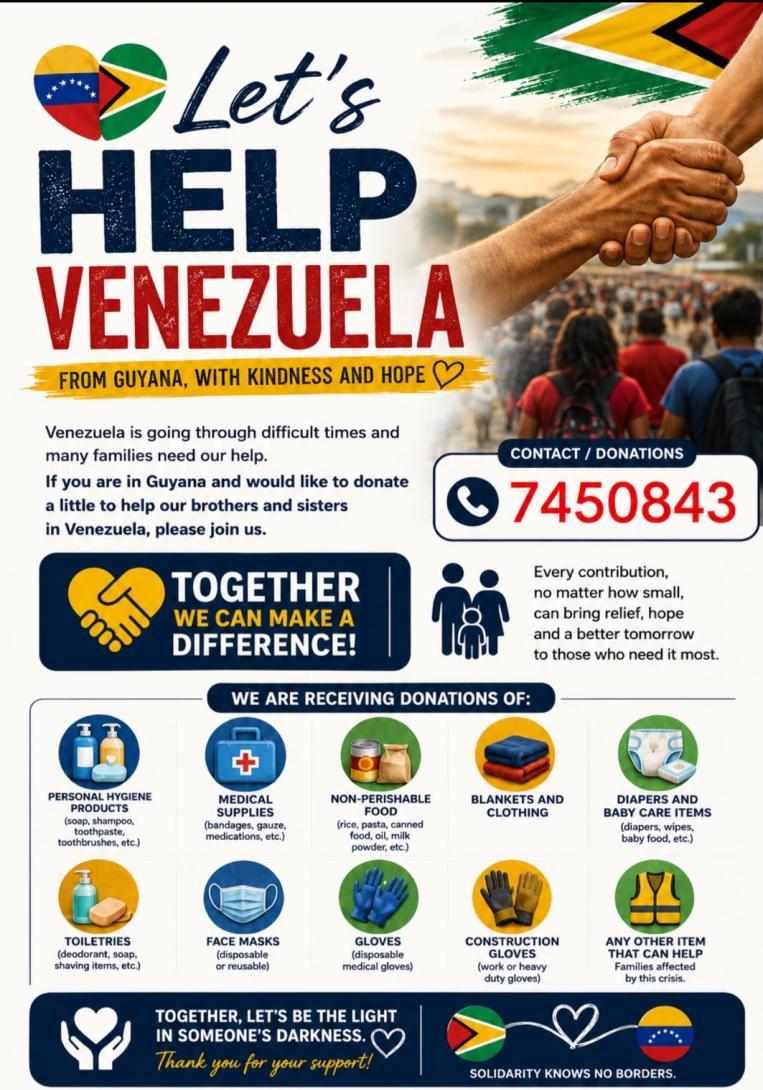
It was right next door. Enough to bring some shaking and shivering here. Not far away, in some distant corner of the map. Where there is reading, or watching and absorbing, and moving on. It was in Venezuela. Not one, but two earthquakes following in close proximity to each other. Then another one, smaller thankfully. Right there, almost here. Again, Guyana’s neighbor on its northwestern border is in the news. Once again, the news is brutal, tough to swallow. Earthquakes. Death. Devastation. And a world of woes and worries left in the aftermath. It is good that voices of neighborliness and compassion have been raised from Guyana’s side of a troubled border. It is good that words of comfort and hands of help have been extended in this time of a national natural disaster that severely impacts neighbors, many of whom are here.
Also here are those alleged to be engaged in what gives every appearance of being unhealthy, harmful, to the people of this country. Some lethal tools that can create much havoc, leave much fear and anger. An earthquake by itself, but one with a difference. It is manmade. In the situation, it inspires some more. Those kind words and readiness to do good deeds have also formed part of Guyanese reactions. Even under the threat of attack, there can be a spirit that wants to assist in a time of trial. It is why I continue to believe, even when life takes on its worst edges, that the best still can be found inside, and delivered. When I see Venezuelans, I see not a threat. Workers trying to earn a living by honest means. Those struggling to make it. So that their families can rise from where they are. So that they can face their day with dignity. There is remembrance of another time, and another place, and a long, hard, struggle to separate from the bottom. Guyanese have had that experience. Still do. I did. So, there is empathy with Venezuelans. Hammered and crippled by years of sanctions. Fleeing and seeking shelter in every direction. Whether welcomed or not. Welcomed in some place. Denied in others. Now, there are these shattering, punishing, earthquakes. Just when it appears that
they were gaining a little strength to get back on their feet, the ground shook and the buildings rocked and tumbled down. Death and destruction. The toll of human suffering has just begun.
How can we as men and women of God, of the gentleness of the Christ, not be moved to turn towards the stricken and say three simple words in three different ways? ‘I am here.’ Or, ‘I’m with you.’ And, ‘I will help.’ In adversity, the Jesus in each of us, should and must come out. For even those who hold us as being in the way, who have designs on what belongs right here. Amid the hauls involving tools and implements that are not ploughshares or trowels, the Jesus inside must surface and flourish. In more than one sense, it is living that call that can be so stressful for many: ‘love thine enemy.’ When my fellow Guyanese can be urged to think of how they can help, and actually do so, that
is going the second mile, sharing of garment and sustenance. It would be best if the issues that separate and cause such hard feelings don’t exist. When have they not? Be it here or anywhere else. Now or in another time. Who could have had more trials than Jesus? Or Job? The apostles and martyrs? They all rose above their time and circumstances, with Jesus as the premier example, that lasting model. There’ and white. To be a good neighbor in the hour of distress. To be a Good Samaritan to those victimized. And especially to those who may also despise. War and friendship. Amid a national tragedy, the world is shown what having Jesus for a friend and teacher translates to, come to represent. Join with me in a prayer for the rising from their pain and ashes for our fellow human beings. The suffering, struggling, Venezuelans next door.
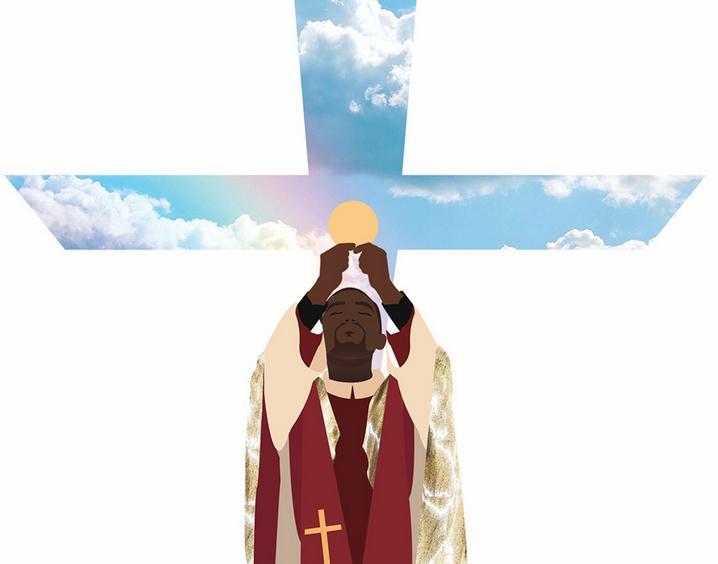
Gracious and loving God, we thank your for the gift of our priests.
Through them, we experience your presence in the sacraments.
Help our priests to be strong in their vocation.
Set their souls on fire with love for your people.
Grant them the wisdom, understanding, and strength they need to follow in the footsteps of Jesus.
Inspire them with the vision of your Kingdom.
Give them the words they need to spread the Gospel.
Allow them to experience joy in their ministry.
Help them to become instruments of your divine grace.



FIRST READING Zechariah 9:9-10
The Lordsays this:
“Rejoice heartand soul, daughter of Zion! Shout withgladness, daughter of Jerusalem! See now, your kingcomes to you; he is victorious,he is triumphant, humble and ridingona donkey, onacolt, the foal of adonkey. He will banishchariots fromEphraim and horses fromJerusalem; the bowof war will be banished. He will proclaimpeace for the nations. His empire shall stretchfromsea to sea, fromthe River to the ends of the earth.”
RESPONSORIAL PSALM Psalm 144
Response: I will bless your name for ever, O God my King.
1. I will give youglory,OGodmy King, I will bless your name for ever. I will bless youday after day and praise your name for ever. Response
2. The Lordis kindandfull of compassion, slowto anger, aboundinginlove. Howgoodis the Lord to all, compassionate to all his creatures. Response
3. All your creatures shall thank you, OLord, andyour friends shall repeattheir blessing. They shall speak of the glory of your reign and declare your might,O God. Response
4. The Lordis faithful inall his words andlovinginall his deeds. The Lordsupports all who fall andraises all who are boweddown. Response
SECOND READING Romans 8:9,11-13
Your interests are not in the unspiritual, but in the spiritual, since the Spirit of God has made his home in you. In fact, unless you possessed the Spirit of Christ you would not belong to him, and if the Spirit of him who raised Jesus from the dead is living in you, then he who raised Jesus from the dead will give life to your own mortal bodies through his Spiritlivinginyou.
So then, my brothers and sisters, there is no necessity for us to obey our unspiritual selves or to live unspiritual lives. If you do live in that way, you are doomed to die; but if by the Spirit you put an end to the misdeeds of the body youwill live.
Does the Holy Spirit dwell within you? If you are a baptized and confirmed Catholic the answer is a resounding “yes.” However, a better question might be “Is the Holy Spirit alive
GOSPEL
Jesus exclaimed,
“I bless you, Father, Lord of heaven and of earth, for hiding these things from the learned and the clever and revealing them to mere children. Yes, Father, for that is what it pleased you to do. Everything has been entrusted to me by my Father; and no one knows the Son except the Father, just
within you?” We are all gifted with the Holy Spirit, but how we respond to that gift varies immensely from one personto another.
St. Paul says as much in the Second Reading from his letter to the Romans. Paul says, “Whoever does not have the Spirit of Christ does not belong to Him. If the Spirit of the one who raised Jesus from the dead dwells in you, (He) will give life to your mortal bodies
as no one knows the Father except the Son and those to whom the Sonchooses to reveal him.
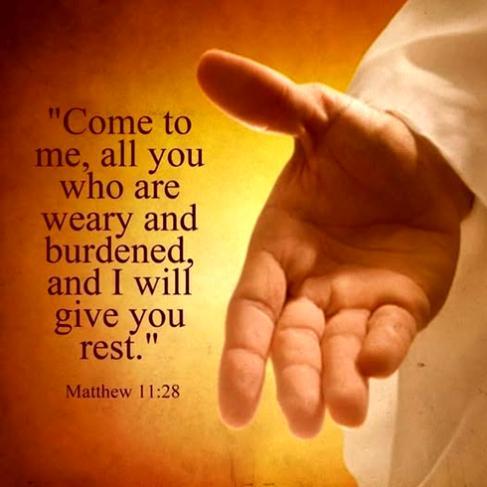
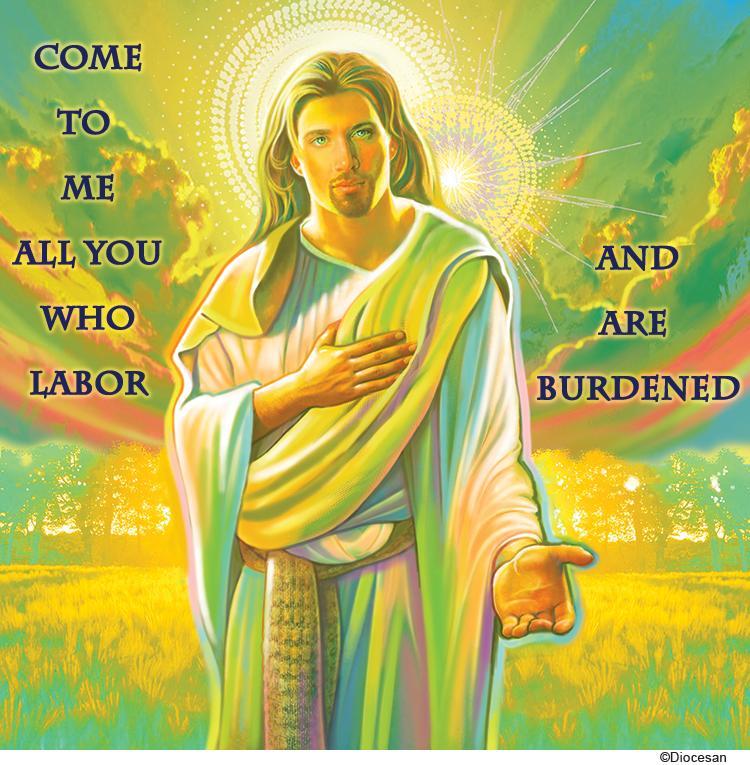
“Come to me, all you who labour and are overburdened, and I will give you rest. Shoulder my yoke and learn from me, for I am gentle and humble in heart, and you will find rest for your souls. Yes, my yoke is easy and my burden is light.” ❖
also.” This produces a number of other questions for us as Catholics. Given that the Spirit is within us, but does the Spirit guide us to Jesus? Are we prepared to be more like Jesus? Are we willing to be His disciple? And especially, Is the Spirit working in our hearts? It is there for each of us, to strengthen us and fortify us and to be with us always. However, we have to accept and embrace that fact. Living a life of stewardship is one of the ways
we can do that. As the US Bishops have said in their pastoral letter on stewardship, “Stewardship is how you respond to Jesus’ call to discipleship and holiness.” It is a challenge for sure, but it is within the grasp and the capability of each of us. We may have to work at it, but if we trust in God it is most definitely possible. ❖
[http://www.catholicsteward.com/blog/ ]
Gospel Reflection
In the Gospel passage Jesus makes an interesting point that it is not the educated people who are open to God but rather the untrained and uneducated who do not know the Law. Jesus speaks to a people who have been burdened by religion and by the educated people who impose religious laws on them. Surely religion is not intended to make life more burdensome on people, with an excess of laws, rules and regulations. To an overburdened people Jesus offers himself. If Jesus places any burden of us at all, it is the burden to love one another. If we have love, there is no burden at all. While faith makes all things possible, love makes all things easy.
Jesus tells us to learn from him for he is gentle and humble of heart. From what we can see of the world today, it seems that being humble and gentle do not make much sense if you want to survive. The world tells us that we must be hard and strong if we don’t want people to walk all over us. Gentleness is seen as a weakness. However, if we think seriously about it, gentleness is a necessary quality of life. It really takes a strong and self-confident person to be gentle. And there is no doubt that change, healing and growth result from gentleness and not force. It is because we know so little about gentleness and humility that we have so little peace within ourselves and with others.
People who are proud and arrogant do not bring peace but rather spread confusion, anger and frustration. They make life burdensome for themselves and for others. Those who are gentle and humble make life easier for themselves and for others. ❖
[From: Journeying with the Word of God, The Religious Education Department, Diocese of Georgetown, Guyana ]
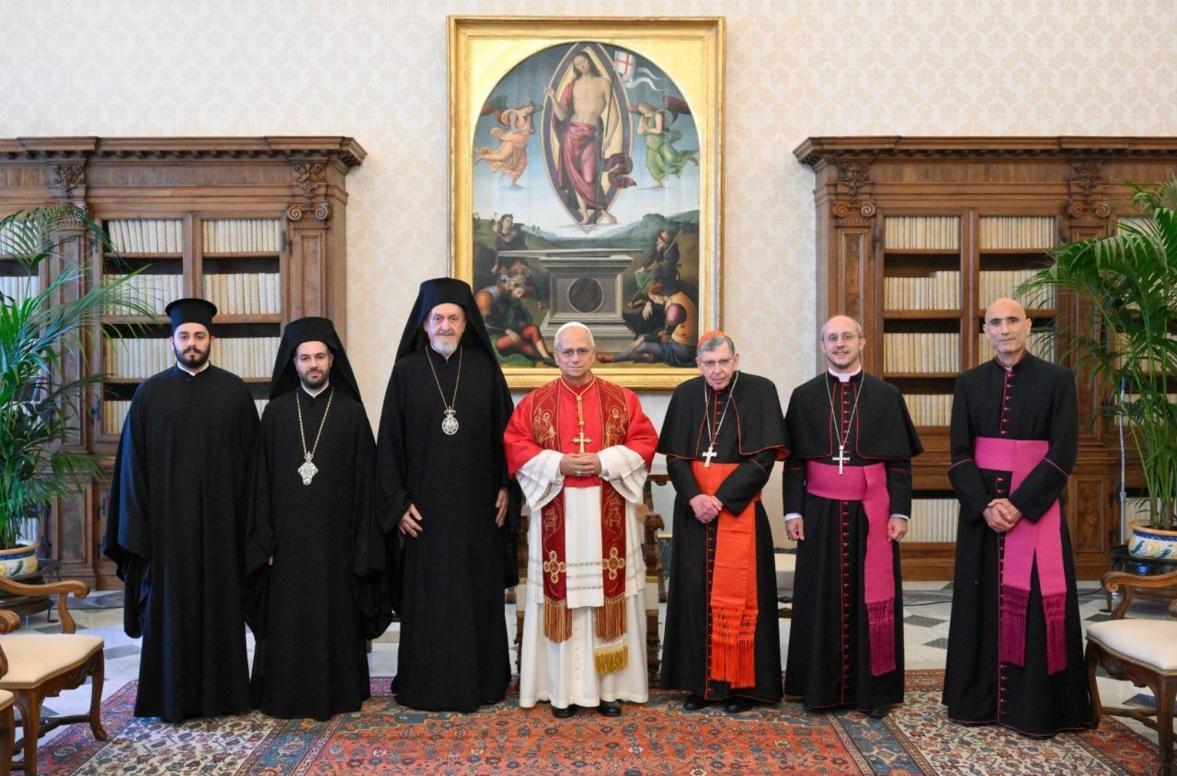
(Vatican News) - "May the journey towards the celebration of the second millennium of the Redemption, in 2033, be undertaken together by all the Christian denominations of the world, rediscovering the gift and the call to be witnesses to the Risen One."
Pope Leo XIV said this on June 30 at the Vatican to the Delegation of the Ecumenical Patriarchate on the occasion of the Solemnity of Saints Peter and Paul. Expressing his delight at welcoming them following the feast day, Pope Leo said their presence "expresses the fraternal closeness of our sister Church in Constantinople and of its shepherd and guide, His All Holiness Bartholomew, Ecumenical Patriarch."
Common desire to progress toward full unity
He said he was deeply grateful to the Ecumenical Patriarch and all the members of the Holy Synod for sending the delegation to Rome to continue the traditional exchange of visits on the feasts of the patron saints of their respective Churches.
He remembered with joy participating last year in the Feast of Saint Andrew at the Patriarchal Church of Saint George at the Phanar.
He also recalled with gratitude his meetings with the Ecumenical Patriarch Bartholomew I, which further deepened their mutual friendship and ena-


bled greater sharing of views on numerous issues, "above all our common desire to make progress on the path towards full unity amongst all Christians."
Commemoration of the 1,700th anniversary of the First Council of Nicaea
In this regard, the Pope observed that the commemoration of the 1,700th anniversary of the First Council of Nicaea, held on the eve of the Feast of Saint Andrew in İznik, offered "an eloquent testimony to the communion that already exists amongst those who share faith in God, the Father of all, and who believe in Jesus Christ, as Lord and Son of God, and in the Holy Spirit, who inspires us and leads us to the fullness of truth and unity."
"That commemorative event," Pope Leo underscored, "made clear that the Nicene Creed must be the foundation and guiding principle of this ecumenical journey, offering the model of true unity within legitimate diversity: Unity in the Trinity, Trinity in Unity."
Christians called to be credible sign of peace
"In an age marked by wars and growing polarization, as well as cultural and social divisions," the Holy Father underscored, "Christians reconciled amongst themselves and united in their profession of the one faith are called

Message us giving your name & number at +592 701-7639. Send us an email at catholicstandardgy@gmail.com under the heading CS Subscription, and include your name
to be a credible sign of peace, making a decisive contribution to the efforts of all men and women of good will to build peace."
Moreover, in the current situation, he said, "it is not only the credibility of the Christian message that is at stake, but the very future of humanity."
The Pope stressed that "the need for greater cooperation amongst Christians in the face of today's challenges which include peace, the proper use of new technologies, and care for creation stems from the Gospel of Jesus Christ itself."
Responsibility to safeguard life and dignity of each person
Indeed, he noted," our responsibility for the life and dignity of every human being, beginning with the youngest and most needy, is the criterion that will determine our present and eternal destiny."
Drawing his remarks to a close, Pope Leo again expressed his heartfelt gratitude for the visit, as well as for the personal commitment of the delegation and that of the Ecumenical Patriarchate to promoting Christian unity.
"I assure you of my prayers," he said, adding, "Through the intercession of the holy Apostles Peter and Andrew, brothers in the flesh and in faith, may God our Father accompany us always with His blessing."❖
For 121 years, the Catholic Standard has been sharing the Gospel of Jesus Christ.
Now reaching 10,000+ followers on Catholic Media Guyana Facebook plus going straight to your inbox and WhatsApp, our vibrant weekly e-paper is a trusted source which delivers informative and inspiringstories fromacross the diocese andaround the world.
Want to promote your business or event? Advertise with us! Call 675-4542 or email catholicstandardgy@gmail.com ❖
Kerygmaand Synodality, heart and body Journeying with the Word of God
By Fr. Donald Chambers
One detail from the recent ad limina visit of the bishops of the Antilles Episcopal Conference (AEC) to Rome continues to occupy my prayer and reflection. It may have been merely an administrative scheduling decision. Yet, seen through the eyes of faith, it reveals something profound about the Church’s missiontoday.
On April 29, the bishops met with the Dicastery for the Doctrine of the Faith. The following day, they met with the Secretariat of the Synod. This sequence is significant.
Before discussing synodality, the bishops were invited to reflect on the transmission of the faith. Before discussing the “new way of being Church,” they were challenged to consider the Church’s purpose.
At the Dicastery for the Doctrine of the Faith, Cardinal Víctor Manuel Fernández posed a question that cuts to the heart of the Church’s mission: How is faith in Jesus Christ transmitted today in the Antilles?
The discussion quickly highlighted the growing fragility of the traditional places where faith was once handed on naturally, namely the family and Catholic schools. Yet the Cardinal challenged the bishops to look deeper.
The problem is not merely what we teach but how we transmit it. Too often, faith has been reduced to moral instruction rather than a living encounter with Jesus Christ.
The kerygma, the joyful proclamation that Jesus loves us, saves us, and walks with us, must once again become central. Faith is transmitted not simply through information but through relationships, community, belonging, and personal encounter.
The following day, the bishops met Cardinal Mario Grech and the Secretariat of the Synod. The conversation then shifted from the content of faith to the culture in which faith is lived and shared.
Cardinal Grech reminded the bishops that synodality is not primarily a programme, strategy, or structure. It is a way of journeying, listening, and discerning together, allowing the Holy Spirit to guide the Church. Synodality is not democracy. It is communal discernment rooted in communionand mission.
Reflecting on these two meetings together, a powerful
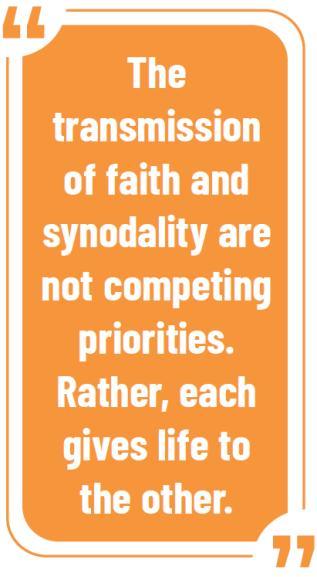
insight emerges. The transmission of faith and synodality are not competing priorities. Rather, eachgives life to the other.
The kerygma is the heart; synodality is the body. The transmission of faith is the mission; synodality is the way we carry it out.
Without the kerygma, synodality risks becoming merely a process, a set of meetings, consultations, and conversations. Without synodality, the kerygma risks becoming a message proclaimed without relationships, participation, or community. The two belongtogether.
This insight was deepened during Pope Leo XIV’s audience with the bishops. Speaking with pastoral warmth,the Holy Father emphasised the indispensable importance of the bishop’s spiritual life.
Using the image of cultivating soil, he reminded the bishops that fruitful ministry depends on the quality of the ground from which it grows. Before planting, one must prepare the soil. Before expecting fruit, one must tend the roots.
The Pope’s image provides the missing piece in the relationship between kerygma and synodality. If the transmission of faith is the seed and synodality is the method of cultivation, then the spiritual life is the soil. In the words of Deborah de Rosia, the kerygma is proclaimed, it deepens into discipleship and synodality.”
A Church that neglects its interior life will struggle to proclaim the Gospel convincingly. A Church that loses sight of Jesus Christ will find itself endlessly discussing structures while yieldinglittle missionary fruit.
Likewise, a Church that proclaims Christ yet fails to cultivate listening, participation, and discernment will find it increasingly difficult to transmit the faith to new generations.
This is perhaps one of the most important lessons to emerge from the AEC’s ad limina experience. The Church’s primary task remains what it has always been: helping people encounter Jesus Christ. Every structure, ministry, pastoral plan, synodal process, school, parish, and movement must ultimately serve that purpose. Synodality does not replace evangelisation. It serves evangelisation.
The Church listens because she wishes to proclaim Christ more effectively. She discerns because she wishes to discover where the Holy Spirit is opening hearts to the Gospel. She journeys together because faith itself is transmitted through relationships and communities of belonging.
In the Caribbean today, where many families struggle to pass on the faith and younger generations increasingly seek meaning elsewhere, this lesson is particularly urgent.
We must resist the temptation to separate mission from method. The transmission of faith remains the heart of the Church. Synodality is the means by which that heart pumps life through the entire body.
Perhaps the sequence of those Roman meetings was accidental. Yet sometimes providence speaks through schedules. The bishops were first reminded of the kerygma, then of synodality, and finally of the spiritual life that sustains both. The order matters.Prepare the soil.Plant the seed. Cultivate the harvest.❖ Fr.DonaldChambers oftheArchdiocese of Kingston, Jamaica, is the General Secretary of the AntillesEpiscopalConference.
MAKING THE WORD OF GOD YOUR OWN
Step 1: Lookattoday’sReadingsprayerfully.
1st Reading: The prophet Zechariah tells of the coming of the messiah king who will put an end to war and establish peace. This reminds us of the PalmSunday image.
2nd Reading: Paul deals with the indwelling of the Spiritand the difference this canmake to our lives.
Gospel: Jesus reveals the Father to those who are ‘little’ and lightens the burdens of those who are humble. We read some of the loveliest and most life-givingwords in the Gospel.
Step 2: ApplyingthevaluesoftheReadings toyourdailylife.
1.Does being a Christian mean that life will always be “easy and light”? What do you think is the “yoke” of Christ?
2.Jesus calls those who are overburdened to himself. What burdens are you struggling under at this time in your life that you feel you need to approachJesus with?
3.The humility and gentleness that Jesus is talking about does not seem to make sense today. Why do youthink this is so?
4.Jesus tells us that his message is more open to the innocent than to the educated. Why do you think Jesus says this is so?
Step 3: Accepting the message of God’s Wordinyourlifeoffaith.
Those who are proud and conceited make life burdensome for themselves and for others. Those who are gentle and humble make life easier and lessburdensomeforthemselvesandforothers. The strong must share the burden of the weak but we should never burden ourselves beyond what we knowtobeourlimit.
Step 4: Somethingtothink&prayabout
1.Reflect on the burdens you feel you are carrying with you in your life. Is any one of them a burden you can easily get rid of? Do you carry any of your burdens with love and understanding? Has your faith in God helped you to shoulder your burdens? Which of your burdens do you need help in shoulderingand where do you expectto findsuch help?
2.During the coming week, try in your own way to share the burden of someone who is in need. ❖
[From: Journeying with the Word of God, The Religious Education Department, Diocese of Georgetown, Guyana ]
Vatican defines how schismatic SSPX members can return
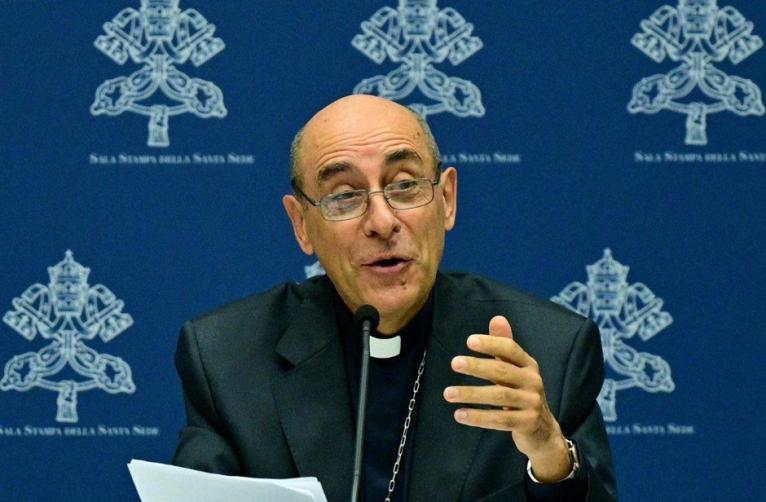
(Crux Now) - The Vatican’s doctrine dicastery has published guidelines for the re-instatement of clerics and lay persons who formerly adhered to the schismatic Priestly Society of Saint Pius X.
The Dicastery for the Doctrine of the Faith issued the guidelines on Thursday July 2, the same day the DDF formally declared the bishops and clergy of the breakaway traditionalist order to be in schismandexcommunicated.
DDF sent the guidelines to the bishops of the world through the apostolic nuncios. In the guidelines, an Italianlanguage copy of which has been obtained by Crux Now, the DDF outlines a five-step procedure for the reinstatementof clerics.
A priest who has decided to leave the SSPX and would return to full communion as a member of the clergy, must first be willing to accept the teachings of the Vatican Council II and recognize the legitimacy of the postconciliar Mass.
Both the Council and the liturgy as it was reformed in the wake of the 1962 -1965 ecumenical council have been major sticking points for the Society of St. Pius X since it was founded by Archbishop Marcel Lefebvre as a priestly fraternity in1970.
The five steps for clergy
Priests who would like to return must (1) find a bishop or religious superior willing to accept him on a trial basis, then (2) write a letter – in his own hand – to the pope, introducing
himself and requesting the removal of whatever penalties he is under. Then, they must (3) provide their certificate of priestly ordination and a specific profession of faith – a Latin copy of which is provided in the guidelines – and a formula adhaesionis – a loyalty oath – both signed and dated, and (4) attach those documents to his letter.
Finally they must (5) have the three aforementioned documents – the ordination certificate, profession, and oath of adherence – sent to the DDF by the bishop of superior, “who shall indicate in the accompanying letter his willingness to accept the priest,” for a trial period.
The guidelines state that the DDF will authorize the acceptance of the requesting priest “for a probationary period of at least one year and no more than three years,” at the end of which the priest may permanently join the diocese or order.
In the event the trial period should prove unsuccessful, the guidelines say the bishop or superior shall return the authorization to the DDF, “attaching a report regarding the reasons for the failure to incardinate.”
Laity
The section of the guidelines dealing with laity is in some ways more complicated, owing in large part to the fact that, as the guidelines themselves acknowledge, it is difficult to ascertain whether – and if so, to what extent – a lay person did adhere to the SSPX schism.
“The imposition of a penalty on laypersons belonging to the Society of Saint Pius X cannot be presumed
automatically,” the guidelines say. “Rather,” they say determination “must be assessed on a case-by-case basis.”
The key issue, the guidelines say, “concerns the question of imputability, or the degree of subjective responsibility,” of lay persons who have belonged to SSPX and are seeking return to full communion with the Church.
The guidelines mention persons who belong to the “Third Order” – the lay arm – of the SSPX, and persons who “habitually participate” in SSPX celebrations “while formally sharing its doctrinal positions.”
Such persons must submit the profession of faith and the formula adhaesionis – the same as priests – also signed and dated, to the local bishop, who will receive them “at the time and in the manner he deems most appropriate.”
The guidelines also discuss other lay persons who “have frequented the [SSPX] solely for liturgical or spiritual reasons,” or “who, despite being aware of the tensions with the Holy See,” do not reject either the Church’s body of teaching or the pope’s authority
“It will suffice for them,” the guidelines say, “to approach a priest in full communion, with the decision not to frequent the [SSPX] in the future.”
The guidelines, however, did not explain the reason for the provision regarding the latter sort of lay person, who frequented the SSPX for the liturgy and never rejected the Church’s teaching or the pope’s authority.❖
SSPX in schism, clerics excommunicated (From Page 3)
“Precisely because the unity of the Church is so dear to the Holy Father’s heart, he had to announce the threat posed by this tragic step taken by the Lefebvrists,” Father Dohnalik said, adding that the pope was acting “as a good shepherd who does not shy away from danger but wants to protect his flock.” Pope’s plea to SSPX ‘to retreat from path of division’
The canonist remembered that on the feast of Sts. Peter and Paul, Pope Leo urged the superior of the society to retreat from the path of division and refrain from moving forward with the schismatic act “because to tear the seamless garment of Christ is a sin of extreme gravity.”
“Concerned for the faithful who may not understand the immense spiritual harm associated with separation from communion with the pope and the Church, the Holy Father made this sad but necessary move to declare excommunication, which merely reveals the dramatic consequences of this schismatic act,” Father Dohnalik told OSV News.
The DDF noted in the memorandum that “all the faithful are exhorted to remain steadfast in communion with the Roman Pontiff, with the Bishops in communion with him and with the whole Church” and to “abstain from participating in the celebrations and activities” promoted by SSPX. ❖


DDF prefect Cardinal Victor Manuel Fernandez. Image ©Vatican Media
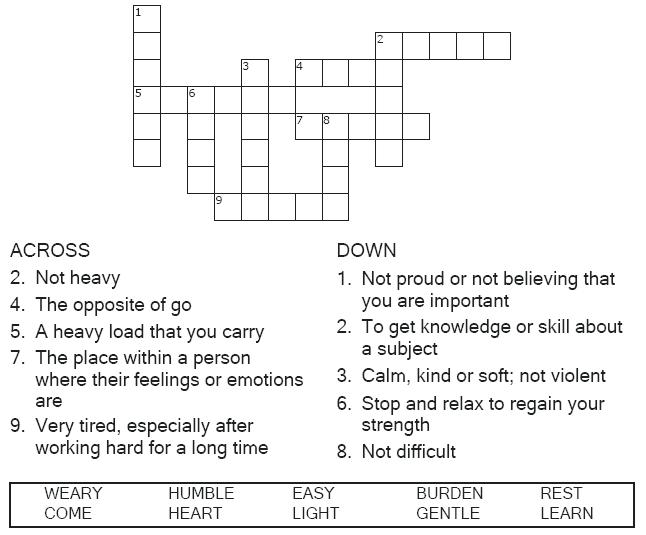
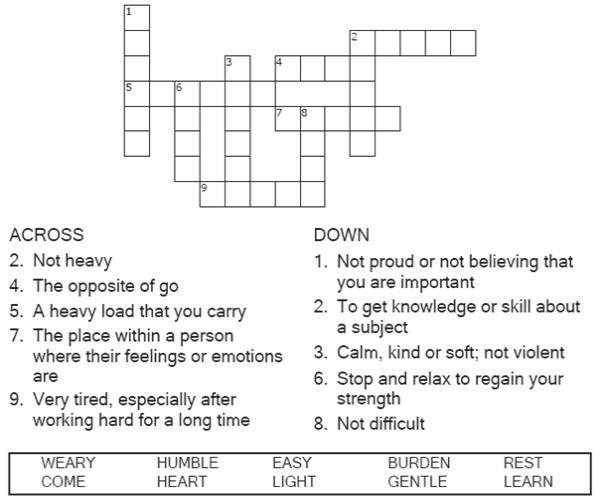
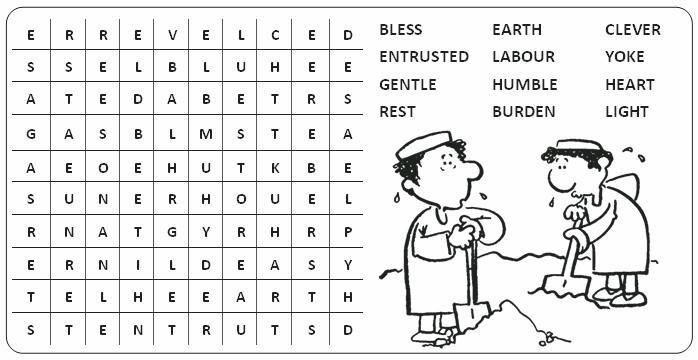
Dear Boys andGirls,
Imagine yourself holding a clay brick with your arm straight out to the side of you. You might be able to hold it for a minute or two, but do you think you could hold it all day? No way! The longer you hold it, the heavier itfeels.
That same thing is true of the burdens we carry around with us. What are some of those burdens? Here are a few examples: some of you may be having trouble with your school work, perhaps you are having trouble at home, perhaps you may have a serious illness, you may be feeling guilty about something you have done, your family may be having financial difficulties, or maybe one of your classmates has been makingfunof you.
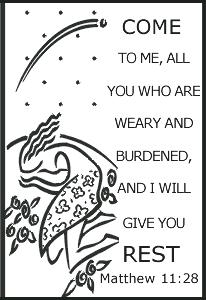
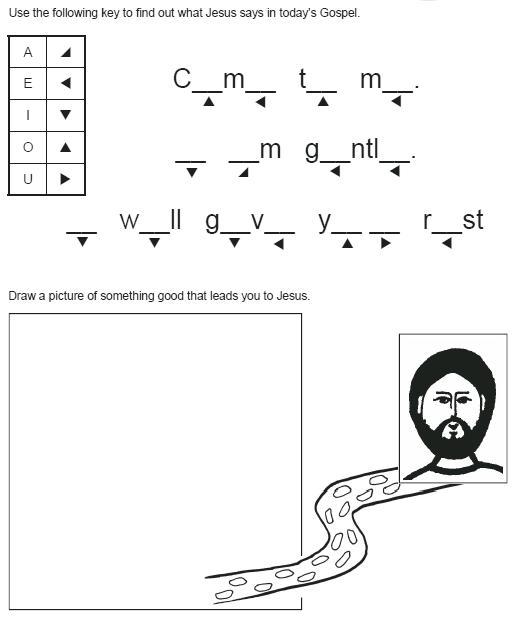
That is a pretty heavy load to have to carry by yourself, isn't it? Well the good news is you don't have to carry it alone! In our Gospel reading today, Jesus said, “Come to me, all you who labour and are overburdened, and I will give you rest." Then he went on to say, "My yoke is easy and my burden is light." Jesus is our helper. Sometimes we hold on to our burdens and try to carry them ourselves, but Jesus will helpus,if we will letHim.
Whenever your load is too heavy, remember the words to this song: I must tell Jesus! I must tell Jesus! I cannot bear my burdens alone. I must tell Jesus! I must tell Jesus! Jesus can help me, Jesus alone Father, sometimes our burdens are more than we can bear. Help us to remember that Jesus said, "Come to me, all you who are weary and burdened, and I will give you rest."Inhisnamewepray. Amen.
Faith, Suffering, and the Problem of Evil
Fr. Joel Thompson SJ
On June 24, two powerful earthquakes in neighbouring Venezuela left close to 2,000 people dead. Earlier, on June 5, Guyana was shaken by the killing of a seven-year-old boy during a home invasion at Zeelugt, East Bank Essequibo, in which his grandmotherwasalsoinjured
Such tragedies make us ask, “Where was God?” “Why didn’t he stop it?” Have you ever found yourself asking similar questions? We ask this when we see war, natural disasters, robberies, fires, or people suffering from cancer or other diseases.
If God is all good and all-powerful, why does he allow so much suffering, especially of the innocent?
Jesus also faced this question. In Luke 13:1–5, people told him about Galileans whom Pilate had killed. Jesus then mentioned eighteen others who died when the tower of Siloam fell. In both cases, he made it clear that they did not suffer because they were worse sinners. Tragedy is not a direct punishment for specific sins. Instead of blaming the victims, Jesus called everyone to conversion. Guyanese sometimes say, “Is he deeds got he so!” However, when suffering comes, our first Christian response is not judgment but love and support for those who suffer.
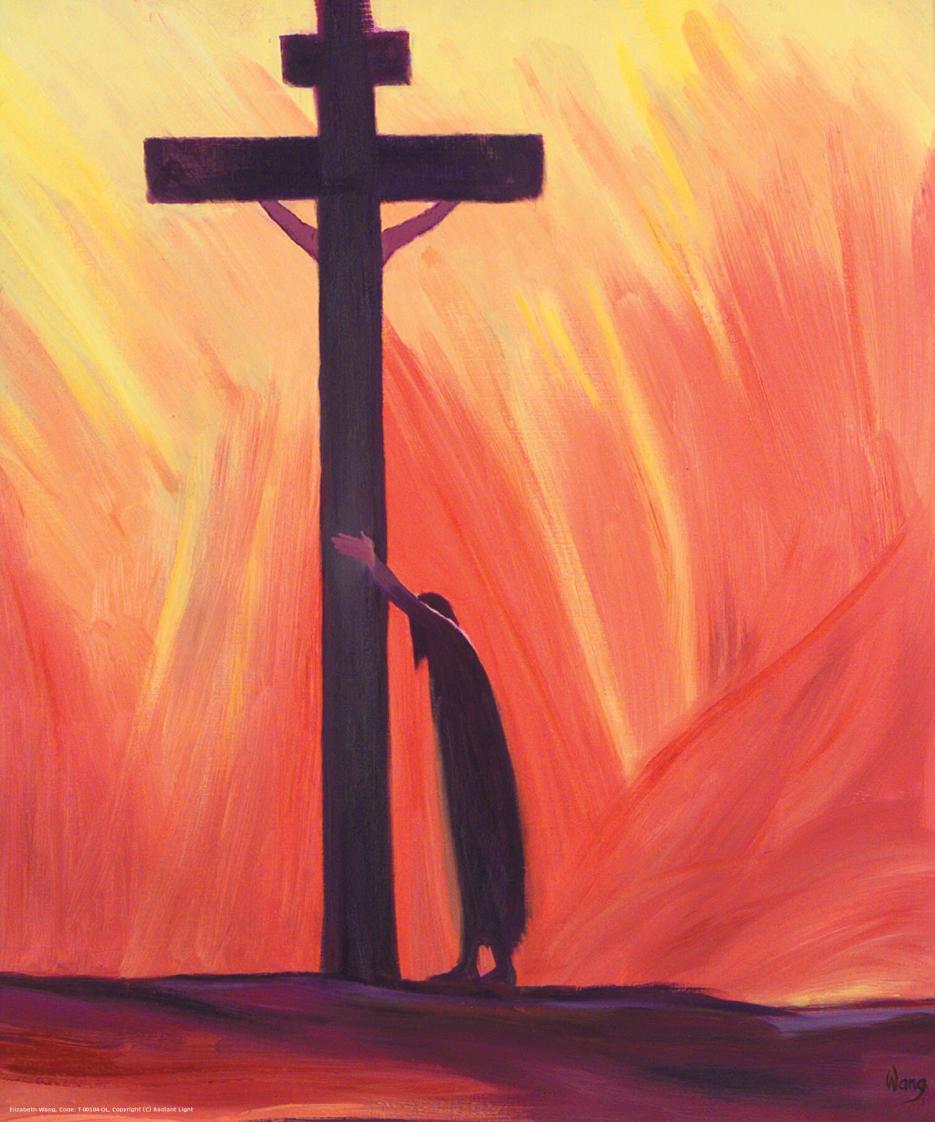
What We Believe: God Did Not Create Evil
The Catechism says that “illness and suffering have always been among the gravest problems confronted in human life” (CCC 1500). Suffering exposes our weakness and can lead to despair or even revolt against God. Scripture does not hide suffering as seen in the story of Job or even in some of the Psalms. Jesus prayed Psalm 22 from the cross, “My God, my God, why have you forsaken me?”(Mark 15:34).
God is good. He is the author of life, not death. When God looked at creation, he saw that it was “very good” (Genesis 1:31). The Book of Wisdom says, “God did not make death, and he does not delight in the death of the living” (Wisdom 1:13). God did not invent cancer and does not enjoy earthquakes. God is not laughing at human pain or saying, “This will teach them a lesson.” That is not the loving God revealed in Jesus Christ.
Original Sin and a Wounded World
So where did suffering come from?
The Church teaches that sin has wounded us. Original sin is the wounded condition inherited by humanity because of the first turning away from God. St. Paul says, “The wages of sin is death” (Romans 6:23). This does not mean every tragedy is punishment for personal sin. Jesus rejects that idea in John 9:1–5 when the disciples ask whether a blind man sinned or his parents sinned. Rather, original sin means that human nature is now “subject to ignorance, suffering and the dominionof death”(CCC 405).
St. Augustine taught that evil is not something God created. God did not make hatred, murder, or disease and place them in the world. Evil is a disorder insomething good.
First Response: Free Will
One major Christian response to evil is free will. God created us free because love cannot be forced. A person who cannot choose is not truly free to love. But freedom also means the
possibility of choosing selfishness, greed, hatred, violence, and sin. Much suffering comes not because God fails to act, but because human beings use freedom badly.
Wars, robberies, corruption, abuse and murder are moral evils. They are not God’s will. They happen when human beings reject love of God and neighbour. We should be careful not to blame God for our choices. God gives commandments, conscience, grace, Christ’s teaching, and the Holy Spirit. He does not turn us into puppets andforce us to do things.
Second Response: Divine Providence
Free will helps us understand moral evil,but what about earthquakes, sickness, and cancer? The Catechism says creation is “in a state of journeying” toward its final perfection (CCC 310). God created an ordered world with real laws of nature. The same natural world that makes life possible can also involve earthquakes, storms, disease, and physical decay while creation still awaits redemption.
However, people ask, if God can intervene, why does he not always intervene? The Church speaks of providence and mystery. God’s ways are not our ways (Isaiah 55:8). We see only part of the story, while God sees the whole. God would never permit evil unless he were powerful and good enough to bring good even from it (CCC 311). This does not make evil good, but God can bring light from darkness.
Third Response: Christ Is With Us
Looking at the cross, we might ask, “Why did the Father not remove Jesus from the cross?” Yet from the greatest evil; the killing of the innocent Son of God, God brought our redemption. The resurrection reveals that evil does not have the final word.
This is redemptive suffering. It does not mean suffering is pleasant, that we should seek it, or that we should refuse medicine. Jesus healed the sick. He touched lepers, gave sight to the blind, raised the dead, and showed compassion to those in pain. He bore our infirmities and carried our diseases (Isaiah 53:4).
God is with us in our suffering. In Jesus Christ, God entered human pain from the inside. He knew hunger, grief, rejection, betrayal, torture, and death. Sometimes he heals immediately. Sometimes he strengthens us through doctors, medicine, family, prayer, community, and the sacraments. Sometimes he gives us the grace to endure what we cannot yet understand.
How to Live It
The Christian answer is not a neat explanation that removes all pain. The question of evil is a mystery. A grieving mother does not need a lecture on free will. A terminally ill patient does not need many pious words. They need presence, compassion,prayer,and practical help. What should we do? We should pray and refuse to blame victims. We should use doctors, medicine, counselling, science, and community support. We should fight moral evil by working for peace, justice, protection of life, and care for the vulnerable. When suffering cannot be avoided, we shouldunite it to Christ.
As Christians, we stand with Mary at the foot of the cross. Christ does not always remove the cross immediately, but he never leaves us to carry it alone.❖
Vatican Dicastery
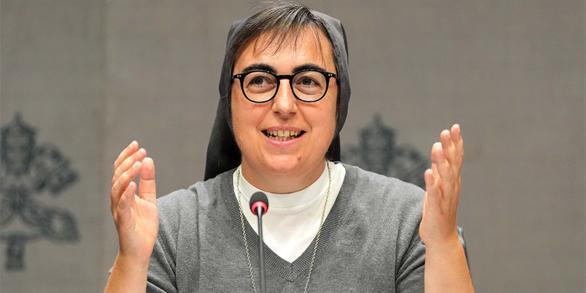
Salesian Sister Alessandra Smerilli, newly-appointed prefect of the Dicastery for Promoting Integral HumanDevelopment,speaksduringa Vatican news conference about “Raising Hope for Climate Justice” Sept. 30, 2025. (CNS photo/Lola Gomez)
VATICAN CITY (OSV News) Pope Leo XIV has named Sister Alessandra Smerilli prefect of the Dicastery for Promoting Integral Human Development, the Vatican announced June 30, making her the latest woman elevated to lead a major Vatican office under the new pontificate.
The pope also appointed Cardinal Fabio Baggio as pro-prefect of the same dicastery, with special responsibility for the Laudato si’ Higher Education Center. Sister Smerilli and Cardinal Baggio will take up their new roles Sept. 1, 2026.
The pairing of a woman religious as prefect alongside a cardinal as pro-prefect echoes a leadership model first introduced by Pope Francis, who in January 2025 named Sister Simona Brambilla prefect of the Dicastery for Institutes of Consecrated Life and Societies of Apostolic Life, with Cardinal Ángel Fernández Artime serving alongside her as proprefect.
WomeninVaticanleadershiproles
Sister Smerilli, a member of the Salesian Sisters of Don Bosco, succeeds Cardinal Michael Czerny, 79, the Czech-born Canadian Jesuit who has led the dicastery since 2022. She has served as the dicastery’s secretary since August 2021, when she became the first woman appointed to that position in a Vatican dicastery.
The June 30 appointment marks the second time this month that Pope Leo has placed a woman at the head of a Roman Curia dicastery, following his June 2 appointment of Montse Alvarado as prefect of the Dicastery for Communication.
“The work of our dicastery is to accompany all the local churches, always aware that everyone needs development, and that peripheries are not only geographical,” Sister Smerilli said in comments to OSV News last year. “Our mission is not just to bring the Church to the margins, but also to bring the margins to the center to ensure that the voices of the peripheries are heard.”
She has also spoken often of the Church’s responsibility to manage its resources openly.
Financial transparency is fundamental for the credibility of the Church as a missionary institution,” she said.
Background and education
An economist by training, Sister Smerilli holds a doctorate in political economy from Rome’s La Sapienza University and a doctorate in economics from the University of East Anglia in Norwich, England. She is a full professor of political economy at the Auxilium Faculty of Edand has taught at the Catholic University of the Sacred Heart in Milan, LUMSA University in Rome, the Pontifical Salesian University and the Pontifical Lateran University.
Sister Smerilli entered religious life with the Salesian Sisters in 1997 and began working with the Dicastery for Promoting Integral Human Development in April 2020, coordinating the Task Force Economy of the Vatican’s COVID-19 Commission. Pope Francis named her interim secretary of the dicastery the following year and confirmed her in the post in December 2021, then appointed her full secretary in April 2022.
Cardinal Baggio, a member of the Missionaries of St. Charles Borromeo, has spent much of his ministry focused on migration. He directed the migration department of the Archdiocese of Buenos Aires and later led the Scalabrini Migration Center in the Philippines before serving as undersecretary of the dicastery’s Migrants and Refugees Section beginning in 2017. Pope Francis elevated him to cardinal in the consistory of Dec. 7, 2024.
Also announced June 30 was the appointment of Msgr. Jozef Barlaš, a Slovak priest of the Archdiocese of Košice, who has worked in the Vatican Secretariat of State’s Section for General Affairs, as undersecretary of the dicastery.
The Dicastery for Promoting Integral Human Development was established by Pope Francis in 2016 through the merger of four pontifical councils dealing with justice and peace, migrants, charitable works and healthcare. Its mandate spans issues including human rights, disarmament, the environment, and care for refugees, prisoners, and victims of conflict and trafficking.
Continuation of a new trend
Sister Smerilli’s appointment continues a trend toward greater inclusion of women in Vatican governance that began under Pope Francis, who in addition to naming Sister Brambilla also appointed Xavière Missionary Sister Nathalie Becquart as undersecretary of the Synod of Bishops, making her the first woman with voting rights in a synod in 2023, and Paloma García Ovejero as the Vatican’s first female deputy spokesperson.
Pope Leo has signaled he intends to continue that legacy. In May 2025 he confirmed Sister Raffaella Petrini, a Franciscan Sister of the Eucharist, in her role as president of the office governing Vatican City State, and in February he named Vincentian Sister Nina Benedikta Krapic deputy director of the Holy See Press Office.❖



Pope’s July prayer intention: Saint of the Week
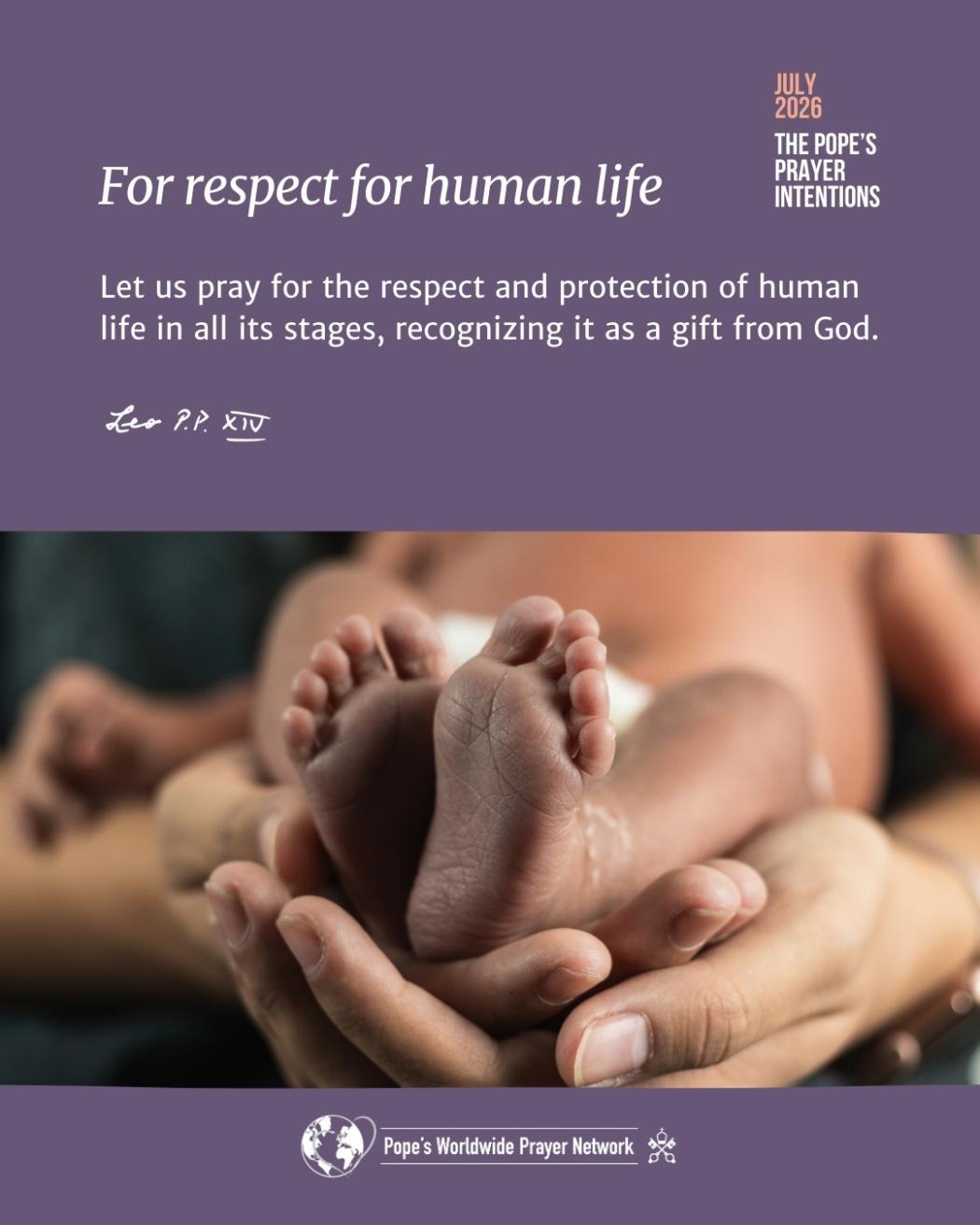
( ) Pope Leo XIV has urged Catholics across the globe to join him this July in praying for respect for human life. In his prayer intention for the month of July, the Pope is praying “for the respect and protection of human life in all its stages, recognizing it as a gift from God.”
A video of the pope praying for respect for human life was released by the Vatican July 2. The monthly “Pray with the Pope” video is prepared by the Pope’s Worldwide Prayer Network.
Pope’s July prayer intention focuses on respect for human life in all stages
Recognizing that the Lord has created each person in love and calls everyone to live in fullness, the pope said in the video: “Each person is a sacred gift that reflects
your face from the first instant of existence to the final breath of their journey on earth.”
“Today,” he continued, “we ask for the grace to recognize and protect the unique and unrepeatable value of every human being.”
Pope Leo expressed his wish for everyone to learn to “welcome life unconditionally,” to “tenderly care for fragility,” to “accompany each stage with respect,” and “to bravely defend those who have no voice.
”
The pope also asked the Lord to forgive “when we fall into indifference or the culture of discard, when we fail to see in others a being worthy of love.”
“Give us a new heart, always ready to choose life,” he prayed, “and generous hands that protect it through concrete actions.”
The Pope prayed that the Lord
help his Church become a living witness of the Gospel of life, “an open home where every life is celebrated, where no one feels unwanted, and where dignity is always honored and protected.”
Finally, Pope Leo concluded by imploring the Lord Jesus to help us love life as he does, “with tenderness, fidelity, and self-giving.”
“May we proclaim, in words and actions,” he said, “that every human life is worth the total gift of ourselves.
”
The Pope’s Worldwide Prayer Network, which was founded in 1844 as the Apostleship of Prayer, is a Pontifical Work entrusted to the Society of Jesus that was established as a Vatican Foundation by Pope Francis. It releases a prayer intention from the pope each month as part of its mission to unite Catholics in prayer for the Church’s global concerns.❖
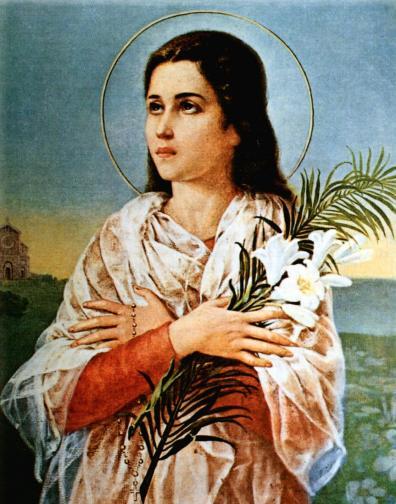
July 6th: Saint Maria Goretti
Maria Goretti was born in Ancona, Italy, on October 16th 1890, the daughter of poor tenant farmers. She had no chance to go to school, so never learned to read or write. Maria’s father died of malaria and her mother Assunta had to struggle to feed her children.
One afternoon in July 1902, eleven-year-old Maria was sitting at the top of the stairs of her house, mending a shirt. An eighteen-year-old neighbour, Alessandro, grabbed Maria from her steps, pulled her into a bedroom and tried to force her into having sex. He was much stronger than the child and could easily have overpowered her, but he wanted her to comply willingly with his demands. Maria utterly refused – she struggled and tried to call for help. “No, God does not wish it," she cried out. "It is a sin. You would go to hell for it.” Enraged, Alessandro began stabbing her with a knife.
As Maria lay in the hospital, she forgave Alessandro before she died.
Alessandro was captured and sentenced to thirty years. He was unrepentant until he had a dream that he was in a garden. Maria was there and gave him flowers. When he woke, he was a changed man, repenting of his crime and living a reformed life. When he was released after 27 years he went directly to Maria's mother to beg her forgiveness, which she gave. "If my daughter can forgive him, who am I to withhold forgiveness," she said. When Maria was canonised on June 24th 1950, half a million people were in attendance in St Peter’s Square. Her mother was present, aged 85. It was the first time in history that a mother had been present for her child’s canonisation.
Maria Goretti is a patron saint of Girls, Teenagers, Youth and the victims of rape.❖