“I am the resurrection and the life; whoever believes in me, even if he dies, will live.” (John 11:25)
“Death, a necessary end, will come when it will come.” (William Shakespeare, Julius Caesar)
Even though we know that death will come for each of us and for those we love, we are never fully prepared when it does. We find ourselves shocked, saddened, and grieving. Jesus Himself wept at the tomb of His friend Lazarus (John 11:35). Our article this week explores the Catholic understanding of death and resurrection.
What We Believe
Death comes to all and is the one certainty of every human life. As Scripture reminds us: “It is appointed for mortals to die once, and after that the judgment” (Hebrews 9:27).
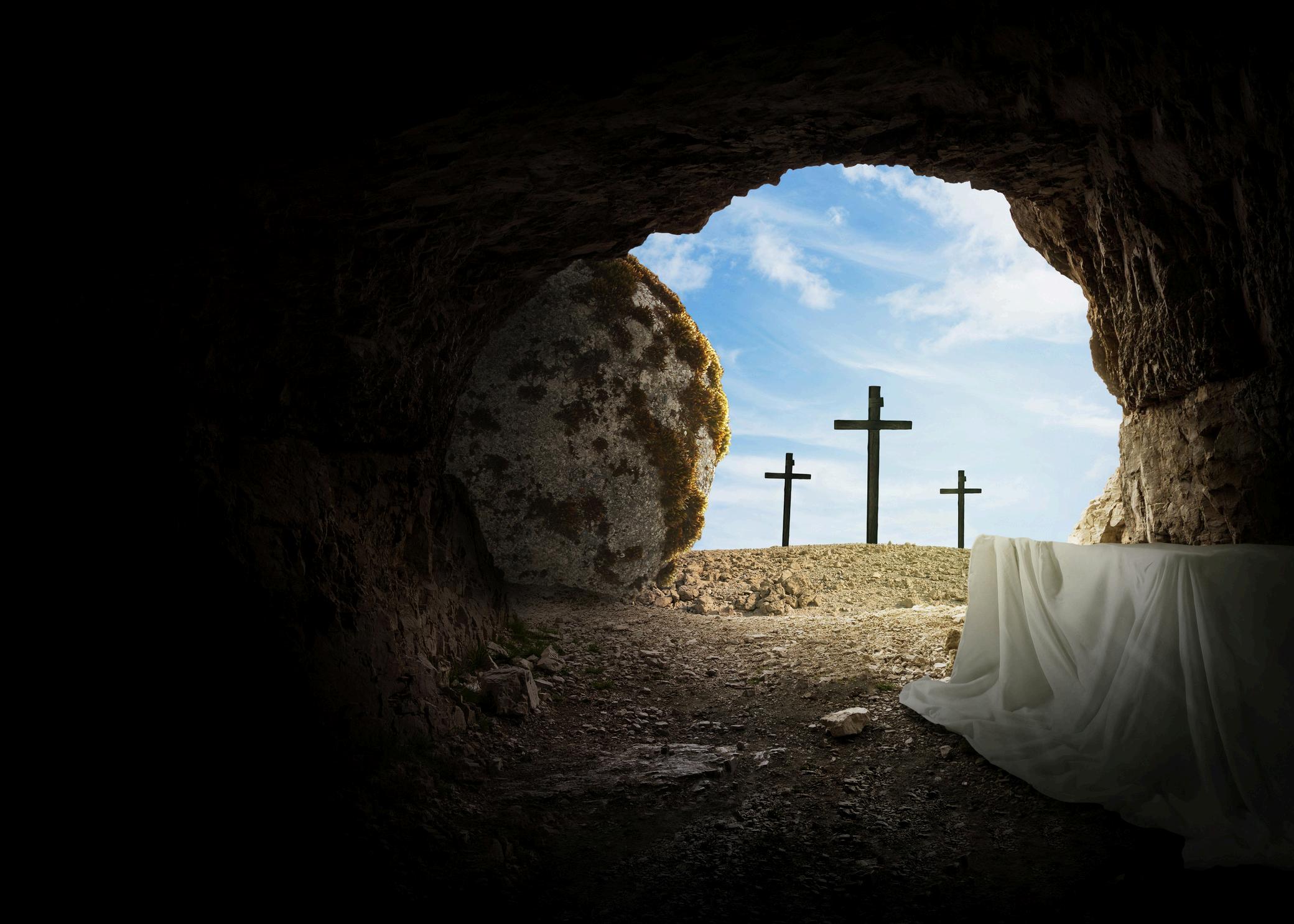
Why do we die? The Church teaches that death is both natural and also a consequence of sin. St. Paul writes, “sin came into the world through one man, and death came through sin” (Romans 5:12). However, death is not the end. Jesus Christ has transformed death through His Resurrection: “Christ is risen from the dead, the first fruits of those who have fallen asleep” (1 Corinthians 15:20).
At the moment of death, each person faces the particular judgment (CCC 1022). This leads to Heaven (eternal life with God), Purgatory (a purification for those on the way to heaven), or Hell (definitive separation from God by one’s free choice). And at the end of time, all will rise and stand before the Lord in the final judgment, when “those who have done good will rise to the resurrection of life, and those who have done evil to the resurrection of judgment” (John 5:29).
Where will I end up? We are not meant to live in fear or uncertainty. Even now, we can know the direction of our lives. If we are striving to live in God’s grace, turning back to Him when we fall, loving others, and remaining close to Him in prayer and the sacraments, we can have real hope and confidence.
Many people carry deep concern about the fate of loved ones, especially in difficult situations such as suicide or the death of children without Baptism. The Church entrusts to
God’s mercy those who die by suicide, recognizing that psychological suffering, fear, and distress can greatly diminish personal responsibility. As the Catechism teaches, “We should not despair of the eternal salvation of persons who have taken their own lives” (CCC 2283). In the same spirit of hope, the Church entrusts to God’s mercy infants and all who die without Baptism. While Baptism is the ordinary means of salvation, God’s mercy is not bound by the sacraments, and “the great mercy of God… allows us to hope that there is a way of salvation for children who have died without Baptism” (CCC 1261).
In all such cases, we do not presume to judge. Instead, we pray, we hope, and we entrust every life to the loving mercy of God, who “desires all to be saved” (1 Timothy 2:4).
Finally, we believe in the resurrection of the body. “I believe in the resurrection of the body” (Apostles’ Creed). At the end of time, our bodies will be raised and transformed, like Christ’s glorious body (see Philippians 3:21).
Why It Matters
When we remember that life is short, we begin to live differently Death brings clarity. In the psalms we pray “teach us to number our days, that we may gain a heart of wisdom” (Psalm 90:12).
If tomorrow were our last day, how would we live? Would we spend it arguing with loved ones or appreciating them? Would we hold on to anger, or would we choose love? Remembering death helps us to focus less on what passes away and more on what truly endures. Our elderly brothers and sisters recognize that God is what truly sustained them during their younger years and so appreciate religion more as they age.
Death is painful and sad since it separates us from those we love. Even Jesus wept (John 11:35). But we “do not grieve as others do who have no hope” (1 Thessalonians 4:13). Because of Christ, death has been changed from a dead end to a doorway to heavenly life.
How We Live It
We prepare for death not by fear, but by living well now Three things we can do to live well now are to stay close to God through prayer and the sacraments, seek reconciliation and forgiveness and love others deeply and concretely
Praying for the dead is a spiritual work of mercy This is an act of love for those who have gone before us. We read in Maccabees 2 that “it is a holy and wholesome thought to pray for the dead, that they may be loosed from their sins” (2 Maccabees 12:46).
Ultimately, our hope is that one day we will rise with Christ. Our bodies will be transformed, our tears wiped away, and death will be no more (Revelation 21:4).
For those who belong to Christ, death is not the end, but it is the beginning of life with Him. Let us live, then, with faith, hope and love.
In Conclusion