CELAM Caribbean Regional Meeting
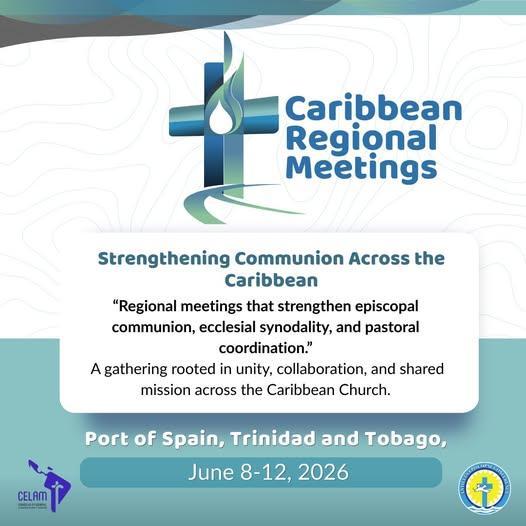
The Caribbean Regional Meeting of the Latin American and Caribbean Episcopal Council (CELAM) will be held from June 8th - 12th in Trinidad and Tobago. Below is the announcement from the Antilles Episcopal Conference (AEC):
The Antilles Episcopal Conference (AEC) is honoured to host the CELAM Caribbean Regional Meeting, bringing together clergy, religious, laity and pastoral representatives from across the Caribbean for a time of prayer, reflection, dialogue, and collaboration. This meeting will take place from 8th12th June, 2026 at the Seminary of St. JohnVianney,Mt.St.Benedict,Trinidad.
Representatives from the Episcopal Conferences of Cuba, the Dominican Republic, Haiti, Puerto Rico, and the member territories of the Antilles Episcopal Conference will participate in the gathering. The meeting forms part of CELAM's ongoing commitment to strengthening communion among the Churches of Latin America and the Caribbean and promoting a more
Bishop Emeritus Wilhelmus De Bekker of Suriname dies at87 - p2
Corpus Christi a reminder of the strength of life over death, Jerusalem patriarch says - p3
Pope Leo: Keep beautiful witness of Corpus Christi processions alive - p3
A Christian Perspective on Social Issues - p4
Sunday Scripture - p5
Pope Leo appoints lay woman Prefect of Dicastery for Communication - p6
Encyclical available as audiobook - p7
The Word and the World - p8
Children’s Page - p9
Youth Office holds hybridwebinar on “Balancing Faith and Life as Young Catholics” - p10
Faith in Practice Week 17 - p11
SacredHeartYouthGroup: “Praise&Paint” - p12
Pope’sJuneprayerintention - p13
MarianAcademyparticipatesinGreenWalk- p14
Bishop’s Engagements
Sunday June 7th
8:00hrs – Mass at Sacred Heart - Central Cluster Celebration (Feast of the Body and Blood of Christ)
Tuesday June 9th
18:30hrs – DPCMeeting
Friday June 12th
17:00hrs – FeastDay Massat Sacred Heart
Saturday June 13th
8:00hrs – Travelto Suriname
Sunday June 14th
13:00hrs – Mass of Christian Burial for Bishop Emeritus Wilhelmus De Bekker at St. Peter and Paul Basilica, Paramaribo.
Monday June 15th
16:00hrs – Return from Suriname.
Francis Alleyne OSB
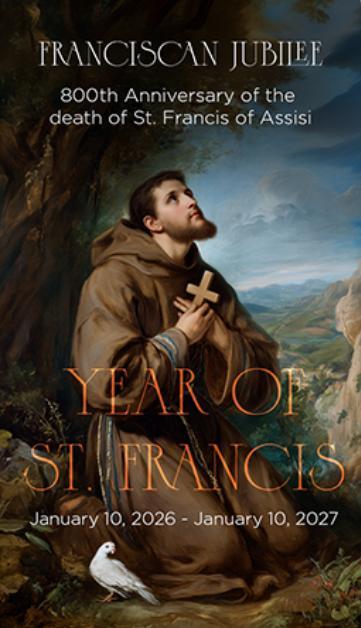
Year of St. Francis Jubilee Prayer
Saint Francis, our brother, you who eight hundred years ago went to meet Sister Death as a man at peace, intercede for us before the Lord.
You recognized true peace in the Crucifix of San Damiano, teach us to seek in Him the source of all reconciliation that breaks down every wall.
You who, unarmed, crossed the lines of war and misunderstanding, give us the courage to build bridges where the world raises up boundaries.
In this time afflicted by conflict and division, intercede for us so that we may become peacemakers: unarmed and disarming witnesses of the peace that comes from Christ. Amen
Bishop Emeritus Wilhelmus De
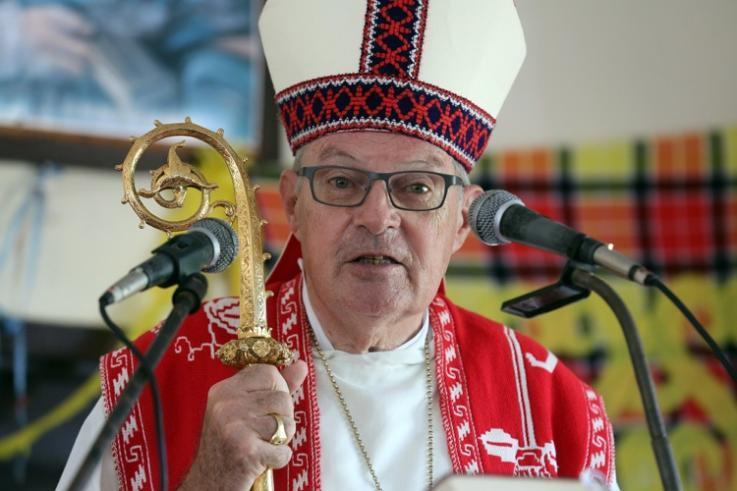
Retired Bishop Wilhelmus De Bekker of the Diocese Paramaribo, Suriname, passed away on Wednesday June 3rd at the age of 87.The Diocese of Paramaribo has given the following announcement:
On Wednesday, June 3 at 10:30 AM, our beloved Bishop Wilhelmus Adrianus Josephus Maria De Bekker passed away at the age of 87.
Bishop De Bekker was consecrated as Bishop on January 30, 2005, and served the Roman Catholic community with pastoral love and devotion as Bishop of Paramaribo for approximately 8.5 years.
On May 31, 2014, he was discharged from the episcopal office by Pope Francis, after having reached the age of 75 on April 27, 2014.
Before he was consecrated as bishop, he worked for many years for the Roman Catholic Special Education (RKBO) as a consultant inspector and as director of the Pater Ahlbrink Foundation (PAS). On May 25, 1985, he was ordained as a priest by Bishop Zichem and was subsequently appointed pastor of the Saint Alphonsus Parish and Vicar General of the Diocese of Paramaribo, in which positions he served until his appointment as bishop. After retiring in late May 2014, he served for several years as pastor of the Saint Thaddeus Parish in Groningen, where he dedicated himself to the construction of an entirely new church for that congregation. He spent his final years in quiet retirement at the Fatima Oord Retirement Home.
A special memorial vespers service will be held for him on Saturday, June 13, at 7:00 PM in the Saint Alphonsus Church. The funeral will take place on Sunday, June 14, from the Saints Peter & Paul Cathedral. The service will begin at 1:00 PM, after which the remains will be laid to rest in the cathedral's crypt .❖
CELAM Caribbean Regional Meeting (From P1)
to evangelization throughout the region.
Throughout the meeting, participants will engage in discussions focused on the social, cultural, economic, environmental, and pastoral realities facing the Caribbean. Through prayerful discernment and synodal dialogue, delegates will reflect on the opportunities and challenges confronting the Church and identify ways to work together more effectively in responding to the needs of the people of the region.
The programme will feature presentations from experienced regional persons, offering key insights into the realities of Caribbean societies and the mission of the Church in today's world. Participants will also
take part in theological and pastoral reflections centred on synodality, evangelization, mercy, hope, and the call to walk together as the People of God.
A key component of the meeting will be visits to significant pastoral and social outreach initiatives in Trinidad and Tobago. These experiences will allow delegates to witness firsthand the Church's work in areas such as education, social development, community outreach, and faith formation. The visits are intended to encourage the sharing of best practices and inspire greater cooperation among local Churches throughout the Caribbean.
The gathering will also provide opportunities for participants to
strengthen relationships, exchange experiences, and explore new avenues for regional collaboration. Through plenary discussions, working groups, and strategic planning sessions, delegates will seek to identify priorities and develop practical initiatives that will help advance the Church's mission across the Caribbean.
As host of the meeting, the Antilles Episcopal Conference looks forward towelcomingdelegatestoTrinidadand Tobago and facilitating a meaningful encounter that deepens communion, strengthens pastoral cooperation, and renews the Church's commitment to proclaiming the Gospel throughout the Caribbean region.❖
ME Guyana weekend
It was truly a remarkable weekend, with all the couples expressing their appreciation for being able to have the time and space to focus on each other in a very impactful way that should only serve to making their marriages better. The weekend concluded with a mass that was held at St. Teresa’s Church, Campbellville, Georgetown, and all our new ME couples attended with many past ME couples who were there to welcome them into the movement.
The Team would like to sincerely thank His Lordship Bishop Francis Alleyne OSB and many of our priests
and past ME couples for their tremendous support in making this weekend possible. Special thanks also to Sally Farinha for making the church available for us to have mass celebrated there.
(From Page 1)
In closing, ME Guyana hereby invites couples who have been married for several years and would like to make their good marriages even better through the experience of an ME Weekend to contact any of our team members as plans are already on the way towards having another.
God Bless
Love ME Guyana.❖
Worldwide Marriage Encounter Guyana maybecontactedat wwmeguyana@gmail.com
of life over death, Jerusalem patriarch says
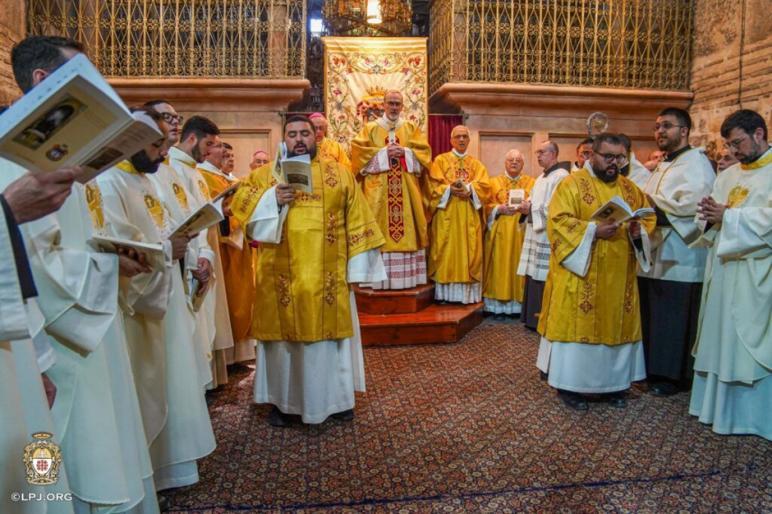
lived, died and rose from the dead serves as a reminder that the gift of life does not come from human efforts but only from God, said the Latin patriarch of Jerusalem.
In his homily during a June 4 Mass at the Church of the Holy Sepulcher, which houses the sites where Jesus died and was buried, Cardinal Pierbattista Pizzaballa said the certainty that humanity does not create or possess life, but rather receives it, was “an important message for us, here today
In a land where the fragility of life is often felt, where life is not always respected as it should be, where many people carry wounds, fears, and uncertainties in their hearts, the Word of God reminds us that life does not arise from our efforts or our fragile balances, but has a deeper source: God himself,” he said.
According to the Latin patriarchate, Cardinal Pizzaballa presided over the Mass “with the participation of bishops, priests, and faithful,” followed by a
processionwiththeBlessedSacrament.
Extension of Israel-Lebanon ceasefire
The celebration comes amid a recent extension of a U.S.-brokered ceasefire agreement between Israel and Lebanon. Since March, Israel has intensified its attacks on southern Beirut, targeting the Iran-backed Hezbollah militia. The current deal builds on a ceasefire initially reached April 17 between Israel and the Lebanese government, The Associated Press reportedJune 5. Hezbollah launched attacks on Israel in March in retaliation for the country’s war alongside the U.S. against Iran. While Israel contends that its attacks are against the extremist militia, the Lebanese health ministry announced June 4 that an estimated 3,526 people have died and more than 10,000 have been wounded.
According to the UNHCR, the U.N refugee agency, an estimated 1.3 million people have been displaced since the start of thewar.
In his homily, Cardinal Pizzaballa said that “God does not merely speak to us about life or simply offer us a teaching,” butrather “becomesnourishment” forall.
The Eucharist, he added, “is the concrete way in which Christ continues to
give us his life.”
Christ in Eucharist ‘is not a distant symbol’
“It is not a distant symbol; it is a real presence that enters our existence. A silent but powerful presence, discreet yet capable of transforming,” Cardinal Pizzaballa said. “Receiving the Eucharist is not simply a devout act; it is welcoming the life of Christ into ourselves. And once received, this life does not remain still.”
The Latin patriarch said that in celebrating the solemn feast at the Church of the Holy Sepulcher, “we cannot forget the reality that surrounds us.”
Nevertheless, the celebration of Corpus Christi is an invitation for Christians to be “formed by God’s gaze, which does not stop at the surface but sees possibilities of life even where we see only difficulties.”
“Amid tensions, divisions, and hardships of this land, the Eucharist reminds us that God’s logic is different: it is not the logic of holding back, but of giving; not the logic of closing oneself off, but of sharing,” he said.
“It is a logic that may seem fragile in the eyes of the world, but in reality, it is the only one capable of truly building,” CardinalPizzaballaadded. ❖
Jesus,
for
“Processions with the Blessed Sacrament, which take place in the streets of many towns, are an expression of popular Eucharistic devotion; in this regard, I encourage you to keep alive this beautiful public manifestation of faith,” Pope Leo said. In the Church’s liturgical calendar, the feast of Corpus Christi falls on the Thursday following the solemnity of the Most Holy Trinity. However, in most U.S. dioceses, the celebration of the solemnity is transferred to the following Sunday so that more people can participate. This year the solemnity will be celebrated June 7.
Greetings to priests, religious
In his greetings to pilgrims, the pope also offered special words of closeness to priests and religious serving in the Middle East.
“I would like to address a special word to the priests and religious of the Middle East: I accompany your ministry and the hopes of your respective countries with my prayers and my blessing,” hesaid.
The Holy Father also greeted the Daughters of the Sacred Heart of Jesus, members of the Montfortian Family and the Sisters of Our Lady of the Cenacle, encouraging them “to be a sign of hope for all those who thirst for God, for his truth, and forhis peace.”❖
(Vatican News) Pope Leo XIV has encouraged the faithful to keep alive the public witness of faith made visible in Eucharistic processions, recalling that this week the Church celebrates
the solemnity of the Most Holy Body and Blood of Christ, also known as CorpusChristi.
“In the Eucharist, we contemplate
the bread broken and given
each of us,” Pope Leo said in his greeting to Italian-speaking pilgrims at the end of his Wednesday general audience onJune 3.
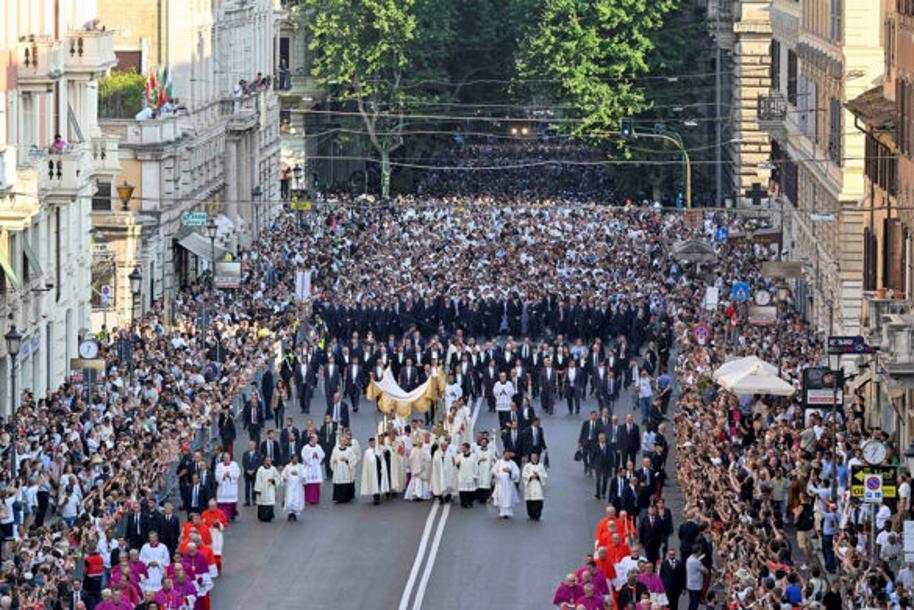
Under a canopy, Pope Leo XIV carries the Eucharist in a monstrance during a Corpus Christi procession from Rome's Basilica of St. John Lateran to the Basilica of St. Mary Major June 22, 2025. Thousands of people participated in the procession behind the pope and thousands more lined the streets as the procession passed. (CNS photo/Vatican Media)
A Christian Perspective on Social Issues
By GHK Lall
Corpus Christi
Corpus Christi got me thinking. A little differently at first; then a lot. Jesus Christ, only begotten son of God Almighty gave of all that he had to give. So that a weak and wretched world, one living in darkness and captivity, could be saved and redeemed. Could be free. Takes away the breath, I would say. Does so for me. Then raises this question: where does that great sacrifice leave the people in this country? The believers and followers, to separate the crowd into sections? Then another more pointed question: What does Jesus’s sacrifice of body and spirit, of limb and soul, does for me, mean for me? And for a third, makes me want to do in his name?
Now the juices are going, and the thoughts are starting to flow across the environment. Collecting a stray memory. Picking up a spare development, here and there. Moving from one place to another across Georgetown. Listening to strangers encouraging, calling for more. Sharing with them, and raising a big, difficult question. Indeed; and thanks for the believing; but how about a hand, a contribution, a raising and blending of voice and spirit, so that this society and its rainbow of peoples can be better? Loneliness usually steps in, takes over. As Jesus said to that woman found wanting, and with a stoning party thirsting for her blood: ‘where did everybody go.’
Who could have been more alone than the Good Shepherd in his time of struggle and sacrifice? One friend sold him like a slave. Another grew
more wrathful by the moment: ‘I know not the man.’ The others found shelter in the winds. Talk about loneliness on this Solemnity of the Most Holy Body and Blood of Jesus Christ, and there he was abandoned and forlorn during the late climaxing stages of Holy Week. If ever there’s the need for understanding what sacrifice is, then try Jesus at that time of his gruesome and grueling tests. Through him a world is saved, one and all are given the opportunity to be saved, to be better and be reconciled with the Creator. Ours, not somebody else’s.
Yet when small sacrifices are asked to be made by devout Christians, observant and practicing Roman Catholics, the response is almost unanimously the same. ‘Not me.’ It is always someone else that is looked at, leaned upon, to carry the torch of Christ forward. The teachings about social justice. The calls for peace, fraternity and sorority. By what means will there be harmony in the One body of Christ, if there is neither the courage nor the readiness to take a stand, to call issues as they are? Like Jesus did. If that cherished unity is a struggle, now almost out of consideration, out of reach, in the one, holy, Catholic and apostolic Church, then the odds are not that warm for a start, for national unity in the Guyanese family.
Sure, there are those who can kill the body. But what else can they conquer and kill? Not a Christlike spirit, if it is there. Sure, there are those with their pieces of silver, but why are more than a handful of Christians, of Catholics, flocking around them to collect silver from their hands? Thus, Jesus surrendered and shed are nailed again, pierced again. Not by Romans. Not by Roman persecutors in the mold of Trajan, Diocletian, and Hadrian. But by some of Jesus brothers and sisters, who gather before his crucifix, who kneel at the foot of his altar, today.
The Body and Blood of Jesus given willingly. What am I giving? How am I partnering with him, continuing his work of evangelizing and ministering, the tending of his sheep? Who number among the lost and despairing, but the poor and weak, the vulnerable and those held in captivity in a different way? When there is standing so that they can do better, then a start has been made. When there is neither fear nor retreat, then the path of Jesus is tried. Little sacrifices. Huge blows. I am the living bread. Eat. Then, the spirit and grace that come from that bread must be fully lived. The worn and widowed are carried. The tired and tormented given a cooling drop of water. Thus, Corpus Christi can be remembered, observed, and honored.❖
Gracious and loving God, we thank your for the gift of our priests.
Through them, we experience your presence in the sacraments.
Help our priests to be strong in their vocation.
Set their souls on fire with love for your people.
Grant them the wisdom, understanding, and strength they need to follow in the footsteps of Jesus. Inspire them with the vision of your Kingdom.
Give them the words they need to spread the Gospel.
Allow them to experience joy in their ministry.
Help them to become instruments of your divine grace.
We ask this through Jesus Christ, who lives and reigns as our EternalPriest. Amen

‘Growth is the only evidence of life.’ Saint John Henry Newman (1801-1890)

FIRST READING Deuteronomy 8:2-3; 14-16
He fed you with manna which neither you nor your fathers had known.
Moses said to the people: “Remember how the Lord your God led you for forty years in the wilderness, to humble you, to test you and know your inmost heart - whether you would keep his commandments or not. He humbled you, he made you feel hunger, he fed you with manna which neither you nor your fathers had known, to make you understand that man does not live on bread alone but that man lives on everything that comes from the mouth of the Lord.
“Do not then forget the Lord your God who brought you out of the land of Egypt, out of the house of slavery: who guided you through this vast and dreadful wilderness, a land of fiery serpents, scorpions, thirst; who in this waterless place brought you water from the hardest rock; who in this wilderness fed you with manna that your fathers had not known.”
RESPONSORIALPSALM Psalm 147
Response: O praise the Lord, Jerusalem!
1. O praise the Lord, Jerusalem! Zion, praise your God!
He has strengthened the bars of your gates, he has blessed the children within you. Response
2. He established peace on your borders, he feeds you with finest wheat.
He sends out his word to the earth and swiftly runs his commands. Response
3.He makes his word known to Jacob, to Israel his laws and decrees.
He has not dealt thus with other nations; he has not taught them his decrees. Alleluia! Response
SECONDREADING 1Corinthians10:16-17
That there is only one loaf means that, though there are many of us, we form a single body.
The blessing-cup that we bless is a communion with the blood of Christ, and the bread that we break is a
Today we celebrate the Solemnity of the Body and Blood of Christ. Our readings are focused on the gifts of the Word of God and the Eucharist. This feast has deep significance to
communion with the body of Christ. The fact that there is only one loaf means that, though there are many of us, we form a single body because we all have a share in this one loaf.
SEQUENCE
*Behold the bread of angels, sent For pilgrims in their banishment, The bread for God’s true children meant, That may not unto dogs be given: Oft in the olden types foreshowed; In Isaac on the altar bowed, And in the ancient paschal food, And in the manna sent from heaven.
*Come then, good shepherd, bread divine, Still show to us thy mercy sign; Oh, feed us still, still keep us thine; So may we see thy glories shine In fields of immortality;
those of us living the stewardship way of life.
Why? As stewards, we recognize that all that we are and all that we have been given are gifts from God. We are called to treasure these gifts and use them for God’s glory. Our Solemnity today and the readings for this week invite us to a deeper gratitude and better stewardship of the two sublime gifts of God’s Word and the Eucharist.
In our first reading from Deuteronomy, Our Heavenly Father (such a good teacher) reminds us that just as we
*O thou, the wisest, mightiest, best, Our present food, our future rest, Come, make us each thy chosen guest, Co-heirs of thine, and comrades blest With saints whose dwelling is with thee.
Gospel Acclamation
Alleluia, alleluia!
Jn 6: 51-52
I am the living bread which has come down from heaven says the Lord.
Anyone who eats this bread will live for ever Alleluia!
GOSPEL
John6:51-58
My flesh is real food and my blood is real drink.
Jesus said to the Jews:
“I am the living bread which has come down from heaven.
Anyone who eats this bread will live for ever; and the bread that I shall give is my flesh, for the life of the world.”
Then the Jews started arguing with one another: “How can this man give us his flesh to eat?” they said.
Jesus replied:
“I tell you most solemnly, if you do not eat the flesh of the Son of Man and drink his blood, you will not have life in you.
Anyone who does eat my flesh and drink my blood has eternal life, and I shall raise him up on the last day. For my flesh is real food and by blood is real drink.
He who eats my flesh and drinks my blood lives in me and I live in him.
As I, who am sent by the living Father, myself draw life from the Father, so whoever eats me will draw life from me. This is the bread come down from heaven; not like the break our ancestors ate: they are dead, but anyone who eats this bread will live for ever.”❖
experience physical hunger from lack of food, we become spiritually malnourished through lack of feeding on the Word of God. It is that important.
And, just as the Word of God is vital to our spiritual nourishment, so, too is the nourishment of the Eucharist. Jesus could not make this any clearer to us: “Amen, amen, I say to you, unless you eat the flesh of the Son of Man and drink his blood, you do not have life within you.”
Without the Eucharist, we die spiritually. But through the Eucharist, we experience a taste of heaven right now “Whoever eats my flesh and drinks my blood has eternal life.”
As Christian stewards, we must recognize that in the gifts of the Word of God and the Eucharist, we have everything we need to sustain us in this world and guide us to heaven. Let us resolve to steward these precious gifts well with all our hearts, always. ❖
Prefect of Dicastery for Communication Gospel Reflection
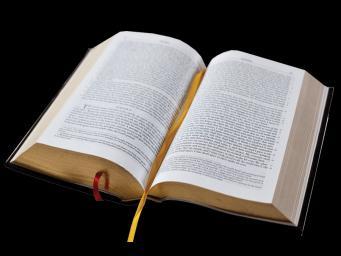
Jesus is present in the Bread and Wine of the Eucharist. He is real in the Eucharist and not just as a symbolic presence. For those who have no sense of the presence of God in the world, it becomes a problem believing in the presence of Jesus in the Eucharist. But for those who have a deep sense of God’s presence in the whole of creation, it is natural believing that Jesus is present in the Eucharist in a special way. This is why the Eucharist is to be the centre and focus of our lives. It is one of the important ways we are fed during our spiritual journey through life. Jesus says that those who do not eat and drink of him have no life in them. This would be our fate if we set off on our journey without the food he gives.
(Vatican News appointed Maria Montserrat Alvarado, currently President and Chief Operating Officer of EWTN News, as Prefect of the Dicastery for Communication, effective from 1 November 2026.
Born in Mexico City, Alvarado earned academic degrees from Florida International University and George Washington University. From 2009 to 2023, she held leadership positions at the Becket Fund for Religious Liberty, serving in initiatives dedicated to the defense of religious freedom and the promotion of human dignity.
Since 2023, she has served as President and Chief Operating Officer of EWTN News, the news division of the Eternal Word Television Network, overseeing international media platforms producing content in seven languages across television, radio, print, digital, and social media.

Each human being has two main hungers – the physical hunger for food and the spiritual hunger for love. Just as the physical body cries out for food and drink, so too our spiritual side cries out for nourishment. At the celebration of the Mass, we are, first of all, nourished by God’s Word that comforts, guides, inspires and challenges. And we experience Jesus’ presence with us in his Word and in his Eucharist. It is not some hazy memory of someone who existed long ago. It is a real, life-giving presence that can transform us if we respond to it, both as individuals and as a group. One thing is clear is that, as community, we cannot be in relationship with Jesus if we are not in relationship with one another. ❖
[From: Journeying with the Word of God, The Religious Education Department, Diocese of Georgetown, Guyana ]
With the appointment of Alvarado, Pope Leo XIV continues the path of reform and renewal of the Roman Curia initiated by Pope Francis, which has seen lay faithful, men and women, entrusted with positions of leadership and responsibility in the service of the universal Church. Alvarado is the first non-religious woman to be appointed prefect of a dicastery of the Holy See. Established by Pope Francis on 27 June 2015 as part of the reform of the Roman Curia, the Dicastery for Communication oversees the Holy See’s communications systems, including Vatican News, Vatican Radio, L’Osservatore Romano, Vatican Media (photo, audio & video services), the Holy See Press Office, the Vatican publishing house, the Vatican Printing press, and the Filmoteca Vaticana. In addition to the operational and technological functions assigned to it, the Dicastery also deepens and develops the properly theological and pastoral aspects of the Church’s activity in the field of communication. Alvarado will succeed Paolo Ruffini, whom Pope Francis appointed in 2018 as the first lay prefect of a dicastery of the Roman Curia, who will be 70 next October. In a statement released following the announcement, Alvarado said: “While this appointment was unexpected, I receive it with a sincere desire to serve the Holy Father as he begins his


pontificate. And I am grateful to Paolo Ruffini for his leadership throughout the last years and look forward to continuing, in friendship and hope, the important work of strengthening the dicastery so it may continue to serve the Church in Rome and everywhere to communicate Christ to the world.” Ruffini sent a letter to the staff of the Dicastery for Communication and stated: “The Dicastery has embedded in its very DNA the duty to remain constantly attuned to the rapidly changing world of communication. From the moment we were born as an institution, our guiding star has been and remains this: never to stop, to pass the baton while continuing to run, to be present in the here and now, in this very hour, as the touchstone of a communication that is the instrument of a communion that grows over time. I have entered the final lap of the race, before the moment when in the long journey that is our working life having reached the age of 70, the age set for retirement, I will pass the baton to Montserrat Alvarado as the next

, and include your name ❖
prefect. We know each other well. And in the coming months, we will work closely together, in the spirit of communion that unites us in the Church”.
“I am grateful to the big family of Dicastery – he added - for the journey we have taken together over these eight years. We are beginning now the process over the coming months for a smooth transition in order to help the Dicastery continue to grow in service to the Holy Father and in its mission of serving in a spirit of unity and openness.”
Michael P. Warsaw, Chairman of the Board and Chief Executive Officer of EWTN, said Alvarado had earned “the trust and respect of everyone privileged to work alongside her” during her years with the network. He added: “We offer her our prayers, our encouragement, and the full support of the EWTN family as she begins this important mission in service to Pope Leo XIV and his pontificate.”❖
For 121 years, the Catholic Standard has been sharing the Gospel of Jesus Christ.
Now reaching 10,000+ followers on Catholic Media Guyana Facebook plus going straight to your inbox and WhatsApp, our vibrant weekly e-paper is a trusted source which delivers informative and inspiring stories from across the diocese and around the world.
Want to promote your business or event? Advertise with us! Call675-4542oremailcatholicstandardgy@gmail.com ❖
Maria Montserrat Alvarado
"Magnifica humanitas" now available Journeying with the Word of God
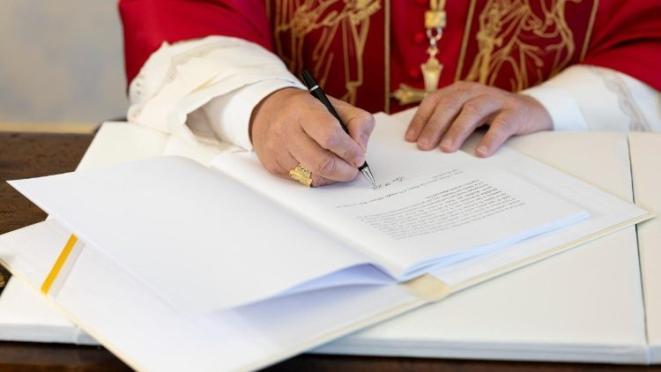
Pope Leo XIV signing his Encyclical Letter "Magnifica humanitas" (@VaticanMedia)
(CathNews) - The English editorial team of Vatican Radio and Vatican News has prepared an audiobook of Pope Leo XIV’s encyclical, Magnifica Humanitas
Source: Vatican News.
The encyclical is divided into seven audio files – an introduction, five chapters and a
conclusion. The audio file length range between 27 minutes and just over an hour.
Pope Leo’s first encyclical Letter, Magnifica Humanitas of His Holiness Pope Leo XIV on Safeguarding the Human Person in the Time of Artificial Intelligence” was released on
May 25.
He signed the document on May 15, exactly 135 years after the promulgation of Rerum Novarum by Pope Leo XIII.
Following the example of his predecessor, Pope Leo wrote a social encyclical devoted to one of the principal challenges of our time, artificial intelligence.
The Vatican News audio version of the Magnifica Humanitas narrated by Sr Bernadette Reis. Sr Bernadetter is a Daughter of St Paul, an order whose charism is evangelisation through the means of social communication.
Sr Bernadette is also joined on the audiobook by the English team of Vatican News
The audiobook is available from the link below.
Audiobook of Pope Leo XIV’s Encyclical “Magnifica Humanitas” now available ❖
Vatican offers pastoral support to promote Magnifica Humanitas
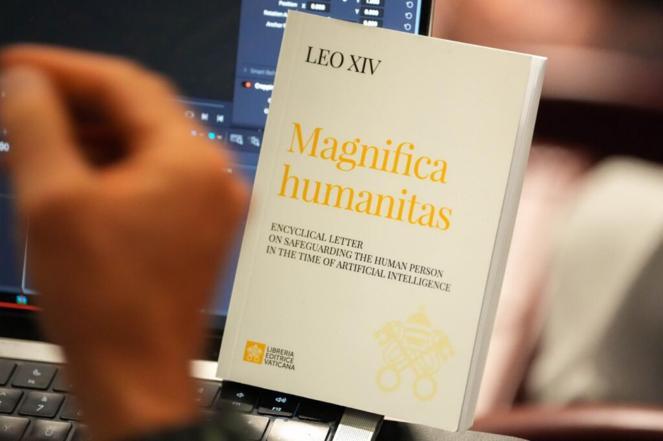
A copy of Pope Leo XIV’s first encyclical, “Magnifica Humanitas: On Safeguarding the Human Person in the Time of Artificial Intelligence,” is seen during a presentation on the document at the VaticanMay25,2026. (CNS photo/Lola Gomez)
(EWTN News) - The Dicastery for Promoting Integral Human Development has presented a pastoral aid or kit on Magnifica Humanitas with the aim of making the new encyclical by Pope Leo XIV more easily understood.
On May 27, the dicastery explained on social media how the pastoral kit is structured and provided a link to it. The material includes summaries of key themes, biblical texts and citations, questions for reflection, concrete cases, and prayers. Additionally, it features activities designed for children and young people.
In the introduction to the document, the Vatican notes that it seeks to “accompany individuals, groups, and communities in a simple yet profound reflection on the relationship between faith, human dignity, and technological innovation.”
“Digital technologies and artificial intelligence are changing the way we work, communicate, learn, build relationships, and even understand ourselves,” the text notes.
In the face of this new paradigm, the dicastery recognizes that many may feel “excited, fearful,
curious, or confused.” Nevertheless, it advocates for navigating these changes “with discernment, hope, and responsibility.
”
The material was designed for parish groups, catechesis, pastoral councils, as well as for one’s personal spiritual life.
The underlying theme of the encyclical consists of two biblical images that feature prominently in the accompanying resource: the Tower of Babel and the rebuilding of Jerusalem. According to the text, these two images represent opposing paths in today’s world.
“On the one hand, there is the risk of building a world dominated by power, individualism, and dehumanization; on the other, there is the possibility of building together a ‘city' founded on listening, fraternity, justice, and mutual care,” the introduction explains.
The document expresses the Holy See’s hope that this material will enable the faithful to “rediscover our ‘magnificent humanity,’ so that every innovation may be illuminated by the Gospel and oriented toward the common good.”
To download this pastoral aid from the Dicastery for Promoting Integral Human Development, click here.❖
MAKING THE WORD OF GOD YOUR OWN
Step 1: Lookattoday’sReadingsprayerfully.
1st Reading: God’s people are urged to remember that they need to be nourished on God’s Word.
2nd Reading: Paul tells the Corinthians that as disciples they share the same bread and so form one Body in Christ.
Gospel: When we participate in the Lord’s Eucharist, we are given the grace to live in God’s love and to be channels of that love for others.
Step 2: ApplyingthevaluesoftheReadings toyourdailylife.
1.In what way has the Word of God been a comfort as well as a challenge to you? How have you responded to this challenge?
2.“We can’t be truly in communion with Jesus without being in communion with one another.” What is this statement saying to you?
3.Those who take part in the Eucharist find life. How have you failed in the past week to give life to others, through not lending support, care, presence, listening …?
4.What would you say are some of the “desert” moments you experience in life as you travel along your spiritual journey?
Step 3: Accepting the message of God’s Wordinyourlifeoffaith
At the Eucharistic table we are nourished in minds, hearts and spirit. We experience the abiding presence of Christ with us. He is present to us, not as a memory, but in real terms. By taking part in the Eucharist, we are supported and encouraged. And in turn we are challenged to be supportive and encouraging to others.
Step 4: Somethingtothink&prayabout
1.The Eucharist is the foundation of our unity as a Christian community. We form a united group because we all share in the one body of Christ. Unfortunately, most of us seem to forget this when we leave the church. We go our own way, ignoring one another and sometimes even hurting one another. This is totally the opposite of what the Eucharist stands for.
2.We, the Church, form the one body of Christ in spite of our great diversity. We are united with each other, but unfortunately there is also division. The question I should ask myself is this: am I in any way responsible for these divisions? What attitudes or behaviours do I need to change in order to start healing those divisions? ❖
[From: Journeying with the Word of God, The Religious Education Department, Diocese of Georgetown, Guyana ]
TheWordandtheWorld Pope Leo asks pardon for Church Legitimising Slavery
By Mike James
“Pope Leo XIV has made a historic apology for the Holy See’s role in legitimising slavery and for having failed to condemn it for centuries, calling the Vatican’s record a “wound in Christian memory” . “For this, in the name of the church, I sincerely ask for pardon”.
History’s first U.S.-born pope, whose family history includes both enslaved people and slave owners, delivered the apology in his first encyclical, “Magnifica Humanitas,” (“Magnificent Humanity”), issuedon25May,2026.
In an article headlined by the US Jesuits AMERICA MAGAZINE, the influential publication noted “Past popes have apologized for Christians’ involvement in the trans-Atlantic slave trade. But no pope had ever publicly acknowledged, much less apologized for, the role that past popes played in giving European sovereigns explicit authority to subjugate and enslave “infidels”.
The sweeping manifesto is about safeguarding humanity in an era of increasing reliance on artificial intelligence. Leo raised the slave trade in relation to what he called the new forms of slavery and colonialism that the digital revolution is fueling.
“It is impossible not to feel deep sorrow when contemplating the immense suffering and humiliation endured by so many in stark contrast to their immeasurable dignity as persons infinitely loved by the Lord,” Leo wrote. “For this, in the name of the church, I sincerely ask for pardon”.
Shannen Dee Williams, historian at the University of Dayton and author of the 2022 history of American Black Catholic nuns, “Subversive Habits,” welcomed the apology as a “monumental step toward the kindof essential truth-telling and reparation that many Catholics haveprayed and worked to witness.”
“The Catholic Church has never been an innocent bystander in the history of white supremacy,” said Williams.
“Black Catholics have waited a long time to hear the Vatican speak honestly about the church’s leading roles in the trans-Atlantic slave trade and chattel slavery–and thus by extension the enduring systems of anti-Black racism in the world today.”
slaveryforEuropeancolonizers
A series of 15th-century directives from the Vatican authorized Portuguese sovereigns to conquer Africa and the Americas and enslave non-Christians.
In 1452, for example, Pope Nicholas V issued the papal bull “Dum Diversas,” which gave the Portuguese King and his successors the right “to invade, conquer, fight and subjugate” and take all possessions including land of “Saracens, and pagans, and other infidels, and enemies of the name of Christ” anywhere.
The bull also gave the Portuguese permission “to reduce their persons to perpetual slavery.”
That bull and another issued three
years later, “Romanus Pontifex,” formed the basis of the Doctrine of Discovery, the theory that legitimized the colonial-era seizure of land in Africa and the Americas.
In his encyclical, Leo recalled that his namesake, Pope Leo XIII, was the first pope to explicitly condemn slavery in 1888, long after many countries had abolished it (50 years after slavery was abolished in the Caribbean and the wider British Expire in 1838) . Before that, in antiquity and the Middle Ages, church institutions and even popes Gregory the Great had slaves, the article noted.
In acknowledging the 15th-century papal bulls, Leo wrote in his encyclical: “Already in the early modern period, the Apostolic See of Rome, responding to the requests of sovereigns, intervened several times in order to regulate and legitimize forms of subjugation, and, in certain cases, including the enslavement of ‘infidels.’”
Leo said it wasn’t possible to judge the morality of the decisions with today’s standards.
“Yet neither can we deny or diminish the delay with which both society and the church came to denounce the scourge of slavery,” he said.
The pope said that the church has long affirmed the dignity of every human being as the basis of its doctrine, “even if it took eighteen centuries for its full incompatibility with slavery to be explicitly recognized.”
“This constitutes a wound in Christian memory, one from which we cannot consider ourselves detached,” he said.
Leo said that the church must firmly condemnallformsoftraffickingrelatedto the digital technological revolution “if we want to avoid the need to ask for pardon again in the future for having failed torespect thetreasureofhuman dignity that is requiredbyour faith.”
Anthea Butler, senior fellow at the Koch History Center, Oxford University, said Leo needed to acknowledge and atone for the church’s complicity in historic slavery if he wanted to credibly “speak to the current issues of technological enslavement.”
“For descendants of enslaved persons, this is once again a much-needed apology from the pope,” said Butler, who is Black.
Leo’s
own family history and past apologies
According to genealogical research published by Henry Louis Gates Jr., 17 of Leo’s American ancestors were Black, listed in census records as mulatto, Black, Creole or a free person of color. His family tree includes slaveholders and enslaved people, Gates wrote in The New York Times.
In another article last week “Not Charity, but Repair” our own Sir Ron Sanders, Guyanese/Antiguan, Antigua and Barbuda’s Ambassador to the
United States of America and the Organization of American States and Chancellor of the University of Guyana wrotearesponse toPopeLeo’sEncyclical. He hailed it as marking “a significant moment in the long reckoning with slavery. It contains the clearest papal acknowledgment to date of the Holy See’s role in legitimising the institution and of its failure to condemn it for centuries.
“For the Caribbean and Latin America, that acknowledgment has special force. Roman Catholicism did not merely accompany conquest and plantation society in this region; it helped shape the moral language through which empire, hierarchy, and racial domination were too often made to appear lawful and natural.
“For the Caribbean and Latin America, that acknowledgment has special force. Roman Catholicism did not merely accompany conquest and plantation society in this region; it helped shape the moral language through which empire, hierarchy, and racial domination were too often made to appear lawful and natural.
Sanders adds that “ Pope Leo’s apology, historic and courageous though it is, cannot be the end of the matter. In Magnifica Humanitas, he speaks of forgiveness, sorrow, and restorative justice, but he stops short of explicitly endorsing reparations.
In the nations of the Western Hemisphere, where the legacy of slavery remains visible in unequal development, racial hierarchy, educational disparity, land inequality, and enduring social exclusion, apology without commitment to help repair remains politically unsatisfactory.
The international context is shifting as well. On 25 March 2026, the United Nations General Assembly adopted a landmark resolution that recognises the trafficking of enslaved Africans and racialised chattel enslavement of Africans as the gravest crime against humanity. Led by Ghana and backed by
an overwhelming majority of African, Latin American, and Caribbean states, the resolution calls for reparations as a concrete step towards remedying these historical wrongs and for much greater attention to justice, dignity, and healing for Africans and their descendants. It does not create new law, but it does send a clear political and moral signal: Slavery is not just a closed chapter in history; its consequences still shape lives and opportunities today.
“Yet as soon as the discussion turns from memory to reparations, resistance hardens across parts of Europe and North America. In Britain, that unease is visible in the continuing debate over whether the Anglican Church should endorse and finance reparative measures for its historical links to slavery. Critics continue to resist the idea that present-day institutions bear obligations flowing fromhistoricalcrimes.
“Pope Leo’s apology matters because moral acknowledgment matters. But the descendants of enslaved people do not live by acknowledgment alone. History also teaches that words, however sincere, do not by themselves repair inequality, exclusion, or inherited disadvantage. If the international community is sincere in confronting slavery and its consequences, remembrance must be matched by practical commitments to justice, opportunity, dignity, and an end to racial discrimination.
“Reparative justice is not about revenge for the past. It is about responsibility for the future Descendants of African slaves are not asking for charity from nations whose wealth was built, in part, on slavery and racism; they are asking for practical repair and a better deal now and in the future.
See the America Magazine article in full at https://www.americamagazine.org/ news/2026/05/26/pope-leo-apologyslavery-catholic-church/ ❖
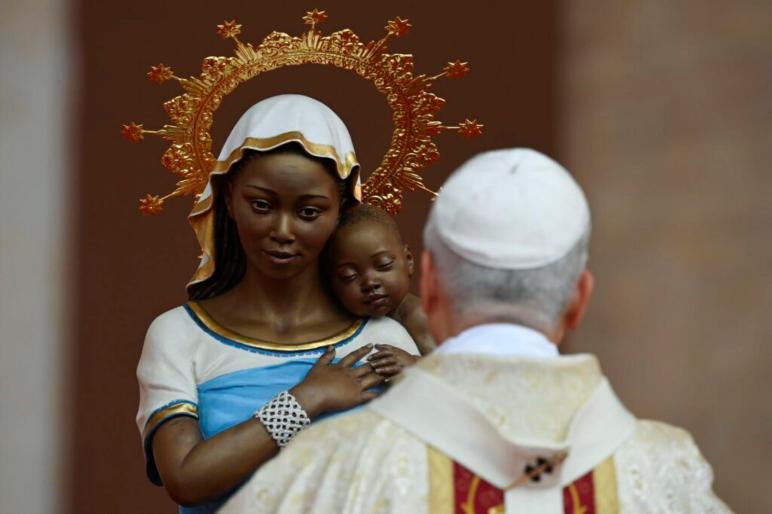
Pope Leo XIV prays in front of a statue of Mary and the Christ Child as he celebrates the final Mass of his apostolic journey to Africa at Malabo Stadium in Equatorial Guinea April 23, 2026. (OSV News photo/Matteo Pernaselci, Vatican Media)
Dear Boys and Girls,
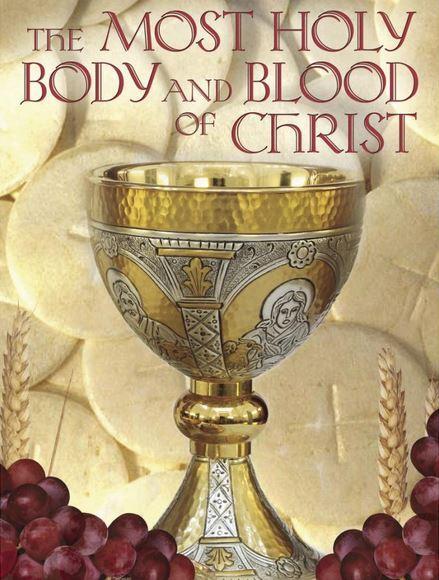
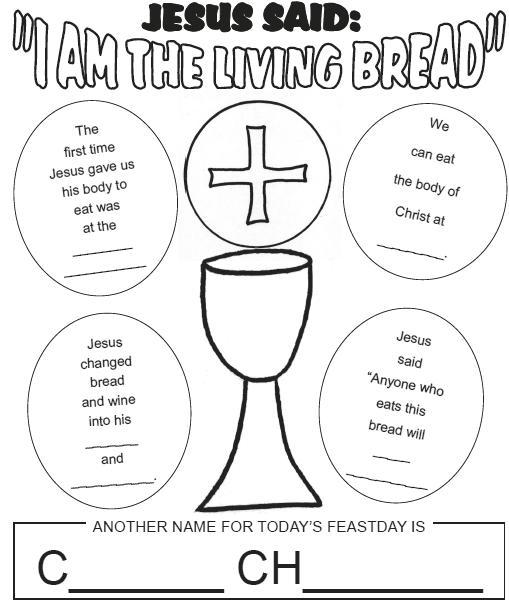
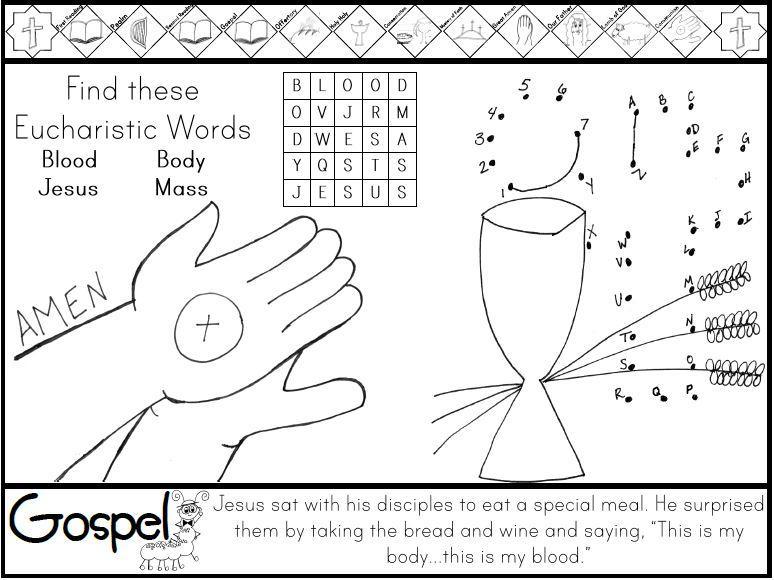
Today is another special day in the Church: it is the Solemnity of the Most Holy Body and Blood of Christ (also known as Corpus Christi ) - the gift of Jesus Himself to us. This is the day when many girls and boys receive First Holy Communion.
We remember how Jesus ate with his disciples on the night before he died. It was his last supper with them. At this meal, Jesus gave thanks and praise to his Father. He changed bread and wine into himself. He offered himself to his Father for us. He gave himself to his disciples as food and drink.
Jesus gave his body and blood for love of us. We are now Christ’s body in this world. We are called to help others just as Jesus did when he walked on the earth. ❖
“Balancing Faith and Life as Young Catholics”
Balancing Faith and Life through Shared Stories and Faith
By Alana Lewis
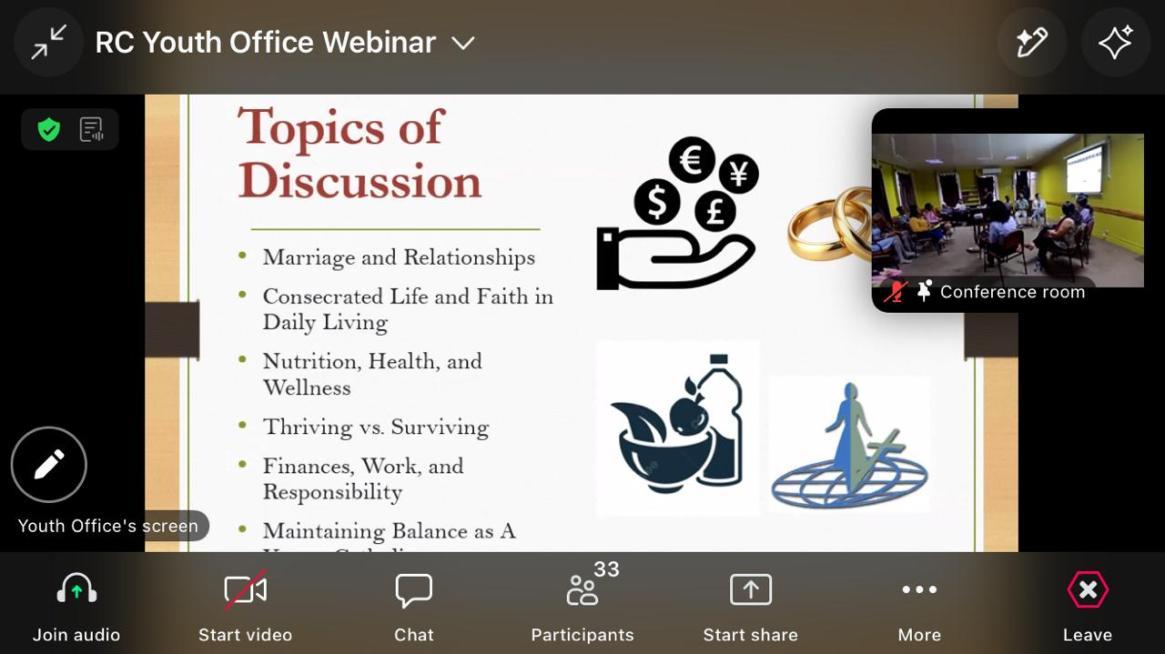
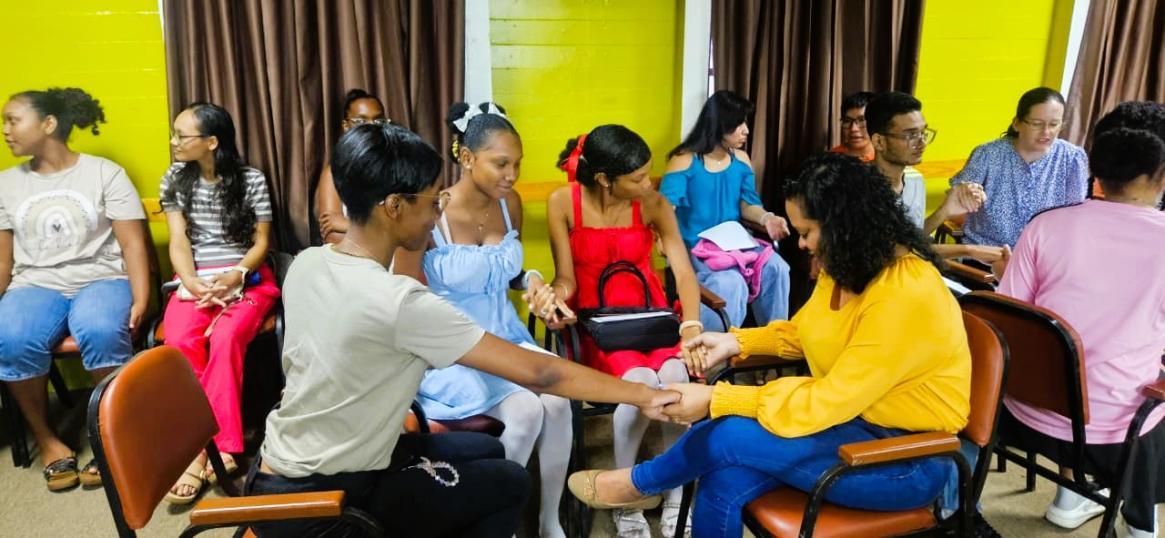
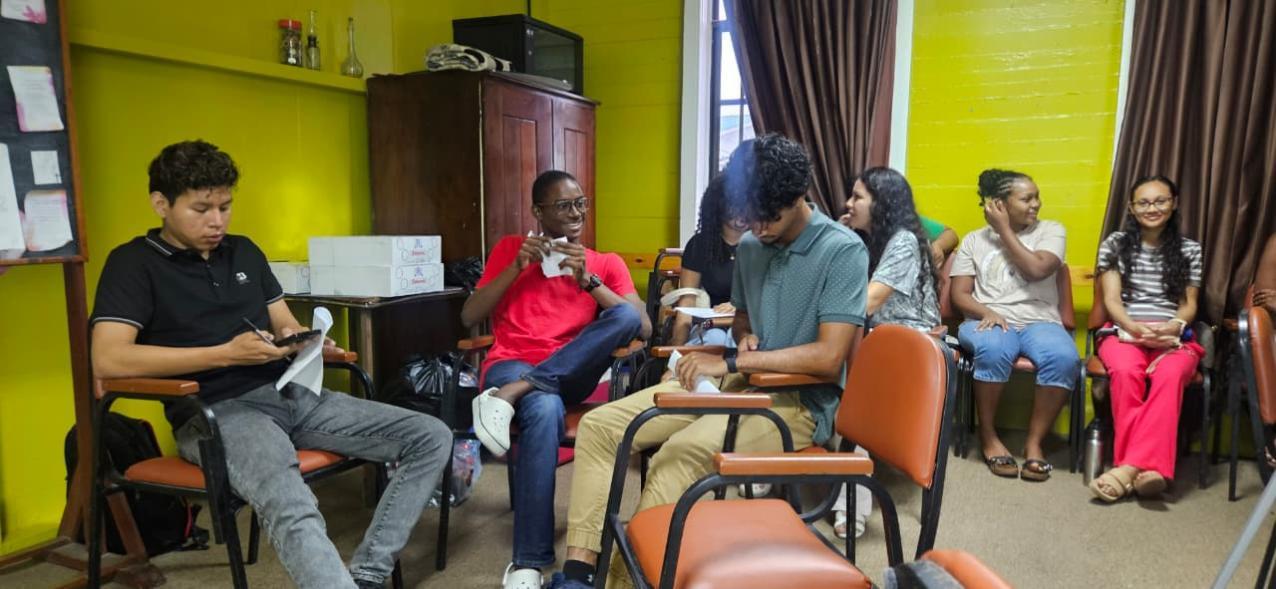
On May 30, the Diocesan Youth Office hosted a hybrid webinar under the theme “Balancing Faith and Life as Young Catholics”. With the participation of around 60 youths (both in person and online), six panelists and a moderator, a fruitful conversation was held on how our spiritual lives can be prioritized whilst navigating the pressures of life.
The moderator was Ms. Cheyenne Jordan and our six panelists were: Ms. Kean Chase, Sr. Meg Ekhart, RSM, Ms. Aaliyah Kendall, Ms. Nadia DeAbreu and Mr. and Mrs. Couchman. With their varied backgrounds, rich insight was brought to the table as they shared their own life experiences.
One of the key takeaways from the discussion was that balance is an ongoing process, for life is not constant but ever-changing. Figuring out balance in our individual lives comes from adjusting and adapting to the different seasons of our lives and moreover, our reliance on God’s grace to get us through.
The different perspectives given by our panelists, as they answered a series of structured questions, was a gentle reminder that we are never alone in our struggles; whether it be faith or life in general. Ms. Nadia shared her struggles when she first became a mother and how her faith carried her through periods of her life when she could not see a way out. Her story is testament to God’s faithfulness and continuous presence regardless of our circumstances. As for the Couchman’s, they shared some of the techniques that they implement to balance their family life. They stressed the importance of providing a space where feelings could be expressed and received with open-mindedness and gentle guidance. They also underscored the importance of their commitment to Jesus, whether as individuals, a couple or a family. Furthermore, Ms. Aliyah touched on how she lives an intentional life as a young adult by creating little goals she works towards, boundaries she implements and accepting who she is as a person. Sr. Meg, on the other hand, shared her experience of how in her twenties she checked all the boxes of a woman her age, but she still felt the calling to be part of something more. Her advice was to live out what you find joy in doing and sometimes the discovery of that involves trying out different things. Last but not least, Ms. Kean vibrant young woman, re-emphasized the importance of health in relation to all its aspects: mental, physical and social. As the famous saying goes, “One cannot be well if one is physically well yet one’s mental health or
social life suffers.”
To end the day, the attendees, both in person and on zoom, participated in group reflection and prayer. All in all,
the day was a refresher for ways in which we can maintain stability in our individual lives, and it also served as a reminder that we are all a family
through Christ and thus we ought to be there for each other.❖
The Eucharist and the Sacred Heart of Jesus
Fr. Joel Thompson SJ
This week, we celebrate the two deeply connected solemnities of the Most Holy Body and Blood of Christ, Corpus Christi (June 7th) and the Solemnity of the Most Sacred Heart of Jesus (June 12th). Both solemnities celebrate the Lord’s never-ending and burning love for us and thegift of himself to us.
Corpus Christi is Latin for “Body of Christ.” This solemnity celebrates our Catholic belief that at every Mass, Jesus is truly present in the Eucharist: Body, Blood, Soul and Divinity. The Eucharist is not mere symbol, but Christ himself, given to us under the appearances of bread and wine. The Catechism teaches that in the Eucharist, “the body and blood, together with the soul and divinity” of Jesus Christ are truly, really and substantially present (CCC1374).
Why Corpus Christi?
We already celebrate the institution of the Eucharist on Holy Thursday. But Holy Thursday takes place during Holy Week, when the Church is already entering deeply into the Passion of the Lord. Corpus Christi developed as a special feast of joy, praise and public thanksgivingforthegiftoftheEucharist
The feast was first celebrated locally in Liège,Belgiumin 1247,aftertheefforts and Eucharistic devotion of St. Juliana of Liège. Later, Pope Urban IV extended it to the universal Church in 1264. He also asked St. Thomas Aquinas to compose prayers and hymns for the feast. From St. Thomas, we have received some of the Church’s most beautiful Eucharistic hymns, (still used today) including Pange Lingua and Tantum Ergo Tradition also connects the spread of Corpus Christi with the Eucharistic miracle of Bolsena, Italy (1263) where a priest who struggled to believe in the Real Presence witnessed blood coming from the consecrated Host. Such Eucharistic miracles over the centuries have served to strengthenthe Church’s devotion to the Eucharist.
There is a beautiful connection between Corpus Christi and the Solemnity of the Sacred Heart of Jesus. Historically, the key moment is linked to St. Margaret Mary Alacoque. In 1675, she reported that Jesus asked for a feast in honour of his Sacred Heart to
great celebration of Corpus Christi
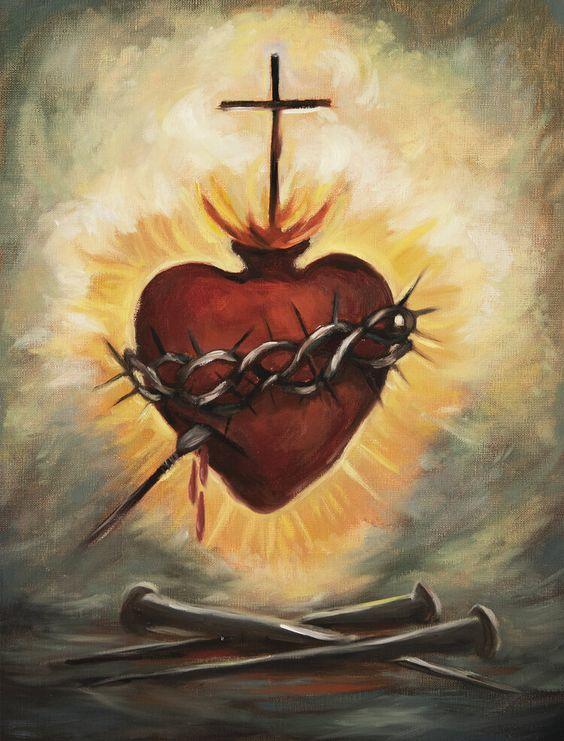
The closeness of the two feasts suggests that the Eucharist is none other than the Heart of Jesus himself. When we look at the image of the Sacred Heart, we see a heart surrounded by fiery flames. These flames are not decoration. They depict the burning love of Jesus for humanity. His heart is wounded, pierced with thorns, and yet still burning with love. This is the same love present in the Eucharist. The Eucharist is the Heart of Jesus still givinghimself to the world.
Pope Francis, in Dilexit Nos “He Loved Us” reminds us that devotion to the Sacred Heart does not distract us from Jesus. It leads us directly to him, “who calls us to a precious friendship
marked by dialogue, affection, trust and adoration.” (Paragraph 51). In Eucharistic adoration, we come before Jesus not simply to look at the Host, but to be looked upon by Christ himself. We bring our worries, sins, tiredness, hopes, families, parish, country and world before the Lord. In adoration, we allow the Heart of Jesus to speak toour hearts.
A Heart of Flesh
Some Eucharistic miracles have deepened this connection between the Eucharist and the Sacred Heart. In the well-known miracle of Lanciano, Italy, scientific studies reported that the flesh was human heart tissue and that the blood was type AB.Otherreported Eucharistic miracles have also been associated with heart tissue and AB
blood (e.g. Buenos Aires (1996), Sokolka (2008), Tixtla (2006). These miracles are not the foundation of our faith. Our faith rests on the words of Jesus: “This is my body this is my blood” (see Matthew 26:26-29). These words remind us that the Eucharist is not an idea, but is the living Christ, who is the love ofGod made flesh.
On Corpus Christi, many parishes throughout the world hold Eucharistic processions. The Blessed Sacrament is carried through the streets. This is public proclamation that Christ is Lord not only inside the church, but in our homes, schools, hospitals, workplaces, markets and streets.
The procession also teaches us that the Eucharist is not meant to keep us closed in on ourselves. We receive Christ so that we may become more like Christ. We adore him so that we may love like him. We kneel before the Eucharistic Heart of Jesus so that we may stand up for the poor, forgive those who hurt us, care for the sick, and buildpeace.
Pope Leo XIV’s Dilexi Te reminds us that God’s love comes close to human poverty and suffering. God’s love is not distant. It descends, takes flesh, and cares for our wounds. This is exactly what the Eucharist is. Jesus comes close to us to feed us withhimself.
Our Response to Love
The central question of Corpus Christi and the Sacred Heart is: How will we respond to this love? If Jesus gives us his Body and Blood, what can we give to him? If his Heart burns with love for us, can our hearts remain cold? If he gives himself completely, can we continue to live selfishly?
The Eucharist is the sacrament of love. The Sacred Heart is the image of love. Together they tell us that Christianity is not a religion of fear or empty rules and rituals. Christianity beautifully proclaims that God loves us, gives himself for us, and drawsus into his own life. May these two solemnities help us to love God more deeply and to love our neighbour more generously. Let us spend time in adoration. Inspired by the Sacred Heart, let us go out to set the world on fire with the burning love of Christ. ❖


Group “Praise & Paint
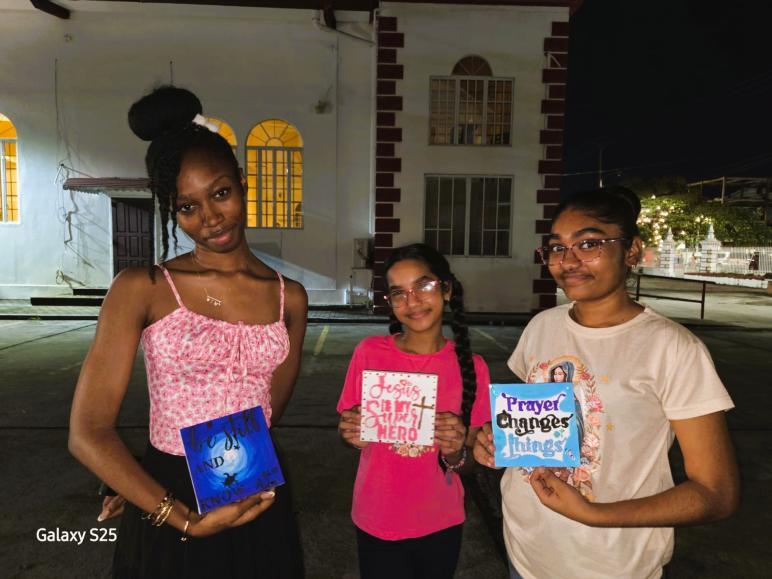
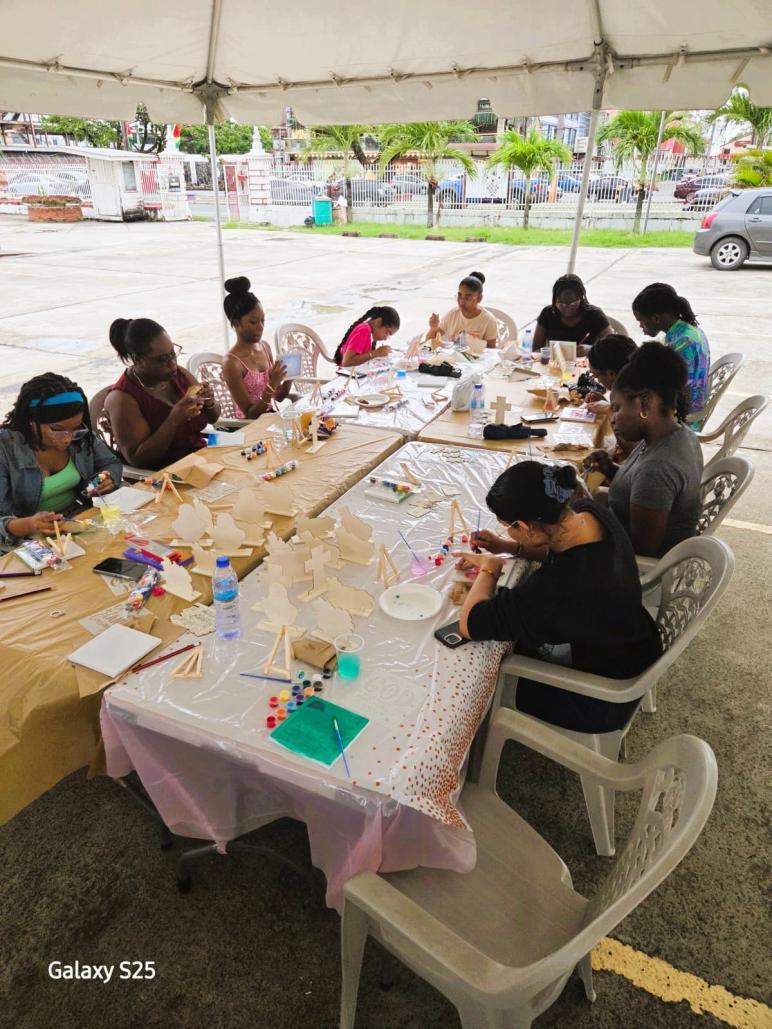
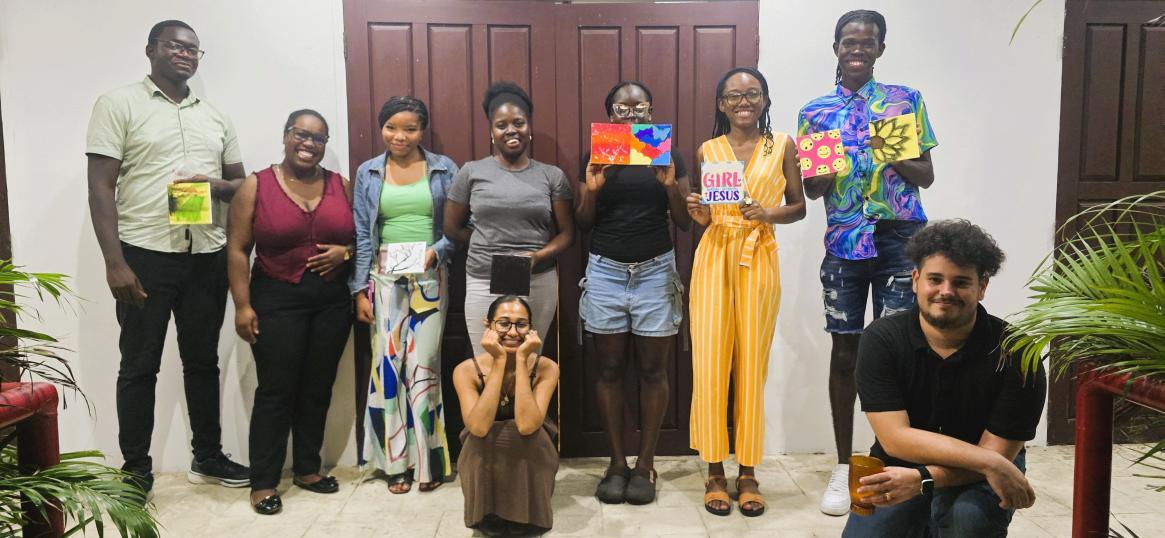
Last Saturday May 30th, our youth group gathered for a beautiful evening of fellowship at our “Praise & Paint” event, and we are truly grateful for the wonderful turnout.
At one point, the rain was pouring heavily and we honestly thought we might have to postpone. But by God’s grace, the rain eased up and we were still able to come together, laugh, create, pray, and spend meaningful time in fellowship.
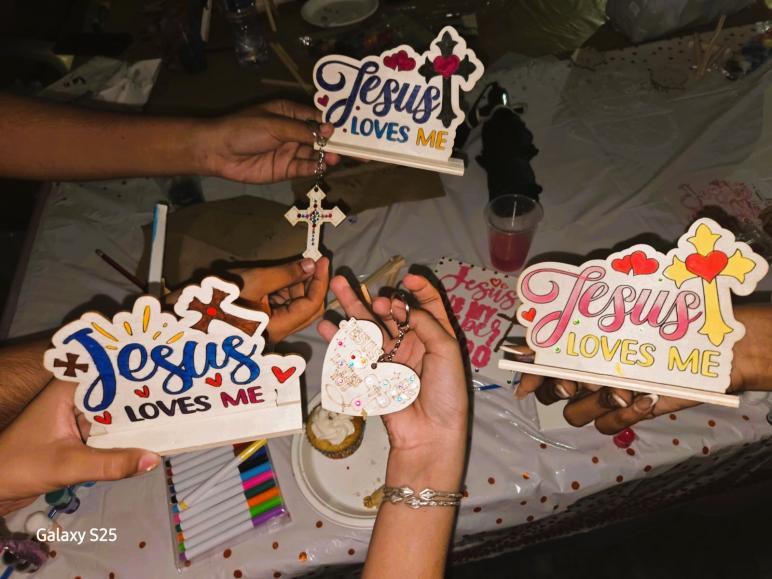
We began the evening in the best way possible by praying the Holy Rosary together and placing our time in God’s hands. Afterward, everyone had the opportunity to express themselves
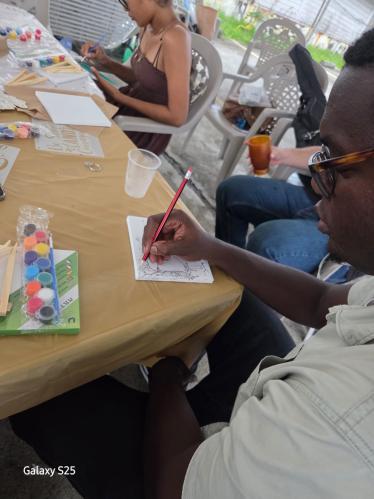
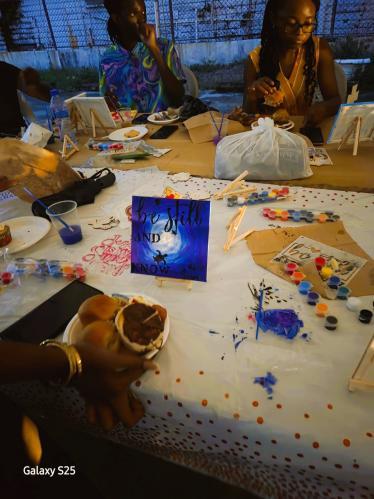
creatively through painting canvases, key rings, and wooden pieces while enjoying snacks and each other’s company.
Art has always been a beautiful way to reflect the creativity of God Himself. In the Book of Exodus, God specifically filled Bezalel “with the Spirit of God, with wisdom, with understanding, with knowledge and with all kinds of skills” to createbeautifulartisticworksforHis glory (Exodus 35:31-32). In the same way, creativity can become a form of worship and a way of expressing the gifts Godhas placed withineach ofus.
We also remember the words of St. John Paul II, who said: “Beauty is a key to the mystery and a call to transcendence.” Through art, fellowship, prayer, and joy, we are reminded of the beauty of community and the beauty of God’s presence among us.
Thank you to everyone who attended, supported, donated, helped organize, prepared snacks, prayed with us, and contributed in any way. Your kindness and support helped make the evening special.
We look forward to many more moments of faith, fellowship, and creativity together.❖ (Sacred Heart and Friends Youth Group – Guyana FB)
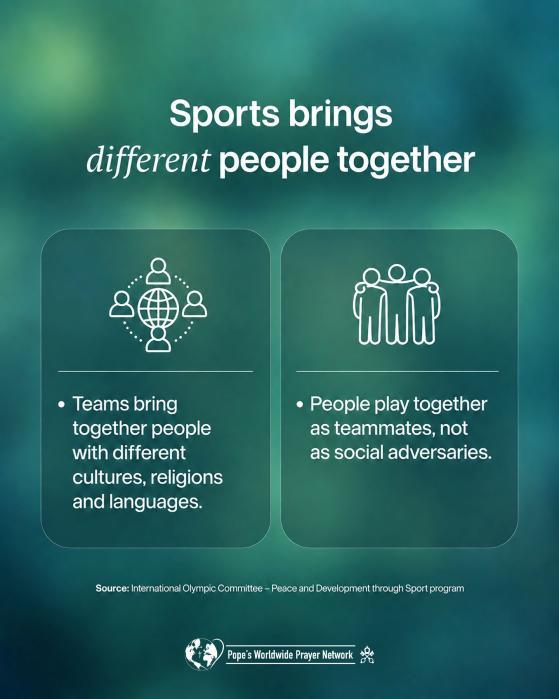
As World Cup approaches, Pope Leo’s June prayer intention is for sport to foster peace and encounter
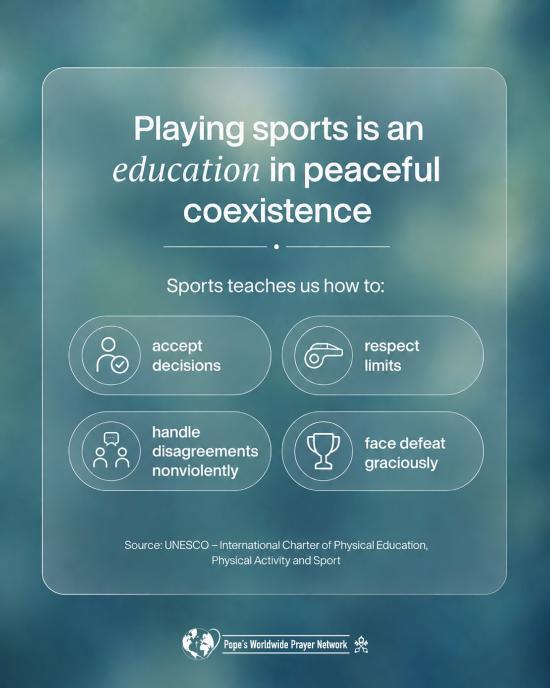
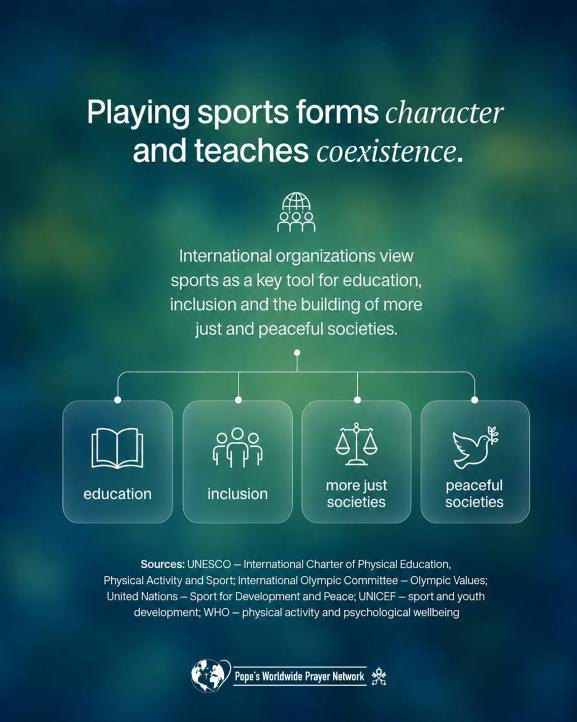
a path of peace, not violence.
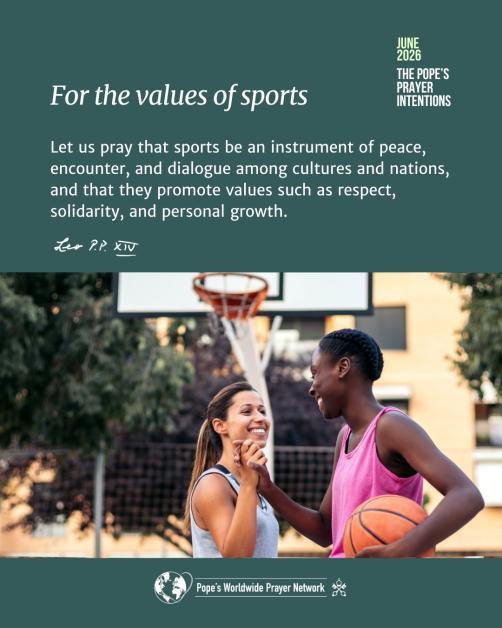
The pope’s official prayer intention for the month reads, “For the values of sport: Let us pray that sport may be an instrument of peace, encounter and dialogue between cultures and peoples, and may promote values such as respect, solidarity, and personal growth.”
The American pope’s prayer intention comes as his home country will begin co-hosting the World Cup on June 11 alongside Mexico and Canada. A record 48 national teams will compete across 104 matches in the three host nations through July 19.
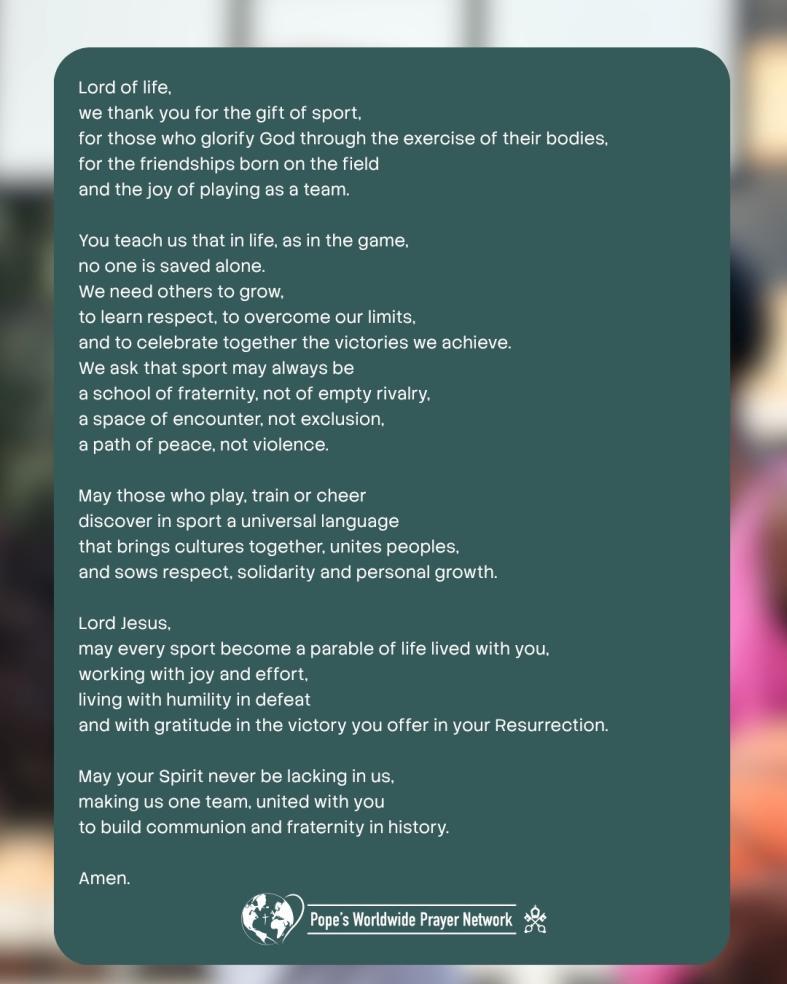
“Lord of life, we thank you for the gift of sport, for those who glorify God through the exercise of their bodies, for the friendships born on the field and the joy of playing as a team,” Pope Leo said in the video, recorded inside the Church of San Pellegrino in Vatican City.
“May those who play, train or cheer discover in sport a universal language that brings cultures together, unites peoples, and sows respect, solidarity and personal growth,” he added.
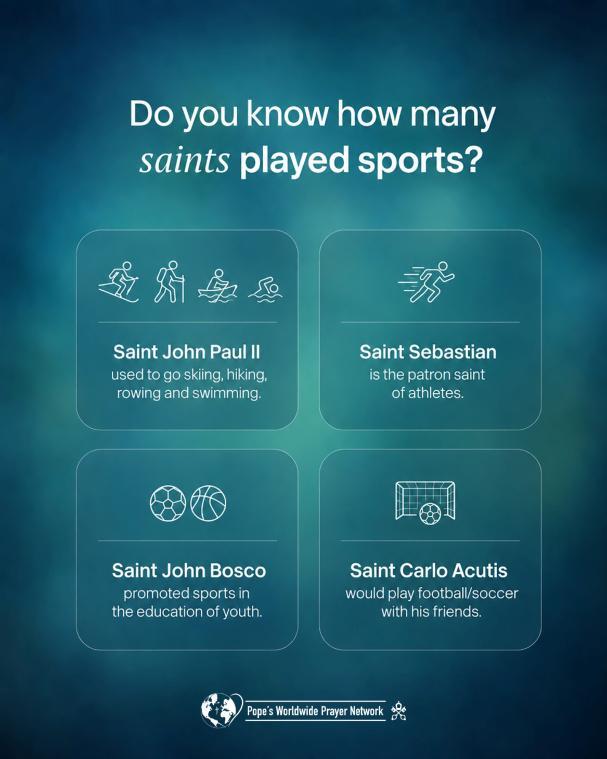
From the first days of his pontificate, Pope Leo has been known for his love of sport. He is an avid tennis player and a fan of Major League Baseball’s Chicago White Sox.
In his first interview as pope, he was asked who he would cheer for if the United States and Peru (where he served as a missionary for years and is also a citizen) were to face each other in the World Cup. He said he would cheer for Peru. As it happens, neither Peru nor Italy qualified for the 2026 tournament, sparing him any potential conflict of allegiances.
In April, the pope welcomed Italian Olympic and Paralympic athletes who competed in the 2026 Milan Cortina Winter Games to the Vatican. In May,
In the prayer video, Pope Leo drew a connection between athletic life and the Christian journey.
“Lord Jesus, may every sport become a parable of life lived with you, working with joy and effort, living with humility in defeat and with gratitude in the victory you offer in your Resurrection,” he prayed.
“May your Spirit never be lacking in us, making us one team, united with you to build communion and fraternity in history.”❖
Marian Academy participates in Green Walk Saint of the Week
By Sr. Shelly Jhetoo OSU
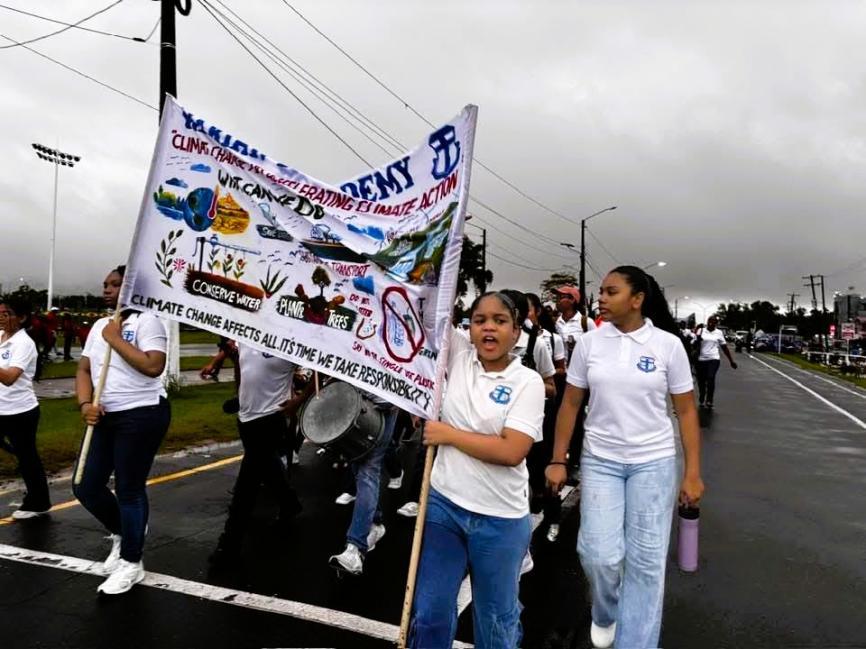
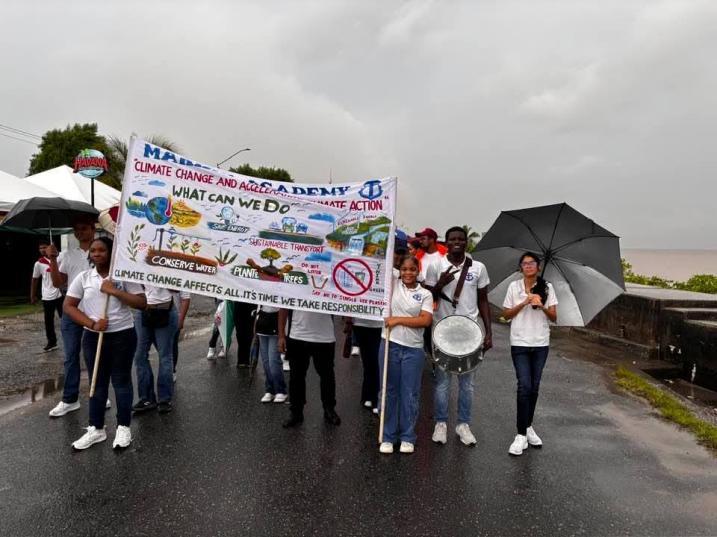
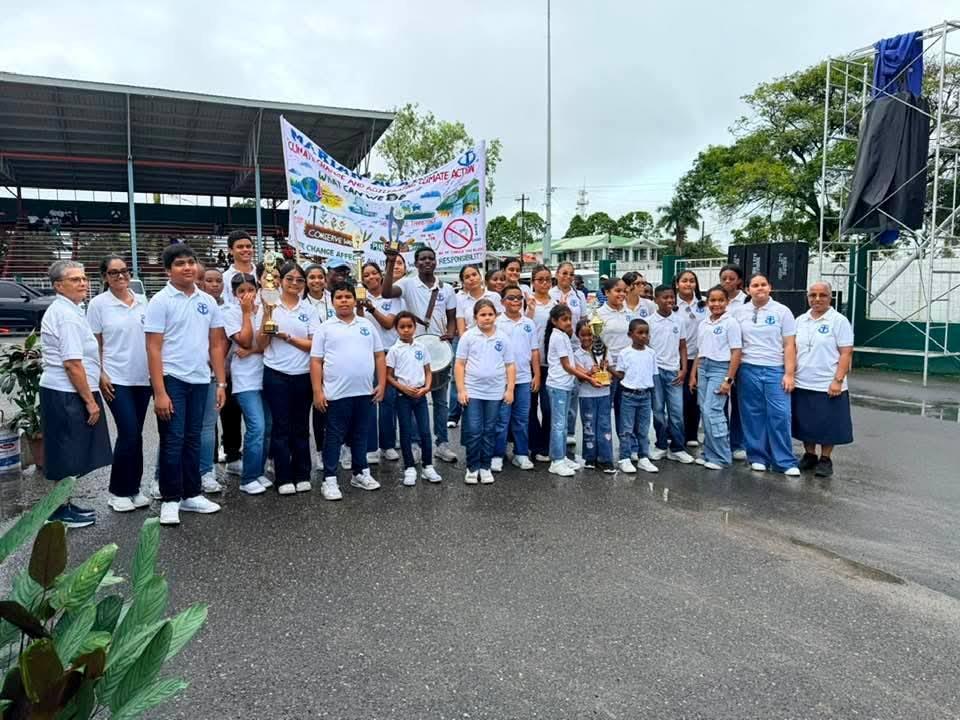
Last Sunday May 31st, the Environmental Protection Agency held its annual Green Walk in observance of World Environment Day (held June 5th each year).
We are pleased that many students, parents and teachers of Marian Academy came out to the Green Walk, braving the heavy rain. This is a true demonstration of their commitment to continue to raise their voices and bring awareness to care and protect our environment “OurCommonHome".
We are proud to share that Marian Academy has once again retained 1st Place in all four categories at the EPA’s Green Walk. We gained 1st for the Best Banner, 1st for the Best Chant, 1st for the Largest Contingent and 1st for Uniformity. This outstanding achievement is a testament to the commitment, dedication, enthusiasm, and energy of our students, parents and teachers who represented the school with pride and excellence.
Congratulations to everyone who played a part in this remarkable accomplishment. Together, we continue to demonstrate our commitment to caring for our environment and making a positive difference to accelerate
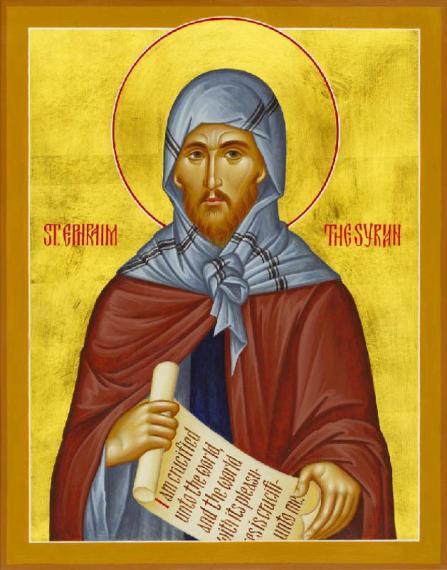
June 9th: Saint Ephrem (c. 306 – June 9, 373)
Poet, teacher, orator, and defender of the faith, Ephrem is the only Syrian recognized as a doctor of the Church. He took upon himself the special task of opposing the many false doctrines rampant at his time, always remaining a true and forceful defender of the Catholic Church.

Born in Nisibis (in modern-day Turkey), he was baptized as a young man and became famous as a teacher in his native city. He was ordained a deacon but declined becoming a priest. He hada prolific pen, and hiswritings best illumine his holiness. Although he was not a man of great scholarship, his works reflect deep insight and knowledge of theScriptures.
It is surprising to read that he wrote hymns against the heretics of his day. He would take the popular songs of the heretical groups and using their melodies, compose beautiful hymns embodying orthodox doctrine. Ephrem became one of the first to introduce song into the s public worship as a means of instruction for the faithful. His many hymns have earnedhim thetitle “Harpof the HolySpirit.”❖ [www.franciscanmedia.org]