

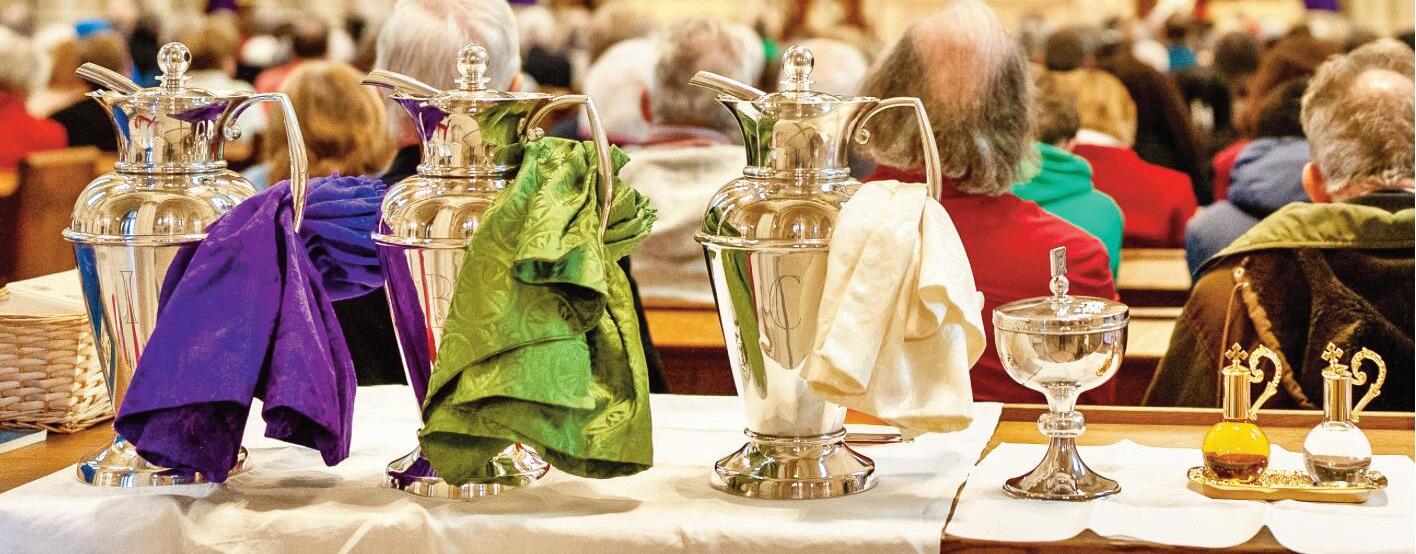
indescribable mass destruction of lives, homes and land in Gaza, and the people of the West Bank are seeing destruction and violence that goes far beyond the harassment and obstruction they have experienced for decades.
In an act of deep symbolism and solidarity a number of Catholic and Anglican Dioceses have again chosen Palestinian Olive Oil as the base for their Holy Oils.
Reflecting on the continued suffering of those living in the Holy Land, a representative from Pax Christi, the International Catholic Movement for Peace, said: “[We are] deeply shocked by all the suffering we see imposed on those in the Holy Land. We have seen
“The last olive harvest in Palestine was one of the most difficult in memory. Across the West Bank farmers have faced violence, intimidation and the constant fear of attack. Armed settlers have blocked access to olive groves, set fire to trees and vandalised property. Some have assaulted farmers and their families or threatened them with guns and batons. In some areas, olive trees have been bulldozed or uprooted by the Israeli army. Harvesting for many has become as act of defiance and resilience. Families have had to make an unthinkable choice - to stay away from their
groves and let the olives fall, rather than risk their lives and that of their families.
“Never has our solidarity and support for the Holy Land been needed more and this Easter it's good to know that we can be linked in such a special way, through the use of olive oil from the Holy Land, to the Palestinian families who have produced the oil that will be used throughout the year in the Sacraments of the Sick, Baptism and Holy Orders and in the anointing of new bishops."
Canon Rob Esdaile, parish priest of St Dunstan's, Woking, has campaigned for peace and justice for many years, reflecting on the significant challenges faced by Palestinian farmers he said: “The olive tree has long been a symbol of the heritage of the inhabitants of the Holy Land. Psalm 133 uses the vivid image of olive oil running down a man's beard as a
symbol of peace in the community and of 'brothers dwelling in unity', while the same oil was used by Samuel to anoint both King Saul and King David.
“In the face of military blockades and the theft of land [the annual olive harvest] has become a symbol of resistance and hope. Our liturgical use of Palestinian olive oil is both an act of solidarity and a very physical prayer for the peace of Jerusalem and of the whole Holy Land."
While we take part in the services of Lent, Holy Week, Easter and Pentecost, we remember that since the war on Iran, all Palestinian places of worship in Jerusalem have been closed by the Israeli Authorities... denying access to worship for Muslims and Christians. We are asked to keep them in our prayers as we hope for a Just Peace for all in the Holy Land."

CONTACT US:
The Catholic Post is published by its owners CathCom Ltd and is wholly independent of and separate from any previous newspaper. The Catholic Post is published on the last Sunday of the month previous to publication date.
EDITOR:
Nick Layton
email: editor@catholicpost.co.uk
ADVERTISING:
CathCom Ltd.
01440 730399
ads@cathcom.org
DESIGN & LAYOUT:
David Lodge, davidl@cathcom.org
PUBLISHED BY:
CathCom Ltd. N2 Blois Meadow Business Centre, Blois Road, Steeple Bumpstead, Haverhill, Suffolk CB9 7BN
01440 730399
ARTICLES TO:
The Catholic Post
email: editor@catholicpost.co.uk or davidl@cathcom.org
Please send articles for publication by email, supplying any photos separate to the text. We welcome contributions. Here are answers to some basic questions about writing for The Catholic Post How long should articles be?
Usually it seems to work out best if contributors simply say what they have to say and let us worry about finding a spot for it in the paper.
What is the submission procedure?
Please send as a Word file attached to an e-mail. To submit articles for publication, send to editor@catholicpost.co.uk
Charts, graphs, and photos should be submitted as separate PDFs. Electronic photos should not be embedded or pasted into a Word document as this reduces their quality.
Photographs and Illustrations
Photographs and Illustrations should be supplied electronically as high resolution JPEG (*.JPG) files).
Photographs and illustrations should be sent in colour with a resolution of 300 dpi and a minimum size of 100 mm x 100 mm when printed (approx. 1200 pixels wide onscreen).
Computer print-outs are not acceptable. Screen captures are not ideal as they are usually not very high
Parental permission should be sought before submitting photographs of minors.
Source information -
DW = Diocesan Website.
ICN = Independent Catholic News
Views expressed in The Catholic Post are not necessarily those of the editor
Last date for copy is the LAST DAY of the month prior to publication.
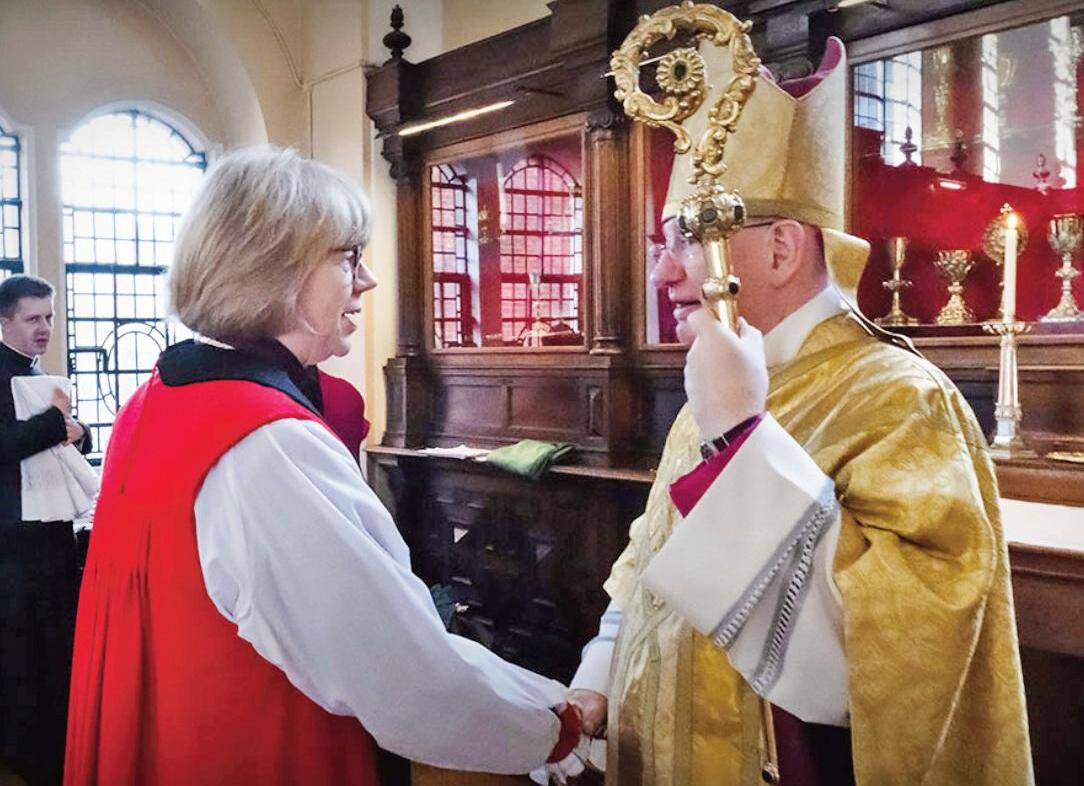
Pope Leo XIV has sent a message to Sarah Mullally on the occasion of her installation as Archbishop of Canterbury, assuring her of his prayers and invoking “grace, mercy, and peace… in truth and love”.
The installation service, historically known as an enthronement, took place in Canterbury Cathedral on 25 March. In the presence of some 2,000 guests, including the Prince and Princess of Wales, it marks the symbolic start of Dame Sarah’s public ministry as the Archbishop of Canterbury.
In his message, the Pope refers to the work of the Anglican-Roman Catholic International Commission (ARCIC), established following that encounter, stating that it has contributed to greater mutual understanding and has supported a more effective common witness, particularly in the face of contemporary global challenges
Recalling the 1966 encounter
The message recalls the historic meeting in 1966 between Pope Paul VI and Archbishop Michael Ramsey, when Catholics and Anglicans committed themselves to “a new stage in the development of fraternal relations, based upon Christian charity.” This commitment, he highlights, has borne fruit over the past sixty years.
In his message, the Pope refers to the work of the Anglican-Roman Catholic International
Commission (ARCIC), established following that encounter, stating that it has contributed to greater mutual understanding and has supported a more effective common witness, particularly in the face of contemporary global challenges.
At the same time, he acknowledges that the ecumenical journey has encountered difficulties. He recalls the 2016 Joint Declaration signed by Pope Francis and Justin Welby, which noted that “new circumstances have presented new disagreements.”
These differences, he adds, do not prevent Christians from recognising one another as brothers and sisters in Christ by virtue of their common baptism.
Thus, the Pope expresses his belief that dialogue should continue “in truth and love,” so that Christians may come to know together the grace, mercy and peace of God and offer these to the world.
Unity and common witness
Pope Leo XIV writes that the unity sought by Christians is directed toward the proclamation of Christ, recalling the prayer of Jesus, “that the
world may believe”. He also cites an address of Pope Francis to Anglican Primates in 2024, which stated that divisions among Christians risk hindering their common vocation to make Christ known.
The witness of a reconciled and united Christian community, he affirms, contributes to the clarity of the proclamation of the Gospel.
The liturgy in Canterbury
The Pope’s message was delivered on Thursday, 26 March in Canterbury Cathedral at the conclusion of a common prayer service presided over by Archbishop Mullally and the Pope’s envoy, Cardinal Kurt Koch, Prefect of the Dicastery for Promoting Christian Unity. The liturgy marks the 60th anniversary of the 1966 meeting between Pope Paul VI and Archbishop Michael Ramsey. During the celebration, the same kneeler used in the 1982 encounter between Pope John Paul II and Archbishop Robert Runcie was used.
The 2026 Catholic delegation included Archbishop Flavio Pace, Secretary of the Dicastery; Cardinals Vincent Nichols and Timothy Radcliffe; Archbishop Bernard Longley of Birmingham, co-chair of ARCIC; Archbishop Richard Moth of Westminster; Archbishop John Wilson of Southwark; Archbishop Leo William Cushley of Saint Andrews and Edinburgh; Bishop Kenneth Nowakowski of the Ukrainian Greek Catholic Church in the United Kingdom and the chargé d’affaires of the Apostolic Nunciature in London, Ante Vidović.
Following the resignation of the Right Reverend Ralph Heskett CSsR as Bishop of Hallam, His Holiness Pope Leo XIV has appointed Bishop Marcus Stock as the Apostolic Administrator of the Diocese of Hallam.
This appointment is in addition to his office as Bishop of Leeds and additional responsibilities as the Apostolic Administrator of the Diocese of Middlesbrough.
“I feel very humbled by the trust which His Holiness has placed in me with these appointments," said Bishop Marcus. “The Holy Father has requested that I begin a consultation with the clergy, religious and lay faithful of the Diocese of Hallam about a possible reunification with the Diocese of Leeds, from part of which Hallam was created in May 1980.
“While the potential changes that we are being asked to study together may present us with challenges, they will also offer us opportunities to strengthen our service of the mission which Christ has entrusted to His Church and to renew our vigour in responding to the work of evangelisation."
Bishop Stock paid tribute to Bishop Ralph Heskett who has now retired as Bishop of Hallam.
“Let us give thanks to Almighty God for the ministry that Bishop Heskett has given so devotedly as Shepherd of the Diocese of Hallam over the past twelve years," said Bishop Marcus. “We pray that the Lord will grant him health and strength as he begins his retirement."
In a letter to the people of the Diocese of Hallam, Bishop Heskett said: “With a heavy heart but with trust in Divine Providence, I recently submitted my resignation from the office of Bishop of Hallam to Pope Leo XIV. This decision was prompted by a sense of my declining health, which I judged was beginning to impede my ability to exercise fully the pastoral responsibilities entrusted to me.”
Reflecting on his time as the Bishop of Hallam, he thanked the people of the diocese:
“For almost 12 years it has been my immense privilege and joy to serve as your shepherd. I am deeply grateful to the Lord for each of you – my brother priests who have shared the burdens of the flock; the deacons, religious, and consecrated persons whose witness inspires us all; and you, the lay faithful, whose holiness in ordinary life builds up the Body of Christ.”
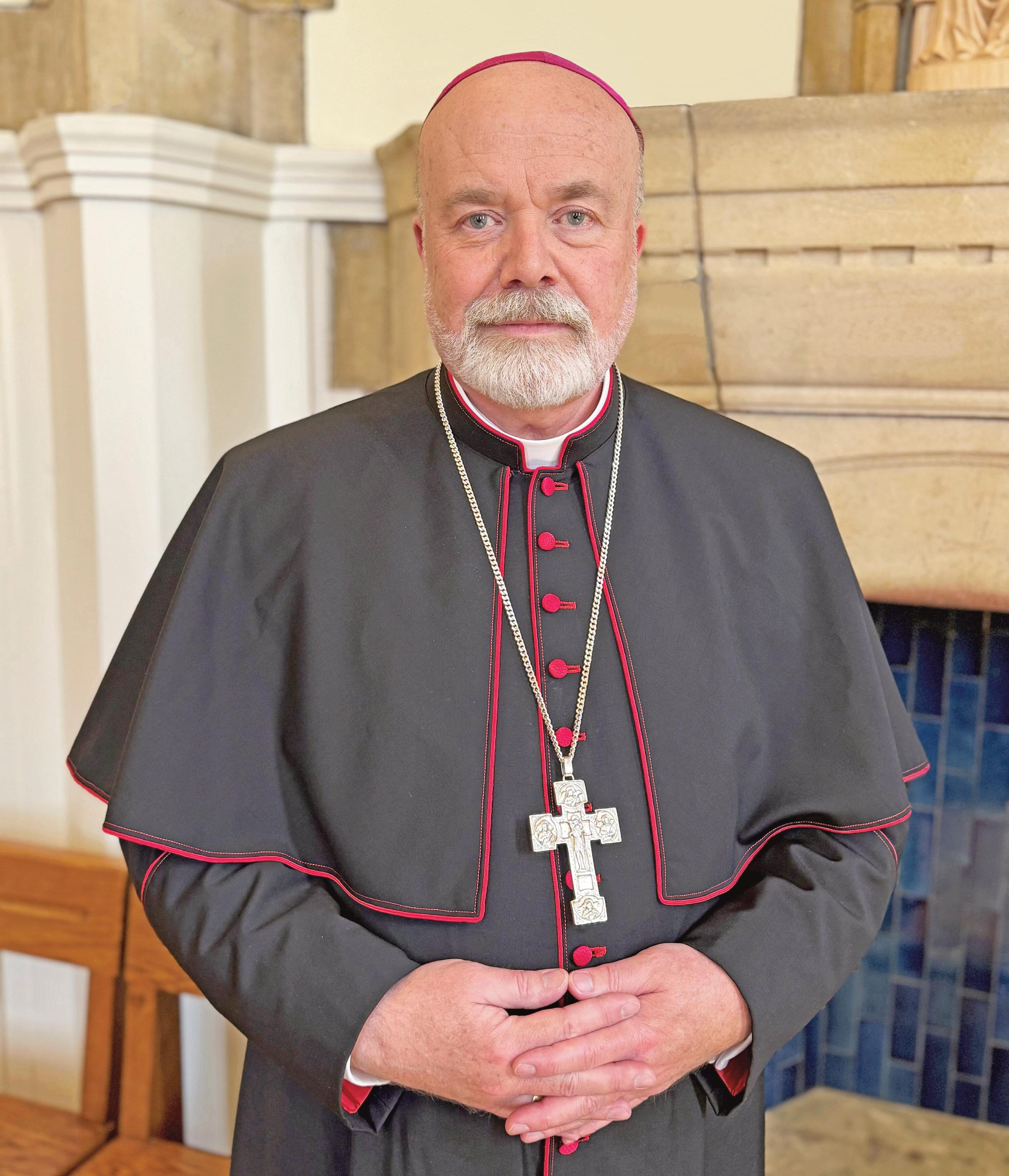
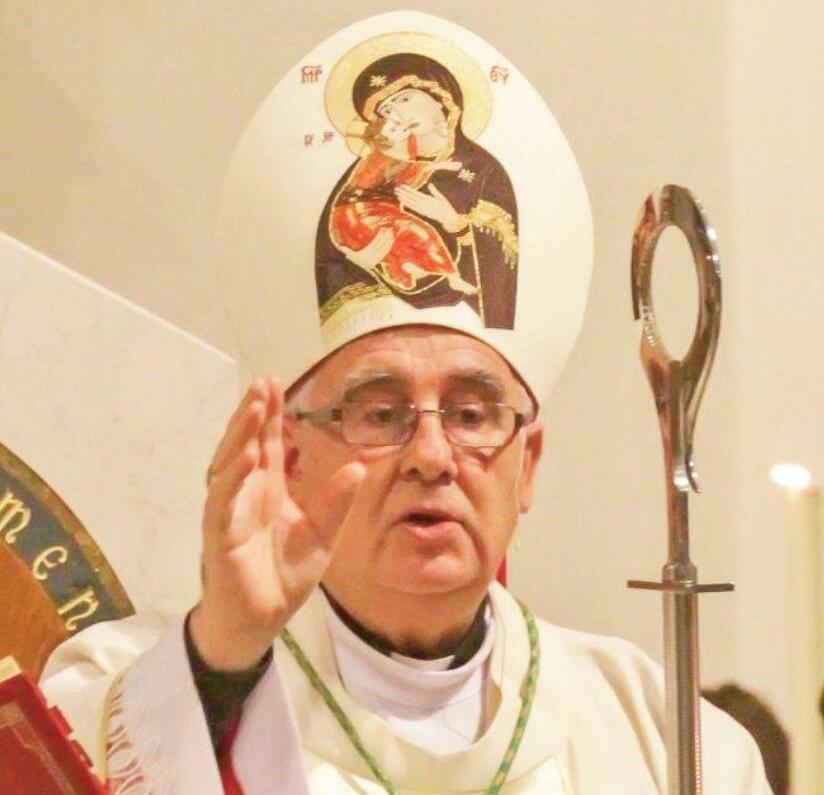
“My dearest friends, all it takes is a little faith, a mere ‘crumb’ of faith, in order to face this dramatic hour in history together – as humanity and alongside humanity… Let us rise from the rubble!...
In prayer our limited human possibilities are joined to the infinite possibilities of God. Thoughts, words and deeds then break the demonic cycle of evil and are placed at the service of the Kingdon of God. A Kingdom in which there is no sword, no drone, no vengeance, no trivialization of evil, no unjust profit, but only dignity, understanding and forgiveness…
Enough of the idolatry of self and money! Enough of the display of power! Enough of war! True strength is shown in serving life…
Let us, therefore, unite the moral and spiritual strength of the millions and billions of men and women, young and old, who today choose to believe in peace, caring for the wounds and repairing the damage left behind by the madness of war…”
Lord Jesus, You conquered death without weapons or violence:
You shattered its power with the strength of peace.
Grant us your peace, as you did to the women filled with doubt on Easter morning, as you did to the disciples who were hiding in fear.
Send forth your Spirit, the breath that gives life and reconciles, that turns adversaries and enemies into brothers and sisters. Inspire us to trust in Mary, your mother, who stood at the foot of your cross with a broken heart, firm in the faith that you would rise again.
May the madness of war cease and the Earth be cared for and cultivated by those who still know how to bring forth, protect and love life.
Hear us, Lord of Life!”
(See www.vaticannews.va Search for ‘Pope Leo at Prayer Vigil for Peace: ‘Full reflection’ for complete text.)
www.crownofthorns.org.uk email:office@crownofthorns.org.uk
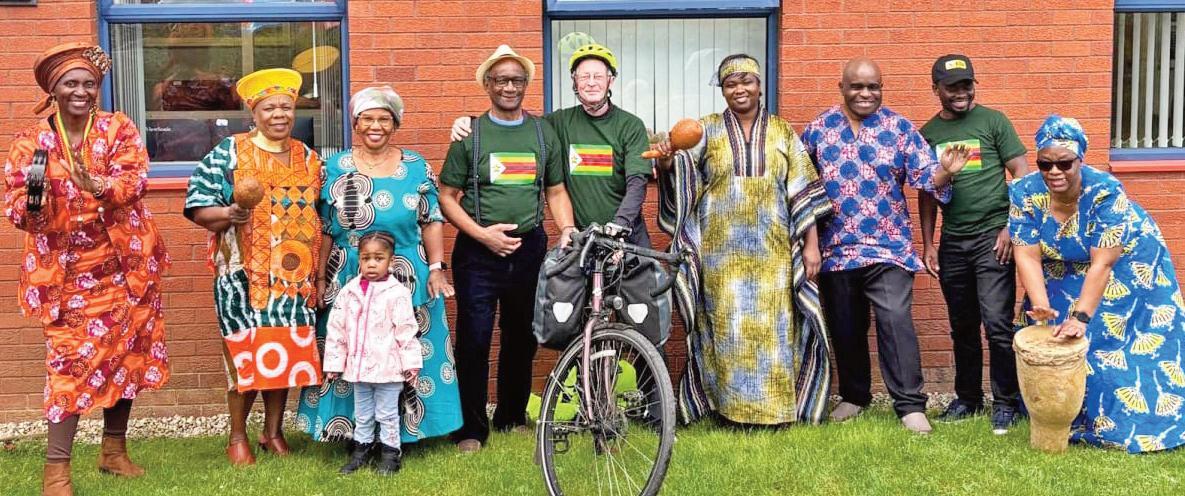
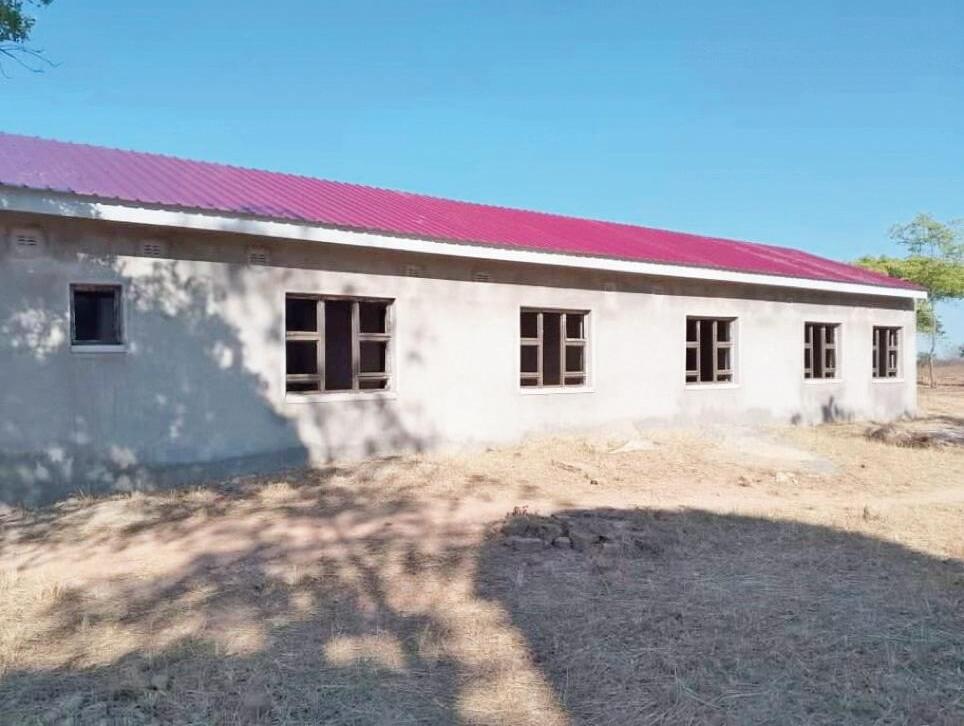
“St David's Medical Centre is almost completed but it needs to be furnished and supplied with medical equipment,” said Frank. “Once this is done the government will take over running the medical centre, ensuring there are medical staff.
“This is a last push for fundraising.
“Lourdes is very important to me, I have attended in some role since 2008, most recently as a hospitalier and choir member. I caught the ‘Lourdes bug’!
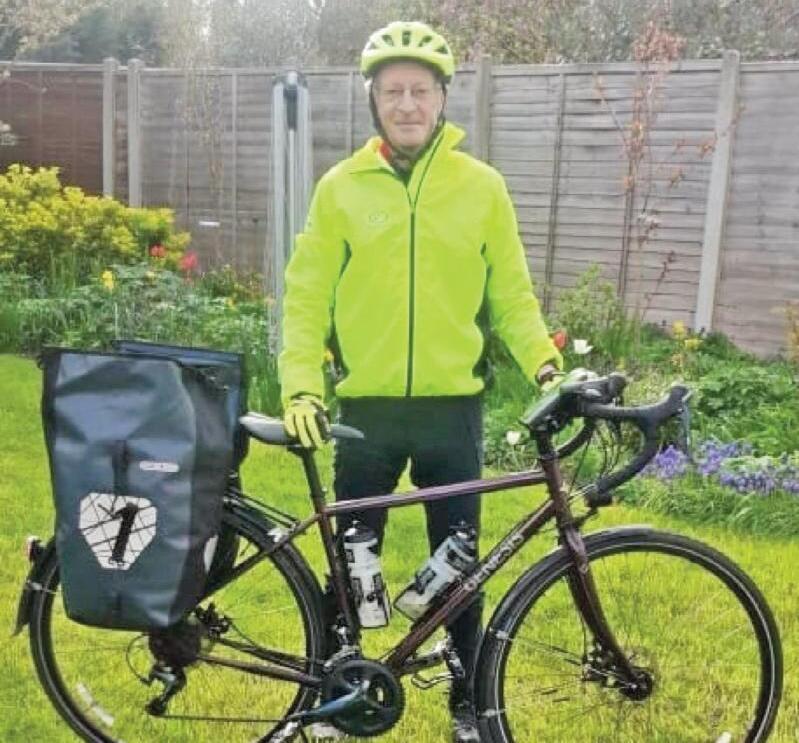
The 70-year-old of St George’s, Worcester, is intending to join the hundreds of pilgrims on day one of the Pilgrimage, Monday 25 May, after a mammoth 20-day journey.
Frank, a retired RE teacher of Blessed Edward Oldcorne Catholic College, and now a governor there, will set off from Worcester on Tuesday 5 May - and apart from the ferry crossing he will be cycling all the way to Lourdes.
His (self-funding*) cycling challenge will help raise funds to complete the St David’s Medical Centre in Nyandoro, Zimbabwe, of which the parish and school community have been involved in fundraising for several years.
The Medical Centre structure is completed but a further £10,000 is needed to furnish the building with equipment. It will then be ready to use.
Fundraising for the project has been led by Sonya Thomas, deputy headteacher at Blessed Edward Oldcorne, since 2014 after a student with family in Nyandoro talked about the lack of medical provision in the region. But the project was halted for several years when Covid struck and has been hit by political turmoil and hyperinflation.
“Taking on this cycling challenge for the centre, which will get me to Lourdes, is bringing two very important aspects of my life together.”
The project already has the blessing of Archbishop Bernard Longley and Frank is sure to be welcomed with open arms when he arrives in Lourdes.
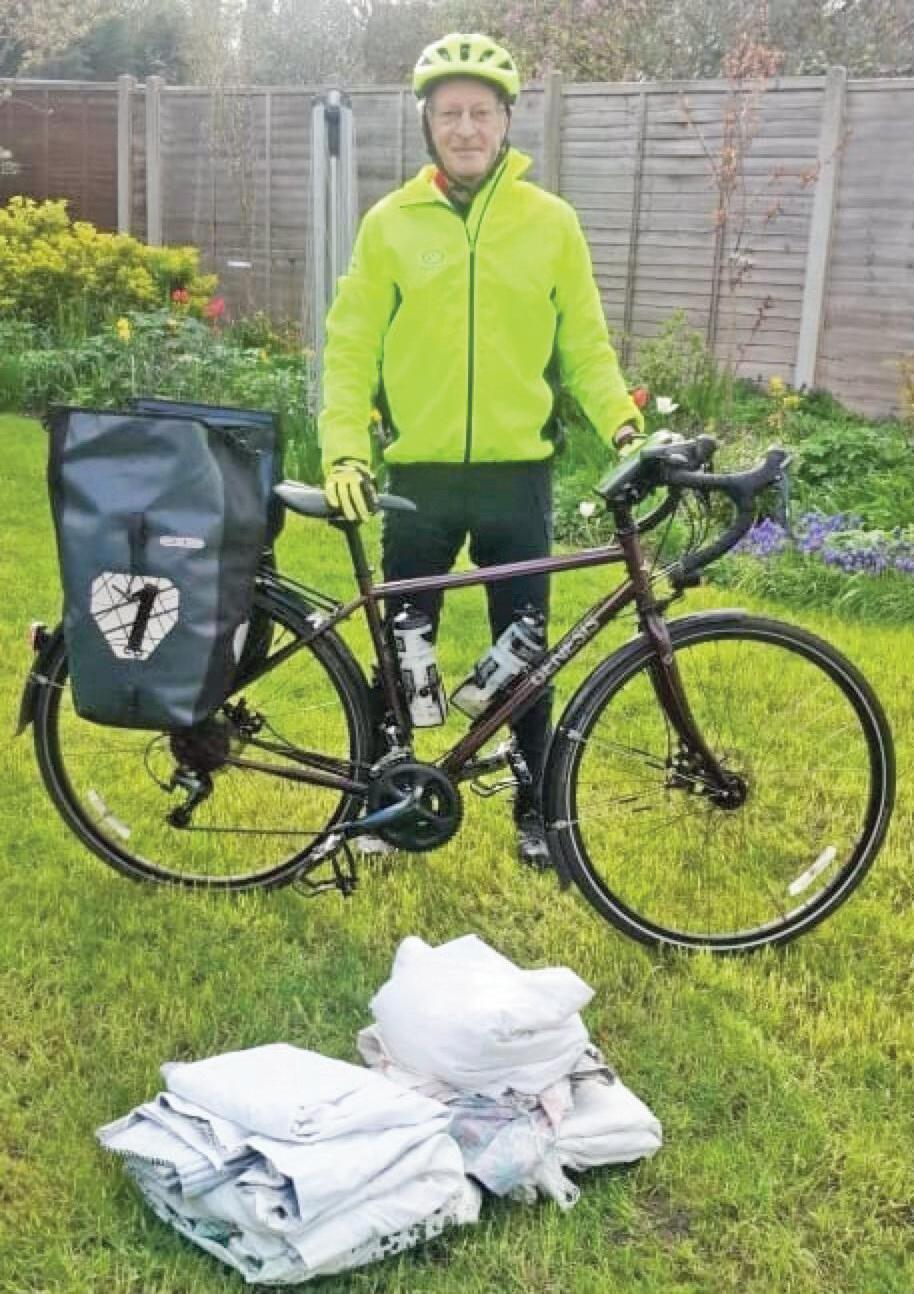
He can then enjoy the Pilgrimage before taking the train home.
Frank is due to set off from the Blessed Edward Shrine (where Edward was martyred) at the top of Red Hill, Worcester, at 6am on Tuesday 5 May. Frank will aim to track his cycling progress on Facebook.
He has been in training for the sponsored cycle ride for at least three months, and to simulate the weight of 5kg in each pannier puts in heavy old curtains (pictured).
Sonya added: “This Lent I have launched the 'One Thousand Hearts' campaign - the theory being that if 1,000 people (the rough number of students in our school) donated or raised £10, then we would raise £10,000 - enough to complete the build. The Zimbabwean local authorities have stated that they will take over upkeep of the medical centre once it is built. Fingers crossed!
“The students and their families have surprised me by their generous support for this Lenten campaign, however the biggest boost to our hopes has been the amazing gesture by Frank to carry out a staggering 800-mile sponsored bike ride to Lourdes!! Keeping in mind also his previous fundraising activities he is a truly wonderful example of someone living out God's mission.”
To donate to Frank’s cycle ride if you are able, scan the QR code.

* Frank will be paying for all expenses during the cycle ride (travel, accommodation, meals etc).

Fr David OMalley
The view from the pew at every mass is filled with many marvels but this sight is perhaps the greatest: As a priest or eucharistic minister I look into his eyes and say “the body of Christ" then I raise the host and place it in his outstretched hands. He responds by saying “amen" so be it. It is one of the intimate moments of the mass when Christ comes home and is welcomed into the body of the one who accepts the gift. Face to face with God’s only Son.
Within seconds that blessed sacrament bread is being absorbed into his body. The chemical processes in the mouth have already started to change the starch of the bread into sugar leaving a sweeter taste in the mouth. Now there is no distinction, no join between Christ and the one who receives. Jesus identifies so much with each of us that he becomes one with us. We live and breathe God's presence in mind, heart and in our body and that mystery is captured in the Eucharist at every mass. That is why the church asks the congregation to sit in silence for a while after communion, with no movement or singing in order to respect the mystery of Christ received into our bodies, incarnate now in us.
The presence of the Risen Jesus stays with us as we sing the final hymn and head home. We may lose awareness, but Jesus remains. ‘Make your home in me as I make my home in you,’ (John 15.4) Jesus tells us. In other translations it says ‘abide in me’ which suggests resting and waiting as well. I like that familiarity because I believe that God is shockingly close to us all at every moment. Read this quote from Psalm 139 if you don't believe me.
My body was never hidden from you even when I was being formed in my mother’s womb Every one of my days is known to you, my God. (139.15. paraphrased)
We live in God's own world; he surrounds us and fills us all the time. But we forget and go about our weekly work as if God was far away and we are alone. It is then that we feel defenceless, misunderstood, isolated and even desperate to prove ourselves. Like Adam and Eve in the garden of Eden we hide from God and rely only on ourselves, on our strength or our own cleverness and we grow in anxiety as trust in God evaporates. After being tempted Adam and Eve hid in the forest when they
heard God calling. They were ashamed and afraid of God’s anger, so they tied fig leaves together to hide their nakedness. Today we are still wearing those fig leaves. Still hiding from God.
That is why the church asks us to set aside time in the morning and the evening to talk to God, to reconnect with this intimate presence of the Risen Jesus. To step out of hiding and let go of pretence of God’s absence. All life-giving friendships rely on a flow of communication and our friendship with The Risen Jesus is no different. Stopping and allowing our hearts and minds to relax into that presence of Jesus can help to keep us sane. It can help us to keep perspective, ease anxieties and hear the call to Gospel action.
The church doesn't ask us to say just verbal prayers in the morning and the evening. It asks us to raise our minds and hearts to God. We can do that when we are on the bus, when we are cooking, in the bath, anywhere that doesn't demand all our attention.
So, step on to that early morning bus with me. What do you see? One person might be scrolling through messages, another daydreaming, another worrying about money and then there is you, raising your mind and heart to eternity and the mystery of The Risen Jesus. Sharing with Jesus the challenges of the day ahead, seeking guidance and rooting yourself deeper into life's lasting values. You are a faithful Catholic talking to your God. You are not hiding from God.
When the church asks us to pray morning and evening it really is a minimum for us as Catholics. (See The Catechism of The Catholic Church 2698) St Paul urges to pray constantly which seems impossible, especially if you believe prayer is just saying words. (1Thessalonians 5.16) It becomes possible when you consider prayer as a background awareness that is always there. Something that abides in our consciousness all the time. St Francis de Sales describes this experience as like a child wandering down a road with his hand firmly in his father's hand. The other hand he uses to pick fruit and eat it as he passes by. Francis urges us not to let go of the father's hand just to collect more fruit, tempting though that might be. Keeping that awareness of our hand in the hand of the Father protects us from the temptation to get more things, to pursue unhealthy ambitions or to slip into despair and sadness. That awareness keeps us on a Gospel path.
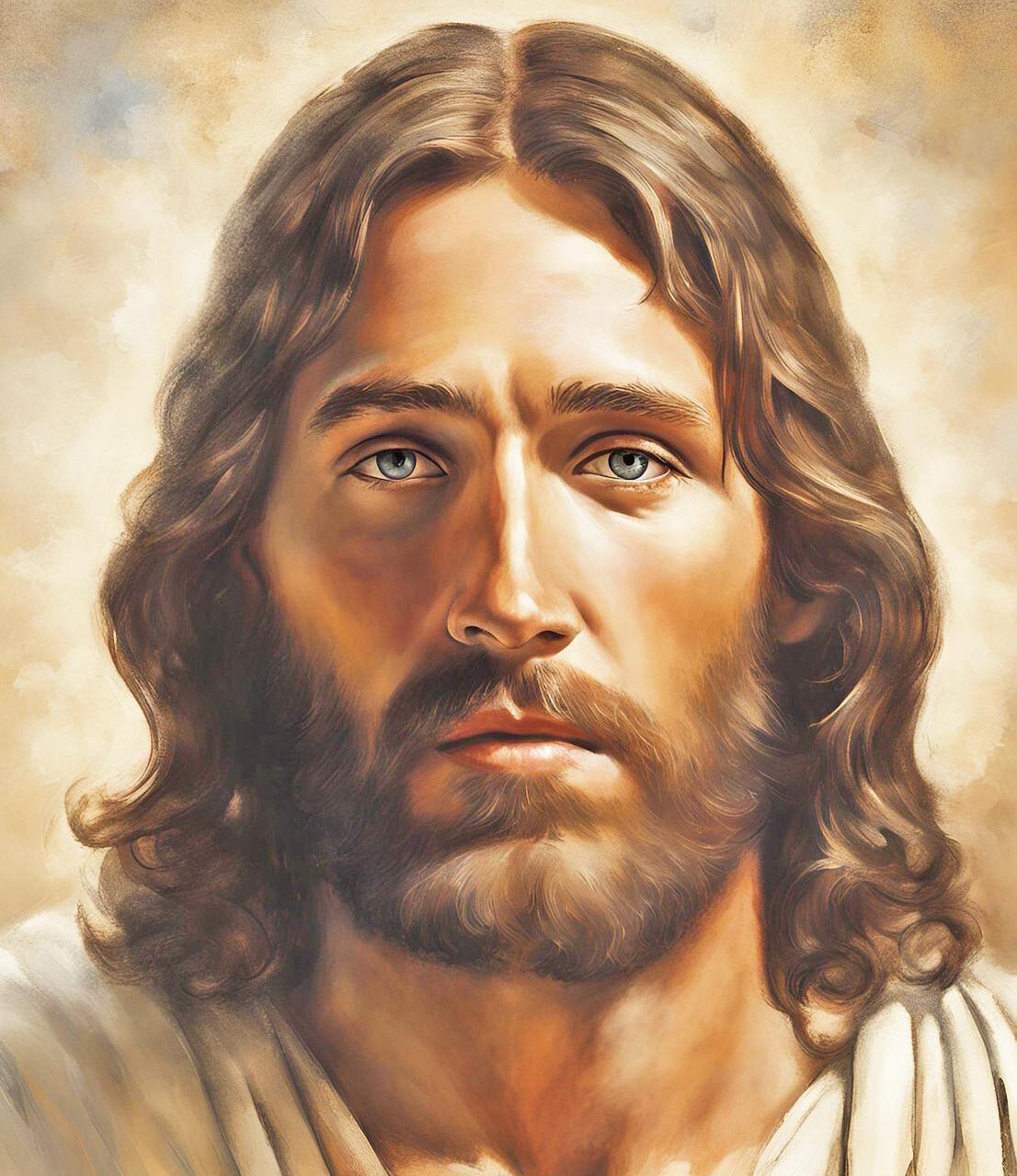
One of the increasingly popular practices in maintaining this constant awareness comes from the Jesuit tradition. It is called the examination of consciousness. Notice it's not the examination of conscience although that is part of it. Instead, it focuses on our awareness and begins with gratitude for the blessings of the day. It could be the weather, a good coffee, it could be a good night's sleep or a friend's comment. It's about receiving the day as a gift and saying thank you. The prayer pattern then leads on to looking at the pattern of feelings experienced through the day such as joy, anger, sadness, peace. Then asking where God was at work in my life, in my awareness and in any specific events of the day. This is not the place to go into detail, but you can Google ‘examen of consciousness’ to find out more.
The church also recommends what are sometimes called arrow prayers. These are short verbal prayers said aloud or in the mind that connect to God in the middle of busy activity. St Teresa of Lisieux described these as ‘surges of the heart, a simple look towards heaven.’ (See her autobiography: Story of a
Soul) For a few years when under pressure I found myself saying simply, ‘Lord I need you’. When I get anxious, I often repeat Jesus’ words to his disciples in the storm at sea: ‘Why are you afraid?’ (Mark 4. 40) These arrow phrases are short and instantly connect without breaking your concentration on what you are doing. Perhaps this is what St Paul meant by constant prayer.
These regular dips into the mystery of the Risen Jesus within our busy lives activate circuits of hope that make us both realistic and resilient. Our motivation to do good and to be good is strengthened and we find ourselves walking in step with the Gospel and with the Risen Jesus. Seeing the events of the day from within this Risen and abiding presence gives us a perspective that makes us stronger and wiser. We can be more honest with ourselves and with others, humbly accepting our imperfections and, if we are brave enough, letting go of the fig leaves that hide us from God who loves us just as we are. Then, on Sunday, we can extend our hands once again to receive the Risen Jesus into our body in holy communion.
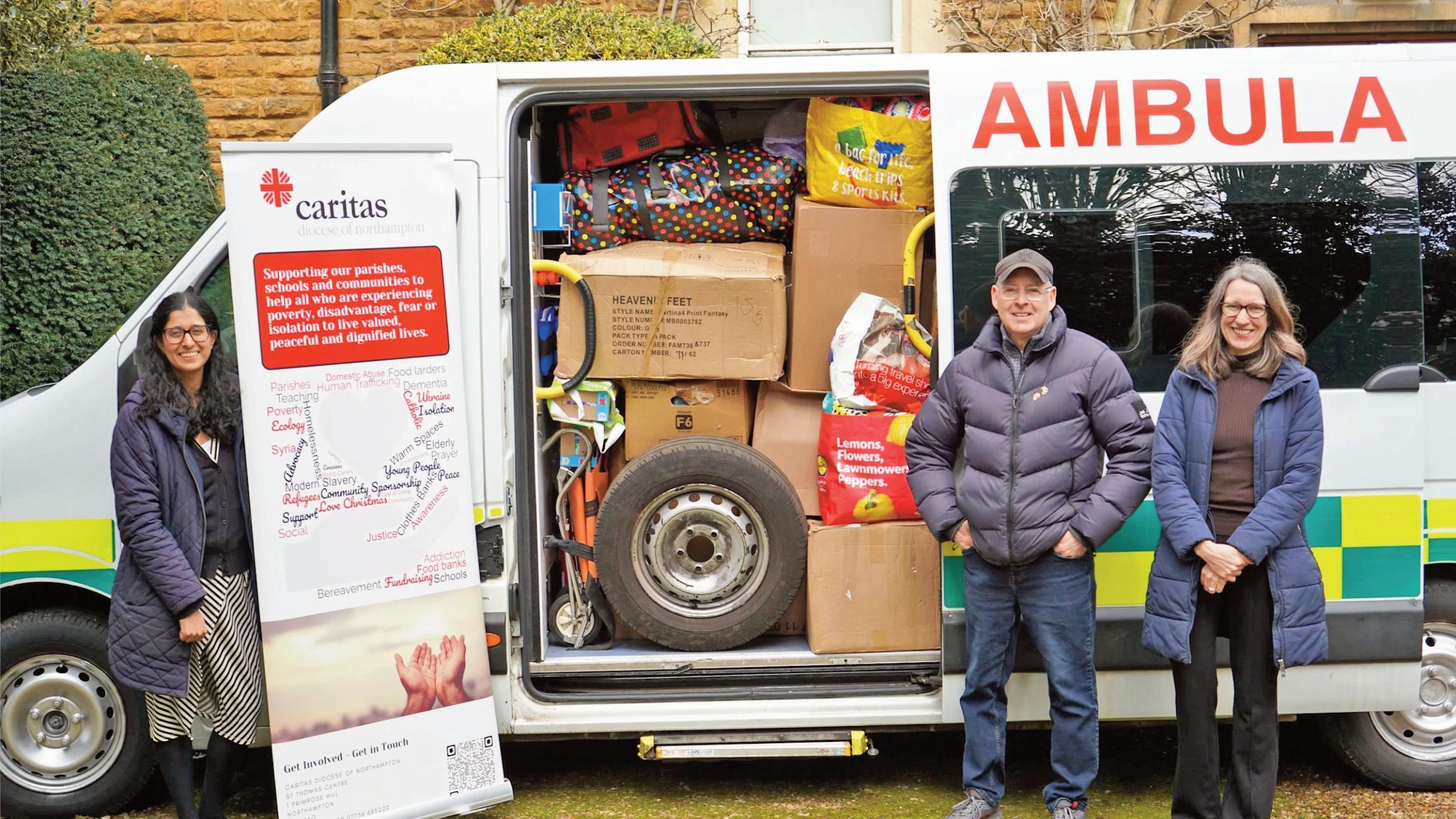

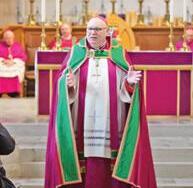

On 25 March 2026, Caritas played a key role in supporting a major community fundraising effort that has helped deliver vital aid to Ukraine
A fully equipped ambulance packed with medical supplies is on its way from Northampton to the Ukrainian frontline, following a major community fundraising effort. After a four-day, 1,650-mile trip starting on Easter Sunday, the ambulance will be handed over to Ukraine-Mother, a Kyiv-based organisation who will distribute the aid, before the ambulance is donated to frontline military paramedics in Sumy.
The delivery comes four years after the start of the war in Ukraine, during what has been described as one of the country’s coldest winters in more than a decade, with temperatures dropping below -20°C. Many communities remain in need of fuel for heating, food supplies, clothing and medical supplies, especially as hospitals and life-saving equipment have been destroyed.
The ambulance was funded thanks to generous donations to Caritas, by parishioners, schools and supporters. They raised £8,500, while a further £3,500 came from the Tove Benefice church in Towcester. It has been loaded with 750kg of medical equipment, clothing and battery packs, which will be given to areas where they are most needed.
‘We thank everyone who has donated to this cause and prayed for Ukraine as we stand in solidarity with our brothers and sisters there. It has been amazing to work with the team at Tove Benefice who have done so much to support communities in Ukraine’
Dr Loralie Rodrigues, strategic lead for Caritas Social Action
‘These items will help paramedics save lives and support medical stabilisation facilities which treat the injured before they are transferred to hospitals away from the frontline. I want to thank our volunteers and everyone who has donated or worked with us to make this happen’
Steve Challen, from Tove Benefice
On behalf of all the team at Caritas Northampton, we thank everyone who donated and prayed for Ukraine as it stands in solidarity with our brothers and sisters in Ukraine and with the fantastic and longstanding work of the volunteers of Tove Benefice.
School children joined The Salvation Army, Green Christian and Zero Hour at the Houses of Parliament to call for a new law to protect climate and nature
Children descended on the Houses of Parliament this Easter, armed with handmade postcards and giant bee props, to demand that MPs pass new legislation that takes a coordinated approach to tackling both the climate and nature crises, based on the latest science and a commitment to global justice.
The colourful delegation brought hundreds of postcards decorated with thumb-print bee designs, made by children at churches, community events and schools across the country as part of Green Christian's “Bee a Climate and Nature Champion" campaign. They were joined by representatives from The Salvation Army, Green Christian and Zero Hour campaigners behind a “Bee a Nature Champion" banner created by the children themselves.
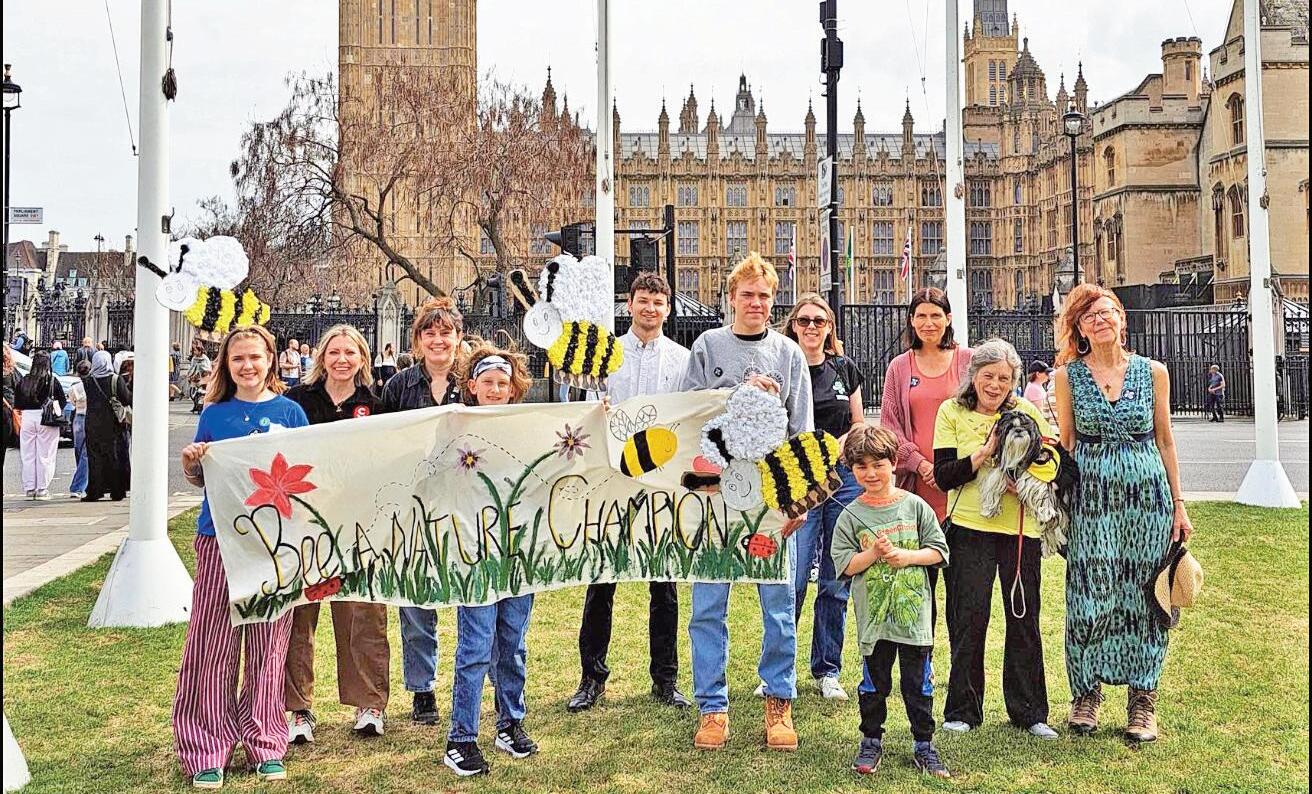
with their
Lucas, age five, from Wellow, Somerset said: “We need to protect nature. I like hearing the birds and seeing wildlife."
Major Heather Poxon, Environmental Officer for The Salvation Army in the UK and Ireland:
The children's postcards call on the Government to give the natural world legal protection, and today those demands reached the Houses of Parliament.
Green Christian said: “the popularity of this campaign amongst both children and adults is a clear sign that in the next session of parliament MPs must prioritise a science-based approach to respond to the climate and nature crisis."
Oscar, aged 10, from London, said: “I want my future to be full of trees, hedgehogs, foxes, badgers - and bees! I feel depressed thinking that might not happen. We need a law to protect nature, and we need nature to survive, and to be happy and healthy.
More MPs are needed to support this law so it has a chance of being passed so please, everyone, support this campaign and let's make that happen!"
“The Salvation Army has always stood alongside the most vulnerable, and the climate and nature crisis threatens the future of the children here today and the generations that will follow them. When children ask us to act, we have a responsibility to listen. Caring for creation is not an optional extra for Christians, it is at the heart of who we are called to be."
Barbara Echlin, Vice-Chair of Green Christian:
“We are living through extraordinary times and this calls for extraordinary action. The climate and nature crises are not separate problems, they are one emergency caused by the way we have pushed God's creation to breaking point. As Christians we have a duty to respond. These children have made postcards, crafted bees, painted a beautiful banner and come to Parliament because they understand something simple and profound: we must protect creation. And we need a legal framework to do that. We're calling on the Government to take it seriously."
Ruth Jarman


Speaking at the unveiling of the plaque Archbishop John welcomed it as a place of safety, refuge and sanctuary
The Archbishop of Liverpool, John Sherrington, has formally opened a new safe house for survivors of modern slavery and human trafficking operated by Medaille Trust.
The new safe house is providing support for up to 18 male survivors at a time in Liverpool. Aside from safe and secure accommodation survivors will benefit from wraparound support including a dedicated caseworker and assistance with access to healthcare, legal support and help to begin the process of recovery.
It builds on the longstanding work of the Medaille Trust, one of the leading providers of support for survivors of modern slavery in the UK, who are marking their 20th anniversary this year. Medaille currently operates 10 safe
houses and 5 community projects across the UK as well as projects in Albania which collectively support more than 700 men, women and dependent children each year.
Speaking at the opening Medaille CEO Dani Wardman said: “Last year a record number of potential victims of modern slavery were identified in the UK. At Medaille we believe that the journey to meaningful recovery starts with people feeling safe, supported and having their dignity respected. This new safe house has been opened with a commitment to offering the highest standards of support to help people on their journey to become survivors".
The work to support the new project has been generously supported by the The Albert Gubay Charitable Foundation and The Sisters of Poor Servants of the Mother of God.
Medaille Trust is one of the UK's leading providers of modern slavery survivor support services. We work to support more than 700 survivors a year through safe house and outreach projects in addition to awareness raising in the UK, prevention work in Albania, and pursuit work that helps survivors to engage with police and the justice system to secure convictions against their abusers.
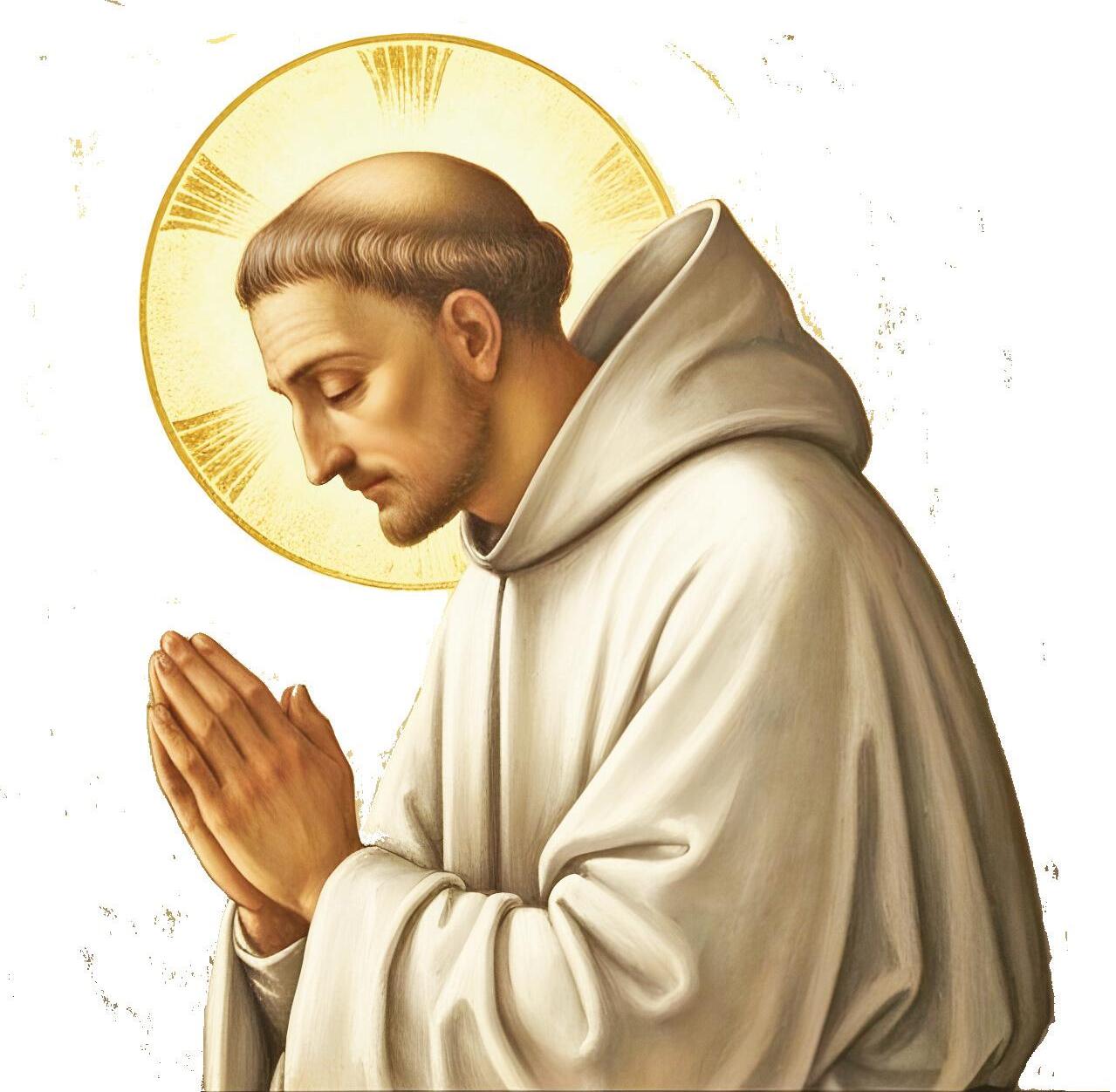
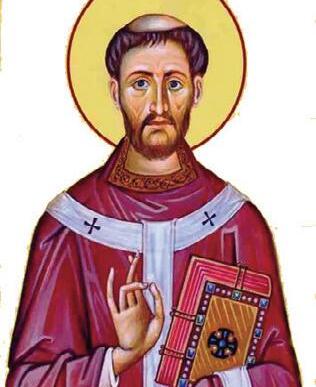
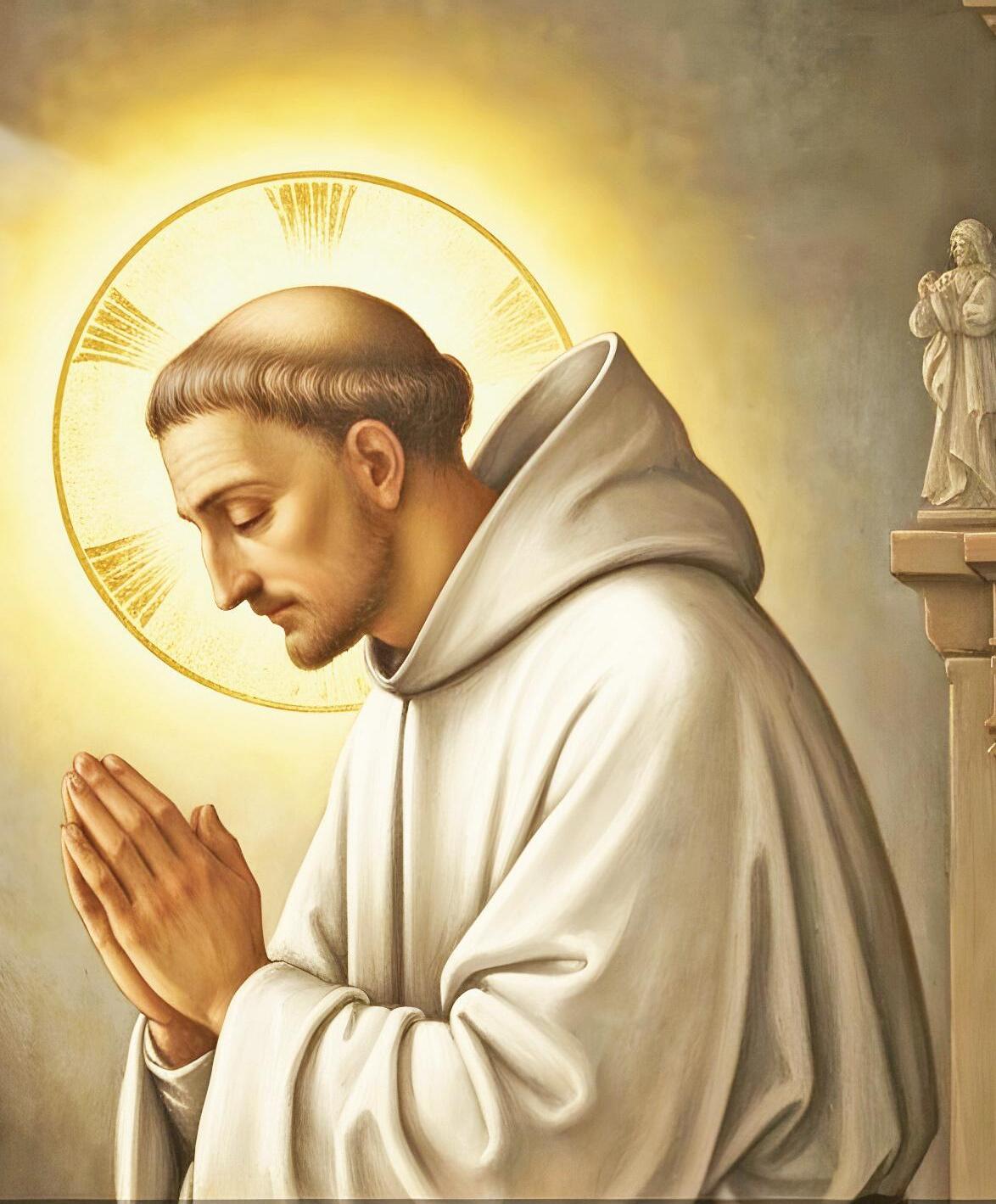
St. Simon Stock stands as a quiet but powerful reminder that faith often grows strongest in hidden places. Born in England in the 12th century, he is believed to have lived part of his early life as a hermit - seeking solitude not as escape, but as a way to draw closer to God. This desire for spiritual depth would shape everything that followed.
His life took a decisive turn when he joined the Carmelite Order, a community rooted in prayer, simplicity, and devotion to the Virgin Mary. At a time when the order faced uncertainty and hardship, Simon’s leadership became a steadying force. He did not lead with force or ambition, but with humility and unwavering trust. That alone is a lesson: influence does not require noise; it requires conviction.
The most enduring story associated with Simon Stock is his vision of the Blessed Virgin Mary, who is said to have given him the Brown Scapular - a simple garment that became a symbol of protection, commitment, and belonging. Whether one focuses on the
historical details or the spiritual meaning, the message is clear: faith is not merely believed; it is worn, lived, and carried daily.
What makes Simon Stock inspiring is not dramatic heroism, but consistency. He remained faithful when his order struggled, patient when answers were not immediate, and devoted when recognition was absent. In a world that often celebrates quick success and visible achievement, his life offers a different model - one of quiet perseverance.
His story invites reflection: where can we be more faithful in the small things? Where can we trust more deeply, even when outcomes are uncertain? Simon’s life suggests that greatness is not always loud or obvious. Sometimes, it is found in steady commitment, in daily prayer, and in the courage to remain rooted when everything else feels unstable.
St. Simon Stock’s legacy is not just a story from the past. It is an enduring call to live with purpose, humility, and trust - no matter the circumstances.
Until recently, nations gave lip service to international laws that classified certain actions during conflict - attacking hospitals and essential civilian infrastructure like power generation and desalination plants - as illegal. Such attacks might only be lawful if the military advantage gained outweighed the loss of civilian life.
The problem arose - vexing politicians, military leaders and human rights lawyers - in the case of “dual use" targets such as bridges essential for the transfer of enemy military equipment or hospitals and schools which belligerents treated as human shields.
Now, medical facilities and personnel are deliberately targeted in Sudan and Gaza in defiance of the Geneva Conventions. Leaders threaten to destroy entire civilisations, in breach of the 1948 Genocide Convention (a gift to China's President Xi and Russia's Putin). Medical staff and ambulances are singled out with impunity.
Can the international community return to at least the pretence that perpetrators of crimes under international law will be held accountable? Or was the promise of ethical policy always “partially false", as Canada's leader recently conceded at the Davos conference?
Following the Second World War, most members of the United Nations ratified the Genocide Convention, the Geneva Conventions, and other humanitarian laws. In theory, the International Criminal Court and the International Court of Justice would hold abusers to account. Many assumed these were signs the human race was evolving from savagery to civilisation.
Yet, in the largely ignored war in Sudan, MSF reports: “Hospitals have been looted, bombed, or occupied. Medical staff have been threatened, detained, or forced to flee, and ambulances have been blocked…. with Sudan accounting for 82% of global deaths from attacks on healthcare in 2025."
Commenting on the March 22nd attack on EdDaein Hospital in Darfur, the Coalition for the Responsibility to Protect notes, “it is not an isolated incident but part of a clear pattern of attacks on protected persons and objects, with devastating consequences for civilians. According to the WHO, 2,036 people have been killed in 213 attacks on health care since the outbreak of the conflict in 2023."
Recent attacks include an April 2nd strike on Al Jabalain Hospital that killed 10 people, including seven medical staff. Soldiers beat medical staff and destroyed equipment. The same day, a drone destroyed the operating complex of a hospital in White Nile state, killing the director, Dr Hamed Suleiman, who was performing surgery at the time. Ten other medics were killed.
The targeting of Gaza's medical facilities has drawn more attention. As of May 2025, the World Health Organisation reports 697 attacks since October 2023, with 94% of hospitals damaged or destroyed. In an updated report, WHO logged 735 attacks on health care in Gaza from 7 October 2023 to 11 June 2025, killing 917 persons and injured 1411, affected 125 health facilities, and damaged 34 hospitals: 1151 healthcare workers have been killed, and 165 doctors are dead.
“Deliberate attacks on health and care workers, and health facilities, which are gross violations of international humanitarian law, must stop now," according to the UN's expert panel.
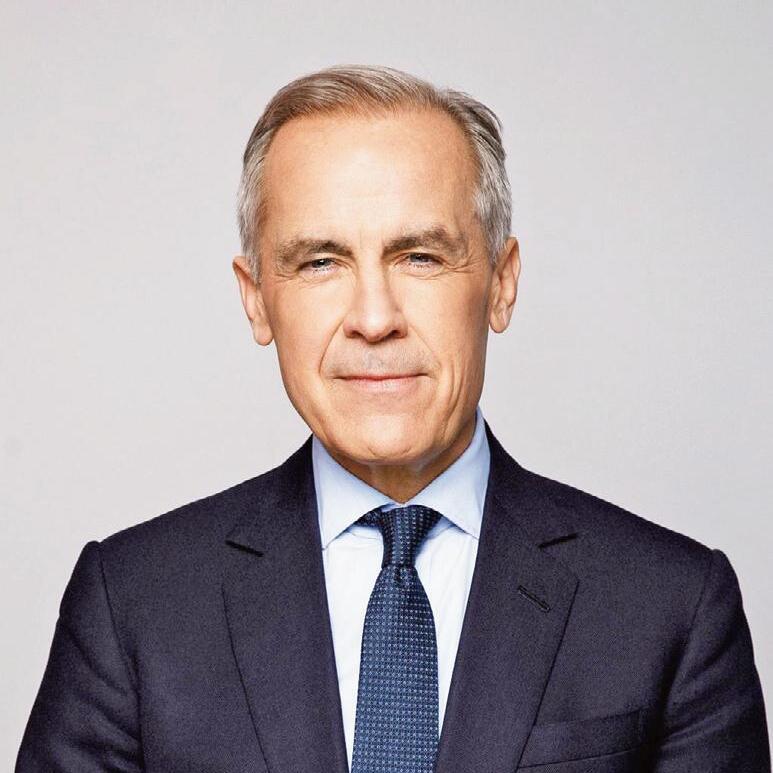
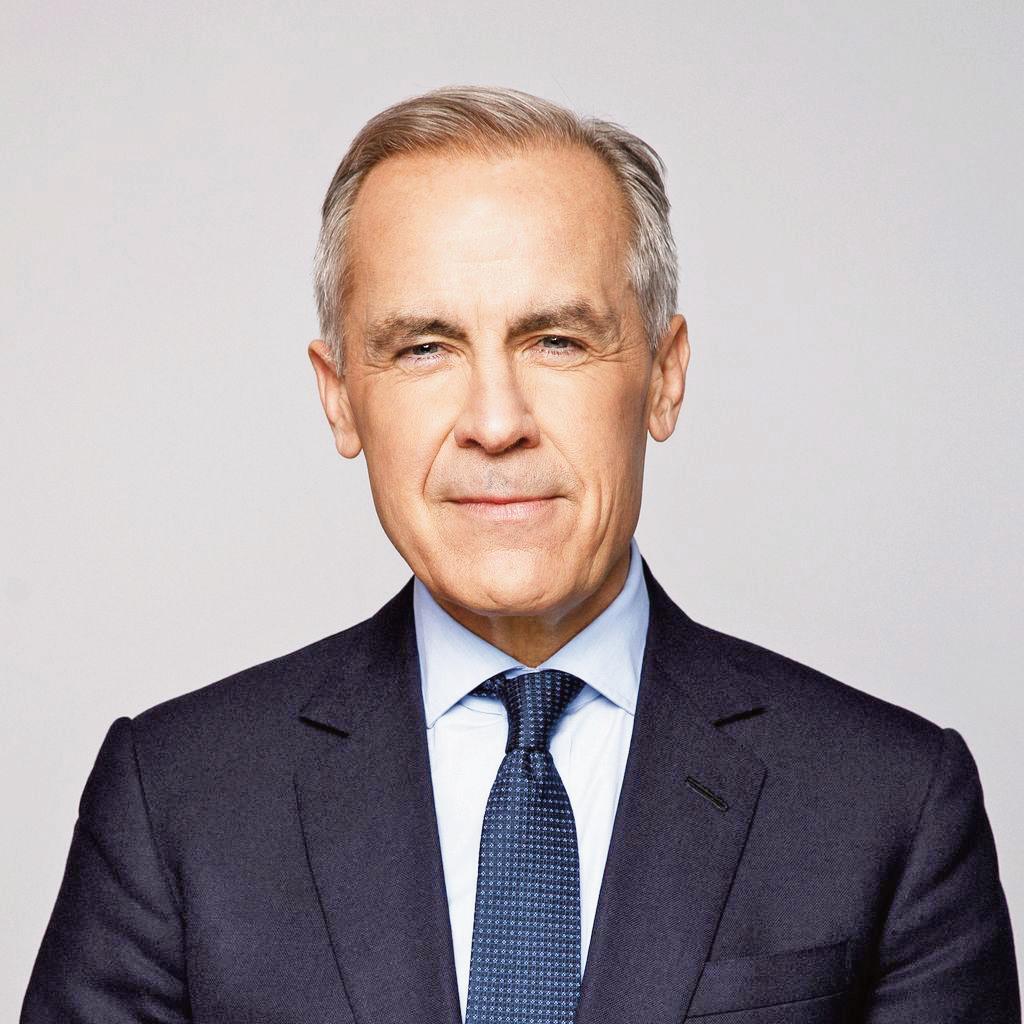
When Canada's Prime Minister Carney spoke at Davos, he admitted there is a yawning gap between humanitarian law and reality. "Stop invoking the rules-based international order as though it still functions as advertised," he warned. “We knew…. the strongest would exempt themselves when convenient. That trade rules were enforced asymmetrically. And we knew that international law applied with varying rigour depending on the identity of the accused or the victim."
The problem is that international laws and institutions have few enforcement mechanisms and no battalions, to paraphrase Stalin's comment about the Pope. In 2005, the UN adopted the Responsibility to Protect Doctrine which charged all nations with intervening to stop crimes again humanity, war crimes and genocide. Yet, at the same moment, a genocide was raging in Darfur; no country responded. This failure to challenge impunity guaranteed the current slaughter in Sudan, with at least 150,000 killed in the past three years.
Yet, surely the pretence that international law exists and acknowledges ethics, morals, or values - choose your word - is preferable to the current brute force. Finland's President Alexander Stubb describes this as “value-based realism."
Prime Minister Carney calls for coalitions of “middle powers" (the EU, the UK, Australia, Japan, Canada) “that work, issue by issue, with partners who share enough common ground to work together…..and honest foreign policy, because countries earn the right to principled stands by reducing their vulnerability to retaliation."
We must hope that Mark Carney's vision of an ad hoc coalition of concerned countries upholding international norms, albeit imperfectly, succeeds.
Rebecca Tinsley is the founder of www.WagingPeace.info

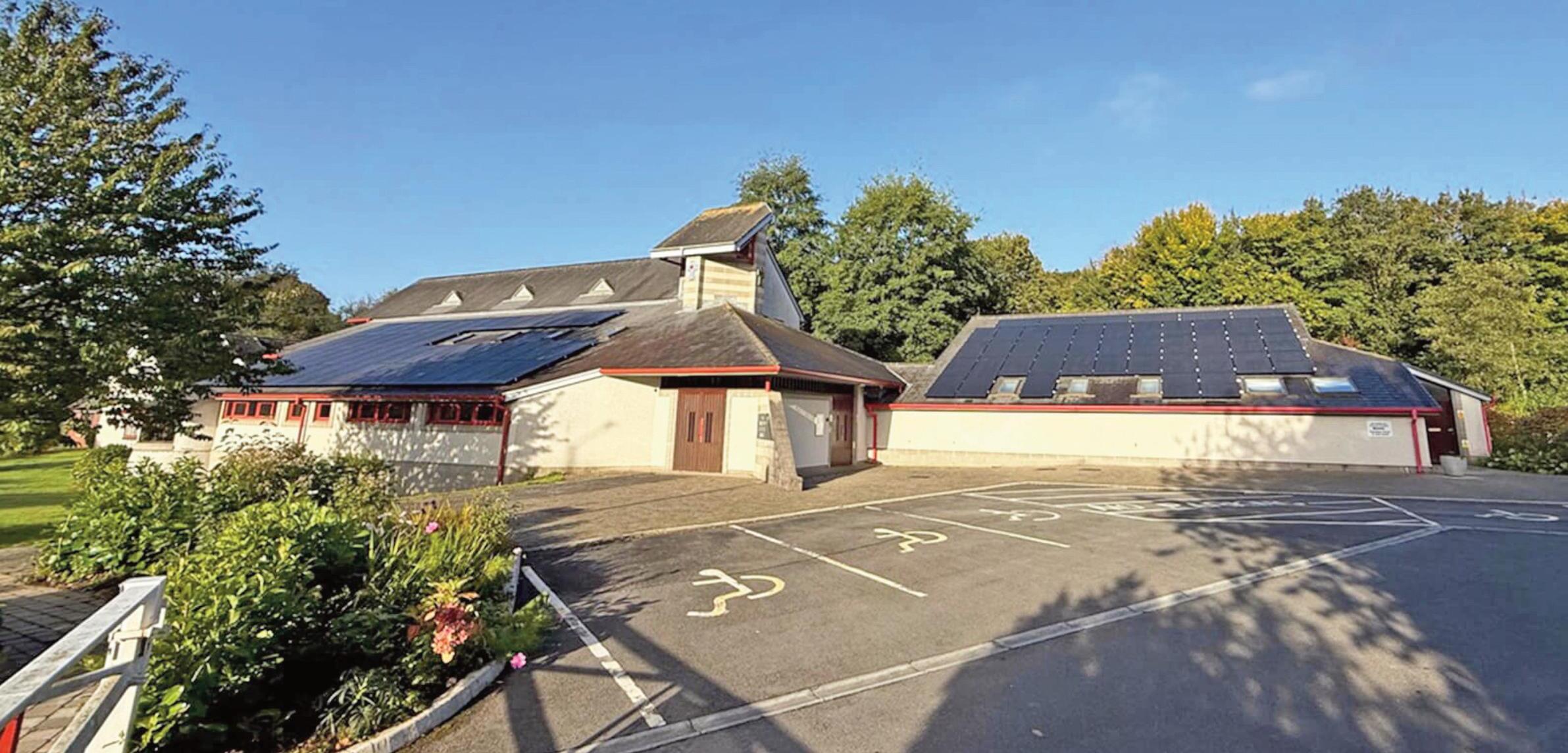


It has taken nearly three years, but the parishes of Our Lady of the Valleys have done it
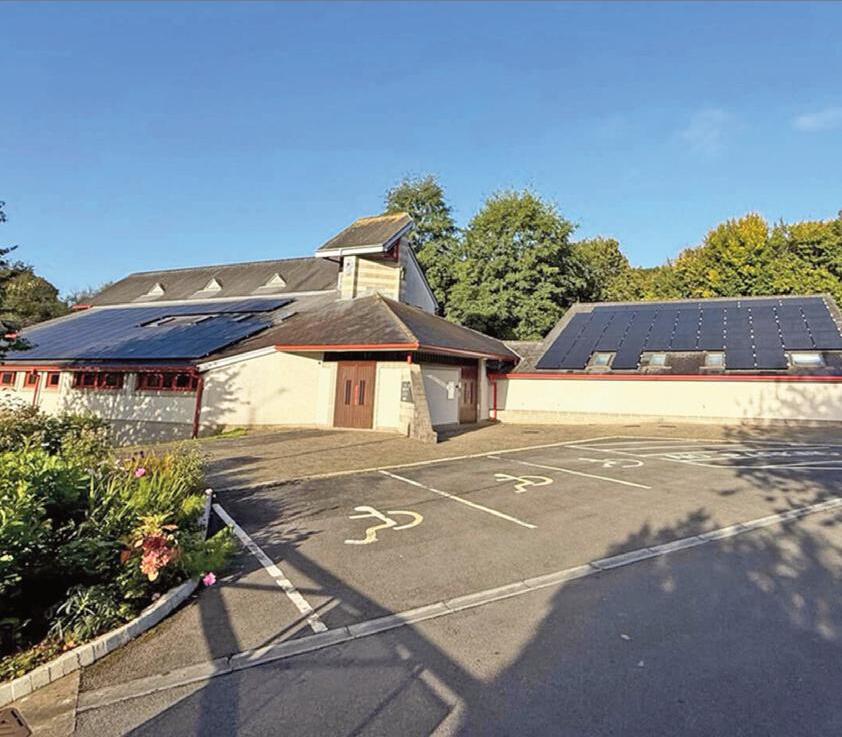
Structural surveys in April 2025 confirmed the roofs could take the weight of the panels. The work to install them at All Hallows was done by September. St Mary Magdalene followed in October.












By the end of last year, both All Hallows in Miskin and St Mary Magdalene in Ynyshir were generating their own electricity from solar panels – and the story is not finished yet.
How It All Began
The trigger was a boiler. In January 2023, it became clear that the 30-year-old gas boiler at All Hallows was well past its best. The Property Department of the Archdiocese recommended replacing it with heat pumps and adding solar panels at the same time, and offered to carry out an energy audit to get things moving.
What followed was a lengthy process of exploring options. An initial quote came in at £107,000 for heat pumps and £49,000 for solar panels – quite a substantial sum. A grant application for the solar panels was pursued but was ultimately unsuccessful. In the meantime, Fr Gareth Leyshon visited a trade show in January 2024 and found a second company willing to quote. Their solar estimate was considerably better – more panels, more power, more value for money.

Better still, in January 2025 a local firm, R&S Energy, provided quotes that were lower again, and competitive across the Rhondda churches too. The Trustees of the Archdiocese gave their approval, and the parishes were finally able to press ahead using their own deposit funds.
There were a few obstacles along the way. At St Mary Magdalene, the original plan had been to fit panels on both sides of the roof, but this would require improvements to the building’s power supply. In the end, connecting threephase power to the site proved too costly, so panels were installed on one side only – which is all the existing mains cable could handle. At All Hallows, the planning process for the heat pumps has been convoluted – planning rules only allow for two heat pumps in one location without specialist noise calculations, resulting in protracted conversations between the installer and the planning officer about where to put the third required unit so it counted as a different location for noise purposes! Formal planning permission is still awaited.
At Ss Gabriel & Raphael in Tonypandy, solar export started early in 2026. Happily this site –in common with many buildings in the Valleys – had a second electricity cable present but unused in the meter cupboard, allowing the parish to double the maximum capacity of the system which could be installed. Since the Catholic Church as an institution is committed to caring for people by caring for our planet, the parish chose to use its reserves to maximise solar generation, rather then spending the minimum required to generate a net saving in power costs.
For All Hallows, the answer is yes. The system includes 23.2 kWh of battery storage. Before
the panels, the parish was spending around £1,800 a year on electricity. Now, while the parish still imports some power from the grid at a projected cost of around £800, it also receives approximately £1,190 in Smart Export Guarantee payments for surplus energy fed back to the grid. The net result is an income of around £390 from electricity rather than a bill – a swing of roughly £2,190 a year. Based on today’s energy prices, the system should pay for itself within around 17 years. But UK electricity prices have risen consistently over time and currently sit well above where they were even five years ago, so the real payback period is likely to be considerably shorter than that.
The heat pumps, when installed, will add to those savings, though a fuller financial picture will have to wait until more data is available.
This was not a quick or easy project. It required persistence, creative problem-solving, and a willingness to keep going when the path forward was not straightforward. That Fr Gareth found a better deal at a trade show is perhaps not the most obvious way for a parish priest to spend his time – but it made a real difference. He is now exploring options for heat pumps at St Mary Magdalene, and the more challenging task of solar panels for St Dyfrig’s Community Hall, where both planning permission and a grant would be required to make progress.
Three churches are now drawing on the power of the sun. The carbon footprint of the parishes is smaller, their finances are stronger, and the next generation inherits something a little better than what came before. As acts of care for creation go, that is something to be proud of.
rcdow.org.uk
Do you have a song that reflects your shared journey of commitment,
My choice this Easter would be George Harrison’s 'Here Comes the Sun'. It is song of the celebration of life, creation, and optimism; a song that speaks equally to the beginnings of married life and to the quiet work of recovery after a season of disillusionment. At the heart of the song and of Christian married love, is a place warmed by light, steadied by hope, and grounded in joy.
The emotional landscape of marriage is never without its winters. Cold spells, disappointments, and moments of distance are part of the terrain. In these seasons, we wait for
the thaw; the gentle return of warmth, grace, and clarity. Honesty at such times becomes essential. There are times, though, when a crisis tempts us to chase the sunset, clinging to what is familiar even as it exhausts us. The wiser path is often the harder one: to face the darkness, to keep walking, and to trust that the sunrise is coming.
Harrison’s quiet assurance, 'It’s all right', is not a triumphant shout but a whisper of faith. It echoes the Christian conviction that even in the tomb-like places of our lives, God is already at work. Resurrection does not begin with trumpets; it begins in the dark, with the first unnoticed stirrings of life.
Loosening our grip on the need to fix everything or want to take control opens the space for change and grace. In marriage, this means being open to doing things differently rather than clinging to an idealised past or illusory model.

The words of 'Here Comes the Sun' re-frames our perspective. We cannot manufacture the sun; we can only receive it. In Christian language, this is grace; an unearned warmth that continues to shine even when we cannot see it. The risen Christ is the sun that never sets, the light that no darkness can overcome.
This is a song of renewal, not nostalgia. It invites us to welcome a new day, to be warmed again, to see with fresh clarity. Restoration is not about chasing the sunset but about walking into a new sunrise. Love, like discipleship, involves being tested, and in every winter choosing again to return to spring.
When we choose this song, we are not simply listening. Instead, we are like the women who came to the empty tomb, declaring something true this Easter Day, 'Here comes the Son… it’s all right.'
By Deacon Roger Carr-Jones, Marriage and Family Life Coordinator
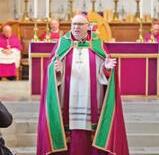

Catholic schools and colleges were honoured at a parliamentary reception in February to mark their contributionto education in England and Wales
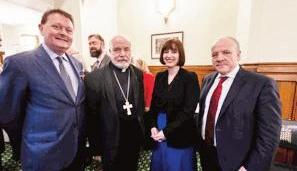
The event was hosted by Mike Kane MP and was attended by more than 30 members of both the Commons and Lords, including Secretary of State for Education, Bridget Phillipson MP and some of her predecessors –and Bishop Marcus Stock, Chairman of the Catholic Education Service. Flavio Vettese, Director of Education and Maria Shepherd, Deputy Director of Education, represented the Diocese of Brentwood at the event.
With 2,135 Catholic schools and colleges in England and Wales, educating over 800,000 pupils, the Catholic Church is the largest provider of secondary education and the second largest provider of primary education in the country. There are also four Catholic universities in England.
Catholic education is widely recognised for its significant national impact, with its strong
For resources on how to Pray with the Pope, either on your own or in groups, use this QR code.
emphasis on dignity, respect, service and community. Catholic schools play an important role in supporting vulnerable pupils, promoting social mobility and preparing young people for employment, responsible citizenship and active participation in society. Recently, this has been recognised by Education Secretary Bridget Phillipson (centre with Bishop Marcus Stock) who has written to several diocesan schools which have shown strong attainment in supporting disadvantaged students, recognising their significant achievements.
The event highlighted the continuing partnership between the Church and Parliament in supporting education and this national recognition has reinforced the role of
Catholic education in supporting communities and society. The event gave the Diocese of Brentwood and other dioceses a welcome opportunity to celebrate their mission. Brentwood’s Education Director Flavio Vettese commented: “It is very positive to see the welldeserved recognition of our Catholic schools. We are very proud of the high quality, inclusive education we offer across the whole of the diocese.”
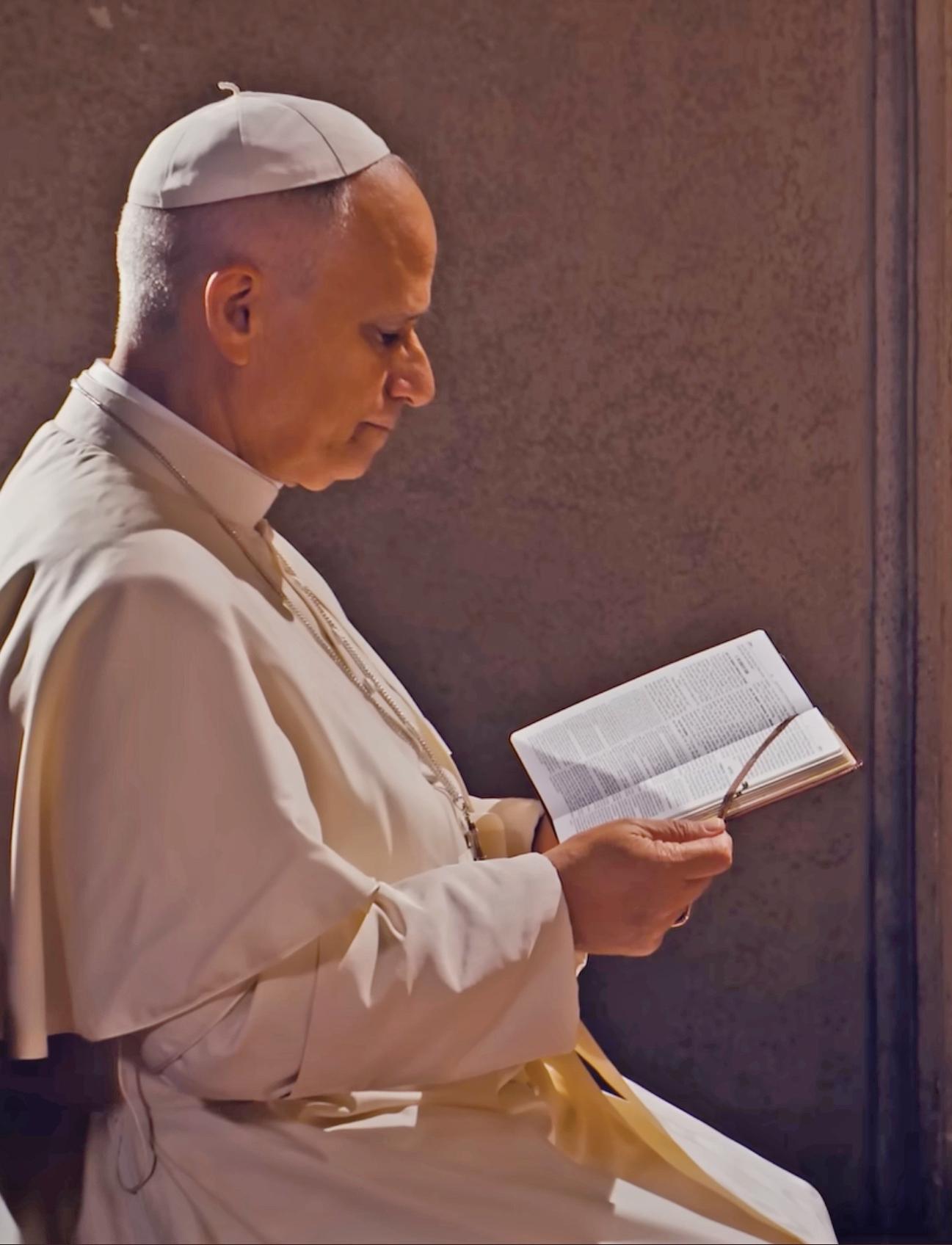
In the life of the Church, priests are called to accompany, support and serve their communities. But they themselves can go through difficult moments in which they need closeness and support. With this in mind, Pope Leo XIV, in his prayer intention for the month of April, invites us to pray for priests experiencing a crisis, that they might experience the nearness of God and his people, and rediscover hope and joy in their vocation.
In this month's intention, the Holy Father thinks especially of priests “when loneliness weighs heavily, when doubt clouds their hearts, and when exhaustion seems stronger than hope." He prays that they might rediscover that "they are not mere functionaries or lonely heroes, but beloved sons…and pastors sustained by the prayer of their people." Likewise, he invites the entire community to care for them through being near, sincere listening, and constant prayer, recognising that they too need to be supported on their journey.
Pope Leo prays:
In the name of the Father, and of the Son, and of the Holy Spirit. Amen.
Lord Jesus,
Good Shepherd and companion on the journey, today we place in your hands all priests, especially those going through moments of crisis, when loneliness weighs heavily, when doubt clouds their hearts, and when exhaustion seems stronger than hope. You who know their struggles and wounds, renew in them the certainty of your unconditional love.
Let them feel they are not mere functionaries or lonely heroes, but beloved sons, humble and cherished disciples, and pastors sustained by the prayer of their people.
Good Father, teach us as a community to care for our priests: to listen without judging, to give thanks without demanding perfection, to share with them the baptismal mission of proclaiming the Kingdom in word and deed, and to accompany them with closeness and sincere prayer. May we support those who so often support us.
Holy Spirit, rekindle in our priests the joy of the Gospel.

Grant them healthy friendships, networks of fraternal support, a sense of humour when things don't go as expected, and the grace to always rediscover the beauty of their vocation. May they never lose trust in You, nor the joy of serving your Church with a humble and generous heart. Amen.
dioceseofleeds.org.uk
Catholic Academy Trusts in the Diocese of Leeds are reporting a ‘meteoric’ rise in the recruitment of Foundation Governors
Vacancies for Foundation Governors in Trust schools have fallen sharply as the Vicariate for Education and Governance Officers in the Diocese’s five Catholic Academy Trusts have collaborated together successfully to buck the trend across the UK, where state schools have for some time struggled to appoint Governors.
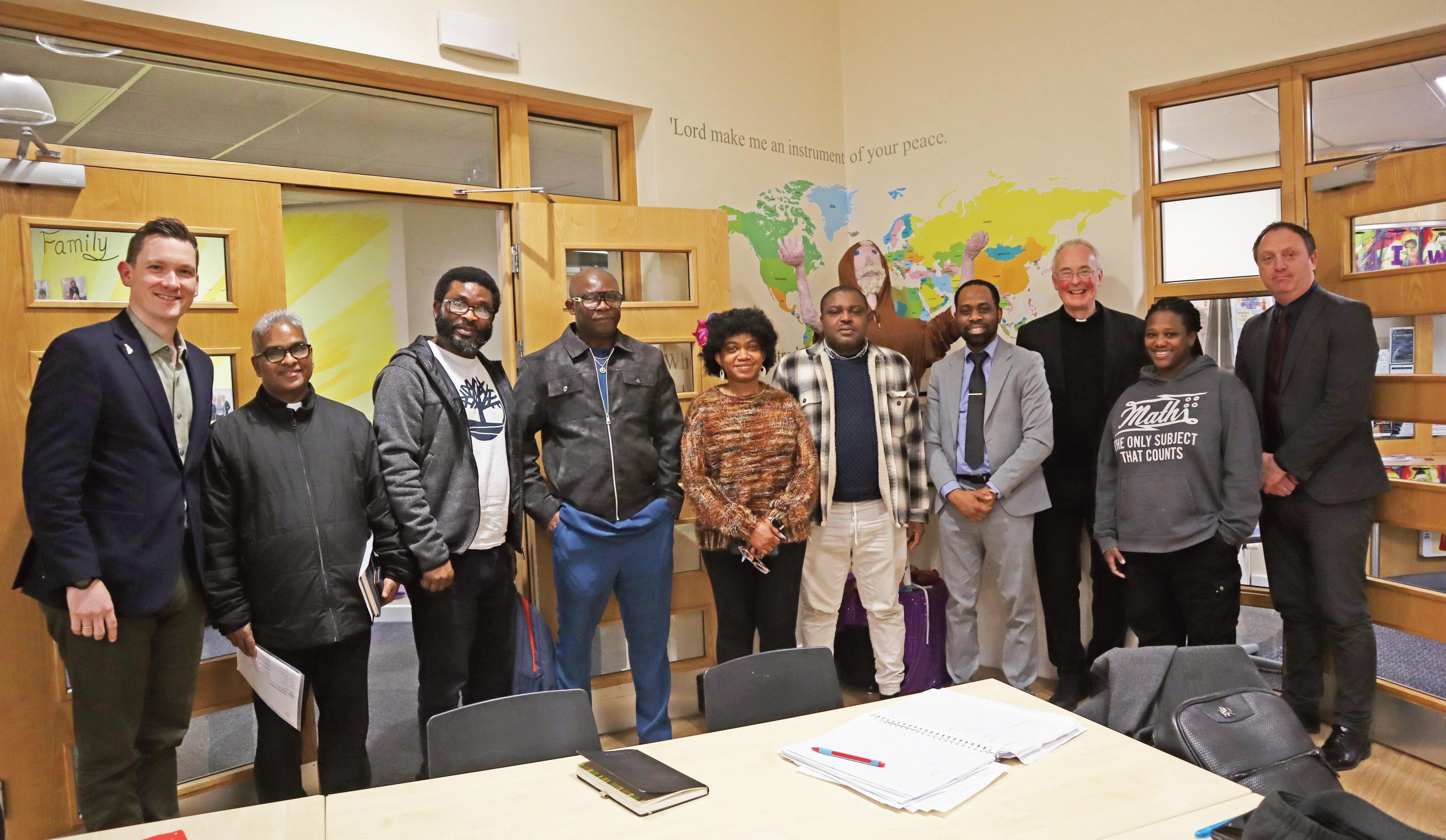
Many of the new Governors hail from diverse backgrounds. Monsignor Paul Grogan, Episcopal Vicar for Education, said: ‘At a recent Mass in my parish, eight new governors of African provenance have signed up!’
One of the new Foundation Governors, Francis Nwachukwu of St Joseph’s Parish in Bradford, previously worked with the Catholic Archdiocesan Education Commission in Imo State, Nigeria, where he served as an RE teacher. He has supported Catholic education and catechesis in mission schools, helping to ensure that children are firmly grounded in their faith. Francis said: ‘I wish to serve as a governor in Catholic schools to support pupils in strengthening their faith and deepening their understanding of Church teachings. I am particularly committed to promoting knowledge of the sacraments, encouraging
pupils to receive the sacraments of initiation, and helping them appreciate the importance of regular participation in Holy Mass on Sundays and Holy Days of Obligation.’
As practising Catholics directly representing the Bishop, Foundation Governors and Directors are central to the governance of Catholic schools. Their commitment as volunteers is invaluable. Alongside the Vicariate for Education, Trust Governance Officers play a key role in recruitment, training, and ongoing support, ensuring governors and directors are well equipped to fulfil their roles effectively.
David Hymas is Governance Manager and Lead for Catholic Life at the Blessed Peter Snow Catholic Academy Trust (BPSCAT) across Kirklees and Calderdale, and Bradford’s Blessed Christopher Wharton Catholic Academy Trust (BCWCAT). He reports that there are now only a few vacancies to be filled: ‘Over the past twelve months, we have recruited a number of new Foundation Governors, each bringing a wide range of skills and experience. Recently, six of these governors were recruited following an African
Mass celebrated at St Winefride’s in Bradford. Our new governors include professionals working in the NHS, lecturers at Bradford University, and one individual who currently serves as a governor in a non-Catholic school and is now moving into Catholic education.’
Chris Hanson, the BPSCAT and BCWCAT Interim CEO added: ‘This meteoric increase in governors will undoubtedly have a widespread impact on our pupils, their families and the wider communities we serve.’
Diocese of Leeds Director of Education, Kieron Flood, said: ‘We are lucky to have people who
not only share their God-given skills and talents as governors but also understand the context of the schools and communities that they serve. Appointed by the Bishop they ensure the school is truly and authentically Catholic, living its Mission with Catholic Social Teaching at its heart, as well as supporting the strategic oversight.
The recruitment strategy is clearly paying dividends in both the quality and numbers of Governors and Directors now in post. I take this opportunity to say a huge thank you to all in ensuring the future of our Catholic Schools in the Diocese of Leeds.’
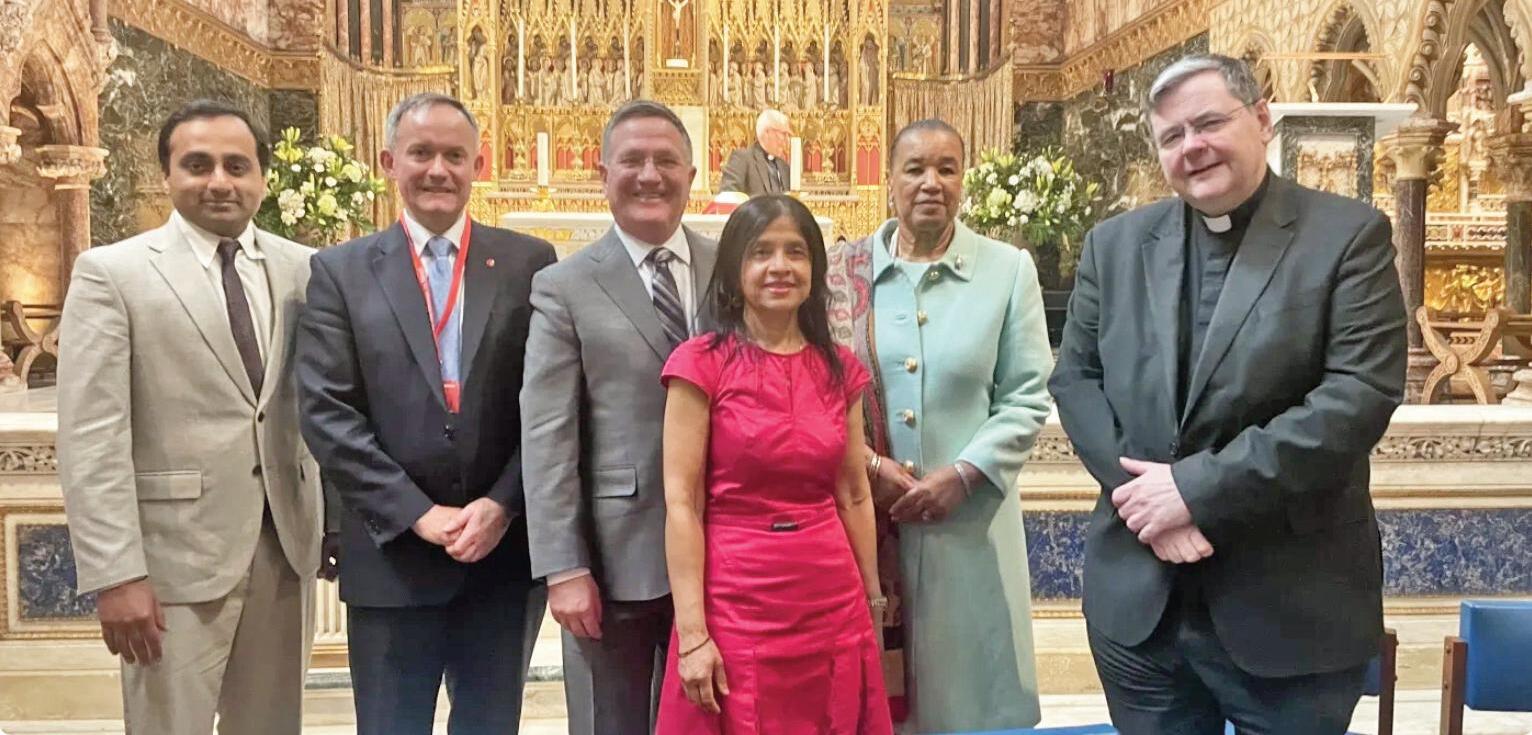
'If there is silence nothing will change' says
second world war when Article 18 was crafted to give expression to the hopes for humanity."
injustice in the world will continue. There is power in the collective."
or, in the case of girls, kidnapped and forced to convert.
The first black former Secretary-General to the Commonwealth of Nations has said that conflicts would heal if people of all faiths and none were “willing to come together in one voice and say, ‘not in my name'"
Baroness Patricia Scotland was guest of honour at a panel discussion 'Dare to BelieveIs Religious Freedom under growing threat around the world' a hybrid event, which took place recently (Sunday, 19th April 2026) at Farm Street Catholic Church, in Mayfair, London.
The meeting, organised by Farm Street Church and Catholic charity Aid to the Church in Need (ACN), addressed Article 18 of the Universal Declaration of Human Rights (UDHR) which guarantees the right to freedom of thought, conscience, and religion.
Baroness Scotland, a former Commonwealth Leader and Labour MP, said: "We are at one of the most difficult moments in our history. There are more conflicts in our world today than in any other period since the end of the
Referring to ACN's Religious Freedom in the World report which states 5.4bn people live in countries where serious religious-liberty violations occur, she added: "Two thirds live in countries without religious freedom yet is a fundamental tenet for our human rights.
"And it's a right that each of us should fight for because if one of us does not have the right to believe or not to believe, then none of us are safe.
"And each of us in our own way in wherever we are and whatever we do has the responsibility that the right enshrined in Article 18 is not just an aspiration but a reality."
She said she "remembered too well" as a teenager growing up in London that those outside her family said she could not achieve anything because she was black, female, socialist and Catholic.
She added: "In our world today we are being taught to disrespect the other, to be frightened of the other, to make sure that the other does not thrive… Whether you are a humanist, a Hindu, a Jew, a Catholic, a Muslim, the tenets of what we believe are very much the same... This is a moment of challenge for us, a challenge as to whether we truly believe in the tenets of our respective faiths and if we are willing to come together in one voice and say, 'not in my name'.
"It is down to each of us. If we are silent, nothing will change. If we are silent, the
Christian and Muslim survivors of Pakistan atrocities also shared their experiences.
Farhan Saleem described how he watched on helplessly as his father Malik Saleem was gunned down by extremists as the two lawyers travelled to work on a motorbike.
A prominent advocate, Malik was a leader of the Ahmadiyya Community, a persecuted minority Muslim movement considered "nonMuslims" by the All Pakistan Ulema Council, an organisation that unites Islamic and legal scholars from various traditions under one umbrella group.
Mr Saleem survived the attack on 30th March 2017 when the attackers fired a further three times but "no bullets came out".
He said: "This is not a Hollywood movie or fiction. This is real life that I've been through myself. We need to raise awareness that religious freedom is the only solution for real peace and we should work together."
A Christian who had to remain anonymous for fear of reprisals on his family remaining in Pakistan said he grew up being called "filthy" by his classmates.
Later he lost his job as a waiter after others discovered his faith, saying if he touched food he would "contaminate it". He said Christians are frequently beaten, accused of blasphemy
He added: "We are not asking for pity, we are asking not to be forgotten."
Professor Brian Grim, founding president of the Religious Freedom and Business Foundation, said Article 18 applied to where people work, whether in a store or office adding: "Religious freedom isn't something a government gives, protects or takes away, it's something people respect, give to each other and can take away from each other.
"Measuring these two we found where you have less government restriction and more social tolerance or social acceptance of each other you had peace. It was the first research done showing that religious freedom is a formula for peace."
David Smith MP, UK Special Envoy for Freedom of Religion or Belief, sent a recorded message.
He said was "struck" by the report of the billions of people globally living in countries where there are serious violations of the right to believe highlighting ACN's work as "fantastic".
He added: "This is an issue that the UK government takes very seriously. It's something that is at the heart of our foreign policy and will continue to be as set out in Article 18 of the Human Rights which we are absolutely signed up to and committed to."
dioceseofleeds.org.uk
On the morning of the third annual diocesan Lenten Pilgrimage for Vocations ‘In Fr Brown’s Footsteps’, the weather forecast was for ‘all four seasons in a single day’. How accurate that usually inexact science of meteorology proved to be!
The pilgrimage is walked in March, the month when back in 1904, GK Chesterton first met Fr John O’Connor, Diocese of Leeds priest and Curate of St Anne’s in Keighley, who walked with him on the Roman Road over Ilkley Moor to the house of their mutual friend, Francis Steinthal. That walk on the Roman Road set Chesterton on the path to Rome, and Fr O’Connor received Chesterton into the Catholic Church some years later – but not before he had been ‘immortalised’ as the reallife inspiration for GK’s most famous creation, Father Brown. Both the actual and the fictional priest were scholarly and possessed a shrewd understanding of our natural human propensity to sin, as well as a truly holy person’s humour, warmth, forgiveness and generosity of spirit towards all humanity – an ‘ideal’ priest, worthy of having our annual diocesan pilgrimage for vocations named after him!
This year, a diverse group of 21 people had initially signed up to walk from parishes across Leeds, Bradford, Harrogate, Haworth, Huddersfield, Ilkley and Burley-in-Wharfedale: several ‘regulars’ as well as some new people who were experienced walkers, and also a couple of men discerning a vocation to the priesthood. However, in the days and hours before the walk, a combination of colds and ‘flu, old rugby injuries and a flat car tyre sadly meant that some had to drop out – and in the end it was 15 of us who walked all or part of the pilgrimage, with prayers for those who this time were unable to make it!
After welcoming pilgrims at the start of Mass at St Anne’s Church, Mgr David Smith was also missing from the usual group photograph –but also for very legitimate, even hopeful, reasons. So many people were standing in line for him to hear their confessions, that we were delighted to leave him to his sacramental shriving.
Before setting off walking, we prayed the Bishop’s Prayer for Vocations to the Priesthood: Our Lady of Unfailing Help! Pray that the Lord of the Harvest will send labourers into His harvest and that He will grant an abundance of vocations to the priesthood, diaconate and religious life within the Dioceses of Leeds, Hallam and Middlesbrough – and throughout the world. Amen.
The walk through Keighley and along Bradford Road is less than picturesque – but this ends at the gates of East Riddlesden Hall, where pilgrims turn uphill and cross the canal. Of all the steep roads heading towards Ilkley Moor,
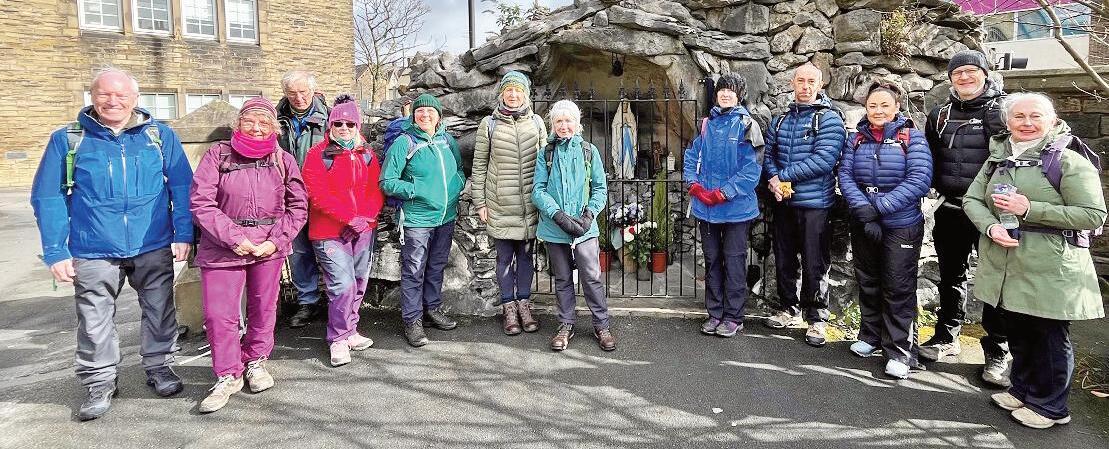
the steepest of all is the cobbled Unity Street. With the ‘North Face’ of Unity Street scaled, the streets give way to open countryside on the route up to Ilkley Moor … and the sun even smiled upon us from time to time!
Although levels of fitness and experience on our pilgrimage walks may vary slightly, everyone encourages and waits for one another, and at 12 Noon, we pray the Angelus wherever we happen to be. This year, we were at the roadside in relative shelter, instead of at Cowpers Cross at the summit of Ilkley Moor, where the sunshine disappeared, the temperature dropped, and freezing hail began to sweep horizontally across the moorland: a truly penitential Lenten experience!
The squall blew over mercifully quickly, and by the time pilgrims began the steep descent into Ilkley, the sun shone on us once more!
The destination for Chesterton and Fr O’Connor had been St Johns: a beautiful Arts and Crafts mansion owned by the Chesterton’s close friends, who were members of Bradford’s German Jewish community. The house, like the nearby St Margaret’s Anglican church, was designed by the famous architect Richard Norman Shaw and still exists, although it has been flats since the 1950s.
In his 1937 memoir Fr Brown on Chesterton, Fr John O’Connor remembered that day in March 1904, when Frances Chesterton met him and her husband at the Steinthal’s house with a hot meal of shepherds pie. The shepherds pie detail is interesting (as are all pies, of course!) particularly because it actually gives us an insight into the possible date of that first meeting. At that time, as a Catholic priest, Fr O’Connor would have fasted from meat throughout Lent – except on Sundays which are always feast days. The March 1904 Sundays were 6, 13, 20 and 27 – but it is unlikely that the walk would have taken place on Passion Sunday (Palm Sunday), so that narrows it down considerably. Perhaps this happy meeting may have taken place on Laetare Sunday?
However, journey’s end was not yet quite in sight for the 21st century pilgrims – and although there was no prospect of shepherd’s pie, packed lunches and a meeting with those joining at Sacred Heart Church in Ilkley was next on the agenda. Although Fr Tim Swinglehurst was away, our parishioner friends Cecilia, Helen and Sarah at Sacred Heart welcomed us with tea, coffee and biscuits, with Sarah looking forward to being welcomed into the Catholic Church herself at the Easter Vigil.
In a day so full of both light and shade, though, not all our Sacred Heart hospitality pilgrims were there to greet us; very sadly, Mark Joyce who had, despite his motor neurone disease, supported some of our wearier pilgrims with lifts in his car up to Myddelton Calvary last year, had died just a few months before. May his dear soul rest in peace.
Joined by two more pilgrims, we gathered outside Sacred Heart on the last stage of this Lenten pilgrimage of faith and hope and contemplated the final mile uphill to Myddelton Grange.
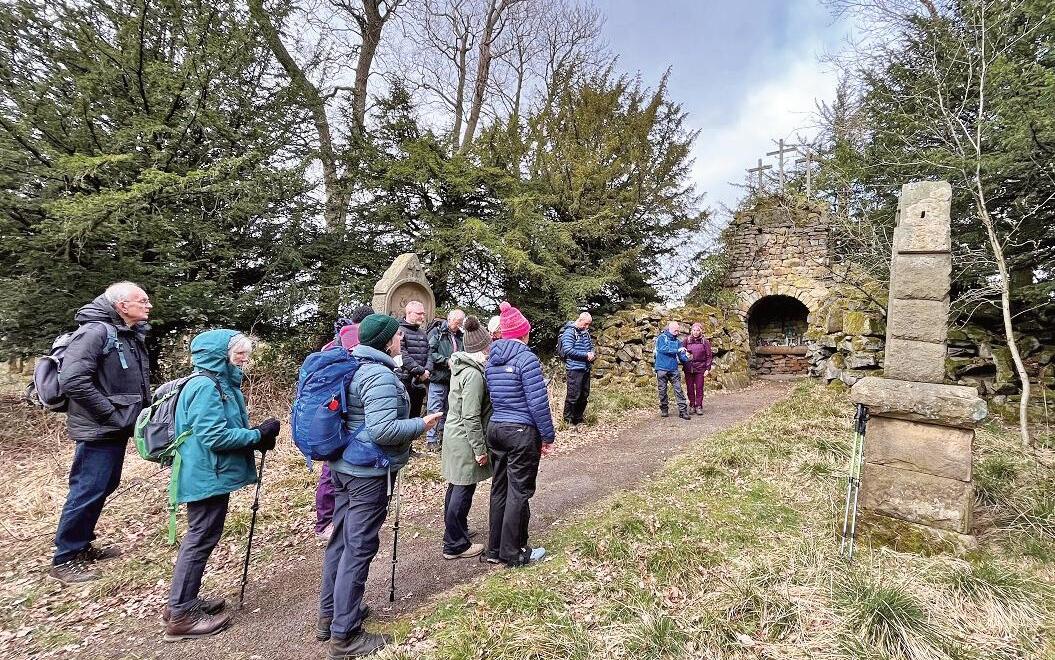
Our destination was the Calvary and Stations of the Cross in the atmospheric woodland clearing at Myddelton Grange. Each pilgrim led
one of the Stations of the Cross, as once again we prayed that God will ‘send more labourers into His harvest’.
Although more freezing hail threatened, only a few drops fell as we finished praying Stations of the Cross at three o’clock and the pilgrimage ended with the Prayer of St Jean-Marie Vianney, Patron Saint of Priests:
God, please give to your Church today many more priests after your own heart. May they be worthy representatives of Christ the Good Shepherd. May they wholeheartedly devote themselves to prayer and penance; be examples of humility and poverty; shining models of holiness; tireless and powerful preachers of the Word of God; zealous dispensers of your grace in the sacraments. May their loving devotion to your Son Jesus in the Eucharist and to Mary his Mother be the twin fountains of fruitfulness for their ministry. Amen.
St Joseph: pray for us!
St John Vianney, Patron Saint of Priests: pray for us!
St Charles Borromeo, Patron Saint of Seminarians & Bishops: pray for us!


You can use both sets of clues to solve the puzzle: the solutions are the same.
CRYPTIC Across
7 Dead set, if else fails, to make 18 when in Rome (6,7)
8 I am the Spanish waiter in Messiah! (8)
9 Mountain in Joshua can be seen in section of Horeb, altitudinally (4)
10 Friend from Troy, one leaving an ecclesiastic band (7)
12 Drama queen's back to support the lead in Dallas –the Dynasty chap? (5)
14 Youngster gets sophisticated in front of the king... (5)
16 ...one in Judah has Henry bound by kinky Joe to tree (7)
19 It's the first name in jeans for Matthew! (4)
20 Early Christian sect which barely made it out of 21? (8)
22 To which place did Jesus ride a girl's horse? (5,2,6)
CRYPTIC Down
1 Esau's people's place, where style's in ascendant (4)
2 First of Issachar's successors really annexed extra land here (6)
3 Exist, being raised in African surroundings, to name brother of 2 (7)
4 Passage from article is on the Spanish uprising (5)
5 Missionary's desirable little home in Darjeeling? (6)
6 Drugs prisoner detained by the Pope is ascetic (8)
11 Get trees from 11 or 16 by the thousand, to rebuild lone Philistine city... (8)
13 ...and cedars from here to build Jerusalem, the French and British find later (7)
15 Queensland site's stop-start finish confused CIA and the Navy (6)
17 God's pupil is confronted by a very large introduction (6)
18 Is she, looking up, last one raising any cash at Christmas? (5)
21 First family's home study is situated below, note (4)
QUICK Across
7 Latin hymn translated into a popular carol by a canon of Westminster Cathedral (6,7)
8 Christ or the Messiah, as named from a reference in Isaiah (8)
9 Where Moses commanded Joshua to build an altar (4)
10 White vestment like a double-Y embroidered with crosses, worn by the Pope (7)
12 Dynast and hymnodist from humble origins, integral to both Testaments (5)
14 Young bird, especially of domestic fowl (5)
16 Kings of Israel and Judah sharing the same name (7)
19 Son of Jacob cursed by his father for attacking Shechem (4)
20 Early Christians who aimed to return to man's primitive innocence (8)
22 Hill overlooking Jerusalem where Solomon built an altar (5,2,6)
QUICK Down
1 Mountainous region south of the Dead Sea in OT times, also called Seir (4)
2 Name God gave to Jacob... (6)
3 ...and one of Jacob's twelve sons (7)

4 Extension of the nave in a church (5) 5 Nun and missionary dedicated to helping the poor in India (1910-1997) (6)
6 Ascetic 5th century British theologian (8)
11 One of the five Philistine cities (8)
13 Area north of biblical Israel famous for its cedar trees (7)
15 Queensland resort city facing the Great Barrier Reef (6)
17 Greatest of all the gods of ancient Egypt (6)
18 Joyful religious song celebrating the birth of Christ (5)
21 Land west of Nod (4)