

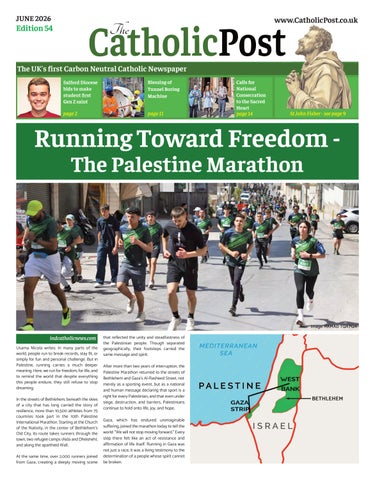
Usama Nicola writes: In many parts of the world, people run to break records, stay fit, or simply for fun and personal challenge. But in Palestine, running carries a much deeper meaning. Here, we run for freedom, for life, and to remind the world that despite everything this people endure, they still refuse to stop dreaming.
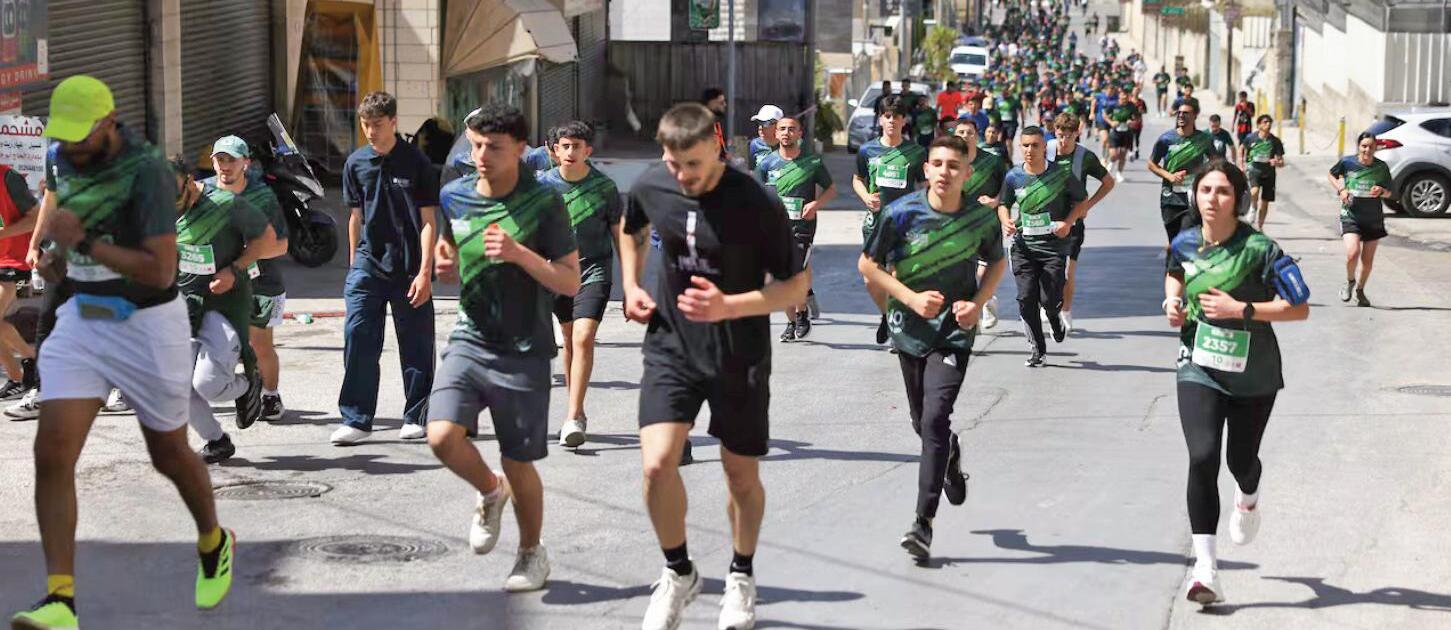
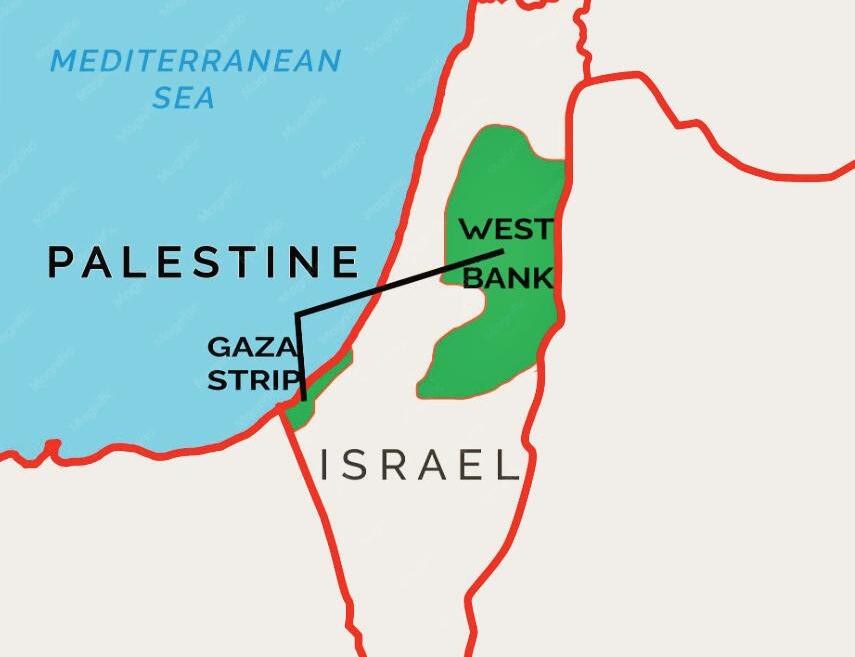
In the streets of Bethlehem, beneath the skies of a city that has long carried the story of resilience, more than 10,500 athletes from 75 countries took part in the 10th Palestine International Marathon. Starting at the Church of the Nativity, in the center of Bethlehem’s Old City, its route takes runners through the town, two refugee camps (Aida and Dheisheh), and along the apartheid Wall.
At the same time, over 2,000 runners joined from Gaza, creating a deeply moving scene
that reflected the unity and steadfastness of the Palestinian people. Though separated geographically, their footsteps carried the same message and spirit.
After more than two years of interruption, the Palestine Marathon returned to the streets of Bethlehem and Gaza's Al-Rasheed Street, not merely as a sporting event, but as a national and human message declaring that sport is a right for every Palestinian, and that even under siege, destruction, and barriers, Palestinians continue to hold onto life, joy, and hope.
Gaza, which has endured unimaginable suffering, joined the marathon today to tell the world: "We will not stop moving forward." Every step there felt like an act of resistance and affirmation of life itself. Running in Gaza was not just a race, it was a living testimony to the determination of a people whose spirit cannot be broken.

CONTACT US:
The Catholic Post is published by its owners CathCom Ltd and is wholly independent of and separate from any previous newspaper. The Catholic Post is published on the last Sunday of the month previous to publication date.
EDITOR: Nick Layton
email: editor@catholicpost.co.uk
ADVERTISING:
CathCom Ltd.
01440 730399
ads@cathcom.org
DESIGN & LAYOUT:
David Lodge, davidl@cathcom.org
PUBLISHED BY:
CathCom Ltd. N2 Blois Meadow Business Centre, Blois Road, Steeple Bumpstead, Haverhill, Suffolk CB9 7BN
01440 730399
ARTICLES TO:
The Catholic Post
email: editor@catholicpost.co.uk or davidl@cathcom.org
Please send articles for publication by email, supplying any photos separate to the text. We welcome contributions. Here are answers to some basic questions about writing for The Catholic Post How long should articles be?
Usually it seems to work out best if contributors simply say what they have to say and let us worry about finding a spot for it in the paper. What is the submission procedure?
Please send as a Word file attached to an e-mail. To submit articles for publication, send to editor@catholicpost.co.uk
Charts, graphs, and photos should be submitted as separate PDFs. Electronic photos should not be embedded or pasted into a Word document as this reduces their quality.
Photographs and Illustrations
Photographs and Illustrations should be supplied electronically as high resolution JPEG (*.JPG) files).
Photographs and illustrations should be sent in colour with a resolution of 300 dpi and a minimum size of 100 mm x 100 mm when printed (approx. 1200 pixels wide onscreen).
Computer print-outs are not acceptable. Screen captures are not ideal as they are usually not very high
Parental permission should be sought before submitting photographs of minors.
Source information -
DW = Diocesan Website.
ICN = Independent Catholic News
Views expressed in The Catholic Post are not necessarily those of the editor
Last date for copy is the LAST DAY of the month prior to publication.
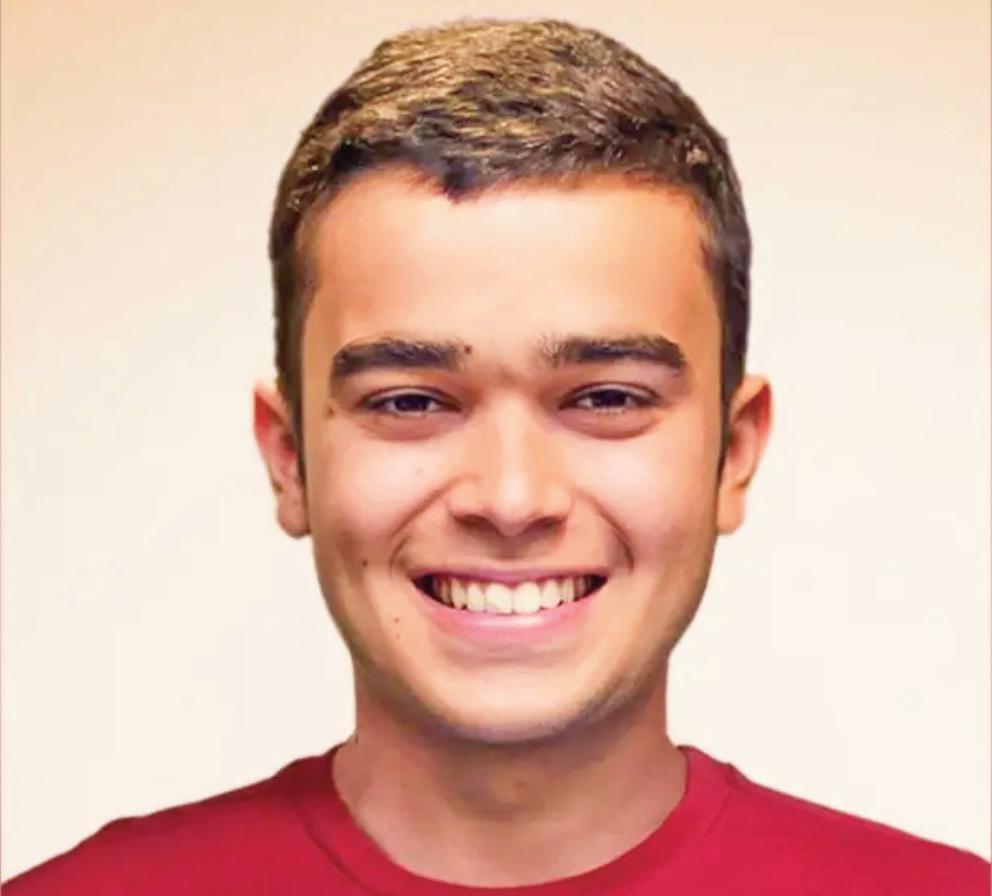
A student who died eight years ago has been put on the path to become the Catholic Church's first Gen Z saint, Paul Burnell writes for BBC North West today.
The Roman Catholic Diocese of Salford announced overnight it had formally opened the "cause for the canonisation" of Pedro Ballester, 21, from Manchester, paving the way for a comprehensive examination of his life and writings to be presented to the Pope.
“We are pleased to announce the opening of the Cause for the Beatification and Canonisation of Pedro Ballester, a young Manchester man whose life of faith and witness continues to inspire many," said the diocese.
Manchester-born Ballester, died on 13 January, 2018 after an aggressive cancer halted his studies to be a chemical engineer and more than 500 people packed the Holy Name Church on Oxford Road for his funeral celebrated by the future Cardinal Arthur Roche, who flew over from the Vatican.
Fr Joseph Evans, the priest who gave him the last rites greeted the announcement with excitement.
“Wow. I'm delighted having witnessed at first hand Pedro's heroic struggle in the last six months of his life," said Fr Evans.
"I feel he can be a great model of joy in adversity particularly for young people."
The formal process sees the diocese inviting Catholics to submit any information that might "help to build a full picture of Pedro's life, virtues and reputation for holiness" such as personal testimonies, memories and any writings attributed to him including letters or diaries.
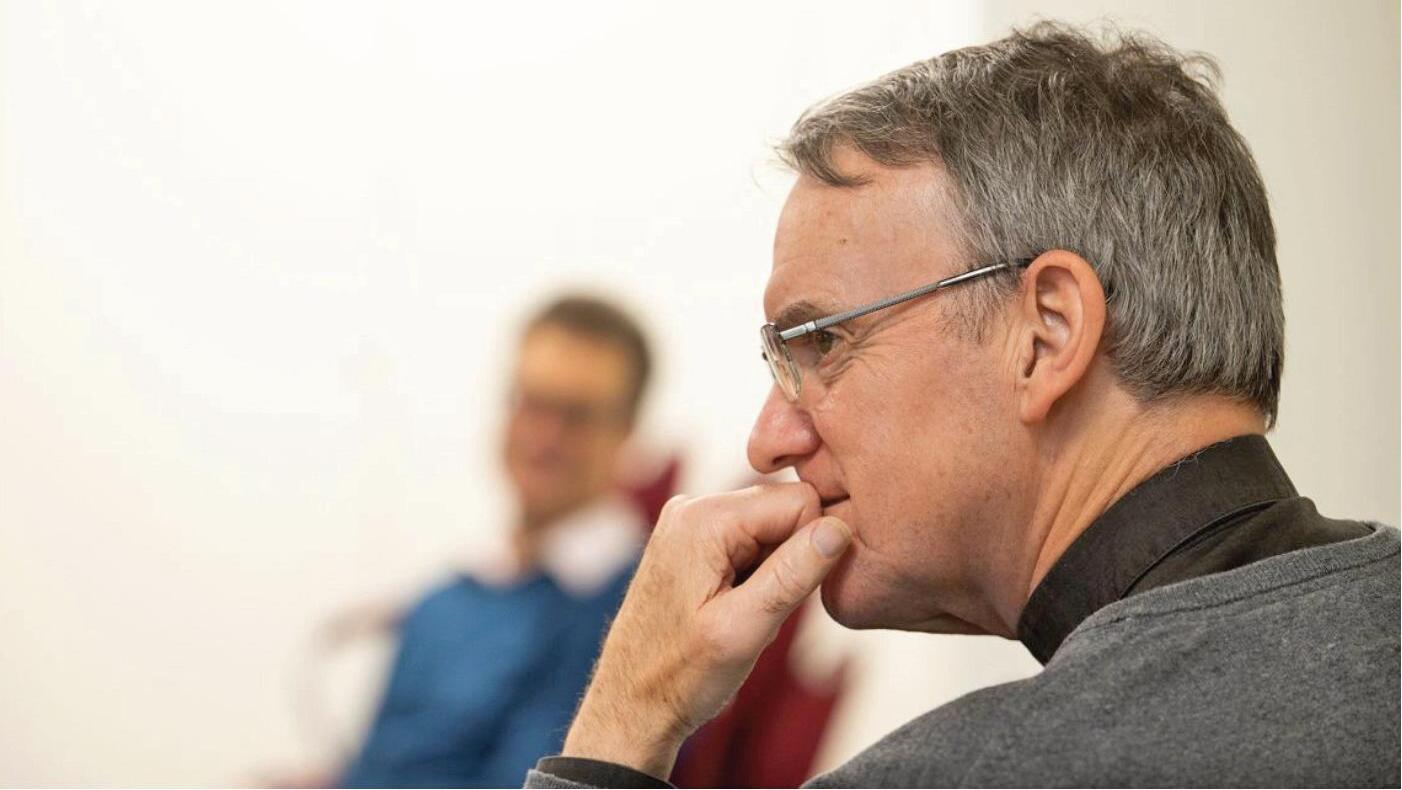
Bishop John Arnold, Bishop of Salford and Lead Bishop for Communications for the Bishops’ Conference, has spoken ahead of the 60th World Day of Social Communication about the opportunities and pitfalls of AI, agreeing with Pope Leo that the value of artificial intelligence must never outweigh the importance of human personality and our capacity for decision-making.
“We must value artificial intelligence, AI, in as far as it can be of benefit and it is a wonderful invention. But with all inventions we’ve got to be quite sure that it doesn’t intrude on personality, conscience or on people’s freedom to be who we are – made in the image of God.”
“Many people are unaware of AI’s power to ‘persuade’, and if we allow AI to guide our decisions, we risk losing our sense of our own personality and humanity. The mechanical voice lacks the authenticity of the human mind, making its own decisions for the circumstances in which a person finds himself or herself.”
Speaking on our Catholic News podcast channel, Bishop Arnold also considered the nature of the synodal pathway, suggesting that synodality is “a doorway to wisdom” because it encourages encounter – talking and
discerning together. He went on to explain that instead of being influenced by technology, “we can be positively influenced by other people.”
“This,” he said, “is the real strength of the Synodal Church at the moment – that sense of renewal that we’re living in changing times. We want to live Gospel values, but the way that we live those Gospel values needs to be changing because of the circumstances in which we find ourselves.”
Pope Leo’s message for the World Day for Social Communication resonated with Bishop Arnold. He said: “Pope Leo is saying we must remind ourselves that artificial intelligence can be used to our benefit, but it mustn’t get to a place of priority in our lives that doesn’t add value. We must use it well, but not be governed or in any way dictated to by it.”
Linked to this, Bishop Arnold encouraged us to be aware of how much time we are spending using technology, and placed an emphasis on the primacy of human encounter.
“It’s very good to enter a place which is free of technological influence, to be able to be at peace with ourselves and to recognise who we are as unique individuals. The dialogue that we can have with other people around us is so important rather than plugging into some sort of ‘intelligence’ which is trying to make
Recently, whilst sorting through items that had been donated to the charity from a convent, amongst the statues and crucifixes, we found a bag containing very small knitted woollen squares. Looking deeper into the bag for an explanation and use, we found a printed note which read:
‘Hospice Remembrance Squares: These are our little remembrance/comfort pocket squares. They can be given to those in times of need to give comfort. Given to those who have lost loved ones. A little gift of love to let people know they are not alone. A symbol of love they can keep in their pocket or bags. Something to hold onto whilst they are having treatment.’ These nuns ran a hospice.
Small items and actions can give the biggest comfort. Some years ago, whilst sending shipments to a diocese in Ghana, I asked the diocesan bishop if he wished to continue receiving offcuts of new fabric in the next consignment to his diocese. These offcuts were not large, but big enough to make small items and flannels with. “Of course!” he replied enthusiastically… “Why, they make the difference between a child being educated - or not!” Somewhat surprised, I asked for an explanation of his response… “You see,” he replied “the poor children have no clothes. Without panties they can not come to school! We make tiny panties for them with this cloth, and then they can come to school!”
decisions for us. This does not deal with the factors or circumstances in which we find ourselves. Turning off the phone, being quiet and being in dialogue with people face to face is so important.”
The World Day for Social Communication took place on Sunday 17 May, with a second collection in parishes in England and Wales to support the work of communications in the Catholic Church.
Bishop Arnold stated the ‘vital’ nature of communications in the Church, explaining that, “without good communications – using truth and disseminating truth – we can easily lose our way in the world in which we live and become puppets to other ideologies that are neither helpful nor progressive, and certainly nothing to do with Gospel values.
“We need the best of communications – not to dictate, but to help us to discern.”
Offering his concluding thoughts, Bishop John Arnold echoed Pope Leo’s call to preserve human faces and voices.
“People must not be forgotten. It’s our opinions, personalities and consciences which, working together, will give us a firm direction for the best solutions to the problems of our time.”
To us, a small piece of fabric, an industrial offcut. To someone else, the difference between receiving an education or not.
A random act of kindness, a smile, a hug, a plate of home-baked biscuits or a newly baked loaf of bread, can express love and concern more than many words said.
www.crownofthorns.org.uk
email: office@crownofthorns.org.uk
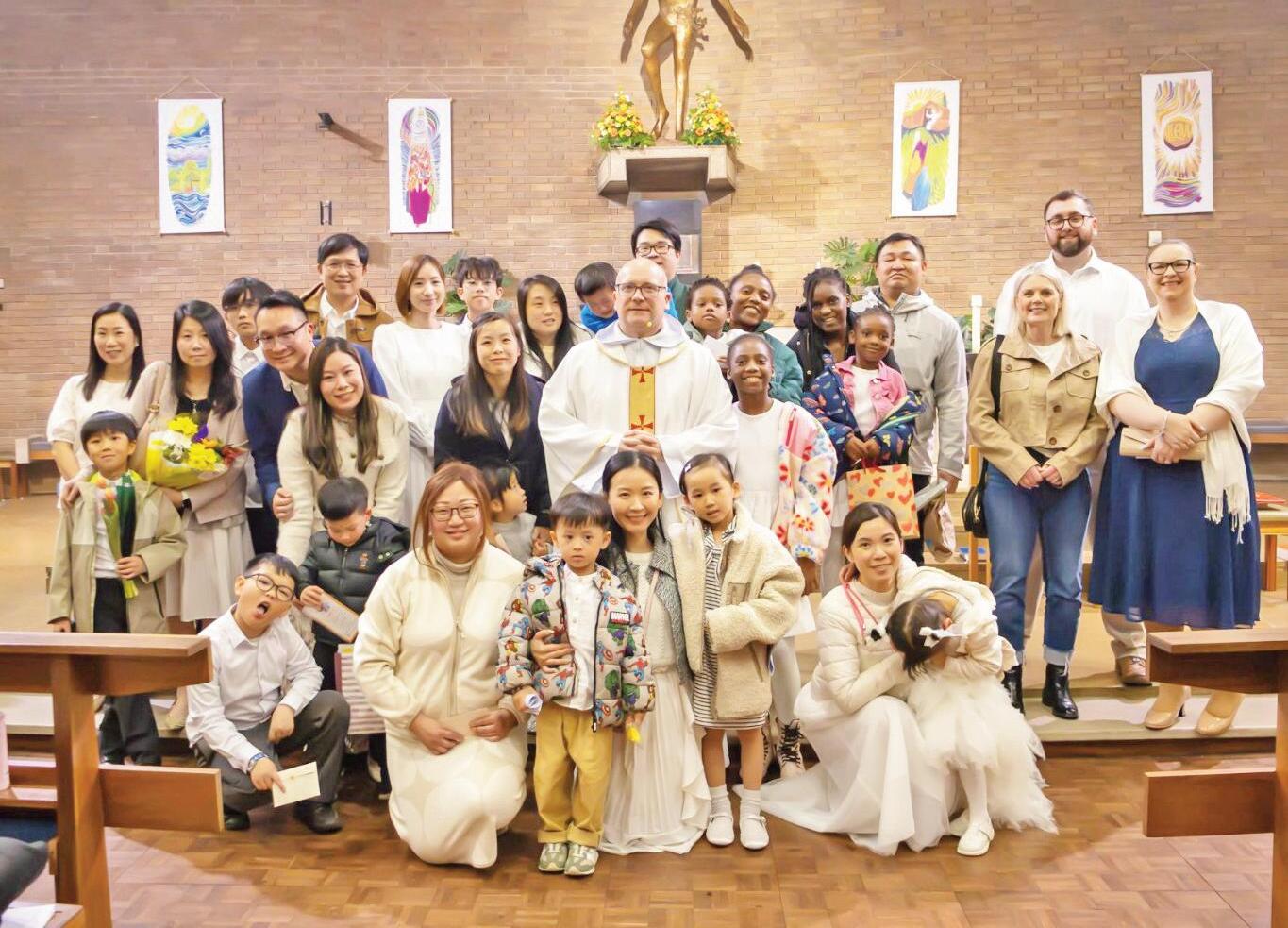
This Easter, 246 Hongkongers residing in the United Kingdom were formally initiated into the Catholic Church across 11 locations, receiving the Sacraments of Initiation. The group comprised adults, youths, and children, with two specific age demographics, children under 11 and adults aged 36–45, representing a significant 82% of the total. During the Easter Vigil, godparents passed the light of the Paschal Candle to the neophytes, (those newly initiated into the church) symbolising a commitment to passing on the flame of faith. Congregations greeted their newest brothers and sisters with warm applause, looking forward to seeing these roots of faith grow deep within their families.
A substantial proportion of the 246 new Catholics are children under the age of 11. This reflects the profound importance Hong Kong parents place on spiritual formation, seeking for their children the guidance of faith and Christian values within their new and unfamiliar surroundings. Simultaneously, the established adults, aged 36–45, has become a primary force for baptism. Many in this age group noted that the transitions and challenges of migration led them to make new friends and created an opportunity to seek God. They have chosen to embark on this journey of faith alongside their children.
One of the neophytes from Sheffield shared, "Living in the UK, I met new friends who are Catholics. Through their companionship, I realised I had grown distant from Our Heavenly Father. This sparked a desire to know Him again, leading me to join the RCIA programme."
Another neophyte in Woking reflected, "I attended Christian schools as a child and knew the scriptures well, but my busy work life caused me to lose touch with my faith. Since moving to the UK, my life has taken a different path, and I often felt filled with anxiety. By chance, I learned that a friend had been baptised last year and felt 'reborn,' possessing a profound peace through the strength of the Lord. I felt a sudden calling to return to God. Through the RCIA, I learned that prayer, the Mass, and Baptism are vital links to the Lord and have made it my habit to pray and attend Mass regularly."
The statistics cover 10 cities, demonstrating that the Hong Kong Catholic diaspora has spread across the entirety of United Kingdom. Currently, several dioceses, such as Westminster and Southwark in London, as well as Salford and Glasgow, have established Cantonese-speaking Catholic communities, providing a familiar linguistic environment for celebrating Mass and RCIA programme.
In response to these pastoral needs, several local priests have made dedicated efforts to learn Cantonese to celebrate Mass for the Hong Kong community. Notable examples include Rev Philip Sumner in Manchester and Rev Canon John Minh in Cambridge. During this Lent, Rev Hugh Donleavy, from the Liverpool Metropolitan Cathedral, also learned Cantonese to celebrate a Cantonese Mass for approximately 120 Hong Kong Catholics, a gesture that deeply moved the faithful.
Mr Kwok, a catechist leading the Cantonese RCIA in Manchester, recalled that nearly 50 people submitted applications when
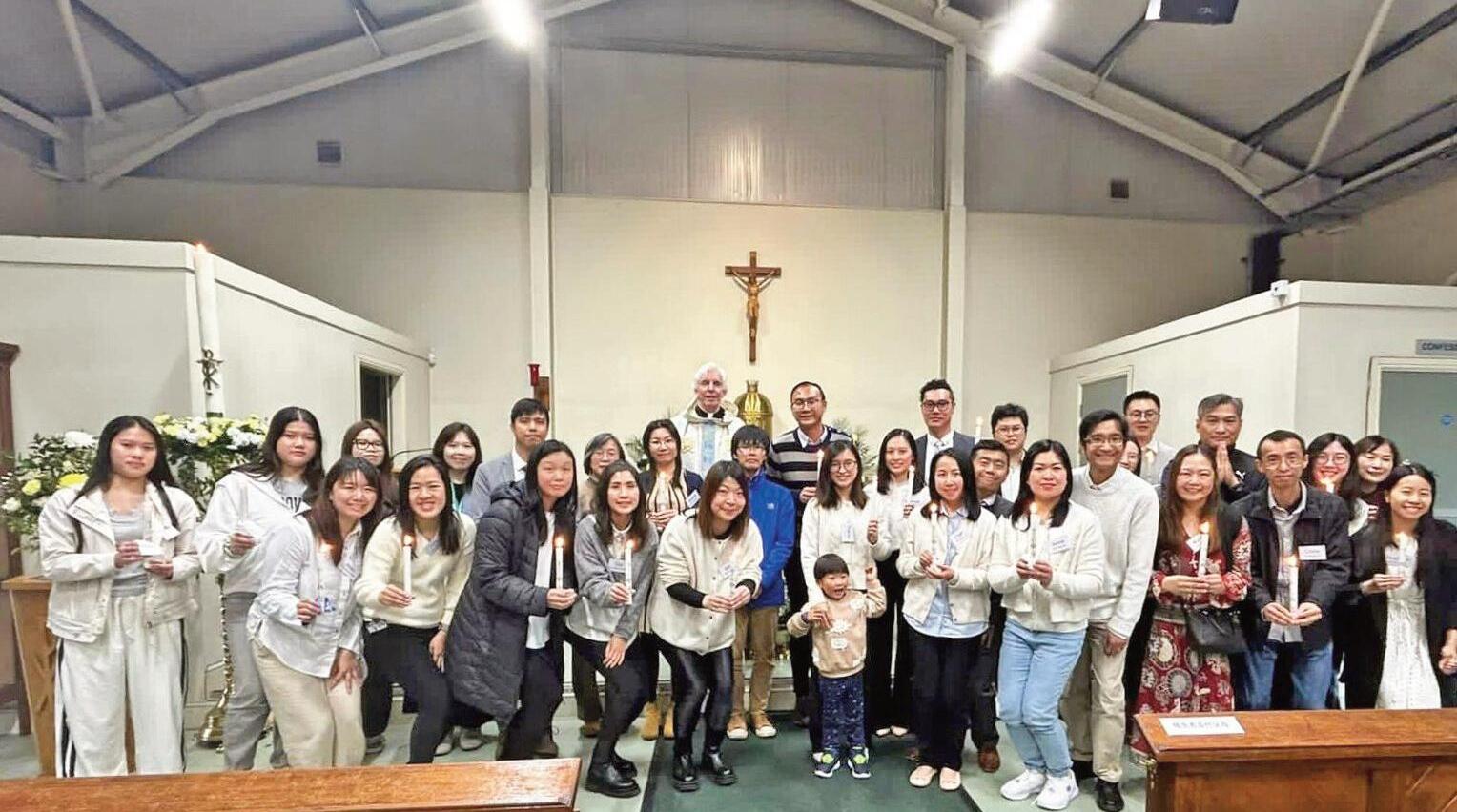
registration opened. He admitted to initial trepidation regarding how to manage such numbers, "I thank God for sending so many 'angels' to assist me, providing substitute catechists and a dedicated team of sponsors. When I was concerned about how to accommodate children during the in-person sessions, experienced Sunday School tutors volunteered to help. Throughout the process, the enquirers kept introducing their friends. Believing that God never turns anyone away, we welcomed them all. Ultimately, 148 candidates were baptised. This experience has reaffirmed for me that nothing is impossible for God." To the new Catholics, Mr Kwok expressed his hope that they would one day say, as in the Gospel of the Samaritan woman, "It is no longer because of what you said that we believe, for we have heard for ourselves, and we know that this is indeed the Saviour of the world."
Since being established in 2024, the Hong Kong Catholic Migrants Pastoral Coordination Group ("UKHKCC") has been dedicated to synchronising activities for the community, including arranging priest visitations, facilitating exchanges between Cantonese catechists, and producing evangelisation materials to encourage integration into local British parishes. UKHKCC is greatly heartened by more than 200 individuals welcomed into the Church this year. Bishop Paul McAleenan, the Lead Bishop for Migrants and Refugees in the Catholic Bishops' Conference of England and Wales, stated, "An outstanding feature of the Hong Kong Catholic community who have settled in England and Wales in recent years is their attachment to their faith. I pay tribute to them. In imaginative ways they seek means to strengthen and practice their Catholic faith. Their joy, fervour and enthusiasm are an inspiration to their compatriots who are not Catholic and to those in parishes which they have joined. I thank them for their witness, and
I welcome those from Hong Kong who were received and baptised into the Catholic Church at Easter. I thank also the priests and people in parishes throughout our countries who have generously opened doors to the Hong Kong community, accommodating them and welcoming them in local parishes. The growth and influence of the Hong Kong Catholic community is another example of the positive contribution migrants make to the Church in England and Wales."
In light of the growing needs, Mr Francis Law, Convener of UKHKCC, said, " Over the past two years, we have dedicated ourselves to coordinating the efforts of Hong Kong Catholic faithful across the United Kingdom. Currently, there are Hong Kong Catholic communities in more than 25 cities nationwide. By leveraging their unique charisms, these individuals have established small Christian communities that offer mutual support and a shared life of faith, while also fostering deeper integration into their local parishes. Moving forward, we remain committed to deepening our pastoral care and outreach."

When Paul McCartney was at school, he used to do some shopping for an elderly lady who lived alone not far away. Visiting her at home gave him a direct experience of the loneliness of the elderly. It stayed with him and in 1966 it was a key inspiration for the Beatles song Eleanor Rigby. Perhaps he went to her funeral because later in the song he mentions another figure he calls Fr McKenzie who wipes the dirt from his hands as he walks from the grave. It’s a bleak song from the 1960s, full of unspoken questions about the purpose and meaning of life. The questions about death don’t go away but our response to them has changed over the decades since the 1960s. In British culture we now tend to avoid talk of death and its meaning in a way that Irish culture, for example, does not. Even the word death is avoided in favour of the word ‘passed’. St Barnabas Hospice in Worthing always favours direct language of dying, death and dead because it is clear and less confusing than euphemisms. In the past death used to be more frequent in every age group and also more visible. The body was often brought home and there was a gathering of friends and family in a “wake” of prayer and remembering. In some homes curtains were drawn and the clocks stopped and family were encouraged to wear black. Mourning gave people a specific status for a while as vulnerable members of the community who deserved additional respect.
Those practices waned as death happened in more private spaces away from home and family in hospitals and hospices. Dying people tend to fade into the background and we, as a community, have lost the words and maybe the courage to be present to those who are dying or grieving. That increased distance between the dead and the living is the space where religion and funeral directors are at work. It is a rapidly developing space from funerals that can be lavish emotional celebrations to almost silent, ‘just tidying up’ at the end of someone’s life. On the Kings Road in London there is a shop front with the name “Exit Here” over the window. In the window there are some very attractive urns for ashes and a bright yellow coffin with flowers painted on it. It is part of the funeral profession responding to a wider range of requests for funeral provision. Some want to celebrate a life, spend lavishly, gather the community and draw support in their loss. Others want to make as little fuss as possible with no funeral at all and have the ashes delivered home a fortnight later. Between these two lies a whole range of other choices about flowers, types of hearse, secular or religious celebrants, viewing the body in an open coffin, burial, cremation,
scattering of ashes, orders of service, memorial cards and receptions afterwards. It can be a nightmare of choices for the bereaved families at a time when they may be quite emotional and unsure. It is into that space that the funeral director steps. Offering calmness, clear choices and timetables to vulnerable people who may not know what is best or even know the intentions of the one who has died. Funeral directors could be said to fulfil a secular ministry, performing an act of ‘corporal mercy’ to use Church language. But they are also in a privileged role where they must resist the temptation to financially exploit the bereaved who may be highly emotional and easily confused.
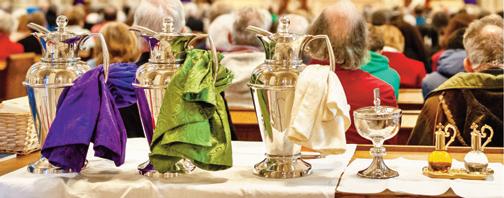
The Church also steps into that sacred space where vulnerable people are sometimes in shock and asks deeper questions about life and its meaning. I say the Church rather than just the clergy because, even in Catholic churches, lay ministers are now conducting funerals, relying on the structures of the approved Catholic funeral liturgy. In the church setting, with a proper liturgy, a number of very helpful things happen. First of all, people gather and can affirm each other. Secondly the death is visible, not hidden away because there is a coffin that is at the focal point of the service. Thirdly, the use of symbols places the death in a wider context. There is an Easter (resurrection) candle next to the coffin, a white pall is often placed on the coffin to indicate the dignity of baptism into the life, death and resurrection of Jesus. On the coffin itself relatives place a cross and the Gospels pointing to the following of Jesus through good times and also through suffering. Towards the end the coffin is sprinkled with holy water and then incense is used to honour the bereaved but also to symbolise that they are surrounded by the presence of God. The incense recalls the cloud that guided the people of God through the wilderness as recounted in the Book of Exodus. These are the symbols that speak wordlessly and eloquently through the static of grief and offer deeper purpose and meaning to all life. There is no new life without some dying, death is a fact of life. The child has to fade away if an adult is to be born, the wheat seed has to die if a new plant is to grow. Despite all the appearances to the contrary, the church proclaims resurrection at the point of death and celebrates it through ritual and symbols that speak of hope.
The other thing a church service achieves is the building of a wider community around the loss of a loved person. The people gather, talk, remember and celebrate the mystery of a life that is ended. Things can no longer be the

same and despite the loss, something new can happen. An elderly priest told me a few years ago that when someone dies it is almost certain that somebody, somewhere will be relieved. New doors will open for them; new opportunities will arise, change will happen. He further went on to explain that when a person dies there is an emptiness, a hole in the network of relationships into which the breath of the Spirit can move and renew the remaining family and friendships over time. New life emerging from death. It’s part of the pattern of Jesus’ risen life into which we are all caught up every day.
One of the key phrases in the Catholic service that I find most helpful in leading funerals is this:
“We believe that all the ties of friendship and affection which knit us as one throughout life do not unravel with death. For those who believe in your love, death is not the end.”
The visibility of death, the gathering of community, the use of symbols, memories and expressions of hope underline the importance of a public and ritualised funeral. We are a community of saints, not individuals, we belong together. Research in the University of Minnesota has shown that those who do not celebrate a funeral in a public service are more likely to have heightened and extended issues with grief. Dr Catherine Sanders i , an expert in grief management, tells us that “funerals are the best and potentially most therapeutic rituals available during grief.” So, both from a secular and from a religious point of view the
evidence points to spending time and effort to gather and celebrate the death of a person through symbols, through hope and through memories. In the light of such expertise the development of rapid disposal deaths in Great Britain, where no funeral takes place, no gathering happens, no memories are celebrated is regrettable and potentially damaging to the human spirit. Concern about grief in our society is illustrated by the rise of the “Death Café” ii movement which trains listeners and sets up safe places for individuals to express and manage their grief and the mechanics of funerals and long-term illness.
They are well worth exploring especially when sponsored by churches.
As a Catholic Church in England and Wales we provide a unique life-giving funeral service over the whole country. Sometimes those who have died have no one to mourn them and the parish will often gather to pray for strangers as an act of corporal mercy. At other times large numbers will gather and draw strength from the presence of others as they say goodbye to someone they love. But all of these services will be conducted in hope and focused within life-giving rituals and symbols. In our Catholic parishes, with the Easter Candle right next to the coffin we proclaim at every funeral that life is changed and not ended iii . A wonderful service to our whole community.
i Surviving Grief and Learning to Live Again.
Dr Catherine M. Sanders Wiley 1992
ii See https://deathcafe.com/
iii Catechism of The Catholic Church 1012
christianaid.org.uk
New analysis warns the great British cup of tea is at risk as climate change drives more bitter flavours, volatile prices and unreliable supply
Christian Aid says the threat to Britain's favourite drink also highlights the growing climate pressure on tea farmers and workers.
The familiar taste of the British cuppa is under threat from climate change, with new analysis warning that rising temperatures and extreme weather could make tea more bitter, harsher and less consistent in flavour.
The report, published recently by Christian Aid, finds that the delicate balance of flavour in tea depends on stable temperature and rainfall conditions - conditions that are now breaking down in key tea-growing regions across Kenya, India and Sri Lanka.
The report sets out how climate change is already affecting the chemistry of tea leaves. Tea quality depends on a delicate balance of compounds such as catechins, amino acids and polyphenols, which determine flavour, aroma and mouthfeel.
The report states: “Scientific evidence shows that these changes are not simply cosmetic. Tea quality depends on a delicate balance of chemical compounds, including catechins, amino acids and polyphenols, which determine flavour, aroma and mouthfeel. Studies find that higher temperatures tend to increase the production of more astringent compounds while reducing those associated with sweetness and balance. The result is a shift towards harsher, more bitter profiles.”
Extreme weather can also place plants under stress, altering how they grow and develop, with knock-on effects for taste.
As temperatures rise, pest populations are expected to increase, adding further stress to tea plants and contributing to greater variability in quality and flavour.
Scientists say the overall impact is not a single uniform change, but growing variability - with tea becoming less consistent in flavour and, at times, noticeably harsher. In short, the smooth, reliable taste of the British cuppa is becoming harder to guarantee.
The report argues that: “Together, these pressures are creating a perfect storm which are likely to increase volatility in the tea market that will affect both the price of tea on our shop shelves as well as the quality and taste of tea that ends up on our shelves.”
Reuben Korir, a small-scale tea farmer from Kericho County in Kenya, said: “When the weather is very dry or unpredictable, the tea quality changes. The leaves are smaller, and we believe the taste is not as good as it used to be during more stable seasons. “Rains no longer come when expected, and dry periods last longer.
Harvests are not predictable anymore, and neither is the income. Even when we produce tea, the payments are often small and delayed.”
Dr Neha Mittal, senior climate services scientist at the Met Offce and visiting scientist at the University of Leeds, said: “Tea brands depend on delivering a stable and recognisable flavour profile. As climate variability increases, achieving that consistency becomes more challenging.”
Rather than affecting taste in a uniform way, the changing climate is likely to increase variation in leaf quality between harvests, making it harder for producers to maintain consistent flavour profiles over time, with potential implications for brand trust and consumer confidence.
Claire Nasike Akello, Climate Adaptation and Resilience Lead at Christian Aid, said: “For generations, consumers have taken for granted that a cup of tea will taste the same, day in, day out. But that consistency depends on a stable climate, and that stability is now breaking down.
“What we are seeing is the beginning of a shift towards a harsher brew, with the risk that Britain's favourite drink becomes more bitter, more expensive and less reliable.
“But this is not just about what is happening in our kitchens or in our mugs. The biggest impact will be felt by the people growing and processing tea, many of whom are already facing rising costs, more unpredictable harvests and worsening insecurity.
“Climate change is amplifying deep-rooted inequalities in the tea sector. Farmers and workers who have done the least to cause the climate crisis are being pushed further onto its front line, with fewer resources to adapt.

“Protecting the future of tea means investing in people as well as crops - through fair pricing, targeted adaptation finance and stronger support for farmers and workers.”
The UK is also experiencing climate changes that are affecting quality. According to Lucy George who runs Peterston Tea, a small tea farm in South Wales, one of the first commercial tea farms in the UK. "Seasons are less predictable with warmer winters, sudden late frosts, and irregular rainfall patterns," she told Christian Aid.
“Tea is incredibly responsive to its environment. Small changes in temperature, rainfall, and sunlight can significantly alter flavour. In our case, warmer periods can accelerate growth but often at the expense of complexity, while erratic rainfall or cold snaps can slow growth and affect leaf structure. The balance that gives tea its depth - sugars, amino acids, polyphenols - is closely tied to stable growing conditions. When that stability is lost, consistency becomes much harder to achieve.”
Christian Aid says protecting the future of tea will depend on helping farmers adapt to a changing climate - including developing more climate-resilient tea plants, improving irrigation, and planting shade trees to reduce heat stress.
The report also points to the role of fairer and more resilient supply chains, including support for producers through fair pricing, adaptation funding and stronger protections for workers.
The UK drinks approximately 100 million cups of tea per day (UK Tea & Infusions Association).
Around half of UK tea imports come from Kenya, making British consumers highly exposed to climate impacts in East Africa.
Fairtrade and other producer-focused approaches can help improve resilience by supporting better returns and investment in farming communities.
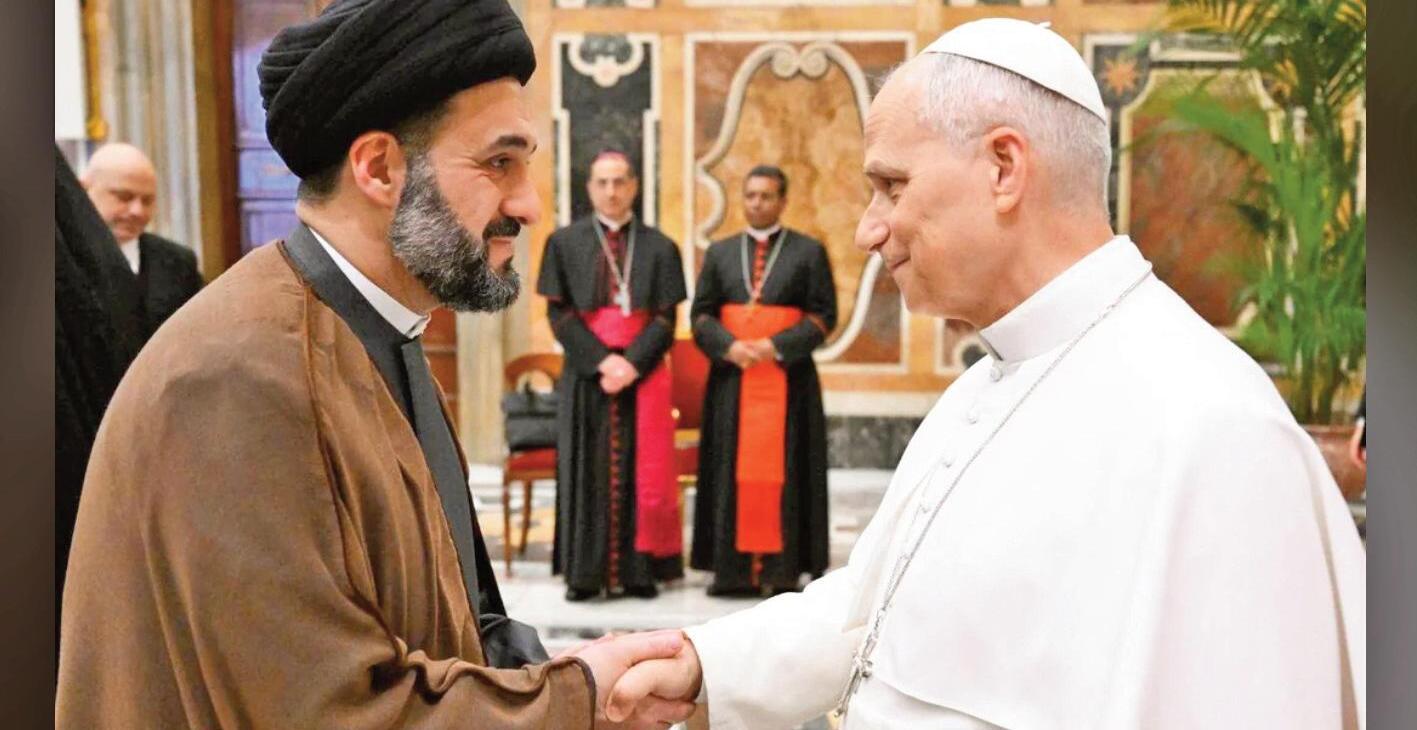
Compassion and empathy are essential attitudes of both Christianity and Islam
The members of the Royal Institute, were in Rome for a colloquium on 'Human Compassion and Empathy in Modern Times’.
In the Muslim tradition, Pope Leo said, compassion (ra'fa) is a gift bestowed by God in the hearts of believers, while the inclusion of al-Ra'uf ('The ever-compassionate) among the ninety-nine divine names reminds us that "compassion always has its origin in God himself.”
In the Christian tradition, the Pope said, this divine compassion "becomes visible and tangible" in the person of Jesus. By taking on human flesh, God "goes beyond seeing and hearing" human suffering, and instead experiences it Himself, becoming "the living embodiment of compassion”.
Compassion and empathy, Pope Leo said, are therefore "not something additional or optional" for Christians and Muslims. Indeed, they have "social implications" for believers in both religions.
For
From a Christian point of view, the Pope said, "love for the poor" - and indeed sharing in their suffering - are of essential importance. In this regard, he expressed his appreciation for the Kingdom of Jordan's "generous efforts" to welcome refugees.
In the final portion of his speech, Pope Leo reflected on the impact of technology on compassion and empathy today.
While it is true that we are "more connected than ever before," the Pope said, the "constant flow of images and videos of the hardships of others can dull our hearts rather than stir them.”
Citing an early homily of Pope Francis', Leo warned that we "have become used to the suffering of others," believing that "it does not affect me, it does not interest me, it is none of my business.”
In this context, Pope Leo concluded, Christians and Muslims are called to draw on the "richness" of their respective traditions in order to engage in a "common mission: .. to revive humanity where it has grown cold, to give voice to those who suffer and to transform indifference into solidarity."

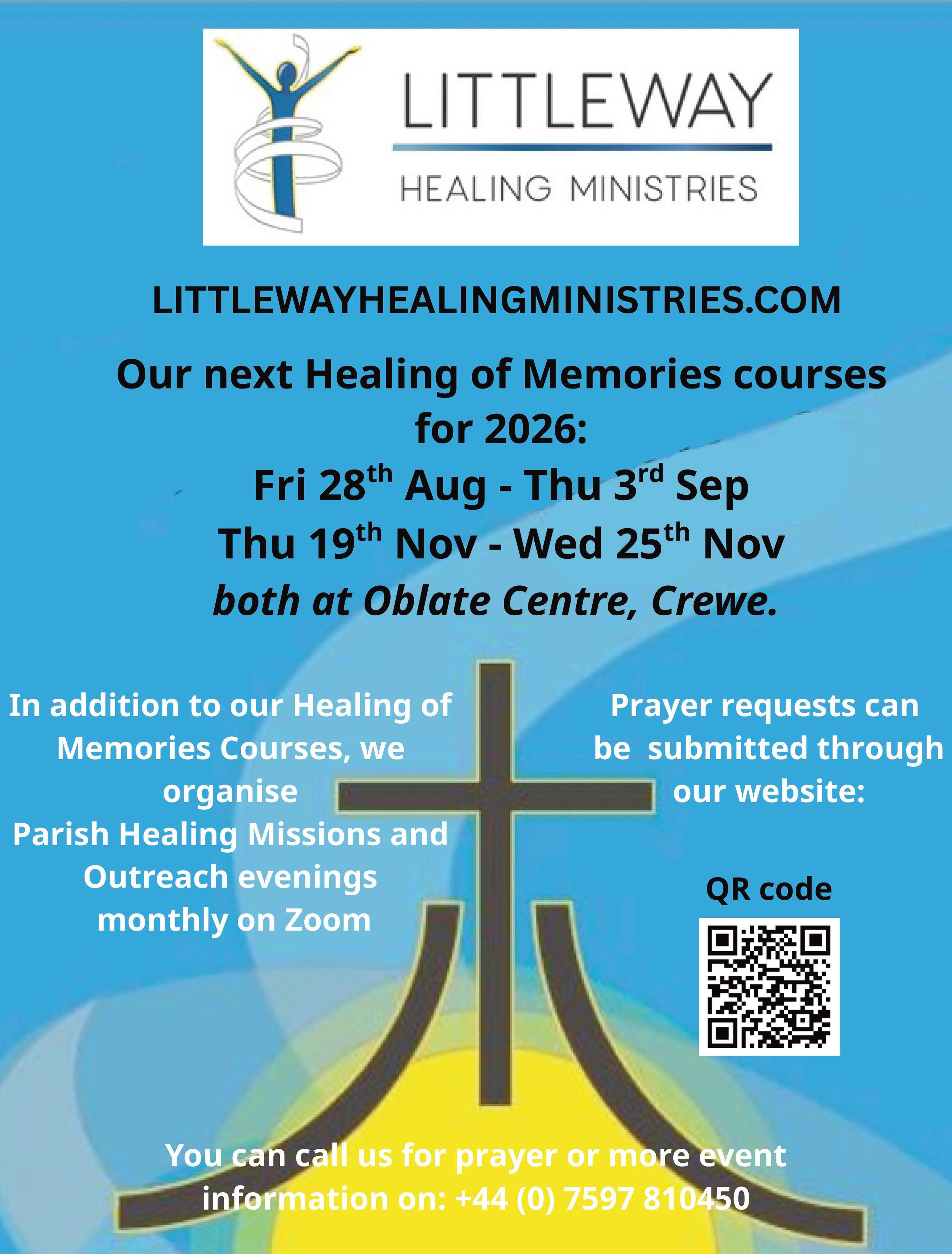
Father Louis Salman, a Jordanian priest who served as parish priest in Beit Sahour, a majority Palestinian Christian town near Bethlehem and was also chaplain for the Palestinian Christian youth movement, has been forced to leave the country.
Following an unusually long and intensive security interrogation by Israeli authorities, Israel refused to renew his visa and ordered him to leave before 11 May.
In a poignant farewell, Father Louis presided over his final Mass in Beit Sahour - the 'Shepherd's Field' - on Sunday.
Father Louis is considered one of the most influential figures among Palestinian Christian youth.
According to church sources, Israel justified its decision by citing Father Louis's political views and his significant influence on Christian youth, particularly given his public statements describing Israel as an "occupying power," in addition to his national and humanitarian presence at numerous Palestinian events.
Born in 1989, Jordanian Father Louis Salman studied computer graphics and animation at Princess Sumaya University for Technology, before joining the major seminary in Beit Jala in 2014, to train to become a priest.
Father Louis' name became prominent following the killing of the young Christian Palestinian-American journalist Shireen Abu Akleh by an Israeli soldier in May 2022. Fr Louis led a funeral service and a solemn procession for her in Jenin, prior to her burial in Jerusalem. Israeli soldiers attacked the pallbearers carrying her casket as Palestinians carried her from St Joseph Hospital through Jerusalem to the church in the Old City for her funeral.
In recent days, Beit Sahour many people came to bid farewell to their much-loved pastor. Palestinian Christian Youth held a tribute ceremony for Father Louis, attended by around 150 young men and women from various Palestinian cities. His final Mass on Sunday, was attended by a large congregation from the Bethlehem Governorate, who bid him farewell with feelings of both sorrow and pride.
The expulsion of Father Louis comes amid escalating Israeli pressure on Palestinian
churches and Christian institutions, whether through restrictions on holiday celebrations, settler attacks on clergy and nuns, or encroachments on church lands. This pressure also manifests in the tightening of residency permits for priests and clergy from Jordan, Syria, Lebanon, and Egypt who come to serve in Palestinian churches.
Many see the decision to expel Father Louis as a message that extends beyond him personally, targeting the Palestinian Christian presence itself and attempting to curtail the national and spiritual role played by Palestinian churches in preserving identity and resilience, especially among young people.
Roam is a film series exploring faith, adventure and story across Britain’s sacred landscapes.
Its filmaker, Edward Morton, is seeking crowdfunding to produce the film.
Edward says: Roam is my new film series exploring the meeting points of faith, adventure and storytelling. Each episode will follow filmmaker Edward Morton (that's me) as I journey across sacred landscapes of the UK, seeking lost stories and rediscovering the spiritual heritage written into the land.
The nudge to go beyond the comfort of our modern lives and routines has called me to bring this project to life in the hopes it will offer an alternative perspective to the everconsuming digital age.
Joined by friends (crazy enough to say yes), religious figures and lay voices, we’ll explore ancient pilgrim routes and uncover folklore and saint's stories- all of which I hope will prompt a deeper dive into discovering who we are.
I believe that the greatest adventures aren’t necessarily the ones that take us the furthest away, they’re the ones that bring us home.
Why now?
n Less than 1% of 18-24 year olds in the UK identify as practicing Christian. - Telegraph 2023.
n The average UK child spends less than 16 minutes a day outdoors. - The National Trust.
n 1 in 4 young people experience anxiety or depression. - NHS 2022.
I do see the irony of creating films to be distributed online as a solution to the chronic
online problem. And yet, over the course of the last few years, I've also noticed stories of troubled young men and women emerging more prevalently; becoming some of the most heavily- consumed online content. Where today's culture can lead us to believe our value and happiness are rooted in a hedonistic approach to life, we want to create films that challenge this...
What we’re building
We have already filmed a pilot episode. You can watch it here - Episode 1 - scan QR code right

With your support, we will: Fund the production of the first full season (7 episodes.)
Episode 2 - Be Perfect As The Mob Is perfect. The story of St Hieritha (North Devon)
Episode 3 - Build It And They Will come. A bike packing adventure to the holy house and the Story of Richeldis (Norfolk)
Episode 4 - The Quiet That Shaped A Nation. Hiking St Columba's isle of Iona. (Scotland)
Episode 5 - The Hermit Of The Wye. Searching the river for St Arvan (Wales)
Episode 6 - The Old Man. The Story of St Herbert of Derwentwater (Lake District)
Episode 7 - Tied To The Mill Stone. The Story of Saint Piran (Cornwall)
The goal is to produce a beautifully shot, cinematic series that can have a widespread reach, inspiring the viewer to see their world differently.
Please check out the crowdfunding campaign and consider supporting just scan the QR code

Fr Alvan Ibeh reflects on trusting God’s constant presence and guidance through life’s uncertainties, likened to a pilot safely guiding passengers through turbulence.
On the 6th Sunday of Easter, in the Gospel reading, Jesus, after announcing to His followers that He would return to His Father in heaven, assured them that He would not leave them as orphans but would come to them and “be with them till the end of time” (Matthew 28:20). The significance of this promise is that this companionship is not temporary but lasts through joy, sorrow, and uncertainty.
They needed to hear these consoling and comforting words at a time when it felt like Jesus would no longer be physically with them. But knowing that His presence (manifested in the Holy Spirit) accompanies them everywhere they go, gave them so much confidence and courage. This is what happens when we fully recognise that, in the journey of life, no matter what is going on, God is always the pilot, and this means we can relax, knowing we are totally safe.
This then leads me to this story: On a particular day, a group of people from different races and
religions was travelling from one country to another. Everything started very well; the taxiing and take-off were smooth, and everyone was happy and relaxed. Suddenly, severe turbulence began. If you have not experienced this before, you wouldn’t understand how scary it can be.
I have had this experience several times, but the worst was when I was coming back from one of my holidays in Nigeria. Sometimes it felt like the plane was going to drop out of the sky. I could hear people shouting, “Jesus, save us.”
I’m sure this doesn’t mean anything to the pilot, because they are used to it and know that nothing will happen.
So, back to the story: the turbulence continued. It became so bad that the passengers all got scared and thought they were about to perish. Everyone was calling on what they believed in to come and save them. Of course, nobody would like to die in such an incident, especially when the person is not on good terms with God. Some, at that point, even started confessing their sins and promising God that if He could save them, they would give their lives to Him.
There was an atheist on the flight who was also so scared that he started praying to the
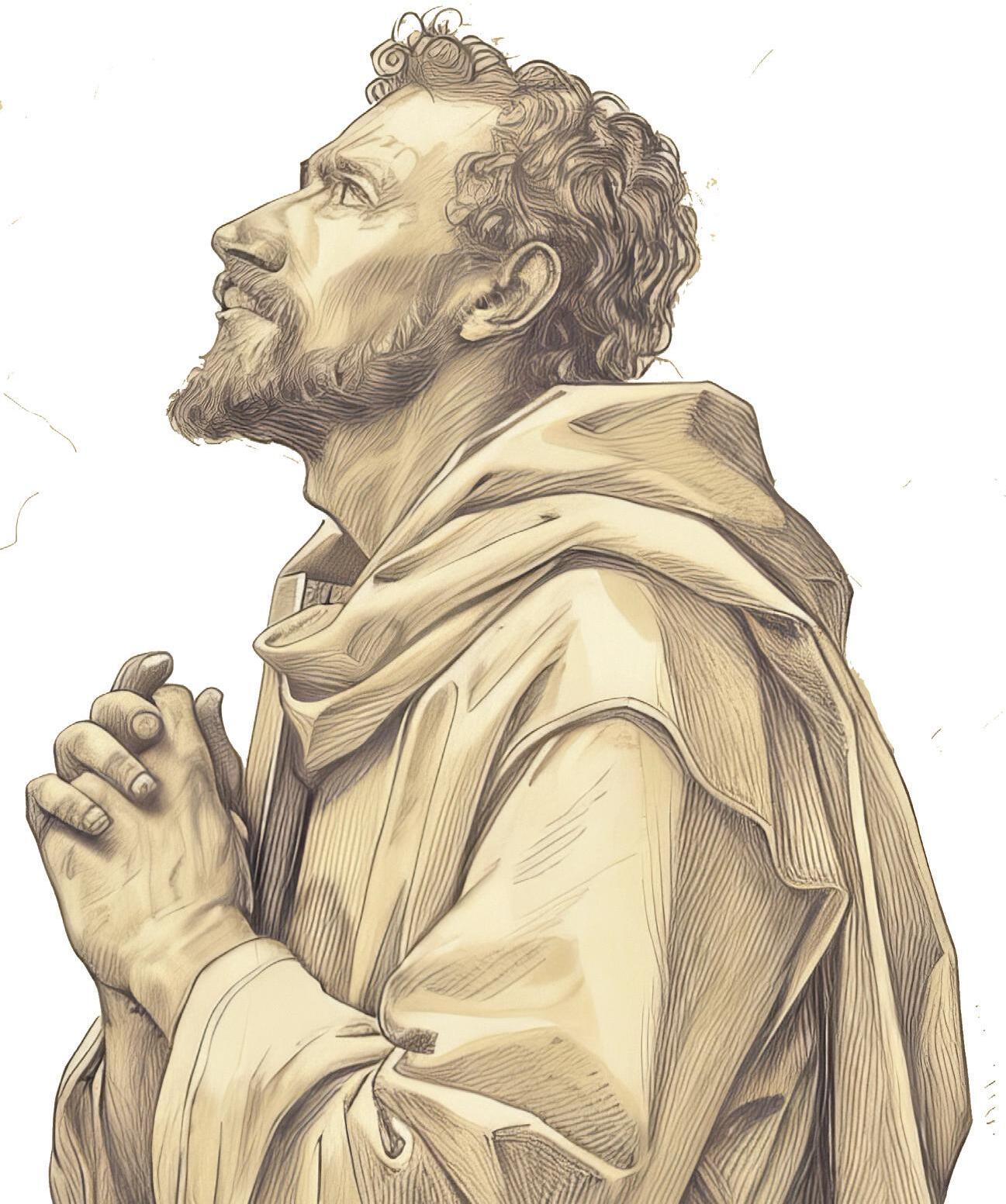
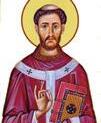
St John Fisher remains one of the most inspiring figures in Christian history — a man whose courage, wisdom, and unwavering faith continue to speak powerfully to the modern world. Living during the turbulent reign of King Henry VIII, Fisher chose conscience over comfort, truth over popularity, and faithfulness over fear.
Born in 1469, John Fisher became a renowned scholar, priest, and eventually Bishop of Rochester. He was deeply committed to education and helped transform the University of Cambridge into a centre of excellence and learning. Yet his greatness did not lie simply in his intellect. It lay in his humility, compassion, and steadfast devotion to God.
At a time when many people bowed to political pressure, Fisher stood firm. When King Henry VIII demanded recognition as Supreme Head of the Church in England, Fisher could not betray his beliefs. He understood the personal cost of resistance, yet he remained faithful to his conscience. Alone among many powerful figures, he refused to compromise the principles he believed were sacred.
For this courage, he was imprisoned in the Tower of London. Even in suffering, Fisher
God he had always claimed never existed. But then he noticed a young girl on the other side who was calm and undisturbed by what was going on. She was very focused, painting pictures and not taking any notice of the situation.
When the plane finally landed safely, the atheist went straight to the young girl and said to her, “Hello, young girl, I noticed you were so relaxed when the turbulence was happening. Were you not scared?”
The girl looked at him and, smiling, responded, “Nope.”
“Why?” the atheist asked.
She then said in her tiny voice, “Because my dad was the pilot of the plane.”
This statement amazed the man, and he couldn’t say anything more but had to leave. Can you see the confidence this little girl had, just knowing that her dad was the pilot?
Life often feels like a journey through changing weather. Some days are calm and beautiful; other days bring storms we never expected. We make plans, set goals, and dream about tomorrow, yet one phone call, one disappointment, one sickness, or one loss can suddenly change everything. In moments like these, fear easily takes control. We begin to wonder: “Who is really in charge of my life?”
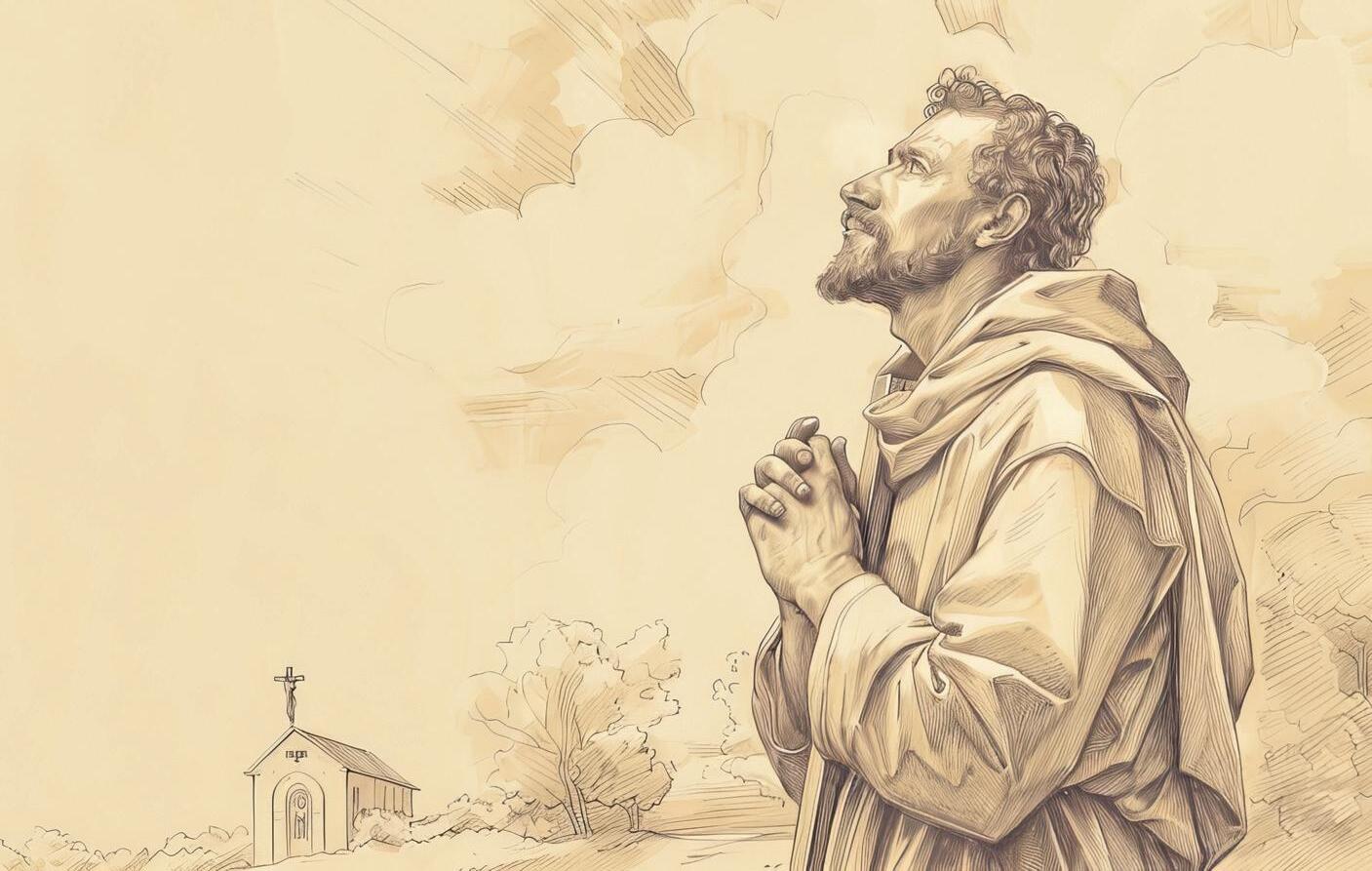
remained peaceful and prayerful. He did not respond with bitterness or hatred. Instead, he became a witness to integrity and spiritual strength. In 1535, at the age of 66, he was executed for refusing to deny his faith.
What makes St John Fisher so inspiring today is not only his martyrdom, but the example of moral courage he leaves behind. In a world often shaped by pressure, popularity, and compromise, Fisher reminds us that truth matters. Integrity matters. Standing up for what is right — even when difficult — matters.
His life teaches that real leadership is rooted not in power, but in character. He showed that one faithful voice can shine brightly even in dark times. St John Fisher’s legacy continues to inspire people of faith, educators, leaders, and all those who seek to live with courage, conviction, and compassion.
For every Christian, the answer should be clear: God is the pilot. We may be passengers on the journey of life, but God remains in control of the direction, the timing, and the destination. Trusting Him does not mean we will never experience turbulence. It means believing that even in the storm, the One guiding our lives cannot fail.
When God is the pilot, we do not need to live in constant fear of the future. The world may change, economies may fail, relationships may disappoint, and human strength may weaken, but God remains faithful. He has never lost control of the lives entrusted to Him.
So, no matter what you may be facing at this moment, remember this truth: God sees farther than you can see, knows more than you can know, and loves you more than you can imagine. Trust Him with your journey. The pilot never abandons His passengers.
Shalom.
















life affirming experience I've had in my life. Nothing comes close to it."
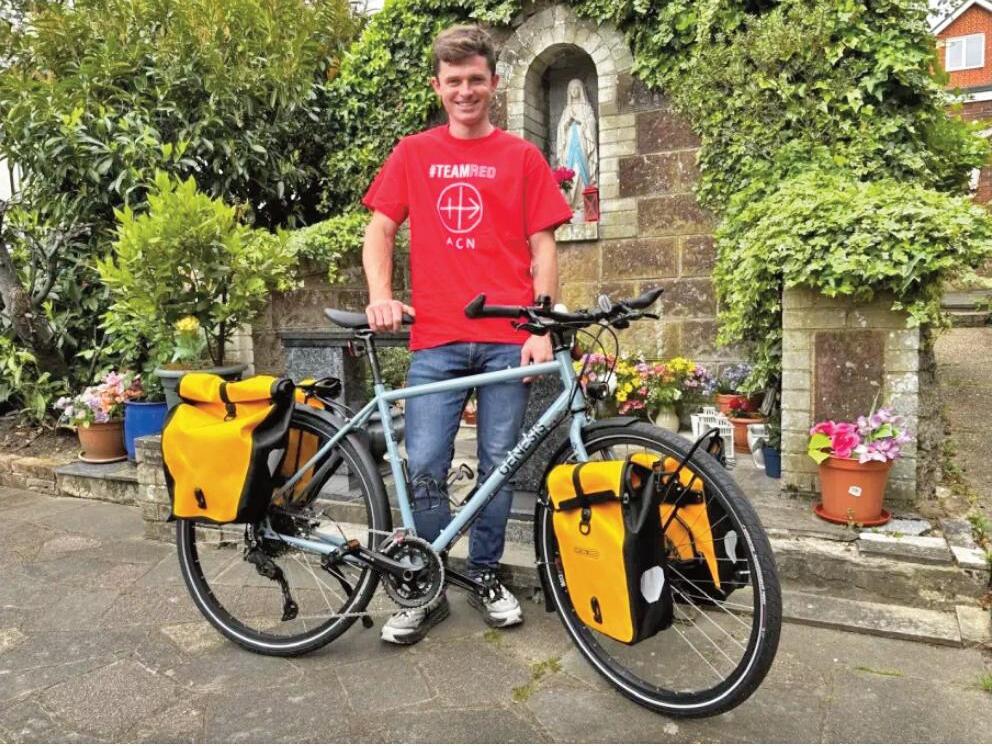
A man who encountered a "life altering and life affirming" experience while on holiday in Turkey is set to cycle 2,246 miles to Jerusalem. Andrew Foote had an "intimate and potent experience" when visiting the House of the Virgin Mary, near Ephesus, in Turkey, where she is said to have spent her final years.
Such was the power of his experience, the 32year-old will set off on his challenge - called a 'Cycle4Hope' - from Westminster Cathedral on 15th August, which coincides with the Feast of the Assumption of Our Lady.
He has chosen to raise funds for Aid to the Church in Need (ACN) which supports suffering and persecuted Christians.

The self-employed gardener was undertaking a pilgrimage to Turkey in September 2025 when he had "quite a spectacular experience" upon entering House of the Virgin Mary.
He said: "I had the most powerful life altering experience of my life. It was the most intimate and most potent feeling I've ever had of meeting the Holy Spirit. It felt like I touched the infinite. It was the happiest, the most in love, the most awe-inspiring, most overwhelming
He said he arrived at the house very late in the day, around 5pm, when few people were present.
He added: "There was a weight of expectation pressing down on me and I almost felt like my spirit was being lifted as I walked to her house. I'm 32 now, but was 31 then, and there was no amount of self-control and self-will that could have stopped me from not falling on my knees and going into floods of tears.
"There were about 10 people in the roomnormally I'm self-conscious but everything around me disappeared. It was equivalent of knowing your own mother the way you do but not having met her in person and meeting her for the first time.
"I always believed in the divinity of Jesus Christ - and in Mary - but when I went to her house and experienced what I experienced, it was an affirmation.
"I knew without a shadow of a doubt from that moment onwards that it was true. It totally transformed my life."
Andrew hopes to walk from Amman in Jordan to Israel but with conflicts raging the in the Middle East, said he must do more research.
He added: "If it's safe, I have no problems whatsoever. Jordan is a safe country and has been for a long time… I feel called to a religious vocation. Part of my journey to Jerusalem is to walk in the land where Christ walked.
"I really believed Mary interceded in my life that day to bring my closer to her son and the place where I feel that can be fulfilled is Jerusalem. I might be wrong but I've felt a calling to go to Jerusalem for quite a long time now and this is it."
He said: "Considering I'm cycling across Europe and the Holy Land I'd be stupid not to raise money for a worthwhile cause and ACN topped the list for me. I have deep empathy and sympathy for persecuted Christians who suffer for their faith and pay the ultimate price."

cliftondiocese.com
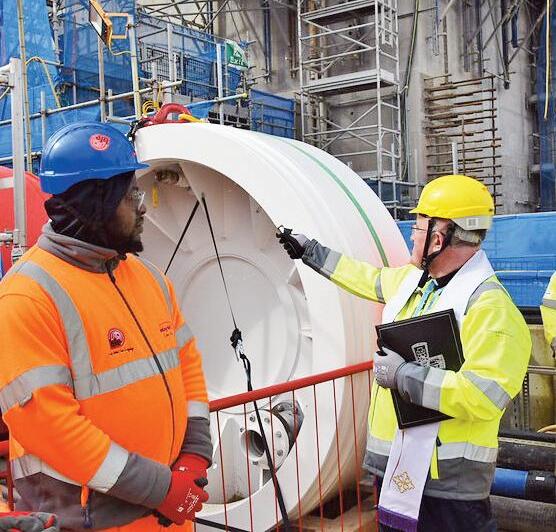
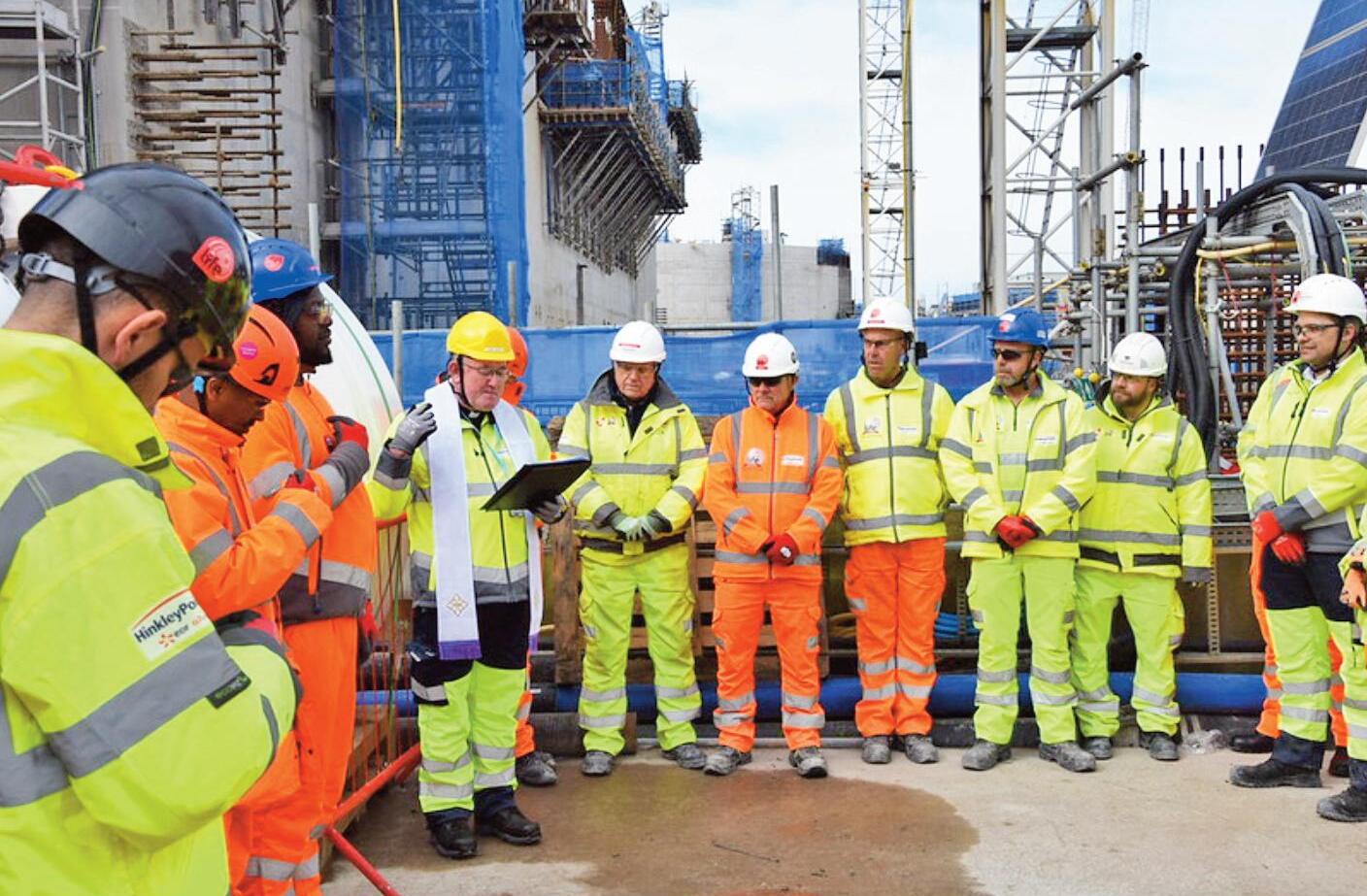
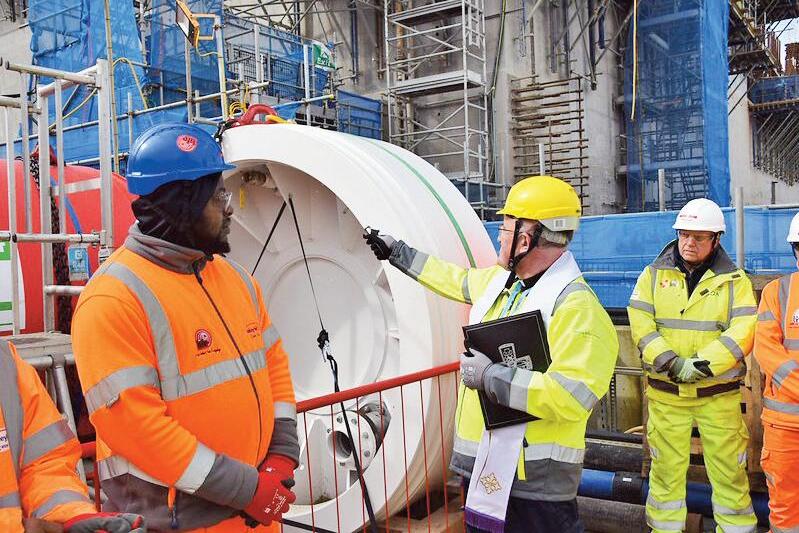
In keeping with a long-held engineering tradition, Monsignor Liam Slattery visited Hinkley Point C recently to bless a tunnel boring machine (TBM) ahead of the start of excavation on a major new fish protection tunnel at the nuclear power station.
The blessing ceremony took place before engineers begin work on the second of three planned fish protection systems; an ambitious set of environmental measures designed to safeguard local marine life in the Bristol Channel. Once all three systems are complete, Hinkley Point C will offer more fish protection than any other power station in the world.
It has long been customary for new tunnels to be blessed by a Catholic priest before excavation begins, a ritual observed at engineering sites across the UK and beyond. This tradition was honoured once again as Mgr Liam sprinkled Holy water over the machine and prayed for the safety of those who will operate it in the months ahead.
The TBM, measuring 1.8 metres in diameter, will excavate a 620�metre tunnel forming part of the power station’s fish return system. This structure will allow fish that enter the station’s cooling water intakes to be safely returned to sea.
In a nod to engineering history, and local pride, the machine has been named Sarah Guppy, after the pioneering 19th century engineer. The name was chosen by local schoolchildren, honouring Guppy’s influential but often overlooked contributions to engineering, including early designs related to suspension bridge technology.
In these photographs, Mgr Liam can be seen blessing the tunnelling machine as well as the teams preparing to work underground. He was also given a short tour of the wider construction site, gaining insight into the scale and complexity of one of Europe’s largest infrastructure projects.





Delightful, warm, cosy cottage on Holy Island 4 guests 3 bedrooms 4 beds 2 bathrooms Centrally located, within minutes to the Castle, Priory or our amazing beaches. We have amazing skies on dark clear nights, the stars and planets are clearly visible sometimes if you are very very lucky we see the northern lights! During late spring through until early autumn we can hear the seals calling during dusk through to daylight. Holy Island is a magical place cut off by the tide twice a day, you can feel the tranquility when the tide closes.
Contact: Lesley Douglas 07743531453
Email: lesley.cottages22@btinternet.com


rcadc.org
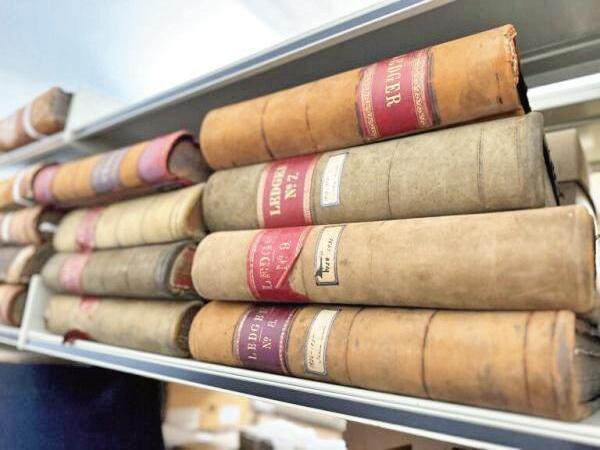
The Diocese of Hexham and Newcastle is delighted to announce that it has been awarded a Scoping Grant via the National Archives to assist in ‘Unlocking Catholic Heritage.’
The Archives Revealed Scoping Grant programme is funded by The National Lottery Heritage Fund, the Pilgrim Trust, the Wolfson Foundation and The National Archives.
Grants are awarded to fund reports that offer expert advice on a range of areas relating to the development and management of collections.
The Diocese of Hexham and Newcastle collection preserves more than four centuries of Catholic life in the North East and includes
correspondence, parish and mission records, education documents and minutes from Catholic societies and charities.
It offers a fascinating insight into how the Church has shaped, and been shaped by, the communities it serves.
The grant will be used to gain a clearer picture of the archive’s content, condition and priorities for development. This will lay the groundwork for future cataloguing, preservation and access ensuring that these records can be better understood and shared.
Bishop Stephen Wright commented; “This project will be an important step in opening up an archive of regional and national significance. By assessing what we hold and what it needs, we can plan effectively for its long-term care and make it accessible to future generations.”
For resources on how to Pray with the Pope, either on your own or in groups, use this QR code.

According to the World Food Programme’s 2026 Global Outlook, 318 million people will face food crisis or even worse situations this year.
The agency warns that the conflict in the Middle East could push an additional 45 million people into facing dire hunger before the middle of this year.
In a press release accompanying the video, Fr. Cristóbal Fones, international director of the Pope’s Worldwide Prayer Network, said the intention is very significant.
“This intention," he said, "comes from the Pope’s heart. It pains him deeply that so many people in the world cannot access something as essential and human as food. This is why he is asking everyone not to remain indifferent but to take decisive action, first with prayer, then with concrete gestures of solidarity.”
Let us pray that everyone, from large producers to small consumers, be committed to avoid wasting food, and to ensure that everyone has access to quality food.
That everyone might have food
the name of
and
Lord of creation, You gave us the fertile earth and, with it, our daily bread, as a sign of Your love and providence.
Today we recognize with sorrow that millions of brothers and sisters continue to suffer from hunger, while so many goods are wasted at our tables.
Awaken in us a new awareness: that we learn to thank for every food, to consume simply, to share with joy, and to care for the fruits of the earth as a gift from You, destined for all, not just a few.
Good Father,
make us capable of transforming the logic of selfish consumption into a culture of solidarity.
May our communities promote concrete gestures: awareness campaigns, food banks, and a sober and responsible lifestyle.
You who sent us Your beloved Son Jesus, broken bread for the life of the world, give us a new heart, hungry for justice and thirsty for fraternity. May no one be excluded from the common table, and may Your Spirit teach us to see bread not as an object of consumption, but as a sign of communion and care.
Amen.
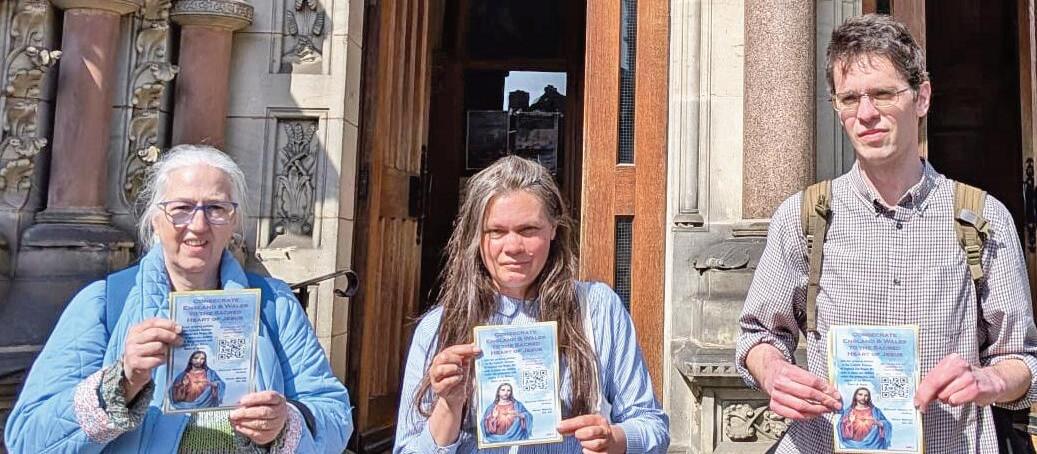
Sarah Scott Bishop John Keenan of Paisley expressed his support and noted that the Scottish Bishops would welcome a petition from the faithful, with plans to consider the matter at their next plenary meeting.
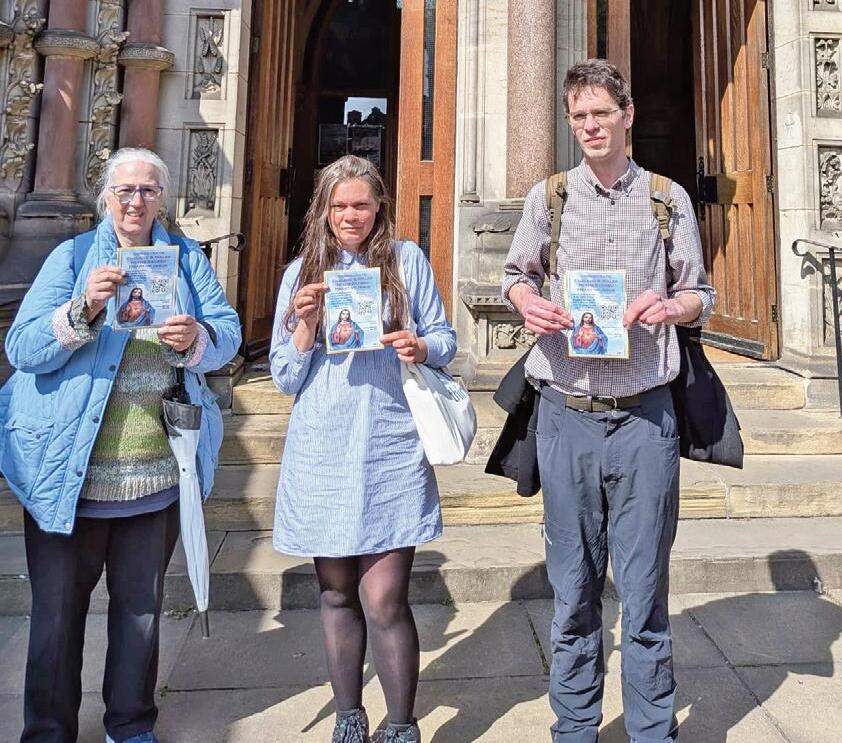
A rapidly growing lay-led initiative is calling on the Bishops of England and Wales to consecrate the nations to the Sacred Heart of Jesus. What began as a moment of prayer and reflection has developed into a nationwide movement drawing support from Catholics across the UK.
The organising team—Sarah Scott, her daughter Maria Scott, Stephen Brophy of Wales, and Sean McDaid of Birmingham—has been joined by an expanding network of volunteers who are distributing leaflets, promoting the petition in parishes, and sharing the message online.
In just over six weeks, the petition has gathered more than 500 signatures, with numbers continuing to rise. Dedicated Facebook, Instagram, and TikTok accounts have been launched to coordinate outreach and sustain momentum.
Supporters say the appeal comes at a time when the country feels increasingly divided and many people are searching for someone or something to “rescue” society from its present challenges. The organisers emphasise their conviction that Jesus Christ is the only true Saviour, and that a national consecration would be a powerful act of trust in His healing love.
The movement has also received encouraging engagement from members of the hierarchy:
Archbishop Mark O’Toole, Archbishop of Cardiff and Bishop of Menevia, sent a warm and supportive letter affirming the prayerful intentions behind the proposal.
Archbishop Bernard Longley of Birmingham acknowledged the correspondence and confirmed he would share it with Canon William Agley, General Secretary of the Catholic Bishops’ Conference of England and Wales.
Archbishop Richard Moth of Arundel and Brighton has confirmed he will bring the proposal forward for discussion at the next meeting of the Bishops.
The organisers understand that the proposal was discussed at the Bishops’ recent meeting, and they are now awaiting an official update on the outcome of those conversations.
Alongside the petition in England and Wales, the organisers are also encouraging Scottish laity to begin a parallel effort, inviting the faithful in Scotland to petition their own bishops for a national consecration to the Sacred Heart. Early interest has already begun to emerge.
The initiative recently gained further visibility through coverage by Catholic journalist Christine Niles in her Catholic News Roundup, helping to broaden awareness among the faithful.
Supporters hope the movement will inspire renewed devotion to the Sacred Heart and strengthen unity among Catholics throughout England, Wales, and Scotland.

Many Catholics desire to go deeper in their faith, and understanding, but often don't know where to begin. The Church has given us an extraordinary treasury of spiritual wisdom in the writings of the saints. Books that have formed generations of Catholics in prayer, love of God, and perseverance in the Christian life. All right there to help us on the journey of deepening our faith.
Yet these great spiritual classics can feel daunting when approached alone. They are rich and profound, but need to be read slowly and prayerfully, with a little encouragement along the way. The Spiritual Classics Book Club exists to help with exactly that.
This friendly online group is for Catholics who wish to deepen their faith and discover these great works in fellowship with others. The Book Club offers a simple and welcoming way to read, reflect, pray, and discuss together.
Our recent book has been St Alphonsus Liguori's 'How to Converse with God' a short but powerful work on prayer and relationship with God. St Alphonsus writes with clarity, warmth, and directness about the call to speak with God, trust in God, and build a more personal life of prayer.
From June, the Book Club will begin its next spiritual classic: The Autobiography of St Thérèse of Lisieux, widely known as 'Story of a Soul'. This much-loved work offers a profound yet accessible vision of holiness through simplicity, trust, love - what St Thérèse called her "little way".
Who is the Book Club for?
The Spiritual Classics Book Club is for Catholics who want to deepen their faith and those enquiring about the Catholic faith. It is for parishioners who would like to grow in prayer but find it difficult to maintain momentum on their own, and for those Catholics who have lapsed but feel they are missing something.
Many people enjoy reading but know that faith often grows more fruitfully when shared with others. We, in the Book Club, are not academics or experts, but we sincerely want to understand more about our spiritual tradition. No specialist knowledge is required to join us. Rather, it is a place of prayerful reading, reflection, and open conversation. Participants can say as much or as little as they feel comfortable sharing. Some may enjoy reading aloud; others may prefer simply to listen and reflect. The important thing is the desire to grow closer to God.
Why read the spiritual classics?
The spiritual classics of the Catholic faith are not museum pieces. They are living companions. In the writings of the saints, we
encounter men and women who knew the struggles, the hopes, temptations, joys and longings of the Christian life. They show us that the call to holiness is not abstract. It is practical, personal, and lived day by day to build a more personal relationship with Jesus Christ.
A text such as How to Converse with God encourages the reader to approach God with confidence, simplicity, and love. We see that prayer is not merely a duty, but an invitation into relationship with Christ. Reading in a group brings an added benefit. Different people notice different things. One person may bring knowledge of Scripture; another may bring experience of parish life; another may see how the reading applies to family, to work, in retirement, and in grief or illness. Together, we discover more than one person might notice alone. As one member reflected after reading St Alphonsus with the group:
"I am thoroughly enjoying the meetings of the Spiritual Classics Book Club. Although I am very familiar with the content of How to Converse with God, I have never read this book by Alphonsus Liguori. I enjoy reading the chapter ahead of our meeting slowly so that I can thoroughly absorb its contents. But the most valuable aspect of the Book Club is the group sharing. The questions and comments of others can surprise me and call me to examine things I have taken for granted."
What happens in the meetings?
The format is simple, gentle, and manageable. Meetings take place online on Zoom and usually last 50 to 60 minutes. A typical session includes:
-A short opening prayer;
- Reading from the chosen spiritual classic;
-Time for reflection;
- Open discussion in a supportive atmosphere;
- A closing prayer.The readings are kept manageable.
The group reads slowly and reflectively, allowing the text to speak to the heart as well as the mind. The approach is inspired by the ancient Christian practice of prayerful reading of Lectio Divina: reading, listening, reflecting, praying, and allowing the Word to move us.
Another member described the experience in these words:
"Spiritual Book Club has been one of the most spiritually enriching experiences of my year. Through the ancient practice of Lectio Divina, each reading comes alive in a completely new way - every reflection unlocks fresh layers of meaning you simply wouldn't discover alone. What truly sets this group apart is the people. Members have a wonderfully diverse range of spiritual experiences, and the conversations are genuinely eye-opening. Despite being a devout cradle Catholic, hearing how others experience their faith and their personal

relationship with God has deepened my own spiritual life in ways I never expected. If you're seeking a warm, open-minded, respectful community to help you grow spiritually - this is it. Don't hesitate. Come join us."
That testimony captures something essential about the group. It is not simply about getting through a text. It is about allowing the wisdom of the saints to come alive through prayer, conversation, and fellowship.
Online you can join from across a wide area without the need to travel. For many people, with busy evenings, family responsibilities or mobility limitations, an online group makes participation much easier.
How does the group support fellowship?
Faith deepens through prayer, but also through companionship. Many of us read privately, pray privately, and think privately about the spiritual life. All of that is valuable, but there is also a particular grace in hearing how others respond to the same text. The Book Club creates a sense of fellowship and mutual support as members share their thoughts and reflections in a friendly group. This does not mean that everyone must speak at length. Listening can be just as fruitful. Sometimes one sentence from another participant can open a new way of seeing a passage. A question asked honestly can help the whole group. Simply being present with others who are seeking God is itself encouraging.
When does it meet?
The Spiritual Classics Book Club meets weekly on Thursday evenings from 7pm to 8pm. The
weekly rhythm is important. It gives momentum without being overwhelming, allowing time for reflection between sessions. The next book will begin on Thursday 4th June, when the group starts reading the autobiography of St Thérèse of Lisieux: "The Autobiography of a Saint" or "Story of a Soul". St Thérèse is a particularly approachable saint. Her writing is personal, honest and deeply human. She speaks about love, weakness, trust, family and suffering along with the desire to belong wholly to God. Her autobiography has helped countless Catholics discover that holiness is not only for the visibly heroic, but also for those who offer small things with great love.
How can people join?
The Book Club is free to join. Participants may purchase the chosen book if they wish, but the sessions are designed to be accessible.
Those who miss a session should not feel discouraged. Where possible, materials or summaries help participants to catch up. The group is intended to help people grow in faith, not to make them feel guilty about the realities of busy lives.
Those interested can register their interest or ask questions by email: bookclub@rcdow.org.uk
Why join now?
For anyone who wants to deepen their faith and explore the treasures of Catholic spirituality with others, the Spiritual Classics Book Club may be a very good place to begin. And as we begin St Thérèse of Lisieux's autobiography in June, this is an ideal time to join.


You can use both sets of clues to solve the puzzle: the solutions are the same.
CRYPTIC Across
7 Landmass of alkali – silicon, iron, aluminium, primarily (4)
8 7 city Paul sought, but could not see? (8)
9 Brigand hierarchy's share supplies a 7 political leader... (6)
10 ...to place American sailors west of Saul's place in7 (6)
11 Guy retired following return of writer's block (7)
13 Tree tissue needs unspecified quantities of citrus fruit, mostly (5)
15 Titus helped make Church here tangible without deception (5)
17 Rebel top guns pulled out of housing project being built i in 7 town (7)
21 Apostle has cheek to back a Greek character (6)
23 Italian town – East-South-East following French department's lead? (6)
24 Praise for Capri's evacuation of American leader to Rome (8)
25 Ancient 7 country's secure wall: extra dam's eventually built (4)
CRYPTIC Down
1 Father's vessel's first-class, about to go north to fish (8)
2 In need of cash for Oliver Trophy after Yacht Club pulled out (4,2)
3 Recommendation to expose weakness after promotion (6)
4 Rug’s edging looks top-notch – it’s an enduring fiddle (5)
5 One in flight seen above quarry’s very large (6)
6 African stays after little Benjamin somehow gets free from Zebulun (4)
12 7’s British administration conflict is overturned (3)
14 Record a fellow and a Welsh girl being recipient of a letter from Paul (8)
16 Jewish commentary on the Torah, and thanks over Left’s abuse being put down (6)
18 The King’s hard to follow, like Tolkein’s take on some in Middle Earth (6)
19 Setback: part of a clear single-mindedness of this 7 country? (6)
20 One of Joktan’s boys at work: say hello, Rex (5)
22 Sacred-sounding festival in 7 (4) QUICK Across
7 Roman province of western Turkey, and home to 14 for instance (4)
8 Syrian home to Aramaeans who fought and lost to David (8)
9 Mohandas Karamchand -----. Leader whose nickname meant ‘Great Soul’ (6)
10 One-time home in 7 for NT correspondent? (6)
11 Assembly of church canons (7)
13 Woody tissue (5)
15 One-time island home of the Philistines (5)
17 First city taken by the Israelites when they entered the Promised Land (7)
21 Son of Herod the Great – the first husband of Herodias (6)
23 City of Lombardy set between Lakes Maggiore and Como (6)
24 Emperor, 41-54 AD, who forced all Jews to leave Rome (8)
25 OT country east of Babylonia, capital Susa (4)
QUICK Down
1 One of the Twelve Tribes (8)
2 Penurious; impecunious (4,2)
3 Counsel; warning (6)
4 Cremona violin-maker and music teacher to Stradivarius (5)

5 Marine bird of prey: rugby player from a merged Welsh regional team (6)
6 Part of the Nguni group languages along with Swazi and Xhosa (4)
12 British rule in Colonial India (3)
14 One in receipt of a letter from Paul, written about 62 AD while in prison in Rome (8)
16 Some Jews’ interpretation of the Torah (6)
18 Puckish, imp-like (alternative spelling) (6)
19 David, ‘the sweet psalmist of ------ (6)
20 Descendant of Shem, one of Joktan’s sons (5)
22 Boisterous and colourful Hindu festival (4)