

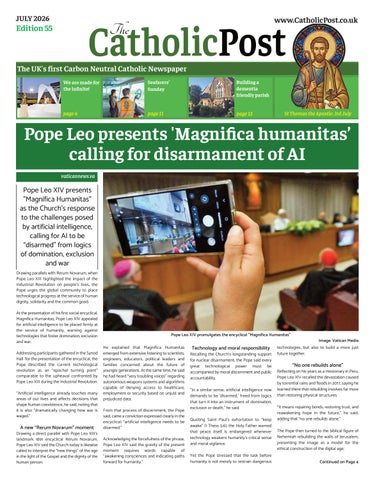
vaticannews.va
Pope Leo XIV presents "Magnifica Humanitas" as the Church’s response to the challenges posed by artificial intelligence, calling for AI to be “disarmed” from logics of domination, exclusion and war
Drawing parallels with Rerum Novarum, when Pope Leo XIII highlighted the impact of the Industrial Revolution on people’s lives, the Pope urges the global community to place technological progress at the service of human dignity, solidarity and the common good.
At the presentation of his first social encyclical, Magnifica Humanitas, Pope Leo XIV appealed for artificial intelligence to be placed firmly at the service of humanity, warning against technologies that foster domination, exclusion and war.
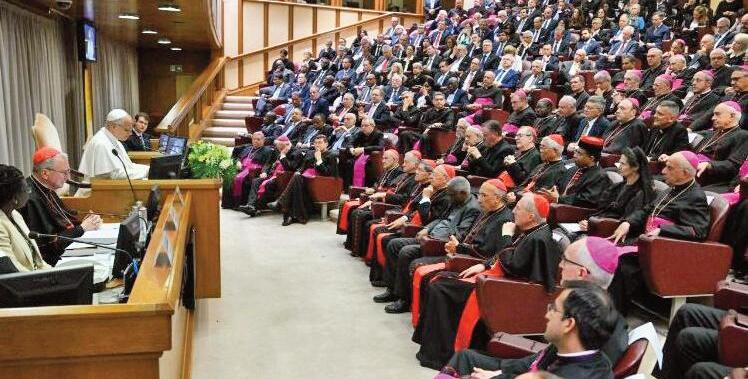
Addressing participants gathered in the Synod Hall for the presentation of the encyclical, the Pope described the current technological revolution as an “epochal turning point” comparable to the upheaval confronted by Pope Leo XIII during the Industrial Revolution.
“Artificial intelligence already touches many areas of our lives and affects decisions that shape human coexistence, he said, noting that it is also “dramatically changing how war is waged.”
A new “Rerum Novarum” moment
Drawing a direct parallel with Pope Leo XIII’s landmark 1891 encyclical Rerum Novarum, Pope Leo XIV said the Church today is likewise called to interpret the “new things” of the age in the light of the Gospel and the dignity of the human person.
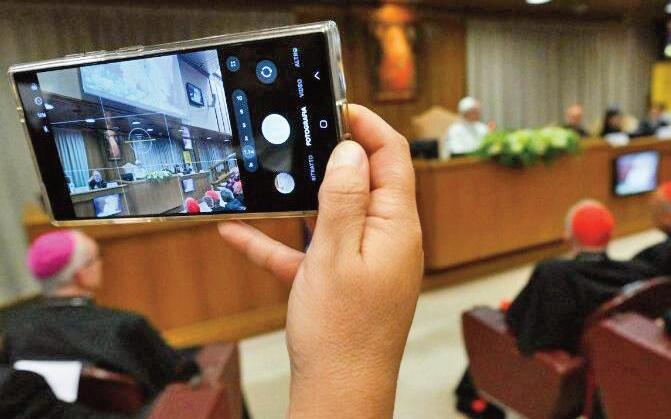
He explained that Magnifica Humanitas emerged from extensive listening to scientists, engineers, educators, political leaders and families concerned about the future of younger generations. At the same time, he said he had heard “very troubling voices” regarding autonomous weapons systems and algorithms capable of denying access to healthcare, employment or security based on unjust and prejudiced data.
From that process of discernment, the Pope said, came a conviction expressed clearly in the encyclical: “artificial intelligence needs to be disarmed.”
Acknowledging the forcefulness of the phrase, Pope Leo XIV said the gravity of the present moment requires words capable of “awakening consciences and indicating paths forward for humanity.”
Technology and moral responsibility
Recalling the Church’s longstanding support for nuclear disarmament, the Pope said every great technological power must be accompanied by moral discernment and public accountability.
“In a similar sense, artificial intelligence now demands to be ‘disarmed,’ freed from logics that turn it into an instrument of domination, exclusion or death,” he said.
Quoting Saint Paul’s exhortation to “keep awake” (1 Thess 5:6), the Holy Father warned that peace itself is endangered whenever technology weakens humanity’s critical sense and moral vigilance.
Yet the Pope stressed that the task before humanity is not merely to restrain dangerous
technologies, but also to build a more just future together.
“No one rebuilds alone”
Reflecting on his years as a missionary in Peru, Pope Leo XIV recalled the devastation caused by torrential rains and floods in 2017, saying he learned there that rebuilding involves far more than restoring physical structures.
“It means repairing bonds, restoring trust, and reawakening hope in the future,” he said, adding that “no one rebuilds alone.”
The Pope then turned to the biblical figure of Nehemiah rebuilding the walls of Jerusalem, presenting the image as a model for the ethical construction of the digital age.

CONTACT US:
The Catholic Post is published by its owners CathCom Ltd and is wholly independent of and separate from any previous newspaper. The Catholic Post is published on the last Sunday of the month previous to publication date.
EDITOR:
Nick Layton
email: editor@catholicpost.co.uk
ADVERTISING:
CathCom Ltd.
01440 730399
ads@cathcom.org
DESIGN & LAYOUT:
David Lodge, davidl@cathcom.org
PUBLISHED BY:
CathCom Ltd. N2 Blois Meadow Business Centre, Blois Road, Steeple Bumpstead, Haverhill, Suffolk CB9 7BN
01440 730399
ARTICLES TO:
The Catholic Post
email: editor@catholicpost.co.uk or davidl@cathcom.org
Please send articles for publication by email, supplying any photos separate to the text. We welcome contributions. Here are answers to some basic questions about writing for The Catholic Post How long should articles be?
Usually it seems to work out best if contributors simply say what they have to say and let us worry about finding a spot for it in the paper.
What is the submission procedure?
Please send as a Word file attached to an e-mail. To submit articles for publication, send to editor@catholicpost.co.uk
Charts, graphs, and photos should be submitted as separate PDFs. Electronic photos should not be embedded or pasted into a Word document as this reduces their quality.
Photographs and Illustrations
Photographs and Illustrations should be supplied electronically as high resolution JPEG (*.JPG) files).
Photographs and illustrations should be sent in colour with a resolution of 300 dpi and a minimum size of 100 mm x 100 mm when printed (approx. 1200 pixels wide onscreen).
Computer print-outs are not acceptable. Screen captures are not ideal as they are usually not very high
Parental permission should be sought before submitting photographs of minors.
Source information -
DW = Diocesan Website.
ICN = Independent Catholic News
Views expressed in The Catholic Post are not necessarily those of the editor
Last date for copy is the LAST DAY of the month prior to publication.
cbcew.org.uk
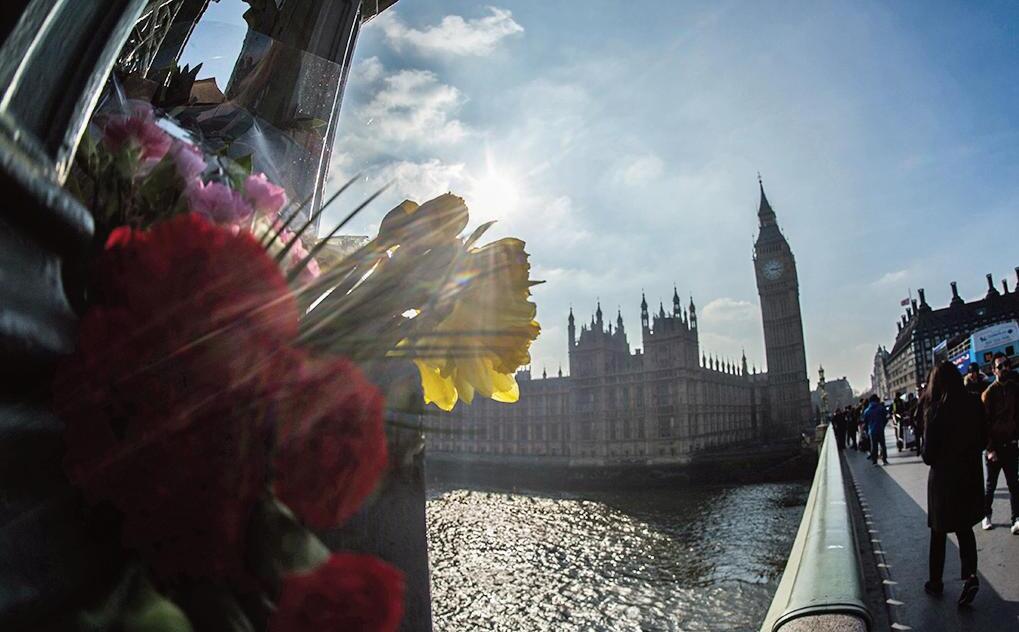
Archbishop John Sherrington, Lead Bishop for Life Issues for the Catholic Bishops' Conference of England and Wales, has expressed his deep disappointment that the Terminally Ill Adults (End of Life) Bill will return to parliament in autumn, saying: "I am deeply disappointed that the previously unsuccessful Terminally Ill Adults (End of Life) Bill is being reintroduced in the House of Commons. It is likely to be debated in September.
"The Catholic Church opposes this Bill in principle and joins with many other people of faith and none in arguing that we should not cross this watershed.
"The recent debate about this Bill showed how many people found the proposed legislation, even if they accepted it in principle, to be flawed and full of unresolved matters. The majority in the Commons reduced between readings, the Lords identified many shortcomings and bad legislation.
"Many professional bodies argued against this Bill, including the Royal College of Psychiatrists and the Royal College of Physicians, whose members would be required to be involved under the provision of the Bill. Disability rights groups, those fighting against eating disorders, and against domestic abuse were highly concerned and considered it dangerous.
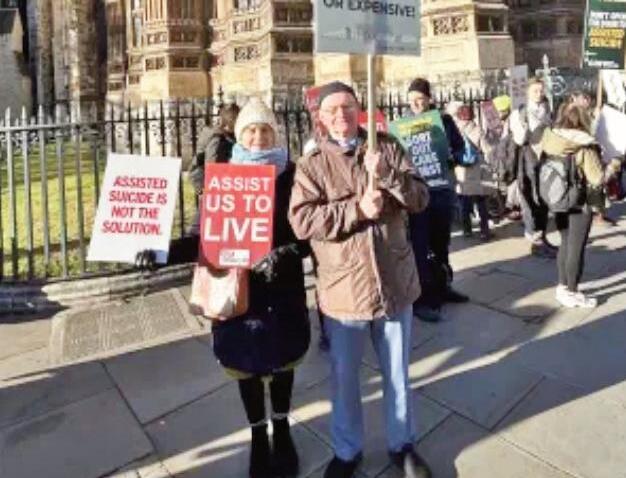
"Concerns that were raised remain unresolved. The Bill undermines freedom of conscience for medical professionals and care workers. It also requires care homes and hospices to participate in assisted suicide, threatening not only their future existence but also the wellbeing of their more vulnerable staff. Reintroducing this legislation, once again, places the most vulnerable at risk. I ask MPs to reject this Bill.
"Recent debates have exposed the uneven provision of palliative care across the country. Surely what is now needed to help the terminally ill is an improvement in compassionate, high-quality palliative care, and proper hospice funding. I urge a debate about priorities in healthcare funding, especially for those living with terminal illness. "Finally, I call on all people of goodwill to join me in work and prayer to prevent this flawed bill from succeeding."
rcdea.org.uk
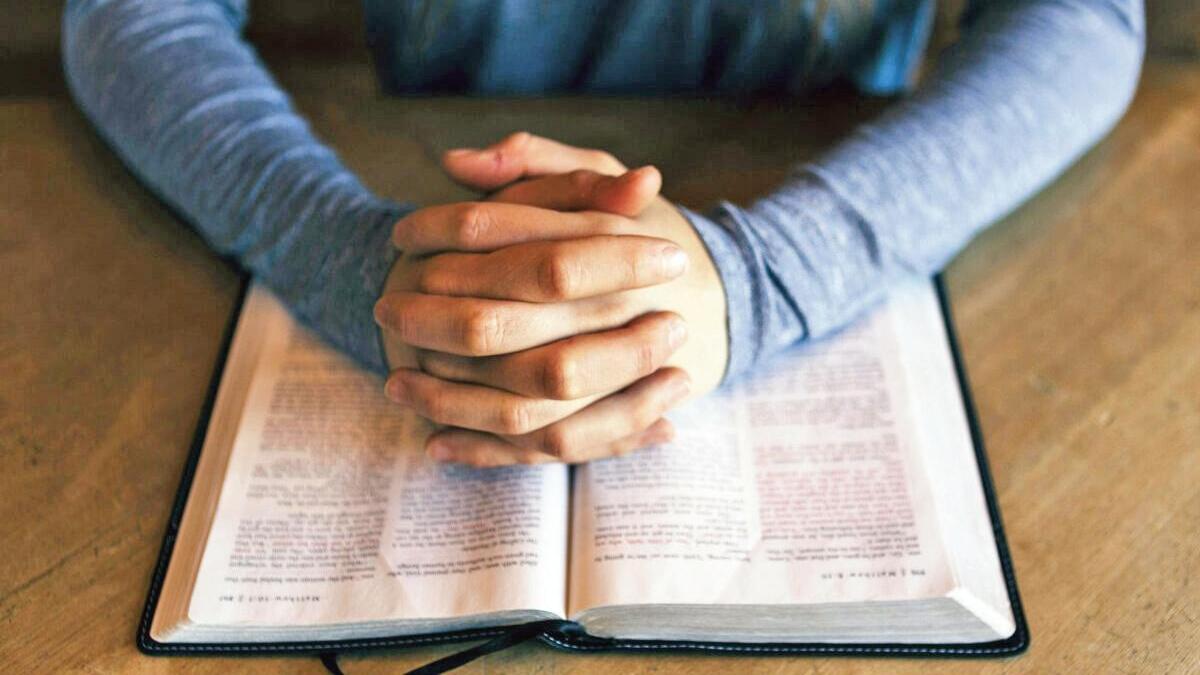
In this Faith in the Home article, Dr Antonia Braithwaite reflects on prayer as a simple yet powerful way to deepen one’s relationship with God, encouraging honesty and openness in daily conversation with Him. She acknowledges that finding the right words can be difficult, but reassures readers that God simply invites us to come as we are.
Prayer is a powerful way to grow closer to God and reflect on how He is working in our daily life.
Sometimes it can be difficult to know what to say, but He just wants us to be ourselves with
Him, sharing what is on our mind and what is going on in our life.
Here are seven simple suggestions to help guide your conversation with Him:
My Little Prayer Process:
1. Thank God for whomever and whatever you are most grateful today.
2. Think about yesterday. Talk to God about the times when you were not the best version of yourself.
3. What do you think God is trying to say to you today? Talk to him about that.
4. Ask God to forgive you for anything you have done wrong and fill your heart with peace.
5. Talk to God about some ways he is inviting you to change and grow.
6. Pray for the other people in your life by asking God to guide them and watch over them.
7. Pray the Our Father.
With thanks to Helvi Moore, and the “Dynamic Catholic” company.
On Saturday, 6th June, the English Province of the Presentation Sisters gathered in Matlock to celebrate 250 years of their foundation as a Congregation and their Jubilarians - Srs Catherine, Helen, Rosario and Anne celebrating 60 years and Sr Bernadette celebrating 70 years of faithful service. Bishop Patrick McKinney was the principal celebrant.
On Christmas Eve, 1775, Nano Nagle, their foundress, along with three companions, in a city where it was against the law for Catholic women to do what she was about to do, started the Congregation. She could
not have known then that the congregation would spread across 19 countries - carrying the flame of light that she had lit that day. Known as the Lady of the Lantern, she had a deep love for the poor and a conviction that "by degrees, with the assistance of God, we may do a great deal."
In 1836, Presentation Sisters came from Clonmel, Ireland to make a foundation" among the dark, satanic mills" of Manchester. Other Presentation Sisters made foundations in several other places and the Sisters, true to Nano's call to "prefer the schools to all else" opened schools and taught thousands of children from that day.
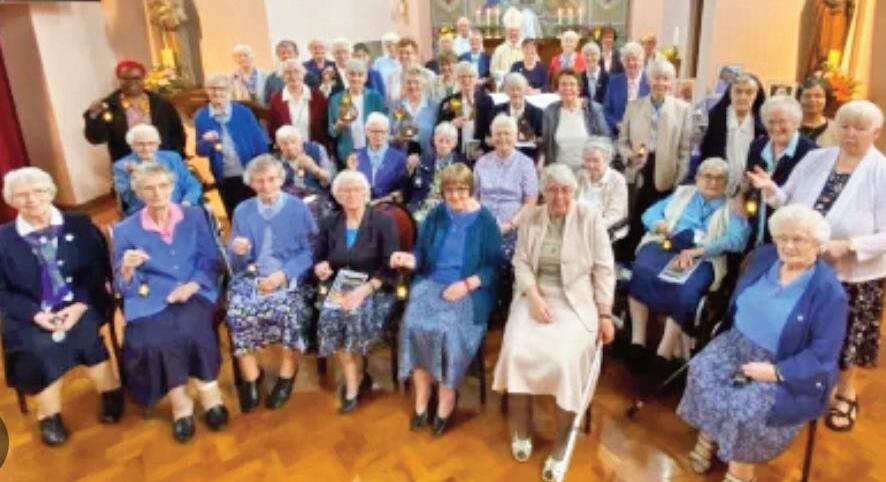
250 years ago, a woman in Cork lit a lamp against the law and the night darkness of poverty and impoverishment. That light is still burning - through each Presentation Sisters and those jubilarians we remember especially today.We pray that the Sisters will continue to carry the flame wherever they find themselves.
Sr Susan Richer
Holy water is used in many church ceremonies but until recently was also extensively used in family homes, to keep the family safe from disturbances. A small holy water stoop would be placed by the door for the practice of making the sign of the cross on one’s forehead with the water, before leaving the house. The water was also used by families to bless the home.
My mother was often alone after my father’s early death, but she put her trust in Holy Water. Each night she took the water and made the sign of the cross with it on the front door. She trusted this to keep her safe. She was never burgled and never had an intruder. On one occasion, sensing something was wrong, she took holy water and sprinkled it in the house and on the doors and then returned peacefully to bed. Whatever the problem had been, it had gone.
When blessed salt is added to the water, whilst the water will evaporate from the door that it is put on, the blessed salt remains.
Why not find a small bowl to place near your front door and revive this practice? In today’s uncertain world this would give comfort to so many worried families. Your parish may have a supply of Holy Water to give out, alternatively, take a clean bottle of water and ask your priest to bless it for your use at home.
Renewing this simple practice also reminds us of God’s love for us and of his promises to all who try to do his will, even at times when we are far from getting everything right. Water washes, it cleanses and is essential to life.
‘As I sprinkle Holy Water across every room, let God’s peace settle, like gentle light, in every corner.’
www.crownofthorns.org.uk email: office@crownofthorns.org.uk
“Artificial intelligence can be a construction site of history from within a horizon of communion, in which technical progress learns to serve human life,” he said.
The human person at the centre
Citing Saint Paul VI’s teaching that authentic development concerns “each man and the whole man,” Pope Leo XIV insisted that no one must be excluded from digital transformation and that human beings can never be reduced to “productivity,” “cognitive performance,” or “mere data.”
“The person bears within him - or herself - a freedom, an interiority and a vocation to love and worship that no machine can replace or block,” he said.
The Holy Father called for cooperation among nations, institutions, technology developers, and those most affected by technological systems in order to ensure that advances in artificial intelligence benefit the entire human family rather than “a privileged few.”
A “civilisation of love”
Pope Leo XIV reaffirmed the Church’s desire to contribute “with humility and frankness” to global conversations on artificial intelligence, not by offering technical expertise, but by safeguarding a vision of the human person
rooted in dignity, conscience and openness to God.
Inviting all people to become “artisans of hope,” the Pope urged believers and nonbelievers alike to work together toward “a more human and fraternal society.”
Entrusting the initiative to the Virgin Mary, whose Magnificat “sings of the greatness of God who uplifts the lowly,” the Holy Father prayed that the “civilisation of love” envisioned by Saint Paul VI and Saint John Paul II may continue to mature in history.
Linda Bordoni
To read more on Pope Leo’s ‘Magnifica humanitas’ scan the QR code.

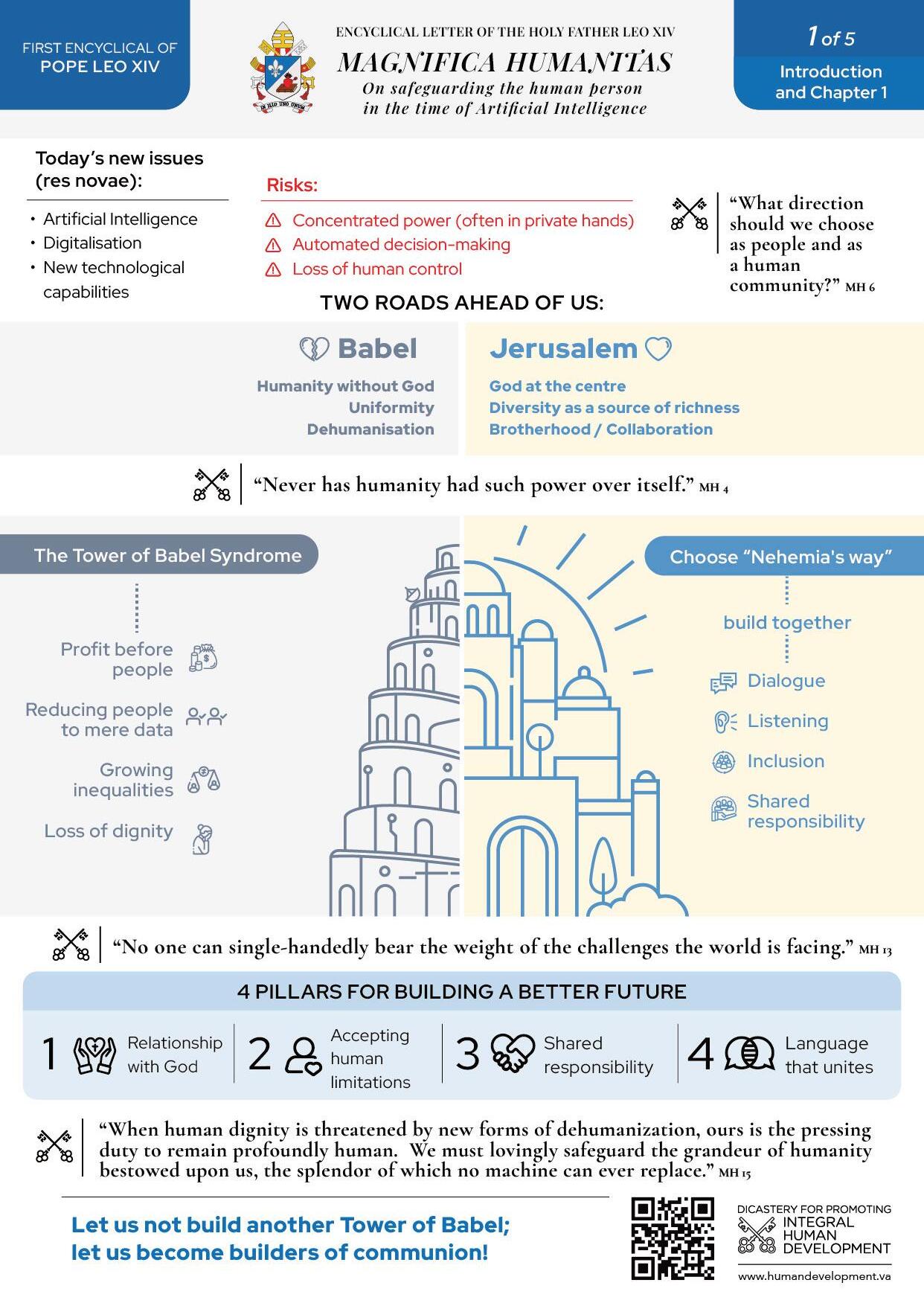
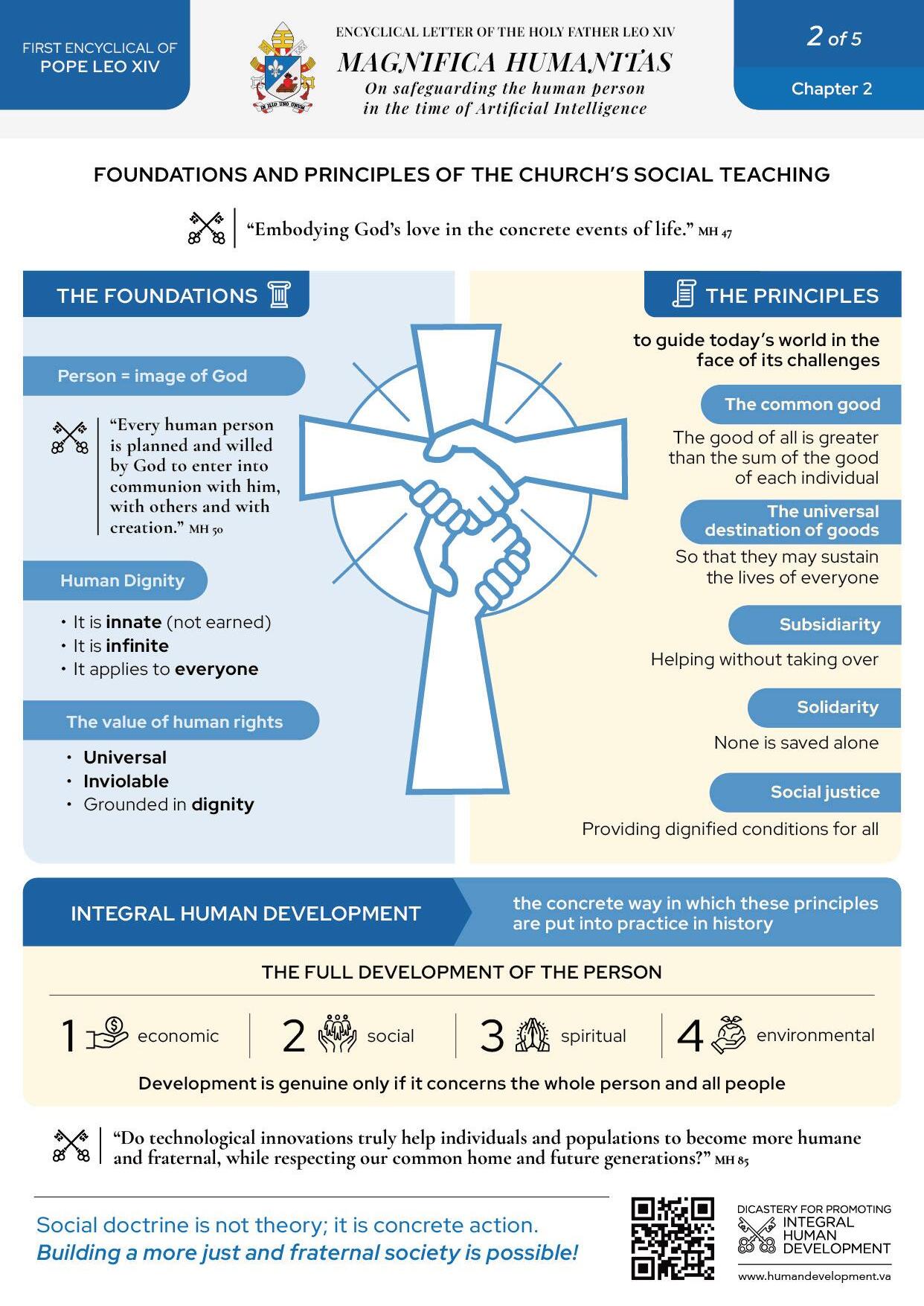
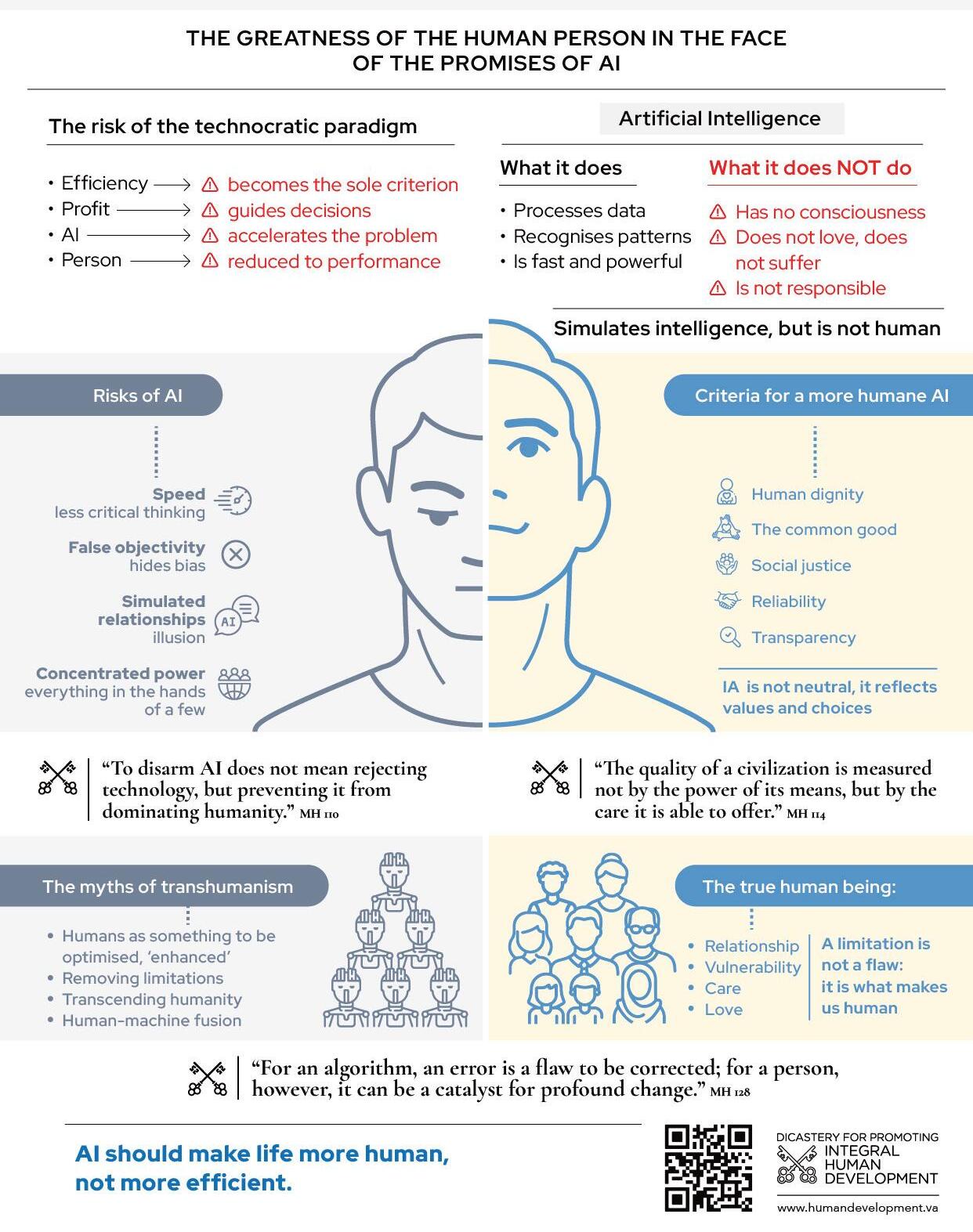
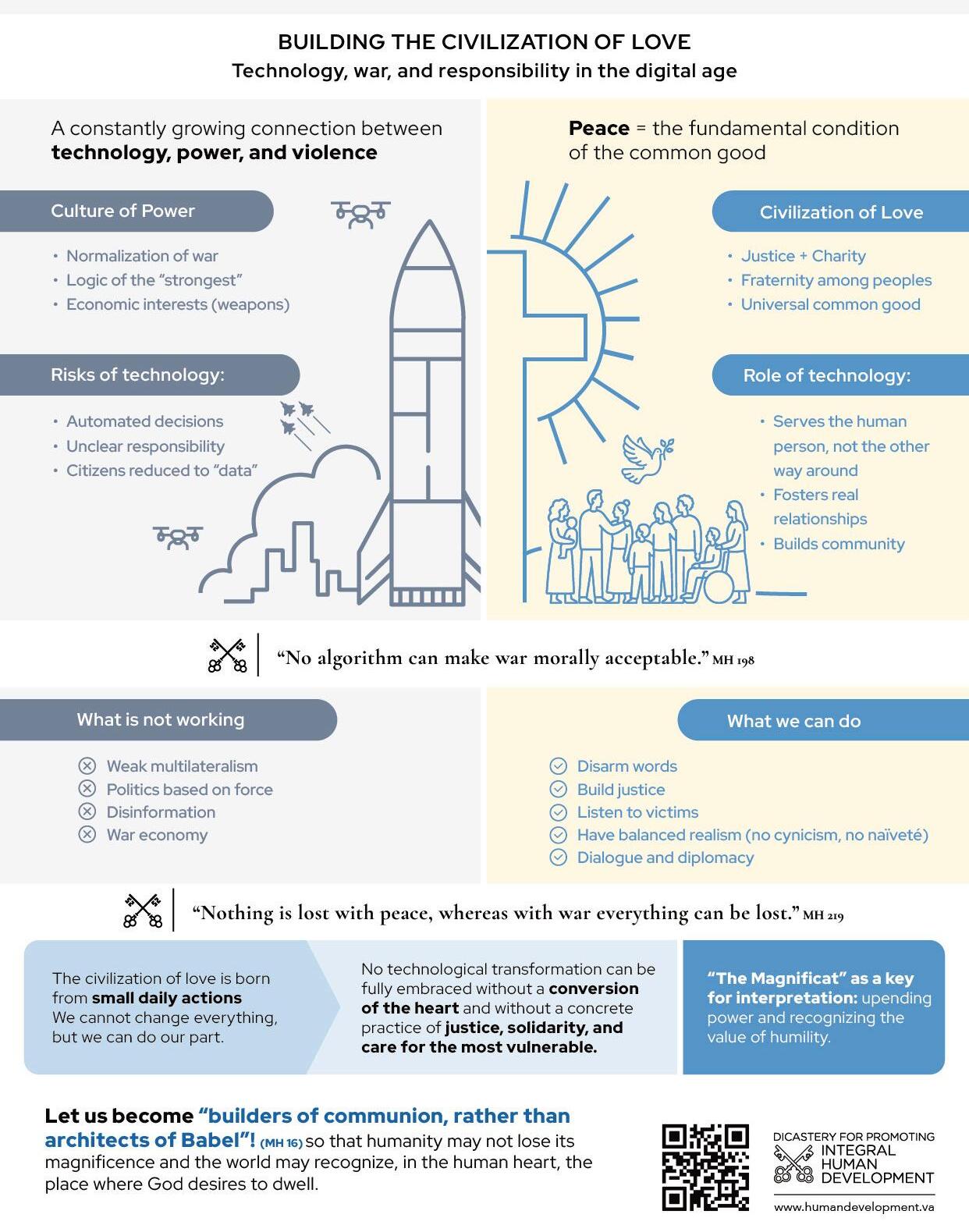
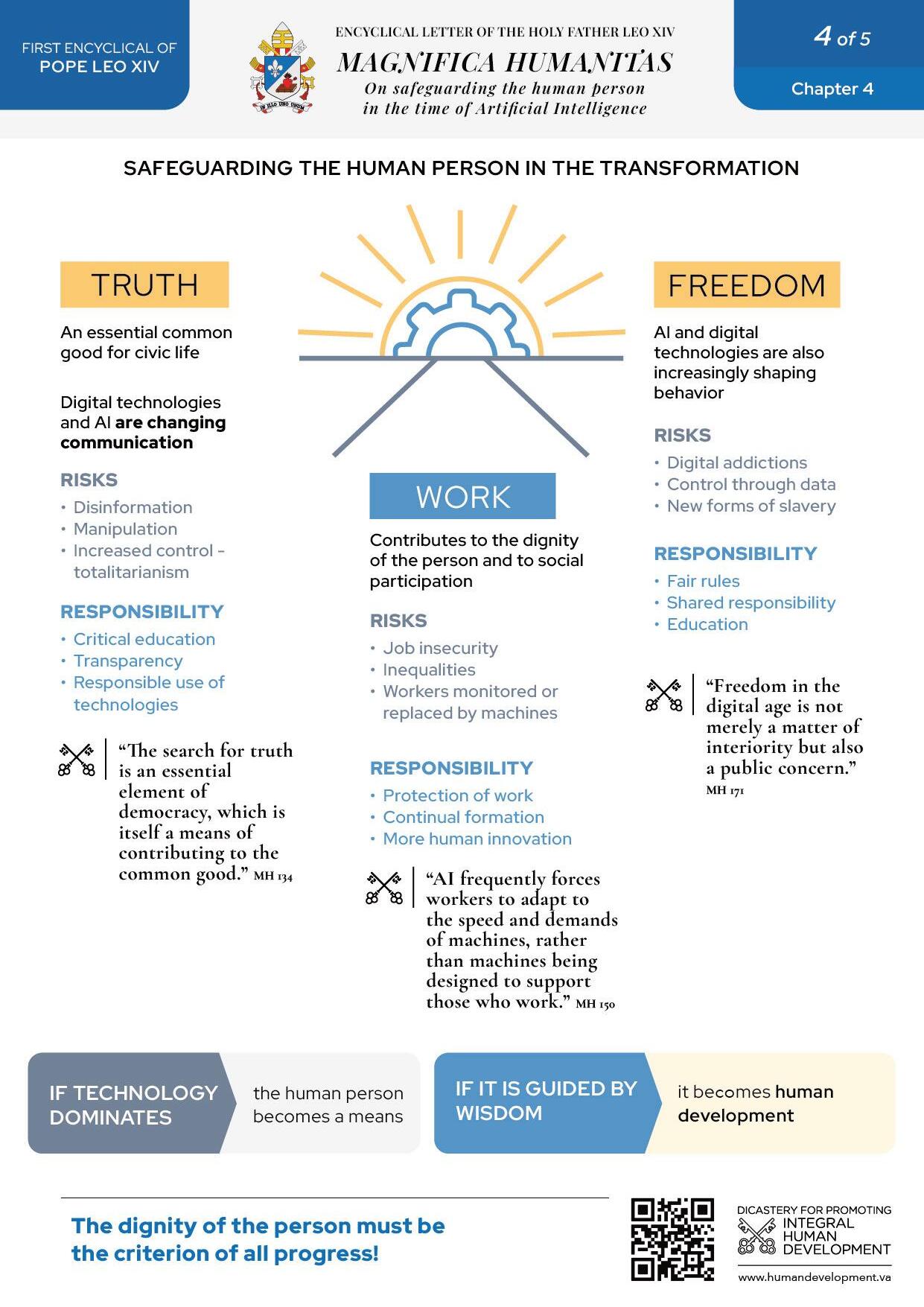
The full encyclical is over 150 pages long. To make the key points more accessible, the Vatican have produced the following infographics highlighing the main points in each of the chapters. Additionally, there is an audiobook which is accessible using this QR code:

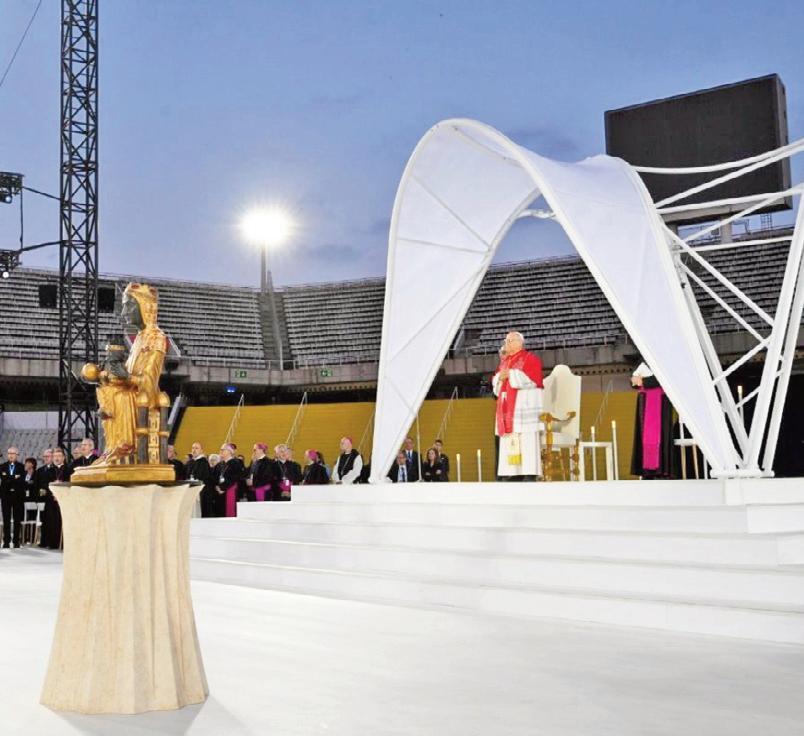
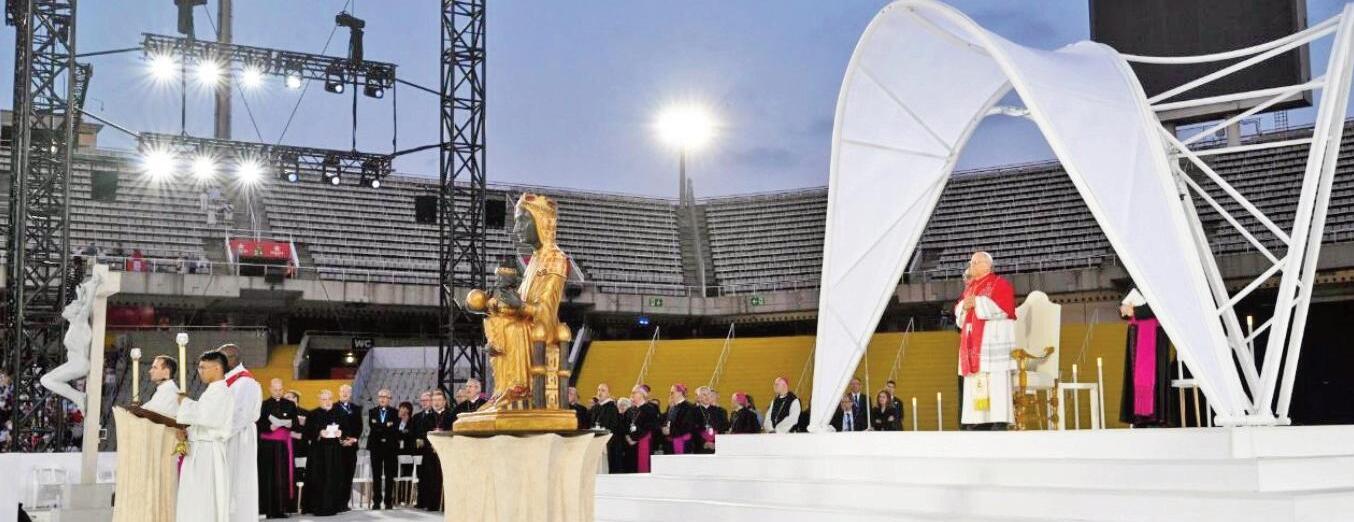
More than 40,000 young people attended a prayer vigil with Pope Leo in Barcelona's Lluís Companys Olympic Stadium
During the huge event, which included music, prayers and reflection, the Pope listened to the testimony of three people, the Holy Father encouraged young people to embrace their spiritual restlessness, trust in God's presence amid suffering and mental illness, and view forgiveness not as a single act but as a gradual journey of healing and reconciliation.
The first testimony was from a newly baptised young man, Ferran, who spoke of the emptiness he experienced despite pursuing success and recognition. The Pope said that such restlessness is not something to be feared but embraced.
"We are made for the infinite," he said. "That is why every finite horizon, every step, every achievement - while satisfying us - also propels us forward and invites us to keep searching".
Pope Leo warned against what he described as the "idolatry of profit and performance" and the "cult of self-image", calling them "anaesthetics designed to numb our conscience and mold it to a certain vision of society".
Instead, he encouraged young people to cultivate silence and interiority amid a culture of constant distraction.
"Look within", he urged. "Try not to be overwhelmed by the pace of life and external temptations. Cultivate moments of silence, perhaps pausing for a few minutes each day to read the Gospel and speak with God".
The second testimony came from Carmina, a young woman who spoke openly about her struggle with depression and a past suicide attempt. Asking where God can be found when darkness seems absolute, she described receiving what she called a "second chance" at life.
Thanking her for her courage, Pope Leo said mental health is increasingly threatened in societies that consider themselves advanced. "This is a sign that there is something deeply wrong with a certain notion of progress that subjects people to pressures, expectations and tensions that compromise healthy balances", he said.
Reflecting on Christ's Passion, the Pope pointed to Jesus' own experience of anguish,
abandonment and suffering. "The Son of God took all the anguish, loneliness and suffering of humanity upon himself, in his own flesh", he said. "In those dark hours, as he was dying on the cross, Jesus shared our pain and revealed to us the face of a compassionate God".
The Pope acknowledged that suffering can make it seem as though God is absent, but insisted that the Cross tells a different story. "The cross of Jesus tells us that God does not abandon us, that he is at our side, crucified with us in moments of pain and extreme loneliness".
At the same time, he cautioned Christians against offering simplistic explanations for suffering. "We must not spiritualise pain, superficially attributing it to 'God's will' or to some mysterious plan of his", he said. "God does not want suffering. He carries it with us".
The third and final testimony came from a young woman called Cecilia who recounted a childhood marked by domestic violence, addiction, and separation from her family. Having discovered faith through the support she received in a Catholic care centre, she asked how she could forgive her father for attempting to kill her mother and how she could be reconciled with God.
Pope Leo first addressed the question she often asked herself: "Where was God?"
"We cannot attribute to God what has been entrusted to our responsibility," he said. "We cannot imagine that God, from on high, will automatically respond to our needs or miraculously prevent evil from happening". Instead, he said, situations of violence should lead society to examine itself.
"If violence exists, if selfishness prevails, if even love among family members turns into hatred, we must question the dynamics of our society, the culture of individualism and the temptation of violence - but not God."
Turning to forgiveness, the Pope described it not as a single act but as a gradual process.
"We must learn to view forgiveness - that powerful remedy for evil that heals our inner wounds - as part of a process and a journey," he said.
Acknowledging how difficult forgiveness can be for those who have suffered deeply, he stressed that it often begins with asking God to heal the wounded places within the human heart. "We move forward in small steps toward forgiveness", he said. "Reconciliation with the past is gradual."
The Pope also clarified that forgiveness does not necessarily mean restoring a previous relationship, particularly where violence has occurred. "We can maintain a good disposition of heart toward the person, reject all forms of hatred or revenge, strive to repair the relationship as much as possible and perhaps pray for him or her," he said.
Bringing his address and responses to a close, Pope Leo encouraged those carrying painful memories not to lose hope, trusting that God can slowly transform resentment into mercy and compassion.
Following the dialogue with the young people, Pope Leo delivered a homily centred on the figure of Nicodemus, describing every person as a "pilgrim in the night," searching for meaning, truth and love amid life's uncertainties.
"We are beggars for love; we are truly hungry and thirsty," he said. "We seek a deeper meaning that will sustain us, inspire us, and help us understand the mystery of our lives".
The Pope then reflected on the reality that every human being experiences moments of darkness, confusion and doubt, both in life and in faith. Yet rather than seeing these moments as signs of failure, he invited those gathered to view them as opportunities for renewal.
"Nicodemus teaches us that these nightswhich accompany our lives, our journey of
faith, and the history in which we live - are a time of blessing, a place for rebirth, a womb that always gives birth to new life", he said.
Pope Leo then went on to note that darkness can strip away the masks people wear and reveal what is essential, creating what he called an "empty space" where God can bring about transformation. "The 'empty space' that night creates, even when it takes the form of suffering or dissatisfaction, of disillusionment or unbelief, can be an opportunity to receive new life, to change and be renewed."
Drawing then on the Gospel account of Jesus' encounter with Nicodemus, the Pope stressed that God does not approach humanity with condemnation, but with the desire to save and restore. "For this reason, we too are called not to judge the 'nights' - neither the nights of our own lives, those of the Church, nor those of the society around us," he said.
Turning to contemporary Spain, Pope Leo invited the faithful to reflect honestly on the challenges facing society, including poverty, social division and cultural change, asking what kind of future they wish to build together. "This country may then be a welcoming space for all, where each person's dignity is respected and everyone loved for who they are", he said.
Bringing his homily to a close, the Pope encouraged all those present and following from afar to continue searching for God with openness and trust, confident that the light of the Gospel can lead them "from night into light."
"God does not want anything to be lost," he concluded. "Even now he desires to give us eternal life and lead us to a happiness that has no end."
Watch the Vigil on Vatican Media's Youtube channel scan the QR code

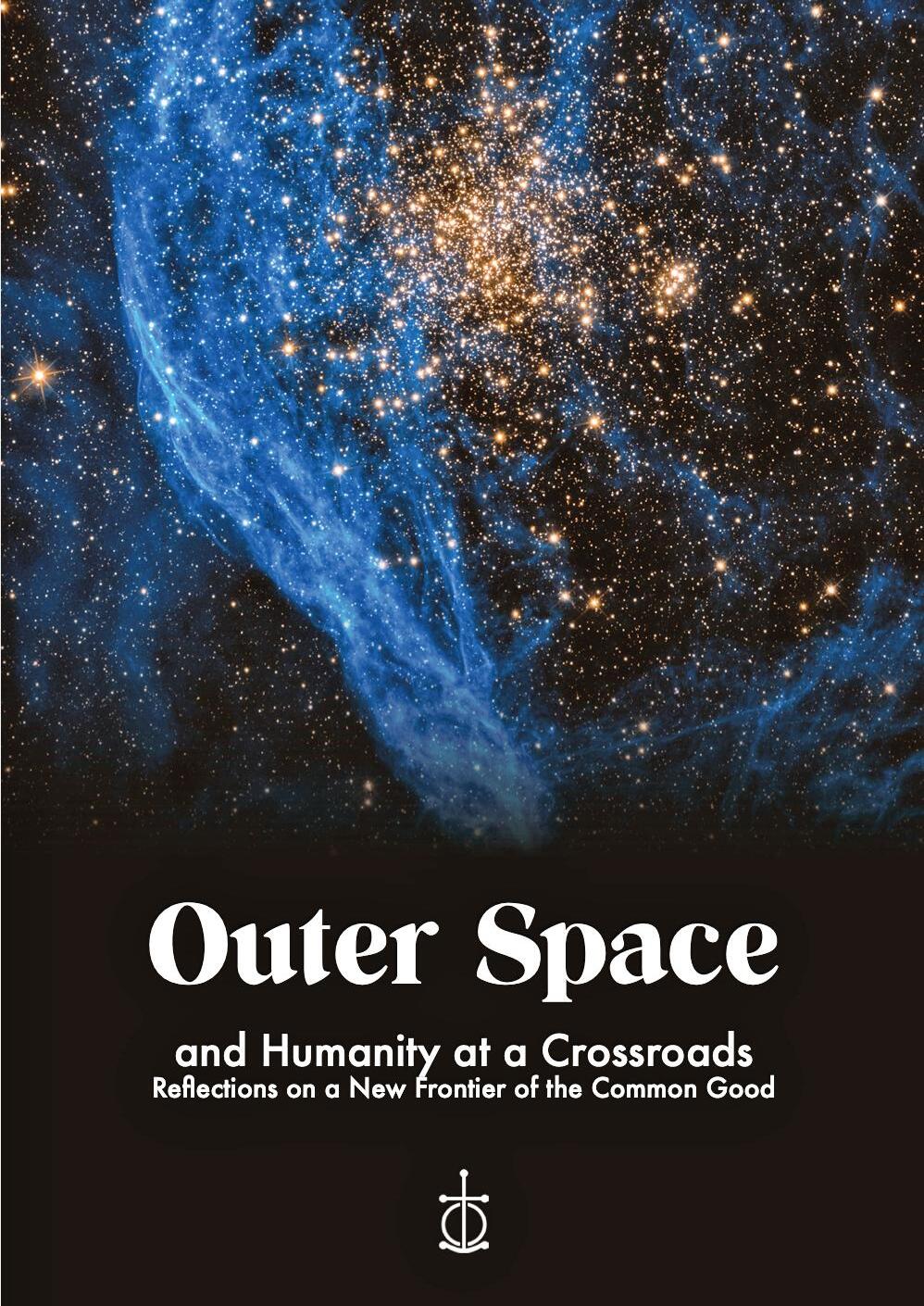
On 9 June 2026, the Commission of the Bishops' Conferences of the European Union (COMECE), in cooperation with the Caritas in Veritate Foundation hosted a High-level Conference on the theme: "Outer space: A New Frontier of the Common Good". Bringing together representatives of the Catholic Church and EU institutions, diplomats, academics and experts, the event provided an opportunity to reflect on the ethical, political and strategic implications of outer space governance and sustainability in an increasingly interconnected world.
The Conference took place in the context of a rapidly evolving global space sector. In recent years, outer space has become an increasingly prominent area of strategic, economic and scientific interest. Alongside the growing ambitions of established space powers, an increasing number of countries are seeking to develop or expand their presence in space. At the same time, the sector has also witnessed a significant rise in private actors, whose expanding role in satellites deployment, space
exploration and commercial activities is reshaping the governance landscape.
These developments underscore the urgency of fostering international dialogue and cooperation to ensure that outer space continues to serve the common good and its exploration and use remain the "common province of humankind", accessible for peaceful and sustainable purposes for the benefit and in the interest of all countries, in accordance with the 1967 Outer Space Treaty.
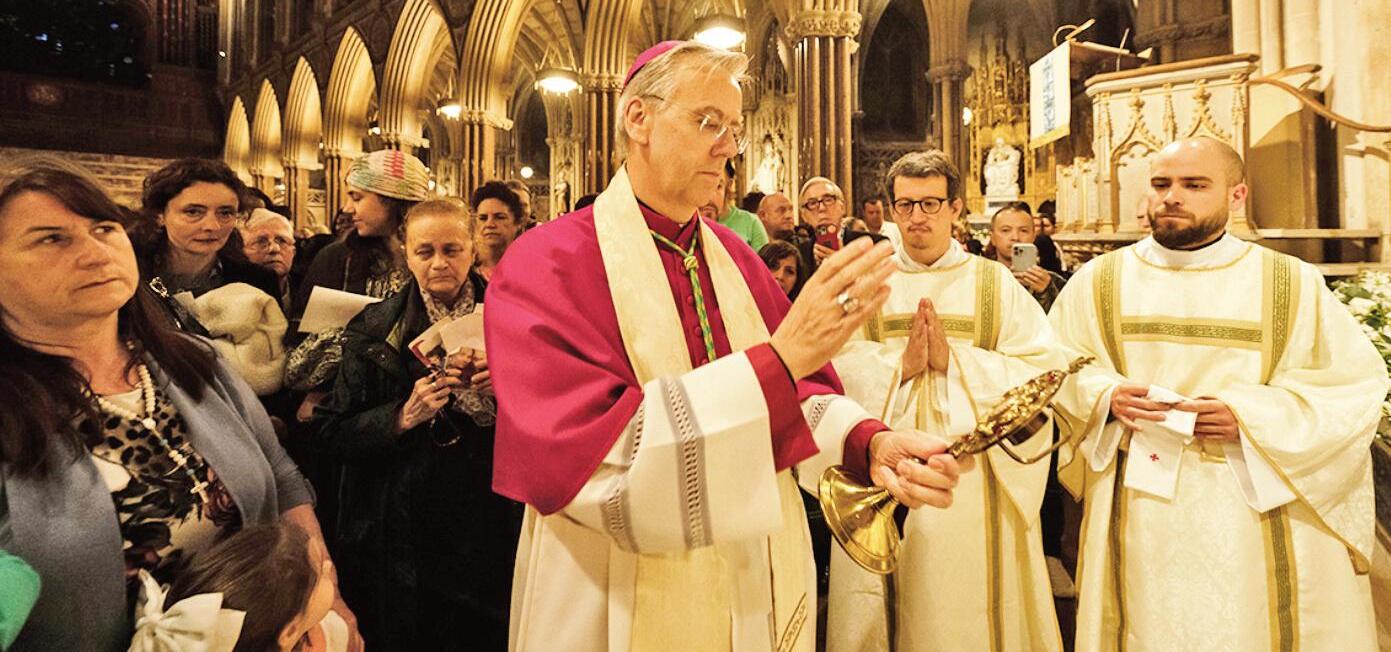
The event opened with remarks by HE Archbishop Ettore Balestrero, Permanent Observer of the Holy See to the UN and other International Organisations in Geneva in his capacity as President of the Caritas in Veritate Foundation, and by Fr Manuel Barrios Prieto, General Secretary of COMECE. In their welcoming remarks, they both stressed how deeply moral these issues are, as they concern peace, justice, and the dignity of present and future generations.
HE Archbishop Balestrero affirmed that "we must not turn space into a jungle. Space is not
terra nullius; it is not a lawless frontier governed by the principle of "first come, first served." It offers humanity a kind of second chance - an invitation to avoid repeating many of the mistakes made on Earth. Space therefore must be explored with responsibility, solidarity, and respect for subsidiarity, for the benefit of present and future generations".
Echoing these comments, Fr Barrios Prieto noted how, in an increasingly polarised world, "the European Union and its institutions have a significant role to play in guiding humanity in navigating such questions wisely. Initiatives such as the proposed EU Space Act, the development of a European Space Shield and investments in flagship programmes like Galileo, Copernicus and IRIS, reflect the EU's growing responsibility in shaping the governance of space activities."
The Conference then featured the presentation of the Caritas in Veritate Foundation's publication "Outer Space and Humanity at a Crossroads: Reflections on a New Frontier of the Common Good", by one of its authors, Prof. Dominique Lambert, from the University of Namur and Member of the Royal Academy of Belgium. The publication offers interdisciplinary ethical reflections and recommendations on the opportunities and responsibilities associated with humanity's expanding presence in outer space. It also contains a collection of major Papal pronouncements on outer space since Pope Pius XII.
The presentation was followed by a high-level roundtable discussion moderated by HE Mr Thomas Antoine, Honorary Ambassador of Belgium. It featured notable contributions from Mr. Giancarlo Granero, Head of Unit "Space Economy" at the Directorate-General for Defence Industry and Space (DEFIS) of the European Commission, Mr Jean-Pol Poncelet, former Belgian Minister of Defence, Prof Annick Castiaux Rector of the University of Namur and Ms Maria-Gabriella Sarah, expert at the Joint Research Centre of the European Union, seconded by the European Space Agency.
Participants of the event explored the growing importance of outer space for communication,
security, environmental monitoring and technological development, while addressing emerging challenges such as space debris, the congestion of low-Earth orbit and the risk of the militarisation of space.
Attention was given to the ethical dimensions of space activities and to the need for governance frameworks capable of balancing technological innovation, security considerations and the responsibility to safeguard the common good for present and future generations.
The Conference reaffirmed the importance of promoting a human-centred approach to scientific and technological progress, guided by ethical responsibility, international cooperation and a commitment to peace. As humanity's presence beyond Earth continues to expand, participants emphasised the need to ensure that outer space remains a shared heritage whose exploration and use should contribute to the flourishing of the entire human family.
The event forms part of COMECE's ongoing efforts to foster dialogue between the Catholic Church, the EU institutions and civil society on emerging policy challenges affecting the future of humanity and the common good.

‘He was one of us’,
Thy Kingdom Come, a global ecumenical prayer movement, has released a new interview with Bishop Nicholas Hudson in which he reflects on the extraordinary life of Saint Carlo Acutis. In his own words, Bishop Hudson shares the following: Saint Carlo “died very young – he wasn’t quite 16 when he died. He was diagnosed almost overnight with a very, very serious leukemia. And as soon as he was told of the diagnosis, he said, ‘I’m going to offer this for Jesus, for the Church.'”
He was known in Milan “as the boy with the wonderful smile, whisking up old ladies’ shopping and rushing ahead to their flats and leaving their stuff outside the door.” He could sometimes be seen “in the supermarket, just getting a few euros out of his pocket to help somebody who didn’t quite have enough.” He “was a real friend of the poor” – forever coming in from school saying, “Mum, do you know I saw an old man looking really cold on the way back from school, do you think we might be able to give him that old coat that dad isn’t using anymore?”
“He was the life and soul of the school. They say he was very funny in class – very funny, but never cruel. He’d stick up for any of the
children with learning disabilities or other disabilities. He’d stick up for anybody who was being bullied.”
Yet what his friends didn’t know was that “he was also in love with the Eucharist, and that when he had time, he’d be popping in to church and going and praying to the Lord.” He used to say: “The Eucharist is our highway to heaven. The more we receive the Eucharist, the more we become like Jesus.” Gifted with
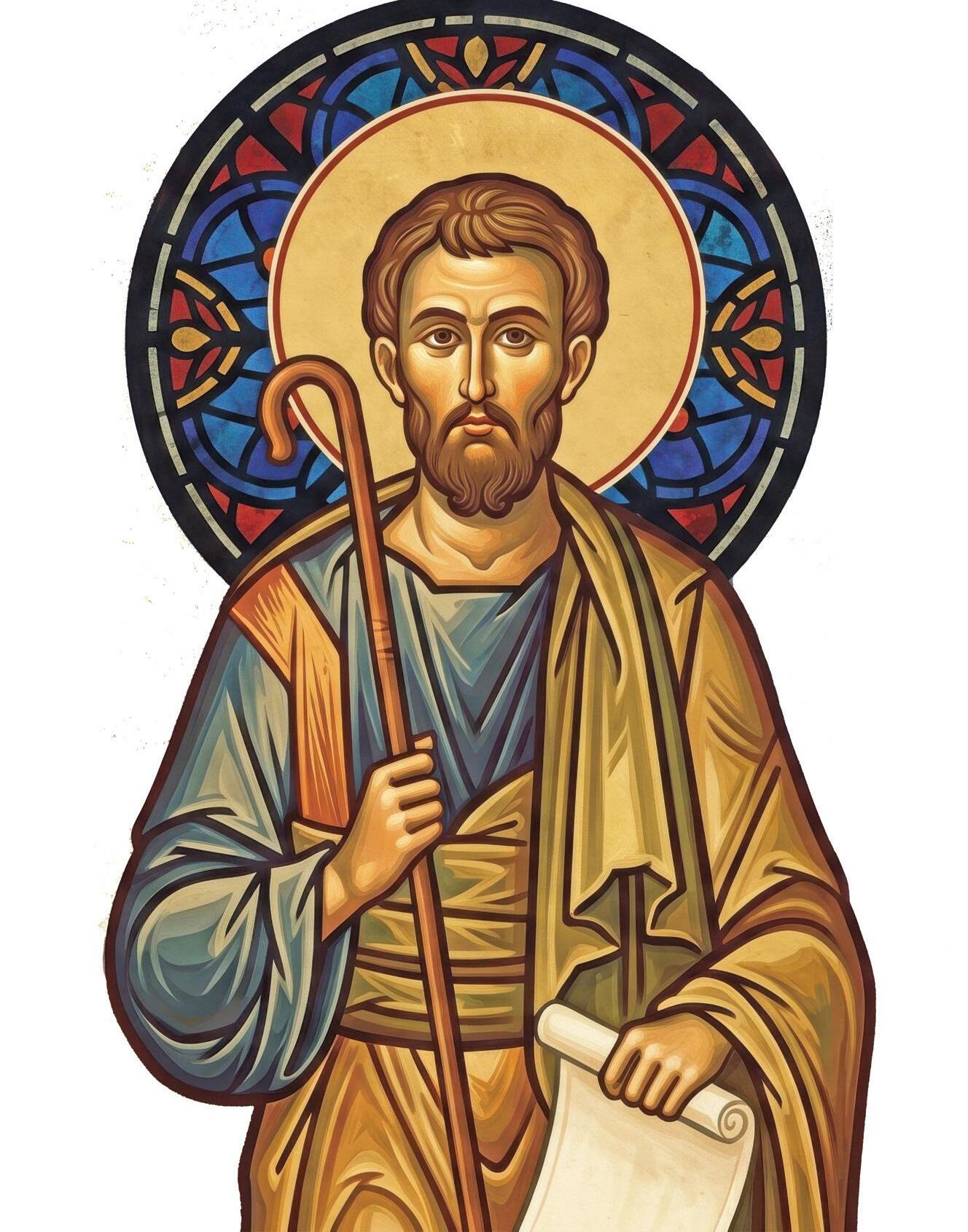
St Thomas the Apostle is often remembered by one phrase: “Doubting Thomas.” Yet this description tells only a small part of a much greater story. Thomas was not a man lacking faith; rather, he was a disciple who sought truth with honesty and courage.
After the resurrection of Jesus, the other disciples joyfully proclaimed that they had seen the Lord. Thomas, however, struggled to believe. He wanted certainty. He wanted to see for himself. Many of us can relate to his experience. There are moments in life when faith is tested by grief, disappointment, uncertainty, or suffering. Like Thomas, we may find ourselves asking difficult questions.
What makes Thomas inspiring is not his doubt, but what he did with it. Instead of walking away, he remained among the community of believers. He continued seeking Christ. When Jesus appeared and invited Thomas to see and touch His wounds, Thomas responded with one of the most profound declarations of faith in the New Testament: “My Lord and my God!”
technology, he “put his energy into creating a very impressive website of Eucharistic miracles.”
When asked the day before he died whether he was in pain, he said: “There are a lot of people in this world suffering a lot more pain than me.”
“They had his funeral in the local parish church and it was absolutely packed, not just with
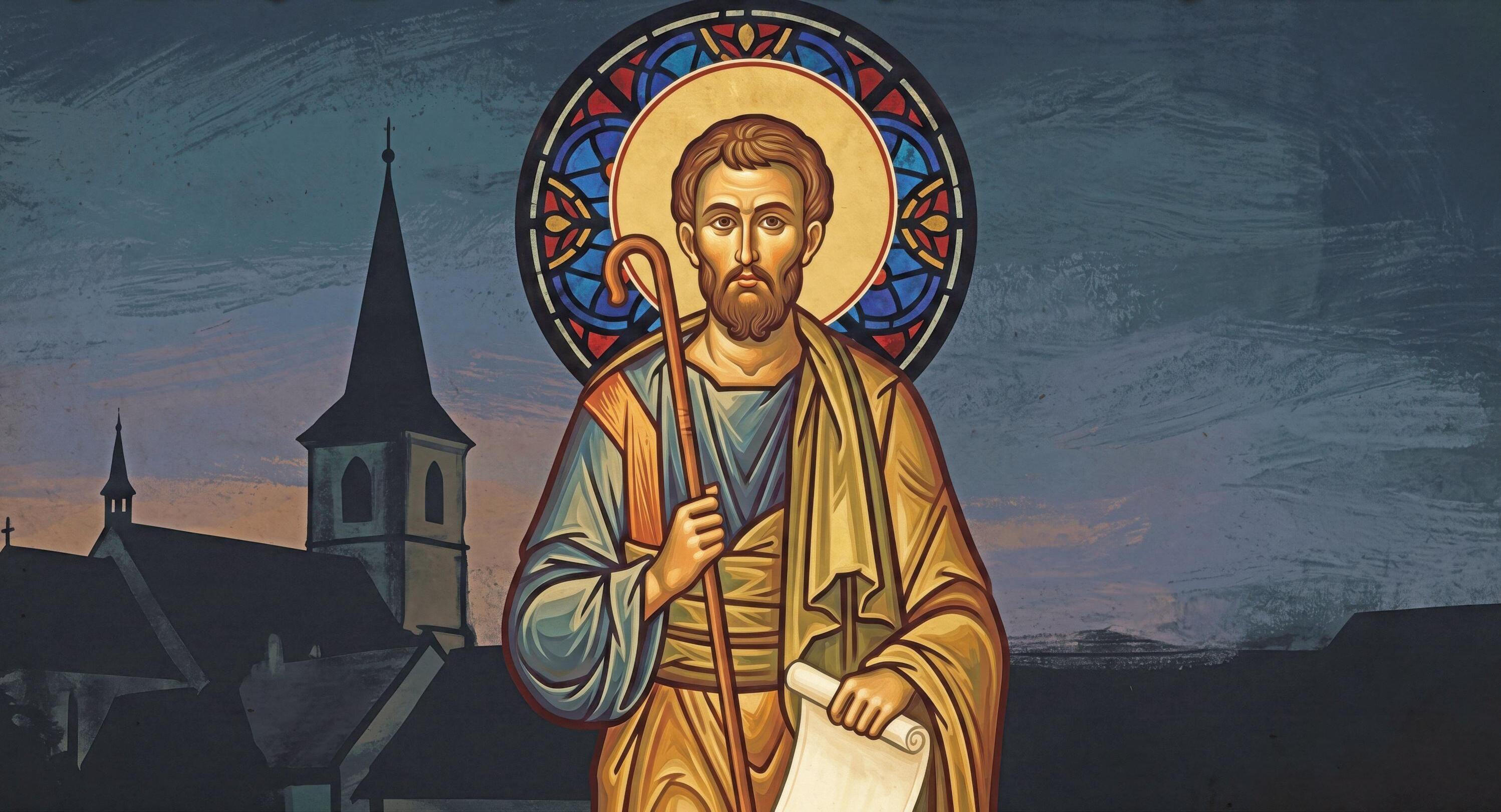
Thomas reminds us that God is not afraid of our questions. Honest doubt can become a pathway to deeper faith when it leads us closer to Christ. His journey teaches us that faith is not the absence of uncertainty but the willingness to trust God even when we do not have all the answers.
Tradition tells us that Thomas went on to become a courageous missionary, carrying the Gospel as far as India, where he established Christian communities and ultimately gave his life as a martyr.
The story of St Thomas is a message of hope for all who wrestle with faith. His life shows that doubt does not have to be the end of belief. Instead, when placed in God's hands, it can become the beginning of a stronger, deeper, and more transformative relationship with Christ.
"Blessed are those who have not seen and yet have believed."
(John 20:29)
family and school friends, but with all the poor people of the locality.”
“He does appeal to all generations, but he is a saint for teenagers. They look at him and say, this Carlo – he was one of us, wasn’t he? He was just like us.”
Bishop Hudson also describes the miracle that led Pope Francis to declare Carlo Blessed –“the step before being declared a saint.” A fiveyear-old boy named Matheus in Brazil went to a prayer service with his grandfather where the parish priest had brought from Rome a relic of Carlo Acutis. Matheus had pancreatitis, meaning “everything that he ate and drank, he was vomiting up again – and that can kill a child.”
Walking up the aisle hand in hand with his grandfather, Matheus asked what he should pray for. His grandfather said, “Just ask Carlo to pray for you, that you may stop vomiting.” Matheus “came forward, held the relic, asked that favour of Carlo Acutis.” Walking home afterwards, he told his grandfather: “Grandpa, I feel a very warm feeling in my tummy. Do you think I’ve been cured?”
When they arrived home, “Matheus rushed into the house, rushed straight into the kitchen, went up to his mother and said, ‘I want rice and chips and beans and steak.’ And he ate them all and didn’t vomit up a single morsel of it. And he has never vomited since.”
“Young people are very struck to hear of the miracles that seem to be being worked through the intercession of St. Carlo” – and, in the words of Bishop Hudson, that is perhaps the most powerful testament of all: that a boy who was “just like us” is now interceding for us from heaven.
Thy Kingdom Come is a global ecumenical prayer movement that invites Christians around the world to pray for more people to come to know Jesus.


cbcew.org.uk


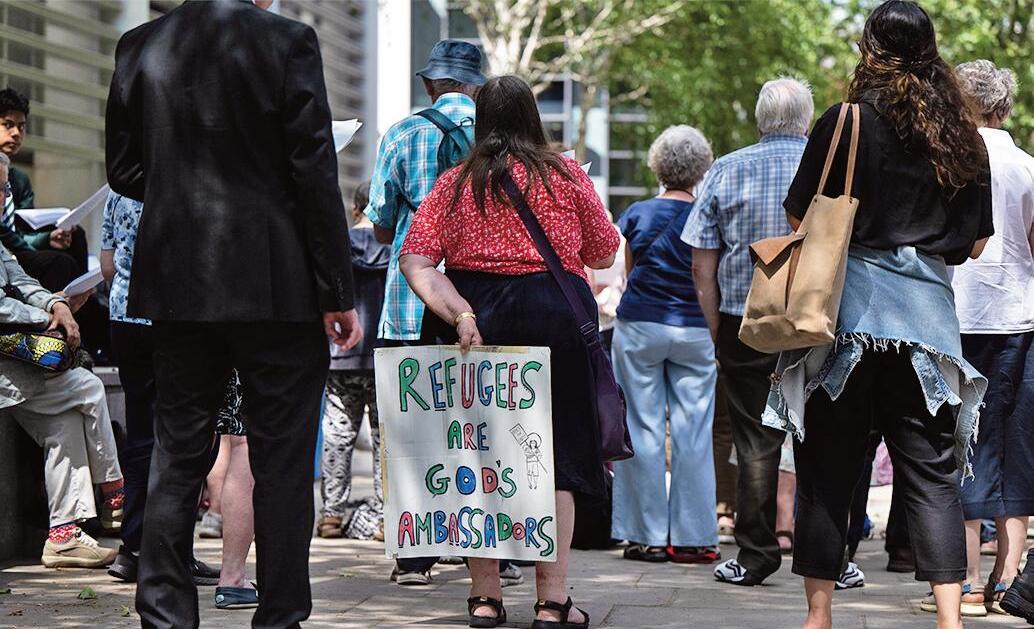
The Jesuit Refugee Service (JRS) UK, in partnership with the Caritas Social Action Network (CSAN) and the St Vincent de Paul Society have launched the new “Welcome the Stranger” campaign.
through prayer, awareness-raising and through writing to the Prime Minister, asking him to end immigration detention, restore the right to asylum and put dignity and protection at the heart of the asylum system.
Vincent de Paul Society and Jesuit Refugee Service UK in defence of the right to seek asylum in the UK.
“I encourage Catholics to engage with the campaign however they can and stand in solidarity with those forced to flee their homes.”







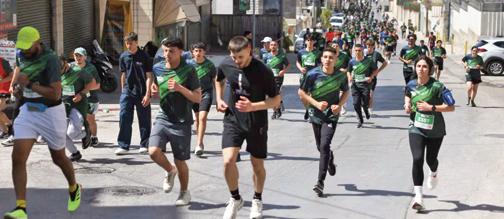
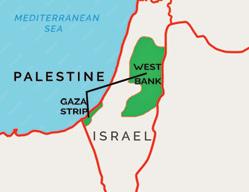

The campaign highlights the barriers which refugees and asylum seekers face when seeking sanctuary in the United Kingdom and calls upon the government to restore dignity in the asylum system.
The campaign invites Christians across the UK to join together in standing alongside refugees
Commenting on the campaign, Bishop McAleenan, the lead bishop for migrants and refugees, said: “It is well known that many risk dangerous journeys in search of safety and a chance to rebuild their lives. They do so because safe and accessible routes are unavailable to them.
“I therefore warmly welcome the ’Welcome the Stranger’ campaign initiated by CSAN, St
For more information about the campaign and how you can get involved, scan the QR Code.

indcatholicnews.com
A poignant and beautiful art installation is currently running at Manchester Cathedral, to 15 June, to commemorate the atomic bombings of Hiroshima and Nagasaki in 1945. The installation honours the victims of nuclear weapons and offers a message of hope for a peaceful future.
Specially commissioned by the Christian Campaign for Nuclear Disarmament, for last year's 80th anniversary of the bombings, the artwork was created by artist Leah Hislop and is available to view whenever the cathedral is open. Composed of dark black and vibrant coloured origami cranes, the sculpture encourages reflection
on the human cost of war and our shared responsibility to seek peace.
Leah explained: "My commission for Christian CND was inspired by the words of Tomoko Watanabe, co-founder of the Green Legacy Hiroshima. In an interview regarding the aftermath of the bombing, she describes speaking to its survivors about the devastation of the landscape. They thought the land would remain colourless and barren for a long time. However, amongst the devastated black and grey landscape, the vivid colours of life did start to grow back and this inspired a sense of hope to the people."
The work was displayed last summer in Coventry Cathedral. Its Dean, the Very Revd
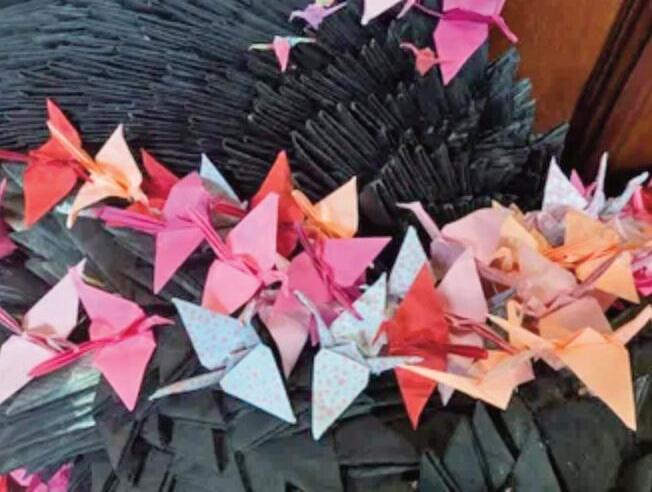
John Witcombe, said: "With its combination of dark black and vibrant colours, fashioned out of peace cranes, it powerfully leads us into repentance and hope for the world, and inspires us to move forward on the journey towards reconciliation."
James Salt
stellamaris.org.uk
Recent geopolitical tensions have put the plight of seafarers in the headlines.
The disruption to shipping in the Strait of Hormuz resulted in an estimated 20,000 seafarers stranded on board ships, facing heightened risk and considerable mental strain. Sadly, several have also been killed.
Seafarers are increasingly finding themselves working in areas of conflict, far from home and uncertain about the future. Caught in the crossfire, many are fearful, anxious and lose hope. Their ordeal can negatively impact their physical and mental wellbeing.
Meanwhile their families follow events anxiously, often with little news and no certainty about their loved ones.
These incidents are also a powerful reminder of how much we all depend on seafarers to keep essential goods moving around the world. Seafarers are key workers. Yet they are often an invisible workforce who quietly and diligently go about their duties at sea, largely unseen by most of us.
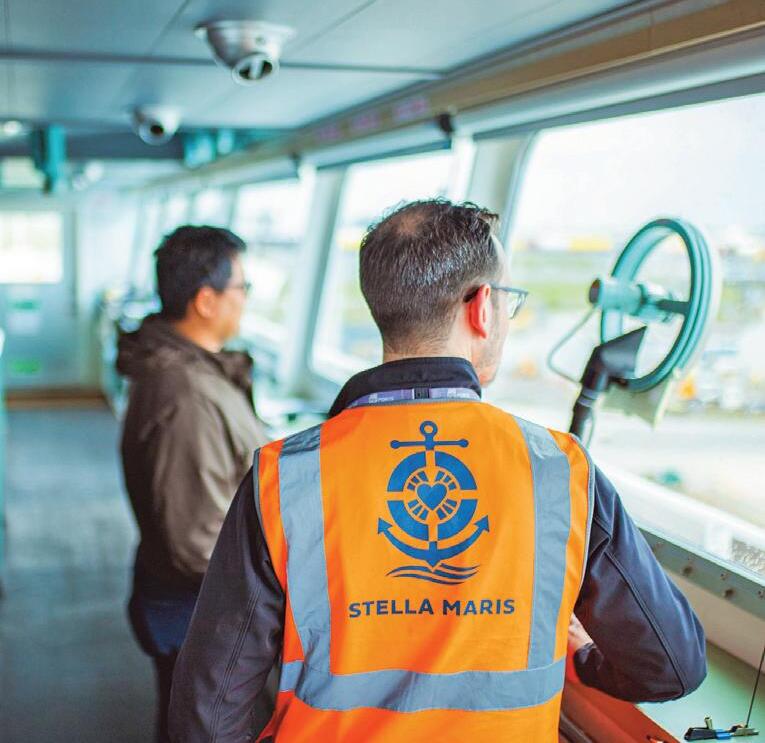
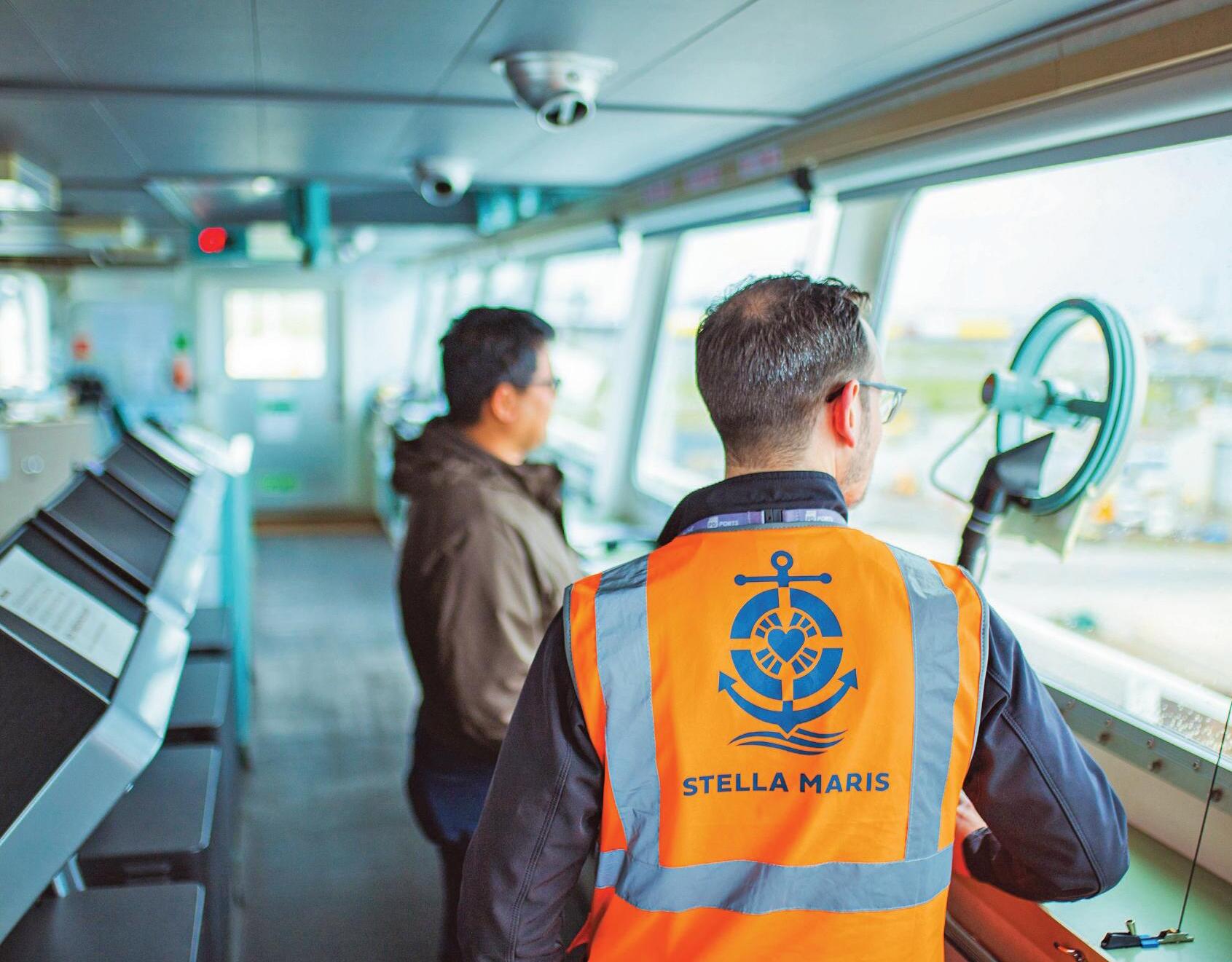
Stella Maris, the official maritime agency of the Catholic Church, exists to provide pastoral and practical support to seafarers. In times of conflict and crisis that mission becomes even more urgent.
As the war in Ukraine enters its fourth year, Stella Maris continues to support seafarers and their families, providing essential services in extremely difficult circumstances. This includes psychological care, online financial resilience training, guidance and safety kits to help protect seafarers in dangerous waters, and support for people facing emotional strain and economic instability. Core funding from Stella Maris has also helped ensure frontline services can continue without interruption.
From our experience supporting seafarers and their families in Ukraine, we know that there will be much ongoing support needed for seafarers affected by the Middle East crisis once they leave the region, and Stella Maris chaplains and volunteers are ready to offer assistance.
On 12 July, churches around the world celebrate Sea Sunday, a day for people to
come together to pray for seafarers, fishers, and all who work at sea, and thank them for the vital role they play in our lives.
The Gospel on Sea Sunday is about the Parable of the Sower. Jesus delivered this parable beside the Sea of Galilee, a significant location for His ministry.
The work of Stella Maris is like that sowing. Many seafarers find strength in faith and comfort in prayer. Each conversation with our chaplains or volunteers, each act of practical help and each prayer said with a seafarer can be a seed planted in a life.
The daily ship visits from Stella Maris chaplains and volunteers in ports around the United Kingdom and all over the world can become a source of hope in times of crisis. It reminds seafarers of the Church’s care for all who work at sea.
This Sea Sunday, we pray for all seafarers, fishers and those who work at sea. Lord, guide us to care for them with responsibility and respect. Stay with all who travel the seas, protect them, guide them, and bring them safely home. Amen.


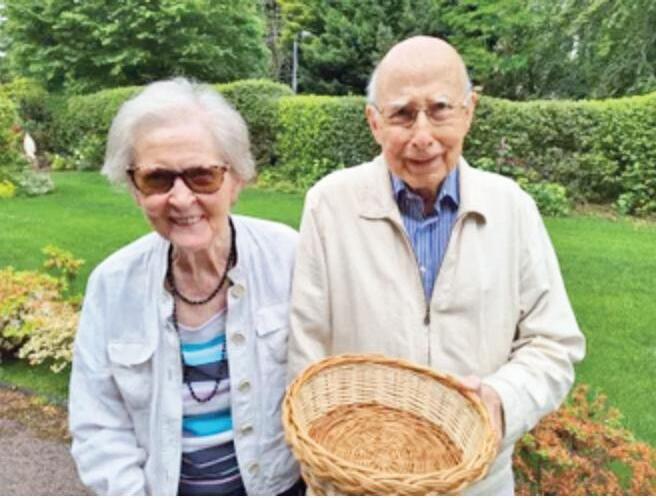
Volunteers from across the nation have been awarded a special honour from Pope Leo. The accolade - a papal blessing - is in recognition of their unwavering commitment to their communities for over 25 years.
Hailing from various parts of England and Wales, the recipients have been honoured for their diverse contributions across a range of activities such as organising Lent and Harvest appeals, hosting community events, raising money for those in need overseas, and campaigning on issues such as climate change and debt justice.
Among the honourees were husband and wife John, 93, and Maureen Mulholland, 87. The
couple - from Altrincham in Trafford, Greater Manchester, have volunteered, fundraised, and campaigned for the Catholic Agency for Overseas Development (CAFOD) since 1980. They will receive a papal blessing along with six other volunteers from the parish CAFOD group, which last year had its 45th anniversary. John felt honoured to receive the blessing: "We were surprised and embarrassed to learn that we were to receive these papal blessings. That is because we never dreamt of receiving such an honour and because what was achieved in St Vincent's parish was through a group effort, and thanks to the support of successive parish priests and the generosity of parishioners."
"We expected no reward, like others in our close-knit CAFOD group, other than knowing that we were providing practical help for some
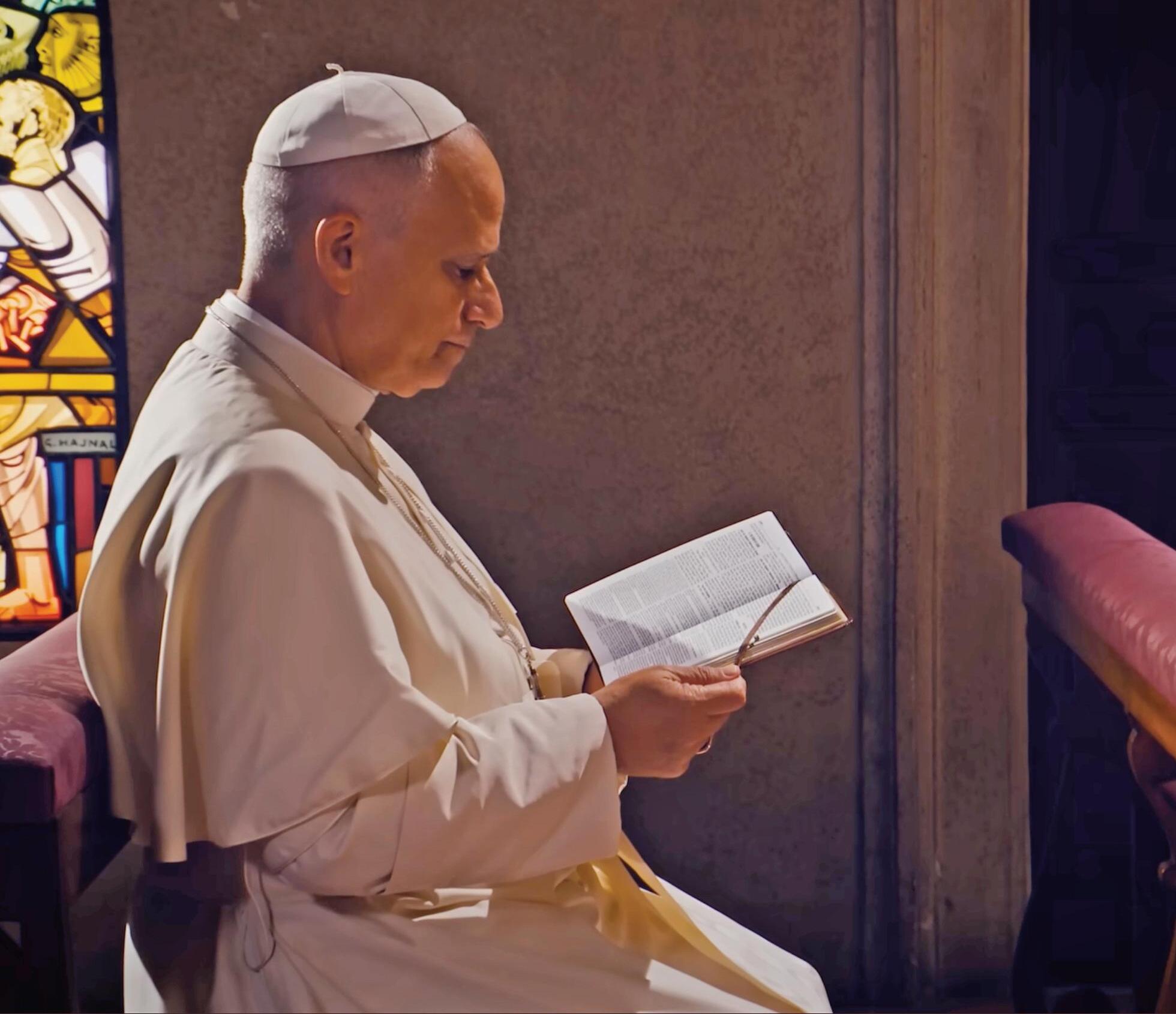
For resources on how to Pray with the Pope, either on your own or in groups, use this QR code.

The values expressed in sports can unite people, break down barriers, and create spaces bringing together cultures and generations. At a time when competition can become empty rivalry, and exclusion leaves many out, it is important that we rediscover the true meaning of sports as a school of fraternity, respect, and solidarity.
In this month's prayer, the Holy Father invites us to pray "for the values of sports" so we "discover in sport a universal language that brings cultures together, unites peoples, and sows respect, solidarity and personal growth."
You are not alone. By praying, you join the millions of people who belong to the Pope's Worldwide Prayer Network who, from every corner of the world, are praying for the challenges of humanity and the Church's mission.
of the poorest in the world and doing so in response to Christ's teaching. However, we feel both humble and honoured and are very grateful to receive our papal blessings."
Local CAFOD Rep, Kathryn Keenan, presented the award: "John and Maureen's support for CAFOD, along with all the members of the St Vincent's CAFOD group past and present, is truly inspiring.
"Their decades of dedication to fundraising, campaigning and prayer for CAFOD's work, guided by their faith, has impacted countless lives and given hope and practical support to communities overseas. I would also like to thank Canon Jonathan Brandon, St Vincent's parish priest and his parishioners for their incredible support and generosity over the years."
Allen,
"It's such an honour for anyone to receive Pope Leo's blessing and this highlights the significant role that volunteers play in strengthening communities and building a better world. Our volunteers continue to inspire all of us through their service.
Their example reminds us of the importance of working for the common good."
In the name of the Father, and of the Son, and of the Holy Spirit. Amen.
Lord of life, we thank you for the gift of sport, for those who glorify God through the exercise of their bodies, for the friendships born on the field and the joy of playing as a team.
You teach us that in life, as in the game, no one is saved alone.
We need others to grow, to learn respect, to overcome our limits, and to celebrate together the victories we achieve.
We ask that sport may always be a school of fraternity, not of empty rivalry, a space of encounter, not exclusion, a path of peace, not violence.
May those who play, train or cheer discover in sport a universal language that brings cultures together, unites peoples, and sows respect, solidarity and personal growth.
Lord Jesus, may every sport become a parable of life lived with you, working with joy and effort, living with humility in defeat and with gratitude in the victory you offer in your Resurrection.
May your Spirit never be lacking in us, making us one team, united with you to build communion and fraternity in history. Amen.
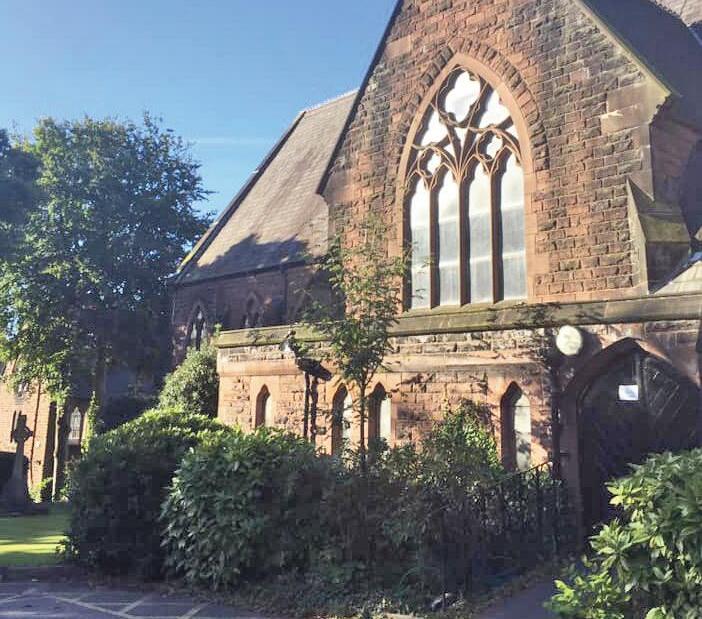
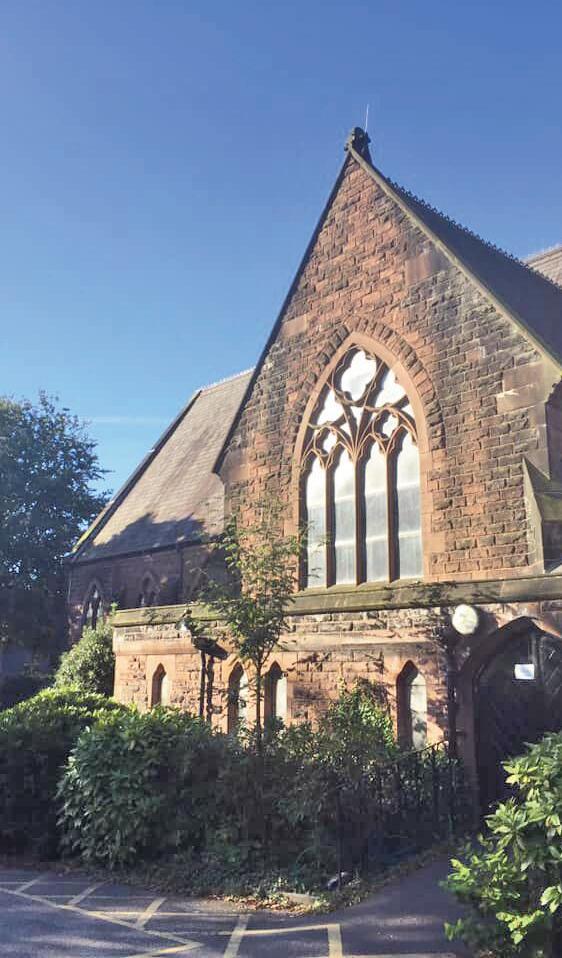
At St Mary's Church, Woolton, nr Liverpool becoming a “Dementia-Friendly Parish” is not a slogan or a one-off project. It is an ongoing mission rooted in compassion, practical support, and community.
Over the past several years, the parish has become a lifeline for people living with dementia and for the carers and families who support them every day. Through dementia awareness/information sessions, social gatherings, exercise classes, and partnerships with health professionals and charities, St Mary’s has created a welcoming space where people are understood, valued, and never left to struggle alone.
Parish administrator Ann O’Neill explained: “We say, ‘Becoming a Dementia-Friendly Parish’, because it’s an ongoing process.”
That process began after a moment that deeply affected her.
Ann explained “I was in the office one Monday morning several years ago, and a man came to the door… He looked very dishevelled and was shaking. He said he’d had a call to say his wife had died in Whiston but didn’t know whether it was Whiston hospital or care home.”
Ann invited the man into the presbytery and made him comfortable, offering tea and biscuits as she worked through his confused state. It gradually became clear that he had memory issues and he wasn’t even sure whether he’d already buried his wife months earlier.
After a lot of phone calls to hospitals, care homes, GP surgeries etc, it was discovered that his wife had died at Whiston Hospital that day. Together with a volunteer, they arranged the funeral in conjunction with local funeral directors. It was later confirmed he had been living with dementia for some seven years.
It transpired that this man had been a longstanding parishioner, but nobody knew of him. He was an only child and him and his wife had never had children. Ann explained that essentially, he was in the world on his own. Ann discussed the matter with the then parish priest, Father Tim Buckley, who agreed that as a caring Christian community, there was an urgent need to develop a strategy; a protocol, for parishioners living with dementia.
That encounter became the catalyst for everything that followed.
Today, St Mary’s works closely with organisations including the Alzheimer’s Society, Dementia Friends, Liverpool Dementia Action Alliance (LDAA), TIDE (Together in Dementia Every Day) SURF (Service Users Reference Forum) and NHS Memory Services.
The parish regularly hosts dementia awareness and information sessions, often featuring specialist speakers such as Jill Pendleton, Dementia Lead at NHS Mersey Care, Serena Jones, Specialist Nurse in Dementia Care, and Dementia Friends Ambassador Mary Monkhouse.
Mary, a parishioner and volunteer, has become one of the driving forces behind the parish’s work. A trained Dementia Friends Ambassador, she delivers awareness sessions across the region.
“I’ve done sessions for St John’s Precinct,” she said. “They were training all the cleaners, all the security guards, everyone. I thought it was very forward-thinking of them.”
The Dementia Friends sessions encourage participants to understand the everyday realities of dementia and consider practical ways they can help others.
“Everybody who attends gets a badge to say they are a Dementia Friend,” Mary explained. “Part of the session is thinking about one action you can take.”
Much of the learning at St Mary’s focuses on small but important changes that can make life easier for people living with dementia.
Ann described one simple example involving parish newsletters.
“One Christmas, a parishioner had mentioned that her mum had dementia and had asked what day Christmas Eve was. At that time the newsletter just read: ‘Christmas Eve Mass.’ So now we include the day as well as the date e.g.: ‘Christmas Eve, Wednesday 24 December.’ One small adjustment can make a big difference.
The parish has also learned how visual perception can be affected by dementia.
“A black doormat on a light floor can look like water to somebody with dementia,” Ann explained. “They might be frightened to step on it.”
Alongside awareness training, St Mary’s has become known for its joyful dementia-friendly events. On the last Friday of every month, parishioners and visitors gather in the parish hall for an Afternoon Tea and Singalong, an initiative that began during Dementia Action Week in 2018 and has continued ever since.
The gatherings are filled with joy, music, dancing, laughter, and companionship.
“We always sing ‘Que Sera, Sera’ at the end” Mary added: “I defy anybody not to walk out in tears, but with a huge grin on your face.”
Importantly, the music is not limited to wartime favourites.
“I asked one lady who was nearly 90 years old what she’d like the band to play. Maybe Penny Arcade? She told me she wanted Tina Turner,” Ann laughed. “So, then she got up and danced to ‘Simply the Best’, and they’re doing YMCA and everything. It’s fabulous.”
The sessions have become deeply meaningful for many families.
Mary remembered bringing her auntie Kath, who lived with dementia before she passed away during lockdown.
“She absolutely loved the afternoon tea,” Mary said. “It would always put a big smile on her face. Phil the entertainer used to say, ‘Here’s my little smiler!’”
For carers, the events offer something equally valuable: connection and understanding.
“When you’re caring for somebody at home, it can become very isolating,” Ann said. “Just having time with other people who understand what you’re going through makes such a difference.”
The parish also hosts regular “Love To Move” sessions – dementia-friendly exercise and dance classes designed to stimulate both physical movement and brain activity. The classes are run by the British Gymnastics Foundation and attract dozens of attendees each week.
Mary explained that the exercises are specifically designed to challenge coordination and cognitive function.
“The instructor does things like tapping your head and rubbing your stomach,” she said. “It’s helping the brain work in different ways.”
St Mary’s hall is also used by Liverpool Memory Services for courses supporting newly diagnosed people and their carers.
“The Memory Service approached us as they had read about the things we were doing here,” Mary explained. “People can come for signposting, support, and help understanding what they can still do safely.”
Throughout their work, both Ann and Mary emphasise an important message: dementia does not erase a person’s humanity, personality or emotional life.
Mary often uses a “bookcase analogy” during her sessions.
“The top shelves are your most recent memories,” she explained. “As dementia progresses, it’s as if someone is shaking the bookcase, and the books begin falling from the shelves, starting with the most recent memories first.”
Yet emotional memory often remains strong, even when factual memory fades.
“Say your mum is suffering with dementia, and you take her to the park for ice cream and have a lovely day.
“She might not remember you’ve taken her for an ice cream,” Ann explained, “but she’ll still remember the feeling of joy and happiness.”
That insight shapes the parish’s entire approach.
“It’s also about striking a balance between giving them their independence and keeping them safe,” Ann added. “When someone you love is suffering, the instinct is to put your arms around them and do everything for them, but the brain is a muscle, and they need to keep doing things for themselves as best they can.”
“It’s easy to underestimate what people still want to do,” Mary reflected. “It’s lovely seeing everybody dancing, chatting and gossiping together.”
Ann agreed: “They’re still the people that we knew.”
The work at St Mary’s continues to grow, supported by volunteers, parishioners, local organisations and families whose lives have been touched by dementia. Both Ann and Mary hope other parishes will follow their example.
“There are so many things you can do,” Ann said. “And many of them are very simple.”
At the heart of it all is a commitment to ensuring nobody faces dementia alone, and a determination to build a Church community where every person is welcomed, understood and cherished.
I found my vocation as a Waterways Chaplain while living on the waterways myself. When you live on a boat, you begin to see life differently. You notice the quietness, the beauty, the slowness but you also see the struggles that many people carry beneath the surface. It was there, among the marinas and towpaths, that I first became aware of the desperate need. People imagine the waterways as peaceful and idyllic, and they often are, but they are also home to individuals facing loneliness, poverty, ill�health, and the kind of hidden hardship that rarely reaches public attention. Being part of that world opened my eyes and stirred something in me that felt unmistakably like a calling.
The Waterways Chaplaincy is a charity that offers care and support to anyone and everyone on and around the navigable inland waterways of the UK. What makes this ministry distinctive is that we do not wait behind a desk or inside a church building for people to come to us. Our calling is to go out to walk the towpaths, visit marinas, knock on boat doors, chat with dog�walkers, and simply be present in the everyday life of the waterways. We aim to be seen, to be approachable, and to be available to listen, to chat, and, if asked, to offer support and care to anyone in need.
As a volunteer chaplain, much of my ministry looks beautifully ordinary. I might spend an afternoon walking a stretch of canal, stopping to talk with boaters who are moored up for the day. Sometimes it’s a five�minute conversation about the weather or the state of the locks. Other times, someone invites me aboard for a cup of tea, and the conversation gently opens into something deeper worries about finances, struggles with health, the weight of bereavement, or the loneliness that
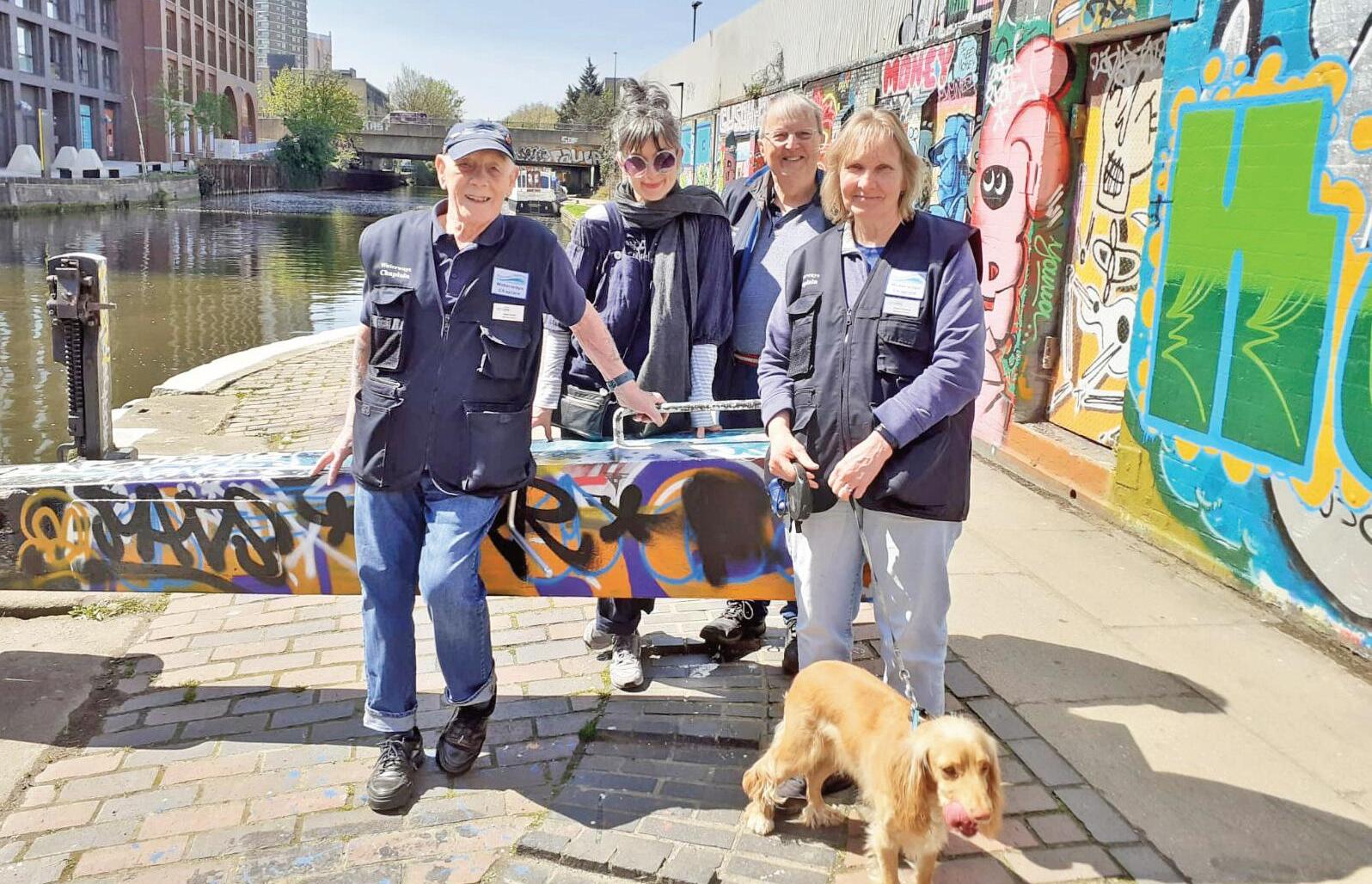
can settle in during long winter months. These encounters cannot be scheduled or predicted. They unfold naturally, in God’s time, and I have learned to trust the Spirit’s prompting in each one.
Over time, relationships grow. Trust builds. And it is often through these steady, gentle connections that more complex issues come to light. Many boaters face challenges such as poverty, poor health, financial difficulties, or the effects of trauma and isolation. As chaplains, we walk alongside them, helping where we can signposting to services, raising safeguarding concerns when needed, helping people access
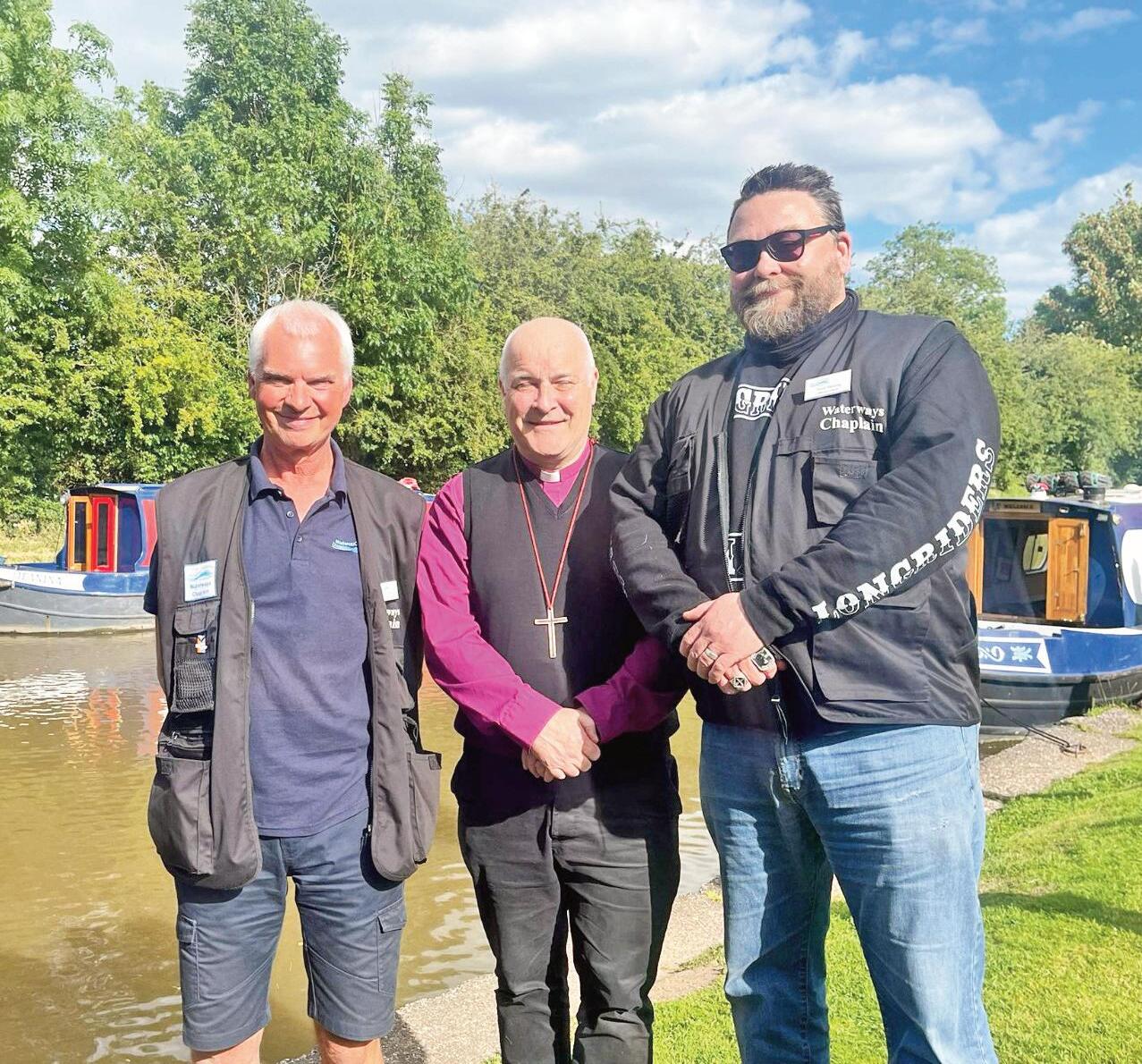
healthcare or benefits, or simply being a consistent, compassionate presence in a world where many feel unseen. Sometimes the help is practical: carrying water containers, finding a lost dog, helping someone navigate a difficult form. Sometimes it is emotional or spiritual: offering prayer when invited, listening without judgement, or holding hope for someone who feels they have run out of their own.
One of the most beautiful aspects of this ministry is that it is offered to everyone people of all faiths and none. Conversations about God arise naturally, never forced. They grow out of relationship, respect, and genuine care. I have found that people on the waterways often have a deep spiritual hunger, even if they would never describe it in religious terms. They
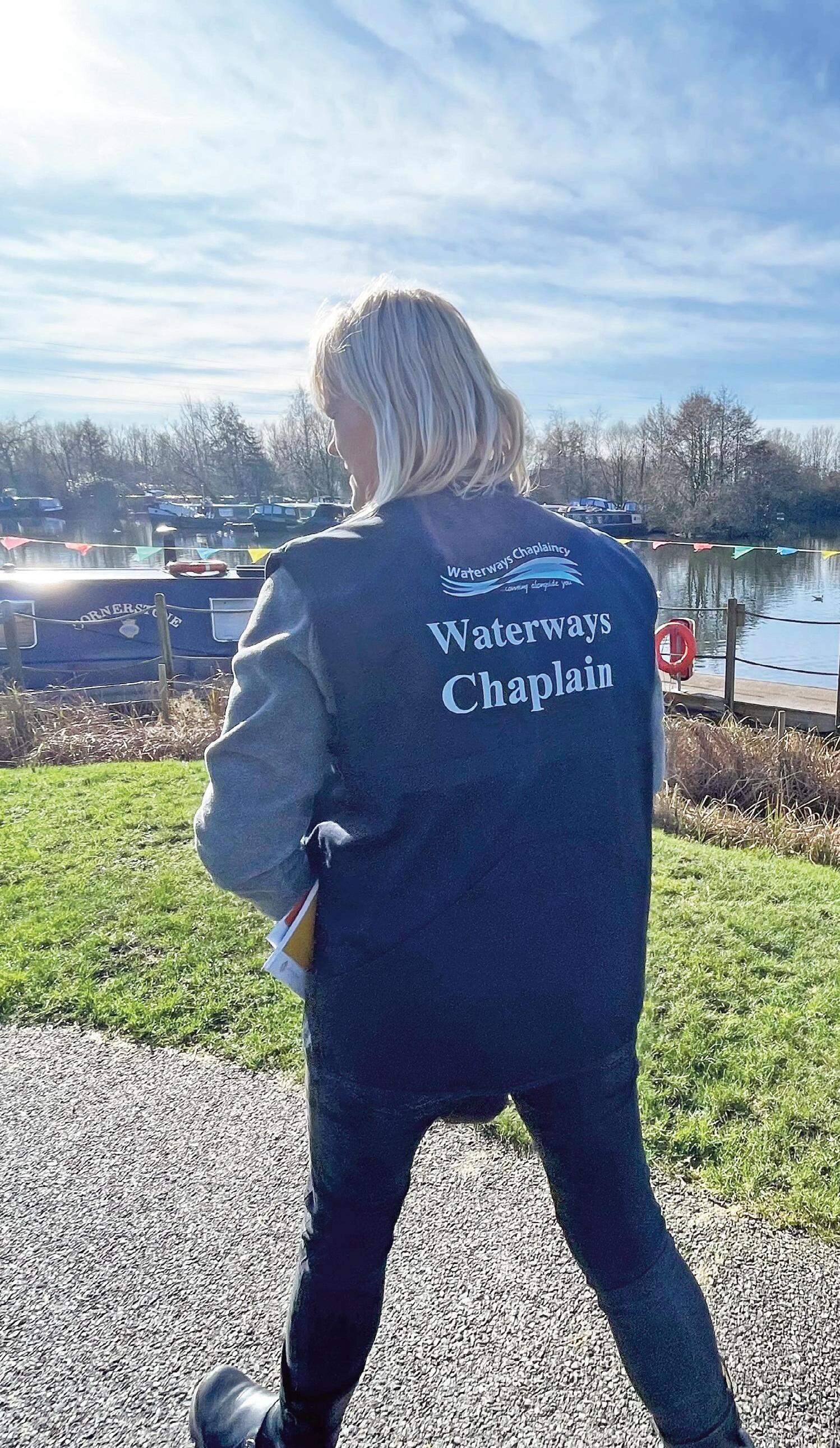
appreciate authenticity, gentleness, and the simple reassurance that they are not alone.
Being a volunteer chaplain has taught me patience, flexibility, and a deeper trust in God’s quiet work. Some days the towpath is full of conversations; other days it is silent. Some weeks I feel I have made a real difference; other weeks I simply show up and walk. But I have come to see that this ministry is not about quick fixes or dramatic results. It is about long�term faithfulness being there, week after week, as a sign of God’s love moving quietly along the water.
What continues to move me is how this ministry brings about gradual transformation. Not through grand gestures, but through presence, compassion, and the steady reassurance that every person is worthy of care. I have seen people regain confidence, reconnect with services, rebuild relationships, and rediscover hope. And I have seen how simply being listened to truly listened to can be life�changing.
If you feel drawn to a ministry of presence, compassion, and gentle accompaniment, I warmly encourage you to consider becoming a Waterways Chaplain. Training and support are provided, and volunteers come from all walks of life. And if chaplaincy itself isn’t for you, there are many ways to support the work: through prayer, through practical donations, through raising awareness, or simply by holding this community in your heart.
If you would like to know more or explore becoming part of this ministry, please get in touch, scan the QR code.

Called by Name asks nothing of you but a willingness to wonder
Father Neil Peoples spent the first minutes of the afternoon reassuring a room of nervous young men that he was “not that scary.” He had reason to be gentle about it. Years ago, he was one of them. He had thought about priesthood as a boy, then let it go. Then a bishop collared him with a question he couldn’t shake: “Have you not thought about priesthood?” He “couldn’t laugh it off,” he says, and it made him think he needed “to take this a bit more seriously.”
Now he is the diocese’s Director of Vocations. On Corpus Christi Sunday he stood beside Bishop Patrick McKinney in the Cathedral Hall, in front of 37 young men. Not one of them had put himself forward. Each had been noticed by someone in his own parish or chaplaincy, and invited. That is the idea behind Called by Name, the diocese’s new vocations campaign and the first of its kind in the country. Rather than waiting for young men to step forward, it asks the people and parishes who know them to say so.
“So each one of you is here this afternoon,” the Bishop told them, “because someone in your parish, or many in your parish, thought of you.”
For several of the men, that was the strange and moving part. One man, from Loughborough, had been working in Cambridge when word reached him. He was “quite taken aback knowing that someone had
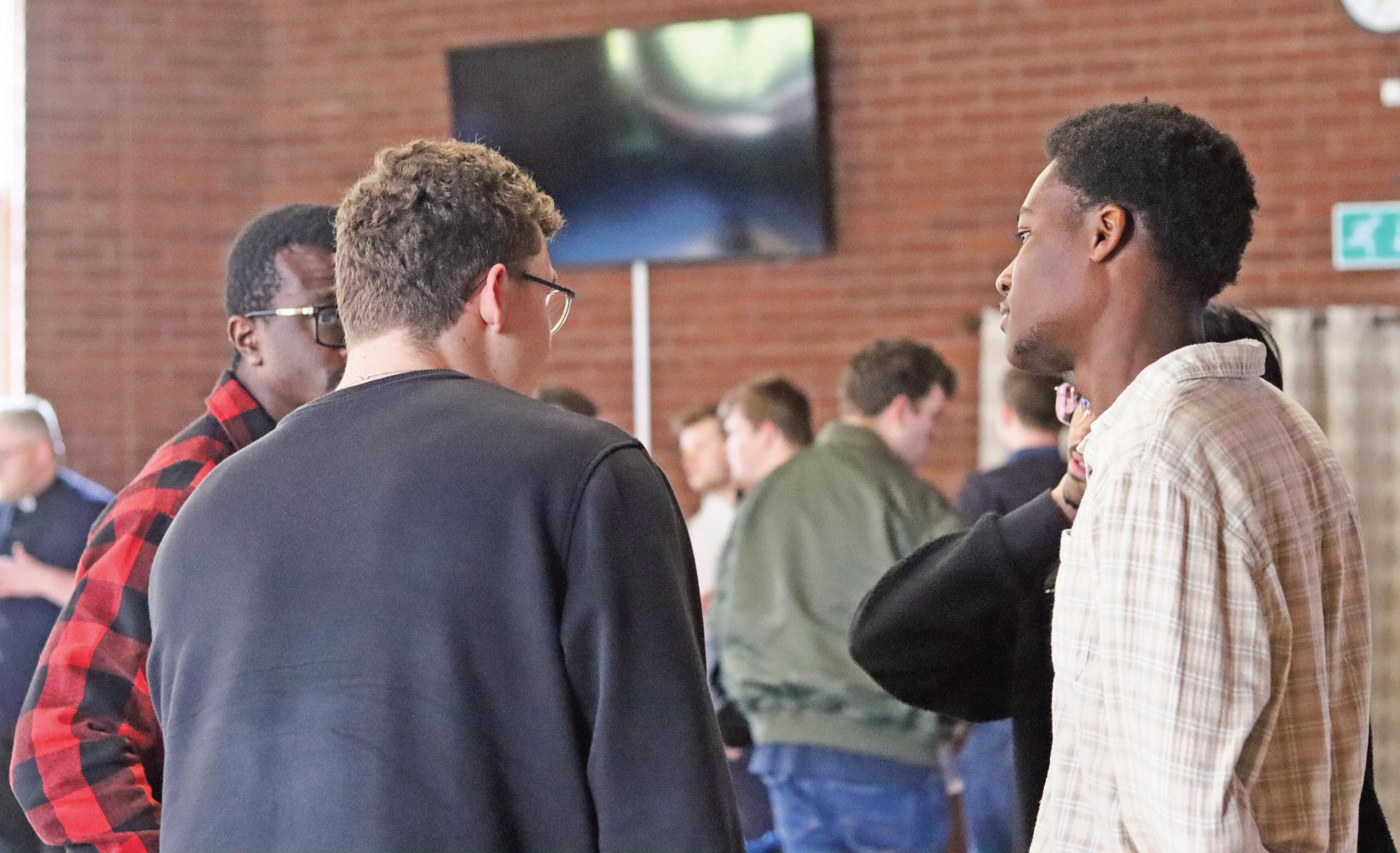
noticed this about me.” A man from Nottingham, who reads at his parish and helps with the music, saw the letter at work and replied on the spot. He wanted, he said, to “be part of something bigger.”
What had brought them was less certainty than honesty about the question. “I’ve always had this question about how do I actually discern,” said the man working in Cambridge. Another young man from Loughborough said being noticed “motivates me to be more
involved in the life of the church.” The man from Grantham was the plainest. “I don’t know if this is what I’m meant to do,” he said, “but there’s only one way to find out.”
That “finding-out” is Fr Neil’s work, and he is careful about how he describes it. The pace is theirs, he says, usually a monthly conversation, in person or over Zoom. What he wants a young man to see is “not the sort of Walt Disney version” of priesthood but the real thing. Asked what he saw when the men
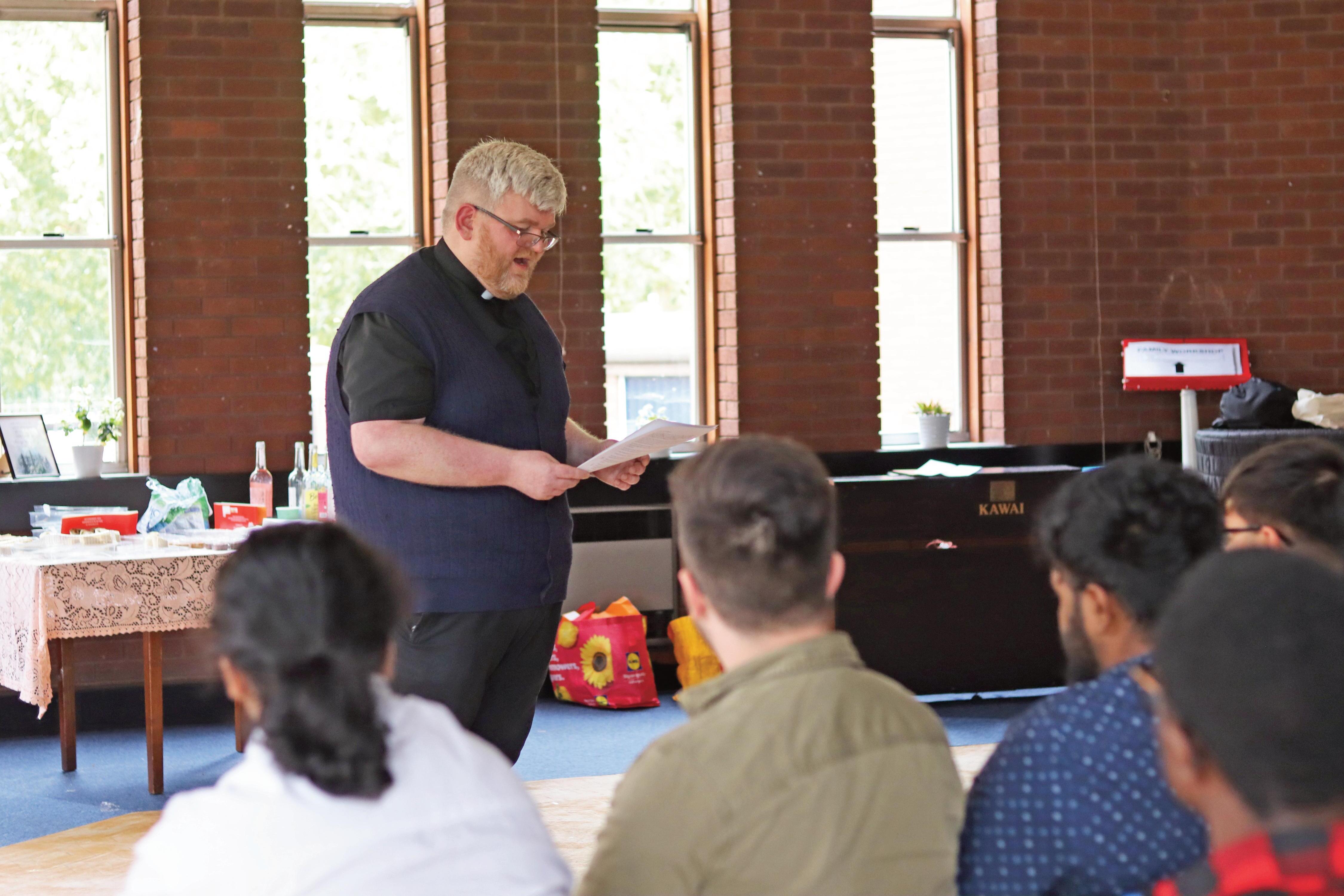
arrived, his answer was simple. “You see hope,” he said. “People that are willing to see what could be.”
The Bishop was very clear about why the afternoon mattered. “Priests do not grow on trees,” he said. “They do not come out of the clouds. They come from parishes.” The turnout had moved him. “I had no idea how many might come, and this is far more than I thought might come.”
By the time the certificates were handed out, the young men in the Cathedral Hall had stopped being strangers. They were swapping phone numbers, comparing parishes, laughing at the stories of how they’d each ended up there on a Sunday afternoon. None of the 37 has committed to anything, and that’s the point. Called by Name asks nothing of them but a willingness to wonder, and to be open to whatever the Lord might be calling them to.
“You got nothing to lose,” said the man from Grantham. “It’s been very no pressure today. It’s very relaxed.”
Or, as the Bishop put it to anyone turning this question over: “Give the Lord a chance.”

If a question like that has been forming in you, or in someone you love, Father Neil Peoples would be glad of a conversation. To find out more scan the QR code or contact the vocations team in your own diocese.
There are no strings attached, just a friendly space to help you hear and respond to the Lord’s call in your life.

You can use both sets of clues to solve the puzzle: the solutions are the same.
CRYPTIC Across
7 Day before a period of abstinence upset the sad voyeurs (6,7)
8 Diverse views of two students in the group? (4)
9 Entirety: perhaps a long time coming? (8)
10 ‘Praise be to God': the French-American and English party embraced (4,3)
11 Lead of apostles appears to dwindle (5)
13 Oracle turned up, seen in company of lowly bishop (5)
15 Outmanoeuvre plan to get rid of dreadful Metro for something new in Paris (7)
18 Sorry Beth, an all-round tart prior to Lindisfarne (8)
19 One attends fires, getting up to no good (4)
20 Converted a Tao lifesaver and beatified one (6,2,5)
CRYPTIC Down
1 Contents of sermon by group Left ignored – it comes from the Parisian quarters (3,10)
2 Rights of Asian country put in a letter from Paul (6)
3 Ahab's wife's the first in jail: ever zealous, ever brazen, ever lustful (7)
4 French chap leaves during the season in Babylonia of old (5)
5 People of the Gold Coast, like before (6)
6 Book's antiquated cover is made for a Navy's Broad Church chap (7,6)
12 Quietly go on to Square assuming that the first of February will bring the Pope (7)
14 You ask how we enter heaven, initially in Hebrew, Lord? (6)
16 Not obligatory in Church to elect four for admission (6)
17 Saul's daughter finds setter near pub, having fallen over (5)
QUICK Across
7 Time at the eve of Lent for confession and absolution of the faithful (6,7) 8 Title given to some bishops (4)
9 Time without end (8)
10 Glory to God in the highest', or 'Praise (be) to God', in the Latin (4,3)
11 Leader of the Apostles, entrusted with the ‘keys of the Kingdom of Heaven' (5)
13 Female seer (5)
15 Beaujolais ------- or ------- Riche, for instance (7)
18 Saint, the apostle of Northumbria (c 635-687) (8)
19 Chinese mafia (4) 20 Saint whose feast day falls on
15 October (6,2,5)
QUICK Down
1 Christ's promise of coming blessings (3,10)
2 Paul's longest letter: a text of primary importance for the Christian theological tradition (6)
3 Wife of Ahab, often synonymous with a wicked, scheming woman (7)

4 Region in modern-day Iraq before it became Babylonia (5)
5 Ghanaian people, alternatively-named 'Ashanti' (6)
6 Poet, Oxford don and son of the founder of the Broad Church movement (7,6)
12 High Priest (7)
14 Popular derivation of the Hebrew proper name for God (6)
16 Given by vow (6)
17 Daughter of Saul, initially promised to David (5)