

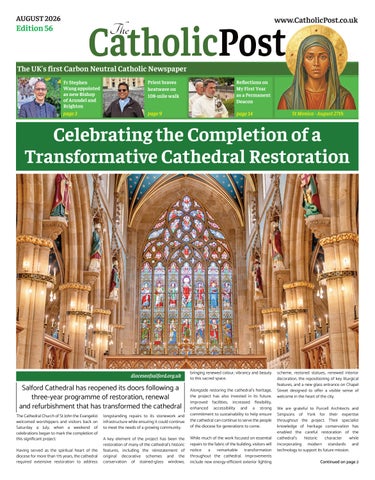
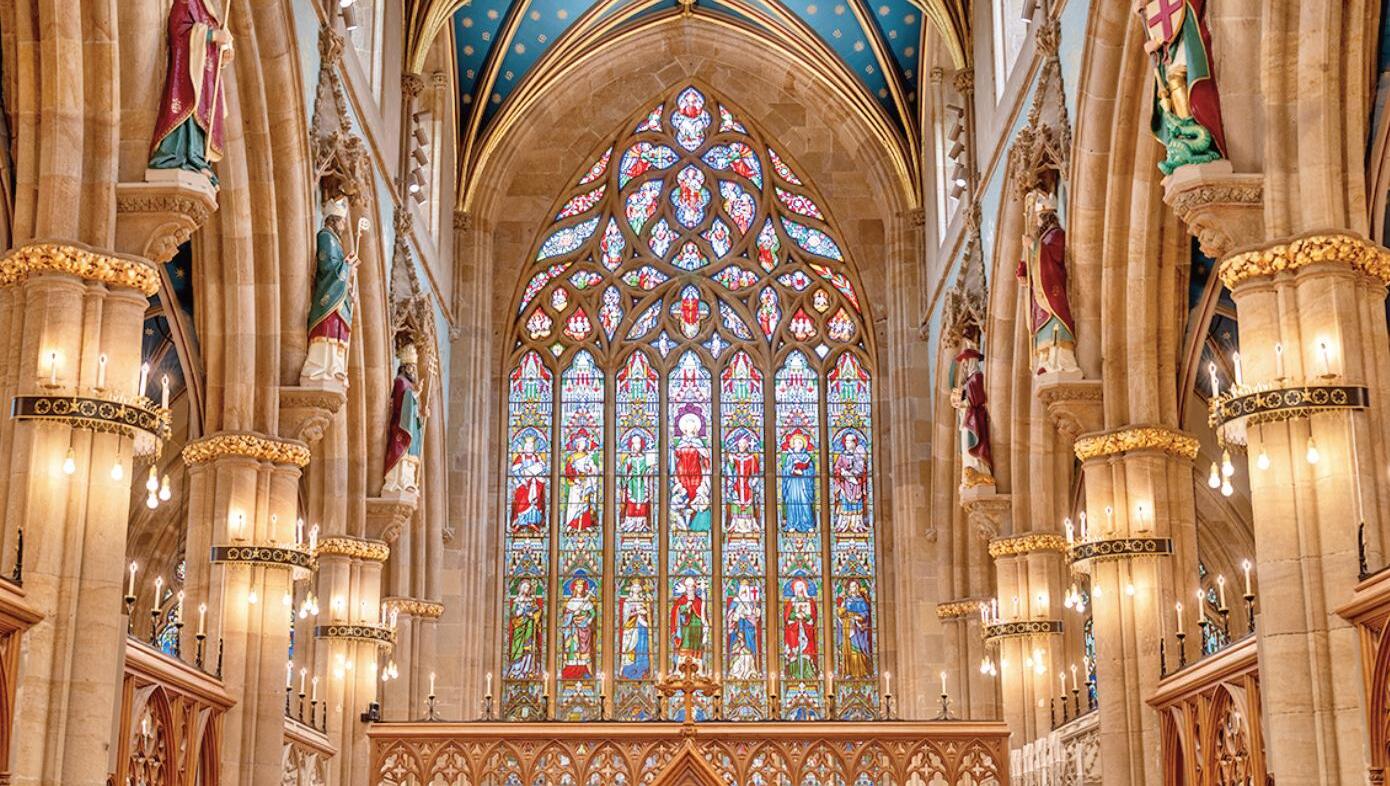
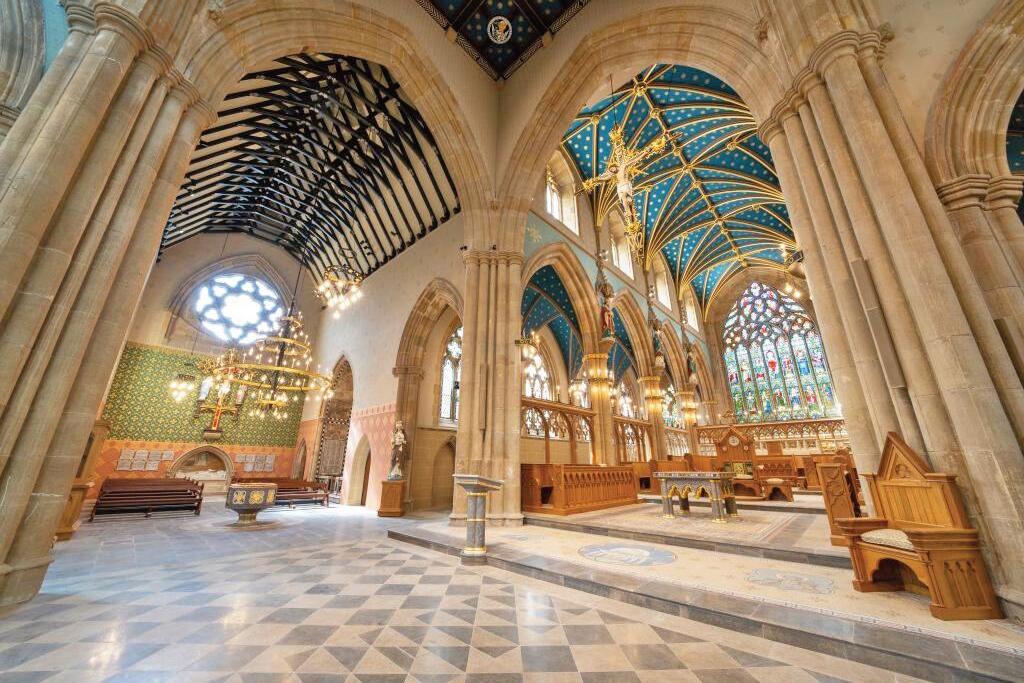
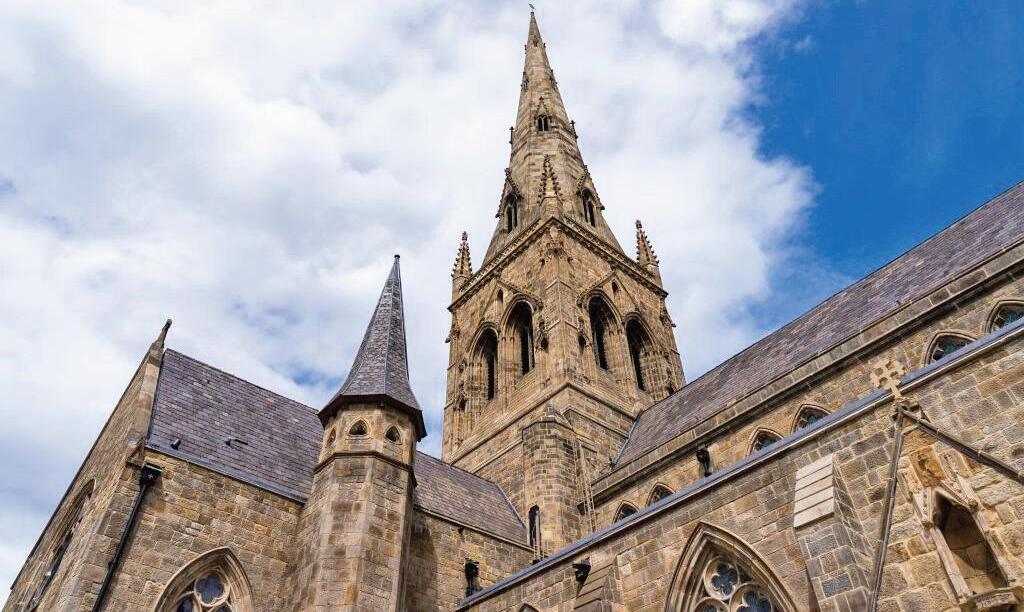
Salford Cathedral has reopened its doors following a three-year programme of restoration, renewal and refurbishment that has transformed the cathedral
The Cathedral Church of St John the Evangelist welcomed worshippers and visitors back on Saturday 4 July, when a weekend of celebrations began to mark the completion of this significant project.
Having served as the spiritual heart of the diocese for more than 175 years, the cathedral required extensive restoration to address
longstanding repairs to its stonework and infrastructure while ensuring it could continue to meet the needs of a growing community.
A key element of the project has been the restoration of many of the cathedral’s historic features, including the reinstatement of original decorative schemes and the conservation of stained-glass windows,
bringing renewed colour, vibrancy and beauty to this sacred space.
Alongside restoring the cathedral’s heritage, the project has also invested in its future. Improved facilities, increased flexibility, enhanced accessibility and a strong commitment to sustainability to help ensure the cathedral can continue to serve the people of the diocese for generations to come.
While much of the work focused on essential repairs to the fabric of the building, visitors will notice a remarkable transformation throughout the cathedral. Improvements include new energy-efficient exterior lighting
scheme, restored statues, renewed interior decoration, the repositioning of key liturgical features, and a new glass entrance on Chapel Street designed to offer a visible sense of welcome in the heart of the city.
We are grateful to Purcell Architects and Simpsons of York for their expertise throughout the project. Their specialist knowledge of heritage conservation has enabled the careful restoration of the cathedral’s historic character while incorporating modern standards and technology to support its future mission.
Continued on page 2

CONTACT US:
The Catholic Post is published by its owners CathCom Ltd and is wholly independent of and separate from any previous newspaper. The Catholic Post is published on the last Sunday of the month previous to publication date.
EDITOR: Nick Layton
email: editor@catholicpost.co.uk
ADVERTISING:
CathCom Ltd.
01440 730399
ads@cathcom.org
DESIGN & LAYOUT:
David Lodge, davidl@cathcom.org
PUBLISHED BY:
CathCom Ltd. N2 Blois Meadow Business Centre, Blois Road, Steeple Bumpstead, Haverhill, Suffolk CB9 7BN
01440 730399
ARTICLES TO:
The Catholic Post
email: editor@catholicpost.co.uk or davidl@cathcom.org
Please send articles for publication by email, supplying any photos separate to the text. We welcome contributions. Here are answers to some basic questions about writing for The Catholic Post How long should articles be?
Usually it seems to work out best if contributors simply say what they have to say and let us worry about finding a spot for it in the paper. What is the submission procedure?
Please send as a Word file attached to an e-mail. To submit articles for publication, send to editor@catholicpost.co.uk
Charts, graphs, and photos should be submitted as separate PDFs. Electronic photos should not be embedded or pasted into a Word document as this reduces their quality.
Photographs and Illustrations
Photographs and Illustrations should be supplied electronically as high resolution JPEG (*.JPG) files).
Photographs and illustrations should be sent in colour with a resolution of 300 dpi and a minimum size of 100 mm x 100 mm when printed (approx. 1200 pixels wide onscreen).
Computer print-outs are not acceptable. Screen captures are not ideal as they are usually not very high
Parental permission should be sought before submitting photographs of minors.
Source information -
DW = Diocesan Website.
ICN = Independent Catholic News
Views expressed in The Catholic Post are not necessarily those of the editor
Last date for copy is the LAST DAY of the month prior to publication.
Bishop John said: “The restoration of our mother church has been one of the most significant and necessary undertakings of our diocese in recent years.
“Many parts of the cathedral were in poor condition, no longer watertight and with failing masonry. As custodians of this remarkable building, we have a responsibility to preserve the fabric of the cathedral for future generations in a way that aligns with our diocesan commitment to sustainability whilst providing the ways and means for Catholics to meaningfully observe the traditions of our faith.
“We hope our newly-restored cathedral will be a place of welcome and community for all
across the city, whilst providing a peaceful, ambient, and encouraging sanctuary of prayer for the faithful in our diocese.”
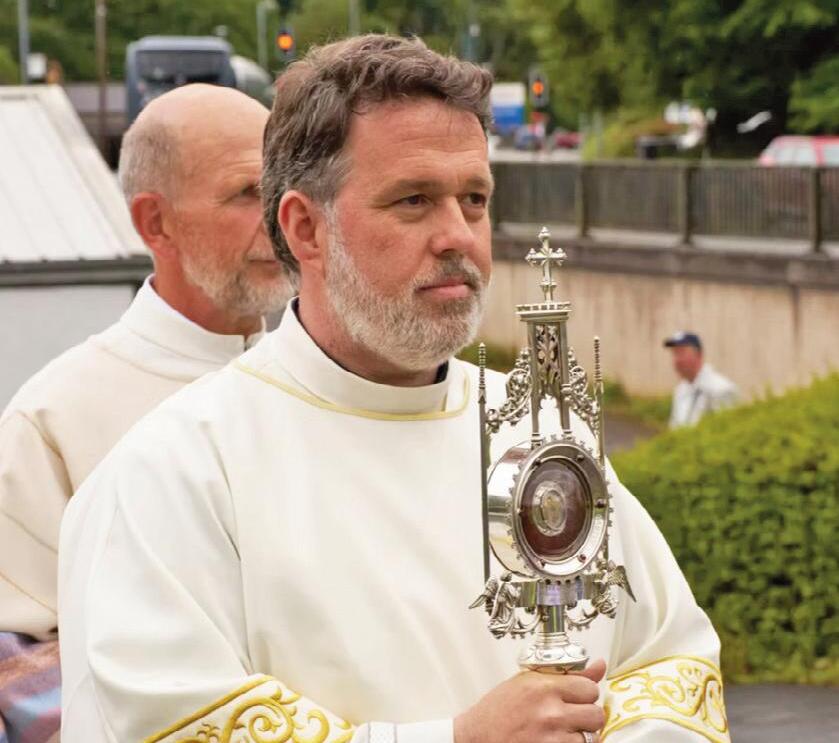
Canon Michael Jones, Dean of Salford Cathedral, said: “We are delighted to be welcoming our parish community and diocesan family back to our beautifullyrestored cathedral this summer.
“Over recent years, we have welcomed ever increasing numbers of parishioners, particularly young people and families, searching for spiritual enrichment and the start of a lifelong relationship with God.
“This project afforded us the opportunity to not only make vital repairs and restore the
Image:
sacred ambience of our cathedral church, but it has allowed us to adapt the cathedral for our growing parish community and to incorporate modern and sustainable features and technologies to provide an inspiring place of worship for generations to come.”
Due to the extent of the repair work required, the project cost in excess of £20 million, with the majority of expenditure dedicated to external repairs. The restoration has been funded through diocesan reserves together with a generous legacy gift from the Albert Gubay Foundation.
We look forward to welcoming everyone very soon!
abdiocese.org.uk
Rector of the Venerable English College in Rome succeeds Archbishop Richard Moth as the Sixth Bishop of Arundel and Brighton
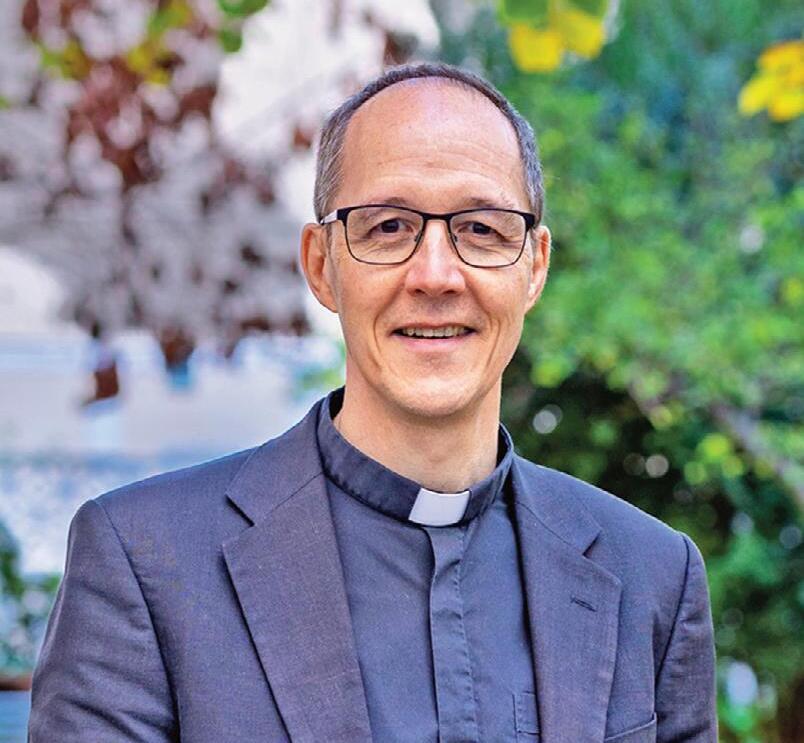
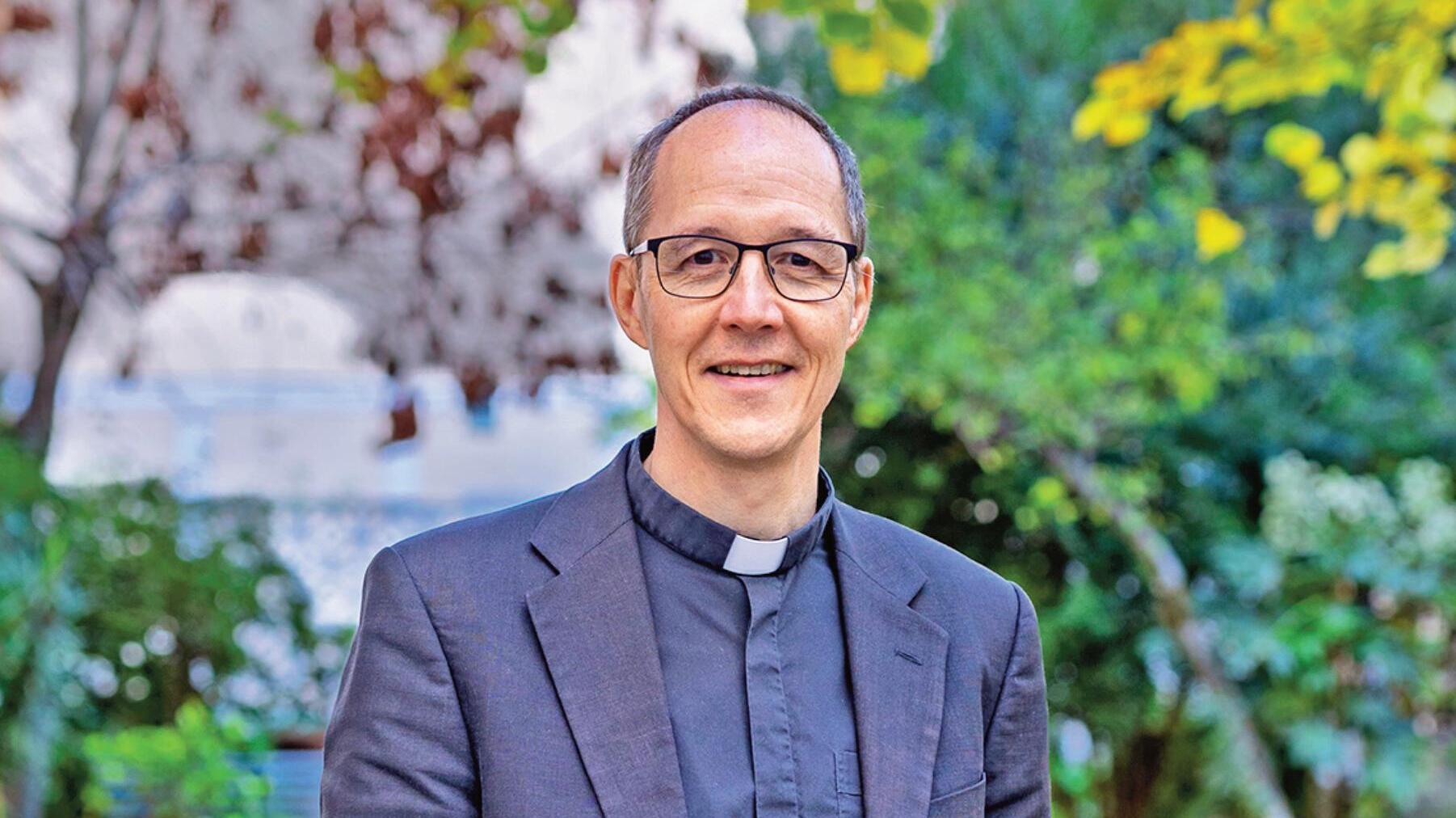
His Holiness Pope Leo XIV has appointed Fr Stephen Wang as the new Bishop of the Diocese of Arundel and Brighton.
Ordained to the priesthood on 3 January 1998, Fr Wang has spent the last five years as Rector of the Venerable English College, one of two English and Welsh seminaries in Rome training men for the priesthood.
On hearing of his appointment, Bishop-elect Stephen Wang, said:
“This appointment has come as a huge surprise. I feel a mixture of gratitude and trepidation; an excitement and curiosity about all that lies ahead; and above all, a sense of peace. I’m grateful to Pope Leo for calling me and putting his trust in me, and to Archbishop Moth for all his care for the Diocese over these years.
“I’m sad to be leaving the Venerable English College, and the Diocese of Westminster. But I am overjoyed at the thought of coming to Arundel and Brighton, getting to know the people, and working together to build God’s Kingdom. Coming from a landlocked diocese
where the hills are no bigger than London buses, I look forward to some wild swimming and walks on the South Downs.
“I will need lots of prayers and support. I hope that even with all my weaknesses I can be a loving shepherd, a spiritual father, and a brother as well. I know that if we put the love of Jesus and Mary at the centre of everything we do, and always seek to love and serve one another, then we cannot go wrong. Jesus will guide us through his Holy Spirit, lead us to the Father, and help us to lead others along the same path.”
Archbishop Richard Moth, Archbishop of Westminster and President of the Catholic Bishops’ Conference of England and Wales, was Bishop of Arundel and Brighton from 2015 to 2026. Reflecting on Fr Wang’s appointment, he said:
“I warmly welcome the appointment of Bishopelect Stephen Wang as the Bishop of Arundel and Brighton and thank Pope Leo XIV for providing for the needs of the diocese. Bishopelect Stephen has served the Church in many roles, most recently as the Rector of the Venerable English College in Rome. He will bring a wealth of experience to this role, and I am delighted for both Bishop-elect Stephen and for the people and clergy of Arundel and Brighton.
“I ask all in the Diocese of Arundel and Brighton to pray for him as he prepares to serve as their bishop.”
The Metropolitan Archbishop of Southwark, Archbishop John Wilson, whose ecclesiastical
Each of us has a role to play in caring for our beautiful world. Until recently, we would have had to travel to experience temperatures as high as in the UK recently. Many of our people, and much of our magnificent native trees and flora are stressed by the heat.
But what about the plight of those in hotter countries than us? What about those in the beautiful places that we like to visit, but that are now being overcome by a rising sea? Is God going to ask us what we did, or did not do, in our lives, to ensure that we cared?
Our small actions to care for our world and its peoples, our sacrifices, really matter. Our love for others, matters. Each time we can show that we care, it matters. Small actions have huge impact.
province includes the Diocese of Arundel and Brighton, welcomed the new appointment, saying: “I am delighted that the Holy Father has appointed Fr Stephen Wang as the sixth Bishop of Arundel & Brighton. I welcome him most warmly to the Province.
“Fr Stephen has a real heart for the Lord and a love for God’s people. His passion for formation and mission comes through clearly in his ministry. His work founding the ‘Sycamore’ initiative to share the Christian faith and its relevance today is testament to his commitment to evangelisation.
“Fr Stephen’s many gifts will serve him well as a pastor for the people and clergy of the diocese. I pray that the Lord blesses him abundantly in the years ahead.”
Canon Jonathan Martin was appointed as Diocesan Administrator of Arundel and Brighton in February this year, highlighting the great gift of a new shepherd for the people of the diocese he said:
“I am delighted that the Holy Father has appointed Fr Stephen Wang as our new bishop, and I am certain that this news will bring great joy to all the Faithful of the Diocese. Bishopelect Stephen will be known to many of us; we assure him of an affectionate welcome and of our prayers as he prepares himself for his episcopal ordination, and this new ministry to which the Lord has called him.’
The Mass of Episcopal Ordination and Installation will take place at the Cathedral Church of Our Lady and St Philip Howard, Arundel, in the Autumn.
A reflective prayer traditionally attributed to Sir Francis Drake: Disturb us, Lord, when we are too well pleased with ourselves, when our dreams have come true because we dreamed too little, when we arrived safely because we sailed too close to the shore. Disturb us, Lord, when with the abundance of things we possess, we have lost our thirst for the waters of life; having fallen in love with life, we have ceased to dream of eternity, and in our efforts to build a new earth, we have allowed our vision of the new heaven to dim.
Disturb us, Lord, to dare more boldly, to venture on wider seas, where storms will show your mastery; where losing sight of land, we shall find the stars.
We ask you to push back the horizons of our hopes, and to guide us into the future in strength, courage, hope and love. Spirit of God, disturb, renew, encourage and guide us day by day. Amen.
www.crownofthorns.org.uk email: office@crownofthorns.org.uk
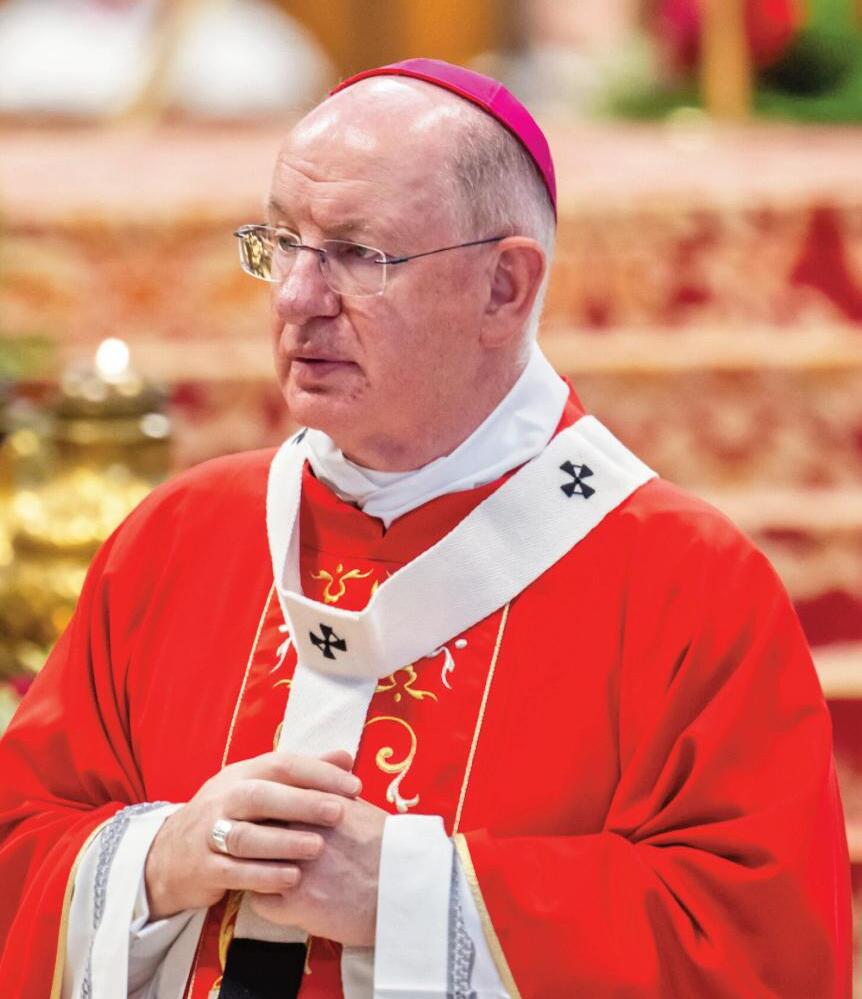
Archbishop Richard Moth received the pallium from Pope Leo XIV during Mass in St Peter's Basilica on the Solemnity of Saints Peter and Paul, today, Monday 29 June.
The Archbishop of Westminster was among 35 metropolitan archbishops from around the world who received the pallium during the annual celebration, presided over by the Holy Father in the Vatican.
The pallium, a narrow band of white wool marked with six black crosses and worn around the shoulders, is a symbol of the pastoral office of a metropolitan archbishop, his communion with the Successor of St Peter, and his responsibility to shepherd the faithful entrusted to his care.
During the rite, Pope Leo bestowed the pallium 'taken from the tomb of Blessed Peter' upon each metropolitan archbishop, praying that it would be 'a symbol of unity and a sign of communion with the Apostolic See', as well as 'a bond of charity and a source of strength' in their ministry.
Speaking before the conferral of the pallia, Pope Leo explained the significance of the ancient symbol: "These bands of white wool adorned with crosses express the commitment of every Shepherd - and also of every Christian - to take upon their shoulders the brothers and sisters entrusted to them, like so many lambs of the Lord's flock, and to sacrifice their energy, time, effort and even their lives for them."
He added that this service is offered so "that the Gospel may reach everyone, and the whole world may find in it harmony and concord."
The Solemnity of Saints Peter and Paul has long been the occasion on which newly appointed metropolitan archbishops receive the pallium, expressing both their pastoral responsibility within their ecclesiastical province and their communion with the Bishop of Rome.
Archbishop Richard Moth was appointed Archbishop of Westminster by Pope Leo XIV earlier this year, succeeding Cardinal Vincent Nichols as Metropolitan Archbishop of Westminster.
Church communities are out in force to help deeply traumatised people in the wake of the deadly devastating earthquakes that hit Venezuela. Priests, who have been accompanying the wounded in hospitals in Caracas, said "the reality is devastating".
One priest said: "Before giving the sacrament of the sick to a mother, I asked her how she felt. She smiled, and answered: 'I'm alive,' and then added: 'everything is going to be all right. I have just had both my legs amputated, but we are going to move forward.'
"Another mother asked me, before I gave her the sacrament: 'Pray for my little children, who died.' And a young girl, in tears, told me that she had lost her parents, her grandparents and her siblings."
Archbishop Raúl Biord of Caracas told ACN: "For those who survived, it was a miracle, but we lost many people... One of the most important things now is to listen. We know of many families that had to remove their dead from the rubble themselves."
According to the latest official figures more than 1,400 people have been confirmed killed, with more than 3,000 wounded after two earthquakes measuring 7.2 and 7.5, less than a minute apart, shook the country.
Tens of thousands remain unaccounted for.
La Guaira, a coastal town near Caracas, suffered the worst damage from the twin quakes.
Seminarians were in the Seminary of St Peter and St Paul when the earthquake hit at 6pm local time. Archbishop Biord said: "The seminarians were in the building when the earth shook. "There were some lightly wounded, but nobody was killed and both the seminarians and their formators were able to leave. We can say that it was a miracle. However, the building is inaccessible, it cannot be used and it was heavily damaged. They lost everything, even their clothes and shoes… Nothing was left."
The seminarians have been moved to Caracas, where they will receive psychological care to help them overcome the trauma they experienced.
Several regions remain without electricity and many buildings collapsed completely, while others suffered so much structural damage that they are unusable.
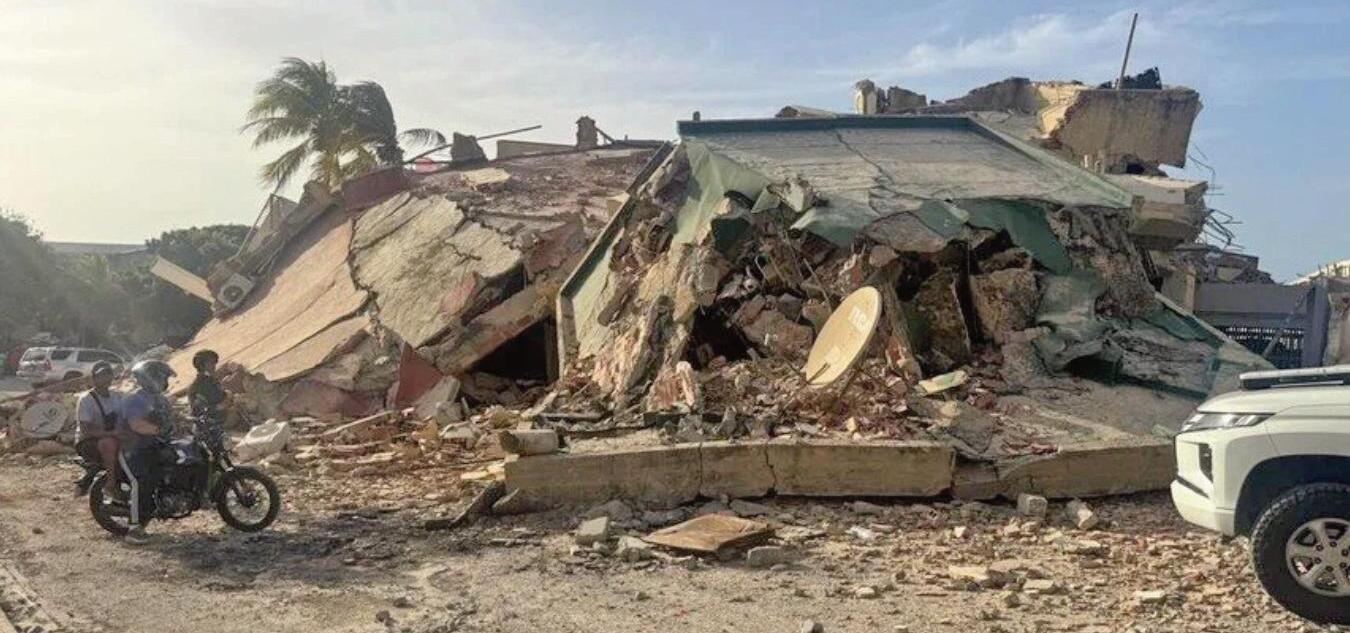
Church sources who spoke to ACN estimate that around 250,000 people may have been left homeless due to the earthquake. Many banks are still closed, so people are unable to access cash to cover their basic needs.
Archbishop Biord said: "We should take time to organise the aid we require. The needs are immense. Naturally, the main priority now is to rebuild lives. We have lost so much. We need to care for those who survived. Priests and religious, as well as Caritas volunteers and pastoral agents must tend to the needs of thousands of people who have been badly traumatised.
"This will be one of the biggest priorities for the diocese over the coming months, to support and train those who will be on the front lines of this pastoral accompaniment."
ACN has approved a first support package of €100,000 (£86,410) to help the Church in Venezuela respond to the tragedy.
The aid will help to support priests, religious communities and other pastoral workers who are sheltering families, helping survivors and offering spiritual support in the wake of the tragedy.
Archbishop Biord thanked ACN and other charities for their help. He said: "We really need your support. It helps us to rebuild our lives and our country, together."
Nathalie Raffray
rcdea.org.uk
As the diocese of East Anglia celebrates their 50th anniversary let us remember the great places and events that mark the living Faith of places and people in
Bernard Rolls OSA, Prior of Clare Priory (an Augustinian prayer and retreat centre as well as a parish in its own right), writes about its long and disrupted history.
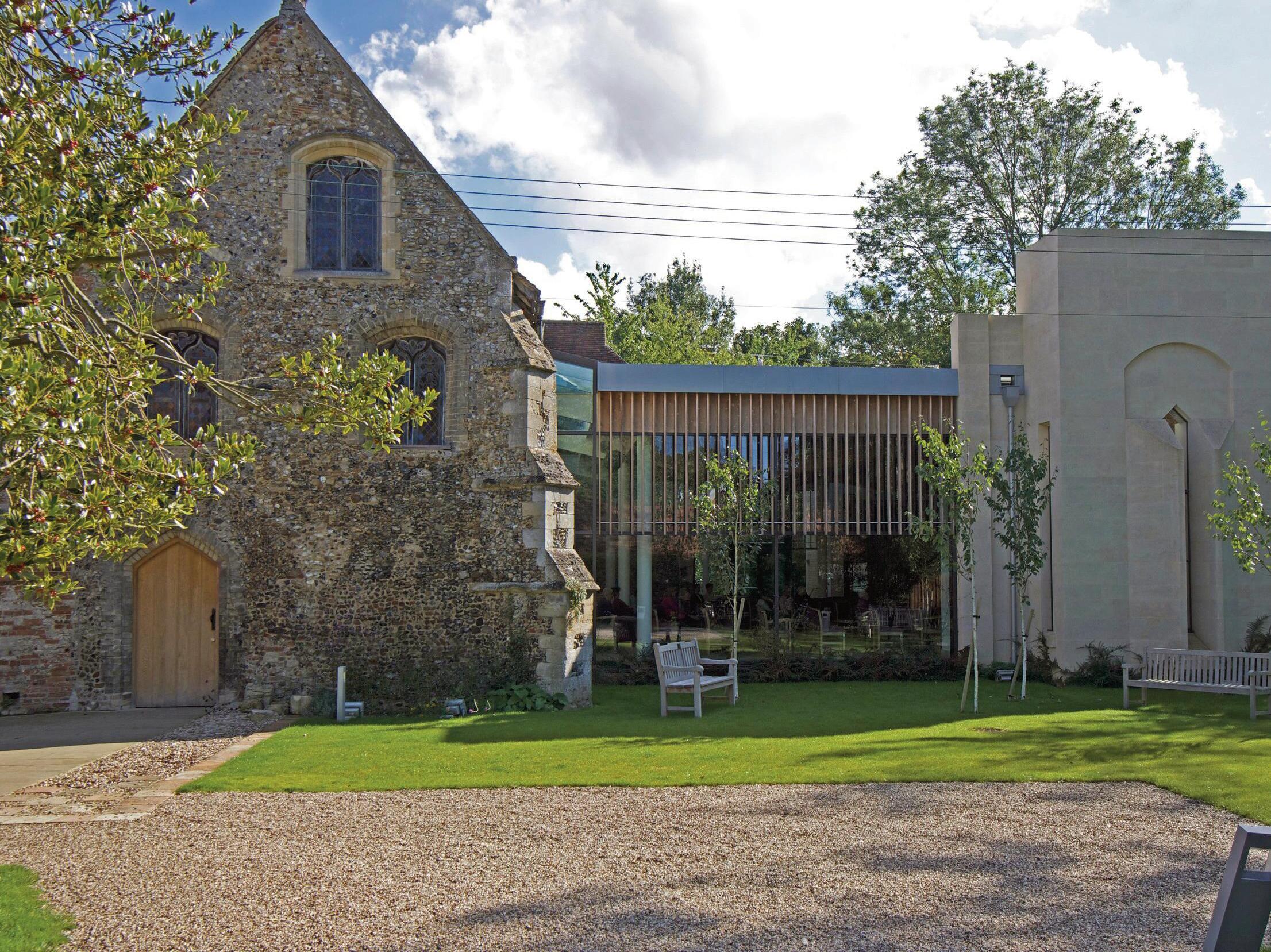
After an absence of 415 years, the Augustinian friars returned to Clare Priory in 1953, to what had been their first house in England and indeed in the English-speaking world. The absence, initiated by agents of Henry VIII in 1538, may have been longer than their original presence, but the returning friars found many elements of the medieval priory out of which to form the ‘returned friary’. The name and identity of the original owners still clung on; the Prior’s house had been adapted as a family home, and the infirmary and dormitory building had been adapted as a barn. One complete wall of the medieval church still stood, and both cloisters were basically intact. Once again there has come to be a community presence, now running a parish and a retreat centre. The friars of 1249 came mainly from Italy and from Norman France or Belgium; in 1953 they came from Ireland. Today’s community is English but is likely to be more cosmopolitan in the future. The infirmary building became the church, adequate in those initial times for the parish, but soon outgrown by the number of parishioners and pilgrim groups.
The Augustinian Order was formed by Pope Innocent IV (1244). There existed in the Tuscan Hills, along pilgrim routes to such places as Rome and Loreto, small communities of what were known as hermits. These communities would each have about a dozen members, following the rule of St Augustine. Within a few years they had reached out beyond Italy, some setting up communities in France, and it was there that they met Richard de Clare, one of the wealthiest and most cosmopolitan of the Norman earls (with lands in France, England and Ireland). He invited them to come to his lands in Clare, Suffolk. Why? Perhaps he was prompted by his acquaintance with Cardinal Annibaldi, protector and promoter of the friars, or by King Henry III, an ardent supporter of the friars, be they Franciscan, Dominican or Augustinian. To arrive in Clare in 1248 they had to have been directed there. They started building immediately in the shadow of a great Norman castle.
friars swelled rapidly, and four houses of studies were founded by 1300. Through the de Clare family links they had by then also established houses in Ireland. Unlike monks, who usually take a vow binding them to stay within their monastery, friars are expected, when ordered by their superior, to move from friary to friary over time. The popes gave friars the right to beg for their sustenance, and each friary had its own territory or ‘limit’. As such, the black-habited Augustinians were well known throughout the area from Clare to Hatfield, Chelmsford and Mersea. Some 300 towns and villages in Suffolk and Essex were regularly visited. In 1296, when Edward I visited Clare Priory, it had 29 friars. The king’s daughter Joan of Acre (not to be confused with Joan of Arc) resided in Clare Castle where, for example, two friars sang Mass daily, and members of the family were buried close to the high altar in the priory church.
The friars worshipped, prayed, studied scripture and engaged in teaching and preaching for up to two hours, and were expected to be entertaining. They spoke in English (not Latin as in the monasteries) and were popular with the common people. They kept the vow of poverty, had no personal possessions, and lived on others’ goodwill, as they still do. They helped the destitute and tended the sick. They provided hospitality to travellers, especially those on pilgrimage to major sites like Walsingham or Canterbury. They thrived, and the priory was rebuilt and expanded just before the Black Death wiped out half the population in the late 1340s. Thereafter the number of friars and priories went into decline. By the time that Henry VIII
suppressed all religious houses between 1536 and 1540, there were only 15 friars at Clare.
The last prior accepted a position as a canon of Norwich Cathedral. Some friars accepted the Reformation, and others lived on as parish priests or on small state pensions. Richard Ingworth, the King’s agent, took possession of all the priory lands and buildings, and arranged for their sale to the King’s trumpeter, no less, a man called Richard Frende. The church and many buildings were pulled down, and the materials recycled in new builds around the town and to turn the Prior’s house into a grand manor house. Until recently, the old Post Office still had beams from the church. In 1596 the land was acquired by the Barnardistons from Kedington (near Haverhill) and passed through a female line to the Barker family.
Lady Mary Barker, who died in 1940, urged her daughters to find the friars and hand the priory back to them. They did so, and the friars returned in 1953.
Clare has changed a lot since 1953. The smallest market town in Suffolk has become less of a centre of local crafts and trades and more the home to commuters and retirees. The train line was a victim of the Beeching cuts of the later 1960s, Clare one of 2,673 stations to close. It is a quiet, peaceful place. From 1953 onwards, the priory was used first as a house of studies, then as a novitiate until specialist facilities in Ireland took over. But as a place of peace and quiet, it soon developed as a retreat house for people from the diocese and beyond. As well as providing modern en-suite accommodation, where the old stables and garage once stood (the block opened in 1998),
the Grade I listed house is ideal for small and quite large gatherings, for those staying or coming for Quiet Days, and food can be provided. Attempts to build a new church were thwarted for many years by English Heritage’s dislike of every proposed change in such a historic site. Finally, an award-winning design was accepted, and the new church was built into and out of the medieval infirmary and was dedicated in 2013. It now fits, but only just on major feasts, all who want Mass.
Since the late 1960s, the priory has taken on its present use as a house of quiet retreat, a place of prayer and meditation, a place to find peace and sort out personal problems alone or with the help of a member of the community; alternatively, one can participate in lively but intense retreat weekends with the younger Church. A warm welcome awaits all who visit. The church, extensive gardens, benches, medieval ruins, orchards and walks give ample space and facilities to enjoy the peace in the fresh air, while Clare Country Park and the town are just across the footbridge. Some people come for a day, others for several days or more, and depending on whether their stay is quiet or even silent, they mix in with the community for meals and prayer time in the main house with its medieval and later features. Many friars visit. One visitor who came in his role as Prior General or Superior of the worldwide family of the Austin, or Augustinian, friars was Fr Bob Prevost OSA, whom we now call Pope Leo XIV. He came twice and stayed in the stable house. Will he visit again? Will you come in his foot- steps?

Fr David OMalley
My Dad was packing to go on pilgrimage to San Damiano in Italy. He was putting baked bean tins into his bags. When I asked what he was doing he said that he couldn’t trust the foreign food and was taking no chances! When he came back, he asked me for a recipe for lasagna and made some for the whole family! He had made a culinary journey and was now in a different place. That is part of the pilgrimage experience. You change what is familiar to you and risk seeing things differently, and then you are opened up, broadened in your views. All travel can achieve that change to some extent, but Dad was going on a pilgrimage which meant it was an intentional journey and not tourism. He was about to retire and wondered where his life would go next. He had questions about priorities: where he might spend his energies and how he would live out his relationships beyond the world of work. In Italy, San Damiano, St Francis and St Clare would offer clues to all those questions. Once he made that intention to search for the next steps, he was no longer a tourist, he had become a pilgrim. His focus was on change and personal transformation as a child of God.
In the last decade Catholics have begun to speak about the ‘Catholic Sacramental Imagination ’ as a particular focus of their thinking. It involves seeing all of life through the eyes of Christ and recognising that sacred presence in creation, in events, in personal experiences and in other people. In Catholic thinking pilgrimages need to be seen with such a sacramental imagination. In fact, the church describes pilgrimage as a ‘sacramental,’ an outward sign of God’s presence but not instituted by Christ like the main seven sacraments of the church. A sacramental can reveal to a person who is open to it, an insight into the soul. Then the pilgrimage experience becomes a mirror for that soul and it can clarify some of the questions such as my Dad was taking to San Damiano. You could say that Dad was taking his soul for a walk to allow God to change and move him to greater holiness. It would be a journey to Italy but also a journey through his own inner spiritual landscape that would leave him forever changed.
Pilgrims of many faiths often trace their legacy back to Abraham and this verse from the book of Genesis:
The Lord said to Abram: Go from your land, your relatives, and your father’s house to the land that I will show you. (Gen 12.1)
You will notice that Abraham had to leave before he had a destination. He would be shown his destination once he was on the move. There was no security, no route map, no clear finishing point. He had to step out in trust with a God who would guide him. Later, in the book of Deuteronomy, the Jews were instructed to recite:
‘My Father was a wandering Aramean’ (Deut 26.5)
and the whole nation took on the identity of pilgrims as they traveled through Egypt, then through the wilderness and into the promised land. In our own times as Catholics, we too have adopted that identity as a pilgrim church that does not have all the answers and is still in need of renewal and change. The Vatican II document Lumen Gentium (6) reminds us that our whole church is a pilgrim travelling together towards our homeland in heaven.
But what about the individual pilgrim? What draws a person today to go from their own place to one that is far away? What drives people to undertake journeys, take risks, meet with strangers, and test their strength and stamina against the unknown? I believe they are all searching for sacred meaning. People head off on pilgrimage when their sense of purpose and direction has become too vague to shape their deepest hopes and dreams. On the surface they may speak about going for healing, or to experience church and prayer in a different way. They may talk about breaking the routine of their lives and widening their world view but at the deepest level they are also looking for Jesus. That may be expressed in a desire for healing or deepening the
belonging felt with other pilgrims and the church. In the end, setting off on a pilgrimage is an act of faith that leaves each of us open to change. It is an act of surrender to the presence of Jesus as a companion on the road that leaves us vulnerable and open to a change of heart.
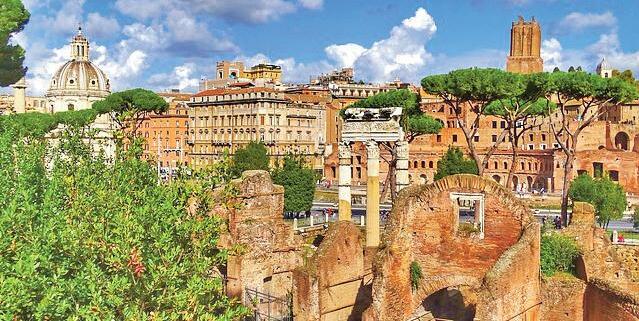
You can choose one of the larger pilgrim journeys going to Rome, Jerusalem, or a bit nearer in Lourdes and Fatima. Closer still you can visit Walsingham in Norfolk and Knock in Ireland. There you can experience liturgies, talks, masses, reconciliation and healing services. In those places you experience a different sense of time as well as place. You can look at your life, your priorities, friendships, and routines from a fresh place and in the presence of the Lord. You can walk and talk with other pilgrims with a freedom that renews your hopes and dreams and your spiritual energies. But you don't need to go so far to find a pilgrimage destination. The guide, “Britains Pilgrim Places” has six hundred pages of listings of sacred and Christian sites which we can walk towards prayerfully along pilgrim paths. The destinations include Cathedrals, crosses, wells, caves, and shrines. There are many pilgrim paths being revived around the country, especially around Canterbury Cathedral, Holy Island, and coastal paths in Wales and Scotland.
St James’ Way runs from Reading to Southampton for 65 miles and is one of the many starting points for the international route to Santiago de Compostela, perhaps one of the busiest Christian pilgrim routes in the world.
Iona is an international pilgrim destination with a focus on Celtic spirituality found in the west of Scotland. In North Wales you can make a pilgrimage to St Winifred's Well especially to seek for healing. My own parish joins a diocesan pilgrimage to the remote hamlet of Padley in Derbyshire to honour and gain strength from the Catholic martyrs from that place. Lourdes, Walsingham and Knock share a common focus on apparitions of Mary, the mother of Jesus, and focus on healing, the rosary as a devotion, and the opportunity for confession. They also link us intimately with the lives of the saints, those guides from history for our own journey. Bernadette, Francis of Assisi, Theresa of Lisieux and many others share with us on a timeless journey. These pilgrim places and faces are settings where lives can be rebuilt, fears calmed, guilt forgiven and hope restored. All of these pilgrim centres can tell stories of remarkable cures but more importantly all of them testify to a deeper healing of the pilgrim soul.
Most pilgrims agree that it is more important to travel together than to arrive. The pilgrim journey throws people into a space where everyone is equal, and people can let go of their role and focus on the soul. The repetitive patterns of walking, talking, silence and prayer stretch the pilgrim perspective inwards into a sacred landscape that is always within us. That slow, rhythmic pattern is always available every day: walking to work, doing the big shop, going to visit a relative can all become a mini pilgrimage. The heart of a pilgrim is the intention with which we travel so baked beans are not necessary. Sorry Dad.
liverpoolcatholic.org.uk
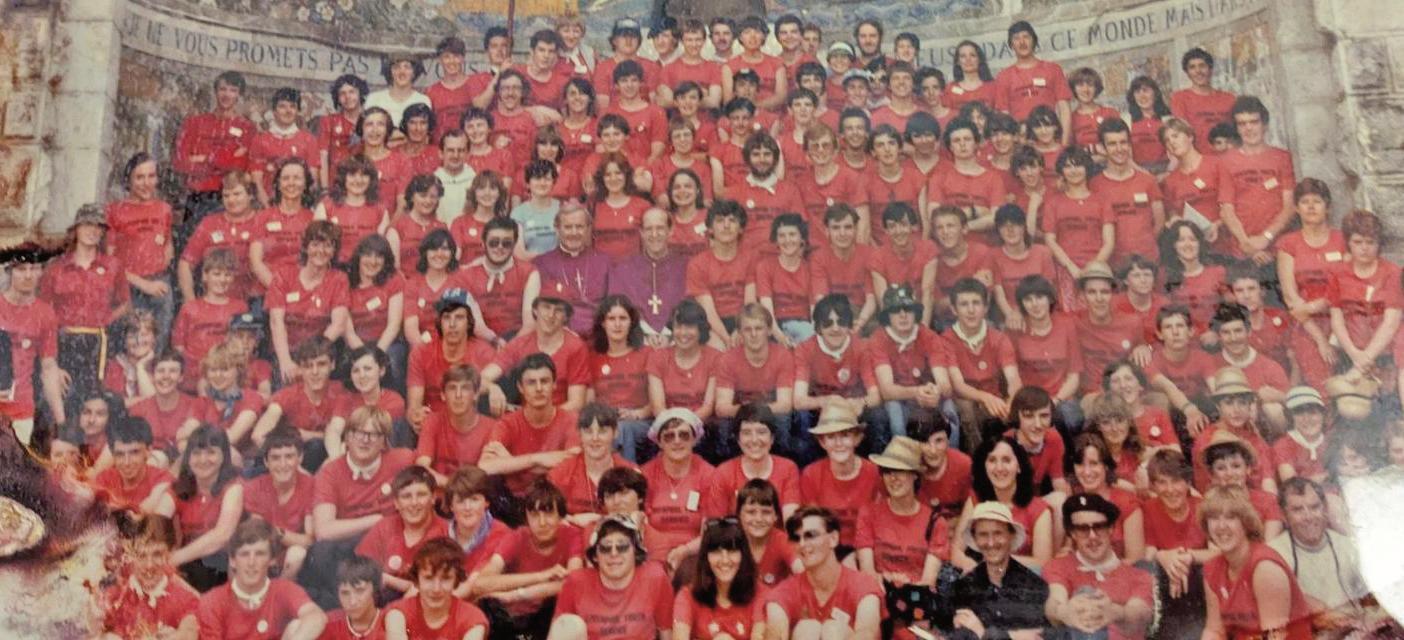
July marked 50 years since the first Liverpool Youth Pilgrimage. To mark this anniversary, we spoke to Louise Crossey who played an integral role in establishing the first archdiocesan Lourdes youth pilgrimage
“Working for the archdiocesan youth service for 14 years was a fabulous job. I’d been a teacher before, and I went back into teaching afterwards, but those years were incredibly special.
“I remember being invited to a meeting with Fr Pat Harnett because the Lourdes pilgrimage needed more support and helpers to work with the sick. Someone suggested that young people could come to help, and from there it just grew.
“I went around parishes across the whole archdiocese - even the Isle of Man - knocking on doors and asking parish priests to invite young people to come along. Most of them didn’t have much money to go (it wasn’t for free), so they raised it themselves through parish donations, sponsored walks and raffles. A high percentage of the young people had never even been out of the city, never mind the country. Most of them didn’t even have
passports, though thankfully my dad worked for the passport office so I helped them get one sorted.
“The first youth pilgrimage had two coaches filled with young people, chaplains and leaders, around 100 people total. We all wore black tshirts on the first trip, as they were the cheapest, but over time we switched to red and now of course we have the famous yellow shirts the youth still wear today.
“The highlight for me was definitely the effect it had on the young people and the kids, socially, educationally and spiritually – it surpassed our wildest dreams of what we could give to the young people. They could go to another country – for many of them, for the first time – socialise with youth from all different areas of the archdiocese – even learning a bit of French. Many of them had never mixed outside their own area before, and suddenly they were forming friendships with
young people from all over the archdiocese and beyond.
“The journey itself became part of the pilgrimage. It took two nights to get there and we stayed in hostels on the way. The young people were nervous and apprehensive at first, but by the end of the journey they had all amalgamated together. They swapped seats, sang songs, played bingo and became one group. I can still remember making sandwich lunches for them on the coach using the cheapest fillings we could get – pilchards and Spam - the kids didn’t have much money, so we provided everything.
“When we arrived in Lourdes, the young people lined the station waiting for the sick pilgrims to arrive, cheering them as they came in. That spirit of care and joy stayed with them throughout the week. The young people brought vitality and fun to the pilgrimage, and it was incredible to see how naturally they looked after the sick pilgrims.
“My role in Lourdes was coordinating the work in the hospital and the number of young people needed in transporting the sick people to the grotto and other services often three times a day. Getting the timings and the numbers of young people right was essential to things running smoothly. I also organised which wards the young people would visit for the nightly sing songs to entertain the pilgrims.
Overall, it was a huge responsibility, but the whole experience was enjoyable. It really widened the horizons of so many young people.
“Ever since that first pilgrimage in 1976, many things have changed. They have gone from two coaches to seven, from staying in accommodation out of the city and improving modes of travel.
“But the aim has always stayed the same. To give the young people an understanding of a living faith.
“Some of those young people even met their future husbands and wives on pilgrimage, and now their own children go to Lourdes. I’m still in touch with some of the young people we first took. Some went on to be coach leaders, priests, deacons and nurses.
“By the time I left, we were taking around 500 young people from places including Liverpool, Crosby, St Helens, Lancashire, Warrington, Knowsley, Wigan and the Isle of Man.
“I’m delighted that the pilgrimage is still going strong today. What started with just two coaches became something really special for generations of young people, and for so many of us it truly was the most incredible week of the year.”
rcdea.org.uk
A parish priest from Peterborough is undertook a remarkable 108-mile pilgrimage during the recent heatwave in June to mark the Golden Jubilee of the Diocese of East Anglia while raising funds for persecuted Christians around the world
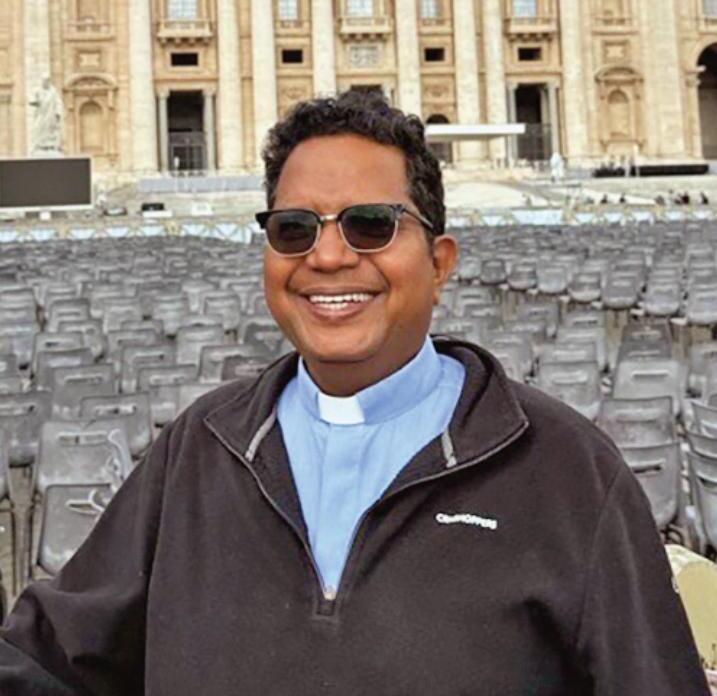
Fr Arockiya Seelan, Parish Priest of Sacred Heart and St Oswald, Peterborough, set out on a six-day walk to the Cathedral of St John the Baptist in Norwich ahead of the diocesan Jubilee celebrations on 26 June.
As well as marking the Diocese’s 50th anniversary, Fr Seelan is raising funds for Aid to the Church in Need (ACN) as the charity marks the 10th anniversary of its global
#RedWednesday campaign. He hopes to raise £1,000 to support Christians facing persecution, particularly children and families living amid conflict, discrimination and displacement.
The challenge has been made even more demanding by the exceptionally high temperatures experienced across the country.
Fr Seelan said: “I’m walking 108 miles over six days, but I didn’t consider the fact the temperature will be in the 33, 34 degrees – I’ll have to start early in the morning because it’s going to be hot, it’s going to be exhausting.”
Despite the physical demands of the journey, he remains focused on its purpose.
“There are persecuted Christians – especially children in Kenya and across Africa – who have to walk long distances to protect themselves from conflict and violence. I’m not really a walker so having a purpose will help.
“I have also told people they are welcome to walk with me, even if it’s only two hours or a longer stretch.”
Fr Seelan began his pilgrimage on 20 June following his parish fair, accompanied by parishioners for the first stage of the journey.
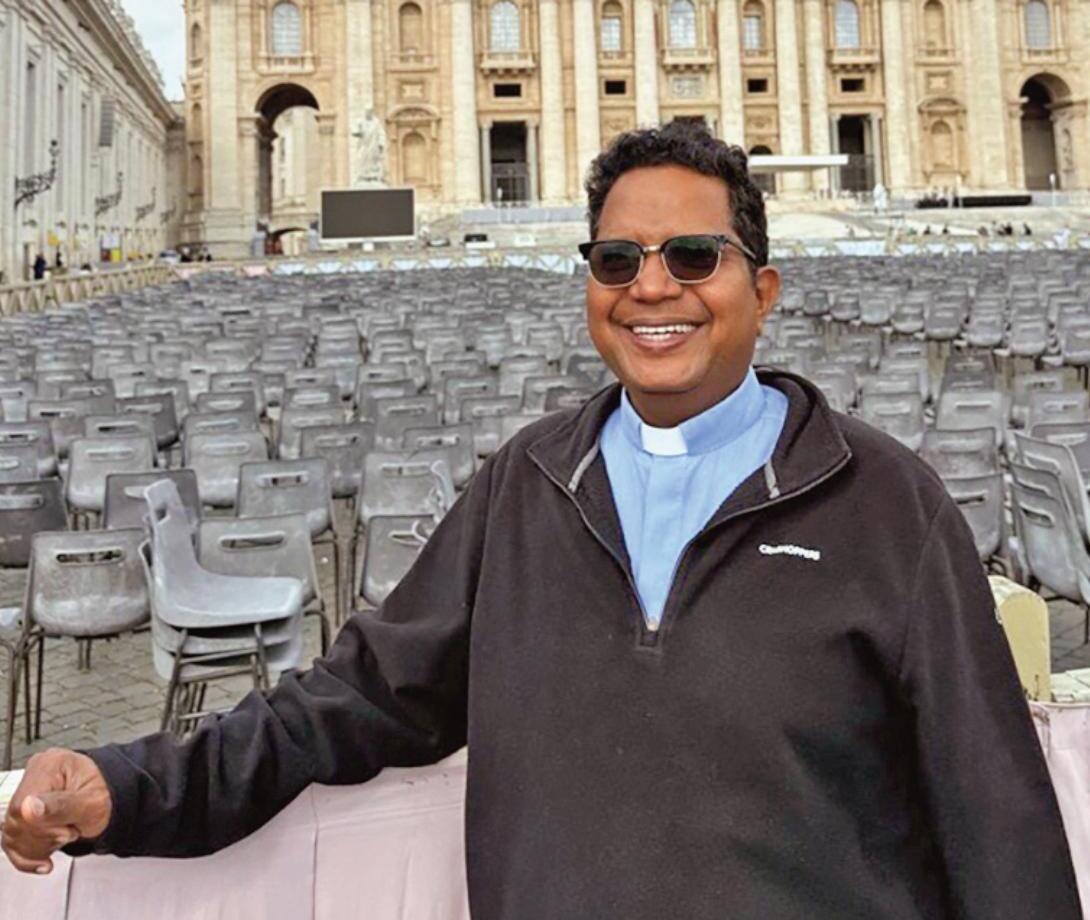
The following day he set off at 4am in order to reach Spalding in time to celebrate Mass before continuing on to Holbeach.
His pilgrimage has also been balanced with the demands of parish ministry. On 22 June he
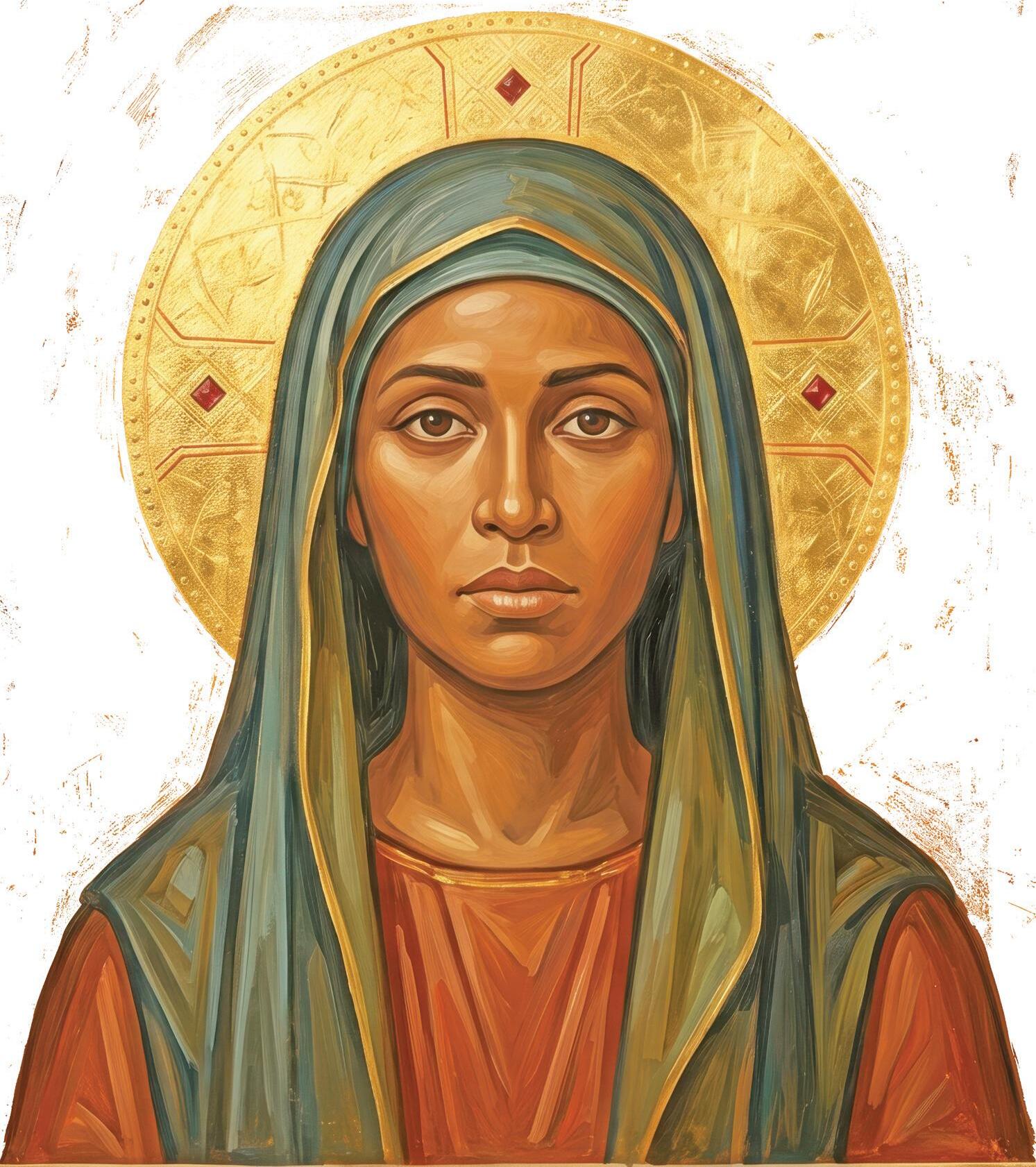
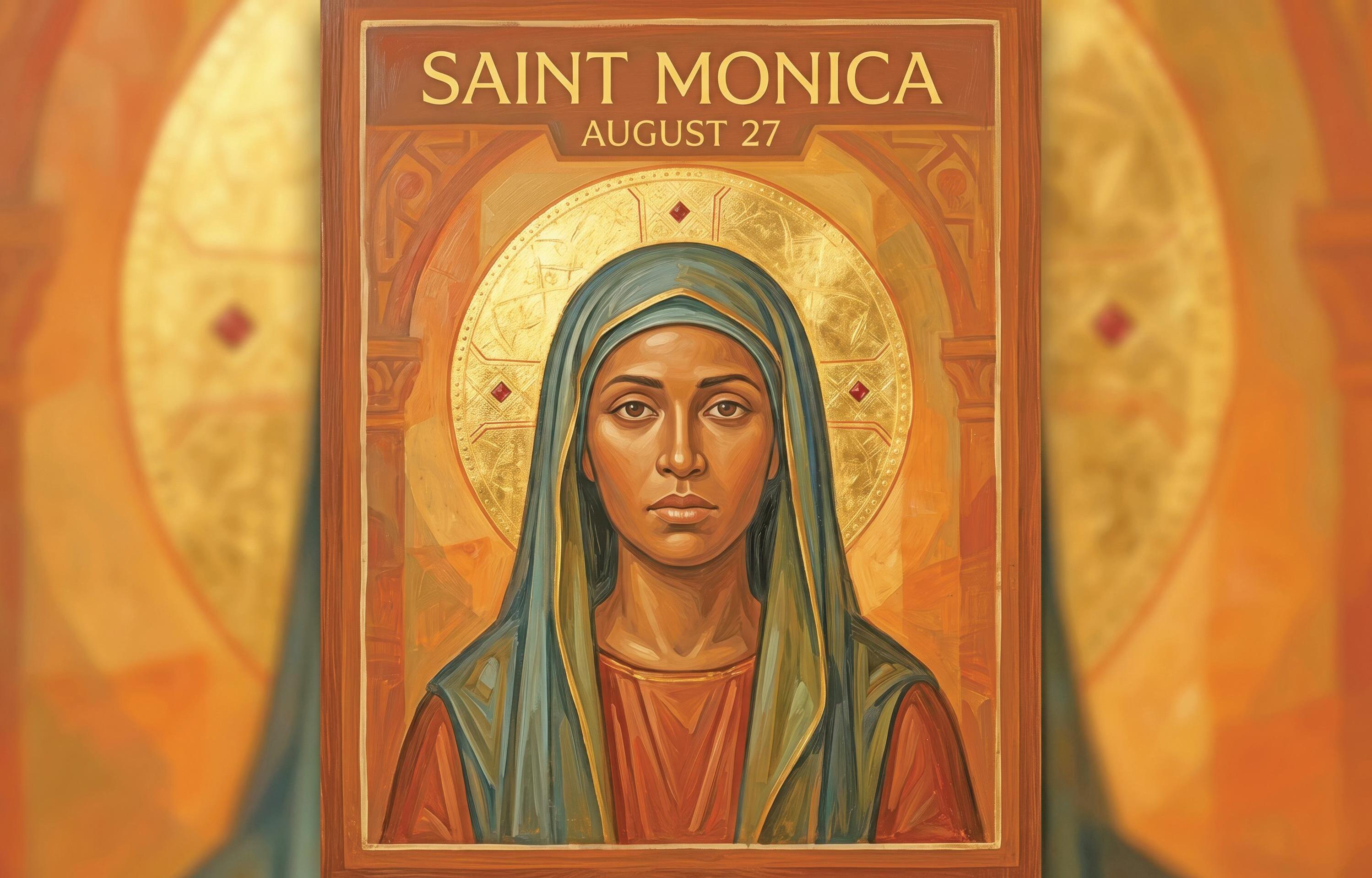
Every August 27th, the Church honours a woman whose greatest achievement wasn't a miracle or a martyrdom, but sheer, unrelenting perseverance: St. Monica.
Born in North Africa in the fourth century, Monica lived a life most parents would recognise instantly — the quiet agony of watching a child drift. Her son, Augustine, was brilliant, restless, and utterly uninterested in the faith she held dear. He chased ambition, pleasure, and a philosophy that led him far from the Church. For most mothers, this might have ended in resignation. For Monica, it became a seventeen-year vigil of prayer and tears.
She followed Augustine from North Africa to Rome and then to Milan, refusing to let distance end her hope. She wept in churches. She sought counsel from bishops. One, tired of her pleading, is said to have told her, "Go your way, and God bless you, for it is not possible that the son of these tears should perish." She held onto that promise for years before she ever saw it fulfilled.
And then, in Milan, under the influence of St. Ambrose, Augustine converted. The son she had prayed for became one of the greatest theologians in Christian history — St. Augustine of Hippo, whose writings still shape the Church sixteen centuries later.
Monica's story endures because it doesn't ask us to be extraordinary. It asks us to be faithful when nothing changes, to keep praying when it feels pointless, and to trust that love
expressed through patience is never wasted. She didn't save her son through arguments or ultimatums — she did it through presence, tears, and time.
For anyone waiting on a prodigal — a child, a spouse, a friend who's wandered from faith — Monica isn't a distant saint. She's proof that hope, held long enough, can outlast even the most stubborn distance.
briefly returned to Peterborough to conduct both a funeral and a memorial service.
“You can’t tell people not to die,” he added.
Walking an average of 23 miles each day, Fr Seelan’s route includes Walsingham, Great Ryburgh and Thorpe Marriott before arriving at the Cathedral in Norwich.
Reflecting on the significance of the pilgrimage, Fr Seelan described it as “an act of thanksgiving to God for the abundant blessings bestowed upon our Diocese over the past fifty years”.
Throughout the journey he is praying for the many people who contribute to the life of the Church across East Anglia, including clergy, parish staff and volunteers.
He said he would be praying for the Bishop, priests, parish workers, catechists, readers, sacristans, musicians, carers, “and all who quietly and generously serve the Church”.
Every donation made in support of the pilgrimage will be doubled through ACN’s £1Million4Hope Matched Challenge, helping to provide hope and practical assistance to vulnerable Christian communities around the world.
Those wishing to support Fr Seelan’s fundraising effort can do so via the Aid to the Church in Need sponsorship page or via the QR code below.


In an interview with the Catholic Bishops’
Conference
of England and Wales, Ambassador Chris Trott reflected on the last five years which he has spent as the British Ambassador to the Holy See
Describing the job as “an opportunity to work with the most extraordinary people you’re ever likely to meet”, Ambassador Trott looked back on the events and accomplishments of the last five years as he prepares to finish his posting at the end of June.











The Ambassador began by explaining that Great Britain and Northern Ireland’s diplomatic engagement with the Holy See focuses primarily, but not solely, on dialogue about global issues, such as conflict and climate change.
“One of the real joys of this job has been engaging not just with the Holy See, but also with all of the large Catholic institutions that are based here in Rome. For example, with the International Union of Superiors General (UISG), with the women religious who have networks in every country in the world virtually, and who do the most extraordinary stuff.
“It’s really humbling, to be able to talk to them about the work that they do and to bear in mind that if we want to talk about global humanitarian crises and development, talking to them about these issues gives an amazing insight. It’s an extraordinary intelligence gathering network.”
The Embassy has built strong relationships and regularly collaborated with these networks over the last five years.

“The ultimate expression of that was when Her Majesty the Queen met six religious sisters during the State Visit, and that meant that the work of the sisters was on the front page of Vatican News. That was really satisfying because for the sisters, I think they felt that we’d given them an opportunity to be seen and to be heard by people in the Apostolic Palace, and as well as to be seen and to be acknowledged by Her Majesty the Queen.”
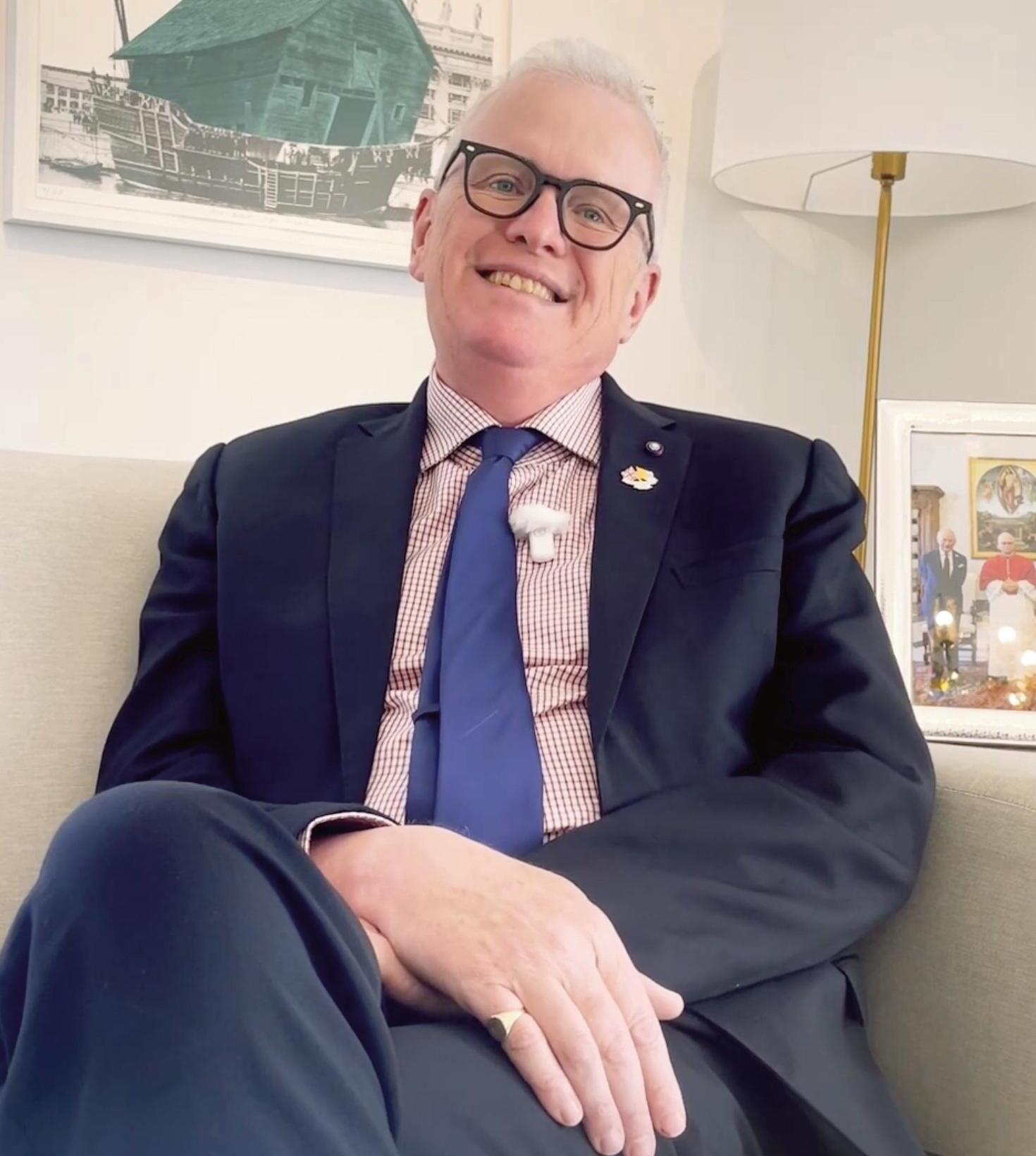
Ambassador Trott mentioned his attendance at the installations of Archbishop Richard Moth and Archbishop Sarah Mullaly as one of many highlights, stating, “I’ve loved being part of all of the complex ecumenical relationships that exist between British people and the Holy See and the Catholic Church.”
Describing the passion that he shared with Pope Francis for the peripheries, the Ambassador acknowledged that “the focus of the Vatican on some of those issues had started under Pope Benedict, but Pope Francis had taken it to another level.”
He recalled his introductory call with Pope Francis: “He wanted to hear my views on the situation in South Sudan, so it felt like this was the ideal job for me.”
Following the most-watched conclave of all time close-up was “an extraordinary privilege”, and the Ambassador reflected that, “the media’s attention was there because yes, the cardinals were choosing a new head of the Catholic Church, but actually what Pope Francis had done through his social media presence, through his engagement on global
issues, was to turn the role into a sort of moral voice for the globe, for Christians and nonChristians.”
Another historic moment was the State Visit of the King and Queen to Rome, significant not only for the continuation of the state-to-state relationship, but also for the deeply symbolic moments it contained: “A great message of hope was sent through that striking image of the two together in the Sistine Chapel.”
In a final message to listeners, Ambassador Trott, said: “My message is a message of thanks, because without the support of the Bishops’ Conference, of CSAN, of all of the different Catholic groups and organisations who have welcomed me, who have sought to brief me, who have received me over the years.
“I leave knowing that the political relationship with the Holy See is very good. The King’s visit showed that while some things may divide us, we are united in our goal, and there is an optimism about this partnership that I think my successor will be able to enhance and take forward.”
rcdea.org.uk
Fr Alvan Ibeh explores why people go to church, arguing that true participation should stem from a genuine desire to grow in faith, encounter God, and be part of a worshipping community, rather than habit or obligation
Have you ever asked yourself, “Why do I go to church?” It may sound like an unusual question, but many people ask it at some point in their lives. Some ask out of curiosity, while others do so because of frustration, disappointment, boredom, or pressure from friends, family, or work. In a time when almost everything is available online, many wonder whether going to church is still necessary. If God is everywhere, why attend church at all? The answer is simple: we do not go to church because God needs us there. We go because we need God and one another. So why do you go to church? Is it simply because it is what you were raised to do and have grown up doing? Is it something you are truly convinced of? Do you feel like the psalmist every time you remember you are going to church, “I rejoiced when I heard them say, ‘Let us go into the house of the Lord’” (Psalm 122)?
One day, I went to visit a parishioner who was housebound, though she is now late (RIP).
Before becoming housebound, I came to know her as a very faithful member of the parish because she was always at Mass every morning. She came with her missal and made sure she followed the readings. Even when she was struggling with her mobility, she kept coming to Mass faithfully. That day, which happened to be my last day before she passed, after giving her Holy Communion and being about to leave, she asked me to sit because there was something she wanted to tell me. I sat down to listen to her and, to be frank, what she said to me sounded unbelievable. She said to me, “Father, I don’t think I believe in God. Even if I did, I don’t know how convinced I am about it.” I couldn’t believe my ears. In my usual way, I smiled and then asked her, “But Mary (not her real name), you come to church every day, so why are you saying you don’t believe in God?” She then responded, saying, “Father, the truth is, I have not been coming to church because I believe or am convinced, but I am doing it for the sake of my mum, who made me promise her before she died that I must continue going to church. This is because she was taking me to church every day while I was very young. So, I felt I needed to reveal this to you because it has been a big burden in my heart.” I spent time talking to her about this, and then she asked if she could go to confession. She saw many reasons to believe in God, and at the end of my visit, she felt that burden had been lifted off her shoulders. I left her reflecting deeply on that encounter. It became like a revelation to me that there may be a lot of people coming to Mass every Sunday but may not have any genuine reason for being there. If the reason for going to church is not because I want to grow deeper in my faith and my relationship with God and the Body of Christ, if it is not because I know deep in myself that I go because I need God
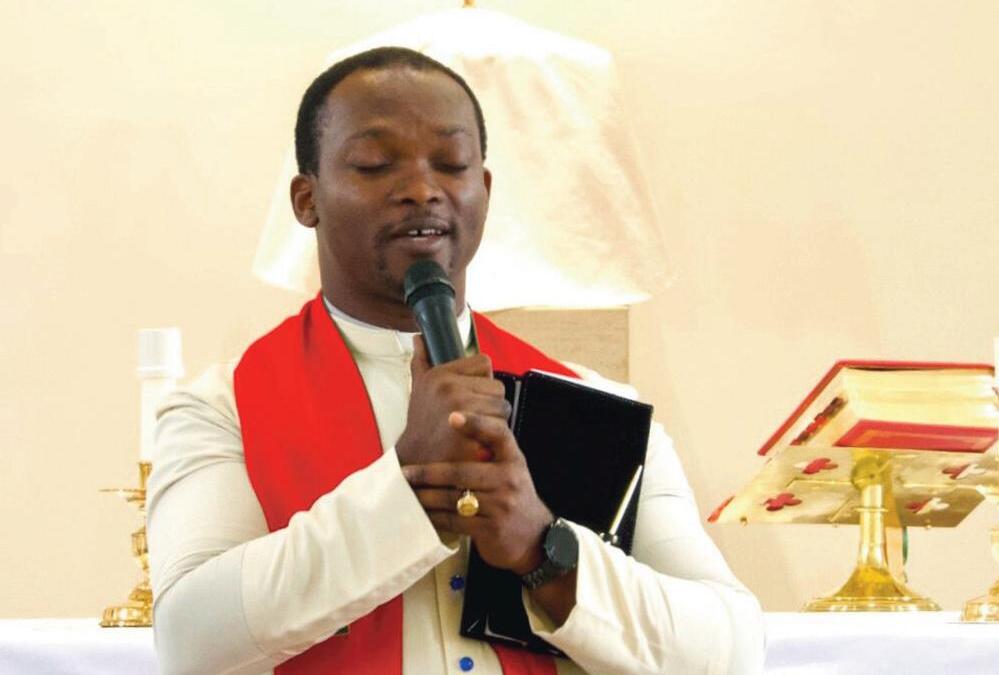
and also need the worshipping community to grow in my faith in Him, then I need to ask myself that question: “Why am I even going to church?”
When we speak about going to church, we are not simply talking about entering a building. The Church is the family of God, a community of believers gathered in Christ’s name. It is a place where faith is nourished, hope is strengthened, and love is put into action. The Church should be a spiritual house and not a social club. It is not a place I go because I want to meet friends or because I am feeling lonely at home. We go to church because we want to worship God, hear His word, and receive strength for the everyday journey. We go because we need the community of believers. We go because we encounter Christ in the sacraments.
But what happens when we stop going to church? We may not notice the effects immediately when we drift away from church. Over time, prayer may become weaker, faith can become fragile, and our relationship with God can become distant. Just as our bodies need regular nourishment, our souls need spiritual nourishment.
Church provides that nourishment through worship, scripture, prayer, fellowship, and the sacraments.
Maybe the question should not be “why do I go to church?” but rather “what kind of person am I becoming because I go to church?” If church is helping us love God more, forgive more readily, serve more generously, and live more faithfully, then it is fulfilling its purpose. Let me know your thoughts about this topic. Shalom.

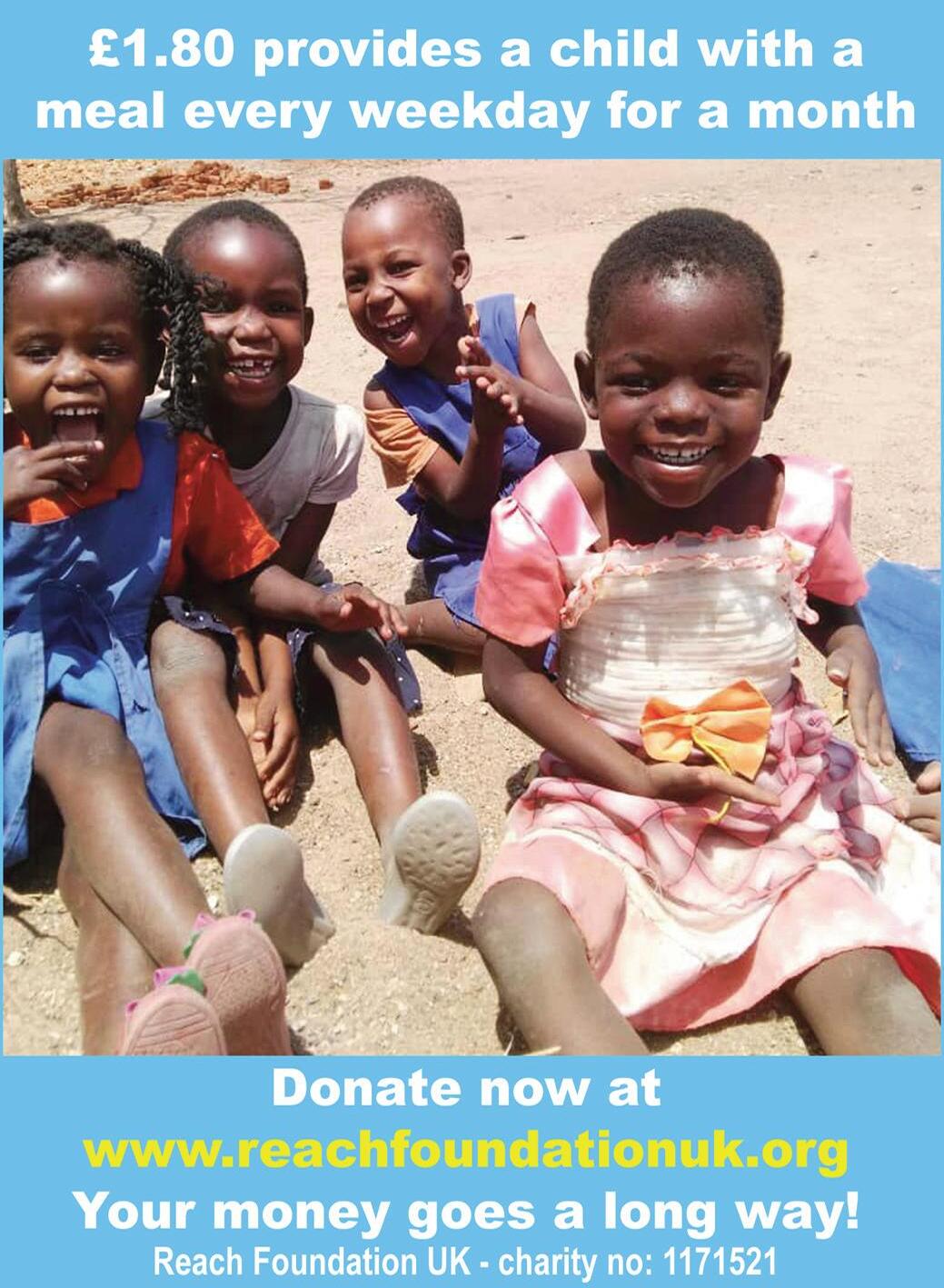
£1.80 provides a child with a meal every weekday for a month

This freedom includes:
What Is Religious Freedom?
Everyone has the right to freedom of thought, conscience and religion (guaranteed and respected); this right includes freedom to change his religion or belief, and freedom, either alone or in community with others and in public or private, to manifest his religion or belief in teaching, practice, worship and observance.
Article 18 of The Universal Declaration of Human Rights
What it means?
It means that every person has the right to choose, practice, and express their religious beliefs — or to hold no belief at all — without interference, discrimination, or fear. It’s a fundamental human right, protecting not only individuals but also communities and faith groups in their collective expression of religion.
Freedom to Believe – Everyone can hold any religious belief (or none) without coercion or punishment.
Freedom to Practice – People can worship, follow religious rituals, and teach their faith.
Freedom to Express – Beliefs can be shared publicly or privately, alone or in community.
Freedom from Coercion – No one can be forced to adopt or renounce a religion against their will.
Religious freedom is deeply connected to other essential rights — like freedom of speech, expression, conscience, assembly, and association.
Why does it matter?
Because everyone benefits.
Freedom of Religion is for all. It allows people of different faiths and worldviews to live peacefully side by side. It ensures that
individuals and faith-based organizations are not forced to choose between their beliefs and serving their communities.
When religious freedom is repressed, it’s not only a threat to personal liberty and human dignity — it’s an attack on the very foundation of a just and diverse society.
Can people do anything in the name of religion?
No. Religious freedom, like other rights, is not absolute. Governments may place restrictions only when there is a compelling reason — such as protecting public safety, health, order, or the rights and freedoms of others.
Does religious freedom give special privileges to religious people?
Also no. Religious freedom protects everyone equally — whether they are Christians, Jews,
Muslims, Hindus, Buddhists, as well as nonbelievers. It guarantees that individuals remain free to follow their own path — whether rooted in faith or not — without pressure from the state or society. By protecting freedom of conscience, it upholds the deeply personal right to seek truth, meaning, and purpose on one’s own terms. When governments interfere with conscience, they open the door to violating other personal freedoms too.
To sign the petition scan the QR code right.

Lord of life, You created us in love and called us to live in fullness. Each person is a sacred gift that reflects your face, from the first instant of existence to the final breath of their journey on earth.
Today we ask for the grace to recognize and protect the unique and unrepeatable value of every human being.
May we learn to welcome life unconditionally, to tenderly care for fragility, to accompany each stage with respect, and to bravely defend those who have no voice.
For resources on how to Pray with the Pope, either on your own or in groups, use this QR code.

"Each person is a sacred gift that reflects your face," he said, "from the first instant of existence
He continued, "we ask for the grace to recognize and protect the unique and unrepeatable value of every human being."
He expressed his wish that we learn to "welcome life unconditionally," to "tenderly care for fragility," to "accompany each stage with respect," and "to bravely defend those who have no voice."
Pope Leo asked the Lord to forgive us when we fall into indifference or the culture of discard, and when we fail to see in others a being worthy of love.
"Give us a new heart, always ready to choose life," he said, "and generous hands that protect it through concrete actions."
Forgive us, Lord, when we fall into indifference or the culture of discard, when we fail to see in others a being worthy of love.
Give us a new heart, always ready to choose life, and generous hands that protect it through concrete actions.
Make your Church a living witness of the Gospel of life, an open home where every life is celebrated, where no one feels unwanted, and where dignity is always honored and protected.
Lord Jesus, may we love life as you love it: with tenderness, fidelity, and self-giving. May we proclaim, in words and actions, that every human life is worth the total gift of ourselves.
Amen
A major renewable energy project has been completed at the Solihull headquarters of the Columban Missionaries in Britain, with 116 solar panels now generating clean electricity as part of the charity's long-term commitment to environmental sustainability.
The new system, which became operational on the 9th June 2026, is expected to generate around 52 MWh of renewable electricity each year, reduce the organisation's reliance on grid electricity by more than 70%, and cut annual carbon emissions by over 7.2 tonnes. Any excess electricity generated will be exported back to the National Grid.
Regional Director for the Columbans in Britain Fr John Boles and Columban Trustee Fr Denis Carter officially switched on the new installation, marking the completion of a project that has been several months in development.
The solar energy system forms part of a wider programme of environmental improvements at the Columbans' headquarters in Solihull. In recent years, the charity has planted more than 6,000 native trees, created wildflower meadow areas and introduced beehives, helping to enhance local biodiversity and create habitats for wildlife.
The Columban Missionaries are an international Catholic missionary society working in Britain and around the world. Alongside their overseas mission, the charity is committed to reducing its environmental impact and caring for creation through practical action and education at its headquarters.
Fr John Boles, Regional Director of the Columban Missionaries in Britain, explains: "We are delighted to see this project come to fruition. Installing solar panels is one practical way we can reduce our environmental impact and play our part in tackling climate change. Combined with our work to restore biodiversity across our grounds, this investment reflects our commitment to building a more sustainable future. We hope it will encourage others to consider the positive difference that practical environmental action can make."
The installation was carried out by Philotimo Smart Power Solutions Limited, specialists in commercial solar photovoltaic systems and smart power solutions.
Peter Alder, Founder and Director of Philotimo Smart Power Solutions, said: "It has been a pleasure and a privilege to develop and deliver this milestone installation, assisting the Columbans to accelerate their transition away from fossil fuels. The system will generate around 52 MWh of green electricity each year,
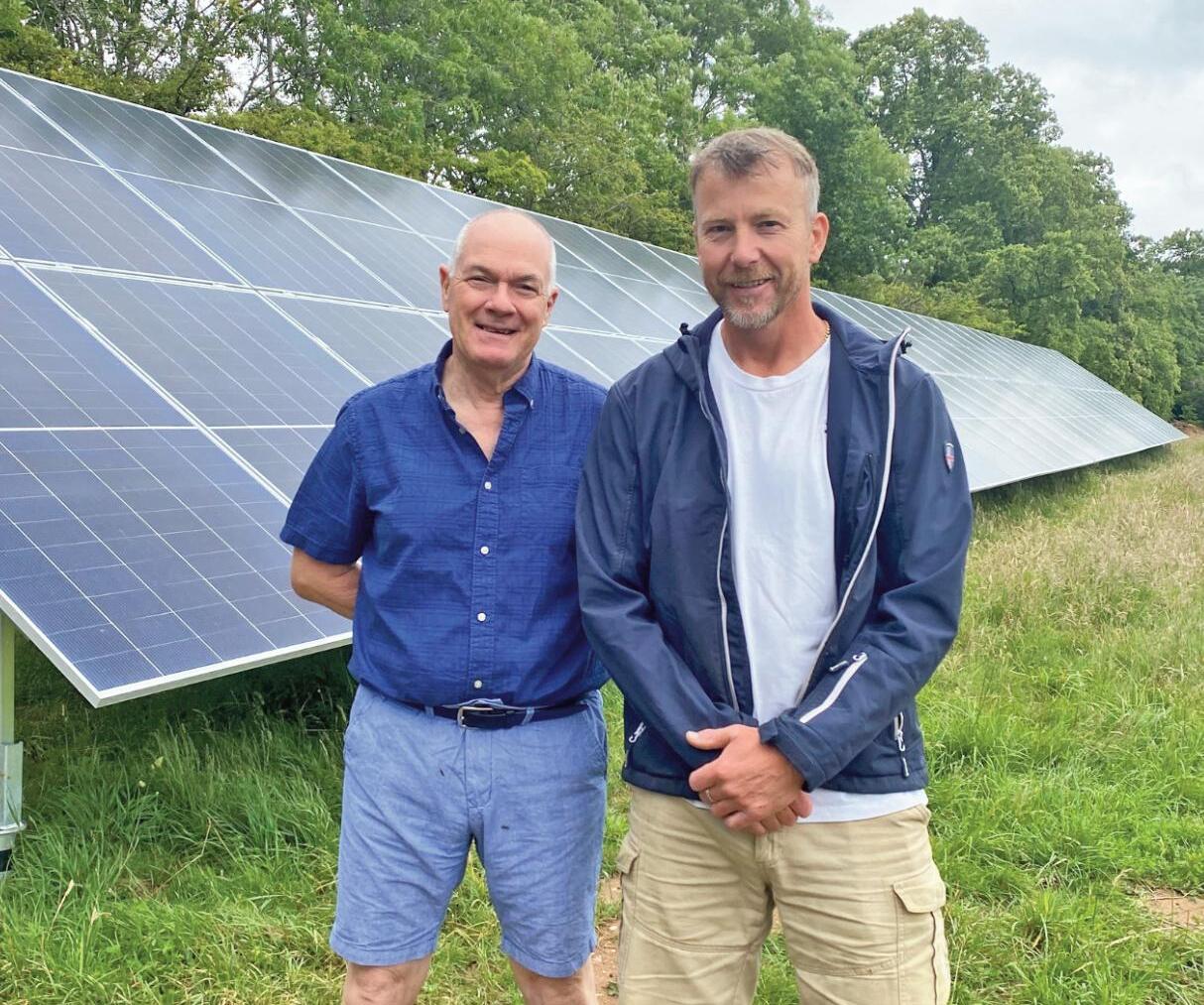
reducing the site's grid electricity consumption by more than 70% and cutting annual CO2 emissions by over 7.2 tonnes."
The investment is expected to deliver longterm environmental and financial benefits for the charity while supporting wider efforts to reduce carbon emissions.
As the solar panels begin generating renewable electricity, the Columbans hope the project will encourage other charities, organisations and households to explore practical ways of reducing their own environmental footprint and contributing to a more sustainable future.
Emma Darling
The Catholic Women's League will celebrate their 120th anniversary on 1st August with a special Jubilee Mass at the Church of the Immaculate Conception, Farm Street, Mayfair, followed by a talk on their founder and a lunch for CWL members.
The Catholic Women's League (CWL) unites and empowers women to nurture faith, build friendships and serve local and global communities. Members are active and fundraise for charities, enable parish clergy, coordinate social activities and represent a collective Catholic voice on social and moral issues.
The CWL has a long and proud history which began with our Founder, Margaret Fletcher (1862-1943). Margaret, the daughter of an Anglican clergyman, was born in Oxford in 1862. The late 19th century was an exciting time for women with improved
educational opportunities for girls. At 17, Margaret studied at the Slade School of Art, Oxford, and continued her studies in Paris, living with other students and nationalities, discussing life, religion and politics.
A deeply religious woman, Margaret never blindly accepted what she was taught. After reading the writings of St John of the Cross she decided to become a Catholic. A priest friend sent her to the Jesuit church in Farm St, London, where she was received into the faith on September 9, 1897. Returning to Oxford, she was active in parish work and met Mary Miller, who was doing research on Catholic secondary education for girls. Mary told Margaret how impressed she was by a newly founded Catholic organisation in Germany. After many discussions on the topic of education, Margaret obtained permission from Cardinal Bourne and launched a new quarterly publication, The Crucible, with the aim of rousing the interest of teachers and schools to improve social education for women. The Crucible ran for eight years, and in one of its
last issues proposed forming a league of Catholic women. Margaret felt that Catholic women would have a great responsibility in the future and that they must be organised not only in England but throughout the world.
In 1906 a national Catholic conference was held in Brighton, and permission was given to distribute a pamphlet about the proposed league. From then on things moved steadily forward. Margaret Fletcher became president and Ada Streeter agreed to act as secretary. In the choice of members, Margaret Fletcher insisted that the League needed women with "balanced common sense", and that they should "utilise the average woman in convincing the Catholic world that businesslike methods and intellectual gifts are excellent weapons in the service of God".
120 years later the Catholic Women's League continues in England and across the Globe. You are welcome to come to the Catholic Church of the Immaculate Conception, Farm Street, London, on Saturday 1st August. Mass will be celebrated at 12.30pm.
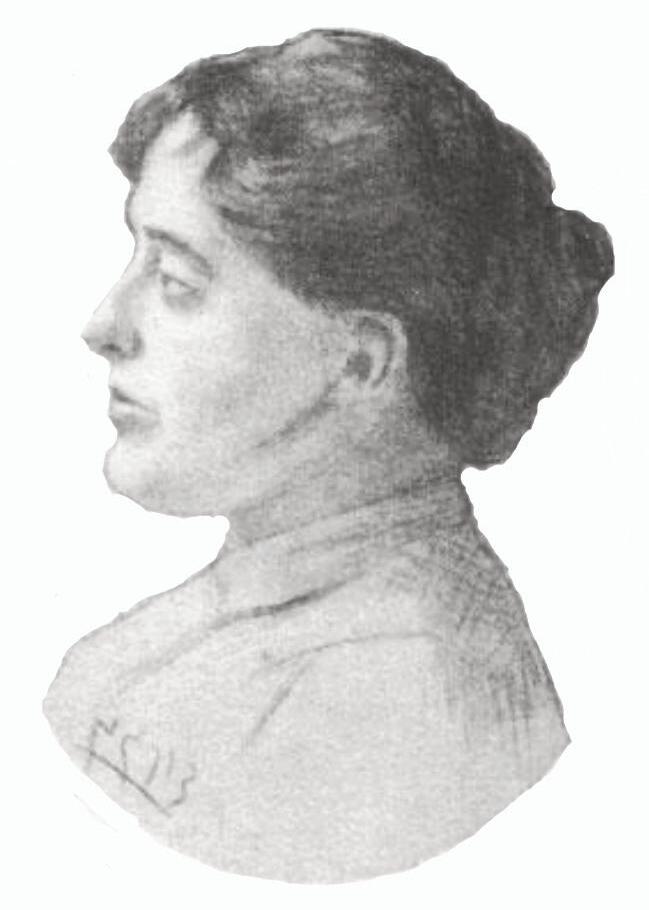
Margaret Fletcher
All welcome for Holy Mass followed by a talk about the founder of the CWL Margaret Fletcher. Pre-booked Lunch available for CWL members.
Junia WIllson
Deacon David Tarbrook
In June, I marked the first anniversary of my ordination to the Permanent Diaconate. As I reflect on the past twelve months, my heart is filled above all with gratitude to God, whose grace has sustained and guided me throughout this first year: a year of learning, growth, unexpected joys, and countless reminders that the Lord is faithful to those whom He calls.
Ordination is not simply the beginning of a new role within the Church; it is a deeper invitation to follow Christ the Servant. Through the laying on of hands and the prayer of ordination, I was called to a ministry rooted in the Gospel, at the service of God’s people. Looking back, I am conscious not so much of what I have done, but of what God has done through the generosity, encouragement, and witness of so many people along the way.
The first weekend after ordination brought the joy of joining the National Pilgrimage to St Winefride’s Shrine and Well. It was a fitting start to diaconal life: a journey of prayer, pilgrimage, and service. Pilgrims, walk together in faith, supporting one another and seeking the Lord’s presence, and that pilgrimage became a symbol of the year that lay ahead. Also memorable was the Eisteddfod Mass at the Cathedral, celebrated by Bishop Edwin. It was a great privilege to proclaim the Gospel in Welsh in my own language. As a Welsh speaker, that moment carried a profound personal significance, reminding me that the Gospel speaks to people in every culture and language, in the communion of Christ.
The year included the Llangollen International Eisteddfod Mass at Holy Cross Church and a number of ecumenical services shared with our brothers and sisters in the Church in Wales. My own parish of St Richard Gwyn, Ruabon shares its church building with the Church in Wales, so these occasions have had a particular resonance. They have reminded me that while divisions remain, our common baptism and our shared love for Christ unite us more deeply than anything that separates us. Whenever Christians gather to pray together and bear witness to the Gospel, we offer a sign of the unity for which Christ himself prayed.
Daily diaconal ministry has been wonderfully varied... Parish life, pastoral visits, liturgical celebrations, deanery gatherings, and the countless ordinary tasks that often go unseen have all become part of the rhythm of service. Through each of these experiences I have come to appreciate more deeply that ministry is rarely about extraordinary moments, and that more often it is found in simple acts of
presence, listening, encouragement, and prayer. It is in these ordinary encounters that Christ so often reveals himself.
I am profoundly grateful to the parishioners of Chirk, Llangollen, and Ruabon for the warmth and kindness they have shown me throughout this first year. They have welcomed me generously, encouraged me patiently, and taught me much through the witness of their own faith. A deacon serves the People of God, but he is also continually formed by them...
I have been especially blessed in the guidance and support of my parish priest, Fr Jaspher AJ. His encouragement, wisdom, and example of faithful priestly ministry have been an immense source of support as I have grown into my vocation. One of the greatest surprises of this first year has been the discovery of how much I love preaching. During formation I often approached the homily with a degree of hesitation and self-doubt, yet since ordination I have found great joy in praying with the Scriptures, reflecting upon God’s Word, and sharing the riches of the Gospel with others. Through preaching, I have come to realise anew that the Word of God is never merely a text to be explained but a living Word that continues to challenge, comfort, and transform hearts.
As a former nurse, I have also found myself drawn particularly to the pastoral care of the sick and the dying. Some of the most sacred moments of this first year have been spent quietly at hospital bedsides, and in people’s homes, accompanying those who are approaching the end of earthly life. These encounters have taught me more about faith than any book ever could. To witness courage in suffering, hope in the face of death, and trust in God’s mercy during life’s final moments is profoundly moving. Time and again I have been reminded that Christ is never closer to us than when we carry our cross. To stand alongside individuals and families at such times is both humbling and sacred, and it has deepened my own faith in the promise of the Resurrection.
The Permanent Diaconate is often described as a ministry of service, and rightly so. Yet service in the Christian sense is not simply about activity or usefulness, it is about conformity to Christ, who “came not to be served but to serve” (Mark 10:45). The deacon is called to be an icon of Christ the Servant, proclaiming the Gospel, assisting at the altar, and serving those in need. These dimensions of ministry are not separate tasks but expressions of a single vocation: to make visible the servant- hearted love of Christ in the midst of his people.
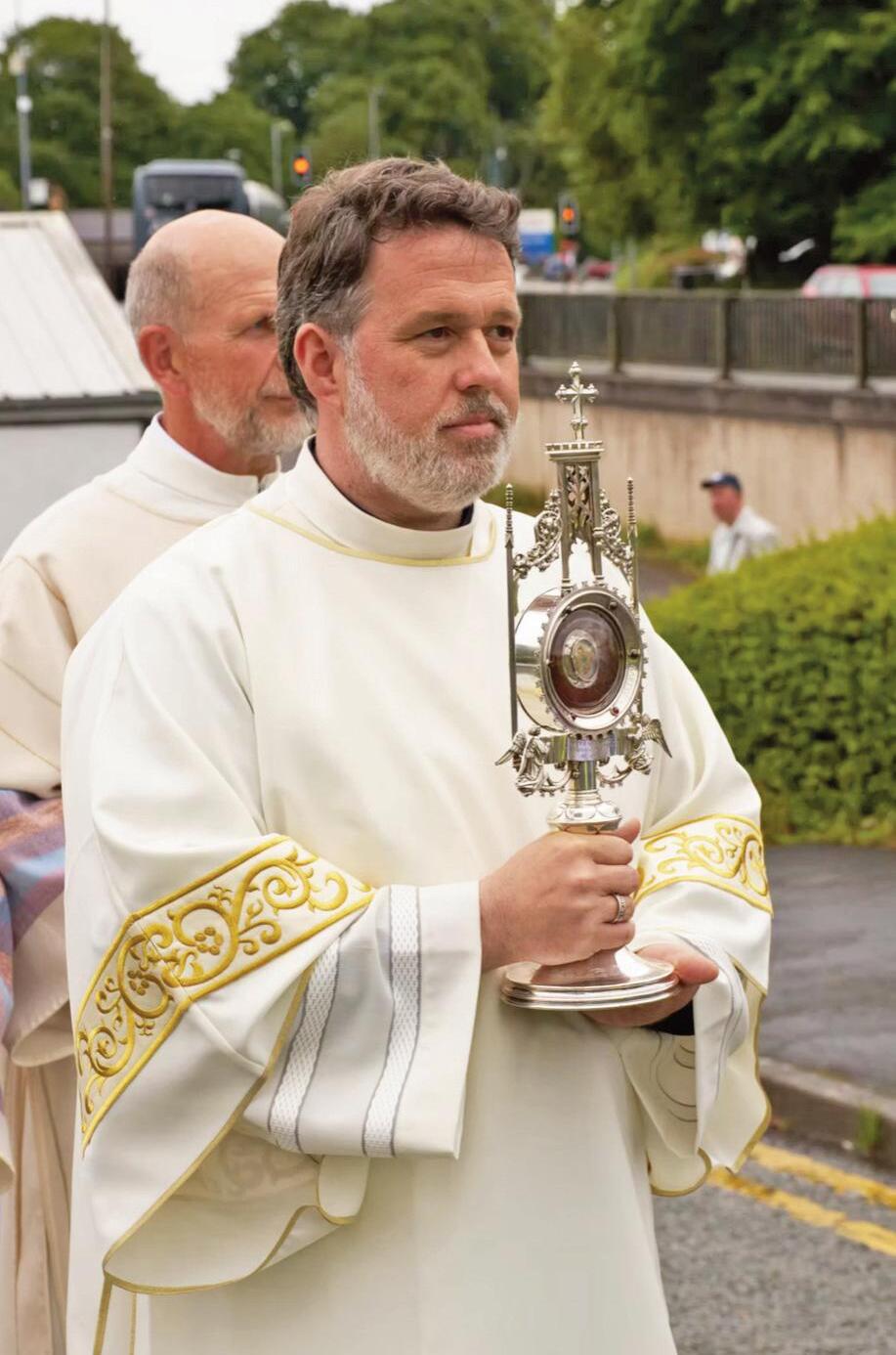
I now appreciate that the diaconate is not primarily about what a deacon does, but about who he is called to be. It is a vocation that demands humility, availability, and a willingness to place oneself at the service of others. It means accompanying people through moments of joy and sorrow, celebration and loss; sharing in their hopes and struggles; and helping them to recognise God’s presence in the ordinary circumstances of life.
Again and again I have discovered that Christ is encountered not only in the liturgy or in moments of obvious grace, but also in everyday parish life: in conversations after Mass, in visits to the housebound, in the concerns people quietly share, and in the
simple faith of those who continue to trust in God through every season of life. These encounters have strengthened my conviction that the Church is most fully herself when she reflects the compassionate face of Christ to the world.
Now, having completed a full liturgical year and becoming more settled in ministry, I look ahead with hope and trust. I do not know what the future holds, but I know that the Lord remains faithful. My prayer is that I may continue to grow in holiness, humility, and generosity of service, responding to the needs of the Diocese under the guidance of our Bishop and according to God’s will. continued on next page
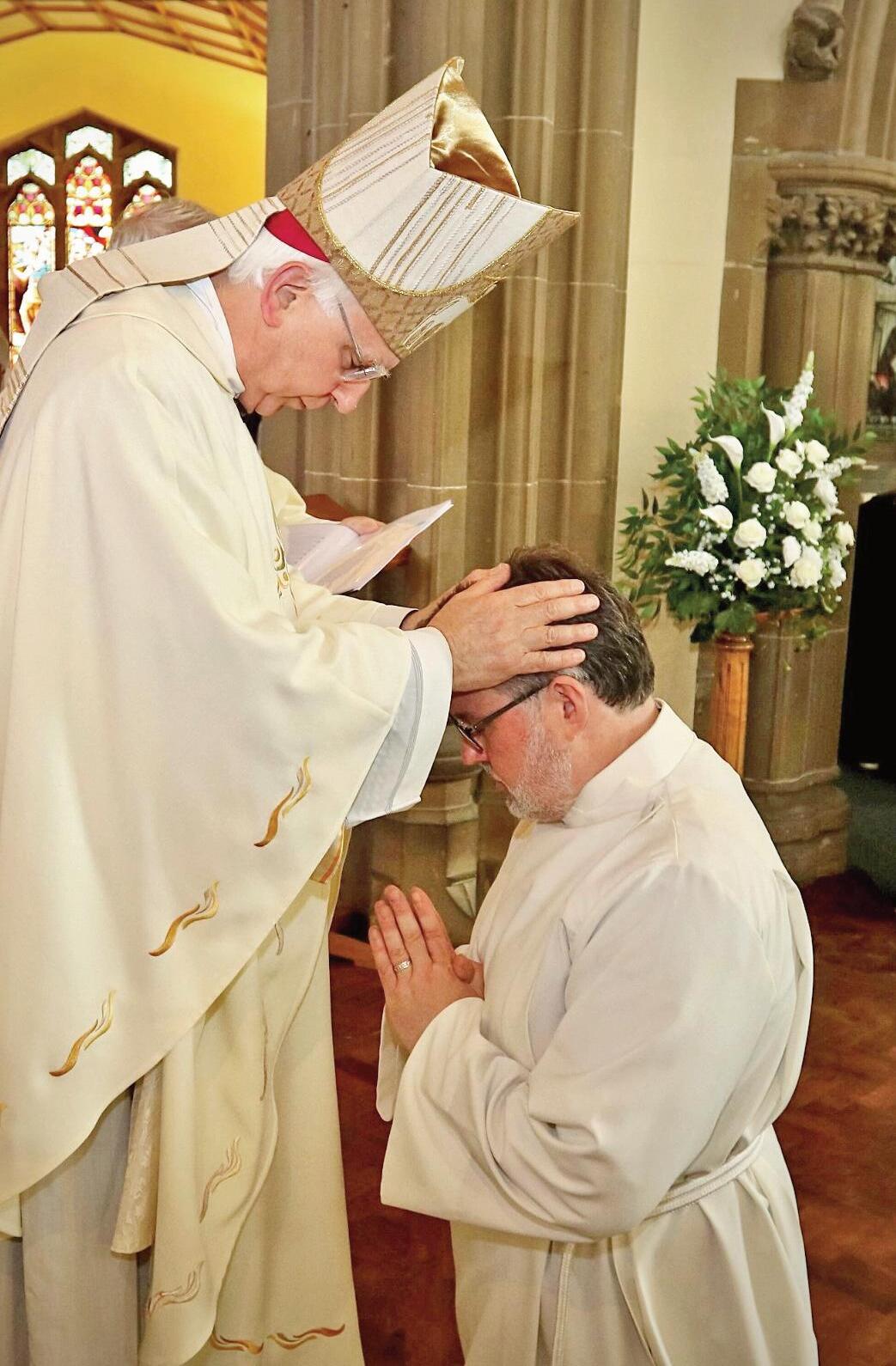
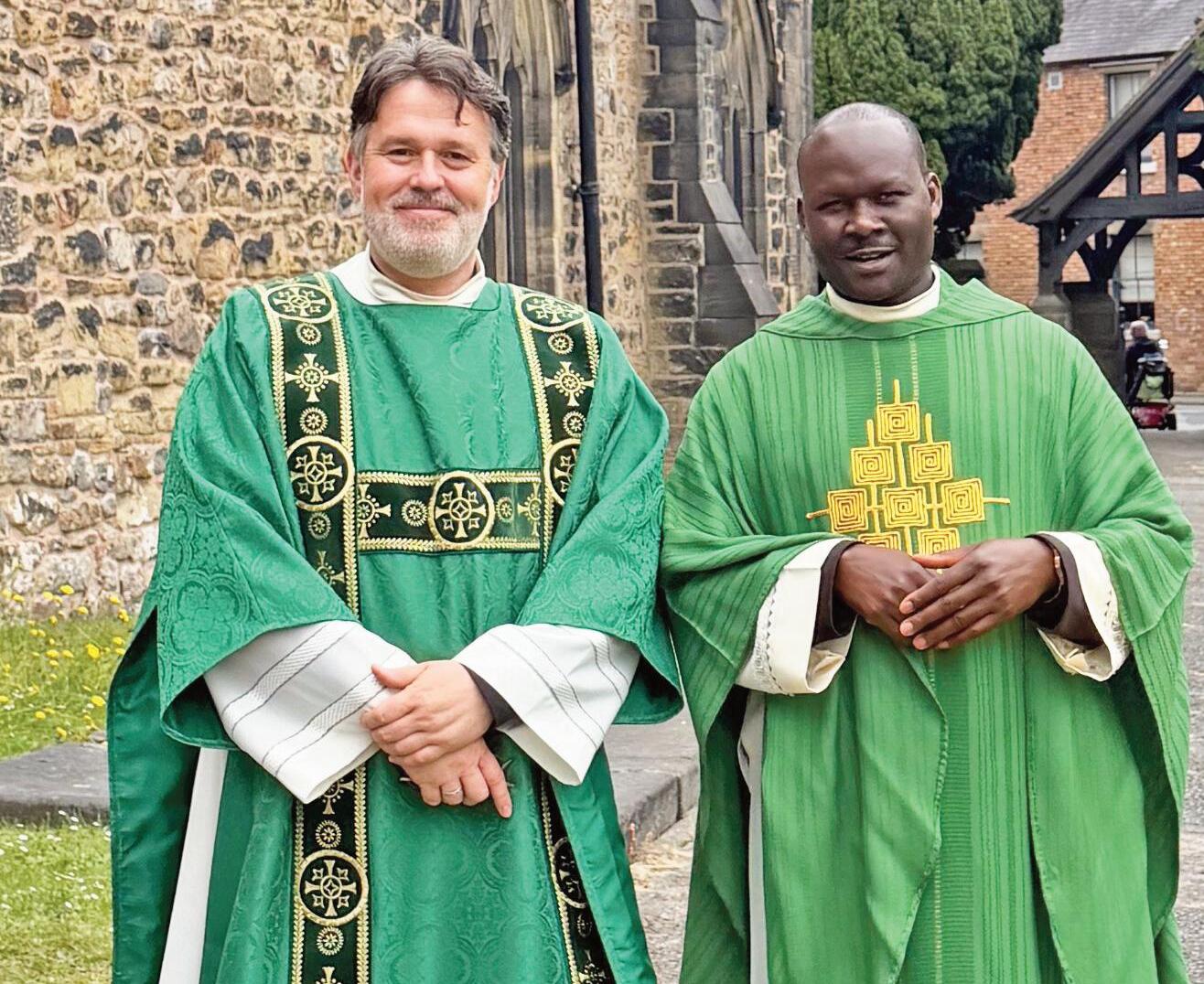
Above all, this first year has taught me that ministry is never about status, recognition, or personal achievement, it is about faithfulness; about listening to the Lord, walking alongside his people, and striving, however imperfectly, to reflect something of his love and mercy. The more I serve, the more I realise how much I myself depend upon God’s grace.
For all of this I give thanks: to God, who called me; to the Bishop; to my brother clergy; to my family and friends; and to the faithful people whom it is my privilege to serve.
Please continue to pray for me, that I may remain faithful and joyful in the ministry
entrusted to me. Please also pray that others may be open to hearing the Lord’s call and respond with generosity and courage, whether to the Permanent Diaconate, the priesthood, or the religious life. The Church continues to need men and women willing to place their gifts at the service of God and His people. I can say with complete sincerity that responding to the Lord’s call, however daunting it may first appear, has been one of the greatest blessings of my life.
May Christ the Servant continue to guide, strengthen, and sustain all who seek to follow him.
the Fr Barry French Girls Football Tournament, organised and hosted by Cardinal Wiseman Catholic High School, Ealing.
Named after an inspiring and much-loved local priest, the late Fr Barry French, the tournament brought together Year 5 pupils from eight primary schools within the Saint Carlos Catholic Academy Trust. But rather than competing against each other, each school was split across four teams. These mixed teams represented four different Catholic charities: Mission Together (the children's branch of Missio), Mary's Meals, the Jesuit Refugee Service and St Vincent de Paul's.
This was a brilliant idea on the part of the organisers. As the Catholic Life lead for Cardinal Wiseman school, Mr Conor Ryan explained: "The schools participating will be mixed and represent a Catholic charity rather than their school. This is to increase social interaction, develop an understanding of the charity and boost team building."
Although the twelve girls in the Mission Together squad were strangers when they arrived, they soon began to work together as a team. Missio representative Claire provided early encouragement with a pre-match peptalk about Mission Together. One pupil explained: "Claire came up to us and asked us to hold hands in a circle. It was a little bit confusing, but then we realised that is what Mission Together is all about: making connections and friendships and caring for other people."
It was a great way to break the ice between participants from different schools. One pupil from Mount Carmel Primary said: "I felt nervous because I didn't really know anybody in this team and because there was no one in my school in this team at all... I was afraid that I might be left out, but clearly I wasn't."
Proudly sporting their Mission Together tshirts, the team made a flying start to the tournament, netting an impressive opening goal within minutes of their first match and quickly adding a second soon after. Facing strong competition, Team Mission Together maintained their momentum with consistent
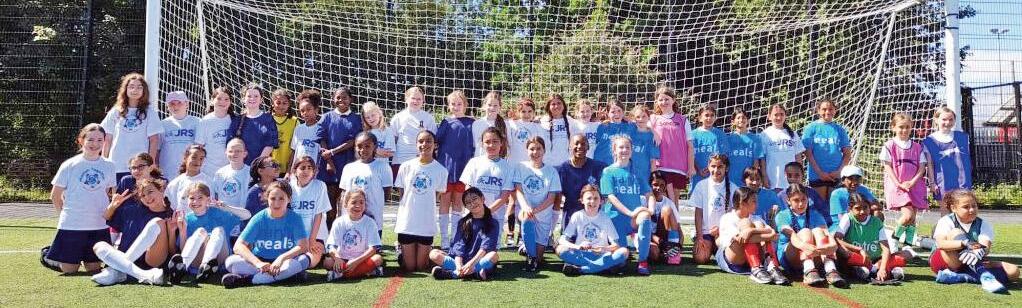
goal scoring and a solid defence throughout all three matches - and booted their way to victory!
The team's outstanding performance saw them crowned champions, lifting the Fr Barry French Cup at the close of play. Their victory demonstrated to the girls the power of working together as one, even alongside those they may not have known well at the outset. One player from St Vincent's Primary School shared: "I felt very happy because all of us were joining together and communicating and so we were able to win, and we tried our best."
The tournament was followed by a short presentation by each charity, encouraging pupils to relay their learnings about how their schools can support and get involved with the work of all the charities present - including of course Mission Together. We're confident all
the squads will return to school fired up to spread the love of Jesus through acts of kindness and charity at home and around the world.
Thank you!
A huge thank you to Mr Ryan and Cardinal Wiseman School for organising such a special event, and to all the schools who took part. Special thanks to all the pupils who were part of Team Missio, we are very proud of your efforts - your example of unity through faith is truly inspiring - not to mention your football skills!
Get involved
If you like to help fundraise for Mission and Mission Together scan the QR code.


You can use both sets of clues to solve the puzzle: the solutions are the same.
CRYPTIC Across
7 Pool, outside Jerusalem, is a store of grain by morning (6)
8 Quiet after drink by the river in the Syrian city (6)
9 Felix's wife needs a doctor, getting sick in America (8)
10 Police officer close to Egypt reportedly finds a Christian sect member (4)
11 Pulls apart sick pun? (7)
14 Biblical prophetess's name for a Scottish town (5)
15 Midlands city cricket captain loses toss in the end (5)
17 One's reflective after transposing Yeats into the church (4-3)
21 Short recording following the appearance of old poet (4)
22 In Persia he, curiously, becomes a Jew (8)
24 Dangerous plant genus, dock, making a comeback in the borders of Asia (6)
25 Partly responsible, ambushing Canaan town (6)
CRYPTIC Down
1 Stories he tells sending up type of transport (4)
2 Road on which social climber turned up displaying orna mental shrub (6)
3 A boy king, son of Eliiphaz (6)
4 Native American's upset losing ring, one coming from Indonesia (5)
5 Clergyman's study down under is being curtailed (6)
6 Record at a pub, one New York's supporting, being a January fixture (8)
12 ‘Birth of a Nation's only half on – at six on telly, either side – at Christmas (8)
13 Top South Australian carnivore's kind of pouch (3)
16 Report Viking retreat in a valley near Jerusalem (6)
18 One killed in Susa is a boy found upset within Ionia's bounds (6)
19 Guard hurled the first of lances to be commandeered... (6)
20 ...Lance earl used to break up joust (5)
23 Biblical country's macho overthrow (4)
QUICK Across
7 Underground pool; once a major water source for Jerusalem (6)
8 Second city of Syria (6)
9 Wife of procurator Felix who heard Paul's case (8)
10 Member of a Christian sect; one descended from the ancient Egyptians (4)
11 Pulls apart; works out (7)
14 UN Secretary General 1997-2006; Scottish town (5)
15 Add fuel to: keep (a fire) going (5)
17 Middle-of-the-road illumination (4-3)
21 Roman poet remembered for his elegiac verses on love (43 BC - AD 17) (4)
22 Member of a strict sect of Judaism (8)
24 Genus of the family commonly known as belladonna or deadly nightshade (6)
25 Town of Canaan where Jehu killed Ahaziah (6)
QUICK Down
1 Fabricator of the truth; perjurer (4)
2 Japanese dwarf trees and shrubs (6)
3 Grandson of Esau and son of Eliphaz (6)
4 Son of Japheth, father of people who lived in Greece and Asia Minor (5)
5 Position of an ordinand on successful completion of

training (6)
6 Day after Twelfth Night (8)
12 Theological doctrine that Jesus Christ had no human father (8)
13 Fluid container; bag (3)
16 Valley separating Temple Mount from the Mount of Olives (6)
18 Notable among the enemies killed by the Jews at Ahasuerus’ citadel in Susa (6)
19 Protect; ward off (6)
20 Assegai, for example (5)
23 Biblical country in south-west Asia to the east of the Tigris River (4)