
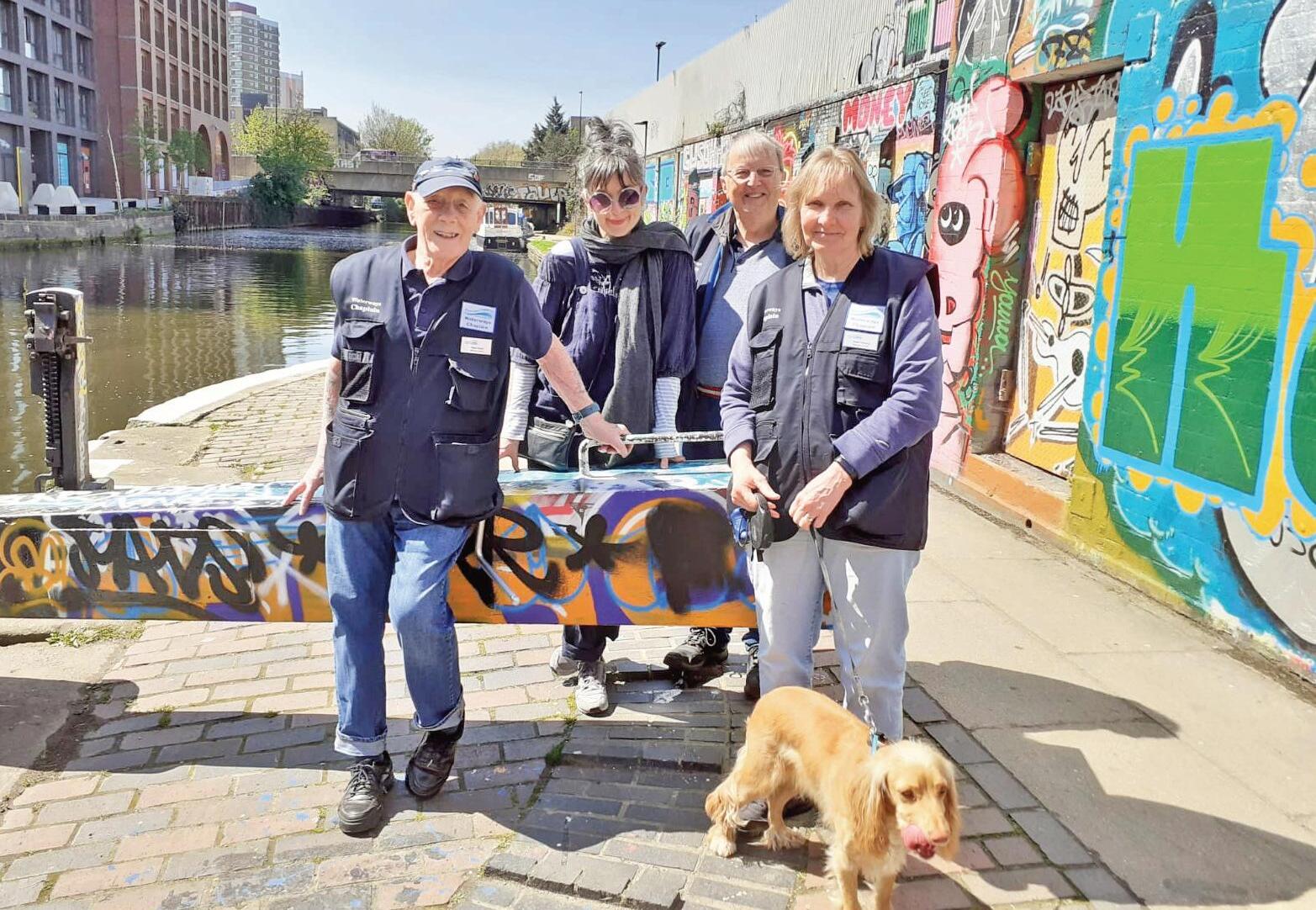
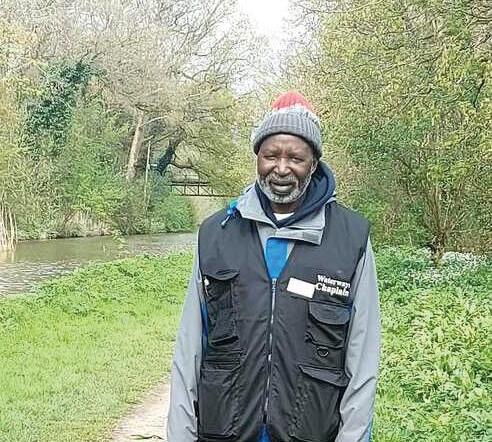
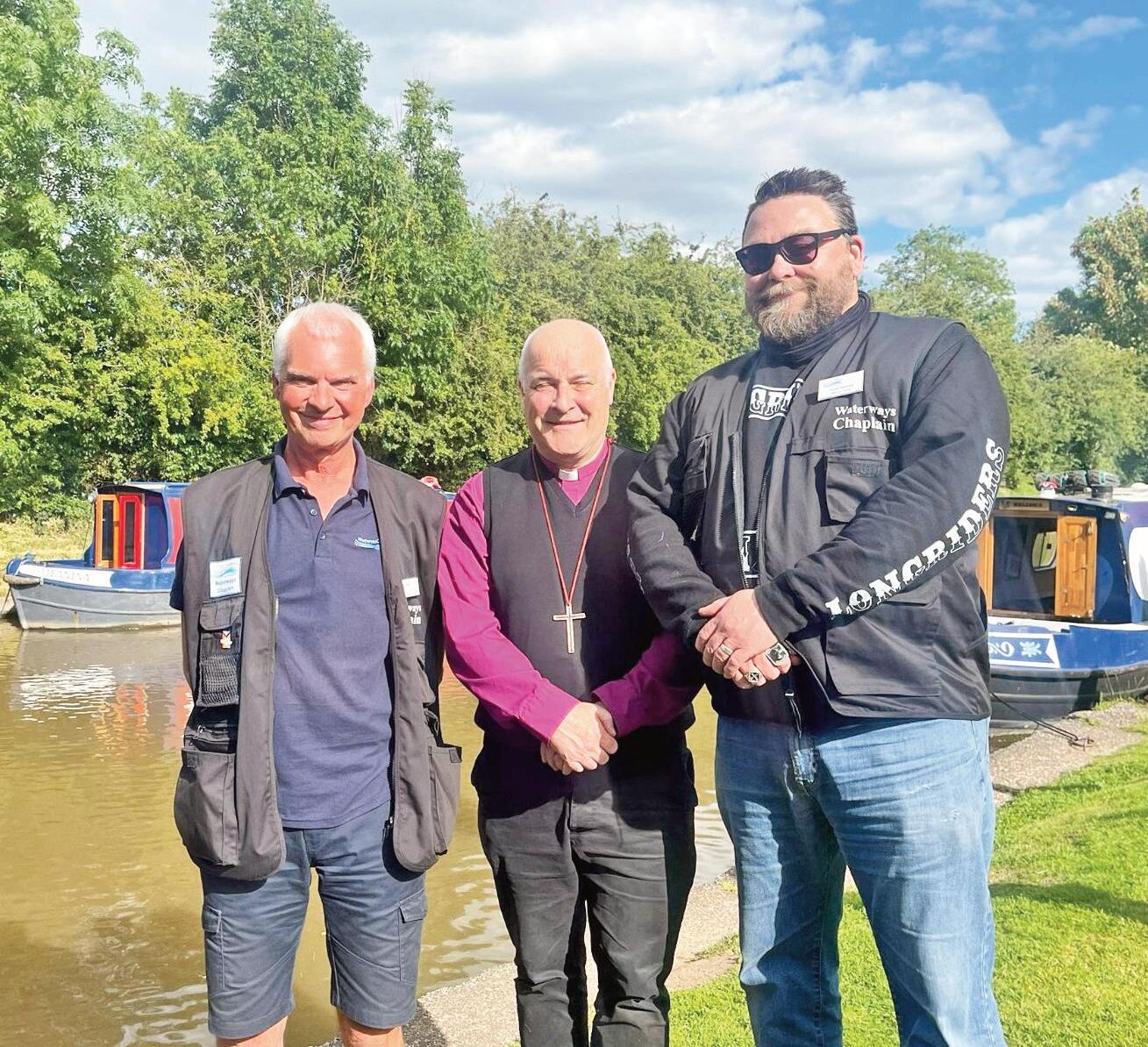
I found my vocation as a Waterways Chaplain while living on the waterways myself. When you live on a boat, you begin to see life differently. You notice the quietness, the beauty, the slowness but you also see the struggles that many people carry beneath the surface. It was there, among the marinas and towpaths, that I first became aware of the desperate need. People imagine the waterways as peaceful and idyllic, and they often are, but they are also home to individuals facing loneliness, poverty, illhealth, and the kind of hidden hardship that rarely reaches public attention. Being part of that world opened my eyes and stirred something in me that felt unmistakably like a calling.
The Waterways Chaplaincy is a charity that offers care and support to anyone and
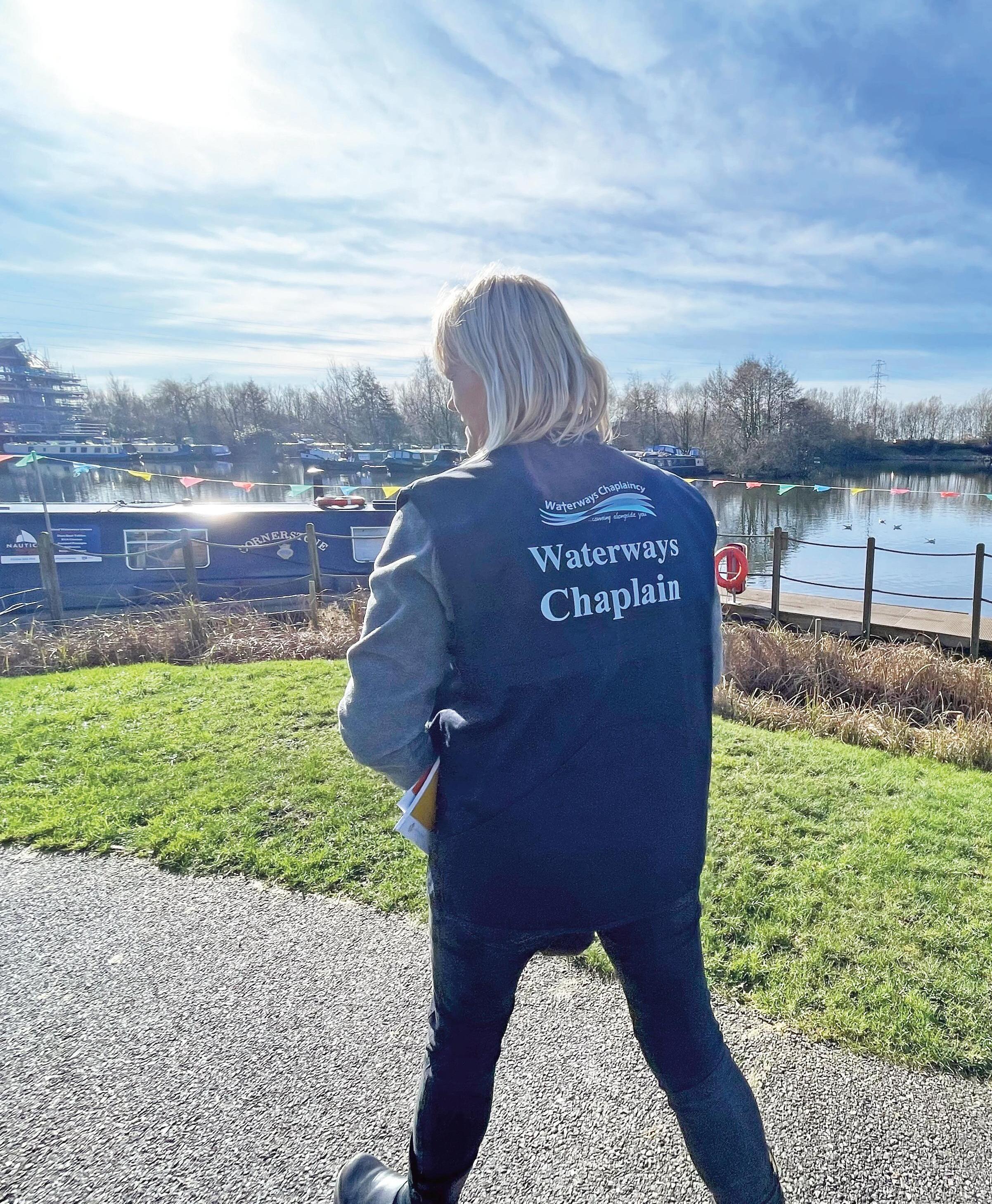
everyone on and around the navigable inland waterways of the UK. What makes this ministry distinctive is that we do not wait behind a desk or inside a church building for people to come to us. Our calling is to go out to walk the towpaths, visit marinas, knock on boat doors, chat with dog-walkers, and simply be present in the everyday life of the waterways. We aim to be seen, to be approachable, and to be available to listen, to chat, and, if asked, to offer support and care to anyone in need.
As a volunteer chaplain, much of my ministry looks beautifully ordinary. I might spend an afternoon walking a stretch of canal, stopping to talk with boaters who are moored up for the day. Sometimes it’s a fiveminute conversation about the weather or the state of the locks. Other
times, someone invites me aboard for a cup of tea, and the conversation gently opens into something deeper worries about finances, struggles with health, the weight of bereavement, or the loneliness that can settle in during long winter months. These encounters cannot be scheduled or predicted. They unfold naturally, in God’s time, and I have learned to trust the Spirit’s prompting in each one.
Over time, relationships grow. Trust builds. And it is often through these steady, gentle connections that more complex issues come to light. Many boaters face challenges such as poverty, poor health, financial difficulties, or the effects of trauma and isolation. As chaplains, we walk alongside them, helping where we can signposting to services, raising
safeguarding concerns when needed, helping people access healthcare or benefits, or simply being a consistent, compassionate presence in a world where many feel unseen. Sometimes the help is practical: carrying water containers, finding a lost dog, helping someone navigate a difficult form. Sometimes it is emotional or spiritual: offering prayer when invited, listening without judgement, or holding hope for someone who feels they have run out of their own.
One of the most beautiful aspects of this ministry is that it is offered to everyone people of all faiths and none. Conversations about God arise naturally, never forced. They grow out of relationship, respect, and genuine care.
Continued on page 3
The monthly paper for the The monthly paper for the Diocese of Nottingham Diocese of

Editor: Nick Layton
Editorial Office: CathCom Ltd, N2 Blois Meadow Business Centre, Steeple Bumpstead, Haverhill, Suffolk, CB9 7BN
Telephone: 01440 730399
email: cn@cathcom.org or davidl@cathcom.org
Website: www.cathcom.org
Distribution enquiries: cn@cathcom.org
CathCom Ltd,
Publication date: Fourth Sunday of the month for the following month. Opinions expressed by contributors are not necessarily those of the Editor or the Diocese.
Publishers and Owners: CathCom Ltd, N2 Blois Meadow Business Centre, Steeple Bumpstead, Haverhill, Suffolk, CB9 7BN
Advertising: tel: 01440 730399
Parental permission should be sought before submitting photographs of minors.
Views expressed in The Catholic News are not necessarily those of the editor.
The Catholic News is looking for a Parish Correspondent in your parish to send in local news for publication in this newspaper. All items to be emailed to cn@cathcom.org before 10th of the month
Now we are into July we are well into ordinary time after the Eastertide milestones. A month ago, we celebrated Trinity Sunday, preceded by Pentecost. It’s one of those feasts that can feel a little daunting. We hear the word Trinity and perhaps think of complicated diagrams, difficult theology, or school lessons that left us more confused than enlightened.
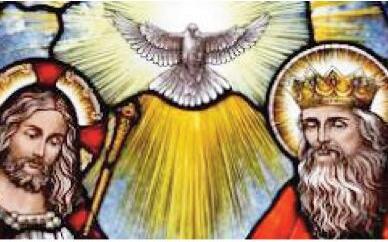
Yet at its heart, the Trinity is not a puzzle to be solved, but a relationship to be entered into. Jesus speaks of the Father, the Son and the Holy Spirit with a natural closeness - a constant sharing of love, truth and life. And the extraordinary thing is this: we are not standing at a distance, watching it happen. We are invited in. For us as Vincentians, our vocation begins there. The Society is not simply about organising help or responding to need, important though those things are. It is first about recognising that every person is drawn into the loving life of God. Every visit, every conversation, every small act of kindness becomes part of something much bigger than ourselves.

As Vincentians we will frequently hear members say ‘The Holy Spirit moves in mysterious ways’, when there has been a positive outcome or successful conclusion when pursuing the mission or working with beneficiaries. The result, because of our faith, is attributed to the hand of God working in the background. Whilst it may be easier to identify the Father and the Son more readily as two of the three within the Trinty, the Holy Spirit perhaps takes on a more intangible aspect that is difficult to define. What we do believe is that the Holy Spirit has been the guiding force to enable a successful outcome, not just with Vincentian matters but also key life decisions, family, work or church related events that form part of our lives.
We believe it is the Holy Spirit that is responsible for the choices we make based on options available, for the things we say based on our understanding and our moral stance to life, and the gifts we receive through our faith that help confirm and strengthen our belief in God. The Holy Spirit still nudges quietly at the heart. Sometimes in the interruption we hadn’t planned for. Sometimes in the person we almost
overlooked. Sometimes in the gentle reminder that people need more than solutions - they need dignity, friendship and hope.
Over Pentecost at my church, parishioners were asked to reflect on whether they felt the Holy Spirit has had an impact on their lives. Flame shaped cards were provided so if any considered they had an example to offer they could write it down and return it to the church. Replies are still coming in and when appropriate a display will go up on the church wall to show just how the Holy Spirit does its work. My own example is the desire to return to attend church after lapsing at the age of 18 when I went away to university. I acquired a job in a Catholic school and by the end of the first half term I felt an urge to return ‘to the fold’. That was 25 years ago!
Perhaps Trinity Sunday is less about trying to explain God and more about allowing God’s way of loving to shape the way we live. The Holy Spirit forms that part of the Trinity that we believe touches us as humans, using daily life events and opportunities, such as our vocation, family, or work, to guide and shape our lives.
In a world that can feel increasingly fractured and stressful, it is good to know that through our faith we can rely on this support and guidance to make the right choices, say the right words and do the right thing!




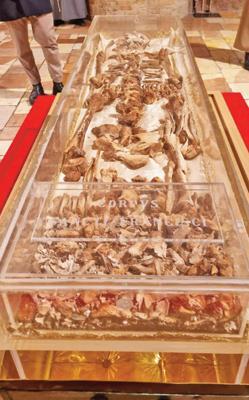







In the summer of 1957 the then Prime Minister Harold Macmillan claimed that most people in our country have never had it so good. On the back of this his Government won the 1959 General Election and in 1960 I was fortunate to start employment which lasted 40 years. If only our young people today could have the opportunity to proceed in life as I did. For the record no other 16 year old applied for the vacancy.
At a business meeting in one of our big cities a mother turned up to ask a simple question earlier this year. “I have a 14 year old and an 18 year old, What do I tell them? This meeting was about artificial intelligence and the manager who replied said, “that artificial intelligence can replace 40 percent of jobs or even more. The reply to the mother was quite
rambling suggesting that our young people and universities need to show what is possible but that no model trained on the internet can ever replace human resources or ability.
A former government minister recently gave us his interim report entitled “Report into Young People and Work”. Alan Millburn held nothing back as he gave specific reference to the lost generation of young people not in employment, education or training. There is no easy solution to this but unless the leadership of our country acts on the lack of skills and training we are storing up more trouble for future generations.
Our country is changing rapidly. As Christians we need to be at least more
aware that the continued use of artificial intelligence (I dislike the term AI) will present both opportunities and pitfalls. Pope Leo has clearly stated that this new area of our lives must never outweigh the importance of human personality and our capacity for decision-making. To all who are capable of a new skill must be able to distinguish between what is artificial and what is truth.
Let us all ensure that our Parish community is a place of Hope for all who are aged between 16-30. (For further reading please see the June article by Bishop John Arnold in our sister paper The Catholic Post).
Continued from page 1
I have found that people on the waterways often have a deep spiritual hunger, even if they would never describe it in religious terms. They appreciate authenticity, gentleness, and the simple reassurance that they are not alone.
Being a volunteer chaplain has taught me patience, flexibility, and a deeper trust in God’s quiet work. Some days the towpath is full of conversations; other days it is silent. Some weeks I feel I have made a real difference; other weeks I simply show up and walk. But I have come to see that this ministry is not about quick fixes or dramatic results. It is about longterm faithfulness being there, week after week, as a sign of God’s love moving quietly along the water.
What continues to move me is how this ministry brings about gradual transformation. Not through grand gestures, but through presence, compassion, and the steady reassurance that every person is worthy of care. I have seen people regain confidence, reconnect with services, rebuild relationships, and rediscover hope. And I have seen how simply being listened to truly listened to can be lifechanging.
If you feel drawn to a ministry of presence, compassion, and gentle accompaniment, I warmly encourage you to consider becoming a Waterways Chaplain. Training and support are provided, and volunteers come from all walks of life. And if chaplaincy itself isn’t for you, there are many ways to support the work: through prayer, through practical donations, through raising awareness, or simply by holding this community in your heart.
by Dr Corinna Priest
If you would like to know more or explore becoming part of this ministry, please get in touch, scan the QR code.

An Archives Open Day, a 1921 yearbook, and the long, quiet work of remembering.
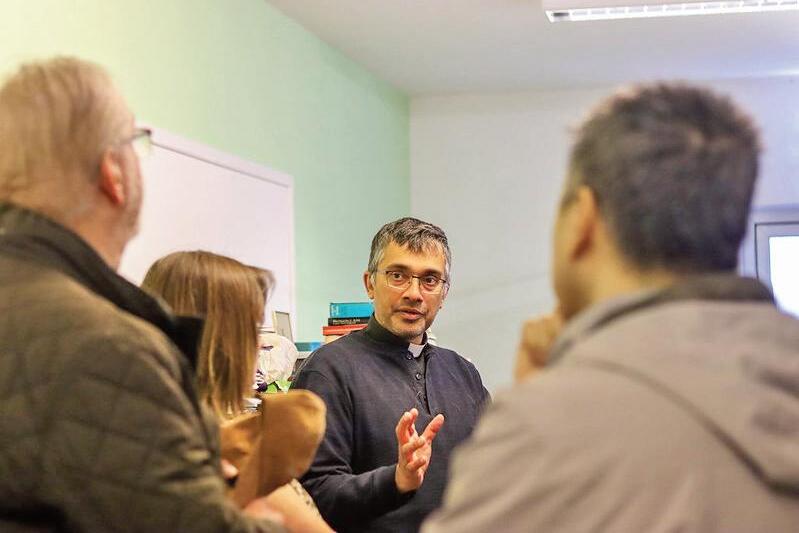
The Diocese’s first yearbook, printed in 1921, was passed from hand to hand around a circle of people who had never met before. Its edges were worn. They had come to the Archives Open Day on Friday 17 April, and Fr Kevin Athaide, who leads the Archives department, was ready to welcome them.
About a dozen people made their way in across the afternoon; some with professional experience in archives, some with questions about a parish or a family name, all of them with a sense that what is kept here matters.
Fr Kevin walked the group through how the collection works: the preserving, the cataloguing, the slow and careful labelling that makes a record findable fifty years from now. He showed where and how volunteers could make a real difference. But it was when he turned to what the archives actually contain that the room leaned in.
The shelves hold baptism and marriage registers, parish foundation papers, school logbooks, photographs, and the personal letters of priests and religious who served here. Much of it began, as Fr Kevin put it, from “modest beginnings.” The families and clergy who built up Catholic life in this part of England were, he said, “pioneers in their own time,” passing on faith with creativity and courage in circumstances very different from ours.
“When you see what people did with so little, it encourages you. It reminds us that the Church is built up by ordinary faithfulness.”
That faithfulness is not only something to admire from a distance. It is something to learn from. “We can always learn from the past,” Fr Kevin said, “not because we want to repeat it, but because it can give us ideas for how we could work in our own time.” The records here, he added, are “not just archives”, they are “how the Holy Spirit has moved in our Diocese across the years.”
The Open Day was the start of a wider invitation: the Archives team is looking for volunteers to help with sorting, cataloguing, conservation, and welcoming visitors. If something here has resonated
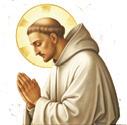
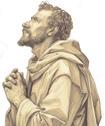
The month of July brings with it a couple of significant celebrations for us here at the hermitage. On the 11th of July we celebrate the Solemnity of Saint Benedict, the Holy Rule of Saint Benedict is followed by us and is the backbone of our charism. Also on the 15th July we celebrate our Priestly ordination anniversary.
Although Saint Benedict may have lived some 1500 years ago many of his ideas are as relevant today as they were when he wrote them down.
This rule became the authoritative ‘life manual’ for his community. As indeed it is for many communities today throughout the world, as it is ours here in Elston too. The guidance that St. Benedict provides comes from his experience of everyday life and his insight into human nature. However, the Rule makes good reading and we do not always need to be monks or saints to be helped by his wisdom.
Here are 10 points which I came across which may do us all good on our pilgrimage of life.
1. ‘Listen, my son’ This is how the rule begins. To listen we must first keep silence. For a Benedictine talking needlessly, without saying anything of worth, was punished. Most of us are not bound to that degree of strictness, but silence allows us to reflect on ourselves and to be more attentive to others.
2. ‘Idleness is the enemy of the soul’ says Benedict - he mandated that his monks divide their time between work, reading and prayer, in such a way that it gave the right balance of life.
3. Transform every task into prayer. For Benedict every task participates in the creative work of God and the sufferings of Christ. Work should be seen as a service to others and a form of prayer itself.
4. Our days should follow a rhythm. The Holy Rule imposes a time for everything, prayer, work, reading reflection. These ancient principles are essentially still being taught as part of management skills in businesses, schools and self help books.
5. Be attentive to others. For Benedict, respect must characterize all our relationships with people ‘ Let all be
By
received as Christ’, he said, speaking of visitors, especially the poor and travellers. If we are all attentive to and considerate to each other, even to our enemies, we will contribute to building a world that reflects God’s love.
6. Practice discipline. Benedict told his monks to stop whatever they were doing punctually when it was time to move on to another task. This may be difficult for us, we may not have a Abbot giving us our daily schedule, but forcing ourselves to follow a well designed schedule which frees us from slavery to our impulses.
7. Read often to feed your mind and soul. Benedict had his monks dedicate an important part of their day to reading Scripture and edifying books. Reading can give us fresh ideas, make us more empathetic, broaden our minds and teach us wisdom from the past and present.
8. Understand and respect your own priorities. For monks the highest priority is to seek God, especially in prayer. Everything in the rule is organised on this principle, Benedict repeats it again and again in his rule. ‘Let them prefer nothing what ever to Christ.’ We need to know what
with you and you’d like to be part of keeping the story of our diocese alive, you can write to the team at archives@dioceseofnottingham.uk. Diocese of Nottingham
our priorities are and respect them in the way we use our time.
9. Make peace with others. In various ways and circumstances Benedict urges his monks to apologise when they have offended others. He reminds them from Scripture to ‘seek peace and pursue it’ and in the case of discord with anyone to make peace before the setting of the sun.
10. Live each day as if it were your last. Benedict told his monks to ‘ keep death daily before their eyes’ This helps us remember our priorities and focus on the essentials.
Many of us of course do not live as monks, but human nature never changes. And this is why St. Benedict’s insights continue to be valuable today. Hopefully, these little tips will enlighten us, encourage us to dip into this little ‘rule for beginners’ and remind us of ways we can be happier, better people with God’s help.
(To prefer nothing to Christ. C.T.S. Books £3.99)
Well worth a read Fr.D
By Fr Jeremy Corley
When summer comes, we like to go outdoors to enjoy the beauty of nature. Some people are able to go to the seaside and enjoy sunshine and swimming. Others go into the country to breathe fresh air and be close to nature. Others again like to sit outside in a park, or care for the growing plants in their garden.
Pope Francis reminded us that the earth is our common home, which needs to be respected and cared for. The earth brings forth a rich harvest of fruits and vegetables. It also provides a home for flowers and trees.
On 12th July (the 15th Sunday of the Year), the psalm celebrates the providence of God who cares for the earth and gives it water, blessing all the growing plants. The psalmist rejoices to see fields covered with flocks and valleys decked with wheat.
The prophet Isaiah also celebrates God’s gift of rain and even mountain snow, providing water for the dry earth. By making the earth bring forth plants, God provides not only seed for the farmer to sow but also bread for all of us who eat our daily food.
Seeing the rain serves as a reminder that God’s word likewise accomplishes a fruitful purpose, succeeding in doing what God sent it for. In the biblical prophet’s time, God’s word spoke of the end of the Jewish exile in Babylon, enabling the chosen people to return home safely to Jerusalem.
St Paul takes up the theme of creation in his letter to the Christians at Rome. He recognises that we do not live in paradise now, because creation faces the problem of decay and death. He tells us that because of human sin, creation long ago was unwillingly subjected to futility. Yet we have
the hope that eventually creation itself will be set free from its tendency to decay.
The gospel Parable of the Sower uses the biblical theme of grain being sown in the ground and growing up to yield a harvest. But Jesus points out the importance of the soil. Some soil is rocky and other soil is too shallow, while the ground elsewhere can be full of thorns. Only the well-prepared soil will yield a rich harvest.
Taking up Isaiah’s focus on God’s word coming down to us from heaven, Jesus pictures it as resembling seeds being sown in the ground. For the seed to bear fruit, it needs to find good soil.
When Jesus came to this earth, some people responded to his message and became disciples, letting his word guide their actions. Others closed their eyes to seeing his truth because their hearts were

dulled. At the extreme, there were people who totally rejected his message and plotted to do away with him.
Reading or hearing Jesus’ parable can serve as a challenge to us today. How do we receive God’s word? How do we respond to the call to care for our neighbours and for creation? Does the seed of God’s word tend to get overwhelmed by thorns? Do we allow the cares of this world and the lure of riches to choke the word, making it unfruitful?
Let us pray for the grace to be good soil by listening attentively to God’s word and understanding it, so that we may bear fruit. Then we will fulfil God’s plan for us and be doing what God created us to do.












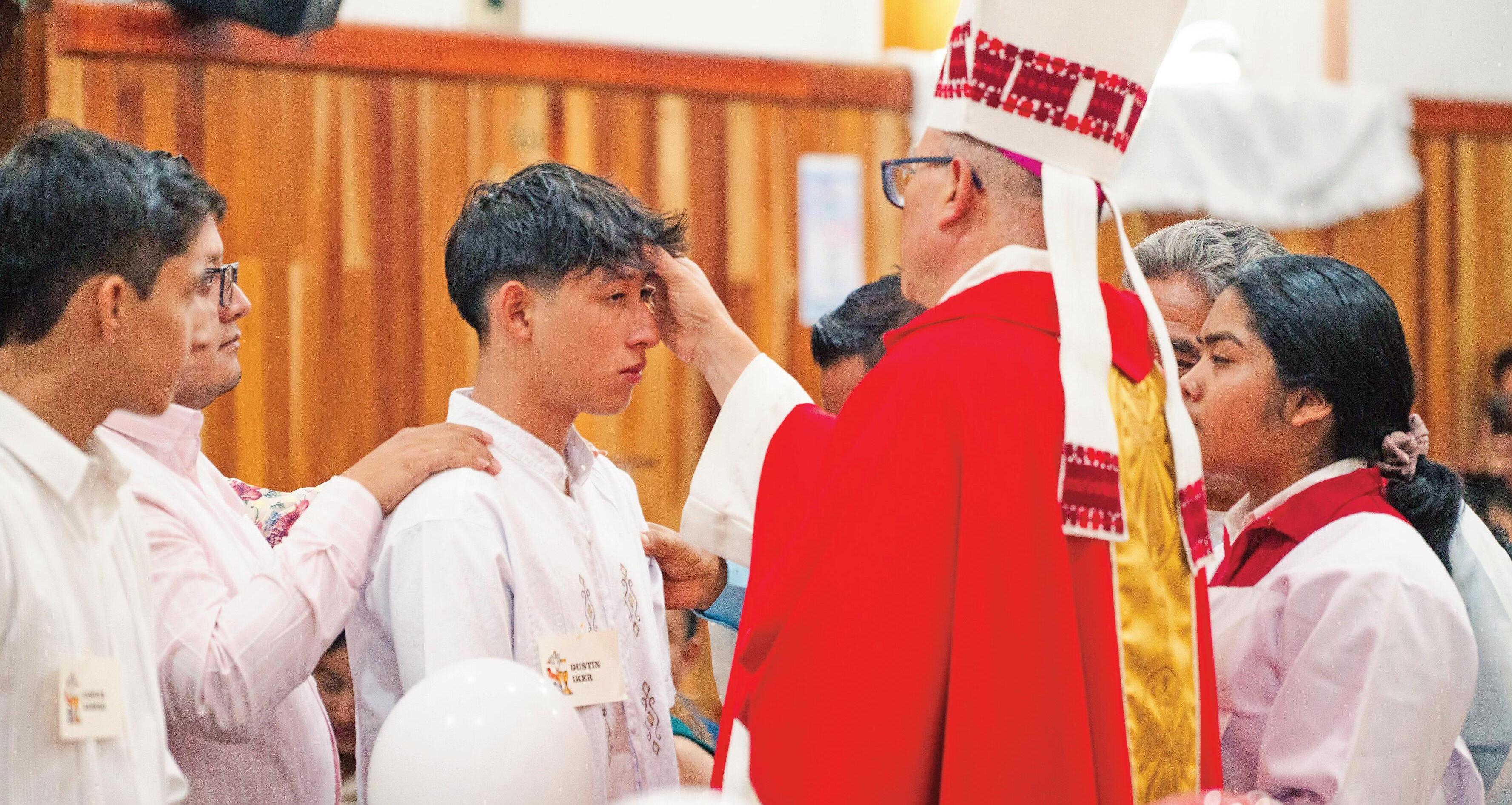
St Pope Paul VI, the Pope who was instrumental in ushering in the liturgical renewal following the Second Vatican Council, wrote in his encyclical on Evangelisation in the Modern World Evangelii Nunitiandi that “Modern man listens more willingly to witnesses than to teachers, and if he does listen to teachers, it is because they are witnesses.” We often hear ‘practice what you believe’ and ‘walk the talk’, which stresses the importance of integrity or unity of life. We all struggle with living out our faith. At times, we may say one thing, and yet do another. None of us is perfect, and at times we do not ‘walk the talk’. We do need the grace, the ability, the love, in order to witness to our Christian faith in the world around us. The Sacrament of Confirmation helps with this. Although the Holy Spirit is present everywhere, this sacrament physically reminds us of the outpouring of the gifts of the Holy Spirit at work, in order that we are strengthened with the ability to bear witness to Christ and for the building up of Christ’s body.
Although we equate this sacrament with teenagers, it may be celebrated for anyone who is baptised. At the Easter Vigil, when adults are baptised, their Confirmation follows immediately afterwards and before the Eucharistic Prayer and Holy Communion. In cases of emergency, an infant may be confirmed. In the Latin tradition, it is normally celebrated after the age of reason, especially when one is a teenager. We should keep in mind that confirmation, or chrismation, is celebrated in the Eastern Church right after Baptism, even for infants.
As the second sacrament in the Sacraments of Initiation, this sacrament is intrinsically connected with the Sacrament
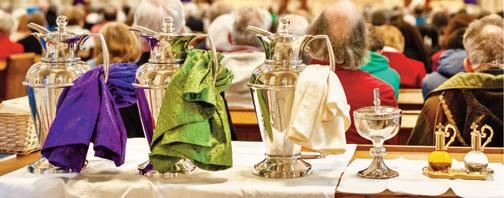
of Baptism. In some way it ‘completes’ baptism. This is why usually the renewal of baptismal promises is done for those over the age of reason. The gesture of laying on of hands is done, with a prayer asking for the gifts of the Holy Spirit (wisdom, understanding, counsel, fortitude, knowledge, piety, and fear of the Lord). The gesture of the laying on of hands symbolises the gesture of handing over the ability to follow Christ as disciples. The same gesture invokes the Holy Spirit, to mold and shape us. Chrism, that is oil mixed with balsam, is used to anoint the forehead. The forehead is visible to all people, which is a reminder that through our attitude, words, and actions we give a visible witness to the message, and the life, death, and resurrection of Jesus Christ to the world. Likewise, the sweet smell of Chrism reminds us that we ought to be the ‘good odour’ of Christ to the world. The use of Chrism symbolises the spiritual anointing of the Holy Spirit. The words of the sacrament, “Be sealed with the Gift of the Holy Spirit”, emphasise the gift of the outpouring of the Holy Spirit on the day of Pentecost.
Witnessing to our Catholic faith is difficult, especially in a context, where there is much division, polarisation, war, injustice, and where religion might be seen as out of date or a private hobby. The Gifts of the Holy Spirit help us live out our faith in action by giving witness. All of us have the potential to do so much good in the world, and it usually starts in our homes, our workplaces, and in our parish communities. It may start with a simple smile, a kind word, and our presence.
Fr Anthony Fyk
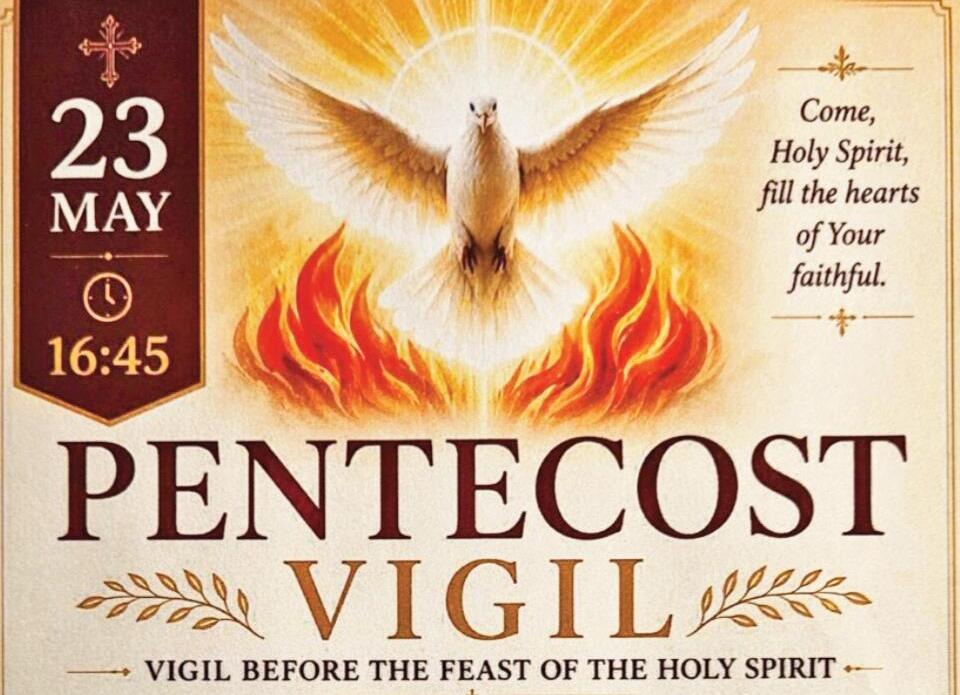
The word lingual means "of, relating to, or near the tongue" and the eve of Pentecost turned out a time of reflection on Acts 2:111, with its references to tongues and on language, listening, hearing and speaking.
The day had started, not with a ‘mighty rushing wind’ or ‘tongues as of fire’ but with other equally dramatic sounds and sights from the heavens, thanks to an unusually severe thunder and lightning storm over the city of Lincoln, that woke up many people in the early hours with a start and may have led to utterances that most people would understand! That evening a prayer vigil was held at St Peter & St Paul Church. Organised by members of the Polish community, it began with Adoration and prayer, including a beautiful solo of Veni Creator Spiritus, a hymn in Latin, the universal language (lingua franca) of the Catholic Church. This was followed by Mass and finished with a shared meal in the parish centre.
In the first reading of the Mass for Pentecost, from Acts 2, the crowd listening to the apostles asked: “... how is it that we hear, each of us in his own native language?” The Kingdom of God is our native home and our native language, that which belongs to us in Christ, is that of the Spirit. In our humanity, we each speak (and hear) our own individual languages both by word and body, our native language being shaped and filtered by a unique combination of many factors, such as: birthplace, culture, society, family, education, religion and life experiences, that can work to mask, distort or amplify
the Spirit to varying degrees. No wonder communication can be so challenging, with many different languages spoken worldwide!
During the evening, different ages and personal histories prayed in different
national languages and enjoyed, together, delicious food and songs in Polish, the words being of limited relevance. What mattered, more than any differences, was the presence of love, kindness, generosity, joy, peace and unity, shared and experienced; the Spirit both speaking and
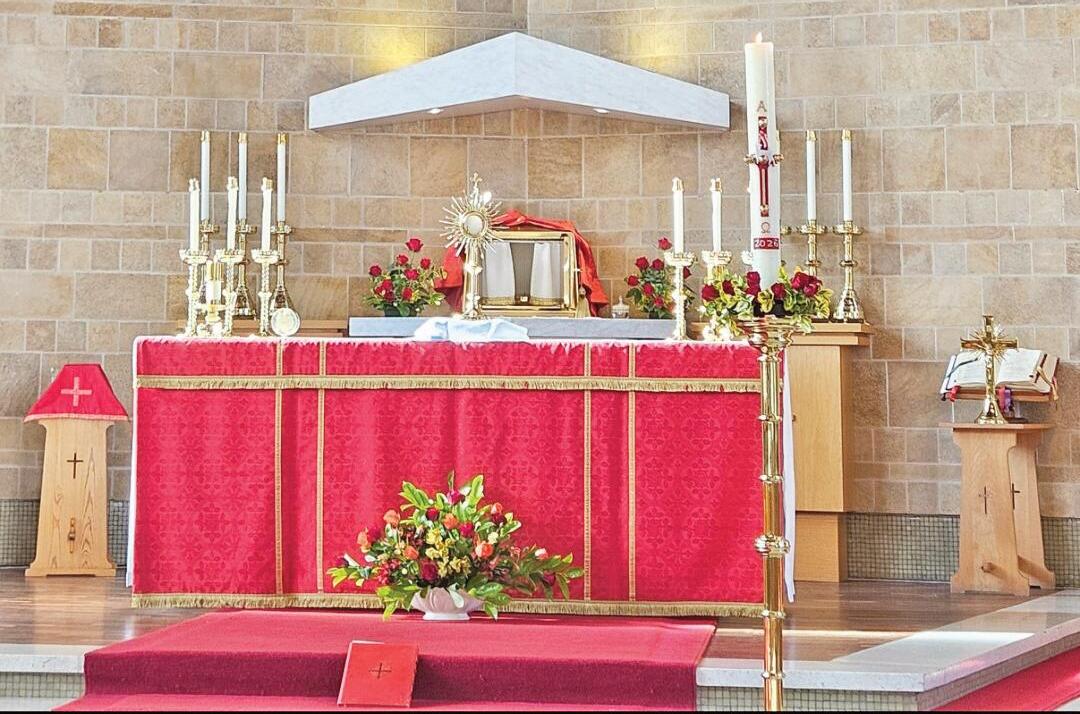
being heard clearly. The scripture “... they were all filled with the Holy Spirit and began to speak in other tongues as the Spirit gave them utterance.” and “... how is it that we hear, each of us in his own native language?” became a lived experience.
Pentecost is a call to each of us to return to our true identity in Christ and allow our individual languages to be refined by the working of the Holy Spirit, so that our uniqueness, rather than dominate (and detract from), serves the Spirit, allowing our native tongue, the ultimate lingua franca, to do the talking. The format of the evening: prayer, followed by reception of Holy Communion, followed by time with others, was itself a blueprint for answering that call. May we hear the call and respond. Use of the lingua franca, by the apostles at the birth of the Church reunited multitudes, were we to sufficiently reclaim it, it could do so again; as we look ahead to marking Pentecost next year, what a fitting birthday present that would be. Come, Holy Spirit!
Thank you to the members of the Polish community who give so much to the church community, and always with great joy, for organising another lovely event and offering a blessing to all who participated.
St Peter & St Paul Church, Lincoln
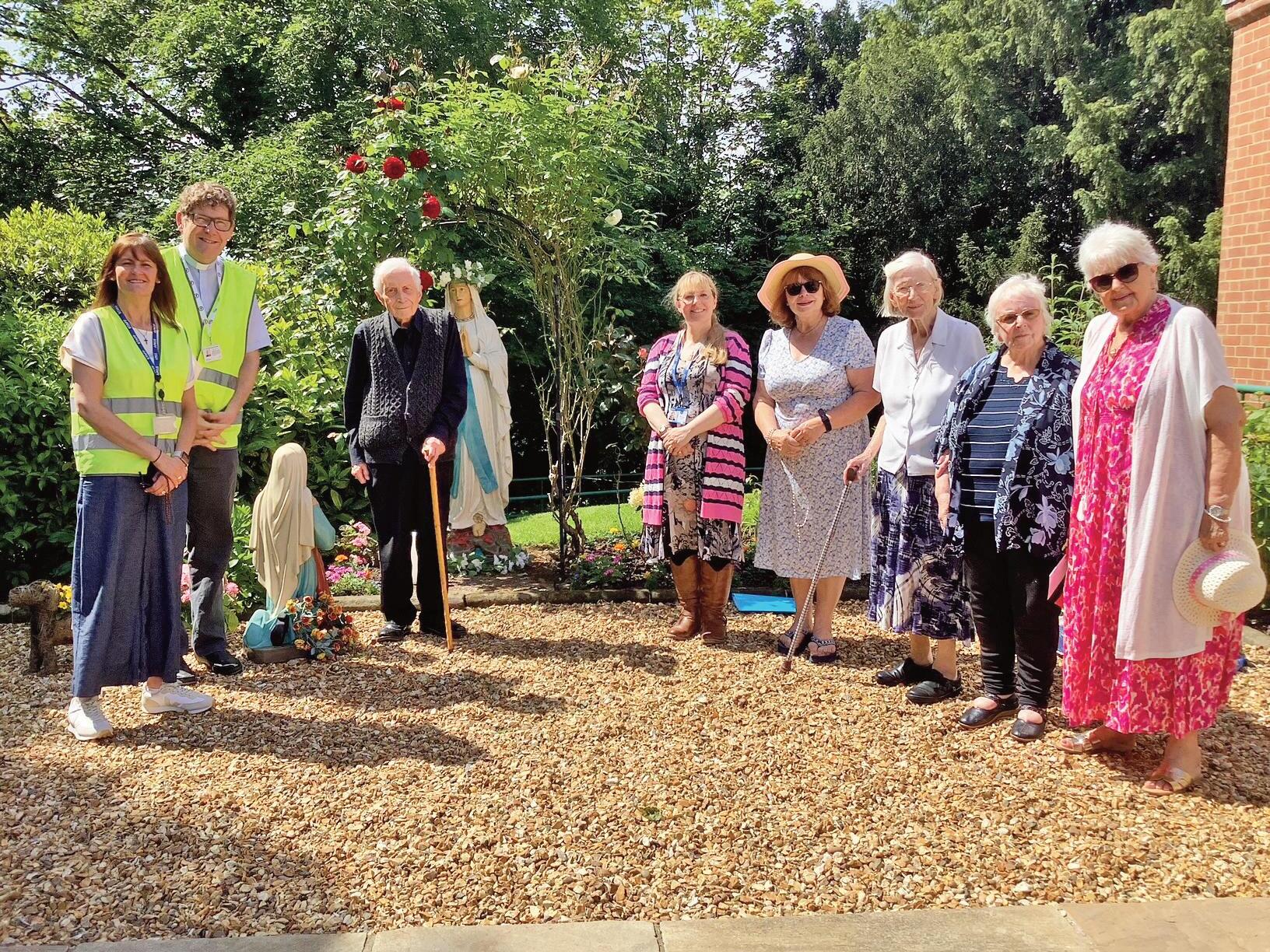



The Chaplaincy Team also sold Rosaries from ACN and raised £109 for the charity.
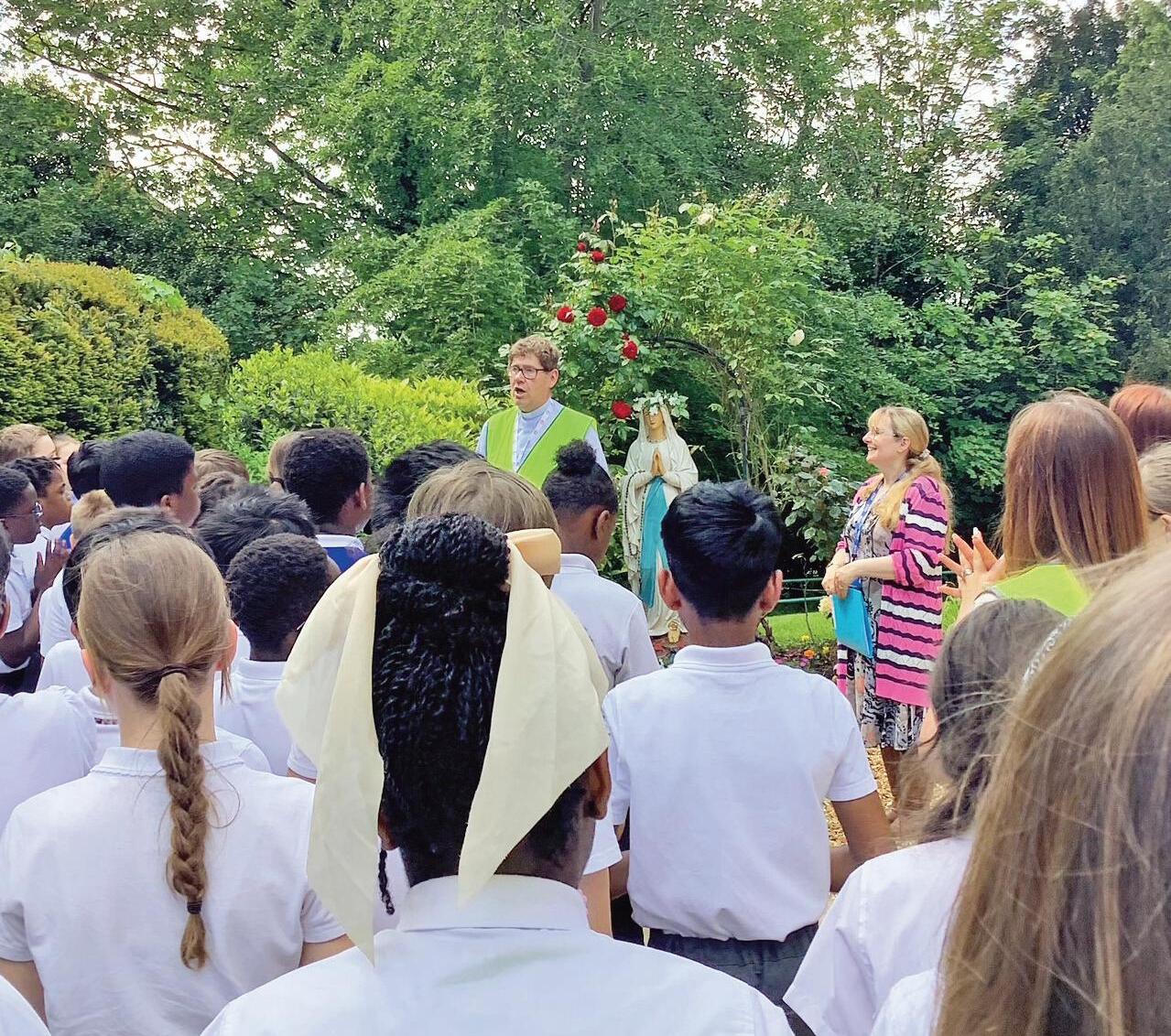
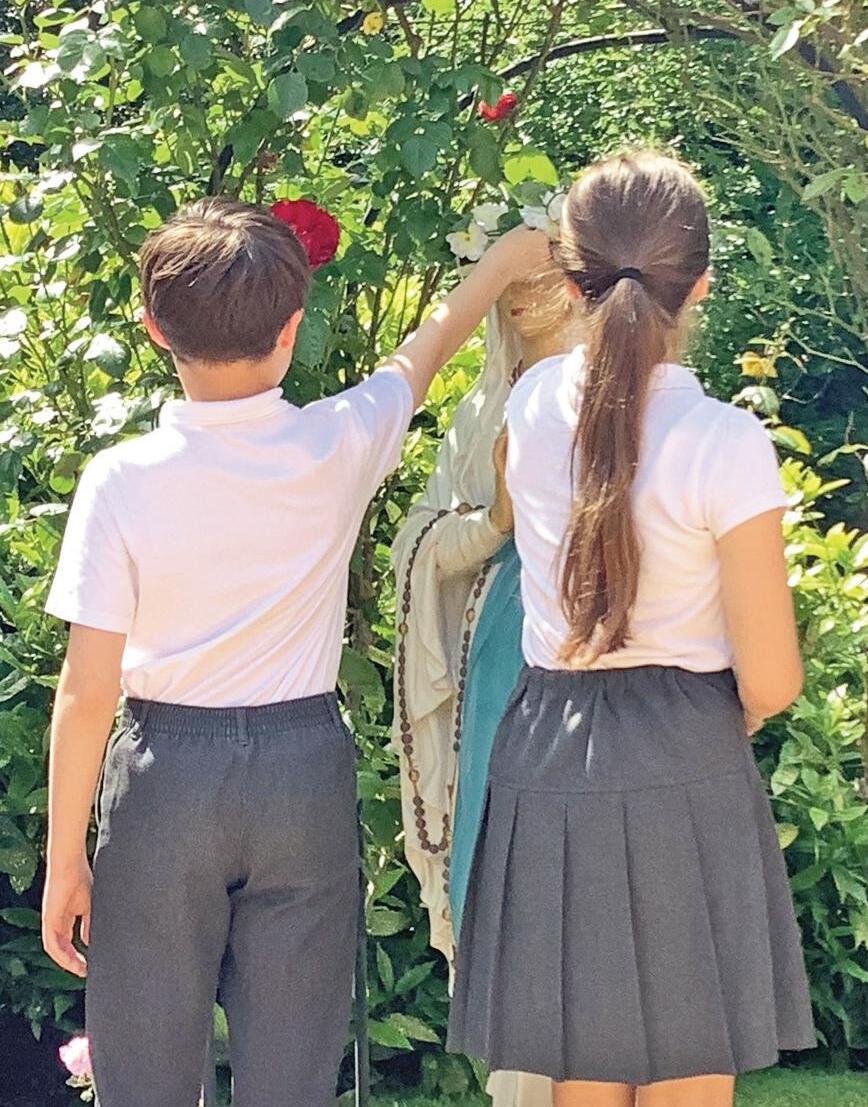
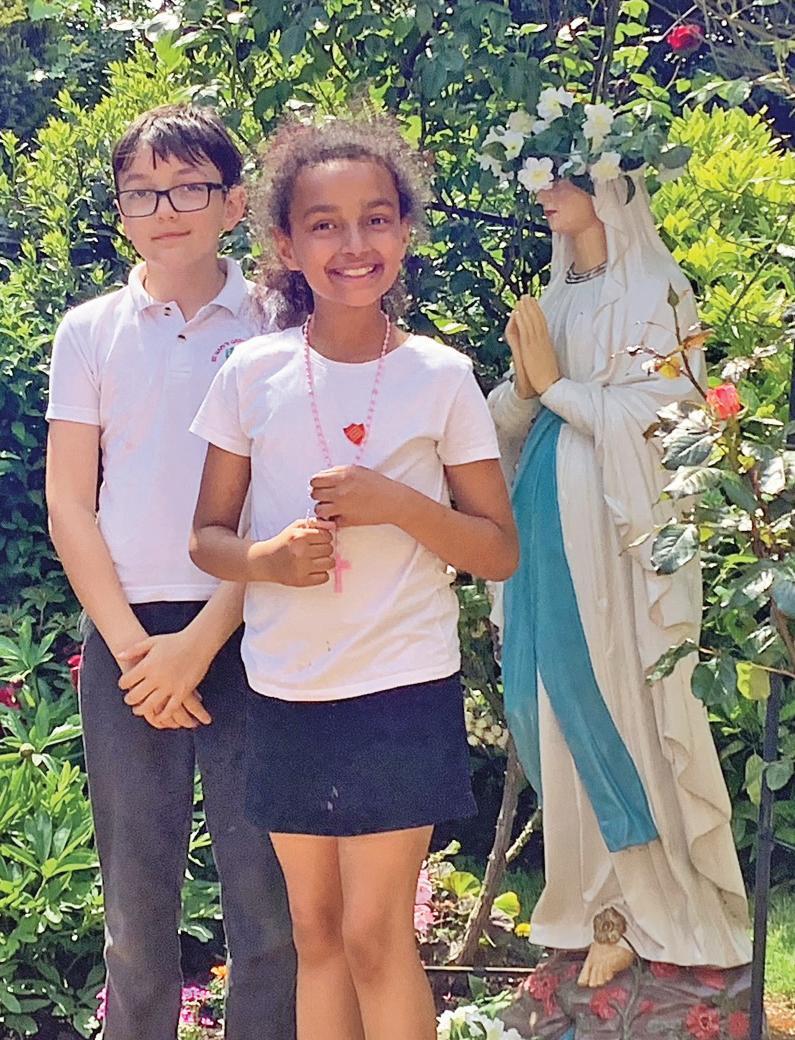
On the last day of term years 1 to 6 were invited to the Convent of Mercy gardens by the Sisters, where they crowned the statue
of Our Lady of Lourdes, sang ‘As I Kneel Before You’ and prayed a decade of the Rosary.
It was a beautiful event, reminding us of the words of St Padre Pio "When one million children pray the Rosary, the world will change.”
Fran Hazel Lay Chaplain
In May a pilgrimage, by coach, to Ely, Cambridgeshire, from parishes in Scunthorpe and Lincoln took place. It included a tour of the 'ship of the Fens' (Ely Cathedral) built after William the Conqueror seized the land, Mass in the cathedral, veneration of a relic of St Etheldreda and some free time to explore the city. Ely or The Isle of Ely as it was once called and sometimes still is today, was once an island surrounded by water, abundant in eels, until the Fens were drained in the 17th century.
Like Ely and the cathedral itself, two individuals encountered on the day, also have interesting histories. St Etheldreda, born a princess, longed from childhood to become a nun, but for political reasons was married off. Widowed, she was married a second time, before finally entering religious life. In 673 AD, six years before her death, she established a monastery on the site where the cathedral now stands. Her body remained incorrupt and she was revered as a Saint, such that her monastery became an important pilgrimage site, until the Reformation, when it was destroyed.
The celebrant of Holy Mass also has a meandering vocational journey. An academic, he married and raised a family; after a conversion experience led him to the Catholic Church, he was subsequently ordained to the Permanent Diaconate. Widowed and after thirty years of ministry, he sought to retire, only to discern a new calling beckoned (God, it seems, had a different plan to retirement) and in 2024 he was ordained a priest at the age of 78 years young!
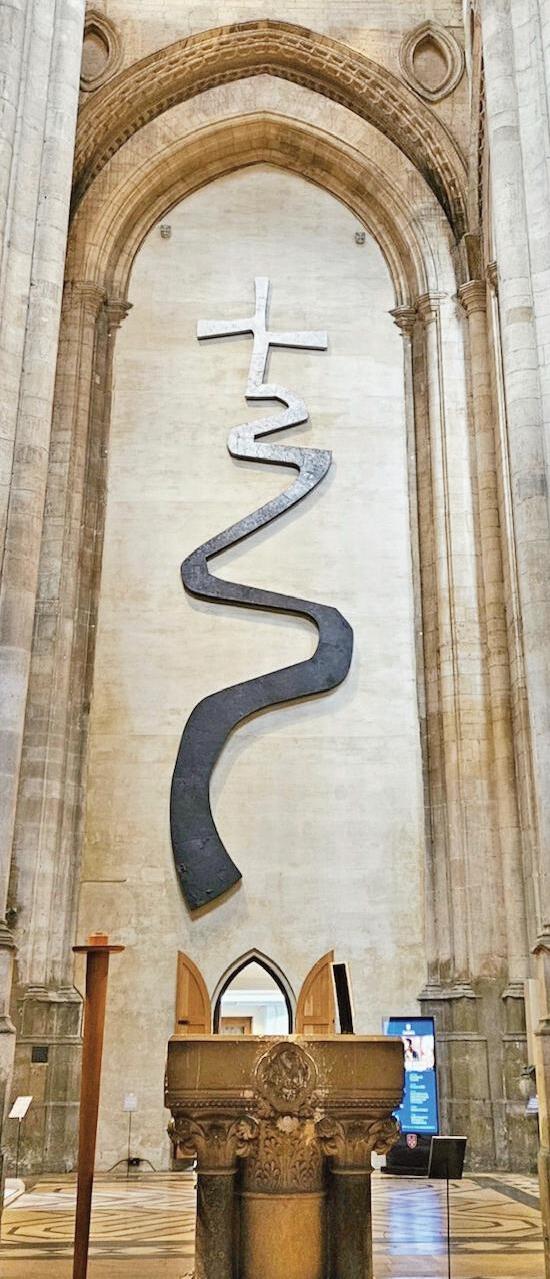
Near the cathedral entrance is an eye catching sculpture called ‘The Way of Life’ that was commissioned for the new millennium (see photograph). On the cathedral website is the following description of it: “Like the journey of faith, its path is irregular and unpredictable; and just as the journey is sometimes hard, sometimes joyful, the surface texture and colour also vary.” The sculpture and the city of Ely, both the place and people, were a reminder of how life led by the Holy Spirit keeps changing, sometimes in unexpected ways and provided encouragement to remain faithful to the vocation behind the vocation, to be open and fluid, following Jesus, not clinging to roles or titles, as well as demonstrating the need for trust and perseverance, especially when life does not pan out as hoped for.
With grateful thanks to the organiser of the pilgrimage and coach driver, together with all who joined in, for what was a memorable day.






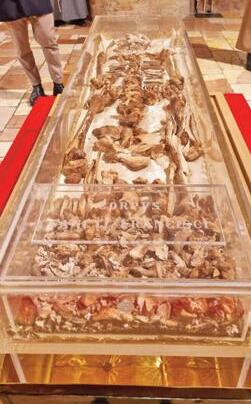






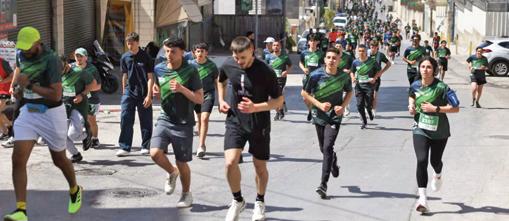
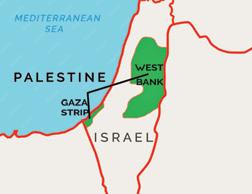

On Saturday, May 30th, nearly thirty pilgrims from the Parish of St Francis of Assisi in Sherwood set out on a journey that would prove to be far more than a day trip— it was a spiritual renewal, a collective turning toward the heart of Mary's intercession, and a profound encounter with the sacred.
The pilgrimage, lovingly organised by Sister Elizabeth Carr and supported by Fr Matthias Ejukwe, began with a blessing from Canon Michael O'Donoghue at Holy Trinity Church in Newark. As our bus pulled away from the familiar streets of home, Fr Matthias gathered the group in prayer, setting the spiritual tone for what lay ahead. Though traffic threatened to test our patience, no delay could dampen the anticipation and reverence that filled our hearts as we journeyed toward the Catholic National Shrine and Basilica of Our Lady of Walsingham—a place where pilgrims have sought Mary's maternal intercession for centuries.
Arriving at the Chapel of Our Lady of Reconciliation, we joined the Pilgrims' Mass at noon, our voices joining the chorus of faithful from across the country. There is something profoundly moving about worshipping alongside strangers who are our brothers and sisters in Christ. After Mass, we lingered briefly in prayer before heading out to nourish both body and spirit with lunch near the picnic area, facing the Via Sacra.
The afternoon unfolded as a deepening spiral of prayer and pilgrimage. We visited the Slipper Chapel, that most sacred of Marian shrines, where some of our pilgrims placed their personal petitions before Our Lady's image—intimate prayers whispered in the presence of the Mother of God, entrusted to her loving care and intercession. From there, we made our way to the Holy Spirit Chapel, where we invited fresh fire into our hearts. Returning to the Chapel of Our Lady of Reconciliation at 14:00, we were met with the profound gift of the Blessed Sacrament exposed—our Lord present before us in His fullness. We spent time in silent adoration, allowing His presence to speak to the deepest longings of our souls.
The highlight for many was the Holy Mile— that sacred walk where pilgrims have processed for generations. With rosary
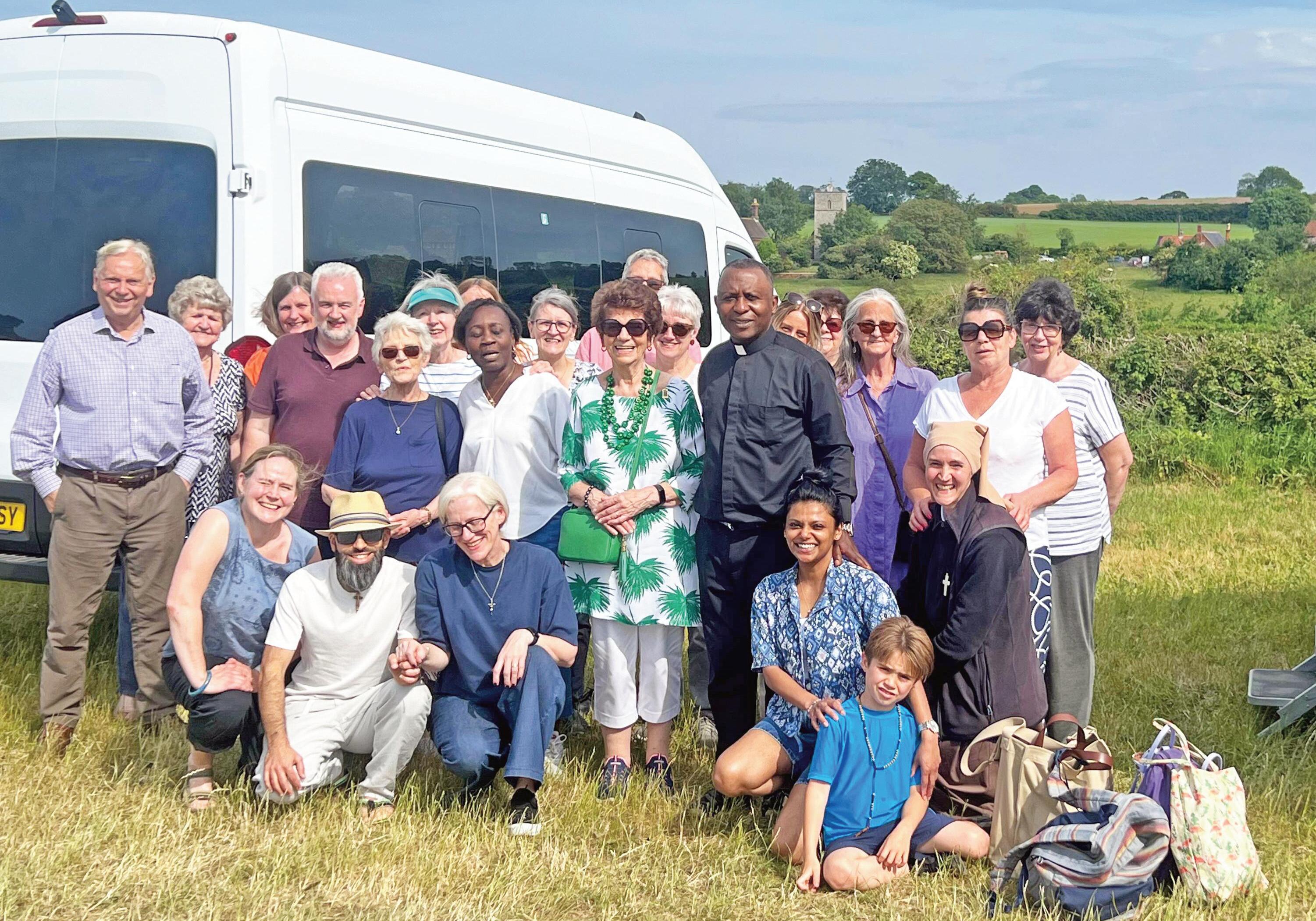
beads in hand, we prayed for peace in our fractured world, for the Holy Spirit's boldness in our witness to Christ, and for the health of the sick and assistance for the needy among us and beyond. In that moment, walking together through Walsingham's hallowed ground, we were not merely a parish group—we were part of a living communion of saints, past and present, united in intercession and faith.
Our time concluded with a visit to St Seraphim's Chapel in Walsingham village before we reluctantly boarded the buses for the journey home. All arrived safely in Newark, carrying with us something intangible yet unmistakable: the grace of pilgrimage, the consolation of Mary's presence, and a renewed commitment to our faith.
As we settle back into the rhythm of parish life, we carry Walsingham with us—not in our suitcases, but in our hearts. We left Newark as separate souls seeking God; we returned as a community renewed in faith, refreshed in spirit, and reminded once again that Mary's intercession knows no distance, and her shrine stands as an eternal beacon calling the faithful home to her Son.
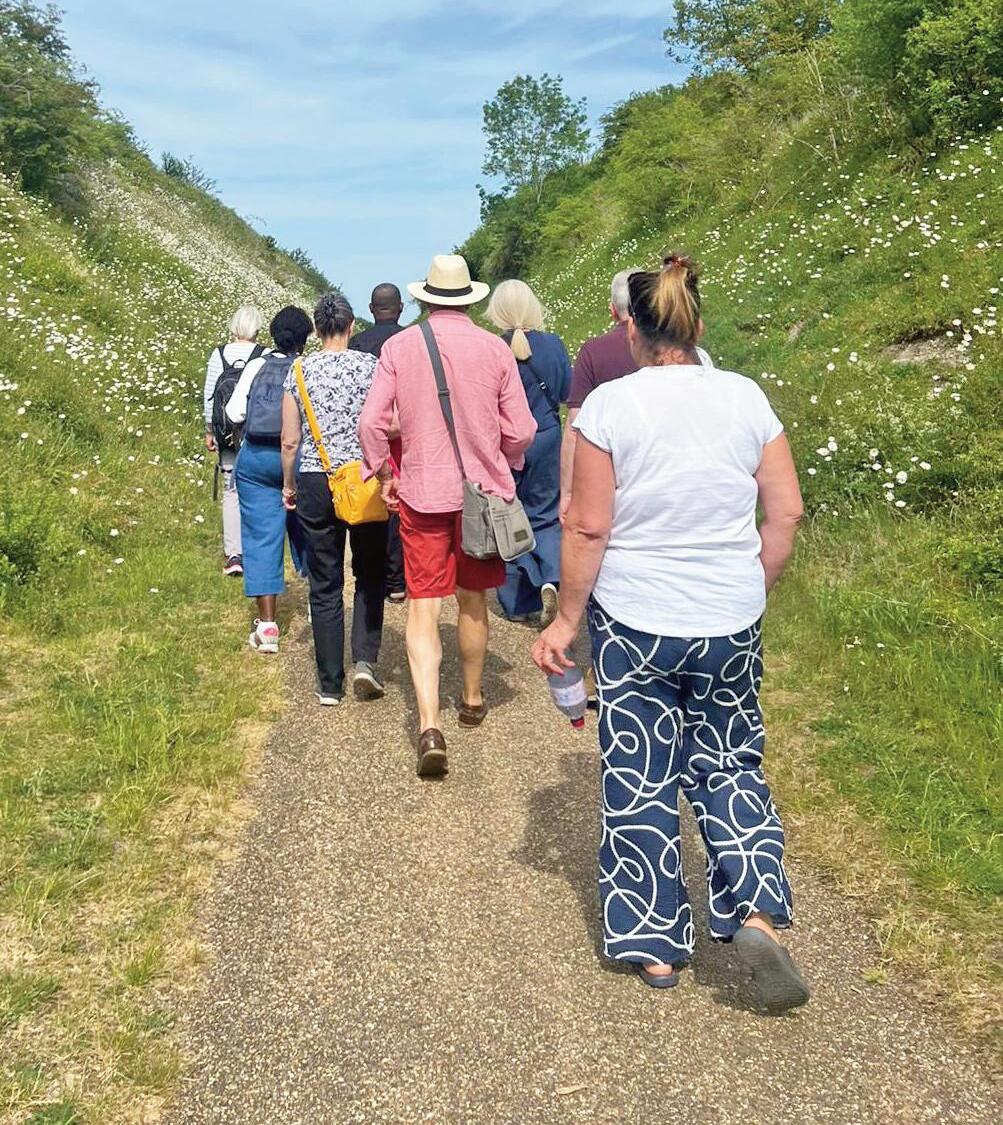
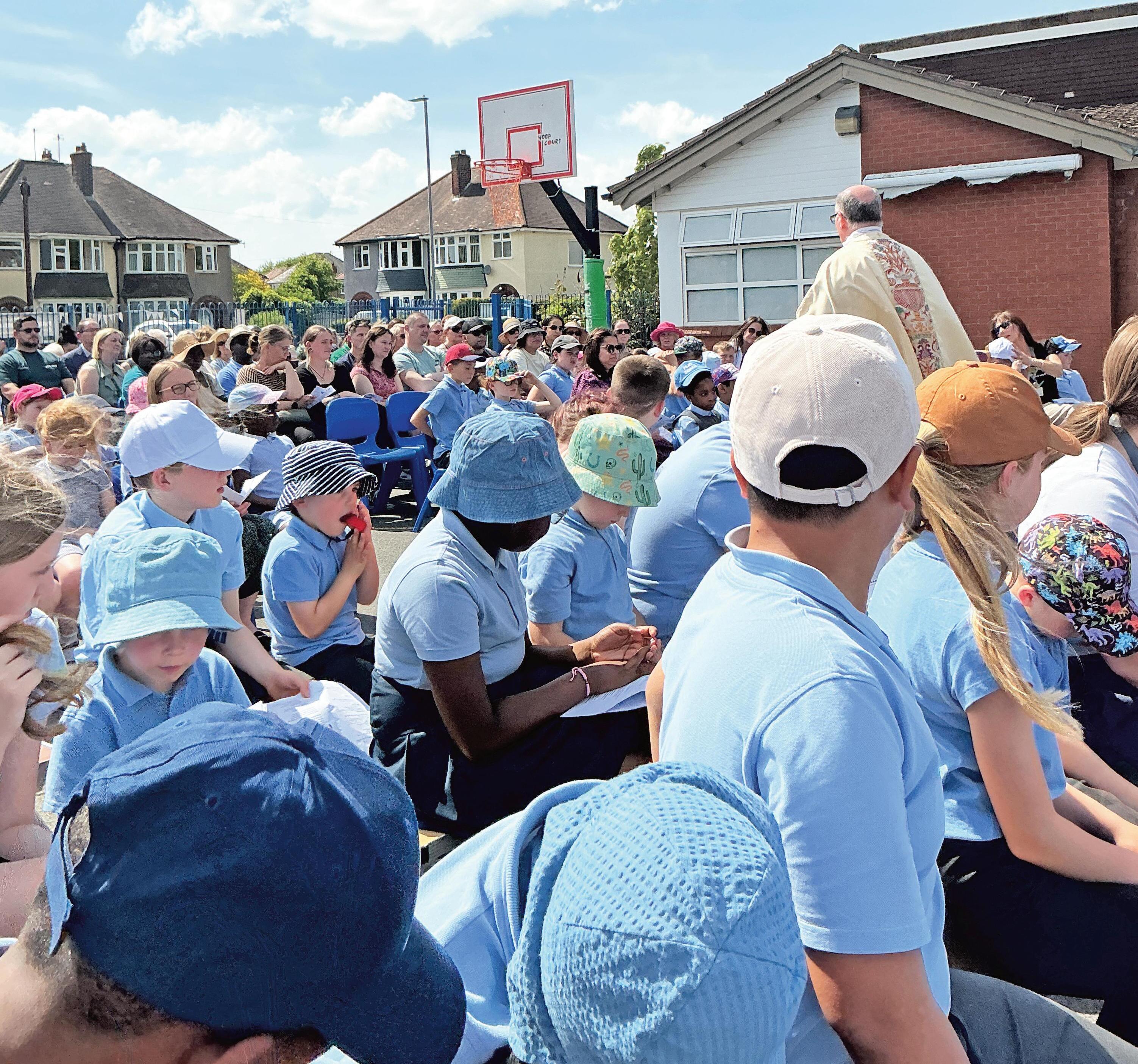
St Clare’s Primary School proudly marked the 50th anniversary of its current site with a joyful and reflective celebration, bringing together pupils, staff, clergy, and the wider community to honour five decades of faith, learning, and service.
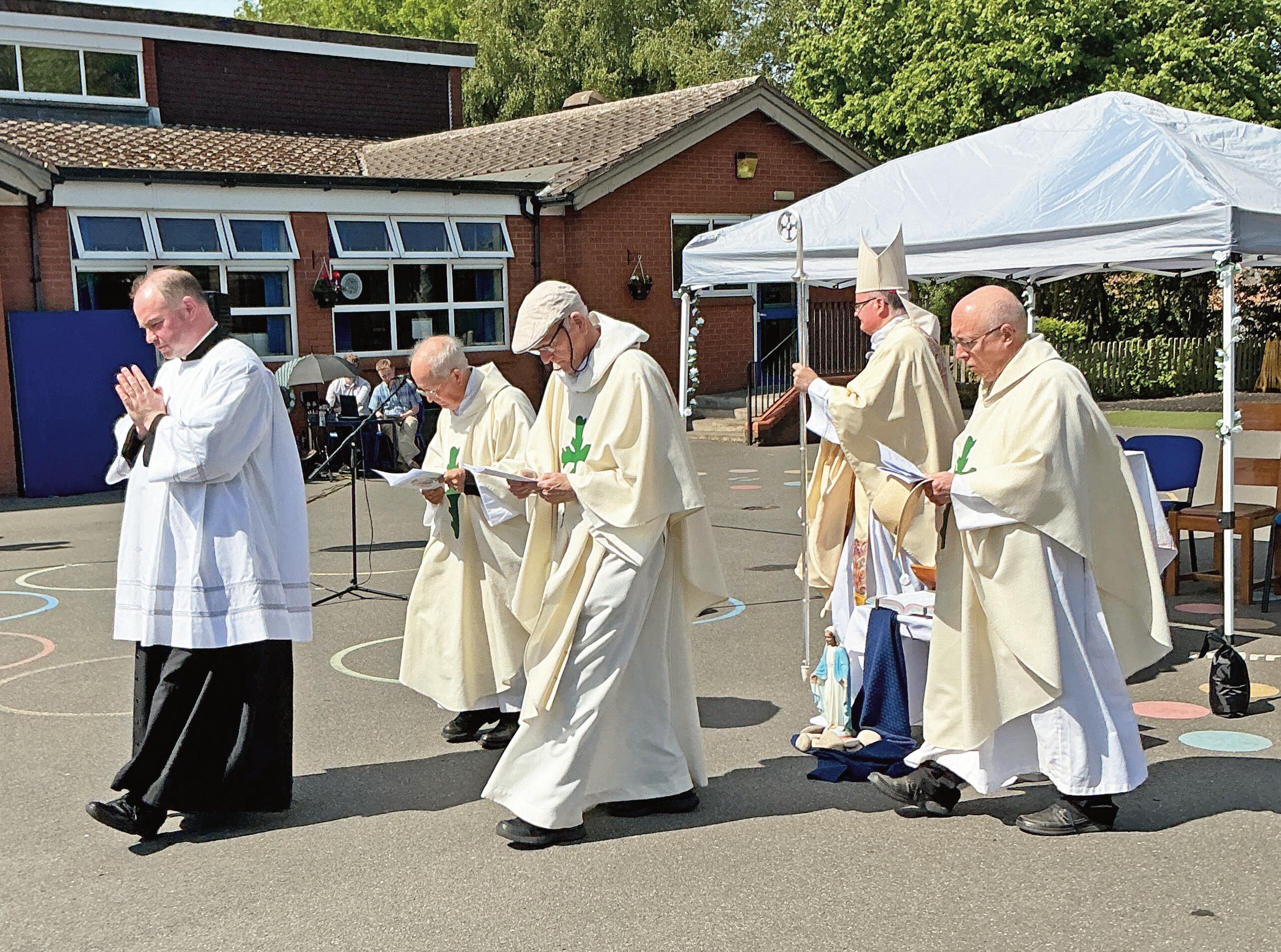
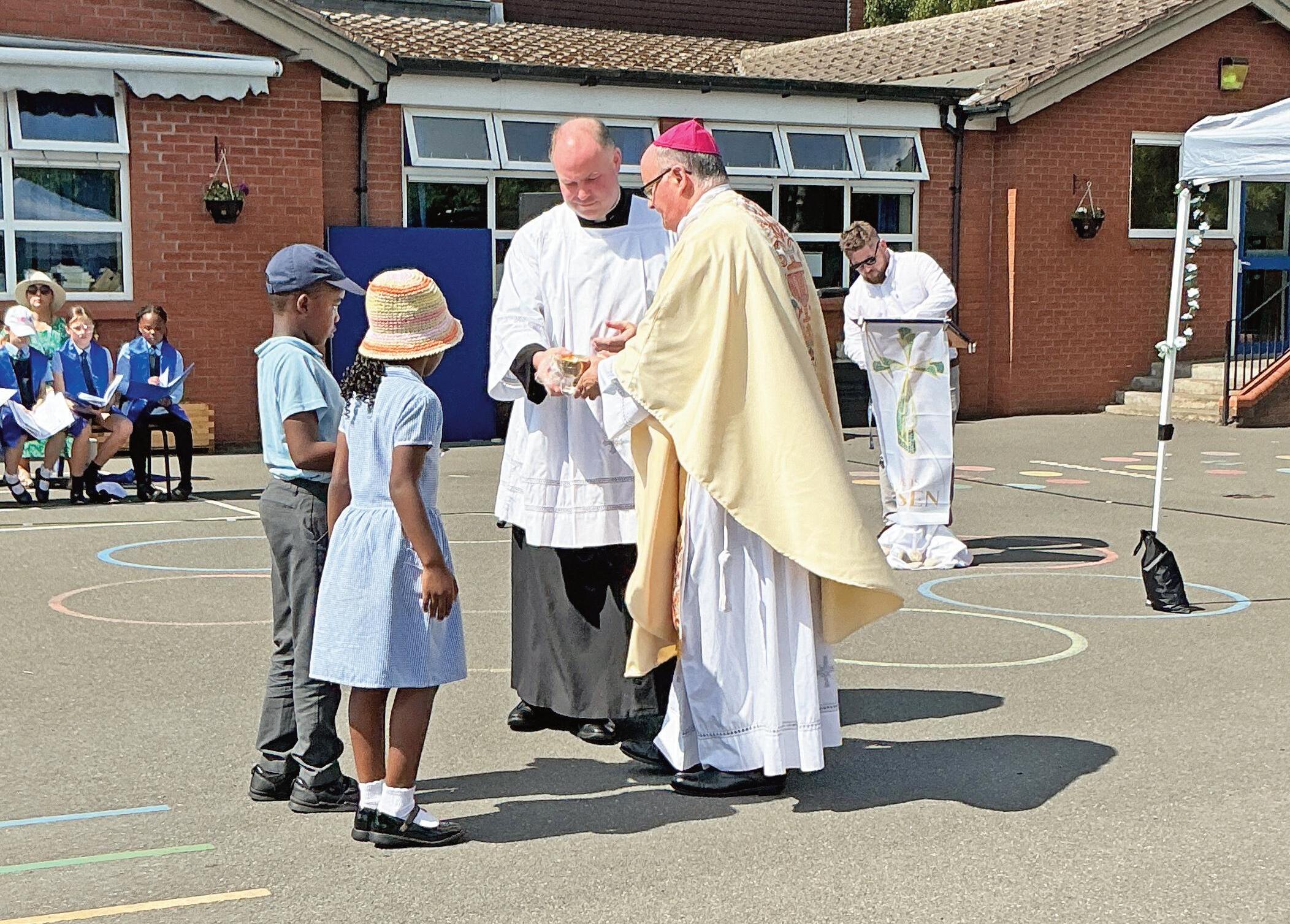
The school, which first opened its doors in the academic year 1975/76 and was formally opened by Bishop McGuinness, commemorated this milestone with a special Mass celebrated 50 years later by Bishop Patrick McKinney. He was joined by Father Simon Gillespie, Father Colin Patey, Father Paul Chipchase and Father Jonathan Cotton in a service that highlighted the rich spiritual heritage of the school.
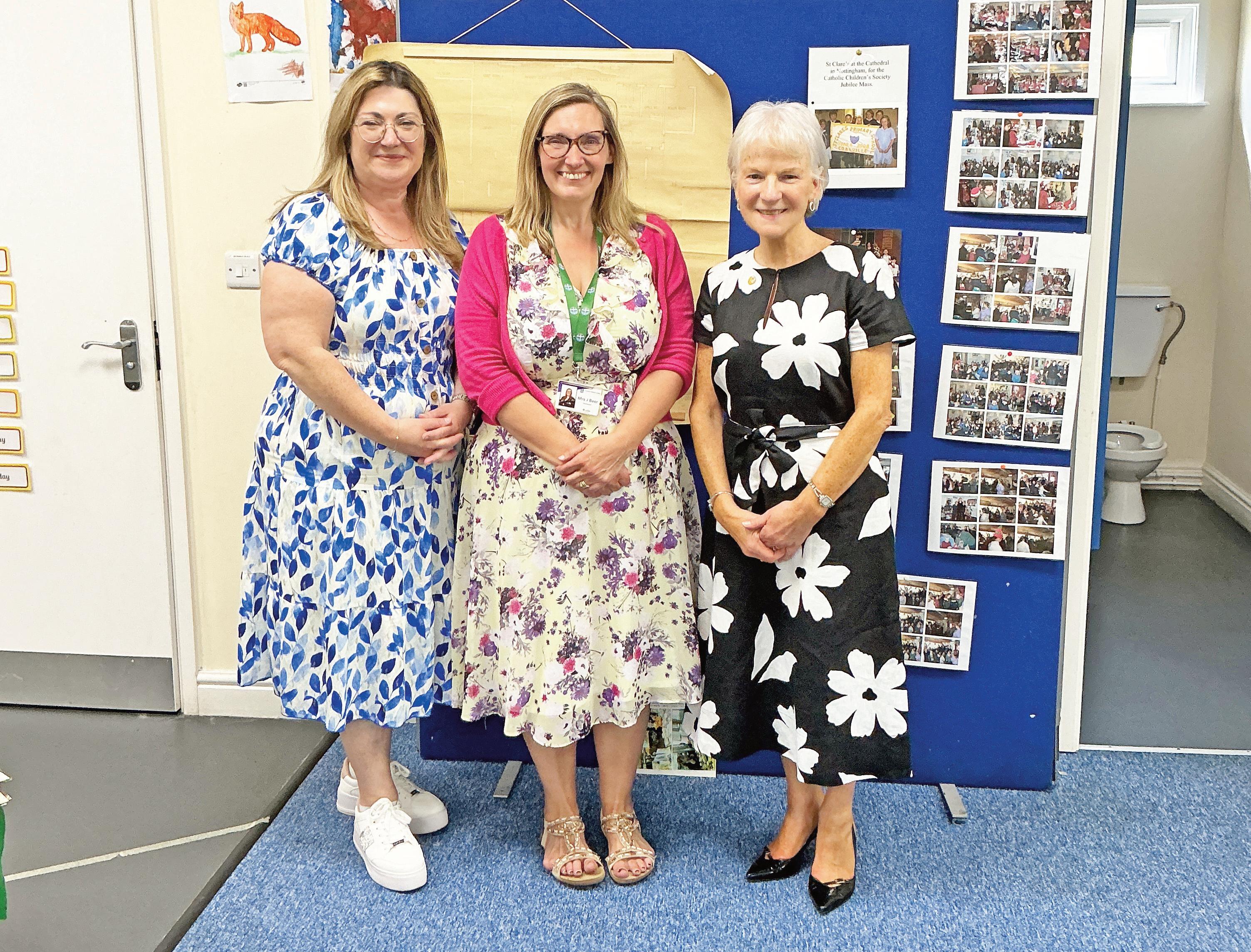
Current Headteacher, Judy Beer, was joined by former headteachers Louise Freeman and Jane Monaghan, symbolising the continuity of leadership that has shaped the school’s success over the past half century.
The Mass was a truly pupil-led celebration, with children from every year group taking part. The school choir enhanced the liturgy with their singing, while Year 4 pupils contributed a vibrant musical performance on the djembe drums. Their involvement reflected the strong sense of community and shared responsibility that continues to define life at St Clare’s.
The celebration welcomed a wide range of guests, including past and present staff,
governors, pupils and their families, parishioners of St Wilfrid’s Church, and representatives from the Diocese of Nottingham and the St Thomas Aquinas Catholic Multi Academy Trust. Their presence underscored the deep and lasting connections between the school and its wider community.
In addition to the Mass, visitors were invited to explore a special exhibition featuring photographs and artefacts spanning the school’s 50-year history. The display offered a nostalgic journey through the decades, celebrating the many generations of pupils and staff who have contributed to the vibrant life of the school.
Looking to the future, St Clare’s will be burying a time capsule later this term, to be opened in another 50 years. This symbolic act will capture the spirit of today’s school community for future generations, continuing the legacy of faith and education that has defined St Clare’s since its foundation.
Headteacher Judy Beer said: "This anniversary is a wonderful opportunity to celebrate everything that makes St Clare’s so special—our shared faith, our strong community, and our commitment to nurturing every child. It has been a privilege to mark this milestone alongside those who have been part of our journey, past and present, and we look forward with excitement to the next 50 years."

You can use both sets of clues to solve the puzzle: the solutions are the same.
CRYPTIC Across
7 Day before a period of abstinence upset the sad voyeurs (6,7)
8 Diverse views of two students in the group? (4)
9 Entirety: perhaps a long time coming? (8)
10 ‘Praise be to God': the French-American and English party embraced (4,3) 11 Lead of apostles appears to dwindle (5)
13 Oracle turned up, seen in company of lowly bishop (5)
15 Outmanoeuvre plan to get rid of dreadful Metro for something new in Paris (7)
18 Sorry Beth, an all-round tart prior to Lindisfarne (8)
19 One attends fires, getting up to no good (4)
20 Converted a Tao lifesaver and beatified one (6,2,5)
CRYPTIC Down
1 Contents of sermon by group Left ignored – it comes from the Parisian quarters (3,10)
2 Rights of Asian country put in a letter from Paul (6)
3 Ahab's wife's the first in jail: ever zealous, ever brazen, ever lustful (7)
4 French chap leaves during the season in Babylonia of old (5)
5 People of the Gold Coast, like before (6)
6 Book's antiquated cover is made for a Navy's Broad Church chap (7,6)
12 Quietly go on to Square assuming that the first of February will bring the Pope (7)
14 You ask how we enter heaven, initially in Hebrew, Lord? (6)
16 Not obligatory in Church to elect four for admission (6)
17 Saul's daughter finds setter near pub, having fallen over (5)
QUICK Across
7 Time at the eve of Lent for confession and absolution of the faithful (6,7) 8 Title given to some bishops (4)
9 Time without end (8)
10 Glory to God in the highest', or 'Praise (be) to God', in the Latin (4,3)
11 Leader of the Apostles, entrusted with the ‘keys of the Kingdom of Heaven' (5)
13 Female seer (5)
15 Beaujolais ------- or ------- Riche, for instance (7)
18 Saint, the apostle of Northumbria (c 635-687) (8)
19 Chinese mafia (4) 20 Saint whose feast day falls on
15 October (6,2,5)
QUICK Down
1 Christ's promise of coming blessings (3,10)
2 Paul's longest letter: a text of primary importance for the Christian theological tradition (6)
3 Wife of Ahab, often synonymous with a wicked, scheming woman (7)

4 Region in modern-day Iraq before it became Babylonia (5)
5 Ghanaian people, alternatively-named 'Ashanti' (6)
6 Poet, Oxford don and son of the founder of the Broad Church movement (7,6)
12 High Priest (7)
14 Popular derivation of the Hebrew proper name for God (6)
16 Given by vow (6)
17 Daughter of Saul, initially promised to David (5)