Catholic South West is a monthly newspaper for Catholics in the Plymouth, Clifton and Portsmouth Dioceses It is published by Bellcourt Ltd
AIMS
To build community in the South West by sharing stories relating to Catholic life around the South West
To encourage readers to get more involved in - or start - projects and initiatives in the local area
To provide thought-provoking articles to help readers deepen their Faith
GET INVOLVED
We need your help!
Articles: We need your local articleswe can only include what we get So if you have an article or just a photo with a short description - please send it in
Ideas: We need your ideas for the paper and we need your ideas in the paper If you have any thoughts on what we should include - or if you are thinking about starting a new initiative - get in touch - we’d love to support it!
Readers: If you can encourage other readers in your parish please do so Advertising: We rely on advertising - if you know of anyone that would benefit from promoting their business, event or anything else to parishioners throughout the South West, do let us know.
SUBMITTING EDITORIAL
To send in editorial or to get in touch please contact us at: CSW - Bellcourt Ltd
N2 Blois Meadow Business Centre Steeple Bumpstead Haverhill, Suffolk
CB9 7BN
csw@cathcom org 01440 730399
ADVERTISING
To advertise in Catholic South West please contact us on 01440 730399 ads@cathcom.org
DATES
Catholic South West goes to parishes on the last full weekend of the month It is printed around the middle of the month - so if you would like to advertise or send in editorial please do it as early as possible
Wanted Parish Correspondents
The Catholic South West is looking for a Parish Correspondent in your parish to send in local news for publication in this Newspaper. All items to be emailed to csw@cathcom.org before 10th of the month
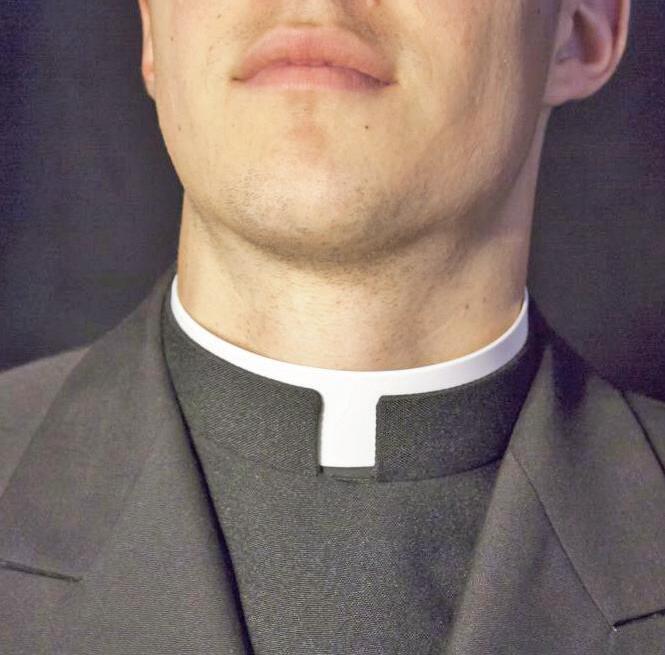
Considering a vocation
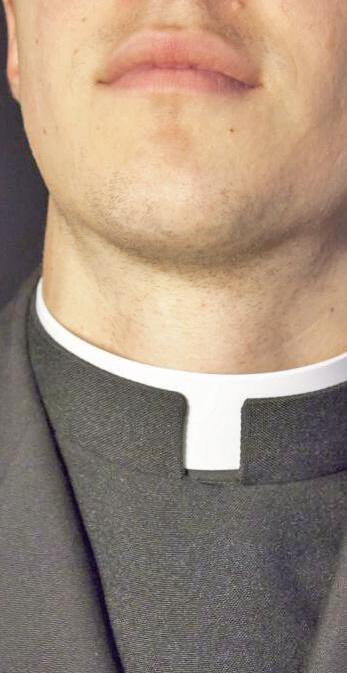
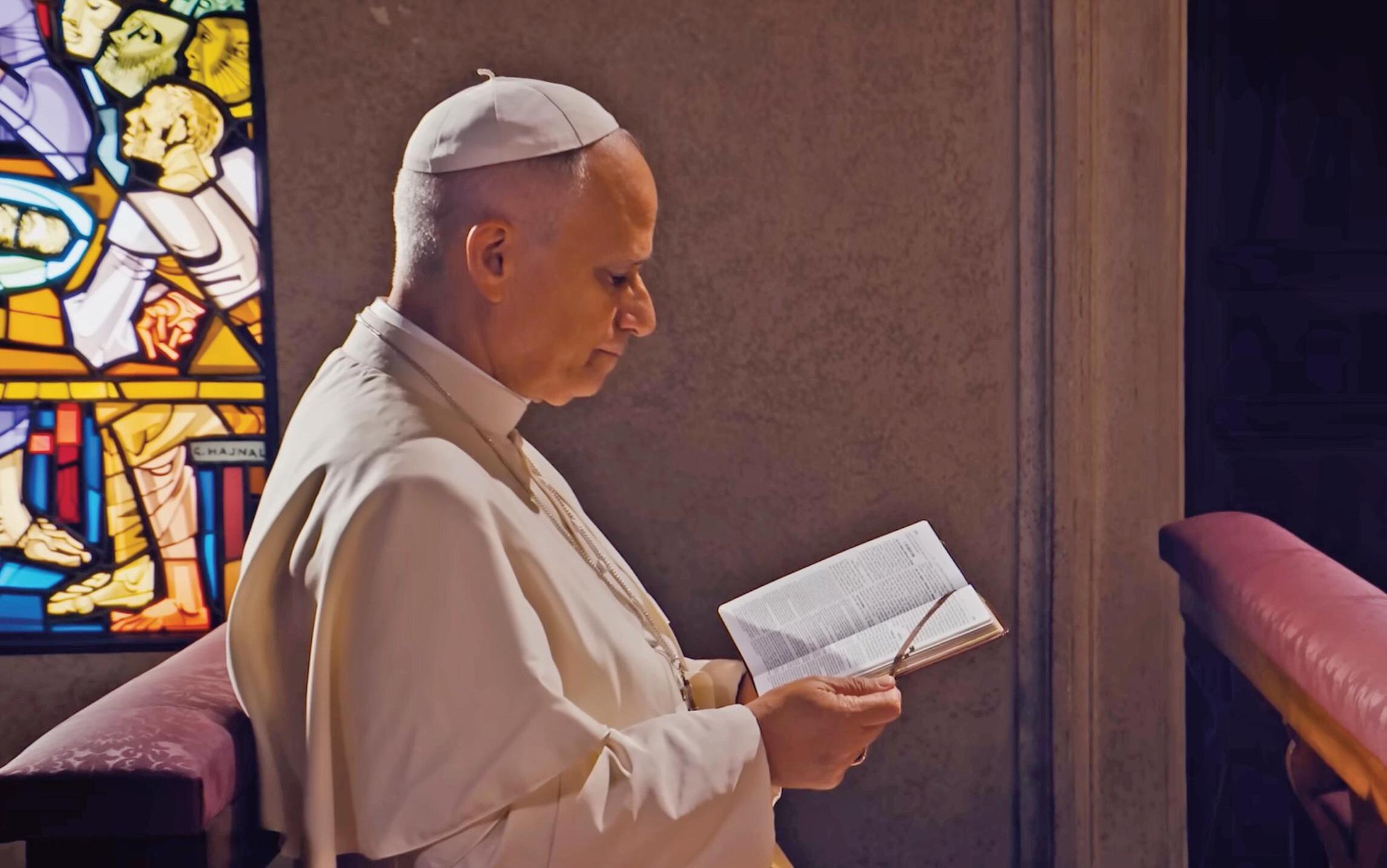
Bishop Nicholas Hudson recorded a message from Rome for Vocations Sunday which took place on 26 April. The Catholic Bishops of England and Wales met at the English College’s Convento Palazzola just outside Rome from 18-23 April for a oneday plenary assembly and week-long ongoing formation as Pope Leo XIV followed his Apostolic Journey through Africa to its conclusion.
In his message, recorded in the chapel where he was ordained a Deacon by Bishop Cyril Restieaux, Bishop Nicholas reflects on his own personal faith journey. “This is a very special place for me. It was in the chapel that I took my first solemn action towards ordination.”
“Jesus said, you did not choose me, I chose you.…I have had a strong sense of calling ever since I was quite young that Jesus might want me to come and see and explore this vocation. I would say the same thing to any young man who thinks the Lord might be calling him to the Priesthood.”
Bishop Nicholas encouraged anyone considering a vocation to speak to their Priest.
Bishop Nicholas also spoke about the important role of Women Religious and encouraged young women who feel they might be called to the religious life to approach a Religious Sister.
If you would like more information about vocations in the Diocese of Plymouth, just scan the QR code.
You can find out more about a day in the life of Nuns and Priests on the Catholic Bishops’ Conference website by scanning the QR code.
EDITORIAL GUIDELINES
1) Think of the readers: If you are writing about an event, think about the readers that don t know anything about it Outline what happened, but focus on why people go, why it is important to them, or some teaching that was given Make sure readers learn something from your
article - they don t just want to know who was there and what snacks were available!
2) Keep it brief: Make sure you make your point - but keep it brief and punchy
3) Pictures: Send pictures as they are - even if they are very big to email Don t reduce them in size or put them inside a Word document They look fine on the screen but terrible in the paper!
LEGAL INFORMATION
Please note that opinions expressed in this paper and on any linked sites or publications are not necessarily those of the Publishers, Editor, any Diocese or the wider Roman Catholic Church. Every reasonable effort is
made to ensure that due acknowledgement, when appropriate, is made to the originator of any image submitted for publication It is understood that those submitting material for publication in CSW either hold the copyright or have arranged for publication with the appropriate authority
Day of Prayer for Victim Survivors of abuse
Each year, the Catholic Church in England and Wales marks the Day of Prayer for Victim-Survivors as an opportunity to pray for all those who have suffered abuse, particularly within the life of the Church. This year, the Day of Prayer took place on 5th May.
For the Catholic Diocese of Plymouth, this day is an important moment of reflection, remembrance, and solidarity. It is a time to recognise the pain and lasting impact experienced by victim-survivors of abuse and to affirm our commitment to listening, supporting, and working to create safer communities for everyone.
The Day of Prayer for Victim-Survivors reminds us that safeguarding is not only about policies and procedures. At its heart, safeguarding is about people. It is about ensuring that every person is treated with dignity, respect, and compassion, and that those who have experienced harm are heard and supported.
Across the Diocese, parishes and communities are encouraged to mark the day through prayer, reflection, and
awareness-raising. This may include prayers during Mass, moments of silence, lighting candles, or sharing information about the support available to victimsurvivors. As a Church, we recognise that words alone are not enough. Raising awareness of this day is one way of showing support and standing alongside victim-survivors. It is also an opportunity to renew our commitment to safeguarding and to building a culture where abuse is never ignored, concerns are always taken seriously, and people feel safe to come forward.
The Diocese of Plymouth Safeguarding Team continues to work closely with parishes, clergy, volunteers, and communities to ensure safeguarding remains a priority across all areas of Church life. We are committed to promoting safer environments, providing training, supporting those affected by abuse, and learning from the experiences of victim-survivors. If you or someone you know has any concerns or could benefit from speaking to somebody about their experiences, please contact the safeguarding team: tel: 01364 645430 email: safeguarding@prcdtr.org.uk
Prayer from Fr Mark Skelton:
Lord God Almighty, You are the Creator of all that is and the Rock on which we can stand firm. On this day we remember those who may feel unsafe and insecure because of the cruelty and abuse of others, who may have lost their sense of self and feel discarded or alone.
Lord Jesus You are the Good Shepherd who goes in search of all who feel lost, hurt or abandoned. On this day of special prayer we pray for those who have suffered at the hands of others , who carry the wounds inflicted by the guilty and the uncaring or dismissive.
God, the Holy Spirit, You are the one who inspires and enables. We pray for those who feel powerless or ignored, those who have lost hope in justice or authority because of their experiences.
Be with them, Inspire them, encourage them and enable them to rediscover their joy in life.
Be with us, that we may be more powerfully reflect and live out Your Compassion, our Justice, Your Truth, Your Love.
We make this prayer in Your Name, God Father, Son and Holy Spirit.
Finding yourself in Assisi
The Parish of the Holy Family Exmouth Pilgrimage
The
Viewpoint of first-time
Pilgrims
Like most people, my preconceived idea of what a pilgrimage might entail was strongly influenced by viewing some episodes of the BBC Pilgrimage series –as a physical, soul-searching experience amongst strangers who became friends over time.
Those within our parish who have been on former pilgrimages (and there have been 16 of them!) were united in their reassurance. It would be a great experience; could be taken at one’s own pace, whilst accessing the spiritual and group activities on one’s own terms. This reassurance was important to me as my husband isn’t Catholic and I wanted him to enjoy himself and not to feel out of place.
So what was the reality?
Firstly, the 34 members of the party were drawn from all walks of life and they were friendly and accepting. The culture of being kind and generous ran through the group, whether in practical tasks like navigating the airport with our luggage or being willing to discuss their own faith. Secondly, the organized set pieces of Morning Prayer, Evening Prayer, Compline and, most importantly, the masses were a surprising joy – providing structure and a welcome opportunity to pray. Our daily observances were guided by Fr. Philip and Mgr. Keith and, on several occasions, Sr. Elaine from the convent of Casa Madonna della Pace sand and accompanied us on her guitar. We were provided with a booklet which was invaluable. It was a hybrid, containing information about places to visit; devotional prayers / extracts to guide our thoughts and prayers and the allimportant order of service for our communal worship. It was the physical manifestation of a really well-organised trip - every aspect was covered – thank you Father Philip and Jane.
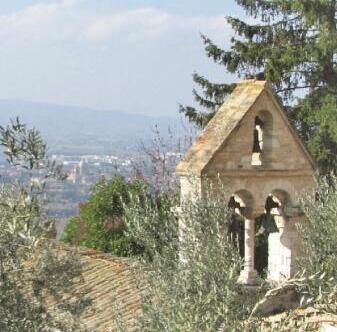
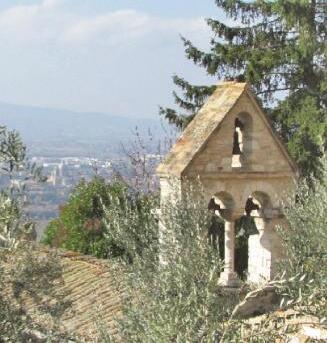
Finally, Assisi provided the perfect environment for reflection. It is a truly beautiful town and rightly attracts many visitors. However, it is much more than a tourist destination. The sacred sites linked to St Francis are beautifully kept, and carefully documented his life. You can imagine his life through the spartan conditions at the hermitage on the hill to the church of San Damiano which is essentially in the countryside and much as Francis would have experienced. His legacy is everywhere with his writings and the Order of the Franciscans.
April 22 – 29, 2026
The sun shone for us as we explored the city and the surrounding area of peaceful havens and churches of the three saints: Francis; Clare and Carlo.
Did we “find” ourselves in Assisi?
These are the thoughts of some of my fellow first-time pilgrims:
“It affirmed my personal relationship with Jesus, although we were all on 34 different paths and stages of our journey.”
“It was a transport of delight!”
“We had such fun – a lot of laughter; good food and wine.”
“New friendships were forged.”
For me, it was about exploring my Catholic faith, which, in truth, I hadn’t given in-depth thought to for nearly 30 years. I had always thought my Christian faith was a code to live by, but this pilgrimage has made me think what this means. It has also made me look at the liturgy afresh – in particular offering one another the sign of peace. I have returned to my busy life and have found myself reflecting on the words of the prayer often attributed to St Francis: “Make me a channel of your Peace.”
So – should you have the opportunity to go on pilgrimage, I would urge you to consider it.
Lesley Ann Jones & friends
Different Thoughts from another New and Apprehensive Pilgrim
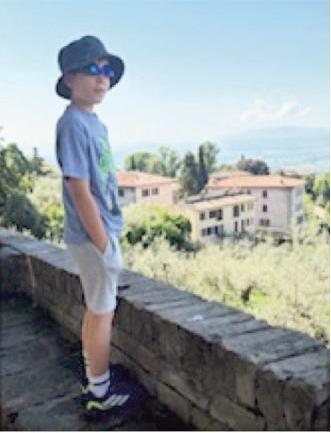
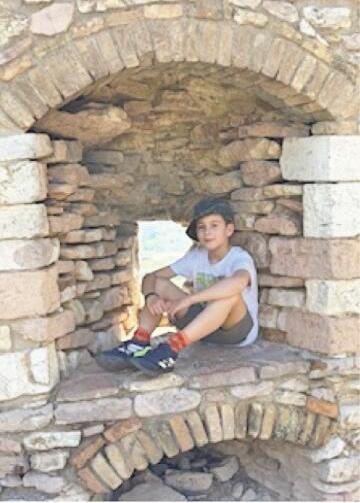
When I signed my grandson and me up for the pilgrimage to Assisi last year, it seemed like a good idea at the time. However, as the departure date grew nearer, I became more apprehensive. My concern was not so much finding myself in Assisi, as not losing William there.
William had no worries at all. We left a month after his tenth birthday and he was very excited. What we were both expecting from this pilgrimage can be summarised by the essentials we packed in our pilgrim’s backpack. I packed my First Aid kit and a guidebook to Umbria, detailing all the noteworthy paintings in the churches of Assisi. William packed his handbook to rocks and minerals, a set of Top Trump cards on ancient Egypt and
numerous back issues of ‘The Beano’. His essentials were very useful; mine never emerged from the backpack.
We both took lots of photographs during our week away, but I think that photos can never replicate the memories of our experiences in Umbria. I will always remember exploring the narrow, hilly, streets of Assisi, climbing the steep and stony path to the Hermitage and stopping frequently to watch the bright green lizards scurrying away among the rocks, sitting together in the Duomo at Orvieto
listening to the organ, and visiting our favourite
Yes, the pilgrimage was different to what I was expecting. I suppose I imagined that I would find God in all those churches we never visited. Instead I found Him sitting by the fountain in the Piazza, eating an ice cream. And William’s verdict on the pilgrimage? ‘It was really fun.’
gelateria in the Piazza Santa Chiara.
Jane Cheyne Parish Office Manager
The Sacraments of Initiation – Baptism
Every religion has some sort of initiation process. This includes Christianity. We hear in the Acts of Apostles that once people believed in the message of Jesus Christ, they were baptised and received the Holy Spirit. It was a mark of a new way of life of adhering and following the message that Jesus Christ gave us. Following the way of Jesus Christ or being Christian is a lifelong process. We do not mature at one moment in time, but for most of us, it takes a lifetime. The Sacraments of Initiation are the beginning of the process into the life of Christ, primarily the Paschal Mystery – that is the life, death, and resurrection of Jesus Christ.
The Church teaches that through the Sacraments of Initiation we are freed from the power of darkness and joined to Christ’s death, burial, and resurrection. In a modern understanding, we are freed from selfishness, pride, injustice, and wrongdoing, and brought to fullness of life in Christ, which is a life of giving, justice, reconciliation, peace, and love. Let us focus on the gateway to the life of Christ and to the other sacraments - Baptism.
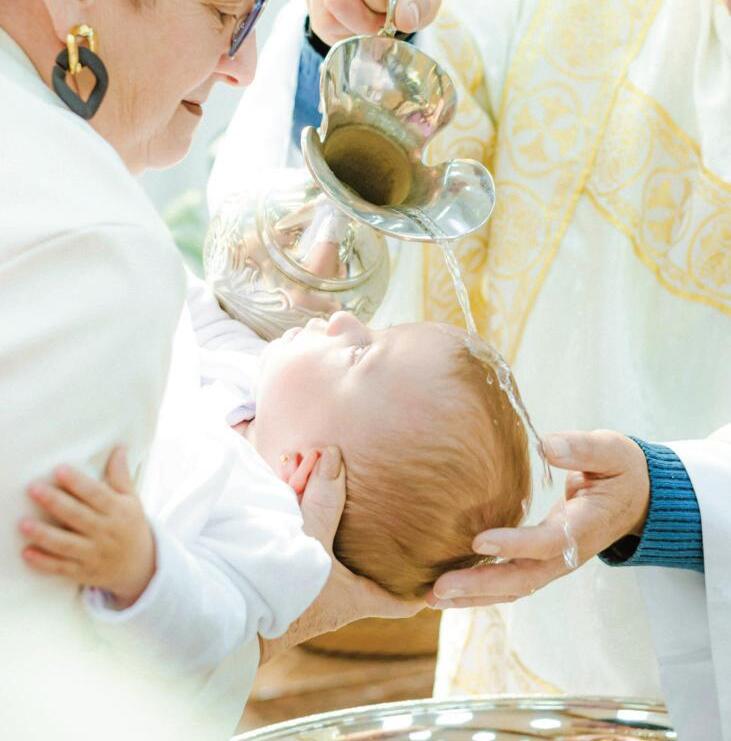
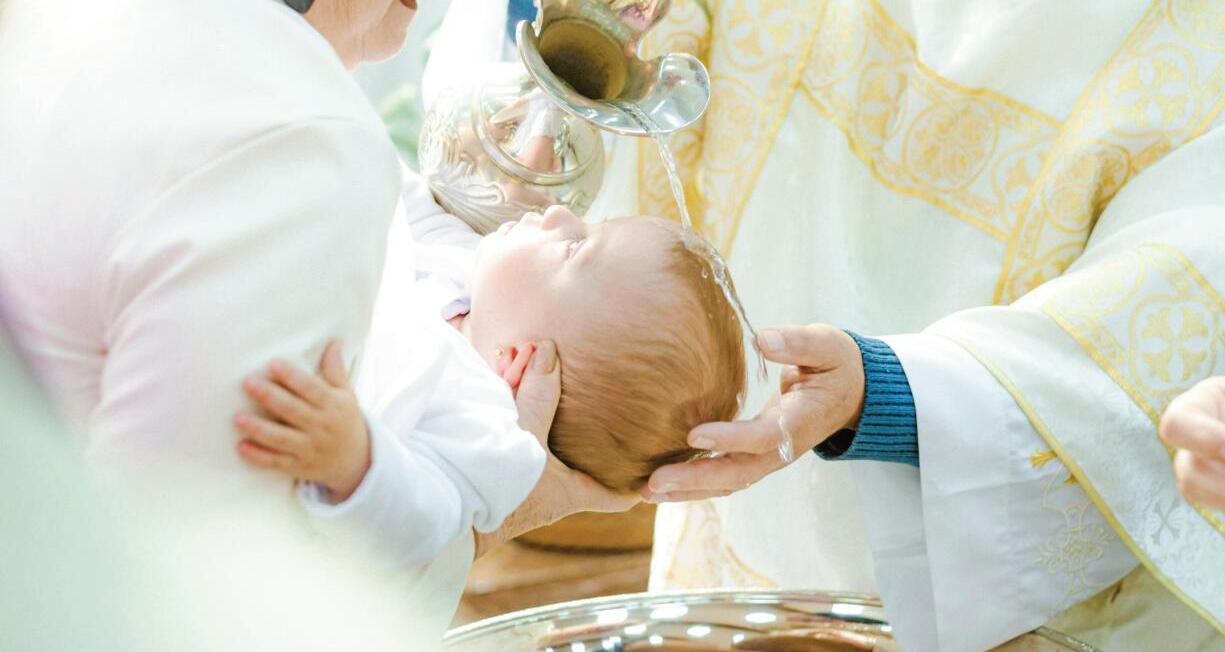
Using true water and the formula determined by the Church - “I baptism you in the name of the Father, and of the Son, and of the Holy Spirit”, we are washed and freed from our sin and are reborn as children of God and are incorporated into Christ’s body, the Church. Looking at the ‘materials’ involved in a sacrament help us to have a deeper understanding of what is happening in the sacraments. Water has the quality of cleansing and purifying. Through baptism, original sin and any
personal sin is washed away. Humanity enjoyed a harmony with God, with each other, and with creation at one time, but through the sin of Adam and Eve, that harmony was broken. It had a ripple effect. We see the effects of this, time and again, in the world around us with so much injustice, hatred, pride, and war. Although Baptism washes away Original Sin, we still face the reality of a struggle with sin. The Sacraments of Healing help us with this struggle. Water also has the quality of renewal and refreshment.
Newness of life in Christ by being incorporated into him and therefore being his sons and daughters. We are conformed to the likeness of Christ, that our manner of life is transformed slowly into his life. Being incorporated into Christ also entails that we are incorporated into the life of the Trinity – a life of love and relationship. By being incorporated into Jesus Christ, we are incorporated into his Body, which is the Church. Being Christian is never a private endeavour but is cooperative. It is easy for us to view the celebration of the sacraments in a magical manner, but it involves, and presupposes, faith. That firm trust and belief in the message of Jesus Christ.
Faith also entails that we live it out and foster it by prayer, reading the Word of God, celebrating the Sacraments, and works of charity for each other. The Sacrament of Baptism is the start of our Christian journey and not the end. We are in need of the other Sacraments for this life in Christ to grow and mature.
Fr Anthony Fyk
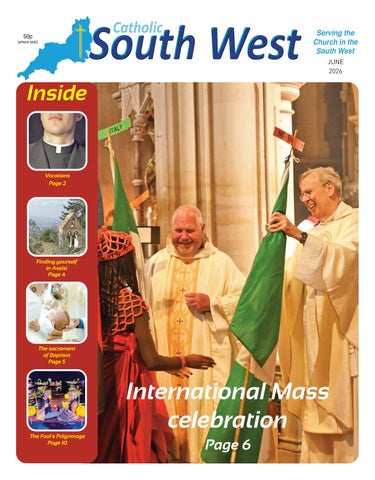
International Mass celebration
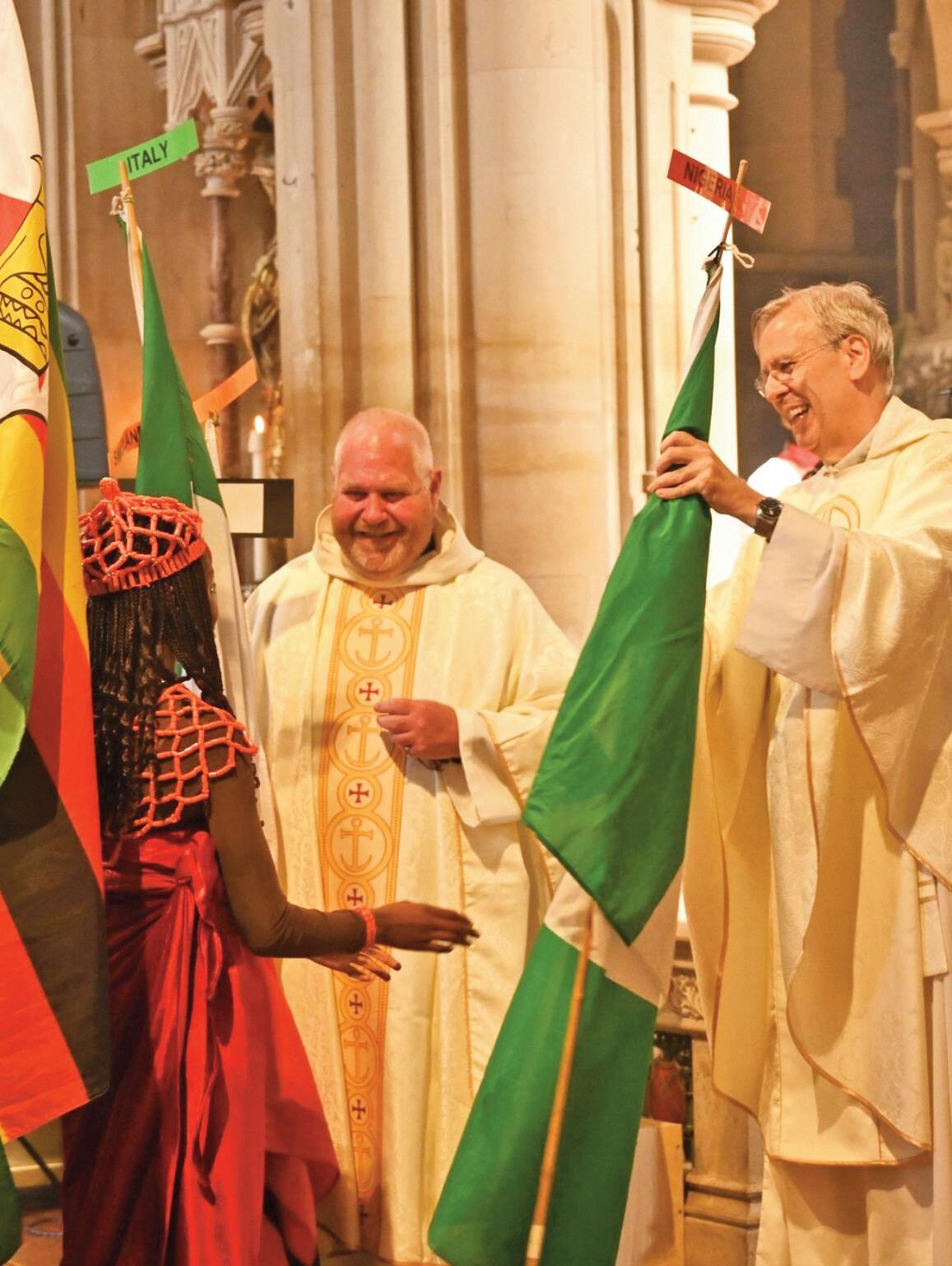
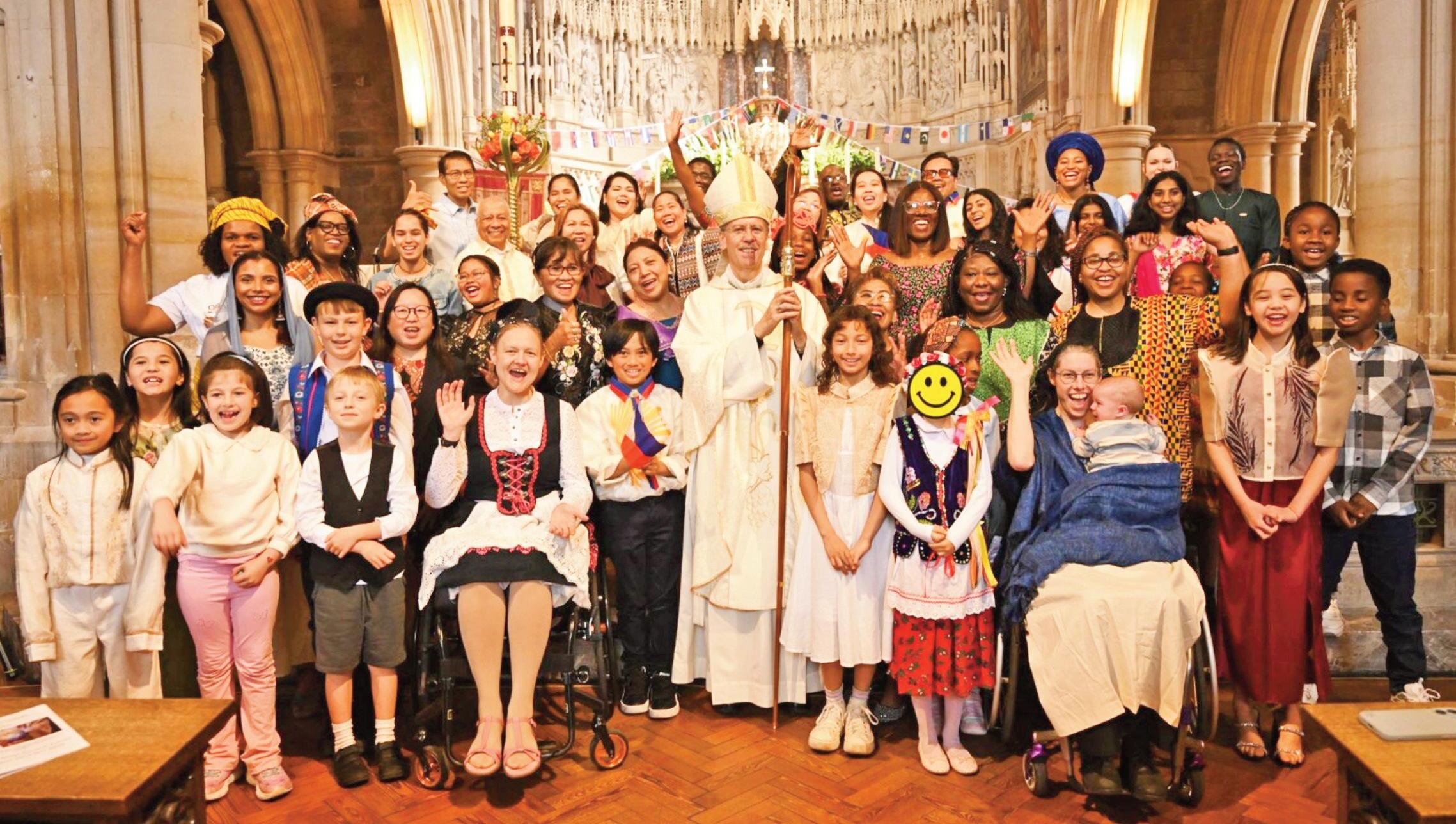
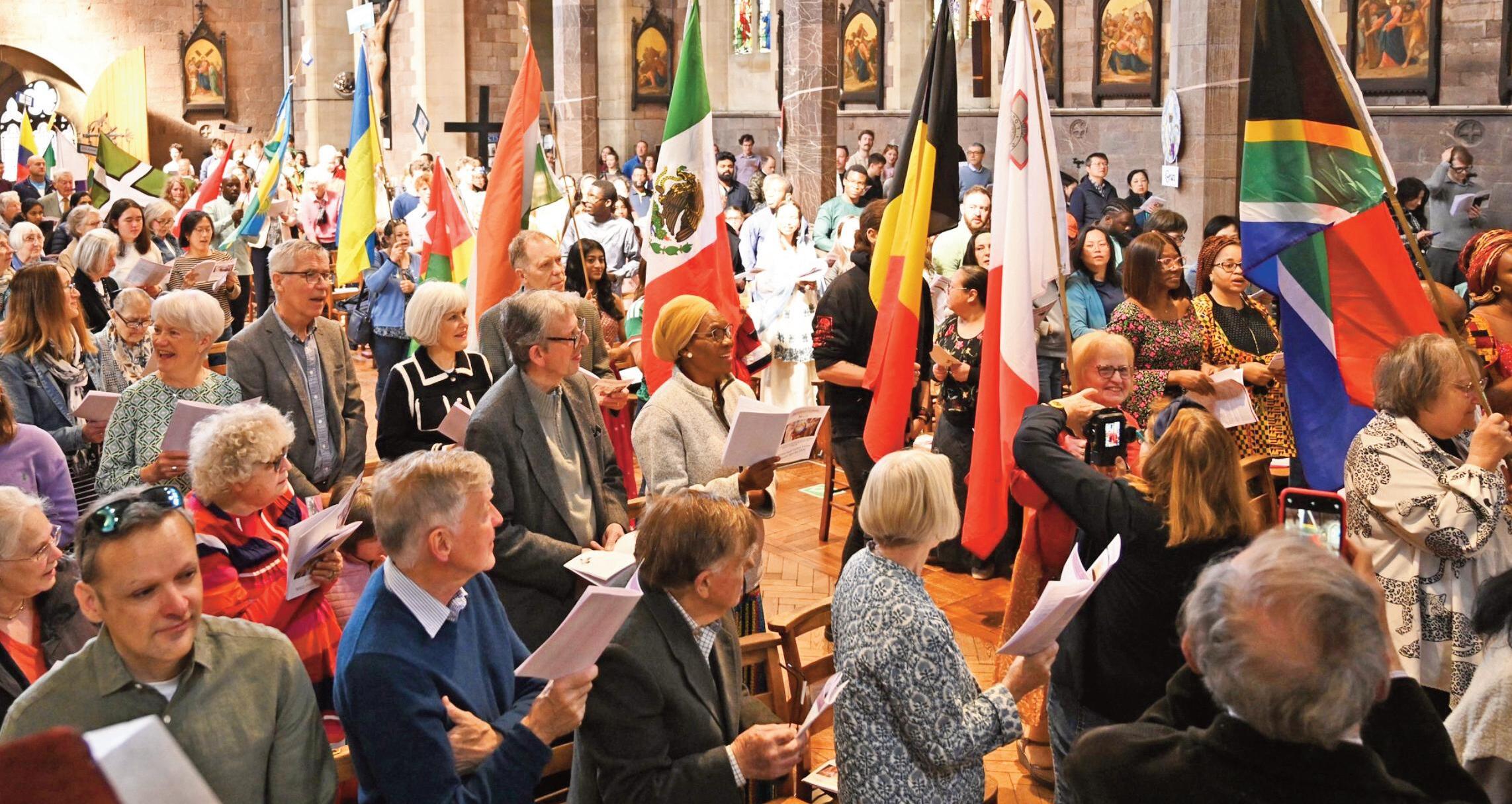
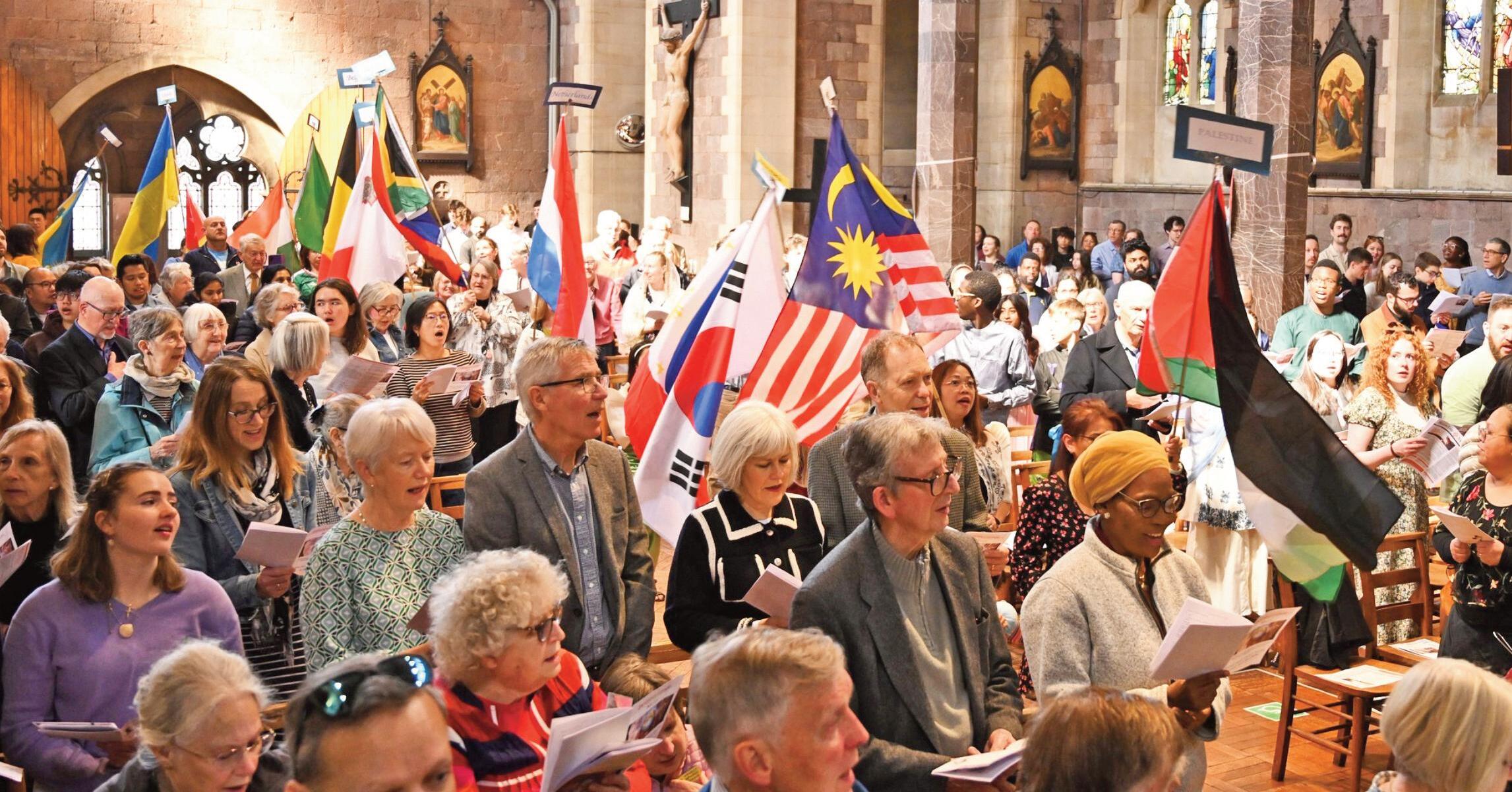
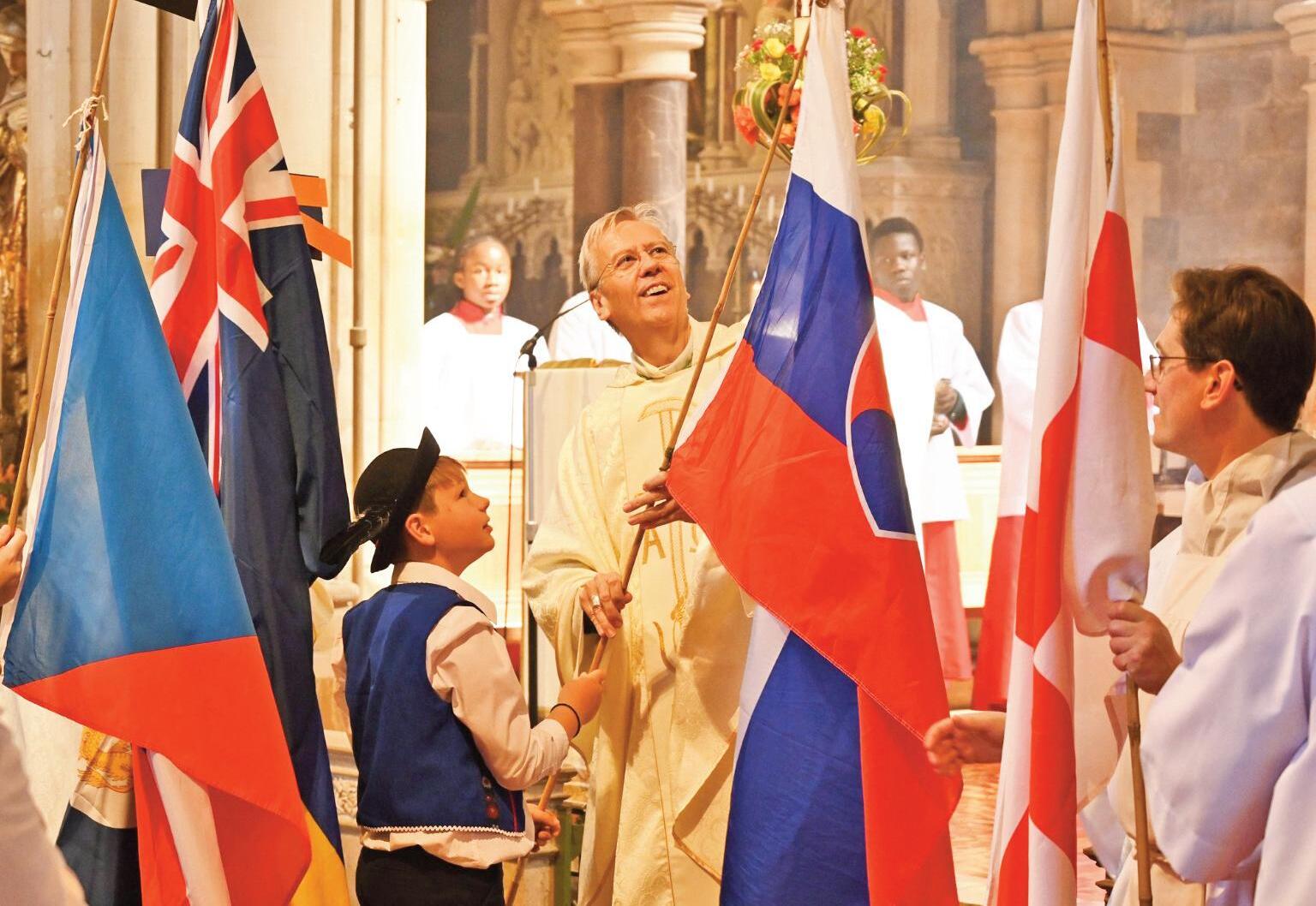
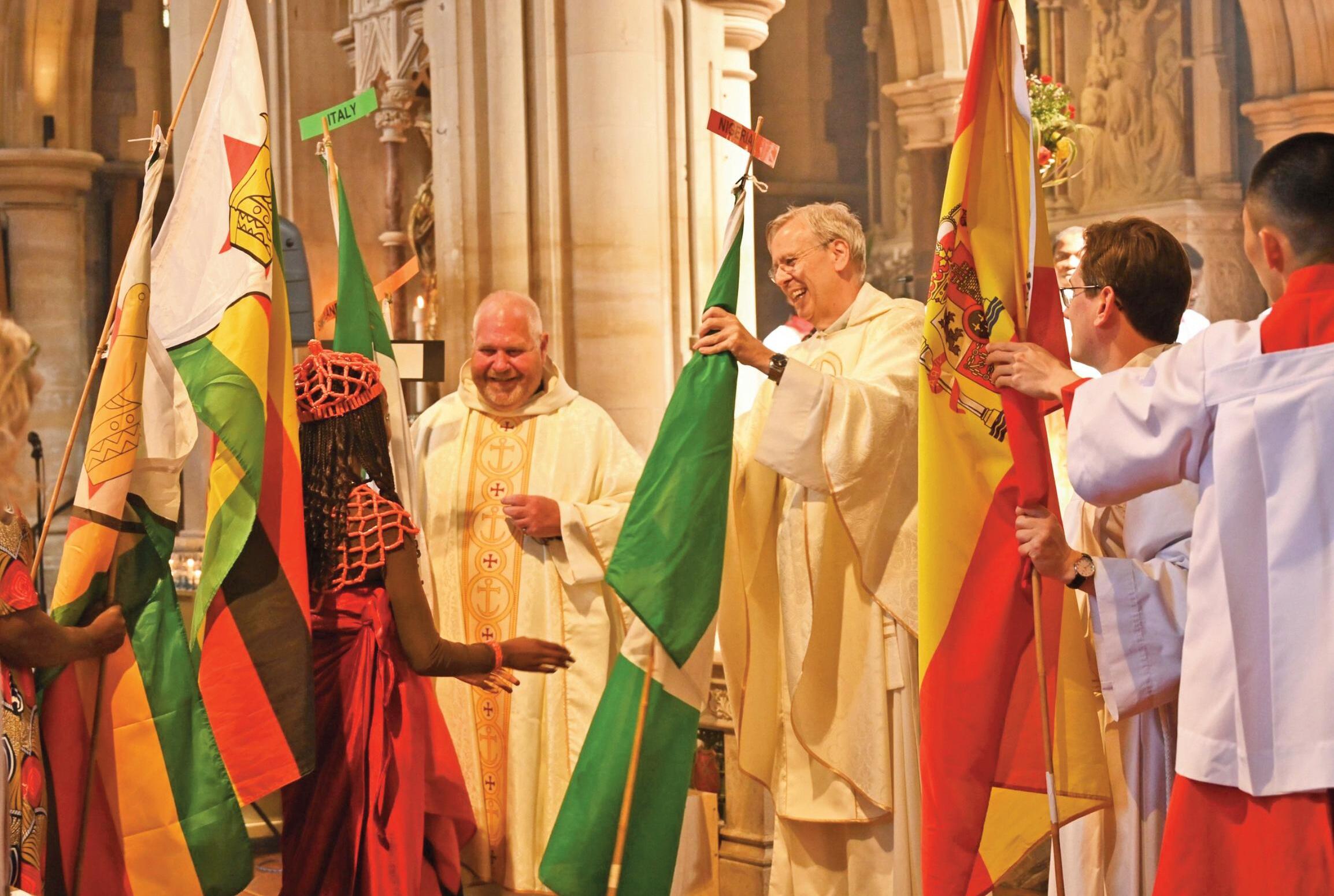
Bishop Nicholas and parishioners from Sacred Heart church in Exeter gathered recently to celebrate an International Mass. Now in its fifteenth year, this gathering recognised the diversity of the members of its parish as well as the shared sense of family and welcome to all.
59 flags representing the different nationalities in their congregation were presented. Lasting comments were shared about the message of Hope, and the recognition that no matter where you are from, the way that we greet each other and look after each other is surely a blueprint for Hope in this world.
HOPE happened across the diocese
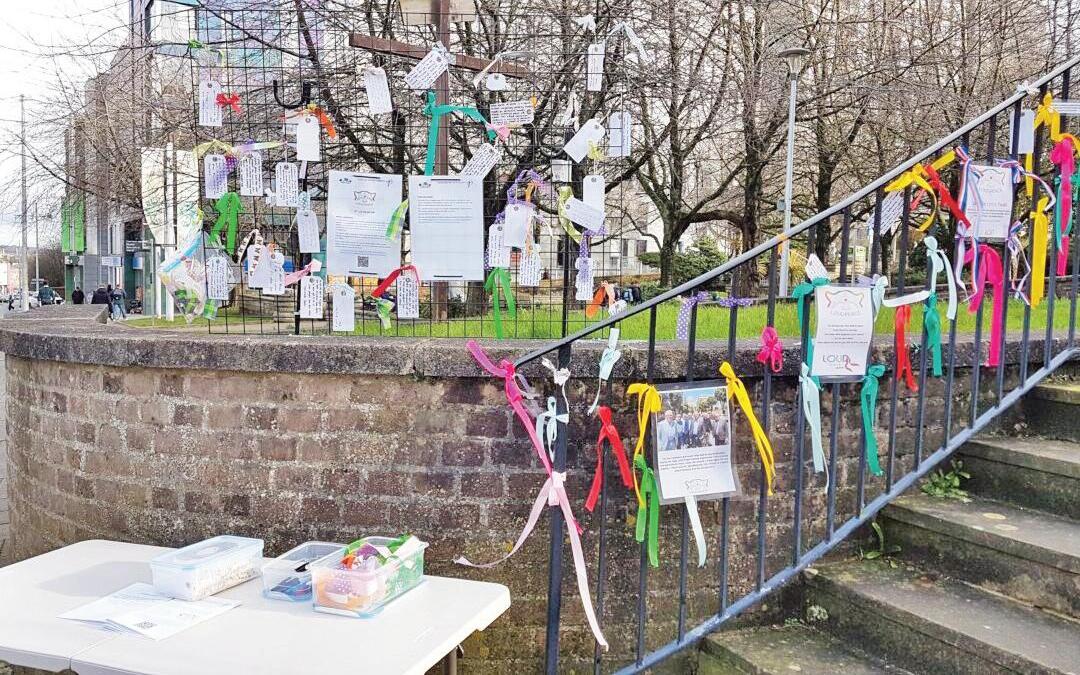
From the 13th - 20th May we invited all of our churches to stand in solidarity with A Million Acts of Hope campaign.
This national initiative celebrated the everyday acts of kindness, care and connection happening across the UK. Shining a light on the everyday acts of hope and the people and communities that make them happen.
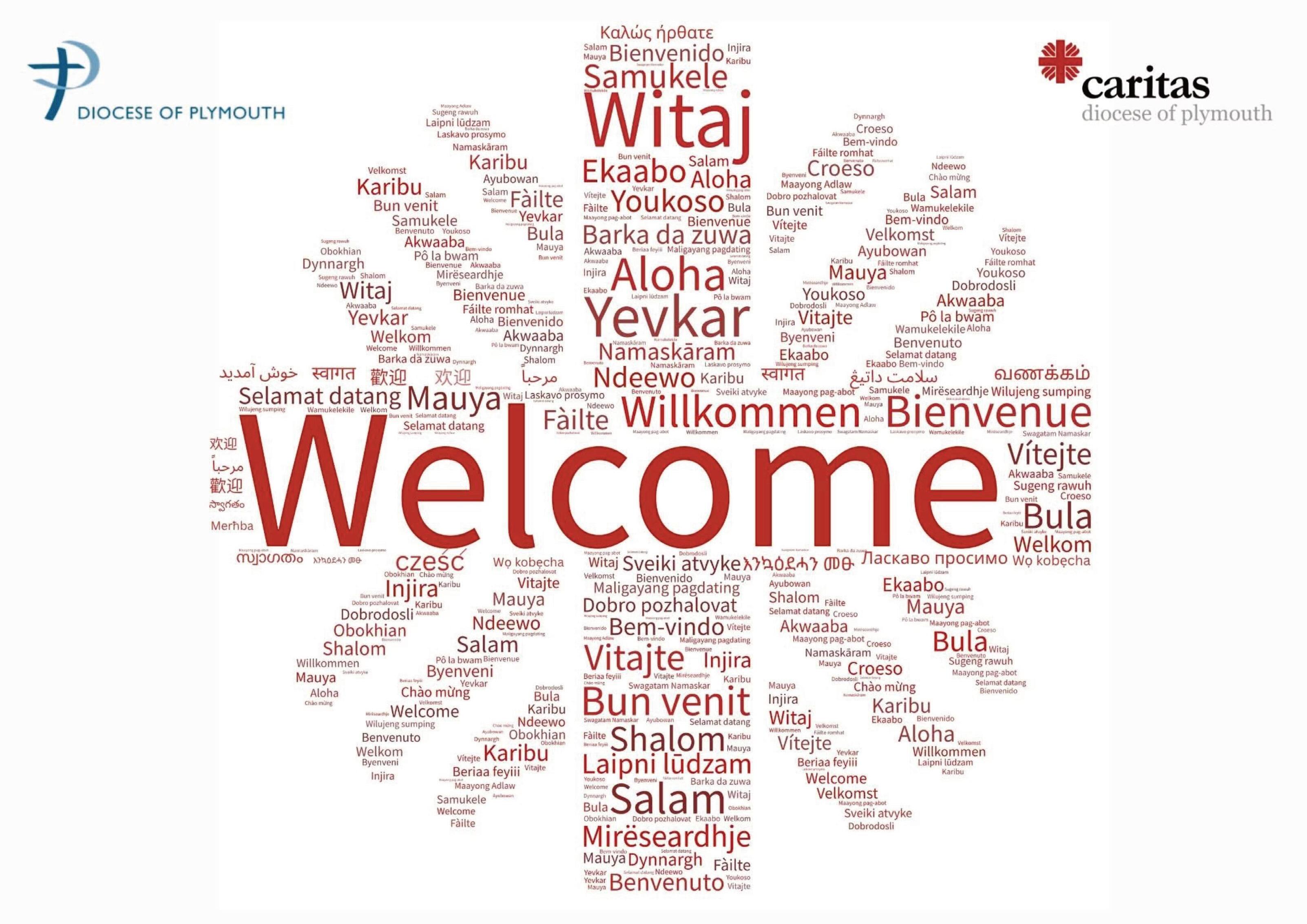
Caritas Diocese of Plymouth designed a Welcome banner utilising the 75 languages that have been identified in each of our parish communities.
Each church displayed a poster version of the banner, and we invited parishioners to take a look and see how many languages they recognised.
We know that our congregations are a great witness of Welcome and belonging to all. Look out for future banners and flags displayed outside your churches to show the local community that, no matter what your background, you are welcome to come and join in with all of parish life. millionactsofhope.org
For resources on how to Pray with the Pope, either on your own or in groups, use this QR code.
Pray with the Pope
That everyone might have food
In the name of the Father, and of the Son, and of the Holy Spirit. Amén.
Lord of creation, You gave us the fertile earth and, with it, our daily bread, as a sign of Your love and providence.
Today we recognize with sorrow that millions of brothers and sisters continue to suffer from hunger, while so many goods are wasted at our tables.
A global issue
According to the World Food Programme’s 2026 Global Outlook, 318 million people will face food crisis or even worse situations this year.
The agency warns that the conflict in the Middle East could push an additional 45 million people into facing dire hunger before the middle of this year.
In a press release accompanying the video, Fr. Cristóbal Fones, international director of the Pope’s Worldwide Prayer Network, said the intention is very significant.
“This intention," he said, "comes from the Pope’s heart. It pains him deeply that so many people in the world cannot access something as essential and human as food. This is why he is asking everyone not to remain indifferent but to take decisive action, first with prayer, then with concrete gestures of solidarity.”
Let us pray that everyone, from large producers to small consumers, be committed to avoid wasting food, and to ensure that everyone has access to quality food.
Awaken in us a new awareness: that we learn to thank for every food, to consume simply, to share with joy, and to care for the fruits of the earth as a gift from You, destined for all, not just a few.
Good Father, make us capable of transforming the logic of selfish consumption into a culture of solidarity.
May our communities promote concrete gestures: awareness campaigns, food banks, and a sober and responsible lifestyle.
You who sent us Your beloved Son Jesus, broken bread for the life of the world, give us a new heart, hungry for justice and thirsty for fraternity. May no one be excluded from the common table, and may Your Spirit teach us to see bread not as an object of consumption, but as a sign of communion and care.
Amen.
Scripture Focus
Facing Stress
By Fr Jeremy Corley
Mental health is a major issue for many people in our society today. Even if a person is physically healthy, the stresses of life can cause mental anguish and distress. Naturally there may be causes that are specific to individual circumstances.
The stresses can be more painful because many of us in today’s society are conditioned to expect an easy stress-free life. A hundred years ago, everybody knew that life was tough, with many challenges. Today resilience to face challenges is less common.
The scriptural writers knew that life on earth could be hard. That is why they shared their experiences of sorrow as well as joy. For instance, the Book of Job describes the suffering of one good man who finds little sympathy from his so-called comforters.
The prophet Jeremiah also offers a very direct and honest account of the
travails he suffered for being faithful to his personal vocation. When he was called by God, he was warned that he would face opposition, even from his own people. But God gave him this promise: “I am with you, says the Lord, to deliver you.”
The first reading on the 12th Sunday of the Year (21st June) has an extract from the last of Jeremiah’s five laments. These are like his diary entries or Facebook posts, chronicling with searing honesty his reactions to the distress caused by his opponents.
One of the most painful experiences in life is to be betrayed by people you have trusted. During this sad experience, Jeremiah laments: “All my familiar friends are watching for my downfall.” The prophet had aimed to be faithful to his calling, but when his message displeased those around him, they turned against him.
Faced with this difficult situation, Jeremiah sought refuge with God, remembering God’s earlier promise.
Hence, he could affirm his faith: “The Lord is with me as a mighty warrior.” Even when facing severe opposition, the prophet did not take vengeance into his own hands but relied on God to vindicate him and overcome his enemies.
When God intervened to rescue him, he offered thanksgiving: “Sing to the Lord, praise the Lord, for he has delivered the life of the needy from the power of evildoers.” Jeremiah had entrusted his pain and anguish to God, and now he expressed his gratitude when his distress was eased.
In the gospel for Sunday 21st June, Jesus also tells his followers not to expect an easy life. Indeed, because some of his early followers could face martyrdom, Jesus tells them starkly: “Do not fear those who can kill the body but cannot kill the soul.”
Moreover, he reminds his hearers that each person is immensely valuable to God: “Even the hairs of your heads are all numbered. You are of more value than
many sparrows.” God values each person, created in his image and likeness.
When we face personal struggles, sometimes we can doubt our selfworth and think that we are useless. We can even feel that God no longer cares about us. In such a situation, there is no simple cure. But we can draw inspiration from courageous witnesses who have gone before us, whether prophets like Jeremiah, great saints like the martyrs, or brave people we have known.
When he was called, Jeremiah had been told by God: “I am with you, to deliver you.” And when he faced opposition, he said: “The Lord is with me as a mighty warrior.” Like Jeremiah, we can trust that we are not alone in our difficulties. God is with us, even if sometimes he seems distant. So, in the bad times as well as the good times, let us commit our lives to him.
View from the Pew
By Dr Jay Kettle-Williams
‘God of Gode, Leoht of Leohte’
Language has always interested me, particularly etymology which is concerned with the development of words. By that term ‘language’ I mean the code we employ in everyday intercourse between ourselves as we go about our business and with the constituent parts: verbs, nouns, adverbs, adjectives and their fellows.
It’s interesting to note that human language is the only social institution without which none other could function. Without language we wouldn’t have the Bible, we wouldn’t have the Ten Commandments, we wouldn’t have the Sermon on the Mount, there’d be no homilies at Mass (please don’t smile at this point) … and Shakespeare, let alone Dickens and the others, would never have put quill to paper.
So a video clip on ‘X’, formerly Twitter, recently caught my attention. It had been originally posted a year or more ago by the Church of England.
The Church of England, as we all recognise, was formally founded in 1534 through the Act of Supremacy. King Henry VIII was declared "Supreme Head of the Church of England" in official severance of ties with the Roman Catholic Church and the Pope. This act of separation was primarily in response to the Pope's refusal to annul Henry's marriage to Catherine of Aragon, the youngest daughter of the Catholic Monarchs (Ferdinand II of Aragon and Isabella I of Castile) who had returned Spain to Catholicism after nearly eight hundred years of Muslim rule (711-1492).
But the video clip took us back to long before 1534, long before Catherine of Aragon, the mother of Mary Tudor (Queen Mary I of England) and who played such a pivotal role in English politics and the prelude to the English Reformation.
The presenter of the video on ‘X’ spoke about the monk Aelfric who in 992, ironically some 500 years before the establishment of the CofE, translated the Nicene Creed from Latin into the English of his day, here in Latin and in modernday English: CREDO in unum Deum, Patrem omnipotentem, factorem caeli et terrae, visibilium omnium et invisibilium.
I believe in one God, the Father almighty, maker of heaven and earth, of all things visible and invisible.
Et in unum Dominum Iesum Christum, Filium Dei **unigenitum, ex Patre natum ante omnia saecula. Deum de Deo, Lumen de Lumine, Deum verum de Deo vero, genitum non factum, consubstantialem Patri; per quem omnia facta sunt.
And in one Lord, Jesus Christ, the only begotten Son of God, born of the Father before all ages. God from God, Light from Light, true God from true God, begotten, not made, one in being with the Father; through Whom all things were made.
Qui propter nos homines et propter nostram salutem descendit de caelis. Et incarnatus est de Spiritu Sancto ex Maria Virgine, et homo factus est.
Who for us men and for our salvation came down from heaven. And he was made flesh by the Holy Spirit from the Virgin Mary, and was made man.
Crucifixus etiam pro nobis sub Pontio Pilato, passus et sepultus est, et resurrexit tertia die, secundum Scripturas, et ascendit in caelum, sedet ad dexteram Patris.
He was crucified for us under Pontius Pilate; suffered, and was buried. On the third day He rose again according to the Scriptures; He ascended into heaven and sits at the right hand of the Father.
Et iterum venturus est cum gloria, iudicare vivos et mortuos, cuius regni non erit finis.
And He will come again in glory to judge the living and the dead, and of His kingdom there shall be no end.
Et in Spiritum Sanctum, Dominum et vivificantem, qui ex Patre Filioque procedit.
And in the Holy Spirit, the Lord and giver of Life, Who proceeds from the Father and the Son.
Qui cum Patre et Filio simul adoratur et conglorificatur: qui locutus est per prophetas.
Who, with the Father and the Son, is adored and glorified: Who has spoken through the Prophets.
Et unam, sanctam, catholicam et apostolicam Ecclesiam. And (I believe in) one holy, Catholic and apostolic Church.
Confiteor unum baptisma in remissionem peccatorum. Et expecto resurrectionem mortuorum, et vitam venturi saeculi. Amen.
I confess one baptism for the remission of sins. And I look for the resurrection of the dead, and the life of the age to come. Amen.
The Nicene Creed, or Symbolum Nicaenum, was first adopted at the First Council of Nicaea (in the modern Turkish city of Iznik) in 325 AD and later amended at the First Council of Constantinople (in modern-day Istanbul) in 381 AD. It serves as a fundamental statement of Christian faith, accepted by the Roman Catholic, Eastern Orthodox, Anglican and most Protestant churches.
To watch and listen to the presenter of the video clip reciting the Nicene creed in Old English, Aelfric’s English of one thousand years ago - parts of which are intelligible to this day, parts of which are certainly not – simply scan the QR code.
Enjoy!
Notes, Acknowledgements and Attribution: Accompanying image (Statue with Blowing Horn) after the sculpture Exultate Jubilate by Philip Jackson; Texts/References adapted and/or adopted from http://en.wikipedia.org under the terms of the Creative Commons AttributionShareAlike License 4.0: /; The title of this article is taken from Aelfric’s translation. See video clip.
Dr J L Kettle-Williams is an experienced business communications consultant and wordsmith (tutor, writer, translator).
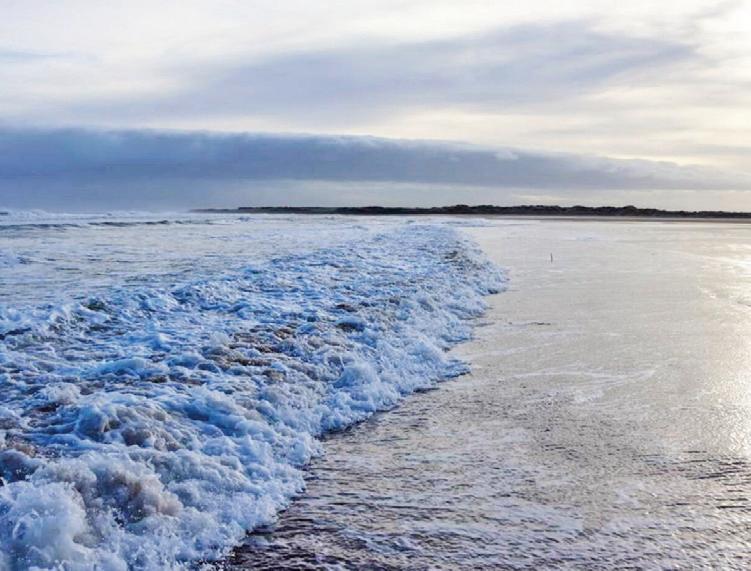
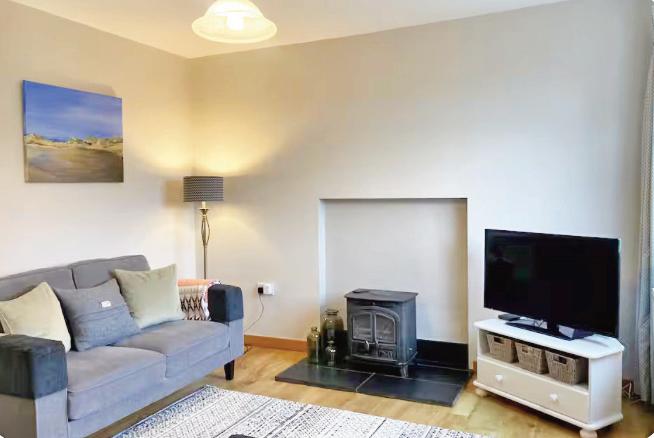
Delightful, warm, cosy cottage on Holy Island 4 guests 3 bedrooms 4 beds 2 bathrooms Centrally located, within minutes to the Castle, Priory or our amazing beaches. We have amazing skies on dark clear nights, the stars and planets are clearly visible sometimes if you are very very lucky we see the northern lights! During late spring through until early autumn we can hear the seals calling during dusk through to daylight. Holy Island is a magical place cut off by the tide twice a day, you can feel the tranquility when the tide closes.
Contact: Lesley Douglas 07743531453
Email: lesley.cottages22@btinternet.com
The Fool’s Pilgrimage
The Roaming Catholic in Vietnam
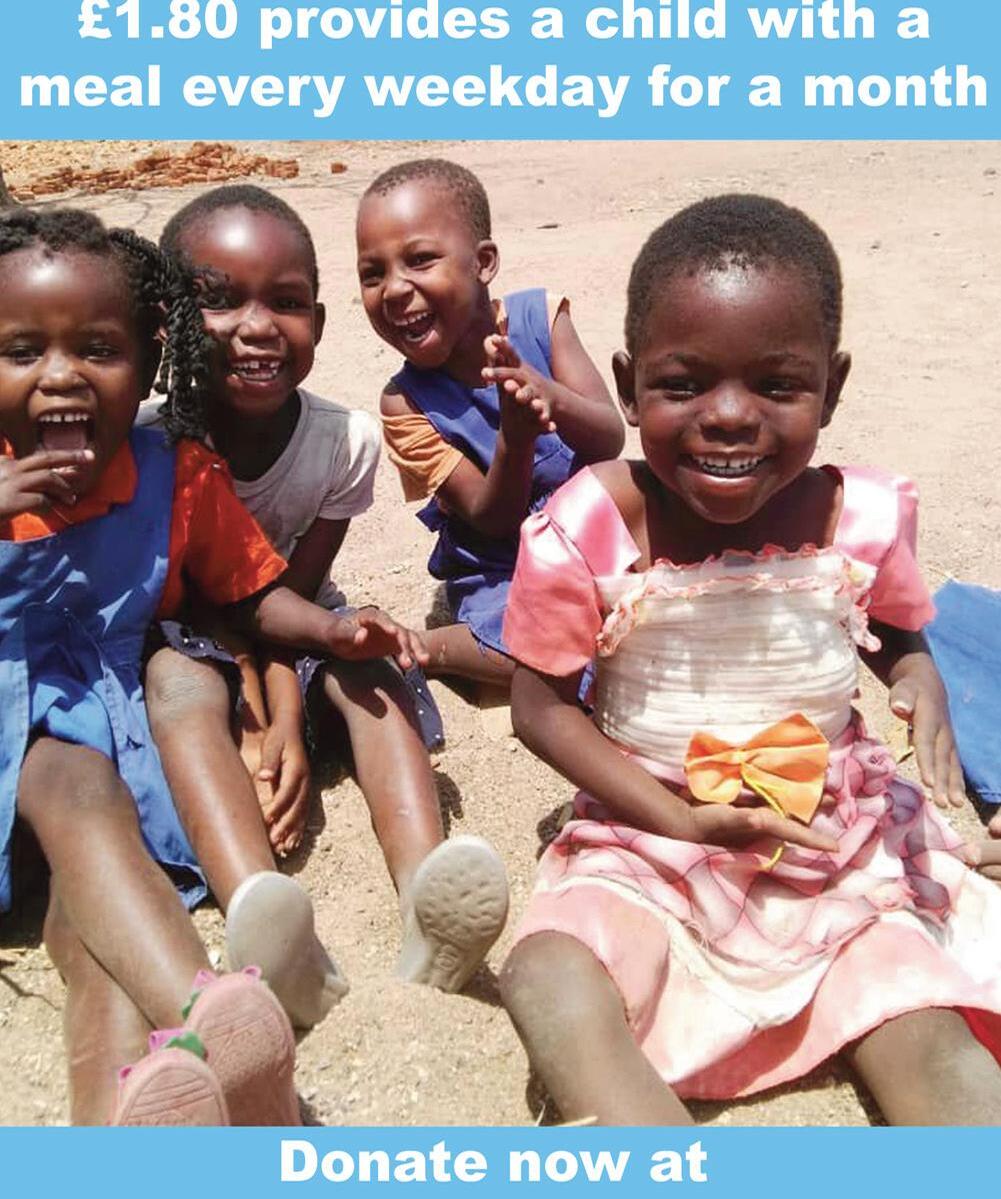
£1.80 provides a child with a
Travelling is brilliant – not only the geographical type, but also the biographical type – the passage through time and space, such a great collaboration.
There is however, something comforting about familiarity… especially when everything else feels completely foreign.
Vietnam.
It’s been on our list of places to go for a while, and finally it made it to the top. We love Southeast Asia – and Vietnam is great. It hits you fast.
The heat.
The noise.
The endless swarm of scooters moving in what can only be described as organised chaos. I thought it was bad in Bangkok, but this, well this seems even more of a challenge.
You don’t so much cross the road… as step into it and trust. That trust builds confidence and you just “go with the flow”.
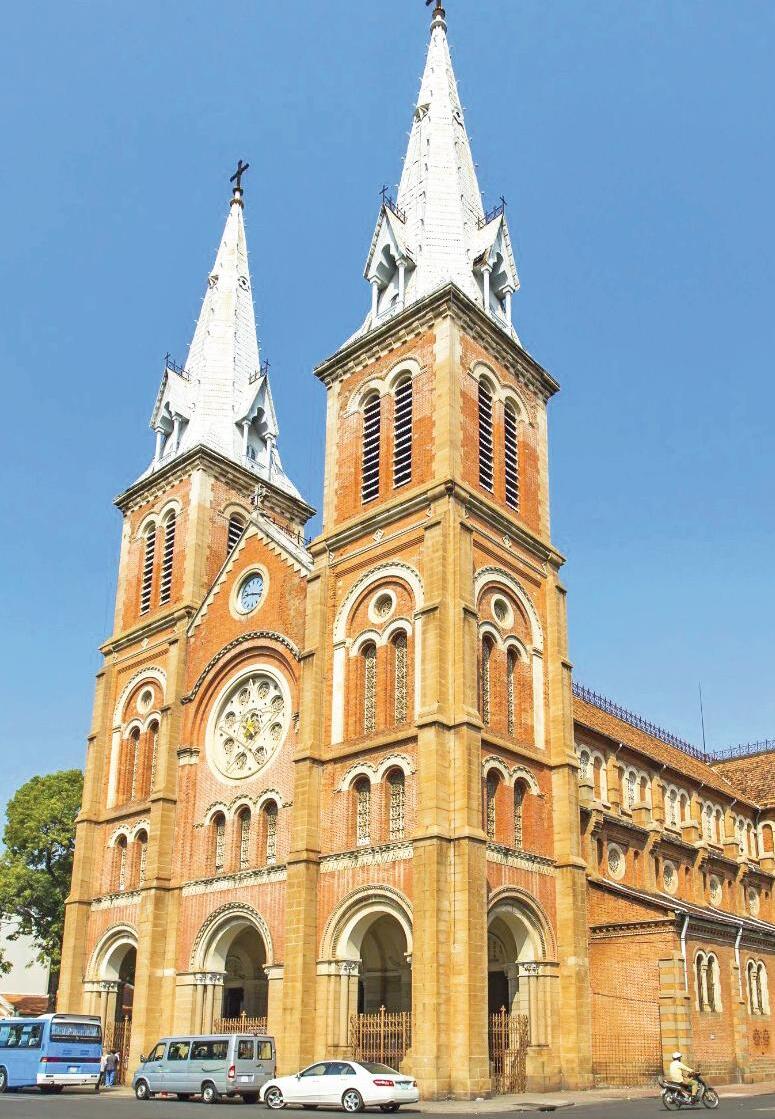
And somewhere in amongst all that, fresh off the plane, slightly disoriented and not entirely sure what time zone my body thought it was in… I found myself standing in front of Notre-Dame Cathedral Basilica of Saigon.
It was a Sunday, we had landed into Ho Chi Min City (HCMC) formally known as Saigon. Made our way to the hotel in downtown and left our luggage to go exploring.
There was a mall, Lisa had gone to Zara. Naturally.
And I’d gone to church. Also, naturally.
The usher at the door stopped me “No Tourists!” he said, a little forcefully - “I’m here for mass” my phone said to him via google translate–he smiled and waved me in.
Stepping inside, was still as hectic as outside – the good people of Vietnam, like
other Southeast Asian countries are busy. Yet, as mass started everything softened.
The noise dulled.
The pace slowed.
The familiar rhythm of a Catholic church— quiet, reflective, ordered—wrapped itself around me like something I didn’t realise I needed.
In a city that felt so different… this felt the same.
I had, walked into an English mass –Catholicism is relatively big in Vietnam –technically an atheist country because of its communist political majority yet faith, and the practice of it is everywhere.
And I think, at that moment, I assumed that was what I’d be looking for throughout the trip (of life)—little pockets of familiarity in an otherwise unfamiliar world. The shared camaraderie of the normal person in the street, or church, or shop.
Back home, in merry old England religion tends to live in buildings. And in the privacy of our own minds and homes.
Church on a Sunday.
Quiet, contained, separate from the rest of life.
Our faith is a personal thing–to talk openly about our religion invites arguments! Or debates, even within those who share the same banner of beliefs.
We keep it personal. But in Vietnam… it’s everywhere.
Small altars tucked into the corners of homes.
Incense burning gently in shop doorways. Offerings of fruit and flowers placed carefully beneath photos of loved ones.
It wasn’t something you went to. It was something you lived alongside. At first, I tried to make sense of it.
Was it Buddhist?
Was it something else?
Was it… everything?
There were temples, yes.
There were churches too.
But nothing seemed to sit neatly in a single box. And the more I looked for a clear answer, the more Vietnam seemed to quietly resist giving me one.
And then, somewhere between the questions and the observations… a realisation clicked into place. Because the more I noticed, the more I realised that while the forms were different… the feeling wasn’t.
I’d see incense placed gently into a holder outside a home… and think of the thurible swinging softly during Mass.
Different rituals. Different meanings. But the same instinct.
The same quiet human desire to reach for something beyond ourselves.
To honour. To remember. To connect.
And maybe, for the first time, I stopped trying to define what I was seeing… and just let myself experience it.
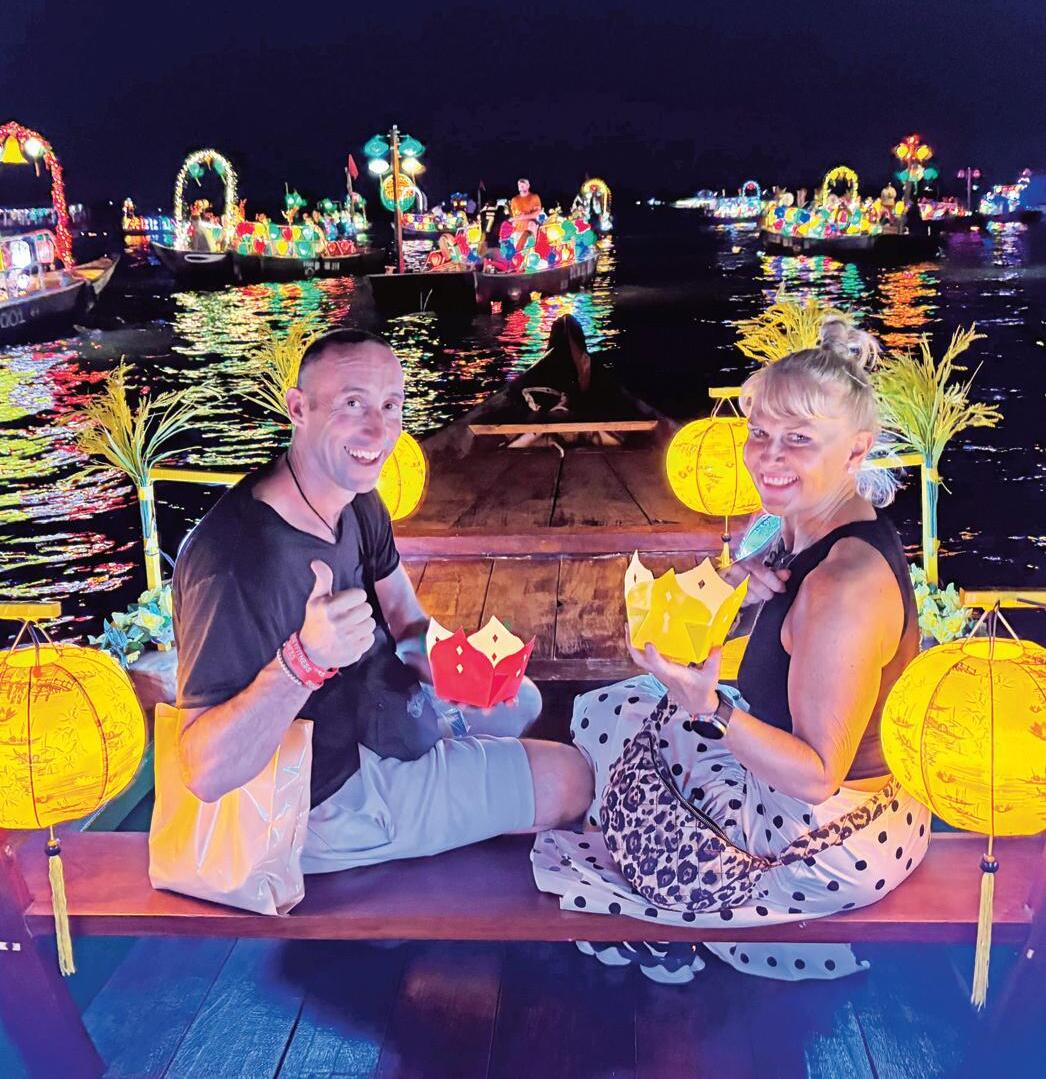
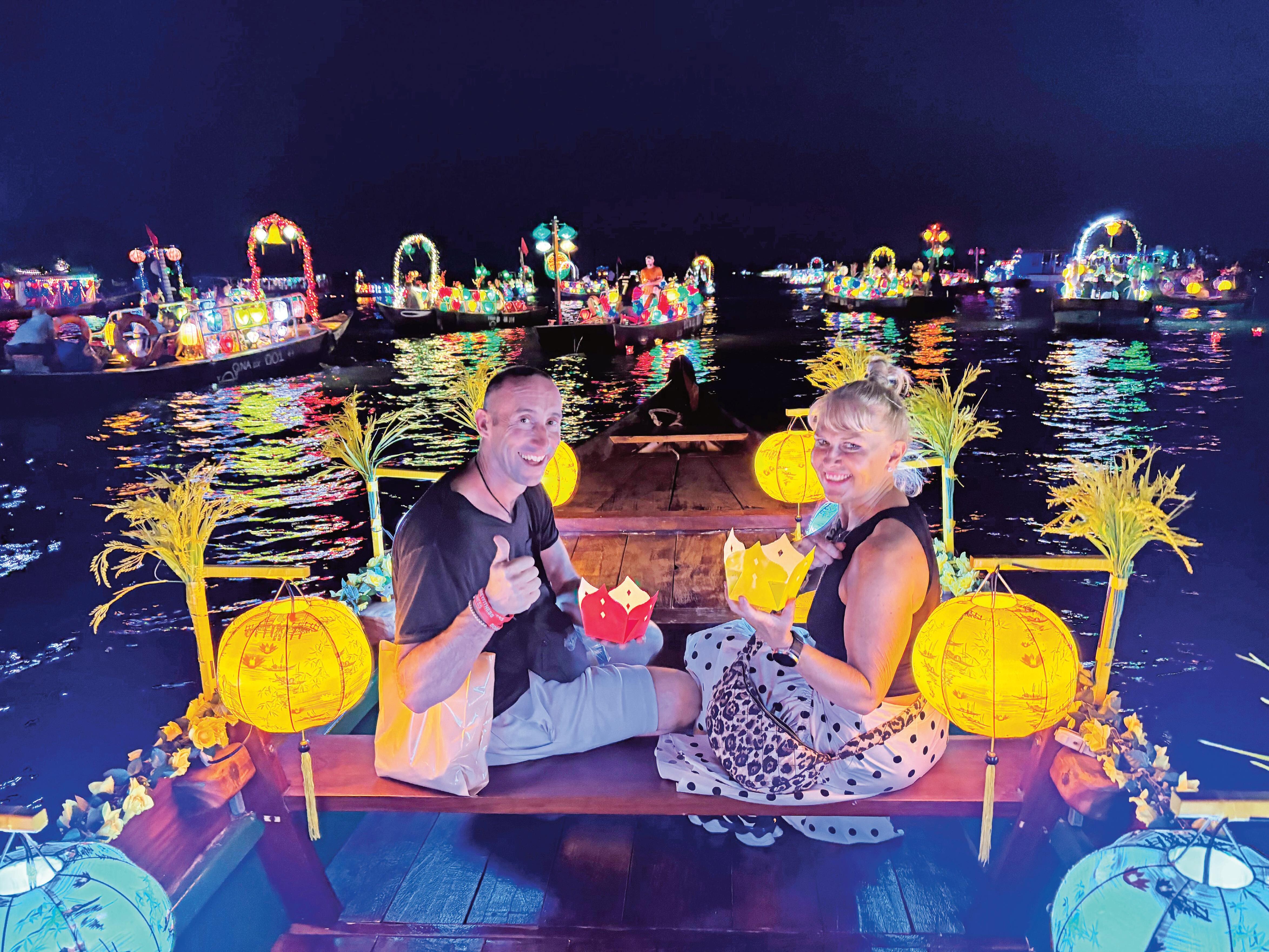
Hoi An was one of those places where that feeling really settled in. As night fell and the lanterns lit up the river, there was a stillness that didn’t need explaining. People releasing candles onto the water… not with urgency, not with noise… just a quiet intention. No instructions. No structure.
Just a moment.
And it struck me that maybe the sacred doesn’t always need a framework. Maybe it just needs space.
Of course… just as you start to feel like you’re getting somewhere with all this… Vietnam has a way of bringing you straight back down to earth.
Or rather… face to face with a monkey.
They’re everywhere in parts. Bold. Cheeky. Completely uninterested in your personal space. At one point, I’m pretty sure one of them sized me up as an easy target.
And watching them—grabbing, pulling, reacting purely on instinct—it was hard not to laugh… and also recognise something uncomfortably familiar.
Because for all our rituals, our beliefs, our attempts at mindfulness and meaning… we’re never that far removed from instinct.
From reaction. From impulse.
The Fool, it turns out, isn’t just wandering through Vietnam. He’s very much alive and well.
And then came Ha Long Bay. And everything went quiet again. But this time, not because of walls or buildings or structure. Because of scale.
Towering limestone cliffs rising out of still water.
Mist hanging in the air. Silence that didn’t feel empty… just full.
There was no cathedral here. No altar. No stained glass. And yet it felt like one of the most sacred places I’d been.
Because standing there—well, floating there—you couldn’t help but feel small. Not insignificant. Just… part of something bigger. Something that didn’t need explaining. Didn’t need defining. Just needed witnessing.
By the time we reached Hanoi, something had changed. Not outwardly. But quietly. Internally.
And as I stood in front of St. Joseph’s Cathedral, I felt that same sense of familiarity I’d felt at the start of the trip.
The same structure. The same rhythm. The same faith I’d always known. But it didn’t feel quite the same. Because now, it wasn’t the only place I’d recognised it.
I’d seen it in the smoke of incense on a street corner.
In the stillness of lanterns floating on water.
In the vastness of Ha Long Bay. Even, in a strange way, in the chaos of a monkey with no regard for personal boundaries.
Vietnam didn’t give me a new religion. It didn’t challenge my faith in the way I thought it might. It did something else. It expanded it. Because what I found wasn’t something different. It was something familiar… expressed in ways I hadn’t yet learned to recognise.
And maybe that’s the real pilgrimage. Not travelling to find something new. But travelling far enough… to see what’s been there all along.
The Pilgrimage continues.
Namaste – Have a Great Day
Dan Sobey
Notre-Dame Cathedral Basilica of Saigon, Ho Chi Minh City, Vietnam
CRYPTIC Across
7 Landmass of alkali – silicon, iron, aluminium, primarily (4)
8 7 city Paul sought, but could not see? (8)
9 Brigand hierarchy's share supplies a 7 political leader... (6)
10 ...to place American sailors west of Saul's place in7 (6)
11 Guy retired following return of writer's block (7)
13 Tree tissue needs unspecified quantities of citrus fruit, mostly (5)
15 Titus helped make Church here tangible without deception (5)
17 Rebel top guns pulled out of housing project being built i in 7 town (7)
21 Apostle has cheek to back a Greek character (6)
23 Italian town – East-South-East following French department's lead? (6)
24 Praise for Capri's evacuation of American leader to Rome (8)
25 Ancient 7 country's secure wall: extra dam's eventually built (4)
CRYPTIC Down
1 Father's vessel's first-class, about to go north to fish (8)
2 In need of cash for Oliver Trophy after Yacht Club pulled out (4,2)
3 Recommendation to expose weakness after promotion (6)