Catholic South West is a monthly newspaper for Catholics in the Plymouth, Clifton and Portsmouth Dioceses It is published by Bellcourt Ltd
AIMS
To build community in the South West by sharing stories relating to Catholic life around the South West
To encourage readers to get more involved in - or start - projects and initiatives in the local area
To provide thought-provoking articles to help readers deepen their Faith
GET INVOLVED
We need your help!
Articles: We need your local articleswe can only include what we get So if you have an article or just a photo with a short description - please send it in
Ideas: We need your ideas for the paper and we need your ideas in the paper If you have any thoughts on what we should include - or if you are thinking about starting a new initiative - get in touch - we’d love to support it!
Readers: If you can encourage other readers in your parish please do so
Advertising: We rely on advertising - if you know of anyone that would benefit from promoting their business, event or anything else to parishioners throughout the South West, do let us know.
SUBMITTING EDITORIAL
To send in editorial or to get in touch please contact us at: CSW - Bellcourt Ltd N2 Blois Meadow Business Centre Steeple Bumpstead Haverhill, Suffolk
CB9 7BN
csw@cathcom org 01440 730399
ADVERTISING
To advertise in Catholic South West please contact us on 01440 730399 ads@cathcom.org
DATES
Catholic South West goes to parishes on the last full weekend of the month It is printed around the middle of the month - so if you would like to advertise or send in editorial please do it as early as possible
Wanted Parish Correspondents
The Catholic South West is looking for a Parish Correspondent in your parish to send in local news for publication in this Newspaper. All items to be emailed to csw@cathcom.org before 10th of the month
A Call to Courageous Acts
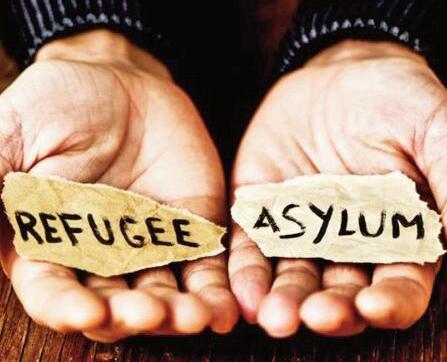
In his first encyclical, Magnifica Humanitas, Pope Leo XIV calls us to protect “the rightful hopes of those forced to leave” by ensuring safe and legal routes, dignified welcome, and genuine pathways to integration.
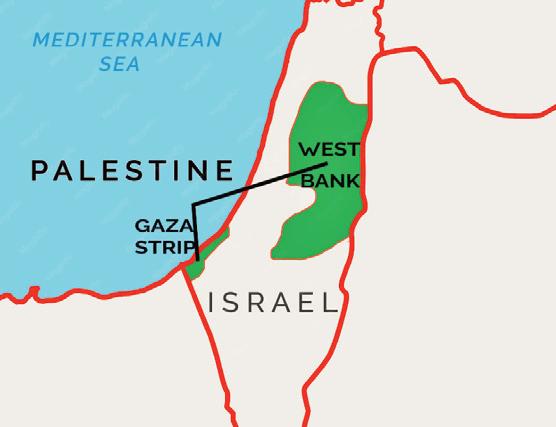
Each day we see the suffering caused by war, persecution and poverty, and the dangerous journeys many undertake in search of safety. At the same time, hostility towards refugees and migrants is growing, often fuelled by fear and misinformation. At the heart of the Gospel is a simple truth: every person is precious, because God is present in everyone. Welcoming people seeking safety is an integral part of our faith: it is a response to the dignity God has placed in every human life.
EDITORIAL GUIDELINES
1) Think of the readers: If you are writing about an event, think about the readers that don t know anything about it Outline what happened, but focus on why people go, why it is important to them, or some teaching that was given Make sure readers learn something from your
Pope Francis reminded us of this mission in Fratelli Tutti, urging us not to give in to fear “fomented and exploited for political purposes”, but to uphold “the inalienable dignity of each human person” and the law of fraternal love.
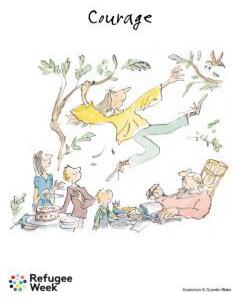
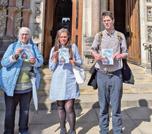
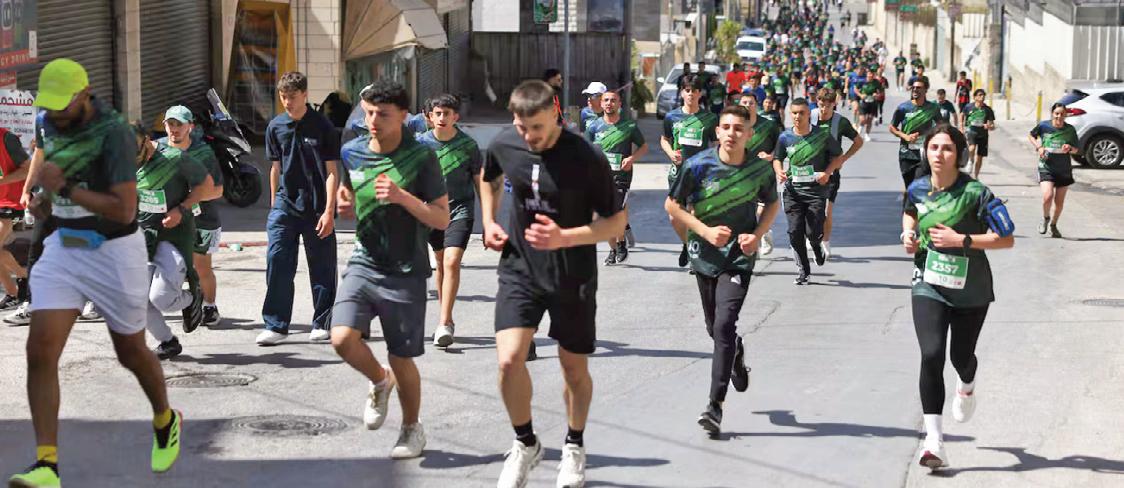
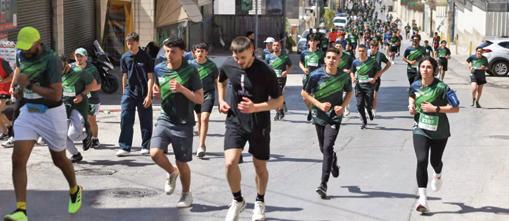
This year’s Refugee Week theme, Courage, celebrated the resilience and hope of those seeking sanctuary. Across our Catholic parishes and schools, we are blessed by the faith, gifts and contributions of refugees, migrants, and all who have travelled far to build a new life in safety and serve our communities. Refugee Week was an opportunity to come together in friendship and solidarity through shared meals, music, sport, art and prayer, celebrating our common humanity in Christ.
article - they don t just want to know who was there and what snacks were available!
2) Keep it brief: Make sure you make your point - but keep it brief and punchy
3) Pictures: Send pictures as they are - even if they are very big to email Don t reduce them in size or put them inside a Word document They look fine on the screen but terrible in the paper!
By taking part in the activities for Refugee Week, we can offer a visible witness of Catholic welcome, compassion and hope.
LEGAL INFORMATION
Please note that opinions expressed in this paper and on any linked sites or publications are not necessarily those of the Publishers, Editor, any Diocese or the wider Roman Catholic Church. Every reasonable effort is
made to ensure that due acknowledgement, when appropriate, is made to the originator of any image submitted for publication It is understood that those submitting material for publication in CSW either hold the copyright or have arranged for publication with the appropriate authority
“I was a stranger and you welcomed me.” (Matthew 25:35)
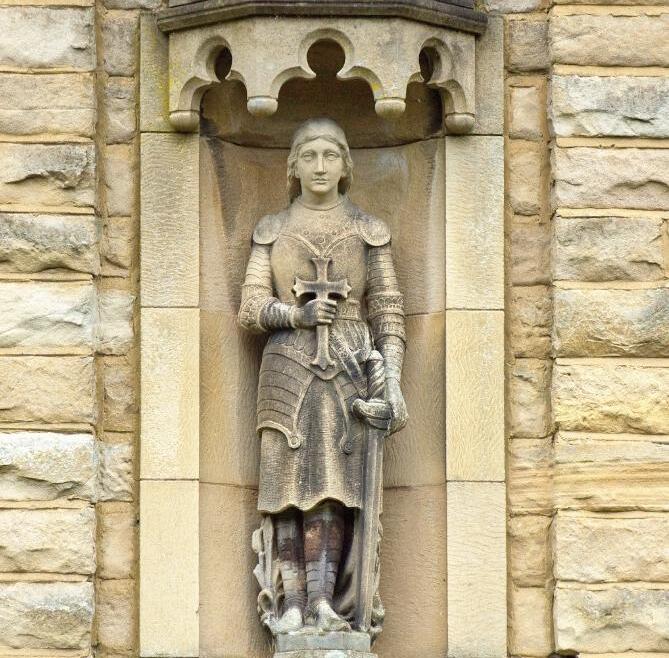
Annual Celebration of Saint Joan of Arc in Rouen, France
The Saturday following the Ascension marked the annual celebration of Saint Joan of Arc in Rouen. Every year, the Archbishop of Rouen invites a guest preacher. The last Englishman to have been invited was Archbishop George Patrick Dwyer of Birmingham in 1967. This year, the Bishop of Plymouth, the Right Reverend Nicholas Hudson, was invited to preach.
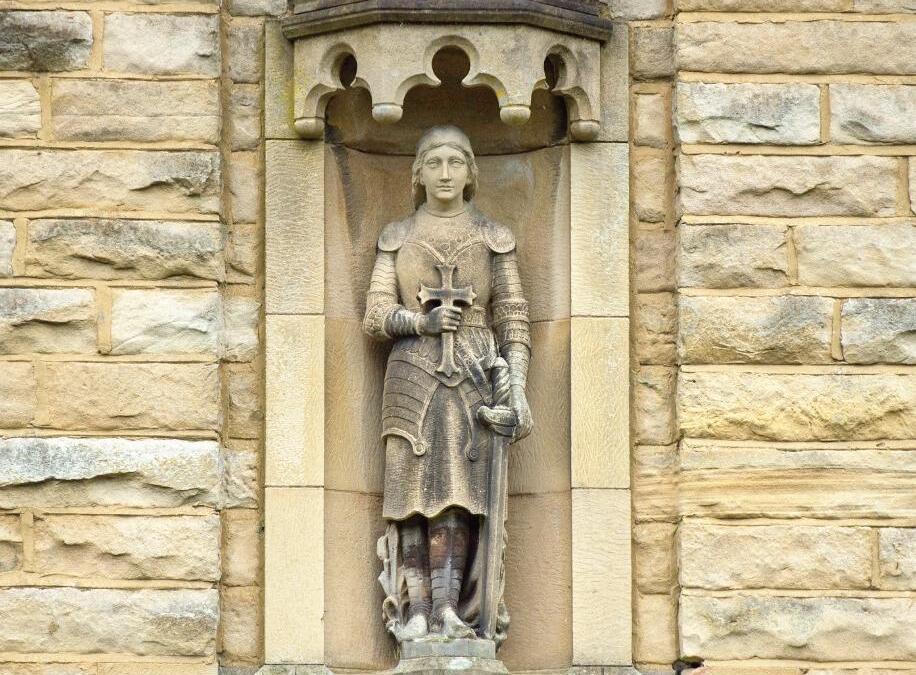
Bishop Nicholas, both fully British and fully French, spoke of how English Catholics love and revere, the affectionally known, Saint Joan of Arc. As a former Auxiliary Bishop of Westminster, he shared that Westminster Cathedral itself bears a large, prominent mosaic raised to the honour of Blessed Joan of Arc in 1910, ten years before her canonisation, and that many churches across England are dedicated to her honour.
Bishop Nicholas preached the morning homily at Mass in the church of Saint Joan which stands in the square where the nineteen-year-old was burned at the stake. Remarkably, the sanctuary was adorned with the 15th-century processional cross which Saint Joan asked to be held before her as she burnt. In his homily, Bishop Nicholas reflected on the words of Mark Twain, who called Saint Joan of Arc, “by far the most extraordinary person the human race has ever produced.” He drew on the words of the Psalmist and the Wisdom of Solomon to retell her story, recalling how she was “though young, found keen in judgment” and “in the sight of rulers, admired.” He reflected on how “the pro-English clerics who put her on trial must surely have been impressed by her courage” in telling them, “You say that you are my judge. Take care what you do, for in truth I am sent by God, and you put yourself in great danger.”
Nicholas spoke of how Saint Joan gave testimony to the teaching of Jesus –the call for any follower of his to deny himself, take up his cross and follow. “Every martyr,” he said, “knows what it means to take up their cross, and such was Saint Joan of Arc’s conviction of the Cross’s saving power that she asked to have a cross held before her as she submitted to the flames.” Everyone heard her cry “Jesus” as she took her final breath.
Mass was followed by a civic ceremony in the Square. After lunch, and to a full Cathedral, Bishop Nicholas preached the half-hour Panegyric – a speech in honour of Saint Joan. This is a wonderful testimony to her life and legacy. Bishop Nicholas recalls the words of the distinguished English historian Helen Castor, that “in the firmament of history Joan is a massive star” whose “light shines brighter than that of any other
figure of her time and place.” Her story, he recalled, is “unique and at the same time universal in its reach – a recurring motif replayed in art, literature, music, and film.”
Saint Joan, we ask you to stand alongside all who know themselves today to be victims of injustice.
Saint Joan, we ask you to pray for our troubled world; and most especially today for France and England that we might grow together in ever-deeper unity and witness together to the urgent need for peace across the world.
Saint Joan, we ask you to pray for each one of us here present today that, with your help and the help of all the saints of France and England, we might grow to be worthy of the promises of Christ. Amen
Bishop
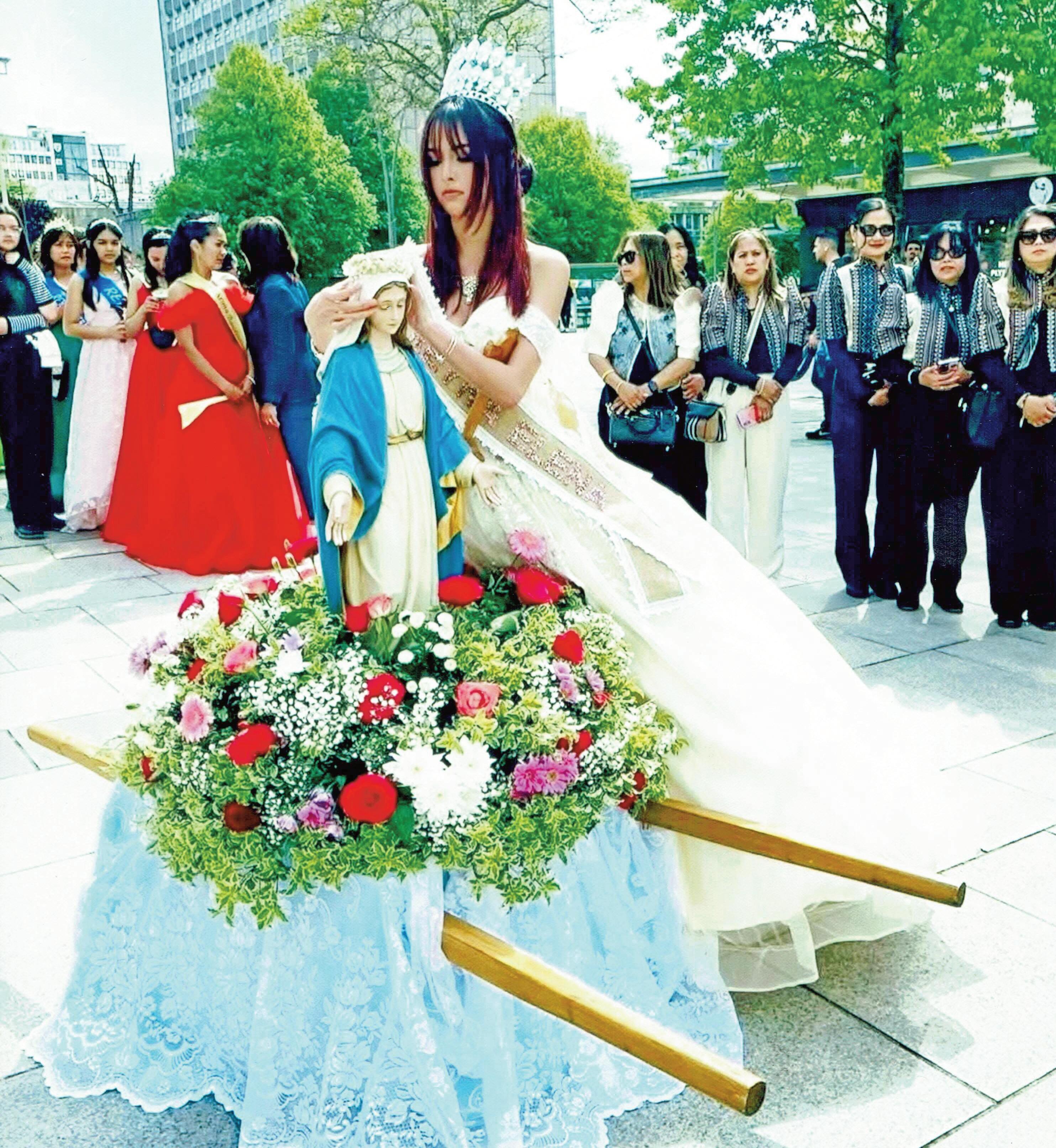
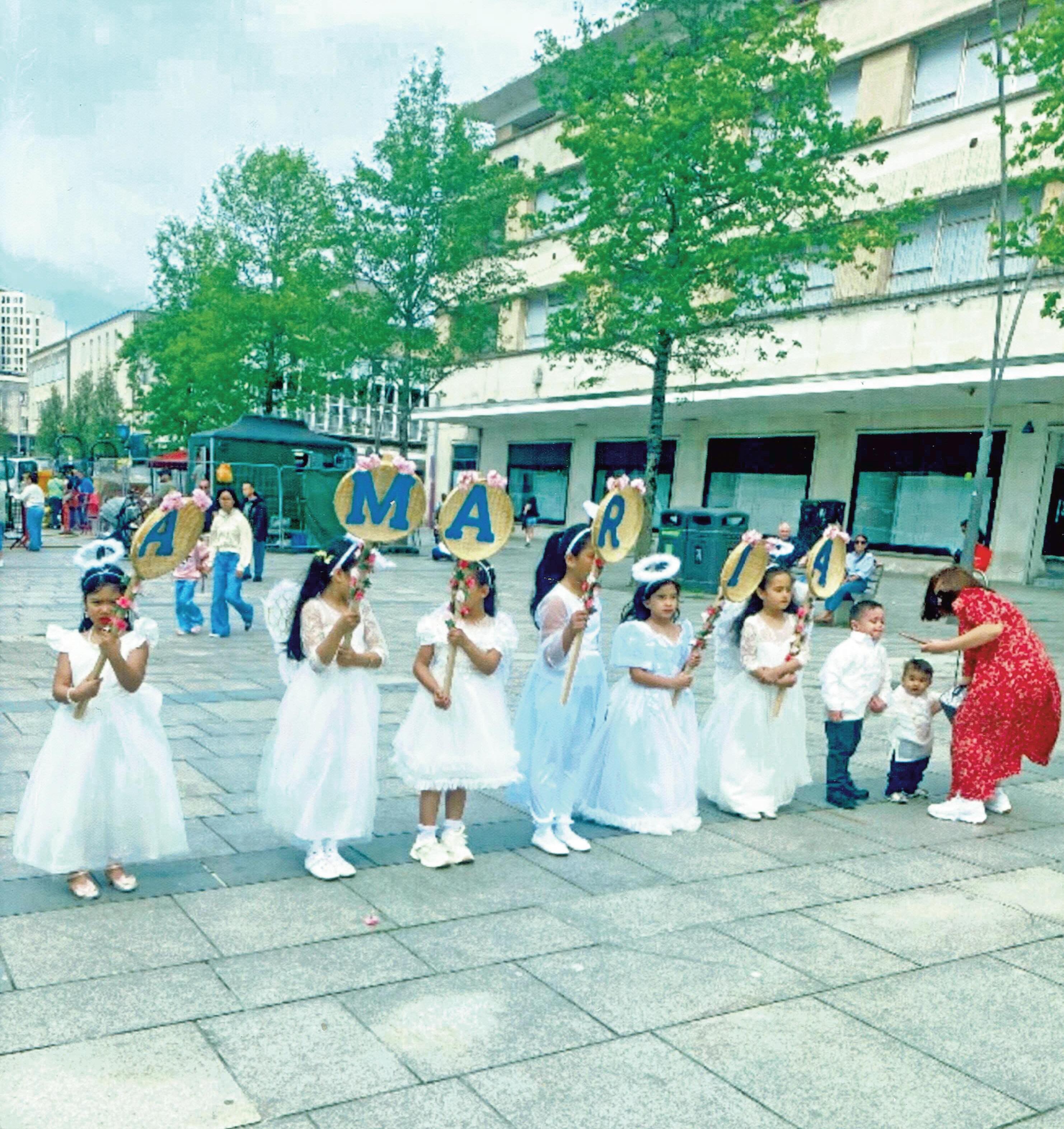
Flores De Mayo 2026
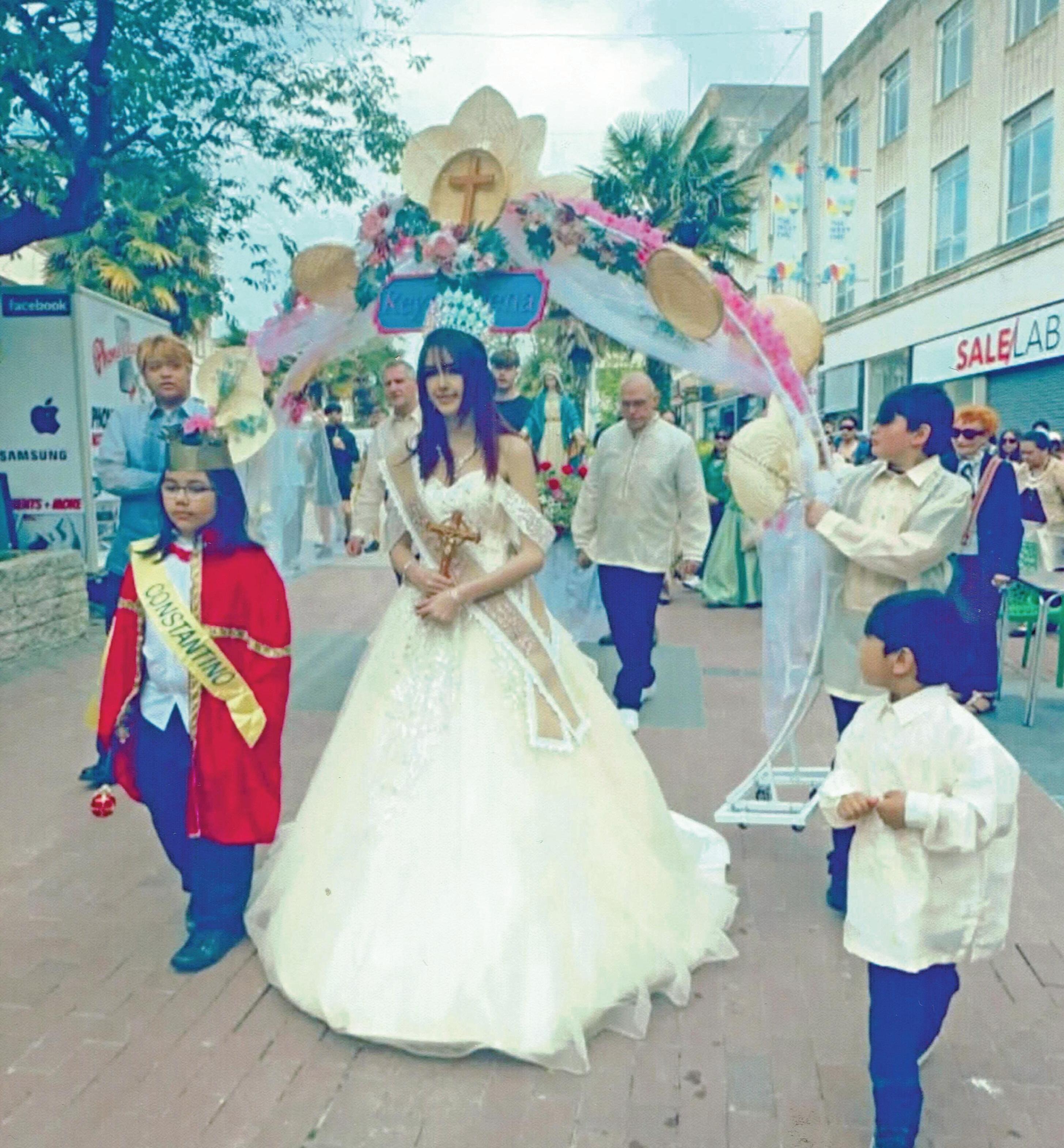
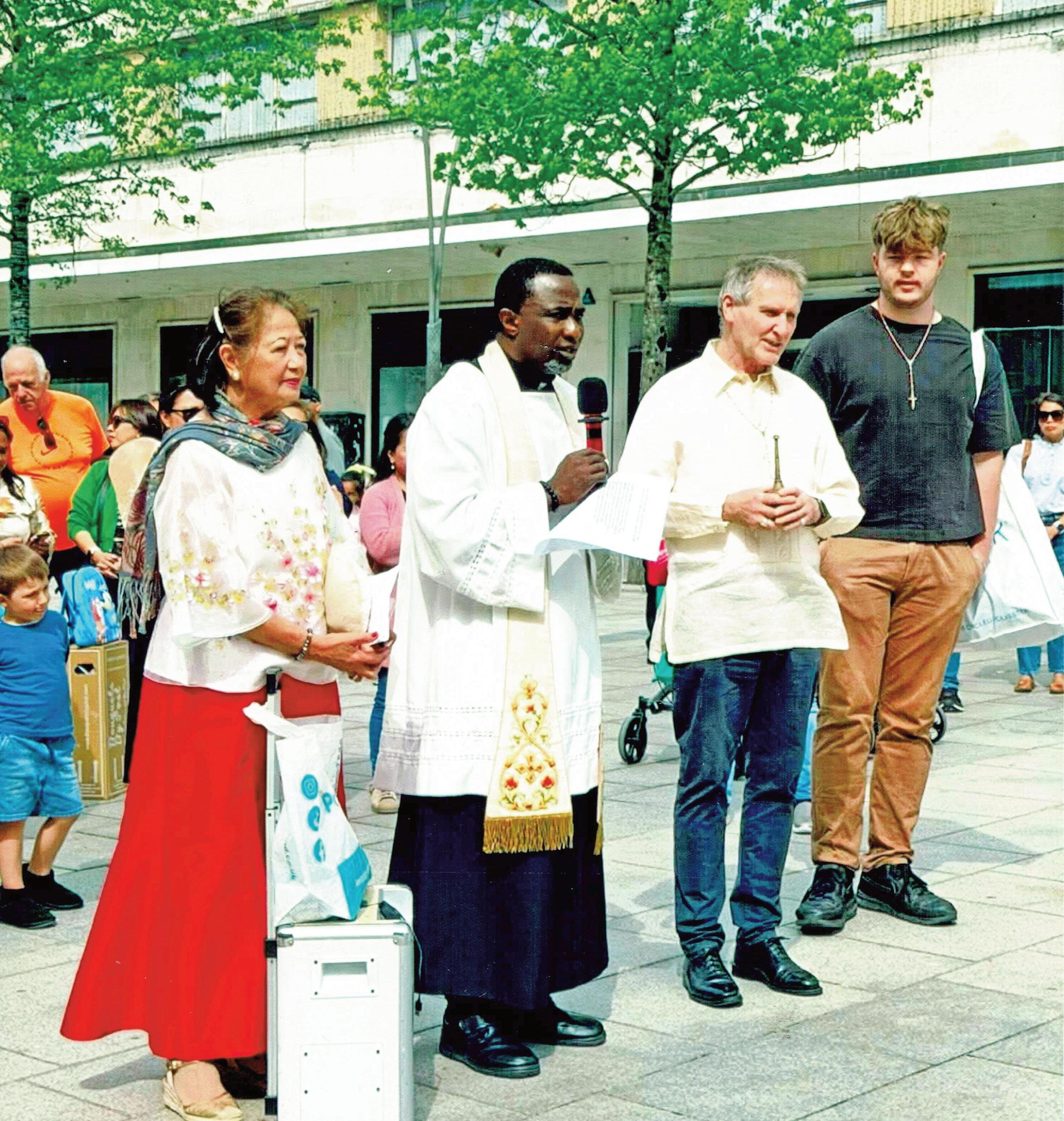
The 2026 Flores de Mayo and Santacruzan in Plymouth, organised by the local Filipino community, took place on May 9 2026 "Flores de Mayo," which translates to "Flowers of May" in Spanish, is a month-long Catholic Marian devotion to honor the Blessed Virgin Mary. It involves daily prayers, floral offerings, and processions, culminating in the Santacruzan, a religious-historical beauty pageant that reenacts the finding of the True Cross.
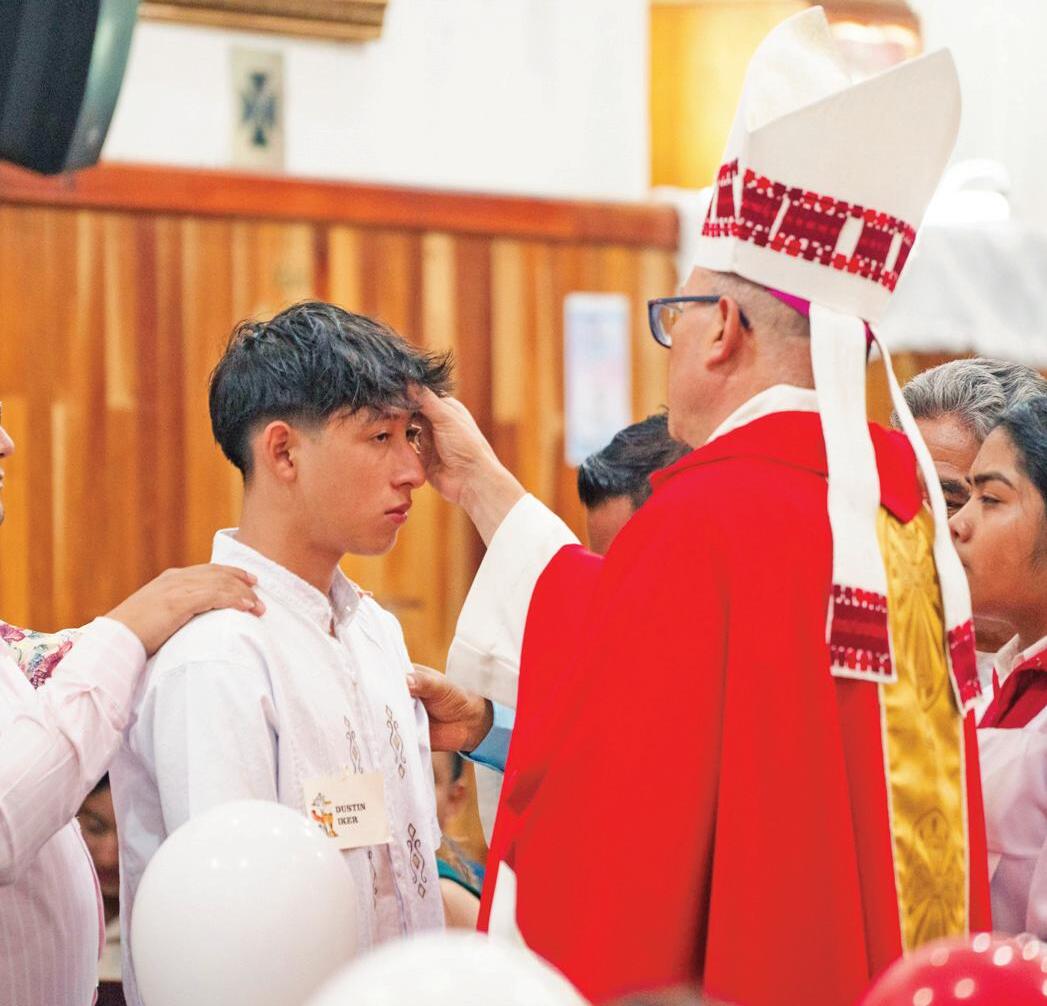
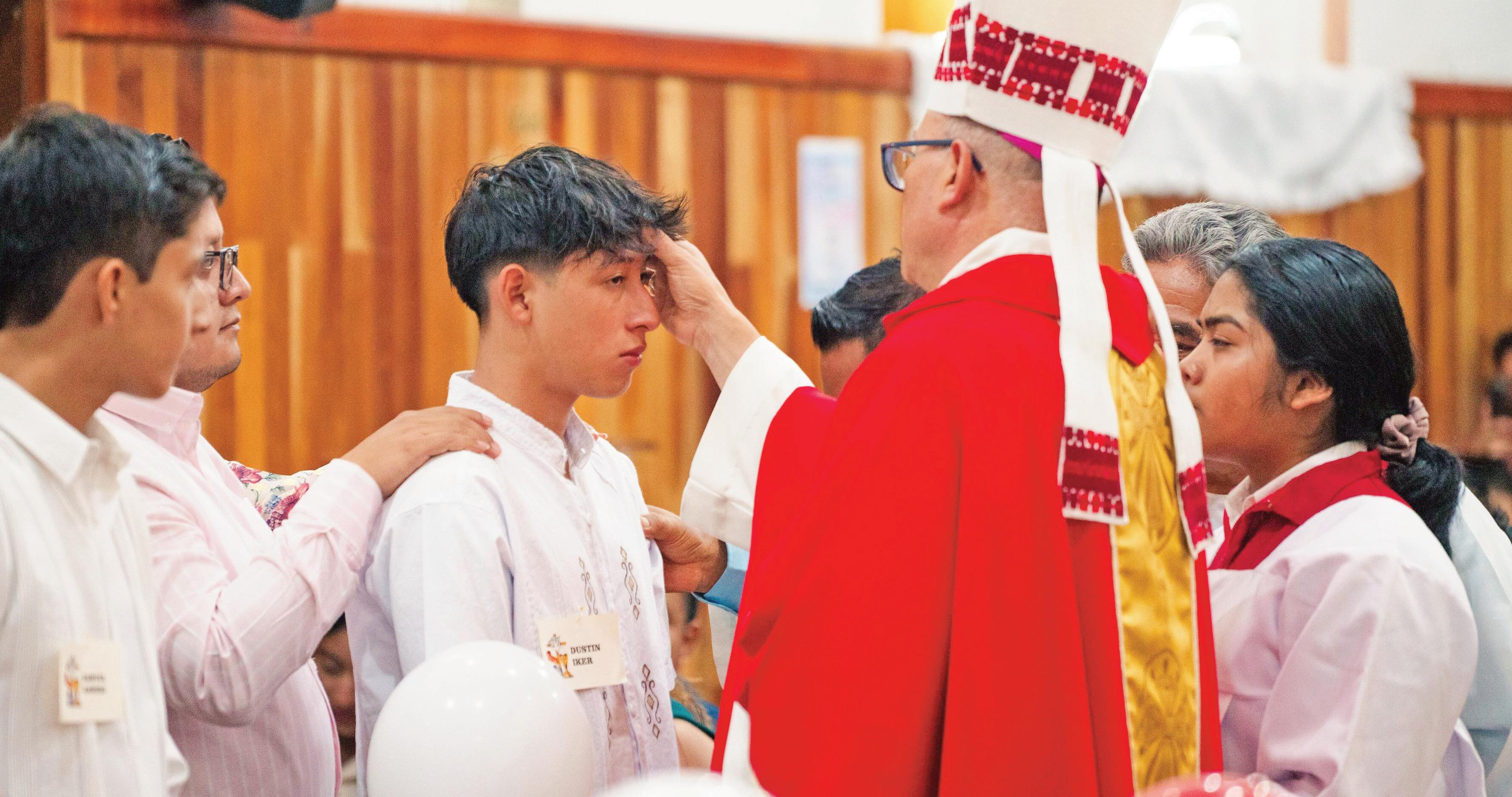
Sacraments of Initiation - Confirmation
St Pope Paul VI, the Pope who was instrumental in ushering in the liturgical renewal following the Second Vatican Council, wrote in his encyclical on Evangelisation in the Modern World Evangelii Nunitiandi that “Modern man listens more willingly to witnesses than to teachers, and if he does listen to teachers, it is because they are witnesses.” We often hear ‘practice what you believe’ and ‘walk the talk’, which stresses the importance of integrity or unity of life. We all struggle with living out our faith. At times, we may say one thing, and yet do another. None of us is perfect, and at times we do not ‘walk the talk’. We do need the grace, the ability, the love, in order to witness to our Christian faith in the world around us. The Sacrament of Confirmation helps with this. Although the Holy Spirit is present everywhere, this sacrament physically reminds us of the outpouring of the gifts of the Holy Spirit at work, in order that we are strengthened with the ability to bear witness to Christ and for the building up of Christ’s body.
Although we equate this sacrament with teenagers, it may be celebrated for anyone who is baptised. At the Easter Vigil, when adults are baptised, their Confirmation follows immediately afterwards and before the Eucharistic Prayer and Holy Communion. In cases of emergency, an infant may be confirmed. In the Latin tradition, it is normally celebrated after the age of reason, especially when one is a teenager. We should keep in mind that confirmation, or chrismation, is celebrated in the Eastern Church right after Baptism, even for infants.
As the second sacrament in the Sacraments of Initiation, this sacrament is
intrinsically connected with the Sacrament of Baptism. In some way it ‘completes’ baptism. This is why usually the renewal of baptismal promises is done for those over the age of reason. The gesture of laying on of hands is done, with a prayer asking for the gifts of the Holy Spirit (wisdom, understanding, counsel, fortitude, knowledge, piety, and fear of the Lord). The gesture of the laying on of hands symbolises the gesture of handing over the ability to follow Christ as disciples. The same gesture invokes the Holy Spirit, to mold and shape us. Chrism, that is oil mixed with balsam, is used to anoint the forehead. The forehead is visible to all people, which is a reminder that through our attitude, words, and actions we give a visible witness to the message, and the life, death, and resurrection of Jesus Christ to the world. Likewise, the sweet smell of Chrism reminds us that we ought to be the ‘good odour’ of Christ to the world. The use of Chrism symbolises the spiritual anointing of the Holy Spirit. The words of the sacrament, “Be sealed with the Gift of the Holy Spirit”, emphasise the gift of the outpouring of the Holy Spirit on the day of Pentecost.
Witnessing to our Catholic faith is difficult, especially in a context, where there is much division, polarisation, war, injustice, and where religion might be seen as out of date or a private hobby. The Gifts of the Holy Spirit help us live out our faith in action by giving witness. All of us have the potential to do so much good in the world, and it usually starts in our homes, our workplaces, and in our parish communities. It may start with a simple smile, a kind word, and our presence.
Fr Anthony Fyk
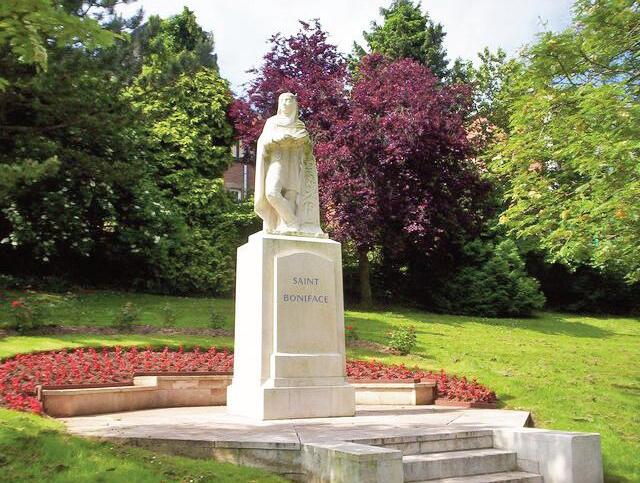
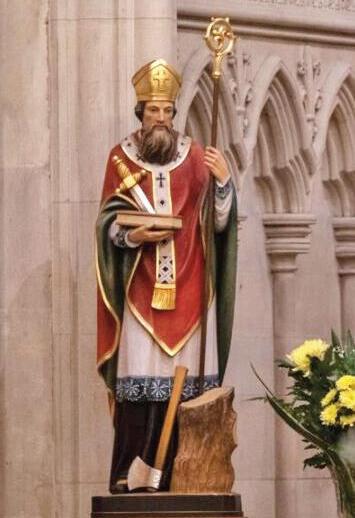
Celebrating the Feast of St Boniface
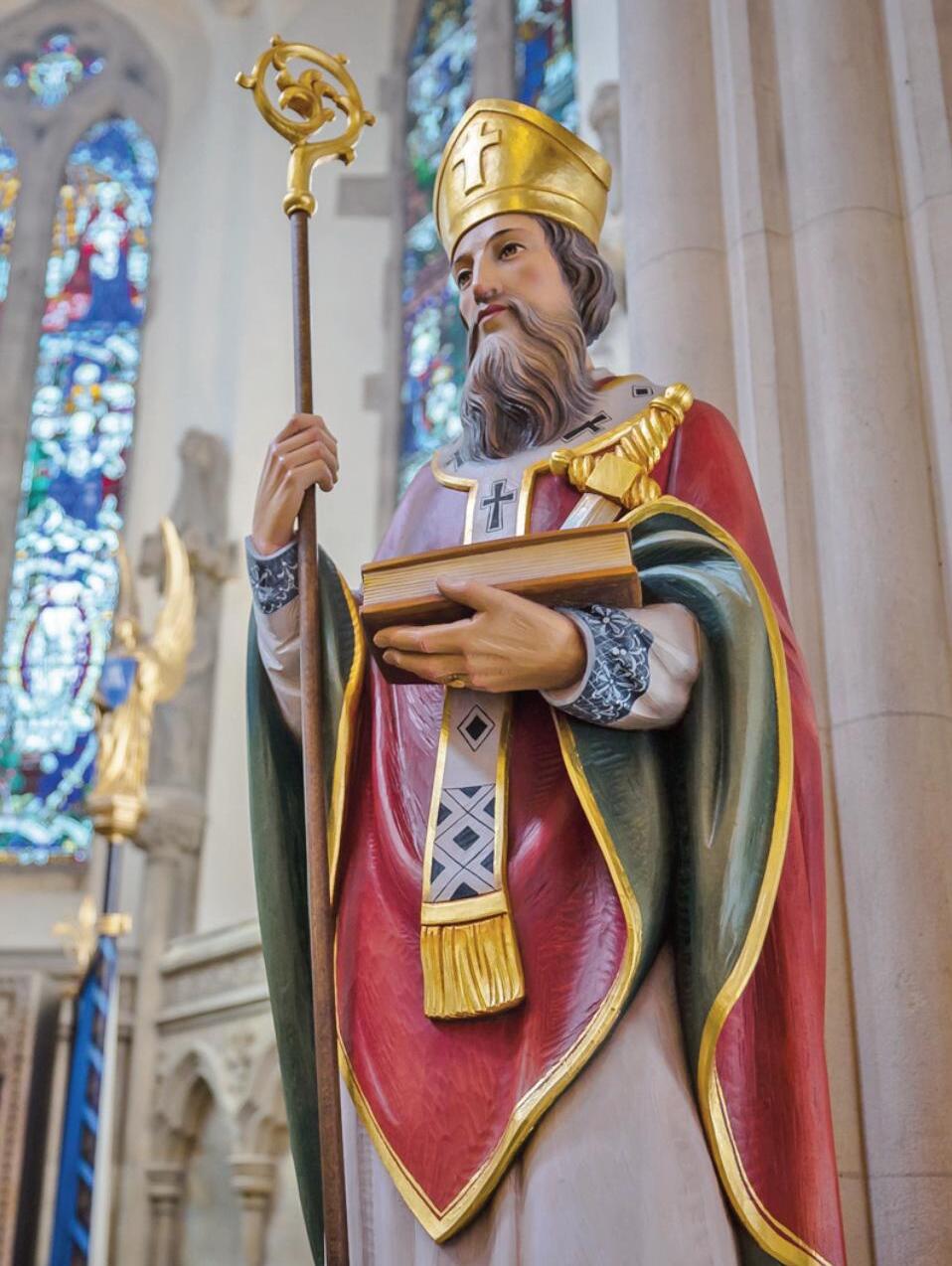
On the Feast of St Boniface, Patron Saint of the Diocese of Plymouth, Bishop Nicholas Hudson reflects on the enduring example of this great missionary saint and his relevance for the Church today.
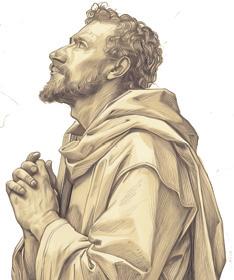
“It is with great pride that we commemorate today our Diocesan Patron Saint Boniface. A leading missionary of 8thcentury Europe, he inspires us in the 21st century to be all the more missionary ourselves – to call people into relationship with Christ. We ask his intercession for his native Crediton and for the whole Diocese that we grow daily to become more and more the community of faith the Lord is calling us to be.”
Bishop Nicholas Hudson
A prayer for St Boniface
God Our Redeemer, Who called Your servant Boniface to preach the Gospel among the Dutch and German people and to build up Your Church in holiness, grant that we may preserve in our hearts that faith which he taught with his words and sealed with his blood, and profess it in lives dedicated to Your Son, Jesus Christ Our Lord, Who is alive and reigns with You, in the Unity of the Holy Spirit, One God, now and for ever.
Amen
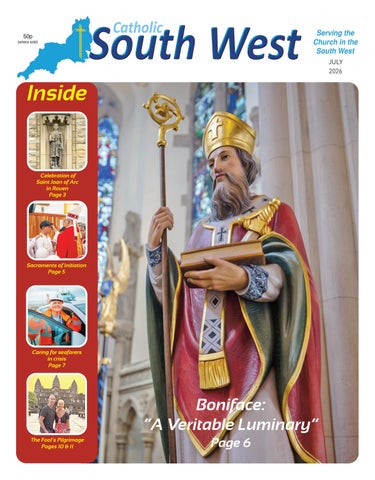
Boniface: “A Veritable Luminary”
Whose Mission Speaks to Our Age
At his first Mass to celebrate the Feast Day of St Boniface, one of the Patrons of the Diocese of Plymouth, the new Bishop of Plymouth, the Right Reverend Nicholas Hudson, reflected on the extraordinary legacy of one of Devon’s most distinguished sons.
Preaching at the Mass, the Bishop drew attention to the missionary character of the territory: “All of our diocesan patrons are martyrs. It reflects, I think, the very missionary nature of this territory.”
Boniface – born Winfrid, traditionally in Crediton – went on to become one of the most important figures in eighth-century European Christianity. The Bishop described him as “a pastor who knew the risk he was taking and yet was prepared to lay down his life for the sheep.”
Bishop Nicholas quoted Boniface’s own words, written shortly after his arrival on the Continent, highlighting the saint’s sense of urgency: “We are not mute dogs
or taciturn observers or mercenaries fleeing from wolves. On the contrary, we are diligent pastors who watch over Christ’s flock.”
Among Boniface’s many accomplishments, the Bishop recalled his felling of Donar’s sacred oak at Geismar, his founding of the Abbey of Fulda, his establishment of many dioceses, and his crowning of Pepin as King of the Franks at Soissons – achievements that shaped the Christian character of early medieval Europe.
Boniface’s life ended in martyrdom. At the age of 73, in Utrecht, he crossed into unevangelised territory to await new converts when a hostile band descended upon his camp. He saw the danger coming and told his attendants not to resist, and was among the first to fall.
The Late Pope Benedict XVI, “identified three pillars of Boniface’s achievements –all of which can be summarised under the
banner of unity,” the Bishop shared. He went onto share those pillars:
“1. Boniface’s commitment to the unity of faith, to the presentation of doctrine and Scripture as a united whole;
“2. Boniface’s commitment to call into unity with the Supreme Pontiff and with one another the churches of England, Germany & France;
“3. Boniface’s nurturing of a cultural unity – a continuity with the Benedictine instinct to assimilate Christian-Roman Culture into the Germanic.”
“This Diocese is rightly proud to have produced such a figure,” the Bishop said and concluded with a call to renewed mission for the Diocese today: “In an age when we know the need for our own mission to be deepened, at a time when many shadows fall across our world, we should call on Boniface with increasing fervour – to bless our endeavours, to help us begin to be the Diocese the Lord desires us to be.” To
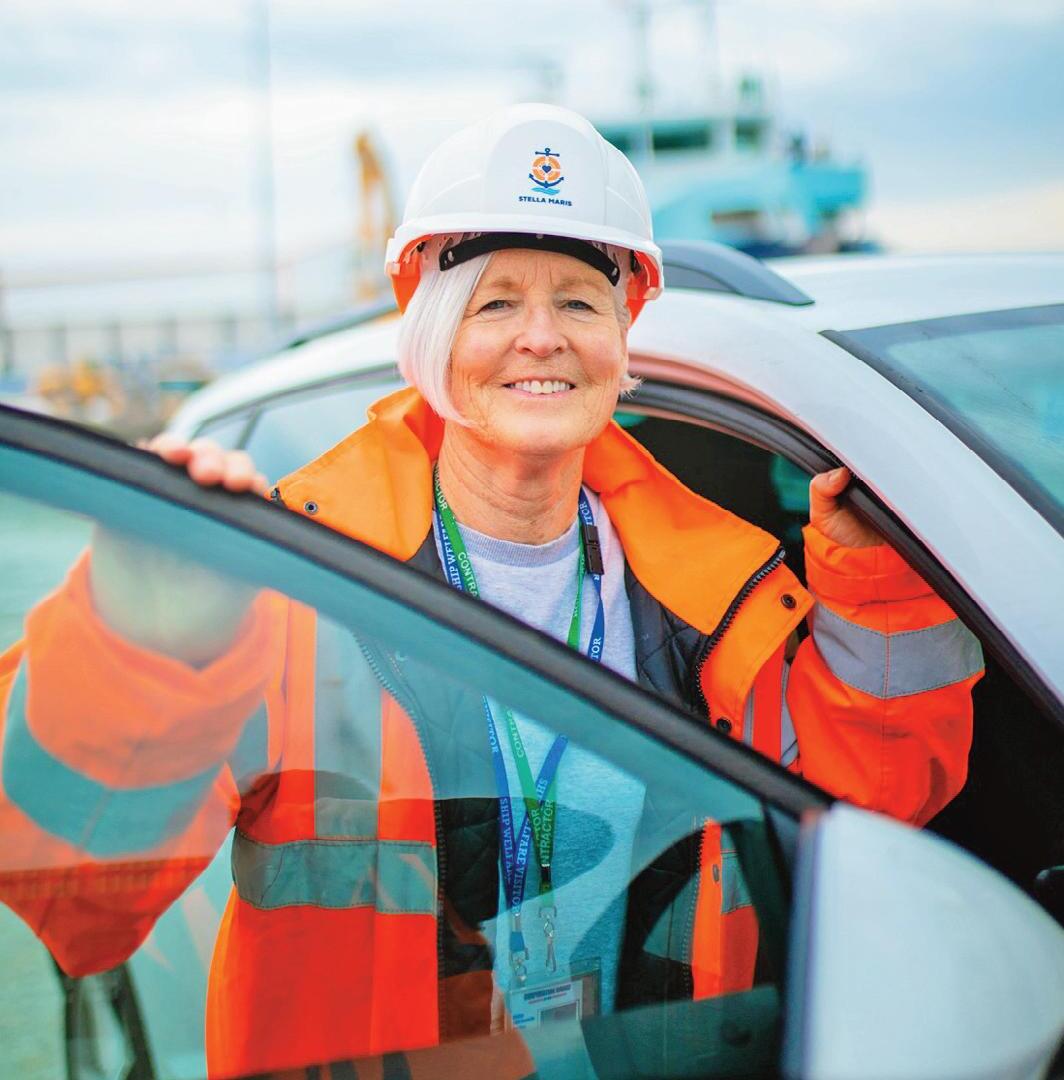
Caring for seafarers in crisis
Recent geopolitical tensions have put the plight of seafarers in the headlines. The disruption to shipping in the Strait of Hormuz resulted in an estimated 20,000 seafarers stranded on board ships, facing heightened risk and considerable mental strain. Sadly, several have also been killed.
Seafarers are increasingly finding themselves working in areas of conflict, far from home and uncertain about the future. Caught in the crossfire, many are fearful, anxious and lose hope. Their ordeal can negatively impact their physical and mental wellbeing.
Meanwhile their families follow events anxiously, often with little news and no certainty about their loved ones. These incidents are also a powerful reminder of how much we all depend on seafarers to keep essential goods moving around the world. Seafarers are key workers. Yet they are often an invisible workforce who quietly and diligently go about their duties at sea, largely unseen by most of us.
Help in crisis
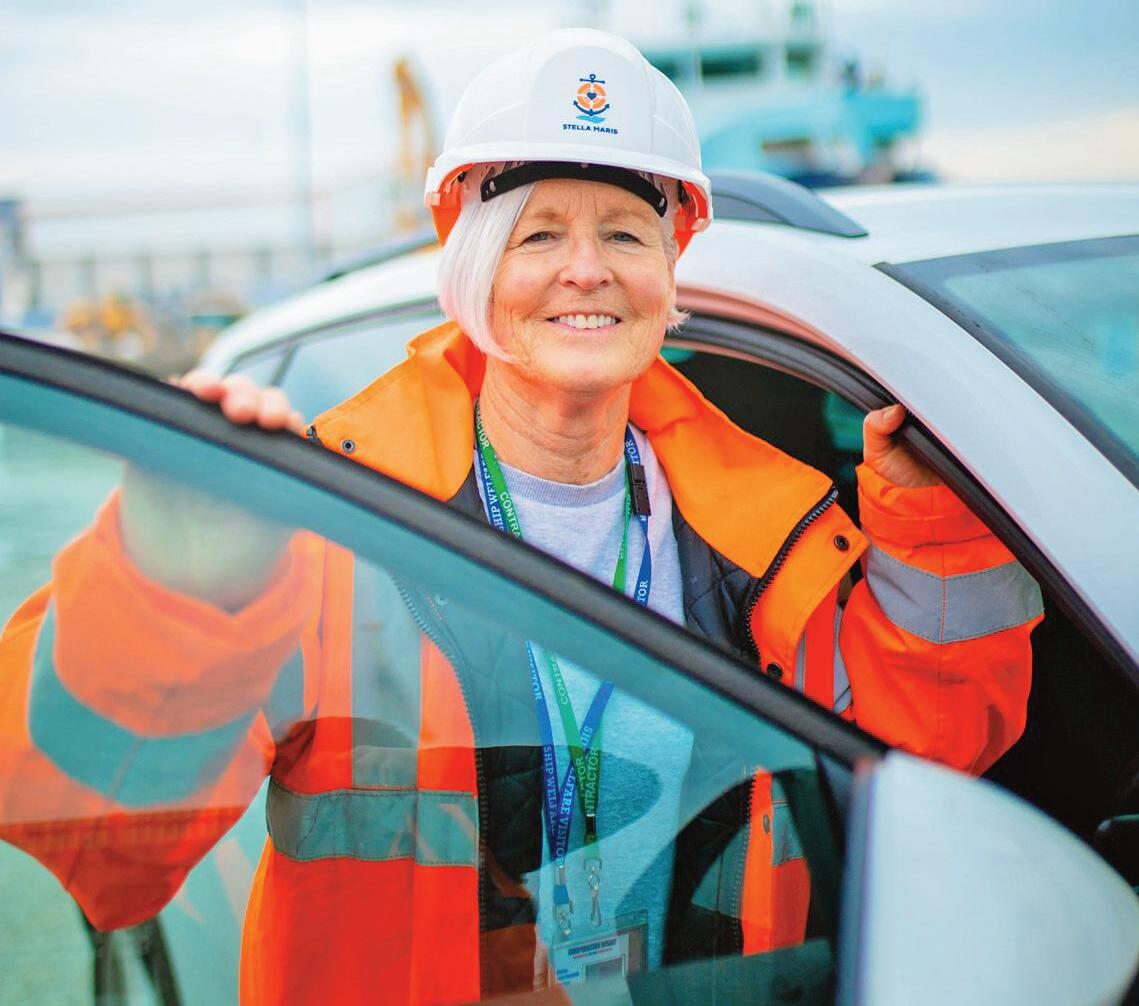
Stella Maris, the official maritime agency of the Catholic Church, exists to provide
pastoral and practical support to seafarers. In times of conflict and crisis that mission becomes even more urgent. As the war in Ukraine enters its fourth year, Stella Maris continues to support seafarers and their families, providing essential services in extremely difficult circumstances. This includes psychological care, online financial resilience training, guidance and safety kits to help protect seafarers in dangerous waters, and support for people facing emotional strain and economic instability. Core funding from Stella Maris has also helped ensure frontline services can continue without interruption.
From our experience supporting seafarers and their families in Ukraine, we know that there will be much ongoing support needed for seafarers affected by the Middle East crisis once they leave the region, and Stella Maris chaplains and volunteers are ready to offer assistance.
Sea Sunday
On 12 July, churches around the world celebrate Sea Sunday, a day for people to come together to pray for seafarers, fishers, and all who work at sea, and thank them for the vital role they play in our lives.
For resources on how to Pray with the Pope, either on your own or in groups, use this QR code.
The Gospel on Sea Sunday is about the Parable of the Sower. Jesus delivered this parable beside the Sea of Galilee, a significant location for His ministry.
The work of Stella Maris is like that sowing. Many seafarers find strength in faith and comfort in prayer. Each conversation with our chaplains or volunteers, each act of practical help and each prayer said with a seafarer can be a seed planted in a life.
The daily ship visits from Stella Maris chaplains and volunteers in the Diocese can become a source of hope in times of crisis. It reminds seafarers of the Church’s care for all who work at sea.
Pray with the Pope
The values expressed in sports can unite people, break down barriers, and create spaces bringing together cultures and generations. At a time when competition can become empty rivalry, and exclusion leaves many out, it is important that we rediscover the true meaning of sports as a school of fraternity, respect, and solidarity.
In this month's prayer, the Holy Father invites us to pray "for the values of sports" so we "discover in sport a universal language that brings cultures together, unites peoples, and sows respect, solidarity and personal growth."
You are not alone. By praying, you join the millions of people who belong to the Pope's Worldwide Prayer Network who, from every corner of the world, are praying for the challenges of humanity and the Church's mission.
This Sea Sunday, we pray for all seafarers, fishers and those who work at sea. Lord, guide us to care for them with responsibility and respect. Stay with all who travel the seas, protect them, guide them, and bring them safely home. Amen.
For the values of sports
In the name of the Father, and of the Son, and of the Holy Spirit. Amen.
Lord of life,
we thank you for the gift of sport, for those who glorify God through the exercise of their bodies, for the friendships born on the field and the joy of playing as a team.
You teach us that in life, as in the game, no one is saved alone.
We need others to grow, to learn respect, to overcome our limits, and to celebrate together the victories we achieve.
We ask that sport may always be a school of fraternity, not of empty rivalry, a space of encounter, not exclusion, a path of peace, not violence.
May those who play, train or cheer discover in sport a universal language that brings cultures together, unites peoples, and sows respect, solidarity and personal growth.
Lord Jesus, may every sport become a parable of life lived with you, working with joy and effort, living with humility in defeat and with gratitude in the victory you offer in your Resurrection.
May your Spirit never be lacking in us, making us one team, united with you to build communion and fraternity in history. Amen.
Ann Donnelly, Stella Maris Chaplain
Scripture Focus
When summer comes, we like to go outdoors to enjoy the beauty of nature. Some people are able to go to the seaside and enjoy sunshine and swimming. Others go into the country to breathe fresh air and be close to nature. Others again like to sit outside in a park, or care for the growing plants in their garden.
Pope Francis reminded us that the earth is our common home, which needs to be respected and cared for. The earth brings forth a rich harvest of fruits and vegetables. It also provides a home for flowers and trees.
On 12th July (the 15th Sunday of the Year), the psalm celebrates the providence of God who cares for the earth and gives it water, blessing all the growing plants. The psalmist rejoices to see fields covered with flocks and valleys decked with wheat.
By Fr Jeremy Corley
How to live a fruitful life
The prophet Isaiah also celebrates God’s gift of rain and even mountain snow, providing water for the dry earth. By making the earth bring forth plants, God provides not only seed for the farmer to sow but also bread for all of us who eat our daily food.
Seeing the rain serves as a reminder that God’s word likewise accomplishes a fruitful purpose, succeeding in doing what God sent it for. In the biblical prophet’s time, God’s word spoke of the end of the Jewish exile in Babylon, enabling the chosen people to return home safely to Jerusalem.
St Paul takes up the theme of creation in his letter to the Christians at Rome. He recognises that we do not live in paradise now, because creation faces the problem of decay and death. He tells us that because of human sin, creation long ago was unwillingly subjected to futility. Yet we
have the hope that eventually creation itself will be set free from its tendency to decay.
The gospel Parable of the Sower uses the biblical theme of grain being sown in the ground and growing up to yield a harvest. But Jesus points out the importance of the soil. Some soil is rocky and other soil is too shallow, while the ground elsewhere can be full of thorns. Only the well-prepared soil will yield a rich harvest.
Taking up Isaiah’s focus on God’s word coming down to us from heaven, Jesus pictures it as resembling seeds being sown in the ground. For the seed to bear fruit, it needs to find good soil.
When Jesus came to this earth, some people responded to his message and became disciples, letting his word guide their actions. Others closed their eyes to
seeing his truth because their hearts were dulled. At the extreme, there were people who totally rejected his message and plotted to do away with him.
Reading or hearing Jesus’ parable can serve as a challenge to us today. How do we receive God’s word? How do we respond to the call to care for our neighbours and for creation? Does the seed of God’s word tend to get overwhelmed by thorns? Do we allow the cares of this world and the lure of riches to choke the word, making it unfruitful?
Let us pray for the grace to be good soil by listening attentively to God’s word and understanding it, so that we may bear fruit. Then we will fulfil God’s plan for us and be doing what God created us to do.
View from the Pew
By Dr Jay Kettle-Williams
Caveat emptor
‘The trouble with you Christians is that you all live in the past.’
‘Sorry?’ I didn’t know the man from Adam. He’d caught me off guard, coming at me out of the blue, making me the butt of his unexpected remark.
‘All this talk about oxen and the like,’ he continued, ‘My neighbours’ decking maybe, but they certainly don’t have an ox out back. They wouldn’t know what to do with it if they had. Who would? What’s the relevance?’
Toponomy, the nature of the landscape, has often dictated human diffusion patterns. You only need look, by way of example, at the topographic map of South America, compare it with the ancient human diffusion pattern of Amerindian Man and then compare that with the delineations of the current republics.
As for human diffusion in general, the hunter-gatherer societies of old often gave way to settled communities, even civilisations, across the known world. Our social histories developed, the settled communities prompting the establishment of all manner of professions: the like of butchers, bakers, candle-stick makers to name but a limited few.
By the time of Christ, settled communities had long been a common feature across the Middle East and Eastern Mediterranean - not to mention other places besides - often boasting the monumental architecture associated with civilisations. Settlement heralded the defence, protection and guardianship of the land, bringing forward the importance of farming and the role of the farmer. The early technological breakthrough in farming would have been the ox, so much stronger than man and tilling the land much more cost effectively, increasing productivity. Oxen, much stronger than man, came into their own as indispensable tools owned and controlled by farmers tilling the land and, as beasts of burden in general, for carrying produce to market. The ox, that strong and resourceful beast of burden, offered the versatility of a modern-day powerful tractor-cum-pickup truck. There’s good reason and many to have coveted an ox.
But oxen were not the only beasts to be coveted.
In Biblical as in other times, horses were highly valued for warfare, transportation and even agricultural work in which the giant Shires and Drays outpaced and could outperform the ox. So the horse brought a further technological breakthrough in increasing farming productivity. Horses were also central to military power, as nations with many horses and chariots were considered formidable (Exodus 14:9; 2 Kings 18:24). Horses were used in battles, sieges and as symbols of monarchic strength. On this point Psalm 147:10 and Proverbs 21:31 make pertinent point.
Camels in the Bible symbolise wealth, provision, endurance and divine blessing while also serving as practical means of transport and trade. In their day, camels would have introduced yet a further technological breakthrough particularly when they increased their pace and walked faster: the camel-drivers’ song had been dictated by and set to the camel’s gait. Then, with the increase in latter times in the tempo of the cameldrivers’ song, the camels picked up pace, the caravans travelled faster and the goods being transported by those ships of the dessert were delivered sooner, increasing commercial productivity. Camels are frequently mentioned in the Old Testament as beasts of burden used for such long-distance travel, trade and carrying valuable goods such as spices, gold and myrrh (Genesis 24:10; 1 Kings 10:2). They were similarly prized possessions, indicating wealth and social status, as seen in Job’s holdings of 6,000 camels alongside other livestock (Job 1:3). Camels’ ability to endure arid conditions made them essential for traversing deserts and connecting distant regions, highlighting their practical importance in biblical economies and journeys.
But the latest technical breakthrough in the development of human history is a different kind of beast, one which Pope Leo XIV recently addressed in Magnifica Humanitas.
The Pope’s encyclical letter on safeguarding the human person in the time of artificial intelligence is composed of five chapters: A dynamic approach
faithful to the gospel; Foundations and principles of the social doctrine of the church; Technology and dominance. The grandeur of humanity in light of the promises of AI; Safeguarding humanity at a time of transformation. Truth, work, freedom; The culture of power and the civilization of love.
Interestingly the Pope draws on two Biblical images: ‘In order to answer the questions and discern how to navigate responsibly the era of AI, I would like to bring to mind two scenes from the Bible: the construction of the Tower of Babel (cf. Gen 11:1-9) and the rebuilding of the walls of Jerusalem (cf. Neh 2–6). The story of Babel appears in the Book of Genesis, at the origins of humanity, immediately after the genealogies of Noah’s sons. After settling in a plain in the land of Shinar, the people decided to build a city and a tower “with its top in the heavens” (Gen 11:4).’
Pope Leo’s encyclical focuses on preserving the human person in the age of artificial intelligence. Apart from being published in print, it has been recorded as an audiobook which is downloadable. Scan the QR code.
The Pope touches a nerve and raises shuddering thoughts. There’s something now out of control in the relationship between mankind and this latest technological breakthrough, something admittedly artificial over which there is no democratic control. I am wrestling with the thought that no other beast hitherto –be that ox, horse, camel or whatever – has ever called the shots.
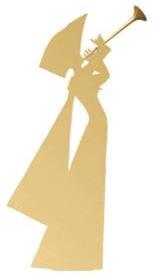
Notes, Acknowledgements and Attribution: Accompanying image (Statue with Blowing Horn) after the sculpture Exultate Jubilate by Philip Jackson; Texts/References adapted and/or adopted from http://en.wikipedia.org under the terms of the Creative Commons Attribution-ShareAlike License 4.0: /;
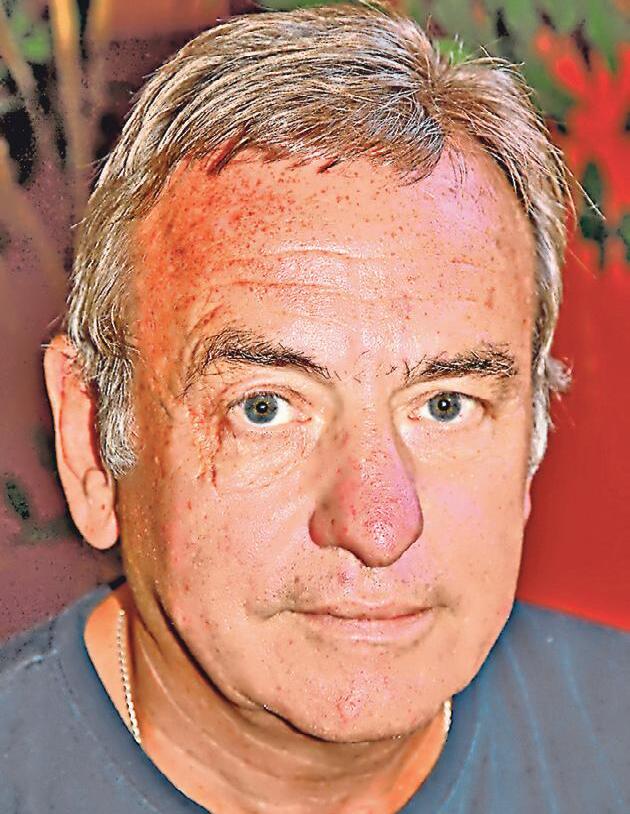
Dr J L Kettle-Williams is an experienced business communications consultant and wordsmith (tutor, writer, translator).
The Fool’s Pilgrimage –The Adventures of a Roaming Catholic in Cambodia
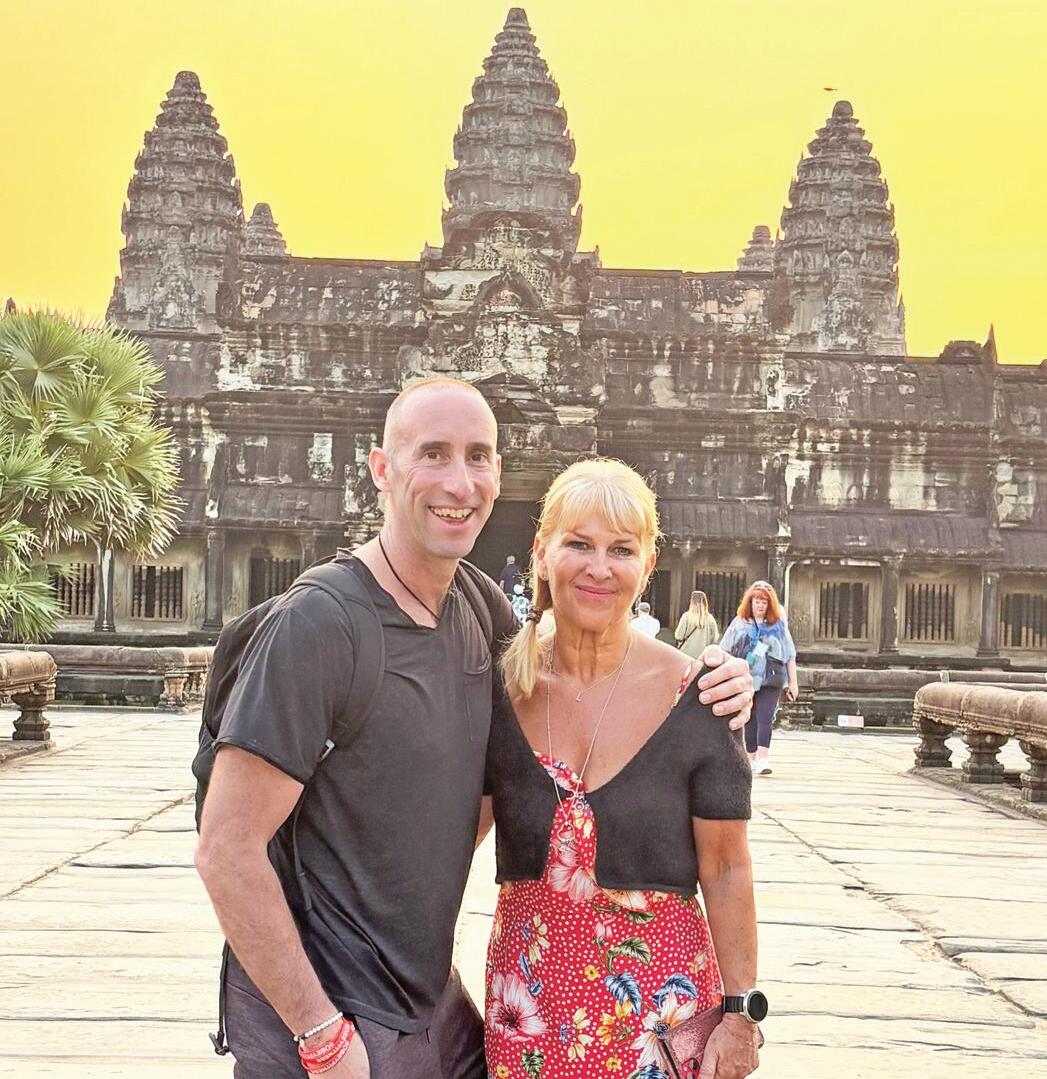
It was an early start to the day when my alarm went off at 4:45am — and almost immediately it was joined by the sweet chime of Lisa’s alarm too… which, when you’re on holiday, is never a welcome sound.
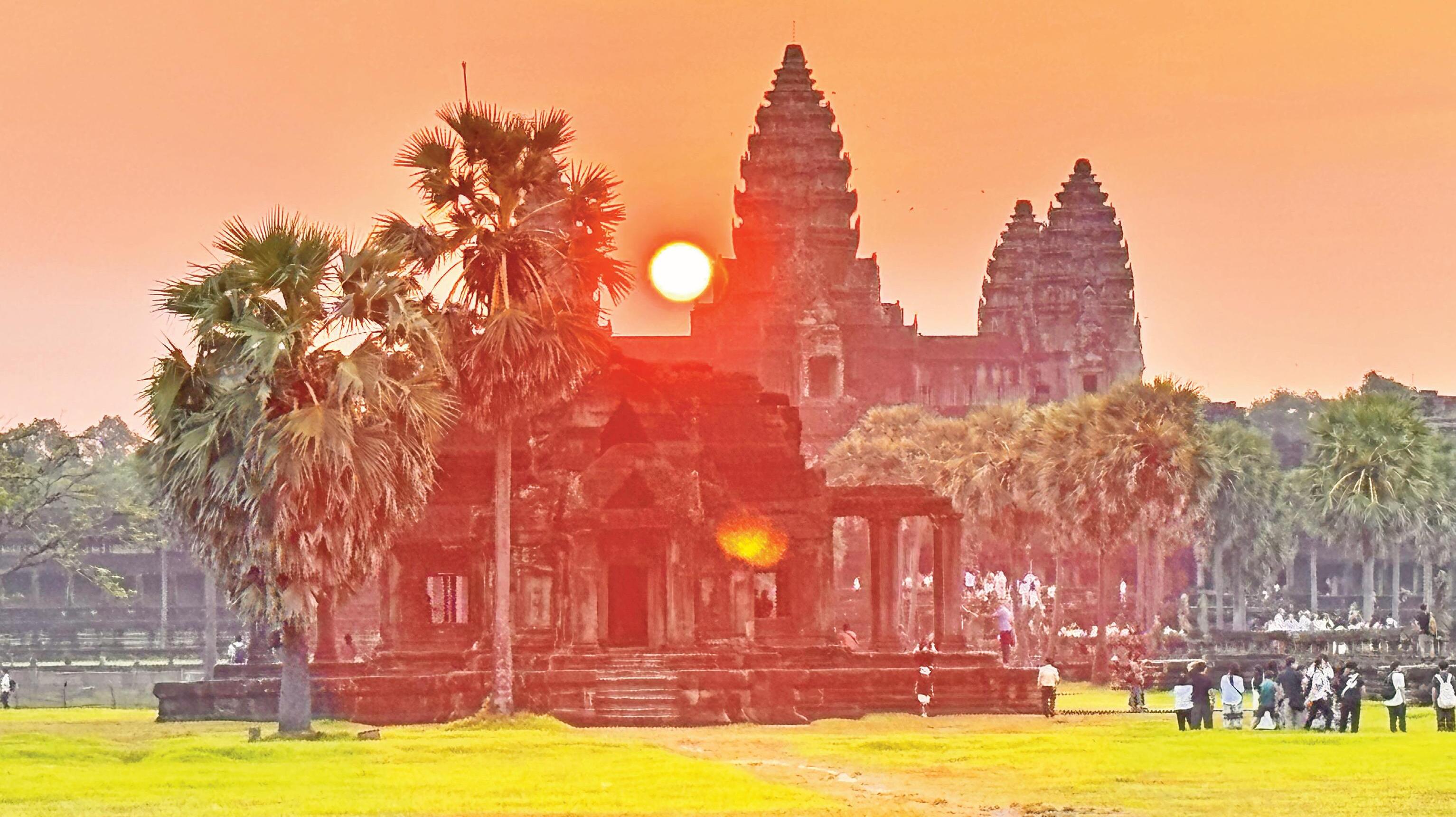
But we were here in Cambodia, staying in Siem Reap, and the intention was clear: Angkor Wat at sunrise. The guidebooks all say it’s the best time to go — and guess what? They’re right.
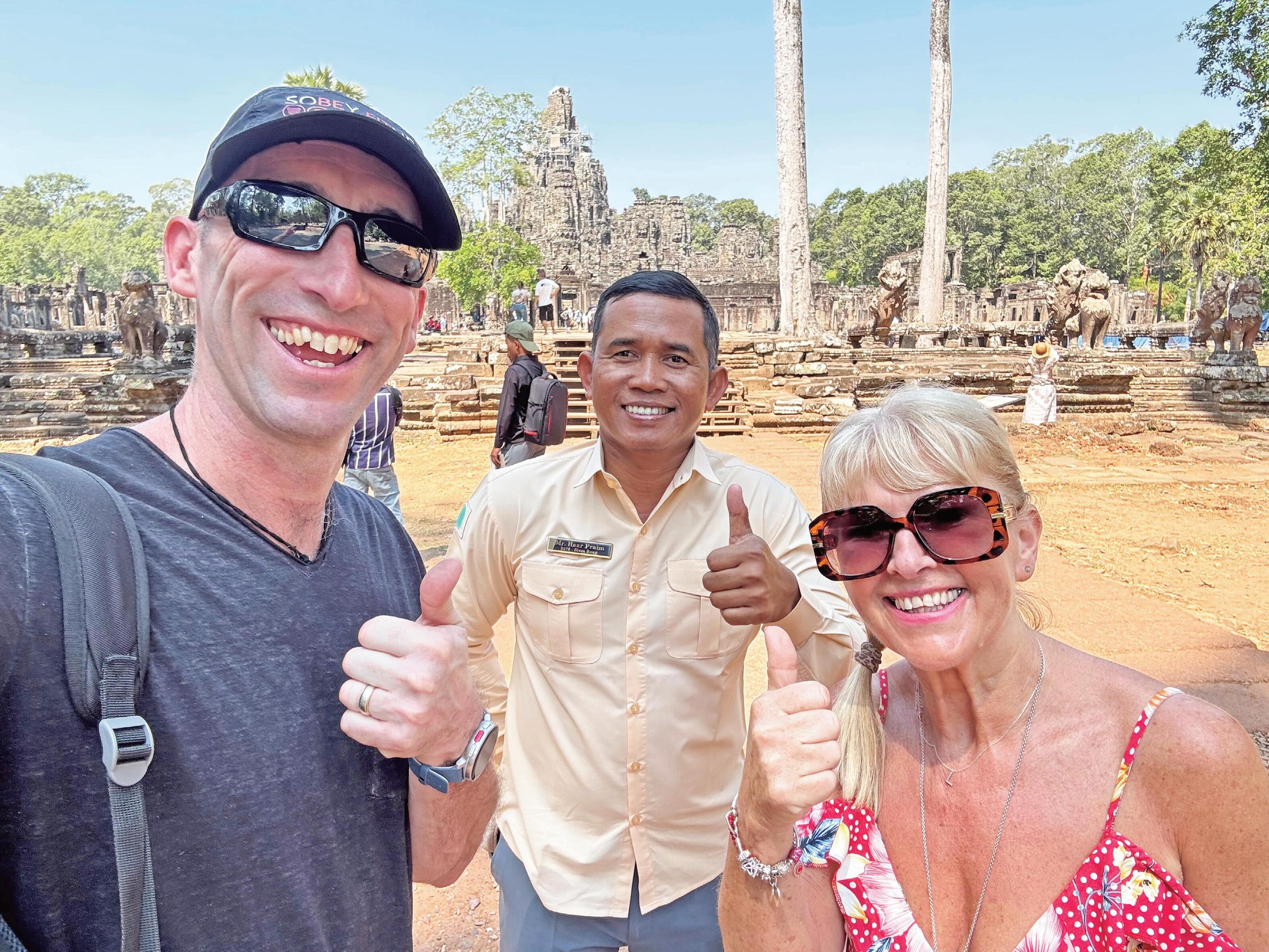
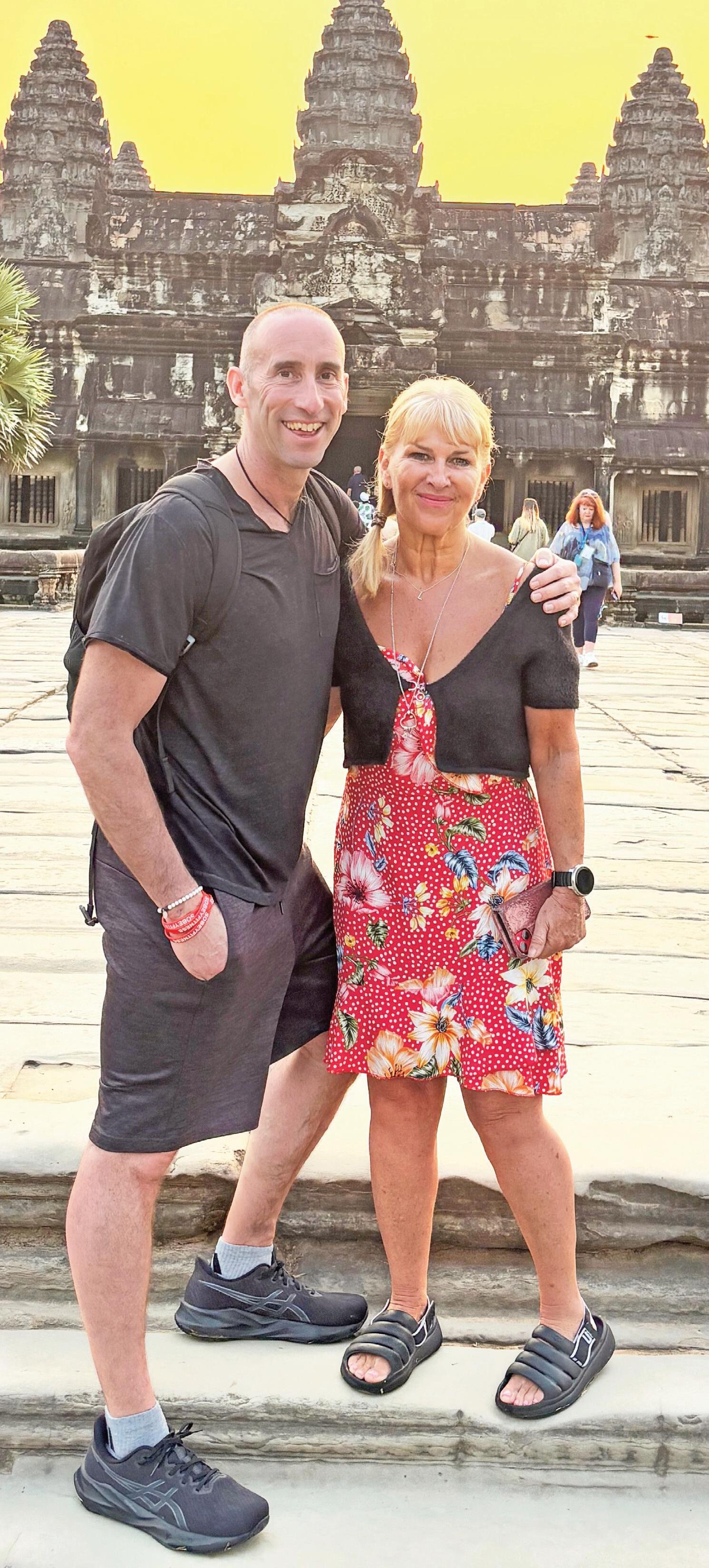
We sleepwalked our way to reception, where Praim, our guide, met us — and just like that, the day began. There are certain places in the world where you instinctively lower your voice. Angkor Wat is one of them.
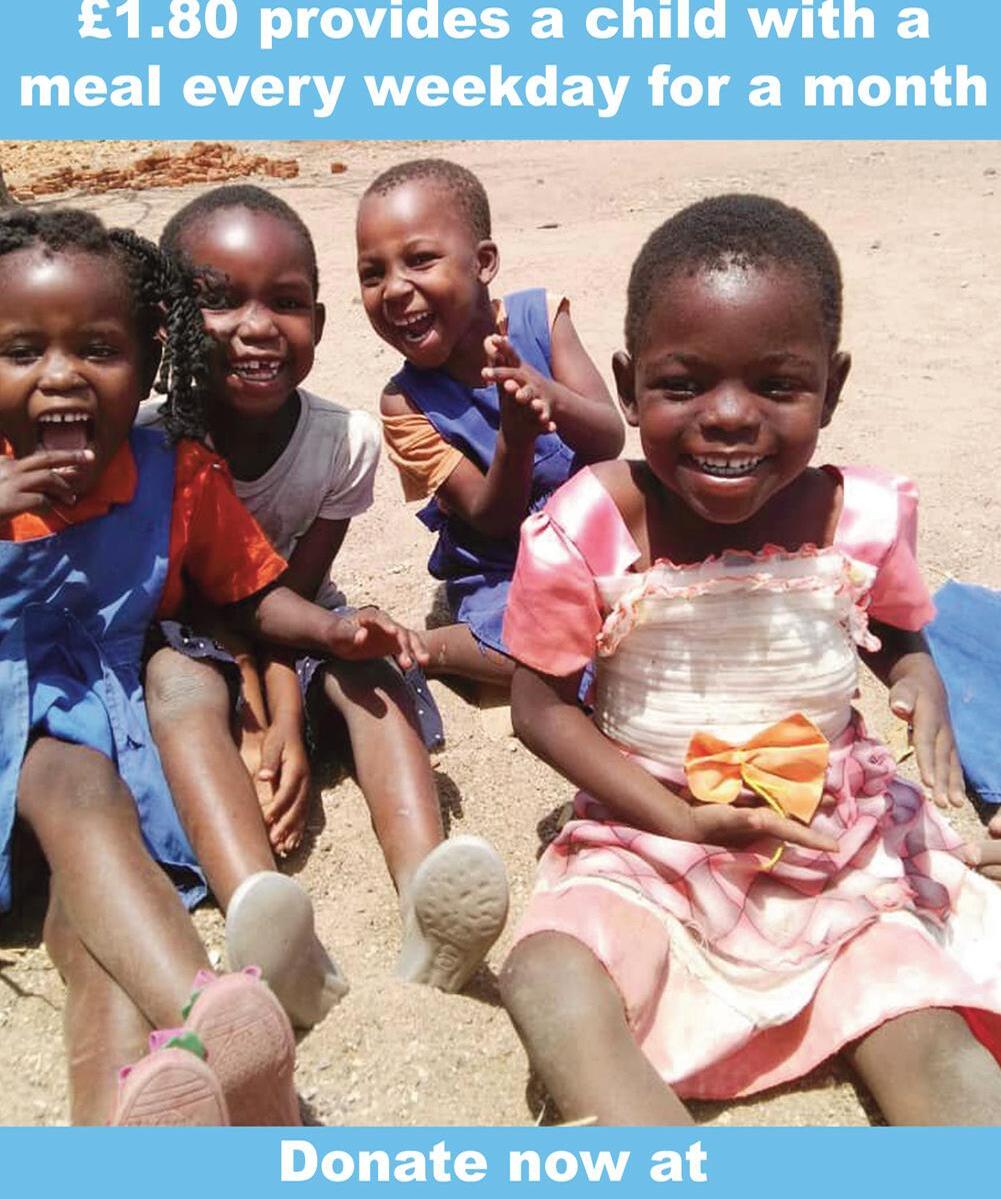
£1.80 provides a child with a
Angkor Wat — often translated as “Temple City” or “City of Temples” — is part of a vast complex built in the 12th century under King Suryayarman II (or, as our guide Praim put it, “King Number 2”).
Originally dedicated to the Hindu god Vishnu — the sustainer, the preserver of cosmic order — Angkor Wat was conceived as a kind of cosmic city, reflecting the structure of the universe itself. In time, the site transitioned into a Buddhist place of worship… and remains so today.
We arrived before sunrise, joining the quiet procession of pilgrims, tourists, wanderers — all drawn by the same promise. The sky was still heavy with night, but there was a sense that something special was about to unfold. Not just the sun rising… but something within us too.
And there I was — a Roman Catholic from England — standing before one of the greatest Hindu-Buddhist temple complexes ever built, and yet… it didn’t feel foreign, it felt familiar.
Have I been here before?
A friend of mine — a “gifted” lady — tells me I have. And maybe she’s right.
Or maybe I simply feel at home wherever a spiritual mark has been impressed into human structure — where shared thought, intention, and devotion have gathered over time.
Maybe that little spark of “spirituality” that sits in us all takes note. Maybe we intuitively know that this is a sacred place that invites us to elevate of frequency to another level.
We walked from the car park to the main site in near silence — partly because we were still half-asleep, and partly to absorb the atmosphere that a place like this stirs in the body, mind, and soul.
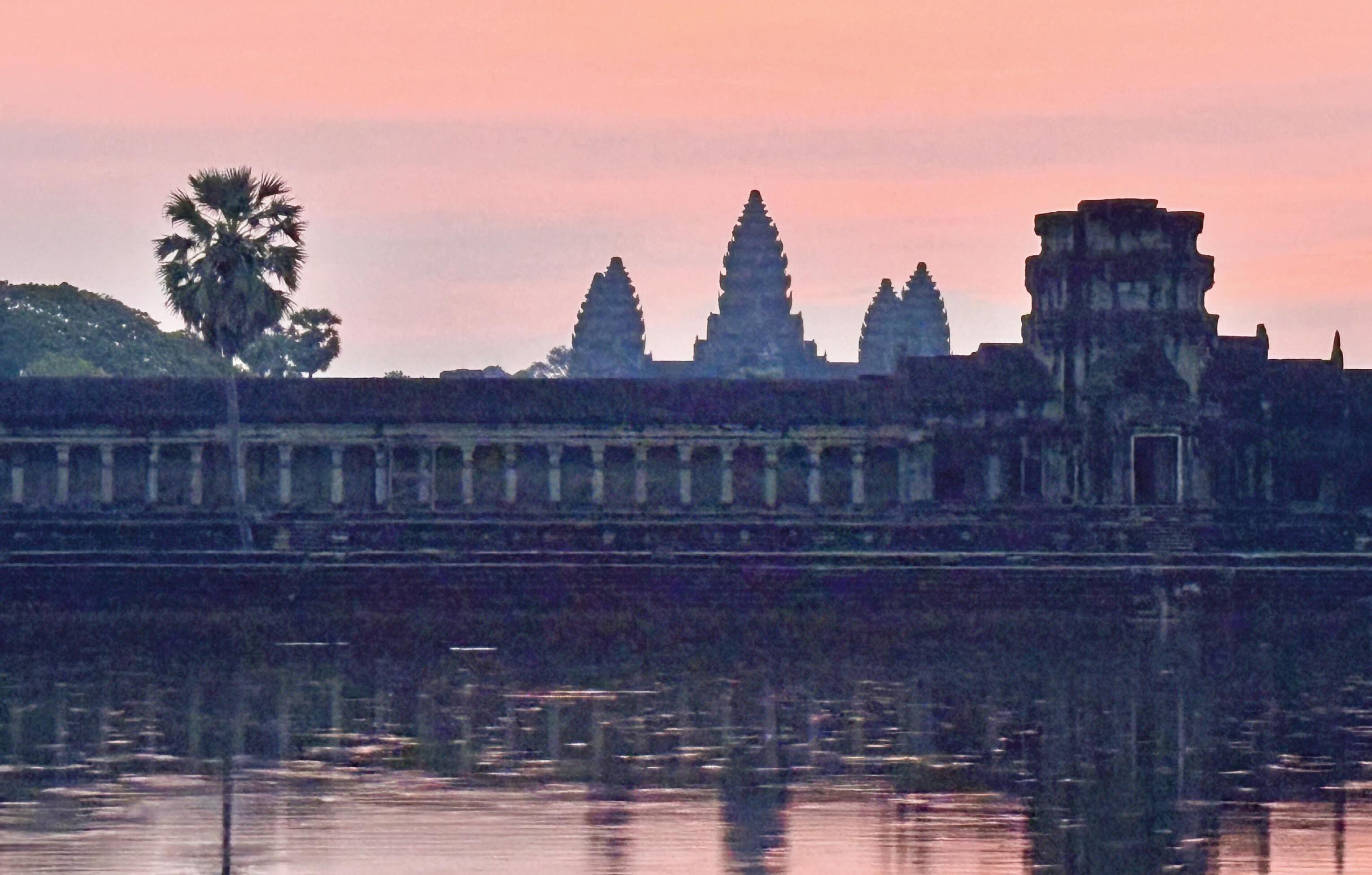
Angkor is surrounded by a vast moat — both practical and symbolic.
Sitting on its edge, we watched as the dawn slowly revealed the outline of Angkor Wat. Its towers rose like dark silhouettes, reaching toward the heavens.
There was symmetry.
Intention.
A quiet grandeur, and I couldn’t help but think of the great cathedrals of Europe, Notre-Dame, St Peters Basilica, my old
parish church back in my childhood home in Downend, Bristol.
Different cultures. Different gods. Different languages.
Different stories of faith.
But still… faith.
The same instinct.
To build upwards.
To point beyond ourselves.
To create something that says: There is more than this.
At Angkor Wat, the central towers represent Mount Meru — the mythical home of the gods, the centre of the universe in Hindu cosmology.
A cosmic mountain, a cosmic city.
In Christianity, we don’t call it Mount Meru… but we understand the idea.
Heaven above. Earth below. The journey between the two.
“As above, so below. As within, so without.”
We build spires.
They build towers, but both reach for the same sky.
As the sky lit up, Praim led us across the causeway — the bridge between the outer world and the inner sanctuary.
Continued on the next page
He explained the mythology, the history, the symbolism — and it all began to make sense.
The balustrades are lined with Naga — sacred serpents.
In Western thinking, the serpent is often cast as the tempter… the fallen one. The bad guy!
But here, the Naga is a guardian, a protector, a friend and a good guy!
In Buddhist imagery, the serpent shelters the Buddha — coiled beneath him, its multiple heads rising above to shield him from the elements.
Another perspective on the same symbol.
Angkor Wat has five entrance gates, once associated with different social classes of the Khmer Empire.
And I found myself drawn — naturally — to the so-called “commoners’ gate.”
It felt fitting.
The Fool’s Pilgrimage began on the road to Santiago de Compostela — the path of the ordinary person. The “common man”.
Originally, perhaps, a label of lesser status.
But in truth? We all share the same ground.
Strip away wealth and privilege, and we are all brought back to a common denominator:
The journey of geography.
And of biography.
And then… the steps.
Angkor Wat rises in three levels of ascent.
And at its heart, steep staircases — originally around 35–40 steps depending on the tower (often cited symbolically rather than precisely).
Steep, narrow, unforgiving, not built for comfort… but for intention.
Climbing them isn’t casual.
You feel it in your legs, your breath, your focus, you have to commit, you can’t rush it.
They’ve been made more tourist-friendly now… but they still demand something of you.
And as I climbed, I couldn’t help but reflect:
How often is the spiritual journey described in exactly the same way?
In Christianity, we speak of ascent — the climb toward God. The narrow path. The discipline of prayer, reflection, transformation.
In other traditions: Enlightenment, awakening, liberation, different words and the same climb.
Angkor Wat doesn’t just let you stroll into the sacred.
It asks something of you.
Effort, attention, presence.
And maybe… that’s the point.
Different Stories, Same Questions
Walking through the temple, the walls are alive with stories — intricate carvings of battles, gods, demons, creation myths, cosmic struggles between order and chaos.
At first glance, they’re unfamiliar.
Names I don’t know, faces I don’t recognise, stories I wasn’t raised with.
But stay a little longer… and something shifts.
You begin to recognise the patterns.
The hero’s journey. The battle between good and evil. The fall. The redemption. The struggle to live well. The search for meaning.
It’s all there. Just told with different characters.
And it makes you wonder… Have we been telling the same story all along?
Across the world, across history, humanity has always journeyed in search of something deeper.
In Christianity — pilgrimages to sacred places like Santiago, Rome, Lourdes.
In Islam — the Hajj
In Hinduism — journeys to the Ganges.
In Buddhism — sacred sites of awakening.
Different paths, same longing.
Maybe that’s because life itself is the pilgrimage.
Not just the miles we travel across land… but the journey we take within ourselves.
A Moment of Stillness
At one point, I sat quietly within the temple, away from the crowds.
No agenda, no photo, no need to “do” anything, just to be.
The sun had fully risen now, casting light through the ancient stone.
Birds moved through the air, voices echoed softly in the distance.
And in that stillness, it didn’t matter whether this was a Hindu temple, a Buddhist shrine, or something outside my own tradition.
It felt sacred, not because of the label… but because of the intention behind it.
Because for centuries, people have come here seeking something beyond themselves.
And that energy — that longing, that devotion — lingers.
As we left Angkor Wat, walking back along the long causeway, I found myself reflecting.
A Roman Catholic in Cambodia.
Different beliefs. Different symbols. Different stories.
And yet… the same upward pull.
The same desire to understand. To connect, to transcend, to find meaning.
Perhaps we’re not as different as we sometimes think.
Perhaps all these temples, all these cathedrals, all these sacred places… are different paths up the same mountain.
And we’re all just climbing it… step by step.
Maybe the real temple isn’t Angkor Wat.
Maybe it isn’t Santiago or St Peter’s.
Maybe the real temple is the human heart… forever reaching upward.
Namaste – Have a great day
Dan Sobey
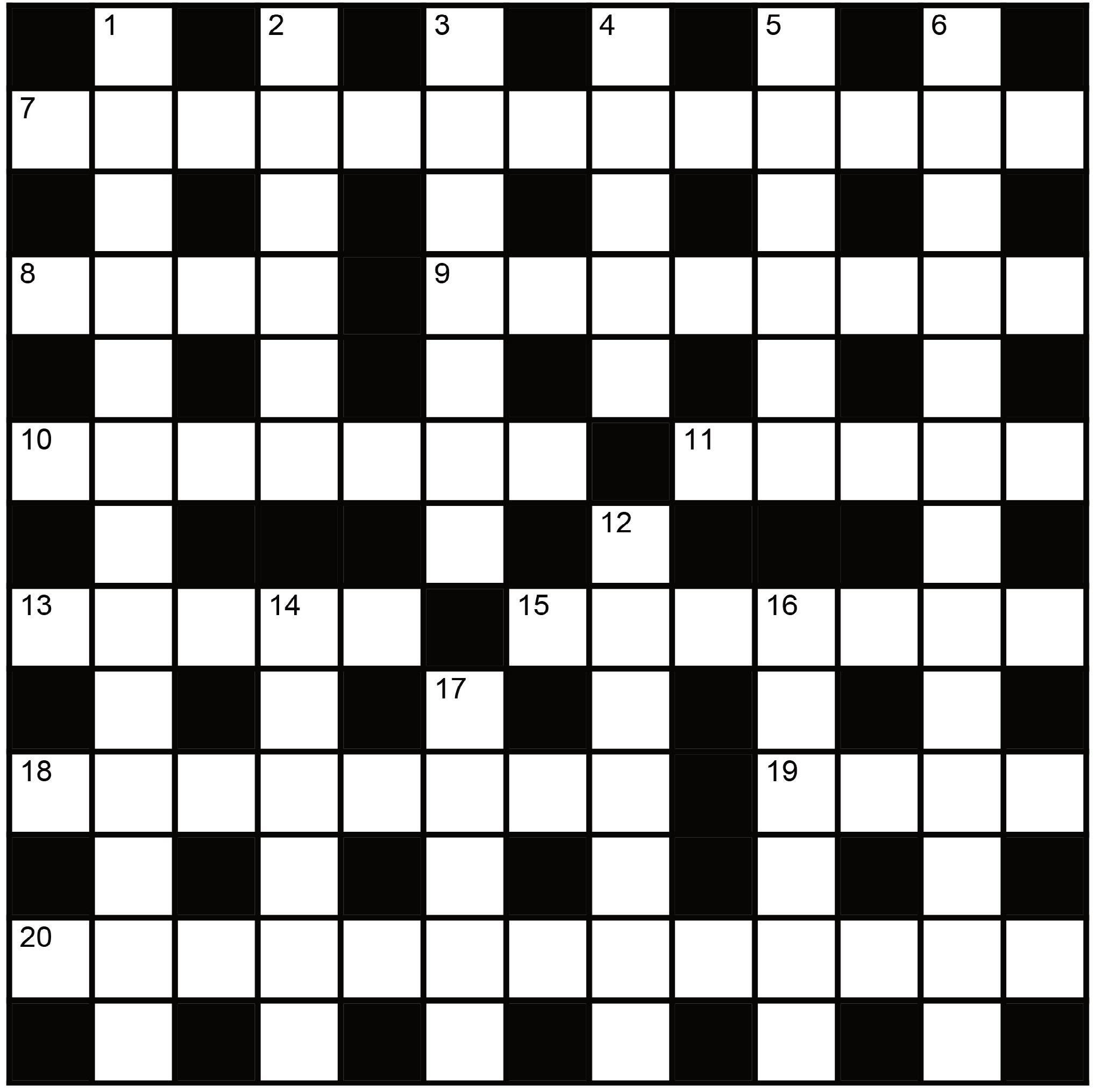
You can use both sets of clues to solve the puzzle: the solutions are the same.
CRYPTIC Across
7 Day before a period of abstinence upset the sad voyeurs (6,7)
8 Diverse views of two students in the group? (4)
9 Entirety: perhaps a long time coming? (8) 10 ‘Praise be to God': the French-American and English party embraced (4,3)
Lead of apostles appears to dwindle (5) 13 Oracle turned up, seen in company of lowly bishop (5) 15 Outmanoeuvre plan to get rid of dreadful Metro for something new in Paris (7)
18 Sorry Beth, an all-round tart prior to Lindisfarne (8)
19 One attends fires, getting up to no good (4)
20 Converted a Tao lifesaver and beatified one (6,2,5)
CRYPTIC Down
1 Contents of sermon by group Left ignored – it comes from the Parisian quarters (3,10)
2 Rights of Asian country put in a letter from Paul (6)
3 Ahab's wife's the first in jail: ever zealous, ever brazen, ever lustful (7)
4 French chap leaves during the season in Babylonia of old (5)
5 People of the Gold Coast, like before (6)
6 Book's antiquated cover is made for a Navy's Broad Church chap (7,6)
12 Quietly go on to Square assuming that the first of February will bring the Pope (7)
14 You ask how we enter heaven, initially in Hebrew, Lord? (6)
16 Not obligatory in Church to elect four for admission (6)
17 Saul's daughter finds setter near pub, having fallen over (5)
QUICK Across
7 Time at the eve of Lent for confession and absolution of the faithful (6,7) 8 Title given to some bishops (4)
9 Time without end (8)
10 Glory to God in the highest', or 'Praise (be) to God', in the Latin (4,3)
11 Leader of the Apostles, entrusted with the ‘keys of the Kingdom of Heaven' (5)
13 Female seer (5)
15 Beaujolais ------- or ------- Riche, for instance (7)
18 Saint, the apostle of Northumbria (c 635-687) (8)
19 Chinese mafia (4) 20 Saint whose feast day falls on
15 October (6,2,5)
QUICK Down
1 Christ's promise of coming blessings (3,10)
2 Paul's longest letter: a text of primary importance for the Christian theological tradition (6)
3 Wife of Ahab, often synonymous with a wicked, scheming woman (7)
4 Region in modern-day Iraq before it became Babylonia (5)