PREVIEW


Politics has rarely felt more unpredictable than it does today. Across Britain, Europe and the United States, 2026 has been defined by political uncertainty, ideological realignment and growing public frustration with established institutions. What once seemed permanent now appears increasingly fragile. Governments face pressure from rising populist movements, economic insecurity, international conflict and rapid technological change. In such an environment, politics is no longer something distant that happens in Westminster or Washington; it shapes the conversations we have, the media we consume and the future we imagine for ourselves.
The year has posed difficult questions for democratic societies. In the United Kingdom, Sir Keir Starmer’s government has faced mounting scrutiny as declining approval ratings, electoral setbacks and internal divisions have fuelled debate over Labour’s direction and leadership. At the same time, Reform UK has continued to build support, reflecting a wider trend across Western democracies in which anti-establishment and populist movements have challenged traditional political parties. These developments have highlighted growing concerns about representation, trust and whether established institutions remain capable of responding to contemporary challenges.
Beyond Britain, global politics has been equally turbulent. The continuing war in Ukraine, instability in the Middle East, debates surrounding migration and the increasing influence of emerging technologies have all tested international cooperation. Meanwhile, the resurgence of the MAGA movement in the United States has continued to shape political discourse far beyond America’s borders, influencing debates on national identity, immigration, globalisation and the future of liberal democracy. The political divisions that once appeared unique to individual countries increasingly seem part of a broader international trend.
Yet politics is not merely a story of crisis; it is also a story of participation. Throughout this year, students at Caterham School have engaged critically with many of the issues dominating the headlines. Through our year-wide survey, we explored
voting intentions, attitudes towards key political questions and how young people view the challenges facing Britain and the wider world. The results reveal a generation that is politically aware, engaged and often willing to challenge conventional assumptions. At a time when young voices are frequently overlooked, understanding these perspectives has never been more important.
This edition of Preview seeks to contribute to those conversations. Our writers examine a diverse range of topics, from domestic political developments and electoral trends to international affairs, political theory and contemporary social issues. Some articles investigate the changing nature of political leadership; others explore the ideological movements shaping the twenty-first century. Together, they reflect a shared commitment to understanding the forces transforming our world.
We are also privileged to feature an interview with Graham Minter, Head of the Kent Branch of Amnesty International. His insights offer a valuable perspective on the relationship between human rights, activism and politics at a time when democratic values and civil liberties continue to face significant challenges across the globe. In an era increasingly characterised by political polarisation, such discussions remind us of the importance of civic engagement and informed debate.
Politics is often presented as a contest between competing parties, leaders and ideologies. While these conflicts undoubtedly matter, they ultimately point towards larger questions: Who holds power? How should it be exercised? And what responsibilities do citizens have in shaping the societies in which they live? These are questions that no election result, government or political movement can answer alone.

We hope that this edition of Preview encourages you to think critically, question assumptions and engage with the political issues that will define your generation. Whether you are a committed political enthusiast or simply curious about the world around you, we hope these pages leave you with new perspectives, new questions and a greater appreciation of why politics matters in everyday life.


Not since the end of the Cold War have international relations seemed so turbulent. The world is transitioning from a unipolar order that had coalesced around the liberal democratic values of the United States to a diplomatic stage with multiple centres of gravity. Accompanying this transition is the growth of a new age of, as Bismarck called it, “Realpolitik” — and its latest disciple may be the Canadian Prime Minister, Mark Carney.
Realpolitik, or raison d’état, has existed in various forms since 17th-century France. The guiding principles behind these doctrines are pragmatism and arbitration. Essentially, they advocate using any means necessary to achieve political goals because the ends completely justify the means. Furthermore, they reject the idea that diplomacy must be conducted according to moral principles or rigid guidelines. For instance, Cardinal Richelieu continued the alliance with the Muslim Ottoman Empire against the equally Catholic Spain and the Holy
Roman Empire. This decision went against religious solidarity, instead prioritising the best interests of the nation-state. Examples such as these serve as litmus tests for the revival of realpolitik because they demonstrate that, against conventional wisdom, acting in the interests of the state is paramount.
The end of the Cold War heralded what many believed to be the eternal triumph of Western liberal democracy. Institutions such as the UN and the World Bank seemed destined to dominate international affairs indefinitely.
Countries sought UN mandates for interventions in Iraq, the former Yugoslavia, and Libya, following the precedent of the rules-based international order. Sanctions were imposed on countries such as Russia for illegally seizing Crimea and on North Korea over nuclear proliferation. The world appeared to act as a singular entity rather than as the thousands of competing forces that had produced two world wars within just twenty years. Consequently, the degeneration of international diplomacy now poses such a threat to the globe. Mark Carney may not seem the obvious figure to usher in a new age of realpolitik, given that he is emblematic of post-war liberalism interlaced with technocratic Keynesianism. He spent much of his career as Governor of the Bank of Canada and later the Bank of England, most famously warning that Brexit would lead to a recession. This is what makes his apparent transformation
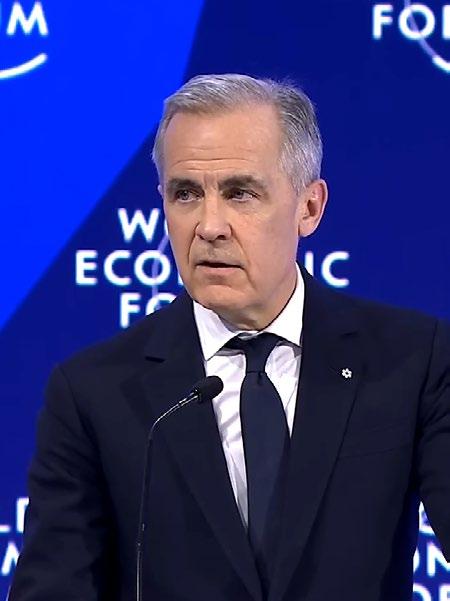
so striking. For decades, Canada operated as the junior partner of the United States and Britain, routinely outsourcing aspects of its foreign policy and agreeing to treaties such as NAFTA in 1994. This year, however, has marked something of an epiphany for the Canadian Prime Minister. He has shed his old skin and adopted a more flexible foreign policy, first through a stirring speech at Davos and now through a diplomatic visit to China, emerging as a modern apostle of Bismarck and Richelieu.
Carney’s rhetorical transformation began at Davos. As striking as Macron’s sunglasses, the Canadian Prime Minister’s criticism of what he called the “risks of extreme global integration” signalled a dramatic shift in tone. In doing so, Carney sought to persuade medium powers, positioned between the United States and China, that they would be stronger together in something resembling an EU-style alliance. Calling for greater cooperation between allies is not revolutionary in itself; the difference is that Carney is now extending this vision to all middle powers, including nations such as Saudi Arabia that he might previously have avoided because of liberal scruples. This represents his
administration. Overall, the speech proved persuasive because Carney spoke with the zeal of a convert. He condemned the very global order that had defined much of his career, yet his audience admired him all the more for it.
“risks
So why has Carney chosen to align more closely with a country that has interfered in Canadian elections, influenced Canadian social media, and allegedly operated secret police stations to monitor Chinese Canadians? The answer is simple: realpolitik. Canada has been battered by Trump’s tariff threats, creating financial uncertainty, diplomatic fragmentation, and downward pressure on economic growth. Closer ties with China could allow Canada to fill part of the gap left by Venezuela’s reduced oil exports to Beijing while also lessening the impact of tariffs on Canadian oil exports to the United States. This demonstrates the return of realpolitik because Canada is no longer acting primarily in the interests of liberalism or free trade. Instead, Carney is acting in the interests of Canadians and the Canadian state.
To conclude, Mark Carney is indicative of a new era of realpolitik in which countries can no longer fully trust even their closest allies. It is telling that many increasingly view the Canadian-American relationship less as a partnership and more as a potential attempt to incorporate Canada as a “51st state”. Carney’s foreign policy shift, therefore, has emerged not entirely through personal conviction but as an almost allergic reaction to the realities of modern diplomacy.


1997 marked the end of 18 years of Conservative rule and reignited something Britain had almost forgotten how to feel: the possibility of political renewal. Yet the transformation from traditional Labour to “New Labour” also accelerated a dormant undercurrent within British politics. Over the following two decades, the slow erosion of embourgeoisement began to expose its fractures. Something deeper than party identity was being lost. The consequences of political dealignment were not merely the emergence of an increasingly centrist government, but something more philosophical: a gradual shift away from the long-standing presence of deontological ethics in politics towards a self-interested pursuit of power disguised as pragmatism.
To understand what was lost, it is first necessary to establish what Kantian ethics actually entails. Immanuel Kant’s philosophy rests upon three central ideas: duty, morality, and unconditional obligation. From these principles emerge his two formulations of the categorical imperative: The Formula of Universal Law
“Act only according to that maxim whereby you can at the same time will that it should become a universal law.”
This principle demands that laws and policies be based only on standards that could reasonably apply to everyone equally, free from self-interest or unequal privilege.
“So act that you use humanity, whether in your own person or in that of another, always at the same time as an end, never merely as a means.”
More fundamentally, this requires that people be treated as ends in themselves, rather than as instruments for the pursuit of political ambition or personal gain.
British politics once maintained at least the appearance of this moral framework. Even under the uncompromising leadership of Margaret Thatcher, there remained an expectation that political leaders should display personal conviction and moral seriousness. Governments sought legitimacy through trust
rather than through manipulation or spectacle. By that standard, Britain has spent the last thirty years quietly dismantling those principles.
The moment Tony Blair rewrote Clause IV of the Labour Party constitution — replacing its commitment to “the common ownership of the means of production” with broad and aspirational language about opportunity and community — it represented more than mere modernisation. It marked a declaration of consequentialism. Political principle shifted from being a binding commitment to becoming negotiable. This Faustian bargain proved electorally successful for Blair, but it also accelerated the long-term erosion of principled politics in Britain.
Throughout Blair’s premiership, a pattern of political opacity emerged. The expansion of private finance initiatives (PFIs) prioritised short-term efficiency and electoral appeal over long-term public accountability. The “cash for honours” controversy reinforced the perception of a political culture increasingly willing to commodify influence and access. Yet the full consequences of this political transformation became most visible in 2003 with the invasion of Iraq.
The exaggeration of intelligence regarding Iraqi weapons of mass destruction fundamentally damaged the relationship between government and electorate. Citizens were not treated as rational participants entitled to honest information, but rather as audiences to be persuaded towards a predetermined outcome. Iraq was not an isolated mistake or aberration; it represented the culmination of a political culture that increasingly justified actions through outcomes rather than moral integrity. From a Kantian perspective, this constituted a direct violation of the Humanity formulation of the categorical imperative on a geopolitical scale. Kant would not have regarded this merely as a political failure, but as a profound moral one.
Blair’s political method did not disappear with his departure from office. Instead, it became embedded within the instincts of British

politics itself. In 2013, David Cameron promised a referendum on membership of the European Union not primarily out of conviction, but as a strategic calculation intended to neutralise pressure from UK Independence Party (UKIP), silence internal party divisions, and consolidate his own leadership. The Bloomberg speech was consequentialism presented as statesmanship. The consequences became unavoidable in 2016.
Cameron’s referendum gamble demonstrated the dangers of subordinating political morality to tactical advantage. In attempting to eliminate a political threat from UKIP, he neglected a fundamental Kantian principle that had historically underpinned democratic legitimacy: the electorate must be treated as an end in itself, not as a means to preserve political authority.
The Brexit campaign itself exposed a political culture saturated with misinformation.
The infamous and misleading claim that leaving the European Union would redirect £350 million
per week to the NHS illustrated how the pursuit of political victory had eroded the obligation of honesty between government and citizens. Yet misinformation did not merely undermine deontological ethics; it threatened something even more fundamental: rational autonomy.
Kant’s entire moral philosophy depends upon the ability of individuals to reason freely and make informed choices. Democratic legitimacy therefore requires informed public deliberation. When political campaigns deliberately distort information, they undermine the very conditions necessary for rational democratic participation. In this sense, the Brexit campaign represented not simply a political conflict over Europe, but evidence of a deeper moral deterioration within British political culture.
Cameron’s failure to secure political stability merely intensified what had already been developing within the United Kingdom for decades: the gradual collapse of moral seriousness in public life.
OD
Historically, geopolitical power has been measured through the military or economic strength of a country. For example, both Germany’s powerful economy and the United States’ vast military capabilities have positioned them as global superpowers. However, in the modern world, this understanding is increasingly outdated and incomplete.

Although military and economic power remain important, they no longer solely determine political influence on the global stage. This shift has occurred because of the growing importance of public opinion, alongside the rise of social media and the twenty-four-hour news cycle. “Soft power”, a term coined by Joseph Nye, refers to a country’s ability to influence other states and achieve political objectives through culture, values, and attraction rather than military force or coercion. Soft power enables states to build alliances and gain legitimacy internationally, thereby strengthening their influence over foreign policy and international relations. In politics, power is ultimately measured through outcomes. However, the most powerful countries are not always those with the largest military presence; rather, power lies in the ability to produce favourable outcomes. Military or economic pressure may generate short-term success, but it often lacks the legitimacy and trust necessary for long-term stability. For example, the 2003 invasion of Iraq led by the United States initially succeeded in removing the existing political regime, but it ultimately failed to establish lasting political stability. This
demonstrated the limitations of military force in securing durable influence and sustainable solutions.
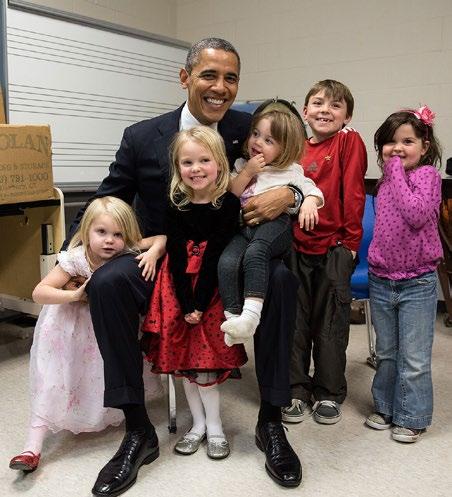
Furthermore, alliances and cooperation are easier to achieve between countries that are respected and perceived as trustworthy. In contemporary politics, leaders frequently gain influence through charisma and public trust rather than through force alone. In 2008, Barack Obama enhanced American influence abroad through his charisma, credibility, and international popularity, resulting in greater willingness among countries to cooperate with the United States. Global approval ratings for the United States remained consistently high during this period. By contrast, Donald Trump’s reliance on tariffs and economic threats strained diplomatic relations and created tensions among traditional allies, leading to significantly lower approval ratings in several European countries. This demonstrates that soft power can be more beneficial for states in the long term and has important implications for diplomacy and alliance-building.
Following the World War II, Japan became a clear example of how soft power can be successfully utilised in international politics. After its defeat, Japan was strongly associated with militarism and aggression, which severely damaged its international reputation. Additionally, Japan’s pacifist constitution imposed restrictions on its military capabilities, meaning it could no longer rely upon military force to gain influence. Instead, the Japanese government focused on improving how the country was perceived internationally. Through the promotion of culture, technology, and national values, Japan gradually transformed its global image.
Cultural exports such as anime, video games, and Japanese cuisine helped reshape international perceptions, replacing associations with conflict with images of creativity, innovation, and modernity. Many

countries use education as a political tool by welcoming international students, funding exchange programmes, and promoting their language and values abroad. Japan has benefited significantly from this approach through international study initiatives, tourism campaigns, and global events such as the Olympics, all of which have helped portray the country as peaceful, cooperative, and reliable. Unlike military force, these strategies do not produce immediate results, but they gradually influence attitudes over time. As Japan gained international respect, other countries became increasingly willing to cooperate with it diplomatically. This demonstrates how soft power can help states rebuild trust, strengthen alliances, and achieve long-term political influence without relying on force.
However, soft power is not always effective and possesses clear limitations. If a country’s actions fail to reflect the values it promotes, its soft power can rapidly lose credibility. For example, Qatar attempted to use the 2022 FIFA World Cup to improve its international image and present itself as modern and welcoming. Nevertheless, criticism surrounding human rights issues, the treatment of migrant workers, and restrictions on personal freedoms led many countries and international media
organisations to question the sincerity of this image. As a result, the event generated substantial political controversy rather than widespread admiration. This illustrates how soft power can backfire when it is perceived as an attempt to distract attention from deeper political problems.
Additionally, soft power takes considerable time to develop and is often ineffective in responding to immediate crises. Consequently, states may still need to rely on military or economic power in certain situations. Overall, soft power is most effective when it is supported by genuine political behaviour and consistent policies.
In conclusion, geopolitical soft power plays an increasingly significant role in modern politics by enabling states to influence others through attraction rather than coercion. Although military and economic power remain relevant, long-term political influence is more often built upon legitimacy, trust, and cooperation. Examples such as Japan demonstrate how soft power can strengthen diplomacy and alliances, while cases such as Qatar reveal its limitations when unsupported by genuine political action. Ultimately, soft power has become an essential tool in shaping contemporary international relations and global politics.
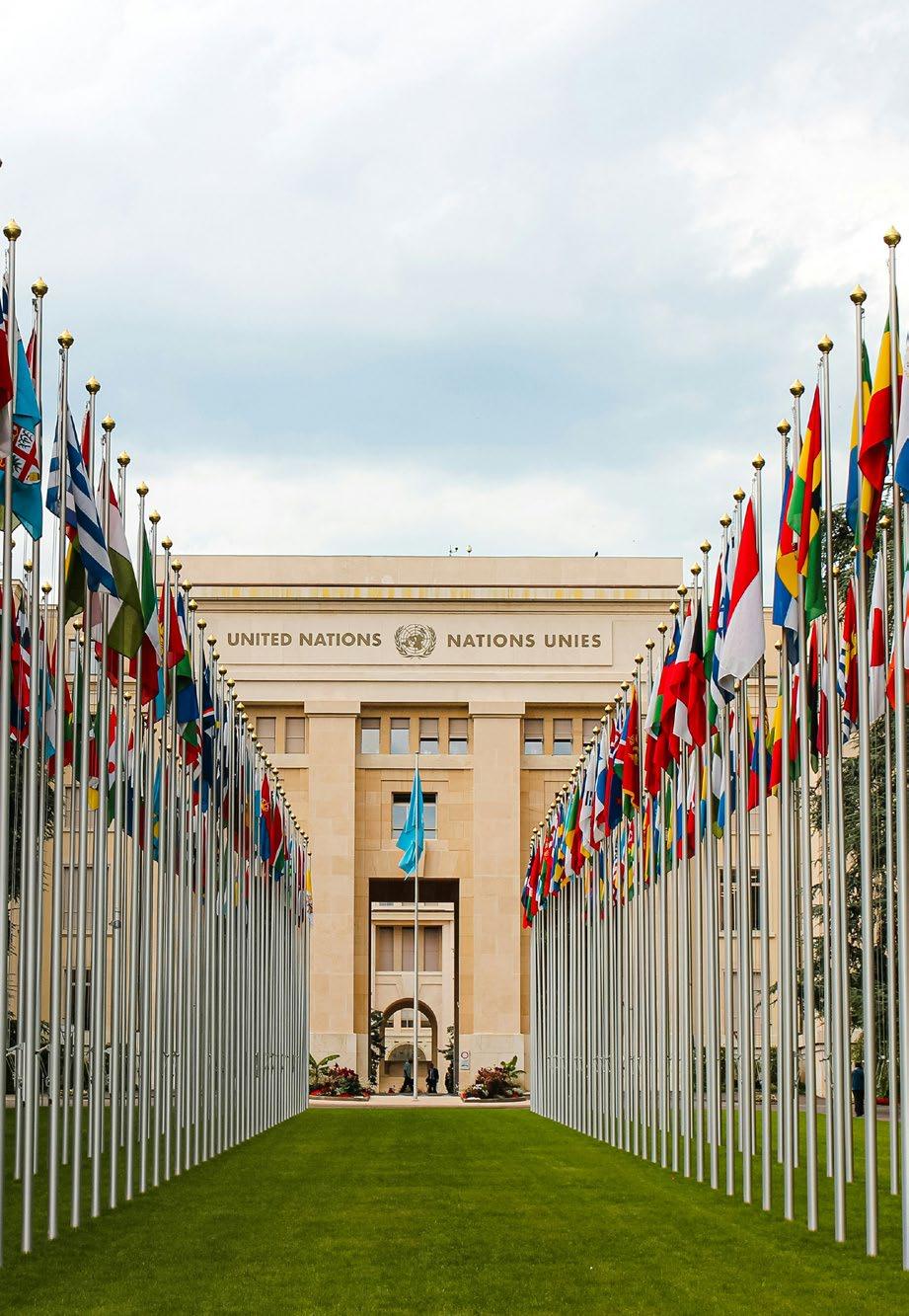
There is a tension between a country’s international accountability and its ability to govern its domestic affairs. Critics of international law argue that it can function as an instrument that restricts government decision-making, thereby reducing national autonomy and sovereign authority.
Sovereignty — the supreme and independent authority of a state — has long been debated and is viewed by its supporters as a principle that provides stability and equality within the international system. This principle is codified in the United Nations Charter, which states that all sovereign nations are equal. However, international law also plays a crucial role in maintaining global peace and protecting human rights. Consequently, there is a persuasive argument that, in certain circumstances, international law should override national sovereignty. Supporters of sovereignty argue that it provides international stability and that allowing Martti Koskenniemi that “international law is what international lawyers make of it international law to supersede state authority creates opportunities for political abuse. An example frequently cited is the 2003 US-led invasion of Iraq. The United Nations Security Council did not authorise the intervention, yet the United States attempted to justify it on humanitarian and security grounds. Critics argue that this violated Iraqi sovereignty and undermined the prohibition on the use of force established in the UN Charter. Moreover, weakening sovereignty creates ambiguity regarding the threshold for intervention, as powerful states may reinterpret legal principles in ways that serve their own strategic interests. The consequences of such abuses of political dominance were evident in Iraq, where the invasion contributed to prolonged civil conflict and the deaths of hundreds of thousands of civilians. This concern is reflected in the observation by Martti Koskenniemi that “international law is what international
lawyers make of it”. This highlights a structural weakness within international law, where legal authority may be shaped more by political power than by impartial legal principles.
“International law is what international lawyers make of it”
Martti Koskenniemi
Supporters of sovereignty further argue that it safeguards democratic self-determination, whereas foreign intervention often lacks democratic legitimacy. An example of this is NATO’s intervention in Libya in 2011. The intervention contributed to prolonged instability and civil conflict, and critics argue that it exceeded its original mandate, thereby permanently damaging Libyan sovereignty. Furthermore, opponents contend that the intervention blurred the distinction between humanitarian protection and externally imposed regime change. From this perspective, overriding sovereignty risks replacing domestic political will with external judgement by the international community, thereby undermining democratic legitimacy rather than protecting it. However, treating sovereignty as absolute becomes increasingly difficult in a globalised world, particularly in the face of severe humanitarian crises.
According to research by the London School of Economics and Political Science, numerous states have voluntarily surrendered aspects of their economic sovereignty in exchange for economic benefits. For example, China’s accession to the World Trade Organization required it to accept binding international rules governing trade and economic regulation. Similarly, Ireland’s corporate tax arrangements with Apple, which significantly reduced Apple’s effective tax rate, demonstrate how states modify aspects of fiscal sovereignty to attract multinational investment. These
examples illustrate that sovereignty is not an unlimited form of independence, but rather a set of powers exercised within agreed legal frameworks. If states are willing to limit aspects of sovereignty for economic gain, then international intervention in response to gross human rights violations should not necessarily be viewed as an unprecedented breach of sovereignty, but as a measure necessary to preserve the conditions required for legitimate state authority.
Human rights are fundamental and universal. They protect basic freedoms, including freedom of speech and religion, and prohibit harm against individuals. These rights are codified in the Universal Declaration of Human Rights. Without such protections, the oppression of minorities becomes increasingly likely, making their international protection essential. A severe violation of the right to life occurred during the 1994 Rwandan genocide, in which approximately 800,000 Tutsis were massacred within one hundred days. At the time, sovereignty was still widely treated as near absolute, and most states adopted a policy of non-intervention. The genocide revealed a profound paradox: when sovereignty shields

governments committing atrocities against their own citizens, the principle intended to protect political communities instead protects organised violence. Consequently, the doctrine of non-intervention paralysed the international community at the very moment decisive action was required.
Partly in response to this failure, the principle of Responsibility to Protect (R2P) emerged. R2P shifted understandings of sovereignty away from absolute authority towards a more conditional concept grounded in responsibility. This perspective is reinforced by John Locke, who argued that governments derive legitimacy from protecting the rights of their citizens. Therefore, when a government systematically violates those rights, its claim to sovereignty becomes morally untenable.
Both sides of this debate present compelling arguments, and there is no simple resolution. Nevertheless, there must be circumstances in which international override is legitimate. As explored throughout this essay, there is often a conflict between protecting human rights and avoiding further harm, such as political instability or civil conflict. Therefore, foreign intervention must possess moral legitimacy:

it must be proportionate, necessary, and likely to improve the situation. Without these safeguards, intervention risks undermining both sovereignty and the human rights it seeks to defend.
This argument is supported by Immanuel Kant’s cosmopolitan philosophy, as interpreted by Michael Doyle. Kant argued that laws are legitimate only if they could be rationally accepted by all individuals and if they treat citizens as ends in themselves rather than merely as means. This rejects the abuse of international law for national political interests, because doing so reduces individuals to instruments of state policy rather than respecting their inherent dignity. Kant also argued that states exist in a form of international “state of nature” and are therefore prone to conflict unless governed by law. Consequently, states cannot claim unlimited sovereignty, because international law is
necessary to regulate peaceful coexistence. Importantly, Kant’s cosmopolitanism does not abolish sovereignty; rather, it conditions sovereignty within a voluntary federation of states committed to consistently applying the rule of law. Without such legal constraints, international order itself would be endangered. Thus, international law may legitimately override sovereignty when a state’s actions undermine the fundamental conditions of lawful existence.
Furthermore, for international law to possess moral legitimacy in practice, greater transparency and accountability are required between states and international institutions such as the UN. This would reduce arbitrary or selective legal enforcement. International organisations should become more representative of the wider global community in order to prevent decision-making from being dominated by a small number of powerful developed states. Such reforms would help ensure that all states are treated equally and punished proportionately according to their actions, thereby strengthening trust, fairness, and legitimacy within the international system. In conclusion, international law should not frequently override national sovereignty, as sovereignty remains fundamental to democratic self-determination, political stability, and the equality of states. However, sovereignty cannot function as an impenetrable shield when a state undermines the basic conditions of lawful international order or commits severe human rights abuses. International law should therefore override sovereignty only in exceptional circumstances: where there is a clear breach of fundamental norms, where intervention is necessary and proportionate, and where it is likely to improve the situation. In this way, sovereignty remains the general rule and intervention the exception, preserving both international order and the moral legitimacy of state authority.
This essay argues that nations have moral obligations beyond their borders, not as acts of charity, but as requirements of justice arising from participation in a shared global order that shapes individuals’ life chances by birth.
While John Rawls is correct to reject limitless cosmopolitan redistribution and to prioritise realistic political capabilities, his assumption that peoples exist as independent rational agents collapses under conditions of global economic dependency. Once the global order is recognised as functioning as Rawls’ “basic structure”, his logic extends beyond borders, creating different levels of duty owed to the world: first, to cease causing harm; second, to rebalance structural injustice; and finally, to aid those in need.

Rawls provides the most sophisticated defence of limited global obligation, though he does so by constructing a world that no longer exists: one composed solely of liberal societies. In The Law of Peoples, Rawls extends the social contract to the global order by proposing a second original position among liberal and well-ordered peoples. In this framework, peoples are placed behind the veil of ignorance, bargaining as free and equal “peoples” rather than as individual citizens. According to Rawls, peoples are the moral actors of international justice, unlike states or individual persons. Peoples can sincerely commit to obligations, whereas states cannot, because they lack moral intentions. This approach implicitly limits a state’s moral obligations: because justice operates between societies rather than individuals, principles of distributive justice remain confined within borders.
Rawls argues that the purpose of aid is to help burdened societies establish just or decent basic institutions. This Duty of Assistance requires reasonably well-ordered societies to provide targeted aid to societies suffering from severely adverse conditions. He outlines two guiding principles: first, a society does not need to be wealthy in order to be well ordered; second, assistance should cease once a society can sustain just institutions, regardless of continuing poverty or inequality. Rawls further argues that liberalism requires toleration of other acceptable forms of society. Critics, however, contend that this toleration effectively permits abuses within colonial or patriarchal regimes. Rawls would respond that liberal reform cannot be imposed without violating political autonomy. Nevertheless, the tension remains: is permitting potentially barbaric cultures to persist, provided they meet Rawls’ minimal standards of decency, morally defensible, or merely a tragic consequence of pluralism?
Rawls justifies his framework through a series of overlapping political and moral commitments. He places significant weight on self-determination, arguing that societies must remain free to determine their own political and economic arrangements without external interference, even where outcomes are unequal. This commitment is reinforced by his claim that principles of distributive justice apply only within a shared basic structure. In
the absence of a global basic structure, Rawls argues that there is no basis for extending egalitarian principles beyond borders, thereby rejecting a global difference principle. Instead, his framework preserves a Westphalian model of sovereign and morally distinct states, in which obligations to other societies are limited to addressing immediate harms.
However, this minimalist moral order depends upon one central assumption: that societies are sufficiently independent to determine their own outcomes. In a highly globalised economy, this assumption appears increasingly implausible. Contemporary societies are deeply interconnected through trade, energy markets, and financial systems, meaning that domestic outcomes are frequently shaped by decisions made elsewhere. For example, global oil price spikes resulting from the 2026 Iran–Israel conflict demonstrate the extent of this interdependence. Consequently, the distinction between domestic and international justice begins to blur, supporting Thomas Pogge’s argument that global structures themselves are subject to distributive justice.
issue of insufficient aid into a matter of justice, whereby states have a duty not to support or benefit from systems that perpetuate harm.
If global poverty is systematically produced through institutional design rather than accidental misfortune, then Rawls’ restriction of justice to domestic basic structures becomes inadequate. The global order is not merely an aggregate of domestic societies; rather, it is a rule-governed system that actively shapes what societies are capable of achieving in the first place.
Thomas Pogge challenges Rawls’ assumption that societies are sufficiently independent to bear sole responsibility for their outcomes by arguing that the contemporary global order functions as a single institutional structure. In World Poverty and Human Rights, he contends that affluent states are not passive observers of global inequality but active participants in shaping international institutions, particularly trade regimes, intellectual property systems, and financial structures, in ways that disadvantage the poor. This transforms global poverty from an
Politically, this undermines the coherence of Rawls’ model of peoples. The notion that societies can be treated as self-contained moral agents becomes difficult to sustain once international institutions are recognised as neither neutral nor universally beneficial, but instead designed and maintained through the coordinated actions of powerful states. Sovereignty, rather than enhancing accountability, becomes a mechanism that obscures responsibility for global outcomes. Allen Buchanan offers a persuasive critique, arguing that the moral unity of peoples proposed by Rawls is an abstraction that conceals global power imbalances and the structural advantages possessed by developed nations.
Economically, the scale of structural dependence further weakens Rawls’ assumption of independence. Branko Milanović’s work on global inequality suggests that citizenship itself functions as a major distributive determinant. His research indicates that approximately 50–60% of global income inequality between individuals can be explained by differences in
average national income, a phenomenon he describes as the “citizenship rent”. Milanović demonstrates that even individuals within the poorest 10% of Americans possess incomes placing them above the global median income level. This is not marginal inequality but a structural feature of the global economy. Borders are therefore not merely moral or geographical boundaries separating independent states; they are mechanisms that systematically determine advantage and disadvantage in life. Global inequality is unjust not simply because of its scale, but because the systems producing it allow affluent societies to profit at the expense of poorer populations. The issue is no longer whether wealthy states should help the poor, but whether they can deny responsibility for outcomes generated through the global systems they sustain.
Peter Singer intensifies this critique by exposing the moral arbitrariness of Rawls’ threshold. In One World: The Ethics of Globalization, Singer rejects the moral relevance of nationality, arguing that the value of human life does not vary according to borders. If Rawls’ original position were applied globally, where individuals lacked knowledge of their nationality, people would likely endorse far stronger obligations towards the world’s poorest. Rawls’ institutional cut-off point therefore appears arbitrary, permitting severe yet preventable suffering to continue.
Nevertheless, Singer’s framework operates primarily at the level of moral idealism rather than political feasibility. Although it offers clarity regarding what justice requires, it provides limited guidance concerning how democratic states, constrained by competing interests and political accountability, can implement such obligations in practice.
Luke Glanville provides a more grounded account in his article, “The Responsibility to Protect beyond Borders in the Law of Nature
and Nations”. Glanville demonstrates that duties beyond borders are neither utopian nor historically novel, but deeply embedded within the tradition of the law of nations. He argues that if rights are universal, responsibilities to protect must also extend beyond borders when states fail to fulfil their basic duties. Crucially, this tradition introduces the principle of proportionality: states are expected to sacrifice “a little” in order to help others “a lot”, and they must not only utilise existing capacities but actively develop new ones to assist vulnerable populations. This reframes global obligation as structured and continuous: neither Rawlsian minimalism nor Singerian maximalism, but a system of responsibility grounded in shared humanity.
In conclusion, Rawls’ theory of the obligations of nations is not fundamentally wrong in principle, but it becomes inadequate under conditions of global interdependence. The debate is often mischaracterised as one of charity versus justice, when the real issue concerns responsibility within a shared system. Pogge provides the strongest diagnostic account of how the contemporary world operates; Rawls establishes the constraints imposed by political realism; and Singer defines the moral horizon of what complete justice would require.
Taken together, these perspectives suggest a hierarchy of duties. First-order duties require nations to cease participating in harmful global structures. Second-order duties involve reforming unjust institutions and correcting structural inequalities. Finally, third-order duties involve providing residual aid where suffering continues to persist. This transforms global ethics from a matter of optional generosity into a structured system of obligation. The central question is therefore no longer whether duties extend beyond borders, but how responsibility should be allocated within a global system that states themselves collectively sustain.
As modern international conflicts become increasingly prevalent in the background of everyday life, the question of a potential Third World War has become more prominent in public consciousness.
Anyone remotely attentive to global headlines can see that international relations are becoming increasingly strained, due in no small part to the second presidency of Donald Trump, the breakdown in diplomatic relations with Russia, and the growing threat of Chinese espionage and cyberattacks. Many commentators have even argued that the current political climate resembles that of the 1930s. If that comparison is accurate, then an important question emerges: is a Third World War inevitable?
Russia has long been viewed as a challenge to international security, particularly because of Vladimir Putin’s expansionist ambitions and Russia’s increasingly confrontational stance towards Western governments. Since the early 2010s, Putin has gradually pushed European stability closer towards conflict. Although there is no single incident that definitively marks the beginning of this process, the annexation of Crimea in 2014 represents a major turning point in Russian foreign policy. It marked the moment when the Kremlin firmly re-established itself as an expansionist power in the post-Soviet era.
In February 2014, Russian troops — notably without official insignia — began occupying strategic sites across Crimea following the political instability created by the Maidan Revolution in Ukraine. The revolution itself was
heavily influenced by tensions surrounding Russian involvement in Ukrainian politics. Less than a month later, a referendum was held in Crimea, resulting in Russia’s formal annexation of the region. The vote was widely condemned internationally and remained unrecognised by many states. Nevertheless, Putin proceeded with the annexation, securing a strategically significant position that later proved important in Russia’s 2022 invasion of Ukraine. Similarly, the Salisbury poisonings demonstrated another example of overt Russian hostility. The attempted assassination of a former Russian double agent and his daughter on British soil illustrated Russia’s willingness to conduct aggressive operations abroad. Consequently, comparisons are often drawn between Putin and figures such as Adolf Hitler in the 1930s, not only because of expansionist nationalism, but also because of what some perceive as international appeasement or tolerance of Russian actions. Western responses have frequently been limited to economic sanctions and public condemnation rather than direct confrontation.
This reluctance to escalate conflict is closely linked to the threat posed by nuclear weapons. Russia possesses one of the world’s largest nuclear arsenals, making direct military confrontation highly dangerous. Russian naval
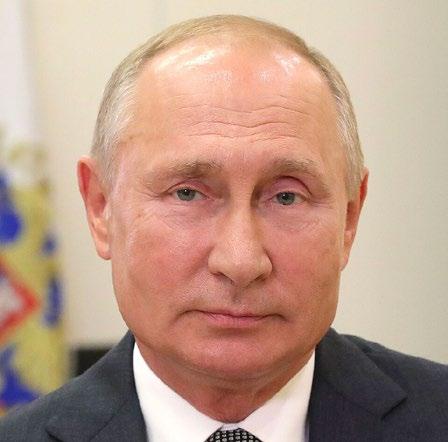
vessels have repeatedly entered or approached British waters, while Russian military aircraft have frequently tested the boundaries of British airspace since 2021 in an apparent attempt to gauge responses from the Ministry of Defence. Such hostile actions have increased in frequency in recent years.
However, the risk of nuclear escalation remains a major deterrent against direct conflict between nuclear powers. As a result, it is unlikely that a regional conflict removed from the centres of Western power would automatically trigger a global war. Furthermore, despite Russia’s aggressive posture, its military campaign in Ukraine has exposed significant weaknesses. Reports of reliance upon support from countries such as North Korea and growing dependence on foreign supplies suggest that Russia may lack the capability to sustain a significantly wider conflict.
On the other hand, China has increasingly emerged as another potential source of geopolitical instability. In October 2025, the British Foreign Office was reportedly targeted by a cyber-attack involving tens of thousands of sensitive files. Although the British government avoided publicly assigning blame, investigations reportedly pointed towards a Chinese-linked group. This was far from the first allegation of Chinese cyber warfare. Over the past two decades, numerous Western companies and
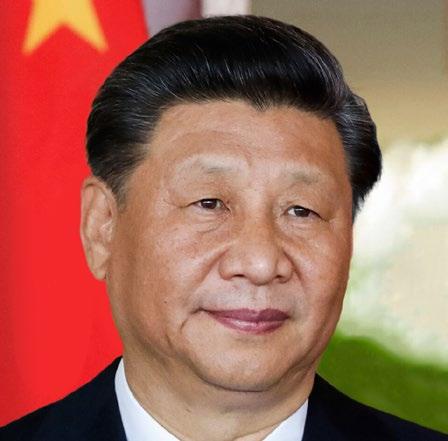
institutions have accused Chinese groups connected to the People’s Liberation Army of engaging in cyber espionage and digital infiltration.
One major example was Operation Aurora, a series of cyber-attacks conducted in 2009 against major technology companies, including Google, Adobe, and other corporations. China has therefore established itself as a persistent cyber and technological threat, using digital capabilities, commercial espionage, and military modernisation to strengthen its geopolitical position while continuing to exert pressure on Taiwan.
Nevertheless, British relations with China remain highly complex. Shortly after the alleged cyber-attack, Prime Minister Keir Starmer was still expected to travel to China in an effort to improve trade and economic relations. Additionally, the proposed Chinese “megaembassy” development in London generated significant controversy, with critics arguing that it represented excessive tolerance towards a state accused of espionage and hostile activity. China’s strategic partnership with Russia further complicates these diplomatic relationships, particularly given Britain’s support for Ukraine. At the same time, China faces substantial domestic pressures of its own. Tensions in Hong Kong have remained significant since the 2019–

2020 protests, while international criticism over human rights concerns continues. Economic challenges, including rising unemployment, slowing growth, and growing dissatisfaction with the political system, also present difficulties for the Chinese government. Furthermore, despite rapid military modernisation, China may not currently be in a strong enough position to sustain a major international conflict. Nevertheless, some analysts argue that governments facing domestic instability may occasionally pursue external conflict as a means of redirecting internal dissatisfaction.
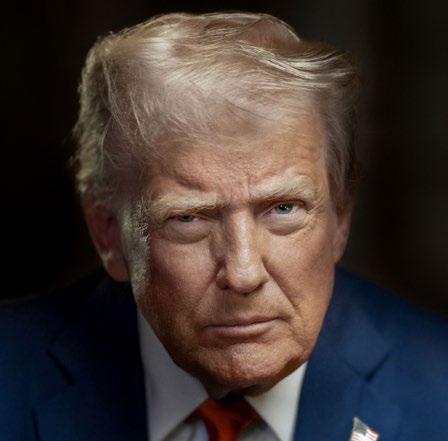
Finally, Donald Trump himself remains one of the most unpredictable figures in contemporary international politics and, arguably, one of the greatest contributors to global uncertainty. During his second presidency, Trump has repeatedly challenged traditional diplomatic conventions through aggressive rhetoric and unconventional policies. His actions have included imposing tariffs, escalating disputes with allies, increasing pressure on NATO members to expand defence spending, and adopting highly transactional approaches to international relations.
Trump’s unpredictability is particularly significant because of the global influence of the United States. His policies have demonstrated how rapidly international relationships can shift under a leader willing to disregard diplomatic norms. For example, pressure from Trump reportedly encouraged many NATO members to increase military spending substantially, reflecting the extent of American influence over allied governments. Critics argue that large-scale rearmament can increase international tensions rather than reduce them.
Furthermore, Trump’s foreign policy often appears highly inconsistent. At various points, he has imposed severe tariffs on China while simultaneously praising Xi Jinping’s leadership. His approach towards conflicts such as the war in Ukraine has similarly fluctuated depending upon political or economic incentives. This unpredictability creates the possibility of
diplomatic miscommunication or unintended escalation between major powers.
However, the United States also faces serious domestic challenges. Political polarisation between Republicans and Democrats has intensified significantly in recent years, creating deep social and political divisions. Concerns regarding immigration policy, detention centres, and the conduct of Immigration and Customs Enforcement (ICE) have fuelled controversy both domestically and internationally. Questions surrounding Trump’s health and leadership style have further contributed to political instability within the United States.
Despite Trump’s unpredictability, one recurring characteristic of his political behaviour appears to be self-interest and political advantage. His responses to international conflicts often seem shaped by potential personal or political gains, whether economic, diplomatic, or reputational. This transactional approach to foreign policy contributes to uncertainty regarding how the United States might respond during a future international crisis.
Overall, there are numerous factors contributing to fears of a Third World War, ranging from the ongoing conflict in Ukraine and Chinese cyber warfare to the diplomatic unpredictability associated with Donald Trump’s presidency. Yet even when considered together, these threats remain manageable rather than inevitable. The greatest danger may not come from the crises already visible, but from unforeseen events capable of escalating rapidly beyond international control.
Just as previous world wars emerged from unexpected incidents that spiralled into wider conflict, a future global war may similarly begin through a chain reaction of miscalculations, technological warfare, cyber conflict, or artificial intelligence-driven military systems. Ultimately, one of the most important questions facing international politics today is not simply whether another world war could occur, but how long the nuclear deterrent will continue to prevent one.

The recent landslide victory of the Liberal Democratic Party (LDP), led by Sanae Takaichi, has delivered one of the most commanding parliamentary mandates in modern Japanese history. With 352 seats secured alongside coalition partners, the governing bloc now holds a supermajority in the powerful lower house of National Diet. This decisive result not only grants significant legislative authority but also creates the political conditions that could enable some of the most important constitutional debates and policy shifts in decades.
Arguably, the LDP’s supermajority provides a rare opportunity to reconsider Japan’s constitutional, economic, and geopolitical trajectory, although political institutions and public opinion continue to constrain the government’s ambitions.
Takaichi’s economic programme seeks to address Japan’s long-standing structural challenges. Her manifesto includes measures to reduce food costs, introduce reflationary stimulus, pursue tax reform, and direct public spending towards highgrowth sectors. The central argument behind these proposals is that Japan has underinvested in itself: despite its technological sophistication and industrial depth, economic growth has remained weak, wages have stagnated, and corporate conservatism has limited innovation and dynamism.
However, economic reform is complicated by demographic pressures. Japan’s population is ageing rapidly, while its workforce continues to shrink. Many business leaders privately acknowledge that the Japanese economy cannot sustain itself indefinitely without imported labour. At the same time, public concern surrounding record levels of tourism and immigration has fuelled calls for stricter controls on foreigners. This tension between economic necessity and political sensitivity illustrates the extent to which the new prime minister must govern pragmatically.
Understanding why constitutional reform is now being seriously discussed requires an examination of Japan’s political structure. Japan is a parliamentary monarchy operating under a single written constitution adopted in 1947 during the Allied occupation following World War II. The constitution provides for judicial review and outlines a clearly defined amendment process. Constitutional change requires a two-thirds majority in both houses of the Diet, followed by approval in a national referendum.
Political competition in Japan has been dominated by the LDP for much of the post-
war period. Although opposition parties exist, political change has often occurred within the ruling party itself through internal factional shifts rather than through dramatic electoral turnover. In Japan, political transformation frequently emerges from within the governing establishment rather than through opposition takeovers. Consequently, the country has remained relatively stable politically, while still adapting to evolving domestic and international pressures.
At the centre of the current constitutional debate is Article 9 of the Japanese constitution. This famous clause renounces war and declares that “land, sea and air forces, as well as other war potential, will never be maintained.” In practice, however, Japan possesses substantial Japan Self-Defense Forces capabilities, whose legitimacy has been maintained through constitutional interpretation rather than explicit recognition within the constitution itself. Although there has been no official confirmation regarding which parts of the constitution the government may seek to amend, several possibilities have been widely discussed in the media. Less controversial proposals include granting the prime minister expanded emergency powers during natural
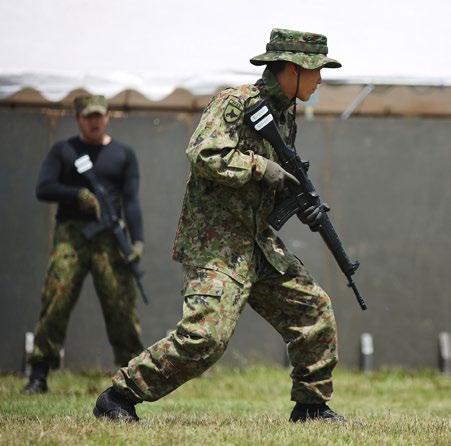
disasters or terrorist incidents, adding symbolic patriotic language to the constitution, or lowering the threshold required for future constitutional amendments.
A far more contentious possibility would involve revising Article 9 itself, either by explicitly recognising the Self-Defence Forces or by altering the clause prohibiting the maintenance of armed forces. Such a change would constitute the most significant constitutional transformation in Japan’s postwar history.
When considering the future of Article 9, it is essential to recognise the changing geopolitical environment surrounding Japan. Over the past decade, regional tensions have intensified significantly. China’s military expansion and growing assertiveness in the East China Sea have heightened security concerns throughout the region. Furthermore, diplomatic tensions between Japan and China escalated following remarks reportedly made by Takaichi in November 2025, suggesting that Japan could militarily intervene if China attacked Taiwan. China, which views Taiwan as a core national interest, responded with diplomatic pressure, including demands for a retraction, restrictions on travel to Japan, and the cancellation of cultural events. Any major crisis involving Taiwan would severely test the legal and political limits of Japan’s pacifist framework. The United States, particularly under leaders such as Donald Trump, would likely welcome Japan taking greater responsibility for regional defence and moving away from its traditional pacifist stance. Increasing pressure has been
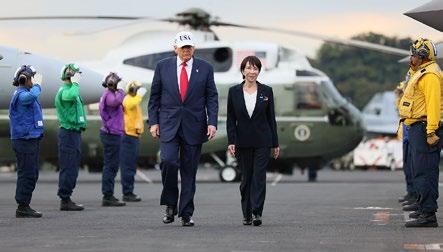
placed on American allies in the Pacific to contribute more actively to regional security in response to a more assertive China. As a result, Japan now finds itself in an increasingly delicate strategic position between a potentially unpredictable American ally and a rising regional rival.
Despite the government’s commanding majority in the lower house, constitutional reform remains far from guaranteed. Although the ruling coalition possesses a strong starting position, it does not fully control the upper house and would therefore require cooperation from additional parties in order to secure the necessary two-thirds majority. Since the next upper house election is not scheduled until 2028, building political alliances will be essential for any constitutional amendment to progress. Moreover, even if both chambers of the Diet approved an amendment, it would still require majority support in a national referendum — something Japan has never held. This makes constitutional reform exceptionally difficult in practice.
Public opinion also presents a major obstacle. Japanese voters generally prioritise economic security and cost-of-living concerns over abstract constitutional debates. Although support for increased defence spending has grown in response to regional security threats, pacifism remains deeply embedded within Japan’s post-war political culture.
In conclusion, the Liberal Democratic Party’s recent electoral victory under Sanae Takaichi represents a potentially transformative moment for Japan’s constitutional, economic, and geopolitical future. While the government’s supermajority in the lower house provides considerable legislative influence, it does not guarantee sweeping constitutional reform or dramatic policy change. Institutional constraints, political negotiations, and public opinion are all likely to shape — and potentially limit — what can realistically be achieved in the years ahead.
I was delighted to interview Graham Minter who is the head of the amnesty UK branch in Kent. Here is what we discussed.
Across many democracies we have seen growing support for populist and nationalist movements. What challenges does this present for organisations such as Amnesty International?
It has made our work more difficult but also more necessary. As these movements have gained in strength and threaten to win political power, we also must become more political to challenge them. However, Amnesty is not party political, so we must oppose the policies of these movements without supporting or opposing any party.
Populist and nationalist movements do not have a great reputation for respecting human rights, other than the rights of their own supporters. While Amnesty’s global standing enables it to function in places where others cannot, several governments have forced Amnesty to close its incountry operations.

Do you believe the UK has a strong human rights culture compared to other democracies, or have there been areas of decline in recent years?
I think it is unwise to compare the human rights culture of different countries. There is a strong human rights culture in the populations of all countries. A country’s human rights record is largely determined by the conduct of those in power.
The UK’s record in recent times has been mixed. There has been a disturbing decline in respect for the right to protest under successive governments. Refugees’ and migrants’ rights remain under threat. The government has permitted the continued supply of arms to at least one country which has committed serious violations of international humanitarian law, including genocide. Successive governments have also failed to comply with its international obligations to ensure the rights to food, housing and adequate social security.
These declines have led Amnesty’s UK section to give higher priority to promoting human rights in our own country.
Amnesty International is often described as a pressure group. What lobbying techniques have you found to be most effective when trying to MPs?
In our approaches to MPs in our local area, we have sought to build constructive relationships, irrespective of which party they represent. Before meeting them, we study their record as an MP to understand where they stand on issues of interest to us. We find that there are always some issues on which we are largely in agreement. This provides a basis for also discussing issues about which we disagree. We try to understand why the MP holds a different view from us, as a starting point for trying to influence their views. There is little, if anything, to be gained from an antagonistic approach.
Do you have any examples of where this has worked or of any strong connection amnesty has with local MPs?
We prefer not to publicise our discussions with local MPs as this could inhibit future discussions with them. However, our longest standing relationship with a sitting MP is with Helen Grant, MP for Maidstone and Malling, whom we tend to meet once or twice a
year. These meetings are always friendly and constructive.
We always respect that MPs have a responsibility to the political party that they represent and are unlikely to criticise their party’s policies openly. We aim rather to convince them of the strength of Amnesty’s position on an issue and to encourage them to use their position to influence their party’s policy. Our arguments are supported by Amnesty’s excellent research on the issues.
What first motivated you to become involved with Amnesty International, and what has kept you committed to your powerful work with the organisation?
I joined Amnesty over 50 years ago while working in South America, where most countries were ruled by repressive military dictatorships with appalling human rights records. My experience there, when I was in my 20s, has shaped my views of the world ever since. I am passionate about human rights and Amnesty International is the foremost member-led human rights organisation in the world. There are many other excellent organisations working for specific aspects of human rights, and we work closely with them, but Amnesty has an unparalleled
reputation for combining through research with effective campaigning, covering a wide range of human rights issues, undertaken by a large and committed membership across the globe, supported by equally committed and professional staff. Many young people feel increasingly disillusioned with politics. What role do you think students can play in creating political change?
We must convince young people that they have power if they stand together. My teen years were in the 1960s when we truly believed that we could change the world. There are so many pressures on young people today but, if we cannot look to young people to try to make change, what hope do we have? Use your voice! Get organised! You will be surprised how much influence you can have if you use your power wisely.
Some critics argue that human rights organisations can obstruct elected governments from implementing their policies. How would you respond to that criticism?
Of course we do! Is that a criticism? No political system provides a government that truly respects the views of its people in
all respects. Democracy is not just about electing a government every few years. It is about a system of government that respects the rights of all its people.
When Amnesty opposes a government’s policies, its position is always based on international law. If a government violates its international legal responsibilities, it must expect to be challenged. That is why we exist.
Looking back on your time with Amnesty, what achievement are you most proud of?
The building of the Kent Network, which three colleagues and I launched six years ago when it became evident to us that Amnesty’s traditional approach to local activism was losing its effectiveness. The Network enables Amnesty members throughout Kent (and part of East Sussex) to get involved in campaigning with us, whatever their personal circumstances, in ways that work best for them. As a result, we have attracted many people who would not otherwise have found it possible to get involved. Two other regional networks have since been established based on our experience and there is interest in building something similar in other parts of the UK.

Is democracy truly the best system of government, or merely the most popular one? This question sits at the centre of modern political debate, yet it is often avoided or oversimplified. Democracy is frequently treated not merely as a political system, but as a moral ideal — something inherently good and almost beyond criticism. However, popularity and effectiveness are not necessarily the same thing, and it is worth questioning whether democracy genuinely deserves its reputation or whether it has simply won the global popularity contest.
At its core, democracy is built upon a powerful and appealing principle: that people should have a say in how they are governed. The concept of political equality — one person, one vote — suggests fairness and legitimacy. Compared with systems such as dictatorship or absolute monarchy, democracy appears more just because it distributes power rather than concentrating it in the hands of a single ruler or elite group. It also provides mechanisms for accountability. Leaders can be voted out of office, policies can be challenged, and citizens can express dissatisfaction without resorting to violence. These features make democracy particularly attractive when contrasted with regimes in which power is inherited or seized.
However, democracy’s popularity does not automatically make it the best system of government. One of its most significant weaknesses is that it relies heavily upon the judgement of the general public. Voters are expected to make informed decisions on highly complex issues such as economic policy, foreign affairs, and healthcare. In reality, many people lack the time, education, or interest required to fully understand these subjects. This creates opportunities for manipulation. Politicians and media organisations can exploit emotions, spread misinformation, and reduce complicated problems to simplistic slogans. In such circumstances, democracy risks becoming less about rational decision-making and more about who can win the battle for public attention.
Another controversial aspect of democracy is the principle of majority rule. While this may sound fair in theory, it can lead to what is often described as the “tyranny of the majority”. If 51% of the population supports a policy that harms the remaining 49%, can such a decision truly be considered just? History provides numerous examples of democratic systems permitting discrimination or injustice because they reflected the will of the majority at a particular moment in time. This raises a difficult question: should all political decisions be left entirely to the majority, or should constitutional limits exist in order to protect minority rights?
Supporters of democracy might argue that its flaws are not unique. Every political system possesses weaknesses, but democracy arguably offers the greatest capacity to correct its own failures. Unlike authoritarian regimes, democratic governments can adapt over time. Laws can be amended, leaders can be replaced, and public opinion can evolve. Many democracies have gradually expanded civil rights and improved living standards over long periods. From this perspective, democracy is not perfect, but it is flexible and self-correcting in ways that many alternative systems are not.
Yet even this argument can be challenged. The ability to change does not guarantee that change will occur either positively or efficiently. Democracies can become gridlocked, with political parties prioritising electoral success over meaningful progress. Important
decisions may be delayed because they are politically unpopular, even when they are necessary. Policies concerning climate change or economic reform, for example, often require long-term planning, whereas democratic systems frequently incentivise short-term electoral thinking. Political leaders may avoid difficult but necessary decisions if they fear losing public support, thereby preventing meaningful reform.
It is also worth considering whether democracy’s global dominance is truly the result of its effectiveness or merely its influence. Many countries adopt democratic systems not because they have objectively evaluated every possible alternative, but because democracy has become the accepted international norm. It is promoted by powerful nations, embedded within global institutions, and associated with ideas of freedom and modernity. In this sense, democracy’s popularity may stem partly from cultural influence and political pressure rather than unquestionable superiority.
perfectly align. The question therefore becomes one of priorities — whether societies value efficiency more highly than participation, or stability more than political choice.
Ultimately, asking whether democracy is the best system of government or simply the most popular forces societies to confront their assumptions. Democracy offers undeniable advantages, including representation, accountability, and the protection of individual rights. Nevertheless, it also contains serious flaws, including vulnerability to manipulation, short-term political thinking, and the potential for majority injustice. Its widespread adoption alone does not automatically prove its superiority.
Democracy is not a perfect system, but the most acceptable compromise
Some critics further argue that certain non-democratic systems can outperform democracies in specific areas. A highly centralised government, for instance, may be capable of implementing policies more quickly and efficiently without the delays caused by elections, legislative debates, or partisan conflict. While this often comes at the expense of personal freedoms and political participation, it raises an uncomfortable but important point: effectiveness and liberty do not always
Perhaps the most reasonable conclusion is that democracy is not a perfect system, but rather the most acceptable compromise currently available. It balances competing values — freedom and order, equality and efficiency — more successfully than most alternatives, even if it does so imperfectly. Rather than treating democracy as untouchable, societies should view it as a political system requiring constant improvement, scrutiny, and critical examination.
In the end, democracy may be both the best and the most popular system not because it is flawless, but because no alternative has yet managed to convincingly surpass it. The real challenge, therefore, is not simply defending democracy, but continually striving to improve it.

In the early to mid-20th century, the United States and Venezuela generally maintained a cooperative relationship. Venezuela was one of the United States’ most important oil suppliers, while American oil companies played a major role in the Venezuelan economy. As a result, Venezuela was often viewed positively by the United States as a relatively stable democracy within Latin America.
The two countries enjoyed strong economic cooperation, particularly within the energy sector. However, relations deteriorated significantly after 2013, when Nicolás Maduro came to power. The United States accused Maduro’s government of election fraud and human rights abuses. In response, the United States imposed economic sanctions in 2014, restricting Venezuela’s access to US-based assets and preventing certain Venezuelan officials from entering the country. In 2019, the United States introduced oil sanctions against Venezuela’s stateowned company, PDVSA, effectively banning American firms from purchasing Venezuelan oil. This contributed to an increasingly hostile relationship between the two nations, with the Venezuelan government describing the sanctions as “economic warfare”.
The rising tensions between the two countries could, arguably, be viewed as foreshadowing a direct confrontation involving the United States and Venezuela, culminating in the capture of Maduro himself.
The left-wing leader and his wife were reportedly captured at 2:01 local time (6:01 GMT) within their compound before being flown to the United States. Maduro was allegedly caught attempting to enter a steel-fortified safe room but was unable to seal it in time. He was captured by the US Army’s Delta Force, while more than 150 aircraft were reportedly involved in transporting the extraction team into the Venezuelan capital. Shortly afterwards, the United States was also able to cut power across parts of Caracas.
Following these events, and upon arrival at Stewart Air National Guard Base in New York, Maduro and First Lady Cilia Flores were charged with weapons and drug-related offences. American officials later indicated that there were no immediate plans for further military intervention in Venezuela. Nevertheless, then-

President Donald Trump declared that the United States was “not afraid of boots on the ground” should further action become necessary.
Regarding Venezuela’s future, Trump reportedly authorised US oil companies to enter the country in order to repair infrastructure and “start making money for the country”. He argued that the United States should be “reimbursed for everything we’ve spent” and hoped to expand American oil exports internationally. According to this perspective, the intervention was framed as a means of improving Venezuela’s economic stability while simultaneously benefiting American strategic and economic interests.
The Venezuelan government, however, condemned the attack as an attempt to seize “Venezuela’s strategic resources, particularly its oil and minerals”. This accusation reflects the fact that Venezuela possesses the world’s largest proven oil reserves. Such resources would be strategically valuable to the United States, particularly because Venezuela traditionally produces “light, sweet” crude oil commonly used in petrol production. Venezuelan officials further argued that the United States had attempted to “forcibly break the political independence of the nation”. From their perspective, the intervention was not solely about resources, but also represented a political effort to undermine Venezuelan sovereignty.
The United States, by contrast, justified the capture of Maduro on the basis of security concerns and longstanding disputes over immigration and organised crime. American officials pointed specifically to the arrival of large numbers of Venezuelan migrants in the United States, alongside concerns regarding drug trafficking networks operating between Venezuela and neighbouring regions. Maduro himself was accused of maintaining links to criminal organisations such as Tren de Aragua and the Cartel de los Soles, allegations which he repeatedly denied.
News of the strikes provoked strong international reactions, particularly from Venezuela’s long-standing allies. Russia condemned the operation as “an act of armed aggression”, while China called upon the United States to release Maduro and his wife immediately and to cease attempts to “topple the government of Venezuela”. Meanwhile, British Prime Minister Keir Starmer stated that his government would “shed no tears” over the collapse of Maduro’s regime, although he emphasised the need to discuss the “evolving situation” with the United States. The European Union’s chief diplomat, Kaja Kallas, reiterated the EU’s position that Maduro lacked democratic legitimacy, while also insisting that international law and a peaceful transition of power should still be respected. The scale and nature of these events are exceptionally unusual within the modern international system. In contemporary diplomacy, governments are generally not expected to capture and remove foreign heads of state directly. Such an action represents a dramatic escalation beyond sanctions or diplomatic threats and arguably challenges both international norms and traditional limitations on executive power within the United States itself. It also reflects how the United States, under Donald Trump’s leadership, appeared increasingly willing to use direct force rather than remain constrained by established international expectations. However, the fact that both the EU and the United Kingdom openly questioned Maduro’s legitimacy demonstrates the complexity of international politics: while allies may agree with the broader objectives of the United States, they may still strongly disagree with the methods used to achieve them, placing allied governments in politically awkward and diplomatically sensitive positions.

Is the UK on course to becoming ungovernable like France, and why is this happening?
France is entering 2026 without an agreed national budget after two and a half months of torturous parliamentary debate failed to produce one before 19 December. Instead, the country has been forced to rely upon emergency finance legislation that effectively extends the 2025 budget into the new year in order to avoid a complete financial shutdown. This is hardly an encouraging way to begin the year, particularly because France entered 2025 in almost exactly the same position, having relied upon similar emergency measures then as well.
So, what has caused France’s government to become trapped in what increasingly resembles a paralysing political Groundhog Day?
The answer lies in severe parliamentary deadlock following the snap election of 2024.
In June 2024, Emmanuel Macron dissolved parliament and called a snap election, arguing that political “clarity” was necessary following the poor performance of his centrist coalition against National Rally in the European Parliamentary elections. However, Macron’s strategy backfired dramatically. Rather than restoring authority, the election produced a hung parliament and deepened political paralysis. France’s political system subsequently became divided between three major rival blocs: National Rally on the right, Macron’s centrist coalition, and the left-wing New Popular Front. Attempting to force these ideologically opposed groups to cooperate has proven extremely difficult, making effective governance increasingly challenging, as demonstrated by repeated failures to pass a budget.
The election results also suggested growing dissatisfaction among French voters with the traditional political centre. Roughly fourfifths of voters did not support Macron’s coalition, a striking indication of how fragmented and polarised French politics has become. Increasing numbers of voters appear attracted to parties promising more radical or transformative alternatives to the political status quo.
Arguably, similar trends are beginning to emerge within the United Kingdom.
Keir Starmer, the latest figure in what critics often describe as Britain’s “revolving door” of Prime Ministers, has faced declining approval ratings despite having been in office for a relatively short period. At the same time, membership levels in both the Labour and Conservative parties have fallen significantly over recent years.
While 2025 has been politically difficult for Britain’s two largest parties, it has been considerably more successful for smaller or insurgent political movements, particularly Reform UK and the Green Party of England and Wales.
Reform UK, founded only a few years ago, has rapidly increased its political visibility, winning council seats and securing representation in Parliament. Meanwhile, under the leadership of Zack Polanski, the Green Party has experienced substantial membership growth and improving polling numbers.
This raises an important question: how can relatively small or previously marginal parties suddenly appear more politically dynamic than Britain’s two historically dominant parties? One explanation mirrors developments in France: many voters increasingly want political change.
Public frustration has grown because many people feel that neither Labour nor the Conservatives have successfully addressed long-term structural problems facing the country. House prices remain extremely high, NHS waiting lists continue to affect millions, and concerns surrounding wages, employment security, and economic opportunity persist. These are not short-term problems, but deeply embedded structural issues that successive governments have struggled to resolve. As a result, frustration among voters is increasingly directed towards the traditional political establishment. To some sections of the electorate, both major parties appear incapable of delivering meaningful solutions or offering a convincing long-term vision for the future.
In contrast, parties such as Reform UK and the Greens present themselves as offering more radical alternatives, making them attractive to voters seeking decisive change.
Another factor behind the rise of smaller parties may be the growing perception that Labour and the Conservatives no longer represent clearly distinct political traditions. Historically, the two parties reflected significantly different ideological visions. Today, however, critics increasingly argue that both parties compete primarily for the political centre ground, often moderating their positions in pursuit of middleclass and swing voters.
For example, critics of Starmer argue that Labour has softened or reversed several previous policy commitments, leading some voters to believe that the party has abandoned aspects of its traditional left-wing identity in favour of electoral caution. Similar criticisms have also been directed at the Conservatives, particularly regarding taxation and public spending under recent governments, which some argue departed from traditional Conservative support for low taxation and smaller government.
This has fuelled the argument, often advanced by figures such as Nigel Farage, that Britain increasingly resembles a “uniparty” system in which ideological differences between the two dominant parties have narrowed substantially. Consequently, some voters are turning towards parties that appear more ideologically distinct or rhetorically uncompromising. Reform UK and the Green Party have benefited from this environment by presenting themselves as clearer alternatives to the political establishment.
Nevertheless, parallels between France and the United Kingdom should not be overstated. Although Britain is undoubtedly experiencing growing political fragmentation
and polarisation, this does not necessarily mean it is destined to experience French-style parliamentary paralysis.
The UK’s political system still differs significantly from France’s. Britain’s first-pastthe-post electoral system traditionally favours larger parties and often prevents the type of fragmented legislatures that proportional systems can produce. In addition, the next General Election remains several years away, leaving substantial time for political momentum to shift, weaken, or reverse entirely.
Indeed, recent political history demonstrates how quickly public opinion can change. The current popularity of Reform UK or the Greens may not necessarily endure until the next election. Political surges often fade as parties face greater scrutiny, internal pressures, or changing national priorities.
However, broader political reform or realignment may still lie ahead. France’s deadlock emerged gradually through the erosion of traditional parties and the fragmentation of the political centre — developments that Britain increasingly appears to mirror. While the UK may avoid complete governmental paralysis in the immediate future, it is difficult to ignore the growing ideological and cultural divisions within British society.

These divisions could eventually produce a more fragmented electorate and weaken the traditional dominance of the two-party system that has shaped British politics for decades.
The lesson from France, therefore, is not necessarily that Britain is heading directly towards political deadlock. Rather, it is that political systems can fracture remarkably quickly when large sections of the electorate lose confidence in traditional parties and seek more radical alternatives.
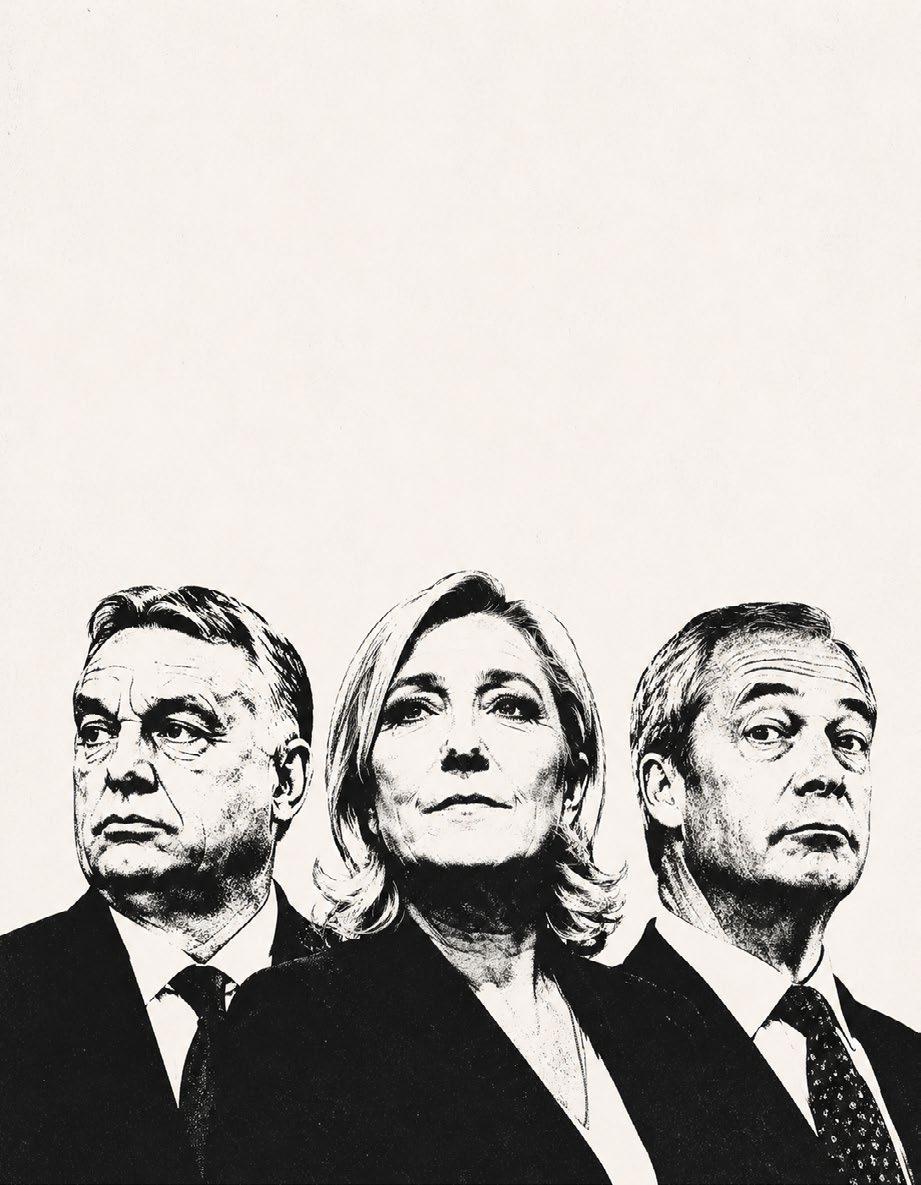
Once treated as a fringe phenomenon, populism has moved to the centre of democratic politics across the Western world. From the banks of the Danube to the Thames, populist movements have reshaped governments, redefined national identities, and posed fundamental challenges to the liberal democratic order. To understand populism is not merely to catalogue a collection of political parties; it is to confront a deep and unresolved tension at the heart of modern democracy itself: the tension between “the people” and “the elite”.
The political theorist Cas Mudde offers one of the most widely accepted definitions of populism, describing it as a “thincentred ideology” that divides society into two homogeneous and antagonistic groups: “the pure people” and “the corrupt elite”. This definition demonstrates that populism is not primarily a fixed set of policy positions, but rather a rhetorical and moral framework. It establishes a sharp distinction between an authentic and virtuous majority and a self-serving establishment that has betrayed them. In this sense, as political philosopher Chantal Mouffe has argued, populism can represent a form of “agonistic democracy”: an attempt to reclaim political voice for those who feel ignored or excluded by existing institutions.
Yet populism’s flexibility — its ability to attach itself to radically different ideologies — is also part of what makes it so pervasive. It can emerge on the political right, as seen in the cases of Viktor Orbán or Marine Le Pen, or on the political left, as with Syriza in Greece and Podemos in Spain. Some movements even resist easy ideological categorisation altogether. What unites these diverse movements is not policy, but political style: the appeal to a unified “people”, the demonisation of elites, and the claim to possess an exclusive mandate from the majority. As historian and political theorist Jan-Werner Müller argues in What Is Populism?, the defining characteristic of populist leaders is their implicit claim that they alone represent the “real people”, thereby rendering opposition illegitimate.
— often under pressure from institutions such as the European Union, the European Central Bank, and the International Monetary Fund — weakened public services, drove unemployment to historic highs in parts of Southern Europe, and visibly transferred the consequences of elite financial recklessness onto ordinary citizens.
Sociologist Wolfgang Streeck has argued that this period marked the point at which “democratic capitalism” began to fracture, as the demands of global markets increasingly overrode the preferences of national electorates.

“a thin-centred ideology”
Cas Mudde
To explain the populist surge across Europe, it is necessary to look beyond individual leaders and examine the broader political and economic conditions that made their message so appealing. The 2008 financial crisis represented a watershed moment across the continent. Austerity measures imposed by governments
The 2015 migration crisis deepened these tensions further. The arrival of over one million migrants and refugees into Europe, alongside more than 1.3 million asylum applications within a single year, overwhelmed political systems and exposed profound disagreements between European states. It also provided populist movements with an issue that combined material anxieties — such as competition for housing, public services, and employment — with cultural concerns regarding national identity and social cohesion. Mainstream parties often struggled to respond effectively without appearing either excessively harsh or politically naïve, and consequently lost support to populist alternatives on both the left and right. Political scientist Ivan Krastev has argued that this moment exposed a wider “crisis of imitation” within European liberal democracy, particularly in Central and Eastern Europe, where some populations increasingly viewed Western liberalism not as universal progress, but as a form of cultural domination.
Nowhere has the populist challenge to liberal democracy been pursued more systematically than in Hungary under Viktor Orbán. After winning a two-thirds parliamentary majority in 2010, Orbán rapidly converted electoral dominance into long-term structural power.
The constitution was rewritten, the judiciary increasingly filled with loyalists, independent media organisations were pressured or absorbed, and electoral laws were redesigned in ways that strengthened the ruling Fidesz party. Orbán himself famously described his political system as an “illiberal democracy”, a revealing phrase that preserves the procedural appearance of democracy — elections, constitutions, and parliaments — while weakening its substantive protections, such as judicial independence, press freedom, and minority rights.
Orbán’s rhetoric represents a textbook example of populist political language. He consistently framed his government as defending the Hungarian nation against a conspiracy of “globalist elites”, embodied in his narrative by figures such as George Soros, the European Union bureaucracy, and liberal nongovernmental organisations. This narrative served several purposes simultaneously: it provided an external enemy to justify domestic repression, appealed to deep currents of Hungarian nationalism and anti-communist sentiment, and offered supporters a coherent explanation for perceived national decline. The European Union repeatedly attempted to use legal mechanisms, including Article 7 proceedings, to hold Hungary accountable, but these efforts proved largely ineffective due to the requirement for unanimous agreement among member states.
The Hungarian case is significant not only as an example, but also as a model. Orbán’s political success has been carefully studied and replicated elsewhere. His relationships with populist leaders across Europe, his close ties with former US President Donald Trump, and his efforts to cultivate a broader “conservative international” transformed Budapest into a symbolic centre of illiberal politics. Similar strategies became visible in countries such as Poland under the Law and Justice (PiS) government, particularly in attempts to reform the judiciary and limit institutional opposition. Although Hungary represents one of the clearest examples of democratic backsliding, populism
has reshaped politics across Europe more broadly. In France, Marine Le Pen’s National Rally has consistently remained one of the country’s most electorally successful parties, pressuring both mainstream conservatives and centrists such as Emmanuel Macron to adopt increasingly restrictive immigration policies. In Italy, the 2022 election brought Giorgia Meloni and Brothers of Italy to power, marking a significant symbolic moment given the party’s historical links to post-fascist political traditions. Similarly, in Germany, the Alternative for Germany (AfD), initially founded as a Eurosceptic movement in 2013, gradually shifted towards the far right. Its strongest support emerged in former East German regions, where economic dislocation, unemployment, population decline, and feelings of political marginalisation created fertile conditions for anti-establishment politics. Germany’s experience with the collapse of the Weimar Republic gives this development particular historical sensitivity. Consequently, scholars frequently continue to reference Theodor Adorno’s work on the “authoritarian personality” when analysing support for farright populism.
The United Kingdom represents a distinctive and, in some ways, paradigmatic case of populist politics within a Western democracy. The 2016 Brexit referendum was, in many respects, a fundamentally populist event. The Leave campaign framed the referendum as a conflict between “the people” and an unaccountable supranational elite, while the slogan “Take Back Control” condensed concerns regarding sovereignty, immigration, and economic insecurity into a highly effective populist message.
Nigel Farage and the UK Independence Party (UKIP) played a central role in driving this outcome. Farage’s political effectiveness stemmed from his ability to combine a relatively simple policy objective — withdrawal from the European Union — with a broader narrative of elite betrayal and national decline. His appeal extended beyond traditional Conservative voters and reached many working-class Labour
supporters in post-industrial regions who felt abandoned by a Labour Party increasingly associated with metropolitan and universityeducated elites. This political realignment, often referred to as the “Red Wall” collapse, became particularly visible during the 2019 general election, when Boris Johnson’s Conservatives captured constituencies that had supported Labour for generations.
Since Brexit, populism in British politics has not disappeared, but instead evolved into new forms. Reform UK emerged as a significant disruptive force, receiving millions of votes in the 2024 general election despite limited parliamentary representation under the first-past-the-post electoral system. Reform UK combines antiimmigration rhetoric with promises to “drain the swamp” of professional politicians, echoing themes associated with Trumpian populism. Its support is drawn disproportionately from older, white, less formally educated voters who feel that mainstream parties have failed to address concerns surrounding national identity and economic insecurity.
This has had a substantial impact upon the wider political environment. Successive Conservative leaders, from Theresa May to Rishi Sunak, increasingly adopted stricter immigration policies in response to pressure from populist movements. Political scientist Matthew Goodwin describes this process as “mainstreaming”, whereby established parties absorb populist ideas in an attempt to recover electoral support. Ironically, this often strengthens populist narratives rather than weakening them.
The rise of populism across Europe should not be dismissed simply as a temporary anomaly or the product of manipulation alone. Populist movements, despite their democratic shortcomings, respond to genuine grievances: declining political representation, economic systems increasingly insulated from democratic accountability, and the cultural dislocations caused by rapid globalisation and demographic change. Political philosopher Michael Sandel has argued that liberal elites frequently treated those
negatively affected by economic liberalism as problems to be managed rather than citizens with legitimate political concerns. That sense of condescension has contributed significantly to the populist backlash.
However, the solutions offered by populism — concentrated power in a supposedly authentic leader, the delegitimisation of opposition, and the erosion of institutional checks and balances — have repeatedly proven historically dangerous. The challenge for European democracy is therefore not to suppress populist voters, but to address the underlying structural conditions that make populist rhetoric so persuasive. Democratic institutions must regain the capacity to represent broader sections of society rather than appearing to serve only educated and economically secure elites. Until this challenge is addressed, populism will continue to reshape Europe, carrying with it both legitimate public anger and the genuine danger of democratic systems undermining themselves from within.
Although there may have been a setback for populist politics following Orbán’s defeat in the most recent Hungarian election, this should be understood not as the end of populism itself, but rather as a significant setback for authoritarian populism in Europe. Orbán had become an influential model for right-wing populist leaders across the continent, and his defeat weakened the perception that this style of politics is electorally unstoppable. It also demonstrated that voters can reject governments built upon nationalism, anti-elite rhetoric, and institutional control when those governments are perceived as corrupt, ineffective, or disconnected from everyday concerns.
Ultimately, Orbán’s defeat exposes a central contradiction within populism itself: populist movements claim to represent “the people” against entrenched elites, yet once established in power they frequently create new elites of their own. When they fail to improve living standards or address public concerns effectively, their legitimacy can collapse just as rapidly as it emerged.
How would you vote if a general election was held tomorrow?
Who do you think should be leader of the Labour Party?
Do you support a social media ban for children under the age of 16?
Where do you mostly get your polical news and opinions?
Wich political issue is discussed most in your friendship group?

When people think about the Republican Party today, certain images often come to mind: Donald Trump, red hats, and the slogan “Make America Great Again”. For many voters, MAGA has become closely linked with what it means to be Republican. However, what is often overlooked is that MAGA is not the Republican Party itself. Rather, it is a political movement within the party, although many people now treat the two as interchangeable. This perception has significantly influenced the structure, messaging, and overall direction of the Republican Party.
Before the rise of MAGA in 2016, the Republican Party possessed a more stable and recognisable identity. While disagreements existed among party members, there was broad support for free trade, limited government, strong international alliances, fiscal responsibility, and pro-business economic policies. Republican leaders often debated how best to achieve these goals, but they generally shared similar principles and relied on policy-driven arguments rather than personal loyalty or cultural appeals.
The emergence of MAGA disrupted this structure. Instead of developing as a traditional political platform, MAGA formed as a populist movement centred on nationalism, cultural concerns, and frustration with political elites. Many longstanding Republican positions were challenged or pushed aside. Free trade became less popular, foreign alliances were questioned, and concerns about government spending became less central in party discussions.
Although MAGA supporters and traditional Republicans still agree on some policy outcomes, the reasoning behind those positions has changed. Traditional Republicans often justified policies through economic theory or constitutional interpretation. MAGA supporters, by contrast, are more likely to frame political issues around cultural identity, perceived threats, and emotional messaging. While the policies may sometimes appear similar, the motivations behind them are often fundamentally different. Another key difference lies in how political loyalty is defined. In the past, loyalty within the Republican Party was rooted in shared ideology and respect for institutions. Under MAGA, loyalty has become more personal and identity-based,
often centred on Donald Trump as both a political leader and a symbol. As a result, disagreement is more likely to be viewed as disloyalty. This shift has caused many long-time Republicans to lose influence, retire from politics, or face strong opposition within their own party.
MAGA has also transformed political communication within the Republican Party. The movement relies heavily on social media, alternative news outlets, and direct fundraising from supporters. This has reduced the influence of traditional party leadership and longestablished policy organisations. In many elections, simply identifying as Republican is no longer sufficient; candidates are often expected to demonstrate clear alignment with MAGA in order to secure support from voters.
So, is there truly a difference between MAGA and the Republican Party? In some respects, yes. MAGA represents a shift in political style, priorities, and leadership compared with the Republican Party of the past. At the same time, MAGA has become so influential within the party that the distinction is increasingly blurred. For many voters today, MAGA is effectively seen as the Republican Party itself.
The long-term impact of this transformation remains uncertain. Political movements evolve over time, but it is unusual for a major political party to shift so rapidly and significantly. Whether the Republican Party continues to be defined by MAGA or eventually moves in a different direction will play an important role in shaping the future of American politics. What is clear, however, is that the Republican Party has changed, and it is no longer the same party it once was.
Kemi Badenoch is increasingly setting the tone for a renewed Conservative Party following its electoral defeat. Her confrontations with Labour’s leading economic figures - whether over taxation with Chancellor Rachel Reeves or public spending with Labour leader Keir Starmer - represent more than political soundbites. They reflect a broader struggle to define Britain’s future economic model and, crucially, where the new political red lines now lie.
At the heart of the debate is the issue of economic credibility. Reeves has consistently attempted to present Labour as fiscally disciplined, emphasising restraint on public spending and the importance of economic stability. This strategy is designed to reassure both voters and financial markets while distancing Labour from the long-standing perception that it is financially irresponsible. Starmer has reinforced this message by portraying Labour as moderate, pragmatic, and economically dependable.
Together, they seek to demonstrate that Labour has fundamentally changed and can now be trusted to manage the economy responsibly. This perception matters enormously, not only because it shapes electoral behaviour, but also because it influences how businesses and investors respond to the prospect of a Labour government.
Yet this strategy has also opened Labour to criticism from figures such as Badenoch.
However, Badenoch’s critique also exposes tensions within her own position. As an advocate of lower taxation, deregulation, and a smaller state, she argues that economic growth depends upon freeing markets and encouraging private enterprise. Yet many of the structural problems she identifies — low productivity, regional inequality, weak infrastructure, and overstretched public services — are precisely the kinds of issues that market mechanisms alone often struggle to resolve. Addressing them may require significant state intervention and long-term public investment, creating a contradiction between ideological commitment to limited government and the practical demands of economic renewal.
An advocate of lower taxation, deregulation, and a smaller state, she argues that economic growth depends upon freeing markets and encouraging private enterprise.
She argues that Reeves’ approach lacks a distinctive economic vision and instead traps Labour within an overly cautious political centre ground. From this perspective, Labour’s emphasis on prudence risks appearing less like genuine economic strategy and more like calculated ambiguity — an attempt to appeal broadly while avoiding difficult ideological commitments or economic trade-offs.
This divide reflects a wider ideological conflict within British politics. Labour’s economic framework prioritises strategic investment, cooperation with business, and government intervention where markets fail to deliver equitable outcomes. By contrast, Badenoch and her allies remain deeply sceptical of state expansion, warning that excessive bureaucracy and regulation can suppress innovation and economic dynamism. For them, the principal danger lies not in government doing too little, but in government doing too much.
The political implications of Labour’s cautious economic approach are substantial. The party’s electoral strategy depends heavily upon
convincing voters that it is competent and capable of managing the economy effectively — qualities that have historically proven decisive in British general elections. Reeves’ emphasis on discipline and fiscal restraint may therefore strengthen Labour’s credibility. Yet the same strategy also risks projecting an image of managerial continuity rather than transformative change. For voters seeking a more radical break from the status quo, Labour’s caution may appear uninspiring or overly technocratic.
For the Conservatives, Badenoch offers a very different political message: a return to clearer ideological conviction and a determination to distinguish the party sharply from Labour. This approach may resonate strongly with core Conservative supporters, particularly those frustrated by what they perceive as excessive political moderation. However, it also represents a more electorally risky strategy at a time when economic recovery remains fragile and uneven. Following years of economic uncertainty, some voters may prioritise stability and predictability over ideological experimentation. The contrast in political style between the major figures is also significant. Starmer presents himself as disciplined, cautious, and consistent, appealing to voters who value steadiness over charisma. Reeves similarly projects the image of a technocratic manager focused upon fiscal
responsibility and economic competence. Badenoch, by contrast, adopts a more direct and confrontational rhetorical style. Supporters may view this as refreshingly candid after years of highly managed political messaging, while critics may regard it as divisive or polarising. Ultimately, the emerging political contest appears to revolve around three competing economic visions: Reeves’ gradualist fiscal caution, Starmer’s attempt to balance reform with economic stability, and Badenoch’s emphasis on market freedom and ideological clarity.
Labour’s economic framework prioritises strategic investment, cooperation with business, and government intervention where markets fail to deliver equitable outcomes
As the next general election approaches, these tensions are likely to intensify further. Labour faces the challenge of appearing economically competent while simultaneously convincing voters that it still represents meaningful change. The Conservatives, meanwhile, must balance ideological coherence with the need to appeal beyond their traditional support base to more moderate and undecided voters.
In the end, the coming election will represent more than a contest between individual personalities or party brands. It will be a wider argument about Britain’s economic future: the appropriate balance between state intervention and market freedom, the management of economic risk, and the extent to which political leaders are willing to prioritise long-term structural reform over short-term electoral advantage.

Claire Coutinho is the Conservative MP for East Surrey, the constituency in which Caterham School is located. She first became the Conservative candidate for East Surrey after the former MP, Sam Gyimah, lost the Conservative whip over disagreements concerning Brexit in 2019 before later defecting to the Liberal Democrats. Coutinho was then elected as MP in the 2019 General Election, winning a majority of 24,040 votes. She successfully retained the seat in 2024, although with a reduced majority of 7,450.
Despite having been in Parliament for a relatively short period of time, Coutinho has rapidly become a senior figure within the Conservative Party. Most notably, she served as Secretary of State for Energy Security and Net Zero under former Prime Minister Rishi Sunak. This raises several important questions: what has Coutinho achieved both as an MP and Cabinet minister, what role does she currently hold, and what are her chances of retaining her seat at the next General Election?
Firstly, Coutinho has spoken out strongly against illegal development projects, reflecting the concerns of many local residents who wish to protect East Surrey’s green belt land and natural environment. East Surrey is well known for its countryside and rural character, and many constituents believe that largescale housing developments could negatively affect both the environment and local property values.
In addition, Coutinho has focused on encouraging local economic growth by attempting to align services more closely with the needs of residents. Examples include support for the construction of a new ParkHub pavilion in Oxted and lobbying on behalf of constituents employed within the aviation sector during the Covid-19 pandemic. This was particularly significant because Gatwick Airport is a major employer for many residents living in East Surrey.
Finally, Coutinho launched the Friendship Project, an initiative designed to connect disadvantaged children with older volunteers for mentoring and support. The project aims not only to assist vulnerable young people but also to reduce loneliness among elderly residents, thereby addressing social isolation across multiple generations.
One of the primary responsibilities of an MP is to represent and advocate for the interests of their constituents. Coutinho has attempted to do this through campaigns against illegal development, the establishment of the East Surrey Local Economic Taskforce, and support for vulnerable residents through initiatives such as the Friendship Project, which aims to combat social isolation and loneliness.
Although Coutinho only served as Secretary of State for Energy Security and Net Zero between 31 August 2023 and 5 July 2024, she oversaw several significant policy developments during her time in office.
One notable achievement was advancing plans for nuclear power expansion by announcing the six companies shortlisted to develop new small modular nuclear reactors in the United Kingdom, including Rolls-Royce.
She also confirmed an additional £80 million in funding for home insulation programmes through the Great British Insulation Scheme. The policy aimed to reduce household energy costs, with estimates suggesting that some families could save an average of £250 annually on energy bills.
In addition, Coutinho supported reforms to the Boiler Upgrade Scheme, increasing government grants for low-carbon heating systems by 50% to £7,500 in order to encourage households to adopt greener energy technologies.
Coutinho highlighted these achievements in her 2024 Energy UK speech, stating that:
“We became the first country in the G20 to have halved carbon emissions, but we did that whilst growing the economy.”
Following the Conservative Party’s defeat in the July 2024 General Election, Coutinho moved into opposition politics. She currently serves as Shadow Secretary of State for Energy Security and Net Zero, as well as Shadow Minister for Equalities.
In these positions, her role is primarily to scrutinise and challenge the policies of the Labour government, particularly those of her Labour counterpart, Ed Miliband, who previously served as Labour leader between 2010 and 2015.
Alongside her frontbench responsibilities, Coutinho continues to represent East Surrey in Parliament. As an opposition MP, she generally votes against Labour legislation while supporting Conservative proposals and amendments during parliamentary debates and opposition days.
Coutinho has experienced considerable political success within a relatively short period, both as a government minister and as the MP for East Surrey. Historically, East Surrey has been considered a safe Conservative constituency due to its demographics and voting patterns. The constituency contains a high proportion of homeowners, relatively high average household incomes, and expensive property prices, all of which have traditionally correlated with Conservative electoral support.
However, future elections may prove more competitive than previous contests. While Labour, the Liberal Democrats, and the Green Party have historically struggled to gain significant support in East Surrey, the rise of Reform UK could present a greater challenge to Conservative dominance. Current polling suggests that Reform UK may attract a sizeable share of right-leaning voters, potentially narrowing the Conservative lead.
At the same time, there remains the possibility of tactical voting among Labour and Liberal Democrat supporters in an attempt to prevent a Reform UK breakthrough. This dynamic could indirectly benefit Coutinho by consolidating anti-Reform votes behind the Conservatives in certain circumstances.
Overall, while East Surrey remains a constituency that leans strongly towards the political right, future elections are likely to be more closely contested than they were in 2019, reflecting broader changes within British politics and the fragmentation of traditional voting patterns.
In the present day, artificial intelligence is undeniably reshaping how information is produced and consumed on an unprecedented scale. Democracy fundamentally depends upon a shared sphere of information, yet that sphere is increasingly fracturing under the pressure and volume of synthetic content. Generative AI tools have transformed content creation by allowing almost anyone to produce high-quality, customised, and convincing text, images, and audio within seconds. This makes gener ative AI not only a powerful creative tool, but also an ideal vehicle for political misinformation. Because AI can generate an al most limitless quantity of content at minimal cost, false narratives are often capable of spreading faster than verification systems can respond to them.
A particularly striking example emerged in early 2024 with the Biden robocall incident, in which an AI-generated voice clone of Joe Biden was used to discourage voters from participating in the New Hampshire primary election. Although the message was artificially generated, the imitation was convincing enough to cause public confusion and prompt an official investigation into its legitimacy. The incident demonstrated how easily fake news and misinformation can be accelerated through the use of generative AI, influencing voter behaviour while exposing how unprepared democratic systems remain when confronted with the
realities of a rapidly changing information landscape.
As synthetic content becomes increasingly sophisticated, democracies face an even more serious challenge: a growing crisis of authenticity. Deepfake technology has evolved into a tool capable of producing highly realistic videos and audio recordings that are often almost impossible for the average citizen to distinguish from genuine already exists. In such an environment, public trust inevitably begins to erode.

A clear example of this dynamic emerged during 2023 Slovak parliamentary election. Days before voters went to the polls, a deepfake audio recording circulated online that falsely portrayed a leading candidate discussing plans to rig the election. Although experts quickly identified the recording as fabricated, the tim-
ing of its release meant that the truth struggled to catch up with the lie before voting began. The incident demonstrated how deepfakes can be strategically deployed to exploit the narrow windows in which democratic decisions are made. It also highlighted how verification systems, no matter how robust, are often too slow to counteract the immediate impact of fabricated content.

Beyond the creation of false material, AI is also transforming how political information is targeted and delivered. Hyper-personalised political messaging has become one of the most significant developments within the modern information environment. Using vast quantities of data and predictive algorithms, AI systems can tailor political content to individuals with remarkable precision. Messages can be designed to appeal specifically to a person’s fears, values, or political concerns, creating a form of communication that is highly persuasive and often invisible to wider public scrutiny. Unlike traditional political advertising, which is publicly visible and therefore open to criticism and debate, personalised political messaging operates largely within private digital spaces. This makes it difficult to monitor what different groups of voters are being told.
The fragmentation of political communication contributes to a broader breakdown of the shared public sphere upon which democratic societies depend. Instead of encountering a
common set of facts and arguments, individuals increasingly inhabit personalised information environments shaped by algorithms designed primarily to maximise engagement rather than strengthen democratic discourse. Two people living on the same street may encounter entirely different political narratives, each reinforcing their pre-existing beliefs and deepening political polarisation. While democracies depend upon disagreement and debate, they also require at least a minimal foundation of shared truth. That foundation becomes increasingly difficult to maintain when information is filtered and prioritised by artificial systems.
The result is a widening gap between the capabilities of those able to exploit AI for political influence and the ability of democratic institutions to defend themselves against manipulation. Without stronger regulation, clearer transparency standards, and more robust public education concerning synthetic media, democracies risk entering an era in which truth becomes increasingly fluid and public trust increasingly scarce. The rise of artificial intelligence does not necessarily spell the end of democracy, but it does demand a far greater level of adaptation and reform than many governments have yet demonstrated. The informational foundations of democratic society are now being tested, and how societies respond to these challenges will play a decisive role in shaping the future legitimacy of democracy in the age of artificial intelligence.
Political microtargeting is the practice of using collected personal data to deliver customised political messages to individuals and groups. This form of campaigning allows tailored advertisements to be directed at people based on characteristics such as age, sex, location, interests, and inferred psychological profiles.
In recent years, the use of microtargeting in political advertising has risen considerably, alongside growing concerns over data protection.
One notable example is the 2016 Cambridge Analytica scandal, which saw the data of millions of Facebook users used for political advertising without informed consent. Cases such as this raise significant privacy concerns and lead to the question of how governments can implement data protection laws that balance privacy rights with the need for
effective political communication.
Why are data protection laws so often behind the realities of modern political campaigning? Scandals such as Cambridge Analytica exposed the mismatch between how governments regulate privacy in theory and how personal data is treated by companies in practice. Traditional data protection laws were designed for relatively static forms of data collection involving simplistic information such as age, gender, and ethnicity. Digital platforms, however, gather vast behavioural datasets that are constantly updated and analysed using artificial intelligence and complex algorithms. The difficulty in regulating these datasets often stems from the fact that large portions of the data are inferred by algorithms, meaning that educated assumptions are made to categorise individuals and predict which characteristics they may possess. Since this information is inferred rather than explicitly provided, existing laws struggle to regulate
it effectively. Even where strong regulations exist, firms such as Meta, Google, TikTok, and X often find compliance difficult. As multinational corporations, they operate across a substantial number of countries, many of which have conflicting data protection laws. This makes it difficult for companies to ensure their algorithms comply universally without fundamentally redesigning them for each legal system. Furthermore, the sheer scale of data collection structurally outpaces regulators. A 2024 investigation by Consumer Reports and The Markup, using data obtained directly from Meta, found that, on average, more than 2,000 companies had shared data about each participant, with some users being tracked by over 7,000 separate organisations. The scale, speed, and multinational complexity of modern data collection together create a structural lag that regulators consistently fail to close. But if microtargeting is controversial and difficult to regulate, why has it expanded so rapidly? Many political campaigners have recognised the effectiveness of microtargeting in persuading audiences and attracting support, including American President Donald Trump. Trump’s 2016 online campaign, codenamed Project Alamo, relied heavily on highly targeted advertising distributed through social media platforms. Hundreds of thousands of targeted political advertisements were delivered daily, leading many analysts to credit Project Alamo as a key factor in Trump’s 2016 electoral victory. Alamo’s database reportedly contained information on approximately 220 million American adults. Gary Coby, Director of Advertising at the Republican National Committee, stated that: “On any given day… the campaign was running 40,000 to 50,000 variants of its ads…on the day of the third


presidential debate in October, the team ran 175,000 variations.” This reflects a simple reality: political microtargeting is often more efficient than traditional campaigning methods. Traditional campaigns waste substantial resources through television advertisements shown to millions of unpersuadable voters and leaflets distributed to people who are either already committed or politically disengaged. Microtargeting allows campaigns to focus resources specifically on persuadable voters rather than those whose decisions are already fixed. It also enables campaigners to abandon ineffective messaging quickly and adapt the tone and content of their communication to suit specific demographics, locations, and political concerns.
So why, if political microtargeting generates so many ethical and regulatory concerns, does it remain legal and widely used? Despite its controversial reputation, microtargeting is not solely a tool of manipulation. There are several legitimate reasons for using microtargeting in political campaigns, particularly its potential to enhance political engagement, participation, and communication within modern democracies. Through political microtargeting, individuals can receive information from political parties about the issues they care about most, including local or niche concerns that may receive little national attention. Political parties can also reach disengaged or marginalised voters whose concerns are often overlooked in
broad-based national campaigns. Moreover, smaller parties and candidates with fewer financial resources can communicate more efficiently with voters about issues that matter directly to them, creating a more level playing field than traditional campaigns dependent on expensive mass media advertising. The Liberal Democrats demonstrated this during the 2024 UK general election by using postcode targeting to deliver constituency-specific digital advertisements. Campaigns can also use these tools to test messaging strategies in controlled ways, refining how they discuss policies in order to resonate more effectively with different audiences. While these benefits do not eliminate concerns surrounding data privacy and covert political manipulation, they demonstrate that, in principle, microtargeting can serve a constructive role in modern democratic campaigning. The central tension surrounding political microtargeting is that the same qualities which make it so effective also make it exceptionally difficult to regulate. Its precision allows a small political party to reach a disengaged voter with a message that resonates personally. Its scale structurally overwhelms regulators, while its reliance on inferred data places it within a legal grey area that existing regulatory systems are struggling to address. Together, these strengths make it highly unlikely that political parties will voluntarily abandon microtargeting. Beyond politics, similar techniques are increasingly shaping other industries, fundamentally altering how information is distributed and consumed. As regulators gradually attempt to catch up with technological development, the methods used to impose checks and balances on microtargeting will leave lasting consequences not only for political campaigning, but also for the broader ways in which citizens interact with information in modern society. we communicate ideas and information.