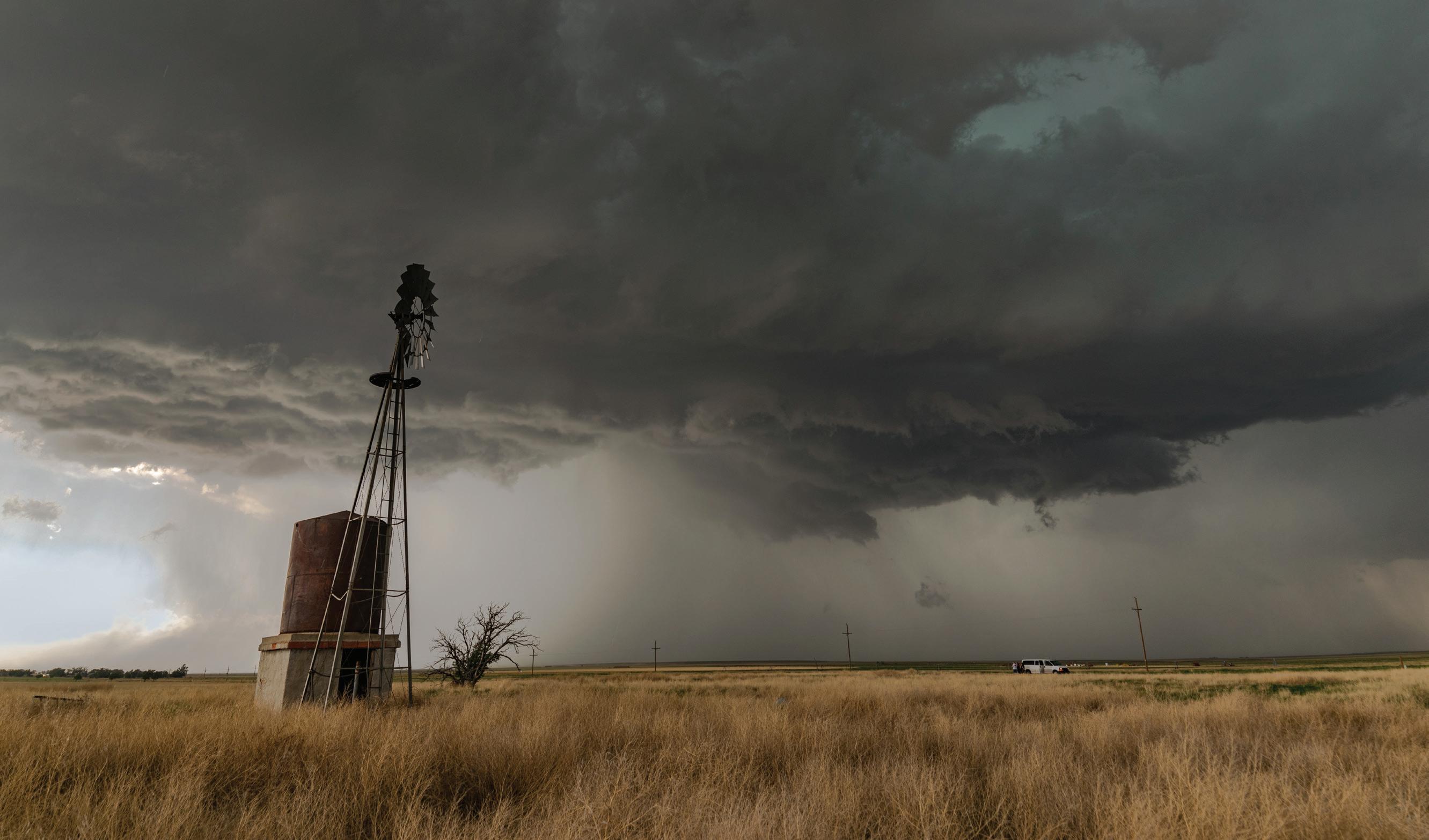
Roots take time, Prairie Sun Conservation Area, pg. 4
Adventure in the North Dakota woods, pg. 6 Find us in your community!
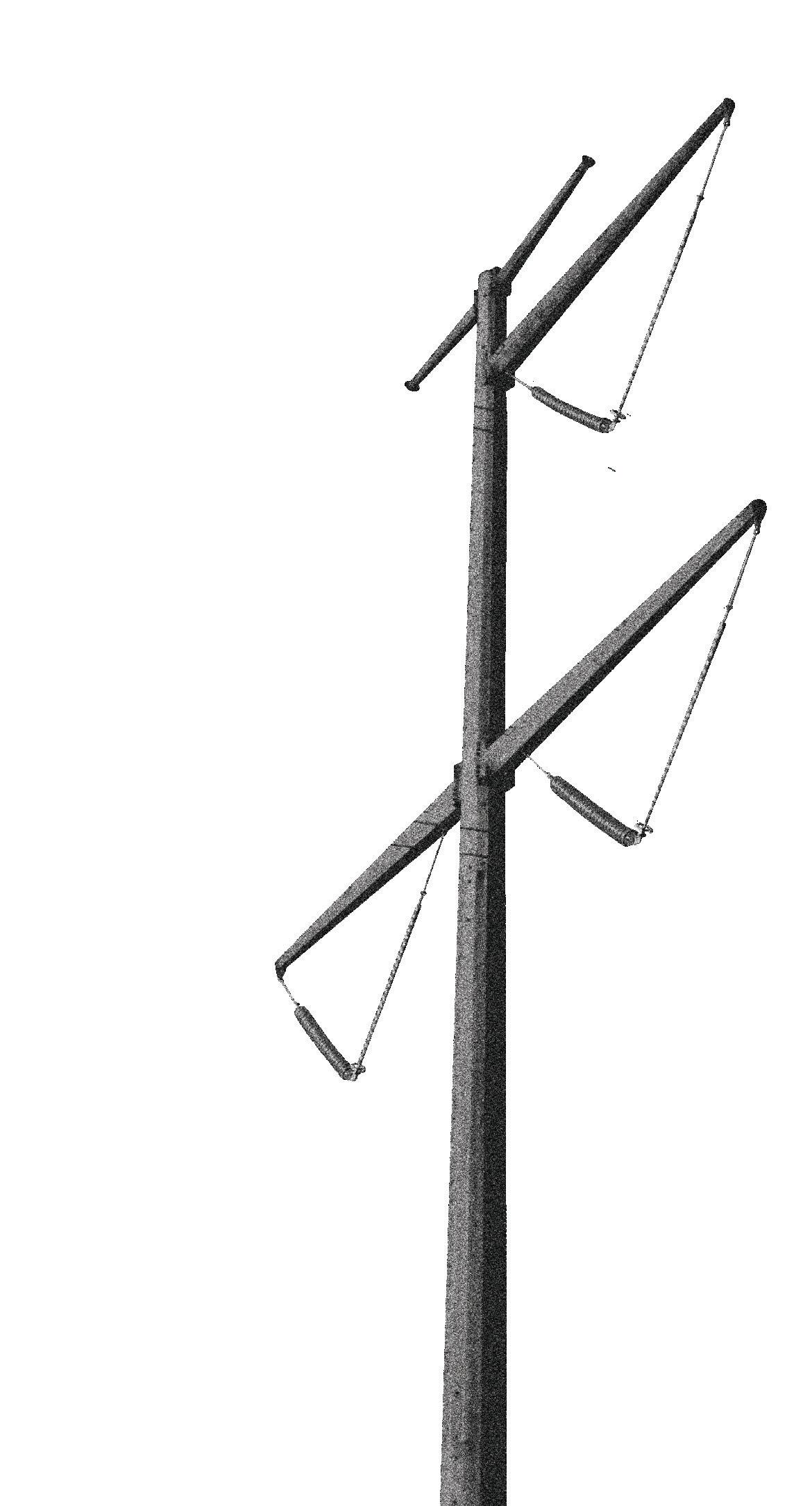
Real power requires real transmission, pg. 9
A roller coaster in the woods? Meet the North Dakota entrepreneur creating a one-of-akind outdoor experience for families.
editorial
Staying connected to serve you better
Mitchell Lyter, CCEC Vice President of Information Technology and CIO
When members think about the electric system, they often picture power lines, substations, and the crews who work around the clock to keep the lights on. What many people don’t see are the communication systems working behind the scenes that help keep those crews connected every day.
Recently, Cass County Electric Cooperative completed an upgrade to its radio communication system. While the cutover took only a few weeks and caused minimal service disruption, the project was a multi-year process of evaluation,
testing, and planning. The new system enhances coverage, improves reliability, and helps ensure seamless communication across our operations. While radios may not be the most visible part of our work, they are among the most important tools our employees use to serve members safely and efficiently.
Safety is always our highest priority. With a service territory spanning 10 counties, some areas have limited or unreliable cellular coverage, making dependable communication essential. For lineworkers and other field personnel, reliable radio communication is a critical tool when working around energized equipment or during challenging weather conditions. In the event of an emergency, our team follows established Mayday procedures that rely on the radio system to quickly communicate and coordinate a response. These procedures are practiced annually to ensure they are effective and ready when needed.
Communication also plays a critical role during major weather events. When severe storms move through the region, crews must work together to assess
damage, coordinate restoration efforts, and respond to outages as quickly and safely as possible. A dependable radio system helps ensure employees can stay connected when it matters most. It also allows dispatchers, operations staff, and field crews to share real-time information, helping restoration efforts move efficiently and safely.
Most members will never see the radios our employees use every day, and that’s okay. Their value is found in the work they help accomplish behind the scenes. From routine maintenance to storm restoration, reliable communication helps our teams work safely, respond efficiently, and continue delivering the dependable service members expect. Strong communication also helps reduce delays, improve coordination, and support faster decision-making in the field.
At Cass County Electric, we are always looking ahead to ensure we have the people, equipment, and technology needed to meet the needs of our growing membership. Investments like this one help position us to continue serving members well, today and into the future.
11 save
12 impact
13 recipes
14 safety
15 ads
BOARD MEETING HIGHLIGHTS - APRIL 2026
The Cass County Electric board of directors met in person on May 26, 2026. Highlights include:
• The board held its annual reorganization meeting with the following officers elected:
Board Chair: Glenn Mitzel
Vice Chair: Terry Kraft
Secretary: Paul White
Treasurer: Kalvin Hoff
• Moved to approve the May 2026 consent agenda of the regular board meeting consisting of minutes, monthly department reports, director expense report, and the accounts receivable write-off report.
• Received the chair’s report (Director Mitzel).
• Received the president and CEO’s report (Paul Matthys).
• Received the April 2026 financial report.
• Received the Minnkota Power Cooperative board meeting report.
• Approved a report from the Rate, Audit, and Finance committee
• Approved a report from the Operations and Administration committee
• Approved May 2026 capital credit estate payments.
• Reviewed upcoming meetings and events.
The next board meeting is July 29, 2026.
Communications:
5 STEPS FOR SAFE DIGGING
NOTIFY Call 811 or make a request online two to three days before your work begins. The operator will notify the utilities affected by your project. 811
2-3
WAIT
Wait two to three days for affected utilities to respond to your request. They will send a locator to mark any underground utility lines.
CONFIRM
Confirm that all affected utilities have responded to your request by comparing the marks to the list of utilities the 811 center notified.
Careless digging can put people and underground facilities at risk. Always call 811 before you dig.
RESPECT
Respect the markers provided by the affected utilities. The markers are your guide for the duration of your project.
DIG CAREFULLY
If you can’t avoid digging near the markers (within 18–24” on all sides), consider moving your project location.
Printer: Forum Communications Printing
Board of Directors:
Vanessa Kummer
Stacey Ackerman
Tom Seymour
Glenn Mitzel, Board Chair Wendy Loucks
Kalvin Hoff, Treasurer
Terry Kraft, Vice Chair
Executive Staff: Paul Matthys, President/CEO
Project Partners ROOTS Take Time
The Prairie Sun Conservation Area is a native prairie restoration project designed to create habitat for pollinators and wildlife today and for generations to come.
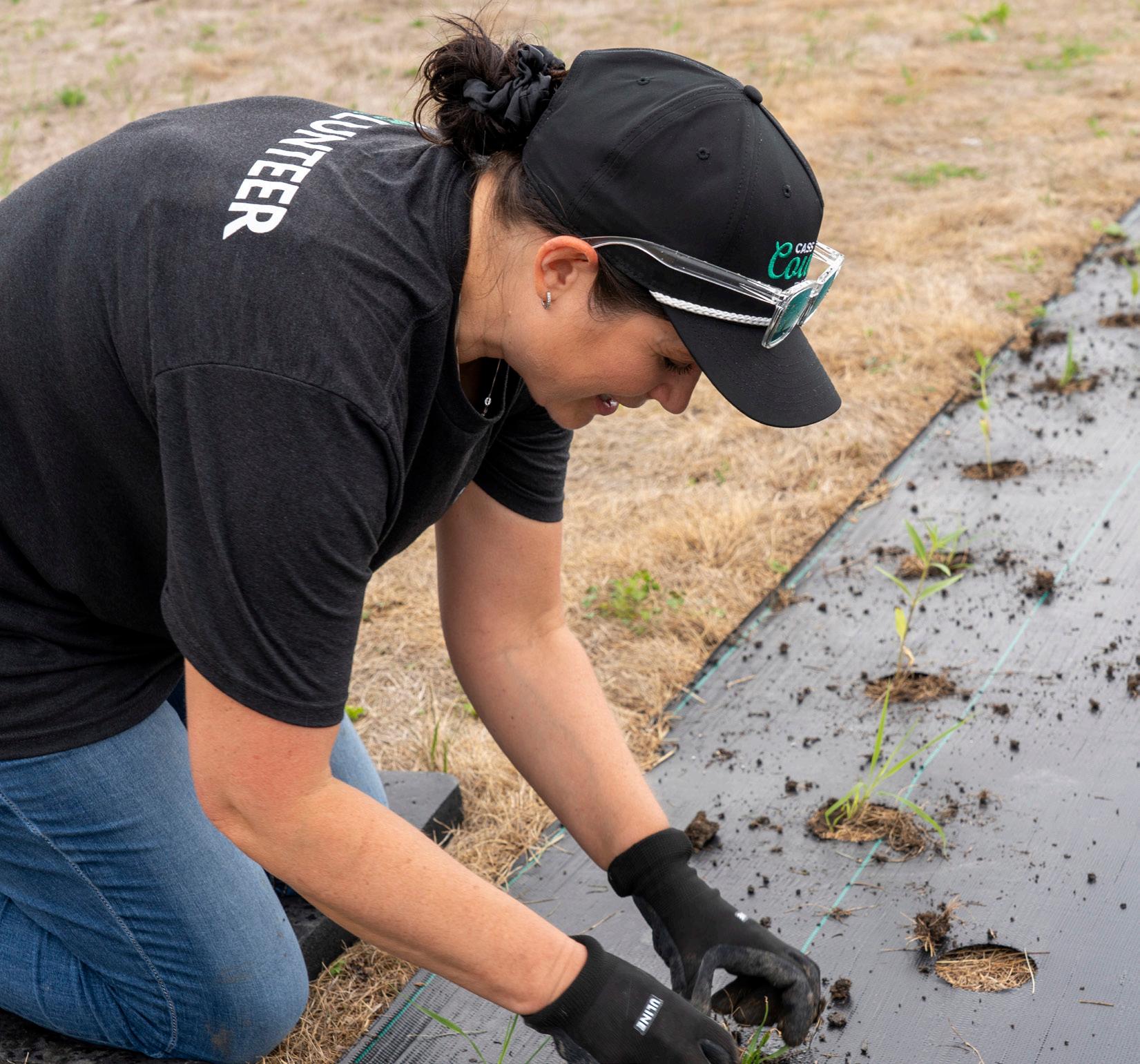
Driving past Cass County Electric Cooperative’s (CCEC) Fargo headquarters, you may have noticed some changes on a stretch of green space along 32nd Avenue. What was once an underutilized retention basin on the property has now become home to CCEC’s Prairie Sun Conservation Area. This transformation reflects both North Dakota’s natural heritage and the cooperative’s commitment to the future.
Prairie Sun Conservation Area is a native prairie restoration project designed to create habitat
for pollinators and wildlife, improve environmental health, and demonstrate how even small pieces of land can make a meaningful difference. The concept was brought forth by CCEC employee Delcy Fontaine and is being completed through a partnership between CCEC, the Cass County Soil Conservation District, and United Prairie Foundation.
While the prairie may look modest today, project partners see something much bigger.
“Through this project, we hope
to raise awareness of the importance of a healthy, thriving ecosystem and inspire others to create prairie spaces of their own,” said Delcy Fontaine, CCEC Member Service Specialist and Certified NDSU Extension Master Gardener. “Even a small space can make a lasting difference for the environment and our native pollinators.”
North Dakota was once covered by millions of acres of native tallgrass prairie, providing habitat for countless species of plants, insects, and wildlife. Today, according to the National
Adventure in the North Dakota woods
Rope & Oak Children’s Nature Park opens in rural Cass County
“I want kids to put down the screens and experience the same connection to nature that I had growing up.”
- Dixon Schwan
See the story come to life — scan to watch the video!
What To Know
Address: 17449 50th St SE Hickson, N.D.
Hours: Wed.-Sun., 10-4 p.m.
Admission: Wed.-Fri.: $15
Sat.-Sun.: $19 (<2: Free)
Weather: Check Facebook
Bathrooms: Portable bathrooms
When Dixon Schwan was a kid growing up in Fargo, North Dakota, his life hadn’t yet been touched by social media or other digital endeavors. He spent his summers outside, playing sports with friends or hunting and hiking with family. Now, at 34, he wants to create a space where kids can ditch screens and get back in touch with nature.
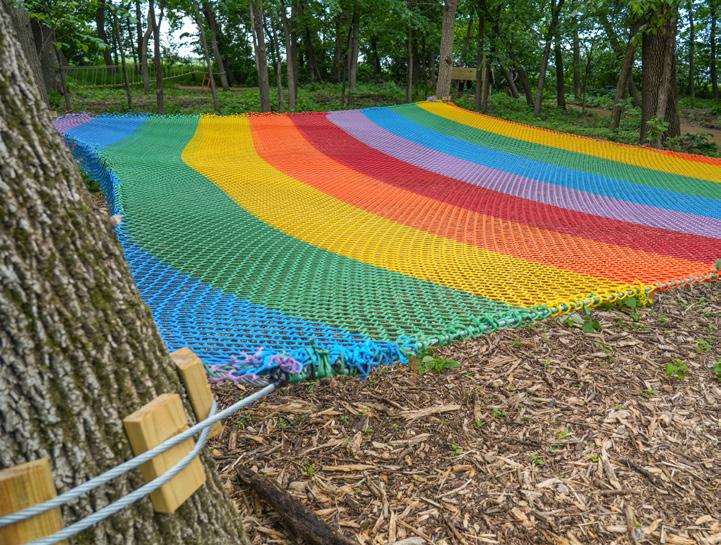
“You can see we have bridges over there, and the jumping nets,” he said, pointing across 12 acres of wooded land 15 miles south of Fargo. “We have sand play equipment here. In the back, that’s the rollercoaster, and over here are the racing tubes.”
These forest surprises are all a part of Rope & Oak Children’s Nature Park, a new destination in Cass County Electric’s service territory in rural Hickson, North Dakota.
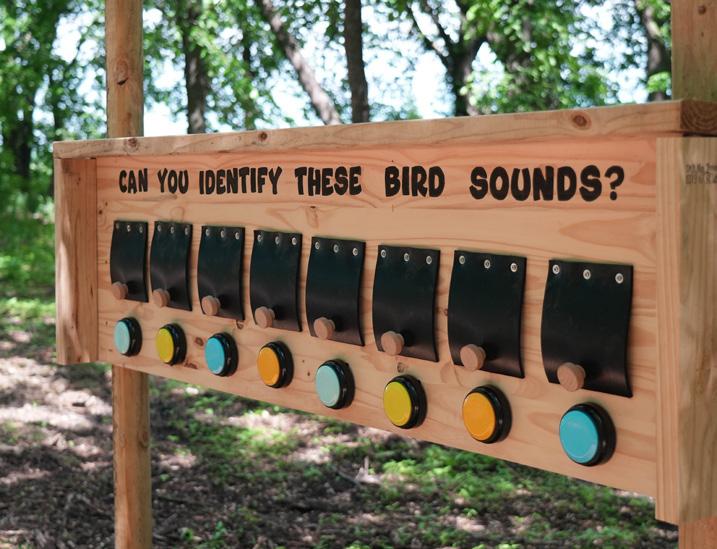
“It’s a space for families to just be outside and explore the outdoors in a real old-growth forest,” Dixon said. “We’ve put some fun things out here that kids will enjoy, with a lot of learning experiences, so they can learn about wildlife and nature and agriculture – all the things that I think make North Dakota one of the best states.”
Rope & Oak opened May 27, featuring a half-mile gravel walking trail that threads through more than four dozen experiential activities and learning stations. Along the way, families learn all about the Peace Garden State, from its farming history to its
hunting tradition.
The nature park’s unique attractions, from a larger-thanlife eagle’s nest that kids can play in to a rock quarry where they can dig up “dino bones,” were primarily designed and built by Dixon himself, with some occasional help from family and friends. His ideas came from several places, including research from children’s museums, nature preserves, and pumpkin patches from around the country. Every element of the park has a fun factor, but it’s important to Schwan that visitors take away more than outdoor memories.
“Hands-on learning seems to be what really moves the needle in education, so all the learning pieces have some sort of touch or feel or action,” he said. “That was a part of the design process.”
Creating a new experience
The story of Rope & Oak started at the end of 2025, just a few weeks after Dixon married his wife, Toria. He brought her to a wooded plot of land that was for sale, the price reduced due to a flowage easement for floodwater storage. Then, he popped the question.
“I told her, I know we just got married, but I really want to invest our money into this crazy idea. And she was like, ‘Okay. I’m in.’ That’s how we started,” he recalled.
Snow was still coating the forest floor when Dixon began designing, with a plan to open the nature park the following
summer. When he wasn’t working through schematics and landscaping, he was also putting thought into how he would get the word out about this hidden, middle-of-nowhere learning hub. He began building a presence on social media, posting videos of his plans and progress.
The simple marketing plan worked. Rope & Oak now boasts nearly 6,000 followers on TikTok and an additional 12,000 followers on Facebook.
“That’s what gets kids and parents excited – when they can see things,” Dixon said. “There are truly one-of-a-kind things that you can only find at this place, and I think that made me feel more comfortable making the videos.”
In its early months, Dixon admits that the nature park is still a work in progress. There are some rough patches that need additional leveling and wayward limbs that need trimming. He asks for grace as he refines the park’s features and processes.
Ultimately, the goal is to have a space that can serve as a blueprint for others wanting to make a difference in their rural communities.
“If we can build something cool and show that it can be done, I think it can be done elsewhere,” Dixon said. “And if we can get kids interested in wildlife and nature and the outdoors, well, that’s the whole mission to me.”
As the United States rapidly adds new electricity generation –especially wind, solar, and natural gas – there’s a growing realization that building power plants alone is not enough to meet our rising need for power. The electric grid itself must also expand, particularly the high-voltage transmission network that carries electricity over long distances. Without sufficient transmission, new generation cannot reliably reach communities, leading to bottlenecks, higher costs, and delayed projects.
The concern is not theoretical. Grid connection queues in the U.S. have ballooned, with hundreds of gigawatts of mostly renewable generation waiting years for transmission access. A key reason is that grid infrastructure has not kept pace with the surge in new generation, creating what the International Energy Agency calls a “critical bottleneck” for integrating supply and demand.
Transmission improves reliability and reduces congestion. A larger, more interconnected grid allows operators – like the Midcontinent Independent System Operator (MISO) that oversees Cass County Electric Cooperative’s region – to move power to wherever it’s needed, helping respond to increasing electricity demand and smoothing out variability in energy production. This in turn keeps the power grid stable for end-use consumers.
MISO currently has several transmission projects planned for its Midwest region, but the total scale of the required national buildout over the next decade is enormous. The U.S. likely needs around 5,000 miles of new transmission lines per year to keep up with demand growth and new generation. That’s roughly 50,000 miles of new transmission by the mid-2030s. Additionally, new transmission lines often take a decade or more to plan and permit, meaning delays today can affect grid capacity far into the future.
Planning for new generation without also planning for transmission is like building factories without roads to ship the goods. The next 10 years will require tens of thousands of miles of new high-voltage lines to keep pace with the energy transition. If transmission expansion lags, it will increasingly become the limiting factor, not generation, in shaping the future of the electric grid.
We need real transmission now.
Grid Power Players
Electricity is available with the flip of a switch, but it travels great distances and is coordinated among multiple entities before it reaches your home or business. Take a look at the grid power players that ensure you receive reliable electricity.
1. Generation Owners & Operators
Power plants can be owned and operated by electric utilities, government entities, or other private companies. Power plants produce electricity by converting energy from various sources—like natural gas, coal, nuclear, or renewables—into electricity.
2. Transmission System Owners & Operators
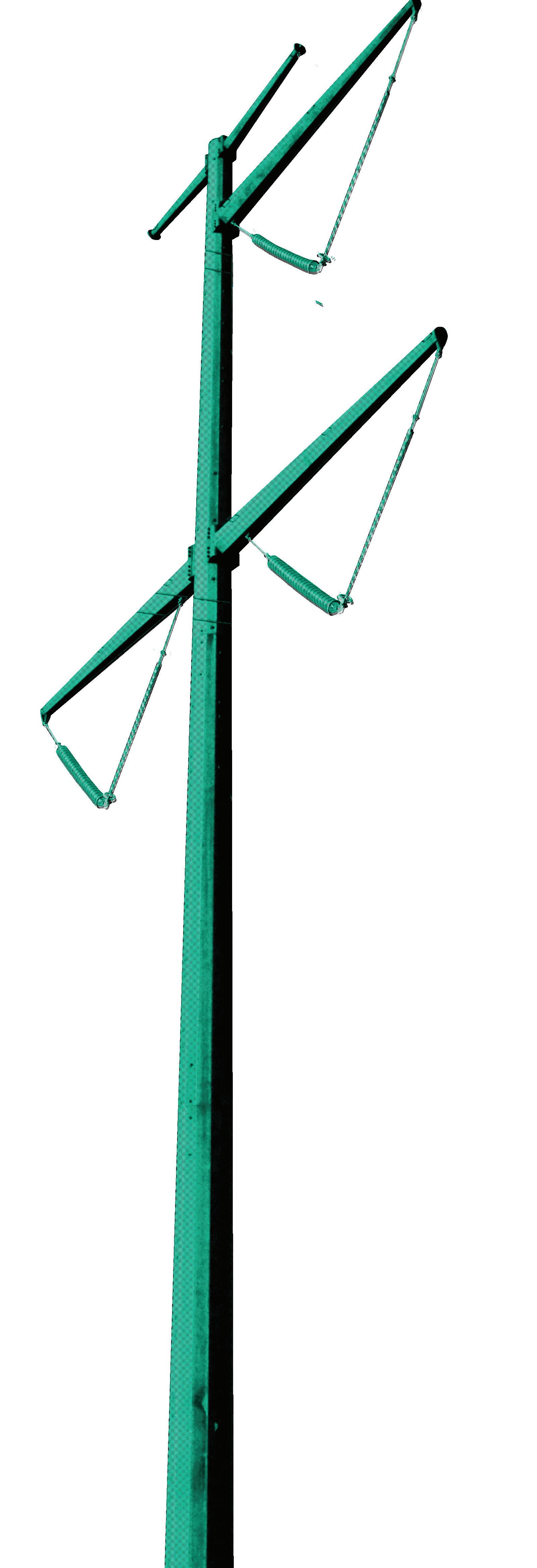
The transmission grid moves large amounts of electricity over long distances using high-voltage transmission lines attached to large towers. Like power plants, these lines can be owned by a variety of public and private companies.
3. Organized Wholesale Markets
In many parts of the country, Regional Transmission Organizations (RTOs) and Independent System Operators (ISOs) coordinate the flow of electricity across regions by balancing supply and demand in real time and managing the dispatch of electric generation and transmission across large areas with the participation of generation and transmission owners.
4. Electric Utilities (That’s Us!)
Electric distribution utilities take electricity from the transmission system and deliver it to homes and businesses through lower-voltage distribution lines. They also maintain local power lines, poles, and other essential equipment.
5. End Users (That’s You!)
End users consist of the homes, businesses, and industries that consume electricity. Their demand drives how much electricity is generated and how the grid is managed in real time.
Other Key Players:
NERC: The regulatory authority that develops and enforces mandatory reliability standards for the North American bulk electric grid. (Standards are developed through a stakeholder process.)
FERC: Independent federal agency that oversees interstate transmission and wholesale electricity sales, ensuring fair access to the grid.
Learn how to save more by visiting our energy library!
save
Let your home do the work
Technology continues to make everyday life more convenient, but it can also help you better understand and manage your home’s energy use.
From controlling your thermostat while you’re away to automatically turning off lights and electronics, smart home devices can help reduce wasted energy without sacrificing comfort. If you’re looking for simple ways to improve efficiency, these three smart technologies are a great place to start.
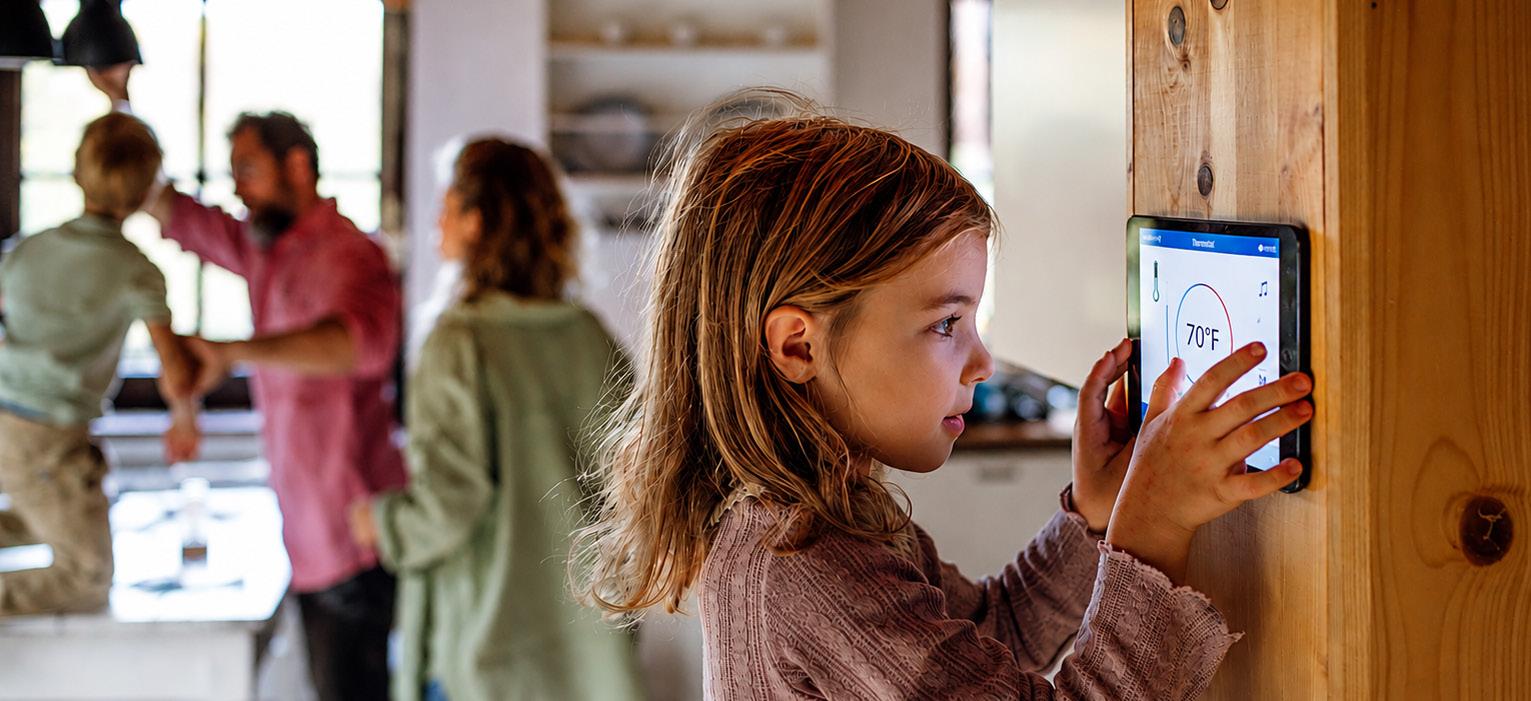
Smart thermostats
Heating and cooling account for the largest share of energy use in most homes, making your thermostat one of the most powerful tools for managing energy costs.
Smart thermostats allow you to adjust temperatures remotely using a smartphone app, whether you’re at work, on vacation, or simply relaxing on the couch. Many models can learn your schedule and automatically adjust settings based on your daily routine.
By reducing heating and cooling
when you’re asleep or away from home, smart thermostats can help lower energy use while keeping your home comfortable when you need it most.
Smart lighting
Lighting may not be the biggest contributor to your electric bill, but smart lighting can help eliminate unnecessary energy use throughout your home.
Smart LED bulbs use significantly less electricity than traditional incandescent bulbs and can be controlled through an app, voice assistant, or automated schedule. You can set lights to turn off automatically when rooms aren’t being used or create schedules that match your household’s routine.
Many smart lighting systems also offer motion-sensing features, helping ensure lights are only on when needed.
Smart plugs
Not every device in your home is “smart,” but smart plugs can help bridge the gap.
Many electronics continue drawing small amounts of
electricity even when turned off. This is often referred to as standby power or phantom load. Smart plugs allow you to control power to devices such as coffee makers, gaming systems, chargers, and entertainment equipment from your phone or through a schedule.
For example, you can automatically turn off electronics overnight or during work hours when they aren’t being used. Smart plugs are often one of the most affordable smart home upgrades and can be installed in just minutes.
Start small
You don’t need to outfit your entire home with smart technology to see benefits. Starting with a thermostat, a few smart bulbs, or a couple of smart plugs can help you gain more control over your energy use and identify opportunities to save.
When used thoughtfully, smart home technology can make your home more comfortable, convenient, and energy efficient, helping you get the most from every kilowatt-hour.
Members are helping members. For less than $1 per month, you can make a difference in your community. Participation is simple: Your monthly electric bill is rounded up to the nearest dollar, an estimated average of $6 per year. You can see your current contribution on your electric bill. A volunteer board meets quarterly to distribute the funds used primarily within Cass County Electric Cooperative’s service area for charitable, educational, environmental, and emergency assistance purposes. The funds are never used for political purposes or utility bills.
Operation Round Up
Cass County Electric Cooperative Foundation
June 2026
2026 year-to-date summary
Featured recipient: Resource Connect
Resource Connect, a Moorheadbased nonprofit, is helping remove one of the biggest barriers to employment: reliable transportation. The organization provides transportation assistance, including gas cards, bus passes and rides to work or job interviews, helping individuals maintain employment and work toward greater self-sufficiency. Resource Connect also offers support such as work clothing, basic computer assistance and limited vehicle repair assistance for those facing financial hardship. Through its efforts, the organization is helping people throughout the Fargo-Moorhead area access opportunities, strengthen financial stability and build a path toward long-term success.
Check out our Pinterest page for more recipes!
recipes
Fresh flavors, simple ingredients, and a little inspiration for your table this month.
Slow cooker pulled chicken
Ingredients
2 pounds boneless skinless chicken breasts
16 ounces salsa
1 packet taco seasoning
15 ounce can black beans, drained and rinsed
Instructions
Mix the chicken, salsa, and taco seasoning in a slow cooker. Cover and cook on low for 6 hours. Shred chicken. Add the beans, cover again, and let them warm for 1 hour.
Base options: rice, tortillas, chips, or lettuce
Serving options: cilantro, Mexican blend cheese, pickled red onions, and sour cream
Fresh salsa
Ingredients
28 ounces diced tomatoes
¼ cup onion
½ cup fresh cilantro
1 Tablespoon minced garlic
½ teaspoon cumin
½ teaspoon salt
1 teaspoon granulated sugar
2 Tablespoons lime juice
Instructions
Put onion, cilantro, garlic, cumin, sea salt, sugar, and lime juice into a blender. Pulse to combine until the onions are diced well. Add 1 can of diced tomatoes and blend for 5-10 seconds. Add a second can, pulse briefly to leave them chunky. Chill for at least 30 minutes.
Pickled red onions
Ingredients
2 small red onions
2 cups white vinegar
2 cups water
⅓ cup sugar
2 Tablespoons sea salt
2 garlic cloves
1 teaspoon mixed peppercorns
Instructions
Using a mandoline, slice the onions very thinly. Evenly distribute the sliced onions among three 10-ounce jars, then add the garlic and peppercorns to each jar.
In a medium saucepan set over medium heat, combine the vinegar, water, sugar, and salt. Stir until the sugar and salt have completely dissolved, about 1 minute. Remove from the heat and allow the mixture to cool slightly before pouring it over the onions.
Let the jars sit at room temperature until cooled, then transfer them to the refrigerator. The onions are ready to enjoy once they have turned a vibrant pink color and softened. This usually takes about 1 hour for very thin slices or overnight for thicker slices. Store refrigerated for up to 2 weeks.
Guacamole
Ingredients
3 avocados
½ teaspoon ground cumin
½ teaspoon garlic powder
½ teaspoon onion powder
½ teaspoon salt
¼ teaspoon black pepper
2 Tablespoons lime juice
2 Tablespoons chopped fresh cilantro
2 small tomatoes, deseeded and diced
Instructions
Cut avocados lengthwise, remove the pits, and use a spoon to scoop the flesh into a mediumsized mixing bowl. Gently mash the avocado, leaving it slightly chunky. Add cumin, garlic powder, onion powder, ½ tsp salt, pepper, and lime juice, and mash together. Add cilantro and tomatoes, stirring until combined. Drop a pit in the middle, add a splash of lime juice to the top layer, and cover it very tightly with plastic wrap until ready to serve.
safety
Generator safety starts before the storm
Power outages can happen at any time. When the lights go out, generators can provide reliable backup power, but only when they are used safely.
Improper generator use can create serious hazards, including carbon monoxide poisoning, fire risks, and electrical backfeeding that can endanger utility crews working to restore power.
One of the most important safety rules is where you operate your generator. Never run a generator inside a home, garage, basement, crawl space, or other enclosed area, even if doors or windows are open. Generators produce carbon monoxide, an odorless, colorless gas that can quickly become deadly.
Always place generators outdoors in a dry, well-ventilated location at least 20 feet away from doors, windows, and vents.
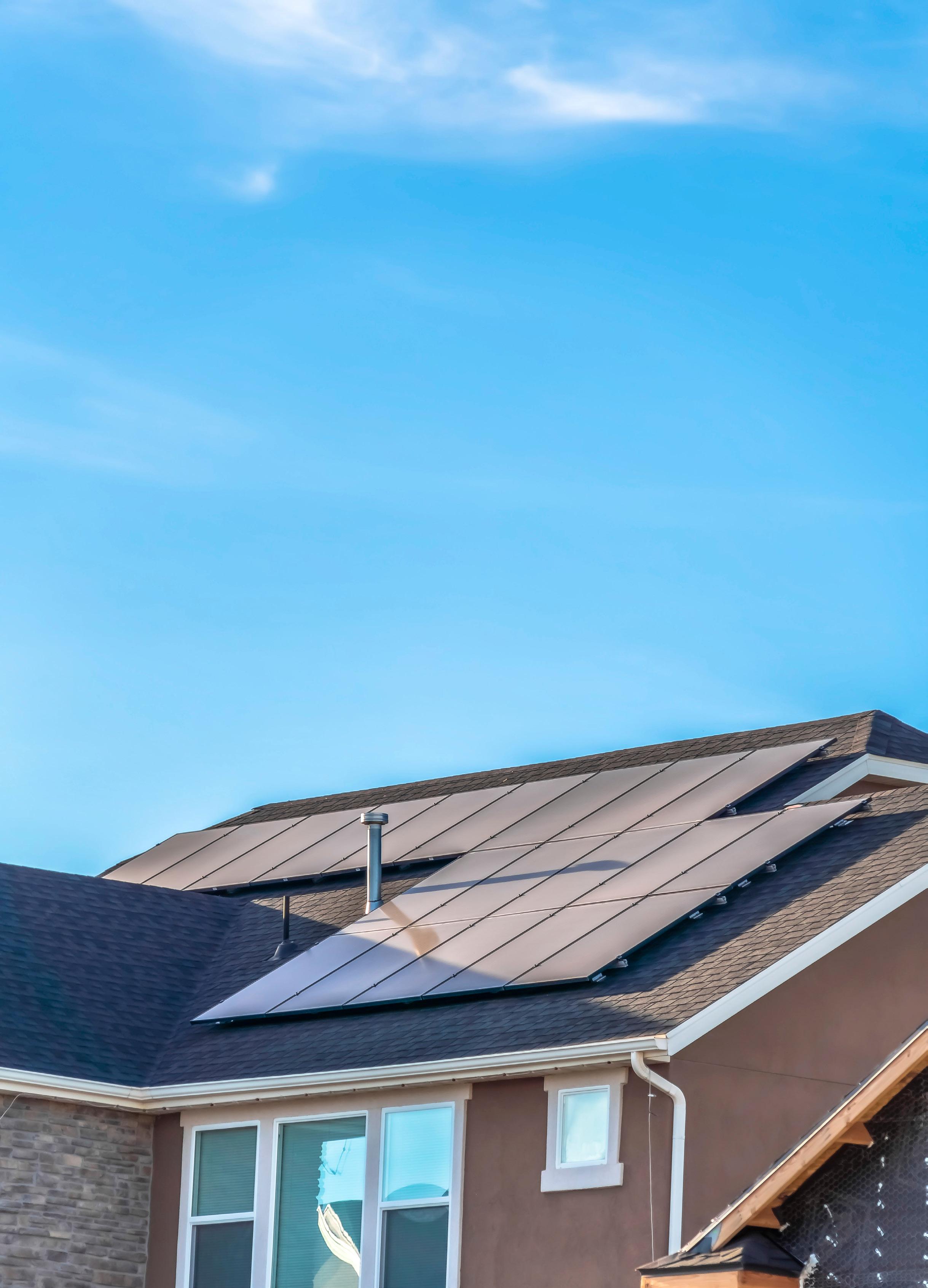
Another critical safety concern is backfeeding. Backfeeding occurs when electricity from a generator, solar array, battery storage system or other distributed energy resource flows back onto the electric grid when it shouldn’t. This can create a dangerous situation for lineworkers restoring service and can damage electrical equipment.
Properly installed transfer switches, inverters, and other protective equipment help prevent backfeeding by automatically disconnecting systems from the grid during an outage. If you are considering a generator, solar installation, or battery storage system, work with qualified professionals to ensure the equipment meets all safety and interconnection requirements.
If you use a portable generator, remember these safety tips:
• Turn the generator off and allow it to cool before refueling.
Scan here for more safety tips!
• Store fuel in approved containers away from living areas.
• Use heavy-duty extension cords rated for outdoor use.
• Add appliances one at a time to avoid overloading the unit.
• Unplug appliances before shutting the generator down.
• Perform routine maintenance and test the generator periodically.
Before storm season arrives, review your generator’s operating instructions and make sure everyone in your household understands basic safety precautions.
Taking a few simple precautions can help ensure your generator provides reliable backup power while keeping your family and the crews working to restore service safe.
ads
Member Market
All ads must be 40 words or fewer and will be abbreviated following our guidelines. No real estate or commercial ads will be accepted. Ads are published for members at no charge as space permits on a first-received, first-printed basis. Ads are due by the 10th of the month prior to publication. Members may submit only one ad per issue. Editor reserves the right to edit or reject any ad. Email ads to: ccec@kwh.com
For Sale:
2004 Kubota BX2230, 400 hrs, 60” mower, turf tires, liquid-cooled diesel engine, $7,500. Radical Firearms AR15 chambered in 5.56, brand new in the box, includes 1 magazine, $475. 701-388-6577
Remington Model 11, manufacture date 1925, 12 gauge auto-loader, fixed full choke, exc. to very good cond., walnut stock, all orig., no repairs or modifications, $575. 701-388-8789
DeLaval hand crank cream separator, $100. Vintage 1930s white wicker settee, $250. Armchair, $100. Vintage 1930s Maddox pedestal desk 48”w 8-drawer, $300. Hammond spinet piano, 57”w x 24”d x 36”h, 88-key, $200/OBO. 701-293-0805
Two 26’ bikes: men’s 3 speed & step through/women’s 7 speed, one helmet, $50/ea. 701-205-9732
14 ft Alumacraft boat, 6hp Yamaha motor, 10 hrs on motor, trailer, new Minn Kota 70hp electric motor w/ foot pedal, $2,000. Call 701-840-4476 or YRHUK1@GMAIL.COM
Freestanding sunshade umbrella plus attachments, $250. 701-367-5151
42’ John Deere zero turn lawn mower, 6 y/o, 75 hrs., bagger & mulching kit, very good cond., always shedded, $5,500. Text 701-361-6167
Lund 16’ fishing boat w/ 60 HP mercury motor & trailer. 701-446-6781
Extensive Wizard of Oz collection, Franklin Mint and Danbury Mint, wide variety, cookie jars, collector
Porter Cable 2.25 hp router model 893pk, new condition, $395. Router table by Oak Park Enterprises (the Router Workshop), complete w/ base plates, picture templates @ books $300/OBO. Sears commercial craftsman router model 315.17380, $40. Sears spray paint gun production type #30-15634, BO. 701367-0115
Remington Model 11 autoloader 12-gauge shotgun, early model year 1925, full choke, in very good to excellent cond., $550, text or leave message. 701-388-8789