HIGHLINE notes
August 2026
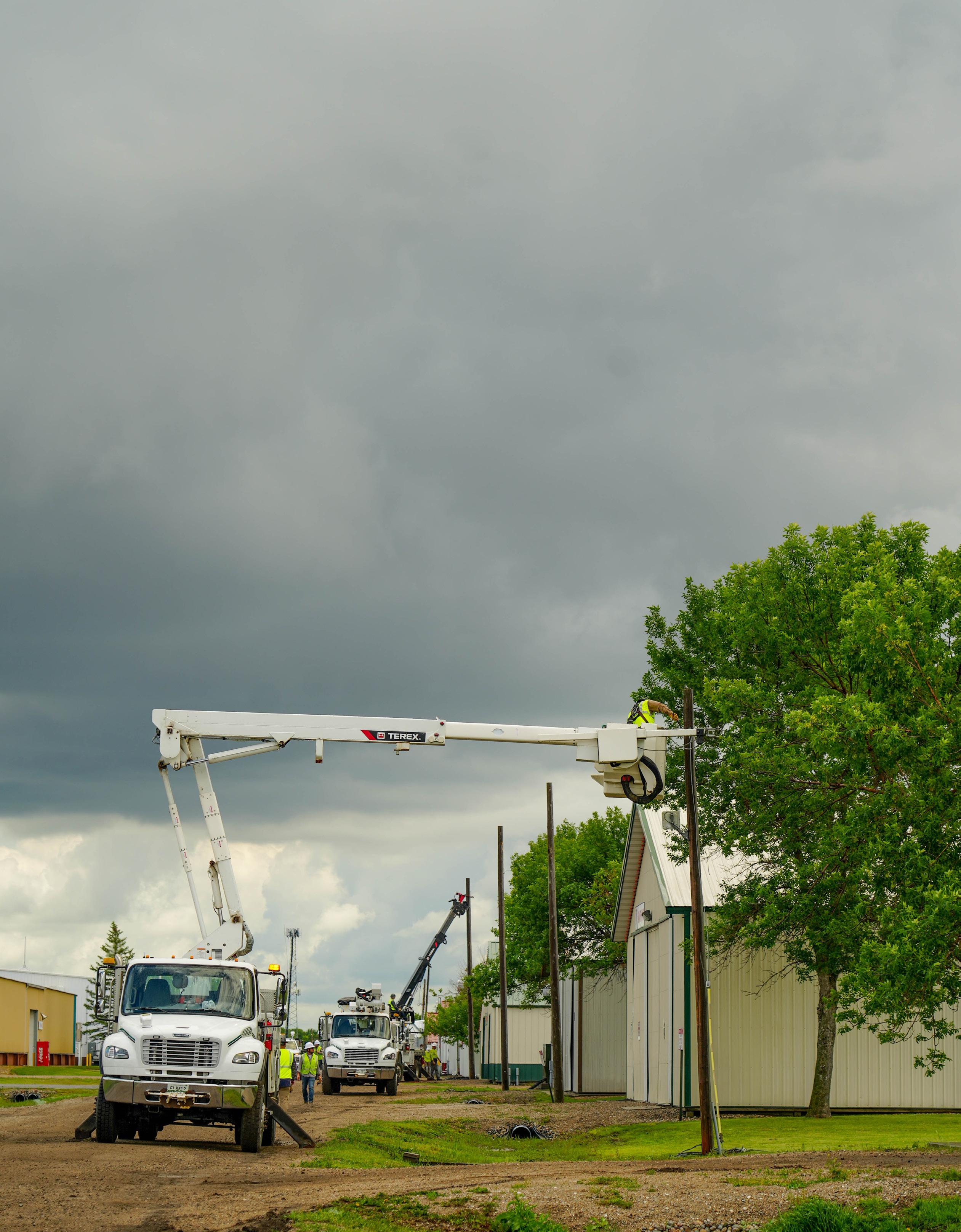
Powering the future, pg. 4
Welcome to the team, pg. 8
Meet this year’s scholarship recipients, pg. 12
Powering the future, pg. 4
Welcome to the team, pg. 8
Meet this year’s scholarship recipients, pg. 12
By Mac McLennan, Minnkota Power Cooperative President & CEO
Minnkota Power Cooperative is preparing for one of the most important power supply planning periods in its history – and our members are at the heart of our decision-making process.
As the wholesale power provider for Cass County Electric Cooperative and 10 other member cooperatives across eastern North Dakota and northwestern Minnesota, Minnkota is responsible for making sure reliable, affordable and sustainable electricity is available not only today, but decades into the future.
That responsibility is becoming more complex. Electricity demand is growing. Power markets are changing. Environmental requirements continue to evolve. New technologies are creating opportunities, but also new challenges. At the same time, members continue to expect dependable electric service they can afford.
Minnkota takes the job of managing these issues seriously. The path ahead is being shaped by extensive planning, detailed analysis and a long-term commitment to the members and communities we serve.
Our approach is an all-ofthe-above energy strategy. That means we’re working to strengthen the coal, wind and hydro resources we already have in place, while adding new resources that make our system more diverse, flexible and reliable.
One important step already in progress is the development of the Flickertail Wind Farm near New Rockford, North Dakota. Minnkota has entered into a purchase power agreement to receive energy from the 370-megawatt wind project, which is expected to be completed in 2028. When complete, Flickertail will more than double Minnkota’s current wind energy portfolio.
Because wind energy output changes with weather conditions, Minnkota also needs resources that can respond when electricity demand is high or when other resources are producing less. That’s why we’re closely evaluating the addition of natural gas generation in North Dakota.
This effort is connected to the development of the Bakken East natural gas pipeline, which is planned to move natural gas from the oilfields of western North Dakota to the eastern side of the state. Natural gas
generation can start up, ramp down and adjust output to help match electricity supply with demand across the region. Minnkota is still determining the right technology, location and size for this potential facility, but current planning is focused on having it available in the early 2030s.
At the same time, Minnkota’s existing coal-based resources at the Milton R. Young Station in western North Dakota continue to provide tremendous value. This facility produces dependable, around-the-clock electricity and supports the reliability our members expect. That’s why Minnkota continues to pursue Project Tundra, an effort to add carbon capture technology at the Young Station. If implemented, Project Tundra would capture CO2 emissions from the power plant and help position it to meet potential future environmental regulations.
Project Tundra is being advanced by a technology developer with the significant help of state and federal funding. Importantly, the project is being structured with limited required capital investment from Minnkota, minimizing financial risk to the membership. If a decision is made to move forward, the
84, Number 8
facility could be online prior to the end of the decade.
These power supply decisions are being made for Minnkota’s legacy members, including the homes, farms, schools and businesses served by Cass County Electric Cooperative. You are the foundation of our system, and your needs remain at the center of our planning.
That same member-first approach also guides how Minnkota evaluates electric growth. New large electricity consumers can bring opportunity to our region, but only if they are served in a way that protects existing members and strengthens the overall system. That’s the standard Minnkota is applying to the data center being developed near Harwood, North Dakota.
The data center will cover the costs for its dedicated infrastructure up front and pay its own way for all its energy needs. The agreement is designed to ensure this new load does not shift costs to existing members. In fact, the revenues from this data center project can help cover a portion of the costs tied to future power supply investments Minnkota is already pursuing.
With each of these projects now in motion, the work is moving from planning to action. The decisions ahead are significant, but necessary to keep power reliable. As a not-for-profit cooperative, Minnkota’s focus remains on the people and communities we serve. That focus will continue to guide the decisions being made today for the power needs of tomorrow.
The Cass County Electric Cooperative Board of Directors met June 30, 2026, and discussed the following topics:
• Approved the June 2026 consent agenda, including meeting minutes, monthly department reports, and the director expense report.
• Received the chair’s report from Director Glenn Mitzel.
• Received the president and CEO’s report from Paul Matthys.
• Received the May 2026 financial report.
• Received updates from the Minnkota Power Cooperative and Square Butte Electric Cooperative board meetings.
• Received an update from the CFC Forum.
• Received a report from the Rate, Audit and Finance Committee regarding approved changes to Policy 315, Capital Credit Policy for Large Loads, as well as Rates 320 and 500.
• Approved amendments to Bylaw Sections 6.2, 6.3, and 6.6 regarding the allocation and retirement of capital credits.
• Approved the June 2026 capital credit estate payments.
• Reviewed upcoming meetings and events.
The next board meeting is scheduled for Tuesday, Aug. 25, 2026.
Communications:
Morgan Bachelor
Sara Hand
Jocelyn Lura Hovland
Printer: Forum Communications Printing
Board of Directors:
Paul White, Secretary
Douglas Anderson
Vanessa Kummer
Stacey Ackerman
Tom Seymour
Glenn Mitzel, Board Chair
Wendy Loucks
Kalvin Hoff, Treasurer
Terry Kraft, Vice Chair
Executive Staff:
Paul Matthys, President/CEO
Troy Knutson, VP of Engineering & Operations
Chad Brousseau, VP of Member & Energy Services
Andy Weiss, VP of Corporate Services & CFO
Mitchell Lyter, VP of Information Technology & CIO
Highline Notes (USPS 244-740) is published monthly by Cass County Electric Cooperative Inc., 3312 42nd St. S., Suite 200, Fargo, ND 58104. Periodicals postage paid at Fargo, North Dakota 58104, and at additional mailing offices.
Postmaster: Send address changes to Highline Notes 3312 42nd St. S., Suite 200 Fargo, ND 58104 © Copyright Cass County Electric Cooperative 2026. All rights reserved.
Questions: 701-356-4400 800-248-3292 info@kwh.com
Call Before You Dig: 800-795-0555 or 811
Cass County Electric Cooperative is an equal opportunity provider and employer.
Information about the cooperative, articles of incorporation, bylaws and more can be found at CassCountyElectric.com.

Skilled trades careers keep the energy industry moving
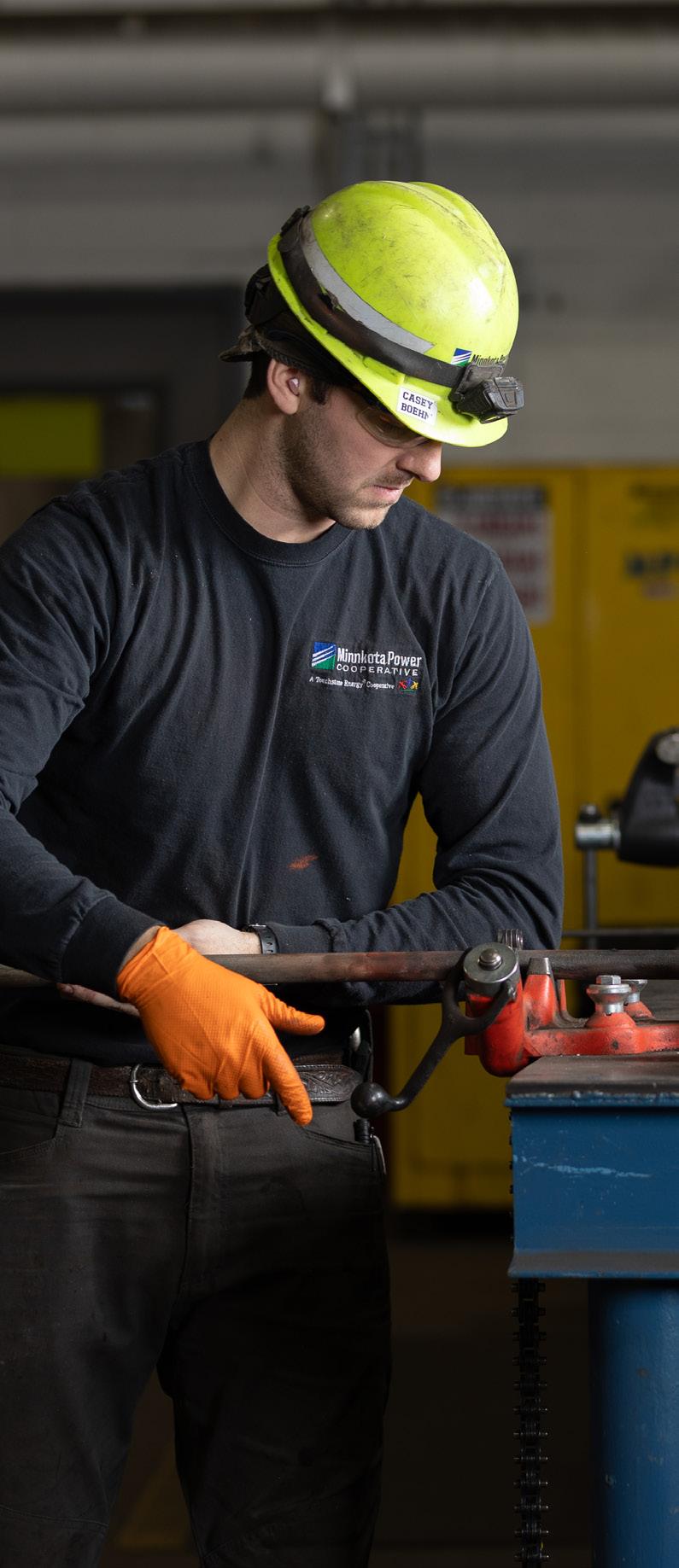
How many times a day do you use electricity? Do you always stop to think about the people behind the scenes who make power happen? Most people don’t. But those skilled professionals are the reason you can charge your phone or turn on the air conditioning. They’re key cogs in our society’s system, and their jobs are fascinating.
From the workers who generate electricity at power plants to the crews who build and maintain power lines, the energy industry relies on a diverse workforce of highly trained trades professionals. These careers offer hands-on work, competitive wages, and opportunities to make a meaningful impact in local communities.
As demand for electricity continues to grow, the energy workforce will need to grow along with it.
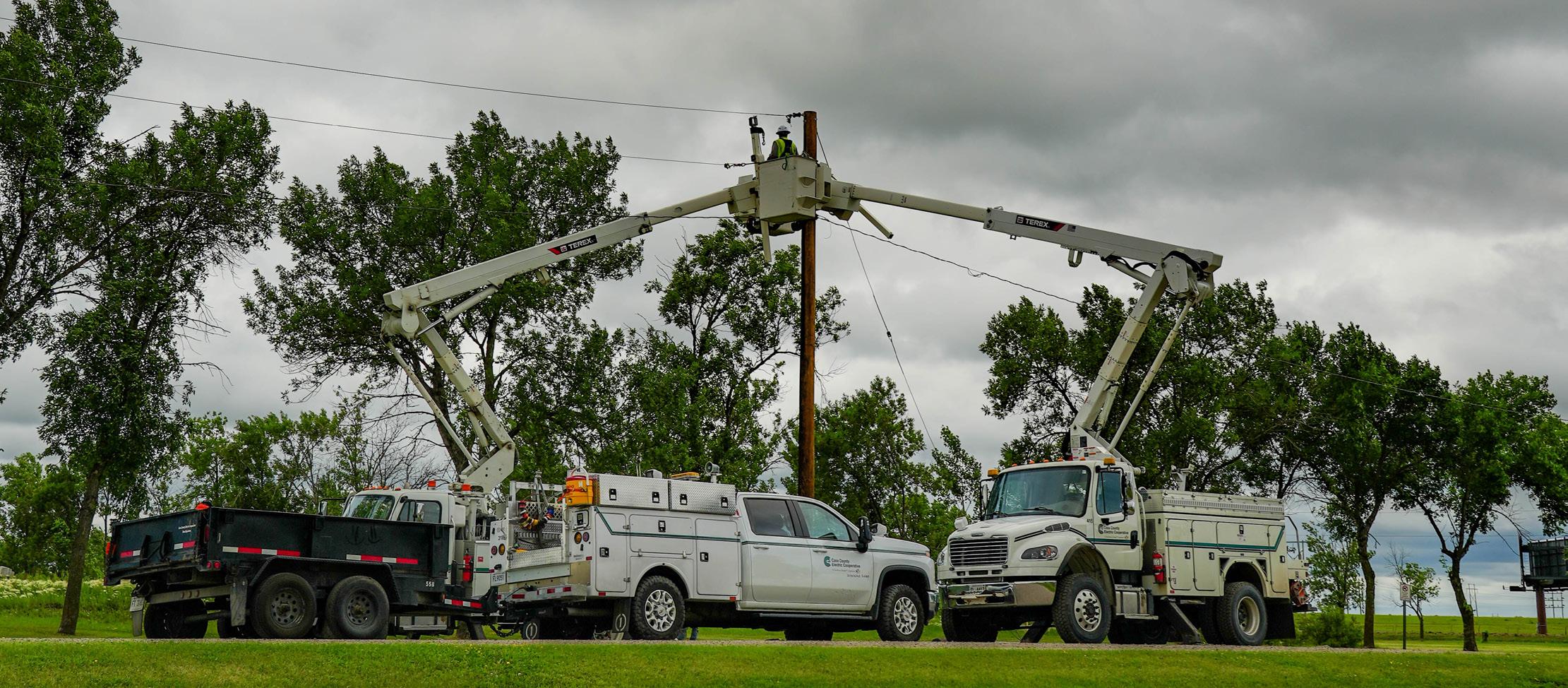
For many people, lineworkers are the face of the electric industry. Whether they’re building new infrastructure or restoring power after a storm, lineworkers help ensure electricity reaches homes, farms, and businesses safely and reliably. The work requires technical expertise, physical endurance, and a commitment to safety.
At electric cooperatives like Cass County Electric Cooperative (CCEC), lineworkers complete extensive apprenticeship programs that combine classroom instruction with thousands of hours of on-the-job training. They learn everything from climbing poles and operating equipment to working safely around energized power lines.
But lineworkers are just one part of the power delivery workforce. Electricians, energy
technicians, and engineers help install, maintain, and troubleshoot the equipment that keeps the electric system operating efficiently and safely. Their work may involve substations, demand response systems, metering equipment, communication networks and other infrastructure that supports the delivery of electricity.
Power system operators (called power control technicians at CCEC) work behind the scenes, monitoring the electric system around the clock. Using advanced technology, they help identify outages, coordinate repairs, and ensure that electricity continues to flow to members.
Before electricity can travel through power lines, it must first be generated. For CCEC, electricity is generated in part at the Milton R. Young Station in Center, North Dakota, where more than 170 skilled professionals keep operations running. Although the Young Station is coal-based, it requires many of the same trades as a natural gas plant. Technology continues to transform the energy industry, but the need for workers with strong technical and mechanical skills remains.
Power plant operators oversee the systems that generate electricity. They “steer the ship,” monitoring equipment, responding to changing energy demands, and helping ensure the facility operates safely around the clock. Operators require strong communication skills and the ability to follow procedures and adapt to a fluid environment.
Plant technicians are in charge of much of the plant’s technical maintenance, repairs,

✓ High demand for skilled workers
✓ Competitive pay and benefits
✓ Opportunities to earn while you learn
✓ Careers that make a difference in local communities
✓ Multiple pathways through apprenticeships and technical colleges
inspections, and testing. They also install and remove electrical circuits and equipment, indicating and recording instruments, control devices and control systems, and HVAC equipment and structures.
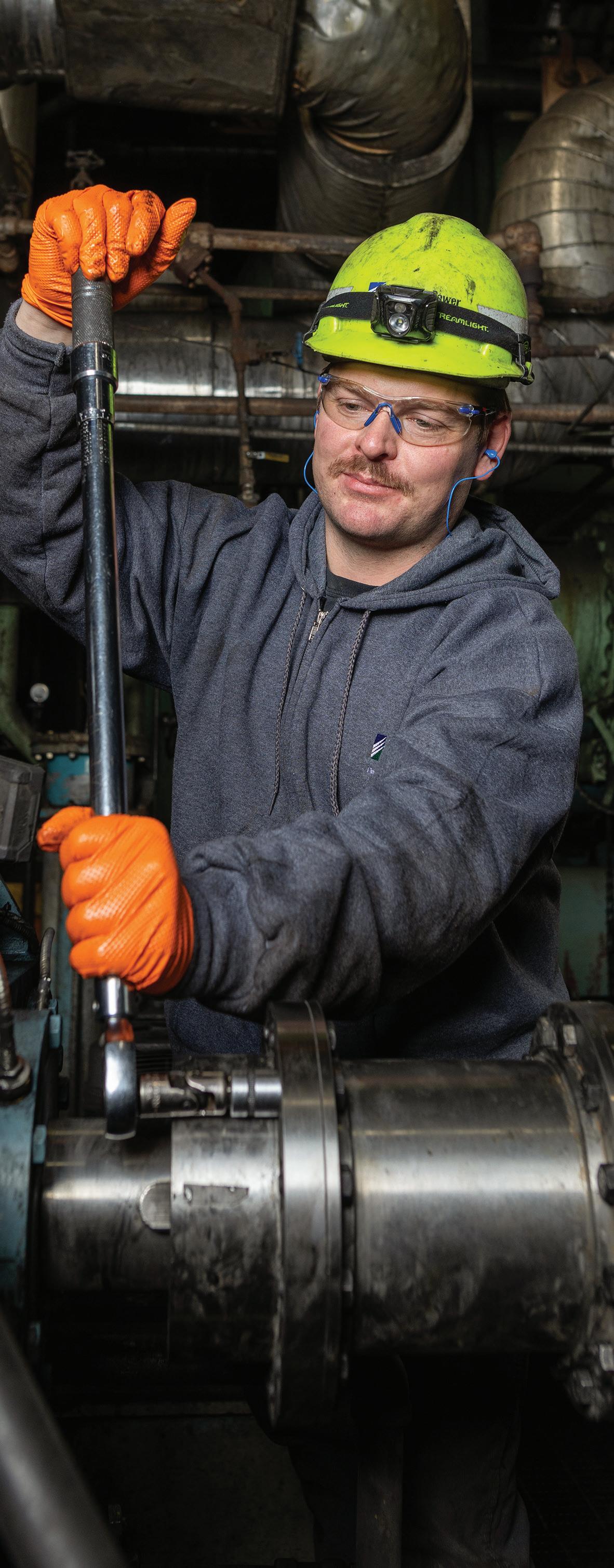
Similarly, plant mechanics perform preventative maintenance on equipment, troubleshoot issues and repair failed mechanical components. They perform torching, brazing, soldering and welding on various types of metals in multiple positions. Mechanics also inspect and maintain plant tools and oversee the plant shops.
These careers often appeal to people who enjoy solving problems and working with both technology and machinery. Every day presents a new challenge. While many people may never see the inside of a power plant, the work performed there is essential to maintaining a reliable electric system.
The energy industry continues to evolve, creating new opportunities in renewable energy and emerging technologies.
One of the fastest-growing careers in the energy sector is that of a wind turbine technician. These workers inspect, maintain, and repair wind turbines, often working hundreds of feet above the ground. Wind turbine technicians combine mechanical, electrical, and computer-based skills.
Renewable energy projects also create opportunities for electricians, equipment operators, and controls specialists. Many of the skills developed in traditional energy careers transfer directly into renewable energy positions, creating opportunities for workers throughout their careers.
As technology continues to advance, the industry is also seeing increased demand for workers with expertise in automation, communications systems, and energy storage.
One of the biggest advantages of a career in the energy industry is the variety of pathways available. Many positions can be entered through apprenticeships, technical colleges, industry certifications, or employer-sponsored training programs. Workers can gain valuable experience while developing specialized skills in demand nationwide.
“Careers in the energy industry give people the opportunity to develop valuable skills, grow professionally, and do meaningful work that supports their communities,” said Theresa Halverson, manager of human resources at Cass County Electric Cooperative. “There is no single path into this field. Technical education, apprenticeships, and handson experience can all open the door to a rewarding career.”
Energy careers also offer the opportunity to make a difference. At CCEC, our team helps power the communities where we live, work, and raise our families. We are members, too.
Curious about a career in energy? Whether you’re exploring technical college programs, apprenticeships, or future career options, Cass County Electric Cooperative is available to provide classroom presentations and job shadow opportunities. Contact us at ccec@kwh.com to learn more.
What they do: Build, maintain, and repair overhead and underground power lines that deliver electricity to homes and businesses. Training: 3-9-month program, followed by apprenticeship with classroom and hands-on training
Electrical Technician
What they do: Install, test, and maintain electrical equipment, controls, and systems that help keep the electric grid operating reliably Training: Technical college degree or industry certification
Power System Operator
What they do: Perform routine and emergency switching on the power system while monitoring the electric grid to make sure power is flowing to every region Training: Technical college degree and
employer-provided training
Power Plant Operator
What they do: Monitor and control the systems used to generate electricity while ensuring facilities operate safely and efficiently
Training:
Technical college, military experience, or employerprovided training
Plant Technician
What they do:
Inspect, maintain, and repair the technical and mechanical equipment used to generate electricity
Training:
Technical college, apprenticeship, or employersponsored training
Wind Turbine Technician
What they do:
Inspect, maintain, and repair wind turbines that generate renewable energy
Training:
Technical college certificate or associate degree

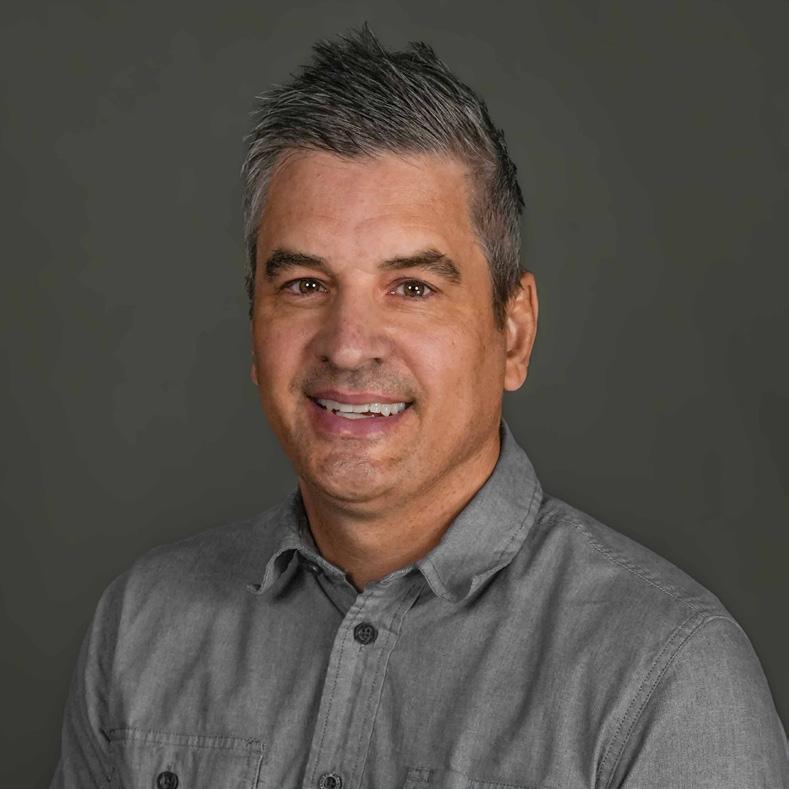
Hometown:
Davenport, North Dakota
Tell us about your education: Bachelor’s degree in social work from Minot State University
Tell us about your career: Before starting at CCEC, I worked at an outpatient mental health clinic, working with kids aged 5-18 years old who had severe mental health diagnoses for 24 years. I advocated for them in school, at home, and in their communities to achieve greater success and create a safe environment that made them feel more wanted. I supervised 10 community-based staff who worked directly with children and their families. Around the 20 year mark I started taking on more of the administration side but still carried a caseload because I loved working with the kids and my department 30/30.
Tell us about your family:
I am the middle child in a great family. I have an older brother, Jason, and a younger sister, Jami, and two great parents, Linden and Nancy. My wife, Lauren, and I currently live in Horace, North Dakota, with our twin boys, Milo and Grady, and, of course, our dog, Frannie. I am originally from Davenport, North Dakota, a town of about 200 people, so most
people knew me, mainly because I loved being outside, driving loud vehicles, and testing limits, I guess.
Hobbies:
Hunting is my favorite pastime. I love being in the woods and am already helping my twin boys learn what it is like to sit in a blind and enjoy the outdoors. Baseball is another passion. I have coached baseball at various levels for more than 30 years, including 11 years at Fargo North High School. Most importantly, I enjoy spending time with my wife and twin boys. It may take me away from the hunting stand more often, but I would not change that for a minute.
What advice have you received that was the most impactful? Treat people the way you want to be treated, and respect people for where they are in life. Someday, you may need help, too.
If you won the lottery, what would be your first purchase?
A new family cruiser, probably a blacked-out Yukon
What’s your favorite season?
Fall. That is when hunting is at its best.
What’s your favorite food? Stuffing
At the June 2026 board meeting, the Cass County Electric Cooperative Board of Directors approved bylaw changes that alter the allocation and retirement of capital credits. The changes allow the board greater flexibility to fairly manage capital credits by allowing different member groups to be treated separately when allocating and retiring credits, as long as similarly situated members are treated the same. The amendment also clarifies how credits from affiliated organizations may be allocated and retired, and updates language to better reflect current cooperative operations and capital credit practices. Overall, the changes are intended to provide more flexibility while maintaining fairness and consistency for members. Members can review the full proposed bylaw amendment here: CassCountyElectric.com/board-directors


out
Make the switch to paperless billing today.
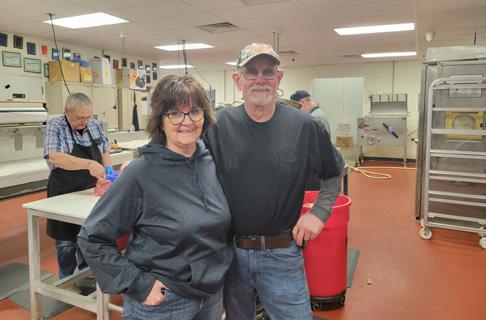
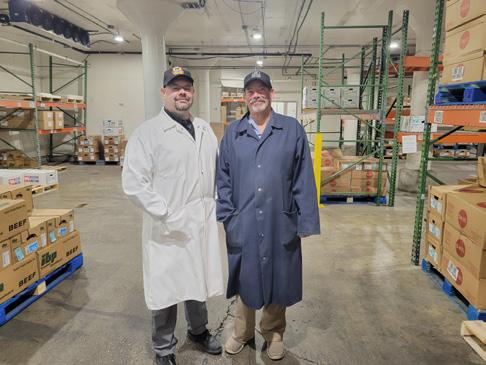
▪ For meat processing and other entrepreneurial pursuits in the mid-tier of the food supply chain including processing, packaging, transportation and distribution.
▪ 2% interest loans for up to 80% of project funding.
▪ Loan participation with a lead lender preferred.
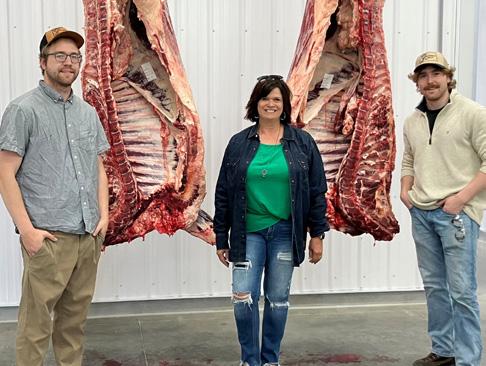
Proudly helping to finance these new & expanding businesses:
• Kramlich-Deede Meats, Medina
• Yellowstone River Beef, Williston
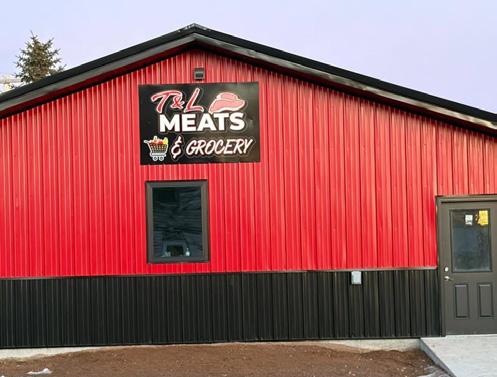
• T&L Meats, Pettibone
• 6 In 1 Meats, New Salem
• Frontier Meats, Minot
• The Butcher Shop, Oakes
• R3 Meats, Carrington
• Planted, Kindred (egg processing)
• St. Anthony Meats, St. Anthony
• Quality Meats & Seafood, West Fargo
• Carnis Meats, Bismarck
• Wishek Sausage, Wishek
Made possible with a USDA Meat and Poultry Intermediary Loan Program allocation with a match from the Rural Development Finance Corporation, directed by rural electric and broadband co-ops operating in North Dakota with staffing services by the North Dakota Association of Rural Electric Cooperatives.

Electric vehicles are becoming a more common sight on roads across the region, and for many drivers, the convenience of charging at home is one of the biggest advantages. Cass County Electric Cooperative offers electric vehicle charging programs that provide members with flexible options for charging at home.
Whether you’re considering your first EV or already have one parked in the garage, choosing the right charging rate can help reduce costs while supporting reliable service for all members.
One option available to members is the time-of-day rate. This program encourages charging during non-peak hours, when demand for electricity is lower. Members who charge overnight can take advantage of reduced rates, while increased pricing applies during periods of higher demand. Charging during non-peak hours also helps reduce strain on the electric grid and supports efficient use of the cooperative’s system.
For members looking to maximize savings, the off-peak charging program offers a dedicated rate for EV charging. The program requires a Level 2 charger connected to a separate meter and operates during designated charging windows.
Members enrolled in the program may also qualify for a charger incentive after installation and inspection.
Some EV owners prefer the flexibility to charge whenever it is most convenient. For those members, standard residential service remains an option, allowing charging at any time without additional equipment requirements.
As electric vehicle technology continues to evolve, Cass County Electric remains committed to helping members make informed energy choices. The cooperative’s energy services team can review a member’s energy use and help determine which charging option best fits their household’s needs.
Electric vehicles can offer lower fuel costs and reduced maintenance expenses compared to traditional vehicles. When paired with the right charging program, they can become an even more cost-effective transportation choice.
Members interested in learning more about EV charging programs or determining which option is right for them can contact Cass County Electric’s energy services team at 701356-4400 or visit casscountyelectric. com/electric-vehicles.
Learn how to save more by visiting our energy library!


As summer winds down and students head back to the classroom, your home’s daily routine also changes. With fewer people at home during the day, now is a great time to make a few adjustments that can help save energy and prepare your home for the changing seasons.
One of the easiest places to start is your thermostat. If the house is empty for several hours each weekday, consider adjusting the temperature while everyone is away. A programmable or smart thermostat can automatically raise the temperature during the day in summer and lower it in winter, helping reduce energy use without sacrificing comfort.
Back-to-school season is also a good reminder to revisit lighting habits. Turn off lights in empty rooms and consider replacing older bulbs with ENERGY STAR® certified LED bulbs. LEDs use significantly less electricity and last much longer than traditional incandescent bulbs.
As summer activities wind down, take a look around your home for electronics that may be running unnecessarily. Game consoles, televisions, chargers, and other devices continue to use electricity even when they’re not actively in use. Plugging electronics into a smart power strip can make it easier to reduce standby energy consumption.
August is also a good time to think ahead to cooler weather. Check weatherstripping around doors and windows for signs of wear. Small air leaks can allow conditioned air to escape, making your heating and cooling system work harder throughout the year. Sealing gaps and replacing worn weatherstripping can improve comfort and efficiency.
Don’t forget about your heating and cooling system. Replace or clean air filters according to the manufacturer’s recommendations and clear debris from outdoor air conditioning units. Proper
maintenance helps equipment operate more efficiently and can extend its lifespan.
If your home has ceiling fans, remember that they should rotate counterclockwise during the summer months to create a cooling breeze. When cooler weather arrives, reversing the fan direction can help distribute warm air more evenly throughout the room.
Back-to-school season often brings new schedules and routines. Taking a few minutes now to adjust settings, perform basic maintenance and automate energy-saving habits can help lower energy use and keep your home comfortable as the seasons change.
Small changes today can add up to savings throughout the school year.
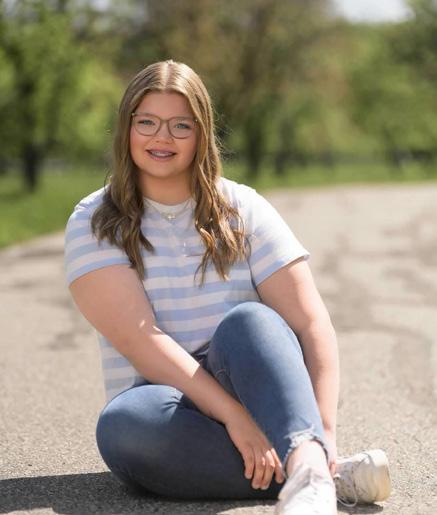
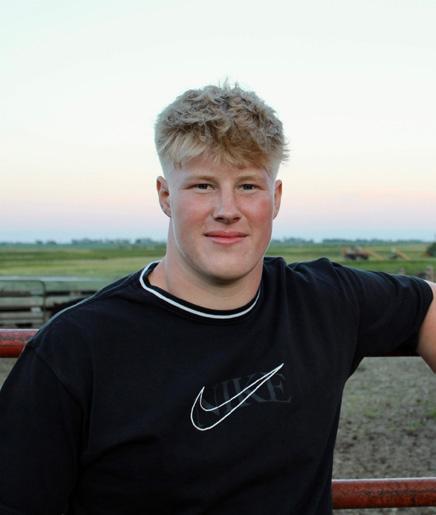
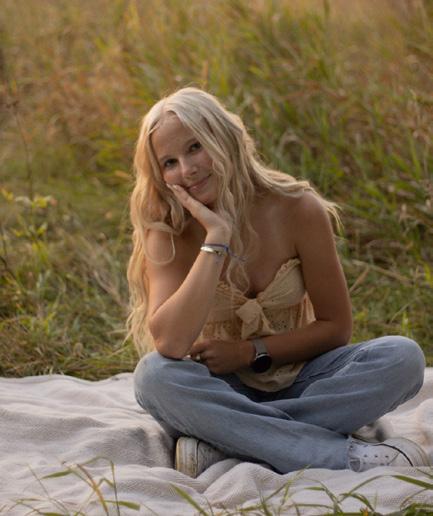
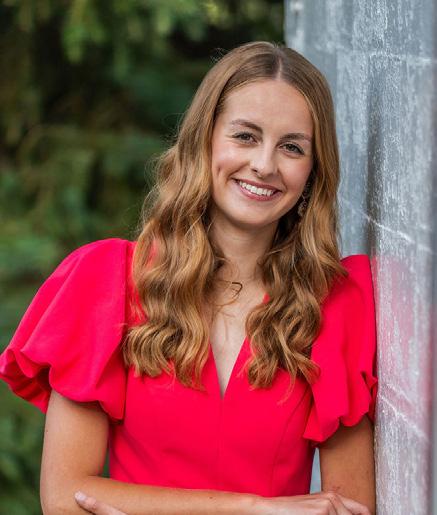
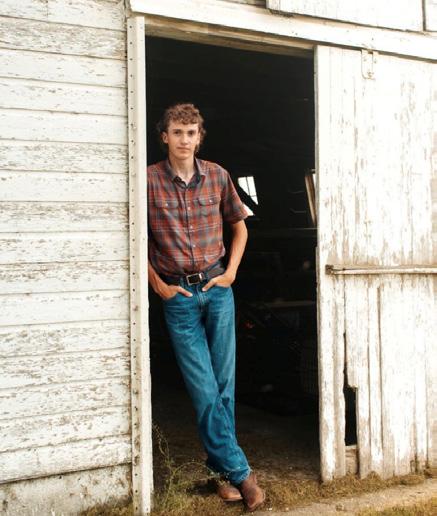
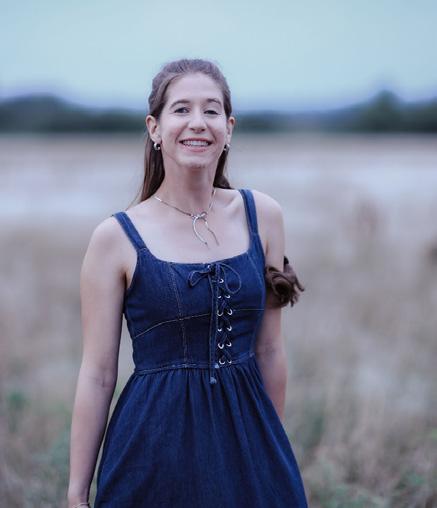
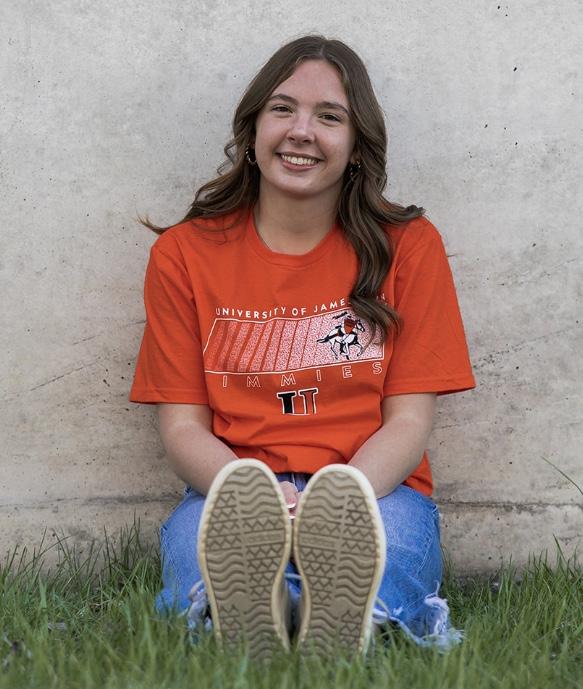
Cass County Electric Cooperative, with CoBank’s support, provides $20,000 annually in scholarships to high school seniors through North Dakota Dollars for Scholars. Congratulations to this year’s recipients!













Moving into your first apartment is an exciting milestone. Whether you’re heading to college, starting a new job, or simply enjoying a place of your own, it’s also a good time to learn a few important electrical safety habits.
Start by taking a look around your new space. Check that outlets, switches, and light fixtures appear to be in good condition. If you notice outlets that are loose, cracked, discolored, warm to the touch, or produce sparks when plugging something in, stop using them and contact your landlord immediately.
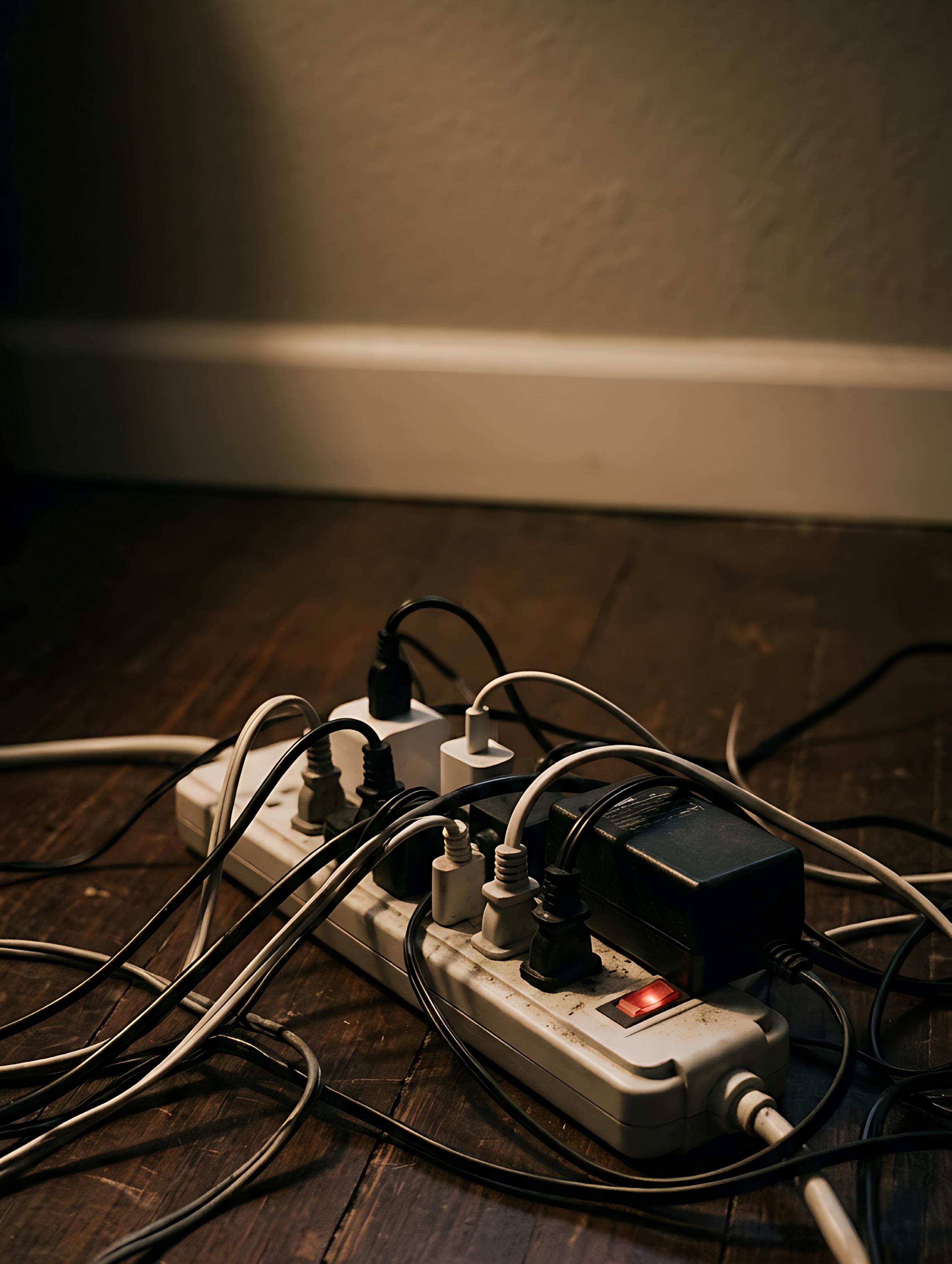
One of the most common electrical hazards in apartments is overloaded outlets. It can be tempting to plug multiple electronics, chargers, and appliances into a single outlet or power strip, but doing so can create a fire risk. Use power strips with built-in surge protection and avoid plugging high-energy appliances such as microwaves, air conditioners, refrigerators, or space heaters into extension cords or power strips.
Extension cords should only be

Scan here for more safety tips!
used temporarily. Never run cords under rugs, furniture, or through doorways, where they can become damaged without being noticed. If you regularly need an extension cord to reach an outlet, consider rearranging furniture or asking your landlord about additional outlet options.
Space heaters deserve special attention. Keep them at least three feet away from anything that can burn, including bedding, curtains and furniture. Always plug space heaters directly into a wall outlet, turn them off when leaving the room or going to sleep, and unplug them when they are not in use, as recommended by the National Fire Protection Association.
Water and electricity are a dangerous combination. Keep electrical devices away from sinks, bathtubs, and other wet areas. Never handle electrical cords, plugs, or appliances with wet hands.
Apartments should have ground fault circuit interrupter (GFCI) outlets installed in areas where water is present, such as bathrooms, kitchens, laundry rooms, garages, and outdoor
spaces. These outlets are easy to identify by the “Test” and “Reset” buttons on the front. A GFCI constantly monitors the flow of electricity and can quickly shut off power if it detects a potential shock hazard. Take a moment to locate the GFCI outlets in your apartment and learn how to reset them if they trip.
Take a moment to identify your apartment’s electrical panel and learn which breaker controls your living space. Knowing how to safely reset a tripped breaker can save time and help you respond appropriately if power goes out in part of your apartment.
Finally, make sure smoke alarms are installed and working properly. Test them when you move in and report any issues to your landlord. Smoke alarms provide an important early warning if an electrical problem or fire occurs.
Your first apartment is an exciting step toward independence. By practicing a few basic electrical safety habits, you can help protect yourself, your roommates, and your belongings while enjoying your new home.
All ads must be 40 words or fewer and will be abbreviated following our guidelines. No real estate or commercial ads will be accepted. Ads are published for members at no charge as space permits on a first-received, first-printed basis. Ads are due by the 10th of the month prior to publication. Members may submit only one ad per issue. Editor reserves the right to edit or reject any ad. Email ads to: ccec@kwh.com
For Sale:
2010 Chevy Equinox LT. Bad 4-cyl. motor, body exceptionally clean outside & under; interior is flawless; vehicle has a new AC system & exhaust manifold, $750. 701-3723860
Gerstner Golden Oak Treasure Chest, solid brass fittings including handles at each end, 11 drawers of various sizes which can be used for knives, pens, jewelry, receipts, etc. 18”w x 9-3/4”d x 13-1/4” h, all drawers 7-3/4” front to back, does not lock, made in USA, $495/OBO. 701-361-3039
Almost new Ariens IKON 52” zero turn mower, less than 30 hrs., exc. cond., moving to apt., must sell, $3,500. 701-318-5004
Corner Home medical chairlift, 300 lb. capacity, like new. 701-318-5004
4 high-back kitchen chairs, light wood. Glass coffee table w/ 2 end tables, $100/ea/OBO. 701-540-1506
Gun cabinet, very good cond., holds 8, $75. Older couch & loveseat, extremely well made w/ wood base, don’t make them like this any longer, $75/ea or both/$100. 701-2056127
Ryobi 7 ¼” compound miter saw on WEN collapsible rolling stand, $275. Old school slate blackboard 42”x56”x1/4”, $100. 20’ Werner aluminum ext. ladder, $150. 701-2383505, leave number & message.
Weatherby Mark V EuroMark .378 Mag, exc. cond., matte walnut stock & laser muzzle ports by Weatherby Custom Shop, partial factory ammo box (16/20 left), no scope, $1,900. Text
701-388-8789.
Troy-Bilt Super Bronco rear-tine garden tiller, 208 cc, 16” tilling width, 6” deep, great cond., $300. Text 701238-7334
32 out-of-print AAA guidebooks covering all 50 states plus Canada, exc. shape, a must for any traveler, $100. 701-799-7960
‘94 Ultra Classic Electraglide, new charging system, blue-green on gunmetal grey, lots of chrome, like new, $4000. 701-893-6193
2010 Chrysler T&C Touring, dual DVDs w/remotes & headphones, heated seats, multiple A/C zones, power seats, remote start, power side/rear doors, sto’n go seats, adj. pedal, roof rack, hitch, leather seats, 3.8L/125k mi. runs good, good tires, $6,900 OBO. Call/Text 701-866-8841
Golf set, Ping irons 5-9, wedge and utility, Titleist 56 degree, Odyssey putter, Ping driver & 5 wood, Callaway 3 wood, Cobra 19 degree, Adam’s Hybrid, Sun Mountain C130 Bag, Sun Mountain Speed Cart, set in exc. cond., must see, $975. 701-2611836
Misc. construction tools, you name it, I’ve got it. Call after 4. 701-541-6325
Wanted: Paintings by F. A. Helmeke, oil or watercolor. 701-238-3095
JD LX 280 lawn tractor. 701-372-3860
Free: Electric stand-up stove w/ good burners and oven, & a nice lower storage shelf. 701-680-2803

Washing Machine
1937... $60
2026... $950
Increase... 15.8x
Electricity 1937... 5¢/kWh 2026... *11.7¢/kWh
Increase... 2.34x
* 2025 Average selling price
As prices have changed through the decades, your cooperative has remained committed to delivering safe, reliable and affordable electricity you can count on every day.