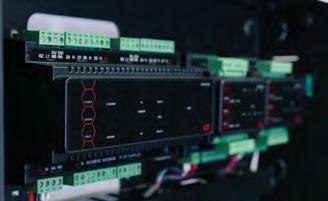
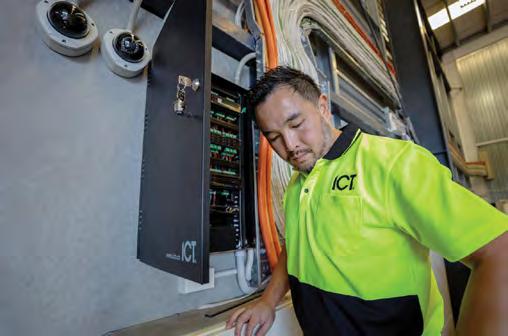
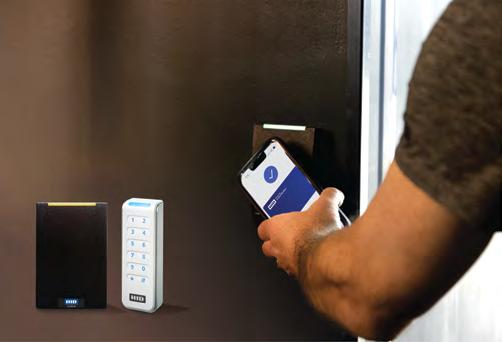
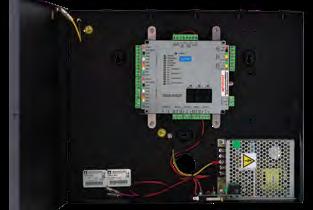
Behind every door of a commercial building, there are specific needs and requirements - from protecting assets and sensitive data, to balancing safety with easy people flow. ICT’s unified security platform provides feature-rich access control and intrusion detection as well as smart automation. It can scale and integrate with HR, visitor management, room booking systems and many more functionalities to provide customers with optimal security and operational outcomes.
Secure your success with ICT.
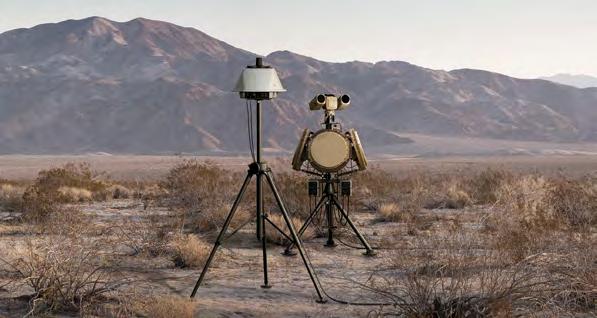
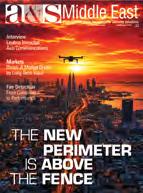
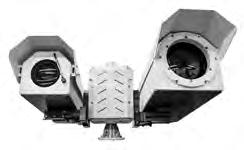
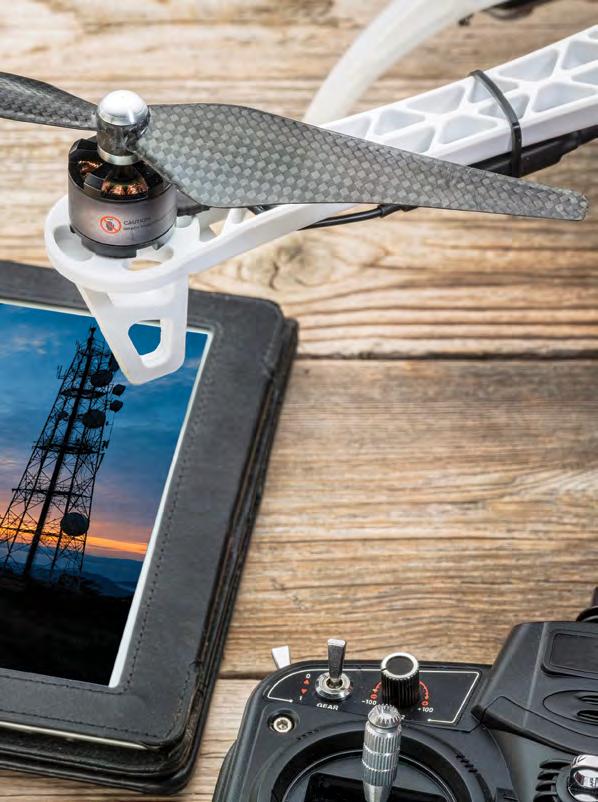
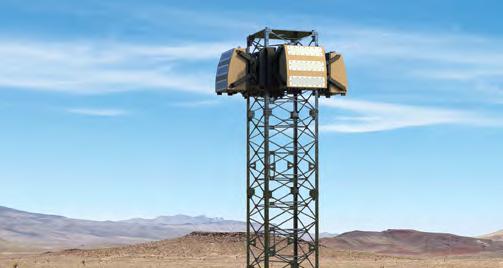
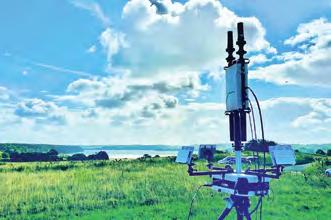
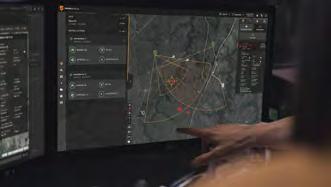
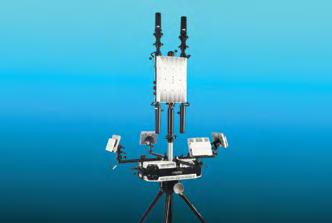
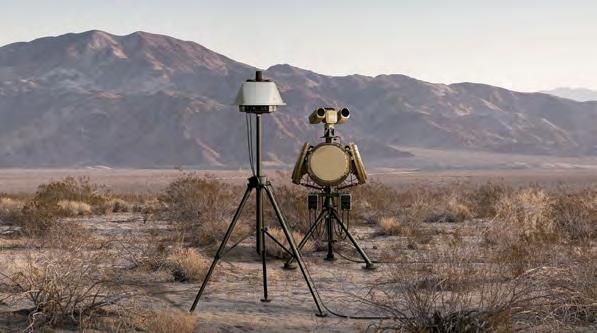
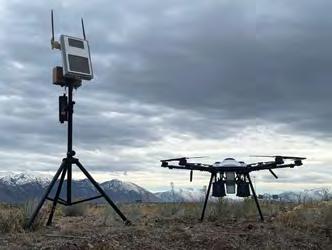
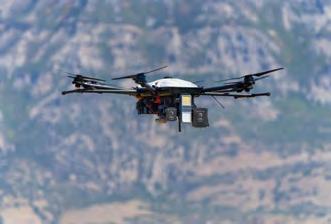
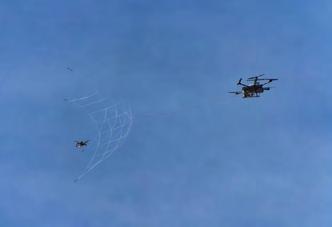
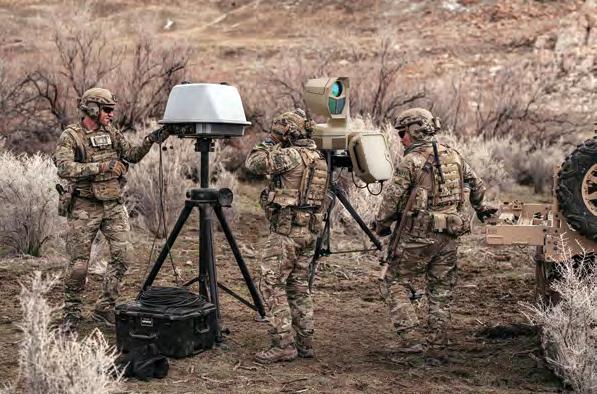
Critical infrastructure operators can no longer treat drones as isolated nuisance devices. As small, low-flying, autonomous, and non-emitting drones become harder to detect and classify, counter-drone protection is moving toward layered airspace awareness, multi-sensor fusion, and carefully controlled mitigation
INTERVIEW
14 Loubna Imenchal, Managing Director for the Middle East, Africa, Türkiye, and Central Asia, Axis Communications Technology Can Always Be Replicated, but Integrity Cannot
20 Gaurav Mahajan, Sales Director Middle East and Africa, ICT Open and Unified by Design
MARKETS
24 Oman Vision 2040 A Market Driven by Long-Term Value
PRODUCTS & SYSTEMS
44 Raising the Bar Fire Detection: From Compliance to Performance
PRODUCTS & SYSTEMS
50 The Future of Access A Fast-Track Path to Mobile Access and Security
52 Business Efficiency Six Ways Digital Access Reduces Costs for Businesses
54 Teaming Up Against New Threats Multimodal Access Control Is the Answer to Evolving Threats
56 Operational Intelligence Evolving Infrastructure and the New Visibility Imperative
58 ASSA ABLOY Primo Advancing the Future of Access Control in the Middle East
60 Industry Insight The Future of Technology Procurement in the AI Era
62 Wireless Surveillance Technology Reinventing Construction Site Security
CYBERSECURITY
64 Geopolitical Risk Cybersecurity in the Middle East: A New Era of Resilience
FEATURE STORY
46 Inside Commend’s Headquarters Communication Comes First. Everything Else Follows
EVENTS
86 ISNR’s Ninth Edition Record Growth in Visitors and Exhibitors Exceeds Expectations CASE STUDIES
EDITOR‘S WORD
Professional media for complete security solutions
Management
Mahir Hodžić, General Manager mahir.hodzic@asmideast.com
Sales Amar Pap, Business Development Manager amar.pap@asmideast.com
International Sales Qatar: Mirsad Selimović, mirsad@techman.qa Southeast Asia: as-pr@taiwan.messefrankfurt.com
a&s Middle East offers the latest news and insights on video surveillance, access control, intrusion detection, fire alarm, perimeter protection, PA/VA, man guarding, cyber security, smart homes and buildings, industrial automation, information, communication technology, automation, and ICT to the Middle East region professional channel players.
a&s Middle East is part of the media network of the Messe Frankfurt Ltd – Taiwan Branch, which offers several media platforms — asmag.com and a&s magazines, published in English, traditional Chinese, and three other languages, providing the most comprehensive industry trends, product, and supply chain information. The total annual circulation is approximately 120,000 copies around the globe.
a&s Middle East is published 6 times a year, Jan/Feb, March/ April, May/June, July/August, Sept/Oct, and Nov/Dec.
Payment Instructions
Annual subscriptions are payable in USD, EUR, or AED. Subscription inquiries per your request. EUR: AE340400000653005131002
The information in this magazine has not undergone any formal testing by Privus Agency Ltd. and is distributed without any warranty expressed or implied. Implementation or use of any information contained herein is the reader’s sole responsibility. While this information has been reviewed for accuracy, there is no guarantee that the same or similar results may be achieved in all environments.
Corporate Address
Privus Agency FZ-LLC
JT010006, Al Shohada Road, Ras Al Khaimah, UAE
Tel: +971 58 983 4258
Web: www.asmideast.com
Marketing: marketing@asmideast.com
WHEN THE PERIMETER MOVES UPWARD
Welcome to the latest edition of a&s Middle East. In this issue, we turn our attention to one of the most important questions facing critical infrastructure operators today: how to protect strategic assets when the threat no longer stops at the fence line.
Across the Middle East and wider EMEA region, airports, oil and gas facilities, ports, refineries, power plants, substations, data centers, government sites, and large public venues are operating in a more unstable and demanding security environment. Drones have added another layer to that challenge. They can approach from above, fly low, exploit blind spots, and compress the time available for detection, classification, and response. At the same time, many of these platforms are also used for legitimate inspection, mapping, surveillance, logistics, and maintenance operations.
Our cover story examines how counter-drone protection is becoming a standard component of critical infrastructure security. To understand where the market is heading, we sought insight from leading companies active in this field. Their answers point to a clear direction: single-sensor approaches are no longer enough. Effective protection now depends on layered airspace awareness, multi-sensor fusion, command-and-control platforms, operational reliability, and response options that are carefully aligned with legal and safety constraints.
The wider lesson is that critical infrastructure protection is increasingly about resilience. The objective is not only to detect a threat, but to understand it quickly, respond lawfully, preserve continuity, and avoid creating new operational risks in the process. As regional infrastructure becomes more connected, more valuable, and more exposed to geopolitical pressure, security planning must account for risks above, around, and beyond the traditional perimeter.
This issue also includes our interview with Loubna Imenchal, Managing Director for the Middle East, Africa, Türkiye, and Central Asia at Axis Communications, marking twenty years of the company’s presence in the UAE. Her reflections add a different but closely related perspective to the discussion. In a market defined by ambitious infrastructure, rapid innovation, and long-term national visions, technology alone is not enough. Products can evolve and competitors can catch up, but trust is built over years. That idea runs through the interview and through this issue as a whole: in critical environments, security depends not only on what systems can do, but also on the confidence organizations place in the partners behind them.
GET EVERY EDITION DELIVERED TO YOU
Please visit our official website www.asmideast.com and select Subscribe Now under the THE MAGAZINE menu.
Your subscription includes all six annual editions.
The digital edition is FREE and available on our website.
Damir Muharemović, Editor-in-Chief
The smart way to digitalize access
Take your access management into the digital era – smoothly, securely, and without overhauling existing infrastructure. With CLIQ, you upgrade from mechanical to digital access at your own pace to gain greater control today and adaptability for tomorrow.
Download our whitepaper to learn more about making the switch to digital access
SMITHS WINS CONTRACT FOR DUBAI INTERNATIONAL AIRPORT
Smiths Detection has been awarded a contract by Dubai Aviation Engineering Projects (DAEP) to deliver state-of-the-art checkpoint screening solutions across all terminals at Dubai International Airport (DXB). This initiative marks a significant step in advancing security operations and enhancing the passenger experience at one of the world’s busiest airports.
“As part of this contract, Smiths Detection will provide its latest, most advanced technologies for checkpoint screening, including the HI-SCAN 6040 CTiX Model-S, an industry-leading computed tomography (CT) screening system,” said Smiths Detection President Jerome de Chassey. “We are proud to be awarded this contract, and the deployment of this cutting-edge technology will significantly enhance both the security and efficiency of passenger screening processes.”
The new systems, powered by AI and machine learning capabilities, offer superior image resolution, automatic detection, and quicker, more accurate threat identification. These innovations will contribute to a seamless travel experience while ensuring the highest standards of safety for all passengers.
DAEP continues to lead the way in adopting innovative technologies that improve operational efficiency and security. The intro-
duction of advanced screening solutions aligns with its ongoing commitment to providing a secure, seamless, and world-class airport experience. n
GALLAGHER ESTABLISHES DIRECT PRESENCE IN THE MIDDLE EAST
Gallagher Security is strengthening its presence in the Middle East by transitioning from its long-standing distribution model to a fully company-owned operation. Effective 1 August 2026, the company will begin operating directly in the region as part of its global growth strategy.
The new regional entity will be supported by a local team and a newly established office in Dubai Silicon Oasis, which will include a training and customer experi-
ence center. According to Gallagher, the move reflects more than two decades of growth in the Middle East and is intended to provide closer support for channel partners and end users.
“Gallagher’s expansion builds on a wellestablished footprint across the Middle East, where for over 20 years we have developed strong partnerships and delivered innovative security solutions across critical infrastructure, govern-
ment, commercial, and enterprise sectors,” said Craig Schutte, Executive Vice President for APAC and IMEA. “This next phase marks a significant investment in the region, including deepening in-market expertise, enhancing customer support, and further strengthening partner engagement.”
Schutte also acknowledged the contribution of Bilal Chehime, who has led Gallagher Security’s distribution activities in the Middle East for more than two decades.
“Bilal’s leadership has been instrumental in establishing and growing Gallagher’s presence in the region. Through his dedication, expertise, and strong relationshipbuilding, he has laid a solid foundation that has enabled Gallagher’s continued success,” he said.
Gallagher emphasized that day-to-day operations, including sales, services and ongoing projects, will continue without disruption during the transition.
“The Middle East is one of Gallagher’s priority markets,” Schutte added. “This investment underscores our long-term commitment to our partners and customers while positioning us strongly to support their needs today and into the future.” n
SYNECTICS OPENS NEW OFFICE IN UAE
Synectics, a provider of advanced security and surveillance solutions, has expanded its presence in the GCC with the opening of a new office in Dubai, strengthening its ability to support customers and partners across the Middle East.
Located in Dubai Marina, the new office enhances the company’s regional capabilities by combining global expertise with a stronger local presence and enabling faster responses to project and operational requirements across complex security environments.
Amanda Larnder, CEO at Synectics, said: “The Middle East is experiencing significant investment in infrastructure, transport and urban development. Our UAE presence strengthens our ability to work more closely with customers across the region and reinforces Synectics’ long-term commitment to becoming a trusted security and surveillance partner in the GCC.”
The expansion builds on Synectics’ strong track record in the region, where the company has delivered major projects across the UAE and the wider GCC, deploying its Synergy security and surveillance software together with its specialist COEX cameras.
The new office opens as investment in infrastructure, transport networks and large-scale developments continues across the Gulf, including national transformation programs such as Saudi
Arabia’s Vision 2030 and ongoing urban growth in the UAE, both of which are driving demand for advanced security technologies.
David Aindow, Chief Strategy Officer at Synectics, said: “The scale and ambition of development across the Middle East continues to drive demand for highly resilient, integrated security solutions.
Establishing an office location with permanent demonstration and meeting facilities in Dubai allows us to deliver tailored solutions that meet the region’s evolving needs.”
DORMAKABA ACQUIRES STYLE GROUP IN UK
Dormakaba has strengthened its position in the UK market by acquiring Style Group, one of the country’s leading suppliers of movable-wall solutions. The deal expands the company’s direct presence in one of Europe’s largest markets for flexible space systems and supports its broader growth strategy in the region.
Style Group will become part of Dormakaba’s Global Movable Walls business while continuing to operate under its existing brand and management structure. The company has more than 25 years of experience in the sector and has been Dormakaba’s long-standing distribution partner for Skyfold and Dorma Hüppe movable-wall systems in the UK. The acquisition gives Dormakaba direct
In addition to supporting regional sales and operations, the Dubai office will serve as a hub for engagement with end users and systems integration partners across critical infrastructure, energy, transport, healthcare and integrated leisure sectors.
The facility will also host a program of seminars and events exploring emerging security challenges and the technologies designed to address them, including AIdriven video analytics, unified security management, cyber resilience and remote surveillance strategies. n
access to Style’s established customer base and network of architects serving projects across education, transport, commercial buildings, and sports venues.
According to the company, the move will strengthen its sales and service capabilities while expanding opportunities for its movable-wall portfolio. n
Amanda Larnder, CEO, Synectics. Image courtesy of Synectics
ONVIF INTRODUCES PROFILE V FOR CLOUD VIDEO
ONVIF has released the Release Candidate of its new Profile V standard for cloud-based video surveillance systems, marking a major step toward greater interoperability in cloud security solutions. The new profile will enable end users, system integrators, and manufacturers to build cloud video systems based on open standards, without being tied to a single vendor or proprietary platform. This means that ONVIF-conformant products from different manufacturers will be able to work together seamlessly and be replaced without redesigning the entire system.
According to ONVIF, Profile V extends the interoperability principles that transformed IP video surveillance two decades ago into the cloud environment. The draft specification is now available to ONVIF member companies, allowing them to begin developing and testing conformant products ahead of the final standard, which is expected to be published in approximately six months. During this period, manufacturers will be able to verify interoperability using ONVIF’s testing tool and contribute to refining the specification before its official release. n
SIEMENS INVESTS €300M TO EXPAND SWITCHGEAR PRODUCTION
Siemens will invest €300 million to expand its manufacturing capacity for electrical switchgear in Germany, responding to surging global demand driven by AI data centers, industrial electrification, and e-mobility. The investment includes the expansion of two existing facilities in Frankfurt and the construction of a new supplier plant in nearby Offenbach. Construction will begin in July 2026, with production at the new facility expected to start in spring 2027. Siemens says the project will create around 700 new jobs across manufacturing, logistics, and administration by the end of the decade.
The expansion is part of Siemens’ broader strategy to increase global production capacity for power distribution technologies. Earlier this year, the company announced an additional US$165 million investment in its U.S. factories to support AI and data center growth in North America. Electrical switchgear plays a critical role in distributing and managing power in data centers, industrial facilities, and other energy-intensive environments. According to Siemens, the rapid adoption of artificial intelligence is significantly accelerating investment in data center infrastructure, increasing demand for advanced power distribution systems.
While AI is often associated with chips and servers, it is also driving demand for electrical infrastructure. Every new generation of AI data centers requires significantly more sophisticated power distribution systems than conventional facilities.
The company reported record order intake of €1.9 billion for its Smart Infrastructure data center business during the second quarter of fiscal 2026, while first-half revenue from these technologies increased by more than 45% year-onyear to €1.8 billion.
Siemens has manufactured switchgear in Frankfurt for more than four decades. The site also develops SF6-free switchgear using the company’s “Clean Air” insulation technology, supporting the industry’s transition toward more environmentally sustainable electrical infrastructure.
The investment reinforces Siemens’ position as a supplier to global cloud and AI companies while strengthening Europe’s manufacturing base for critical power infrastructure technologies. As next-generation AI data centers continue to grow in size and energy consumption, efficient and reliable electrical distribution systems are becoming an increasingly important part of digital infrastructure. n
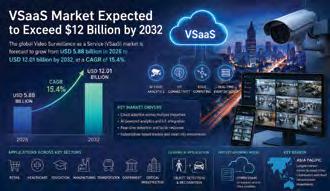
VSAAS MARKET EXPECTED TO EXCEED $12 BILLION BY 2032
The global Video Surveillance as a Service (VSaaS) market is expected to more than double over the next six years, growing from USD 5.88 billion in 2026 to USD 12.01 billion by 2032, according to a new report by MarketsandMarkets. This represents a compound annual growth rate (CAGR) of 15.4 percent.
The report attributes this growth to the increasing adoption of cloud-based video surveillance across sectors including retail, healthcare, education, manufacturing, transportation, government, and
critical infrastructure. Organizations are turning to VSaaS to improve security, simplify remote monitoring, and reduce the cost of managing distributed sites.
Demand is also being driven by advances in AI-powered video analytics, IoT connectivity, edge computing, and real-time event detection, which enable faster incident response and improved situational awareness. The growing popularity of subscription-based cloud platforms and ongoing investments in smart cities and digital infrastructure are expected to fur-
ther accelerate market expansion. Among deployment models, hybrid VSaaS is forecast to record particularly strong growth, combining the security and performance of on-premises systems with the scalability of cloud-based storage and management. This approach is gaining traction in sectors with strict regulatory and cybersecurity requirements.
The report also highlights object detection and recognition as the leading AI application within the VSaaS market, driven by demand for capabilities such as intrusion detection, perimeter protection, access monitoring, and public safety.
Regionally, Asia Pacific is expected to remain the largest market throughout the forecast period, supported by rapid urbanisation, smart city programmes, and continued investments in cloud infrastructure. China will continue to dominate the regional market thanks to large-scale public safety initiatives, AIenabled surveillance deployments, and government-backed digital transformation projects.
According to the report, leading vendors in the global VSaaS market include Verkada, Cisco Systems, Motorola Solutions, Securitas, Mobotix, Alarm.com, Axis Communications, Brivo, Genetec, and Hanwha Vision. n
HIKVISION FIRST TO EARN EUCC CERTIFICATION FOR NETWORK CAMERAS
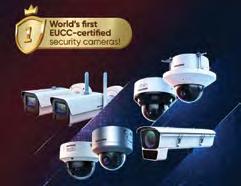
Hikvision announced that its DeepinView network camera series has become the first CCTV camera range to achieve the European Cybersecurity Scheme on Common Criteria (EUCC) certification, marking a significant milestone in product cybersecurity. Issued by Trust CB B.V., an independent certification body authorised by the Dutch Authority for Digital Infrastructure, and independently evaluated by Bureau Veritas Cybersecurity Europe, the certification confirms that the iDS-2CD7x series meets the EUCC “Substantial” assurance level, based on internationally recognised Common Criteria (ISO/IEC 15408) standards.
As the European Union tightens cybersecurity requirements through initiatives such as the Cyber Resilience Act (CRA) and the NIS2 Directive, the EUCC is emerging as a key benchmark for digital product security, particularly in sectors including government, critical infrastructure, energy, and transportation. According to Hikvision, the certification reflects its Securityby-Design approach, with cybersecurity integrated throughout the product lifecycle. It also validates the cameras’ capabilities in areas such as identity authentication, access control, secure communications, security auditing, and vulnerability man-
agement, providing customers with an independently verified level of cyber resilience. n
FINGERPRINT SENSOR MARKET
TO APPROACH $7 BILLION BY 2032
The global fingerprint sensor market is projected to grow from USD 5.01 billion in 2026 to USD 6.98 billion by 2032, representing a compound annual growth rate (CAGR) of 5.7 percent, according to a new report by MarketsandMarkets.
The market is being driven by growing demand for secure, convenient and reliable biometric authentication across consumer and enterprise applications. Advances in capacitive, optical and ultrasonic sensing technologies are also improving recognition accuracy, response times and integration flexibility.
The continued expansion of digital banking, e-commerce, digital identity programs and mobile payments is expected to further accelerate adoption. At the same time, growing concerns over cybersecurity and data privacy are encouraging organizations to invest in biometric authentication as part of broader digital transformation initiatives.
Consumer electronics will continue to account for the largest share of the fingerprint sensor market throughout the forecast period. Fingerprint authentication has become a standard feature in
smartphones, tablets, laptops, wearables and other smart devices, enabling secure device access, digital payments and password-free authentication.
According to the report, 2D fingerprint sensor technology will maintain the largest market share thanks to its combination of high accuracy, reliability, cost efficiency and ease of integration. Widely used in consumer electronics and access control applications, 2D capacitive and optical sensors continue to benefit from improvements in image processing, power efficiency and authentication performance.
Asia Pacific is forecast to be the fastestgrowing regional market, supported by its large consumer electronics manufacturing base, rising smartphone adoption and expanding use of biometric authentication technologies. China, India, Japan, South Korea and Taiwan are expected to remain key growth markets, driven by digital identity programs, secure payment initiatives and continued investment in semiconductor and biometric technologies.
The report identifies Shenzhen Goodix Technology, Fingerprint Cards AB, Synaptics, Egis Technology, Qualcomm Technologies, Apple, Crucialtec, Next Biometrics, Novatek Microelectronics and Q Technology as some of the leading companies operating in the global fingerprint sensor market. n
MEMOORI: HIKVISION SHIFTS STRATEGY FOLLOWING REVENUE STAGNATION
A new analysis by Memoori shows that Hikvision recorded flat revenue growth in 2025 while increasing its net profit by 18.5%.
According to the research, the company is placing greater emphasis on improving operational efficiency rather than pursuing revenue growth at any cost. Analysts note that Hikvision’s business mix has changed significantly, with the share of revenue generated in China declining from around 70% in 2022 to 42% in 2025.
At the same time, the company continues its transformation from a video surveillance manufacturer into an AIoT company, focusing on artificial intelligence and Internet of Things solutions. Memoori reports that Hikvision is forecasting high single-digit revenue growth and double-digit profit growth for 2026. The analysis concludes that achieving these targets will depend on the company’s ability to navigate challenges such as international sanctions, declining government contracts, and intensifying global competition. n
GARTNER IDENTIFIES FOUR CRITICAL CYBER THREATS FOR BUSINESSES
Gartner logo accompanying its 2026 Threatscape report on enterprise cybersecurity threats
Businesses must prepare for four critical cybersecurity threats where attackers currently hold a significant advantage, according to Gartner’s 2026-2027 Threatscape, presented at the Gartner Security & Risk Management Summit in the US.
According to Gartner, the most pressing risks are AI application compromise, deepfake-enabled identity impersonation, software supply chain attacks, and prompt injection. As organizations rapidly deploy AI-powered applications, attackers are increasingly targeting AI agents, third-party integrations and internal tools to gain access to sensitive data and credentials. Gartner recommends embedding AI-specific security controls throughout the software development lifecycle and strengthening data protection.
The report also highlights the growing misuse of deepfakes in phishing, fraud and identity impersonation attacks. Rather than relying solely on deepfake detection, organizations should combine stronger authentication, employee awareness and improved verification processes.
Software supply chain attacks continue to evolve as threat actors exploit open-source components and AI development pipelines,
HONEYWELL EXPANDS
Honeywell has expanded its fire and life safety portfolio. The update adds new smoke control capabilities to the NOTIFIER INSPIRE platform and introduces new cloud-connected services.
The company said the latest release of the NOTIFIER INSPIRE platform introduces fully integrated smoke control capabilities developed in collaboration with customers and channel partners.
The new architecture is designed to simplify installation and maintenance, reduce reliance on additional hardware and custom programming, and make future system upgrades easier. The platform helps speed up commissioning and lowers overall system costs. It also supports automated testing and centralized reporting, making compliance and maintenance easier throughout the system lifecycle.
Honeywell has also added a native purge function. During a carbon monoxide (CO) event, the system automatically removes contaminated air and brings in fresh air. During a fire, it manages airflow to help contain smoke. Alongside the platform enhancements, Honeywell introduced several new capabilities
while prompt injection attacks against large language models (LLMs) are emerging as another major concern.
Gartner advises organizations to adopt layered security strategies, continuously monitor AI systems and integrate AI security testing into development to reduce exposure to these rapidly evolving threats. n
CONNECTED FIRE SAFETY PORTFOLIO
within its Connected Life Safety Services (CLSS) ecosystem. Zone Sync helps ensure floor plans, device mapping and alarm zones remain synchronized as buildings change over time, providing more accurate information for facility managers and emergency responders. The new CLSS Rescue Assist application is designed to improve emergency response for occupants requiring additional assistance by providing build-
ing operators and first responders with real-time situational awareness during incidents.
Honeywell also announced Phoenix G2 Cellular Alerting, developed by USDD, which adds redundant cellular communications to first responder notification systems. The capability is intended to maintain dispatch communications during network disruptions, improving the reliability of emergency notifications. n
Loubna Imenchal, Managing Director for the Middle East, Africa, Türkiye, and Central Asia, Axis Communications
TECHNOLOGY CAN ALWAYS BE REPLICATED, BUT INTEGRITY CANNOT
There is no more powerful endorsement than a customer sharing how technology has solved a real business challenge. Throughout my career, I have been impressed by how willing Axis customers are to share their experiences and collaborate with peers. That level of trust is something you build over many years, and it is one of the reasons successful projects continue to create opportunities far beyond the region where they began
n By: Damir Muharemović damir.muharemovic@asmideast.com
a&s Middle East: Ms. Imenchal, you joined Axis recently. Could you tell us about your professional background and your role today?
Imenchal: I have spent more than 24 years leading technology and security businesses across Europe, the Middle East, Africa and Asia, helping organizations accelerate digital transformation while building high-performing regional businesses. In my role at Axis, I manage the Middle East, Turkey, Africa, and Central Asia, one of the world’s most diverse and fastest-evolving security markets. We have strong growth in the Middle East that is driven by innovation. And we have high demand in each sector—smart cities, oil and gas, airports, and healthcare. Axis specializes in providing the latest innovations to solve increasingly complex security challenges.
a&s Middle East: How large is the organization you manage, and where does Axis operate in your region?
Imenchal: We have 82 people who op-
erate across 72 countries in the Middle East, Turkey, and Central Asia, the region I cover. And we have more than eight offices covering all those countries.
a&s Middle East: What attracted you personally to Axis as a company?
Imenchal: What attracted me to Axis wasn’t only its technology leadership—it was its values. I still remember reading about one particular decision during the COVID period. At a time when many companies saw thermal cameras as a billion-dollar opportunity, Axis took a different path. The company openly said, “We will not commercialize a solution if it creates expectations we cannot genuinely deliver.” They chose long-term trust over short-term revenue.
That moment stayed with me because, after more than two decades in leadership, I’ve learned that technology can always be replicated, but integrity cannot. Products evolve, markets change, competitors catch up, but trust is one of the few competitive advantages that compounds over time. When I joined Axis, I saw those values in action. I watched our teams tell customers, “Don’t buy this solution—it isn’t the right fit for your environment.” That isn’t how a traditional vendor behaves. That’s how a trusted advisor behaves. Instead of trying to maximize a single transaction, they focus on building relationships that last for years. That is when I knew I had joined the right company. For me, the future of business is not simply about delivering the best technology; it’s about becoming the partner customers trust to help them make the right decisions. That’s exactly what Axis stands for, and it’s the kind of organization I wanted to lead.
a&s Middle East: How would you describe the current security market in the region you oversee?
Imenchal: The industry has fundamentally shifted from capturing images to generating actionable intelligence. Cameras are becoming intelligent sensors within a broader data ecosystem. Increasingly, the real value lies in analytics, AI, edge computing and the ability to transform data into faster and better operational decisions. That evolution is changing how organizations protect people, infrastructure and business continuity.
a&s Middle East: How do successful projects in the Middle East influence other markets?
Imenchal: The Middle East has become one of the most important reference markets for innovation in the security industry. What happens here is closely watched because customers are willing to adopt new technologies at scale and set ambitious standards for digital transformation. When a solution proves successful in this region—whether in smart cities, airports, critical infrastructure or AI-driven security—it provides confidence for customers in other markets to accelerate their own transformation. We increasingly see successful deployments in the Middle East becoming benchmarks that influence projects across Europe, Africa and other regions.
The UAE, for example, is making significant investments in AI, smart infrastructure and large-scale national projects, while other regions look to proven use cases that demonstrate both operational value and return on investment. Innovation is no longer happening in isolation; successful ideas travel quickly across markets.
One of the strongest accelerators of that process is customer advocacy. There is no more powerful endorsement than
For me, the future of business is not about delivering the best technology; it’s about becoming a trusted advisor. Customers don’t need another vendor, they need a partner who understands their business, challenges their thinking, and helps them make the right strategic decisions. That’s what Axis stands for, and it’s exactly the kind of organization I wanted to lead
From Vision to Reality
a&s Middle East: Axis recently celebrated an important milestone in the UAE. Could you tell us more about that?
Imenchal: Yes, this is a milestone we are incredibly proud of, because it represents much more than an anniversary. It represents two decades of trust. Twenty years ago, the UAE was already demonstrating extraordinary ambition. The country wasn’t simply investing in security; it was investing in a vision of becoming one of the safest, smartest and most connected nations in the world. Axis had the privilege of being part of that journey from the beginning. Throughout those years, we have worked alongside governments, airports, transportation authorities, healthcare pro-
a customer sharing how technology has solved a real business challenge. Throughout my career, I have been impressed by how willing Axis customers are to share their experiences and collaborate with peers. That level of trust is something you build over many years, and it is one of the reasons successful projects continue to create opportunities far beyond the region where they began.
a&s Middle East: What are some of the major projects Axis has been involved in recently?
Imenchal: Our portfolio spans some of the region’s most complex and strategically important environments, including international airports, critical infrastructure, smart cities, energy, transportation, healthcare and education.
We are proud to contribute to many iconic projects across the Middle East. Whether it’s supporting security at UAE airports, protecting critical energy infrastructure, enabling smart city initiatives, or contributing to landmarks such as Burj Khalifa and some of the UAE’s leading museums, these projects reflect the confidence customers place in Axis to secure environments where reliability is absolutely critical.
What makes these projects significant is not simply their scale, but the complexity of the challenges they solve. Today’s customers expect much more than video surveillance. They need intelligent solutions that transform data into actionable insights, strengthen operational resilience and enable faster decision-making.
That’s why our approach is industry-led rather than product-led. The security challenges of an airport are fundamen-
viders, educational institutions and commercial enterprises. Many of those relationships have continued for years because they were built on partnership rather than transactions. Today, when you visit airports, smart cities, transportation networks, hospitals or iconic landmarks across the UAE, you will often find Axis technology supporting critical operations. That isn’t just a reflection of our products; it’s the result of consistently delivering on our commitments and evolving with our customers’ needs.
Looking ahead, we see this anniversary not as a celebration of the past but as the foundation for the next chapter. As AI, data analytics and intelligent infrastructure continue to transform the security industry, we remain committed to helping the UAE deliver on its vision while continuing to innovate alongside our customers.
tally different from those of a hospital, a manufacturing facility or a university. Our role is to understand those operational realities and deliver solutions tailored to each environment.
For example, in education, AI-powered analytics can help detect vaping and improve student safety, while in manufacturing they can identify operational risks before they disrupt production. In airports and smart cities, AI helps operators manage large volumes of data in real time, enabling faster responses and more efficient operations.
Ultimately, our ambition is not simply to deploy technology; it is to help organizations become safer, smarter and more resilient through intelligent, data-driven security.
a&s Middle East: What is the strategic direction for Axis in the coming years?
Imenchal: If I had to summarize our strategy in one sentence, it would be this: to become the most trusted industry specialist rather than a one-size-fitsall security provider.
We believe the future of security is no longer about selling cameras—it’s about understanding industries. Every sector has its own operational challenges, regulatory requirements and business priorities, which means the same technology must deliver very different outcomes de-
pending on the environment.
For example, an oil and gas customer is looking to protect critical infrastructure, ensure worker safety and prevent operational disruption. The analytics, the data and the response required are completely different from those of a retail environment such as Dubai Mall.
In education, the priority is creating a safe learning environment. Our analytics can help detect vaping in schools and alert staff before situations escalate. In manufacturing, AI-powered analytics can identify anomalies that may lead to production interruptions, allowing operators to act proactively before downtime occurs. In every industry, the value lies not in capturing images, but in transforming data into actionable intelligence. That is why we continue to invest heavily in AI, analytics and software. Solutions such as our ACS platform have evolved from being considered a “nice-to-have” to becoming business-critical. Customers today expect security systems not only to protect assets but also to improve operational efficiency, resilience and decision-making. Ultimately, our ambition is to move the conversation from products to outcomes. When customers think about securing airports, critical infrastructure, education, healthcare or manufacturing, we want Axis to be recognized not simply as a camera company, but as the
Products evolve. Markets shift. Competitors come and go. But trust is the one advantage that endures
trusted partner that understands their industry and helps them solve their most complex operational challenges.
a&s Middle East: The security industry is still largely male-dominated. How do you see the role of women evolving in this field?
Imenchal: I have seen significant progress over the past two decades, but there is still work to do. Early in my career, I often found myself in situations where I was the only woman in the room. When I joined Honeywell, I was the only female member of the leadership board. Later, at Johnson Controls, I became the only female Vice President globally, and as a Moroccan and Arab woman, that made the journey even more unique. Those experiences taught me resilience, but more importantly, they showed me why representation matters.
The Middle East Is Defining Global Technology Trends
a&s Middle East: How important is the Middle East in driving innovation in security technologies?
Imenchal: The Middle East has become one of the most influential regions shaping the future of security technology, not simply because it adopts innovation quickly, but because it has the ambition to deploy it at scale.
What makes this region unique is the willingness of governments and organizations to think long term. They are not looking to solve today’s security challenges alone; they are designing the digital infrastructure for the next decade. Whether it’s smart cities, critical infrastructure, transportation or AI-enabled public services, innovation is becoming part of national strategies rather than isolated technology projects.
The UAE is a great example of that vision. Over the years, we’ve seen ideas that were once considered futuristic evolve into real deployments. Conversations that started around concepts such as AI, automation and intelligent infrastructure have now become operational reality. Today, the focus is no longer on whether these technologies will be adopted, but on how quickly they can deliver measurable value.
That creates an exceptional environment for companies like Axis. Our customers continuously challenge us to innovate, and that pushes us to develop solutions that are not only technologically advanced but also capable of solving real operational challenges. Many of the innovations and best practices proven in the Middle East are now influencing projects in other parts of the world.
For me, the Middle East is no longer following global technology trends; it is helping define them. That is what makes this region such an exciting place to lead and to innovate.
Today, I am encouraged by the progress we are seeing. More women are entering technology and security careers than ever before. However, the biggest challenge is no longer attracting women into the industry—it’s ensuring they continue progressing into senior leadership. We still see a significant drop in representation at middle management and executive levels, and
that is where organizations need to focus their efforts.
One of the reasons is visibility. Around the world—and especially here in the Middle East—we have exceptional women leading technology, cybersecurity and digital transformation as CIOs, CTOs and senior executives. I have met many remarkable Emirati and international women who are shaping the future of our industry.
Yet their stories are rarely told. If young women cannot see role models, it becomes much harder for them to imagine themselves in those positions. That’s why I believe visibility is just as important as opportunity. When we showcase successful women, we inspire the next generation, challenge outdated perceptions and demonstrate that leadership is defined by competence, vision and impact—not by gender. Ultimately, diversity is not simply about fairness; it is about better business. The most innovative organizations are those that bring together different perspectives, experiences and ways of thinking. Our responsibility as leaders is to create an environment where talent can thrive, regardless of gender, and where the next generation has even greater opportunities than we did.
a&s Middle East: You also created an initiative supporting women in technology. What is Connect2Elevate about?
Imenchal: Connect2Elevate was born from a simple observation I made throughout my career: exceptional women in technology exist everywhere, but too often they are invisible. I launched the initiative while I was Vice President at Logitech, with the
Success
won’t be measured by how many women enter the security industry today, but by how many go on to lead it as CEOs, CIOs, CTOs, Heads of Security and business leaders.
That is the legacy we should all be working toward
company’s sponsorship, because I wanted to create a platform where women in technology could connect, learn from one another and, most importantly, increase their visibility. We started in the Middle East, and today the initiative continues to grow beyond the region.
I remember speaking with a very accomplished senior executive in the security industry. She told me something that stayed with me: “Every member of my team has been featured in the media, but no one has ever interviewed me.” She was leading the organization, yet the visibility was going to the people reporting to her. It made me realize that this isn’t a talent issue; it is a visibility issue. Throughout my career, I have met outstanding women leading cybersecurity, AI, digital transformation and technology organizations. They are CIOs, CTOs and business leaders driving major transformations, yet many remain behind the scenes. If they are not visible, young women entering the industry have fewer role models to inspire them.
That is exactly what Connect2Elevate is trying to change. It is not simply a networking platform; it is a platform to amplify voices, create meaningful connections, share knowledge and inspire the next generation of women leaders. My ambition has always been simple: if Connect2Elevate helps even one young woman believe that a leadership career in technology is possible, then we have already created lasting impact.
a&s Middle East: Axis is also pushing for more diversity internally. What does that look like in practice?
Imenchal: At Axis, diversity is not viewed as a social initiative—it is viewed as a business advantage. The best decisions are made when different perspectives, experiences and backgrounds come together to solve complex challenges. We also recognize that the security industry has historically been male-dominated, which means creating a more diverse workforce requires long-term commitment rather than short-term initiatives. What I appreciate about Axis is that diversity is embedded in our culture because we genuinely care about people and believe it strengthens in-
novation, collaboration and customer understanding. We are seeing more women entering technology than ever before, particularly among the younger generation. That gives me confidence about the future. Our responsibility now is to create the right environment where they can continue to grow into leadership positions, because attracting talent is only the first step; developing and retaining that talent is what creates lasting change. For me, success won’t be measured by how many women enter the security industry today, but by how many go on to lead it as CEOs, CIOs, CTOs, Heads of Security and business leaders. That is the legacy we should all be working toward. n
Gaurav Mahajan, Sales Director Middle East and Africa, ICT
OPEN AND UNIFIED BY DESIGN
Access control has become one of the most strategic technology decisions a business can make. As buildings grow smarter and security expectations rise, manufacturers are being asked to deliver far more than a door opening system. To understand how this shift is playing out across the Middle East and Africa, we sat down with Gaurav Mahajan, Sales Director Middle East and Africa at ICT, to talk about the trends reshaping the industry and where the biggest opportunities lie ahead
n
By:
Damir Muharemović damir.muharemovic@asmideast.com
a&s Middle East: You’ve spent over two decades in the security industry, twenty of them here in the Middle East. What has it been like building ICT’s presence in the region over the past two and a half years?
Mahajan: I have been working in the security industry for more than twentyfive years, twenty of which I have spent based in Dubai and covering the whole Middle East region. I started my career with the systems integrator G4S in India before relocating to the UAE with the company. From there, I moved to the manufacturer side of the industry, beginning with Bosch’s Access Control Division, followed by Pelco, one of the market leaders in video surveillance, and then OPTEX, a specialist in intrusion detection and perimeter protection. Building on that experience across physical and electronic security, I joined ICT at the end of 2024 to establish the company’s office for the Middle East and Africa region.
Since then, we have opened a physical office in Dubai Silicon Oasis and obtained a trade license, giving ICT a genuine local presence rather than a fly-in operation. We have built out our distribution channels across the Middle East and Africa through partnerships with leading players such as Ingram Micro, Mobius MEA and ScreenCheck, and we have expanded our partner base by bringing on new system integrators to support growth in each country we operate in. Alongside this, we have raised our market visibility and knowledge through participation in major security events such as Intersec Saudi Arabia and Intersec Dubai, distribution partners’ roadshows and technology partner events. Our focus has been on educating the partners and end-users on our scalable, customizable end-to-end solutions, and working closely with our partners to deliver a successful solution to the end-users.
a&s Middle East: You’ve watched the access control industry evolve for more than twenty years now. How has it changed over the last decade, and which trends do you see as most important today?
Mahajan: Access control has changed enormously over the past twenty years. While the basic architecture of the technology remains familiar, the industry has been transformed across several core pillars.
The first is the rise of unified security platforms. Rather than operating as a standalone mechanism, access control today is frequently unified with video surveillance, building management systems and intrusion detection into a single dashboard, giving operators one point of control instead of several disconnected systems.
The second is the rapid rise of mobile
credentials. Physical badges and easily cloneable 125kHz proximity cards are being replaced at pace by smartphones and smartwatches, with users relying on Bluetooth Low Energy or Near Field Communication for seamless, contactless entry.
The third is the growing role of AI and biometrics. Modern systems now use advanced algorithms for facial authentication and fingerprint scanning, increasingly paired with AI-driven analytics that can identify entry patterns and flag tailgating before it becomes a security incident.
Finally, there is deeper IT and IoT integration. Today’s access control systems connect directly with HR platforms such as Active Directory and with building automation systems covering HVAC and lighting, shifting access control from a
Protege GX platform was designed and built as a unified platform from day one. That gives ICT a very clear position in the market, particularly for projects where customers want to improve both security and operational efficiency at the same time
purely protective measure into a broader driver of operational intelligence across the whole building.
a&s Middle East: What differentiates ICT from other manufacturers in the unified security market?
Mahajan: Our installation and distribution partners see us as a reliable, customer-centric manufacturer that excels when a project calls for a unified, open, flexible and customizable platform. Our size and culture mean we can make decisions quickly, so our customers experience flexibility and responsiveness rather than the slower pace that can come with larger organizations.
Our enterprise platform, Protege GX, was designed and built as a unified platform from day one. Access control, intrusion detection, alarms, areas, outputs, automation logic, events and integrations all sit within a single system concept. That gives ICT a very clear position in the market, particularly for projects where customers expect more than basic door control and want to improve both security and operational efficiency at the same time.
a&s Middle East: Which vertical markets are delivering the best results for ICT?
Mahajan: Our Protege GX enterprise platform is designed to be scalable, open and customizable, so it can meet end-users’ requirements regardless of
From Two People to a Full Regional Team
a&s Middle East: ICT has expanded significantly in recent years, both globally and across the EMEA region. How has the company strengthened its presence in the Middle East?
Mahajan: ICT has over twenty years of experience delivering unified security solutions, trades in more than fifty countries, and has over thirty thousand installations worldwide. While ICT may still be considered a mid-sized company by scale, it has grown substantially over the last four years, doubling its turnover, and has made the operational and organizational changes needed to support that growth internationally. In EMEA specifically, our team has grown from two people handling sales and pre-sales to a full regional team covering operations, customer service, sales, pre-sales and post-sales support. Our Dubai office now provides sales and technical support across the entire MENA region.
sector. The only real limits we encounter are country-specific standards and certifications; in terms of applications, there is no vertical that ICT cannot address. We are active in commercial buildings, government facilities, healthcare, education, military environments, smart city projects, manufacturing, energy, banking and other demanding sectors. The greatest value is usually delivered on projects where access control, intrusion detection, automation and third-party integrations need to work together as a single operational environment. That holds true for new installations, but also for sites running legacy or sometimes obsolete access control systems that need to migrate to a newer, feature-rich and cybersecure platform while keeping part of the old system running during transi-
tion. ICT offers many migration paths to support exactly that kind of projects. Looking specifically at the MENA market, we have had success across many verticals with installations that have been running reliably for several years. We have deployed an integrated solution for a major university spanning fifteen campuses, where Protege serves as a single platform for access control alongside integrations such as CCTV, video management, fire, ANPR and time and attendance. We have installed our Protege GX solution in several military hospitals here in the GCC region, and we have delivered access control solutions for two prestigious airports in Africa. Our enterprise access control solution is also deployed across several data centers in the region, and beyond
that we have installations in commercial buildings, prisons, royal palaces, military sites, government facilities and other critical infrastructure. In short, we have success stories in every market vertical we serve.
The common thread in all these deployments is a requirement for an open platform, scalability, and easy integration with third-party systems, whether that is HR, lift control, booking, visitor management, operational systems or other security platforms. These are exactly the types of projects where ICT’s technology and support excel, because Protege GX is built on an open structure that integrates with third-party hardware and software, offers a SOAP API for third-party integrations, and already has a long list of existing integrations available out of the box.
a&s Middle East: To what extent have today’s requirements around data protection and secure communication changed the way access control systems are designed and implemented?
Mahajan: Security systems now operate on LAN and WAN infrastructures, exchange data with IT systems, and of-
ten integrate with identity management, cloud services, building platforms and OT environments. That means they have to be designed as secure networked systems from the outset, which makes cybersecurity essential rather than optional. Encryption, authentication, secure communication, user rights management, software updates and data protection are now baseline requirements, and manufacturers need to continuously improve their products in line with evolving regulations and cyber risks. When access control and intrusion detection sit within one integrated platform, the stakes are naturally higher, because that system is managing users, areas, alarms, events, automation and third-party integrations all at once. That makes secure architecture and lifecycle management critical. At ICT, we treat cybersecurity as an ongoing priority, from product design and compliance with key standards such as ISO 27001:2022 through to constant staff training. That said, effective protection is a shared responsibility: it also depends on installation companies and end-users keeping firmware updated, maintaining network
compliance and ensuring their own staff are well trained.
a&s Middle East: Looking specifically at the MENA region, where do you see the biggest business opportunities for ICT?
Mahajan: The biggest opportunities for us lie with customers looking for bespoke solutions where access control serves as the backbone of their operational workflow, not just a security measure. Another key factor in our success is when end-users want a clear CAPEX structure for their investment and want to avoid high recurring costs. We see this approach across sectors, but it’s especially common in education, healthcare and government buildings, where investment is planned over the long term with a clear amortization plan in mind. Our solution is built on long-lasting hardware combined with a one-off licensing model, which makes the total cost of ownership very clear and predictable for end-users from the outset. Across the wider MENA region, we have also identified specific countries where our partner network positions us particularly well to grow the business further. n
A MARKET DRIVEN BY LONG-TERM VALUE
The security and safety market in Oman is steadily maturing. Security is no longer viewed simply as a procurement category or a compliance requirement. It is increasingly becoming an operational capability embedded within critical infrastructure, public services and commercial development
MARKETS
n By: Roman Ivanković editorial@asmideast.com
Oman’s security market is entering a period of profound transformation. The change is not being driven by a single megaproject or a short-term investment cycle, but by broader economic diversification, institutional reform and carefully phased infrastructure investment. Manufacturing, logistics, tourism, renewable energy and digital government are expanding simultaneously, creating a broader and more resilient economic base than in previous decades. This transformation is also reshaping the country’s physical security market. Demand is no longer driven primarily by individual construction projects or traditional oil and gas investment. Instead, it is emerging across industrial zones, logistics corridors, ports, public infrastructure, healthcare, hospitality and commercial developments. As these sectors mature, so too do customer expectations. Organizations are increasingly looking beyond standalone products, prioritizing integrated platforms that combine physical protection with operational intelligence, cybersecurity and long-term lifecycle value.
Building a Foundation for Long-Term Growth
The strategy is already delivering results. According to the International Monetary Fund (IMF), Oman’s economy is expected to grow by around 3.7% in 2026, supported by higher oil production. Nonhydrocarbon growth is forecast to slow temporarily to around 2.5% because of regional geopolitical tensions affecting tourism and construction. The IMF nevertheless expects growth to strengthen again as large investment projects move into the implementation phase. Rather than relying on short-term construction booms, Oman is building an economy designed to evolve over decades. Public investment is being used to strengthen industry, expand the private sector and create a more resilient economic model. This gradual approach has become one of the defining features of the country’s development strategy.
Vision 2040 Moves from Strategy to Implementation
Oman Vision 2040 provides the country’s long-term roadmap for economic and social development. It focuses on diversification, digital transformation, fiscal sustainability and environmental responsibility. The objective is not simply to launch new projects, but to build a broader and more competitive economy.
government will add another USD 2.6 billion in public capital spending to encourage further private investment. Vision 2040 is therefore no longer just a strategic framework. It is increasingly shaping investment decisions across the country and creating the conditions for sustained economic growth.
Digital Transformation Is Reshaping Public Administration
Physical infrastructure is only one part of Oman’s long-term development agenda. The government is placing equal emphasis on digital public services and modern ICT infrastructure. Digital government has become a strategic tool for improving efficiency, transparency and the quality of public services.
The program has already moved well beyond planning. Oman has accelerated the digitalization of government services, strengthened data sharing between public institutions and expanded the use of digital platforms across the public sector. By the end of 2025, more than 2,270 government services had been digitized, making it one of the region’s most comprehensive public-sector transformation programs.
The impact of these reforms extends well beyond public administration. Bipin
Digitalization is also changing the way infrastructure is planned and managed. New industrial zones, logistics hubs, hospitals and public buildings are increasingly designed as connected environments where digital services, operational data and building management systems work together. These reforms are creating a more efficient operating environment and making Oman increasingly attractive to both domestic and international investors.
Distributed Infrastructure Shapes New Demand
Another defining feature of Oman’s development model is the way investment is spreading across the country rather than remaining concentrated in Muscat. Vision 2040 promotes balanced regional development through transport infrastructure, logistics corridors, industrial estates and special economic zones.
The Special Economic Zone at Duqm (SEZAD) is one of the clearest examples of this strategy. It combines a deep-water port, industrial facilities, logistics infrastructure and worker accommodation within a single economic ecosystem. Similar investments are taking place in other parts of the country. Ports, transport links and industrial clusters are being developed across several governorates. The aim is to create multiple centers of economic activity and reduce dependence on a single growth corridor.
The Green Hydrogen Boom
Oil and gas remain the backbone of Oman’s economy, but they no longer define its investment story. The country’s next phase of growth is increasingly shaped by downstream industries, renewable energy and industrial manufacturing. New industrial estates, refineries and energy projects are broadening the country’s economic base while creating entirely new operational environments. The shift is particularly visible in the green hydrogen sector. Oman has committed billions of dollars to large-scale hydrogen production, supported by new renewable energy capacity, desalination plants and export infrastructure. These investments extend well beyond energy generation.
They require industrial facilities, logistics networks and supporting infrastructure that will operate for decades.
Logistics as a National Growth Platform
Few sectors illustrate Oman’s ambitions more clearly than logistics. The country is positioning itself as a regional trade and transport hub linking the Gulf, East Africa and the Indian Ocean. Investments in Duqm, Sohar and Salalah are expanding port capacity, industrial processing, warehousing and multimodal transport. Rather than functioning as isolated projects, these developments are creating interconnected logistics ecosystems that stretch far beyond individual ports.
As cargo volumes grow and industrial activity expands, logistics facilities are becoming larger, more distributed and operationally more complex. The focus is shifting from protecting individual sites to managing extensive networks of ports, warehouses, transport corridors and restricted operational zones.
Becoming a Global Destination
Tourism has become another important engine of investment. The government’s strategy extends well beyond hotel construction. It includes integrated destinations, waterfront developments, airports, cultural attractions and public spaces designed
A Measured Market With a Longer Horizon
Perhaps Oman’s greatest competitive advantage is not the speed of its development, but its predictability. Recent IMF and World Bank assessments conclude that continued economic reforms, improving fiscal discipline and sustained non-oil growth have strengthened the country’s resilience and investment appeal. Rather than pursuing rapid expansion, Oman has adopted a phased development model that prioritizes long-term sustainability, institutional capacity and financial discipline. According to Bashar Al Daoud, Territory Sales Manager for UAE & Oman at Axis Communications, customers in Oman tend to take a long-term view of investment decisions. They place greater emphasis on reliability, lifecycle value and trusted partnerships than on short-term technology trends. This measured approach is also reflected in the way projects are procured. According to Sasi Kumar, General Manager for Middle East & Africa at Advanced, Oman remains a relationship-driven market where consultants and end users place greater value on local expertise, proven reliability and practical technical support than on short-term cost considerations. “Compared with other GCC markets, Oman is more relationship-driven and project-specific. Consultants and end users place significant value on local expertise, practical technical support and proven reliability. Procurement cycles tend to be more measured, with a stronger focus on compliance, documentation and after-sales support rather than purely initial cost,” he concluded.
Bashar Al Daoud, Territory Sales Manager for UAE & Oman, Axis Communications
Sasi Kumar, General Manager for Middle East & Africa, Advanced
Bipin Kumar, Regional Technical Sales Manager for MEA, Suprema
MARKETS
to strengthen Oman’s appeal as an international destination.
According to Bashar Al Daoud, Territory Sales Manager for UAE & Oman at Axis Communications, the growing hospitality sector also creates opportunities for “operational video”, where security cameras are used to analyze guest flows and improve service delivery in resorts and cultural heritage sites. “We believe the greatest opportunities lie in technologies that offer a convergence of security, safety, and operational insights,” he pointed out. At the same time, investment continues in healthcare, education and municipal infrastructure. These projects improve quality of life while supporting broader economic development and regional growth. Together, they are creating a steadily expanding portfolio of public and commercial assets that will require long-term operation and management rather than one-off construction activity.
Digital Government Is Transforming Essential Services
Digital transformation is no longer confined to government services. It is reshaping the way public institutions, financial organizations and critical infrastructure operate. Hospitals, ministries, schools, utilities and financial institutions are becoming increasingly connected through digital platforms and integrated public services. Banking is also evolving alongside broader economic reforms that encourage greater private-sector participation and attract new investment.
“The outlook for Oman remains highly positive. As digital transformation accelerates across both the public and private sec-
“Customers in Oman tend to take a longterm view of investment decisions. They place greater emphasis on reliability, lifecycle value and trusted partnerships than on short-term technology trends.” –Bashar Al Daoud, Axis Communications
tors, demand for intelligent and integrated security solutions will continue to grow,” said Bipin Kumar, Regional Technical Sales Manager for MEA Region at Suprema. According to Kumar, the strongest opportunities will emerge across government and smart infrastructure, banking and financial services, transportation, aviation, ports and logistics, as well as the oil and gas sector. He also expects continued growth in utilities, particularly electricity and water services, alongside healthcare, education, hospitality, commercial real estate and industrial manufacturing, as organizations increasingly invest in modernizing both their physical infrastructure and digital operations. As digital services become more deeply embedded across the economy, organizations are placing greater emphasis on operational resilience, business continuity and the protection of increasingly interconnected environments. This evolution is influencing security requirements just as much as new construction projects.
A Market Built on Multiple Growth Engines
What makes Oman distinctive is not the dominance of any single sector, but the diversity of investment across the economy. Industrial development, logistics, tourism, public infrastructure and digital government are expanding in parallel. Each contributes to a broader and more resilient development model. Instead of relying on one investment cycle, Oman is creating multiple long-term sources of demand that reinforce one another.
Sasi Kumar, General Manager for Middle East & Africa at Advanced, believes that Oman’s security and safety market
is expected to continue evolving steadily, aligned with the country’s long-term development strategy. “Growth will remain closely tied to infrastructure, logistics, tourism, industrial expansion, energy, healthcare and education projects,” he pointed out.
This broad investment base gives the market a level of resilience that few sectors can match. The next question is no longer where investment is taking place, but how customer requirements are evolving within these rapidly developing sectors. That is where the market’s technology story begins.
Video Surveillance as an Operational Intelligence Platform
Across all three core sectors covered here – video, access control and fire safety – the same pattern is emerging: buyers are moving from product-led purchasing to platform-based thinking, weighing cybersecurity and interoperability as heavily as initial price. Nowhere is that shift more visible than in video surveillance. Cameras are no longer expected simply to record incidents; they are increasingly becoming intelligent sensors capable of supporting security, operations and business decision-making at the same time. “Customers are no longer just looking for cameras. They are seeking Total Cost of Ownership efficiency and cybersecurity. There is a growing realization that cheap hardware leads to higher long-term costs in maintenance and vulnerability,” said Bashar Al Daoud from Axis.
Artificial intelligence is accelerating this transition. Axis is seeing growing demand for edge-based analytics powered by Deep
Learning Processing Units (DLPUs), enabling cameras to distinguish accurately between people, vehicles and other objects directly on the device. Processing information at the edge reduces bandwidth requirements, minimizes false alarms and enables faster operational responses.
The same evolution is visible across large infrastructure projects. Multisensor cameras, PTZ devices, thermal imaging and radar are increasingly being combined to provide continuous situational awareness across ports, industrial facilities and energy sites. Network audio is also gaining traction, allowing operators to deliver automated announcements and real-time instructions while improving day-to-day operational efficiency.
Fire Safety Is Becoming a Connected Platform
Fire detection is following a similar path. Modern systems are evolving from standalone alarm panels into connected lifesafety platforms that support operational continuity, remote management and longterm building performance.
This shift is particularly evident as projects become larger and more complex.
Addressable fire alarm systems are increasingly being specified for their ability to provide precise event identification, flexible cause-and-effect programming and seamless integration with building management and other life-safety systems. At the same time, networked architectures are becoming the preferred choice for phased developments and multi-building facilities.
Flexibility has also become a key purchasing criterion. Depending on project requirements, consultants are specifying both EN- and UL-certified solutions, creating demand for platforms that can meet different regulatory frameworks without compromising scalability or long-term performance.
According to Sasi Kumar from Advanced, customers are increasingly looking beyond fire detection itself: “We are seeing increased demand for graphical monitoring, remote visibility and integration with systems such as voice evacuation. In addition, solutions that reduce false alarms while improving clarity of response are becoming a key consideration.”
The shift goes even further. End users increasingly expect connected, data-driven platforms that simplify maintenance, accelerate diagnostics and improve system
Access Control Moves Toward Digital Identity
Access control is experiencing an equally significant transformation. Instead of simply controlling doors, modern platforms are becoming central to digital identity management across entire organizations.
Suprema believes this shift is being driven by broader digital transformation rather than traditional security requirements. “Organizations are no longer investing in access control devices – they are investing in trusted digital identity platforms that strengthen security while enabling digital transformation,” Suprema’s Bipin Kumar explained.
There is a strong demand for AI-powered facial recognition with advanced antispoofing, high-performance fingerprint authentication, mobile credentials and cloud-ready access management. Organizations are also investing in visitor management, workforce management and unified security platforms capable of integrating with HR, ERP, building management systems and video management platforms.
Cybersecurity has become equally important. Customers increasingly expect encrypted communications, secure firmware, certificate-based authentication and compliance with international cybersecurity standards to be built into physical security platforms from the outset. Rather than treating cybersecurity as a separate discipline, organizations are beginning to view it as an integral component of identity management.
“The future of physical security is no longer defined by standalone devices. It is evolving into intelligent, connected ecosystems where AI, biometrics, cybersecurity, and cloud technologies work together to protect people, assets, and critical infrastructure,” Bipin Kumar concluded.
visibility across complex facilities. These capabilities are becoming particularly valuable in sectors such as hospitality, healthcare and commercial real estate, where operational continuity is just as important as regulatory compliance.
Integration Sets the New Standard
Although video surveillance, access control and fire detection continue to perform different functions, they are clearly
moving in the same direction. Axis describes a future built around operational intelligence. Suprema sees digital identity becoming the foundation of connected organizations. Advanced points to networked life-safety platforms designed for long-term performance and operational visibility. Different technologies, but similar priorities.
The common thread is integration. Organizations are no longer looking for isolated systems that solve individual security challenges. They want platforms
MARKETS
that exchange data, support business operations, strengthen cybersecurity and remain scalable throughout the lifetime of a facility. This evolution reflects the broader maturity of Oman’s market. As investment shifts toward long-term infrastructure, customers are becoming more selective about how technology is specified, integrated and managed. The conversation is no longer centered on individual devices. It is increasingly focused on building resilient security ecosystems that combine intelligence, interoperability and lifecycle value into a single operational framework.
Looking Ahead: From Infrastructure to Intelligence
Oman’s security market is entering a new phase. The foundations have already been laid through long-term investment in infrastructure, industrial development, and digital government. The next stage will be defined less by the number of projects delivered than by how intelligently those assets are operated throughout their lifecycle.That shift is already visible across the market. Different technologies are moving toward the same destination: integrated systems that deliver operational value well beyond their traditional security role.
“Compared with other GCC markets, Oman is more relationship-driven and project-specific. Consultants and end users place significant value on local expertise, practical technical support and proven reliability.” – Sasi Kumar, Advanced
For end users, the practical shift is this: tender and vendor evaluations built purely around unit price or feature checklists are increasingly out of step with how the market is actually maturing. The more useful questions are becoming – can this platform absorb the next five years of integration requirements without a forklift upgrade, and does the vendor have a demonstrated cybersecurity track record, not just a compliance certificate. Those two questions alone are starting to separate serious long-term suppliers from short-term ones in Oman’s tenders. For manufacturers and system integrators, the takeaway is equally direct. The companies gaining ground are not the ones with the broadest catalog, but the
ones that can show a credible, referenceable integration story, operating on shared data, not just shared branding. Oman may never be the Gulf’s largest security market, nor is it trying to be. Its strength lies in the consistency of its development model and the clarity of its longterm direction. As the country continues to diversify its economy and modernize its infrastructure, the security industry is likely to find a market that rewards strategic thinking, operational excellence and sustainable partnerships over short-term opportunities. In that sense, Oman offers a preview of a broader shift already underway elsewhere in the region: procurement decided less by device specifications, more by the strength of the ecosystem behind them.n
Counter-Drone Protection of Critical Infrastructure
THE NEW PERIMETER IS ABOVE THE FENCE
Critical infrastructure operators can no longer treat drones as isolated nuisance devices. As small, low-flying, autonomous, and non-emitting drones become harder to detect and classify, counter-drone protection is moving toward layered airspace awareness, multi-sensor fusion, and carefully controlled mitigation
n By: Mirza Bahic mirza.bahic@asmideast.com
Counter-drone protection has moved far beyond the narrow image of stopping a stray commercial drone near a sensitive facility. In the context of critical infrastructure, the issue has become part of a wider discussion about resilience, continuity, and control of the low-altitude airspace above strategic assets. And, most prominent among these in the changing environment are airports, oil and gas facilities, ports, refineries, power plants, substations, data centers, government sites, and large public venues.
From Market Growth to Security Imperative
According to MarketsandMarkets, the global anti-drone market is expected to grow from USD 4.48 billion in 2025 to USD 14.51 billion by 2030, at a CAGR of 26.5%. The same forecast identifies unauthorized and potentially malicious drone activity around military sites, critical infrastructure, and public spaces as one of the key drivers of market growth.
For the Middle East and wider EMEA region, this growth reflects more than a new product category. It signals a change in the security logic of critical infrastructure. The same drone ecosystem that supports
PRODUCTS & SYSTEMS
inspection, surveillance, mapping, logistics, public safety, and operational efficiency also increases the burden on those responsible for protecting high-value sites. As drone activity becomes more common and more complex, security teams must distinguish routine operations from potential threats, authorized flights from unauthorized ones, and useful unmanned systems from platforms that can disrupt essential services. This dual reality is particularly visible in the Middle East, where major infrastructure portfolios, energy assets, airports, ports, industrial zones, public venues, and smart-city developments create both legitimate demand for UAV operations and a strong need to protect sensitive airspace. Across EMEA, the same issue appears in different forms, from airports and public venues to utilities, borders, government sites, and large industrial facilities. Counter-drone protection is therefore no longer only about military defense. It is becoming a component of critical infrastructure security.
No Longer a Fence-Line Problem
full perimeter. For large and open sites, especially those with exposed assets and geographically dispersed infrastructure, security must now account for a threedimensional risk environment.
Jeffrey Starr, Chief Marketing Officer at D-Fend Solutions, describes this as an asymmetrical problem: “The primary challenge is the asymmetry of the threat. Today’s flying IEDs are cheap, accessible, and increasingly sophisticated, allowing bad actors to bypass traditional security perimeters with ease. For large-scale facilities like refineries or LNG complexes, the sheer geographic footprint makes traditional point defense difficult.”
The basic security challenge is structural. Critical infrastructure was not originally designed around the assumption that small aerial platforms could approach from above, move at low altitude, exploit terrain or industrial structures, and bypass conventional ground-based security layers. Magnus Wallmark, Executive Vice President of Worldwide Sales & Business Development at Fortem Technologies, defines the problem directly: “The biggest challenge is that critical infrastructure was generally not designed with low-altitude aerial threats in mind. Facilities such as oil and gas sites, power plants, ports, refineries, data centers, and substations are often spread over large areas, with complex perimeters, multiple access points, exposed equipment, and difficult terrain. Traditional security tools are usually optimized for the fence line or groundbased intrusion, while drones approach through the airspace above and around the facility.”
This is why the drone threat changes the geometry of protection. The fence line still matters, but it no longer defines the
This asymmetry is one of the defining characteristics of the current market. The cost, availability, and flexibility of drones are moving faster than many legacy secu-
rity architectures. At the same time, critical infrastructure sites cannot respond to every aerial object as if it were an attack. They must identify, classify, assess, and escalate within very short timeframes. For oil and gas facilities, the challenge is particularly acute. These environments often include large perimeters, remote or harsh locations, exposed equipment, high-value assets, and safety-sensitive processes. Martin Appel, Commercial Director for MENA at DroneShield, notes that protecting large-scale critical infrastructure such as oil and gas facilities is fundamentally different from protecting urban or confined environments. The main reason for it is the fact that these sites are expansive, geographically dispersed, and often located in remote or harsh environments.
The biggest challenge is that critical infrastructure was generally not designed with low-altitude aerial threats in mind
Martin Appel, Commercial Director, MENA, DroneShield
Mark Radford, Co-founder & CTO, Blighter Surveillance Systems
PRODUCTS & SYSTEMS
Detection Before Defeat
The first generation of counter-drone protection was often discussed in terms of detection. Could the system see the drone? At what range and under which conditions?
Those questions still matter, but they are no longer sufficient. The more mature question is whether the operator can maintain airspace awareness over the site. This requires a common operating picture that shows what is flying, where it is moving, whether it is known and authorized, and, most importantly, whether it is behaving in a way that requires action.
In many environments, drones are also used by infrastructure operators themselves for inspection, maintenance, mapping, surveillance, and safety tasks. This means that detection without identification can create as many operational problems as it solves. For critical infrastructure, the system must support a controlled chain of action: detect, classify, identify, verify, escalate, respond, and document. In mature deployments, counter-drone protection does not simply produce an alarm. It helps the operator understand the airspace above the site.
Across regional deployments, terrain, infrastructure layout, heat, and dust can all affect detection performance. This means that effective counter-drone protection cannot be reduced to installing a single sensor at a convenient location. It requires careful design, sensor placement, coverage planning, and integration into the existing security workflow.
Small Drones, Large Consequences
The operational risk is not determined by the size of the drone alone. In critical in-
frastructure environments, even a small platform can produce major disruption if it appears in the wrong place, at the wrong time, or near a sensitive asset. Low-altitude drones are difficult targets because they are small, fast, and able to operate close to terrain and structures. Mark Radford, Co-founder & CTO of Blighter Surveillance Systems, points to “commercial quadcopters, FPVs, fiberoptic drones or larger fixed-wing systems” as part of the current low-altitude threat spectrum. These platforms, he explains, have a small size, low radar cross section, and the ability to fly close to terrain,
which makes them difficult for conventional air-surveillance radars to detect. This is no longer only about standard commercial quadcopters. The threat spectrum now includes FPV drones, autonomous drones, fixed-wing systems, fiber-optic-controlled drones, non-emitting platforms, and systems using preprogrammed flight paths. Together, they reduce the value of any detection strategy built around a single signature or assumption. The problem is no longer simply whether a sensor can detect a drone, but whether the system can recognize a wider family of targets operating with very different profiles.
This shift is especially important because some of the most challenging drones reduce or eliminate the radio-frequency signatures on which many early detection models depended. Radford points to one consequence of this evolution: with the rise of wireless-free drone control, whether through AI guidance or fiberoptic control lines, Radio Direction Finding sensors have become less relevant within the multi-sensor mix. The same logic applies to autonomous and pre-programmed drones, which reduce reliance on active RF communication and complicate early warning.
The implication is clear. Counter-drone systems must now deal with threats that are smaller, faster, lower, more autonomous, or electronically silent. Detection
PRODUCTS & SYSTEMS
ranges, classification confidence, false alarm management, and response procedures all become more difficult when the target does not behave like the commercial drones around which much of the early market developed.
This also compresses decision-making. At low altitude and high speed, a drone can reduce the detection-to-impact window to minutes or even seconds. In this environment, a delayed or uncertain response can be almost as problematic as no response at all. The operator must know what is flying, where it is heading, whether it is authorized, and what action is legally and operationally available.
One Sensor Is Not Enough
The strongest consensus across the industry is that single-sensor counterdrone protection is no longer sufficient. The reason is simple: no one technology can reliably detect, classify, and track every drone type across every environment. Appel summarizes the operational logic clearly: “A multi-sensor approach for drone detection is no longer optional; it is essential. No single sensor can reliably detect and classify all drone threats under all conditions.”
The logic behind this is practical rather than theoretical. Radar can provide persistent tracking and volume coverage, but may struggle with very small targets, clutter, birds, or classification confidence. RF sensing can detect communication links and sometimes support identification, but is less effective against autonomous
or non-emitting drones. Electro-optical and thermal systems can provide visual confirmation, but they depend on line of sight, weather, lighting, and environmental conditions. Acoustic sensors can have value in certain use cases, but industrial noise limits their usefulness in many critical infrastructure settings.
This is why counter-drone protection is becoming architectural. The goal is not to add sensors for the sake of complexity, but to compensate for the blind spots of each layer. Radar, RF, electro-optical systems, acoustic sensors, Cyber-overRF capabilities, command-and-control platforms, and mitigation tools all have a role, but their value depends on how coherently they are combined.
Wallmark summarizes this architecture clearly: “Multi-sensor integration has become a baseline requirement, not a best practice. A single sensor modality will not reliably detect, classify, and track the full range of current threats across varying distances and environments. Radar provides the tracking backbone –persistent, all-weather, covering volume – but radar alone doesn’t always provide the classification confidence needed to authorize an engagement. RF detection
adds passive awareness of drone communications and pilot location. Optical and thermal cameras provide visual confirmation. Each layer compensates for the others’ blind spots.”
The technology mix also depends on the protected environment. A coastal oil and gas facility, a desert industrial zone, an airport, a border area, and a public venue will not have the same geometry, background noise, RF conditions, or legal response options. This is why product specifications matter only when they illustrate a wider operational need.
For Blighter Surveillance Systems, the key point is radar performance close to the surface. Its ground surveillance radars use Ku-Band sensing, electronic-scanning array (ESA) antennas, micro-Doppler signature analysis, and clutter-suppression technologies to address low-altitude detection challenges. Its A800 Mk2 radar can combine air security modes with ground and sea surveillance ones, which is particularly relevant for coastal critical infrastructure. The A800 Mk2 is described as detecting nano-quadcopter targets to 3 km and winged drones to more than 7 km, while supporting simultaneous air, ground, and coastline operation. Blighter Surveillance Systems also positions its radars as capable of detecting very fast low-altitude targets, including systems approaching Mach 1, within a sub-USD 1 million radar category. Other approaches illustrate different parts of the same architectural problem. DroneShield’s DroneSentry family combines RF sensing, radar, electro-optical tracking, centralized command-and-control, and AI, with fixed, mobile, and rapidly deployable configurations. Sentrycs’ Cyber-over-RF technology operates at the communication protocol layer to detect,
Magnus Wallmark, EVP, Worldwide Sales & Business Development, Fortem Technologies
Audelia Boker, VP Marketing, Sentrycs
PRODUCTS & SYSTEMS
A multi-sensor approach for drone detection is no longer optional; it is essential. No single sensor can reliably detect and classify all drone threats under all conditions
identify, track, locate drone operators, and take control of unauthorized drones, without jamming, spoofing, kinetic engagement, or collateral interference with surrounding communications and infrastructure. Sentrycs can be deployed in various configurations, from fixed, to mobile, vehicle-mounted or man-carried for tactical missions. D-Fend’s EnforceAir focuses on RF-Cyber takeover technology, with a non-kinetic and non-jamming operation designed to identify and take control of rogue drones so they can be landed safely in a predetermined zone. Its deployment formats also reflect the need for flexibility, ranging from stationary fixtures for critical infrastructure to tactical and mobile versions for convoys and man-portable backpacks for hard-toreach locations.
Fortem’s architecture adds another dimension to the counter-drone strategy by combining TrueView radar sensors, SkyDome command-and-control software, and DroneHunter autonomous interceptors. The point is not that these systems are interchangeable, but that the market is moving away from isolated detection devices and toward architectures that connect detection, classification, command, and response.
The diversity of these approaches shows that the market is not converging on one universal counter-drone tool. It is converging on the need for a layered archi-
tecture that can be adapted to the site, threat model, legal framework, and operational risk.
Identification Becomes the Real Test
Detection is only the first step. In many critical infrastructure environments, the harder task is deciding what the detected object actually represents.
The issue is becoming more important because legitimate drone use is expand-
ing. Operators of energy facilities, industrial plants, ports, and large campuses increasingly use drones for maintenance, inspection, mapping, safety, and surveillance. A system that treats every drone as a hostile target will quickly become operationally unmanageable.
This is where counter-drone protection moves from sensor performance to operational judgment. A drone above a refinery, airport, port, power plant, or public venue may be a contractor tool, a routine inspection platform, a careless hobbyist device, a reconnaissance asset, or part of a deliberate attack. The system must help operators distinguish between these possibilities quickly enough for the distinction to matter.
Sentrycs identifies this differentiation between authorized and unauthorized drones as one of the main challenges for large critical infrastructure sites. Moreover, Sentrycs surfaces additional data –such as the direction in which its camera is pointing – which can provide insights about the intent of the drones flying in the vicinity. D-Fend makes the same issue central to its RF-Cyber approach. In other words, the point is not only to “see” an object, but to identify drone attributes and distinguish an authorized “friendly” drone performing an inspection from a rogue threat.
False positives, therefore, become a strategic issue, not just a technical inconvenience. Birds, clutter, vehicles, cranes, industrial structures, weather conditions, and urban backgrounds can all complicate detection and classification. In airports,
ports, refineries, stadiums, and other complex environments, a false alarm can disrupt operations, while a missed threat can endanger safety and continuity.
The Middle East and wider EMEA region bring this issue into sharp focus. Large airports, ports, energy assets, smart-city developments, industrial zones, government facilities, and event venues all generate legitimate security and operational drone use. At the same time, they also represent attractive targets for surveillance, disruption, or attack.
The operational need is therefore no longer just to detect a drone. It is to build a real-time air picture that can support decisions under pressure.
Command-and-Control as the Intelligence Layer
As counter-drone protection matures, command-and-control is becoming the center of the system. Sensors are essential, but their value depends on whether their outputs can be fused into a coherent operational picture. This is especially important for large infrastructure portfolios and distributed sites. In several regional programs, the emphasis has already shifted toward combining existing radar infrastructure with RF detection and centralized command-andcontrol. The objective is not always to replace legacy systems, but to enhance them through layered sensing and better decision-making.
The Civilian Constraint
In critical infrastructure, the question is not only whether a drone can be stopped. It is whether it can be stopped without creating a larger problem, since jamming may interfere with communications, while kinetic methods may create falling debris. Airports, oil and gas facilities, stadiums, and infrastructure sites all create environments in which mitigation must be carefully controlled.
This makes regulation a central part of the technology story. In many markets, civilian operators can deploy detection and tracking more easily than active mitigation. Neutralization may require authorization by military, law enforcement, homeland security, or other empowered agencies.
For this reason, the first step for many civilian operators is not full defeat capability. It is airspace awareness, clear escalation procedures, coordination with authorities, and a reliable evidence trail. Once this foundation exists, mitigation can be added where the legal and operational framework allows it.
AI-enabled sensor fusion sits at the heart of this shift. By combining inputs from multiple sources into a unified operational picture, operators can improve detection accuracy, reduce false positives, and shorten response times. This becomes increasingly important when a single operator or security team must monitor large areas, multiple sites, and several types of aerial activity at once.
Audelia Boker, VP Marketing at Sentrycs, pushes the argument further by linking counter-drone protection to ManUnmanned Teaming. “The key is to look for technologies that optimize Man-Unmanned Teaming (MUMT): the low-altitude airspace has become such a complex environment that operators alone cannot possibly process all the informa-
tion multiple sensors provide in real time, and decide what the optimal mitigation methods are.”
This point is central to the next stage of the market. The more sensors are added, the greater the risk of operator overload. A multi-sensor architecture that produces too many uncorrelated alerts can become part of the problem. The intelligence layer must therefore reduce complexity rather than multiply it. It must fuse data, suppress false positives, apply rules and policies, support classification, and guide escalation.
The operational burden also matters. Many critical infrastructure sites do not have dedicated counter-drone teams. The same personnel responsible for broader site security may be expected
to operate the system. In that context, counter-drone platforms need to be easy to deploy and operate, require minimal training, and function with a high level of autonomy, ideally by a single operator. Fortem places autonomy within the same decision cycle, especially when multiple drones are involved. Wallmark says: “Operators will increasingly need AI-enabled command-and-control systems that can detect, classify, prioritize, plan, and coordinate responses in seconds – particularly when multiple drones are involved –while preserving the appropriate level of human control.”
This balance between autonomy and human oversight will define much of the market’s development in civilian and critical infrastructure environments. The tempo of modern drone threats may exceed purely manual response cycles, but civilian deployments still require legal accountability, documented procedures, and clear rules of engagement.
In other words, the future system will not simply automate a response. It will automate parts of perception, classification, prioritization, and coordination while preserving the human and legal control required in sensitive environments.
No Universal CounterDrone Formula
Counter-drone protection is maturing in a way that reflects the diversity of the sites it is meant to protect. An oil and gas facility has different risks from an airport. A port differs from a stadium, while a bor-
The operational need is therefore no longer just to detect a drone. It is to build a real-time air picture that can support decisions under pressure
der site differs from a data center. Regulatory permissions, geography, airspace conditions, industrial noise, RF density, environmental exposure, and required response options all vary.
This is why the market is not moving toward a single universal formula. Instead, the name of the game is: configurable architectures. Some systems emphasize radar as the backbone of airspace awareness. In contrast, certain architectures prioritize RF-Cyber or Cyber-over-RF iden-
tification and takeover. Another category combines radar, electro-optical systems, command-and-control, and interceptors. Finally, some solutions concentrate on scalable command layers that link sensors and effectors across multiple sites. The deployment record described by the respondents reflects this diversity. Blighter Surveillance Systems cites drone detection at UK and international airports, multi-national Forward-Operating-Bases in the Middle East, and government and military national CUAS systems. DroneShield describes deployments across critical infrastructure, airports, and military applications, including regional work focused on centralized command-andcontrol across distributed sites. Sentrycs points to tailored configurations that combine different sensors, effectors, and deployment formats depending on mission, regulation, environment, and budget. In the case of Fortem, these examples show how this logic extends from critical infrastructure into major-event protection, where airspace control, public safety, and low-collateral response converge. Its systems have been deployed in critical infrastructure, public events, and commercial-security environments across Europe, the Middle East, and East Asia. Both Fortem and Sentrycs also point to their protection of FIFA World Cup venues in Qatar in 2022, as
well as their selection by many State and Local Police agencies to help secure the majority of venues holding games during the 2026 FIFA World Cup. Together, these examples show how counter-drone systems are being positioned for environments where disruption can extend far beyond the immediate site, from major public events to critical infrastructure assets. Fortem also says DroneHunter has demonstrated approximately 95% accuracy in Army deployment contexts after extensive testing and refinement across thousands of attack profiles, and presents itself as the only company authorized to deploy a drone-ondrone kinetic interceptor in U.S. airspace. This illustrates how vendors are trying to validate performance under increasingly demanding operational scenarios. The common denominator across these examples is not one product type. It is the movement toward systems that combine detection, classification, command, and response in a form that can be adapted to the environment being protected.
Neutralization Under Constraint
The most sensitive part of counter-drone protection is not always detection. It is what happens after a threat is confirmed. Neutralization around critical infrastructure must be treated differently from neutralization in an open military environment. A drone above a refinery, LNG terminal, airport, or urban facility may be carrying a payload, but the method used
Over
the next three to five years, counter-drone protection will move from a specialized defense capability to a standard layer of security for critical infrastructure and major public venues
to stop it can also create danger. Falling debris, interrupted communications, GNSS interference, uncontrolled crashes, or kinetic effects near people and sensitive assets can produce consequences that extend beyond the drone itself.
Wallmark describes the basic principle clearly: “The first principle is that the re-
sponse should match the threat, the environment, and the legal authority of the operator. In a remote military setting, the acceptable response may be different from a stadium, airport, oil and gas facility, or urban infrastructure site. Operators need to consider the probability that the object is a threat, what it may be carrying, where debris could fall, whether the drone needs to be preserved for forensics, and who has legal authority to take action.”
This is the central constraint in civilian and critical-infrastructure environments. Jamming may interfere with a facility’s own communication and operational networks, while kinetic methods may create debris or secondary damage. A drone carrying a payload may become more dangerous if it falls unpredictably. Systems deployed around oil and gas facilities, airports, ports, public venues, and urban infrastructure must therefore balance mitigation with continuity and public safety.
This explains why the industry is moving toward controlled, low-collateral response options. Cyber-over-RF can allow operators to take control of a drone, disconnect it from its operator, and guide it to a safe landing when the drone type and operating conditions allow it. Interceptor
drones and nets offer another path by physically capturing the target or bringing it down under tether or parachute.
Blighter Surveillance Systems also points to softer, low-kinetic possibilities, including nets, strings, or localized low-energy electromagnetic disruption, while noting that highly kinetic neutralization is not compatible with civilian deployment.
The non-interference requirement is especially important in critical infrastructure. Sentrycs emphasizes that counterdrone solutions must fit into the existing security ecosystem and workflow without interfering with communication or GNSS signals. In sensitive environments such as oil and gas facilities, any countermeasure must also avoid collateral damage, prevent unintended consequences such as fire or disruption of critical systems, and avoid interfering with other signals. Fortem’s DroneHunter is one example of how this low-collateral logic is being translated into a mitigation concept. The interceptor is designed to capture hostile or unauthorized drones with a net, with standard configurations including two net shots per DroneHunter. When the target is light enough, it can remain tethered and be brought to a designated location. For heavier targets, it can be released under a parachute for controlled descent.
The SkyDome system can also autonomously plan, sequence, and coordinate multiple intercepts, subject to the operator’s rules of engagement and applicable legal authorities.
The company recently demonstrated this capability in a live five-on-five test in which five DroneHunter interceptors simultaneously captured five incoming drones, each flying an autonomous pre-programmed attack mission, with no human involvement required and zero collateral effects. This is a useful proof point, not because every civilian environment will allow such a response, but because it shows the direction of travel. This allows for faster coordination, lower collateral risk, and a response model designed for multiple simultaneous threats.
Yet, regulation remains the limiting factor. In most jurisdictions, detection and airspace awareness are easier to deploy than active mitigation. Neutralization is often limited to military, law enforcement, or otherwise authorized government users or requires close coordination with them. For many civilian operators, the practical first step is therefore to establish airspace awareness, define escala-
tion procedures, preserve evidence, and build relationships with the agencies empowered to act.
At the same time, the regulatory picture is not static. D-Fend points to emerging clearer frameworks that could allow specially authorized security professionals, whether from nearby military, homeland security, law enforcement units, or the site itself, to use non-disruptive counterdrone technology. That would represent a possible middle ground between purely state-controlled mitigation and a model in which critical infrastructure operators have no practical response option beyond calling the authorities.
The legal dimension cannot be separated from the technical one. Counter-drone systems designed for critical infrastructure must operate within rules governing airspace, communications, safety, privacy, law enforcement authority, and the use of mitigation technologies. This is especially important in EMEA markets, where regulatory environments differ sharply across jurisdictions.
As a result, the safest and most realistic path for many operators begins with airspace awareness, escalation procedures, evidence capture, and structured coordination with state authorities. Active mitigation may follow, but usually under defined legal authority.
Regional Markets and EMEA Priorities
Across EMEA, the drivers are not identical. In Europe, the discussion is shaped
mainly by regulation, aviation security, public safety, and the protection of strategic infrastructure. In the Middle East, the pressure is strongest around energy assets, airports, ports, public venues, borders, and large-scale development projects.
In Europe, unauthorized drones around the strategic infrastructure have turned low-altitude airspace into a serious security and continuity concern. Here, the challenge is often shaped by regulation, public safety, crowded environments, and the need to coordinate between civilian operators and state authorities.
The Middle East brings its own set of pressures. Energy facilities, ports, airports, logistics hubs, major public venues, borders, and state-backed developments all create security environments in which drone activity carries high operational stakes. Many of these sites are large, exposed, and difficult to cover, while heat, dust, terrain, and infrastructure layout place additional demands on sensors and hardware. Large regional sites cannot rely on abstract specifications alone. Detection performance depends on how the system behaves in the real environment: along coastlines, around industrial structures, across desert terrain, inside RF-dense zones, and near safety-sensitive assets. Environmental conditions in this context are variables that shape the actual value of a counter-drone deployment. At the same time, the Middle East is expanding legitimate drone use. This makes the region a strong example of the double-edged drone economy. UAVs
Operational Reliability Is the Real Test
Counter-drone protection will not be judged only by detection range, sensor type, or mitigation method. In critical infrastructure, its real value will be measured by operational reliability.
A system must work in heat, dust, clutter, industrial noise, coastal conditions, RF-dense environments, and complex terrain. It must distinguish drones from birds, authorized from unauthorized flights, and routine operations from potential threats. It must support action within compressed timelines without overwhelming security teams.
This is why simplicity of operation matters. Most critical infrastructure sites do not have dedicated counter-drone teams. The same personnel responsible for broader site security may be expected to monitor and operate the system. If the platform requires too much specialist attention, produces too many false alarms, or sits outside the existing security workflow, its practical value decreases.
The next phase of adoption will therefore depend on more than technological capability. Counter-drone systems will need to prove that they can integrate into real security operations, support lawful response, preserve business continuity, and scale across facilities without creating new operational burdens. Ultimately, counter-drone protection will become a standard part of critical infrastructure security, not because drones are new, but because the airspace above strategic assets has become too active, too complex, and too consequential to leave unmanaged.
are increasingly useful for inspection, mapping, surveillance, logistics, energysector monitoring, and security operations. But their growing presence also makes it harder for critical infrastructure
operators to distinguish the expected from the suspicious.
This is where counter-drone protection becomes part of the wider security ecosystem. It must coexist with perimeter
protection, video surveillance, access control, command centers, emergency response procedures, and unmanned traffic management initiatives. DroneShield notes that early programs across the region are already exploring largescale detection networks aligned with unmanned traffic management, particularly for low-altitude airspace monitoring. The direction is toward networked airspace security rather than isolated site protection. Countries and operators managing large infrastructure portfolios will increasingly need centralized command-and-control systems that aggregate data across multiple locations, sensor types, and risk environments.
Scaling Protection Against a Cheaper Threat
The next phase of counter-drone protection will be shaped by three linked pressures: more advanced threats, the need for cost-effective architectures, and the requirement to scale across many sites. These pressures are connected. Drones remain relatively inexpensive and widely accessible, while the facilities they threaten are large, complex, and expensive to
protect. If defense remains vastly more expensive than the threat, deployment will be limited to the most sensitive facilities. If architectures become more modular, software-defined, interoperable, and scalable, broader adoption becomes more realistic. This is why the future discussions will be increasingly focused on adaptability and scale rather than only on detection range. Non-emitting platforms, including fiber-optic-controlled drones, will require continued innovation, while software-driven systems will need to adapt as drone protocols, control methods, and threat behaviors change. Starr expects software-driven adaptability, AI-supported operations, and layered defense to become more important, which reflects a wider market reality - threat profiles changing faster than the physical security procurement cycle.The same pressure applies to sensor architecture. According to Mark Radford, future radars are likely to
become more compact and lower cost, while large sites may rely less on a small number of large, long-range radars and more on distributed multi-mode systems that share and fuse target information into a 3D situational awareness picture. This model fits critical infrastructure particularly well. Large sites do not always need a single powerful sensor watching everything from one position. They may need distributed coverage adapted to terrain, buildings, coastlines, perimeters, and risk zones. Wallmark explains the broader direction of the market: “Over the next three to five years, counter-drone protection will move from a specialized defense capability to a standard layer of security for critical infrastructure and major public venues. The reason is simple: the threat is scaling. Drones are becoming cheaper, more capable, more autonomous, and easier to acquire.”That is the clearest reason counter-drone protection is becoming normal-
ized. As drone risk becomes part of the normal operating environment, counterdrone protection will increasingly move into the security planning of critical infrastructure, major public venues, and other high-value assets.
The Airspace Becomes Part of the Perimeter
The next phase of counter-drone protection will be defined by how clearly operators can understand and manage the airspace above critical sites. The goal is not to add another standalone screen in the control room, but to connect detection, identification, escalation, and response into an operational picture that security teams can act on quickly.
Modern counter-drone architectures, therefore, need to sit alongside perimeter security, video surveillance, access control, emergency procedures, and authorized response frameworks. Radar, RF sensing, EO/IR confirmation, Cyber-over-RF capabilities, interceptors, and nets will continue to play different roles, but none of them can cover the full problem alone. Their value depends on whether they are fused into a system that can show what is flying, whether it is authorized, and what response is permitted in that environment.For critical infrastructure operators, this makes integration practical rather than abstract. A refinery, airport, port, or major venue cannot manage drone incidents through separate technology silos. It needs a process that links the air picture with command centers, security teams, law enforcement, or other authorized responders.The next stage will also extend beyond individual sites. Interoperability between counter-drone systems and wider defense or security networks will become increasingly important, especially where countries need a shared low-altitude air picture across critical infrastructure, public venues, border areas, and national security operations.
For operators, the main question is no longer whether drones create risk. That is already established. The more important question is how quickly they can build an airspace awareness and response architecture that manages the risk without disrupting their own operations.
The countries and operators that move early will not simply buy counter-drone equipment. They will define how the lowaltitude airspace above strategic assets becomes part of critical infrastructure security.n
Raising the Bar for Fire Alarms
FIRE DETECTION: FROM COMPLIANCE TO PERFORMANCE
Stricter smoke detection requirements are pushing the industry beyond minimum product compliance toward demonstrable performance across the entire system. In the Middle East, where UL, EN and local requirements frequently coexist, the real challenge lies in translating new standards into better design, carefully validated retrofits and lower lifecycle risk.
n By: Mirza Bahic mirza.bahic@asmideast.com
A smoke detector can comply with the latest standard and still underperform once it becomes part of a poorly designed, incorrectly commissioned or aging system. That gap between product certification and real-world performance is becoming harder for the fire safety industry to ignore.
The market is expanding alongside this shift. According to The Insight Partners, the Middle East and Africa fire alarm systems market was valued at USD 1.63 billion in 2024 and is projected to reach USD 2.49 billion by 2031, repre-
senting a compound annual growth rate of 6.3% from 2025 to 2031. Addressable systems accounted for the largest technology segment, while smoke detectors and commercial applications led their respective categories.
New Standards, Higher Expectations
Growth, however, is not being driven simply by the replacement of old detectors with newer versions. Performance expectations are changing at the same time. Systems are increasingly expected to recognize a wider range of fire signatures and resist common sources of unwanted alarms. They also need to provide better diagnostic information and continue meeting their intended
purpose as buildings, risks and regulatory requirements evolve.
Changing occupancy patterns, higher ventilation rates and a wider range of potential fire scenarios are increasing the need for application-specific design rather than standardized detector layouts.
Much of the current discussion has centered on UL 268 7th Edition, which introduced new tests addressing cooking nuisance sources and flaming and smoldering polyurethane foam fires. These requirements were intended to improve response to fires involving modern synthetic materials while reducing alarms caused by normal cooking
activity. UL 268 is now in its eighth edition, which superseded the seventh edition. The eighth edition also tightens requirements affecting aspirating smoke detection, including the accuracy of transport-time calculations used in pipe-network design.
From Product Approval to System Performance
The distinction between product compliance and system performance has practical consequences for every participant in the fire safety chain. Manufacturers must develop detectors
capable of responding to more challenging test fires without becoming excessively vulnerable to nuisance sources. This is encouraging wider use of multicriteria algorithms, combinations of smoke and heat sensing, configurable operating modes and, for specialized environments, imaging and aspirating technologies.
The objective is no longer simply to make a detector more sensitive. Increased sensitivity without better discrimination can create a system that reacts quickly but unreliably. The more demanding task is to identify a genuine developing fire while rejecting environ-
mental conditions that resemble one. For consultants, the shift raises the importance of application-specific design. Detector selection must reflect the specific risk, environmental conditions, building use and operational consequences of an alarm. The control platform, network architecture and causeand-effect programming must also support the level of performance expected from the detection devices.
Consultants can no longer justify a specification simply because its devices meet the minimum certification requirements. Shahab Anjum, General Manager at Hochiki Middle East, warns: “For consultants, it raises the stakes on specification decisions; specifying to minimum compliance is not sufficient when the minimum is itself a moving target. For installers and end users, the shift creates clear expectations around commissioning quality and ongoing maintenance. A high-performance detector that is poorly sited or inadequately maintained will not deliver the performance it was certified for.”
The same principle applies after the product has been selected. Modern addressable systems can provide more detailed information on detector condition, faults and network status. Yet that information is useful only when engineers understand how to interpret and act on it. Detector positioning, commissioning, sensitivity settings and system verification directly influence whether certified products deliver their intended performance after installation. Installation quality is therefore becoming more visible rather than less important. Advanced diagnostics may reveal problems that older systems left hidden, while software-driven configuration introduces new opportunities for optimization as well as new ways to make mistakes.
For building owners and occupants, the intended outcome is straightforward: earlier and more dependable warning, fewer disruptive alarms, faster identification of faults and better continuity of protection. Achieving it, however, requires the detector, panel, network, programming and maintenance regime to operate as one system.
Hochiki’s deployment across Dubai Metro’s 129-train fleet
PRODUCTS & SYSTEMS
Why Replacement Is Not Always an Upgrade
The difference between component compliance and system performance becomes most apparent in retrofit projects. A legacy installation was designed around the technology, building layout, occupancy and standards available at the time. Replacing an old detector with a newer and more capable device does not automatically update the rest of that design. “Retrofit is where the practical complexity of evolving standards becomes most visible, and it is a question we deal with regularly across the Gulf states. The risk of a like-for-like replacement approach is that it imports modern performance expectations onto a system architecture that was not designed to support them. The device may be upgraded; the zone layout, cabling topology, or control panel compatibility may not be,” says Anjum. An upgrade should therefore begin with the original design intent rather than the replacement product catalog. The assessment needs to consider the age and condition of the detectors and control equipment, the availability of spare parts, panel and protocol compatibility, loop capacity, zoning, cabling topology and the logic controlling other building systems. Changes to the building itself are equally important. Rooms may have been subdivided, ceilings altered, ventilation changed or new equipment installed. A warehouse may now store different materials. An office may have become a hotel, healthcare space or data facility. A detector layout that was appropriate for the original use may no longer reflect the present risk.
Ali Aaftab, General Manager at NSC Middle East, highlights the additional implications for ASD systems: “While some upgrades may only require replacement of obsolete devices with equivalent certified products, others may necessitate a complete review of detector spacing, sensitivity, sampling pipe design (for ASD systems), alarm strategy, or control panel functionality. For aspirating smoke detection in particular, any modifications to pipe lengths, sampling holes, airflow characteristics, or detector technology should be validated using appropriate hydraulic calculations and manufacturerapproved design software.”
False alarm history can also reveal whether the problem is genuinely a failing device. Recurring alarms in the same area
may indicate poor detector selection or siting, or a wider coverage issue rather than failure of a single component. Replacing the detector without identifying the cause may simply reproduce the same failure with newer hardware.
The review must also extend to cause-and-effect
Individual Device Certification Is Not Enough
UL and EN requirements are not interchangeable, and their application remains subject to the relevant local code and authority having jurisdiction. Yet the broader direction is visible across both environments: it is becoming less acceptable to treat certification of an individual device as proof that the complete installed system will perform adequately under real conditions.
As Shadi Elhag, Business Development Manager for the Middle East at Advanced, puts it, “In practical terms, the tightening of smoke detection requirements represents a clear move towards demonstrable performance in real operating conditions. For manufacturers, this means developing detection technologies that are capable of meeting more demanding test regimes while maintaining stability and reliability throughout their service life. There is a growing focus on system-level performance, data transparency, and compatibility between detectors, control equipment, and software platforms.”
programming. Modern fire alarm systems frequently interact with smoke control, elevators, access-controlled doors, public address and voice alarm systems, dampers, suppression equipment and building management platforms. A seemingly small detector or panel change may therefore affect a much wider sequence of safety functions.
Loop loading, power availability, network capacity and compatibility between new
It is becoming less acceptable to treat certification of an individual device as proof that the complete installed system will perform adequately under real conditions
devices and existing panels should be checked before a replacement strategy is approved. Where assumptions can no longer be supported by documentation or calculation, functional testing and revalidation become necessary.
Shadi Elhag warns: “To ensure complete peace of mind, we recommend that a review of loop loading, cause-and-effect logic, and overall system performance be carried out. Without this, what begins as a simple replacement can quickly evolve into a broader redesign requirement.”
Validated Reuse Can Protect Investment
A system audit does not mean that every retrofit must become a complete replacement. Existing infrastructure can retain considerable value when its condition and compatibility are properly established. This is particularly relevant to aspirating smoke detection systems. “In many cases, existing infrastructures such as
Shadi Elhag, Business Development Manager for the Middle East, Advanced
Shahab Anjum, General Manager, Hochiki Middle East
PRODUCTS & SYSTEMS
Utku
Yüksek, Area Sales Manager, Schrack Seconet AG Ali Aaftab, General Manager, NSC Middle East
pipes and accessories are compatible with new systems and can continue to be used or reused. This not only ensures efficient implementation but also offers ecological and economic benefits,” says Utku Yüksek, Area Sales Manager at Schrack Seconet AG. In large or difficult-to-access facilities, preserving a validated pipe network can significantly improve the business case for modernization.
Even where an existing pipe network can be retained, its compatibility and performance with the new detection unit should be confirmed rather than assumed. Changes in the detector or applicable requirements may mean that the original installation must be reassessed before reuse.
The choice is therefore not simply between retaining everything and replacing everything. Some projects will support a straightforward device-level migration. Others may preserve cables, pipes or field devices while replacing the panel or detection unit. More complex sites will require redesign because the original architecture, operating environment or performance calculations no longer support the intended result.
This makes backward compatibility valuable, but not sufficient on its own. Compatibility answers whether two components can communicate or operate together. It does not by itself prove that the upgraded system provides the required coverage, response time and cause-andeffect performance.
Early engagement with the consultant, manufacturer, installer and authority having jurisdiction can prevent a low-cost replacement plan from becoming an expensive correction after installation. Properly validated reuse can therefore do more than simplify installation. It can
reduce capital cost, limit disruption and avoid unnecessary material waste. These benefits lead directly to the broader question facing owners and investors: not how little equipment can be replaced, but which retrofit strategy will deliver the lowest risk and cost over the remaining life of the system.
The Economics of Reliability
Fire detection procurement is often discussed in terms of the cost of hardware. Over the life of a system, hardware may represent only a limited part of the financial exposure.
The real calculation includes design and commissioning, routine maintenance, emergency service calls, replacement parts, software support, staff training, testing, system expansion and eventual modernization. It also includes the cost of system failure, whether that failure takes
the form of delayed detection, prolonged downtime or repeated unwanted alarms. Aaftab identifies false alarms as a major but frequently underestimated element of lifecycle cost: “False alarms remain one of the largest hidden costs for many facilities. They can interrupt business operations, reduce confidence in the fire protection system, generate unnecessary emergency responses, and in some sectors even result in production losses worth far more than the detection equipment itself. Modern intelligent detection technologies can significantly reduce these unnecessary events while maintaining high sensitivity to genuine fires. This contributes to improved operational continuity and reduced maintenance costs throughout the system’s service life.”
In residential settings, cooking-related nuisance alarms can also create a behavioral risk. UL notes that occupants may remove batteries or disconnect smoke alarms that activate too frequently, leaving them unprotected when a genuine fire occurs.
The broader lesson also applies to commercial detection: a system that repeatedly generates unwanted alarms can lose the confidence of those expected to respond to it.
Specifying to minimum compliance is not sufficient when the minimum is itself a moving target
Advanced Axis AX and EN panels
PRODUCTS & SYSTEMS
Smarter Detection Requires Better Decisions
The growing share of addressable systems reflects demand for more precise device identification, flexible programming and improved system information. Detectors are becoming part of connected operational platforms rather than isolated alarm points.
This changes what users can expect from a fire alarm system. Maintenance teams can identify the location and nature of a fault more quickly. Detector condition and other diagnostic data can support targeted servicing. Networked panels can provide central visibility across large or multisite estates, while modular architectures make phased expansion more practical.
Multi-sensor detection can also support better application matching. Combining smoke and heat information, for example, may help a system assess changing conditions more accurately than a single sensing element. Other environments may require aspirating detection for very early warning or imaging technologies for spaces where conventional point detection is difficult.
The correct solution remains dependent on the application. A technology that performs well in a clean data hall may be unsuitable for a dusty logistics facility, kitchen-adjacent space or high-airflow transport environment. More advanced detection does not remove the need to understand the risk. Instead, it increases the number of design decisions that must be made correctly.
This is why manufacturers, consultants and integrators increasingly need to present systems in terms of operating outcomes rather than product features alone. Sensitivity, algorithms and diagnostics matter, but their value lies in whether they produce reliable detection with manageable alarm rates in a defined environment.
Closing the Implementation Gap
Standards can improve test requirements and product performance, but they cannot ensure that a system will be correctly specified, installed and maintained. Anjum sees the greatest knowledge gap where published standards must be translated into field practice. “For manufacturers, the obligation is to invest in training that goes beyond product
Planning Must Account for Real Operating Conditions
Reliability must also be considered in the environment where the system will operate. Anjum points to Hochiki’s deployment across Dubai Metro’s 129-train fleet since 2021 to illustrate why lifecycle planning must account for real operating conditions. Heat, sand and fluctuating humidity place demands on detection equipment that are not visible in an acquisition-price comparison.
A system expected to remain in service for more than 20 years will almost inevitably encounter changes in standards, building use, software, integrations and maintenance expectations. Its long-term value therefore depends partly on whether it can be expanded and modernized without replacing the entire architecture. Modular platforms, including modular aspirating smoke detection architectures, can protect investment by allowing systems to be expanded or adapted more efficiently as buildings evolve. Remote access and real-time diagnostics may reduce unnecessary site visits, help engineers identify faults before attending and shorten restoration times. They also give facility teams a clearer view of the system’s health rather than limiting information to alarm and fault indicators at the panel. These capabilities support a shift from reactive repair toward planned maintenance. However, they also make long-term manufacturer support, software availability, training and system documentation part of the purchasing decision.
Yüksek argues: “While many fire detection solutions comply with applicable standards, selecting the right system should go beyond a comparison of technical data sheets. Stakeholders should consider factors such as application-specific challenges, future modernization potential, lifecycle support, and the quality of the overall system architecture.”
The lowest-cost compliant system may meet the immediate project requirement, yet prove difficult to expand, diagnose or support. Conversely, a higher initial investment is not automatically justified unless the promised reliability, flexibility and maintenance benefits can be demonstrated over the expected life of the installation.
Total cost of ownership is therefore not an argument for choosing the most expensive system. It is a framework for comparing how different designs will behave after procurement.
NSC Solution F1 fire control panel
familiarity. Understanding why a device is certified the way it is produces better outcomes than knowing how to wire it in.”
Closing that gap requires more than occasional product demonstrations. Engineers need to understand why a detector is certified in a particular way, how its operating modes differ, which applications it is intended to protect and what limitations apply when it is connected to existing infrastructure.
Manufacturers are responsible for providing clear documentation, design tools, technical support and structured training. Distributors must act as technical partners rather than simply as suppliers, advising customers on product selection, application suitability and regulatory compliance. Consultants need to keep specifications aligned with changing technology and standards, while installers and commissioning engineers require continuous professional development as systems become more configurable and softwaredriven. Authorities and professional associations can support more consistent interpretation, particularly in markets where different international frameworks are used across neighboring projects. End users must also understand what has been installed. Facility teams need accurate records, appropriate training and
A higher initial investment is not automatically justified unless the promised reliability, flexibility and maintenance benefits can be demonstrated over the expected life of the installation. TCO is therefore not an argument for choosing the most expensive system
a maintenance program that reflects the system’s risk and complexity. Without this, advanced diagnostic functions may go unused and important changes to the building may never be reflected in the fire strategy. Education should therefore follow the system throughout its life, from specification and design through installation, commissioning, operation, maintenance and eventual upgrade.
Performance Beyond the Certificate
The next generation of fire detection will not be defined by a single detector type or regulatory framework. Its defining characteristic will be the expectation that performance can be demonstrated across the entire installed system. Stricter tests are encouraging better discrimination between fires and nuisance
sources. Addressable and connected platforms are improving visibility and fault management. Modular designs and validated infrastructure reuse can make retrofits more economical and sustainable. Still, none of these benefits is automatic.A certified detector can still be incorrectly selected. A compatible replacement can still be unsuitable for the original architecture. An advanced panel can still be undermined by poor programming, and a well-designed system can still deteriorate without appropriate maintenance. The industry’s task is therefore broader than supplying products that comply with the newest requirement. It must ensure that design, installation, commissioning, operation and modernization preserve the performance those products were developed to provide. That is where the real transition from minimum compliance to dependable fire safety will take place. n
Aspirating smoke detector ASD 200x, @ Schrack Seconet AG
THE FUTURE OF ACCESS
A FAST-TRACK PATH TO MOBILE ACCESS AND SECURITY
Mobile access is becoming the new standard in physical security, but many organizations still hesitate because of perceived complexity. HID’s latest approach removes these barriers by enabling a fast, cost-effective migration using existing infrastructure
n By: Sam Cherif, Senior Director, Middle East & Africa, HID PACSGlobalMarcom@hidglobal.com
When managing a building, managers are always thinking about their occupants. They want to ensure that tenants or employees are safe, while also providing a great experience from the moment they walk through the door. Quick, convenient mobile access may already have been considered, but the process of upgrading may have seemed like a hassle.
Transitioning from physical access cards to mobile hasn’t always been turnkey. Organizations needed to update the keys on their readers first, a process that can be somewhat timeconsuming and costly. In addition, some organizations are resistant to change or unsure of what the user experience will look like. Others may be concerned that mobile is too complex or that their infrastructure isn’t ready for an upgrade.
HID wants to make it easy to go mobile. That’s why the company took a different approach that removes the time and cost of upgrading. It is now leveraging powerful Seos technology in a new way with its HID Mobile Access
App, and it works seamlessly with existing setups.
Mobile Access with Readers’ Existing Keys
Organizations with HID mobile-ready readers—Signo or iCLASS SE—installed can now use their existing Seos keys to upgrade to mobile access. There is no longer any need to update readers with new keys, meaning the devices are ready to go. This allows organizations to provide building occupants with mobile access without the previous barriers associated with replacing or upgrading readers.
Moreover, these existing keys can make buildings more secure while simplifying the path to mobile access. They can fast-track the transition by allowing organizations with HID mobile-ready readers to activate mobile access using the existing Seos keys and start using enhanced access functionality without replacing or upgrading the readers. The existing keys also provide a path toward future-ready devices and buildings. After converting to digital credentials, organizations can progressively update their readers to the latest firmware and site-specific security keys at their own
pace and within their budgets. Once the existing keys have been requested and the organization onboarded, building occupants can use their mobile devices for a convenient, modern, and secure access experience.
The proven Seos technology in the existing keys also strengthens security through advanced encryption and authentication. It is third-party certified and compliant with U.S. and international information security and cloudhosting standards.
Mobile Access Throughout the Building
The HID Mobile Access App allows occupants to use their devices for easy access — throughout the entire building. There are plenty of options to enhance security, from parking and turnstiles to elevators and meeting rooms. HID even provides mobile access to computers, printers, lockers and vending machines. Mobile access helps meet users’ expectations while supporting organizational requirements. Mobile access also gives organizations an edge with real-time data to track occupancy and optimize space use. At the same time, it delivers the highest levels
HID wants to make it easy to go mobile. It is leveraging powerful Seos technology in a new way with its Mobile Access App, and it works seamlessly with existing setups
of cybersecurity and privacy protection while reducing the use of plastic cards to support sustainability.
In 2026, the mobile app has been further enhanced with several new features. When the app’s secure location services are enabled, users can access secured areas simply by tapping their device at the next access point, eliminating the need to open the app and ensuring a seamless user experience. The setup process has also been sim-
plified through the Origo Management Portal. With optional Single Sign-On (SSO), users’ credentials are automatically downloaded when they log in to the app. Organizations can now reassign credentials to another user when access needs to be revoked, avoiding the cost of purchasing new credentials. In addition, temporary visitor credentials can be issued instantly for any predefined period, providing greater flexibility in managing guest access.
HID eliminates the obstacles and misconceptions surrounding mobile access. Its experts meet customers where they are, ensuring an easy transition while always taking their timeline and budget into account.
Trust in an Industry Leader
HID not only pioneered digital credentials but has also issued more than 20 million of them. Today, the company serves more than 6,000 customers across 172 countries with solutions trusted by organizations worldwide. To learn more about leveraging existing credentials and starting the transition to mobile access, HID’s experts are available to help organizations plan the next steps. n
BUSINESS EFFICIENCY
SIX WAYS DIGITAL ACCESS REDUCES COSTS FOR BUSINESSES
Digital access delivers measurable value across key areas—from lower installation and operating costs to greater flexibility, stronger security, and a reduced total cost of ownership. By replacing manual processes with intelligent access management, organizations can now improve operational efficiency
n By: Thomas Schulz, Director & Head of Marketing DAS EMEIA, ASSA ABLOY Opening Solutions EMEIA thomas.schulz@assaabloy.com
For almost any business, digitalizing access, with the latest electronic and electromechanical locking solutions and systems, has become an effective way to implement sustainable cost reductions. It provides a concrete return on investment (ROI) over the long haul. Getting the right solution in place represents a long-term investment in the health of a business’ cost base.
Hybrid working, increased on-site deployment of contractors, workspace reconfigurations, and evolving security challenges are no longer exceptions; they are everyday realities in businesses across the Middle East. To meet these growing demands, even in times of budget limitations, access management must remain flexible, secure, and future ready.
“Switching to digital access is not about adding complexity or cost,” explains David Moser, SVP & Head of Digital Access Solutions at ASSA ABLOY Opening Solutions EMEIA. “It is about preventing unnecessary expenditure, strengthening security, and ensuring access management can keep pace.” In at least
six ways, access digitalization marries increased security and safety with longterm cost savings.
Eliminate Hidden Costs and Risks
With traditional mechanical access, every lost key, access update, or organizational shift triggers manual workload and additional costs. Digital access replaces physical interventions with software-based
“Switching to digital access is not about adding complexity or cost. It is about preventing unnecessary expenditure, strengthening security, and ensuring access management can keep pace.” – David Moser, SVP, ASSA ABLOY Opening Solutions EMEIA
control, including remotely. Lost credentials can be blocked instantly: this saving represents one of the most tangible costefficiency improvements over a digital system’s lifetime. Of course, at the same time, limiting the risk of lost credentials remaining in circulation also boosts site security. By supporting workflows and not just access, digitalization reduces recurring costs while boosting operational agility. It is a win–win for costs and safety.
Save Budget With Lower Installation Costs
Digital access solutions do not usually need extensive wiring or disruptive construction work. Often devices are battery-powered, and so don’t need cabling, or they generate their own operating energy. A faster, low-footprint installation translates into reduced need for specialist contractors like electricians and minimal disruption. This directly lowers project costs.
Reduce Operational Admin Workload
Digital access enables faster issuing, amending, and revoking of access rights, which reduces workload for security or
PRODUCTS & SYSTEMS
facilities teams and lowers ongoing labor costs without compromising control. Digital access devices and systems can also integrate with complementary digital products such as time-and-attendance or visitor management. By linking access events with workforce and visitor presence, organizations reduce duplicate data entry work, minimize errors, and streamline everyday administration.
Deter Security Threats to Prevent Costly Incidents
Traceability and visibility are part of the digital access DNA. Audit trails and access insights help reduce internal incidents, support investigations, and limit the financial impact of breaches. Higher security also has cost-reduction implications. For example, according to IBM, the average cost of each data leak – from cyber, physical, or hybrid cyber-physical security breach – is USD 4.4 million. Still further efficiency gains are achievable
when digital access is integrated with complementary systems such as CCTV or intruder detection. Correlating access events with video or alarm data helps security teams to respond faster, investigate more efficiently, and avoid prolonged disruption.
Stay Flexible to Minimize Reinvestment Needs
With a wireless digital access solution, office moves and refurbishments may be handled through reconfiguration rather than construction. It is often possible to move a wireless access device from door to door, for example, saving time and money. Existing systems can be extended by adding and seamlessly integrating devices at new openings, instead of starting again from scratch. In these and other ways, digital access can adapt without new hardware or infrastructure, helping organizations to avoid the duplication of security investment as their needs evolve.
Future-Proof Security to Reduce TCO
When budgets are under pressure, long term value performance matters more than short-term saving. Over the medium term, digital access significantly reduces total cost of ownership (TCO) by lowering installation, in-use, and change related costs. This can include the harnessing of technologies such as energy harvesting to reduce costs in a sustainable manner. Access digitalization enables organizations to invest once, remain flexible, and be ready for what comes next.
“Careful management of financial resources is not a barrier to access digitalization and workflow innovation,” adds David Moser. “ASSA ABLOY ensures organizations identify the right solution for them, whether a new access system or the addition of connected devices to increase the reach and power of an existing system. n
TEAMING UP AGAINST NEW THREATS
MULTIMODAL ACCESS CONTROL IS THE ANSWER TO EVOLVING THREATS
Critical infrastructure and organizations face increasing threats as physical breaches and cyberattacks grow more sophisticated and interconnected. Traditional security measures like badges, passwords, and PINs often fall short. Implementing biometrics can play an important role in combatting these attacks
n By: Mohammed Murad, Chief Revenue Officer, Iris ID mohammed.murad@irisid.com
Facial recognition is more likely to receive buy-in from decision-makers because it is widely understood and used by many in everyday tech. However, iris biometrics, with 99% accuracy, remain stable over a lifetime and are resistant to issues like wear or tampering (common with physical access credentials), making them invaluable in modern security environments – particularly in locations that require the highest levels of security, like data centers, government programs, and critical infrastructure. For example, the NGI (Next Generation Identification – NGI Iris Service Advanced Biometric Identification in Action — BioSpecs) platform, released in 2020 by the FBI, has been used to amass approximately 2.5 million identities (iris records) and 15 million identities for other federal government databases. The NGI iris database is used in highly sensitive applications like prisoner transportation or release, probation, parole, court appearances, border control management and to identify known and suspected terrorists, underscoring the accuracy, privacy, and trustworthiness of iris recognition. Integrating iris recognition and multimodal biometric solutions into modern security
strategies allows security teams to improve identity verification and access control across diverse settings such as high-risk facilities, corporate environments, and even during emergencies where restricted access is critical.
Countering Evolving Threats in Cyber-Physical Security
The convergence of cyber and physical threats presents new challenges for security teams, law enforcement, and private organizations. Such incidents can disrupt operations, damage reputations, and even jeopardize public safety. Outdated access systems, such as fingerprint scanners or card-based credentials, are vulnerable to theft and spoofing techniques. Attackers can exploit these weaknesses to infiltrate critical infrastructure or private facilities. Iris biometrics offer a robust alternative, with unmatched accuracy and resistance to tampering. Consider a ransomware attack targeting an energy company’s operational systems. Such an attack could lock operators out of essential controls while simultaneously exposing physical vulnerabilities. Employing a tamper-proof solution, like multimodal biometric access control, would ensure that only authorized personnel access critical areas during such an
emergency, bolstering both cybersecurity and physical security.
Maximizing Iris Recognition for Secure Operations
Iris recognition technology delivers unparalleled advantages for organizations, critical infrastructure, and law enforcement. Its interoperability with existing security systems, including fingerprint databases and Live Scan tools, enables the use of multi-factor security frameworks that are both efficient and comprehensive. This seamless integration improves workflows, ensuring faster, more accurate identity verification while reducing vulnerabilities. The technology’s secure management of biometric data and adherence to privacy regulations such as GDPR ensure sensitive information remains protected, building public trust and demonstrating ethical technology use. For instance, encrypted biometric templates and compliance protocols help organizations align with regulatory requirements while maintaining robust security.
Securing Operations Across Industries
Iris recognition represents a turning point in identity verification across industries.
Its speed, accuracy, and reliability make it indispensable for protecting both digital and physical assets. When combined with facial recognition in a multimodal approach, organizations gain the flexibility to balance convenience with the highest levels of identity assurance.Iris ID’s Face and Iris Fusion technology leverages the strengths of both biometrics: facial recognition as the most convenient and intuitive method of authentication, and iris recognition as one of the most accurate and stable biometric modalities available. The true potential of this technology lies in its ability to scale across both public and private sectors. In enterprise environments, the Iris ID IrisAccess iA1000 secures data centers, network operations centers, laboratories, pharmaceutical facilities, and executive offices by ensuring that only authorized individuals gain access to critical areas. Energy fa-
cilities, manufacturing sites, and other critical infrastructure operators can deploy fusion biometrics to protect sensitive assets, eliminate credential sharing, and maintain comprehensive audit trails.
Unique User Experience
A key differentiator of the next generation iA1000 is its unique user experience. At the center of the device is an innovative circular LCD interface that displays the user’s image in real time, intuitively guiding them into the optimal position for authentication. This visual feedback eliminates guesswork, reduces failed attempts, and makes the process natural and seamless for first time and frequent users alike. The iA1000 extends this protection even further through some of the industry’s most advanced Presentation Attack Detection (PAD) capabilities. As
By embracing multimodal identity solutions such as Iris ID’s Face and Iris Fusion technology, security leaders can establish a new standard for accuracy, efficiency, privacy, and trust, delivering the right level of authentication for every interaction
artificial intelligence enables increasingly sophisticated attempts to impersonate legitimate users using photographs, videos, masks, deepfakes, and other spoofing techniques, verifying identity alone is no longer enough. Organizations must also confirm that the biometric presented originates from a real, live person. The iA1000 continuously analyzes facial and iris characteristics to detect and reject presentation attacks before an authentication decision is made. This additional layer of defense helps safeguard an organization’s most valuable assets, ensuring that convenience never comes at the expense of security. As threats continue to evolve, traditional access control systems based solely on cards, PINs, and passwords are no longer sufficient. By embracing multimodal identity solutions such as Iris ID’s Face and Iris Fusion technology, security leaders can establish a new standard for accuracy, efficiency, privacy, and trust, delivering the right level of authentication for every interaction while ensuring that the right person is in the right place at the right time. In a world where identity is the new perimeter, advanced biometrics, an intelligent user experience, and AI-driven presentation attack detection provide the confidence to protect what matters most.n
OPERATIONAL INTELLIGENCE
EVOLVING INFRASTRUCTURE AND THE NEW VISIBILITY IMPERATIVE
As infrastructure across the Middle East becomes more interconnected, organizations need more than isolated access control, visitor management, and asset tracking systems. Integrated RFID, BLE, and IoT platforms are helping turn fragmented operational data into continuous visibility, stronger coordination, and real-time intelligence
n By: Praveen Perumal, Business Business Development Manager RFID Solutions, ScreenCheck praveen.perumal@centena.com
Across the Middle East, infrastructure development is increasingly defined by integration, scale, and operational interdependence rather than standalone facility expansion. Government campuses, healthcare networks, logistics hubs, commercial developments, and smart city districts are evolving into interconnected ecosystems where people, assets, and services move continuously across multiple operational layers. In this environment, visibility is no longer a supporting function of security or facilities management. It is becoming a foundational operational capability that enables organizations to understand activity in real time, coordinate across systems, and maintain continuity in increasingly complex environments. As infrastructure matures, the focus is shifting from isolated system performance to ecosystem-wide intelligence. This transition is redefining how organizations approach governance, efficiency, and resilience.
The Fragmentation Challenge in Modern Infrastructure Operations
Despite significant investment in digital transformation, many organizations across the region still operate with fragmented operational structures.
Access control systems, visitor management platforms, asset tracking solutions, and facility monitoring tools often function independently. While each system performs its intended role, the absence of integration limits the ability to form a unified operational view.
This creates a structural gap between data collection and operational understanding. Organizations may know when an individual or asset entered a facility, but lack continuous insight into how movement unfolded across spaces, how long activity continued within specific zones, or how activity aligns with broader operational workflows. In practice, this fragmentation leads to delayed decision-making, reliance on manual reconciliation, and reduced real-time situational awareness across complex environments. In the UAE, this challenge is already being addressed at scale. Many organizations
have adopted WOW RFID’s unified IoT platform, which integrates technologies such as RFID, BLE, and barcodes to monitor personnel, assets, and attendance within a single operational framework. Designed with a strong focus on accuracy, control, and real-time situational awareness, these projects reflect how complex environments are moving beyond isolated systems toward coordinated, intelligence-driven operations without compromising confidentiality.
Why Legacy Tracking Models No Longer Reflect Operational Reality
Traditional tracking and security models were designed for environments that were linear, contained, and checkpoint-driven. Badge-based access control, manual registers, and isolated logging systems were sufficient when movement patterns were predictable, and facility boundaries were clearly defined. However, modern infrastructure no longer operates within those constraints. Facilities are now multi-use, interconnected, and often shared across multiple stakeholders and operational functions. Movement is continuous, dy-
namic, and operationally significant rather than purely administrative.
As a result, legacy systems tend to produce fragmented event-based records rather than continuous visibility. They capture individual points in time but fail to represent the complete operational journey of people, assets, or processes. This creates delays in incident reconstruction, increases dependency on cross-system correlation, and limits the ability to respond to operational events in real time.
The Shift Toward Continuous Visibility Architectures
A significant shift is now underway toward continuous visibility models built on RFID, BLE, and IoT-enabled infrastructure. Rather than treating tracking as a series of isolated checkpoints, these technologies are being embedded directly into operational environments to enable continuous sensing of movement and activity. RFID enables automated identification at controlled zones and access points, while BLE extends this visibility through proximity-based detection, capturing movement continuity across spaces. When integrated with IoT platforms, these data streams are consolidated into a unified operational layer that reflects real-time activity across entire environments. Platforms such as WOW RFID demonstrate how these technologies can be structured within integrated ecosystems,
where RFID and BLE function as part of a broader visibility architecture rather than standalone systems.
From Data Capture to Operational Intelligence
The value of modern visibility systems is not defined by data collection alone, but by the ability to transform that data into actionable operational intelligence.
When properly integrated, these systems enable organizations to better understand movement patterns, improve coordination between operational teams, strengthen asset accountability, and enhance responsiveness during disruptions.
“The future of infrastructure will be defined by how effectively organizations transform fragmented data into operational intelligence. Technologies such as RFID, BLE, and IoT are important enablers, but their true value emerges only when they are integrated into a unified architecture that supports decision-making across the entire operational lifecycle. This is where strategic design becomes as critical as the technology itself,” says Faisal Mohamed, CEO, ScreenCheck.
Integration as the Defining Constraint
While enabling technologies are widely available, the primary constraint in most infrastructure environments is no longer capability, but integration.
Disconnected systems limit visibility even when individually advanced. True operational intelligence emerges only when identity, access, movement, and operational data are aligned within a coherent and interoperable ecosystem. This requires a shift in approach from system deployment to architectural design. Within this context, ScreenCheck plays a role in enabling the design of integrated identification and visibility ecosystems, working across government, enterprise, and infrastructure environments to ensure that RFID, BLE, identity systems, and IoT platforms operate within a unified operational framework.
The Future of Operational Visibility
The next stage of infrastructure evolution will be defined by the transition from visibility to predictive operational intelligence. As artificial intelligence, IoT systems, and advanced analytics continue to mature, organizations will increasingly operate in environments capable of detecting anomalies in real time, anticipating disruptions, and coordinating responses across distributed systems. Infrastructure will become more adaptive, continuously interpreting operational data to improve efficiency, resilience, and responsiveness. In this future landscape, success will not be defined by the volume of technology deployed, but by the coherence and intelligence of the ecosystems that connect it. n
ASSA ABLOY PRIMO
ADVANCING THE FUTURE
OF ACCESS CONTROL IN THE MIDDLE EAST
With increasing regulatory requirements, evolving security threats and the growing adoption of cloud-connected technologies, organisations across the Middle East are seeking solutions that deliver greater intelligence, flexibility and operational efficiency. ASSA ABLOY is helping customers address these evolving requirements through Primo, a next-generation access control platform developed to meet the changing needs of modern facilities and security professionals
The importance of access control has increased considerably as modern organisations manage a combination of physical and digital assets. Employees, contractors, visitors and remote workers now require access across multiple locations and systems, creating greater complexity for security teams. Traditional access control models, often reliant on static configurations and extensive administration, can struggle to keep pace with these changing requirements. As businesses move towards smarter, more connected environments, security professionals are increasingly looking for solutions that are intuitive, scalable and capable of adapting to future requirements. This shift is driving demand for technologies that not only enhance security but also simplify management and improve the user experience.
Security Without Complexity
Primo has been developed with these priorities in mind. Designed to deliver a more
streamlined and intelligent approach to access control, the platform enables organisations to strengthen security while reducing complexity. By combining advanced functionality with a user-friendly interface, Primo allows security teams to manage access more efficiently and respond more effectively to operational and security challenges. One of the key strengths of Primo is its abil-
ity to support life-safety doors equipped with electric locking solutions while delivering functionality comparable to traditional wired access control systems. This addresses a longstanding challenge within the security industry, where maintaining compliance, safety and operational effectiveness must go hand in hand. Organisations can benefit from enhanced control and visibility without
PRODUCTS & SYSTEMS
compromising regulatory requirements or occupant safety. The platform also supports integration with CCTV systems, enabling operators to gain a more comprehensive understanding of events occurring across a facility. This enhanced visibility helps security teams investigate incidents more effectively, verify access activities and maintain detailed audit trails. By bringing together access control and video management capabilities, organisations can strengthen situational awareness and improve overall security performance.
Easy to Deploy
In addition to supporting day-to-day operations, Primo is designed to enhance resilience. The platform can contribute to site-wide security management during operational disruptions, helping organisations maintain control and protect critical assets. As business continuity becomes an increasingly important consideration across multiple sectors, technologies that support operational resilience are becoming an essential part of modern security frameworks. Ease of deployment is another significant advantage. Many organisations face challenges when implementing new security systems due to configuration requirements, resource limitations and operational disruption. Primo has been designed to reduce these barriers, enabling faster deployment and a more straightforward user experience. By minimising complexity, organisations can accelerate implementation timelines and realise value more quickly.
The solution works seamlessly with ASSA ABLOY’s trusted portfolio of locking technologies, creating a unified approach to physical security. This integration helps customers maximise the value of their security investments while benefiting from proven expertise in door opening solutions, access management and life-safety applications.
Efficient Mobile Credential Management
Another major trend shaping the future of access control is the growing adoption of mobile credentials. Across many industries, organisations are replacing traditional access cards with secure mobile-based solutions that offer greater convenience, flexibility and security. Mobile credentials support streamlined user management, reduce administrative overhead and align with broader digital transformation initiatives. Primo is positioned to support this evolution by enabling efficient mobile credential management through an intuitive interface. This capability allows organisations to onboard and manage users more effectively while enhancing the overall access experience. As mobile-based access continues to gain momentum across the Middle East, solutions that simplify credential management will play an increasingly important role in helping organisations modernise their security infrastructure. Scalability is equally important in today’s rapidly changing business environment. Organisations require security platforms that can adapt to growth, changing operational needs and emerging tech-
nologies. Primo has been designed with this flexibility in mind, making it suitable for a wide range of applications and vertical markets. Whether deployed within a single facility or across a multi-site enterprise environment, the platform can support evolving security requirements while maintaining a consistent user experience.
Preparing for What’s Next
Looking ahead, the future of access control will be defined by greater connectivity, intelligence and integration. As buildings become smarter and security ecosystems become more interconnected, organisations will require solutions that deliver actionable insights, seamless interoperability and simplified management. The ability to combine physical security with digital innovation will be critical in helping businesses protect assets, support compliance and enhance operational performance. Primo represents an important step forward in this evolution. By delivering intuitive operation, advanced integration capabilities, support for modern credential technologies and compatibility with life-safety applications, the platform provides organisations with a future-ready approach to access control. For businesses across the Middle East seeking to strengthen security while embracing digital transformation, Primo offers a powerful combination of innovation, reliability and operational efficiency. Through solutions such as Primo, ASSA ABLOY Opening Solutions Middle East continues to support customers in building safer, smarter and more secure environments, helping organisations meet today’s security challenges while preparing for the demands of tomorrow. To learn how Primo can support your organisation’s access control and security objectives, please contact Carlos Garcia, Sales Director at ASSA ABLOY Opening Solutions Middle East, at carlos.garcia@assaabloy.com. n
Scan to know more about
Primo Access Control Software
Primo
INDUSTRY
INSIGHT
THE FUTURE OF TECHNOLOGY PROCUREMENT IN THE AI ERA
Selecting the right technology is no longer simply about comparing products and prices. In the AI era, successful procurement depends on choosing platforms that can continuously evolve through software, integration and innovation
n By: Loubna Tabbara, Marketing and Sales Director, Tabbara Electronics pr@tabbara-electronics.com
Technology has evolved from standalone hardware into intelligent, software-driven ecosystems. Procurement, however, often continues to evaluate those ecosystems using criteria developed for standalone products, while today’s platforms evolve to expand through software, artificial intelligence, cloud services, cybersecurity enhancements, and integrated applications. This growing disconnect is reshaping how technology investments should be evaluated. The purchase order may close a transaction, but it does not determine the success of the investment.
Technology Has Changed. Procurement Hasn’t
Across public safety, transportation, utilities, energy, and industrial operations, artificial intelligence is no longer viewed as an emerging capability. It is becoming part of everyday operations. AI delivers its greatest value not through individual devices, but by connecting information across multiple systems to identify patterns, automate workflows, and improve decision-making.
As a result, organizations are no longer investing in products that perform a single function. They are investing in platforms that must continue evolving throughout their operational life. This shift
also changes the nature of procurement risk. The greatest cost of selecting the wrong platform is often not the expense of replacing it. It is the innovation an organization can no longer access. Decisions made during procurement determine whether future capabilities can be adopted through software, integration, and continuous innovation, or whether they require costly replacement projects that could have been avoided. Technology is no longer defined by the capabilities it delivers on day one. Its true value is measured by the capabilities it continues to gain over its lifetime.
Platforms Are Replacing Products
The strongest technology providers are no longer distinguished solely by the quality of individual products. They are differentiated by the strength of the ecosystem surrounding those products and by their ability to continuously expand that ecosystem through innovation.
Motorola Solutions illustrates this evolution through a strategy that has expanded beyond mission-critical communications into an integrated ecosystem spanning video security, command center
software, access control, advanced analytics, and artificial intelligence.
This strategy illustrates a broader industry trend. Modern technology platforms create greater value because they allow intelligence to flow across multiple applications instead of operating as isolated systems. Communications, video, analytics, and command center software become more powerful when they work together, enabling organizations to unlock capabilities that individual products could never deliver on their own.
Why Distribution Has Become Strategic
The evolution of technology has fundamentally reshaped the role of distribution. Not long ago, value was measured by product availability, competitive pricing, and efficient logistics. Those capabilities remain important, but they are no longer enough. As technology platforms become increasingly software-driven and interconnected, customers need more than access to products. They need guidance on how those technologies fit into a longterm operational strategy. The challenge is no longer selecting the right individual technology. It is ensuring every procurement decision contributes to a platform that can continue evolving. Today’s decisions should enable tomorrow’s capabilities, not limit them.
This is where value-added distribution partners create measurable impact. Distributors today are expected to understand manufacturer roadmaps, advise on solution architecture, support technical enablement, help partners navigate licensing and software evolution, and ensure investments remain aligned with future operational requirements. These responsibilities rarely appear on a quotation, yet they often determine long-term project success.
At Tabbara Electronics, our role extends beyond supplying technology. We help system integrators and end users understand the broader ecosystem behind every investment, enabling them to make
Distributors today are expected to understand manufacturer roadmaps, advise on solution architecture, support technical enablement, and ensure investments remain aligned with future operational requirements
procurement decisions that are not only technically sound today, but also strategically relevant for the future.
Procurement Must Start Asking Better Questions
Artificial intelligence will continue changing the way organizations communicate, secure facilities, and manage critical operations. Procurement strategies must evolve at the same pace. Instead of asking only what a solution costs today, organizations should also ask: Will this platform continue to evolve over the next five to ten years? Is AI embedded across the platform or offered separately? Can future capabilities be added without replacing existing infrastructure? Do our partners understand the platform’s longterm roadmap?
These questions shift the conversation from purchasing equipment to investing in long-term capability. Technology rarely becomes obsolete because it stops working. More often, it becomes obsolete because innovation moves elsewhere. Procurement has always been about creating value, but the definition of value is changing. In the AI era, it can no longer be measured solely by acquisition cost or technical specifications. It must also consider a platform’s ability to evolve, the strength of the ecosystem supporting it, and the expertise of the partners responsible for bringing that technology to life.
Successful procurement is no longer about selecting the right product. It is about selecting the right platform, ecosystem, and partners to ensure today’s investment continues creating value tomorrow. n
WIRELESS SURVEILLANCE TECHNOLOGY
REINVENTING CONSTRUCTION SITE SECURITY
Securing active construction sites is rarely straightforward, particularly when projects span large areas and site layouts change almost daily. On a construction project in Ireland, Reconeyez addressed these challenges by replacing conventional surveillance methods with a fully wireless solution that delivered mobility, long battery life, and improved operational efficiency
n By: Andy Keeley, Marketing Director, Reconeyez andy.keeley@reconeyez.com
Construction sites present a unique security challenge. They are constantly changing environments, often covering large areas with varying levels of accessibility. Traditional security solutions can struggle to keep pace with these demands, leading to gaps in coverage, increased costs, and operational inefficiencies.
When faced with the challenge of securing active construction projects, the goal was clear: find a cost-effective, fully wireless security solution capable of operating for more than 30 days without intervention. The system also needed to be mobile, self-sufficient, and adaptable enough to move as construction progressed through different phases.
Evaluating the Alternatives
Before selecting a solution, several technologies were carefully assessed. Videoverified alarm systems were initially considered. While they offered basic intrusion detection capabilities, image quality proved insufficient for the client’s expectations. Identification of individuals was often impossible, limiting the effectiveness of the system when incidents occurred. Mobile CCTV towers were another option. Although widely used across con-
struction sites, they presented several drawbacks. Coverage was restricted to relatively small areas, meaning multiple towers would be required to secure an entire site. This significantly increased costs while still delivering image quality that often fell short of operational requirements.
Why Reconeyez Stood Out
After evaluating the available options, Reconeyez emerged as the preferred solution. Its versatility was a major factor. Unlike
fixed security infrastructure, the compact wireless units can be deployed in locations that would otherwise be difficult or impossible to protect. Their small footprint allows them to be positioned strategically around a site, ensuring comprehensive coverage even in challenging environments. Power efficiency was another significant advantage. The devices operate using lithium batteries capable of supporting up to 50,000 activations or as long as 400 days of operation, dramatically reducing maintenance requirements and ensuring continuous protection.
For construction projects that evolve over time, flexibility is critical. As work progresses and site layouts change, Reconeyez units can be relocated quickly and easily, allowing security coverage to move with the project. This adaptability delivers long-term value while reducing the need for additional infrastructure investments. Previous successful deployments further reinforced confidence in the technology, demonstrating its ability to meet the demands of the construction sector while introducing a level of innovation not previously seen in the Northern Ireland and Republic of Ireland markets.
Measurable Results in the Field
The impact of the system has been significant. One of the most notable benefits has been the detection of intruders who may have gone unnoticed with lower-quality security solutions. The high-definition imagery captured during both daytime and nighttime conditions has enabled law enforcement agencies, including An Garda Síochána and the Police Service of Northern Ireland (PSNI), to identify individuals more effectively during investigations. Advanced analytics have also helped reduce false alarms, a common challenge in site security. By minimizing unnecessary alerts, the system reduces
For construction projects that evolve over time, flexibility is critical. As work progresses and site layouts change, Reconeyez units can be relocated quickly and easily, allowing security coverage to move with the project
costly call-outs and allows security resources to be focused where they are genuinely needed. The result is greater efficiency and lower operational costs for clients.
Fast Deployment, Minimal Hassle
In the fast-paced construction industry, security requirements can change with little notice. One of the standout advantages of the system is its rapid deployment capability. Unlike larger surveillance solutions that require specialist vehicles, trailers, or extensive installation teams, these wireless units can often be transported in a standard car and installed using little more than a ladder. This simplicity makes them ideal for lastminute deployments and temporary security requirements, enabling sites to achieve effective protection with minimal disruption. As construction projects continue to demand smarter, more adaptable security strategies, wireless surveillance technology is proving that effective site protection no longer requires complex infrastructure. By combining mobility, longevity, high-quality imaging, and ease of deployment, solutions such as Reconeyez are helping redefine security standards across the industry. n
Geopolitical Risk
CYBERSECURITY IN THE MIDDLE EAST: A NEW ERA OF RESILIENCE
Nearly half of all cyberattacks recorded across Mastercard’s EEMEA region over the past year targeted the Middle East. That single figure says more about the region’s strategic weight than any report could. Cybersecurity here is no longer a background concern — it is changing as fast as the geopolitics, the technology, and the money behind it
n By: Roman Ivanković editorial@asmideast.com
Every year, vendors, threat intelligence teams, and market analysts publish dozens of reports on this shift, each covering a different piece: geopolitical threats, attack techniques, AI, incident response, spending. We went through the latest research from Mastercard, Microsoft, Mandiant, Google Threat Intelligence, Gartner, and MarketsandMarkets to see what emerges when those pieces are put side by side. Cybersecurity in the region has stopped being a purely technical discipline. It is now a strategic business capability, shaped by geopolitics and resilience as much as by technology.
Rewriting the Threat Landscape
Cyber threats are becoming increasingly tied to geopolitical events. Regional conflicts, diplomatic tensions, and shifting alliances are no longer confined to the physical world. They are rapidly spilling into cyberspace. For organizations across the MENA region, cyber risk is no longer just an IT issue. It has become part of the broader security environment. Governments, financial institutions, energy companies, transport operators, and critical infrastructure across the region face growing digital pressure.
Mastercard’s latest Cyber Pulse report examines cyber activity across its wider EEMEA (Eastern Europe, Middle East, and Africa) business region. However, many of its findings are particularly relevant to the Middle East and GCC, where rapid digital transformation coincides with one of the world’s most complex geopolitical environments. As governments accelerate investments in smart cities, cloud services, AI, and critical infrastructure, cyberattacks are increasingly reflecting regional political and security developments rather than purely criminal intent.
Cyberattacks Now Follow Geopolitical Crises
The report illustrates how quickly geopolitical events can reshape the threat landscape. Following the outbreak of a recent major regional conflict, malicious cyber activity surged by 198%, with the most significant increase recorded during the first ten days. Mastercard identifies this
initial period as the most critical phase, when threat actors exploit uncertainty, test organizational resilience, and search for vulnerable targets before launching more sustained campaigns.
The report also identifies what it calls a “surge-resurgence” pattern. Attack volumes spike immediately after a crisis begins. Activity then appears to slow. But the decline is often temporary. Threat actors regroup, adjust their tactics, and launch a second wave of more targeted attacks. This makes continuous monitoring just as important as responding to the initial surge.
Threat Actors Are Becoming More Strategic
The profile of threat actors is also changing. Financially motivated cybercriminals remain active, but they are no longer the only concern. Nation-state groups, hacktivists, and state-aligned actors are playing a much larger role. Their objectives extend beyond financial gain. They seek intelligence, disrupt critical services, influence public perception, and strengthen geopolitical leverage.
Global Intelligence Points to the Same Trend
Microsoft sees the same trend globally. Its latest Digital Defense Report describes 2025 as a turning point, with cyber operations becoming faster, larger in scale, and
CYBER SECURITY
Gartner expects information security spending in MENA to reach USD 4 billion in 2026, representing a 10.1% increase over the previous year
more sophisticated. Nation-state actors continue to expand their campaigns while using cyber espionage to support traditional intelligence operations. AI is also making these campaigns more scalable and harder to detect – a trend explored in more detail later in this report. Mandiant’s frontline investigations reinforce this picture. In 2025, Google Threat Intelligence Group tracked 83 campaigns and eight global events affecting 73 countries. The findings show that modern cyber conflicts rarely remain isolated incidents. Instead, they evolve into long-running campaigns that cross borders, target multiple industries, and rapidly adapt to changing geopolitical conditions.
For organizations in the Middle East, the message is clear. Geopolitical crises now have a direct cyber dimension. Every regional escalation should be treated as a trigger for increased monitoring, faster
Who Is Under the Greatest Pressure?
Cyberattacks are becoming increasingly selective. Rather than targeting random victims, threat actors are focusing on organizations with strategic, economic, or operational importance. Across the Middle East, government agencies, financial institutions, technology providers, energy companies, and critical infrastructure operators remain among the most attractive targets. These sectors share one characteristic. They sit at the intersection of national security, economic activity, and digital transformation. Their systems support essential services, store valuable data, and often form part of wider national digital ecosystems.
Microsoft’s latest threat intelligence reinforces this trend. Israel recorded the highest level of nation-state cyber activity in the Middle East and Africa during 2025.
The United Arab Emirates ranked second, followed by Saudi Arabia, Türkiye, Iraq, Jordan, Lebanon, and Egypt. The figures underline the region’s growing geopolitical importance and its expanding digital footprint as governments continue investing in AI, cloud services, smart infrastructure, and digital public services. Large-scale initiatives such as Saudi Vision 2030, NEOM, Digital Dubai, Qatar’s smart infrastructure programs, and the UAE National Strategy for Artificial Intelligence 2031 continue to expand the region’s digital ecosystem, creating new opportunities while increasing the attack surface for both public and private organizations.
decision-making, and stronger operational resilience – not just by security teams, but across the entire organization.
From Cybercrime to Cyber Espionage
Financially motivated cybercriminals remain responsible for the majority of attacks. However, nation-state actors continue to expand their operations across the region. Their focus is increasingly on cyber espionage, long-term access to critical networks, and the collection of strategic intelligence. Microsoft notes that Iranian state-linked groups have recently targeted shipping and logistics organizations across the Persian Gulf, highlighting the growing importance of commercial infrastructure in regional cyber campaigns.
Attack Methods Continue to Evolve
The techniques are changing just as rapidly as the attackers. Traditional phishing remains a common entry point, but threat actors are relying more heavily on voice phishing, stolen credentials, compromised third parties, and the exploitation of internet-facing vulnerabilities. Mandiant reports that enterprise platforms such as SAP NetWeaver, Oracle E-Business Suite, and Microsoft SharePoint have become frequent targets because they provide direct access to business-critical systems. At the same time, attackers are making greater use
Identity Becomes the New Perimeter
At the operational level, identity protection has emerged as a strategic priority. As organizations strengthen perimeter defenses, attackers are now targeting user identities, privileged accounts, and cloud credentials. Microsoft identifies identity protection as the top security priority, urging organizations to adopt phishing-resistant multi-factor authentication, least-privilege access, and continuous identity monitoring. Visibility remains the other half of the equation. Mandiant notes that organizations often have strong monitoring of traditional endpoints but limited visibility into network appliances, VPN gateways, cloud infrastructure, and other critical systems.
This operational shift reflects a deeper structural change: identity itself is becoming the new perimeter. As organizations improve perimeter defenses, threat actors increasingly bypass firewalls by targeting users, privileged accounts, service identities, and cloud credentials. These developments are also reshaping the physical security industry. Modern access control systems, IP cameras, building management platforms, video management systems, and IoT devices now operate on the same enterprise networks as business applications and cloud services. As a result, a compromised identity or vulnerable network device can provide attackers with a pathway into both digital and physical environments.
For organizations across the Middle East, this transition is particularly important. Digital transformation, smart infrastructure, and cloud adoption continue to expand the attack surface. As cyber and physical systems become increasingly interconnected, resilience will depend less on individual security products and more on integrated governance, operational readiness, and the ability to respond rapidly when incidents occur.
of zero-day vulnerabilities and legitimate administration tools to remain undetected for longer and move laterally across compromised networks.
The Weakest Links Remain the Same
The growing sophistication of cyber threats tells only part of the story. Most successful attacks do not rely on sophis-
ticated techniques. Instead, they exploit weaknesses that organizations have struggled to eliminate for years. Both Mastercard and Microsoft point to the same conclusion. Attackers exploit delayed patching, exposed internet-facing systems, vulnerable web applications, weak encryption, and known vulnerabilities that remain unaddressed. As attackers weaponize newly disclosed flaws faster than ever, organizations have less
time to detect, patch, and respond to vulnerabilities.
Blind Spots Create New Risks
Another growing challenge is visibility. Modern enterprise environments extend across on-premises systems, cloud platforms, remote users, and third-party services. Many organizations simply lack a complete picture of their attack surface. As a result, vulnerable assets, excessive user privileges, and misconfigured cloud services often remain unnoticed until they are exploited. Mandiant’s investigations show that attackers increasingly target edge devices, VPN gateways, virtualization platforms, and backup infrastructure. These systems often receive fewer security updates because organizations hesitate to disrupt business operations. Threat actors understand this and actively search for devices that remain online for long periods without patching or continuous monitoring.
Building Cyber Resilience
Perhaps the most important takeaway is that organizations continue to focus heavily on prevention. Today’s attackers
Mandiant’s investigations show that attackers increasingly target edge devices, VPN gateways, virtualization platforms, and backup infrastructure. These systems often receive fewer security updates because organizations hesitate to disrupt business operations
assume they will eventually gain initial access. Success depends on moving laterally, escalating privileges, and remaining undetected. That is why resilience now depends as much on rapid detection, continuous monitoring, and incident response as it does on preventive controls. Cyber resilience is no longer measured by the ability to stop every attack. It is measured by how quickly an organization can identify suspicious activity, contain an intrusion, and recover before significant operational or financial damage occurs.This shift demands more than new security technologies. It requires changes in governance, leadership, and dayto-day decision-making. Cybersecurity has become a business function rather than an IT responsibility, with boards expected to play a more active role in
managing cyber risk alongside financial and operational risk.
Business leaders are expected to understand the organization’s exposure, prioritize investments, and ensure that cyber resilience is integrated into business continuity and enterprise risk management. Microsoft recommends that boards monitor indicators such as patch latency, MFA adoption, incident response times, and overall cyber readiness alongside traditional business metrics.
Cybersecurity Spending Becomes a Strategic Investment
Cybersecurity is no longer viewed as a defensive cost across the Middle East. It is becoming a strategic investment,
driven by digital transformation, AI adoption, cloud migration, and the protection of increasingly interconnected critical infrastructure. As cyber threats become more sophisticated and geopolitically driven, organizations are allocating larger budgets not only to strengthen defenses but also to improve operational resilience.
The numbers reflect this shift. Gartner expects information security spending in MENA to reach USD 4 billion in 2026, representing a 10.1% increase over the previous year. The forecast suggests that cybersecurity remains a priority even as economic uncertainty continues to affect broader IT spending.
Long-term market projections point in the same direction. MarketsandMarkets estimates that the MEA (Middle East and Africa) cybersecurity market will grow from USD 25.02 billion in 2025 to USD 39.98 billion by 2030, representing a compound annual growth rate (CAGR) of 9.8%. Although methodologies differ between market analysts, the overall trend is consistent: cybersecurity is one of the fastest-growing technology segments across the region.
Organizations are moving beyond standalone security products in favor of integrated platforms that combine threat detection, identity management, cloud security, compliance, and lifecycle support
Investment Priorities Are Shifting
Regional spending is increasingly concentrated in areas that directly address today’s threat landscape. Cloud security, identity protection, managed security services, OT security, and AI-driven threat detection are attracting the largest share of new investment. These priorities closely mirror the trends highlighted throughout this report, including
the growing importance of cyber resilience, identity security, and continuous visibility across hybrid environments. The GCC remains the region’s primary growth engine. National transformation programs in Saudi Arabia, the UAE, Qatar, and other Gulf states continue to accelerate investments in smart government, AI, critical infrastructure, transportation, digital finance, and industrial modernization. As these ecosystems become more connected, demand is growing not only for cybersecurity products but also for integrated cyber-physical protection.
This is reshaping purchasing decisions. Organizations are moving beyond standalone security products in favor of integrated platforms that combine threat detection, identity management, cloud security, compliance, and lifecycle support. For vendors, system integrators, and managed service providers, the opportunity is no longer limited to deploying individual technologies. Customers are now looking for long-term partners capable of delivering resilience, operational continuity, and secure digital transformation.
CYBER SECURITY
AI Is Transforming Both Attack and Defense
Artificial intelligence is rapidly changing both sides of the cybersecurity equation. While security teams are using AI to improve threat detection and automate incident response, attackers are adopting the same technology to develop malware, identify vulnerabilities, and create more convincing phishing campaigns. Microsoft warns that adversaries are already using generative AI to accelerate social engineering, automate vulnerability discovery, analyze stolen data, and improve evasion techniques. Google Threat Intelligence Group has also observed AI-assisted development of malware, AIgenerated obfuscation techniques, and the use of large language models to support the discovery and weaponization of software vulnerabilities.
Physical and Cyber Security Continue to Converge
This convergence is particularly relevant across the Middle East, where governments continue to invest heavily in smart cities, intelligent transport systems, critical infrastructure, and AI-enabled public services. Security is no longer divided between physical protection and cybersecurity. Instead, organizations are moving toward integrated platforms where identity, video surveillance, access control, OT systems, and cyber defense share common data, analytics, and command, control, and response capabilities.
Building Multi-Layered Redundancy
In addition to distributed intelligence and data governance, redundancy at multiple system levels is a recurring theme. Bell highlights the importance of layered resilience. “Well-designed access environments build redundancy at multiple levels - including controllers, readers, and supporting infrastructure - so core access control can continue operating during events such as power loss, network outages, or cyber incidents.” For integrators, this can include redundant power supplies, battery backups, network failover mechanisms, and segmented architectures that prevent a single cyber incident from disabling the entire system.
Bell also links physical access design to broader organizational planning. “Aligning physical access design with broader operational resilience planning is what separates systems that work in theory from those that perform reliably in the real world.” This alignment is increasingly relevant as organizations adopt enterprise resilience frameworks. Physical security professionals must coordinate with IT, facilities, and risk management teams to ensure that access control systems support overall business continuity objectives.
For technology providers, this represents a fundamental shift. Future competitiveness will depend not only on product performance but also on secure-by-design architectures, interoperability, AI-driven analytics, and the ability to protect the ever more interconnected cyber-physical environments.
Looking Beyond Technology
The reports examined throughout this analysis point to the same conclusion from different directions: budgets are growing, threats are more geopolitically driven, and the tools are more sophisticated than ever. Yet none of that translates into safety on its own. Bigger budgets and smarter tools do not stop
determined attackers — they only raise the cost of getting in. That is the real shift underway: cybersecurity has moved from the server room to the boardroom. That shift changes what success looks like. For years, the industry measured itself by how many attacks it stopped. That metric no longer holds. Attackers now assume they will get in. What matters is how fast an organization notices, contains, and recovers. Identity, visibility, and governance — not firewalls alone — are what determine whether that response is fast enough.
For a region investing this heavily in smart cities, AI, and connected infrastructure, resilience is no longer a defensive afterthought. It is becoming part of the price of doing business in the Middle East’s digital economy. n
Top 5 threat actors
Top 5 attack vectors
Inside Commend’s Headquarters
COMMUNICATION COMES FIRST. EVERYTHING ELSE FOLLOWS
I arrived in Salzburg expecting to see how a manufacturer builds intercom systems. I left with a completely different impression. Behind every demonstration was a simple philosophy: in missioncritical environments, communication always comes first. Over the next hours, I discovered why Commend has spent more than fifty years perfecting something most of us rarely think about until the moment we need it most
“Good afternoon. Welcome to Commend. How can I help you?” Among all the conversations we had during our visit to Commend’s headquarters in Salzburg, this was the most unexpected. It came from an intercom.
“Sprichst du auch Deutsch? (Do you speak German?),” asked Georg Winkler, Business Development Director at Commend International.
“Sprache wurde auf Deutsch umgestellt. (The language has been changed to German.)”
Without hesitation, the conversation continued.
“Wo ist die nächste Toilette? (Where is the nearest toilet?)”
“Die nächste Toilette ist rechts, in 30 Metern. (The nearest toilet is to your right, in 30 meters.)”
Then another scenario.
“Ich habe mein Ticket verloren. Was kann ich dort tun? (I lost my parking ticket. What can I do there?)”
“Wenn Sie Ihr Ticket nicht mehr haben, kann ich Ihnen helfen. Bitte geben Sie Ihr Kennzeichen ein. (If you don’t have your ticket anymore, I can help you. Please enter your license plate number.)”
“ABC123.”
“Vielen Dank. Bitte geben Sie jetzt Ihr vierstelliges Passwort ein. (Thank you very much. Now enter your four-digit password.)”
A few seconds later the barrier was opened after entering a four-digit PIN. Then Georg switched to Spanish.
“Do you speak English as well?”
“Language switched to English.”
n By: Damir Muharemović editorial@asmideast.com
In a minute the system had seamlessly moved between a couple of languages, answered practical questions, completed a parking scenario and returned to English without the slightest pause. It did not sound like the generic AI assistants we have become accustomed to over the last two years. There was no hesitation, no searching for an answer. It behaved exactly like an experienced operator sitting on the other side of an emergency intercom. That first demonstration immediately set the tone for our entire visit. Artificial intelligence is currently everywhere in the security industry. Every manufacturer talks about AI-powered analytics, AI detection or AI automation. Commend’s approach feels noticeably different. Rather than using artificial intelligence to analyze images, the Austrian company applies it to what
has always been its core competence — voice communication. And the idea makes perfect sense. When someone is stuck at a parking barrier at midnight, standing on a railway platform, working alone in a plant or stopped inside a tunnel, the first need is not analytics. It is immediate understanding. In those moments, communication comes first. Everything else follows.
Georg smiled while watching our reactions. “At the moment we have about 29 languages,” he explained. “The customer can define the questions that are most frequently asked and prepare tailored answers for parking, smart cities, industry or virtually any other application.”
Then he casually mentioned something even more impressive – the system is already capable of live translation.
One person can speak English while the operator hears Japanese. The response returns instantly in the opposite direction.
For anyone who grew up watching Star Trek, Ivy inevitably brings to mind the Universal Translator – the fictional device that made language barriers disappear. For organizations operating internationally, or for facilities visited daily by thousands of people speaking different languages, the implications are obvious. What struck me even more was that all of it felt practical. Every question Georg asked represented a real situation encountered thousands of times every day.
“Where is the toilet?” “How do I leave the parking?” “I lost my ticket.”
Questions that occupy human operators, consume time and prevent them from focusing on genuine emergencies.
As our host Andreas Hrdlicka, Chief Operating Officer of Commend Austria, would later explain, more than ninety percent of calls received in parking facilities concern only a handful of repetitive questions. If artificial intelligence can reliably resolve those interactions, operators become available for situations where human judgement matters.
Voice Quality Is the Product
Another demonstration followed. This time Georg played an audio recording from inside a road tunnel. The background noise was almost unbearable. Traffic, engines, echoes, alarms and people talking simultaneously merged into a wall of sound where individual words became almost impossible to distinguish. Then Commend’s AI processing was activated. Instantly, the
Designed and Built Under One Roof
Commend’s integrated approach to communication is reflected in the way the company itself is organized. The company still designs and manufactures its equipment in Salzburg, where development, engineering, software design and production remain concentrated under one roof. Even after the manufacturing became a part of the Dutch TKH Group more than a decade ago, Commend has retained operational independence.
“We are in a very comfortable position,” Andreas explained. “Being connected to the TKH ecosystem gives us access to a much broader security portfolio, including CCTV and access control manufacturers, while at the same time preserving a high degree of freedom in how we develop our own technologies.”
Unlike many manufacturers that have gradually shifted production to lower-cost regions, Commend has deliberately kept its engineering and manufacturing close together. Everything is still located in Austria. Georg later explained that the same approach extends to the supply chain itself. “Our plastic components come from around forty kilometers away,” he said. “The stainless-steel parts come from Bavaria, roughly one hundred kilometers from here. We deliberately work with suppliers that are close to us.” That decision became particularly valuable during the COVID years. While much of the electronics industry struggled with component shortages and disrupted logistics, Commend was able to continue manufacturing because most of its key suppliers were regional.
noise disappeared while the human voice remained.
“As long as stress is rising and the situation becomes more uncertain, humans rely on the voice,” Georg said. “If you don’t hear it perfectly, you can’t react. That’s why audio quality isn’t just important. It’s crucial.”
It is one of those statements that sounds obvious until you actually experience the difference. Most of us never think about audio quality because ordinary conversations happen in quiet offices, homes or
meeting rooms. Commend designs communication systems for places where quiet almost never exists: tunnels, steel plants, oil refineries, prisons, metro stations, emergency control rooms, hospitals and racing circuits.Environments where background noise, stress and urgency combine into situations where misunderstanding a single instruction can have serious consequences. That explains why the company still invests huge effort into microphone design, speaker technol-
Left to right: Mahir Hodžić, General Manager, a&s Middle East; Georg Winkler, Business Development Director; Gerhard Sigl, Commend International; Damir Muharemović, Editor-in-Chief, a&s Middle East
ogy, digital signal processing and acoustic laboratories instead of treating audio as just another specification on a datasheet. Voice quality, I realized, is not one feature among many. It is the product.
A Company Built Around the Human Voice
Artificial intelligence may be the newest chapter in Commend’s story, but voice communication has been its foundation for more than half a century.
“The company started in the early 1970s,” Andreas explained. “Telephone systems already existed, but they were still far too expensive for everyday internal communication.” Since then, Commend has grown from a small local manufacturer into a global provider of integrated communication systems with operations in more than sixty countries. What started as a practical solution for office buildings gradually evolved into something much larger. Instead of focusing on residential door stations, Commend specialized in environments where communication becomes mission-critical. “We are not a door phone manufacturer,” Andreas said with a smile, anticipating perhaps the most common misconception surrounding the brand. That statement would later be reinforced several times by Drago Labazan, CEO of Commend Adria, the company’s regional subsidiary covering the Adriatic markets. “Whenever people hear the word
intercom, they immediately think about a simple door station with one button, one loudspeaker and one microphone,” he explained. “Of course, we can build that as well. But compared to what our systems actually do, that is almost insignificant.”
Forget the Intercom
If the first lesson Commend wanted to teach us was that voice matters, the second was – forget everything you thought an intercom was. In Commend’s world, a single call point can sit inside a much wider operational environment that includes telephony, radio, public address, video surveillance, access
Commend designs communication systems for environments where background noise, stress and urgency combine into situations where misunderstanding a single instruction can have serious consequences
control, fire alarms, building management software and emergency procedures. “We are more like a system integrator,” Drago explained. “We integrate communication technologies with each other, but we also integrate communication with every other security system. I sometimes say we are playing with puzzles.”
The image stayed with me. In a real emergency, that integration becomes critical. A fire alarm can trigger cameras, open predefined evacuation routes, connect dispatchers with personnel on site and activate public address messages. Radio users, telephone users and intercom users can become part of the same coordinated response instead of remaining trapped inside separate systems. This philosophy is embodied in Symphony, Commend’s software platform, which Andreas described as the heart of the ecosystem. It connects intercom stations, emergency telephones, lift communication modules, help points, kiosks and control room consoles with third-party systems. Through open standards such as SIP and ONVIF, Symphony also integrates with platforms including Milestone XProtect and Genetec Security Center, reducing the need to switch between applications.
Every Terminal Tells a Story
Commend’s demonstration center feels less like moving through the different environments where the company’s technology
Left to right: Damir Muharemović, Editor-in-Chief, a&s Middle East; Andreas Hrdlicka, COO, Commend Österreich; Georg Winkler, Business Development Director, Commend International; Drago Labazan, CEO, Commend Adria; Mahir Hodžić, General Manager, a&s Middle East
quietly performs its job every day. Almost every terminal has a story. One belongs in a hospital corridor.
Another is designed for underground metro stations. A third can withstand decades of exposure inside an oil refinery, while another is built specifically for prison facilities, motorway tunnels or clean-room environments where even the smallest particle contamination cannot be tolerated. “Our products may look completely different,” Andreas explained, “but fundamentally they all belong to the same communication ecosystem.”
The portfolio ranges from SIP door stations for office buildings to heavy-duty emergency terminals designed for extreme temperatures, vibration, dust, moisture and corrosive industrial environments. Depending on the application, devices may include HD cameras, touch displays, RFID readers, induction loops for hearing-impaired users and configurable buttons for actions such as opening doors, activating barriers, starting emergency procedures or controlling building automation systems.
No Voice Goes Unheard
One of the stops during our tour was Commend’s acoustic chamber. “Acoustics is our core competence,” Georg said as he introduced the facility. Inside an anechoic chamber – a room designed to eliminate sound reflection – the silence feels so unnatural. Your own voice suddenly sounds unfamiliar. There are no echoes. No ambient noise. “Our engineers test every microphone and loudspeaker here,” Georg explained. “What you read in our specifications is not marketing. We verify everything.”
The laboratory also allows Commend to recreate some of the world’s harshest acoustic environments, like factory machinery or emergency sirens. Artificial background noise is introduced into the chamber so engineers can measure exactly how speech intelligibility changes under real operating conditions. For customers managing critical infrastructure, that level of testing matters enormously. A loudspeaker capable of producing impressive sound pressure means very little if operators cannot understand what is actually being said.
Evergreen Technology
That same attention to detail becomes visible throughout the manufacturing
“Acoustics is our core competence. Our engineers test every microphone and loudspeaker. What you read in our specifications is not marketing. We verify everything.” – Georg Winkler, Commend International
process. Before entering the production area, every visitor receives electrostatic protection. Special footwear, grounded wrist straps and carefully controlled workstations prevent microscopic electrical discharges capable of damaging sensitive electronic components. Georg compared the effect to a tiny stone hitting a car bonnet. “You may not notice anything immediately,” he said. “But after some time, that’s where the problem begins.”
Small details determine long-term reliability. Unlike manufacturers producing millions of identical consumer devices, Commend builds systems for projects. Every order is different. “The challenge isn’t producing thousands of identical units,” Georg explained. “The challenge is ensuring every project receives exactly the right combination of components at exactly the right time.”
To achieve that, Commend maintains substantial inventories of electronic components, mechanical parts and finished products. Critical components are often stocked months in advance, allowing production to continue even when global supply chains become unstable. The strategy proved particularly valuable during the semiconductor shortages that affected much of the electronics industry in recent years.
Reliability, however, does not end once a product leaves the factory. Every completed unit undergoes functional testing before being sealed for shipment. The seal itself becomes part of the company’s quality assurance process, allowing engineers to verify whether returned equipment has remained unopened or has been modified in the field.
From Desert Substations to Formula One
That commitment to quality and longevity is ultimately measured in the environments where these systems operate. The range of projects is as remarkable as the engineering behind them. One moment Georg was talking about hospitals. The next, Formula One. Then oil fields in the Kuwaiti desert. A few minutes later, metro stations, airports, prisons and luxury hotels. The company’s technology appears in places that have almost nothing in common except one requirement: when someone presses the call button, failure is not an option. “People often ask us which market we specialize in,” Georg said. “The truth is – we don’t specialize in industries. We specialize in situations where communication simply has to work.”
Fifteen Years in the Kuwaiti Desert
One project perfectly illustrates what Commend means by reliability. Georg smiled before telling the story. “We have around one thousand communication units installed for Kuwait Oil Company.” These terminals are scattered across transformer stations in the middle of the desert, where maintenance visits are expensive and environmental conditions are among the harshest imaginable. Temperatures regularly exceed 50 or 60 degrees Celsius during summer. In winter, rain and sandstorms create an entirely different set of challenges. Everything that can destroy electronics eventually appears. And yet the numbers Georg quoted were astonishing. “After about fifteen years,” he said, “only six units failed. And most of them were damaged by technicians during servicing.” It is one of those statistics that sounds almost unbelievable until you remember everything you have already seen inside the factory. Commend spends years refining production processes and knows that replacing a communication terminal hundreds of kilometers into the desert is far more expensive than building it properly the first time. For operators of critical infrastructure, reliability is an economic calculation.
Hospitals That Never Really Stand Still
Healthcare offers another example of continuity. The University Hospital Centre Rebro in Zagreb has used Commend technology for more than two decades, with nearly 3,000 communication terminals installed across the hospital complex. Instead of replacing equipment that still works, Commend is integrating the existing infrastructure with newer cloud architecture and AI services.
Drago described a familiar hospital scenario: visitors need directions, registration information or help finding a department. A conversational terminal can provide spoken guidance in the visitor’s language and display captions for hearing-impaired users. If an emergency occurs, the same
terminal changes role, displaying evacuation routes and broadcasting instructions instead of routine information.
Formula One: Communication at 300 Kilometers per Hour
Several racing circuits – including Abu Dhabi, Jeddah and Sepang – use the company’s communication systems for operational management. Georg spoke enthusiastically about visiting Yas Marina Circuit and seeing the technology in action. What fascinated him was not the glamour associated with Formula One, but the operational complexity behind every race weekend. Thousands of people. Medical teams. Security personnel. Race control. Television crews. Emergency services. Every one of them depends on communication that functions without hesitation. Everything must work before
the first car enters the circuit. Commend has also participated in the redevelopment of Hungary’s famous Hungaroring, where sophisticated touchscreen communication solutions were developed for race management. Although parts of the project remain on hold, Georg spoke about it with obvious pride. Behind the spectacle of Formula One lies a network that keeps the event running safely and efficiently. It is a reminder that, countless mission-critical systems operate quietly in the background – without ever missing a beat.
The Future Has Already Learned to Listen
Time at Commend’s headquarters had passed almost unnoticed. What we had expected to be a standard factory visit had gradually evolved into something more personal. Instead of rushing through departments or delivering rehearsed sales presentations, Andreas Hrdlicka, Georg Winkler and Drago Labazan spent nearly half a day with us. They answered every question. Stopped repeatedly to explain details. Sometimes the conversation drifted away from technology altogether. Georg joked about still using a Commend intercom he had installed at his own house more than thirty years ago.
“When one of my colleagues visited,” he laughed, “he asked me why I still had those old units at the door. They were still working perfectly. So eventually I replaced them – not because they had failed, but because someone convinced me they looked old.”
That single story probably explains Commend’s greatest challenge better than any sales presentation. Their products refuse to become obsolete. Andreas smiled when the subject came up. “Our systems don’t die,” he admitted. “The sales people don’t always appreciate that.” Everyone around the table laughed.
Yet behind the humor lies a remarkably unusual business philosophy, fundamentally different from the rhythm that dominates today’s technology industry. Instead of encouraging customers to replace functioning equipment every few years, Commend offers continuity and trust.
And after spending half a day with the people behind that philosophy – in an atmosphere that felt more like a conversation among friends – it became easier to understand why so many of their customers stay with them for decades. Technology may open the first door. People are what make you want to come back. n
ISNR’s Ninth Edition
RECORD GROWTH IN VISITORS AND EXHIBITORS EXCEEDS EXPECTATIONS
THE 2026 EDITION RECORDED A 19% INCREASE IN THE NUMBER OF EXHIBITORS, REACHING 253 COMPANIES COMPARED TO THE PREVIOUS EDITION. THE TOTAL EXHIBITION SPACE ALSO GREW BY 17%, REACHING 28,000 SQUARE METERS. NATIONAL COMPANIES ACCOUNTED FOR 60% OF THE TOTAL EXHIBITORS, WHILE INTERNATIONAL COMPANIES REPRESENTED 40%.
n By: ISNR Marketing Team marketing@isnrabudhabi.com
The ninth and largest edition of the International Exhibition for National Security and Resilience (ISNR 2026) concluded in Abu Dhabi under the patronage of Lieutenant General His Highness Sheikh Saif bin Zayed Al Nahyan, Deputy Prime Minister and Minister of Interior. This edition reaffirmed the exhibition’s status as a leading global platform for fostering international cooperation and showcasing the latest innovations and advanced technologies in vital security sectors.
UAE’s Leadership in Adopting Advanced Technologies
Organized by ADNEC Group, a Modon company, in association with the Ministry of Interior and in strategic partnership with Abu Dhabi Police GHQ, ISNR 2026 took place under the theme “Securing Tomorrow Today” and welcomed more than 37,434 visitors during the three-day event, a 49% increase compared with the 2024 edition.
His Excellency Major General Dr Ahmed Naser Al Raisi, Inspector General of the Ministry of Interior and Chairman of the
Higher Organising Committee of ISNR 2026, said: “The 2026 edition of ISNR reaffirms the UAE’s unwavering commitment to supporting international security and peace. This edition achieved exceptional success by bringing together an elite group of industry leaders, experts, and decision-makers from around the world to discuss the most pressing challenges of our time. The significant momentum witnessed during the ninth edition reflects the UAE’s leadership in adopting advanced technologies and its dedication to developing smarter, more sustainable, and resilient security systems.”
Humaid Al Dhaheri, Group CEO of ADNEC Group, said: “This edition of ISNR has
Abu Dhabi Global Sustainable Security Summit
A notable event was the inaugural “Abu Dhabi Global Sustainable Security Summit,” organized by the Ministry of Interior and Rabdan Academy in collaboration with ADNEC Group. The summit served as a global platform to discuss the future of security, institutional readiness, and national resilience, reflecting Abu Dhabi’s leading role as a global hub for dialogue and collaboration in several security fields.
The inaugural Abu Dhabi Global Sustainable Security Summit welcomed over 2,000 participants from 15 countries, featuring more than 60 speakers across nine workshops, three roundtables, three resilience sessions, and five panel discussions.
exceeded all expectations in terms of scale, participation, and impact. The event witnessed remarkable engagement from leading companies, institutions, and industry leaders, alongside strong attendance from decision-makers, experts, and specialists. This success would not have been possible without the vision and guidance of our wise leadership. ADNEC Group remains committed to developing international platforms, expanding their reach, and enriching their content in alignment with the UAE’s vision to build a diversified, knowledge-based economy driven by innovation and advanced technologies.”
Growing in Global Reach
The 2026 edition recorded a 19% increase in the number of exhibitors, reaching 253 companies compared to the previous edition. The total exhibition space also grew by 17%, reaching 28,000 square meters. National companies accounted for 60% of the total exhibitors, while international companies represented 40%. Small and medium enterprises (SMEs) made up 20% of the participants, underscoring the exhibition’s commitment to supporting and empowering this vital sector.
The exhibition featured participation from 37 countries, a 6% increase compared to the previous edition, with nine countries joining for the first time. This further enhances ISNR’s status as a global platform for innovation and collaboration in national security.
New Initiatives and Events
This year’s edition also introduced several new initiatives and events that enriched the experience for visitors and exhibitors. Over three days the AI Security Forum provided a strategic platform for exploring the transformative role of artificial intelligence (AI) in reshaping national security frameworks. Discussions focused on AI-powered solutions and their practical applications in vital sectors such as energy, smart cities, transportation, and infrastructure, with an emphasis on their ability to predict and respond to risks effectively.
The ISNR Fitness Competition, organized by ADNEC Group and OXYGEN in collaboration with the Ministry of Interior, concluded with great success on the final day of the event. The championship featured 355 participants from government and private entities as well as members of the public, showcasing their physical abilities, endurance, and teamwork through a series of intensive challenges. The championship included two main categories: the Civil Defence category, where participants competed in full firefighting gear, and the Community category, where participants competed in sportswear.
The Code Breaker Hackathon concluded as a dynamic and immersive experience, offering participants a realistic simulation of digital attack scenarios and cybersecurity challenges. By engaging in vulnerability analysis, countering cyberattacks, and managing cybersecurity risks, participants gained hands-on experience in tackling real-world problems. The event highlighted how cyber threats exploit vulnerabilities and showcased the critical role of skill, strategy, and technology in detecting, responding to, and safeguarding systems.
The International Exhibition for National Security and Resilience 2026 served as a pivotal platform for driving innovation, fostering collaboration, and advancing solutions in national security and resilience.
The highly anticipated 10th edition of ISNR is scheduled to take place from 4 to 6 April 2028, promising to build on this legacy and continue shaping the future of global security.n
Key Security Events in 2026/2027
GISEC GLOBAL
Key Security Events in 2023
SEP
16–18 September 2026, Dubai, UAE
Dubai Exhibition Center https://gisec.ae
ISAF
Security Essen
SEP
22–25 September 2026, Essen, Germany Messe Essen https://www.security-essen.de
OCT
7–10 October 2026, Istanbul, Türkiye Istanbul Expo Center https://www.isaffuari.com
The Security Event Asia
NOV
10–12 November 2026, Singapore Sands Expo & Convention Centre https://www.safetysecurityasia.com
NOV
Intersec Saudi Arabia
16-18 November 2026, Riyadh, KSA Front Exhibition & Conference Center https://intersec-saudiarabia.ksa.messefrankfurt.com /ksa/en.html
NOV
World Police Summit
16–18 November 2026 Dubai, UAE Dubai World Trade Center https://worldpolicesummit.com
DEC
Black Hat MEA
1-3 December 2026, Riyadh, KSA
Riyadh Exhibition & Convention Center, Malham https://blackhatmea.com
Intersec Dubai
12–14 Jan 2027, Dubai, UAE
JAN
Dubai Exhibition Center https://intersec.ae.messefrankfurt.com/ dubai/en.html
Market & Contacts
TECHNICAL PROTECTION
Vendor-neutral Physical Security Information Management (PSIM) Bosch empowers you to build a