

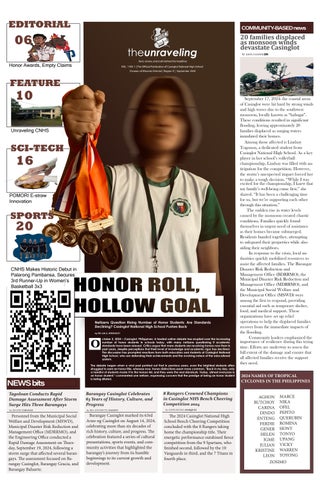

CNHS Makes Historic Debut in Palarong Pambansa, Secures 3rd Runner-Up in Women’s Basketball 3x3

Tagoloan Conducts Rapid Damage Assessment After Storm Surge Hits Three Barangays
Barangay Casinglot Celebrates 63 Years of History, Culture, and Progress
by JOHN ZANDER JAVA

September 17, 2024- the coastal areas of Casinglot were hit hard by strong winds and high waves due to the southwest monsoon, locally known as “habagat”. These conditions resulted in significant flooding, leaving approximately 20 families displaced as surging waters inundated their homes.
Among those affected is Lindsay Togonon, a dedicated student from Casinglot National High School. As a key player in her school’s volleyball championship, Lindsay was filled with anticipation for the competition. However, the storm’s unexpected impact forced her to make a tough decision. “While I was excited for the championship, I knew that my family’s well-being came first,” she shared. “It has been a challenging time for us, but we’re supporting each other through this situation.”
The sudden rise in water levels caused by the monsoon created chaotic conditions. Families quickly found themselves in urgent need of assistance as their homes became submerged. Residents banded together, attempting to safeguard their properties while also aiding their neighbors.
In response to the crisis, local authorities quickly mobilized resources to assist the affected families. The Barangay Disaster Risk Reduction and Management Office (BDRRMO), the Municipal Disaster Risk Reduction and Management Office (MDRRMO), and the Municipal Social Welfare and Development Office (MSWD) were among the first to respond, providing essential aid such as temporary shelter, food, and medical support. These organizations have set up relief operations to help the displaced families recover from the immediate impacts of the flooding.
Community leaders emphasized the importance of resilience during this trying time. Efforts are underway to assess the full extent of the damage and ensure that all affected families receive the support they need.
NAMES OF
Personnel from the Municipal Social Welfare and Development (MSWD), Municipal Disaster Risk Reduction and Management Office (MDRRMO), and the Engineering Office conducted a Rapid Damage Assessment on Thursday, September 19, 2024, following a storm surge that affected several barangays. The assessment focused on Barangay Casinglot, Barangay Gracia, and Barangay Baluarte.
Barangay Casinglot marked its 63rd Araw ng Casinglot on August 14, 2024, celebrating more than six decades of rich history, culture, and progress. The celebration featured a series of cultural presentations, sports events, and community activities that highlighted the barangay’s journey from its humble beginnings to its current growth and development.
The 2024 Casinglot National High School Bench Cheering Competition concluded with the 8 Rangers taking home the championship title. Their energetic performance outshined fierce competition from the 9 Spartans, who finished second, followed by the 10 Vanguards in third, and the 7 Titans in fourth place.
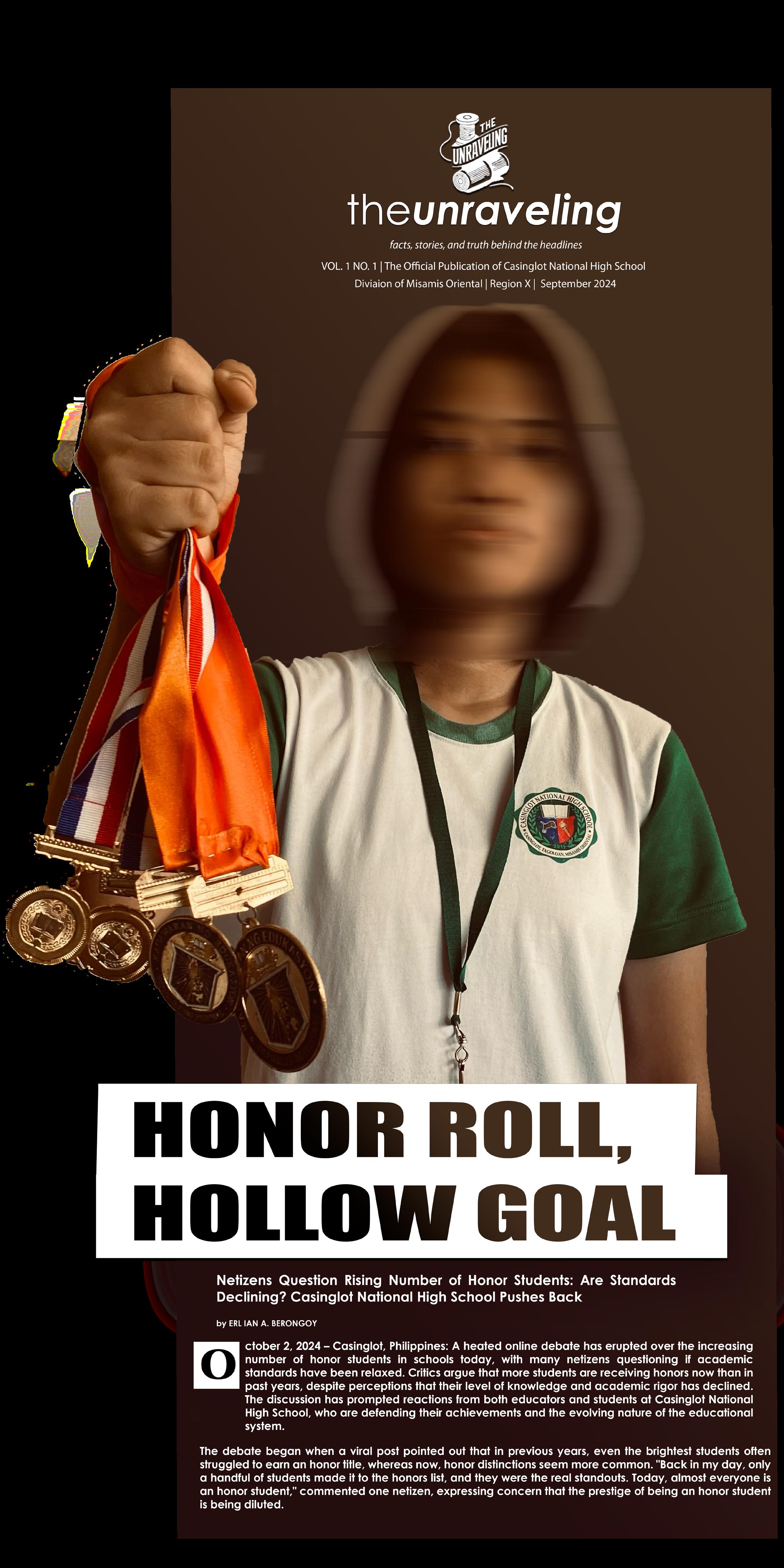
Despite the flood of online criticism, students and teachers from Casinglot National High School are speaking out, refuting these claims and emphasizing that today’s grading system and academic expectations are different from those of the past.
“It’s unfair to compare us to previous generations because the system has changed,” said 8th grader Kristel Mendoza, an honor student. “We’re not just evaluated on exams or memorizing facts. Now, we’re also graded on performance tasks, applied knowledge, research, and community involvement. Education is much more holistic today.”
This shift from traditional
students to be well-rounded and prepared for life beyond the classroom.
“The grading system now evaluates students on much more than just exams,” explained Mr. Cordova, a teacher at Casinglot National High School. “We assess their ability to solve problems, work in teams, and apply what they’ve learned to real-life scenarios. These are skills that weren’t as emphasized in the past. The rise in honor students is a reflection of this shift, not a lowering of standards.”
“The world has changed, and so must our approach to learning. It’s no longer just about who gets the highest grades on tests. We also recognize leadership, creativity, community service, and other critical skills that today’s students need to succeed,” he added. “Discrediting these achievements is dismissing the hard work and growth these students have

methods is a key factor in the increasing number of honor students. The Department of Education has implemented reforms to make education more competency-based, focusing on real-world application and critical thinking. According to Casinglot National High School’s teachers, these changes reflect the need for
Many students have voiced frustration over the public perception that their honors are less legitimate than in previous years. “It’s really disheartening to hear people say that our achievements don’t mean as much,” said honor student Zander Java, a Grade 9 student. “We work hard, but our success isn’t just based on memorizing facts or acing tests. We’re doing research, presenting projects, and applying what we learn in real-life settings. That takes a different kind of effort.”
Modern curriculum places a greater emphasis on performance tasks, which encourage students to demonstrate their understanding in practical ways. From creating business plans to implementing community projects, students are expected to apply their knowledge, making today’s honor system reflective of a more dynamic educational environment.
While the online debate continues, teachers and students are urging the public not to discredit the achievements of today’s learners. “Our students are not less capable—they’re adapting to a world that demands more diverse skills,” said Ms. Papauran. “Let’s celebrate their achievements!”
93 students thrive at Casinglot’s National Learning Camp
by GWEN NICOLE ABARQUEZ
In a vibrant celebration of learning and community, Casinglot National High School (CNHS) successfully held its National Learning Camp (NLC) in July 2024, gathering 93 eager students and 9 dedicated teacher volunteers. This initiative, designed to address learning gaps among Filipino students, plays a key role in improving academic performance and creating a strong foundation for future learning.
The NLC is part of the Department of Education’s broader efforts to address the learning challenges faced by students across the Philippines, a country that has shown room for improvement in the global Program for International Student Assessment (PISA). The camp provides targeted support to students struggling with foundational competencies in key subjects like mathematics, science, and reading. Its ultimate goal is to empower students to overcome academic hurdles and enhance their confidence and skills, ensuring they are better equipped for future success.
This year’s NLC at CNHS focused specifically on addressing learning gaps in these critical subjects, with the 93 participating students receiving personalized and targeted instruction throughout the program. The camp offered an engaging and interactive learning environment that encouraged students to embrace learning beyond the confines of traditional classrooms.
During the camp, students were guided through a series of structured activities aimed at reinforcing key concepts and skills. With the support of 9 committed teacher volunteers, the students participated in remedial classes tailored to their individual needs. Each session was designed to help them overcome specific academic challenges, providing them with a chance to revisit concepts they may have struggled with during the regular school year.
Aside from academic enrichment, the camp also fostered a sense of camaraderie and community among participants. The interactive and hands-on approach of the NLC allowed students to engage with their peers and teachers
Casinglot NHS Reports Phil-IRI Reading Results: 111 Students at Frustration Level 111 frustration level 1 non-reader


in new ways, making learning a more dynamic and enjoyable experience. The teacher volunteers played a crucial role in creating a supportive environment where students felt comfortable asking questions, exploring new ideas, and making academic progress at their own pace.
The success of the National Learning Camp at Casinglot National High School reflects the school’s commitment to continuous improvement in education. By recognizing the importance of addressing learning gaps and providing students with the tools and resources they need to succeed, CNHS is playing a vital role in shaping the future of education within the community.
Following the Phil-IRI (Philippine Informal Reading Inventory) assessment, Casinglot National High School (CNHS) revealed that out of 658 students, 111 were identified as frustration-level readers. This represents approximately 16.87% of the student population. Additionally, the report highlighted that one student was classified as a non-reader.
In response to these findings, CNHS is set to implement focused reading interventions, including remedial reading sessions and peer tutoring programs. The school plans
by ERL IAN BERONGOY
to intensify its efforts to ensure that struggling readers receive the necessary support to improve their literacy skills. Initiatives like Brigada Pagbasa, spearheaded by the SSLG, aim to help these students overcome reading challenges and enhance their overall academic performance. With continued dedication from teachers and student leaders, CNHS is committed to reducing the number of struggling readers and fostering a school-wide culture of literacy.

The P200 cash assistance may seem modest, but for many families in Tagoloan, it provides a significant boost, especially when multiple children in the family are enrolled in school. With prices of school supplies and other necessities rising, the extra financial support allows parents to cover the immediate needs of their children, such as notebooks, pens, uniforms, and even food during school days.
The distribution process was carefully organized to ensure that all students received their assistance without difficulty. The MSWD, working closely with school officials, facilitated the distribution across all public schools in the municipality. The collaboration between the local government, the MSWD, and the schools ensured that the process was smooth and efficient, with students
by JOHN ZANDER JAVA
In a heartfelt display of support for the youth of Tagoloan, Mayor Nadya Emano has brought hope to countless families by successfully rolling out a P200 educational cash assistance program for every public school student in the municipality. From kindergarten to high school, students across Tagoloan now have an extra boost to help them pursue their dreams.
The initiative, spearheaded by Mayor Emano, was authored by Municipal Councilor Cathlyn Valdehuesa-Allfante and channeled through the Municipal Social Welfare and Development (MSWD) office. It was specifically aimed at reaching public school students in Tagoloan, including those from Casinglot National High School, which has one of the largest student populations in the area. This financial aid is part of the local government’s broader effort to address the needs of students and their families, particularly in light of the ongoing economic challenges faced by many communities.
Municipal Councilor Kim Augustero, who played a key role in the program’s implementation, also delivered a strong message to the beneficiaries. He reminded both students and their parents to use the financial assistance responsibly. “This money is intended to support the educational needs of your children, whether for school supplies, transportation, or other essentials. We urge you not to spend it on online gambling or unnecessary things that will not benefit your education. Let’s focus on how this can help improve your school experience,” Augustero said.
receiving their cash assistance in a timely manner.
Among the recipients were students from Casinglot National High School. The assistance was met with gratitude from students and parents alike. “We are very thankful for this support from the local government. It may seem small, but for us, it’s a big help, especially with all the expenses we have for school,” one
student shared.
Thee P200 educational cash assistance program has has also reinforced the municipality’s dedication to fostering a bright future for its young learners.
by BRYNA MAE ACLO
The Supreme Secondary Learners Government (SSLG) of Casinglot National High School (CNHS) for the school year 2024-2025 took a proactive step in supporting literacy by spearheading the Brigada Pagbasa initiative during Brigada Eskwela 2024. Aimed at addressing the growing number of struggling readers, the initiative focused on creating a supportive and engaging reading environment for learners who need extra guidance, reinforcing CNHS’s commitment to inclusive education. academically.”
The Brigada Pagbasa event, held at the CNHS campus, was designed to help struggling readers improve their comprehension skills through a variety of activities. These included storytelling, interactive reading sessions, and other literacy-based exercises that promoted engagement and interest in reading. Student leaders, under the guidance of teacher volunteers, worked together to ensure each participant felt encouraged and supported throughout the event.
Mrs. Leliamer A. Calledo, the CNHS Reading Coordinator, emphasized the critical role of the initiative in fostering a culture of reading and ensuring that no student is left behind. “In recent
assessments, we’ve identified a significant number of students who are falling behind in reading comprehension. Brigada Pagbasa is our way of creating a more inclusive learning environment where we can support those who need additional help. This initiative aims to bridge the gap and give every student the tools they need to succeed,” Mrs. Calledo explained.
SSLG President, Keziah Neomi S. Gamutan, expressed her pride in leading such a meaningful program. “As student leaders, we want to contribute positively to our school and community. Brigada Pagbasa is an opportunity for us to make a difference by helping our fellow students who are struggling with reading,” she remarked. “It’s not just about improving their reading skills; it’s about building their confidence and giving them the support they need to thrive
Throughout the program, student leaders took an active role in guiding their peers through various activities, fostering a sense of collaboration and mutual support. The initiative not only highlighted the importance of literacy but also served as a platform for student leaders to demonstrate their commitment to the academic and personal growth of their classmates.
The Brigada Pagbasa initiative underscores the school’s collective efforts to support students who are struggling academically while empowering the youth to take active roles in their community. By fostering a culture of reading and encouraging peer support, CNHS is working towards ensuring that all students have the opportunity to excel.
One parent shared, “It’s wonderful to see student leaders stepping up to help their peers. Programs like this can make a huge difference, especially for children who need more encouragement in reading.”
As the SSLG continues to lead similar initiatives throughout the school year, the hope is that these efforts will create a lasting impact on literacy development within the school and inspire more student leaders to contribute to their community’s educational growth.

Wage Hike to Benefit Tagoloan Workers
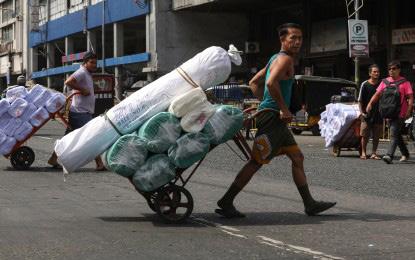
The Regional Tripartite Wages and Productivity Board (RTWPB) of Region X has announced a wage increase for Northern Mindanao, directly affecting workers in municipalities such as Tagoloan. Under Wage Order No. RX-22, the daily minimum wage will increase by P23 across all categories, effective immediately, with an additional P10 starting July 1, 2024. This adjustment will bring daily wages in Tagoloan—which falls under Wage Category 1—to a range of P423-P38 for non-agricultural sectors, and P411-P426 for agricultural sectors. Tagoloan, along with cities like Cagayan de Oro and Iligan, benefits from this significant wage adjustment aimed at boosting living standards amidst rising costs. The wage increase was affirmed by the National Wages and Productivity Commission (NWPC).
PBBM Inaugurates Panguil Bay Bridge, Boosting Connectivity in Mindanao

President Ferdinand Marcos Jr. led the inauguration of the Panguil Bay Bridge, the longest bridge in Mindanao, connecting Tubod, Lanao del Norte, and Tangub City, Misamis Occidental. The P8-billion infrastructure project shortens travel time from two hours to just seven minutes, benefiting more than 10,000 commuters daily. The bridge, spanning 3.16 kilometers, is expected to enhance trade and economic growth in the region, supported by funding from South Korea’s Economic Development Cooperation Fund.

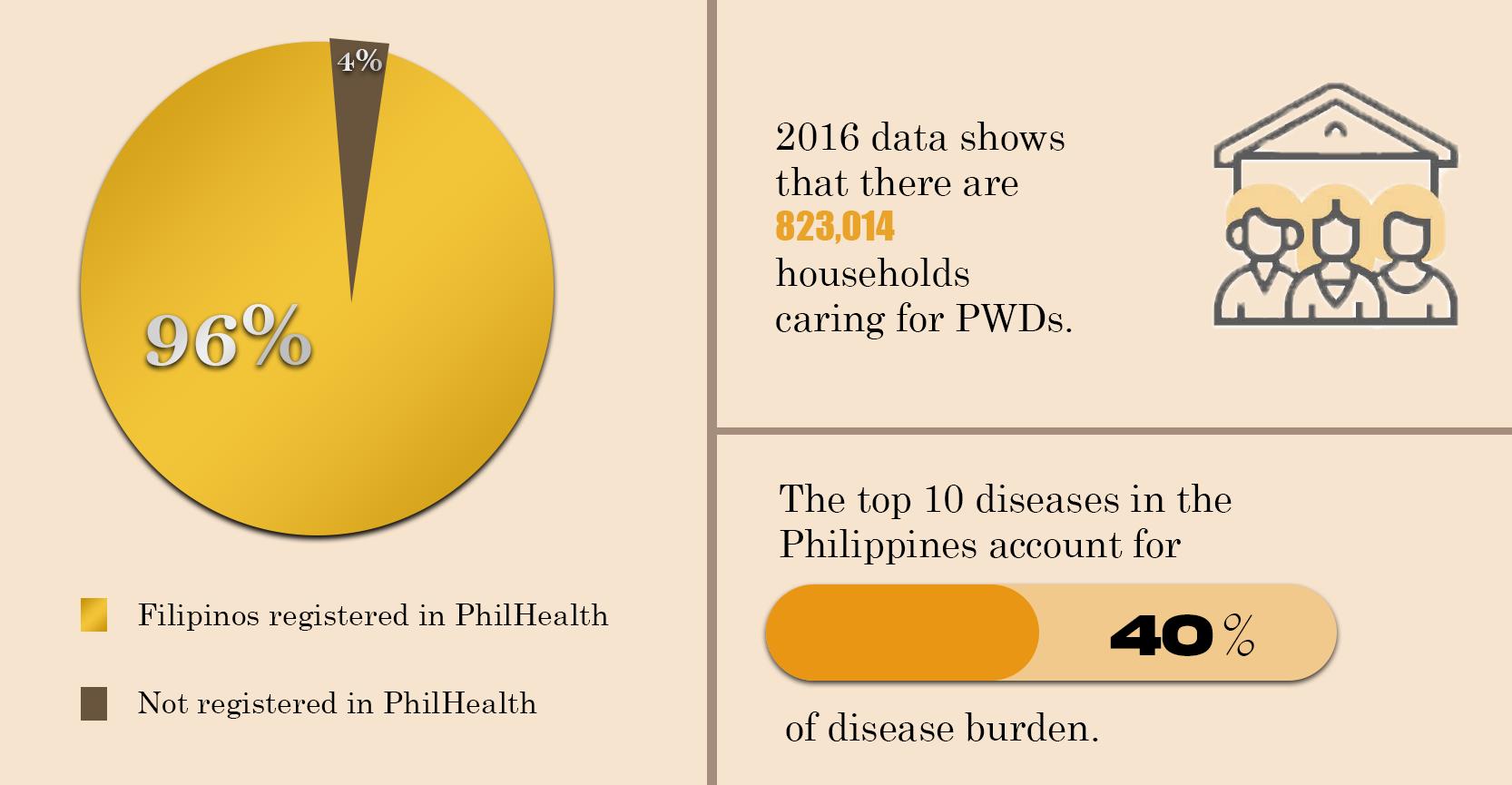

PhilHealth Region
the Philippines.
Out of 29 participating schools across the region, CNHS was the only school from the Misamis Oriental Division to make it to the top three, with 1st and 3rd place both going to schools from Lanao del Norte.
The reel-making contest, with the theme of “Magpa-rehistro, mag-update ng record, magbayad ng kontribusyon, at mag-claim ng benepisyo,” emphasized the importance of registration, record updates, contribution payments, and benefit claims under the Universal Health Care law in the Philippines.
The winning entry from CNHS impressed the judges with its creativity and strong messaging, earning the school a cash prize of PHP 10,000 and a silver plaque of recognition.
The Grade 9 students of Casinglot National High School (CNHS) — Bea Antonette P. Dacoco, Gwen Nicole B. Abarquez, Scarlette Grenberge L. Espenido, Jes Lyra E. Tabanao, and Princess Jean C. Poncardas — have made a remarkable achievement with their stunning 2nd place victory in the highly competitive PhilHealth Region X Reel-Making Contest. Despite the school’s history of limited participation in such competitions, the students, with determination and creativity, crafted an engaging and impactful reel that centered around the theme of Universal Health Care. The reel highlighted the importance of registering, updating records, paying contributions, and claiming benefits, all while resonating deeply with the audience and the judges
alike. The team’s success would not have been possible without the expert guidance and mentorship of their coaches, Mark Khien V. Cordova and Claudine Diane T. Papauran. Both coaches played a pivotal role in shaping ensuring that the final output effectively communicated the vital message of Universal Health Care.
The awarding ceremony took place at the prestigious Limketkai Luxe Hotel on September 2, 2024. The CNHS team, proudly represented both their school and the larger community of Misamis Oriental. This victory stands as a testament to the talents of the students and their ability to rise to the occasion, proving that with the right support and encouragement, even unexpected victories are possible.
by BEA DACOCO
In a significant step towards community readiness and resilience, the Service Auxiliary Volunteers for Emergency and Relief Services (SAVERS) Councilwide Girl Scouts of the Philippines (GSP) Capacity Building and Training took place at Coconut Bay, Tablon, Cagayan de Oro City. The event saw enthusiastic participation from various schools across Misamis Oriental, including a spirited delegation from Casinglot National High School.
The event saw enthusiastic participation from various schools across Misamis Oriental, including a spirited delegation from Casinglot National High School.
Seventeen dedicated Girl Scouts from Casinglot National High, under the guidance of their Adult Troop Leader, Mrs. Claudine Diane T. Papauran-Cordova, actively engaged in the training, which is designed to equip them with essential skills for emergency preparedness and relief operations. The training emphasized the importance of service to others, aligned with the Girl Scout
Promise to “serve God, Country, and Mankind.”
Mrs. Minda Briones, the Commissioner for Programs of the Girl Scouts Council of Misamis Oriental, was also present to support the event, underscoring the organization’s commitment to building a strong foundation for young leaders. “The SAVER program not only prepares our Girl Scouts for emergencies but also instills a sense of responsibility and community service,” she remarked. Participants undertook various activities aimed at enhancing their
knowledge in first aid, and survival skills, The event reflects a growing awareness of the need for disaster readiness in the community, and the Casinglot National High School Girl Scouts are poised to lead by example. As they embark on this journey, they embody the spirit of service, ready to respond to emergencies and assist those in need. With such initiatives, the Girl Scouts continue to inspire hope and resilience, proving that through teamwork and training, they are wellprepared to face challenges and make a positive impact in their communities.

The MATATAG Curriculum, introduced in August 2023 by Vice President and then-Education Secretary Sara Duterte-Carpio, was intended to streamline the education process by focusing on foundational skills such as reading, literacy, and numeracy. However, the reduction of subject periods from one hour to 45 minutes has created unforeseen issues, with many teachers struggling to deliver the full scope of lessons within the limited time. At a recent budget hearing in the House of Representatives, Education Secretary Juan Edgardo “Sonny” M. Angara acknowledged these challenges and indicated that DepEd is close to finalizing an order to revert to the original one-hour class duration for six core subjects. “We listened to the situation on the ground, and some teachers, as well as some schools, are
by JES LYRA TABANAO
The Department of Education (DepEd) is taking action to address widespread concerns from teachers and students as it prepares to revert to one-hour subject durations in schools across the Philippines. The move comes as part of efforts to ease the burden imposed by the newly introduced MATATAG Curriculum, which has faced criticism from educators struggling to meet the demands of the shorter 45-minute classes.
struggling,” Angara explained, citing that the flexibility of going back to longer class periods is necessary to improve the teaching process.
At Casinglot National High School (CNHS), the implementation of the MATATAG Curriculum has been met with mixed reactions. While the school took proactive steps in preparing for the transition, including teacher workshops, the development of learning materials, and the integration of digital tools, both students and educators have expressed concerns about the shortened class times.
“We initially thought that reducing class periods to 45 minutes would make lessons more focused, but it’s had the opposite effect,” shared one teacher from CNHS. “We barely have enough time to cover all the material, and we’ve been forced to rush through lessons.”
Many teachers at CNHS echoed the sentiments heard nationwide, noting that the 45-minute period left them with
little time to address students’ questions or provide in-depth explanations. “Most of the time is spent on routines, settling down, and introducing the topic, leaving us with only around 30 minutes of actual teaching,” one educator explained. Students, too, are feeling the pressure. With the compressed schedule, many report struggling to keep up with the fast-paced lessons. “It feels like we’re cramming all the information into a shorter amount of time,” a Grade 10 student at CNHS shared. “We don’t have enough time to fully understand the subject before moving on to the next.”
As DepEd navigates the challenges of implementing the MATATAG Curriculum, flexibility to adjust class durations is a positive step toward ensuring that students and teachers alike are given the time and support they need to succeed in this evolving educational landscape.
The Matatag Curriculum is a key initiative under the Department of Education’s (DepEd) K to 10 reforms in the Philippines, aimed at strengthening and enhancing the country’s basic education system. Officially launched in August 2023, the curriculum focuses on addressing learning gaps and improving the quality of education to better equip Filipino students with essential skills for the future.
The Matatag Curriculum is being gradually implemented, starting with Kindergarten and Grade 1 in the 2024-2025 school year, with full integration across K to 10 expected by 2028.
This curriculum reform aims to produce lifelong learners capable of thriving in a rapidly changing global environment, ensuring that Filipino students are prepared for both local and international opportunities.
by GWEN NICOLE ABARQUEZ
In a remarkable display of talent and teamwork, the Casinglot National High School (CNHS) team emerged victorious at the Collaborative Desktop Publishing English District Schools Press Conference held on September 25-26, 2024, in Tagoloan West District. This prestigious event marked a significant milestone for the school, as it was their first participation in this collaborative initiative.
The competition saw schools across the district showcasing their skills in desktop publishing, an essential aspect of modern journalism and communication. The CNHS team, composed of dedicated students and guided by their advisors, demonstrated exceptional creativity and technical expertise in producing high-quality publications.
The Philippine Veterans Investment Development Corporation Industrial Authority (Phividec-IA) has initiated a formal investigation into Philippine Sanjia-Steel Corporation (Phil-Sanjia), a firm operating within its estate in Tagoloan, Misamis Oriental, due to allegations linking it to the controversial Philippine Offshore Gaming Operators (POGOs).
During a recent Congressional hearing, the company was identified as potentially involved with POGO operations in Barangay Cugman, Cagayan de Oro City. Phil-Sanjia, a registered locator at the 3,000-hectare Phividec Industrial Estate since 2018, has come under scrutiny after revelations pointed to its alleged connections with Tony Yang (also known as Jian Yang Xin), brother of Michael Yang, a former economic adviser during the Duterte administration.
Atty. Benjamin Medrano, acting deputy administrator for operations at Phividec-IA, acknowledged the firm’s inclusion in the ongoing probe. “We are currently investigating because we learned the firm is linked to one of the alleged POGO operations in Cugman,” Medrano stated. He clarified, however, that despite these allegations, PhilSanjia continues its operations pending
As champions of the Tagoloan West District, the Casinglot NHS team has secured a place in the upcoming Division Press Conference, where they will compete against other district champions for a chance to showcase their talents on a larger stage.
“This victory is a testament to the hard work and dedication of our students,”
said Claudine Diane T. PapauranCordova, the team’s advisor. “They put in countless hours preparing and collaborating to produce a publication that truly reflects their abilities. We are incredibly proud of their achievement and excited for the opportunity to represent our district at the division level.”
The Division Press Conference will serve as an excellent platform for the CNHS team to further hone their skills and gain valuable experience.

the investigation’s outcome.
The Phividec Industrial Authority, responsible for managing industrial areas in Misamis Oriental, is cooperating with authorities. Medrano confirmed that Phividec is prepared to participate in future hearings after missing the initial inquiry due to a short notice from Congress, which invited them only a day before the session. The hearing is part of a broader effort to probe alleged illegal POGO activities across the country. Phil-Sanjia, for its part, has denied accusations of employing undocumented
Chinese workers or engaging in illegal activities such as smuggling contraband like rice. In a statement, the firm distanced itself from Tony Yang, clarifying that the individual registered under the name Antonio Lim is no longer serving as the company’s president.
The probe into Phil-Sanjia is just one part of a larger scrutiny of the Phividec Industrial Authority, a governmentcontrolled corporation created in 1974 to promote economic development. Its industrial estate in Tagoloan and
has been pivotal in regional industrial growth. However, the emergence of POGOrelated issues has cast a spotlight on its locators. As the investigation unfolds, the outcome could have broader implications, not only for the Phividec estate but also for the regulation of POGOs in the Philippines.


by JES LYRA TABANAO
As a student navigating the complexities of education today, I find myself in a peculiar position when it comes to the accolades we receive. The phrase “honor student” once evoked a sense of pride and accomplishment—a badge of honor earned through hard work and perseverance. But now, as I look around my school, I can’t help but question whether these honors carry the same weight they once did.
At Casinglot National High School, where I attend classes every day, I see students proudly displaying their honor certificates and awards. There’s no denying that these achievements are the result of countless hours of study and effort. Yet, amidst the celebrations, a nagging thought lingers in the back of my mind: Are we truly being recognized for our academic excellence, or are we simply participants in a system that seems to be redefining success?
The rise in the number of honor students has sparked debates among my peers and on social media. Many netizens argue that the honor roll is no longer an indicator of genuine achievement. Instead, it feels like a crowded hall where recognition is doled out generously, regardless of the depth of understanding or mastery of the subjects at hand. In a world where every student is an “honor student,” what does that even mean? Are we celebrating achievement or merely participation?
I’ve often heard my classmates express frustration over this issue. We work hard, balancing rigorous coursework with extracurricular activities and personal responsibilities. Yet, as we strive for excellence, it seems the criteria for honors are expanding to include a broader array of skills—some

demic rigor. I appreciate the push for inclusivity and holistic evaluations, but I can’t help but wonder if these changes undermine the true essence of what it means to be an honor student.
During a recent conversation with my friend Angela, she voiced her concern: “I don’t want my achievements to be seen as empty claims.” Her words resonated with me, reflecting a sentiment that many of us share. We want our hard work and dedication to be recognized and valued. But when honor distinctions are handed out so freely, it feels as though we are being told that effort alone is enough to earn accolades. What about mastery, understanding, and the pursuit of knowledge?
The truth is, while we deserve recognition for our achievements, we also need to cultivate a sense of integrity in what those honors represent. There’s a delicate balance to strike: we should celebrate our successes while also ensuring that the accolades we receive reflect genuine academic merit. It’s essential for us, as students, to advocate for a system that values true achievement over mere participation.
As I continue my journey through high school, I hope for a future where being an honor student means something significant. I want to walk across that stage at graduation, knowing that my hard work, critical thinking, and commitment to learning have been truly valued. I long for a time when honors carry the weight of real achievement, inspiring not just recognition, but also a genuine love of learning.
In the end, it’s up to us—students, educators, and the broader community—to engage in this dialogue and reflect on the meaning of our achievements. Let’s work together to ensure that our honors reflect the knowledge, skills, and dedication we put into our education. Only then can we reclaim the pride that comes with being an honor student and inspire future generations to pursue excellence with integrity and pur
In recent years, the educational landscape has undergone in the number of honor students across schools. While edly essential, the rising number of honors raises important stance of these distinctions. Are today’s honor awards they become mere symbols of an increasingly diluted
Many netizens have taken to social media to voice their concerns regarding this trend, suggesting that the honor roll has become less about genuine achievement and more about participation. The criticism is clear: with more students being recognized as honor students than ever before, has the prestige of such awards diminished? Are we reward ing effort over understanding, and participation over proficiency?
This debate isn’t merely a re flection of personal grievances; it speaks to broader concerns within our education system. In previous generations, honor distinctions were awarded to a select few who truly stood out for their exceptional knowledge, skills, and contributions. Students engaged in rigorous studies and faced a challenging academic environment that demanded their best. However, today’s educational landscape has shifted, with a focus on inclusivity and holistic assess ments that consider various factors beyond traditional test scores.
While this shift aims to produce well-rounded individuals equipped for the complexities of modern life, it raises a critical issue: are we losing the essence of what it means to be an honor student? By broadening the criteria for recognition, we risk the potential for honors to become commonplace rather than a mark of distinction. The term “honor stu dent” should evoke a sense of pride and accomplishment, yet for many, it now feels like a label that lacks true meaning.
At Casinglot National High School, educators and students are pushing back against this narrative. Mr. Cordova has defended the school’s approach, stating that the increase in honor students reflects the changing nature of education. He emphasizes that today’s criteria account for various skills, including creativity, leadership, and com





undergone significant changes, leading to an increase While recognizing student achievement is undoubtimportant questions about the validity and subawards truly reflective of academic excellence, or have diluted standard?
the challenge remains: how do we ensure that such a broad definition does not dilute the recognition of genuine academic excellence?
Students like Cloden Necol Labis and Keziah Neomi Gamutan argue passionately for their achievements, stating that their hard work goes beyond test scores. They contend that their honors
ties, from extracurricular activities to online coursework. Yet, as they pursue these accolades, they must also grapple with a reality that questions whether their accomplishments are truly valued or simply seen as products of an increasingly lenient system.

The educational community must engage in an honest dialogue about the purpose and significance of honor awards. Recognizing students for their hard work and achievements is vital, but it should not come at the expense of meaningful standards. We must find a balance that honors both individual effort and the pursuit of genuine understanding.
In the end, the challenge is not just about how many honor students are recognized, but what those honors truly represent. Are we nurturing a generation of learners who understand the value of knowledge, or are we merely inflating egos with empty claims? As we continue to adapt our educational practices to meet the demands of a changing world, let us not lose sight of the true essence of academic achievement—one that reflects integrity, understanding, and a genuine love of learning. Only then can we ensure that our honor awards are indeed meaningful, and that they inspire the next generation to reach their


by BEA ANTONETTE DACOCO
Ah, the Honor Awards— those gleaming medals of academic prowess, paraded around like golden tickets to the land of intelligence. For decades, they’ve stood as the ultimate mark of genius, bestowed upon the mathematical wizards and linguistic savants. But let’s pause for a second, because as someone who knows there’s more to the brain than just crunching numbers and stringing perfect sentences, I can’t help but chuckle at how narrow our definition of intelligence can be.
Don’t get me wrong, solving equations and writing flowery essays have their charm. But let’s be real: intelligence is far more than what can be captured by test scores and honor rolls. We’ve all met that person who can recite entire scientific theories yet struggles to figure out how to fix a broken zipper. Or the grammar fanatic who can spot a comma splice from a mile away but can’t quite grasp the art of a good joke or understand why their party planning always ends in awkward silences. So, are these the people we should celebrate as the pinnacle of human thought?
It’s funny how in a world obsessed with grades and academic achievements, we often overlook the everyday geniuses among us. Think about it: who’s the real genius— the person who solves a complex algebraic problem, or the one who knows just the right words to calm a screaming toddler in the middle of a grocery store? Sure, solving for “x” is impressive, but what about the person who can read a room, who knows how to make people laugh, or who can cook a gourmet meal using nothing but the scraps left in the fridge?
awareness, practical know-how—the stuff that doesn’t always make it into a textbook.
If intelligence were just about memorizing facts and mastering formulas, life would be dreadfully boring. The world is full of people who think in different ways, and thank goodness for that! There are the artists who paint emotions we didn’t know we had, the musicians who can make us feel through sound, the engineers who build bridges, the social butterflies who navigate relationships like seasoned diplomats. But none of them are called up on stage for a gold medal when they excel at their craft, are they?
So here’s the thing: we should still celebrate the academic achievers, sure. They’ve worked hard and deserve their applause. But let’s not fool ourselves into thinking that an Honor Award is the ultimate seal of brilliance. For every honor student who can calculate the square root of 972, there’s someone else who’s got the kind of wisdom that can’t be measured in multiple-choice tests or graded by a teacher.
The ones who don’t wear their intelligence like a badge of honor are often the ones who move the world forward. They’re the people who see connections where others see chaos, who create art from nothing, who lead with empathy, and who—let’s be honest—might be the ones who’ll fix that broken zipper when you’re too busy solving equations.
So here’s to them: the unsung heroes of the everyday. The thinkers who refuse to be boxed into a mold, the creators who see intelligence as something to be explored, not defined by a checklist. Intelligence is far more colorful, messy, and wild than any Honor Award could capture, and it’s time we start celebrating that beautiful chaos.
Because in the grand scheme of things, intelligence is not just about passing tests—it’s about understanding the world in all its glorious complexity, whether you’re cracking the code to a mathematical puzzle, or just figuring out how to





As technology advances, smartphones have become deeply embedded in the lives of students. While they offer immense convenience and functionality, they also bring challenges that impact students’ learning, health, and behavior. These portable devices, with their myriad of apps and easy access to information, are transforming classrooms—but not always in the ways educators might hope.

A staggering 97% of students around the world use their smartphones during the school day, with the average usage lasting about 43 minutes, equivalent to the duration of a typical class period. While this highlights the pervasive role of technology in education, it also raises red flags about how these devices are influencing students’ ability to concentrate, engage, and excel.
One of the most prominent concerns is the distraction smartphones bring into the classroom. The constant barrage of notifications, texts, and social media updates can pull students’ attention away from lessons. Studies have shown that this constant multitasking—juggling between learning and checking the phone— can reduce cognitive function, lower the quality of learning, and lead to off-task behaviors. Students who should be focusing on a math problem or a history discussion might instead be scrolling through social media, missing key points in the lesson. Furthermore, the temptation to use artificial intelligence tools for academic dishonesty—such as auto-generated essay answers or quick problem-solving apps—has become an increasing problem that educators struggle to combat. Beyond the distraction factor, smartphone use also poses risks to students’ physical and mental health. Prolonged screen time can lead to eye strain, neck pain, and poor posture, commonly referred to as “tech neck.” The physical toll can be significant, especially when students are glued to their screens for both academic purposes and leisure activities like gaming or social media. Moreover, the mental health impacts of constant connectivity— whether it’s anxiety from online interactions or sleep disturbances from late-night phone use—are becoming more apparent. The classroom, traditionally a space for undivided attention and focus, now often serves as a backdrop for these issues.
In addition to the health concerns, smartphones are having a measurable negative impact on academic performance. Research indicates that the more students engage with their phones while studying, the more their learning suffers. Constant interruptions from
devices break the flow of concentration, making it harder to retain information and develop deep understanding. Many teachers report struggling to maintain students’ attention, particularly since the COVID-19 pandemic, when remote learning normalized frequent smartphone use for non-educational purposes. This shift has made it even more difficult to pull students away from their devices and keep them engaged with the material at hand.
Despite these challenges, it’s important to acknowledge the potential benefits smartphones bring to the educational environment. When used effectively, these devices can be powerful tools for enhancing learning. They allow students to quickly look up information, engage in interactive activities, and participate in live polls or surveys, all of which can make lessons more dynamic and engaging. Educational apps and games such as Kahoot, Wordle, or Minecraft Education can turn learning into an interactive and fun experience, promoting collaboration and reinforcing lesson content in creative ways. Additionally, many schools permit smartphones for practical reasons, such as allowing students to stay in contact with their parents or guardians during emergencies or important situations.
In some cases, schools have implemented strict policies banning smartphone use during class hours, while others have adopted a more lenient approach, allowing students to carry their phones for safety reasons. However, these policies vary widely, and enforcement can be inconsistent. This inconsistency leads to confusion and mixed messages about when and how smartphones should be used in educational settings. Ultimately, the challenge lies in finding a balance between leveraging the advantages of smartphones and mitigating their potential harms. These devices are undoubtedly powerful learning tools, but without proper guidance and moderation, they can quickly become more of a hindrance than a help. Teachers, parents, and students themselves must work together to develop strategies that encourage mindful smartphone use, ensuring that technology enhances rather than detracts from the learning experience.
In conclusion, while smartphones have become an indispensable part of modern life, their role in education remains complex. They offer valuable opportunities for enriched learning but also pose significant risks to students’ focus, health, and academic success. It’s up to the educational

community to strike the right balance, embracing the benefits of technology while minimizing its drawbacks. Only then can smartphones truly become impactful devices for learners, helping them thrive in an increasingly digital world.

As a student, my smartphone is my lifeline. It’s more than just a device—it’s my planner, my dictionary, my calculator, and sometimes, my last-minute homework-saver. But when the debate about whether we should be allowed to bring phones to class comes up, it always feels like we’re stuck between two worlds: the one where our phones are helping us, and the one where they’re getting us in trouble.
Let’s be honest: having a phone during class is super helpful. When the teacher mentions a concept I don’t quite get, a quick Google search gives me answers in seconds. Need to find an extra fact to impress during a class debate? My phone’s there. Forgot what homework is due? A quick glance at the school portal keeps me on track. Plus, it’s not just about academics—sometimes, life happens, and being able to text my mom during an emergency is reassuring. My phone keeps me connected not just to school, but to the world. But yeah, I get it. Phones are a double-edged sword. One minute, I’m looking up something for class, and the next, I’m deep into TikTok. We’ve all been there. Notifications can pull you away from the lesson, and suddenly you’re behind. It’s like our phones are both our best friend and our worst enemy. They’re the thing we can’t live without, but also the thing that makes us lose focus when we need it most.
by BRYNA MAE ACLO
So, what’s the solution? I don’t think banning phones is the answer. In fact, I think it’s about teaching us how to control our own use. Instead of taking phones away, why not show us how to use them as tools rather than toys? Teachers could guide us on when it’s okay to pull out our phones for research or using apps like Kahoot for class quizzes. Phones can actually make learning fun—if we use them the right way.
And let’s be real: banning phones won’t stop the temptation. We’ve mastered the art of sneaky texting under the desk, and if the goal is to keep us focused, then maybe the answer is teaching us why focus is important in the first place. We don’t just need rules—we need to understand the balance between when to use our phones and when to turn them off. It’s a life skill, honestly. In the end, the question isn’t just about our right to have phones in class— it’s about learning how to use them responsibly. Our phones are powerful, but like any power, they come with responsibility. If we can find that balance, we’re not just better students, we’re better prepared for the real world, where distractions are everywhere and focus is a skill we all need to master.
So, should we have our phones in class? Absolutely. But it’s time we learn to use them as the smart tools they’re meant to be, not just as distractions in disguise.
by MARIEL LLANTADA
In the bustling city of Cagayan de Oro and the nearby town of Tagoloan, the name Tony Yang has become synonymous with both entrepreneurial ambition and controversy. Once celebrated for his meteoric rise as a businessman, Yang now finds himself at the center of a storm as investigations into the connections between Philippine offshore gaming operators (POGOs) and the illegal drug trade unfold.
Recent hearings led by Sta. Rosa Representative Dan
Fernandez have unveiled troubling links between Yang’s enterprises and illicit activities. The Philippine Drug Enforcement Agency (PDEA) has flagged one of Yang’s partners in the Mis. Or. Sand and Gravel Corporation as a “person of interest,” igniting a wave of speculation and concern among citizens and lawmakers alike.
PDEA chief retired General Moro Virgilio Lazo emphasized the sensitive nature of the investigation, highlighting the need to protect ongoing operations while probing deeper into these troubling ties.

This situation begs the question: how did a businessman with potential ascend to a position that now raises red flags in the eyes of the law? Tony Yang, brother of former presidential economic adviser Michael Yang, leveraged connections and entrepreneurship to build his empire. Yet, the proximity of his ventures to POGOs—a sector already under scrutiny for its alleged involvement in various illegal activities—has cast a long shadow over his business dealings.
As the investigation unfolds, it shines a light on the larger implications of unchecked power and the intertwining of legitimate business with the criminal underworld. The POGO industry, which has been a significant economic driver in recent years, is now facing increasing scrutiny for its potential role in facilitating not just gambling but also drug trafficking and other nefarious operations.
For the citizens of Cagayan de Oro and Tagoloan, the revelations are unsettling. What was once viewed as a symbol of local economic growth is now perceived as a breeding ground for crime. The local government must step up to restore confidence and ensure that the vibrant potential of these communities is not overshadowed by the actions of a few.
The case of Tony Yang serves as a cautionary tale about the fine line between success and scandal. As lawmakers and law enforcement agencies continue their investigations, it’s imperative that the integrity of legitimate businesses is preserved while holding accountable those who seek to exploit the system for their gain.
In a time when transparency and accountability are more crucial than ever, the people of Cagayan de Oro deserve answers. The spotlight is on Tony Yang and his business empire, and the stakes could not be higher. Will this investigation lead to reforms, or will it merely serve as another chapter in a saga of corruption and crime? Only time will tell.
by BEA ANTONETTE DACOCO
For years, Casinglot National High School has stood as a quiet yet determined institution in the heart of the community, fostering education and character-building among its students. The school, though known for its dedication to student development, had often flown under the radar in district competitions. But in 2024, after years of perseverance and rebuilding following the pandemic, Casinglot finally made a resounding mark in the field of journalism. For the first time, its students emerged victorious in the District Press Conference, particularly in the prestigious group event, Collaborative Desktop Publishing, earning the right to represent the district at the division level.
This achievement, dubbed “The Unraveling,” is more than just a victory—it symbolizes the school’s newfound potential, resilience, and the unfolding of untapped talent.
Rising from the Challenges of the Pandemic
Like many schools across the country, Casinglot National High School faced tremendous challenges in the aftermath of the pandemic. Online learning, limited resources, and the emotional toll on both teachers and students created obstacles that, at times, seemed insurmountable. But within these challenges, the school found an opportunity to reflect, rebuild, and reawaken the potential within its students and educators.
The pandemic was more than just an interruption to classroom learning—it was a test of will and creativity. Teachers had to find new ways to engage students, while students had to adapt to new modes of learning, often without the resources they once took for granted. The pressure to keep up academically, combined with personal struggles, made it easy for many to feel discouraged. But in Casinglot, something quietly transformative was happening.
The school’s journalism program, once an extracurricular activity for a handful of students, began to grow into a hub for collaboration, creativity, and expression. As students returned to face-to-face learning, their eagerness to express themselves through writing, layout, and design blossomed. The Collaborative Desktop Publishing team, composed of students with varied talents— writers, editors, layout artists, and photographers—began to form a cohesive unit with a shared goal: to showcase their school’s voice in a new and powerful way.

A Collaborative Victory

lishing wasn’t an overnight success—it was the culmination of months of preparation, practice, and mentorship. The team, under the guidance of dedicated teachers and coaches, worked tirelessly to hone their skills. Each member played a vital role, from conceptualizing layouts to crafting compelling articles, all while learning the delicate balance of teamwork and individual creativity.
The team’s entry to the District Press Conference was a reflection of the school’s determination to excel. Their winning output featured stories on community resilience, student achievements, and local developments, all laid out with precision and artistry. The meticulous collaboration between the writers, graphic designers, and editors revealed the true potential of Casinglot’s students—not just as individual talents, but as a unified force. Their victory was more than just a win in a competition; it was a moment of pride for the entire school. It marked the unraveling of Casinglot National High School’s true potential, showing that with the right combination of hard work, mentorship, and vision, even the most unexpected achievements are within reach.
For the first time, Casinglot National High School will represent its district in the division-level competition—a feat that was once only a dream for the school. This achievement not only brings pride to the school’s halls but also serves as a beacon of hope for future students and aspiring journalists.
The Collaborative Desktop Publishing team’s success is a testament to the school’s commitment to nurturing talent in all its forms. It represents the unraveling of years of potential, long hidden but now fully realized. This moment serves as a powerful reminder that with persistence and teamwork, even schools that were once considered underdogs can rise to the top.
Beyond the Win
But “The Unraveling” isn’t just about winning a competition—it’s about rediscovering what the school stands for. Casinglot National High School has always been a place where students were encouraged to learn and grow, but this victory shows that the school can also be a place where dreams turn into reality.
The Collaborative Desktop Publishing team’s journey has inspired not just the journalism club, but the entire student body. More students are now interested in joining clubs, participating in competitions, and exploring their own
hidden potentials. Teachers, too, are reignited with a sense of purpose, seeing the fruits of their labor and dedication reflected in their students’ successes.
As Casinglot National High School prepares to com
pete at the division level, the excitement and pride are palpable. The students who make up the Collaborative Desktop Publishing team have already proven that they have what it takes to succeed, and their story is only just beginning. Whether they win or lose at the next competition, they have already won something far more valuable—a belief in themselves and the unraveling of their school’s true potential.
The journey from an underdog school to a district champion is no small feat, and Casinglot National High School’s victory serves as a powerful symbol of what can be achieved with dedication, teamwork, and a belief that no challenge is too great to overcome.
This is “The Unraveling” of Casinglot National High School—the story of a school and its students discovering the strength and talent that was always there, just waiting for the right moment to shine.
This page is dedicated to the cherished members of the Casinglot National High School family who have recently passed away. Though they are no longer with us, their light continues to shine through the lives they touched. We honor their memory, their contributions, and the impact they left on our community. Their presence will forever be remembered, and their spirits will remain in our hearts.
by NYL LOREN V. REQUISO
My dear husband, leaving the mundane world so early. Did the heavens told me that you have fulfilled your duties as a mundanian? I couldn’t face the reality that you have left me alone with our sons. The time we had was limited and your timer has come to an end. I marked the date, September 1, 2024, the day you have took your last breathe and last gaze around your surroundings. The announcement of the doctor
have broken my hope. Who will be my eyes now ? the strength to carry our sons to make them feel like they are superhero?
How could I live fully now? You are the eyes I wished to have, but you have guide me through the dangerous path we crossed. I watched you carrying our sons in your arms and make them feel like a superhero, the giggles and laughter have filled our home that is the light of the dark vision I have. Seeing you and our three sons having fun is enough for me to feel at ease like I’m in paradise.
I am a woman who feared to be seen by our sons that I have been weeping my tears with the people who held you dearly in their heart. I am a DAUNTLESS WOMAN; a person who has no fears or FEARLESS. However, now that you are gone, how will I raise our sons on my own? Pay our debts? How could I survive in this darkness when you are the source of light
that I need.
Fear have swallowed me whole, locking me in a room that made my mind blank for a while. Crying, crying, and crying. The Death on the corner, watching me as if I am a series drama, a never ending filled with series of emotions.
Back then, when I gave birth to our 3rd child, I have no fear. I could feel your presence near me I know myself well that I could survive this challenge and give the little one a life. Just seeing your eyes widen with surge of emotions inside, I wasn’t able to think the worse possibility but to rest and let you handle other matters.
I have no fear when I rode on your motor as you take me to school so that I could work and teach the students. I was filled with confidence by your presence alone that gave me courage. Somehow, those memories faded on the back of my mind.
I don’t know what to do, as if time is running quickly that made me pressured. I felt empty at the end, Death
by JANNAH ROSE T. ALINAPON
have sucked my confidence and replaced with fear that is happening in front of my eyes.
With tears of agony and despair, I try to face everyone while they gave their condolences to my family and myself. It was heavy to bear that word, as if those were the arrows of Death that had hit me on my heart and wanted me to taste what fear is. Especially with you in front of me, lying and in a “barong”, still the handsome man I knew but lifeless.
I couldn’t bring out the words that I wanted to say, I couldn’t even say goodbye for the last time even if your eyes are close. How much could I even say I love you when I don’t have the courage to say it out loud.
Poverty—an unrelenting force that weighs heavily on those born into its grasp. Have you ever truly considered what life is like through the lens of poverty? Children with hopeful eyes, dreaming of a better future, only to have those dreams dimmed by the harsh reality of their circumstances.
One such boy, lived a life marked by these silent struggles.
To many, he was the boy with the bold, genuine smile, a laugh as vibrant as a blossoming flower. His laughter, pure and innocent, echoed through the corridors of Casinglot National High School, warming the hearts of those around him. He carried a presence that spoke of joy and lightness, but beneath the surface was a world few had ever seen.
His face masked the invisible weight of a life constrained by poverty. Behind that captivating smile was a boy who faced daily battles that went unnoticed by most. Though his exterior radiated happiness, if you were to look deeper, you’d realize the depth of his struggles—a story of silent suffering, wrapped in a façade of joy.
He was born into poverty and lived in its grip all his life. Financial hard-
ships left him without basic necessities. He didn’t have new clothes to wear and often had to limit his meals to stretch what little money he had. Sometimes, he would miss school because there was no money for snacks, yet he rarely complained.
Despite these hardships, he remained grateful for the little he had. He found solace in the company of friends, his laughter lighting up every room, hiding the financial burdens that weighed him down. He lived in the moment, always cherishing the time spent with those he loved.
Even in his years of quiet agony, s presence was a beacon of warmth. His essence lingers in the places where he once found happiness—his laughter, like a gentle breeze, remains a part of those he left behind.
Jerry Boy Baylosis may no longer
walk among us, but his memory is unshakeable. His spirit, even now, lives on in the hearts of those who knew him. His story, though filled with struggle, is a testament to the resilience of the human spirit—a reminder that even in the face of poverty, one can still bring joy and inspiration to the world.

Inspired by BINI’s “Karera”
by BEA ANTONETTE DACOCO
hen the world came to a sudden halt in 2020, so did the life of a promising Grade 7 student. At the top of her class in elementary, she had always been an honor student— used to excelling in academics and thriving in the classroom environment. But when the pandemic hit and schools switched to distance learning, everything changed. Her journey through junior high school would become a test of endurance, resilience, and most importantly, self-discovery.
In Grade 7, the school’s usual bustling energy was replaced by modules, printed worksheets, and video lessons. Distance learning was an unfamiliar territory for her, and without the usual face-to-face interactions with teachers and classmates, she began to struggle. There were days when the workload felt overwhelming, but she kept pushing herself, hoping to maintain her academic standing. Still, something wasn’t clicking. Learning from home was isolating, and without the daily structure of school, it was hard to stay motivated.
As she moved into Grade 8, the world outside remained in lockdown, and she was still tethered to modular learning. The pandemic dragged on, and so did her academic challenges. Each day felt like a battle to keep up. Her grades, once a source of pride, began to slip. Where she once felt confident in her abilities, she now found herself falling behind, unable to fully grasp the lessons delivered through worksheets and online platforms. What used to come easily to her now felt like a blur of deadlines, missed opportunities, and uncertainty.
This year’s graduates have faced a variety of unique challenges, from the pandemic that disrupted their education to personal struggles that forced them to rethink what it means to succeed. For many, the traditional race to be the top of the class, the fastest to finish, or the most accomplished suddenly didn’t matter as much. They learned the value of moving at their own pace and embracing the journey, rather than rushing to the end.

By the time she entered Grade 9, the sense of isolation from the classroom—and from her peers— had deepened. The pandemic had stretched into a two-year hiatus from normal schooling, and while some of her classmates seemed to find ways to adjust and excel, she was stuck. The once-bright spark of being an honor student had dimmed, replaced by frustration and self-doubt. It felt like everyone was moving forward, while she was barely keeping her head above water. There were days when she wondered if she’d ever catch up.
But the story didn’t end there.
As face-to-face classes gradually resumed in Grade 10, she walked into her classroom with mixed emotions. It felt strange to be back after so long, and the fear of not being able to return to her old self as an honor student lingered. She wasn’t the same high-achieving student she had been before the pandemic, but she had grown in other ways—ways that weren’t immediately visible in report cards or awards ceremonies.
As her final year in junior high school came to an end, she found herself reflecting on her journey. During the completion ceremony, a familiar song played: BINI’s “Life is Not a Race.” The lyrics resonated deeply with her, as they seemed to encapsulate everything she had experienced during those difficult years. The song’s
missed a few steps along the way, or needed extra time to get back on track. Others may have paused their studies entirely to focus on their mental health or family needs. And that’s okay. Each student’s path was different, but they all arrived at this important milestone in their own time.
message—that life isn’t about rushing to be the best or measuring success against others—was exactly what she needed to hear.
It was in that moment that she realized something profound: life, much like school, isn’t a race of achievement. The pressure to always be on top, to maintain honors, and to keep pace with everyone else had taken its toll on her during the pandemic. But BINI’s words reminded her that everyone’s journey is different. She didn’t have to be first. She didn’t have to match anyone else’s speed or success.
“The road may seem long, but you’ll get where you belong.” Those words stayed with her as she received her junior high school completion certificate. For the first time in years, she didn’t measure her worth by her grades or her place in the class ranking. Instead, she took pride in her perseverance—how she had endured the most challenging years of her education and emerged stronger, not because she had kept up with her classmates, but because she had stayed true to herself.
In the end, she realized that her journey wasn’t about competing with others, but about finding her own path. While she may not have been at the top of her class anymore, she had learned lessons that went beyond the pages of her textbooks. She had discovered resilience, patience, and
way.
the importance of taking life at her own pace.
As she looks forward to senior high school, she carries with her the understanding that success isn’t about racing to the finish line—it’s about growing, learning, and embracing the journey, no matter how long it takes.
She may not have been first, but that’s okay
Inspired by BINI’s “Karera” Graduation is often viewed as the culmination of years of hard work and perseverance, but the Class of 2024 has learned that their journey is about much more than reaching a finish line. For these graduates, the lessons they’ve gained extend far beyond academic success—they’ve discovered that life is not a race, and the path to fulfillment doesn’t follow a single, predetermined course.
One of the greatest lessons the Class of 2024 learned is that success doesn’t have to follow a strict timeline. Some students may have taken longer to finish assignments,
Life is often compared to a race, with pressure to finish first, be the best, and check off accomplishments quickly. But the graduates of 2024 learned that life is more like a marathon, with each person running at their own pace. Some will move quickly, while others may take time to pause, reflect, or even restart. What matters is not how fast they go, but how they handle the challenges they face along the
For some graduates, their biggest victory was simply showing up. Many students dealt with personal setbacks— whether it was the loss of a loved one, mental health struggles, or financial hardships—that made it difficult to stay on track. Yet, they persevered, reminding us all that sometimes, the greatest achievement is simply continuing the journey.
Graduation is not the end, but the beginning of a new chapter. The Class of 2024 has learned that the “finish line” of high school is not a marker of finality but a gateway to countless new opportunities. They will continue to face challenges, uncertainties, and changes, but they will do so with the understanding that their path is uniquely theirs. There is no rush to the future, and no single way to
succeed. As these graduates step into the next phase of their lives—whether it’s college, work, or other ventures—they carry with them the invaluable lesson that life’s worth is measured by growth, resilience, and purpose, not by how quickly they achieve their goals. Their journey may take unexpected turns, but each one will shape them into the individuals they are meant to become.

by BEA ANTONETTE DACOCO
In the bustling halls of Casinglot National High School, where students chase their dreams and teachers ignite the spark of learning, there exists a quiet force—a trio of humble yet extraordinary individuals who keep the wheels of this institution turning. They are not in front of blackboards or grading papers, yet their presence is felt in every clean hallway, in the secure gates, and in the peace that envelops the campus each night.
Kuya Jun, the ever-smiling gatekeeper; Ate Ann, the silent guardian of cleanliness; and Sir Jabagat, the vigilant protector under the stars—these unsung heroes work behind the scenes, ensuring that the school is not just a place of education but a haven for growth, safety, and comfort. Without them, the rhythm of school life would falter, the day-to-day magic of learning disrupted.
While their names may not appear on honor rolls or be celebrated at school assemblies, their impact is profound. They remind us that every role in a community is vital, that the true spirit of a school lies not only in its academic achievements but also in the dedication and love of those who serve it, often without applause. Today, we take a moment to shine a light on these three remarkable individuals whose work, though often unseen, is deeply felt by all.
Kuya
Every morning, before the first bell rings, Kuya Jun is already at his post, stationed at the school’s gate with a warm smile that greets everyone—students, parents, and teachers alike. As the school’s gatekeeper, Kuya Jun’s job may seem simple, but it is one of great responsibility. He ensures that everyone who enters the school is safe and that order is maintained.
“It’s not just about opening and closing the gate,” Kuya Jun shares. “I get to know each student by face, and I make sure no one suspicious enters the school. I also help with keeping the traffic flow smooth, especially during dismissal time when parents come to pick up their kids.”
Despite the repetitive nature of his work, Kuya Jun takes pride in knowing that his vigilance helps keep the school community secure. His friendly demeanor and readiness to assist students who may be late or parents who need directions add to the warm and welcoming atmosphere of Casinglot National High School.

Ate Ann: The Heart of Cleanliness
If there’s one person who ensures that Casinglot National High School is always in tip-top shape, it’s Ate Ann. She moves quietly but effectively, sweeping the corridors, cleaning classrooms, and keeping the restrooms spotless. Her job might seem thankless, but for Ate Ann, it’s a source of pride.
Seeing the school clean every day makes me happy,” says Ate Ann with a smile. “I know that a clean environment helps the students learn better. It’s like a second home to them, and I want them to feel comfortable here.”
Her dedication goes beyond just sweeping floors. Ate Ann has a knack for noticing the little things—a broken window, a leaking faucet, or a loose doorknob—and brings them to the attention of the school’s maintenance team. She also plays a crucial role during school events, ensuring that everything is in place and that the school grounds remain clean even after big gatherings.
“Without Ate Ann,” says one teach
day upkeep of the school. She truly is the unsung hero of our daily operations.”
Sir Jabagat: The Night’s Watchman
When the last student has left and the school grounds are quiet, Sir Jabagat takes over. As the school’s night guard, he patrols the premises, ensuring that the school is safe and secure until the morning light. His presence brings peace of mind to the school community, knowing that their learning space is protected after hours.
People don’t realize how important it is to have someone guarding the school at night,” Sir Jabagat explains. “There have been instances when I’ve had to report suspicious activity or prevent trespassers from entering the school. It’s not just about keeping things locked up; it’s about safeguarding the school’s resources.”
Sir Jabagat’s role extends beyond simple security duties. During storms or emergencies, he stays vigilant, checking the school’s surroundings for any damage that might need to be addressed the next
school is ready for another day of learning. While teachers are often celebrated for their contributions to education, it’s essential to recognize that a school is a community—a place where everyone plays a vital role. Kuya Jun, Ate Ann, and Sir Jabagat may not be in front of the classroom, but their efforts make it possible for learning to happen. Their dedication is a reminder that every role, no matter how small it may seem, is important in creating a nurturing and safe environment for the students of Casinglot National High School. These three job order employees are truly the unsung heroes of the school, deserving of as much praise and appreciation as anyone else.



by BEA ANTONETTE DACOCO
In a world that often feels chaotic and endlessly spinning, some rare individuals seem to pause time with their very presence. Ma’am Lovely Valcorza is one of those people. Her magnetic and radiant energy doesn’t just brighten a room—it transforms it. When she enters a space, it’s as if she carries with her the promise of sunshine after a long, dreary storm. Laughter follows her, and she leaves behind traces of joy and hope. To those lucky enough to know her, she’s more than just a teacher—she’s a living embodiment of inspiration, a rainbow after the rain, bringing light to even the darkest of days.
Behind her radiant smiles and easy laughter is a woman of immense strength and unwavering character. Ma’am Lovely is not just brave; she’s a force of nature. Her confidence, kindness, courage, and deep faith are matched only by her resilience. No matter what life throws her way, she never loses the vibrancy that defines her. While many may falter when faced with life’s strongest storms, she stands tall, unwavering, and unshaken. Her inner light shines even brighter in adversity, a beacon guiding others through the challenges they face.

For Ma’am Lovely, life’s trials are not a reason to falter but opportunities to grow. Since her earliest years, her heart has been set on one passion: teaching. This calling took root in her soul and grew stronger as she ventured into the world. When she began her journey at Casinglot National High School (CNHS) as a student-teacher, she faced her first real test. It wasn’t just about standing before a classroom filled with eager and unfamiliar faces—it was about embracing the challenge of learning while teaching, of growing while guiding others. However, the path to becoming the inspiring teacher she is today was not without its hurdles. Like many educators, Ma’am Lovely faced numerous challenges. Managing a classroom filled with students of varying learning styles and personalities was no easy task. “It can be difficult to manage a diverse group of students in the classroom. It can be time-consuming, stressful, and emotionally draining, particularly when dealing with students who lack good manners or are disrespectful,” she admitted. The exhaustion and emotional toll were real, yet she never let it diminish her passion. Instead, she approached every challenge with patience and perseverance, re-
by JANNAH ROSE T. ALINAPON
minding herself to find joy in the task of teaching.
Her secret to overcoming these challenges? “If you make an effort to be pleased in your task of instructing students, then everything is achievable. All you need to do is keep fighting, have faith in God, and have faith in yourself because, in God, nothing is impossible,” she revealed with a smile. Her words carry the wisdom of someone who has not only survived the storm but learned to dance in the rain. Faith, both in herself and in a higher power, became her anchor, guiding her through the roughest days and reminding her of the larger purpose behind her work.
Now, with pride and accomplishment, Ma’am Lovely holds a degree, having passed through the fires of personal growth.
Ma’am Lovely’s story is not just for those who knew her—it’s a beacon of hope for every aspiring teacher. To those who dream of standing at the front of a classroom, sharing knowledge, shaping lives, and molding future generations, her journey is proof that the road to becoming a teacher is challenging, but it’s also incredibly rewarding. Ma’am Lovely teaches us that while the path may be filled with obstacles, it’s those very challenges that shape us into the teachers we are meant to become.
In a world brimming with wonders and aspirations, there was a woman whose path seemed destined for one thing—to become an educator. From the time she was a young child, she held tightly to her dream of teaching. With passion and determination, she excelled in many areas, using her talents to climb higher than she had ever imagined.
Yet, her journey wasn’t free of challenges. Life presented her with obstacles—spikes and thorns that tried to slow her progress. But she saw each challenge not as a barrier, but as a step on the ladder to her personal growth. She embraced every trial, knowing that each one prepared her for something greater.
Her perseverance and commitment paid off. As a student-teacher, she quickly captivated those around her with her extraordinary talents. She became known for her leadership and kindness, qualities that shone brightly in every classroom she entered. Her teaching methods were innovative, her strategies fresh and exciting, and her energy breathed life into the weariness of her students.
Her students adored her, not just for her brilliance as a teacher, but for her ability to touch their hearts. Her vibrant personality, as radiant as a palette of bright colors, lit up any room she stepped into. In moments of darkness, her smile was a beacon of hope, thawing away the sadness and replacing it with joy.

She had a gift for inspiring others, uncovering the hidden potential in her
students and helping them grow into the best versions of themselves. Her words were full of wisdom, and her encouragement brought forth confidence from even the shyest of students.
After completing her training, she gradu ated with pride and became a profession al teacher. The bonds she formed with her students during her teaching journey became cherished memories, ones that will forever shape her career and inspire those she taught. Her favorite phrase, “Don’t push me beyond my limit,” will always echo in the hearts of her students, a reminder of her belief in balance and self-worth.

Naive and curious—that was she. For a long time, she wandered through a vast, unfamiliar place. Each step was cautious, filled with anticipation, and yet she had no clue what’s ahead of her. Her mind, filled with questions, wondered about what the future held. She felt an odd mix of excitement and uncertainty.
Along the way, she witnessed the beauty of the world around her, bathed in light. It was almost magical. The birds chirped sweetly in the distance, the skies were a flawless blue, and everything seemed to glow with a sense of perfection. She breathed it all in, deeply, marveling at the sheer magnificence of life.
“How perfect can life be?” she thought to herself, letting the warmth of this moment settle in her heart.
And then suddenly—without warning—she fell.
It happened so fast. Her vision blurred as the ground beneath her feet gave way, sending her spiraling downward. In mere seconds, the perfect life she had pictured shattered, much like a glass frame crashing to the ground, splintering into countless fragments. The beauty she had once seen was now a distant memory, replaced by a consuming darkness.
Where there was once light, there was now only fear. The world around her felt cold and hollow. No joy, no euphoria— just silence, thick and heavy, like a weight pressing on her chest. The pit she had fallen into was deep and unforgiving.
She realized, in the painful stillness, that she had plummeted into one of life’s darkest pit holes. It wasn’t just a stumble—it was a fall so profound that it felt as if her very soul had been bruised. Every inch of her body ached, from her flesh to her bones. The pain was unbearable, not just physically but emotionally. She was alone, utterly isolated from the world she once knew. Her voice, when she tried to scream for help, seemed swallowed by the darkness. It felt like there was no one to hear her, no one who could understand.
In the depths of despair, she began to wonder if this was it. Maybe this was her fate. Maybe it was time to surrender, to accept that there was no way out. With heavy heart and weary limbs, she began to prepare for the worst, believing that at any second, her story would come to an end. It was the kind of hopelessness that makes you stop fighting, the kind that convinces you there’s no point in holding on.
But then, amid the unknown...a rope fell.
Out of nowhere, it dropped into the darkness, its coarse fibers catching her eye. It dangled there, just above her. A symbol of hope. Her heart leaped with the thought of salvation. “Finally,” she whispered to herself. “I’m saved.” Relief washed over her as she reached for the rope, believing her nightmare was finally over.
But when she reached up, her fingers grazed air. The rope was too far. It dangled above her but didn’t stretch low enough to reach her grasp. Not even halfway. Her relief faded into frustration. “What a waste if it doesn’t reach me!” she cried out, her voice trembling with desperation.
She waited, staring up at the rope, hoping it might magically grow longer. Maybe if she waited long enough, it would stretch just a little more, enough for her to grab hold. But time passed, and the rope remained out of reach, unchanged.
Exhausted from the strain of waiting, she began to lose hope again. She tried, over and over, to leap and grab it, but each attempt ended in failure. Her body was growing weak, her spirit weary. It
seemed impossible. She thought about giving up, about accepting that maybe this rope wasn’t meant for her after all.
But something deep inside refused to let her quit. Resilience, though worn thin, still flickered in her heart. With one last burst of energy, she summoned every ounce of strength she had left and made her final attempt. This time, she succeeded.
Her fingers wrapped around the rope, tight and sure. Slowly but steadily, she began to climb. Each movement upward felt like a victory. And with every pull, she felt the darkness begin to lift, revealing traces of light above.
After what felt like an eternity, she climbed out of the pit hole. Her feet touched solid ground once more, and the light she had longed for greeted her like an old friend. The warmth, the brightness—it was all there, waiting for her.
Hey, have you ever found yourself in the same situation? Staring at a challenge so overwhelming that you considered giving up? Feeling as though you were trapped in a pit hole with no way out?
Mental health struggles are like that dark pit. The suffering feels unending. No light can be seen, and every attempt to escape seems to end in failure.
But remember, my friend—a rope will save you. It may not always appear to reach you at first, and you might have to dig deep to find the strength to grab hold, but it’s there. And when you climb out, the light will be waiting.

Plastic waste, particularly from single-use straws, has become a significant environmental concern in schools and communities around the world. At Casinglot National High School, a group of environmentally conscious students decided to tackle this issue head-on with a creative and sustainable solution: the POMORI E-Straw, an edible and biodegradable straw made from potato flour, tapioca starch, and moringa leaves.
The Problem:
Single-Use Plastics
On September 27, 2024, the students recognized the growing problem of plastic straw waste littering their school. Plastic straws, though small, pose a major threat to the environment, especially to marine life, as they take hundreds of years to decompose and contribute to the massive accumulation of non-biodegradable waste. Determined to make a difference, the students took a unique approach by creating a straw that not only reduces plastic use but also aligns with eco-friendly and health-conscious practices.
The Solution: POMORI E-Straw
The POMORI E-Straw, which stands for Potato-Moringa Edible Straw, is a plant-based, fully biodegradable alternative to traditional plastic straws. The idea behind the POMORI E-Straw was simple but powerful: why not create a product that can serve its purpose and then be safely consumed or disposed of without harming the environment?
Made from a dough mixture of potato flour and tapioca starch, the POMORI E-Straw is shaped, steamed, and then dried to achieve durability. Moringa leaves, known for their nutritional benefits, are incorporated to give the straws added value as a healthy edible option. This unique combination of ingredients makes the straw not only environmentally friendly but also a potential snack after use.
One of the primary challenges in creating biodegradable straws is ensuring that they are durable enough to withstand various beverage temperatures without disintegrating too quickly. The POMORI E-Straw was rigorously tested by the students in different conditions to measure its strength and longevity.

The straws were able to last for 60 minutes in cold beverages, 45 minutes in hot liquids, and 30 minutes in warm drinks without dissolving or breaking apart.
Even after prolonged exposure to liquids, the straws maintained their structure and did not alter the flavor of the drink, making them a viable alternative to single-use plastic straws.
The students also tested the POMORI E-Straw in a variety of beverages, including soft drinks, juices, and tea. In every case, the straw lasted for the duration of the drink without affecting its taste or integrity. This durability is critical in ensuring that the straw can perform effectively in real-world settings where people expect their straws to remain functional throughout their meal or drink.
The most obvious advantage of the POMORI E-Straw is its ability to decompose naturally, reducing the environmental impact that plastic straws have on landfills and oceans. The straws are 100% biodegradable and break down naturally in the environment without leaving harmful microplastics behind. This makes them an eco-friendly solution for schools, restaurants, and cafes looking to reduce their plastic footprint.
In addition to its environmental benefits, the POMORI E-Straw is also a healthier alternative due to its ingredients. Potatoes, the main component of the straw, are packed with nutrients, including carbohydrates, potassium, and vitamin C, providing energy and supporting overall health. Moringa leaves, often referred to as a “superfood,” offer an abundance of essential vitamins and minerals such as vitamins A and C, calcium, and iron. Moringa is also rich in antioxidants that help fight inflammation and oxidative stress, making the straw not just an eco-friendly product but a nutritious one too.
Unlike plastic straws, which contain harmful chemicals like BPA, the POMORI E-Straw is made from all-natural ingredients that are safe for consumption. This aspect of the product could appeal to health-conscious consumers who are looking for sustainable alternatives that align with their dietary preferences.
The Innovation Behind Edible Straws
The idea of edible straws is gaining traction globally, but the POMORI
E-Straw stands out due to its innovative use of local ingredients like potato flour and moringa leaves, both of which are readily available in many parts of the Philippines. This local sourcing not only reduces the environmental costs associated with transportation but also supports local agriculture and small-scale farmers. By using potatoes and moringa, the students have tapped into ingredients that are sustainable, nutritious, and culturally significant. Potatoes are versatile and widely grown in the Philippines, while moringa, known as malunggay locally, is celebrated for its health benefits and is often used in traditional Filipino dishes. This com bination reflects the students’ commit ment to creating a product that is both innovative and rooted in local culture.
The POMORI E-Straw is more than just a product—it’s a statement about the importance of sustainable and eco-conscious consumer choices. The students behind the project hope to inspire their peers and community to think critically about the products they use and how those choices impact the environment. By offering a viable alternative to plastic straws, the POMORI E-Straw promotes the idea that even small changes in daily habits can make a significant difference. The students envision a future where edible and biodegradable products like theirs become the norm, replacing harmful plastics in everyday use.
The students of Casinglot National High School have demonstrated that innovation and environmental consciousness can go hand in hand. With the POMORI E-Straw, they have not only addressed the issue of plastic waste but also provided a model for sustainable product design that could have far-reaching impacts.
Their creation serves as a reminder that the solutions to some of the world’s biggest problems, like plastic pollution, may come from unexpected places—like a high school science project. The POMORI E-Straw is a small but significant step toward a
more sustainable future, and it highlights the potential for young people to lead the way in environmental innovation. As more schools, businesses, and consumers become aware of the environmental consequences of single-use plastics, the demand for alternatives like the POMORI E-Straw is likely to grow. The students at Casinglot NHS have not only created a product but also sparked a conversation about the role each of us can play in reducing waste and protecting our planet for future generations.
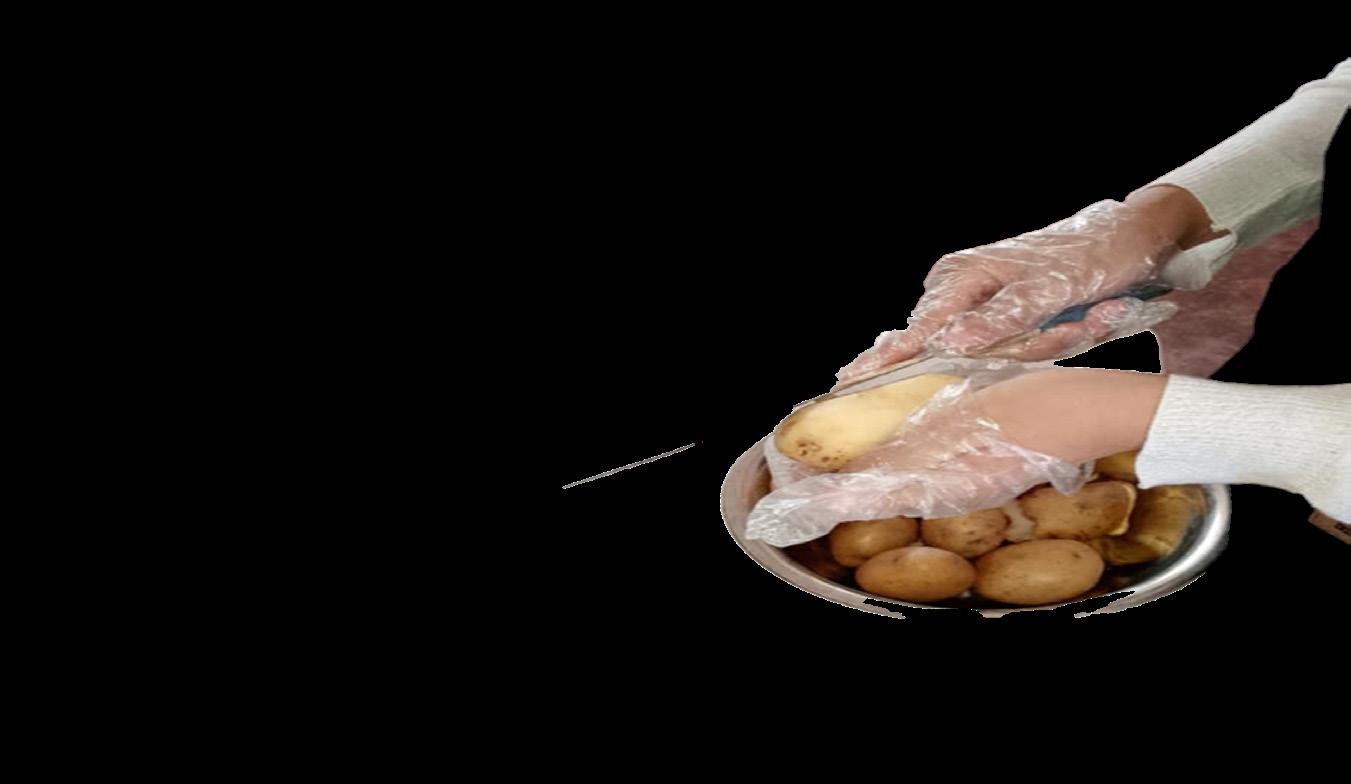
East Japan Railway (JR East) has revealed plans to introduce driverless Shinkansen bullet trains by 2028 as part of its “Move Up” vision. The first of these automated trains will operate on the Joetsu Shinkansen line, connecting Tokyo and Niigata. Initially, the trains will feature second-grade automation, meaning they will operate autonomously but still have a driver in the cabin for emergencies.
By the mid-2030s, JR East plans to introduce fully automated, crewless trains, marking a major shift in Japan’s transportation network. These advances are part of the company’s goal to improve efficiency, sustainability, and safety in public transport. Automated trains, which run on fixed tracks with simpler systems than self-driving cars, are expected to enhance operational safety and eco-friendliness.
JR East’s efforts reflect the growing need for innovation in railway technology, with potential expansion to other Shinkansen lines, including the Hokuriku and Tohoku routes, in the near future.

Step into a modern classroom today, and you’ll find yourself immersed in an environment that feels like it’s straight out of a futuristic sci-fi novel. The traditional blackboards, desks in rows, and printed textbooks have made way for sleek touchscreens, virtual reality (VR) headsets, and AI-powered learning tools. High-end technology is not just enhancing education—it’s transforming it in ways we could have only imagined a decade ago.
The Virtual Classroom: Learning in New Dimensions
Picture this: students don VR headsets, and instead of simply reading about the solar system, they’re floating through space. They hover over the rings of Saturn, dodge asteroids, and watch stars burst into existence. Virtual reality has opened up a new world of immersive learning, where lessons are experienced rather than taught.
Virtual field trips are becoming a norm in classrooms, taking students to far-off places—from the depths of the ocean to ancient civilizations. In subjects like history and geography, VR allows students to experience events and places in three dimensions, making lessons more impactful. Students can now walk the streets of ancient Rome, tour the Great Wall of China, or dive into the Amazon rainforest, learning through first-hand experience rather than just reading descriptions.
AI-Powered Classrooms: Personalized Learning Like Never Before Artificial intelligence (AI) is revolutionizing the educational land-
scape. AI-powered learning platforms now serve as digital teaching assistants, analyzing each student’s learning style and tailoring lessons to suit their unique needs. Students who struggle with particular concepts no longer have to wait for additional help. Instead, AI provides real-time feedback and personalized exercises to ensure they master the topic.
In a typical classroom, some students may excel while others fall behind, but AI changes that dynamic. It allows for a more customized approach, where advanced learners can progress at their own pace while others receive targeted support. This technology ensures that every student gets the attention they need, all in real-time.
The Future of Learning: Bridging the Digital and Physical Worlds
In today’s tech-driven classrooms, education extends far beyond textbooks and homework. Students are not just consumers of knowledge—they’re creators, collaborators, and innovators. High-end technology allows them to explore concepts in ways that were previously unimaginable, preparing them for a future where digital literacy and creativity will be as important as traditional academic
skills.
As schools continue to embrace technology, the potential for what students can achieve grows exponentially. Virtual reality, AI, robotics, and holography are just the beginning. The future classroom is one where the boundaries between the digital and physical worlds blur, creating an environment that fosters deeper learning, engagement, and creativity.
In this tech-infused educational landscape, students aren’t just learning for the future—they’re learning in it.
The next generation of thinkers, creators, and innovators is being shaped not in the classrooms of yesterday, but in the high-tech spaces of today. And with each technological leap, the possibilities for education continue to expand, transforming what it means to learn in the 21st century.

Internet connectivity is no longer a luxury—it’s a necessity for schools. Across classrooms worldwide, access to the internet is revolutionizing education, making learning more dynamic, inclusive, and future-ready. No longer limited to textbooks, students now explore a vast universe of online resources, enhancing their education with interactive lessons, virtual tours, and real-time collaboration.
Classrooms
Internet connectivity has expanded learning beyond the classroom. Students can access educational materials, watch tutorials, and participate in global forums, making subjects like science and history come alive in ways that textbooks alone cannot. Learning is now engaging, visual, and constantly evolving.
For students, internet access fosters essential digital literacy and critical thinking skills. For teachers, it
opens up a world of resources to make lessons more interactive. Whether gamifying math problems or incorporating multimedia into literature, educators are transforming classrooms into engaging, tech-powered spaces.
Online tools are reshaping teamwork. Students collaborate on projects from anywhere, using digital platforms to brainstorm, share ideas, and complete assignments. This new form of teamwork prepares them for a future where collaboration is increasingly virtual.
Bridging the Digital Divide
With internet access and smartphones becoming more widespread, schools are working to ensure equal opportunities for all students. Connectivity is helping to bridge the digital divide, providing access to resources for students from all backgrounds and enabling flexible learning models.
The future of education is brighter and more connected than ever, with internet access at the core of this transformation, preparing students for the demands of the 21st century.

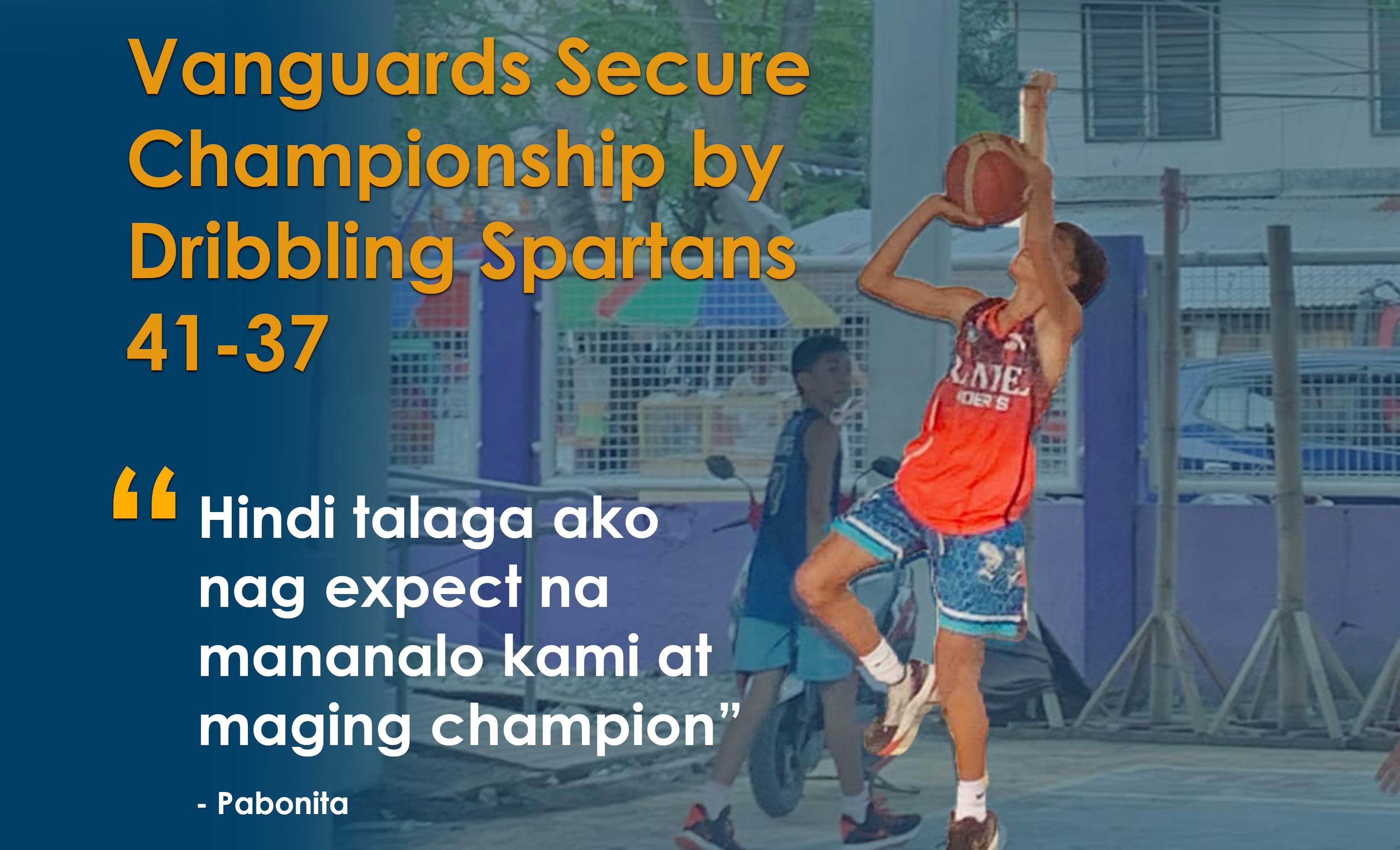
by EZRA SHERAIAH R. GAMUTAN
In a nail-biting showdown at the Barangay Casinglot covered court, the Blue Vanguards of Casinglot National High School clinched the championship title after a fierce battle against the Grade 9 Red Spartans, securing a hardearned 41-37 victory on Thursday, September 12.
The Blue Vanguards were propelled to victory by standout performances from Jefferson Pabonita and Celso Taca-Taca. Pabonita led the charge with a team-high of 10 points, while Taca-Taca added 8 points, including a critical assist that solidified their lead in the game’s final moments. Their teamwork and determination were crucial to the Vanguards’ success in the high-stakes, one-round championship match.
From the opening whistle, the tension was palpable, as both teams brought their A-game in a determined bid for the title. The match remained evenly contested throughout, with the Red Spartans putting up a tenacious defense that kept the score close. Despite the pressure, Pabonita’s
sharpshooting from beyond the arc shifted the momentum in favor of the Blue Vanguards, giving them the upper hand as the game progressed.
The contest turned into a roller-coaster of emotions for the players and spectators alike. Every basket was hard-fought, and the Red Spartans refused to go down without a fight, managing to keep the score within striking distance. However, the Vanguards’ tactical plays and relentless energy kept them in control. In a decisive moment during the final quarter, Pabonita drained a clutch 3-point shot that sealed the game with a swish, leaving the Red Spartans with no time for a comeback.
Reflecting on their unexpected triumph, Pabonita said, “Hindi talaga ako nag-expect na mananalo kami at maging champion,” expressing his humility and joy at the team’s success.
The Blue Vanguards’ roster featured key players like Pabonita, Taca-Taca, Malabarbas, Delos Reyes, Tajor, Bahan, Allones, and Ahat, while the Red Spartans’ lineup included Janio, Araniez, Bolanio, Pagtalunan, Betarmos, Java, Panjay, Pagalan, Raz, and Alvarado.
Both teams delivered outstanding performances, displaying skill, determination, and sportsmanship throughout the match. But it was the Blue Vanguards’ strategic playmaking and grit that ultimately earned them the coveted championship crown, marking an unforgettable victory for Casinglot National High School.
Basketball, one of the most popular sports in the world today, traces its roots back to a cold December day in 1891. The game was born in Springfield, Massachusetts, where Canadian physical education instructor Dr. James Naismith sought to create an indoor activity to keep his students fit during the winter months. Little did he know that his simple invention would evolve into a global phenomenon played by millions across the globe. In need of a game that was easy to play indoors yet physically engaging,

A Chicago legend, Derick Rose has formally announce his retirement. After 16 years in the league, former NBA MVP Derick Rose is retiring due to a torned ACL (Anterior Cruciate Ligament) in 2012 playoffs, followed by a plethora of leg injuries. Rose, a former point guard of the Chicago bulls, was known for his explosive athleticism and playmaking, which earned him a massive fan base and made a significant impact in basketball history.
During the first game of the Eastern Conference playoffs against Philadelphia 76ers on April 28,2012. Rose injured his knee while trying to jump which caused his first injury.
Derrick, the top pick in 2008 NBA draft was a Chicago native and made his mark with his hometown team in 7 years before spending the next nine jumping between the New York Knicks, Cleveland Cavaliers, Minnesota Timberwolves, Detroit Piston, and Memphis Grizzles. By the end of the 2010-11 campaign, the bulls finished with an NBA best 60-20 mark, buoyed in part by their new coach Tom Thibodeau. But, the most responsible for their improvement was the electrifying Rose, who led his hometown bulls at the age of 22 and became the youngest MVP in league history. A that point, it was possible that he was likely to be parred with fellow Chicago legend Michael Jordan or Lebron James. But, that was before the repeated knee injuries.
Dr. Naismith devised a set of 13 basic rules. Using a soccer ball and two peach baskets nailed to the balconies of the gymnasium, the first game of basketball was played. The objective was simple: to throw the ball into the opposing team’s basket to score points. Naismith’s original rules called for minimal physical contact, as he aimed for a game that prioritized skill and strategy over brute force. The game was an instant hit among his students, and its popularity began to spread quickly.
Soon after its creation, basketball expanded beyond the walls of Springfield College. By 1893, the first women’s basketball game was played at Smith College, and just two years later, basketball was being played at high schools and colleges throughout the United States.
In 1898, the first professional basketball league, the National Basketball League, was formed, although it only lasted six years. The game continued to evolve, with new rules and improvements to equipment, such as replacing peach baskets with metal hoops and the introduction of the backboard.
Basketball’s global popularity skyrocketed with the formation of the National Basketball Association (NBA) in 1946. Initially, the league was composed of smaller teams playing in large cities like New York, Philadelphia, and Boston. However, as basketball’s fanbase grew, the NBA became more competitive and began to attract top talent. Legendary players like Bill Russell, Wilt Chamberlain, and Jerry West helped elevate the game in the 1950s and 1960s.
In 2012, a torned ACL, a pair of tears in his right meniscus in 2013 and 2015, and a tear to his left meniscus in 2017 ruined Rose trademark explosiveness and altered his progressive career.
The injuries that followed derailed the ending of his story in Chicago and remained one of the most painful memories in team history. Rose sat out the entire 2012-13 season with torned ACL and just played 10 games. When he was able to play, it was obvious how the injuries impacted his performance. He was never able to maintain a high expectation set in Chicago.

Althea Nardo, a young athlete with an unshakable passion for basketball, is steadily carving her path as one of the most promising talents in women’s sports. With a heart full of determination and a mind set on greatness, Althea’s story is not just about winning games—it’s about overcoming challenges, building mental resilience, and dreaming big.
At just 9 years old, Althea’s love for basketball began to bloom. Encouraged by her father and brother, she picked up the ball and never looked back. What started as a hobby quickly turned into a full-blown dream: to become a national qualifier, and eventually an international basketball star. Even at such a young age, she displayed extraordinary dedication, working tirelessly to improve her skills on the court. From early morning drills to late-night shooting sessions, Althea knew that hard work was the key to unlocking her potential.
“Basketball has always been more than just a game for me,” says Althea, now a
Grade 8 high school student. “It’s about pushing myself beyond my limits, staying calm under pressure, and believing in my abilities.”
Despite her youth, Althea’s maturity and focus are evident. She emphasizes the importance of mental toughness, explaining that maintaining composure and confidence has been crucial in her journey. “Staying mentally strong makes all the difference. It’s easy to get overwhelmed, but if you stay calm and believe in yourself, you can handle anything.”
Her dedication paid off in a big way when she competed in the regional meet and national athletic meet, an experience she recalls as one of the most memorable moments of her young career. Representing Northern Mindanao at the prestigious Palarong Pambansa.
“That feeling of wearing the Northern Mindanao jersey and competing against the best in the country is something I’ll never forget,” Althea shared. “It was a dream come true, but it also motivated me to work even harder to reach the next level.”
Althea’s ambitions don’t stop at the national level. She dreams of playing on the international stage, representing the Philippines in global competitions, and joining big leagues where she can
compete with the best of the best. She knows the road ahead is filled with challenges, but her drive and perseverance keep her focused on her goal.
For aspiring young athletes, Althea offers words of wisdom: “Stay humble, practice your weaknesses every day, and maintain a good attitude. Always have a positive mindset, even when things get tough. It’s not just about talent—it’s about how much you’re willing to work for your dreams.”
Althea Nardo’s journey is just beginning, but her story already serves as an inspiration to students and athletes across the country. She’s a reminder that with dedication, mental strength, and a love for the game, anything is possible. As she continues to chase her dreams, she stands as a shining example for those who aspire to achieve greatness in the world of sports.



In a groundbreaking achievement, Casinglot National High School (CNHS) made its long-awaited debut at the Palarong Pam bansa 2023-2024, with the Women’s Basketball 3x3 team achieving an impressive 3rd runner-up finish. The team, consisting of star players Rondina, Reyes, Nardo, and Tadeo, remained undefeated throughout the entire competition circuit—from the district level all the way to the national stage.
For many years, CNHS had only reached the division level in sports competitions, often falling short of advancing to higher levels. However, this year’s Women’s Basketball 3x3 team defied expectations, marking a new era for CNHS. The team’s remarkable journey is a testament to their hard work, unity, and determination to break new ground for their school.
Undefeated Run Begins: District Meet
The road to Palarong Pambansa began at the district meet, where the CNHS Women’s Basketball 3x3 team faced their first challenge. Going up against some of the most skilled teams in the area, Rondina, Reyes, Nardo, and Tadeo immediately made their presence known. Their intense defense and sharp offensive play earned them commanding wins, securing their spot in the next stage of the competition.
“This was just the start, but we already felt the pressure,” recalled Reyes, the team’s forward. “We knew we had the poten tial, but every game was a battle.”
Advancing to the municipal and unit meets, the team continued their winning streak, once again proving their dom inance on the court. Each game brought them closer to their goal of reaching the Palarong Pambansa. The chemistry among the players was undeniable, with Rondina leading as the team’s top scorer, Nardo’s shots keeping their opponents at bay, Reyes anchoring their defense, and Tadeo making crucial assists.
“Winning at these stages wasn’t easy,” shared Nardo. “The competition was getting tougher, but we stayed focused and played our best every time.”
Reaching the division meet was a significant milestone for CNHS, as it had been the team’s limit in previous years. This time, however, the Women’s Basketball 3x3 team was determined to go further. Their performances became even more inspired as they outplayed their division rivals. The team’s unwavering spirit and commitment paid off as they secured yet another victory, moving on to the provincial meet—a feat that was celebrated by the entire school and community.
“This was where the real excitement began,” said Tadeo. “We had never gone beyond this level, and knowing that we were making history for our school motivated us even more.”
Overcoming the Odds: Provincial Meet
At the provincial meet, the pressure mounted as the team faced some of the best basketball players in the province. Despite the odds, CNHS maintained their undefeated record, showcasing their resilience and skill. With each game, their confidence grew, and they secured their place towards the regional meet. The support from their schoolmates, teachers, and local community became a driving force, pushing the team to continue their winning ways.

“Representing our province felt like such an honor,” Rondina said. “We knew we were up against the best, but we also knew we had what it takes to compete at that level.”
The Final Push: Regional Meet
The regional meet brought CNHS one step closer to their ultimate goal—Palarong Pambansa. Facing even tougher competition, the team stayed true to their strategy of fastpaced offense and strong defense. Their teamwork and mental toughness were on full display as they triumphed over regional powerhouses, earning their historic qualification for the Palarong Pambansa. This achievement marked the first time in the school’s history that a team had advanced to the national athletic meet.
“We couldn’t believe it at first. Making it to the Palarong Pam-
The culmination of their inspiring journey took place at the Cebu Hoops Dome, where the CNHS Women’s Basketball 3x3 team went up against the best teams from across the country. The stakes were higher than ever, but CNHS showed no signs of slowing down. Their tactical play, sharp shooting, and relentless defense earned them a well-deserved 3rd runner-up finish, solidifying their place among the top teams in the nation.
“This was beyond anything we had ever imagined,” said Tadeo. “Competing on the national stage, representing our school and region, and finishing 3rd runner-up is something we’ll always be proud of.”
For Casinglot National High School, this historic achievement is a source of pride and inspiration for future athletes. The Women’s Basketball 3x3 team has set a new standard of excellence, breaking barriers and showing that with dedication, teamwork, and a never-give-up attitude, anything is possible.
As the CNHS Women’s Basketball 3x3 team looks to the future, they have not only made history for their school but also paved the way for future athletes to dream big and aim for the stars. Their remarkable journey from the district level to the national stage will forever be remembered as a defining moment in Casinglot National High School’s sports legacy.