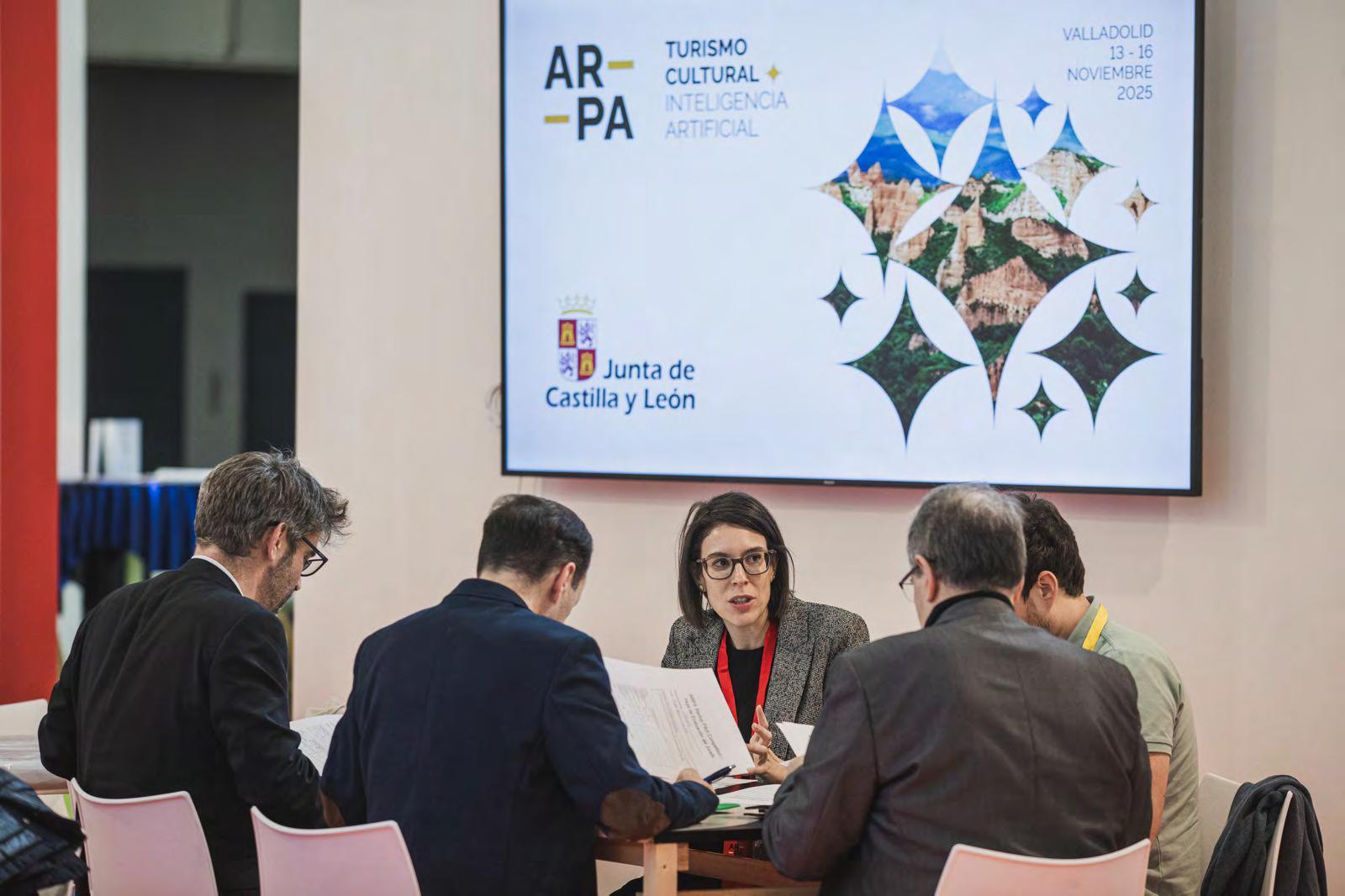
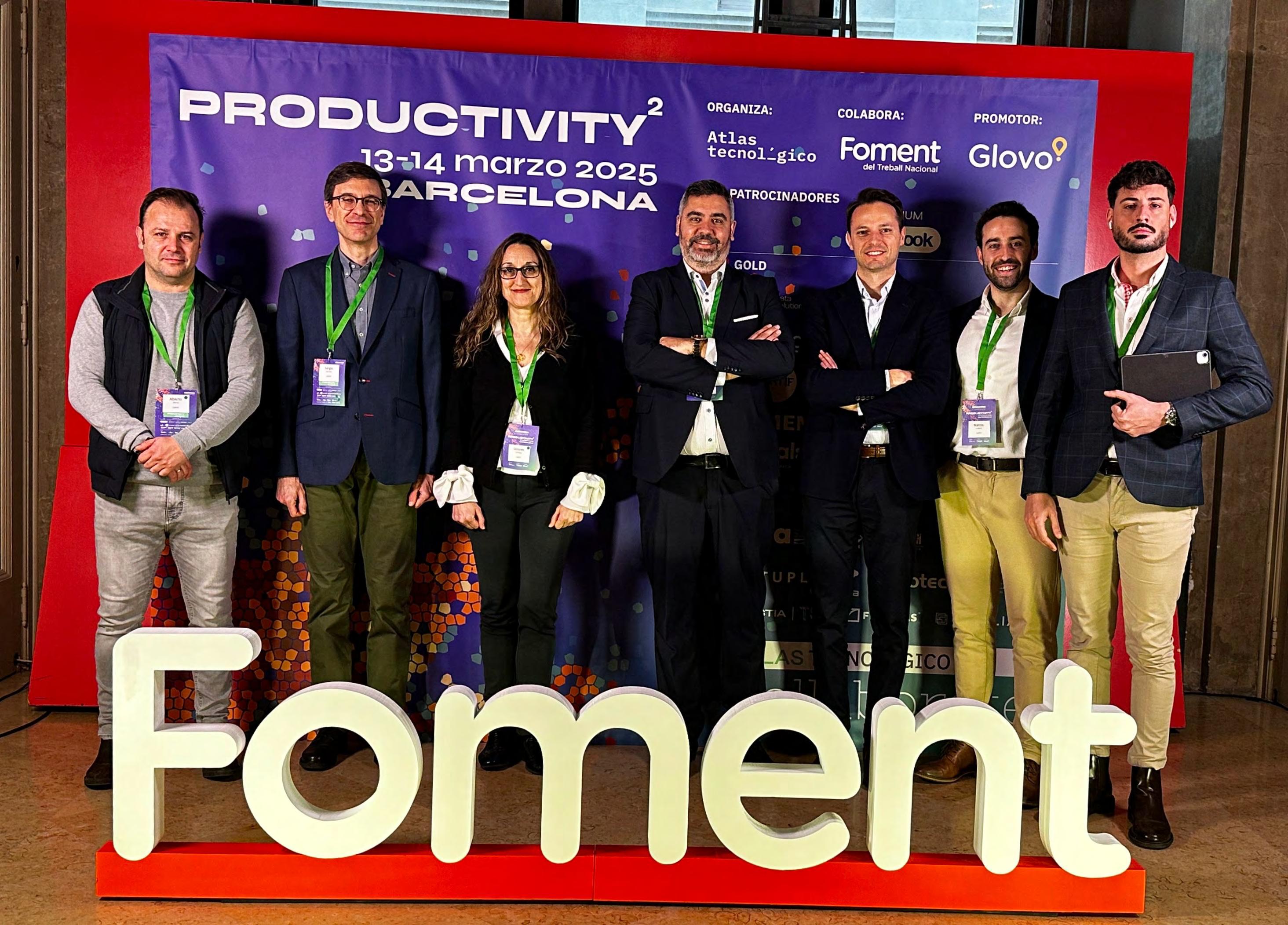
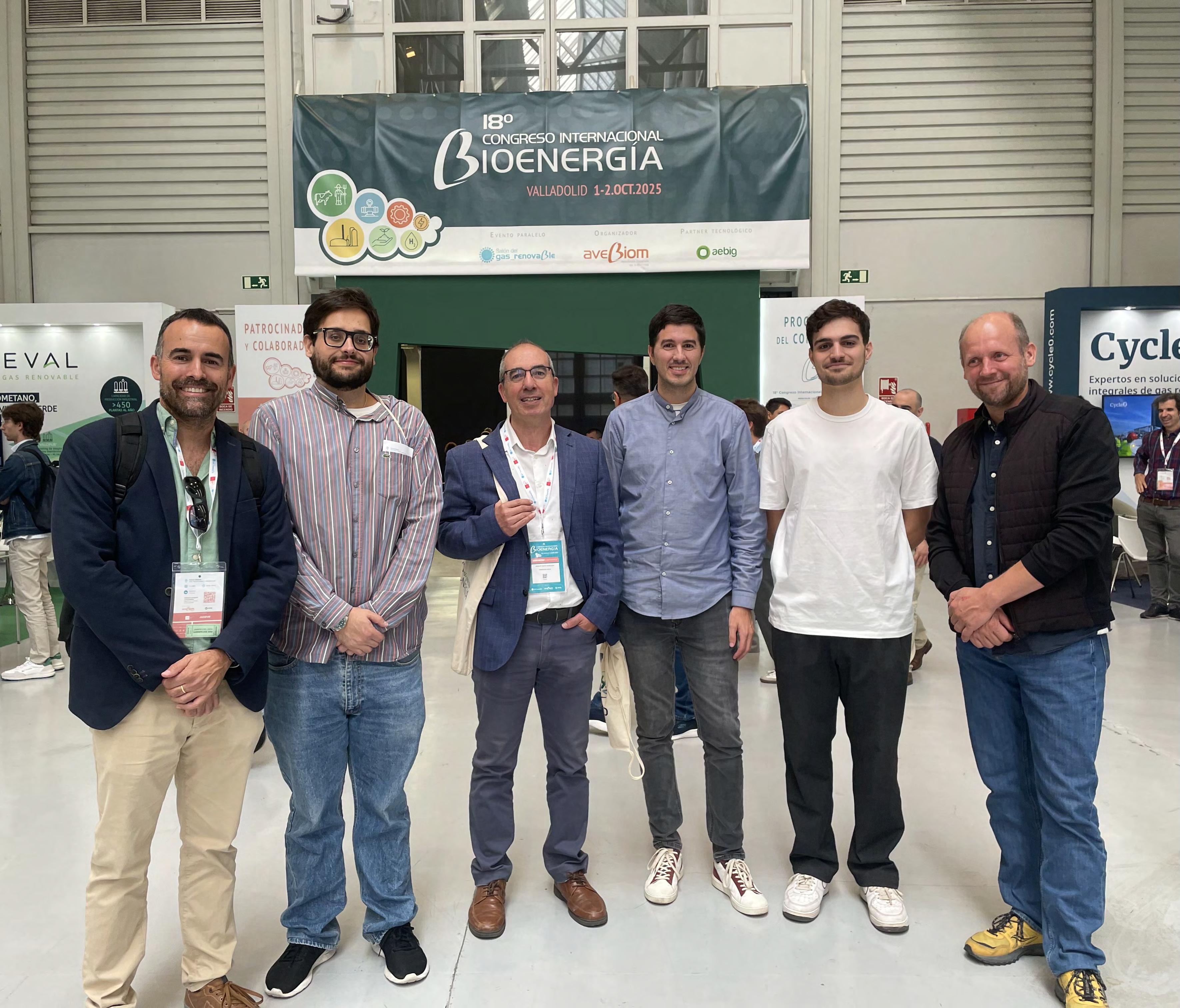
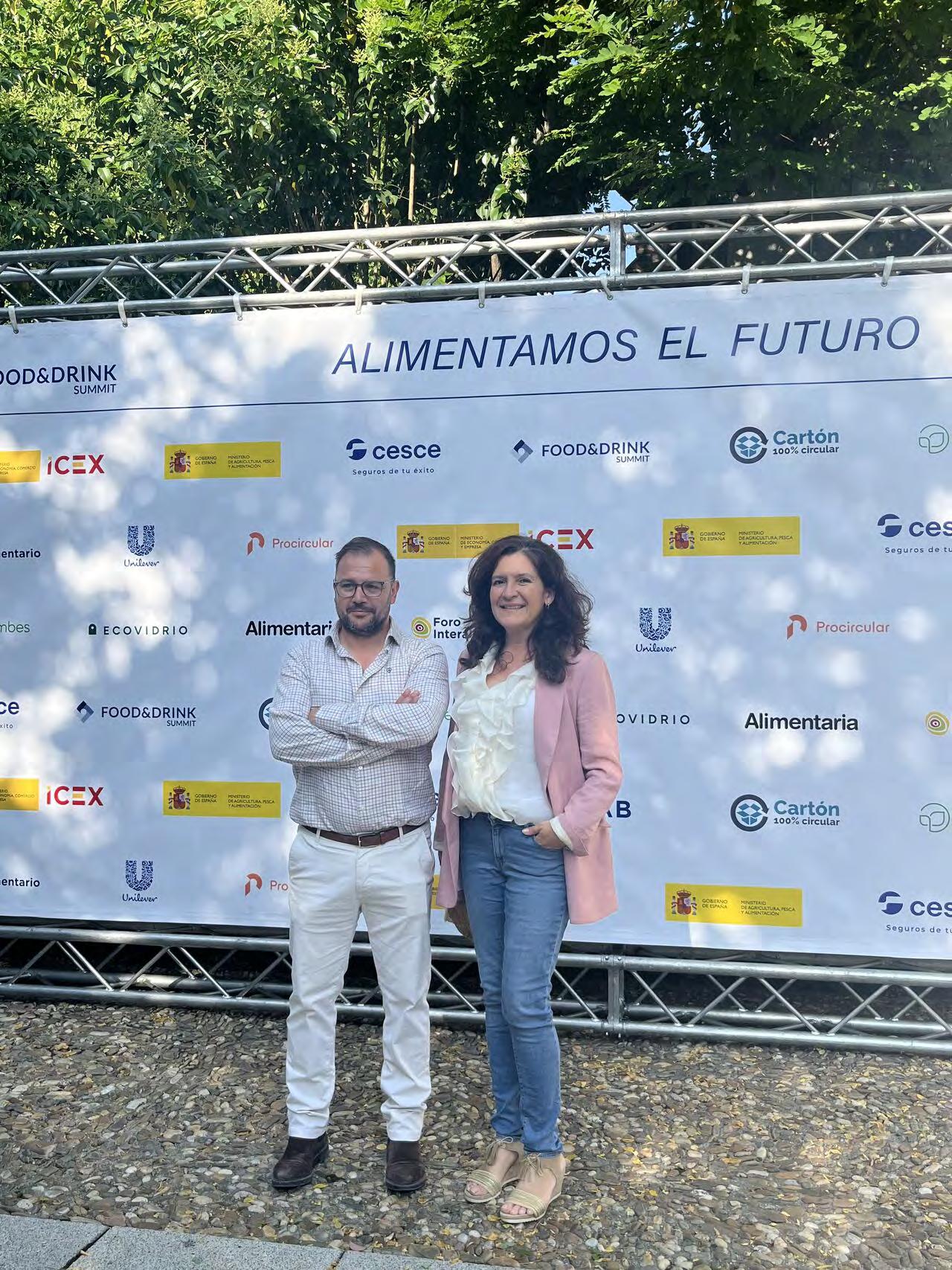
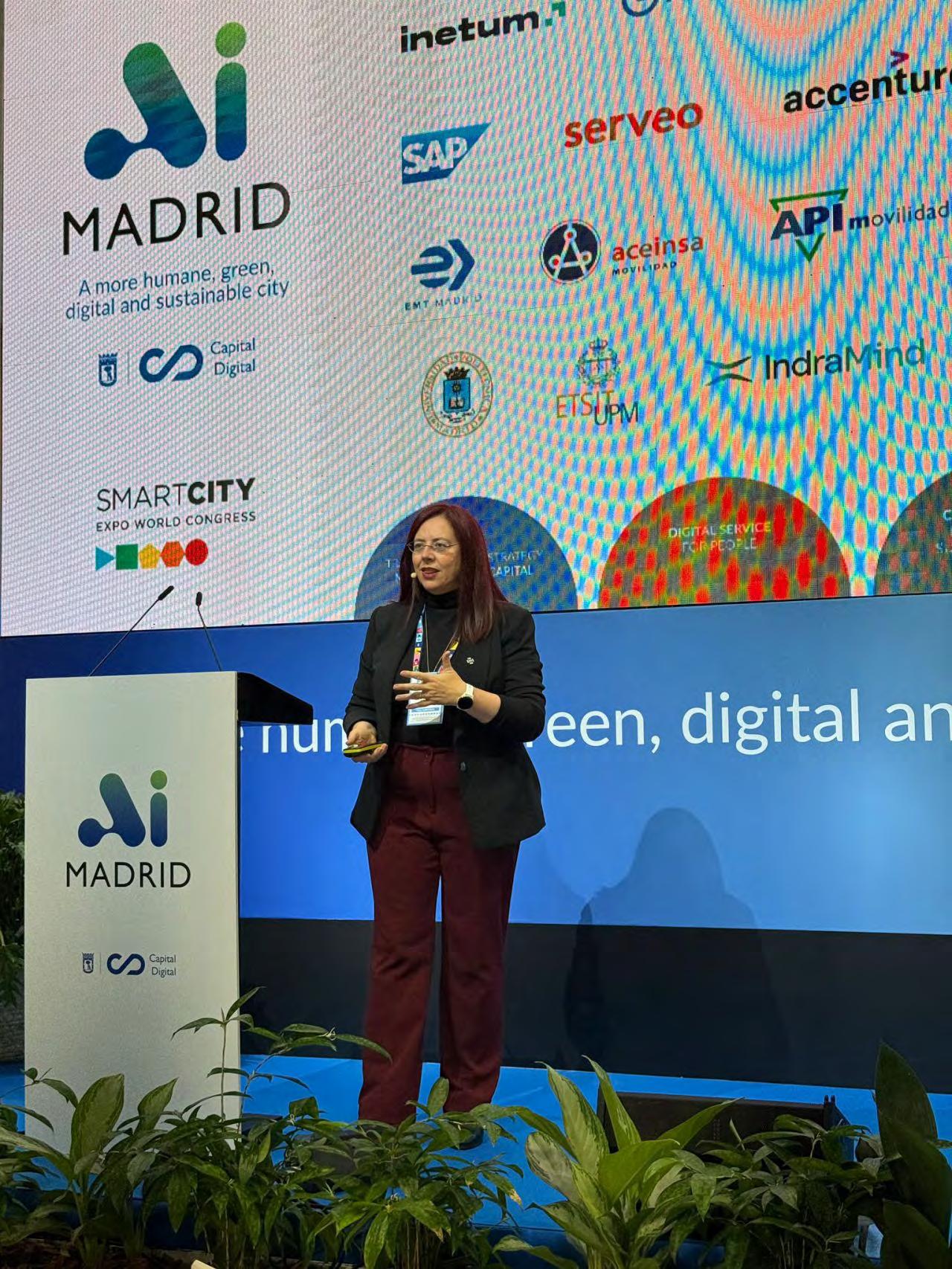
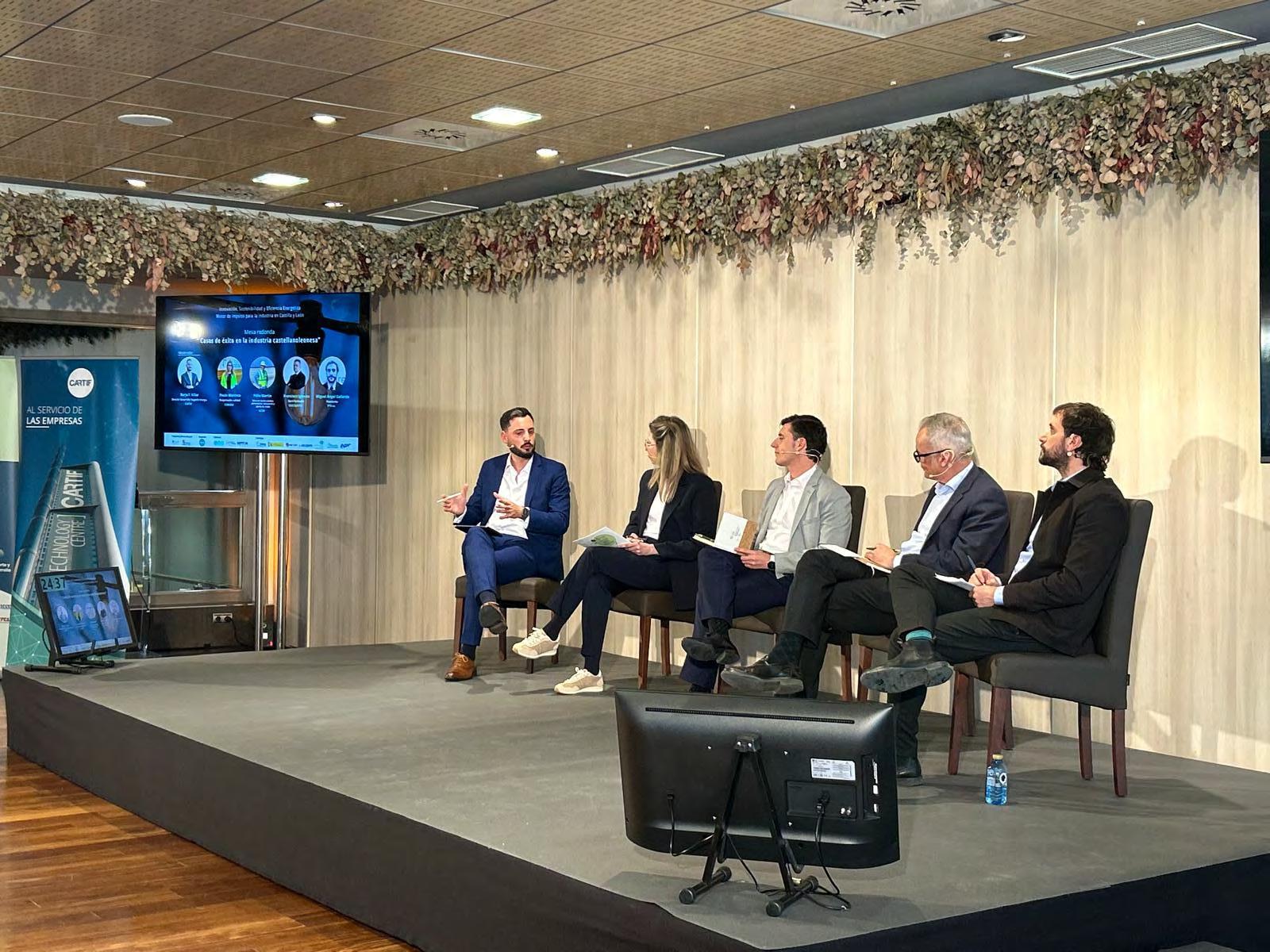
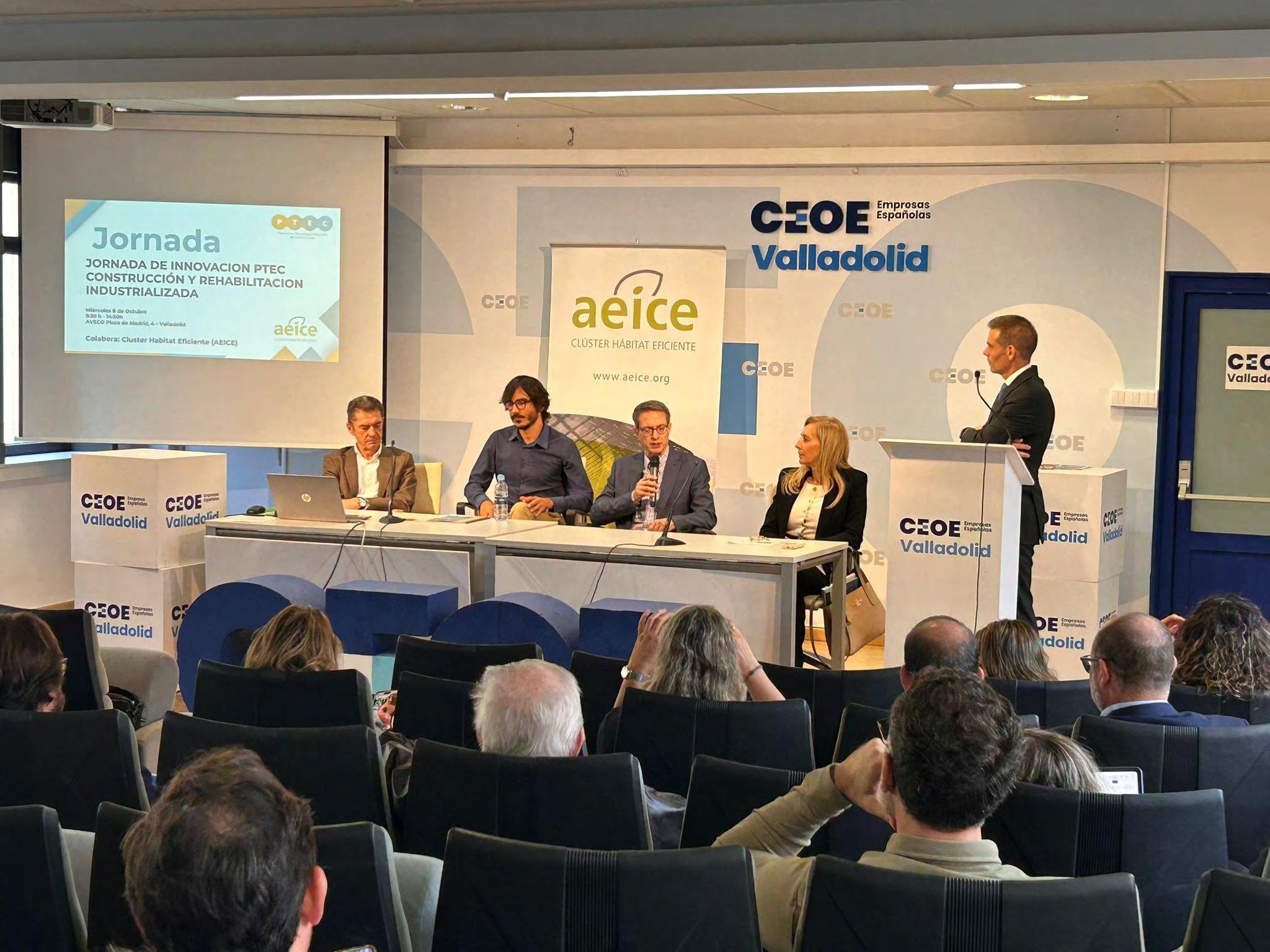
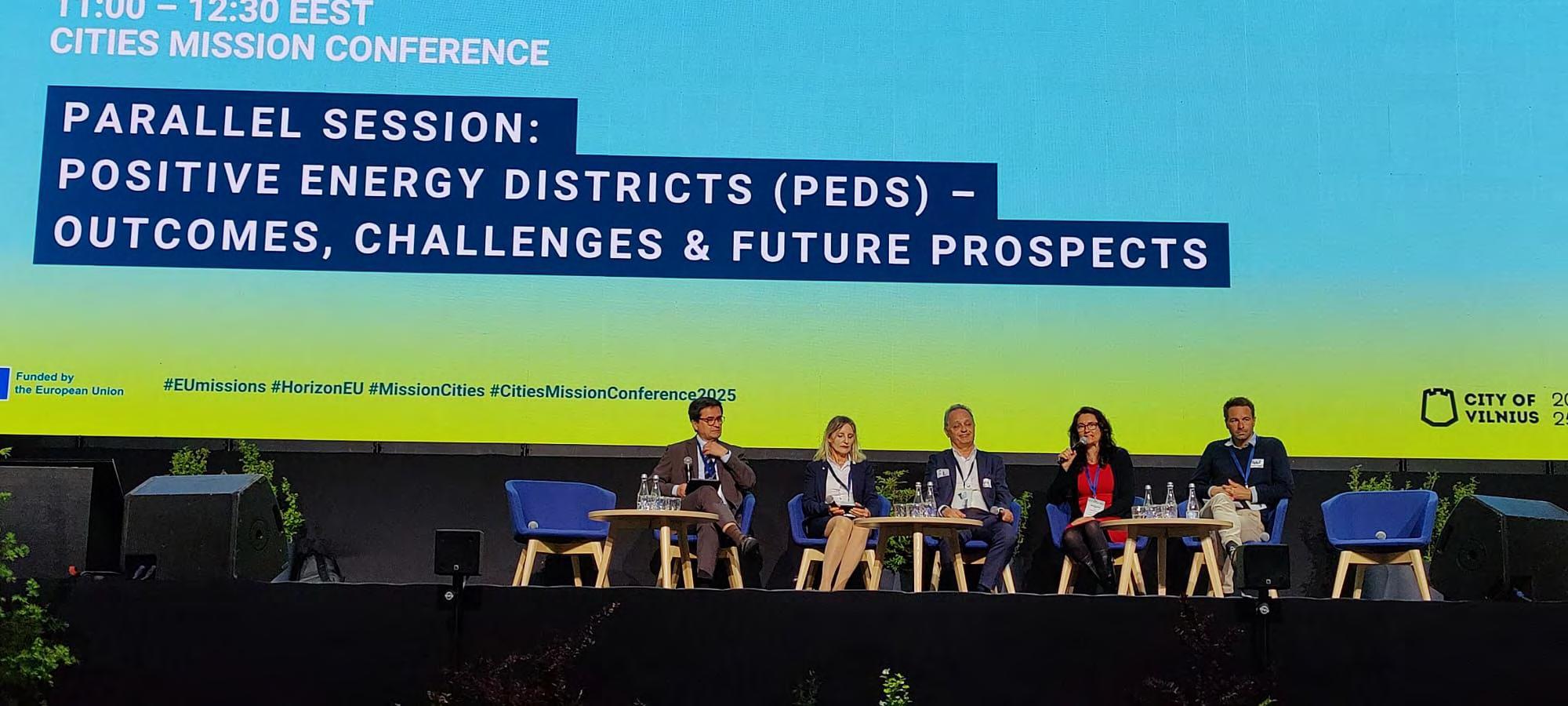
Connection with the environment: fairs, events and visits 0 7
The deployment of robotic solutions across the region of Castile and León
CARTIF, leader in the economic return of the Horizon Europe programme
Research demonstrates the photoprotective and anti-inflammatory potential of compounds derived from agricultural waste for improving skin health. PHENOLEXA Project
A 3D printer for renovating building façades is being developed and tested in Zaragoza. INPERSO project
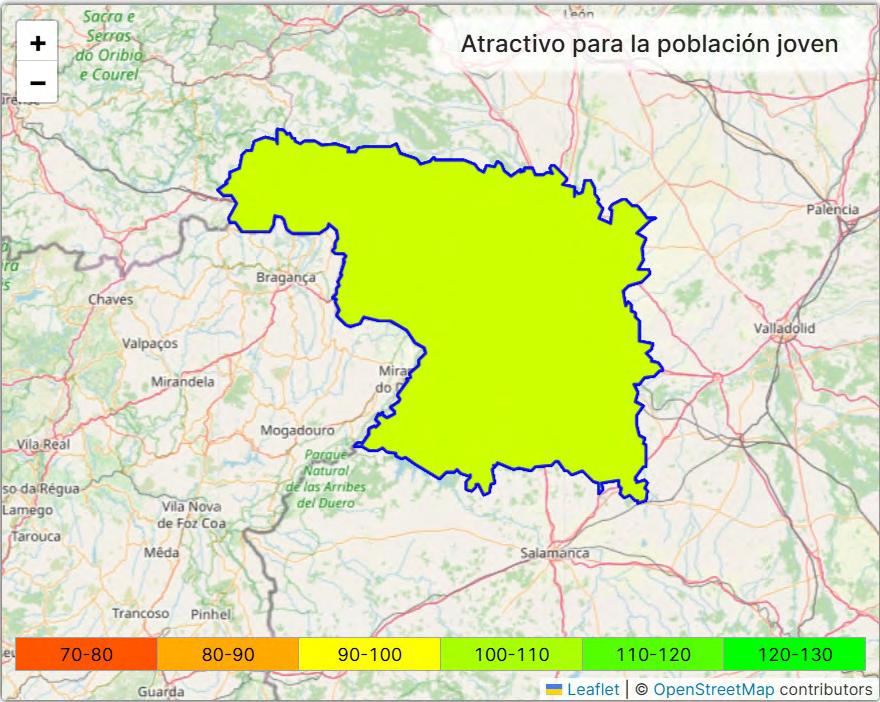
A computer tool is now available to carry out analyses and simulations to tackle depopulation. SPANDAM project


As Spain began to take off or restart its industrialisation in the 1960s, and even more so following its accession to the then European Economic Community, it
These companies are making steady and increasingly rapid progress, almost always at a faster pace than the research or innovation departments within com-
The response to this need began early on, tentatively at first but effectively, with the creation of business associations and more or less technical institutes, whether independent or linked to institutions such as Chambers of Commerce and even some regional governments. The services provided included the resolution of specific technical problems, quality assurance, analysis, testing, etc. A general characteristic was the close relationship between companies and these types of institutions.
In view of the clear need to stimulate and strengthen the activities of these organisations, and to clarify and enhance the effectiveness of their work towards industrial development in general, they were granted official status under the name ‘Technology Centres’ by Royal Decree 2609/1996. In short, Technology Centres are an essential tool for ensuring that industrial and economic activity keeps pace with the times. There was immediately a surge of applications across Spain. In some autonomous communities, notably the Basque Country, a major push was made to transform existing organisations into the new official status. Somewhat later, in Castile and León, the creation of Technology Centres was encouraged, with more than 30 being registered. However, their numbers declined rapidly due to the practical impossibility of conducting applied research and transferring it to businesses.
CARTIF: Centre for Automation, Robotics, Information Technology and Manufacturing
CARTIF was one of the first technology centres, established with the support of companies such as Iberdrola, Renault Spain, Dragados, Lingotes Especiales and seven others, as well as the CEOE.
The first steps were taken under the legal form of a Research Association and with the resolute and generous support of the University of Valladolid. It should be noted that in these early days, the generous contribution from the Regional Government of Castile and León was essential. It is important to emphasise the purist ethos of our Centre’s work: we are essentially dedicated to applied research that benefits companies in Castile and León and subsequently to transferring that research to them. We do not engage in other activities such as training or
non-specific services, which could provide to other private legal organisations.
A few years later, we achieved full institutional status, becoming an independent foundation, supported by the companies that had initially helped us. We moved to the Boecillo Technology Park, where we have constructed three buildings—essential for the efficient delivery of our work—with significant funding from the then Economic Development Agency of the Regional Government of Castile and León.
CARTIF continues to establish itself as a key player in the innovation ecosystem, acting as a bridge between knowledge, business and society. Our role is not only to develop technology, but also to help ensure that this translates into economic progress and collective well-being.
Our collaboration with the companies, clients and organisations we work with reinforces this position, enabling us to focus our activities on real needs and to advance effective technology transfer, based on trust and the value we provide.
In this context, we remain firmly committed to Castilla y León, actively contributing to the strengthening of its business fabric and the improvement of its competitiveness. Our work is clearly focused on making an impact, supporting businesses and public administrations in their transformation processes and generating opportunities for economic and social development.
The support of institutions such as the ICECYL and the various departments of the Regional Government of Castile and León is now a key factor in the development of innovation in our region.
This support enables technological expertise to be transformed into real-world solutions for the business community, and places upon us the responsibility to respond with rigour, commitment and tangible results.
At this point, I would like to convey a special message to the CARTIF team. Their skills, commitment and results-oriented approach are the true driving force behind the centre. In an increasingly demanding environment, their daily work not only underpins our activities, but also defines who we are as an organisation and what we can become.
The CARTIF team’s expertise, commitment and focus on results are the real driving force behind the centre. “ “
At a time when competitiveness increasingly depends on the ability to integrate technology and apply it with agility, the role of centres such as CARTIF is essential in supporting public and private organisations through these processes
Our aim is to continue strengthening this position, actively contributing to the development of a more innovative, sustainable and market-oriented production model.
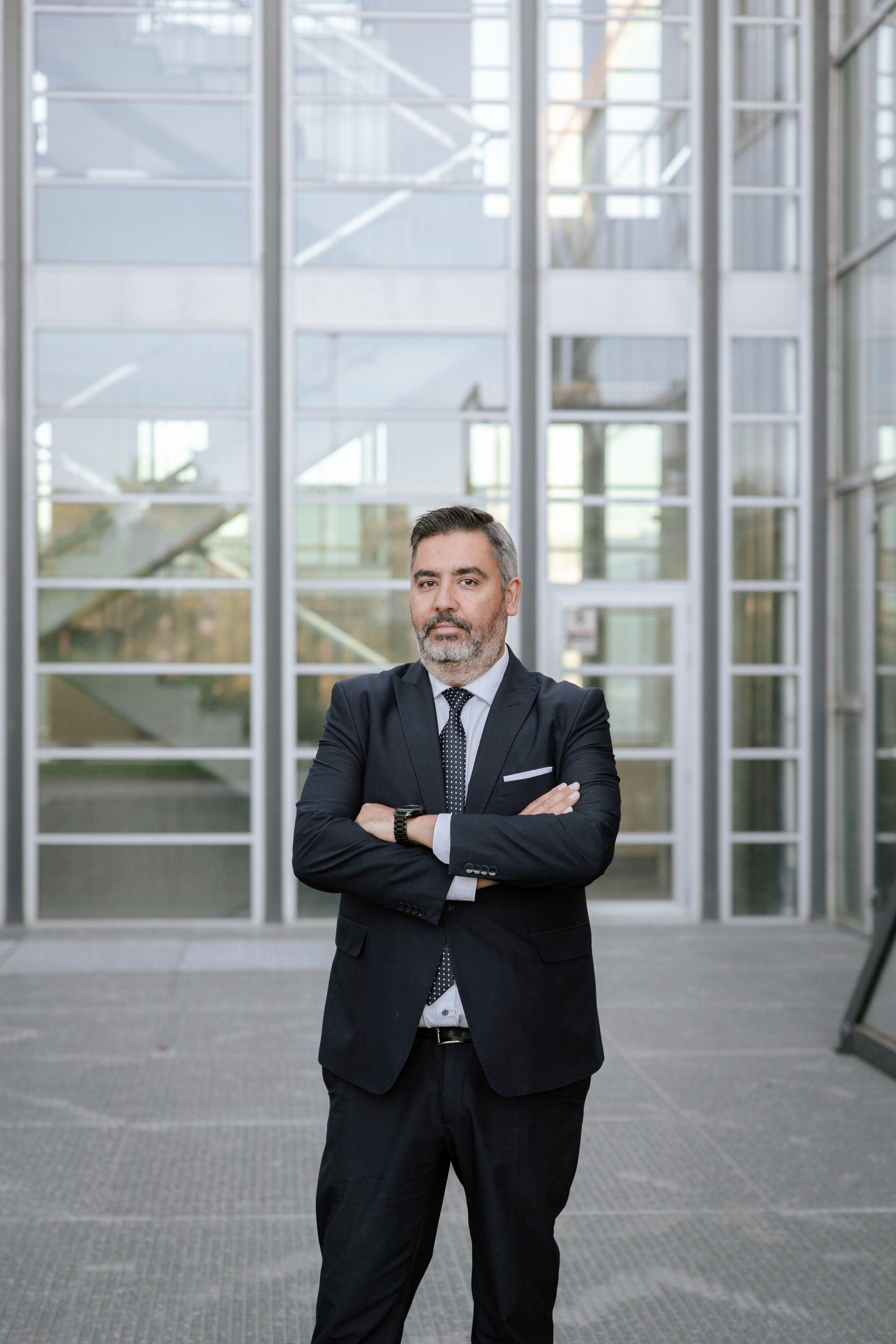
José Ramón Perán General Director of CARTIF
This growth is underpinned by a firm commitment to quality and excellence. Our accreditations and certifications, ISO 9001, ISO 14001, ISO 166002 and ISO/IEC 27001, together with our progress towards obtaining certification under the National Security Scheme (ENS) by 2026, reflect an organisation that is prepared not only to develop technology, but to do so with the highest standards of assurance in increasingly demanding environments.
The support of our board of trustees and CARTIF’s members’ assembly remains a key distinguishing feature. Their involvement strengthens our connection with the business community and enables us to focus our activities on real needs, facilitating a more effective technology transfer that is aligned with the market.
We have expanded and diversified our client base, collaborating with companies, public authorities and organisations on projects focused on decarbonisation, digitalisation and improving competitiveness. Each collaboration has provided an opportunity to validate technologies in real-world environments and advance their practical application. Having consolidated the use of artificial intelligence as a tool for improving our internal processes, we are now working towards its cross-cutting integration across all our technological developments. Furthermore, we have successfully begun to diversify our capabilities into the fields of security and defence, where we already have a robust portfolio of dual-use technologies and applications, such as humanoid and quadruped robotics, computer vision, energy technologies, and health and care solutions.
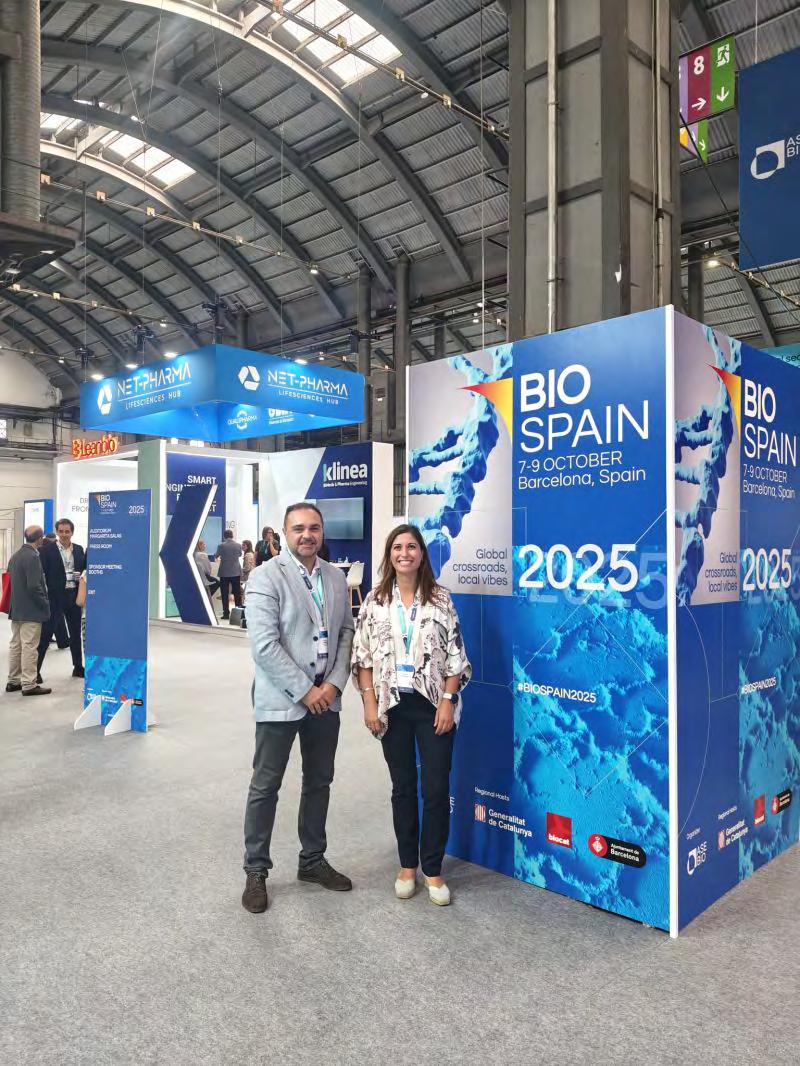
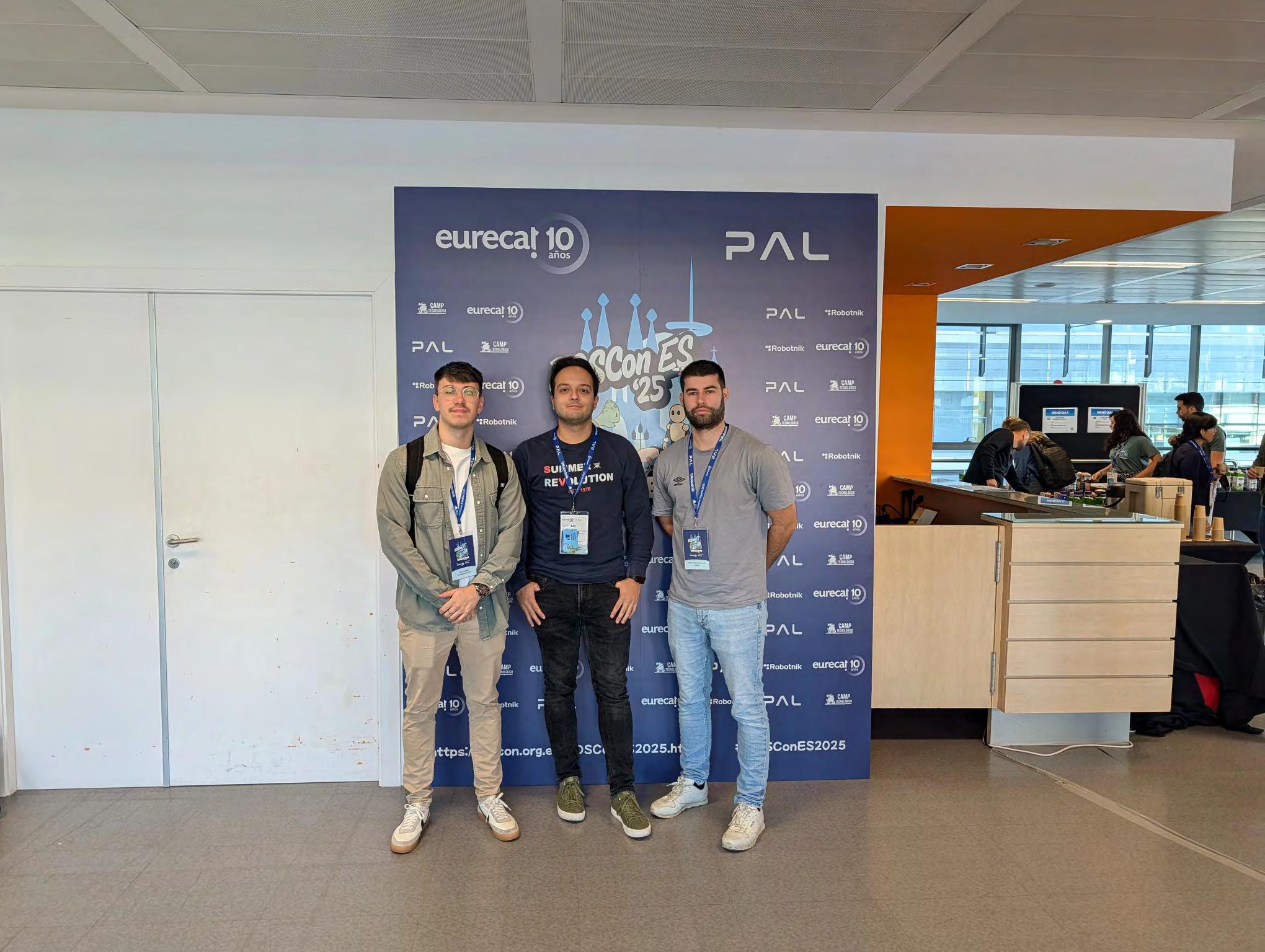
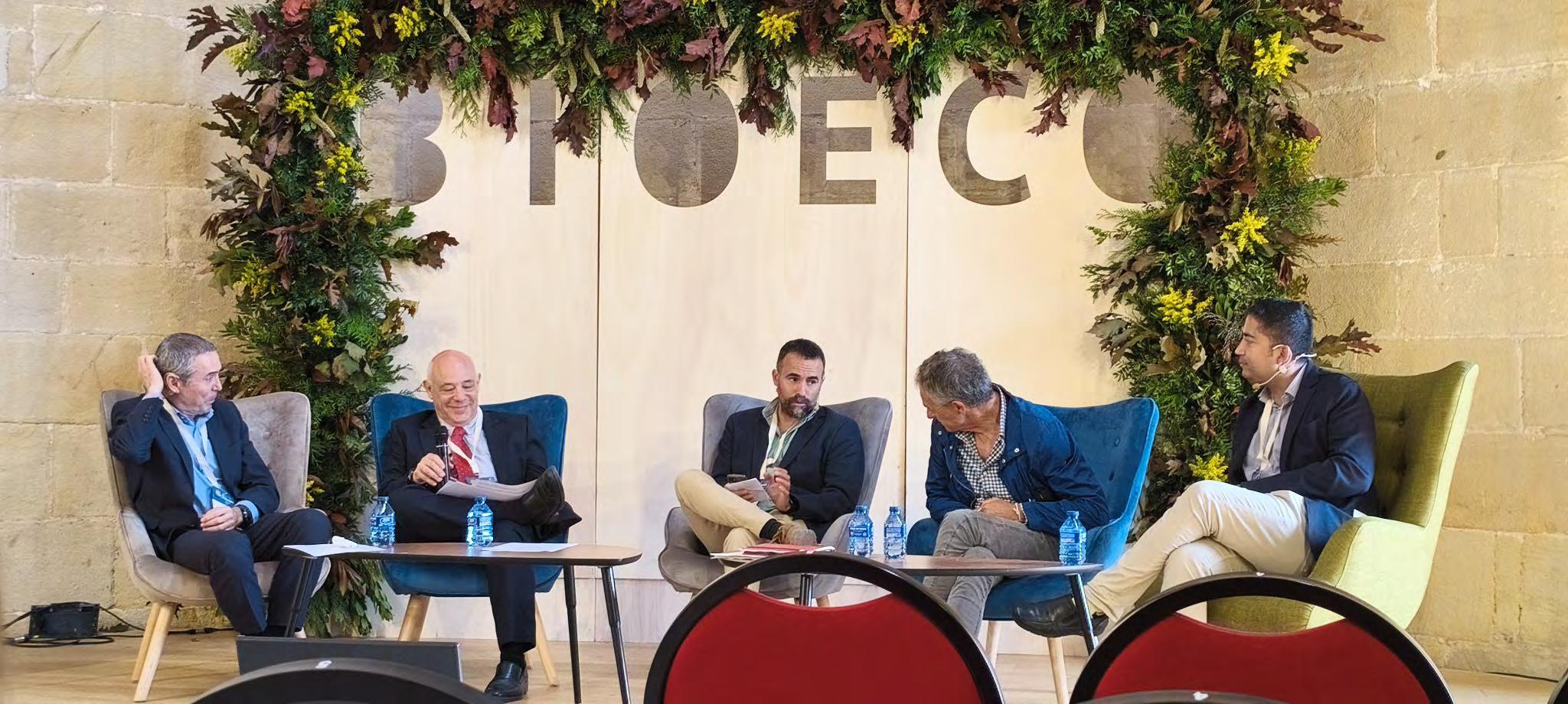
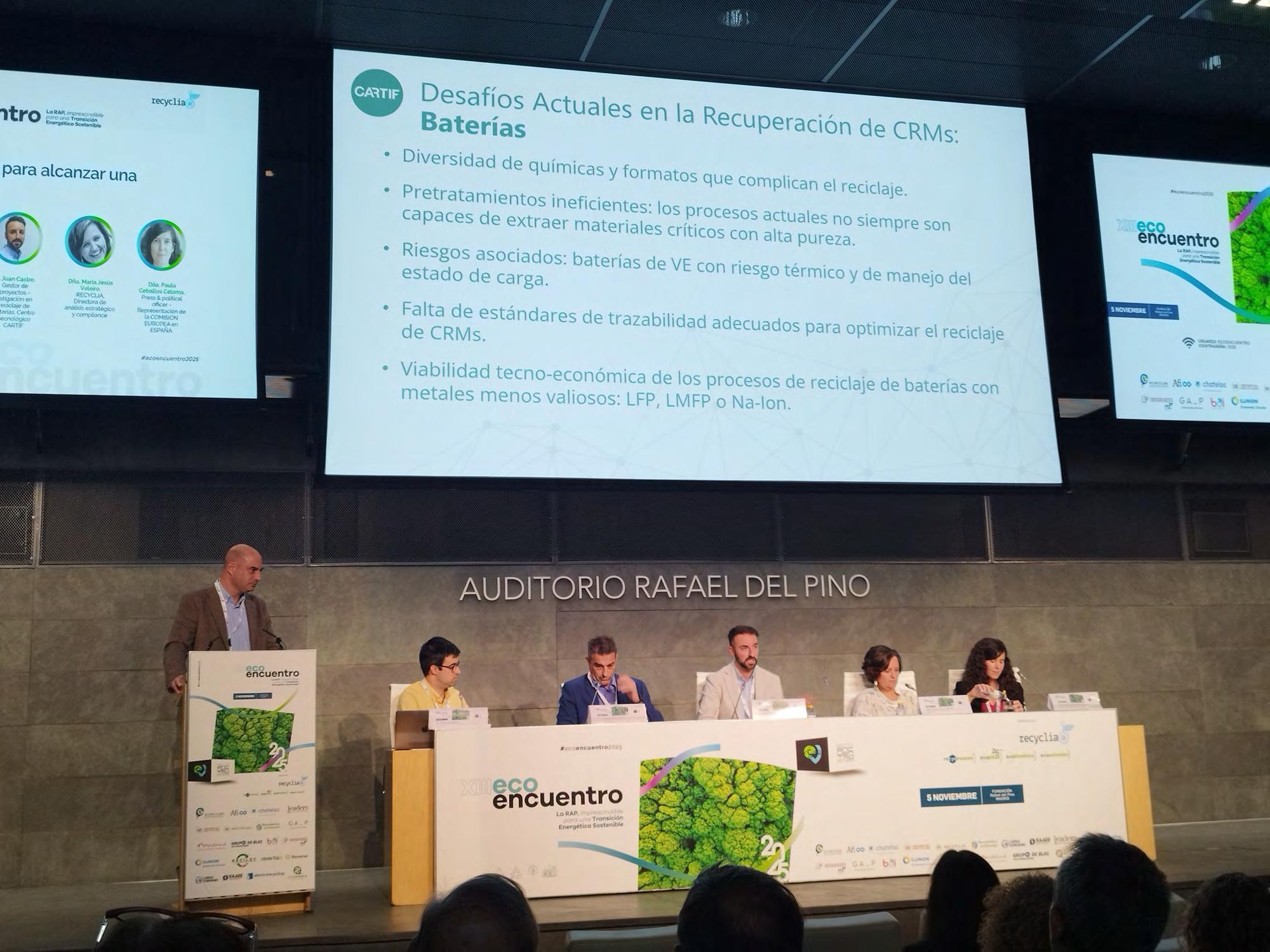
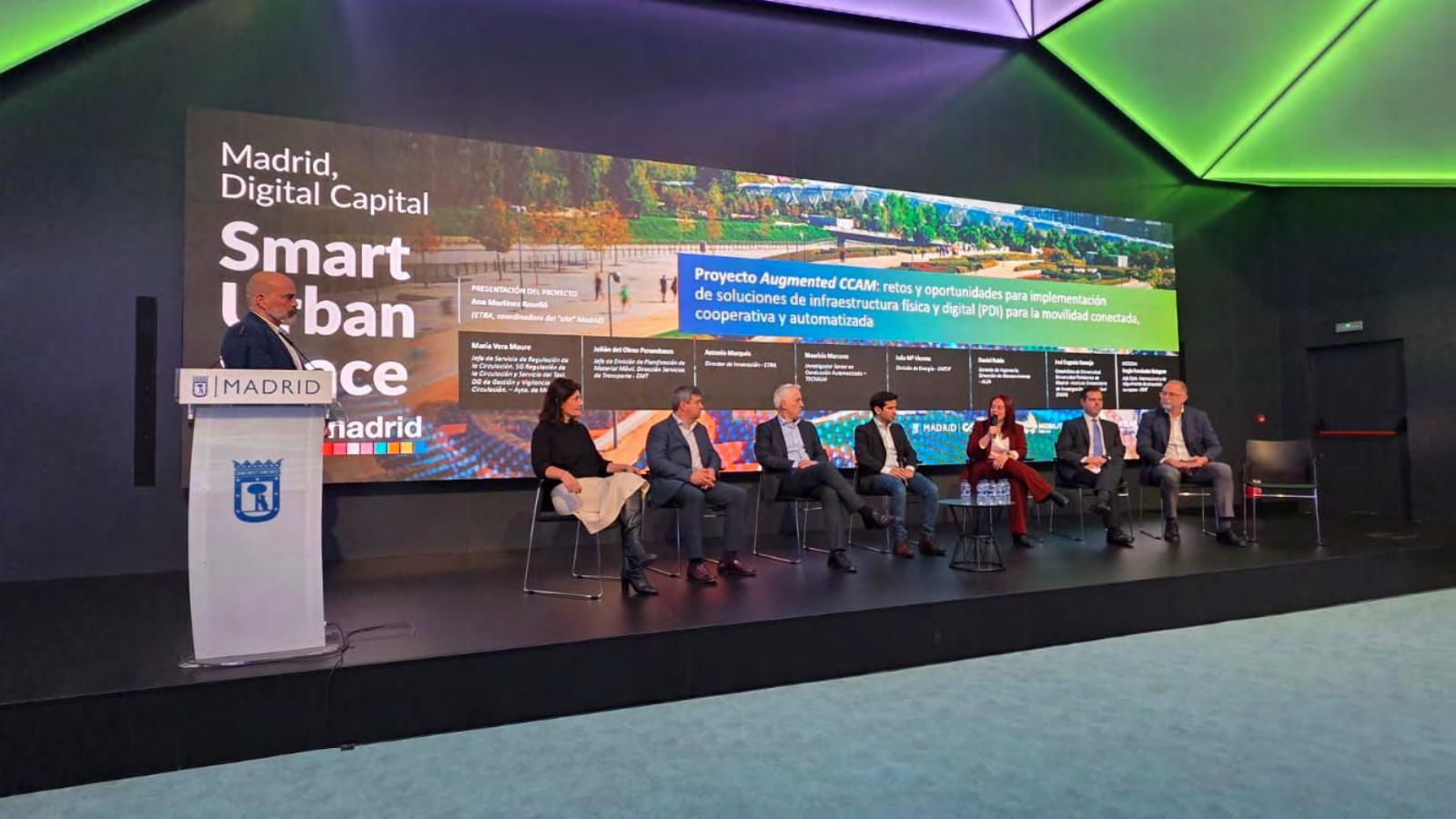
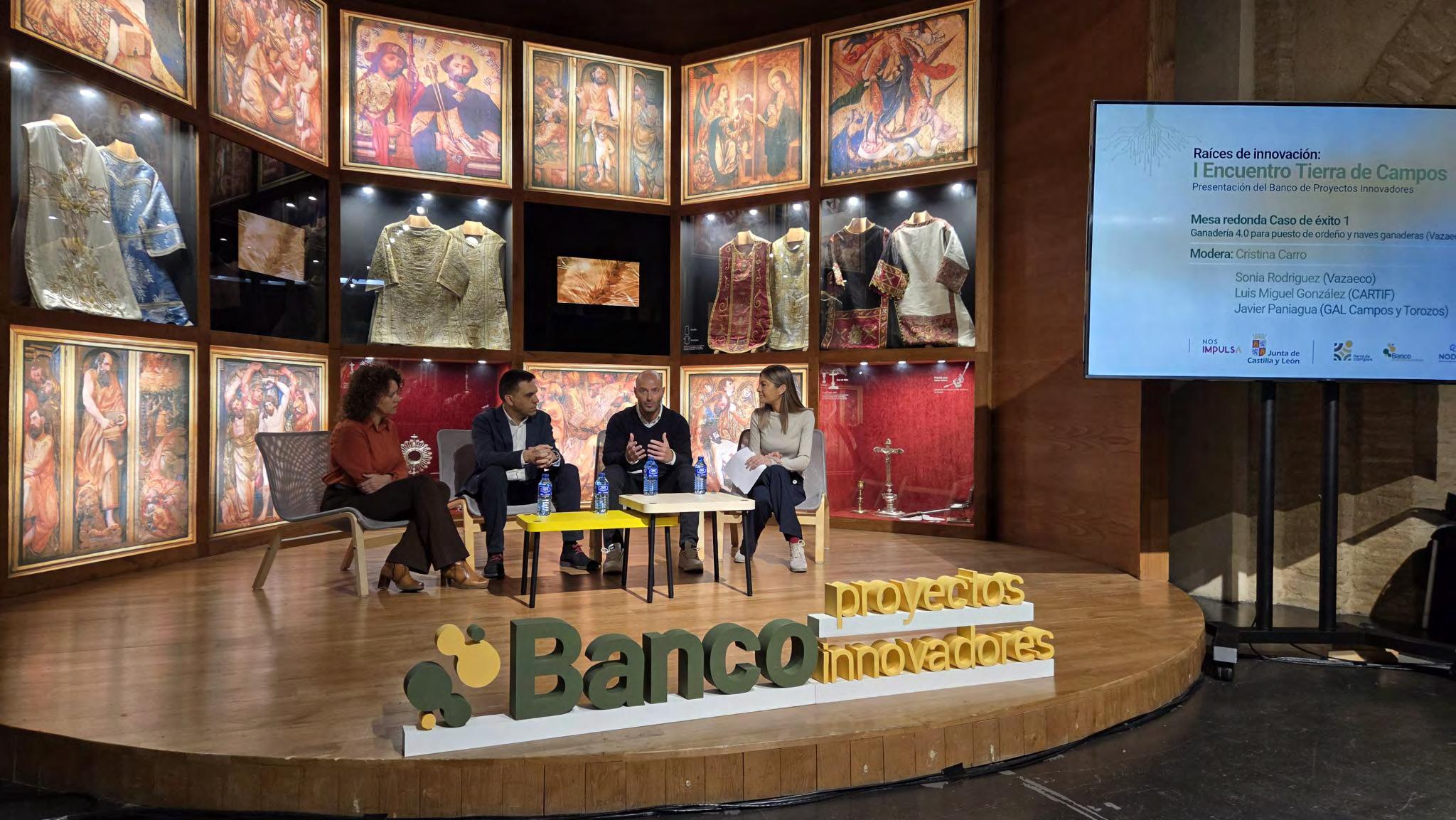
Active participation in industry platforms and events has strengthened our connection with the wider community, fostering the exchange of knowledge and generating new opportunities for collaboration at both national and international levels.
But if there is one thing that defines this year, it is undoubtedly the team, which has demonstrated its ability to grow, adapt and respond to challenges with rigour and commitment. Their talent and results-oriented approach are the real driving force behind transforming technology into concrete solutions.
The challenge now is clear: to move towards greater market uptake of our technologies, to strengthen the real impact of our work, and to consolidate CARTIF as a leading technology partner for industry and society.
Sergio Sanz Hernando Deputy General Director of CARTIF



CARTIF is a cross-disciplinary technology centre whose primary mission is to generate applied knowledge and provide innovative solutions to businesses , helping them to optimise their processes, systems and products. In this way, it helps to strengthen their competitiveness and drive the creation of new business opportunities.
Its research team remains firmly committed to these principles, working every day to consolidate, strengthen and promote the centre’s growth and ongoing development.
Since its inception, CARTIF has maintained a multidisciplinary approach, focusing its activities on various fields of knowledge, including industrial solutions, energy and the environment, construction and infrastructure, agri-food, health and improving quality of life.
Our mission
To be a leader in applied research, technological development and innovation, promoting comprehensive and multidisciplinary solutions that have a significant impact thanks to our ability to anticipate future trends and our collaboration with businesses, universities and society.
Our vision
To achieve a leading international position in enhancing business competitiveness through the development of disruptive and incremental technologies based on key enabling technologies, thereby contributing to sustainable economic growth and an improved quality of life.
To this end, we are implementing a strategy based on:
Cutting-edge research approach: driving forward advanced research in strategic fields, promoting new areas of applied knowledge with transformative potential.
Technology transfer and collaboration with industry: building strong relationships with companies and industries, facilitating effective technology transfer that is tailored to their actual needs.
Building critical mass in technology: strengthening our technological position by disseminating knowledge, promoting innovation within the business community, and fostering and accelerating technology-based businesses, alongside high-impact scientific communication.
Internal capacity building: strengthening the team’s talent and skills by promoting continuous training and professional development in line with cutting-edge research and technology transfer.
Our values

As part of our commitment to the highest standards of quality and institutional and social recognition
Ensuring responsible development that respects the environment
Encouraging motivation, initiative and the generation of new ideas
Through regional development, actively contributing to the sustainable and competitive progress of the region
Governance
José R. Perán
General Director of CARTIF
Patronate

Sergio Sanz Hernando
Deputy General Director of CARTIF
Presidency Vice-presidency Secretariat
Members:





Associated companies. Acciona, Aciturri, Ayuntamiento de Boecillo, Carburos
Metálicos, Divisa IT, Iberdrola, Industrias Río S.L, Unicaja Banco, Veolia
Technology advisors
D. Fernando Aldana Mayor. Professor of Electronics at the Polytechnic University of Madrid and Former Secretary General of the CYTED Programme
D. Jordi Aguiló Llobet. Emeritus professor at the University of Barcelona
18,5M€
CARTIF has two accredited laboratories: one accredited by ENAC (No. 335/LE1276) for testing materials, composites, paints, varnishes, sealants, resins and wood pellets; and another accredited to the Nadcap AS7003 aerospace standard for testing non-metallic materials.


It also holds certifications issued by AENOR in Quality Management and Environmental Management (ISO 9001 and ISO 14001) , as well as in R&D&I Management (ISO 166002).

Furthermore, it has passed the audits for the National Security Scheme (ENS) and the international ISO/IEC 27001 standard, two of the most rigorous standards in the field of information management and protection.
Throughout 2025, CARTIF has collaborated with a wide range of companies, public authorities and organisations. Over the course of the year, we have worked on solutions focused on energy efficiency, the integration of renewable energy and decarbonisation; developed AI-based solutions for the optimisation of industrial processes; supported public authorities in their sustainability and digitalisation strategies; and implemented pilot projects in real-world environments to validate innovative technologies.
































Each partnership has provided an opportunity to implement technological solutions tailored to real-world needs, helping to improve the competitiveness and sustainability of the organisations we work with.

As part of CARTIF’s Equality Plan – registered in November 2021 and valid for four years – the centre reaffirms its commitment to promoting equal opportunities and building an inclusive working environment in which everyone is guaranteed full professional development
During 2025, the Monitoring Committee has been working on the latest update to the Plan ahead of its renewal. Throughout this process, the extent to which existing measures have been implemented has been reviewed, and new proposals have been defined aimed at strengthening the institution’s commitment to equal opportunities.
In turn, it has worked on the drafting and implementation of an LGBTI Protocol – in accordance with Law 4/2023 and Royal Decree 1026/2024 – with the aim of establishing a clear framework for the prevention of and response to sexual harassment and harassment based on gender identity and/or expression, thereby guaranteeing a safe, respectful and inclusive

In recent years, hydrogen has established itself as one of the strategic pillars of the energy trankey industrial opportunity for Castile and León. The transformation of the energy system responds not only to the need to reduce emissions, but also to the need to strengthen the competitiveness of the industrial sector.
In this context, green hydrogen is emerging as a versatile solution, capable of storing renewable energy, facilitating its integration into the grid and replacing fossil fuels in a wide range of applications. Against this backdrop, the CARTIF Technology Centre has been working for years to turn its technological potential into a productive reality.
Hydrogen is emerging as a versatile solution capable of storing renewable energy, facilitating its integration into the grid and replacing fossil fuels in a wide range of applications. From the Boecillo Technology Park (Valladolid), CARTIF carries out activities that cover, almost in their entirety, the entire hydrogen value
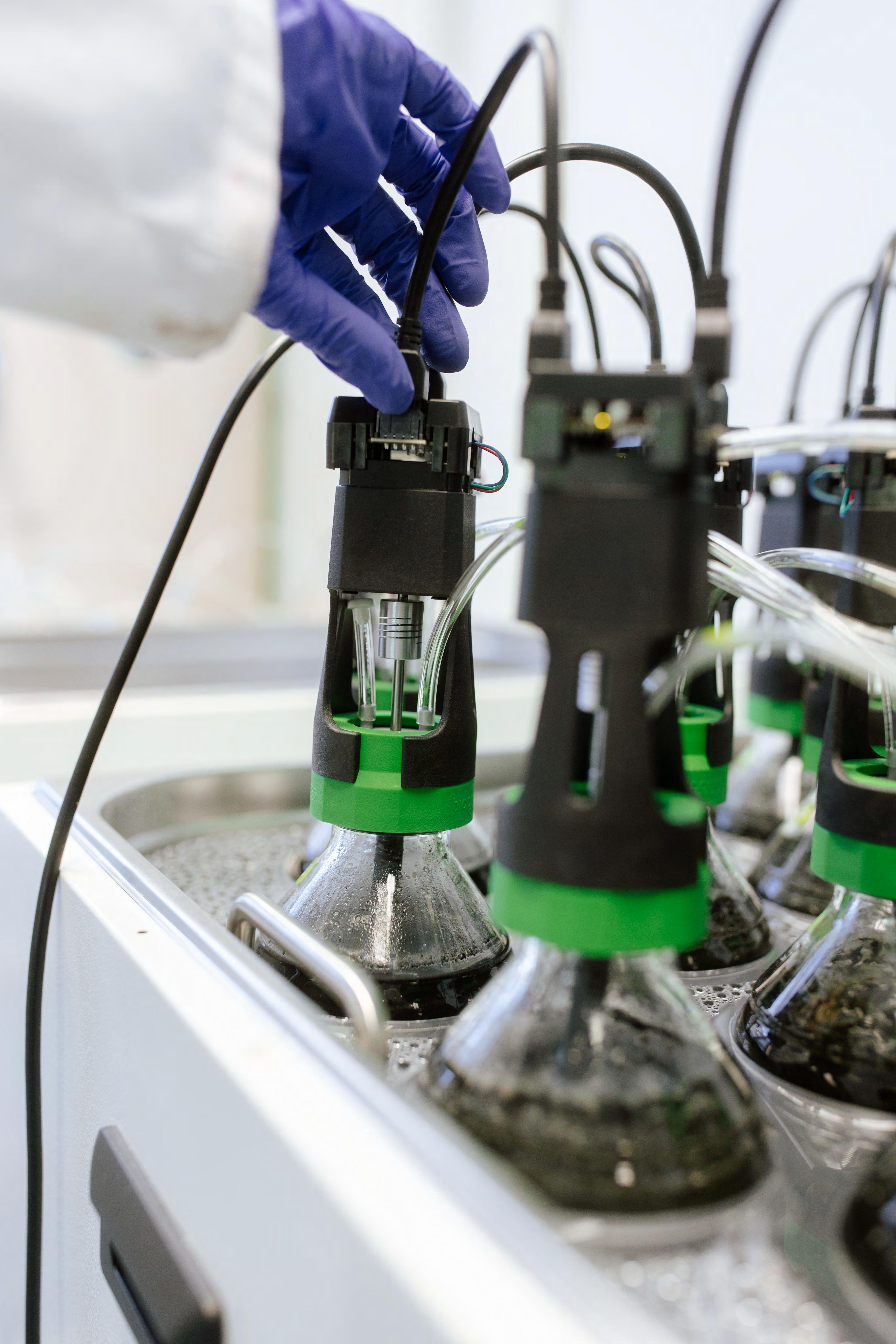
His research team is working on electrolysis processes powered by renewable energy, with a focus on their efficiency and adaptability to a variety of contexts. To validate this work, the team has experimental facilities where it develops hybrid storage systems that integrate different solutions to optimise the use of available energy.
In addition to this work, he is developing advanced energy models that enable the analysis of complex scenarios, the validation of configurations and the improvement of hydrogen management within increasingly digitalised energy systems, thereby facilitating more agile and versatile integration into current energy generation and management systems.
The CARTIF team is focused on addressing one of the main challenges of this technology: its effective integration into real-world environments. To make this a reality, it is developing solutions that combine hydrogen with other energy carriers, such as electricity and heat, complemented by other lines of work focused on CO₂ utilisation designed to produce synthetic fuels and renewable gases, thereby expanding the potential of hydrogen within more circular energy systems.
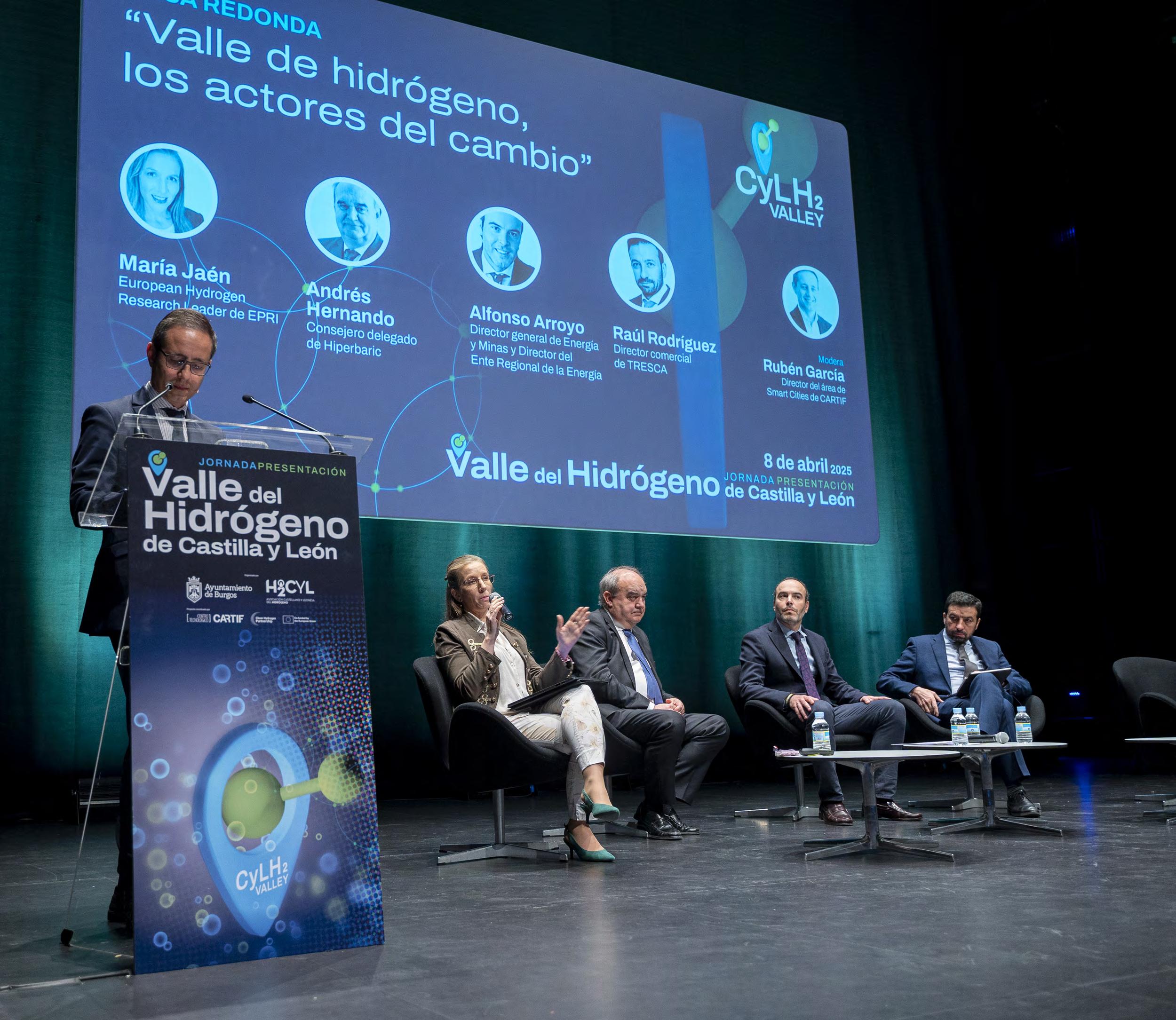
In this context, CARTIF’s involvement in leading the Castilla y León Hydrogen Valley (CyLH2Valley) represents a key step towards the coordinated roll-out of this technology across the region. This initiative brings together an ecosystem in which renewable generation, hydrogen production, infrastructure and industrial demand converge, with the aim of facilitating its development at a regional level.



























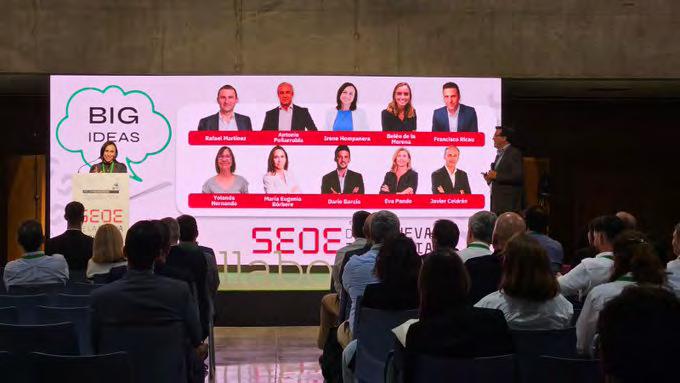
COLLABORATE OVIEDO
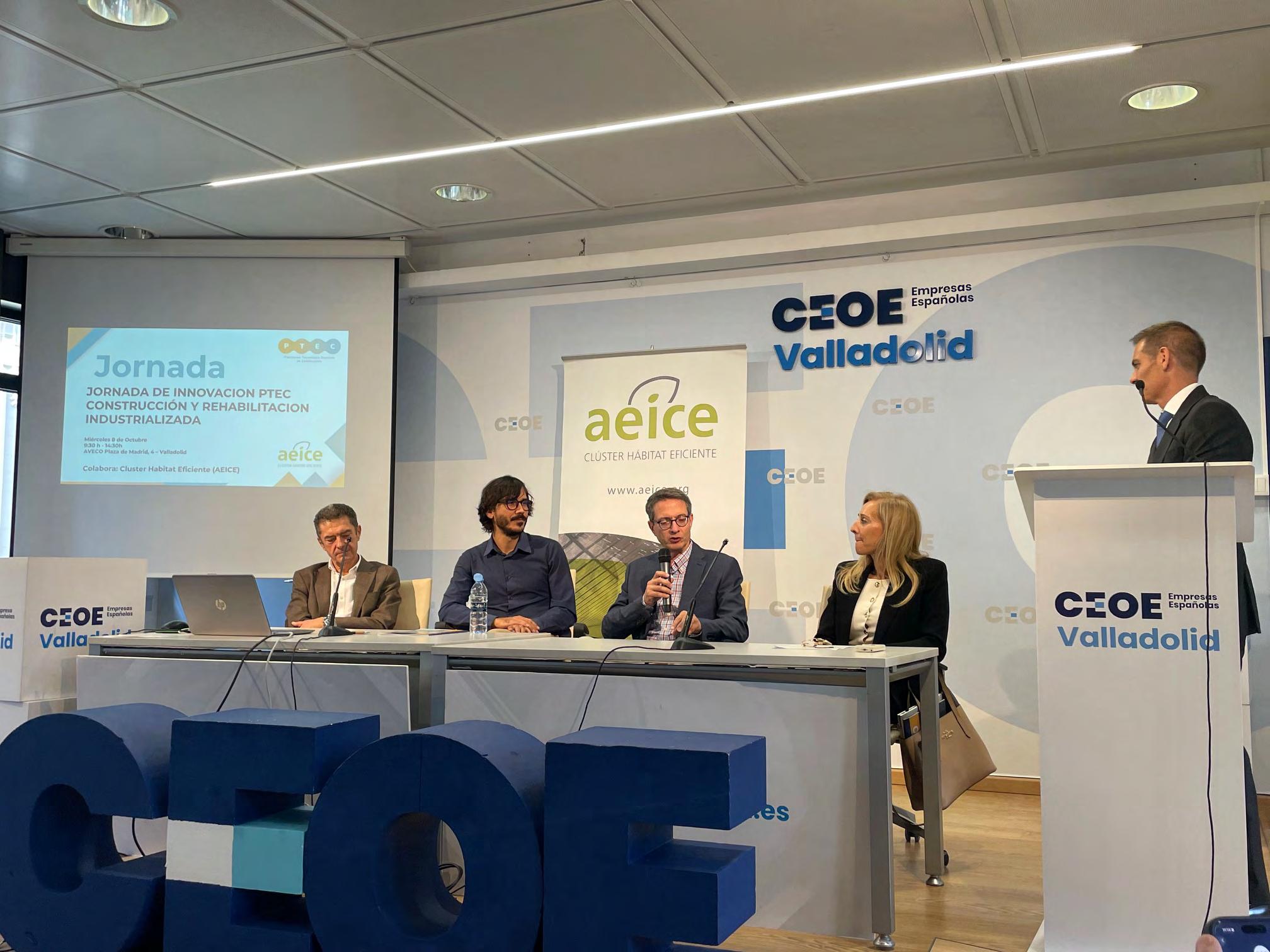
INNOVATION DAY
SCIENTIFIC WORK-TEAM












In a global context characterised by rapid technological change, growing pressure to decarbonise and the need to move towards more sustainable production models, the CARTIF team has focused its work on three key strategic areas: digital transformation, the energy transition and the circular economy . These pillars underpin its contribution to the development of innovative solutions capable of addressing the main challenges facing the industrial, energy and regional sectors. By applying technologies such as artificial intelligence, advanced analytics, modelling and emerging industrial technologies , CARTIF drives data integration, process optimisation and improved decision-making.
The developments undertaken not only address the specific needs of businesses and public authorities, but also strengthen technological capabilities, boost competitiveness and contribute to the creation of a more efficient, resilient and sustainable economic model in the long term.

The digital transformation of the industrial sector continues to face significant structural barriers. Some organisations have low levels of digitalisation, with poorly connected production systems, limited data integration and a restricted ability to anticipate behaviour or monitor quality in real time.
This situation hinders process optimisation, increases the rate of defects and limits the ability to adapt to increasingly demanding and dynamic environments.


To address these challenges, the CARTIF research team has developed solutions based on advanced industrial technologies, artificial intelligence and computing, as well as cybersecurity and industrial connectivity, enabling the evolution towards smart production systems.
It has enabled the implementation of advanced real-time quality prediction systems in complex industrial processes , particularly in demanding production environments, thereby reducing defects, optimising operations and significantly improving overall efficiency.
This project has driven the digitalisation of regulatory control of concrete through advanced tools that automate statistical monitoring, improve process traceability and ensure greater compliance with technical and regulatory requirements.

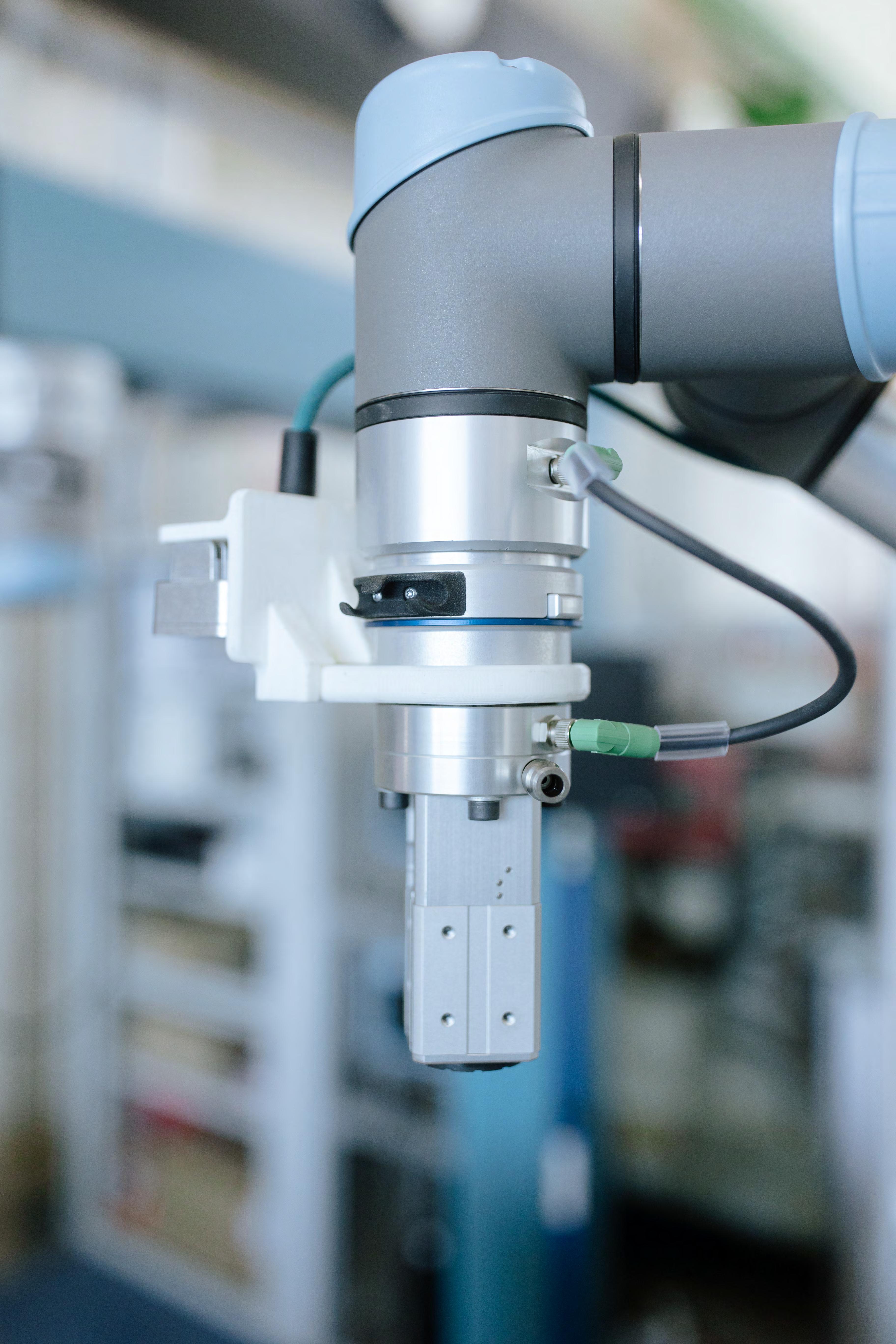
Furthermore, the HUMAIN project has demonstrated the feasibility of automating non-standardised palletising processes in real industrial settings, integrating machine vision and collaborative robotics to enhance flexibility, operational efficiency and adaptability to viable production scenarios.


The growing complexity of energy systems—characterised by the integration of renewable sources, the decentralisation of generation, and market volatility—makes it difficult to optimise operations, predict failures and participate efficiently in new energy environments.

This situation calls for tools capable of managing large volumes of data and responding in real time. Against this backdrop, CARTIF has developed solutions based on artificial intelligence, advanced analytics, cyberconnectivity and advanced industrial technologies, aimed at improving energy management, anticipating incidents and facilitating more efficient, flexible and data-driven decision-making.
Uses cases and success
It has succeeded in monetising industrial energy flexibility through optimisation and aggregation algorithms , facilitating participation in electricity markets and turning flexible capacity into a competitive advantage.
IntelligentPV has improved the operation and maintenance of solar power plants through advanced analytics, using big data architectures and artificial intelligence to detect and predict faults, thereby reducing operational risks.

Furthermore, the REWARDHeat project has developed tools based on Geographic Information Systems (GIS) for the planning and dimensioning of district heating networks , optimising the technical design and assessing the energy viability of heating infrastructure.


Public authorities face growing challenges in assessing complex climate scenarios and designing effective policies based on scientific evidence. The availability of large volumes of data, coupled with the uncertainty associated with climate change, requires advanced tools that enable information to be reliably integrated, analysed and simulated.

Spatial planning and support for data-driven public decision-making

In this context, the use of enabling technologies, such as artificial intelligence and computing, advanced modelling and simulation, and Earth observation, is key. These technologies enable the generation of useful knowledge, the anticipation of impacts and support for strategic decision-making in spatial and climate planning.
Use cases and success

The SPANDAM project has developed a d igital tool that enables local councils to simulate spatial scenarios , assess impacts and support data-driven decision-making in strategic planning.
The Climate and Sustainable Energy Action Plan (PACES) , which has been implemented in Logroño and Ponferrada , has compiled emissions inventories and assessed climate risks, providing a technical basis that enables local authorities to plan strategies aligned with European initiatives, such as the Covenant of Mayors.
It has enabled the automated assessment of the urban heat island effect through the integration of satellite data, making it easier for local authorities to identify urban vulnerabilities.


The current production model continues to generate significant volumes of industrial and agri-food waste, as well as CO₂ emissions, whilst remaining heavily reliant on fossil-based raw materials. This situation poses significant challenges in terms of sustainability, resource efficiency and industrial competitiveness.
Circular economy, by-product recovery and product development

To address these challenges, CARTIF promotes solutions based on technology and life sciences, advanced materials and advanced industrial technologies. These technologies enable waste to be transformed into valuable resources, emissions to be reduced and more circular, efficient and sustainable production models to be fostered, contributing to the transition towards a low-carbon economy.
Use cases and success
It enables the utilisation of by-products from the meat industry , transforming them into high value-added bioproducts such as heparin or collagen, thereby reducing waste and creating new economic opportunities.

It is driving the conversion of CO₂ into industrial biocomposites , producing acetate and other compounds at a pilot plant and making progress towards the decarbonisation of industrial processes.
BY-PRODUCTS VALORISATION
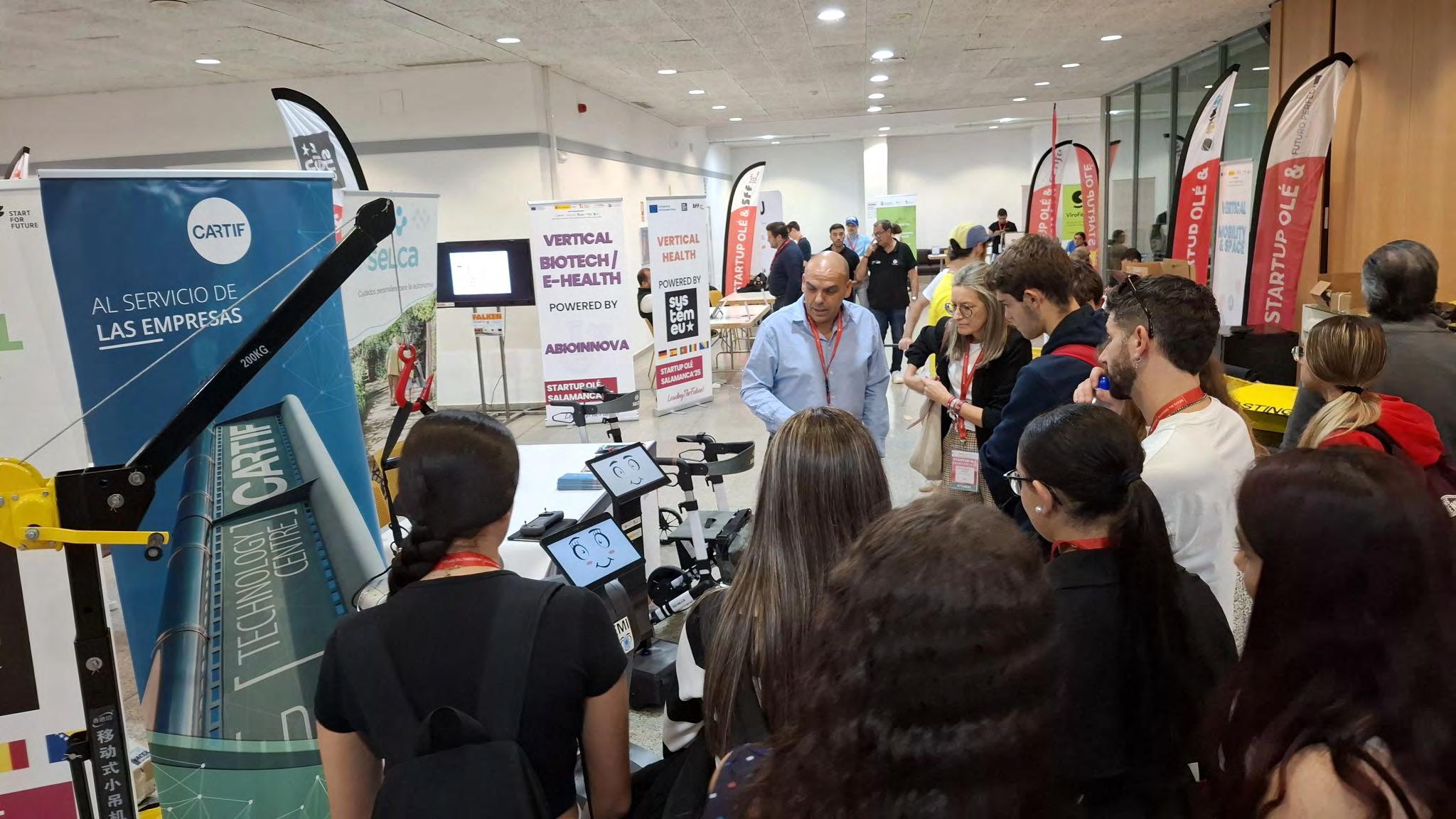
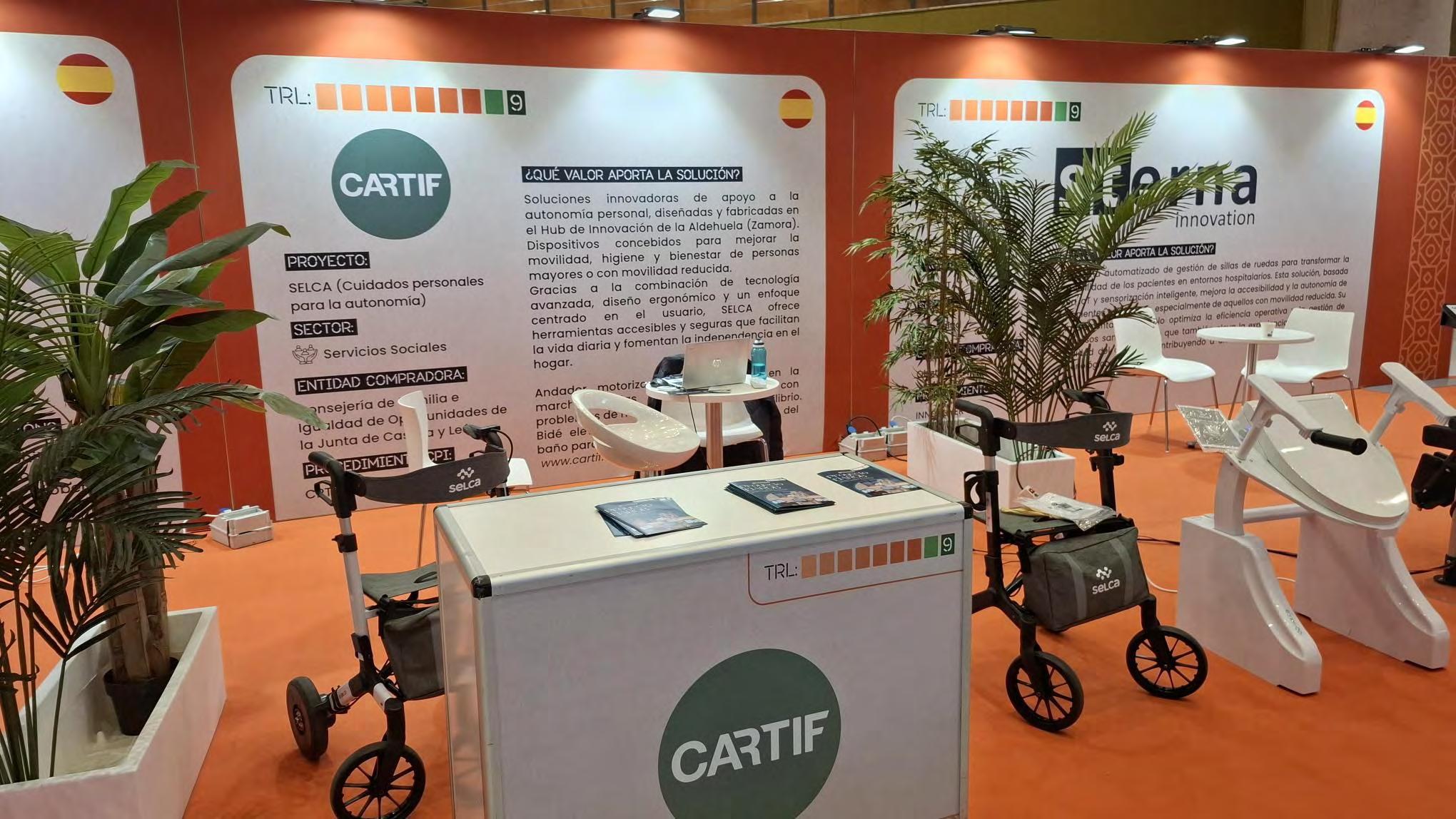


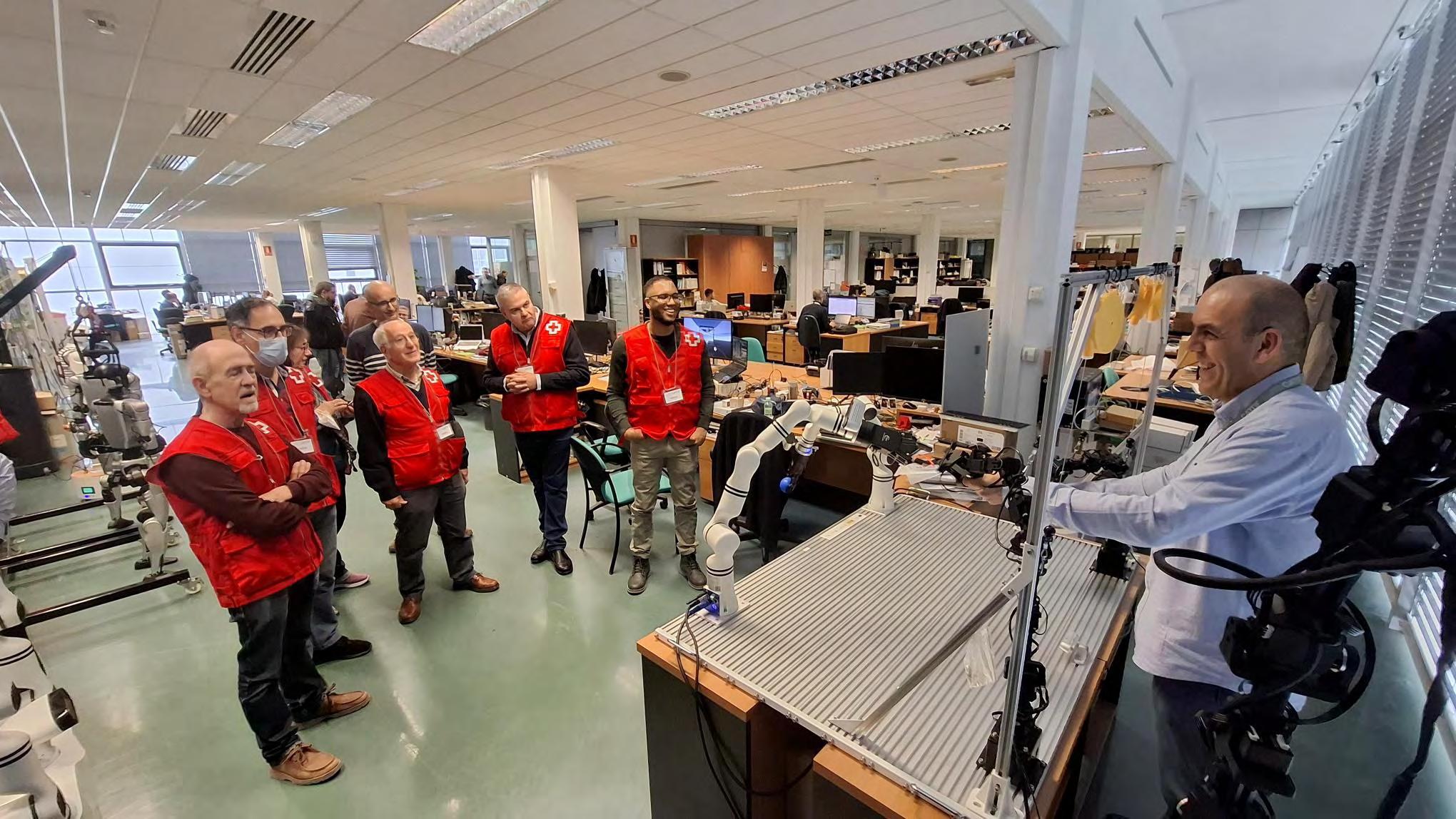
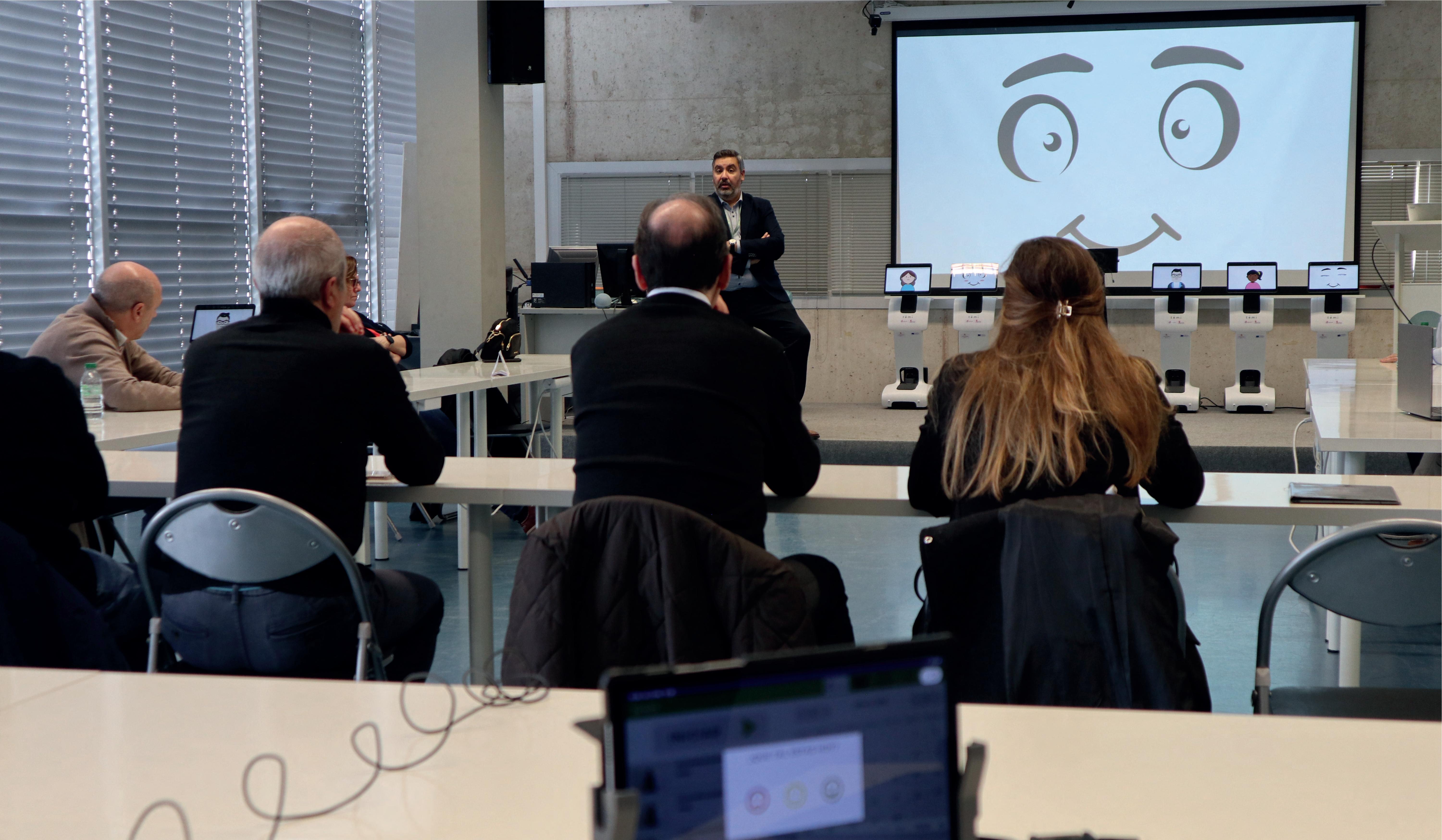
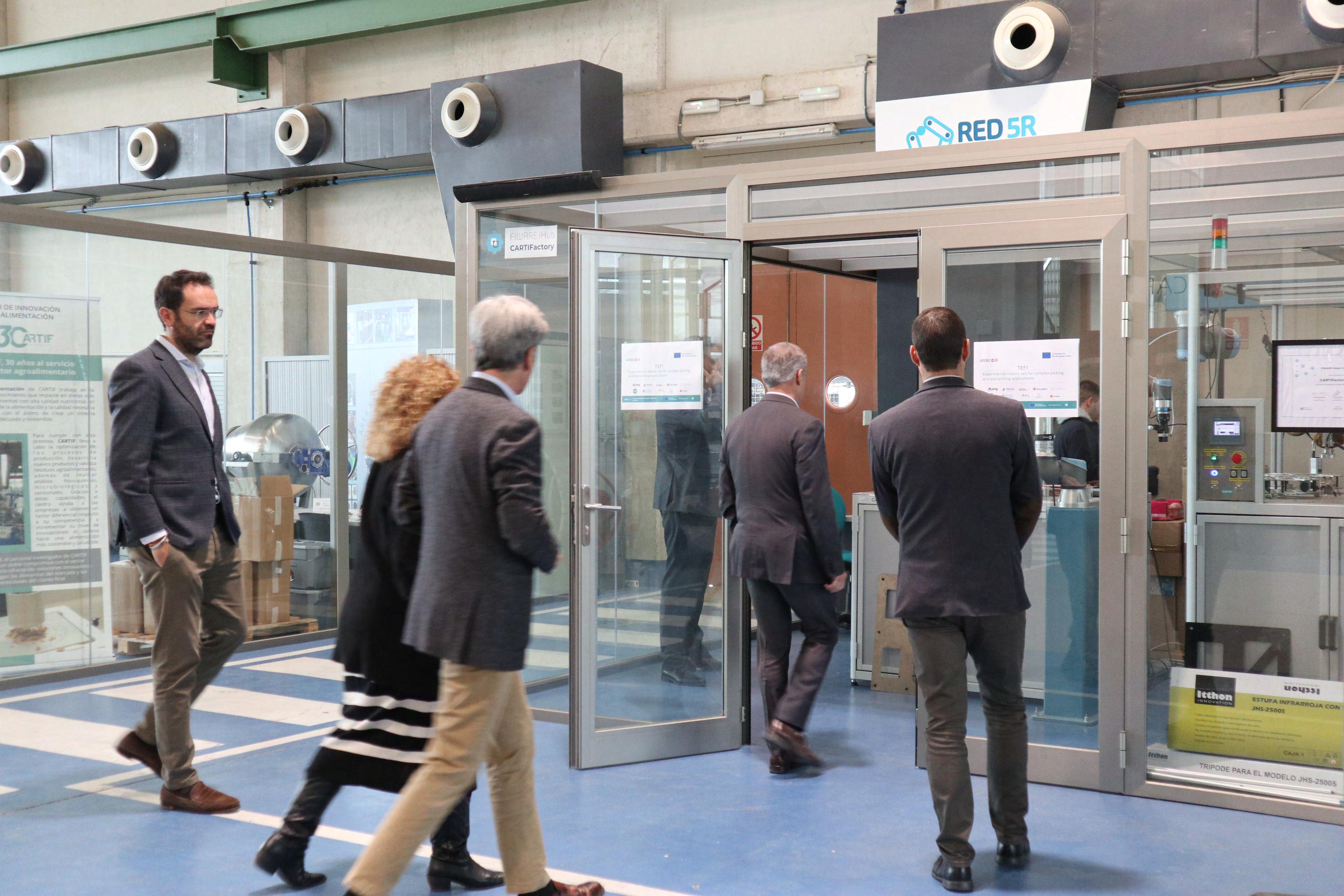

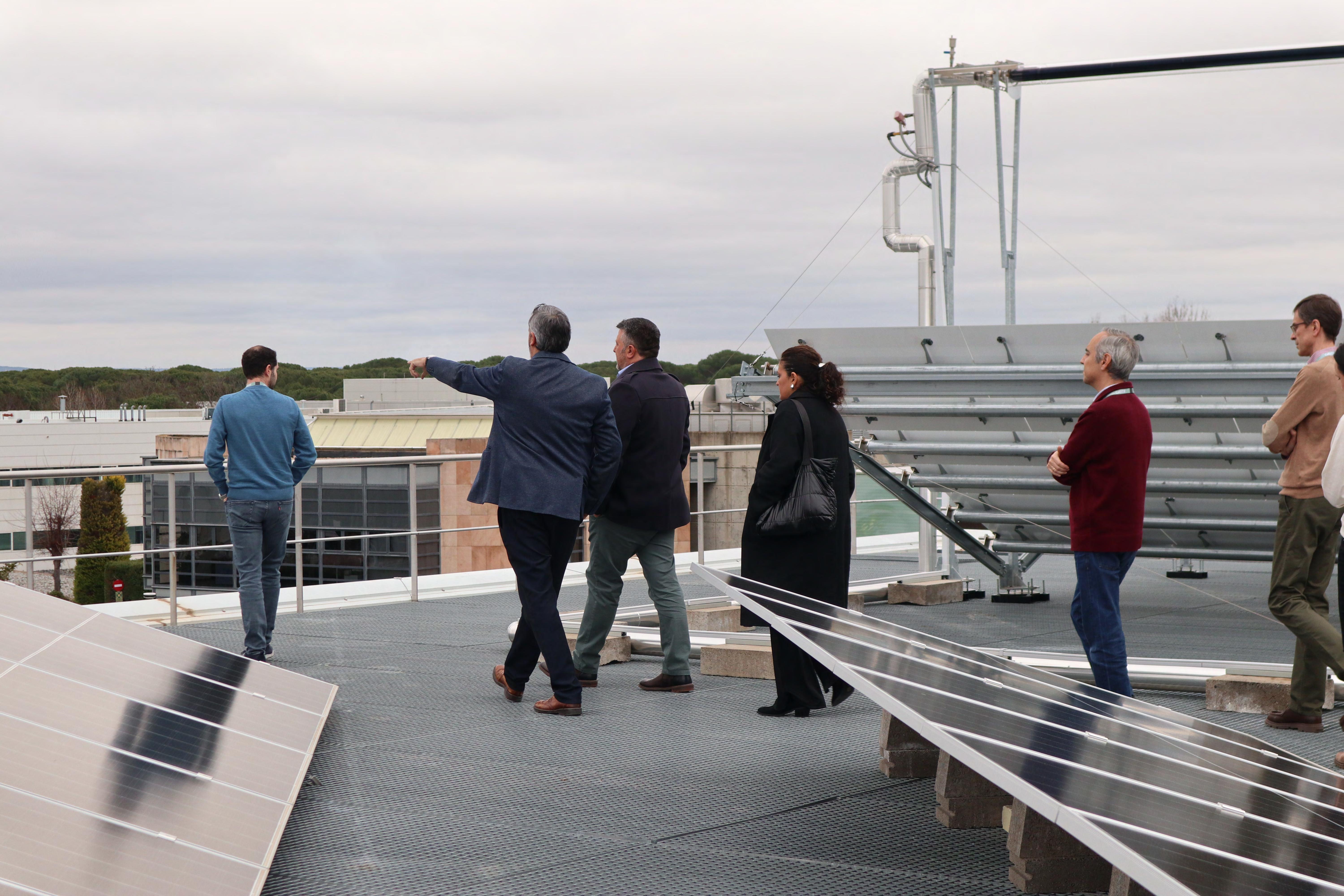

CARTIF has established itself as a key player in the implementation of robotic solutions and assistive technologies in the care sector in Castile and León . Against a backdrop of an ageing population and growing demand for social and healthcare services, the Centre has championed the integration of these technologies into real-world settings, helping to transform the care model.

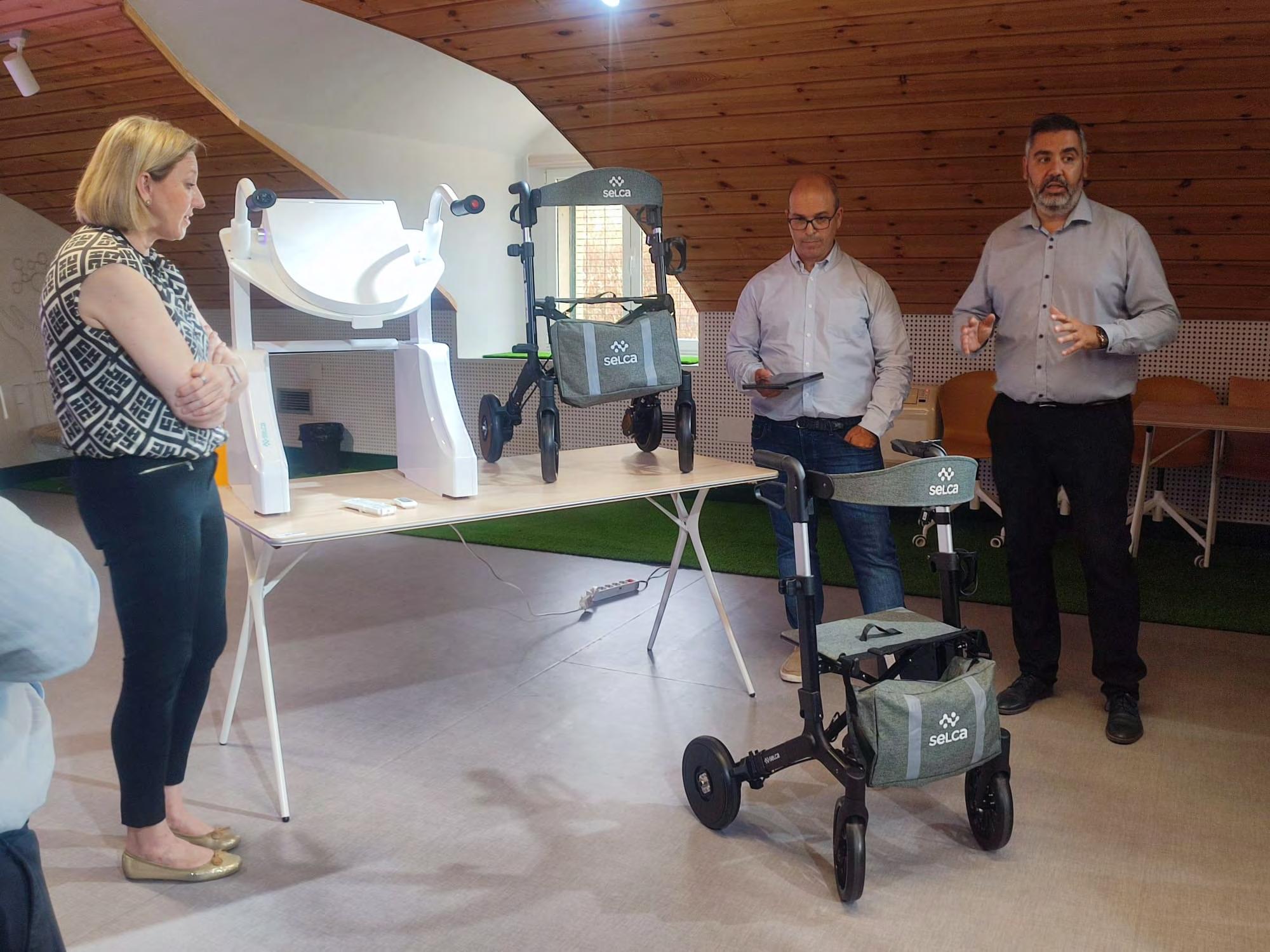
One of the most significant developments of 2025 has been the delivery of the first batch of 1,245 advanced technological solutions to the Regional Government of Castile and León as part of the ‘A gusto en casa’ programme. Developed in collaboration with the INTRAS Foundation and Asprodes, these tools – such as smart walkers and toilets – integrate social robotics and support systems designed to improve independence and the quality of care. Within this framework, projects such as EIAROB reinforce CARTIF’s commitment to robotics applied to care, promoting smarter, more personalised and sustainable care models.
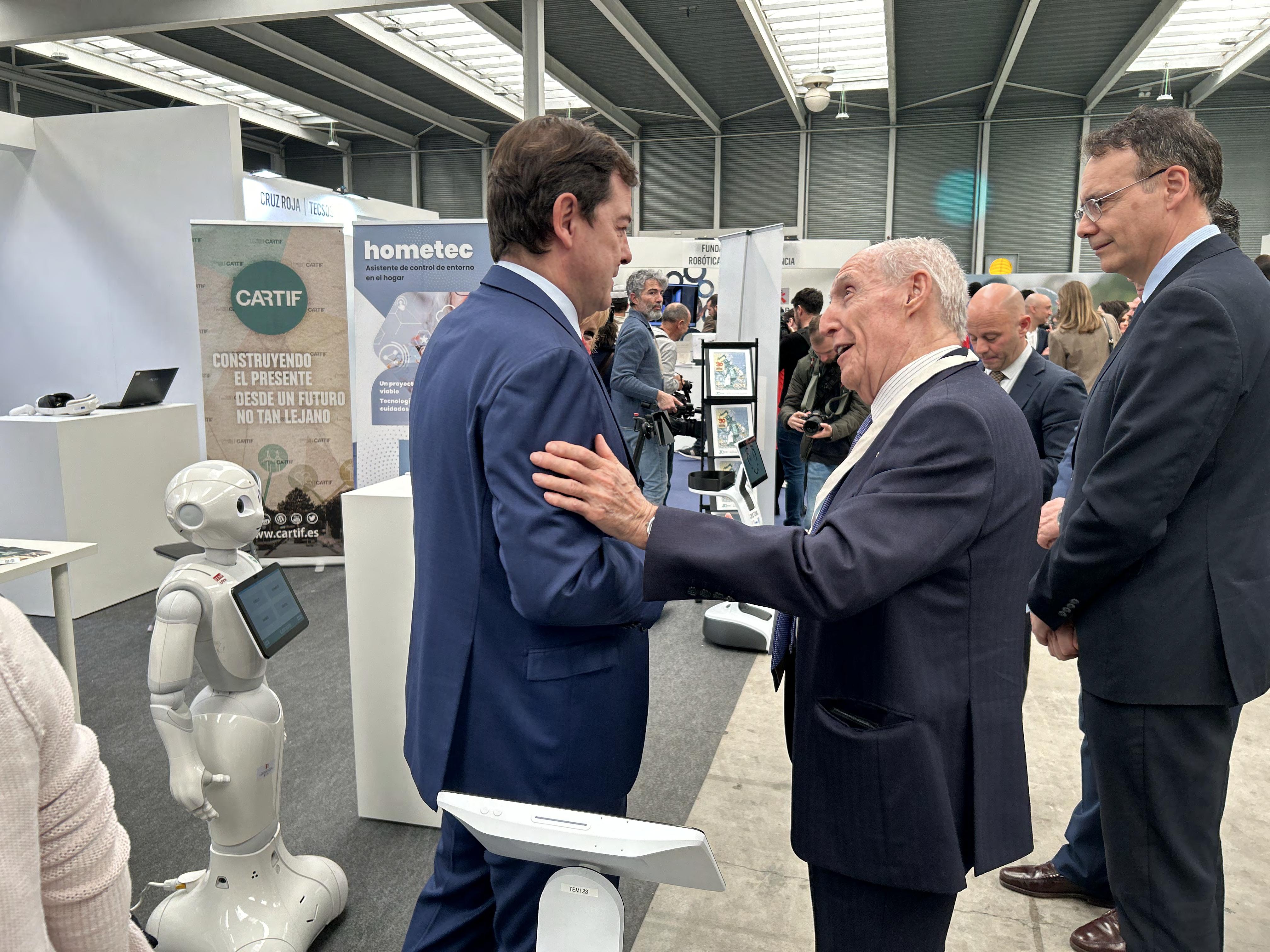
Spain continues to consolidate its position within the European research programme Horizon Europe. Between 2021 and 2024, Spanish organisations have secured over €4.5 billion in funding, placing the country third among Member States in terms of funding share (11.4%), second in terms of the number of projects, and first in terms of project leadership.
In this context, Castile and León is strengthening its presence in the programme with €154.7 million in funding secured between 2021 and 2024, thanks to the participation of 118 organisations in 297 research and innovation activities, thereby consolidating the regional ecosystem at European level.

CARTIF ranks among the leading Spanish technology centres with the strongest presence in this programme, having participated in 68 funded activities and 11 coordinated projects. These results reflect its ability to compete at European level and its role as a key player in the development of innovative solutions in fields such as energy, industry and sustainability, whilst also helping to strengthen the community’s standing within the European R&D&I ecosystem.
The European PHENOLEXA project has demonstrated the potential of bioactive compounds derived from agricultural waste to improve skin health , contributing to the development of sustainable solutions in the field of the bioeconomy. As part of the project, polyphenol-rich extracts have been identified and validated from agricultural by-products such as chicory leaves, red onion skins, and vine and olive pruning waste.

Tests carried out on three-dimensional models of human skin have shown that these compounds possess photoprotective and anti-inflammatory properties , capable of reducing the effects of cell damage caused by ultraviolet radiation and promoting key processes such as collagen synthesis.
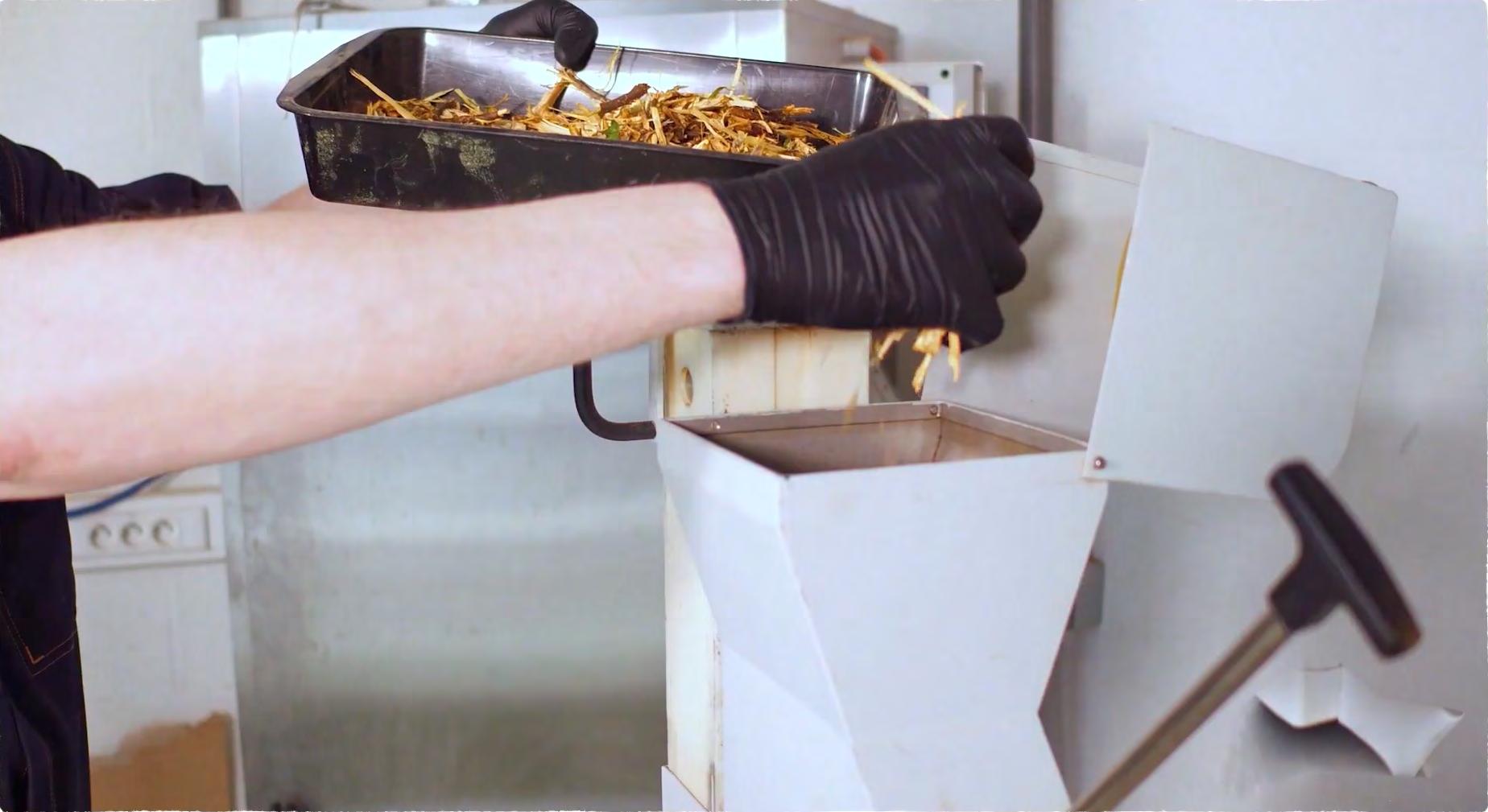
To this end, the project has developed and optimised sustainable extraction technologies and biorefinery processes that enable the recovery of high-value phenolic compounds from agricultural waste biomass. These advances reinforce circular economy strategies, transforming agri-food by-products into new ingredients for sectors such as cosmetics, nutraceuticals and healthcare.
An innovative 3D printing technology capable of working vertically on building façades is being developed and tested in Zaragoza to facilitate the energy-efficient refurbishment of existing buildings. The system uses a robotic arm that deposits materials directly onto the building’s surface, allowing new layers of cladding or insulation to be applied without the need to expose the existing façade.
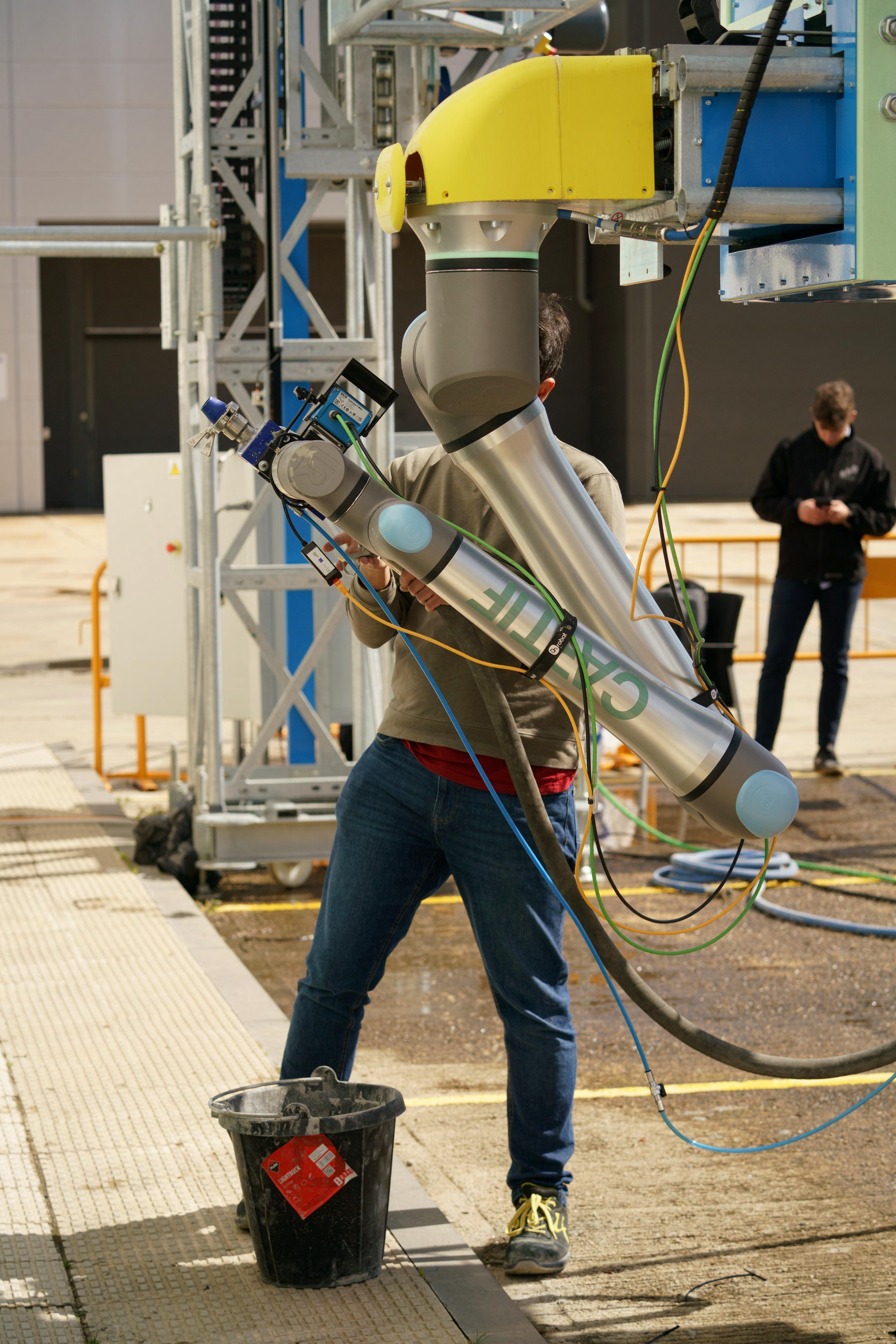



This ability to print directly onto vertical surfaces and adapt to the irregularities of each building represents a significant advance over other additive manufacturing solutions used in construction. The combination of advanced robotics, additive manufacturing and new materials enables more precise, automated and efficient interventions, reducing construction times and minimising the impact on the surrounding environment.
This development forms part of the European INPERSO project, which aims to promote new technological solutions for façade renovation, helping to modernise construction processes and improve the sector’s sustainability .
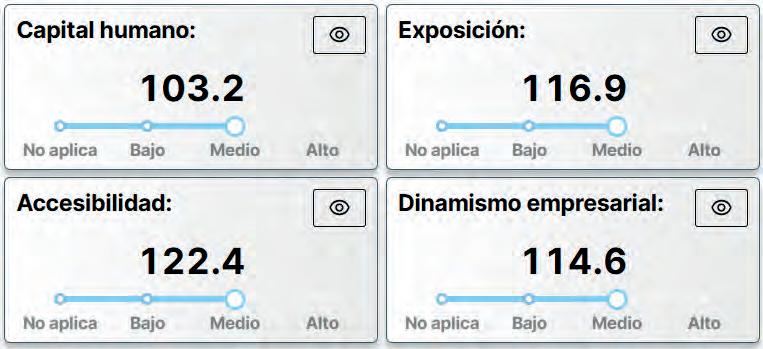
The use of advanced computational models opens up new possibilities for anticipating the impact of public policies on demographic trends in rural areas. This simulation tool integrates large volumes of socio-economic and spatial data with system dynamics models, enabling a joint analysis of factors such as employment, access to services, economic activity and mobility, and providing a better understanding of how these factors interrelate within a given area.
The platform is capable of generating territorial assessments and simulating different future scenarios , evaluating the potential impact of measures aimed at attracting population, improving services or boosting the local economy. These simulations enable the long-term evolution of a territory to be projected and an analysis to be made of which combinations of policies might prove most effective in addressing the demographic challenge.

This platform forms part of the SPANDAM project, which aims to provide local authorities and regional stakeholders with digital tools to support decision-making in response to demographic challenges. The solution enables complex data to be transformed into actionable insights for spatial planning, facilitating the identification of trends and the evaluation of potential rural development strategies based on a solid analytical foundation.

VISUALIZACIÓN DE INDICADORES
PROVINCIA: Zamora
MUNICIPIOS A VISUALIZAR: Toro
ÍNDICE: Atractivo para las empresas 114.28