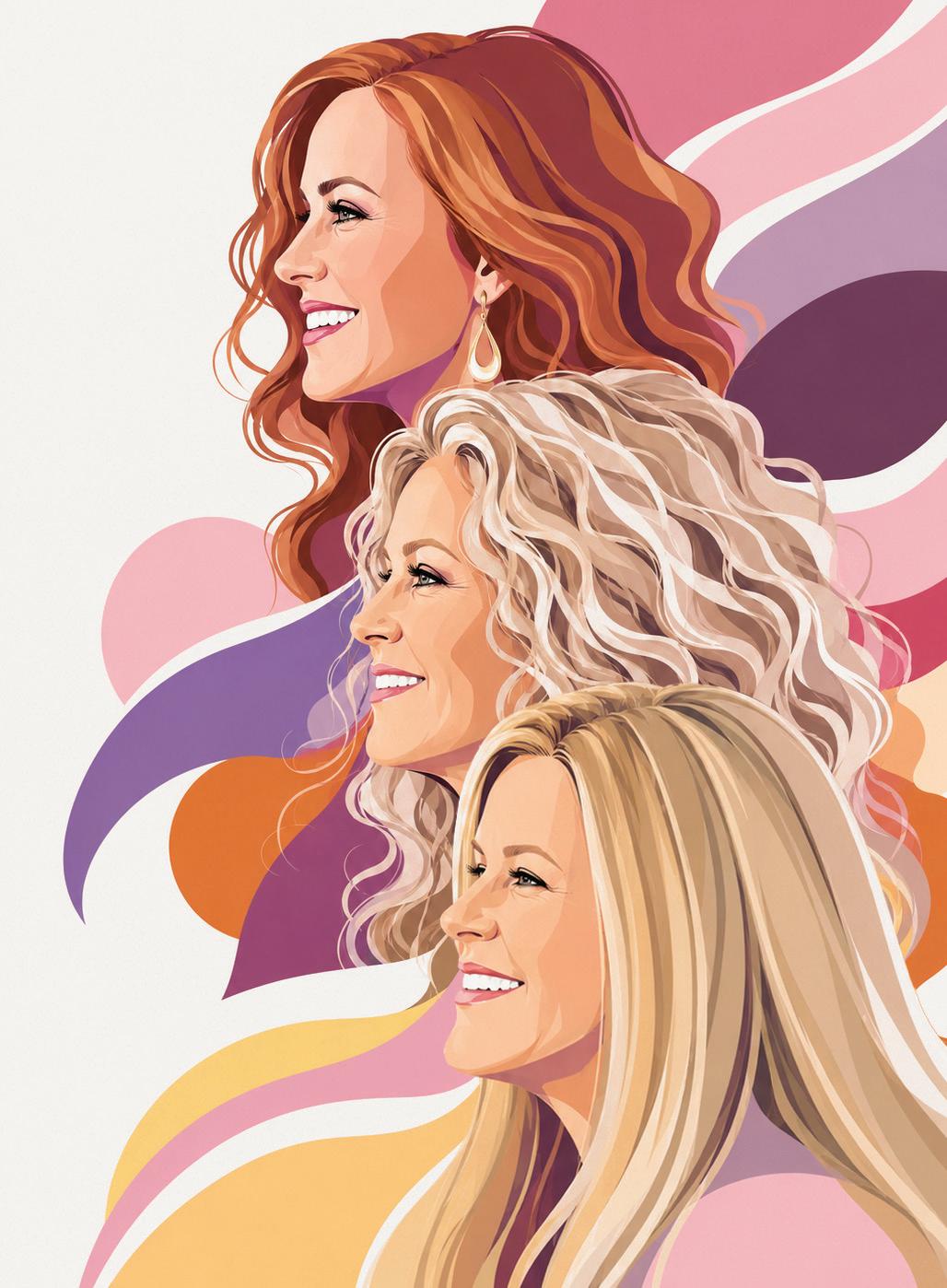
season is shaped by collaborating with makers, designers, and whose perspectives inspire every project. Together, we explore possibilities, push boundaries, and turn shared passion into something extraordinary.”
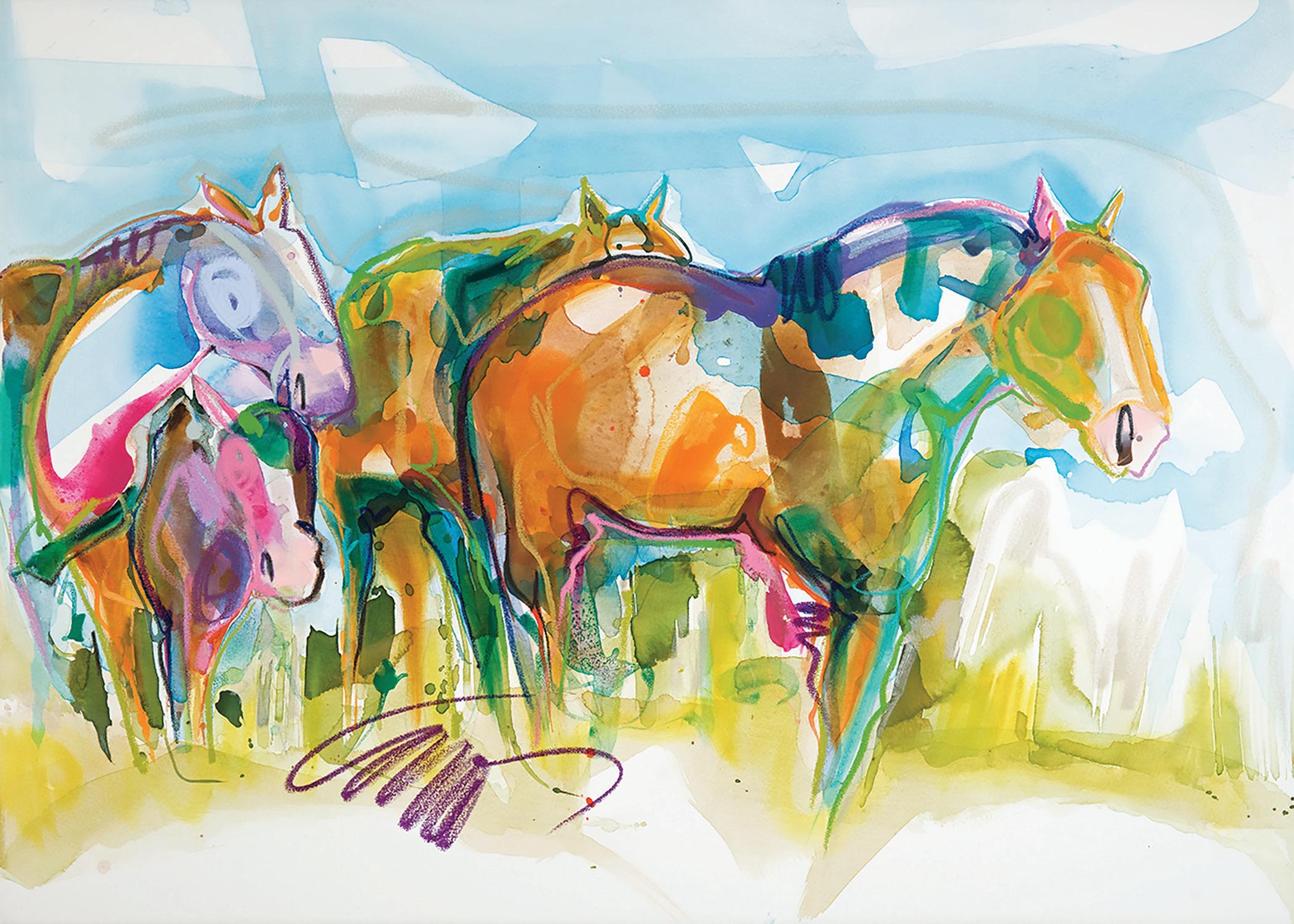
The horse moves with the quiet power of the earth itself, its energy wild yet steady. Beneath it, the hooves whisper soft stories to the ground that echoes of freedom, strength, and ancient grace.
– Find yourself in Carrie's West
CARRIE FELL
A HOOF'S WHISPER, Acrylic and Oil on Canvas; 44” x 61”
of HIGH POINT Design Market
HIGH
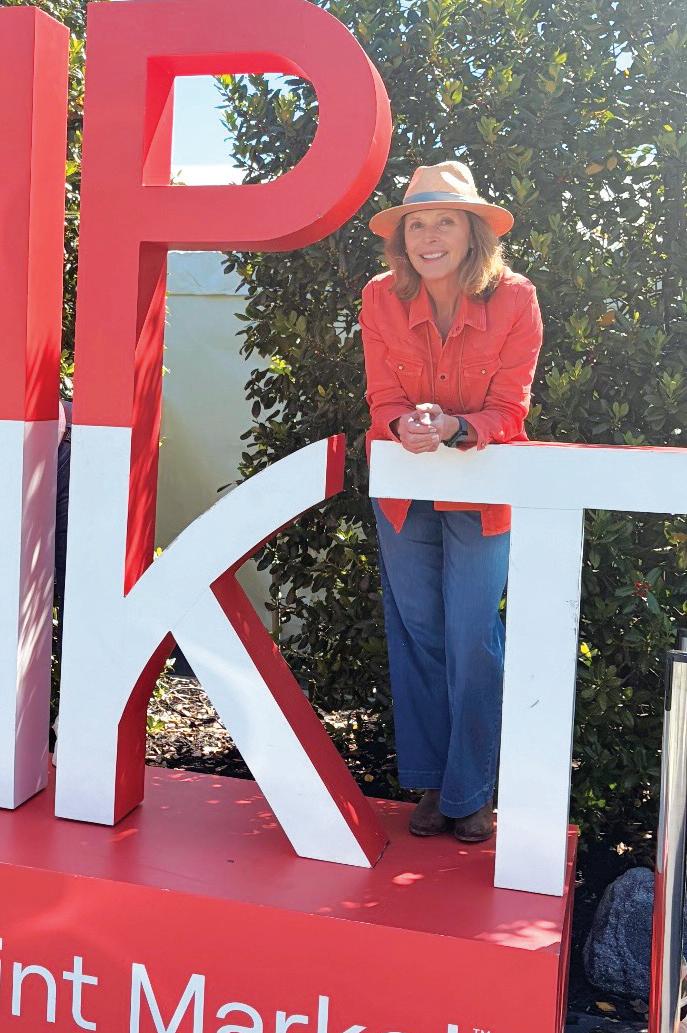
TheHigh Point Market isn’t just a trade show; it’s a dense landscape of ideas, brands, and emerging directions in design. Thousands of showrooms, product launches, and installations compete for attention. For a client stepping into that environment alone, it can feel like too much, abundant choices without a clear sense of what truly matters.
I like to observe how people move through spaces, what they notice, what they overlook, and who they rely on to make sense of it all. At High Point Market, that dynamic becomes especially clear. It’s not just about furniture or objects; it’s about navigation, trust, and the quiet choreography between a client and their designer, artist – the manufacturer and their brand representatives.
Meet Tim Dahlberg with Rowe Furniture. What stood out immediately was not just his familiarity with the product, but the ease with which he translated it into lived experience. He speaks both a brand representative and as a designer. He doesn’t present furniture as isolated objects; he frames it in terms of how people inhabit their homes. He speaks about scale, texture, and comfort in a way that feels grounded in daily life, morning routines, cozy evenings…The way a room holds you after a long day.
There’s a quiet confidence in how deeply he knows the Rowe Furniture line, and that knowledge carries weight. It allows him to speak not only about quality and construction, but also about textile innovation and what that standard of excellence represents over time - durability that supports comfort, design that elevates without demanding attention, and pieces that bring ease into the home rather than complication.
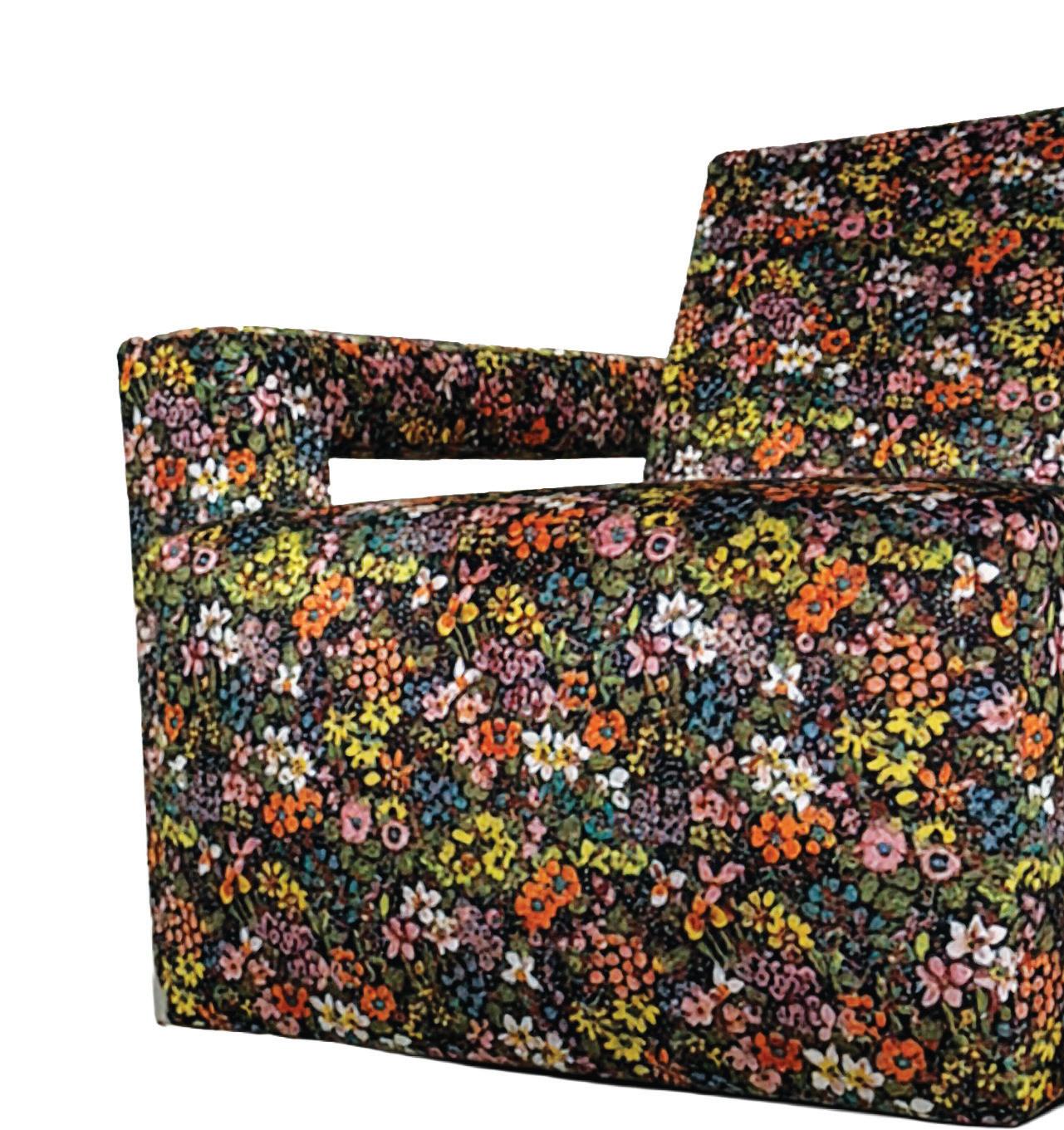
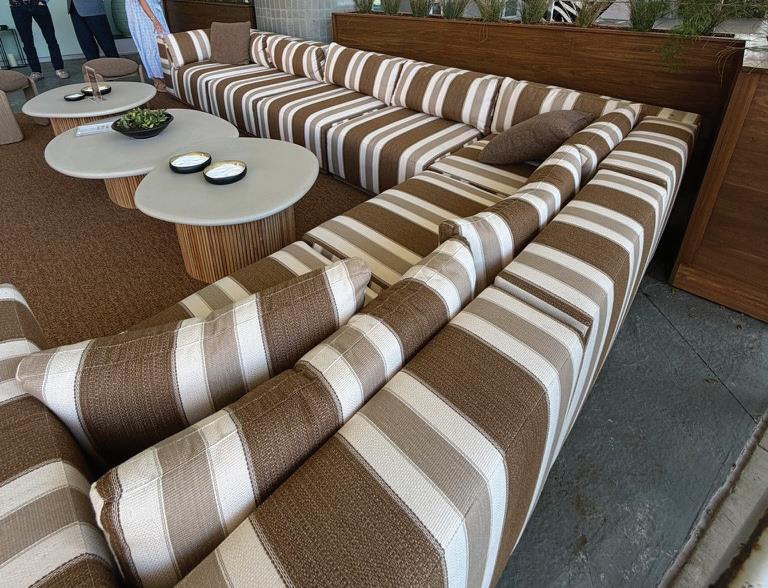
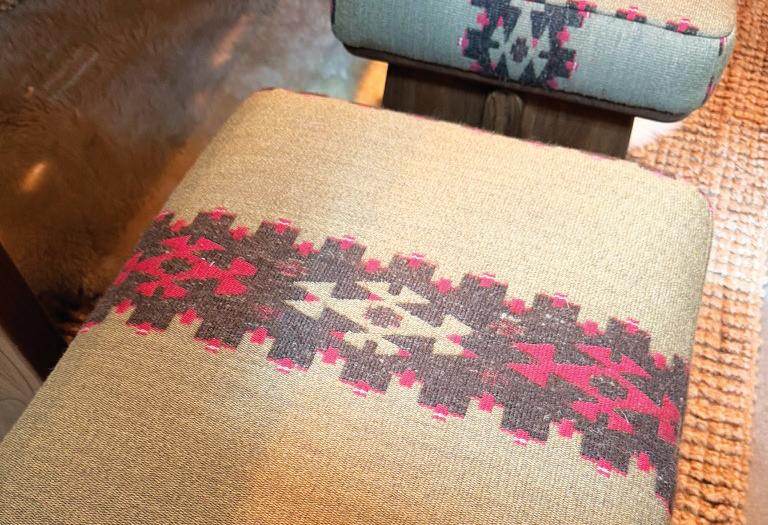
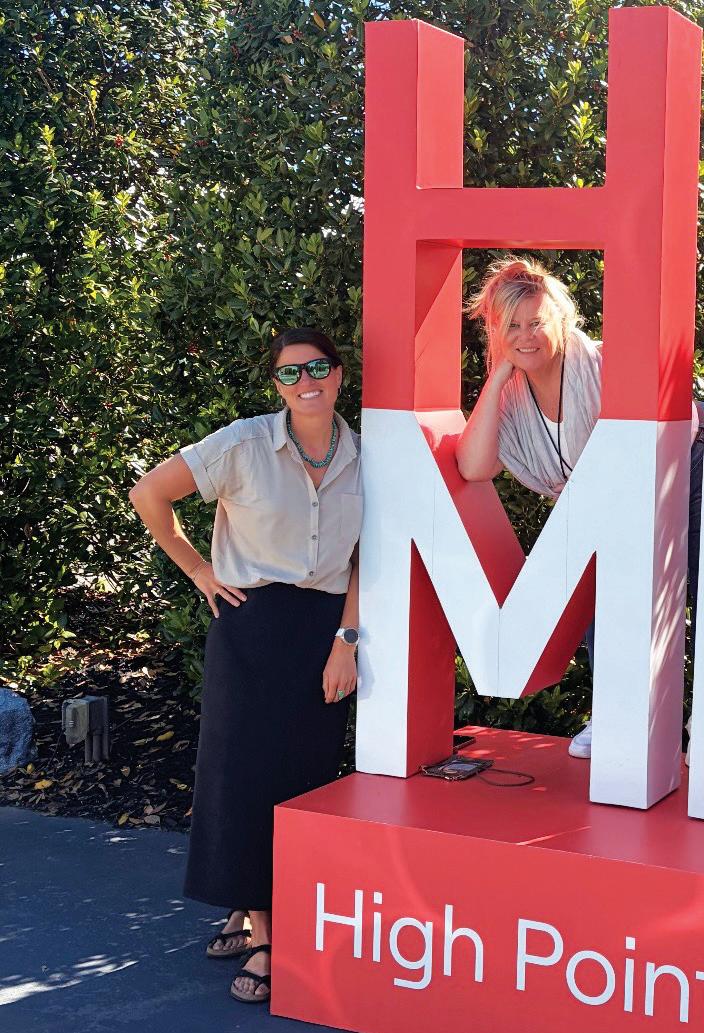
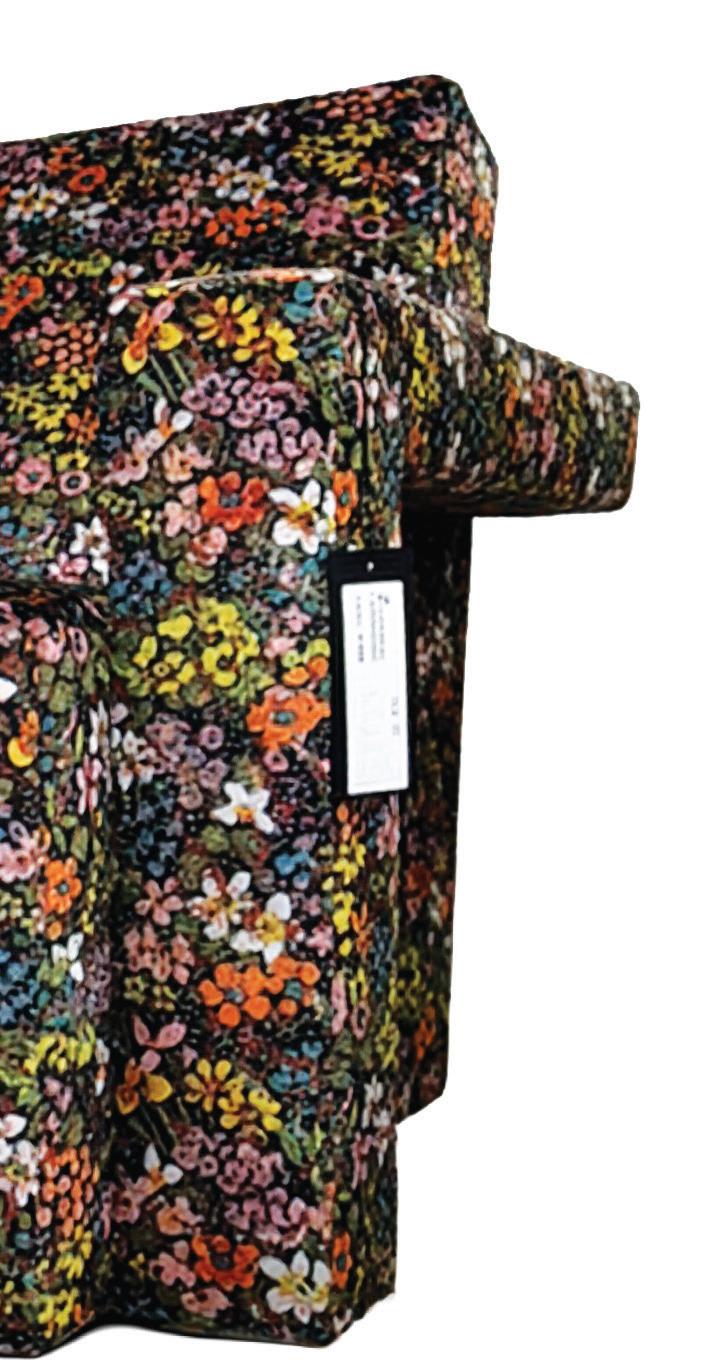
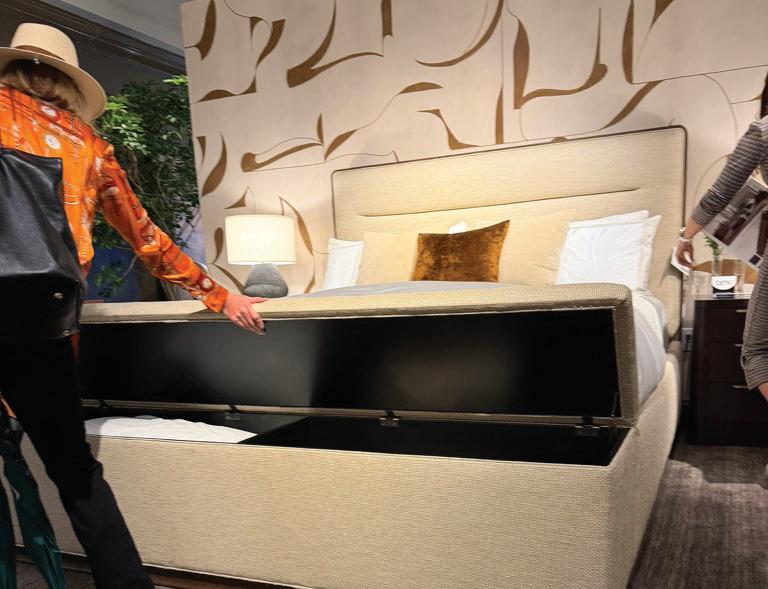
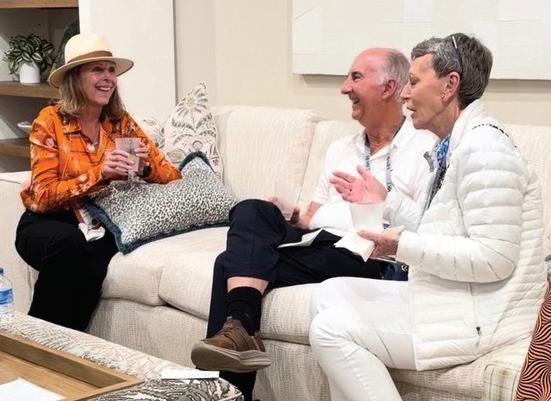
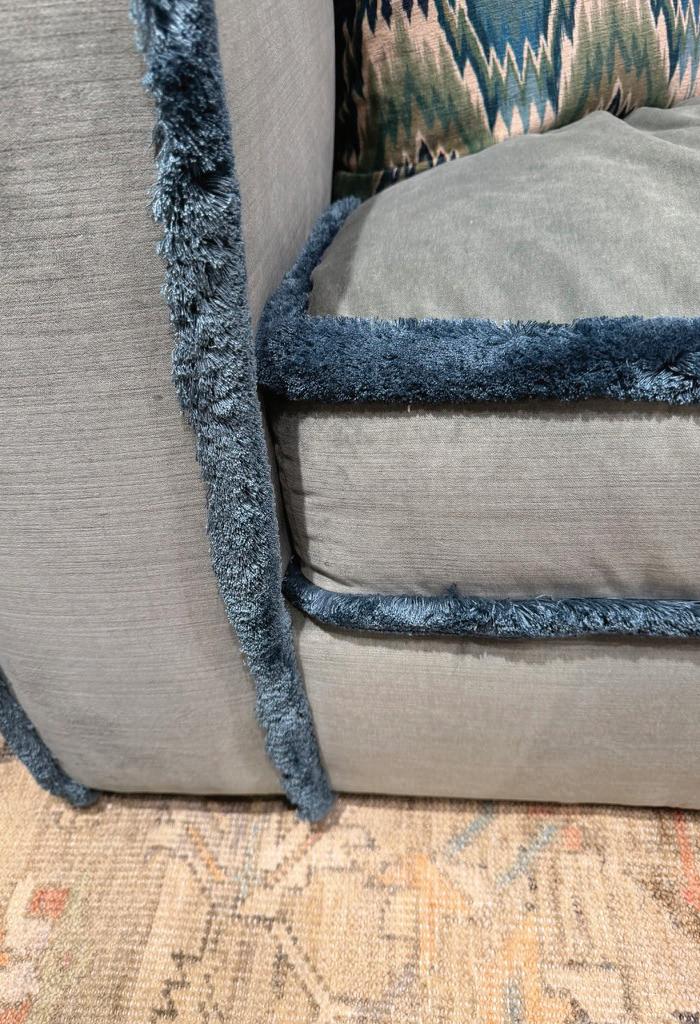
Images Top Left to Bottom Right: ROWE, western-themed, outdoor-friendly performance fabrics; Heritage-inspired patterns; Tim Dahlberg, Northwest/Rockies Laureen Hopkins, Studio H Interior Design, with clients; Massoud, large-scale trims, thick fringe, emerged as major focal points.
In parallel, I walked with Interior Designer Laureen Hopkins and Design Associate, Caroline Menendez of Studio H Interior Design. Laureen’s mission was to meet with returning Snowmass clients currently undergoing an ambitious new construction of their main residence in Florida. The project already had shape and direction, but what remained was refinement, the search for balance, comfort, and cohesion. What was notable was how she moved effortlessly between contrasts with them. One moment, she guided them through austere showrooms of Rene Cazares, defined by confidence and restraint; the next, into environments with specific language like Bernhardt or Vanguard and Massoud, layered with details and texture. Each stop wasn’t about preference alone, but about understanding how different expressions of design could serve the same underlying goal, a home that feels lived in, grounded, and complete.
What stood out to me was the level of attention shared across everyone involved—buyers, designers, artists, brand representatives, and manufacturers alike—in how they engage with clients. It isn’t showy; it’s measured and intentional.
Best described as editing happening in real time. As an artist, I recognize that instinct. It’s not so different from making a body of work, knowing what to include, what to hold back, and how to create coherence from many possibilities. Industry professionals who do this well aren’t just guiding acquisitions; they’re guiding perception.
What I witnessed at High Point wasn’t simply good service. It was a form of care. A kind of attentiveness that allows a client to move through complexity without feeling lost… because someone else has already done the hard work of seeing clearly.
– Carrie Fell
Northwest/Rockies Sales Representative at Rowe Furniture; Caroline Menendez, Carrie Fell and Laureen Hopkins; Vanguard, multifunctional chameleon furniture;
Rene Cazares, Furnishing Excellence
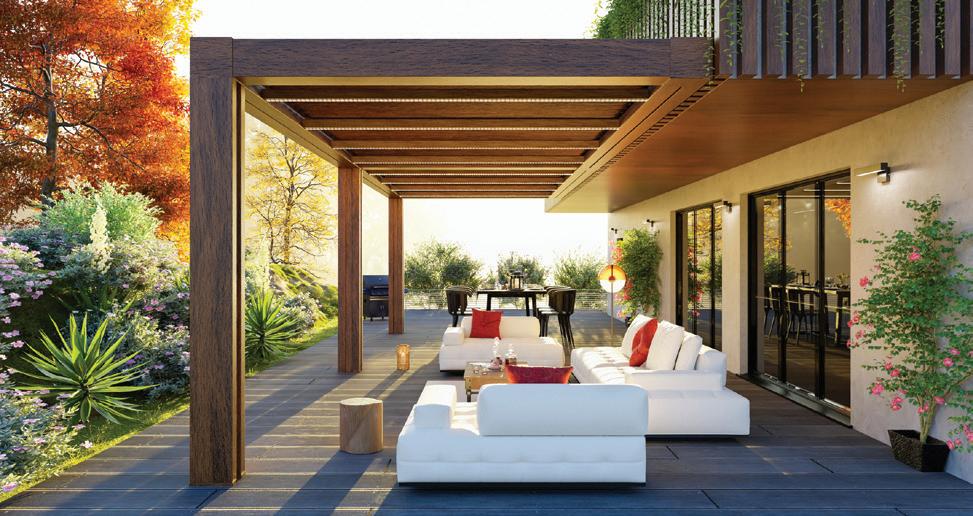
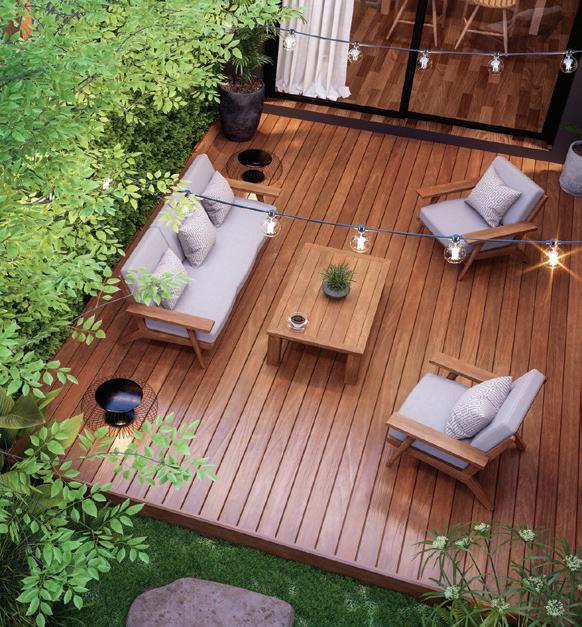
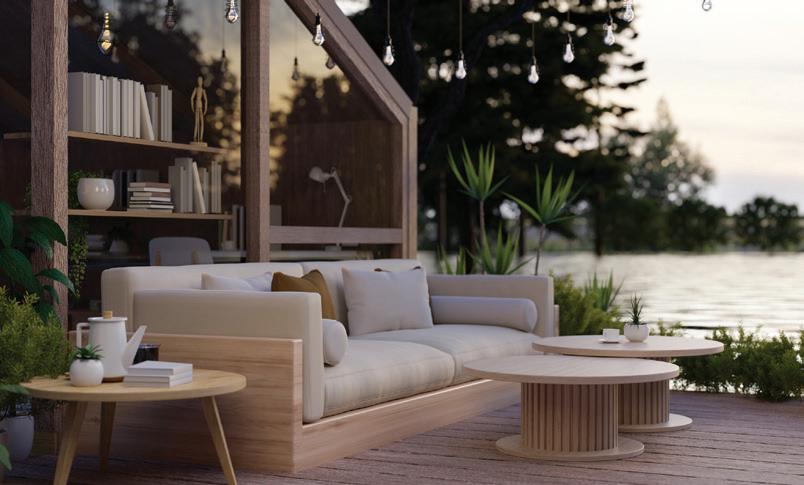
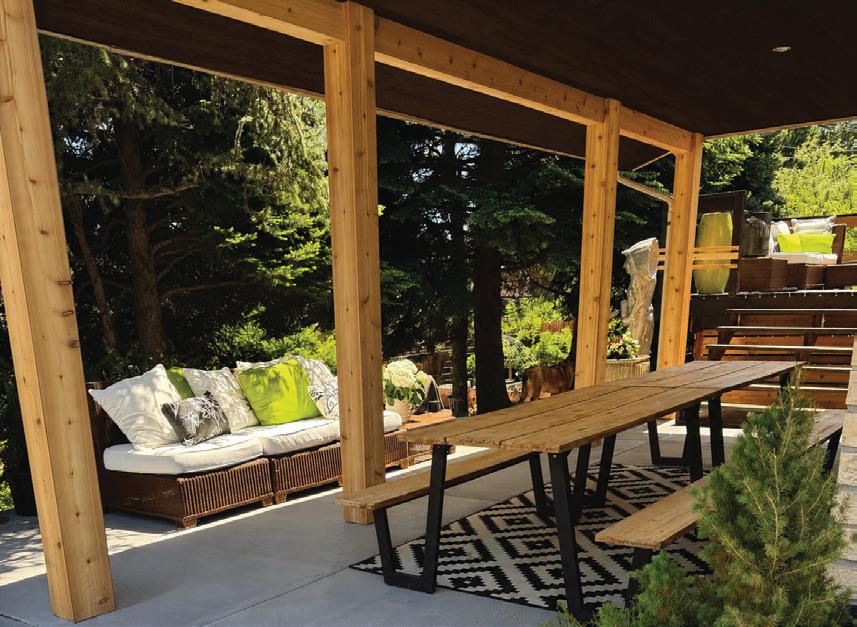
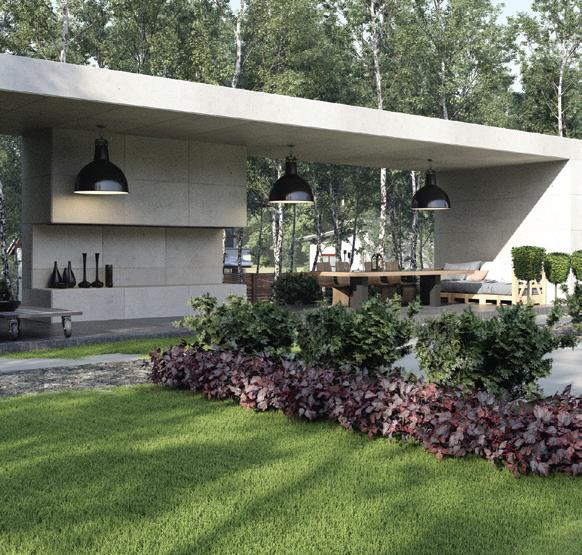
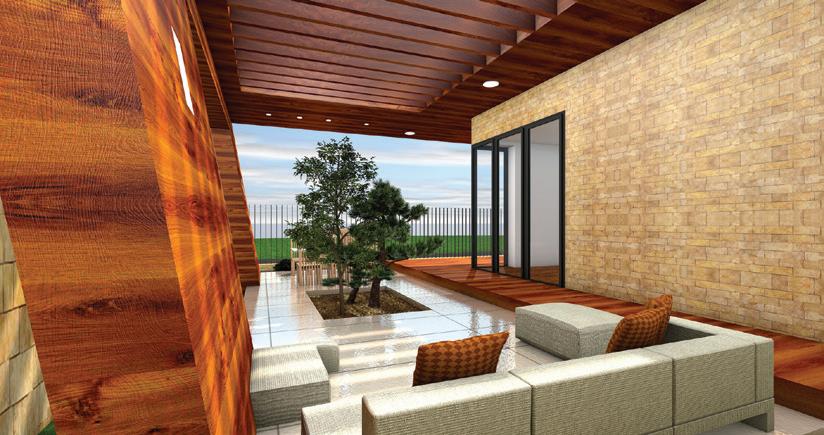
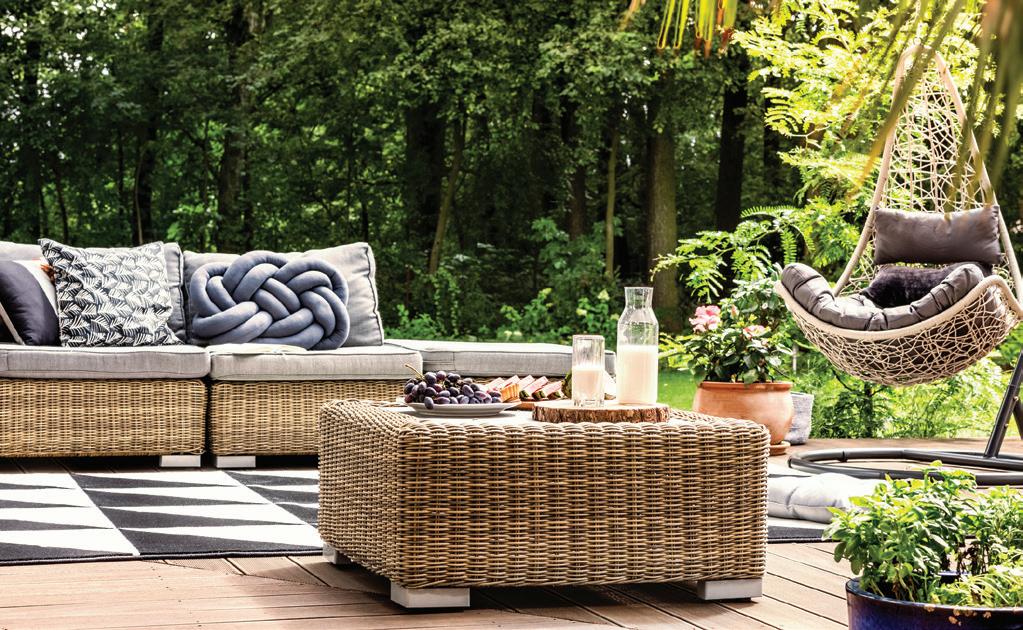
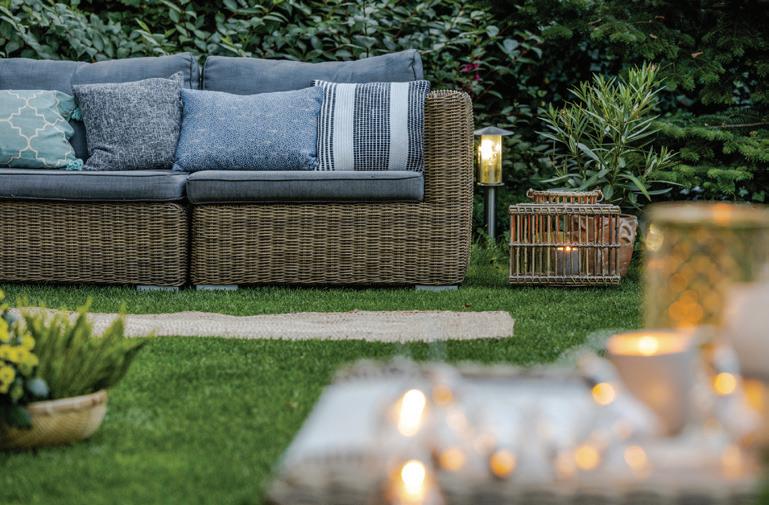
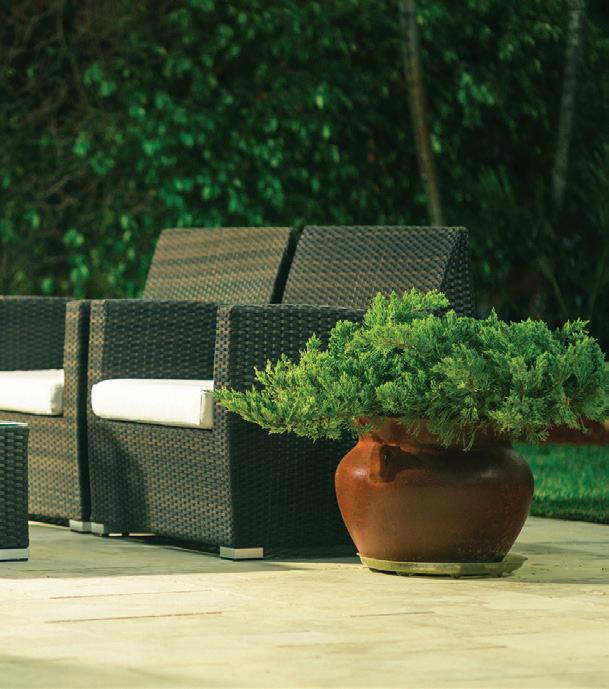
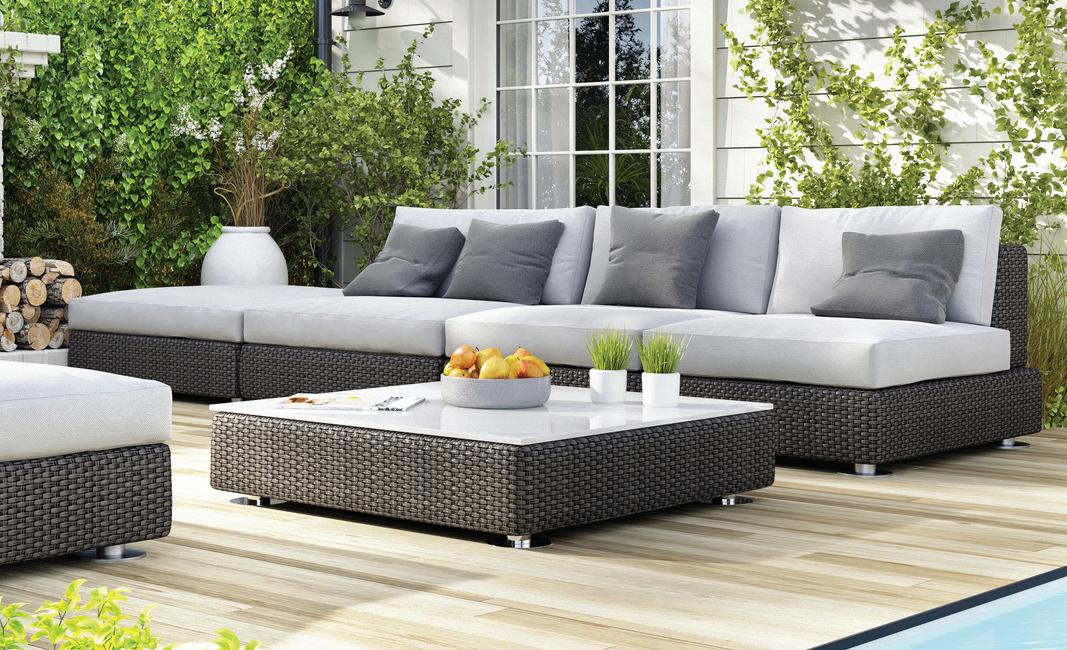
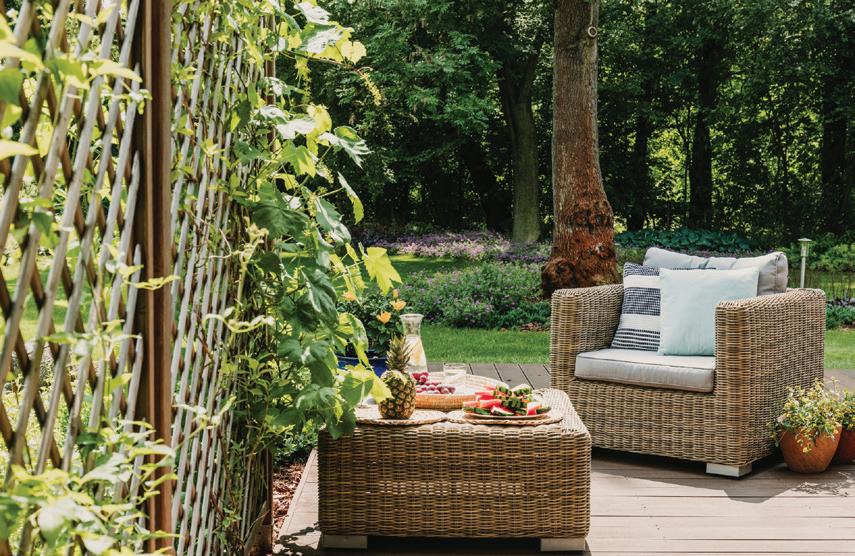
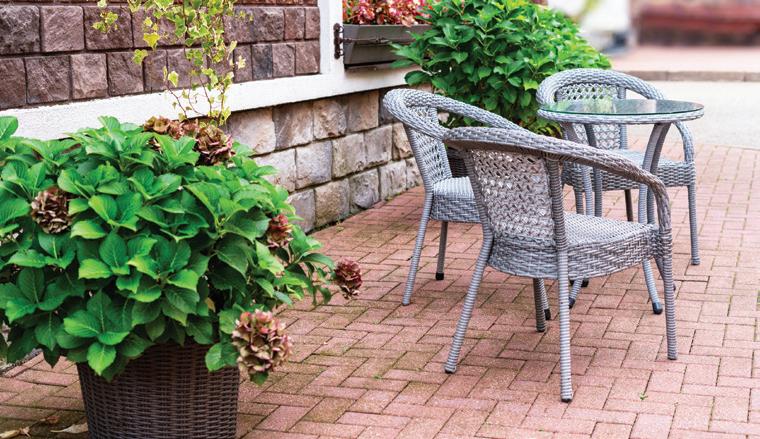
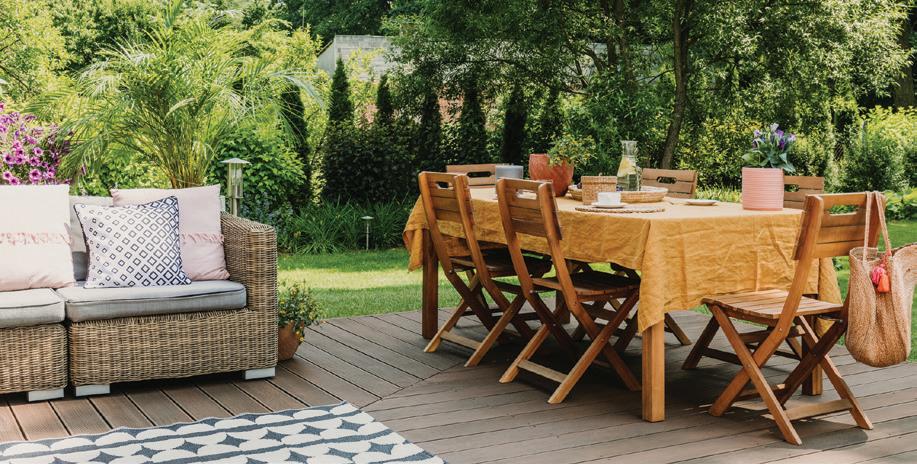
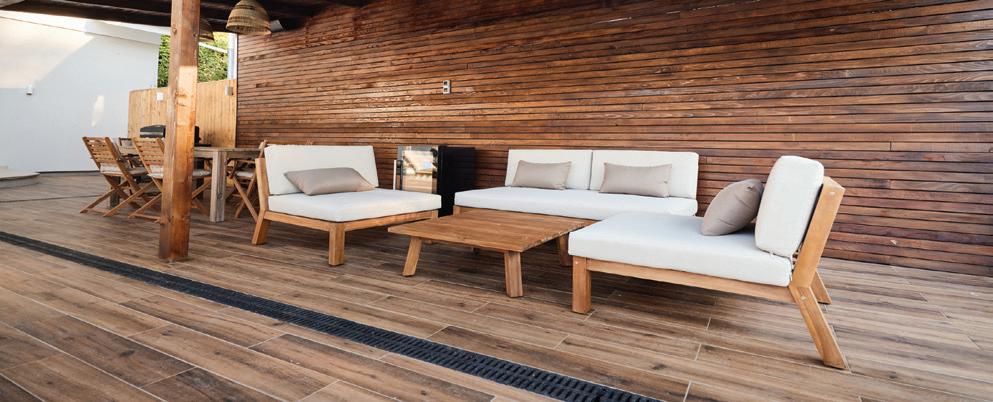
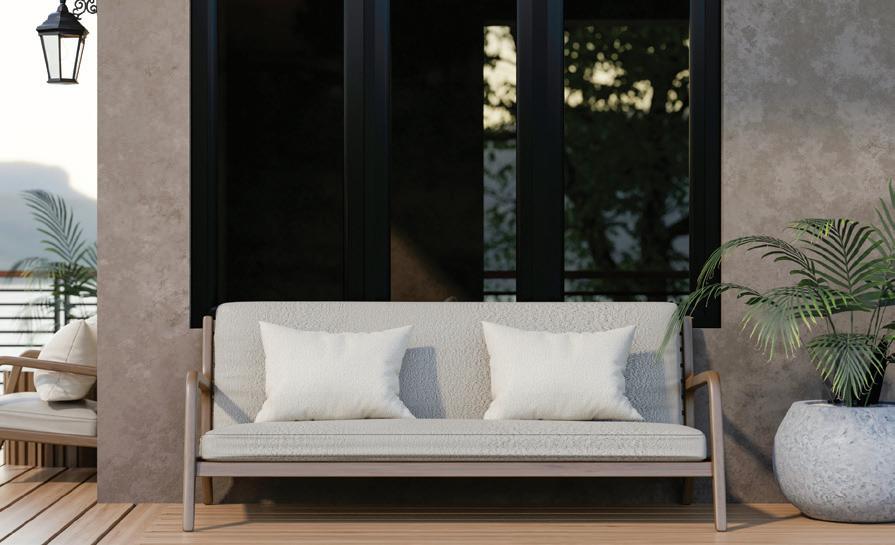
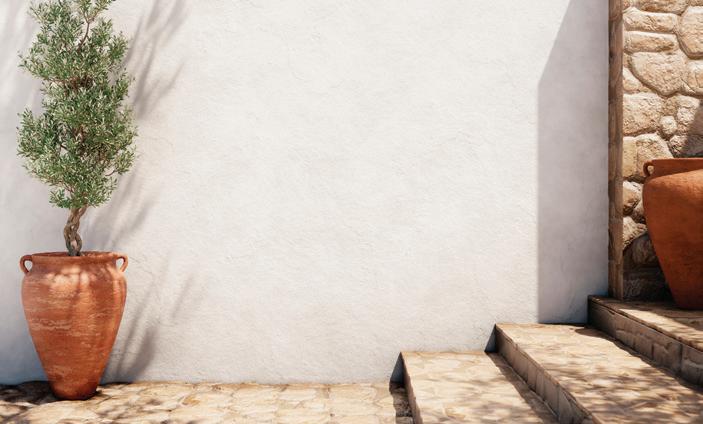
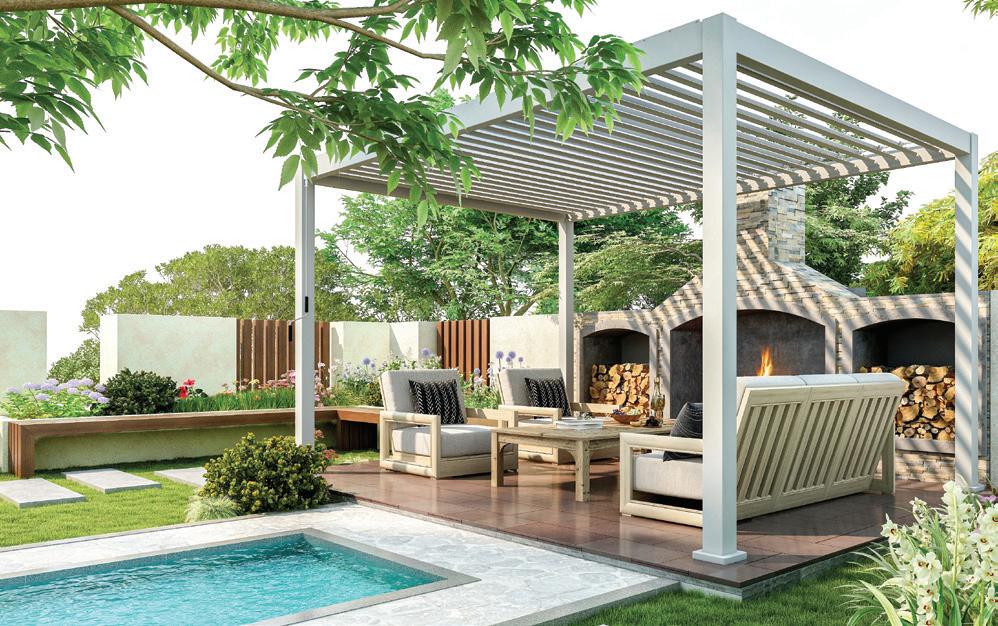
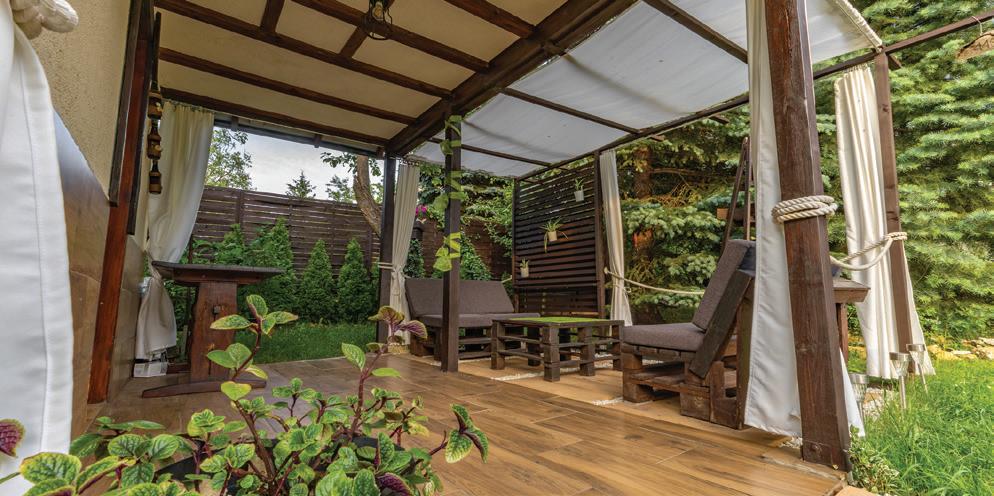
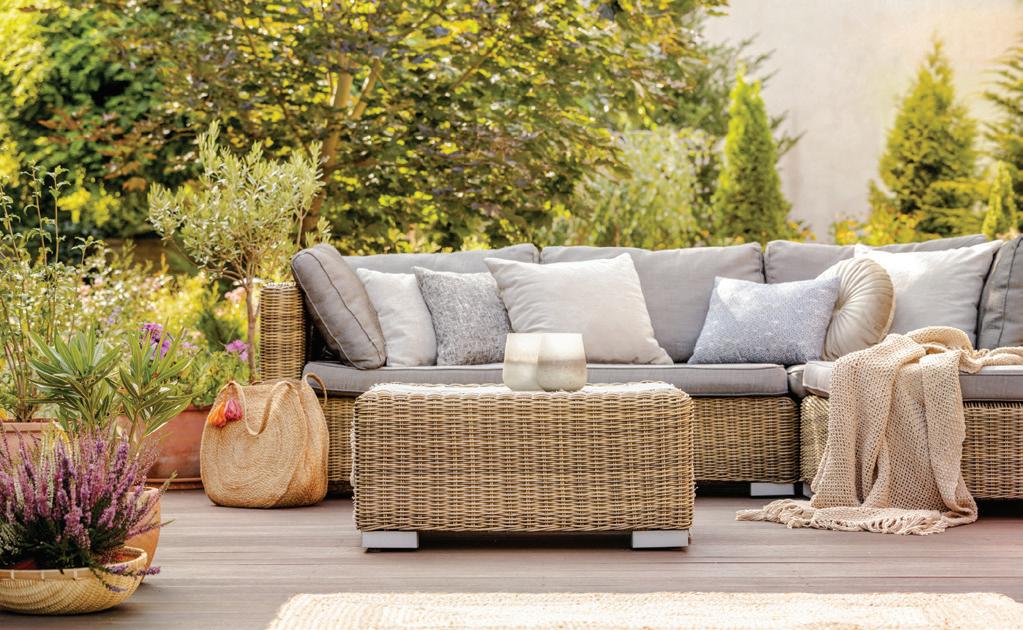
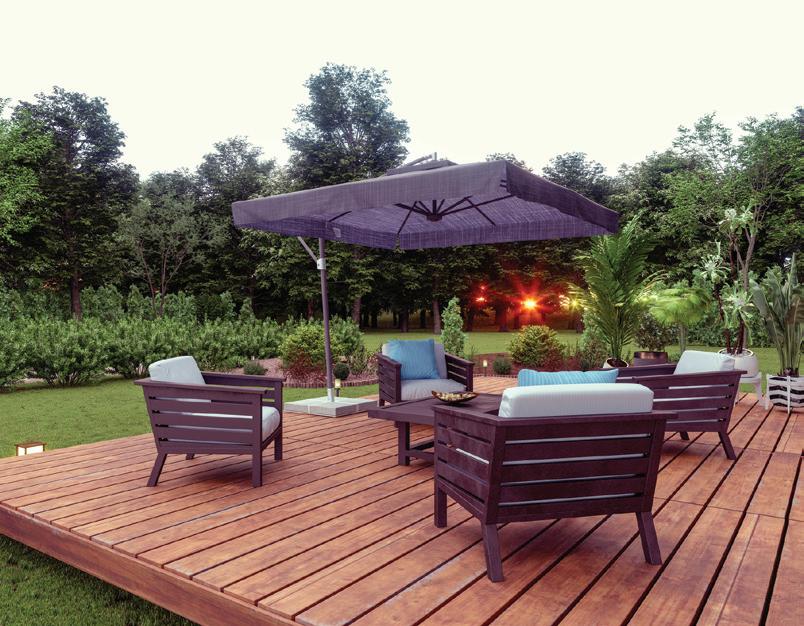
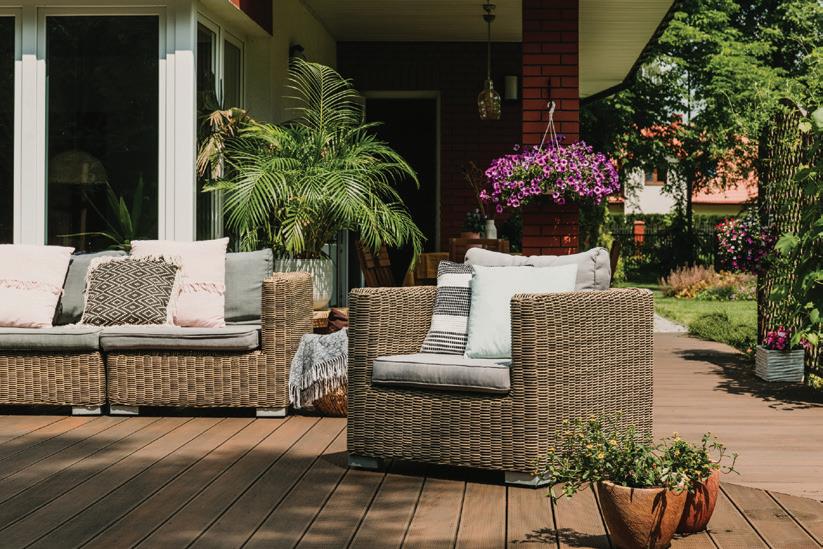
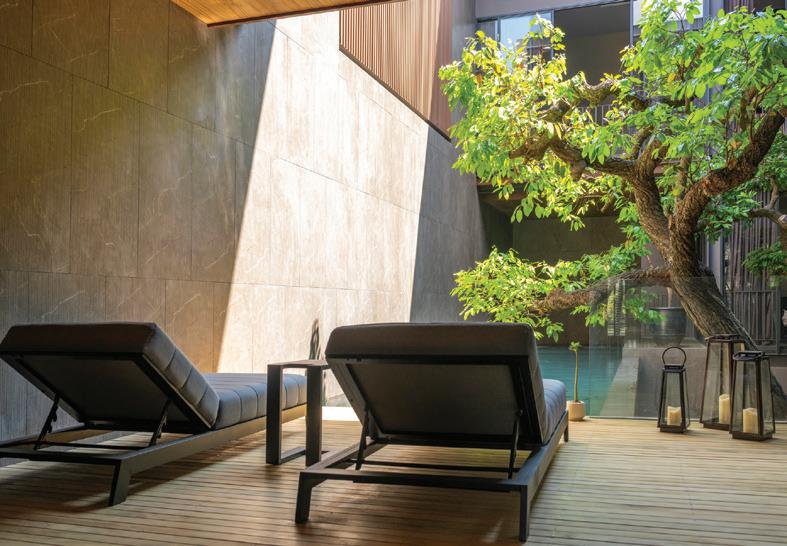
An Artful Index: Timeless Elements for Modern Outdoor
A thoughtful guide to outdoor living spaces while preserving the soul, structure,
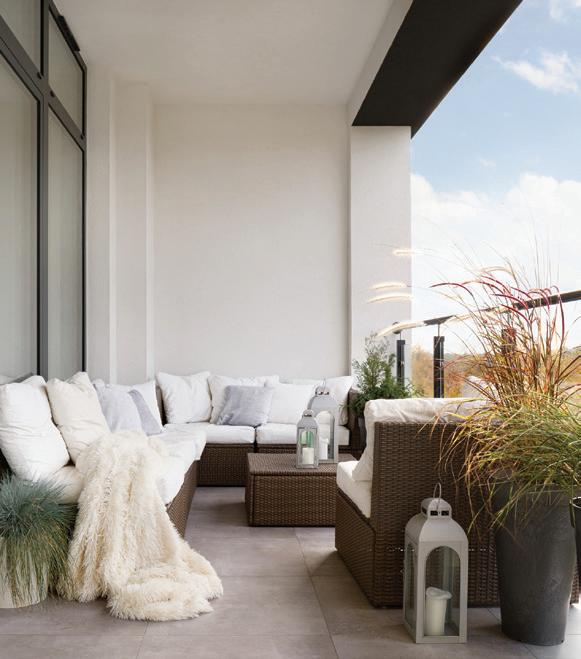
Carry interior elements outward so the transition feels seamless rather than imposed.
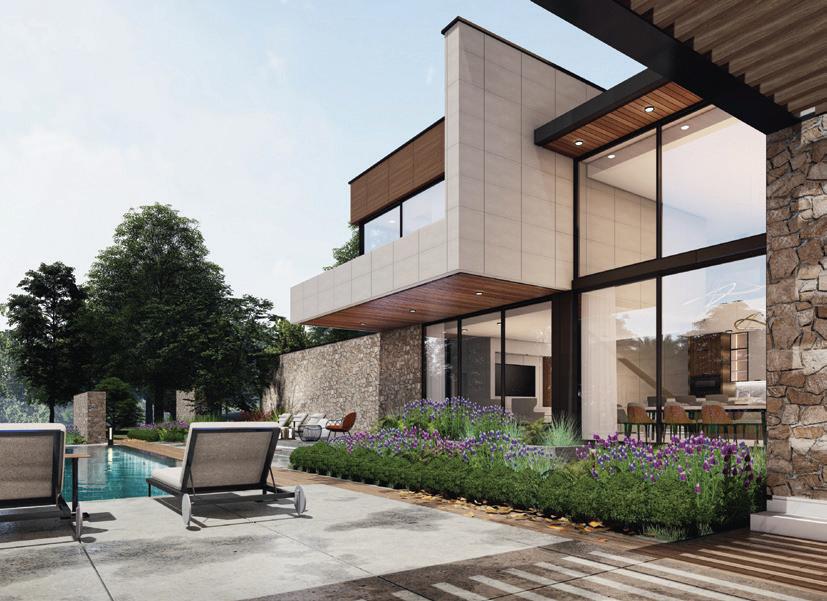
Let the original architecture lead. Authenticity begins with attentive observation, allowing the original architecture to guide every decision.
BREATHING ROOM
Resist overcrowding. Allow for negative space around key features so the original design can be seen and felt.
ECHOED DETAILS
Think of additions as a conversation, not a takeover. New elements should respond to, not compete with, what’s already there.
Echoed details create a quiet continuity, carrying arches, trims, and patterns forward in ways that honor their essence without mere imitation.
Highlight structural anchors like stonework, beams, or pathways. Let them remain the visual integrity.
The Language of Outdoor Living, Our A–Z.
soul, structure, and stylistic integrity of the home it surrounds.
True sophistication emerges when classic American residential design is reimagined through natural textures that converse gracefully with nature.
Each element should feel inevitable, emerging from the architecture itself, complementing rather than competing with what is already there.
HUMAN SCALE
Design achieves true grace when it honors the proportions of those who inhabit it, with furnishings and features carefully measured to resonate with the space rather than overwhelm it.
JOURNEYS
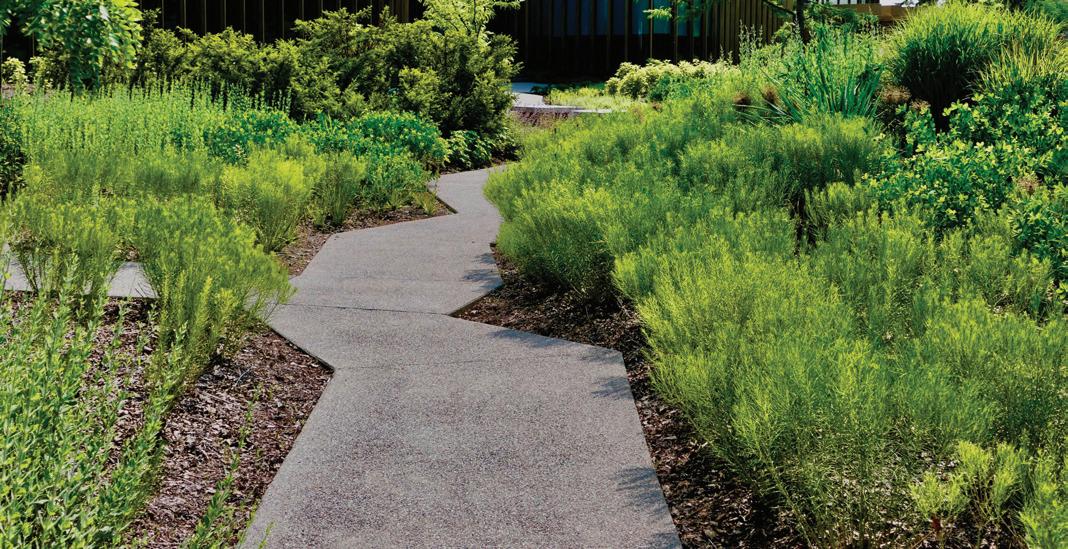
A well-designed outdoor space leads the body and the eye with quiet intention, where pathways, curves, and transitions unfold like a story.
KEY SIGHTLINES
Thoughtful sightlines ensure that every glance reveals depth and connection, creating an inviting environment where architecture, landscape, and human interaction are seamlessly intertwined.
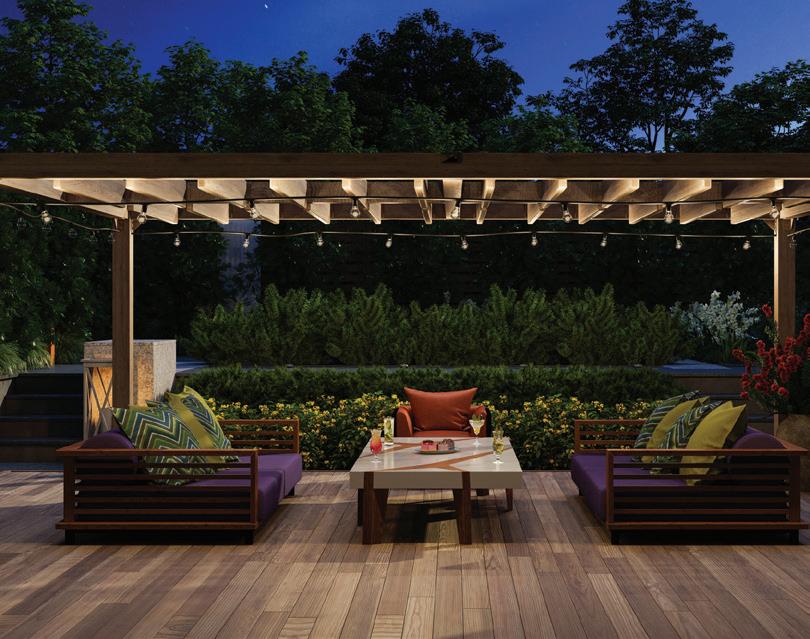
Lighting becomes a quiet unifier when it softly enhances materiality, revealing depth without emphasizing contrast.
when the elements honor the character of what already exists.
MATERIAL RESPECT
L M N O
Invite discovery— modern elements should feel found, not announced.
NUANCE OVER NOVELTY
Let the design unfold over time, additions made slowly tend to honor the space more thoughtfully.
Honor nature’s repeating patterns, allowing the eye to move effortlessly while reinforcing the environment’s underlying structure and character.
ORIGINAL INTENT
Every space carries the imprint of its original purpose. Ask what the space was meant to be and evolve from that purpose.
Modern systems achieve their finest expression when seamlessly integrated. Convenience should feel natural rather than imposed.
Blending organic elements and transitions feel natural and seamless, preserves cohesion and a sense of quiet continuity.
Match the tactile language of the space. Smooth, rough, matte, and aged surfaces should feel in conversation.
Enhance natural and architectural views with minimal structure—guides the eye, enhancing perspective and creating moments of quiet revelation that celebrate what already exists.
EXISTING STRENGTHS
Let the home’s character lead. Modern updates should support, not compete—enhancing the original essence with quiet, confident elegance.
WEATHER AWARENESS
Design endures when materials and finishes are chosen age gracefully alongside the original structure - allowing weathering to become a subtle companion rather than a threat.
DESIGN
The most compelling design builds on what already works.
YIELDING
Allow the space to guide decisions. When in doubt, defer to the original architecture.
Blending comfort with character creates spaces that honor the past while embracing the present, maintaining a balance that feels both timeless and thoughtfully alive.
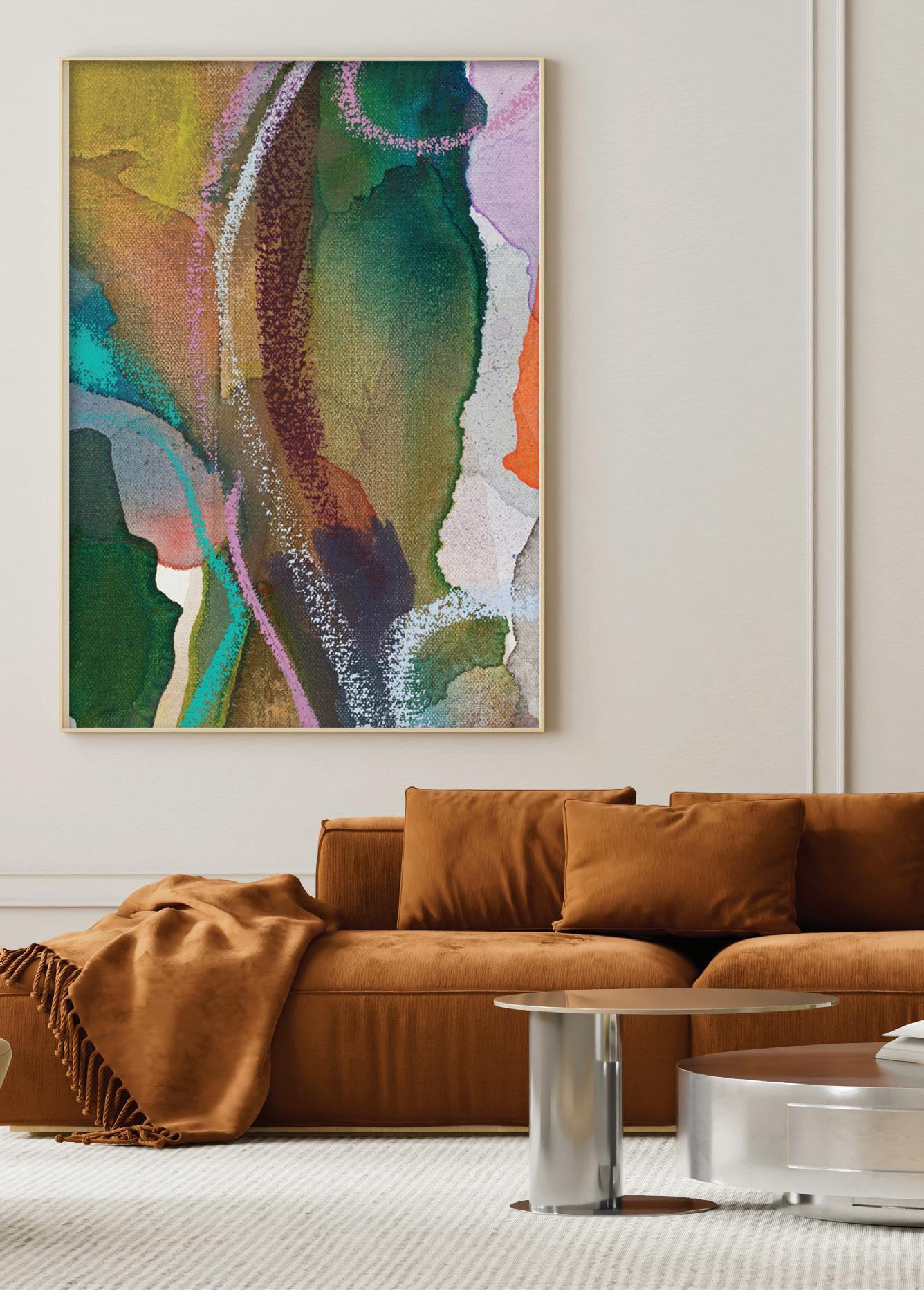
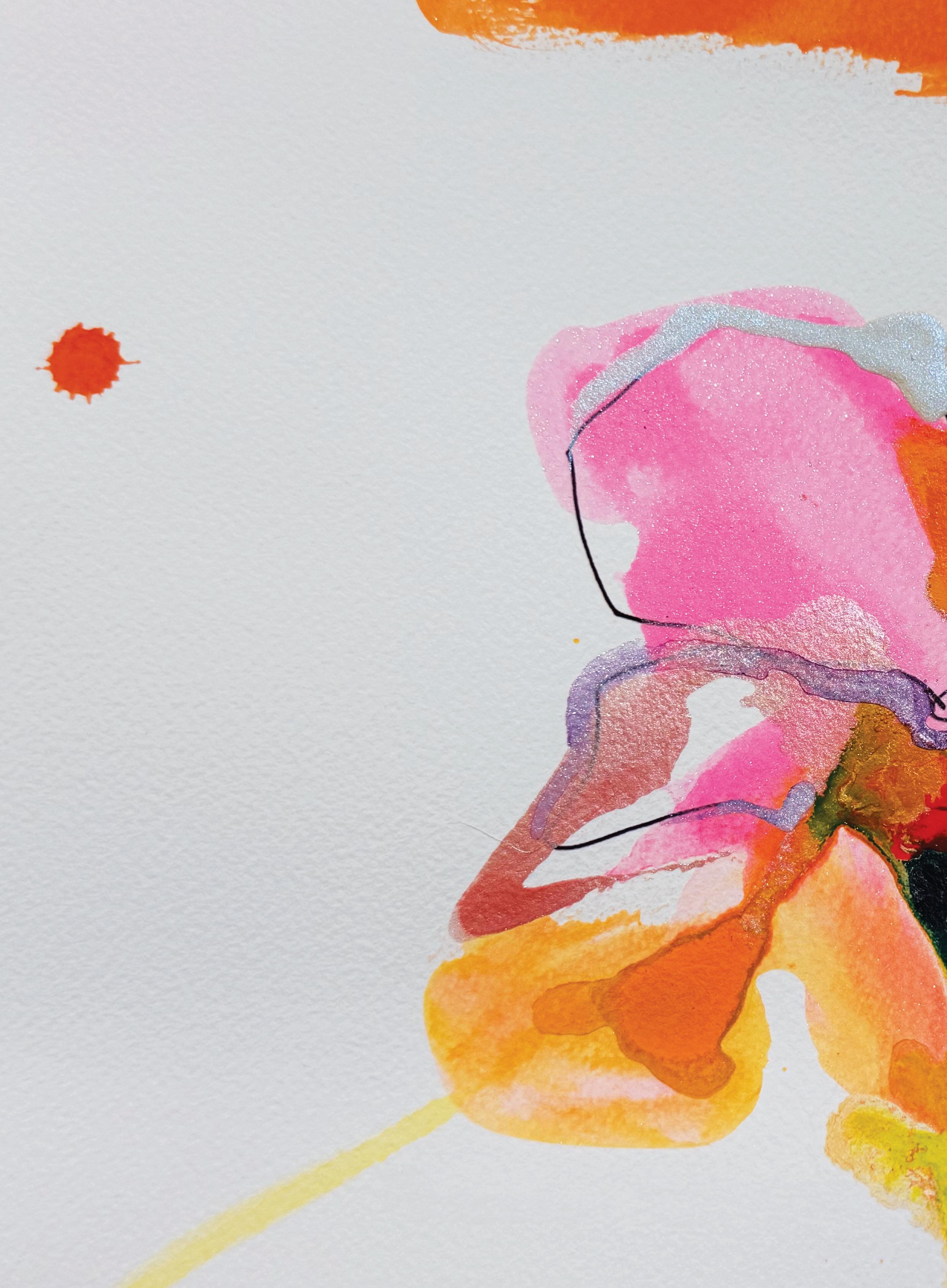
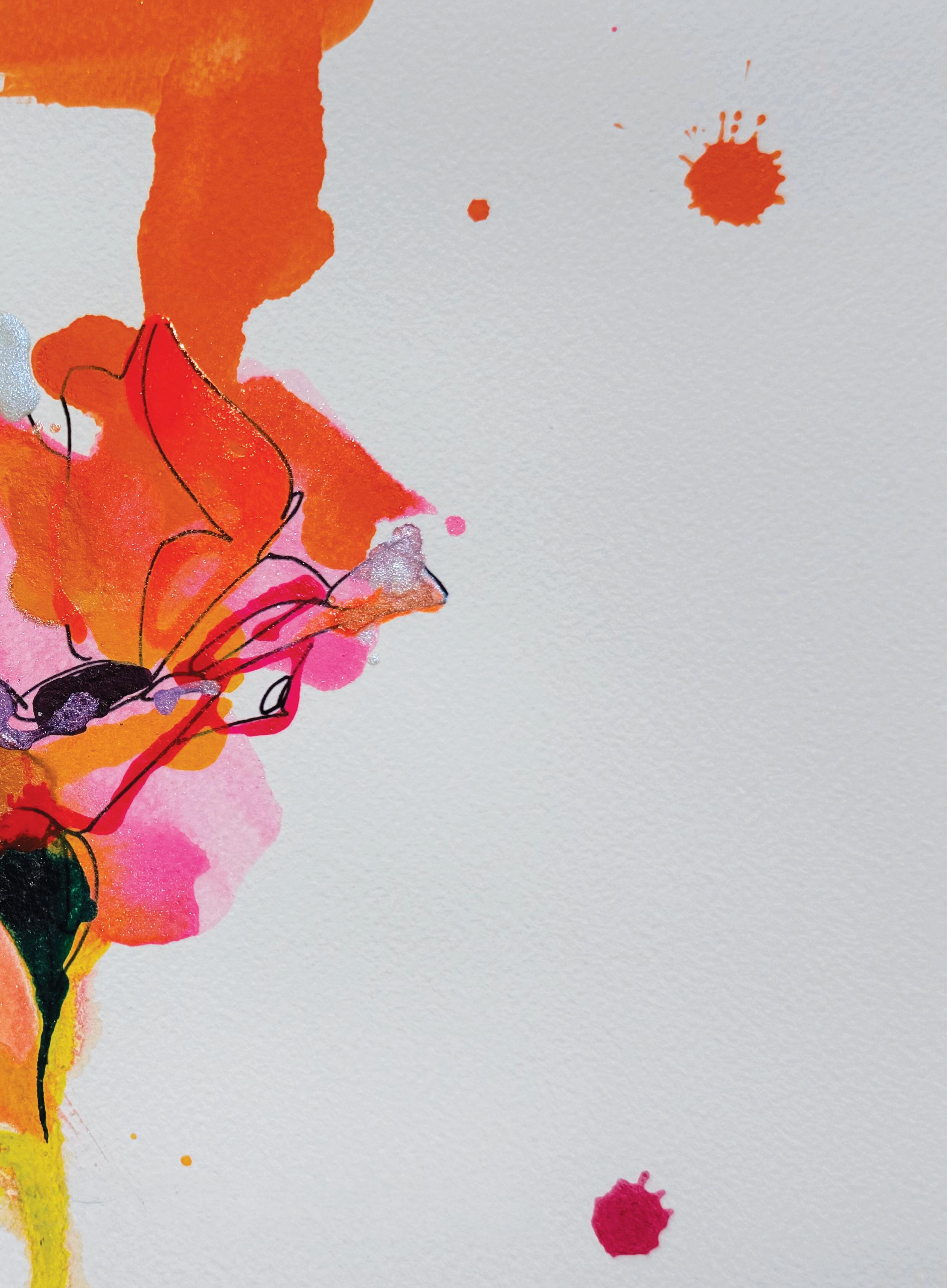
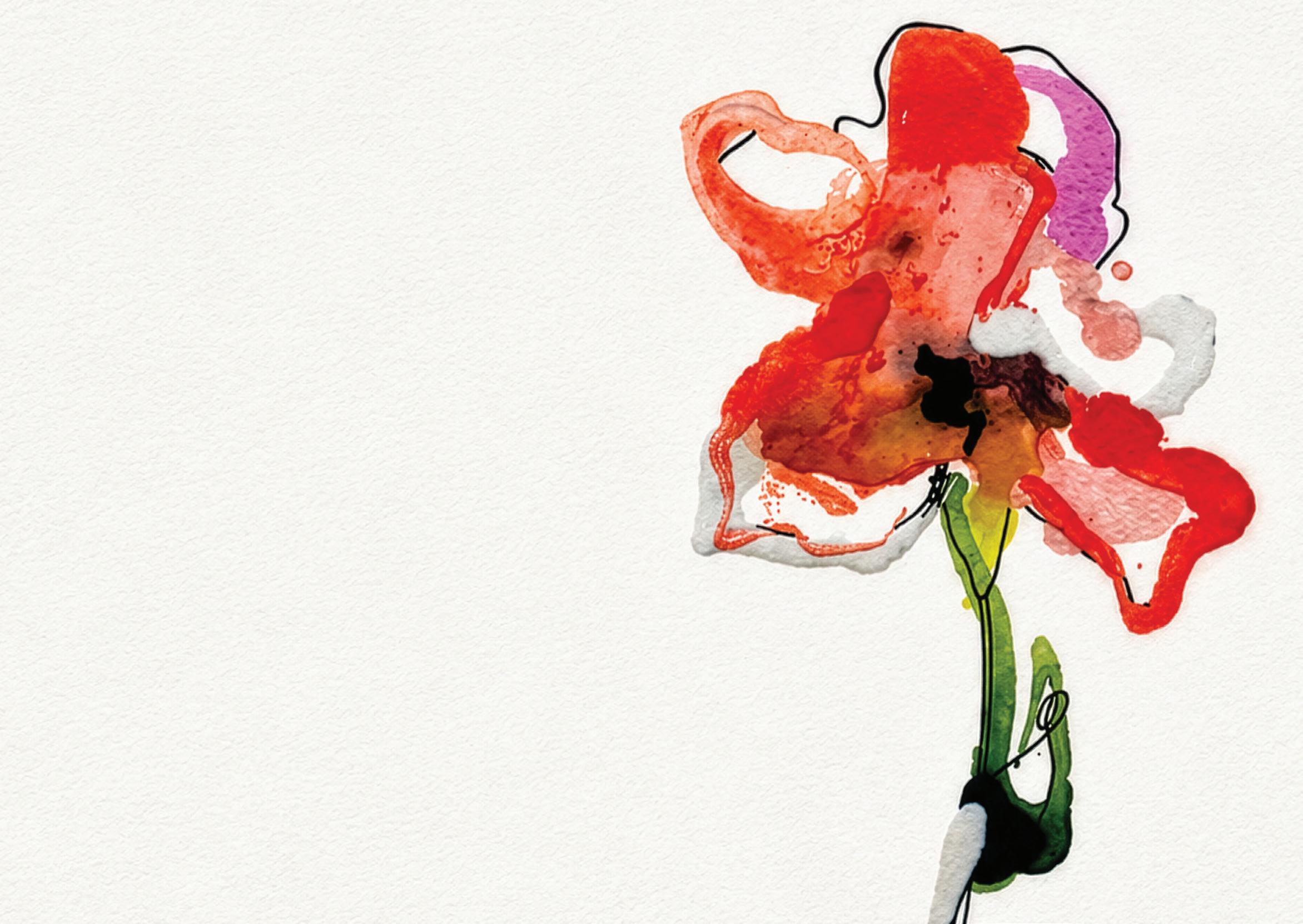
The work of Carrie Fell is alive with color, movement, and emotion. This UNIQUE SERIES, goes beyond floral imagery, capturing the wild beauty and energy of summer in full bloom. Through bold strokes and vibrant palettes, Fell transforms BLOOMS, into an expressive, joyful celebration.
POETRY OF AUGUST
OF BLOOMS
Mark your calendar to join us on August 1 for our Annual Summer Soirée—an indoor-outdoor celebration featuring lively music, exceptional food, and refreshing signature cocktails.
Surrounded by a collection of Carrie Fell’s select works, guests will enjoy a distinctive evening inspired by the spirit of summer.
Use the QR code for an early preview of the exclusive exhibition showcasing Carrie Fell’s vibrant celebration of wild summer blooms.
1, 2026
An ARTful Journey with
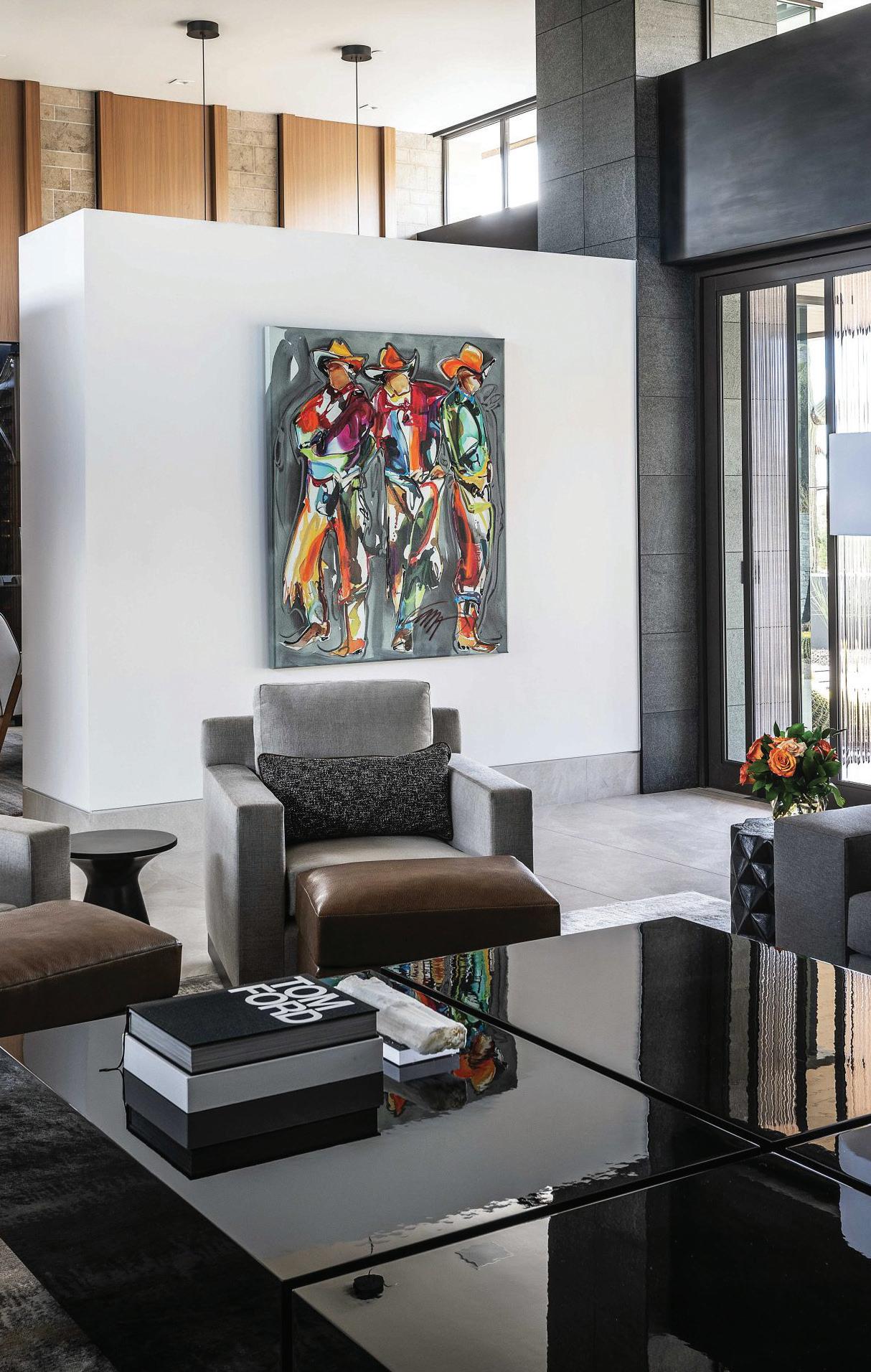
Collectors Stacy Sadler and Tim “Skip” Dahlberg:
Living the In-Between
There are moments in a collector’s life that resist the idea of a single snapshot—moments that ask instead to be followed, observed, and understood over time. This new Collectors Spotlight begins in one of those rare spaces: the in-between. At its core, this is a story about patience, imagination, and the evolving relationship between people, place, and the objects they choose to live amongst. ARTful style feels honored to be invited into a process rooted as much in trust as in design, capturing the quiet transformation of both a home and the collection that will ultimately bring it to life.
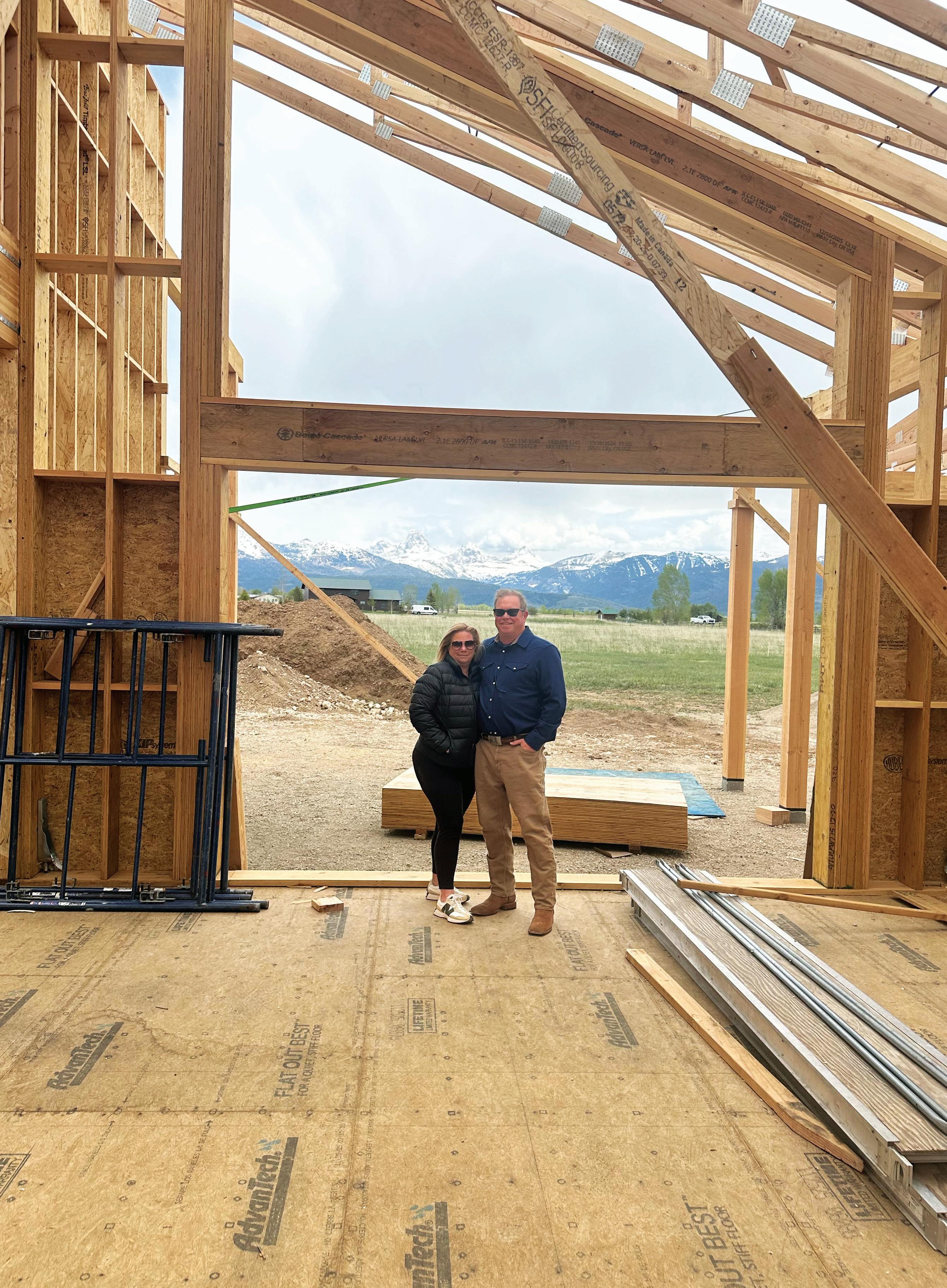
Leaving behind a long-established home in Colorado to begin again in Teton Valley, Idaho, was never going to be a simple transition. Yet for Stacy Sadler and her fiancé, Skip Dahlberg, the decision stemmed from a desire to create something more intentional: a home with greater space, more land, and a design tailored not only to the way they live, but also to the art and objects that have shaped their life together.
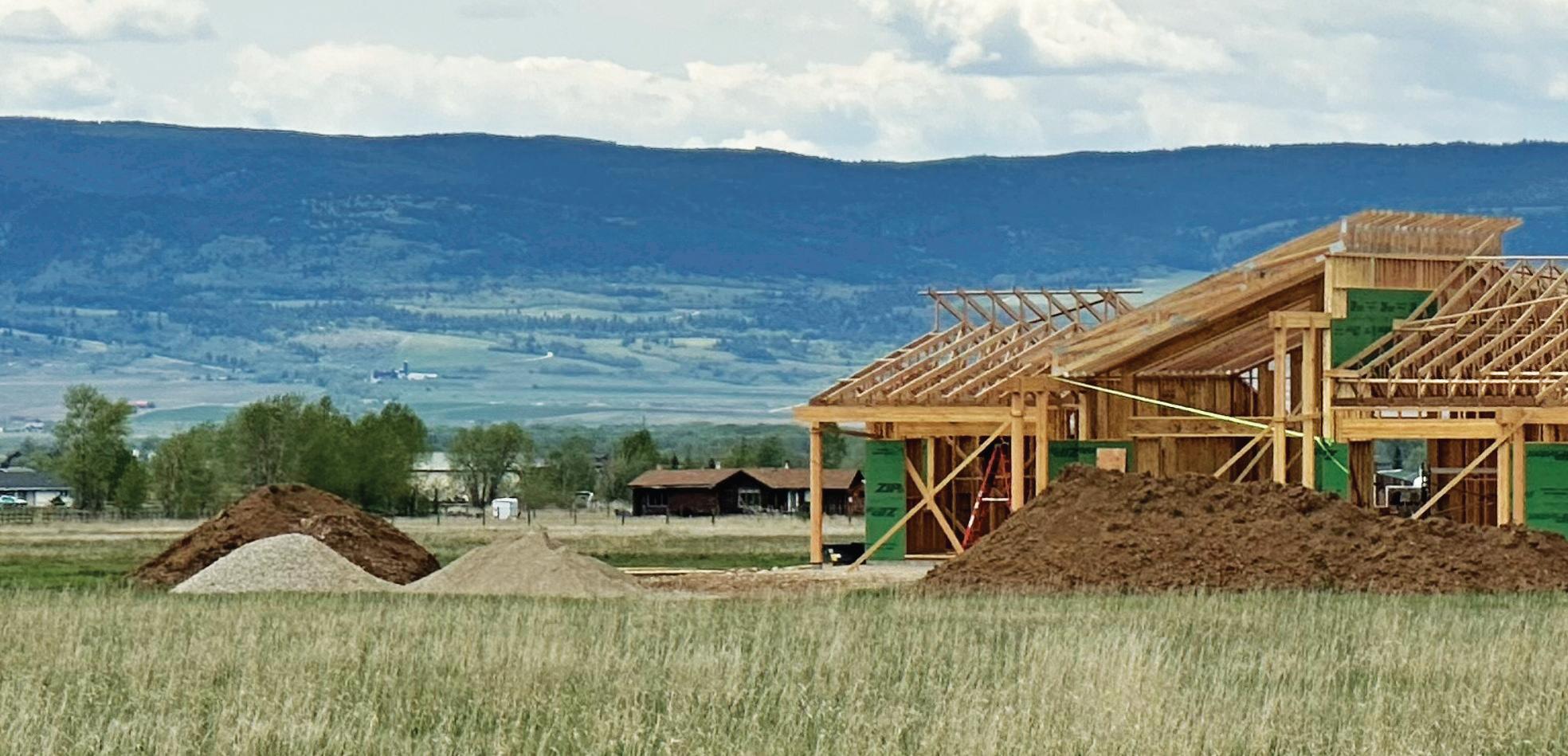
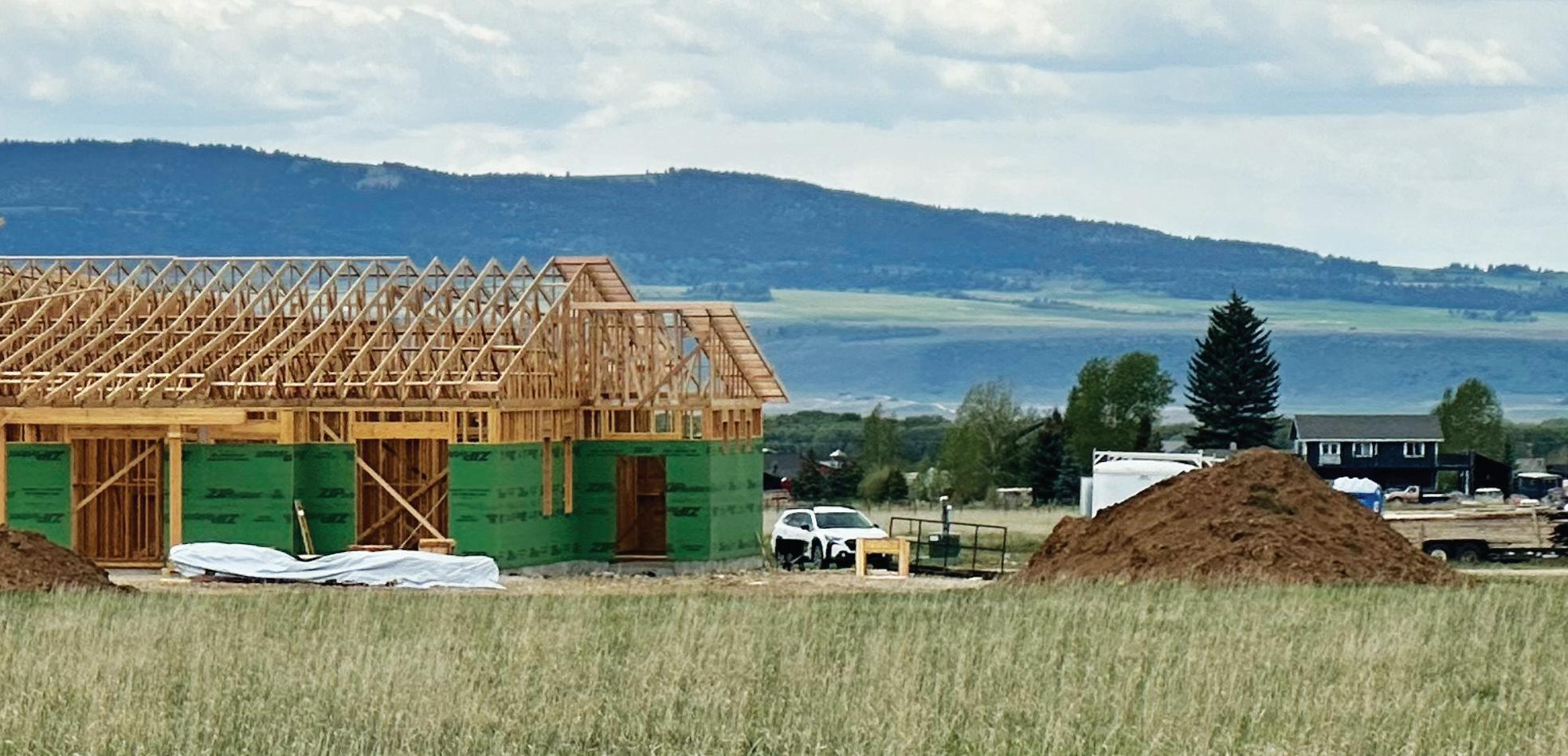
This series will unfold in three to four parts, beginning here, in the midst of the process, and continuing through the completion of the home. Along the way, it will trace not only the evolution of the build, but also the careful stewardship of a collection in transition and the shifting vision that emerges as structure, space, and intention come into alignment.
For Stacy and Skip, that space stretches between Colorado and Idaho, between a former home and one still taking shape. It is a period defined as much by vision as by uncertainty, and one that feels deeply personal. A new house is rising from the ground up, shaped by intention and imagination, but also by something less tangible: the absence of the very collection it is meant to hold.
For now, their art and collectibles remain at a distance. Decisions about light, scale, materials, and placement are being made without the daily presence of the works themselves. Instead, memory, instinct, and trust have taken on an outsized role, guiding choices in ways that feel both uncertain and full of possibility. What does it mean to design for something you cannot fully see? How do you preserve the essence of a collection when its physical anchors are temporarily out of reach?
“The decision to uproot one’s life, relocate to another state, and build a custom home is never an easy one. Yet in searching for more space — both in livable square footage and land — we found ourselves drawn to the beauty and promise of Teton Valley, Idaho, where we ultimately chose to make that dream a reality.” — Stacy & Skip
What followed has been a process equal parts emotional, creative, and deeply reflective. For now, they exist in a temporary in-between. While their custom Idaho home slowly rises from the landscape, they are living in a nearby rental, only living among only a curated selection of personal items during the build. Most of their belongings remain packed away in storage, requiring constant trips back and forth to retrieve seasonal necessities. Though comfortable, the temporary arrangement reinforces a lingering sense of displacement. More than anything, they miss the feeling of being fully settled.
That sense of incompleteness is felt most strongly through their separation from a carefully curated art collection assembled over decades. Stacy’s collection, shaped largely through international travel, reflects a lifetime of experiences, memories, and discoveries abroad. Skip’s pieces speak more to an appreciation for the outdoors and a relaxed Western aesthetic. Together, the collection forms an intimate portrait of two lives layered through art, travel, and personal history.
Living apart from those works has proven unexpectedly difficult. Before the move, every piece was meticulously cataloged, with dimensions, colors, and potential placement within the new home carefully documented before being wrapped and transported into storage. Even without seeing the works daily, Stacy continues to carry them mentally, often envisioning where they will eventually live within the Idaho house. Certain pieces return to mind repeatedly, particularly larger works whose placement feels especially significant.
One piece remains particularly meaningful: the first Carrie Fell painting she purchased shortly after buying her Colorado home in 2009, fittingly titled Home on the Range. As construction on the new property progresses, she often imagines where the piece will ultimately reside, allowing it to serve as both an anchor to the past and a guiding light for what is taking shape ahead. In many ways, the painting has become a quiet touchstone throughout the transition, reflecting not only where it once hung, but how its meaning will evolve within an entirely new environment.
The absence of the collection has revealed something deeper as well. These works are not viewed merely as decorative objects; each carries sentimentality and personal meaning. Together, they form a visual autobiography inseparable from memory, identity, and the idea of home itself.
In many ways, the Idaho house was designed around that understanding long before the artwork ever left the walls in Colorado. For years, Stacy often remarked that if their former home could simply be expanded and reconfigured, it would have been perfect. Building from the ground up became an opportunity to preserve everything they loved about that house while refining its functionality and scale. Throughout the architectural process, the couple worked closely with their design team to resist trends in favor of something more enduring and deeply personal.
One priority remained constant from the beginning: creating expansive wall space capable of accommodating significant artwork. The dimensions of major pieces were referenced repeatedly throughout the design phase as renderings evolved and floor plans shifted. Every revision was considered through the lens of how the collection would ultimately inhabit the space.
When you are considering art and collectables in the overall design, the challenges extend beyond architecture and into lighting design, where careful consideration was given to how light could enhance both the artwork and the home without overwhelming either.
The process has required continual re-evaluation. Even now, while the home remains in the framing stage, the couple regularly walks the footprint of the structure, studying proportions, measuring walls, and questioning whether certain elements feel right.
“What is emerging is far from a traditional mountain home. Rather than leaning into rustic Western design, the house reflects a layered, curated style, blending two distinct interests and unparalleled disciplines — from domesticated ruggedness to artwork and antiques collected from around the world.” — Stacy & Skip
CURATING A LEGACY: Comprehensive Asset
Protection for Art and Luxury Collections to its members.
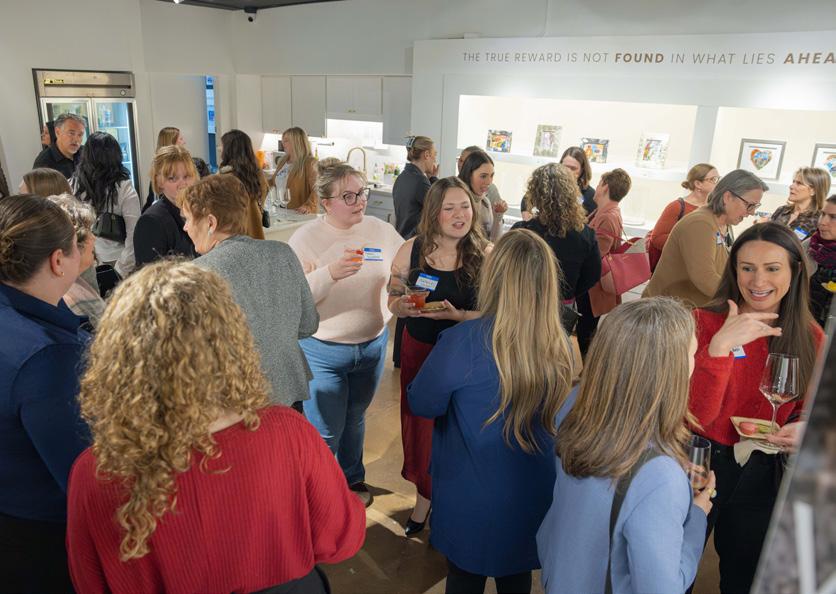
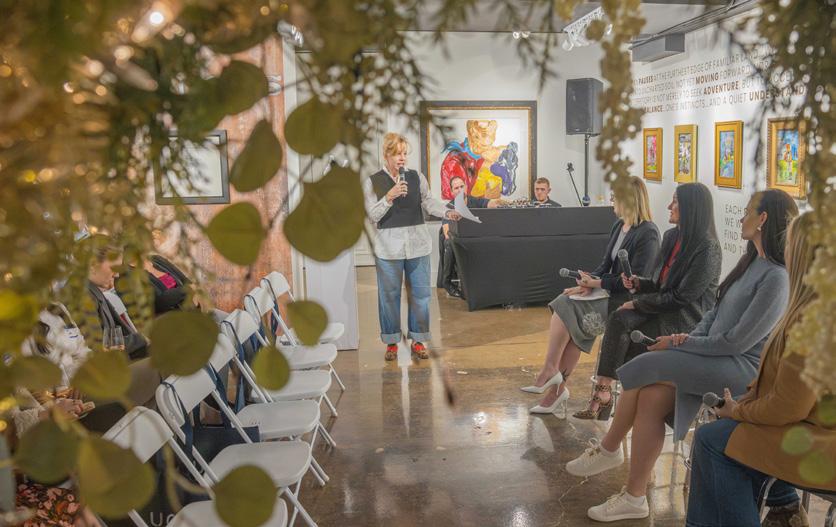
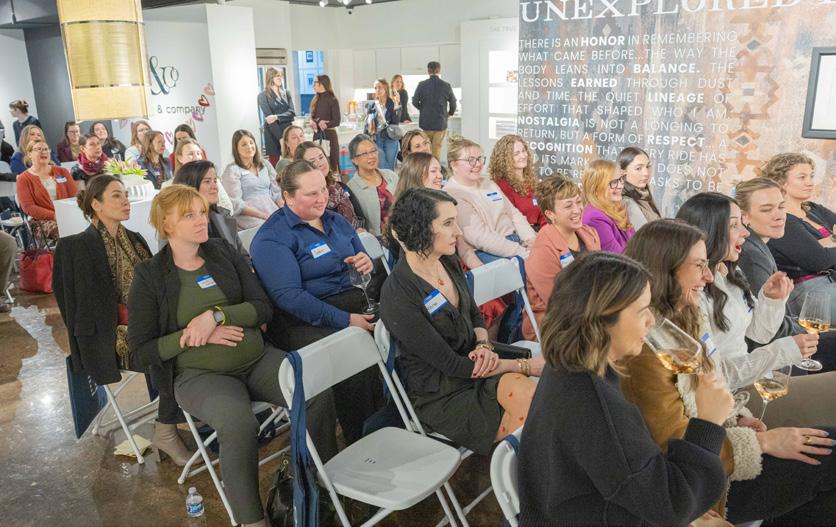
In February, WEPC members gathered to hear leading voices in art advisory, collection management, business development, and fine art curation discuss how high-value collections are protected, documented, transported, and preserved across generations. Cf&Co proudly hosted the WEPC as approximately 65 attendees convened to explore the full lifecycle of collecting, from acquisition and documentation to storage, logistics, insurance, and legacy planning. The conversation was especially relevant for collectors seeking to integrate art and luxury assets into broader wealth and estate strategies.
The discussion brought together a multi-disciplinary group of experts representing key sectors of the fine art and luxury asset ecosystem.
This session was designed to help WEPC members better understand the infrastructure behind protecting high-value collections. By connecting advisory, operational, and artistic perspectives, the panel provided a comprehensive view of how art and luxury assets can be safeguarded, documented, and integrated into long-term planning strategies. It ultimately offered a practical framework for elevating collection stewardship beyond ownership, toward intentional legacy building.
Kate Palmer – CWPA, Private Wealth Advisor, Morgan Stanley expanded the conversation into insurance, international logistics, and estate and legal structuring, helping to further round out the advisory perspective.
Pamela Moore – Director of Business Development, UOVO provided operational insight from the storage and collections management sector. Her experience highlighted how secure storage, climate control, and logistics infrastructure support both preservation and institutional-grade care for private collections.
Christine Whaling – Art Advisor and Appraiser, CWAA contributed deep expertise in valuation, collection assessment, and advisory services. Her perspective centered on how accurate documentation and appraisal practices form the foundation of long-term collection stewardship and legacy planning.
Carrie Fell – Artist / CEO, Carrie Fell Gallery offered a dual perspective as both an active artist and gallery leader. Her contribution explored the intersection of artistic production, market engagement, and the long-term positioning of works within private and institutional collections.
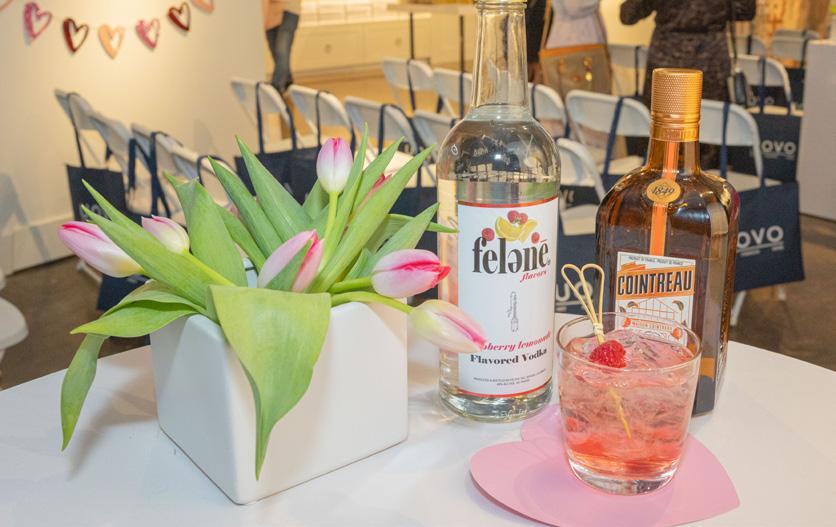
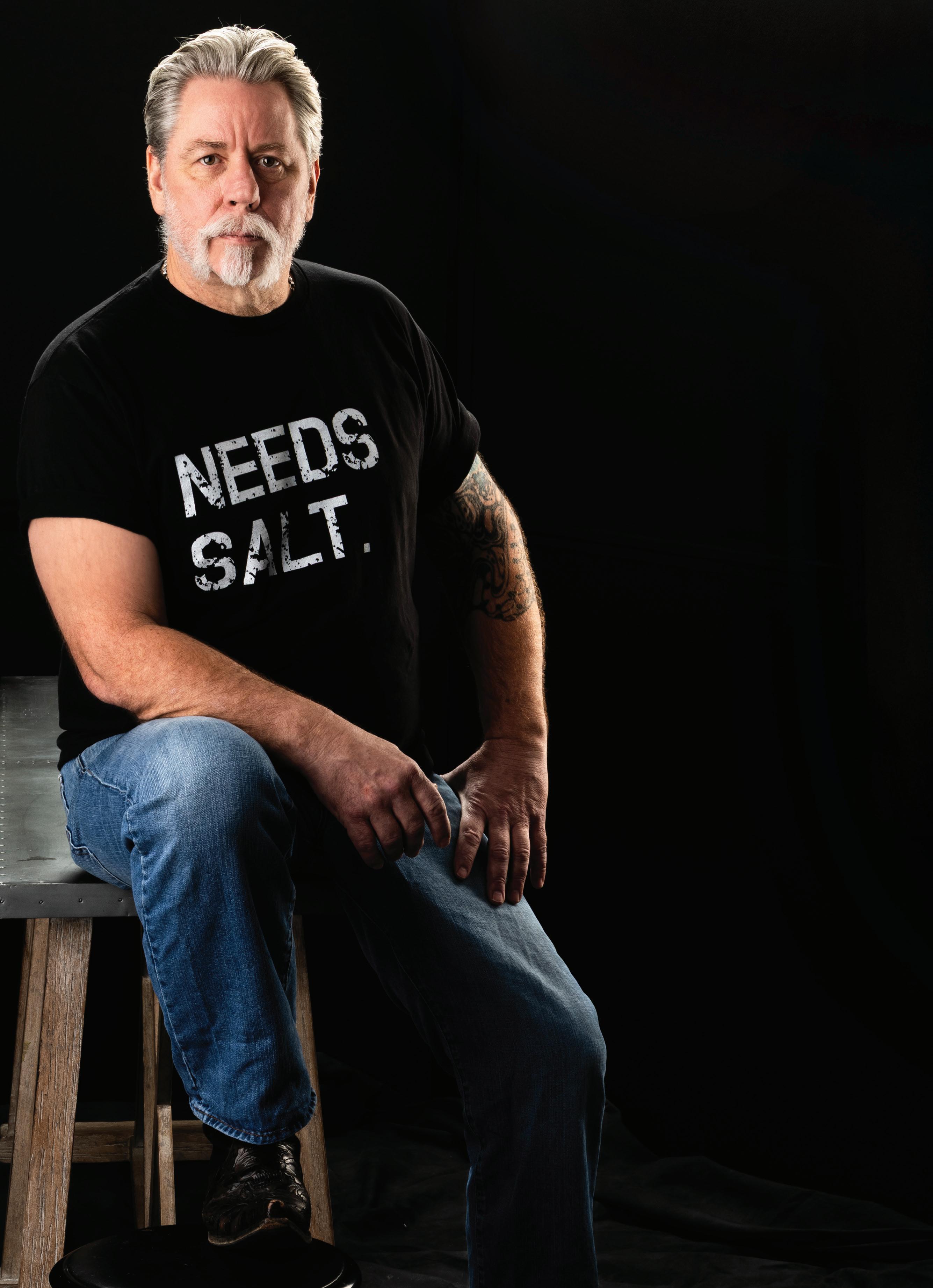
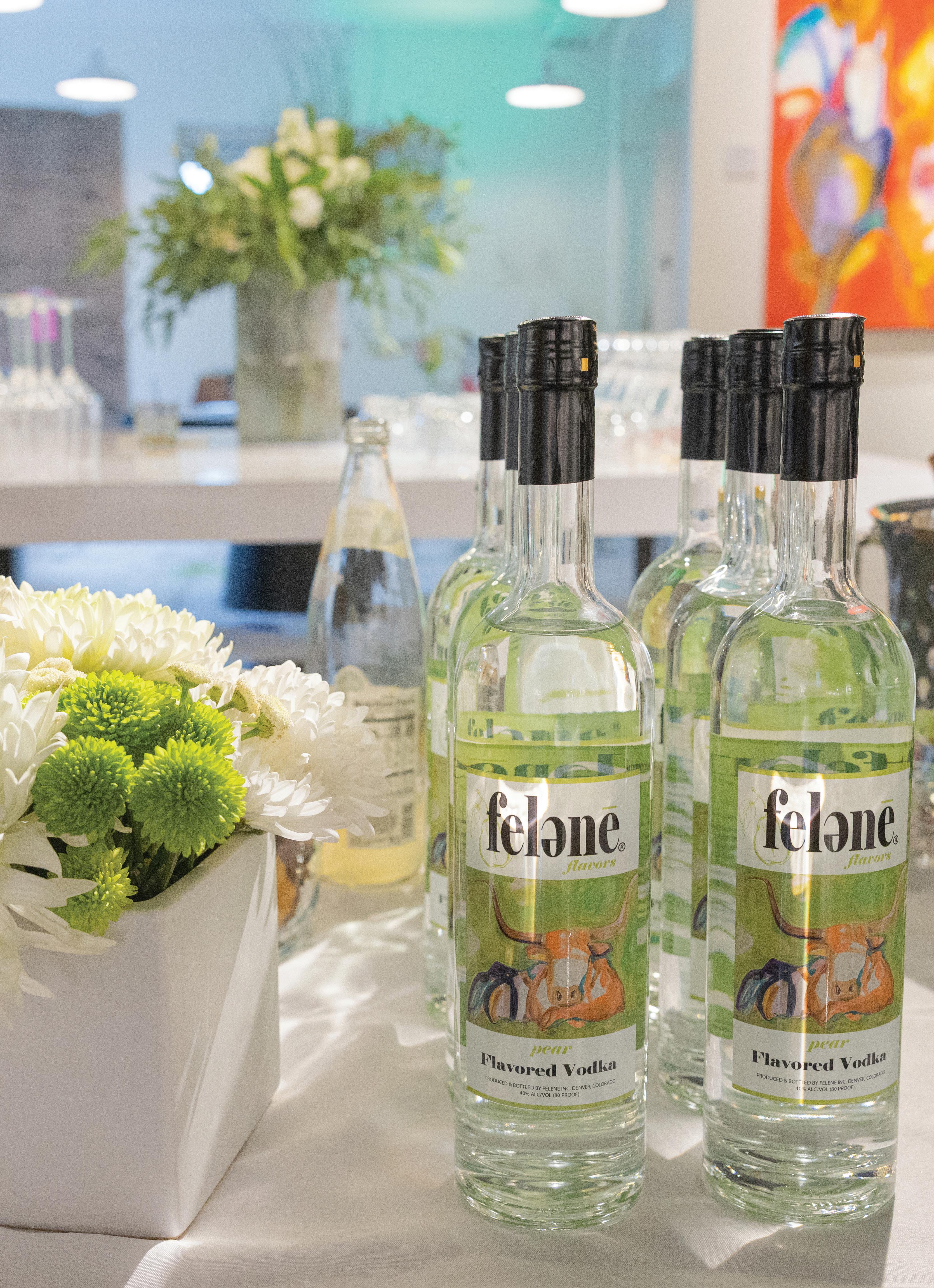
Culinary by Chef Richard Bailey, T5C; Signature Cocktails by Tim Kelly and Kim Laderer, Co-Owners, Felene Vodka; Photos courtesy of Emily Takacs, Don Eastburn Associates LLC
FOUR FORCES
On How Art Becomes Valuable
This is part two of our series exploring how the art world functions as a business and the core ingredients required for lasting relevance.
Narrative Gives Meaning to Scarcity
Among the four interdependent forces of art collecting , narrative, scarcity, validation, and visibility ; scarcity is often the most misunderstood. It is frequently treated as a source of value when, in reality, it is only a condition: a structural limit, not a meaningmaker. On its own, scarcity creates absence, and absence alone does not inspire engagement. It is narrative that transforms that absence into something felt, desired, and valuable.
Scarcity in art can take many forms. It may be numerical, as in a limited edition or unique series; temporal, as in works that exist only briefly; experiential, available only to certain audiences or conditions; or procedural, shaped by a practice that naturally restricts output.
Yet the limitation itself is silent. It does not explain why it matters.
This
is where narrative becomes essential. Narrative does not simply justify scarcity; it gives it context. It places limitation within a broader conceptual, emotional, or philosophical framework. In doing so, it transforms a finite number into a deliberate boundary, a closed series into a complete idea, and a fleeting experience into a reflection on time, presence, and impermanence.
Without this framing, scarcity can feel artificial. Five limited works may appear to be a marketing tactic if no deeper reasoning supports the decision. A time-bound experience may feel exclusionary rather than meaningful. In these cases, scarcity signals restriction without purpose.
The distinction matters. When limits appear external, they feel imposed; when they appear intrinsic to the work itself, they feel intentional and necessary. Narrative is what shapes that perception.
Scarcity also functions as a filter. It not only limits supply, but shapes the audience itself. When access is constrained, participation becomes selective. Narrative ensures this selectivity is understood not as exclusion, but as alignment. Those who engage are not simply those who can access the work, but those who understand why that access is limited in the first place.
For Carrie Fell, this supports more than the exchange of individual works. It strengthens the long-term coherence of her practice, allowing her career to be experienced as intentional and evolving rather than incidental or undefined. In this way, narrative and scarcity are not constraints, but organizing principles that help her work retain meaning, coherence, and lasting relevance over time.
Collectors gain confidence when they understand where a piece fits within an artist’s larger trajectory.
S TUDIO
by LA UREEN HOPKINS
interior design
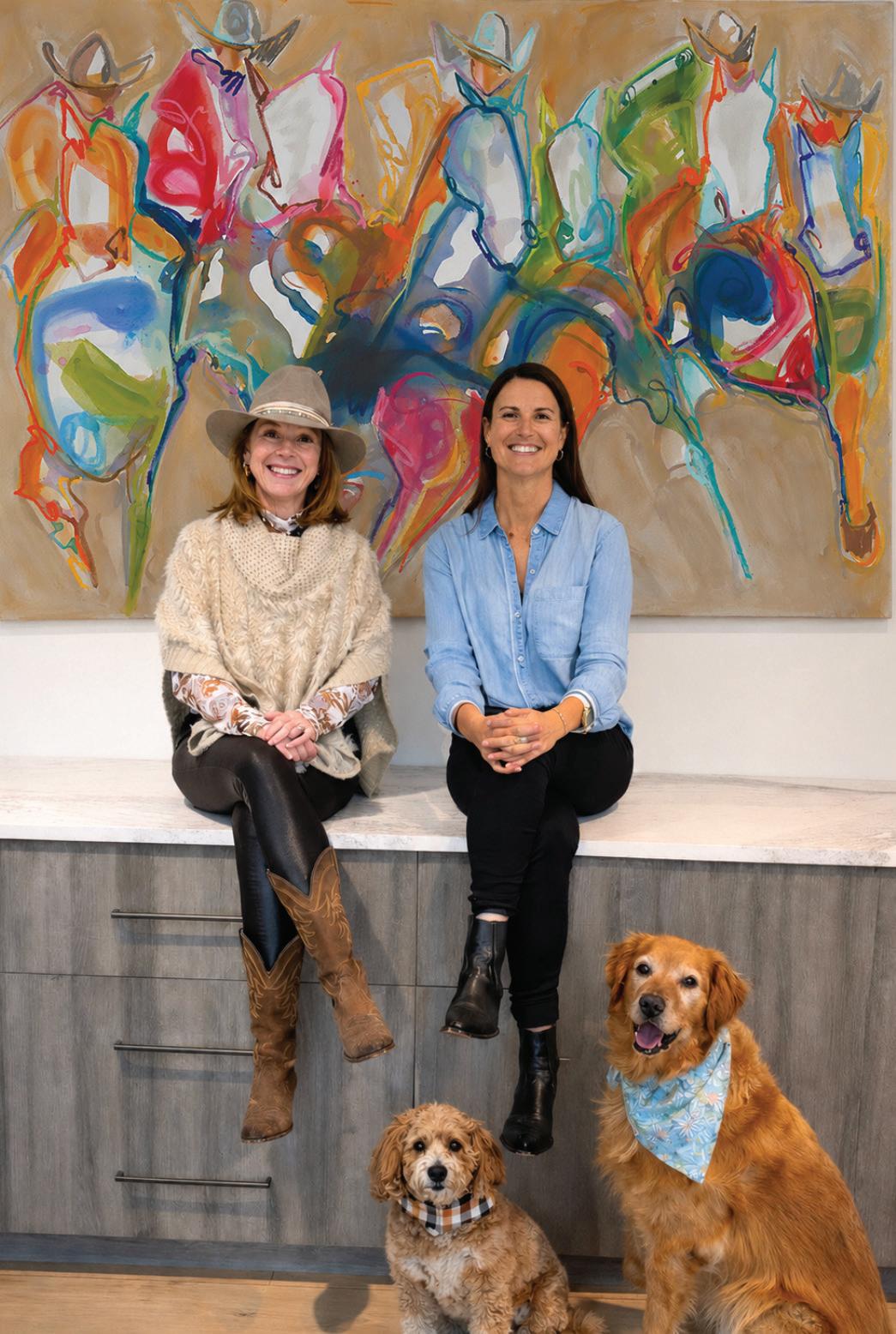
Laureen Hopkins
Caroline Menendez
Bentley & Milly
STUDIO H is not just a showroom, it is designed to be a social living canvas, a place where color, texture, and form come together to spark ideas, invite creativity, and celebrate the art of living beautifully.
Scan for more information.
fresh thoughts...
I sometimes tease that my career path feels less like a straight line and more like two creative passions growing side by side: which came first, my interest in interior design or my passion for fine art? In truth, it’s impossible to separate the two. Each informs and inspires the other.
If I have ever made it seem like one discipline takes precedence over the other, that has never been my intention. Interior design and fine art don’t compete, they work in tandem, constantly shaping and influencing how we interpret trends, forecast colors, and create meaningful spaces. In my practice, they are equally essential, two sides of the same creative coin, and I’m grateful for every opportunity to honor both.
The dialogue between these disciplines is endlessly inspiring. A color discovered in a painting might spark an entirely new palette for a living space; a texture
explored in a textile or upholstery can inform movements on canvas. Style is never static…it evolves, drawing from both realms to create environments that feel alive, cohesive, and personal. By embracing both design and art simultaneously, we can anticipate emerging trends while still preserving timeless beauty, ensuring that every space and every artwork carries intention and soul.
Ultimately, the question of which came first becomes irrelevant. What matters is the ongoing conversation between these forms of creativity, the way each informs the other, and how together they enrich our lives. In celebrating this interplay, I hope to encourage others to blur boundaries, take risks, and allow their creative pursuits to evolve without strict hierarchy, because when art and design work in harmony, the possibilities are truly limitless.
It’s the how and why I fell in love with art in the first place.
– CARRIE
2175 South Platte River Drive
Denver, CO 80223
Guests will enjoy an unforgettable evening filled with lively music, exceptional food, and refreshing signature cocktails designed to capture the essence of the season. 360º
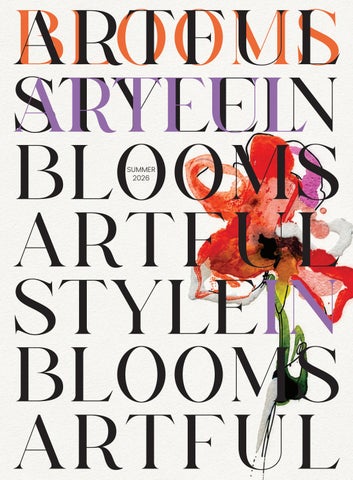
On front cover: CONCERTO, ORIGINAL MIXED MEDIA, PEARLESCENT ACRYLIC INK, 7” X 7”
POETRY OF BLOOMS
August 1, 2026
Mark your calendar and plan to join us in early August for our Summer Soirée … an indoor-outdoor gathering inspired by the beauty, vibrancy, and joyful energy found throughout Carrie Fell’s work.