

Dear Stakeholders,
Welcome to the Office of Economic Development’s annual update. The following pages highlight our collaborative efforts throughout 2025 to inspire entrepreneurship, encourage innovation and business growth, and create opportunities to develop and nurture the skills of our residents, all in service of sustaining a vibrant and resilient economic environment for our City.
We hope you enjoy this update and share in our enthusiasm for the positive impact this work is having on individuals and the collective progress we continue to make toward the goals outlined in our Economic Development Strategic Plan.
As we transition into 2026, we enter a milestone year. While the world comes together for the Olympic Games and the FIFA World Cup, and the United States marks its 250th anniversary, Charlottesville celebrates a milestone of its own—the 50th anniversary of the Downtown Mall.
Just as the Declaration of Independence in 1776 marked the beginning of the American experiment with democracy, the City’s bold decision in the mid-1970s to create a pedestrian-only mall reflected a forward-thinking investment in public life and community. Today, the Downtown Mall is listed on both the National and Virginia Registers of Historic Places and has been recognized by urbanist Jane Jacobs as among the most successful pedestrian malls in the country.
In 2025, visitation on the mall increased by 4 percent, continuing a rebound to pre-pandemic levels and reaching approximately 2.8 million visitors, while retail vacancy rates also remained healthy at or below 5 percent. We invite you to join us to celebrate this unique and cherished community asset throughout the year, and especially during a community celebration this July.
Thank you for your interest and for your continued partnership.
Sincerely,

Chris Engel Director, Office of Economic Development


BUSINESSES AND INDIVIDUALS SERVED
Businesses Assisted
Employees/Jobseekers
181 $68.6M
Commercial Permits Issued Value of Commercial Permits
OED WEBSITE STATS
4,850 COMMERCIAL INVESTMENT
page views from 2,511 unique website visitors
1,710
off street publicly available spaces
39 SECONDS average dwell time per page OED HOME PAGE most frequently visited page
183 1,061 “Likes” 24 Comments 141 Shares
FACEBOOK POSTS reaching 66,161 users
152 1,077 Followers
LINKEDIN POSTS with 32,915 Impressions
70 Comments with 104 reposts 11.3% Average engagement rate
In 2025, the City of Charlottesville made substantial progress toward advancing its Economic Development Strategic Plan, with coordinated action across entrepreneurship, business growth, workforce development, placemaking, and storytelling for investment. Together, these efforts reflect a holistic approach to building an inclusive, resilient, and opportunity-driven local economy.
Equitable Entrepreneurship initiatives focused on reducing barriers to entry for historically underserved entrepreneurs. A key milestone was the translation of the Entrepreneur Resource Guide into Spanish and Pashto, expanding access to critical business information for multilingual residents and helping ensure that aspiring entrepreneurs can more easily navigate available local resources and support systems.
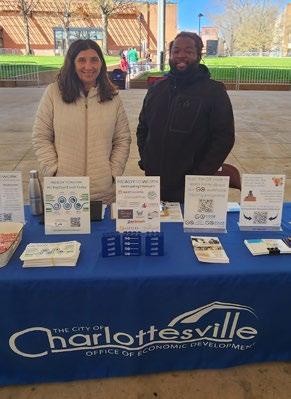
Under Intentional and Innovative Growth, the City increased both the number of business engagements and the quality of interactions with local entrepreneurs and employers. Staff actively participated in recurring networking and outreach opportunities—including Entrepreneurs & Espresso,
Tech on Tap/Innovation Mixer, Rising Pros, and the Juneteenth Celebration and Black Business Expo—strengthening relationships across the business community. In parallel, collaboration with the Virginia Economic Development Partnership helped ensure Charlottesville businesses were aware of and positioned to utilize state-level programs such as Economic Gardening, the Virginia Jobs Investment Program (VJIP), and VALET International Trade to support expansion, workforce investment, and market growth.
Significant momentum was achieved in Pathways for Opportunities, with a robust suite of workforce development programs serving residents at multiple stages of their career journeys. Programs such as Ready to Work, GO Cook, GO CNA, GO Hire, Career Essentials, Coffee & Conversations, and NextGen Skilled Trades Day provided training,
story continued on page 6
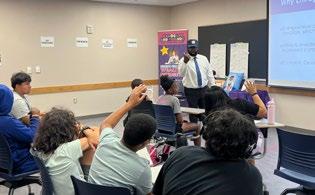
certifications, employer connections, and hands-on exposure to career pathways. In 2025 alone, Ready to Work served 60 jobseekers, with an 82% completion rate, and one-third securing employment. GO Cook supported 12 participants across two cohorts bringing the program’s total impact to 110 students served since inception. GO Hire funded certifications for incumbent workers at city-owned small businesses, resulting in wage increases, and supported business expansion through a wage subsidy for a new Retail Operations Manager position. Coffee & Conversations connected 164 jobseekers and employers across eight events. NextGen Skilled Trades Day featured over 30 exhibitors and exposed 300 attendees to the world of skilled trades.
The City also advanced Creative Placemaking efforts with a focus on long-term stewardship of the Downtown Mall ahead of its 50th anniversary in 2026. A crossdepartmental team completed a comprehensive assessment of maintenance and repair needs, refreshed public amenities, reviewed current and future funding needs, launched an Ambassador Program in partnership with Block by Block, and initiated planning for a year-long anniversary celebration. This work underscores a commitment to preserving the Downtown Mall as a vibrant civic space that supports businesses, residents, and visitors alike.
Finally, Storytelling for Business Investment continued to strengthen the City’s economic narrative. A more focused approach to social media increased engagement on the Office of Economic Development’s Facebook and LinkedIn platforms, expanded cross-promotion of partner events and resources, and spotlighted more local business achievements in 2025 than in the previous year, helping raise visibility of Charlottesville’s entrepreneurial and economic successes.
Collectively, these efforts demonstrate meaningful progress toward the goals of the “Office of Economic Development Strategic Plan: 2024 to 2028” and lay a strong foundation for continued impact in year three of plan implementation.
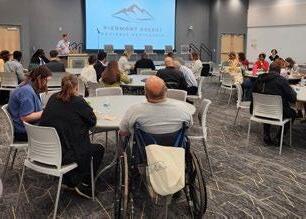
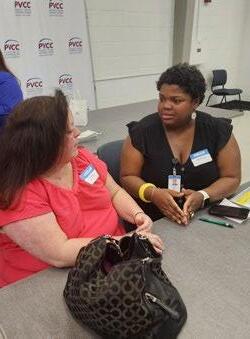
The inaugural Piedmont Ascent Business Conference and 3rd Piedmont Pitch entrepreneurial competition took place in May at PVCC’s Bolick Center, bringing together entrepreneurs, small business owners, and community partners from across the greater Charlottesville region for a full day of learning, connection, and opportunity.
I had been warning my boss for years that I would be retiring ‘soon’ and starting my dream business. The Piedmont Pitch competition was the resource that I needed to follow through and make the leap with confidence.”
Kelly Strickland


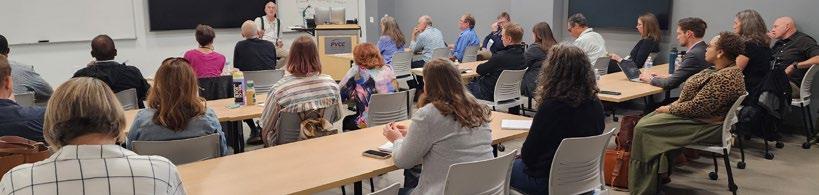
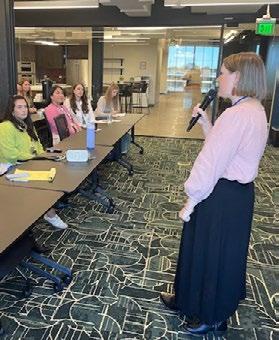
The Piedmont Ascent Business Conference convened more than 50 entrepreneurs and small business owners for an afternoon focused on growth, strategy, and innovation. Participants engaged with subject-matter experts who shared practical insights on:
• Leveraging advances in artificial intelligence to improve business efficiency and effectiveness
• Accessing capital and understanding financing options
• Navigating the business scale-up process
• Maximizing marketing budgets
• Creating and communicating a clear vision for teams
The conference also provided structured networking opportunities, allowing attendees to build relationships with peers, resource partners, and regional support organizations.
Immediately following Piedmont Ascent, the 3rd Annual Piedmont Pitch showcased local entrepreneurial talent through a competitive pitch event open to the public. Piedmont Pitch is a collaborative initiative led by the City of Charlottesville Office of Economic Development, Albemarle County Economic Development, the Central Virginia Small Business Development Center, and the Community Investment Collaborative. More than 40 draft business plans were submitted and reviewed as part of the selection process. Finalists represented a diverse range of industries, including creative goods, specialty food and beverages, contracting services, and landscape and habitat design. Participating businesses included:
• New Wing Studio, offering uniquely designed cards, textiles, wallpaper, and home goods
• Lyan’s Sweets & More, a specialty dessert business
• Botanical Fare, focused on innovative food and beverage offerings
• Sunflower Contracting, providing light contracting and maintenance services while creating employment opportunities for differently abled individuals
• Wild Space, specializing in landscape and habitat garden design using native plants
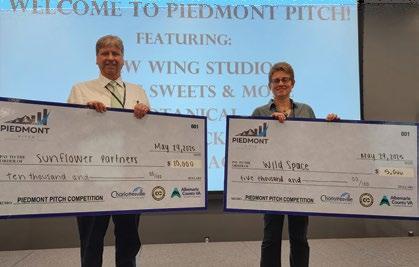
Each finalist delivered a 10-minute pitch, followed by 5 minutes of questions from a panel of local judges. After deliberation, the judges awarded first place and a $10,000 prize to Sunflower Contracting. Second place, and the accompanying $5,000 prize, was awarded to Wild Space.
and Piedmont Pitch strengthened the regional entrepreneurial ecosystem by combining education, mentorship, visibility, and direct financial support for local businesses. The events highlighted innovation across sectors, expanded access to business resources, and reinforced the region’s commitment to supporting entrepreneurs at every stage of growth.
Laura Nelson entered the GO Start-Up program with curiosity more than certainty. She stated, “At first I thought just to take the class and wasn’t even sure if my business idea would stick”. What began as a simple step has grown into a clear, confident path forward.
Today, Laura is the proud founder of Fruitful Roots, a business specializing in organic fruit tree care. Her services help homeowners and businesses plan, plant, and maintain healthy fruit trees and small orchards. With an emphasis on sustainable, organic practices, Fruitful Roots provides orchard planning and installation to ensure clients choose the right trees based upon their goals and environment; pruning and seasonal care to support year-round tree health; and coaching and education to help clients confidently care for their own trees using natural methods.
Since graduating from GO Start-Up, Laura continued her entrepreneurial journey through the Community Investment Collaborative’s 16-week Entrepreneur Workshop, deepening her knowledge and refining her business fundamentals. She credits both programs for teaching her the importance of trusting the process, engaging with the local business ecosystem, and, most importantly, being consistent.
Her efforts are paying off. Fruitful Roots is finding its footing, and Laura says she feels she is “in a good space.” Her client list continues to grow, largely through word of mouth, proving that her work speaks for itself. She is already preparing for the slower season and has plans to expand her education, sharpen her skills, and build a solid foundation before her business scales.
This spring, Laura will also host workshops in partnership with the local library, teaching community members how to plant and care for fruit trees. Laura’s journey is a reminder that once you gain clarity and validation for your idea, the key is to simply keep going. And that is exactly what she is doing with Fruitful Roots, growing steadily – rooted in purpose.

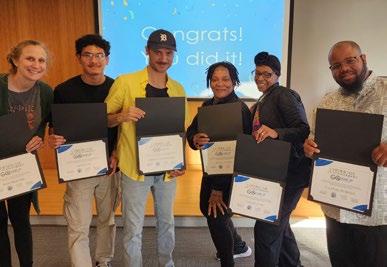
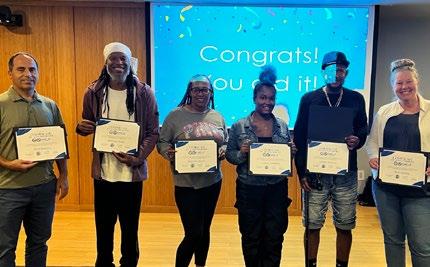

GO Start-Up is a free, four-week introductory entrepreneurship program offered twice a year and delivered in person during the spring and fall. Designed to help early-stage entrepreneurs move from ideas to action, the course provides a strong foundation for building and sustaining a business.
In 2025, GO Start-Up successfully supported two cohorts of aspiring entrepreneurs, engaging a total of 13. The cohorts reflected a diverse mix of business ideas and industries, including food services, logistics, bookkeeping, therapeutic counseling, and handyman services, showcasing the breadth of entrepreneurial activity emerging in the community.
Throughout this year’s program, participants explored key entrepreneurial concepts, including creating a clear vision, establishing brand
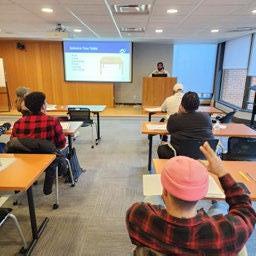
identity and company culture, understanding financial fundamentals, conducting product and marketing analysis, and identifying resources available to support long-term business growth. Each week, participants also heard directly from local business owners and partnering entrepreneurial service organizations, who shared real-world insights and outlined how their organizations can support entrepreneurs as they continue their business journey.
The success of the 2025 cohorts highlights GO Start-Up’s continued impact in equipping entrepreneurs with the knowledge, connections, and confidence needed to take meaningful steps toward building viable and sustainable businesses.
GO Start-Up Participant “
It was a good ‘appetizer’ for me to know where to go next and what to think about.”


The Office of Economic Development’s Entrepreneurship Program Specialist and Workforce Development Program Manager teamed up with Human Services, utilizing their Community Attention Youth Internship Program (CAYIP), to offer an eight-week program that blended entrepreneurship fundamentals with workforce development.
GO Start-Up, an intro to entrepreneurship, was adapted to serve a youth pilot program, introducing students to the fundamentals of entrepreneurship. During the training, participants explored why entrepreneurship is important, how to develop and communicate a clear vision, and the role financial basics play in building sustainable ideas. To reinforce these concepts, students also participated in cash flow board games, allowing them to apply financial decision-making skills in an interactive and hands-on way. Participants further strengthened their communication skills through pitch practice, learning how to confidently present ideas and respond to feedback.
Students were tasked with creating a simple business concept by selecting one product or service, identifying key costs, and determining their break-even point. Using this information, participants refined and delivered a pitch that highlighted both the product and the overall business concept.
In addition to entrepreneurship training, students also participated in the Ready to Work workforce development program. Through this program, participants had the opportunity to earn a soft skills certification by completing 12 modules focused on in-demand workplace competencies, including Active Listening, Diversity and Inclusion, Conflict Resolution, Effective Communication, Business Communication, Self-Awareness, Critical Thinking, Positive Attitude, Problem Solving, Time Management, Teamwork and Collaboration, and Self-Motivation.
Over the course of the eight weeks, students engaged in hands-on activities and exercises designed to reinforce each module’s content. They worked both independently and collaboratively
while receiving ongoing feedback and guidance throughout the program. The course culminated in résumé development and mock interviews, allowing students to apply their new skills in realworld scenarios.
The growth demonstrated by each student was both impressive and inspiring. One participant shared, “A skill I learned within this program was to use active listening skills. That helps you a lot when problem-solving in a workspace.” When asked what advice they would give to future participants, another student said,
“Enroll now. You need it. You may think you are ready for a job well, you’re not.”
Four students completed the Ready to Work program and earned their soft skills certification. In addition, all four students received GO Start-Up certificates for completing the Intro to entrepreneurship training. Concurrently with the GO Start-Up and Ready to Work training, CAYIP provided participants with a chance to gain onthe-job experience with local businesses, all while earning money for their time. It was rewarding to witness not only their skill development, but also their increased confidence across both entrepreneurship and workforce readiness.
This initiative was made possible through a collaborative effort among the Office of Economic Development, Virginia Career Works, Charlottesville Human Services, and Lugo McGinnis Academy. The dedication, support, and generosity of these partners underscore why Charlottesville has a bright future.

Through the City of Charlottesville’s GO Hire Workforce Training Grant, The Local-Cville invested in its people—strengthening food safety practices, supporting employee growth, and reinforcing the business’s commitment to quality and professionalism.
With support from the GO Hire grant, 10 employees from The Local-Cville completed ServSafe® training and all successfully earned their ServSafe certifications, an industry-recognized credential that is essential in the food service and hospitality sector.
As a tangible recognition of this achievement, parttime employees received a $0.50 per hour wage increase, while full-time employees received a 1% raise upon completion of the certification.
Michelle Moshier, Director of Operations for The Local-Cville, learned about the GO Hire opportunity and brought it directly to her team. Rather than making the decision alone, Michelle invited staff input to determine what type of training would be most meaningful and beneficial. Together, the team agreed that ServSafe certification was the right fit—both for improving day-to-day operations and for supporting employees’ long-term careers.

One of the aspects Michelle appreciated most was that ServSafe is a nationally recognized credential that stays with employees throughout their careers, regardless of whether they remain at The LocalCville or even continue working in Virginia.
“That mattered to our team,” she noted, “because it’s something they truly own.”
The employees who participated represented a range of staff roles, including newer employees who were new not only to The Local-Cville but also to catering and hospitality work more broadly. Michelle was especially pleased that the training also included the company’s first-line management staff, ensuring consistent standards and expectations across the team.
Looking ahead, The Local-Cville is already exploring additional professional development opportunities, including having select staff pursue WSET (Wine & Spirit Education Trust) certification to expand their skills in wine sales and tastings.
For a small business, access to training funds can be limited. Michelle shared that without the GO Hire grant, investing in this type of professional development would have been difficult. The grant removed a key financial barrier and made it possible to prioritize training that benefits both employees and customers. Michelle now actively encourages other Charlottesville businesses to learn about the GO Hire program, sharing her experience and emphasizing how workforce training grants can be a win-win—strengthening businesses while investing directly in employees.

When Steve Farmer enrolled in the first in-person cohort of the Ready to Work program in Fall 2025, he wasn’t sure the program was for someone like him. At 57 years old, Steve carried a lifetime of hard-earned lessons—and more than a few doubts—into the classroom. What he found instead was a turning point.
Steve grew up in Newark, New Jersey, in what he describes as a broken home. He never finished school, dropping out at a young age and spending years living on the streets and selling drugs to survive. In 1989, he moved to Charlottesville, beginning a long and complicated journey that included incarceration. Steve was released from jail on January 8, 2025, determined to rebuild his life.
Today, Steve lives at the Charlottesville Oxford House, a recovery residence that provides drug- and alcohol-free housing for individuals in recovery. He has been drug-free for four and a half years and remains deeply committed to his sobriety. But despite his determination, finding stable employment proved challenging. From the time of his release, Steve actively searched for fulltime work. He secured a few interviews, but no job offers followed.
Steve learned about the Ready to Work program through Amanda Wells, a Self-Sufficiency Specialist with the Charlottesville Department of Social Services. At first, he hesitated. After meeting with Ready to Work Career Navigator Brookes Sims and team member Crystal Higgins, Steve felt reassured. They made it clear that his challenges would not be barriers to success. For the first time, Steve felt seen for his potential, not judged by his past.
Steve admits he initially misunderstood one aspect of the program: he thought it guaranteed a job. In reality, Ready to Work guarantees an interview with a participating employer—not a job offer. But what the program did guarantee, and deliver, was something even more powerful: confidence, skills, and clarity.
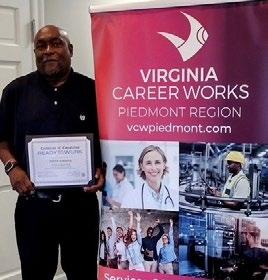
Through the course, Steve learned what he had been doing wrong in job interviews. He discovered that appearance and body language matter—taking off his hat, wearing a clean, tucked-in shirt, making eye contact, listening carefully, and speaking thoughtfully.
“The most important thing,” Steve says, “is to pay attention and listen.”
After earning his Ready to Work soft skills certification, Steve completed his guaranteed interview. When he was not selected for the position, he was devastated. For a moment, he considered giving up. But instead, he leaned into what the program had taught him: keep moving forward.
Using the tools and confidence he gained through Ready to Work, Steve continued his job search. He soon landed two interviews. This time, he approached the interviews differently. He listened more, talked less, and wasn’t afraid to ask for clarification when he didn’t understand a question—another key lesson from the program. Asking for clarification made all the difference. Once the hiring manager explained the questions, Steve was able to respond clearly and effectively. He was hired on the spot. Shortly after, the second employer also extended him a job offer.
Steve took time to carefully review both offers and advocate for himself. Ultimately, he accepted a full-time position with the employer offering higher pay and better benefits. He also asked the other employer if he could work part-time on weekends—a request they happily accepted.
story continued on page 13

Today, Steve works two jobs and is proud of how far he has come. He credits his faith in God for guiding him and says the Ready to Work program gave him the confidence and skills he needed to succeed.
“You’re never too old to learn,” Steve says. “But you have to want it.”
Steve also emphasizes that Ready to Work staff supported him every step of the way while still holding him accountable to do the work himself—an approach that strengthened his independence and selfbelief. He describes the instructors as calm, patient, and engaging, and says he learned just as much from his classmates as he did from the curriculum.
Looking ahead, Steve’s goals continue to grow. He has been accepted into United Way’s Driving Forward program and plans to obtain his own vehicle. Next, he hopes to move into his own apartment, making space at Oxford House for someone else who needs support. Long-term, Steve plans to earn his CDL and pursue a higher-wage career.
Steve Farmer’s story is a testament to resilience, personal responsibility, and the power of opportunity. Through Ready to Work, he didn’t just find employment—he found confidence, direction, and a renewed belief in himself.
Congratulations, Steve. The sky truly is the limit.
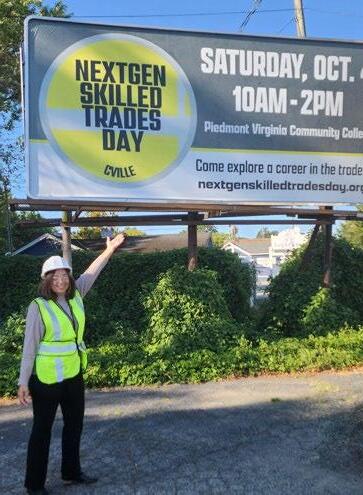
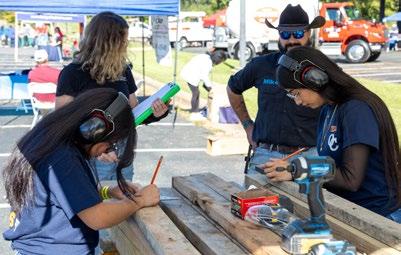
In October 2025, the City of Charlottesville Office of Economic Development (OED) hosted the inaugural NextGen Skilled Trades Day, a community-wide event designed to spotlight hands-on learning and the many high-quality career opportunities available in the skilled trades. Held at Piedmont Virginia Community College (PVCC), the event welcomed more than 300 students, parents, educators, and jobseekers for an immersive exploration of in-demand career pathways.
story continued on page 14
Over 30 exhibitor stations represented industries ranging from construction, automotive, and welding to renewable energy and technical education. Attendees engaged directly with employers, educators, and training providers through live demonstrations, interactive tools, and one-on-one conversations. The event created a welcoming space for students to explore career interests, ask questions, and gain real-world insight into professions that offer strong wages, career mobility, and long-term stability.
The impact of the event was evident throughout the day. Parents and caregivers expressed appreciation for the opportunity to learn about alternatives to traditional four-year college pathways, particularly for students whose strengths align with handson, skills-based careers. One parent noted how exhibitors took the time to understand and connect with students as individuals, reinforcing the inclusive nature of the event. School counselors echoed this sentiment, emphasizing the importance of educating families about viable, rewarding options within the skilled trades.
Exhibitors also reported strong engagement and meaningful connections. PVCC staff shared that the event increased awareness of the college’s skilled trades programs among students and families who may not have previously considered them. According to Todd Parks, Senior Director of Admissions at PVCC, the event strengthened

employer relationships, increased trust and visibility within the community, and drove additional visits to campus. PVCC anticipates long-term benefits, including increased enrollment and expanded workforce partnerships as a result of the event.
Energy remained high throughout the day thanks to music, announcements, and sponsor recognition that reinforced the celebratory atmosphere. The success of the event was made possible through strong collaboration with community partners and sponsors, including NextGen Skilled Trades Day Planning Committee members OED, PVCC, Blue Ridge Home Builders Association, the Charlottesville Regional Chamber of Commerce, Martin Horn, CATEC, Arrowhead Excavating, Charlottesville Remodeling Company, and Dominion Custom Homes, who invested their time and expertise.
Blue Ridge Home Builders Association Executive Director, Jenny Tapscott, emphasized the importance of hands-on exposure in shifting perceptions about careers in the trades. By allowing students to experience these fields firsthand, NextGen Skilled Trades Day helped reframe skilled trades as respected, financially rewarding career choices rather than fallback options.
Looking ahead, PVCC and OED are exploring opportunities to expand the NextGen model into other industries, building on the strong return on investment and community enthusiasm generated by the inaugural event. With a proven framework and growing demand, NextGen Skilled Trades Day represents a meaningful step toward strengthening the region’s future workforce and ensuring that students are equipped with knowledge, confidence, and opportunity.
The Virginia Economic Developers Association (VEDA) recognized six communities across the Commonwealth with its 2025 Community Economic Development Awards (CEDA), honoring initiatives that advance economic viability through impactful economic and community development programs. The annual CEDA program highlights best practices and exceptional contributions in business retention and expansion, business recruitment, community development, and community involvement.
The 2025 awards were presented during VEDA’s Spring Conference, held at the Newport News Marriott at City Center in Newport News, Virginia. This year’s honorees included Highland County, South Boston, the City of Hopewell, Shenandoah County, Henrico County, and the City of Charlottesville, which received an overall Honorable Mention. Award entries were evaluated based on innovativeness, transferability, community commitment, and the overall benefits derived from each initiative.
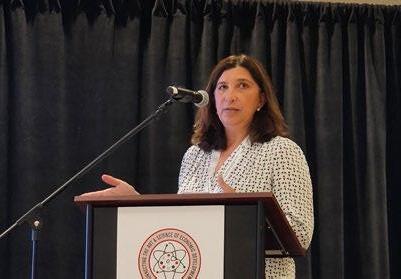
VEDA announced that the City of Charlottesville Office of Economic Development received Honorable Mention recognition for its GO Cook workforce training program. This recognition places the City of Charlottesville among a distinguished group of communities demonstrating excellence in economic and workforce development.
GO Cook is an intensive six-week workforce training program designed to prepare participants for entry-level careers in the culinary field. The program combines hands-on training with classroom instruction and provides participants the opportunity to earn industry-recognized
credentials that enhance employability and longterm career advancement. While the program is open to all, priority is given to individuals from low-income backgrounds and those who may face barriers to employment, including individuals with a history of incarceration. By focusing on access and opportunity, GO Cook supports participants in pursuing meaningful career pathways in a highdemand industry.
Since its launch in 2018, GO Cook has demonstrated consistent success. The program has completed 20 training cohorts and graduated more than 100 participants, many of whom have gone on to secure employment in the local culinary industry. GO Cook is a public-private partnership between the City of Charlottesville Office of Economic Development and Culinary Concepts AB, reflecting a collaborative approach that aligns workforce training with employer needs.
“The CEDA Awards celebrate the power of innovative thinking and collaboration in driving economic growth across Virginia’s communities,” said Rebekah Castle, Chair of the CEDA Committee
The Honorable Mention recognition affirms the City of Charlottesville’s commitment to inclusive workforce development and highlights GO Cook as a model program delivering tangible benefits to individuals, employers, and the broader community.
The Cville Match program continues to play a critical role in strengthening Charlottesville’s innovation economy by helping local companies turn competitive state and federal awards into real-world growth, commercialization, and job creation.
Designed to complement existing funding programs, Cville Match provides local matching funds to Charlottesville-based businesses that have already demonstrated success by securing innovation or workforce grants. By aligning City resources with outside investment, the program maximizes economic impact while ensuring public dollars are used in a strategic and efficient manner.
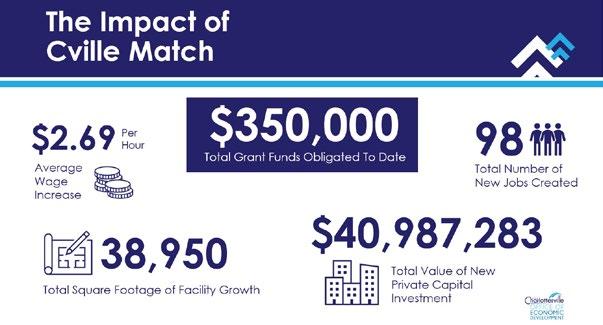
Since the program’s inception, Cville Match has awarded $350,000 in grant funding to 14 different companies. This funding has led to creation of almost 100 new jobs, a $2.69 per hour increase in average wages within these businesses, almost 40,000 square-feet of facility growth, and $41 million in new private capital investment.
In a year marked by rapid technological change and high-stakes competition for innovation, Durandal, a Charlottesville-based company offering specialized engineering and software services, has made significant strides that underscore its growing influence in advanced modeling and simulation. Founded in late 2022, the company continued its momentum in 2025 by securing key contracts, expanding its technical capabilities, and reinforcing its reputation as a leader in technological ingenuity.
Durandal’s core mission centers on delivering cutting-edge modeling and simulation software across complex technical domains, from electronic warfare and RF system analysis to AI/ML integration and radar system modeling. Its products aim to enhance performance, accuracy, and usability, serving both industry and government partners who require reliable simulation tools for mission-critical applications. By combining a deep level of expertise with emerging techniques, the company has positioned itself at the intersection of theory and practical application.
One of Durandal’s most noteworthy achievements in 2025 was its success in winning a competitive Department of the Army Small Business Innovation Research (SBIR) contract. In July, Durandal was awarded a Phase I SBIR contract worth nearly $250,000 to advance research on adaptive filtering techniques for low-cost RF emitters. In association with this award, the company applied for and received a Cville Match grant for $25,000, paid over the course of three years.
The federal innovation contracts, such as SBIR, serve as a gateway for emerging businesses to display their ability to innovate, validate concepts, strengthen technical capabilities, and position themselves for larger opportunities ahead. Cville Match helps to play a role in enhancing the ability for Charlottesville-based businesses to leverage federal contracts for broader business growth.
Thanks in part to a supportive entrepreneurial ecosystem and access to resources like Cville Match, Charlottesville’s broader ecosystem has seen a number of tech startups achieve significant recognition on state and national stages, highlighting a cluster of innovation here in Central Virginia.

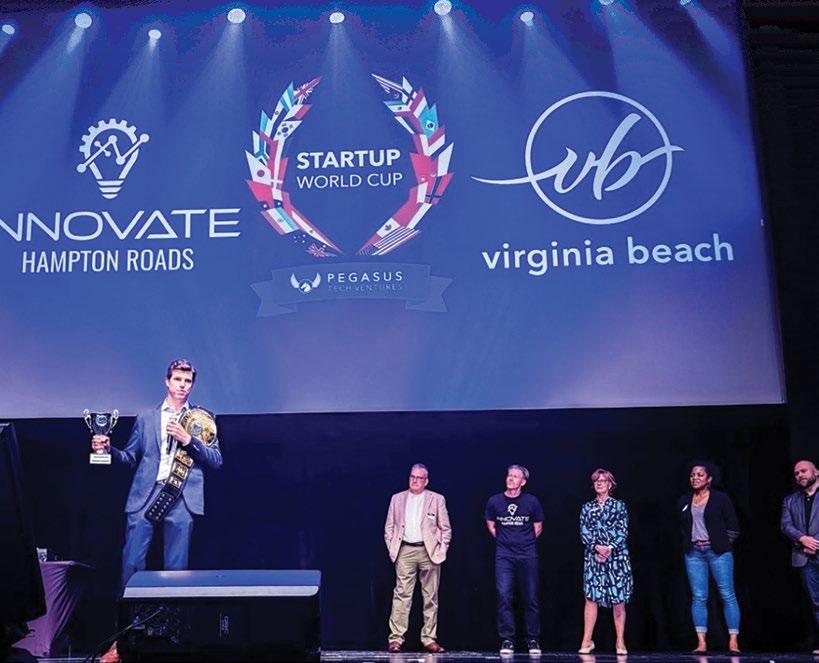
Another Cville Match participant, Charlottesville-based Luminoah, claimed the top spot at the 2025 Virginia Startup World Cup competition. One of ten finalists, the company beat out competitors from across Virginia during the entrepreneurial pitch competition that took place last August at the Sadler Center in Virginia Beach.
Luminoah is reimaging the enteral (direct to GI) feeding process with a uniquely designed compact, smart, and easy to use pump system. Anyone who has spent any amount of time with the company’s Founder & CEO, Neal Piper, knows this is more than a business endeavor to him. It is a deeply personal pursuit that began when his own son had to go on a feeding tube and Neal just knew there had to be a better way to approach the challenge – one that would improve mobility and overall quality of life for impacted individuals. Fast forward six years and Luminoah is on the cusp of receiving FDA approval for its signature device,
a small, lightweight feeding pump that works with a smartphone app to track nutritional intake, even sharing the information directly with the patient’s care staff if needed. This system will provide users with greater flexibility in where and how they receive the nutrition, allowing them to live life with more freedom.
This recognition is not the first time the company’s life-changing innovation has won awards, but this time it provided Luminoah with an opportunity to compete on the worldwide stage at the Start Up World Cup Finale event last October.
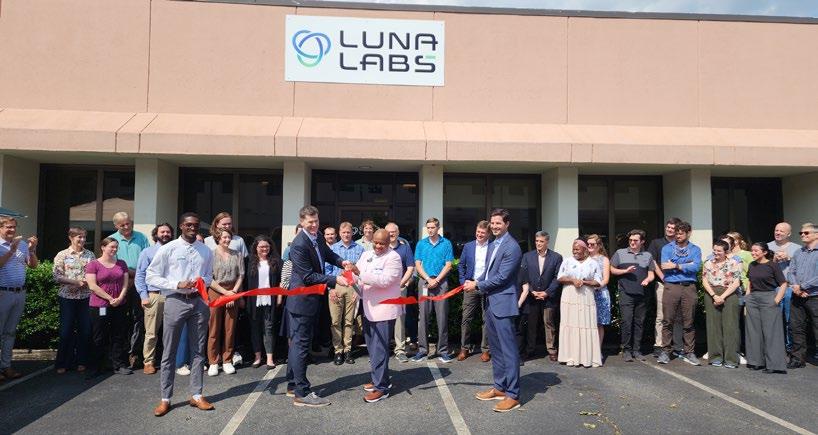
Last summer, Luna Labs celebrated the expansion of its headquarters with a ribbon cutting at the newly renovated facility. The expansion enhanced the company’s capabilities in advanced materials, biotechnology, and autonomous systems with new lab space and specialized equipment.
In conjunction with its capital investment, Luna Labs received a Virginia Jobs Investment Program (VJIP) grant from the Virginia Economic Development Partnership (VEDP), to further support the company’s workforce development efforts and new job creation.
Founded in the City almost 25 years ago, Luna Labs has grown from a startup to a nationally recognized leader in R&D. Its work bridges the gap between government-funded research and commercial application, with partnerships spanning federal agencies, universities, and global industry leaders.
Luna Labs’ continued growth in the City of Charlottesville is yet another indicator of the cutting-edge work taking place here.
The City of Charlottesville’s historic Downtown Mall remains one of the nation’s most unique places and a draw for residents and tourists alike. It’s one of the true “must visit” places in Charlottesville, whether coming to this area for the history, to plan your college future, or to celebrate your former college days.
story continued on page 20

Throughout 2025, the City established a dedicated Downtown Mall team and completed a comprehensive assessment of maintenance and repair needs. This work included a full inventory of furniture and fixtures, the creation of maintenance standards, and identification of existing funding allocations and future needs. As a result, significant upgrades are now complete or underway, including restoration and painting of Mall furnishings, lighting inspections and repairs, tree maintenance, and brick paver repair planning. Together, these efforts reinforce safety, accessibility, and the overall appearance of the Downtown Mall.
To enhance the City’s existing maintenance and cleaning efforts, coordinated planning was essential to launch a Downtown Mall Ambassador Program in February 2026. The ambassadors will serve as friendly guides, caretakers, and problem-solvers—creating a welcoming atmosphere and improving daily experiences for residents, workers, and visitors.





In 2025, planning for the Downtown Mall’s 50th anniversary centered on strengthening the City’s partnership with Friends of Charlottesville Downtown and shaping a comprehensive, year-long celebration for 2026.
Signature activities were developed in collaboration with multiple stakeholders and partner organizations to honor the Mall’s historical significance. A new 50th-anniversary logo and promotional video were also produced to support branding and communication throughout the anniversary year.
The Downtown Mall’s 50th anniversary marks more than a moment in time; it represents a renewed commitment to placemaking, community identity, and lasting vitality. By strengthening maintenance efforts, elevating visitor services, and fostering a collaborative year-long celebration, the City is ensuring that the Downtown Mall continues to serve as a welcoming, vibrant, and historically significant destination well into the future.
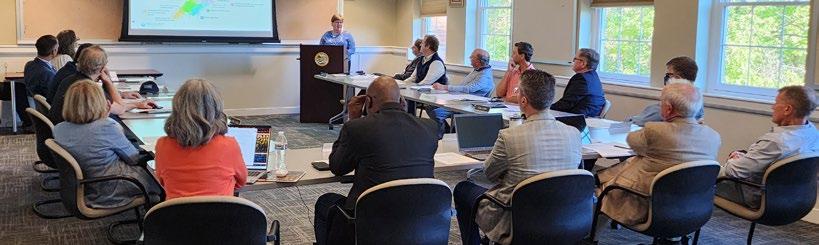
In October, Albemarle County EDA hosted the City of Charlottesville EDA for a joint board meeting. Held at the County Administration Building, the meeting featured a presentation from the Central Virginia Partnership for Economic Development (CVPED) on various programs and initiatives undertaken by the organization over the past few months. Following the CVPED presentation, the directors for both Albemarle County Economic Development and the City of Charlottesville Office of Economic Development provided an overview of each locality’s strategic plan, including areas of shared emphasis. This was used to lead into a session where breakout groups could further discuss shared vision and ways for the two localities to further collaborate on economic development issues going forward.
The Office of Economic Development (OED) continued to collaborate with both the regional economic development organization, CVPED, and the state organization, Virginia Economic Development Partnership (VEDP), throughout 2025. Charlottesville hosted multiple familiarization visits from VEDP staff, which were coordinated by CVPED.
VEDP staff also accompanied OED staff on several business retention visits with businesses located in the City of Charlottesville. Maintaining strong relationships with both CVPED and VEDP benefits the local Charlottesville business community by providing access to additional regional and state resources, as well as improving awareness of businesses on both the regional and state levels.
Through 2025, OED staff continued a long-standing practice of meeting on a regular basis with their counterparts at the University of Virginia. These discussions help allow OED staff to be better positioned to respond to the needs of university-based research and businesses spinoffs, and work with the University of Virginia economic development team to continue building an environment in which emerging businesses can thrive.
The Office of Economic Development welcomed two interns during spring and summer 2025.

Last spring’s intern was Helena Harris, a then 4th-year student, now proud graduate, at the University of Virginia majoring in Economics and Spanish. Helena first found out about economic development during a Study Abroad semester in Valenica, Spain. As she was preparing to enter into her final semester at UVA, Helena decided she wanted to get some additional exposure and “hands on” experience in the realm of local economic development so she reached out to OED, inquiring about potential internship opportunities. Helena’s fluency in Spanish has proved to be extremely helpful improving communications with some Spanish-speaking members of the Charlottesville small business community. She was also responsible for using those skills to translate the “Entrepreneur Resource Directory” in Spanish.

During the summer, Rafiullah “Rafi” Daudzai, joined the OED team as a graduate intern. Originally from Afghanistan, Rafi brought a wealth of prior experience in public sector human resources and project management. A graduate student at the University of Virginia’s Batten School of Leadership and Public Policy, Rafi assisted with translating marketing documents into Pashto and Farsi, provided insights into specific needs and challenges within the Afghan business community, and completed a review of workforce development programs offered by OED and other partners in the Charlottesville area.
OED was very fortunate to have both Helena and Rafi as part of the team. While their respective times with OED were relatively brief, they both made a lasting impact on our office and the Charlottesville business community.
The Office of Economic Development team grew a bit larger in 2025 with the addition of two new team members.
Brenda Kelley joined OED late summer 2025 after working for the City’s Office of Community Solutions for nine years. In her new role with OED, she will maintain responsibility for tracking leases and agreements to which the City is a party. She has also taken a lead role in overseeing City activities on the historic Downtown Mall – a critical position as the Downtown Mall celebrates its 50th anniversary as a pedestrian mall in 2026.
As part of an overall restructuring of various City departments and offices, the Downtown Job Center was once again brought under the umbrella of OED, where it previously resided for several years before being shifted under a different office. Roy Fitch has led operations at the Downtown Job Center for the last few years and transitioned to OED in October 2025 as part of the restructuring. In 2026 the OED team will be looking at how to best position the Downtown Job Center for continued success in the rapidly changing realm of job seeker and workforce development services.