The Micro-Fulfillment Revolution: Solving the Urban Logistics Puzzle in LATAM
The logistics landscape in Latin America is undergoing a seismic shift. As e-commerce penetration stabilizes after the post-pandemic boom, the battleground has moved from mere availability to speed and precision. For supply chain leaders operating in high-density urban environments like Santiago, Mexico City, or Bogotá, the traditional centralized distribution model is becoming obsolete. The answer lies in strategic supply chain planning that embraces hyper-locality: the Micro-Fulfillment Center (MFC).
The Collapse of the Centralized Mega-Warehouse
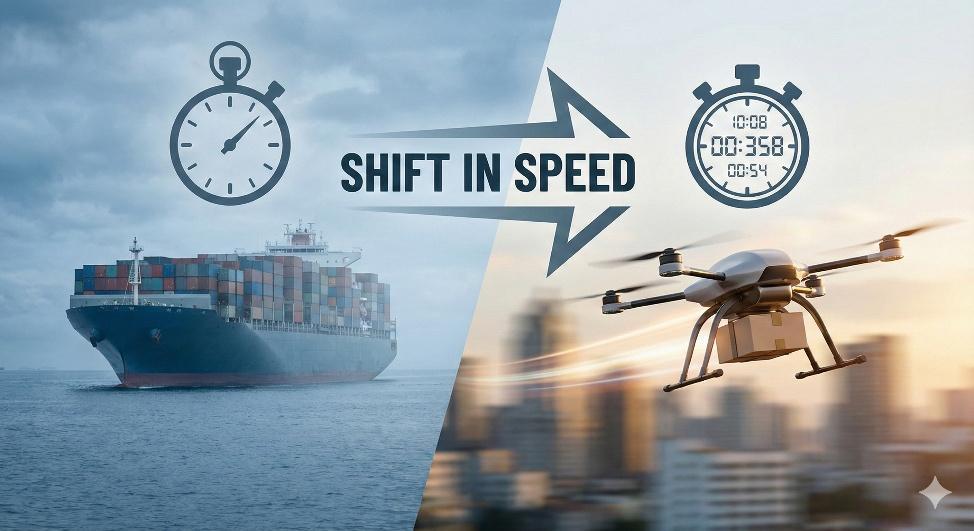
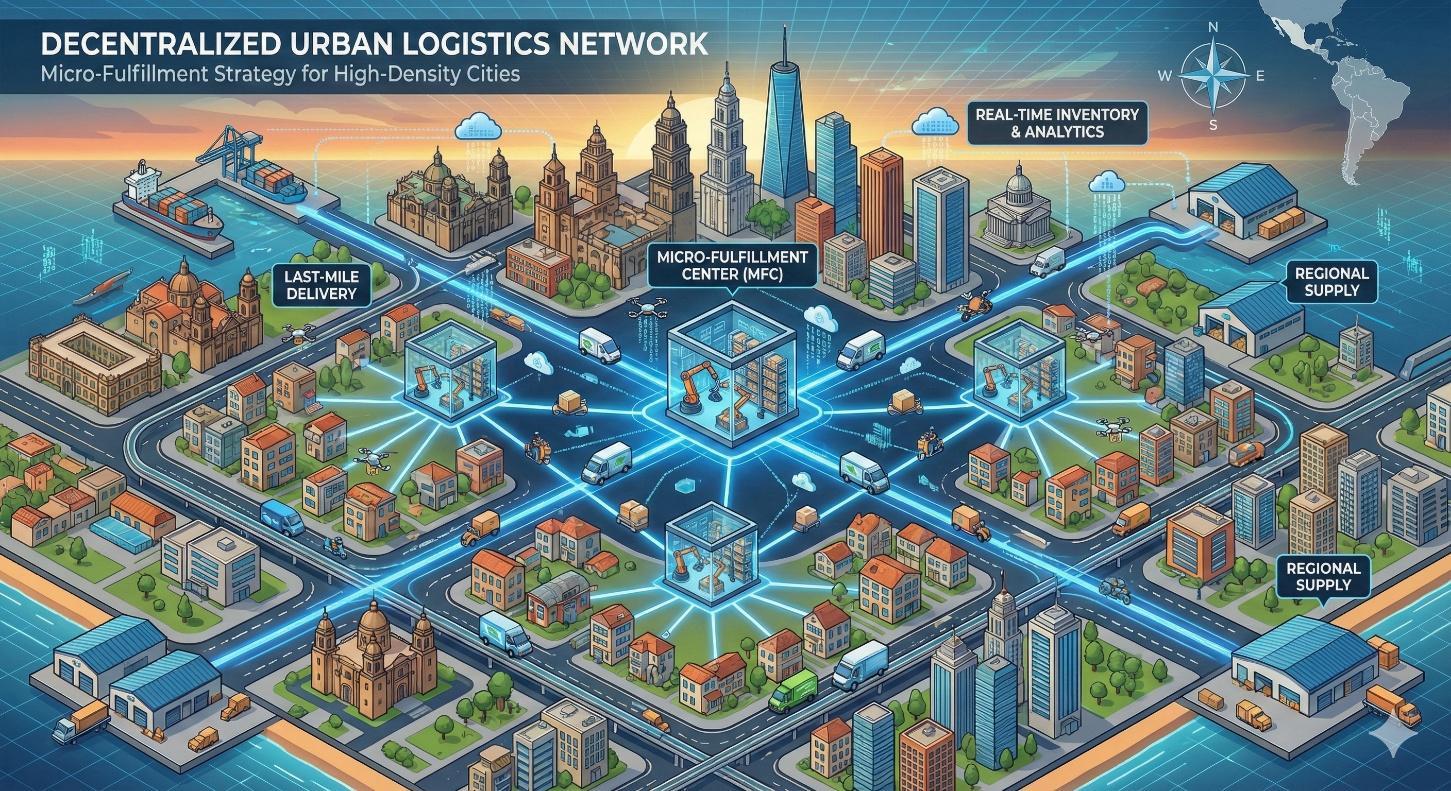
Historically, companies relied on massive distribution centers located on the periphery of major cities to service entire regions. While cost-effective for storage, this model fails the "last-mile" test in LATAM’s notorious traffic congestion. To achieve same-day or two-hour delivery windows, inventory must move closer to the consumer. This requires a robust logistics operations framework that prioritizes proximity over consolidation.
As highlighted in a comprehensive report by McKinsey & Company, the cost of last-mile delivery can comprise up to 50% of the total shipping cost. In LATAM, where address standardization is poor and traffic is unpredictable, this cost is often higher. By deploying MFCs small, highly automated storage facilities within city limits companies can drastically reduce transit times.
Implementing Dark Stores in High-Density Zones
The "Dark Store" concept retail spaces converted into local fulfillment hubs is the practical application of this strategy. For a Director of Operations, the challenge is not just real estate, but the inventory
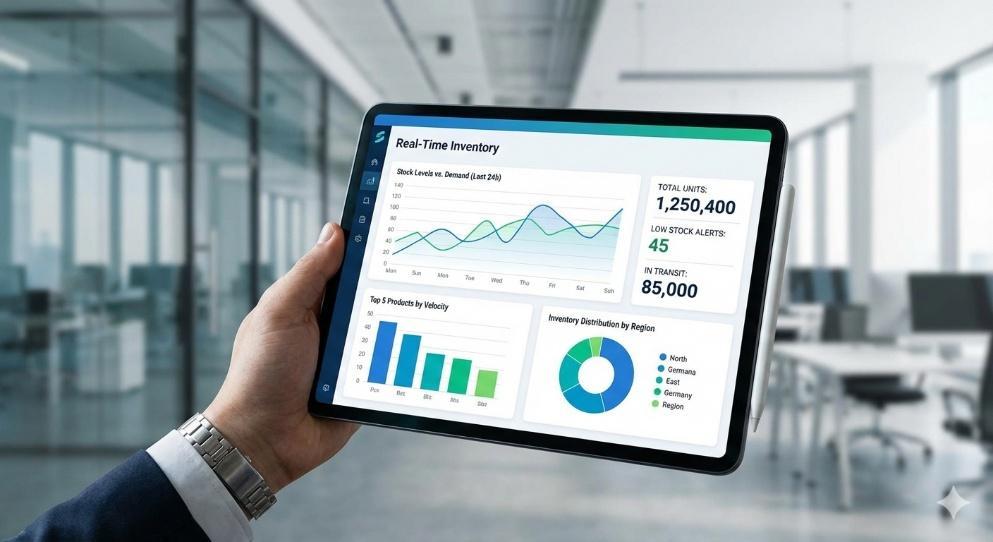
management systems required to predict demand at a granular level. You cannot stock everything in an MFC; you must stock the right things.
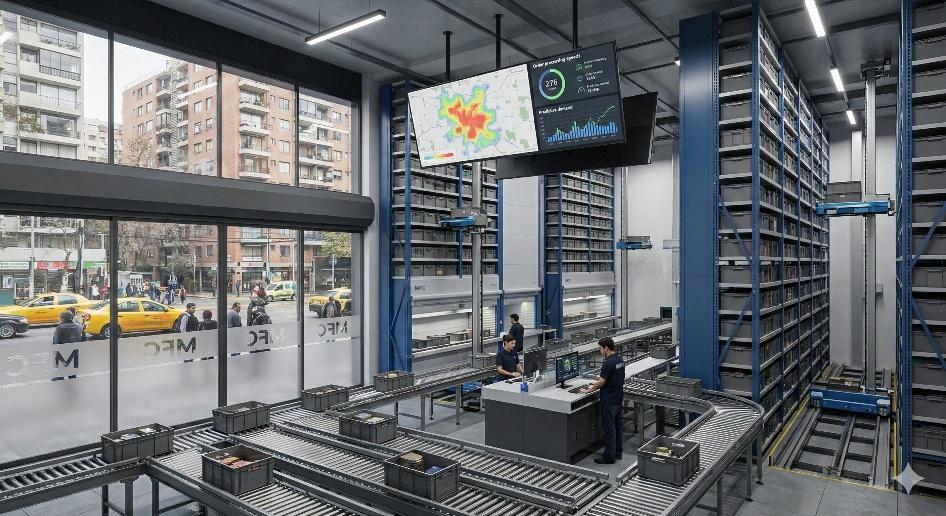
This shift requires a new breed of leadership focused on operational excellence metrics. We are moving away from tracking simple "fill rates" to monitoring "inventory turns per neighborhood."
Technology as the Enabler
You cannot run a decentralized network with a centralized mindset. Automation and AI are critical. Modern MFCs utilize vertical storage and robotic picking to maximize expensive urban square footage. Implementing these technologies demands advanced supply chain technology integration, ensuring that your ERP talks seamlessly to your WMS (Warehouse Management System) in real-time.
According to a recent analysis by Gartner, by 2026, more than 50% of large enterprises will compete using a collaborative supply chain network that includes hyper-local fulfillment nodes. This emphasizes that technology is no longer an option but a survival mechanism.
The Human Factor in Automated Loops
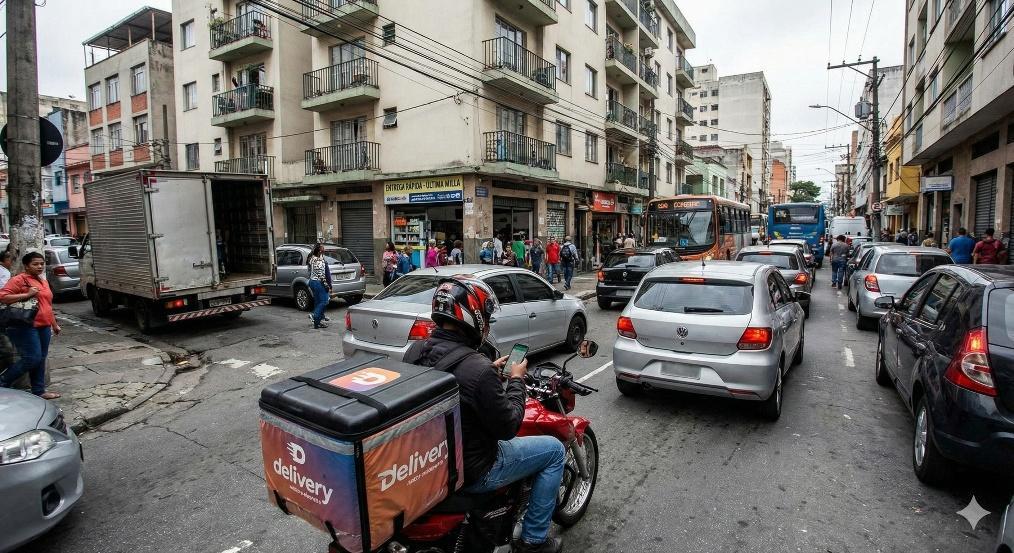
Despite the push for automation, the human element remains vital, particularly in the final handover. Managing a fleet of riders or drivers in a gig-economy structure requires distinct team leadership and development skills. The operational culture must shift from "warehousing" to "rapid dispatch."