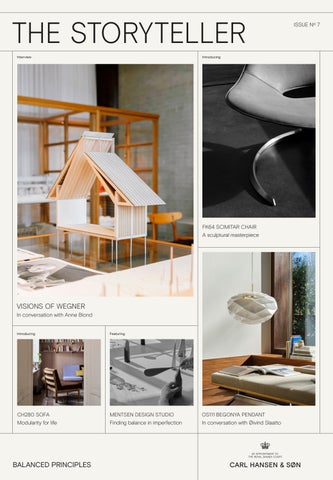
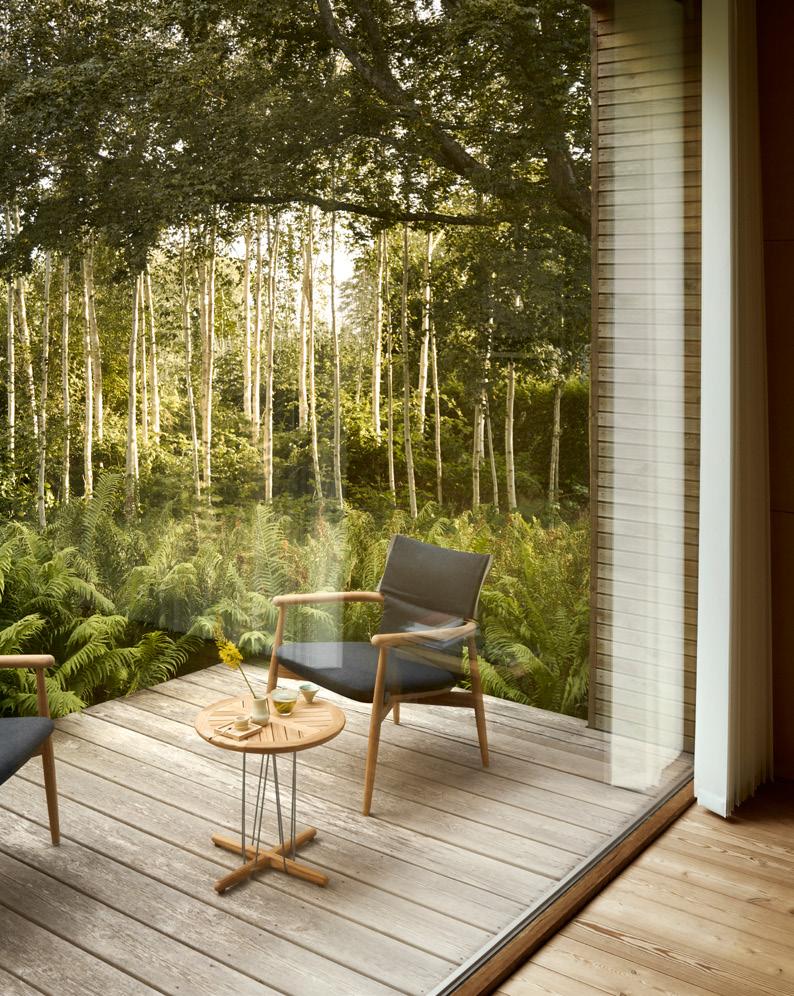
Behind every great design lies a process of careful negotiation. It is the moment where the raw potential of material meets the intention of form and the necessity of function. This sense of ‘Balanced Principles’ is what transforms an idea into an enduring piece of design. Hans J. Wegner’s prolific portfolio is a masterclass in this, and over 70 years after his 1949 collaboration that would define Carl Hansen & Søn’s history and the essence of Danish Modernism, his holistic approach remains a definitive source of inspiration.
The opening of the Museum Wegner in Tønder brings renewed attention to Wegner’s principles and a growing curiosity about the man behind some of the most iconic pieces of the modernist era. In conversation with Anne Blond, director of the new museum, we reflect on Wegner’s lasting influence and why he remains a central figure in mid-century design history.
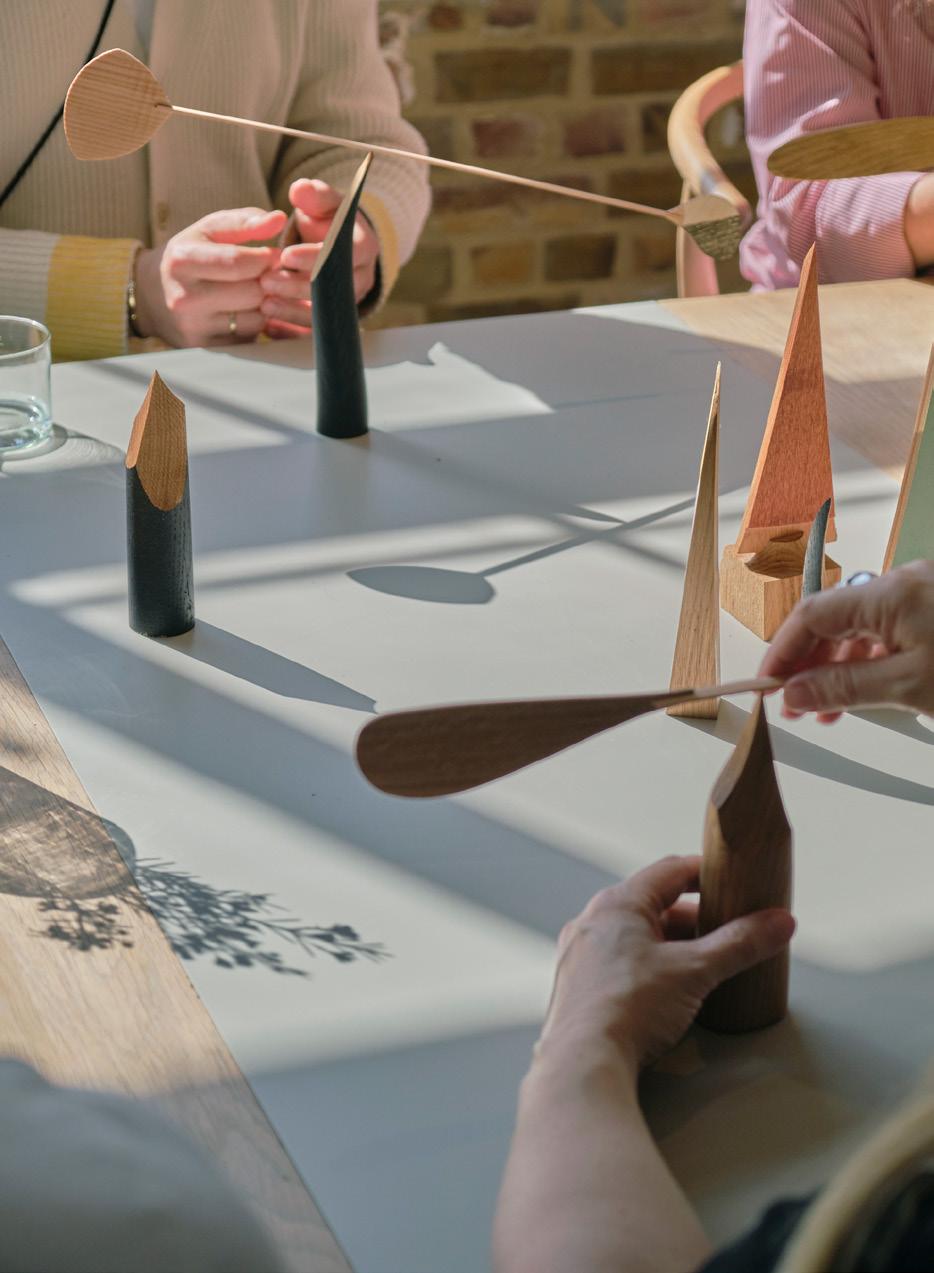
Interpreting the theme of balanced principles from a contemporary perspective, London-based design duo Mentsen presents a series of delicate mobiles made from surplus wood from our factory.
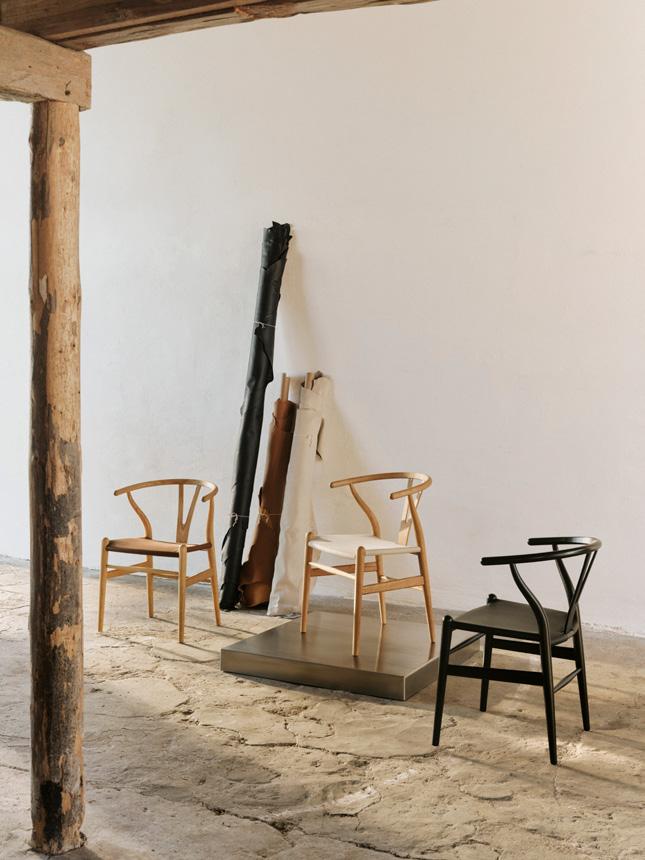
In addition to these reflections, we present the CH280 Sofa and CH086 Coffee Table by Hans J. Wegner, Fabricius and Kastholm’s striking and sculptural FK64 Scimitar Chair, botanical influences in the Begonya Pendant, and a Wishbone Chair with a leather seat.
BALANCED PRINCIPLES
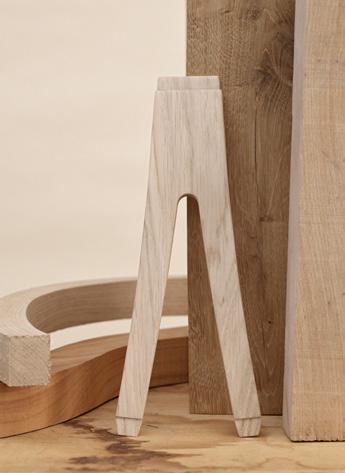
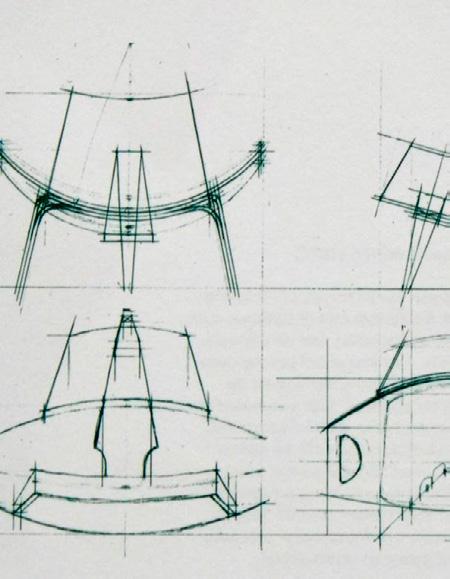
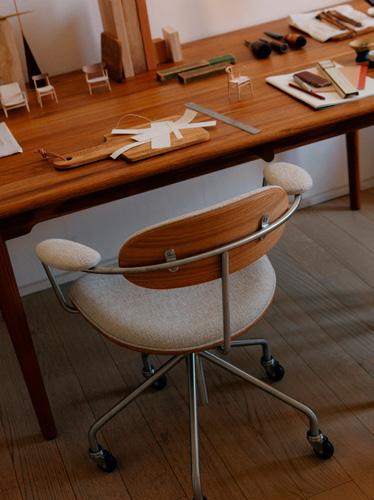
‘Balanced Principles’ explores the synergistic relationship between material, form, and function and how, through a careful process of testing and refinement, aesthetic intention and practical purpose align in a thoughtful, balanced design.
A SCULPTURAL MASTERPIECE
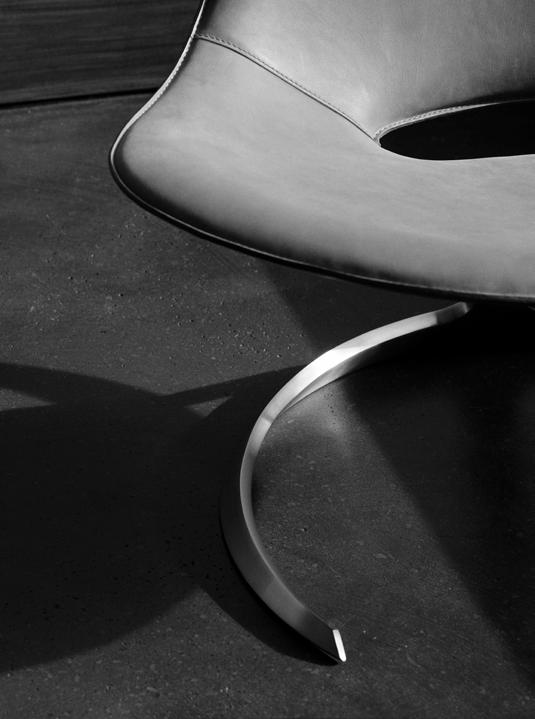
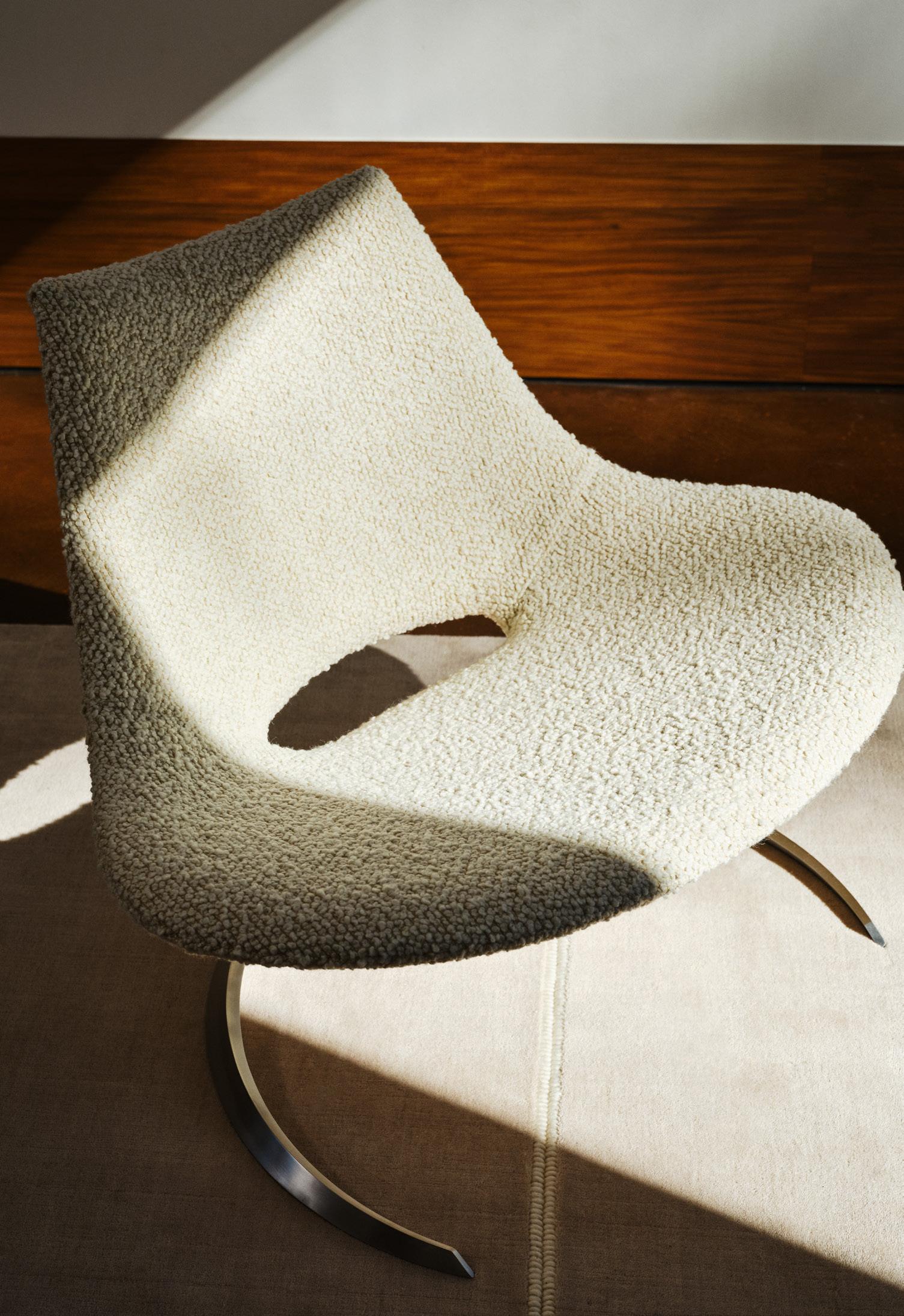
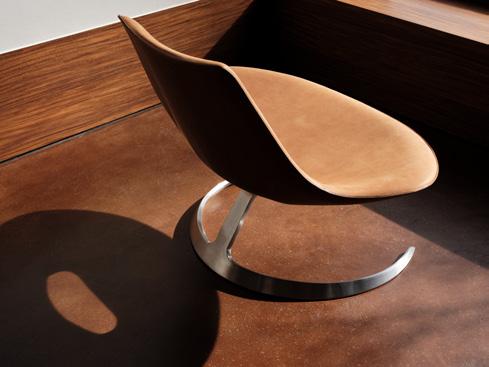
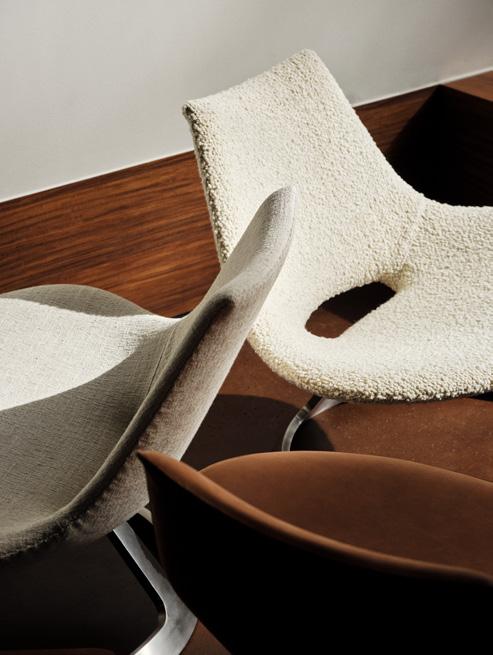
The Carl Hansen & Søn collection of Fabricius and Kastholm furniture expands to include one of their most recognised pieces of design - the FK64 Scimitar Chair. Since its introduction at the Cabinetmakers’ Autumn Exhibition in Copenhagen in 1963, where it was received with great acclaim, the Scimitar Chair has since gained recognition as a shining example of Danish steel modernism.
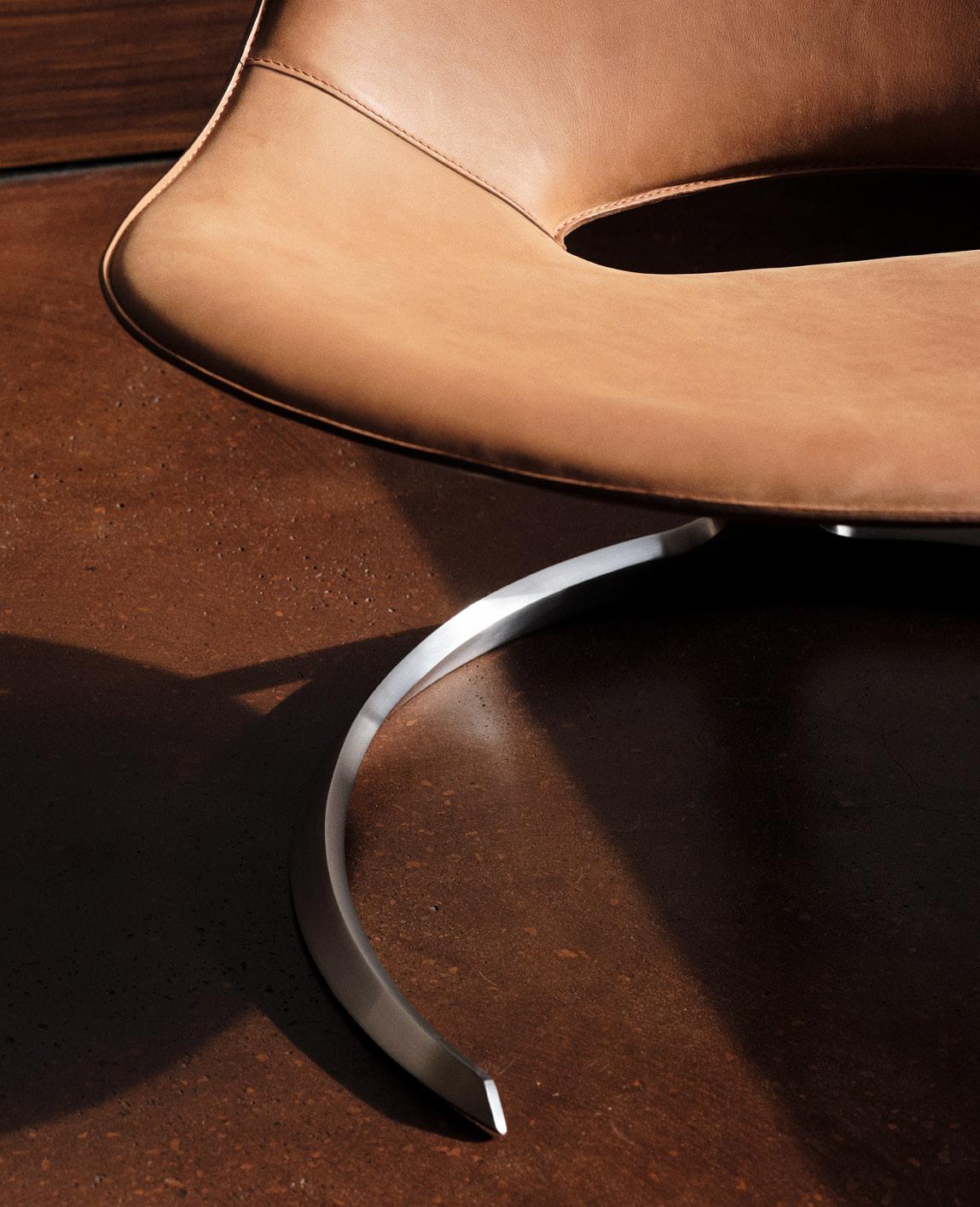
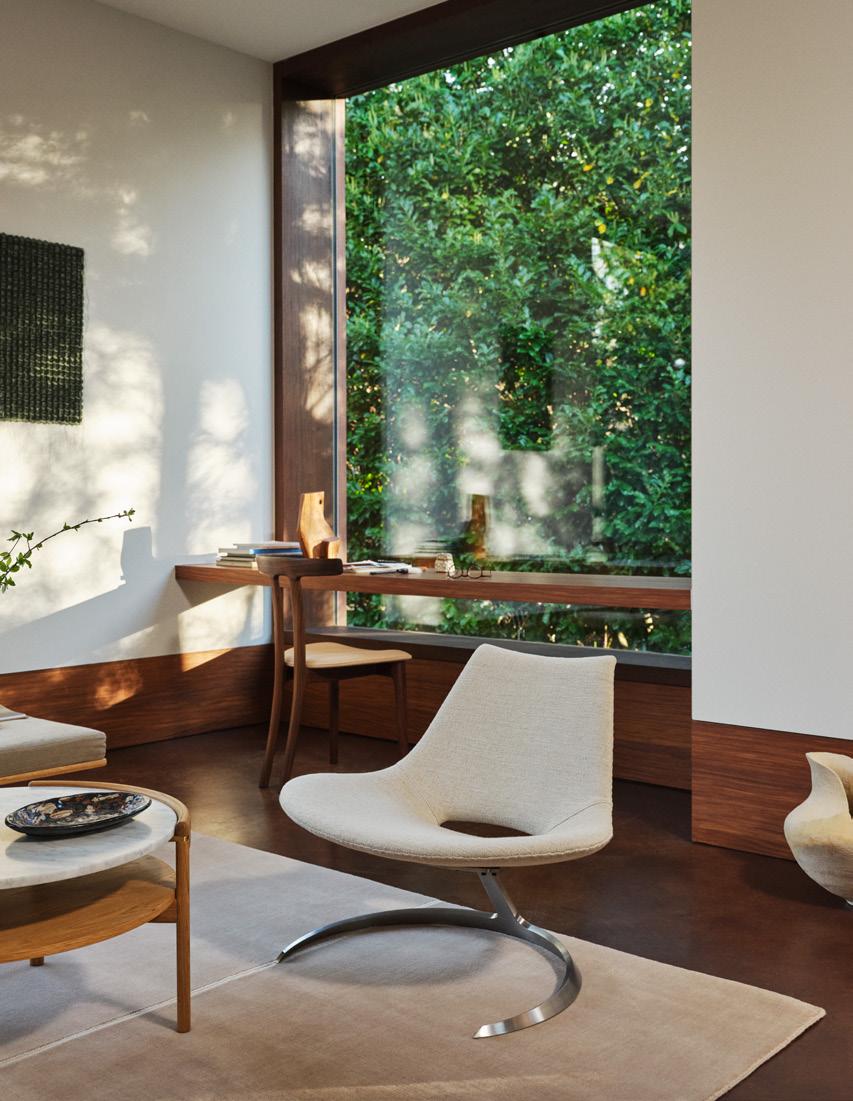
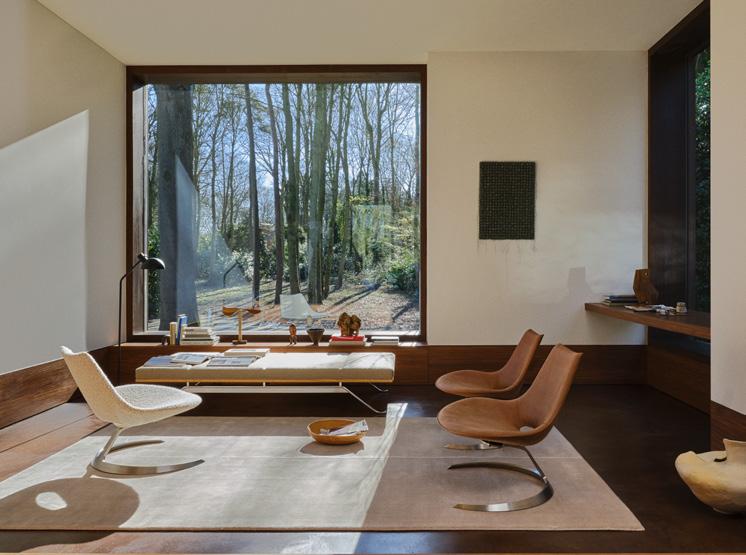
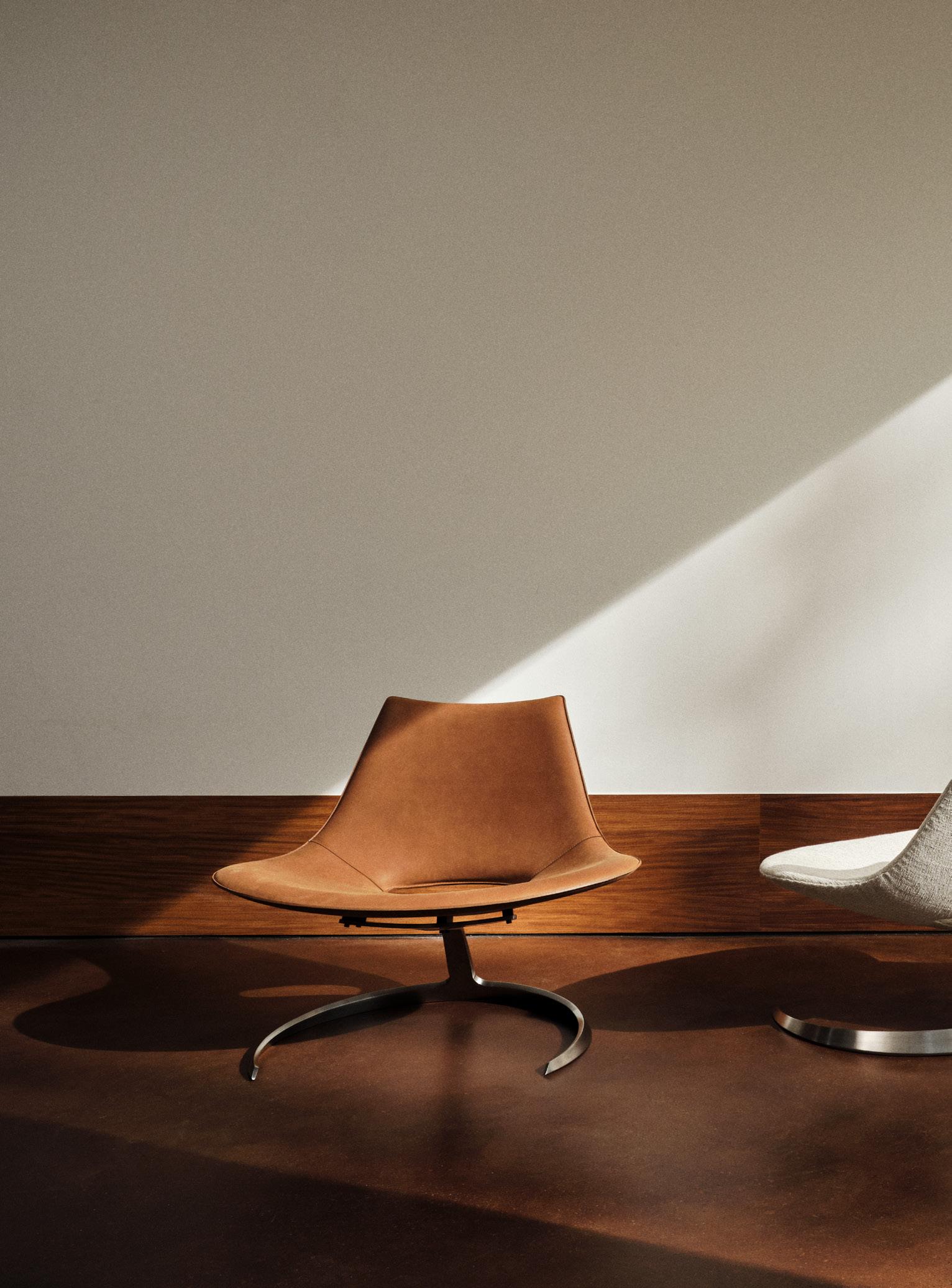
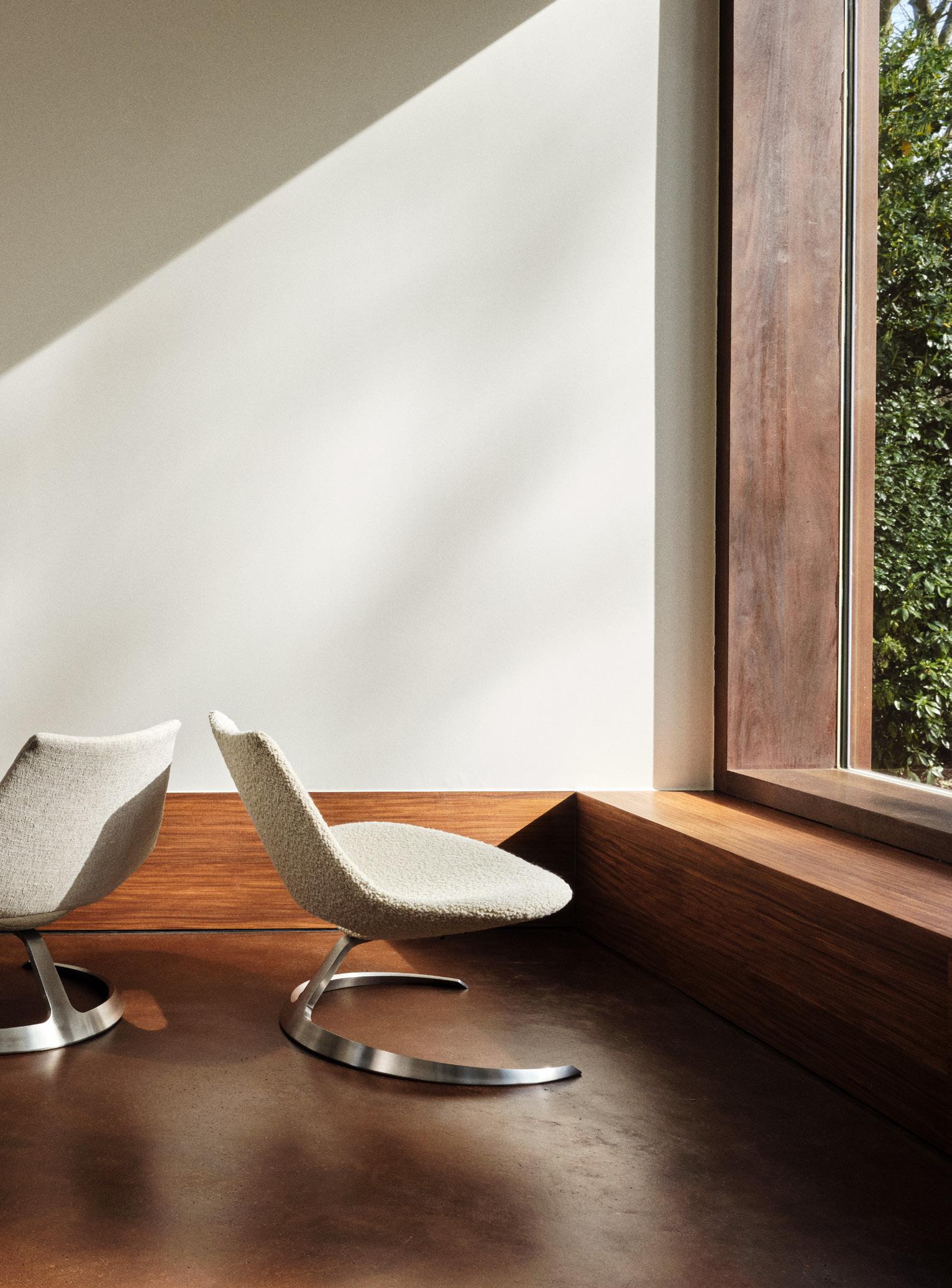
The Scimitar Chair’s streamlined symmetry melds structural strength with visual lightness, which reads as a carefully balanced composition of material, proportion and detail. A hand-upholstered, sculptural seat softens the precise, industrial steel base, appearing almost to float. It is exemplary in demonstrating the duo’s ability to combine technical complexity with clarity of form.
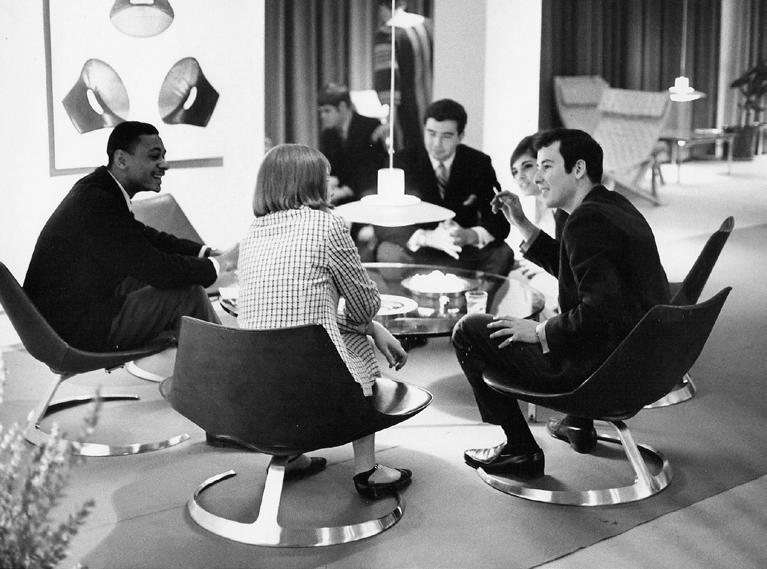
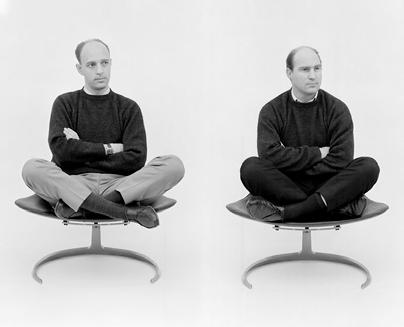
Inspired by his time living and working in Lebanon in the late 1950s, Kastholm observed relaxed, natural ways of sitting cross-legged on rugs. He adapted this position into early sketches for a low-profile lounge chair with a wide seat, to invite a more informal posture. Further development of the seat revealed a sophisticated veneer shell, demonstrating Fabricius’s detail-oriented approach to cabinetry. Capturing its soft, elegant contours demands a highly skilled upholsterer to use precision with every stitch.
A striking stainless-steel arched base becomes the chair’s most distinguishing feature, formed from a complex casting process. The crescent foot mirrors the shape of a Scimitar sword, for which the chair is named, creating an interesting visual tension between the soft curves and cool metal.
Having achieved the status of a celebrated classic that remains highly sought after by collectors, the Scimitar Chair enters a new chapter. Available in original leather and now reimaged for the first time in textile, the chair communicates a legacy of functional minimalism that invites everyday comfort into refined interiors.
Preben Fabricius & Jørgen Kastholm
1931-1984 / 1931-2007
Through their partnership, architects Preben Fabricius and Jørgen Kastholm played a pivotal role in shaping a new expression of Danish Modernism. In contrast to the typical vernacular of the modernist era, which favoured wood, the duo were among the first to pioneer an industrial, sculptural language in steel and leather.
Meeting at the Danish School of Interior Design in Copenhagen in the mid 1950s, Fabricius and Kastholm were driven by a passion for functional, minimalist design that celebrated honest materials.
Their partnership would thrive through a balance of shared perspectives that developed from their respective skills. Fabricius qualified as a cabinetmaker under master joiner Niels Vodder, and Kastholm trained as a blacksmith through his father’s company. Studying under luminary designers Finn Juhl and Arne Jacobsen, they later founded their studio in 1961.
THE GEOMETRY OF NATURE
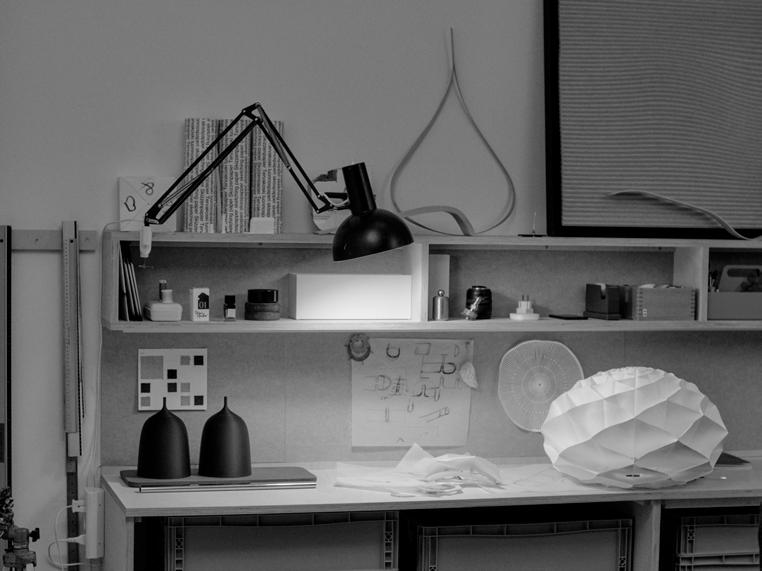
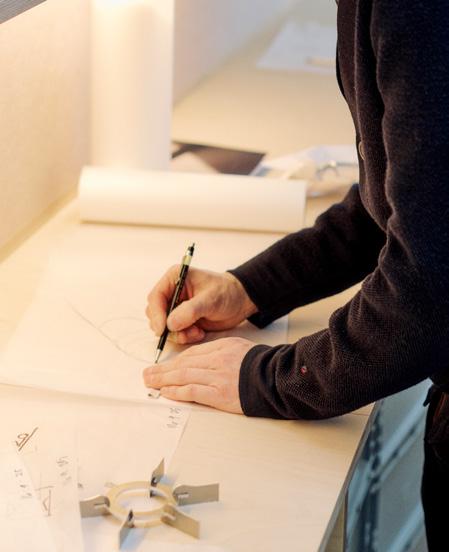
Copenhagen-based designer Øivind Slaatto’s working process is highly experimental and hands-on, guided by an intuitive practice in which ideas form through play and exploration. Within this practice, he fully forms an understanding of how a design wants to exist, using prototyping as an essential tool, before analytical reflection and rigorous testing step in to challenge and refine his ideas.
Establishing his own studio in 2011, Øivind Slaatto is known for his poetic, yet logical approach to lighting design, exploring how light behaves when shaped by material and geometry. He is instinctively drawn to the structures and rhythms in nature, directing the technical clarity of his work towards a harmonious sensory experience.
Studying music at the Royal Danish Academy of Music only further enhances his understanding of atmosphere, and, despite changing his discipline to design, it remains a fundamental layer in his process. This rhythmic and compositional way of working is rooted in repetition and refinement, and is what Slaatto refers to as “the art of practice”.
Øivind Slaatto’s first collaboration with Carl Hansen & Søn came about in a moment of pure serendipity - “I was made aware that they were looking into lighting. We arranged a meeting, and I showed them a lamp I had already been developing for some time. It turned out to be exactly what they were looking for, so in many ways it was a fortunate coincidence.”
In conversation with Øivind Slaatto
— Designer and founder of ØIVIND SLAATTO STUDIO
Slaatto is guided by an intuitive practice where prototyping plays an essential role
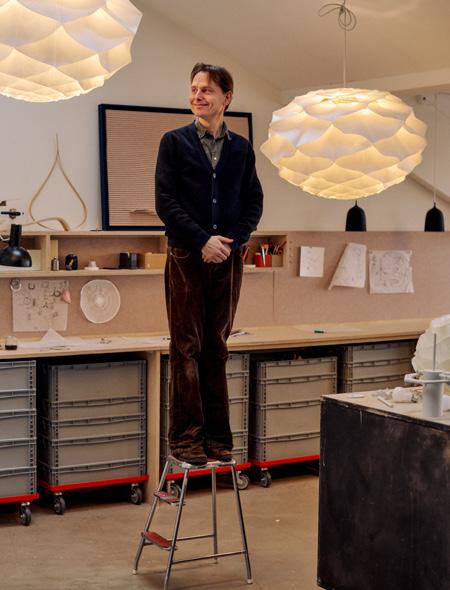
Designer Øivind Slaatto in his studio
“I do not feel that I invented the Begonya Pendant. Nature made it. I simply observed something and translated it into a lamp.”
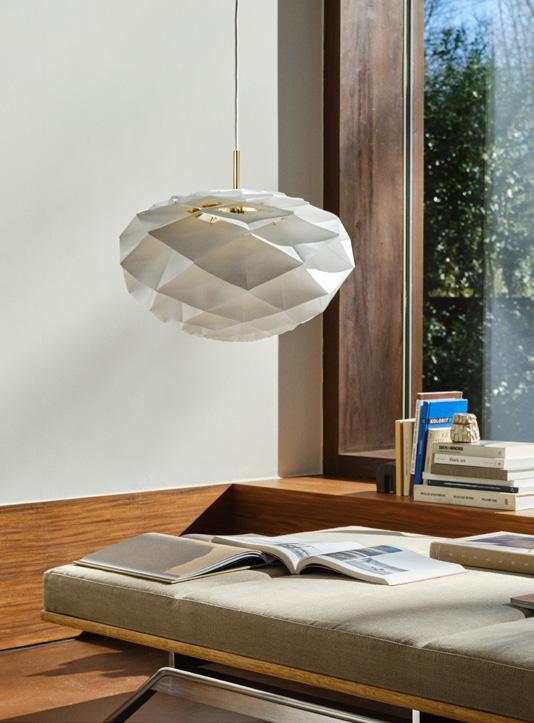
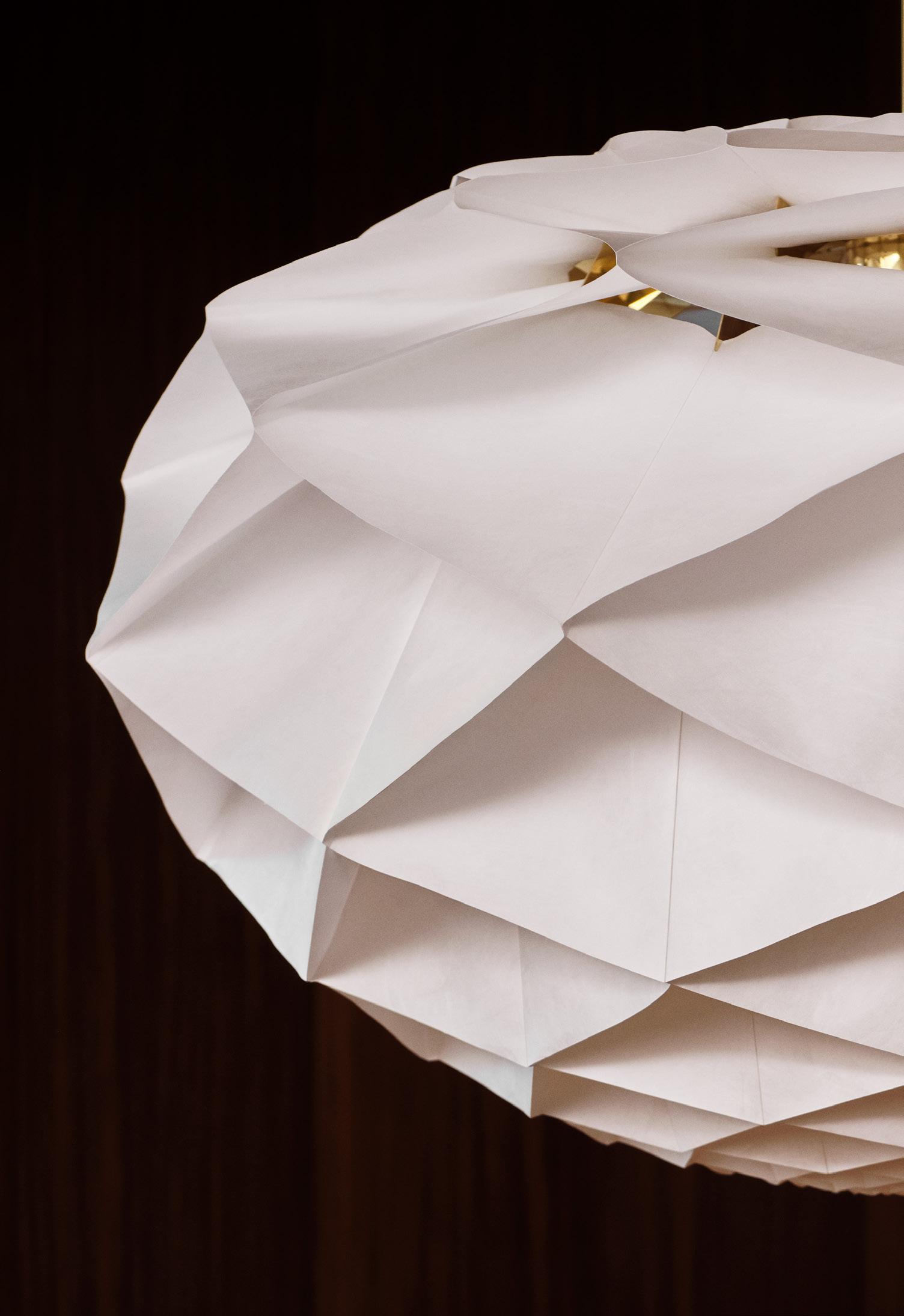
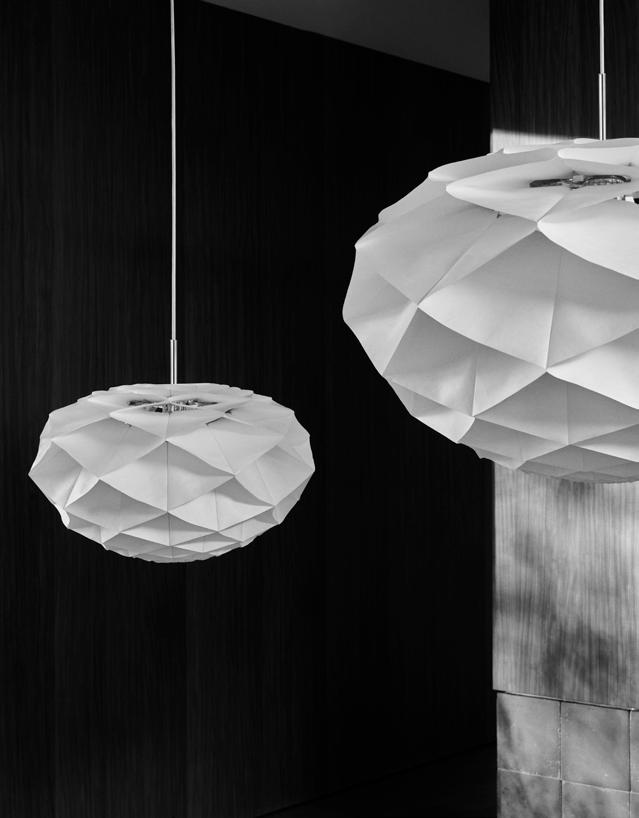
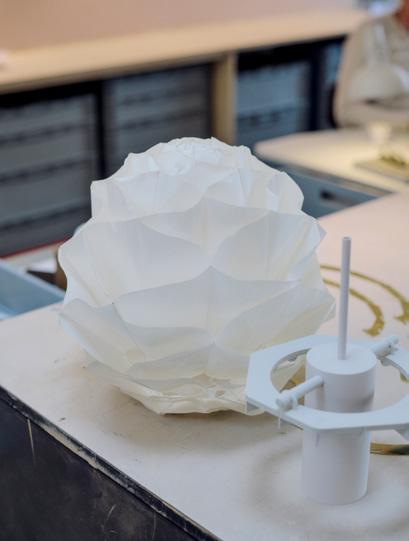
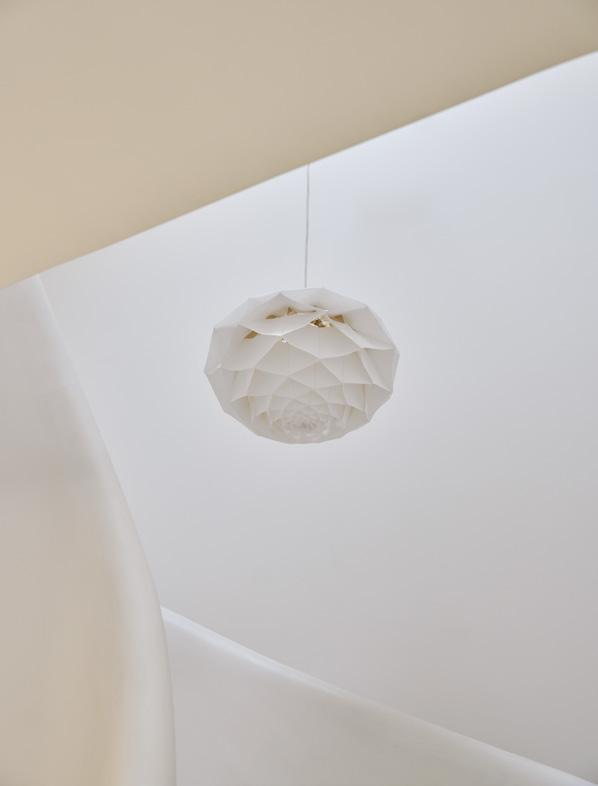
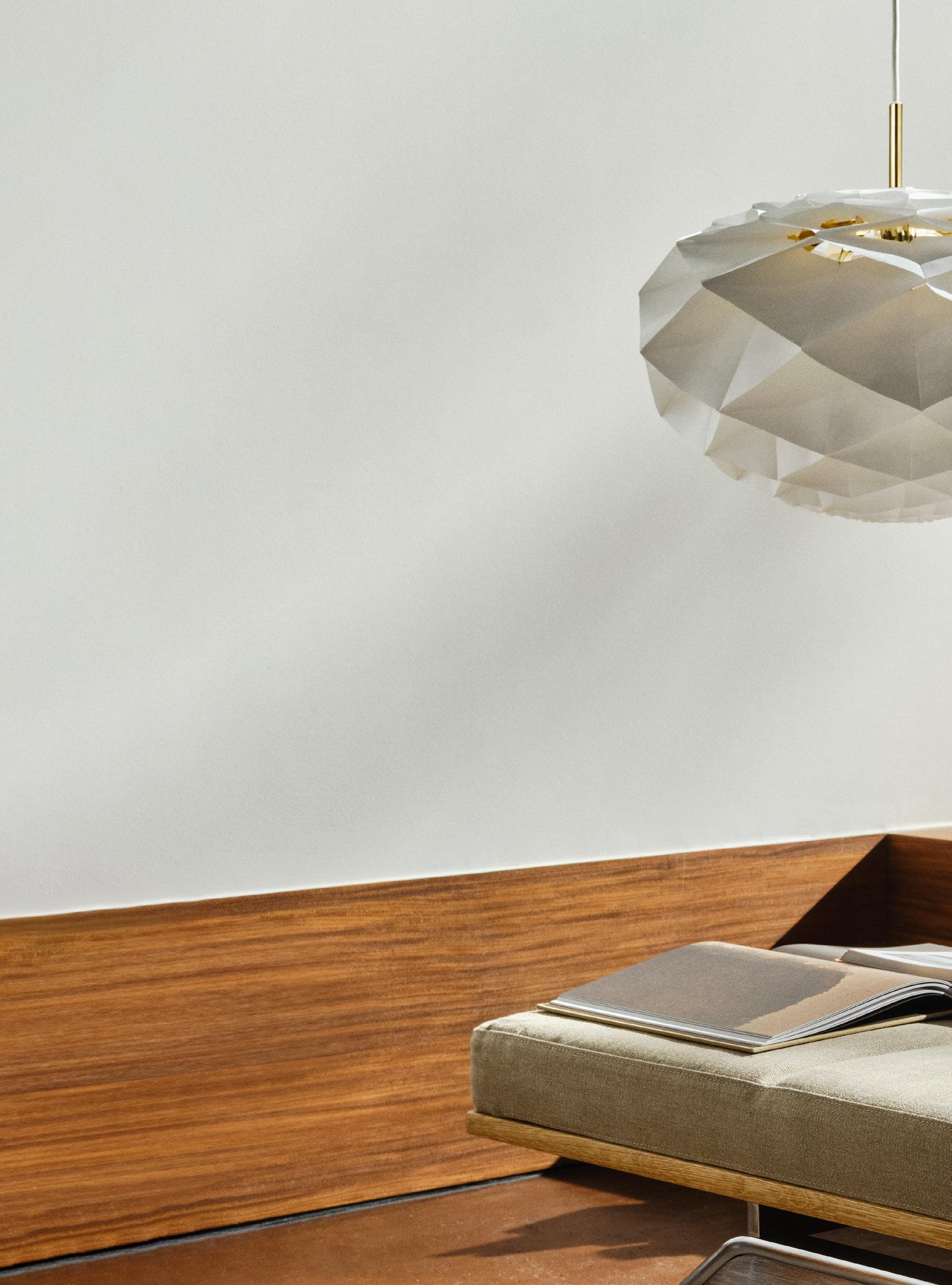
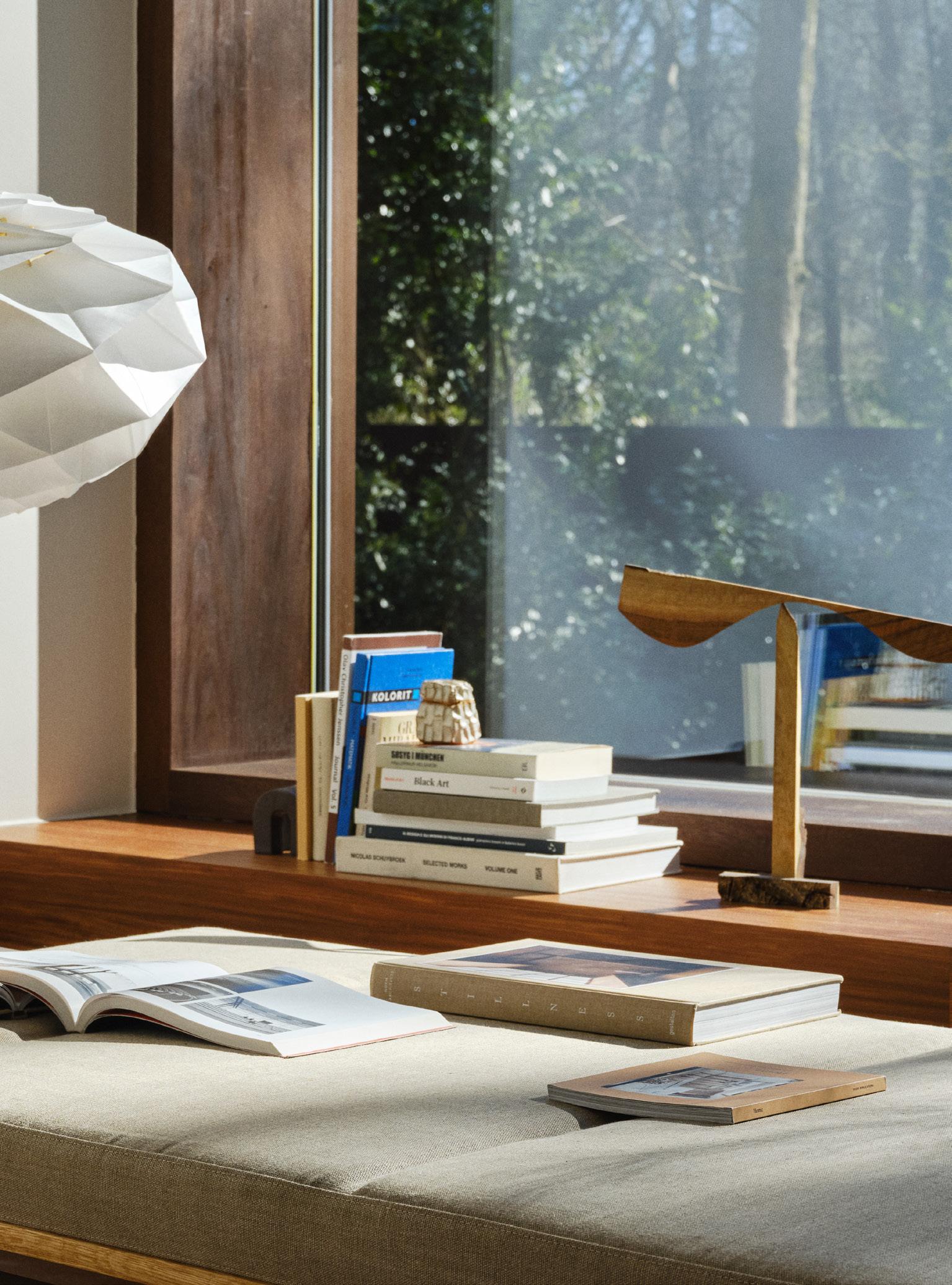
Referencing its namesake, the begonia flower, the OS111 Begonya Pendant exudes an almost ethereal quality, defined by a delicate diffusion of light that emphasises a slightly unpredictable, geometric structure. Slaatto was inspired by the process flowers use to harvest light from the sun, although the lamp, in fact, does the opposite. “It emits light rather than collecting it. In that sense, it is almost like an inverted flower. It looks floral because it is built on some of the same principles found in nature.”
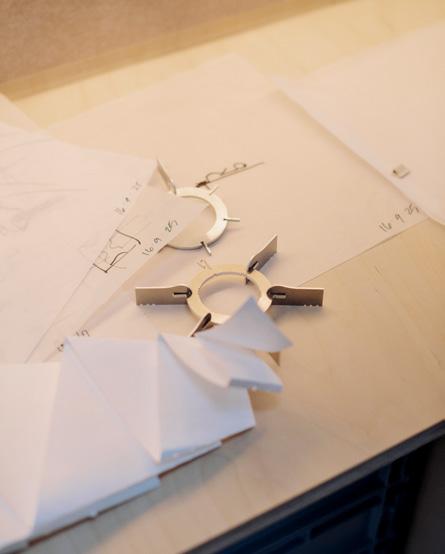
To translate these organic principles into a physical object, the design utilises a balance of structural rigour with a delicate tactility. Slaatto’s logical approach informs his choice of simple materials and honest construction. A central skeleton provides structure, carefully designed to be assembled and disassembled without the need for screws or glue. A translucent, nonwoven material with a fiber-like appearance acts as a dress around the frame, defined by interconnected cells that lend the design a distinctive botanical silhouette. This thoughtful construction is best felt in the light it produces; Begonya’s gossamer shade acts as a quiet filter, muting harsh contrast and emitting a soft and settled glow. It is a design of deliberate fluidity, allowing some light to reflect and pass through while directing some downwards. It offers a sensory experience that feels mellow and grounding.
Slaatto prefers not to take all the credit for his design and sees his role as something more like a conduit between nature and the finished product: “When I look at nature, I see fractals, patterns, and structures that are shaped by forces far greater than us — rotation, gravity, time, growth, light. These are the same principles that make natural forms so resonant to us. So in a way, I do not feel that I invented the Begonya Pendant. Nature made it. I simply observed something and translated it into a lamp.”
By observing this collaboration with nature, Slaatto has achieved a harmonious balance between the synthetic and the organic. The Begonya Pendant invites the quiet complexity of the natural world into modern interiors, serving as a reminder that the most resonant designs are not always invented, but discovered.
A central skeleton provides structure, designed to be assembled and disassembled without the need of screws or glue
VISIONS OF
Beyond his status as one of the most revered designers of the 20th Century, Hans J. Wegner left behind an essential blueprint for modern design that future generations can learn from. In conversation with Anne Blond, director of the new Museum Wegner, we explore how Wegner’s design principles transcend his iconic furniture and why they continue to influence contemporary audiences today.
HANS J. WEGNER
CARL HANSEN & SØN
In conversation with Anne Blond
— Museum Director of Museum Wegner
While Hans J. Wegner was devoted to the traditions of Danish craftsmanship, his thoughts embraced a broader cultural perspective, shaped by his early years as a student. He learned to translate influences from historic North American and Asian furniture into a global design language that had a distinctly Nordic identity. “There are resemblances to other cultures in his chairs,” says Blond, “but he developed them further and made them more Nordic, more Wegner in their simplicity.”
His practice of continuous purification prioritised ergonomics and simple functionality over superficial details. By using classic archetypes as a foundation, he would explore how traditional forms could be improved through a modern lens. It is this international mindset - balancing familiar cultural and historical references with a tactile, modern expression – that gives his furniture universal appeal today.
“Wegner really loved the marshland. We have this sense of going on a journey and arriving in the middle of silence and great nature. I think Wegner would have appreciated that very much.”
Dedicating much of his career to wood and its characteristics, Wegner achieved a balance of form that feels timeless by nature. “In the Nordic countries, we have a special relationship with wood and a deep connection to its warmth,” Blond notes. “Wegner designed with the local aspect in mind; he always produced his furniture in Denmark, and preferably from Nordic wood. He understood how it behaved and could tell if a join would last or not.” His meticulous cabinetry skills weave tradition and longevity through every piece of furniture. Growing more beautiful with age, his designs are built to last a lifetime, passed through generations as reliable and elegant heirlooms. Ultimately, his work addresses a fundamental human need for authenticity and an honest connection to the objects we touch every day.
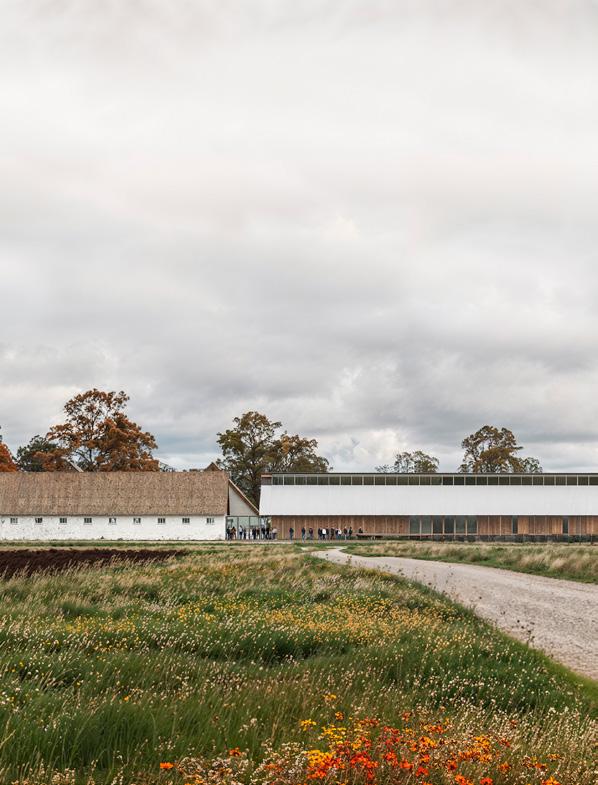
In 1941, a young Wegner set up his watercolours to capture a bucolic 15th-century farmhouse, nestled in the windswept marshlands just outside his hometown of Tønder. Some 80 years later, almost as if it was destined, Hestholm Farm is now home to the new Wegner Museum.
“I didn’t know about the painting before we bought the farm; it was as if he’d said to me, ‘I knew of this place, go ahead. This is a good place for my museum.” says Blond.
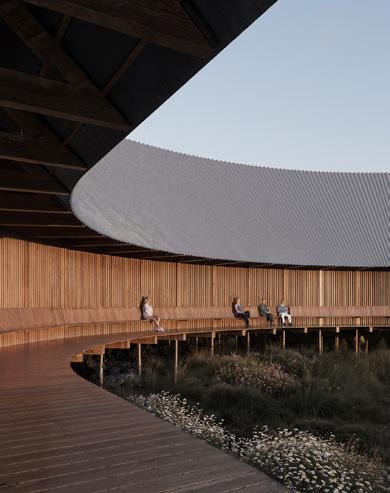
This homecoming is more than a full-circle moment; it is a poetic manifestation of the principles that define Wegner’s work. His relationship to the landscape and uncompromising commitment to honest materials can be experienced here as an antidote to our fast-paced culture. “Wegner really loved the marshland,” Blond explains. “We have this sense of going on a journey and arriving in the middle of silence and great nature. I think Wegner would have appreciated that very much.”
Hestholm Farm in the Tønder marshlands – where the historic farmhouse meets the contemporary wing by Cobe Architects
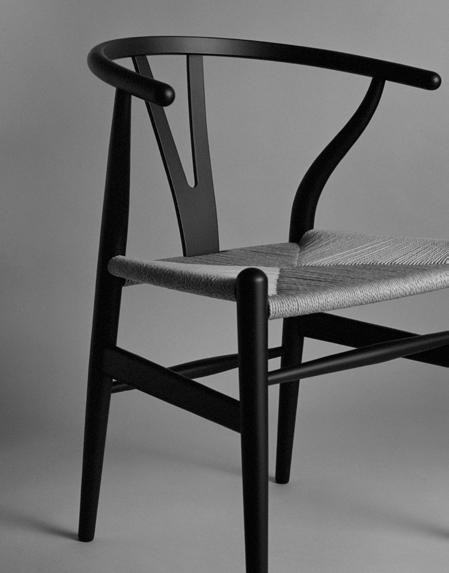
The iconic Wishbone Chair is inspired by the thrones of emperors from the Ming dynasty
“His meticulous cabinetry skills weave tradition and longevity through every piece of furniture.”
The museum aims to inspire visitors through Wegner’s playful approach to experimentation. “We want to show how his furniture can inspire in other ways, not just how to work in wood. For example, he was not afraid of colour. He was not afraid to experiment and fail. It’s important for Danish society right now that we preserve the knowledge of craftsmanship so that we don’t forget tradition. It’s also really important for our mental health to have a way to tune out of daily life while doing something with our hands. So in that sense, he can really teach us something.”
“He was not afraid of colour. He was not afraid to experiment and fail.”
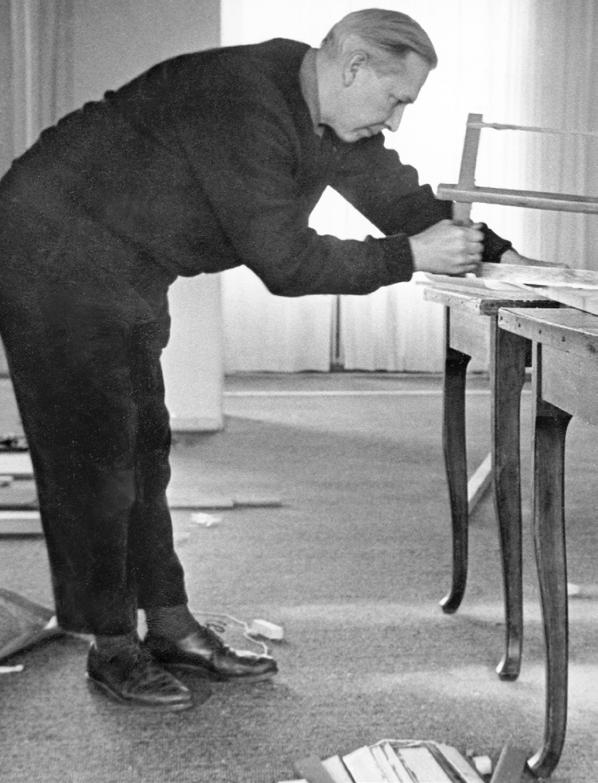
Hans J. Wegner at work, experimenting with shapes and materials
“The building’s tectonics and material composition are guided by the idea of creating an honest architecture in wood, where joints and structures are exposed, and the architectural expression is reduced to its essence.”
— Cobe Architects
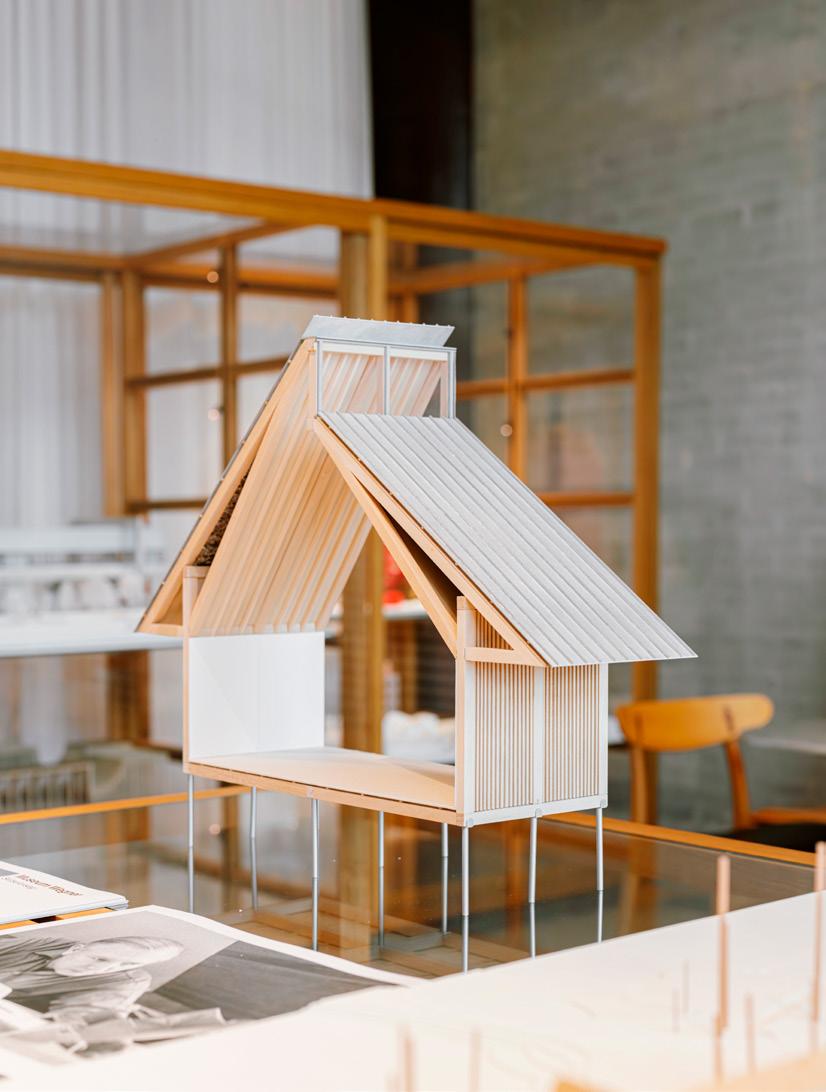
Alongside the completed farmhouse restoration, the Copenhagen-based architecture studio Cobe has designed a contemporary wing. Currently awaiting funding to begin this second phase of construction, the new buildings will fully embody Wegner’s principles, demonstrating his use of sustainability, material honesty and structural simplicity.
“Just as Wegner intended his furniture to be appreciated from all angles, the Museum is designed to be experienced as a complete entity –without a defined front or back. In line with his approach to the construction of his chairs, the building’s tectonics and material composition are guided by the idea of creating an honest architecture in wood, where joints and structures are exposed, and the architectural expression is reduced to its essence.” - Cobe Architects.
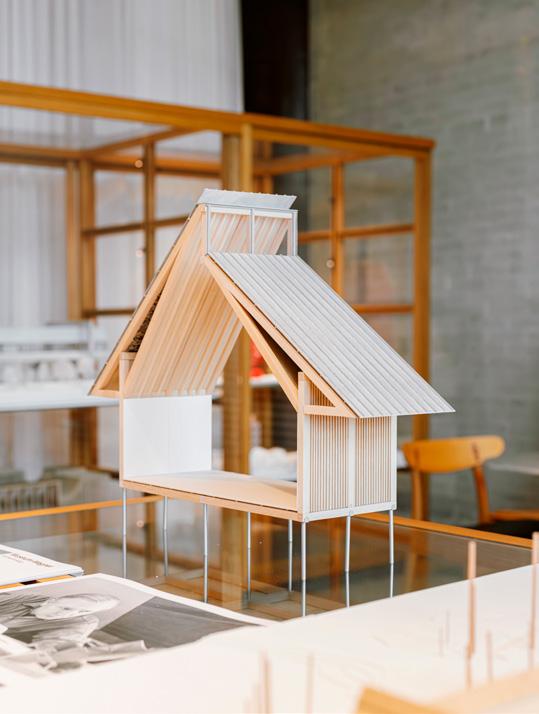
Constructed on stilts to hover above the marshland, the new structures will unite the agricultural heritage of the local landscape with Wegner’s functional, sculptural expression. Sloped roofs pay homage to the traditional farmhouse, featuring exposed gabled ceilings that echo Wegner’s commitment to craftsmanship and intentional structural details.
Through this fully immersive spatial experience of the Wegner universe, visitors will not only gain a sense of Denmark’s rich design past but also find inspiration and drive to preserve and nurture its future.
A sectional model of the contemporary wing, built on stilts to hover above the marshlands
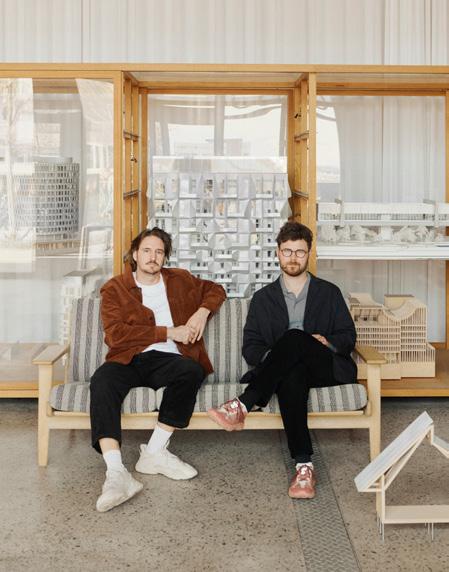
Mark Aron Thomsen and Alexander Ejsing, respectively Project Manager and Creative Lead for the contemporary wing of Museum Wegner
MODULARITY FOR LIFE
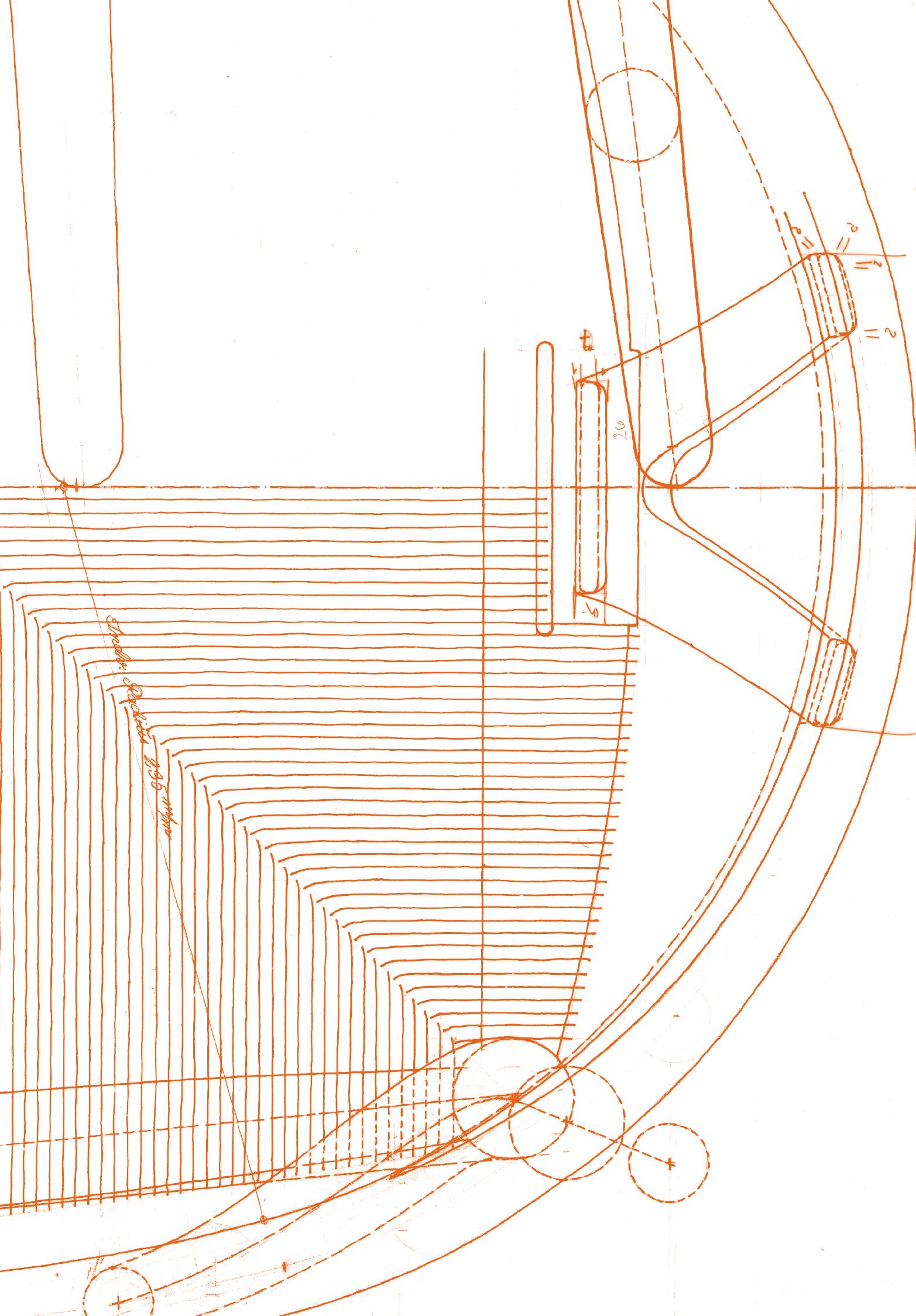
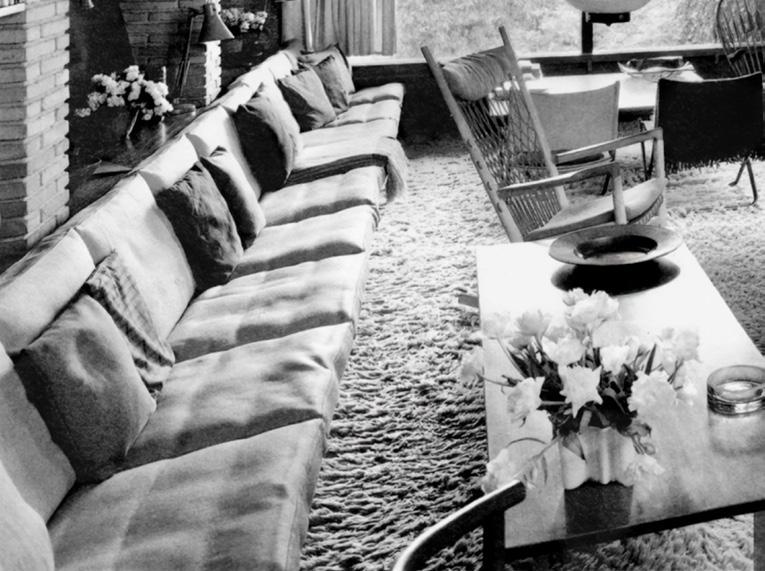
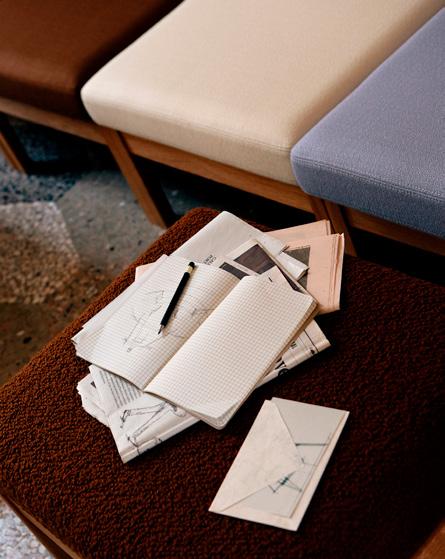
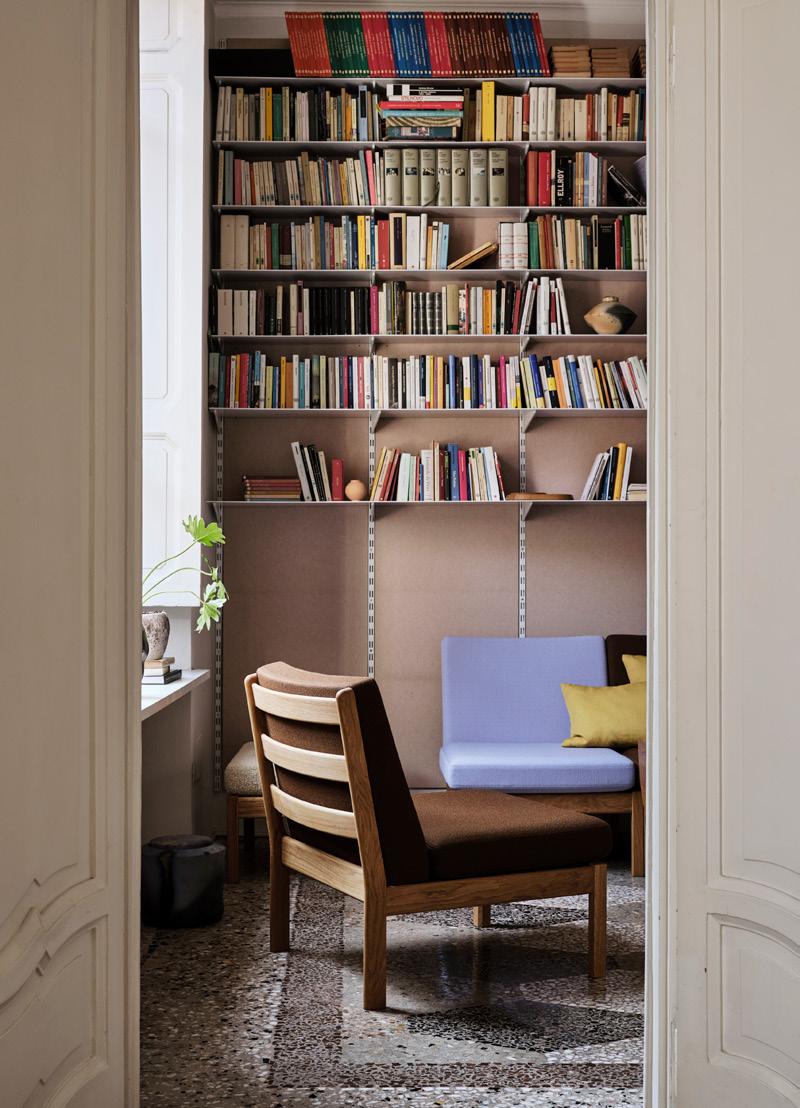
With the CH280 Sofa and CH086 Coffee Table, Carl Hansen & Søn revisits a quieter chapter in Hans J. Wegner’s later career - one that speaks not to icon-making, but to refinement. Designed in 1980, both pieces emerge from a moment when Wegner’s philosophy was fully formed, allowing craftsmanship, comfort, and adaptability to take precedence over formal statement.
CARL
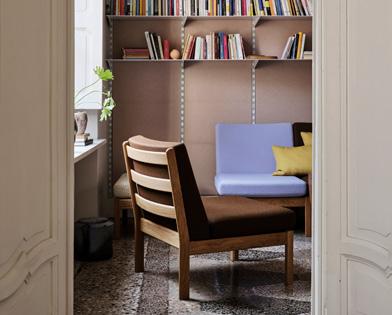
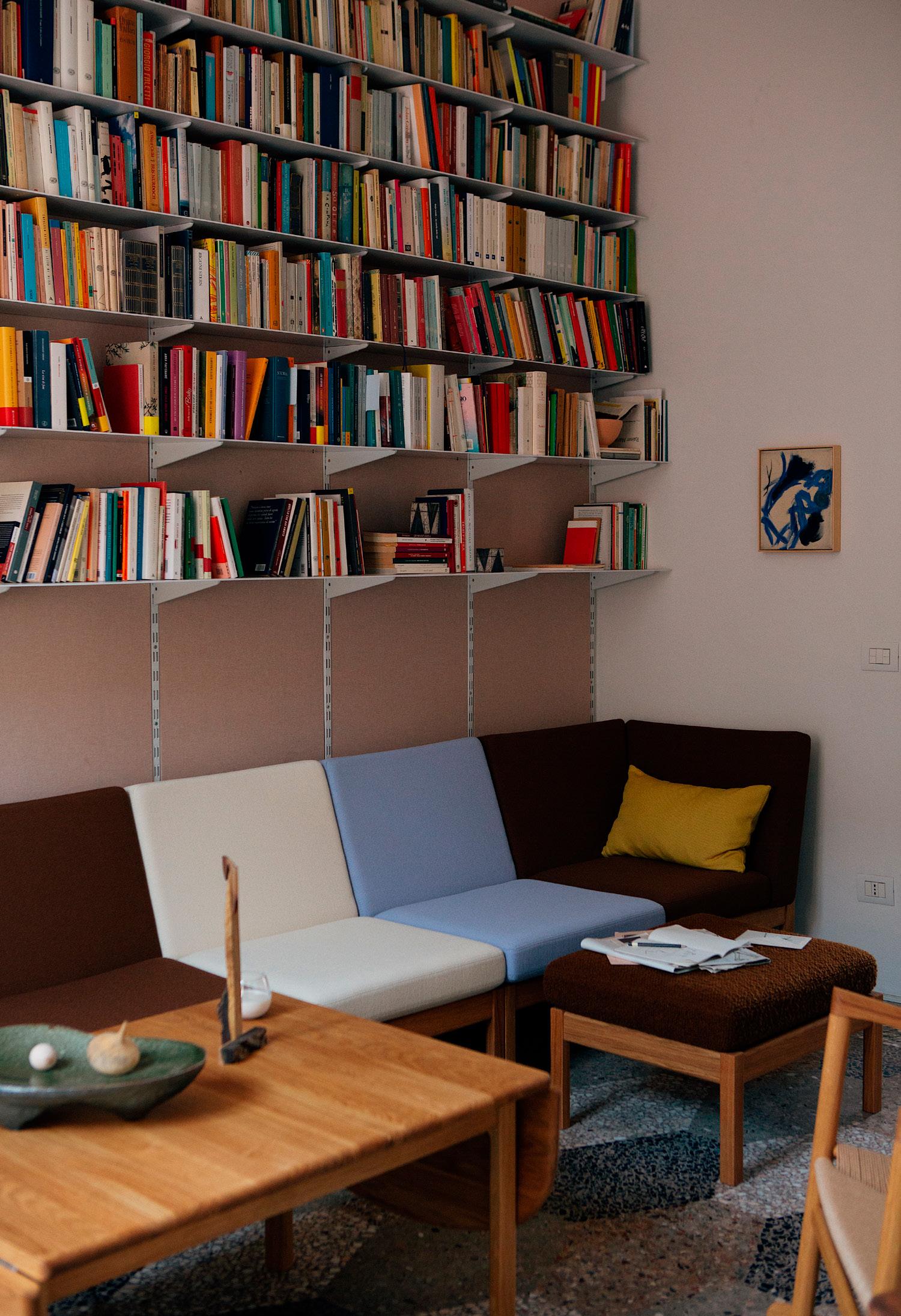
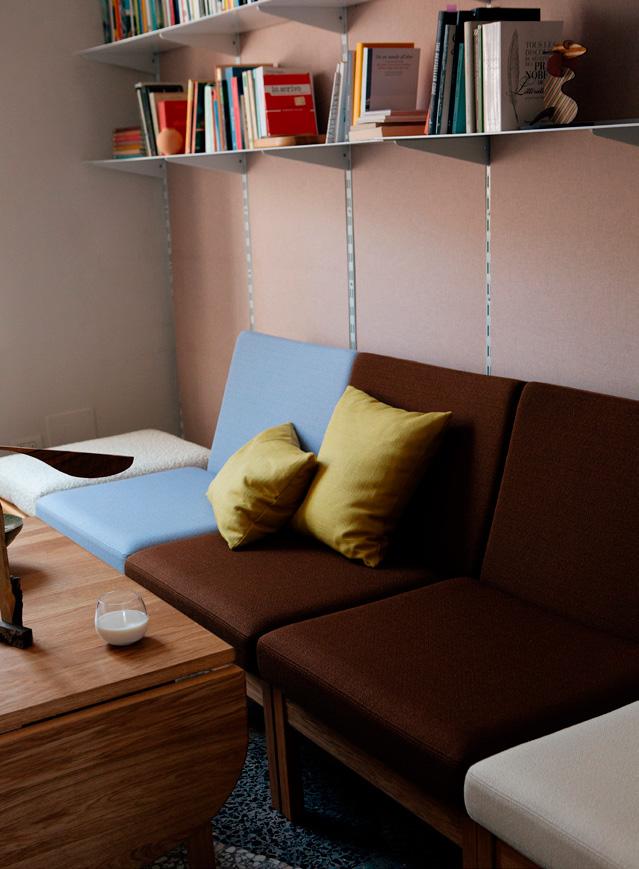
The CH280 Sofa embodies Wegner’s belief that furniture should serve the evolving needs of real life. Its modularity allows users to shape the sofa around their space - whether intimate, open, or multifunctional. An exposed, slatted oak frame gives the sofa a sense of lightness, while the low seat and gently reclined backrest encourage an informal, relaxed posture suited for conversation and everyday living.
While its expression is unmistakably Wegner with its clean lines, balanced proportions, and superb craftsmanship, the flexibility speaks directly to today’s homes, where adaptability is essential. Rather than prescribing a fixed arrangement, the sofa accommodates change, echoing Wegner’s longheld conviction that good design must remain relevant through use.
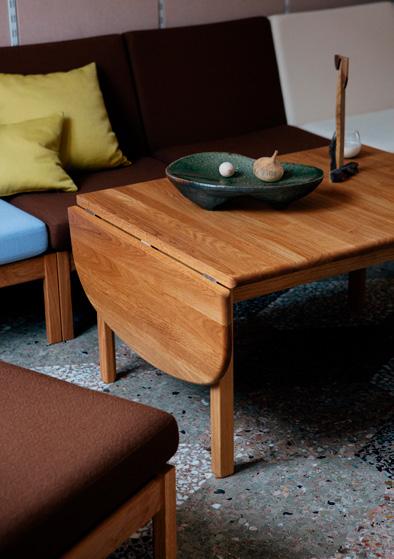
This sensibility continues in the CH086 Coffee Table, a flexible design that balances geometric precision with softly rounded edges. Discreet extension leaves allow the table to expand when needed, lending it a quiet versatility without disrupting its visual calm.
Together, the CH280 Sofa and CH086 Coffee Table encapsulate Wegner’s belief that good design should serve without demanding attention. They are pieces shaped by use, by material honesty, and by an acute understanding of how people occupy space - values that remain as relevant today as when they were first conceived.
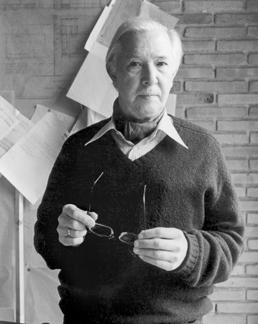
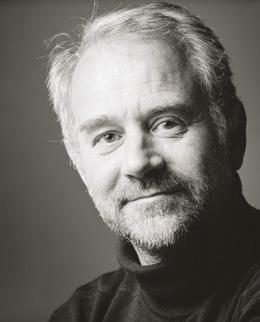
Hans J. Wegner
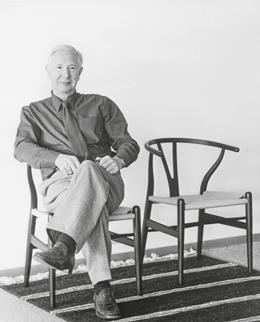
Danish designer Hans J. Wegner is considered one of the leading furniture designers of the 20th century. He was a driving force in the Danish Modern movement, which helped change how people viewed furniture in the 1950s and 1960s. Wegner created almost 500 chairs, many of which have achieved iconic status. He described design as an organic process, in which he started with the function and focused on refining and simplifying, to reduce the chair to its simplest possible form.
Wegner is renowned for his precision, great insight into craftsmanship and uncompromising approach to design. This resulted in perfect joints, exquisite shapes, a constant curiosity about materials and a deep respect for the nature and inherent potential of wood. His furniture designs exhibit an intuitive connection between minimalist expression and an organic and inviting form that appeals to the senses.
Material motionFinding balance in imperfection
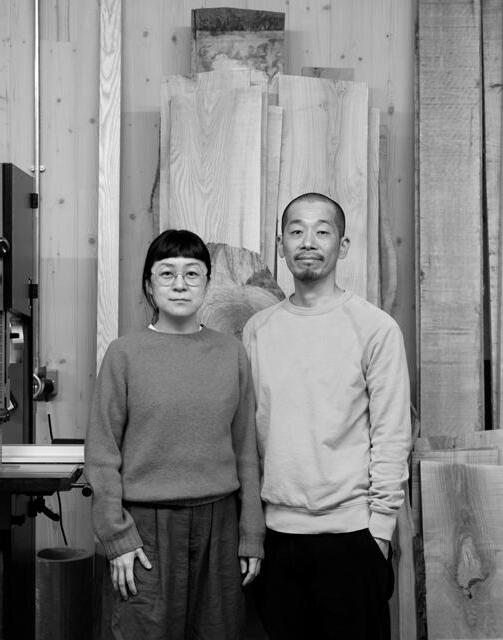
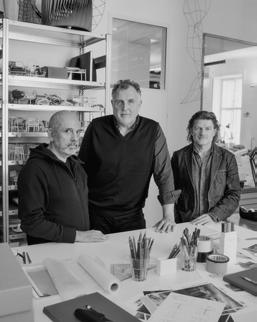
Founded by designers Yasuyuki Sakurai and Risa Sano, London-based practice Mentsen occupies the space between craft and industrial design. Their name, which translates as ‘lines and surfaces’ in Japanese, aptly captures the nature of their collaborative process and connects their individual disciplines of graphic and industrial design through projects across different mediums.
Production remnants balanced into small, sculptural kinetic mobiles
“The unique characteristics in the wrong context become desirable, you want to accentuate the texture, the knots and colour streaks.”
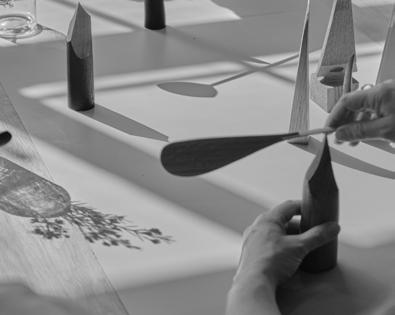
What started as a way to use leftover materials from their workshop has turned into an exploration of balance and form. In their series of kinetic mobiles made from off-cuts from their small wood workshop, Mentsen seeks to highlight the individual characteristics of wood, transforming something unsuitable for the uniformity of furniture into art objects, celebrated for their unique attributes.
Commissioned to construct a large-scale mobile from remnants from the Carl Hansen & Søn factory in Denmark, Risa describes how entirely new structures emerge from familiar, iconic shapes. “When you receive the pieces, you’re reacting to what’s there - it’s intuitive and playful. It’s a fun exercise to work within the constraints of using recognisable features rather than just any bits of chopped timber, pieces people can identify and say, ‘this is from the chair I’m sitting on’. It’s more interesting when people can connect to the shapes of the product.”
In comparison to a precise brief, the variations in the wood dictate the expression of each mobile; there is a dialogue between the wood and the process of making that presents the opportunity for unexpected outcomes. “The imperfections are very interesting”, says Yasu. “In a way, it’s almost like a reaction to designing furniture in that the unique characteristics in the wrong context become desirable, you want to accentuate the texture, the knots and colour streaks.”
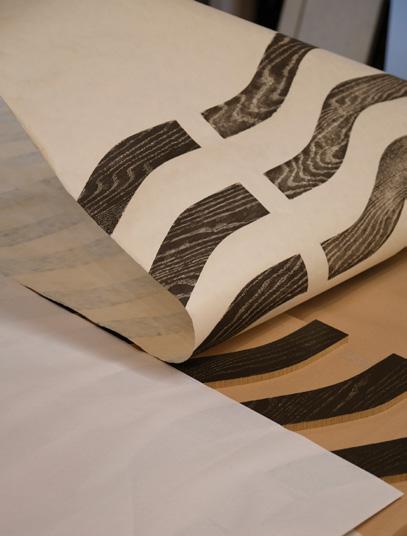
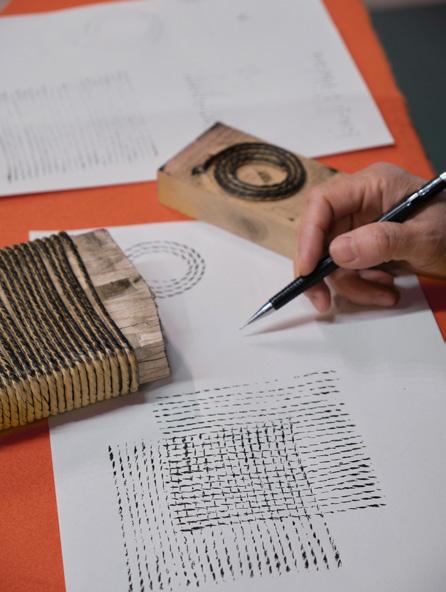
Beyond their mobiles, Mentsen extend their material curiosity to the printed page. In transforming off-cuts into stamps and decorative prints, they redefine surplus materials as a raw medium for artistic expression, demonstrating that even the most modest remnants possess beauty and value.
Designers Risa Sano and Yasuyuki Sakurai in their London studio
Creative exploration of prints using paper cord
NOVELTIES
Discover some of this year’s new additions to the Carl Hansen & Søn collection of timeless design pieces
Hans J. Wegner
CH24P Wishbone Chair
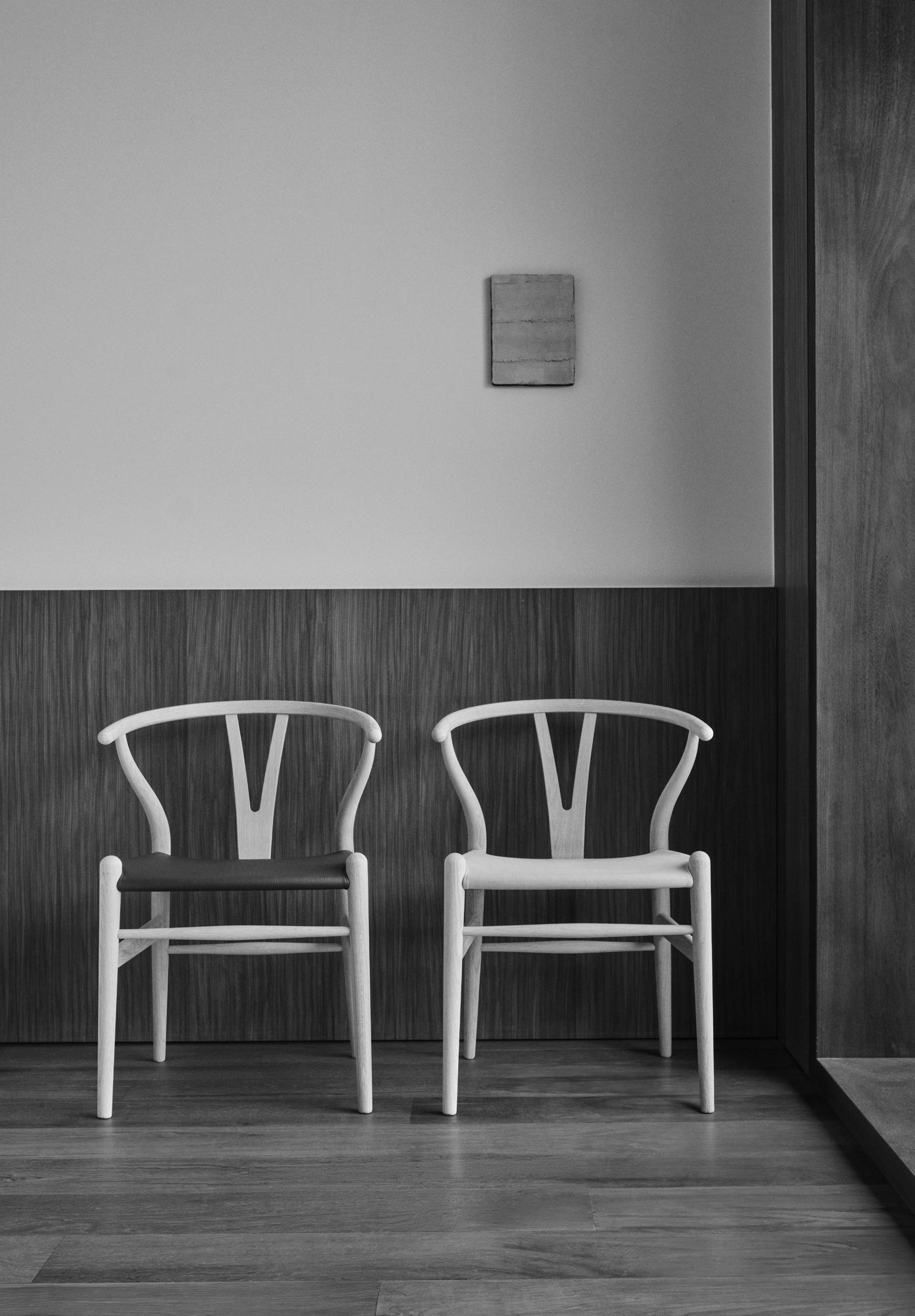
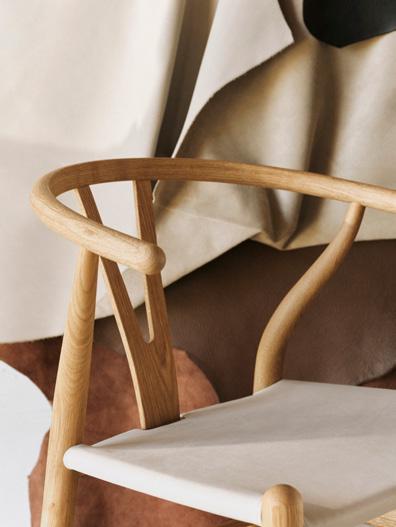
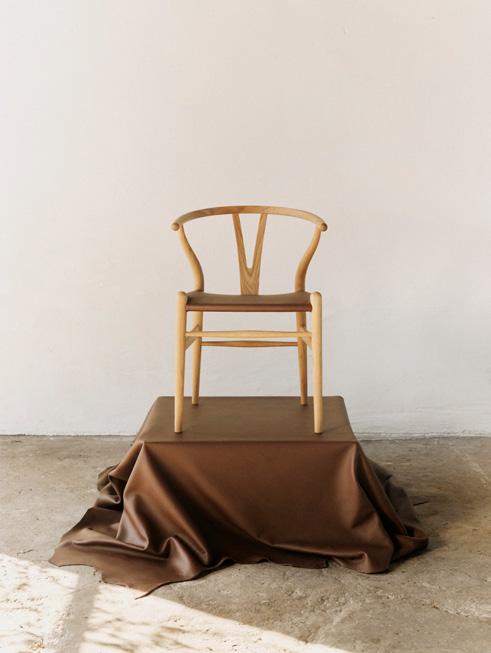
First introduced in 1950, the Wishbone Chair stands as one of the most recognisable icons of modern Danish design. Now reimagined with a refined leather seat, the chair offers a new interpretation of Hans J. Wegner’s celebrated chair while remaining faithful to its enduring shape.
The soft leather enhances comfort and introduces subtle visual depth, lending a quieter sense of weight and warmth. Intentionally restrained, the new variant respects Wegner’s original vision of lightness, balance and tactility, complementing the chair’s refined silhouette.
Known for his uncompromising approach to function, Wegner believed that materials should serve both purpose and experience. More than seventy years on, the Wishbone Chair continues to demonstrate how timeless design can be thoughtfully reinterpreted through a considered choice of material that deepens its expression while preserving its essence.
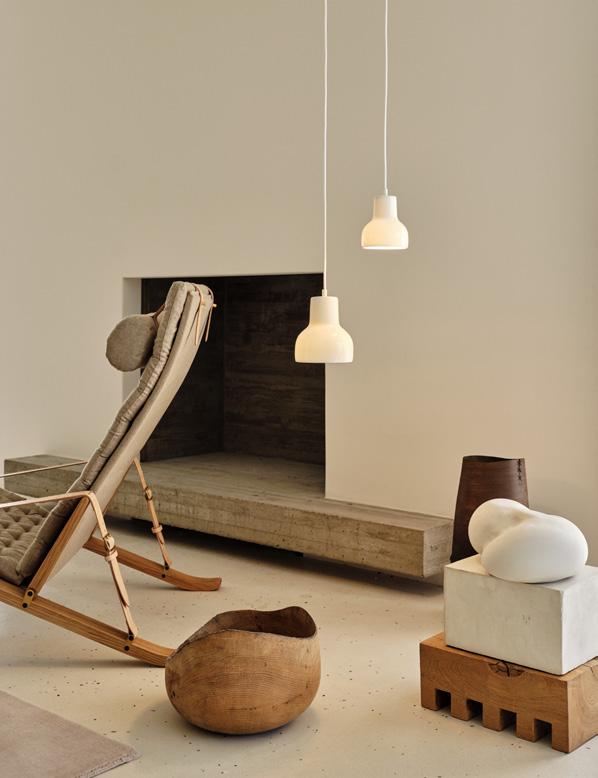
EM82 Porcelight Pendant
Designed by Erik Magnussen in 1982, the Porcelight Pendant reflects his pared-down, material-driven approach to form. Crafted in white glazed bone china, the pendant appears pure and understated when unlit, yet transforms into a warm, golden presence the moment it is switched on. Available in two sizes, it hangs with quiet elegance — equally striking as a single piece or arranged in atmospheric clusters.
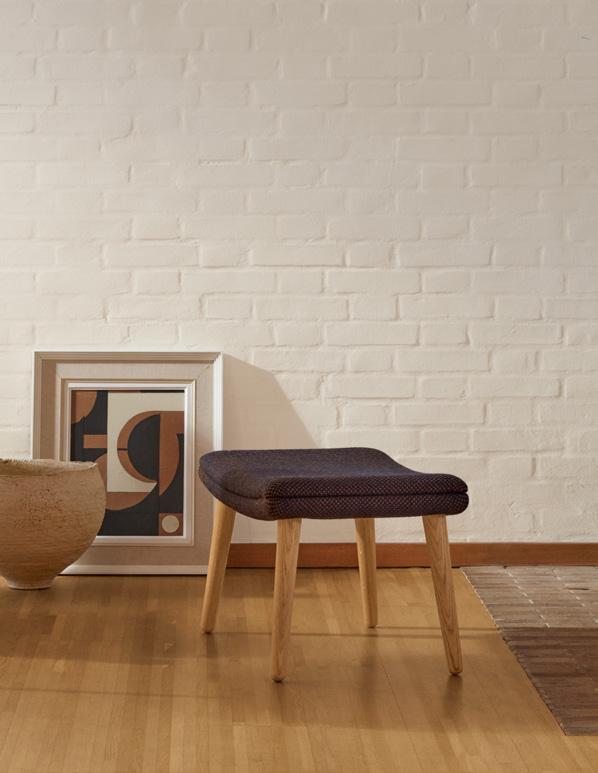
ND550F Footstool
The ND550F Footstool champions understated versatility with a softly curved, modern silhouette. Designed by Nanna and Jørgen Ditzel in 1955, meticulous hand upholstery demonstrates their innovative approach to design, utilising fabrics to accentuate organic shapes and encourage the freedom of movement in the modern home.
Returned to its original interpretation, the footstool’s low profile and gently slanted legs, available in solid walnut or oak, are complemented by fabric or leather upholstery applied to both the top and bottom of the seat. This gives the ND550F a polished look, lending it easy versatility for use with other lounge furniture or as a stand-alone piece.
Erik Magnussen
Nanna Ditzel & Jørgen Ditzel
Embrace Outdoor Lounge Series
Designed by EOOS, the new additions to the Embrace Outdoor Lounge Series present a seamless transition of indoor comfort to the outdoors.
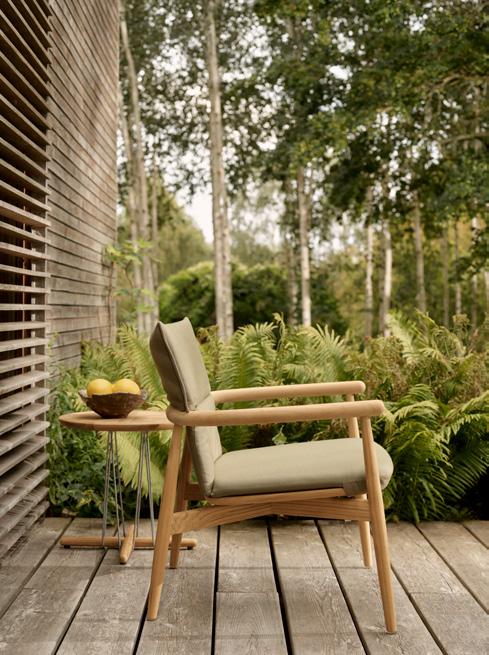
Crafted from untreated FSC™-certified teak, the E018 Embrace Outdoor Lounge Chair extends the series’ design language with a more relaxed expression. Its hand-finished frame, gently angled back legs, and wide seat and backrest invite an easy, reclined posture. A weather-resistant cushion in three nature-inspired colours enhances comfort. The chair can be stacked in groups of four for effortless storage.
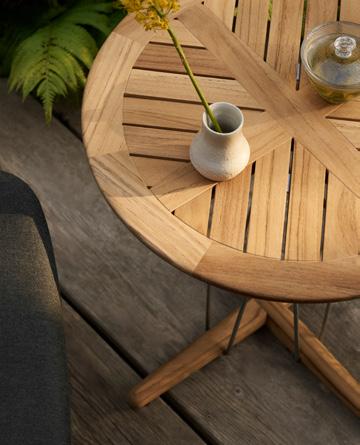
The E023 Embrace Outdoor Lounge Table references the dynamic, floating expression of the existing tables of the Embrace Series. Crafted in FSC™-certified untreated teak that develops a beautiful, silver-grey patina as it ages, the tabletop consists of meticulously cut pieces, mounted into a daisy formation. An elegant steel frame gives it a lightness of form, grounded by a solid wood base.
EOOS
Carl Hansen & Søn Flagship Stores and Showrooms Find the latest updates on our Flagship Stores on carlhansen.com
EUROPE
Amsterdam Flagship Store
Van Baerlestraat 10-H 1071 AW Amsterdam
The Netherlands
T. +31 20 370 8150 amsterdam@carlhansen.com
Antwerp Flagship Store Schuttershofstraat 43 2000 Antwerp Belgium
T. +32 47 20 58 300 antwerp@carlhansen.com
Barcelona Flagship Store Carrer del Rosselló 222 08008 Barcelona
Spain
T. +34 931 929 845 barcelona@carlhansen.com
Carlsberg Byen Flagship Store Flaskehalsen 2 1799 Copenhagen V Denmark
T. +45 2146 7738 carlsbergbyen@carlhansen.dk
Copenhagen Flagship Store Bredgade 33 1260 Copenhagen K Denmark
T. +45 6447 2360 copenhagen@carlhansen.dk
Gelsted Flagship Store Hylkedamvej 77 5591 Gelsted Denmark
T. +45 2947 7580 gelsted@carlhansen.dk
Hamburg Flagship Store ABC-Straße 10 20345 Hamburg Germany
T. +49 151-25 14 50 05 hamburg@carlhansen.com
Helsinki Flagship Store Erottajankatu 19 00130 Helsinki Finland
T. +358 10 508 2040 helsinki@carlhansen.com
London Flagship Store 48A Pimlico Road, Belgravia London SW1W 8LP
United Kingdom
T. +44 20 7730 8454 london@carlhansen.com
London Showroom
16A Bowling Green Lane
London EC1R 0BD
United Kingdom
T. +44 20 7632 7587 showroomlondon@carlhansen.com
Milan Flagship Store (new address, coming soon)
Milan
Italy
T. +39 89 01 18 37 milan@carlhansen.com
Munich Flagship Store
Residenzstraße 22 80333 Munich
Germany
T. +49 89 32 19 76 64 munich@carlhansen.com
Odense Flagship Store
Flakhaven 1 5000 Odense
Denmark
T. +45 2478 2720 odense@carlhansen.dk
Oslo Flagship Store
Drammensveien 126 0277 Oslo
Norway
T. +47 4682 0322 oslo@carlhansen.com
Paris Flagship Store
53B Quai des Grands Augustins 75006 Paris
France
T. +33 7 68 77 62 77 paris@carlhansen.com
Stockholm Flagship Store Karlavägen 76 114 59 Stockholm
Sweden
T. +46 8 25 50 83 stockholm@carlhansen.com
Toulouse Flagship Store 8 Rue des Arts 31000 Toulouse
France
T. +33 9 73 68 25 05 toulouse@carlhansen.com
ASIA / PACIFIC Tokyo Flagship Store 1F, 3-5-12 Kita Aoyama
Minato-ku
Tokyo 107-0061
Japan
T. +81 3 6455 5522 tokyo@carlhansen.jp
Osaka Flagship Store 1-15-22 Minami-Horie Nishi-ku
Osaka 550-0015
Japan
T. +81 6 6606 9026 osaka@carlhansen.jp
Singapore Flagship Store
28 Ann Siang Rd
Singapore 069708
Singapore
T. +65 8939 2381 singapore@carlhansen.com
NORTH AMERICA New York
Midtown East Flagship Store
145 East 57th Street
New York 10022
United States
T. +1 646 559 0200 midtowneast-newyork@carlhansen.com