

ESG REPORT 2025



LETTER FROM THE CEO
This report marks an important milestone in Carl Hansen & Søn’s sustainability journey, as it is our first full ESG report. In 2025, we strengthened the foundation for long-term, sustainable, and profitable growth.
For over a century, we have focused on producing high-quality designs. We aim to reduce environmental impact by improving product durability, although the actual benefits depend on product lifetime and usage patterns.
In 2025, the acquisition of Getama added important design icons by Hans J. Wegner and Nanna Ditzel, further enriching our collection and strengthening our international position.
While geopolitical tensions and regulatory changes create short-term uncertainty, our commitment to long-term sustainability remains unwavering.
Our mission to bring iconic design to life through uncompromising quality now extends to a broader responsibility—towards our employees, partners, customers, and the environment.
“We believe that creating products that last for generations can support more sustainable living, as longer product lifetimes may reduce the need for replacement over time."
CEO, Knud Erik Hansen
By honouring our heritage and embracing innovation, we aim to ensure timeless design contributes to a more sustainable and equitable future.
AT A GLANCE

713
Denmark: 524 Vietnam: 189
50K
4TH 30K
1 Head Office
Gelsted (DK)
4 Factories
CHS Møbelfabrik, Gelsted (DK)
Getama, Aars (DK)
Okholm Lighting, Tønder (DK)
Studio CHS, Ho Chi Minh City (VN)
22 Flagship Stores and Showrooms
Antwerp (BE)
Amsterdam (NL)
Barcelona (ES)
Bredgade (DK)
Carlsberg Byen (DK)
Gelsted (DK)
Hamburg (DE)
Helsinki (FI)
London (GB)
Milan (IT)
Munich (DE)
6 Warehouses
Ejby (DK)
Gelsted (DK)
Ho Chi Minh City (VN)
8 Offices
Copenhagen (DK)
Getama, Aars (DK)
Ho Chi Minh City (VN)
Hong Kong (CN)
New York Midtown East (US)
New York Soho (US)
Odense (DK)
Osaka (JP)
Oslo (NO)
Paris (FR)
Tokyo (JP)
Toulouse (FR)
Stockholm (SE)
Singapore (SG)
San Francisco (US)
MAP OF ACTIVITIES
New Jersey (US)
Shanghai (CN)
Tokyo (JP)
New York (US)
Okholm Lighting, Tønder (DK)
Seoul (KR)
Tokyo (JP)
ABOUT CARL HANSEN & SØN
Our Heritage
Our story began in 1908, when Danish cabinetmaker Carl Hansen opened a small furniture workshop on the island of Funen. Since then, our success has rested on two core principles: an uncompromising commitment to exceptional craftsmanship and close collaborations with remarkable designers who continue to redefine modern design.
Carl Hansen & Søn’s evolution has been profoundly shaped by our long-standing partnership with one of the greatest designers of all time, Hans J. Wegner.
The partnership began in 1949, when Holger Hansen—Carl Hansen’s son—took a chance on the then little known designer. Wegner went on to create a celebrated furniture series, including the now iconic Wishbone Chair. This collaboration and the many that followed demonstrated what can be achieved when unprecedented design and uncompromising production come together.
In the 1950s, Wegner emerged as a driving force in the international success of the Danish Modern design movement. He has since become Carl Hansen & Søn’s best-known and bestselling designer, his works becoming widely recognized as modern classics and treasured collector’s items around the world – and his legacy remaining an essential part of the company’s DNA.
Carl Hansen & Søn today
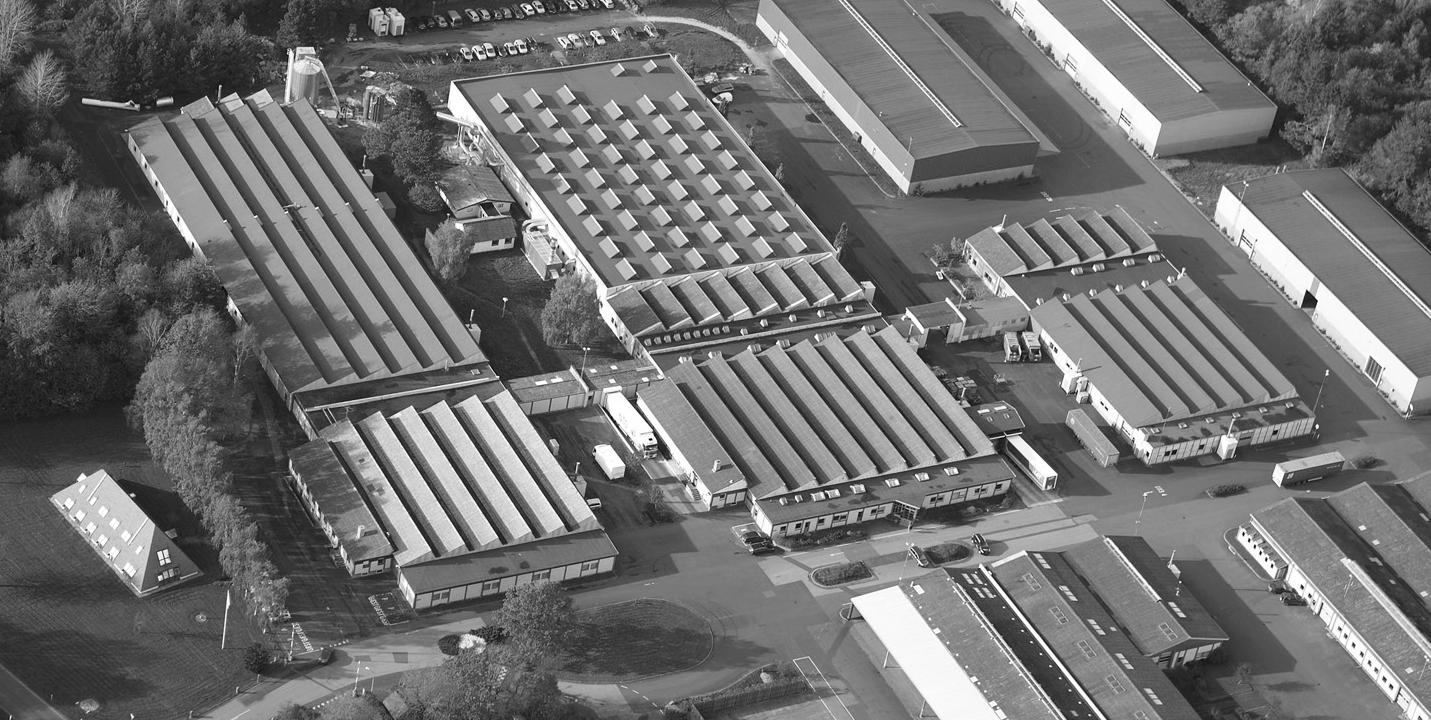
Today, Carl Hansen & Søn continues its close collaboration with the Hans J. Wegner Studio and remains the world’s largest producer of Wegner designs, all crafted in Denmark. Over the past 25 years, we have also acquired ten design companies, bringing renowned pieces by architects such as Kaare Klint, Børge Mogensen, Arne Jacobsen and others into our portfolio. These acquisitions alongside collaborations with contemporary designers such as Rikke Frost, EOOS and Tadao Ando have helped strengthen our brand and support the growth of our 22 flagship stores in major cities worldwide.
Our values are firmly rooted in craftsmanship, high quality materials, and timeless design. For more than a century, we have believed that iconic furniture should be created with respect for people, materials, and the environment. Guided by these principles, Carl Hansen & Søn continues to honour its heritage while shaping a responsible and enduring future for design, for people, and for the planet.

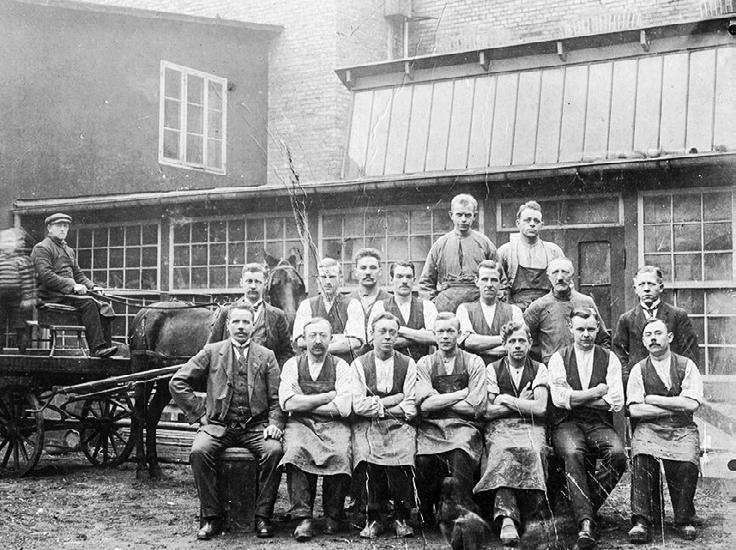
Founded
Acquired Rud Rasmussen Snedkerier
Acquired Tranekær Furniture
Acquired PJ Furniture
2013
Acquired Niels Roths Snedkeri
Acquired Søborg Møbler & Da (Studio CHS)
2023
Acquired Pandul
2024
Acquired Okholm Lighting
2025
Acquired Getama
Acquired AP Møbelpolstring

For more than a century, we have believed that iconic furniture should be created with respect for people, materials, and the environment.
SUSTAINABILITY AT CARL HANSEN & SØN
BOARD OF DIRECTORS
Sustainability Strategy
Carl Hansen & Søn has clear priorities and ambitions for how we will address environmental, social, and governance topics. The strategy provides direction for our efforts and ensures that we focus on the areas where we can create the biggest impact.
ESG STEERING GROUP COMMITTEE
ESG MANAGER
ESG REFERENCE GROUP
Transparency is an important part of our ESG approach. We are committed to clear and reliable reporting that supports accountability and makes it possible to follow our progress both internally and externally.
Our sustainability ambition is reflected in tangible investments and operational decisions, including the deployment of state-of-the-art, energy-efficient production equipment and the setting of production and resource efficiency targets, which are currently under development and not yet fully quantified. These initiatives are central to reducing environmental impact while maintaining the highest standards of craftsmanship.
Carl Hansen & Søn actively contributes to global sustainability efforts through long-term commitments aligned with key United Nations Sustainable Development Goals (SDGs). Our targets form an integral part of this ambition and support a structured, measurable approach to ESG performance across the organisation.
A strong customer focus, combined with a deep understanding of different customer segments, enables us to deliver tailored, sustainable product solutions and transparent ESG communication. We continuously engage with both internal stakeholders and suppliers to challenge existing practices and drive meaningful, measurable improvements across the value chain.
PRESERVE NATURE
Sourcing certified wood and reducing our CO₂ emissions
Our strategy is built on three pillars:
GOOD FOR GENERATIONS
Creating long-lasting products 02 PROMOTE OUR PASSION
Educating our employees and stakeholders
ESG REPORTING METHODOLOGY
This report has been prepared in accordance with the Voluntary SME Standard (VSME), applying both the Basic and Extended Modules to identify, calculate and disclose the Group’s material environmental, social and governance topics. The reporting framework has been applied to support transparency, comparability and consistency across the Group’s ESG disclosures and to establish a structured foundation for future sustainability reporting. All disclosures are presented on a consolidated basis and therefore include the parent company and all subsidiaries within the Group, except for Studio CHS.
The Group currently operates across four locations: Carl Hansen & Søn Møbelfabrik in Gelsted, Okholm Lighting in Tønder, Getama in Aars and Studio CHS in Vietnam. Studio CHS has been part of the Group’s manufacturing setup for the past eight years and plays an important role in supporting the Group’s international production capacity and supply chain operations. Okholm Lighting became part of the Group in 2024, followed by the acquisition of Getama in 2025. As a result of these recent integrations, certain ESG processes, data collection procedures and reporting structures are still being aligned across the newly acquired entities.
The preparation of this report is based on available internal data, operational records, supplier information and management assessments at the time of reporting. Where complete data has not yet been available, estimates and assumptions have been applied using reasonable and documented methodologies. The Group continuously works to strengthen the ESG governance, improve data quality and further develop reporting processes across all business units to support increased transparency and accuracy in future reporting periods.
The report reflects the Group’s current operational activities during the reporting period and should be read as a baseline for the continued development of the Group’s sustainability strategy, targets and ESG reporting practices.
The methodology for Scope 1, 2 and 3 emissions is provided in the appendix at the end of the report.



CLIMATE CHANGE
At Carl Hansen & Søn, we are committed to reducing our emissions and accelerating long-term climate change mitigation, both locally and throughout the entire value chain.
The number of extreme weather events worldwide has increased significantly in recent decades, and we all share a responsibility to address this challenge to avoid long-term harm to people and the planet.
We recognise that climate change poses both physical and transitional risks to our operations, supply chain, and long-
term business resilience. Physical risks include disruptions caused by extreme weather events such as storms, flooding, and temperature fluctuations, which may affect the availability of raw materials as well as logistics and production processes. Such events can lead to increased costs or delays in delivery.
We have identified and quantified the sources of Greenhouse Gas (GHG) emissions within our value chain, and the following sections outline our policies, targets, and actions aimed at reducing these emissions.
How Carl Hansen & Søn mitigates risks
To mitigate risks, Carl Hansen & Søn integrates climate considerations into strategic decision making, focusing on reducing greenhouse gas emissions by:
• Enhancing energy efficiency
• Increasing the use of renewable energy sources
• Working closely with suppliers to ensure responsible forestry and material sourcing
Climate Risk
Transitional risks arise from evolving regulatory requirements, shifting market expectations, and increasing carbon-related costs. As global climate policies tighten, compliance with stricter environmental standards may require additional investment in cleaner technologies, improved energy efficiency and more sustainable materials. Changing customer preferences for low-carbon and responsibly sourced furniture may also intensify competition and increase the need for greater transparency across the value chain.
By proactively managing climate related risks, Carl Hansen & Søn aims to safeguard its heritage of craftsmanship while supporting a resilient, low carbon future.
More than half of the world’s GDP depends moderately or highly on nature and its ecosystem services. At Carl Hansen & Søn, approximately 85% of our total material consumption consists of natural materials such as solid wood, meaning we are directly reliant on nature and biodiversity. We acknowledge that climate change and extreme weather events can significantly affect natural ecosystems and biodiversity, creating potential disruptions in raw material supply—particularly solid wood—due to changes in forestry productivity and ecosystem stability.
New climate related laws and regulations from the EU and other authorities will lead to increased compliance costs that may impact our business both directly and indirectly. We continuously monitor the short- and long-term financial risks associated with implementing and improving operations to meet evolving regulatory requirements and customer expectations linked to GHG emissions.
The climate in Vietnam can also present operational challenges. The rainy season may disrupt daily activities; therefore, Studio CHS has built a sophisticated drainage system to protect the surrounding neighbourhood from flooding during Vietnam’s wet season.
Understanding our product impacts
Our ambition is to achieve significant reductions in the carbon footprint of our products and to gain a deeper understanding of product-related emissions. To support this ambition, we aim to invest in tools intended to help us identify and quantify the environmental impact of our products throughout their entire lifecycle — from raw material extraction and production to transportation, use, and end-of-life handling.
The insights gained are expected to play an important role in guiding targeted improvements to existing products and informing the development of future solutions. By increasing transparency around environmental impacts, we also aspire to support our customers and suppliers in making more sustainable choices that contribute positively to the planet.
Reducing our Climate Impact
In 2025, we achieved significant reductions in heat consumption. This progress is the result of several heat recovery initiatives that utilise waste heat from our production machinery, combined with the introduction of a centralised, intelligent heat control system. As a result, external heating is no longer required during the summer months. Overall, total heat consumption was reduced by 16.2% (temperature corrected: 14.6%) compared to 2024.
We will continue to reduce emissions in our own operations by closely monitoring both heat and electricity consumption. It is essential to us that our climate transition plan is fully integrated into our overall business strategy.

CARL HANSEN & SØN FOREST
One of the three fundamental pillars of our sustainability strategy is Preserve Nature.
At Carl Hansen & Søn, nature has been essential to us for decades. We are committed to taking meaningful action on climate change so that the next generation can enjoy a healthier planet.
In 2022, we purchased 10 hectares (100,000 m²) of farmland surrounding our factory. In 2026, we will convert part of this land back to nature by planting a 4-5 hectare forest.
The forest will consist of around 17,000 trees from local species such as oak, beech, and ash. It will also include meadows and shrub areas to enhance biodiversity. The new forest will be designated a protected forest, securing its protection under the Danish Forest Act in cooperation with the municipality and the Danish Nature Agency.
The forest is expected to contribute to biodiversity. However, the environmental impact has not yet been quantified and will depend on long-term ecosystem development.
The Danish government and key stakeholders in the agricultural and environmental sectors made a historic Agreement on a Green Denmark, which aims to secure more nature, cleaner water, and a sustainable transformation of Danish agriculture.
• 250,000 hectares of new forest – equivalent to the size of Luxembourg
• Conversion of 140,000 hectares of lowland farmland, which emits large amounts of CO₂ when cultivated, into natural areas such as wetlands and meadows
BIODIVERSITY
Biodiversity is of great importance to us. As a manufacturer of solid wood furniture, we rely directly on nature, and our commitment to sourcing FSC certification reduces risks related to deforestation and forestry practices. This approach helps ensure that forests are managed and valued as vibrant ecosystems — rich in biodiversity and resilient to the impacts of climate change. Our practices support elements of the EU Biodiversity Strategy for 2030. However, FSC certification and sourcing policies do not eliminate all biodiversity risks.
Bushes along forest edges and in meadows play a significant role in enhancing biodiversity by creating, connecting, and diversifying habitats. They transform low biodiversity areas into thriving ecosystems that support pollinators, birds, and small mammals. These natural features provide food, shelter, and breeding sites, boosting species richness across both plant and animal life.
WATER
Our water consumption at the factory in Denmark is primarily linked to the manufacturing process. At our factory in Vietnam, however, water use is significantly higher due to the irrigation of green areas and plants around the site. A rainwater collection system has been installed, which will help reduce water withdrawal in the coming years. Water withdrawn at sites located in areas of high water-stress is 0 m3.
ENERGY CONSUMPTION
To reduce our impact from energy consumption, we have focused in recent years on optimising and lowering electricity and heating use at the Carl Hansen & Søn production plant.
In 2023, we made significant investments in reducing electricity and heat consumption following an energy audit conducted by external consultants, who mapped our usage and identified opportunities for improvement. As a result, we have switched to LED lighting with motion sensors. Our overall energy consumption in 2025 remained largely unchanged from 2024, primarily due to a 21.5% increase in charging our electric vehicles during 2025 compared with 2024. We currently operate 13 charging stations for electric vehicles and are considering expanding this number in the coming years.
Carl Hansen & Søn purchases green energy credits, ensuring that 100% of our electricity consumption is matched with renewable energy certificates (market-based accounting). The physical electricity supply reflects the national grid mix. The use of renewable energy certificates does not in itself reduce physical emissions in the energy system.
water withdrawal Carl Hansen & Søn Group
Water withdrawn at sites located in areas of high water-stress

GELSTED DISTRICT HEATING CASE
Carl Hansen & Søn and Gelsted District Heating have established a sector-coupling partnership that uses wood residues from our furniture production for local heat supply.
In 2022, we invested DKK 6.5 million in a briquetting facility that converts sawdust and small offcuts into wood briquettes, which are conveyed directly to Gelsted District Heating next door. In 2025, these briquettes provided more than 15,660 GJ of energy — exceeding our own factory’s heat consumption.
The collaboration also reduces transport requirements by at least 100 truckloads annually. This initiative showcases how cross sector partnerships can advance climate goals and optimise resource use.
In 2025, the briquettes supplied by Carl Hansen & Søn accounted for 36% of the total heat energy produced at Gelsted District Heating.
ENVIRONMENTAL DATA
Purchased Guarantees of Origin from Danish Wind Turbines and Solar Panels to
* Bio-waste from own production is used for heating. See below for further information. (self-generated*)
CHS Møbelfabrik
CHS Møbelfabrik
FSC
Since 2020, a key Group target has been to increase the share of FSC certified products and packaging materials, with the ambition that all Carl Hansen & Søn products and packaging will be FSC certified.
However, we acknowledge that there is a challenge in transitioning the remaining 4% of our purchased timber to FSC-certified sources. This is due to the fact that our walnut wood originates from North America, where FSC certification is less widely available. Nevertheless, our objective remains to identify a viable solution and to leverage our influence to encourage suppliers to obtain FSC certification.
The development in the share of FSC certified cardboard packaging at Carl Hansen & Søn Møbelfabrik A/S:
Carl Hansen & Søn
Share of FSC-certified cardboard packaging
CO2e EMISSIONS
Our CO₂ reduction efforts are progressing and remain a core priority in our ESG strategy. The scientific consensus is clear: the planet is under significant pressure, and we must take action to reduce our environmental impact.
SCOPE 1, 2 AND 3
By analyzing our greenhouse gas inventory, we identify key challenges and primary drivers of change, forming the basis for local action plans across each production site and its supply chain. An annual review of our decarbonization initiatives ensures that these efforts remain fully aligned with our overall business strategy and integrated into budgeting processes.
Scope 1
Mobile Combustion, Fleet
Fugitive emissions, Refrigerant Leakage
Stationary combustions, Furnace
Scope 1 total
Scope 2
Purchased Electricity Emissions, Locations
Purchased Electricity Emissions, Fleet
Purchased Heating Emissions
Scope 2 total
Scope 3
Purchased goods & services
Office purchased goods and services
Lunch
Capital Goods
Fuel and energy related services
Upstream transportation and distribution
Waste generated in operations
Business Travel
Employee Commuting
Downstream transportation and distribution
Use of sold products
End-of-life treatment
CO2eq
CO2eq
CO2eq
CO2eq
1, 2 and 3
CO2eq kg CO2eq kg CO2eq
kg CO2eq
kg CO2eq
kg CO2eq
kg CO2eq
kg CO2eq
kg CO2eq
kg CO2eq
kg CO2eq
kg CO2eq
kg CO2eq
kg CO2eq
kg CO2eq
kg CO2eq
kg CO2eq
kg CO2eq
GOOD FOR GENERATIONS
Circular economy
At Carl Hansen & Søn, we have been crafting modern design for more than a century, guided by the belief that creating and choosing products that stand the test of time can support more sustainable living.
Globally, the market for second hand goods continues to grow. According to OfferUp’s 2025 Recommerce Report, 93% of Americans purchased something second hand, and more than half sold an item themselves. The report projects a 34% increase in the resale market by 2030, reaching an estimated value of USD 306 billion, equivalent to 8% of the total retail market. Similarly, ThredUp’s 2025 Resale Report highlights the rapid global expansion of resale, driven by a growing consumer preference for sustainable and affordable alternatives.
At Carl Hansen & Søn, we welcome this trend and are committed to supporting its further development. We take great pride in seeing our furniture from the 1960s and 1970s featured in classic second hand shops and on online resale platforms.
In doing so, we can support more customers in making responsible choices for the planet — and help reduce the amount of furniture that ends up in landfill at the end of its life.
An important link in the Carl Hansen & Søn resale value chain is The LAB — our apprentice workshop. Here, a team of dedicated carpenters trains approximately 22 cabinetmaker and machine operator apprentices each year, preparing the next generation of skilled craftspeople. As part of their education, apprentices learn traditional cabinetmaking techniques, including how to repair furniture. This means they play a vital role in supporting our circular economy ambitions.
Over recent decades, Carl Hansen & Søn has evolved from exclusively launching mid century classic designs to also developing modern furniture in collaboration with young and emerging architects and designers. These newer collections are created with a strong focus on circularity and repairability, while maintaining the same commitment to high quality materials and uncompromising craftsmanship.
Pieces of repaired furniture in The LAB
The average age of the furniture we repair in the lab is 35,9 years, and often we repair furniture more than 60 years old.

VORDINGBORG KIRKE CASE
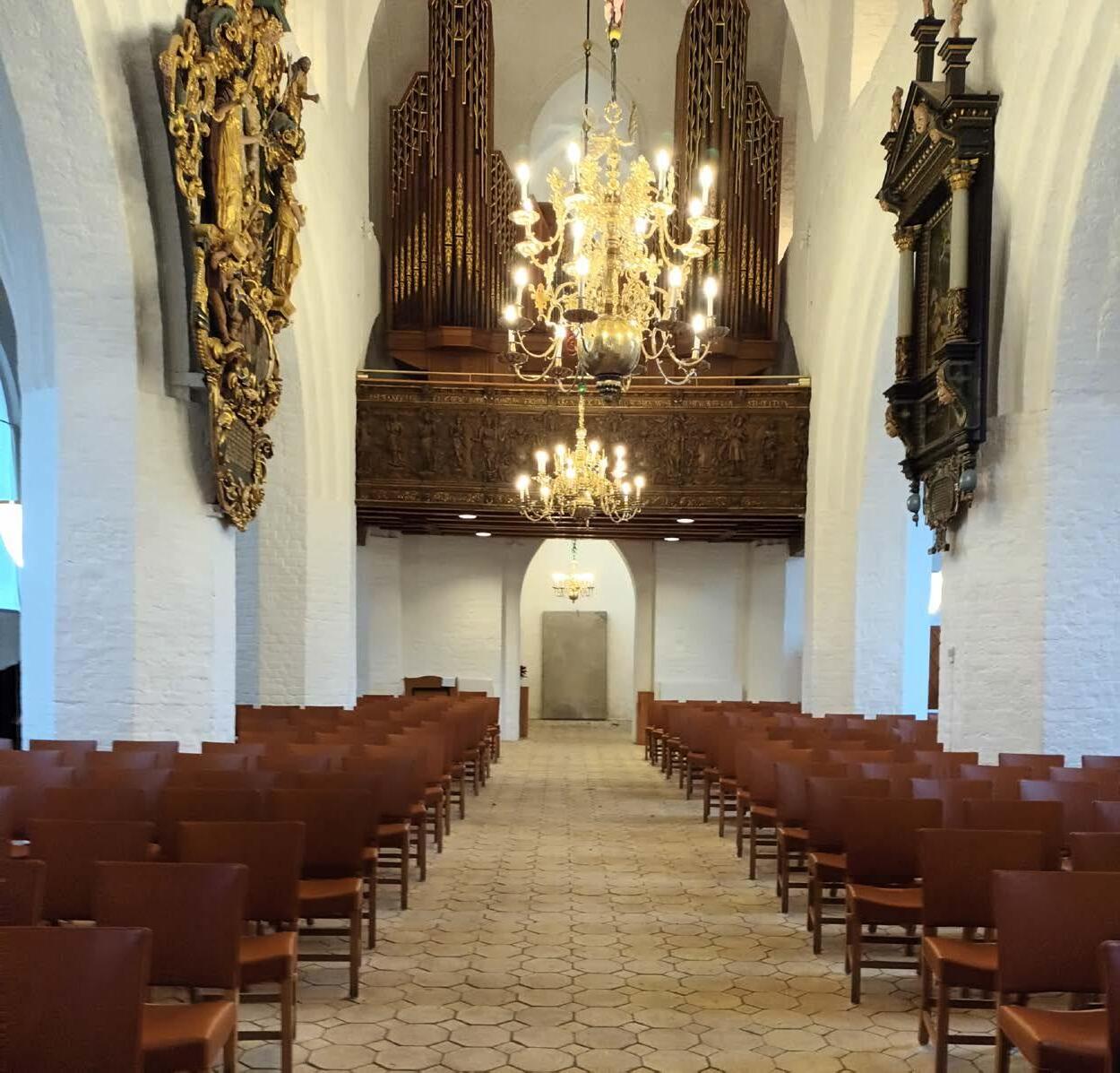
In 1959, Vordingborg Church acquired 185 red chairs designed by Kaare Klint in 1928. Of these, 174 have now been fully refurbished by us with new leather upholstery and an oil treatment to extend their lifespan.
The oak used for the chair frames was approximately 100 years old at the time of production.
Today, the chairs themselves are 65 years old and, following refurbishment, are expected to remain in use for another 65 years. Carbon stored in wood products depends on continued use and end-of-life treatment and should not be interpreted as permanent carbon storage. Extending the lifetime of furniture may help retain this carbon for longer. Should a chair break, it is possible to repair it or to purchase a new one, as the design still is in production.
In parallel, Okholm Lighting (part of Carl Hansen & Søn Group) restored the church’s historic chandeliers, originally crafted in 1714.
WASTE MANAGEMENT
In 2025, we continued the work we had begun to further optimise how we reduce production waste. This includes more disciplined waste sorting and finding positive uses for materials that can be repurposed. For example, excess wood, textiles and leather are transformed into useful accessories.
We recognise, however, that this effort is difficult to measure, as the wood waste is now turned into accessories would otherwise have been processed into wood briquettes for district heating.
The volume of briquettes produced at Carl Hansen & Søn Møbelfabrik A/S therefore does not provide a reliable indication of how much wood has been redirected into accessories, nor does the reduction in residual waste.
We therefore plan to develop more accurate methods for measuring the amount of material—wood, leather and textiles—being repurposed into accessories across both of our production sites.
Leftover leather and fabric are also donated to educational institutions, kindergartens and creative workshops.
Non-hazardous waste
– Residual waste
– Recycled materials
Hazardous waste
– Organic-chemical waste
– Other waste
Non-hazardous waste
– Residual waste
– Recycled materials
Hazardous waste
– Organic-chemical waste
– Other waste
Non-hazardous waste
– Residual waste
– Recycled materials
Hazardous waste
– Organic-chemical waste
– Other waste

SOCIAL 03
SOCIAL RESPONSIBILITY
Carl Hansen & Søn operates across numerous international markets and cultures. We take responsibility for our employees, as well as for those working within our supply chain, through the policies outlined in our Employee Handbook and Supplier Code of Conduct. At Carl Hansen & Søn, we ensure that appropriate management systems are in place to identify, prevent, mitigate and remedy any potential adverse human rights impacts in the workplace. This work is further supported by our Health and Safety Coordinator, who helps to maintain a safe and healthy working environment.
Our workforce is diverse across both production and management, representing a wide range of nationalities, skills, backgrounds and cultures.
Our policies are fully aligned with global frameworks, including the UN Guiding Principles on Business and Human Rights and the OECD Guidelines for Multinational Enterprises.
Promoting our passion is one of the three fundamental pillars of our sustainability strategy. Carl Hansen & Søn is built on more than a century of skilled craftsmanship, which remains a cornerstone of our identity today. We take great pride in maintaining our production in Denmark and in passing these craftsmanship skills on to our apprentices.
Carl Hansen & Søn Møbelfabrik
SOCIAL DATA
TRAINING AND EDUCATION
The LAB
In 2019, we introduced The LAB, a mentor guided programme designed to supplement the time apprentices spend learning on the production floor. The LAB provides opportunities to learn at a slower, less production driven pace, allowing apprentices to ask questions, explore specific skills and tools, and work closely with mentors and peers to develop collaboration and problem solving capabilities. Through our apprentice programme, we believe we are not only preserving design icons but also investing in the future of high quality craftsmanship.
We also see this as our contribution to society in helping maintain traditional skills within modern craftsmanship. Over recent decades, many traditional skills have declined significantly, to the point where some risk being lost entirely. We regard these skills—essential for producing long lasting quality furniture and enabling repairs— as key to supporting a circular economy and a more sustainable future.
In recognition of this work, The LAB was awarded “Apprenticeship of the Year 2023.”
In 2020, we set a target to increase the number of apprentices in The LAB from 15 to 30. However, we have since learned that there is a fine balance between accommodating more apprentices and maintaining a high quality education programme, where mentors can devote sufficient time to each individual’s development. As a result, the number of apprentices has remained stable, and our goal is now to maintain this strong foundation and the high standards of the programme.
Total number of apprentices converted to fullyear equivalents

HEALTH AND SAFETY –
OWN WORKFORCE
Healthy and safe working environment
At Carl Hansen & Søn, all workplace accidents are treated with a strong focus on learning, prevention, and continuous improvement. Whenever an accident occurs, the manager, the health and safety representative, and the injured employee meet to review the incident and identify the root causes behind it.
All workplace accidents are reported, regardless of whether they result in absence from work or not. Following the official reporting process, we prepare a one-page incident summary outlining the cause of the accident and the preventive actions implemented. This summary is shared across all departments to help prevent similar incidents elsewhere in the factory.
In addition, all department managers receive a weekly report covering workplace accidents and near-miss incidents to ensure ongoing awareness and proactive safety management throughout the organisation.
The 6S Initiative
Carl Hansen & Søn has been working actively with a 6S improvement programme across the factory. The purpose of the 6S initiative is to improve productivity, quality, and workplace safety by creating better structure, reducing errors, and increasing visibility of deviations and risks.
The 6S methodology supports the creation of a clean, organised, efficient, and safe working environment through six structured principles.
All departments have actively participated in optimising workflows, removing unnecessary items, and improving the safety and organisation of their work areas. The initiative has strengthened employee involvement in creating a safer and more efficient workplace culture.

WHISTLEBLOWER SCHEME
Carl Hansen & Søn Whistleblower scheme is an independent reporting channel administered by an external operator on behalf of the entire Group. We take whistleblowing very seriously and will review all reports made and initiate investigations where possible and necessary. All reports are treated strictly confidential. No one is required to reveal their identity unless they choose to do so.
The Whistleblower Scheme is designed to receive information relating to the following matters:
HUMAN RIGHTS POLICIES AND PROCESSES
– OWN WORKFORCE
While employees are encouraged to raise concerns directly with their managers or with HR, anyone may also report issues anonymously through our Whistleblower Scheme on our intranet, operated by an external provider.
Number of confirmed incidents related to the company’s own workforce.
LOCAL COMMUNITIES
Partnership with Odense Værkstederne
Carl Hansen & Søn collaborates with Odense Værkstederne, a sheltered employment and social inclusion initiative established by the Municipality of Odense, supporting vulnerable citizens and individuals with limited access to the labour market. Through this partnership, Odense Værkstederne carries out selected packaging tasks for Carl Hansen & Søn, contributing to meaningful employment opportunities and skills development in a supported working environment.
Children’s Day Event in Flagship Stores
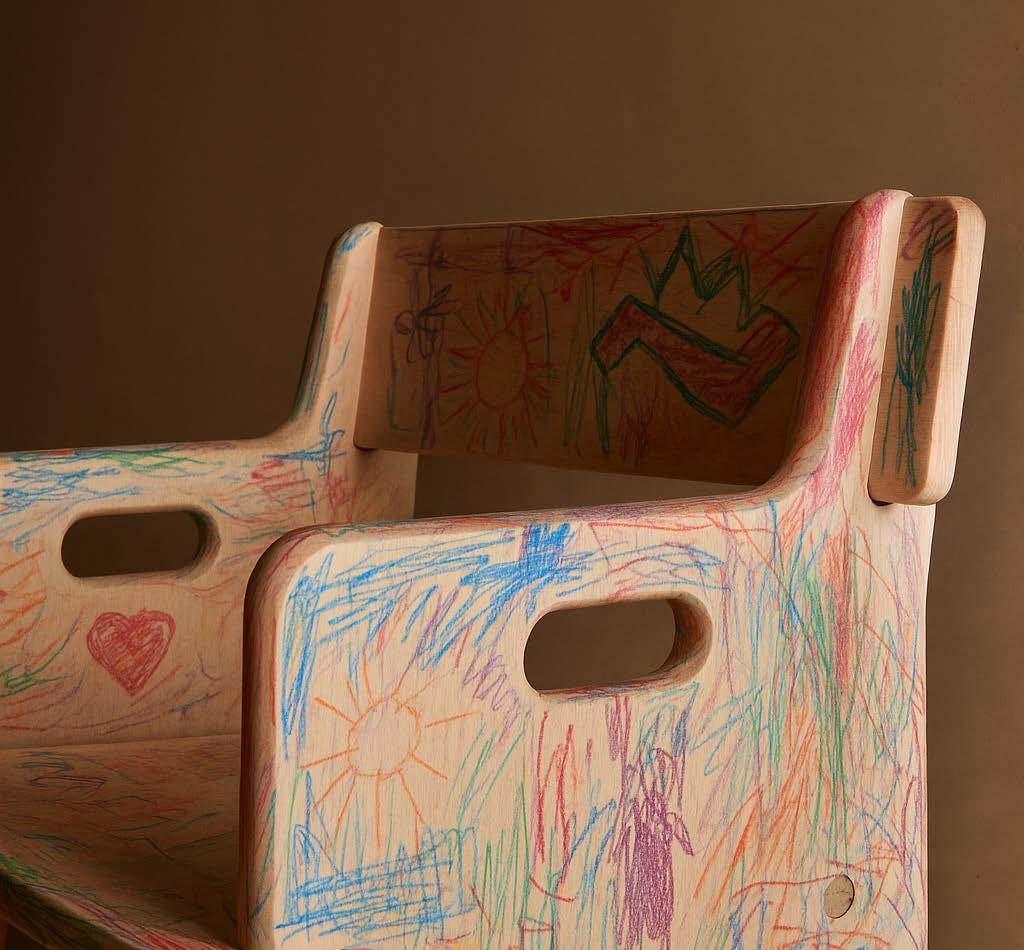
To celebrate Children’s Day, we invite children to our flagship stores around the world. It is always a great pleasure to host this event—this year welcoming both familiar faces and new participants. Many of the children who joined us last year returned, having looked forward to another chance to be creative and enjoy a playful day. It is truly something special, and we are already looking forward to hosting it again next year.
Studio CHS recognised as Top FDI Company
In 2024, Studio CHS was honoured by the Vietnam Chamber of Commerce and Industry as one of the Top 20 FDI (Foreign Direct Investment) Companies in Vietnam.
The recognition reflects our commitment to responsible business practices, ESG initiatives, regulatory compliance, and long-term investment in the local community and economy in Vietnam. Companies are evaluated on their operational standards, sustainability efforts, and contribution to social and economic development.

GOVERNANCE
Responsible Business Conduct
As an international design company, Carl Hansen & Søn continually works to strengthen our policies to ensure that both our suppliers and our employees around the world are guided towards responsible business practices.
New colleagues are introduced to our Employee Handbook as part of the onboarding programme. Although Carl Hansen & Søn has more than 100 years of history, the company remains dynamic and forward looking, with a strong focus on quality, design and Danish craftsmanship. Our shared success is built on high morale, strong quality awareness and the motivation of each individual employee. These commitments—benefiting both the company and our customers—must be maintained and developed. For this reason, management aims to prioritise safety, well-being and continuous progress as key criteria for our future success.
Our customers have high expectations of our company, and our ability to consistently meet and exceed these expectations is essential to maintaining strong, long-term partnerships. We therefore place high demands on working conditions, employee engagement, and the pride and accountability embedded in every product we deliver. Continuous development and uncompromising standards in these areas are fundamental to our business.
In 2025, we updated our Code of Conduct. The Code is an integral part of our management system. We believe that successful business relationships are built on commitment to people, planet and culture. This includes respecting universally recognised principles—such as the UN Guiding Principles on Business and Human Rights and the OECD
Guidelines—which cover human rights, labour rights, environmental protection, anti-corruption practices and sound corporate governance. We are committed to supporting our suppliers on their compliance and sustainability journey, and we expect full transparency as the foundation of every business relationship. In our Supplier Code of Conduct, we emphasize the supplier’s ability and willingness to demonstrate continuous improvement. We are confident that collaboration and open dialogue lead to more efficient and mutually beneficial partnerships.
If any standards in the Code of Conduct conflict with local or national laws, or with international standards, we encourage suppliers to contact us so that we can jointly determine the most appropriate course of action.
Building a Responsible Supply Chain
We have long standing relationships with many of our suppliers. Alongside the Supplier Code of Conduct, we conduct country specific risk analyses and supplier due diligence, which also form part of the FSC self assessment process.
Cyber Security
We place strong emphasis on IT security for both employees and external stakeholders. Following a detailed risk assessment, we have initiated further measures to strengthen our already well established IT security framework. This includes:
• Strong backup strategy
• Clear Cyber Incident Response Plan

LABOR AND HUMAN RIGHTS
The supplier shall ensure that working hours – including regular working hours, overtime, days of rest and breaks – follow applicable laws and regulations in the relevant country.
Any form of child labor is strictly prohibited. If employing young workers, the supplier must adhere to the minimum age set by the national laws in the country of manufacturing.
Any form of forced labor is strictly prohibited. The supplier shall not use or benefit from any form of forced labor and/or human trafficking.
Any form of discrimination is strictly prohibited. Any form of physical, psychological, verbal, sexual or any other kind of harassment shall not be tolerated.
The supplier respects its employees’ right to organize themselves and negotiate collective wage agreements. If independent trade unions are either discouraged or restricted, the supplier enables workers to gather independently to discuss work-related issues.
The supplier shall provide wages and benefits that comply with applicable laws and regulations and/or applicable collective bargaining agreements in the relevant country, which include basic wages, benefits and overtime.
The supplier shall comply with all the requirements of local laws and regulations in the relevant country regarding employment contracts.
The supplier respects its employees’ right to privacy when it gathers or stores personal information.

SUPPLIER HEALTH AND SAFETY
Working Conditions and Safety Standards
We expect all suppliers to operate in full compliance with applicable health and safety standards and to systematically ensure safe and healthy working conditions for all employees. Carl Hansen & Søn Møbelfabrik A/S, Studio CHS and Okholm Lighting have implemented a Code of Conduct. No material adverse impacts were identified through current due diligence processes in 2025. The Group continues to prioritise responsible sourcing and human rights across high-risk areas of the supply chain. We remain committed to enforcing full compliance with our Code of Conduct across the entire supplier base and will continue to actively monitor and engage our partners to ensure ongoing adherence.
Environmental Requirements and Compliance
We expect our suppliers to proactively manage their most significant environmental risks and relevant aspects (e.g. materials/packaging, energy, water, emissions/effluents). As a minimum, environmental risk management should include mapping the major risks and implementing appropriate mitigation actions. Management of the most relevant environmental aspects should also include the identification of issues and implementation of actions to reduce CO2 emissions, waste and pollution. Furthermore, we expect our suppliers to work continuously and systematically to comply with local environmental laws.
BUSINESS ETHICS AND INTEGRITY
Anti-bribery
We expect our suppliers to comply with all applicable laws and regulations relating to bribery, corruption, money laundering, fraud, intellectual property rights and competition and ensure a high level of business integrity.
Intellectual Property Rights
Suppliers shall ensure that intellectual property of Carl Hansen & Søn and other third parties, including but not limited to copyrights, patents, designs and trademarks, are used in accordance with relevant agreements, as explicitly permitted and compliant with applicable laws and regulations.
Entertainment, Travel and Personal Benefits
Material Compliance
Suppliers shall ensure that all goods delivered to Carl Hansen & Søn comply with all applicable laws and regulations regarding the prohibition and restriction of substances, and upon request and in a timely manner provide to Carl Hansen & Søn relevant and reasonable information about the substances in the delivered goods.
Animal Welfare
Convictions for violation of anti-corruption, anti-bribery
Fines for convictions for violation of anti-corruption, anti-bribery (DKK)
Confidentiality, Data Protection and Data Security
Suppliers shall ensure that confidential information or personal data provided by Carl Hansen & Søn and others on behalf of Carl Hansen & Søn is used solely as explicitly permitted and in accordance with applicable laws and regulations. This also applies after the business relationship with Carl Hansen & Søn ends, and when relevant, complies with EU regulation on processing of data and IT security when dealing with Carl Hansen & Søn.
Suppliers must only offer entertainment gifts and personal benefits to Carl Hansen & Søn employees that are deemed not to affect the judgement of the individual employee. In case of doubts, the Carl Hansen & Søn employee must contact his or her superior.
Grievance Mechanism
Carl Hansen & Søn provides an open and confidential grievance mechanism through which employees can report suspected violations. All grievances are fully protected from retaliation, and individuals raising concerns will have access to appropriate remediation.
Export Control & Sanctions
Suppliers must comply with all applicable export, re-export and import laws and regulations.
Our commitment to environmental responsibility includes ethical and responsible standards in the use of animal-related products. Animal products must come from animals that have been treated ethically and responsibly. Carl Hansen & Søn will never use products from animals slaughtered exclusively for their skin, shell, horn, bone, feather or down.
We expect our suppliers to comply with CITES (Convention on International Trade In Endangered Species of Wild Fauna and Flora).
Fair Competition
Suppliers must conduct their business in line with all applicable competition laws and regulations.
Data Ethics
The Group has developed and implemented data ethics policy. The policy covers employees, customers and suppliers’ data that are collected, stored, and used securely and confidentially. The policy is designed to work in conjunction with the Group’s GDPR policy and communicated to the Group’s organization. It is the Group’s experience that a good knowledge of the Group’s GDPR policy among employees helps to support responsible use of sensitive data.
In general, the Group emphasizes that data is only stored to the extent necessary or required by law. Likewise, the aim is that data is, as far as possible, only available to employees who need the relevant data in question. The Group operates in both the B2B market and the B2C market, whereby data management is linked to the collection of relevant customer data, as well as from the conclusion of contracts with suppliers and partners.
The Group handles data about the companies’ employees to the extent relevant to their employment. The Group only strives to collect and use data that is necessary in the specific employment relationship.
The Group’s data ethics policy is approved at the Group’s management level and communicated to the Group’s employees, and it is assessed that the policy contributes to responsible handling of data.

ACCOUNTING MANUAL
Methodology
Carl Hansen’s CO2eq emissions inventory has been prepared in accordance with the requirements of Greenhouse Gas Protocol standards for corporate GhG accounting and reporting.
The GhG Protocol has developed the world’s most widely used greenhouse gas accounting standards that serve as a framework for businesses to measure and report their greenhouse gas emissions¹.
The GhG Corporate Standard covers the accounting and reporting of seven greenhouse gases covered by the Kyoto Protocol – carbon dioxide (CO2), methane (CH4), nitrous oxide (N2O), hydrofluorocarbons (HFCs), perfluorocarbons (PFCs), sulphur hexafluoride (SF6) and nitrogen trifluoride (NF3) and is designed to develop a verifiable inventory of a company’s operations across scopes 1, 2 and 3.
The GhG Corporate Value Chain Standard allows companies to assess their entire value chain emissions impact and identify where to focus reduction activities. It is an internationally accepted method for companies to account for these types of value chain emissions, covering emissions from 15 categories of Scope 3 activities, both upstream (inbound) and downstream (outbound) of their operations.
Throughout the accounting process it is attempted to work with primary data whenever this is possible to obtain. Specifically in scope 3 calculations related to the product range, which make up the majority of the total CO2eq emissions. Carl Hansen has worked with suppliers to obtain product and suppliers specific data² for their product PEF LCAs.
Organizational boundaries
Organizational boundaries were set with reference to the methodology described in the GhG Protocol Corporate standard. In setting organizational boundaries, a company selects an approach for consolidating GhG emissions and then consistently applies the selected approach to define those businesses and operations that constitute the company for the purpose of accounting and reporting GhG emissions. These boundaries are, so to speak, the lines drawn up to encompass the emissions included in Carl Hansen’s GhG inventory.
The organizational boundaries are set to ensure transparency in reporting as
they determine which company operations are included in the GhG accounting and reporting. The boundaries are set to make clear the chosen approach to defining which of Carl Hansen’s facilities/entities that constitute the company for the purpose of accounting and reporting GhG emissions and hence are included in the companys CO2eq inventory.
According to the Greenhouse Gas Protocol two distinct approaches can be used to consolidate a corporations CO2eq emissions: The equity share approach or the control approach, which can be further categorised in either financial or operational terms³.
The operational control approach is used for the GhG accounting, meaning that Carl Hansen accounts for 100% of the emissions of which they have control over. This approach is chosen to best incorporate the guiding principles of GhG accounting and reporting– and to focus the report on the brand’s ability to make a difference.
Operational Boundaries
The operational boundary defines the scope of operations emission sources that are accounted for within Carl Hansen’s established organizational boundary. The definition of this boundary is essential in the aims of working towards reduced emissions.
The GhG emission sources included in this inventory have been identified with reference to the methodology in the GhG protocol and are divided in two categories: Direct and indirect emissions.
Direct emissions are emissions from sources that you own or control.
For reporting purposes, direct emissions are called “Scope 1” emissions.
Indirect emissions are consequences of your organization’s activities but occur from sources owned or controlled by another organization. For reporting purposes, indirect emissions are divided into “Scope 2” emissions; those from the generation of purchased electricity, steam, heating or cooling, and “Scope 3” emissions; covering all other indirect emissions that occur in the value chain.
All three scopes are included in the operational boundary as this provides a comprehensive accounting framework for managing and reducing direct and indirect emissions. Scope 3 emissions are based on full life cycle assessments
of Carl Hansen’s product range in accordance with PEF LCA Methodology.
Inventory
The GhG protocol divides emissions into three scopes. Scope three is further divided into 15 subcategories⁴.
The inventory secures that all emissions are accounted for within the organizational and operational boundaries defined. All 15 scope 3 subcategories have been evaluated and 5 has been omitted due to no or minimal activity within the sub-scope and are therefore deemed unmaterial. The omitted sub-categories are:
8. Upstream leased assets
10. Processing of sold products
13. Downstream leased assets
14. Franchises
15. Investments
The remaining 10 sub-categories are described further in this section. The inventory has been evaluated and are deemed to follow the 5 guiding principles, described in following chapter.
Data Processing Methodology
The data processing methodology is divided into two sub parts; Emission factors and Calculation methods, these are followed by Data Collection also divided in two; Data sources and Quality Assurance
All emission factors and data sources are subject to the same overall principles of GhG methodology.
• Relevance - Description of how relevant emission sources were identified and included.
• Completeness - Steps to secure all significant emissions sources were accounted for and exclusions are justified.
• Consistency - The methods follow principles of GhG and are robust over time.
• Transparency - Document the data sources, assumptions, and methodologies providing a clear audit trail.
• Accuracy - Data validation, quality control and error minimization.
https://ghgprotocol.org/
2 Product and supplier specific data is the highest level of data according to the GHG Protocol data hierarchy as found in the Technical Guidance for Calculating Scope 3 Emissions, chapter one.
³ Extended description of the different organizational boundaries can be found in the GhG Protocol corporate standard.
⁴ A definition and extended description of the 15 categories can be found in the GhG Protocol Corporate Value Chain Accounting and Reporting Standard
Scope 1.1 Mobile Combustion, Fleet.
Includes emissions from fuel combustion in company-owned or controlled vehicles.
Emission factors
For each vehicle propulsion, km driven and vehicle type/model is known. The WLTP (Worldwide Harmonized Light Vehicle Test Procedure)5 standard provides g CO2eq/km (tank to wheel) and km/litre for the specific vehicles in fleet which varies from petrol to diesel to hybrid to electric.
The WLTP is a recognized and credible standard for vehicle emissions and is suitable for use under GhG protocol6.
The WLTP covers only tank to wheel emissions while the well to tank are covered by Scope 3.3.
Calculation Methods
WLTP values for each vehicle obtained for both g CO2eq/km and km/litre. The distance for each vehicle reported in reporting year utilized to calculate kg CO2eq and the km/litre to obtain litres and kg to estimate scope 3.3 Fuel and energy related activities’ emissions.
Data Source(s)
Distance driven and/or fuel consumed in the reporting period, measured in kilometers, obtained from each vehicle together with type, maker and model of vehicle from leasing contracts.
Quality Assurance
The data details secure WLTP estimates based on maker, model and km driven which are deemed sufficient. If specific amount of litres and kWh could be reported for all vehicles this would give a more precise estimation of kg CO2eq but the current estimates are deemed sufficient as the impact in relativity is minor.
Scope 1.2 Fugitive Emissions, Refrigerant Leakage
Covers emissions from the leakage of refrigerants used in air-conditioning systems in company facilities (stores, headquarters, showrooms).
Emission Factors
For refrigerant leakage emissions factor an updated version of IPCC (1995)7,rec-
⁶ GHG Protocol Technical Guidance, Chapter 5. ⁷ Life Cycle Databases GHG Protocol
⁸ Publications - IPCC-TFI (iges.or.jp)
⁹ Life Cycle Databases GHG Protocol
ommended by GhG, is utilized. The factors used in this report is the “2019 Refinement to the 2006 IPCC Guidelines for National Greenhouse Gas Inventories, Volume 3, Industrial Processes and Product Use”⁸.
More specifically the chapter 7, table 7.9, which has been utilized to estimate the emissions per sqm which is a conservative 10,44 CO2eq/sqm/year, the leakage is at 5% per year (commercial) and the refrigerant assumed is R-410A.
Calculation Methods
Total sqm for all stores, production sites and relevant showrooms are included. The warehouse is excluded, as it is assumed that no aircon is in use because of their natural gas heating source. The 5% leakage for commercial aircon is also significantly higher than 2% leakage estimated by IPCC (2019) for residential aircon. The conservative approach is chosen due to lack of data.
Data Source(s)
It has not been possible to get data on type of air-conditioning (if any), number of units per location and in total, type of refrigerant and energy class, therefore a conservative estimate based on IPCC (2019) and sqm has been applied. The specific emissions are estimated to be less than 0,1% of total CO2eq emissions.
Quality Assurance
The estimations are based on conservative assumptions to fully cover the inventory. Specific details are needed to get a more precise emission. Overall the estimated emissions are less than 0,1% of total emissions and are, in the greater picture, insignificant.
Scope 1.3 Stationary Combustion
Includes emissions from the combustion of fuels (e.g., natural gas) in stationary sources such as boilers and heat generation units in company facilities. None of these have been reported by the reporting company, hence the impact of this category is 0.
Emission factors
Emissions factors are obtained by Ecoinvent 3.1 – recommended by both GhG⁹ and PEF. More specifically the emission factors are defined: “market for heat, central or small-scale, natural gas”, “The heat is produced through the burning of natural gas in heat and power co-generation units and several types of boilers.”
Calculation Methods
The natural gas MJ for three locations are reported, this is utilized with the emission factor EF 3.1 average to determine Kg CO2eq for the reporting year.
Data Source(s)
Data obtained by Carl Hansen for relevant locations based on invoice from provider.
Quality Assurance
The MJ of natural gas for the reporting period has been collected from provider and estimations based on EF 3.1 specific for on-site burners.
Scope 2.1 Purchased Electricity Emissions
Covers emissions from the consumption of purchased electricity for company operations, locations and hybrid/electric cars.
Emission factors
Emission factors are obtained from Ecoinvent10 version 3.1. For all kWh the residual mix for the given country is reported in CO2eq/kWh. The overall approach is marked based which implies that green certificates apply as 0 kg CO2eq/kWh11
Location based emissions are also determined by country and the Ecoinvent 3.1 database and are calculated as a secondary result to the Purchased Electricity Emissions.
The electric cars and hybrid cars are subject to the same emission factors.
Calculation Method
The kWh consumption per location is reported by entity and assessed via Ecoinvent 3.1 for both residual mix and the country production mix (location based). For the marked approach the green certificates kWh purchased are deducted.
For electric cars the WLTP together with the km driven estimates the consumption. For hybrid vehicles a distinction is made based on whether the actual electricity and fuel consumption is known. If unknown, hybrid cars are assumed to drive 100% on fuel as a conservative measure.
Data Source(s)
It has not been possible to obtain kWh consumption from all locations. For the locations without primary data, the average across similar location types has
been used as proxy by kWh/sqm.
Quality Assurance
To achieve higher accuracy and transparency it is recommended to obtain the actual consumption from all locations.
Scope 2.2 Purchased Electricity Emissions - Fleet
Covers emissions from the consumption of purchased electricity for company operations of electric cars.
Emission factors
Emission factors obtained from Ecoinvent12 version 3.1. For all kWh the residual mix for the given country is reported in CO2eq/kWh. The overall approach is marked based which implies that green certificates apply as 0 kg CO2eq/kWh13
Calculation Method
Emissions are calculated based on reported kWh consumption multiplied with the relevant emission factor.
Data Source(s)
KWh consumed per hybrid car is gathered from company records.
Quality Assurance
Working with primary data, such as the actual kWh consumption ensures precise calculations.
Scope 2.3 Purchased Heating Emissions
Includes emissions from district heating purchased for operated facilities.
Emission factors
Emission factors are obtained from Ecoinvent 3.1. The ‘District heating mix of fuels (not natural gas), EU + EFTA + UK’ are chosen as the conservative approach, because the exact type of fuel is unknown (natural gas or not) and has the highest emission (kg CO2eq / MJ), compared to district heating by natural gas.
Calculation Methods
The reported district heating MJ consumption for specific location are used together with the emission factor for district heating.
10 https://ecoinvent.org/
11 GHG Protocol Scope 2 Guidance, p. 46
12 https://ecoinvent.org/
13 GHG Protocol Scope 2 Guidance, p. 46
Data Source(s)
MJ for specific locations reported.
Quality Assurance
The specific primary data reported gives a high accuracy.
Scope 3.1 Purchased goods and services
This emission category covers emissions from the entire value chain of purchased goods and services, including raw material extraction, material transport and production emissions.
For purchased goods and services the previously performed PEF LCA screenings were utilized. The PEF LCA CO2eq estimations results in emissions divided into 7 life stages:
• Raw material extraction
• Material transport
• Production
• Production waste
• Inbound and Outbound Transport and distribution
• Use phase
• End-of-life disposal.
For purchased goods and services, raw material extradition, material transport and production are reported through the conducted product LCAs.
The remaining life stages are allocated to 3.4 (Inbound transportation and distribution), 3.5 (Waste generated in operations), 3.9 (Outbound transportation and distribution), 3.11 (Use of sold products) and 3.12 (End-of-Life Treatment).
Emission Factors
The performed product LCA’s have been conducted through the Målbar tool following the PEF-method (Product Environmental Footprint) as per The European Commissions Recommendation (EU) 2021/2279 (PEF Guideline). The method, data, interpretation and reporting meet all requirements in chapter 8.4 in Commission Recommendation (EU) 2021/2279 (PEF Guideline).
Calculation method & Data Sources
Where provided by Carl Hansen or relevant suppliers, primary data has been used. All missing/unobtained information has been replaced with conservative estimates following the recommendations in 2021/2279 (PEF Guideline).
To model all materials and processes as precisely as possible, the best fitting databased were consulted. The used databases are:
• Environmental Footprint (EF) secondary data sets version EF 3.1
• EcoInvent 3.9 and EcoInvent 3.9.1
Quality Assurance
For all modelled products, the full product life cycle has been included, from raw material extraction to end-of-life. For harmonization purposes all modelling is done with an assumption of 15 years lifetime, and with an average European disposal of the final products.
Not all products sold in the reporting period have been screened with PEF LCA’s, for those products, hybrid-build estimated have been applied, utilizing the in-depth product category knowledge by Målbar enriched with the data and precision from the already screened products.
Scope 3.1.1 Purchased goods and services, office purchases
Includes emissions from office-related purchases such as electronics and office supplies.
Emission Factors
EXOIBASE14 spend based database (secondary data) is utilized for the office purchases due to the lack of primary data (LCA for each purchase). EXIOBASE provides peer reviewed and accepted emission factors on general office purchases and is compliant with GhG scope 3 accounting recommendations15
Calculation Method
Office purchase overview from Carl Hansen finance, each row grouped into general categories (laptop, iPhone/smartphone, monitor, Ipad, Toilet paper, paper, keyboards, printer jets, mouses, printer, earpod and router).
Data Source(s)
List of all purchases in period from finance with description and quantity.
Quality Assurance
The best solution would be to perform LCA’s on each purchased product in this
category, but due to share of total impact, this has not been performed.
Scope 3.1.2 Purchased goods and services, Lunch
Includes emissions from employee lunch
Emission Factors
Academic review of scientific articles on emission calculations from various diets. Emissions are set to:
• 3,5 kg CO2eq per meat-based meal
• 2,5 kg CO2eq per vegetarian meal
• 1,5 kg CO2eq per vegan meal.
Calculation Method
Meals served multiplied by relevant emissions factor.
Data Source(s)
Count of employee meals served, sorted by type (vegan, vegetarian or meatbased), reported per unit.
Quality Assurance
Primary data on amount and type of servings ensures precision in calculations. Emission factors might need updating as/when official emissions databases are developed.
Scope 3.2 Capital Goods
This category includes all upstream emissions from the production of capital goods purchased or acquired by Carl Hansen in the reporting year, such as equipment, machinery, buildings, facilities, and vehicles.
Emission Factors
EXIOBASE v3.3.16b2.
Calculation Method
Spend based method.
Data Source(s)
Financial accounts for purchase categories reported by Carl Hansen.
Quality Assurance
Spend based calculation based on EXIOBASE averages gives uncertainties regarding accuracy. The best solution would be LCA on each product. Second best, and a more obtainable solution, is to have quantity of each product/ product category represented in data. However, the spend based approach is deemed sufficient for the category.
Scope 3.3 Fuel and Energy Related Activities
Covers inbound (well-to-tank) emissions from fuel production and transportation.
Emission factors
Kg CO2eq per litre for inbound activities, well to tank, is obtained by Ecoinvent 3.10 for both diesel GWP100 Europe (without Swtizerland) and petrol.
Calculation Method
The litres of fuel for inbound activities are calculated based on vehicle distance and WLTP km/litre and converted to kg fuel.
Data Source(s)
Km driven in the reporting period have been obtained from each vehicle together with type, maker and model of vehicle which secures different and precise WLTP estimates for each.
Quality Assurance
The km driven are obtained from vehicles, the WLTP are the most accurate for determining km/litre and Ecoinvent 3.1 are compliant with PEF and GhG. The total impact of fuel and energy related activities are on this basis estimated to make out less than 0,1% of total emissions.
Scope 3.4 Upstream transportation and distribution (inbound).
Includes emissions from the transportation of goods from suppliers to company warehouse, within the specific boundaries defined by Carl Hansen on the
logistics partner. Air-, rail-, road- and sea transport are included as relevant for each of the transports.
Emission factors
Ecoinvent 3.1 is used to obtain emission factors for mode of transportation by tonkm (tkm).
The storage/warehouse has been covered in scope 1 and 2 and are therefore not included in inbound transportation.
Calculation method
Upstream transportation and distribution emissions are based on PEF LCA results. PEF shares the same category with the same boundaries as the GhG Protocol; therefore, the results are lifted directly into the GhG report. The PEF LCA foundation is described more in detail in 3.1 purchased goods and services.
Data Sources
PEF LCA’s as described in 3.1 Purchased goods and services.
Quality Assurance
Comparing the calculated results from PEF LCA’s with provided data from transportation partners, could verify/qualify if the calculated results are subject to uncertainty.
Scope 3.5 Waste generated in operation
CO2eq emissions of waste generated in operations are based on results from PEF LCA product screenings. PEF has the same category with the same boundaries as the GhG Protocol, therefore the results are lifted directly into the GhG report. The PEF LCA foundation is described more in detail in 3.1 Purchased goods and services.
Emission factors
PEF LCA’s as described in 3.1 Purchased goods and services
Calculation Method
PEF LCA’s as described in 3.1 Purchased goods and services
Data Source
PEF LCA’s as described in 3.1 Purchased goods and services
Quality Assurance
Comparing the calculated results from PEF LCA’s with annual aggregated data from production location, could verify/qualify if the calculated results are subject to uncertainty.
Scope 3.6 Business Travel
Covers emissions from employee business travel, including flights and hotel stays arranged and paid for by Carl Hansen.
Emission factors
Ecoinvent 3.1 is utilized for emission factors based on distance and passenger class.
Received report from travel agency on kg CO2eq emissions from hotels is utilized for results.
Calculation Method
The emissions are calculated for each leg of a flight based on the distance reported from travel agency and Ecoinvent 3.1 emission factors.
Data Source
Detailed data on flights received from travel agency, including distance and legs for each flight. A kg CO2eq dataset and report from travel agency also evaluated. as well as a report from travel agency on kg CO2eq emissions from hotels is utilized for results.
Quality Assurance
The results from obtained dataset from travel agency align closely with calculations based on Ecoinvent emission factors, while there are two other results in the Travel agency’s report which follows other assumptions and does not align.
The report on emissions from hotel stays are used directly in our estimations. As the related emissions account for a negligible part of the total account.
Scope 3.7 Employee Commuting
Includes emissions from employee commuting to and from work.
Emission factors
The emission factor for employee commuting for specific means of transportation is found by Ecoinvent.
Calculation Method
Relevant employees are registered to the locations. Emissions for car, bicycle and metro obtained and the distance as well as the split driving, cycling/walking or public transportation has been found through employee survey. It is estimated that employees come into work 220 days per year except at HQ, where each employee on average work from home 1 day pr week.
Data Source
Employee count obtained from Carl Hansen.
Quality Assurance
The calculation is based on averages and assumptions and can be done more precise by questionnaire and following the employees commute more closely.
Scope 3.9 Downstream Transportation and Distribution (outbound)
Covers emissions from the transportation of goods from company facilities to customers, within the following specific boundaries defined by Carl Hansen on the logistics partner and method of transportation. Air-, rail-, road- and sea transport are included as relevant for each of the transports
Emission factors
Ecoinvent 3.1 is consulted to obtain emission factors for mode of transportation by tonkilometers (tkm).
Calculation method
Downstream transportation and distribution emissions are based on PEF LCA results. PEF shares the same category with the same boundaries as the GhG Protocol; therefore, the results are lifted directly into the GhG report. The PEF LCA foundation is described more in detail in 3.1 purchased goods and services.
Data Sources
PEF LCA’s as described in 3.1 Purchased goods and services
Quality Assurance
Comparing the calculated results from PEF LCA’s with annual aggregated data from production location, could verify/qualify if the calculated results are subject to uncertainty.
Scope 3.11 Use of sold products
Use of sold products are based on PEF LCA results. PEF shares the same category with the same boundaries as the GhG protocol, therefore the results are lifted directly into the GhG report. The PEF LCA foundation is described more in details in 3.1 purchased goods and services.
Scope 3.12 End-of-Life treatment
End-of life treatment is based on PEF LCA results. PEF shares the same category with the same boundaries as the GhG protocol, therefore the results are lifted directly into the GhG report. The PEF LCA foundation is described more in details in 3.1 purchased goods and services.
Hylkedamvej 77-79
DK-5591 Gelsted
Denmark
CVR No. 26900921