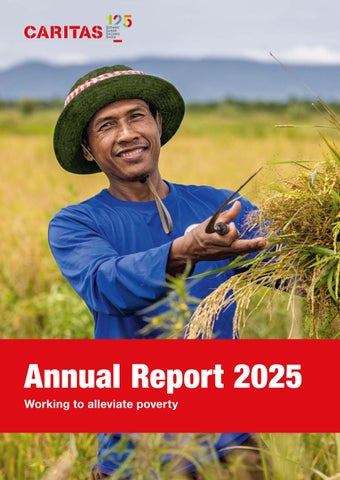
Annual Report 2025
Working to alleviate poverty
2025
Editorial
Unfortunately, the positives and negatives of 2025 did not balance each other out. In Syria, for example, many people found new hope after the fall of the Assad regime. On one trip to the country, we could feel the almost palpable energy of this new dawn – yet renewed outbreaks of violence served as a stark reminder of just how fragile the situation remains. The same was true in Ukraine: while there were several attempts to negotiate a ceasefire, the war continued unabated. A similar scenario played out in Myanmar, hindering reconstruction efforts following the devastating earthquake.
The situation in Gaza was almost unbearable. We had to come to terms with the deeply distressing realisation that, although we were prepared to provide aid, we were unable to do so fully due to obstacles and restrictions. And even in the regions where our support did reach people – such as the refugee camps in South Sudan –the suffering showed no sign of abating. Week after week, new waves of people were forced to flee. At the same time, funding for development cooperation was being cut worldwide.
We never imagined that the global situation could deteriorate so quickly and so dramatically. In many places – including Switzerland – politicians are shirking their responsibilities, and many simply accept this with a shrug of the shoulders. This makes people and organisations that provide assistance and offer new prospects all the more important. The following pages describe how Caritas Switzerland did just that in 2025, both globally and here at home, in the aftermath of the devastating landslide in Blatten.
Internally, we have a new mission statement and our Strategy 2026+. Which means we are ready to face the future. After all, our work and the challenges we face do not look like getting any less demanding in the coming years. One thing is certain: we at Caritas Switzerland remain committed to our cause, together with our network partners. Thank you for placing your trust in us. You enable us to do what we have been doing for 125 years: overcoming poverty.
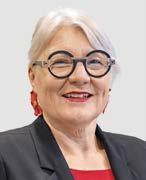
Monika Maire-Hefti President Caritas Switzerland
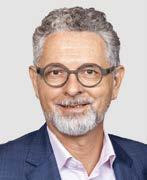
Peter Lack Director Caritas Switzerland

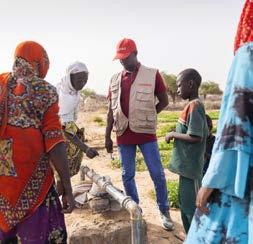
What to do when the challenges are mounting but solidarity is waning? Four examples of how Caritas is responding to change.
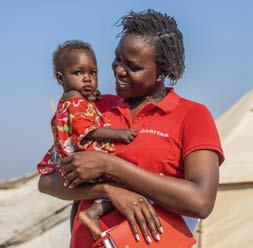
South Sudan, Ukraine, Gaza – but also Myanmar and Haiti: in 2025, many places were in dire need. Caritas provided support wherever it could.
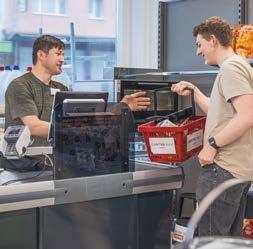
Social issues are facing an uphill struggle. Switzerland, at least, is beginning to grasp the extent and the causes of poverty through poverty monitoring.

The landslide in Blatten was devastating. Assistance was needed for immediate action. Also for the ongoing reconstruction efforts.

Education provides a way out of poverty. But there are obstacles to overcome. When it comes to equal opportunities, Caritas Switzerland has a few ideas.

Financial statements and charts that explain where Caritas receives its funding and how it is used.
Caritas in figures Projects in Switzerland
Domestic disaster relief
International cooperation in flux Flexibility –day in, day out
Crises, global warming, dwindling resources: international cooperation is under strain. To provide effective support to people living in poverty, Caritas Switzerland has to constantly adapt its projects. It is a complex task.
Wars and conflicts displaced around 120 million people in 2025. The climate crisis also threatens the livelihoods of many. At the same time, an increasing number of countries are putting their own interests first. Multilateralism – cooperation across national borders – is coming under sustained attack, and funding for international cooperation is being slashed. To put it simply, challenges are mounting, while global solidarity is waning. Four concrete examples from day-to-day projects illustrate what this means for people living in poverty and how Caritas Switzerland is responding.
‘ Social cohesion between the different groups is incredibly important. ’
Patricia Kern, programme manager
Challenge 1:
Political and economic upheavals
Given the current uncertainties, Caritas Switzerland must be prepared at all times to respond to a major crisis in the 20 or so countries where it operates. In Syria, for example, hopes were high at the beginning of 2025 that living conditions would improve following the fall of the Assad regime.
The change of government, however, led to a breakdown in public order, and cash dried up across the country. This significantly hindered
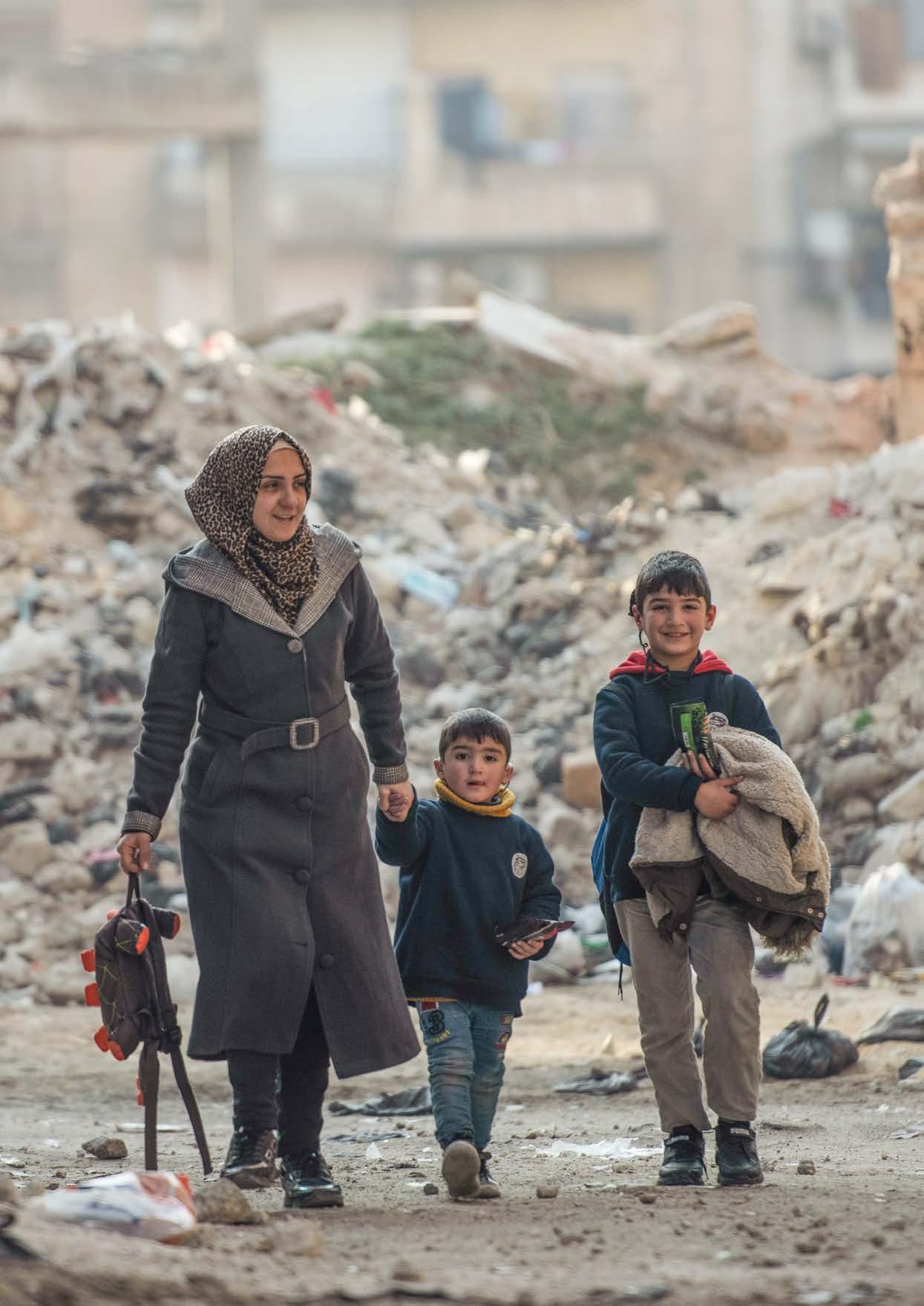
Caritas’s effective cash assistance. Despite this, Caritas Switzerland and its local partner organisations managed to continue to assist those most in need: by switching from the Syrian pound to the US dollar, payments were able to resume after just a few weeks. People are also receiving training so that they can open their own small businesses and generate an income. As 2025 unfolded, the sheer scale and complexity of the challenges in Syria became clear. Violence flared up time and again. Religious and ethnic tensions, coupled with profound uncertainty, were hampering the reconstruction process. This made it all the more important to actively foster a sense of community. In the words of programme manager Patricia Kern, ‘Social cohesion between the different groups is incredibly important.’ Caritas brought together representatives from different communities to work on initiatives such as collective gardens or improvements to street lighting. According to Kern, ‘The process is just as important as the results: it brings together people from different religions and cultural traditions as equals, women, men, and people with and without disabilities.’ This effort is paying off. In total, Caritas supported 40,550 people in Syria last year through a wide variety of projects.
Continued on the following pages
This family knows that, despite the piles of rubble in the streets of Aleppo, they must keep moving forward. Rebuilding Syria’s infrastructure requires perseverance and a united front.
In 2025, Caritas Switzerland supported people worldwide, whether through humanitarian emergency aid or through actions designed to improve people’s lives in the long term.
540,279
Challenge 2: The climate crisis
Caritas Switzerland has been working in Bolivia since 1988. In addition to widespread poverty, global warming is a major problem for the country. Floods, droughts and forest fires frequently
‘ It is possible to implement a viable business model and strengthen ecosystems at the same time. ’
occur as a result. This makes it all the more important to bolster the resilience of local communities, such as those living on the banks of the Coroico River, which is polluted by mercury from mostly illegal gold mining, agrochemicals and untreated sewage from settlements. Slashand-burn farming and monocultures further exacerbate the problems.
farmers are learning organic farming methods. Drinking water supplies have already improved significantly.
This effort is now paying off twice over. In autumn 2025, after a 20-year absence, the opposition returned to power. The new government overhauled the entire disaster management planning system, with decisions increasingly being taken at regional rather than national level. In the words of Amparo Ergueta, who leads the Caritas Switzerland team on the ground, ‘the communities around the Coroico River have gained valuable expertise in disaster risk reduction through the project. They are now aware of the risks and know how to deal with them. ’ In total, Caritas’s project activities in 2025 touched the lives of some 6,748 people along the Coroico River.
Challenge 3: Financial constraints
Trade in Ethiopian coffee shows that sustainable farming and fair conditions benefit nature, smallholder farmers, the economy and customers alike.
Caritas Switzerland is therefore working with partner organisations to train local government officials in water and environmental management. Particular emphasis is placed on better protection of water sources and on biodiversity. To raise awareness among the local population, special programmes are broadcast on popular local radio stations. In addition, smallholder
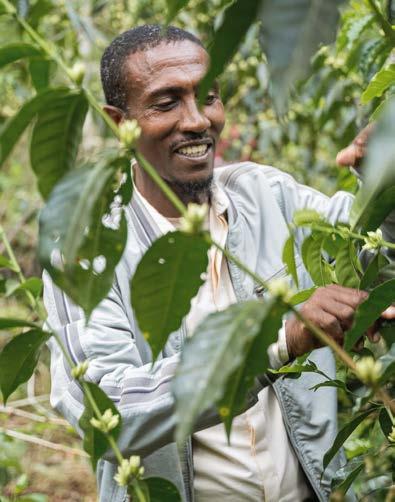
110 million Swiss francs: the amount that Switzerland alone has cut from its 2025 budget for international cooperation. Many other countries have also made cuts. Less money means fewer people in need receiving assistance. Novel approaches to cooperation are required.
The focus is increasingly on partnerships with the private sector. Take Ethiopia, for example: the Bale region is home to a unique botanical
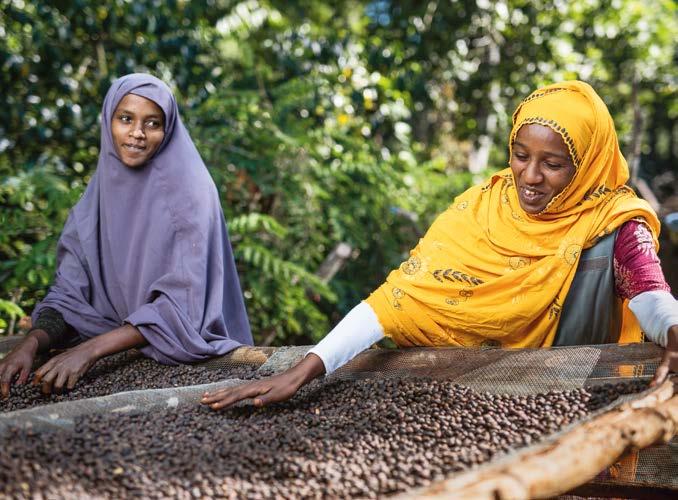
diversity, including wild coffee. In a project run by Caritas Switzerland and Original Food, smallholder farmers obtain certification for their wild coffee. This certification is a prerequisite for selling the coffee on niche and speciality markets.
Right from the start, Original Food, with facilities in Kriens and Freiburg, Germany, guaranteed the coffee producers a market for their carefully harvested produce. Encouraged by this, they invested in the certification process. Original Food is also investing in quality improvement and assurance for the wild coffee: it trains the farmers and provides materials for drying and storing the coffee. This has led to a mutual interest in long-term business relationships. In the first year of the partnership alone, the livelihoods of 335 coffee farmers and their families were secured.
Furthermore, the project demonstrates that it is possible to implement a viable business model and strengthen ecosystems at the same time. With the aim of both promoting biodiversity and tapping into further income opportunities, the project is now being expanded to include macadamia nuts.
Challenge 4: Changing priorities
For years, Caritas Switzerland has been shifting more resources, decision-making powers and leadership to local and national partner organisations in the countries where it operates. This translates into actions that are even more closely aligned with the needs of local communities.
They have a more lasting impact and, in the long term, foster greater responsibility, self-reliance and resilience. This approach, known as locally led action, is now also being embraced by donors such as the Swiss Agency for Development and Cooperation (SDC).
‘Locally led action does not happen overnight,’ notes Lena Edouard, programme manager for the Sahel at Caritas Switzerland. The real change occurs when there is a genuine transfer of responsibility and decision-making authority – and when Caritas's own role is redefined. In the Sahel, for example, a long-standing partner organisation oversees agricultural activities. It decides which communities to prioritise for support. Generally speaking, the partners take full responsibility for the planning and implementation of the projects – from needs assessment to budget control. Caritas Switzerland works alongside them and supports them as equals. ‘This takes time, coordination and mutual trust. But it’s worth it. Because this is how we ensure that aid is firmly rooted at the local level and has the greatest possible impact.’
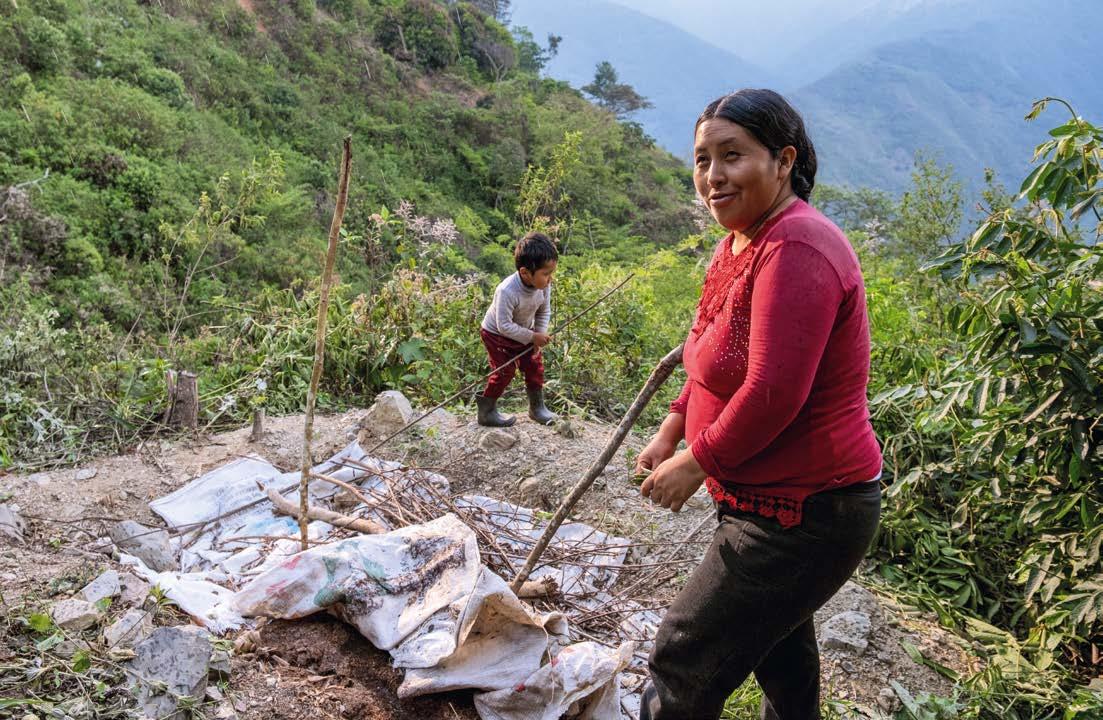
Farmer Primitiva Quispe Mamani is putting into practice what she learnt in a Caritas organic farming project. In doing so, she is contributing to greater biodiversity in Bolivia’s forests.
On the ground in times of need
No crisis should be forgotten
Venezuela
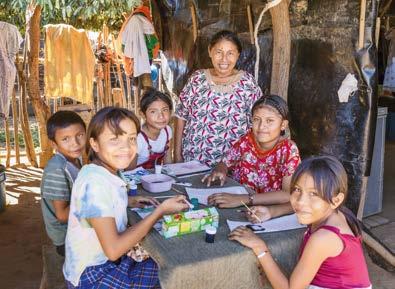
For the people of Venezuela, 2025 was a turbulent year. While the conflict with the USA escalated, opposition politician María Corina Machado was awarded the Nobel Peace Prize. A glimmer of hope in this authoritarian state, where extreme poverty and malnutrition are part of everyday life.
Caritas Switzerland and its local partner organisation are working to strengthen food security. Tens of thousands of volunteers distribute food and drinking water every day. Families also receive medical and legal assistance.
For many people, however, the only option is to flee. Almost eight million Venezuelans now live in neighbouring countries. That is why Caritas Switzerland is also operating in Brazil, Colombia and Peru. In 2025 alone, together with its partners, it supported around 50,000 people in the region.

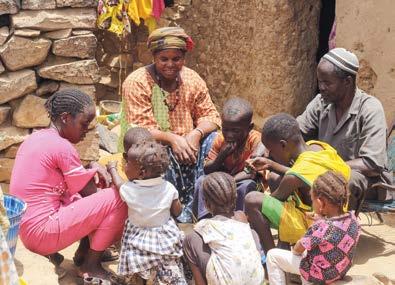
In the Bandiagara region in central Mali, most people subsist on what they grow themselves. However, only 10 per cent of the land is arable and poverty is widespread. Caritas Mopti, the local partner organisation of Caritas Switzerland, is implementing a food security programme cofunded by the Swiss Agency for Development and Cooperation (SDC): Caritas distributes seeds that are adapted to local climate conditions. Agroecological techniques are being introduced to improve soil quality. The programme also helps to improve access to markets. And it promotes dialogue within the community, a necessary exercise as land ownership issues often lead to tensions. More than 40,000 people are taking part in the programme.
caritas.ch/venezuela
caritas.ch/mali

Bosnien und Herzegowina
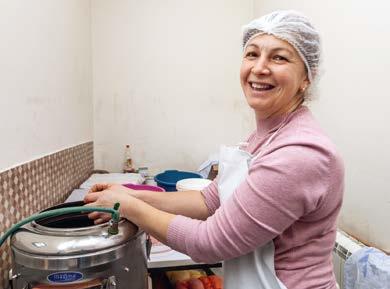
In Bosnia and Herzegovina, high unemployment, the exodus of young people and climate-related challenges are having a major impact on society. Women, young people and those living in rural communities, for whom future prospects are limited, are particularly affected.
In 2025, Caritas Switzerland continued its efforts to address these structural issues. At the heart of these efforts is close cooperation with municipal authorities and local partners. In over 40 municipalities, Caritas is strengthening the local economy through a range of projects, promoting education and training, and creating new career paths in environmental sectors such as solar energy. In 2025, 1,161 people took part in the projects. In this way, Caritas Switzerland is making an important contribution to stabilising the economy and, in particular, opening up future prospects for young people in their own country.
caritas.ch/bosnia-herzegovina
Tschad
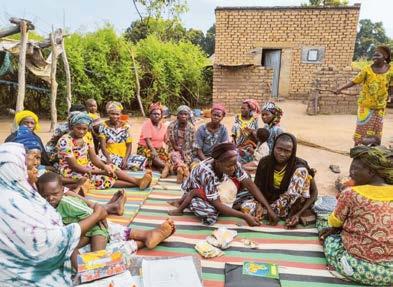
In southern Chad, around 60 per cent of the population suffers from severe food insecurity. Many people are fleeing into the region from neighbouring countries, which is increasing the strain on resources and heightening the risk of conflict.
Through the NexSud project, Caritas Switzerland aims to improve the living conditions of local people, returnees and displaced persons. In 2025, year two of the project, solar-powered wells were installed to ensure access to water. Unconditional cash assistance has been provided to 2,753 people in urgent need, enabling them to receive training in a wide range of occupations, such as livestock farming, sewing, welding and carpentry. They have also been supplied with seeds. Finally, theatre performances are being used to cultivate peaceful inter-community relations.
‘The best way to tackle poverty is to let local actors make the decisions’
International cooperation under pressure
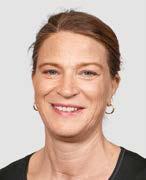
At a time when more and more people in many parts of the world are suffering from poverty, war and the climate crisis, billions are being cut from public development funding. Martina Weber, Head of International Cooperation, explains the implications of this and how Caritas Switzerland is responding.
Martina Weber, 2025 got off to a disastrous start: the Trump administration slashed USAID funding by 80 per cent. What went through your mind at the time?
To be honest, it came as a shock. Virtually overnight, a key source of funding for global development cooperation – around 50 billion dollars a year – simply disappeared. This erosion of solidarity worries me, even here in Switzerland.
Is solidarity in decline in Switzerland?
We are fortunate to be able to count on loyal supporters. But in the political arena, priorities have shifted. It is not only the US that is slashing its development aid; Switzerland and other countries are doing so too.
What impact will the cuts have?
According to initial estimates, the cuts will lead to around 14 million deaths by 2030. What has been built up over decades is in danger of collapsing. I saw this for myself in November at the
‘ The global erosion of solidarity worries me. ’
Bidibidi refugee camp in Uganda. The UN had to reduce funding, leaving people without money for food or clothing. As a result, the greengrocer and the tailor no longer earn anything, and the suffering deepens.
Are Caritas Switzerland projects also affected by the cuts?
Not yet. But the environment is becoming significantly more challenging. And it is becoming harder to keep projects going or to fund new ones.
How is Caritas responding to this challenge?
We are placing greater emphasis on projects that give people the means to generate an income. This helps to reduce poverty directly
and sustainably. Another approach is locally led action. We are gradually handing over more responsibility and resources to our partner organisations. And now we are stepping up this process. It helps us to reduce structural costs while putting in place a form of cooperation that is more in step with the times.
What does this cooperation look like?
Our roles are changing: away from the traditional ‘donor’ and ‘recipient’ model, towards partnerships between equals. It is about developing solutions together, rather than relying on readymade solutions from Switzerland. After all, our partners know the realities on the ground better than we do. I am convinced that the best way to tackle poverty is to let local actors make the decisions.
What role does that leave for countries like Switzerland?
The Global North bears the responsibility. Today, we still owe our prosperity to inequalities borne by countries in the Global South. We are also responsible for most of the world’s crises, such as the climate emergency, while others are left to deal with the consequences. Taking responsibility means actively tackling these injustices. Regrettably, we are currently doing the exact opposite: funding is falling as needs are rising. This is hard to come to terms with.
What motivates you to keep going despite everything?
We have a fantastic team. I’m impressed by the flexibility and creativity shown by our staff in tackling challenges. Meeting people in the countries where we operate also motivates me. In South Sudan, a farmer told me how he had adapted his farming methods to the changing climate and can now feed his family. That moment of pride and self-reliance was deeply moving. It shows what is possible and why our work remains so important.
Martina Weber
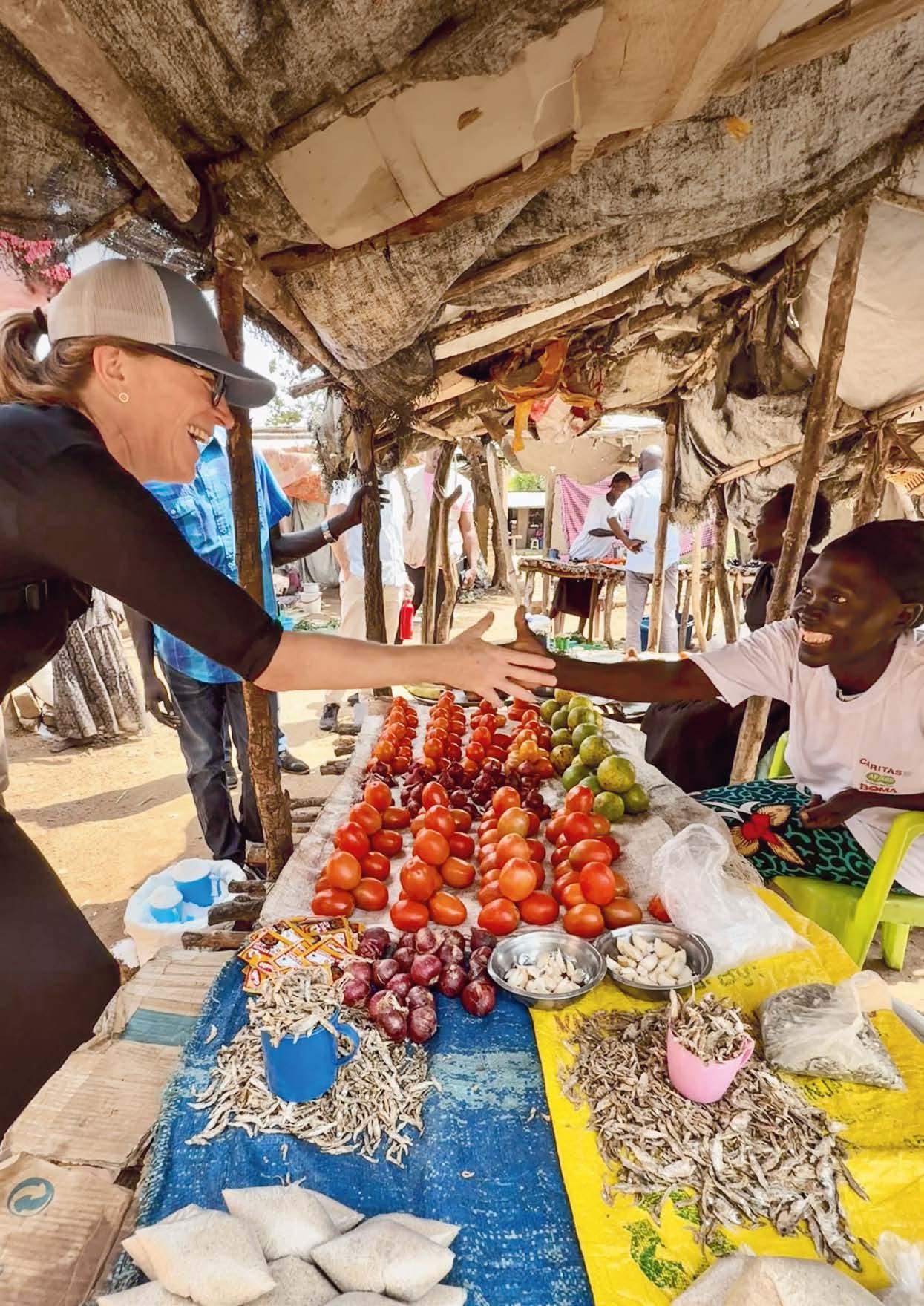
Give people the means to secure their own livelihoods: this is the goal of Martina Weber, pictured here talking to a saleswoman in Uganda.
Fleeing to an already beleaguered country
In places where wars drag on and the international spotlight fades, humanitarian challenges grow. This came into sharp relief in Sudan last year: with every escalation, the number of people forced to flee their homes rose, as did the need for protection and care both within the country and in neighbouring states such as South Sudan.
In recent years, a political power struggle in Sudan has escalated into a war with devastating consequences that have spread far beyond the country’s borders. ‘The fallout from this conflict has long since ceased to affect Sudan alone; it is now destabilising the entire region,’ explains Marjan Mukwasa, a Caritas Switzerland employee in South Sudan.
The fighting between the Sudanese Armed Forces (SAF) and the paramilitary Rapid Support Forces (RSF) sparked off in April 2023 and still rages today. Attacks on civilian infrastructure, including hospitals, and widespread violence against the population are worsening the humanitarian situation dramatically and have so far forced over twelve million people to flee – many of them to South Sudan.
Over a million displaced people from Sudan now live there. ‘In South Sudan, refugees are entering a country that itself has hardly any resources left,’ Mukwasa points out. Even before that, the situation was extremely fragile: conflicts, floods and crop failures, high inflation and severely limited basic services have been part and parcel of everyday life for years. South Sudan is itself one of the poorest countries in the world.
In 2025, Caritas Switzerland provided medical and psychosocial support in various refugee camps, set up safe spaces for children and women, and delivered material and financial aid. At the same time, it took a long-term approach to economic development: it promoted local market systems and improved income opportunities for smallholder farmers with the aim of strengthening food security and building resilience within affected communities. With this approach, Caritas assisted more than 30,000 people in South Sudan in 2025.
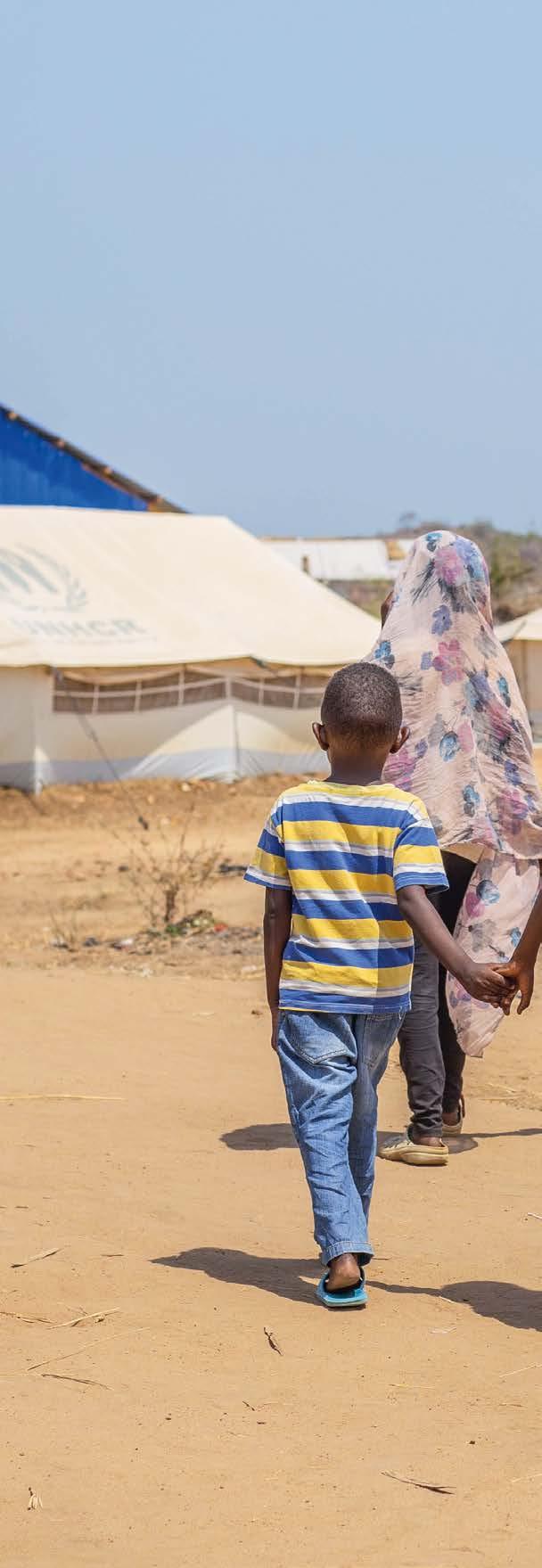
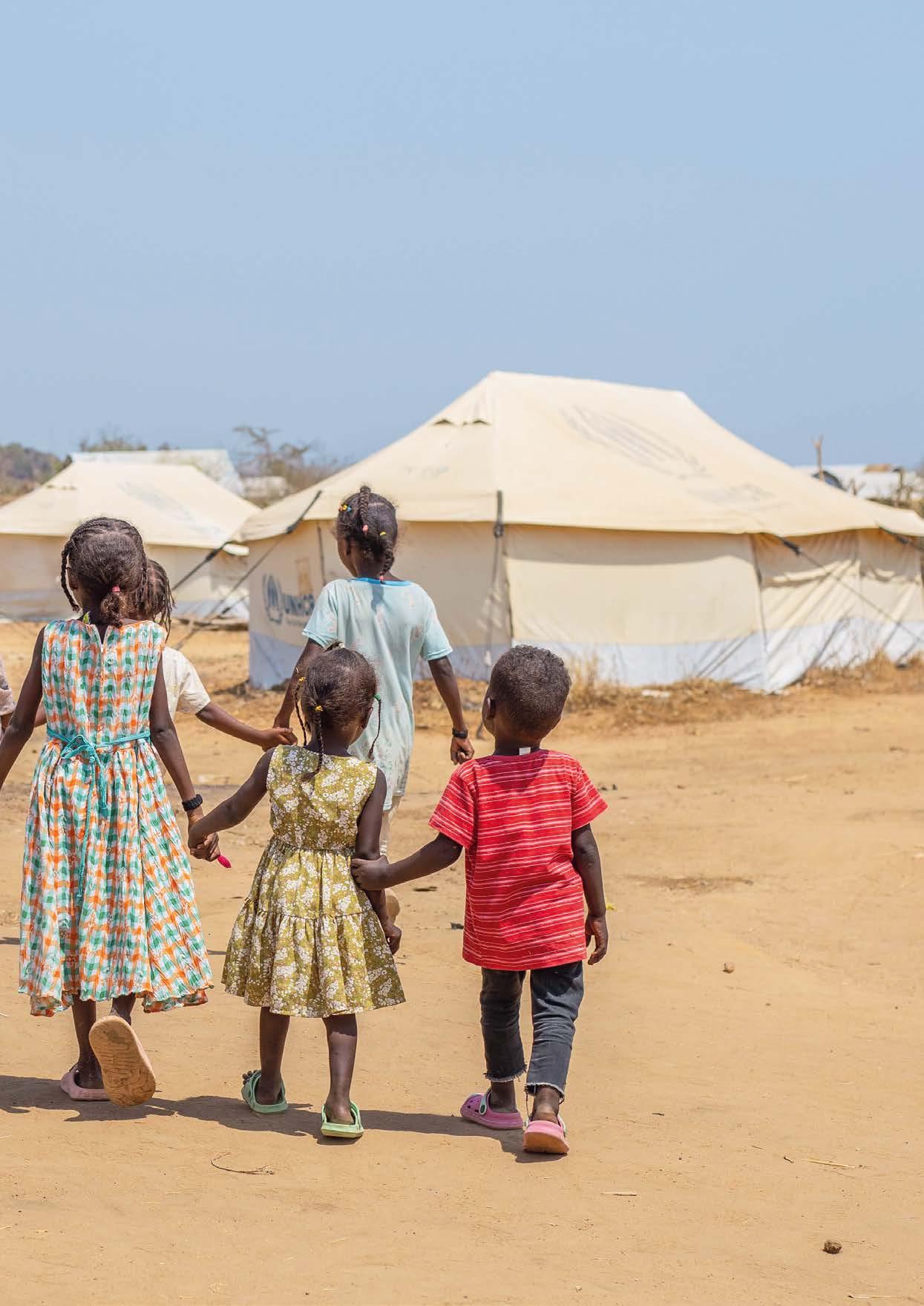
Many people from Sudan are fleeing to neighbouring South Sudan, where they find shelter in ill-equipped camps.
In 2025, Caritas Switzerland supported
43,816
people in Africa who had been forced to flee war and hardship. Worldwide, it provided assistance to 150,523 refugees.
Ukraine: Resilience in the face of war
the power grid and the widespread
Green energy and sustainable fishing in Haiti
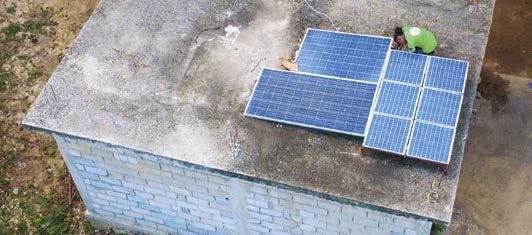
The Revive project is opening up new prospects for the people of Belle-Anse, south of Port-au-Prince, as they come to terms with the climate crisis. Thanks to solar power, fishing communities and traders can now benefit from modern storage technologies. The local population is cutting down fewer trees and planting new ones. Young people are being trained in solar technology, whilst fishers are learning resource-efficient fishing methods. Incomes are rising, food security is improving and the mangroves are being protected.
caritas.ch/haiti
use of drones are on the rise. Against this backdrop, the civilian population is demonstrating remarkable resilience. Despite the war, they carry on with their daily lives: children attend school, adults work, people meet in cafés, and cultural life continues.
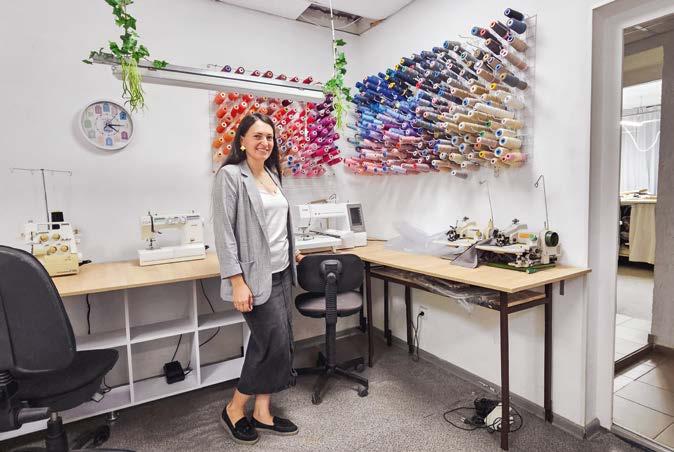
In 2025, Caritas again stood firm in its solidarity with the people of Ukraine. Together with Caritas-Spes and Caritas Ukraine, Caritas Switzerland is providing humanitarian aid in the hard-hit eastern regions, including emergency financial assistance and home repairs. In the southern and western parts of the country, it assists in rebuilding livelihoods and helps vulnerable people to get back on their feet while also focusing on mental health.
caritas.ch/ukraine
Myanmar: Multiple crises – strong partners
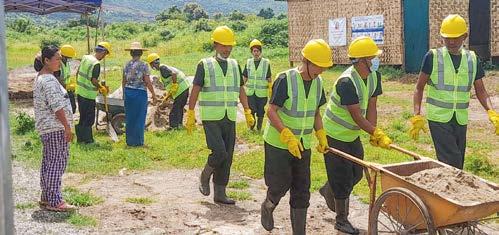
2025 was a dark year for Myanmar. The country, already scarred by conflict, was rocked by a powerful earthquake on 28 March. The disaster claimed 5,400 lives and destroyed homes and roads. Torrential monsoon rains exacerbated the damage. Caritas Switzerland’s local partners provided rapid emergency aid: they delivered drinking water, food and medical supplies to the affected regions. The focus has now shifted from emergency aid to reconstruction and strengthening local communities – through cash assistance or support for small income-generating projects.
caritas.ch/myanmar
Daily air raid sirens, devastation and constant insecurity were a daily reality in Ukraine in 2025. Russia›s war of aggression continues unabated, wreaking havoc on the lives of millions of people. Attacks on
Valentyna Babenko lives and breathes her work as a tailor and has managed to rebuild her sewing business in Odesa Oblast.
Gaza: Emergency aid under extreme conditions
If
The humanitarian crisis in the Gaza Strip continued to worsen in 2025. While the population starved, aid supplies were held back. Caritas Switzerland and its partners had to constantly find new ways to reach the people.
‘The days here are dominated by the search for food, water and emergency shelter. The nights are filled with fear and worry about what lies ahead.’ What Ahmed Dahalan described in October 2025 perfectly sums up the situation in the Gaza Strip. Tens of thousands of people
‘ The days here are dominated by the search for food, water and emergency shelter. ’
have lost their lives to Israeli military operations against Hamas, and 90 per cent of homes have been destroyed. Famine was declared in August.
As a project manager at Catholic Relief Services, a partner organisation of Caritas Switzerland, Ahmed Dahalan worked tirelessly every day to alleviate this suffering. It was no easy task: humanitarian aid was repeatedly hampered, whether by fighting or by Israel’s blockades, which lasted for months.
Cash assistance instead of hygiene products
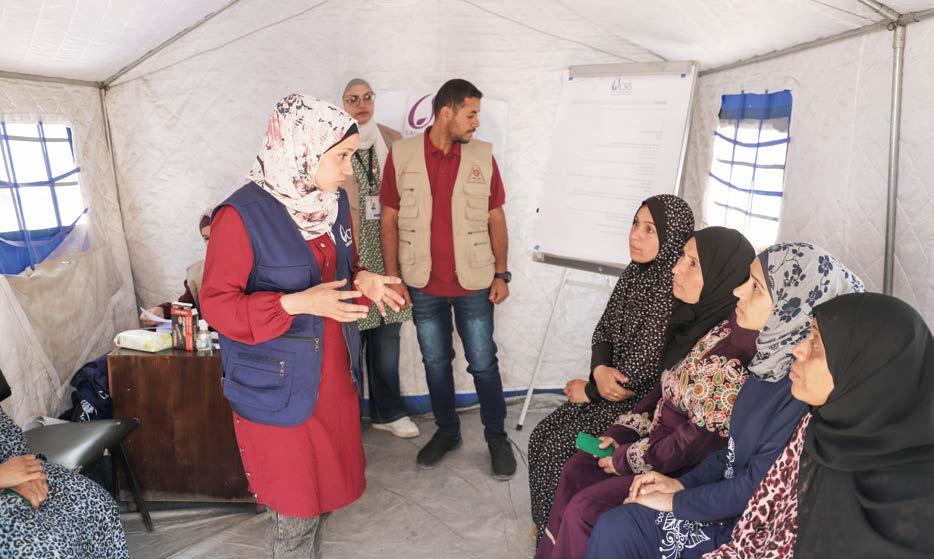
As a result, Caritas partners had to constantly adapt their aid efforts. During brief periods of ceasefire, they restocked their warehouses. When new relief supplies, such as hygiene products, could not be imported, they transferred small sums of money to those most in need. This enabled them to buy what they urgently needed.
Yet even humanitarian facilities came under attack. Several health centres run by Caritas Jerusalem – another partner of Caritas Switzerland – were hit. Where possible, the centres were rebuilt. Where this was not possible, Caritas Jerusalem provided medical treatment and psychological support to people at other locations.
Despite the most adverse circumstances, Caritas Switzerland and its partners were able to support 68,456 people in the Gaza Strip last year. The need remains immense.
‘The destruction is everywhere,’ says Ahmed Dahalan, ‘but we will carry on. Our commitment to making the world a more humane place is unwavering.’
necessary, Caritas Switzerland’s partner organisations provide assistance in tents.
A challenging political climate for social causes
Caritas Switzerland advocates for policies that address the needs of vulnerable people both at home and abroad. Social causes are presently up against strong headwinds, both in world politics and in the Swiss Parliament.
Funding for international cooperation is being squeezed all over the world, putting support for the poorest communities at risk. In early 2025, the newly inaugurated US President announced that he would close the US Agency for International Development (USAID). This meant that around a quarter of global development funding was cut in one fell swoop. International organisations such as the United Nations Children’s Fund (UNICEF) and the World Health Organisation were affected, as were local civil society projects. This decision could cost millions of people their lives.

Standing up for international cooperation In a joint open letter, Caritas Switzerland, Fastenaktion, HEKS, the Evangelical Reformed Church of Switzerland and the Swiss Bishops’ Conference wrote to Federal Councillor Ignazio Cassis. They warned that the USAID funding cut threatens to bring about the collapse of international humanitarian structures. Switzerland must not remain silent on this matter.
Yet Switzerland continues to wield the axe on international cooperation – in the 2025 and 2026 budgets, in addition to the 2027 relief package. Such cuts hit the poorest hardest. Caritas made this point clear during a hearing before the parliamentary committee that oversees these matters.
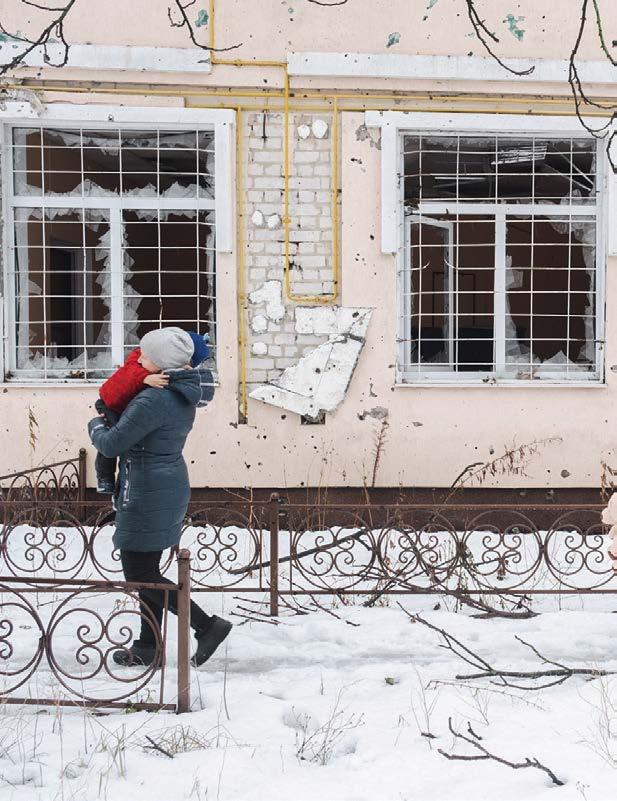
The rising cost of housing is the largest expense on the budgets of poor households. Caritas Switzerland supports the Rent Control Initiative, which aims to provide better protection against abusive rents.
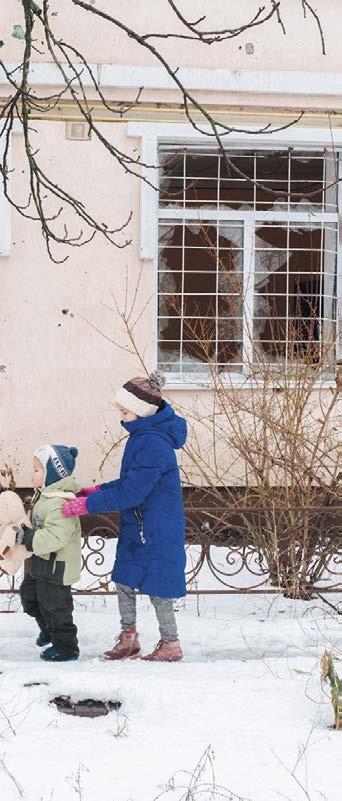
The launch of the Responsible Business Initiative made it clear that a broad cross-section of the population attaches great importance to Switzerland acting responsibly. In just one month, 287,000 signatures were collected. Caritas Switzerland is represented on the committee behind this initiative.
Caritas has repeatedly expressed concern about the situation in Gaza. In May 2025, for instance, it signed a joint appeal issued by development organisations, calling on the Federal Council to ensure unimpeded and impartial delivery of humanitarian aid.
Caritas Director Peter Lack took part in the second UN World Social Summit in November as a civil society representative in the Swiss delegation led by the State Secretariat for Economic Affairs. The summit received little coverage in the local media. Switzerland chose not to send a member of the government. ‘A stronger commitment to combating global poverty is urgently needed today. This also applies to wealthy countries such as Switzerland, which must allocate the necessary funds for development cooperation,’ stressed Peter Lack.
Further erosion of migrant protection
Caritas is campaigning to ensure that protection status S for refugees from Ukraine is not undermined. Regrettably, there has been a setback: Switzerland now distinguishes between ‘safe’ and ‘unsafe’ areas in Ukraine and grants protection status only to refugees from ‘unsafe’ regions. Caritas considers this untenable, as there are no places that can genuinely be described as safe in this devastating war.
Fearing they might lose their right to reside in Switzerland, more and more people without a Swiss passport are foregoing social assistance despite financial hardship. This is a common theme in the social counselling services of regional Caritas organisations. Parliament set out to improve this situation two years ago. But the tide turned during the 2025 winter session. The National Council scrapped the bill, meaning the current restrictions remain in place. This is a bitter blow for many people who are being pushed into precarious circumstances for fear of sanctions under immigration law.
A clearer picture of poverty in Switzerland
A comprehensive overview of the extent of poverty in Switzerland, who is particularly at risk, and effective measures is now available. In November 2025, the Federal Council published the first National Report on Poverty Monitoring, which brings together statistics and the latest research findings. The report is designed to provide the federal government, cantons and municipalities with the knowledge needed for a targeted approach to tackling poverty. Caritas Switzerland contributed through project groups to the preparation of the monitoring report.
To make information about poverty more accessible to the public, Caritas has developed a new web platform. The launch will take place at the start of 2026, the anniversary year of Caritas Switzerland. What does it mean to be poor in wealthy Switzerland? Who is affected and in what way? What can policymakers do to tackle poverty? The platform is a source of well-founded answers, featuring explanations, facts, figures and case studies.
The rising cost of housing is the largest expense on the budgets of poor households. More affordable housing is needed; otherwise, poverty will rise. Caritas Switzerland supports the Rent Control Initiative, which aims to provide better protection against abusive rents.
At the end of the year, there was positive news from the National Council: Switzerland is finally set to introduce a debt relief scheme that will give heavily indebted people a second chance. Caritas has been campaigning for this for years.
Visit the poverty platform: caritas.ch/armutsplattform
There are no places in Ukraine that can be described as safe. The hardship is particularly acute in winter.
Targeted aid after the landslide
The natural disaster in Blatten 2025

A glacier collapse at the end of May 2025 turned the lives of the people in Valais mountain village of Blatten upside down overnight. Many of them lost everything they owned in the space of a few moments.
Caritas Switzerland has been supporting the community from the very start, alongside the Swiss Red Cross (SRC) and Swiss Solidarity. Assistance was provided in several phases: as early as the beginning of June, all residents of Blatten received emergency aid of 2,000 Swiss francs to cover their most urgent needs. Phase two brought stop-gap aid, for example for temporary housing or essential purchases. In phase three, any remaining uncovered costs are paid to protect low-income households in particular from long-term financial hardship.
Generous support thanks to many donations
Caritas contributed around 200,000 Swiss francs to the emergency aid fund, which was distributed to all affected households. In addition, by the end of 2025, the Donations Committee had approved a total of 50 of the submitted applications; Caritas Switzerland contributed to 36 of these with payments totalling 412,748 Swiss francs. The applications are carefully examined and assessed on a case-by-case basis by the Donations Committee set up specifically for this purpose. Support will continue in 2026.
More on domestic disaster relief: caritas.ch/katastrophenhilfe-schweiz
The landslide turned the lives of the people in Blatten upside down. Many lost their homes and all their belongings.

disaster relief
‘ The social safety nets in Switzerland are robust. But there are cases where an event like this can leave people in severe social hardship. ’
Silvano Allenbach, Head of Swiss Disaster Relief at Caritas, in an interview with Tages-Anzeiger on 30 May 2025, a few days after the disaster

A long-term commitment to reconstruction Bondo after the landslide of 2017
The Bondo landslide in August 2017 ranks among the most devastating natural disasters in recent Swiss history. Following several rockfalls on the Piz Cengalo mountain, deadly mudslides reached the village, damaging homes, businesses and infrastructure. Eight people lost their lives.
Rebuilding the infrastructure: the main challenge
Bondo also benefited from the tried-and-tested three-stage support process. While immediate relief was the priority in the initial period following the disaster, it soon became clear that rebuilding and expanding protective infrastructure would be particularly challenging. Although the village had some small structures in place for protection, these were largely swept away by the force of the event.

In addition to considerable damage to private property, this also resulted in high costs for the municipality. As there is still a risk of rockfalls on parts of Piz Cengalo, extensive new protective structures had to be built. Planning, financing and implementation proved to be complex and protracted. But everything fell into place thanks to support from all sides: the federal government, the canton, the municipality and private donations. Caritas Switzerland supported this process. The new protective structures were completed in 2025 – eight years after the event.
Switzerland Education: a privilege?
High barriers to accessing further training
Adèle Villiger is a member of the Flexifeen cleaning cooperative in Basel. As a single mother who believes education is important, she is studying for a bachelor’s degree. In January 2025, she spoke about her experiences at the Caritas Forum: ‘Unfortunately, I’m funding my studies out of my own pocket.’ She receives zero help from social security for this. That means she
‘ People affected by poverty cannot take the time off to attend courses because they would not earn any income . ’
Aline Masé, Head of Social Policy at Caritas Switzerland
has to watch every penny and even dip into the money she sets aside for food. ‘I faced a lot of hurdles growing up. But I want to show that so much is still possible.’
More educated people have easier access to training
In no other country in Europe are educational opportunities distributed as unevenly as in Switzerland. Higher earners are more than twice as likely to benefit from employer-supported training than lower earners. When looking at educational attainment, access is even more unequal.
Paradoxically, it is precisely those with financial difficulties and a low level of education who are denied access to vocational and professional development opportunities. Yet they are the ones who would benefit most from it as a means of avoiding or overcoming poverty. ‘People affected by poverty cannot take the time off for courses and training programmes because they would not earn any income or would be unable to afford childcare. This only serves to reinforce their precarious situation,’ says Aline Masé, Head of Social Policy at Caritas Switzerland.
Calls for more equal opportunities
This situation can be remedied. In its position paper ‘Improving educational opportunities, reducing the risk of poverty’, Caritas Switzerland proposes various measures: Inequality in educational opportunities begins even before nursery school. Children whose parents have a lower level of education or no recognised qualifications are at a disadvantage. By starting school earlier and delaying the division of pupils into groups based on academic ability, the education system could be reformed to ensure equal opportunities.
Those who are able to pursue education and professional development opportunities are less at risk of poverty.
As for adult learners on a tight budget, they need grants to cover living costs while they study or undergo further training. These grants should not only cover course costs, teaching materials and examination fees, but also compensate for loss of earnings. Another important step is to put in place procedures for recognising foreign qualifications or long-term professional experience across as many professions as possible.
There is also a need for educational programmes that are tailored to the everyday realities of adults living in precarious circumstances. Employers have a responsibility to provide greater support for the continuing professional development of people with low levels of formal
education and low incomes. Last but not least, affordable childcare is essential so that parents on low incomes, and single parents in particular, can pursue their educational goals. Adèle Villiger’s example makes it clear that educational aspirations often fail not because of a lack of will, but because of structural barriers.
Social Almanac 2025: ‘Stable yet precarious. Can (further) training lift people out of poverty?’ caritas.ch/sozialalmanach-2025
Caritas position paper on education: caritas.ch/bildungschancen
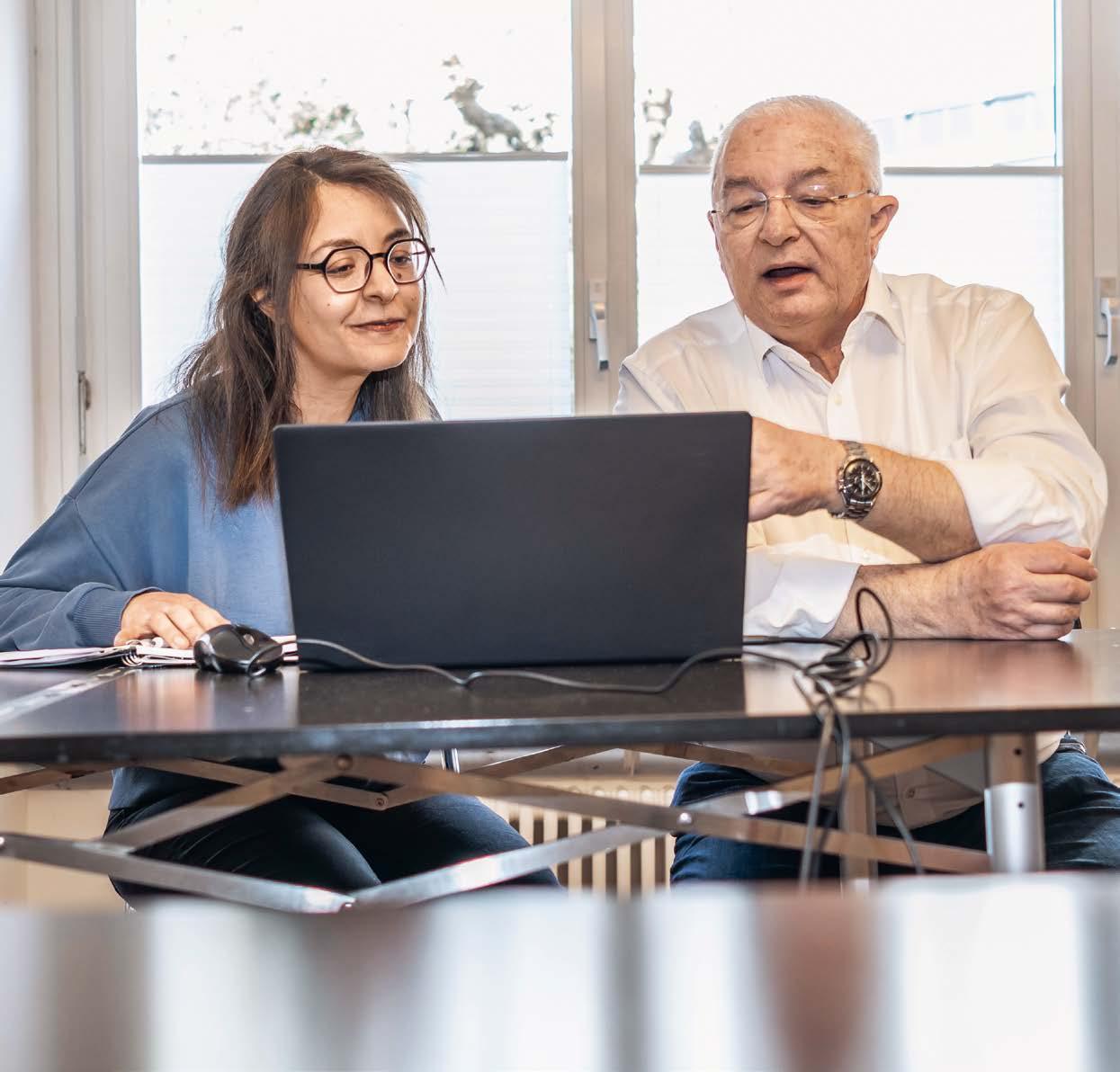
Poverty affects many people in Switzerland too:
743,000
people live below the poverty line – 8.4 per cent of the population.
youngCaritas camps deliver fun and action
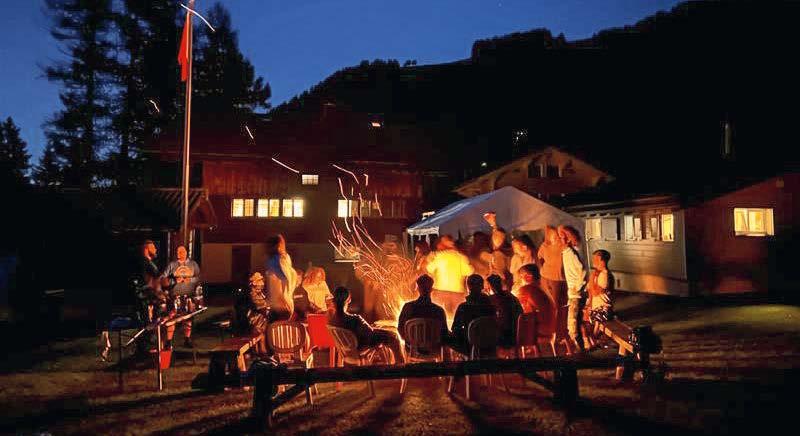
A cosy campfire gathering, cooling off from the summer heat at the outdoor pool: the youngCaritas summer camps brought together teenagers and young adults, refugees and non-refugees alike. For the first time, the camps ran for two weeks. Twenty enthusiastic leaders put together the programme. Over 70 participants from 14 countries had a great time together. They attended a photography workshop, decorated T-shirts and worked up a sweat playing volleyball and football. And best of all: new friendships blossomed.
youngcaritas.ch/sommerlager
Interest-free loans for over-indebted people

Through the newly launched ‘Neustart’ project, Caritas and Alternative Bank Switzerland are helping over-indebted people to make a fresh start. Through the counselling services, support is provided to people who are unable to escape the cycle of debt and who fulfil certain other criteria. They receive interest-free loans and repay them in instalments over a period of three years.
So far, twelve applications have been approved, amounting to payments of 187,760 Swiss francs. Repayments are being made reliably and the aim is to continue the project.
caritas.ch/neustart
Caritas makes care work visible
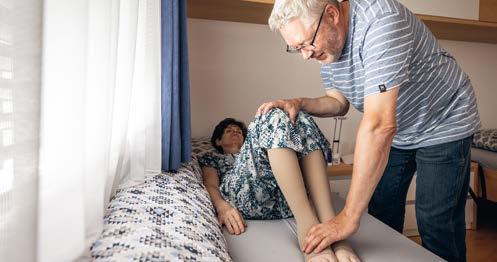
Over half a million people in Switzerland perform unpaid care work. They make a vital contribution to the healthcare system, yet receive little recognition or financial security. To address this, Caritas Switzerland provides financial support to family carers and offers them professional guidance. ‘In doing so, we are making care work visible,’ says Tobias Holzgang, Head of Caritas Care. ‘Because for as long as this work is taken for granted, there will be a lack of support.’ In 2025, the service was expanded: from Central Switzerland and the canton of Bern to the two cantons of Basel and Aargau. caritascare.ch
Films that change the world

The 23rd International Film Festival and Forum for Human Rights (FIFDH) took place in Geneva in March. It combines film screenings with debates on war, conflict, migration, displacement and global justice. Caritas Switzerland is one of the festival’s main partners. This partnership underscores Caritas Switzerland’s commitment to the most vulnerable people both at home and abroad. The festival builds bridges between the world of film and the work of NGOs, thereby raising the profile of important human rights issues.
Working towards self-reliance
When it comes to helping refugees gain a foothold in the labour market, a caring relationship is paramount. The Caritas Switzerland Integration Office in French-speaking Switzerland supports them in their job search. It stands by their side as they navigate their way towards financial independence.

As part of ‘Step By Step’, refugees create a self-introduction video. It complements their CV and helps them find a job.
The road to stable employment was a long one, but A. B. (full name withheld) was always highly motivated. He arrived in Switzerland from Eritrea in 2016, and his asylum application was approved in 2019. Shortly afterwards, he met Matthieu Cattin, a career guidance counsellor at the Caritas Switzerland department for migration and integration for French-speaking Switzerland. Together, they
‘ Successful support requires a good relationship. ’
(EFZ) as a facility management technician and promptly found employment. A. B. is now financially independent. Therefore, support from Caritas Switzerland comes to an end in February 2025.
A step-by-step path to success
This journey highlights just how important it is to have support. ‘Successful support requires flexibility, creativity and, above all, a good relationship,’ explains Matthieu Cattin. Challenges abound: the job market is highly competitive, and a strong emphasis is placed on qualifications in Switzerland. To address this, Caritas develops innovative projects such as the ‘Step By Step’ programme, which is now being expanded following a successful launch. In this training programme, refugees complete four practical modules that equip them to find an apprenticeship or job more easily and become self-reliant. In 2025, a total of 17 people completed three full courses.
Furthermore, in 2025, thanks to several partnerships with the canton of Fribourg and other stakeholders in the labour market, training programmes were offered in areas such as construction and healthcare.
Working tirelessly for asylum seekers
Caritas Switzerland supports refugees across a wide range of areas on behalf of the federal government, cantons and municipalities. In 2025, this work included:
• 8,345 asylum seekers legally represented in federal asylum centres, including 1,246 unaccompanied minors.
• 2,151 people assisted in cantonal asylum centres, including 441 unaccompanied minors.
• 3,263 refugees in the canton of Fribourg were given assistance.
• 757 powers of attorney granted to legal counsellors in Central and Western Switzerland.
• 536 cases of human trafficking identified. caritas.ch/asylumand-integration
set themselves a goal: to find A. B. an apprenticeship as quickly as possible. They met regularly, one to three times a month. Matthieu Cattin supported him with his job applications. A. B. wanted to become a maintenance technician. However, his search for a job proved difficult. The Eritrean attended a workshop to learn how to apply for a job successfully. His efforts paid off: A. B. was able to complete basic training as a facility management assistant with a Federal VET Certificate (EBA) at a hospital in Fribourg. Matthieu Cattin continued to support him. The EBA was a first milestone for A. B., which he built upon with the support of the counselling service: in 2024, he obtained the Federal VET Diploma
Work in the network
Cooperation with the regional Caritas organisations
Recyclerie
A new chair from old skis Caritas Geneva runs a ‘Recyclerie’: at seven locations, it sells sec ond-hand clothing, furniture, crockery and household appliances. The largest store receives 1,200 tonnes of household items and 120 tonnes of clothing every year.
At the heart of the ‘Recy clerie’ is the ‘Upcyclerie’. Here, new items are created from second-hand goods that would otherwise end up on the scrap heap: old skis are turned into chairs, curtains into chic handbags, and lorry tarpaulins into stylish key rings. The ‘Upcyclerie’ employs people who cannot find work on the open labour market.

recyclerie.ch
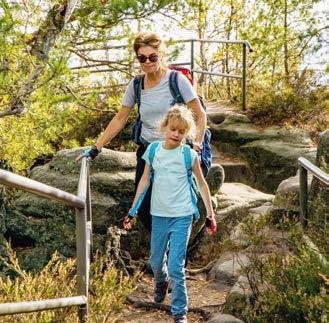
‘with me’
Sharing experiences together
The ‘with me’ befriending programme enables children from families affected by poverty to break out of their everyday routine. Volunteer befrienders meet regularly with the children. This unlocks new possibilities, boosts their self-confidence and encourages them to participate more fully in society. The parents are given a break, and the befrienders broaden their own horizons as a result of the personal interaction. A win-win situation for everyone involved. As of the end of 2025, there were 293 befriending arrangements.
mitmir.ch
Geneva
Valais
Vaud
Central
Switzerland
Zurich
Aargau
Jura
Fribourg
Neuchatel
Solothurn
Bern
Basel

Thurgau
St. GallenAppenzell
CaritasGo
Rapid assistance in the social welfare maze
‘Hello! Are you entitled to state support or other assistance?’ This is how ‘CaritasGo’ opens its dialogue with users of an app developed by Caritas Central Switzerland. The service guides users through the social welfare maze: the app explains in clear terms what support is available, checks eligibility and directs them to suitable counselling services. The multilingual chatbot is available round the clock. It breaks down barriers for people who often put off seeking support out of shame. CaritasGo makes it easier to find social support –starting in the canton of Lucerne and later to be rolled out nationwide.
caritas.ch/caritasgo
Shopping discounts, debt advice
Caritas Switzerland works hand in hand with 16 regional Caritas organisations. Together, they are able to provide a wide range of services for people affected and at risk of poverty.
Caritas Market has a new app
At Caritas Market, food and everyday essentials are available at heavily discounted prices. This service is vital for easing the strain on the tight budgets of people living in poverty. Demand has been rising for years: around 3,600 people shop at the stores every day. Last year, a total of 1.1 million sales were recorded across the 22 locations.
The new «Bonus+» app has been available to customers since November 2025. The KulturLegi can be linked to the app, which grants access to the Caritas Market. With the app, users also receive discounts on selected products as well as information on promotions or other Caritas services.
Over 3,000 debt enquiries
People with financial worries can get quick and simple help from ‘SOS Schulden’ – online, by phone or in person. The service is run by Caritas Switzerland, four regional Caritas organisations and seven advisory services. A total of 3,011 enquiries were received in 2025, almost 10 per day. In more complex cases, debt counsellors from the umbrella organisation Debt Advice Switzerland also receive support from lawyers at Caritas Switzerland. Last year, 305 cases were handled in this way.
KulturLegi
Get more out of life: discounts for people living in poverty
Being part of society boosts well-being and promotes integration. This is where KulturLegi comes in. The little red card, also available digitally, gives people with limited financial means discounted or free access to over 4,200 activities in the fields of culture, sport, education and health. An increasing number of supported programmes and group activities are also being organised. These help break down barriers and encourage people to share their free time and have fun together. KulturLegi brings back a sense of normality, dignity and social participation for 219,477 people in Switzerland.

caritas-regio.ch
The Caritas network in figures
4,872 volunteers
301,054 hours of voluntary work
1,569 employees
942 employees on hourly wages 173 training places
kulturlegi.ch
Ticino
When everything is in flux
Both globally and in Switzerland, change was a defining feature of the past year. Constant change breeds uncertainty. For Caritas, too, this presented a major challenge.
From cost pressures in national and international asylum policy to cuts in development cooperation: 2025 was marked by upheavals, and Caritas Switzerland’s work was not spared from their impact.
One example is the asylum system in Switzerland. Caritas runs asylum centres in various regions on behalf of the cantons. Refugees and asylum-seeking minors are housed there and looked after by Caritas staff. If fewer refugees arrive, centres are closed; if numbers rise, new accommodation is opened at short notice. The decision lies with the canton, with Caritas then responsible for implementation. In the canton of Zurich alone, Caritas ran four centres on a permanent basis last year, closed two, and opened or reopened two.
‘Coping with the fluctuations is a complex task’
This means that resource requirements change almost overnight: one moment demand for staff is significantly higher, the next it is much lower; here additional IT infrastructure is needed, there it has to be scaled back; insurance, security measures and logistics also have to be con -
1,527 people work for Caritas Switzerland at home and abroad.
22 % of employees are over 55 years old, 14 % under 30.
stantly adapted. ‘Coping with the fluctuations is an extremely complex task,’ explains Chantal Cornaz, Head of Human Resources at Caritas Switzerland. ‘Close consultation and coordination between all departments is essential. Our staff have shown a great deal of flexibility on this front.’
A particular challenge arose in 2025 when the service contracts in the cantons of Schwyz and Zug were not renewed. The focus here was no longer on recruiting and training staff, but on identifying possible career paths for employees or even letting them go. ‘It puts a strain on the entire organisation. There is great pressure to act, yet at the same time it is important to take the time to listen,’ says Chantal Cornaz. Employees need to know who they can turn to and where they can get support.
The impact of AI and digitalisation
However, in 2025, these forces were not only at play in the Swiss asylum sector. The entire working environment in which Caritas Switzerland operates is proving to be highly volatile and driven by external factors. From contributions to international cooperation and the situation in the labour market to donations: nothing is constant or can be reliably predicted. Chantal Cornaz: ‘This raises the question: are our existing organisational structures flexible enough to react quickly to change?’
71 nationalities are represented among the staff. The countries with the most representatives are Switzerland, Chad and Ethiopia.
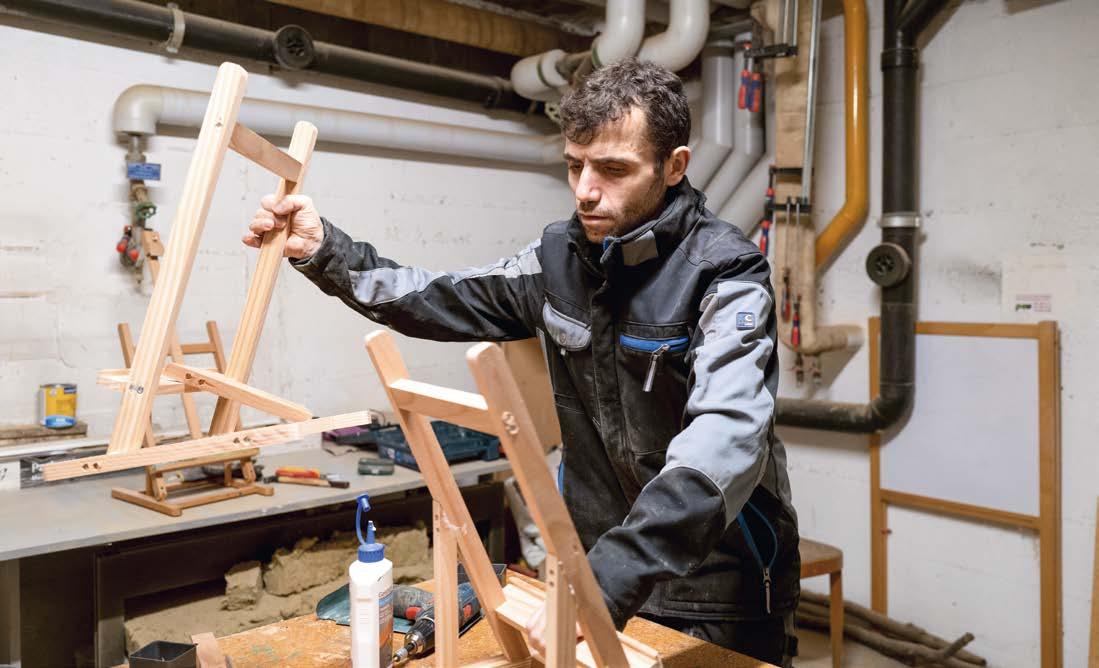
The rapid development of AI, flexible working hours and workplaces and digitalisation are also fundamentally changing working life. This, in turn, has implications for staff training needs. They are increasingly seeking flexible training models rather than rigid course designs.
Caritas Switzerland has therefore introduced a system called ‘learning time’, which can be self-managed as a kind of hourly allowance. The aim is to allow staff to make more flexible use of online seminars and tutorials, in addition to faceto-face training sessions. This makes it easier
441 unaccompanied minors were supported by Caritas Switzerland in 2025. They come from 19 countries.
38,805 hours of learning time are available to staff in total.
to integrate continuing professional develop
ment into work routines and tailor it to individual needs. The format is independent of location and time zone, in line with the international nature of the organisation. Caritas makes such arrangements available to its staff to accommodate the changing nature of their work.
78 employees work in Chad –the largest programme outside Switzerland.
Caritas Switzerland helps refugees to prepare for an independent life in Switzerland, as seen here in Matran.
Caritas in figures
Sources of Caritas income
Allocation of income
These figures are stated in accordance with the rules of Swiss GAAP FER 21 and the guidelines of the Zewo Foun dation for determining administrative expenses of non-profit organisations.
Private donations / income and contributions from public authorities
Thanks to financing alliances with Swiss Solidarity, the federal government and other partner organisations in Switzerland and abroad, Caritas is able to quadruple the effect of each franc donated to it.
Figures in conformity with Zewo guidelines
The detailed financial report is available on our website at: caritas.ch/annual-report
Boards
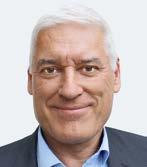
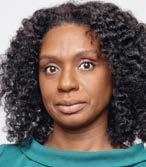


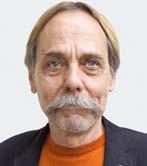


Steering Committee
Steering Board
President: Monika Maire-Hefti, registered nurse, former member of the Neuchâtel Cantonal Council, Les Ponts-de-Martel NE
Vice-President: Gisèle Girgis-Musy, lic. oec., Leutwil AG (until 31 May 2025)
Thomas Bösch, Dr oec, former Global Head of HR and Senior Head of HR, Hergiswil (since 1 June 2025)
Jean-Noël Maillard, Director Caritas Jura, Delémont Martin Wey, Dr iur. utr. / lawyer and notary, Deputy SecretaryGeneral SBK, Fribourg
Richard Chenevard, executive MBA, University of Geneva, former Deputy Director of SDC international cooperation office in Tajikistan, Sion
Chiara Gerosa Adamoli, lic. soc., journalist RSI, Rete uno, commentator RSI TV, Balerna
Anastas Odermatt, Dr phil., Sociologist of Religion, University of Lucerne, Ballwil
Stephanie Parague, graduate in Accounting and Economics, former director in the private finance sector, executive coach, board member of Women-in-Tech Switzerland (since 1 June 2025)
Additional Steering Committee Members Diocese of Basel: Michaela Zurfluh, lic. theol. I, Parish pastoral worker, Kriens and Ebikon parish area (until 31 May 2025) // Mathias Arbogast, Head of the Social Work Department of the Catholic Church in the Bern Region, Grenchen (from 1 June 2025) // Diocese of Lausanne, Geneva, Fribourg: Marianne Pohl-Henzen, philologist, Germanist, theologian, Fribourg // Diocese of Sion: Christian Thurre, deacon, research assistant at the Valais Cantonal Environment Office, Ovronnaz (from
1 June 2025) // Diocese of St. Gallen: Sabine Rüthemann, PR specialist and communications officer, Diocese of SG //Diocese of Lugano: Luigi Roncoroni, adult educator Division Manager FSEA Caritas Ticino, Cadro // Diocese of Chur: Bruno GutFuchs, deacon, Community Leader in parish of St. Verena, Stäfa // Regional Caritas Organisations: Pascal Bregnard, Director Caritas Fribourg, Billens // Fabienne Notter, Director Caritas Aargau and Caritas Solothurn, Solothurn // Silja Wenk, Co-Director Caritas Bern, Bern // RKZ: Roland Loos, dipl. Electrical Engineer, ETH Lausanne, President RKZ, Yverdon-les-Bains // SKF: Karin Ottiger, Social Worker FH Social Work, Managing Director SKF, Lucerne // Other members: Rudolf Rosenkranz, Managing Director, Switzerland. Caritas Initiative for the Blind, Adliswil (from 1 June 2025) // Christine Imholz, former Head of Mission Office of the Dominican Sisters of Ilanz, Grub AR (from 1 June 2025) // Thomas Odermatt, Managing Director of the Menzingen Institute, Ballwil (from 1 June 2025) // Without a mandate: Andrea Pfäffli, Master Comm. -Sciences Universities ZH and LU, Cantonal Councillor LU, Lucerne // Sabrina Corvini-Mohn, President Caritas of both Basels, Allschwil // Dr. Benno Schnüriger, former President Synodal Council romcath. Corporate Body Canton ZH, Zürich // Dr. Hans-Jörg Ruppen, dipl. Mathematician ETH, Dr. ès Sciences and both Titular and Honorary Professor EPFL Lausanne, Gampel (until 20 November 2025) // Elisabeth von Capeller, Master Eng. Agronomy ETH Zurich, former Swiss Ambassador to Nepal, Lucerne
Monika Maire-Hefti
Chiara Gerosa Adamoli
Stephanie Parague Jean-Noël Maillard
Anastas Odermatt
Martin Wey
Richard Chenevard
Thomas Bösch
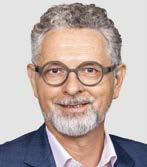
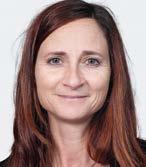


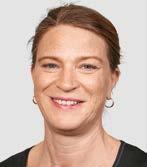

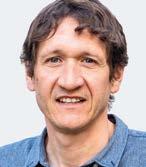
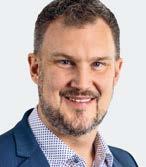
Head Office Caritas Switzerland
Executive Board
Director: Peter Lack, lic. theol., dipl. NPO-Manager VMI, Supervisor CPT
Finances and Administration, Deputy Director: Esther Reinhard, lic. rer. pol. with specialisation in Finance Management
International Cooperation: Martina Weber, dipl. Social Worker MBA, MPH
Projects Switzerland: Mireille Grädel, lic. phil. hist.
Research and Politics: Andreas Lustenberger, Master in Sciences (Geography), member of Zug Cantonal Council
Communication and Fundraising: Jan Schlink, Sociologist with specialisation in Advertising Psychology & Communication Sciences
Nicole Lehnherr, Business Economist FH and Fundraiser (interim from 1 July 2025)
Human Resources: Chantal Cornaz, lic. phil. in Occupational and Organisational Psychology, MAS HRM
Information and Communication Technology: Jürgen Enderle, dipl. – Degree in Computer Science
Business Audit Committee
President: Kurt Grüter, former Director Federal Audit Office, Bern
Susana Garcia, former General Director AVASAD, Lausanne Monika Otter, MAS Ethics FHNW, Freienbach SZ
Lothar Sidler, lic. iur. lawyer and notary, General Manager Spitex Cantonal Association LU, former Town Councillor in Kriens LU
Auditory Function BDO AG, Luzern
Sustainability Strategy in 2025
Sustainability is at the heart of all Caritas Switzerland’s projects. The organisation has action plans covering environmental, economic and social aspects to ensure that its sustainability strategy is implemented. This is how Caritas Switzerland takes responsibility for its actions and corporate governance. It regularly calculates the carbon footprint at all its sites, both in Switzerland and abroad, to monitor and reduce emissions. As in previous years,
in 2025 Caritas again drew on an internal climate fund to invest in various initiatives that contribute to reducing emissions and raise staff awareness of the need to use resources carefully. Through its sustainability strategy, Caritas Switzerland contributes to sustainable development in Switzerland and worldwide, in line with the 2030 Agenda of the United Nations. caritas.ch/en/sustainability
Martina Weber
Mireille Grädel
Jürgen Enderle
Chantal Cornaz
Esther Reinhard
Peter Lack
Jan Schlink
Andreas Lustenberger
Strong partnerships across business, politics and society
Companies Sunrise GmbH // ALDI SUISSE AG // Thermoplan AG // Swissquote Bank SA // Orell Füssli Thalia AG // AXA Switzerland // Payot SA // LGT Bank (Schweiz) AG // CALIDA AG // WEBSTAR // Schweizer Lunch-Check // Etam // Swiss Can Machinery AG // thinkQ2 AG // QoQa Services SA // Deckers Switzerland GmbH // Verlingue // Bering AG // Lennaria Camathias SA // Procter & Gamble International Operations SA // VAT Group // Power-Blox AG // Original Food GmbH // The Canopy Lab // MarketShare Associates Foundations Aiuto Stiftung // Alfred Richterich Stiftung // Annelise ZempStiftung // Christa Foundation // Däster-Schild Stiftung // Dr. med. Arthur und Estella Hirzel-Callegari Stiftung // Erika und Conrad Schnyder Stiftung // Ernst Göhner Stiftung // Fondation Alfred et Eugénie Baur // Fondation Audemars-Watkins // Fondation Gertrude Hirzel // Fondation Philanthropique Famille Sandoz // Franz Martin Stiftung // Gebauer Stiftung // Gemeinnützige Stiftung Hans A. Bill // If! Foundation // Medicor Foundation // reSPact Foundation // Rütli-Stiftung // SV Stiftung // Schweizerische Gemeinnützige Gesellschaft (SGG) // Stanley Thomas Johnson Stiftung // Stiftung Mercator Schweiz // Stiftung Sonnenschein // Stiftung Wegweiser // Swiss Philanthropy Foundation (Fonds collaboratif Impact Social) // walter haefner stiftung Federal government Swiss Agency for Development and Cooperation (SDC) // State Secretariat for Migration // Federal Office of Public Health // Federal Office for Gender Equality Cantons, cities, municipalities Canton de Fribourg // Canton du Valais // Commune de Céligny // Commune de Plan-les-Ouates // Conseil Départemental des Yvelines // Kanton Aargau // Kanton Zürich // Loterie Romande // Kanton St. Gallen // Kanton Basel-Stadt // City of Zurich // Gemeinde Maur // City of Geneva // City of Versoix Universities Bern University of Applied Sciences – Social Work // NADEL – Centre for Development and Cooperation ETH Zürich // Zurich University of Applied Sciences – Centre for Energy and the Environment Church institutions Association Fraternelle Romande // Communauté des Religieuses Trinitaires // Diocèse de Lugano // Röm.-kath. Gesamtkirchgemeinde Bern und Umgebung // Kath. Kirche im Kanton Zürich // Kloster Heiligkreuz // Röm.-kath. Landeskirche Basel-Landschaft // Kath. Kirchgemeinde Luzern // Röm.kath. Kirche Basel-Stadt // Gemeinschaft Liebfrauenschwestern // Röm.-kath. Landeskirche des Kantons Luzern // Röm.- kath. Kirchgemeinde Biel und Umgebung // Schwestern vom Heiligen Kreuz // Kath. Konfessionsteil des Kantons St. Gallen // Kath. Kirchgemeinde Küsnacht-Erlenbach // Verband der röm.-kath. Kirchgemeinden der Stadt Zürich // Kath. Kirchgemeinde Baar // Kloster Baldegg // Kath. Kirchgemeinde Romanshorn // Kreiskirchgemeinde Aarau // Evangelisch-reformierte Kirche des Kantons Freiburg Bilateral and multilateral donors Swiss Solidarity // Amt für auswärtige Angelegenheiten Liechtenstein // Austrian Development Agency // Agence Française de Développement // Bundesministerium für wirtschaftliche Zusammenarbeit und Entwicklung // Danida Green Business Partnership (DGBP) // European Commission Directorate-General for International Partnerships // European Civil Protection and Humanitarian Aid Operations (ECHO) // Deutsche Gesellschaft für Internationale Zusammenarbeit GmbH (giz) // International Organisation for Migration (IOM) // Kreditanstalt für Wiederaufbau (KfW) // LuxDev // United Nations Development Programme (UNDP) // United Nations High Commissioner for Refugees (UNHCR) // United Nations Office for the Coordination of Humanitarian Affairs // World Food Programme Further partners and networks Americares // Catholic Agency for Overseas Development // Caritas Luxembourg // Caritas Austria // Caritas Poland // Cordaid // Deutscher Caritas Verband // Trocaire // Theresa-Laden // SOS Ticino // Swiss Refugee Council // ORS // Association juracienne d’accueil des migrants (AJAM) // Swiss Platform for Sustainable Cocoa (SWISSCO) // Swiss Sustainable Coffee Platform (SSCP) // Vikara Institute // CALP Network // SEVAL Swiss Evaluation Society // Poverty Alleviation Coalition (PAC) // Swiss NGO DRR Platform // Swiss Water and Sanitation Consortium // Water Integrity Network
They all make it possible for us to help people in need. Our heartfelt thanks!
‘ QoQa draws strength from our Qommunity and the desire to do good together. Caritas Switzerland is the ideal partner for this because it combines a strong brand, a clear mission and local projects. We greatly value our long-standing and trusting partnership. ’
Pascal Meyer «Otter in Chief», QoQa
‘ Sunrise wants to enable everyone to participate in the digital world, including those in Switzerland living on or below the poverty line. Caritas Switzerland is the right partner for us because it brings a broad network and targeted outreach. It’s great that we can count on this proven partnership! ’ Julia Herrmann
Senior DEI & Sustainability Project Manager, Sunrise

‘ As a major insurer, we also bear a responsibility to society. As part of our volunteering programme ‘AXA from Heart to Heart’, we aim, among other things, to support people on low incomes in partnership with Caritas. ’
«AXA from Heart to Heart» team AXA Switzerland
Imprint
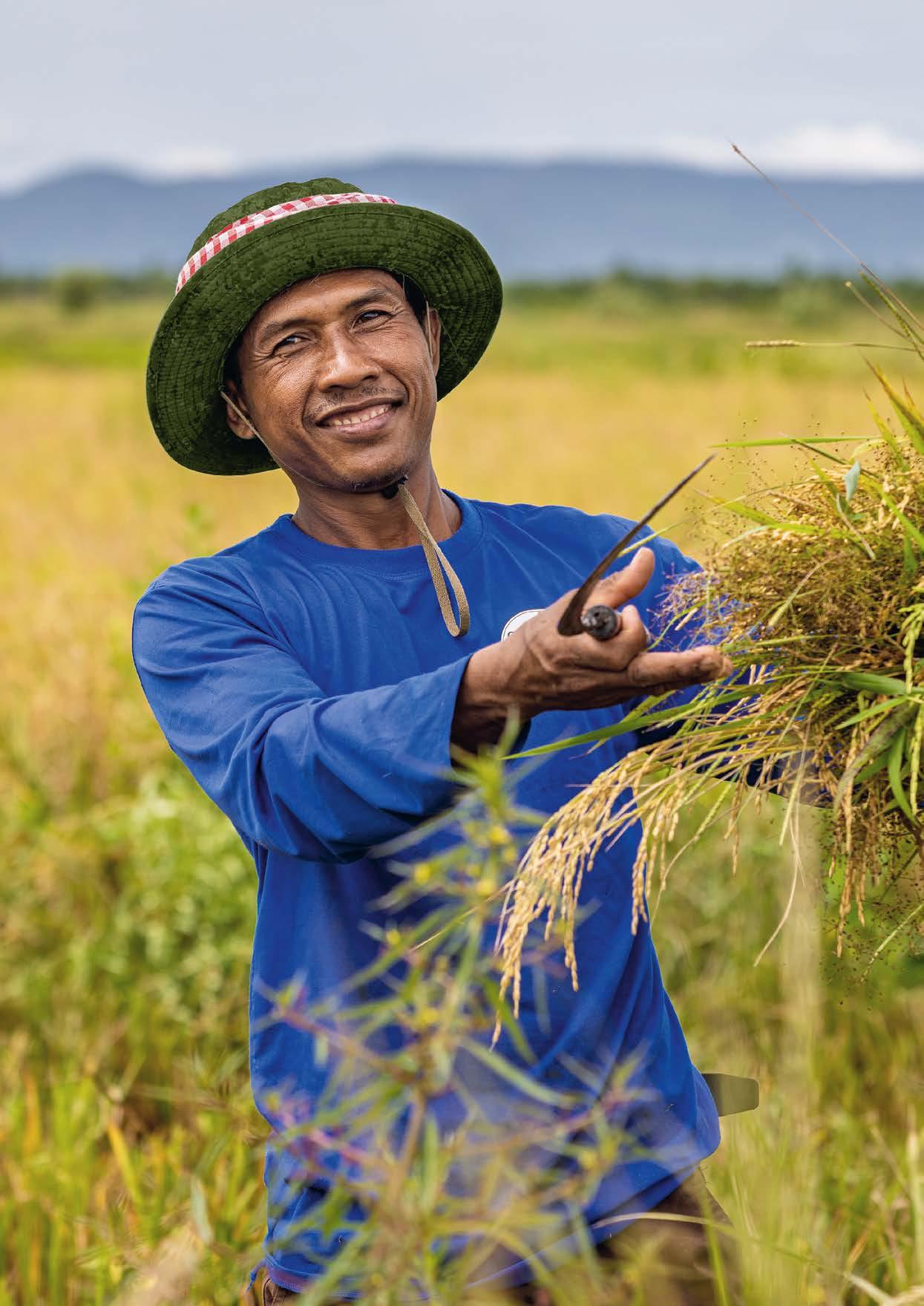
Cover photo: Korna Veasna, a Cambodian rice farmer, received training on climate issues from Caritas Switzerland. Nicolas Honoré
Editors: Bettina Schucan-Birkhäuser, Livia Leykauf, Niels Jost, Daria Jenni, Stefan Gribi, Tamara Bütler, Vérène Morisod Simonazzi, Fabrice Boulé, Reto Schefer, Patrick Bisch, Kathrin Ottiger
Pictures: Alexandra Wey, Amélie Clements, Ayaana Publishing, Betour Roger, Caritas Schweiz, Caritas Wien/Elisabeth Sellmeier, Caritas Zentralschweiz/Leonidas Portmann, Caritas Zürich/ Zoe Tempest, Cat Norman Tahirović, CRS Staff, FIFDH, Fotopool Caritas Netz, Ghislaine Heger, Hasan Belal, Jean Sorel Nelson, Kenyi Moses, Keystone/Laurent Merlet, Nicolas Brodard, Nicolas Honoré, Pablo Quiroga/Yamil Antonio, Peter Lack, Philipp Schütz, Recyclerie, Reto Albertalli, Sandra Papi, Seba Diarra, Tamara Bütler, Thomas Plain, Urban Fischer, Vincent Vandierendounck, youngCaritas
Translation: Charles Balfour
Graphic design: Regula Reufer
Caritas Switzerland
Communication and Fundraising Adligenswilerstrasse 15
P.O. Box
CH-6002 Luzern
Telephone: +41 41 419 22 22
E-Mail: info@caritas.ch
IBAN: CH69 0900 0000 6000 7000 4
Further information on current projects can be found on the Caritas Switzerland website: www.caritas.ch