THE
Goal™ 480 SC
Die doel is eenvoudig.
Met Goal™ 480 SC, beskikbaar by Philagro, is die doel eenvoudig: skoon lande wat onkruidkompetisie verminder. Die beproefde chemie van Goal™ 480 SC bied doeltreffende beheer van ‘n groot verskeidenheid breëblaar- en grasonkruidsoorte wat jou gewasse ’n goeie kans bied om beter te kan presteer.
KRAGTIGE WERKING
Goal™ 480 SC beskik oor voor-opkoms sowel as geteikende na-opkoms aktiwiteit. As voor-opkoms onkruidddoder vorm dit ‘n chemiese versperring op die grondoppervlak. Ontkiemende sade of jong saailinge word hier gedood wanneer dit met die aktiewe bestanddeel oksifluorfen in aanraking kom.
TALLE VOORDELE
• Beproefde en betroubare produk wêreldwyd
• Grond pH beïnvloed nie Goal™ 480 SC se doeltreffendheid nie
• Wateroplosbaarheid is baie laag
• Bind sterk aan kleipartikels en organiese materiaal
• Goal™ 480 SC het beide na-opkoms en residuêle werking op beide breëblaar- en grasonkruidsoorte.
Vir meer inligting oor hoe om hierdie seisoen jou doelwitte met Goal™ 480 SC te bereik, kontak jou naaste Philagro-handelaar.
RAADPLEEG DIE PRODUKETIKET VIR VOLLEDIGE GEBRUIKSAANWYSINGS EN -BEPERKINGS GOAL™ 480 SC (Reg. Nr. L8303 Wet Nr. 36 van 1947), bevat Oksifluorfen (difeniel eter) (480 g/ℓ). WAARSKUWING: Baie giftig vir waterlewende organismes met langdurige gevolge. Sumitomo Corporation Africa (Pty) Ltd (Reg. Nr. 2013/198830/07), Vloer 3, Suid-toring, Nelson Mandela Square, Sandton, 2146. GOAL™ is die handelsmerk van Nutrichem Company Limited.
Philagro Suid-Afrika (Edms) Bpk l Reg. nr.: 98/10658/07
PostNet Suite #378, Privaatsak X025, Lynnwoodrif 0040 Pretoria: 012 348 8808 l Somerset Wes: 021 851 4163 www.philagro.co.za
Edition 231 ISSN 1015-85 37 www.vegetablesandfruitmagazine.co.za
COVER
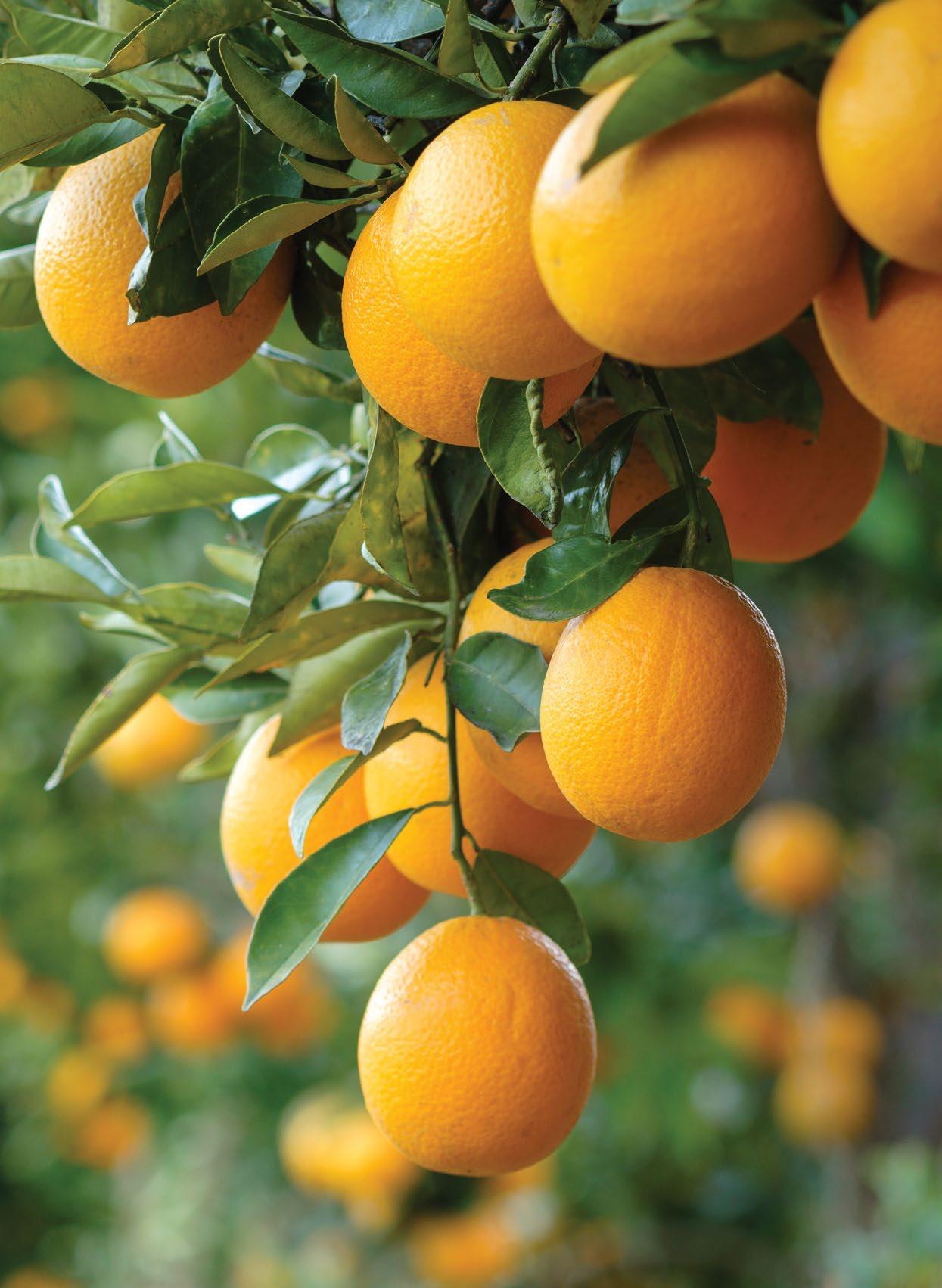
South Africa's citrus industry produces over 1,5 million metric tons annually, primarily consisting of Navel (earlyseason, seedless) and Valencia (mid- to late-season, high-yield juice) oranges.
EDITORIAL
Willie Louw (Group editor)
Carien Daffue (Editor) 082 927 8294 018 293 0622 info@mediakom.co.za PO BOX 20250, Noordbrug, 2522
ADVERTISING
Jana Greenall 082 780 9914 mediacom@lantic.net
DESIGN
Mercia Venter studio.chatnoir@gmail.com

Besoek ons webtuiste | Visit our website:
Bly ingelig en volg ons op Facebook. Keep up to date and follow us on Facebook.
Groente & Vrugte | Vegetables & Fruit www.facebook.com/SAGroenteenVrugte www.vegetablesandfruitmagazine.co.za
SUBSCRIPTIONS
Available on subscription only - visit website: Slegs met intekening beskikbaar - besoek webblad: www.vegetablesandfruitmagazine.co.za
1 Year @ R268.00 (6 issues)
2 Years @ R510.00 (12 issues)

Weens afleweringsprobleme met die gewone posdiens word intekenare en lesers versoek om hul e-posadresse aan info@mediakom.co.za te stuur vir die elektroniese versending van GROENTE & VRUGTE - VEGETABLES & FRUIT.
Due to delivery problems with traditional mailing services subscribers and readers are requested to send their e-mail address to info@mediakom.co.za for electronic delivery of VEGETABLES & FRUITGROENTE & VRUGTE.
4 Uitgebreide verligting van brandstofheffings verwelkom
5 Women farmers lead in numbers in development programme
5 Datacentrix secures supplier award again
6 De Rustica Olive Estate wins first prize at inaugural NOVS Awards
6 Flash Gala campaign expands global presence
7 Tru-Cape celebrates 364 years with historic apple tree planting
FRUIT
8 SA stone fruit eyes China as the next growth frontier
10 Rethinking the orchard, varietal shifts reshaping SA stone fruit
12 Climate and production challenges in the stone fruit industry
14 When nutrition is not the limiting factor
16 The ground beneath the crop
18 The enemy underfoot ROOT VEGETABLES
21 Limpopo floods, citrus industry counts costs as season gets underway
22 Precision irrigation: One aspect of a precision agriculture approach
24 South Africa’s billion-rand battle for fair access to Europe
25 Citrus export estimates show moderate growth
In case of address change, please quote or attach previous address label
Special rates for group subscriptions VAT included
26 Tariffs, rerouted ships, and the fight to keep markets open
28 Understanding and managing South Africa's most persistent citrus threat
CITRUS
Uitgebreide verligting van brandstofheffings verwelkom
AgriSA en Agbiz sê in ‘n gesamentlike verklaring hulle verwelkom die regering se besluit om die tydelike verligting van die brandstofheffings tot Mei en Junie 2026 uit te brei. Die ingryping bied belangrike korttermyn-kosteverligting aan boere en verbruikers.
Altwee organisasies waarsku egter dat die verligting, hoewel nodig, nie die dieper strukturele druk wat die landbousektor in die gesig staar, ten volle teenwerk nie, veral brandstofbeskikbaarheid, stygende insetkoste en die hernude styging in wêreldwye oliepryse wat verband hou met die voortgesette Midde-Oostese konflik.
Hoewel die heffingsvermindering tydelike verligting bied, dui onlangse gesamentlike opnames van boere en brandstofverspreiders daarop dat die sektor se primêre bekommernis steeds prys, betroubaarheid van brandstofvoorsiening en die kumulatiewe koste-las van insette bly. Verslae uit die voorsieningsketting dui op voortdurende ontwrigtings, insluitend vertraagde aflewerings, toewysingsbeperkings, en in sommige gevalle slegs ’n fraksie van normale volumes wat voorsien word. Boere ontvang ooreenkomstig gedeeltelike aflewerings of ervaar vertragings tydens kritieke bedryfsperiodes.
Hierdie uitdagings word vererger deur hoër kunsmiskoste, swakker kommoditeitspryse en onseker weerstoestande, wat verdere druk op plaasvlak winsgewendheid plaas.
“Die tydsberekening van hierdie druk is veral kommerwekkend,” sê die twee organisasies. “Suid-Afrika is midde in sy wintergewasseisoen, met plantwerk wat oor sleutelproduksiegebiede vorder. Huidige inligting dui reeds op ’n waarskynlike inkrimping in koringaanplantings vir die 2026/27-seisoen, wat na verwagting met sowat 6% sal daal tot die laagste vlak in 12 jaar. Dit weerspieël die gekombineerde effek van laer wêreldpryse, stygende insetkoste en verhoogde produksieonsekerheid. Vertragings in planttyd as gevolg van brandstofbeperkings, of verminderde insettoepassing, kan verder druk op opbrengste en algehele produksie plaas.”
Met die oog op die toekoms waarsku AgriSA en Agbiz dat voortgesette brandstofvoorsienings-versteurings en koste-vola-
tiliteit, nou versterk deur hoër wêreldwye oliepryse, ’n materiële risiko vir die someroesseisoen van 2026/27 inhou. Dit is ten spyte van ’n sterk huidige vooruitsig van ‘n verwagte rekord van 20,8 miljoen ton graan en oliesaad in die 2025/26-seisoen. Hoewel die oes korttermynstabiliteit vir voedselvoorsiening en pryse bied, behoort dit nie die groeiende risiko’s vir toekomstige produksiesiklusse te verberg nie.
Volgens die twee organisasie bly diesel ’n nie-diskresionêre insetmiddel vir alle boerderystelsels, wat plant, besproeiing, oes en logistiek aandryf. As sodanig het voorsieningsontwrigtings en hernude prysstygings onmiddellike en saamgestelde uitwerkings op landbouproduksie.
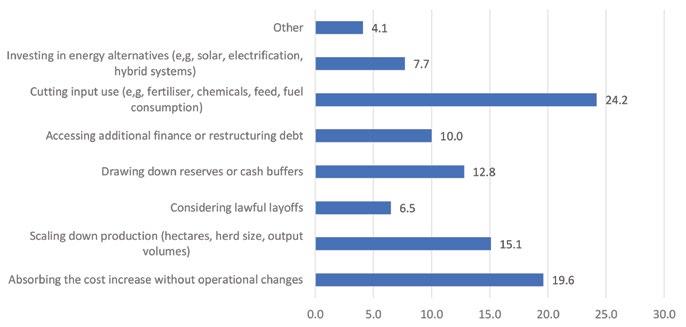
“Opnamebewyse toon dat boere reeds hul bedrywighede aanpas deur produksie af te skaal, insetgebruik te verminder, finansiële reserwes te onttrek en alternatiewe energie-oplossings te ondersoek. Dit is duidelike aanwysers van ’n sektor onder toenemende druk.”
AgriSA en Agbiz beklemtoon dat die stabilisering van landbou ’n gekoördineerde reaksie sal verg vir sowel die brandstofprys as voorsieningsbetroubaarheid. Dit sluit in om konsekwente beskikbaarheid van brandstof aan landbougebiede te verseker, deursigtigheid oor voorsieningstoestande te verbeter en aandag te gee aan logistieke knelpunte in die verspreidingstelsel. Die organisasies verwelkom ook die voortgesette hersiening van die brandstofprysformule en beklemtoon die belangrikheid daarvan om landbouproduksierealiteite in toekomstige regulatoriese raamwerke in te sluit.
AgriSA en Agbiz bly daartoe verbind om saam met regerings- en bedryfsbelanghebbendes te werk om te verseker dat Suid-Afrika se landbousektor veerkragtig, produktief en in staat bly om beide voedselveiligheid en ekonomiese groei te ondersteun.
Women farmers lead in numbers in development programme
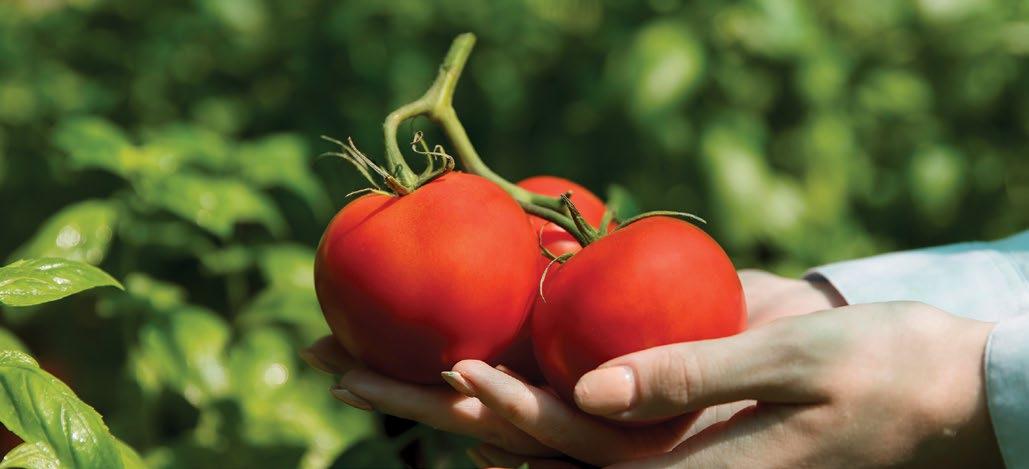
Tiger Brands’ local agriculture development programme, Hulisani, has welcomed 17 emerging farmers from Musina in Limpopo as its second cohort. The group, which includes 10 women farmers, will receive practical business support and infrastructure investment to help them grow their operations and supply a portion of the company’s tomato requirements.
Hulisani, a Tshivenda word meaning “grow” or “cultivate”, focuses on bringing women and young emerging farmers into the agricultural value chain and forms part of Tiger Brands’ drive to strengthen local agricultural supply and reduce reliance on imports.
Launched recently, the programme’s first cohort of nine farmers delivered nearly 3 400 tonnes of tomatoes, about 135 400 crates, exceeding expected yields. Their operations created 156 new jobs and sustained a further 500 roles in surrounding communities.
“We aim to build a resilient supply chain by partnering with farmers, including emerging producers, to grow local agriculture, create jobs and support local communities. Through skills development and reliable offtake, farmers are supported to scale while meeting quality standards. By streamlining operations and innovating, a consistent, highquality food supply that is affordable and accessible across South Africa is ensured,” says Maanda Milubi, director: en-
terprise supplier development and transformation at Tiger Brands.
The programme begins with a detailed assessment of each farm’s needs, followed by tailored support aimed at improving productivity and building long-term resilience. This includes investment in solar and irrigation infrastructure, fertiliser tanks and other necessary equipment, as well as hands-on technical guidance throughout the growing season.
The 17 farmers have started planting crops on a total of 74 hectares, equivalent to approximately 74 rugby fields. The harvesting period is between April and August 2026. Agriculture remains a significant employer and economic contributor in South Africa. As a leading player in the local tomato industry, Tiger Brands sources close to 100 000 tonnes of tomatoes annually from more than 100 commercial and smallholder farmers in Musina, as well as a smaller group in Lutzville in the Western Cape.
The company supplies farmers with specific tomato seedlings used in its All Gold tomato sauce and other tomatobased products, along with technical support throughout the growing season to help meet required quality standards. The harvested crop is processed in Musina and Lutzville before being transported to the All Gold manufacturing facility in Boksburg, east of Johannesburg.
Datacentrix secures supplier award again
Datacentrix, a hybrid ICT systems integrator and digital transformation partner, has once again been recognised as Agrimark’s supplier of the year for information management, marking the third consecutive time the company has received this accolade.
Agrimark, a subsidiary of the KAL Group, supplies a range of agricultural and lifestyle products with more than 70 stores across South Africa. Its annual supplier of the year awards, inaugurated in 2011, recognise partners that demonstrate strong performance and alignment with the organisation’s strategic objectives.
Agrimark maintains a selective approach within its information management category, explains Charl Graham, group manager: information management at Agrimark. This group includes approximately 30 suppliers, of which around 10 are considered essential partners to the business.
“The supplier of the year awards are based on a structured evaluation process. Each month, suppliers are assessed,” Graham says. “As one of our strategic information management partners, Datacentrix has maintained a trusted advisor relationship with Agrimark for over 15 years. ”Francois de Kock, sales manager: Boland region at Datacentrix, notes that over the past year, Agrimark and Datacentrix have focused on continuous improvement, optimisation and innovation across the environment.
“From Datacentrix’s side, transparency is critical, particularly in a fast-changing environment where global supply chain pressures make open communication essential. This direct approach is highly valued in the relationship with Agrimark. This recognition reflects the efforts of teams working daily on service delivery and projects. The acknowledgement is appreciated across all levels of the business,” De Kock concludes.
De Rustica Olive Estate wins first prize at inaugural NOVA Awards
SA Olive is proud to share the news that another local South African extra virgin olive oil (EVOO) has won a top international award. De Rustica has won first prize at the inaugural NOVA Awards 2026 in Spain for its Estate Collection Favolosa EVOO.
The NOVA Awards, a newly established international competition, recognise excellence in modern olive oil cultivars developed since the 20th century. Organised by leading industry bodies including the Spanish National Research Council (CSIC), Agromillora and Mercacei, the awards aim to benchmark quality and innovation in next-generation olive oil production.
Innovation continues to shape the global olive oil industry, as producers adapt to changing climates, evolving agricultural practices and the pursuit of ever higher quality standards. As with all agricultural sectors, the international olive industry is constantly testing and refining new cultivars and clones to improve both resilience and oil quality.
The international jury, which convened in Córdoba, Spain, awarded first prize to the Estate Collection Favolosa EVOO, produced by De Rustica Olive Estate from the Favolosa cultivar. According to the jury report, the winning oil is characterised by “an intense fruitiness with aromatic notes reminiscent of green olive, green banana, green almond, basil, chamomile, green wheat and pine needles”. On the palate, it offers “a smooth, sweet entry, with medium, well-balanced bitterness and pungency; a herbal aftertaste with hints of green almond and endive; and an overall complex and highly persistent profile”.
Rob Still, owner of De Rustica Olive Estate, said the es-
tate was delighted to win the overall first prize at the NOVA Awards for its Favolosa cultivar EVOO. “This recognition affirms our commitment to innovation and our ongoing pursuit of exceptional quality,” Still said.
Wendy Petersen, chief executive officer of SA Olive, said South African extra virgin olive oils continue to prove themselves among the best in the world.
“Awards like this highlight not only the innovation of producers like De Rustica, but also the consistent quality, care and craftsmanship that define the local industry. Research, development and innovation are important for the South African olive industry’s sustainability and position in the global arena. It is encouraging to see South Africa recognised at this level in an international competition focused on the future of olive oil,” Petersen said.
Flash Gala campaign expands global presence
The Flash Gala marketing campaign continues to gain traction as the brand strengthens its position as a standalone premium apple brand in international markets, including South Africa, China, India, the United Arab Emirates, Malaysia, and Saudi Arabia.
Designed to increase reach and engagement, drive sales and establish brand recognition, the campaign has utilised a digital-first strategy, explains Conrad Fick, marketing director at Tru-Cape Fruit Marketing.
“Social media campaigns, partnerships with global influencers and newly developed commercial and branding materials have enabled the brand to connect with consumers across multiple markets.”
Digital platforms such as YouTube, Facebook, Instagram and TikTok, as well as influencer collaborations, have played a central role in the campaign’s growth. In addition, targeted advertising has appeared in industry publications, and a global commercial has been produced to showcase the quality and consumer appeal of Flash Gala apples.
“To date, the campaign has had a strong impact, reaching 73,8 million people in 2024, while in 2025 this increased to 113,8 million people,” Fick says.
The strategy behind the Flash Gala campaign aligns with a broader shift within the fresh produce sector, from selling fruit as generic varieties to building recognisable consumer brands.
“It begins with an online interaction: consumers encounter the brand on social media, and the next time they visit a store, the name and branding are familiar, prompting recognition when they see the product on the shelf,” Fick says.
This consumer journey reflects the objective of the Flash Gala campaign in the markets where the product is offered. It remains focused on social media platforms, which provide a cost-effective way of reaching and engaging consumers.
The directors of Pink Vein, the owner of BigBucks Gala, expect the marketing momentum to accelerate in the coming season. The advertising and promotions budget will increase due to higher Flash Gala sales and the financial contribution generated by the brand.
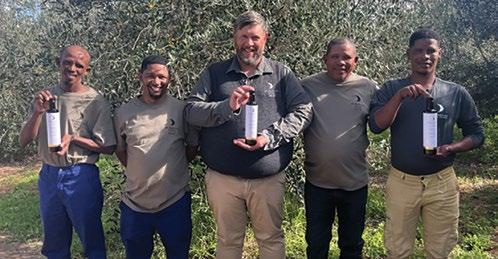
Simon Stuurman, Gaylin Stuurman, Kallie Frey, Ben Blou and Branwill Williams.
Tru-Cape celebrates 364 years with historic apple tree planting
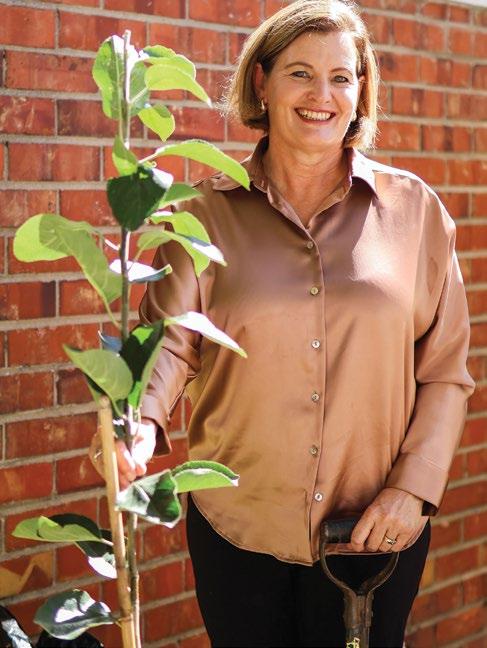
The South African apple industry marked its 364th anniversary recently, and Tru-Cape Fruit Marketing commemorated this milestone by planting only the fourth known Witte Wijnappel tree in South Africa at Jan van Riebeeck High School in Cape Town. The planting also forms part of the school’s centenary celebrations.
The Witte Wijnapple cultivar holds historical significance, as it is the variety planted by Jan van Riebeeck in Cape Town more than three centuries ago. Van Riebeeck recorded in his diary that he had picked the first two Dutch apples at the Cape from a five-foot Witte Wijnappel tree.
From these early beginnings, the industry has developed into a global export sector. “Today, South Africa is home to approximately 45 million apple trees and produces 1,3 million tonnes of apples annually, making it the largest apple exporter in the Southern Hemisphere,” said Jeanne Fourie, Tru-Cape’s new variety specialist, during the tree-planting ceremony.
South Africa exports apples to more than 100 countries, with the industry supporting more than 240 000 jobs. “The apple industry makes a significant contribution to the country’s economy,” Fourie added.
On the trail of the Witte Wijnappel
The journey to reintroduce the historic Witte Wijnappel cultivar to South Africa has taken several years. Tru-Cape’s quality assurance manager, Henk Griessel, an alumnus of Jan van Riebeeck High School, together with colleague Buks Nel, conducted extensive research into the origins of South Africa’s apple industry. Their work led them to the archives of the Vereenigde Oost-Indische Compagnie and historical pomological texts, ultimately tracing the cultivar to two surviving trees in a private garden between the Rhine and Maas rivers in the Netherlands.
“Despite the area being heavily affected during the Second World War, the survival of these apple trees remains notable,” Fourie said.
Despite South Africa’s strict plant import regulations, plant material was eventually brought into the country and successfully established. Prior to this planting, only three Witte Wijnappel trees existed locally, at Tru-Cape’s heritage orchard in Grabouw, at Babylonstoren and in the Cape Gardens.
“Planting a fourth tree at a school that is celebrating its 100th year, and is named after the individual who planted the first apple tree at the Cape, is symbolic,” said Fourie. “It reflects how time, patience and continued effort can result in long-term value.”
The planting also recognises Griessel’s contribution to South Africa’s apple and pear industry.
“With experience in both academic and technical fields, he has contributed to a range of publications and received several industry awards. Planting the historic apple tree at his former school marks a meaningful milestone.”
From a single tree to a world-class industry
Roelf Pienaar, managing director of Tru-Cape, acknowledged both the industry and the school.
“The South African apple industry reflects resilience, innovation and global competitiveness. From a single tree to a leading export industry, it remains a notable achievement. Congratulations are also extended to Jan van Riebeeck High School on its centenary, with the tree serving as a symbol of growth, heritage and future development,” Pienaar said.
In a further reference to history, Gwen Fagan also planted a Rosa centifolia, believed to be among the first roses cultivated in South Africa, on the school grounds. In recent months, 100 shade trees have also been planted across the campus.
Tru-Cape invited South Africans to take part in recognising this milestone. “As the industry marks 364 years of apples in South Africa, there is an opportunity to reflect on its development and ongoing contribution to the agricultural sector,” Pienaar concluded.
Jeanne Fourie, Tru-Cape’s new variety specialist, with the young Witte Wijnappel tree planted in the garden of Jan van Riebeeck High School as part of the school’s centenary celebrations.
SA stone fruit eyes China as the next growth frontier
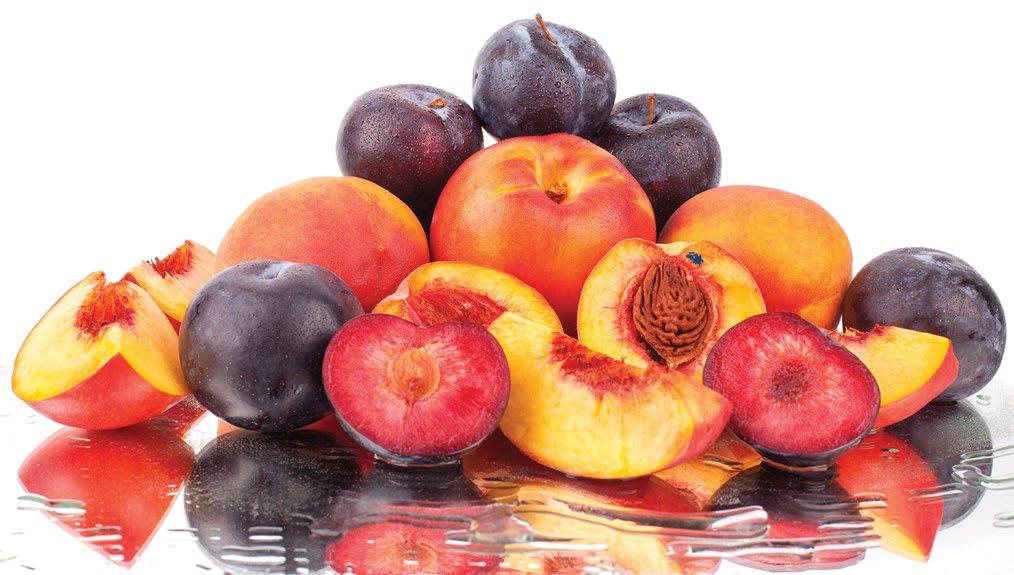
South Africa’s stone fruit industry is pushing into new territory. As established markets in the United Kingdom and European Union remain important, the signing of a phytosanitary protocol granting access for peaches, nectarines, plums, apricots and prunes to China marks a significant milestone for producers and exporters alike.
The protocol, signed in October 2025, is the first time China has negotiated access to multiple fruit types from a single country under one agreement, and initial commercial shipments have already begun.
China's growing middle class has driven a sustained increase in demand for premium imported fresh produce. Stone fruit, particularly varieties that deliver consistent sweetness, good firmness and strong visual appeal, sits squarely within this preference. For South African exporters who have invested heavily in production practices, cold chain systems and quality assurance, this demand profile aligns well with existing strengths.
The seasonal window is an additional advantage. South African stone fruit reaches harvest from approximately November to March, a period when Northern Hemisphere producers are out of season. This counter-seasonal supply window creates genuine shelf-space opportunities in retail environments that prioritise year-round availability.
Meeting the requirements for entry
Accessing the Chinese market is not straightforward. It requires meeting detailed phytosanitary requirements, orchard registration, regulated inspection processes and full traceability throughout the supply chain. These requirements are often more stringent than those of traditional export markets, and producers have worked closely with industry bodies and regulatory authorities to work through the necessary compliance steps.
Once access protocols are met, consistency becomes the defining challenge. Buyers in China expect reliable supply, uniform quality and professional packaging. Any variation in quality or supply disruptions can damage long-term trade relationships, making it essential for the entire value chain to operate at a high standard from the outset.
The push into premium export markets has shifted how South African stone fruit is positioned globally. The focus is less on volume and more on value, which places cultivar selection at the centre of the strategy. New-generation varieties offer better colour development, improved taste profiles and the firmness needed to withstand long-distance shipping without deteriorating.
Packaging and presentation have become equally important. In markets where consumers associate visual quality with premium positioning, the product's shelf appearance influences purchasing decisions as much as the fruit itself. Branding and traceability labelling contribute to how South African stone fruit
is perceived at the retail level.
Competing in a crowded market
South Africa is not the only Southern Hemisphere supplier targeting the Chinese market. Chile has established a significant presence in premium stone fruit categories, and competition from other exporting nations remains strong. South Africa's counter-seasonal timing is a differentiator, but maintaining market position will require careful coordination across the value chain, from orchard through to port handling and cold chain logistics.
Efficient port operations, reliable shipping schedules and uninterrupted cold chain management are not optional considerations. They are the conditions that determine whether the fruit arrives in the condition it left the farm. Any breakdown in this chain reduces competitiveness and, over time, buyer confidence.
Expanding into China has implications that extend beyond export volumes. Increased demand from a high-value market supports orchard investment, encourages the adoption of improved cultivars and can create employment across the sector. For individual producers, access to a market that pays for quality improves the return on investment in sound production practices.
At an industry level, market diversification reduces the risk that comes with depending on a limited number of trading partners. Economic or political changes in any one market have less impact when exports are spread across multiple destinations. This resilience is increasingly important in a volatile global trade environment.
Collaboration between producers, exporters, logistics partners and regulatory bodies remains essential to translating these opportunities into sustainable growth. No single participant in the value chain can manage the complexity of a new market alone.
The progress made in establishing the conditions for access to China reflects the industry’s capacity to meet demanding international standards. With the protocol signed and initial shipments underway, South Africa’s stone fruit sector is well placed to compete, provided quality and consistency remain the foundation of every consignment.
Sources: Hortgro stone fruit industry reports; Department of Agriculture, Land Reform and Rural Development; Fresh Produce Exporters' Forum; industry market access and export protocol documentation
Sercadis
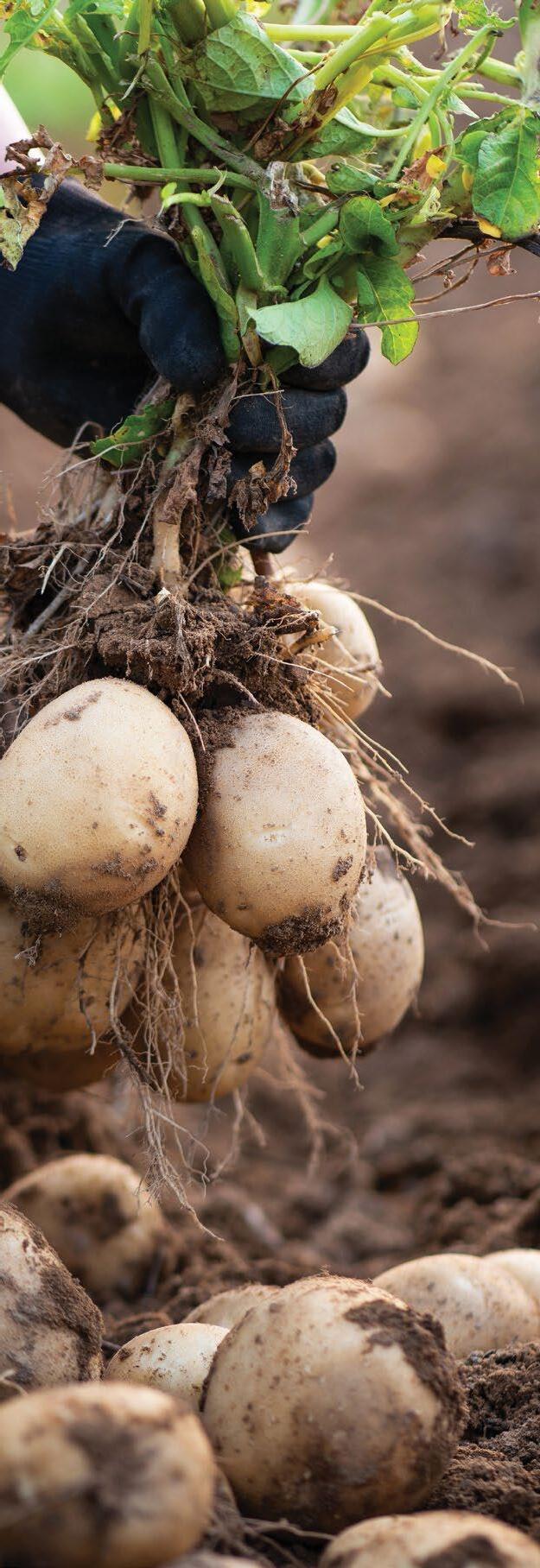
Net wat jou aartappels nodig het vir ’n gesonde begin. gesonde
Aangedryf deur Xemium®, die innoverende SDHI-swamdoder van BASF, bied Sercadis® uitstekende Rhizoctonia-beheer op aartappels.
Uitstekende gewasselektiwiteit vir hoëgehalte opbrengste
Gunstige regulatoriese profiel vir insluiting in geïntegreerde plaagbeheerstelsels
Dra by tot eenvormige gewas-opkoms
Sercadis® – die beste begin vir ’n bobaas aartappeloes.
Kontak jou naaste BASF-verteenwoordiger om verder te gesels. WhatsApp eenvoudig ‘hi’ na: +27 66 125 9522.

BASF Suid-Afrika (Edms) Bpk • Sestiendestraat 852, Midrand, 1685
Posbus 2801, Halfweghuis, 1685 • Tel: +27 11 203 2400 • Faks: +27 11 203 2461 • Webwerf: www.agro.basf.co.za • Mobiele webwerf: m.agro.basf.co.za • Sercadis® Reg. Nr. L9800 Wet Nr. 36 van 1947. Aktiewe bestanddeel: Xemium®, Fluxapyroxad (pyrazolecarboxamide) 300 g/ℓ. Waarskuwing. Sercadis® en Xemium® is geregistreerde handelsmerke van BASF
Gevaarstellings: Mag skadelik wees vir babas wat geborsvoed word. Uiters giftig vir waterlewe met langdurige gevolge. Moenie stofdampe of missproei inasem nie. Vermy kontak tydens swangerskap asook tydens borsvoeding. LEES DIE ETIKET VOOR GEBRUIK.
Rethinking the orchard, varietal shifts reshaping SA stone fruit
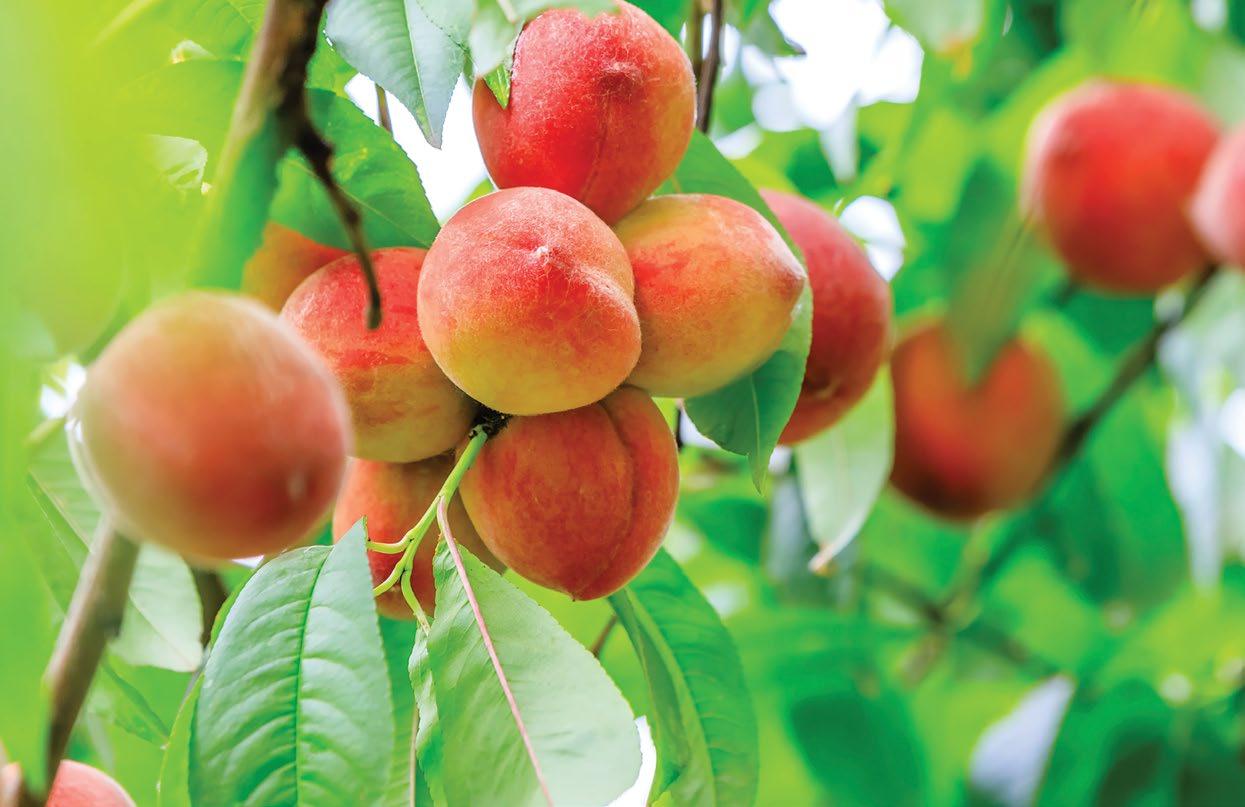
South Africa's stone fruit industry is in the middle of a deliberate structural shift. Producers across the Western Cape, Klein Karoo and other key production regions are replanting orchards, selecting new-generation cultivars and investing in production systems designed for the demands of modern export markets.
The changes in the stone fruit industry are not uniform or rapid, but their direction is clear: the industry is moving away from ageing, lower-value plantings towards varieties that offer better returns, stronger market appeal and greater resilience under variable growing conditions.
According to Hortgro, the nectarine planted area has expanded by 26% over the past five years, driven by investment in higher-yielding varieties. Peach hectares, by contrast, have declined, with dessert peaches down 10% and cling peaches down 8% over the same period. Plum hectares have stabilised after a period of consolidation, while fresh apricot production now accounts for 50% of total apricot area as growers shift from dried to fresh production to access higher-value market channels.
These numbers reflect deliberate planting decisions made over several seasons. They are the result of producers responding to market signals, export performance data and the economic pressure of maintaining orchards that no longer deliver adequate returns.
Why nectarines are leading orchard expansion
Nectarines have become the growth crop within the SA stone fruit portfolio. Their smooth skin, strong consumer appeal and ability to hold quality during long-distance transport make them well-suited to the major export destinations the industry serves. The United Kingdom and European Union remain the primary markets, with SA nectarine exports to the UK increasing by 18% in the most recent season. Total nectarine export volumes rose 16% to 9,4 million cartons during the 2024/25 season, reflecting both the expansion in planted area and the higher yields delivered by newer cultivars now reaching full production. New-generation nectarine varieties offer tangible advanta-
ges over older plantings. Improved firmness extends shelf life and reduces losses during transport and storage. Better colour development enhances visual appeal at retail, which directly influences purchasing decisions. Consistent sizing supports grading efficiency, reducing waste at the packhouse level. For producers managing input costs carefully, these characteristics translate into measurable improvements in per-hectare returns.
Peaches and plums: a more complex picture
The decline in peach hectares reflects a longer-term trend rather than a sudden withdrawal from the category. Peach exports have experienced sustained pressure, with the 2024/25 season recording a 4% decline to 1,6 million cartons. Both cling and dessert peach plantings have contracted as producers assess the economic viability of maintaining older orchards against the opportunity cost of replanting with higher-value alternatives.
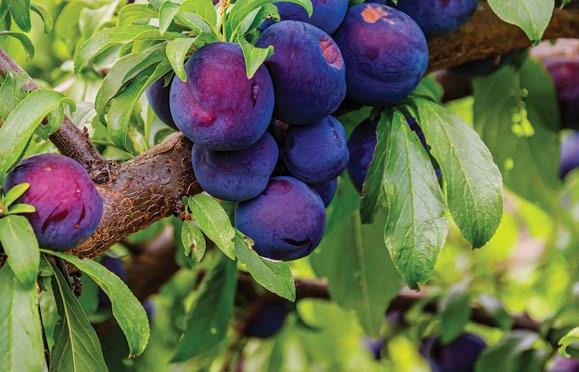
Plums present a more nuanced situation. Planted area has consolidated over recent seasons, but orchards established five to six years ago are now entering full production, contributing to a significant volume recovery. Plum exports reached 13,8 million cartons in the 2024/25 season, a 22% increase on the previous year, positioning plums as SA's leading stone fruit export category by volume. The focus on higher-yielding varieties and larger-sized fruit has contributed to improved returns per hectare.
Apricots, which the industry sometimes categorises separately due to their distinct production region in the Klein Karoo, showed a sharp recovery in the 2024/25 season, with export volumes rising 50% to 678 666 cartons after a difficult prior season affected by weather. The shift towards fresh apricot production, rather than dried, reflects a deliberate move to serve higher-value export channels in Europe and the Middle East.
Orchard renewal: investment with a long horizon
Replacing ageing orchards is one of the most capital-intensive decisions a stone fruit producer can make. New plantings take several years to reach commercial production, meaning that cash flow and profitability are under pressure during the establishment phase. Despite this, orchard renewal has accelerated across the industry as producers recognise that the long-term cost of maintaining declining orchards outweighs the shortterm disruption of replanting.
Modern orchard systems are designed with efficiency in mind. Higher-density planting configurations increase the number of trees per hectare and support earlier entry into production. Improved trellising systems provide better light interception and air movement, which benefits fruit colour development and reduces disease pressure. Drip irrigation and soil moisture monitoring systems allow water to be applied precisely, reducing waste and improving root zone conditions. Together, these elements support more predictable production outcomes, which are essential for meeting export commitments.
The decision to renew an orchard is driven by several converging factors: the yield performance of existing trees, the availability of improved cultivars suited to specific market requirements, the cost of maintaining ageing infrastructure and the expected return from replanting. Where all these factors align, investment in new plantings is increasingly seen as the most viable path to sustained profitability.
Technology and precision in orchard management
Alongside varietal changes, producers are adopting technologies that support more precise resource use throughout the growing season. Soil moisture monitoring allows growers to schedule irrigation based on actual soil conditions rather than fixed calendars, reducing water use while maintaining tree health. Advances in fertigation programmes have enabled more targeted nutrient applications, improving the efficiency of fertiliser spend and supporting more consistent fruit development.
Labour management has also received attention. With labour accounting for a significant share of total production costs, producers are reviewing pruning systems, canopy architecture and harvesting methods to improve operational efficiency. Better canopy management not only reduces labour requirements but also improves light distribution, which directly affects fruit colour and size uniformity.
These operational improvements are part of a broader effort to reduce the cost of production while maintaining or improving the quality of fruit that reaches the packhouse. In an environment where input costs have risen steadily and export pricing is influenced by global competition, the efficiency of on-farm operations has a direct effect on producer margins.
Post-harvest handling and export standards
Producing the right varieties under efficient systems means little if post-harvest handling does not maintain fruit quality through to the retail shelf. Prompt pre-cooling after harvest, controlledatmosphere storage for certain varieties and reliable cold chain management from packhouse to port are essential components of a successful export operation.
Harvest timing remains one of the most critical decisions of the season. Stone fruit destined for export must be picked at the correct maturity stage to ensure it arrives in good condition after transit. This requires close monitoring during the final weeks before harvest, particularly for varieties with narrow picking windows. Any mismatch between field maturity and harvest timing can result in fruit that fails to meet buyer specifications, regardless of how well it was grown.
Logistical performance beyond the farm gate also plays a material role. Port congestion at the Cape Town Container Terminal has been a recurring challenge in recent seasons, affecting shipping schedules and adding cost and risk to the export operation. Hortgro and exporters have responded by developing contingency plans that include alternative ports and the use of specialised reefer vessels. While improvements in port infrastructure and equipment are progressing, logistics management remains a key operational variable for the season ahead.
The counter-seasonal supply window that SA stone fruit enjoys, running from approximately November to May depending on variety, positions the industry to fill genuine demand gaps in markets that prioritise year-round fresh produce availability. As new export channels open, the structural improvements taking place at the orchard level will directly support the industry's ability to supply those markets at the required standard and scale.
Building an industry for the long term
The shifts described here are individual decisions made by hundreds of producers across several production regions, each responding to their own set of conditions. Collectively, they are reshaping the structure of the industry in ways that will influence export volumes, market positioning and profitability for years to come.
Climate variability continues to present a challenge that cannot be managed through cultivar selection or orchard systems alone. Severe weather events during critical growth stages, as seen in recent seasons, can affect yields significantly even in well-managed orchards. The ability to absorb these pressures without losing market commitments depends on financial resilience at the producer level and coordinated planning across the value chain.
Industry bodies, research institutions and input suppliers have a role to play in supporting producers through this period of change. Access to reliable varietal data, market information and technical expertise reduces the risk associated with major replanting decisions. Collaboration across the sector will remain important as the industry continues to reposition itself for a more demanding and competitive global market environment.
Sources: Hortgro stone fruit technical and industry reports (2024); Hortgro Key Deciduous Fruit Statistics 2024; Hortgro 2024/25 season outlook and post-season review; Deciduous Fruit Producers' Trust information; Department of Agriculture, Land Reform and Rural Development; industry production and varietal trend data.
Climate and production challenges in the stone fruit industry
Stone fruit production in South Africa is defined by its dependence on climate. The right combination of winter cold, spring warmth and summer conditions is not a desirable backdrop but a biological requirement. When those conditions align, the industry produces fruit that is competitive in demanding international markets.
When they do not, the consequences move quickly through yield, fruit quality and the ability to meet export commitments. The increasing variability of weather patterns across key production regions has made climate management one of the industry's most pressing operational and strategic concerns.
Winter chilling: the foundation of the season
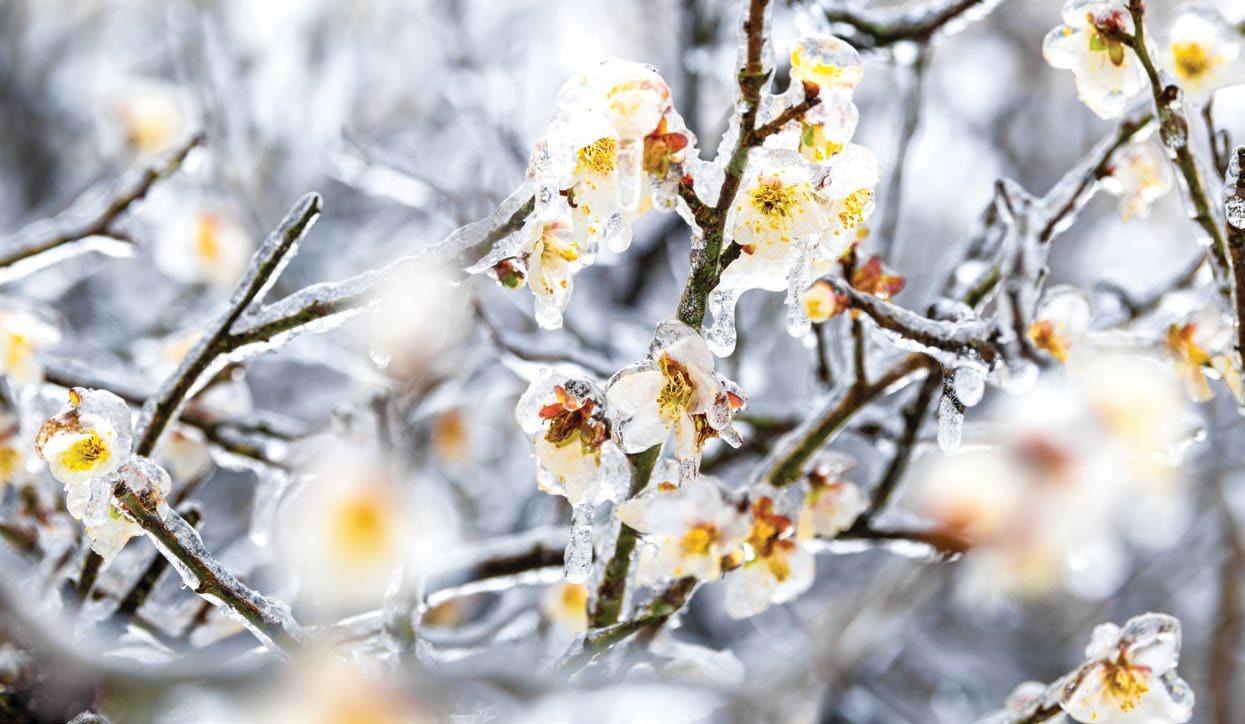
For deciduous fruit trees, dormancy during winter and the accumulation of sufficient chilling hours are prerequisites for normal budbreak, flowering and fruit set in spring. Most stone fruit varieties require a specific number of cold hours, typically at temperatures between approximately 2,5 °C and 12,5 °C, to complete their rest period. Temperatures outside this range, whether too warm or too cold, do not contribute to effective chilling accumulation. When those requirements are not met, the consequences are predictable: irregular or protracted budbreak, uneven flowering, reduced fruit set and lower packout yields.
The 2024/25 stone fruit season demonstrated this risk in practical terms. In the Stellenbosch area, the chilling period from May to mid-August was the warmest recorded in 19 years, accumulating less than half the long-term average. The warm conditions prompted some growers to apply restbreaking sprays earlier than usual, but from mid-August, temperatures turned cold and remained so through the flowering window. Many later-flowering cultivars experienced both inadequate winter chill and cold conditions during the critical spring growth period, resulting in poor fruit set and reduced packout on affected blocks.
Hortgro-commissioned climate research, led by Prof Stephanie Midgley and published as a Climate Change Response Strategy for the Deciduous Fruit Industry, identifies loss of winter chill as the primary threat to stone fruit production in the southwestern coastal regions. In the higher-lying northwestern regions and the Langkloof, high temperatures during the growing season present the greater challenge. Climate projections indicate that insufficient winter chilling will worsen across multiple production areas over time, placing greater pressure on growers to manage dormancy through varietal selection and rest-breaking interventions.
Rest-breaking agents, including hydrogen cyanamide and alternative formulations, are currently used to stimulate more
uniform budbreak when chilling accumulation has been inadequate. Hortgro Science has funded research into the efficacy and optimal application of these agents under varying chilling conditions, recognising that consistent results are not always achieved and that the interactions among cultivar, rootstock, site, and chill accumulation are complex. Selecting cultivars with lower chilling requirements is increasingly being considered as a longer-term response in regions where winters are becoming progressively milder.
Heat, sunburn and the case for protective netting
As winter chill declines, summer heat presents an opposing challenge. Sudden heatwaves during fruit development cause sunburn, reducing firmness and damaging the fruit surface in ways that make it unacceptable for export markets. Fruit surface temperatures can exceed ambient air temperatures by as much as 15 °C under high solar radiation and low wind conditions, reaching thresholds at which physiological damage occurs within hours.
Protective netting has become the primary physical response to this risk across South African stone fruit orchards. The area under shade and hail nets in the Western Cape grew from 559 ha in 2013 to more than 3 092 ha, as producers invest in infrastructure that reduces both sunburn losses and hail damage. The commercial justification is clear. Netted stone fruit orchards consistently achieve higher export packouts than open orchards, with industry reports indicating that pack-out rates in netted blocks can reach approximately 90%, compared to around 60% in unprotected orchards. The return on the capital investment in netting depends on site, cultivar and climatic exposure, but where hail risk is high, a single event can recover the full installation cost.
Netting also delivers secondary benefits that extend beyond damage prevention. Shade netting reduces orchard evapotranspiration, lowering irrigation water demand. It moderates wind damage, which is a significant source of fruit blemishing in exposed blocks, and can reduce spray drift, improving the efficiency of pest and disease management programmes. Wiehann Steyn, general manager of Hortgro Science, has noted that shading can increase vegetative vigour in plums and apples, requiring producers to adapt their pruning, irrigation and fertilisation management in response to the altered microclimate beneath the nets.
Water, a resource under structural pressure
Water availability underpins every aspect of stone fruit production. Without reliable irrigation, tree health, fruit size and yield cannot be maintained through the dry summer months. The Western Cape, which produces the majority of South Africa's stone fruit, has experienced periods of severe drought and faces long-term projections of reduced surface water supply. Hortgro is actively finalising a dedicated Water Response Strategy for the Deciduous Fruit Industry, developed alongside the Climate Change Response Strategy, in recognition that water scarcity has moved from a seasonal risk to a structural challenge for the sector.
Producers have responded by investing in more precise irrigation systems. Drip irrigation, combined with soil moisture monitoring, allows water to be applied at the root zone in response to actual soil conditions rather than fixed scheduling. This reduces water losses through evaporation and runoff, and supports more consistent tree performance by avoiding both deficit and excess irrigation. Research has shown that orchards under protective netting also benefit from reduced evapotranspiration, contributing further to water use efficiency when both technologies are combined.
Water management carries implications beyond production. Export markets in the European Union and United Kingdom increasingly scrutinise the environmental practices of their suppliers, and responsible water use is part of the sustainability profile that retail buyers assess when qualifying supply chains.
Hail, frost and heavy rain
Beyond the longer-term trends of warming winters and hotter summers, acute weather events continue to inflict direct damage on stone fruit orchards within short timeframes. Hail is among the most economically destructive, capable of damaging or destroying an entire harvest within minutes. A severe hailstorm in the Western Cape fruit region caused substantial financial losses and potential job cuts across the sector. The expansion of protective netting is partly a direct response to experiences of this kind.
The 2024/25 season included sleet, hail and frost in early October across parts of the Western Cape, affecting early nectarine and peach varieties most severely during a particularly vulnerable period of fruit development. The Berg River region experienced a brief but damaging heatwave during plum flowering, affecting fruit set in some varieties. These events occurred in a season that had already been compromised by insufficient winter chilling, compounding the production pressure on growers who were already carrying the financial strain of previous difficult seasons.
Excessive rainfall during harvest or in the weeks preceding it creates a different set of problems. Wet conditions promote fungal diseases including brown rot and grey mould, both of which can spread rapidly through a mature stone fruit crop. Rain-induced cracking in cherries and certain plum varieties can result in significant downgrade or rejection of affected fruit. Harvesting operations may also be disrupted by wet soils, particularly in orchards without adequate drainage infrastructure.
Soil health and orchard resilience
A tree growing in well-managed soil is better equipped to handle environmental stress than one in depleted or compacted ground. Healthy soils support deeper root systems, improve
water infiltration and retention, and provide a more stable reservoir of nutrients. Producers across the stone fruit regions have adopted practices that build and protect soil health over time, including the use of cover crops between rows to reduce erosion, improve organic matter content and support beneficial soil biology.
Organic matter additions and reduced reliance on deep cultivation help to maintain soil structure, particularly in the loam and sandy soils common in the Berg River and Ceres production areas where compaction and surface erosion after heavy rainfall are practical concerns. In the Klein Karoo apricot regions, managing soil salinity build-up has been identified as an important factor influencing tree performance during and after drought conditions.
Orchard management practices are continually adjusted to suit changing conditions. Canopy management through pruning influences light distribution, airflow and the microclimate within the orchard, which in turn affects fruit colour development, disease pressure and the effectiveness of spray applications. Producers managing older orchards with more vigorous growth habits face additional complexity in balancing adequate light interception against the risks of sunburn and poor colour that come with overcrowded canopies.
Varietal adaptation as a long-term strategy
No single orchard management intervention addresses the full range of climate risks facing stone fruit producers. Varietal selection is the foundation on which all other adaptation responses are built. A cultivar that is well matched to the chilling profile, heat load and harvest window of its specific production site will perform more consistently across variable seasons than one planted outside its climatic optimum.
Hortgro funds long-term adaptability trials for stone fruit cultivars across diverse production sites in South Africa, recognising that the performance data generated in other countries or in earlier decades does not necessarily predict outcomes under current and projected South African conditions. These trials evaluate new-generation varieties for their chilling requirements, heat tolerance, flowering phenology, fruit quality characteristics and yield stability across multiple seasons.
The introduction of new varieties into commercial production requires planning horizons of several years. Establishing a new orchard block, training the trees to the chosen system and waiting for the planting to reach full commercial bearing takes time and capital. Producers, therefore, need confidence in the performance data behind a new cultivar before committing to scale. The combination of industry trial programmes, technical advisory services and access to market performance data from existing export channels supports more informed planting decisions, reducing the risk associated with shifting to new material.
Sources: Hortgro Climate Change Response Strategy for the Deciduous Fruit Industry (Midgley et al., 2023); Hortgro 2024/25 season outlook and post-season reports; Hortgro Water Response Strategy for the Deciduous Fruit Industry (draft); Hortgro Science dormancy and rest-breaking research; Good Fruit Grower (netting and export pack-out data, 2025); Western Cape Department of Agriculture shade net area data; Department of Agriculture, Land Reform and Rural Development; Deciduous Fruit Producers' Trust technical insights.
When nutrition is not the limiting factor
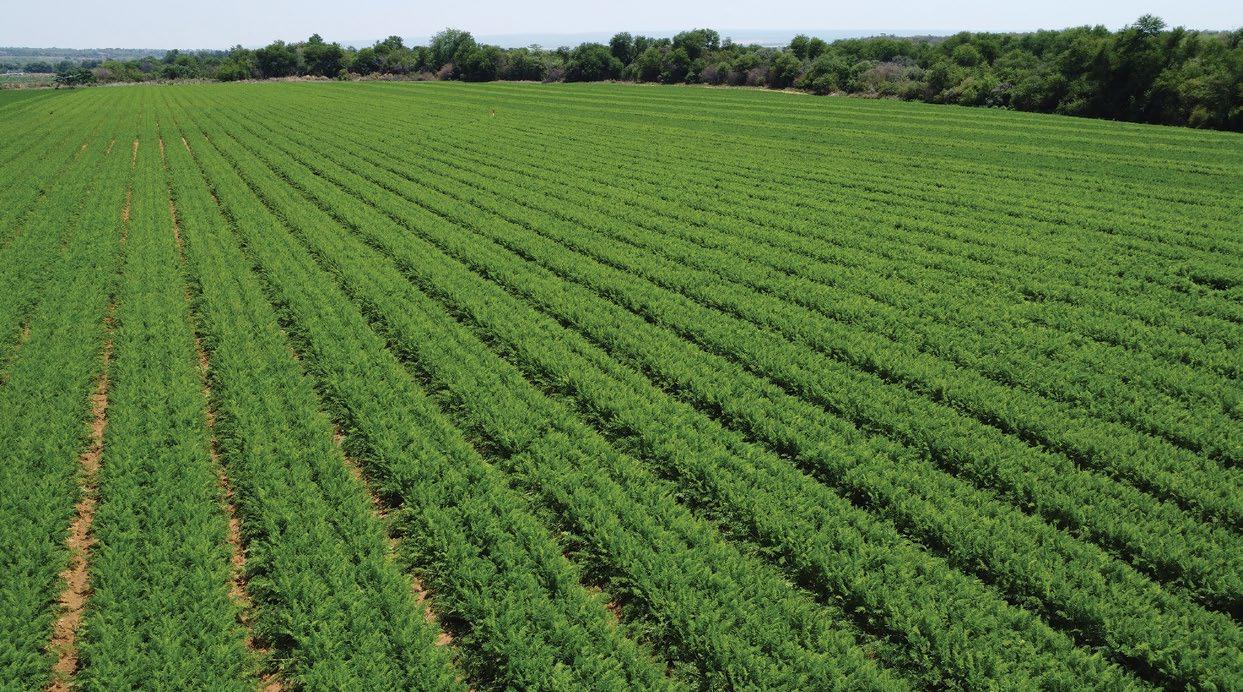
Many carrot producers face the same frustration: soil tests look good, fertiliser programmes are applied as planned, and the crop appears healthy early in the season. Yet at harvest, roots lack uniformity, size, or quality. The natural response is often to adjust the fertiliser programme for the next crop. In many cases, however, nutrition was never the real problem.
SAKATA
Cold In carrot production, success depends less on what is applied and more on what the crop can absorb. As a true root crop, carrots rely entirely on their developing root system to access water and nutrients. If uptake is restricted at any point in the season, yield and quality are affected, often without obvious warning until harvest.
Understanding when carrots absorb nutrients, what those nutrients do and what commonly limits uptake helps explain why “doing everything right on paper” does not always deliver results in the field.
Root growth sets the limits of nutrition
All nutrient uptake in carrots takes place through the root system. For uptake to be efficient, roots must grow freely and evenly through the soil profile. When root growth is restricted by compaction, poor structure, uneven moisture or lack of oxygen, nutrient uptake is reduced - regardless of how much fertiliser is present in the soil.
This is why carrot nutrition cannot be viewed in isolation. Uptake capacity is set by root health first. A well-balanced fertiliser programme applied into soil that limits root function will consistently underperform compared with a simpler programme applied into soil that allows roots to develop without restriction.
Measured uptake data confirm that the crops’ nutrient demand increases rapidly once the root system is established, reinforcing the importance of early and uninterrupted root growth to overall performance.
When carrots absorb nutrients during the season
From a practical farming perspective, carrot nutrient uptake can be viewed in three broad phases:
Early establishment - building potential
During emergence and early leaf growth, carrots have a small root system and limited uptake capacity. Nutrition during this phase supports root initiation and early canopy development, setting the potential for the rest of the season.
- Phosphorus is particularly important at this stage to support early root growth.
- Nitrogen drives leaf development that later supplies energy for root bulking.
- Calcium supports early cell division in the developing root.
Stress at this stage, whether from cold soils, excess moisture, compaction, or poor seedbed preparation, limits root development and permanently reduces yield potential.
Root expansion and bulking - where yield and quality are built
As the storage root begins to expand, nutrient uptake increases sharply. Field data shows that most nitrogen, phosphorus and potassium uptake occurs during this mid-season bulking phase. Crops that experience stress during this window often fail to recover fully later, even when conditions improve.
- Nitrogen continues to support growth but excessive supply shifts energy into tops rather than roots.
- Potassium plays a central role in root size, density, uniformity and internal quality.
- Calcium contributes to smooth skins and structural strength.
- Magnesium supports photosynthesis and the movement of carbohydrates from leaves into the root.
Consistent soil moisture is critical during this phase. Nutrients move toward the root mainly through water, which means irregular irrigation or fluctuating soil moisture directly reduces uptake efficiency.
Maturation and finishing - protecting quality
As the crop approaches maturity, nutrient uptake slows, but quality is still being shaped.
- Potassium and calcium continue to influence firmness and shelf life.
- Excessive late nitrogen tends to reduce root density and market quality.
Many of the quality problems seen at harvest, such as uneven fill or reduced firmness, originate earlier in the season when uptake was restricted rather than from decisions made close to lifting.
What nutrients really do in carrots
For carrot producers, nutrients are best understood by how their effects show up in the crop.
- Nitrogen: Sets yield potential but must be balanced carefully to avoid misshapen roots.
- Phosphorus: Supports early vigour and strong root establishment.


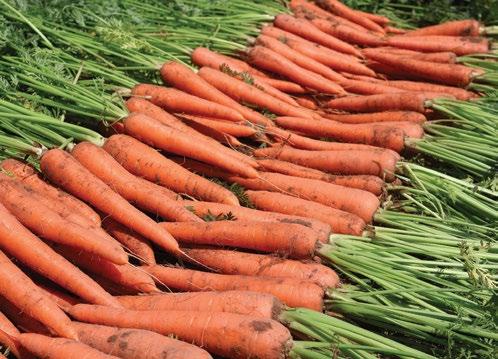
Healthy harvested carrots with good uniformity.
- Potassium: The most heavily extracted nutrient in carrots and a key driver of size, uniformity and internal quality.
- Calcium: Supports smooth skin and reduces susceptibility to cracking.
- Magnesium: Enables consistent bulking by supporting sugar movement into the root.
Measured nutrient extraction confirms that potassium, in particular, is removed in large quantities with the harvested roots, highlighting the importance of availability during the bulking phase rather than simply total seasonal application.
Where nutrient uptake commonly goes wrong
Most nutrition-related problems in carrot production are not caused by insufficient fertiliser, but by factors that restrict uptake.
- Restricted root development caused by compaction or
poor structure limits how far roots can explore the soil profile, leaving nutrients physically out of reach.
- Inconsistent soil moisture reduces nutrient movement toward the root and contributes to cracking, uneven fill and poor quality.
- Nutrient imbalance, especially high potassium levels, can suppress calcium and magnesium uptake even when those nutrients are present in the soil.
- Declining organic matter reduces the soil’s natural contribution to nutrient supply, increasing reliance on fertiliser and reducing overall uptake efficiency.
- Salinity build-up in irrigated systems restricts both water and nutrient uptake, often showing quality losses before yield reductions become obvious.
Making nutrient uptake work
Improving nutrient uptake in carrots is often less about applying more fertiliser and more about ensuring that roots can
PAGE 17










Figure 1: Nutrient uptake across carrot growth stages.
The ground beneath the crop
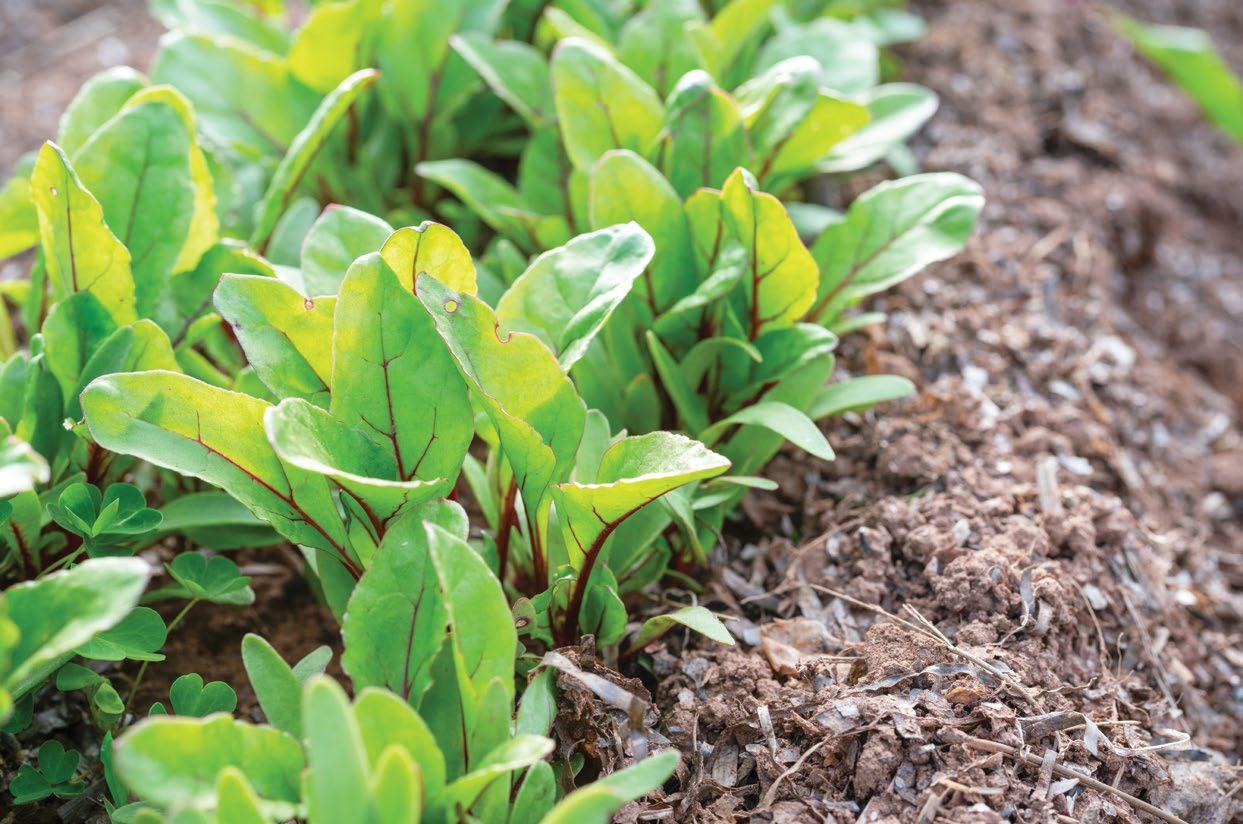
For carrot and beetroot producers, everything begins and ends with the soil. Unlike above-ground crops, where problems are visible early, the quality of a root vegetable, its shape, colour, smoothness, and density, is determined largely by conditions below the surface that most producers only discover at harvest. By then, it is too late to act. The good news is that soil health is manageable. The challenge is that it requires consistent, season-on-season attention to get right and keep right.
Carrots are among the most soil-sensitive of all root vegetables. The ideal growing medium is a deep, loose, welldrained sandy loam with a pH between 6,0 and 6,7. Even slight deviations from this range affect quality in predictable ways. Soils that are too compact or contain stones cause forking and misshapen roots, which reduces marketability significantly. Soils with excessive fresh organic matter or compost cause hairy, rough-surfaced roots and stimulate excessive leaf growth at the expense of the root, reducing yield.
Beetroot shares many of the same soil requirements, though it is slightly more tolerant of variation. Loose, well-structured soils are still essential for even sizing and to prevent cracking. Like carrots, beetroot depends on a balanced pH and good soil preparation to produce commercially acceptable roots.
Vegetables & Fruit spoke to Almari Haupt, product specialist: professional vegetable for Sakata Southern Africa, she says that soil structure is at the heart of many quality failures that producers encounter.
“In my experience, the most common soil health mistake on carrot and beet farms is focusing on soil chemistry while overlooking soil structure. Fields may test well on paper, but compaction or uneven structure below the surface often goes unseen. For root crops, the consequences show up at harvest. Carrots fork, bend or stub, while beets develop uneven shapes, flat sides or cracking. Overall yield may hold up, but uniformity and marketable quality decline significantly, which has a much bigger impact on profitability.”
Haupt adds that once root crops start showing quality problems, the underlying damage has already been done. With root vegetables, if the soil profile restricts root growth, no amount of fertiliser or irrigation later in the season can fully correct it.
The case for regular soil analysis
The starting point for every new planting season should be a formal soil analysis. The Agricultural Research Council and several private laboratories offer affordable soil testing services that give producers actionable information on pH, nutrient levels, organic matter content, and salinity. Acting on that data, rather than applying fertiliser according to habit, is the single most cost-effective step a producer can take.
Haupt recommends conducting a formal soil analysis at least once a year, before land preparation, and more frequently in intensive systems with multiple plantings per season.
“Both crops respond quickly to soil imbalances, and outdated soil data often leads to avoidable quality problems. What I pay closest attention to is pH, organic matter, and overall
nutrient balance. pH needs to be in the right range to support even root development, while organic matter helps buffer nutrients and moisture. Calcium and potassium are particularly important for root shape and firmness, but they need to be balanced correctly,” says Haupt.
Salinity is a further concern that producers in irrigated systems cannot afford to ignore. Carrots are particularly sensitive to salt buildup, while beets can tolerate slightly higher levels, but in both crops, rising electrical conductivity (EC) levels usually show up first as reduced uniformity and quality rather than outright yield loss.
Rebuilding organic matter
One of the most persistent threats to soil health in intensively cropped lands is declining organic matter. South Africa's key vegetable production regions, particularly in Limpopo and the Free State, are experiencing measurable reductions in soil organic carbon as a result of continuous cropping without adequate replenishment. Organic matter performs multiple functions in soil: it improves water-holding capacity, supports beneficial microbial communities that suppress disease, improves soil structure, and gradually releases nutrients. As organic matter levels drop, producers become increasingly dependent on synthetic inputs to compensate.
The complication for carrot and beetroot producers is that rebuilding organic matter requires care. Applying fresh or partially decomposed organic matter close to planting can cause serious quality problems.
“Fresh or partially decomposed organic matter close to planting almost always leads to quality problems, hairy roots and rough skins in carrots, and misshapen or cracked bulbs in beets. The correct approach is to apply only well-matured compost or manure at least six to 12 months before planting, ideally during a preceding crop or fallow period. This allows enough time for the material to break down fully, nutrients to stabilise, and soil biology to do its job without interfering with root development.”
The producers who achieve the most consistent quality are those who treat organic matter as a long-term investment, improving it gradually over several seasons. Haupt points out that this approach supports better nutrient release, improved moisture management, and healthier soils, without compromising root shape or uniformity.
Subsoil compaction
Subsoil compaction is a frequently overlooked problem, par-
ticularly in operations using heavy mechanised equipment. Compacted layers prevent root penetration, restrict water movement, and reduce the effective rooting depth available to the crop. Deep ploughing or subsoiling before planting is essential to break up such layers, and the practice should be included as a standard step in land preparation rather than an emergency intervention when yields disappoint.
Haupt explains that compaction on carrot and beetroot farms usually develops gradually through repeated machinery traffic, especially when soils are worked or harvested slightly too wet.
“The early warning signs are often subtle. Producers may notice roots bending or forking at a similar depth, uneven root length across a field, or water taking longer to infiltrate after irrigation. In many cases, parts of a field consistently underperform despite the same fertiliser and irrigation being applied. By the time yield losses are obvious, compaction has usually been present for several seasons. That’s why regularly checking soil profiles below the surface is so important.”
Irrigation method and its influence on root quality
Soil moisture management is equally critical to root quality. Too little moisture during root development causes long, thin, fibrous carrots with reduced eating quality, while cracking can occur under erratic moisture conditions. Too much moisture produces light-coloured, oversized roots that are commercially unattractive and prone to post-harvest decay. This means irrigation management is not simply about keeping the crop alive, it is about actively managing root shape, colour, and quality throughout the growing cycle.
For carrot producers, sprinkler and pivot irrigation consistently outperform flood irrigation in achieving the uniform soil moisture required for smooth, well-formed roots. Haupt notes that upgrading from flood irrigation can deliver clear benefits in uniformity, root quality, and input efficiency.
“Better moisture control usually results in more consistent sizing, improved colour and better packout, which is where the real return on investment comes from. The key is that those benefits depend on the soil profile being able to respond evenly. If compaction or variability exists, improved irrigation will often expose those limitations rather than overcome them. Where soil structure is addressed first, irrigation upgrades become a powerful quality-management tool.”
Cover crops and rotation management
Cover crops play an important role in carrot and beetroot sys-
When nutrition is not the limiting factor
function without restriction. A healthy root zone with good structure, adequate aeration and consistent moisture allows the crop to use nutrients efficiently and respond predictably to inputs.
From a management perspective, soil condition, irrigation practice and nutrient balance are all part of the same system. Regular soil analysis, attention to what is happening below the surface, and realistic expectations of what the soil can supply all contribute to better uptake.
In an environment where input costs continue to rise, im-
tems, mainly by restoring soil structure and biological activity between root crop cycles. They help loosen compacted layers, improve water infiltration, and gradually rebuild organic matter, all of which support better root development in the following crop.
In South African conditions, short-cycle cereals such as oats and rye have performed particularly well because they produce strong root systems and are easy to manage within tight planting windows. Forage radish can be useful where shallow compaction is an issue, while legumes can add value if terminated early enough.
Haupt emphasises that management is the key factor in making cover crops work effectively. They need to be terminated well before planting carrots or beetroot so that residues are broken down, and the soil is settled. When used this way, cover crops become a practical tool to improve soil health without compromising root quality in the next crop.
The relationship between carrots and beetroot in rotation also deserves attention. Haupt points out that even comparing these two crops shows how different soil health requirements can be within the root vegetable category.
“Carrots are extremely unforgiving and usually set the standard in a rotation, requiring very uniform soil structure and minimal fresh organic matter. Any variability shows up quickly in root shape and quality. Beetroot is slightly more tolerant of variation and higher organic matter levels, but it still depends on loose, well-structured soils to size evenly and avoid cracking. For that reason, soil-improving activities are best done ahead of the carrot phase, with beetroot fitting more flexibly into the rotation.”
The soil is the product
The evidence from both agronomic research and practical experience consistently points to the same conclusion: for carrot and beetroot producers, soil health is not a background consideration. It is the primary driver of product quality, consistency, and profitability. Producers who invest in understanding their soil, through regular formal analysis, structured land preparation, and long-term organic matter management, are better positioned to produce roots that meet market specifications reliably, season after season.
The soil is not simply a medium for holding plants upright. For carrot and beetroot producers, it is the product itself. Every decision made above the surface, whether fertiliser, irrigation, or variety selection, is ultimately limited or enabled by what lies beneath it.
FROM PAGE 15
proving how effectively carrots absorb the nutrients already available in the soil can be one of the most practical ways to protect both yield and quality.
DISCLAIMER: This information is based on observations and/or information from other sources. As crop performance depends on the interaction between the genetic potential of the seed, its physiological characteristics, and the environment, including management, Sakata Southern Africa gives no warranty, express or implied, for the performance of crops relative to the information given, nor do they accept any liability for any loss, direct or consequential, that may arise from whatsoever cause. Please read the Sakata Seed Southern Africa (Pty) Ltd Conditions of Sale before ordering seed.
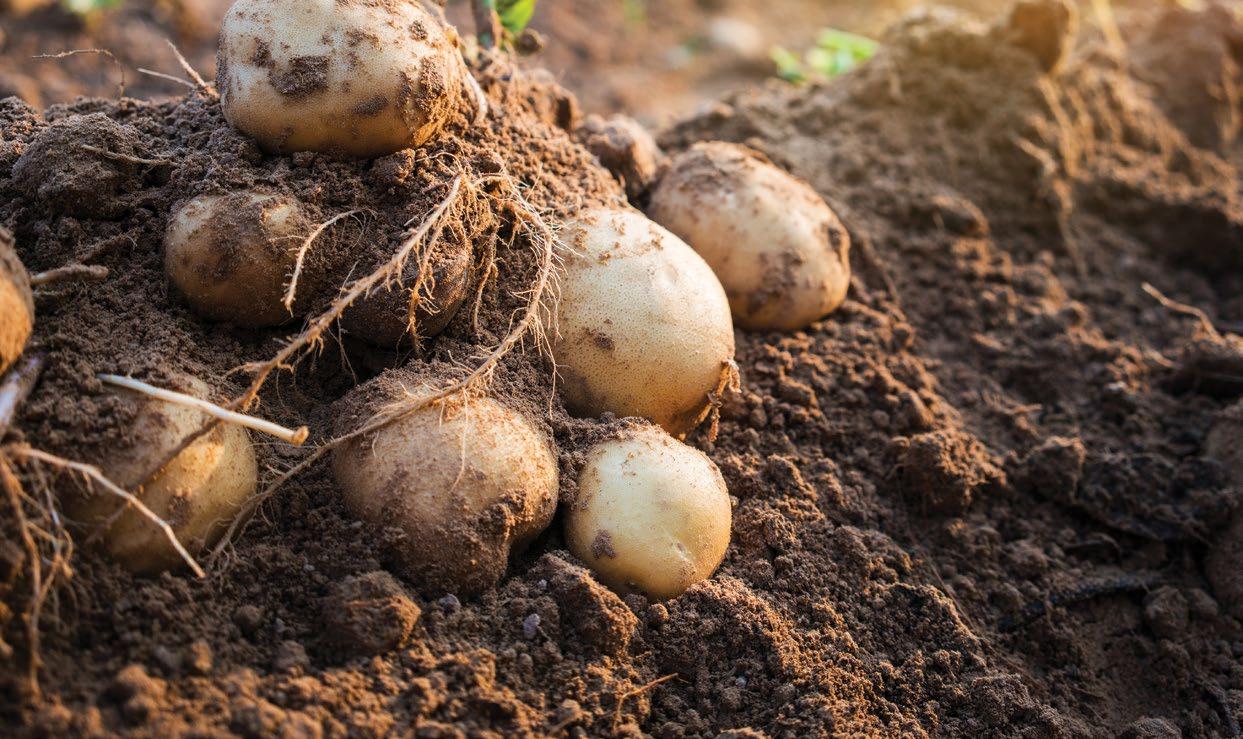
The enemy underfoot
There is no pest more economically damaging to South African root vegetable production, and none more widely underestimated, than the plant-parasitic nematode.
Microscopic, soil-dwelling, and invisible to the naked eye, plant-parasitic nematodes attack the root systems and tubers of potatoes, carrots, sweet potatoes, and beetroot from below ground. The result is yield losses that producers frequently misattribute to damage inflicted by other pathogenic microorganisms, nutrient deficiencies or drought stress. By the time the infestation is recognised, it is typically well advanced, and the cost, in both lost yield and remediation, is substantial.
In South Africa, most of the nematode species belonging to 12 plant-parasitic families pose serious threats to root vegetable growers. The most economically significant are the root-knot nematodes, Meloidogyne species, particularly M. incognita and M. javanica
These species attack the underground plant parts of a broad range of host plants and are extremely widespread, found even in virgin soils. Their feeding creates characteristic galls or knots on root systems, which disrupt water and nutrient uptake. High infestations of root-knot nematodes cause stunting, yellowing, and wilting in above-ground plant parts.
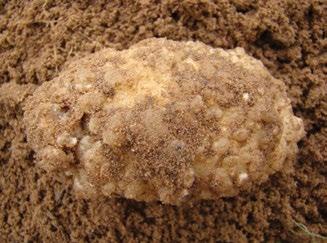
On potato tubers root-knot nematode feeding results in characteristic galling or knot-like structures, while in carrot
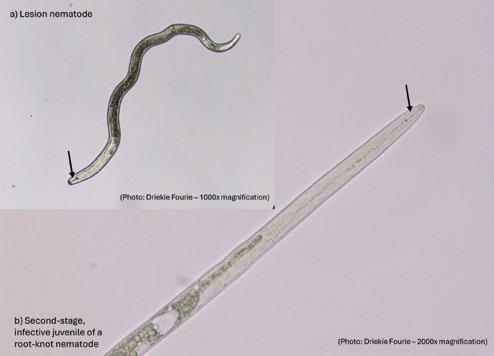
roots, the damage manifests as short, bushy side roots that are generally lumpy or distorted. Lesion nematodes, Pratylenchus species, also infect vegetable root crops and generally cause small, dark brownish to blackish lesions on the surfaces of tubers and roots. Damage by these two nematode genera makes the produce unmarketable since the quality of tubers and roots are compromised.
Another plant-parasitic nematode of particular concern is the golden cyst nematode, Globodera rostochiensis, a quarantine pest that poses a specific and serious threat to global potato production. However, in South Africa, this pathogenic nematode species is well managed by quarantine regulations and is restricted to a few areas in terms of known distribution. Should this species be confirmed on a farmer’s property, the affected land must be quarantined and may be withdrawn from potato production for a minimum of eight years, since the cysts can survive in the soil for up to 20 years in the absence of a suitable host.
Export implications are equally severe. Producers who suspect the presence of this species are legally obliged to report it to the authorities immediately. The most important preventive measure is planting only certified seed potatoes, since the golden cyst nematode spreads readily through infested tubers.
To know whether plant-parasitic nematodes are present in a field and which genus or species is involved, identification is the first critical step. Nematode infestations typically appear in patches in crop fields, with affected plants showing droughtlike symptoms even when soil moisture is adequate. Digging out and washing the roots of stunted, yellowish or wilted plants will reveal characteristic damage should, for example, root-knot nematodes be present: namely galls on potato roots and tubers, and on carrot roots. The presence of lesion nematodes is usually represented by lesions or dark discolouration on tuber or root surfaces.
Moreover, any producer who observes these symptoms, as well as others such as roots that show unnatural growth such as bushy secondary roots, distorted in nature or other abnormalities, should collect soil and root samples for analysis and submit them to a GEPSA-accredited nematology diagnostic laboratory. The Agricultural Research Council - Tropical and Subtropical Crops is one of such laboratories that offers this service, and the cost of a soil analysis is marginal relative to the cost of a lost or condemned crop.
Testing new land before the first planting
Vegetables & Fruit spoke to Darius Steyn, product specialist for leafy, okra, brassicas, LSV, root and bulb crops at Syngenta South Africa. He cautions producers establishing operations on new land that natural vegetation, such as various weeds, grasses, black wattle, and Acacia species, serves as a reservoir
TO PAGE 20
Figure 1. The needle-like stylets (with knobs) used for damaging roots and tubers to enable feeding by a microscopic a) lesion nematode and b) second-stage root-knot nematode juvenile.
Figure 2 Typical galling / knot-like structures on a potato tuber resulting from rootknot nematode feeding.
Photo: Driekie Fourie

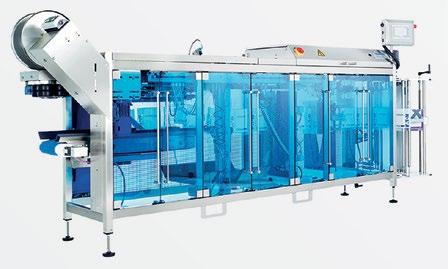
Accurate Automatic Portion Weighers




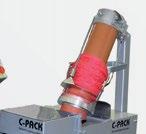


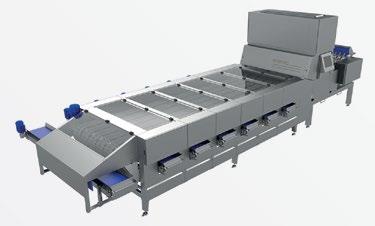

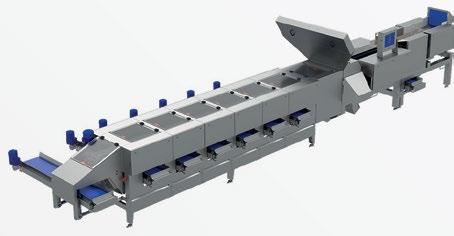
Optical quality, size and shape grading for potatoes and carrots. Bagger PP/ Poly Bags and Poly/ Net Combo Bags VAC 931





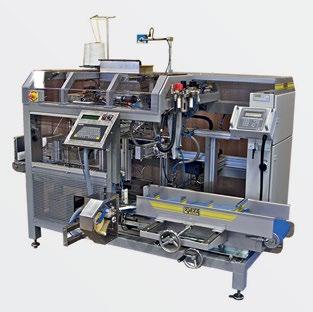


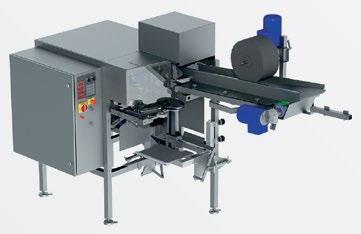


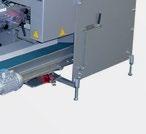
Bagger-Poly/ PP Bags and Poly/ Net Combo Bags PEB 40 Wicketed Polybagger and Wicketed Net/Film Combination Bags
The enemy underfoot
for economically important plant-parasitic nematodes, specifically root-knot and lesion nematode species.
It is critical for farmers to conduct root and soil sampling of actively growing vegetation prior to field establishment. Analysis should be performed by a GEPSA-accredited laboratory, where a nematologist will evaluate the results and prescribe management strategies to be implemented before the crop is planted.
Distinguishing nematode damage
Nematode-induced damage typically presents as irregular patches, frequently in poorly drained or dry soils during dry periods. Farmers should sample the roots and rhizosphere soil of symptomatic plants showing stunting, chlorosis, wilting, or other symptoms.
While galling and necrotic lesions are primary indicators of root-knot and lesion nematodes, respectively, these symptoms can be easily confused with those caused by other soildwelling pathogens. Consequently, samples must be sealed, labelled, and submitted to a specialised nematology laboratory for analysis of population densities and genus and/or species composition.
Integrated management
Management relies on an integrated approach. Crop rotation is the most economical and sustainable tool available. Because plant-parasitic nematodes are host-specific, breaking the cycle with poor- or non-host crops such as certain grasses, legumes, or brassicas significantly reduces populations over time. French and African marigolds have demonstrated nematode-suppressive properties and can be planted as cover crops between production cycles.
Soil solarisation, which involves covering moistened tilled soil with transparent plastic sheeting for several weeks during the hottest period in summer, uses heat to reduce nematode populations in the upper soil layers and is particularly effective in warmer production regions.
The extensive host range of root-knot and lesion nematodes often limits the effectiveness of traditional crop rotation. To address this, South African research is focused on identifying poor-host cover crops that can successfully reduce nematode population densities. Farmers are encouraged to consult with relevant industry bodies to stay informed on these findings and integrate validated cover-cropping strategies into their management plans.
Nematode management requires a site-specific strategy rather than a “one-size-fits-all” approach. For instance, sunn hemp (Crotalaria juncea) can be an effective component of an integrated management system to reduce root-knot nematode populations, yet it may simultaneously increase lesion nematode densities.
Consequently, it is critical that farmers consult with a nematologist taxonomist who can accurately identify the specific nematode species present in any field with a history of infestation before implementing a control strategy.
Soil solarisation is a viable management strategy for smallscale operations such as glasshouses, net houses, or nurseries,
where plant-parasitic nematodes impact crop yields and quality. The process involves irrigating the target area to ensure adequate soil moisture, then sealing the ground with transparent plastic sheeting for at least one month.
During the peak of summer, the trapped solar radiation and moisture effectively eliminate nematodes within the upper soil profile. Due to the logistical requirements and cost, this method is best suited for small fields in high-value areas like seedling beds or home gardens.
Chemical nematicides, including registered products that contain the active ingredient oxamyl, are an effective tool that can be applied when nematode populations are at economically damaging levels. The decision to apply a chemical nematicide should, however, always be based on laboratory-confirmed population thresholds rather than guesswork. Nematicide applications add significant input cost and carry environmental considerations that make them a targeted intervention rather than a routine practice.
Universal population thresholds for plant-parasitic nematodes do not exist, as damage levels vary significantly based on soil texture, environmental conditions, and specific crop cultivars. However, for high-value crops such as potatoes, sweet potatoes, carrots, and beetroot, where aesthetic quality directly dictates market price, annual nematode analysis is essential.
The most effective diagnostic approach is to collect soil and root/tuber samples from actively growing crops shortly before harvest. This timing provides a precise assessment of nematode densities, enabling farmers to optimise management strategies and minimise damage for the subsequent planting cycle.
The mere presence of root-knot nematodes, for example, in fields where potato, carrot, beetroot, and sweet potato is planned to be grown should be an indication that appropriate nematode management strategies should be applied. This is due to the adverse effects this genus has on tuber or root quality, causing it to be rejected by markets. An experienced and SACNASP-accredited nematologist will provide suitable recommendations based on the nematode analysis done.
The foundation of a sound nematode management programme is always soil health, sound rotation planning, application of alternative strategies such as improving the organic matter content of soils, planting poor- or non-host cover and rotation crops, and certified planting material.
Golden cyst: early warning signs and response
While golden cyst nematodes are well-contained in South African potato production areas due to rigorous quarantine measures, potato farmers must remain vigilant. Initial infestations typically manifest as patches of stunted growth, with infected plants exhibiting chlorosis and wilting that progresses from the ground upward. If a symptomatic plant is carefully uprooted, pinhead-sized spherical cysts, which may be whitish, yellowish, or brownish depending on the stage of the female, may be visible on the root system or tuber.
Any farmer suspecting golden cyst nematode should immediately contact a diagnostic nematode laboratory accredited for analysis of quarantine nematode species and/or the
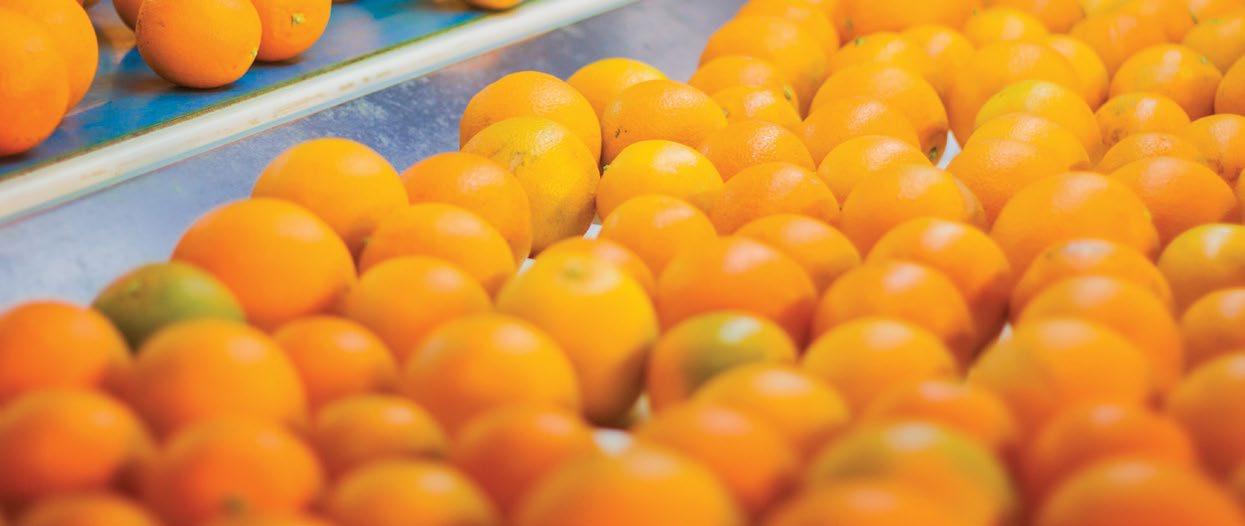
Limpopo floods, citrus industry counts costs as season gets underway
Heavy rains and flooding across Limpopo province raised concerns about the 2026 citrus season before the first carton had left South African harbours. The Citrus Growers’ Association (CGA) says that, while the floods caused serious infrastructure damage in non-citrus areas and resulted in loss of life, the industry’s growing regions were largely spared.
Limpopo accounts for 41% of the total South African area under citrus cultivation and produces half of all Valencia oranges. Mpumalanga, which accounts for a further 8% of citrus area, was also affected by the extreme weather. Together, the two provinces represent close to half of the country’s citrus production.
The CGA’s primary concern on the infrastructure front was damage to two key roads used to move export citrus from farms to the ports. The Association worked with local and national authorities to resolve these issues, providing data to support the repair effort. The road damage has since been addressed.
According to the CGA, the floods did not materially affect crop estimates or fruit quality in any of the production regions. Concerns that saturated orchards might lead to over-mature lemons or elevated quality risks for mandarins arriving in European retail channels are not expected to materialise, the association said, pointing to stringent quality checks conducted before any fruit is shipped.
CBS interceptions not expected to rise
Citrus black spot (CBS) management was widely flagged as a potential consequence of the flooding. Waterlogged conditions can prevent timely chemical spray applications at critical points in the disease management calendar, raising the risk that the fungal pathogen, which affects fruit skin, goes unchecked. The CGA said it does not expect a significant increase in CBS interceptions at destination markets this season.
The Association noted that several control measures are applied before fruit is shipped to the European Union, and that the current EU measures on CBS are, in its view, “onerous, unscientific and unnecessary”. That position is already the subject of a formal dispute at the World Trade Organisa-
tion, where South Africa is challenging the EU’s phytosanitary restrictions. CBS-related trade barriers are estimated to cost South African producers approximately R4 billion per year.
Limpopo and Mpumalanga are not eligible to export citrus to the United States, where American phytosanitary rules restrict imports to CBS-free areas in the Western Cape, Northern Cape, and designated districts of the Free State and North West. US-bound volumes are therefore not directly affected by the season’s weather events.
The CGA acknowledged that severe weather events have become more frequent across South African production regions, though not confined to flooding or to specific areas. Drought conditions have also been a feature in recent seasons. The association pointed to the increased use of protective netting as a meaningful structural response, noting that netting essentially creates a micro-climate over orchards and reduces the impact of adverse weather conditions.
Vision 2026 target remains in sight
The CGA maintained that its Vision 2026 export potential of 260 million cartons remains achievable. The Association said the goal is reachable provided all stakeholders and role-players work together to remove impediments, from market access constraints to logistical improvements. The season’s weather events are not regarded as having pushed that objective out of reach.
For producers assessing their financial exposure from this season’s weather, the CGA noted that crop insurance products are available through major insurance companies and banks, with the level of cover determined by individual growers. The extent to which losses are mitigated will therefore vary across operations.
Department of Agriculture, Land Reform and Rural Development (DALRRD), and request an expert to inspect the field and diagnose the pathogen.
Climate change and nematode pressure
Glasshouse studies at North-West University highlight that a 3 °C rise in minimum and a 2 °C rise in maximum temperatures over 56 days resulted in two to five times higher Meloidogyne incognita populations in the roots of susceptible soybean cultivars. As global temperatures increase, plant-parasitic nematode pressure is expected to intensify, especially for ther-
mophilic species. Growers can combat this by ensuring fields remain strictly clean-fallow during rest periods, such as winter.
Furthermore, seed companies that disclose the host status of their cultivars against specific nematode species will contribute towards farmers making informed planting decisions for warmer seasons. The bottom line is that growers should improve the health of their soils to enable crop seedlings to germinate and get established optimally. Optimal uptake of water and nutrients by healthy plants with strong root systems will contribute towards crops being more resilient to abiotic and biotic challenges.
enemy underfoot
Precision irrigation: One aspect of a precision agriculture approach
From producer to consumer, everyone is well aware of the statistics around water scarcity, agricultural water use, and increased food demand driven by population growth. For many years, the challenge has been clear: produce more food while continuously increasing water-use efficiency.
Dr Zanele Ntshidi, node manager of Arid Lands at the South African Environmental Observation Network, advocates for smart water use in agriculture by reminding stakeholders that 80% of South Africa’s land mass falls within semi-arid to arid zones.
“It is imperative that we continuously increase water-use efficiency in agriculture. Enhancing efficiency ensures stable and improved crop yields. It allows for increased production using less water, thereby mitigating the impacts of droughts. By further improving efficiency and getting more crop yield per drop of water, agricultural systems can become more resilient, sustainable, and capable of feeding the growing population of South Africa.”
She adds that key highlights of her research, which focus on long-term observations and developing decision-support tools that assist with irrigation scheduling, substantiate the benefits of adopting smart water-use technologies such as precision irrigation and soil moisture monitoring. By ensuring that crops are replenished with the exact amount of water required, non-beneficial water losses are reduced, over-extraction of freshwater sources is prevented, and the carbon footprint of food production is lowered.
Ntshidi says that precision irrigation plays a fundamental role in climate-resilient agriculture by transitioning water management from generalised approaches to data-driven, site-specific systems.
“It acts as a key adaptation strategy in water-scarce regions by delivering precise amounts of water directly to the root zone, reducing waste, and improving crop resilience against droughts and unpredictable rainfall patterns. Through precision irrigation, a producer can be certain that the applied water is used for plant production rather than non-beneficial use that leads to losses such as evaporation.”
Holistic precision approach
In this context, Charl van Reenen, agronomy manager at Netafim Southern & East Africa, calls for a holistic approach to precision irrigation. “Precision irrigation and the efficient use of water in agriculture should not be viewed as a silo in the mission towards improved resource-use efficiency on the farm. It is one component of a broader precision agriculture approach.”
Van Reenen explains that precision irrigation integrates with all other precision inputs and actions. The implementation of a precision irrigation system, and the planning that goes into it, also enables the precise use of other inputs. It allows for the timely and accurate execution of actions based on insights from other precision tools, such as soil analyses and sensor data. Whether through more efficient fertiliser use, reduced disease pressure, or irrigation based on phenological phases, precision irrigation leads to reduced risks and improved sustainability of the entire farming operation.
When approaching precision irrigation as part of a total precision agriculture system, the interaction between different precision inputs becomes clear. “One example is the interaction between soil analyses, mapping, and precision irrigation. Knowledge gathered from soil analyses informs scheduling approaches based on soil differences. In turn, the management tools provided by precision irrigation systems allow producers to respond to this data and irrigate according to crop requirements and soil characteristics at block level.”
Similarly, precision irrigation adds value to crop and cultivar selection. With the correct equipment and scheduling approach, each plant can be irrigated according to its requirements. Van Reenen adds that precision irrigation extends beyond driplines, filters, and controllers. It is about the collection of data, expert interpretation, and precise execution of decisions based on that data.
The importance of precision irrigation as part of a broader system becomes clear when considering the role of water in crop growth. Water drives nutrient uptake. It is critical to root development, flowering, and fruit set, all of which directly impact yield quality. If water is not managed correctly, the benefit of other inputs is lost, and plant potential is constrained.
The producer’s perspective
When discussing water efficiency, the message can easily focus only on saving water. However, conversations with precision irrigation users highlight the value of precise water management for improved results in the field.
Jonathan Miller, farm manager at Redberry Farm near George, explains that their water-use philosophy is based on providing plants with exactly what they need when they need
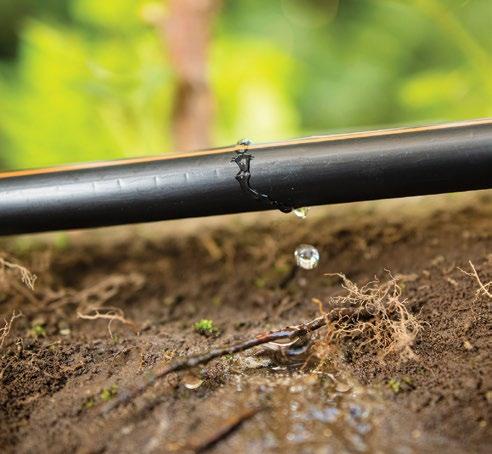
it, without waste.
“The aim is to produce good-quality fruit and profitable yields while farming sustainably. It goes far beyond saving water. With crops where consistent moisture is critical, such as strawberries and kiwis, proper irrigation management supports consistent growth and improves nutrient-use efficiency. It helps manage inputs while maintaining yield and fruit quality.”
Jantjie Jonker, owner of Jakkalsvlei Wine Farm near Herbertsdale, highlights precision irrigation as a management tool. “Water is limited, and drip irrigation allows optimal use of available resources. It also enables a focus on grape quality rather than quantity. Plant moisture can be managed precisely to control yield and canopy growth, giving greater control over vineyard productivity.”

Water mind shifts
Marco Appel, agricultural economist at Netafim Southern & East Africa, emphasises the importance of a long-term perspective in irrigation decisions. Two important mind shifts are required, he says. Firstly, water should not be viewed as an input, but as a strategic asset. Like land and capital, it must be protected and invested in. This is about long-term water stewardship.
“The second shift is understanding the true cost of water. It extends beyond tariffs and includes pumping, maintenance, labour, and other operational costs. These factors must be considered when making irrigation investment decisions and when weighing capital costs against long-term benefits and savings. When combined with a long-term, data-driven approach, the economic value of precision irrigation becomes clear.”
More than the sum of its parts
The principle is simple: one plus one is more than two when different precision practices work together to unlock greater potential. Van Reenen advises that a holistic view is essential during the planning phase to achieve this outcome. Precision irrigation requires systems that are designed and installed with all resources and production goals in mind to ensure optimal production.
“When developing a new farming project, several questions must be answered, and multiple experts must contribute. Irrigation planning is only one aspect and should not be approached in isolation. It must be informed by data from other areas of precision agriculture while also contributing to decision-making across the system.”
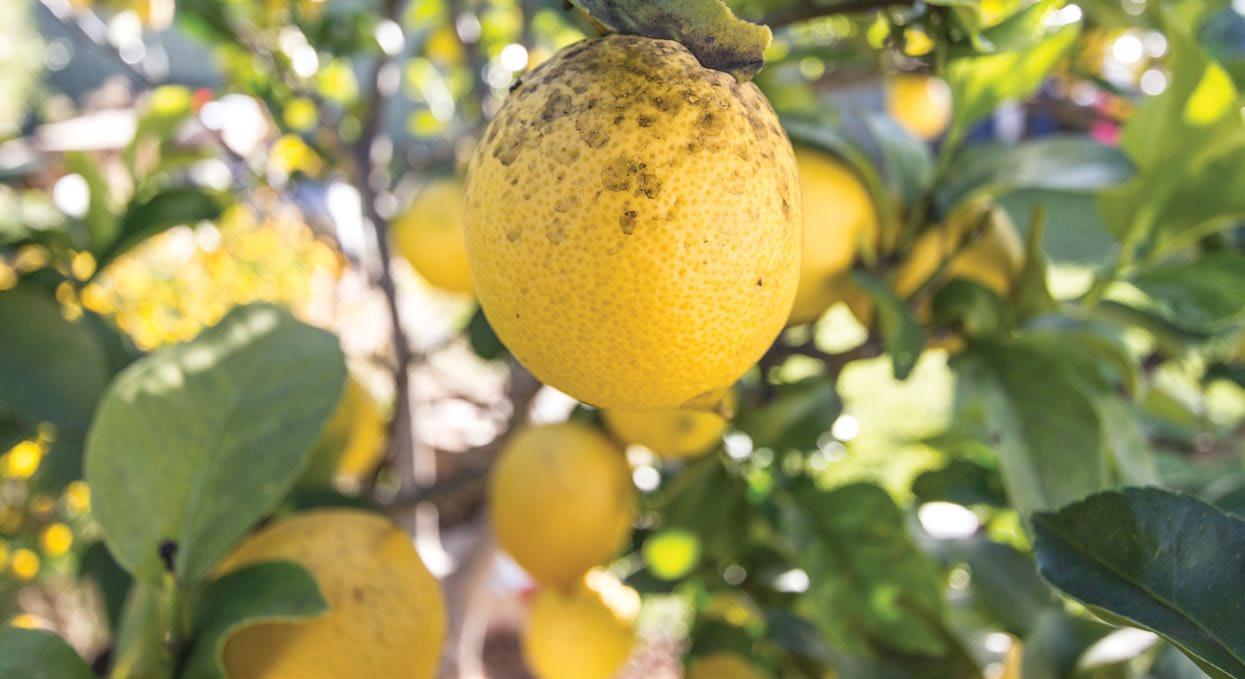
South Africa’s billion-rand battle for fair access to Europe
South Africa’s citrus producers have been exporting fruit to Europe for more than 110 years. In that entire period, not a single consignment has been found to have transmitted citrus black spot to European orchards. Yet every year, EU phytosanitary regulations tied to that disease cost the South African citrus industry in excess of R2 billion, an amount that the Citrus Growers’ Association (CGA) describes as the total direct and opportunity costs the industry absorbs because of measures it regards as scientifically unjustified.
The EU remains South Africa’s largest citrus market, absorbing approximately 35% of all exports. The restrictions centre on citrus black spot (CBS) and false codling moth (FCM), two pests and disease concerns the industry, along with scientists from Brazil, Argentina, the United States, Uruguay, and Australia, argue are addressed by measures that are disproportionately trade-restrictive and not aligned with the available scientific evidence. The EU’s position rests primarily on a European Food Safety Authority assessment that has not been updated.
South Africa formally challenged the EU measures through the World Trade Organisation dispute settlement process, and that case has now reached a significant milestone. The CGA confirmed that the appointment of a WTO panel is expected in the near future, a development the association described as meaningful progress. The CGA expressed confidence in the merits of South Africa’s case and said all efforts would be directed at presenting the strongest possible argument before the panel.
The CGA has been clear that producers cannot continue to absorb what it regards as unnecessary costs while a resolution is pending. The association acknowledged and expressed appreciation for the actions already taken by the South African government in pursuing the dispute, and said it remains confident that a meaningful resolution can be achieved.
A scientific, not a political, argument
At the heart of the dispute is a straightforward claim: the EU’s measures are not grounded in science. Scientists with expert knowledge of CBS and FCM have made clear that the current EU requirements are in conflict with the available evidence and are disproportionately restrictive relative to the actual phytosanitary risk posed. What South Africa and its fellow exporting nations are asking for is not preferential access, but the application of the science-based standards by the EU.
On the question of which EU member states may be more or less sympathetic to South Africa’s position, the CGA’s view is straightforward. Individual member states, whatever their internal positions, are bound by EU trade measures. South Africa’s dispute is with those measures as imposed, not with the internal politics of any individual country. Spain and Portugal, both significant citrus producers, have historically been among
the voices in Europe arguing for restrictions to be maintained.
Emerging producers bear a heavier burden
All exporters to the EU are affected by the compliance requirements, but the CGA acknowledged that the burden falls disproportionately on emerging black and coloured producers who have entered the industry in recent years. These growers face higher compliance costs relative to the scale of their operations and are more financially vulnerable to rejected consignments or delays. Because many are still establishing their businesses, they have less capital to absorb the additional certification, spraying, and inspection requirements the EU measures impose. The CGA said this equity dimension deserves attention in trade discussions.
There is a realistic scenario in which South Africa prevails at the WTO but the EU responds by modifying rather than removing its measures. The CGA’s position on that prospect is principled: whatever the outcome, it must be guided by science. The association is not seeking a political concession, but a requirement that any measures applied to South African citrus reflect an honest assessment of actual phytosanitary risk. If a WTO ruling forces that recalibration, even if it results in modified rather than eliminated restrictions, the industry would regard it as progress.
The R4 billion cost, explained
The R4 billion figure that has become a reference point in the trade debate represents the full direct and opportunity of both the CBS and FCM measures cost to the industry. The CGA’s position is that if the EU were to apply scientifically based measures, that entire burden would be lifted. The cost reflects the cumulative penalty the industry absorbs each season because of requirements that, in its assessment, have no scientific justification.
The stakes extend beyond the boardroom and the WTO hearing room. For the packhouse workers, transport operators, and rural communities whose livelihoods are tied to the citrus export season, a favourable outcome would mean more than a trade victory. It would represent the removal of a structural cost that has hung over the industry for more than a decade.
Citrus export estimates show moderate growth
As the citrus export season approaches, the Citrus Growers’ Association of Southern Africa (CGA) has released its export estimates. These figures reflect the expected volume of citrus available for export and point to continued growth in the industry.
Citrus Growers’ Association Of Southern Africa
Estimates of all varieties, excluding late mandarins, which make up the bulk of the mandarin crop, are now available. Although late mandarin estimates are expected later, the historic trajectory within this category suggests that total citrus exports across all varieties are expected to increase by approximately 3% to 5%, reaching between 210 million and 215 million 15 kg cartons.
saw an exceptional increase in Valencia volumes across most regions due to optimal growing conditions. In the current season, yields are expected to normalise, although regional differences remain important. Favourable weather in the northern regions underpins increased estimates of between 4% and 17% above 2025 volumes, with floods earlier in the year not causing significant damage to orchards or affecting yields.
“We are aware of the uncertainties the industry faces, including the current war in the Middle East and its potential effect on demand, shipping, fuel availability and input costs. However, should all possible measures be taken to limit the impact of these factors, steady growth towards another record export season is within reach,” said Dr Boitshoko Ntshabele, CEO of the Citrus Growers' Association Of Southern Africa (CGA).
“The CGA has invested significantly in its data and market intelligence capacity, as well as specialist monitoring and review forums to make timely adjustments to estimates and support stakeholders with capacity planning in the logistics chain to help ensure a stable supply to markets. The global environment impacting the season will likely require a high level of responsiveness and adaptability, but the industry has managed similar challenges in the past.”
Varieties
The breakdown of variety estimates indicates a balanced crop for 2026, with fruit of high quality.
45,9 million 15 kg cartons of lemons are expected to be exported to key markets, representing a 10% increase from last year’s figure of 41,6 million 15 kg cartons. The increase in lemon exports is attributed to a significant number of young trees coming into production in the Sundays River Valley, as well as the Senwes region, including Marble Hall and Groblersdal, recovering from hail damage in previous seasons.
Predictions show a figure of 30 million 15 kg cartons for navel oranges, a 5% reduction on 2025’s record exports. This remains in line with the long-term growth trajectory, reflecting a 10% increase on 2024 volumes.
The navel category is also separated into early and midseason navels, at 13,4 million cartons, and late navels, at 16,6 million cartons.
The Valencia orange export crop increases by 1,6% from last year’s 62 million 15 kg cartons to 63 million cartons. Last year
In contrast, the southern growing regions in the Eastern and Western Cape expect lower Valencia production, between 7% and 20% down, although still higher than the 2024 season. This is largely due to drier summer conditions and the natural occurrence of alternate bearing in citrus orchards. Increased Valencia production in Zimbabwe, as well as the entry of Botswana and Mozambique into this market, is also notable.
Grapefruit exports are estimated at 15,7 million 17 kg cartons, a significant 16% increase from the 13,5 million 17 kg cartons packed for export last year. The increase is largely attributed to favourable growing conditions, although early feedback suggests a smaller fruit size. Wet conditions in northern areas have also disrupted early harvesting to some extent.
Estimates for three early mandarin varieties are available. The satsuma season is likely to close at around 1,5 million 15 kg cartons. The nova season shows a 3% decrease to 5,6 million 15 kg cartons, while clementines are projected to decrease by 4% to an expected 6,2 million 15 kg cartons.
Estimates for late mandarin varieties will be communicated later. Meetings of all varieties of focus groups are held regularly during the season to track and update estimates as needed.
Dr Ntshabele said that, considering global instability, attention should be given to factors within South Africa’s control that can unlock the potential of the citrus export sector. Ntshabele noted that several constraints can be addressed to secure future growth. Enhanced market access to China, India and the United States would provide a meaningful boost to the industry.
The European Union’s plant health requirements for South African citrus remain a constraint and are yet to be resolved. Improved logistics efficiency, particularly within the rail network, will require greater participation from the private sector.
The citrus industry employs 140 000 people at the farm level and remains South Africa’s largest agricultural export industry. Its projected long-term growth has the potential to create thousands of new jobs and support the development of rural communities across the country.
Tariffs, rerouted ships, and the fight to keep markets open
South Africa’s citrus industry is navigating a more complex global trading environment than it has faced in recent memory. On two fronts simultaneously, in the United States and the Middle East, market access that producers depend on is being tested by forces largely outside the industry’s control. The response, in both cases, has been to keep supplying, keep negotiating, and hold the line.
When the United States recently imposed a 30% tariff on South African citrus under a broader trade policy shift affecting a range of agricultural imports, the industry moved quickly. Shipments were expedited before the tariff took effect, and year-on-year orange exports to the US surged 42% in the final months of the season. The tariff came near the end of the most recent season and therefore had a limited overall impact on volumes. A subsequent exemption for South African oranges brought some relief, but mandarins were excluded from that arrangement.
The Citrus Growers’ Association of Southern Africa (CGA) noted that the tariff currently applied to mandarins is the flat 10% levy imposed generally on all imports into the US, meaning South Africa’s competitors, including Chile and Peru, face the same rate. The Association argued that the same logic that secured the orange exemption should apply equally to mandarins, lemons, and grapefruit. These products do not compete with US domestic production in season. South Africa supplies the American market after the US season has ended, supporting consumer availability year-round and helping keep food inflation in check, rather than displacing any domestic jobs or industries.
The stakes for producers in the Western and Northern Cape are significant. The CGA was direct about what a full-season 30% tariff across all citrus categories could mean should it ever be instated again: farms in those provinces would become uncompetitive, less than half the fruit would reach the US market, and at considerably lower value. The livelihoods of tens of thousands of people would be at risk. The US market represents only four to six percent of total export volumes, but the per-carton returns it commands make it strategically important for operations whose commercial viability depends on those premiums.
Negotiations ongoing, mutual benefit clear Trade discussions between South Africa and the United States are ongoing. The CGA’s position is that the mutual benefit in the citrus trade is straightforward: South Africa supplies quality fruit during the US off-season, supports consumer interest in the category, and contributes to price stability in American retail channels. On the question of AGOA, the US trade preference programme whose future has become uncertain, the CGA said a temporary renewal is welcome but that the industry would prefer a mutually beneficial bilateral trade agreement that offers long-term stability for growers.
Despite the uncertainty, the CGA reported no significant redirection of fruit away from the US market. Some orchards are specifically planted for American buyers, and given that a citrus orchard has a lifespan of between 25 and 50 years, changing direction is not a short-term exercise. Producers are not pivoting quickly, but they are watching closely. Relations with US importers and retailers remain strong, built on years of consistent supply and quality.
New Chinese protocol a boost for Asian market growth
While the US situation demands attention, the CGA’s market development work extends across multiple fronts. A new plant health protocol with China has recently been signed, and the inclusion of improved treatment options is expected to increase the quality of fruit reaching Chinese consumers while reducing costs and improving export efficiencies for South African producers and exporters. The amendment is expected to materially strengthen South Africa’s citrus presence in China. On the broader question of prioritising markets, the CGA’s position is straightforward: with production on a growth trajectory, the industry needs improved access everywhere. More fruit plus more market access equals more jobs.
The Middle East accounts for approximately 19% of South Africa’s total citrus export volumes, making it one of the country’s most significant destination markets. As the new season got underway, that market came under pressure from an unexpected direction: the closure of the Strait of Hormuz, which forced shipping lines to reroute cargo via alternative sea lanes. The result has been longer transit times and higher shipping costs, but, crucially, no material diversion of South African volumes away from the region.
Dr Boitshoko Ntshabele, chief executive of the CGA, said early consignments had already arrived in Middle Eastern markets and that quality was holding up well despite the longer journey times. All shipping lines are accepting container bookings and moving cargo via the rerouted services, and demand in the region remains in line with expectations. “Fruit destined for the Middle East is being shipped to the Middle East,” Ntshabele said, “and supply to these customers remains a priority unless the situation alters dramatically.”
The CGA acknowledged that the situation remains fluid. Logistics, transit times, costs, and market dynamics are being TO PAGE 28
Boul die
breëblaaronkruide uit! Treevix
hardnekkigste
Treevix® is ’n innoverende onkruidbestuuroplossing vir die beheer van moeilik beheerbare breëblaaronkruide* in sitrusboorde.
Kragtige blaaraktiwiteit en uitstekende sistemiese werking
Vinnig werkende oplossing
Verminder onkruidsaadproduksie vir verlaagde toekomstige onkruiddruk
Ideaal vir breëblaaronkruid weerstandbestuurprogramme
Kontak jou naaste BASF-verteenwoordiger vandag nog.

Treevix® met geregistreerde glifosaatprodukte,
Understanding and managing South Africa's most persistent citrus threat
Citrus greening, or huanglongbing, has been part of South African citriculture for nearly a century. With no cure available and the country's export ambitions growing, integrated vector management remains the industry's most effective line of defence.
Few diseases have shaped global citriculture as profoundly as huanglongbing (HLB), commonly known as citrus greening. In Florida alone, the disease reduced orange production from approximately 244 million boxes in 1998 to a projected 12 million boxes for the 2024 to 2025 season, a decline that has permanently altered the economics of American citriculture. South Africa has lived with the disease far longer, and the industry's experience in managing it offers increasingly relevant lessons as HLB continues to spread to new regions worldwide.
For South African growers, the disease is not a new arrival. Unusual symptoms were first recorded in the northern provinces almost 100 years ago, and the causal agent, the bacterium ‘Candidatus Liberibacter africanus’ (CLaf), was formally identified decades later. The African form of HLB is transmitted by the African citrus psyllid Trioza erytreae, an insect that favours cool, moist conditions, which explains why the disease is most prevalent in the cooler, higher-altitude citrus regions of South Africa. This stands in contrast to the Asian form of HLB, caused by ‘Candidatus Liberibacter asiaticus’, which is spread by the Asian citrus psyllid Diaphorina citri under warmer conditions and has proved far more destructive on a global scale.
What the disease does
HLB targets the phloem, the vascular tissue responsible for transporting sugars and other nutrients through the plant. The bacteria colonise and multiply within the phloem's sieve elements, triggering the deposition of callose, a substance that progressively blocks the vessels. The result is a systematic breakdown in source-sink dynamics: fruit develops poorly, receiving insufficient carbohydrates, while the tree itself be-
comes nutritionally compromised from the roots upward.
The symptoms are visually distinctive once a grower knows what to look for. Affected leaves display an asymmetrical yellow mottling around the midrib and lateral veins, a pattern that differentiates greening from nutrient deficiencies such as zinc shortage, which causes a more symmetrical, evenly distributed discolouration. On infected trees, fruit are typically small, lopsided and poorly coloured, with an elevated acid content and reduced soluble solids. Aborted seeds are common. Fruit drop before and at harvest is a significant consequence. In severe cases, affected trees exhibit progressive dieback and, without intervention, an orchard can be rendered economically unviable within five to eight years.
None of the currently available commercial citrus varieties is resistant to HLB. The bacteria cannot be cultured in a laboratory environment, which has slowed the development of targeted chemical treatments. There is, at present, no curative intervention that reliably clears an infected tree of the pathogen.
The vector and its behaviour
Managing greening in South Africa means managing Trioza erytreae. The psyllid feeds on citrus phloem sap and acquires the bacterium from infected trees during feeding. Once carrying the pathogen, it transmits it to healthy trees when it feeds again. The nymphal stage is the most efficient for acquiring the bacterium. Adults are the primary dispersal agents, moving within and between orchards, particularly during periods of new flush growth when the insect prefers to feed and lay eggs.
T. erytreae was first documented in southern Africa in 1897 and has since been recorded across the African continent, as
Tariffs, rerouted ships, and the fight to keep markets open
FROM PAGE 26
closely monitored, alongside developments in global citrus supply to the region from competing origins. The Association said it has invested significantly in its data and market intelligence capacity and in specialist monitoring forums to support logistics planning. Exporters and buyers are in close contact, and adjustments will be made if demand conditions change as the season progresses.
The tariff pressures in the US, the shipping disruption in the Middle East, the ongoing WTO dispute with the EU, and the longer-term push into India, China, and other Asian markets paint a picture of an industry that has outgrown the risk profile of a simpler export era. Managing multiple market pressures simultaneously while keeping production growing is the defining challenge of the current season, and the seasons to come.
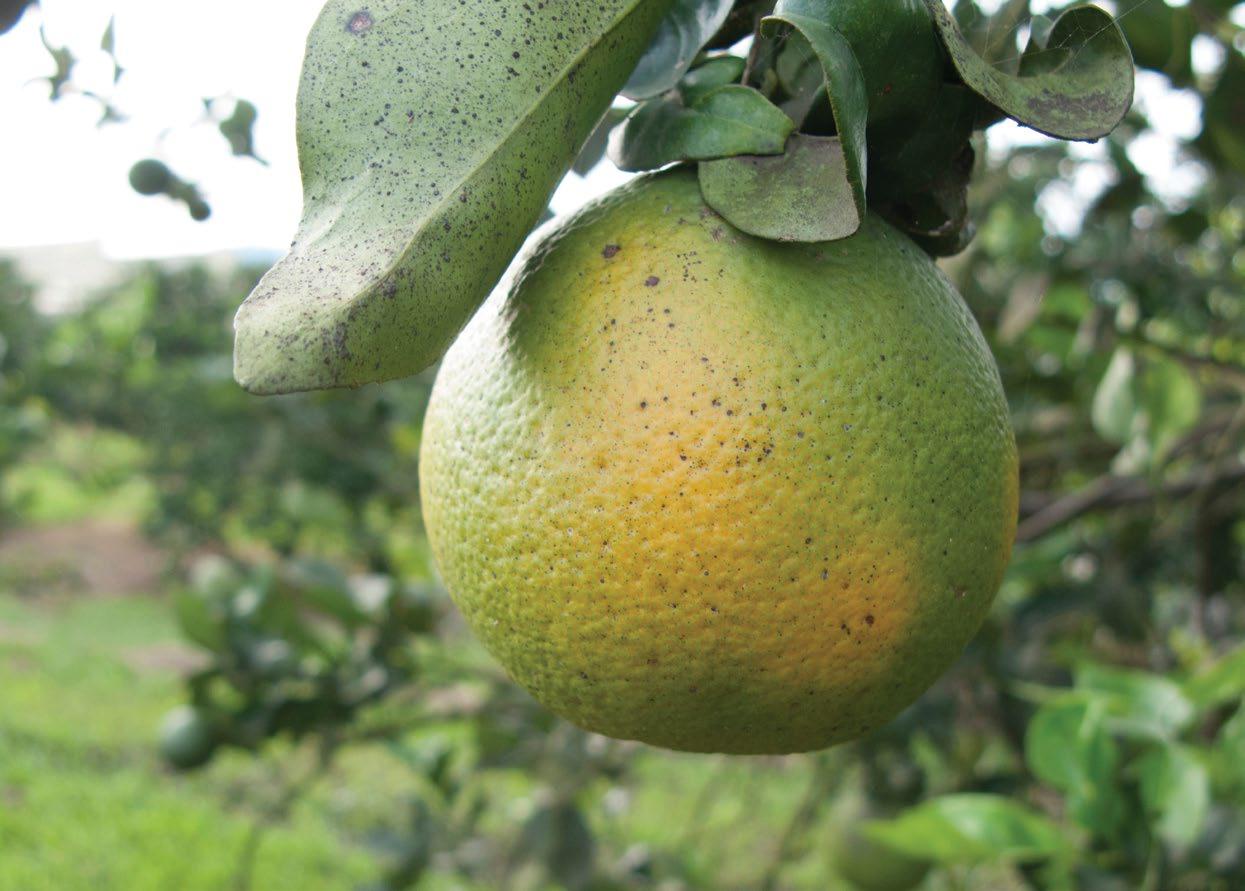
South Africa has lived with huanglongbing (HLB), for a long time , and the industry's experience in managing it offers increasingly relevant lessons as HLB continues to spread to new regions worldwide.
well as in Yemen and several Atlantic islands. In recent years, it has become established in mainland Europe, where it was detected in Portugal and Spain, raising concerns for the Mediterranean citrus industry. Research conducted in South Africa's main citrus-producing areas has identified three primary parasitoid species of T. erytreae, namely Tamarixia dryi, Psyllaephagus pulvinatus, and a newly identified species closely related to T. dryi. These natural enemies are the focus of classical biological control programmes being developed in Europe, drawing directly on South African expertise and field data.
Unlike the Asian psyllid, T. erytreae does not tolerate temperatures above approximately 25 degrees Celsius, which confines significant HLB pressure in South Africa largely to the cooler citrus-growing regions. However, the psyllid remains a persistent pest across a wide range of production areas, and growers in affected zones must treat vector management as a year-round priority rather than a seasonal consideration.
The South African management
approach
Citrus greening cannot be eradicated in regions where the psyllid vector is endemic. Management strategies in South Africa are therefore built around prevention, early detection, and the suppression of psyllid populations to levels at which disease spread is slowed. This integrated approach was pioneered locally and has since been adopted and refined in other HLB-affected regions, including Brazil.
The supply of certified, disease-free nursery trees is the
foundation of the entire system. Planting material produced under psyllid-proof structures ensures that new trees entering production are not already infected. Once infected trees are established in an orchard, removing the inoculum source and reducing psyllid pressure on neighbouring healthy trees becomes far more difficult. Growers are advised to source only certified planting material from registered nurseries that comply with the requirements of the national certification scheme.
Alongside clean planting material, the removal of infected trees, a practice called roguing, remains a cornerstone of HLB management. Trees showing confirmed greening symptoms should be removed as soon as possible to reduce the bacterial inoculum available to feeding psyllids. Research confirms that for an HLB management programme to be successful, the elimination of inoculum sources both inside and outside the commercial orchard is required. This includes abandoned or neglected citrus trees in surrounding areas, backyard trees near production blocks, and roadside plantings, all of which can serve as reservoirs for infected psyllids.
Coordinating removal across a landscape, rather than responding only within the boundaries of one's own property, significantly improves programme outcomes.
Insecticide applications targeting psyllid populations are the third pillar of integrated management. The approach favours preventative, routine applications rather than reactive spraying once populations are already elevated. Systemic insecticides TO PAGE 30
Understanding and managing South Africa's most persistent citrus threat
FROM PAGE 29
applied at the emergence of a new flush, when psyllids are most active, provide the most effective suppression. Monitoring programmes using yellow sticky traps and regular scouting allow growers to track psyllid pressure and adjust their spray schedules accordingly. Citrus Research International (CRI), which is funded by South African citrus growers, carries out ongoing research into psyllid monitoring and management, and its recommendations form the basis of regional management protocols.
Area-wide management, in which growers within a given district coordinate their psyllid control programmes, consistently delivers better results than isolated, orchard-by-orchard approaches. Psyllids do not respect farm boundaries, and unsynchronised spray programmes leave gaps that allow populations to recover and migrate. The South African citrus industry has progressively improved its area-wide coordination, particularly in regions where HLB pressure is high.
Nutrition and tree health
While there is no curative treatment for HLB, maintaining rigorous nutritional management in affected orchards can help sustain productivity on trees that are still productive. Optimising potassium, calcium, magnesium and micronutrient programmes supports phloem function and helps trees compensate, to some degree, for the physiological disruption caused by the bacterium. Foliar zinc applications are particularly important because zinc deficiency can cause symptoms that visually resemble HLB, complicating diagnosis. Ensuring that nutritional causes are ruled out before roguing decisions are made prevents unnecessary tree losses. Irrigation management also plays a supporting role. Trees under water stress show more severe symptoms and faster decline. Consistent, appropriate irrigation scheduling helps buffer affected trees against additional physiological pressure, extending the productive life of orchards in which some infection has occurred.
South Africa planted approximately 101 624 hectares of citrus as at the 2024 season, according to the Citrus Growers' Association of Southern Africa (CGA). Limpopo is the largest producing region with around 40 353 hectares, followed by the Eastern Cape at 25 154 hectares and the Western Cape at 19 204 hectares. The industry exported approximately 165,5 million 15 kg cartons in 2024, and the CGA's Vision 260 strategy targets exports of 230 million cartons by 2032.
Achieving those volumes depends, in part, on keeping HLB manageable. The African form of the disease is heat-sensitive and has not caused the kind of catastrophic, industry-wide collapse seen in Florida with the more aggressive Asian variant. South Africa's experience suggests that disciplined, area-wide management can hold the disease at levels compatible with commercially viable production. That track record is valuable not only for local growers but for the broader international community now grappling with HLB for the first time.
The greater risk for South Africa lies in any future incur-
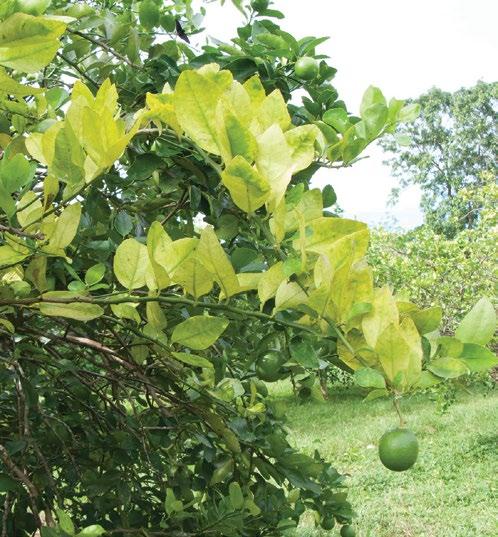
sion of the Asian variant and its vector, D. citri, which would introduce a more heat-tolerant, more aggressive form of the disease into the warm-climate Valencia and grapefruit regions of Limpopo and Mpumalanga. Biosecurity measures at ports of entry and strict controls on the movement of citrus plant material remain essential. CRI and the CGA maintain active surveillance programmes and engage with international counterparts to monitor the global spread of both the Asian psyllid and its associated bacterium.
Research into HLB management is advancing on several fronts. Thermotherapy, resistance inducers, and novel antimicrobial applications have all been investigated, though none has yet demonstrated reliable, commercially practical efficacy as a stand-alone intervention. Genomic approaches aimed at identifying or engineering HLB-tolerant rootstocks and scion varieties are underway internationally, and tolerance rather than true resistance may be achievable in the medium term. Biological control of T. erytreae, drawing on the parasitoid species documented in South Africa, is being implemented in Europe and could, in time, contribute to reducing reliance on chemical insecticides domestically as well.
Until durable tolerance or novel management tools become available, the integrated approach developed and refined in South Africa remains the most effective means of managing citrus greening. Clean planting material, vigilant scouting, timely roguing of infected trees, coordinated psyllid control, and robust tree nutrition together constitute a system that, when applied consistently across a landscape, can keep HLB from overrunning commercially productive orchards. The disease will not disappear from the South African citrus landscape, but the industry's long experience demonstrates that it can be managed well enough for citrus production to continue expanding.
Sources
Alquezar, B. et al. (2021). Cultural Management of Huanglongbing: Current Status and Ongoing Research. Phytopathology. American Phytopathological Society. Citrus Growers' Association of Southern Africa (CGA). Key Industry Statistics: 2024 Export Season. Citrus Growers' Association of Southern Africa (CGA). Annual Report 2024.
Orange citrus trees orchard heavily infected with huanglongbing HLB or citrus greening plague deadly disease.
Maak gebruik van die spesialiste
UITGEWERS VAN:
Koringfokus / Wheat Focus: Die spesialistydskrif vir kleingraan in Suid-Afrika
Vegetables & Fruit / Groente & Vrugte: Ontgin alternatiewe moontlikhede in nismarkte
Subtrop Journal:
Joernaal vir avokado-, mango- en lietsjiekwekers.
Jaarboeke:
SA Avokadokwekersvereniging (SAAGA)
SA Lietsjiekwekersvereniging (SALGA)
SA Mangokwekersvereniging (SAMGA)


Using modern technology to simplify and enhance the fruit exportation process
First Technology is bridging the gap between one of the oldest industries in the world and the endless wonders of modern and emerging technology. Through infrastructure transformation and a seamless digital ecosystem of traditional and cloud-based offerings, our holistic range of industry-leading solutions offers tremendous flexibility and can be scaled to address the needs of both SMMEs and Large Enterprises.
Evolve your business and become a global competitor.
From warehouse modernisation and streamlining the exportation process, to automating governance and compliance procedures, our solutions will liberate your workforce from menial responsibilities, significantly cut down operational costs and provide your business with the ability to quickly adapt to market demands and needs.
Get in touch with Mandy McEvoy at mandym@firsttechnology.co.za or call us directly on 021 525 7000.