CDB GeoSmart Initiative
Supporting Geothermal Energy Development in the Eastern Caribbean

The CDB GeoSmart Initiative represents all of the Caribbean Development Bank’s resource mobilisation efforts to support geothermal energy development
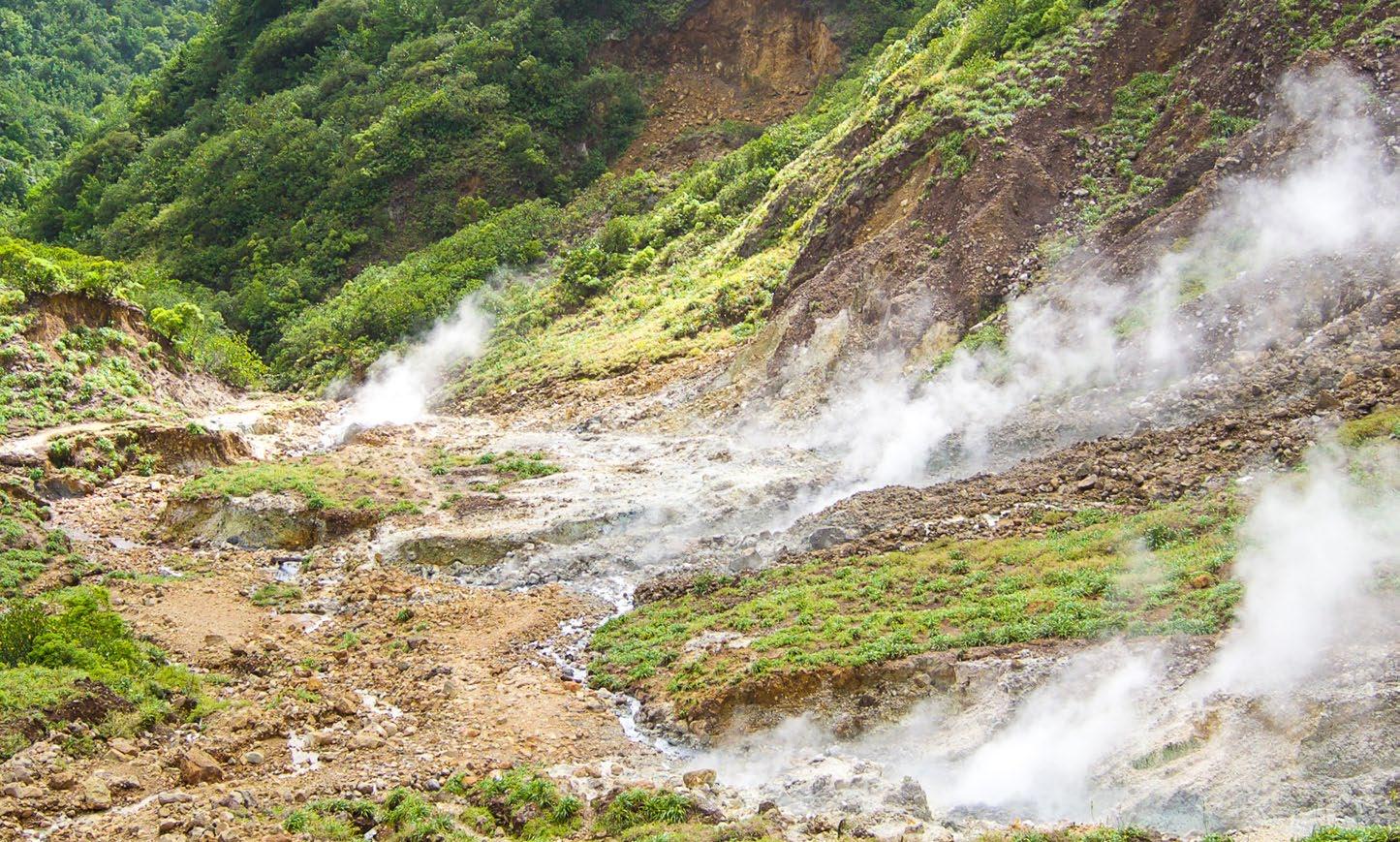
What is Geothermal energy?
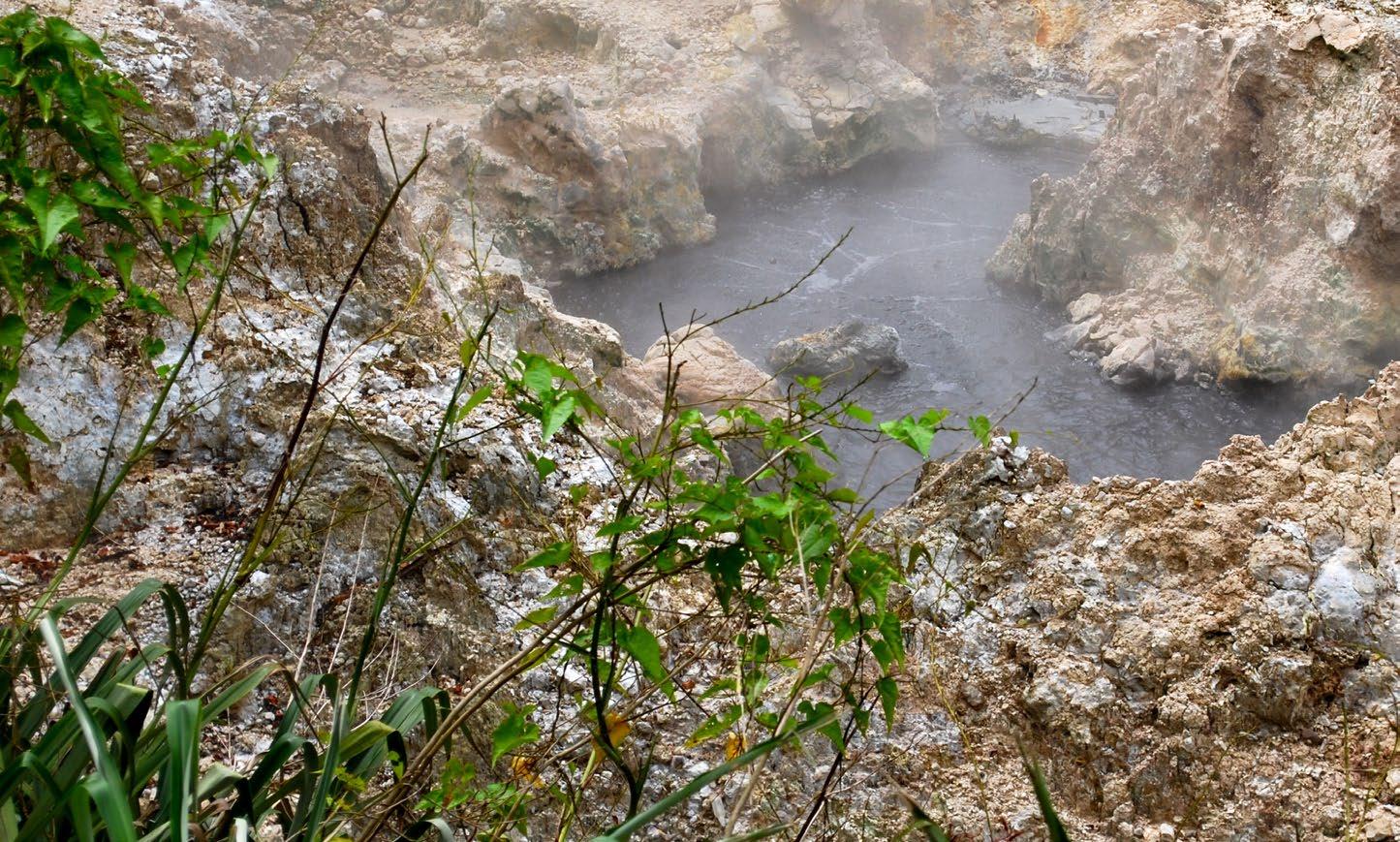
Geothermal energy is a renewable energy source drawn from and generated by the earth’s heat, particularly in locations of volcanic activity.
Why Geothermal energy?
Geothermal plants provide “baseload” power, which means that they produce electricity consistently, running 24 hours a day, seven days a week, and are not subject to resource variability as with solar and wind. Therefore, they can directly and costeffectively replace diesel generation, which is currently the baseload power source in the Eastern Caribbean. Harnessing the potentially large geothermal energy resource in the Eastern Caribbean could transform the energy supply mix, significantly reducing dependence on imported diesel fuel and reducing carbon emissions.
How should we finance Geothermal?
Experience globally has shown that in order to successfully develop and implement geothermal energy projects, it is important that appropriate risk mitigation mechanisms are used to address the various financial risks of such projects, which vary depending on the stage of the project cycle. This is particularly the case in developing countries with limited resources. Some main financing instruments include grants for earlystage exploration and test drilling, contingent grants for full size test wells and field development, and concessional loans for plant construction (See Figure 3).
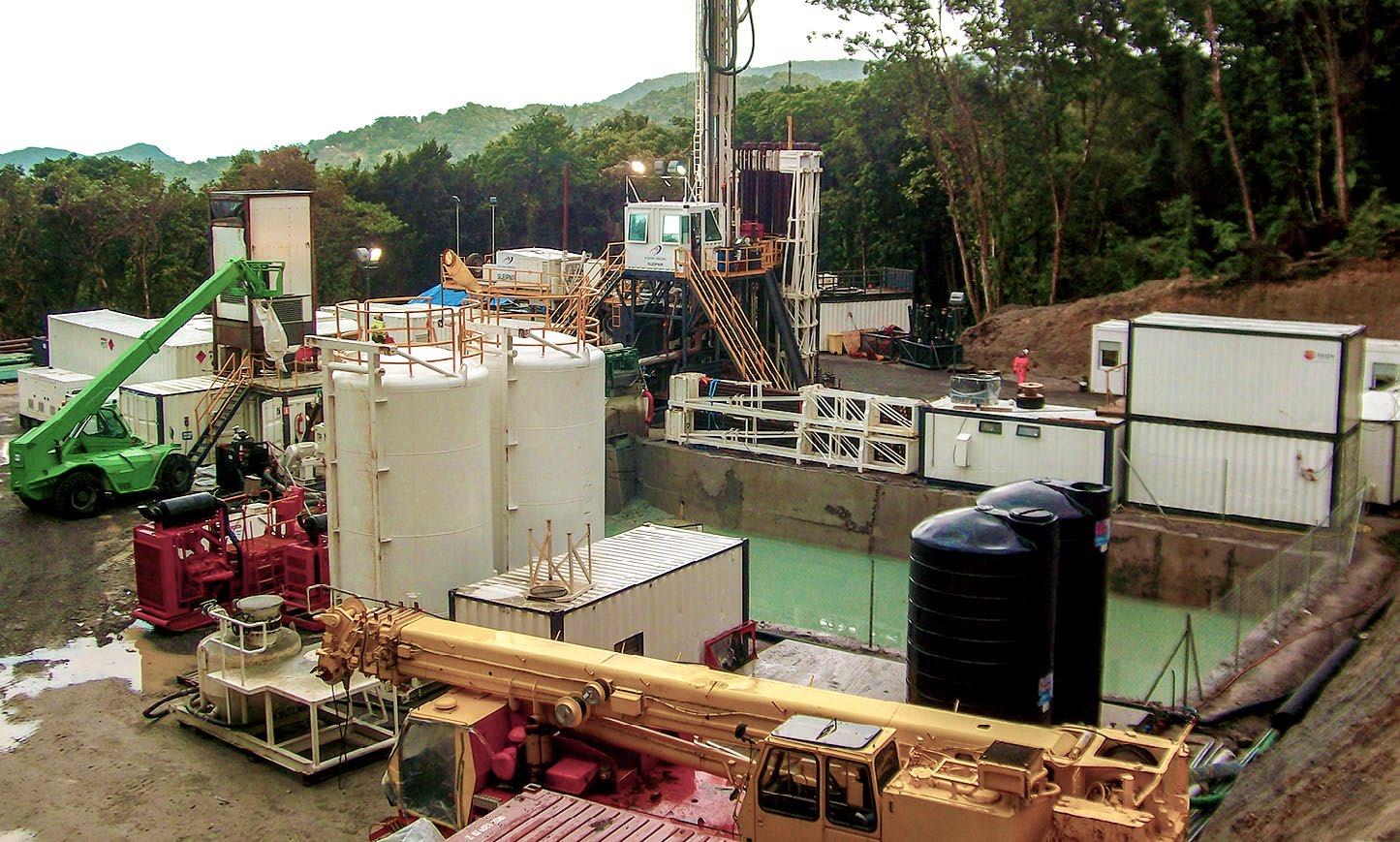
Model for financing projects
The CDB’s GeoSmart Initiative will make grants available for Eastern Caribbean Governments to enable them to support early-stage, exploratory drilling which will help determine the country’s true geothermal energy potential.
It is envisaged that government support of these early-stage drilling projects will form part of their equity stake in a Special Purpose Vehicle (SPV) established as a Public-Private Partnership (PPP) with a private developer. This will allow the citizens of the country to have a share in the power generation entity.
A PPP arrangement is the CDB’s preferred project structure.
Figure 2: Funding sources under the CDB Geosmart Initiative
This chart highlights resources mobilised so far under the CDB GeoSmart Initiative. CDB and IDB also contribute from their own


Initial funding and resource mobilisation
Most of the resources have been provided through the Sustainable Energy Facility for the Eastern Caribbean Programme of CDB and IDB from IDB’s own resources, Clean Technology Fund, Global Environment Facility, Green Climate Fund and Government of Italy. The current resources which are available through the Initiative include grants, contingent grants and loan resources as appropriate for the relevant stages of the GE development. The Government of New Zealand also provides technical assistance support.
CDB continues to work to source funding and resources through existing and new funding partners so as to provide suitable and adequate resources for the various stages of the project cycle (see Figure 1).
Figure 3: Typical Geothermal Energy Project Cycle Showing: Stages, Risk and Cost Profiles
(Progress of the geothermal energy projects in countries superimposed; also shown, are the financing instruments appropriate for each stage)
Source: World Bank ESMAP, further elaborated by CDB and IDB