Care Leavers Connected
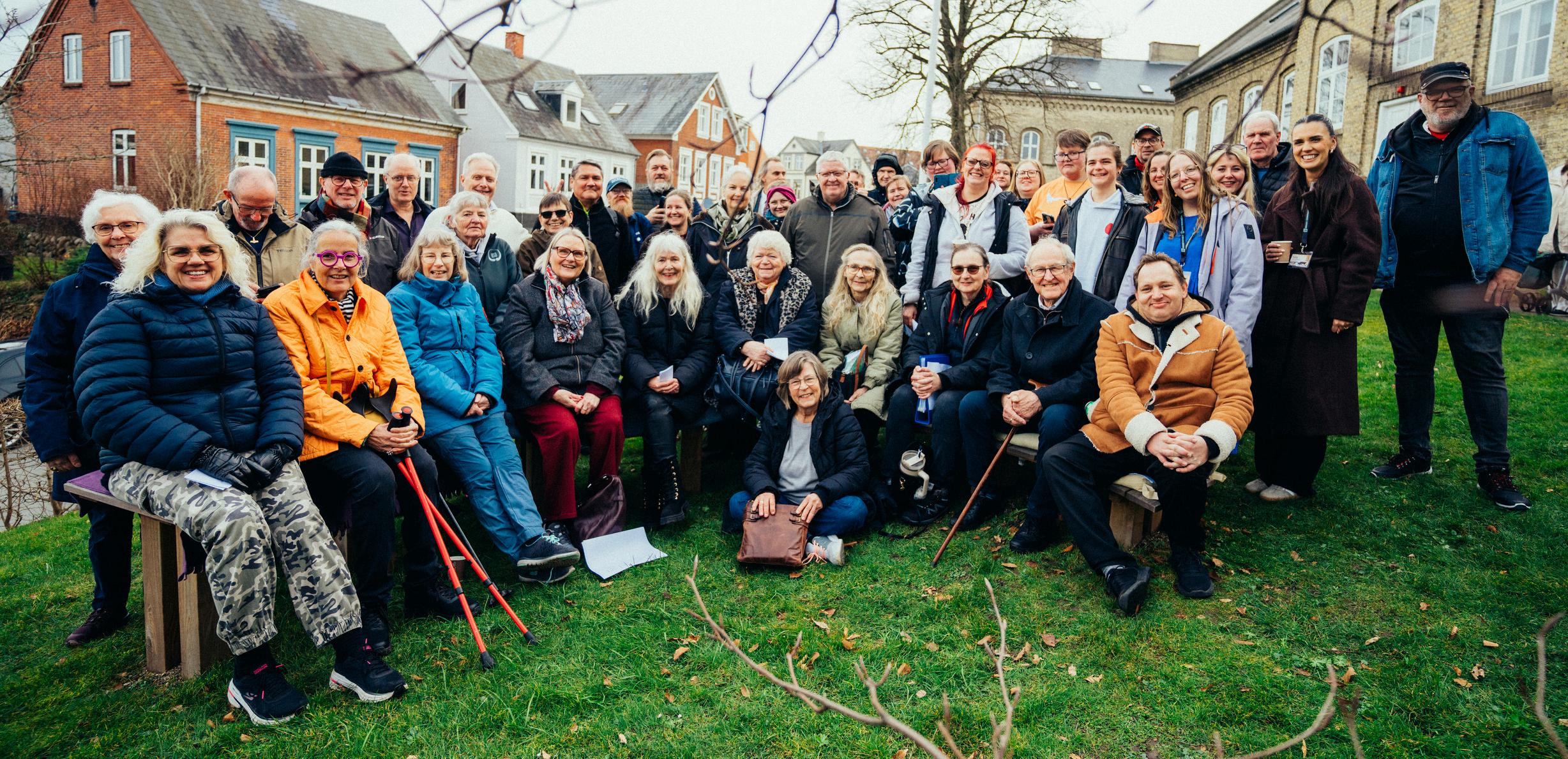
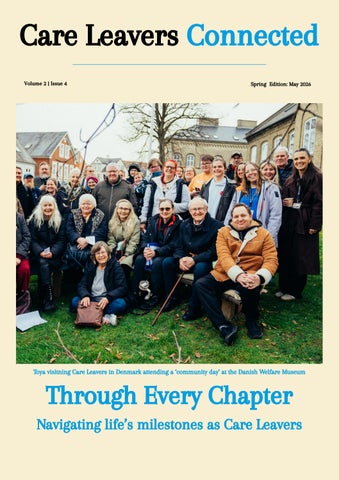
Toya visitning Care Leavers in Denmark attending a ‘community day’ at the Danish Welfare Museum
Welcome to our Spring edition of Care Leavers Connected for 2026.
In this issue, we explore something that can feel both joyful and complicated in equal measure: life’s milestone moments. Events like birthdays and weddings are often seen as celebrations of love, family, and belonging but for many care leavers, they can also bring up feelings of loss, uncertainty, or difference
We wanted to open up an honest conversation about the emotional impact these occasions can have. While social media and society often present these moments as universally happy, the reality is more nuanced. For care leavers, birthdays can sometimes highlight absent connections, and weddings, whether your own or someone else’s, can raise questions about identity, support systems, and who stands beside you in those significant moments. Through personal stories and reflections, this edition creates space for those mixed emotions, validating experiences that are too often overlooked.
Alongside this, we ’ re shining a light on an important but rarely discussed topic: the challenge of not knowing your family medical history For many care leavers, this gap can create anxiety and barriers when it comes to understanding personal health
Our feature explores what this means in practice, how it can affect both physical and mental wellbeing, and what support or steps might be available to help navigate the unknown
We’re also excited to share Toya’s journey to Denmark, where she connected with Danish care leavers at the Danish Welfare Museum This experience offered a powerful opportunity to reflect on how care systems differ across countries, while also highlighting the shared experiences that connect care-experienced people worldwide. It’s a reminder that although systems may vary, the need for understanding, community, and belonging is universal.
As always, this magazine is about connection, creating a space where care leavers can see themselves reflected, feel understood, and know they are not alone. Whether this edition resonates deeply or simply offers a new perspective, we hope it reminds you that your experiences are valid and your voice matters.
Thank you for being part of this community
If you are reading a hard copy of this magazine and need any of the links included, please contact connected@careleavers.com

Children in care will be better supported to build and maintain relationships with their siblings under new measures brought forward in law by the government. All local authorities in England and Wales will be required to promote and facilitate contact for children in care who are separated from their siblings This change puts sibling contact on an equal footing with parental contact recognising the vital role these relationships play in providing stability, continuity and emotional support. Read more here.
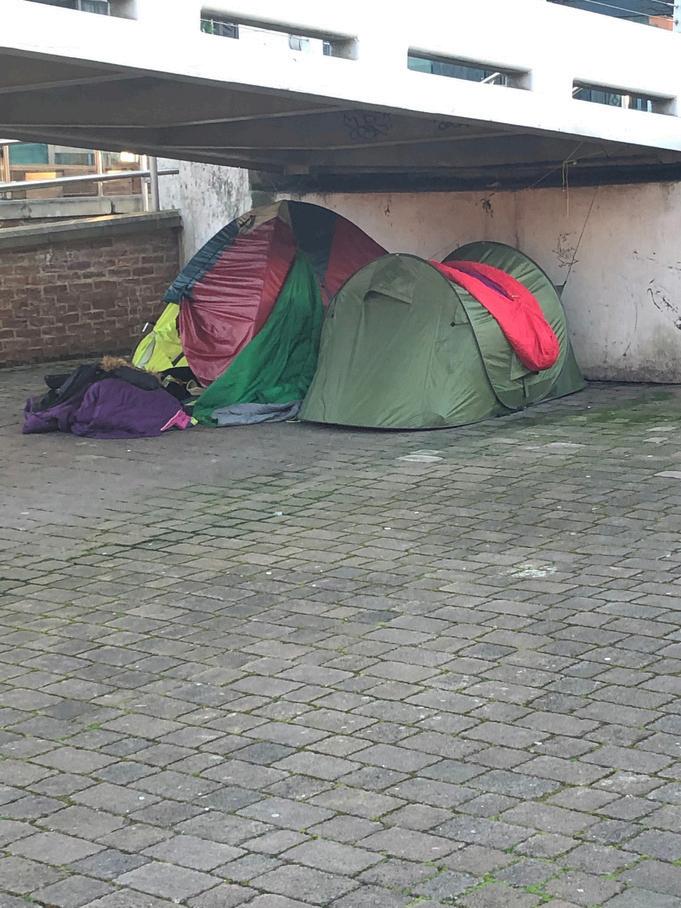
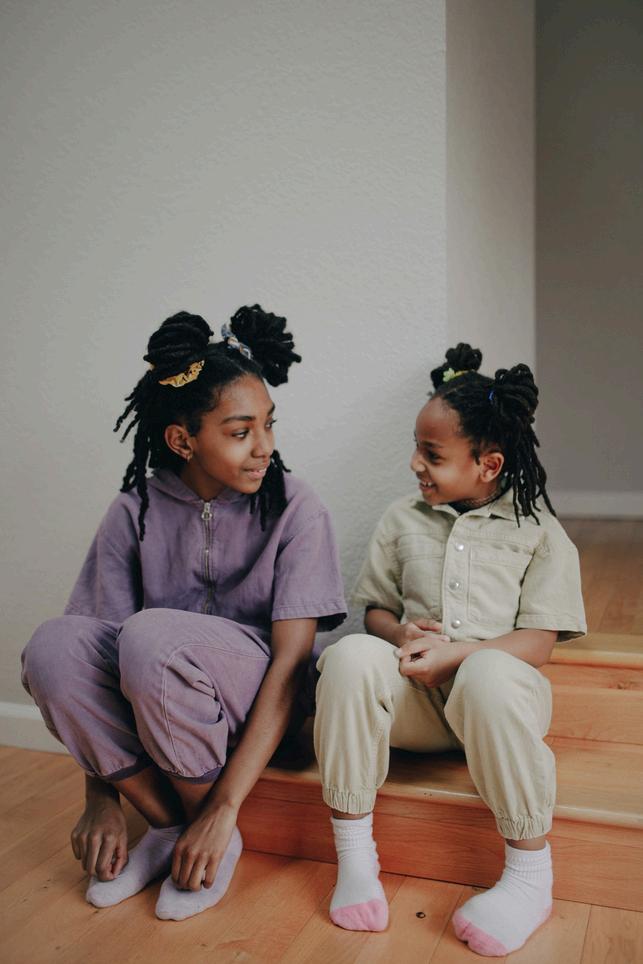
Care Leavers can no longer be deemed ““intentionally Homeless”
Angela Rayner said: “Care leavers, without the safety net of family support that so many of us rely on, often face their challenges alone “This support can be the difference between building a stable future or falling through the cracks ”
Under the new rules, care leavers up to the age of 25, where the local council is their ‘parent’, cannot be found to be ‘intentionally homeless’. Read more here
The Review will be led by social worker Clare Chamberlain and care leaver Ashley John-Baptiste. Data published last May shows there were 91 deaths of care leavers between 2024 and 2025, the majority of whom were aged between 16 and 21. Minister Josh MacAlister said: “Far too many young people who have been in care face massive challenges in adult life. The fact that many have died far too early is truly shocking and must change “This review will help us understand what is going wrong and, crucially, what more we can do to protect and support young people as they leave care. ” Read more here

My first job came midway through Year 8, in a restaurant in a suburb of Greater Manchester. From within the industrial kitchen, I watched other teenagers talk about O Levels, A Levels, university plans, and parties.
Their parents dropped them off and picked them up after ordering seekh kebabs, chicken tikka, and chips, with all the sauces to go with it. They spoke as if the future was something waiting patiently for them.
I had to suppress so much of what I was feeling. What can prepare any migrant child for that kind of life?
One of the first things I learned as a care leaver was this: some lives come with safety nets Mine came with pavement. Then came the frozen food store; my first “real” legal job, other than the paper rounds I’d already had. It lasted six weeks. One day, it was simply gone. No proper explanation, no appeal, just a manager whose eyes never quite landed on me
I remember walking past another shop with a job advert still in the window, feeling how quickly opportunity could vanish for people like us.
That is another lesson care leavers learn early: you stop asking why You just move on Illness came later Fever, exhaustion, no sick pay. I worked through it because missing shifts could mean missing meals at eighteen Hunger wasn’t dramatic; it was routine You learn which library has the warmest radiators. Which bus route has the least annoying passengers
Meanwhile, other milestones seemed to belong to other people: birthdays celebrated properly, family weddings, promotions, being fussed over, being expected somewhere
Those rituals of belonging can feel far away when you ’ ve grown up in care But I passed my A Levels anyway.

I became my own parent, my own support system, my own emergency contact. I was lucky too: a Muay Thai club, a best friend from care, and a handful of teachers who truly saw me. Sometimes survival doesn’t arrive as a grand rescue Sometimes it arrives in small acts of recognition.
Then came university On the first day in the lecture hall, students talked about holidays, siblings, and parents checking in, ready to take them out for a meal I sat in silence, carrying a shame that felt difficult to explain. What do you say when everyone else seems to have a home, and you feel like you have a file?
Years later, I said to my best friend from care, “I don’t know how we ’ re still standing.”
He laughed and said, “That’s the secret. Neither does anyone else But they had backup ”
That stayed with me
The thoughts, emotions, and physical sensations can still take me back in time. But they are now part of the past, processed through hundreds of hours in the therapy room.
It’s okay to feel what you feel. That, too, is part of the treasure chest of being a care leaver.
Mal (member of our Editorial Board)
Turning 40 wasn’t just a birthday. It was a confrontation. Not with age. I’ve earned every year. But with something much harder. Letting people show up for me.
I’ve spent most of my life being the one who holds it down The organiser The fixer The one who makes sure everyone else feels seen, safe, celebrated. That role doesn’t just come from nowhere when you ’ re care experienced. It’s survival, its conditioning, it’s learning early not to rely on anyone because they might disappear
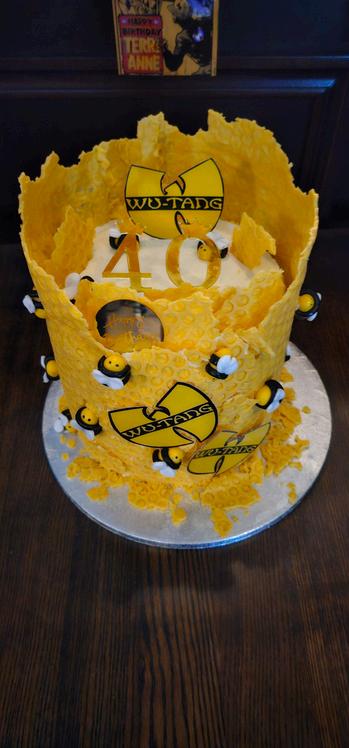
So, when people started planning my Wu Tang themed 40th, I won’t lie. It felt uncomfortable. Proper uncomfortable. My instinct was to downplay it, take control back, or shut it down completely Because kindness, when you ’ re not used to receiving it, can feel like a threat instead of a gift But I didn’t And that’s the part I’m most proud of. I let it happen. Walking into that space and seeing it all unfold hit me Not just the effort, which was unreal, but the people. So many people. Different parts of my life, different chapters, all in one room People who didn’t have to show up, but did. That’s not something I’ve always believed I was worthy of.
And then there was the Wu wear. Black and yellow everywhere People fully committing, not half stepping It wasn’t just a theme. It was energy. It was love, expressed in a way that felt like me. Loud, unapologetic, rooted in culture and identity
I’ve always said Wu Tang raised me in ways the system didn’t, so to see that reflected back at me like that was deep. And my cake. Unreal does not even cover it The effort my amazing cake lady friend put into it, the detail, the thought, the way it tied everything together It wasn’t just a cake, it was a statement.
Another reminder that someone had taken time, care and love and poured it into something just for me
That hit differently.
What that night gave me wasn’t just memories. It challenged something in me.
As care experienced people, we ’ re often taught, directly or indirectly, that love is inconsistent, that support has conditions, that we have to earn our place in people’s lives. So we build armour. We become hyper independent. We struggle to receive, even when it’s genuine
But this was different.
This was people choosing me
And I’m learning that accepting that doesn’t make me weak. It doesn’t mean I owe anything back. It just means I’m human
Turning 40 showed me that healing isn’t always in big, dramatic moments Sometimes it’s in letting people celebrate you. In not running. In standing still long enough to feel the love and believing, even just a little bit, that it’s real
And yeah, it was a beautiful sight.
Terri- Anne Hamer
‘My wedding would give the control back to me’
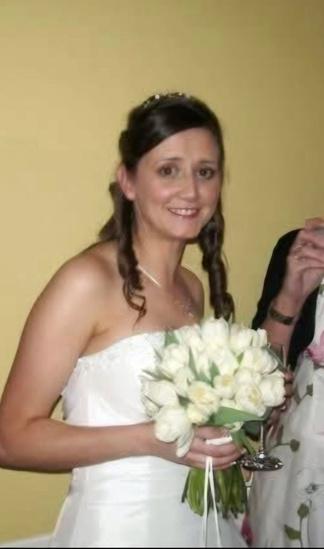
I didn’t want my dad to walk me down the aisle, I didn’t want my parents seated at the top table, and I certainly didn’t want to hear a father of the bride speech. ‘It’s tradition.’ My friend said. ‘I thought you wanted a traditional white wedding?’
‘It’s tradition.’ My friend said
That’s one of the hardest things about being care experienced It’s not traditional and it doesn’t fit with milestone events. I wanted a white wedding, just like my sisters and my friends had I wanted to be the same as everybody else. So, when my boyfriend proposed and I said yes, I felt like every other bride to be I pushed aside the anxiety and shame about my past. Wedding planners asked if my dad was contributing to the bill, and dress makers asked about the colour of my mum ’ s outfit.
People just assumed and I let them- smiles drop when you say you ’ ve been in care, or you ’ re thinking about not inviting your parents to your own wedding. I protected everybody else’s discomfort at the cost of my own.
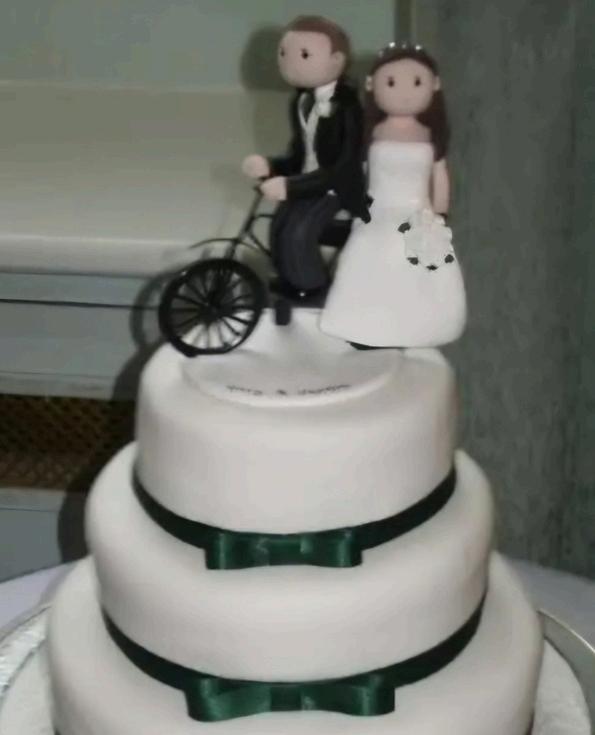
I had so much doubt about what to do for the best. My parents had already given me away to social services, but it was secretive and ugly. My wedding would give the control back to me; they could be invited to give me away on my terms and with witnesses. When I think back to milestone events like my wedding,
I wanted to be surrounded by the people who helped to look after me, yet they couldn’t be a part of any of them. Professional boundaries and guidelines, and non -weekend working You can’t’ invite a social worker to your hen night and you can’t ask your school teacher to walk you down the aisle I wanted them to be a part of my proudest moments, not just my darkest. They couldn’t be there for anything truly significant
I have been happily married now for almost 20 years I live in the North East if England and am writing my debut fictional novel about a teenager in care in the 1990's Jennie Cole
Care Leavers Connected Magazine is produced by care leavers for care leavers. Please read through the magazine and give us feedback.
‘There’s a slot for everyone else in society apart from care leavers. I’d like to remove this stigma and have compassion and respect instead’
My first experience of foster care was the in place project. We had meetings in Aylesbury in a day centre on a roundabout that since has long gone. Along with many buildings and roads there. Although the memories sitting in that room are like yesterday.
It was strange scene for a shy 14 year old there were others who were in poorer situations I felt for them lots of very abstract ways of being.
‘We know of a perfect family for you’
‘We know of a perfect family for you ’ sue with bleached blond hair and passionate for Michael Jackson exclaimed with her accomplice ! Because at those 6 meetings no one knew where they were going to be going some would stay in the old barn - the children’s home.
Anne and Ian we both thought of them
A long strange trip, with me in the back of a large estate car showed up at the top of a mountain in high Wycombe- probably the highest close there possibly is with a gradient like a mountain.
Lonely trip wanting to ask questions but felt ignored. Next time I’d be moving in for good They’d compiled a photograph book of their previous life in Canada mainly with much snow!
I had a perfectly modern red bedroom on a bunk bed I’d never had before complexly difficult from our old council house in Mursley!
With all 6 of us plus guests it was busy again not something I was used to …fiercely religious another not used to way of life
you won’t fit in there….
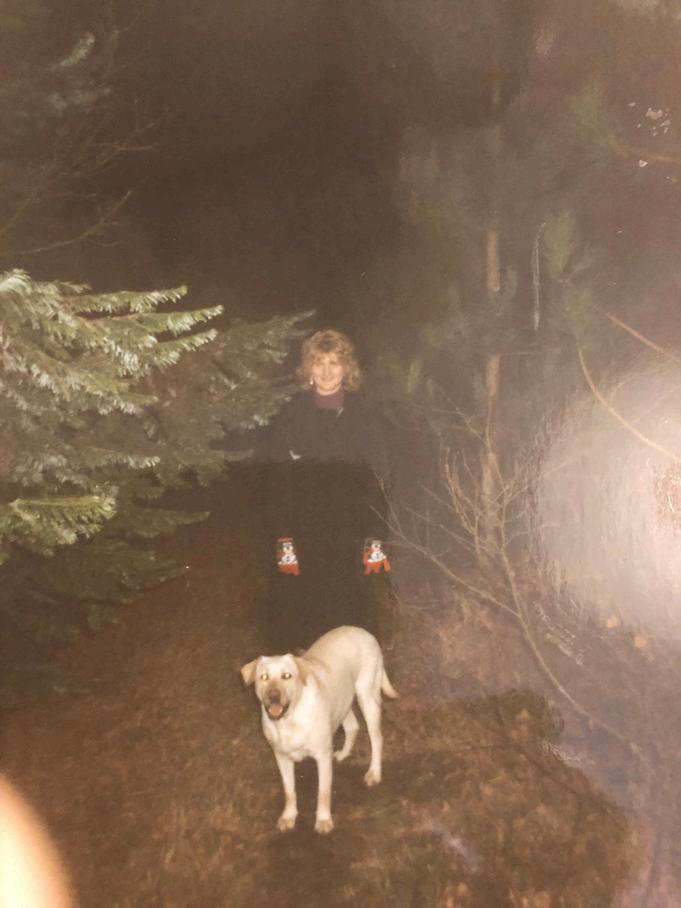
Screaming, shouting, slamming, banging! Like I ought to have been embarrassed listening to it truth is I found in 2018, their marriage had broken up a year later I think you always blame yourself for not settling in - not them.
Before I knew it I was shaking hands saying goodbye wondering if I’d ever see them again…….as it turned out on Facebook and still to this day I can see them all
Next a farmhouse down a single track lane now being dug up by hs2 Churning through the bucks countryside. A large family of 4 adult girls. This lovely cottage would probably have worked out without the youngest daughter. Who was the baby of the family always, what ever age she was Still is Ironically she was the jealous one!
After excelling at GCSEs I decided to move on Social worker Steve a rather awkward young man who was adamant I had a really great quality of life there and Mary was, a super organiser!
To me Mary at the end became bitter catty and critical. Her marriage was deteriorating too, she’s now married to someone else and so happy she’s got no time to catch up !!! Although fate has meant I could quite easily have crossed her path geographically since.
Janet, a lady who’d never fostered before . I couldn’t quite place what she wanted, a miniature version of her adult children who d bother been to top universities one was a doctor.
After 3 months and having just started my A levels it had all spectacularly broken down and the crisis meeting evening which involved me having an orange juice in a pub on a school night , with Chris the best honest social worker I ever had Again this relationship finished prematurely at 19! In the 6 th form I had a lovely bunch of female friends who eagerly listened to the next instalments of my home life at lunchtimes.
One became my bridesmaid
One became my bridesmaid They dutifully took the mick and gave us all hilarious jokes and laughter… particularly the rather loud noises periodically heard from the foster parents bedroom . I reported on Valentine’s Day one year. Laughing at them looking back made it more tolerable - these days I’d probably have complained.
Nick and hazel were a working class couple and rather resentful of any A level student. Their kids needed the dining table yet I had books on Ancient Greek all spread out and they didn’t like that. In foster care, there’s no scope of following your interests or anyone showing any support for your studies.
After a year they’d decided they no longer wanted a lodger like me. They had armed robbers who came to stay on their breaks from prison instead… what next for me?
Bedsitter land. Rather a confusing, horrid present for your 18 th birthday Just like any teenager I was starting to go out and feel the first taste of adulthood only to be now abandoned… by the authorities not family!!
Despite their best efforts, does anyone really match whom they’re placed with !?
It maybe was a relief not to be passed onto another foster family. But I had no family instead. It’s a shame as it could so much be a happy and exciting time when a young person branches out on their own- not abandoned
I think absolutely EVERYONE should ask themselves , in this country in this world.
How does any 18 year old forge a future with such little support? Just how? It was so unlike my school / work / college friends experience I couldn’t even mention it.
Care leavers are so little mentioned or represented in main stream I feel completely ignored as a care experienced person and we only hear negativity about it. Not so like anyone group I feel.
Theres a slot for everyone else in society apart from care leavers I’d like to remove this stigma and have compassion and respect instead. It’s probably one of the loneliest paths I ever walked. Lonely because nobody really does know, how you achieve adulthood overnight at 18, it’s a commercial term and not a social or developmental one
When I look back and think that the council not the nicest bunch of people at the best of times are entrusted with one ’ s most precious entities I cringe.
Yes, the Mary’s of this world are super efficient council workers but not everlasting personal ties… it’s a pity at 16 you just don’t know it.
Lizzie Johnson
‘It is a reminder that being care-experienced does not simply fade with time’
Attending medical appointments is something most of us do as part of everyday life. Yet there is one question that often comes up, one that can feel simple to some, but deeply challenging to others:
“Do you know your family medical history?”
“Is this condition in your family?”
“Do your parents have any medical conditions?”
For people who are care experienced, these questions can immediately put you on the back foot. They can catch you off guard, leaving you unsure how to respond, and suddenly feeling like you have to explain something deeply personal.
It can feel uncomfortable. You may find yourself sharing private parts of your story that you would not normally choose to disclose, especially in a setting where you are already feeling vulnerable
These questions can also stir up a range of emotions. They can bring confusion, anxiety, or even a sense of being exposed. I was reminded of this recently during a routine eye test I was asked those same questions, and I was surprised by how taken aback I felt. My mind began racing, searching for an answer, trying to decide what to say, and how much to say In those moments, it’s not just about the question itself It’s about the feeling that your response might be judged.
As the words left my mouth, I felt a sinking sensation
Anticipating the awkwardness that might follow Once again, I found myself navigating the situation, almost trying to protect the professional from discomfort, rather than acknowledging my own

As I’ve grown older, these moments have become more complex Over time, I have shaped and rebuilt my identity through my life experiences and professional journey. In many ways, I feel far removed from the child who was once in the care system, as though that part of my life is no longer visible. And yet, in situations like these, it reappears
It is a reminder that being care-experienced does not simply fade with time
It can resurface in unexpected moments, woven into everyday interactions. Medical appointments are just one example, where routine questions about family history can quietly expose the gaps many of us carry
These systems, built on assumptions of shared knowledge and continuity, often fail to recognise experiences like ours, leaving us to navigate not only the appointment itself, but the emotions that come with what we do not, and sometimes cannot, know.
Do you want to share your account of you and your files, whether that is medical records or social care records we would love to hear how the process looked like for you or how it impacted you. Please note you can remain anonymous if you want to.
Care leavers and lawyers have always interacted a lot but in recent years we have seen more young care leavers become lawyers themselves. That is an important change and opens up all sorts of possibilities for the future. This article covers both topics.
Lawyers have always played an important role in issues associated with care leavers The most obvious was in dealing with the many care system historic abuse scandals that emerged in the 1990s. Since then, the Association of Child Abuse Lawyers has been the organisation the CLA has routinely directed care leavers towards when they have needed help in that area.
Lawyers often have a good understanding of the issues care leavers face through their daily work. Many law firms also have a ‘social purpose ’ part of their mission and individual lawyers and firms often do ‘pro bono’ work (i.e. for free) for a good cause. A good example of a legal firm helping care leavers as part of their mission to have a wider social impact is the Macclesfield office of Anthony Collins They raised money for the CLA for two years (2023-2025) through art sales they hold at the firm. Also, Manchester Central Chambers raised money for the CLA through an annual dinner held in 2021 and are doing the same later this year Our relationship with them developed through our work on behalf of care leavers who get drawn into the criminal justice system.
An enormously positive generational change has been occurring in the past two decades More children in care are doing well in school and going on through university into professions with influence. One of those professions is the law Before the millennium no one collected data on the numbers of care leavers who went to university The routine estimate bandied about in government and elsewhere was 1%.
There are three main reasons why it has gone up so that it’s now 13% of care leavers going to university (still a lot less than the 45% of young people as a whole): 1) The general expansion of university education in recent decades, 2) the improvement in educational support for children in care by government since 1997, 3) the shift to the greater use of foster care that happened from the early 1980s.
It is certainly possible to get to university after growing up in children’s homes. Many of us have done it, going back for generations However, other things being equal, it is not going to be as easy as it would be from a good and settled foster placement Many foster placements, of course, are not supportive of the educational ambitions of children in care. However, some clearly are and children in them are more likely to flourish intellectually than in most children’s homes
One great gain of this shift since the millennium is that young care leavers in their twenties and thirties are now appearing quite regularly in professions such as journalism and law, to name just two With respect to the law it is worth noting that two of the CLA’s own trustees are highly qualified law professionals. They both have a strong interest in the legal issues facing care leavers, such as accommodation and parenting rights Beyond the CLA, there is Lawyers who Care
This is an organisation set up by Lucy Barnes, who grew up in care, and some legal allies. Its aim is to help care leavers become lawyers by breaking down barriers into the legal profession.
All-in-all, the world has moved on in the past few decades and in good ways. Some lawyers have always been good allies of children in care and care leavers Now we have care leavers who are themselves lawyers. There are still lots of negative things about the care system and the leaving care system that need addressing so it’s good to be able to celebrate one positive trend that augurs well for the future
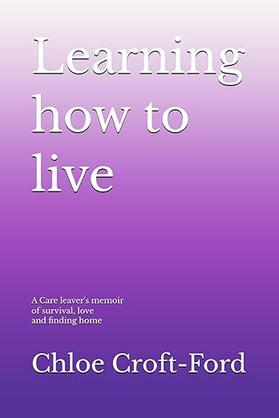
Chloe is a care leaver who has published her own autobiography. She said “I wrote this book to help others whether you ' re in care, a care leaver, someone who struggles with mental health, I want you to know no matter how hard things get or dark they seem there's always hope”. This book is an autobiography of a care leavers journey through loss, trauma, care, mental and physical health, experiences of living in a psychiatric hospital and living with adhd and autism' but also a book to show people no matter how dark difficult and lonely life can feel to always have hope because you can no matter what have a bright happy future You can purchase the full book here
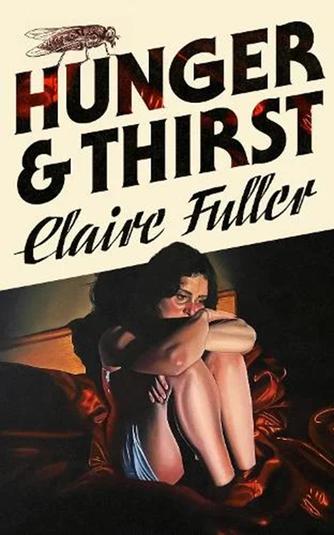
A book review from Dr Rosie Canning 1987: After a childhood trauma and years in and out of the care system, sixteen-year-old Ursula finds herself with a new job in the postroom of a local art school, a bed in a halfway house, and delightfully some new friends, including wild-child, Sue When Ursula is invited to join a squat at The Underwood, a mysterious house whose owners met a terrible end, she can’t resist the promise of a readymade, hodgepodge family But as Sue’s behaviour and demands become more extreme, Ursula who has always been hungry for food and more importantly for love, acceptance and belonging, carries out her friend’s terrible dare. Read Dr Rosie Canning’s full book review here
Zoe wrote to us because she likes to create diamond art she said “I did these because I was bored whilst pregnant I liked doing them because they kept me busy and you can do personalised ones ”
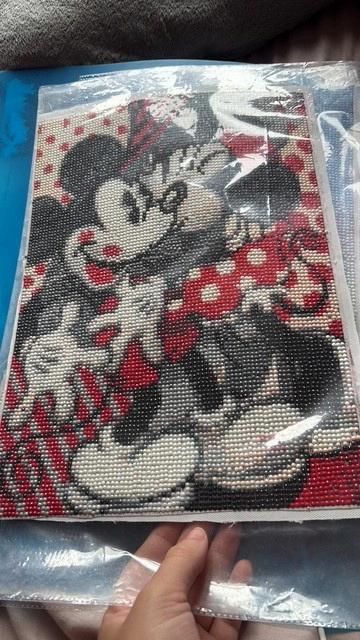

Creativity can help people process feelings in a healthy and meaningful way Writing, drawing, painting, music, and other creative activities can reduce stress, build confidence, encourage reflection, and help people feel seen and heard. Sometimes creating something beautiful from difficult experiences can be part of healing
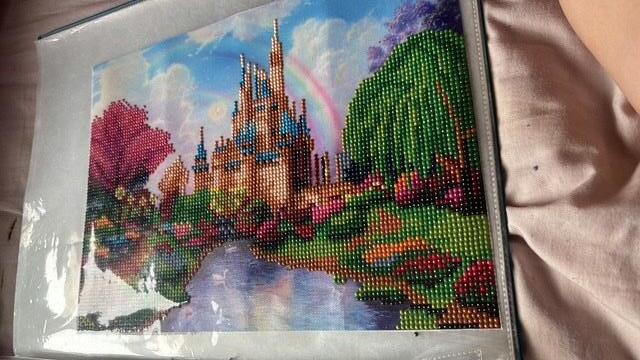
We include this section because creativity can say the things words alone sometimes cannot. For many people, especially those who have experienced trauma, loss, change, or instability, creative expression can become a safe and powerful outlet for emotions, memories, and identity
Creative Corner is a space within the Care Leavers Association’s Connected magazine where careexperienced people can express themselves through poetry, artwork, photography, stories, music, and other creative forms.
Creative Corner is not about being “perfect” or professionally trained; it is about voice, connection, honesty, and reminding care-experienced people that their stories, talents, and perspectives matter.
We warmly welcome contributions from all creatives for this section. Whether you are an experienced artist or simply want to share your voice, we would love to hear from you. To submit work or find out more, please email connected@careleavers com
I travelled to Svendborg, Denmark to the Danish Welfare Museum for their family day for care leavers of all ages. The museum, had a great display of what care is and what being in care was like throughout history and also what records mean to those who have accessed them in later life. They have artefacts from real care leavers and interactive videos throughout.
I arrived at the museum at 10am and met with Sarah and Jacob the people who run the museum. I also met a gentleman who runs an organisation like ours for “senior” care experienced people and two sisters who work for the Danish equivalent of the CLA. I shared the magazine and access to records guide and navigating files documents/ podcasts.
80 care experienced people from across Denmark came some travelled over 3 hours! During the welcome I spoke to a lady in her 50’s who had never met anyone in care in adult life and we shared our stories about our parents and siblings and shared so many similarities she said it’s like we are the same person but across the water.
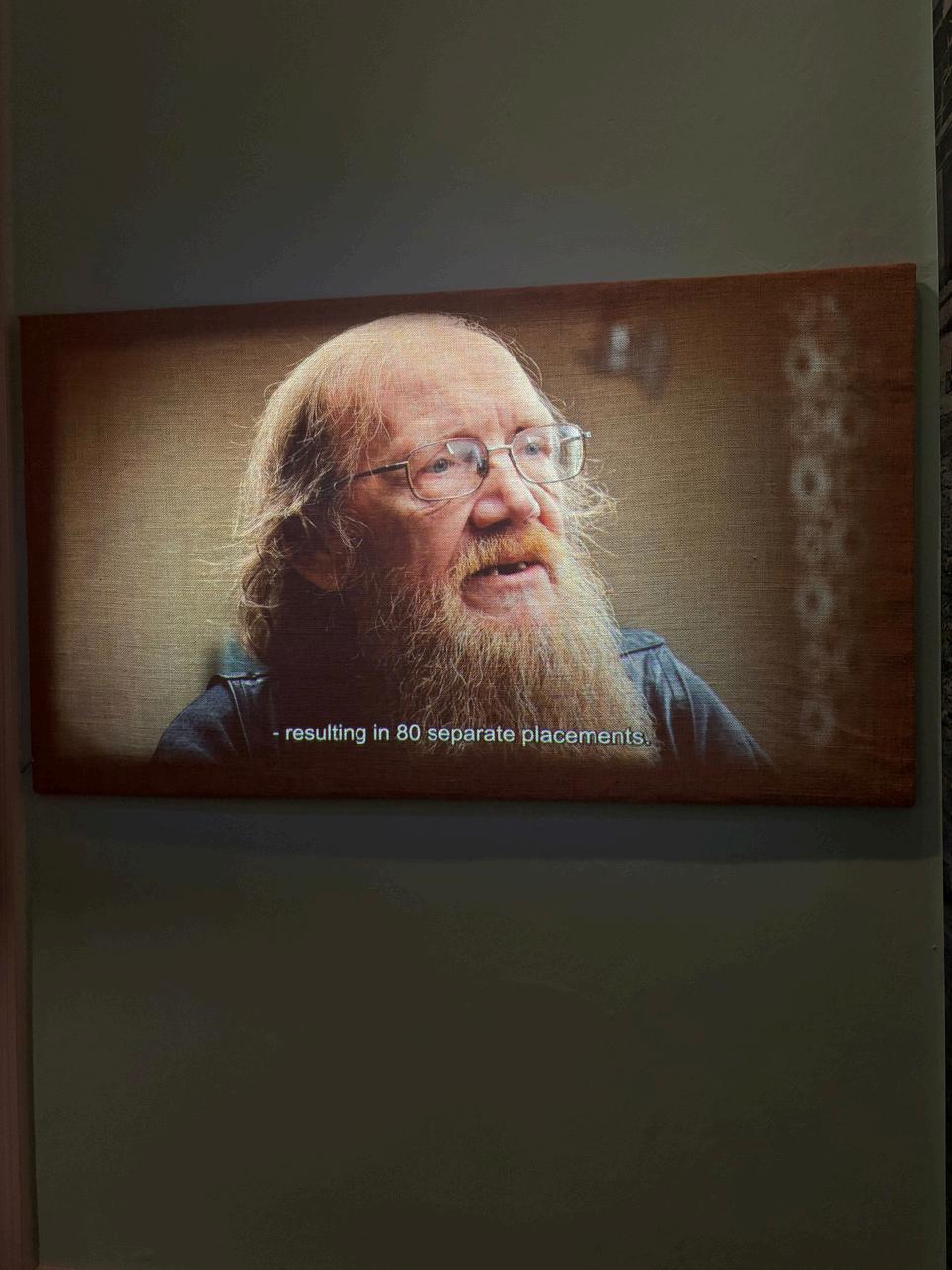
This picture below is Peer, he was in 80 placements. He then decided to be homeless for 20 years making money by creating crosswords He is now writing a book and attended the community day.
During the day they had discussions with 2 politicians about the importance of access to records People could share their experiences and ask them questions about how they are changing the process ect I have attached some quotes from the discussion below.
These were translated from Danish as I transcribed the day in live time
“my records were more black than white”
“I will never feel like a whole person and will always be missing pieces”
“It’s so unfair when you what you experience is horrible. Getting records can be quite difficult and then I am angry at the system”
“These are my journals I should be able to read them the way I want to, I don’t want to spread them around the world, I just want to get to know myself”
At the museum they have 10 volunteers to help people for free with their family tree. The next part was an inspiring story from a lady who has now written a book about her journey of being left in a box to now finding out her entire history and why her mum left her
The day was so inspiring. The similarities that they have experienced in Denmark mirrored what we have experienced in the UK. One lady could not speak any English but simply held my hand and touched my shoulder, no words needed The power of how there is just that mutual understanding.
They have invited us back for the community day next year and are really keen to grow this connection and do much more work with us
Phone: 0161 826 0214
Email: connected@careleavers.com
Address: The Care Leavers' Association 3rd Floor, Swan Buildings, 20 Swan Street, Manchester, M4 5JW
We host monthly zooms focusing on various topics and general drop ins. These sessions are for Care Leavers of all ages, whether you want to drop in for a cup of tea, or talk about things important to you. This is a safe space.
Jim’s sessions are on every first Wednesday of the month between 8-10pm. They sometimes have a topic for discussion and sometimes we just talk about any topic that care leavers who turn up want to raise.
Sign up here
Become a member of our EB
Editorial Board volunteers make a crucial contribution to every issue of this magazine. Interested in getting involved? Email us for more details
Are you finding it hard to keep up with the cost of calls and need data? The CLA’s "Keeping Care Leavers Connected", in collaboration with The Digital Inclusion Network. Get in touch.
Tok
Following care leavers month, we have been sharing care experienced voices of all ages to raise awareness that care doesn’t stop at 25. If you would like to share your voice please get in touch.
Join our upcoming Life Skills Zoom series for care leavers, covering energy support with an Energy Mentor, housing issues, debt, and more to be announced. Keep an eye out for sign-up links in the CLA Bulletin and on our social media pages.
We are determined to ensure that care leaver issues are addressed by government. We want to make sure that care leavers have as good a life as possible. If you want to join us in campaignimg, then get in touch.