

Chief Executive’s View

IN THIS ISSUE
Investing in Care Staff Is Investing in Safer Care
PAGE 8
How to electrify your transport operation
PAGE 12
A Summer of Sport: Turning Major Sporting Events into Meaningful Activities PAGE 20
Healthy Bowel Movements: What’s Normal and When to Take Action
PAGE 24
Why workforce efficiency is now a quality-of-care issue
PAGE 32
Andy Burnham has now taken over as Prime Minister and has promised a government reset. He has described his policy as the biggest reset in both politics and government for the last 40 years.
Much of this research is focused on returning some of the infrastructure of our society, such as utilities and transport, back into public ownership. There is a belief at the heart of Andy Burnham’s policy that public ownership somehow delivers better value and outcomes. Sadly, the evidence does not support this hypothesis, and it must be remembered that in many cases publicly owned services were not delivering, and one of the challenges for the new Prime Minister is to set out, not only an ideological position, but also to be honest about how this will be delivered and what improvements citizens will be seeing from this new approach.
One of the things Andy Burnham talked about in his Downing Street address was an end to rough sleeping, and he made a commitment to do so in Manchester but has failed to deliver. Baroness Casey had also conducted a major review of homelessness, and despite their best efforts, neither Andy Burnham nor Lady Casey was able to eradicate homelessness. One thing politicians must be realistic about. It is good to have aspirations, but one of the reasons why the public is so disenchanted with politics is because they see lots of soundbites and very little change. Andy Burnham has said he will deliver something different and I hope that his rhetoric will be translated into reality.
We will have to wait and see what the new Prime Minister decides to do for social care, though he is coming to this with considerable experience as a former Secretary of State for Health. One of the last things Mr Burnham did as Secretary of State was to float the idea of a National Care Service, and it will be interesting to see whether he resurrects it and puts it forward as his big idea for social care. What I hope for from a new government is a long-term vision for social care and a sustainable funding settlement. It is also important for them to understand that social care has many facets: it is not only about older people and who pays what, but also about working-age adults and children with social care needs. Any government that is going to solve the social care challenge must be cognizant of the task's complexity.
Whatever the new Prime Minister and his new ministerial team want to do, I hope it will be informed by and also of those who
provide them. Success can only be achieved by collaboration and coproduction. The Prime Minister said he wanted a new type of politics based on consensus and cooperation, and Care England will do all we can to support the development of a long-term and sustainable system that will deliver for our citizens and enable those with complex needs to live the best life possible.
Professor Martin Green OBE
Chief Executive: Care England
DH: Independent Sector Dementia Champion
Karen Davies appointed Care England Special Nurse Advisor
Karen Davies, who has a long and distinguished career in both health and social care has been appointed to the role of special Nurse Advisor at Care England
We are all looking forward to working with Karen and The Outstanding Society to ensure that the work that has been done on social care nursing is not lost now that The Chief Nurse for Social Care at DHSC, Professor Deborah Sturdy, has left the department
There have been significant improvements in the way which social care nursing is acknowledged and supported, and we are looking forward to working with Karen and her colleagues to ensure that this momentum is maintained





Boots Winter Flu Vaccination Booking – Now Live
We are pleased to confirm that our online appointment booking system for in-store winter flu vaccinations is now live.
Please find the attached poster, which includes a QR code and direct link to the booking system. We encourage social care teams to use these details to secure appointments.
For the 2026/27 flu season, Boots will be using the following inactivated influenza vaccines (IIV) for eligible adults, which have been approved for use for the NHS flu service and are in line with UKHSA recommendations:
IIVc (cell-based inactivated influenza vaccine):
• Who it’s for: Adults under 65 years in a clinical risk group, including frontline health and social care workers. Also recommended for adults aged 65 years and over
• About the vaccine: Produced using cell culture technology rather than eggs. This can offer improved protection against the flu strains expected to circulate.
IIVe (egg-based inactivated influenza vaccine):
• Who it’s for: Adults under 65 years in a clinical risk group where IIVc is not suitable or not available.
• About the vaccine: Manufactured using the traditional egg-based process and remains a safe and effective option for preventing flu.
Free NHS flu vaccinations are available for frontline workers in social care settings across England and Wales. We will share further updates regarding provision in Scotland once these are confirmed.
Learning Support Available
Our Boots Care Learning module – “Let’s Learn About Flu” – is available to support social care teams. This module offers clear, practical guidance on how flu spreads, who is most at risk, and why vaccination remains one of the most important lines of defence each winter.
Thank you for continuing to prioritise the health and wellbeing of both your teams and the people you care for. If you have any questions or require further support, please don’t hesitate to get in touch at care.service@boots.co.uk
What changes before everything else?
As expectations around prevention continue to grow, care providers are increasingly asking how deterioration can be recognised before it becomes a crisis. Thomas Tredinnick, CEO and Co-Founder of Ally Cares, explores why understanding the small changes that happen overnight could be one of the biggest opportunities to improve resident outcomes.
We often talk about preventing falls, reducing hospital admissions and recognising deterioration earlier. Yet perhaps the more important question is what changes before any of those things happen. Serious incidents rarely occur without warning. More often, the warning signs develop gradually over hours or days, long before anyone would consider a resident to be acutely unwell.
The difficulty is that many of those changes happen overnight.
For decades, night-time care has understandably focused on reassurance. Regular bedroom checks remain an important part of keeping residents safe, but they provide only snapshots of what is happening. What occurs between those observations has largely remained unknown, despite residents spending around half of every 24-hour period in their bedrooms.
That matters because sleep, movement, breathing and behaviour overnight can all provide valuable insight into a person's health. Changes in mobility may indicate increasing falls risk. More frequent bathroom visits can be an early sign of infection. Persistent coughing may precede respiratory illness, while disrupted sleep is associated with poorer physical recovery, cognitive function and emotional wellbeing in older people.
The challenge for providers has never been recognising that these changes matter, but having a practical way to identify them consistently.
Historically, care teams have relied on direct observation and information shared during handovers. Professional judgement remains fundamental to good care, but judgement is inevitably stronger when supported by richer information. As expectations around prevention continue to grow, providers are increasingly asking whether greater visibility into residents' overnight experiences could help identify deterioration earlier and support more proactive care.

This is where technology is beginning to change the conversation.
Rather than replacing carers, AI resident monitoring, like Ally, can help providers build a more complete picture of what happens overnight. By identifying changes in movement, sleep patterns and other behaviours that might otherwise go unnoticed, care teams have the opportunity to investigate concerns sooner and adapt care before problems escalate. Independent NHS and Integrated Care Board evaluations have associated these approaches with significant reductions in bedroom falls, ambulance callouts and hospital admissions, alongside improvements in uninterrupted sleep and more time for meaningful care.
The conversation around prevention is evolving rapidly. If you'd like to explore how greater visibility into residents' overnight experiences could benefit your organisation, contact the Ally Cares team to discuss the evidence, the outcomes and what implementation looks like in practice.
Solving the quiet complexity of care home billing
When people talk about quality in residential care, the conversation usually centres on residents, staffing, compliance, and wellbeing.
Rarely does resident billing make the list.
After all, billing sits in a different department, managed by different people, and on a good day, it attracts very little attention. Yet the financial health of a care home and the quality of care it delivers are intrinsically linked.
One of the most significant threats to that financial stability is also one of the most overlooked: aged debt. More specifically, the issue lies in the accuracy of resident billing and whether outstanding debt can actually be recovered.
From the outside, resident billing may appear straightforward. But we all know that in reality, it is one of the most complex administrative functions within residential care.
A single resident may have multiple funding streams, including local authority contributions, NHS funding, family top-ups, and personal payments. Funding arrangements can change retrospectively following reviews, while annual fee uplifts must be applied accurately across every resident and funder, often with backdated adjustments.
Each change creates an opportunity for discrepancies to emerge. These are rarely the result of negligence; they occur because managing such complexity manually is incredibly challenging.
Spreadsheets may capture much of the information, but even small inaccuracies can have significant consequences when invoicing commissioners and funding bodies. Once an invoice is disputed, recovery becomes significantly more difficult.
When outstanding debt becomes unrecoverable
One nursing home group experienced this challenge firsthand. Upon joining the organisation, the managing director discovered £300,000 in outstanding debt recorded in the accounts.
On paper, the money appeared recoverable. However, when the finance team attempted to collect it, they found that the billing records did not match those
held by funders. The underlying resident billing data was inaccurate, and there was no clear audit trail to validate the charges.
In practical terms, much of the debt became unrecoverable.
After implementing a system that provided complete visibility and accurate billing records, the organisation transformed its financial position. The finance team gained real-time insight into exactly what was owed, by whom, and why. Invoice queries could be resolved quickly with a clear audit trail, and aged debt was reduced from hundreds of thousands of pounds to virtually zero.
Confidence drives better financial outcomes
Accurate billing does more than improve collections. It changes the nature of conversations with funders and families.
When finance teams have complete confidence in their data, they can address queries quickly, resolve disputes efficiently, and pursue outstanding payments without hesitation. Invoices become easier to validate, reducing delays and improving cash flow.
Over time, this confidence creates a stronger financial foundation for the organisation, enabling care providers to focus resources where they matter most: delivering exceptional care.
Author: Sharon Gallagher, Sales Director
To find out more about resident billing solutions, please visit syncurio.co.uk

Investing in Care Staff Is Investing in Safer Care
by Jayne Connery Director CCFTV
There is no greater asset in adult social care than its workforce.
Every day, care staff support people living with dementia, frailty, complex health conditions and end-of-life needs. They build relationships with residents, reassure families and often notice the subtle changes that can prevent a medical emergency or deterioration in someone’s wellbeing.
Yet the sector continues to face significant workforce challenges. Recruitment remains difficult, retention is under pressure and staff are caring for residents with increasingly complex needs. At the same time, expectations around regulation, documentation and family communication continue to grow.
These pressures are real, but they also present an opportunity.
The future of care must be about investing in the people who deliver it. That means valuing care staff, providing high-quality training, supporting wellbeing, embracing innovation and creating workplace cultures where people feel respected, listened to and empowered.
Technology also has an important role to play. Used ethically, transparently and alongside compassionate care, it should never replace staff. Instead, it should reduce unnecessary administrative burdens, identify risks earlier, improve communication and provide carers with better information to make informed decisions. When technology supports staff rather than replaces them, everyone benefits.
Equally important is recognising excellence. Care staff rarely receive the public recognition they deserve, despite the skill, resilience and compassion they demonstrate every day. Celebrating good practice helps build confidence, improves morale and encourages others to pursue careers in social care.
Families also have a role to play. The strongest care environments are those where providers, relatives and professionals work together with openness and mutual respect. When concerns can be raised constructively and addressed early, trust grows and outcomes improve for residents.
At Care Campaign for the Vulnerable, we have spent more than a decade supporting families while working collaboratively with care providers across the UK. One message has remained constant throughout our work: safer care begins with supported staff.
If we want better outcomes for residents, we must continue investing in recruitment, education, leadership, wellbeing and innovative tools that help staff provide the safest, most person-centred care possible.
The future of adult social care will not be built through technology alone, nor through regulation alone. It will be built by skilled, valued and confident care professionals who are given the support they need to do what they do bestcare.
Homecare and supported living: Why is it such a
fragmented market?
The homecare and supported living market in the UK is a vital branch of the adult social care services sector. The demand for its services continues to grow as the UK experiences an ageing population with increasingly complex care needs. Compared to care homes for older people, LaingBuisson estimates there were twice the number of people in receipt of homecare and supported living services at the end of financial year 2024/25 (13 per 1,000 adult population, compared to 6.6 per 1,000 adults living in care homes). While this context may suggest that this is a market positioned for growth as supply follows demand, the reality is not as straightforward. The reality is this is a competitive, complex and fragmented market that is often at the behest of local authority councils, the budgetary pressures they have to manage and changing patient/client behaviour.
In the latest research from LaingBuisson’s seventh edition of the Homecare and Supported Living UK Market Report, the proprietary and public data, combined with trusted expert commentary from William Laing, reveal that these services are supplied by over 95% of the independent sector, which are mainly for-profit. Furthermore, the source of income is split into the following: one fifth of homecare is privately paid, another fifth is NHS-paid (to facilitate nurse-led complex care), with the remainder purchased by local authorities. While local authorities pay the bulk of these services, in recent years, they have decided to step back from their in-house provider roles and opted mainly for ‘time and task’ commissioning models to independent providers. This allows councils to prioritise cost control by paying for measurable “units” of care. As a consequence, homecare and supported living contracts are usually won by smaller businesses with small overheads and can offer low prices. This is a key reason why
the market has become the most fragmented of all the UK’s health and social care sector, with a concentration ratio of only 8.1% controlled by the four largest operators, meaning it is unlikely to receive large-scale contracts. This is why having trusted insights is important. It may appear that a market such as homecare and supported living services will experience linear growth with an ageing population that prioritises care within the comfort of their home. However, the shifting dynamics between providers, local authorities, the NHS and patient behaviour paint a more complex picture that requires comprehensive analysis on a national and regional scale.
Whether you’re a prospecting service provider looking to enter the market, an investor conducting due diligence research, or an existing service provider looking to streamline their operations, LaingBuisson’s Homecare and Supported Living UK Market Report contains the latest market data to avoid knowledge pitfalls and make smart business decisions. To find out more about the report, please visit laingbuisson. com/homecare-report-7.

What “More Time for Care” Really Looks Like
As specialists in care technology, we’re often asked: Where do care providers see the greatest value over time?
The right digital partner should give you confidence that you’re making informed decisions for your residents, your teams and the future of care. True value isn’t just about saving time - it’s about using that time, insight and resource to improve care delivery. Often, the benefits extend far beyond what organisations initially expect.
Enhancing Care Through Insight
Effective care technology provides a continuous flow of real-time insights, giving greater visibility into resident behaviours and changing patterns over time. This supports a shift from reactive to proactive care, helping teams identify changes in wellbeing earlier and reduce reliance on professional judgement alone.
For many providers, these insights have contributed to fewer falls, reduced safeguarding concerns and fewer emergency call-outs - ultimately supporting safer, more personalised care.
Supporting Compliance and Evidencing Care
Care needs naturally evolve. Having clear, objective evidence helps managers have more confident conversations with families, local authorities and regulators. Instead of relying on interpretation, decisions can be supported by accurate data.
This also reduces the administrative burden associated with inspections, investigations and reporting, while helping lower the risk of noncompliance.
Building Team Confidence
Care teams are at the heart of quality care, and access to reliable information can transform the working day. Starting each shift with a clear understanding of resident activity reduces uncertainty and helps staff make informed decisions with greater confidence.
Over time, this contributes to better outcomes for residents, a more positive experience for care teams and improved staff retention.
Saving Time Where It Matters
Time remains one of the most valuable resources in care. One of the first benefits providers often notice is greater efficiency.
Passive 24-hour monitoring can reduce the need for routine, disruptive checks - particularly overnightallowing teams to prioritise care based on residents’ actual needs. This creates more opportunities for meaningful interactions rather than unnecessary tasks.
An all-in-one platform that brings together data, alerts and insights also reduces time spent switching between systems. With the right support, teams can interpret information confidently and act quickly.
The Importance of Ongoing Support
Technology only delivers lasting value when people use it confidently. Successful adoption depends on effective onboarding, training and ongoing support that helps teams integrate technology into everyday practice.
A people-focused approach encourages engagement, creates opportunities for feedback and helps organisations realise the benefits of digital care more quickly.
So, What Does “More Time for Care” Really Mean?
More time for care isn’t simply about reducing workload. It’s about creating better outcomes for residents, giving teams greater confidence, strengthening evidence for decision-making and making the best possible use of available resources.
When technology is implemented with the right support, the result is not just time saved - it’s time better spent.
Explore Sensio’s care technology in more detail or get in touch directly.
Why Digital Compliance Is Becoming Essential for Better
CQC Outcomes in Care Homes
In residential care, delivering outstanding care depends on consistency. Every medication round, environmental check, infection prevention task and resident wellbeing assessment contributes to the quality and safety of care. Yet many providers still rely on paper-based checklists that can be incomplete, inconsistent or difficult to evidence during inspection.
Automating checklists, together with built-in verification and audit processes, is transforming how care homes demonstrate compliance and continuously improve standards.
Digital checklists ensure every member of staff follows the same evidence-based process, regardless of shift or location. Mandatory fields, guided workflows and automated prompts reduce the risk of missed tasks and improve the consistency of the data being captured. Rather than relying on memory or manual paperwork, teams can record information accurately at the point of care.
The real value comes from verification. Timestamped records, electronic signatures, photographs and validation checks provide objective evidence that tasks have not only been completed, but completed correctly. This creates confidence for managers, families and regulators alike.
For care home operators, this means moving from simply recording activity to demonstrating quality. Managers gain real-time visibility of compliance across their service, allowing issues to be identified and addressed before they impact residents or inspection outcomes. Instead of preparing for inspections by gathering paperwork, they have access to complete, searchable audit trails that evidence safe, effective and well-led care every day.
This approach directly supports the principles of the Care Quality Commission's Single Assessment Framework, where providers are
expected to demonstrate safe systems, effective governance and continuous learning through reliable evidence, not just documented policies. The same principle applies to environmental safety and infection prevention. Frameworks such as the Safer Space® process promote structured, repeatable hygiene and validation procedures, ensuring cleaning and sanitisation activities are verified rather than assumed. When these processes are digitised, organisations create a robust evidence trail that supports both infection prevention and regulatory assurance. Safer Space® process
Ultimately, better regulatory ratings are not achieved by working harder—they are achieved by working smarter. By automating checklists, embedding verification and maintaining comprehensive audit trails, care providers create a culture of accountability, consistency and continuous improvement.
In an increasingly evidence-driven regulatory environment, digital compliance is no longer simply an operational improvement. It is becoming a strategic capability that protects residents, empowers staff and gives providers the confidence to demonstrate the quality of care they deliver every single day.

How to electrify your transport operation
Are you are seeking to electrify your transport operations?
There has never been a better time to consider the options available to you because the range of vehicles on offer is considerable, from smaller wheelchair accessible vehicles (WAVs) to larger vehicles such as minibuses.
There are a broad range of options available to best meet your organisation’s needs and budgets.
Unless you are already familiar with electric vehicles, it’s helpful to speak to contacts who can offer you unbiased consultancy to assist with making the right decisions.
What is driving you to consider accessible electric vehicles? How will the vehicles be used? What is the mileage likely to be? Do you have charging facilities on site? How easy is it to charge electric vehicles in your local community?
The first step to electrifying your transport offering can seem like a big leap from the norm, however there are cost-effective solutions available. Crucially, because of the relatively high capital costs, care homes are finding that contract hire is a popular finance method for organisations starting their transition to having electric vehicles.
Why consider this route?
Firstly, there is low initial capital outlay. There is zero risk of depreciation.
Leasing an electric vehicle means you are not locked into old technology. Leasing agreements have a finite end, usually five or six years, meaning that each new contract allows you to move into the latest innovations in electric vehicle technology.
Technology, especially range and battery life, is moving fast so leasing allows you to keep up with this technology.
Why choose Marshall Minibus?
Marshall Minibus, with our parent brand Marshall Leasing, is an integrated vehicle leasing and fleet management business operating a fleet of over 16,750 vehicles. The firm has just joined Care England because their services are in high demand in the sector. They offer bespoke vehicle leasing arrangements with flexible payment plans and mileage allowances.
Key benefits of contract hire:
Ease of management by outsourcing many of the day-to-day administration tasks.
The ability to inflation-proof your costs through fixed monthly rentals for the length of the agreement. Contracts can also include inflation-proofed service and maintenance provision throughout the lease period, so there will be no hidden surprises.
Release of working capital which can be used for other projects or requirements.
There’s also the elimination of capital investment, maintenance and residual risk.
The benefits working with a reputable leasing company
By working with a reputable fleet management and leasing service, such as Marshall Minibus, (Marshall Minibus) you could benefit from the following services:
• Unbiased guidance to the best possible vehicles to serve your care homes.
• Full management of all leased vehicles.
• Cost-effective leasing solutions that match your needs.
• Flexible payments terms to suit budgets including 72-month contracts.
• Centralised invoicing and cost centre management.
• Fines management.
• Driver licence checking and management.
• Dedicated operational and driver support.
• Vehicle accident management services.
• In-house short term and long-term hire brokerage.
• Vehicle telematics (including driver behaviour, incident alerts and cameras systems).
• Pro-active management of MOT tests.
• On-site mobile vehicle servicing.
• Ability to use local garages for maintenance and repair work.
• Regular account management reviews.
• Risk Management services.
Please contact Marshall Minibus on 01480 220 444 or email info@marshall-minibus.co.uk and see www. marshall-minibus.co.uk.




Whether you’re running a care home or a café, cybercriminals don’t stop to check. When care is at the heart of what you do, safeguarding it matters. Reach out to Everywhen to find out at newcare@everywhen.co.uk or 0330 123 5144 today.

The NHS Net Zero Supplier Roadmap: What Care Providers
Need to Know Before April 2027
By Hannah Montgomery, Co-Founder, Grace Cares
If your organisation delivers care packages funded through the NHS or wider health service, you are almost certainly an NHS supplier, and that means some significant compliance milestones are on the horizon. The most important one lands in April 2027.
Grace Cares is a not for profit working alongside Care England, the National Care Forum and IHSCM to support older people, unpaid caregivers and care providers across social care. As part of our own NHS Net Zero Supplier commitments, we provide a carbon footprint saving with every piece of care equipment we sell, giving the providers and families we work with a tangible way to evidence the impact of choosing pre loved over new.
The Roadmap So Far
NHS England's phased roadmap, approved in September 2021, has already delivered three milestones: a minimum 10% net zero and social value weighting on procurements (April 2022), Carbon Reduction Plans for contracts above £5 million (April 2023), and, since April 2024, Carbon Reduction Plan requirements for every new NHS procurement regardless of value. If you have not published a plan covering Scope 1 and 2 emissions yet, that is now overdue.
Why April 2027 Is the Real Turning Point
From April 2027, all NHS suppliers, not just large organisations, must publicly report emissions targets and progress, and publish a full Carbon Reduction Plan covering global Scope 1, 2 and 3 emissions aligned with the NHS net zero target. Scope 3, covering your wider value chain including purchased goods, transport, waste and the products you supply, is where this gets complex and takes real time to gather. With April 2028 bringing product level carbon footprinting, and 2030 making the Evergreen Sustainable Supplier Assessment a qualifying requirement
for NHS contracts altogether, starting now is not premature. It is necessary.
Where Grace Cares Fits In
Our circular economy model collects care equipment, then cleans, tests, repairs and resells it nationwide at half the original RRP or less, keeping items out of landfill. Every sale comes with a documented carbon footprint saving that care providers can feed directly into Scope 3 reporting or wider ESG communications. Sustainability is not a bolt on for us; it is built into the model.
Practical First Steps
• Check whether you have published a Scope 1 and 2 Carbon Reduction Plan.
• Start mapping your Scope 3 value chain now, even with imperfect data.
• Register with the Evergreen Sustainable Supplier Assessment.
• Use NHS England's free Carbon Reduction Plan checking service at england.crpcheck@nhs.net.
• Talk to peers through Care England and sector networks navigating the same journey.
For a practical starting point, "Did You Deliver Sustainable Care Today?" A workbook for care Managers, co authored with Mark Topps of The Caring View, is available at grace-cares.com.
Grace Cares also runs a free quarterly Caring for Tomorrow webinar series covering ESG and sustainability for care providers.
Get in touch at hello@grace-cares.com or www.grace-cares.com to explore how we can make care sustainable.
As part of a national legal firm with over 150 specialist health lawyers, we cover all aspects of health care related law and practice.
We have a long history of providing market-leading legal advice to care providers. Our large team of specialist and experienced care homes lawyers advise our regulated care business clients daily across wide-ranging areas including:
▪ Inquests and inquiries
▪ Safeguarding and investigations
▪ Employment and HR advice including immigration
▪ Refinancing and restructuring advice
▪ CQC issues and regulatory advice
▪ Commercial disputes and debt recovery

To find out more about the care services we can offer, contact Julia Appleton, Partner, at julia.appleton@weightmans.com
weightmans.com
Five areas to watch for quality standards this summer
Summer brings sunshine, extra activities and a livelier atmosphere for residents – but it also brings a fresh set of Health & Safety challenges. Heat, higher visitor numbers, staff annual leave and more time outdoors all put pressure on the quality standards you work so hard to maintain. With that in mind, the Health & Safety experts at Citation have shared how to keep evidencing high standards, whatever the season throws at you.
1. Managing heat and dehydration risks
Warmer weather increases the risk of dehydration, heat exhaustion, and heatstroke, particularly for older or more vulnerable service users. Offer fluids regularly throughout the day, not just at mealtimes, and keep a close eye on those who may not recognise or communicate thirst themselves.
Recording these checks demonstrates that your service is actively managing seasonal risk, not just reacting to it.
2. Adapting infection control as visitor numbers rise
Summer usually means more visitors and more trips out for service users. Each of these introduces a route for infection into your setting. Review your infection prevention and control procedures to reflect this, from hand hygiene reminders at entry points to clear guidance for staff on managing visits and outings safely. Keep a written record of any updates to your procedures and the reason behind them, as this shows that your risk assessments are a living process, not a tick-box exercise.
3. Keeping standards consistent through staffing changes
Increased annual leave is an inevitable part of summer, but it shouldn’t come at the cost of consistency. Plan rotas early, make sure temporary or covering staff are properly briefed on individual care plans. And keep skill mix in mind so that key competencies such as manual
handling or medication administration are always covered.
Clear handover processes and documented cover plans give you a paper trail that shows consistent quality, even when the regular team wasn’t all on shift.
4. Managing risk as outdoor activities increase
More time outdoors is great for wellbeing, but it also brings additional risks. These include uneven ground, sun exposure, insects, and changes to usual supervision levels. Review your risk assessments for outdoor activities specifically for summer conditions, rather than relying on generic, year-round versions. 5. Evidencing it all for CQC
Under the Single Assessment Framework, the CQC wants to see ongoing evidence of quality, not just performance on inspection day. Summer risk management presents a useful opportunity to showcase records of hydration checks, updated infection control procedures, staffing cover plans and seasonal risk assessments to build the records inspectors want to see.
Where Citation can help
Managing quality standards through summer protects both the people in your care and your staff. If you need support reviewing your seasonal risk assessments, Health & Safety arrangements or staff wellbeing support, Citation is here to help.
Get in touch on 0345 844 1111 or click here to find out more. Remember to quote ‘Care England’ to access preferential rates.
The Outstanding Society’s Learning Lounge: Bringing Lived Experience, Innovation and Excellence to Care Show Birmingham
In October 2026, The Outstanding Society (OS) will again host its own dedicated theatre at Care Show Birmingham–the Learning Lounge. Designed to inspire, challenge and celebrate the best of social care, the programme will bring together sector leaders, care professionals, people with lived experience, families, researchers and regulators for two days of engaging discussion and practical learning.
At the heart of the Learning Lounge is a commitment to ensuring the voices of people who draw on care and support are heard. We are working towards having a representative with lived experience on every panel, keeping conversations focused on what matters most to the people we support.
The programme will explore some of the key topics facing the sector. Delegates will discover how data and innovation are improving outcomes through the pioneering Vivaldi Social Care Study, transforming how health and care data is used to support people living in care homes.
We are also delighted that the Care Quality Commission (CQC) will join us for a number of sessions, including a unique live safeguarding experience. Attendees will follow a safeguarding concern as it unfolds in real time, gaining insight into decision-making, reporting and best practice when responding to incidents. The CQC will also contribute to wider programme discussions, offering valuable regulatory insight and opportunities for open conversation with providers.
Other highlights include exploring findings of the LGBTQ+ Ageing White Paper, discussing outstanding approaches to overnight support, navigating endof-life planning conversations, and examining how organisations can better support workforce wellbeing during a period of significant change.
The Learning Lounge will showcase practical sessions on falls management, reflective practice, learning from complaints and challenging local authority funding decisions. One standout discussion will ask: What makes care feel like home? Bringing together
people who receive care and support, family members and care professionals, this session will explore how outstanding experiences are created through everyday interactions and relationships.
Surrounding the Learning Lounge will be The Outstanding Society Care Village – a dedicated space bringing together trusted partners and organisations that share our commitment to improving care. The Care Village is designed to encourage conversations beyond the stage, giving delegates the opportunity to meet experts, explore new ideas, share challenges and continue discussions sparked by the sessions. Together, the Learning Lounge and Care Village create a collaborative hub for learning, networking and innovation.
The programme concludes with a special reflection session featuring The OS directors alongside people with lived experience, sharing insights, key learning and personal reflections from the show.
Whether you are looking for innovative ideas, practical solutions, regulatory insight or inspiration from those with first-hand experience of care, the Learning Lounge promises to be a vibrant hub of learning, connection and conversation. Most importantly, it will keep the voices of people who use services at the centre of every discussion about the future of social care.
Zoë Fry, OS Executive Director of Nursing
To book your free ticket to Care Show Birmingham on 7th and 8th October 2026, click here.

CQC’s Regulatory Reset: Preparing for a New Era of Inspection
The Care Quality Commission's (CQC) draft proposals signal one of the most significant shifts in regulation since the introduction of the Single Assessment Framework. While the changes are still subject to consultation, they provide a clear indication of the direction of travel and give providers an opportunity to prepare before the new approach is implemented.
To help providers understand what the proposals could mean in practice, Care England and WorkNest recently hosted the webinar, Regulatory Reset | What Providers Need to Know About the CQC's Draft Changes, which is now available to watch on demand.
For many adult social care providers, the past two years have brought uncertainty. Inconsistent inspection experiences, evolving evidence requirements and changing expectations have left organisations questioning what 'good' looks like under the current framework. The proposed reintroduction of sector-specific assessment frameworks, greater reliance on professional judgement and changes to evidence gathering aim to address some of these concerns, but they will also require providers to adapt.
The challenge is not simply understanding what is changing, but ensuring services are ready to demonstrate quality under a revised regulatory model. Strong governance, effective leadership and a culture of continuous improvement will remain central to achieving positive inspection outcomes. Providers should use this period to review their quality assurance processes, ensure policies and procedures remain current, and test whether evidence of good practice is readily available.
Rather than viewing the draft changes as another compliance exercise, mock inspections, internal audits and regular reviews of governance

arrangements can help identify gaps before they become regulatory concerns. Equally important is ensuring managers and staff understand the proposed changes and feel confident in how quality is evidenced across the service.
Although the final framework may evolve following consultation, organisations that begin preparing now will be better placed to respond with confidence when the new approach is introduced. The regulatory landscape may be changing, but the principles of delivering safe, effective, caring and well-led services remain unchanged.
For further information and specialist support, contact the WorkNest Specialist Care team on 0345 226 8393 or email enquiries@ worknest.com quoting Care England.

The Falls You Can Predict: What 2,000 Falls Taught Us About the Sector’s Biggest Risk
For any care provider, falls are the risk that never fully goes away. In England alone, they drive around 210,000 emergency hospital admissions among people over 65 every year, alongside regulatory scrutiny, distressed families and avoidable cost. And despite decades of risk assessments, the numbers have barely moved. The uncomfortable truth is that most fall prevention is reactive. We learn what happened only after someone is already on the floor.
It doesn't have to be that way. Teton, the autonomous operating system for care, has analysed more than 2,000 confirmed falls and 3 million movements across care settings in the UK, US, Denmark and Switzerland, the largest analysis of its kind. The findings, published as The Anatomy of 2,000 Falls, reframe what "high risk" actually means.
Some patterns are intuitive: getting out of bed is 2.5 times more likely to end in a fall than any other movement, and a transition at 3am carries 63% more risk than the same movement at 3pm. Others are not. The single strongest predictor of a fall is a previous one: residents who fell in the last three months are five times more likely to fall again. And the earliest warning signs appear nights beforehand, in fragmenting sleep and shifting respiration, long before anyone thinks to raise a concern.
This is where passive monitoring and AI change the operating model. Non-wearable sensors give teams real-time visibility across every resident and shift, flagging the moments that matter, such as a resident rising unaided at night or a sleep pattern breaking down, so staff can intervene before an incident rather than document it afterwards. In European deployments, homes using Teton have reduced falls by up to 83%, with the largest reductions among the highest-risk residents.
For a board, the business case is both clinical and commercial. Fewer falls mean fewer

ambulance call-outs and admissions, steadier occupancy, less time lost to paperwork, and a clear evidence trail for CQC, commissioners and families. Earlier intervention supports longer, healthier lengths of stay, and a defensible answer when someone asks what you are doing about falls.
The wider shift is bigger than any one product. Monitoring and AI are moving the sector from assessment to prediction, from reacting to anticipating. The providers who understand this data now are shaping how care is delivered, and regulated, over the next decade.
As a proud new Gold Partner of Care England, we're keen to put this research in front of the members best placed to act on it. The full research is where that thinking starts. Download The Anatomy of 2,000 Falls to see the complete dataset, the findings behind the headlines, and what they mean for your homes. And if you'd like to discuss what it looks like in practice, we would genuinely love to share our learnings with you.
James de Bathe, UK Country Director, Teton

A Summer of Sport: Turning Major Sporting Events into Meaningful Activities
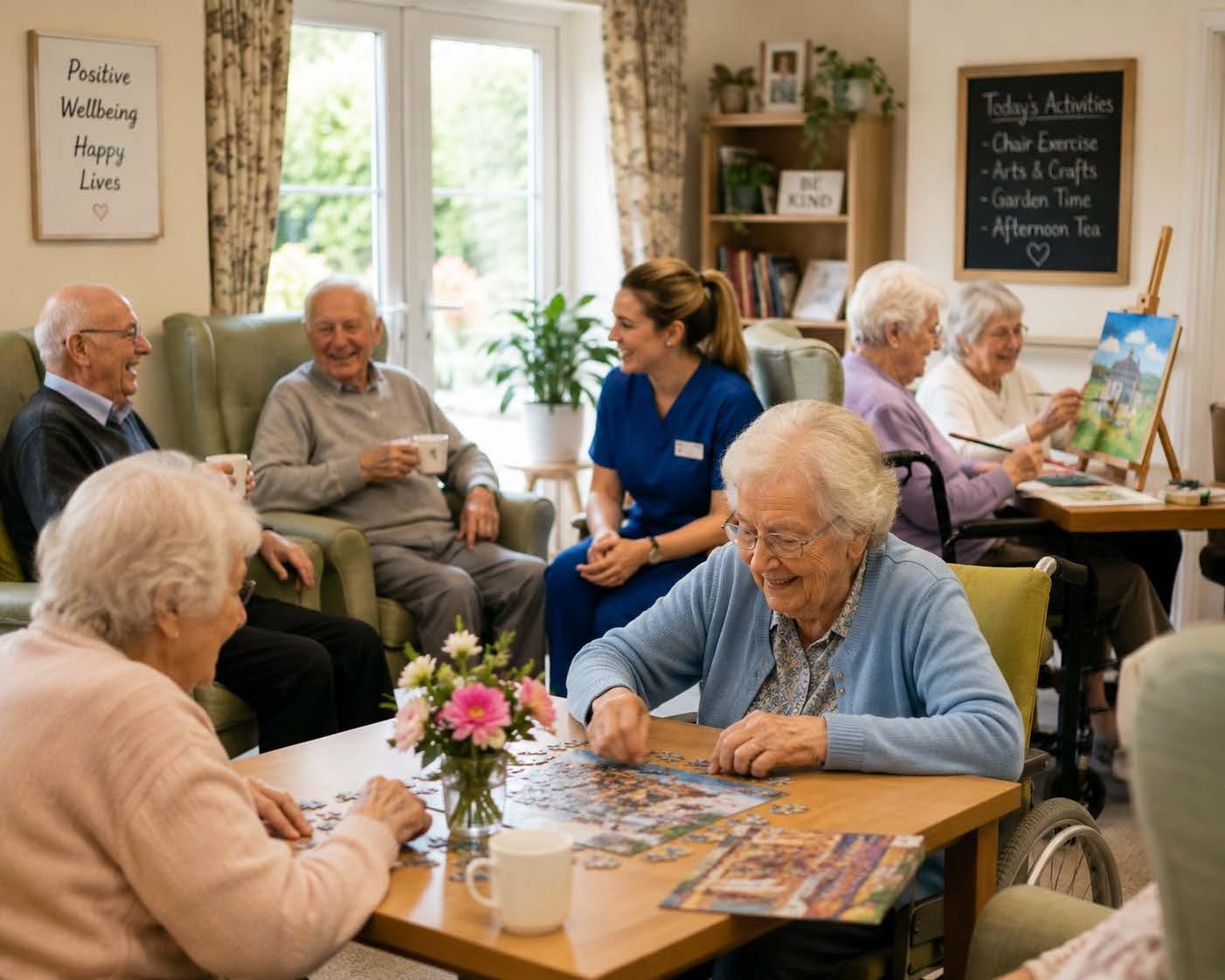
Every summer there are opportunities to bring people together, and few things unite communities quite like sport. Whether it’s the excitement of Wimbledon, the drama of international football, the tradition of cricket, or local sporting events, these occasions can become far more than television programmes. In care settings, they provide opportunities to stimulate conversation, encourage movement, strengthen relationships, and enhance wellbeing. Sport has a unique ability to unlock memories. A resident who rarely speaks may suddenly recall attending a cricket match as a child, listening to football results on the radio with family, or watching famous Wimbledon finals on television. These memories often lead to conversations that strengthen identity and create meaningful connections between residents, staff, volunteers, and visiting families.
Activities don’t need to be complicated to be effective. A Wimbledon afternoon can include strawberries and cream, traditional refreshments, gentle seated tennis games using balloons, and discussions about players through the years. Football themed quizzes, penalty shootout games using soft balls, or decorating communal areas in team colours can create excitement while encouraging participation from residents who may not usually engage in organised activities. Cricket offers similar possibilities. The slower pace often creates opportunities for reminiscence, while simple batting games using lightweight equipment encourage gentle physical activity. Even residents who choose not to take part physically can enjoy score predictions, commentary, or conversations about famous players and memorable matches.
The greatest value often lies beyond the activity itself. Shared experiences reduce isolation, encourage social interaction, and create a sense of belonging. Those who support different teams enjoy friendly rivalry, laughter, and conversation that continues long after the event has finished.
Sports events also provide opportunities for intergenerational engagement. Local schools, youth clubs, or sports teams can be invited to visit, sharing stories and friendly competition that benefits everyone. These moments help build community and remind everyone that care homes remain places where life continues to be lived, celebrated, and enjoyed.

Activities teams should also think creatively about accessibility and ability, pitching activities at all levels of mental, physical and cognitive health to ensure they remain inclusive. Whilst some may enjoy watching live broadcasts, others may respond better to music associated with sporting events, tactile activities, or adapted games that can be enjoyed from a chair or wheelchair. Success should never be measured by how many people complete an activity, but by how many people feel included. Importantly, these occasions should never become overly competitive. The focus should remain on enjoyment, participation, and shared experience rather than winning or losing. Everyone should be able to take part in a way that suits their interests, abilities, and confidence. When care providers use national events to inspire meaningful activities, they create opportunities for laughter, conversation, movement, and reminiscence that continue long after the final whistle has blown or the last ball has been played. Sometimes the greatest victory is simply seeing people smiling together
Get in touch to discuss your summer activities.
A SUMMER OF SPORT



Service
Prescribers



Technicians
Warehouse
Commissioners
The
Why Retention, Not Recruitment, Should Define Workforce Strategy in 2026
For many years, workforce conversations in health and care have understandably focused on recruitment. How do providers attract more people into the sector? How do they compete for talent? How do they fill shifts safely and consistently when demand increases?
These questions remain important. However, in 2026, the most resilient care providers will increasingly be those that look first at how they can maximise the workforce they already have.
That includes permanent employees, but it also includes the bank staff who already understand the organisation, the service users, the systems and standards of care. For many care providers, bank staff already play an important role in maintaining safe, flexible services. The opportunity now is to build on that foundation by ensuring they are fully embedded into workforce strategy, rather than being viewed only through the lens of shift cover.
Before a shift is released externally, there is real value in ensuring it has first been made visible and accessible to trusted internal workers. These are people who may already be familiar with the setting, the team, the care plans, the daily routines and the expectations of the provider. That familiarity can make a meaningful difference.
The continuity of care that comes with engaging bank staff is not just an operational benefit. It directly supports the experience of residents and service users. Familiar faces can help reduce anxiety, improve communication and strengthen relationships between staff, residents and families. In a sector where quality is built on trust, consistency matters.
There is also a clear financial argument. Agency workers will continue to have a role in helping providers respond to fluctuating demand, absence, vacancy pressure and urgent need.

However, where suitable bank staff are available, offering shifts internally first can help providers reduce avoidable agency usage and maintain greater control over workforce costs.
The benefits extend to staff engagement too. Bank workers who are offered regular, visible and accessible shift opportunities are more likely to stay connected to the organisation. They remain part of the wider workforce community, rather than an ancillary resource. Over time, this can help strengthen retention, improve familiarity across services and support a more resilient workforce model.
For providers, the challenge is often not intent, but visibility and process. Managers may be working across multiple systems, locations and workforce pressures. Without a clear and consistent approach, it can be difficult to ensure bank staff are always given the first opportunity to pick up available shifts before agency routes are considered.
This is where workforce strategy is evolving. It’s important to create the systems and processes that help internal staff access opportunities quickly, while giving providers the governance, compliance and control they need.
VenneuTM is Neuven’s workforce management and compliance platform, designed to help care providers do exactly this - distribute shifts to bank staff first before pushing them out to agency. To find out more, contact Ian Roth at Neuven Solutions on 0161 437 4337 or ian.roth@ neuven.co.uk

Healthy Bowel Movements: What’s Normal and When to Take Action
Talking about bowel habits isn’t easy, but avoiding the topic can mean missing important signs about your health. Many people feel embarrassed to think about how often they have a bowel movement, yet changes in your usual pattern can be one of the earliest indicators that something needs attention. Understanding what’s normal — and when to take action — can help you stay comfortable, confident, and in control of your digestive health.
How often should you go?
Everyone’s digestive system is different. For healthy adults, normal bowel frequency can range from three times a week to three times a day. Factors such as diet, metabolism, activity level, and biological sex all influence what “normal” looks like for you. Because of this natural variation, there’s no single number everyone should aim for. What matters most is your personal routine.
If you usually go ten times a week and suddenly drop to three, that shift may suggest constipation or another underlying issue. Constipation is often overlooked simply because people don’t like to talk about it, but recognising changes early can help prevent discomfort and support long term gut health. When you notice a sudden change, consider your diet, hydration, stress levels, and activity. If constipation is painful or persistent, it’s important to seek advice from a healthcare professional.
What does a healthy bowel movement look like?
Frequency is only one part of the picture. The appearance of your stool also provides valuable information. The Bristol Stool Scale is a helpful guide:
• Smooth, soft, sausage shaped stools are generally considered healthy.
• Hard, small lumps or very bumpy stools often indicate constipation.
• Loose or watery stools suggest diarrhoea, which may require dietary adjustments or medical advice if ongoing.
If you experience involuntary bowel movements
or difficulty controlling your bowels, speak with your GP. Incontinence products can support comfort and dignity, but they should not replace medical assessment when new symptoms arise. How to Maintain Healthy Bowel Movements Supporting your digestive health doesn’t need to be complicated. These evidence based habits can help keep your bowel movements regular and comfortable:
• Stay well hydrated: Aim for 1.5–2 litres of fluid daily.
• Eat enough fibre: Most adults benefit from 25–30g per day from fruits, vegetables, whole grains, pulses, nuts, and seeds.
• Keep physically active: Even 20–30 minutes of walking can support regularity.
• Establish a routine: Allow time for an unhurried toilet visit, ideally after meals.
• Don’t ignore the urge: Delaying bowel movements can contribute to constipation.
• Manage stress: Techniques like deep breathing or mindfulness can support gut comfort.
• Review medications: Some may affect bowel habits — speak with a healthcare professional if concerned.
• Seek medical advice when patterns change: Persistent constipation, diarrhoea, faecal incontinence and presence of blood should always be assessed by a GP.
For more information and product solutions, please visit iD-Direct.com

ESG
Planning


Care Recruitment Has Changed. Protecting Your Existing Workforce Is Now Critical

The care sector is facing a significant shift in how it recruits and retains its workforce. International recruitment, which previously helped many providers address staffing shortages, has changed dramatically over the last few years.
According to Home Office Immigration System Statistics, 108,099 care workers arrived in the UK through the Health and Care Worker route in 2023. By the first quarter of 2026, just 11 main applicant visas were granted.
This dramatic reduction follows a series of immigration changes, including restrictions on dependants, increased requirements for care providers sponsoring overseas workers, and the closure of new international recruitment for care and senior care workers in July 2025.
While a transitional period remains in place until July 2028, opportunities to recruit internationally are now limited. Existing sponsored workers may still be able to change employers, extend their permission, or switch routes where eligible, but providers can no longer rely on overseas recruitment in the same way they once did.
For care providers, this means the focus has shifted. Retaining and protecting the workforce already in place has become more important than ever.
At the same time, sponsor licence enforcement has increased. The Home Office continues to closely scrutinise care providers, with compliance failures around salary payments, right to work checks, HR records, reporting
duties and Certificates of Sponsorship creating significant risks.
A sponsor licence is now something that requires ongoing attention rather than an annual review. Small errors or inconsistencies can have serious consequences, particularly for providers already managing workforce pressures.
With recruitment options becoming more restricted, providers should ensure they have strong systems in place to monitor compliance, maintain accurate records and identify potential issues before they escalate.
The wider workforce challenge remains significant. Adult social care continues to face high vacancy levels, and with demand expected to increase as the population ages, providers will need to find sustainable ways to recruit, retain and support staff.
Aston Brooke Solicitors supports care providers with sponsor licence compliance, UKVI Mock Audits and advice on immigration matters affecting the care sector. We also support providers facing sponsor licence challenges and help care businesses strengthen their compliance processes.
Get in touch today 020 3475 4321 support@astonbrooke.co.uk
Care England members can access an exclusive 10% discount on legal fees and a complimentary 15-minute consultation through Aston Brooke Solicitors
Turning Sta+ Training into a Retention Strategy
Recruitment gets the headlines, but retention is dismissed
According to Skills for Care’s State of the Adult Social Care Sector and Workforce in England 2025 report, the sector’s staA turnover rate is at 23.1% last year, equivalent to roughly 335,000 people leaving their roles. Yet adult social care vacancy rates still sit extremely high.
Behind these figures sits a consistent finding: care workers rarely leave over pay alone. Feeling undervalued, poor communication from management, and a lack of development or progression opportunities are found to be pressing issues. Development is one area businesses can actively improve upon, rather than something dictated from outside.
Making it worth asking what 'training' actually means in practice and how valuable is it?
It is important for care organisatons operating on tight budgets to look at their current training to see if they are getting the right value for money. Purchasing training that carries a credible accreditation is simply not just a box exercise: it’s a safeguard.
Unfortunately, many organisations assume that if a course displays a CPD logo, it has automatically been rigorously assessed and examined in depth. The reality is that the CPD accreditation market is massively unregulated meaning the standards applied by accreditation bodies vary considerably. As bad as it sounds, some providers can simply purchase the right to display a CPD logo without any meaningful evidence that the training has been thoroughly assessed.
Choosing the right training provider can be the hard part, before committing remember to ask yourself these important questions: Who accredits your training? What does that accreditation body actually assess? Has the accreditation body itself been independently vetted or did they simply sell you a logo? These questions are going to be what protect your organisation, your workforce and your people in your care.
A credible accreditation mark should represent far more than just branding. It simply needs to demonstrate that a course has been independently reviewed for the quality and accuracy of its content, the clarity of its learning outcomes, the eAectiveness of its delivery and the overall learner experience. That assurance is what employers need to maximize the value of every training investment while giving staff learning they can genuinely trust and continue.
As the only UKs only Certified CPD accreditation organisation, the CPD Group independently assesses training against our A.C.C.R.E.D.I.T.E.D Framework, to ensure it delivers high-quality learning experiences. Accreditation isn't just a statement, it is a whole process that weighs up delivery format, trainer's credentials and expertise, and the overall experience for the employee, evidence that a member of staA's training means something.
In a sector where every training budget matters, choosing learning that carries a trusted, independently verified accreditation mark is more than compliance, it is an investment in quality. Making sure staA know their employer invests in training that truly means something is key, ultimately benefitting organistaions, workforces and most importantly, people receiving care.
For further information about The CPD Group visit thecpd.group/contact-cpd.

Follow Your Nose: How scents and smells support resident and care worker wellbeing
Next time you stop to smell the roses, consider this: three-quarters of the emotions we experience on a daily basis are tied to our sense of smell.
It’s a worthy reminder that odour matters – that the link between the scents we smell and the way we feel is far stronger than we might think. Nowhere is this truer than in adult social care, where odour has to be tightly controlled and carefully curated – not only for hygiene purposes, but also to protect and preserve the wellbeing of residents and care workers alike, as CareHomeLife explains.
More than just compliance
Naturally, odour control in care homes is something we often associate with cleanliness and compliance, and rightly so. Regulation 15 of the ‘Health and Social Care Act 2008 (Regulated Activities) Regulations 2014’ requires that all “premises and equipment are visibly clean and free from odours that are offensive or unpleasant”, meaning the Care Quality Commission does factor odour into its assessments.
Odour control is much more than a simple boxticking exercise, however, and the benefits go far beyond physical health and hygiene. Careful curation of scents and smells allows care providers to meaningfully improve the comfort, dignity and wellbeing of each and every resident – and the benefits are felt almost instantaneously.
Take, for example, a recent study from the University of Oxford, which found that botanical scentscapes helped to reduce anxiety, negativity and heart rate after just 30 minutes of exposure. Simply put, fresh scents and fragrances have an important part to play in creating homely environments where residents feel welcome, loved ones feel reassured and staff feel proud to work. But what might this look like in practice?
What this means for your residents
Odour control is beneficial to all, but for those living with complex conditions like Alzheimer’s, Parkinson’s and dementia, scents and aromas can serve as a complementary therapy, passively supporting the

everyday health and wellbeing of residents.
Whether it’s lavender oil to improve quality of sleep, eucalyptus oil to help clear sinuses or lemon balm to instil calmness, fragrances have a meaningful impact on quality of life – and while the long-term benefits have yet to be fully established, Dementia UK described the early findings as “encouraging”.
From home baking to freshly cut grass, recognisable scents and smells can also trigger reminiscence and nostalgia in residents, reducing anxiety and helping them feel reassured. In fact, olfactory memory – that is, anything related to the sense of smell – is thought to be stronger even than visual or auditory memory.
In care home settings, it’s dispensers that make all this possible. But while some sprays operate in sporadic bursts, we’re now beginning to see innovative new products that dispense a range of 100% pure oil scents continuously, meaning residents and care workers can feel the benefit throughout the day.
To explore the latest innovations in odour control, including our upcoming range of continuous Oxy-Gen Powered dispensers, visit carehomelife. co.uk.

NU201 Clear Vinyl Powder Free Glove
• Achieves type C chemical resistance
• Smooth finish
• Suitable for food contact (limited food types)
• Latex and powder free
• Sizes available: S-XL
£1.45
Box of 100
NU105

Premium Black Nitrile Powder Free Glove
• Achieves type C chemical resistance
• Textured fingertips for enhanced grip
• Suitable for food contact
• Latex and powder free
• Sizes available: S-XL
£2.71
Box of 100
NU101



Blue Nitrile Powder Free Glove
• Achieves type C chemical resistance
• Textured fingertips for enhanced grip
• Latex and powder free
• Sizes available: S-XL
£4.37
Box of 200


NU102 Blue Nitrile Powder Free Glove
• Achieves type C chemical resistance
• Textured fingertips for enhanced grip
• Suitable for food contact
• Latex and powder free
• Sizes available: S-XL
£2.38 Box of 100
NU104

Pink Nitrile Powder Free Glove
• Achieves type B chemical resistance
• Textured fingertips for enhanced grip
• Suitable for food contact
• Latex and powder free
• Sizes available: S-L
£2.52
Box of 100
NU103



Blue Extra Strong 9N Nitrile Powder Free Glove
• Extra strong high grade 9 Newton nitrile
• Achieves type C chemical resistance
• Textured fingertips for enhanced grip
• Suitable for food contact
• Latex and powder free
• Sizes available: XS-XL
£3.87
Box of 100


Could Outsourced Catering Help Address One of Social
Care’s Most Persistent Workforce Challenges?
Workforce pressures continue to dominate conversations across the adult social care sector. Rising employment costs, ongoing recruitment challenges, increasing regulatory responsibilities and high levels of staff turnover mean providers are under constant pressure to do more with limited resources. While much attention is rightly focused on recruiting and retaining care professionals, catering teams face many of the same workforce challenges. Vacancies, sickness absence and difficulties attracting skilled kitchen staff can place significant strain on care home operations, often requiring managers to divert time and attention away from resident care to resolve staffing issues.
This presents a growing challenge. Catering is far more than a support service. Nutritious, wellbalanced meals play a crucial role in maintaining residents' health and wellbeing, while positive dining experiences contribute to dignity, independence and quality of life. Consistency is essential, yet maintaining service standards can become increasingly difficult when kitchens are understaffed or dependent on temporary cover.
As providers look for practical solutions to workforce pressures, outsourced catering is becoming an option worthy of greater consideration.
By partnering with a specialist contract caterer, care providers can remove many of the day-today challenges associated with recruiting, training and managing catering teams. Responsibility for staffing, professional development and operational management sits with the catering partner, enabling care home managers to focus their efforts on residents, colleagues and wider service delivery.
The benefits extend beyond workforce management. Catering teams require specialist knowledge in areas such as food safety, allergen control, nutrition and modified diets. Ensuring compliance and keeping training up to date can be resource intensive. A dedicated catering provider brings expertise, robust processes and ongoing development programmes that help maintain high standards while reducing administrative burden for providers.
Importantly, outsourced catering can also support workforce wellbeing. When managers spend less time resolving kitchen staffing challenges, they are

better able to support their teams, strengthen employee engagement and focus on continuous improvement across the home. This can contribute to a more positive working environment and improved operational resilience.
Successful outsourcing, however, is about more than transferring responsibility. The strongest partnerships are built on collaboration, with catering providers working closely alongside care teams to understand residents' needs, develop appropriate menus and create dining experiences that reflect the culture and values of each home. When delivered effectively, the catering team becomes a seamless extension of the provider's own workforce.
As workforce pressures continue to shape the future of social care, providers must explore innovative approaches that reduce operational burden without compromising quality. Outsourced catering offers one such solution, helping organisations build resilience, maintain consistency and ultimately create more time to focus on delivering outstanding care.
For further information about tailored contract catering solutions for the care sector, please visit www.connectcatering.co.uk or call 01491 826000 for impartial advice and guidance.


Why workforce efficiency is now a quality-of-care issue
By Paul Watson, VP at Sona
Workforce management in Social Care is often treated as an operational concern: something that sits behind the scenes, focused on rotas, payroll, absence and staffing costs. But the way a workforce is planned and managed has a direct impact on the quality and consistency of care.
When rota gaps are identified too late, managers are forced into reactive decisions. Existing team members may be asked to work additional hours, agency employees may be brought in at short notice, or services may need to operate with less continuity than planned. Each decision may solve an immediate staffing problem, but repeated disruption places pressure on employees and can affect the experience of the people receiving care.
Familiar team members understand individual needs, preferences, routines and communication styles. When staffing changes frequently, that knowledge can be harder to maintain. Permanent employees may also spend more time supporting unfamiliar colleagues, while managers devote valuable hours to filling shifts rather than leading teams and improving services.
Poor workforce planning can also contribute to fatigue and disengagement. Regular overtime, unpredictable schedules and last-minute requests make it harder for employees to maintain a healthy work-life balance. Over time, this can increase absence and turnover, creating further instability and adding to the pressure on those who remain.
For providers, workforce efficiency should therefore be viewed as part of the quality agenda, not simply as a way to control costs.
The solution is a more connected and proactive approach to workforce planning. By bringing Scheduling, Time & Attendance, HR, absence and workforce data together, providers can gain a clearer picture of staffing requirements across their services.
Better visibility allows managers to identify potential gaps earlier, understand where demand
is changing and offer available shifts to their existing teams before turning to agencies. It also helps organisations match staffing levels more closely to commissioned hours, employee availability, required skills and the needs of the people they support.

Technology can give employees greater control too. Earlier visibility of schedules, simple shiftswapping, accessible overtime opportunities and clearer records of hours worked can reduce uncertainty and make flexibility easier to manage. This supports employees while giving providers more reliable ways to respond when care needs change.
The objective is not to remove human judgement from workforce planning. It is to give managers better information and reduce the administrative work that prevents them from focusing on their teams.
When workforce systems are connected, providers can move from reacting to staffing problems towards anticipating them. That means fewer last-minute gaps, less reliance on avoidable agency support, more consistent teams and greater stability for the people receiving care.
In a sector where quality depends so heavily on relationships, workforce efficiency is not separate from care delivery. It is one of the foundations that make consistently good care possible.
Visit sona.ai to discover how connected workforce management can help your organisation reduce disruption, support employees and protect quality of care.