
Chief Executive’s View

IN THIS ISSUE
Could 2026 Be the Turning Point for Palliative Care? PAGE 6
Mental health in care: Why it matters more than ever PAGE 8
Understanding Incontinence: Breaking the Myths PAGE 12
CQC Inspections Are Changing: What Providers Need to Know
PAGE 16
Malnutrition in Care
Homes: The Hidden Challenge We Must Confront
PAGE 30
The world is becoming a much more volatile place, and the conflict in the Middle East is directly impacting the care sector. In recent weeks, we have seen significant increases in fuel and commodity prices, and we are now seeing shortages of some essential items, such as PPE.
In response to this, we need decisive, swift action from the Government. At every time of national emergency, social care always seems to be an afterthought. We saw it at the height of the pandemic, and now we are seeing it in a belligerent refusal to ensure that funding for social care keeps pace with costs. Sadly, it is not only international conflicts that are driving up prices; we see it in the actions of governments that do not take into account the impact they will have on those running care services. The decision to increase employers’ National Insurance contributions and bring in the Employment Rights Act, with a move towards collective bargaining, is already leading to reduced services and job losses. Whatever you might think of these measures, they will increase costs, and it is now up to the Government, as the major customer in our sector, to ensure that we receive the money needed to meet these government-imposed cost pressures.
At the start of its term, this Government put an extra £20 billion into the NHS, yet despite this huge investment, we are still seeing a system under pressure that cannot cope. What the Government fails to realise in its haste to reorganise the NHS is that it does not need to rearrange the chairs on the Titanic; it needs to build a ship that is fit for purpose in the 21st century. The rhetoric is there; we see it in the 10-year plan, but unfortunately, history tells us that governments do not always deliver on their promises. One of the major problems is that money does not flow through the system, and if social care were properly funded, much of the pressure currently seen in the NHS would be more manageable. It is beyond ridiculous to see all this money going into an organisation (the NHS) rather than being used to deliver the best outcomes for citizens.
I have recently heard of several cases where people have been in ambulances for over 10 hours before they were
admitted to the hospital. This is beyond scandalous because it not only fails the patient, but it also keeps an ambulance out of service for a significant amount of time. If the system were working properly and social care were supported, many people would not need crisis interventions. The history of every government since Tony Blair’s is one of failure when it comes to social care reform. I sincerely hope the Baroness Casey will be able to set out a blueprint for the future, and
I hope that we will have politicians with this sense to deliver it.
Professor Martin Green OBE
Chief Executive: Care England
DH: Independent Sector Dementia Champion

Thu 18 Jun 2026 7:00 PM - 11:00 PM
Civic Suite, Wandsworth Town Hall, SW18 2PU https://www.tickettailor.com/events/thebakedbeancharity/2052344




The Night Shift Problem Care Providers Are Still Waiting to Solve
One hundred thousand. That is the number of unfilled care roles in the UK right now. It is also, in a strange way, the wrong number to focus on.
The deeper problem is not how many people are missing. It is how the people already there are spending their time.
Walk through a care home at 2am and you will find carers doing something that feels necessary but is structurally broken: opening doors, shining torches, checking breathing, moving on. Repeat. Every sixty to ninety minutes. All night. Every night.
This is not negligent care. It is the only tool available when you cannot know what is happening in a room unless you physically enter it.
The cost is substantial. At one Norfolk care home, staff were doing about 2,360 room checks per month before deploying acoustic monitoring technology. Many of those checks woke sleeping residents, disrupting the very rest that protects against the falls and infections carers were trying to prevent. The checking paradox: the safety measure causing the harm it was designed to stop.
The workforce implications compound. Night staff cycling through sixty-second room visits carry accumulated fatigue that affects judgment, documentation, and retention. Carers who entered social care to build relationships spend their shifts performing surveillance. Turnover follows.
Earzz approached this differently. Rather than asking care teams to check more often or more carefully, our acoustic monitoring platform listens continuously inside resident rooms, without cameras, wearables, or audio recording, and alerts carers only when something needs attention. When a resident exits their bed, staff know within seconds. When coughing patterns escalate over consecutive nights, the dashboard surfaces it before the resident deteriorates visibly.
At Terrington Lodge, those 2,360 monthly checks fell to 1,200, a 49% reduction, without any decline in resident

safety. Bedroom falls dropped from 13 per month to zero.
Staff spent the hours they recovered on care that required human presence, not on surveillance that did not.
Across nine UK care homes, Earzz has delivered an 82% average fall reduction and response times consistently under seven minutes. At Lucton House in Birmingham, acoustic pattern data aided the early diagnosis of sepsis before physical symptoms appeared. These outcomes did not come from hiring more staff. They came from giving existing staff better information.
The workforce crisis in social care will not be solved by technology alone. But a sector asking staff to do more with less, in conditions that accelerate burnout, owes it to those staff to remove the work that does not need to be done by a human.
Continuous acoustic monitoring is one practical answer to that obligation.
For further information on how Earzz supports care teams, visit www.earzz.com or contact info@earzz.co.uk
Could 2026 Be the Turning Point for Palliative Care?
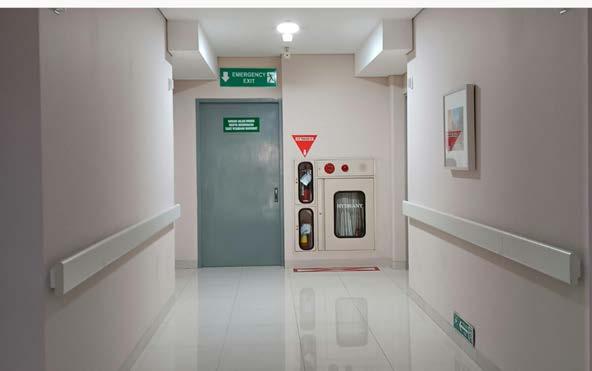
With resident wellbeing and dignity in mind, CareHomeLife asks: could 2026 be the year in which palliative care finally receives the focus it rightly deserves?
Each year, UK hospices provide palliative and end of life care to around 310,000 people, ensuring comfort, dignity and quality of life in their final months and years.
But with more people living for longer, many with chronic and increasingly complex conditions, the need for specialist palliative and end of life care is growing. Naturally, this places additional pressure on the hospices themselves. Everyone deserves compassionate care in their final days, and yet, not everyone has access to hospice beds. Hospice UK recently revealed that as many as two in five hospices cut services in 2025. In fact, almost 20% of England’s 2,000 hospice beds are unable to be used due to financial pressures.
Clearly, this is a complex, live issue with few easy answers – but we mustn’t lose sight of what matters most: the quality of care for those with life-limiting conditions, and the support available to loved ones and care teams alike. So, what is being done to futureproof palliative care?
A Vision for Holistic Care
With UK hospices under mounting pressure, the wider care sector has a greater role to play in making palliative care services accessible to more people. On the surface, this is nothing new. Palliative care has long been a mainstay of the UK care sector. But if care providers intend to meaningfully bridge the hospice gap, they may need to go further to raise awareness and challenge people’s perceptions. We know from experience that many providers offer the same high standard of palliative care that hospices do – ensuring peace and comfort for residents and, by extension, their loved ones when it’s needed most. But hospices and homes remain the preference for many, and this has created an unnecessary bottleneck. The UK is recognised as having one of the finest palliative care workforces in the world today – and it’s time we celebrate that fact and ensure everyone knows that hospices are far from the only avenue.

And for those providers not currently offering end of life care, opportunities for specialist training – such as the launch of the North West’s Hospice and Palliative Care Academy in December 2025 – are beginning to take shape.
Preserving Palliative and End of Life Care
Without sustained investment, hospices won’t be able to provide the same level of specialist care our loved ones deserve – and with demand growing steadily, consistent funding is needed now more than ever. In the meantime, there is an opportunity for caregivers to provide the kind of holistic end-to-end care that gives residents the comfort, consistency and reassurance they need. In 2026, everyone should have the right to compassionate end of life care.
Read the full article here: https://www.careengland. org.uk/could-2026-be-the-turning-point-forpalliative-care/
Support Hospice UK with a donation by visiting hospiceuk.org/support-us/donate
Additionally, to find out how CareHomeLife partners with the care community to support palliative and end of life care, visit carehomelife. co.uk/.

A Lesson to My Younger Self: Trust the Unease
If I could offer one lesson to my younger self, it would be this: trust your instincts. Listen to that quiet sense of unease, and don’t be afraid to act on it.
These days, I don’t hesitate to ask the awkward questions or challenge something that doesn’t feel right. But earlier in my career, I would agonise over tiny details that felt off in a care setting—wondering if it was really my place to speak up or if I was overthinking.
One experience in 2008 changed that forever. I was carrying out an assessment when an uneasy feeling began to surface. At first, it seemed trivial: the support workers were all wearing slippers. It didn’t feel professional. Boundaries seemed blurred, and instinctively it felt disrespectful to the people living there.
In the kitchen, I noticed cupboards and jars labelled with staff names. Much of the food belonged to them. On the surface, it might’ve seemed practical, but it jarred me. It felt like an invasion of the occupants’ personal space. I remember thinking: would I want my kitchen filled with food that wasn’t mine?
The balance of power felt wrong. The workplace had quietly become a second home for staff, suffocating the individuals they were there to support.
That night, I hardly slept, debating whether to raise it or let it go. I worried I might be overreacting. In fact, the social worker had similar concerns. A full investigation followed, uncovering not just blurred boundaries, but significant, long-term financial abuse and falsified records.
That experience taught me the value of pulling the thread.
Since then, I’ve learned to stay attuned to small clues others might dismiss. Is the television on a
channel no one enjoys? Is there a subtle turn of phrase that doesn’t sound quite right? Why are activities being cancelled?

Why has someone declined an event they would usually enjoy?
I always want to understand the “why”. Why is that choice being made? Is this language respectful? Is this behaviour typical?
Individually, these details might seem insignificant. Together, they can signal that something is drifting away from expected standards—both personally and organisationally. I don’t always get it right. But I would far rather be curious and wrong than blind to an early warning sign that allows a bigger issue to grow. Being humble enough to admit when you’re wrong matters. But so does trusting your own judgement. That quiet sense that something isn’t right is often worth listening to.
Sometimes, change begins with noticing the smallest things—and having the courage to ask why they matter.
Lara Bywater, OS Director of Learning Disability, Autism & Mental Health
The OS is a Community Interest Company (CIC), free to all providers regardless of rating. It exists to share and celebrate best practice, support improvement and promote careers in ASC. For more information, please contact Sonia: info@ theoutstandingsociety.co.uk.
Mental health in care: Why it matters more than ever
This Mental Health Awareness Month, it’s time to focus on those who care for others and the toll it takes. In care settings, staff wellbeing often slips down the list. Long shifts, emotional strain, and physical demands can push mental health to the back burner until breaking point. Citation experts share top tips for safeguarding your workforce’s mental health.
The numbers don’t lie
The Health and Safety Executive (HSE) found work-related stress, depression and anxiety affected 964,000 workers across Britain in 2024/25 – the highest number on record. And these conditions led to 22.1 million working days lost, making mental health the single biggest driver of workrelated absence.
Around 2.8% of workers in human health and social work suffered from work-related stress, depression or anxiety in 2024/25 – statistically higher than the 2.0% rate across all industries.
Why this matters for Health & Safety
The HSE defines stress as an adverse reaction to excessive pressure.
For care managers and owners, mental health is a wellbeing issue – and it’s a legal one. The Health and Safety at Work etc. Act 1974 places a duty of care on employers to protect staff from work-related stress. The Management of Health and Safety at Work Regulations 1999 requires all employers to assess the risk of stress-related ill health.
Spotting the signs
In care, it’s easy to miss the early warning signs. Watch for:
• A sudden drop in energy, focus or motivation
• Changes in mood, irritability or withdrawal
• Struggling to cope with workloads
• Increased absence or lateness
What you must do
The HSE expects employers to assess and control stress risks: demands, control, support, relationships and change management. If there’s evidence of risk – you need to do a stress risk assessment and act on the findings.
Here are some steps care settings can put in place:
• Manager training
Equip your managers to recognise the early signs of stress and respond supportively.
• Wellbeing check-ins
Regular check-ins help. Create opportunities for staff to share concerns without fear of judgement – one-to-ones,

team huddles, anonymous feedback channels.
• Workload planning
Review rotas and responsibilities to make sure no one’s carrying too much.
• Access to support
Offer resources like counselling services or an Employee Assistance Programme (EAP). Knowing help is available matters.
• Open communication culture
Encourage staff to speak up about stress. Normalise conversations about mental health and make it clear that asking for help is sensible, not weak.
• Facilitate phased returns
For employees returning after stress-related absence, a phased reintroduction to duties helps them settle back in.
• Monitor and review
Stress risk assessments aren’t a one-off. Keep an eye on outcomes, track sickness absence patterns, and review regularly.
Where Citation can help
Tackling mental health can be a minefield – but that’s what we’re here to help with, armed with affordable HR and Health & Safety support packages. To get your care setting ready to face the future, just click here or call 0345 844 1111 and quote ‘Care England’ to access preferential rates.


Pea, Asparagus & mint soup with mascarpone


Directions Ingredients
900g Asparagus
2kg Frozen Peas
2 Onions, diced
6 Garlic Cloves, minced
4ltr Vegetable Stock
250g Butter
250g Mascarpone
100g Mint Leaves
1. In a pan sweat the onion and garlic together until soft and translucent
2 Remove the woody part of the asparagus and discard, chop the remaining asparagus evenly.
3 Add to the pan along with the butter, cook for a few minutes until the asparagus starts to go soft.
4. Add the vegetable stock and bring to a simmer, add the peas and cook for a few minutes until everything is soft and ready to blend.
5 Add the mint leaves and mascarpone, then blend until smooth

6. Season to taste, divide into bowls and top with chive oil and a spoon of mascarpone
Creed Foodservice share a monthly seasonal soup recipe showcasing British produce. To be in with a chance of winning a Creed cookbook, tag us both in your recreation of the recipe on social media!

Cyber Resilience Made Easier: Protecting Patient
Data Without the Complexity
Ensuring patient data is appropriately safeguarded is an individual responsibility as well as an organisational one. If you use your own device for work and store sensitive information on it, you are legally responsible for ensuring data is handled appropriately. Being able to demonstrate that you are taking proactive steps to keep patients safe under the GDPR and Data Protection Act is imperative not only to protect your patients, but also to prevent long term disruption to your services and avoid potential heavy fines from the ICO. The outcomes of a cyberattack are alarming, but to those that may not be technically inclined, the path to cyber resilience may feel impossible to navigate.
We want to make cyber resilience accessible for all carers.
It may be disheartening to hear that achieving cyber resilience is a continuous process opposed to a oneoff task, but once cyber awareness is embedded into your daily routine, it becomes much easier than you would think. By focusing your efforts on adopting a robust malware defender, using up-to-date software, setting up a secure data back-up, and are ensuring you and your team can identify cyber threats, you are well on your way to achieving cyber resilience.
You can start now – for free!
Reflect on the following points. All are common cyber vulnerabilities that you can address without investing too much time or money:
• Is all software on your device updated?
• Do you use the same passwords across multiple accounts? A data breach could allow criminals to access them. Make sure to change your passwords annually and make them completely different each time. We recommend the password manager 1Password, which saves you the hassle by doing this for you.
• Is multi-factor authentication (MFA) enabled on all accounts?
• Do you only have access to the care records that you are currently assigned to? Unrestricted access could increase risk in a data breach.
Covering all bases does not have to be expensive At the Cyber Centre of Excellence, we endeavour to make military-grade cyber security and education accessible for all carers. As a not-for-profit organisation, we have created a bundle of validated, premier cyber security tools that will keep you secure at an affordable price. Care Protect, includes:
• AppGuard, a military-grade software that stops threats before they can run, rather than trying to detect them after the fact. It blocks anything suspicious unless it’s explicitly allowed, protecting systems from both known and unknown attacks.
• Five engaging, interactive e-learning courses to increase your awareness on securing your devices and home environment.
• A 15-minute cyber health check with our vCISO.
• Guidance on downloading F-Secure on mobile devices.
Care Protect starts at £153 + VAT. As part of a special offer, we are pleased to provide a discount to Care England members who purchase Care Protect.
If you are interested in our Care Protect package, or would like support on any of your cyber concerns, please email us at enquiries@ccoe.org.uk.





Five low-cost ways to improve your CQC rating
We often hear the same question from providers: “how do you improve your CQC rating without spending a fortune?”
The good news is that real progress does not usually depend on a big budget. More often, it comes from getting the basics right, using existing systems well, and making sure quality is properly evidenced. Here are five low-cost ways to strengthen your CQC position and go from Good to Outstanding.
1. Get the basics right every time
Up-to-date care plans, accurate risk assessments, clear medicines records, and current policies are the foundation of a good service. If these documents do not match day-to-day practice, it becomes harder to demonstrate quality to CQC.
Small gaps in documentation can have a big impact. Even when care is excellent, inconsistent records can weaken the overall picture. Keeping everything accurate and aligned is one of the simplest and most cost-effective ways to improve your rating.
2. Turn audits into action
Audits are only valuable if they lead to change. Too often, providers complete audits but do not follow them through with a clear action plan.
A short, practical action plan is usually enough, provided someone is responsible for it and progress is reviewed. This does not require extra spending, but it shows CQC that governance is active, not just recorded on paper.
3. Involve your staff properly
Your staff already know where the pressures are and what would make the biggest difference. Involving them in improvement is one of the cheapest ways to raise quality.
Regular supervisions, team meetings, and open conversations can uncover practical ideas for improvement. Staff who feel listened to are more likely to stay engaged, which helps with continuity, morale, and care quality.
4. Make care truly person-centred
Outstanding care is often visible in the small things. Using someone’s preferred name, involving them in decisions, supporting them to personalise their
room, or helping them plan meals can all make a real difference.
These actions show that the service sees the person, not just the task. That is exactly the kind of evidence CQC wants to see, and it usually costs very little to do well.

5. Evidence the good work you already do
Many providers are already doing more than they realise. The challenge is making that visible.
If someone is building new skills, making progress with support, or receiving better outcomes because of positive planning, record it in care plans, reviews and staff notes. CQC is looking for evidence of consistency, learning and improvement, so the better you evidence what happens in practice, the stronger your position will be.
How Hempsons can help
Hempsons understand what inspectors are looking for in practice and focus on realistic improvements that fit within existing resources.
We can help with CQC compliance, inspections and evidence, practical training for managers and staff, and accessible advice through our social care support services including our CQC toolkit.
Contact: Philippa Doyle, head of social care, Hempsons – p.doyle@hempsons. co.uk
Jolena Bullivant-Clark, Solicitor – j.bullivantclark@hempsons.co.uk



Step 1: Hand Washing
Before you start, remove jewellery, then wet your hands and apply liquid soap. Rub thoroughly for 15–20 seconds, covering all areas. Rinse well and dry with paper towels.
Step 2: Hand Sanitising
Ensure hands are visibly clean before use. Apply enough sanitiser to cover all surfaces, then rub thoroughly until fully dry.
Step 3: Hand Moisturising
Use



Statutory sick pay changes – short sharp shock or slow burn pain?
Some legislation changes create short sharp shocks for organisations. Others are not so painful on the day of implementation but turn out to be slow burners where the implications only become clearer in time. We are advising clients to be aware that the changes to SSP entitlement (from 6 April 2026) could be the latter. There is of course a sharp shock as any eligible worker will be entitled to sick pay from day one of their sickness – the three waiting days have been removed. Likewise, sick pay will be extended out to a new tranche of workers. Those who previously were not entitled to sick pay because they earned less than the Lower Earnings Limit will now be able to claim sick pay based on 80% of their average earnings over the previous 8 weeks. The 2026 changes, introduced under the Employment Rights Act 2025, do not change the underlying rules about who is entitled to SSP, but they do change how widely SSP applies. The financial implications of these changed parameters, unless managed, could be serious going forward and could have a profound impact on budgeting.
To help manage the potential spiralling costs of sickness absence, we are advising providers focus on these proactive steps.
• Step one – reinforce your absence reporting procedures. Make sure that it’s clear how and when staff report absences and require a telephone conversation rather than a text or email as confirmation of sickness. Research shows these measures decrease absence levels. Ensure your managers are trained on how to use back to work interviews effectively.
• Step two – tighten monitoring systems and consider implementing sickness tracking tools. Ensuring you are logging reasons for absence and durations as these can help spot patterns and potential health issues.
• Step three – promote early discussions about health issues with managers or your HR teams. That may mean more training is required for managers or further well being strategies promoting physical or mental wellbeing. Whilst this may be
costly in the short term, it has been shown to be beneficial in addressing absence cultures.
We would advise that providers do not think the worst of staff when they report sickness absence but rather ensure that they have sufficiently robust systems to ensure that future abuses of the new extended SSP rights are identified and curbed. If you would like to learn more about these changes and the impacts within your organisation, please do attend our annual Health and Social Care webinar on 12 May 2026. We will be looking in more detail at the ramifications and more nuanced implications of these changes within the sector as well as addressing more general issues of manging sickness absence. Click here for more details and to book.
If you would like specific advice on the implications of these changes (or any other changes in the Employment Rights Act 2025) please contact a member of our team.





CQC Inspections Are Changing: What Providers Need to Know
Recent updates from the Care Quality Commission (CQC), alongside insights shared at the Care England Conference, signal a significant shift in how adult social care services will be assessed. While the fundamentals of regulation remain, expectations around how quality is demonstrated are evolving quickly. A more detailed overview of these developments is available in the full blog here.
A more structured approach to inspections
The CQC’s draft sector-specific frameworks introduce greater consistency and transparency. Built around the five key questions - Safe, Effective, Caring, Responsive and Well-led - the frameworks return to structured assessment questions, clearer rating characteristics, and “I statements” reflecting lived experience.
This approach gives providers greater clarity about what is expected. However, it also reduces subjectivity. Services must now demonstrate clear, consistent evidence that they meet defined standards across all aspects of care. Variability in practice is more likely to be identified and reflected in ratings.
A shift towards lived experience
While documentation remains important, its role is changing. Providers will still need accurate care plans, effective governance systems, and evidence of learning and improvement. However, inspectors are placing increasing emphasis on what they observe during site visits.
The proposed 80/20 model highlights this shift:
• 80% observation and lived experience
• 20% documentation and compliance
Inspectors are focusing more on staff interactions, decision-making, and whether organisational culture supports safe and person-centred care. This means that strong documentation alone will not secure a positive rating if care delivery is inconsistent.
Clearer ratings, greater impact
The reintroduction of rating characteristics provides clearer benchmarks for performance:
• Outstanding reflects a culture of continuous learning and improvement
• Good indicates consistent, safe, personcentred care

• Requires Improvement highlights inconsistency
• Inadequate signals systemic risk or failure
These clearer definitions are helpful, but they also raise expectations. Ratings have a direct impact on reputation, occupancy, and financial sustainability. In addition, shorter inspection reports may mean less detailed feedback, requiring providers to take greater ownership of identifying and addressing issues.
What this means for providers
These changes reinforce the importance of consistency. Quality must be evident in day-to-day practice, not just recorded in systems. Leadership, staff confidence, and organisational culture are becoming central to inspection outcomes.
Providers need to understand how their service would perform under inspection conditions and where potential risks lie. Those relying solely on compliance frameworks, without testing how these translate into real care experiences, are likely to be more exposed under the new model.
Supporting services to stay inspection-ready
In this changing landscape, many providers are turning to external support to strengthen assurance and maintain standards. Services such as those offered by WorkNest , including mock inspections and compliance reviews, can help organisations benchmark performance, identify gaps, and embed a culture of continuous improvement.
For more information on how WorkNest can support you, please email Imogen Huxford, Compliance Director, at c4qenquiries@worknest. com or call 0345 226 8393 quoting Care England for preferential rates.

Ally’s Resident Monitoring System is revolutionising care, delivering life-changing outcomes for residents and game changing results for care homes:
Fewer monthly discharges: Enhanced care outcomes and increased capacity to support higher-risk residents mean longer stays and fewer vacant beds.
Higher average weekly fees: Evidence of increased resident needs and showcase exceptional care outcomes which funders will pay for.
Increased admissions: Accept residents with more complex needs and convert more enquiries with proven care outcomes.
Don’t wait – enhance resident outcomes, strengthen your care reputation, and grow your bottom line with Ally.
How a Waste Audit Saved a Care Home Operator Costs and Uncovered Hidden Procurement Savings
How a Waste Audit Saved a Care Home Operator Costs and Uncovered Hidden Procurement Savings
For care home operators, waste management can often feel like a necessary but overlooked administrative burden. Yet, as this case study demonstrates, taking a closer look at how waste is handled can unlock significant financial savings, improve workplace safety, and drive meaningful environmental progress. At Veolia, we believe that effective waste management starts with understanding what is actually being thrown away and why. Through our partnership with a familyrun care home operator based in the North West, a routine waste audit evolved into a transformative journey that delivered benefits far beyond the bin. The Challenge
When we began our partnership, their waste management was limited to general waste and cardboard collections. However, waste audits revealed a critical issue: excessively heavy containers were creating significant health and safety risks for both the operator and Veolia staff. Upon investigation, we discovered that general waste bins were filled with food waste, prompting us to introduce food recycling services well ahead of legislative requirements.
The Results
This simple change delivered immediate results, reducing annual waste costs by approximately 22.5% and increasing recycling rates by 15%.
Today, the operator achieves 100% diversion from landfill across all their sites, demonstrating their commitment to environmental sustainability.
The benefits extended beyond cost savings. When some sites continued to experience heavy bins despite the new food recycling service, the operator conducted an internal review and discovered they were over-ordering produce. This insight led to an internal procurement project that generated additional savings that would never have been identified without our initial waste audit. Through close collaboration and engagement with kitchen staff during the food waste rollout, we transformed their waste management from a health and safety concern into a cost-saving, environmentally responsible operation achieving zero waste to landfill.
This story is a powerful reminder that waste audits are about much more than compliance or costcutting, they are a gateway to operational insight. What began as a health and safety concern uncovered inefficiencies in recycling practices, food waste management, and even procurement processes that had previously gone unnoticed. For care home operators and other organisations managing multiple sites, partnering with the right waste management provider can turn everyday challenges into genuine opportunities for improvement.
If your organisation is yet to explore the potential of a thorough waste audit, this operator’s experience shows just how much value could be waiting to be discovered.
Register for your free waste audit today here

As part of a national legal firm with over 150 specialist health lawyers, we cover all aspects of health care related law and practice.
We have a long history of providing market-leading legal advice to care providers. Our large team of specialist and experienced care homes lawyers advise our regulated care business clients daily across wide-ranging areas including:
▪ Inquests and inquiries
▪ Safeguarding and investigations
▪ Employment and HR advice including immigration
▪ Refinancing and restructuring advice
▪ CQC issues and regulatory advice
▪ Commercial disputes and debt recovery

To find out more about the care services we can offer, contact Julia Appleton, Partner, at julia.appleton@weightmans.com
weightmans.com
Securing the Future of Care: Why Investing in Young Talent Matters Now
Adult social care is at a critical juncture. Recordhigh vacancies, coupled with increasing demand, pose a real risk to the stability of the sector. While short-term fixes are often prioritised, the long-term solution is harder to ignore: the sector must build a stronger pipeline of young talent today and create the conditions for that talent to thrive.
For the millions of people who rely on care, this is more than just a workforce issue, it’s about ensuring their pride, dignity, and quality of life. When services are stretched, continuity is disrupted and the sense of trust that underpins care can be weakened. Ensuring a robust, sustainable workforce is essential to providing truly exceptional care.
However, for many young people care is often overlooked as a genuine career option. Through its work with care employers across the country, Paragon Skills sees how these challenges play out in practice. Care work, despite its importance, is often seen as high risk and low reward. In reality, it is a skilled and meaningful career path that offers a sense of purpose and opportunity, but public perception remains jaded.
Redefining How Care Is Viewed and Valued
Shifting this narrative is essential and requires earlier and more deliberate engagement. Employers who build relationships with schools, colleges and local communities are more likely to attract young people who understand what the role involves and feel motivated to pursue it.
Apprenticeships sit at the centre of this approach, providing a structured pathway that uniquely combines paid employment with ongoing development. For young people, they offer a clear roadmap to building competence and confidence in the workplace. For employers, apprenticeships create an opportunity for the next generation of talent to become embedded in their workforce right at the start of their journey.
Making Youth Recruitment Work in Practice
The impact an apprenticeship can have is dependent on how they are implemented and supported.
Collaboration between employers and training providers is essential to ensure clear communication, expectations, and an environment where young people can flourish.
For many employers, the drive to bringing more people into the workforce is evident, but the logistical challenges can be seen as a roadblock. Balancing operational pressures with complex funding requirements and administrative actions can make the process feel difficult to navigate.
This is why developing strong partnerships between employers, learners, and training parters is essential. Setting young people up to succeed requires transparency, ownership, and shared goals as a fundamental part of this working relationship.
In our experience as a training provider, we see first-hand that success in youth recruitment is not about resourcing. It comes down to building effective partnerships that understand the value, importance, and human impact of apprenticeships in the care sector.
If you’re thinking about how to bring more young people into your workforce, we’re here to help. Get in touch for a no-strings conversation about how Paragon Skills can support your business.
www.paragonskills.co.uk
0800 783 2545

Reframing Dementia Care: From Task-Based Practice to Truly Knowing the Person
There is a quiet but urgent truth at the heart of dementia care today: too many people living with dementia are being cared for but not truly known and understood as individuals. Dedicated and passionate professionals work tirelessly to meet needs and uphold standards, yet systems often pull care into task-driven routines. Essential tasks alone cannot create meaningful moments and joy, and for a person living with dementia, the experience of care is shaped not by what is done, but how it’s felt.
When Care Becomes a Checklist
Task-oriented care risks reducing individuals to a series of needs to be met, rather than lives to be understood. For people living with dementia, this can lead to disconnection, distress, and a gradual loss of identity. We often see environments that meet physical needs but fail to nurture emotional wellbeing. We see moments where opportunities for connection are missed. And we hear families ask the same question: “Do they really know who my loved one is?” This is the gap we must close.
Connection, Compassion, and Life Stories
Exceptional dementia care begins when we shift our focus from doing for people, to being with them.
Emotional connection is more than a desirable a soft skill and should form the foundation of meaningful care. When care teams are supported to recognise feelings, respond with empathy, and engage in genuine human interaction, everyday moments are transformed.
Why the NaDCAS Dementia Care Accreditation Exists
Care providers need the structure, guidance, and confidence to embed truly person-centred dementia care into everyday practice. NaDCAS’ purpose is simple but powerful: to improve the lived experience of people with dementia by supporting services to deliver care that is not only safe and effective, but compassionate, consistent, and deeply human. NaDCAS knows that every person deserves to be seen, heard,
and valued, and that care providers deserve access to tools that make this possible.
A Framework for Meaningful Change
The NaDCAS Framework for Exceptional Dementia Care provides a clear, practical pathway to achieving this vision. Built around nine interconnected foundations, it supports providers to embed excellence across every aspect of the care they provide.
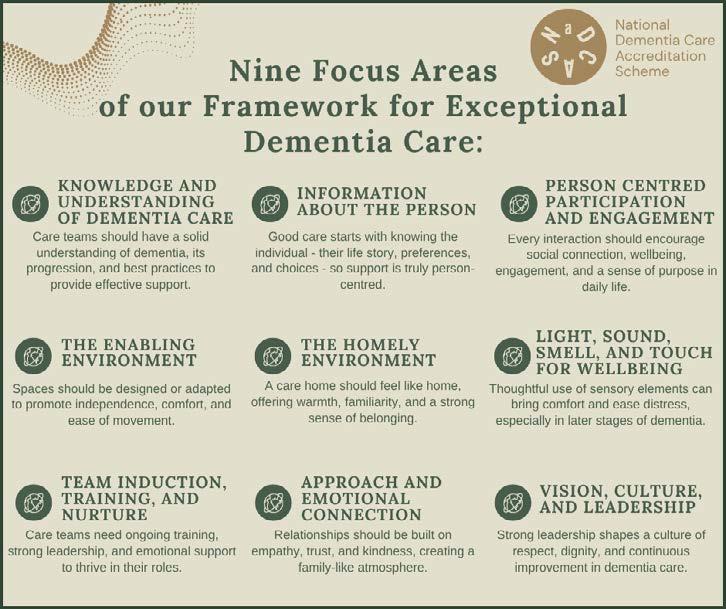
NaDCAS believes that every care provider should have access to this powerful resource and so have made it free to access for all care providers. You can download it or request your free copy here.
Taking the First Steps
Transforming dementia care starts with a single step.
NaDCAS offers a free, newly enhanced online accreditation readiness check. It’s designed to help providers understand where they are on their dementia care journey and takes less than 5 minutes to complete. Find it at: https:// onlineassess.scoreapp.com/
To learn more about the NaDCAS approach and what accreditation could look like in practice, visit www.nadcas.org.
To enquire about accreditation, contact Director of Partnerships and Operations, Claire, at claire.reading@nadcas.org or 07982 368163.
Why care homes struggle after improvement and how sustained oversight changes outcomes
Across the care sector, many services achieve short-term improvement following inspections, consultancy input, or leadership changes. However, a growing challenge is not getting better - it is staying better.
Providers often find that after initial progress, services begin to drift. Standards that were once tightly managed become inconsistent, oversight weakens, and leadership teams become stretched across competing priorities. Over time, this can lead to a gradual decline in quality, increased regulatory scrutiny, and renewed operational pressure.
This is not a failure of intent. It is a structural issue.
In many cases, care homes lack sustained operational oversight beyond the point of immediate intervention. Registered Managers are expected to maintain quality, manage teams, respond to regulatory demands, and drive performance - often without the ongoing support or governance framework required to do so consistently.
As a result, services can become reactive rather than proactive. Issues are addressed as they arise, rather than being prevented through structured oversight and forward planning.
This is where many providers face a critical gap.
Improvement is often treated as a project, rather than a continuous process.
Without consistent governance, leadership support, and clear accountability, even well-performing services can become vulnerable to:
• Inconsistent care delivery across shifts
• Reduced visibility of emerging risks
• Pressure on leadership capacity
• Difficulty sustaining compliance and quality standards
The sector is increasingly recognising that maintaining stability requires more than periodic intervention - it requires ongoing operational discipline.
Managed asset support is designed to address this challenge.
Rather than short-term consultancy, this approach focuses on long-term partnership, embedding structured governance, leadership oversight, and operational
consistency into the fabric of a service.
Fulcrum Care’s Managed Asset Services provide this sustained support, working alongside providers to ensure that improvements are not only achieved but maintained.
This includes:
• Strengthening governance frameworks and reporting structures
• Providing consistent operational oversight and leadership support
• Supporting Registered Managers with practical, day-to-day decision-making
• Ensuring accountability and visibility across all levels of the service
The impact is not only seen in improved compliance, but in stronger team performance, increased staff confidence, and more stable service delivery.
Importantly, this approach also protects the long-term value of care assets. Services that are well-managed, consistent, and resilient are better positioned to maintain occupancy, build stakeholder confidence, and navigate regulatory environments effectively.
In an increasingly complex sector, sustainability is becoming just as important as improvement.
Providers who invest in ongoing oversight are not only reducing risk - they are building services that can adapt, grow, and deliver consistently over time.
At Fulcrum Care, we work in partnership with care providers across the UK, delivering managed asset support that strengthens leadership, embeds governance, and ensures operational stability. Our approach is hands-on, practical, and focused on long-term outcomes.
For further information and support, please visit www. fulcrumcareconsulting.com or contact the Fulcrum Care team to discuss how we can support your service.

NEW Event Toolkits from
Radar Healthcare
Designed to help teams:
• Improve reporting
• Speed up learning
• Take confident action at scale


Raising Standards Through Specialist Catering Support
Food plays a vital role in care settings, shaping residents’ daily experience and offering reassurance to families about the quality of care being delivered. However, maintaining consistently high catering standards has become increasingly challenging for providers, balancing workforce pressures, regulatory scrutiny, financial constraints and rising expectations.
As a result, many care homes are reviewing how catering is delivered and whether specialist support can offer a more sustainable approach.
Outsourcing catering is increasingly recognised as a practical way to enhance quality, reduce risk and relieve pressure on stretched care teams. A specialist catering partner brings trained chefs, robust nutritional governance and established food safety systems, providing a level of consistency and resilience that can be difficult to sustain inhouse, particularly when managing staff shortages, fluctuating occupancy or complex dietary needs.
Enhancing Nutrition and Resident Experience
Good nutrition is fundamental to health and wellbeing, yet our relationship with food changes as we age. Appetite, mobility, medication and medical conditions can all influence how and what residents eat, making catering in care environments more complex than in other sectors.
Specialist caterers bring sector-specific expertise that helps ensure meals are not only nutritionally balanced but also appealing, dignified and responsive to individual needs. For residents requiring IDDSIcompliant meals, techniques such as moulding and shaping texture-modified foods can help maintain familiarity and enjoyment, supporting both nutritional intake and quality of life.
Mealtimes also play an important social role. Shared dining experiences, celebrating special occasions and involving residents in the menu choices all contribute to a sense of belonging, routine and well-being.
Reducing Compliance Burden and Operational Risk Catering in care settings carries significant compliance responsibilities, from food safety and allergen management to nutrition, hydration and record-keeping. With increasing regulatory expectations, many providers are reflecting on how these requirements can be managed sustainably. Specialist catering partners operate within established frameworks, embedding HACCP-
aligned systems, regular audits and ongoing training into everyday practice. This supports consistent documentation and clear audit trails, enabling confident engagement with Environmental Health Officers and CQC inspectors.
By reducing the administrative and compliance burden on care home managers, specialist support allows greater focus on workforce development and resident experience.
Cost Control and Resilience
Outsourcing catering is not about relinquishing control but about building a collaborative partnership. Specialist providers can support efficiency through reduced food waste, improved purchasing power and day-to-day operational resilience, including cover for unexpected staff absences. Importantly, this approach helps mitigate risk while maintaining high standards of care.
A Strategic Partnership For The Future
As pressures across the care sector continue to grow, specialist catering is increasingly being recognised as more than an operational function. It is a key part of resident wellbeing, reputation and overall service quality.
By delivering consistency, compliance assurance, and a positive dining experience, a specialist catering partnership can provide focus on what matters most: delivering outstanding care with confidence.
For further information on how to enhance resident experience and deliver safe, high-quality catering with confidence, our team at Connect is here to support you.
01491 826000 sales@connectcatering.co.uk www. connectcatering.co.uk

Personalised Development: From Accidental Management to Intentional Leadership
Across the care sector, leaders are often created out of necessity, rather than design. Services are under constant pressure, vacancies open unexpectedly, and providers must act quickly to maintain stability. In these moments, the most experienced or longestserving carer often becomes the default choice for promotion.
While these individuals may be exceptional carers, the role of a leader is fundamentally different from that of a frontline employee. Without the support needed to bridge this gap, new managers find themselves underprepared for the realities of leadership.
The Costs of Accidental Management
When managers are promoted without the right training, the consequences extend far beyond the individual. Accidental managers often struggle with essential responsibilities such as delegating tasks, managing conflict, and communicating effectively. Over time, these issues spread to the wider workforce, reducing morale, eroding engagement, and increasing turnover.
In a sector built on trust and relationships, the impacts of accidental management are even more profound. Instability disrupts care continuity, disengagement erodes team resilience, and poor communication undermines trust across services. At their worst, poor leaders not only compromise workforce wellbeing, but also the quality, consistency, and safety of the care their teams provide.
When Training is Not Enough
The good news is that accidental management is not inevitable. With the right training and development, individuals can become confident and capable leaders. Skills such as communication, teamwork, and resilience can be learned, practiced, and strengthened over time.
However, the impacts of training depend entirely on how it is delivered. A generic, one size fits all approach rarely reflects the range of challenges leaders experience every day. Managers face different pressures, bring different strengths, and require different types of support to succeed. This is where psychometric assessments become essential.
The Role of Psychometric Assessments
Psychometric assessments, like Care Character Advance, provide an evidence based way to understand how individuals think, feel and behave in the work environment. By completing a short assessment, current and future leaders gain meaningful insights into their strengths and development needs. In turn, allowing providers to create tailored development plans that focus on what matters most to the individual and the organisation, ensuring every manager has the support they need to succeed.
The Result: Better Leaders, Better Care
When managers have the right skills and support, the impact is felt across the entire service. Leaders communicate with clarity, approach challenges with confidence, and create psychologically safe environments where people feel heard and supported.
In these environments, teams are able to thrive, rather than simply survive. Staff feel valued and engaged and are more likely to stay, improving the quality and consistency of care they provide –because when leaders grow, teams flourish, and individuals receive the care they deserve.
For more information about leadership development or psychometric assessments, please contact the Care Character Team: damien.wilkins@carecharacter. co.uk
Prevention is better than the cure
For care homes, nursing homes and domiciliary care providers, a sponsor licence is not just an immigration formality. It can be central to safe staffing and business continuity. Yet many providers see the grant of a licence as the finish line, when in reality it is only the start.
A sponsor licence brings ongoing duties. The Home Office expects sponsors to keep accurate records, monitor attendance, track visa expiry dates and report changes within strict timescales. Serious problems often begin with small oversights: disorganised right-to-work checks, incomplete HR files, missed deadlines or poor oversight. What looks minor can become serious during a compliance visit.
With increased Home Office oversight in the care sector, existing sponsors must meet the full range of sponsor duties. Compliance cannot be treated as an afterthought. In a regulated sector already dealing with workforce pressure, the consequences are too great.
Preparation is essential. Providers should carry out internal audits, ensure key personnel understand their responsibilities and keep policies up to date. Mock audits can be particularly useful. They help identify weaknesses, whether that is poor record-keeping, uncertainty about reporting duties or confusion over sponsorship compliance. The Home Office will not just check whether documents exist; it will also want to see that the organisation understands and actively manages its duties.
Even well-run organisations can face enforcement action. If the Home Office identifies serious concerns, a sponsor licence may be suspended or immediately revoked while enquiries are carried out. In the care sector, suspension / revocation can have an immediate impact. Recruitment plans may stall, workforce confidence can be shaken and service delivery can come under pressure at exactly the wrong time.
When a licence is suspended, swift and informed action is critical. Sponsors are usually given an opportunity to respond. This is where specialist legal advice can make a real difference: identifying the issues, preparing a focused response, evidencing corrective action and showing that weaknesses have
been properly addressed. A strong response can prevent it turning into revocation.
If revocation follows, the position becomes far more serious. Revocation is not necessarily the end. In appropriate cases, urgent legal advice should be taken on whether to challenge the decision by judicial review. Any claim must be brought promptly and no later than three months after the grounds for challenge first arose. Before issuing proceedings, a Pre-Action Protocol letter should be sent to the Home Office, giving it 14 days to respond.
If revocation stands, the business will face at least a 12-month cooling-off period before reapplying. Sponsored workers are likely to have their leave curtailed, creating further disruption. At that stage, the focus must shift to damage limitation: reviewing systems, supporting affected staff and ensuring any future application is built on sound compliance.
Ultimately, sponsor compliance is not just about avoiding penalties, but about protecting your workforce, service users and the future of your organisation.
For information and support, contact Aston Brooke Solicitors on 0203 3475 4321 or email: support@ astonbrooke.co.uk.
Immigration
Industrial
Restructuring

Reducing Workforce Pressure Through Smarter Nutritional Support
Workforce shortages across the adult social care sector are no longer a looming challenge, they are a daily operational reality. Providers are being asked to deliver increasingly complex care with fewer staff, less time and rising expectations. In this environment, even routine aspects of care, such as supporting adequate nutrition and hydration can become significant pressure points.
Malnutrition remains both widespread and underrecognised within care settings. Its consequences are well documented: increased falls, delayed recovery, higher rates of hospital admission and greater dependency on already overstretched staff. Yet addressing it is rarely straightforward. Encouraging residents to eat and drink, managing poor appetite, and adapting to swallowing difficulties all require time, persistence, and skill - resources that are currently in short supply.
Traditional oral nutritional supplements have long been part of the solution, but they are not without limitations. Issues with taste, tolerance and compliance frequently result in wasted product and inconsistent intake. This not only undermines clinical outcomes but also creates additional work for staff, who must find alternative ways to support residents’ nutritional needs.
If the sector is to make meaningful progress in reducing avoidable workload, it must look beyond simply adding tasks and instead adopt solutions that actively reduce complexity.
The Nutri-Ice® and Nutri-Scoop® range from My Doctors Recipe® has been developed with this challenge in mind. It provides high-calorie, nutrientdense support using carefully selected ingredients, without palm oil or unnecessary additives. Crucially, it is designed to integrate seamlessly into care routines rather than adding to them.
Ease of preparation and adaptability are central to its value. Nutri-Ice® and Nutri-Scoop® can be given at different consistencies, making them suitable for individuals with varying levels of swallowing ability. This reduces the need for multiple products and simplifies decision-making for staff, particularly during busy periods.
An advanced encapsulation process ensures that added vitamins and minerals do not compromise taste.
Improved palatability leads to better compliance, meaning residents are more likely to consume what is offered. In turn, this reduces waste, minimises the need for repeated prompting and helps to stabilise nutritional intake without additional staff intervention.
The result is a practical, scalable approach to nutritional support that addresses both clinical and operational pressures. By reducing the time and effort required to manage poor nutrition, solutions like this can contribute to a more sustainable workload for care teams.
Workforce challenges will not be solved by a single intervention. However, targeted innovations that remove friction from everyday care tasks can have a measurable impact. Supporting good nutrition should not be a constant struggle; with the right tools, it can become a reliable and efficient part of high-quality care delivery.
For further information or support, contact ana@mydoctorsrecipe.com or visit: https:// mydoctorsrecipe.com

Box Power CIC Make the change. Make a difference
With financial pressures continuing across the care sector, many providers are reviewing their major cost areas. Energy is typically the largest non-staff cost for care homes and one of the few operational expenses where organisations can directly influence the outcome through the way it is purchased and managed.
Through actively managing, processing and validating energy bills across care providers responsible for more than 70,000 beds across the UK, we regularly see how easily unnecessary costs can arise if contracts, billing or procurement strategies are not closely monitored.
These issues are rarely caused by a single problem. Instead, they are often the result of a combination of factors including contract structures, procurement timing, billing errors and industry practices that are not always transparent to buyers.
One of the most common challenges is how organisations access the energy market. Many providers rely on intermediaries who are remunerated through supplier commission. While this can work well in some circumstances, it can also mean advice is influenced by when a contract can be sold, rather than when market conditions are genuinely favourable.
Timing alone can have a significant impact on price. Our analysis of public-sector energy purchasing – covering organisations that collectively spent £4.9 billion on energy up to April 2025 – revealed striking variations in price performance. Despite their scale and buying power, some organisations paid substantially more than others simply because they adopted different purchasing strategies.
The lesson is clear: how and when energy is purchased often matters more than the margin charged by an intermediary.

There are also several practical issues that care providers should regularly review across their energy portfolio. These include:
• Contracts that appear fully fixed but include pass-through charges that can increase costs
• Incorrect VAT treatment, where care homes eligible for the reduced 5% rate are billed at 20%
• Estimated billing caused by missing or inaccurate meter data
• Contract lengths and renewal timing that may expose providers to unnecessary risk premiums Even relatively small administrative errors can result in significant overpayments over several years. In some cases we have seen care providers recover five-figure sums simply from correcting billing or VAT classification issues.
Encouragingly, these issues are often straightforward to identify once providers know what to look for. Many organisations have been able to improve pricing, recover historic overpayments and reduce future risk simply by adopting a more proactive approach to reviewing their energy arrangements.
Box Power CIC is a not-for-profit energy consultancy supporting organisations in the care sector. We currently work with operators responsible for more than 70,000 beds across the UK, including five of the ten largest care groups.
For further information and support visit: www.boxpower.org.uk or cdalby@boxpower. org.uk
Malnutrition in Care Homes: The Hidden Challenge
We Must Confront
Malnutrition is a hidden issue in the UK’s ageing population. According to Age UK, more than one in ten older people are at risk. In care homes, the problem can be even more pronounced if food intake is not carefully monitored. Yet malnutrition is often overlooked, with its signs mistaken for normal ageing.
This is not about eating less. It is about not eating enough of the right foods. The consequences are severe. Malnutrition increases vulnerability to illness, slows recovery, and affects both physical and mental wellbeing. For older adults, the stakes are high.
Signs of malnutrition can be subtle. Unexplained weight loss, tiredness, delayed wound healing, confusion, or changes in mood may all be indicators. Because these symptoms overlap with other age-related conditions, they are sometimes ignored until the situation becomes serious. That is why early recognition and intervention are essential.
Several factors increase the risk of malnutrition in care homes. Appetite loss, swallowing difficulties, dental problems, medication side effects, and dementia all complicate eating. Residents may also lose interest in food due to loneliness, depression, or a lack of variety in meals. For some, dining environments that feel clinical rather than welcoming can reduce appetite further.
At Cornerstone, we tackle these challenges through a person-centred approach. Tailored menus are created to match individual needs and preferences. Fortified meals support residents who require additional nutrition. Modified textures are provided for those with swallowing difficulties, with care taken to preserve flavour and dignity. Snacks and smaller meals are available throughout the day to encourage steady intake. Hydration is promoted with accessible water, fruit-infused drinks, and smoothies.
Nutrition is more than physical fuel. It influences mood, cognition, and quality of life. Evidence links deficiencies in key nutrients such as Omega-3 fatty acids and B vitamins to cognitive decline. Conversely, consistent, enjoyable meals can reduce depression and anxiety. This highlights why mealtimes must be seen as an integral part of holistic care.
Dementia care requires particular attention. Residents may forget to eat or feel overwhelmed by the dining environment. Our practices include dementia-friendly design, finger foods, high-contrast tableware, and one-toone support. These strategies not only improve nutrition but also make mealtimes calmer and more enjoyable. The fight against malnutrition also depends on staff
training. Teams must be equipped to recognise early signs and act quickly. Collaboration with dietitians and GPs ensures that interventions are timely and effective. Food in care homes should never be routine. It is central to health, dignity, and happiness. At Cornerstone Care Solutions, we believe nutrition is not a luxury. It is fundamental to quality care. Every meal is a chance to help residents feel safe, respected, and valued.
If you want to strengthen your team’s approach to nutrition and tackle malnutrition in your care setting, reach out to Cornerstone Care Solutions. Together, we can put food where it belongs — at the heart of care.
References
1. Malnutrition Task Force / Age UK — State of the Nation 2025: Older People and Malnutrition in the UK Today This recent report estimates that around one in ten people over the age of 65 are malnourished or at risk in England, and discusses the causes, consequences, and costs. (malnutritiontaskforce.org.uk)
2. Oulhaj A, Jernerén F, Refsum H et al. — Omega-3 fatty acid status enhances the prevention of cognitive decline by B vitamins in Mild Cognitive Impairment (Journal of Alzheimer’s Disease, 2016)
This study shows that older people with higher baseline omega-3 fatty acids levels had greater benefit from B vitamin supplementation in slowing brain atrophy and cognitive decline. Supports the nutrient-cognition link in your article. (University of Oxford)
3. Fairbairn P, Tsofliou F, et al. — The combined effects of omega-3 polyunsaturated fatty acids and B vitamins on cognition in older adults: a systematic review (Cambridge / Proceedings of the Nutrition Society, 2021) This review examines multiple trials of omega-3 + B vitamins in people aged 60+ and shows promise for preserving cognitive function when both are optimised. (Cambridge University Press & Assessment)
4. Roberts HC, Denison HJ, Martin HJ et al. — The Challenge of Managing Undernutrition in Older People (Ageing Research Reviews, 2019)
This paper outlines how malnutrition and frailty overlap, the prevalence of malnutrition among older care/home settings, and how undernutrition worsens physical decline. (PMC)

State of Care Catering: New Sector Report from apetito and Care England Reveals Progress, Pressures and Emerging Priorities
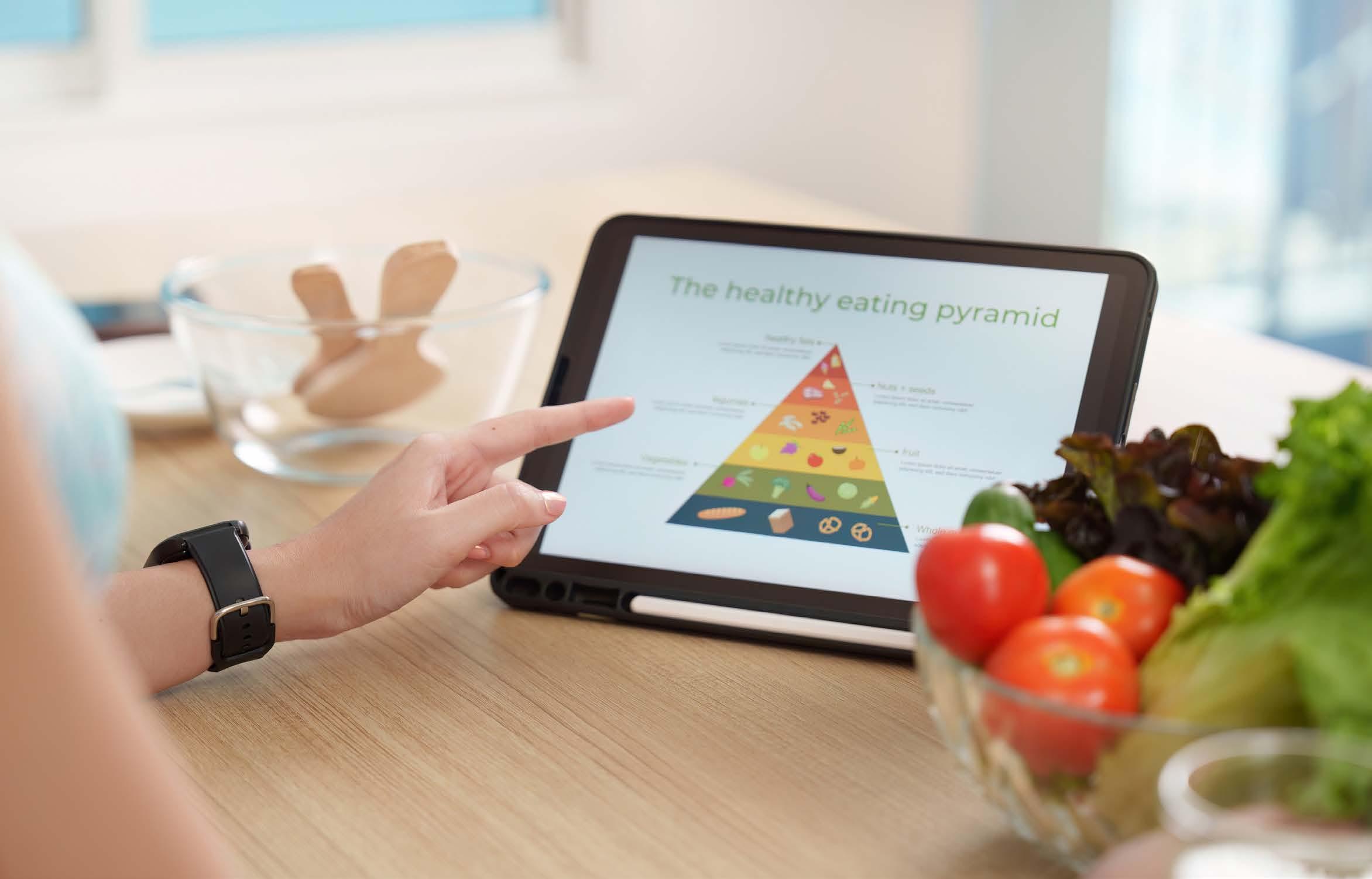
88% of care providers find it difficult to ensure all residents receive the correct nutrition, and only 17% report having personalised nutrition plans in place for all residents – a significant drop from around 50% in 2023.
That is according to a brand-new collaborative research report between apetito, leading care homes meal provider, and Care England, the largest representative body for independent providers of adult social care in England.
Building on its previous research in 2023, the new report, Nourishing Lives: Shaping the Future of Mealtimes in Care, delves into some of the key challenges facing the sector today and how the landscape has, and hasn’t, shifted in recent years.
Based on 2025/26 survey results from care providers across the UK, the report examines how current pressures are shaping and impacting on care catering, specifically focusing on food and nutrition, specialist diets, the dining environment, cost and labour, and – a new area for this report – sustainability and food waste.
The insights have shone a light on how it’s becoming increasingly difficult for providers to deliver truly personalised mealtime care due to rising dietary complexity and ongoing workforce challenges.
Whilst progress is shown in areas, the report also reveals that many foundational challenges remain unchanged or have even gone backwards since data gathered in 2023. With costs continuing to climb and labour pressures persisting, the sector is at a critical point where new approaches may be needed to maintain high-quality, individualised care.
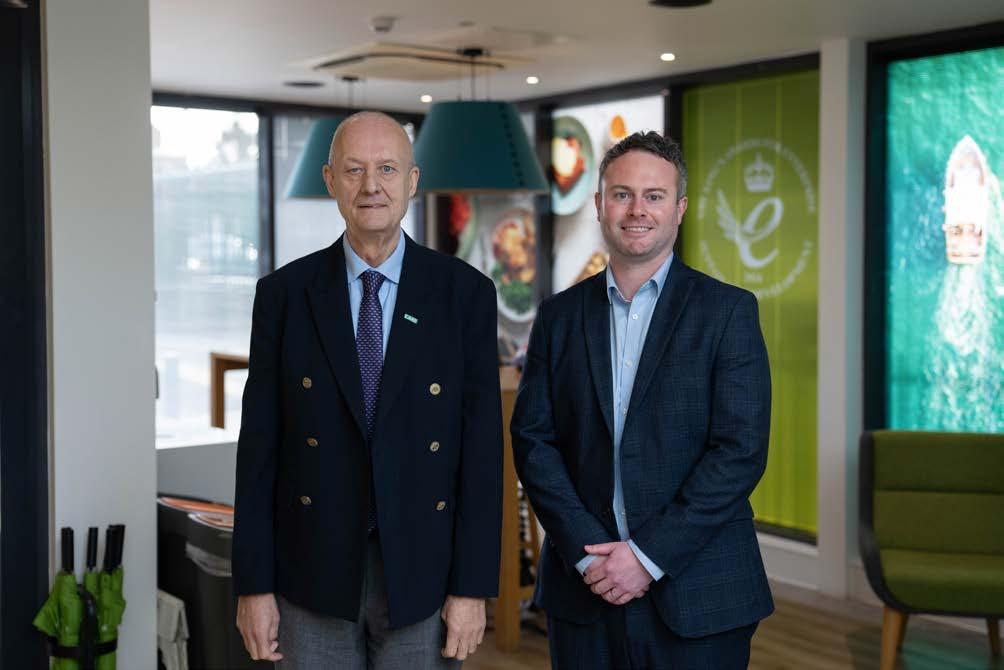
Professor Martin Green OBE, Chief Executive of Care England spoke on the launch of this sector report, saying:
“Mealtimes are now rightly recognised as central to high-quality care, shaping people’s health, dignity and daily experience. What this report shows is not a lack of commitment from providers, but a system that is making delivery increasingly complex. That creates both risk and opportunity.
“There is real progress to build on. Providers are more focused than ever on nutrition, the dining environment and resident experience, and many are already adopting
innovative approaches to improve safety, consistency and sustainability. Where this is working well, we are seeing better outcomes for residents and stronger assurance for regulators.
“But the findings also highlight clear opportunities for improvement, particularly around personalisation, workforce capability and translating ambition on sustainability into day-to-day practice. With the right support, clearer guidance and alignment across commissioners, regulators and policymakers, the sector can take the next step forward.
“If we get this right, the prize is significant: more consistent, personalised and enjoyable mealtimes for residents, and a stronger, more resilient care system overall.”
Speaking on behalf of apetito, James Leigh, General Manager of Care Homes said:
“This report provides a timely and evidence-based view of the pressures facing care catering today. Its insights shine a light on where progress has been made and, crucially, where significant challenges remain — particularly around personalisation and the rising complexity of residents’ needs. We hope these findings support care providers in making informed decisions and spark meaningful conversations about how the sector can move forward together.”
To download the brand-new report from apetito and Care England, visit apetito.link/nl2026
Workforce Pressures, Risk and Why Safer Culture
Matters
The social care workforce continues to operate under immense pressure. Recruitment challenges, retention issues, rising complexity of need, agency dependency and burnout are not isolated staffing problems. They are risk issues. When a workforce is stretched, the risks around communication, oversight, consistency of care, incident response and staff wellbeing all increase.
Through my work at Care Campaign for the Vulnerable (CCFTV), I hear daily from families, care staff and providers navigating these pressures. What is clear is that workforce challenges cannot be viewed in isolation from culture, leadership and risk management. Providers need solutions that go beyond simply filling vacancies. They need approaches that create safer environments, support staff and reassure families.
One of the most overlooked workforce pressures is the emotional and professional risk staff carry when concerns arise. Without clear evidence or transparency, situations can escalate quickly, leaving good staff feeling exposed and families understandably anxious. This also places providers at significant reputational and operational risk. Creating a culture of openness, supported by practical safeguards, can help reduce this strain.
When implemented with consent and clear governance, independent safety monitoring can play an important role. It can provide reassurance, improve transparency, support safeguarding and strengthen accountability. Importantly, it can also protect good staff, offering clarity in situations where concerns may otherwise rely on perception rather
than evidence. This is not about surveillance. It is about risk reduction, reassurance and building trust.
Workforce sustainability is closely linked to confidence. Staff are more likely to stay in environments where they feel supported, where incidents are handled fairly and where leadership embraces solutions that strengthen both safety and learning. Providers who recognise risk in this broader context are often better placed to improve retention, reduce complaints and build a more resilient workforce.
Families are also becoming more discerning. Decisions are increasingly based on trust, transparency and how providers respond when things do not go to plan. Risk management is no longer separate from occupancy or reputation. It sits at the heart of both.
I firmly believe the sector must be supported, not criticised from the outside. There are many dedicated professionals delivering excellent care under challenging conditions. However, acknowledging risk and being open to solutions is essential if we are to move forward.
If we want to support our workforce, we must create environments where staff feel protected, valued and confident in the care they provide. A safer culture is not an optional extra. It is part of the solution.
For further information and support, contact Jayne Connery, Founder, Care Campaign for the Vulnerable (CCFTV).
Safe sleep: the Ascenda story
Great products don’t start with technology; they start with people.
One of the most common problems occupational therapists face is a client who sleeps in their riser recliner. Typically due to ‘comfort’ or inability to transfer to a bed, this leads to numerous complications in posture, pressure, and in some cases can lead to Lymphedema.
Critically, as a result of this, clients face the most challenging complication of all - the absence of independence and dignity.
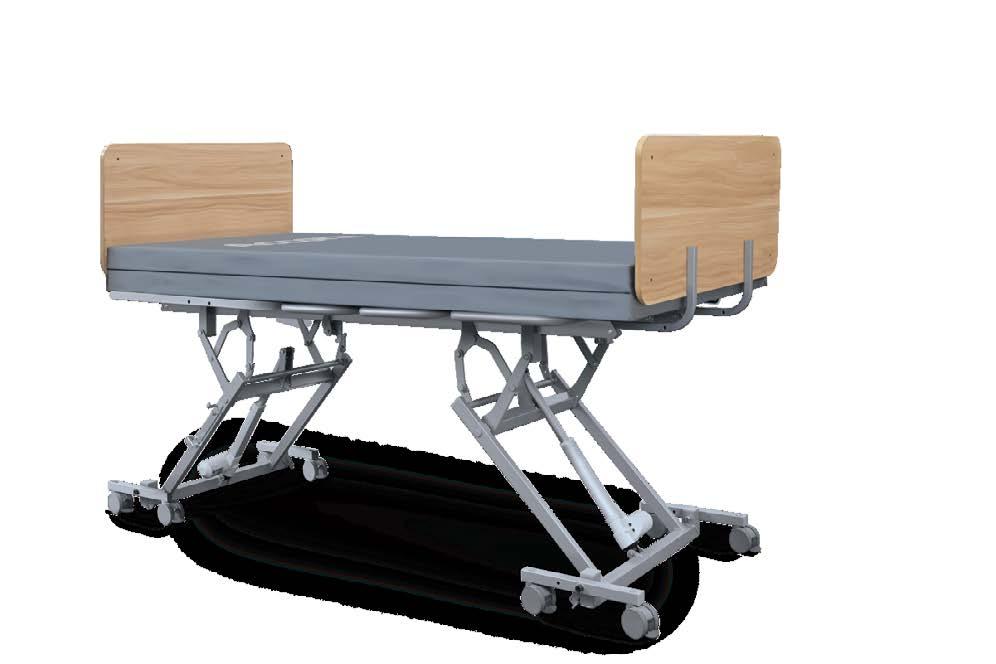
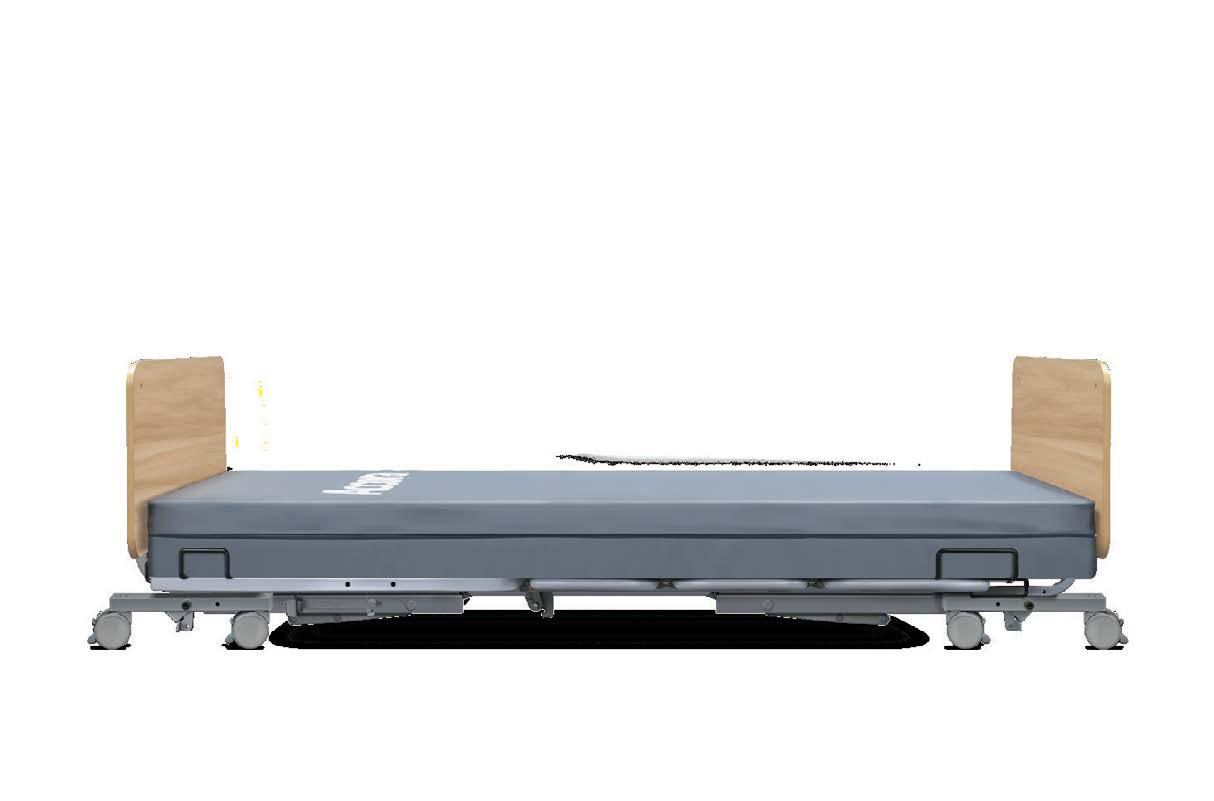
Our innovation, the Ascenda, aims to restore this to service users.
The problem we couldn’t ignore
For years, service users choosing to sleep in their riserrecliners has been the default solution when they struggle to transfer to a bed.
We had a constant stream of concern from healthcare professionals:
• “Sleeping in a riser recliner has significantly increased my patient’s risk of pressure ulcers.”
• “My patient’s skin integrity is already compromised and continues to deteriorate.”
• “Due to limited movement throughout the day, my client’s mobility is declining rapidly.”
• “My patient is gradually losing their independence.”
• “My client is not choosing to sleep in a chair; they are doing so because bed transfers have become too difficult.”
We knew that there had to be a better way, which is why we created Ascenda.
We asked a simple but powerful question:
What if a bed could move like a riser recliner chair?
We set ourselves a brief:
• Help those who struggle to lift their legs into bed, giving them confidence to sleep in a bed and be able to function independently at night without the risk of falling.
• Enable independent transfers from lying to standing.
• Provide an alternative to sleeping in a riser recliner.
• Promote independent movement and change of position to help protect skin integrity and manage potential pressure areas.
• Allow service users to stay independent, reducing the need for carers to aid with bed transfers and manual handling as they are not having to lift and bend down.
• Reduce care costs.
How the Ascenda was developed

In 2023, we created prototypes and took them straight to the people who matter most- clinicians and the end users of our products.
We worked closely with over 30 services and Occupational Therapists across the UK.
These occupational therapists brought people into the process - people who were struggling with bed transfers, and were losing their independence. We worked closely alongside them to shape the final design of the Ascenda.
Before launching, the Ascenda underwent clinical trials, with people using the product in their daily lives. Outcomes were recorded to give real-world evidence for the effectiveness of the Ascenda. The results were clear: people were transferring independently again.

A note from Tennyson, the Ascenda product lead:
‘We had one client who suffers from muscular dystrophy and has difficulty controlling her leg movements. She is fiercely independent and lives in a specially adapted bungalow. She uses a powered wheelchair to move around her home and has a friend who visits once a day to help with certain tasks. Due to her condition, she found bed transfers increasingly difficult, which led her to sleep in a rise-and-recline chair that she found very uncomfortable. As a result, she was only able to achieve periodic sleep of 1–2 hours during the night.
An OT became involved and trialed several options, including leg lifters and a turning bed. However, these
Care Agenda | The
were unsuccessful, as the client struggled with the lateral movement and found the options uncomfortable.
An assessment with the Ascenda was then carried out and proved successful. Due to the Ascenda’s high lifting range, transfers to and from her wheelchair became much easier, allowing her to transfer independently. She was also able to gradually build up her sleeping tolerance to around eight hours per night.
When we last spoke with her, she mentioned that she had even overslept on a few occasions-something she hadn’t done in years. As you can imagine, this had a massive positive impact on her quality of life and independence.’
Why the Ascenda is different
Many clients that can’t get their legs into bed struggle with the lateral movement of moving their legs. This is the main reason why sometimes other solutions such as leg lifters don't work. As well as this, foor beds are not always suitable for everyone, and rotational turning beds can come at a very high cost.
With the Ascenda, it completely eradicates the lateral movement from the whole transfer.
The Ascenda bridges the gap- offering meaningful clinical benefit without the prohibitive cost. With this solution, not only can we reduce carer burden and the associated costs, but most importantly we restore the independence many service users so desperately want.
Many people receive carers twice a day solely to help
them:
• Get out of bed in the morning
• Get back into bed at night
When someone can transfer independently, these twilight calls are no longer needed. For most of us, these are routine tasks that we take for granted. For a service user, their inability to perform these movements independently can result in an undignified feeling of reliance.
Ascenda: more than just a bed
The Ascenda is not simply a response to real clinical need. It’s a solution engineered to restore the independence of those who crave it most. We created this bed because:
- People were sleeping in chairs when they didn’t need to - There are limited cost-effective solutions available on the market
- Independence was being lost too early
With the Ascenda, we’ve been able to:
- Reduce care costs
- Decrease reliance on carers
- Increase privacy
- Restore dignity
- Reinstate daily routines
Sleeping in a riser-recliner will continue to be a prevalent concern for many healthcare professionals. With the Ascenda, not only can we mitigate the healthcare concerns associated with this, but we can offer a solution that is focused on the service user. The Ascenda allows people to stay in their own bed, in their own home, on their own terms.
Everyday Excellence: Celebrating Adult Social Care Nursing
Join for a powerful and inspiring event marking International Nurses Day.
Hosted by the Social Care Nursing Advisory Councils (SCNACs), this event brings together nurses, leaders, and partners from across the system to recognise the vital role of adult social care nursing and explore what the future holds.
Online event Tuesday 12 May • 12:30 - 13:30
What your risk register reveals about your care business (and what it is missing)
By Martin Lowthian, Risk, Quality and Regulatory Specialist, Access Health, Support and Care
Ask most care providers what their risk register is for, and the answer will be some version of the same thing: staying compliant, preparing for inspection, avoiding regulatory action. Those are all valid reasons. But if that is all your risk register is doing, you are leaving significant value on the table.
Good risk management is not a defensive exercise. Done properly, it is one of the most powerful tools a care business has for sustainable growth. Providers who understand this are not just better protected, they are better positioned to win contracts, scale their services, and attract staff.
Operational risk gets most of the attention. Safe recruitment, medication management, care delivery and safeguarding are all are critical areas, and they absolutely belong in your register. But there is another category that rarely gets the same rigour: opportunity risk.
Consider how many providers miss a tender because their evidence is not in order. Enquiries that are not converted, clients who choose a competitor, care workers with specialist skills you cannot recruit because your onboarding process is not fit for purpose. Each of these is a risk with a measurable impact on your business. Your risk register should capture all of it.
One of the most common patterns in care organisations is a business that has grown quickly but has not grown its infrastructure at the same pace. Ask yourself: if you disappeared for two weeks, what would happen? If the answer involves significant disruption, that is a risk worth documenting and addressing now.
Many providers manage their risk registers in spreadsheets, but as organisations grow, paper-based processes create real problems. Controls that were accurate six months ago are presented as current assurance. Actions that were never completed sit on the register without anyone being held to account. This is not risk management; it is risk documentation.
Digital tools designed specifically for care governance, such as Access Care Compliance, allow providers to track risks, controls, and actions in one place, map them against regulatory frameworks, and evidence progress in real time. There is also a direct commercial argument. Insurers respond well to providers who can demonstrate a structured, evidenced risk management

framework, and in my experience, it can reduce your premiums. Commissioners are increasingly sophisticated in evaluating tender responses. A provider who can point to documented controls and clear accountability stands out.
Honest risk management requires a particular mindset. Approach your register as if you are looking for problems, not confirming that everything is fine. Providers who get the most value from their risk registers use them as a genuine growth tool, asking uncomfortable questions about where the gaps are.
Risk management, done properly, is not an add-on. It is how well-run, high-quality care businesses grow and thrive.
For more information about risk management or Access Care Compliance, please contact Martin at martin. lowthian@theaccessgroup.com