

Chief Executive’s View

IN THIS ISSUE
Solving the quiet complexity of care
home billing PAGE 8
Proper PRIDE Prevents
Poor Performance
PAGE 20
How to Evidence “WellLed” in 2026
PAGE 26
Vivaldi Social Care
– Adult Social Care
Engagement Collective
PAGE 29
Complex Dementia
Care: Supporting Staff, Strengthening
Confidence and Improving Outcomes
PAGE 30
The Prime Minister’s resignation will not be the only change we see in government. Whoever takes over as Prime Minister will undoubtedly have many people to repay for their support, leading to a significant reshuffle across government. I am sure a re-shuffle will extend way beyond the role of Secretary of State, and we may well see a change in the ministerial team. Inevitably, for many new ministers, this will mean educating them about the sector's needs and working with them to deliver a better future for social care.
Seven prime ministers in the space of 10 years, and each one of them promised to do something on social care, but not one has delivered. It is difficult to know what you must do to get politicians to think beyond the NHS, but we must remind them that getting social care right is the route to a system fit for purpose in the 21st century. There is a window of opportunity with the development of the NHS 10-year plan, and social care must be ready to grasp it and show a new way forward that delivers the shift from sickness to prevention and from hospital to community services.
Nothing can be achieved in this 10-year plan without social care being at the centre of the solution. If we are going to move towards prevention and community-based services, social care has a strong track record of delivery in both areas. I hope that the NHS, as an organisation, and the government will both recognise that social care is essential to the future. No government should be under any illusions that this will require more money for social care, but if they are serious about shifting to prevention and community, some of that money has got to come from the enormous NHS budget. There are so many pressures on the finances, but we cannot expect the public or employers to bear the burden of higher taxes. Before we advocate for more money from taxpayers, let us ensure we have got the best value from the money currently spent.
It will take a brave politician to be a true leader to make the funding shift a reality, and we must move away from seeing the NHS as a national religion and start thinking about people and outcomes rather than organisations and
processes. If we get some true leadership, we could potentially deliver better outcomes for citizens through social care, rather than an NHS that is currently focused almost exclusively on crisis interventions.
Professor Martin Green OBE
Chief Executive: Care England
DH: Independent Sector Dementia Champion
Priority Access to Boots Winter Flu Vaccination Booking – Social Care Partners
We are pleased to confirm that, for the sixth consecutive year, Boots will once again offer our valued Social Care Partners priority access to our online appointment booking system for in-store winter flu vaccinations—ahead of the general public.
This year, the booking portal will open on Tuesday, 7 July 2026, and will remain exclusively available to social care providers for 7 days.
Please find poster on page 4. which includes a QR code and direct link to the booking system. We encourage social care teams to use these details to secure appointments during this priority access period, ahead of wider public release.
Free NHS flu vaccinations are available for
frontline workers in social care settings across England and Wales. We will share further updates regarding provision in Scotland once these are confirmed.
Learning Support Available
Our Boots Care Learning module – “Let’s Learn About Flu” – is available to support social care teams. This module offers clear, practical guidance on how flu spreads, who is most at risk, and why vaccination remains one of the most important lines of defence each winter.
Thank you for continuing to prioritise the health and wellbeing of both your teams and the people you care for. If you have any questions or require further support, please don’t hesitate to get in touch at care.service@boots.co.uk




Staying Connected: Why Keeping Your Details Up to Date with your Pension, Investment and Protection Company is
Important
Building Confidence in Social Care AI
AI is an incredible force, that at times feels like a new form of electricity. People are trying to put it in everything to see how it can transform processes, drive efficiencies and support improved outcomes. That’s as true in social care as it is in social media. That much potential naturally spurs a wealth of experimentation. Which is very exciting. But it also naturally spurs concerns about the inevitable development shocks.
That’s why it was a notable relief when the CQC released their recent statement on their role, expectations and plans for AI in social care. The core principles of their guidance, transparency, accountability, security and good governance resonate with our approach to AI as outlined by our Director of AI and Data Sudha Regmi last Spring. Foundationally we agree, AI must always aim to augment care providers, without automating the person-centred soul of our sector. An idea that has guided our development of technology since our inception. One we have applied to AI dating back to when it first entered general discourse back in 2023, following public launches and widespread adoption of AI models like ChatGPT, Claude and Gemini.
These principles continue to guide our development of technology. Especially in regards to our commitment to responsible AI and how we effectively harness this electric opportunity for our communities. If you’d like to read a more in-depth examination of these design processes, check out our recent article: https://nourishcare.com/articles/ governance-and-guardrails-for-ai-in-care/
Earlier this year we launched Nourish Confidence, our AI platform built exclusively for, and inclusively with, care providers. Product Lead Mark Gray spoke about the development of the platform, as well as it’s functionality. Building on what we already understood about the power of data in social care technology and utilising insights from across our communities to apply this functionality to governance challenges in a responsible way.
The results have been very encouraging so far. Both in terms of coverage:
“We’re able to audit every care plan in the same amount of time we would have spent dip testing care plans previously.” Ollie Smith, Head of IT, Mardale Group.
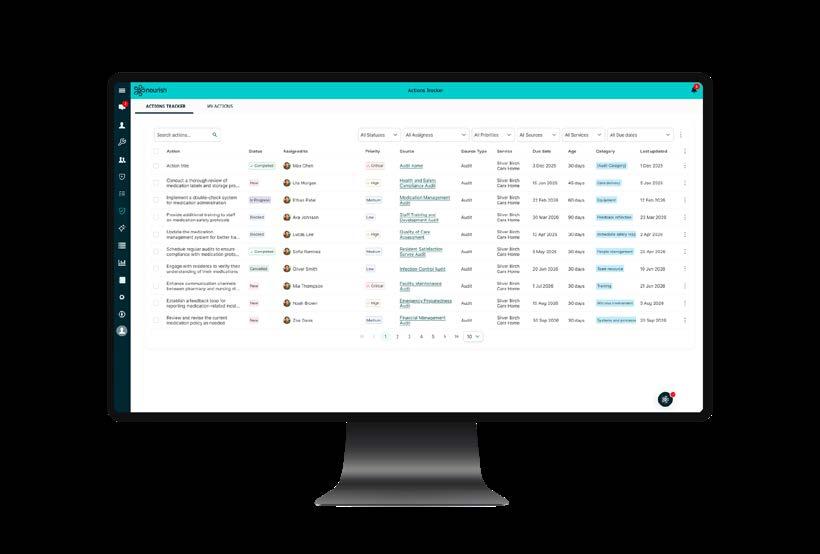
And assurance: “Using Confidence we were able to show the CQC the evidence and what the improvements could give us as well. They were quite impressed by that. It's linking into best practice, and that's what the CQC are looking for you to do within your care plan.” Aileen Warnes, Head of Quality and Compliance, Mardale Group
There is indeed a huge range of opportunities for application of AI in social care. Which is why having established, resilient guardrails are so important. As Mark Gray said; “Pushing relevant information to providers, rather than asking providers to pull it from our system.” That is a significant injection of energy that could just electrify the impact social care technology. We just need to make sure we stay grounded as we try.
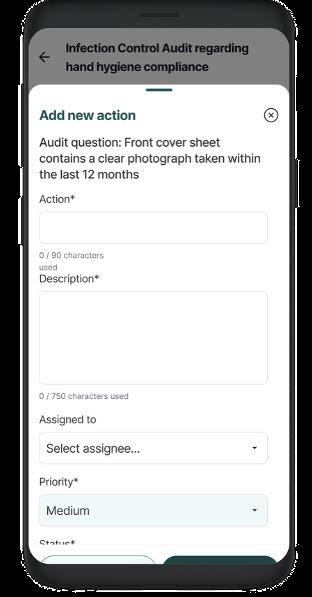
Find out more about Nourish Confidence: https:// nourishcare.com/product/confidence/
Deprivation of Liberty After Cheshire West:
What we know so far
In a unanimous decision (Attorney General for Northern Ireland of a devolution issue under paragraph 34 of Schedule 10 to the Northern Ireland Act 1998) the Supreme Court has fundamentally recalibrated the legal understanding of “deprivation of liberty” under Article 5 of the European Convention on Human Rights (ECHR). Crucially, the Court held that the “acid test” established in Cheshire West was wrong in principle and should be overruled. Previously, a person was considered deprived of their liberty if they were under continuous supervision and control and not free to leave, regardless of how “normal” the care setting appeared. This bright-line approach significantly widened the scope of situations requiring formal authorisation.
The Supreme Court has now replaced this with a more nuanced, multi-factorial assessment. Relevant considerations include the type of care provided, its duration, its effects, how arrangements are implemented, and their underlying purpose.
Importantly, the court recognised that an individual that lacks mental capacity under the Mental Capacity Act 2005 may still be capable of providing valid consent to restrictive arrangements through expression of wishes and feelings and indications of contentment. The “normality” of a setting (as compared with that of a prison cell) is now also relevant.
The ruling takes immediate effect and has understandably created uncertainty across the sector.
Overall, the decision narrows the scope of what constitutes a deprivation of liberty, while broadening the circumstances in which individuals may be considered to have consented to their care. In practice, this is likely to lead to a significant reduction in cases requiring formal authorisation.
Whilst existing authorisations will need to be
reviewed and staff trained on the new meaning of a deprivation of liberty, in the meantime, where existing arrangements remain in a person’s best interests and are not disputed by the individual or their family, there is likely to be limited benefit in undertaking an immediate wholesale review.
This position is supported by interim guidance from the Department of Health and Social Care, which confirms that:
• existing authorisations should be reviewed as soon as practicable; but
• leaving them in place pending review will not, of itself, render the arrangements unlawful.

The Care Quality Commission (CQC) and the Association of Directors of Adult Social Services (ADASS) have adopted a similar stance. The CQC has indicated it will take a proportionate approach to regulation during this period, while ADASS has encouraged local authorities to allow for a period of adjustment as further guidance and resources are developed.
For providers, the focus should remain on delivering person-centred care, and ensuring that individuals’ wishes and feelings are central to any assessment. As further guidance emerges, practices will evolve, but for now, a balanced, proportionate approach will be key to navigating this period of transition with confidence.
For more information and advice on this topic, please contact Tim Coolican, Molly Quinney or a member of the regulatory team.
Incontinence Shouldn’t Stop You From Living Your Life
Experiencing incontinence can feel isolating, especially for people balancing busy lives, active routines, and growing careers. It’s completely understandable to feel hesitant about discussing it, but you’re far from alone. Bladder leaks can affect people of all ages and can arise for many reasons, including surgery, injury, childbirth, lifestyle changes, or even temporary shifts in medication. Whatever the cause, speaking with your doctor is always the best first step to understand what’s happening and explore the right solutions.
For many, the biggest worry is how incontinence might impact daily life or work. You may fear that a manual job will become too physically demanding, or that an office environment will feel embarrassing or restrictive. These concerns are valid, but they don’t have to define your future. With the right support and the right products, most people continue their routines with confidence and comfort.
The iD Discreet Range
The iD Discreet range is designed specifically for individuals managing light to moderate incontinence who want to stay active, independent, and in control. Whether you’re on your feet all day or moving between meetings, these products are created to support your lifestyle without drawing attention.
Key Benefits
• Discreet and Comfortable: The pads are soft, slim, and lightweight, allowing them to remain invisible under clothing while still fitting securely.
• Fast Absorption: Advanced absorbent technology quickly locks in leaks to keep you feeling dry throughout the day.
• Odour Control: Built in odour neutralising features help you stay fresh and confident in any environment.
• Flexible and Quiet: The materials are designed to move with your body and remain silent, so you can walk, stretch, bend, or sit without worry.
These features make the iD Discreet range particularly suitable for people who want reliable protection without compromising comfort or discretion.
Product Options
The range includes:
• iD Discreet Pants
• iD Discreet Small Pads
• iD Discreet Male Pads
Each product is developed with the same focus on comfort, performance, and subtlety, giving you the freedom to choose what best fits your needs.
Incontinence may be a part of your life for now, but it doesn’t have to limit your ambitions, your social life, or your career. With the right support and the right products, you can continue doing what you love, confidently and comfortably.
For more information, visit iD-Direct.com or contact business.support@ontexglobal.com
Solving the quiet complexity of care home billing
When people talk about quality in residential care, the conversation usually centres on residents, staffing, compliance, and wellbeing.
Rarely does resident billing make the list.
After all, billing sits in a different department, managed by different people, and on a good day, it attracts very little attention. Yet the financial health of a care home and the quality of care it delivers are intrinsically linked.
One of the most significant threats to that financial stability is also one of the most overlooked: aged debt. More specifically, the issue lies in the accuracy of resident billing and whether outstanding debt can actually be recovered.
From the outside, resident billing may appear straightforward. But we all know that in reality, it is one of the most complex administrative functions within residential care.
A single resident may have multiple funding streams, including local authority contributions, NHS funding, family top-ups, and personal payments. Funding arrangements can change retrospectively following reviews, while annual fee uplifts must be applied accurately across every resident and funder, often with backdated adjustments.
Each change creates an opportunity for discrepancies to emerge. These are rarely the result of negligence; they occur because managing such complexity manually is incredibly challenging.
Spreadsheets may capture much of the information, but even small inaccuracies can have significant consequences when invoicing commissioners and funding bodies. Once an invoice is disputed, recovery becomes significantly more difficult.
When outstanding debt becomes unrecoverable
One nursing home group experienced this challenge firsthand. Upon joining the organisation, the managing director discovered £300,000 in outstanding debt recorded in the accounts.
On paper, the money appeared recoverable. However, when the finance team attempted to collect it, they found that the billing records did not match those held by funders. The underlying resident billing data was inaccurate, and there was no clear audit trail to validate the charges.
In practical terms, much of the debt became unrecoverable.
After implementing a system that provided complete visibility and accurate billing records, the organisation transformed its financial position. The finance team gained real-time insight into exactly what was owed, by whom, and why. Invoice queries could be resolved quickly with a clear audit trail, and aged debt was reduced from hundreds of thousands of pounds to virtually zero.
Confidence drives better financial outcomes
Accurate billing does more than improve collections. It changes the nature of conversations with funders and families.
When finance teams have complete confidence in their data, they can address queries quickly, resolve disputes efficiently, and pursue outstanding payments without hesitation. Invoices become easier to validate, reducing delays and improving cash flow.
Over time, this confidence creates a stronger financial foundation for the organisation, enabling care providers to focus resources where they matter most: delivering exceptional care.
Author Sharon Gallagher, Sales Director
To find out more about resident billing solutions, please visit

Immigration
Industrial
Restructuring


Staying Compliant in an Increasingly Regulated Immigration Landscape: How Mock Audits Protect Care Providers
Care providers across the UK continue to face increasing pressure to maintain compliance within a rapidly evolving immigration and sponsorship framework. With the Home Office’s scrutiny of the care sector intensifying and enforcement activity becoming more frequent, even minor administrative inconsistencies can place a sponsor licence at risk.
For many providers, the challenge is not a lack of intent to comply, but the absence of structured internal systems to consistently evidence compliance across HR files, right-to-work checks, reporting duties, and record-keeping. These gaps, if left unchecked, can lead to serious consequences, with the most severe consequence being the revocation of the sponsor licence, resulting in immediate disruption to staffing and continuity of care.
At Aston Brooke Solicitors, we have seen a growing need for proactive compliance support rather than reactive intervention. One of the most effective tools in addressing this is the Mock Audit.
A Mock Audit is a structured review of a provider’s sponsor licence compliance arrangements, designed to replicate a UKVI compliance visit. It helps organisations assess whether they are meeting their sponsorship duties and identify any areas requiring improvement. This includes reviewing personnel files, checking reporting timelines, assessing internal processes, and identifying risks before they escalate into breaches.
The benefit of this approach is preventative. By identifying non-compliance early, care providers are able to take corrective action before issues are
flagged by UKVI. This significantly reduces the risk of enforcement action, protects the sponsor licence, and ensures continuity of staffing.
Importantly, strong compliance is not only about avoiding penalties. It directly impacts workforce stability. Where licences are revoked, providers often face sudden staffing shortages, rota disruption, and increased pressure on existing employees. This can have a direct knock-on effect on service delivery and quality of care. By contrast, organisations that invest in regular compliance checks are better positioned to maintain a stable, legally compliant workforce.
Mock Audits also support management teams by providing clarity and structure in what can often feel like a complex regulatory environment. They help translate immigration rules into practical, operational steps that can be implemented across HR and recruitment teams.
As the regulatory landscape continues to evolve, care providers are encouraged to adopt a proactive compliance strategy rather than relying on reactive fixes after issues arise.
For further information and support regarding sponsor licence compliance and Mock Audits, please contact Aston Brooke Solicitors. 020 3475 4321
support@astonbrooke.co.uk
Care England members can access an exclusive 10% discount on legal fees and a complimentary 15-minute consultation through Aston Brooke Solicitors.


Hempsons




Looking to speed up the uplift process?
Build transparency with commissioners?
Demonstrate the value of your service?
Fund positive outcomes?
Utilised by both Providers of all sizes, and the majority of Local Authorities, CareCubed is the UK’s leading solution for calculating the fair cost of care.
We work to deliver a shared common language, and starting point for negotiations, to deliver transparent and sustainable care placements.




Whether you’re running a care home or a café, cybercriminals don’t stop to check. When care is at the heart of what you do, safeguarding it matters. Reach out to Everywhen to find out at newcare@everywhen.co.uk or 0330 123 5144 today.

Celebrating 5,000 Care Homes in Our First Year!
Just months after launching OpenScore, we have reached an incredible milestone, with over 5,000 care providers now using our interactive Care Home map. This incredible feat means that 31% of all UK care homes are now actively sharing their real-time quality standards with the active care seekers – that's almost a third of UK care homes!
For the social care sector, this rapid influx of care homes putting themselves on the map represents a massive shift in how providers make themselves visible. No longer do care seekers need to rely on static and outdated regulatory reports that often fail to reflect the high-quality care taking place today. OpenScore was made to solve these exact problems. By aggregating over 65 live indicators – including daily safety checks, dining experiences for residents, and direct feedback, OpenScore provides an accurate day-to-day picture of a care homes performance.
Hitting such a milestone is testament to the social care sector’s commitment to transparency. Providers are now using OpenScore to take control of their narrative, proving that they operate at, ‘Good’, or even, ‘Outstanding’ levels right now, regardless of when their last official inspection took place. It simplifies the enquiry process, giving families the clear, honest information they need to make a confident life-changing decision for their loved ones at an already difficult time.
We continue to evolve, looking ahead and hope to help even more care providers stand out, and thank our already existing providers who have stepped up to make the search for care fairer, and more transparent for everyone.
For further information on OpenScore and how it can help you, head to www.openscore. org.uk or call us on 01892 335 330.

As part of a national legal firm with over 150 specialist health lawyers, we cover all aspects of health care related law and practice.
We have a long history of providing market-leading legal advice to care providers. Our large team of specialist and experienced care homes lawyers advise our regulated care business clients daily across wide-ranging areas including:
▪ Inquests and inquiries
▪ Safeguarding and investigations
▪ Employment and HR advice including immigration
▪ Refinancing and restructuring advice
▪ CQC issues and regulatory advice
▪ Commercial disputes and debt recovery

To find out more about the care services we can offer, contact Julia Appleton, Partner, at julia.appleton@weightmans.com
weightmans.com
From Interest to Exit: Why the Care Sector Falls Short in
Recruiting and Retaining Young People
Attracting and retaining employees has long been a challenge for the care sector. While many providers have strengthened their approach to recruitment, early attrition remains high, placing increasing pressures on existing teams and services.
A key opportunity to strengthen workforce stability lies in early careers. Young people are not actively choosing roles in care, and when they do enter the sector, they are often not supported in ways that encourage them to stay.
Understanding the Challenge
For many young people, care is not seen as a viable long-term career, and when young people do enter care roles, there is often a disconnect between expectation and reality. Many new starters join without fully understanding the emotional, physical, and practical demands of care work, ultimately leading to early exit.
However, this is not a one-sided issue. Employers also face challenges in how they support early talent. Younger employees are often perceived as lacking experience or workplace readiness, particularly as COVID-19 reduced their access to work experience and early employment opportunities.
Over time, this creates a negative cycle in which young people are perceived as difficult to employ, receive less support, and are therefore more likely to leave - ultimately reinforcing that initial perception. If unaddressed, this presents a significant challenge. With many experienced employees moving closer to retirement, workforce demographics are shifting. Without attracting and retaining a new generation of workers, the gap between workforce supply and demand will widen.
If providers cannot attract and retain younger workers, the pressure on existing teams will rise, impacting both the workforce and the people they support. When services are stretched, workloads increase, stability reduces, and individuals do not receive the quality and consistency of care they deserve.
Rethinking the Approach
Addressing this challenge requires a shift in how the sector recruits and retains young people.
Care needs to be positively perceived. Providing early exposure through work experience, building relationships with schools and colleges, and offering realistic job previews can help young people form a clearer and more informed understanding of care roles. Communicating progression pathways and the breadth of opportunities available is also essential. Providers also need to improve how younger employees are supported once they enter the workforce. This includes improving onboarding and pre-boarding, setting clear expectations, and creating opportunities for structured learning through mentoring, shadowing, and guided development.
Creating a sustainable workforce is not just about attracting new people into the sector. It is about ensuring they feel prepared, supported, and able to build a future in care.
To better engage young people and assess the values that matter most, connect with Care Character via amie.prior@carecharacter.co.uk.

For support with recruiting early talent including social care graduate programmes, reach out to Cohesion via dave.beesley@cohesionrecruitment. com.


Running a care business is tough enough
Don’t let
compliance
make it harder.
Citation’s all-in-one compliance support means you get more time focus on delivering great care, knowing everything else is covered.
HR & Employment Law
Expert HR support from recruitment and retention to disciplinaries, absence management and tribunal protection.
Health & Safety
Hands-on support to keep your staff, service users and visitors safe - risk assessments, site inspections, sector-specific training.
Fire safety
Fire risk assessments that identify hazards, set out clear action plans and keep you on the right side of the law.
Regulatory compliance
Mock inspections, care policies and CQC Pro –keep you inspection ready.
Cyber security
Protection from common cyber threats, training for staff and someone to call if something goes wrong.
As a Citation client, you could be…
93% less likely to receive an employment tribunal claim*
61% less likely to have an accident at work*
52% less likely to suffer a fatality*
*versus national averages
Recommended by Care England

“Citation has a broad suite of services and an unparalleled knowledge of the care sector and care business. They’re able to provide the right information in an accessible form in a way that other providers don’t.”
Professor Martin Green OBE



Independent research finds digital therapeutic Be Mindful improves care home staff psychological wellbeing
A published research study into the effect of digital Mindfulness-based CBT programme, Be Mindful, for staff caring for patients living with dementia in 31 care homes across Wales found that the programme improved the psychological wellbeing of care home staff and reduced their stress.
Looking after the mental health of care home staff is vital to supporting their wellbeing and ability to perform their duties. A Swansea University study into the effects of Wellmind Health’s Be Mindful digital therapeutic programme on care home staff working with dementia patients found that it improved their psychological wellbeing and reduced their stress.
Be Mindful is a clinically proven Mindfulness-Based Cognitive Behavioural Therapy (MBCT) programme that delivers interactive pre-recorded video-led sessions where participants learn and practice the MBCT skills and techniques for improving and maintaining good mental health in the long-term. The flexible web-based and on-demand format can be followed at a pace that suits individuals, using any desktop or mobile device.
Feedback from care home staff involved in the study included:
“I used to rush things under stress but now my approach is changed, just by being aware of the situation, staying calm and having that breathing space has definitely made the difference. Surprisingly I am less tired and still able to finish my work in time whereas before it used to drag on.”
“I have found this course extremely useful not only in work but in my day-to-day life. I would recommend this course to anyone who feels stressed or has pressures in their work life or home life.”
The study’s authors had previously reported high levels of stress for staff in nursing homes in their research, but prior to this study there had been little research on whether a Mindfulness Based Intervention could offer benefit to staff supporting patients living with dementia.

Results of the randomised step-wedge trial demonstrated significant improvements in both overall psychological wellbeing, as measured by the SF-12 (12-Item Short-Form Health Survey), and reductions in stress, as measured by the WSI (Work Stress Inventory). These were seen at 8 weeks after starting the programme and maintained at 20 weeks.
Mean improvements in psychological wellbeing were greater at week 20 than week 8, indicating that longer exposure to the treatment offered more benefit. Additionally, these mean improvements in psychological wellbeing were almost doubled (89% increase) in the participants that had completed the programme. Other improvements seen were for mean job satisfaction at both week 8 and 20, alongside scores in EWD (Experience of working with dementia patients) and ADQ (Approaches to Dementia Questionnaire) at week 20.
Be Mindful is used in the NHS and has helped over 40,000 people to reduce their depression, stress and anxiety and improve their mental health. Effective clinically proven digital therapeutics provide a costeffective means of support that does not require time off work for face-to-face appointments. Wellmind Health’s unique management portal also enables employers to measure efficacy and ROI with real-time data.
Care home staff work in challenging conditions that can lead to anxiety, stress, exhaustion and burnout. This important research from Swansea University demonstrates that Be Mindful can play an effective role in supporting care home staff to manage their stress and improve their psychological wellbeing.
For more information on the study or Be Mindful contact Wellmind Health at: https://www. wellmindhealth.com/providers/workplace
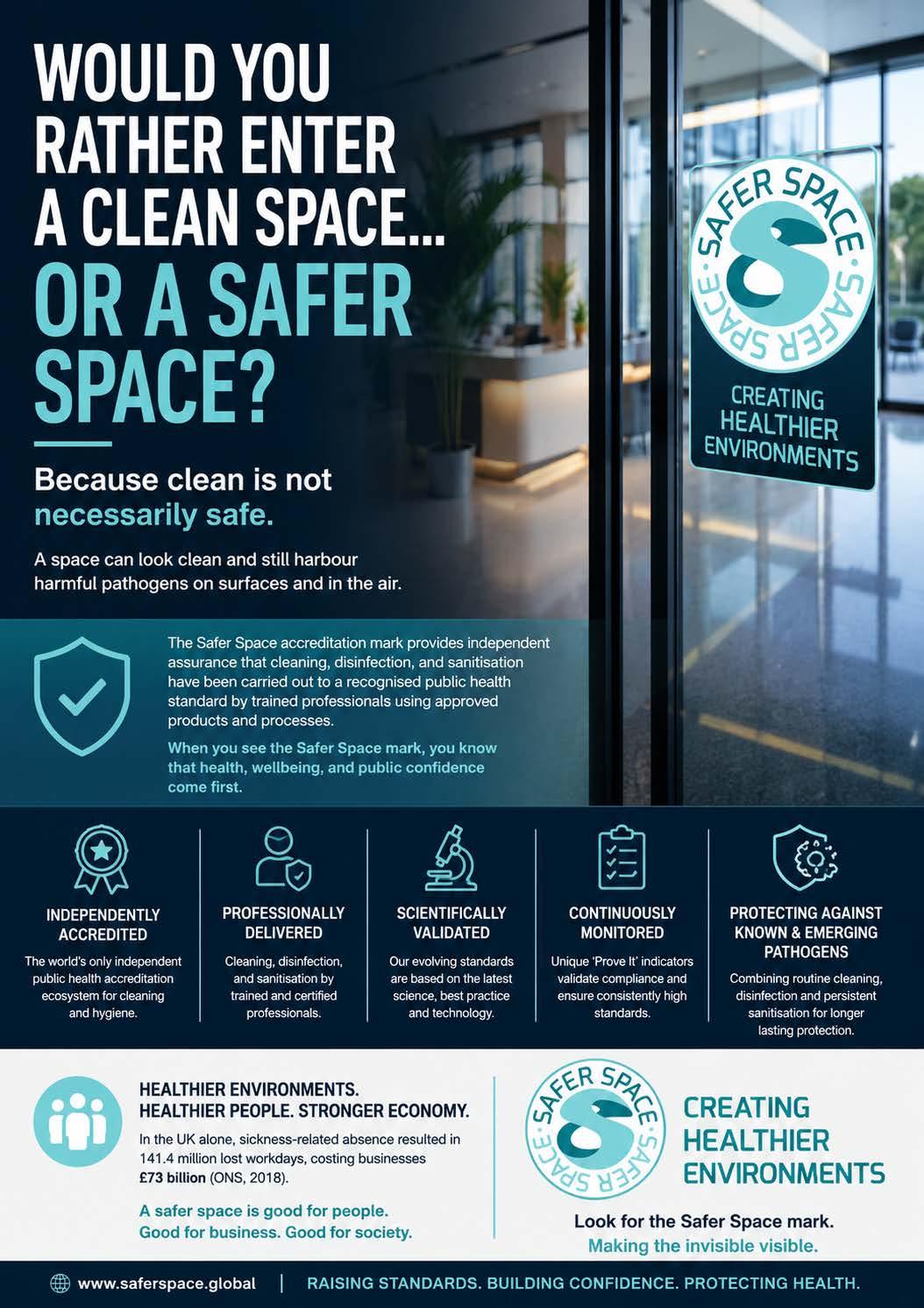
Proper PRIDE Prevents Poor Performance

Can you believe it’s PRIDE month again… already? With everything going on in the world, we all need a little more joy, a little more light, and something positive to focus on.
But just imagine this - humour me. What if, instead of a rainbow display or a single Pride activity once a year, you embed great practice for LGBTQ+ people every single day of the year?
I’ve been honoured to work on a White Paper with Care England, the LGBT Foundation and Stonewall. I can’t share details yet, but I can say this: ‘It’s eye-opening!’ And it reinforces exactly why the work we’re doing with the OUT Standing Diversity Forum (OSDF) matters.
Our Brighton Pride March sign-ups were oversubscribed. That builds on two powerful years at London and Manchester Pride. OSDF started because I, quite selfishly, just wanted someone to walk with at Pride. Now it exists to highlight and support best practice across the sector.
There are some incredible providers out there. For them, caring for people within the rainbow community isn’t an afterthought - it’s coproduced, personalised, and genuine. I’ve seen the impact. I’ve seen people blossom; Change their outlook; Transform their lives. Providers who, through their actions, have fundamentally improved someone’s quality of life.
Outstanding… don’t you think?
And the impact doesn’t stop there. Like a pebble in a pond, the ripples travel far and wide. Your team, their retention and satisfaction. Your visibility and ability to recruit. The evidence of truly personalised care. Your voice in the
community. Because the truth is everyone is watching. All the time.
This Pride month, I find myself reflecting on what we’ve achieved and the work still ahead.
I say this as my own coming out story has just been shared through the Queer Global project, alongside an article about my wedding to Harry, held at the former care home my family owned. I recognise the privilege I hold, and I want us to use shared, lived experiences and learning to keep pushing forward..... so we can support our sector’s rainbow family, not just in June, but every single day.

Sanjay Dhrona, Outstanding Society (OS) Director of Diversity, Equality & Inclusion
The OS is a Community Interest Company (CIC), free to all providers regardless of rating, offering a platform to share and celebrate best practice, support improvement and promote careers in Social Care. Please contact Sonia - info@theoutstandingsociety.co.uk for more information or follow the links below: https://theoutstandingsociety.co.uk/
HAND HYGIENE

Support Infection Prevention and Control with PPE, hygiene and cleaning essentials


Step 1: Hand Washing
Encourage effective hand washing and sanitising at the point of care. Make sure soap, sanitiser and appropriate paper towels are easily accessible.
Step 2: Appropriate PPE For the Task
Use the right gloves and apron, along with any other PPE required for the task, such as overshoes, oversleeves or hairnets. Wearing task specific PPE helps to reduce cross-contamination and supports safer care routines.

Step 3: Clean Care Enviroments
streamline everyday cleaning with wipes, paper products and hygiene essentials that maintain cleaner residential and staff areas. Call or email now to get your account set up t: 01733 230 230 · e: sales@broschdirect.com Explore our Infection Prevention and Control essentials online at
Could you explain exactly what happened?
One of the questions every care home manager fears being asked is, "Could you explain exactly what happened?"
Not because providers are trying to avoid accountability, but because some of the incidents carrying the greatest clinical, safeguarding and reputational risk occur when nobody is there to witness them. By the time a fall has happened, a safeguarding concern has been raised or a resident has experienced an unexpected deterioration, providers can find themselves trying to reconstruct events after the fact and establish whether there was an opportunity to intervene sooner.
The consequences can be significant. Safeguarding investigations consume management time, families understandably want answers, regulators require evidence and staff can find themselves under pressure to explain decisions made with the information available at the time. Beyond the investigation itself sits another risk that is rarely discussed openly: reputation. Confidence takes years to build and very little time to lose. One serious incident can quickly become a talking point among families, local professionals and prospective residents, affecting trust, enquiries and ultimately occupancy.
What makes this particularly difficult is that many incidents do not arrive without warning. The question is rarely whether there were signs. The question is whether anybody had enough visibility to recognise those signs before the incident occurred.
This is where leading care providers are changing their approach. Rather than focusing solely on responding to incidents, they are investing in understanding more about what residents’ experience when they are alone in their rooms. By building a more complete picture of resident wellbeing, behaviour and overnight activity, care teams are able to identify changes sooner, intervene earlier and reduce the

likelihood of concerns escalating into incidents. Across care homes using Ally Cares, care providers have reduced falls, identified health concerns earlier, reduced unwitnessed incidents and gained stronger evidence to support care decisions. Just as importantly, they have been able to demonstrate a more proactive approach to risk management, giving families, staff and regulators greater confidence that potential concerns are being identified before they become serious problems.
The homes achieving the strongest outcomes increasingly recognise that risk management is not simply about what happens after an incident. It is about creating the visibility needed to understand what is happening beforehand.
Because when somebody eventually asks, "Could you explain exactly what happened?", the strongest position is not having a better explanation. It is being able to demonstrate that you had the insight, evidence and understanding to reduce the chances of that incident happening in the first place.
If you would like to see how leading care homes are using Ally to reduce unwitnessed incidents, identify risks earlier and evidence incidents, contact the Ally Cares team on 0203 026 4506 or book in time for a short chat.


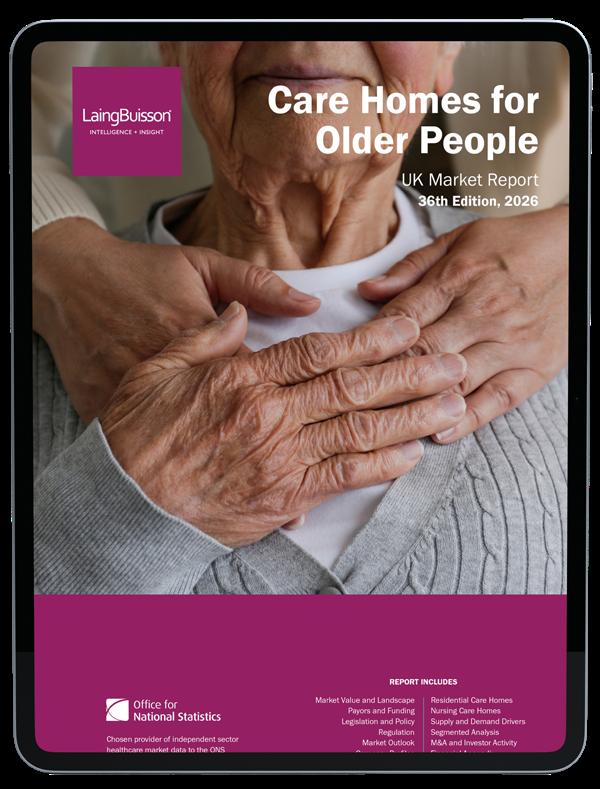
Featuring the latest market intelligence on the £23.7 billion care home market, with insight into fee trends, regional pricing differentials, leading operators and private pay dynamics.

This year’s edition explores the impact of fee inflation driven by National Living Wage uplifts and wider cost pressures, the growing North/ South divide in care home pricing, and the shifting competitive landscape following Care UK’s rise to market leader by bed capacity.
A Place Worth Living In: Why furniture matters more than
you think
A contemporary care home must be many things at once. It needs functional spaces, able to accommodate a growing number of residents living with complex care needs – dementia and Parkinson’s, among them. But it also needs to feel like a place worth living in, says CareHomeLife.
A care home that feels too cold or clinical can quietly take its toll, not only on the residents who deserve comfort and dignity, but also on the care workers who support them, each and every day. The most successful care spaces understand this. It’s why they blend the practical demands of complex care with the recognisable warmth of an everyday home.
There’s a reason for this, and it goes far beyond surface-level aesthetics. The spaces we live and work in have a profound impact on our health and wellbeing – and this is especially true in adult social care, where environment is often tied directly to healthcare outcomes.
As Lesley Palmer, Chief Architect at the University of Stirling’s Dementia Services Development Centre (DSDC), explains: “Research tells us that agefriendly environments can help foster healthy and active ageing by building and maintaining cognitive capacities across the course of our lives.”
Given that the number of people living with dementia is expected to rise to 1.4 million by 2040, ensuring sensitive, resident-centric care spaces is arguably more important than ever before.
The Difference Decor Makes
From softer lighting to dementia-friendly flooring, the most nurturing care home environments are more than the sum of their parts. They combine many subtle elements to create a warmer, more welcoming whole.
Within care spaces, choosing the right furniture is key. For instance, dementia-friendly environments that are easier to navigate are widely recognised as helping to reduce resident distress. In practice, this means creating flexible, uncluttered spaces with furniture that stands out clearly from its surroundings to support exploration and wandering.
There are communal benefits too. The right furnishings give care teams the opportunity to shape how and where residents interact, enabling them to build connections as part of their daily routines.
With thoughtful design, these communal areas can support resident independence and encourage spontaneous interaction, turning a care home environment into something that feels a little more lived-in.

A homely armchair isn't just somewhere to sit, however. For residents, it could be a cue to identity, routine or memory. Studies have shown that objects - furniture included - can help people living with dementia maintain a sense of self and feel more connected to their surroundings, contributing to their overall comfort and wellbeing.
Ultimately, whether it's the décor, the furniture, or the residents and care workers themselves, many things make a warm, welcoming care environment. But by blending practicality with comfort, care providers can ensure their home is truly a place worth living in.
To explore the latest innovations in care home environments, including CareHomeLife’s newly launched Bodhi Furniture Collection, visit: carehomelife.co.uk.




Together, we can use less and achieve typical operational cost savings of 20%
We’re changing the way care homes buy consumables and equipment so they can make their budgets go further without compromising on quality.
Providing exceptional value is not all about price. We help our customers realise significant savings by making strategic swaps to products and systems that will simply do the job better; saving them time, effort, energy consumption and waste.
TRUE VALUE THAT PROTECTS YOUR PEOPLE, THE PLANET AND YOUR POCKET
Our value-focused approach makes it possible for care homes to
✓ Use fewer, but more effective consumable products
✓ Get better cleaning results – first time
✓ Improve performance
✓ Maximise infection control
EXAMPLE SAVINGS: LAUNDRY
✓ Create less waste
✓ Save valuable time
✓ Reduce environmental impact
✓ Cut operating spend
✓ Focus on providing excellent levels of care.
Reduce operational laundry costs by 20%* with our optimised system
2
Laundry is just one area where we can help you realise significant savings.
For a no obligation review to establish how much you can save, contact us and quote ‘CARE ENGLAND’ 01772 425310 | careengland@carehomelife.co.uk | carehomelife.co.uk
Our story starts and ends with people. We are a dedicated team who care homes can rely on… driven by an unwavering purpose… to support the people who work in care… to make care home life better for those who live there.

How to Evidence “Well-Led” in 2026
The Well-Led key question remains one of the most scrutinised areas of any CQC assessment and in 2026, the bar has risen. Inspectors are no longer satisfied with governance structures that look good on paper. They want to see how leadership translates into real outcomes for the people you support.
Looking for support ahead of your next CQC assessment? Discover how WorkNest can help
What "Well-Led" means in 2026
CQC's assessment of Well-Led focuses on a shared vision and credible strategy, capable and compassionate leadership, freedom to speak up, governance frameworks that manage risk, and a commitment to continuous improvement. In short: inspectors want evidence that leadership is driving quality - not just overseeing it.
Why it's harder than it looks
Many providers have the right structures in place. The challenge is demonstrating they're working. The most common gaps are governance that can't show measurable impact, a learning culture that isn't visible to staff, leadership that isn't felt at frontline level, and quality assurance used as a compliance tick-box rather than an improvement tool.
What inspectors want to see
• Continuous improvement - a demonstrable cycle of identify, act, review and share, not just completed audits. For a deeper look at how personcentred care fits into this, read WorkNest’s PersonCentred Care Checklist
• Staff voice - feedback gathered, considered and acted upon at every level
• Oversight of risk - the right information reaching the right people at the right time
• Culture in practice - visible in how staff talk about their workplace, not just in a written values statement
• Registered manager capability - knowledge, presence and decision-making will be assessed directly
What to do now
• Map your governance trail - for every concern raised in the last 12 months, can you evidence what changed?
• Capture staff feedback formallysupervisions and team meetings should show that staff voice influences decisions
• Test your culture, don't assume it - would night staff describe it the same way leadership would?
• Strengthen your registered manager's evidence base - WorkNest provides dedicated support to build confidence and capability ahead of assessment
• Commission an independent reviewWorkNest's governance reviews give you an honest picture and a clear improvement plan
How WorkNest can help
At WorkNest , we support registered managers and provider leaders to prepare for CQC assessment with confidence, including mock inspections, Well-Led reviews, registered manager coaching, QA redesign and improvement planning.
Speak to their team today by requesting a call back here or giving them a call on 0808 303 7627.

When Workforce Pressure Becomes an Operational Risk
Workforce pressure remains one of the most significant challenges facing adult social care. For many providers, the issue is not only finding and keeping staff. It is also the impact workforce instability can have on leadership capacity, quality, compliance and day-to-day service resilience. When teams are stretched, managers often carry the pressure. Registered Managers and senior leaders may find themselves balancing rota gaps, supervision, safeguarding, family communication, commissioner expectations, regulatory evidence and staff wellbeing, all while trying to maintain consistent care.
“Workforce pressure does not sit in isolation,” says Fabio Cecchi, Commercial Director at Fulcrum Care. “When staffing is stretched, it can quickly affect leadership capacity, documentation, quality assurance and the confidence of the team. That is when providers need to look at the wider operational picture.”
Over time, this pressure can create operational risk. Staff may receive less support, actions can take longer to complete, documentation may become inconsistent and early warning signs can be missed. In services already under pressure, workforce challenges can quickly affect culture, quality and stability.
The solution is not always simply to recruit more people. While recruitment and retention remain essential, providers also need strong operational support around the workforce they already have. This means giving managers clearer systems, better oversight and practical support to prioritise risk. It means ensuring staff understand expectations, know how to escalate concerns and feel supported by visible leadership. It also means helping owners and
senior teams gain a clearer picture of where pressure is building before it develops into a wider quality or compliance issue.
“Good operational support gives managers the space and structure to lead,” Fabio adds. “It helps services move from firefighting to more confident decision-making, which is vital when teams are under sustained pressure.”
Fulcrum Care Consulting works with care providers to strengthen leadership, governance and operational resilience during challenging periods. Support may include mentoring for managers, mock inspections, quality assurance reviews, turnaround support, interim management and managed service arrangements.
For teams, this can mean clearer direction and more consistent leadership. For providers, it can mean better visibility of workforce-related risks and a stronger basis for improvement.
In a sector where pressure is unlikely to disappear quickly, resilience matters. Providers need to look not only at staffing numbers, but at the systems, leadership and support structures that help teams perform well under pressure.
When workforce challenges are supported with the right operational expertise, services are better placed to protect quality, support staff and maintain confidence.
For further information and support, contact Fulcrum Care Consulting or visit fulcrumcareconsulting.com.
Beyond the crisis: Three proven strategies to keep your care organisation fully staffed
The care sector is navigating a perfect storm. With 111,000 vacancies across the UK (Skills for Care), soaring agency costs and constant CQC scrutiny, keeping homes fully staffed has never been harder. With time-to-hire stretching to 90 days, candidates accept offers elsewhere before you've finished shortlisting.
But some providers are rewriting the rules. Cornerstone, a leading Scottish social care charity, recently cut their time-to-hire from 90 days to under three weeks. Aspris, with 3,500 employees across care and education, transformed their recruitment from fragmented and manual to streamlined and proactive. What did they do differently?
Strategy one: Shortlist even while you advertise
In a candidate-driven market, waiting until the advert closes is a serious commercial and operational risk. Care roles might attract three strong candidates across a two-week campaign — wait until day 14 to make contact and they're already in someone else's induction.
Cornerstone enabled hiring managers to receive instant notifications when quality candidates apply, so they can shortlist, contact and interview while the job is still live. As their recruitment team puts it: "We've restructured our recruitment philosophy for the better."
Strategy two: Bring your employer brand and experience to life
Generic job adverts don't cut through anymore. Candidates want to see themselves in the role before they invest time in applying.
Aspris embedded day-in-the-life videos and employee testimonials in every job advert — real support workers talking about their journey, addressing common concerns and showcasing the culture. The result? Higher application rates with better quality candidates.
Cornerstone designed branded images spotlighting their benefits at a glance, helping candidates immediately see what differentiates them as an employer.
Strategy three: Keep new hires warm during onboarding and compliance

Care's unique challenge is the gap between offer acceptance and start date. DBS and safeguarding checks cause delays beyond providers' control, during which candidates go cold or accept competing offers.
Aspris uses an onboarding 'Welcome Hub' to keep candidates engaged. New hires receive welcome messages, meet their team manager virtually and access FAQs about their first day. It's not just good candidate experience — it protects against drop-off, and informed hires settle and perform more quickly. Cornerstone is rolling out Welcome Hubs for each of their 10 branches, with branch-specific content like where to get lunch on day one and team introductions.
The bottom line
Care providers can't control the international recruitment ban or the pressures it brings. They can control how quickly they move, how compellingly they present opportunities and how well they nurture candidates through compliance. These three strategies require modest investment in carefocused recruitment software but deliver significant commercial and operational returns.
As Cornerstone's recruitment team reflects: "Care is experiencing a recruitment crisis right now. Jobtrain has saved our lives."
Care England members can book a free recruitment audit to benchmark their time-tohire against sector leaders. Visit Jobtrain.co.uk or contact the Jobtrain team to discover how providers are turning the recruitment crisis into competitive advantage.
Vivaldi Social Care – Adult Social Care Engagement
Collective
Vivaldi Social Care has evolved exponentially since its inception during COVID.
While the people working on the project have been instrumental to its success, it is those with lived experience who truly drive innovation through the Adult Social Care Engagement Collective (ASCEC).
Here, Lucy Knight, Vivaldi Social Care Lead, shines a spotlight on Abi Smith, Maypole Grove’s Service User Ambassador and member of the ASCEC.
Abi has attended a range of events to help showcase not only Vivaldi, but also the incredible work taking place every day across Adult Social Care.
Abi is a powerful example of how lived experience can shape and strengthen meaningful change.
As someone who brings both personal insight and a strong commitment to improving services, Abi has played an active role in supporting Vivaldi’s work, ensuring that the voices of people with lived experience remain central.
Her involvement goes far beyond the home itself, including attending a parliamentary reception where she helped represent and advocate for the importance of personcentred care as well as attending Care Show London and taking part in panel discussions on the Outstanding Society (OS) Learning Lounge.
Through her continued engagement, Abi demonstrates how lived experience is not only valuable, but essential in driving improvements across health and social care.
“We recently used Transport for London (TfL) services while travelling with Abi who has a disability, and overall, the experience has been very positive.
Accessible public transport is important for disabled people. It provides independence, Confidence, and the opportunity to participate more fully in the community.
Abi has not used several TfL services, and, with each trip, she has felt increasingly comfortable and safe. The staff were attentive, polite, patient, and kind – especially when assisting with boarding.
Overall, it has been a smooth, supportive, and confidencebuilding experience. TfL deserves recognition for continuing to make London’s transport network more inclusive and accessible for disabled travellers.”
Zoë Shears, Home Manager, Exemplar Health Care
“Having recently become a wheelchair user, I found travelling in general a very daunting prospect – especially
as heading into ‘The Big City’ was going to be my first experience.
Arriving at Birmingham New Street I was extremely nervous, but this soon subsided when I met the first assistance team.
Approaching London, the nerves started to kick in again, but I really didn’t need to worry. The TfL assistance team were of great support, offering help and advice and answering any questions we may have had.

Nothing was of too much trouble for them.
I think I will still have anxiety about travelling using public transport, but this will decrease the more journeys that I make, especially when using the TfL services!”
Abi Smith, Service User and Ambassador, Exemplar Healthcare
“It is so important that disabled people feel safe and supported being able to travel safely and seamlessly to contribute towards confidence and wellbeing.
Supporting Abi on two journeys from New Street to Euston has been instrumental in building her confidence and being able to share the same opportunities as people who are more able bodied.
We are so proud of Abi and want to compliment the kindness and friendliness of the TfL team for such a positive experience. They will never know the huge impact and difference this would make to someone’s day and confidence to make that journey.”
Lianne Ford, Head of Nursing, Exemplar Health Care
Lucy Knight, VIVALDI Social Care Programme Coordinator, The Outstanding Society (OS)
For more information on VIVALDI Social Care, click here
The OS is a Community Interest Company, free to all providers irrelevant of their rating. It is a platform to share and celebrate best practice, help others to improve and promote careers in Social Care. Please contact Sonia (info@theoutstandingsociety.co.uk) for more information or follow the links below:
Complex Dementia Care: Supporting Staff, Strengthening Confidence and Improving Outcomes
by Jayne Connery FRSA Director/Founder CCFTV
One of the greatest workforce challenges in adult social care is supporting people living with complex dementia. As care needs increase, providers are often faced with residents who may experience distress, anxiety, agitation, resistance to care, communication difficulties, or behaviours that staff can find challenging to interpret and manage.
This is not simply a staffing issue. It is a confidence, training and culture issue.
Frontline care teams are often expected to respond to complex dementia presentations while working under pressure, managing risk, supporting families, completing documentation and maintaining safe, compassionate care. When staff do not feel confident or properly supported, the impact can be significant. Residents may experience increased distress, families may lose trust, staff morale can fall, and providers may face safeguarding concerns, complaints or placement breakdowns.
Care Campaign for the Vulnerable believes that better support around complex dementia care is essential if we are to strengthen the workforce and improve outcomes for residents.
The solution must be practical, person-centred and rooted in real experience. Staff need support to understand what behaviour may be communicating, rather than seeing it simply as a problem to manage. Pain, fear, infection, dehydration, overstimulation, loneliness, unmet emotional needs or environmental triggers can all present as behaviour that challenges.
By helping care teams look beneath the behaviour, providers can build safer and more compassionate responses.
CCFTV supports providers by bringing a
family-informed, independent perspective into discussions around dementia care, safety, transparency and culture. Through training input, roundtable discussions, provider engagement and practical insight from years of supporting families, CCFTV helps care organisations reflect on how complex dementia care is delivered and how staff can feel more confident in their roles.
This includes encouraging stronger communication with families, better understanding of personal history, improved care planning, earlier recognition of risk, and a culture where staff feel able to ask for support before situations escalate.
Supporting staff in complex dementia care is also vital for retention. Care workers who feel listened to, valued and equipped are more likely to remain in the sector. Good care cannot be delivered by a workforce that feels overwhelmed, blamed or unsupported.
The answer is not to place more pressure on care teams, but to give them the right knowledge, leadership, tools and confidence to provide the care residents deserve.
As dementia care becomes increasingly complex, providers must be supported to create environments where residents feel safe, families feel reassured, and staff feel proud of the care they deliver.
For further information and support, contact Care Campaign for the Vulnerable at: www.carecampaignforthevulnerable.com