Cardiff times








A few days ago, this:

A few days ago, this:
"The Girl waltzes into the front room, with her mobile phone in hand: "Just going to ring The Boyfriend". Closes the door behind her."
An update:
"A few minutes later, The Girl exits the front room, smiling. Passes her dad in the hall. He asks her, 'did you have a good conversation?'. She grins, says 'yes thanks' and grins some more.
Dad: 'what did you talk about?',
The Girl: 'Oh, you know, love stuff'.
Both: big grins.

by Wyn Evans





It’s spring time in my mind if not in terms of the actual weather. The deluge of rain we’ve suffered since the start of the year has been biblical in extent. A few more storms like the ones we’ve endured this year and we’ll need Noah and his ark to run a rescue service. Yet I’d wager a not inconsiderable sum that come, say, March the pundits will be predicting water shortages. I recently heard a fact on the radio that gave me pause to think. Apparently, there have been no new reservoirs built in Great Britain or Northern Ireland for more than 30 years. What? Isn’t our little island wet enough that we can’t build and fill a few reservoirs?


‘The Conversation(1)’ digital magazine points out that In 2023, the government’s official National Infrastructure Commission concluded that the UK needs more reservoirs. It lamented that no new reservoir has been built for more than 30 years and demanded new water infrastructure for at least 1,300 megalitres per day, the equivalent of 5,200 Olympic-sized swimming pools.. The Conversation points out that plans have been submitted by England’s private water suppliers for 10 new reservoirs, one enlargement and multiple large pipelines to transfer water within and between different
regions and water companies. Unfortunately, The Conversation concludes that these plans may never come to fruition.
“Building a new reservoir is not only costly and highly regulated, but local opposition is fierce…But new reservoirs are not really the best and certainly not the only answer to water supply issues. A stronger focus on reusing water and demanding less of it in the first place provide a more suitable answer.” So, no, pools in the back garden for The Girl this summer.
I blame successive governments for their failure to plan strategically and their unwillingness to lead a discussion with the public about the choices facing the country. On energy policy the net zero agenda is unaffordable while nuclear options were stopped by Nick Clegg because the benefits realisation wouldn’t have occurred until a future parliament. Fracking didn’t receive serious consideration. We’ll need to rely on China for pylons and the economic architecture surrounding future electricity usage remains incomplete. In terms of defence, we have no plans for a time-tabled and funded realisation of the NATO defence expenditure. Commitment.
(At the 2025 NATO Summit in The Hague, allies committed to a new target of investing 5% of GDP annually on national security by 2035. This includes at least 3.5% for core defence requirements and up to 1.5% for related security, resilience, and industrial base investments.)
The UK aims to deliver this 5% pledge to increase national security. But has not explained how it intends to fund this commitment or when it intends to fund it by. And Russia is revving up its drones as we sit and twiddle our thumbs.
This government has come up with zero alternatives for reining-in the country’s welfare expenditure. Meanwhile the labour party has been playing ridiculous and unscientific, non-biological, games on the Trans issue. Meanwhile, my daughter’s generation are being priced out of home-ownership and possibly out of university education. And AI may make entry-level jobs for younger people a thing of the past. And, at the top of the political tree, the liar keeps on lying.
Yes, spring is here all right and it doesn’t fill me with joy.
Footnote: (1)https://theconversation.com/the-uk-is-surprisingly-shortof-water-but-more-reservoirs-arent-the-answer-243440



Vince Nolan
You will no doubt have heard of The Great Train Robbery but I need to share with you another tale of low down skullduggery which was recently brought to my attention. From the outset I have to say that this is not clever, not TikTok and is not to be copied since it is theft. I recently bumped into a mate of mine at the local supermarket in the egg aisle. I know, living the dream. I selected half a dozen of their finest, largest and Welshest eggs when he asked me if I had checked the contents of the box. I told him that I was an old hand at this sort of thing and always checked for breakages. He said to me: “No, not breakages. The latest scam is that thieves remove smaller and cheaper eggs from their boxes and replace them in the same box with large and more expensive eggs before going through the checkout and paying the lesser price.” Conversely this of course means that some honest citizens were buying cheaper eggs housed in more expensive packaging. My flabber was well and truly gasted. I have since been told that when the checkout operative checks the eggs nowadays it is not only to look for breakages but also to stop the scammers. What is the world coming to and it’s not even Easter? Mind you, people do like to poach an egg (sorry).
Of course, Flabbergasted was first recorded in print in 1772 possibly from the Scottish “flabrigastit” meaning worn out with exertion, as I am sure you
are, reading this drivel.
The Current Mrs Nolan and I were recently on our travels in sunny Abergavenny. (I know, I spoil that woman). We came upon a set of emergency traffic lights at some roadworks. Some wag had painted a sad face on the red lens, a neutral face on the amber one and a smiley face on the green one. Such fun!
I have been working alongside a new client and he sent me an email saying that I could meet him “at a time to suite you.” A bit worrying that he spelt suit “suite.” I wouldn’t want to send him out to buy furniture or clothing for that matter just in case he got it badly wrong. I suppose it could even apply to a hotel suite. This could all become very confusing for a stupid person. So, a young man robbed a bank wearing a suit made of many mirrors but he turned himself in after taking some time to reflect. Luckily the judge was lenient as he saw a lot of himself in the young man. In other news, my mate is in hospital. He keeps thinking he’s a three piece suite. When I rang the hospital to check on him they said he was ‘comfortable’.
Continuing the theme, a couple were booked into a luxury hotel suite (or is that suit) and the husband called the hotel manager.


He said: “Come up quickly, I fought with my wife and walked in and the boy shouted “Daddy.” Mum quickly last two letters fell off in the recent high winds. We played each other and we now communicate with each other regularly via WhatsApp in schoolboy
French and very good English/Welsh. On New Years of playing alongside his three sons and he was an sheep and twenty horses.” Brilliant! At the other end
“I
can’t rate this high enough!
I was a bit anxious having new hearing aids and Vineys was recommended by a friend. I was made to feel really welcome and I’m delighted with the hearing aids I purchased. Janine was so patient and put me at ease. I would highly recommend. Ms L, Cardiff


Whether you are enjoying some family time, going out with friends or just watching TV, don’t miss out because of hearing loss.
With our free 30-day hearing aid trial, you can experience for yourself how life changing they are as you hear all those wonderful everyday sounds again.
As an independent family business with over 40 years of hearing care experience, you can trust us to help you hear clearly again and find your perfect fit from a wide range of discreet hearing aids featuring technology like Bluetooth connectivity and rechargeability.

Sore, itchy ears? Dull hearing? It could just be earwax Try Microsuction Earwax Removal
It’s quick, safe and effective, and we’ve helped thousands of happy customers!

To start your free hearing aid trial call us now on 02920 250121 to book a free hearing check.
66 Merthyr Road, Whitchurch CF14 1DJ
“Excellent service. Phoned and received appointment the same day. Ear suction performed successfully and everything explained prior to the treatment. Staff friendly and helpful...definitely recommend” Mr L, Cardiff

January is finally done… About time too. It always feels like the longest month of the year — about 70 days, give or take — and this one dragged, and dragged, and dragged...

That said, 2026 didn’t ease itself in. January threw a surprising number of interviews my way, which seldom happens. It’s usually quiet. This time it wasn’t. I’m not moaning. Quite the opposite. It’s just that I wasn’t expecting it to be like that. I need to see the bright side. LOL!!
After - as already mentioned - a slower month last time around, I’ve got four interviews for you this time. All very different, all for various reasons, and all conversations I enjoyed having.
Clinton Baptiste
Psychic medium, mystic, and general agent of chaos. We talk haunted theatres, Welsh audiences, eye-watering ticket prices, and whether ghosts are actually worse than Cardiff once the pubs shut on a Saturday night. It goes precisely where you’d expect it to go. And then somewhere else entirely.
Clive Hicks-Jenkins
Artist and illustrator Clive Hicks-Jenkins talks about working on The Iliad and The Odyssey for the Folio Society. We get into why Homer still feels uncomfortably relevant right now. There’s also a bit on his very hands-on process — physically building worlds before committing anything to the page.
Mogwai
I spoke with Stuart Braithwaite, guitarist and founding member of Mogwai, about longevity, instinct, and how the band have kept moving forward without losing who they are.
Adam Frost
Garden designer and TV’s Adam Frost opens up to me about his burnout, creativity, and why joy matters more to him than perfection these days. We talk music, memory, and how working with plants shapes how he lives, not just what he does. I will one day become an avid gardener when I have the time, but speaking with Adam has given me that spark.
Food Review
TGI Fridays — St David’s, Cardiff
I’ll be honest: I’m not usually a fan of big chains. I went
in expecting to e proved right. I wasn’t.
It’d been many, many years since I’d set foot in a TGI Fridays, and the first thing that struck me was how clean it was. And when anyone had left their table after the meal, it was cleaned within a couple of minutes.
I loved how the staff were attentive without hovering, which already exceeded expectations. The place felt relaxed, and so were we.
We started with cocktails — the Passionate Sunrise. Twice. Fresh, well-balanced, and far too easy to drink. Possibly too easy.
Our starters were Tex-Mex nachos with pulled pork and Friday’s sesame chicken strips. Both generous. Both are good for sharing. The latter was nice and spicy for me, but my daughter can’t do anything like that. She actually tried it, which impressed me, as she liked how it was presented, even though I may have said it wasn’t that hot!!
For mains, we went with the Kansas-style beef short rib. Rich, tender, full of flavour. Alongside that, blackened chicken fajitas arrived sizzling and colourful. Portions were solid. Not stupidly big. Just right. Sides followed — Santa Monica loaded fries and cheesy garlic ciabatta. No surprises here. Indulgent, comforting, and done right. Dessert was lighter — fresh fruit with orange sorbet — followed by a Simply Ice Cream (vanilla, chocolate, strawberry). I also had a mocktail. I’ve completely forgotten what it was called, which probably tells you everything, but it was excellent. I only wish I could recall what it was called so I could try to make it at home!!
I left pleasantly surprised. Slightly relieved. And, unexpectedly, quite excited to go back.




Enjoy February.
I’ll see you in March.
Carl Marsh
Twitter — @InTheWordsOf_CM
YouTube — InTheWordsOf

Interview: Clive Hicks-Jenkins
Words by Carl Marsh

Illustrator Clive Hicks-Jenkins on confronting Homer’s violence, illustrating myth in an age of war, and physically building worlds for the Iliad and Odyssey.
Carl Marsh: How did working on the Odyssey differ emotionally from the Iliad?
Clive Hicks-Jenkins: I found the Iliad very dark and very bleak to work on. It’s full of horror, and I was reading it while Ukraine and Russia were at war, and later during Israel and Gaza. It felt frighteningly contemporary. Most illustrated editions focus on heroism — armour, elegance — and avert their eyes from the brutality. I didn’t want to do that, though I had to negotiate how far I could go. It was exciting, but emotionally tumultuous.
The Odyssey came second, and I remembered it as mythic, full of gods and monsters, but there’s terrible darkness there too. At the end, Odysseus returns home, murders the suitors, and hangs the female servants his wife suspects of disloyalty. That collision — beauty and myth alongside vicious power — felt incredibly potent in our current times.
Carl Marsh: Am I right in saying your process involves building physical models — even chariots? What does working in three dimensions give you that drawing alone doesn’t?
Clive Hicks-Jenkins: I build things. If I’m drawing a wall or a palisade, there’s no real description, so I invent it. I use vintage wooden building blocks to make physical models, move them around, glue them, and pull them apart. It gives me something real to look at — whether from above, below, or an oblique angle. I’m not copying the model, but it gives me a feel for what I want on the page. Everything is invented — armour, chariots, locations — but it all has to be plausible and work for the reader.
Clive Hicks-Jenkins’ exhibition Iliad / Odyssey: Artworks for the Folio Society Homer opens at Celf Gallery, Cardiff, running from 28 February to 22 March.
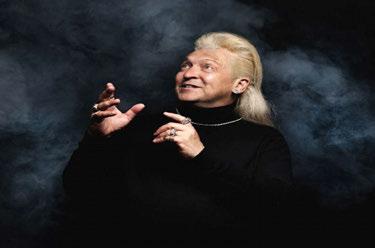
Psychic medium Clinton Baptiste weighs up ghosts, Cardiff weekends, and why the Welsh are uniquely primed for laughter — haunted theatres, funerals, and all.
Carl Marsh: What’s scarier? Angry ghosts or Cardiff on a weekend night when the pubs shut?
Clinton Baptiste: Oh my goodness. I remember playing Jongleurs years ago in Cardiff — there was a man, I’m not kidding, comatose at the bus stop. His trousers pulled down, bare bottom, and I was looking right into the new year. It was appalling. It’s wild on a Saturday night. But the Welsh do know how to enjoy themselves.
There’s no cynicism. They go out and enjoy themselves. Ghosts are much scarier. If you see a ghost who won’t pass on to the spirit world, you go, “die, die.” You often say the same thing in Cardiff, because you look around and that’s what most people are called.
Carl Marsh: Have you actually cursed the New Theatre Cardiff in advance?
Clinton Baptiste: Anyone coming there needs no cursing at those ticket prices — everyone’s cursing it. I’ve seen things in that place that would curl your toes. The cost of a cup of tea and a biscuit is outrageous. But no, it’s very haunted, and that’s what we’ll be exploring on the night.
Carl Marsh: Is Cardiff on your tour list because the afterlife requested the Welsh, or because you misread card tricks in a séance?
Clinton Baptiste: The Welsh have a reputation for funerals, for death. Years ago, I filmed a BBC Three series in Bridgend, Cardiff, and Caerphilly. If there’s anything that reminds me of funeral parlours — doilies, austere, sad-looking grave people — it’s the Welsh. That’s why I’m inviting them to come and laugh. They’re beautiful. Coal-stained faces at my show.
Clinton Baptiste appears at the New Theatre Cardiff on Sunday, 22 February 2026.

Thirty years into Mogwai’s career, Stuart Braithwaite reflects on The Bad Fire, longevity, and taking new material back on the road.
Carl Marsh: The Bad Fire has been widely praised since its release. Did that reaction surprise you?
Stuart Braithwaite: Not really. It’s always nice when people like what you’ve done, but the most important thing is that we like it, because we’re the ones who have to go out and play it everywhere. We were definitely happy with how it turned out.
Carl Marsh: The album followed a difficult period after As the Love Continues. Was making it a form of escape?
Stuart Braithwaite: Yeah, definitely. We enjoy getting together and playing music, and it took our minds off a lot of what we were going through.
Carl Marsh: You worked again with producer John Congleton. What does he bring to Mogwai?
Stuart Braithwaite: He’s another set of ears. He had some really good suggestions and comes from a similar background to us, so he understood what we were trying to do. It’s almost like having another member of the band.
Carl Marsh: After 30 years together, what’s changed about how Mogwai function as a band — and what hasn’t?
Stuart Braithwaite: We’re probably healthier than we used to be. We used to get drunk at soundcheck, which doesn’t happen anymore. But a lot of it’s the same. We still enjoy being around each other. It’s like a family.
Carl Marsh: You’re heading back on tour, with shows spanning material from across nearly three decades. How do you approach that balance live?
Stuart Braithwaite: It sounds mad saying “decades”, but our music’s always been quite varied. Even though the last couple of records have been different, everything seems to work live. The new songs just slot in naturally.
Carl Marsh: Does that longevity bring any pressure?
Stuart Braithwaite: I don’t feel pressured by it at all. I’m just grateful. We wouldn’t still be touring 30 years on if people weren’t interested, so it’s something we feel lucky about. Mogwai play Cardiff’s DEPOT on Tuesday 17 February.
Interview: Adam Frost
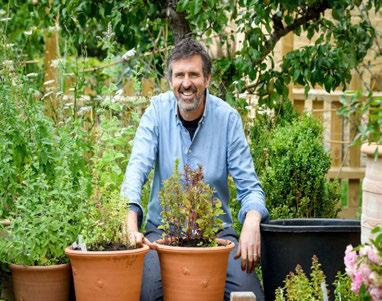
Adam Frost opens up on burnout, music, memory, and why joy — not perfection — now sits at the heart of his most personal live show to date.
Carl Marsh: This tour feels more personal than anything you’ve done before. Why was now the right moment to tell these stories live?
Adam Frost: I’d come off a really intense period in my life. I was diagnosed with depression and burnout, and locked in a room for ten days with Covid. Then conversations started drawing things out of me — what I cared about, what drove me, why I’ve worked like an idiot since I was about 14. What kept coming back was putting your hands in the soil and how plants have threaded through my life, alongside music. That thinking turned into a book, and then people said, “Do you fancy talking about it on stage?” It wasn’t about timing — it was other people nudging me. It’s gone well, it’s expanded, and now I’m coming to you.
Carl Marsh: Music plays a big role in the show. When did you realise that connection with plants?
Adam Frost: When I first started designing, I’d sit in front of a blank page, and nothing would happen. Then I put music on. I stopped focusing on what a garden looked like and started thinking about how it felt. Music takes me to different places and drives the atmosphere. Gardens are very visual, but if you design with feeling, it’s a much nicer way to create.
Carl Marsh: You talk a lot about joy rather than perfection. Did that take unlearning?
Adam Frost: That took learning. I grew up driven by achievement, by perfection. But later you realise none of that really matters. It’s about getting your hands in the soil, having a go, the moments a garden gives you. Perfection comes and goes. Why chase it?
Adam Frost appears at the Sherman Theatre, Cardiff, on Thursday 5 March 2026.





Clinical Psychotherapy & Counselling for Stress, Anxiety, Depression
Fear, Frustration, Anger
Grief & Bereavement
Insomnia & Sleep Issues
Smoking & Vape Cessation
Confidence & Self Esteem
Panic Attacks & Nerves
Motivation & Inspiration
Phobias & Blockages
Busy Business Executives
Sport & Stage Performance
Child & Teenager Issues
Academic Studies & Exam Stress
ADHD Teens & ADHD Adults
Neurodiversity MH Support
Post Traumatic Stress
OCD & Compulsions
Carer Support & More

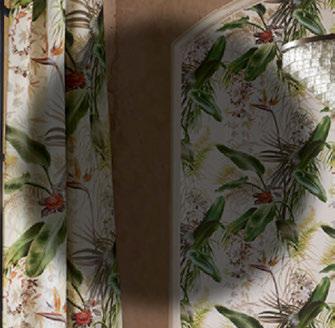



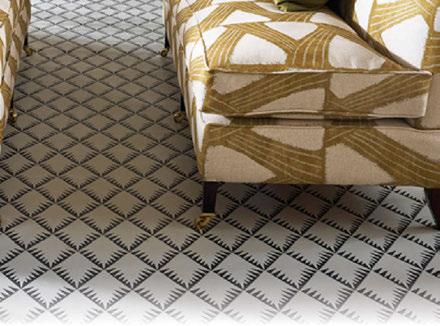
• Curtians, Blinds & Electric system options available.
• Re-Upholstery
• Interior Consultation.

For a home visit please call

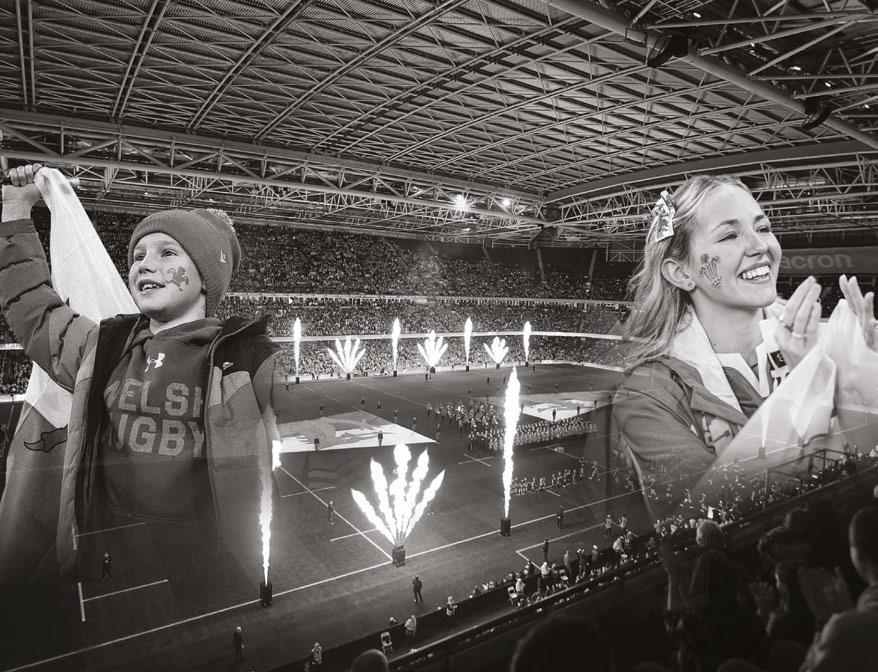
Watching rugby at Principality Stadium is more than 80 minutes of excitement on the pitch. It’s about sharing a day out together, soaking up the atmosphere, and being part of something that brings people of all ages into the Welsh capital to support Wales.
Matchday in Cardiff starts long before kick-off. The city fills with families and friends in red jerseys and scarves, donning red dragons on rosy cheeks, - It entices a sense of camaraderie that’s impossible not to get swept up in.
Old friends reunite, pubs hum with song, strangers in red jerseys exchange hopeful smiles, and every conversation circles back to the same thing: it’s matchday, can we win?
Inside the stadium under a closed roof, the atmosphere is electric. The noise builds, as the minutes until kick-off tick down. Live music, glowing lights and bursts of flames set the stage, before the crowds in their masses erupt into Hen Wlad Fy Nhadau.
When the match begins, every tackle is met with a roar, every break in play filled with chanting, every inch closer to the try-line leaves fans closer to the edge of their seat. Our Nation’s unrelenting loyalty to the team carries them through from kick-off to the final whistle.
Wales will host three home games across February and March this Guinness Men’s Six Nations:
Valentine’s weekend brings rugby and romance

together when Wales face France on Sunday 15th February. The stadium will become a place to celebrate the love of the game, love of the jersey and the love of watching a Welsh International with your favourite person. Tickets for Wales v France are available from £28 for U18s and students.
Expect an epic clash of Celtic Cousins when Scotland arrive on Saturday 21st February. A rivalry shaped by shared history and hard-fought encounters. Every Welsh chant and cheer will fill the ground, making Principality Stadium our fortress. Tickets for Wales v Scotland are limited and start from £28 for U18s and Students.
Wales v Italy promises to be a celebration of what it means to be Welsh. Wales’ final game on Super Saturday is a day for sharing moments with loved ones, for lifting the roof with song, and for backing the team through every tackle and try. Tickets start from just £23 for U18s and students.
Calon. Cartref. Cymru.
This is matchday in Wales. And nowhere else feels quite like it.
Tickets available now from £28 for U18s and students at wru.co.uk/tickets
Wales v France Sunday 15th February 2026 – KO 15.10pm
Wales v Scotland Saturday 21st February 2026 – KO 16.40pm
Wales v Italy – Saturday 14th March 2026 – KO 16.40pm






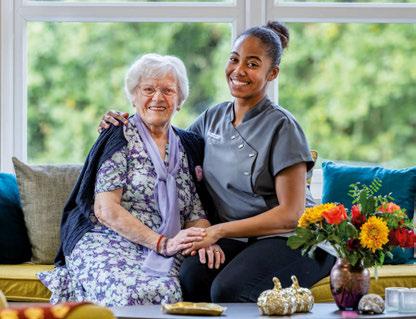







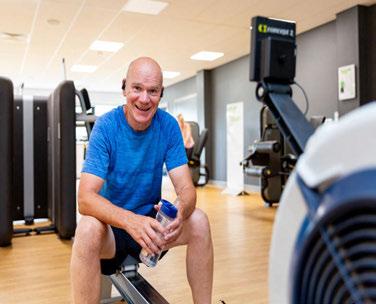

Life in Cardiff can be busy, whether you’re balancing work, family, or social commitments. Finding the time and motivation to stay active can feel challenging.
A Better membership at your local Better leisure centre makes it easier to show up, stay healthy, and feel good every day.
Whatever your starting point and whatever your goals, it’s all achievable with a flexible Better membership that’s built around you. Our memberships are designed with your busy schedules in mind, so you can keep your wellbeing on track, all on your terms.
With access to gyms, pools, fitness classes, and sports facilities across Cardiff, you can pick and choose how and when you stay active. Whether it’s an early-morning workout before work, an evening swim to de-stress, or a weekend class with friends, you’ll find your fit with a Better membership.
Life changes from week to week, and your fitness routine should be able to do the same. With Better, you can keep active and well whenever it works, wherever you are.
Staying active is about more than just fitness levels and mobility. Regular movement can boost mood, reduce stress, and improve energy levels — supporting your wellbeing and helping you feel your best, no matter how busy life gets.

Better recognises that wellbeing extends beyond the leisure centre, which is why every membership includes Live Better, a digital health and wellbeing benefit.
Live Better is accessible via the Better UK App and included in your active annual or monthly membership at no extra cost. It gives you digital tools to look after your physical and mental wellbeing in a way that suits your lifestyle.
Through the Better UK App, you can access on-demand classes, digital wellbeing content, and exclusive offers and services available with Live Better. Using tailored guidance, Live Better helps you stay consistent and motivated, even on days when visiting the leisure centre isn’t possible.
Whether you’re fitting in a lunchtime yoga session, a home workout, or mindfulness exercises after a long day, Live Better supports your wellbeing wherever you are.
Better memberships give you more than just gym access; they offer choice, flexibility, and value. With facilities, classes, and Live Better included in your membership, you can take care of your health without extra costs or complicated subscriptions.
From gym and swim to classes and online workouts, Better helps adults in Cardiff find their fit, stay active, and feel better every day — on your terms.
Discover more: better.org.uk/cardiff
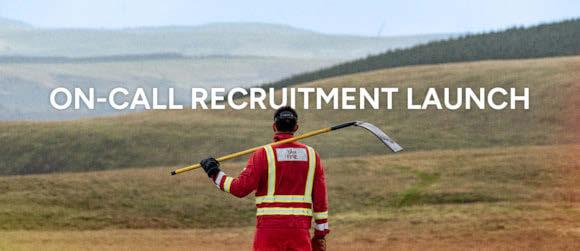
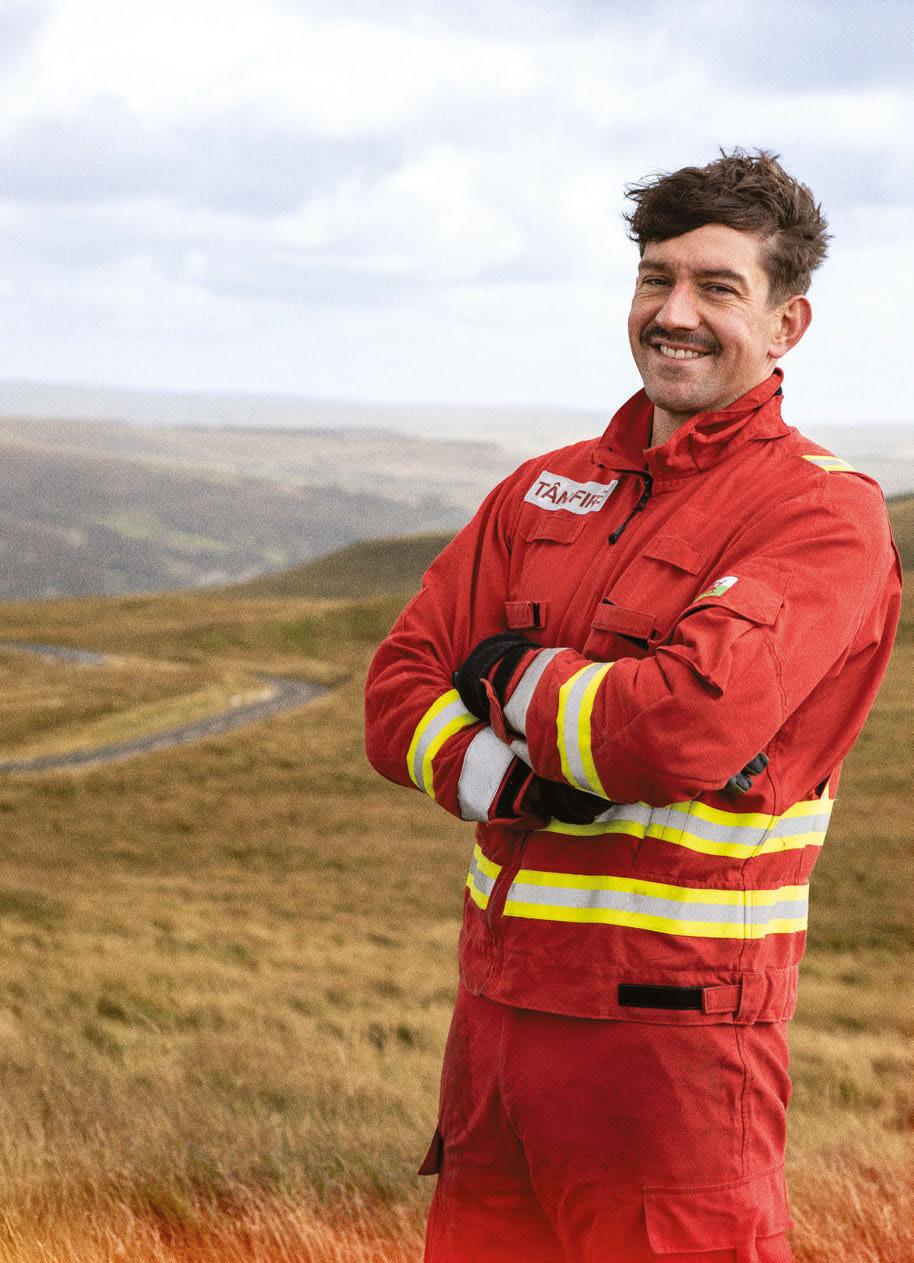
South Wales Fire and Rescue Service (SWFRS) is encouraging employers across South Wales to support their employees who wish to serve as on-call firefighters.
Employers benefit from team members who develop valuable skills including:
•Leadership, communication, and teamwork
•Resilience and decision-making under pressure
•First aid and incident management skills
•Enhanced confidence and problem-solving abilities
Supporting on-call firefighters not only strengthens local emergency response but also brings these transferable skills back into the workplace.
Lauren O’Sullivan-Jones, Group Manager at SWFRS, says: “On-call firefighters are the heartbeat of our communities across South Wales - making up 34% of our workforce across 36 fire stations. With 590 dedicated individuals already serving, this role offers more than just a uniform, it’s a chance to gain life-changing skills, protect your communities, and respond to real emergencies, all while continuing your primary career.
SWFRS operates 47 fire stations across South Wales, with 36 supported by or entirely staffed by on-call crews. These trained professionals respond to emergencies in their local areas, providing essential fire and rescue cover in rural, coastal, and urban communities.
You can become an on-call firefighter if you live or work within five minutes of a stationor even support two locations where you live and where you work. The role offers flexibility, professional training, and the satisfaction of helping others.
Individuals are asked to commit to a specified number of hours each week in exchange for a salary, regardless of their employment status. While on duty, on-call firefighters carry an ‘alerter’ with them, which prompts them to respond to fire-related emergencies when needed.
Applications are open year-round, and those interested can attend a drill night at their local station to meet crews if they are interested to learn more.
To view a list of stations currently recruiting, or to start an application or for employers wanting to support staff involvement, visit
https://www.southwales-fire.gov.uk/
www.decymru-tan.gov.uk/ymladdwr-tan-ar-alwad www.southwales-fire.gov.uk/on-call-firefighters



* Valentine’s Day can act like a cultural stress test, intensifying social comparison, attachment threat, and the sense of being judged by a romantic script.
* Loneliness and grief are not personal failures, and the day can amplify them by spotlighting absence, exclusion, and continuing bonds.
* Anxiety rises through body based stress responses, winter vulnerability, and rumination loops that rehearse unhelpful stories until they feel like truth.
* A kinder plan is to name the script, choose real connection over performance, practise structured self compassion, set boundaries with comparison triggers, and use simple rituals and honest conversations to restore agency.
Walk into any supermarket in mid February and you can feel it. The seasonal aisle has turned into a corridor of command. Red roses, heart shaped boxes, balloons that insist on romance, cards that reduce a life to a punchline. The message is not subtle.
Love is a product, and you are meant to prove you have it.
For many people, Valentine’s Day is pleasant enough. For others, it is a psychological stress test dressed up as celebration. It pokes the bruise of a breakup, it spotlights the empty chair left by bereavement, it amplifies the worry that you are falling behind some imagined timetable of intimacy. It can even unsettle those in relationships, because the day does not simply invite affection. It grades it.
If your stomach tightens as the date approaches, you are not oversensitive. You are responding normally to a culture that has industrialised comparison and sold it back to us as destiny.
Decades ago, psychologists described how people instinctively judge themselves by comparing their lives to others. That impulse is not new, but it becomes more punishing when it is wrapped in spectacle and scarcity, a single day presented as a verdict on your worth.
How a made up deadline becomes a real threat
There is a reason a calendar event can provoke such sharp emotions. We are social mammals. Belonging matters. Attachment matters. Clinicians who study adult attachment have long argued that cues of rejection and exclusion can be processed as threats, not polite disappointments, because for most of human history exclusion carried real risk. And neuroscience researchers have found that social exclusion can activate brain systems associated with distress, which helps explain why being left out can feel physically painful rather than merely sad.
When Valentine’s Day frames coupledom as the default, it can make anyone outside that frame feel exposed, even if they are usually content. It is not only the lonely who feel it. People in relationships can feel it too, because the day turns intimacy into a performance, and performance invites judgement.
This is not just about being single. It is about being seen. A culture that equates romance with public proof encourages people to perform their relationships rather than inhabit them. Social media intensifies this because it does not simply show love, it curates it. Researchers studying social media use have repeatedly linked it to social comparison and self esteem shifts, particularly when people passively consume highlight reels and treat them as reality.
The story often sounds like this. Everyone else is chosen. Everyone else is safe. Everyone else is doing adulthood correctly. And if you are not, something must be wrong with you. That last step is the killer. It turns a circumstance into a character flaw.
The commercialisation of intimacy and the theft of meaning
We should say plainly what is happening. Valentine’s Day has been built into a market. It invites you to treat affection like a transaction, and then tells you the size of the transaction proves the depth of the feeling. Sociologists of emotion have written for years about how capitalism reshapes intimacy, turning private life into something to be curated, displayed and consumed.
That monitoring is fuel for anxiety. Anxiety thrives on rules you cannot fully satisfy. If you are single, the rule is to find love and display it. If you are coupled, the rule is to display love convincingly. Either way, you are assessed by a standard that is neither stable nor humane.
There is also a broader psychological cost. Researchers in the field of motivation and values have found consistent links between stronger materialistic values and poorer wellbeing. When self worth is tied to external markers, distress rises and satisfaction falls. A day that sells romance as a commodity is not emotionally neutral. It changes what people think love is meant to look like.
Loneliness is not the same as being alone. It is the felt gap between the connection you want and the connection you have. You can be surrounded by people and still feel profoundly lonely. You can also be single and not lonely at all. But when a culture spotlights coupledom, it can intensify that felt gap, especially for people already carrying social disconnection.
The impact is not only emotional. Public health researchers have produced major reviews showing that loneliness and social isolation are associated with worse health outcomes and higher risk of earlier mortality. That does not mean Valentine’s Day causes illness. It means that if the day brings your loneliness into focus, it is touching something real, not something trivial.
So the first act of self respect is to stop moralising your feelings. If this day hurts, it is not proof you are broken. It may be proof you are human.
For those who have lost a partner, a parent, a child, a friend, Valentine’s Day can land like a blunt object. Grief is already skilled at ambush. Anniversaries, songs, familiar places, the smell of a coat, the angle of light. The calendar can become a minefield. A cultural love festival makes that minefield louder.
Bereavement researchers have offered a more realistic model than the old myth of neat stages. Many people oscillate between confronting the loss and restoring life around it, moving back and forth rather than marching forward in a straight line. Valentine’s Day can disrupt that natural rhythm by demanding celebration when your nervous system is still trying to make sense of absence.
Grief scholars have also written about continuing bonds, the ongoing inner relationship with the person who has died. For many people, this bond is part of adaptation, not pathology. But it can become more painful when the world insists you should have moved on, especially when your love is still vivid.
Anxiety is not only a thought problem. It is a body state. When you anticipate judgement, rejection, or humiliation, your stress system prepares you to cope. Heart rate rises. Sleep becomes lighter. Appetite shifts. Attention narrows. If you are already run down, winter can add another layer. Clinicians have recognised seasonal patterns of depression for decades, and early research on seasonal affective disorder described how reduced daylight can worsen mood for some people.
Now add one more ingredient. Rumination. When the mind circles the same painful questions, it keeps the stress response turned
on. The more you rehearse the story of your unlovability, the more convincing it feels. Cognitive therapy pioneers described how negative automatic thoughts become self reinforcing. Later researchers, studying response styles, showed how rumination can prolong low mood by repeatedly rehearsing distress without moving into problem solving or replenishing action.
This is why telling someone to cheer up, or to treat it as just another day, often backfires. The nervous system does not respond to scolding. It responds to safety.
You cannot always control what Valentine’s Day stirs up, but you can change how you meet it.
First, name the script. Say it out loud, privately or to someone you trust. This day is commercially amplified. It is designed to provoke comparison. Approaches like acceptance and commitment therapy emphasise that noticing a thought as a thought, rather than as a command, can loosen its grip. You are not required to obey the story your brain produces.
Second, choose connection over performance. If you are lonely, plan one act of meaningful contact that is not about romance. A walk with a friend. A phone call. A shared meal. A community group. Psychological research on stress and social support has long shown that feeling supported can buffer distress. What matters is not the label, but the lived sense of being held in someone’s mind.
Third, practise self compassion with structure, not slogans. Self compassion researchers describe it as responding to your own distress with care and realism rather than contempt. The evidence base links it with lower anxiety and depression and greater resilience. On a hard day, try a plain practice. Place a hand on your chest, slow your breath, and speak to
yourself as you would to someone you love. Not in poetry, in ordinary language. This hurts. Anyone would find it hard. I can take the next hour.
Fourth, set boundaries with comparison machines. If social media posts reliably make you feel worse, reduce exposure that day. That is not weakness, it is hygiene. In a short term experimental study, limiting social media use reduced loneliness and depressive symptoms among participants, suggesting that less passive comparison can help some people, at least in the near term.
Fifth, if you are grieving, create a ritual that honours the bond without collapsing into it. Light a candle. Write a letter. Visit a place you shared. Cook the meal you both loved. Experimental psychologists have found that rituals can reduce grief intensity partly by restoring a sense of order and perceived control when life feels suddenly unmanageable. You are not obliged to celebrate. You are allowed to remember.
Finally, if you are in a relationship and feeling pressure, talk early, not late. Many conflicts around Valentine’s Day are not about love, they are about expectations left unspoken. Relationship researchers who study intimacy point to perceived partner responsiveness as a cornerstone of closeness, the felt sense that someone understands you, values you, and is emotionally there when it counts. Ask one clean question. What would make this day feel kind for you, and what would make it feel heavy.
The deeper point we should not avoid
Valentine’s Day exposes a wider problem. We have allowed the market to colonise our most intimate needs. We have let a corporate calendar tell us when affection counts. We have treated love as a verdict rather than a practice.
Love is not proved by roses. It is proved by attention. By repair after conflict. By the courage to be honest. By the willingness to
show up when someone is struggling, including yourself. A culture that makes you feel defective for not matching a romantic template is not celebrating love. It is exploiting longing.
So if you feel tender this Valentine’s Day, take that tenderness seriously. It is evidence that connection matters to you. Then refuse the humiliation the day tries to attach to it. You are not behind. You are not less. You are living in a society that shouts about romance while doing far too little to support the conditions in which real love, in all its forms, can actually grow.

By Gareth Strangemore-Jones (Alchemy Life Therapy & The Brain Gym)
MHFA, DCST, PDPCP, HPD, DSFH, DMH, AHD, MNCPS (Reg.), MNCH (Reg.), MAfSFH (Reg.), MCNHC (Reg.), NCTJ, MSC-CPA, PGCE I & II
Mental Health First Aider | Pluralistic Counsellor | Clinical Psychotherapist | Consultant Medical Hypnotherapist | Mindfulness Teacher | PGCE-Trained Teacher | Lecturer | Corporate Trainer | Workplace Wellbeing Consultant | PR & Marketing Consultant | Psychology & Behaviour Advisor | Author | Journalist | Broadcaster
Cardiff Times readers can book a free, no-obligation online general mental health first aid session with Gareth via: https://bit.ly/4q9FcFb
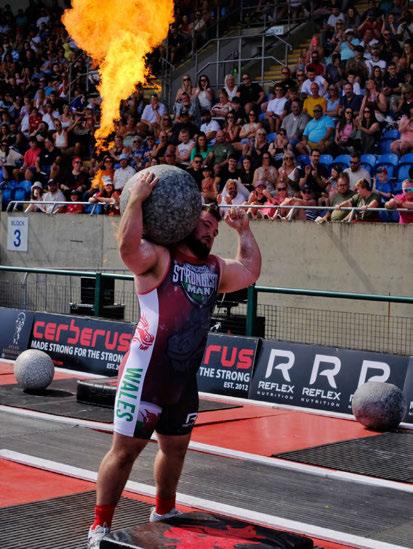
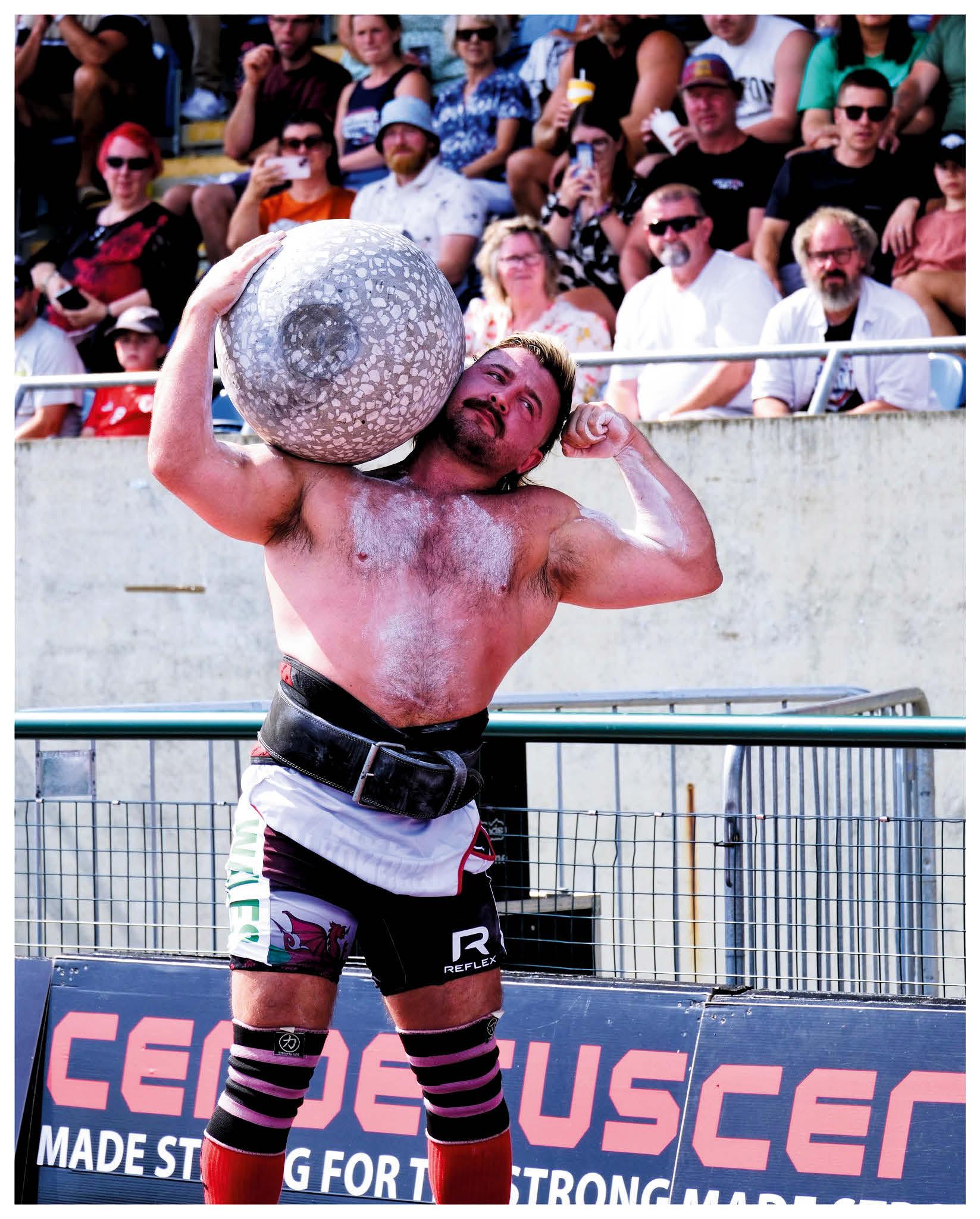
Wales’s Strongest Man Set to Return to Cardiff This Summer — Bigger, Better, and Stronger Than Ever!
Get ready, strength fans Wales’s Strongest Man is returning to Cardiff on Sunday 30th August 2026 with an even bigger and more brutal showdown of strength!
After another spectacular year of competition in the Welsh capital, where the nation’s top strongmen battled through gruelling tests of power and endurance, Cardiff International Sports Stadium will once again host this must-see summer event.
Twelve of Wales’s finest will face off across five classic strongman challenges, we are excited to announce our first test of strength will be the grip busting car
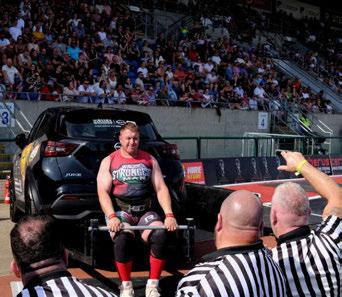
hold for max time! We will be testing their muscle, grit and determination to find who is worthy to be crowned Wales Strongest Man 2026.
This year promises to be bigger and better than ever, with a lively fan village, great food and drink, meet-and-greet opportunities, and family-friendly entertainment throughout the day. Whether you’re a die-hard strongman follower or just looking for an unforgettable summer spectacle, Wales’s Strongest Man in Cardiff is the place to be!
We’ve included an exclusive reader discount for our loyal Cardiff times fans, head to the inside back page to find our discount and get those tickets secured!




If you’re moving home this year, our award-winning Residential Conveyancing team can help take the stress away, leaving you to focus on what’s important.




by Ralph Oates
Over the years the featherweight division has produced a number of truly remarkable boxers who have given their very all in exciting bouts eventually leading them to the ultimate goal, a world championship. We’ve seen legendary names like George Dixon, Abe Attell, Tony Canzoneri, Henry Armstrong, Willie Pep, Sandy Saddler, Vicente Saldivar, Ruben Olivares, Salvador Sanchez, Eusebio Pedroza and many more who have emerged from various parts of the world such as Mexico, America, Australia, Brazil, Panama, Japan and Nicaragua. The respective champions have all displayed courage, pride and undoubted ability when plying their trade in the ring. Wales has contributed to the highly competitive 126lb division with Howard Winstone, Steve Robinson, and Lee Selby, each holding a world featherweight championship title in their careers. In this edition we will take a look at the three respective boxers.
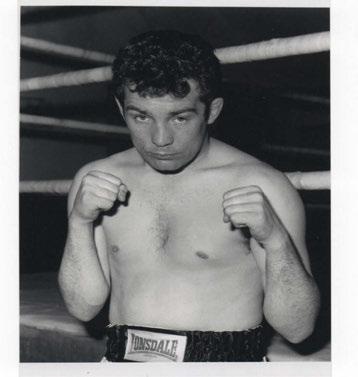
Howard Winstone was born on the 15 April 1939, in Merthyr Tydfil.
Winstone’s world title bouts are as follows:
7 September 1965 – Lost on points decision (15 rounds) to Vicente Saldivar at Earls Court Arena, Kensington, London.
15 June 1967 – Lost on points to Vicente Saldivar at Ninian Park, Cardiff.
14 October 1967 – Lost challenge, stopped in round 12 of 15 at Estadio Azteca, Mexico City.
23 January 1968 – Won the vacant WBC version of the world featherweight title when he stopped Mitsunori Seki in round 9 of 15 at the Royal Albert Hall in London.
24 July 1968 - Jose Legra lost title, stopped in round 5 of 15 at Coney Beach Arena, Porthcawl Wales.
Howard Winstone retired from boxing with a resume of 67 contests, recording 61 wins and losing 6.
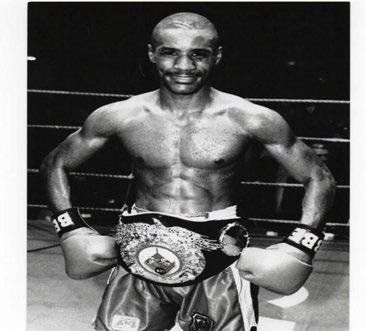
Steve Robinson was born on the 13 December 1968 in Cardiff.
Robinson’s world title bouts are as follows:
17 April 1993 – Won vacant WBO world featherweight title outpointing John Davison over 12 rounds at the Northumbria Centre, Washington, Tyne and Wear.
10 July 1993 – Sean Murphy retained title by a knockout in round 9 of 12 at the National Ice Rink, Cardiff.
23 October 1993 – Colin McMillan retained title by a 12-round points decision at the National Ice Rink, Cardiff.
12 March 1994 – Paul Hodkinson retained title by a stoppage in round 12 at the National Ice Rink, Cardiff.
4 June 1994 – Freddy Cruz retained title by a 12-round points decision at the National Ice Rink, Cardiff.
1 October 1994 – Duke McKenzie retained title by a knockout in round 9 of 12 at the National Ice Rink, Cardiff.
4 February 1995 – Domingo Nicolas Damigella retained title by a 12-round points decision at the National Ice Rink, Cardiff.
7 July 1995 – Pedro Ferradas retained title by a stoppage in round 9 of 12 at the National Ice Rink, Cardiff.
30 September 1995 – Prince Naseem Hamed (lost title) stopped in round 8 of 12 at the Cardiff Arms Park, Cardiff.
Steve Robinson retired from boxing having participated in 51 bouts, recording 32 wins, 17 losses and 2 draws.
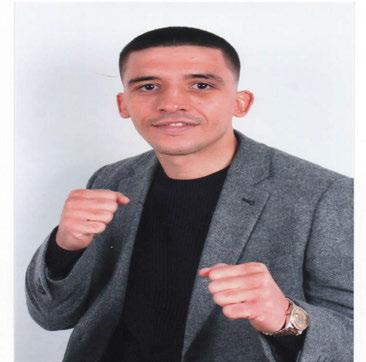
Lee Selby was born on the 14 February 1987 in Barry.
Selby’s world title bouts as follows:
30 May 2015 – Evgeny Gradovich won the IBF
title by an 8 round of 12, on a technical points decision at the O2 Arena, Lindon.
14 October 2015 – Fernando Montiel retained title by a 12-round points decision at the Gila River Arena, Arizona, USA.
9 April 2016 – Eric Hunter retained title by a 12 round points decision at the O2 Arena, London.
15 July 2017 – Jonathan Victor Barros retained title by a 12-round points decision at the Wembley Arena, London.
9 December 2017 – Eduardo Ramirez retained title by a 12-round points decision at the Copper Box Arena, Queen Elizabeth Olympic Park, Hackney Wick, Middlesex.
19 May 2018 – Josh Warrington lost title by a 12-round points decision at Elland Road Football Ground, Leeds, Yorkshire.
Lee Selby retired from boxing having participated in 32 bouts, winning 28 and losing 4
It will be interesting to see who will be the next boxer from Wales to capture a world featherweight title and follow in the steps of Howard Winstone, Steve Robinson and Lee Selby.











– 01.03.26) by Natalie
McCulloch
“No man is an island”, (originally “No man is an Iland”), is a famous line from English poet John Donne, meaning that no one operates as a single entity. Similarly, as Bill Withers sang in his 1972 classic song ‘Lean on me’, “We all need somebody to lean on”.
Both quotes highlight the importance of connecting with others and making use of the support found in our communities. They show how being part of a community can benefit people from various backgrounds and for many different reasons.
It is widely researched that there is a link between loneliness, depression, poor mental health and even poor physical health. Similarly, there is an abundance of research to suggest that being part of a community has copious benefits for a wide spectrum of people.
This year, to mark Eating Disorders Awareness Week (23.02.26 – 01.03.26), leading UK Charity ‘BEAT’ are celebrating the power of community for those affected by an eating disorder.
BEAT recognise the vital role that family, friends and other support networks play in ensuring someone feels supported.
BEAT is keen to spread the message that community play a pivotal role in supporting someone with an eating disorder and ensuring they never feel alone on their journey.
Tom Quinn, Beat’s Director of External Affairs quotes:
‘At least 1.25 million people in the UK have an eating disorder. These devastating mental illnesses hugely impact the lives of those experiencing them, and they can have a huge effect on those supporting them too. We know that connecting to others who understand and care for you can make all the difference to your recovery, whether your community is made up of one person or many.
‘That’s why this year’s Eating Disorders
Awareness Week is all about celebrating community. We’re encouraging as many people as possible to take a few minutes to learn about eating disorders and how to help. To find out more, you can take a look at the resources on our website and social media pages. Eating disorders can affect anyone, but recovery is possible - and we’re always here to help.’
They are far more than just a fad revolving around food, weight and exercise. They don’t just affect teenage girls, and they don’t always result in emancipation or restricted intakes.
Eating disorders are complex mental health conditions characterized by patterns of eating, thoughts, and emotions related to food and body image. They can affect people of all ages, genders, and backgrounds, and they often stem from a combination of genetic, biological, environmental, and psychological factors. BEAT estimate that at least 1.25 million people in the UK have an eating disorder. They affect people of all ages, gender and backgrounds. One eating disorder, Anorexia Nervosa, has the highest mortality rate of any psychiatric disorder and another, Bulimia, is associated with severe medical complications. In every instance, eating disorders severely affect the quality of life of the sufferer and those around them.
How can a community help someone with an eating disorder?
Whilst stories of recovering from eating disorders often focus Soley on the individual, understandably due to the hard work and determination they put in every day, it is also important we recognise the strong role that community plays too.
Treatment and recovery don’t occur in a vacuum and individuals going through this, or even living with an eating disorder, often form strong connections with healthcare providers, friends, family and even the local community. As do their carers and close relations.
A solid community can provide someone with validation, support, guidance, and a place to process difficult emotions, all while encouraging all participants to lift each other up in times of triumph. Being surrounded by people who understand or relate to challenges and struggles, can help combat feelings of alienation, isolation, and loneliness.
Are there specific eating disorder communities?
Yes, both online and in person there are various eating disorder specific groups, forums and communities.
An eating disorder community can provide recovering individuals with a sense of purpose through shared feelings and experiences. Community members can build bonds with each other, which can motivate someone to keep going, even in the most trying of times when they feel they have no one to turn to who ‘gets them’. This perspective can also foster a sense of solidarity, reminding them they are not isolated, even during challenging periods.
Similarly, people bring different strengths to a recovery group, such as listening, supporting others, and helping members feel valued.
In an eating disorder community, everyone identifies as being a part of that group, which can make people feel recognised and connected to others and can help reduce feelings of shame or loneliness and increase a sense of their worth which can be integral to recovery.
It is worth noting that, by community, we don’t just mean a physical face to face support group as this isn’t practical for everyone. There are so many types of community which people can access including online communities, volunteer roles, churches, workplaces, friendship groups, knit and natters, walking groups and clubs.
It’s about finding what works for the individual and it doesn’t have to be a specific eating disorder community, just one that feels ‘right’ to that individual.
“True community is not just about being geographically close to someone or part of the same social web network. It’s about feeling
connected and responsible for what happens. Humanity is our ultimate community, and everyone plays a crucial role.” Yehuda Berg
Please Note: Understand your values and be kind to yourself—if community groups aren’t right for you now, that’s fine; many other support networks are available.
Theodore Roosevelt once said, “Comparison is the thief of joy.” When you’re part of a community, it’s easy to measure yourself against others in terms of lifestyle, achievements, or possessions. However, this kind of judgment can lead to feelings of unhappiness or inferiority. Ultimately, everyone follows their own unique path, and the only person you truly need to compare yourself with is yourself.
Put safety first — let someone know your plans and watch out for scams, especially with money exchanges in groups.
On a personal note, as someone recovering from an eating disorder, I recognise both benefits and drawbacks to community participation. Negatives include comparisons, feeling your struggles aren’t valid, or adopting others’ habits. For me the positives far outweigh these, such as forming incredible bonds, accessing mutual support in dark times, having a sense of normality and having a sense of belonging.
As with a lot of things in life, there is no ‘one size fits all’, but if being part of a community appeals to you then it may just be an excellent way to enhance your life and possibly the lives of others too. Eating disorders can be isolating, making people feel alone whether someone has an eating disorder themselves or whether they are supporting someone. Please don’t fight this battle alone, seek support today.
If you’re worried about your own or someone else’s health, you can contact Beat, the UK’s eating disorder charity on 0808 801 0677 or beateatingdisorders.org.uk
The StoriBoard Club is a chance to step away from our screens and into real-world friendships. Every week, they bring together small groups of like-minded people for shared experiences in cities across the UK. Their experiences are the perfect way to meet new people, try something new and connect in a meaningful way. www.storiboardclub.com Meet Up App - a chance to find events in Cardiff to connect with people who share your interests. Whatever your interest, Meetup helps you connect with like-minded people www.meetup.com

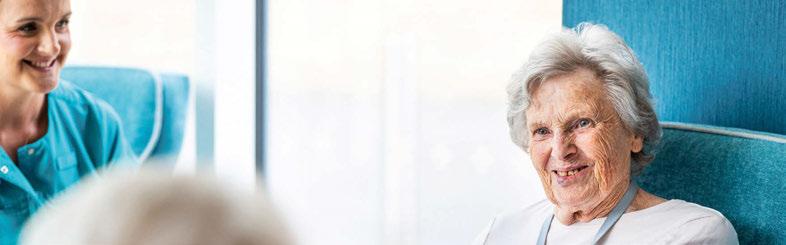
At Care UK’s Llys Cyncoed and Llys Herbert we’re passionate about supporting people to live well with dementia. With expert-backed training and luxurious, purpose-built facilities, you can trust us to care for your loved one.
When we welcome a new resident to our Cardiff homes, our team gets to know them well so that we can tailor care to suit their individual needs. Regular care plan reviews ensure that everyone is supported at every stage of their dementia journey. It’s all part of our person-centred approach.
Care you can depend on
We work closely with academic partners and dementia experts to ensure that we stay up-todate with the latest approaches to dementia care. The Association of Dementia Studies also provides bespoke training for our teams.
This collaboration means our care and practice is supported and informed by evidence, so that you can be assured your loved one receives the very best, compassionate care.
Supporting people to live well with dementia
At Llys Cyncoed and Llys Herbert our Lifestyle teams deliver meaningful activities, designed to support residents to live fulfilling lives, including gardening, crafting, baking and reminiscence.
Our Namaste care sessions take a sensory approach to dementia care that can be particularly beneficial for people living with advanced dementia. Set in a calming, softly lit environment, these sessions involve music therapy, hand or foot massages and relaxing aromas.
Safe, supportive, purpose-built facilities
We understand that moving somewhere new can feel overwhelming, but our purpose-built homes have been carefully designed to meet the latest dementia standards, creating an environment that is safe, welcoming and easily understood.
Everything from colour schemes, signage and furniture to the design of our crockery, has been carefully chosen to support residents to be as independent as possible.
Trusted to care
Llys Cyncoed care home in Cyncoed and Llys Herbert in Lisvane are part of Care UK, the country’s most-awarded large care provider. We’ve been delivering high-quality, person-centred care for over 40 years. That’s why over 15,000 families trust us to care for their loved ones.
To find out more about the dementia care we offer at our Cardiff homes call 0330 029 6609 or visit our website careuk.com/cardiff
Llys Cyncoed care home
127 Cyncoed Road, Cyncoed, CF23 6AF
Llys Herbert
Ty-Draw Road, Lisvane, CF14 0AW
careuk.com/cardiff


The Country Land and Business Association (CLA) Cymru has launched the first of its kind Rural Business Conference Cymru.
The event, which will be held at ICC Wales, Newport on Thursday 5 March 2026, will bring together landowners, farmers, rural entrepreneurs, policymakers, advisers, and supply chain partners to explore and discuss the key issues and opportunities facing the rural economy in Wales.
With the Senedd elections taking place shortly after the event, CLA Cymru - the voice of rural business across Wales – believes the conference will serve as a practical forum for engagement with politicians, ensuring the needs of the rural economy are clearly understood by any future decision makers.
Speakers confirmed for the event include:
•Helen Nelson, Director of Strategic Planning, Climate & Nature, Future Generations Commission
•Ian Williams, Deputy Director, Tourism Development, Welsh Government
•Rowland Rees Evans, Chair, Wales Tourism Alliance
•Geraint Thomas, Founder, Moody Meadows
•Francesca Pridding, Estate Manager, Bodorgan Estate
•Catherine Smith, Chair, Hybu Cig Cymru
•William Watkins, CEO of Radnor Hills
•Edward Morgan, ESG Manager, Castell Howell Foods
•Huw Thomas, Managing Director, Puffin Produce
Victoria Bond, CLA Cymru Director, said: “Wales’s rural economy is dynamic, innovative, and vital to the nation’s prosperity - encompassing farming, food production, environmental stewardship, tourism, housing delivery, and access to digital connectivity and energy. This conference provides a vital forum to unlock that potential, bringing people together to share what works, identify barriers, and shape practical solutions at a pivotal moment for Wales.”
The Rural Business Conference is open to members and non-members of the CLA. An early bird ticket rate is available for purchases made before Friday 31 January: £60+VAT for members and £80+VAT for nonmembers. After this date, tickets will cost £75+VAT and £95+VAT for members and non-members respectively.
Why this conference matters for Wales right now
•A timely forum ahead of the Senedd election: the event will enable measured, informed dialogue that reflects the realities of rural land management and business in Wales. Understanding what works on the ground - to help shape the priorities of the next Welsh Government.
•A whole economy perspective: rural Wales underpins food, energy, nature recovery, cultural heritage, and tourism, sectors that require a strategic approach and joined up thinking across policy, planning, infrastructure and skills, to enable success.
•Growth through transition: As businesses adapt to climate goals, biodiversity targets, and shifting consumer demands, the conference focuses on pathways that deliver economic viability, environmental outcomes, and social value.
•Tickets & Registration: Tickets are on sale now from www.cla.org.uk


146 Whitchurch Road, Cardi , CF14 3NA 02921
* Broken Glass
* Replacement
* Misted Glass
* Replacements
* Faulty/Broken Hinges
* Locks, Handles
* Pa�o Door Problems
* Draughty/Leaking
* Windows, Doors
* Conservatories
* Ca�laps, Le�erboxes
* New Door Panels * Stained Glass Repairs and Replacements * Glass/mirrors of all types cut to size
* uPVC New Windows/ Doors Installed
* Upgrades to Locks and Handles
* Fascias, Gu�ering, Clading
* Coloured Composite Doors




£12 £12
•
•
•
•
•
•
•
•