Tuesday 12th May 2026
Glamorgan Cricket Sophia Gardens
Research, Innovation & Enterprise Services
Doctoral Researcher Supervisor Symposium


Tuesday 12th May 2026
Glamorgan Cricket Sophia Gardens
Glamorgan Cricket
Sophia Gardens
Cardiff
CF11 9XR
029 2040 9380
info@glamorgancricket.co.uk
Car Parking
Attendees have to sign up before hand on a first come first serve basis and there are very limited spaces available.
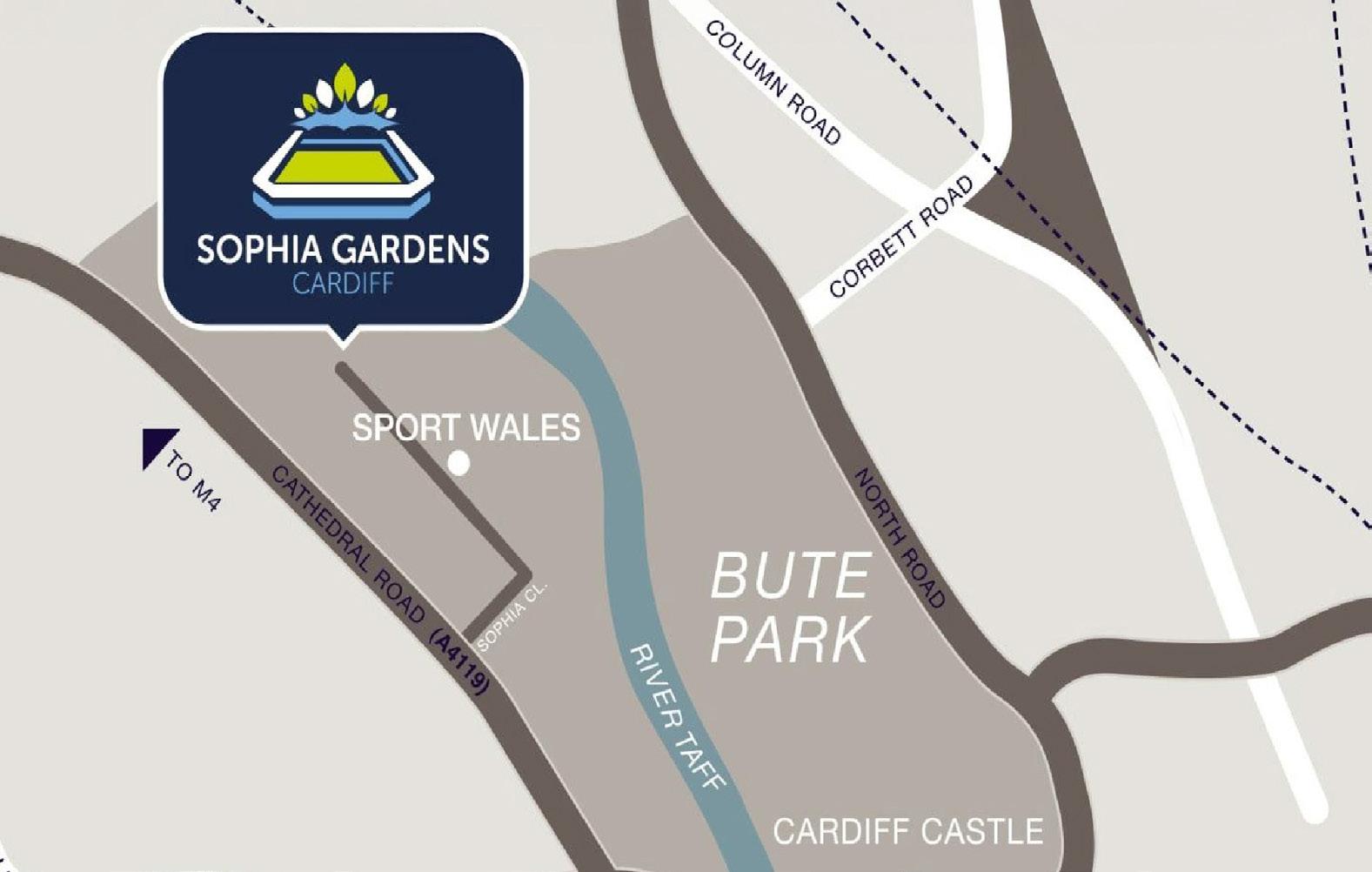
How to get to Glamorgan Cricket Sophia Gardens
The most popular and pleasant means of reaching Sophia Gardens from Cardiff Central Station is on foot. The final part of the 15 minute leisurely stroll takes you along the banks of the River Taff through Bute Park and the grounds of Cardiff Castle.
A popular way to travel to the Stadium is by bicycle and we are in the ideal location to do so i.e. via the Taff Trail which runs from Cardiff Bay to Brecon. The Stadium has more than 30 cycle parking spaces located underneath the Altodigital stand. Use www.traveline.cymru for help with planning your route. for help with planning your route.
The closest train station is Cardiff Central station. It is approximately a 15–20 minute walk to the ground from the station. The most popular route is a scenic stroll along the banks of the River Taff through Bute Park. See National Rail Enquiries for train times.

Cardiff Bus services run regularly between Cardiff Central Station and Cathedral Road (adjacent to Sophia Gardens Cardiff).
Routes going via Cathedral Road include:
Number 25 Circular Service to Llandaff North and North Road.
Number 62 Service to Llandaff, Danescourt, Pentrebane, Fair Water & Canton.
Number 63 service Ffordd Berllan, Central Station, Radyr to Llandaff.
If you are planning to travel by bus please use www.cardiffbus.com for more information.
From Campus (Cyncoed and Llandaff) From Llandaff
Public transport provides a direct and frequent connection between the university and the cricket ground.
• Bus Services: The most common route involves taking a bus (such as the 24, 25, or 63) from the Western Avenue or Cardiff Met stops, typically taking around 15–20 minutes.
• Walking to Transit: Depending on the specific bus line, you may have a short walk from the campus to the main road and another 5-minute walk from the Cathedral Road area to the stadium entrance.
If you are driving or taking a taxi, the route is very straightforward.
• Direct Route: The drive typically takes about 10 minutes via the A4119 (Cathedral Road) or through Pontcanna, covering a distance of approximately 1.8 miles.
From Cyncoed
The journey via public transport typically takes around 45–50 minutes and usually requires a change or a walk through the city centre.
• Bus Routes: Most journeys involve taking a bus like the 52 from Cyncoed into the city centre (Customhouse Street or Westgate Street).
• Final Leg: From the city centre, you can either take a short 15-minute walk through Bute Park to reach the ground or catch a connecting bus (like the 25, 62, or 63) toward Cathedral Road.
Driving or taking a taxi is significantly faster, generally taking about 20 minutes depending on traffic.
• Primary Route: The most direct route is usually via the A48 (Western Avenue) or by heading south through Roath and the city centre. The trip covers approximately 6 miles.
09:30 - 10:00
10:00 - 10:10
10:10 - 11:00
11:00 - 11:30
11:30 - 12:15
12:15 - 13:15
13:15 - 14:00
14:00 - 14:15
14:15 - 14:45
4th Cardiff Metropolitan University Doctoral Researcher Supervisor Symposium SWALEC Stadium, Tuesday 12th May
Registration/Welcome Coffee
Welcome Address Prof Rhodri Lloyd
Keynote Speaker
Prof Brendan Cropley-Developing and maintaining supervisor wellbeing
Embedding Equality, Diversity and Inclusion within Doctoral Research
(Dr Marianne Gittoes & Dr Lowri Mainwaring)
Transition and Coffee Break
Supervising Staff doing Doctorates
(Round table with supervisors and recent graduates)
Prof Rich Neil, Dr Lucy Kember, Dr Stuart Scott, Dr Anna Bryant & Prof Claire Haven-Tang
Lunch Break
Member from each RIES department- table set up for questions
Responsible use of Al in Doctoral Research (Dr Ana Calderon & Dr Simon Thorne)
14:45 – 15:00
Supervising neurodiverse Doctoral Researchers
(Dr Catherine Tryfona & Dr Kate Attfield)
How to make Research Groups meaningful for Doctoral Researchers
(Prof Diane Crone & Dr Kate North)
Transition and Coffee Break
Supervisor Awards
Attracting Research and Innovation Funding as a PhD Supervisor: Building Projects, Teams, and Opportunities (Chloe Hexter and Zoe King)
Prof Sheldon Hanton, Pro-Vice Chancellor of Research, Innovation and Enterprise
Closing Remarks
Prof Sheldon Hanton, Pro-Vice Chancellor of Research, Innovation and Enterprise

Advancing a vibrant, inclusive, and highimpact postgraduate research culture depends fundamentally on the quality of doctoral supervision. It is therefore a privilege to introduce this year’s Doctoral Researcher Supervisor Symposium, which brings together our community of experienced and emerging supervisors to reflect, share practice, and shape the future of doctoral supervision at Cardiff Metropolitan University.
At a time when the research landscape is evolving rapidly, driven by interdisciplinarity, societal challenge, and the imperative for innovation, our approach to doctoral supervision must continue to adapt. This symposium provides an important forum to explore how we can best support our Doctoral Researchers to thrive: intellectually, professionally, and personally. It is also an opportunity to reaffirm our collective commitment to supervisor development, which is reflected in our excellent Postgraduate Research Experience Survey (PRES) results since 2020.
This year’s programme has been intentionally designed to encourage dialogue across disciplines, highlight effective models of supervision, and to engage with key themes surrounding doctoral supervision. Topics covered this year will include the responsible use of artificial intelligence, supervising neurodivergent candidates, embedding equality, diversity and inclusion, the role of
research groups, supervising staff doing doctorates, and attracting R&I funding as a PhD supervisor. I am also delighted to welcome our former colleague, Professor Brendan Cropley, to deliver the opening keynote on the topic of developing and maintaining supervisor wellbeing. By drawing on both internal expertise and wider sector perspectives, we aim to foster a culture of continuous enhancement in supervisory practice.
I encourage all participants to engage openly, share insights generously, and consider how the discussions and connections formed here can inform your own supervisory journeys. The strength of our research environment lies not only in our outputs, but in the people and relationships that sustain it. The annual supervisor awards will also provide an opportunity for us to celebrate some of our outstanding colleagues and I look forward to announcing this year’s winners.
I would like to thank the Graduate Studies team for organising today’s event and to all of the contributors for generously giving up their time and sharing their expertise. I look forward to the valuable conversations and outcomes it will generate.

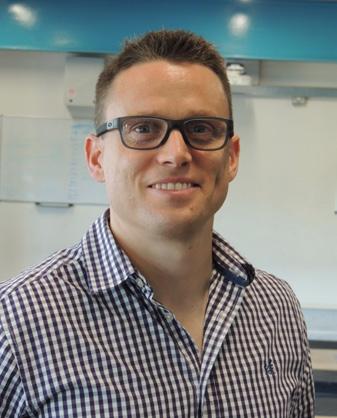
PROF RHODRI LLOYD
After a hiatus last year, it is fantastic to welcome you all to the fourth edition of the Cardiff Met Doctoral Researcher Supervisor Symposium. We are at a new venue this year and we hope that you are suitably “bowled over” by the setting of the SWALEC Stadium.
As always, this event strives to bring staff from across the University together to share good practice, grow our networks and celebrate supervisory excellence. We look forward to recognising individuals with the annual Doctoral Research Supervisory Awards later in the day, and I would like to extend my congratulations to our winners.
In the spirit of the “you said, we listened” approach, we have introduced some changes this year based on your feedback from the previous symposium, including: moving back to a venue offsite, shortening the day, moving the event to earlier in the week, while also making sure that RIES representatives are on hand to answer your questions.
Events like today are dependent on the quality of speakers, and we have once again managed to secure an outstanding lineup of presented with representation from all schools across Cardiff Met and RIES. I am also delighted to welcome Professor Brendan Cropley back to the University to deliver our opening keynote address. My sincere thanks go to all our speakers for giving up their time and being willing to share their valuable insights with
delegates. Please do make every effort to contribute and interact as much as possible during their sessions.
We will inevitably be seeking feedback after today, however, should anyone have any ideas for session topics and speakers for next year, we have opened up a proposal submission form which you can access via the QR code below.
I would like to extend my sincere thanks to the Graduate Studies Team who have gone above and beyond in helping to organise today’s event. As a team, we aim to ensure supervisors and Doctoral Researchers have the best possible experience at Cardiff Met, and we hope today proves both valuable and rewarding.
Finally, thank you all for taking the time to attend and for your tireless efforts in supervising our Doctoral Researchers. While Higher Education continues to face some challenges, the quality of supervision of doctoral research across Cardiff Met remains excellent. I hope you find the day both enjoyable and inspiring and it provides opportunities to connect with both new and familiar colleagues.
PROF BRENDAN CROPLEY (10:10-11:00)
Session Overview:
Doctoral supervision is frequently celebrated as one of the most rewarding aspects of an academic’s role, yet it is also one of the most complex and psychologically demanding. Navigating the intricate dynamics of the supervisory relationship, managing institutional pressures, and guiding candidates through the challenges of the PhD journey can significantly impact a supervisor’s own mental well-being and professional performance. Drawing on extensive applied research in high-performance coaching, practitioner well-being, and consultant effectiveness, this keynote explores the often-overlooked demands of PhD supervision. It will examine the intersection of effective supervisory practice and mental well-being, highlighting why supervisor thriving should be a primary concern for academics and HEIs. In accord, a series of evidence-based strategies designed to help individuals, teams, and organisations manage supervisor mental well-being and leverage the associated beneficial personal and professional affects will be presented. In doing so, this keynote will argue that managing supervisor mental well-being should be a shared individual and institutional strategic priority as it is the essential foundation for the provision of high-quality doctoral supervision, sustainable careers, and a prosperous research culture.
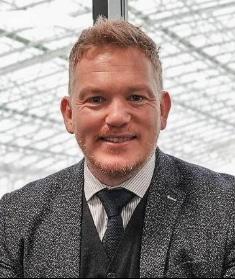
PROF
BRENDAN CROPLEY is a Professor of Sport Coaching at the University of South Wales, where he also leads the Sport & Exercise Research and Innovation Group and the Football Association of Wales (FAW) Centre for Football Research. He is also the Coaching Science Lead for the Welsh Institute of Performance Science Research Steering Group. His primary research interests centre on practitioner growth and performance with a focus on reflective practice, mental well-being, and human thriving. By committing to applied, impactful research, Brendan’s work has informed qualifications and
standards, applied practice, and professional development programmes in sport psychology and coaching. This applied emphasis extends to his philosophy for postgraduate research supervision, which emphasises the holistic development required to help students successfully bridge the gap between theory and practice. Brendan has supervised postgraduate research students across several doctoral pathways, and in subject areas covering the sport sciences and allied disciplines, since 2011.
The focus of the session will be towards enhancing awareness of the importance of, and approaches to embedding equality, diversity and inclusion (EDI) imperatives within the lifecycle of a Doctoral Researcher’s programme.
The session has two primary objectives: 1. To update supervisors on current EDI strategies and priorities for our doctoral research community (e.g. including the new EDI reflections or Progress Reviews, and Doctoral Researcher recruitment practice enhancements); 2. To provide opportunity to explore and share how supervisors can be active in contributing to building a fair, diverse and inclusive doctoral research community through their own supervision practices.
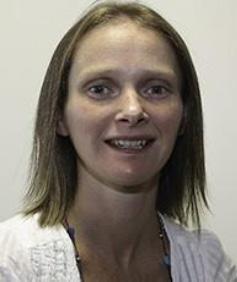
DR MARIANNE GITTOES is a Reader in Sport and Exercise Biomechanics within the Cardiff School of Sport and Health Sciences. During her 20+ years at Cardiff Met, she has developed a strong track record of successful Doctoral Researcher (DR) supervisions and has gained a breadth of experience as a Chair and examiner for DR examinations, and as an IPA. She has also been actively involved in designing and delivering induction and training sessions for the University’s DRs and Supervisors.
In January, 2024, Marianne took on the role of Graduate Studies Lead (GSL) for Sport, and then in 2025 became the GSL for both Sport and Health. She has been an active member of the University’s Research Degree Group for over 10 years. Prior to taking on the Graduate Studies Lead role, Marianne chaired the Sport Athena SWAN group. Her experience in this role and, her long-term commitment to supporting our DR community underpins her values-driven approach to monitoring and enhancing representation across the breadth of our DR community.
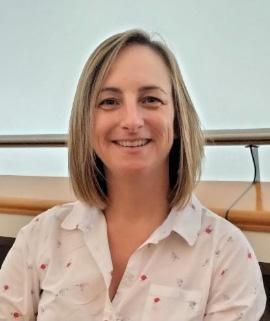
DR LOWRI MAINWARING is Acting Deputy Dean within the Cardiff School of Sport and Health Sciences at Cardiff Metropolitan University and is a HCPCregistered biomedical scientist. With over a decade of experience in higher education, her work spans leadership in learning, teaching, and student experience, with a strong focus on inclusive and student-centred curricula.
While established in academic leadership, Lowri is at an early stage in her doctoral supervision journey, having recently begun supervising a doctoral student. She brings a valuable perspective on developing supervisory practice, alongside her active engagement in Equity, Diversity and Inclusion initiatives at both School and University level, including membership of the University EDI Committee, Athena Swan Self-Assessment Teams, and the Race Equality Charter Working Group.
Her interests centre on embedding EDI within curricula, research cultures, and student support. This includes promoting Welsh-language provision to enhance equitable access to healthcare and science education.
PROF RICHARD NEIL, DR STUART SCOTT, DR ANNA BRYANT, DR STEPH MORRIS & PROF CLAIRE HAVEN-TANG (11:30
– 12:15)
Session Overview:
Undertaking a doctorate while employed by the university offers unique opportunities, but also presents complex challenges, including navigating dual identities, managing competing workload pressures, and negotiating supervisory relationships with colleagues. This roundtable brings together experienced supervisors and recent staff graduates to discuss best practices for supporting and managing this specific, intense journey.
Join us for an open, collaborative discussion on:
• The “Dual Role” Challenge: Balancing professional responsibilities with academic research.
• Supervisory Dynamics: Navigating the shift from colleague to mentor-mentee.
• Institutional Support: How the university can better support staff-students in balancing workload and wellbeing.
• This session is essential for current doctoral students who are staff members, their supervisors, and researchers interested in doctoral pedagogy and professional development.
Key Themes Covered:
• Professional development and reflective practice.
• Managing expectations, timelines, and work-life balance.
• Bridging the gap between staff responsibilities and doctoral requirements.
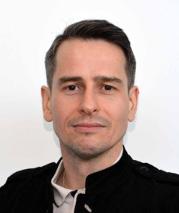
PROF RICH NEIL is Head of Research and a Professor of Performance
Psychology at Cardiff Met. His research interests are in the areas of resilience, leadership, stress, wellbeing and performance and life skills development. Rich is a BPS chartered psychologist and a HPC registered sport psychologist, using information gleaned from his research to support numerous high-performance teams, coaches and athletes.

DR STUART SCOTT In January 2024 Stuart completed a part-time PhD developing a strategic framework for reducing work-related stress among headteachers in Wales. Stuart’s research currently focuses on the development, implementation and promotion of sustainable occupational health and wellbeing strategies and interventions in the workplace. Stuart also has an interest in researching water pollution and the impacts on water users and is looking to explore this research avenue further in the coming years.
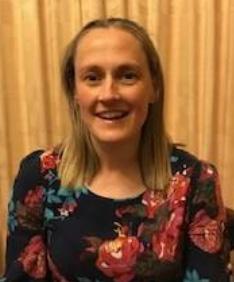
DR ANNA BRYANT is Director of Teacher Education and Professional Learning (Research) and Reader in Physical Health Education at the Cardiff School of Education and Social Policy (CSESP). After a period as a secondary physical education teacher, Anna has made a significant contribution to Initial Teacher Education and Physical Health Education. She Co-leads the Teacher Education Research Group and the Physical Health Education for Lifelong Learning (PHELL) Research and Innovation Group, and chairs the Cardiff Partnership Initial Teacher Education (ITE) Research Advisory Board, which includes members from Cardiff Metropolitan University, Cardiff University, and the University of Oxford.
Anna has been involved in providing academic consultancy to the Welsh Government on the new Health and Well-being Area of Learning and Experience (AoLE) of the Curriculum for Wales and has led the Curriculum for Wales for formative Deep Dive Evaluation for the Health and Well-being AoLE. She has supervised seven doctoral completions and is currently supervising eight students undertaking PhD or Professional Doctorate programmes.

DR STEPH MORRIS is a Senior Lecturer in Strength and Conditioning at Cardiff School of Sport and Health Sciences. Steph completed her doctorate in May 2025, which explored the influence of biological maturity and strength and power kinetics on weightlifting performance in paediatric populations. She undertook her doctorate parttime alongside her lecturing role, with her research closely integrated into her applied coaching practice with British Weightlifting. Steph is accredited by both the NSCA (Certified Strength and Conditioning Specialist) and the UK Strength and Conditioning Association and has worked to translate her research into applied practice, particularly through coach education in youth weightlifting.
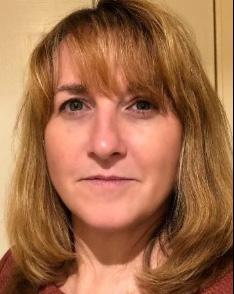
is Associate Dean (Research) in Cardiff School of Management (CSM) and Professor of Destination Development. Claire has 27 research degree completions, has examined 36 research degree students and has chaired 63 research degree Vivas. She is currently supervising 8 research degree students in CSM, CSAD and CSSHS. Research projects include: regenerative tourism models for destination development, food supply chains in tourism and hospitality businesses, UEFA Champions League and Volvo Ocean Race event evaluation, best practice in business and event tourism, tourism and hospitality human resource challenges and AI in food service businesses.
Large language models can summarise papers, draft text, and propose arguments in seconds—but they can also fabricate citations, misinterpret research, and present flawed reasoning with convincing authority. For doctoral researchers still developing scholarly judgement, distinguishing useful assistance from epistemic risk is not trivial. This talk presents a structured framework for responsible AI use in research, categorising interactions with AI across four levels of risk. The focus will be on how to train doctoral researchers to recognise where AI is helpful, where caution is required, and where its use becomes academically unsafe. This will also be an interactive session with opportunities for colleagues to participate on categorising work with the table provided, and to opine on current trends.

DR ANA CALDERON is the graduate studies coordinator and senior lecturer in Computing at Cardiff School of Technologies, with a background in mathematical computer science, and in particular expertise in game semantics for programming languages and on developing new frameworks to model programming paradigms. She is interested in creating mathematical tools for modelling computing concepts, but also in applying them to realworld problems. Examples include developing and analysing frameworks for communications between humans and autonomous systems during disaster relief and developing the mathematical foundations of AI algorithms behind medical applications.
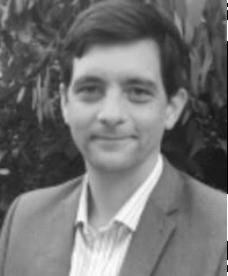
DR SIMON THORNE is a Senior Lecturer in Computer Science at Cardiff Metropolitan University whose research focuses on the reliability and risks of artificial intelligence systems, particularly large language models used for code and spreadsheet generation. His work examines how AI assisted tools introduce errors into decision making processes and how these risks can be mitigated through improved modelling, evaluation, and human centred design. He has published widely on software quality and computational reliability, led more than £900K in EU and UK research funding applying AI to real world problems, and is a co-founder of the Knowledge Observation Group, an international research collaboration focused on AI, cognition, and epistemology. He also serves as a subject specialist reviewer in Artificial Intelligence, Machine Learning, and Software Quality for the UK Engineering and Physical Sciences Research Council.
This discussion and presentation advocates for neuroinclusive academic support for doctoral students, with a focus on “equity of consideration”. Kate and Catherine explore doctoral supervision strategies that better support neurodiverse students by adapting approaches and cultivating “soft landing spaces” where all students feel safe to pursue their interests and strengths.
The session highlights practical, scalable strategies, including the use of digital tools, structured goalsetting, and reflective check-ins, to provide flexible, responsive support. It also addresses how to maintain clear professional boundaries while fostering trust, autonomy, and sustained student engagement.

DR CATHERINE TRYFONA is Associate Dean (Partnerships) at Cardiff Metropolitan University’s School of Technologies and continues to supervise doctoral students alongside her leadership role. She completed her doctorate in recent years, exploring how autistic individuals use mobile technologies within religious settings and the acceptance of that technology. Catherine brings both academic and lived experience to her work, having been a late-diagnosed neurodivergent student herself.

DR KATE ATTFIELD is Senior Lecturer in CSESP. Kate’s sociological research interest is inclusive citizenship, which has led her to publishing research into under-researched, minority communities on their lived experiences. Kate has recently completed research on autistic traits linked to wellbeing in elite sport. The main finding is that autistic athletes may experience vulnerability alongside strong benefits from participation in well-designed sporting environments; this can be applied in HE, and well-designed doctoral research environments. Kate supervises some neurodiverse doctoral researchers across Schools, who have contributed to this presentation.
An interactive session to explore what an Early Career Community means in your context and how to make it happen.
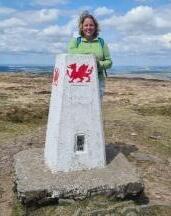
PROF DIANE CRONE is a Professor in Exercise and Health at the Cardiff Metropolitan University, and the Director of the Centre for Health, Activity and Wellbeing Research (CAWR). Her expertise lies in the design, delivery and evaluation of health enhancing physical activity interventions in primary and secondary health care, and in the community. Her applied research interests include the role of physical activity for mental health, physical activity intervention evaluation, and systems-based approaches to physical activity promotion.
She has published internationally on physical activity and mental health, exercise interventions, social prescribing, and nature-based wellbeing programmes. She has worked and led extensively on numerous EU and UK wide projects and frequently presents overseas as an invited speaker.
She represents her University as the institutional lead in the WHO Health Enhancing Physical Activity EU Network (HEPA EU), the Wales Institute for Physical Activity, Health and Sport (WIPAHS) and as co-lead for EuroHealthNet (European Public Health network).
She is a Steering Group member of the Wales School of Social Prescribing Research (WSSPR) and an invited member of Sport England’s Systems Partnership (#UnitingtheMovement) Evaluation Advisory Board. In 2025 she was appointed as the Chair of the Welsh Government Healthy Weight Healthy Wales Active Lives Working Group. She is a member of the British Association for Sport and Exercise Sciences and a Fellow of the Royal Society of Public Health. She has also been a Non-Executive Director (University) for Public Health Wales (2020-2025).

DR KATE NORTH is Reader in Creative Writing and Graduate Studies Coordinator in Cardiff School of Education and Social Policy. She writes poetry and fiction and has experience of working in community settings on arts, health and wellbeing projects. She has worked with local authorities, NHS Health Boards, HM Prisons, charities and other organisations to provide writing interventions, creative research methods and models of co-production. She is currently working on the Stories on the Edge of Memory project, based in Butetown, Cardiff, working with community elders, developing technology to preserve narratives that are vulnerable to loss. She is also developing Companion Poems for people living with dementia and is part of the SPIN Dementia + Network working to develop dementia prevention strategies and practices.
Kate is Principal Editor of Writing in Practice, the journal of creative writing research and she leads the Creative Writing for Community Wellbeing (CREWCOM) research group. She was a Board Director and Chair of Literature Wales (2015-2021) and she is a Trustee of the Raymond Williams Foundation. Kate sits on the English Language and Literature Sub-panel 27 for the REF 2029 cycle.
A practical session on attracting research funding as a PhD supervisor, covering the UK funding landscape, strategies for securing grants and contracts, and ways to involve PhD students in funded research projects.

ZOE KING is a Research and Innovation Officer Bid Support, Joining Cardiff Metropolitan University in March 2025, and supporting academics through the competitive research funding process to develop and submit high impact research proposals.
Zoe has over 25 years’ experience in the voluntary and third sectors, most recently as a senior manager at Diverse Cymru, a pan Wales equality and social action charity. In this role, she successfully secured funding from a wide range of national and regional sources, including commissioned public sector contracts, consultancy income, project grants and collaborative programme funding.
Earlier in her career, Zoe held communications and engagement roles on a European Social Fund supported project at the Welsh School of Architecture and within a leading theatre company. She has also worked in project management, funding and business development across arts, culture and regeneration initiatives, delivering programmes and partnerships UK wide.
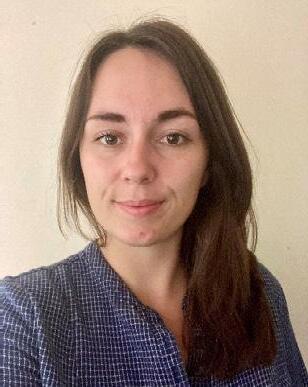
CHLOE HEXTER is our Research and Innovation Officer - for Policy. She will be presenting alongside Zoe for the Attracting Research and Innovation Funding as a PhD Supervisor: Building Projects, Teams, and Opportunities session.
- 14:45)
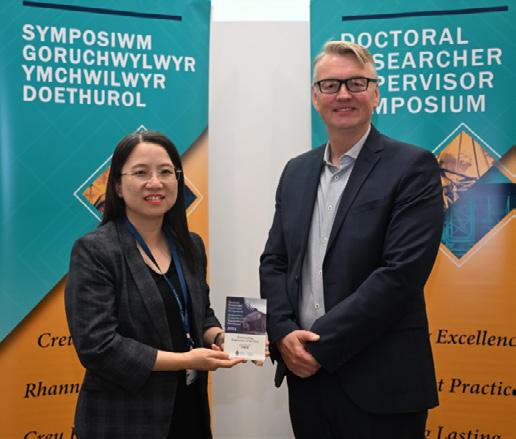
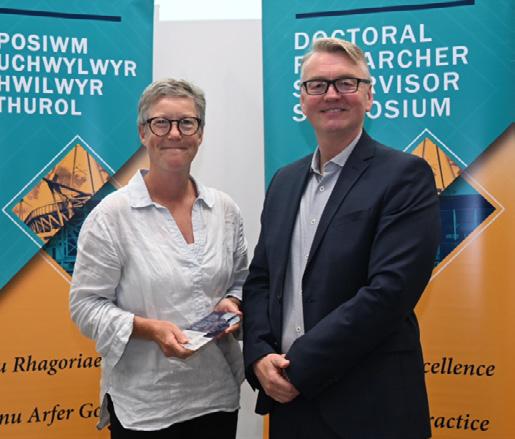
Outstanding Supervisor of the Year Award
Awarded to a Doctoral Research Supervisor who has shown outstanding supervision throughout the course of the academic year.
2024 WINNER - DR ESYIN CHEW
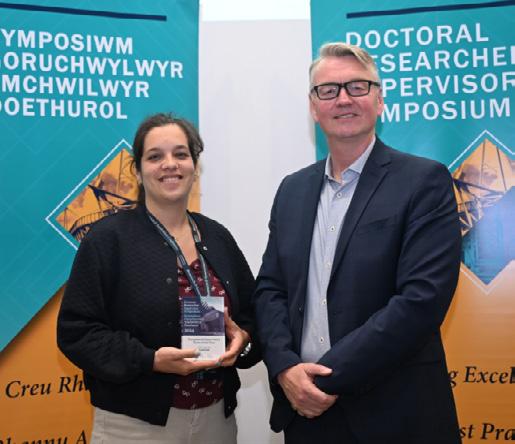
Early Career Supervisor of the Year Award
Awarded to an early career postgraduate supervisor who has been supervising for less than four years and has shown outstanding supervision throughout the course of the academic year.
2024 WINNERS - DR SALLY BETHELL
Exceptional Supervisory Team of the Year Award
Awarded to a postgraduate research supervisory team who combined have shown outstanding supervision throughout the course of the academic year.
2024 WINNERS - DR SOFIA SANTOS, DR GETHIN THOMAS & DR KERRY HARRIS
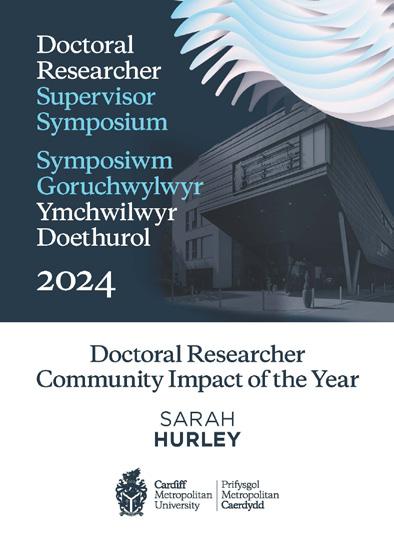
Doctoral Research Community Impact of the Year Award
Awarded to acknowledge an individual, or group of individuals, that have made a significant impact to the postgraduate community over the course of the academic year. This award is open to all staff involved in the Doctoral Researcher community, including supervisors, managers and administrators.
2024 WINNER - MS SARAH HURLEY
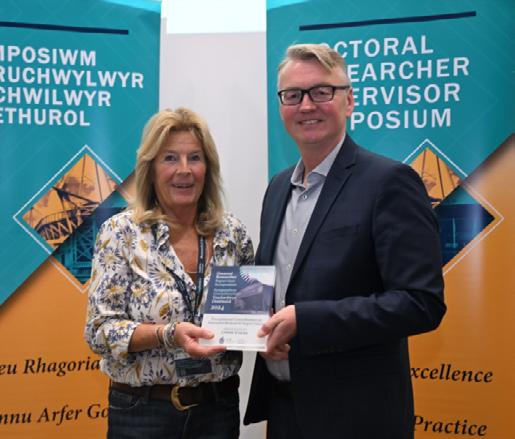
Exceptional Contribution to Doctoral Research Supervision Award
Awarded to an individual who has made a significant and sustained contribution to Doctoral research within the University over the course of their career.
2024 WINNER - PROF LYNNE EVANS
“Supporting the development of Doctoral Researchers is one of the most rewarding aspects of my job at Cardiff Metit was a privilege to receive this award.”
This scheme offers an excellent opportunity to support a new Welsh-medium Doctoral Researcher while strengthening your department’s long-term teaching and research capacity. One of the scholarships’ aims is to develop the next generation of academics confident in using Welsh in their field.
Our university may submit up to five applications in total to the Coleg:
• Four applications for 50% scholarships, with the remaining costs covered by the institution, and
• One application eligible for 100% funding from the Coleg. This will be designated as the Cardiff Met’s Branch of the Coleg Cymraeg nomination. Which of the applications will be designated as the Branch Nomination will be decided RIS, based on which application best meet the requirements of the Coleg Cymraeg.
The University may also apply for a fully funded scholarship if they can show how the applications :
• form part of a plan to rebuild or expand Welsh-medium teaching capacity, or
• be an equality and diversity scholarship supporting a candidate from an under-represented group in higher education.
Applications must be led by an academic school or department and should include:
• a detailed outline of the proposed research project and methodology (Part 1 of the attached application form),
• evidence of the department’s record in supervising PhD students,
• where possible, details of a nominated PhD candidate (Part 2), and
• the institution’s supporting statement and authorisations (Part 3).
Please note: You do not need to be a Welsh speaker to supervise a project funded under this scheme. At least one member of the supervisory team must be able to supervise through the medium of Welsh, but non-Welsh-speaking supervisors are welcome to apply, provided that appropriate Welsh-medium supervisory support is available within the team.
Projects in any discipline are welcome, provided they contribute to the Coleg’s strategic aims—expanding Welsh-medium research and provision, supporting equality and diversity, and strengthening the Welsh-medium academic workforce.
Further information and support can be provided by Head of Welsh, Daniel Tiplady at dtiplady@cardiffmet.ac.uk
Please visit the Doctoral Academy using this link: Coleg Cymraeg Cenedlaethol Welsh-medium Research Scholarship New dates for 2027/28 will be added here, along with full details of eligibility criteria, assessment criteria, funding arrangements and application form.
Enterprise and Commercialisation Support for Doctoral
Doctoral research has the power to shape industries, influence policy, improve practice, and generate new ventures that address real-world challenges. At Cardiff Metropolitan University, we support doctoral researchers and their supervisors to translate excellent research into meaningful, real-world impact — across industry, policy, communities, and new ventures.
Our Enterprise and Commercialisation support complements academic supervision, helping researchers explore practical impact pathways without compromising scholarly rigour.
Doctoral Supervisors are increasingly navigating expectations around impact, engagement, and employability alongside academic excellence. Enterprise support provides structured pathways to help.
Enterprise and Commercialisation activities can support doctoral researchers to:
• Translate research into real-world application
• Develop skills in innovation, entrepreneurship, and knowledge exchange
• Build confidence in communicating research to non-academic audiences
• Engage with industry, public sector, and community partners
• Explore routes to innovation, commercialisation, and broader impact
• Contribute to future impact case studies and wider institutional impact narratives
Our team works collaboratively with supervisors and doctoral researchers at different stages of the research journey.
• Developing enterprise and translational thinking early in the project
• Identifying potential impact pathways
• Building awareness of innovation and enterprise opportunities
Mid-Stage: Developing Application
• Supporting knowledge exchange activity
• Facilitating innovation-focused workshops and conversations
• Encouraging external collaboration and engagement
• Strengthening enterprise skills and impact planning
• Exploring licensing and IP opportunities
• Supporting spin-out, start-up, or social enterprise pathways
• Identifying routes into policy, practice, and public sector impact
We recognise that supervisors play a central role in shaping the doctoral journey. Our approach is collaborative, complementary, and respectful of academic priorities.
We support supervisors and researchers by:
• Enhancing research impact without disrupting core research activity
• Providing specialist expertise in enterprise, innovation, and commercialisation
• Helping researchers navigate intellectual property, partnerships, and translational opportunities
• Strengthening impact narratives for future REF and broader research evaluation contexts
We offer informal entry points to explore what’s possible:
• “Curious About” Drop-In Sessions
Open and informal conversations about translating research into impact.
• Workshops, 1:1 support, and collaboration opportunities
If you have a doctoral researcher, project, or idea with potential beyond academia, we’d be delighted to explore it with you. commercialisation@cardiffmet.ac.uk
Connecting research, innovation, and real-world impact at Cardiff Metropolitan University.
The UKCGE (UK Council for Graduate Education) offer a Research Supervision Recognition Programme to offer official recognition for good supervisory practice. The Good Supervisory Practice Framework acknowledges at a national level, the wideranging, highly complex and demanding set of roles involved in modern supervision.
The award is available for application to those who have supervised Doctoral Researchers to completion and can apply their experience to the key criteria for Good Supervisory Practice:
1. Recruitment and selection
2. Supervisory relationship with candidates
3. Supervisory relationship with co-supervisors
4. Supporting candidates’ research projects
5. Encouraging candidates to write and giving appropriate feedback
6. Keeping the research on track and monitoring progress
7. Supporting candidates’ personal, professional and career development
8. Supporting candidates through completion and final examination
9. Supporting candidates to disseminate their research
10. Reflecting upon and enhancing practice
Applicants will need to complete a Supervision Observation Report and provides references from a colleague and a former Doctoral Researcher.
A Q&A on the Recognised Research Supervisor Programme can be found here for those who are interested to know more.
If you are interested in applying for the award, please speak with your School Graduate Studies Lead in the first instance.
A small cohort of those interested from across the Schools will be brought together to network and support the application, led by Professor Rhodri Lloyd, a recipient of the award in 2024.
2 guidance documents have been created to provide clarity on the support available to neurodivergent Doctoral Researchers, and best practice for Supervisors on how to support their neurodivergent Doctoral Researchers:
The documents have been created in conjunction with School Graduate Studies Leads, Student Services and feedback from a cohort of neurodivergent DRs at Cardiff Met. The documents outline role responsibilities, support mechanisms, useful links and reasonable adjustments throughout the doctoral journey and for the viva examination.
To complement the Considering Equality, Diversity & Inclusion when Conducting your Research videos on the Doctoral Academy Journey Maps, we have added a section within the Progress Reviews to prompt Doctoral Researchers to outline how they have embedded EDI within their research project at each milestone. We have created an accompanying guidance to provide prompts.
In September 2026, Cardiff Met will launch the University-wide MRes. The new programme will exist within the university’s research degree regulations and has been designed to use a shared model with seven pathways:
• Art & Design
• Education
• Health Sciences
• Management
• Social Policy
• Sport
• Technologies
Notably, candidates within these pathways can graduate with an exit award, depending on the modules and topics of research that they select during their candidature. The basic structure of the new University-wide MRes involves 80 credits of taught study (research-related) and 100 credits of independent research.
Module content will be delivered asynchronously, with support for each candidate provided by a supervisory team and School MRes Coordinators.
The research-related module content created for the MRes will be made available to all Doctoral Researchers to further enhance Cardiff Met’s doctoral training provision.
For any queries on these resources, please contact graduatestudies@cardiffmet.ac.uk
The Doctoral Academy site is a one-stop-shop for Doctoral Researchers and their Supervisors, containing everything you need to know about the Cardiff Met Doctoral Research Community:
Doctoral Academy - Home (sharepoint.com)

The Supervisor Handbook provides guidance on the expectations of a Doctoral Research Supervisor. The guidance covers each stage, from application for the role to limiting the Supervisor Capacity to maintain wellbeing.
The Supervisor Information Centre contains all the information you need to develop as a Supervisor and to support your Doctoral Researchers.





How-To Guides to provide step by step guidance on Progress Reviews for the Doctoral Researcher from the perspective of each member of the Supervisory Team.
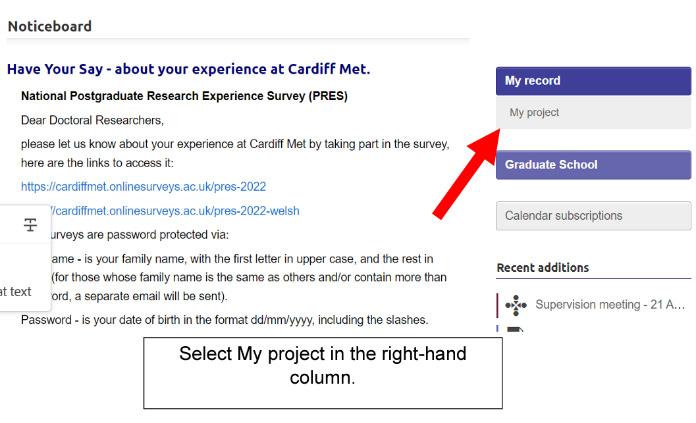
We have collated a list of the current Approved Supervisors, Viva Examiners and Chairs to facilitate the appointment of appropriate academic staff to Doctoral Research projects.
All Supervisors (inclusive of DoS, IPA and STC roles) must complete the compulsory support sessions.
These sessions have been identified by the University Research Degrees Group in line with sector guidance to continue to support the student experience and the excellent work of colleagues Supervising Doctoral Researchers (as evidenced in the PRES).
Support Sessions
• DRS01: The Milestones, Regulations & Role of the Supervisory Team
• DRS02: Expectations, Responsibilities & Supervisor/Doctoral Researcher relationship
• DRS03: Introduction to Doctoral Research Manager
• Doctoral Research Experience Series: Equality, Diversity and Inclusion
• DRS10: Demands, Resources and Current Initiatives
Compulsory sessions must be completed within the first year of supervision for those new to the role, or new to supervision at Cardiff Met. Those already supervising Doctoral Researchers will need to continue their professional development aligned to supervision every 2 years. Successful completion of the sessions is monitored by the Doctoral Academy Team.
Would you like to supervise a taught Doctoral Research programme?
You will need to complete the sessions relevant to the doctoral programme:
Professional Doctorates
• DRS12: Professional Doctorate 1: Nature and Structure of the Professional Doctorate
• DRS13: Professional Doctorate 2: Assessment Structure, Support and Viva
Doctor of Management
• DRS14: Taught Doctorate: The Doctor of Management (DMan)
Would you like to Examine Doctoral Research projects?
You will need to complete the Examination Series before conducting a Level 8 Viva:
• DRS15: Examining Doctorates 1: Role of the Examiner (Online E-Module)
• DRS16: Examining Doctorates 2: Facilitating Academic Discussion

The Doctoral Wellbeing Initiative Team offer a portfolio containing bespoke practical advice, resources, and supportive interventions for Doctoral Researchers (DRs) and resources for Supervisors to support wellbeing, alongside the wide range of services available within Cardiff Met.
There is a marked increase in Community activities, Research Groups and networks for DRs within, and across, Schools.



Regular Training Sessions to enhance Doctoral Researcher development in Research, Professional and Personal Skills.
Doctoral Journey Maps for each Doctoral Programme to provide guidance and expectations for each stage of study.
How To Guides to provide step by step guidance on Progress Reviews for the Doctoral Researcher from the perspective of each member of the Supervisory Team.
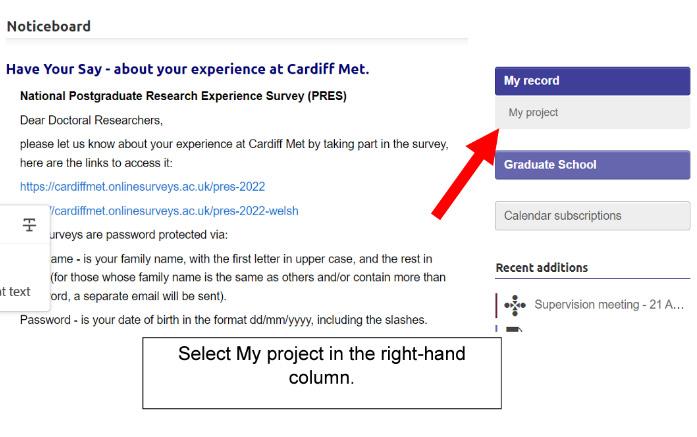

Do you have a suggestion for the Doctoral Academy? If so, please get in touch!
doctoralacademy@cardiffmet.ac.uk
Did you know that we’ve enhanced our training provision for Doctoral Researchers?
Cardiff Met’s Digital Skills sessions can help to develop additional, transferable skills with most courses resulting in certifications to evidence professional development.
We’ve worked with the Organisational Development team to ensure that Doctoral Researchers are provided with access to Learning Pool’s personal and professional development sessions.
In addition to our continuous suite of Induction and training sessions delivered throughout the academic year, we’ve created an online repository of over 40 previously delivered sessions on the Doctoral Academy that can be accessed at any time.



Sessions and resources from Library Services to help inform research and publishing.

Sessions and resources on managing different types of data and using data analysis programmes including Leximancer and NVIVO.


Guidance on what to expect from the Viva and tips on how best to prepare.
Practical advice on looking after wellbeing in academia and the research that motivated the Researcher Wellbeing Cymru platform.
Sessions and resources on the various approaches that can be taken towards the research project, what to consider throughout the doctoral journey and tips on preparing to write the thesis.
Providing insight into academia beyond the research project; obtaining funding, academic publishing and research impact.
Do you have an idea for a training session that would benefit Doctoral Researchers?
If so; please get in touch! doctoralacademy@cardiffmet.ac.uk
For full details on tuition fees for the 2026/27 academic year, please scan the QR code below.
This link will take you directly to the Fees & Finance webpage, where you can find up to date information on UK, EU, and International tuition fees, as well as guidance on funding and financial support options.
QR Code – Tuition Fees 2026/27
RESEARCH & INNOVATION SERVICES
Head of Research
Prof Rich Neil
Graduate Studies Lead
Prof Rhodri Lloyd
Graduate Studies (before thesis submission) graduatestudies@cardiffmet.ac.uk
Research Degree Exam (after thesis submission) researchdegreeexam@cardiffmet.ac.uk
Doctoral Academy (training and website queries) doctoralacademy@cardiffmet.ac.uk
Professional Doctorate profdoc@cardiffmet.ac.uk
Doctoral Wellbeing doctoralwellbeing@cardiffmet.ac.uk
SCHOOL ADMINISTRATORS
Cardiff School of Art & Design
CSADresdegrees@cardiffmet.ac.uk
Cardiff School of Education & Social Policy
ESSHresearchdegrees@cardiffmet.ac.uk
Cardiff School of Management
CSMresearch@cardiffmet.ac.uk
Cardiff School of Sport & Health Sciences
ESSHresearchdegrees@cardiffmet.ac.uk
Cardiff School of Technologies
CSTresearch@cardiffmet.ac.uk
Cardiff School of Art & Design
Dr Theo Humphries
Cardiff School of Education & Social Policy
Dr Kate North
Cardiff School of Management
Dr Rachel Mason-Jones
Cardiff School of Sport and Health Sciences
Dr Marianne Gittoes
Cardiff School of Technologies
Dr Ana Calderon
PROFESSIONAL DOCTORATE COORDINATORS
Cardiff School of Art & Design
Dr Theo Humphries
Cardiff School of Education & Social Policy
Dr Alex McInch
Cardiff School of Management
Dr Rachel Mason-Jones
Cardiff School of Sport & Health Sciences
Dr Neil Hennessy
Cardiff School of Technologies
Dr Chaminda Hewage
Please give us your feedback using this link:
Feedback-Doctoral Researcher Supervisor Symposium 2026
We kindly ask you to complete the feedback form regarding the Doctoral Researcher Supervisor Symposium held at SWALEC Stadium, Sophia Gardens, on Tuesday 12th May 2026.