
The Center for Advanced Preparedness & Threat Response Simulation
Redefining Preparedness for Global Threats
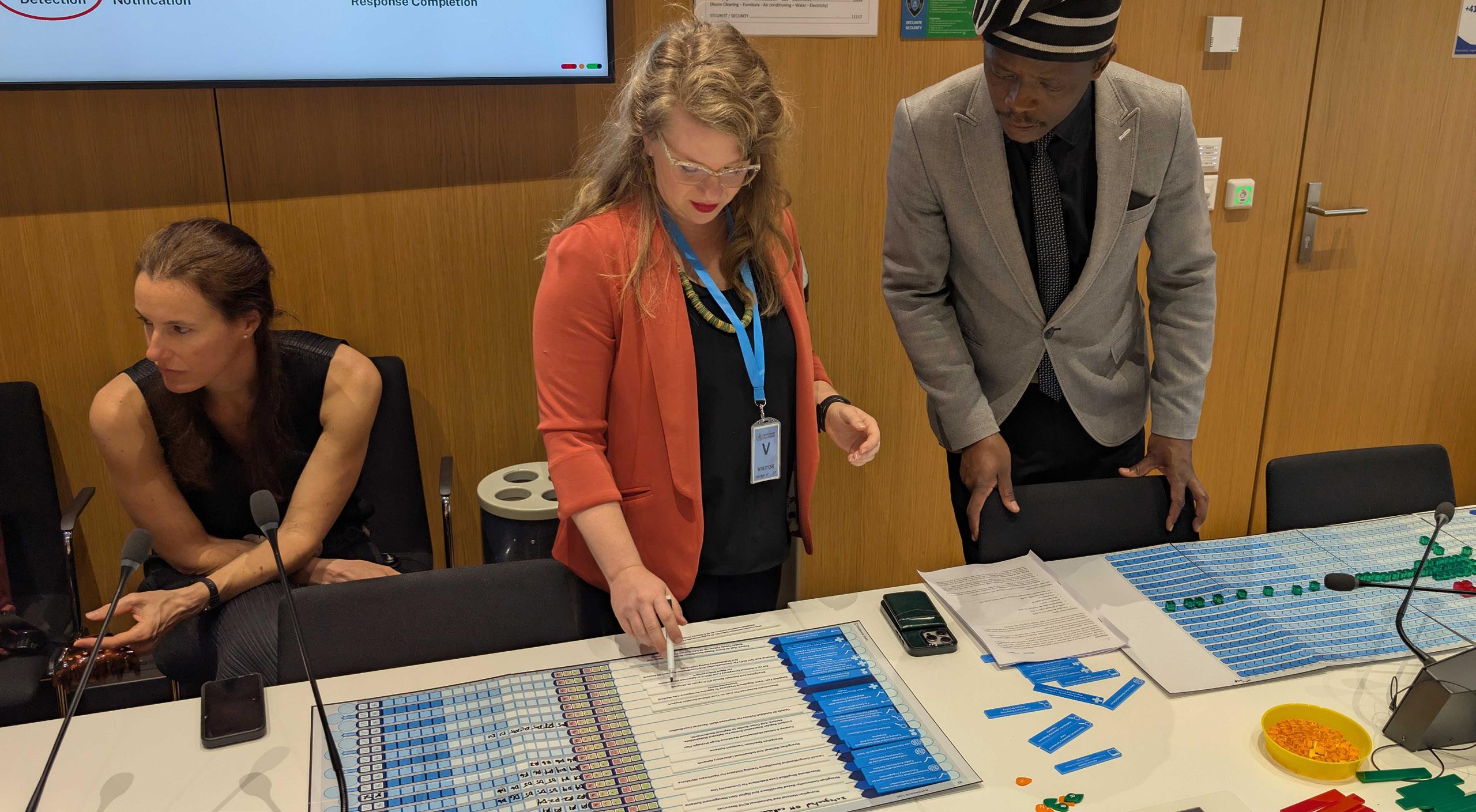
Imagine a world where decision-makers and frontline responders are prepared—not only for known risks, but for the unexpected. A world where we lose fewer lives, contain damage, and prevent cascading failures because leaders have practiced making complex decisions well before a crisis hits.
That is the future CAPTRS exists to build.
History shows a consistent pattern: Societies are often unprepared for emergencies, not because they lack resources, but because of a failure of imagination and preparation.
The World Is Not Ready for the Challenges of the Future
Pandemics, cascading infrastructure failures, cyber incidents, and climate-driven disasters repeatedly expose the same weaknesses: fragmented coordination, unclear decision authority, and leaders forced to make high-stakes choices without having rehearsed them. Traditional preparedness approaches struggle to keep pace with today’s threat environment. Exercises are often expensive, time-consuming, infrequent, and disconnected from real decision-making dynamics. Many are not realistic or engaging, and do not inspire broad
About CAPTRS
CAPTRS is redefining preparedness through nextgeneration simulation games that build real-world decision-making capabilities. Our games equip leaders and frontline professionals with the instincts, skills, and systems needed to confront complex, evolving threats.

participation, leaving critical gaps untested. Emergency response budgets have been cut, and large-scale functional exercises are expensive and resource-heavy.
It is time to offer a new way to prepare for crises and respond to them effectively. CAPTRS’s proven and repeatable gaming exercises develop these exact skills. Unprepared leaders and uncoordinated responses cost lives, increase damage, and magnify long-term consequences. CAPTRS was created to break this cycle.
Grounded in science, research, and decades of experience across sectors, CAPTRS games operate at strategic, operational, and tactical levels. They are designed around specific learning objectives for professionals across public health, emergency management, government, international organizations, and critical infrastructure sectors. Our Chief Game Designer, Dr. Micael Sousa, is an expert in serious games, and CAPTRS is further guided by an Advisory Roundtable of experts.
“ CAPTRS pandemic wargames help us prevent what we normally do—stress test plans based solely on past experiences.”
— DR. MARK ESCOTT Chief Medical Officer, City of Austin & Travis County
Why Simulation Games Work
CAPTRS designs serious simulation games that mirror real-world incidents by combining:
Realistic scenarios and threat dynamics
Clearly defined roles, rules, and constraints
Decision-driven consequences and feedback 1 2 3
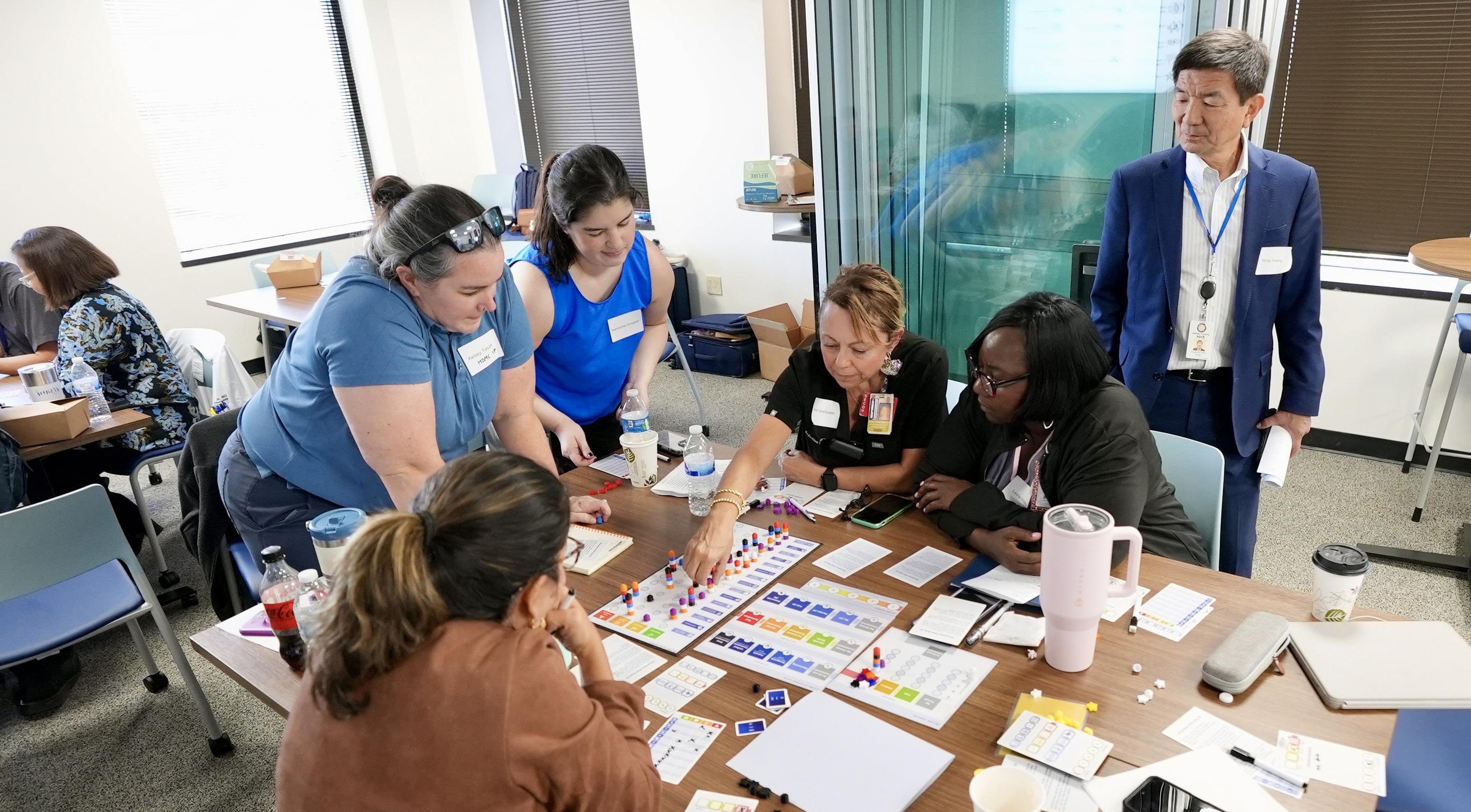
Players must assess incomplete information, coordinate across agencies, communicate risk, and adapt as situations evolve under time pressure—just as they would in an actual emergency. Participants build shared understanding, surface hidden assumptions, and develop decision-making muscle memory that translates directly to real-world performance.
Compared to traditional tabletop or full-scale exercises, CAPTRS games are:
Faster to deploy and repeat
Designed so every player actively makes decisions
Highly engaging for all participants
Less resource-intensive
25+ Threat scenarios
10 Simulation games
1,000+ Leaders trained across 4 continents
Our scenarios span a wide range of threats, including:
Infectious disease outbreaks Natural disasters
Infrastructure failures and attacks
Malicious actors and complex security threats Cyber and AI-driven risks
We are building a growing library of realistic threat scenarios using trained LLMs and domain experts. We also collaborate closely with our partners to develop custom games tailored to specific needs.
CAPTRS Games
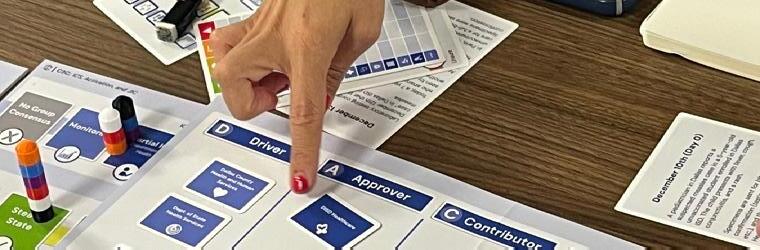
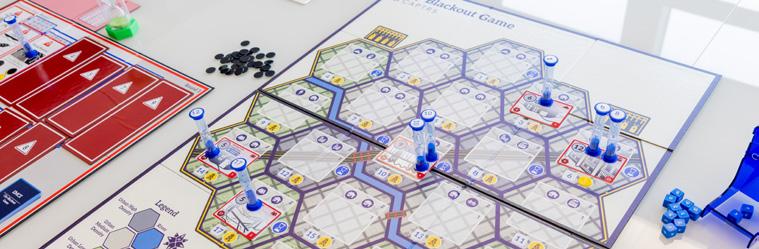
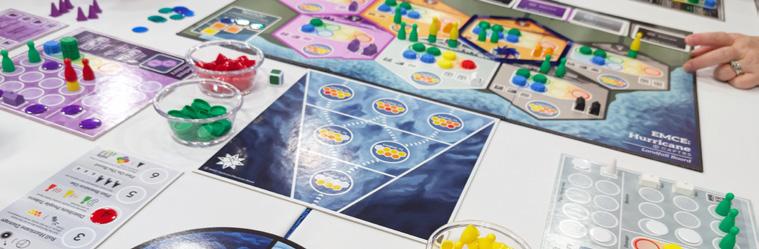
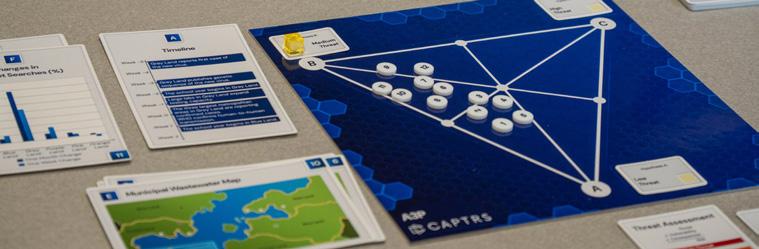
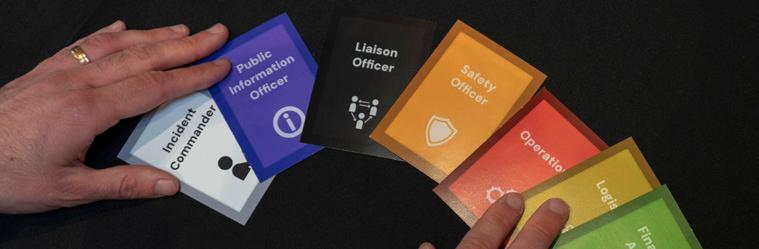


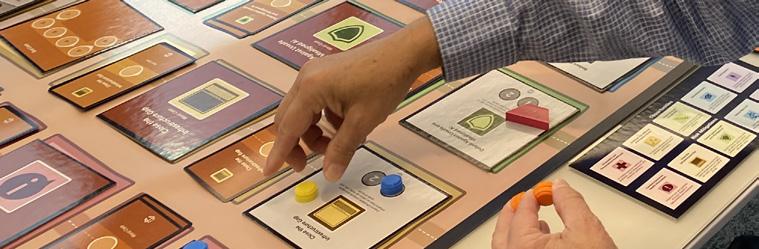
CAPTRS offers three core categories of simulation games.
Emergency Response and Incident Management
C3C: Command, Control, Communication, and Coordination - Players manage escalating threats while testing interagency collaboration, clarifying command structures, practicing activation protocols, and strengthening communication across responding entities.
EMCE: City Blackout - Players navigate a snowstorm and citywide power outage, making tough decisions under pressure, enhancing skills in prioritization, resource management, and interagency coordination during complex crises.
EMCE: Hurricane - Players determine what they want to prioritize in their jurisdiction as a hurricane is approaching. They practice balancing conflicting demands to prepare shelters, remove damage, train manpower, and shelter their community.
Preparedness, Planning, and Activation
A3P: Assess, Align, and Activate for Preparedness - Players explore their own decision-making patterns under uncertainty, sharpening skills in situational awareness and alignment. This game can also serve as a valuable first step in developing or refining organizational activation plans.
ICS - Players build familiarity with Incident Command System roles and responsibilities in a fast-paced, engaging, and collaborative challenge. This game offers an efficient and memorable way to ensure teams know exactly who does what when the clock starts ticking.
7-1-7 Strategy - Players test key decisions related to reducing bottlenecks impacting timeliness of outbreak detection and response. Their decisions shift the timeline in real time, helping them understand what investments would improve their speed and effectiveness.
Systems Thinking and Collaboration
Knowledge Space - Players breaks down knowledge silos, integrating insights into a unified representation of a complex problem and build consensus. Complex problems require more than just a brainstorming session, they require shared system understanding.
Strategic Prioritization - Players surface assumptions, compare competing priorities, and see the power of alignment through a simulation showing how strategic choices ripple over time.
CAPTRS Digital Gaming PlatformActionable Insights
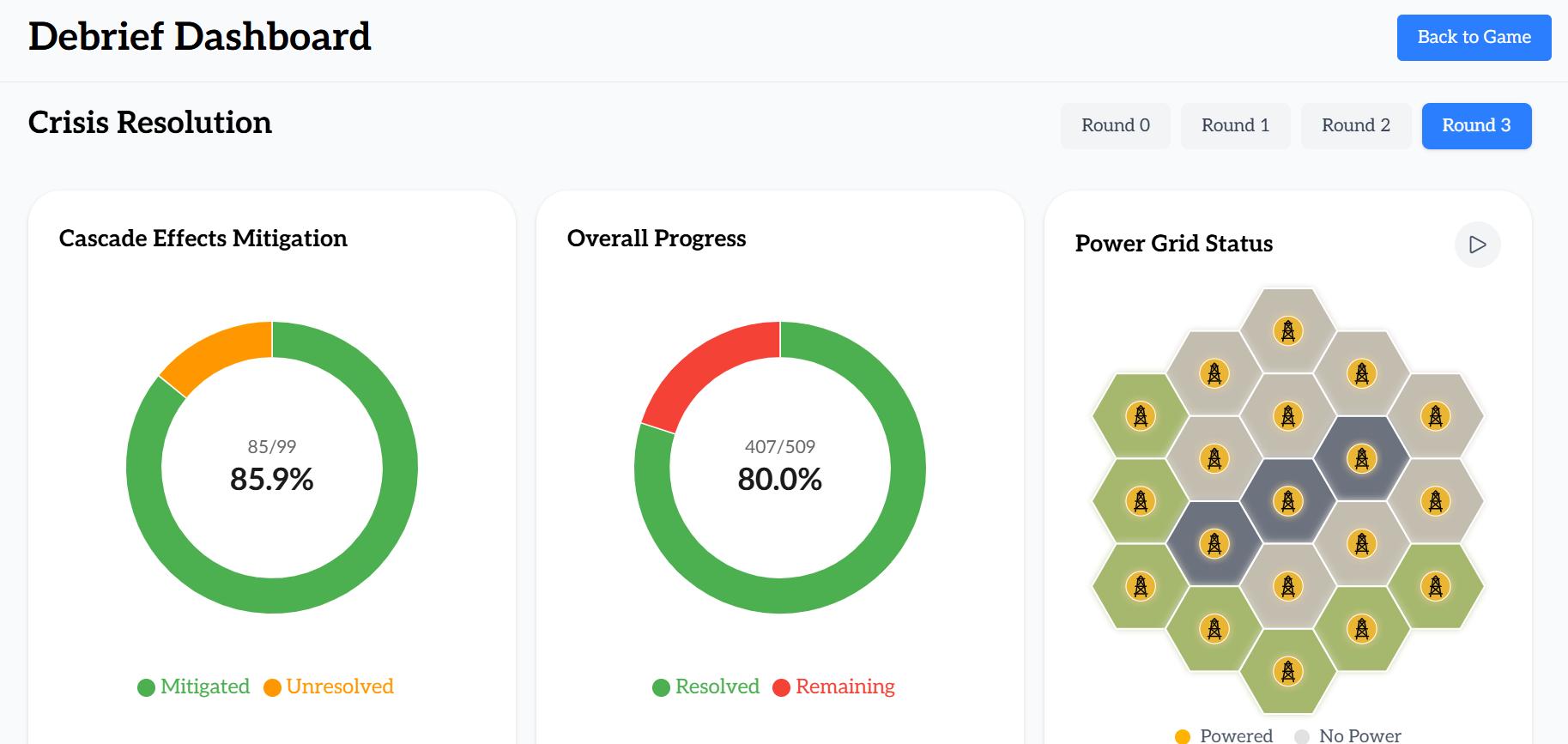
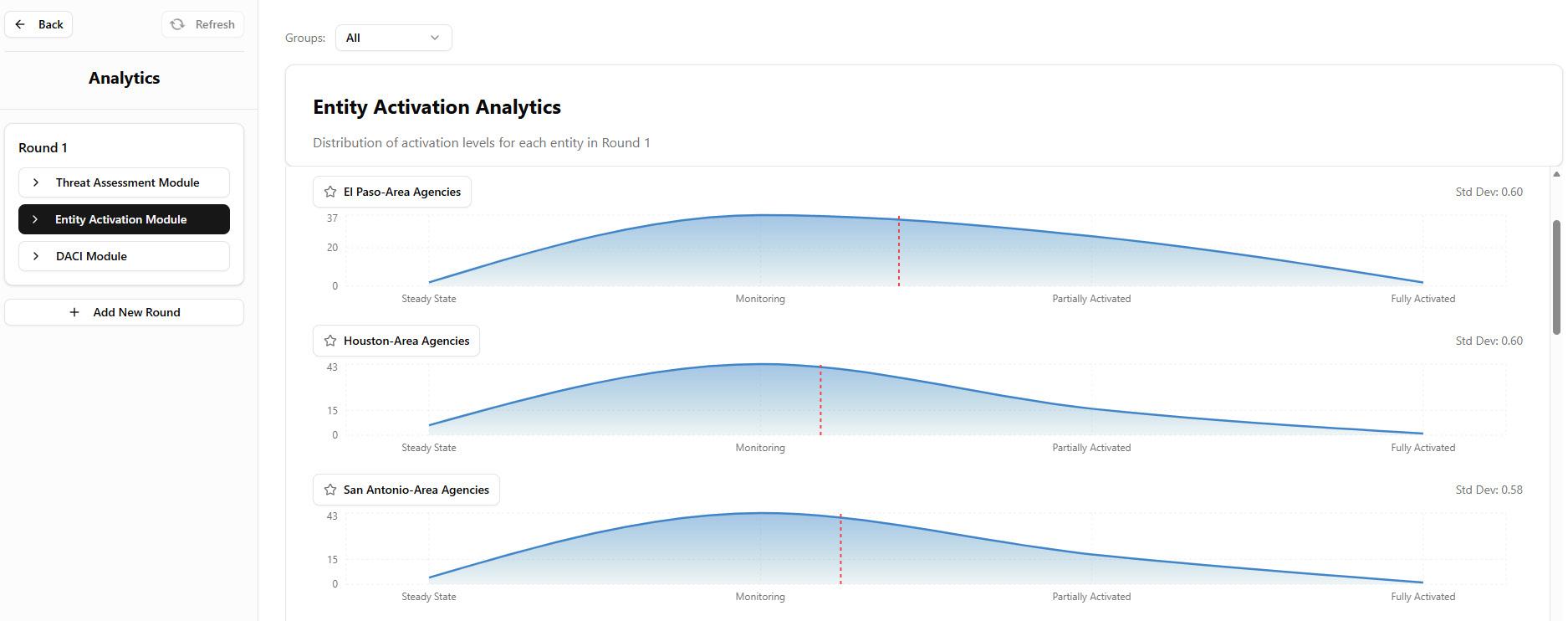
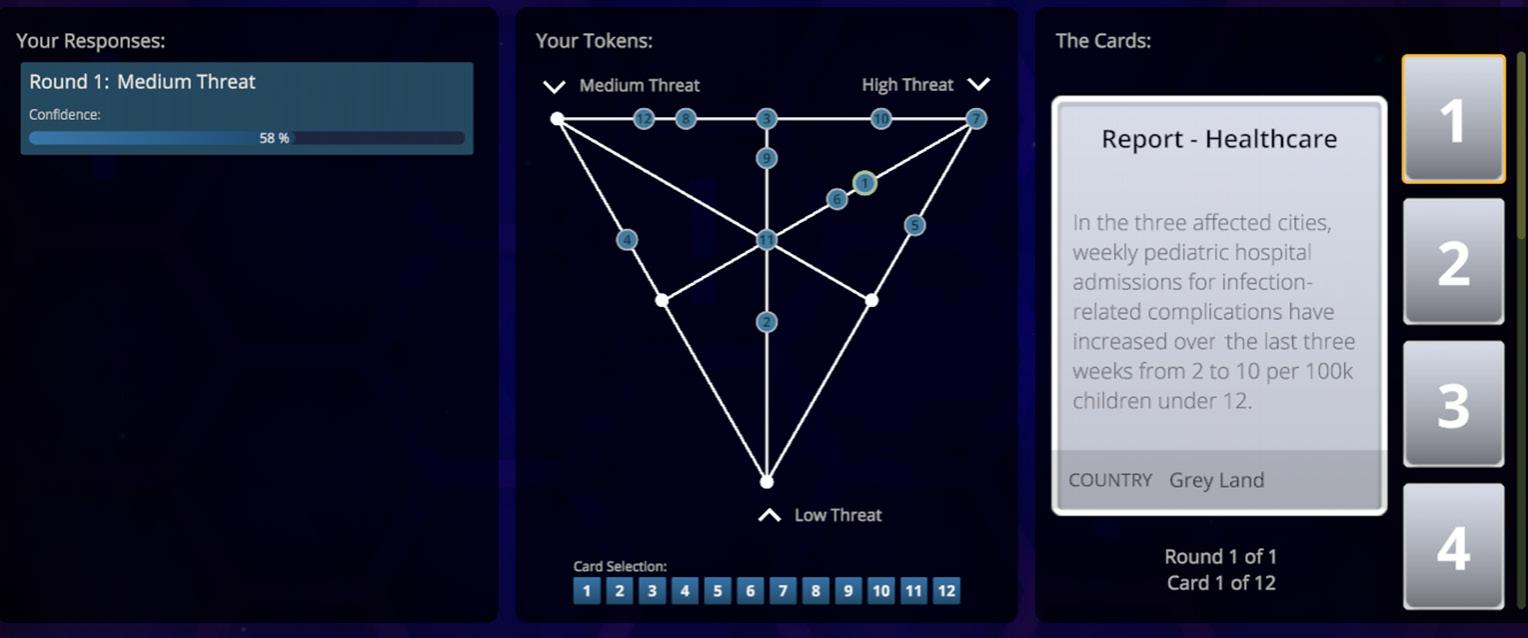
Our team has developed a digital platform and insights apps to support CAPTRS’s configurable games. These features complement the analog experiences. These apps capture real-time data during gameplay, transforming it into actionable insights and producing summary reports, visual analytics, and facilitator-ready discussion prompts. This information strengthens hotwash discussions and after-action reports. Teams can access all sessions through the platform, allowing them to track performance signals and progress over time.
This capability sets CAPTRS apart by turning exercises from one-time training events into measurable learning systems. Instead of relying on subjective takeaways, organizations gain consistent, data-driven insight into decision-making, coordination, and capability gaps.
EMCE: City Blackout Insight App showing overall team success in the game
C3C Insight App showing entity activation level selections for a group of players
A3P Insight App showing each player’s information assessment on the “triangle of uncertainty”
Proven Impact
CAPTRS evaluates impact through pre- and post-game assessments aligned with specific learning objectives for each game. Across clients and sectors, our participants consistently report significant gains in their confidence, clarity, and decision-making abilities.

Sample Game Learnings From a C3C Game Session: 57%
39%
increase in understanding of factors activating Emergency Operations Centers
increase in ability to explain threat assessment triggers 20%
increase in confidence identifying entities to engage as threats evolve
These gains reflect improvements in skills that matter most during crises: accurate threat assessment, timely activation, cross-agency roles coordination, and effective
resource allocation. These C3C results are just one example of many that show specific improvements in ability and skills after playing CAPTRS games.
C3C Player Feedback:
“ I’ve done lots of exercises, and this was the best at generating meaningful discussions.” “ It was like a tabletop on steroids—taking emergency management to the next level.” “ We actually figured out who does what during a response.”
CAPTRS has worked with local, state, and federal agencies; international organizations; universities; and foundations around the world.
Our Partners and Clients
CAPTRS mission is not just about training—it is about empowering the individuals who stand on the front lines of crisis response with tools that are practical, scalable, and immediately usable.
CAPTRS has worked with local, state, and federal agencies; international organizations; universities; and foundations
Companies & Institutions
• World Health Organization
• Resolve to Save Lives
• National Science Foundation
• Santa Fe Institute
• Boston Consulting Group
• KBR
• Coalition for Epidemic Preparedness Innovations
• New York Academy of Sciences International Science Reserve
• Center for Disease Control and Prevention Insight Net
• CPS Energy
• AMR Action Fund
Foundations
around the world, including the WHO, CDC, and the Gates Foundation. Our partners consistently report higher engagement and deeper understanding of their own reasoning patterns, as well as those of their colleagues, compared to traditional training and preparedness exercises.
• Rockefeller Foundation
• Gates Foundation
• Lyda Hill Philanthropies
• Hertz Foundation
Universities
• The University of Texas at Austin Center for Pandemic Decision Science
• Northeastern Institute for Experiential AI
• University of Central Florida
• American University
• Karolinska Institute
• Rice University
• York University Global Policy Lab
Government Institutions
• United States Coast Guard Academy
• City of Austin
• Austin Public Health
• Port Gamble S’Klallam Tribe
• Dallas Department of Health and Human Services
• Minneapolis Health Department
• South Dakota Department of Health
• City of Lubbock
• Carbon Valley Emergency Management
• Teton County Emergency Management
• Utah County Health Department
Looking Forward: Our Next Phase of Growth
CAPTRS is entering a critical scaling phase focused on impact and access. Preparedness budgets are shrinking at the same time as threats are growing more complex. Agencies such as FEMA, CDC, WHO, and their partners face constrained resources, making large-scale functional
exercises increasingly rare. Yet, the need for effective, repeatable, and realistic training has never been greater. CAPTRS brings a solution: Our simulation games build real capability and offer a scalable, proven alternative to current approaches, even as budgets tighten.
Our Key Goals
Distribute CAPTRS games widely to public health agencies, emergency managers, governments, international organizations, philanthropic leaders, and policymakers.
Deliver repeatable simulation games for emergency preparedness, response, and recovery across known and emerging threats.
Expand an accessible repository of realistic scenarios to be used in CAPTRS games.
Deliver robust, multi-use simulation games and data interpretation to operational decision-making and risk communication.
Build AI-enabled game technology enabling teams the ability to run, adapt, and reuse games independently.

“ Innovation in learning means making preparedness interactive, practical, and memorable, because how we practice shapes how we respond.”
-
Dr. Nirmal Kandel, Head of Risk Analytics and Action Reviews Unit, WHO
Join Us in This Critical Work
CAPTRS operates with a hybrid model of funding, combining earned revenue and philanthropic support. Past support has come from private donors and competitive government grants, including significant support from the CDC and NSF.
As we shift from design to large-scale implementation, philanthropic investment is critical to ensure cost is not a barrier to preparedness. Additional funding will allow CAPTRS to:
Create new games or adapt existing games for threats in specific interest areas. Accelerate next-generation capacity-building game technologies. 3 3 3
Offer no-cost or reduced cost games to under-resourced communities. For example, a $50,000 investment would fund roughly 25 communities to use CAPTRS exercises to prepare their jurisdiction for crisis readiness and response
We envision a resilient future and invite you to become a supporting partner of CAPTRS. Help leaders across the globe prepare for crises with confidence, before lives are on the line.
Visit captrs.org or contact erin.huddleston@captrs.org for more information.