
Time
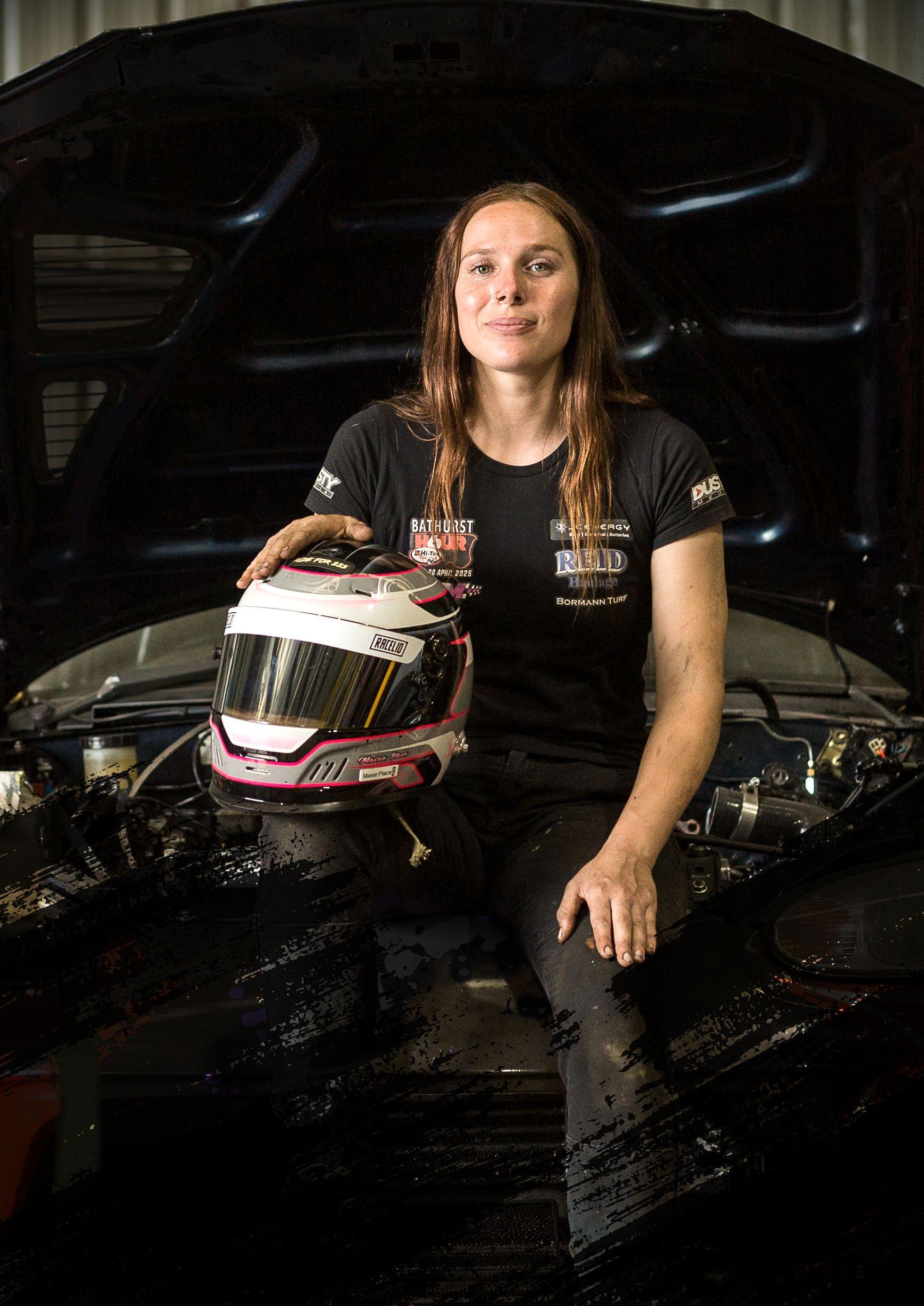
From the shop to the track, Maisie Place proves passion can out‑rev doubt
Why experience, training and culture still matter in the heavy vehicle sector
Western Australia
Geraldton Trade Show
6 May 2026
Esperance Trade Show
27 May 2026
Busselton Trade Show
2 September 2026
Bunbury Trade Show 23 September 2026

Port Lincoln Trade Show 17 June 2026
The
As we move further into the year, it’s encouraging to see the level of engagement and leadership across the Capricorn Community. From workshops and Preferred Suppliers to industry forums and events, there’s a clear focus on building capability, strengthening connections and investing in what comes next.
At the same time, we recognise the pressures many businesses are facing. The ongoing fuel crisis is having a real impact across the automotive industry, affecting Members, Preferred Suppliers and the broader communities we support. It’s a reminder of how interconnected our industry is, and how external challenges can be felt right across the supply chain.
In this environment, it’s important that we continue to use the opportunities available to reinforce fuel security and stability for our Members knowing the wider community relies on a strong automotive sector to keep them moving. Collaboration, advocacy and clear industry leadership all play an important role in navigating these challenges and I’m committed to continuing to raise awareness of the impact these challenges have on you, our Members.
One highlight I’m particularly looking forward to this month is the Australian Auto Aftermarket Expo, where I’ll be joining a panel alongside industry peers. Events like this bring suppliers, workshops and industry leaders together and create space for open conversation, shared learning and collaboration on the issues that matter most.
This month also marks the close of nominations for the 2026 Capricorn Rising Stars Awards. The calibre of nominees has been exceptional, and it’s encouraging to see so many apprentices demonstrating passion, commitment and pride in their trade. We’re excited to begin the judging process and to continue celebrating the people who represent the future of our industry.
At Capricorn, we remain focused on supporting Members in practical, meaningful ways, helping businesses navigate change, invest in their people and build long‑term resilience. Our cooperative model is strongest when we listen, learn and move forward together.
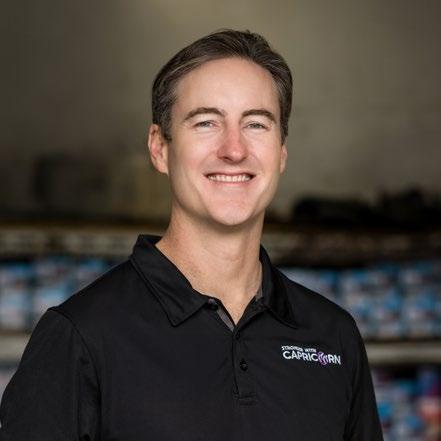
Brad Gannon Group CEO
4 Speeding Through the Noise, One Lap at a Time
From the shop to the track, Maisie Place proves passion can out‑rev doubt.
10 No Shortcuts on the Long Haul
Why experience, training and culture still matter in the heavy vehicle sector.
14 Cooperate and Collaborate
A rationale to do both.
16 Under the Hood and Online
Why your workshop needs a digital overhaul in 2026.
18 Fresh Paint, New Beginnings
Behind the dents and scratches of running a modern body shop.
There’s no questioning it; motorsport is loud. Engines screaming at redline. Tyres clawing for grip. Crowds leaning forward at each bend of the track.
But there’s another kind of noise that follows the sport just as closely. Doubt. Assumptions. The low, persistent hum of people who don’t think you belong, just because you’re a woman. The curses shouted as you step towards the driver’s seat.
Maisie Place doesn’t argue with it. She just revs louder.
It’s a confidence that comes from experience. At just six years old, when most girls were playing with dolls or hairbrushes, Maisie was driving her first car. Growing up in the small rural town of Moruya, the spluttering engines of paddock bashers harmonised with kookaburra calls, daily.
Then on weekends, she’d head to track days with her dad, her biggest influence.
“Dad always wanted to be a race car driver,” Maisie says. “He wanted to work at the same rotary shop I ended up at when he was younger, so now he gets to live a bit vicariously through me.”
That connection to racing soon gave way to a deeper mechanical curiosity. Rotary engines, like those powering her beloved Mazda RX‑8 and RX‑7s, became another defining influence. They didn’t behave like anything else. They demanded understanding.
“I was very fascinated in rotaries because I didn’t understand how an engine can work if it doesn’t have pistons,” she says. “It confused me and I wanted to know more.”
That curiosity took her to a rotary specialist workshop in Canberra for work experience. It was meant to be temporary. It turned into seven years.
“I wanted to do work experience there and ended up staying for seven years,” she says. “Then two years ago I went out on my own.”
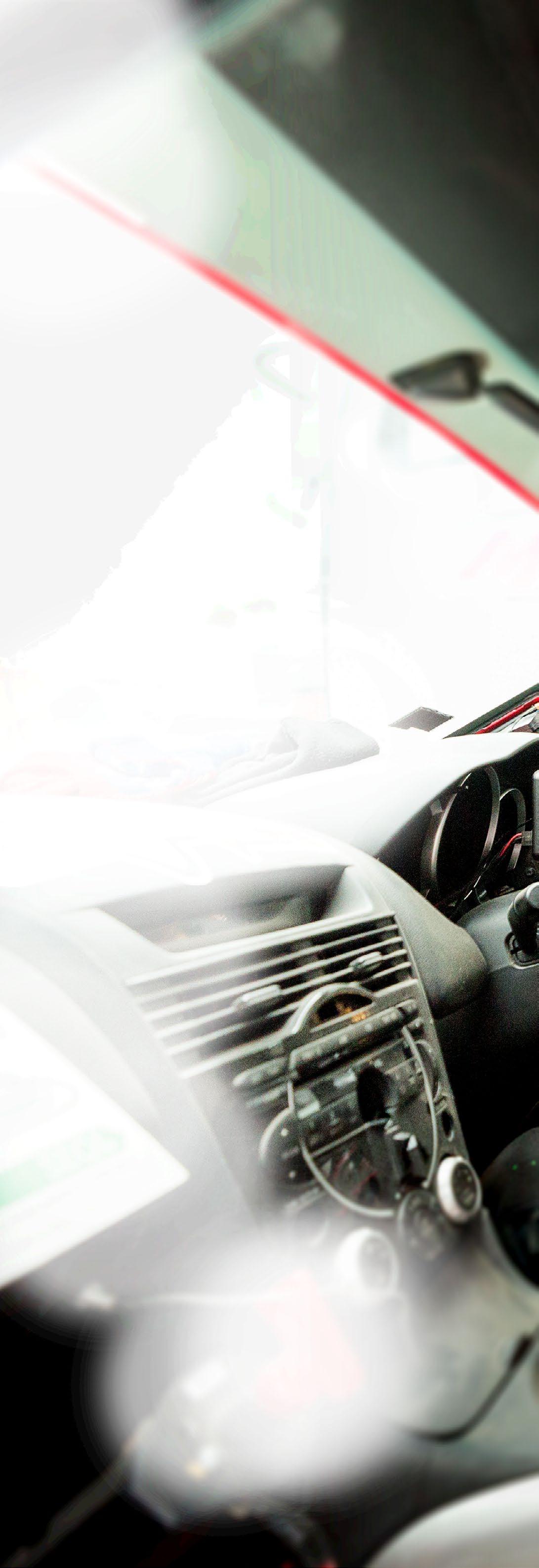
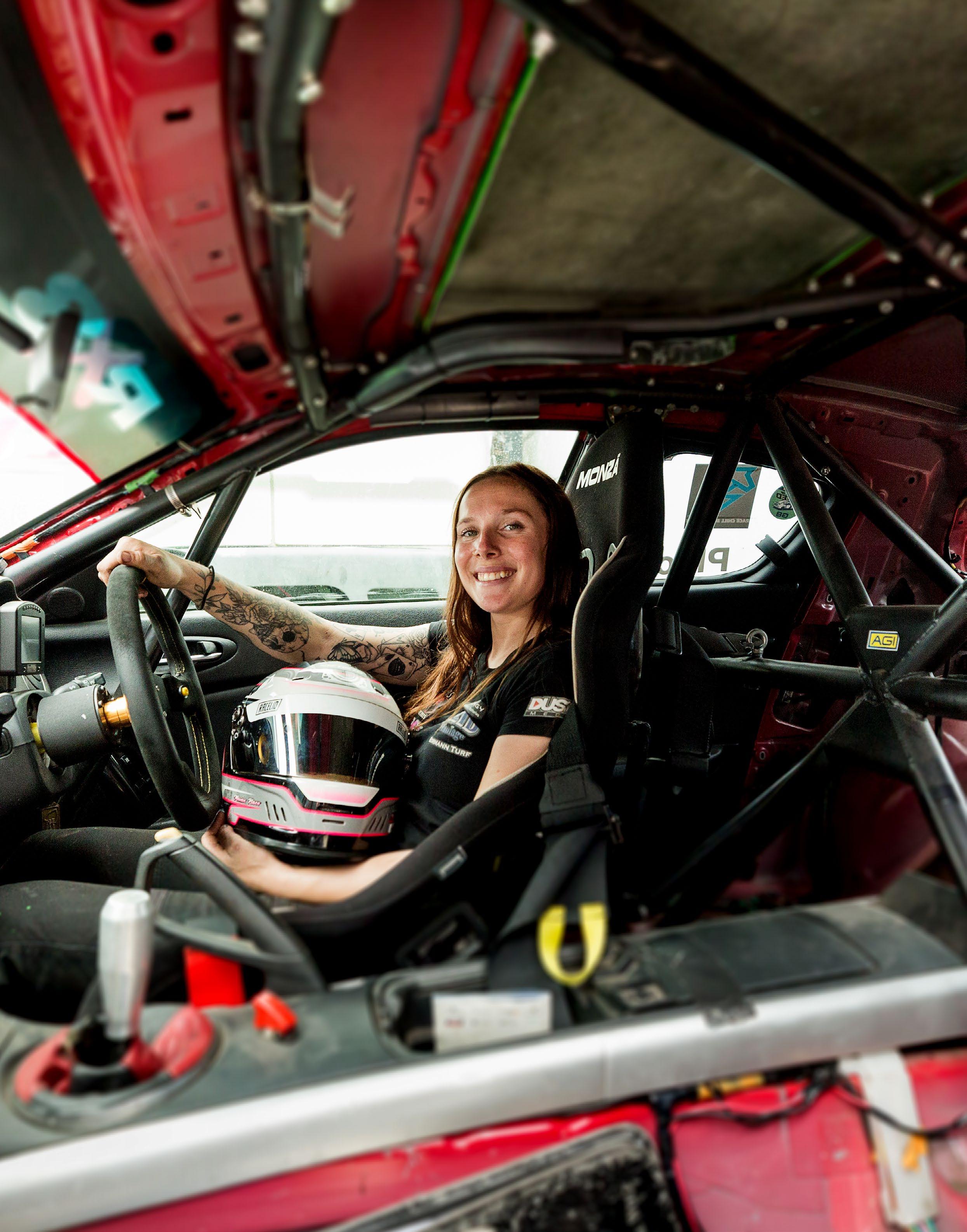
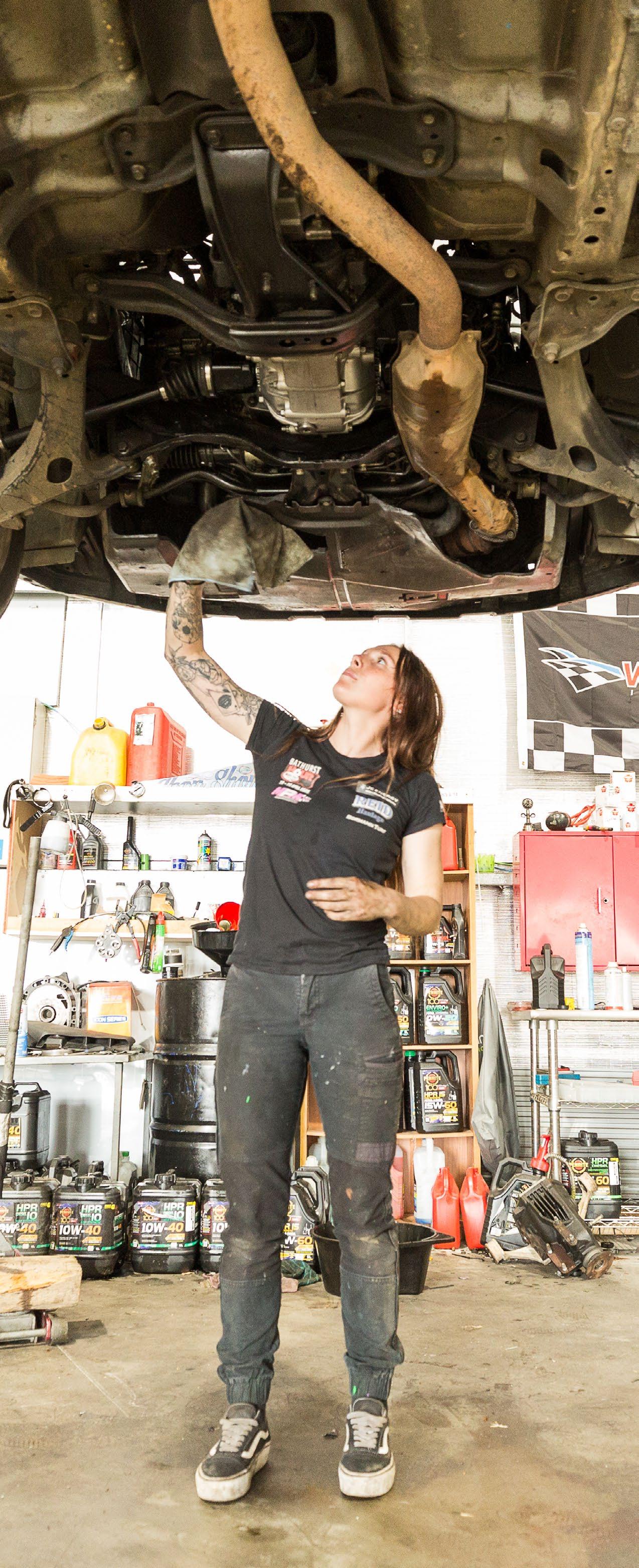
Today, Maisie’s Mechanical is her base. A working shop, not a showroom. Customer cars roll through during the day. Race cars are built, stripped, and rebuilt long into the night. Some days are spent servicing daily drivers, others with engines spread across the floor.
“I do a bit of both,” she explains. “I build race cars for customers, I do race prep, I lease cars out to help pay for motorsport, and I also do just general servicing and normal customer cars as well.”
It’s relentless, physical, and deeply personal work. And it’s exactly where she wants to be.
Maisie has been racing in RX8 Cups since 2018, starting at just 18 years old. But she doesn’t see racing and mechanics as separate worlds. One sharpens the other.
“It definitely makes a difference,” she says. “Especially with car setup. The racing transfers back to the workshop, and the workshop transfers back to the racing.”
She can feel problems through the steering wheel before they become visible on a hoist. Alignment issues. Balance. Behaviour under load.
“I’m very mechanical sympathetic,” she explains. “I’ve raced for seven or eight years and I’ve broken one gearbox. Other people break two per round. I think being a mechanic does make me a better racer because I care more about the car.”
That care has become her signature. In RX8 racing, she’s known not just for driving, but for preparation. Cars she’s built herself. Cars she maintains for others. Cars she understands intimately.
Even at the track, that reputation follows her.
“If one of the boys blows a gearbox, they want me to get under there,” she says with a laugh. “They know I can do it in about half the time.”
That respect was earned the hard way. Through consistency. Through competence. Through turning up again and again, regardless of how much noise surrounded her.
Being a woman in automotive and motorsport hasn’t been a single experience for Maisie. It’s been contradictory.
“I’ve had the best of both worlds,” she says. “I’ve had horrible things said to me, people saying they don’t want a girl working on their car. And then I’ve had people who bring their cars to me because they say women are more detailed and care more.”
What still catches her off guard isn’t hostility, but surprise.
“It shouldn’t be a surprise to see a woman in the industry,” she says. “If we normalise women in the industry, that part of it goes away.”
That belief has shaped how she shows up. She refuses to be framed as an exception. She doesn’t soften herself to be palatable. She just works.
And she brings others with her.
“I’ve mentored a lot of young women in the industry as they’re first getting started,” Maisie says. “It’s a big thing to adjust to. You do have to have thick skin.”
One issue she’s particularly passionate about dismantling is how mistakes are perceived.
“Girls are really, really hard on themselves when they make a mistake,” she explains. “People blame their gender, not the fact that they’re human. I try to help them get past that mindset and move forward.”
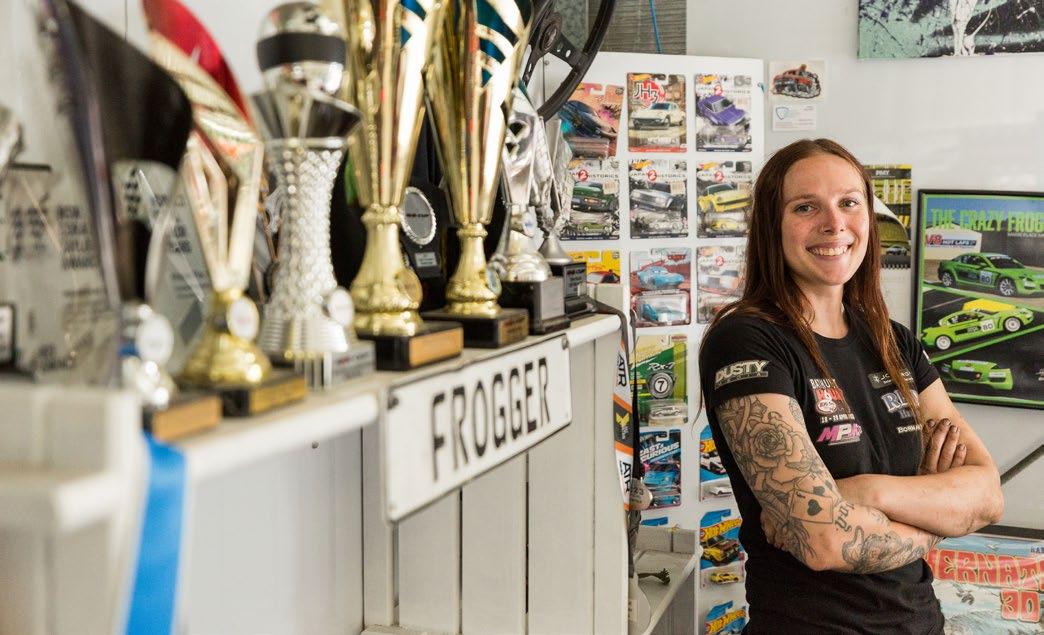
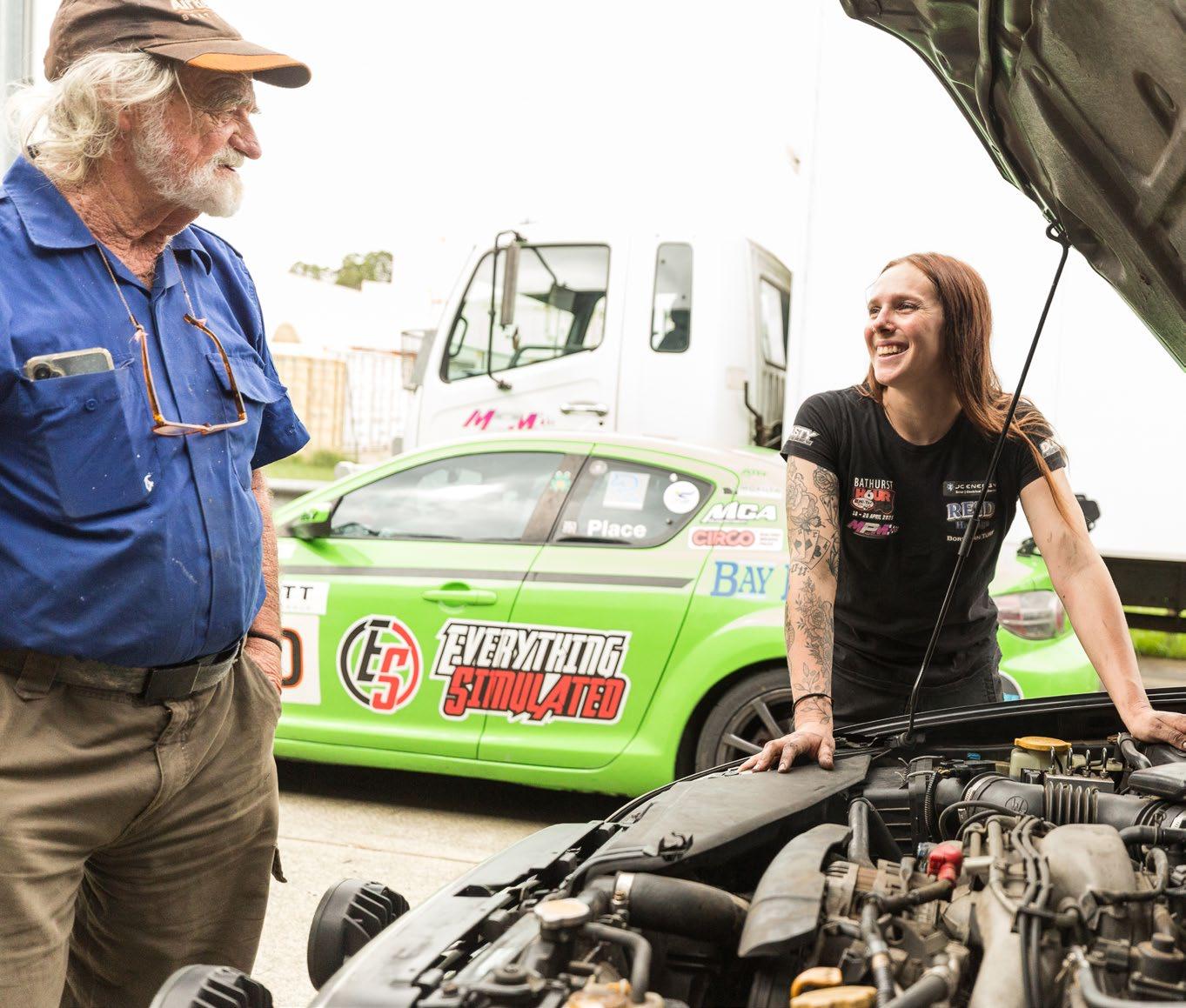
Through mentoring, talks, and women‑focused events, Maisie shares the reality of the industry without sugar‑coating it. The long hours. The pressure. The rewards.
“I do a lot of talks for people looking to get into the industry,” she says. “I talk about how I got into it, how they can get into it, and what to do and what not to do.”
Despite everything she’s already achieved, Maisie remains grounded. Motorsport is passion, but it’s also economics.
“Right now I have to focus more on work than play,” she says. “That’s just the way the economy is. You’ve got to work hard to play hard.”
Still, there’s no doubt she’s exactly where she’s meant to be.
“I am so happy I got into this industry,” she says. “I don’t know what my life would be if I didn’t. I still can’t believe that just wanting to do work experience at a rotary shop has brought me this much success.”
The noise hasn’t disappeared. It probably never will.
But when the engine fires, when the helmet goes on, when the lights go green, it doesn’t matter.
Maisie Place has already sped past it.
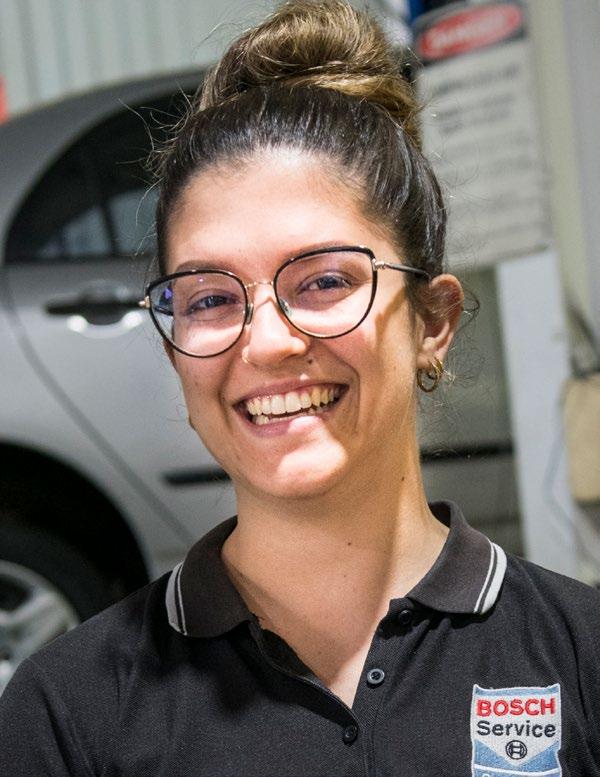
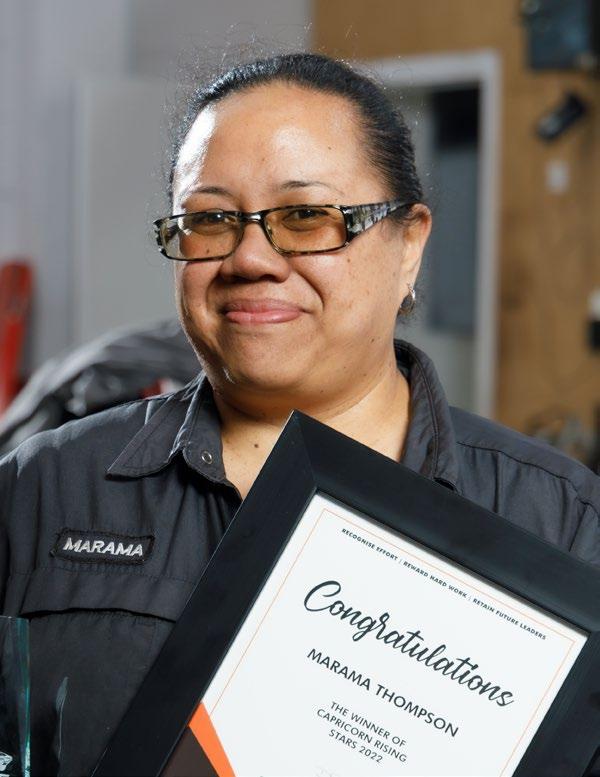
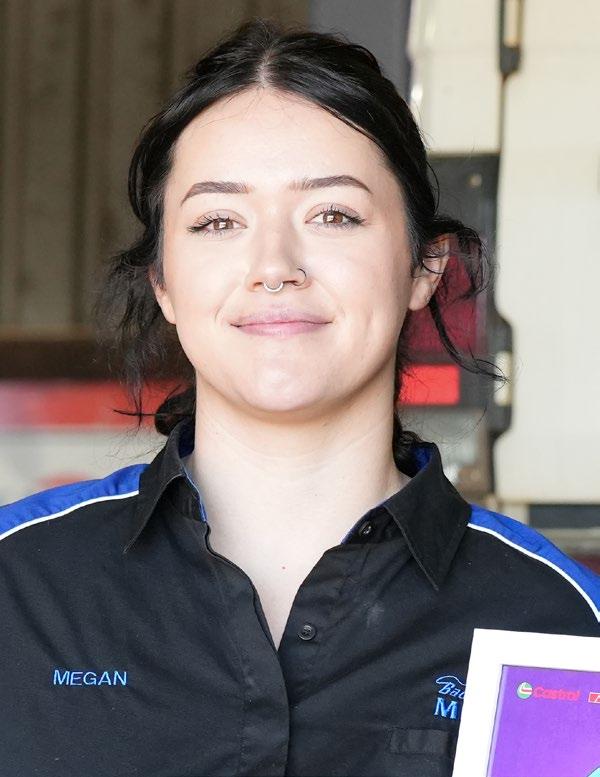
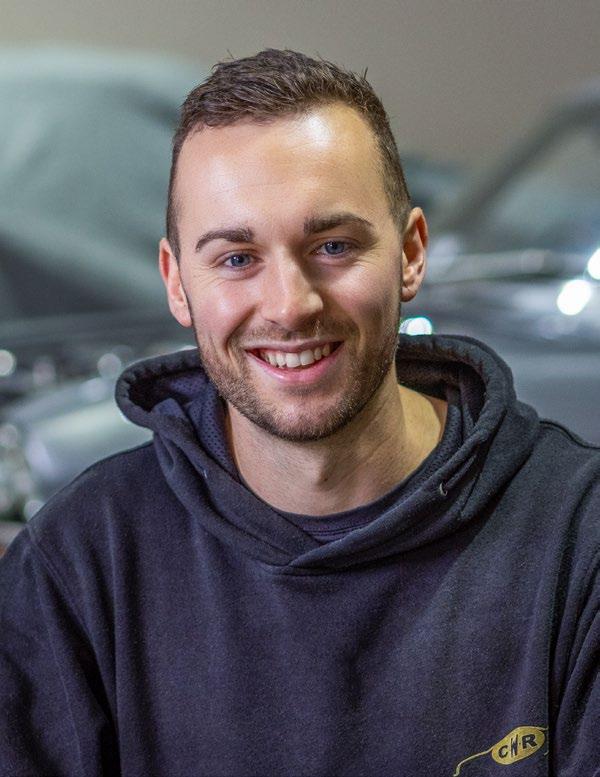
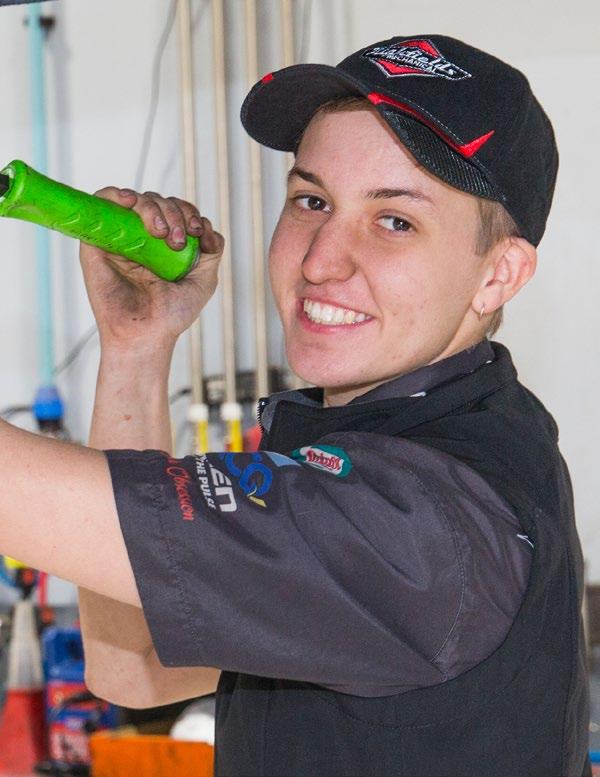
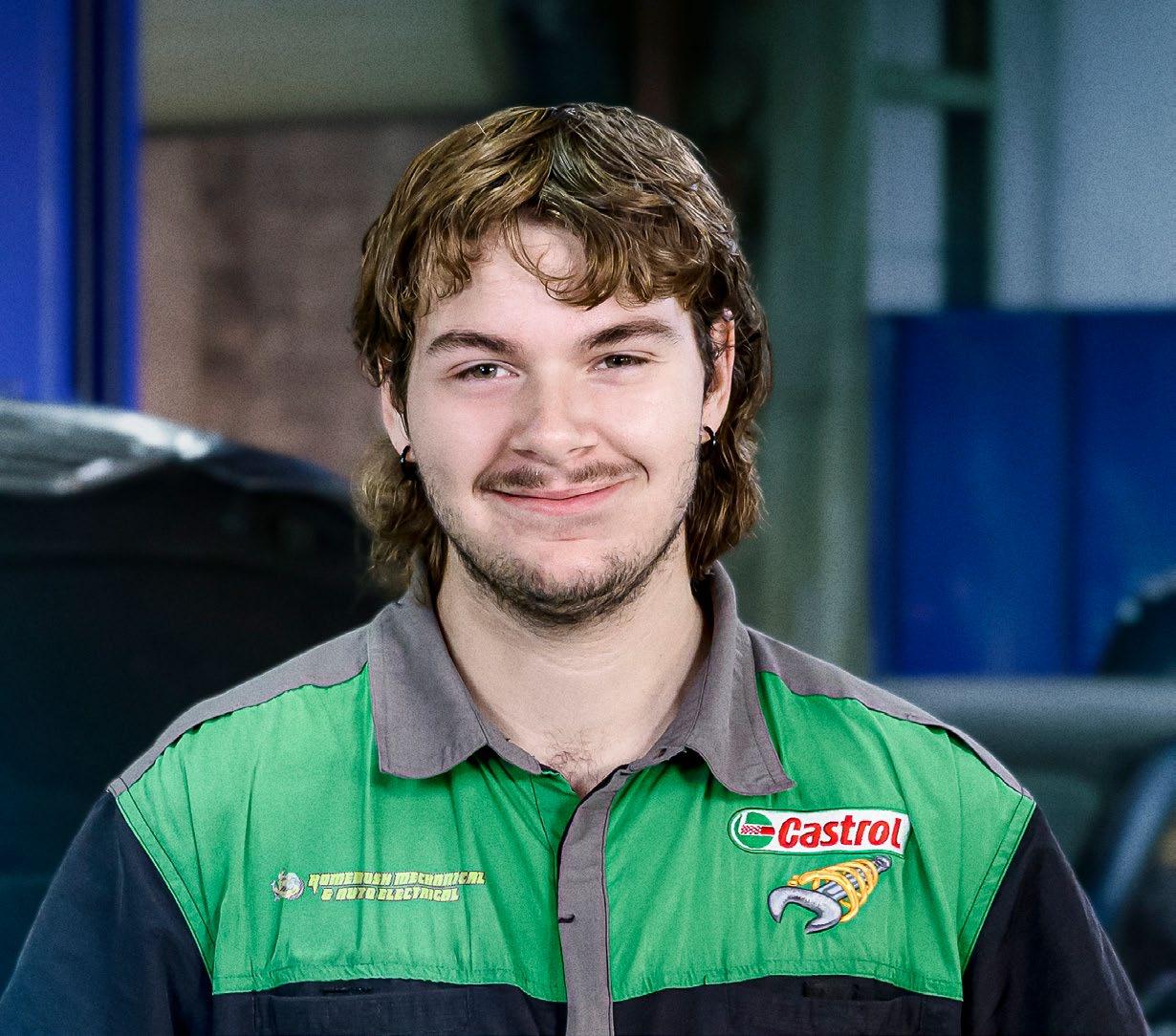
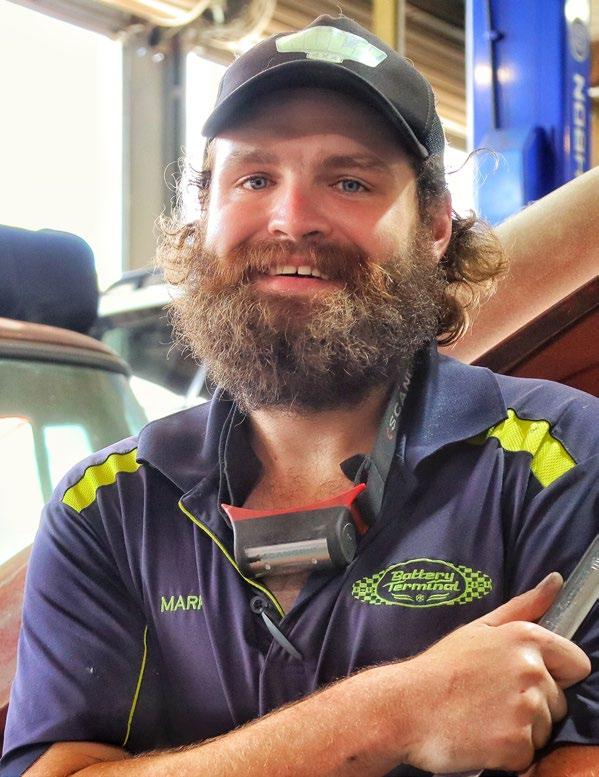

This year, Rising Stars delivered some of the most inspirational nominations we’ve seen yet, with entries submitted from workshops across Australia and New Zealand. As nominations close and the program moves into the judging phase, the quality of this year’s nominees highlights the passion, pride and commitment coming through the next generation.
Behind every nomination is an apprentice showing up with curiosity, effort and a genuine desire to learn; and behind all that is the generous support of our sponsors, whose contributions help make this program possible.
We would like to sincerely thank Castrol, along with all Rising Stars supporting sponsors including Repco, The Workshop Whisperer, Repairify, The Automotive Technician, Blackwoods and JBS, for their continued support and belief in recognising emerging talent.
Together, your involvement plays an important role in supporting apprentices, strengthening career pathways and helping address ongoing challenges such as skills shortages and retention across our industries. By backing Rising Stars, sponsors help reinforce a clear message to apprentices across Australia and New Zealand: that learning is valued, effort is recognised and there is a future worth committing to.
With nominations now closed, our judges are excited to get underway. They will soon begin the important task of selecting two overall Rising Stars, one from Australia and one from New Zealand, alongside Australian regional winners. With such a strong field of nominees, the judging phase promises to be both challenging and rewarding.
Rising Stars continues to demonstrate what’s possible when industry comes together to invest in people, skills and long term sustainability. Training apprentices takes time, patience and leadership, but it is essential to the future strength of our industries.
We wish all our 2026 nominees the best of luck.
Brad Gannon Group CEO


Trucks keep Australia moving. The industry behind them doesn’t stand still either.
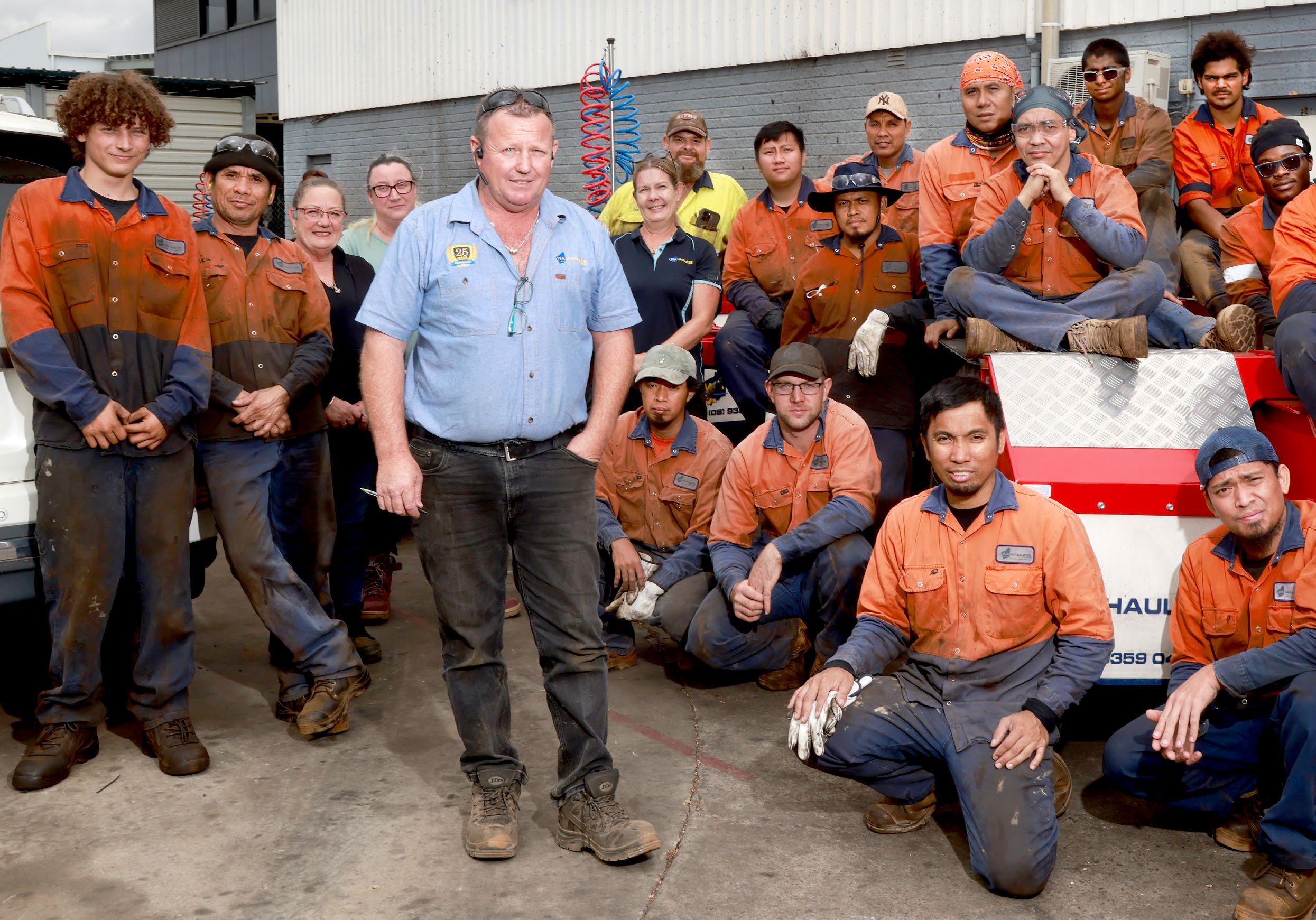
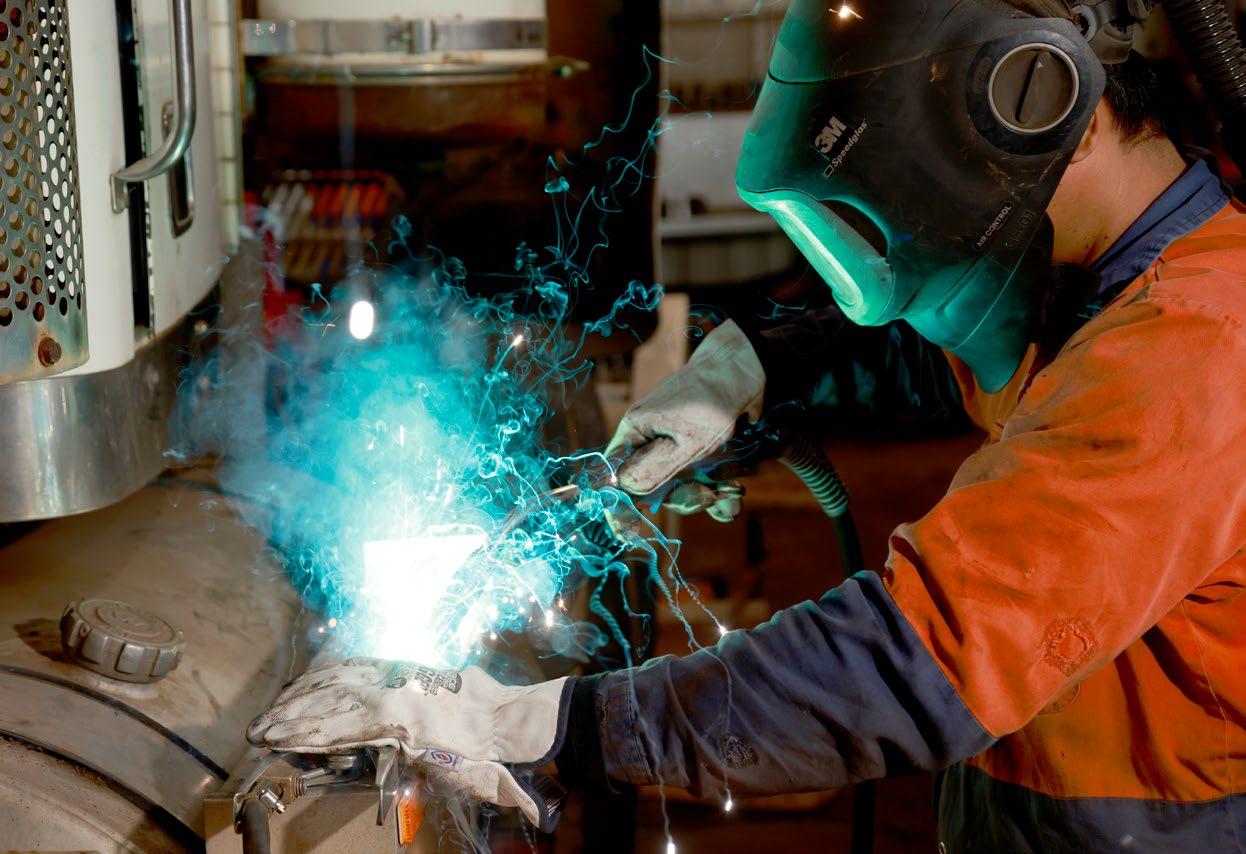
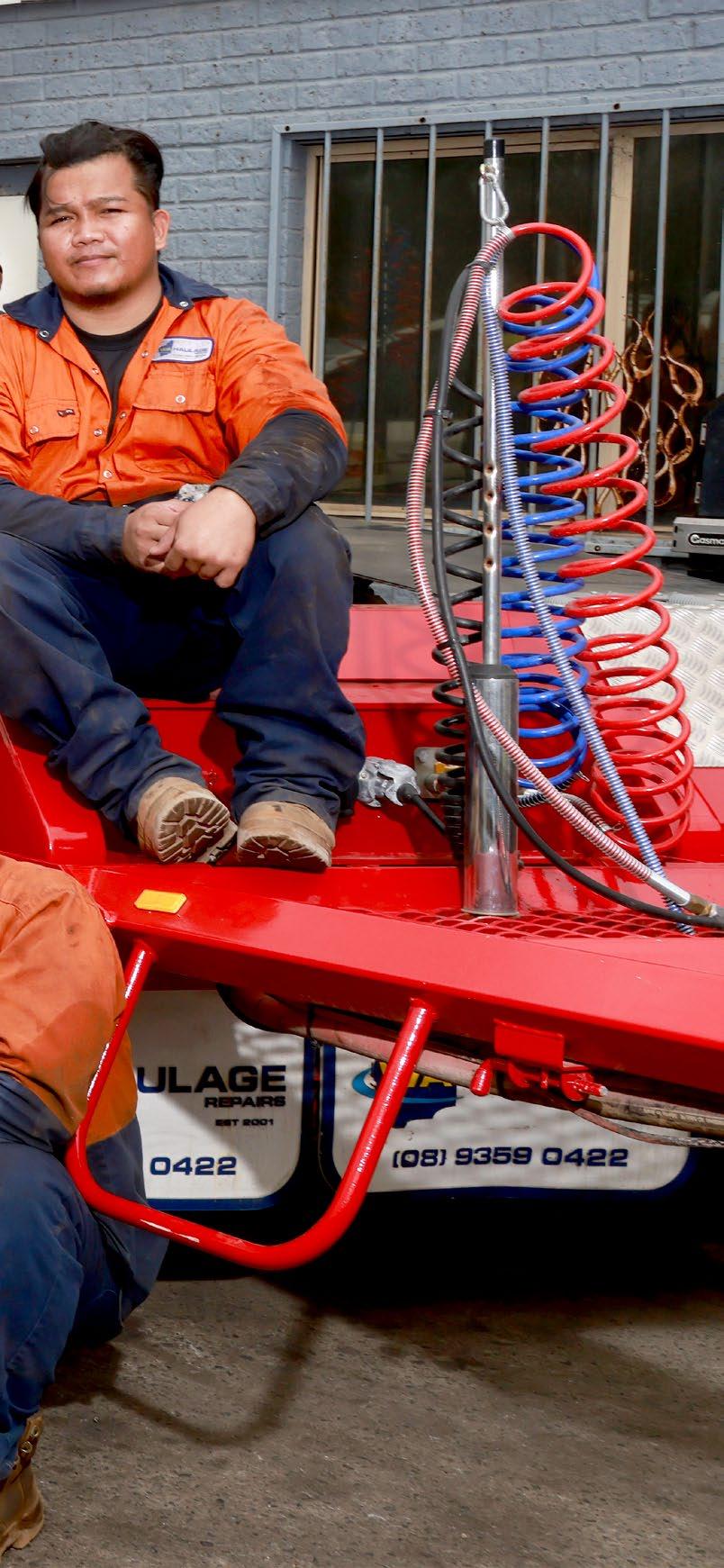
As the heavy vehicle sector continues to change, adaptability has become just as important as mechanical skill. It’s a reality Craig McDonald from WA Haulage Repairs has been working through for more than 25 years.
From early hands‑on mechanical work to running a growing, multi‑trade operation in Western Australia, his journey reflects the shifts, pressures and opportunities shaping the heavy vehicle sector today.
Raised on a farm, he learned early how to solve problems with his hands. That practical grounding stayed with him when he moved to Perth, where he built further experience through roles
with WesTrac and across the transport and haulage industry, working in both driving and mechanical repair.
By the time WA Haulage Repairs opened its doors in 2001, the priorities were already clear. Better service. Higher repair standards. And a solutions‑focused approach that put safety and efficiency first.
More than 25 years on, the business supports transport operators across the state and employs more than 20 staff. But for Craig, growth was never the main driver behind business decisions.
With decades of experience behind him, the changes across the heavy vehicle sector are hard to miss.
“There used to be a lot more opportunity to gain experience gradually,” he explains. “You learned on the job, understood the equipment, and built knowledge over time.”
Those pathways, he says, now look very different. Faster licensing processes and fewer structured learning opportunities have reshaped how people enter the industry, with flow‑on effects felt well beyond the driver’s seat.
Workshops are increasingly responding to unplanned repairs rather than routine servicing, adding pressure across the supply chain.
From his perspective, the issue isn’t about pulling the horn of blame. It’s about recognising the importance of training, experience and support at every level of the industry.
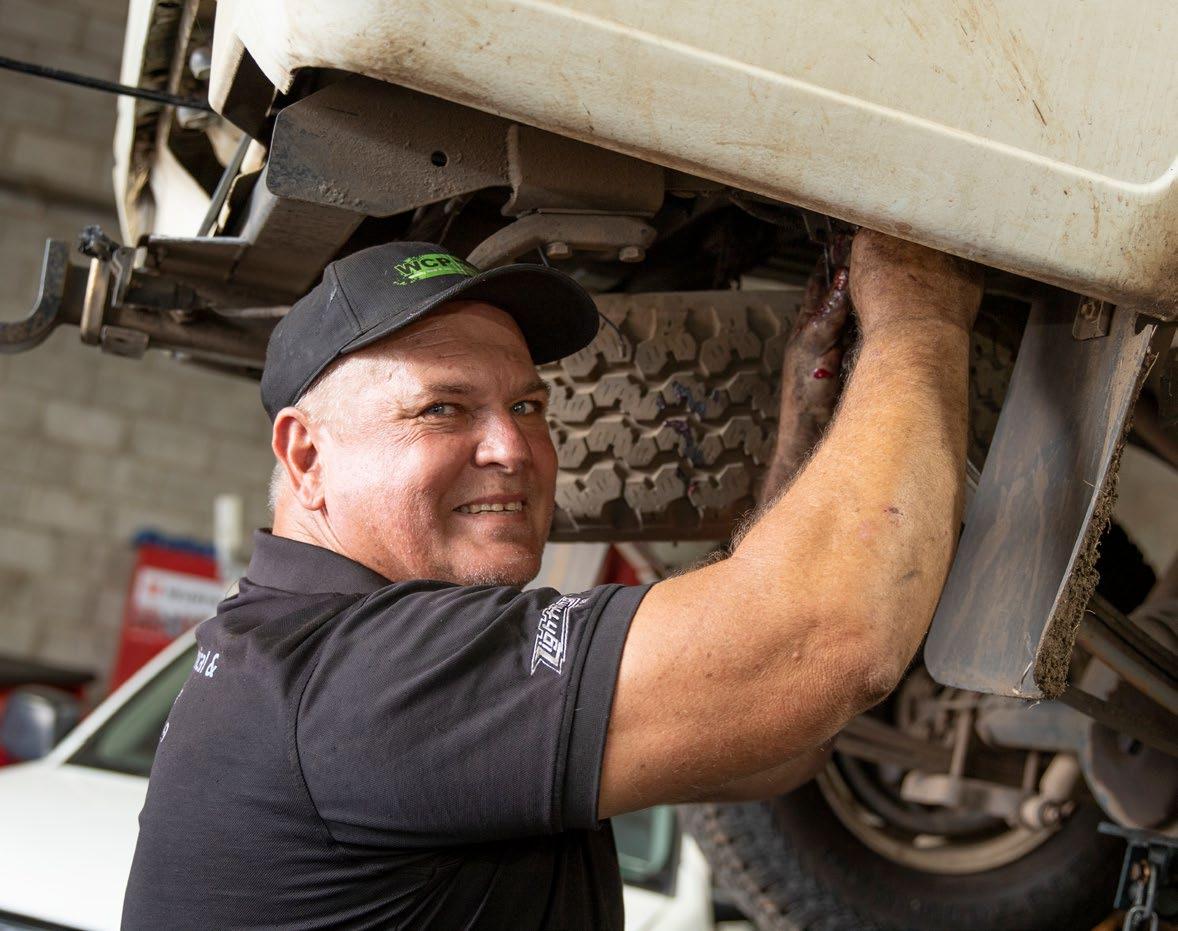
“When people are given the right tools and time to learn,” he says, “the whole system works better.”
For the owner of WA Haulage Repairs, the future of the sector rests squarely with its people.
Developing skills, nurturing the right mindset and building strong workplace cultures are seen as essential to long‑term success. The business currently supports four apprentices, the maximum it can responsibly train at one time.
“Skills can be taught,” he says. “But you need people who actually want to be there. Passion makes a difference.”
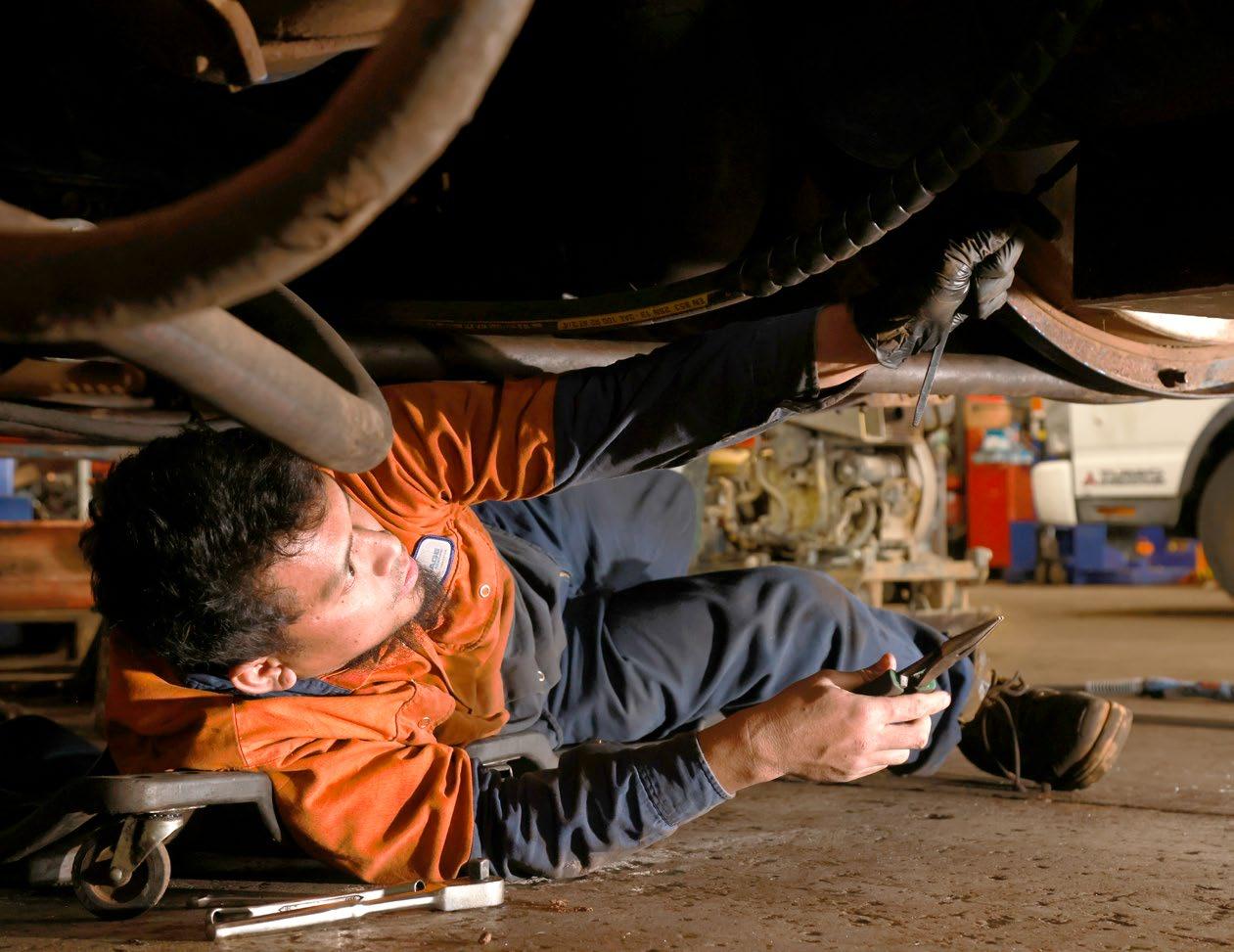
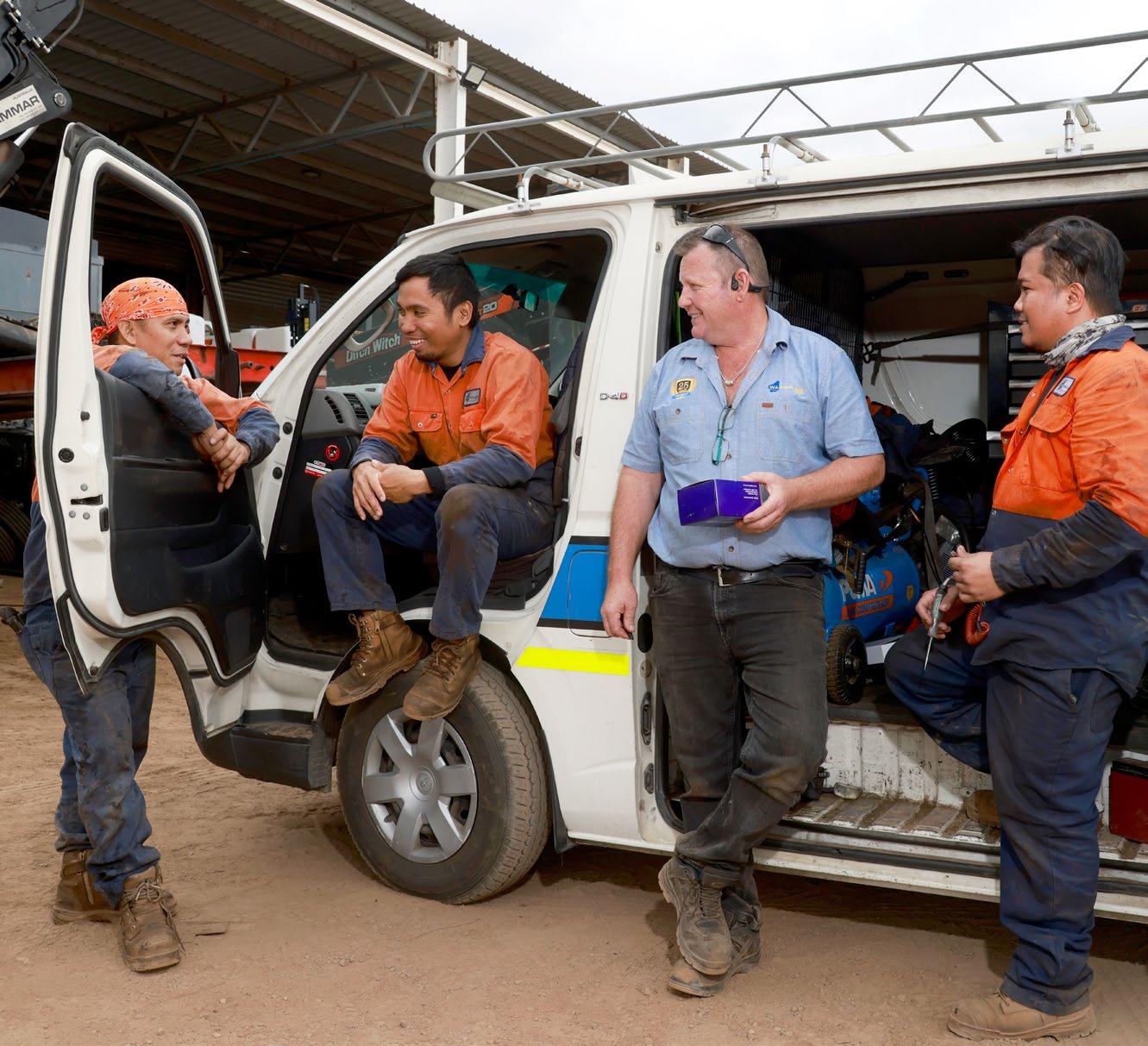
That belief extends beyond apprenticeships. Flexibility, accountability and respect sit at the centre of the workplace culture, with clear expectations that both customers and team members are valued.
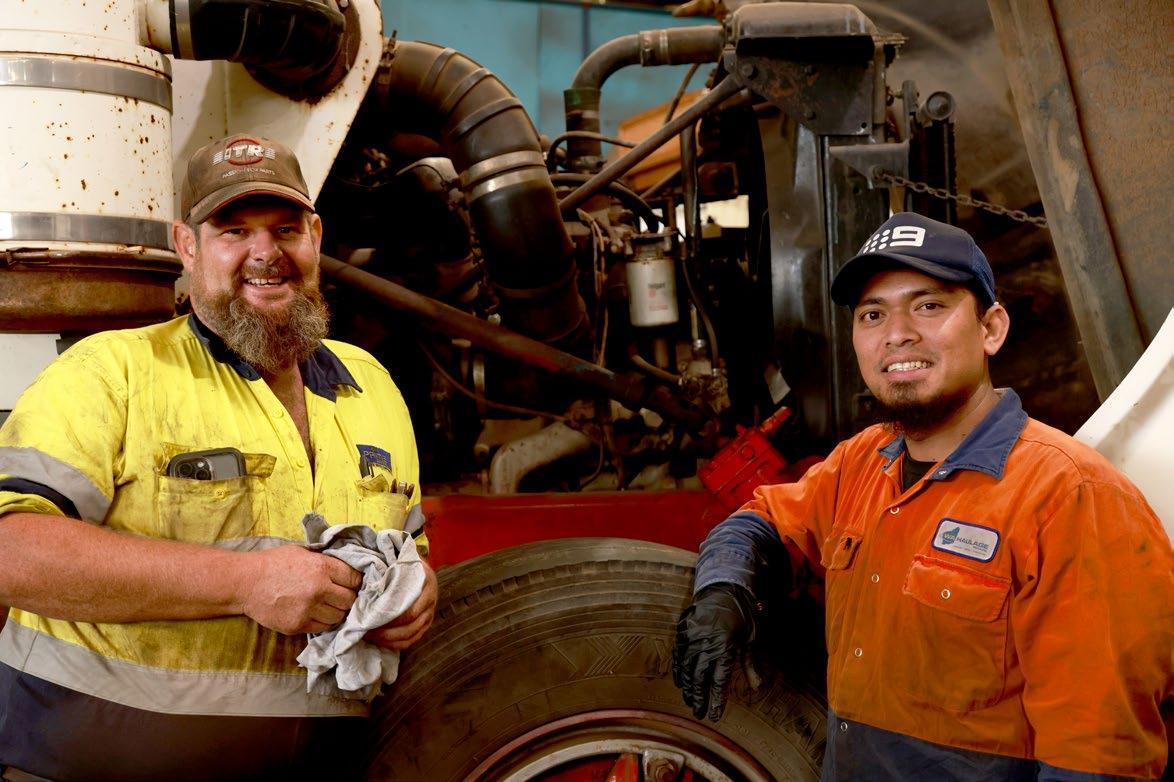
The makeup of the workforce reflects that approach. WA Haulage Repairs employs a diverse team, including skilled tradespeople from overseas, aligning with broader industry efforts, supported by Capricorn partnerships such as ASM, to address skills shortages and strengthen capability.
“It’s about finding the right people,” he explains. “People who fit the culture and understand the responsibility that comes with the work.”
Problem‑solving has always been central to how the business operates.
“A lot of people think things are too hard,” he says. “I like finding a way to make it work.”
That mindset carries through to customer relationships. In transport, downtime is costly, and getting vehicles back on the road safely and efficiently is critical.
“Customers are why we’re here,” he explains. “If you can provide value for money and minimise disruption, that’s a win for everyone.”
It’s a philosophy that has guided decision‑making for more than two decades.
Like many across the heavy vehicle sector, workforce availability, training pathways and rising costs remain ongoing considerations.
Still, the outlook remains steady.
Structure, he believes, makes the difference. The right people. Clear systems. And a continued focus on quality over shortcuts.
In an industry built on reliability, experience still counts. And success, in his view, has never been about taking the easiest path, but about committing to the long haul.
Capricorn has always been built by Members, for Members. While that strength is most visible in workshops, warehouses and businesses across the country, it also plays a vital role at Board level, where Member Directors help guide the strategic direction of the organisation.
Member Directors bring firsthand industry experience and a deep understanding of what matters most to Capricorn Members. Working alongside our Independent Directors and executive leadership team, they help ensure decisions are grounded in real world insight, cooperative values and long term sustainability.
In 2026, Capricorn Members in the Queensland and Western Australia zones will have the opportunity to nominate for election to the Board of Directors.
Standing for election is a chance to contribute at a strategic level, representing your zone, supporting strong governance, and helping shape the future of Capricorn for current and future Members. It’s a role that offers meaningful influence, professional development, and the opportunity to give back to the cooperative that supports your business.
Member Directors come from diverse backgrounds across the automotive industry, but they share a common commitment to Capricorn’s purpose and values. The role requires curiosity, sound judgement and a willingness to engage in thoughtful, constructive discussion on matters that affect Members throughout Australia and New Zealand.
To help you better understand what’s involved, Capricorn will be hosting virtual Director Election Information Sessions in both Queensland and Western Australia.
These sessions provide a practical overview of: the role and responsibilities of a Member Director governance and time commitments how Member Directors contribute to strategic decision making the nomination and election process
You’ll also have the opportunity to ask questions and hear directly from a Member Director and the executive team about what it’s like to serve at Board level. Whether you’re actively considering nominating or simply want to learn more, these sessions are a valuable first step.
To learn more about the Director Elections and register for an Information Session, visit cap.coop/elections
By Jeff Smit
Aftermarket workshop operators live a rapidly changing world every day. Vehicles keep evolving, diagnostic pathways keep shifting, customer expectations keep rising, and the pressure on time, staffing and profitability doesn’t let up.
For years, many workshops have relied on networking to solve difficult jobs – the 'have you seen this fault before?' phone call, the scan report shared with a mate, the quick chat with a supplier rep who’s seen it all before.
Networking with like minds helps, but it’s often informal and reactive, depending on who happens to be available when the heat is on.
The next step, the one that can reduce stress, lift capability and maintain customer trust is collaboration at a more organised level than casual cooperation.
Collaboration isn’t the same as cooperation. Cooperation is 'I’ll help you when I can.'
Collaboration is 'we work together by design, because both businesses become stronger.' It’s planned, intentional and built around shared benefit. And in a modern aftermarket where it’s becoming almost impossible to do everything under one roof, collaboration is shifting from 'nice idea' to 'competitive advantage.'

Internal collaboration happens on your home ground, within the workshop. It occurs when your team stops working in parallel and starts working together, like sharing information and taking ownership and responsibility for outcomes.
Most workshops already do some of this, especially when a difficult vehicle rolls in and the usual process doesn’t deliver the fix. The best workshops, however, make it a habit rather than a rescue plan.
Internal collaboration pays off in practical ways. It produces faster and more successful diagnostics, skills are spread across the team, a stronger culture develops and staff retention improves.
A simple way to lift internal collaboration is by adopting a daily triage routine, based on the medical emergency process of sorting patients into groups so that medical resources can be best allocated. At a workshop level, 10 minutes at the start of the day is set aside to identify tricky jobs, allocate support and agree on check in times. It prevents the common pattern of everyone being busy until it’s urgent.
External collaboration is a capability that is borrowed and shared and is the best opportunity for auto workshops.
It’s about exchanging and sharing knowledge, capability and resources outside your workshop. That can
include working with other workshops that in the past might have been seen as competitors. It can feel uncomfortable at first, but you need to focus more on the comfort of your customers who want their vehicle fixed properly, with confidence.
If your workshop becomes the organiser of a trusted collaborative network, the customer experience improves and your reputation grows. External collaboration brings three major advantages:
1 Wider capability without the overhead
The equipment investment required to cover every vehicle's system is enormous and out of reach for most. Add training and subscription costs, and the reality is that a huge investment in equipment can't be justified unless enough jobs come in the door. Collaboration lets the workshop access capability when needed, without carrying the full cost all year. That might mean partnering with a workshop that specialises in ADAS calibration, diesel emissions and DPF diagnostics, EV and hybrid fault finding, transmission diagnosis, module programming and immobiliser solutions, advanced oscilloscope work, or late model network diagnostics. No single workshop can be best in class across all of this specialised work – but a collaborative cluster of workshops certainly can.
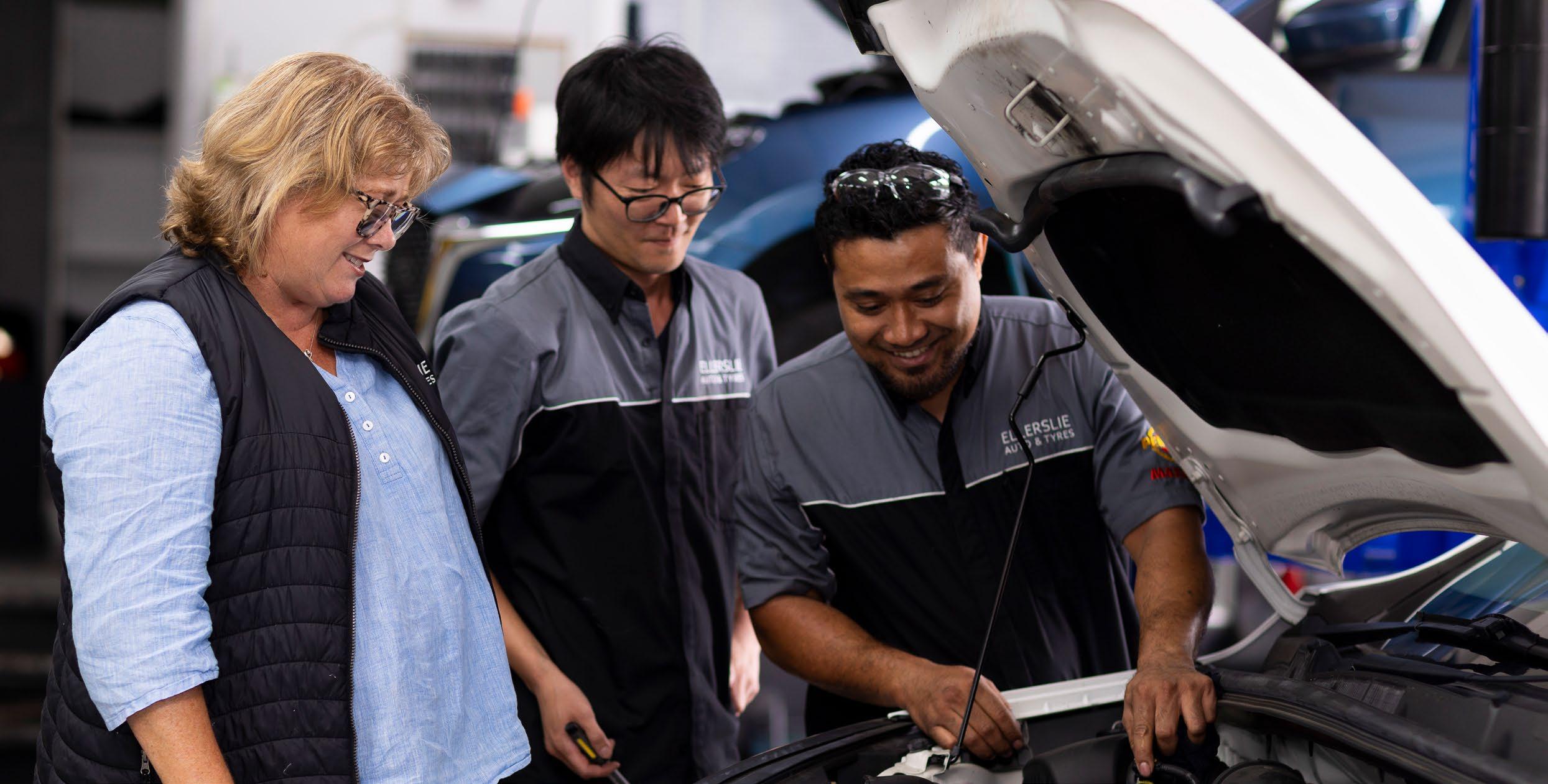
Taking on a new repair category can be risky. The first few jobs often take longer, require additional tooling and carry a higher risk of mistakes. Collaboration reduces that risk by allowing you to draw on a partner’s experience while you build your own capability. This is how workshops expand safely, not by having a crack, but by creating a controlled pathway to competence.
A workshop that collaborates well can keep the customer journey smooth even when the solution requires specialist input. The job doesn’t become a handball – it becomes a managed process. That builds trust, and trust drives repeat work, referrals and ready acceptance of necessary repair costs.
Here's an example of collaboration between workshops.
Imagine three workshops in the same suburb or region:
Workshop A: strong diagnostics, scope work and electrical
Workshop B: strong mechanical, engine rebuilding and driveline
Workshop C: strong programming, ADAS and late model procedures
Separately, each workshop hits ceilings. Together, they offer local full service capability without any one business having to buy everything, train everyone, and carry every liability.
How it works in practice:
Workshop A gets a late model European with network faults and intermittent no start. They do the initial testing, then involve Workshop C for programming verification and module checks.
Workshop B handles any mechanical confirmation work if needed. The customer sees one organised solution, not chaos.
Workshop C has ADAS calibration gear and targets which are expensive and not used every day.
Workshop A and B refer calibrations through a simple arrangement.
Workshop C gains steady volume; Workshop A and B maintain service completeness and keep the customer relationship.
Any fears that Workshop C will steal the others' customers only hold true if the relationship is vague and unmanaged. Collaboration works best when it is structured, even if it’s informal in tone.
When these basics are clarified, collaboration stops being risky and becomes a growth strategy. Done well, it actually protects your customer base because you become the workshop that can solve what others can’t — not because you personally do everything, but because you can organise the right solution.
The workshops that will be most successful in the coming years won’t necessarily be the biggest. They’ll be the ones that build reliable systems, internally and externally to solve problems faster, protect quality and reduce stress.
Internal collaboration turns your team into a stronger unit. External collaboration turns your workshop into a hub of capability.
In a trade where cars are getting smarter, tools are getting more specialised, and the workforce is under pressure, collaboration isn’t just a philosophy. It’s a practical business strategy.
Wheelnote: Organisations such as TaT and those who sell data and repair solutions operate at yet another level, and can be a valuable resource on top of internal and external cooperation and collaboration in any size workshop.
By James Wills from
The automotive landscape has shifted. If you step onto the floor of a modern mechanical workshop today, you’ll see more than just wrenches and hydraulic lifts; you’ll see diagnostic tablets and software defined systems. But while the bay has modernised, many shop fronts—specifically the digital ones— remain stuck in neutral.
In 2026, a "quality website" is no longer a static business card. It is the most important tool in your chest and nucleus of your Digital Footprint. For a mechanical workshop dealing with the public, the digital experience is now the primary driver of customer trust, operational efficiency, and long term survival.
Your website is your 24/7 shopfront and core of your digital marketing … working for you, even when you are not.
In 2026, a quality website is a customer expectation, capable of converting search enquiry to booking.
The new word of mouth benefit: digital trust
For decades, the mechanic customer relationship was built on repeat business and word of mouth. Today, this occurs on a smartphone screen. Research shows that over 90% of consumers search local services online before making a call. If your website is poor in quality, outdated, or not built specifically for viewing on mobile devices, the customer simply moves onto the next website.
In an era where "near me" searches dominate, your website must be a trust building engine, capable of fast customer engagement and conversion ... supported by social proof, such as, Google Reviews or Testimonials.
If your website is the engine, Google Advertising is the high octane fuel that makes it roar. Relying on organic traffic alone in 2026 is like waiting for a car to roll downhill; it works eventually, but it won't get you to the finish line first.
Google Ads allow automotive businesses and workshops the advantage to appear at the very top of search results, exactly when a customer is looking for a service like yours. The Return on Investment (ROI) in the automotive sector remains among the highest in marketing.
Here is some key 2026 Industry trends and statistics according to Google.
Conversion Rate
Auto repair has a high conversion rate on Google at Approx 12.6%. People searching are ready to buy.
Cost Per Lead
A low $28.00 is very low when compared to traditional media and yields high intent local customers.
Average ROI
Google claims up to $4 for every $1 invested! PPC offers immediate, measurable revenue growth.
By utilising geotargeting, you ensure your budget isn't wasted on customers four suburbs away. Instead, you capture the person two blocks away whose "Check Engine" light just flickered on.
Why SEO is critical in 2026: The long-term growth tool
In 2026, SEO (Search Engine Optimisation) is no longer about just "ranking #1"; it’s about becoming the definitive answer that search engines and modern AI assistants like ChatGPT and Gemini provide a customer.
Unlike ads, where the traffic slows when you stop advertising, SEO is a "compounding asset. An optimised page on logbook servicing can continue to bring in customers for years after the initial work is done.
In the automotive industry, trust is the primary hurdle. High organic rankings signal to a sceptical public that your workshop is a credible and established.
SEO is a tool of Local Dominance. 76% of people who search for something nearby on their smartphone visit a business within 24 hours. Local SEO ensures you are in that "Map Pack" during those high intent moments.
SEO is a marathon, not a sprint. It is the ideal strategy for established businesses, multi site locations or patient growth hackers, favouring a lower Cost Per Acquisition (CPA) over time.
The mechanical workshops thriving in 2026 treat their digital presence with the same precision they apply to an engine rebuild. A high quality website backed by a targeted Google Ads strategy isn't an "extra"—it is your workshops heartbeat.
By embracing these tools, you ensure that when a customer seeks a service or repair for their vehicle, yours is the first local business they see.
All Web Services is a Capricorn National Preferred Supplier, specialising in the Automotive Digital Landscape. If building, improving or strategizing your digital footprint has been on your to do list for too long, reach out to the team at AWS on 08 8125 8444.
Opening a body shop today looks nothing like it did 20 years ago.
The tools are more advanced. The expectations are higher. The admin pile is thicker. And while the work keeps rolling in, the way a shop operates has shifted just as much as the cars it repairs.
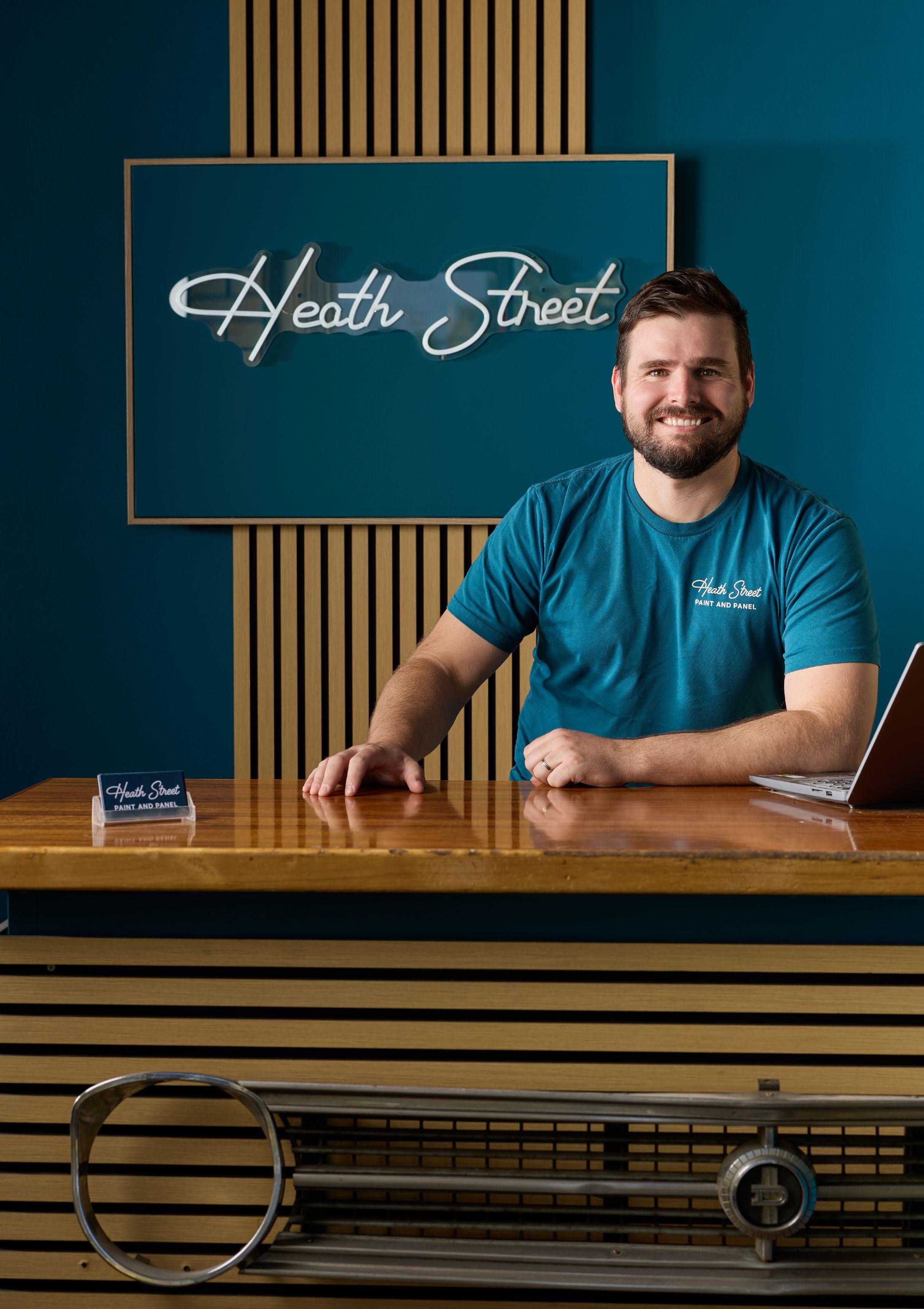
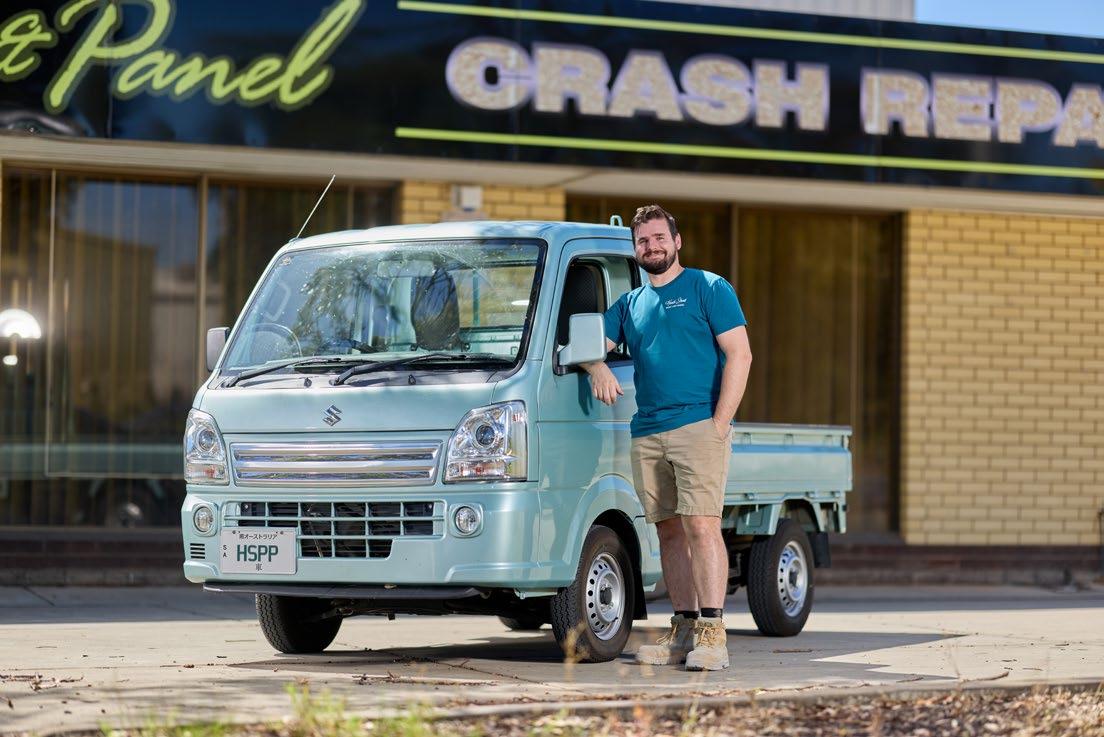
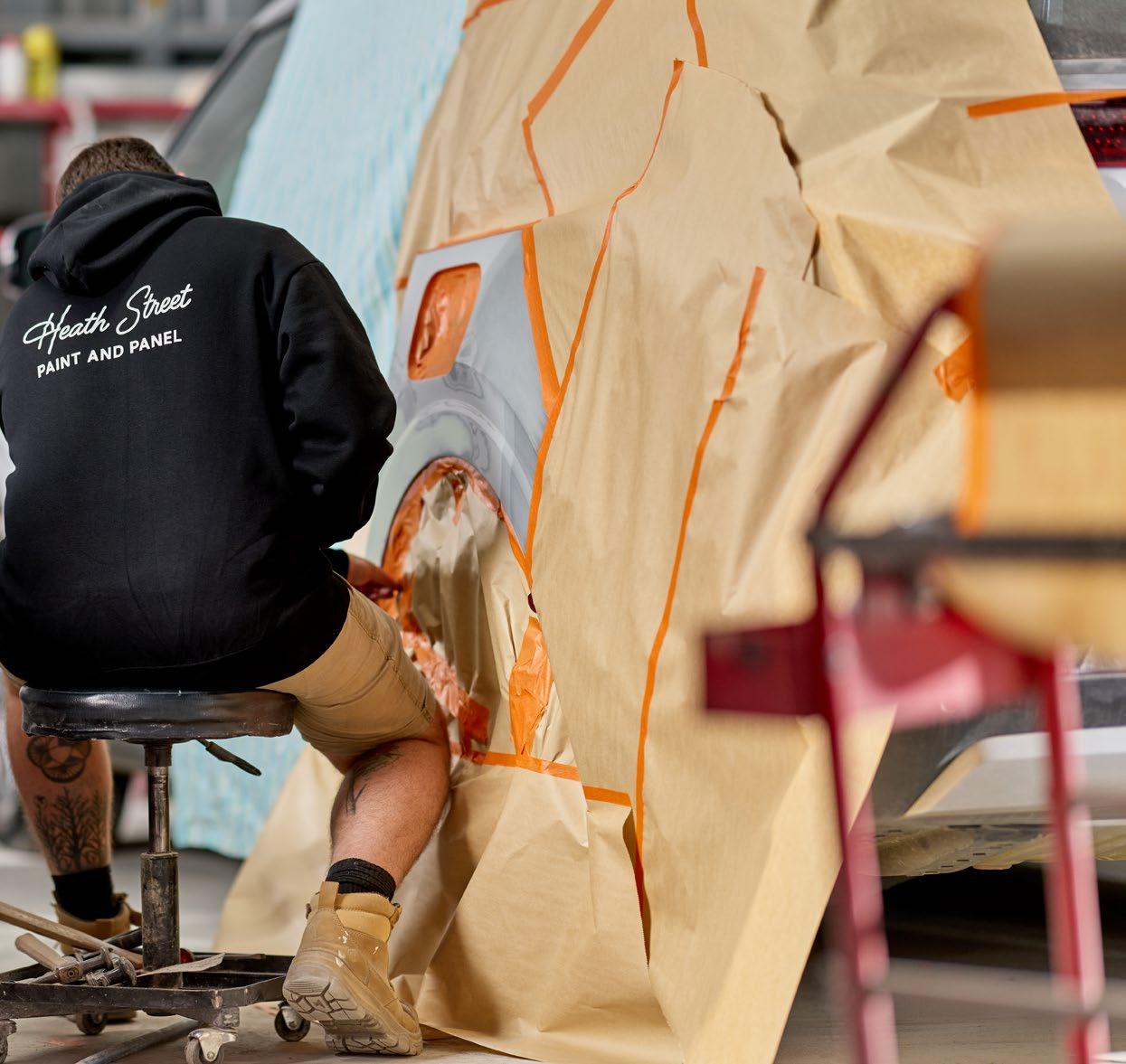
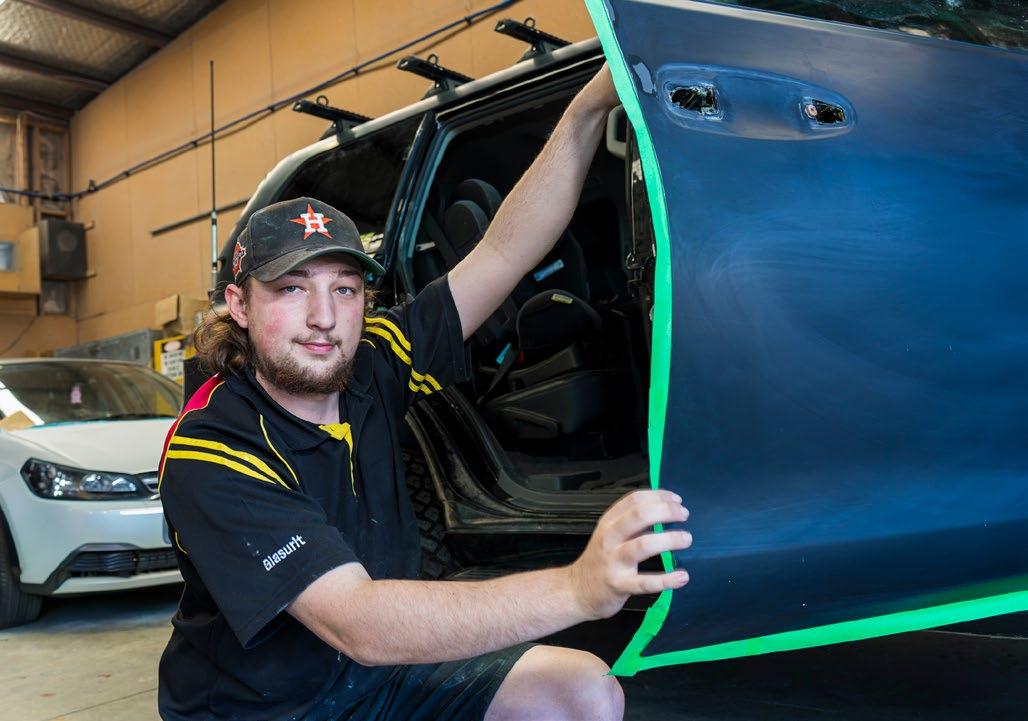
For Tim Obst, owner of Heath Street Paint & Panel, that reality is still taking shape. The shop has only been under his ownership for a few months, but already it offers a snapshot of what the next generation of independent repairers is navigating.
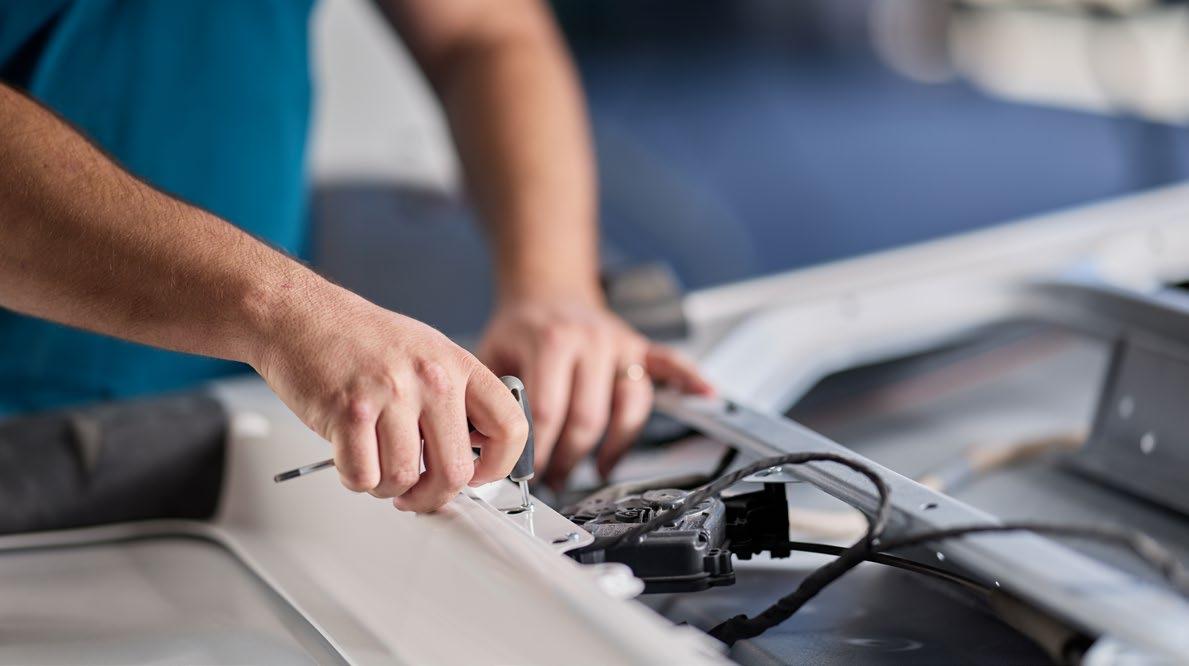
Tim didn’t arrive at ownership on a whim. He’s been in the industry since 2009, starting out as a spray painter before moving into estimating and management roles across several repairers. Along the way, he also worked as a technical paint representative, giving him a broader view of the industry beyond the booth. That mix of experience eventually led him to Heath Street Paint & Panel.
The previous owner, John, had been thinking about retirement for some time. Conversations turned into planning, and in early February this year, Tim officially took over the business. Importantly, that handover wasn’t a clean break. John’s two sons remain part of the team, providing continuity, local knowledge and a steady presence as the shop moves into its next chapter.
“It definitely helped that the business already had a good name,” Tim says. “We’ve been able to retain a lot of the existing customers, especially locals and nearby businesses.”
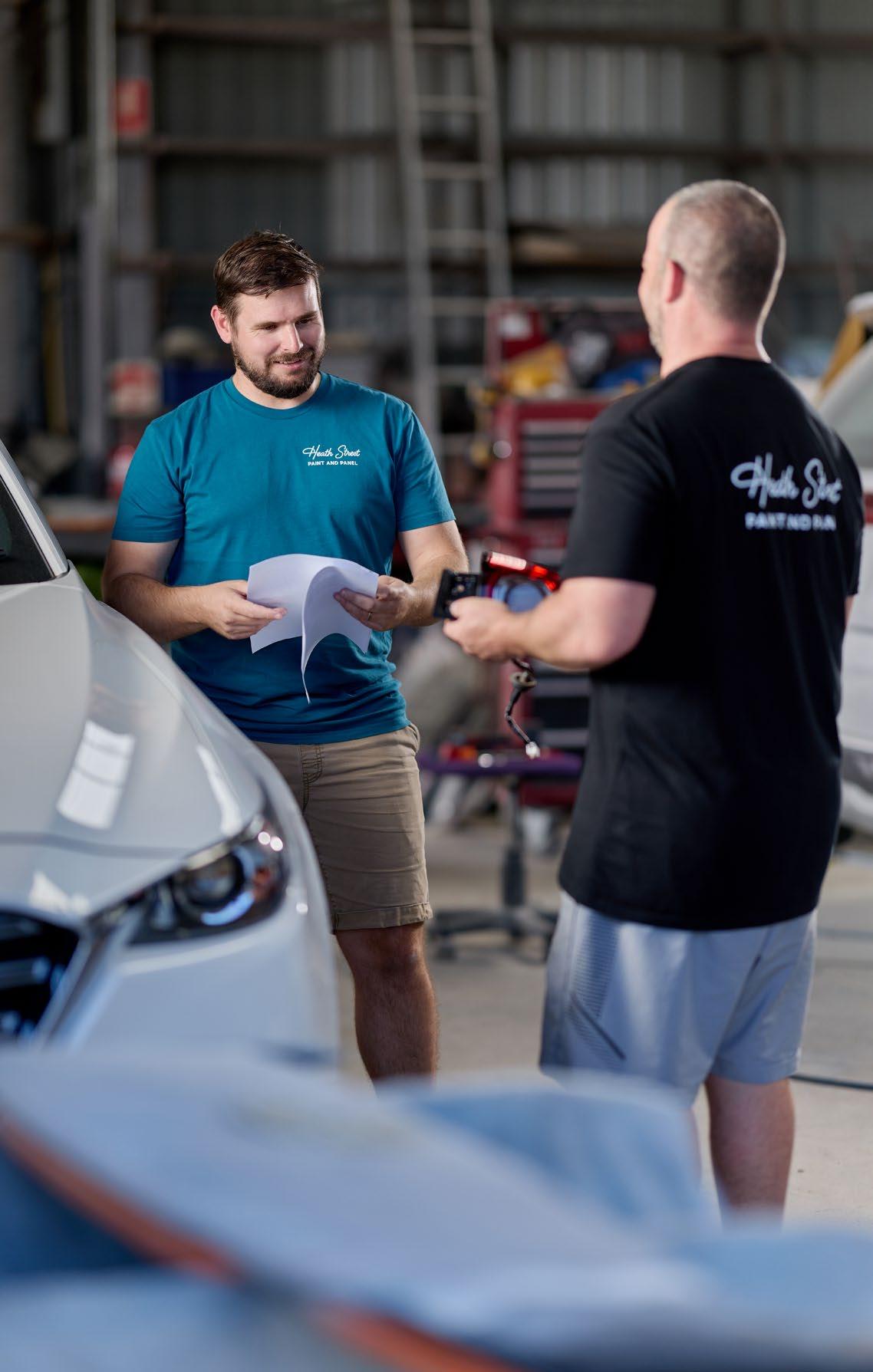
Despite the familiar name on the door, running the business has brought new challenges. And the biggest adjustment hasn’t been cars, customers or quality control.
“It’s the paperwork,” Tim laughs. “There’s a lot more of it than people expect. Accounts, systems, getting signed up to everything.”
That’s where early decisions have made a difference. Even with Capricorn’s help simplifying trade accounts and cutting down the number of suppliers to manage, the admin side of ownership still takes time. For a small team of three, streamlining wherever possible has been key to keeping the focus on repairs rather than red tape.
It’s a balancing act many young shops learn quickly.
While the ownership is new, the workload isn’t. The industry has been consistently busy over the past four to five years, a noticeable change from earlier in Tim’s career.
“When I was an apprentice, if it got quiet you might be asked to take leave,” he says. “You just don’t really see that anymore.”
Busy, however, doesn’t always mean simple. Insurance work has tightened, assessment processes are more detailed, and margins can be harder to protect. It’s one of the reasons Tim would like to gradually increase private work over time, giving the business more flexibility and control.
For now, though, the focus is on getting the fundamentals right.
If there’s one principle Tim leans on, it’s transparency.
“If a job’s going to take two weeks, tell them two weeks,” he says. “Don’t try to make it sound better by saying one. People usually understand if you’re upfront.”
That approach has been shaped by years of experience on the shop floor. Clear communication and realistic timelines tend to build more trust than optimistic promises ever could, particularly as customer expectations continue to rise.
Despite the systems, pressures and paperwork, Tim’s connection to the work itself hasn’t changed.
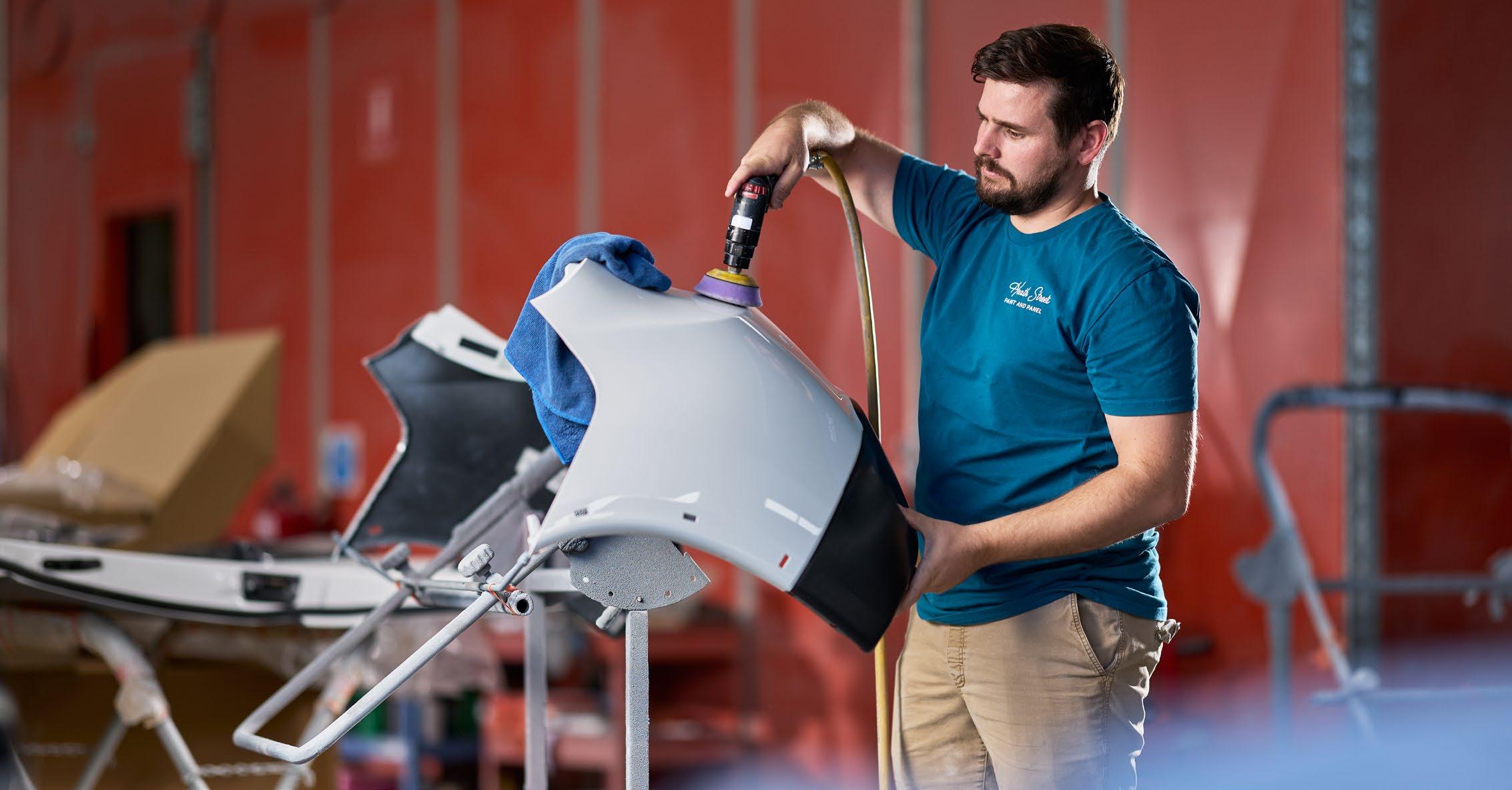
“I just like cars,” he says. “But more than that, I get a lot of satisfaction from the transformation. Taking something damaged and seeing it through the whole process, then handing it back in the best condition it can be.”
For customers, it can feel like wizardry. For Tim, it’s just another day in the shop.
You won’t find a grand expansion plan pinned to the body shop wall. There’s no rush to grow for growth’s sake, and no apprentices just yet. Right now, the focus is on stability, quality and settling into the rhythm of ownership.
Opening a body shop today takes adaptability, patience and a willingness to learn on the fly. Heath Street Paint & Panel may be young in its current form, but it’s built on experience.
Fresh paint. Familiar foundations. And a future that’s still being beaten into shape.
Accepted by over 6,000 service stations across Australia, the Capricorn Fuel Card lets you fill up without the fuss. Just scan your card at a participating service station and the transactions will be automatically added to your Trade Account.
One consolidated invoice Exclusive fuel discounts
Accepted by over 6,000 service stations
Ready to simplify filling up?


Submit your entry at cap.coop/funzone by 31 May 2026
March winner: Cooper Tyres Manukau who WON 5,000 Bonus Rewards Points
SPOT THE DIFFERENCE (5 differences to find!)
WORD HUNTER (15 words to find!)
Last month's answers
Please note that this competition and participation in the Capricorn Rewards program are subject to terms and conditions. For the full terms and conditions, visit cap.coop/tc.
Across Building
Business
Capability
Collaboration
Community
Digital
Engine
Experience
Mechanical
Members
Rewards
Service
Skills
Trade
No matter what