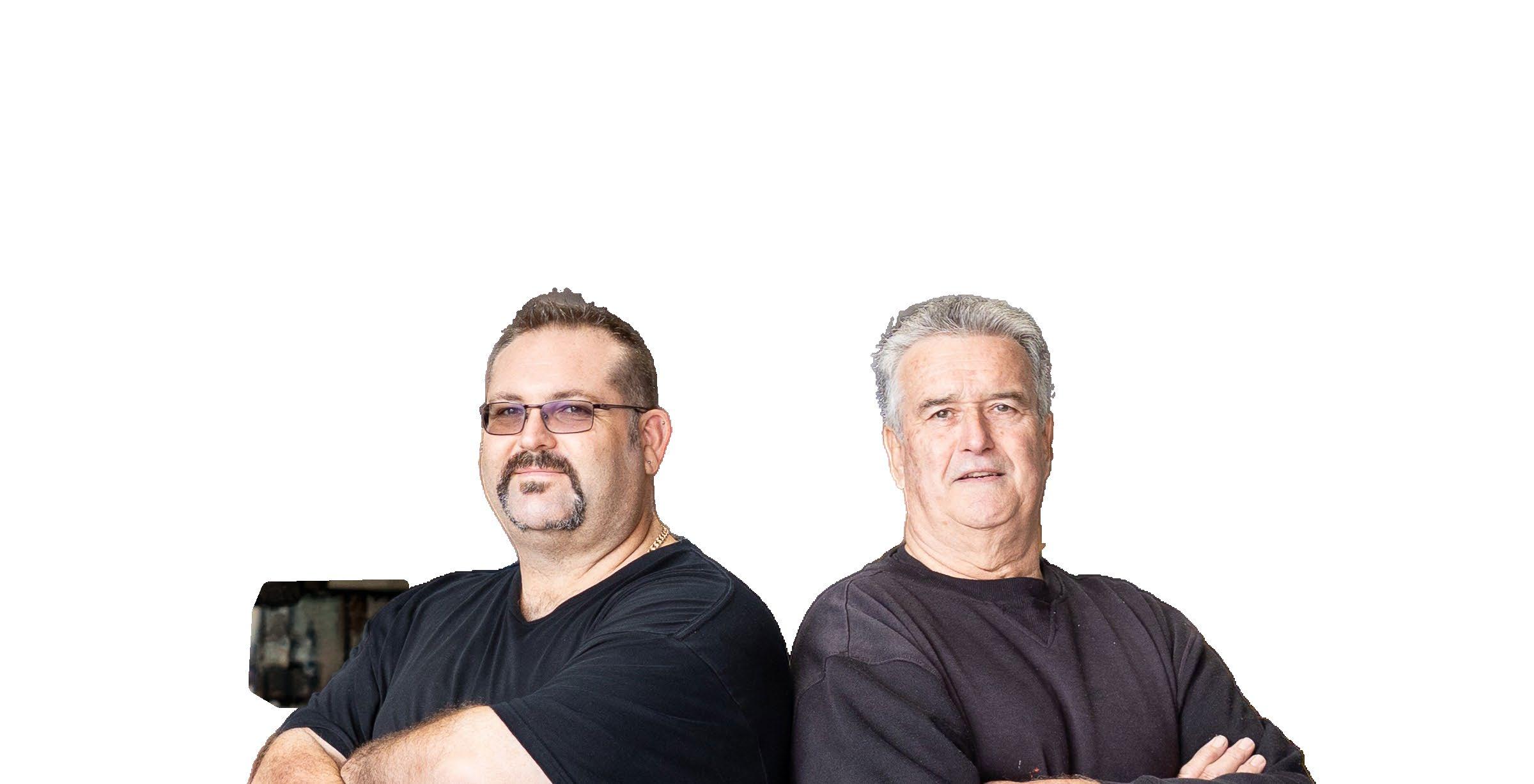
Hundredths of a Second
Powering Off-Grid, Together
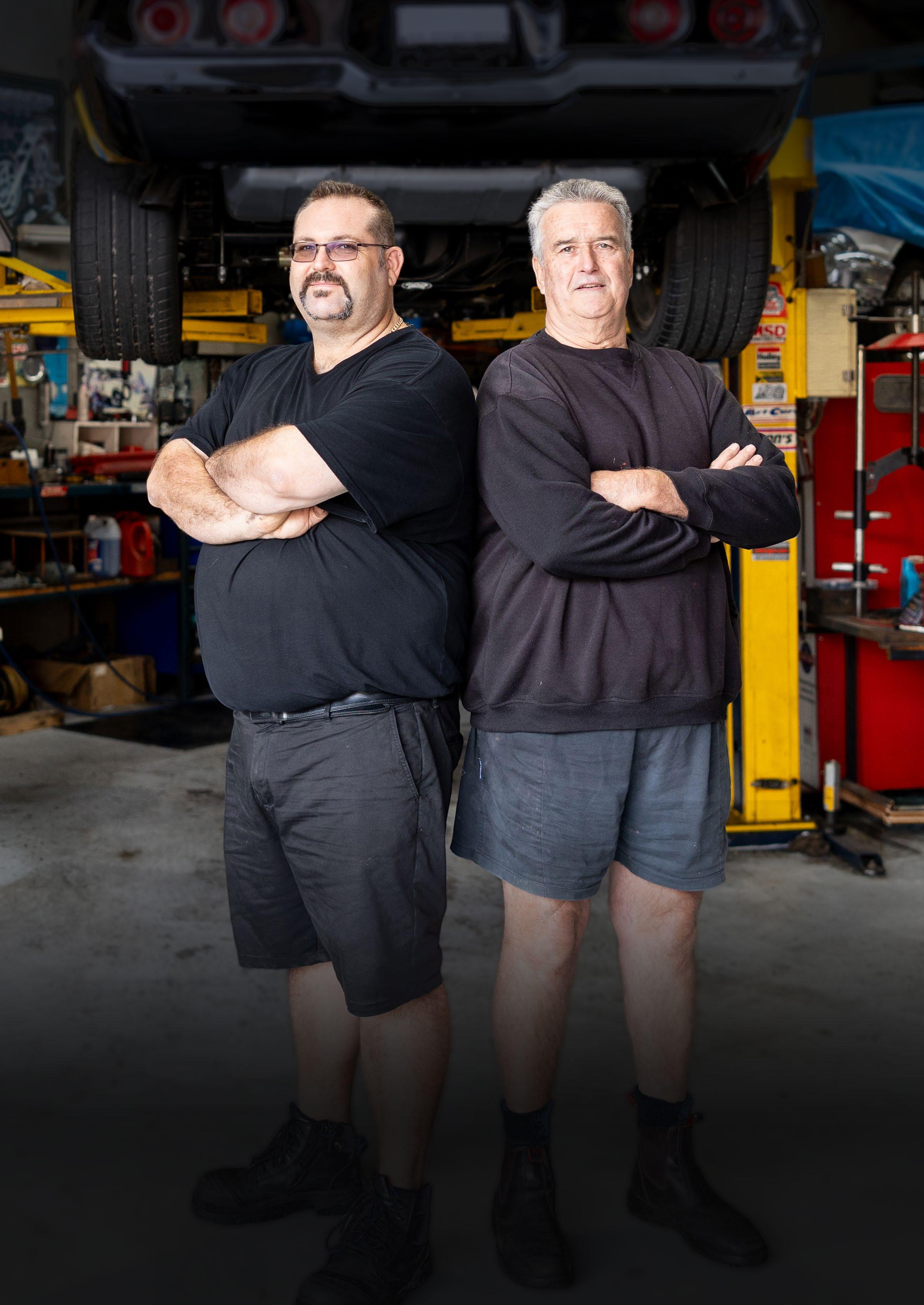
Hundredths of a Second
Powering Off-Grid, Together
Western Australia
Busselton Trade Show
2 September 2026
Gala Dinner & Trade Show
24 October 2026
Northern Territory
Darwin Trade Show 16 September 2026
New South Wales
Gala Dinner & Trade Show 31 October 2026
Queensland Cairns Trade Show 1 September 2026
Gala Dinner & Trade Show 21 November 2026
South Australia
Gala Dinner & Trade Show
7 November 2026
Victoria Pakenham Trade Show 7 October 2026
Capricorn Golf Classic 21 October 2026
Gala Dinner & Trade Show 14 November 2026
The events advertised include current and planned events (which are subject to change). To get tickets or view a planned event’s status, log in to myCAP and click on events. For further information please contact our Events team.

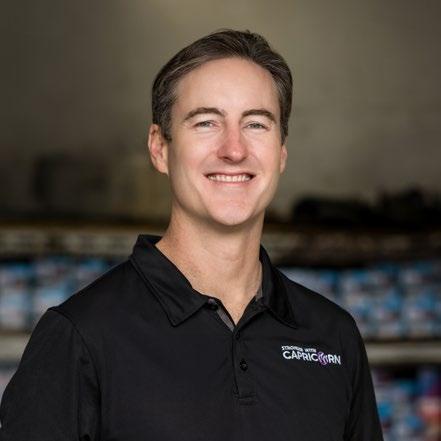
August is shaping up to be an important month for our Capricorn Community, with a strong focus on how we represent and support our Members as the industry continues to evolve.
Over recent months, our team has been working hard behind the scenes on our 2026 State of the Nation Report. To every Member who took the time to share their insights, thank you. Your input is incredibly valuable and plays a critical role in shaping this research.
We’ll be launching the report next month, and it will form a key part of how we advocate on behalf of our Members with policymakers and industry bodies. Making sure the voice of small businesses is heard, and backed by real data, is essential as our industry continues to change.
I also want to remind you that tickets for our 2026 Gala Dinners and Trade Shows are now available across six regions through myCAP. These events are always a highlight, bringing our Members, Preferred Suppliers and team together in one place.
If you have the opportunity to attend, I strongly encourage it. Time with our Community matters. It is a chance to connect, share experiences and enjoy yourself after the hard work that goes into running and supporting businesses every day.
Finally, behind the scenes we’ve recently taken an important step forward in our risk protection services.
In June, we moved to a modernised Risk Protection platform. While you may not see the systems themselves, what you will notice is the difference. We are responding to Members faster, working more efficiently and continuing to improve the experience when it comes to protecting your business.
Across everything we do, our focus remains the same. Improving the lives of our Members by helping them build stronger businesses and supporting a connected, thriving Community.
Thank you for being part of Capricorn and for the role you play in making a difference every day.
Brad Gannon Group CEO
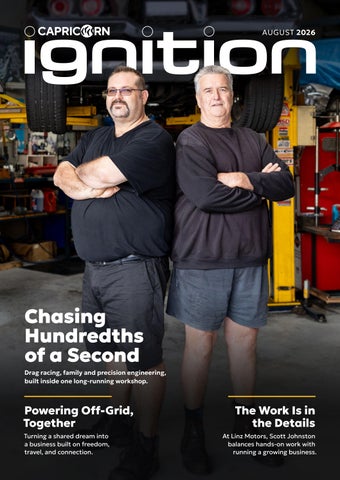
4 Chasing Hundredths of a Second Drag racing, family and precision engineering, built inside one long-running workshop.
8 Powering Off-Grid, Together
Turning a shared dream into a business built on freedom, travel, and connection.
12 Building a Workshop Culture that Gets the Best Out of Your Team
14 The Work Is in the Details At Linz Motors, Scott Johnston balances hands-on work with running a growing business.
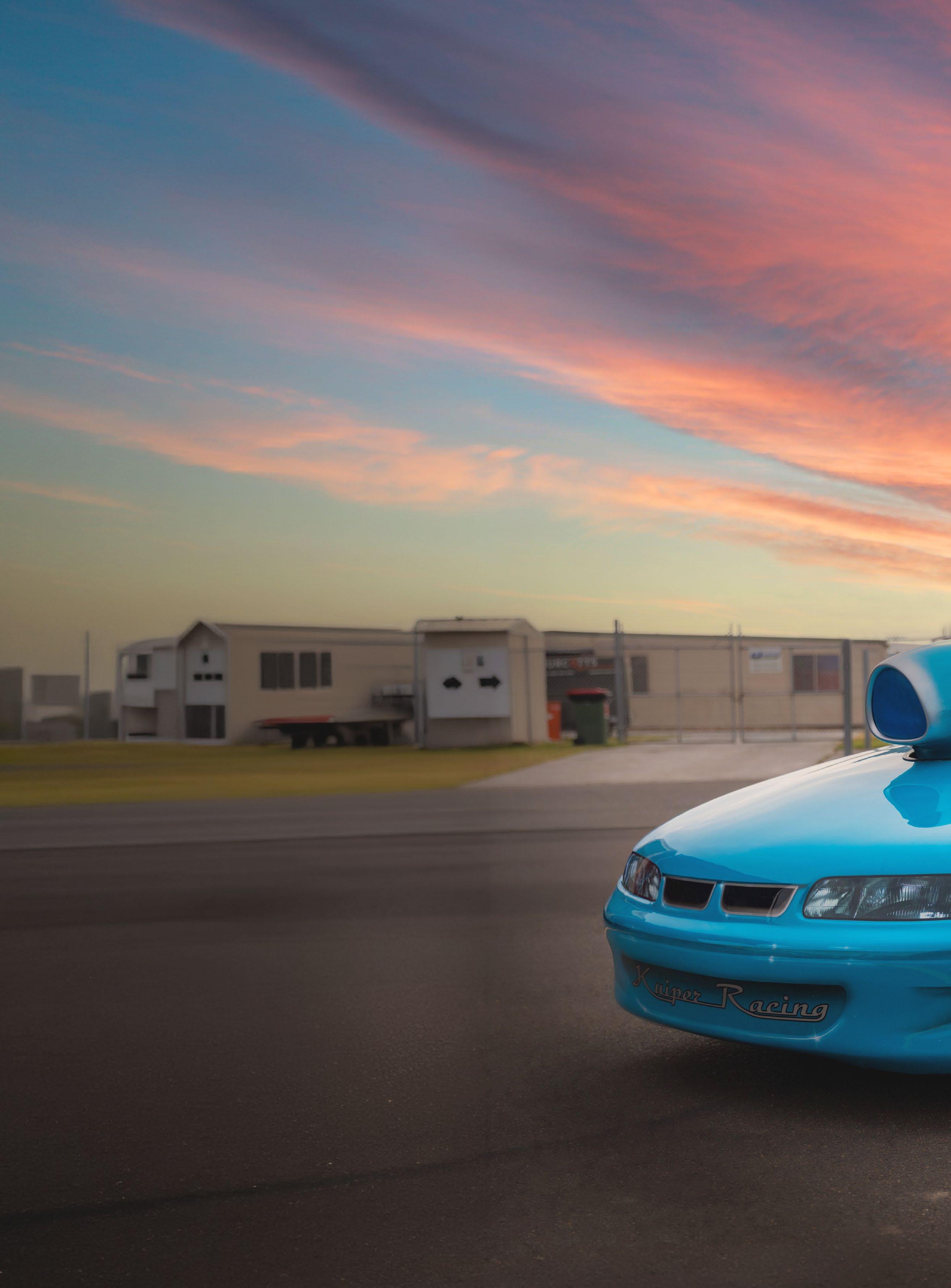
Drag racing, family and precision engineering, built inside one long-running workshop.
In Sydney’s south west, a small, familyrun workshop has built its reputation on hands-on work, complex builds, and a long-standing connection to drag racing.
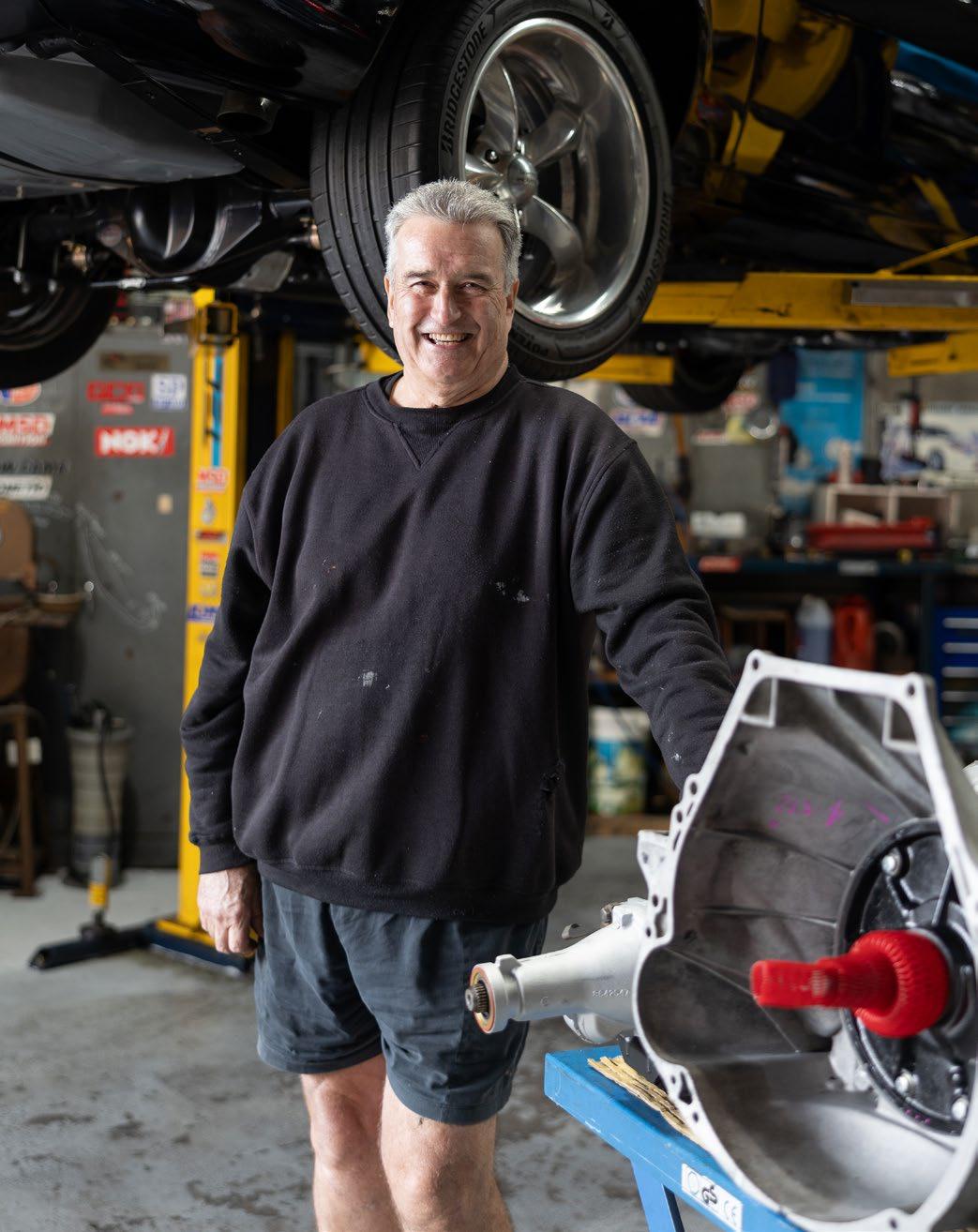
Nestled among shelves of bell housings, pistons and bolts are modest awards and pieces of artwork — quiet reminders of years spent not just repairing cars, but pushing them harder, chasing better results and staying close to the sport that’s shaped it all. It’s here that John Kuiper works alongside his son Daniel, building and rebuilding the same cars they race on weekends.
“I've been in this area probably for about thirty-eight years running our own shop,” John says. “We kicked off by ourselves… then we ended up into a family business, and we've been here for about twentyeight years. From car repair, I've always had a passion for motorsport. We do a lot of engine work and transmission work with some of the high-performance stuff… and it's been good. I really enjoy it.”
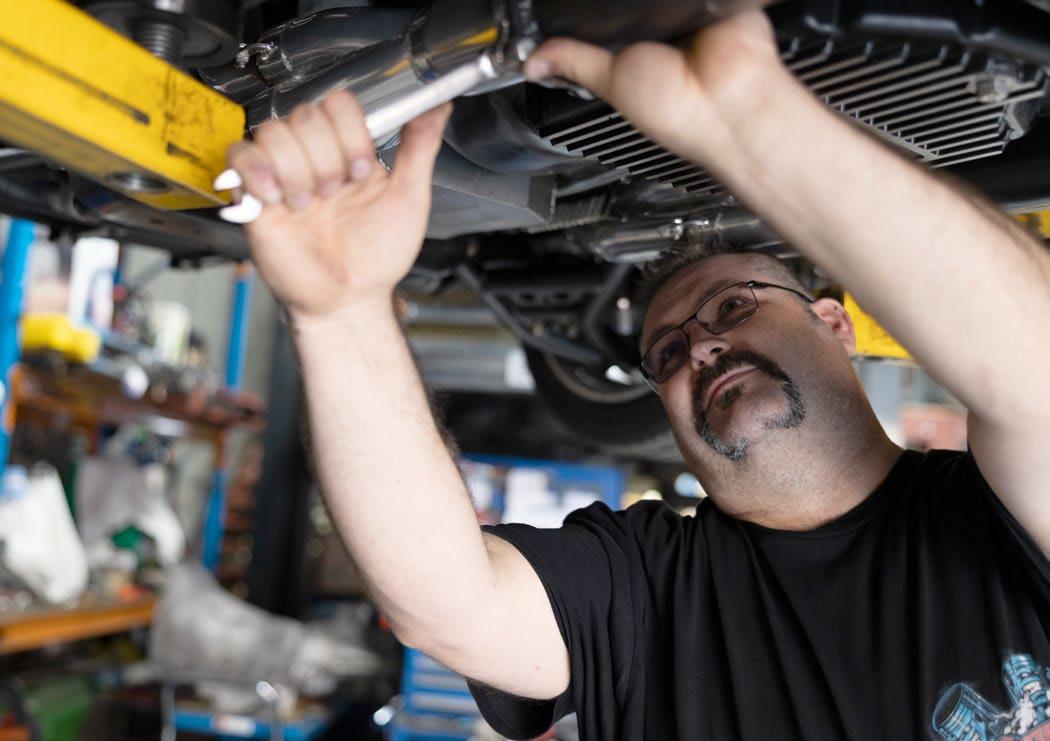
That crossover between everyday work and high-performance builds sits at the centre of everything they do. A customer's car might come through for servicing, but in the next bay there could be an engine stripped down completely and being prepared for its next pass down the strip.
From the workshop to the strip
John’s connection to drag racing started young, and it wasn’t something he eased into.
“I got dragged to an old drag strip out of Penrith… Castlereagh… when I was probably fourteen years of age by two tradesmen there,” he says. “One was a fitter machinist, one was a boilermaker, so they introduced me to that sport and I've loved it ever since.”
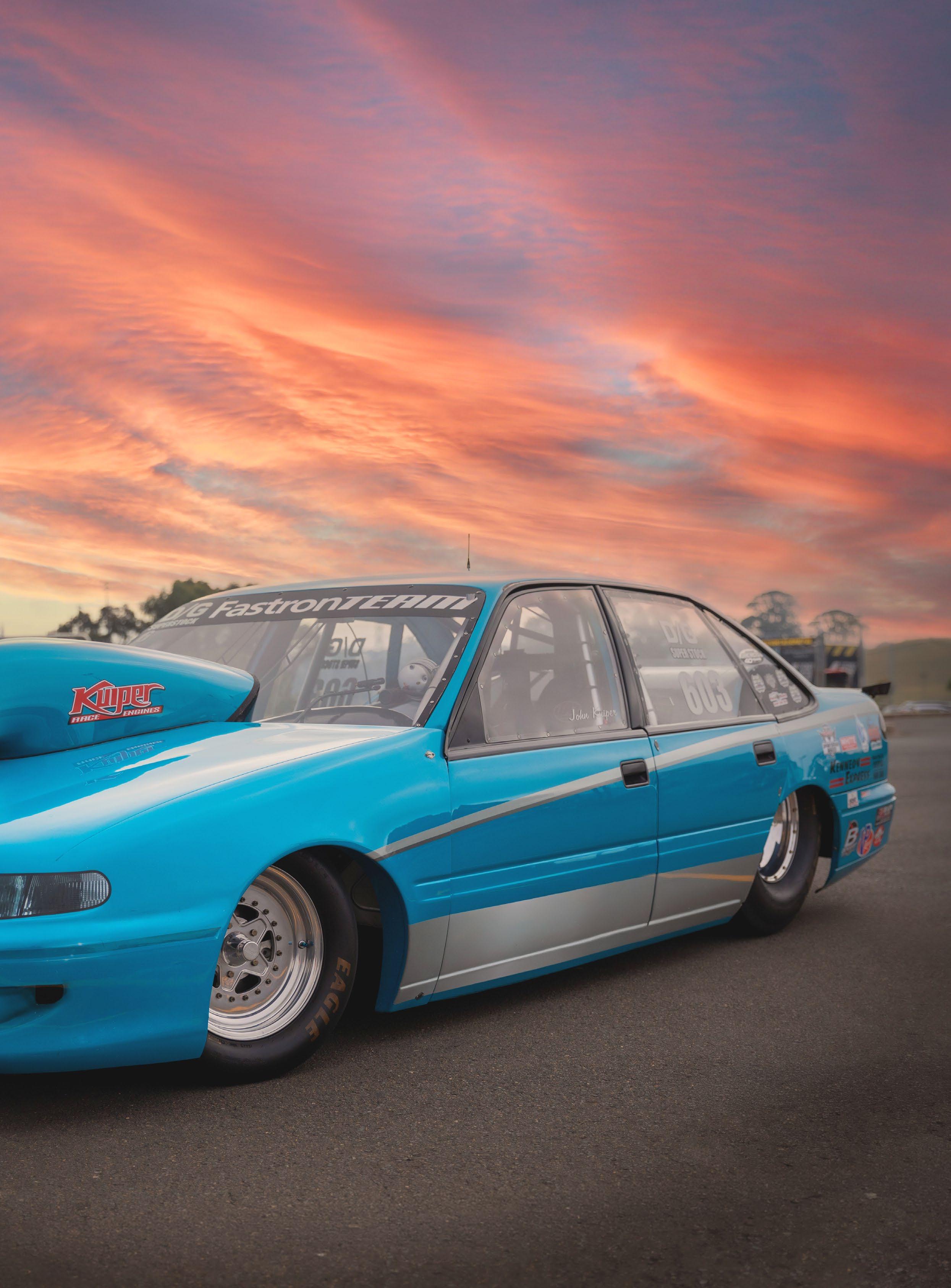
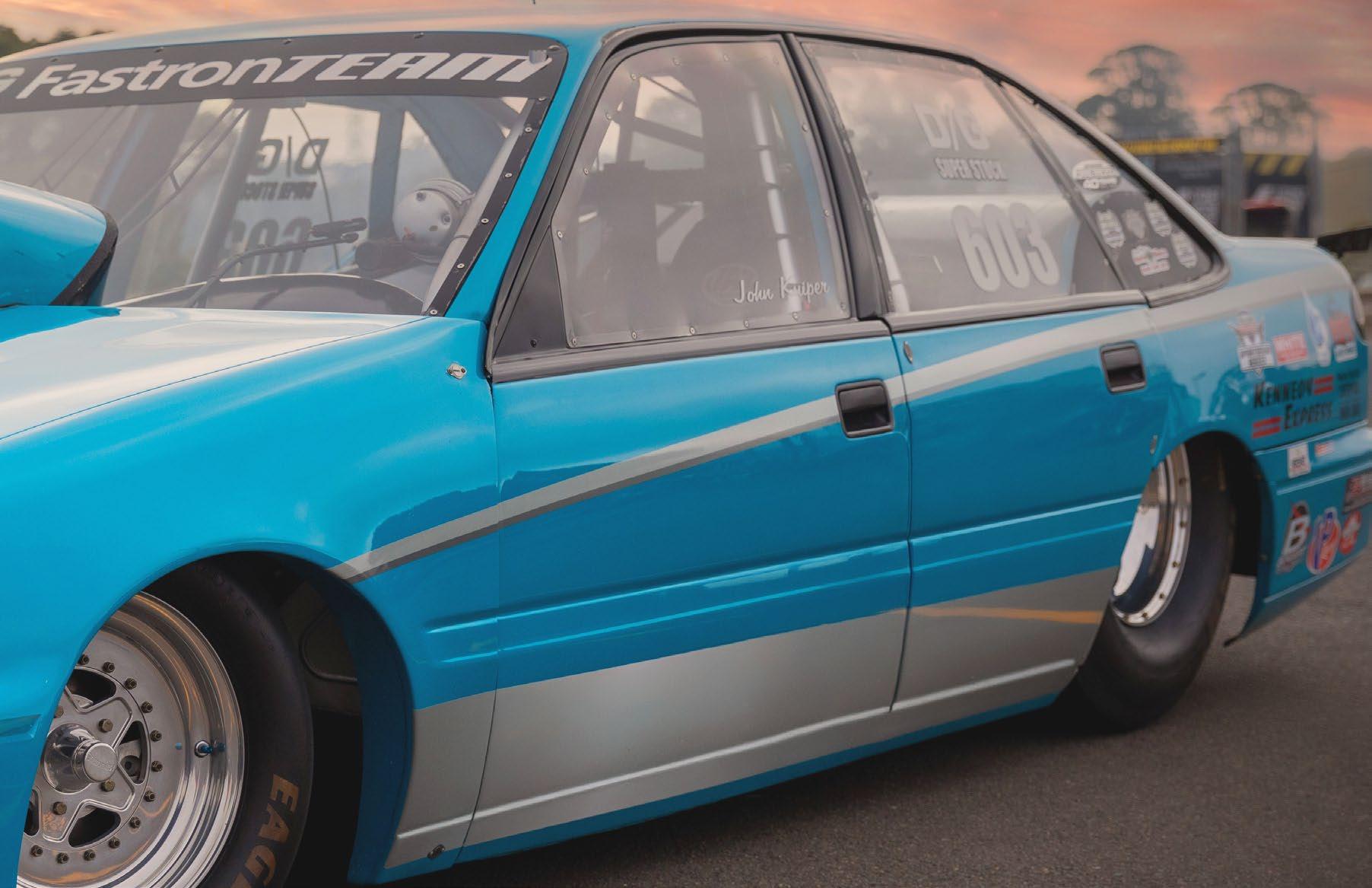
Years later, that interest has taken shape through a striking blue VS Commodore — a Super Stock drag car built, maintained and continually refined by John and Daniel.
“We run a class called Super Stock… there’s a lot of rules with the class, a lot of innovation, a lot of our own technology and our own R&D,” John says. “It’s naturally aspirated, manual five speed… engine capacity has to be restricted… and I’ve always liked it because of that fact.”
It’s not just about outright speed. It’s about working within those rules, understanding the car, and finding gains where most people wouldn’t think to look.
What happens after race day is where most of the work really begins. The car comes back into the workshop and gets pulled apart again, piece by piece.
“After we do an event, the engine comes out of the car. We do a thorough inspection on the engine,” John says. “We have to service the clutch… and we’re looking for that couple of hundredths of a second faster to be more competitive next time we go out again, which makes it a challenge, which I enjoy.”
Race, rebuild, refine. Over and over.
It’s also what allows the team to stay competitive without relying on outside help.
“Years ago, I couldn't afford it,” John says. “Now, because we’ve been doing it a long time, we do everything on the motor vehicle ourselves. That makes it more achievable, not just sending it out and getting someone else to repair it for us.”
That approach runs through everything they do. The engine comes apart in their own workshop, goes back together in the same space, and returns to the track with a clearer understanding of how it’s performing. Each run feeds into the next rebuild, with small adjustments made along the way.
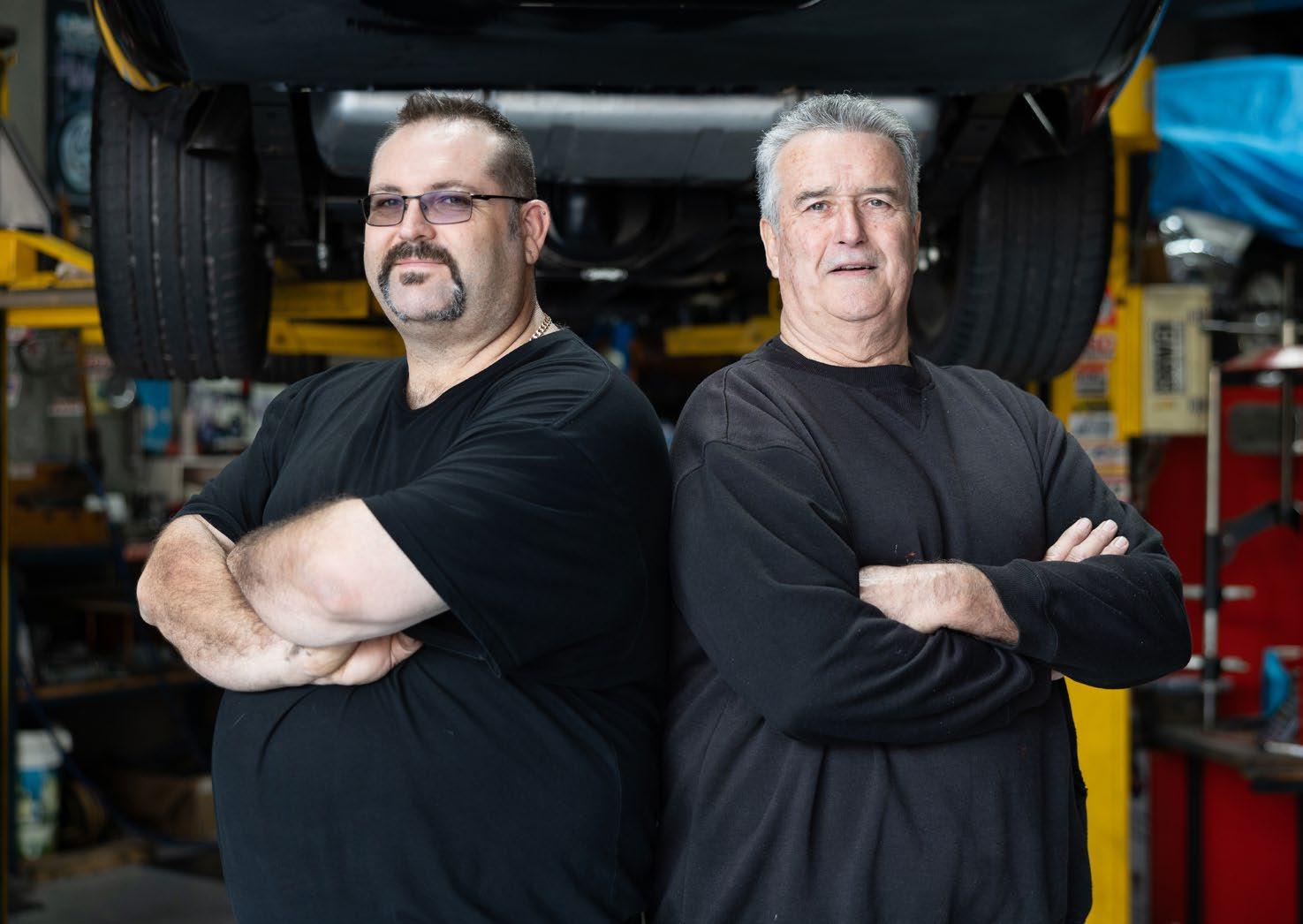
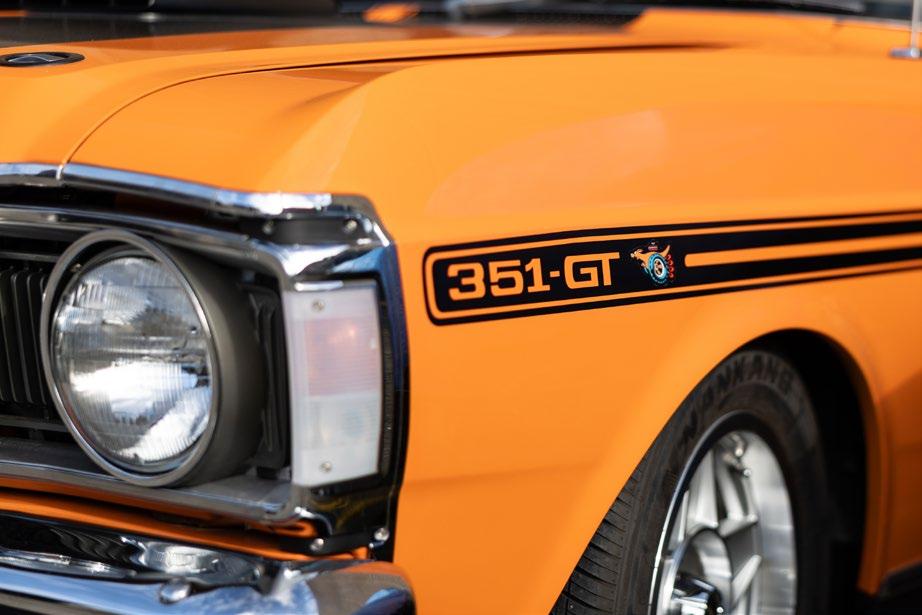
Over time, that process has kept the car competitive. Kuiper Race Engines has been a consistent performer on track, including a Runner-Up finish at the 2022 Nitro Champs Championship Series, built on years of steady refinement and hands-on work.
For all the technical work, the structure behind the business is simple. It’s familyrun, and it always has been.
“There’s been a small family business that kicks the goal for us… my son works with me, and my wife does all the paperwork,” John says.
That same dynamic extends to racing as well.
“I couldn’t do it without my son,” he says. “Helping me with all the work in the shop is one thing, but then we go drag racing together as a family as well, so it’s pretty cool.”
It’s a setup built on time, trust and repetition. The same people, the same processes, improving bit by bit.
Looking ahead, John is starting to think about stepping back slightly, but not before making sure the next phase is in place.
“I'd like to slow down a little bit… have a bit of a long weekend and let my son take over completely,” he says. “But because of our workload, we’ll need to bring someone in, someone that’s passionate and likes what we do, and then my son can teach them his way.”
It’s a practical decision, the same way the rest of the business has been built. Find the right people, pass on the knowledge, and keep things moving.
Because whether it’s a customer vehicle or a race car, the thinking behind it stays the same. Do the work properly. Understand the detail. And keep looking for the next improvement.
On the track, that might only show up as a few hundredths of a second. But inside the workshop, that’s where those gains are built.
John extends his sincere thanks to his family, wife Angie and son Daniel, along with his supporters, Mal Hughes, Cameron McLean, Morris from "Above All Products" AAPAL, also the sponsors and friends who have backed him over the years.
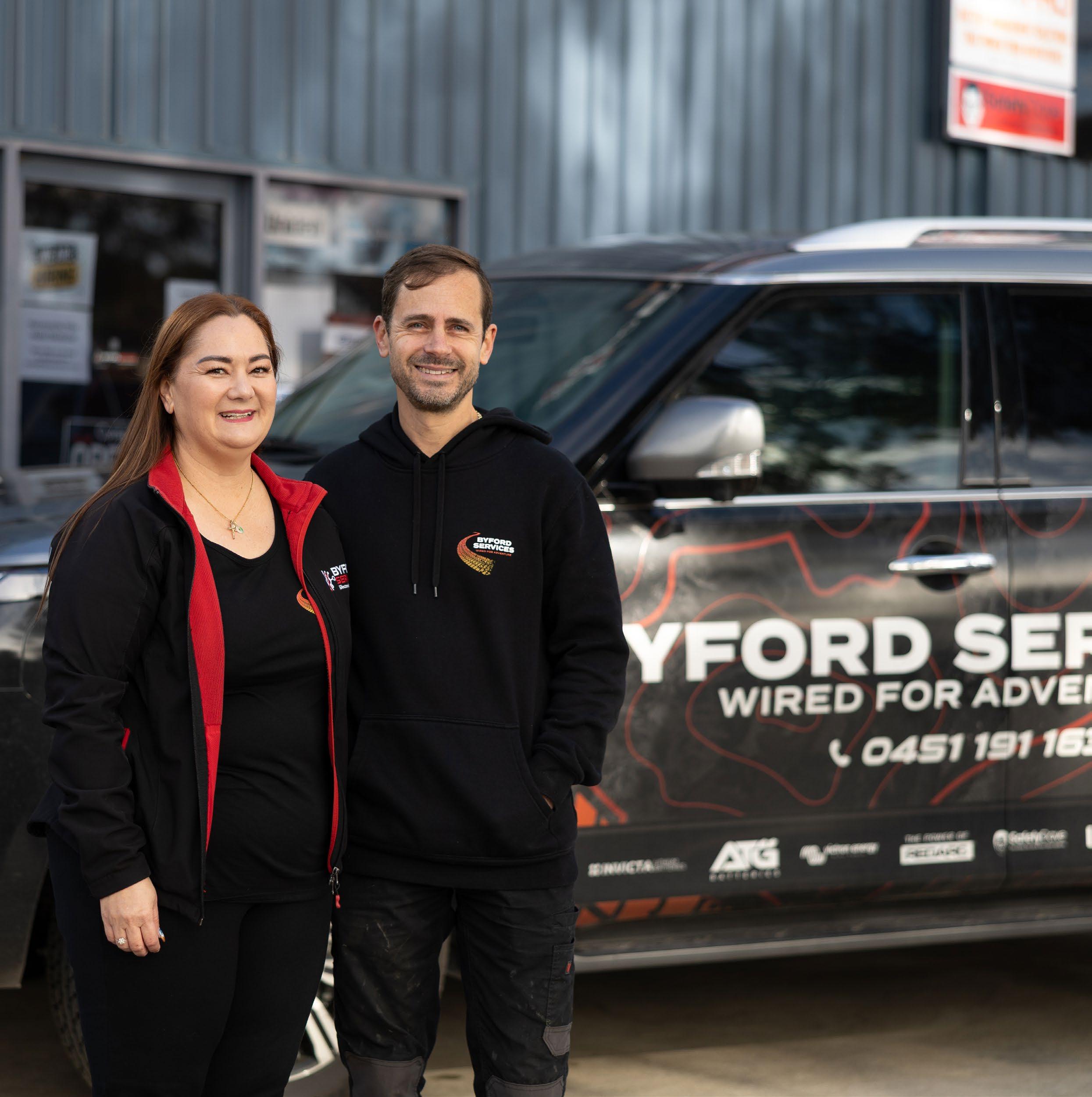
Under the fluttering leaves of a eucalyptus tree, gumnuts fall like soft rain onto the canvas of an awning. Beneath it, cocooned in shade and warmth, Hayley and Mark Byford are hard at work.
At first glance, it feels like a caravan holiday. A gentle pause somewhere off-grid. The kettle’s on, the awning breathing softly with the breeze, everything slow and unhurried.
But stay a moment longer and the details begin to shift. Cables run neatly along the frame. Batteries sit housed and humming. A system, carefully built and deliberately tested, works exactly as it should.
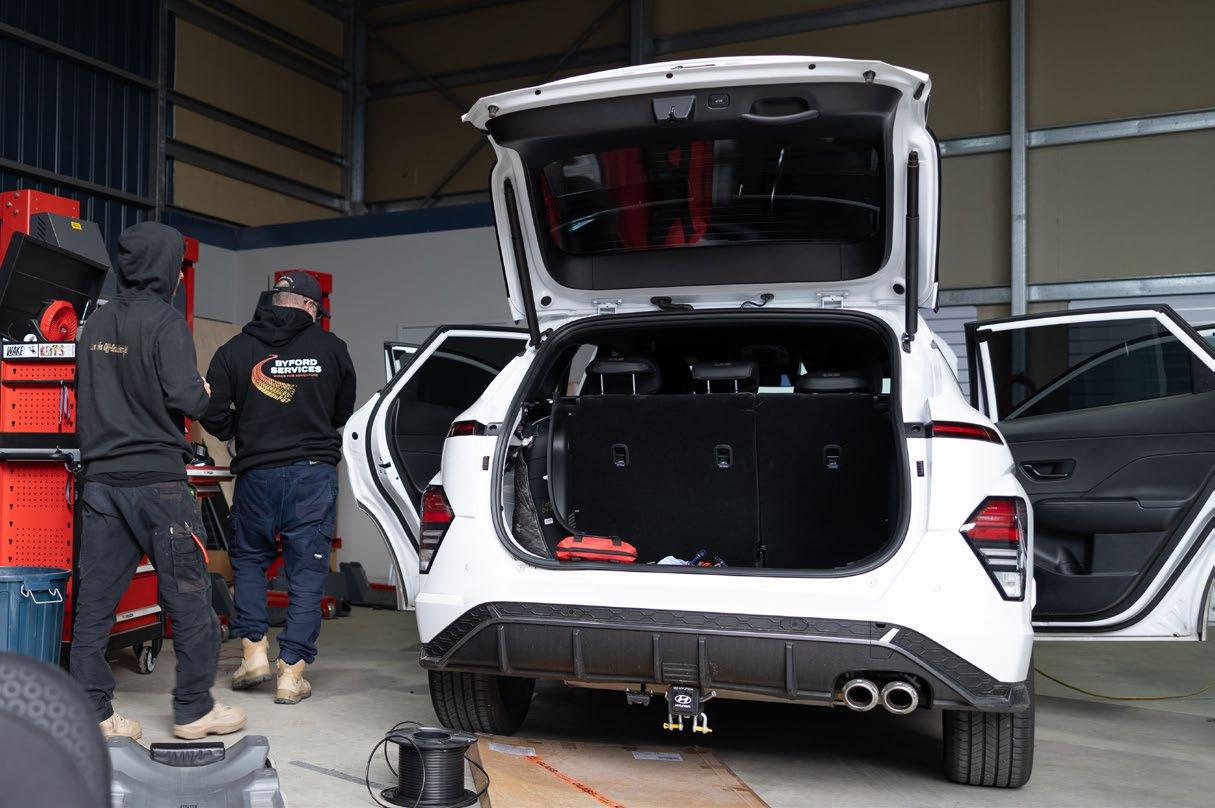
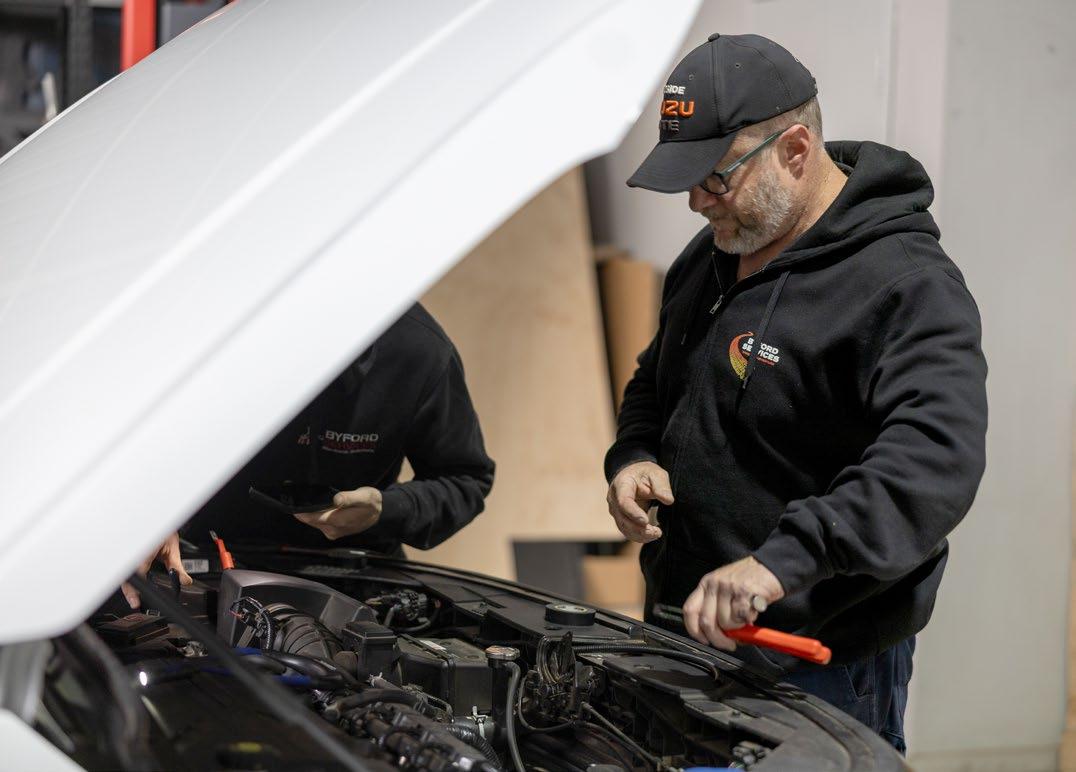
This is the job. Testing, refining and living the setups behind Byford Services — a business specialising in 12-volt off-grid power solutions for caravans, four-wheel drives and remote travel. A business shaped by a decision to step away from something comfortable and build something together.
Unhitching
Hayley Byford, Operations Manager at Byford Services, remembers the moment things shifted. What had been a long-running side project started to feel like something more.
“Mark had always done this as a hobby, but when COVID came along it changed everything. We could see this industry growing rapidly as more people turned to caravanning and off-grid travel, and I said to him, let’s just do this full time. You’ve got all the technical skills, and I’ve got the admin and sales background. We’ll make it work.”
It was a simple idea, but not an easy one. Walking away from a stable salary into the unknown carries weight, especially when the business is still finding its feet.
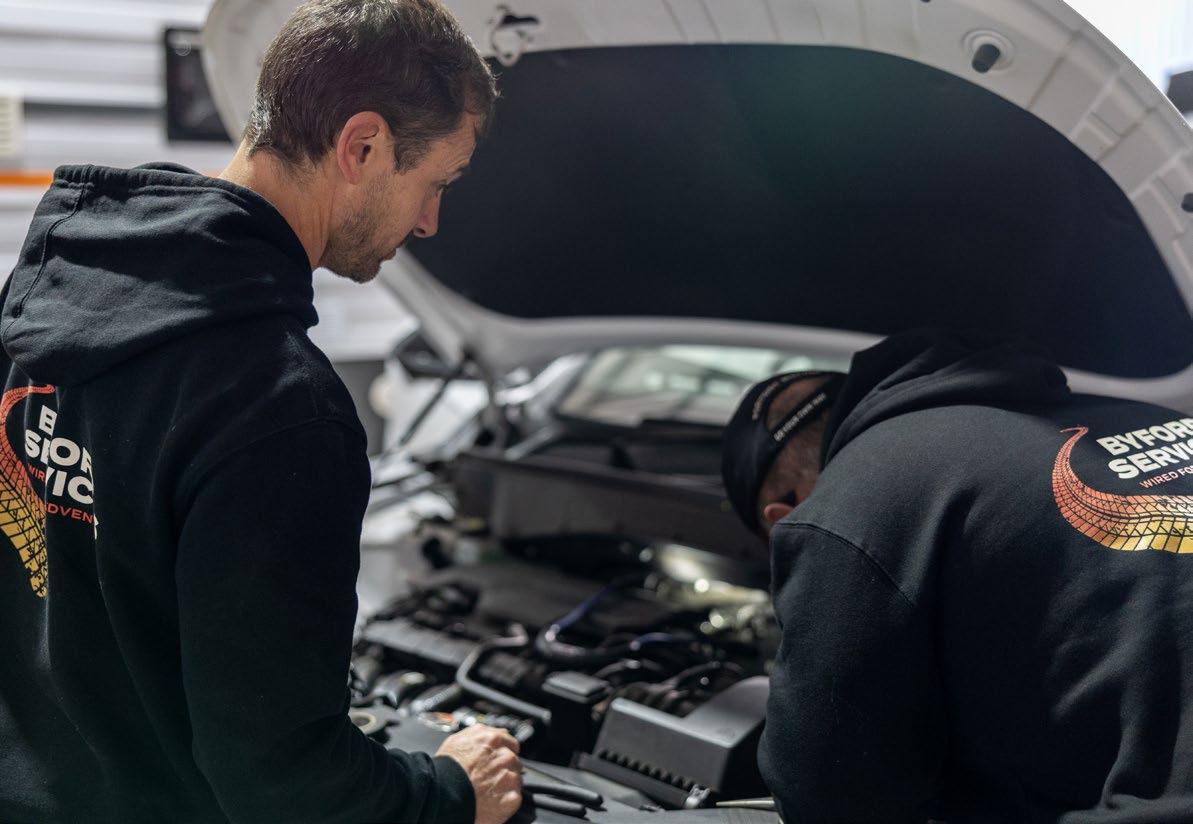
“Making that leap from a really good salary into your own business is scary. But we backed ourselves, got the right advice, set everything up properly and committed to it.”
That commitment paid off quicker than expected.
“When we sat down with the accountant after the first year, we asked how we’d gone and he said we hadn’t just done okay, we’d made a profit, which doesn’t normally happen in the first twelve months.”
It was the kind of validation that settles nerves, but it also set the tone for what came next. Growth, fast and sometimes messy, but always forward.
At Byford Services, the line between work and lifestyle is intentionally blurred. What they install for customers is exactly what they use themselves.
“We specialise in off-grid systems for motorhomes, caravans and four-wheel drives. It can be anything from adding solar and inverters to building full battery systems so people can travel without needing to plug into power.”
That understanding runs deeper than product knowledge. It is lived experience, built into every recommendation they make.
“The beauty of the business is that everything we do in here is what we have ourselves. We’ve built our own setups, we use them, and we know exactly how they perform out there.”
Their own caravan is fully equipped to head anywhere, without relying on caravan parks or powered sites.
“We’ve got a full off-grid setup in the caravan so we can go wherever we need to go without being tied to power. You can pull up at a river or a park, run the air conditioning, boil the kettle or make lunch on the side of the road.”
It’s that connection that resonates with customers. They’re not just being sold a system. They’re being shown a version of life that’s been tried and tested.
“Whatever we build for people is something we enjoy doing ourselves, and that makes a big difference.”
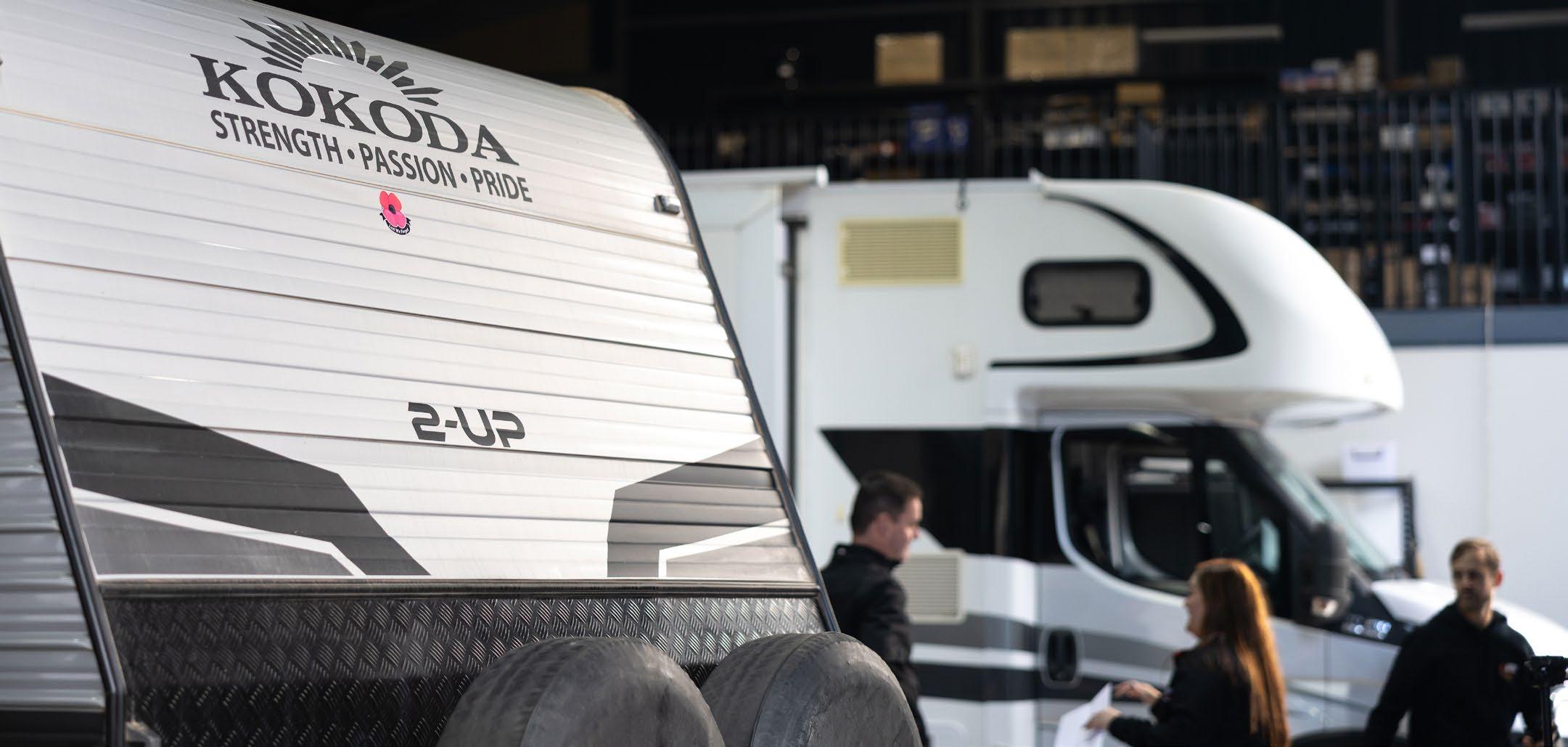
Like most small businesses, the early days were shaped by doing whatever it took to keep things moving. Reinvestment, long hours and a willingness to adapt quickly.
“In the beginning, everything we made went straight back into the business. We kept our costs low and focused on building from there.”
Mobility played a big role in that. Instead of waiting for customers to come to them, they went out to meet demand.
“We invested in a custom trailer so Mark could run the business on the road. That allowed us to reach different areas and expand much faster.”
Eventually, growth started to spill into everyday life.
“Our front yard turned into what felt like a caravan and car yard. We were working outside, sometimes late into the night, trying to keep up with the workload.”
That pressure led to another leap.
“We realised we needed a proper workshop. It was a big financial step, but I said to Mark, we’ll be totally fine, just do it.”
They did. And now, just a few years on, they’re already looking for something bigger again.
Growth hasn’t changed what matters most. If anything, it’s reinforced it. Time together. Shared purpose. Building something that reflects both.
“We’ve found where we each work best in the business. Mark manages the team and stays hands-on with the technical side, and I handle the administration, finance and systems. That balance has helped us keep growing.”
Part of that growth includes investing in people, especially in an industry where formal training pathways are limited.
“It’s really important to us that we train the next generation. There isn’t a lot of structure in this space, so being able to pass on knowledge and give people opportunities matters a lot.”
The business continues to evolve, but the core idea remains steady.
“We really do love what we do. We’ve built something that fits our lifestyle and allows us to spend more time together while doing something we genuinely enjoy.”
And somewhere along a quiet stretch of road, with the awning down and the kettle on, that idea keeps powering forward.
By Geoff Mutton
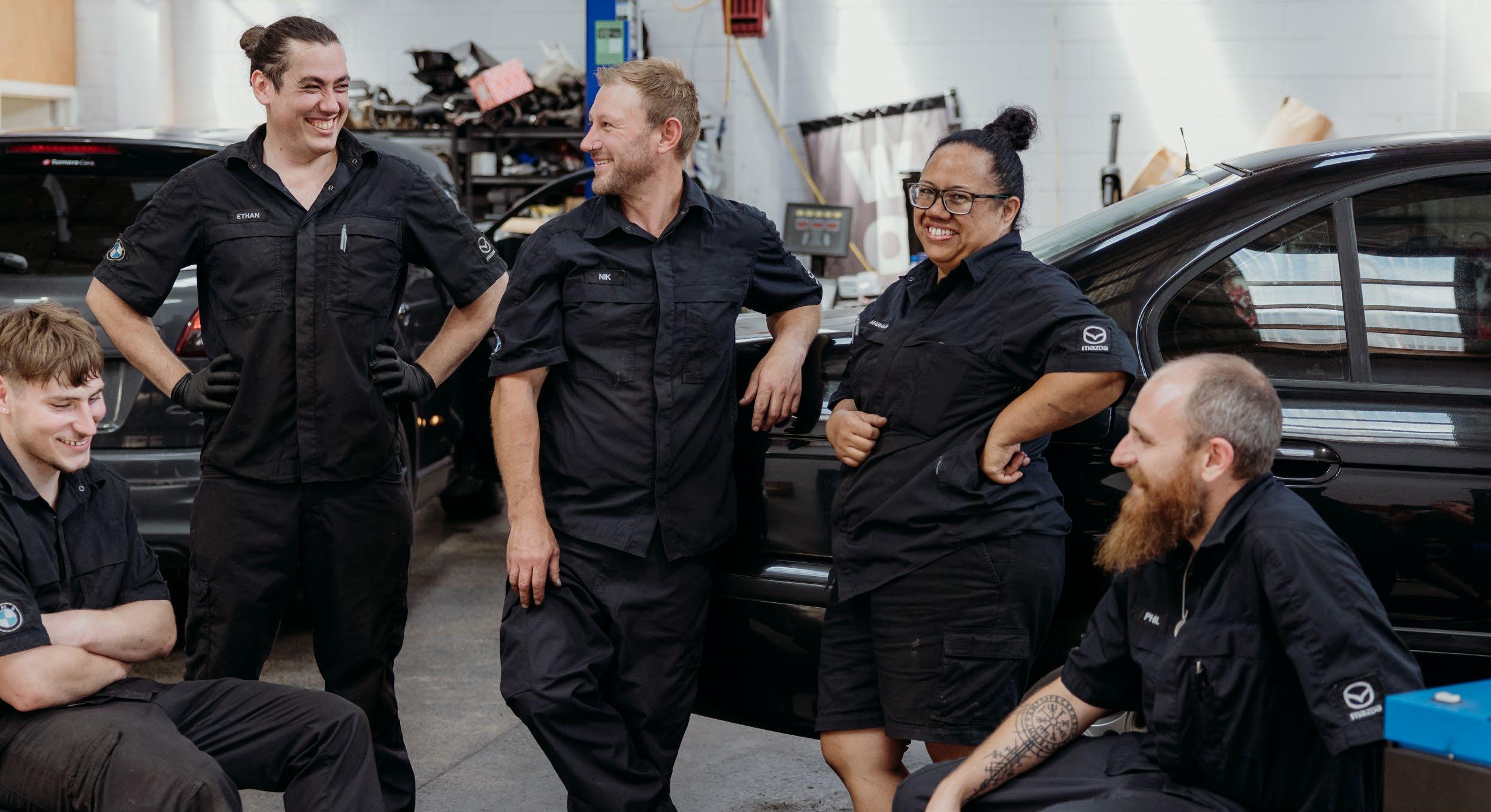
Every auto workshop has a workplace culture that might have been built intentionally or perhaps it simply evolved over time. This culture is often an unseen and silent asset, but it influences how people perform, how they treat each other and ultimately how successful the business becomes.
Over the years, we have talked about staff morale, employee motivation and technician productivity, all of which are vital for a properly functioning workplace, but in reality, they are all heavily influenced by just one thing – the culture in the workplace.
The interesting thing about culture is that most workshop owners don't spend much time thinking about it until there is a problem. Maybe productivity starts slipping. Perhaps there's tension between staff members. Maybe someone who was once highly motivated seems to be doing the bare minimum. Whatever the issue, culture is often sitting somewhere in the background influencing the outcome.
The good news is that culture doesn't require a large budget to improve. More often than not, it comes down to leadership, communication and consistency.
One of the biggest mistakes workshop owners make is assuming employees know exactly what is expected of them. The reality is they often don't. Most technicians understand they are expected to repair vehicles correctly. Beyond that, things can become quite vague.
What level of productivity is expected?
How should customers be treated?
What standards apply to workshop housekeeping?
Employees can't meet expectations that have never been clearly communicated. The best workshops I've worked with are very clear about what good performance looks like. Everyone knows where they stand and what's expected of them.
The owner sets the tone
Staff constantly watch the business owner. They notice how the owner speaks to customers. They notice how the owner reacts when mistakes happen and they notice whether the owner practices what they preach.

If the owner or manager is constantly negative, critical or stressed, that attitude will eventually spread through the workshop. Likewise, staff will generally follow the lead of owners who remain professional, respectful and solutions-focused.
The culture you tolerate becomes the culture you create. It's a simple but incredibly true statement.
Many workshop owners started out as sole traders and built their businesses through hard work and determination. The problem is that some never stop trying to control every decision, every job and every employee. When staff feel they're constantly being watched, questioned or second-guessed, they stop taking ownership. I've seen plenty of workshops where employees won't make even the smallest decision without first checking with the boss. That's not because they're incapable. It's because they've been conditioned to seek approval for everything.
Good culture requires trust. Trust people to do the job they were employed to do. They'll occasionally make mistakes, but that's how people learn and grow.
One thing I've noticed over the years is that workshop owners are generally very good at spotting problems. They're often not nearly as good at recognising the positives.
If a technician solves a difficult fault, helps another team member or receives praise from a customer, acknowledge it. Recognition doesn't need to involve bonuses, gift cards or employee-of-the-month programs. A simple "good job" delivered at the right moment can have a surprisingly powerful impact.
Everyone wants to feel that their efforts are appreciated.
The unfortunate reality is that workplace issues arise from time to time. People have disagreements. Attitudes change. Standards slip.
One of the biggest mistakes owners make is hoping these problems will somehow sort themselves out. They rarely do. In fact, unresolved issues generally get worse over time and begin affecting the rest of the team.
If something doesn't seem right, address it.
If someone is becoming disruptive, address it.
If performance is slipping, address it.
Employees respect leaders who are prepared to have difficult conversations when required.
The automotive industry is changing at a rapid pace. New technologies, advanced diagnostics and changing vehicle systems mean ongoing learning is no longer optional. However, employee growth isn't just about attending training courses.
I've seen technicians thrive simply because they were given more responsibility, trusted to mentor apprentices or challenged with more complex work. It's human nature to want to improve and develop. When employees feel stagnant, that's often when motivation starts to decline. People generally perform at their best when they feel they are moving forward.
Sometimes poor performance has very little to do with the employee. I've visited workshops with outdated equipment, poor communication systems, cluttered workspaces and inefficient processes. Any surprise that the owner wonders why staff seem frustrated.
Most people come to work wanting to do a good job. Our responsibility as business owners is to create an environment where they can. Take a good look around your workshop. What are the daily frustrations your team deals with? What slows them down? What causes unnecessary stress?
Fixing these issues can have a surprisingly positive impact on morale and performance.
Many workshop owners think culture is something that gets discussed during staff meetings or annual reviews. The reality is that culture is built every day through hundreds of small interactions. It's shaped by the behaviours you reward, the standards you enforce and the example you set.
The workshops that consistently get the best out of their employees aren't necessarily the ones paying the highest wages or operating out of the newest buildings. More often than not, they're the workshops where people know what's expected, feel respected, continue learning and take pride in their work.
Build that type of culture and you'll be amazed at what your team can achieve.
Linz
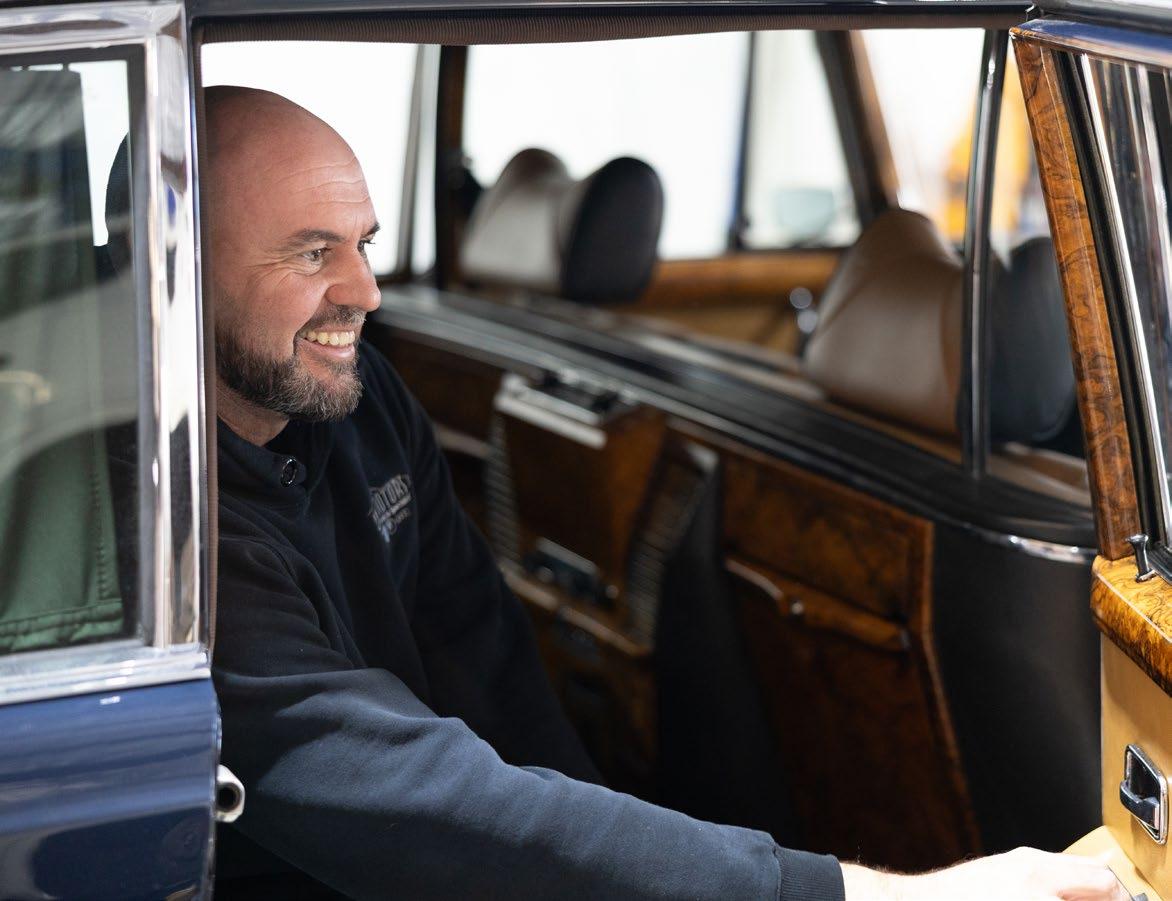
The first thing you notice walking into Linz Motors is how put together it feels.
The floors are spotless. Tools sit exactly where they should. Light cuts across a lineup of European cars, from newer models to an older Mercedes with its bonnet up, chrome catching the light. Nothing feels rushed. Everything has its place.
It’s a workshop that reflects the work coming out of it.
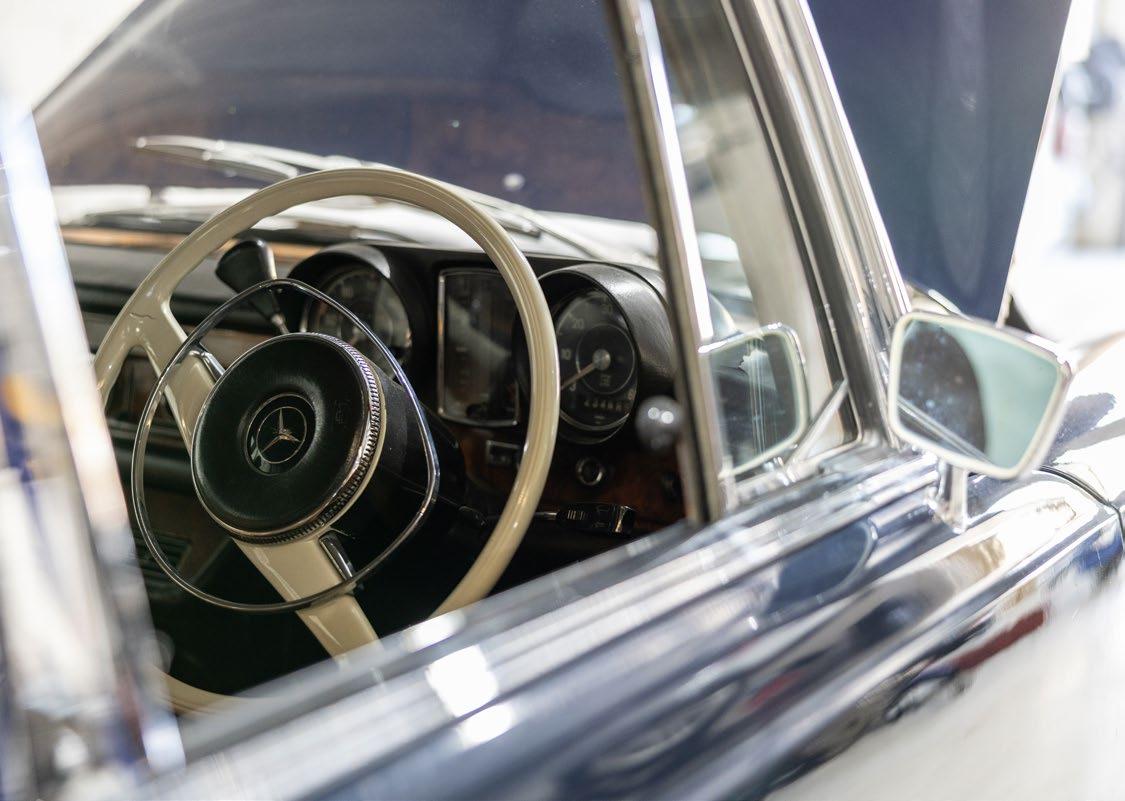
For Scott Johnston, it’s something that’s been built slowly over time. Not through big shifts, but by getting the fundamentals right and sticking with them.
Scott’s path into the industry started on the workshop floor, training through Mercedes-Benz in Brisbane. Years spent there gave him more than technical skill. It gave him familiarity with a particular type of vehicle and the confidence to stay in that space.
“Mercedes-Benz was where I worked for ten years. It’s what I know and love.”
So, when the opportunity came to take over Linz Motors, originally established in 1992, the direction was already there.
Today, the workshop is firmly built around European vehicles. MercedesBenz, BMW, Volkswagen and Audi make up the majority of the work. It’s a mix of newer models and older cars that require a different level of care, and over time that focus has shaped how the business operates.
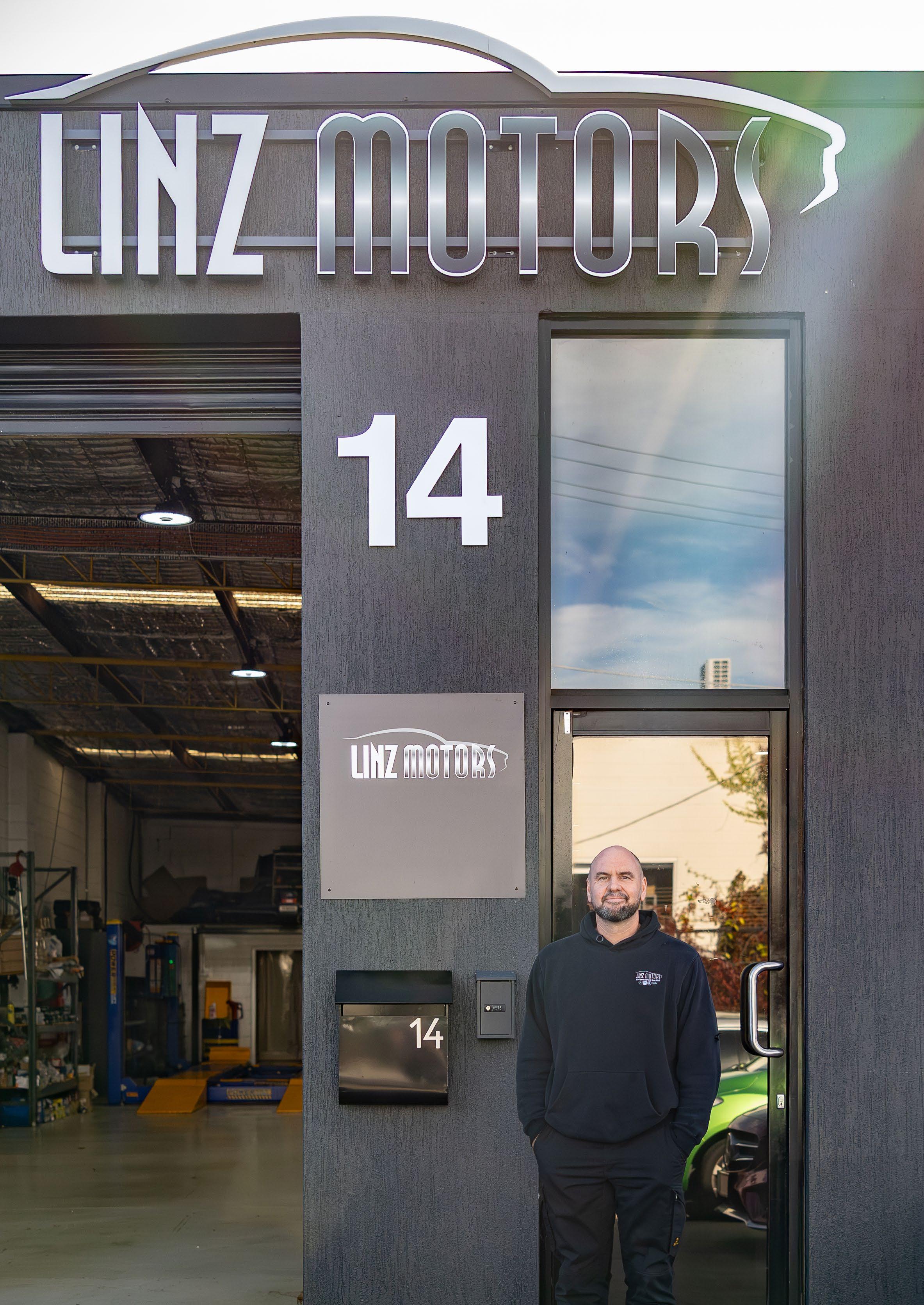
Taking over the business meant stepping beyond the workshop. The technical work was second nature.
Running the business wasn’t.
“Everything was self-taught… I’d never invoiced in my life. I’d never done any of the accounting software.”
Like many who move from the tools into ownership, Scott had to figure out how to run the business in real time. Invoicing, BAS, GST — all the parts that sit behind the work.
“I really wanted to be hands on. I didn't want to just have everything thrown to accountants.”
Over time, that understanding has settled in.
Like the cars he’s worked on for years, it’s taken complexity and turned it into something manageable; something that runs the way it should.
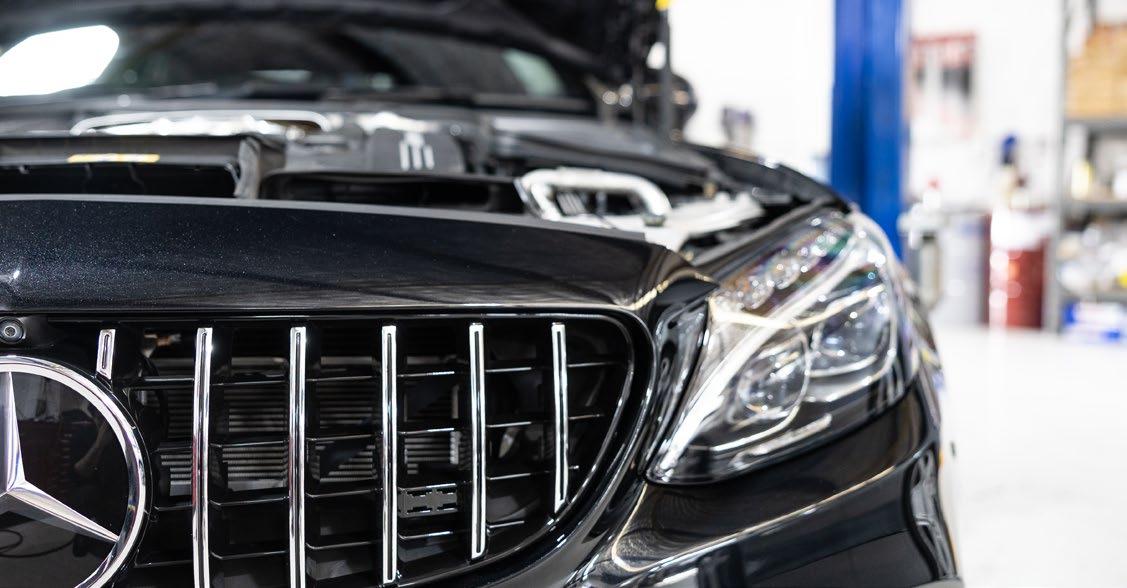
Linz Motors has grown steadily, starting with Scott on his own and gradually building into a small, close team.
“I started out by myself… then yeah, turned into I took on an apprentice and I've taken on quite a few apprentices over the years.”
Apprentices have always been part of that growth, including bringing in mature-aged apprentices alongside younger starters.
“You want to give young guys an opportunity. It’s a really good place to work.”
For Scott, a good apprentice usually has the right mindset.
“It comes down to attitude… it’s not always about mechanical aptitude, because that’s our job to teach them.”
It’s a simple approach, but one that’s helped build a team that works well together and keeps the standard consistent.
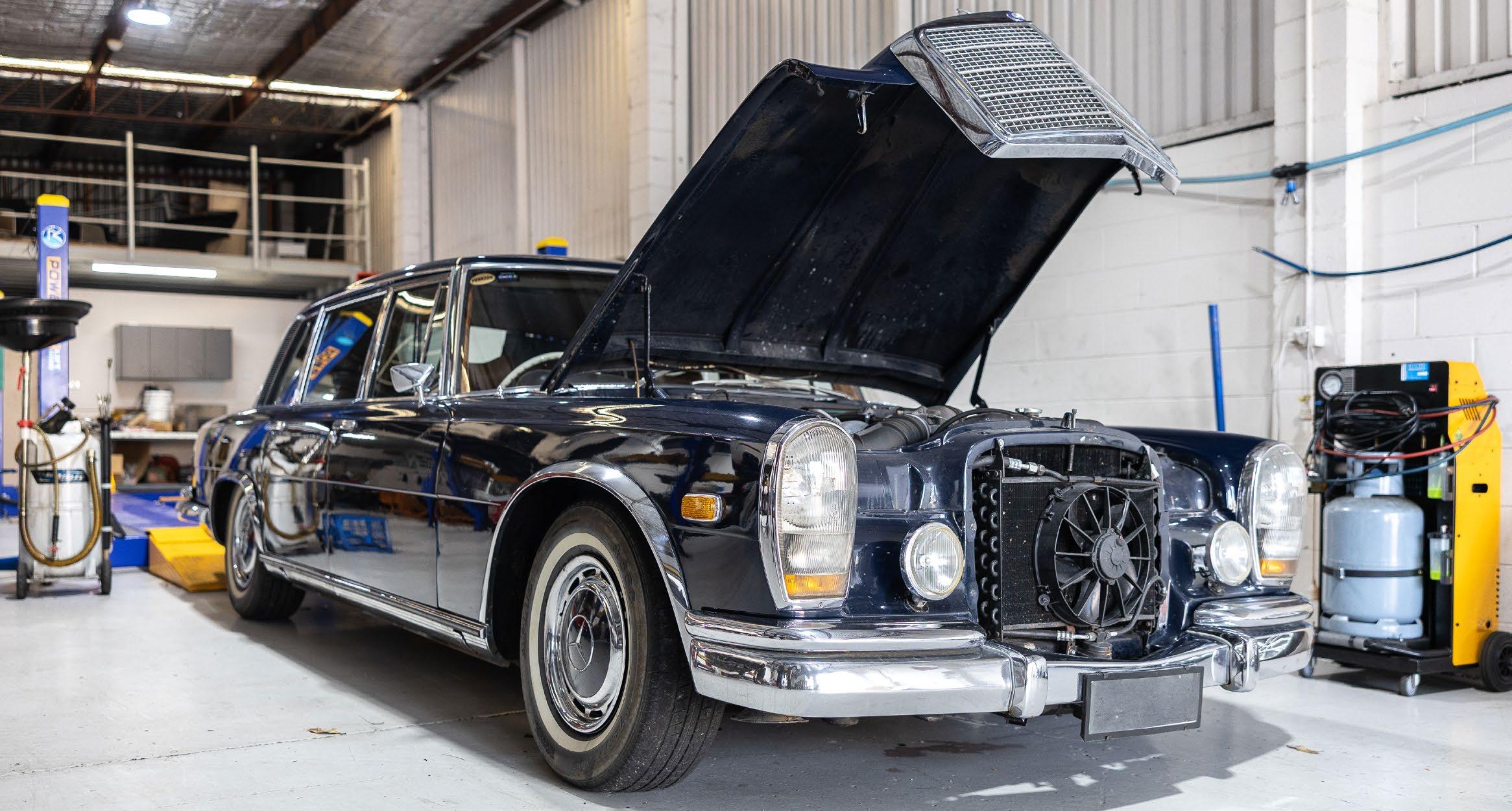
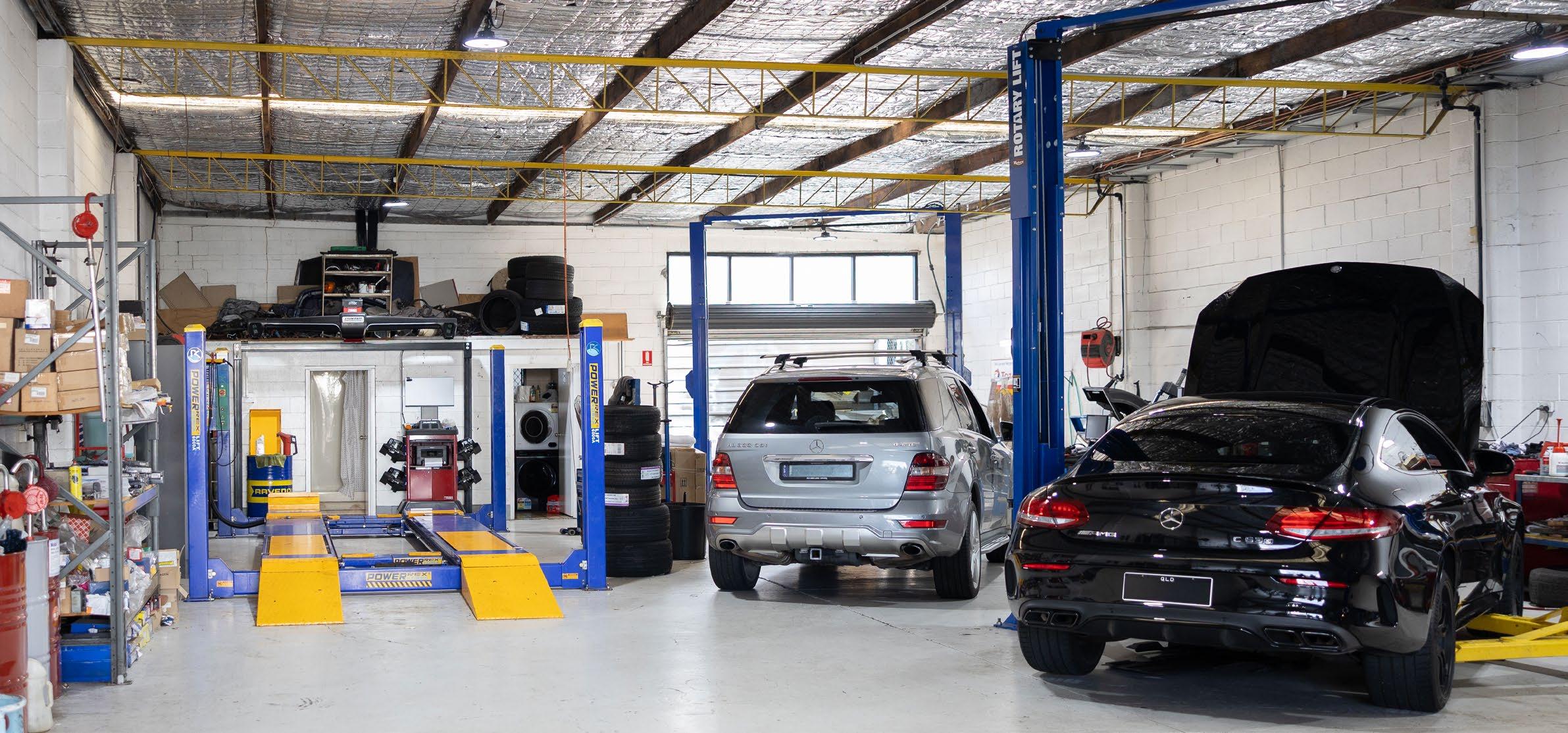
Three years ago, Linz Motors expanded into a second workshop next door, adding more space and increasing capacity.
“We built our new workshop next door… so, you know, two workshops next to each other.”
Across the workshop floor, Scott gestures toward a wheel alignment machine sitting neatly among the equipment, still looking almost new against the clean concrete.
“I nearly paid a quarter of that in just redeeming Capricorn points.”
It’s a small detail, but it says a lot about how the business has grown. The right tools, brought in at the right time, without overreaching.
That kind of investment became easier once the back-end of the business was simplified. Early on, managing multiple supplier accounts created unnecessary friction. Joining Capricorn brought everything into one place.
“It’s just easier… you could put everything on one account.”
For Scott, those efficiencies aren’t just about saving time. They feed directly back into the workshop; into equipment, into capability, into making the day-today run the way it should.
Growth hasn’t come from pushing for more. It’s come from building something steady, improving it where it counts, and keeping the quality of work consistent, no matter what’s on the hoist.
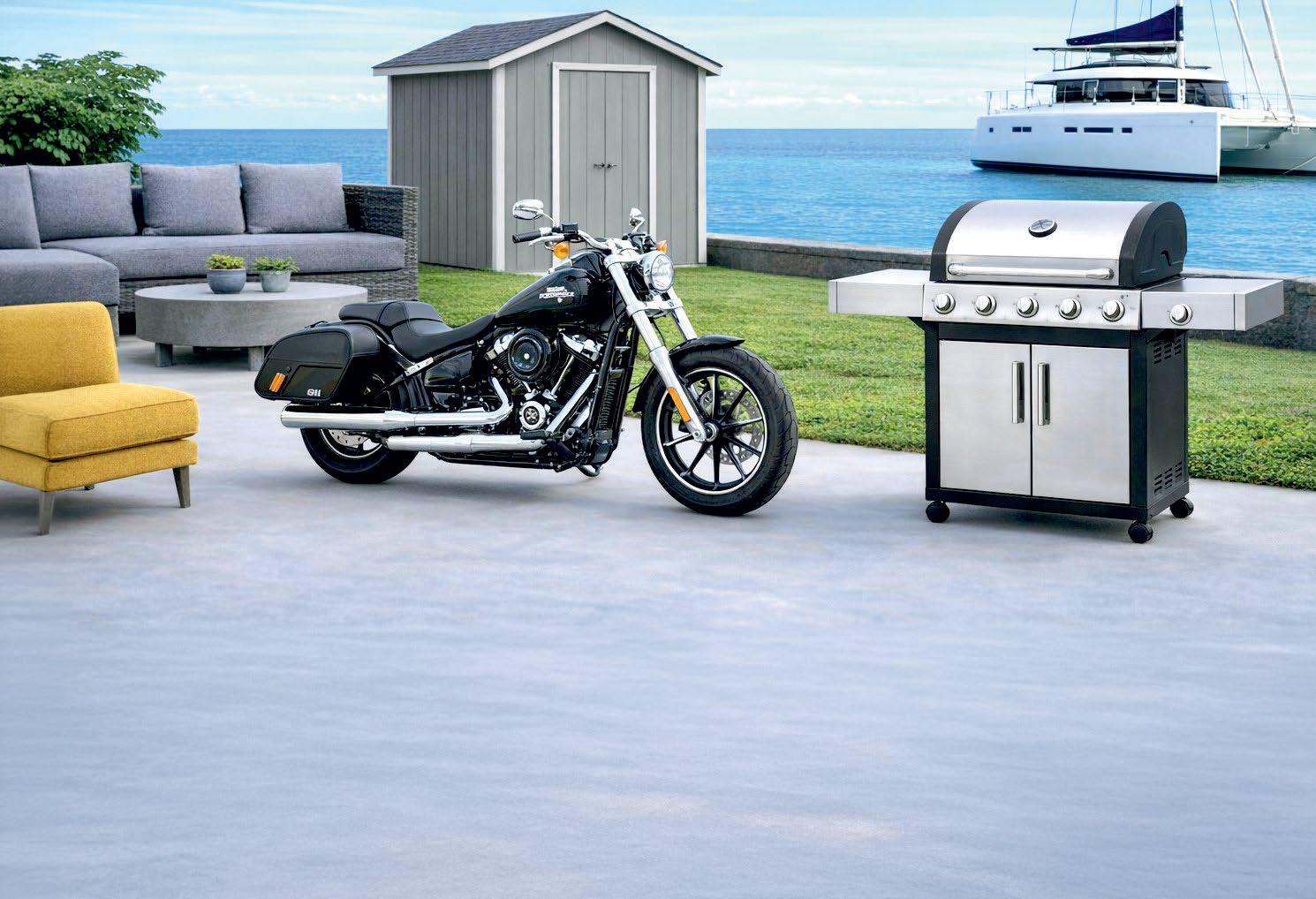
Rewards+ gives you the flexibility to use your Rewards Points to redeem just about anything you want!*
Obtain a sales invoice addressed to 212F Submit invoice via Rewards+ Await approval from
Minimum spend: $3,000
Invoice requirement: Must be addressed to 212F
Reward coverage: Purchase must be fully covered by Rewards Points
Product type: Must be a tangible good Exclusions: Cannot be used for travel
Submit your entry at cap.coop/funzone by 31 August 2026
June winner: Wanganui Auto Electrical who WON 5,000 Bonus Rewards Points
SPOT THE DIFFERENCE (5 differences to find!)
WORD HUNTER (15 words to find!)
Last month's answers
Please note that this competition and participation in the Capricorn Rewards program are subject to terms and conditions. For the full terms and conditions, visit cap.coop/tc.
Automotive
Business
Capacity
Communication
Culture
Efficiency
Engineering
Growth
Leadership
Mechanics
Performance
Systems
Team
Transport
Workforce
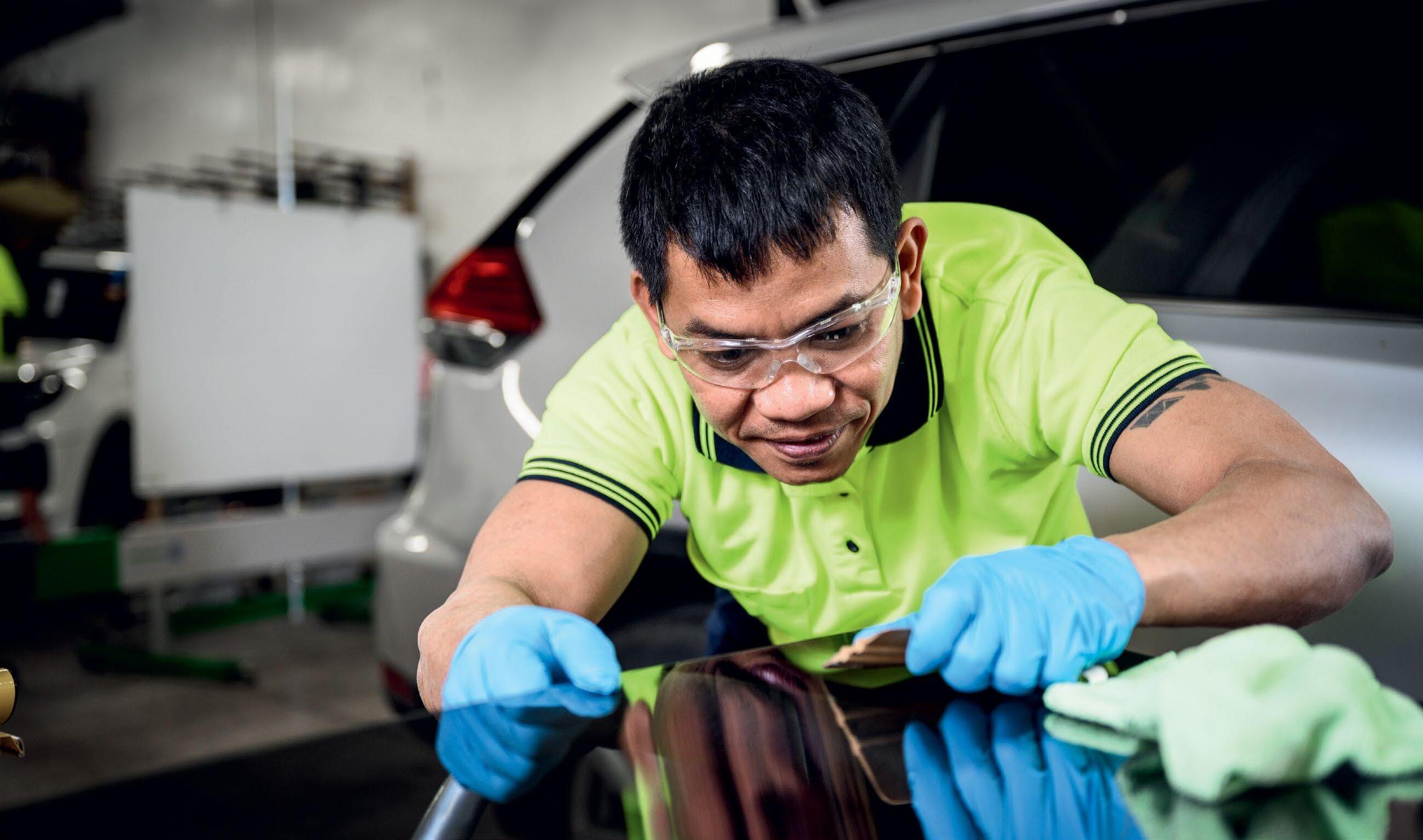
Finding and keeping skilled staff remains one of the biggest challenges facing automotive businesses. With Australian Skilled Migration (ASM), businesses can hire skilled international workers, with support at every stage of the journey.
ASM simplifies international recruitment by managing the process end to end, including:
Access to skilled international talent
Candidate sourcing, screening and shortlisting
Employer sponsored visas, compliance and relocation
This approach helps reduce risk, save time and remove much of the administrative load, so you can stay focused on running your business.
Plus, you’ll earn Capricorn Rewards Points* on every eligible dollar spent through your Trade Account.