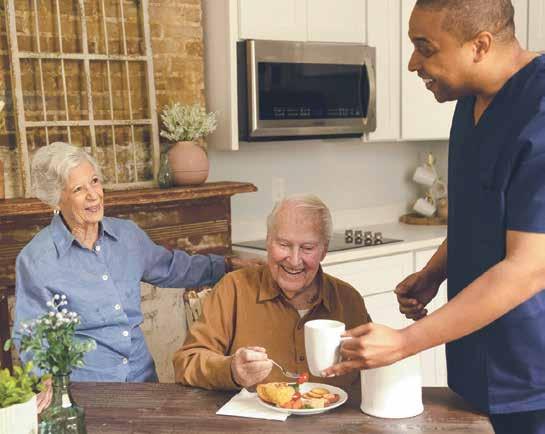

The foods seniors eat provide the fuel needed to stay active, maintain strength and recover from exercise or daily activities.

Without proper nutrition, energy levels can decline, making it more difficult to participate in activities that support healthy aging.
MATTERS MORE
Nutritional needs change as people get older. Seniors need specific nutrients to help maintain muscle mass, bone health, heart health and hydration, as well as to help manage chronic conditions such as diabetes or high blood pressure.
Seniors often need more protein, fiber, calcium, Vitamin D and potassium. Consult with a local nutritionist, dietitian or health care provider about the diet that’s right for you.
Look to local farmers markets for fresh produce. Local grocery stores might offer senior discounts or delivery. You can even grow your own produce in a community garden.
Senior center lunch programs and Meals on Wheels programs also help seniors access healthy food.
Many seniors face challenges when cooking smaller portions, as they may be used to cooking for a large family.
Cooking and freezing meals in batches can be helpful. Get into the habit of buying smaller portions, and choose simple, nutritious recipes to avoid wasting ingredients.
You can use meal prep containers to portion out meals for several days from a larger batch. Consider using a vacuum sealer to keep produce or meats fresh longer.
Many older adults live with chronic health conditions such as diabetes, high blood pressure, heart disease or osteoporosis, making nutrition an important part of managing their health. Because many seniors take medications that can affect appetite, digestion or nutrient absorption, it is important to discuss dietary changes with a health care provider or registered dietitian.

Seniors are increasingly using technology in their day-to-day lives.

The AARP’s 2025 technology survey put the trend into focus. Smartphone ownership among seniors soared from 55% in 2016 to 90% in 2025. Texting is now the lead communication method among adults age 50-plus; nine in 10 use social media, and eight in 10 stream video weekly.
Today’s seniors were born before the age of digital natives. While they might not have grown up with today’s advanced electronics and might feel overwhelmed or intimidated, that doesn’t mean they can’t harness the power of technology, which has become an essential part of everyday life.
Seniors are gaining digital literacy to use technology for everything from communicating with family to managing healthcare appointments and finances to learning new hobbies.
Technology helps seniors maintain independence and social connection,
reduces isolation and improves access to essential services.
This can include video calls with family, online banking and shopping, telehealth appointments, prescription management, accessing community information, education and more.
A growing number of local businesses, libraries and community organizations offer support designed specifically to help older adults confidently use smartphones, tablets, computers and online services.
In your community, look for technology workshops at your local library or senior center, community college or local tech repair and support businesses.
Look for patient, hands-on instruction tailored to beginners, as well as a focus on the importance of protecting personal information online.
Woldenberg Village Care when youneed it.
Seniors should aim to master a handful of basic skills to help them feel more comfortable with technology. This includes password management, smartphone settings, online scam and phishing prevention, video conferencing, downloading apps, understanding updates and using notifications.
Once you’ve mastered basic skills, it’s time to apply what you’ve learned in your daily life.
To get started, practice using telehealth services, setting medication reminders, operating smart home devices such as lighting and security and scheduling grocery and prescription deliveries. Before long, you’ll find that digital life will be part of your daily life.

From
independent living to skilled care,recognized as one of America’sBest.
Retirement no longer means slowing down for many older adults.

Many view retirement as an opportunity to give back to their communities through volunteering.
Many view retirement as an opportunity to give back to their communities through volunteering.
Older adults continue to play an important role in strengthening local organizations and mentoring younger generations, while staying active, connected and purposeful. A wide variety of local organizations — including schools, hospitals, nonprofits, churches, and civic groups — rely on older volunteers and value the experience and stability they bring.
The personal benefits of volunteering after retirement can include feeling a sense of purpose, staying connected socially, mental stimulation, improved emotional well-
being and physical activity.
Retirement can be a time of reinvention.
Volunteering allows seniors to explore new interests.
In addition, volunteerism helps strengthen community connections across generations, as you share lifelong skills and knowledge with younger people.
Volunteer roles often offer flexible schedules and allow you to meet new friends who share similar interests.
No matter what talents and experience you have to share, you will find an opportunity to volunteer. Because seniors are typically reliable volunteers who offer patience and professional experience, many community organizations actively recruit retirees for leadership and volunteer roles.





Forthe celebration of alifetime, plan everydetail.
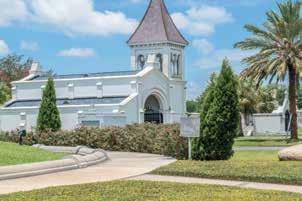
AtLake Lawn Metairie Funeral Home, every service is designed with care, compassion, and attention to detail.Aspart of the Dignity Memorial® network, families areguided through eachstep with professionalism and understanding, creating personalised tributes that reflect alife well lived. With experienced staff, dedicated facilities, and acommitment to excellence, youcan feel confident knowing your loved one is in trusted hands.
Check with local schools and libraries for opportunities to read with students. Nonprofit mentoring programs often depend on older adults to help shape young minds.
If you’re interested in care-giving, consider volunteer at a local hospital.
Food pantries are always looking for assistance, and church outreach programs can allow you to share your faith. Museum docents can share their love for history, culture, science or art. Pass on your love of animals by volunteering at an animal shelter, or help fellow veterans through veterans organizations. Community theaters, historical societies and environmental groups are other places to offer your services. Retirement today is increasingly defined not by stepping away from community life, but by finding meaningful new ways to stay involved.

504-486-6331 |www.dignitymemorial.com
Serving thecommunity since 1854
At Lake Lawn Metairie Funeral Home andour sister locationseveryservice is designed with care, compassion,and attention to detail.
Today’s retirees are looking for active, engaging lifestyles rather than simply care and maintenance.

Modern retirement and assisted living communities now emphasize independence, wellness, learning and social connection. In addition, residents maintain independence and quality of life.
Here’s a look at how today’s seniors are reshaping expectations for retirement living.
Modern senior living communities now feature amenities once associated with resorts or upscale apartments. Examples include fitness centers, walking trails, pools and spas, fine dining options, coffee shops and lounges, beauty salons or barbershops and transportation services.
Rather than just traditional medical care, senior living is increasingly centered around preventive wellness. At modern senior living communities, you’ll find yoga and stretching classes, water aerobics, nutrition counseling, mental health support, on-site health care partnerships and fall prevention and mobility programs.
These programs help seniors remain active longer and improve social engagement.
Maintaining cognitive health is a growing priority for older adults. According to McKnights Senior Living, Alzheimer’s disease is the fifth-leading cause of death among Americans age 65 and older. In response, many senior living communities are placing greater emphasis on brain-health programs, memory-enhancing activities and wellness initiatives designed to support cognitive function and help residents remain mentally engaged.
Learning helps seniors stay mentally engaged and socially connected, and technology support helps residents stay connected with family and health care providers.
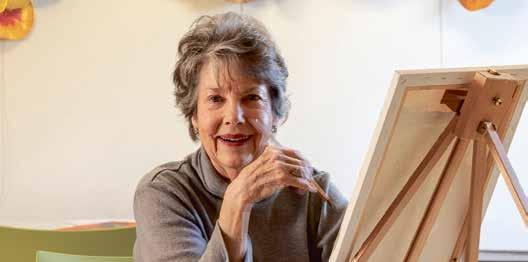
Many senior living communities now offer educational opportunities and enrichment programs for residents. Seniors can expect to find guest lectures, art and music classes, book clubs, technology workshops and


online learning opportunities.
Facilities sometimes partner with local colleges, libraries, museums or community organizations for even more programs.
If your center doesn’t have an education program you’d like to see, just ask. Senior living communities are eager to attract and retain residents with diverse offerings.
Senior living communities are putting a growing emphasis on creating places where residents build friendships and remain active participants in local life. Keeping a busy social calendar helps seniors combat loneliness and improve their emotional wellbeing. Activities can include group outings, volunteer opportunities, game nights, gardening clubs, travel groups, holiday events and themed dinners.meaningful new ways to stay involved.
R. OsvaldoNavia, MD, MBA Chief, Geriatrics and PalliativeMedicine


Dr.Navia is aBoardCer tified Geriatrician withextensive experienceincaringfor older adults and those withcomplex medicalneeds.









By Amanda McElfresh amcelfresh@theadvocate.com
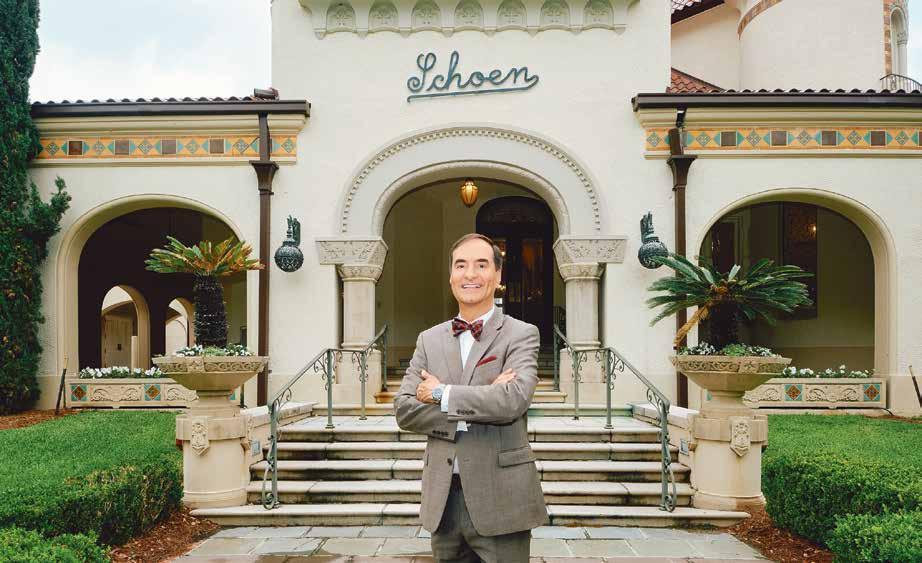
Astraditionsshift andfamilydynamics evolve,Jacob Schoen &Son FuneralHomein NewOrleans is adapting with guidedconversations andpersonalized services that honoreachindividual.
Once defined by apredicable sequence –wake,visitation, church service,cemeter y burial,thenhometohostvisitors–funeral customsare becomingmorediverse.Many families no longerwantlarge crowds in their homes, nordotheyfeelcompelled to hold a service with acasketorurn.Instead,people arelooking formeaningful,communityorientedexperiences that aretailoredtoeach person.
To meet thoseneeds,the funeralhome has reception roomsthatcan accommodate up to 100 people,withthe abilityto expand furtherwhenneeded.Families are encouragedtodisplay framed photos of lovedonesthroughoutthe room or allow JacobSchoen&Son staff to create memorial slideshows that areprojected onto television
monitors in theparlor.
The customization extendstoevery aspect of aser vice at JacobSchoen&Son.For example,ifsomeone spenttheir Sundays wearingblack andgold, familiesfeel comfortabledressingtheir lovedone in New OrleansSaintsattire–a gesturethathonors authenticity rather than tradition.
The schedulingpattern forser vicesisalso changing as more familieschooseevening or weekendser vicesout of considerationfor work andschoolobligations.
To help familiesunderstandwhat’spossible, thestaffatJacobSchoen&Son clearly explain options, whichinclude cremations, burialsand services speciallytailoredto military veterans.Pre-planningser vices arealsoavailable forindividuals who





President
want to discusstheir ownser vices. While thedialogues canbeuncomfortable,preplanningeliminates confusion, prevents rushed decisions andgives familiesmore time andflexibilitytodetermineapayment plan.AtJacobSchoen& Son, individualscan outlinetheir wishes, comparecosts andpay in advance.
As needsdiversify, JacobSchoen& Son strivestoser ve NewOrleans familiesacross all income levels with dignity andrespect. Thatphilosophy hasguidedthe funeral home –one of theoldestcontinuously operatingonesinNew Orleans–through more than acentury of culturalchange. JacobSchoen& SonFuneralHomeis locatedat3827 CanalStreetinNew Orleans.
Forinformation on service options,preplanningand more,visit www.schoenfh.com or call 504-482-211.

The Advocate operates five newsrooms throughout the state, publishing daily news and information. Our local newsrooms focus on critical issues important to Louisiana. Coverage of school board decisions, local elections, public safety, business growth and community events does not come from national newsrooms. These are the stories only we tell.
Your Support Enables
• More reporters across the state
• Coverage of issues in underserved parishes in Louisiana
• Stories that lead to reforms – improved accountability
• Free access to our stories to the members of the Louisiana Press Association
Our Louisiana roots run deep
For nearly two centuries our daily newspapers have been Louisiana’s most trusted sources for local news. Our dedicated team of over 500 works tirelessly to deliver timely, trustworthy reporting on the state’s most critical issues.
Community support provides funding to grow and augment our news teams and enhances coverage of stories that matter to you. or
Learn more about how we can make a difference together. Go to: Louisianajournalismfund.org